Saturday Night Live returned for its 46th season on October 3, with host and SNL alum, Chris Rock, and musical guest, Megan Thee Stallion. The season debut was also the first to be recorded live, from New York, back in Studio 8H since March 7, prior to the pandemic. In the cold open take on Tuesday’s debate, Jim Carrey played Vice President Biden, and Alec Baldwin returned once again to play President Trump. The top memories of the night though belonged to the musical guest.
Megan Thee Stallion has had a huge year. She collaborated with her idol Beyoncé on “Savage,” broke the internet with Cardi B’s “WAP,” made the Time 100 list, and quickly recovered from a widely-publicized shooting. She also remained enrolled in school, continuing to study health administration at Texas Southern University.
https://www.youtube.com/watch?v=J9wq14EnezU
Megan’s first performance of the night was “Savage,” in front of a black-and-white graphic saying “Protect Black Women.” While Beyoncé wasn’t in attendance, Megan did a dance break over her verse. Midway through the performance, she stopped rapping as the black-and-white set turned red with bullet holes to reference her shooting. Audio of a Malcolm X speech began playing: “The most disrespected, unprotected, neglected person in America is the black woman.” Beyoncé herself previously sampled the famous speech in her 2016 visual album Lemonade. Megan then chimed in with her own words:
"We need to protect our Black women. And protect our Black women. Cuz at the end of the day, we need our Black women.
We need to protect our Black men and stand up for our Black men because we're tired of seeing hashtags of our Black men." – Meg #SNLpic.twitter.com/wJfTxSu4Cc
She closed out the night with her new song “Don’t Stop,” featuring Young Thug. While not as immediately impactful as “Savage,” it arrives just in time for Halloween with references to Casper the Ghost and Buffy the Vampire Slayer.
https://www.youtube.com/watch?v=kcJxX6h3770
Besides her performances, Megan also appeared in two sketches: “Bottom of Your Face,” a song about catfishing on dates by wearing a mask, and “NBA Bubble Draft,” a fictional game show where basketball groupies compete to enter the Bubble. Watch sketches from the season debut below.
Westside Gunn isn’t new to the music industry, with his first EP dating back to 2005. In that time, he has individually and collaboratively released over 20 projects. Yet, his latest LP — Who Made the Sunshine — (his first under Shady Records, a subsidiary of Interscope records) and what he claims will be his last ever, feels different and Westside Gunn is treating it differently.
From celebrating his Entertainment Weekly feature, to posting nostalgic pictures and videos of his journey, Westside Gunn displays a mixture of hubris and humility that comes with a certain level of ascendency.
https://www.instagram.com/p/CFzs63wFpa3/
Over the past few years, we’ve seen the extravagant emcee and his Griselda cohorts slowly rise to mainstream stardom and it feels like the one they call “Fly God” is finally taking time out to revel in the fruits of his labor.
Only 3 more months left and I’m still at peace with my decision but this will be a dope 3 months I promise u that 🤲🏽🤲🏽 #FLYGOD
In the streaming era, lengthy waits between projects are no more, as this is his third project of the year. The first was the critically-acclaimed, Pray for Paris, which gained album of the year considerations. The second, was the more unassuming — but solid — Flygod Is an Awesome God 2. The last, an 11-track, 40-minute album that contains elements that are unique only to Westside Gunn.
The wrestling-themed song titles, unique and eye-catching covers, as well as the customary features. There are the usual suspects on Who Made the Sunshine, including Benny the Butcher and Conway the Machine (who have a long-standing family history of appearing on each other’s projects), Detroit emcee and Griselda signee Boldy James and the self-titled “first lady” of Griselda, Armani Caesar.
https://www.instagram.com/p/CF2MejdFLF0/
Aside from his Griselda associates, Westside Gunn features hip hop legends the likes of: Black Thought, Jadakiss, Busta Rhymes and most surprising of all, Slick Rick. Recognized for his unique presentation, nothing is off the table for the Griselda head honcho and it’ll be interesting to see if he sticks to his retirement as a rapper once this much-anticipated album has been digested.
In a year mired in social and political unrest, it is only fitting that legendary hip hop group Public Enemy returns for their first album in three years, and the first under the Def Jam umbrella in almost three decades.
Known for their stern political commentary, P.E. has served as an inspiration for a number of thought-provoking emcees and it seems they have deemed their work incomplete with the release of What You Gonna Do When The Grid Goes Down?
The album features classic hip hop acts such as: Cypress Hill and rapper turned actor Ice-T, production from the one-and-only DJ Premier and a remake of the group’s most infamous record, “Fight The Power.” The star-studded remix features Nas, West coast emcee Rapsody, Roots front-man Black Thought, Jahi, as well as YG & Questlove.
In an interview on TNT’s popular late-night basketball talk show Inside the NBA, Chuck D was interviewed by basketball legends Charles Barkley, Kenny Smith and Shaquille O’Neal, where he revealed his motivations for the latest project. On the meaning behind the album’s tittle, Chuck D reveals, “using the platform of music to make a statement. Beware of government tricks on the way to the voting poll. This has been a strange year and we want people to be prepared and aware.”
While trends in music are anachronistic, Public Enemy’s brand of passionate and demanding form of politically charged hip-hop has maintained relevancy. With their efforts being one of the reasons that commentary on the plights of minorities has become ubiquitous.
On a day clouded by social media turmoil featuring Tory Lanez and Megan Thee Stallion, A$AP Ferg has quietly released Floor Seats II, the sequel to his 2019 EP, Floor Seats. Looking to follow-up on the success of its predecessor, which spawned hit records like “Jet Lag” and “Floor Seats.”
This latest project comes on the heels of reported disfunction within the A$AP collective. A$AP mob founding member A$AP Illz has accused the 31-year-old Harlem-bred emcee of stealing ideas and claimed the “Plain Jane” rapper’s affiliation with the Mob was over.
Not one to go back-and-forth through the media, Ferg has predictably kept quiet, relying on his art to do the talking for him. The 10-track project features a myriad of notable guest appearances that captures Ferg’s Kaleidoscopic approach to music.
The intro features rock & roll legend Marilyn Manson, while the star-studded tape also features: Lil Wayne, Tyga, Nicki Minaj, Puff Daddy, New York City up-and-comer Jay Gwuapo, as well as XXL 2020 Freshman Class members Fivio Foreign and Mulatto.
Known for his hard thumping and anthem-like records, Ferg and A$AP Mob affiliate A$AP Rocky, serve as the lynchpins the the group’s success. With their ascension as major players in hip hop, the collective has been able to venture successfully into other fields. With A$AP Bari’s successful Vlone brand a prime example. While the group’s dissimilation may seem in effect. For now though, A$AP Ferg still carries the moniker, and with an impressive resume of Billboard charting hits, his descension is certainly not imminent.
The 13th studio album from legendary Queens rapper Nas was released on August 21 through Mass Appeal Records. Composed of twelve tracks and one bonus record, the project was produced solely by California native Hit-Boy, a well-known producer who has made a name for himself for producing records with artists the likes of Kanye West, Jay-Z, Drake, Big Sean and more.
Following the lackluster reception to his previous body of work, Nasir, King’s Disease had fans skeptical, wondering what the fabled emcee had left. Would the album feel as uninspired as its predecessor or, would it be as acclaimed as 2012’s Life is Good? Other concerns arose when the track list was revealed, as Anderson .Paak, Lil Durk, Fivio Foreign and A$ap Ferg held the guest spots, which led the public to assume that Nas would try to conform and abandon his timeless style for a more modern trend of music.
These doubts were surely put to rest after the intro track and realized that Nas wasn’t conforming but taking his style and meshing it with more modern sounding beats and production. He effortlessly got into his pockets and felt comfortable from start-to-finish.
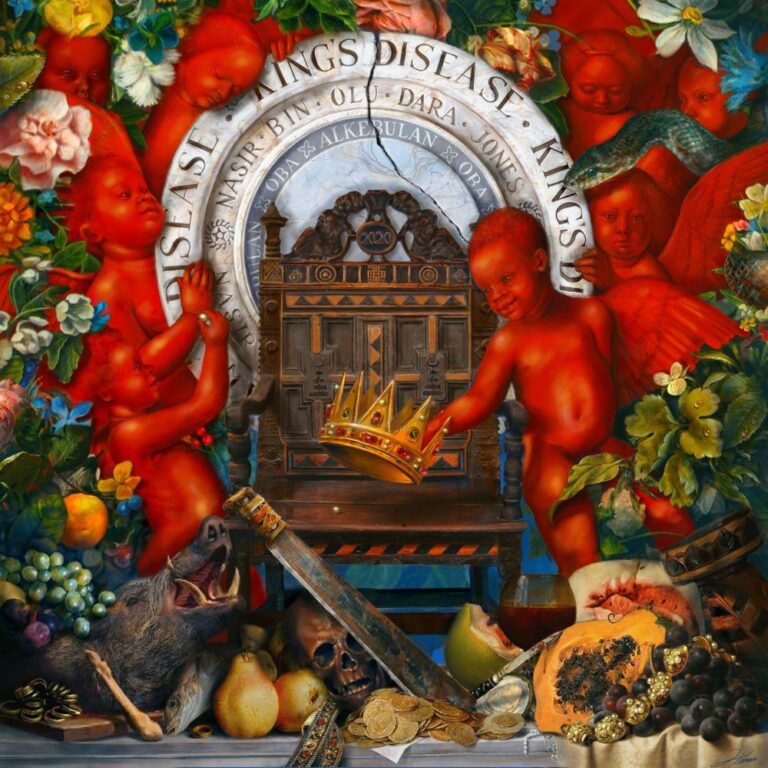
The album cover goes consists of Cupid-like babies. Some are black, others white, with wings of angels but colored red as if they were demons holding up a plaque that is covered by dirt. Nas’ name appears on the plaque, while one of the babies holds a crown. There is a rusty bloody machete on the table with fruit, gold, a skeleton head, the head of a hog, a serpent and flowers from a garden.
Throughout his last couple of projects Nas has been made his spiritual beliefs apparent and this album cover reflects that. King’s disease is defined as a disease where affluent people eat poorly, invest poorly and have bad relationships, which leads to one’s downfall. Nas touches on business and health throughout the project but the theme he harkens on the most is love and relationships. On multiple songs he tells stories of failed romantic relationships, or how relationships work poorly within the black community. Nas also touches on the struggles of the black community as a whole throughout.
Hit-Boy did a masterful job with the beats. The album has a classical sound to it, with a couple of instruments being played in the background on the majority of the tracks, combined with the heavy bass that is preferred in today’s rap music.
The story-telling is a highlight of the album. He didn’t do it too often but, when he did, they were amazing. On the record, “Car #85,” we get Nas at his descriptive best as he tells tales of his close run-ins with the law, his trips to hang out with friends, as well as his attempts of keeping a romantic relationship alive. All precipitated by this car service that he would use exclusively.
The length of the album was a plus – short and succinct, thus making it an easy listen, although several records felt short. Nas is known to rap multiple verses yet, on this project, it seemed like he would give one or two concise verses so as to not prolong the records.
And while many of the features were surprising, he did a great job of staying true to himself while letting other artists shine in their own lanes. He didn’t try to step on their toes and in return, they didn’t step on his. If there can be a complaint, it’s that the contrasting sounds made for songs sounding entirely different when a new act was introduced. For example, in the Lil Durk-assisted “Til The War is Won.” Nas raps for two verses and basically hands the record off to Lil Durk for the last minute or so. This also happened with his song with Anderson .Paak “All Bad,” which sounds like an Anderson .Paak song featuring Nas.
While having a great theme, Nas fails to focus on it for the entirety of the album. And at times, it feels like he was running down bullet points instead of detailed explanations. Nas is knowledgeable, but at times he doesn’t explain his knowledge – he just puts the knowledge out there for fans to either get it or not. This was a problem from his last release Nasir, where fans reduced many of lines to him being a conspiracy theorist.
Full Circle
“10 Points” is a record which embodies where Nas is in life. The song consists of him kicking game to the youth, explaining, “Take it from a street dude, you don’t need to be a street dude. Get a lawyer, read your contract, and eat food.” The way he delivers his rhymes in a smooth cool manner is what separates Nas from a lot of emcees, still.
He also addressed the longstanding rumors of him copying the late Tupac Shakur’s ‘Thug Life’ tattoo, rapping, “Pac saw the chain, got his medallion, I want it. Insinuate imitation cause I copied his stomach. Kings honor kings, straight from my pops to my son’s sh*t.” This was his way of laying to rest how his ‘Godson’ tattoo mirrored Tupac and a ‘Thug Life’ tattoo both being placed across their stomachs. The beat switch on this track was flawless and was the highlight of Hit-Boy’s production.
Nas also gave shootouts to legendary NBA player Kobe Bryant and rap legend Nipsey Hussle, rhyming, “Rest in Peace Kobe and Nip that’s off the rip.” People forget that Nas once ripped Kobe on his Street Disciple album on the track “These are our Hero’s” where he went at the then troubled NBA star for his alleged rape case allegations in 2003. It was refreshing to hear Nas ignore old wounds and pay respects to Bryant, although the two had reconciled long before his death.
Other great records include “Blue Benz,” “Car #85,” “27 Summers,” and “The Definition.” The beats for “Blue Benz” and “27 Summers” stand out.
Nas and Hit-Boy complimented each other well. Hit-Boy showcased his range as a producer while showing Nas’ ability to adapt to the new climate of music. Nas works best on more simplistic beats, with some drum patterns and instruments in the background to boost his message and it was cool that he was allowed to still find his pocket.
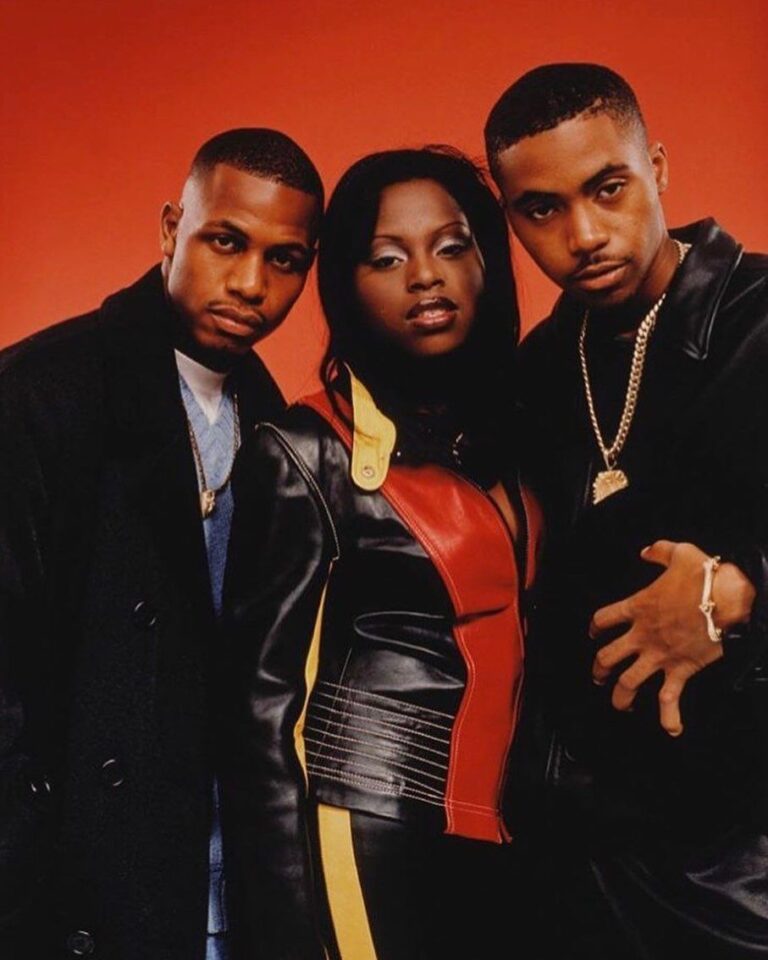
Nas meshed with many of the features on the album and it was great to see the return of his group, The Firm, on the song “Full Circle.” King’s Disease is a good album, and while it isn’t Nas’ best work, it wasn’t expected to be. It’s just good to hear one of the genre’s all-time greats still delivering quality music.The album is a solid 7.5 out of 10 and we look forward to what more Nas has to offer.
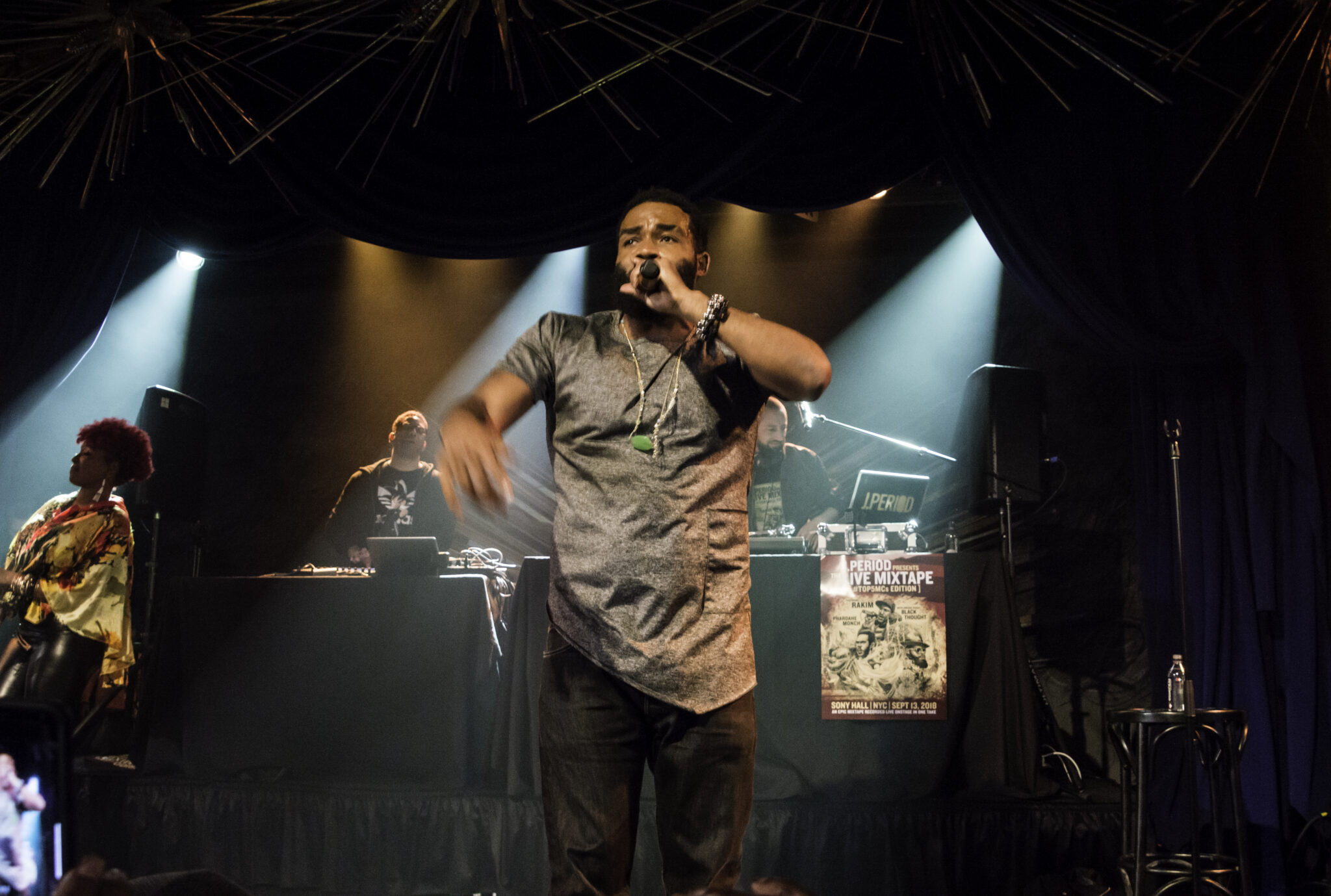
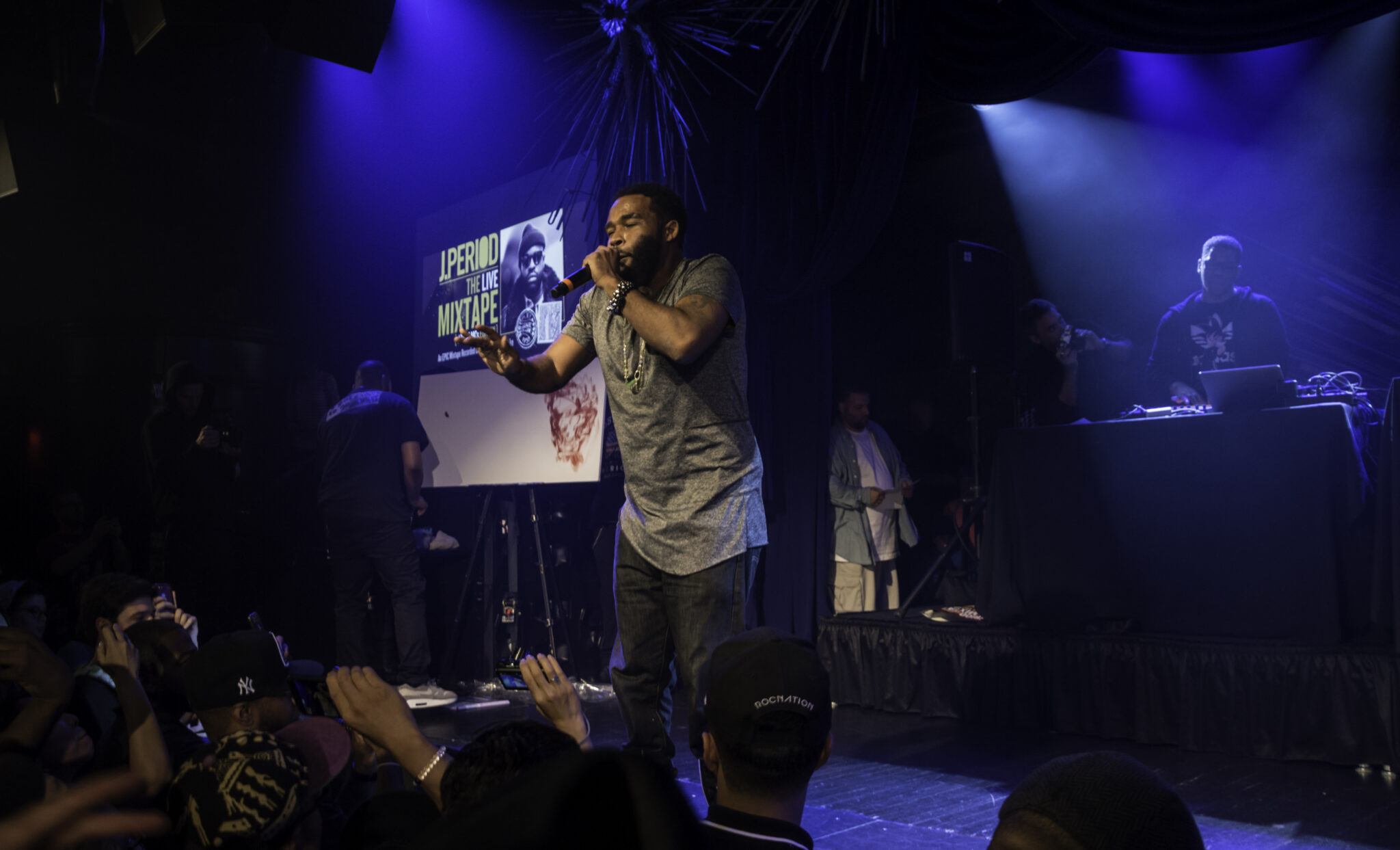
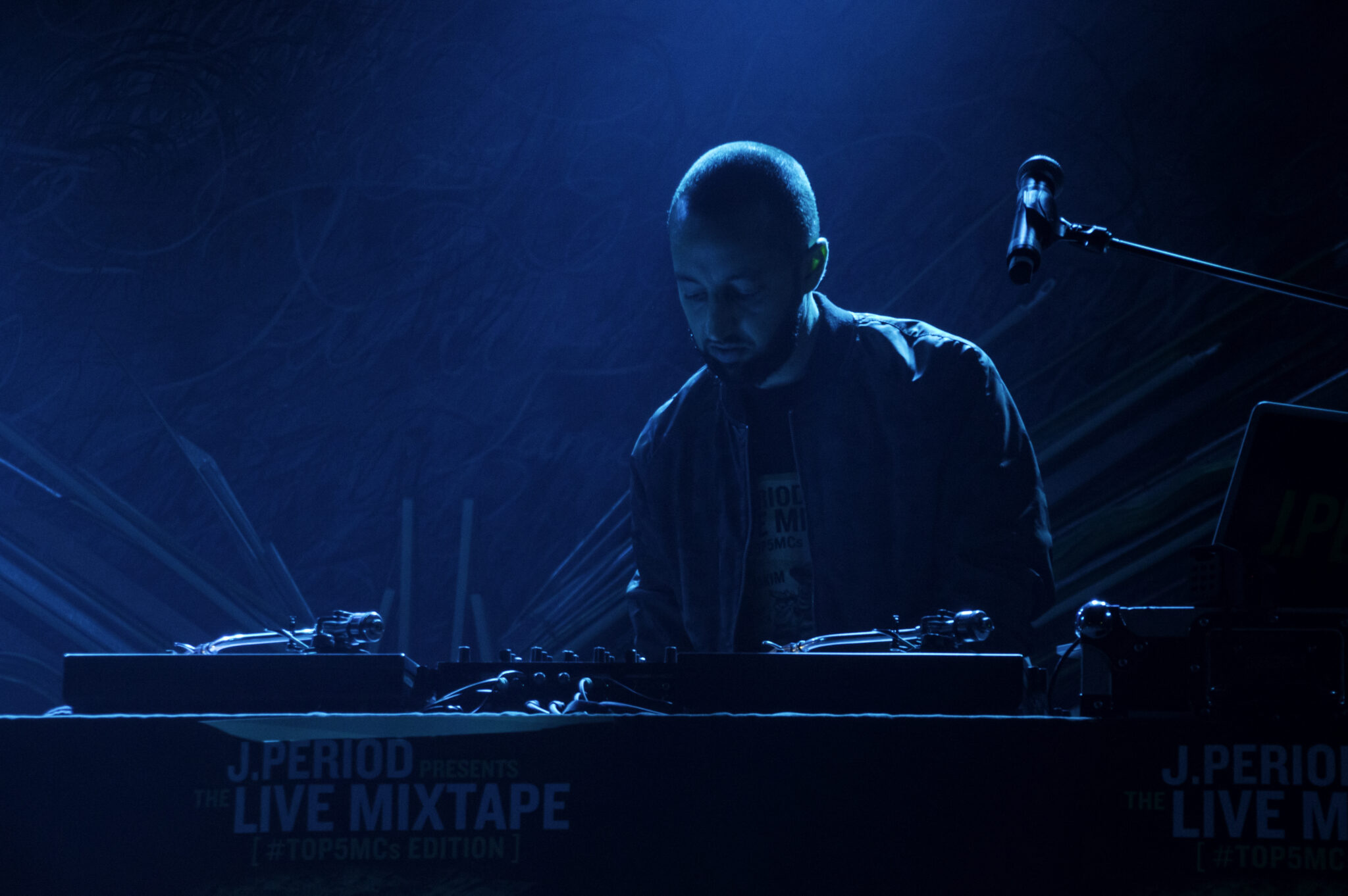
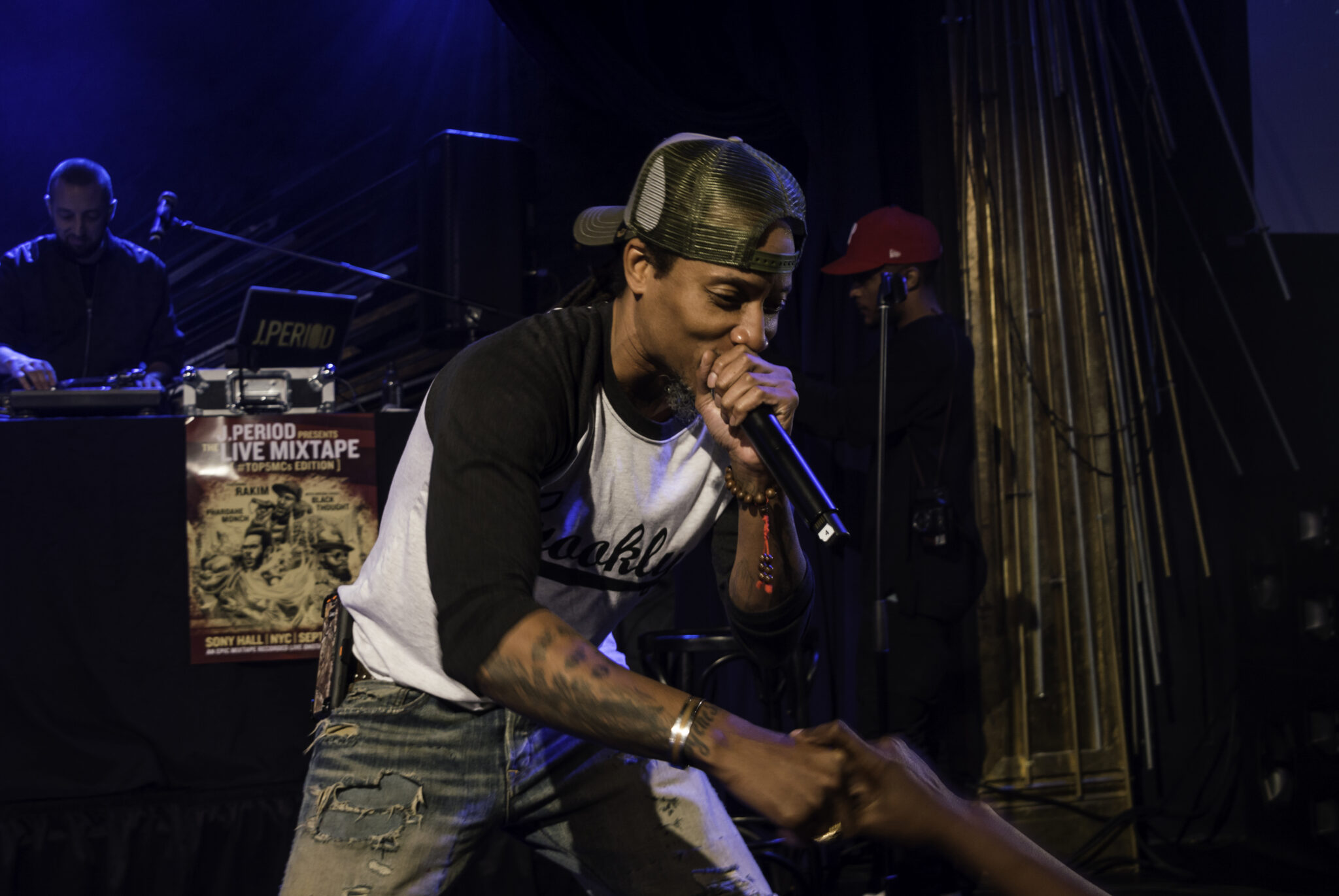
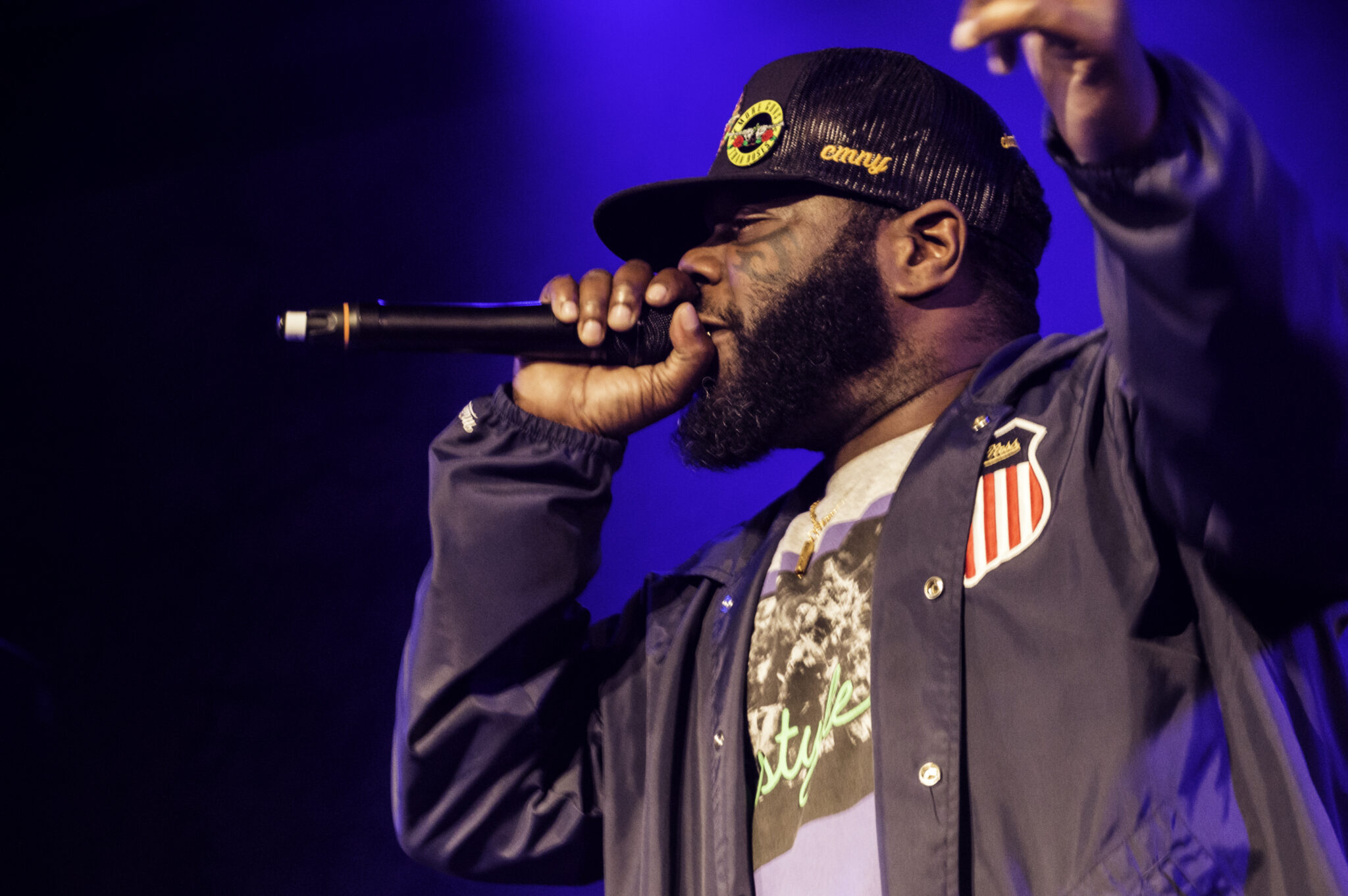
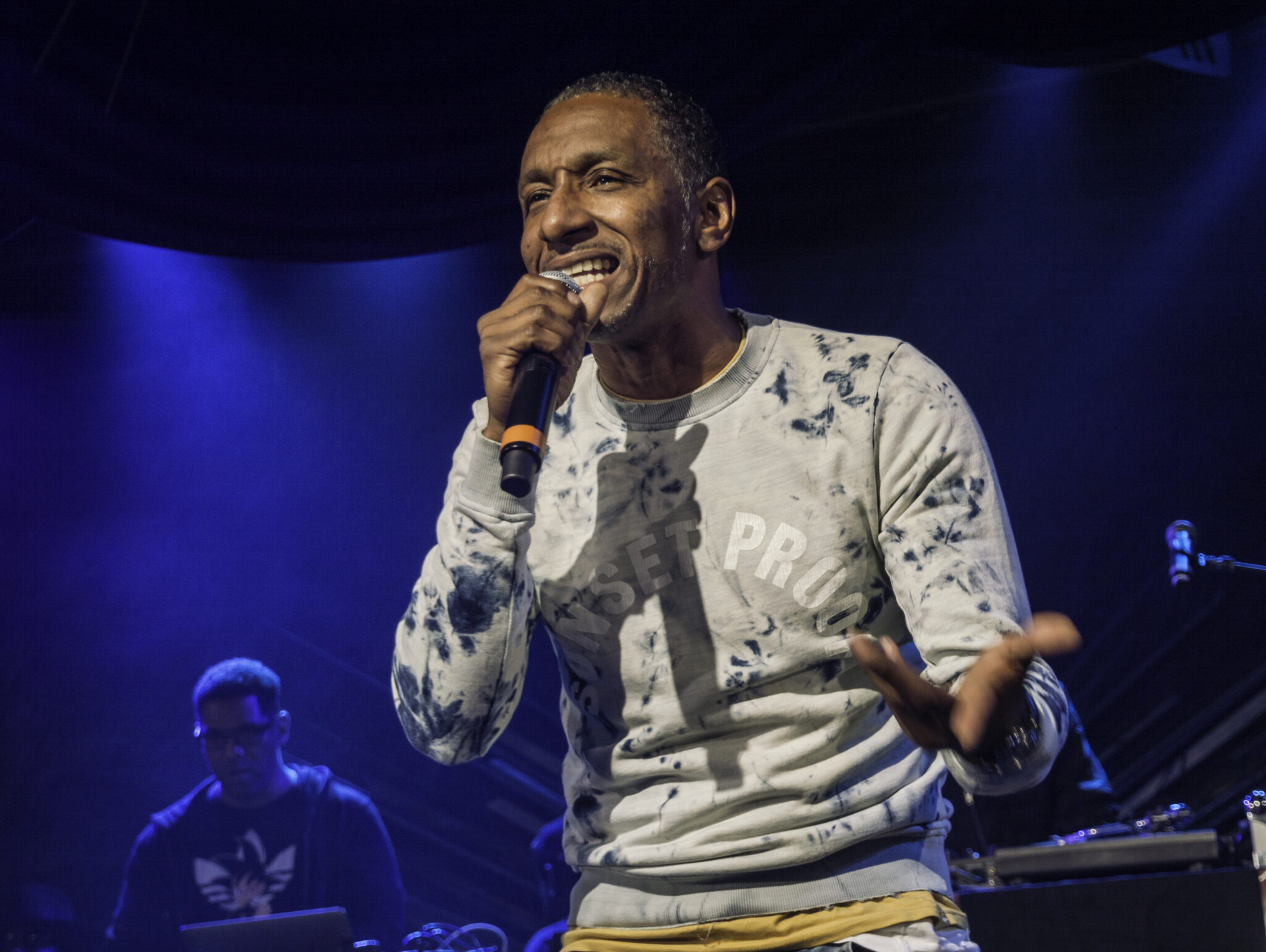
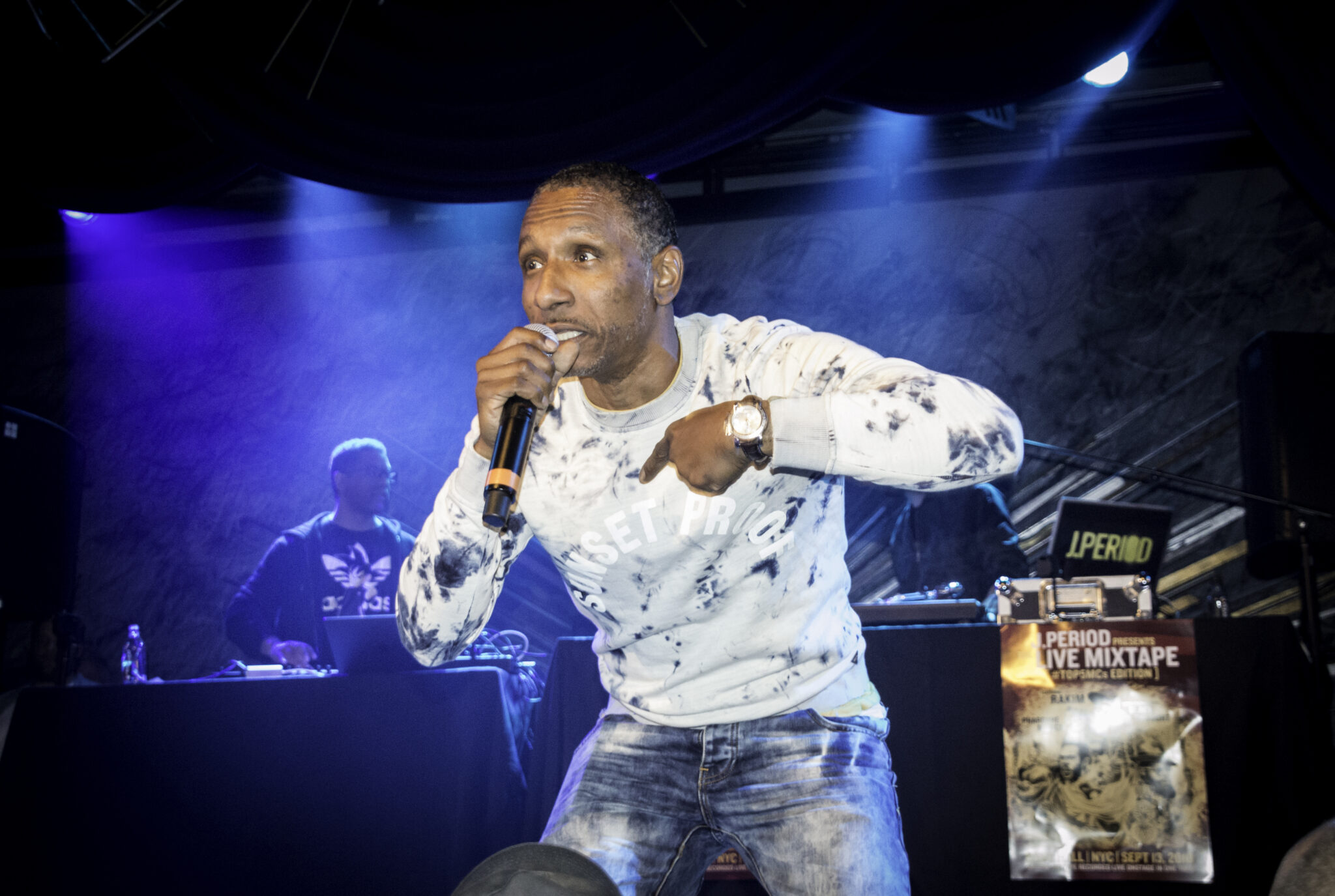
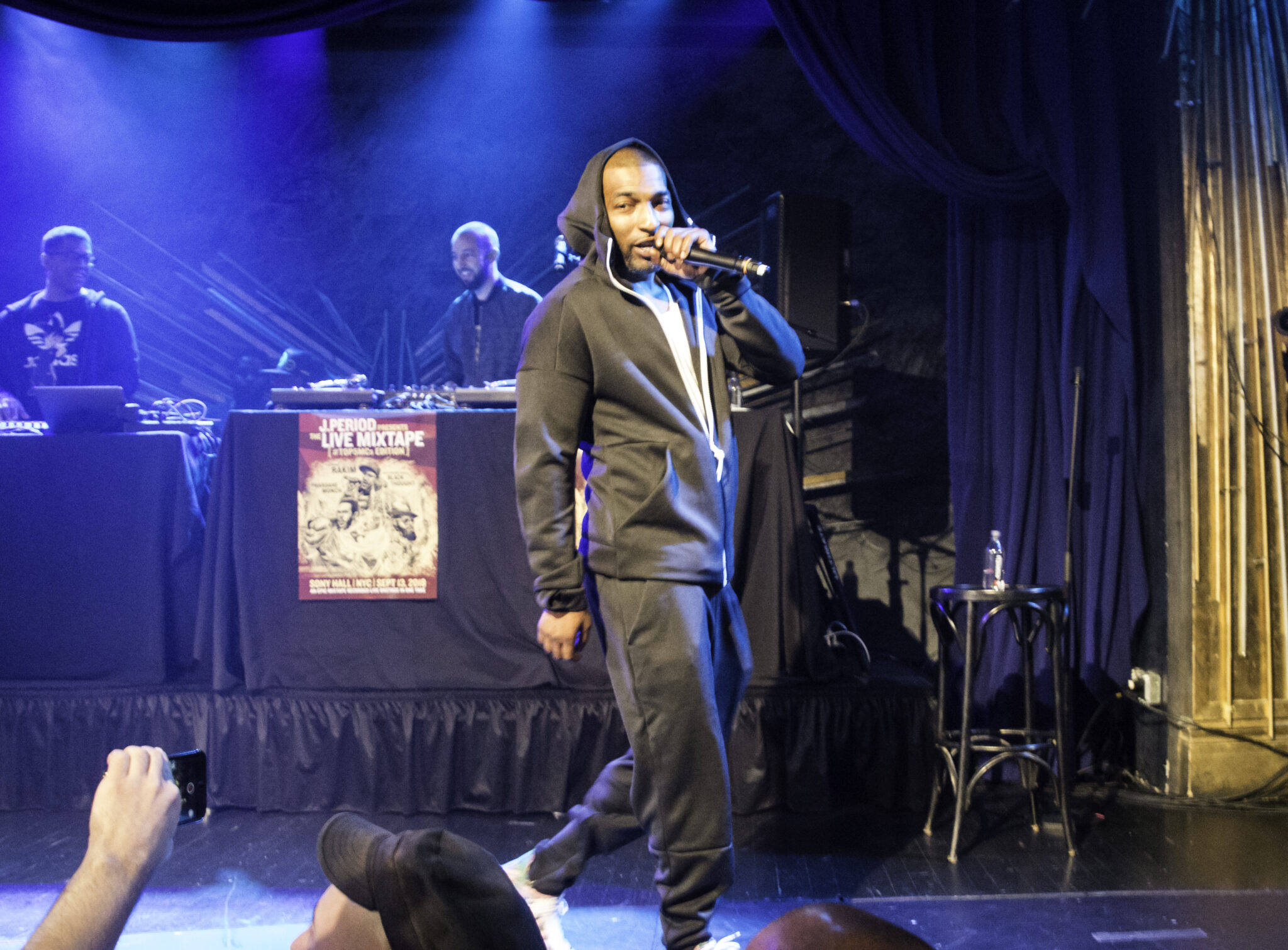
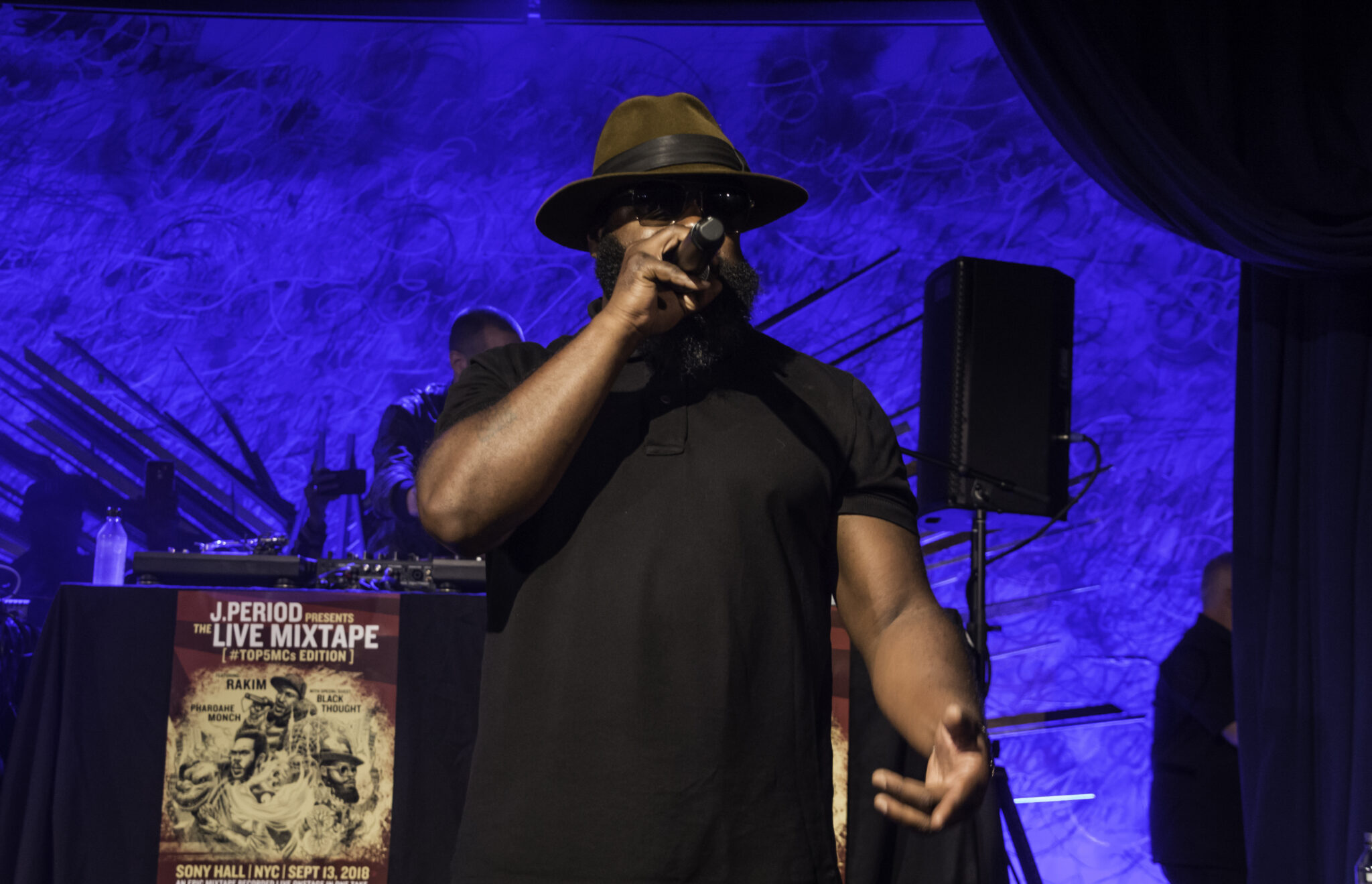
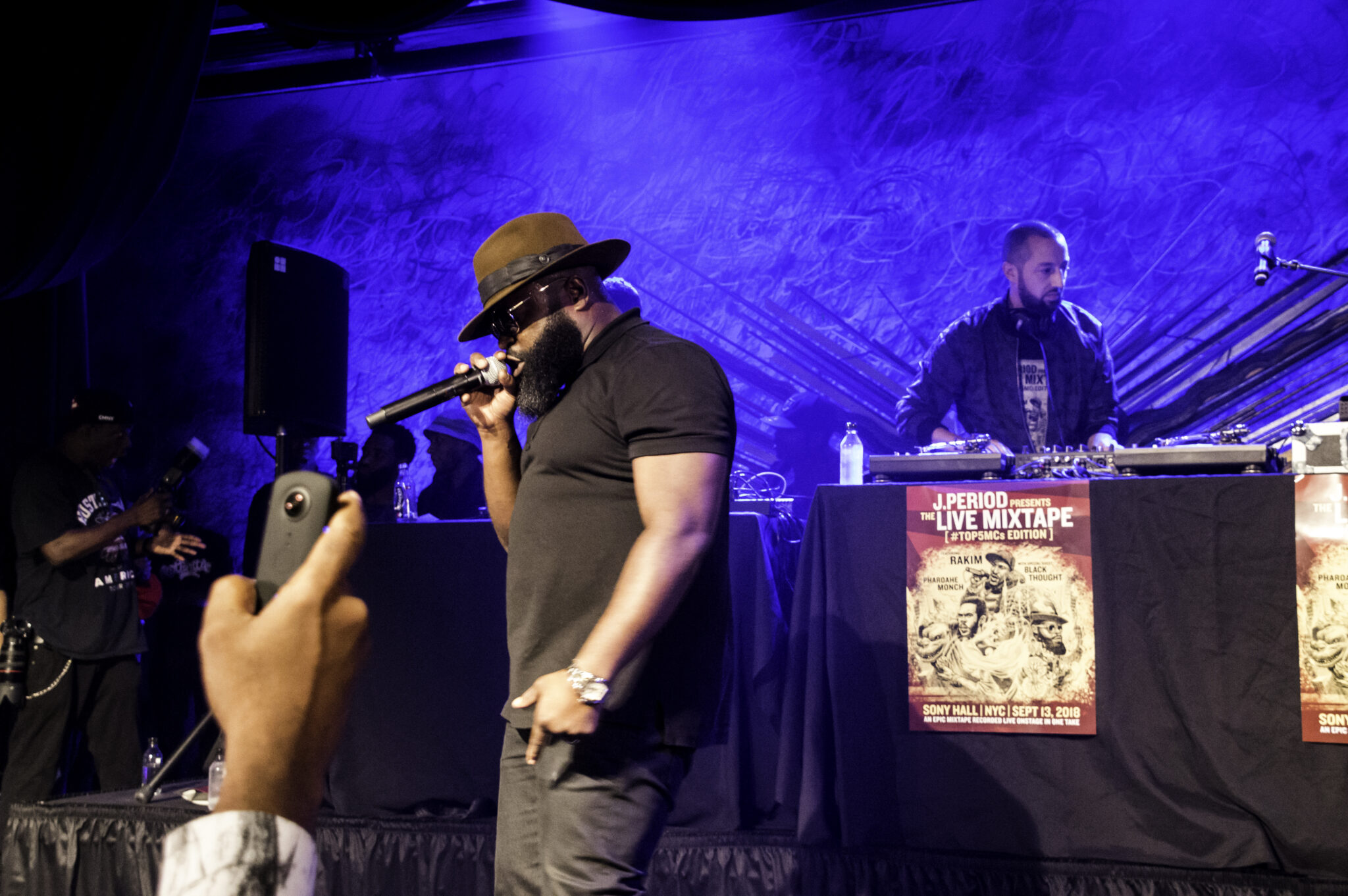
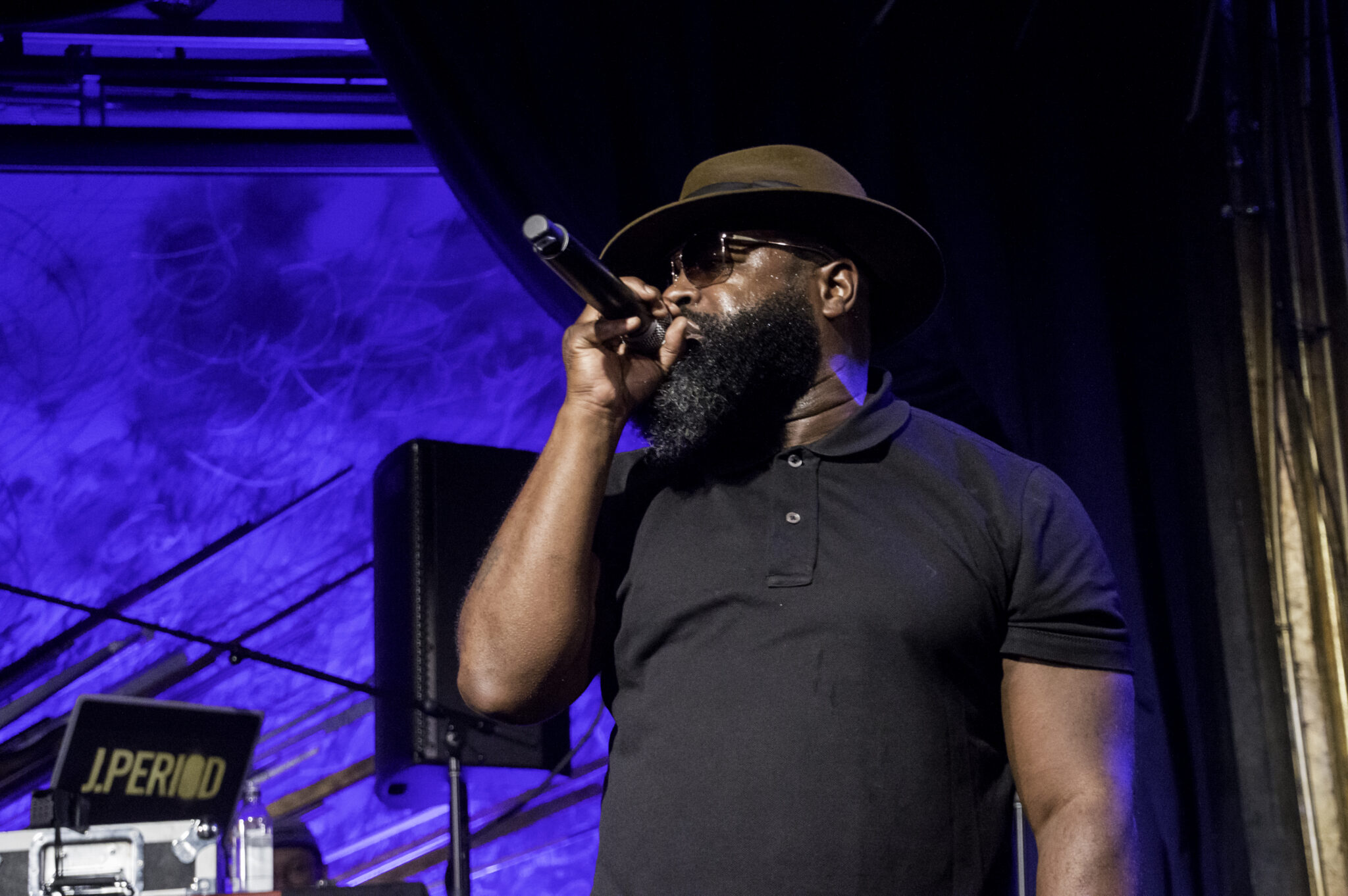
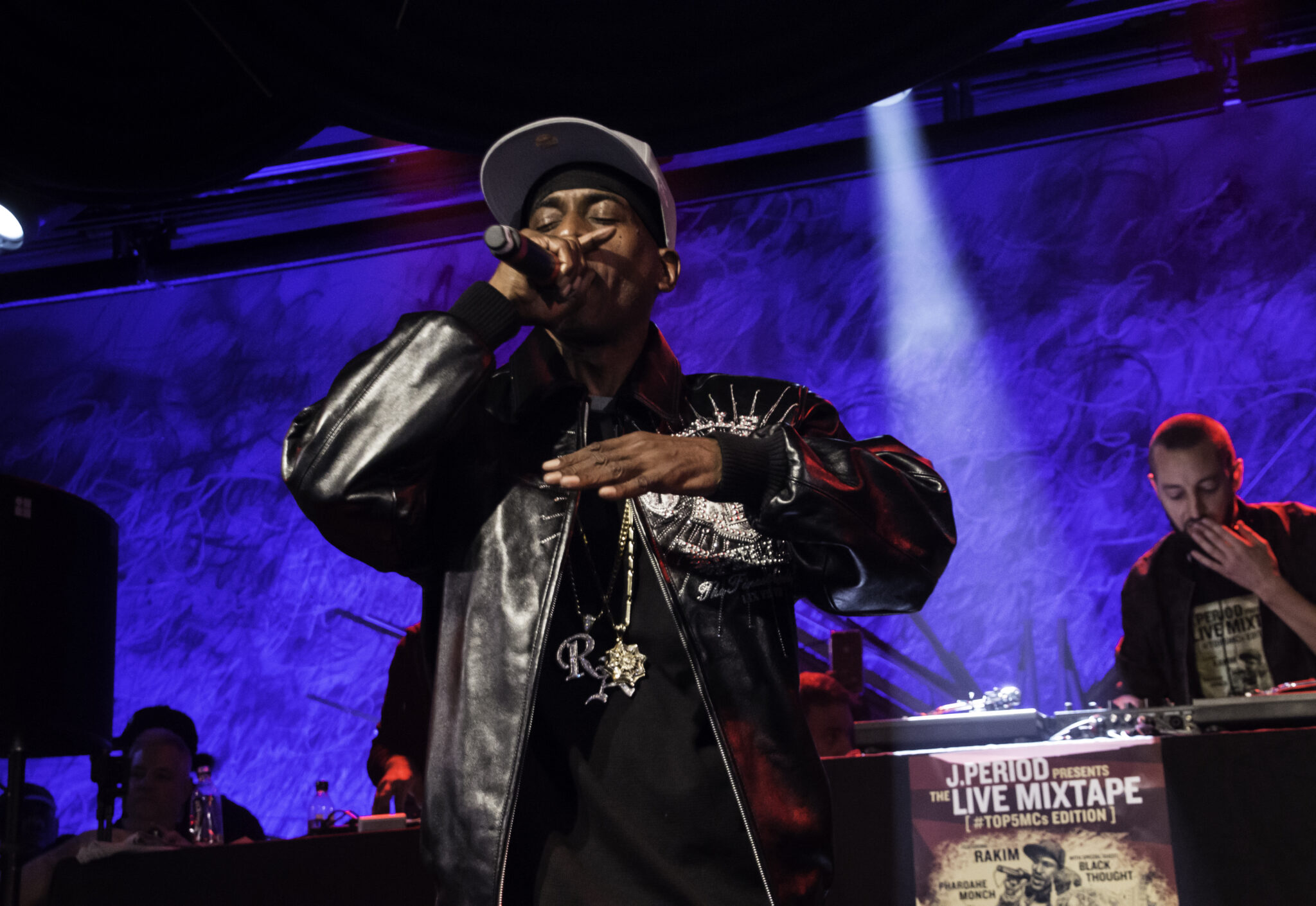
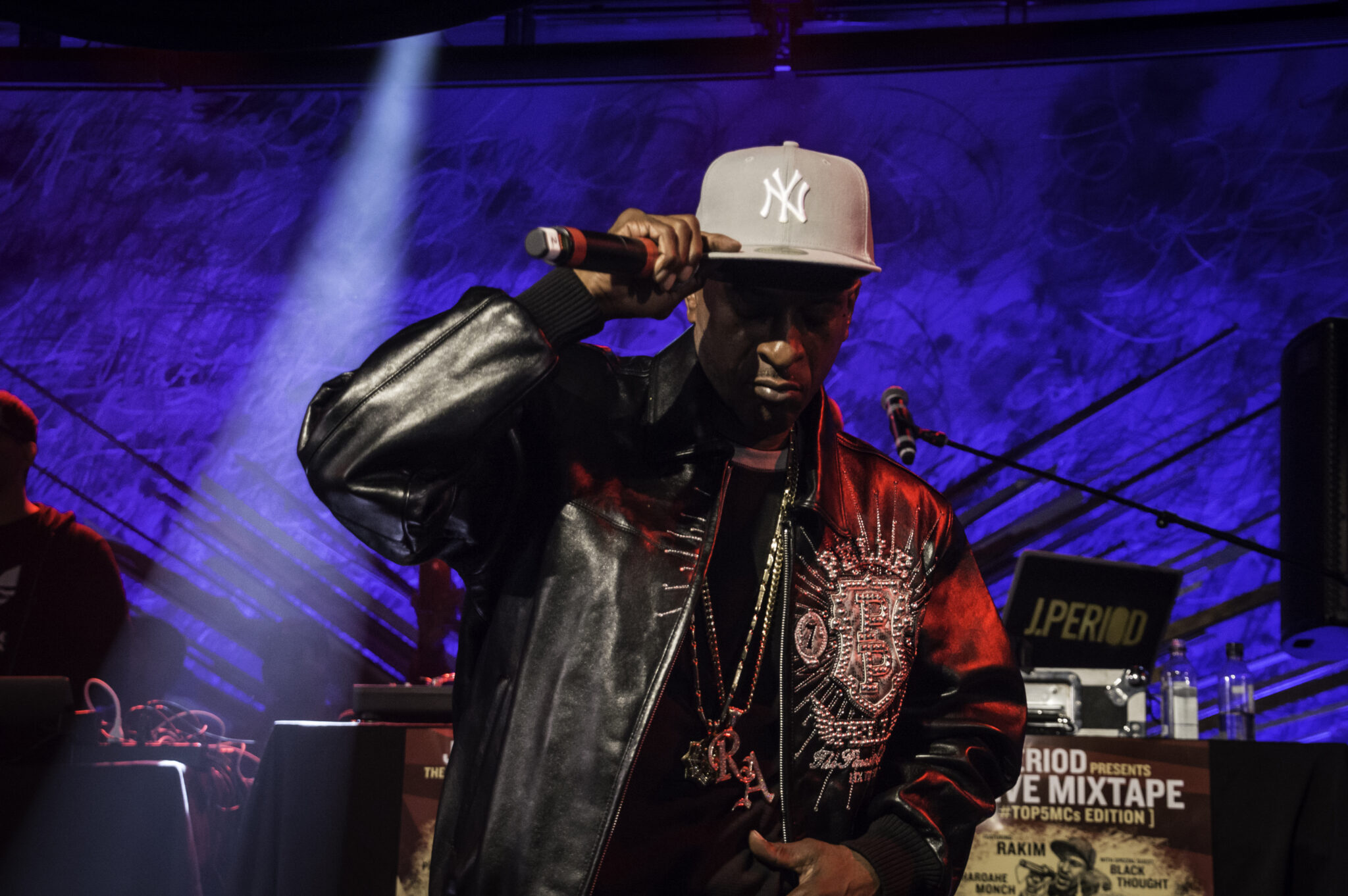
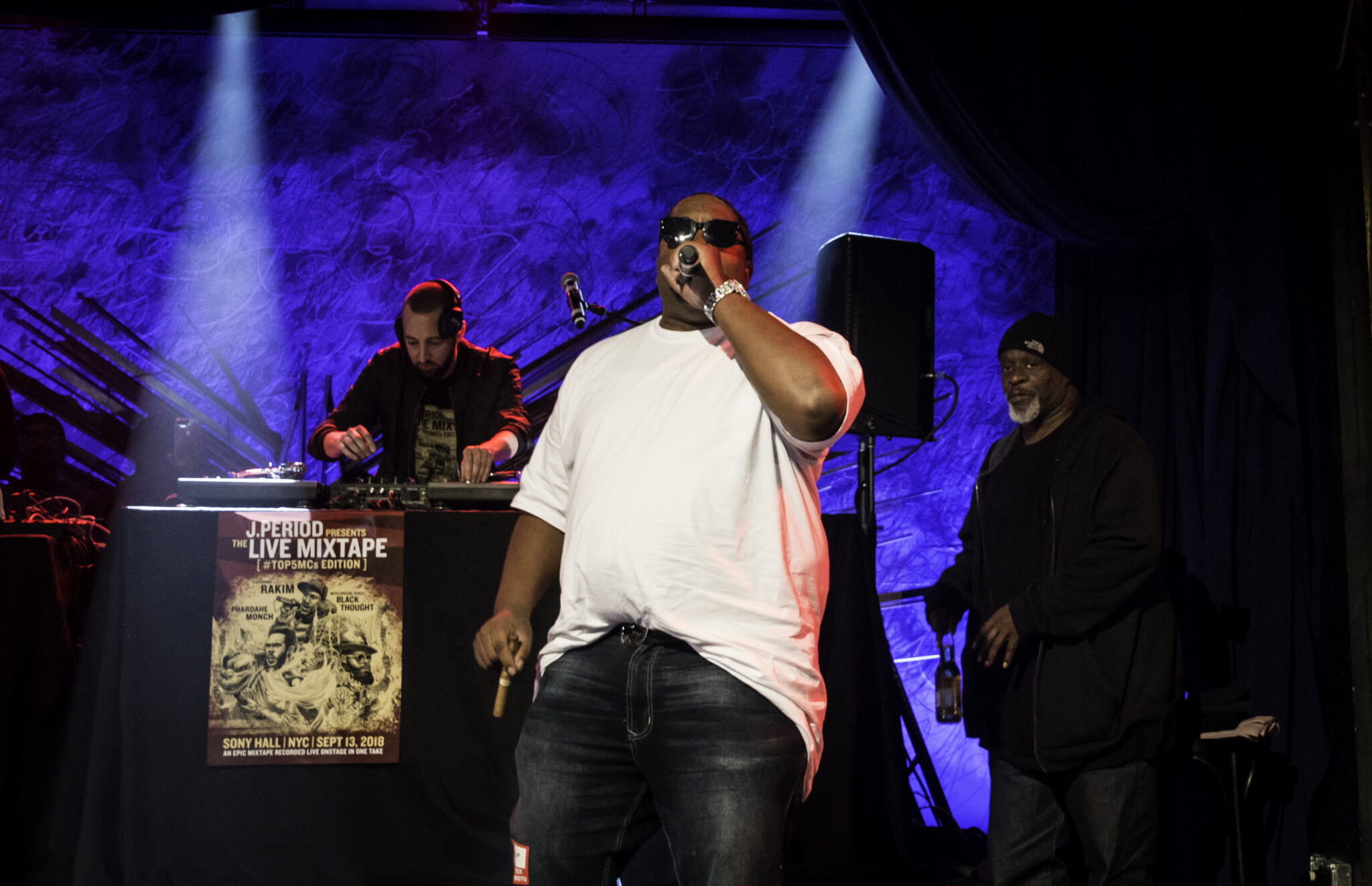
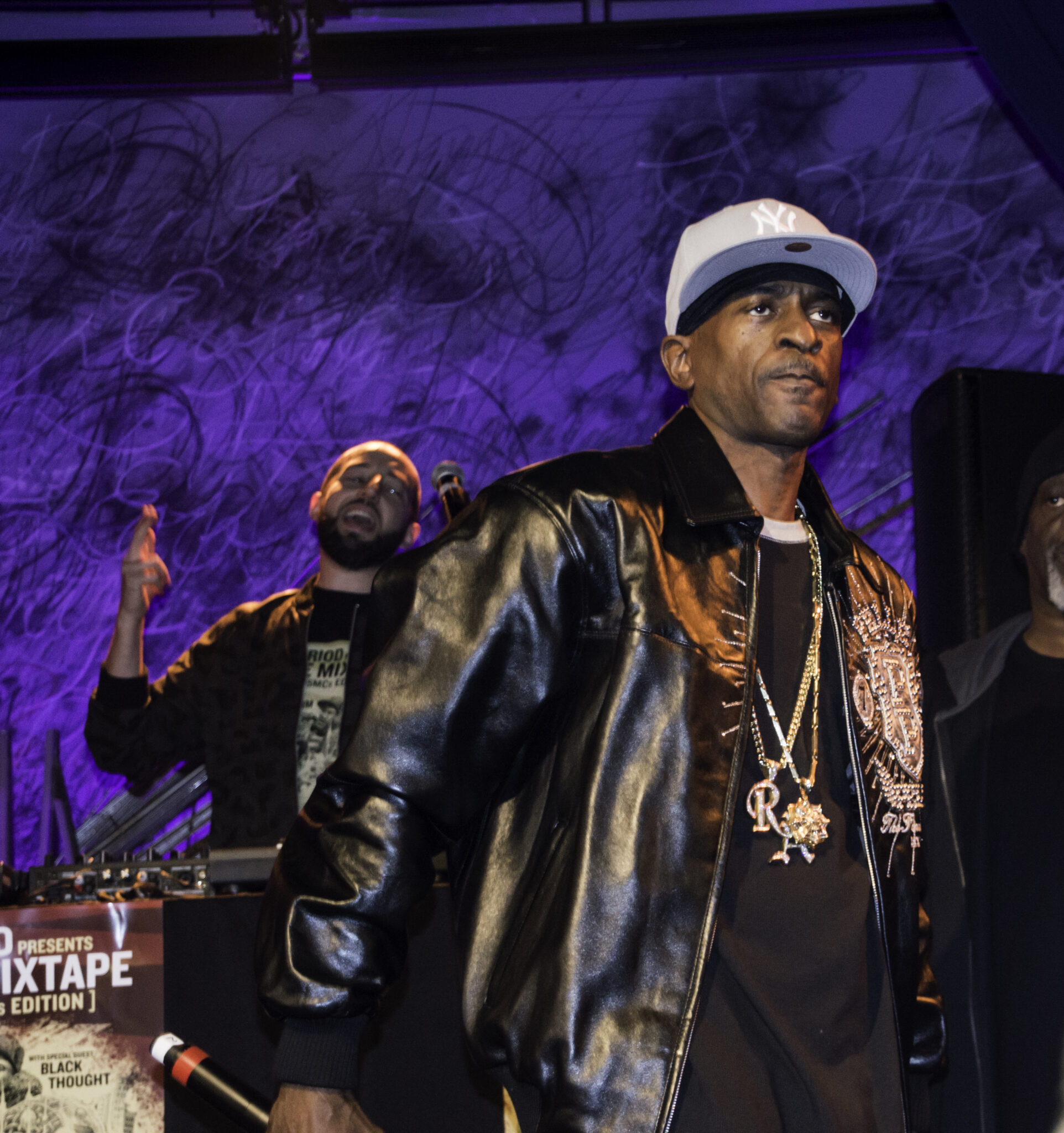
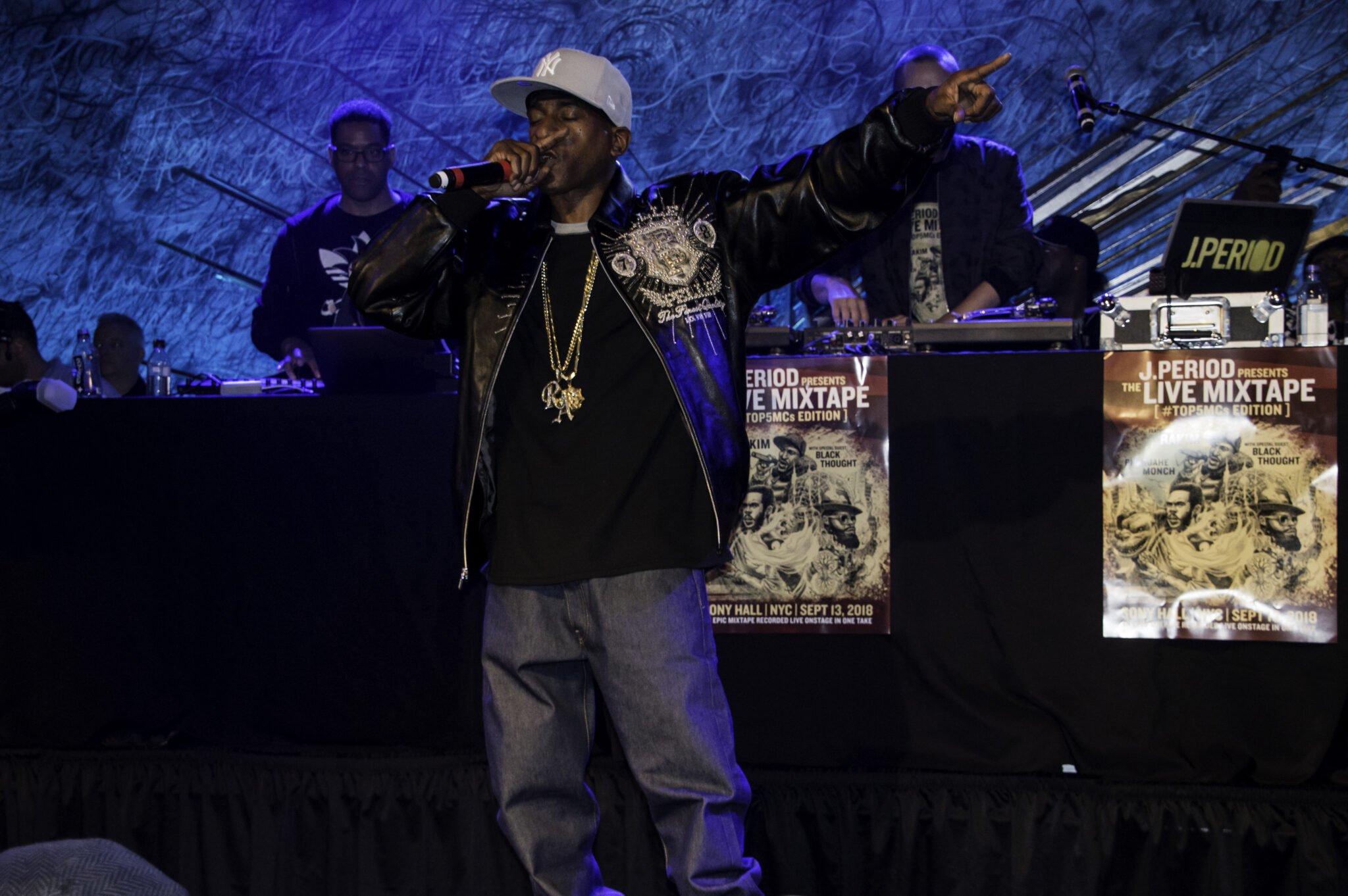
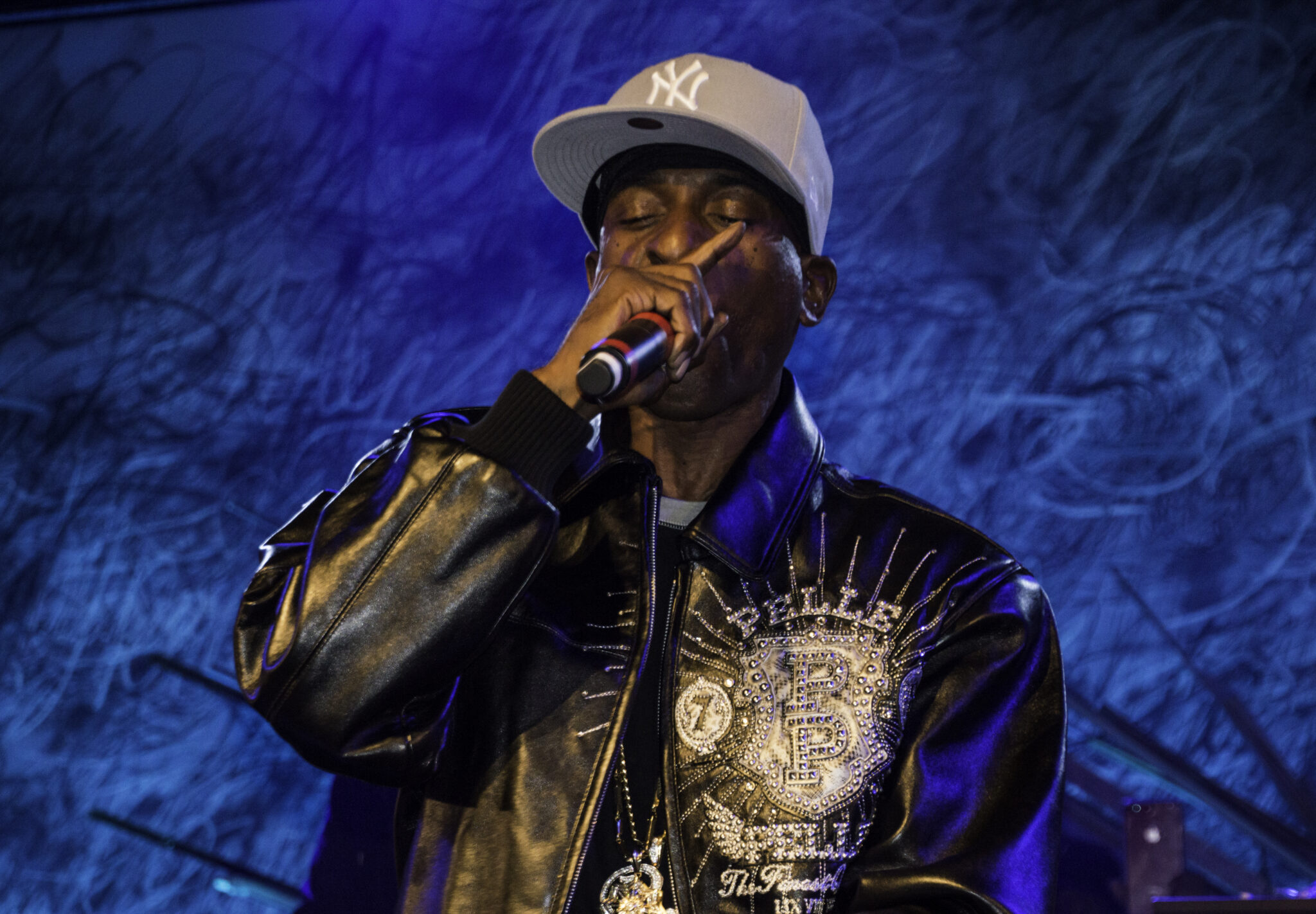
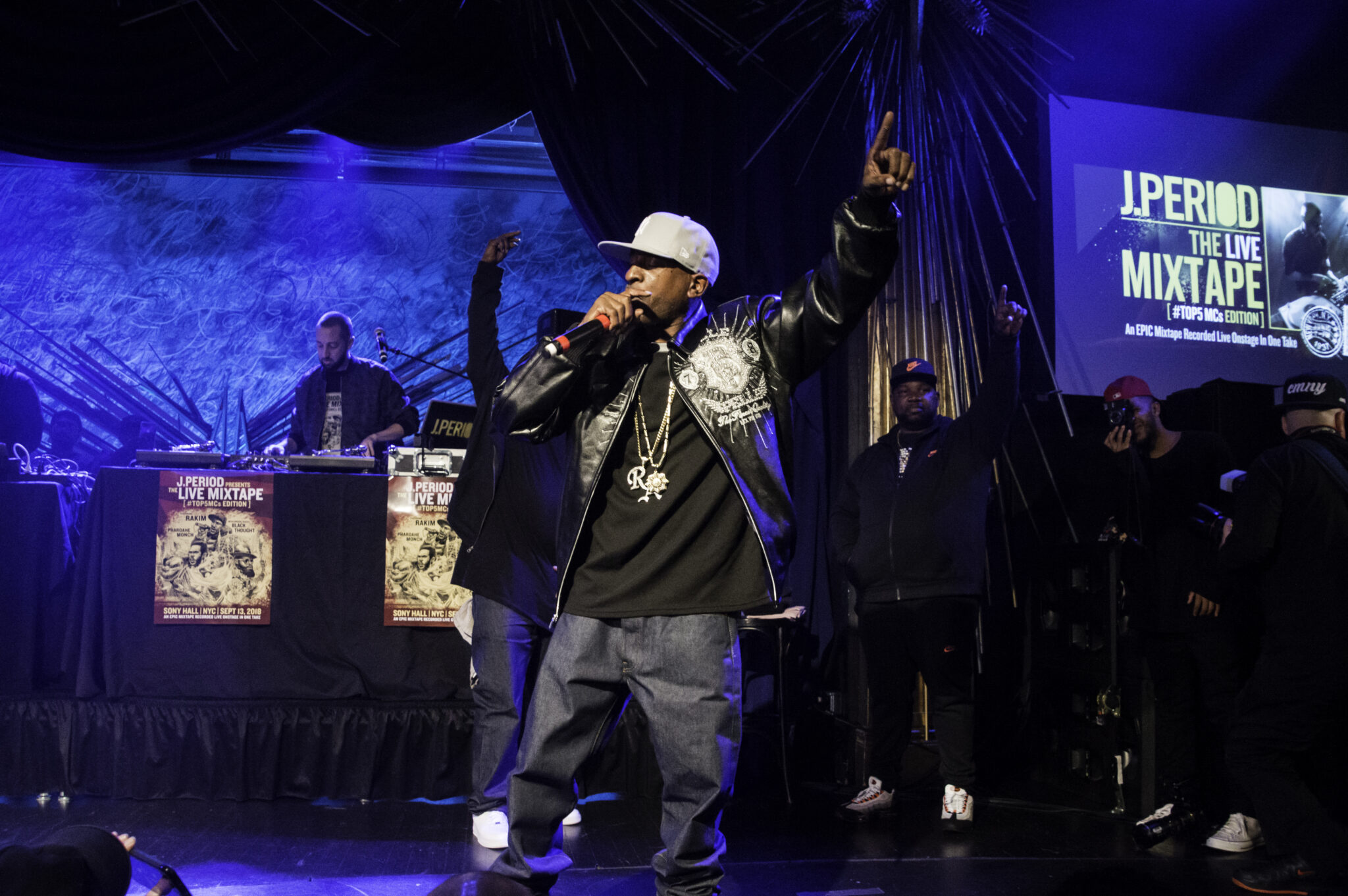
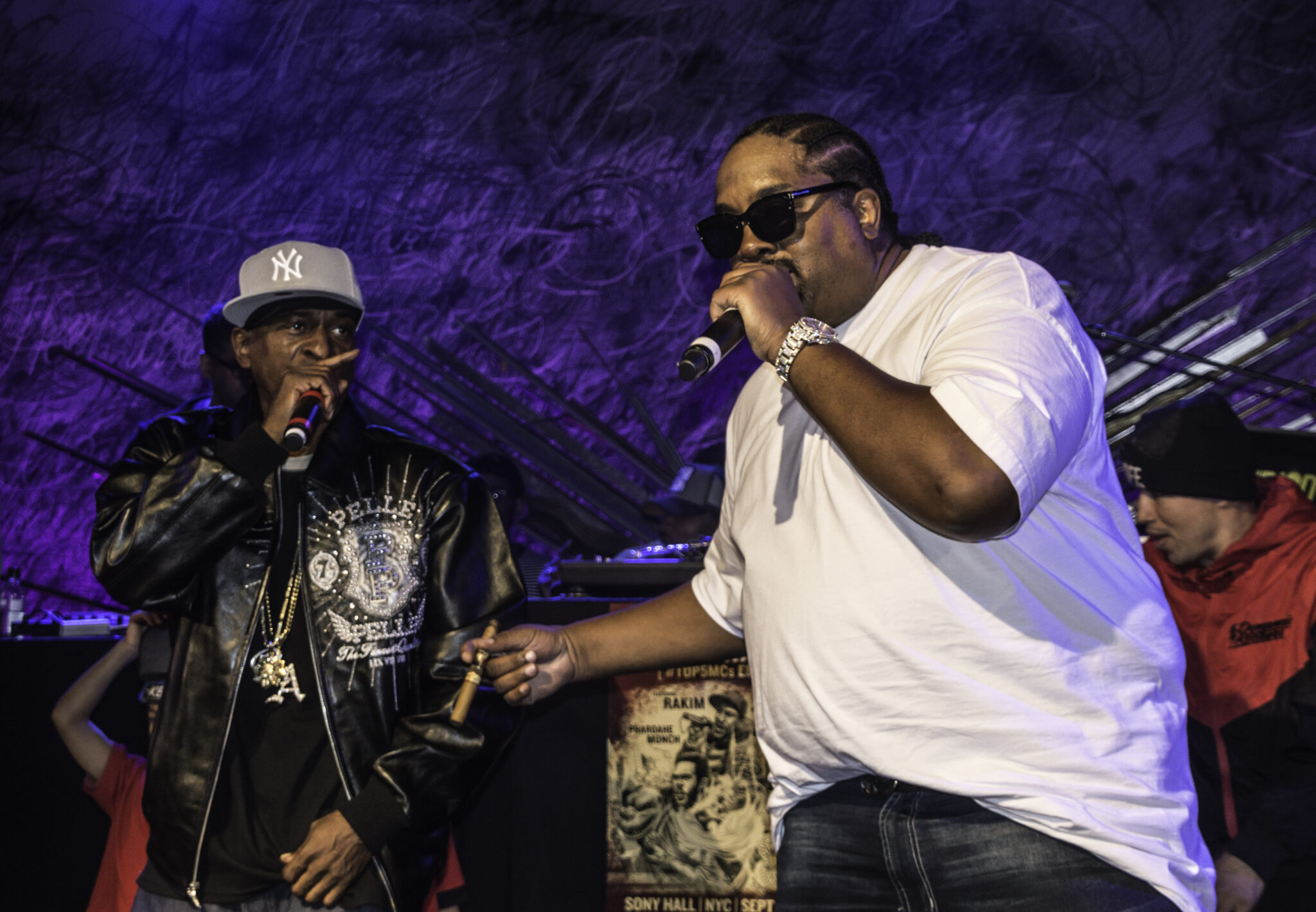
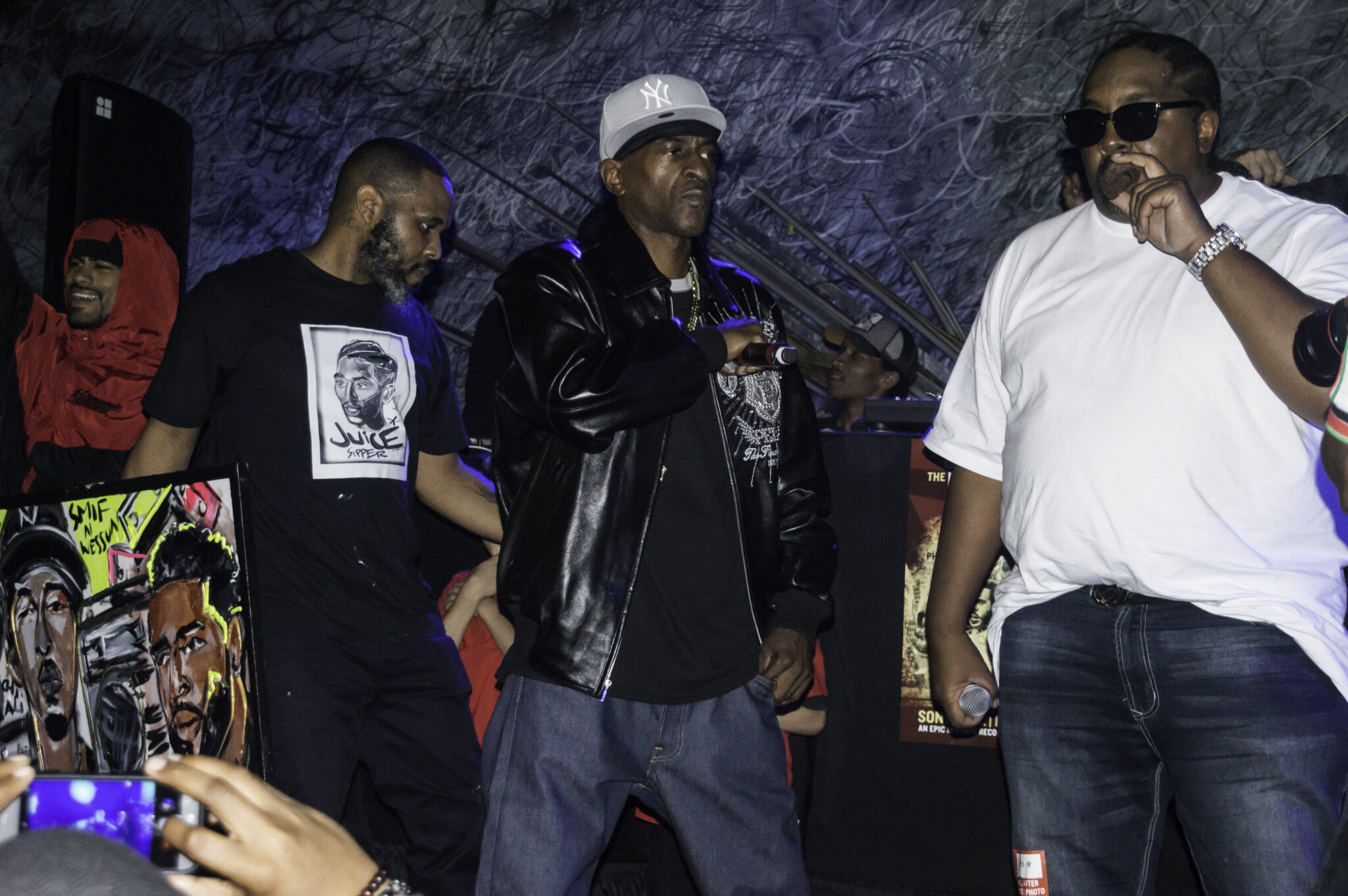
Brooklyn based Mixtape DJ J.Period recorded another installment of his live mixtape at Sony Hall in Manhattan on September 13, 2018. This installment was a Top 5 MCs edition, featuring Rakim, Black Thought, Pharoahe Monch, Dres from Blacksheep and Smif-N-Wessun.
After two DJ sets by The Whooligan and DJ Evil Dee, Pharoahe Monch started the mixtape and got the crowd amped up with a set including “My Life” and “Simon Says.”
Dres from Blacksheep blessed the stage with a few classics including “Flavor of the Month” and “The Choice Is Yours,” with a guest appearance by Native Tongue’s Chi Ali who appeared on Blacksheep’s debut album A Wolf In Sheep’s Clothing.
Next up was a set by another legendary hip hop duo, Smif-N-Wessun, consisting of members Tek and Steele. Smif-N-Wessun comprise one quarter of the Brownsville (Brooklyn) supergroup Boot Camp Clik. One of the highlights of the night was watching them perform their 1994 classic “Bucktown.”
Legendary MC Black Thought of the legendary Roots crew started his set with “Act Too (Love of my Life),” and also brought out Grammy nominated female rapper Mumu Fresh AKA Maimouna Youssef, and Pharoahe Monch for a three-way cypher. Thought also did a cover of Slick Rick’s “Children’s Story” and dropped some of the bars we heard on his now famous 15 minute Funk Flex Freestyle.
The show culminated with yet another legendary hip hop duo Eric B and Rakim. It was a nice surprise to see Eric B as he was not listed on the original lineup. This year marked the 30th anniversary of the classic album Paid In Full which led to the highlight of seeing Rakim perform “I Ain’t No Joke” and “I Know You Got Soul.” Rakim also brought out some very talented break dancers from the KBL (Kids Breaking League) to show off their talents as he performed “Juice (Know The Ledge).”
This was another legendary night for hip-hop fans, especially above the age of 30, like myself. All of the artists were on point and sounded great, making for another very successful installment of J.Period and his Live Mixtape.
Since March, the Coronavirus global pandemic and government shutdown had left many people in their homes stuck with nothing to do. That is until, famed producers Hit-Boy and Boy-Wonder began the Verzuzcraze on Instagram Live, playing their most popular records back-and-forth. Timbaland and Swizz Beats expanded on the phenomenon, elevating it by pairing older, iconic acts together to showcase their catalogs in a 20-song format.
Verzuz battles have helped keep the general public’s minds off of the pandemic and the success from each ensuing battle has fans creating dream matchups of who they want to see next, and which artist they want paired with who. One of the artists that many fans want to see step into the ring is Jay-Z. Widely considered as one of, if not the greatest rapper ever, conversations surrounding a potential Hov battle have people asking two questions: given his immense stature, would he actually do a Versuz battle? And, who exactly would be his opponent?
The first names that have been tossed around are his long-time rival Nas and Lil Wayne. Nas and Jay-Z’s rivalry is well-documented and dates back to the late 90’s. Their problems began when Nas turned Hov down for a feature on Jay-Z’s song “Dead Presidents” off of the Reasonable Doubt LP, because Nas’ voice was sampled for the record. With that, animosity began to build, as both rappers exchanged shots for years throughout multiple songs until the rivalry met its climax in 2001.
https://vimeo.com/316958866
First came Jay-Z’s “Take Over” from his Blueprint album, while Nas replied a few months later with “Ether.” Their battle marked Nas’ to hip-hop superiority, as well as the first real loss by Jay-Z. It only makes sense that their convoluted history has fans yearning for a Verzus battle between the two.
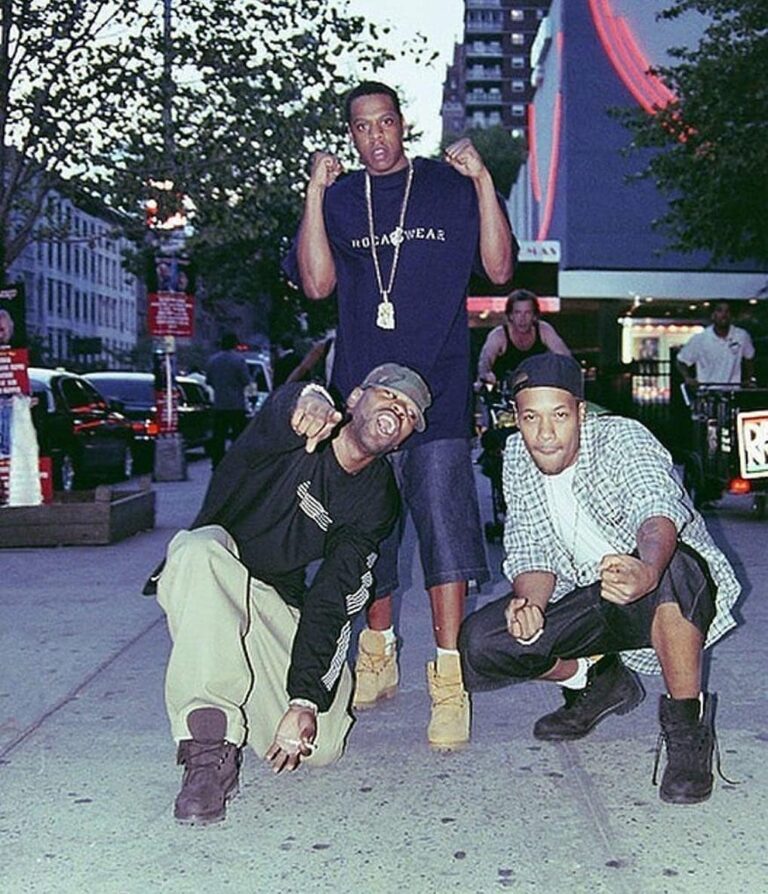
While Lil Wayne’s case is centered on his dominance of the rap game during the mid-to-late 2000’s, he has also had a healthy rivalry with Jay-Z with the two sharing subliminal shots at each other on various records. While all these names are legendary in their own right, the best opponent for Jay-Z isn’t Lil Wayne or Nas, but none other Method Man.
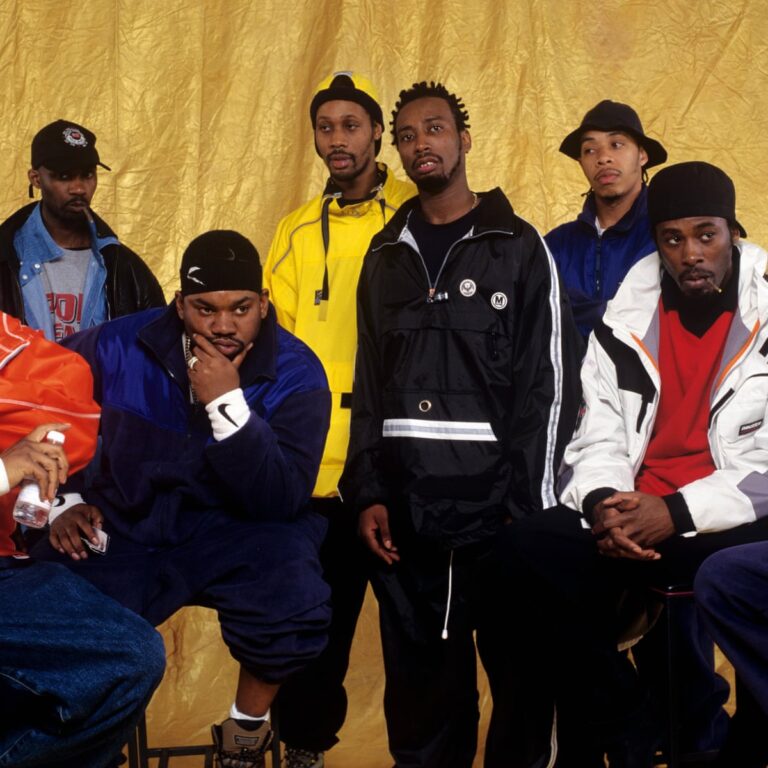
Making a name for himself in the early 90’s as the face of the most gritty and diverse group in hip-hop history, Wu Tang Clan, Meth has been a part of many classic albums in his own right. From his work with the Clan, his own solo albums and guest features, he has enough in his arsenal to give Jay-Z his toughest matchup in a Versuz Battle.
Why Meth and not Nas or Wayne
Some will say that Method Man isn’t a better choice to battle Jay over Nas or Lil Wayne and they would be wrong. Artists have egos and want to be matched up with other rappers whom they believe are of their stature. Jay-Z is at the pinnacle of hip-hop as a mogul, artist and legend. He is constantly praised by hip-hop media outlets who have been the main reason for him being mentioned as the “G.O.A.T.” in recent years. Prior to his success as a businessman, that title was reserved for the likes of Tupac Shakur, The Notorious B.I.G., Rakim, LL Cool J, and Nas.
Jay-Z has always been conscientious of how people perceive him. In a 2019 Breakfast Club interview, rapper T.I revealed that Jay-Z phoned him over comments he made where he stated that he believed Tupac Shakur was the greater emcee.
Jay-Z took some offense, which let the masses know that being considered the greatest is important to him. From his pespective, why go head-to-head with Nas again? Because of the extent of his radio catalog, he would would be the heavy favorite, to the point that most would write off Nas, just as they did in 2001.
While a Verzuz battle is meant to be hit-for-hit, we’ve seen them deviate from this course and highlight quality records over just radio-friendly music. In this scenario, Nas could come with 20 of his best records and possibly sneak a win from Jay-Z, and if he does, then his status among mainstream media as the best rapper ever would come into question.
The same thing can be said for Lil Wayne, only his win would come from his sizable radio catalog. If Jay-Z were to battle him and go hit-for-hit, there is a possibility that he would lose. Another overlooked aspect is that Nas, Lil Wayne and Jay-Z all have laid-back personalites, which might not be the most entertaining to the public as other battles have been. This is where Method Man comes in. As the host of TBS’ Drop the Mic, his personality is effervescent and thus would serve as better entertainment to audiences, as he would surely provide great banter during a Verzuz battle. Meth is not considered usually in the conversations for best rapper ever, he is thought of like Snoop Dogg; a dope rapper in their prime, who have been featured on great songs throughout their careers.
If Jay-Z were to get defeated by Method Man it would be more of a look for Meth and his catalog than a diminishment of Jay-Z’s. Meth is pulling from not only his catalog but the entire Wu-Tang Clan’s, as well as guest verses he has done throughout his career. If Jay-Z does defeat Method Man, then he can say he took down Method Man (who was at one point viewed as a better emcee than Jay-Z in the mid to late 90’s), while also claiming that his own catalog was able to overcome Wu-Tang Clan’s discography, which would make his case as the greatest ever stronger.
How Would Their Battle Go?
A battle between Method Man and Jay-Z would be interesting because of their contrasting styles. Meth has a gritty gutter style and has been known to rhyme over tougher beats. Jay-Z is smoother and rhymes on more polished sounding production. Meth might probably start off with his first single off the 36 Chambers album “Method Man” or “Protect Ya Neck,” the track that put the entire Wu on the map. This would put Jay-Z in a bind, as a lot of the early Wu Tang records are considered some of the best rap songs of all-time. This would probably force him into playing a lot of his older, more acclaimed work but, he would most likely still play some of his newer songs like “Story of OJ,” due to its popularity and current climate of the world, with race relations and internal bickering amongst the black community.
A major risk in this battle is sequencing. Would Jay-Z try and use his Billboard hits against Method Man with songs like “Déjà vu” with his wife Beyonce? While one of his highest charting songs ever, against Method Man, the underdog in this battle, it would not be wise to play those kind of records.
Method Man has gotten a bad rap for “whining” about being overlooked in his all-time ranking when people mention the greatest emcees. A Verzuz battle with Jay-Z not only brings new listeners to his already iconic catalog and also opens up discussions about where Method Man should be ranked in the pantheon of hip-hop greats. This also works in Jay-Z’s favor, as Method Man has a legendary and mostly underrated discography. If Jay-Z were to lose, it would be shocking but no one would question his superiority over Method Man in the rap hierarchy. If Hov wins, then he would reaffirm his status as the best rapper of all-time.
Here is a list of both MC’s potential versus picks.
In the most recent installment of his Karma mixtape series, Harlem rapper Dave East makes his latest attempt at solidifying himself as one of New York’s head honchos. The 15-track, 53-minute project features notable guest appearances. Trey Songz, French Montana, Benny the Butcher, A Boogie wit da Hoodie, dancehall artist Popcaan, along with R&B legend Mary J. Blige, all lend-a-hand, in what felt like East’s best attempt at a commercially successful project.
The mixtape opens up with arguable its best record. “Handsome” is a thumping and fast paced track where East confesses his life’s agendum, which are “to not break the code,” “try not to die,” and “praying that he gets old.” It is an ode to the lifestyle that many from the inner-city can have an appreciation for. In 2:53, East captures the hopes and dreams of a generation of men, which is wealth and health, while staying loyal to their compatriots. What makes the record even better is that, while it has a radio feel to it, the authenticity remains. And with it being just shy of 3 minutes, the replay value is high. He follows it up with a record that feels straight of a Caribbean crime film. Backed by loud and distinctive horns, “Unruly,” features Popcaan and serves as an antithesis to its predecessor. While “Handsome” described the perfect outcome from a life in the streets, “Unruly” sees East chronicle the dangers that come with operating on the other side of the law.
The third track is where the album takes a turn, in the Trey Songz assisted “The City,” East tries recreating one of Jay Z’s better records “Heart of the City.” While a noble attempt, he lacks the soulfulness to pull it off. Not to mention, at the time of the original recording, Jay-Z was arguably the biggest rapper in the game and thus metaphorically was the “Heart of the City.” We do not think of Dave East in the same vain (or any current New York rapper for that matter). The same issue follows him on the fourth track, “Get the Money.” It’s a solid enough song, as he details his chase for financial prosperity. A god-awful French Montana chorus — along with a bridge that sees Dave East try his hand at harmonizing – completely derail it. He completes a hat-trick of melodically challenged songs with “Thank God.” Featuring A Boogie wit da Hoodie, East tries his hand at a club record, but the song never takes off, as the duo lack chemistry and it ultimately ends up feeling forced.
This ebb-and-flow continues throughout, as the best records see East stay in own pocket, solid beats, along with well put together verses, while his attempts at diversifying himself see him fall short. “Said What I Said,” “Broke or Not,” “Mission,” “Menace” and the Three 6 Mafia inspired “F**ck Dat,” are all good songs. While “Stone Killer,” — featuring Benny the Butcher — is absolutely explosive. The Mary J. Blige assisted “Know How I feel,” was a nice surprise as East meshed well with the r&b icon. Yet, for some reason, it did not serve as the outro. That was reserved for the self-reflective “Believe It or Not,” and while it is a good enough record, it left the project a bit anti-climactic.
All in all, this is a solid body of work, yet it feels as though the pressure for commercial success inspired a few of the songs. The problem is, Dave East isn’t and will probably never be a top-selling (or charting) artist and that’s okay. While he hasn’t led New York back to dominance as some predicted, his abilities as a rapper is still a rare and valuable commodity in this current era of New York hip hop.
“Bring da Ruckus,” from the Wu Tang Clan‘s debut 36 Chambers LP stands as one of the rawest songs in rap history. As the lead single, and intro track on the album, “Ruckus” set the tone and established the Wu as a crew to be reckoned with. Not a particular long record (4:12, with plenty of filler), each member of the Clan was tasked with establishing themselves as individuals in short yet, impactful verses. With that, came the birth of an organic (gutter) sound that has yet to be replicated.
cousin’ terror, quick damage ya whole era
The record was formatted to sound like a hip-hop cypher but, with a hook from RZA. Four verses and a bridge and everyone on the record went off with aggressive verses and flows. The song has three major samples, interpolating the drums from Melvin Bliss’s 1973 track “Synthetic Submission” and “CB#2” by Ralph Vargas and Carlos Bess. The song begins with a sample of the English version to the film, Shaolin Shadow Boxing.
In a 2015 interview with London-based music technology company Roli, RZA explains how he came up with the sound for Wu-Tang and how he came up with the beat for “Bring Da Ruckus.” He explained that he wanted to use sounds that represented New York City in his beats and sound effects to bring more color to their songs. “When we were making a song called ‘Bring Da Ruckus,’ we took the snare and put it in an elevator sound and recorded it.” He went on to reveal that the reason he used martial arts soundbites was to edit out curse words, thus making songs playable for radio, which he believes is what had kids gravitating to them. RZA loved manipulating sounds to make beats, to him, any kind of sound effect had a musical connotation to them that could be used for any beat.
Beginning with the skit from Shaolin Shadow Boxing, you get a raw and dingy sounding intro, RZA’s hook is then heard but, in a supporting role to the beat, as he shouts “bring da mother f**king ruckus” about four or five times before we get the first verse from Ghostface Killah.
“Ghostface catch the blast of a hype verse
My Glock burst, leave in a hearse, I did worse
I come rough, tough like an elephant tusk
Your head rush, fly like Egyptian musk
Aww sh*t, Wu-Tang Clan spark the wicks, an’
However, I master the trick just like Nixon
Causin’ terror, quick damage your whole era”
Ghostface is aggressive, setting the tone and stage for the others to follow. His verse embodied what RZA envisioned for the record, as he hoped for a pull no punches attitude from whoever rapped on the beat. The verse was quick but to the point, as Ghostface established himself as a someone to be reckoned with, bringing an attitude full of terror and dominance. Raekwon followed up, without a break from the chorus.
Given’ bystanders heart attacks
“No doubt, and you watch a corny n***a fold
Yeah, they fake and all that, carryin’ gats
But yo, my Clan rollin’ like forty macks
Now you act convinced, I guess it makes sense
Wu-Tang, yo, soooo represent!
I wait for one to act up, now I got him backed up
Gun to his neck now, react what?
And that’s one in the chamber, Wu-Tang banger
36 styles of danger”
Rae followed Ghost with a great verse painting a picture like he loves to do in his rhymes and directly putting you in the scenario that he paints. His tone and his delivery made you imagine him actually putting a gun to some one’s neck waiting on him to “act up.” Finishing up with a reminder that the clan was made up of different members, who each brought something to the table, or as he said, “36 styles of danger.”
36 Styles of Danger
Rapping third, Inspectah Deck might have had the best verse of the entire song, using wild terms, metaphors and rhyme schemes that kept the listener captivated. Like he said in his verse he verbally assaulted this track leaving listeners stunned like literal stun guns.
“I rip it, hardcore like porno-flick b***hes
I roll with groups of ghetto bastards with biscuits
Check it, my method on the microphone’s bangin’
Wu-Tang slang’ll leave your headpiece hangin’
Bust this, I’m kickin’ like Seagal: Out for Justice
The roughness, yes, the rudeness, ruckus
Redrum, I verbally assault with the tongue
Murder One, my style shocks your knot like a stun gun”
GZA (aka da Genius) was tasked with finishing off the record and he didn’t disappoint.
“Givin’ bystanders heart attacks
N***as try to flip, tell me, who is him?
I blow up his f***in’ prism, make it a vicious act of terrorism
You wanna bring it, so fuck it, come on and bring the ruckus!
And I provoke n***as to kick buckets
I’m wettin’ cream, I ain’t wettin’ fame
Who sellin’ ‘caine? I’m givin’ out a deadly game
It’s not the Russian, it’s the Wu-Tang crushin’ roulette
Slip up and get fucked like Suzette”
He ends the songs perfectly, adding to the theme of the record and showcasing his now famous lyricism.
“Bring Da Ruckus” is one of the more impactful intro songs in hip hop history. It highlighted four of the major members of the group, establishing their style and unique sound and slang, while also previewing a new era of hip hop, one that celebrated being from the streets not only in lyrics but in how the records were produced and mixed.
Wavy Cunningham, an Albany-area rapper who has shown much potential in the past, comes through with his first full length project, Club Wavy. The album is a product of the collective efforts of Wavy along with producers N-Pro, DJ Mercy, and Frank Finesse.
The album itself plays as if Cunningham and the production crew have a thorough understanding of old school and underground hip-hop simultaneously performed through a 2010 lens. Throughout the album, it becomes evident that Wavy is eager to make a name for himself in the current hip hop landscape; Club Wavy may very well be that stepping stone.
The album starts off with the swirling synth beat featured on “I’m Good.” Wavy immediately follows in finding himself riding the beat like a surfboarder, spitting bar after bar about his come up in the past few years. The track progresses into a familiar “Eenie Meenie Miney Mo” rhyme pattern which is both appealing as well as gratifying to hear those anticipated rhyme schemes fulfilled. Wavy continues to flex his pen game which remains impressive from track to track. As the album progresses, the production leans towards a jazz rap fusion with Wavy’s prominent voice hitting as hard as a hammer over synth jazz chords.
Wavy’s vocal performances throughout this project are as smooth as ever, whether delivered in a triplet flow pattern reminiscent of 21-Savage on “I’m Good” or in smooth R&B fashion such as on “The V.I.P” with soulful, crooning vocals that hit like Kids See Ghosts era Kid Kudi. “The V.I.P.” serves as an interlude for the album but still, even as a transitional track, “The V.I.P” carries an almost tangible emotion that brings the audience into the next half of the album. The remainder continues on with Wavy performing in his pocket over beats with a jazzy guitar chords along with classic trap instrumentals which allow Wavy’s voice to take center stage.
The album culminates with “All We need is Love,” an emotionally heavy track that honors the lives of those who have become victims of police brutality. “All We Need is Love” is ripe with emotion and showcases Wavy’s ability to rap while simultaneously narrating a coherent story about a young black college man who was subject to unlawful search and seizure along with a wrongful arrest.
Wavy closes the album out by remembering the lives of recent victims of ongoing police brutality and racial discrimination in the United States, humbly singing and asking a closing question to the audience,
All we need is love, when it’s all said and done what we do effects the future of our daughters and our sons. Tell me what’s really going on.
Key Tracks: Whattup?, The V.I.P. (interlude), All We Need is Love