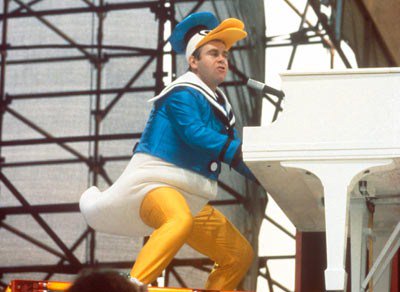
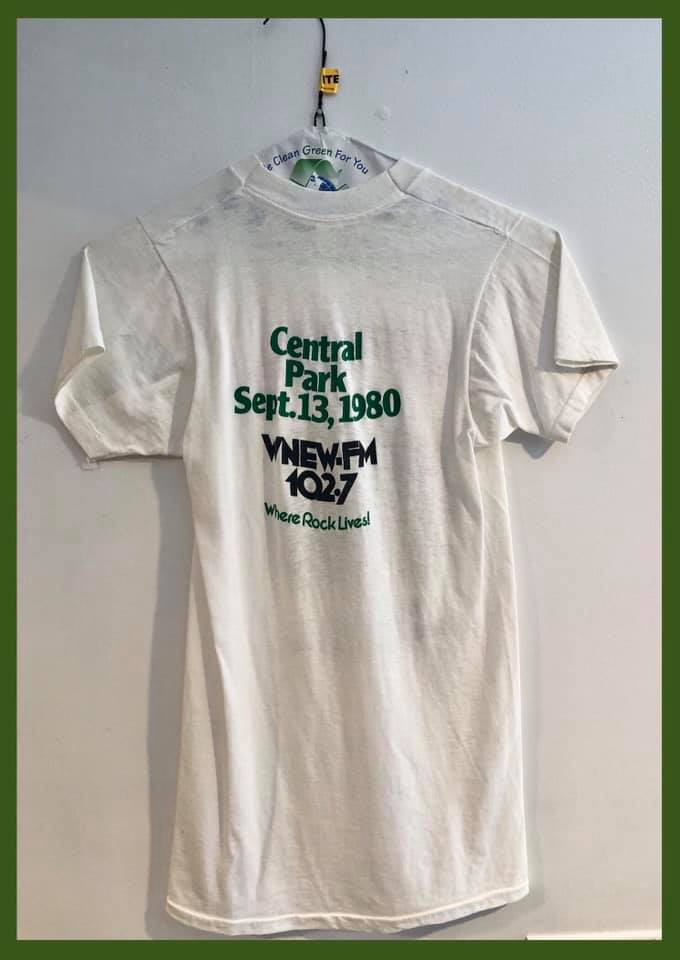
On Sept. 13, 1980, Elton John performed for around 400,000 people in Central Park. The sun was out, people were gathered (less than six feet apart), and Sir Elton was wearing a Donald Duck suit.
Sir Elton John performing, “Your Song” while wearing his legendary duck suit.
It might seem surreal, now, to imagine 400,000 people in the same place, at the same time, dancing and enjoying themselves. With Nigel Olsen on drums and Dee Murray on bass, the original Elton John Band created a legendary experience.
The concert was part of Elton John’s 1980 World Tour, supporting his latest album 21 at 33. He played top hits “Bennie and the Jets,” “Your Song,” and of course, “Tiny Dancer,” and added some new ones in there too, like “Little Jeannie” and “Sartorial Eloquence.”
Imagine all the people. Elton John paid tribute to his long time friend John Lennon by performing a cover of Lennon’s classic tune, “Imagine.” A few months later Lennon would be murdered by Mark David Chapman. Sir Elton said this made it too painful to perform the song ever again.
https://www.youtube.com/watch?v=Wy2VmfgEaag
Elton John, born Reginald Kenneth Dwight, started playing piano at a very young age, so it comes to no one’s surprise that he has plenty of awards under his belt. With two Academy Awards and four Grammys, John has and always had quite the reputation as being a musical genius. The latest tribute to the icon is the acclaimed film “Rocketman,” starring Taylor Edgerton as Elton John throughout his career; the movie would also land Elton John and writing partner Bernie Taupin an Oscar for Best Original Song with “(I’m Gonna) Love Me Again.”
Seeing Elton John, Donald Duck suit and all, singing “Your Song,” will never be forgotten as part of one of the most legendary concert experiences in Central Park of all time.
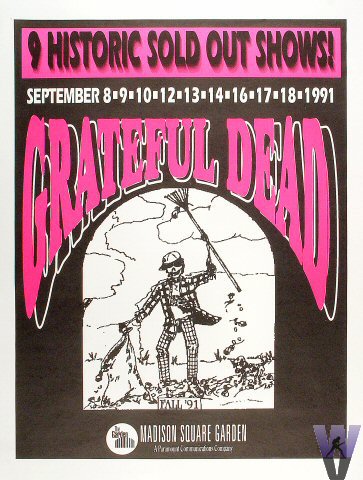
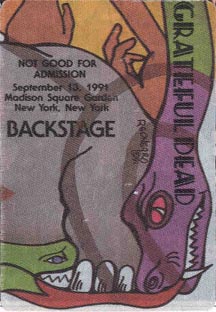
Today, we celebrate the anniversary of a Grateful Dead show at the most iconic of all New York music venues: Madison Square Garden. The Dead were certainly no strangers to this room by 1991. They had been playing the Midtown Mecca since 1979 and loved taking extended stays there. Fittingly, this show would be number five of a nine-show run at The Garden.
1991 was still very much a transitional time in the band’s history. Vince Welnick had only joined the band a year earlier and Bruce Hornsby was still making regular appearances. This show would be no different. And while this one may not be designated with a “legendary” status in the record books, there are certainly moments that shine.
To put it nicely, whether its the recording or the performance itself, the “Touch of Grey” opener is fairly mangled. Guitarist Jerry Garcia doesn’t seem to realize his part until a full verse passes first and the rest goes downhill from there. Fellow guitarist Bob Weir then takes over and directs “Wang Dang Doodle” afterwards that has a couple of inspired Garcia licks towards the end that seem to wake him up a little. With the band seemingly picking up on this, it carries right through the ensuing “Peggy-O” where Garcia continues to shine and brushes off some of the earlier mishaps.
The first set doesn’t seem to really take off until “Althea” which features more delicate guitar licks from Garcia that’s finally accompanied by a vocal performance to match. “When I Paint My Masterpiece” follows nicely with the always lovely accordion fills supplied by Hornsby. The first set closes with a triumphant “Bird Song” that soars for more than 14 minutes with both Welnick and Hornsby, along with the rest of the band, on top of their respective game.
After a rather nondescript Weir-led “Victim Or The Crime” to open the second set, things escalate quickly with a rousing “Scarlet Begonias” where the intensity of an MSG show is very much audible. The seamless segue into its traditional pairing with “Fire On The Mountain’ is vintage Dead and one of the definitive bright spots of this show.
Another valid complaint for this show may be the extended “Drums” > “Space” sequence that follows. While it does feature a few moments of fun, psychedelic mayhem, it also drifts off completely at parts and takes up almost 28 minutes of the second set.
Grateful Dead 9/13/91 Madison Square Garden
Garcia brings a little of the “Space” along with him in the beginning sections of “The Other One” that follow before falling into its signature pattern. This brings about another inspired jam with all seven legs of the band acting as one cohesive unit while Weir belts out the lyrics he penned for this song years ago.
The second set ends with a joyous “Throwing Stones” that features both Weir and Garcia with some passionate singing. A somewhat abrupt cut to “Not Fade Away” follows that gives the band one last chance to stretch out and jam.
Grateful Dead 9/13/91 Madison Square Garden – New York, NY
Set 1: Touch of Grey, Wang Dang Doodle, Peggy-O, Big River > Cumberland Blues, Althea, When I Paint My Masterpiece, Bird Song
Set 2: Victim Or The Crime, Scarlet Begonias > Fire On The Mountain > Drums > Space > The Other One > Stella Blue > Throwing Stones > Not Fade Away
Ed. note: this review of Trey Anastasio at Carnegie Hall was original published on PhanArt.net in September 2009. For a more recent review of Anastasio at Carnegie Hall, read our review from October 2019.
For years I have considered orchestral compositions the ultimate form of music, with the intricacies that I felt would never be understood, a style that would be too difficult to get into, and a high-class following that would elude me forever.
This started to change years ago when I heard the amazing beauty of Eric Clapton playing with the Royal Philharmonic Orchestra in London (February 10, 1990), and discovered the intersection of one of the greatest guitarist in history and one of the finest orchestras in the world. Hearing “Layla,” “White Room,” “Bell Bottom Blues,” as well as a unique Guitar Concerto in two movements performed with a guitar (?!) AND a 40 piece orchestra. My ears never had it so good. Every note was played, expanding, but not drowning out, the original composition. Bands like Queensryche and YES had explored orchestral infusion into their rock act previously, but the Clapton collaboration hit home with me, and I was forever hooked.
The only thing that stood in the way of getting a fix for this new-orchestral sound was more combination acts like the one that got me hooked. It took only a couple years before Trey was playing with the Vermont Youth Orchestra on “Guyute,” but opportunities to see this were limited. I listened to the version on Sharin’ in the Groove, The Mockingbird Foundation’s tribute album to Phish, over and over, guiding the orchestra while I drove cross-country and around town. This was some of the best music I could have imagined to hear.
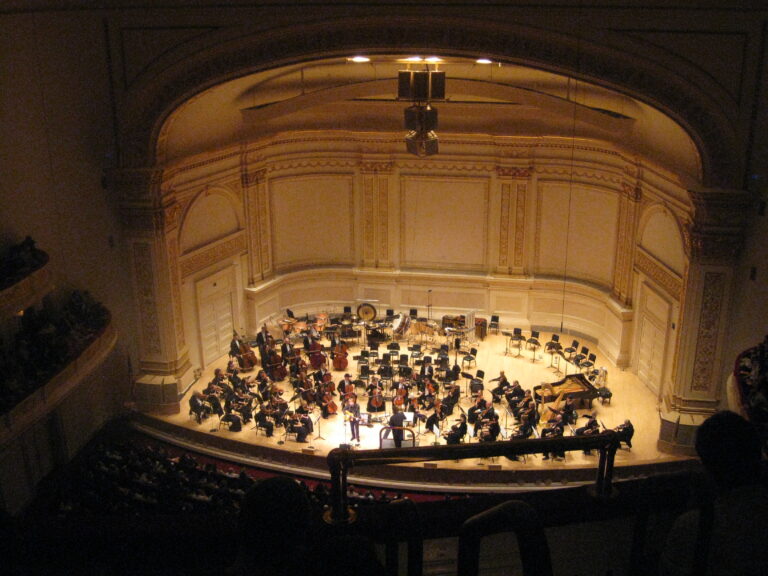
When Trey Anastasio was announced to play the 2004 Bonnaroo music festival with the Nashville Chamber Orchestra, I knew that this would be the musical experience I had been long waiting for – combining my favorite band’s music with an orchestra, drawing out every last note of music hidden in there, expanding the tablature to a full musical composition replete with instruments I had not seen nor heard from since grade school. The experience was the highlight of that Bonnaroo, and set the stage for the musical bliss that was set with Trey Anastasio at Carnegie Hall on Saturday, September 12, 2009.
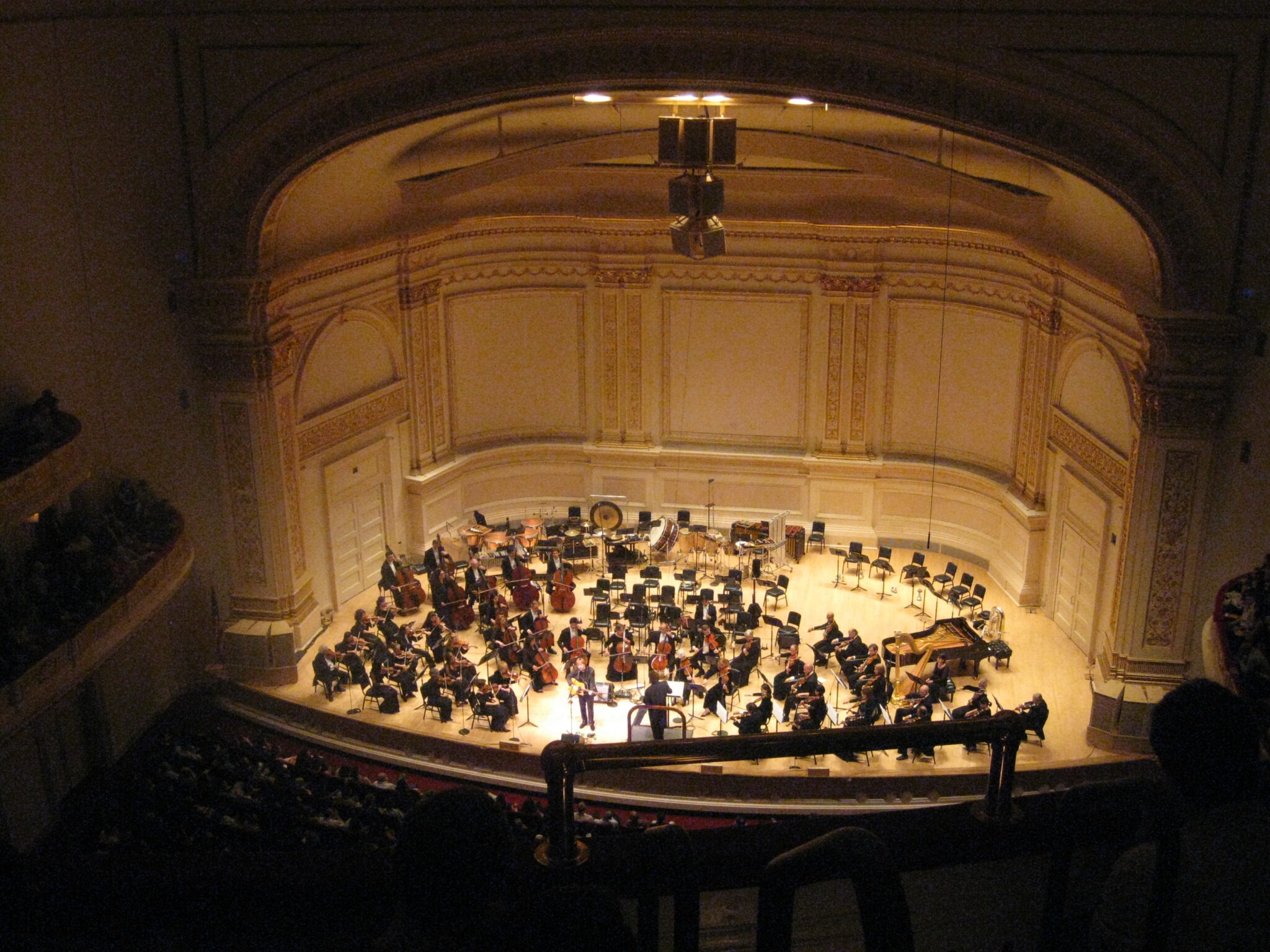
The show having been announced in mid-July, I immediately purchased the best seats I could afford (4th row balcony, which I hoped would provide immense views), as I knew the size of the room was considerably smaller than a normal phish-venue, and the demand would certainly be high. Arriving at Carnegie Hall, I saw what I had joked would be there, presuming it wouldn’t – nitrous tanks and a few shady-entrepreneurs making a quick buck on fans with money to burn on a cheap high. Ignoring this, I went inside and found myself walking up, up, up, up to the top level, and then was guided to my seat by an usher, which felt very high-class. Taking my seat, I marveled at the crowd around me, the youth, the remarkably familiar feeling I had in this great community of people, as well as the sharply dressed folks who took the occasion to go ‘phormal’, as we once had for Radio City in 2000. The crowd was very chill and happy, and notably respectful of the hall, likely thrilled to be able to see such a unique night of music in such a famous building.
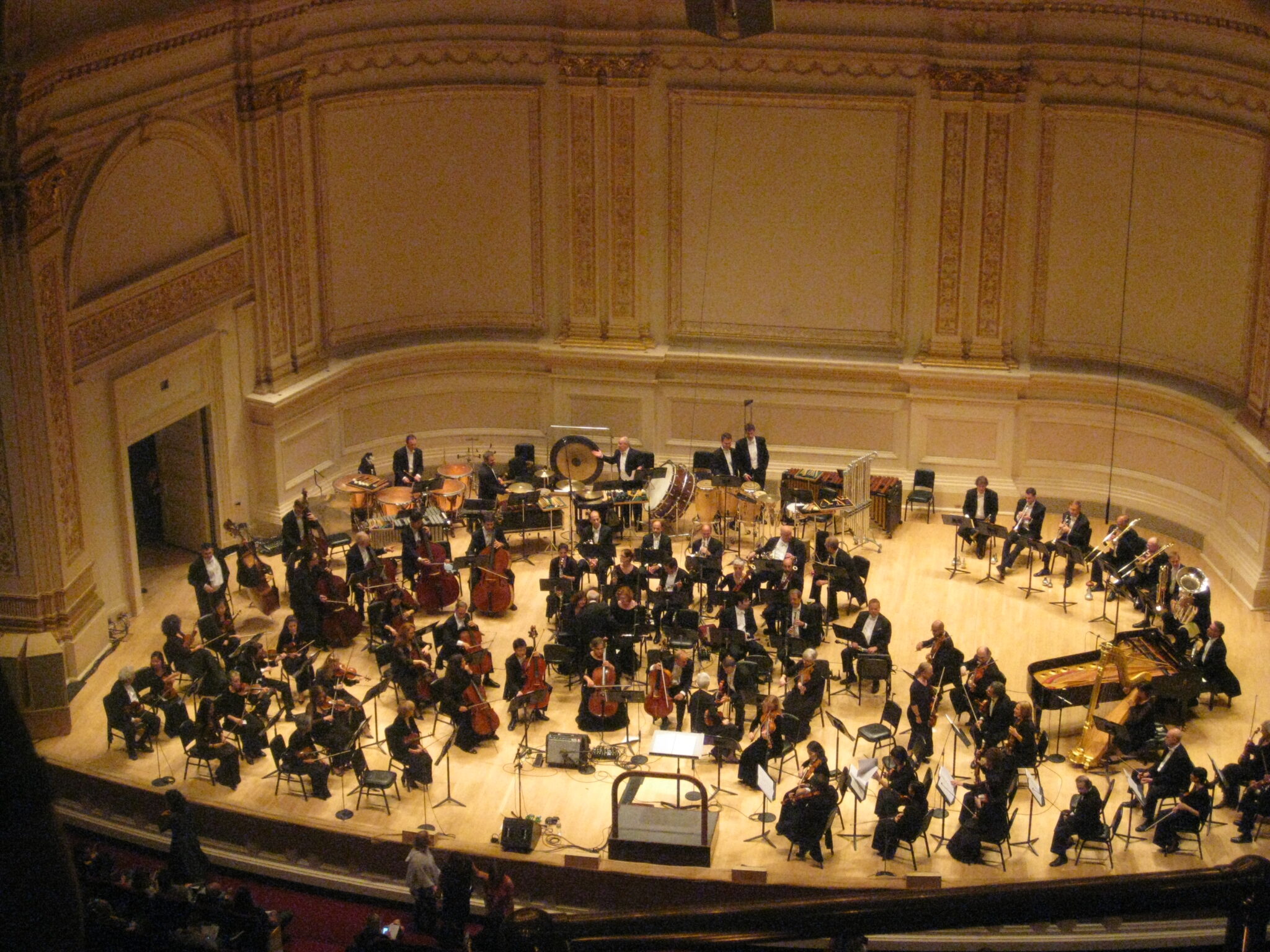
The seats were small and legroom was nil, but that was all taken away with the warming up of the New York Philharmonic. You could hear each section of instruments (the strings, the horns, the woods, the percussion, etc…) randomly tuning up, and a finely tuned ear could hear aspects of the peak of “Guyute,” the middle section of “Pebbles and Marbles,” and miscellaneous tuning and playing as the crowd got settled.
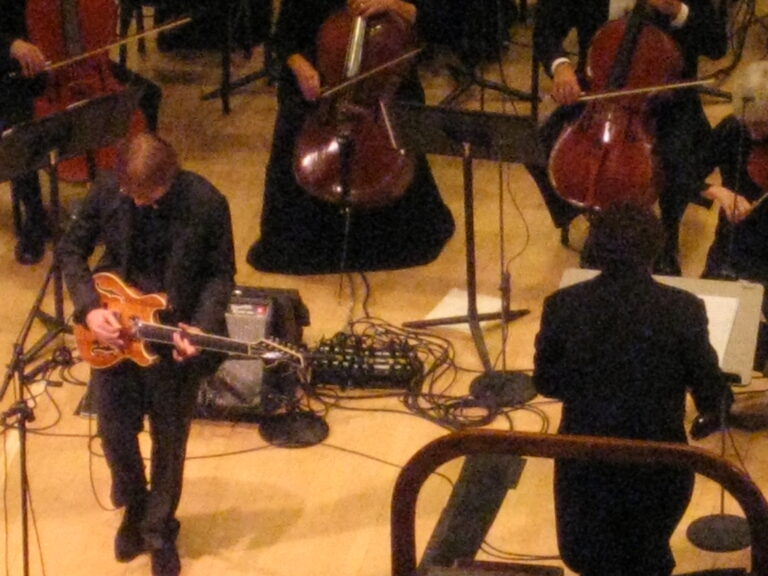
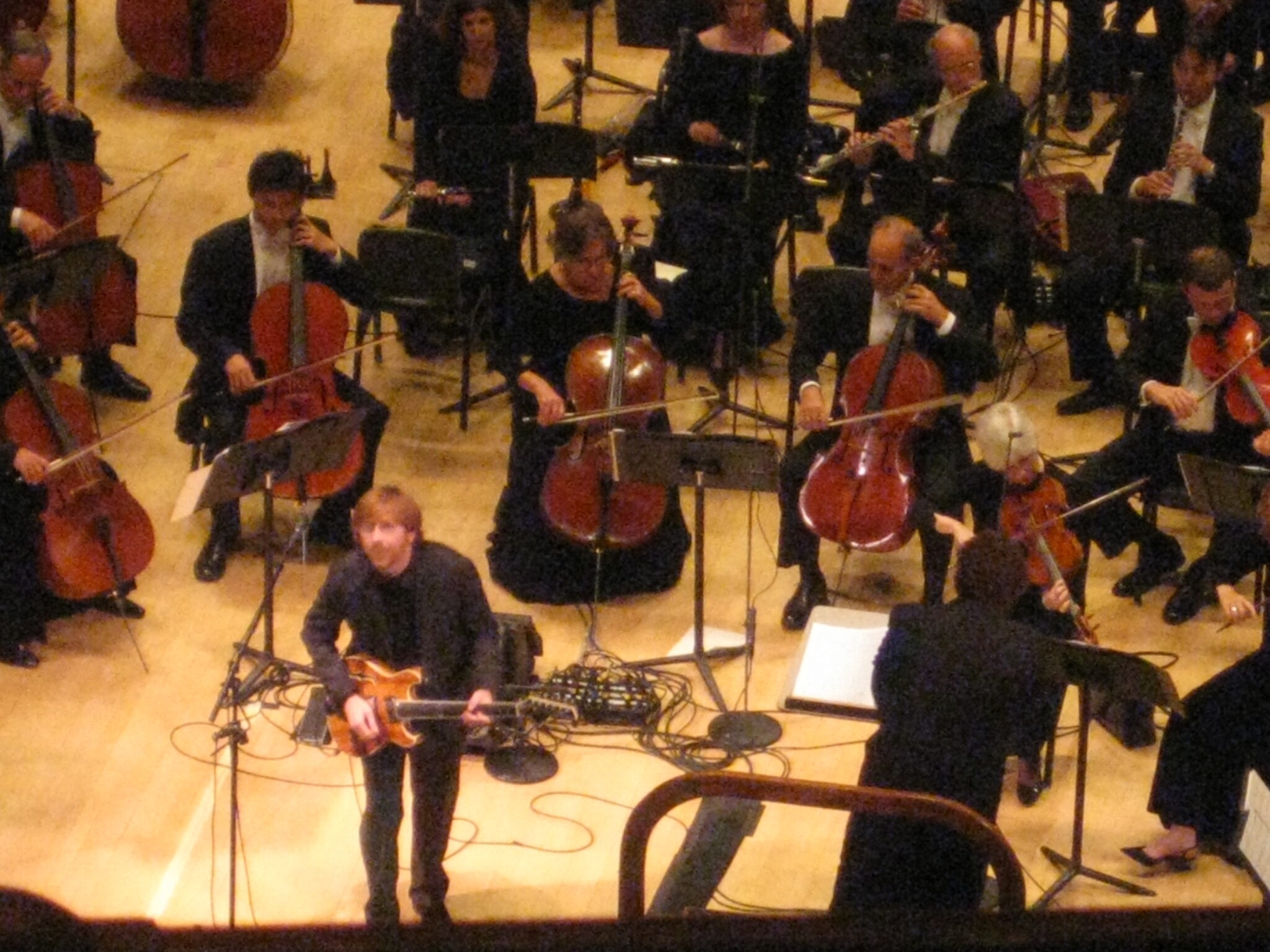
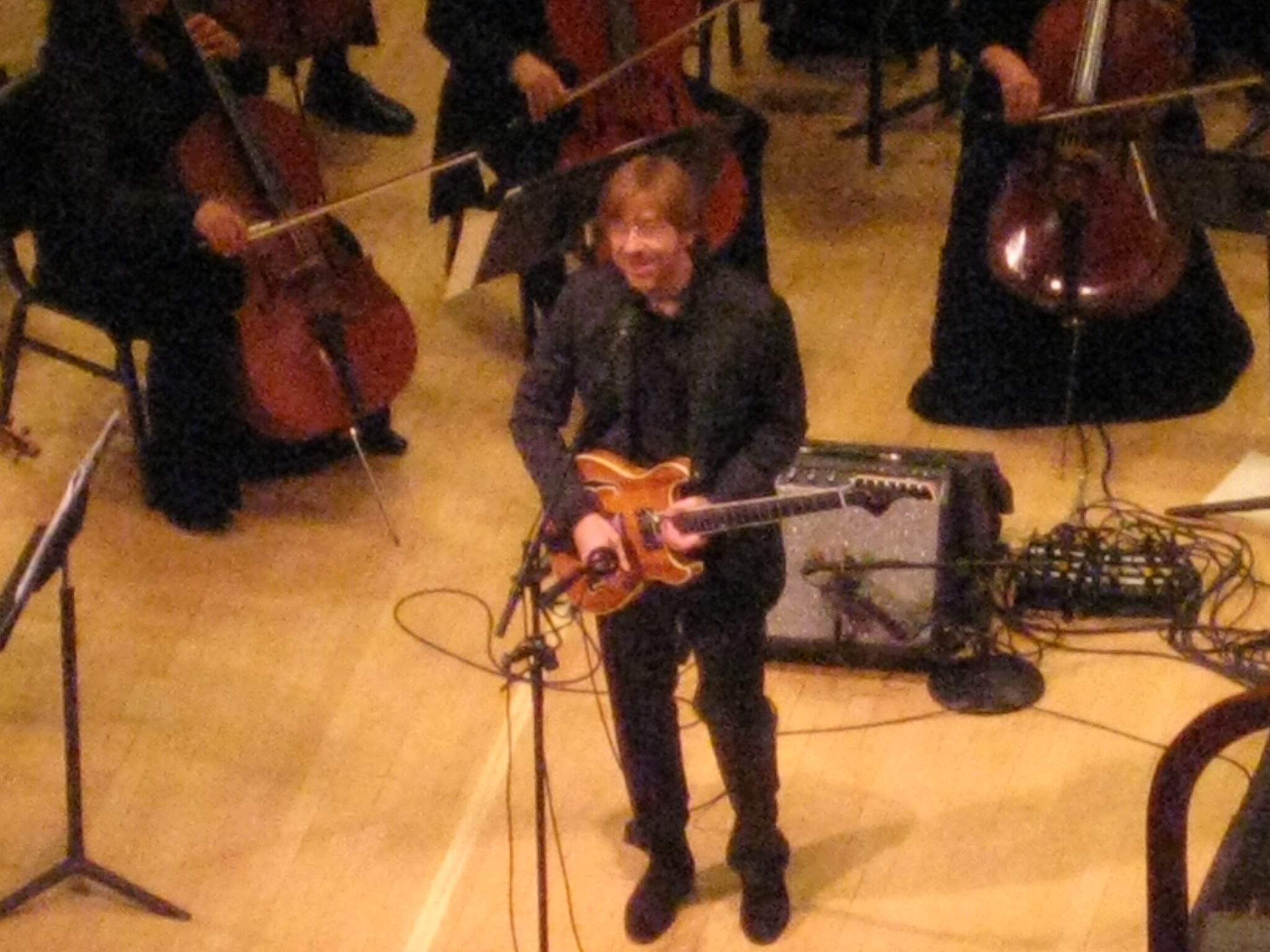
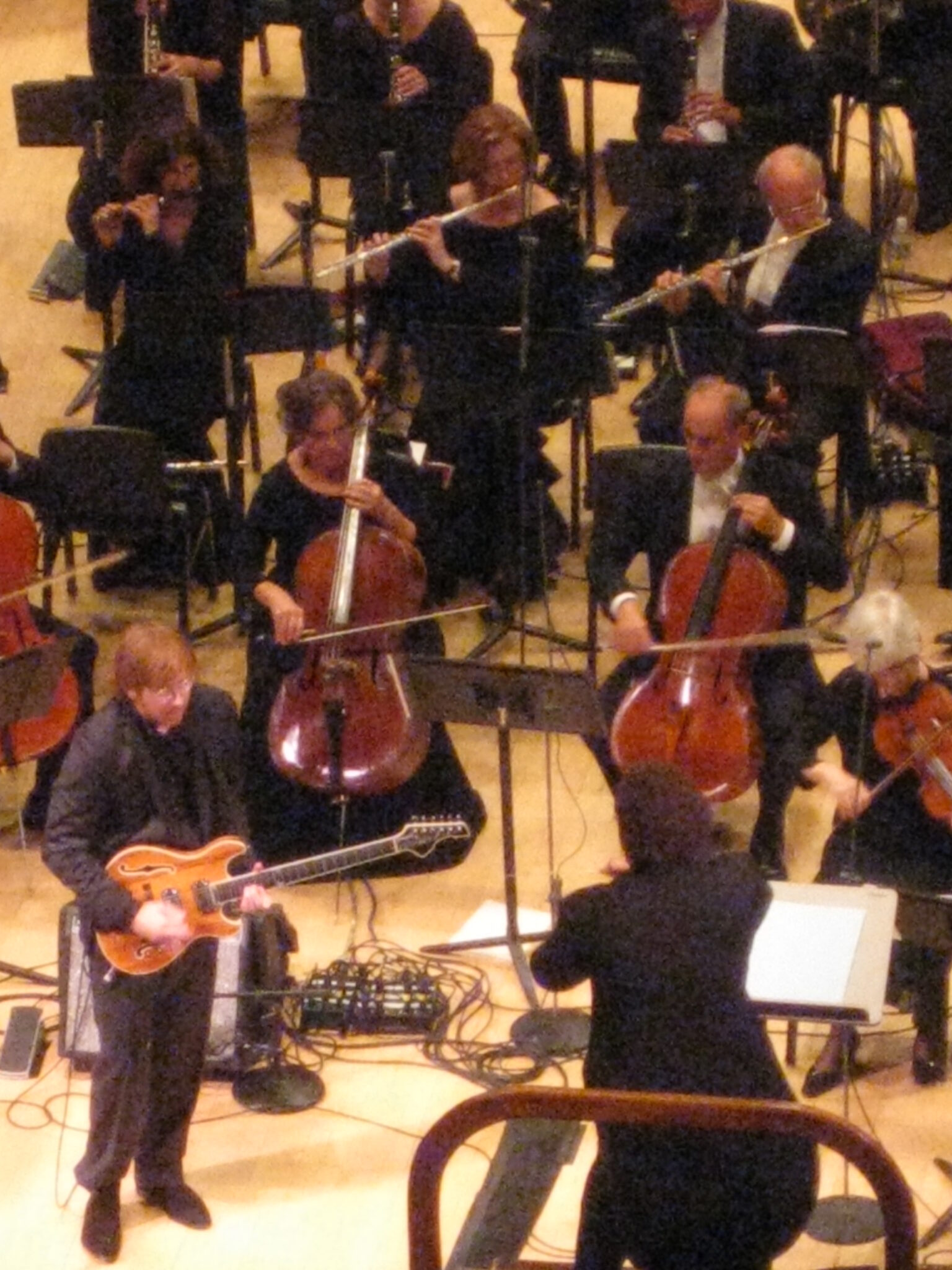
Upon their arrival to the stage, the principal violinist, the conductor, Asher Fisch, and then The Bad Lieutenant himself, Trey, came out to thunderous applause, likely the loudest Carnegie has ever heard. “First Tube” was soft and quiet at first, but perfect. Trey’s guitar was quieter than ever, but he changed the volume as the song got towards the end, with an amazing buildup, similar to the now-invigorated versions Phish has played in ’09. The flutes, violins and bongos/congos are heavy in this song, carrying the tune to its final section and peaking very subtly and suddenly.
“The Inlaw Josie Wales,” “Brian and Robert” and “Water in the Sky” were soft excursions into the mid-’90s writing of Trey, and showed the orchestral side of his writing that had been there all this time. “Divided Sky” was the crowd pleaser-supreme in the first set, giving the crowd a wide range of melodies and expansion of an already tremendous song. “Pebbles and Marbles” and “Guyute” closed out the first set, the latter of which had many heads bobbing and moving hands subtly to the movement of Asher Fisch, who was one of the more animated conductors I could have imagined, making Tom Hulce’s Mozart look like a impassive director of music. Fisch was swaying from side to side, almost seeming to leap in the air at times when the music compelled him to do so. It almost seems as though he would fit in at a Phish show.
Setbreak brought about a trip to the headiest smelling bathrooms since the last Phish show, and long lines of fans waiting for water, as the room was getting a bit warm. “‘Time Turns Elastic” started with the first two movements, which are not heard in the Phish version, as they are a cornucopia of the orchestra’s sound leading into the ‘Submarine’ section of the 30 minute composition.
This may be one of the best compositions I have ever heard, with crescendos and arpeggios that showed the masterpiece of Trey’s orchestral composition was a crowd pleaser, an attentive crowd focusing on the various sections intently. When played with Phish, fans take time to refuel and make pit stops, but for this version of “Time Turns Elastic,” every audience member hung on each section, as the segues were fluid to say the least. The most fascinating thing about this version of “Time Turns Elastic” was the focus on the various movements and sections within the song. The final section, ‘Carousel’, brought the song to a resounding peak, with applause that was the loudest of the evening thus far.
“Let me Lie” was touching, soft and short, providing a nice interlude in between two long epics, the latter being the debut of “‘You Enjoy Myself,” the immense Phish crowd pleaser. This was the song the entire crowd was waiting with bated breath to hear, only to be paused and let the excitement build longer as Trey thanked the audience, the orchestra, and remembered his late-sister, Kristine Anastasio Manning, for which her foundation that night was a beneficiary.
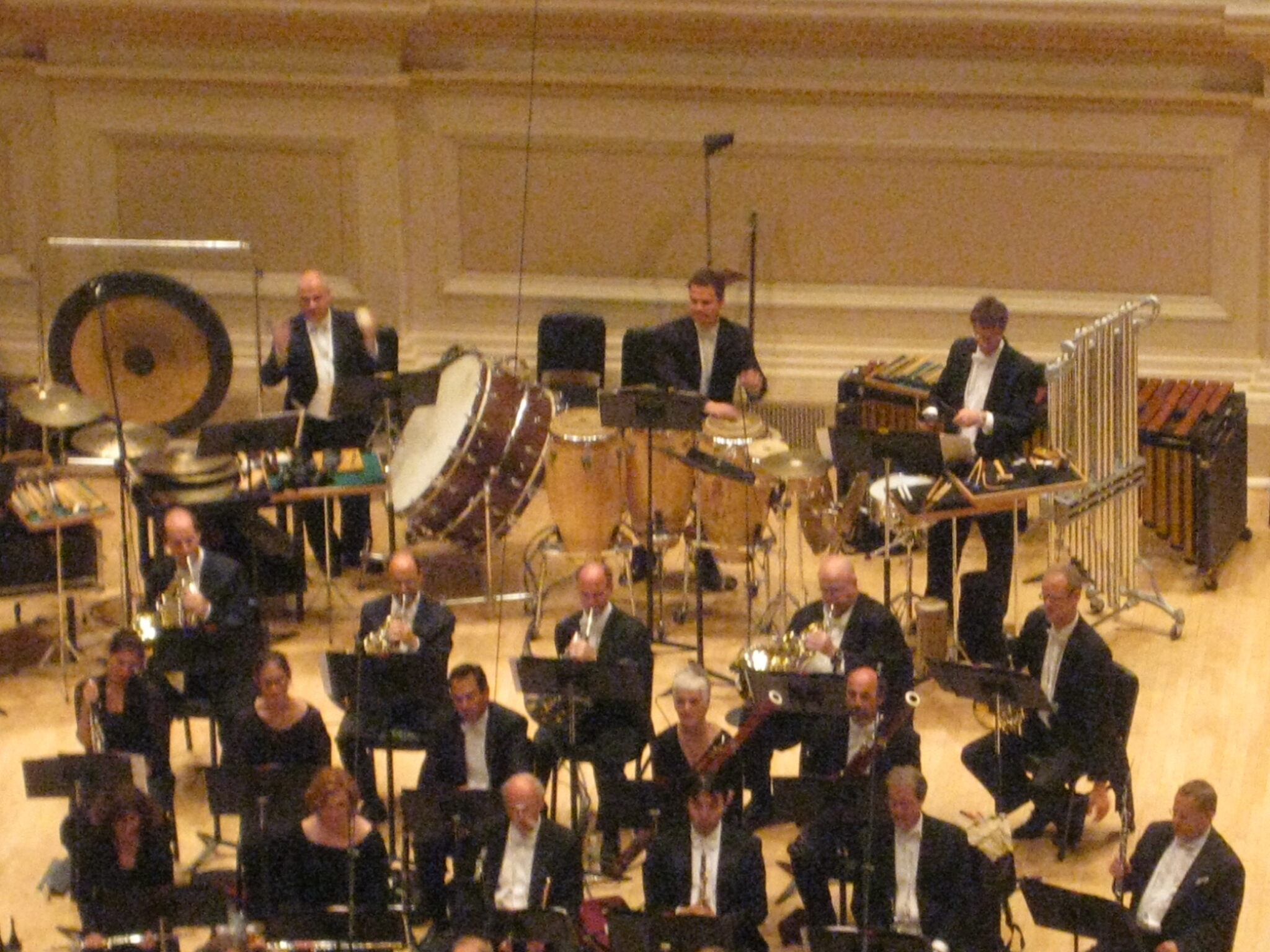
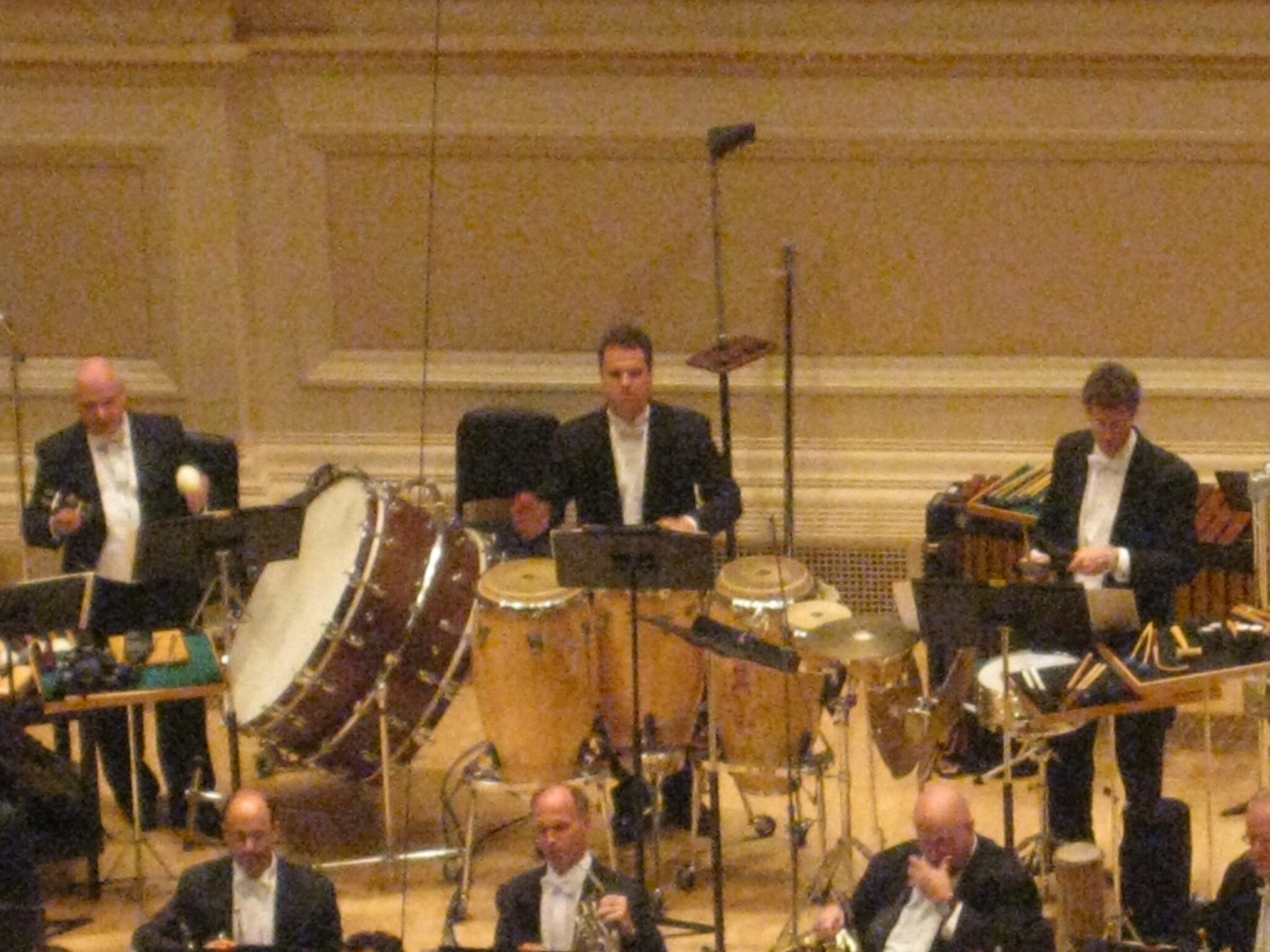
“YEM” started off with a round of applause overshadowing the opening section, but soon, you could hear a pin drop, were it not for the orchestra. The crowd hung on every note, hearing the song like never before, but really, like the song was meant to be heard – this version of the song brings out layers and aspects of the song still left unexplored through almost 500 performances over the course of the band’s career. The ‘Pre-Nirvana’ segment had the percussionist working a snare drum to emulate Fishman, as the strings brought about the largess of the ‘Nirvana’ section, with Trey playing softly and complementarily alongside the collection of musicians onstage. The xylophone in this section is worth turning the speakers up for. A crescendo appears with the trumpets, French horns and tympanis working to bring the song to its first crest. More xylophone brings the section typically played by Mike to its peak, with Trey playing louder and the horns coming in to build the song up once again.
The next section with the tremendous peak was resounding with horns and cymbals making it akin to the concert version. The bongos and congos took over the interlude in between these two sections, with an even louder zenith reached before ‘The Charge’ appeared and then dissolved with audience laughter, before a funky YEM jam beat was played by Trey and the percussionist, all the while the trombones, tuba and French horn played ‘Boy, Man, God, Shit’ in a way it was never played before.
You can’t help but laugh hearing this section, both out of the humor inflected by the horns, as well as the precision reached in the performance. Clarinets and other woods built up the song where the trampolines would usually come into play, and then the strings and full orchestra come into play, bringing the song into a three minute composed jam that highlighted all the parts of the song, as well as the musicians on stage, who were performing for an audience larger than they could possibly know.
As the final jam section ended and the strings played a very light ‘Wash Uffizi drive me to Firenze’, Trey set his guitar down and took towards the microphone, and began a vocal jam all on his own, a first for any Phish fan. The similarities between this vocal jam and the ‘Arc’ that Eddie Vedder performed on his 2009 solo tour were resounding, with the exception that Anastasio does his vocals all on his own, and without the addition of looping sounds; the room carried Anastasio’s voice throughout its acoustic borders, while the orchestra backed up each inflection of Trey’s voice.
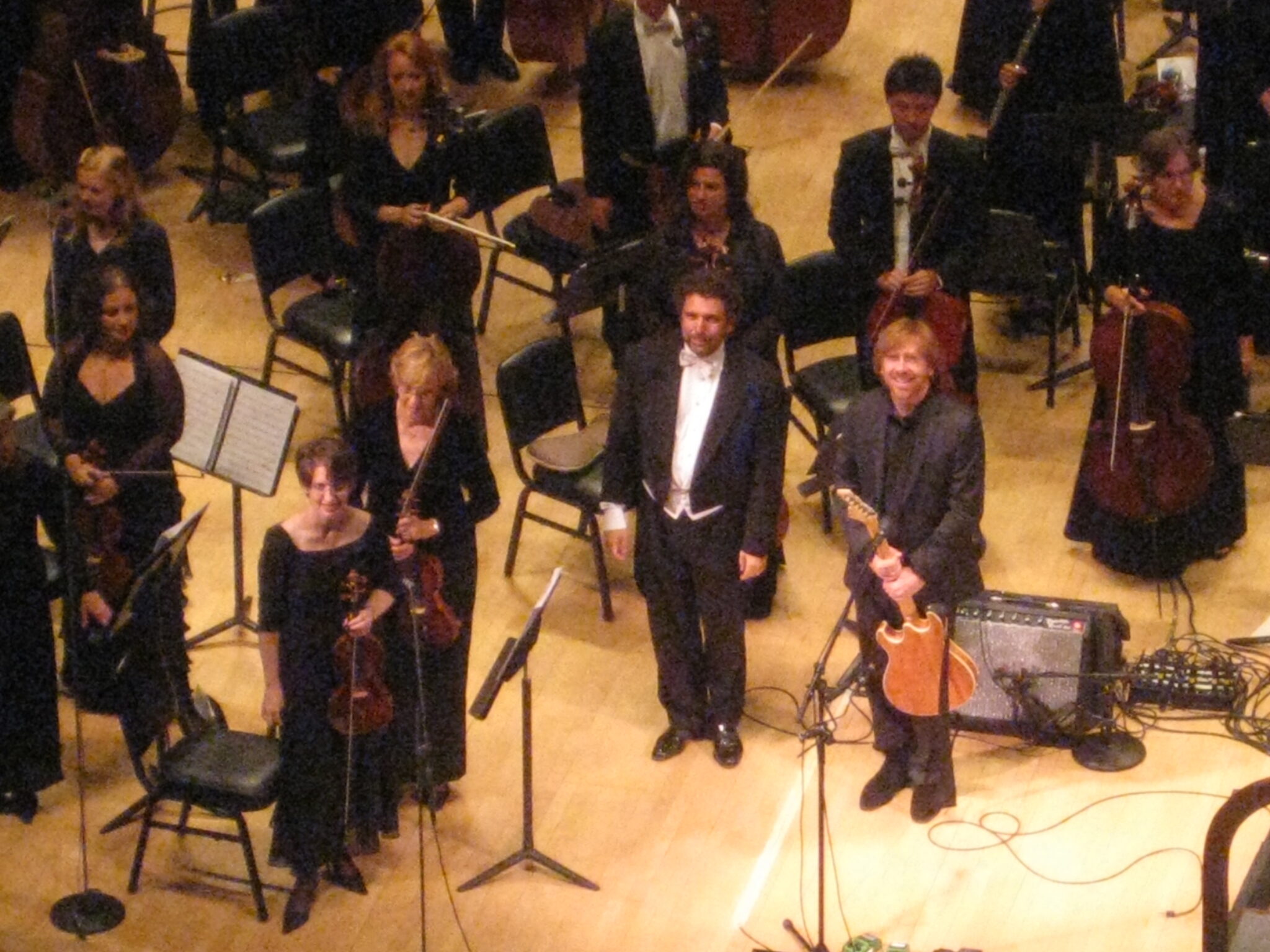
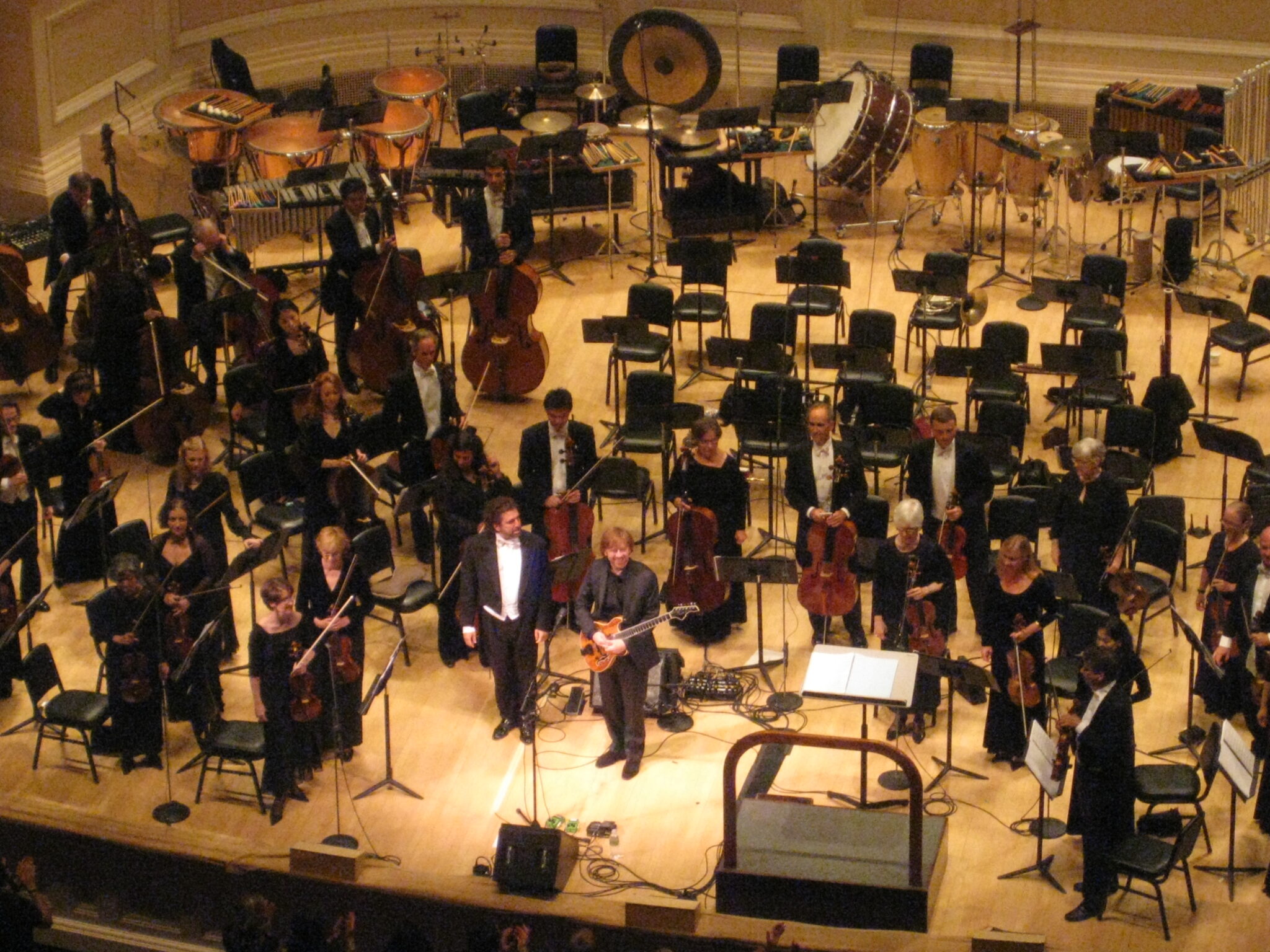
The roar of the audience at the end was deafening, even for one of those cheering loudly. We cheered like a Phish audience for a very non-Phish set of performers, and they deserved every ounce of it. An encore of “‘If I Could” was so perfect, you need to hear it to truly appreciate how soft and elegant the song gets; the album version has strings towards the end, which is a nice start for a song that has found a new home in an orchestral composition. The harp solo after the first two sets of lyrics is enough to make your eyes well up with tears of joy, and then the strings make the wells runneth over. A more beautiful composition is hard to come by.
As the show ended, fans ventured out into the streets to dodge the nitrous vendors, and headed out into the night, having experienced one of the most amazing musical events of 2009, let alone the entire decade/century. Yes, it was that amazing.
Overall, even the most rabid of Phish fans and music fans in general, would appreciate the intricacies, tempo changes, structure and multi-auditory stimulation that come from the greatness of an orchestra. Seeing Trey in an orchestral setting is the way to see him perform him music. Remember, he went to school for this, so this isn’t some silly venture like Jordan playing baseball. No, this is the real thing. This is Jerry Garcia playing solo shows, Mick Jagger putting out subpar solo albums for unknown reasons, and Bono hanging out with world leaders to push for more attention to Africa. This is where the rockstar in Trey goes on to become something more, something larger, something that transcends Phish, but brings along the music for the ride. You have to ponder the thought, since Trey went to college for Composition, had he not co-founded Phish, would he have been a colleague of Fisch?
One has to wonder, have we been duped this whole time by Phish, that now we deep down can appreciate the intricacy and effort it takes to create orchestral music? Most the songs played that night have been played by Phish since the early days (YEM, Divided Sky), the ’90s (Guyute, Inlaw, Brian and Robert, Water in the Sky) and in recent years (Time Turns Elastic, Let me Lie, Pebbles and Marbles), yet at those times, few considered that we were hearing the rock and jam versions of classical songs. All these songs have that familiar strain, and can possibly convert Phisheads into classicophiles in no time.
This show was a game-changer and eye-opener for many fans. Seek it out and join in one of the greatest auditory experiences you have ever heard.
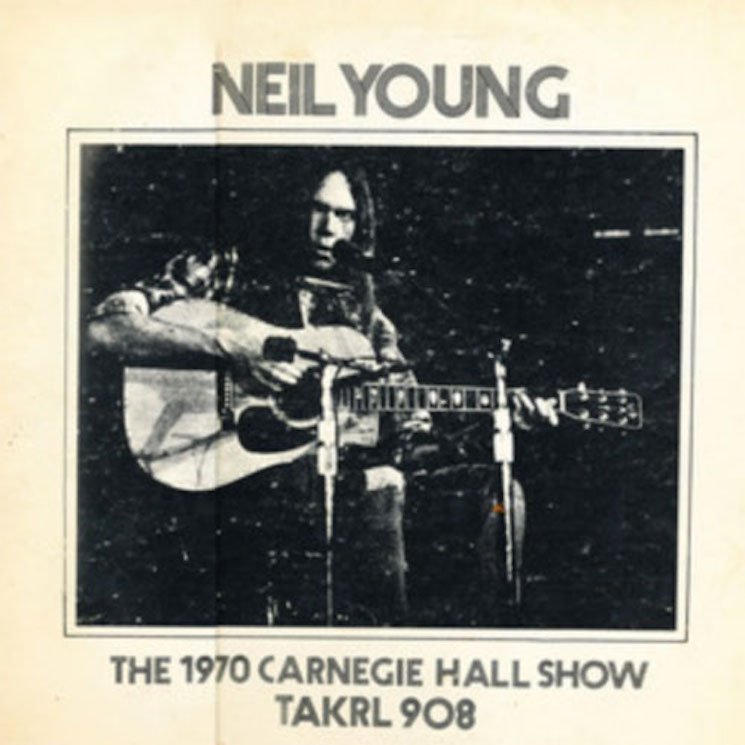
As the inaugural release from his upcoming Official Bootleg series, Neil Young chose a concert from December 4, 1970 at Carnegie Hall. It is an unheard solo acoustic concert that happened shortly after the release of After the Gold Rush.
Young performed two shows at Carnegie Hall that week. These gigs were the end to a phenomenal year for him due to the success of After the Gold Rush and Crosby, Stills, Nash, and Young’s Deja Vu. How important were they to Young and his budding career? He flew his parents to New York from Canada to witness the show.
In his book, Neil and Me, Young’s father, Scott Young, wrote,
“We sat, I guess, like visitors from another world, but once the place was dark, we could all see this dark form approaching the front of the stage and then the spotlight came on him: tall and thin, blue jeans, checkered shirt, work boots, dark straight hair to his shoulders or beyond, two acoustic guitars on a rack beside a plain wooden chair, a concert piano to his let. Moving gingerly as if his back was bothering him. No music to play except the songs in his head, all his own.”
Young has not yet announced a release date for the Carnegie Hall show, but fans could likely see the release before the end of the year. It is one of many projects, including the second volume of his Neil Young Archives box set and a 1990 club show with Crazy Horse.
“This one — Carnegie Hall, December 4th, 1970, is very special to me. Change happens fast. As I have gone through these early bootlegs, Carnegie Hall, Dorothy Chandler Pavilion [2/1/70], Royce Hall [1/30/71] and others, they show a change, something you can hear — an evolution.”
Blue Note New York has announced their fall schedule for Blue Note Live, a completely online concert series featuring 19 performances from jazz legends, including the John Scofield Trio and Joe Lovano. Tickets are $15 and can be purchased at bluenotelive.com.
The performances will be broadcast at 8:00 P.M. EST. They will then be re-streamed at 11:00 P.M EST that day, 8:00 P.M. Japan Local Time (7:00 A.M. EST), and 8:00 P.M. Central European Time (2:00 P.M. EST) the following day.
The series hopes to continue a relationship between the fans and the artists as well as other fans. To do this, they plan to use several interactive features through the livestream including a chat feature where they can interact in real time.
Blue Note New York Streaming Live Fall Schedule:
John Scofield Trio FT. Steve Swallow & Bill Stewart – September 11 at 8:00 p.m. Michel Camilo – September 12 at 8:00 p.m. Bill Frisell Trio FT. Thomas Morgan & Rudy Royston – September 18 at 8:00 p.m. Keyon Harrold – September 19 at 8:00 p.m. Madeleine Peyroux – September 24 at 8:00 p.m. Phony Ppl – September 25 at 8:00 p.m. Marcus Strickland Trio FT. Ben Williams & E.J. Strickland – September 26 at 8:00 p.m. Will Calhoun’s Changing Times Trio FT. Orrin Evans & Uganna Okegwo – September 30 at 8:00 p.m.James Carter Organ Trio – October 1 at 8:00 p.m. Joey Alexander – October 2 at 8:00 p.m. James Francies – October 3 at 8:00 p.m. Theo Croker – October 9 at 8:00 p.m. Mike Stern – October 10 at 8:00 p.m. Eddie Palmieri Afro Cuban Jazz Sextet – October 15 at 8:00 p.m. Ben Williams – October 16 at 8:00 p.m. Kenny Werner & Chris Potter Duo – October 17 at 8:00 p.m. Joel Ross “Good Vibes” – ‘Who Are You’ Album Release Concert – October 23 at 8:00 p.m. Joe Lovano’s Joyous Encounter – October 24 at 8:00 p.m. Trio 3: Oliver Lake, Reggie Workman, Andrew Cyrille FT. Vijay Iyer – October 30 at 8:00 p.m.
Since March, the Coronavirus global pandemic and government shutdown had left many people in their homes stuck with nothing to do. That is until, famed producers Hit-Boy and Boy-Wonder began the Verzuzcraze on Instagram Live, playing their most popular records back-and-forth. Timbaland and Swizz Beats expanded on the phenomenon, elevating it by pairing older, iconic acts together to showcase their catalogs in a 20-song format.
Verzuz battles have helped keep the general public’s minds off of the pandemic and the success from each ensuing battle has fans creating dream matchups of who they want to see next, and which artist they want paired with who. One of the artists that many fans want to see step into the ring is Jay-Z. Widely considered as one of, if not the greatest rapper ever, conversations surrounding a potential Hov battle have people asking two questions: given his immense stature, would he actually do a Versuz battle? And, who exactly would be his opponent?
The first names that have been tossed around are his long-time rival Nas and Lil Wayne. Nas and Jay-Z’s rivalry is well-documented and dates back to the late 90’s. Their problems began when Nas turned Hov down for a feature on Jay-Z’s song “Dead Presidents” off of the Reasonable Doubt LP, because Nas’ voice was sampled for the record. With that, animosity began to build, as both rappers exchanged shots for years throughout multiple songs until the rivalry met its climax in 2001.
https://vimeo.com/316958866
First came Jay-Z’s “Take Over” from his Blueprint album, while Nas replied a few months later with “Ether.” Their battle marked Nas’ to hip-hop superiority, as well as the first real loss by Jay-Z. It only makes sense that their convoluted history has fans yearning for a Verzus battle between the two.
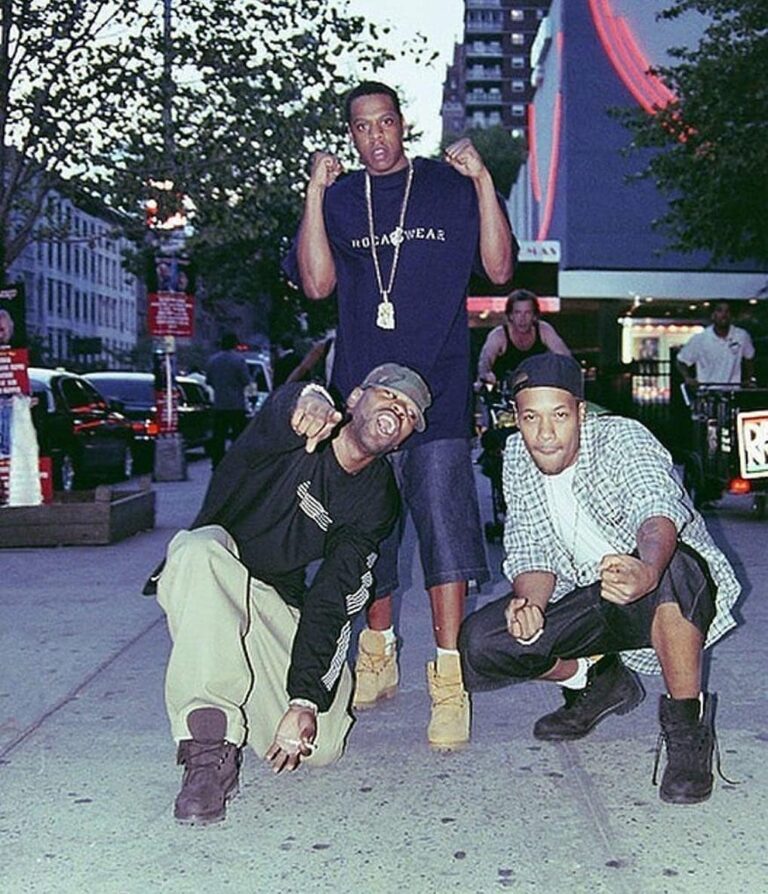
While Lil Wayne’s case is centered on his dominance of the rap game during the mid-to-late 2000’s, he has also had a healthy rivalry with Jay-Z with the two sharing subliminal shots at each other on various records. While all these names are legendary in their own right, the best opponent for Jay-Z isn’t Lil Wayne or Nas, but none other Method Man.
Making a name for himself in the early 90’s as the face of the most gritty and diverse group in hip-hop history, Wu Tang Clan, Meth has been a part of many classic albums in his own right. From his work with the Clan, his own solo albums and guest features, he has enough in his arsenal to give Jay-Z his toughest matchup in a Versuz Battle.
Why Meth and not Nas or Wayne
Some will say that Method Man isn’t a better choice to battle Jay over Nas or Lil Wayne and they would be wrong. Artists have egos and want to be matched up with other rappers whom they believe are of their stature. Jay-Z is at the pinnacle of hip-hop as a mogul, artist and legend. He is constantly praised by hip-hop media outlets who have been the main reason for him being mentioned as the “G.O.A.T.” in recent years. Prior to his success as a businessman, that title was reserved for the likes of Tupac Shakur, The Notorious B.I.G., Rakim, LL Cool J, and Nas.
Jay-Z has always been conscientious of how people perceive him. In a 2019 Breakfast Club interview, rapper T.I revealed that Jay-Z phoned him over comments he made where he stated that he believed Tupac Shakur was the greater emcee.
Jay-Z took some offense, which let the masses know that being considered the greatest is important to him. From his pespective, why go head-to-head with Nas again? Because of the extent of his radio catalog, he would would be the heavy favorite, to the point that most would write off Nas, just as they did in 2001.
While a Verzuz battle is meant to be hit-for-hit, we’ve seen them deviate from this course and highlight quality records over just radio-friendly music. In this scenario, Nas could come with 20 of his best records and possibly sneak a win from Jay-Z, and if he does, then his status among mainstream media as the best rapper ever would come into question.
The same thing can be said for Lil Wayne, only his win would come from his sizable radio catalog. If Jay-Z were to battle him and go hit-for-hit, there is a possibility that he would lose. Another overlooked aspect is that Nas, Lil Wayne and Jay-Z all have laid-back personalites, which might not be the most entertaining to the public as other battles have been. This is where Method Man comes in. As the host of TBS’ Drop the Mic, his personality is effervescent and thus would serve as better entertainment to audiences, as he would surely provide great banter during a Verzuz battle. Meth is not considered usually in the conversations for best rapper ever, he is thought of like Snoop Dogg; a dope rapper in their prime, who have been featured on great songs throughout their careers.
If Jay-Z were to get defeated by Method Man it would be more of a look for Meth and his catalog than a diminishment of Jay-Z’s. Meth is pulling from not only his catalog but the entire Wu-Tang Clan’s, as well as guest verses he has done throughout his career. If Jay-Z does defeat Method Man, then he can say he took down Method Man (who was at one point viewed as a better emcee than Jay-Z in the mid to late 90’s), while also claiming that his own catalog was able to overcome Wu-Tang Clan’s discography, which would make his case as the greatest ever stronger.
How Would Their Battle Go?
A battle between Method Man and Jay-Z would be interesting because of their contrasting styles. Meth has a gritty gutter style and has been known to rhyme over tougher beats. Jay-Z is smoother and rhymes on more polished sounding production. Meth might probably start off with his first single off the 36 Chambers album “Method Man” or “Protect Ya Neck,” the track that put the entire Wu on the map. This would put Jay-Z in a bind, as a lot of the early Wu Tang records are considered some of the best rap songs of all-time. This would probably force him into playing a lot of his older, more acclaimed work but, he would most likely still play some of his newer songs like “Story of OJ,” due to its popularity and current climate of the world, with race relations and internal bickering amongst the black community.
A major risk in this battle is sequencing. Would Jay-Z try and use his Billboard hits against Method Man with songs like “Déjà vu” with his wife Beyonce? While one of his highest charting songs ever, against Method Man, the underdog in this battle, it would not be wise to play those kind of records.
Method Man has gotten a bad rap for “whining” about being overlooked in his all-time ranking when people mention the greatest emcees. A Verzuz battle with Jay-Z not only brings new listeners to his already iconic catalog and also opens up discussions about where Method Man should be ranked in the pantheon of hip-hop greats. This also works in Jay-Z’s favor, as Method Man has a legendary and mostly underrated discography. If Jay-Z were to lose, it would be shocking but no one would question his superiority over Method Man in the rap hierarchy. If Hov wins, then he would reaffirm his status as the best rapper of all-time.
Here is a list of both MC’s potential versus picks.
Billy Joel has decided to push his shows to late 2021 and 2022 at Madison Square Garden in the light of the ongoing coronavirus pandemic. He was originally supposed to take the stage in March of 2020 but like many shows he had to postpone to later dates.
Billy Joel’s Madison Square Garden shows were originally supposed to take place between March 19, 2020 and Monday, August 3, 2020. It was then initially rescheduled to take place between September 26, 2020 and February 3, 2021. They have now been pushed back and are taking place between November 5, 2021 and February 12, 2022. Pretty much all 2020 shows have been pushed but few have been pushed back as far as Billy Joel has pushed his shows. The longer the world deals with the coronavirus it seems less and less likely that we will be back to normal in 2021 particularly in the live entertainment industry.
In a message posted on Billy Joel’s website it asks fans to, “Please be advised that the six Billy Joel concerts which were originally scheduled to take place at Madison Square Garden between March and August 2020, and were subsequently postponed to September 2020 through February 2021, have been rescheduled to take place between November 2021 and April 2022. All original dates, along with their corresponding initial rescheduled dates and the new rescheduled dates are outlined below. Tickets for the original show dates and initial rescheduled show dates will be valid for the corresponding new rescheduled dates in 2021 and 2022.” Those outlined dates can be found here.
Ticket holders who aren’t able to attend the new dates can request a refund before October 5, 2020. If a refund is not requested during the allotted time, tickets will automatically be transferred to the new rescheduled show date and no action is needed by the ticket holder. People interested in a refund for tickets purchased through Ticketmaster, visit my.ticketmaster.com/account. For refunds on tickets purchased through the Madison Square Garden Box Office, call the MSG Guest Relations department at 212-465-6225.
The New Rescheduled Show Dates are the following: Friday, November 5, 2021 Monday, December 20, 2021 Friday, January 14, 2022 Saturday, February 12, 2022 Thursday, March 24, 2022 Friday, and April 8, 2022.
For more information please visit Billy Joel’s Website.
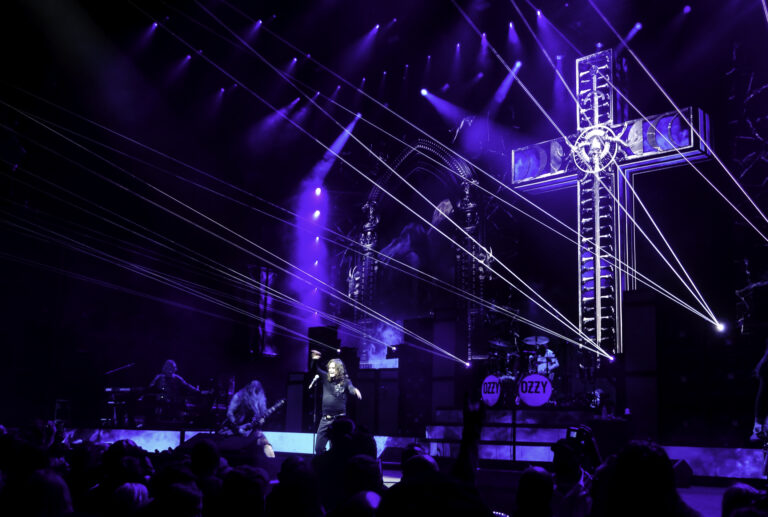
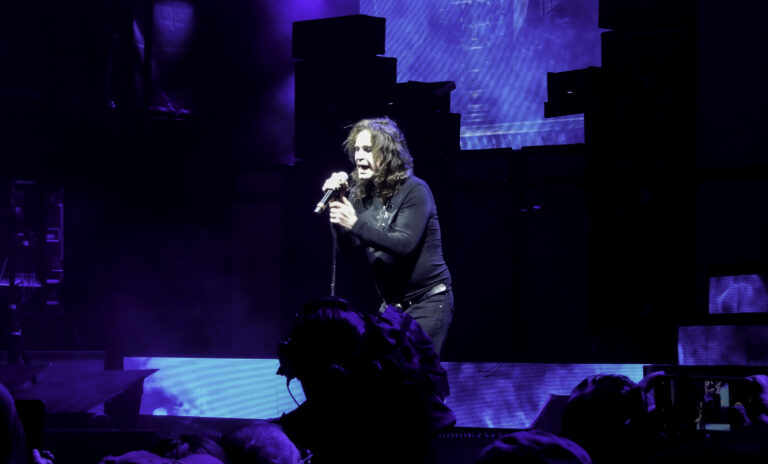
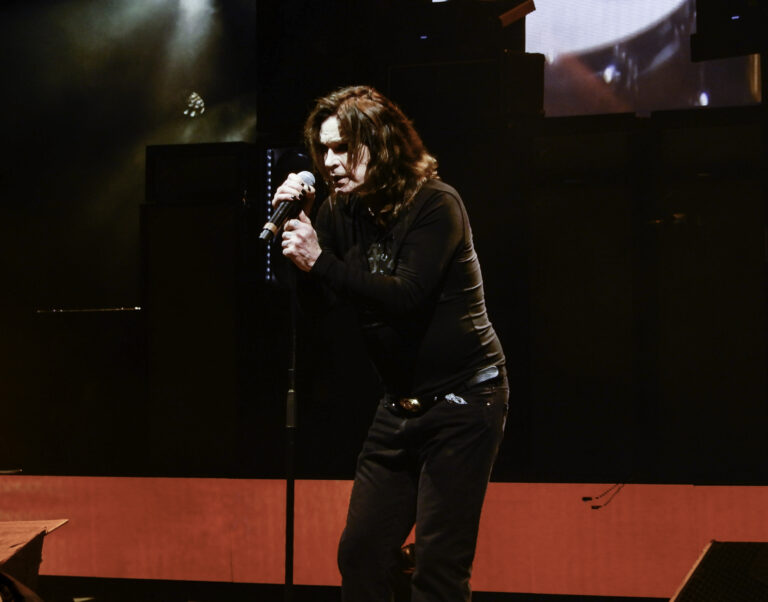
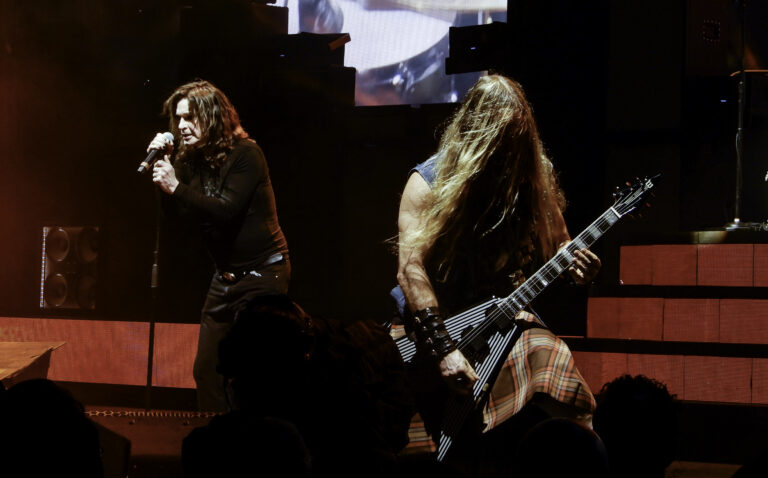
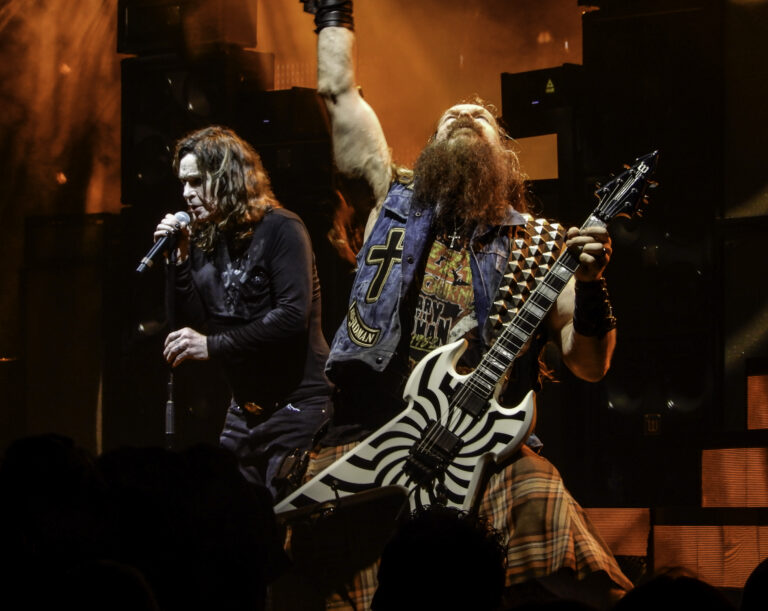
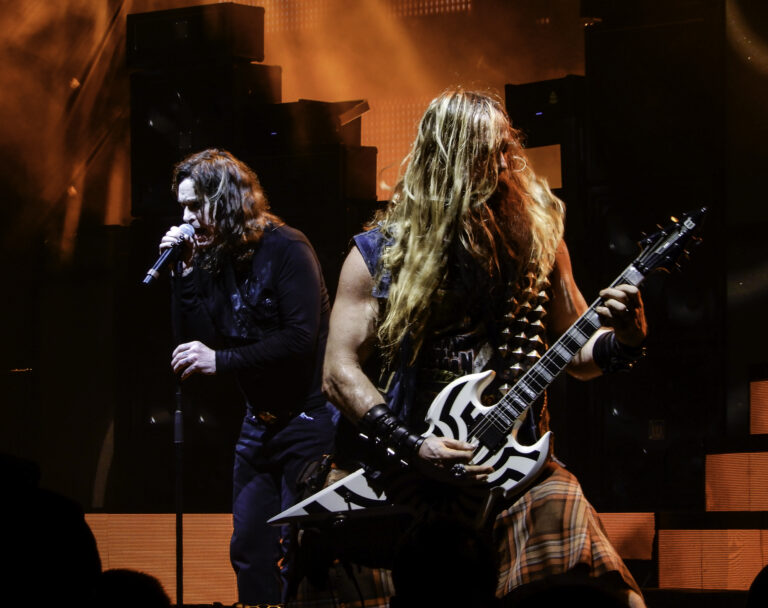
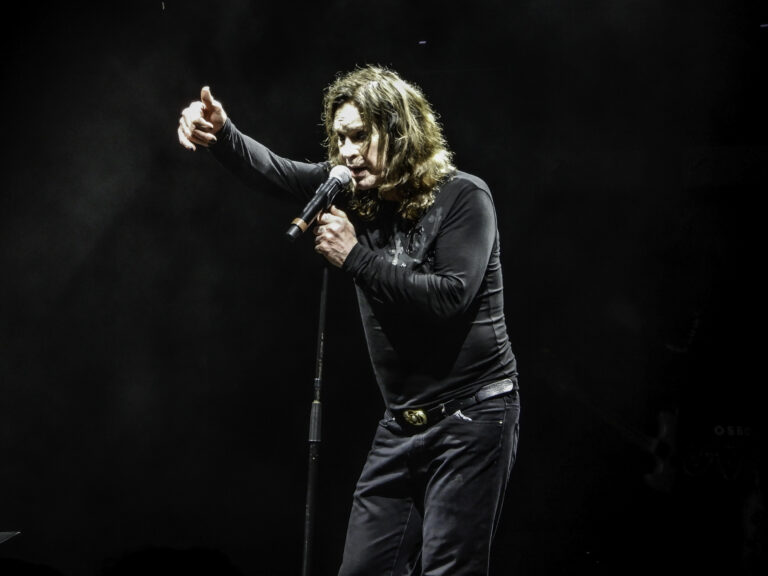
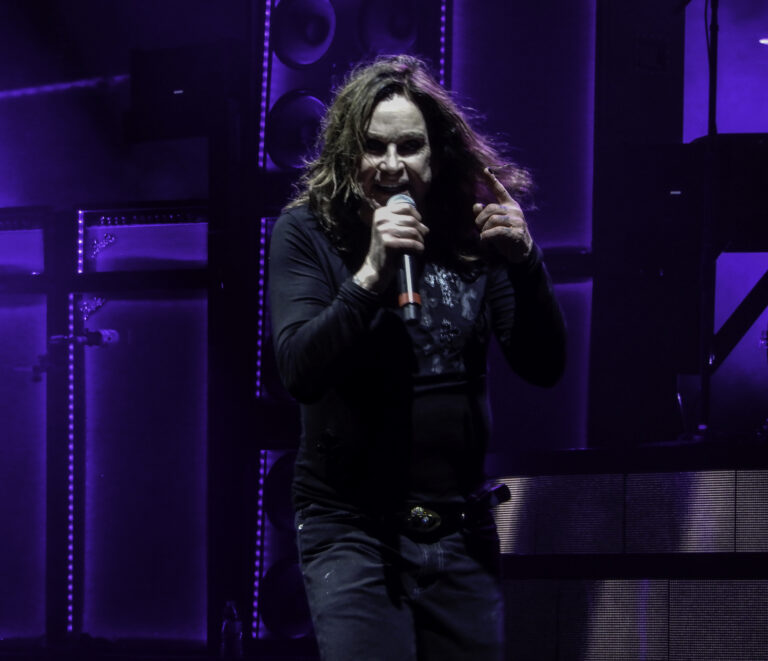
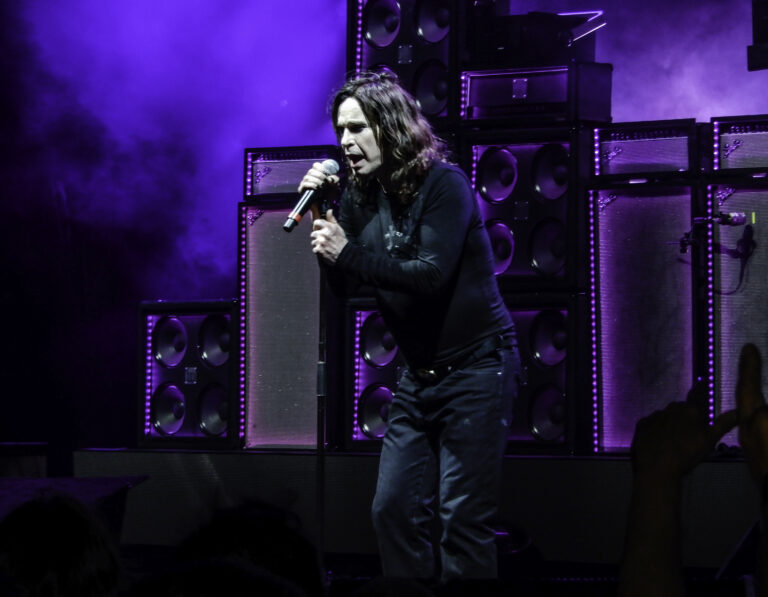
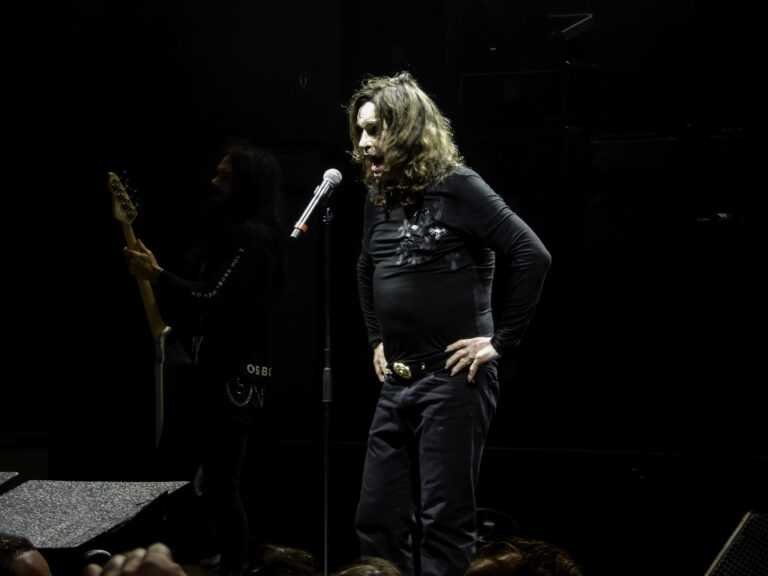
On Sept. 8, 2018, Ozzy Osbourne played to a soaking wet crowd at Jones Beach Theater, but once The Prince of Darkness hit the stage, nobody seemed to mind. Ozzy himself came out first before the rest of band and told the crowd, “The crazier you get, the longer I’ll remain on stage.” That’s all it took to get the sold out crowd of 15,000 plus going f—–g crazy!
At this point it was freezing cold and had been pouring for the last few hours, especially during opening act Stone Sour’s set, and the floor was a foot deep with water seeping in from Zach’s Bay where the venue stands. Regardless, Ozzy sounded just as good as I have ever heard as he kicked off the show with “Bark at the Moon.”
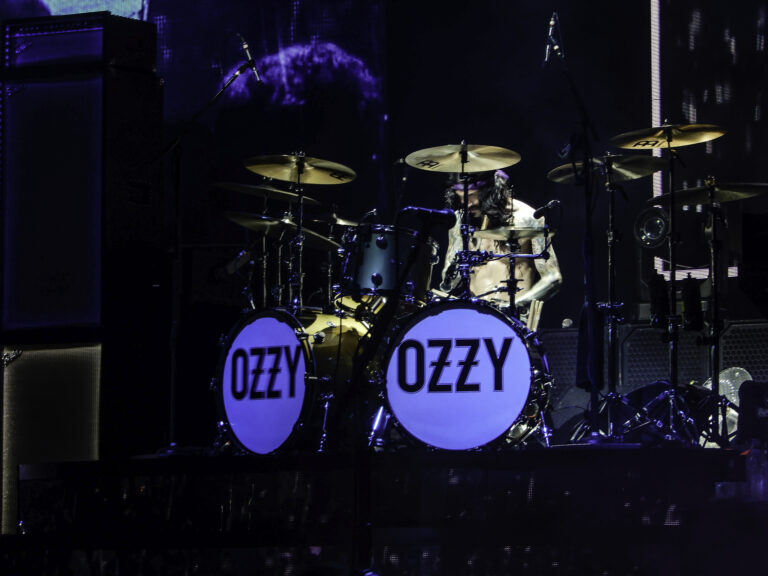
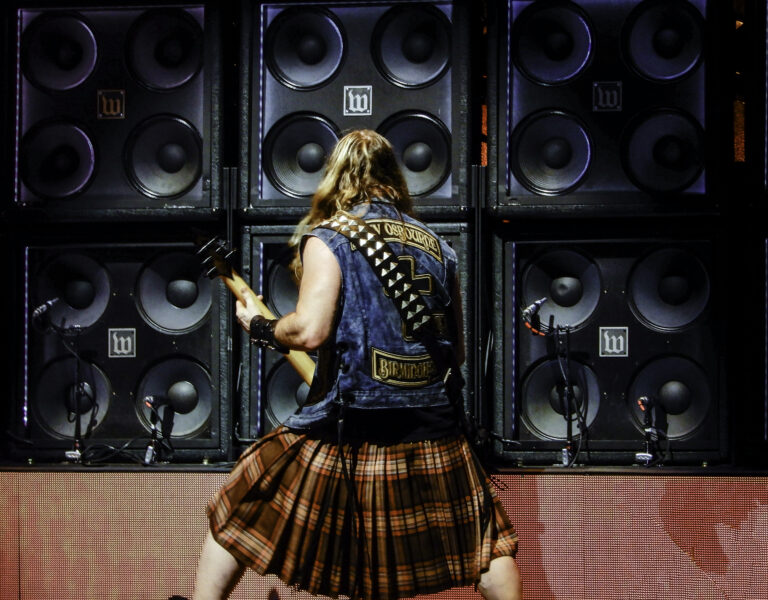
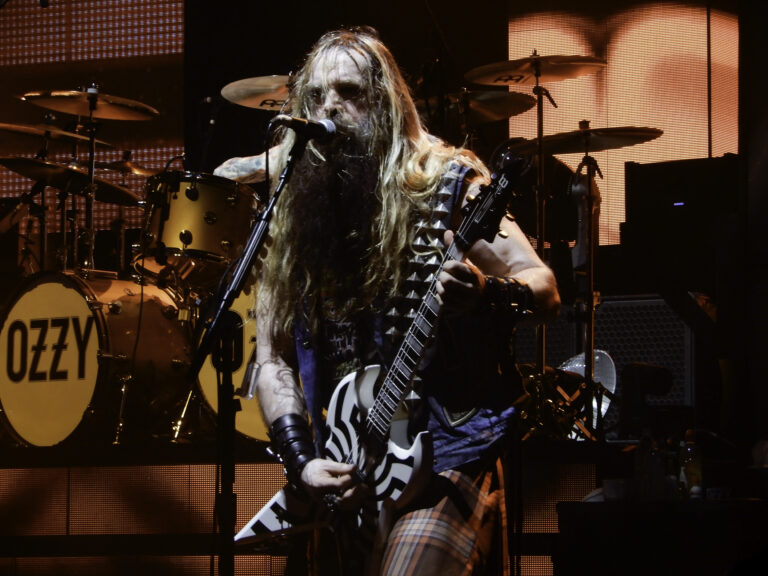
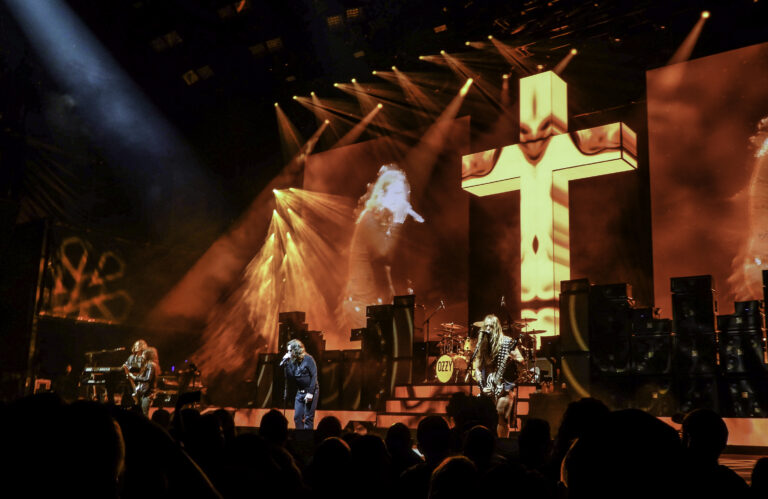
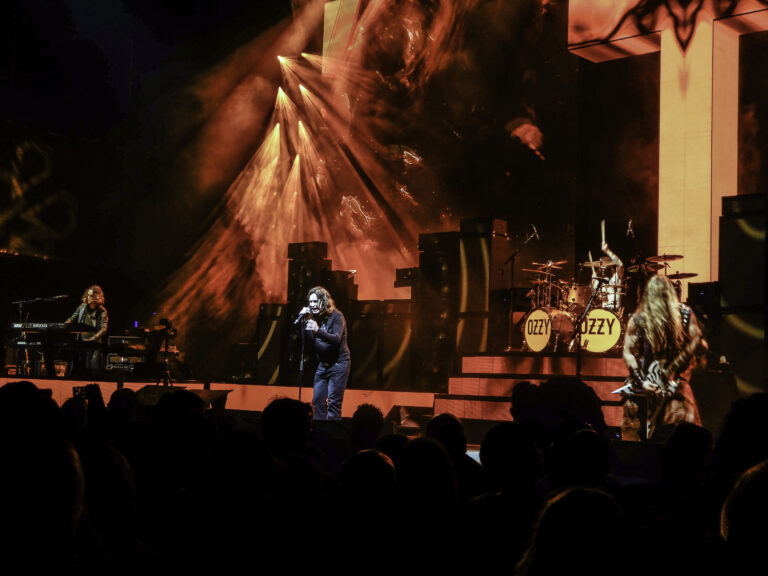
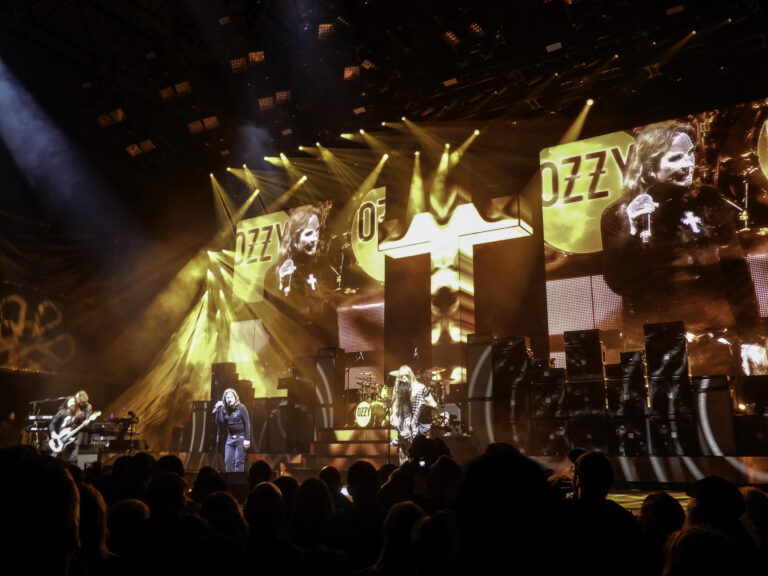
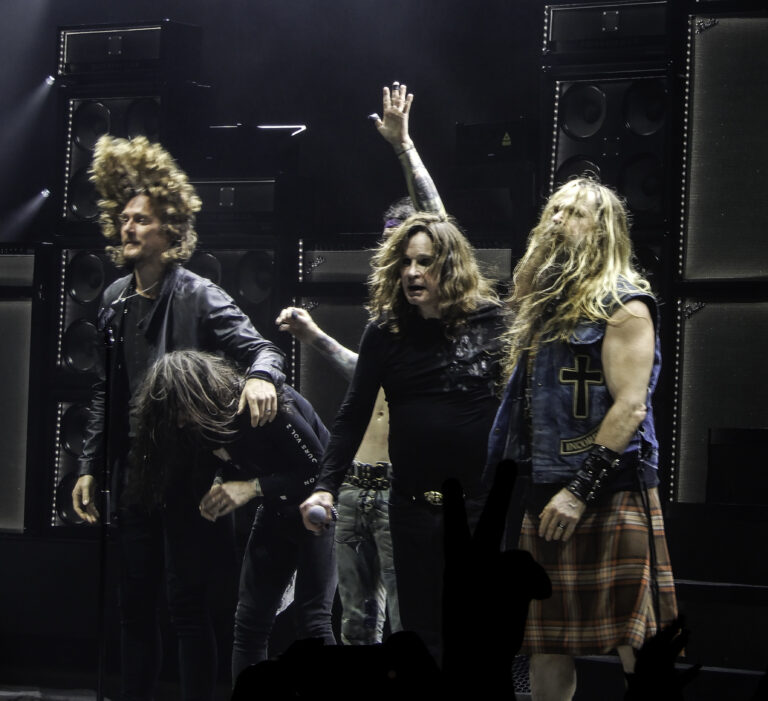
Zakk Wylde was back in the lineup on guitar along with Blasko on bass, keyboardist Adam Wakeman and drummer Tommy Clufetos. The stage backdrop was highlighted by a giant cross made up of screens projecting extraordinary imagery and at times looking like a medieval sculpture.
Ozzy’s solo hits made up most of the setlist including “Mr Crowley,” “Suicide Solution” and “No More Tears,” but he also slipped in a little Sabbath like “Fairies Wear Boots” and the epic “War Pigs.”
Black Label Society frontman Wylde was giving his own 20 minute showcase during the show at which time he made his way into the audience playing a medley of songs. He was tearing it up as he played with the guitar behind his neck and even with his teeth at times. He is one of the best metal guitarists the genre has ever known so it was good to see him play alongside Ozzy again. He was even wearing a custom Ozzy denim vest.
Ozzy Osbourne closed the main part of the set with, in my opinion one of the greatest metal songs ever written, “Crazy Train”. The show concluded with an encore of “Mama I’m Coming Home” and Black Sabbath’s “Paranoid.”
Setlist: Bark at the Moon, Mr. Crowley, I Don’t Know, Fairies Wear Boots (Sabbath Cover), Suicide Solution, No More Tears, Road to Nowhere, War Pigs (Sabbath Cover), Guitar Medley: Miracle Man/Crazy Babies/Desire/Perry Mason, Drum Solo, I Don’t Want to Change the World, Shot in the Dark, Crazy Train
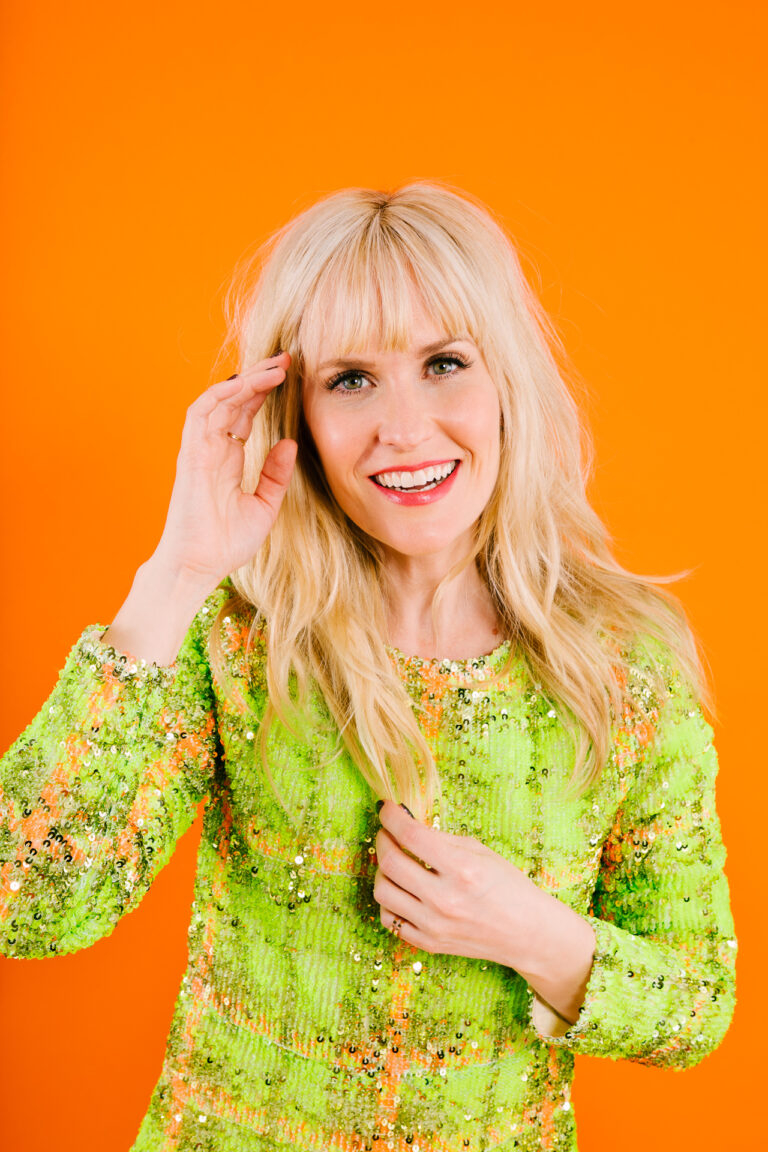
NYC singer-songwriter, Melanie Penn, has released an inspiring New-York centric pop anthem paired with a stunning music video for her new single, “Avenue of The Americas”.
As a native of the big city, Melanie celebrates her ties to New York in the cinematically beautiful “Avenue of The Americas” music video. Melanie’s love for the city becomes more apparent with each elapsing second of the video.
The song itself outlines Melanie’s climb to success, with lines referencing dreams of one day finding the spotlight in the Big Apple. Crescendoing synths pulsate in the background as “Avenue of The Americas” gives us an intimate understanding of Melanie’s hopes and aspirations.
Melanie believes now is the perfect time to debut a song that honors both beautiful and humble New York City. At a time where the country is under massive racial and political tension, the uplifting video released along with the single inspires hope and reminds us of our commonalities as New Yorkers.
The music video and single are a part of a promotional roll out in preparation for Melanie Penn’s upcoming, More Alive Vol. 1, full-length album which is set to release September 25. The album is centered around faith, modern upheaval and, overcoming common struggles. The album, which features 10 songs, has been described by Melanie as a tracklist full of “hopeful pop anthems” that will hopefully inspire a sense of community amongst listeners.
To stay up to date with future news regarding Melanie Penn and her music, visit her website.
Do you need more cowbell? Blue Oyster Cult thinks you do because they’re released music videos for “Box in My Head,” “That Was Me” and most recently, “Tainted Blood” off the Long Island classic rock group’s first album in over two decades, The Symbol Remains.
The early days of the Blue Oyster Cult.
“That Was Me” is one of the many singles being featured on their upcoming album, The Symbol Remains. Their new album comes out Oct. 9 and embodies the well-known saying, “Good things come to those who wait.”
Music video for new song, That Was Me.
Blue Oyster Cult started producing the album in 2019 and thinks it represents the where the band is ‘here and now.’ The album is a mix of music they worked on years prior and brand new tracks.
“With the song demos emerging for this record, we realized there was as much if not more variety in style and content on this record as any in our history. We embraced this and the thing tying all the disparate elements together is the band’s sound and performance,” said Eric Bloom, vocals/guitarist.
Blue Oyster Cult formed in Long Island, NY at Stony Brook University in the late 1960’s. There, Donald “Buck Dharma” Roeser and his friends created sounds of psychedelia and acid rock. Through a jam session, rock critic Sandy Pearlman overheard the band and decided they were worth it.
Over the years, they created a melody of rock tunes that would captivate the world. One of their most famous, “(Don’t Fear) the Reaper,” reached 12 on the Billboard charts and became a rock classic.
Roeser talked about the band’s goals in creating this new album saying, “The goal was for the new music to stand up to the quality and vitality of our legacy recordings, and I believe we have successfully done that. Other than that, the sound of our voices and style of our writing and playing can’t help but sound familiar to fans of our work.”
BOC has recently released the video for “Box in My Head,” the second single off The Symbol Remains, due out on October 9. For more information visit Blue Oyster Cult’s website.
The most recent premiered video for the single “Tainted Blood” was written by Eric Bloom and Richie Castellano, featuring lead vocals by guitarist Richie Castellano. The Symbol Remains will be released on Friday, October 9.