Category: NYC Metro

  • Venues Across New York File Federal Lawsuit Against State Restrictions on Live Music

    New York music venues decided to file a Federal lawsuit against State restrictions on live music on September 6, 2020 in the U.S. District Court in Manhattan. The lawsuit involves ten establishments across New York who believe the live music restrictions are unworkable and unconstitutional.

    The Federal lawsuit challenges both the ad ban and the rule against charging for shows as being arbitrary since there is no evidence those actions have any effect on the slowing coronavirus spread.
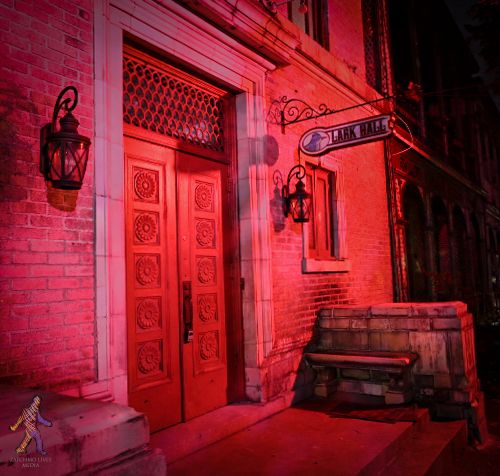
    Lark Hall lit up in red demanding the passage of The Restart Act.
    Photo by Zach Culver.

    Last week New York state announced rules that aimed to contain the spread of the coronavirus according to state officials but many venues feel they have been disproportionately singled out in this new ruling. The rules allow only what the state calls “incidental” music to be performed at venues making it impossible to promote performances and therefore making it difficult for venues, bars, and restaurants to intrigue an audience to attend their establishment. 

    The ten establishments involved in the lawsuit are establishments that serve liquor and host or promote live music or entertainment. These venues come from all across New York state including four in New York City. The others are located throughout upstate New York in Buffalo, Niagara Falls and Clifton Park. The plaintiffs in the case are Turks Group, LLC, operating as The Sultan Room & The Turk’s Inn in Brooklyn, 49 Illinois Restaurant, LLC, operating as Buffalo Iron Works in Buffalo, The New York Independent Venue Association, a trade association, Columbus Ale House, Inc., operating as The Graham, in Brooklyn, Upstate Shows, Inc., operating as Upstate Concert Hall in Clifton Park, Jayarvee, Inc., operating as Birdland Jazz Club in Manhattan, Capitol Enterprises, Inc., operating as The Capitol Theatre in Port Chester, Jukimoo, LLC, operating as Littlefield in Brooklyn, nfinity on Main, Inc., operating as Tralf Music Hall in Buffalo, and Rapid Theater Niagara Falls USA, Inc., operating as The Rapids Theater in Niagara Falls.
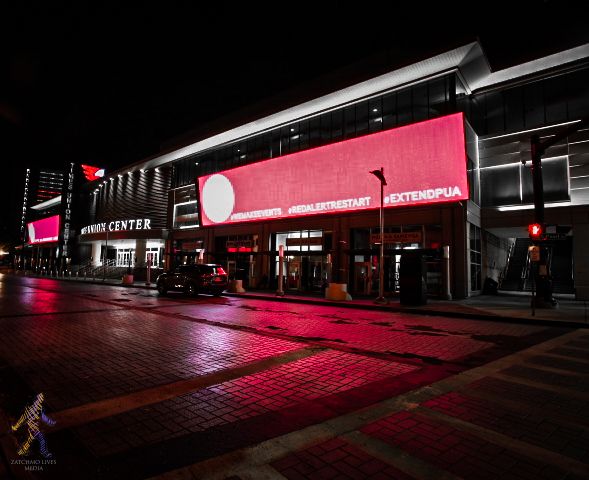
    Times Union Center lit up in red demanding the passage of The Restart Act.
    Photo by Zach Culver.

    The defendant named in the lawsuit is the State Liquor Authority Chairman Vincent Bradley. The State Liquor Authority has been the leading charge in enforcing Governor Andrew Cuomo’s coronavirus orders. They do this by having the ability to suspend liquor licenses and impose fines on establishments not following the rules.

    According to syracuse.com, “The lawsuit asks the court to halt the state’s enforcement of the orders. It also seeks payment for the cost of the lawsuit and lawyer’s fees, but does not specify monetary damages.” The state’s coronavirus rules are simple and easy to follow for most of these establishments. People being required to wear a mask, social distance, use hand sanitizer, having employee health checks, and ect would be very doable for establishments who host live music and yet they are being singled out from being able to promote their businesses. 

    The Federal lawsuit says, “The advertising and ticketing of shows would allow establishments to maintain better control over their limited capacity, allowing them to tell patrons in advance that an evening is sold out and thus avoiding the gathering of crowds trying to gain admission (and the increased risk of transmission that comes along with such gatherings).”

    For more information on the New York’s new guidelines for establishments and how they effect the establishments and musicians read NYS Music’s article on the guidelines.

  • On this day in Grateful Dead history, Jerry Garcia debuts ‘Wolf’ aboard a Hell’s Angels cruise with Merl Saunders

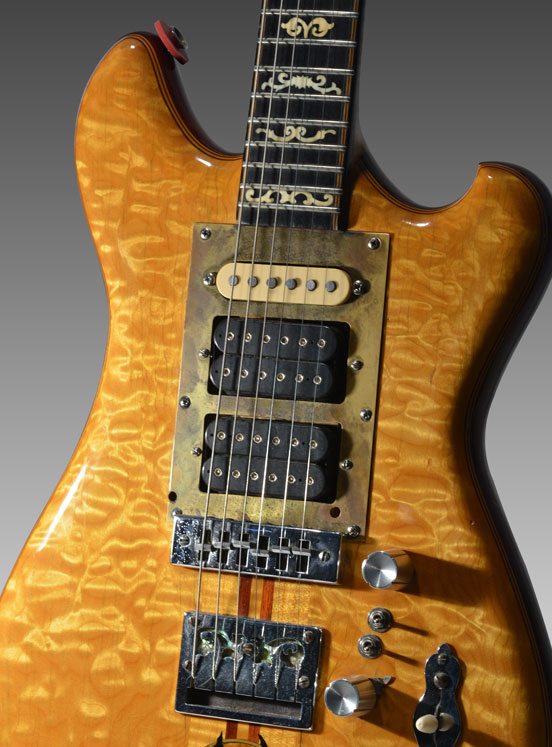
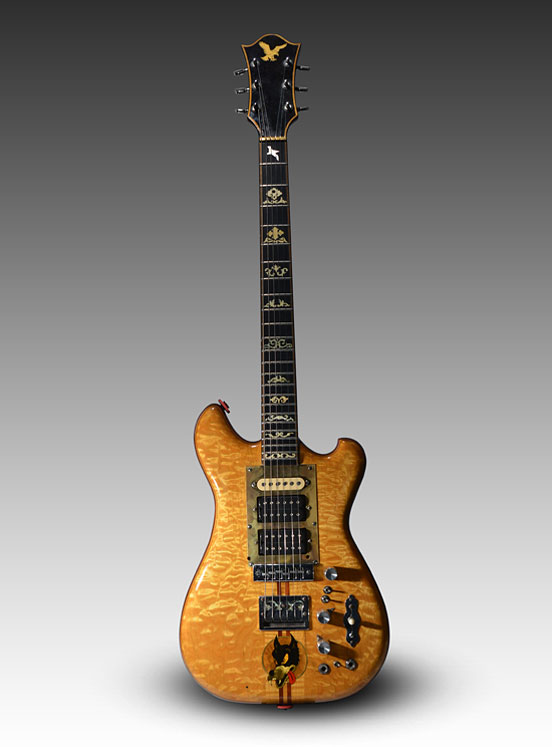
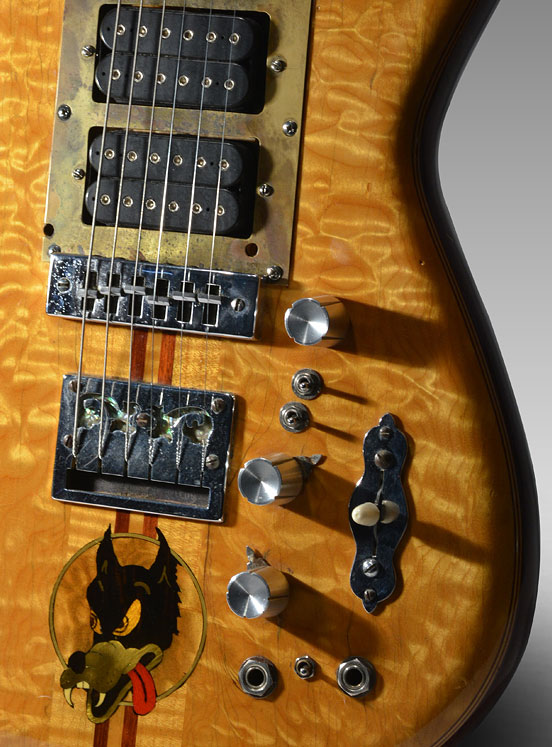
    Among the many guitars in the cache of Jerry Garcia, “Wolf” stands as the most legendary of them all. “Wolf” was customized by luthier Doug Irwin, and was delivered to Jerry ahead of his appearance at a private show for the Hell’s Angels on September 5, 1973 in NYC.

    jerry garcia wolf

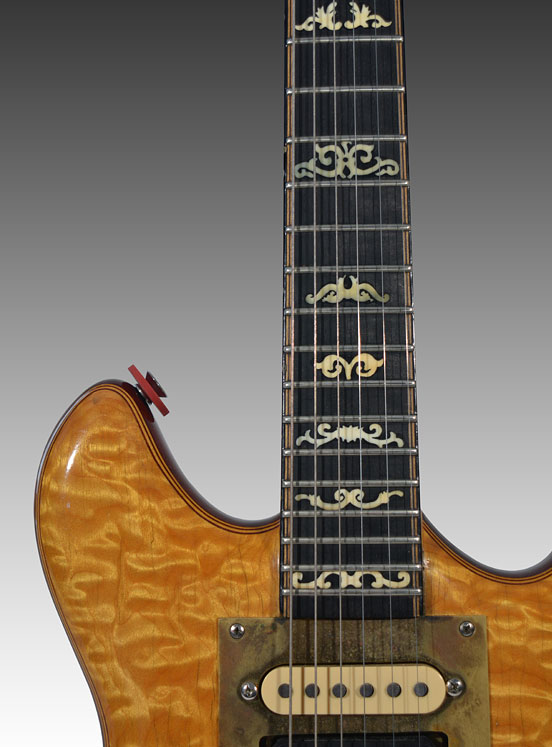
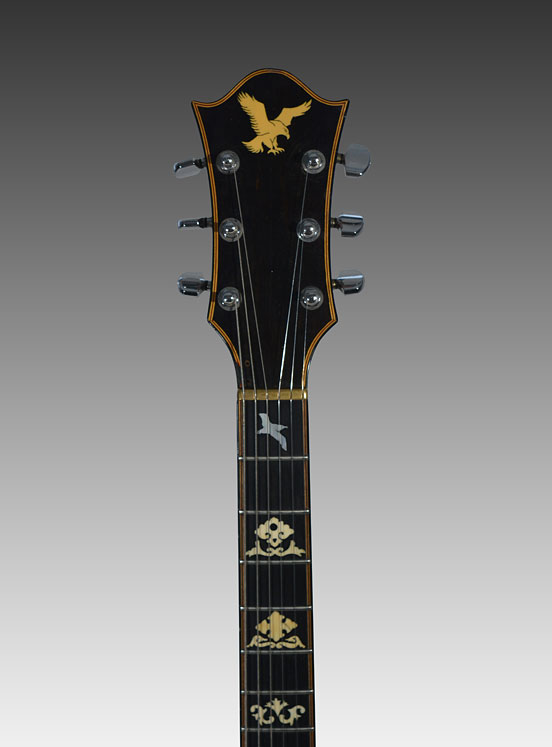
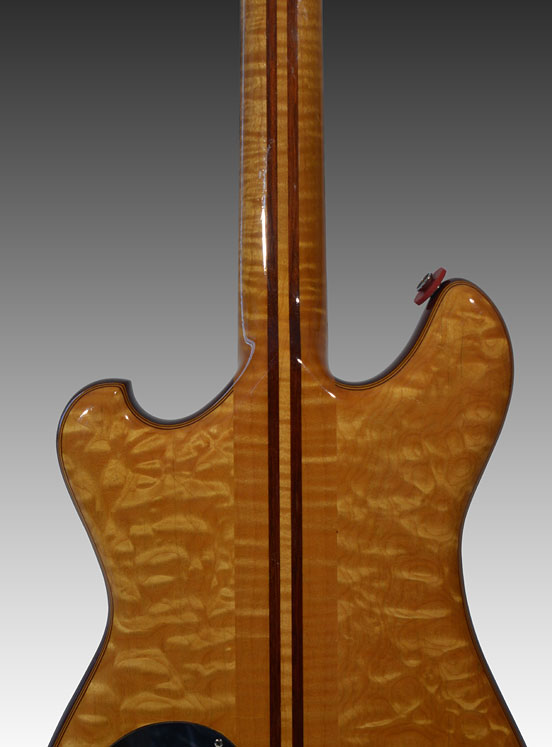
    Late in 1972, Garcia came across the first guitar Doug Irwin made for Alembic, which he bought on the spot for $850. He then asked Irwin to customize a guitar for him, and “Wolf” was born. Made from amaranth/purpleheart and curly maple with an ebony fingerboard and twenty-four frets, which were inlaid with African ivory (the first fret is mother-of-pearl).

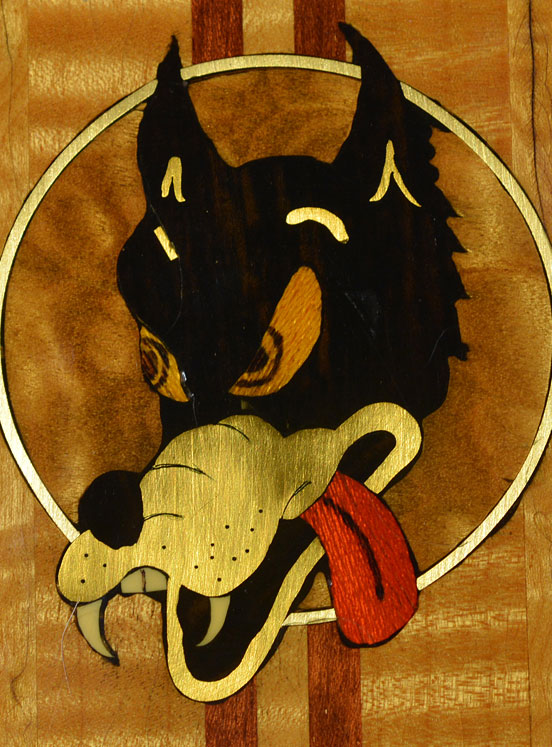
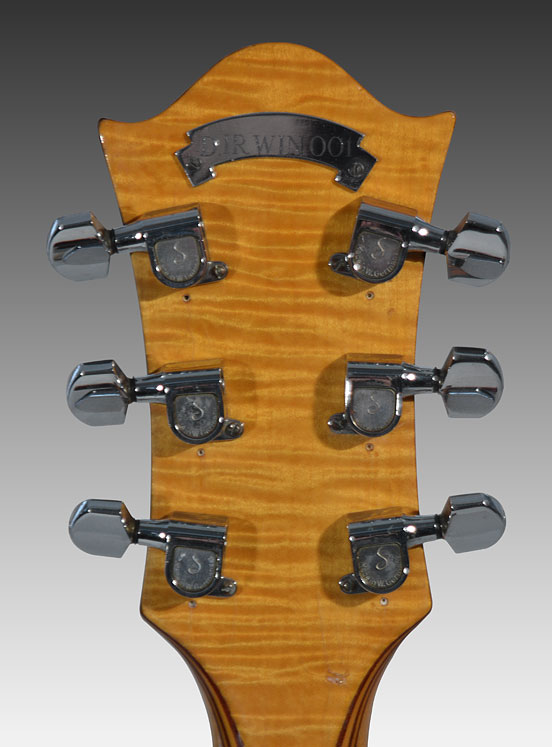
    The original version had a peacock inlay, later followed by Irwin’s eagle logo in its place. Later, a cartoon wolf licking his chops was placed by Jerry Garcia just below the tailpiece, which gave the name to the guitar. Irwin would later inlay the sticker into the guitar, which was labeled as “D. Irwin 001.” The guitar would cost Garcia $1,500, or around $8,700 in 2020 dollars.

    “Wolf” would be played for two decades, becoming his most well known guitar and played across countless recordings, concerts and even in “The Grateful Dead movie.” Here, Irwin discusses the intricate detail of “Wolf.”

    jerry garcia wolf

    A few years after I delivered Wolf to Jerry, the guitar took several tumbles during Grateful Dead’s European tour. The first, a fall of about fifteen feet off the stage onto cement, had no effect on the guitar at all, but the second incident caused a crack to appear in the peghead. When Jerry finally brought me the Wolf for repair, the crack was actually very minor, but a stitch in time, saves nine. Repairing the crack wasn’t much of a problem, but having the guitar again made me reassess my early inlay work, and prompted me to reface the peghead with ebony and replace what I determined to be a poor excuse for a peacock with my signature eagle inlay cut from mother-of-pearl.

    Doug Irwin, on “Wolf”

    “Wolf” was played throughout the ’70s and ’80s, alongside “Tiger” and “Rosebud,” also designed by Irwin. “Wolf” was brought out of retirement in 1989 when Jerry explored using a MIDI synthesizer, and was played for the last time with the Grateful Dead at Oakland Coliseum Arena on 2/23/93.

    In 2002, “Wolf” was purchased by a Deadhead, who later auctioned the guitar off for a great cause. The anonymous fans said:

    I’ve been a fan of The Dead since I was a kid, and playing this iconic guitar over the past 15 years has been a privilege. But the time is right for Wolf to do some good. My wife and I have long supported the efforts of the Southern Poverty Law Center, and if ever we needed the SPLC, we sure do need them now.

    Anonymous owner of “Wolf”

    “Wolf” would be auctioned off at a price of more than $1.6 million, a bid that was matched by an anonymous donor, raising a total of $3.2 million for the SPLC.

    jerry garcia wolf

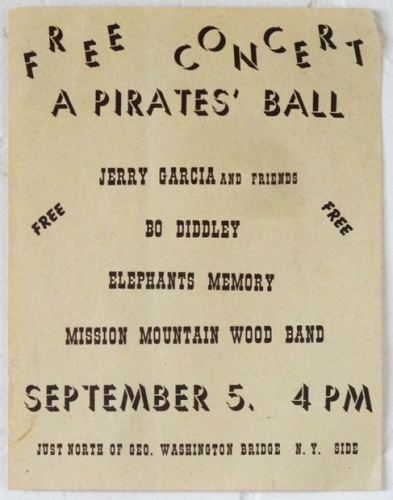
    The first show that Jerry Garcia would play “Wolf” at was a private show dubbed “Pirates Ball” on September 5, 1973, a private Hell’s Angels party aboard the S.S. Bay Belle. Performing with Merl Saunders in New York Harbor, the ship was known as the “largest marine ballroom afloat,” and was renamed to the Sound Line later after the show. The show also featured Bo Diddley, Elephant’s Memory and Mission Mountain Wood Band.

    jerry garcia wolf
    The S.S. Bay Belle, later named Sound Line

    The guitar can be see in the movie/documentary Hell’s Angels Forever, directed by Richard Chase, Leon Gast, Kevin Keating, and Lee Maden.

    Setlist: It Ain’t No Use, Favela, You Can Leave Your Hat On, Mystery Train, Harder They Come, Think, Finders Keepers

    Wolf’s first appearance with the Grateful Dead was at the Nassau Coliseum on September 7th, two days later. The Dead were off the road for a month, and were refreshed getting back to business. Donna Godchaux was pregnant at the time, with her husband Keith having taken over keyboard duties from Pigpen a year prior.

    This show marks the debut of Weir/Barlow’s “Let It Grow,” and one of the last “Bird Song’s” of 1973 before the song was shelved for a few years. Highlights include “New Potato Cabooose,” the jam that arose from “Playin’ in the Band,” a hefty jam from “The Other One,” and the “Eyes of the World” that followed.

    Deadheads reported a heavy police presence that evening, with many fans arrested at or after the show. Cops reportedly drove on the sidewalks as the show ended and attempted to clear the crowd. They also seemed to use their batons to clear the area in front of the band between sets. This would influence the Dead’s decision not to return to Nassau for many years, until January, 1979.

    Setlist: September 7, 1973, Nassau Coliseum, Uniondale, NY

    Set 1: Promised Land, Sugaree, Mexicali Blues, They Love Each Other, Jack Straw, Looks Like Rain, Deal, El Paso, Bird Song, Playin’ In The Band

    Set 2: Here Comes Sunshine, Me & My Uncle, Loser, Let It Grow-> Stella Blue, Truckin’-> Drums-> The Other One-> Eyes Of The World-> Sugar Magnolia, E: Around & Around

  • The Capitol Theatre Virtual Celebration Set for Sept. 12

    The Capitol Theatre, located in Port Chester, NY, will celebrate its eighth anniversary with a virtual livestream on Sept. 12 at 1:00 p.m., according to Jambands.com  

    Capitol Theatre
    photo by Chad Anderson

    The livestream will celebrate The Capitol Theatre’s eighth anniversary since reopening in 2012. FANS will host the daylong musical event. In a partnership with Lagunitas Brewing Company, the stream will include archival sets, live performances, staff and artist interactions, and words from the community about the importance of The Capitol Theatre involvement in New York’s music scene. More information about the lineup will be released in the coming days.

    Donations to The Capitol Theatre are encouraged to help support the present and future of live music. A portion of the proceeds will benefit the National Independent Venue Association, whose mission is to preserve independent live music venues and promoters in the U.S.

    The Capitol Theatre’s eighth anniversary Livestream Contest provides fans a chance to win the ultimate Cap experience. The grand prize includes a tour of the Capitol Theatre with Peter Shapiro, a copy of The Capitol Theatre Volume 1 forwarded by Phil Lesh and signed by Cap staff, and a Cap merch package. To enter the contest, fans can purchase a $5.00 minimum raffle ticket. Not only does a raffle ticket support The Capitol Theatre but also increases the chances of winning the grand prize. The winner will be awarded on Monday, Sept. 14.

    Capitol Theatre and Conscious Alliance, a nonprofit dedicated to feeding those in need with their “Art that Feeds” drive, have collaborated to create a commemorative poster fans are eligible to receive if they make a donation during the livestream.

    Fans can also email a video or write up about their favorite Cap memories for a chance to be featured in the stream. Send submissions to Memories@TheCapitolTheatre.com – the deadline for submissions is Monday, Sept. 7 at 12:00 p.m.

    Click here to view the upcoming livestream and click here to buy raffle tickets for The Capitol Theatre’s Livestream contest.

    The lineup for the 8th-anniversary livestream on Saturday, September 12, features performances by Big Head Todd and the Monsters, Billy Strings, Bob Weir, David Crosby & The Lighthouse Band, Deep Banana Blackout, Foreigner, Galactic, God Street Wine, Hot Tuna, Joe Russo’s Almost Dead, Lake Street Dive, Mac DeMarco, moe., My Morning Jacket, O.A.R., Phil Lesh & Friends, Pigeons Playing Ping Pong, Portugal. The Man, Robert Plant & The Sensational Space Shifters, Taj Mahal Trio, Tedeschi Trucks Band, The Black Crowes, The Marcus King Band, The Revivalists, The String Cheese Incident, Trey Anastasio Band, Umphrey’s McGee, and Widespread Panic.  

    As well as special appearances by Brendan Bayliss, Chris “Coach” Rodriguez of 107.1 The Peak, Gary Lambert of Tales from the Golden Road, James “Fuzz” Sangiovanni of Deep Banana Blackout, Jason Crosby of Phil & Friends, Terrapin Family Band, Jessie’s Girl, Jimmy Fink of 107.1 The Peak, Joe Russo of Joe Russo’s Almost Dead, Joel Cummins of Umphrey’s McGee, Marc Roberge of O.A.R., Peter Shapiro, Richard “Fritz” Falanka (Mayor of Port Chester), Rita Houston of WFUV, Rob Barraco of Phil Lesh & Friends, The Phil Lesh Quintet, Dark Star Orchestra, Rob Derhak of moe., Ross James of Terrapin Family Band, and Warren Haynes of Gov’t Mule and Allman Brothers Band.  

    The free livestream will encourage donations to support our temporarily shuttered venue so that we may continue to bring musical experiences to the Westchester community long into the future. A portion of proceeds will benefit the National Independent Venue Association and its mission to preserve and nurture the ecosystem of independent live music venues and promoters throughout the United States.  
    Grab a limited-edition poster commemorating the 8th-anniversary to help feed families in need! This weekend, Conscious Alliance is hosting a Virtual ‘Art That Feeds’ Food Drive—fans are encouraged to participate by making a cash donation for the poster created by Pete Schaw.  

  • Escaper bassist Greywolf drops debut single “Exit Key”

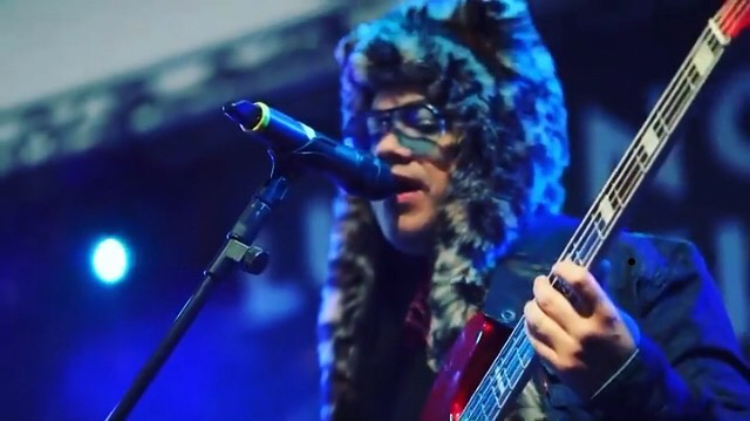
    Greywolf, aka Jay Grey, bassist for rising powerhouse band Escaper, has released “Exit Key,” the first single off his upcoming debut album Operation Wolf.

    Greywolf

    “Exit Key” is a sample of what the multi-instrumentalist is able to do on his own. Haunting and beautiful, the lyrics evoke themes of love, loss, and wanting to make a change. The track opens with a droning synth, before dropping into love story lyrics. Prescient themes for these times are found, with change needed to be made after reaching a breaking point and wanting to make change.
    Greywolf recorded and played all the instruments on this record in his home studio, including piano, synth, keys, guitar, bass and beat programming. The record as a whole addresses change, longing and one’s personal connection with nature and the universe. You’ll find an autobiographical feel and personal touch to the music and the album.

    While Jay Grey is best known for his work with Escaper, he has branched off to deliver a sound all his own. Keep your eyes and ears open for more brilliance from this emerging artist.

  • Karma 3: Dave East still searching for his own Direction on New Album

    In the most recent installment of his Karma mixtape series, Harlem rapper Dave East makes his latest attempt at solidifying himself as one of New York’s head honchos. The 15-track, 53-minute project features notable guest appearances. Trey Songz, French Montana, Benny the Butcher, A Boogie wit da Hoodie, dancehall artist Popcaan, along with R&B legend Mary J. Blige, all lend-a-hand, in what felt like East’s best attempt at a commercially successful project. 

    The mixtape opens up with arguable its best record. “Handsome” is a thumping and fast paced track where East confesses his life’s agendum, which are “to not break the code,” “try not to die,” and “praying that he gets old.” It is an ode to the lifestyle that many from the inner-city can have an appreciation for. In 2:53, East captures the hopes and dreams of a generation of men, which is wealth and health, while staying loyal to their compatriots. What makes the record even better is that, while it has a radio feel to it, the authenticity remains. And with it being just shy of 3 minutes, the replay value is high. He follows it up with a record that feels straight of a Caribbean crime film. Backed by loud and distinctive horns, “Unruly,” features Popcaan and serves as an antithesis to its predecessor. While “Handsome” described the perfect outcome from a life in the streets, “Unruly” sees East chronicle the dangers that come with operating on the other side of the law. 

    The third track is where the album takes a turn, in the Trey Songz assisted “The City,” East tries recreating one of Jay Z’s better records “Heart of the City.” While a noble attempt, he lacks the soulfulness to pull it off. Not to mention, at the time of the original recording, Jay-Z was arguably the biggest rapper in the game and thus metaphorically was the “Heart of the City.” We do not think of Dave East in the same vain (or any current New York rapper for that matter). The same issue follows him on the fourth track, “Get the Money.” It’s a solid enough song, as he details his chase for financial prosperity. A god-awful French Montana chorus — along with a bridge that sees Dave East try his hand at harmonizing – completely derail it. He completes a hat-trick of melodically challenged songs with “Thank God.” Featuring A Boogie wit da Hoodie, East tries his hand at a club record, but the song never takes off, as the duo lack chemistry and it ultimately ends up feeling forced. 

    This ebb-and-flow continues throughout, as the best records see East stay in own pocket, solid beats, along with well put together verses, while his attempts at diversifying himself see him fall short. “Said What I Said,” “Broke or Not,” “Mission,” “Menace” and the Three 6 Mafia inspired “F**ck Dat,” are all good songs. While “Stone Killer,” — featuring Benny the Butcher — is absolutely explosive. The Mary J. Blige assisted “Know How I feel,” was a nice surprise as East meshed well with the r&b icon. Yet, for some reason, it did not serve as the outro. That was reserved for the self-reflective “Believe It or Not,” and while it is a good enough record, it left the project a bit anti-climactic. 

    All in all, this is a solid body of work, yet it feels as though the pressure for commercial success inspired a few of the songs. The problem is, Dave East isn’t and will probably never be a top-selling (or charting) artist and that’s okay. While he hasn’t led New York back to dominance as some predicted, his abilities as a rapper is still a rare and valuable commodity in this current era of New York hip hop. 

  • Wu Tang Wednesday: The Clan Brings Da Ruckus

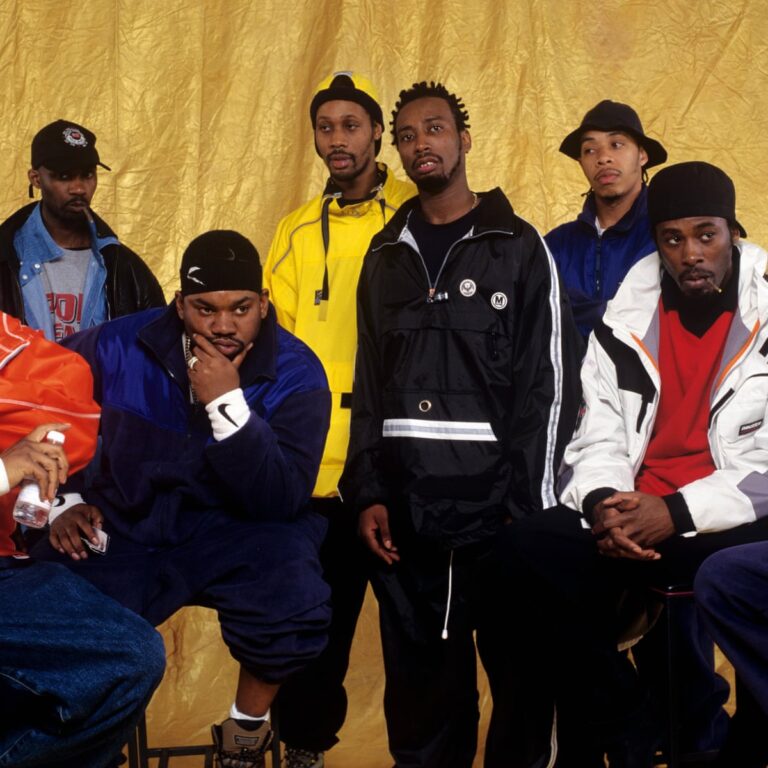
    “Bring da Ruckus,” from the Wu Tang Clan‘s debut 36 Chambers LP stands as one of the rawest songs in rap history. As the lead single, and intro track on the album, “Ruckus” set the tone and established the Wu as a crew to be reckoned with. Not a particular long record (4:12, with plenty of filler), each member of the Clan was tasked with establishing themselves as individuals in short yet, impactful verses. With that, came the birth of an organic (gutter) sound that has yet to be replicated. 

    Bring da Ruckus
    cousin’ terror, quick damage ya whole era

    The record was formatted to sound like a hip-hop cypher but, with a hook from RZA. Four verses and a bridge and everyone on the record went off with aggressive verses and flows. The song has three major samples, interpolating the drums from Melvin Bliss’s 1973 track “Synthetic Submission” and “CB#2” by Ralph Vargas and Carlos Bess. The song begins with a sample of the English version to the film, Shaolin Shadow Boxing

    In a 2015 interview with London-based music technology company Roli, RZA explains how he came up with the sound for Wu-Tang and how he came up with the beat for “Bring Da Ruckus.” He explained that he wanted to use sounds that represented New York City in his beats and sound effects to bring more color to their songs. “When we were making a song called ‘Bring Da Ruckus,’ we took the snare and put it in an elevator sound and recorded it.” He went on to reveal that the reason he used martial arts soundbites was to edit out curse words, thus making songs playable for radio, which he believes is what had kids gravitating to them. RZA loved manipulating sounds to make beats, to him, any kind of sound effect had a musical connotation to them that could be used for any beat. 

    Beginning with the skit from Shaolin Shadow Boxing, you get a raw and dingy sounding intro,  RZA’s hook is then heard but, in a supporting role to the beat, as he shouts “bring da mother f**king ruckus” about four or five times before we get the first verse from Ghostface Killah.

    “Ghostface catch the blast of a hype verse

    My Glock burst, leave in a hearse, I did worse

    I come rough, tough like an elephant tusk

    Your head rush, fly like Egyptian musk

    Aww sh*t, Wu-Tang Clan spark the wicks, an’

    However, I master the trick just like Nixon

    Causin’ terror, quick damage your whole era”

    Ghostface is aggressive, setting the tone and stage for the others to follow. His verse embodied what RZA envisioned for the record, as he hoped for a pull no punches attitude from whoever rapped on the beat. The verse was quick but to the point, as Ghostface established himself as a someone to be reckoned with, bringing an attitude full of terror and dominance. Raekwon followed up, without a break from the chorus.

    Bring da Ruckus
    Given’ bystanders heart attacks

    “No doubt, and you watch a corny n***a fold

    Yeah, they fake and all that, carryin’ gats

    But yo, my Clan rollin’ like forty macks

    Now you act convinced, I guess it makes sense

    Wu-Tang, yo, soooo represent!

    I wait for one to act up, now I got him backed up

    Gun to his neck now, react what?

    And that’s one in the chamber, Wu-Tang banger

    36 styles of danger”

    Rae followed Ghost with a great verse painting a picture like he loves to do in his rhymes and directly putting you in the scenario that he paints. His tone and his delivery made you imagine him actually putting a gun to some one’s neck waiting on him to “act up.” Finishing up with a reminder that the clan was made up of different members, who each brought something to the table, or as he said, “36 styles of danger.” 

    Bring da Ruckus wu wear
    36 Styles of Danger

    Rapping third, Inspectah Deck might have had the best verse of the entire song, using wild terms, metaphors and rhyme schemes that kept the listener captivated. Like he said in his verse he verbally assaulted this track leaving listeners stunned like literal stun guns. 

    “I rip it, hardcore like porno-flick b***hes

    I roll with groups of ghetto bastards with biscuits

    Check it, my method on the microphone’s bangin’

    Wu-Tang slang’ll leave your headpiece hangin’

    Bust this, I’m kickin’ like Seagal: Out for Justice

    The roughness, yes, the rudeness, ruckus

    Redrum, I verbally assault with the tongue

    Murder One, my style shocks your knot like a stun gun”

     GZA (aka da Genius) was tasked with finishing off the record and he didn’t disappoint. 

    “Givin’ bystanders heart attacks

    N***as try to flip, tell me, who is him?

    I blow up his f***in’ prism, make it a vicious act of terrorism

    You wanna bring it, so fuck it, come on and bring the ruckus!

    And I provoke n***as to kick buckets

    I’m wettin’ cream, I ain’t wettin’ fame

    Who sellin’ ‘caine? I’m givin’ out a deadly game

    It’s not the Russian, it’s the Wu-Tang crushin’ roulette

    Slip up and get fucked like Suzette”

    He ends the songs perfectly, adding to the theme of the record and showcasing his now famous lyricism

    “Bring Da Ruckus” is one of the more impactful intro songs in hip hop history. It highlighted four of the major members of the group, establishing their style and unique sound and slang, while also previewing a new era of hip hop, one that celebrated being from the streets not only in lyrics but in how the records were produced and mixed. 

  • Lady Gaga Sweeps the VMAs Taking Home Four Awards

    Lady Gaga, who was born and raised in Manhattan, NY, took home a total of four Video Music Awards (VMAs) last night at Brooklyn’s Barclays Center.

    Lady Gaga and Ariana Grande’s “Rain on Me” won a VMA for “Best Collab” and “Song of the Year.” Lady Gaga also won a VMA for “Artist of the Year” and made history by becoming the first-ever recipient of the Tricon Award for her accomplishments in music, acting, fashion, and philanthropy.

    “I know a renaissance is coming, and the wrath of pop culture will inspire you and the rage of art will empower you as it responds to hardship with its generosity and love,” Lady Gaga said during her acceptance speech for the Tricon Award.

    https://youtu.be/5D4vjndnB0w

    Not only did the VMAs focus on celebration, but also paid tribute to those who died during 2020. A poignant tribute took place at the beginning of the show for Chadwick Boseman. Halfway through the show, a montage of pictures appeared to remember others who passed, including Pop Smoke and Juice Wrld.

    Even with eliminating in-person attendance, fans could still appear virtually on surrounding buildings to experience the live performances on the outdoor stage from The Weeknd, Miley Cyrus, Lady Gaga, and Doja Cat. BTS, the South Korean band, made their VMA debut performing their hit single “Dynamite.”

    The VMAs took time to address the fight against racial injustice. Host Keke Palmer’s opening speech addressed the need to end police brutality and systemic racism while The Weeknd used his acceptance speech to bring continued awareness to the deaths of Jacob Blake and Breonna Taylor. After H.E.R won the VMA for “Video for Good,” Pepsi announced it would donate $100,000 to the NAACP.

    https://youtu.be/zJCdkOpU90g

    Other notable VMA wins for the night included Megan Thee Stallion’s VMA for “Best Hip Hop” with “Savage,” Doja Cat winning “PUSH Best New Artist,” and Machine Gun Kelly’s “Best Alternative” win for  “Bloody Valentine.”

  • High Holidays Live-Stream from Brooklyn Bowl Announced

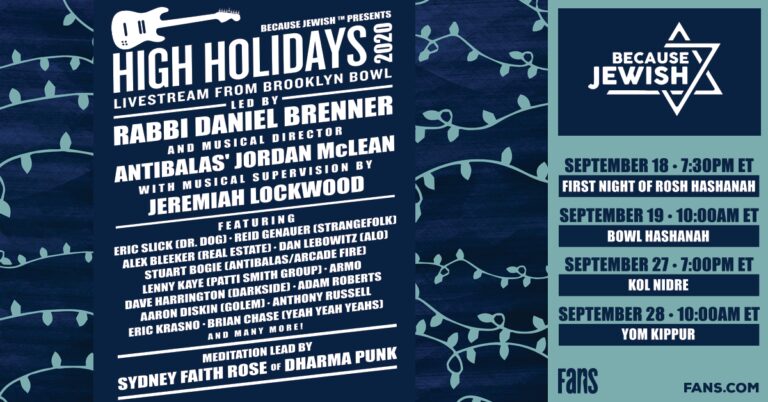
    High Holidays live-stream was announced by the Because Jewish organization. The High Holidays celebration series for 2020 will stream for two weekends starting on Rosh Hashanah on September 18 at 7PM and the 19 at 10AM and on Yom Kippur on September 27 at 8PM and the 28 at 10AM. The celebration will include performances from people like Jeremiah Lockwood, Armo, Eric Slick (Dr. Dog), and Reid Genauer (Strangefolk). All four events will be broadcast for free live from New York’s Brooklyn Bowl

    High Holidays

    The event will be led by Rabbi Daniel Brenner with Antibalas Jordan McLean acting as it’s musical director. The festivities won’t have a live audience at the Brooklyn Bowl unfortunately due to COVID-19 but people can attend the via Fans.com where it will be live- streaming. This will be the ninth annual High Holidays, Because Jewish is hosting. The aim is to  host a suite of musically and spiritually driven High Holiday services. 

    Eric Krasno, Disco Biscuits’ Aron Magner, Guster’s Brian Rosenworcel, Dap-Kings saxophonist Cheme and guitarist Bryan Grone are the latest additions to the lineup, part of the array of musical guests appearing throughout the services. Some will be live while others will be pre-recorded performances.

    Some of the anticipated artists include Jeremiah Lockwood, Armo, Eric Slick (Dr. Dog), Reid Genauer (Strangefolk), Alex Bleeker (Real Estate), Stuart Bogie (Antibalas/Arcade Fire), Dan Lebowitz (ALO), Lenny Kaye (Patti Smith Group), Dave Harrington (Darkside), Adam Roberts,  Aaron Diskin (Golem)  Anthony Russell, Brian Chase (Yeah Yeah Yeahs) and a number of others. Each service will also include traditional prayers, a guided meditation, and instrumental offerings from a number of notable New York jazz musicians.  

    Because Jewish is an organization that promotes, “Emotional, intellectual, mind-firing-on-all-cylinders exploration of God and faith and Judaism in this crazy modern world we live in. We explore through ritual, we explore through Bible study, we explore through delta blues, we explore through art, we explore through meditation. We explore through offering ourselves to something greater than ourselves. We aim to unsettle you. We aim to challenge you. We accept no easy answers.” According to their website.

    The event will be free to the public this year but donations are greatly appreciated from those in a position to donate during these difficult times. For information on how to make a donation you can Because Jewish’s website. To stream the service visit the Fans.com event page and input your email for access for streaming.

    For more information on the event visit Because Jewish’s website.

  • Hearing Aide: Analog Players Society “TILTED” and “Soundtrack for a Nonexistent Film”

    File this one under so nice the Analog Players Society had to release it twice. The first disc, TILTED, is a percolating live acoustic jazz session featuring four of the genre’s finest players. The second, Soundtrack for a Nonexistent Film, is a loop based reimaging of the sounds waxed during the former, a fractal audio swirl that gives props to the sample-heavy production of hip-hop’s Golden Age and a new kind of noir cinema sound.

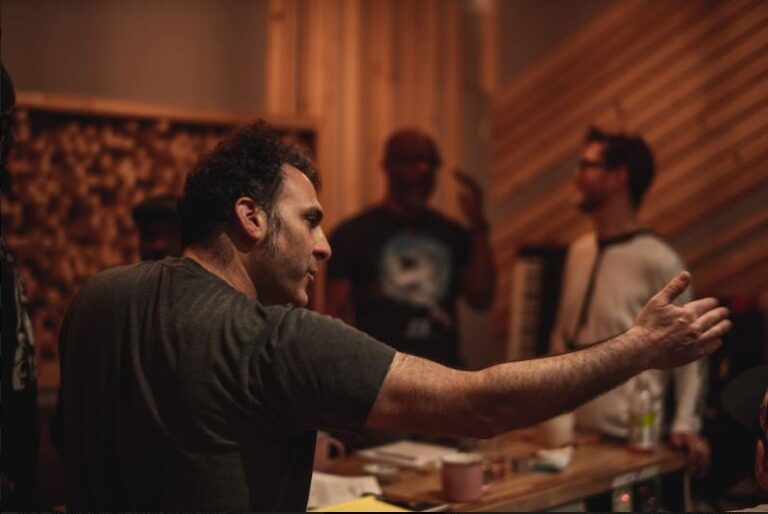
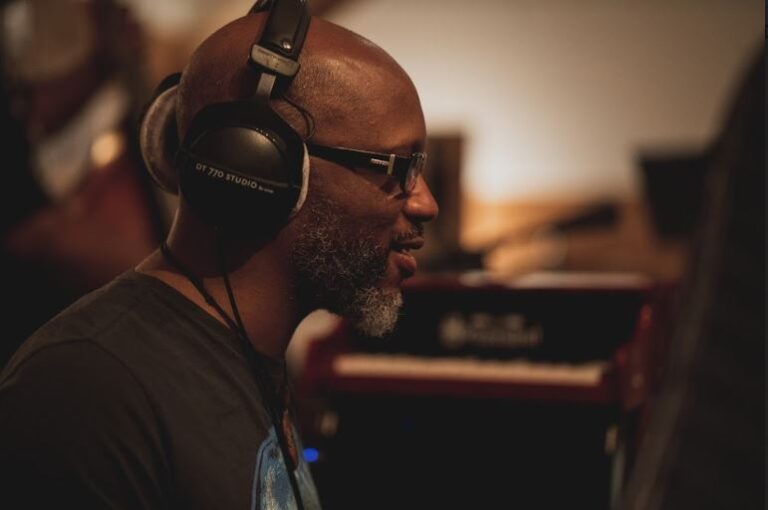
    The culprits behind this very forward-thinking project are the Analog Players Society, the brainchild of producer/engineer Amon Drum (aka Amon aka J. Amon). This heavy collective originated at Amon’s first studio, The Hook, which recently moved and expanded to be reborn as The Bridge Studio, a new Williamsburg, Brooklyn-based favorite of NYC’s most cutting-edge players.

    analog players society
    Photo by Jude Goergen.

    The APS collective features a rotating ensemble cast of some of the Big Apple best soundmakers. APS’ various projects, which are all decidedly eclectic by nature, carry serious strains of the Jazz, Dub, Funk, Afrobeat and Soul within. Analog Players Society’s 2012 debut album, Hurricane Season In Brooklyn, impressively debuted in the top 15 of the Billboard Contemporary Jazz Chart, and earned press accolades from NPR’s Fresh AirWired, and All About Jazz to name a few.

    Fast forward to April 2019 and the Analog Players Society is reborn during a live jazz session produced by Ben Rubin (aka Benny Cha Cha) and Amonat at The Bridge Studio. Rubin gathered four of the best jazz musicians in New York City for the occasion: tenor saxophonist Donny McCaslin (David Bowie’s last bandleader on Blackstar), pianist Orrin Evans (the Bad Plus), and the in-demand rhythm section of bassist Dezron Douglas and drummer Eric McPherson.

    The fruits of this meeting are featured on TILTED, which comes out today on Ropeadope Records. It boasts three lengthy explorations, all full of quirky creative turns and high-wire harmonic interplay.

    Nothing like the tinkle of a toy piano to set the mood for this most unique cover of Monk’s angular and playful Epistrophy.  McCaslin is the focal point for most of this 10-plus minute journey.  He deconstructs lines and floats across Evan’s alternatively chopped single note support lines and lush, complex chord painting.  McPherson’s unique drumming, evident on all the tracks, is at its most impactful here.  He’s a man more inclined towards orchestral stomps, punky thunks and unexpected breakdown fills than cliched, cymbal-ridin’ chinga chinga cocktail lounge swing. To my ears, his style owes more to someone like Captain Beefheart’s John “Drumbo” French and the delightfully jerky time of Prime Time-era Denardo Coleman than traditional post bopper.  And making this even more oddly Monk, Evan’s goes two hands for his solo here, one on the piano grand, and one on his toy ivories!

    analog players society
    Photo by Jude Goergen.

    On the other cover here, One Note Samba, the quartet wrestles a tasty dose of avant garde out of Antonio Carlos Jobim’s mellow bossa nova classic, with McCaslin tossing about the memorable melody, bringing a bit of sinister mood with the subtle delay and harmonizer laden on his horn.  With the sole original, Freedom is but a Fraction of Humanity, what starts as a lovely, yearning ballad turns into a high-speed chase, with especially fierce soloing from Evans.   All of these tracks are produced and engineered to perfection by Rubin and Amon, imparting a crisp acoustic experience, notable on Douglas’ deep soulful bass, and with tasteful use of electronic effects that give it just the right among of left field fun.

    When it comes to left field fun, it will be hard to beat the second release birthed from these sessions, Soundtrack for a Nonexistent Film, to be released on October 30. 

    Running a little over 30 minutes in all, Soundtrack is comprised of 12 miniatures composed entirely lifted from short samples from TILTED’s tracks, seven by Amon on the A side; five by Rubin on the B side.  These tiny gems are looped and mutated electronically to create a new kind of moody, one that is part street, and part cinematic cool.  

    The opener, Chase, features a driving 70s Miles Davis beat (think Al Foster on Agartha) on which Amon hangs an edgy bit of melodic sax, only to break the drive periodically with the ringing of solo piano chords and time changes.  He gets extra points from me on this one with the injection of the fartiest sawtooth wave bass synth lines, vintage Krautrock or early ELP.  My favorite Amon remix is Act Cool.  It features a Hip-Hop beat under a warm, melodic acoustic bass, lush pads and McCaslin’s sax at its breathiest, a kind of Ben Webster Goes to Mars experience. 

    Photo by Jude Goergen.

    Rubin’s five pieces demonstrate his devotion to in-the-pocket rhythms and dub mixing, most evident on the ska-infused Brooklyn Blackout and the jazzy blues of Starry Night. What’s a delight about all the tracks here is how the duo recycles and dramatically changes these little phrases, whipping them into a wide range of compositions, ones that always seems to milk something evocative out of these humble two-bar nuggets.

    Key Tracks:  Epistrophy, Freedom is but a Fraction of Humanity, Act Cool, Brooklyn Blackout

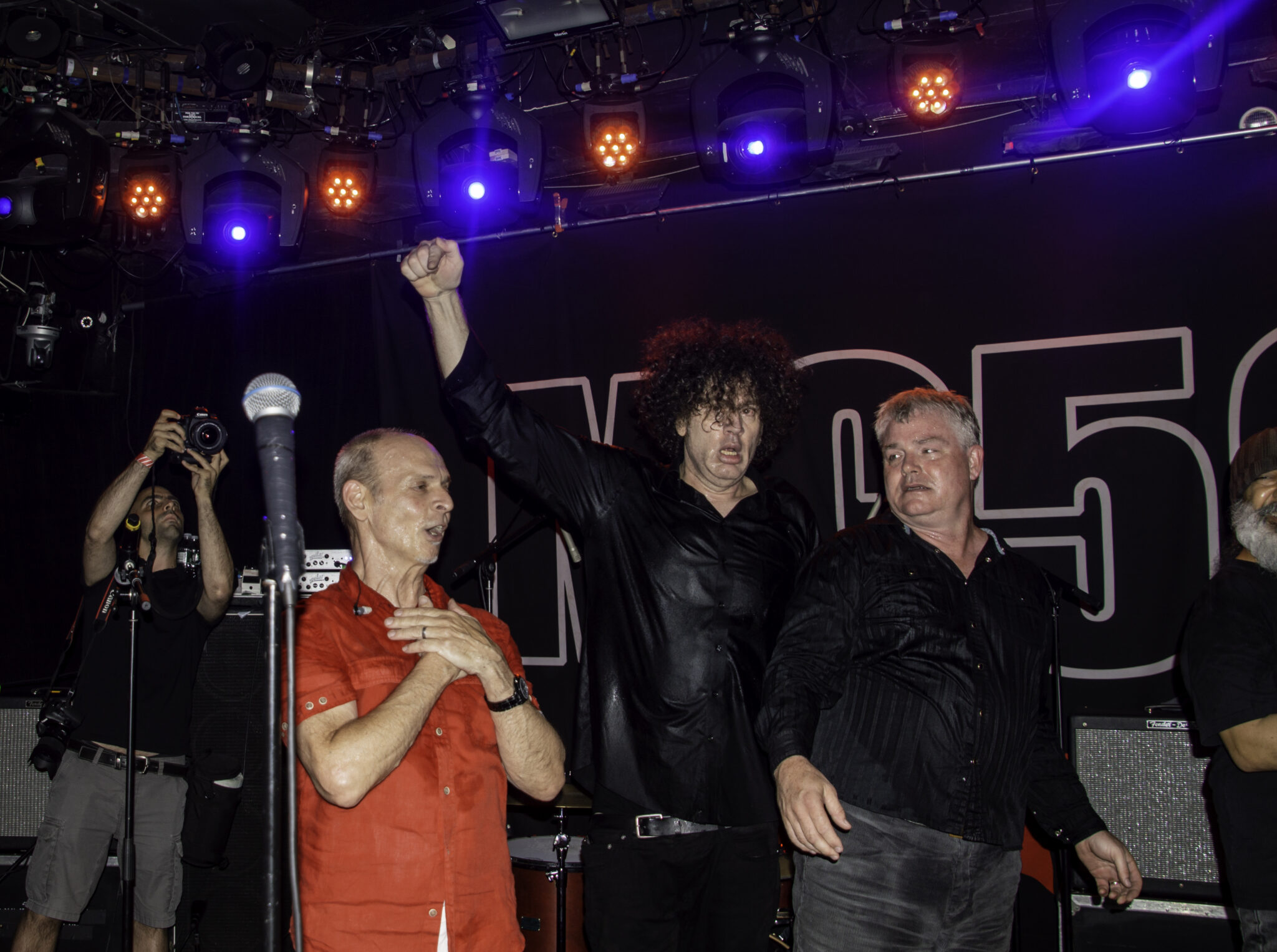
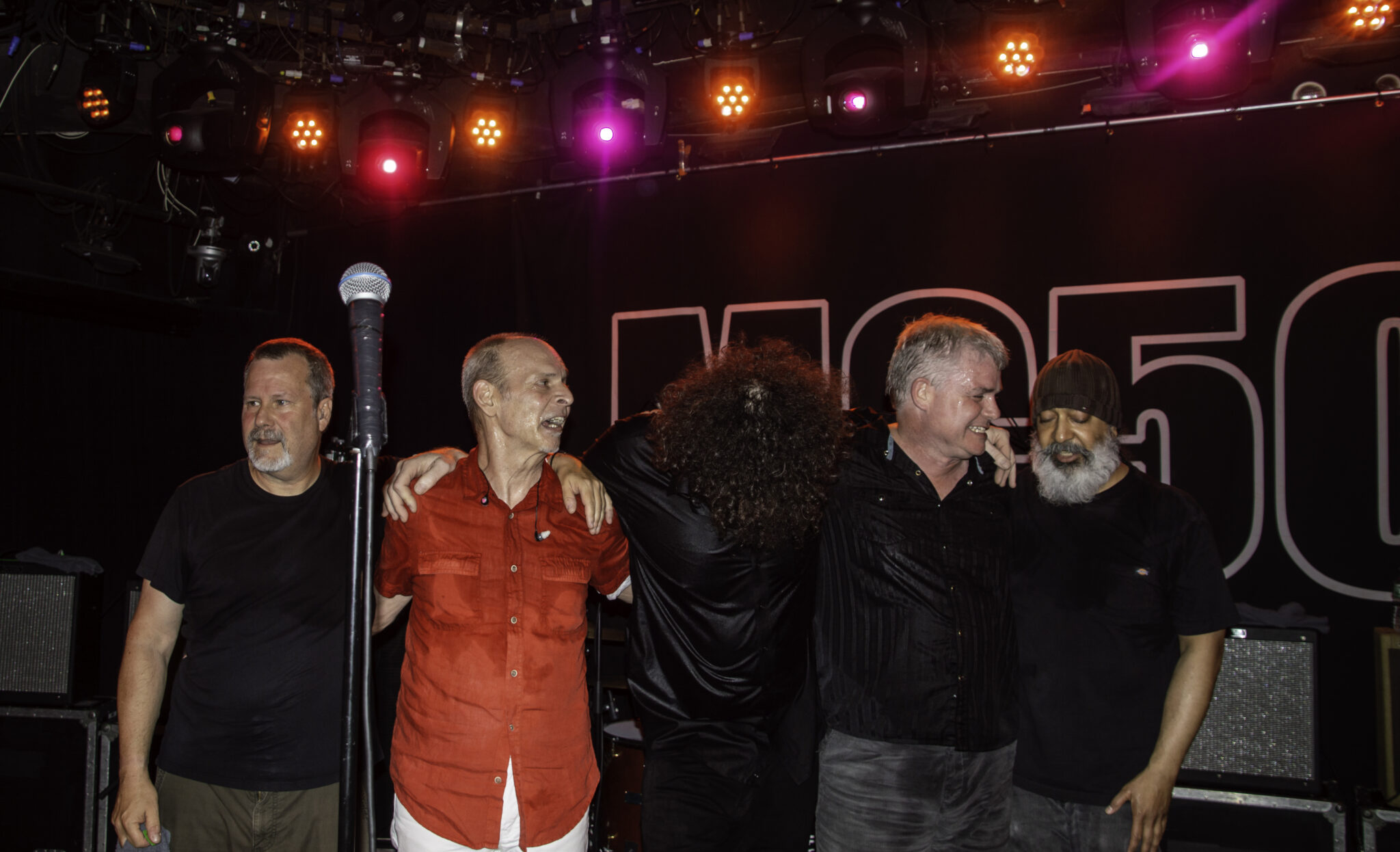
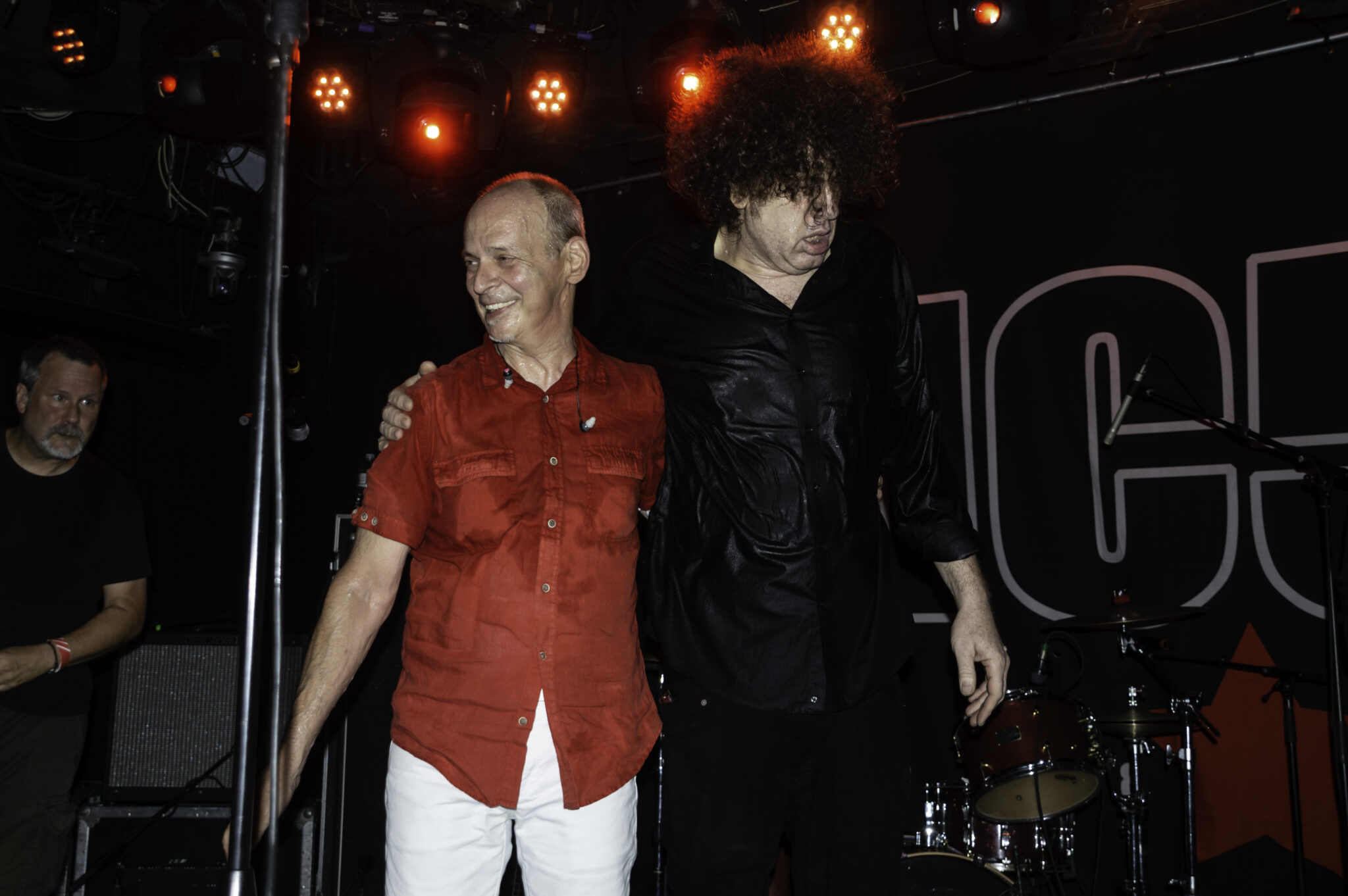
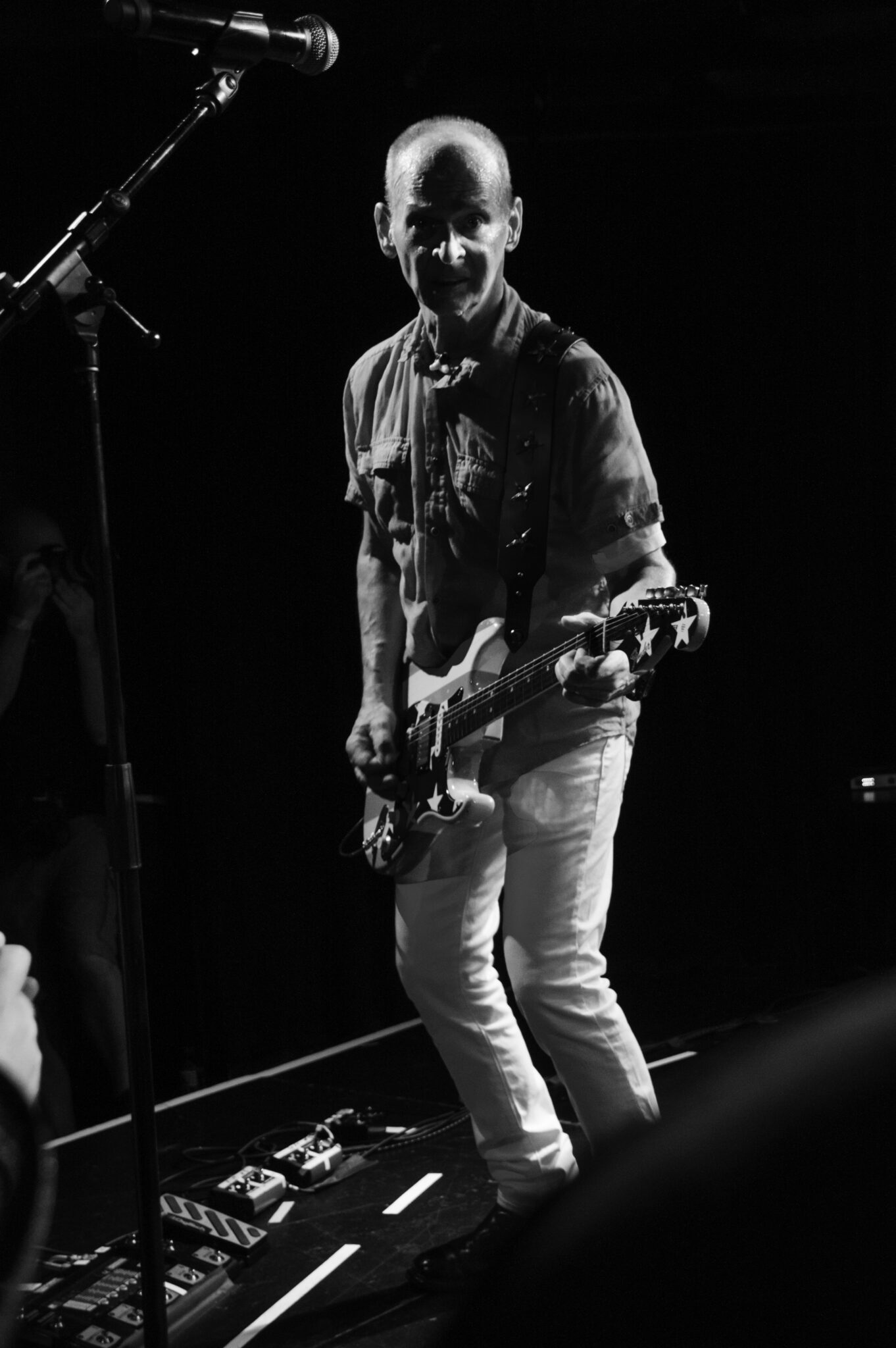
  • Flashback: MC5 celebrate 50 years of punk rock greatness at Le Poisson Rouge

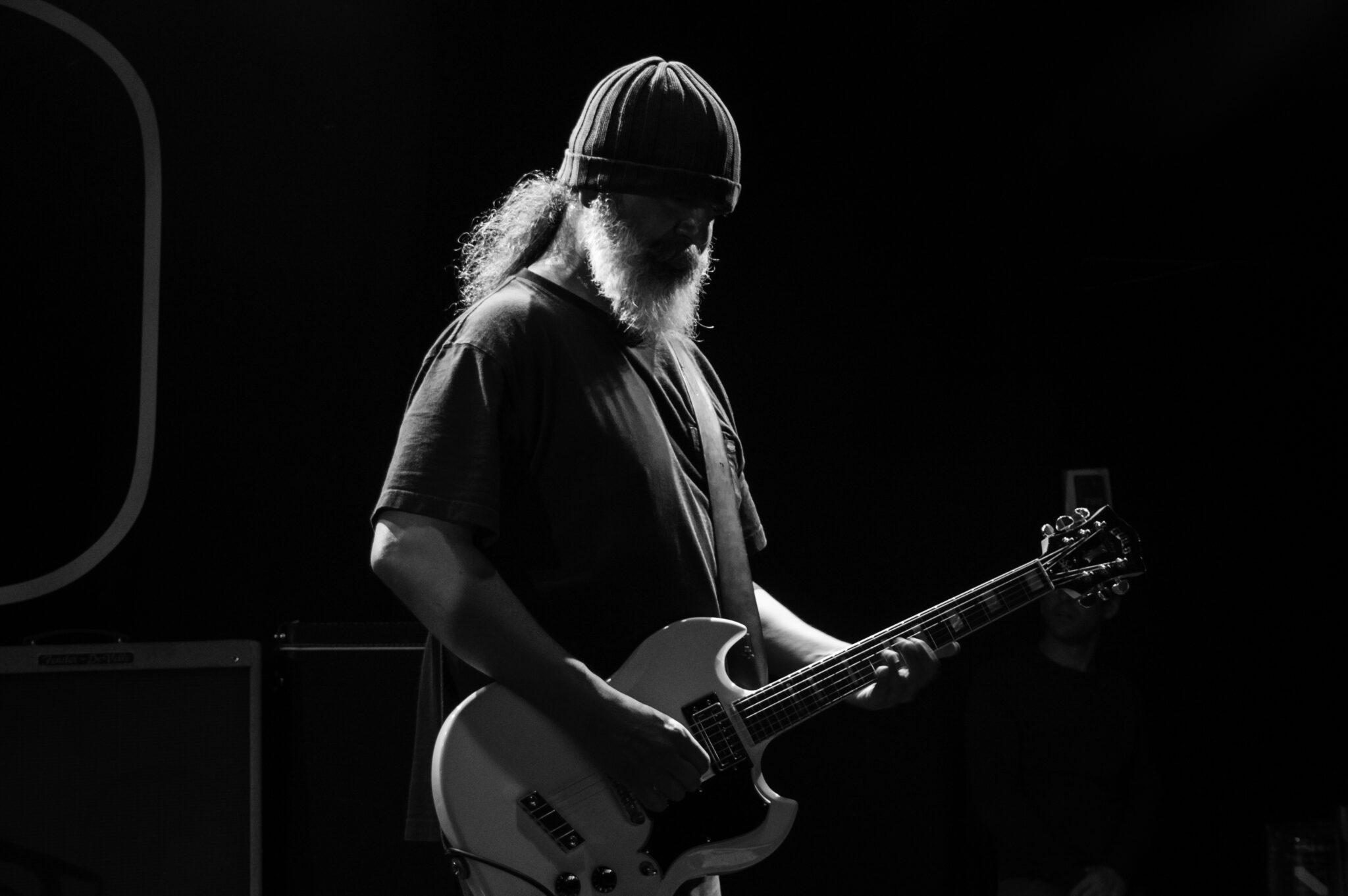
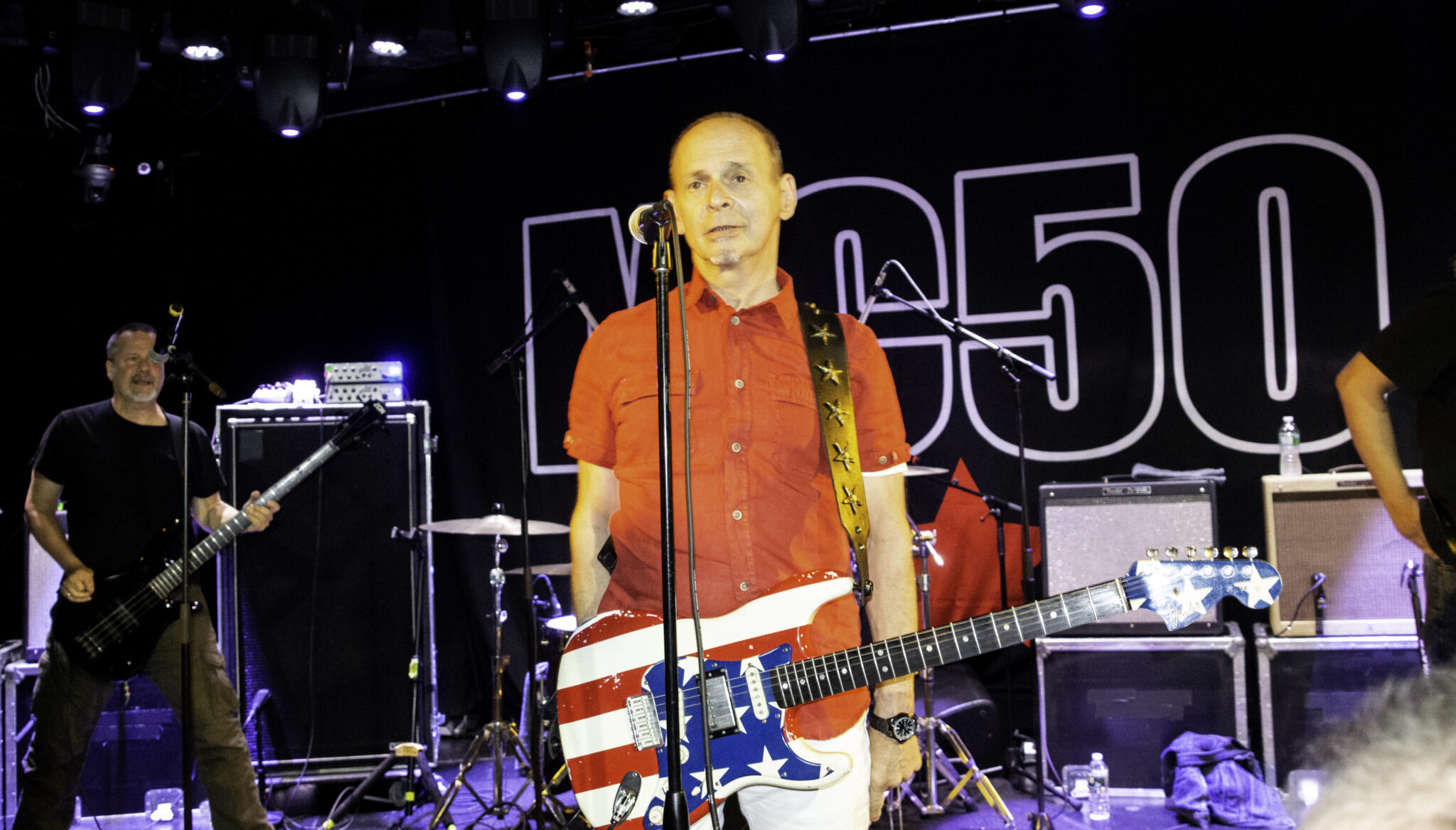
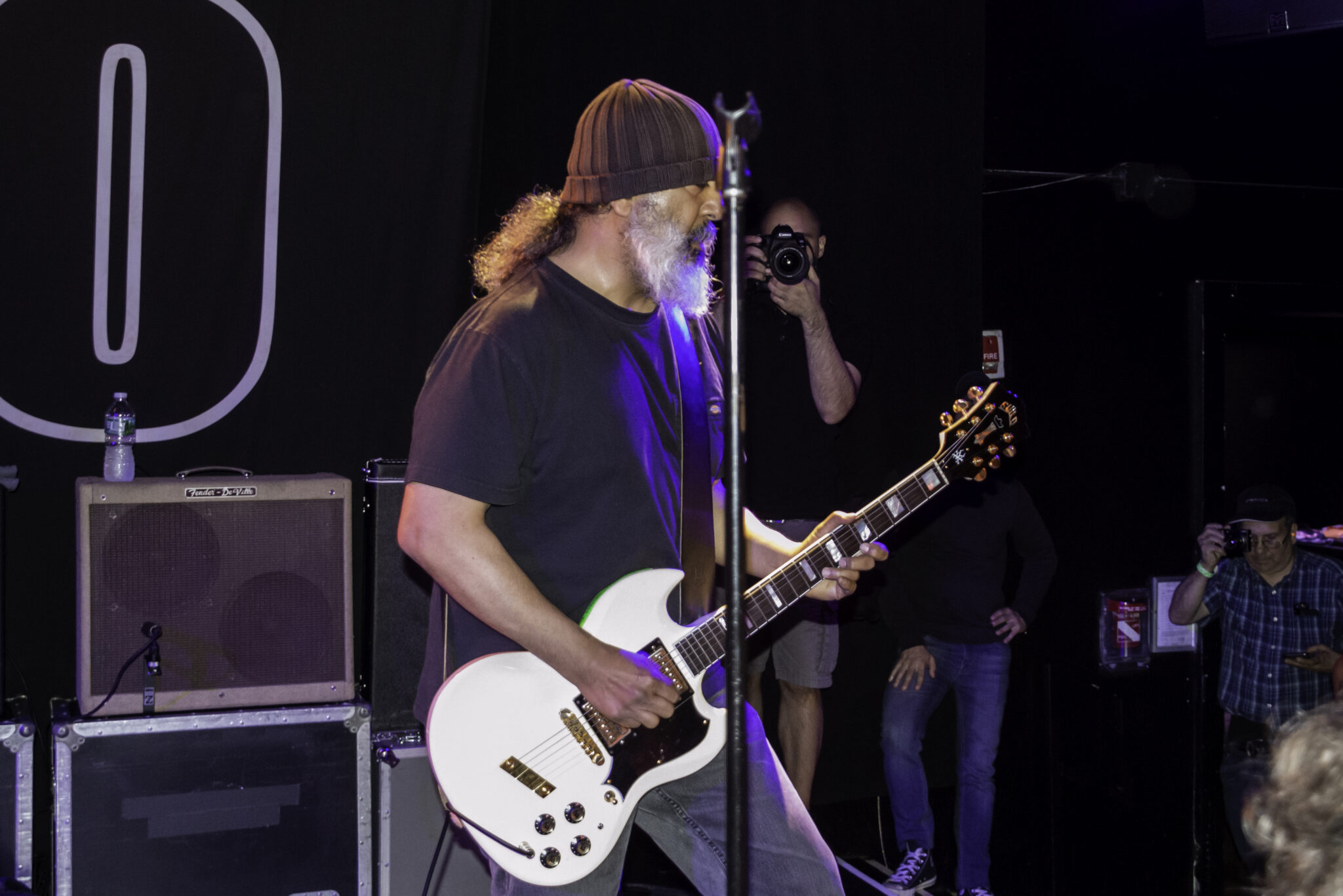
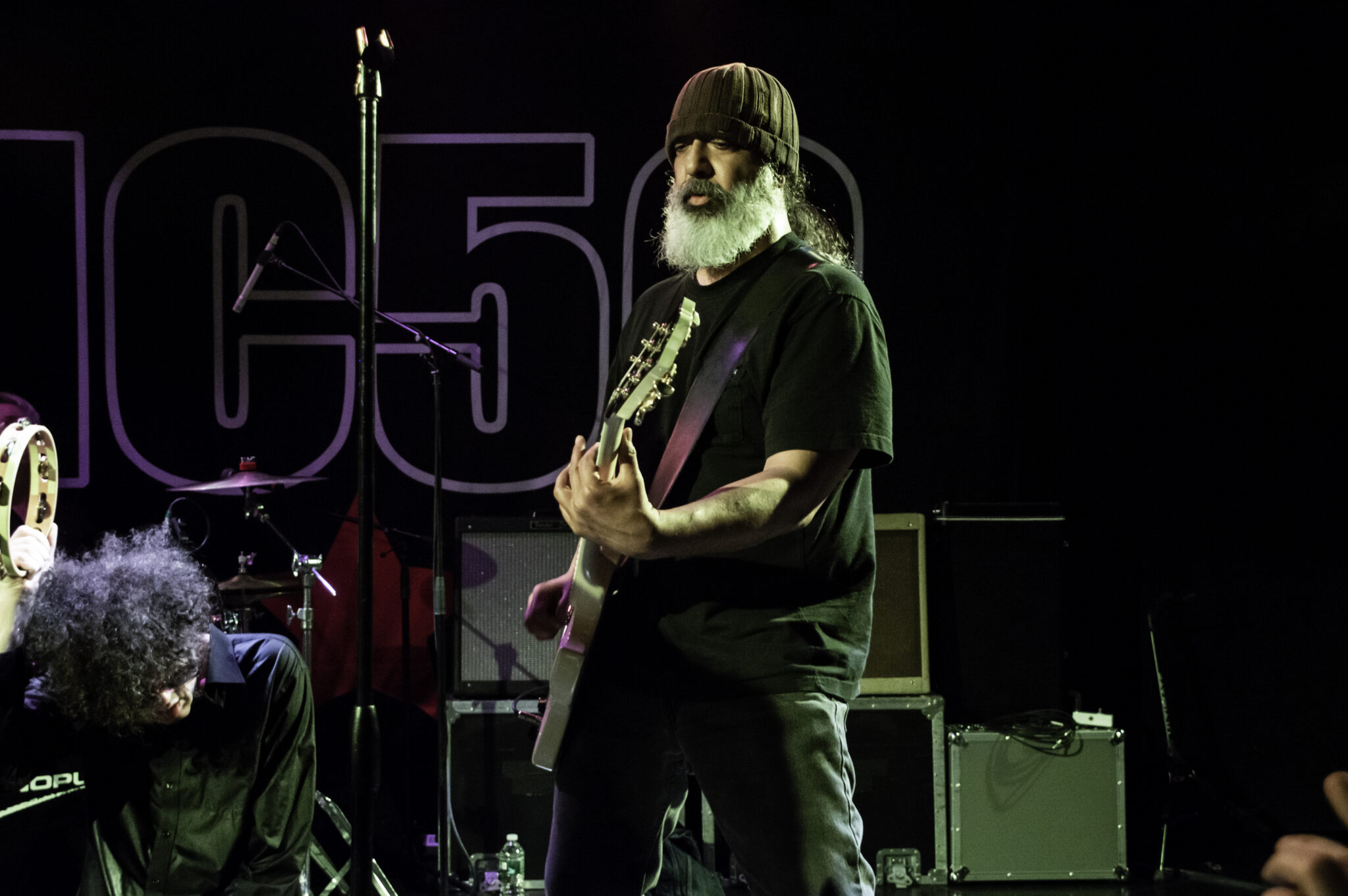
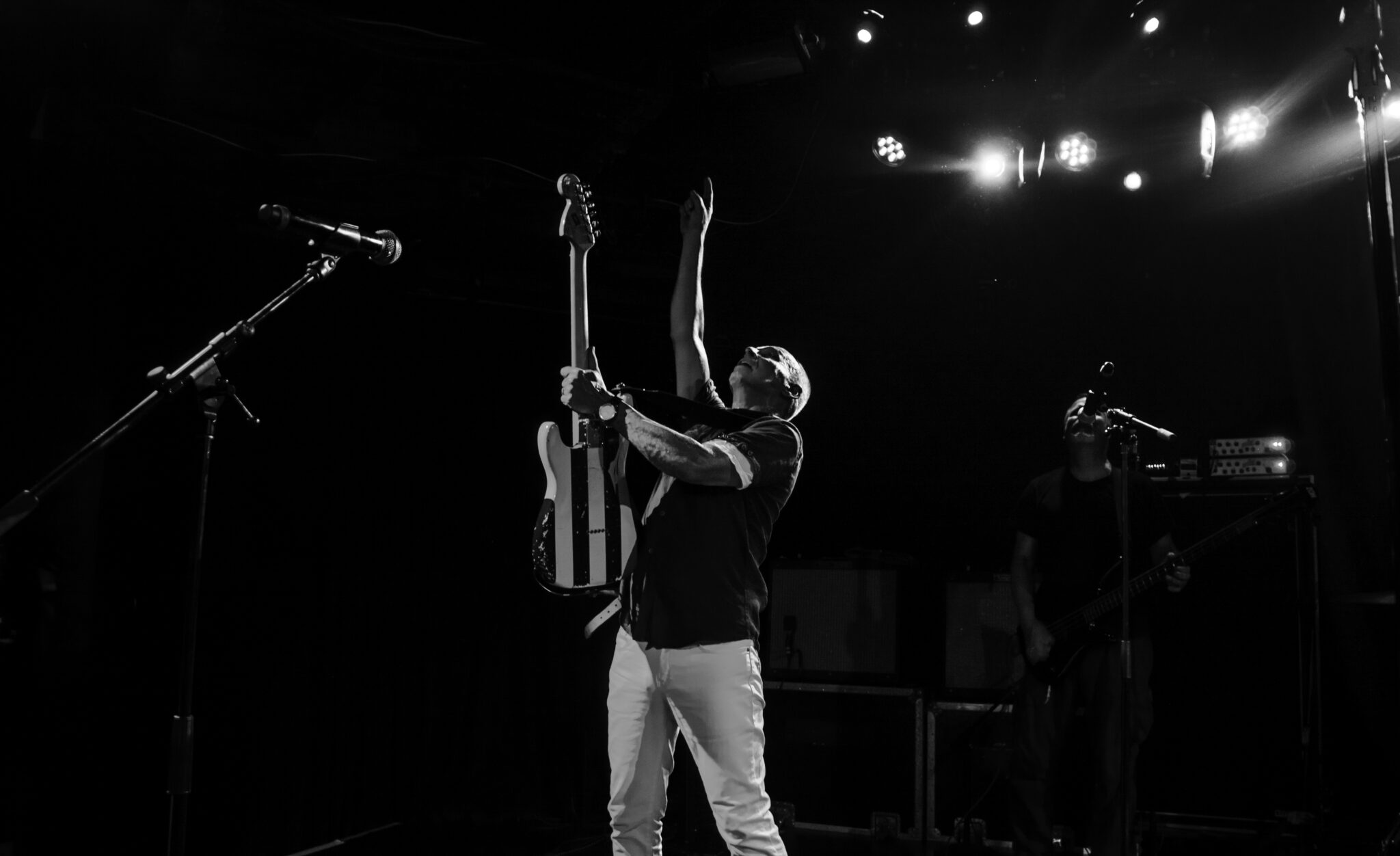
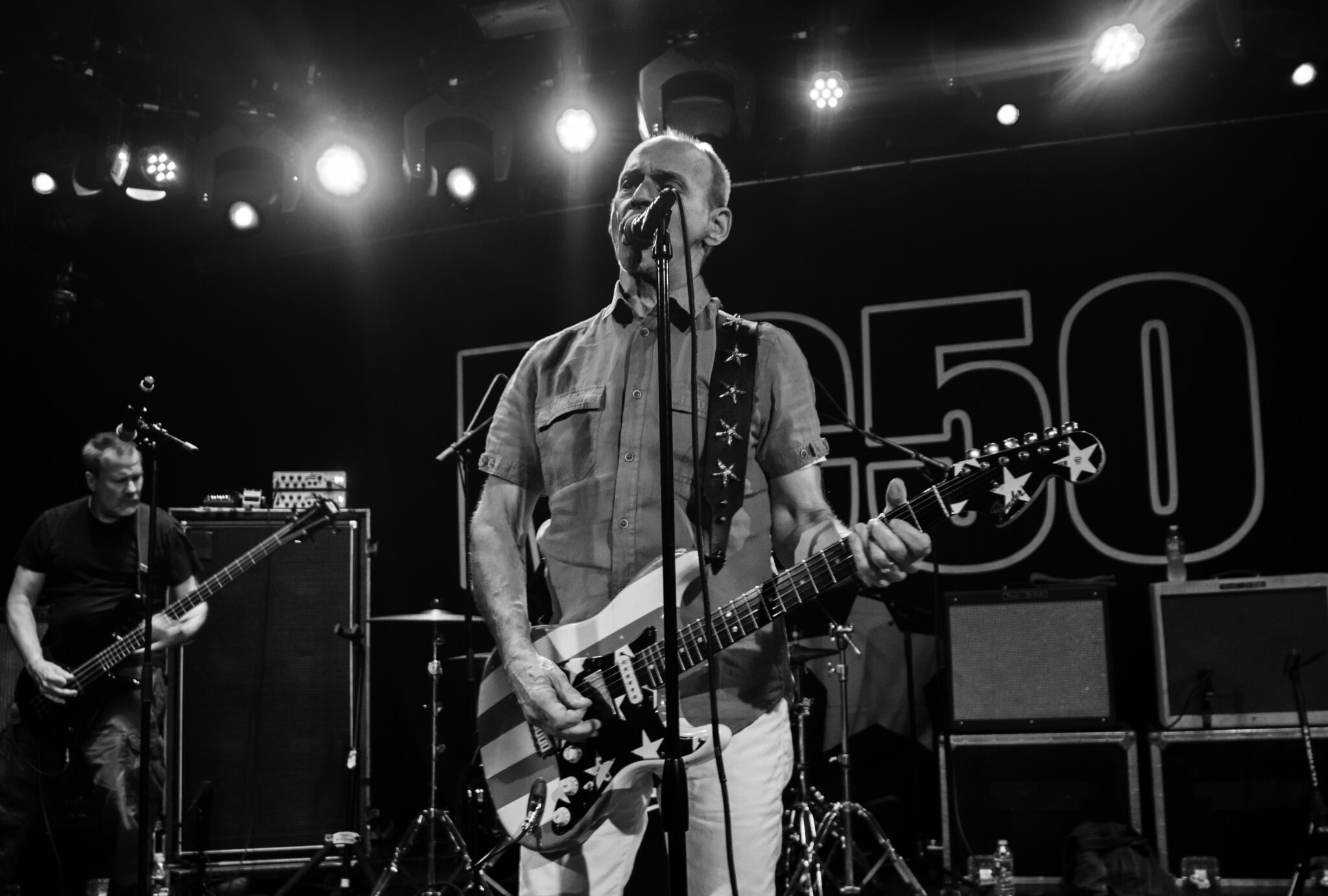
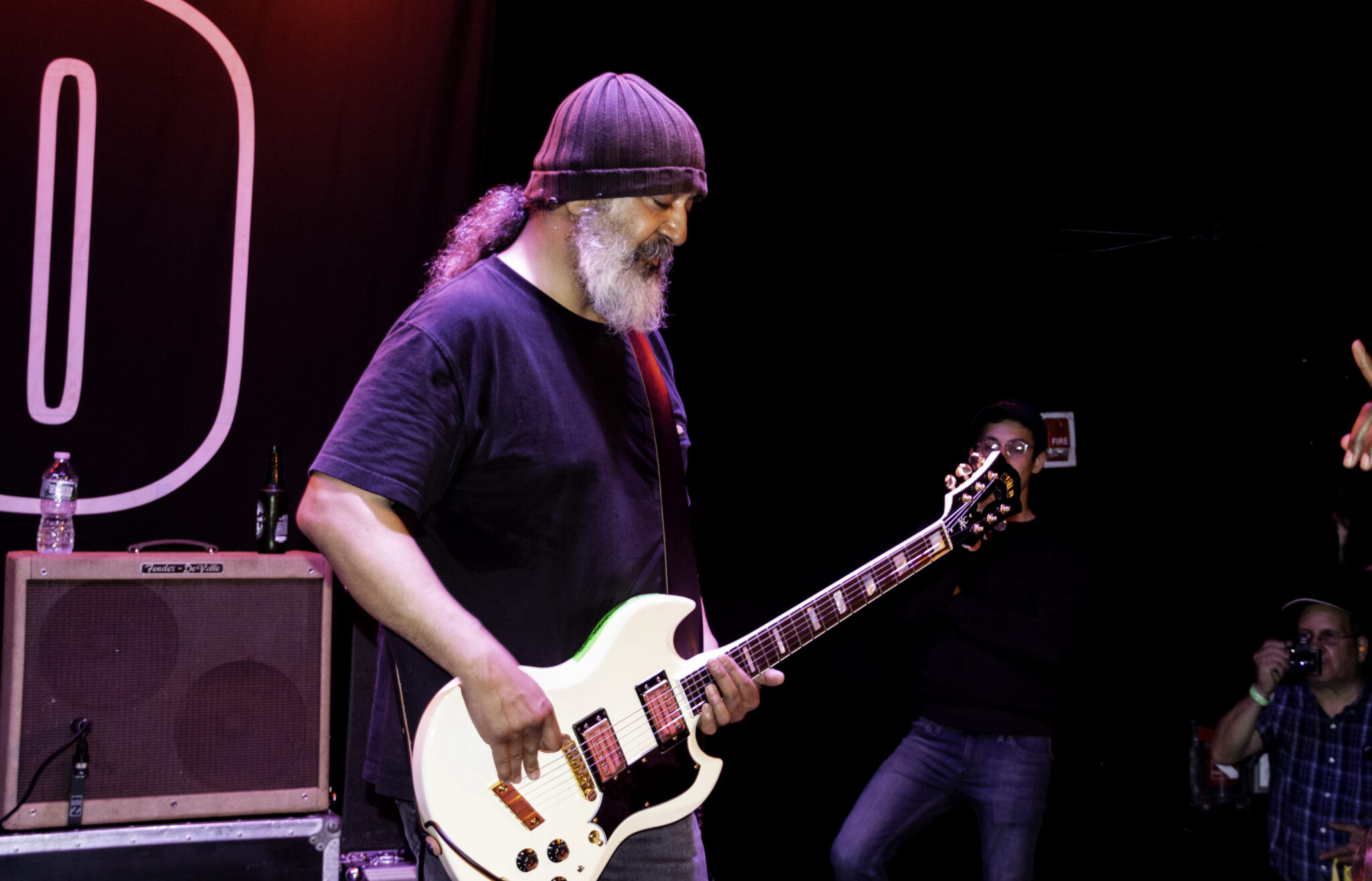
    On August 29, 2019, MC5 founding guitarist Wayne Kramer brought his supergroup MC50 to Le Poisson Rouge in New York City to celebrate 50 years of punk rock greatness. The group consisted of guitarist Kim Thayil (Soundgarden), drummer Brendan Canty (Fugazi), bassist Billy Gould (Faith No More) and singer Marcus Durant (Zen Gorilla).

    MC5 is considered one of the most important American hard rock groups of their era. The band performed as part of the protests of the Vietnam War at the 1968 Democratic National Convention in Chicago that were broken up by a police riot. According to Kramer in an interview featured in the documentary “Get up, Stand Up,” the band played for over eight hours straight when the other bands scheduled to perform didn’t show because of the chaos.

    “Kick Out the Jams” was released as a single in March 1969 by Elektra Records. It has been covered by numerous bands including Bad Brains and Rage Against the Machine. The band’s debut album of the same name was released a month earlier and was recorded at Detroit’s Grande Ballroom over two nights, Devil’s Night and Halloween, 1968.

    The band played the entire “Kick Out the Jams” debut album. They also played songs from MC5’s other two albums including “Tonight,” “Everything” and “Let Me Try.” They sounded great as they ripped through their 80 minute set at the very intimate but temporarily closed Greenwich Village venue LPR. The show was one of the only three shows the band played in the United States in 2019 before going to the United Kingdom to open for Alice Cooper for another seven shows.