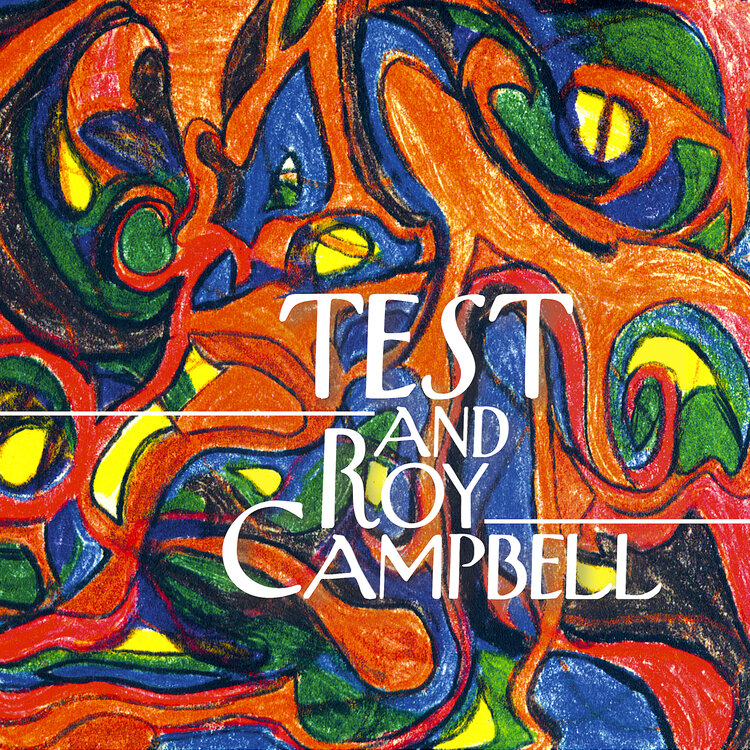
Indie Jazz label 577 records has just released the new TEST and Roy Campbell Jr. album, recorded live at the Hinton House. The live recording of the performance took place in April, 1999.
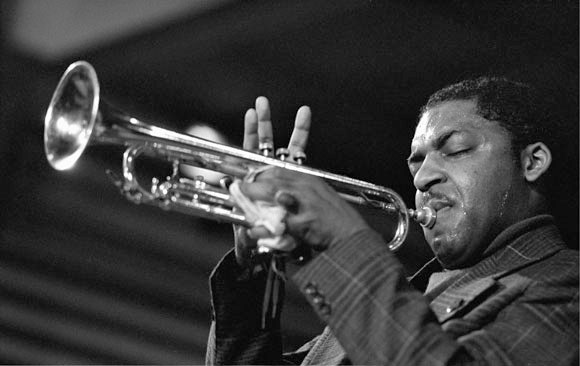
According to Jazz Times, Roy Campbell Jr. was considered a favored player among the free jazz aficionados. He was praised for his adventurous approach and mixing of genres including world music, hip-hop, and reggae. Unfortunately, Roy Campbell Jr had passed away on January 9th, 2014, at 61 years old.
Campbell was joined by bassist Matt Heyner, drummer Tom Bruno, and saxophonist Daniel Carter, with Sabir Mateen also playing saxophone alongside the group. According the album notes, this performance was a benefit gig to repair the No Neck Blues Band’s van. John Fahey, Lee Ranaldo, and No Neck Blues Band joined the stacked lineup at their loft, The Hinton House, and raised the ‘bread’ to fix the van. Spirits were lit with a listening and enthusiastic audience. The cathartic energy rising.
The performance and energy were frantic and steadily increasing as the show went on. Listeners tuned in to the live performance clearly enjoyed the free-jazz and the atmosphere Roy Campbell Jr. and company provided.
TEST occupied the public space of New York City. TEST’s typical audience was a passerby on a subway platform, a curious security guard on a smoke break in midtown, or the most ‘in the know’ subset of gig-goers. TEST, distinctly honed their working band approach, by actively gigging multiple times a week across the NYC subway map.
When TEST performed at a venue, listeners would witness the bullseye acumen of a working band. This ethos of the band choosing to ‘play anywhere/all the time’ separated TEST from other groups.
One of the hardest working musicians in the scene, Campbell lived at the north end of the Bronx, but nightly could be found downtown, uptown, or somewhere in the middle playing weekly at venues such as Lenox Lounge, The Pink Pony, Brecht Forum, Tonic, Knitting Factory and CBGB’s Gallery.
The free-jazz album has left listeners feeling nostalgic for the time. The Test and Roy Campbell album has given jazz aficionados the opportunity to live in that moment of free-jazz history. The album is now on Bandcamp.
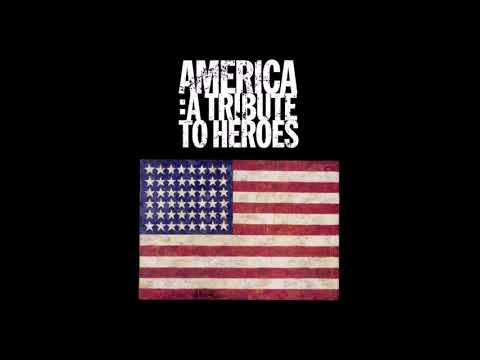
Ten days after the 9/11 terrorist attacks, living legends and new artists came together for a primetime benefit concert, “America: A Tribute to Heroes.” The star-studded lineup included Bruce Springsteen, Stevie Wonder, U2, Billy Joel, Céline Dion, and Willie Nelson.
Executive produced by Tenth Planet Productions’ Joel Gallen, “A Tribute to Heroes” was simulcast across all major networks commercial-free. The September 21 concert won the 2002 Primetime Emmy Award for an Outstanding Variety Special, with many artists channeling the somber energy into the best performances of their careers. The telethon portion of “A Tribute to Heroes” raised over $150 million for 9/11 victims and their families, specifically police officers and firefighters. Years later, networks repeated the concert-telethon model for Hurricanes Katrina and Sandy and the 2010 Haiti Earthquake.
The concert was filmed live in New York, Los Angeles, and London, with British and Canadian artists supporting their American peers. At each venue, the stage was decorated with hundreds of candles. Bruce Springsteen opened the show with the then-unreleased song “My City of Ruins,” playing guitar and harmonica. With the E Street Band, he introduced it as “a prayer for our fallen brothers and sisters.” The following year, the five-minute track closed out Springsteen’s 9/11-inspired album The Rising.
Stevie Wonder then performed “Love’s in Need of Love Today,” the opening track of Songs in the Key of Life, with gospel sextet Take 6.
U2 performed “Peace on Earth” and “Walk On” from London with Natalie Imbruglia and Dave Stewart. “Peace on Earth” was inspired by the 1998 Omagh car bombing, but took on new meaning after 9/11. For the performance, Bono changed the original lyrics from “I’m sick of hearing again and again that there’s gonna be peace on Earth” to “I’m sick of hearing again and again that there’s never gonna be peace on Earth.”
Billy Joel had the most hopeful performance of the night, singing and playing “New York State of Mind.” Rather than dwelling on tragedy, he expressed New Yorker pride and even smiled throughout his performance. Joel never officially released “New York State of Mind” as a single, but due to its popularity with fans it’s often mistaken as one.
In addition to the night’s abundance of established acts, then-new artists Alicia Keys and Enrique Iglesias took the stage. Keys performed a cover of “Someday We’ll All Be Free” by Donny Hathaway, beginning with a piano riff reminiscent of her future 2003 song “Diary.”
Enrique Iglesias had just broken out two years earlier in 1999 with “Bailamos,” but his signature hit would go on to become “Hero,” which he publicly performed for the first time that night. Radio DJs later mixed the song with audio from police, firefighters, and civilians, adding to the song’s popularity.
Iglesias wasn’t the only artist to sing a song called “Hero.” A few numbers later, Mariah Carey sang the just-as-famous song of the same name off her 1993 album Music Box. A New Yorker herself, Carey’s performance was more subdued than past renditions but characteristic of the night’s solemn energy.
The event also included some country artists. Faith Hill performed “There Will Come a Day” from her 2001 album Breathe with a backing gospel choir, and the Dixie Chicks (now The Chicks) performed the poignant “I Believe In Love.”
“America A Tribute to Heroes” ended on a patriotic note, with Céline Dion singing “God Bless America” and Willie Nelson leading the Los Angeles performers and speakers in a grand finale of “America the Beautiful.” Dion later released her cover as a single, and performed it again at the Super Bowl XXXVII in 2003. Céline Dion and Neil Young were the night’s only Canadian performers.
Other performers included Neil Young, Tom Petty, Sheryl Crow, Bon Jovi, Sting, Dave Matthews, and Paul Simon. Most major genres were well-represented: multiple pop, rock, country, folk, and soul artists were on the setlist, and despite their thematic similarities for the occasion, they were diverse in sound.
The success of “America: A Tribute to Heroes” prompted two more 9/11 tribute concerts a month later: the similarly diverse “Concert For New York City” in Madison Square Garden, and the pop-focused Michael Jackson-led “United We Stand.” In 2004, Rolling Stone named the 9/11 concerts “one of the 50 moments that changed rock,” and it’s easy to see why—despite the tragic circumstances that brought the artists together, many were on top of their game.
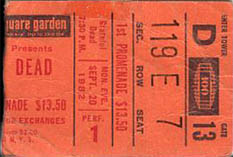
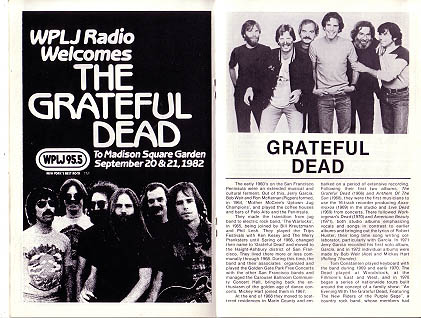
By 1982, The Grateful Dead’s relationship with the State of New York had been firmly established. It began with a free show at Tompkins Square Park in 1967. Now, the band had graduated to regular gigs at Madison Square Garden, The World’s Most Famous Arena. Monday, September 20, 1982 would be part of their third run at The Garden, after playing there initially in 1979 and a brief two-show stay in 1981. The Brent Mydland era was now in full swing and this show from 38 years ago sees the band relaxed and fully cohesive as the Grateful Dead at MSG deliver another knockout New York performance.
A spunky “Shakedown Street” gets things started off on the right foot. The band wastes no time getting into a nice groove and Mydland’s backing vocals spice this one up nicely.
Guitarists Jerry Garcia and Bob Weir take turns leading the way on vocals through pristine versions of “Candyman” and “El Paso,” respectively, with the rest of the band sounding fully engaged. Afterwards, the recent revival of “Dupree’s Diamond Blues” continued. A month earlier, the Dead dusted off this oldie but goodie after a four-year layoff. Garcia’s vocals seem to have an almost echo-y feel to them on this one before he nails the corresponding guitar solos.
Mydland’s signature raspy vocals accompany more beautiful Garcia-supplied guitar licks on the bluesy “Never Trust A Woman” that follows. The first set later ends with a couple of new tunes. Weir quickly mentions something about “remembering all the words this time” before they launch into “Throwin’ Stones.” This would be only the third one ever played after making its debut earlier in the fall tour. It’s an aggressive rendition as Weir certainly remembers the words and then some. But instead of the traditional outro jam the Dead would later develop for it, they pivot immediately to a rousing “Keep Your Day Job” that closes the set.
Things rev back up immediately with the “Scarlet Begonias” that opens up the second set. It features some delightful interplay between Garcia and Mydland on keys. With a pounding rhythm generated from bassist Phil Lesh, the jam eventually meanders a little bit before the familiar tones of “Fire On The Mountain” come through.
The mid-set “Terrapin Station” that later follows has a very mellow feel to it early on. The composed section drifts off into near silence before eventually picking back up. Later in the set, emerging from the confines of “Space,” is another Dead specialty – the “Spanish Jam.” It’s a brief but infectious instrumental section that’s influenced by the theme to Miles Davis’ “Solea” from his Sketches Of Spain album. This more than aptly serves as the bridge to “Truckin’.”
There would be no “Truckin’” jam tonight though. Instead, the band does another collective pivot of sorts and hurls into “The Other One.” It’s a quick but powerful version that sees Weir almost toying with the lyrics.
After a customary joyous run through of “Sugar Magnolia” to close out the second set, the Dead decide to end things with yet another new number. This is also only the third ever performance of “Touch Of Grey,” a song that would later become synonymous with the band and their lone commercial “hit.” One more show at The Garden would follow the next evening as the Dead continue to make their presence felt in The Empire State.
Grateful Dead – Madison Square Garden 9/20/82
Set 1: Shakedown Street > New Minglewood Blues, Candyman > El Paso, Dupree’s Diamond Blues, It’s All Over Now, Never Trust A Woman, Row Jimmy, Throwing Stones > Keep Your Day Job
Set 2: Scarlet Begonias > Fire On The Mountain, Women Are Smarter, Terrapin Station > Drums > Space > Spanish Jam > Truckin’ > The Other One > Stella Blue > Sugar Magnolia
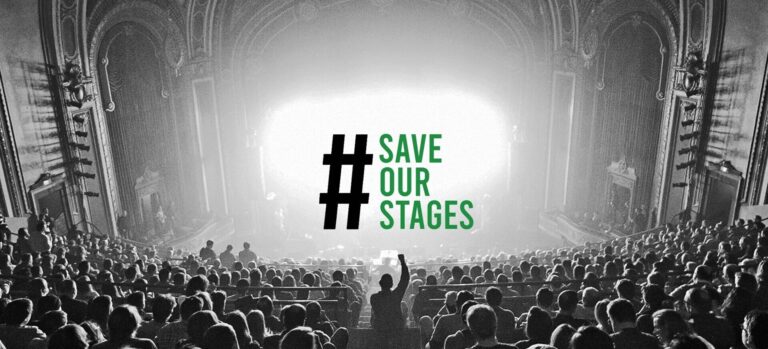
As New York continues to reopen and look towards normalcy amid the pandemic, music venues continue to lose money from not being able to reopen. Music venues in New York City face additional financial hardship as they bring in the most revenue.
In an effort to prevent further economic loss caused by the COVID-19 pandemic, comedian Jerry Seinfeld, a Brooklyn native, has now backed Senator Chuck Schumer’s plea for passing the “Save Our Stages Act” that would provide needed federal funding for New York music venues, according to SILive.com.
The RESTART ACT was the first bill introduced to provide financial support to small businesses affected by the COVID-19 pandemic through guaranteed loan programs and loan forgiveness back in May. The “Save Our Stages Act” was later proposed in July to advocate for support of music venues that have lost significant revenue from the ability to host music events because of COVID-19. Jerry Seinfeld is one of many performers to publicly voice his belief in New York’s resilience and support Schumer’s cosponsor for the “Save Our Stages Act.”
New York City’s diverse music venues, concert halls, theaters, and entertainment performances all fuel the coveted music scene. Schumer said 90% of independent venues have already closed in New York according to SILive.com. Other independent venues struggle to remain open because of the lack of community support at local music events caused by the pandemic. If passed the “Save our Stages Act” could help fund the cost of personal protective equipment, mortgages, payroll costs, and other expenses for venues.
Save Our Stages Act would create a new $10 billion Small Business Administration (SBA) program to provide grants of up to $12 million to eligible live venue operators, producers, promoters, or talent representatives to help cover six months of operating expenses and offset the economic impact of COVID-19.
Picture Central Park today. Beautiful bridges and architecture throughout a green, shaded landscape. A place where people can enjoy their hour lunch break, or a destination for buskers trying to earn some cash. In the 1970’s, the park had been a completely different atmosphere. Crime, graffiti and decay structured the park.
Art Garfunkel and Paul Simon
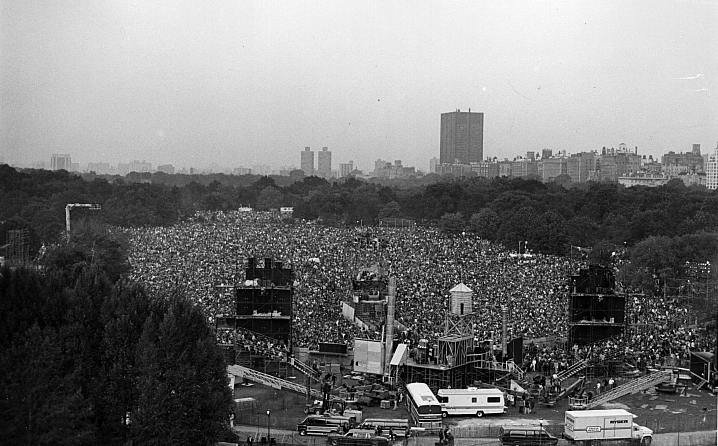
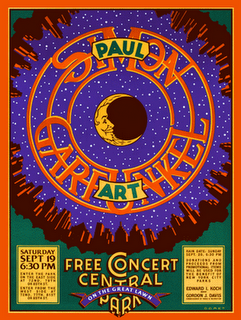
On Sept. 19, 1981, Simon & Garfunkel raised around $51,000, performing at the Central Park Stage which had free admission. Their concert would forever change the entire vibe of the famous park and helped it thrive to where it is today.
The concert was a year after Elton John performed for around 300,000 people, wearing his iconic duck suit. Among the artists that also performed in Central Park were Bon Jovi, Dave Matthews Band and Garth Brooks.
Simon & Garfunkel in Central Park, 1981
Although most of the concerts drew enormous crowds, and made a lasting impact on Central Park being a destination for great musicians, Simon & Garfunkel literally cleaned up the park with the money they raised from merchandising, CD sales and TV and video rights.
The show was broadcast live on HBO, then was recorded and released as the duo’s first live album.
Paul Simon and Art Garfunkel made history that day and drastically improved the state of Central Park. As a result of the impact they made, the park became a popular tourist attraction. There were no “sounds of silence,” when it came to the cheers of the 500,000 people in the audience.
Setlist: Mrs. Robinson, Homeward Bound, America, Me and Julio Down by the Schoolyard, Scarborough Fair, April Come She Will, Wake Up Little Susie, The Everly Brothers, Still Crazy After All These Years, American Tune, Late in the Evening, Slip Slidin’ Away, A Heart in New York, The Late Great Johnny Ace, Kodachrome/Maybellene, Bridge over Troubled Water, 50 Ways to Leave Your Lover, The Boxer
Encore: Old Friends / Bookends Theme, The 59th Street Bridge Song (Feelin’ Groovy), The Sound of Silence
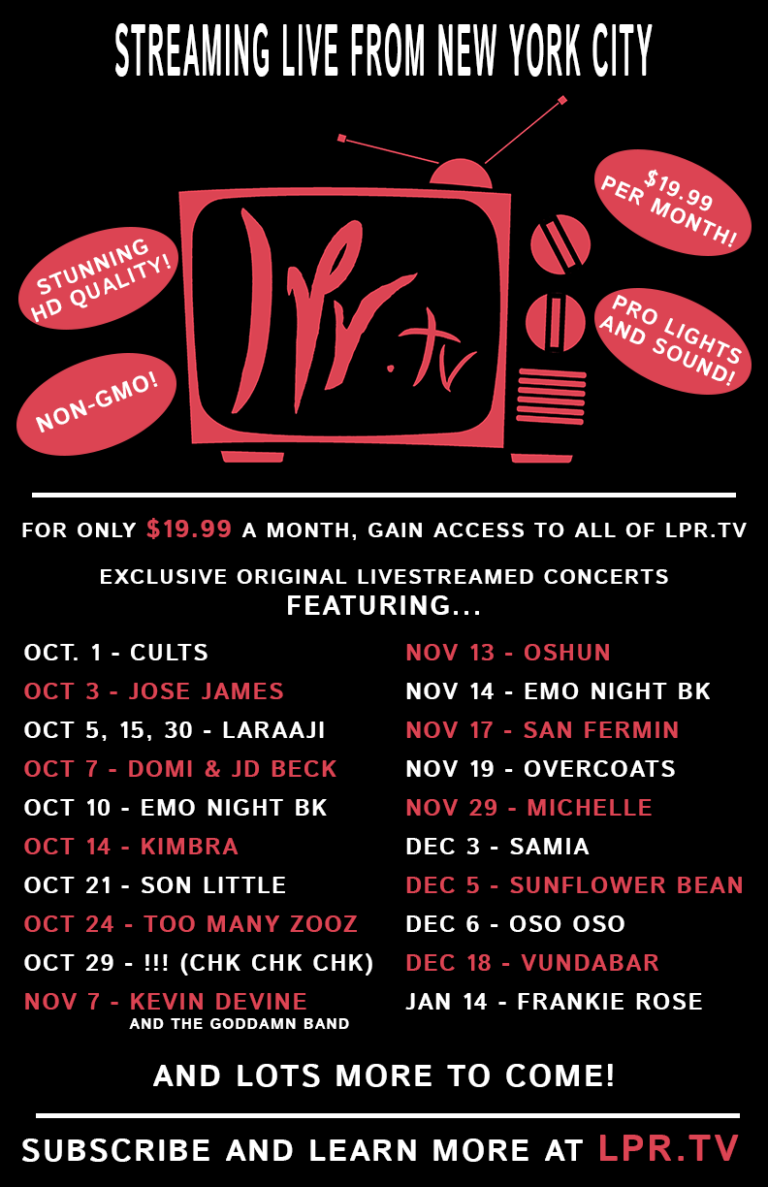
(Le) Poisson Rouge (LPR), a New York City venue and downtown cultural institution, has announced the release of its subscription-based concert livestream platform called LPR.TV. For $19.99 per month, LPR.TV subscribers will receive access to all the venue’s live-streamed concerts, on-demand access to their archive of livestreams, lessons, and much more. LPR. TV was co-founded by composer David Handler and senior music director and partner Brett Tabisel.
With all the uncertainty surrounding the music industry, LPR.TV provides work for artists and agents as well as keeping fans engaged. Le Poisson Rouge has booked artists including !!! (Chk Chk Chk), Cults, San Fermin, Kimbra, Sunflower Bean, Kevin Devine, Son Little, Laraaji, and Too Many Zooz as the lineup for LPR.TV’s inaugural stream. LPR.TV also confirmed nearly two dozen shows through the end of 2020.
The LPR.tv format has given us the opportunity to do what we do best: curate eclectic, exciting, and adventurous programming once again. The subscription model allows us to take the risks we are known for, while giving artists a platform to perform safely, with the production quality they deserve. Our independent spirit and determination to innovate will not be silenced. The support for LPR.tv from our community and peers has been inspiring and motivating. Honored to feed your eyes and ears with what we have in store. – Brett Tabisel (Senior Music Director / Partner)
LPR is an independent venue in Greenwich Village, focused on reflecting the rich music culture of New York City. The underground music sanctuary puts on late night shows of all genres of music including indie rock, contemporary classical, electronica, metal jazz, world music, and more. LPR also hosts art exhibitions, stand-up comedy, and drag queen bingo at their cutting-edge nightlife destination. Click here to read more of NYS Music’s coverage from (Le) Poisson Rouge over the years.
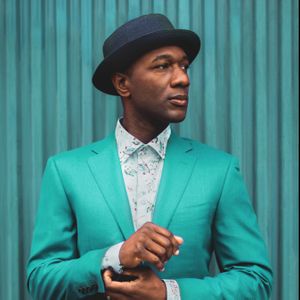
Grammy-nominated recording artist Aloe Blacc and Harvey Mason Jr., Interim President/CEO of the Recording Academy, will join other keynote speakers in a conversation at Mondo.NYC 2020 on Wednesday, Oct. 14.
Mondo.NYC is a festival and global business summit of music and tech industry insiders. Their goal is to connect fans, innovators, and emerging artists to the changing music business and technology landscape. This year, the festival celebrates its fifth anniversary as a four-day virtual interactive meeting and livestream from Oct. 13-16. Participants will experience curated panels, conversations, workshops, and virtual network activities. The festival also includes Mondo.NYC showcases of up-and-coming bands around the globe.
Aloe Blacc worked his way from a nine-year-old kid who used to write rap songs, to a now Grammy-nominated singer and songwriter. The breakout success of his single “I Need a Dollar” helped propel his sophomore album Good Things to gold status and paved the way for his signing to XIX Recordings/Interscope Records in 2012. Blacc’s most notable work includes co-writing and providing vocals for Avicii’s hit song “Wake Me” which has surpassed one billion streams and 2 billion views on YouTube. His album Lift Your Spirit debuted at #4 on the Billboard 200 chart in 2014 and earned him a Grammy nomination for Best R&B album. Blacc is now actively working with the Black Music Action Coalition and several organizations to use his platform for positive change in social justice. Aloe Blacc’s fourth solo album All Love Everything drops on Oct. 2 through BMG Music.
As a multi-Grammy nominee, Harvey Mason Jr. has written and produced songs for the music industry’s legends and biggest superstars today. His resume’ includes working with Whitney Houston, Beyonce, Elton John, Michael Jackson, Aretha Franklin, Chris Brown, Ariana Grande, and Britney Spears to name a few. Mason produced some of the biggest musical films and TV events of the decade including Straight Outta Compton, Shrek, Dreamgirls, and “The Wiz Live.” Harvey Mason Jr. donates his time and resources to several charitable organizations, including the GRAMMY Museum, MusiCares®, Ronald McDonald House, the American Cancer Society, and Los Angeles Children’s Hospital.
Binta Niambi Brown-Founder of Omalilly Projects with Ty Stiklorius-Founder & CEO of Friends at Work
Jason Flom-CEO of Lava Records and Founding Board Member of The Innoncence Project
Kevin Lyman- Founder/Producer of Vans Warped Tour and Co-Founder of 320 Festival
The conversation is presented in partnership with the Recording Industry Association of America (RIAA). Click here for more information about purchasing tickets.
The 13th studio album from legendary Queens rapper Nas was released on August 21 through Mass Appeal Records. Composed of twelve tracks and one bonus record, the project was produced solely by California native Hit-Boy, a well-known producer who has made a name for himself for producing records with artists the likes of Kanye West, Jay-Z, Drake, Big Sean and more.
Following the lackluster reception to his previous body of work, Nasir, King’s Disease had fans skeptical, wondering what the fabled emcee had left. Would the album feel as uninspired as its predecessor or, would it be as acclaimed as 2012’s Life is Good? Other concerns arose when the track list was revealed, as Anderson .Paak, Lil Durk, Fivio Foreign and A$ap Ferg held the guest spots, which led the public to assume that Nas would try to conform and abandon his timeless style for a more modern trend of music.
These doubts were surely put to rest after the intro track and realized that Nas wasn’t conforming but taking his style and meshing it with more modern sounding beats and production. He effortlessly got into his pockets and felt comfortable from start-to-finish.
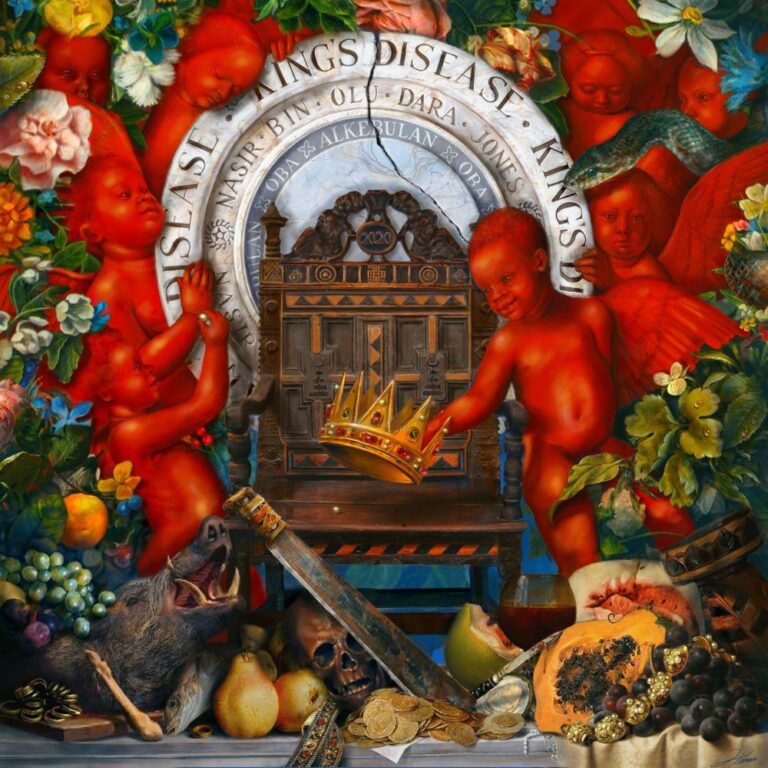
The album cover goes consists of Cupid-like babies. Some are black, others white, with wings of angels but colored red as if they were demons holding up a plaque that is covered by dirt. Nas’ name appears on the plaque, while one of the babies holds a crown. There is a rusty bloody machete on the table with fruit, gold, a skeleton head, the head of a hog, a serpent and flowers from a garden.
Throughout his last couple of projects Nas has been made his spiritual beliefs apparent and this album cover reflects that. King’s disease is defined as a disease where affluent people eat poorly, invest poorly and have bad relationships, which leads to one’s downfall. Nas touches on business and health throughout the project but the theme he harkens on the most is love and relationships. On multiple songs he tells stories of failed romantic relationships, or how relationships work poorly within the black community. Nas also touches on the struggles of the black community as a whole throughout.
Hit-Boy did a masterful job with the beats. The album has a classical sound to it, with a couple of instruments being played in the background on the majority of the tracks, combined with the heavy bass that is preferred in today’s rap music.
The story-telling is a highlight of the album. He didn’t do it too often but, when he did, they were amazing. On the record, “Car #85,” we get Nas at his descriptive best as he tells tales of his close run-ins with the law, his trips to hang out with friends, as well as his attempts of keeping a romantic relationship alive. All precipitated by this car service that he would use exclusively.
The length of the album was a plus – short and succinct, thus making it an easy listen, although several records felt short. Nas is known to rap multiple verses yet, on this project, it seemed like he would give one or two concise verses so as to not prolong the records.
And while many of the features were surprising, he did a great job of staying true to himself while letting other artists shine in their own lanes. He didn’t try to step on their toes and in return, they didn’t step on his. If there can be a complaint, it’s that the contrasting sounds made for songs sounding entirely different when a new act was introduced. For example, in the Lil Durk-assisted “Til The War is Won.” Nas raps for two verses and basically hands the record off to Lil Durk for the last minute or so. This also happened with his song with Anderson .Paak “All Bad,” which sounds like an Anderson .Paak song featuring Nas.
While having a great theme, Nas fails to focus on it for the entirety of the album. And at times, it feels like he was running down bullet points instead of detailed explanations. Nas is knowledgeable, but at times he doesn’t explain his knowledge – he just puts the knowledge out there for fans to either get it or not. This was a problem from his last release Nasir, where fans reduced many of lines to him being a conspiracy theorist.
Full Circle
“10 Points” is a record which embodies where Nas is in life. The song consists of him kicking game to the youth, explaining, “Take it from a street dude, you don’t need to be a street dude. Get a lawyer, read your contract, and eat food.” The way he delivers his rhymes in a smooth cool manner is what separates Nas from a lot of emcees, still.
He also addressed the longstanding rumors of him copying the late Tupac Shakur’s ‘Thug Life’ tattoo, rapping, “Pac saw the chain, got his medallion, I want it. Insinuate imitation cause I copied his stomach. Kings honor kings, straight from my pops to my son’s sh*t.” This was his way of laying to rest how his ‘Godson’ tattoo mirrored Tupac and a ‘Thug Life’ tattoo both being placed across their stomachs. The beat switch on this track was flawless and was the highlight of Hit-Boy’s production.
Nas also gave shootouts to legendary NBA player Kobe Bryant and rap legend Nipsey Hussle, rhyming, “Rest in Peace Kobe and Nip that’s off the rip.” People forget that Nas once ripped Kobe on his Street Disciple album on the track “These are our Hero’s” where he went at the then troubled NBA star for his alleged rape case allegations in 2003. It was refreshing to hear Nas ignore old wounds and pay respects to Bryant, although the two had reconciled long before his death.
Other great records include “Blue Benz,” “Car #85,” “27 Summers,” and “The Definition.” The beats for “Blue Benz” and “27 Summers” stand out.
Nas and Hit-Boy complimented each other well. Hit-Boy showcased his range as a producer while showing Nas’ ability to adapt to the new climate of music. Nas works best on more simplistic beats, with some drum patterns and instruments in the background to boost his message and it was cool that he was allowed to still find his pocket.
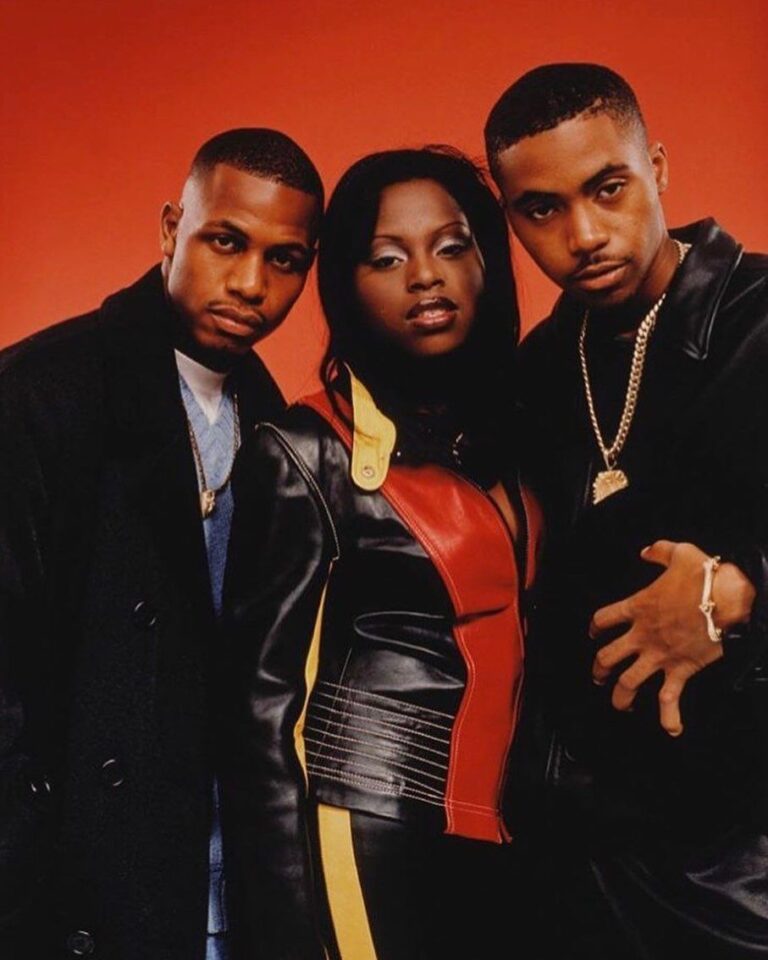
Nas meshed with many of the features on the album and it was great to see the return of his group, The Firm, on the song “Full Circle.” King’s Disease is a good album, and while it isn’t Nas’ best work, it wasn’t expected to be. It’s just good to hear one of the genre’s all-time greats still delivering quality music.The album is a solid 7.5 out of 10 and we look forward to what more Nas has to offer.
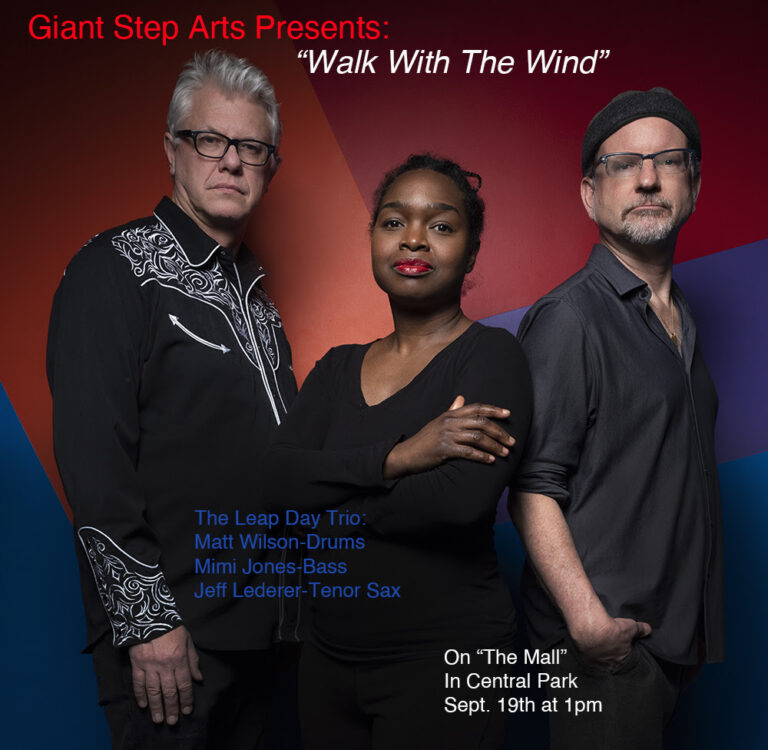
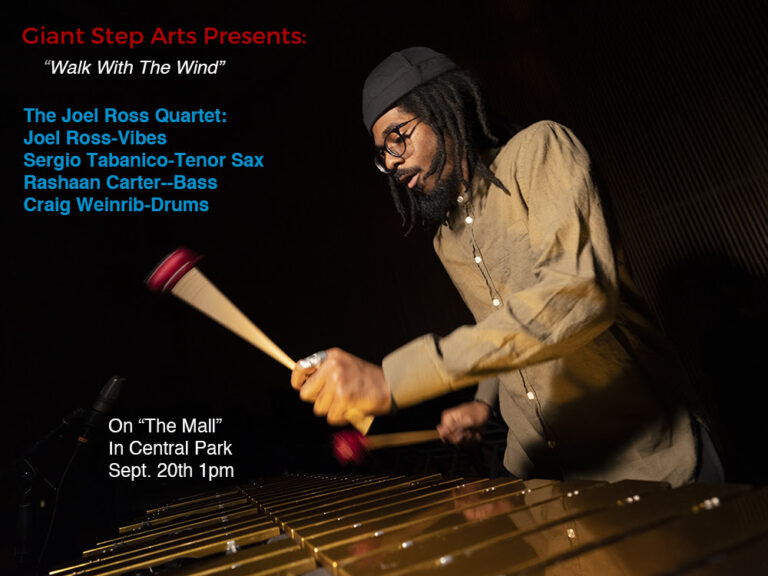
The non-profit Giant Art Steps have announced a new series of performances honoring the legacy of U.S. Representative and civil rights leader John Lewis. “Walk with the Wind” will occur on The Mall in NYC’s famous Central at 1 p.m. Featuring acoustic music and small groups, the series is free for those attending.
While the special series began on August 28th with a performance by Wayne Escoffery’s trio, there are numerous other opportunities to catch feature performances. Upcoming on September 19th is Giant Step Arts’ own Leap Day Trio featuring drummer Matt Wilson, bassist/vocalist Mimi Jones and saxophonist Jeff Lederer. On September 20th, vibraphonist and Blue Note recording artist Joel Ross Quartet with saxophonist Sergio Tabanico, drummer Craig Weinrib and bassist Rashaan Carter will perform.
The pandemic has been disastrous for musicians, many of whom normally earn a living through live performances and tours. We’ve presented and recorded music in various venues, including partnering with the non-profit Jazz Gallery, but the current circumstances have forced us to improvise. We wanted to find a way to continue supporting musicians, bring them together with audiences, safely, and enable them to have a payday! Walk with the Wind, honoring the legacy of the great American John Lewis, is one way we are accomplishing this, and the response has been tremendous. Our goal is to raise enough money from foundations and donors so that we can have performances each spring and fall.
Jimmy Katz
Giant Art Steps was created in January 2018 by Jimmy and Dena Katz. Both renowned jazz photographers, the Katzs set out to provide an environment for modern jazz’s most ingenious artists without the confinements of making a profit. Membership into the non-profit is by invitation only, where jazz artists are given control over their artistic projects. Giant Step Arts provides substantial financial and artistic resources for those bold musicians ready to take their careers to uncharted territory.
Giant Step Arts [is] a nonprofit dedicated to giving underappreciated but visionary jazz musicians the support they need to make quality live albums. Palmer is a…thrifty improviser with a vast dynamic range and an ambitious composer.
Giovanni Russonello, The New York Times
Upcoming Show Schedule:
Sept. 19– Leap Day Trio
Sept. 20 – Joel Ross Quartet with saxophonist Sergio Tabanico, drummer Craig Weinrib and bassist Rashaan Carter
Sept. 26 – Drummer Nasheet Waits with saxophonist Mark Turner and bassist Rashaan Carter
Sept. 27 – Immanuel Wilkins with drummer Nazir Ebo and bassist Burniss Earl Travis
Oct. 3 – Saxophonist Melissa Aldena with bassist Pablo Menares, drummer TBA
Oct. 4 – Saxophonist Darius Jones with drummer Gerald Cleaver and bassist Dezron Douglas
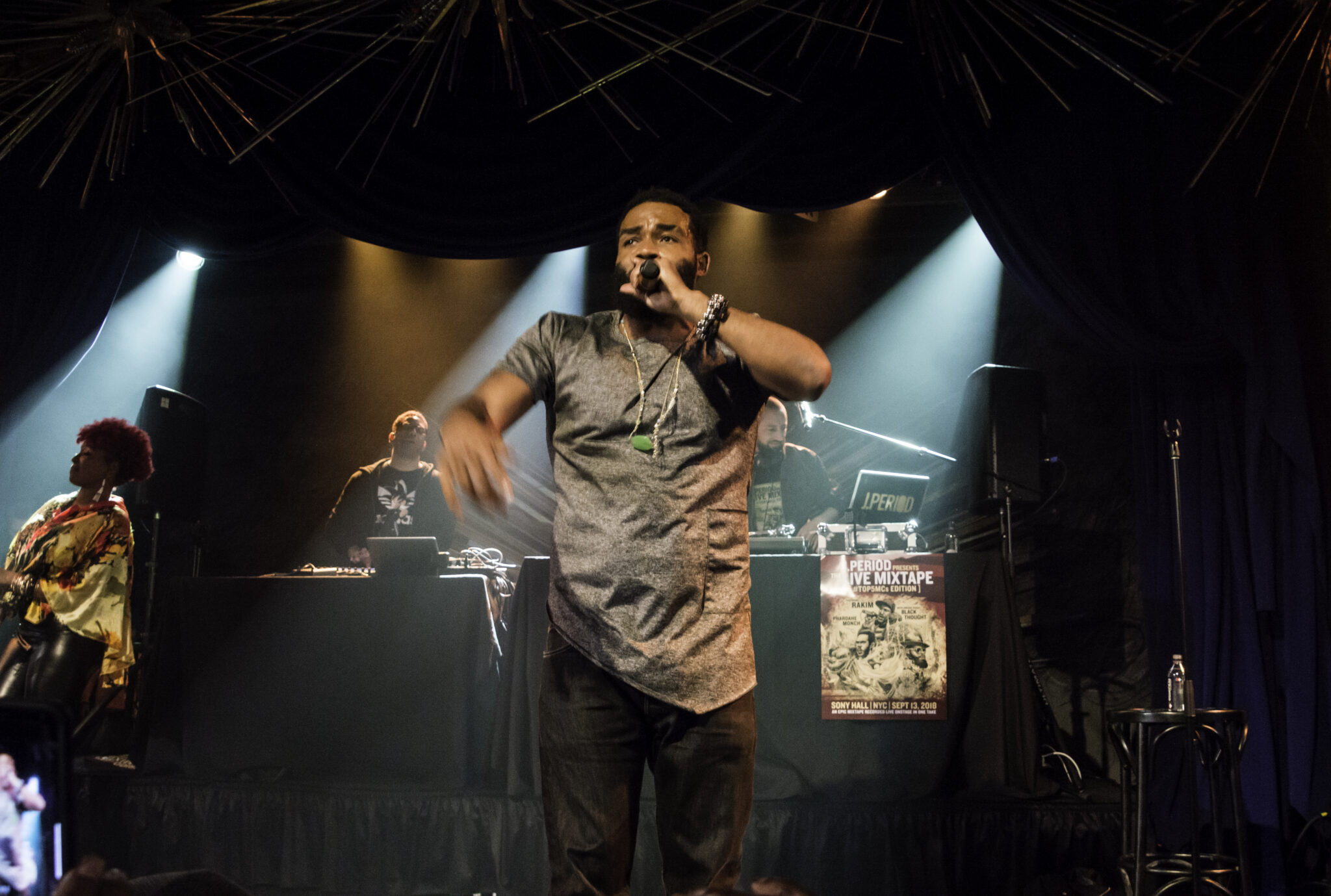
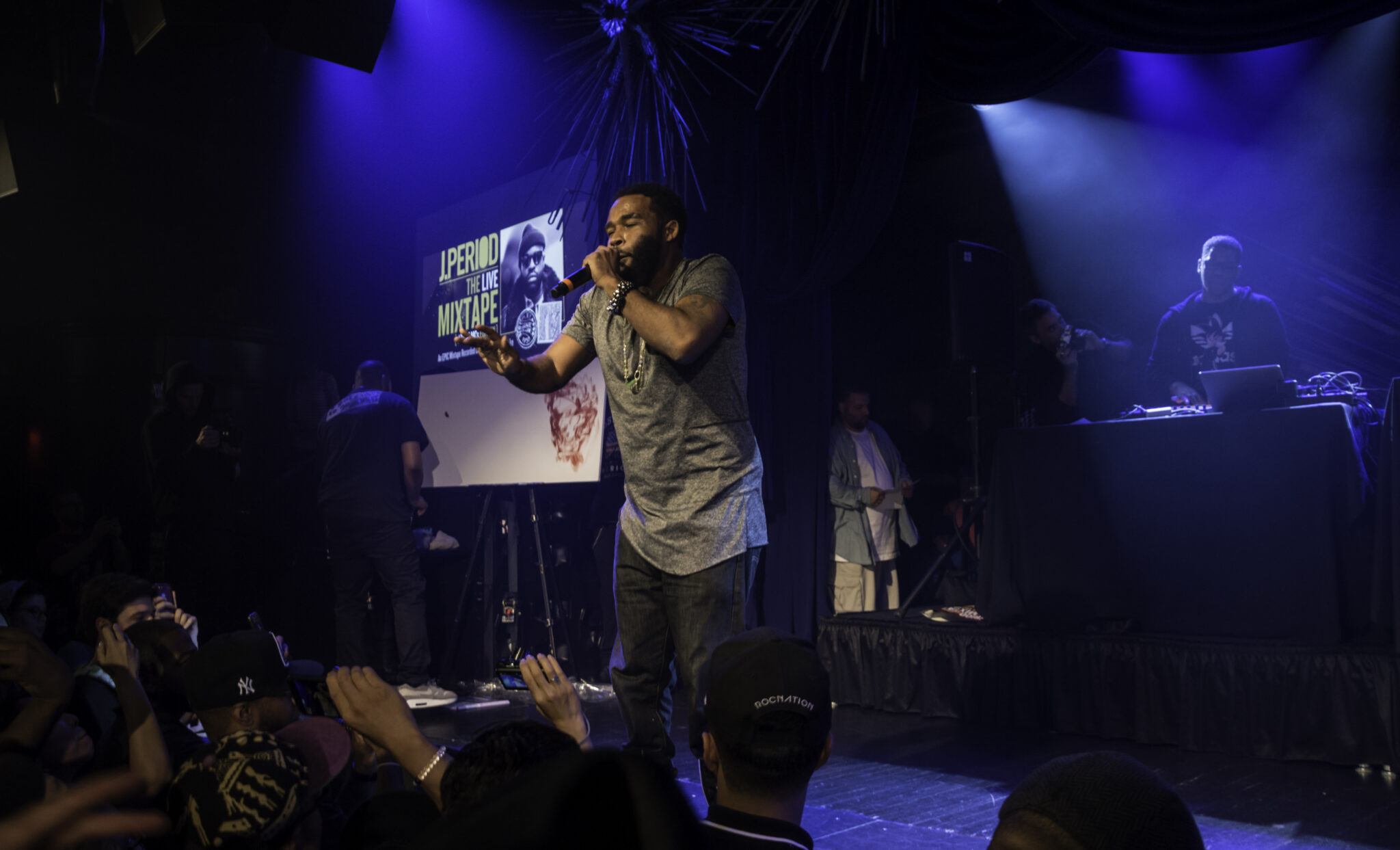
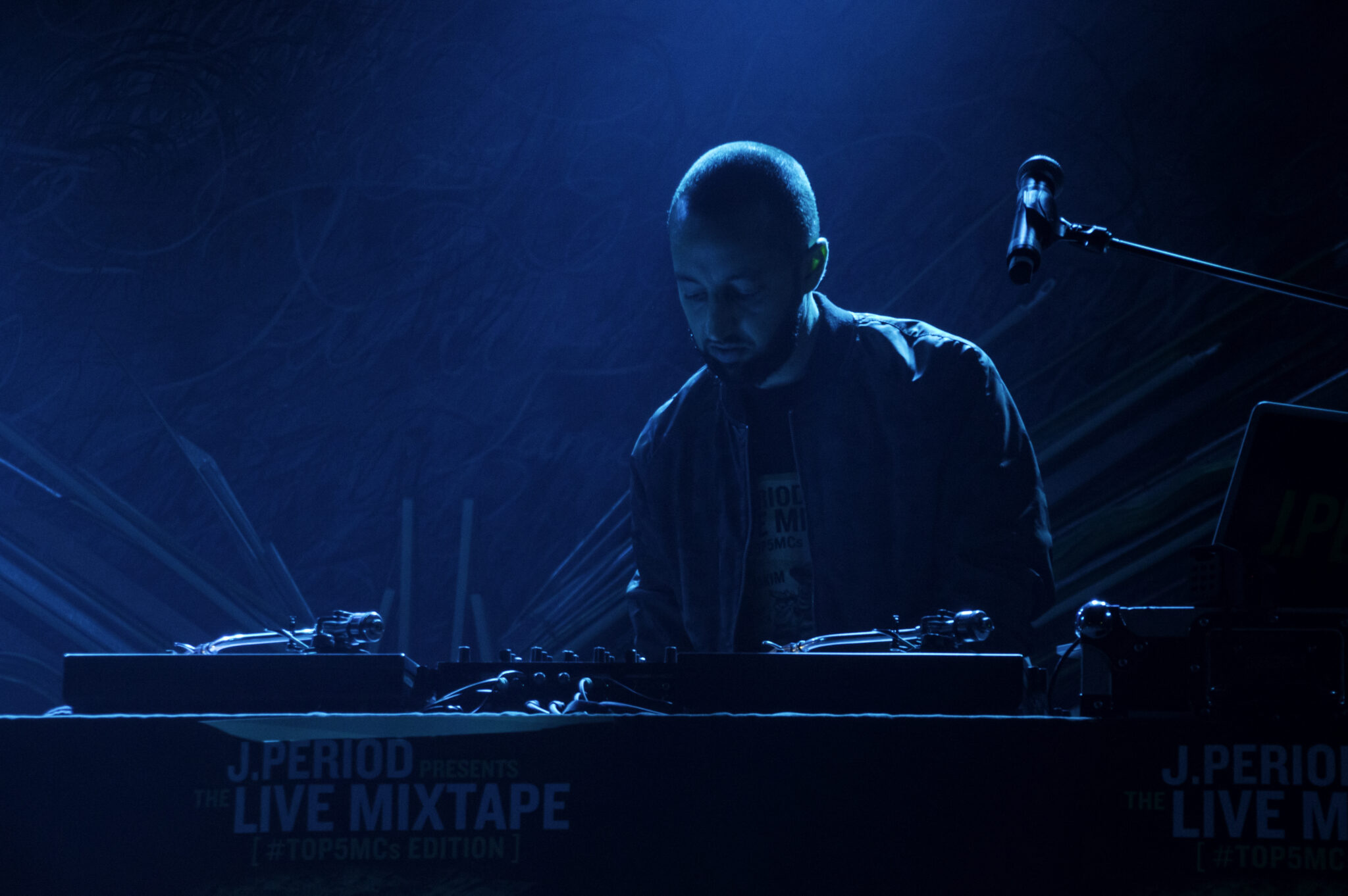
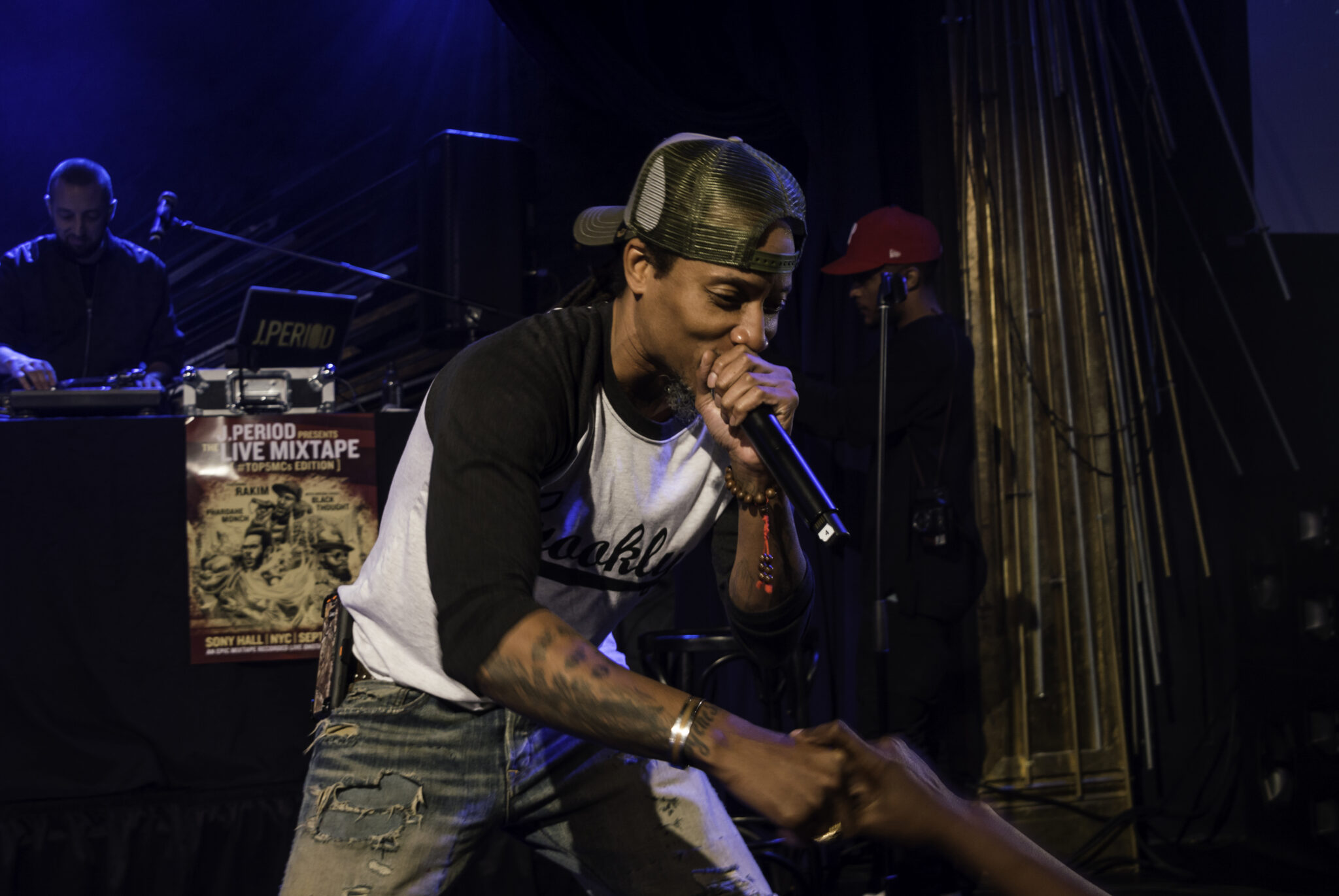
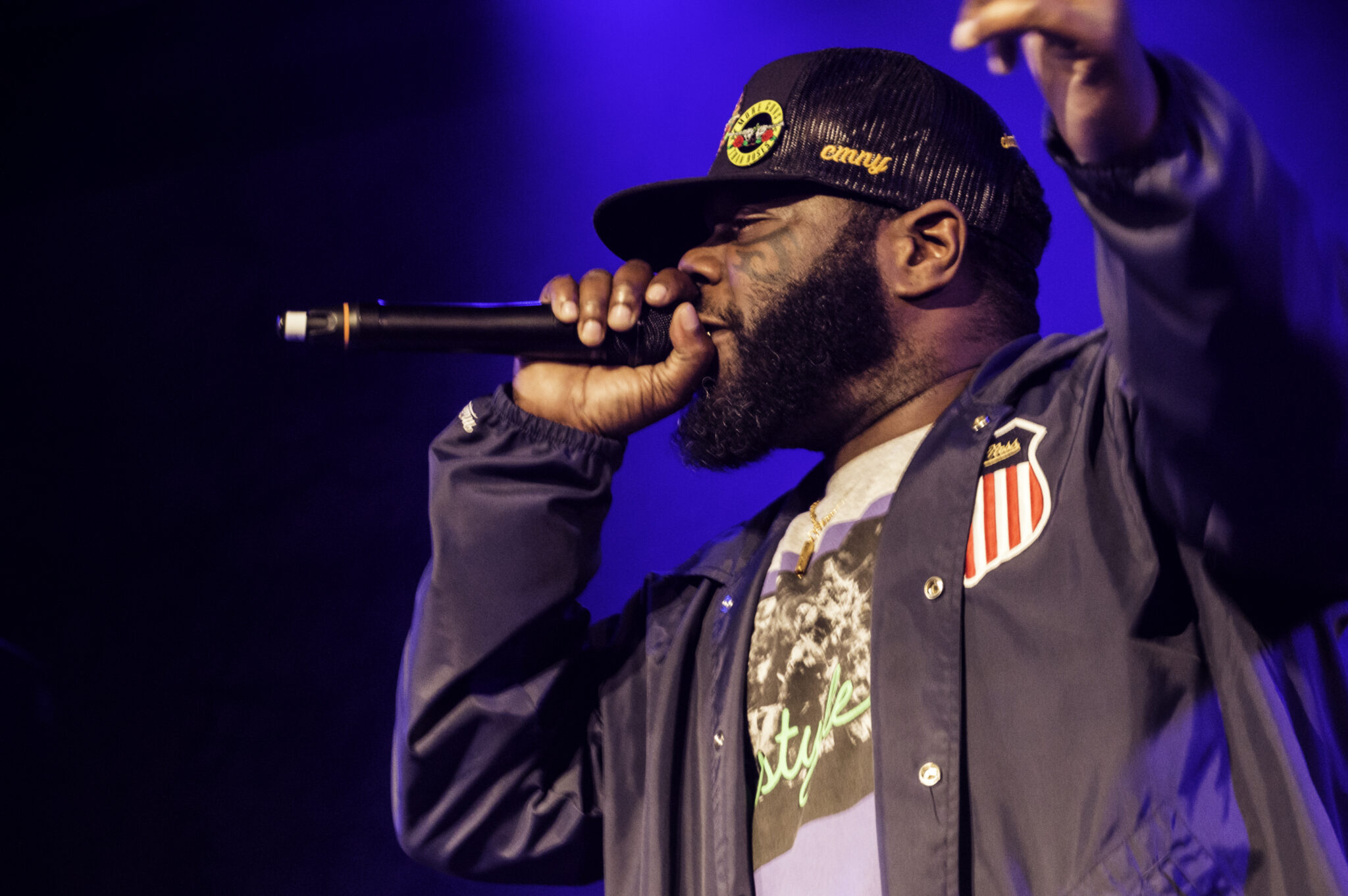
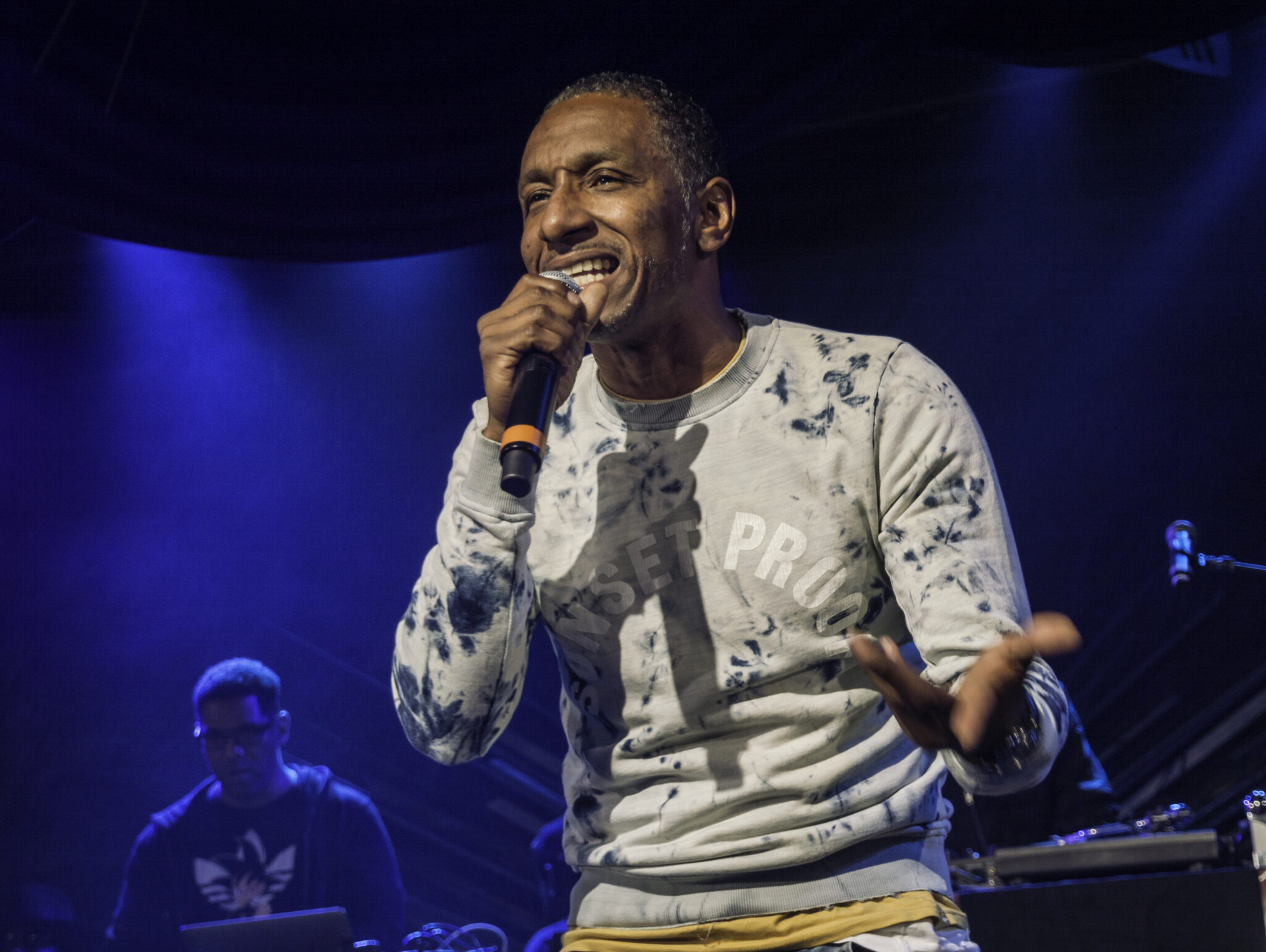
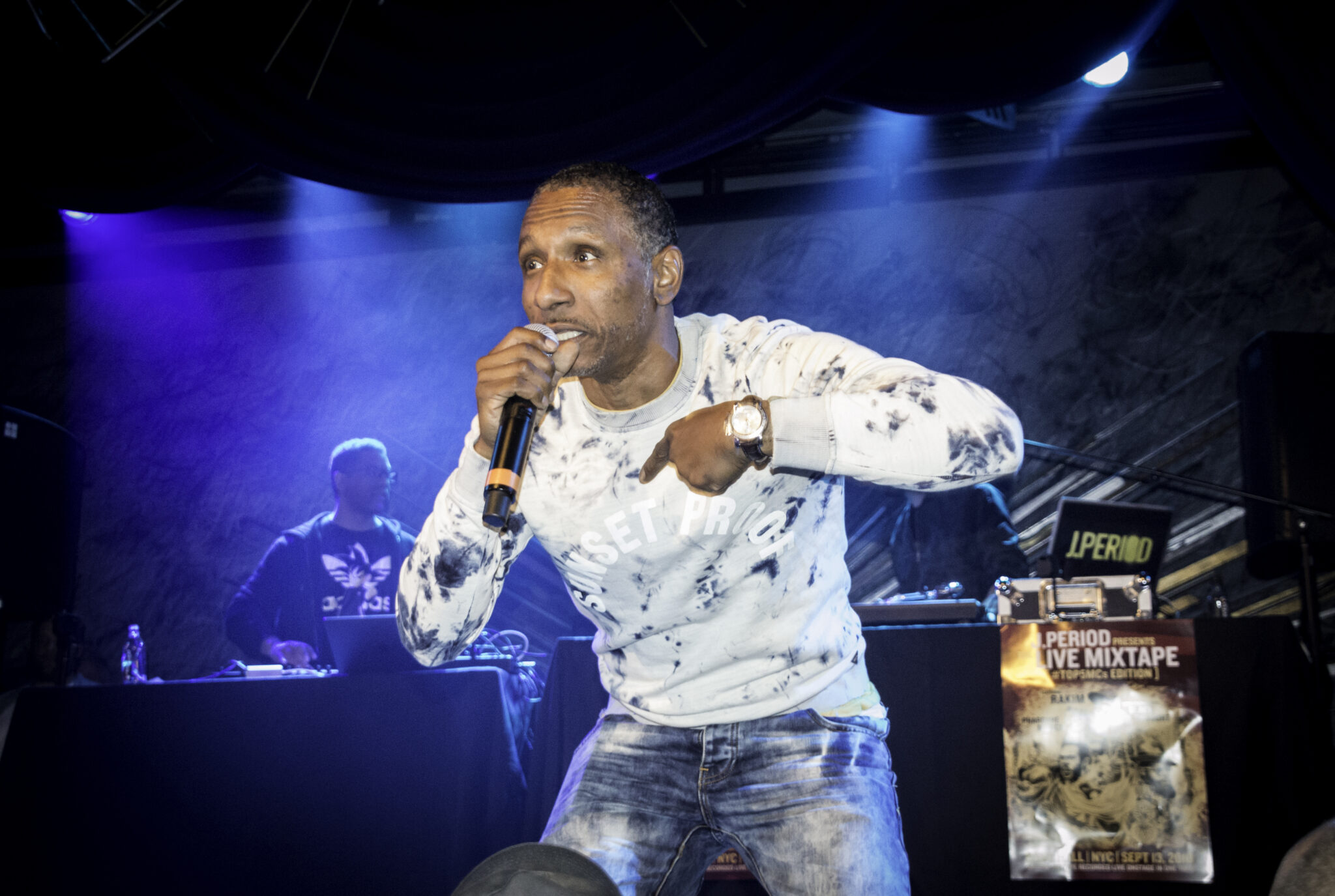
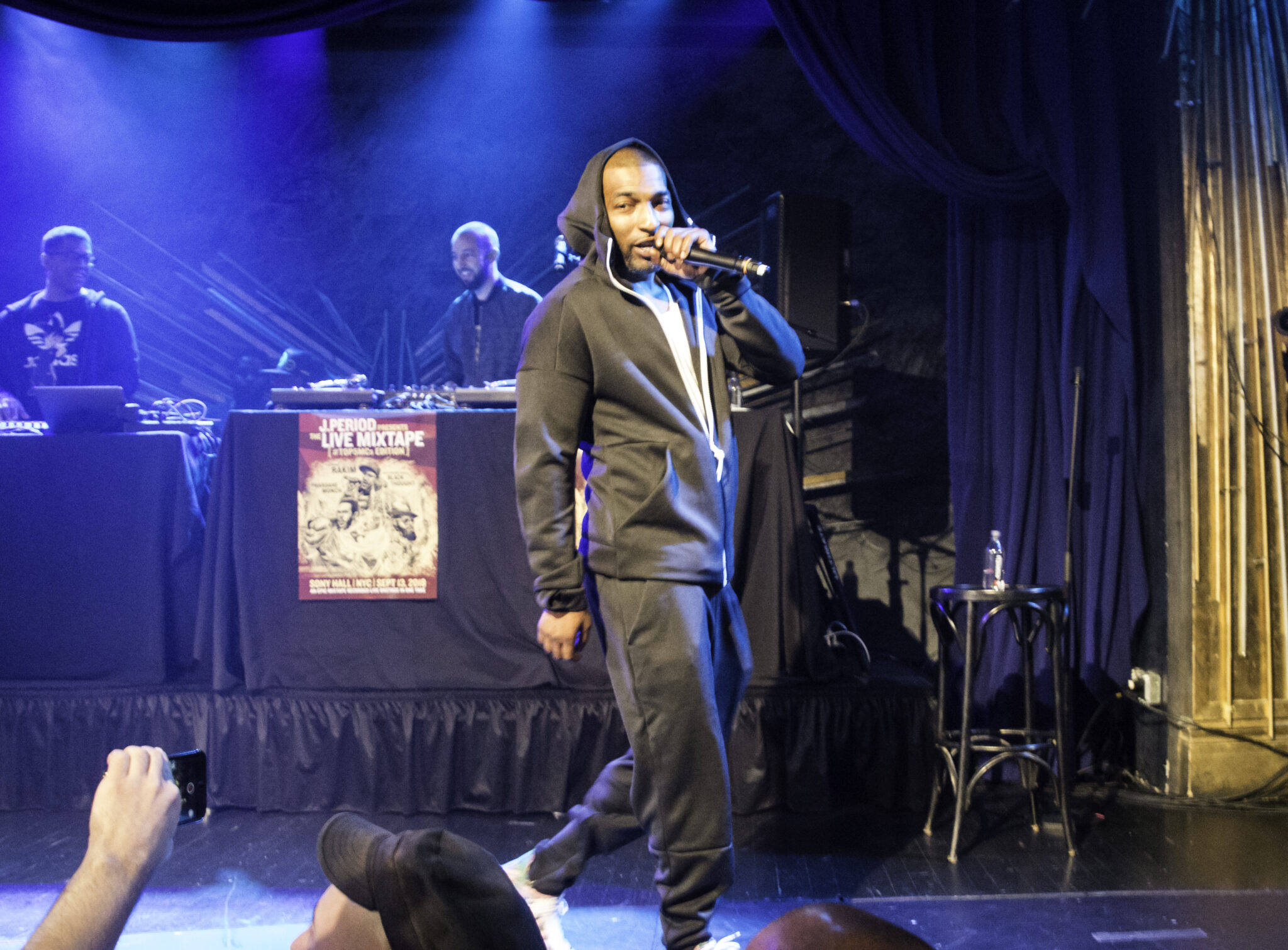
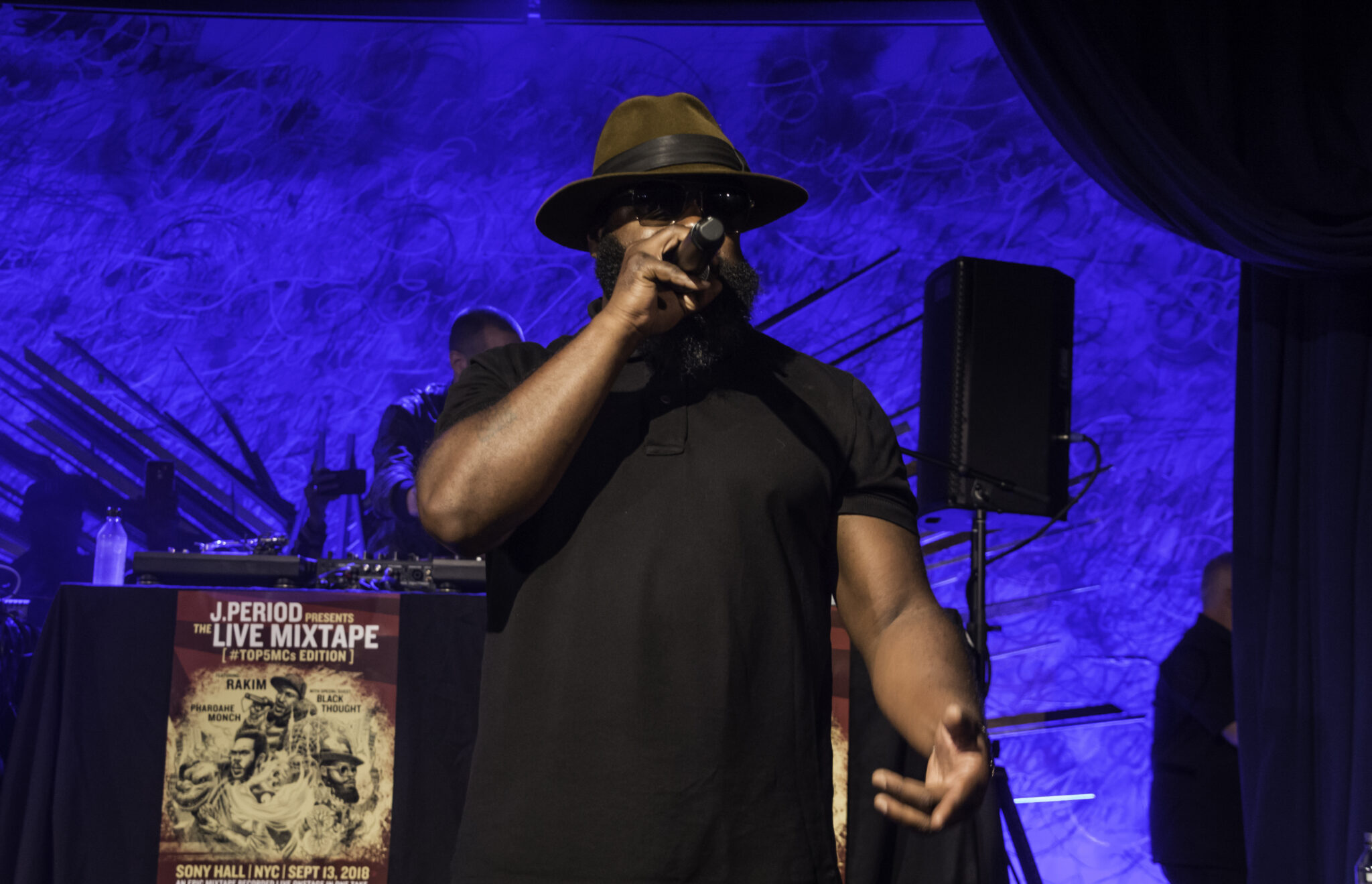
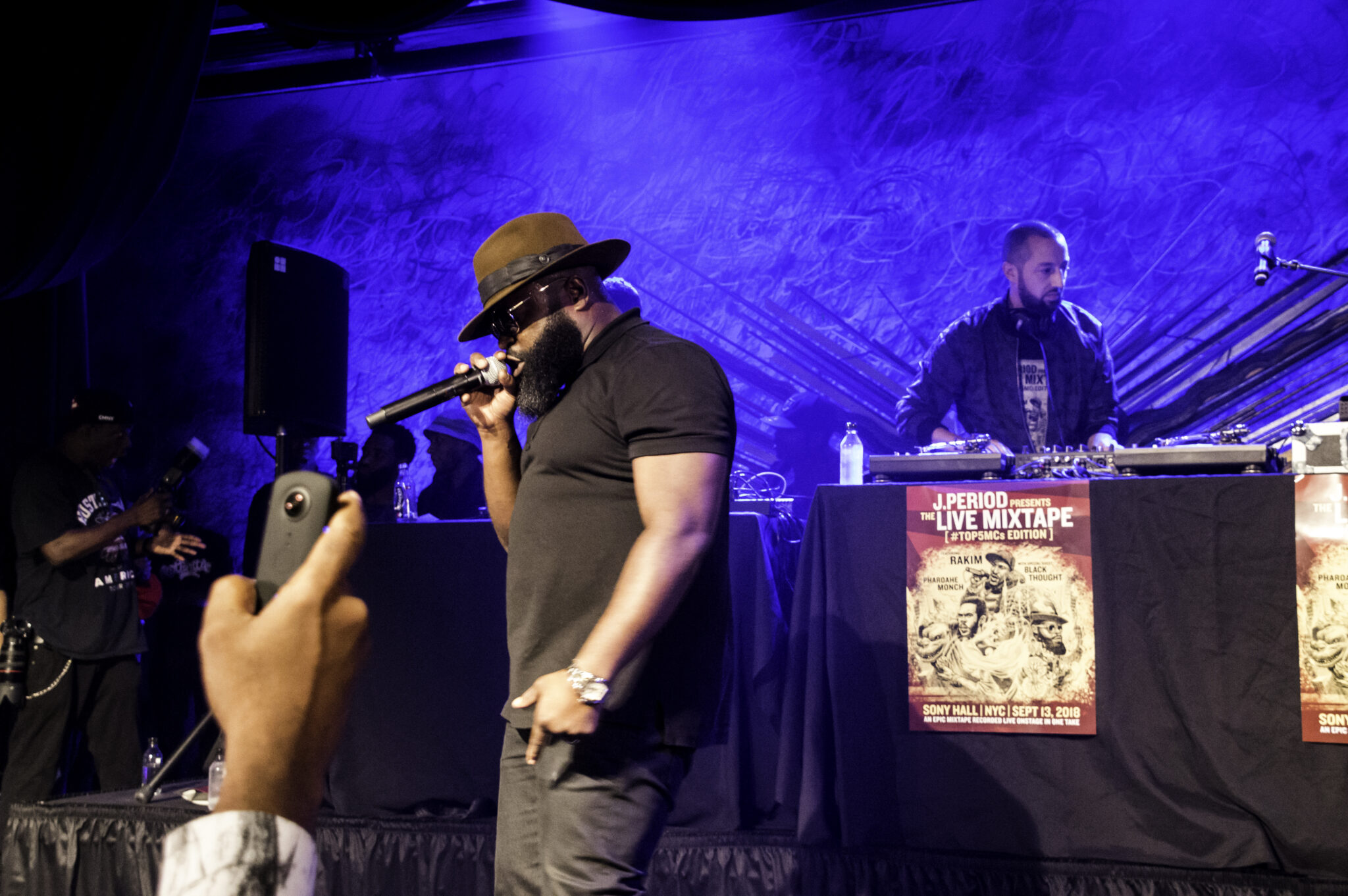
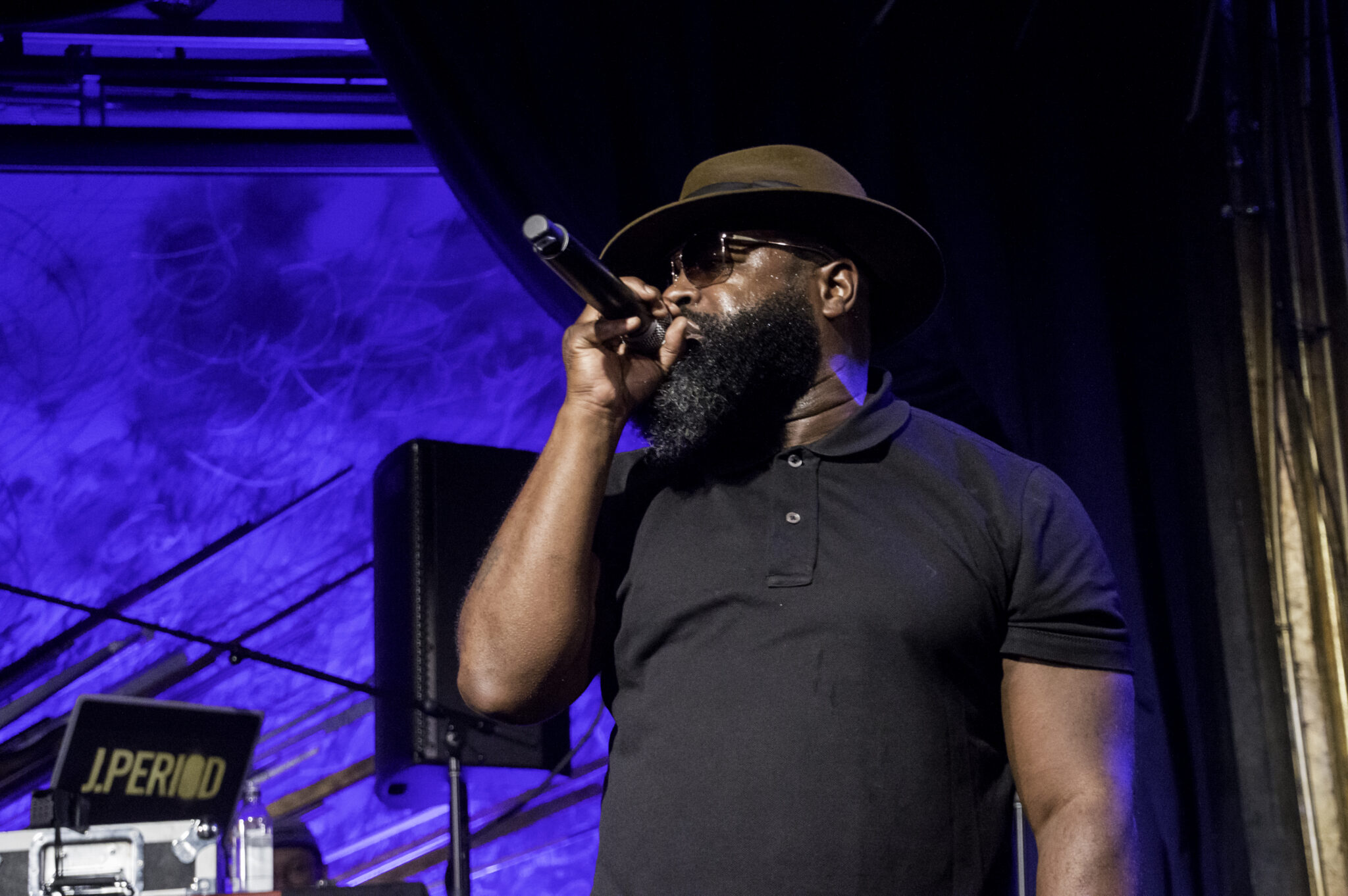
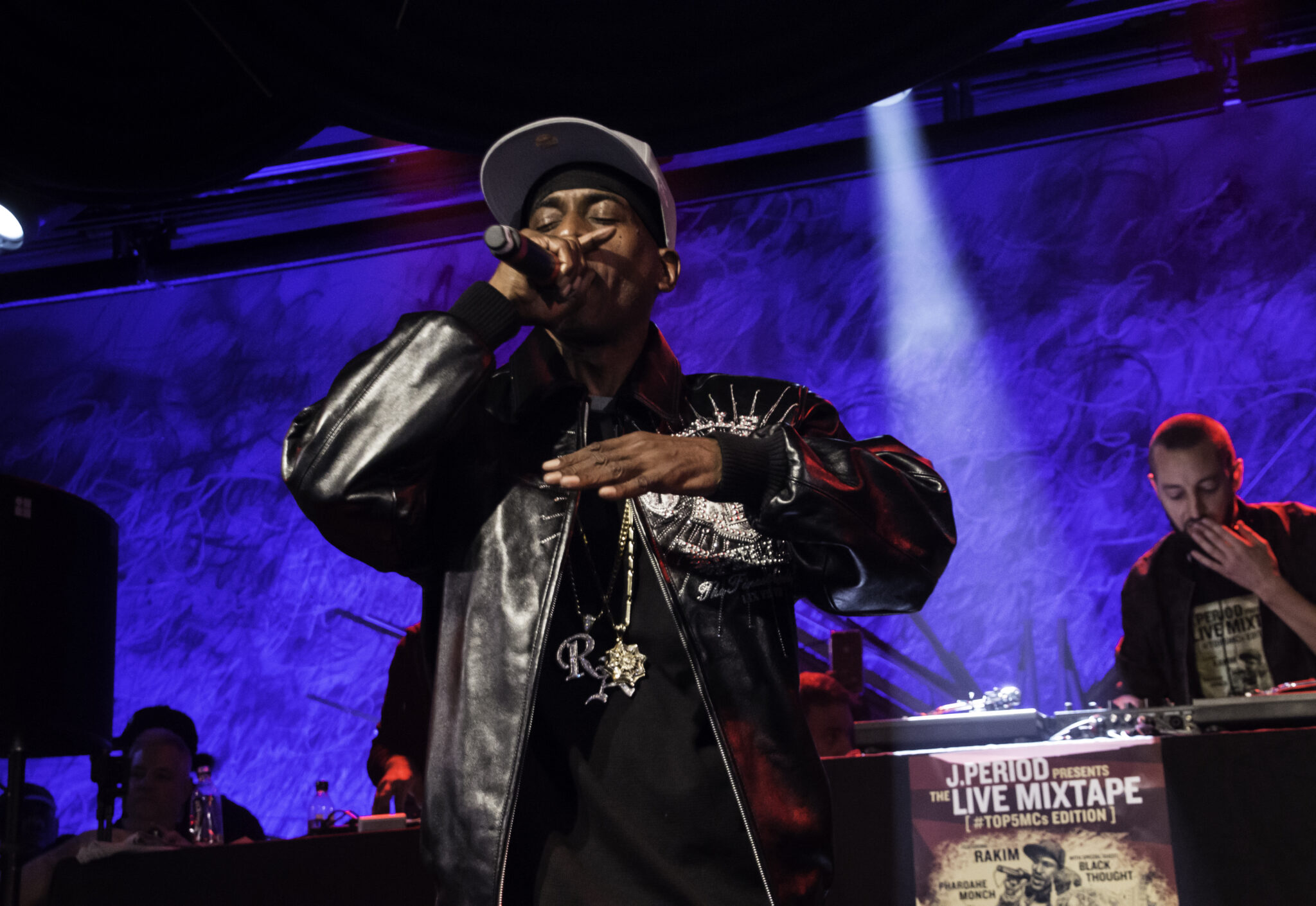
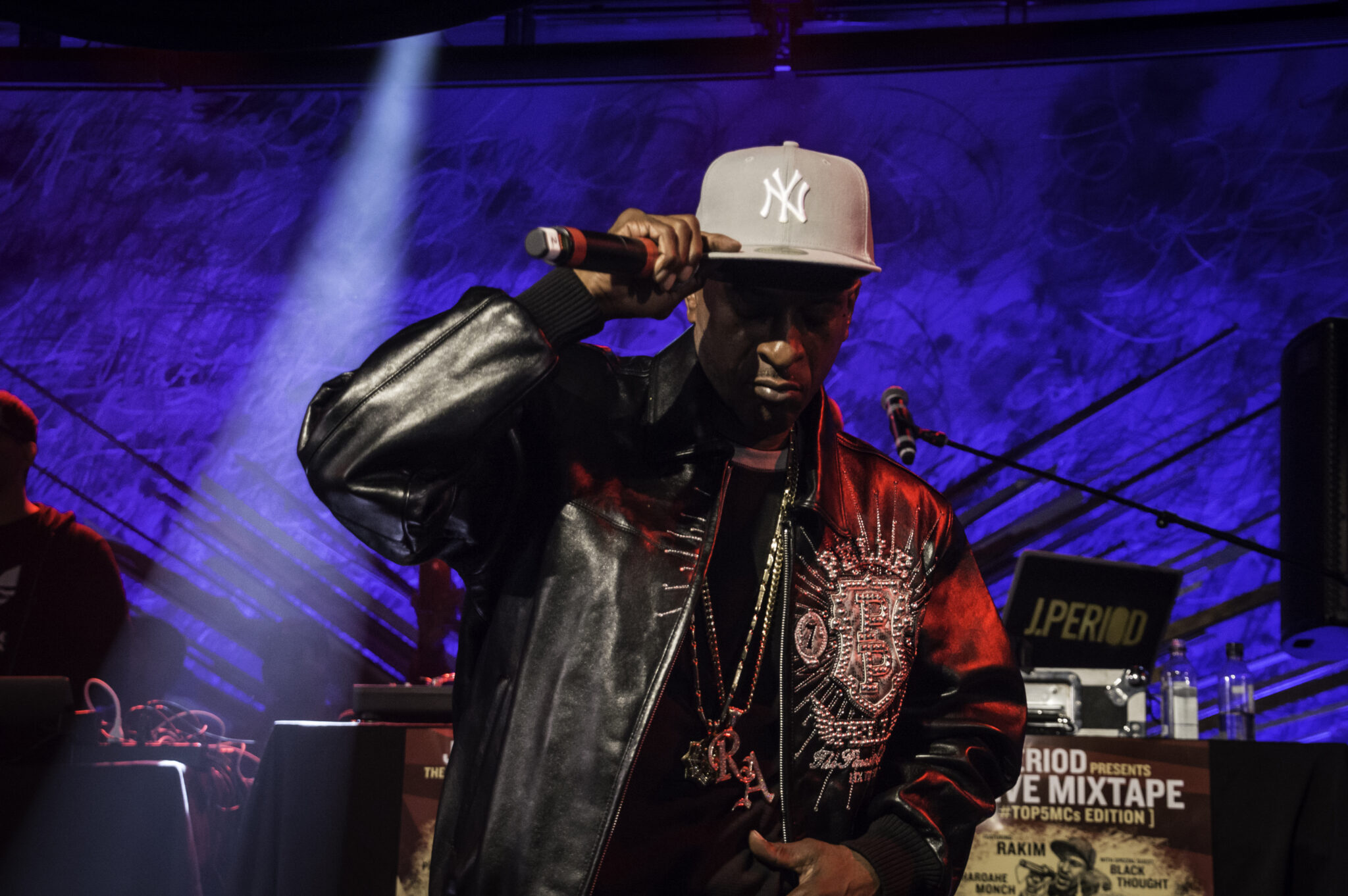
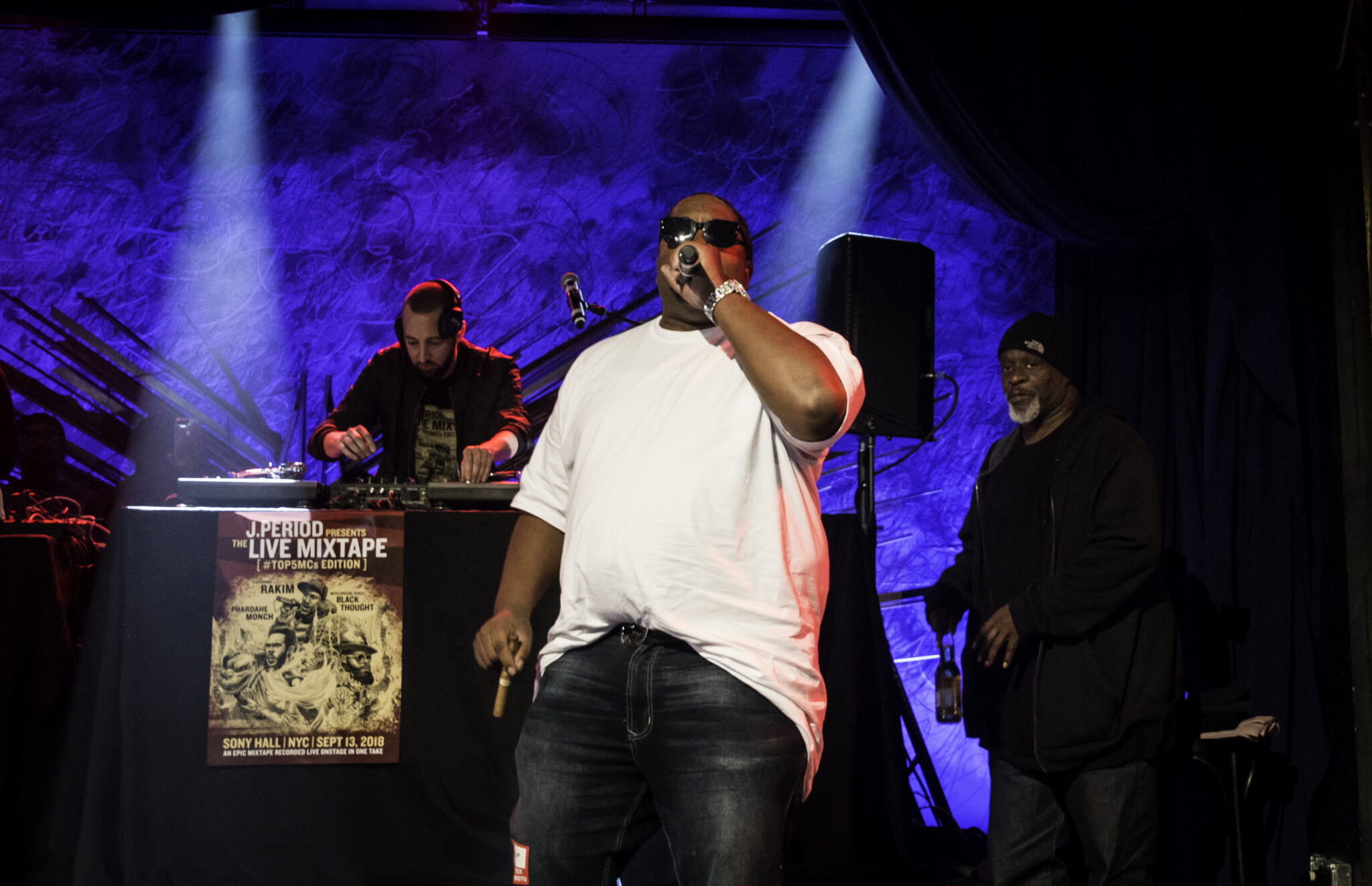
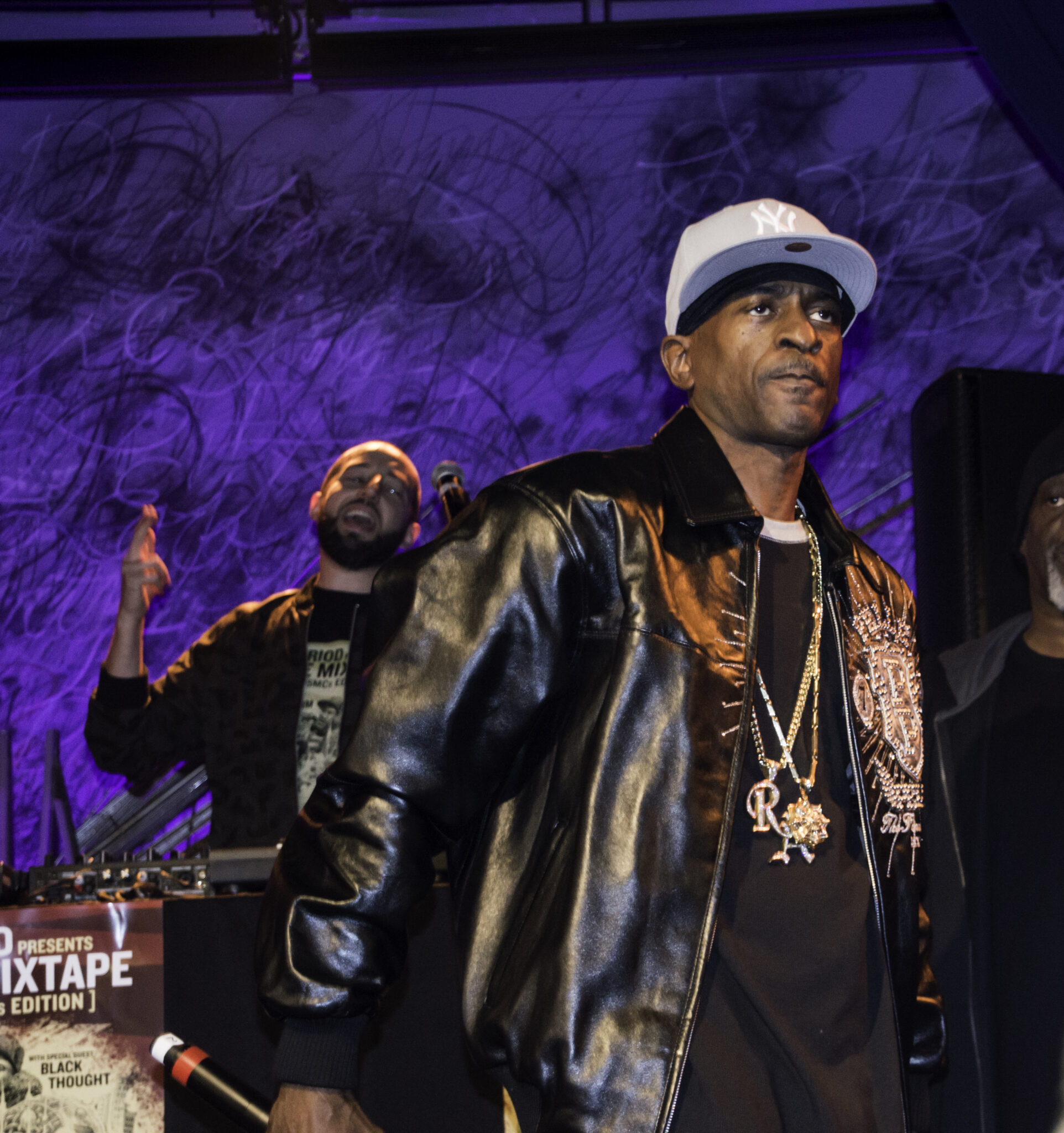
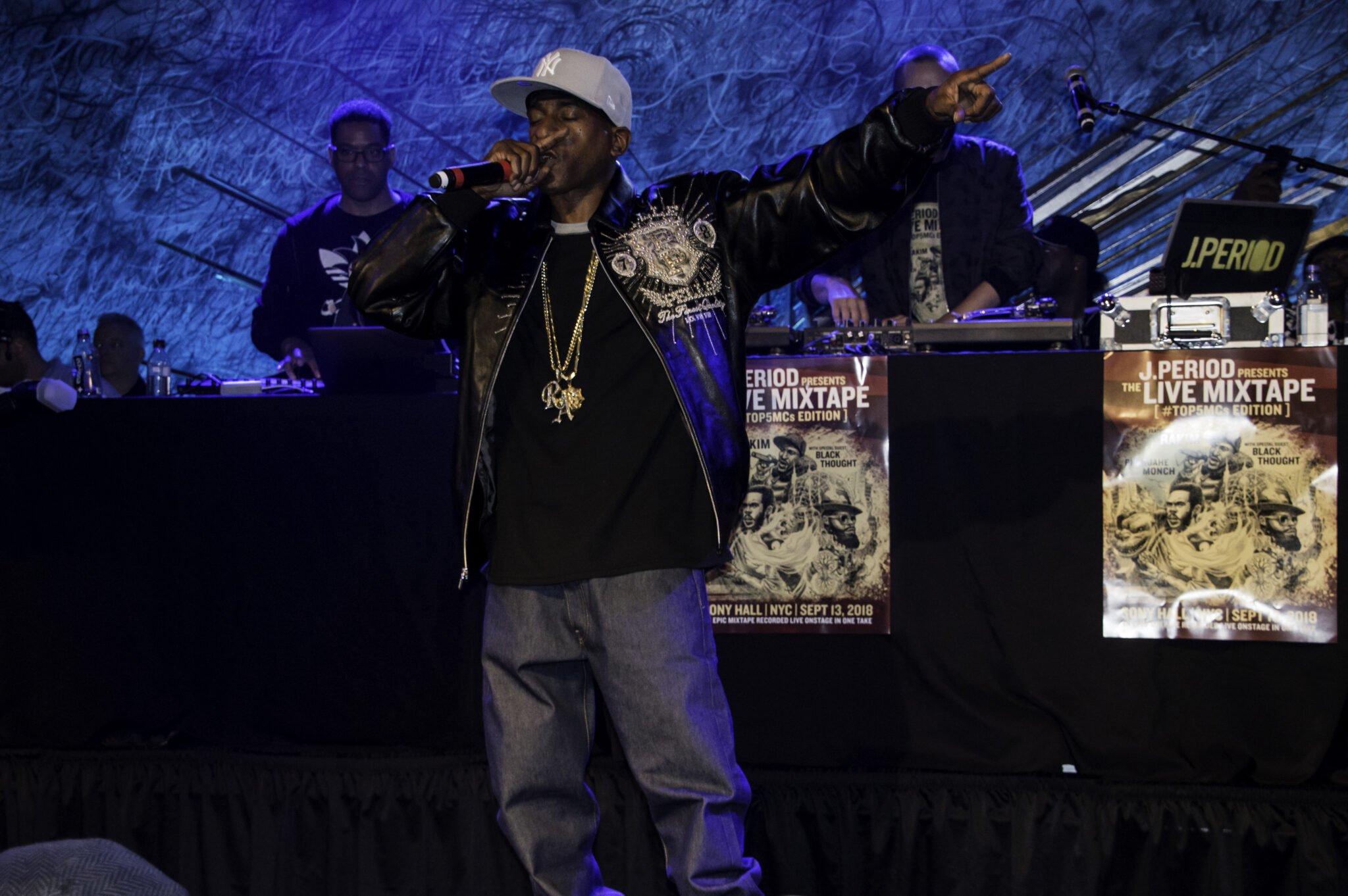
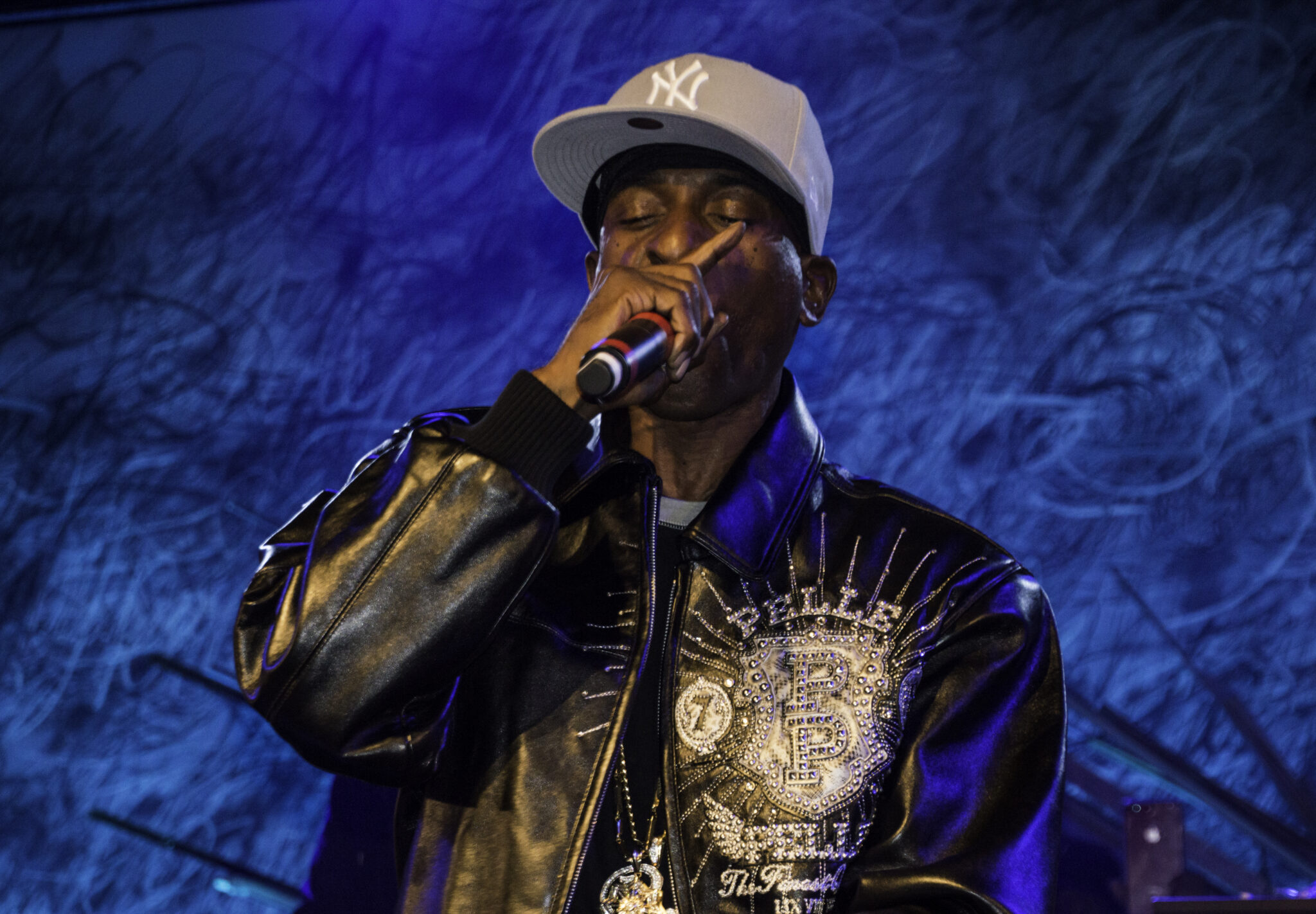
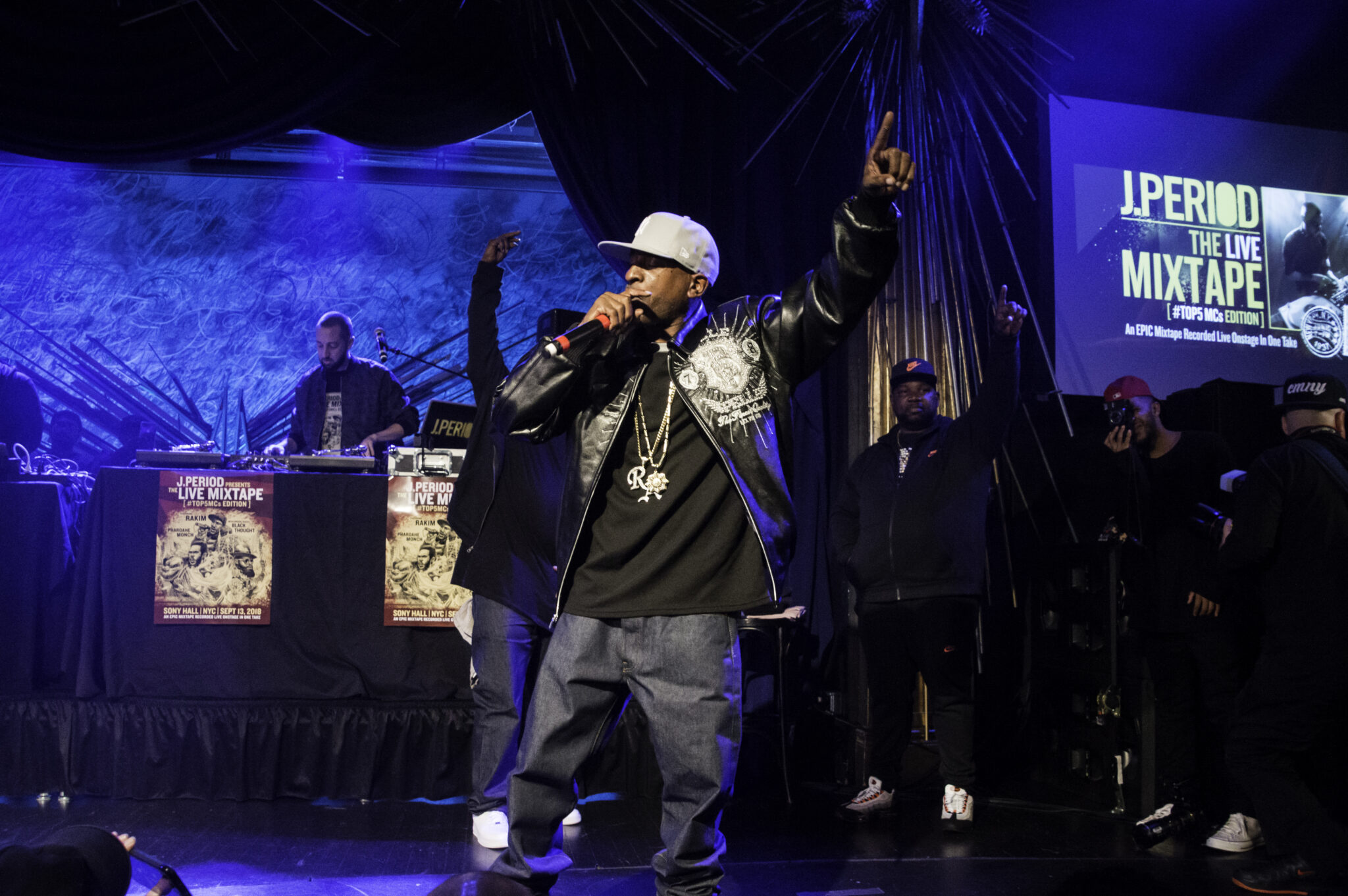
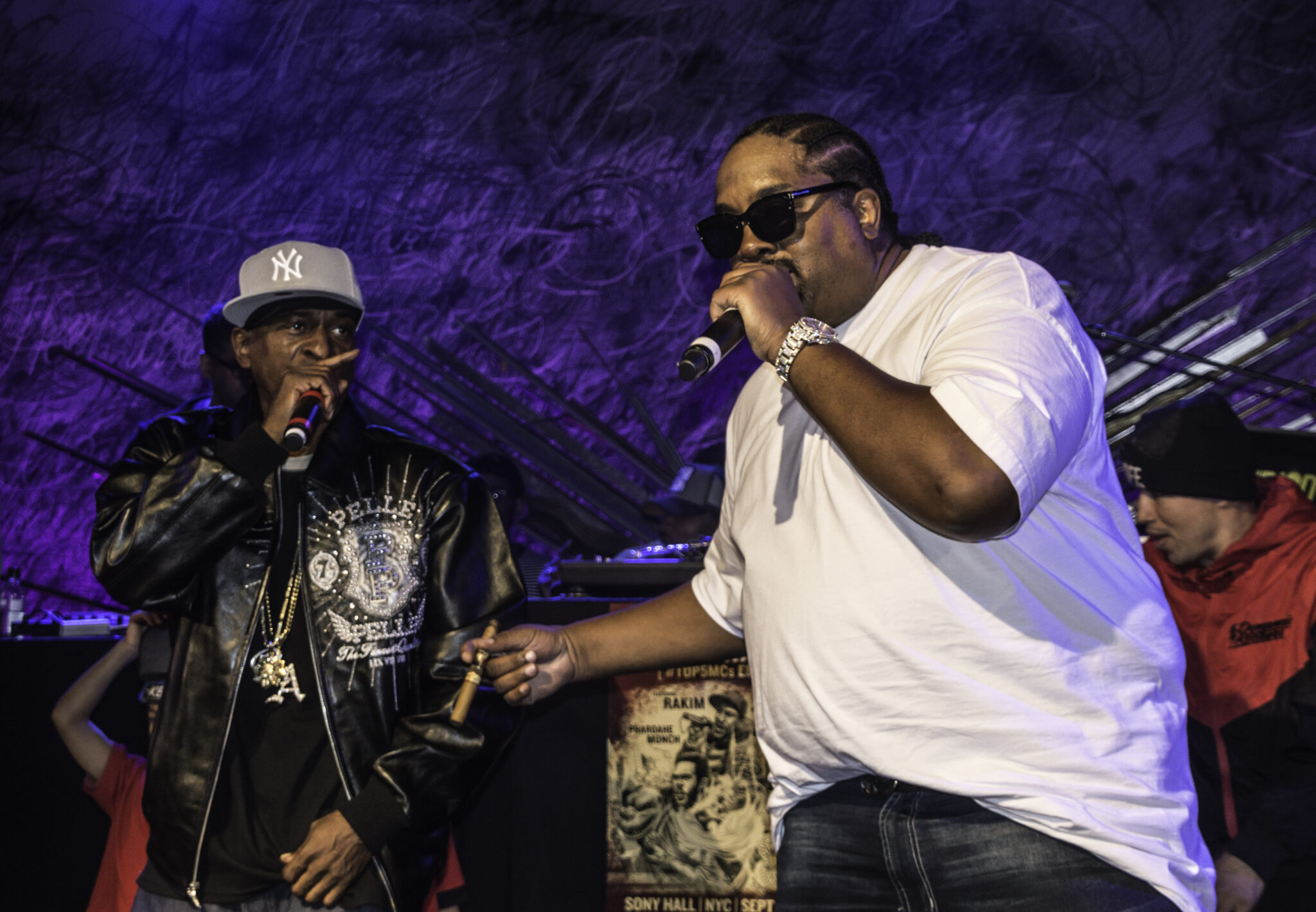
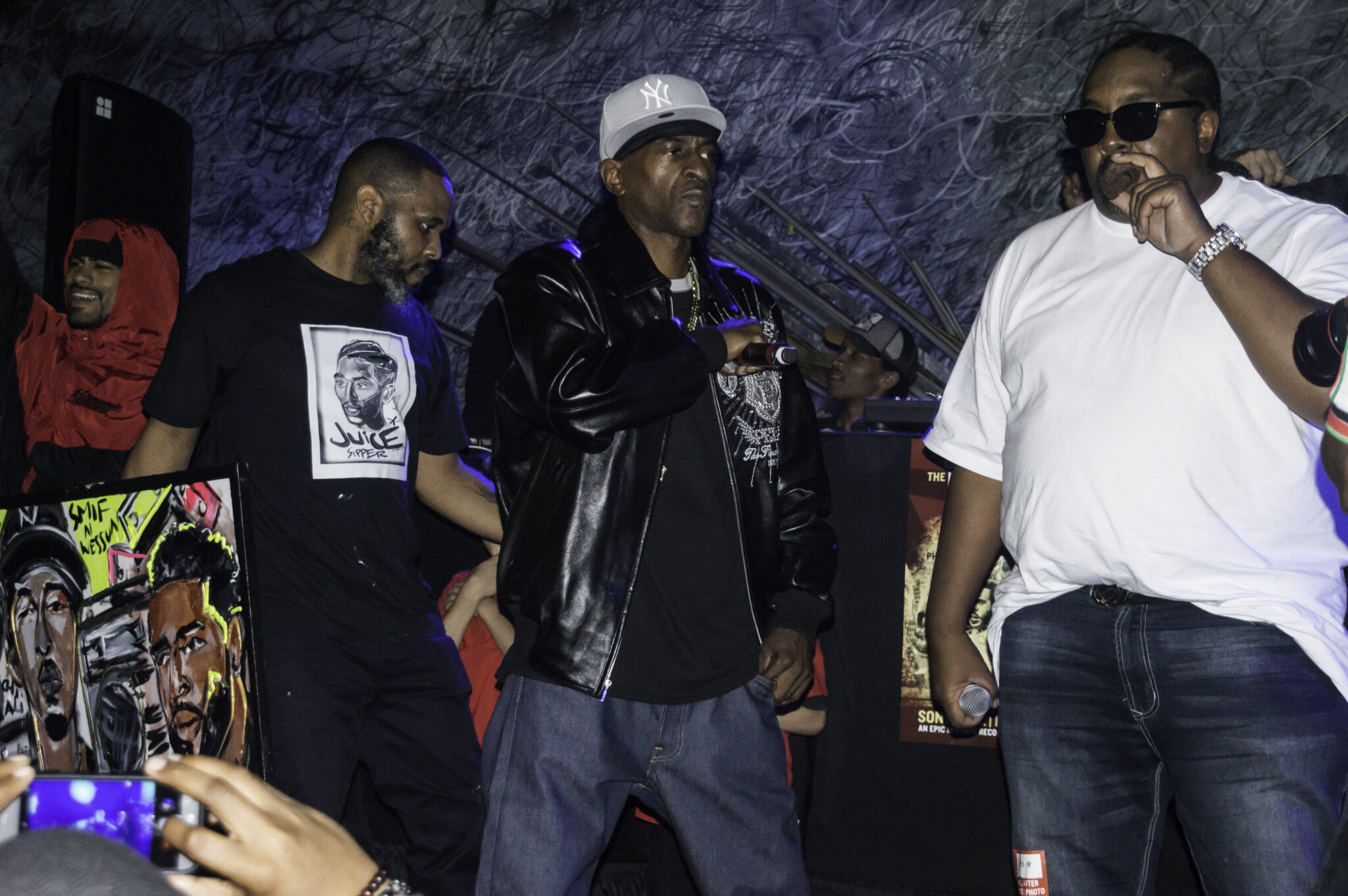
Brooklyn based Mixtape DJ J.Period recorded another installment of his live mixtape at Sony Hall in Manhattan on September 13, 2018. This installment was a Top 5 MCs edition, featuring Rakim, Black Thought, Pharoahe Monch, Dres from Blacksheep and Smif-N-Wessun.
After two DJ sets by The Whooligan and DJ Evil Dee, Pharoahe Monch started the mixtape and got the crowd amped up with a set including “My Life” and “Simon Says.”
Dres from Blacksheep blessed the stage with a few classics including “Flavor of the Month” and “The Choice Is Yours,” with a guest appearance by Native Tongue’s Chi Ali who appeared on Blacksheep’s debut album A Wolf In Sheep’s Clothing.
Next up was a set by another legendary hip hop duo, Smif-N-Wessun, consisting of members Tek and Steele. Smif-N-Wessun comprise one quarter of the Brownsville (Brooklyn) supergroup Boot Camp Clik. One of the highlights of the night was watching them perform their 1994 classic “Bucktown.”
Legendary MC Black Thought of the legendary Roots crew started his set with “Act Too (Love of my Life),” and also brought out Grammy nominated female rapper Mumu Fresh AKA Maimouna Youssef, and Pharoahe Monch for a three-way cypher. Thought also did a cover of Slick Rick’s “Children’s Story” and dropped some of the bars we heard on his now famous 15 minute Funk Flex Freestyle.
The show culminated with yet another legendary hip hop duo Eric B and Rakim. It was a nice surprise to see Eric B as he was not listed on the original lineup. This year marked the 30th anniversary of the classic album Paid In Full which led to the highlight of seeing Rakim perform “I Ain’t No Joke” and “I Know You Got Soul.” Rakim also brought out some very talented break dancers from the KBL (Kids Breaking League) to show off their talents as he performed “Juice (Know The Ledge).”
This was another legendary night for hip-hop fans, especially above the age of 30, like myself. All of the artists were on point and sounded great, making for another very successful installment of J.Period and his Live Mixtape.