MyGood has teamed up with a roster of roots creators and contemporary jazz artists to produce “Say Their Names.” Set to release online December 11, the four-movement composition urgently calls for social justice.
Featured on the track is Rastafarian vocalist Cedric Myton (singer of Jamaica’s legendary roots reggae band The Congos), jazz scat vocal improvisations from Maiya Sykes, pianist Ruslan Sirota, saxophonist Katisse Buckingham, bassist Benjamin Shepherd, and Latin GRAMMY-winning percussionist Diego Álvarez Muñoz. Los Angeles producer Ethan Sultry composed and arranged “Say Their Names.”
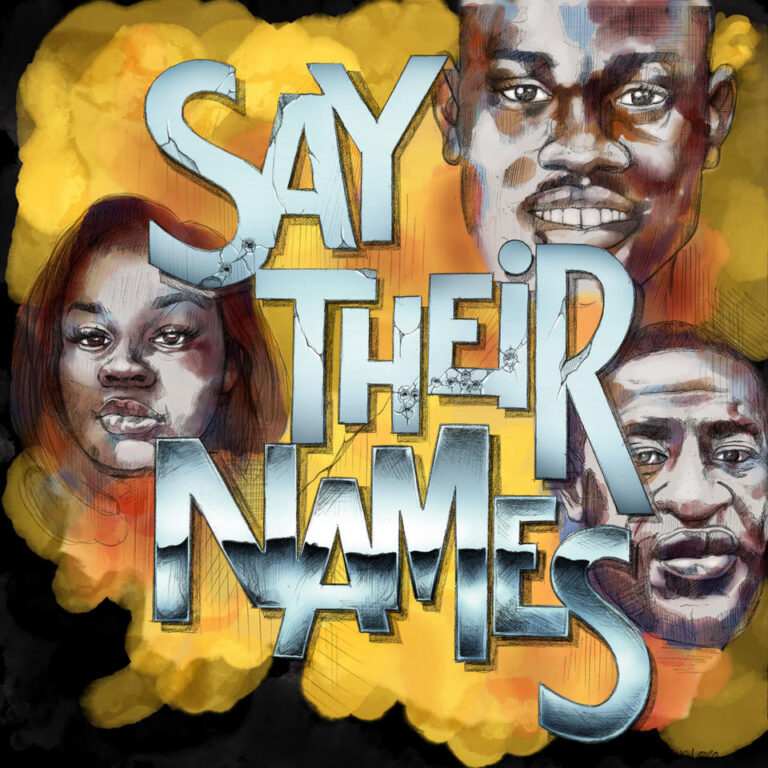
Cover artwork for “Say Their Names” is a concept by Toons One Colored by Allen Passalaqua of DC comics.
The track is an open protest against the senseless police killings of George Floyd, Breonna Taylor, Ahmaud Arbery, and countless other black men and women. Sounds emulating the Black Lives Matter marches in Los Angeles make the bones of the song. The moving chant “Something’s not right I fear, people gone who should be here, I don’t feel okay today, so I’ll march and say their names,” echos the feelings of anger and despair that have been felt by too many.
I knew the composition needed a spiritual guide who held ancient truths, one who has experienced real artistic rebellion. While visiting Papa Michigan at Mixing Lab Studio in Jamaica, I heard the unforgettable falsetto of Cedric Myton. He blew me away. During the LA protests, I marched downtown. Macy Gray and I had previously begun to talk about collaborating on something and so immediately I reached out to her. I was hoping she’d sing the song, but our schedules didn’t align so we ultimately connected to raise awareness for her new non-profit MyGood. Subsequently, Cedric came to mind, and he recorded his takes out of Tuff Gong Studio. ‘Say Their Names’ really took off from there.
Ethan Sultry, Los Angeles Producer
Macy Gray found MyGood in July 2020. The non-profit’s mission is to bring relief to those that lost loved ones due to police violence. Recognizing the traumatic effects the event has on the families left behind MyGood offers financial, mental health and advocacy support regardless of circumstances behind the incidents.
“Say Their Names” can be downloaded on all major online music retailers and will be available for free on sirsultrymusic.com. Donations can be made to mygood.org.
Macy Gray speaks on “making the world a better place.”
Philadelphia based actor/singer-songwriter, Chaz Shepherd, is well-versed in the arena of soulful, R&B music, but he has more to offer. The musician recently released a powerful tune about protest and standing up for one’s rights.
Music is an expression and I felt that this sound expressed the time and the movement that is happening now.
Chaz Lamar Shepherd
Chaz Lamar Shepherd
Shepherd reflects on his latest musical accomplishment, “We Will Breathe,” a song of protest.
The album that I’m currently working on is about love and and unity. It will be a representation of me. “We Will Breathe,” however, is about protest. It’s about being sick and tired and says, enough is enough.
Chaz Shepherd
Much like many artists, Chaz Shepherd is happy to use his platform to stand up for what he believes in. He says it’s not a musician’s job to create a political or social stance, but he knows that has always been him.
Growing up in Philadelphia, the actor/singer found his love for music in the upbeat, loud, soulful church he attended as a kid. There, he was able to expand his vocals and create the passion you can hear in his music today.
Along with his musical career, Shepherd had memorable roles in many different movies and shows over the years. From the early 2000s show, 7th Heaven, to the popular Netflix feature, Marvel’s Luke Cage, Shepherd has always seemed to flare the screen with his acting.
The global pandemic hit the music and film industries hard: venues shutting down, workers losing their jobs and live music stopping. In-person music events seem like a thing of the past. Shepherd looks at these isolation days as time to work on his music and better himself in every way.
I’ve been able to live very comfortably and work on my creativity. I am thankful every day that this virus hasn’t affected me the way that, unfortunately, half of the planet was affected.
Chaz Shepherd
George Floyd
The well-rounded artist says his inspiration for “We Will Breathe,” was provoked by the murder of George Floyd in May of 2020. Throughout the year, Shepherd has been an activist and supporter of the Black Lives Matter Movement, along with other organizations that support equality. According to him, this song isn’t about love. It’s about standing up for human rights.
I became more than what I thought I was. I directed and produced a video I also performed in. I just want this video to become more popular and to contribute to, not only, the BLM movement, but also all over.
Chaz Shepherd
“We Will Breathe,” can be found on all platforms. The video itself is featured on Shepherd’s very own YouTube Channel, Chaz Shepherd Official. Soon to come, is an album featuring soul, R&B, gospel and more.
The year is 2010. Every middle schooler has an armful of Silly Bandz, people still expect Avatar sequels within the next few years, and female rappers are all but extinct—enter Nicki Minaj.
While the Lil Kim and Lady Gaga inspirations were immediately clear, Minaj was still unlike anything anyone had ever seen. Her eccentric accents, peculiar alter egos, and quirky wordplay made her an instant hot topic, sure to reignite the flame of female rap that had petered out with the retirement and incarceration of its biggest stars. It seems unfathomable in an era dominated by Cardi B, Megan Thee Stallion, Doja Cat and Minaj herself, but for a hot minute, she was the lone femcee in a boys’ club.
It’s also hard to believe Minaj’s debut album Pink Friday came out a decade ago. While time has flown by, it feels strange imagining a world without her undeniable contributions to pop and hip hop. Since Pink Friday she’s gone on to see higher highs (and lower lows), but it remains her most heartfelt and cohesive effort.
The Origins
Onika Tanya Maraj was born on December 8, 1982, in Saint James, Trinidad. Her father, who was a drug addict, burned down their house when she was five, which prompted her mother to relocate the family to Queens, New York. Maraj went to LaGuardia High School in Manhattan, the performing arts school that inspired the film Fame.
After gaining recognition from a trio of mixtapes in the late 2000s, Maraj signed to Lil Wayne’s label Young Money Entertainment in 2009. One of her first appearances as the Nicki Minaj we know today was on “BedRock,” a song from Young Money’s debut collaboration album with Lil Wayne and Drake. Both have since become frequent collaborators, with Drake’s star rising at the same time. Minaj soon got to work recording her debut album, Pink Friday, and quickly secured A-list cosigns from the biggest names in rap and pop alike. Eminem, Rihanna, Kanye West and will.i.am all appear on the standard version, but despite some great features, they never quite manage to overshadow her.
The Album
After a year of building hype through featuring on otherartists’songs, Pink Friday was released on November 22, 2010. It debuted at #2 on the Billboard 200, reaching #1 a few months later, and was eventually certified triple platinum with over 3 million sales. It was also nominated for three Grammys, including Best Rap Album. Lead single “Your Love” sampled Annie Lennox’s “No More I Love Yous.”
Minaj’s detractors might dismiss the suggestion of any depth in her discography based off of the raunchiness of “Anaconda” or “Stupid Hoe,” but Pink Friday rarely approaches the subject. It certainly isn’t family friendly, but besides a stray Eminem verse and swearing for braggadocio purposes, the album is surprisingly tame by her standards. The Nicki Minaj on Pink Friday is far more concerned with making history, endearing listeners to a likable underdog, and preparing for world domination. The album is a masterclass in versatility, with each track peeling back a new layer to who she is and what she’s capable of as an artist. Besides mononymous performers with decades under their belt (think Cher or Prince), you’d be hard-pressed to find a better chameleon. She switches between budding queen bee and insecure ingenue with ease, leaving room for her best incarnation: provocateur Roman Zolanski.
His name has aged horribly in the post-Me Too era, but Roman Zolanski is far and away Minaj’s greatest alter ego. A moody, flamboyant, and frankly bizarre character, Roman is essentially Nicki’s evil twin from London. He’s afflicted with Tourette’s syndrome, prone to violent outbursts, and speaks in an exaggerated Cockney accent. During her feud with Minaj, Lil Kim compared Roman to Fire Marshall Bill, Jim Carrey’s character from In Living Color. He’s definitely an acquired taste, but he’s responsible for some of the most creative insults in Pink Friday. Minaj wastes no time eviscerating her idol-turned-nemesis on “Roman’s Revenge,” and on “Did It On ‘Em” she coins her now-famous catchphrase: “These girls are my sons.”
Roman’s incendiary trolling is only one side of Pink Friday, though. Breakout pop single “Super Bass” introduces Minaj as a bubbly, flirtatious, Pepto Bismol edition Barbie (today, her fans are affectionately called “Barbz”). Originally a bonus track, it went viral in early 2011 and is now Minaj’s signature song. The lyrics speak of her prerequisites for romantic partners, most importantly the double entendre in the title. The hook is commonly misattributed to Nicki, but it’s sung by uncredited co-writer Ester Dean. Minaj’s guest spot on Kanye West’s “Monster” makes a compelling case, but the opening verse of “Super Bass” is easily her most memorable. Just say the opening line “This one is for the boys with the boomin’ system” to a group of Gen Zers, and watch them fill in the rest.
Although Minaj’s cartoonish personas still breathe life into Pink Friday ten years later, the album’s most charming aspect is her vulnerability. 2020 Nicki Minaj isn’t remotely relatable, but she was once humble and outwardly insecure. Recorded on the brink of breaking out, she’s happy to revel in her newfound success (see “I’m the Best” and “Blazin”) but often grapples with self-doubt. On “Dear Old Nicki” she admits to missing her life before fame, while on “Here I Am,” she struggles to separate her self-image from external approval. Minaj shows hints of weakness on later tracks (“Marilyn Monroe” and the haunting “Grand Piano”), but on Pink Friday she’s at her most uncensored—emotionally, of course. The ridiculousness of Roman is absent here, but it still makes sense that they’re paired together in the same project.
Minaj’s follow-ups lean too far in either direction—Roman Reloaded gets lost in its absurdism, whereas The Pinkprint is a real downer—but for an early moment in time, she achieved perfect balance. Pink Friday masters pop and rap with ease, and it’s simply funto listen to. The writing is often laugh-out-loud funny, like on the Buggles-sampling “Check It Out,” and surprisingly poignant to those only familiar with the shock value of her derriere ditties.While there have been better female rappers before and after, none are as multifaceted. Nicki said it best on Little Mix’s 2018 song “Woman Like Me”: “Uh, a million, I’m getting my billy on / Greatest of all time, ’cause I’m a chameleon / I switch it up for every era, I’m really bomb / These bitches really wanna be Nicki, I’m really mom.”
The Legacy
A new wave of female rappers has since sprang up, and while she once saw them as competition, Nicki has learned to play nice. Just this year she achieved her first #1 on the Billboard Hot 100, a remix of Doja Cat’s “Say So,” after a decade of being clowned for not having one at her level of fame. Surprisingly, Iggy Azalea and Cardi B both beat her to the punch: previous mega-hits “Super Bass,” “Starships” and “Anaconda” peaked at 3, 5 and 2 respectively. It’s an impressive comeback after a short decline—Remy Ma’s 2017 diss track “Shether” damaged Minaj’s credibility, and her 2018 album “Queen” underperformed.
Almost every female rapper after Nicki would readily admit to idolizing and even copying her. While she’s always been generous with her features, she’s finally begun collaborating with her proteges. Besides “Say So,” she’s appeared on Megan Thee Stallion’s “Hot Girl Summer” and Migos’ “Motorsport” alongside Cardi B. Never mind that their alliance went down in flames—Cardi still paid her respects to Nicki in an Apple Music interview last August:
When I was six, seven, eight, there was a lot of different female rappers. And then, there was a time that there were no female rappers at all. I have to keep replaying songs from the early 2000s. I have to keep replaying it, replaying it, replaying it because for a while there wasn’t no female rapper. And then there was one female rapper that dominated for a very long time. You know what I’m saying? And she did pretty good. She’s been still dominating.
Last Friday, Minaj dropped a 10th anniversary complete edition of Pink Friday available for streaming. It includes all standard and deluxe tracks, as well as Young Money’s “BedRock.” Bonus track “Girls Fall Like Dominoes” could be Nicki’s mission statement: the first verse is about converting male rappers’ fangirls to devoted Barbz, and the second name-drops female music and fashion icons, most of whom Nicki has since worked with. It’s remarkable in retrospect, and encapsulates the essence of Pink Friday: a woman ready to break barriers and celebrate her weirdness. Over the last decade, it’s safe to say she’s more than earned her title of Queen.
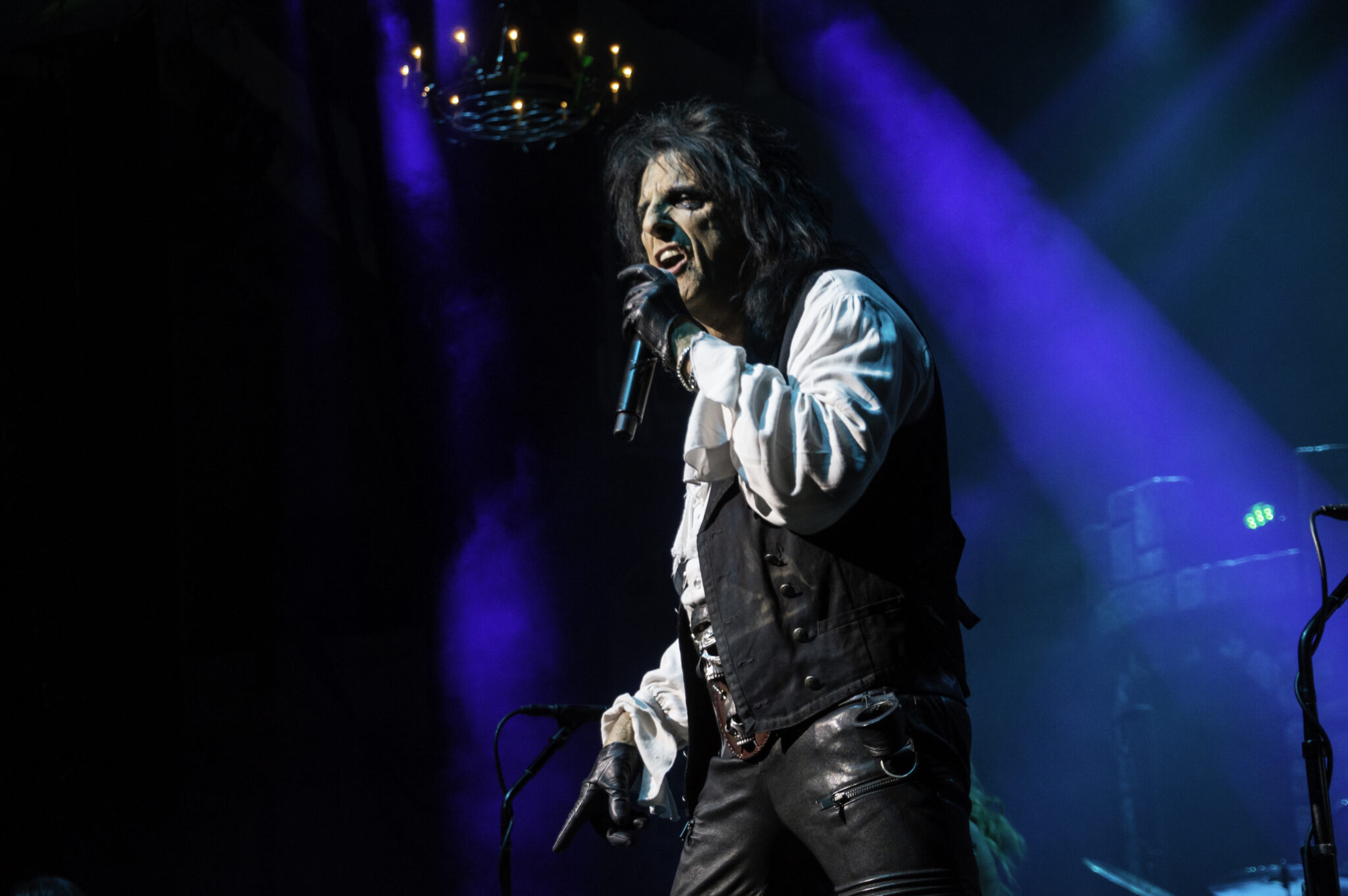
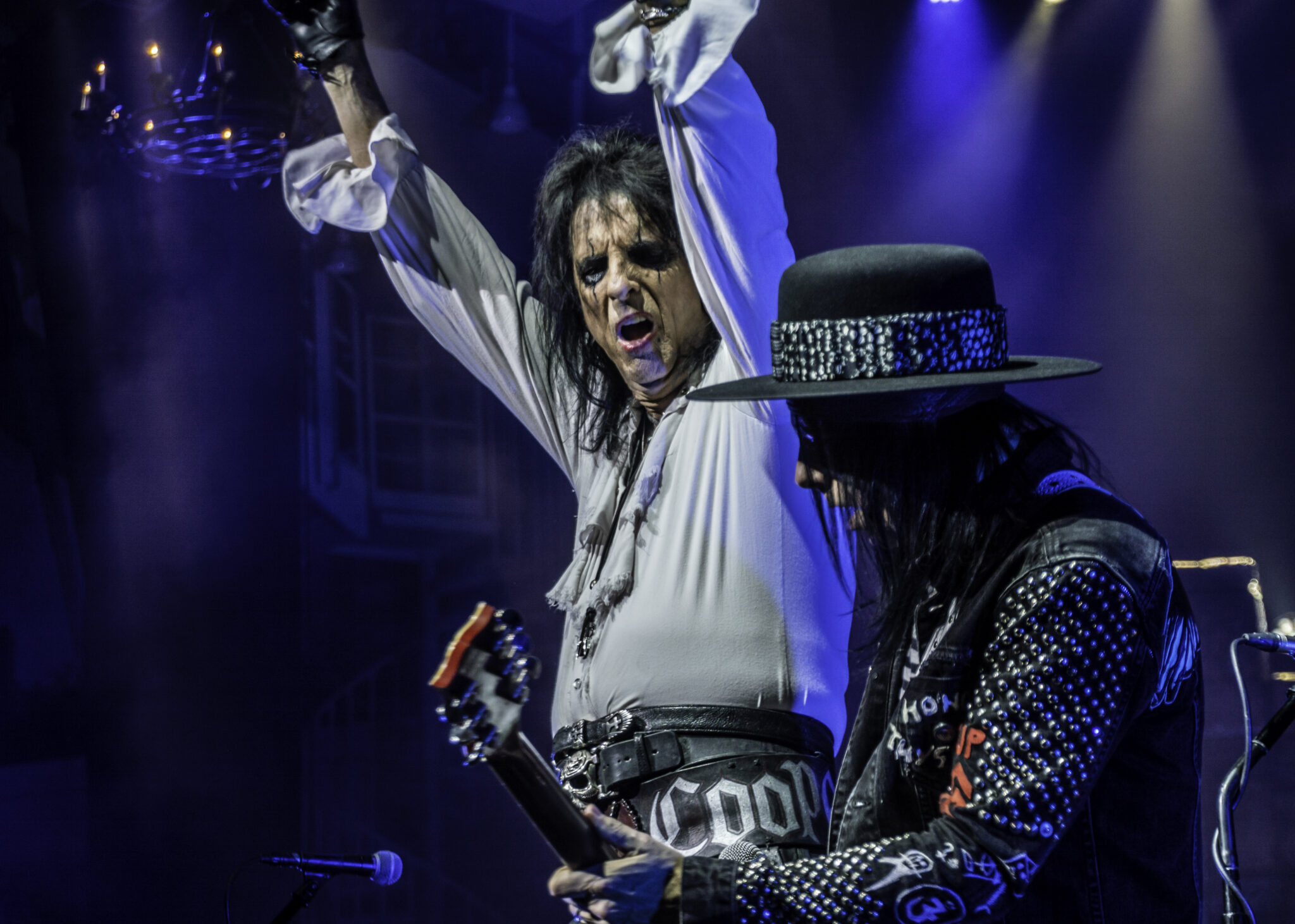
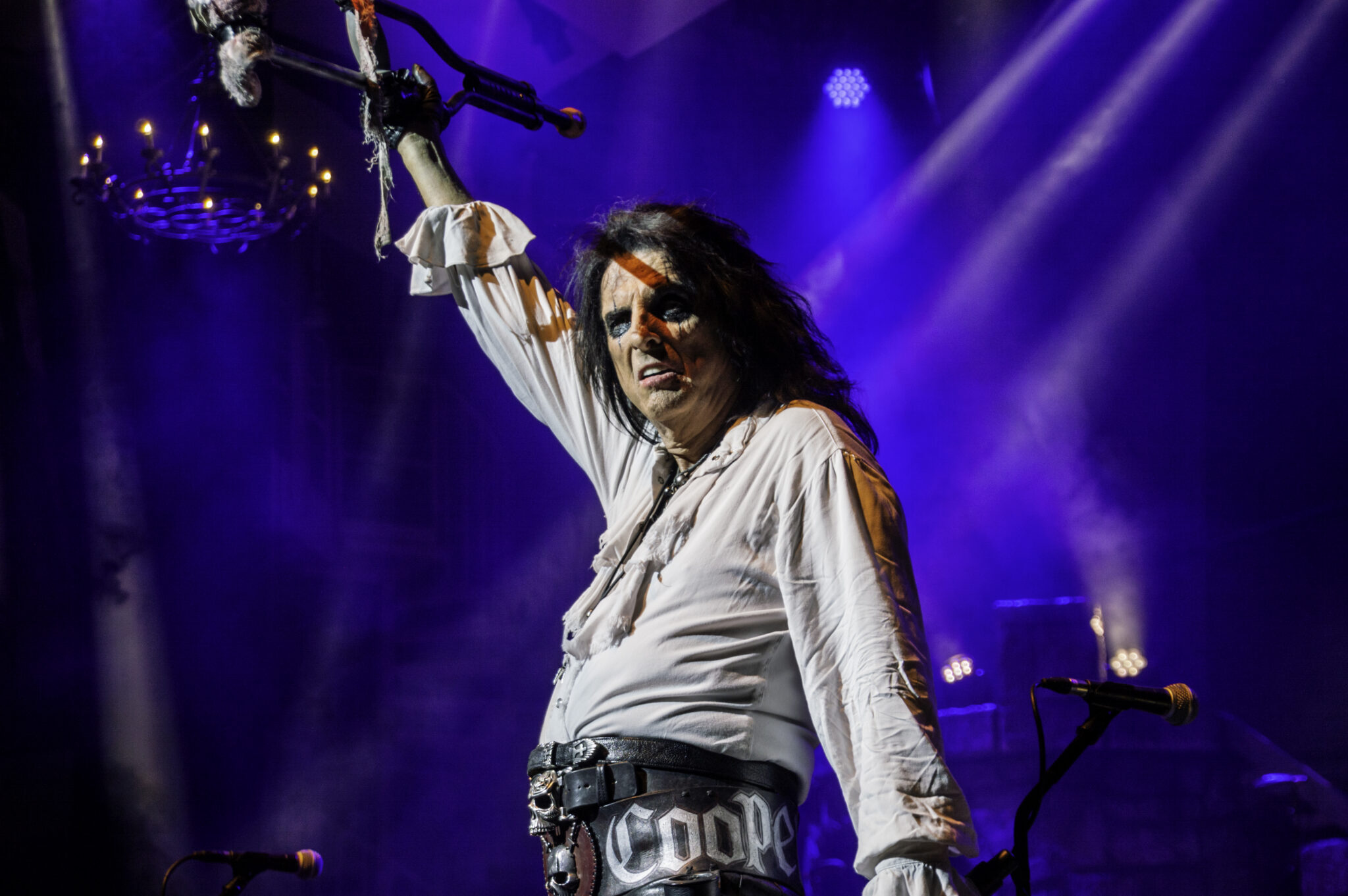
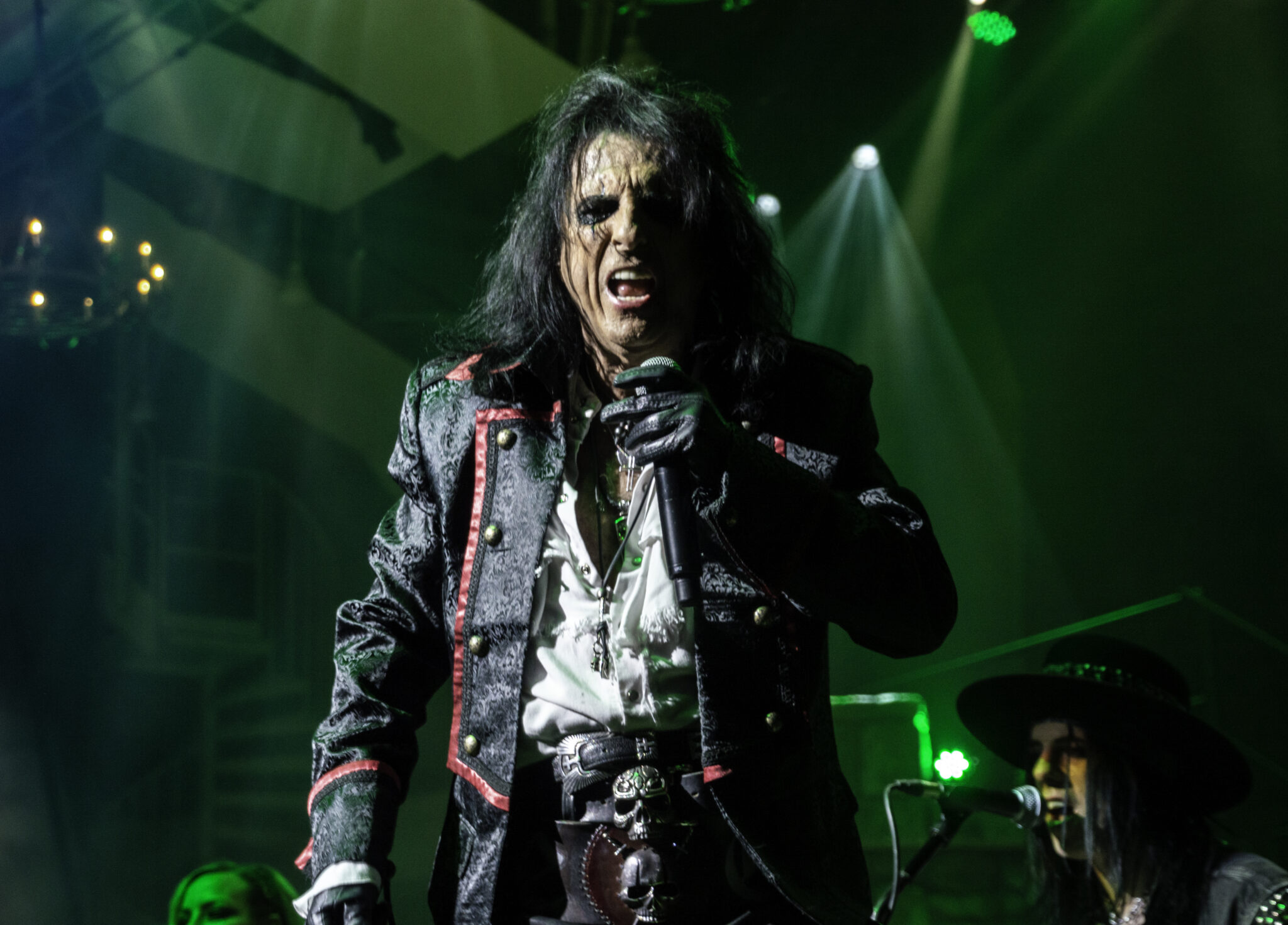
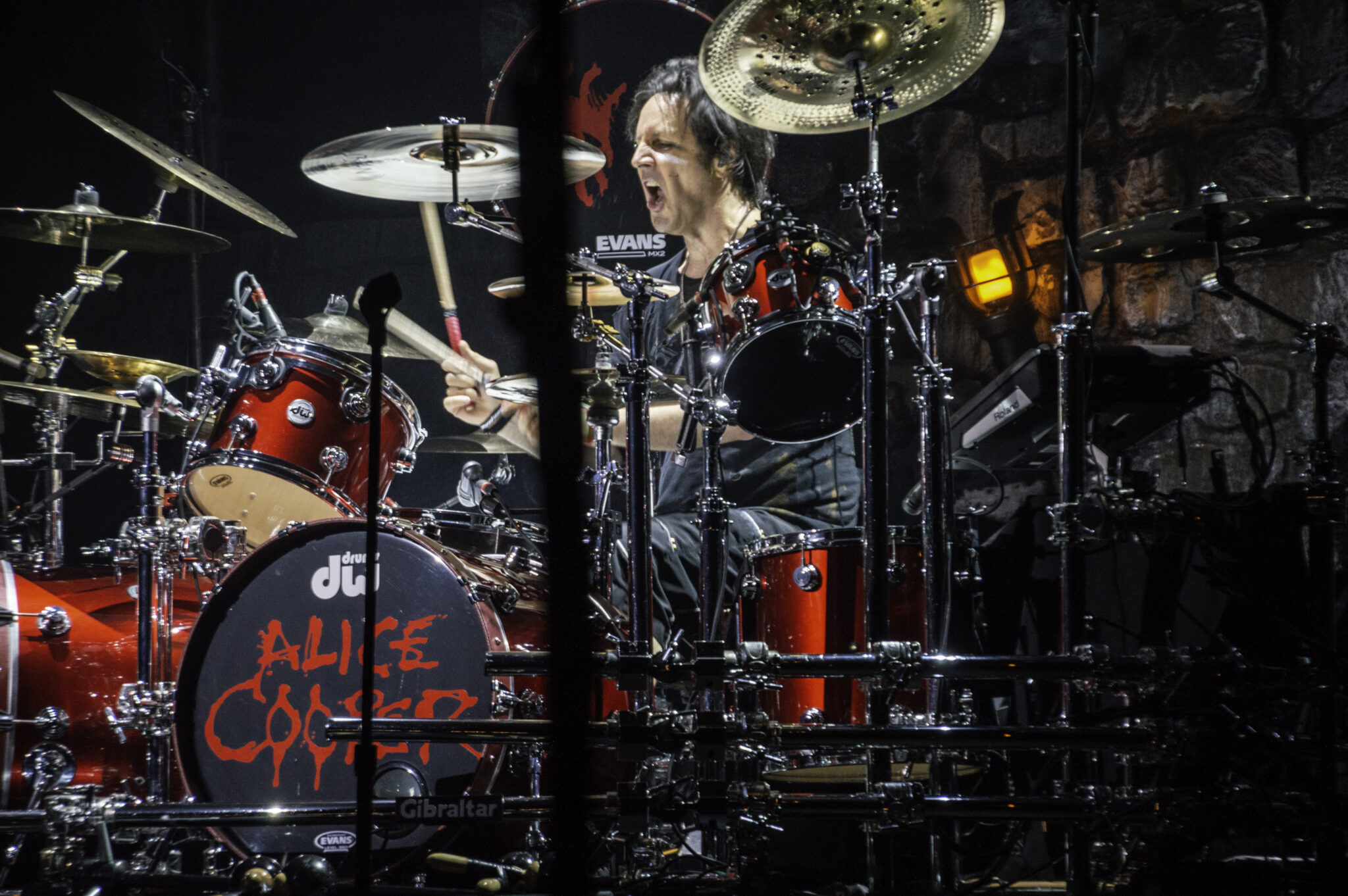
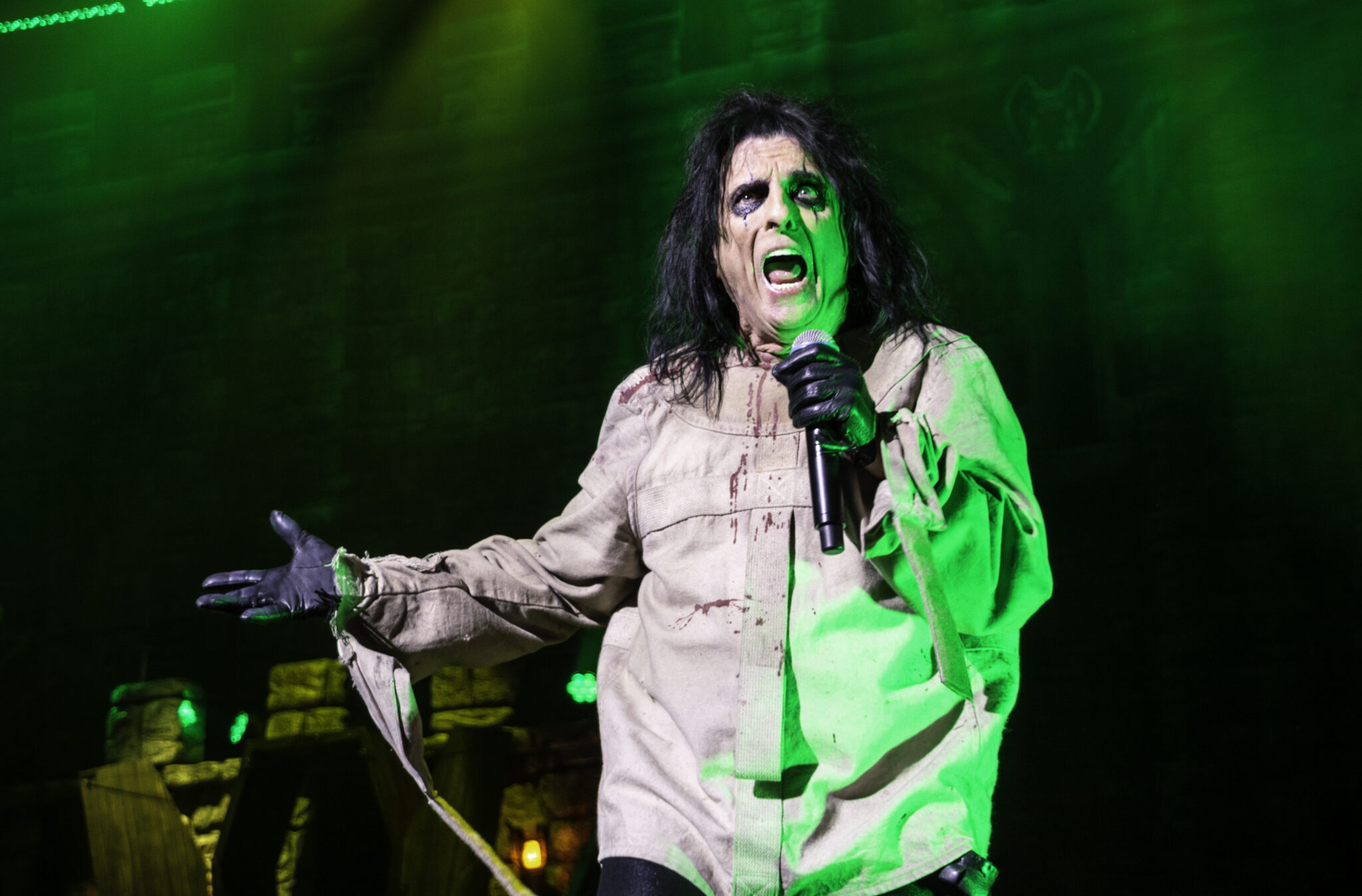
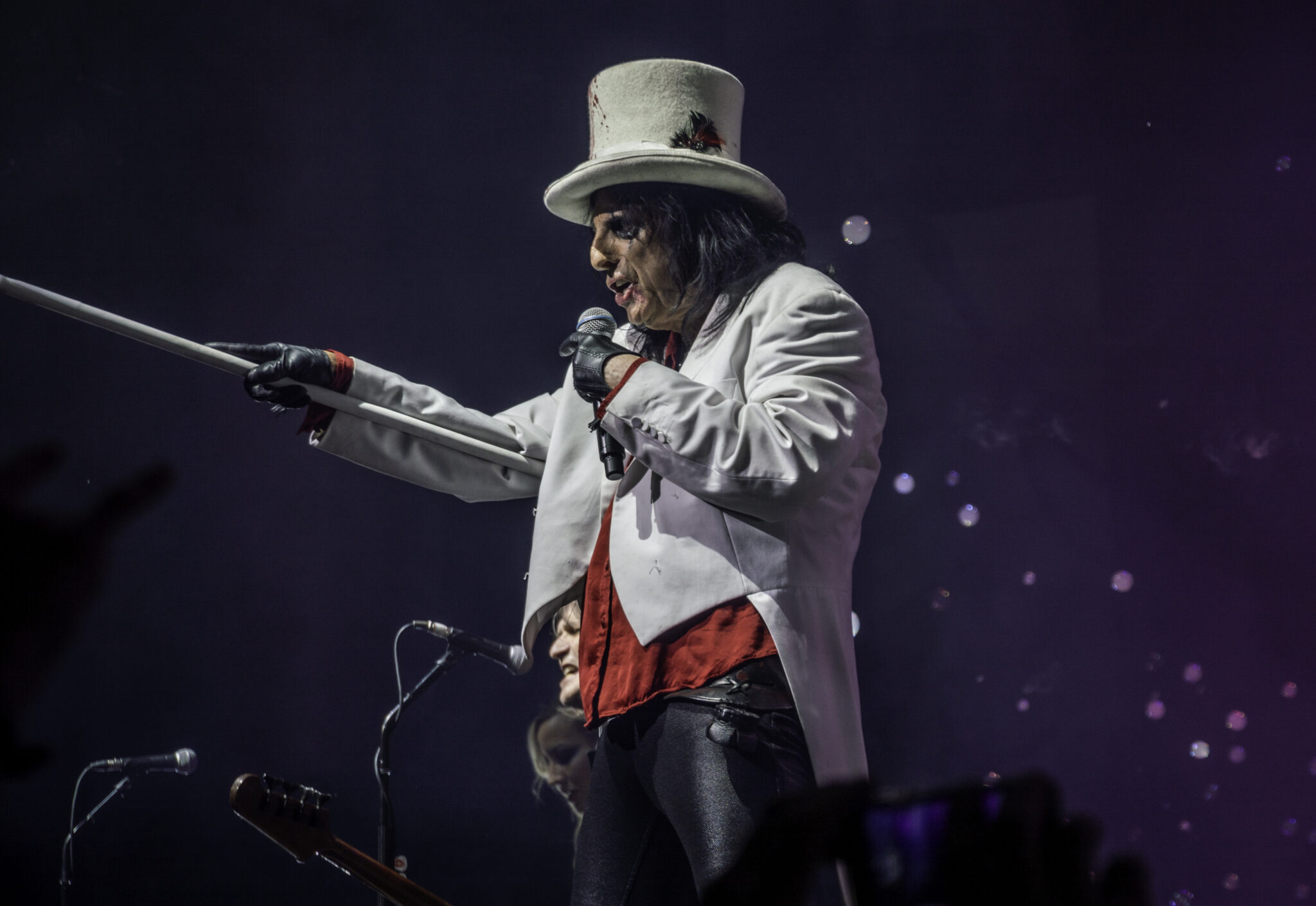
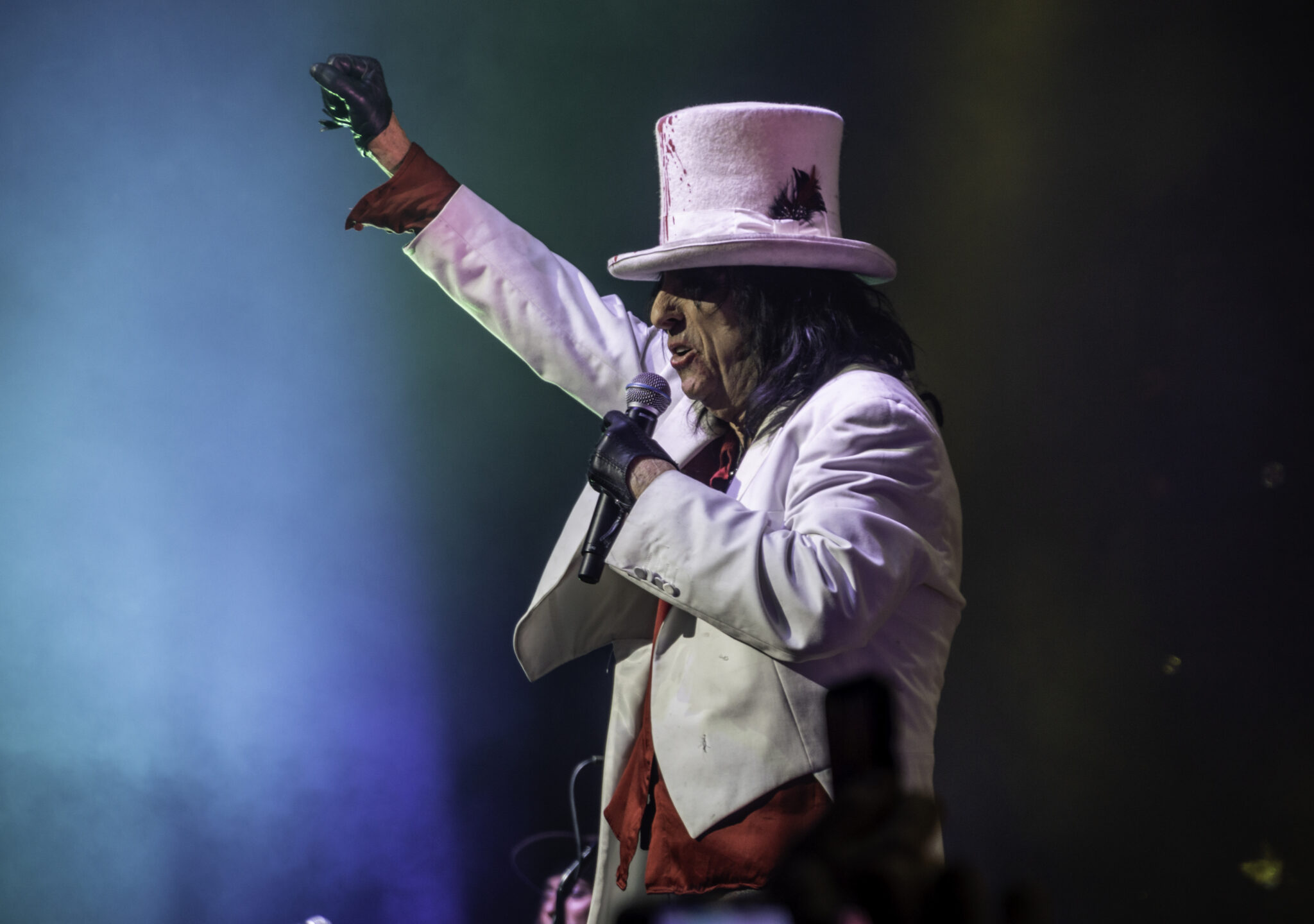
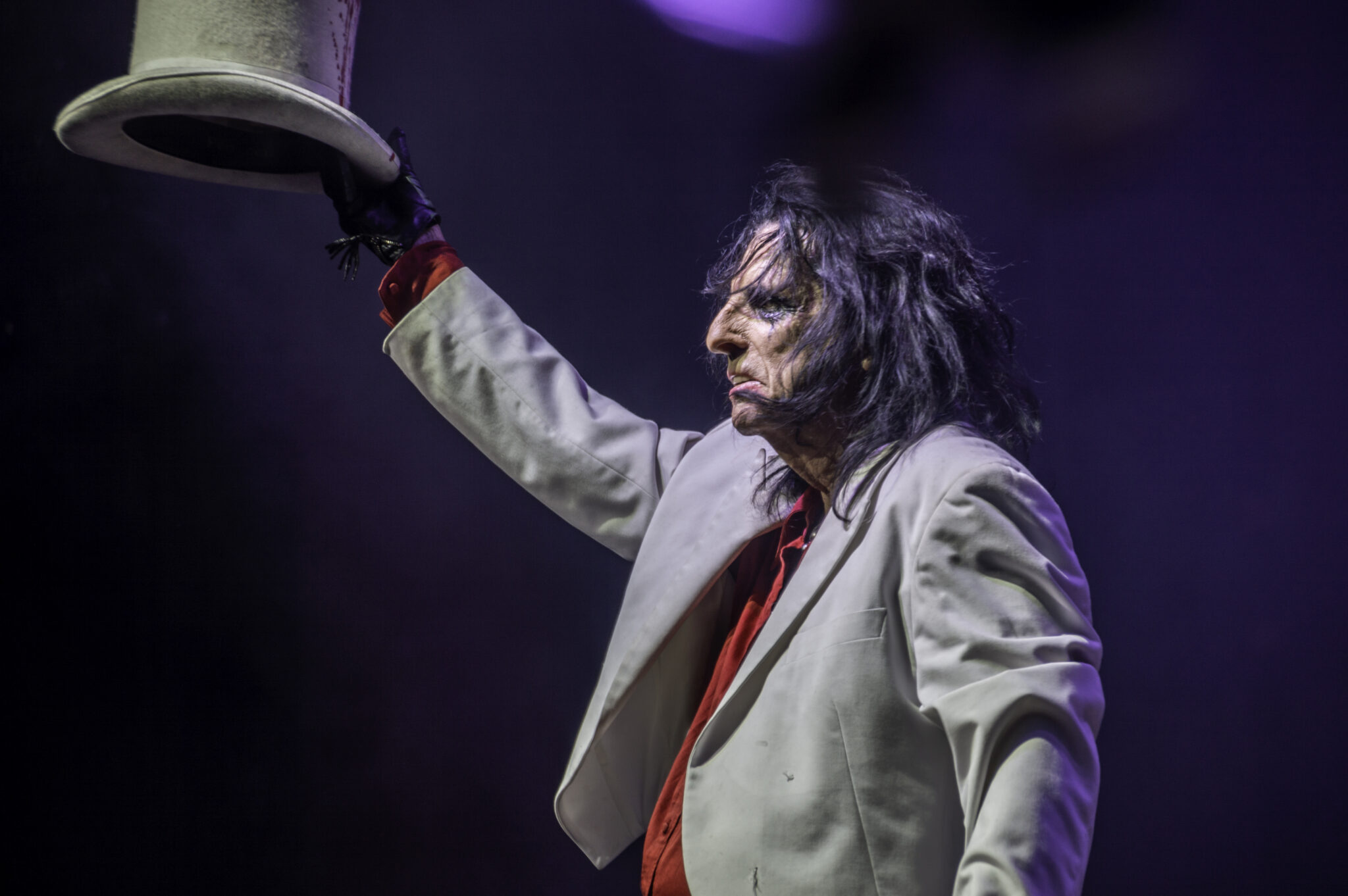
On Friday, November 22, 2019, Alice Cooper performed at The Tilles Center for the Performing Arts in Brookville, Long Island. “Ol” Black Eyes opened the show with “Feed my Frankenstein” followed by “No More Mr Nice Guy” and “Bed of Nails.”
The 22 song set took fans on a musical journey from the mid eighties to present day with songs like “Devils Food” from his first solo album, “Welcome to my Nightmare” and “Fallen in Love” from his most recent album Paranormal.
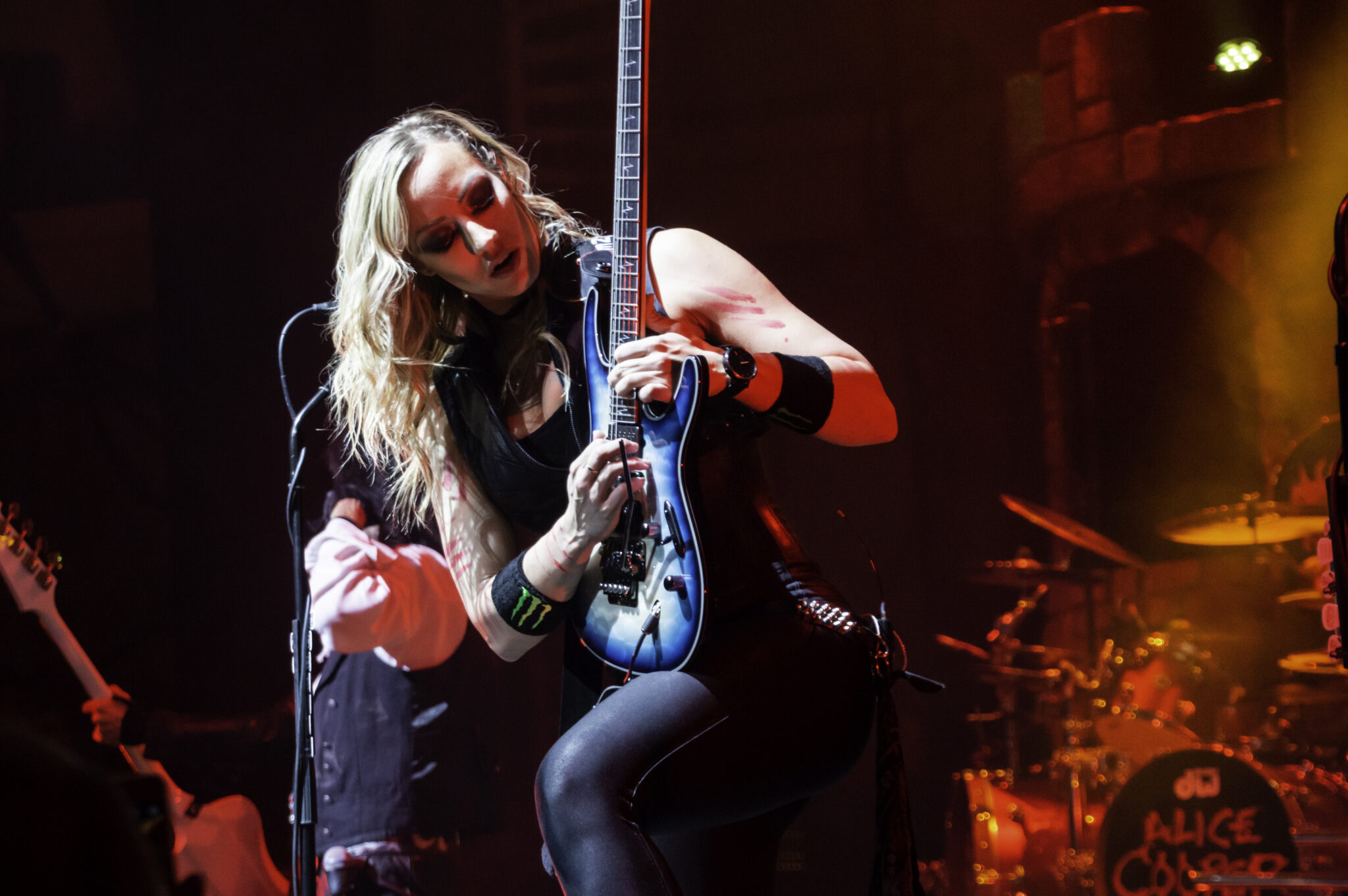
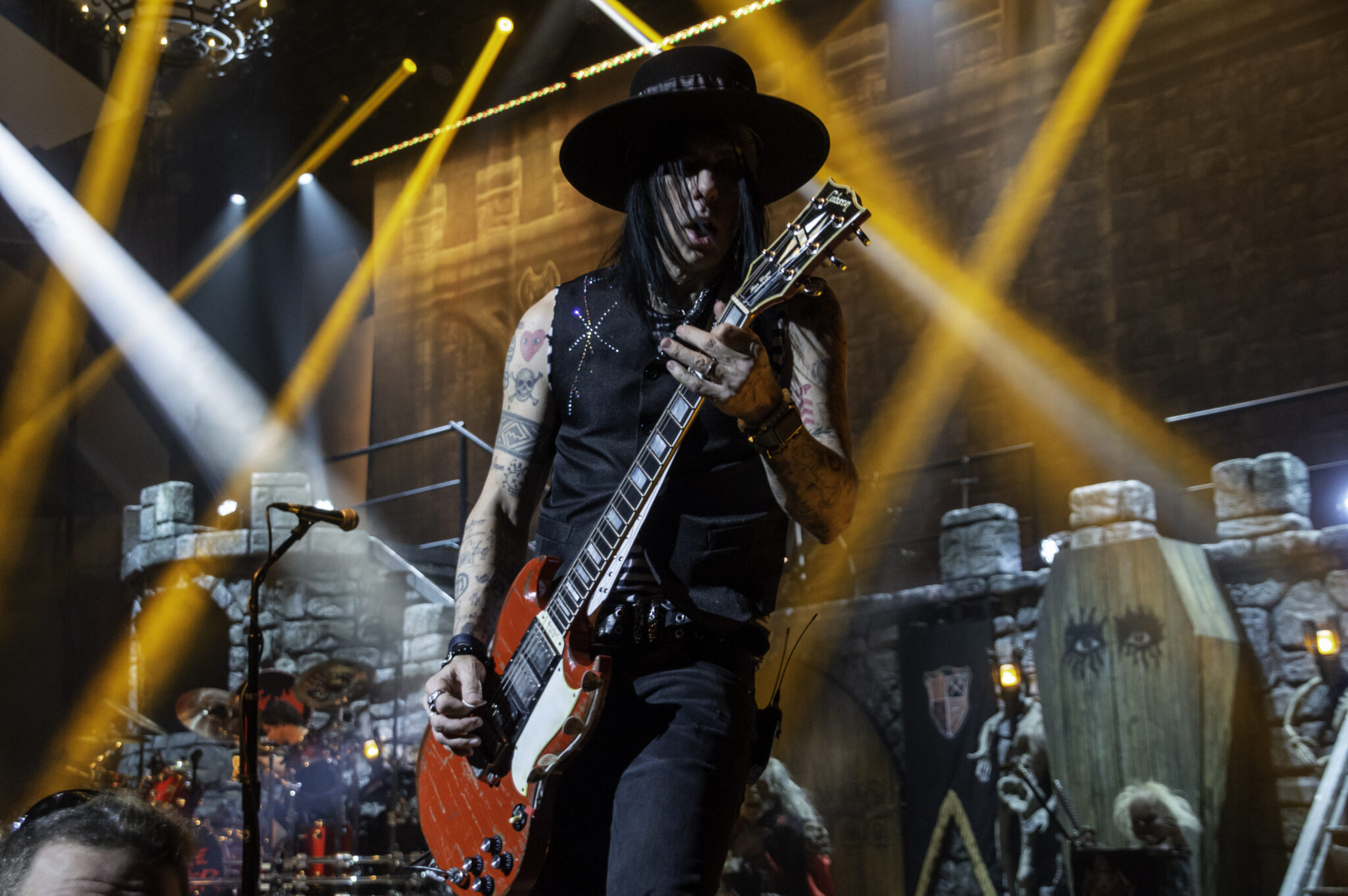
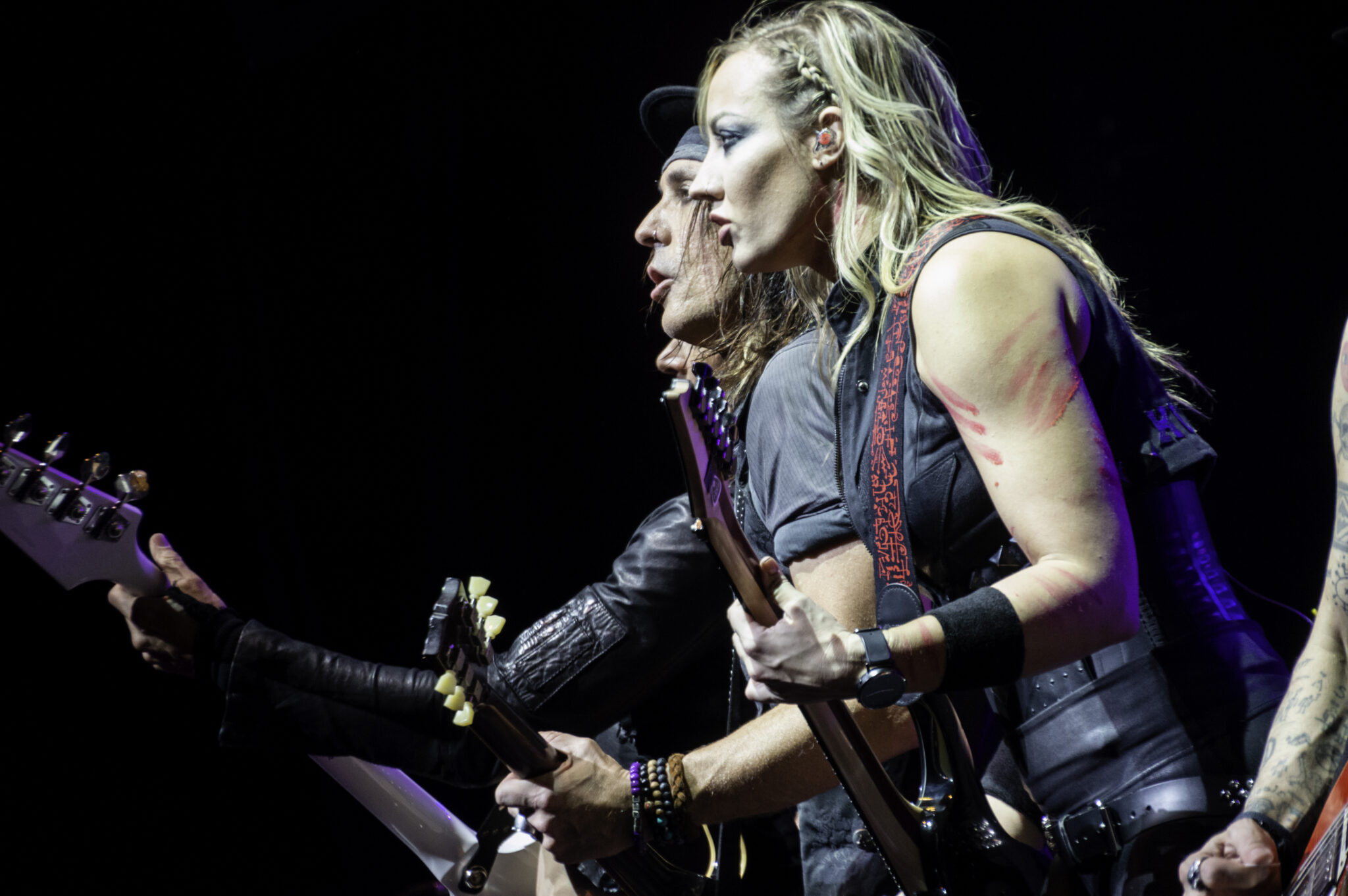
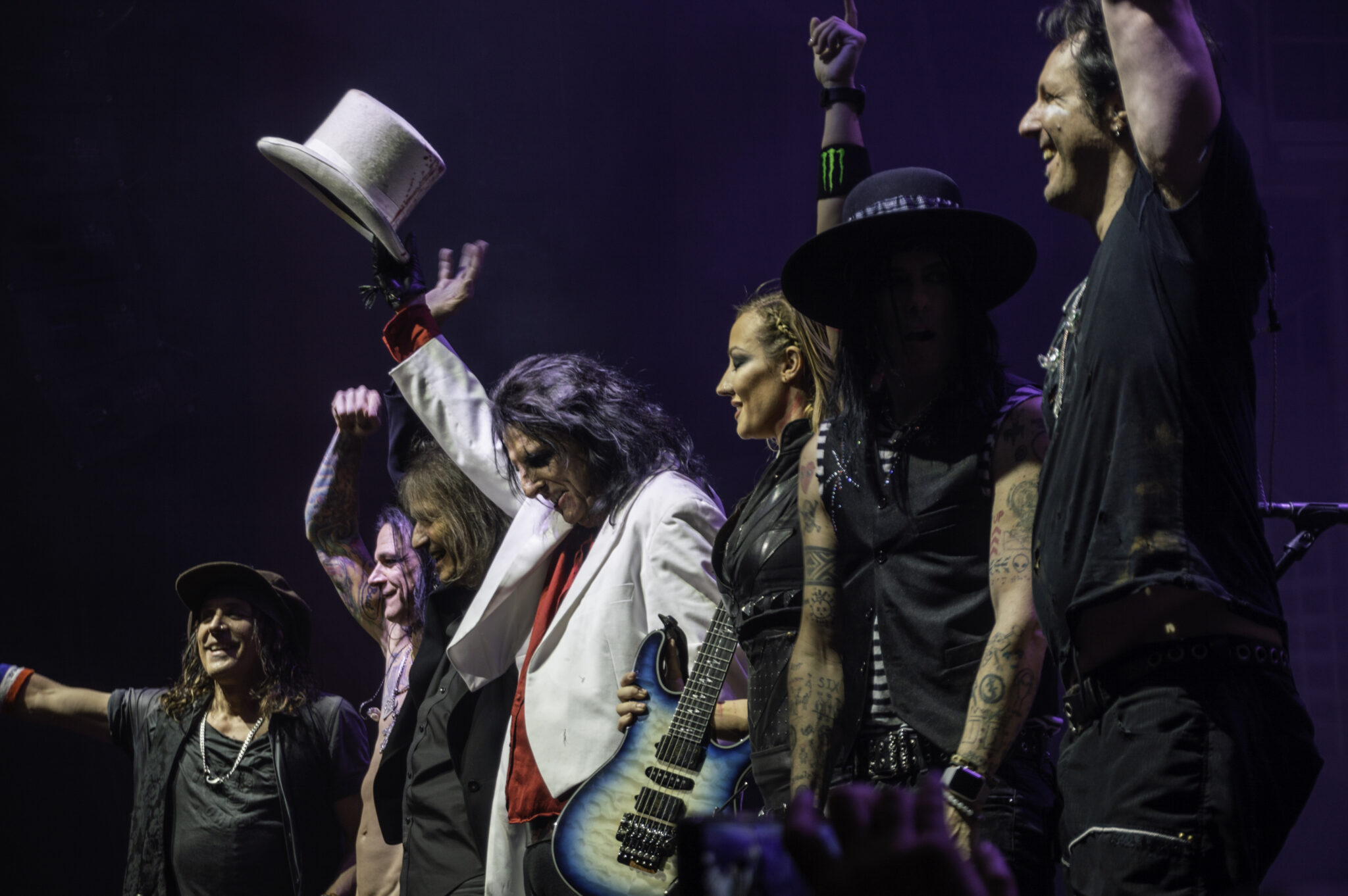
Alice’s band consists of Chuck Garric on bass and vocals, Ryan Roxie on guitar and vocals, Tommy Henriksen on rhythm and lead guitar and backing vocals, Glen Sobel on drums and Nita Strauss on lead and rhythm guitar and backing vocals. One of the highlights of the night was Nita’s guitar solo on “Poison” which left fans awestruck.
For the encore, the rock and roll hall of famer performed “Under My Wheels”, and his signature song “School’s Out.”
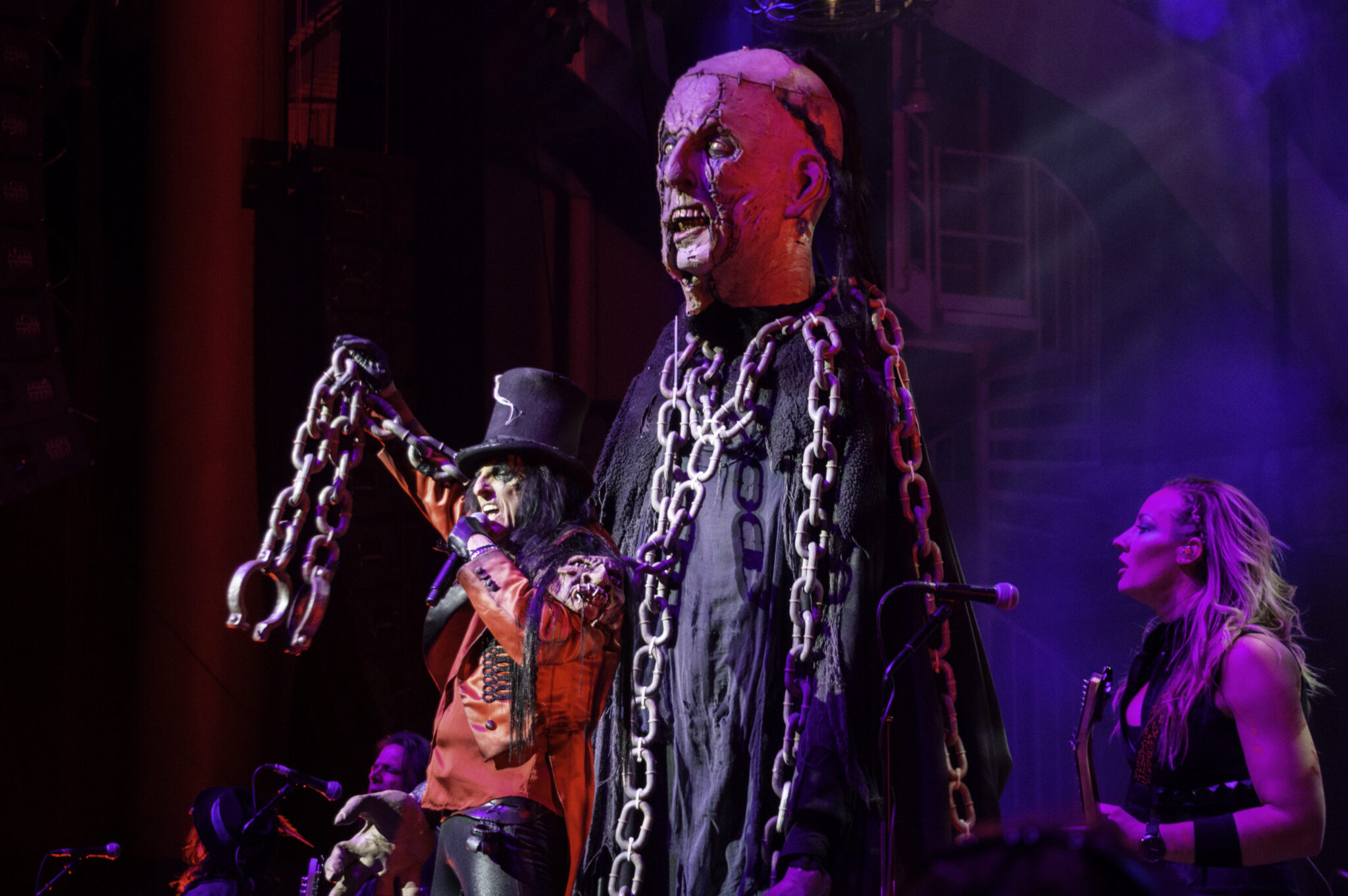
The show was awesome and Alice can still rock out. It was filled with the usual theatrics you would normally see at a Alice Cooper show and the band sounded amazing.
His new album Detroit Stories was recently announced and is set to be released in 2021. Hopefully concerts will soon resume and he can get back to touring.
Alice Cooper – November 22, 2019, The Tilles Center for the Performing Arts in Brookville, Long Island
Setlist: Feed My Frankenstein, No More Mr Nice Guy, Bed Of Nails, Raped And Freezin, Fallen In Love, Muscle Of Love, He’s Back (The Man Behind The Mask), I’m Eighteen, Billion Dollar Babies, Poison, Guitar Solo (Nita Strauss), Roses On White Lace, My Stars, Devil’s Food, Black Widow Jam, Steven, Dead Babies, I Love The Dead, Escape, Teenage Frankenstein
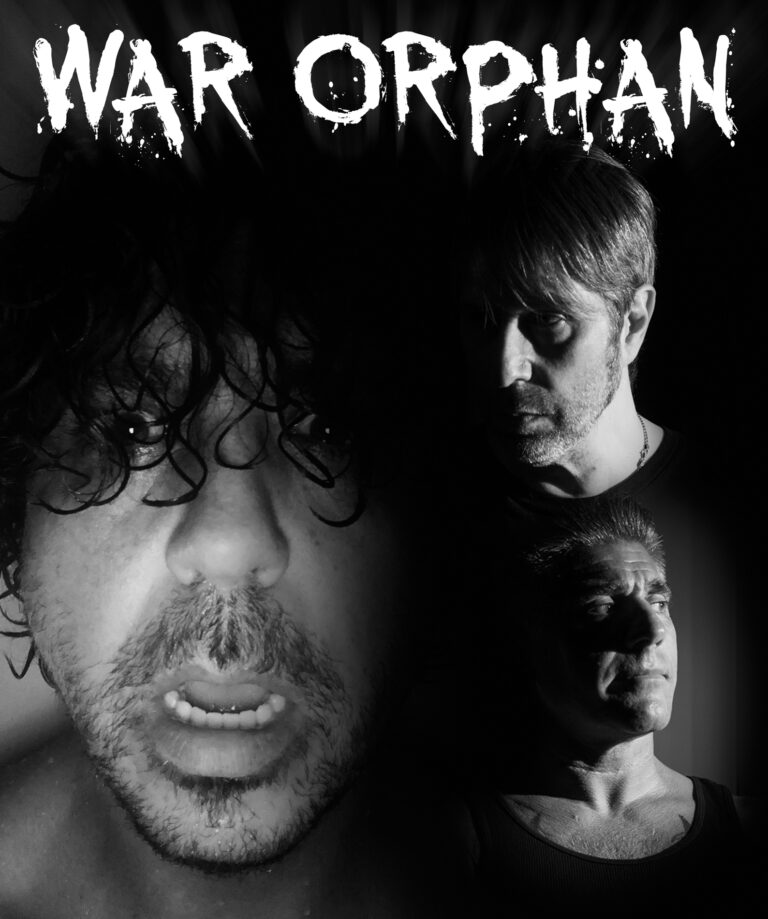
Thrash/hardcore revolutionists War Orphan, featuring former Sick of It All guitarist Richie Cipriano, drummer Dante Renzi (Reach) and vocalist David Bason (Barfbag, Lords of the Drift), pay tribute to The Exploited’s controversial track “F*ck the USA,” with a new version, “F*ck the NRA,” that takes aim at the National Rifle Association.
The daring new track debuted on WeAreThePit, highlighting the searing protest song about the death dealing war machine, which has consistantly turned a deaf ear to the epidemic of gun violence.
Guitarist Richie Cipriano comments on the inspiration for the song:
We love The Exploited and all English punk. We figured this would be a good time to pay tribute and give it a little twist.
Richie Cipriano, War Orphan
The trio formed when longtime friends Dante, Richie and David moved from recording songs trying make each other laugh to taking it seriously. Singer David Bason lives in Los Angeles, and missing his New York friends, he would leave Cirpiano voicemails about how he thinks heavy metal is silly. Richie and Dante would track record metal songs to them and send them back. Thus, was born Bloodbath and Beyond, an inside joke to kill time and crack each other up.
Richie called and said he thought he had a song they should take seriously. Bason got excited and the EP was tracked, mixed and mastered in a matter of weeks. War Orphan developed organically and the results show.
War Orphan recently made their debut with a seething thrash punk EP Closer To Death Than Life. Their initial offering is a fearless protest record that delivers a much needed shot of angst into the hardcore scene and swift throat-punch to rightwing extremists and the current presidential administration. Bason summons the furious rage that people across the country have felt over the last few years, channeling it into songs about systematic racism (“Autonomous Zone”) and a deceitful president (“Prop Up The Polls”) among other topics that are more relevant and important now than ever before.
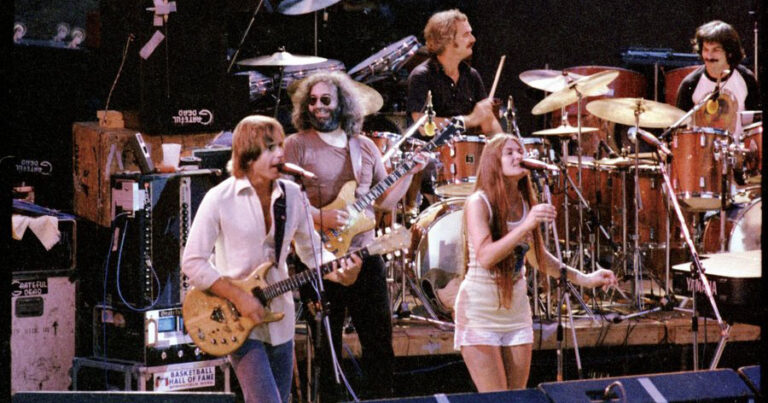
Western New York has always provided safe haven for the Grateful Dead and among their more popular stops in the region is Rochester, specifically the War Memorial. The band would play 15 known gigs in the Flower City during their historic touring career. Ten of them would be in this building. Unfortunately, the later part of this 1978 tour had to be cut short due to an ailing Jerry Garcia. But there were certainly heaters to be had before then, this show among them.
After an opening roar of electric guitars, the show begins in earnest with “Promised Land,” a popular Chuck Berry cover. Keith Godchaux plays some inspired keys on this one behind the guitar play and makes his presence felt early. Afterwards comes the first of three “Take A Step Back” announcements from Bob Weir, looking out for the “bug-eyed” folks in the front row. Once that’s accomplished, the instrumental into of “They Love Each Other” kicks in with Jerry Garcia manning the vocals. Unfortunately, some feedback issues mar this one a little bit early on. It’s salvaged though with a delightful Garcia solo and the continued strong play of Godchaux on keys.
Following an extended tuning break, the band bursts into “Cassidy,” with Donna Jean Godchaux now added to the vocal mix. It’s is a tidy yet superb version with the whole band in full synchronicity. This lays the foundation that’s topped with another poignant Garcia solo.
Choosing not to run with this momentum, another tuning break follows which seems to fuel the rabid audience even further. Out of this, “Dire Wolf” rears its head. Garcia’s vocals seem to improve a little on this one from earlier in the show before he infuses it with his traditional guitar licks.
Then comes round two of “Take A Step Back.” This time Weir’s pleas for the people on the floor to move back as much as they can is accompanied by a spattering of “Finiculi Finicula” from the band. Afterwards, Weir stays on the mic for lead vocals and leads the band through their Western classic, “Me And My Uncle.” They waste literally no time at its conclusion before launching into a raging “Big River,” thanks to an ultra-seamless transition they’ve perfected for these songs.
Things then slow down a bit with the relaxed pace of the “Row Jimmy” that follows. Jerry and Donna Jean’s vocals eventually merge nicely in this delicate yet fairly straight forward version. Afterwards, it’s Weir’s turn once again as he leads the Dead through “New Minglewood Blues.” Believe it or not, the five-show gap between its last performance was actually a fairly large one for this first set standard. Another opening set regular, “Loser,” follows before one last notable segue closes things out. A raucous “Jack Straw” that’s fueled by some blistering Garcia-supplied guitar licks towards the end. Before the last “wine” is even finished being sung, “Deal” starts up instantly. This concludes a first set that’s fairly standard in terms of song selection, but executed to near perfection.
The second set begins with one last plea from Weir to everyone on the floor to move back as much as possible. Then the Dead are off and running with “Bertha.” This longtime first set staple had now shifted to a regular spot in the second one in 1978. Starting with this tour and well into 1979, it was featured in the second set each time. And it was followed every time by a cover of The Rascals’ “Good Lovin’.” Tonight would be no different. While it may not have the same cachet as other traditional song pairings, “Bertha” > “Good Lovin’” was a verified couple from the middle of 1977 until late 1979, appearing next to each other every time played.
Jerry Garcia then leads the group through “Stagger Lee,” a cover of a traditional folk song about the murder of Billy Lyons by “Stag” Lee Shelton in 1985. Lloyd Price would later find fame with it thanks to his 1959 recording that topped the charts. After this rather atypical beginning to the second set, things begin to take a more familiar turn. “Estimated Prophet” sees Weir’s wailing vocals paired with Donna Jean’s harmonies that give it a nice touch. But the highlight is the tail end that sees Garcia gradually escalate a mesmerizing sequence through his guitar’s signature tone for this song. Bassist Phil Lesh is also heavily involved as the jam progresses.
Then, somewhat suddenly, Garcia pivots and begins strumming the opening rhythms to “Eyes Of The World.” This version is vintage 1978, with Garcia again taking lead and navigating the rest of the band through this beautifully crisp and funky rendition.
As the “Eyes” jam slowly peters out, The Rhythm Devils then take things over. Drummers Bill Kreutzmann and Mickey Hart get their moment in the sun with an all out 10-minute percussive assault in the traditional “Drums” section. The ecstatic War Memorial crowd and their approval can be heard loudly throughout.
After a brief “Space” section, the beginning of “Not Fade Away” starts in almost comical fashion with Garcia coming in extremely late on the beginning vocal section. It gets cleaned up nicely though and eventually stretches out into a full-fledged jam that melodiously stretches well past the ten-minute mark. Weir’s frenetic rhythm guitar play back Garcia wonderfully before the jam devolves into a slower pace and “Black Peter” appears. This, too, extends nicely with a patient and deliberate pace that’s peppered with more brilliant Garcia guitar fills.
The show maintains its vague theme of some odd song placements with a “Truckin’” that closes out the second set. The Rochester crowd once again noticeably voices their approval after the “New York’s got the ways and means” line as well as the nod to Buffalo.
In true Chuck Berry “bookending” fashion, the show ends with another cover of his, a quick romp through “Johnny B. Goode.” This puts the finishing touches on the fourth of ten overall shows the Grateful Dead played at the Rochester War Memorial.
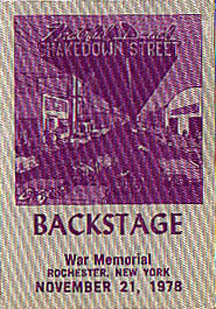
Grateful Dead – War Memorial, Rochester, NY 11/21/78
I: Promised Land, They Love Each Other, Cassidy, Dire Wolf, Me & My Uncle> Big River, Row Jimmy, Minglewood Blues, Loser, Jack Straw, Deal II: Bertha> Good Lovin’, Stagger Lee, Estimated Prophet> Eyes Of The World> Drums> Space> Not Fade Away> Black Peter> Truckin’ E: Johnny B. Goode
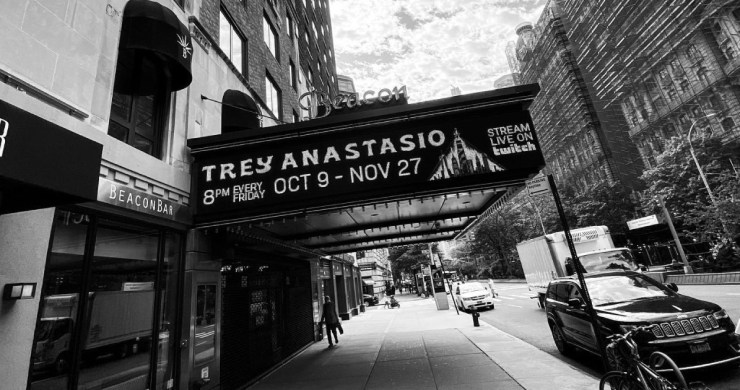
The penultimate Beacon Jams found the core band for the past six weeks accompanied by a couple of new faces, as well as the Rescue Squad Strings, for one of the most memorable nights of the entire run. Trey Anastasio appeared more loose this week and at the same time excited to be performing with the lineup for Trey Anastasio Band, which found Natalie Cressman (trombone) and James Casey (saxophone) joining Jennifer Hartswick (trumpet), who had been singing the past two weeks, and quarantining for a total of five to prepare for the shows.
photo via The Beacon Theatre Facebook page
Friday night’s performance served as the first complete Trey Anastasio Band performance since February 1, 2020 at The Civic Theater in New Orleans, LA, and first performance in New York since January 11 at The Capitol Theatre in Port Chester.
photo by Jake Silco
Reunited with friends and a full stage at times, the flood gates of material were opened to allow for Trey band classics and surprising arrangements of Phish songs peppering the night. A pre-show tribute paid respects to the recently passed Carl Monzo, head of Phish security for many years.
The evening also served as a fundraiser for The Divided Sky fund, which focuses on delivering quality care and compassionate treatment for those battling from addiction, through Phish’s WaterWheel Foundation. By the end of the show on Friday, November 20, nearly $100,000 was raised that night alone, with more than half of a million dollars gathered over seven weeks, an impressive total in support of recovery from addiction.
Kicking off the night was Phish’s “Camel Walk” that had some extra flavor with horns and added percussion from Cyro Baptista, whose daughter was having a baby that evening, leading to banter between him and Trey, before moving into an apropos “Set Your Soul Free” and “Alive Again,” a staple of TAB since summer 2001.
Trey invited the Rescue Squad Strings and Jeff Tanski out to join the band for “Petrichor,” performed for the first time with Tanski since New Year’s Eve 2016.
Trey made a point to thank MSG once again for bringing the event together for free on Twitch, and gave an overdue shout out to the union workers who helped put the show together behind the scenes. He also thanked the many groups of fans who donated to The Divided Sky Fund, some donating thousands of dollars to support the cause.
photo by Jake Silco
The second ever performance of the groovy “All Pretending” had a catchy vibe ala Kenny Loggins’ “I’m Alright” and was followed by the Bossa Nova “Curlew’s Call,” but with Cyro not shying away from the percussion.
The Rescue Squad Strings returned for “Harry Hood,” with Trey switching to acoustic guitar, then back to electric for the third section of the song as the rest of the band joined in for the triumphant finale. After, Trey remarked to the strings about the sincere joy of playing “Hood” and writing it on an acoustic guitar on the beach in Greece when he was 19. Anastasio went back to the acoustic for “Lifeboy,” with heartstrings being plucked on couches across the country.
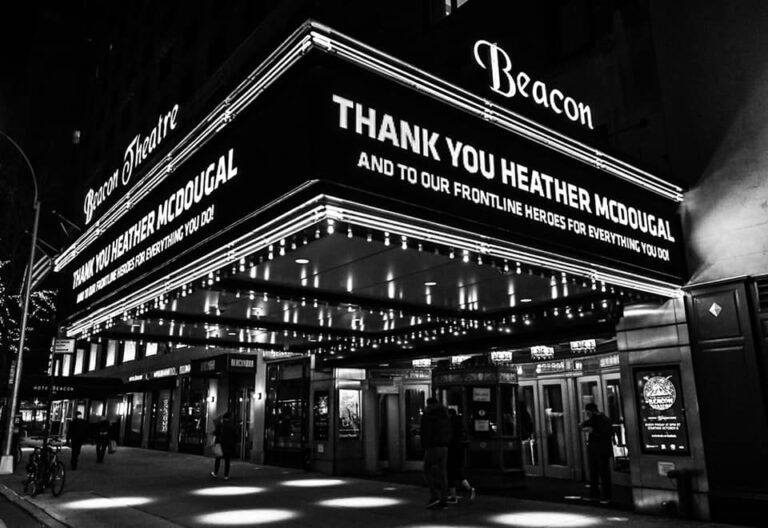
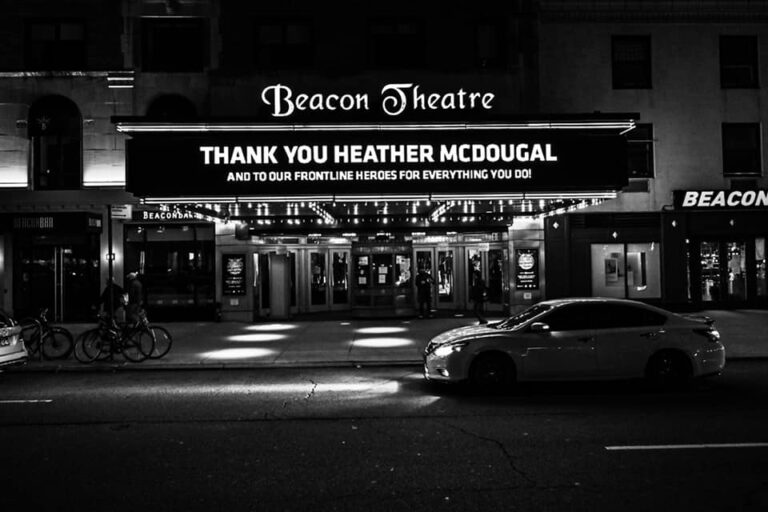
“Heather McDougal Song” took off from that donor’s name popping up on the screen, with some brief improv joined in by the Rescue Squad Strings. Within moments of ending, the full band debut of “Let Me Lie” (also with strings) followed, giving the laid back breather a fuller sound, and a rare “Chalkdust Torture Reprise” surfaced as the strings departed the stage, with the lyrics changed to “Heather McDougal Song.”
“Burlap Sack and Pumps,” another standard that found its legs in the Summer of 2001, went deep, thanks in great part to James Casey switching to baritone sax. The TAB debut of Kasvot Växt’s “Death Don’t Hurt Very Long,” had added character thanks to the slow deep funk groove via the horn section.
photo by Jake Silco
To wrap up the night, the strings returned for “Goodbye Head” and closed with Trey Anastasio Band on the fan favorite “Push on ‘Til the Day” closing the night. Donate to the Divided Sky Fund here and tune in on Friday, November 27 at 8pm for the finale of The Beacon Jams.
Set 1: Camel Walk, Set Your Soul Free, Alive Again [1], Petrichor [2], Money, Love and Change, Olivia, All Pretending > Curlew’s Call, Harry Hood [3], Lifeboy [4], Heather McDougal Song [5], Let Me Lie [6], Chalk Dust Torture Reprise [7], Burlap Sack and Pumps, Valentine, Death Don’t Hurt Very Long [8], Goodbye Head [9], Push On ‘Til the Day
[1] Lyrics changed to “Winter’s coming and I’d like a review.” [2] Just Trey, The Rescue Squad Strings, and the horns. [3] Full TAB debut; began with just Trey on acoustic guitar and The Rescue Squad Strings with the rest of the band joining later. [4] Just Trey on acoustic guitar with The Rescue Squad Strings and Jen Hartswick and Natalie Cressman on vocals. [5] Debut; with The Rescue Squad Strings. [6] Full TAB debut; with The Rescue Squad Strings. [7] Full TAB debut; sung as “Heather McDougal Song.” [8] Full TAB debut. [9] With The Rescue Squad Strings.
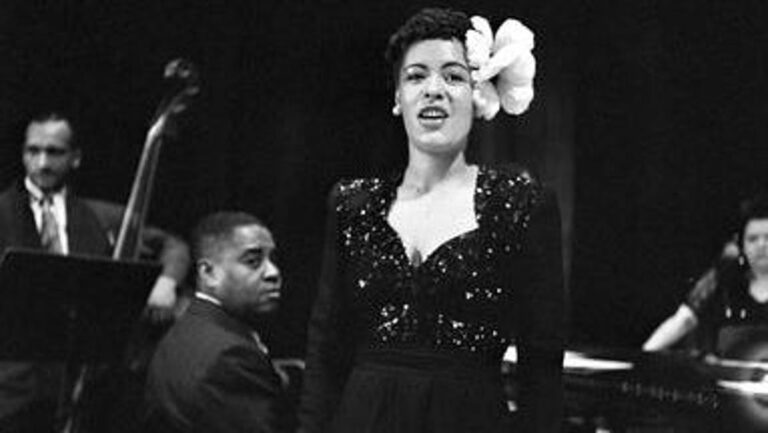
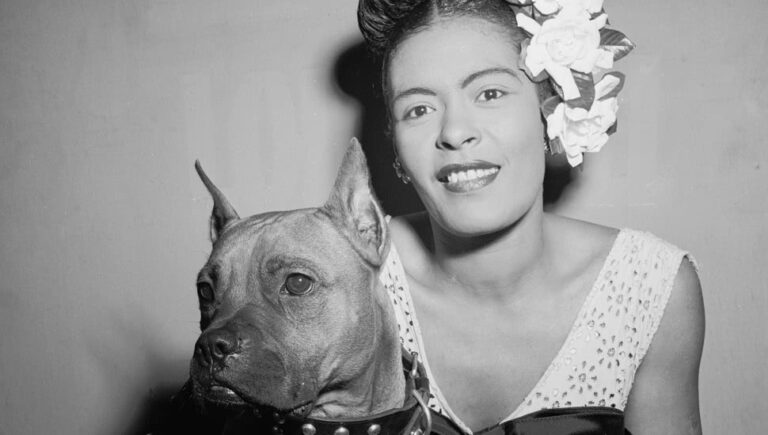
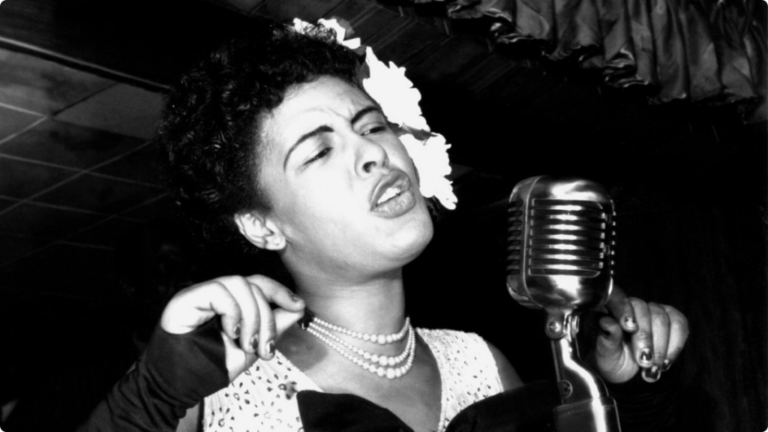
Eleanora Fagan was born on April 7, 1915 in Philadelphia. As a child, she started going by Billie Holiday, Billie from Billie Dove and Holiday from her dad. She began listening to records by Louis Armstrong and Bessie Smith. Her mother Sadie cleaned houses, but could not make a living, so moved to New York City.
As a teenager, Holiday began singing in nightclubs. She teamed up with saxophonist Kenneth Hollan, performing at numerous clubs in Harlem. In 1932, Holiday replaced Monette Moore at a club where John Hammond, a producer, heard her and signed her to a record. At the age of 18, she made her first recording with Benny Goodman.
The Depression Era
In 1935, Holiday recorded pop tunes with Teddy Wilson. Holiday was allowed to improvise; her improvisation of the melodies to fit the emotion was revolutionary. Their first collaboration, “What a Little Moonlight Can Do” became Holiday’s ‘claim to fame’.
Holiday soon achieved the title of big-band vocalist with Count Basie. She was able to choose her own songs, often opting to portray herself as a woman unlucky in love. “Summertime” a hit from Gershwin‘s Porgy and Bess became a hit for Holiday. Basie soon accepted Holiday’w involvement in the band, saying “When she rehearsed with the band, it was really just a matter of getting her tunes like she wanted them, because she knew how she wanted to sound and you couldn’t tell her what to do.”
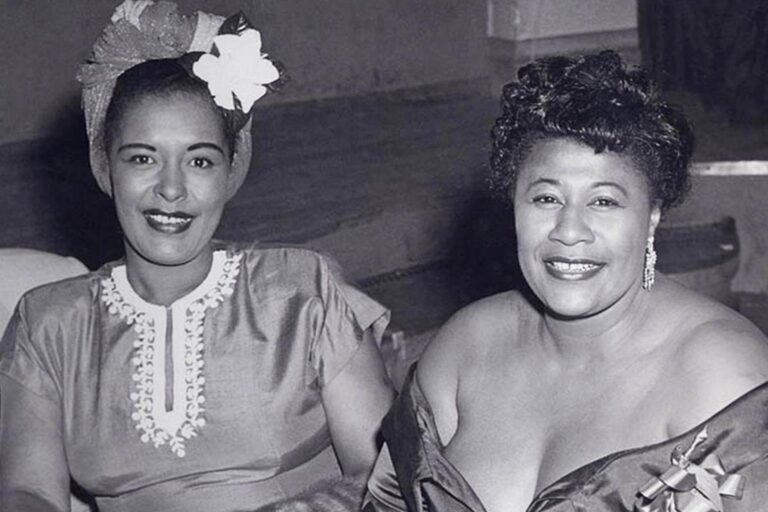
Soon, Holiday found herself in competition with Ella Fitzgerald, the singer for the Chick Webb Band, the direct competitor of Count Basie’s. On January 16, 1938, Basie and Webb’s bands had a battle at the Savoy Ballroom. Metronome magazine declared Webb the winner while DownBeat magazine pronounced Basie the winner.
Holiday left Basie in 1938 and was picked up by Artie Shaw. This put her in a unique situation in that she was a black woman singing in a white orchestra in the segregated South. With Shaw, Holiday achieved notoriety, but could not sing as often as with Basie. Additionally, Shaw was pressured to hire a white singer with whom Holiday had to share time. In November 1938, Holiday was asked to take a service elevator at the Lincoln Hotel which may have caused her to leave the group soon after.
Columbia and Commodore
Holiday was recording for Columbia Records and when she was introduced to “Strange Fruit,” a poem about lynching. She performed it in 1939 with trepidation, later saying the song reminded her of her father’s death. He was denied medical treatment due to racial prejudice.
Holiday got into an argument with her mother Sadie that ended in the daughter storming out, shouting, “God bless the child that’s got his own.” She then wrote “God Bless the Child,” her most popular and most covered record.
In 1942, Holiday recorded “Trav’lin Light” with Paul Whitman for Capitol Records, reaching number 23 on pop charts and number 1 on R&B charts. Holiday signed with Decca Records in 1944, recording “Lover Man”, another hit. In September 1946, Holiday began her only major film, New Orleans, in which she starred opposite Louis Armstrong and Woody Herman. Plagued by racism and McCarthyism, producer Jules Levey and script writer Herbert Biberman were pressed to lessen Holiday’s and Armstrong’s roles to avoid the impression that black people created jazz.
Legal Trouble and Drug Use
On May 16, 1947, Holiday was arrested for possession of narcotics. During the trial, she heard that her lawyer would not come to the trial to represent her. Dehydrated and unable to hold down food, she pleaded guilty and asked to be sent to the hospital. She was sentenced to Alderson Federal Prison Camp in West Virginia. The drug possession conviction caused her to lose her New York City Cabaret Card, preventing her working anywhere that sold alcohol’ so she performed in concert venues and theaters.
After her release in 1948, her manager, Ed Fishman, thought she should sing a comeback concert at Carnegie Hall. On March 27, Holiday played Carnegie Hall to a sold out crowd. A record number of tickets were sold in advance, a feat made more impressive since she did not have a current hit record. Holiday was again arrested on January 22, 1949 in San Francisco. That October, she recorded “Crazy He Calls Me”.
https://www.youtube.com/watch?v=Z_1LfT1MvzI
The loss of her Cabaret Card hurt Holiday financially. This problem worsened when Holiday’s records went out of print in the 1950s. She seldom received royalties in her later years. In 1958, she received a royalty of only $11.
By the 1950s, Holiday’s drug abuse, drinking, and relationships with abusive men caused her health to deteriorate. She appeared on the ABCreality seriesThe Comeback Story to discuss attempts to overcome her misfortunes. Her later recordings showed the effects of declining health on her voice, as it grew coarse and no longer projected its former vibrancy.
In early 1959, Holiday was diagnosed with cirrhosis. She stopped drinking on doctor’s orders, but soon relapsed. She quickly lost 20 pounds. On May 31, 1959, Holiday was taken to Metropolitan Hospital in New York for liver disease and heart disease. The Federal Bureau of Narcotics had been targeting Holiday for the last twenty years. As she lay dying, they raided her hospital room, placing Holiday under police guard. Holiday died on July 15, 1959 at 3:10 a.m. due to heart failure caused by cirrhosis of the liver.
Legacy, Awards, and Accomplishments
Holiday’s improvisation made up for a lack of training and was quoted saying that she wanted her voice to sound like an instrument. Frank Sinatra called her “the greatest single musical influence on me.”
Skyfoot is back to cure your quarantine blues with their fourth album, Astronomy Man. This four-piece band from Boston has firmly established themselves in the Northeast music scene over the last decade, playing hundreds of shows and being named “Best In State” at the 2019 New England Music Awards. Skyfoot recorded this album this past winter and spring and thanks to a successful Indiegogo campaign, Astronomy Man was released on November 2nd.
The eleven tracks on this album shimmy through a number of different genres and feature tremendous psychedelic and funky jams from start to finish. Starting things off is “What’cha Gonna Do,” an upbeat, soaring opener with a catchy chorus. The track culminates in an incredible jam combining Tyler Arnott’s fantastic guitar work with Eric McEwen’s beautiful organ playing. The opening slide guitar in “Follow Me Down” will immediately perk your ears as Aaron Morey’s drum beat kicks in, invoking a cross between a steam engine crossing the plains and a lone cowboy on horseback.
Astronomy Man also features a bunch of longer tracks that allow the members of Skyfoot to explore the space in your living room. “Take Time” is a toe-tappin’ ditty featuring a beautiful dance between banjo and keys before morphing into a kaleidoscopic puddle of a jam. James Taylor’s bass oozes funk during “Everybody Have a Good Time Tonight” and if you close your eyes during this track, you’d swear you were shoulder to shoulder with your best friends at a show. The title track is the quirkiest and catchiest song on the album, but features a shredding guitar solo before skyrocketing into the interstellar. This album takes you on a stellar journey from start to finish, ending with the angelically prismatic “Spoke.”
Skyfoot was able to do something really wonderful with this record. They used every bit of aural space within 67 minutes to pack a mind-bending amount of music into these eleven tracks. This is a band truly worth traveling to see once we are blessed with live music again. Check out Astronomy Man on Spotify, Apple Music and YouTube or visit the Skyfoot Store to purchase the album.
Key Tracks: Everybody Have a Good Time Tonight, What’cha Gonna Do, Lovin’ Kind
Each Sunday evening from 7-9pm you’ll find EQXposure on WEQX, featuring two hours of local music from up and coming artists. Tune into WEQX.com this Sunday night to hear the latest from Saratoga’s Ugly Muppets and many more!
WEQX has long been the preeminent independent station in the Capital Region of New York, broadcasting from Southern VT to an ever-expanding listening audience. NYS Music brings you a preview of artists to discover each week, just a taste of the talent waiting to be discovered by fans like you.
Ugly Muppets is a three piece psychedelic indie garage band coming from the sewers of Saratoga Springs, and straight into your heart. With fuzzed-our guitars, blistering kazoos, and sometimes-on-key vocals, people have said of the band, “Oh yeah, I think I’ve heard of them.”
This group of proto-post-punk weirdos includes Josh Clark (vocals, guitar, bass), Daniel Burt (vocals, drums), and Jeremy Katz (vocals, bass, guitar, kazoo, synth, production)
Pulling on influences including The Stooges, Brian Jonestown Massacre, Black Rebel Motorcycle Club, The Black Angels, Black Lips, Black Flag, Black Sabbath, and pretty much any band with black in the name, and for Josh Clark, Oasis, Ugly Muppets has been together for five years, while performing in various bands since high school both independently and together.
The sound of Ugly Muppets is has an overall character that is as much a result of wanting to create something raw while embracing the happy accidents.
Ugly Muppets have well crafted songs that retain a raw production quality, which ties the full band sound together and in a way, becomes a character, if not member of the overall band.
Katz says of their sound, “We used a franken-rig of all our collective gear to do the recording and tracked as much as we could live so the sounds already had their own unique character, which we tried to lean into when we did the mixing,” with Burt adding, “It took us a while to form a sound we where happy with, a heavy garage influence was inevitable considering the music we were listening to and the gear we were working with.”