As Lespecial points out regarding their third full-length album, Ancient Homies, the number three figures prominently into the band’s ethos – for instance, as a power trio and with their tri-face logo.
The new album also features three “Homie Improvs” (incidentally, tracks 3, 6 and 9) whose musical scale “is based around an unstable tonic, containing small chromatic groupings of three notes and has a cryptic, ambiguous and almost mystical quality.” These tracks feature all three members flexing their chops and stretching in new ways: Luke Bemand (bass, synth, samples), Rory Dolan (drums, sampler) and Jonny Grusauskas (guitar, keys, sampler, vocals).
Interspersing the Homie interludes as they do throughout Ancient Homies also has the effect of pairing the remaining eight songs with each other. The track list born from that decision just flows excellently.
The first couplet pairs the album’s first single “Snell’s Fleet” with a new remix of the long standing fan favorite “The Vessel.” At Lespecial’s October 9, 2020 drive-in show in Falmouth, MA, they opened the second set with this one-two punch and it was breathtaking. “Snell’s Fleet” evokes that timeless, mystical quality the band is known for. Up tempo with heavy, scuzzy guitar riffs, driving bass line and bombastic drum play, “Snell’s Fleet” crashes right into track two. “The Vessel” then shifts gears into a much more futuristic vibe. The combination of synth bounce, driving drums and funky bass can move an entire room, pulsing and pumping in a great wave. “The Vessel” debuted live onstage in 2012 and has finally found its way to vinyl.
The second grouping of songs, at first glance, appear to be the most curious on the album in that the songs are quite dissimilar. “Repeater” slows down the tempo and features lilting, ethereal vocals. The synth work drives the song forward, but has an altogether different feel to it than most of Lespecial’s music to date. And Rory’s fast, frenetic drumming in latter portion of the song is pure magic. Bringing us right into “Tonberry,” which made its live debut at Lespectacle IX in November 2019. Starting with a slow building eeriness that explodes into thunder around the one minute mark, then into the scale bending this album explores in the following passage. Around the halfway point of the song, Lespecial brings us into a funky, groovy movement and then circles right back to bombastic fury that bring the song home.
The next pairing is a synth heavy, fun filled duo. “Machine Elf” bounces back to futuristic sound that grooves with Luke’s bass tones anchoring things. Released as a single in January 2019, it slides perfectly right into this slot on the album. The latter half of this pairing is “Egg Time” and it wastes little time grinding into the funkiest, filthiest groove. Impossible to sit still to, this one is going to be a staple of Lespecial set lists for years to come. An instant classic.
The final pairing of songs on the album are quite engrossing, and will be unexpected to many fans. “Boundary Dissolution” slows things down again. With a more stripped down arrangement and hauntingly introspective vocals from Jonny, this one stays with the listener long after it ends. And “Tritome” (yet another “three”) features beautiful piano work from Jonny that reprises “Snell’s Fleet,” ending this amazing album with a wow.
Lespecial really delivers on the promise of adventure and exploration here. It feels like the band is still growing and defining who they are. It is a pleasure to witness their evolution. Ancient Homies is hands down my favorite release of 2020. Give it a listen and see what you think.
Key Tracks: Snell’s Fleet, Tonberry, Egg Time
Ancient Homies is available for purchase on Bandcamp and for streaming on all platforms.
Wu Tang Clan released “Hi,” a new single alongside Texas, on Tuesday, December 1.
Recognized as one of the pioneers of the grimy, raw, hard-nosed sound, Wu Tang Clan’s status as international stars is not to be underestimated. They were synonymous with New York for almost three-decades. Their reputation as one of the most influential factions in Hip Hop history has seen their popularity soar in nations throughout the world, one being Scotland.
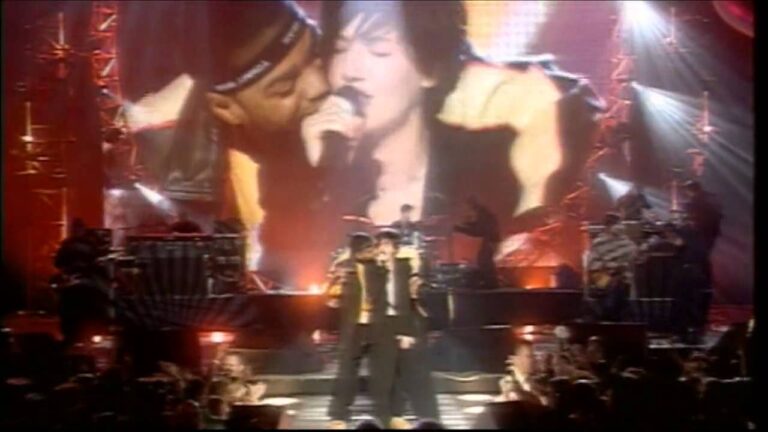
It was February 9, 1998, when Clan members Method Man and RZA joined Scottish pop-rock outfit, Texas, on stage at the Brit Awards in London. The two factions were performing the remix to the latter’s top 10 UK charting single, “Say What you Want.” Now, over twenty years later, the two groups have collaborated on another trans-cultural record, “Hi.”
Featuring RZA, Ghostface Killah and with vocals from Sharleen Spiteri, the record came about during RZA’s time in Glasgow. Whilst the Clan head honcho was filming a documentary, he connected with Spiteri and subsequently contributed a verse the Wu Tang Clan track, “Hi.”
A fast-paced alternative record, the music video opens up with Top Boy actor, Kadeem Ramsay, watching footage of their iconic performance at the Brit Awards. The television then segues into a more recent interview between RZA and Spiteri in which they discuss their yearn to work together again. Ramsay’s character is a super-fan of the two groups, as his room is filled with posters, memorabilia, as well as a shirt with a picture from the 1998 Brit Awards plastered on it.
Throughout the Wu Tang Clan “Hi” music video, he is seen performing routine tasks such as; picking out an outfit, driving his car and getting a tattoo. It is revealed that he kidnapped Spiteri in an attempt to get the two groups to collaborate once again. Spiteri responds by facetiming RZA, and after a short conversation, he obliges to the request. Spiteri and Ramsay then share a smoke, as she lightly ridicules his poor attempt at tying her up.
Hanukkah is right around the corner and folk-rock Rabbi Gedalya has released “The Lesson of the Flame,” a musical reflection on the need for positive spirituality during difficult situations.
With a spiritual message that is universal, “The Lesson of the Flame” reflects Gedalya’s faith. “Finding ways to get through hardship is central to religion,” says Gedalya, “and I wanted this song to reflect the powerful combination of faith and positivity.”
It’s my first time writing a holiday song, or even writing a song directly about Judaism, for that matter. Even though I wrote the song with the holiday season in mind, it’s about more than just the annual celebration. I wanted to convey the power in continuity and history. This Hanukkah, many of us are experiencing a year of tragedies, but by learning from tradition and remaining faithful we can find better times. I tried to reflect that in ‘The Lesson of the Flame.’
Gedalya
The roots of ‘the flame’ in this case connects to the lighting of the Hanukkah menorah, and the lesson that comes from the eight-day holiday. Jewish men fought against the Greeks around 165 BCE, thus preserving their belief in the Torah. This self-sacrifice merited a miracle which revealed to them divine assistance; thus future generations now have this lesson to remember that even in the darkest of times, we are all capable of receiving divine assistance, especially when putting in effort to see through lies and seek the truth.
The song speaks directly to the power of positivity, especially during times of tribulation.
Finding yourself can be a challenge, especially when times are difficult. This year especially I have seen so many struggle with what is happening in the world. I wanted to make sure they heard a positive message for the holiday, but also I wanted anyone that hears the song to feel – deep down – that their situation can also get better. Now is the time to look inward to find the strength to make it to those better times.
Gedalya
The message of the song is not inherent to a particular faith, but rather speaks to a state of being. Framing ones mind that allows light to enter the darkness and appreciate the blessings of life.
SAINt JHN, an artist from Brooklyn (real name Carlos St John Phillips), released his third album While The World Was Burning as artists continue to use the pandemic as inspiration for their music. His successful hit “Roses (Imanbek Remix)” spent 34 weeks on the Billboard Top 100 and peaked at #4 this past summer. The rest of his discography includes two other albums or “collections” with Ghetto Lenny Love Songs released in 2019 and Collection One in 2018. His commercial success took off in 2019, writing “Brown Skin Girl” for Beyoncé’s album The Lion King: TheGift. While the World Was Burning is a glimpse at SAINt JHN’s endless potential as an artist who can capitalize on using unpredictable times as momentum towards his promising career.
“Sucks To Be You” is the introductory track that successfully sets the tone of While The World Was Burning by reintroducing the world to a different side of SAINt JHN. The repeated lyrics from the chorus, “I said you know who I am, this kid from Brooklyn,” describe an adverse journey from humble beginnings to a successful artist. His honesty about his upbringing coincides with growing apart from someone who supported his initial dreams of wanting to become an artist. SAINt JHN expresses a vulnerable side as an artist who can make an upbeat hit like “Roses” and explain who he is as a person on “Sucks To Be You.”
https://youtu.be/pDsas5WHPXk
SAINt JHN made his TV debut performing “Sucks to Be You” on The Tonight Show With Jimmy Fallon
SAINt JHN gathered a star-studded list of features on this album including 6LACK, Lil Uzi Vert, Future DaBaby, Kehlani, A Boogie Wit Da Hoodie, Kanye, and JID. On “Ransom,” he teamed up with 6LACK and Kehlani to create a complementary vibe for each artist involved. Earlier in the year, he released a music video for “Ransom” featuring only his initial verse. By adding 6LACK And Kehlani, SAINt JHN proves his capability of knowing how to improve a song with the right features. While “Ransom” and “Sucks To Be You” are both tracks that highlight melodies, “Freedom Is Priceless” delivers an up-tempo beat that showcases his lyricism as a rapper.
“Pray 4 Me” is a cautionary tale about the possible repercussions of a rockstar lifestyle. SAINt JHN expresses his deepest fears of fame getting the best of him with lyrics like, “My life now, this highlight now/ Play my mama this if I die right now.” In comparison, Kanye’s featured verse feels superficial and so out of place the song would thrive even more without his verse. “Smack DVD” is the second collaboration between the duo and is available on the re-release version of While the World Was Burning. Kanye has a better verse on “Smack DVD” than on “Pray 4 Me,” but SAINt JHN outshines him on both tracks.
SAINt JHN mentions “Tryin to be the next Kanye” on “Quarantine Wifey,” but his originality is his biggest asset rather than emulating any other artist. Looking back on this year, While the World Was Burning will be a reminder of how music made the uncertain times a little more bearable.
DIE the Monk is a music alias that explores the macro imperfections of the worlds porous skin. In his latest release, The Beauty Complex, the post-rap artist turns a musical effort emotive. Thus, dissecting brash human composition in real time.
London born, Sebastien Carnot, deems the stage as his battleground, “where the enemy of the past meets the savior of self-preservation.” Likewise storytelling through dramatized musical ideas and industrial sounds are the essential elements to his craft. The Beauty Complex surely isn’t everyones spot of tea, but the inter-workings of the album shed light on modern warfare in the likes of self-destruction and social [media] evolution.
The Beauty Complex album art. Released Nov. 19, 2020.
Carnot pursued the DIE the Monk persona in 2018 when he felt the urge to express energy outwards and publicize his secrets. The realization becomes apparent through The Beauty Complex: that we are all Monks, stewing on our own thoughts for better or for worse.
I was aiming to create a dancy album full of industrial noises. Messages in this album surround feelings of concern for: self-preservation, mindlessness, over-thinking, and listening to your gut.
The 9-track DIY opens with “The Void,” a ghoulish opera that crosses the threshold of your inner black hole. With no hope of return, the monk’s musical tinure holds true to the genres dystopian harmony. Immense reverb, choir like voices and a seemingly subconscious conversation drives the listener indefinitely inward.
“Driver,” may have suited as a better opener, as it sucks you into a heavy trance. Envision London’s late night, underground dance tunnel thriving through all hours, until the explodes into a fountaining half-time.
Point blank song titles provoke emotion in its purest form. “Timid” takes on a mystical intro. Opening with heavenly exploration, the music weaves into a darker reality of ones insecurities. Off-the cuff raps leave hints of social media and Instagram complexes, but in monk’s reply “I’m not a pretty picture.” None of us are.
Influenced by artists like Shabazz Palaces, JPEGMAFIA, Xiu Xiu, and Macula Dog, DIE the Monk has carved an underground vibe that transcends pop-up backyard and basement shows. In 2018 DIE the Monk released his debut album, Privacy, filled with drama and dark underlying tones. In the last year a follow up album, Deep End, captured a love disaster, where on his third effort DIE the Monk states “The Beauty Complex is just the beginning.”
The Beauty Complex is surely an acquired taste, yet worth the exploration in its musical and social exploration. The driving and infinite electronic colours will keep the listener entwined. No “Pressure.”
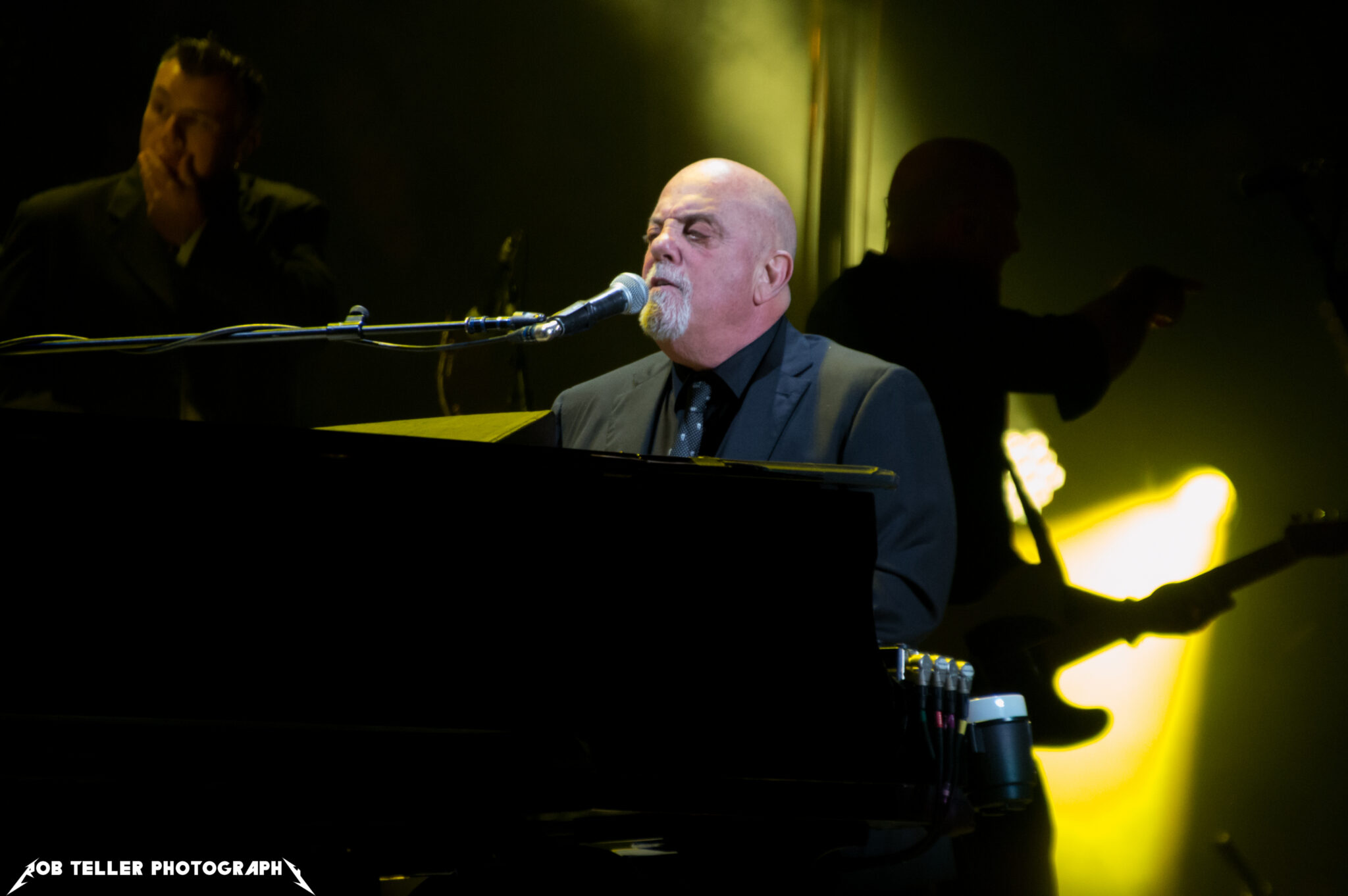
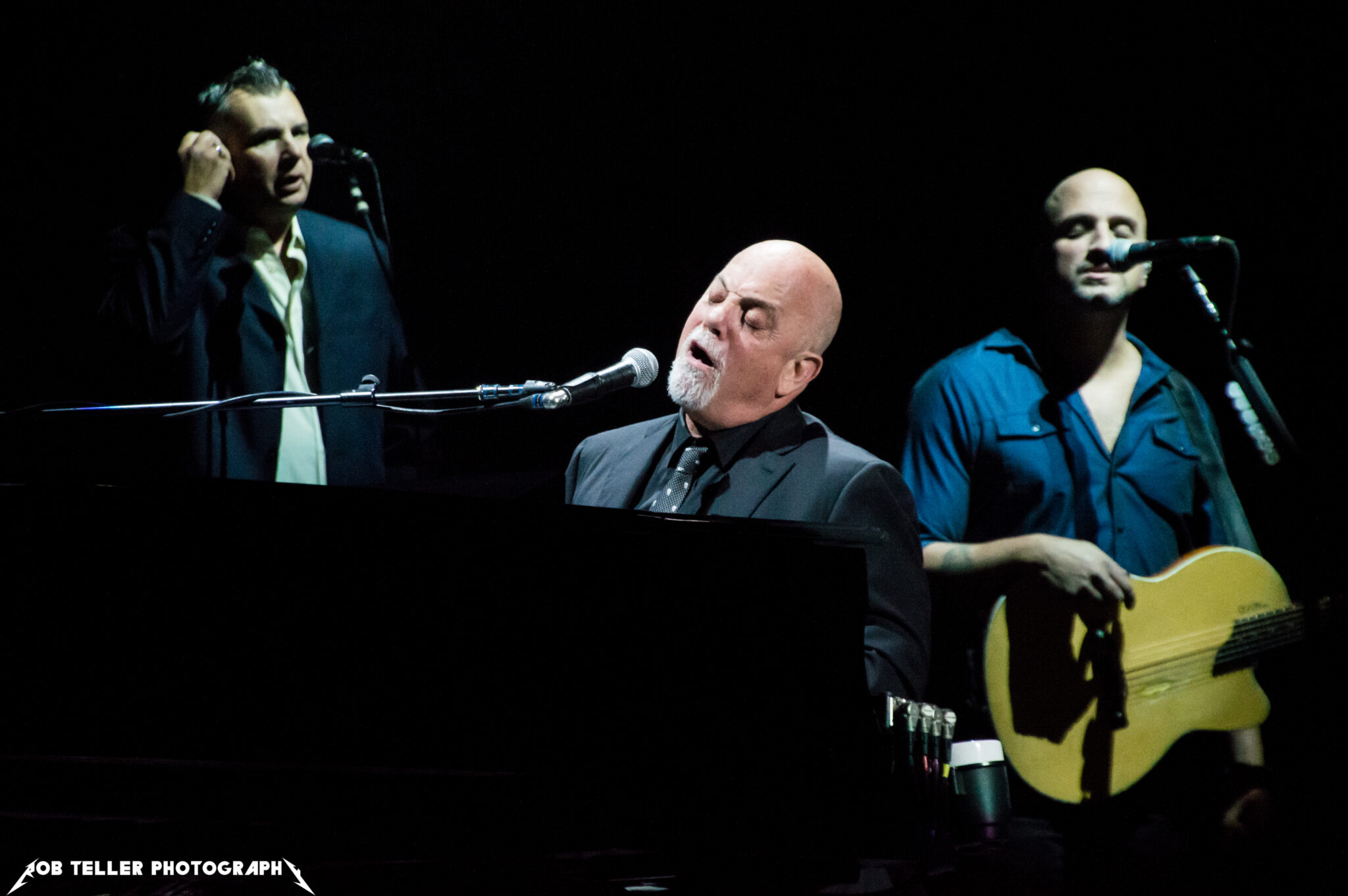
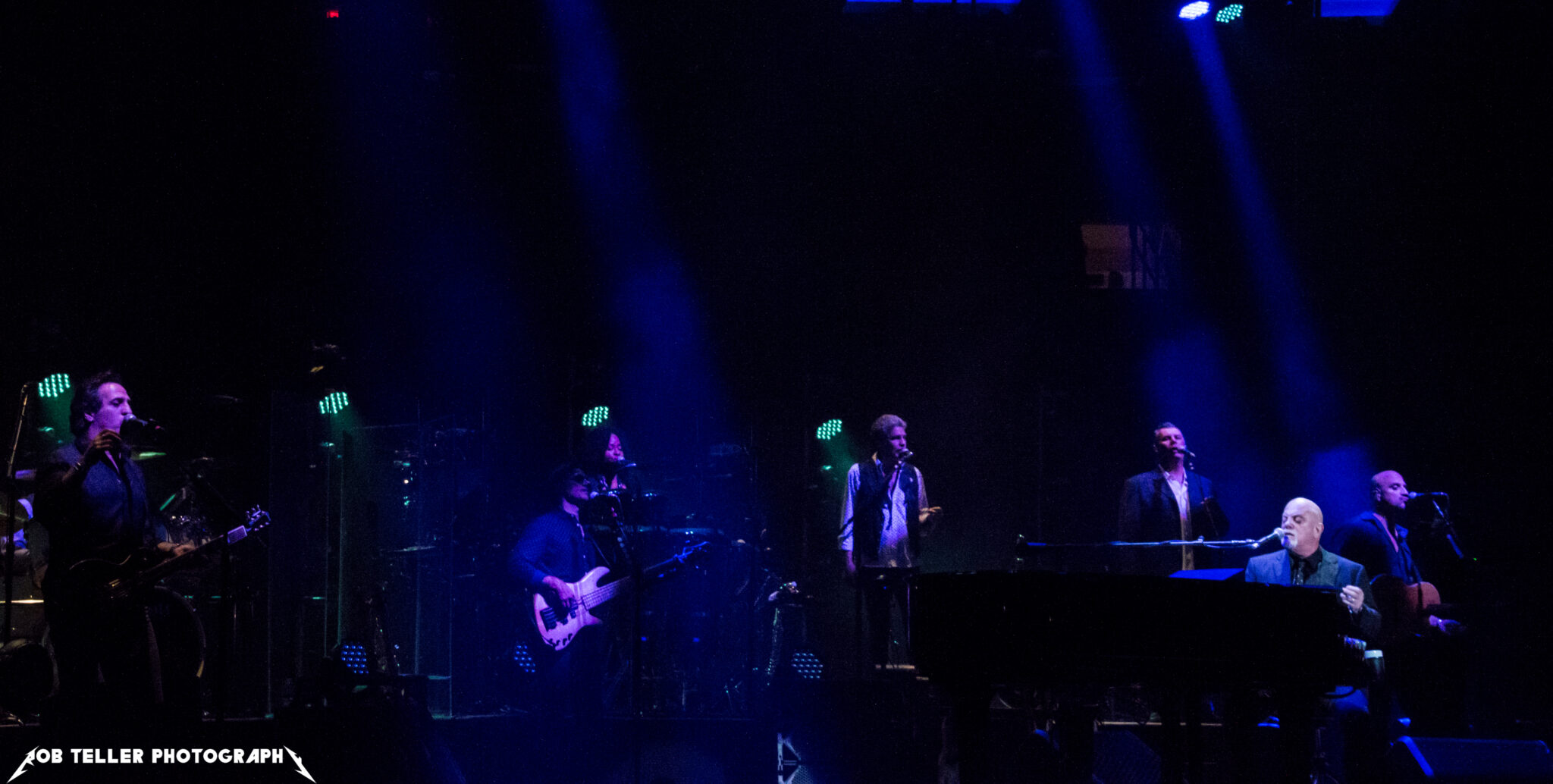
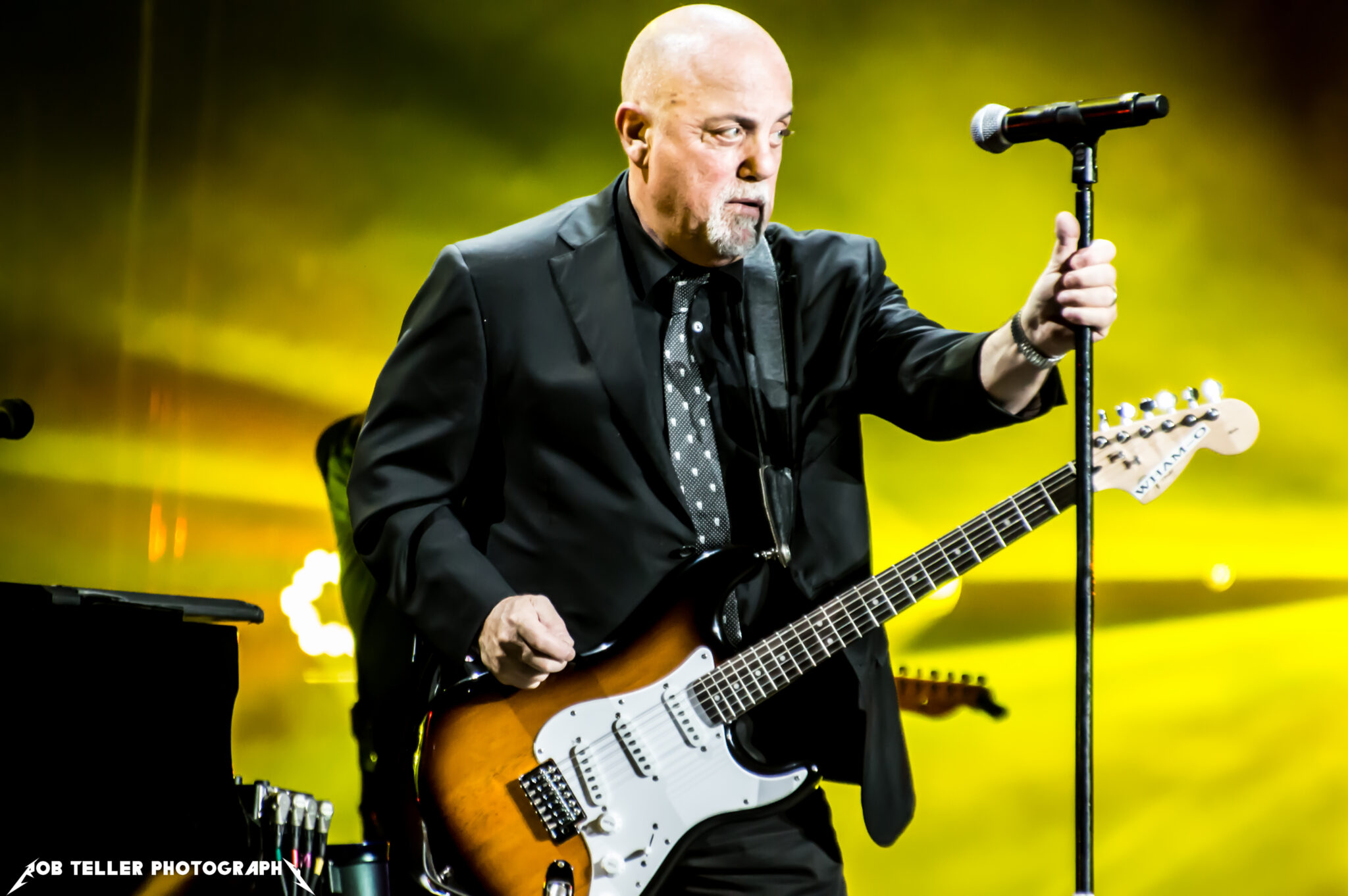
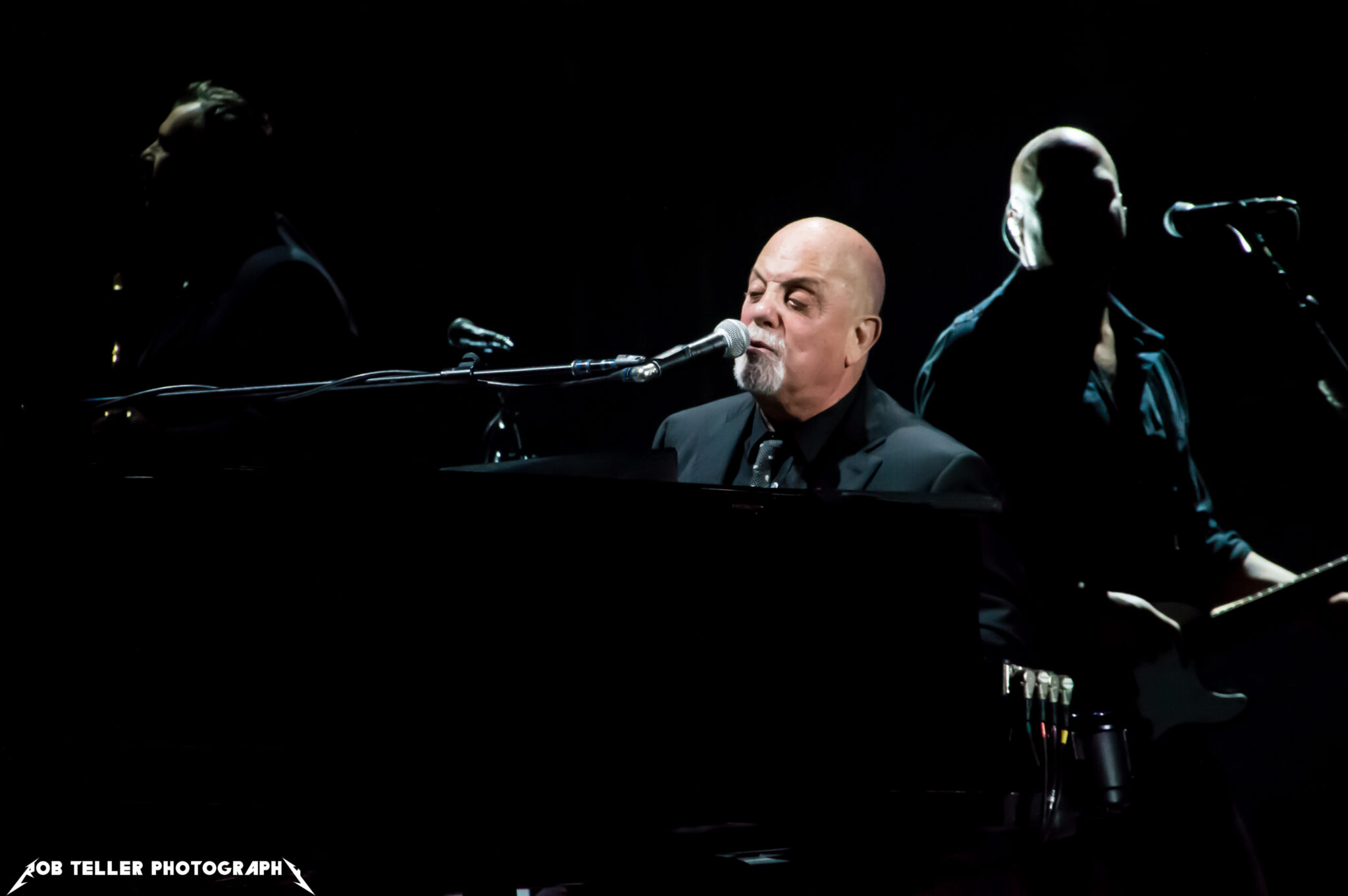
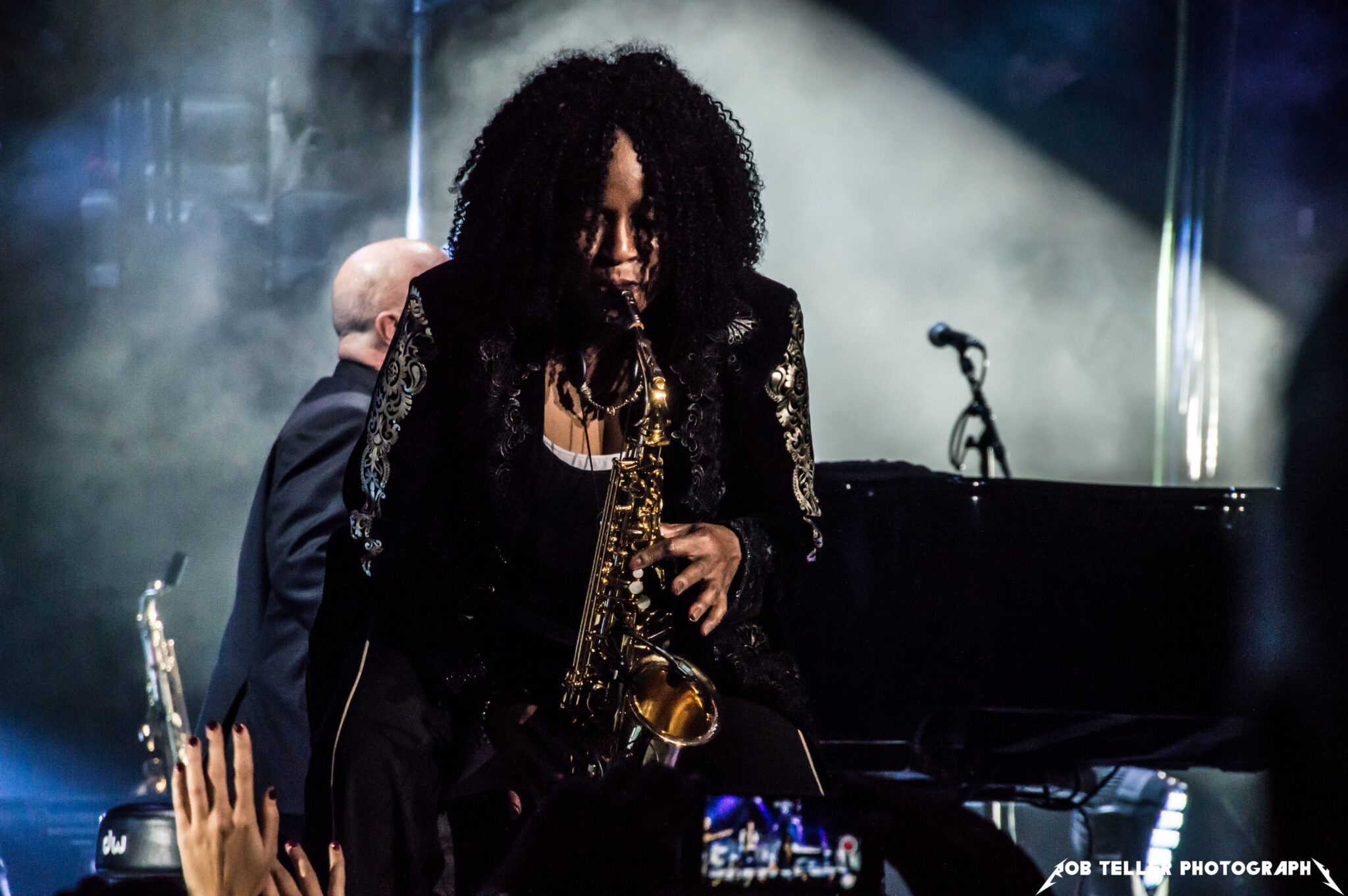
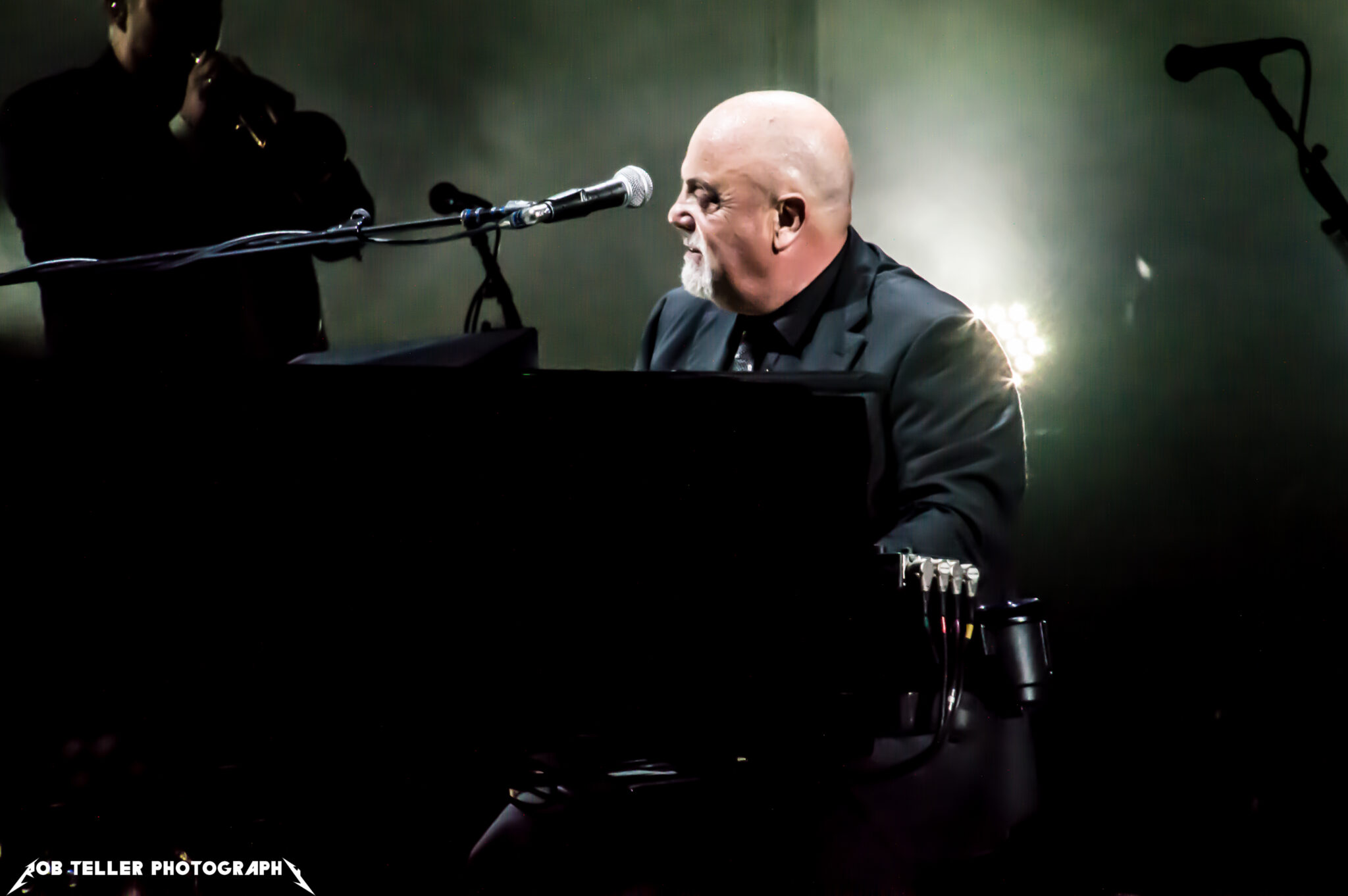
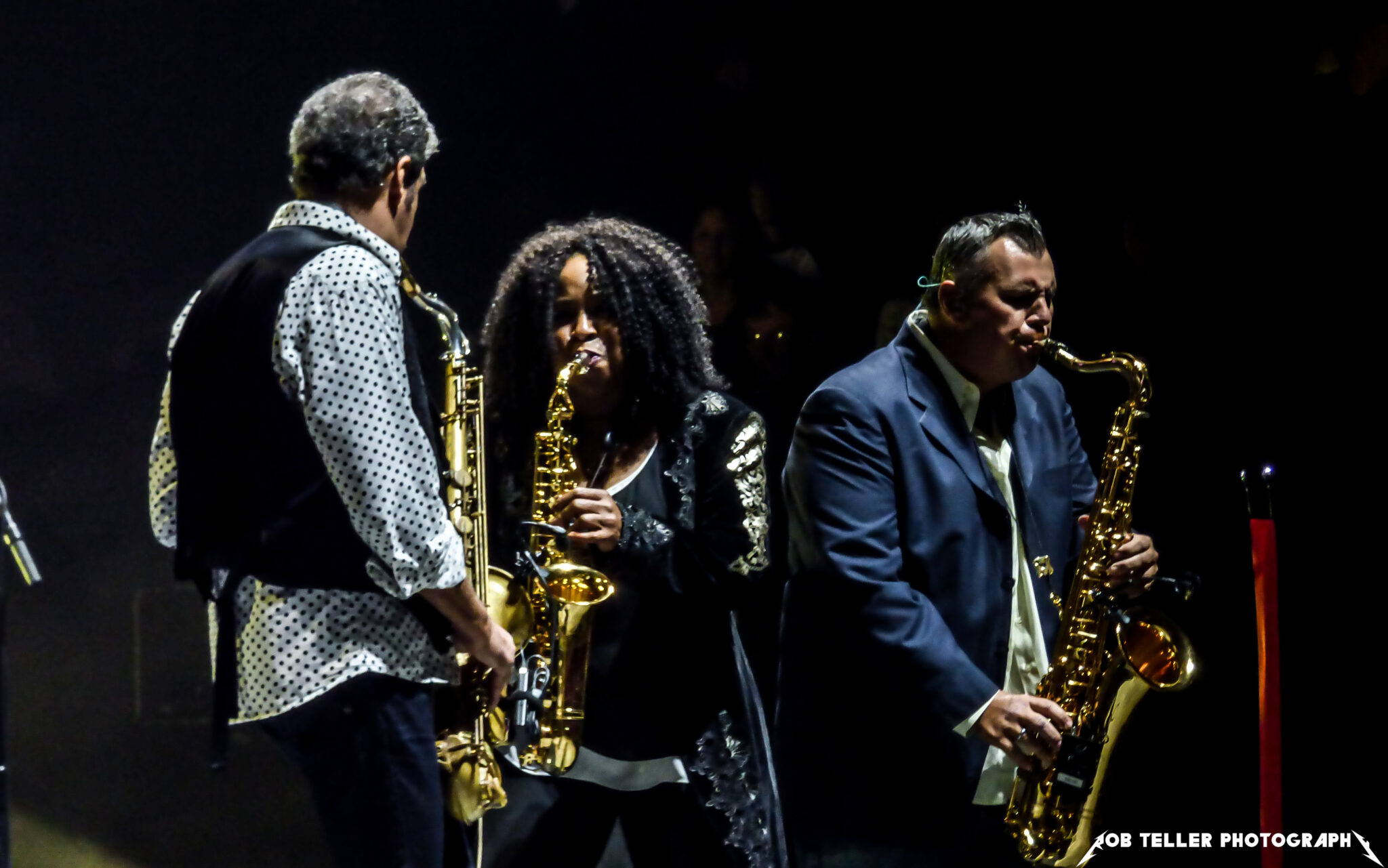
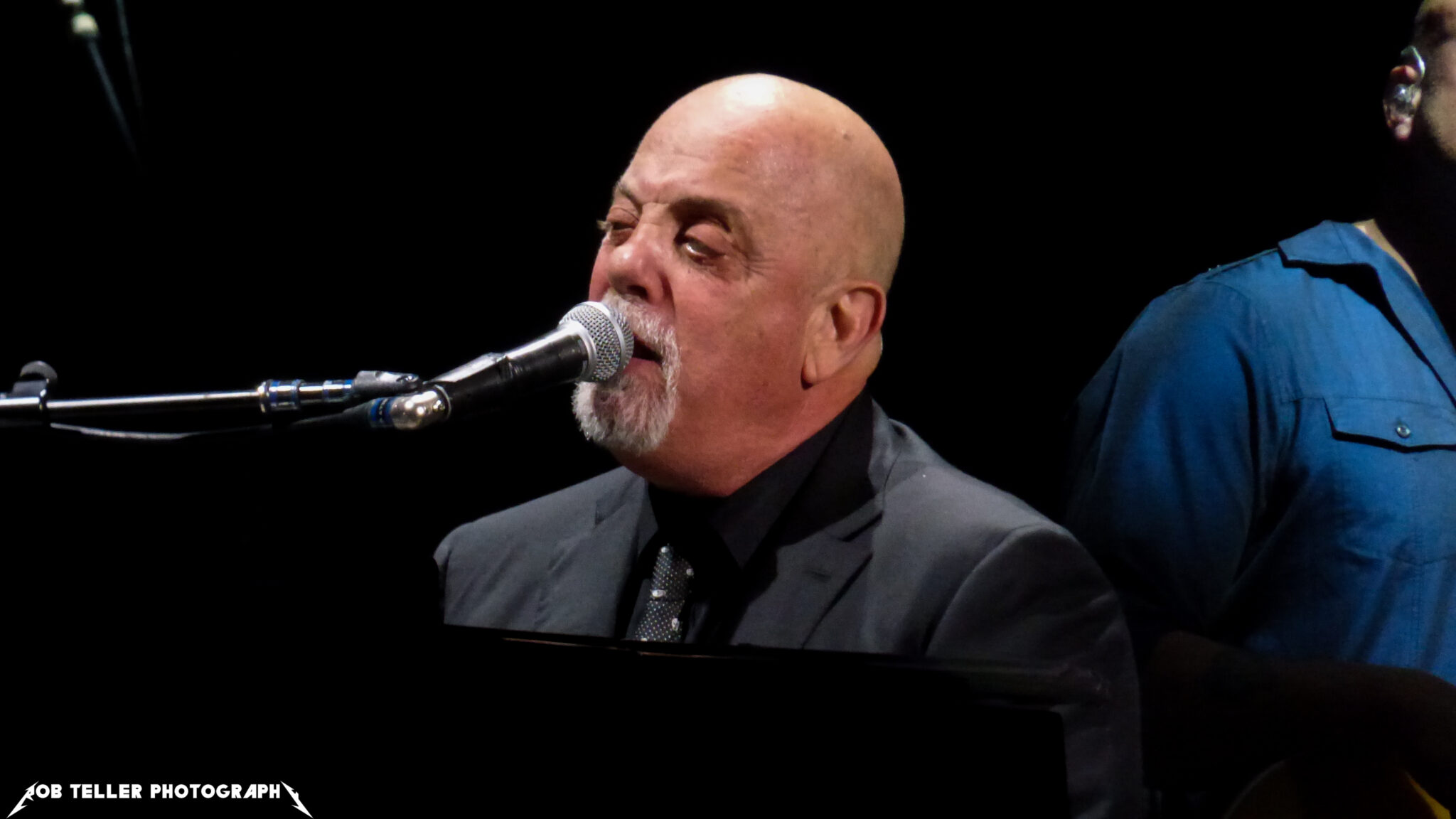
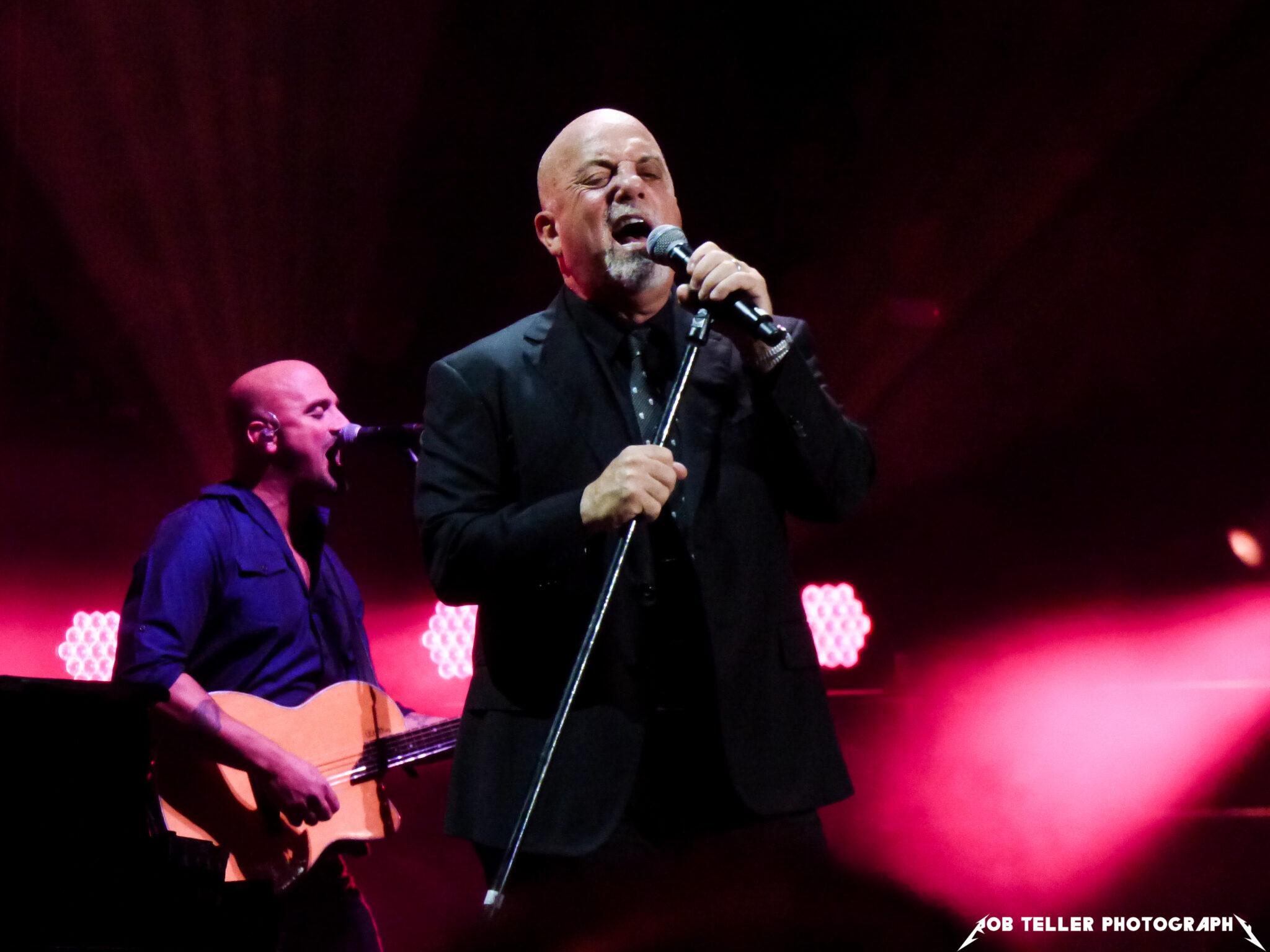
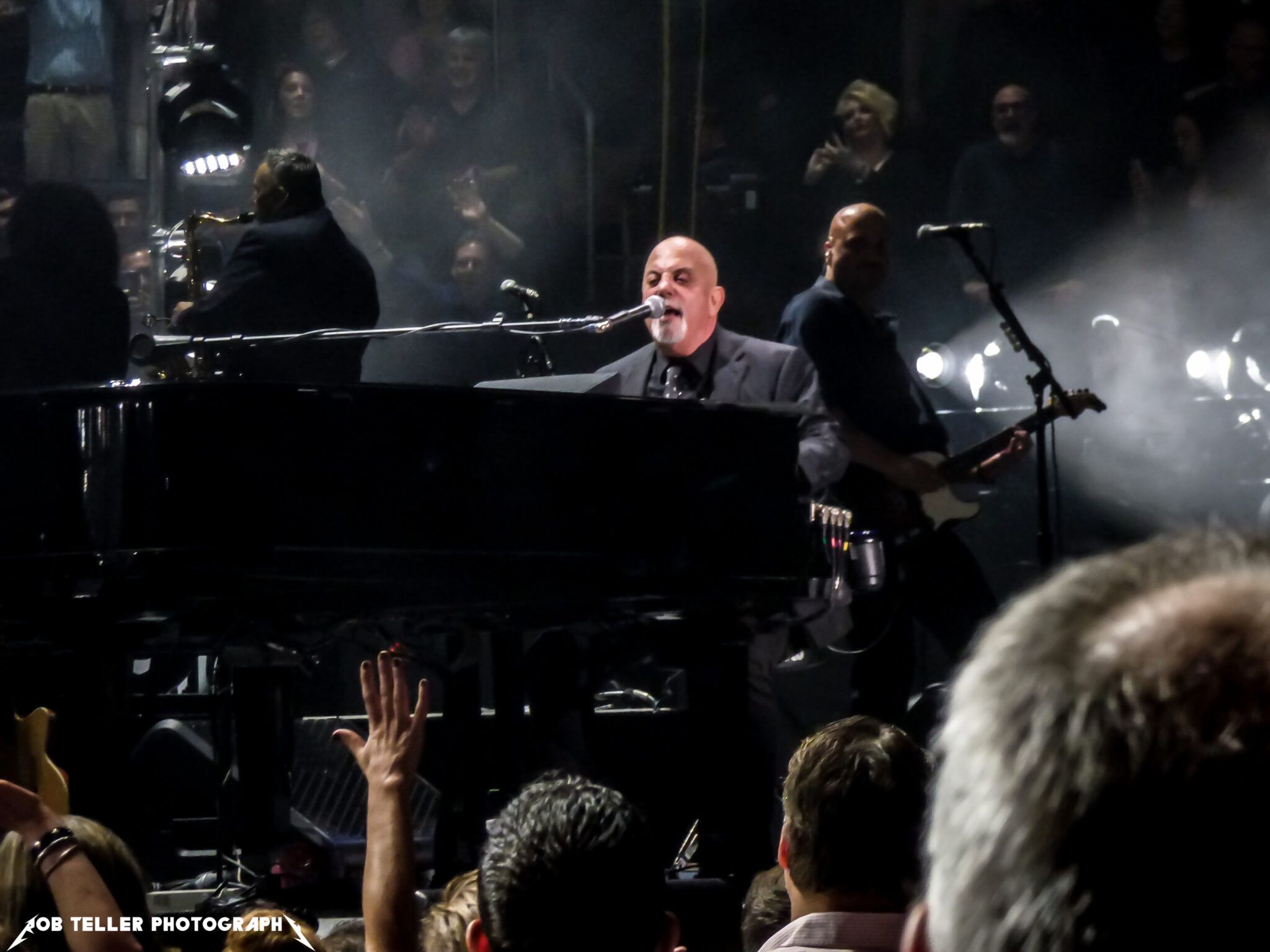
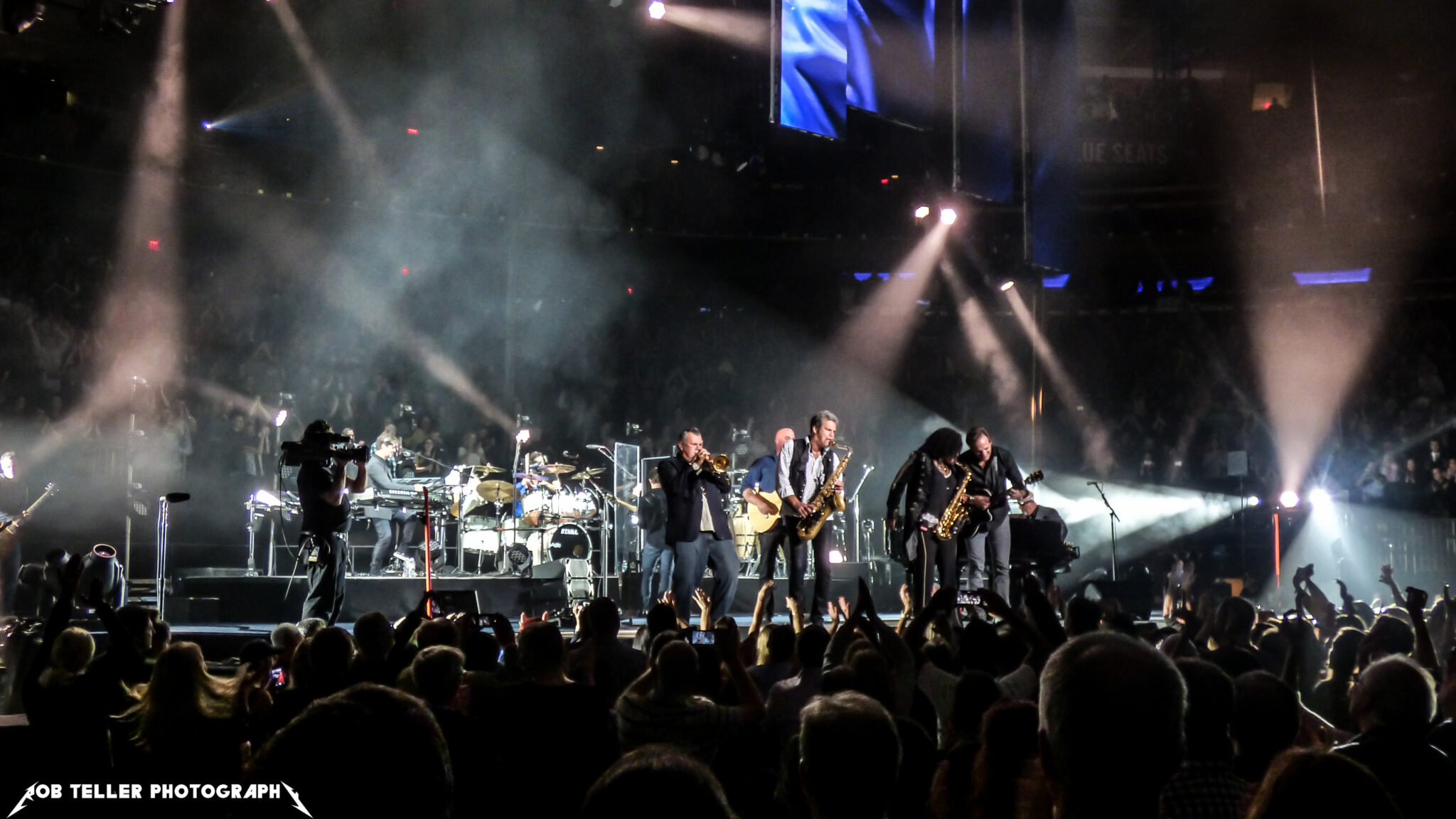
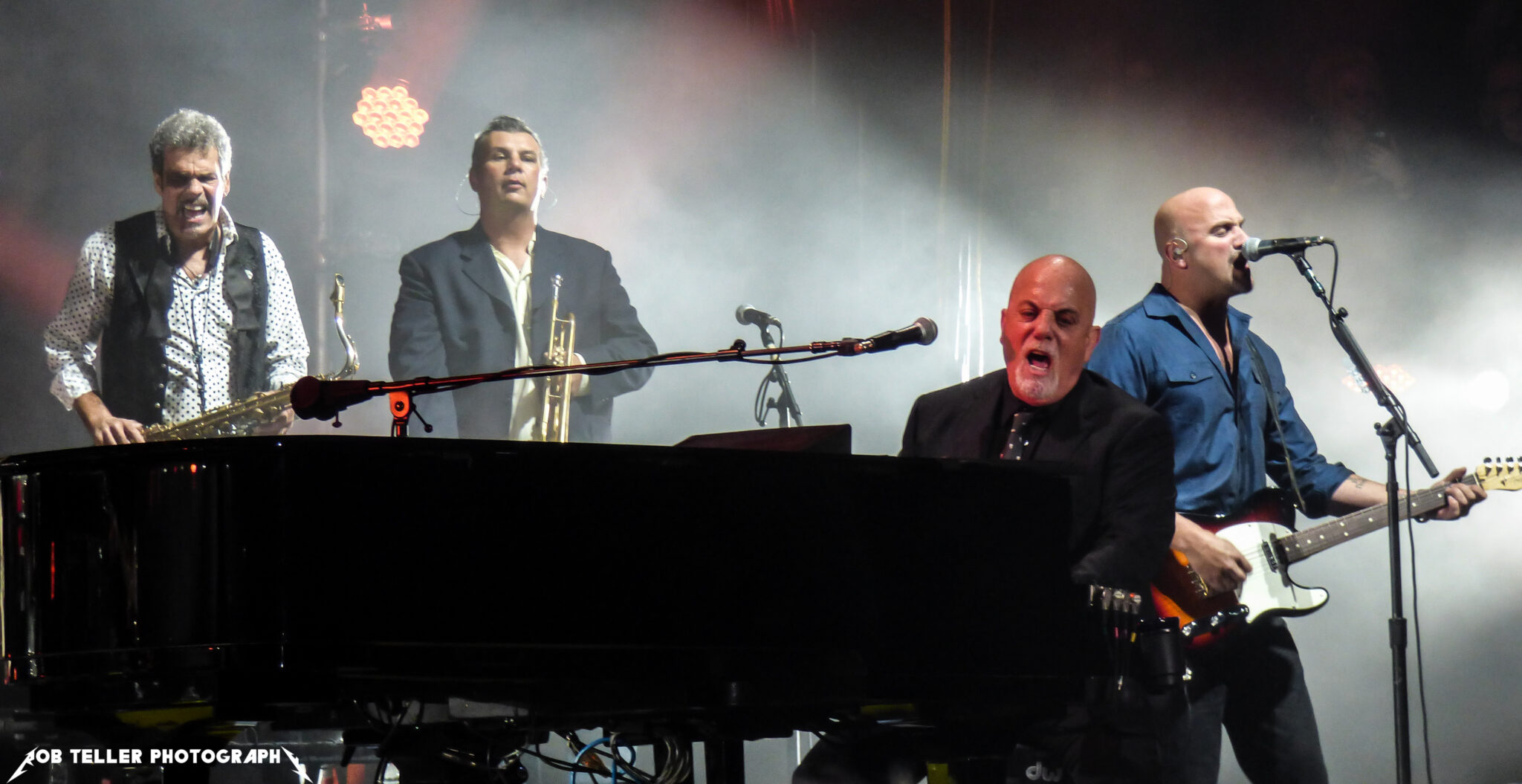
On November 30, 2016, Billy Joel extended his MSG residency continued with his 35th consecutive show at the World’s Most Famous Arena. His first monthly show at the Garden was on January 27, 2014. Joel committed to playing one show a month at the Garden as long as there was a demand for tickets.
Billy broke his own 2006 record for the most consecutive sold-out shows at his thirteenth performance on January 9, 2015. On July 1, 2015, he played his 65th show breaking the record for the most shows at the Garden by a single artist.
Elton John and the Grateful Dead held the record previously. His 74th consecutive MSG monthly show was scheduled for March 2020, but had to be postponed due to COVID-19. The show was initially moved to September, but has now been moved back another year till 2021.
According to a statement on Joel’s website, “Tickets for the original show dates and initial rescheduled show dates will be valid for the corresponding new rescheduled dates in 2021 and 2022.”
Setlist: Billy Joel at MSG, November 30, 2016
Miami 2017, Pressure, Movin’ Out (Anthony’s Song), Vienna, Downeaster Alexa (with Julian Rachlin), Zanzibar, Leningrad, Allentown, New York State of Mind, Root Beer Bag, The Longest Time, My Life, Don’t Ask Me Why, Sometimes a Fantasy, She’s Always a Woman, The River of Dreams, Take it Easy (Eagles Cover), Nessun Dorma, Scenes From an Italian Restaurant, Piano Man
Encore: We Didn’t Start the Fire, Uptown Girl, It’s Still Rock and Roll to Me, Big Shot, Only the Good Die Young, You May be Right
On the heels of back-to-back releases in 2019 and in anticipation of his long-awaited album, The Billy Danze Project, Mash Out Posse’s (M.O.P.) own Billy Danze returns. His 13-song, 37-minute LP We Busy (The Listening Session) is a collaboration with Swiss producer, Too Busy. Known for his aggressive delivery and roughneck subject matter, Danze gained notoriety during the mid ‘90’s and early 2000’s as part of the hardcore Hip Hop duo M.O.P., along with fellow Brownsville native, Lil Fame.
The Mash Out Posse
Recognized as a hardcore Hip Hop legend, Danze looks to present fans with a different point-of-view ahead of his upcoming album. A close associate and frequent collaborator to fabled producer DJ Premier, much of M.O.P.’s sound was rooted in classic hip hop principles. Heavy drums and loud snares, plenty of scratching, as well as distinctive riffs and sound effects, as exemplified by their breakout single, “Ante Up.” While The Billy Danze Project may see the Brooklyn-bred emcee return to his musical roots, he looks to show fans a different side of himself on We Busy.
“We Busy is more of the thinking section that leads to my album. The soulful beats helped me showcase the Billy Danze my audience may not know; I’m painting familiar portraits on an unfamiliar canvas,” Danze commented.
We Busy features notable collaborations from a number of Hip Hop legends and pioneers. Along with production and narration from DJ Premier, guest appearances can be found from Method Man, legendary rapper, producer and one half of Mobb Deep, Havoc, M.O.P cohort Lil Fame, fellow Brooklyn native and Firm member Cormega and renowned West Coast rapper, producer and Dogg Pound member, Daz Dillinger.
With varying production styles, the project sees Danze remain in his own pocket on the Method Man assisted record, “Gotham.” Yet, on the song “Damn” the underground veteran tries his hand at more contemporary beats and flows, delivering his rhymes in a much lighter and playful tone. On records like “One to Grow on,” the aforementioned soulfulness rears its head, as the Havoc assisted record shows a vulnerable side of Danze. he raps about his apprehensions, fears, failures, goals and ambitions.
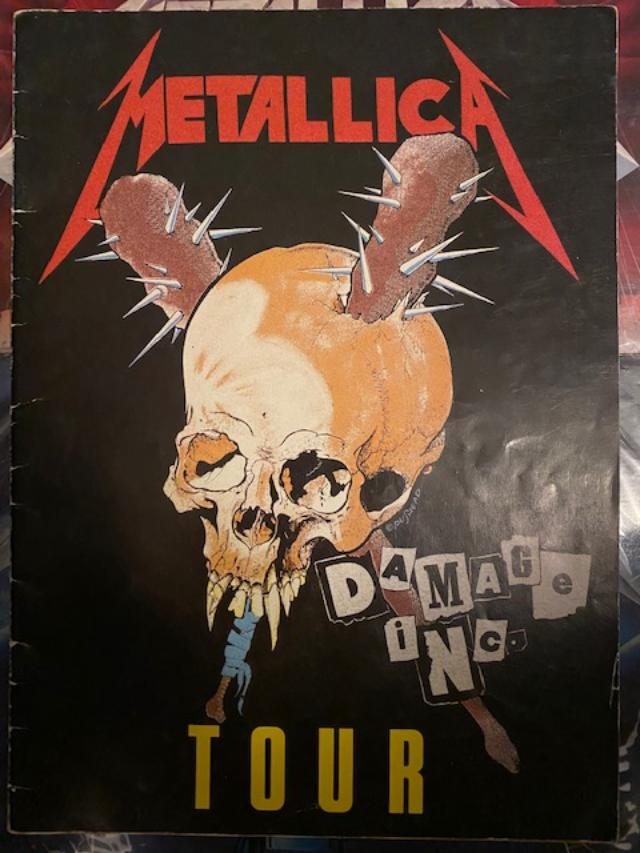
Metallica and Metal Church played the night after Thanksgiving in 1986, and the Mid-Hudson Civic Center was sold out. In years following the Mid-Hudson was usually open floor but this show was seated, which killed the vibe a bit, but did not prevent a massive crush and mayhem in front of the stage.
Late 1986 was a strange and sad time for Metallica. At the beginning of the year, they’d released their monumental third album ‘Master of Puppets’, and capitalized on 3 years of touring and huge underground acclaim by becoming THE band of 1986. They opened a nationwide tour for Ozzy Osbourne (which included several New York State gigs in Rochester, Syracuse, Binghamton, Glens Falls and Nassau Coliseum in Long Island) earlier that year, and the ex-Black Sabbath singer was routinely faced with the prospect of following their fireball performances, daunting even for a titan such as he.
Summer 1986 headline gigs – including a scheduled August ‘86 gig at this same venue – were postponed when frontman James Hetfield busted his arm skateboarding, but were rescheduled for October 1986, when the band were scheduled to return from a European tour and headline across the States. Sadly, these too were postponed, for much worse reasons, when iconic bass player Cliff Burton was killed in a bus accident in Sweden in late September 1986.
Astoundingly, the band bounced back almost immediately, recruiting Flotsam & Jetsam bass player Jason Newsted, played their first gig in early November, and the band did a Japanese tour just over a month following Cliff’s death. This Poughkeepsie gig, rescheduled for the third time for November 28, happened just 2 months to the day after Burton’s death.
The opening band for Metallica: mighty Seattle metallers Metal Church, who had just released ‘The Dark,’ their second album, a great record. They opened with “Ton Of Bricks,” and played a solid set with songs from both records, to a decent reception, although the crowd was there for one band.
Metallica were crushing, of course. This was Newsted’s 3rd ever U.S. gig with Metallica, and to this writer, it was weird not seeing Cliff up there. In retrospect, Jason did a fine job as Cliff’s replacement – he could never really replace the man, but he was a good bass player, great background vocalist, and did as solid a job as one could do replacing such a major figure. That night he looked uncomfortable and out of place, and for some reason the band stuck to the same routine they’d had previous to Burton’s death – a bass solo before “Whiplash” – and made Newsted do a bass solo, which was utterly unnecessary and really made you miss Cliff. The biggest cheer came at the end of the solo when he did a quick riff from Cliff’s trademark bass solo “Anesthesia”. Beyond that, no mention was made of Cliff Burton.
Anyway, even with a major absence, a great show – pretty much the same headline set they’d been doing all year, all those immortally mighty songs from the first three albums: opening with “Battery” and “Master of Puppets”, a few more newer ‘MOP’ songs like “Sanitarium” and “The Thing That Should Not Be”, and more vintage classics like “For Whom The Bell Tolls”, a thrashing “Whiplash”, singalong bruiser “Seek & Destroy” and a set-ending, world-destroying “Creeping Death”.
The encores were bulletproof pure metal: first-album standard “Four Horsemen,” a quick Kirk Hammet solo, and then their much-loved cover of Diamond Head’s “Am I Evil?,” coupled with a neck-snapping “Damage, Inc.,” and a raging, apocalyptic “Fight Fire With Fire.” A final, extra encore was another cover, this time of Blitzkrieg’s face-removing “Blitzkrieg.” Again, there was an air of strange sadness about the entire thing, without the man in bell-bottoms usually on the left side of the stage, hair flailing, roaring on his bass, something was missing. But it did not stop the raw power of this band – at this point, they were still the greatest band on Earth. All hail Metallica.
Metallica Setlist: The Ecstasy of Gold – intro, Battery, Master of Puppets, For Whom the Bell Tolls, Welcome Home (Sanitarium), Ride the Lightning, Bass Solo, Whiplash, The Thing That Should Not Be, Fade to Black, Seek & Destroy, Creeping Death, The Four Horsemen, Am I Evil?, Damage, Inc., Fight Fire With Fire, Blitzkrieg
On August 4, 1901, Louis Armstrong was born in New Orleans. Until the age of five, Armstrong’s grandmother was his caregiver. At the age of six, he attended the Fisk School for Boys, an all black school in New Orleans. While performing odd jobs for the Karnoffsky family, Armstrong heard the early sounds of jazz from King Oliver.
Armstrong and the Karnoffskys bonded over their discrimination. Armstrong faced the obvious racial discrimination, but the Karnoffskys, a Jewish houselhold, also faced discrimination by “other white folks.”
In his early career, Armstrong performed on riverboats along the Mississippi River. This gave him more musical experience, particularly regarding reading music. He improved him trumpet playing, creating his own style and personality.
Chicago
In 1922, he moved to Chicago by invitation of King Oliver. Although race relations were poor, the city was flourishing and Armstrong was bale to find a job. The band, headed by Oliver, soon became one of the most influential bands in Chicago. Armstrong was able to live luxuriously in Chicago. Armstrong made his first recordings with Oliver for Gennett Records.
Louis Armstrong’s second wife, Lil Hardin Armstrong, wanted him to develop his own style apart from Oliver. Her influence eventually undermined Armstrong’s relationship with his mentor, especially concerning his salary and additional money that Oliver held back from Armstrong and other band members.
New York
Armstrong and Oliver parted ways in 1924. Soon after, Armstrong received an invitation to travel to New York and join the Fletcher Henderson Orchestra, the best African-American band at the time. Armstrong adapted to the tightly controlled style of Henderson, playing trumpet and experimenting with the trombone. The other members were affected by Armstrong’s emotional style. His act included singing and telling tales of New Orleans characters, especially preachers.
During this period, Armstrong made numerous recordings with Clarence Williams, Ma Rainey, Bessie Smith, and Alberta Hunter. Additionally, Duke Ellington‘s orchestra went to the Roseland Ballroom to catch Armstrong’s performances.
Return to Chicago
In 1925, Armstrong returned to Chicago. He joined his wife’s band, the Lil Hardin Armstrong Band, but also created the Hot Five. This group included Kid Ory, Johnny Dodds, Johnny St. Cyr, Armstrong, and Lil Armstrong. Over the next year, the group recorded twenty four records. Armstrong’s recordings of “Weather Bird” and “West End Blues” remain today as some of the most famous and influential improvisations.
He began to scat sing (improvised vocal jazz using nonsensical words) and was among the first to record it, on the Hot Five recording “Heebie Jeebies” in 1926. The recording was so popular that the group became the most famous jazz band in the United States, even though they had not performed live to any great extent. Young musicians across the country, black or white, were turned on by Armstrong’s new type of jazz.
After separating from Lil, Armstrong started to play at the Sunset Café for Al Capone’s associate Joe Glaser in the Carroll Dickerson Orchestra, with Earl Hineson piano, which was renamed Louis Armstrong and his Stompers, though Hines was the music director and Glaser managed the orchestra. Hines and Armstrong became fast friends and successful collaborators. It was at the Sunset Café that Armstrong accompanied singer Adelaide Hall. It was during Hall’s tenure at the venue that she experimented, developed and expanded her use and art of Scat singing with Armstrong’s guidance and encouragement
Back to New York
Armstrong returned to New York in 1929, playing in the pit orchestra for a musical with Fats Waller. He also made a cameo appearance as a vocalist, regularly stealing the show with his rendition of “Ain’t Misbehavin’”. His version of the song became his biggest selling record to date.
He soon began working at Connie’s Inn in Harlem, the rival to the Cotton Club. He also continued recording, performing many of Hoagy Carmichael‘s music with “Stardust” becoming the most successful. As with his trumpet playing, Armstrong’s vocal innovations served as a foundation stone for the art of jazz vocal interpretation. His resonant, velvety lower-register tone and bubbling cadences on sides such as “Lazy River” exerted a huge influence on younger white singers such as Bing Crosby.
Throughout the 1920’s, Louis Armstrong played a major impact on the Harlem Renaissance. His impact on the Renaissance influenced other major figures such as Langston Hughes. Within Hughes’ writings, he created many books which held the central idea of jazz and recognition to Armstrong as one of the most important person to be part of the new found love of their culture.
Jazz Revival
After spending many years on the road, Armstrong settled permanently in Queens, New York in 1943 in contentment with his fourth wife, Lucille. After spending many years on the road, Armstrong settled permanently in Queens, New York in 1943 in contentment with his fourth wife, Lucille.
During the 1940s, Armstrong performed at the famed second Cavalcade of Jazz concert held at Wrigley Field in Los Angeles with Lionel Hampton’s band. Following a highly successful small-group jazz concert at New York Town Hall, Armstrong’s manager established a six-piece traditional jazz group featuring Armstrong with Jack Teagarden, Earl Hines and other top swing and Dixieland musicians. Armstrong’s manager named the group Louis Armstrong and His All Stars.
Around the World
By the 1950s, Armstrong became a widely beloved American icon and cultural ambassador. Around the world, he had a fervent following. However, there was an obvious generational gap between Armstrong and younger jazz artists like Miles Davis and Sonny Rollins. The younger generation viewed Armstrong and his act as outdated.
In 1948, Armstrong heard Suzy Delair sing “C’est is bon” at the Nice Jazz Festival. He loved the song and recorded his own in 1950. This became a worldwide success. In the 1960’s, he toured Ghana and Nigeria.
After leaving Decca Records, Armstrong became a freelance artist, but continued touring. This was an intense schedule, but Armstrong had to rest in 1959 when he suffered a heart attack in Italy.
In 1964, after over two years without setting foot in a studio, he recorded his biggest-selling record, “Hello, Dolly!”, originally sung by Carol Channing. Armstrong’s version remained on the Hot 100 for 22 weeks, longer than any other record produced that year, and went to No. 1 making him, at 62 years, 9 months and 5 days, the oldest person ever to accomplish that feat. In the process, he dislodged the Beatles from the No. 1 position they had occupied for 14 consecutive weeks with three different songs.
In March of 1971, Armstrong went against his doctor and played a two week engagement at the Waldorf-Astoria’s Empire room that ended in a heart attack. He was released from the hospital in May, and quickly resumed practicing his trumpet playing. Still hoping to get back on the road, Armstrong died of a heart attack in his sleep on July 6, 1971, a month before his 70th birthday. His honorary pallbearers included Bing Crosby, Ella Fitzgerald, Dizzy Gillespie, Count Basie, Frank Sinatra, Ed Sullivan, and Johnny Carson.
New Orleans’ main airport was renamed Louis Armstrong New Orleans International Airport. In 2002, Armstrong had recordings preserved in the United States National Recording Registry. The U.S. Open’s former main stadium was named the Louis Armstrong Stadium since he lived nearby.
Though Armstrong is widely recognized as a pioneer of scat singing, Ethel Waters precedes his scatting. Billie Holiday said that she always wanted Bessie Smith‘s ‘big’ sound and Armstrong’s feeling in her singing. Other major jazz musicians like Duke Ellington have praised Armstrong through strong testimonials.
Each Sunday evening from 7-9pm you’ll find EQXposure on WEQX, featuring two hours of local music from up and coming artists. Tune into WEQX.com this Sunday night to hear artists featured on Upstate Mixtape Vol.1 and many more!
WEQX has long been the preeminent independent station in the Capital Region of New York, broadcasting from Southern VT to an ever-expanding listening audience. NYS Music brings you a preview of artists to discover each week, just a taste of the talent waiting to be discovered by fans like you.
For the next two weeks, EQXposure will feature bands and the music selected for Upstate Mixtape Vol 1, a compilations of artists from the 518 area, committed to amplifying Black voices and suppressing racism. 100 percent of sales of the release, which will be distributed to black artists.
Upstate Mixtape Vol 1. is part of antiracist grassroots fundraising efforts, spearheaded by Jammella Anderson, working with musicians that identify with antiracism values and commit to amplify Black voices. Among songs contributed to Vol 1. include demos, B-sides, album loose ends and more from a group that showcases the multifaceted nature of musicians in the 518.
Featured artists that you’ll hear on EQXposure from Upstate Mixtape Vol. 1 include Blue Ranger, “Everybody Lies,” Greens, “Go Somewhere,” Carl Daniels “Morning Pages,” and Front Biz “I Want You.” More tracks from Upstate Mixtape Vol. 1 will be featured next week, as this is a collection of tunes that deserves two weeks.
Also featured on EQXposure are two cuts from Liam Singer’s forthcoming release, The Ocean, due out on January 15, which features a mixture of vocal and instrumental pieces, in the vein of new-composition and experimental music. “Cannon Beach” features guest vocals by Arone Dyer (Buke & Gase, Mistresses, Drone Choir), and “Heavy Water / I’d Rather be Sleeping” is a cover of a song by the artist Grouper, from her 2008 album Dragging a Dead Deer Up a Hill.