Category: Features

  • Trey Anastasio closes out The Beacon Jams with Love

    All good things must come to an end. For Phish fans, these eight weeks of Trey Anastasio and the Beacon Jams have been a shining light in the darkness deep. The previous seven shows had featured all sorts of stories, guitars, guests and strings and the eighth and final week of this journey was no different.

    The finale was highlighted by an explosive “Carini,” beautiful versions of “Pebbles and Marbles” and “Slave to the Traffic Light” and a touching “Liquid Time.” Over 48,000 viewers flocked to Twitch for this final, free, live–streamed performance as donations poured into The Divided Sky Fund, which focuses on delivering quality care and compassionate treatment for those suffering from addiction, through Phish’s Water Wheel Foundation.
    trey anastasio beacon
    photo by Jake Silco

    Earlier in the evening, Trey posted on Twitter for fans to tune in again at 7:50p EST for another installment of his pre-show video series with Page McConnell. This time they treated us to a brief but truly beautiful rendition of “Brian and Robert.” McConnell’s Wurlitzer added considerable depth to this duet as Trey’s acoustic guitar danced around the notes that Page played. The song choice couldn’t have been more appropriate as we’ve all been staring at our walls for the last three seasons and this past month and a half’s worth of shows has certainly been a welcome relief for phans around the globe.

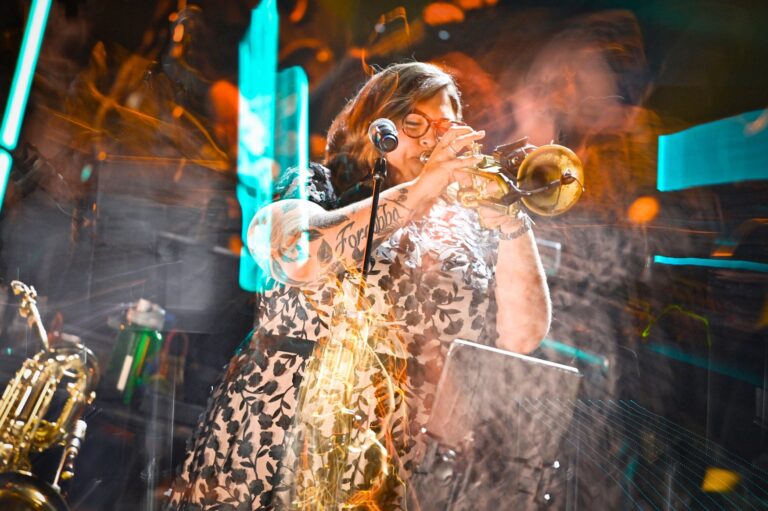
    Deviating from the usual opening, the show started in the stairwell of the Beacon Theater with Trey Anastasio playing acoustic guitar, accompanied by James Casey, Natalie Cressman and Jennifer Hartswick. The foursome sang the first part of “Just A Touch,” before moving with the camera onto the stage to join the entirety of the Trey Anastasio Band to end this debut with the new way to end any song these days: “Science!” The energy of the show ramped up immediately as the opening notes of “Carini” filled everyone’s living rooms. Harnessing the power of every second set opener ever while adding the intensity of both horns and Cyro’s energy knocked this song into 12th gear. 

    trey anastasio beacon
    photo by Jake Silco

    Trey started his audience participation portion by reading a “thank you” on behalf of firefighter fans, a comment about one fan’s dog being scared by that monster of a Carini, and a comment about Cyro perhaps playing an empty pie tin from Thanksgiving as an instrument. This segued perfectly into “Mozambique.” This short TAB favorite was followed up by “Burn That Bridge,” a song written by Anastasio and his “Hands On A Hardbody” partner, Amanda Green.

    It was only 30 minutes into the show when the donations hit $100K and Trey was visibly blown away by all of the support that had been shown, not only so far this evening, but throughout the entire Beacon run. Showing his gratitude to all those watching, the band went into a marvelous version of “Cayman Review,” featuring Cyro jamming away on the washboard. The conversation then moved back to spatchcocking, to which Ray mentioned that he always hears his name when the topic comes up. (I think we’ll be hearing him referred to as “Ray Spaczkowski” for years to come.) We also learned that Cyro is now officially a grandfather and that Trey now has a picture of his cat Joey on the headstock of his guitar. After these revelations, the band dove into “Speak to Me,” a song that Trey says might be about organic chemistry, which became reality thanks to some new lyric changes.

    trey anastasio beacon
    photo by Jake Silco

    After a few heartfelt dedications and fan group donation shout-outs, Trey improvised a mini-song about Buzzetta before going into “Love Is What We Are,” as the donations for the night surpassed $200K. Trey’s chair and acoustic guitar came out as the Rescue Squad Strings arrived on the stage for the first time of the evening and the hearts of everyone watching leapt as Trey began to play “Pebbles and Marbles.” This gorgeous rendition of the classic Phish song showcased the incredible level of detail that string arranger, Don Hart, has shown over this entire concert series. 

    As the Rescue Squad left the stage, Trey wished Jimi Hendrix a happy birthday and shared that Tony Markellis had seen the guitar legend not once, but twice. This sort of banter has been just as exciting as the music that has been shared these last two months and will surely be missed by everyone who has tuned in. Trey led the band into classic versions of “Drifting” and “Night Speaks to a Woman” before going back into the fan comments and retelling a tale of a TAB performance in Utica at the Stanley Theatre where they had rocked so hard that part of the balcony fell, ending the show early. That infamous show was Cyro’s first performance with the band and certainly speaks to the intensity of this lineup that we’ve grown to know and love.

    trey anastasio beacon
    photo by Jake Silco

    Trey interrupted “Liquid Time” less than a minute in to share that he wrote this particular song while under house arrest following his 2006 incarceration, reiterating to anyone that needs help to ask for assistance and thanking everyone again for donations for his treatment center before restarting the song. This was followed up by “Fast Enough for You,” which was amplified by the backup singers that we’ve all been enjoying these last few weeks. By the time this song had completed, the nights donations had passed $300K, and after a couple more fan comments, the band jumped into “Shine,” after which Trey came clean that it shared the ending to a Badfinger song. There’s truly nothing better than Trey coming clean.

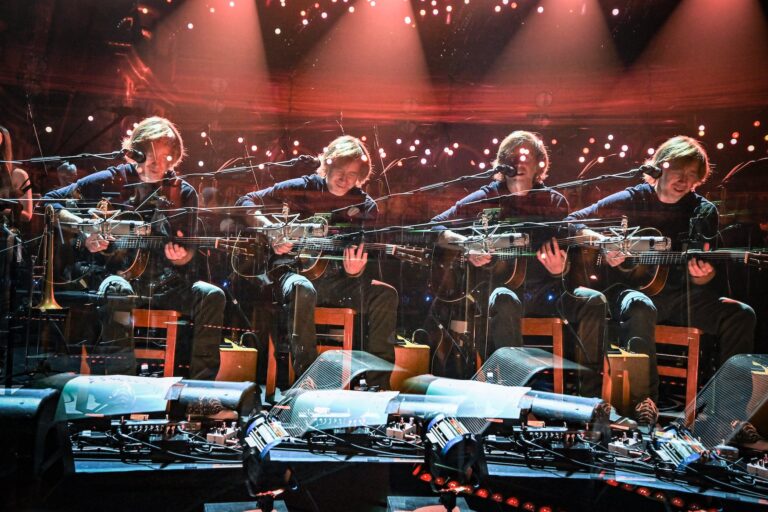
    “Show of Life,” another great example of a Phish song that’s intensified by the horn players on stage, was dedicated to their drummer, Russ Lawton. This fantastic version segued beautifully into “Ether Sunday” and then a shred-full version of “Simple Twist Up Dave”. Seemingly out of breath, Trey took to his acoustic guitar once more in order to dive into a phenomenal “Slave to the Traffic Light” with the Rescue Squad Strings before soaring into the ending of that masterpiece on his electric guitar.
    trey anastasio beacon
    photo by Jake Silco

    Before closing the night, Anastasio belatedly thanked the entirety of the lineup over the last eight weeks as well as the countless people who helped make this entire aural experience possible. The Beacon Jams were capped off in the best way possible, with “First Tube.” The entire band and the Rescue Squad Strings were bathed in the mirror-ball light as Trey gleefully danced around, never missing a beat. Finishing the song with his guitar over his head, Trey ended the night with elbow-bumps to his band before walking out into the Beacon Theater seats to congratulate the staff with facemasks that said “LOVE.”

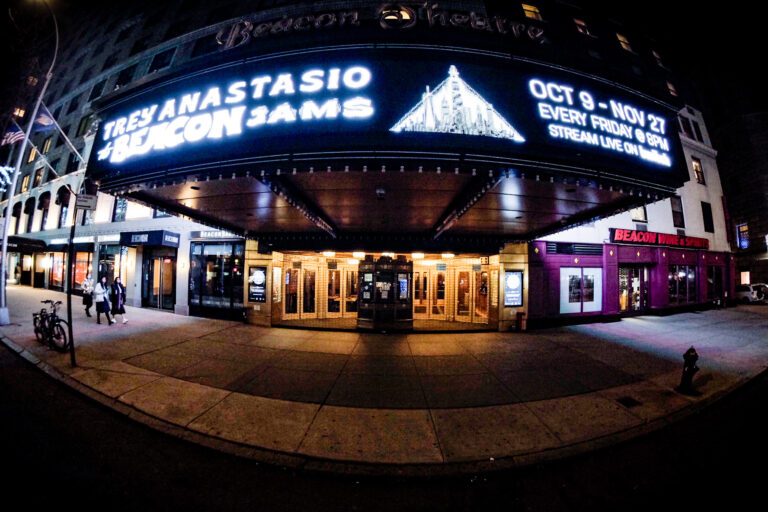
    But the percussion didn’t end as the camera followed him into the Beacon Theatre lobby where over a dozen dancers grooved to the beat as Trey walked out the doors onto the New York City streets where the venue’s marquee showed the immortal words: “Thank You Heather McDougal and to our Frontline Heroes for Everything You Do!”
    trey anastasio beacon
    photo by Jake Silco

    Setlist via Phish.net 

    Set 1: Just A Touch [1], Carini [2], Mozambique, Burn That Bridge, Cayman Review, Speak to Me, Love Is What We Are, Pebbles and Marbles [3], Drifting > Night Speaks to a Woman, Liquid Time [4], Fast Enough for You[2], Shine, Show of Life > Ether Sunday > Simple Twist Up Dave, Slave to the Traffic Light [5], First Tube [6], Jam [7]

    [1] Debut; began with Trey on acoustic guitar accompanied by James, Jennifer, and Natalie on vocals in a stairwell in the Beacon and finished with them on stage.
    [2] Full TAB debut.
    [3] Began with just Trey on acoustic guitar with The Rescue Squad Strings and the TAB horns before switching to electric guitar and the rest of the band joining in.
    [4] Stopped for Trey to talk and restarted.
    [5] Full TAB debut; began with just Trey on acoustic guitar with The Rescue Squad Strings and the TAB horns before switching to electric guitar and the rest of the band joining in.
    [6] With The Rescue Squad Strings.
    [7] Percussion jam with Trey exiting the Beacon.
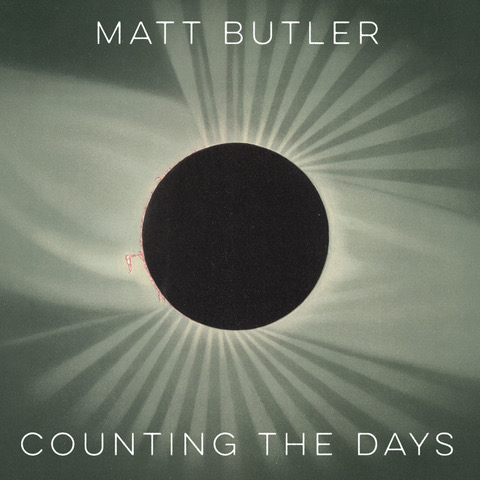
  • Premiere: Matt Butler Cultivates Cinematic Compassion with ‘Counting The Days’

    Profound Storyteller, Matt Butler, releases a cinematic and heart-stabbing single “Counting The Days” today, Friday, November 27. A stripped down acoustic demo also companies the release.

    The Manhattan singer-songwriter gets your heart pounding immediately, boasting you up as Mr.Tough Guy, but let’s not get too ahead of ourselves. If you’re a Matt Butler fan, you’re sentenced for life. After an interview with Matt at the last instalment of Vans Warped Tour, it was clear he is the real deal. Remarkably his synergy of music, storytelling and humbleness are all backed by a hunger to improve. That will never let the fire die in Matt’s eyes. He makes things real. He makes it personal.

    Matt Butler
    “Counting The Days” is overwhelmingly vivid, released Nov. 27, 2020.

    So many palatable emotions rush through your body throughout “Counting The Days” that it’s hard to react. The track opens with an ominous yet eloquent acoustic strumming. Sixteenth-note bass drum kicks make the listener’s heart anxious, ready to unleash a lifetime of pain.

    Music is a provocative tool. Opening lyrics immediately cue a 35-mm story reel in the listeners head. Some close their eyes in hopes music will spark their mind’s subconscious and craft inspiration, “Counting The Days” takes out all of the guess work.“Sound of the flies buzzing like a drill / Blood pooling on the table with the beer he spilled / I was frozen still.

    Butler goes on. “Too hot outside to dig a hole in the sand. And too tired to hide the gun in my hand. There was never a plan.” The strings carry momentum, as the tape reel plays, and the image sways on your mind with the heavy 2 & 4 backbeat that Butler carries.

    Now, let’s get back to Mr. Tough Guy. Butler hits home here with the stereotypical male complex, that builds you up as each chorus replays. It is easy to feel like that kid, or cowardly man Butler depicts, as the alter ego makes him stand up. As you anchor your feet into the floor, Butler sucks you right into the shoes of the protagonist. It’s unclear who Butler is singing about: You? Me? Himself?

    Alright, did you come around here looking for a fight?
    Okay, cause boy you look like you got something to say
    Well I just might, are you ready old man to say goodnight?
    God be praised, now I’m locked in here
    I’m just counting the days
    It was always gonna be this way

    Matt Butler
    Photo Courtesy of Matt Butler.

    Butler’s songs are rooted deep in hardship. For those who don’t know Matt, he travels to prisons across the country; singing, sharing and engaging a locked-up community. These stories are so vivid that they bring a tear to your eye. Matt is compassionate and helps these people overcome through song. That effect is compounded on the average listener.

    Moreover, when we last interviewed Butler he was on the brink of music school. Now that dream has come to fruition. “I actually produced most of this new track myself, been learning Logic and Ableton during quarantine,” said Butler.

    ” [I] did a day of tracking vocals and overdubs in the studio and Rocky, the engineer, really helped get the sound. It’s my first real genuine attempt at self producing.”


    Read More About Matt Butler on NYS Music

    Matt Butler shows have an organic and mysterious quality. There are tears, but there is also laughter. Whether he’s performing at a theater, a state prison or delivering a keynote for a mental health conference, Butler delivers an experience that engages and transforms his audience. Everyone ends up feeling a little more whole, more human, and more connected – often with a changed view of the world around them.  Blending rock and folk styles with a few lingering hints of his punk roots, Butler’s music shines a light into some of the darkest corners of our world. He paints vivid pictures of pain and truth while exposing the glimmers of hope that only exist in those raw moments where redemption is born. 

    “I was drawn to music for as long as I can remember, but music seemed very difficult and inaccessible… You have to risk being rejected and judged. That’s part of the plan, that it’s so scary. I think that whatever you’re scared of doing most, that’s probably what it is that you’re supposed to be doing – on an evolutionary level.”

    Matt Butler – Vans Warped Tour Interview with Chuck DeFilippo
    Read more at NYS Music…

    Manhattan’s own, Matt Butler took an early set on the Monster Energy Stage. The folky, singer-songwriter gave a refreshing outsider’s perspective that pushed Warped fans outside of their comfort zone. Butler has gathered the sounds and stories of the road, shaped in ‘Warped’ roots; he grew up playing in punk and rock bands at CBGB’s and Arleen’s on the lower East Side. “My Favorite bands in high school were Nirvana and Fugazi… my favorite album was Ten by Pearl Jam,” said Butler. “I got more into folk and songwriting because of a band called The Replacements and Bruce Springsteen [laughing]. That’s always the bridge – as we say that in Boardwalk Hall, very appropriate.” 

    Butler’s set featured numerous tracks recorded this past March, but not yet released including soon-to-be single, “Tell Lucy That I Love Her.” Butler wrote the tune inspired  by a tour of state prisons, and at this point he has played around 200 jails in the past 16 months. The idea quickly boomed from a fan-funded endeavour to Butler securing his 501(c)(3) non-profit, to officially bring curated arts programs to jails and underserved institutions – a heart-wrenching inspiration and driver for his music. At certain times it can be as little as four people in a room where they collectively share stories, experiences and music. “It’s a way to see the country, I’ll tell you that. This new song (Lucy) comes from the perspective of someone incarcerated.”

    https://youtu.be/Iqto9tBus0M

    “Counting The Days” Lyrics

    Sound of the flies buzzing like a drill
    Blood pooling on the table with the beer he spilled
    I was frozen still
    
    Too hot outside to dig a hole in the sand
    And too tired to hide the gun in my hand
    There was never a plan
     
    But when I saw him sitting there watching TV
    I knew he wasn’t planning on letting me be
    One of us was always gonna end up dead
    But he never saw it coming when he got up and said
     
    Alright, did you come around here looking for a fight?
    Okay, cause boy you look like you got something to say
    Well I just might, are you ready old man to say goodnight?
    God be praised, now I’m locked in here
    I’m just counting the days
    It was always gonna be this way
     
    All summer long he was always around
    Had a job painting houses in another town
    But couldn’t hold it down
     
    So I’d go out at night and I’d come home late
    He’d have the lights turned off but he was wide awake
    He was happy to wait
     
    But I didn’t mind the hits I took
    If it got my little sister off the hook
    I can still hear the sound of her screams
    And I can hear him shouting every night in my dreams
     
    Alright, did you come around here looking for a fight?
    Okay, cause boy you look like you got something to say
    Well I just might, are you ready old man to say goodnight?
    God be praised, now I’m locked in here
    I’m just counting the days
    It was always gonna be this way
     
    I’ll tell you right now I always knew I was gonna end up in these prison blues
    And if I had a choice, I’d do it again
    When I hear that voice I say Amen
     
    Alright, did you come around here looking for a fight?
    Okay, cause boy you look like you got something to say
    Well I just might, are you ready old man to say goodnight?
    God be praised, now I’m locked in here
    I’m just counting the days
    It was always gonna be this way
  • moe. to ‘Play for The Palace’ on December 11

    moe. will perform once again from the lobby of The Palace Theatre, this time to benefit the historic and beloved Albany venue.

    moe not normal
    photo by Frankie Cavone

    moe. shared on their Facebook page:

    We set up in the lobby of one of our favorite venues, the Palace Theatre in Albany, NY, during rehearsals for our Fall Drive-in Tour and recorded the whole thing. Along with our playthrough of Not Normal, we recorded a full 2 set show that will premiere on December 11.

    With venues across New York State being severely impacted by closures related to COVID-19, the need for assistance for these businesses to continue to remain open is greater than ever.

    Join moe. on Friday, December 11 at 8:30PM for a special performance to benefit the Palace Theatre. Pick up Broadcast tickets and poster bundles here – a portion of every ticket and ticket bundle sold will be donated to the Palace Theatre.

    moe not normal
    photo by Frankie Cavone

    The Palace has been Albany’s iconic downtown landmark for more than 80 years, bringing the biggest names in entertainment to the Capital Region. The history and programming of the Palace is a unique and often untold story with roots dating back to the period of the Great Depression.

    The Palace Theatre was built in 1931 and originally presented vaudeville acts, feature films and later became a civic auditorium before closing its doors in 1969. The theatre maintains its original beauty and design and is a historical landmark in the City of Albany.

    The Palace Performing Arts Center was established in 1984 and incorporated as a nonprofit organization in 1989, created to operate the Palace Theatre. The Palace brings world-class arts and entertainment to New York’s Capital Region, greatly enhancing the area’s cultural and economic development.

    Read more of NYS Music’s past coverage of shows at The Palace Theatre, and tune in for moe. on December 11.


  • Flashback: November 26, 1989 – Clifton Park Arena hosts Billy Squier, Blue Murder and King’s X

    Billy Squier had pretty much jumped the shark by ’89 – he was constantly on rock radio in the early 80s, but his melodic hard rock throne had been usurped by hair metal bands by this time. His unintentionally hilarious, career-destroying 1986 ”Rock me Tonight” MTV video did not help, in which he sashayed around like… well, go watch it on YouTube, and read the comments, which are fantastic and hilarious, much like the video itself. If this place held 2500 max, there were maybe 200-300 there. The world had moved on from Billy.

    Clifton Park Arena, which was not far from where Upstate Concert Hall is currently, wasn’t around for long – it was an ice-skating rink that hosted smaller arena-level gigs in 1989 and 1990. Alice Cooper, and also The Cult played some pretty well-attended shows there not long after this gig. This was not really a well-attended show.

    billy squier

    King’s X opened, promoting their brilliant Gretchen Goes To Nebraska second record. They’d just played the area just two months before at Saratoga Winners, a pretty packed show, and played to many less people – dozens, maybe – during their early slot at this show. They did maybe six songs, that were excellent, but few were there to see it. One of the great, underhailed-yet-brilliant bands of loud rock. All hail King’s X.

    A few more people joined for Blue Murder, kind of an all-star outfit with leader/Btitish guitar hero John Sykes (previously with Whitesnake, Thin Lizzy and Tygers of Pan Tang), plus celebrity drummer Carmine Appice and ex-Firm bassist Tony Franklin. Sykes had made his fortune with Whitesnake’s massive ‘1987’ LP, which he had co-written and played on, and he was looking for a repeat with Blue Murder. It was not to be. BM were a pretty good band – that self-titled first record had some solid tunes on there, but nothing great. It was all very over-produced and Whitesnake-like sounds proved a bit dated these days. As fantastic as Sykes’ playing is, by 1989 the public was moving on from that kind of thing.

    Blue Murder’s very produced, ‘big rock’ sound, with an image that looked like pseudo-glamorous, made-up pirates, was a couple years past the sell-by date. People wanted Metallica, Jane’s Addiction and the Red Hot Chili Peppers. Big hair-big rock was on its way out, it just didn’t know it yet. They played a bunch of songs from that first BM record and “Still Of The Night,” which confused most of the sparse crowd, who didn’t know that Sykes had played on it, because he hadn’t been in the video.

    A full report on Billy Squier those 31 years ago, is not possible. After the BM gig, I went and interviewed Blue Murder for my WCDB college radio show, and asked Sykes a ton of Thin Lizzy and Tygers of Pan Tang questions. He was very cool and friendly, telling lots of stories about Phil Lynott and early Tygers.

    These days, Sykes is largely an international man of mystery – after Blue Murder dissolved, he toured through the later 90s and early 2000s with a reformed, tribute Thin Lizzy, made a few solo albums. For well over a decade he has been out of the public eye, occasionally teasing a return to action, but largely his mighty guitar has been absent from the world.

    I didn’t really see Billy Squier – never really being a fan, and only saw the first couple songs before we went to interview Sykes. He came out and opened with a couple of those hits they always played relentlessly on PYX-106 and MTV (“Lonely Is The Night,” I think was one). While watching, Blue Murder’s road manager found me and said “pretty good so far, eh?” I had to admit it was. “It’s all downhill from here,” he replied, before leaving to interview Sykes + co. I didn’t bother going back afterwards. That said, a solid triple-bill before a less-than-packed house.

  • Jam for Tots Partners with Venues to Gather Toys for those in Need

    This holiday season, join NYS Music and Toy for Tots as we bring joy to kids around the state this holiday season with our annual giving drive, Jam for Tots.

    Traditionally, our Jam for Tots series would be centered around various live music performances in November and December. At each show, fans are encouraged to bring an unwrapped toy as a donation to brighten the day of a kid somewhere in the state. Due to the pandemic, we are changing it up this year so our collective charitable effort doesn’t fall short due to restrictions on live music and mass gatherings.

    jam for tots

    In lieu of this current situation, NYS Music has teamed up with The Hollow in Albany, Nanola in Malta, Funk n Waffles in Syracuse, Putnam Place in Saratoga Springs, Stewart House in Athens, The Falcon in Marlboro and Hilltop in Tannersville to continue the Jam for Tots tradition.

    At each of these venues, whether you’re stopping in for dinner, getting take out or grabbing socially distanced drinks with a side of incidental music, bring an unwrapped toy for kids who are most in need this holiday season. A box will be there to leave your donation (through mid-December), which will be picked up by the Marines and distributed within New York State communities.

    We greatly appreciate their support of these venues and the Marines during this annual giving drive. We may not be able to get down to live music while supporting the kids, but we can still support them while we wait for live music to return. Please use proper social distancing when patronizing these wonderfully supportive venues.

    Jam for Tots has been an ongoing series dating back to 2008 when Positive Mental Trip frontman Luke Weiler took the show on the road, touring the East Coast while collecting toys for local charities. The event has since returned home to New York State and slowly expanded in the past few years. In 2019, in addition to a record haul of toys, 15 events were held across the state, bringing music and charity together throughout the Holiday Season.

  • David Jonathan and Inner City Bedlam debut with “No Collusion” Remix

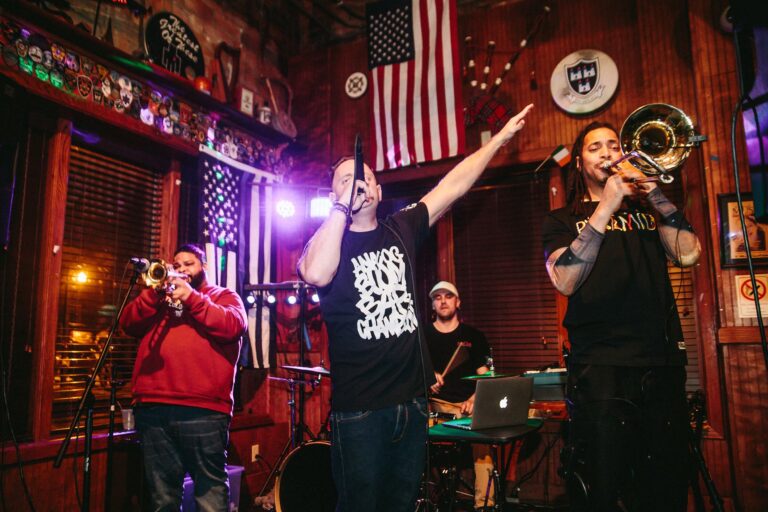
    “No Collusion,” a remix from Buffalo’s David Jonathan & The Inner City Bedlam, featuring Chuckie Campbell, is the first single off 400, a project commemorating the 400 year anniversary of the TransAtlantic Slave Trade. The accompanying music video is directed by Alex Roje Felix of Earthbound Films. 

    Inner City Bedlam have a stated mission to break the boundaries holding back the inner cities of every city in the nation, to destroy racist ideology while providing the soundtrack to the inner city, and seek to change the face of American culture by providing outlets to educate the world about black culture through music.

    David Jonathan and the Inner City Bedlam create an expansive and kaleidoscopic sound, formulated around their love of jazz-inspired melodies and warmly sophisticated rhythms. In teaming up with Chuckie Campbell, they release a stunning remix version of “No Collusion,” which stands out for its modern, organic sound that is polished but not overproduced.

    inner city bedlam

    In addition to the edgy performance value, quality production and a balanced mix makes for a lively and stark sonic approach. Many subtle nuances are found in “No Collusion,” which adds to the richness of the track when taken together.

    Collaborating on “No Collusion” is Chuckie Campbell, an American recording artist, poet, fiction writer, editor, publisher, and educator who has been named Best Hip Hop Artist by All WNY Music Awards and ArtVoice Awards. Campbell performs with The Black Den, a six-piece live approach to hip hop filled with fluid instrumentation, lush musical arrangements, and heartfelt poetic lyrics.

  • ZAPPA Documentary: An Artfully Constructed, Comprehensive Introduction

    In the gatefold of “Freak Out!,” his stunning double disc debut from 1966, Frank Zappa includes a telling quote from Edgar Varèse, the composer he idolized first and maybe above all others. It’s a creative call to arms in seven words, one he lived virtually round-the-clock for most of his 52 years: “The present day composer refuses to die.”

    With Alex Winter’s long in the works documentary ZAPPA, we get an all-access and bravely unvarnished view of the life of this epic American creator and thinker. It’s the story of a man, a composer first and foremost, who would defy any obstacle to get the music dancing in his head out and heard. And the most important audience for it, the only one that really mattered though millions would come to love it, was Zappa himself.

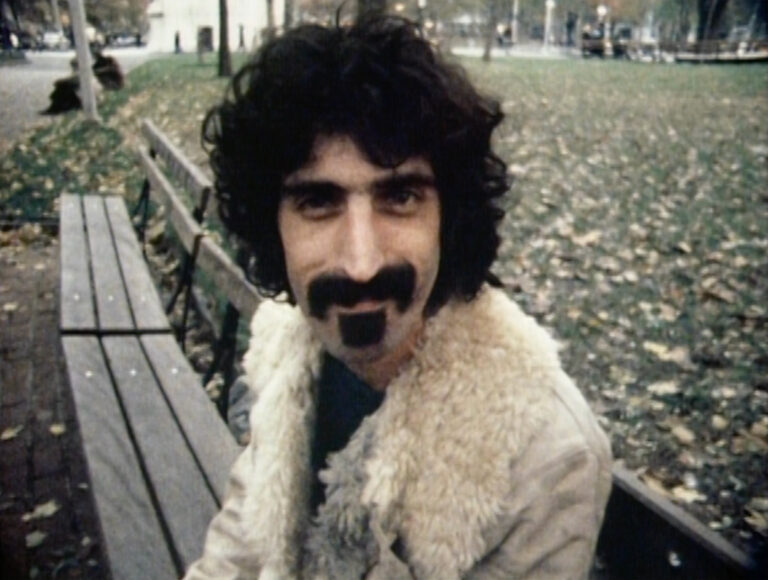
    zappa
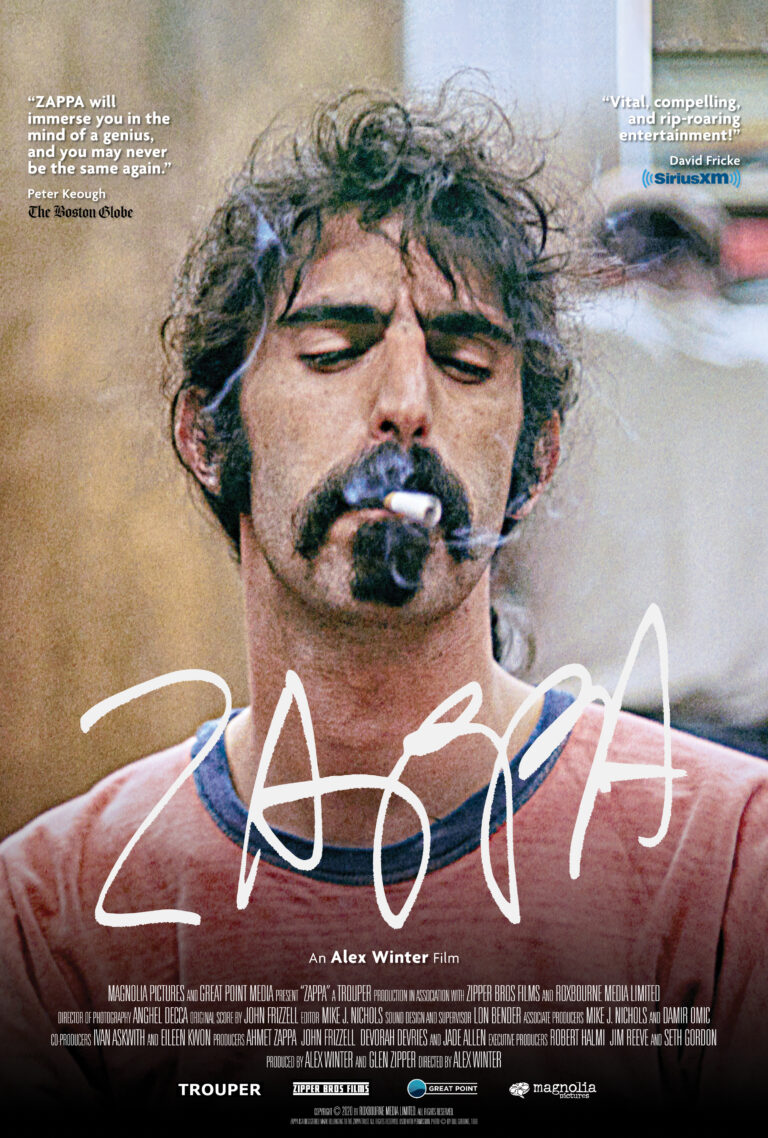
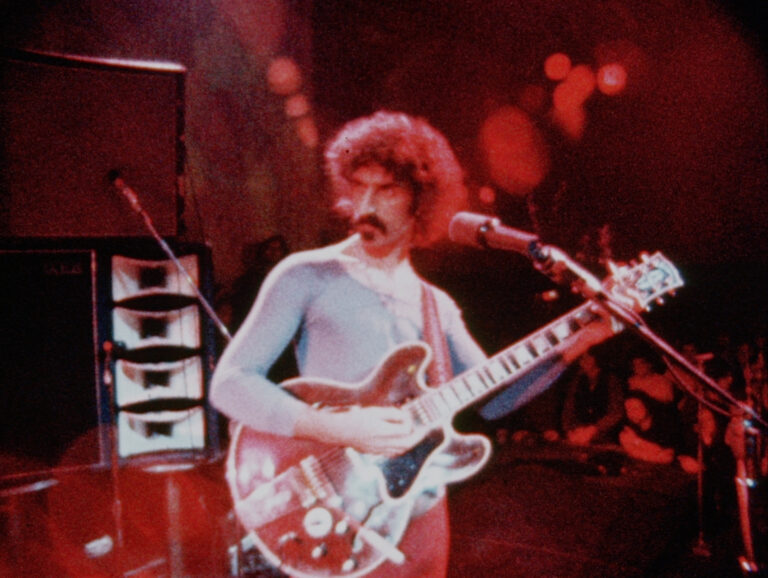
    Frank Zappa in ZAPPA, a Magnolia Pictures release. Photo credit Roelof Kiers. Photo courtesy of Magnolia Pictures.

    ZAPPA is anything but the formulaic rock doc of “rise-fall-rebirth” pioneered by the likes of VH-1.  It’s a comprehensive and surprisingly honest look at a cliché, that holds a hell of a lot of water in this case – the agony and ecstasy of the artist. 

    Winter’s documentary follows every chapter of Zappa’s struggles and triumphs, from his childhood and teens in Baltimore and the California desert, to the global adoration he was beginning to enjoy at the time of his death in 1993. In the end, Zappa was finally acknowledged as both a serious composer in the grand classical tradition and a singularly eloquent champion of freedom. This was for his almost solitary anti-censorship battle with the Parents Resource Music Council (PMRC) in America and Eastern Europe, where his free-spirited music helped power the “Velvet Revolution” against the Soviets.

    Importantly, the doc also spotlights the sacrifices and conflicting emotions of many musicians who worked to bring his challenging music to life, and the family that took a backseat to the ceaseless writing, recording and touring his muse demanded.

    Through Zappa’s widow Gail, Winter and his creative partners were granted exclusive access to a voluminous collection of unreleased recordings, concert footage, incomplete films, unseen interviews and home movies. It’s the latter, spanning his childhood through his final days, which really shed a fresh, relatable viewpoint on this genius music giant.

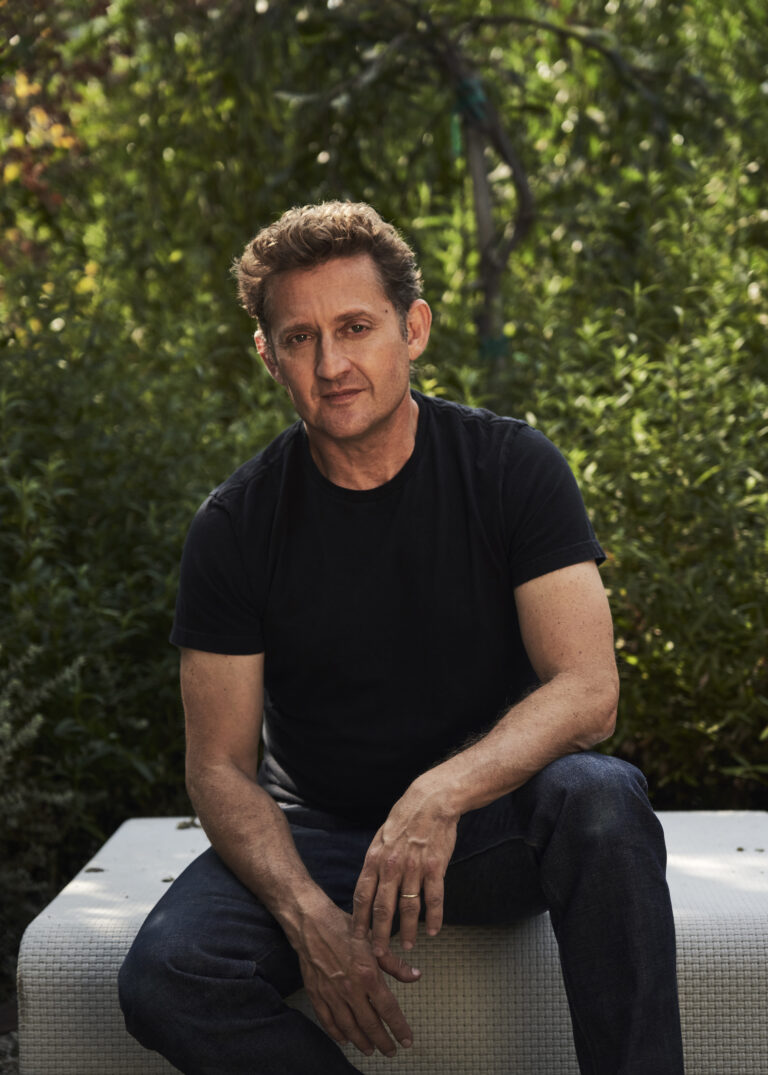
    alex winter
    Portrait of Alex Winter. Photo Credit: Philip Cheung

    The film begins at the end, with Zappa at his final public performance in Prague in 1991. Here he is playing guitar for the first time in three years to help the Czechs, who had a special love for him and their Zappa superfan President, Václav Havel, celebrate their independence. Then come clips of the many news stories worldwide that marked his passing. Following is a scene of Frank walking the corridors of his vast “Vault,” an archive containing tens-of-thousands of hours of music, film and other artifacts, the entirety of nearly 40 years of his creative labor.

    From there, Winter takes us to the beginning, with some remarkable home movies that humanize this larger-than-life figure as a child. There’s young Frank in the kitchen with mom and dad, in the backyard cavorting with brothers and sister. He’s an all-American boy for sure, but one already carrying an all-knowing smirk, even then. There are also scenes from a goofy horror movie he made with his dad’s film camera in 1956. Experimenting with his dad’s 8-millimeter gave Frank a love of editing and splicing, something that would go on to inform much of his musical output.  It is the flowing editing of all the unearthed material above smartly juxtaposed with his many eras of diverse music to it, that makes this film such a rewarding and dreamy viewing experience.

    Perhaps inspired by his dad’s work as a munitions scientist, Frank developed a love of chemistry. He reminisces in the film about learning how to make gun powder at 6, and his last experiment, when he was suspended for attempting to blow up his high school at age 15. 

    zappa

    It was another thing that went boom, the work of Edgar Varèse, that drew Zappa to music. The fun loving Zappa just had to seek out an LP that a magazine claimed was the “ugliest” and “most frightening ”music ever committed to vinyl, Varèse’s 13-percussionist heavy “Ionization.”  With this as inspiration, Zappa takes up the drums and states his intention to become a classical composer, just like his idol. Watch for the great footage of a military haired Frank banging away on the trap kit, with pork pie hat on his head and ciggie in mouth, with his first real band, The Blackouts.

    The film then proceeds in chronological order through the many chapters that seeded his career, told with a remarkable collection of unseen footage, interviews and sounds. 

    There’s the teen years in the California desert, where he discovers a love of R&B with his good pal Captain Beefheart. Don’t forget his experimental days with his own recording facility, Studio Z, which he bought with the proceeds from scoring two films. There’s more intriguing footage from a never-completed sci-fi film he worked on with Beefheart. Also, the details of his bust for obscenity, for making a racy audio tape for an undercover cop who wanted to shutter his studio. According to Zappa in the film, “that little escapade was the most informative part of my political training.” There’s also great images of the Mad Magazine-inspired greeting cards Zappa created in his day job as commercial artist, all to supplement his musical aspirations.

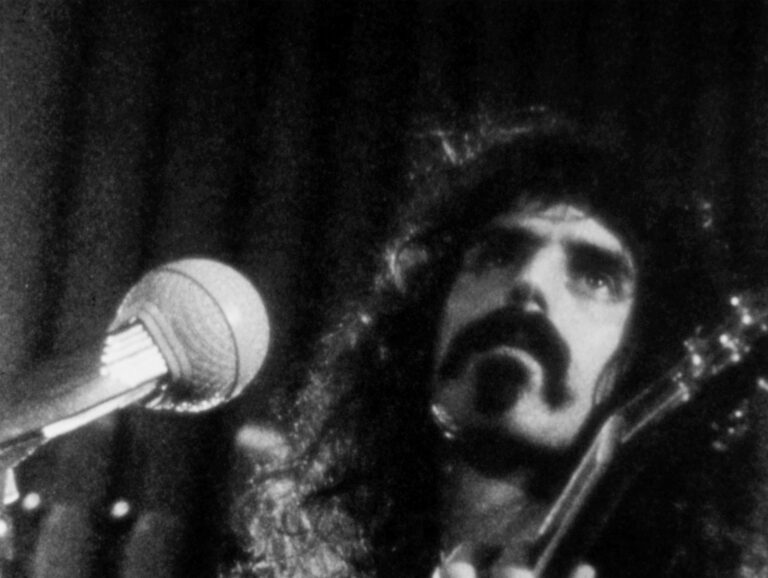
    Frank Zappa in ZAPPA, a Magnolia Pictures release. Photo credit Zappa Trust. Photo courtesy of Magnolia Pictures.

    “If I was ever going to hear what I wrote, I would have to put a band together”

    Zappa

    This quote leading to some suitably psychedelicized footage of the early Mothers at the LA’s Whiskey A Go Go and their six-month, nightly stint at the Garrick Theater in New York in 1967. It’s the latter that proved most formative to the non-musical parts of Frank’s oeuvre.

    “The Garrick was like the Beatles in Hamburg,” says Zappa’s wife Gail. “The attention to the theatrical side grew because they needed to do a new show, every night. It was like the theater of cruelty… the same people came again and again. But it really helped him perfect what he could get away with on stage.”

    Two of the most meaningful interviews in the film come from early Mothers, saxophonist Bunk Gardner and Ian Underwood, Zappa’s musical second through the early ‘70s.

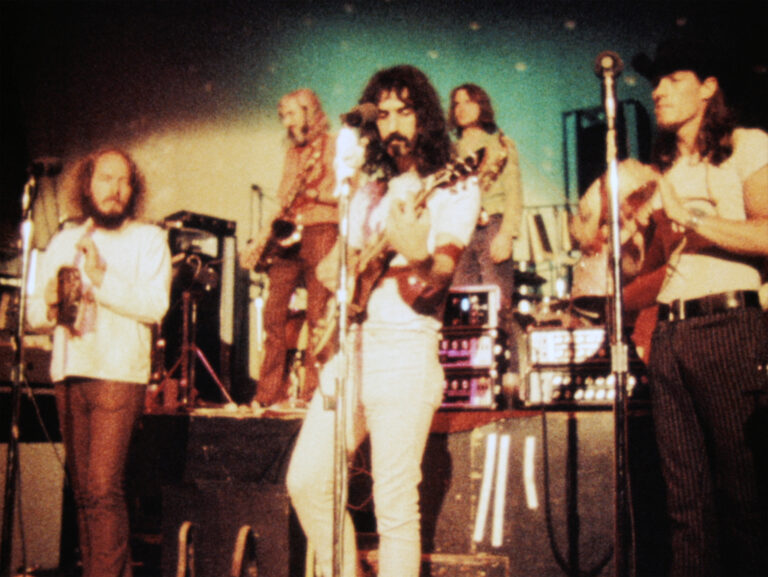
    Frank Zappa performing with The Mothers of Invention in ZAPPA, a Magnolia Pictures release. Photo credit Cal Schenkel. Photo courtesy of Magnolia Pictures

    “Not too many bands had horns, and no bands were playing Stravinsky, which made me feel good about what we were doing,” says Gardner.  “Perfectionism became our duty.  We would go in for eight, 12 hours, him drinking black coffee.  He didn’t stop. It didn’t matter if it was Christmas or Thanksgiving, we were going to rehearse. He was writing all the time, introducing new stuff.”

    “But in the four years I was with him,’ Gardner laments, “he shook my hand and said, ‘good job’ maybe once.”

    Underwood states the bottom line: “The band wasn’t anything other than Frank’s ideas, and each show was like a new composition.”

    The film tells of Zappa’s decision to break-up the much-loved original Mothers in 1969. He was $10,000 in debt and didn’t want to be responsible for other people. He wanted to make new and varied musical statements and would put together the ideal musicians, often undiscovered virtuosos, to make them happen. It was an ever changing lineup, one that made the careers of new stars like Adrian Belew and Steve Vai along the way.

    zappa
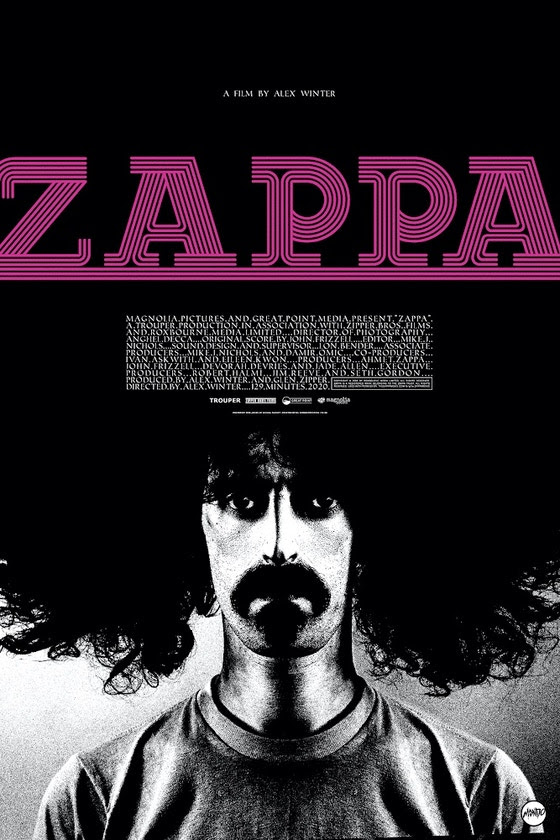
    Theatrical one-sheet for ZAPPA, a Magnolia Pictures release. Bill Gubbins. Photo courtesy of Magnolia Pictures

    The film closely details the many musical chapters and aggregations that follow. There’s his film “200 Motels” with his band with the Turtle’s Flo & Eddie and their Fillmore East jam with John and Yoko. There’s the “Waka Jawaka” jazz big band, the incredible fusionoid “Roxy & Elsewhere” band with George Duke, Ruth Underwood and the Fowler Brothers thru to his final 1988 ensemble which broke up in the midst of what would be his final tour.

    “I was a tool for the composer and (Zappa) used his tools brilliantly. Frank was a slave to his inner ear.  He tried to manifest it in a world of limitations, financial and performance limitations. That led to a lot of suffering for his art.”

    Steve Vai observes

    Ruth Underwood, the brilliant percussionist who was with Zappa on and off from his Garrick days, recalls. “He was a mass of contradictions, but very consistent with them.He had great feelings for us. He was human, at times cruel, but very passionate. He had real love, and the people he loved he kept bringing back.”

    ZAPPA is perhaps the first officially sanctioned Zappa content that doesn’t sugarcoat the emotional impact of Frank’s workaholism on his marriage and children.  

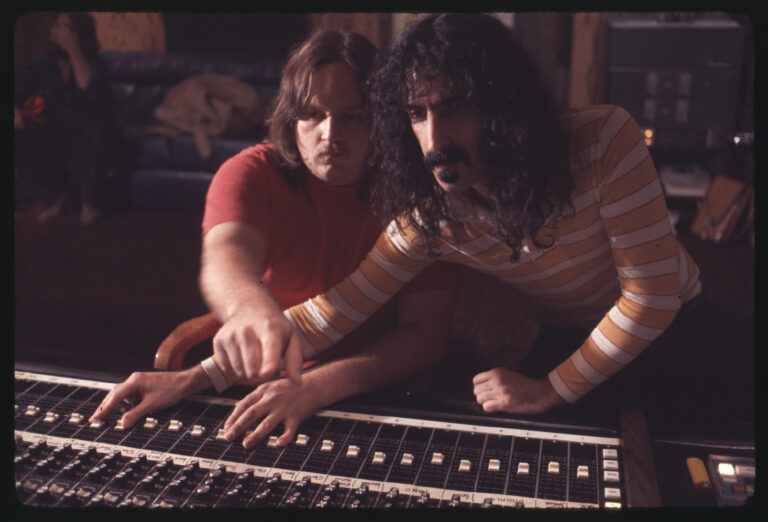
    Frank Zappa in ZAPPA, a Magnolia Pictures release. Photo credit Roelof Kiers. Photo courtesy of Magnolia Pictures

    One thing I was clear about is that I married a composer, and you have to be out of your mind to take it on. There’s no guarantee you will earn an income and nobody cares, the odds are pretty fantastic.

    Gail Zappa

    The film has more unseen home movies and details, provided by super groupie and Zappa family nanny Pamela Des Barres, about Zappa’s time at his famed “Log Cabin” in Laurel Canyon.  His home served as the “centrifugal point” for homegrown stars like Jim Morrison and The Byrds and visiting rock royalty like Mick Jagger and Jeff Beck. 

    Des Barres, Gail and Frank himself confirm what had been kept somewhat mum until now – his horn dog ways as a touring musician. “She didn’t like it, but she knew,” says Des Barres of Frank’s affairs on the road. And in a never-before-seen interview, Zappa says of his time on the road: “I’m a human being, I like to get laid.”

    Ruth Underwood observes, “Frank had a polarity of passion. He couldn’t wait to get out of the house and go on road, but he was happy when he got to come home.”

    When Zappa was home, he was largely away from his family, working the night shift in his basement studio, then sleeping all day. One poignant chapter in the doc is the genesis of his only Top 40 hit, “Valley Girl.”  This came about when his daughter Moon figured that the only way she would get to spend time with him was to suggest they make music together. She slipped a note under his door telling him this, and their collaboration led to mainstream acceptance and a Grammy nomination. Another beautiful scene is of baby Moon being cuddled by her parents and they dance to the strains of a classical favorite that Zappa quoted often, Stravinsky’s “Firebird Suite.”

    zappa
    Kerry McNabb and Frank Zappa in ZAPPA, a Magnolia Pictures release. Photo credit Yoram Kahana. Photo courtesy of Magnolia Pictures

    The film makes clear Zappa’s true obsession. “My desires are simple. All I want to do is get a good performance and a good recording of everything I ever wrote, so I can hear it. If anyone else wants to hear it, that’s great too. Sounds easy, but it’s hard to do.”

    A good portion of the final third chronicles Zappa’s classical works, and the struggles to not only finance their production, but to have them performed on a level that would meet his exacting standards. It spotlights his work with the London Symphony Orchestra and Kronos Quartet, whose David Harrington puts Zappa in league with “American experimentalists like Harry Partch and Sun Ra, who reimagined what music could be.” Also covered is his explorations of doing it all by himself, with the then edge-cutting computer music station, Synclavier, with snippets from the final work released in his lifetime, “Civilization Phase III.”

    The film ends with a positively jaw-dropping 13-minute sequence of the Ensemble Moderne performing Zappa’s acclaimed “Yellow Shark,” at his last public appearance in November 1992. With Ensemble Moderne, Zappa felt he had finally nailed it in the classical realm. And here, this remarkable music serves as backdrop for a lengthy montage, where the scenes of his life rewind before viewer eyes in true Hollywood tradition. After a music and dance encore of his treacherously beautiful “G-Spot Tornado,” and a 20-minute standing ovation, Zappa winks to the audience and concludes: “I guess there’s no accounting for taste.”

    In the end, whether it was his true feelings or a put-on, Zappa gives this advice to aspiring composers. “Get a real estate license. If you want to be a composer, you must have another job to support your habit.” 

    I would be remiss not to add a few more important thoughts about this movie. The first is that it is a product supported by the fans, by a two-year crowdfunding campaign that raised more than any other documentary, nearly $900,000 which went to restoring the archival material.  And all the fans who put up their hard earned cash up receive mention in the lengthy credits.

    zappa
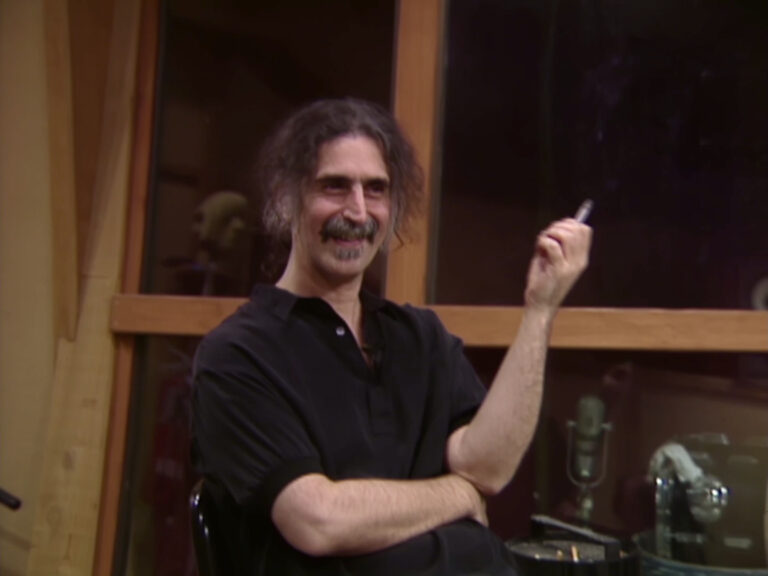
    Frank Zappa in ZAPPA, a Magnolia Pictures release. Photo credit Dan Carlson. Photo courtesy of Magnolia Pictures

    Unlike recent rock documentaries like “Once Were Brothers: Robbie Robertson and the Band,” this film is all the stronger for not being afraid to show Zappa’s missteps and personal failings, the people who also suffered and might’ve felt slighted as he pursued his sonic calling. Unlike the aforementioned documentary, where Robertson does a somewhat dishonest job of PRing his own contributions and sweetening over his massive conflicts with his bandmates, there’s none of that here. And with Frank being the control freak he was, this documentary could’ve only been done in such a way after his passing.

    For a Zappa lover like me, this film was a truly rewarding and emotional experience. Zappa’s music was and still is an important soundtrack to my life. It’s the work of a fearless free thinker and experimenter, a self-reliant visionary who inspired me seek out sounds and thoughts from out of the mainstream. 

    For those not in the know, it’s the perfect primer. It’s an artfully constructed, comprehensive cinematic introduction to a man who made as broad and lasting an impact as any 20th Century musician.  It’s also a study of the resourcefulness and fortitude needed to succeed in any creative endeavor, and a salute to a brave and much missed warrior for the causes of creativity and freedom of expression.

  • Sawyer Fredericks Featured on the Next Episode of NYS Music in Motion

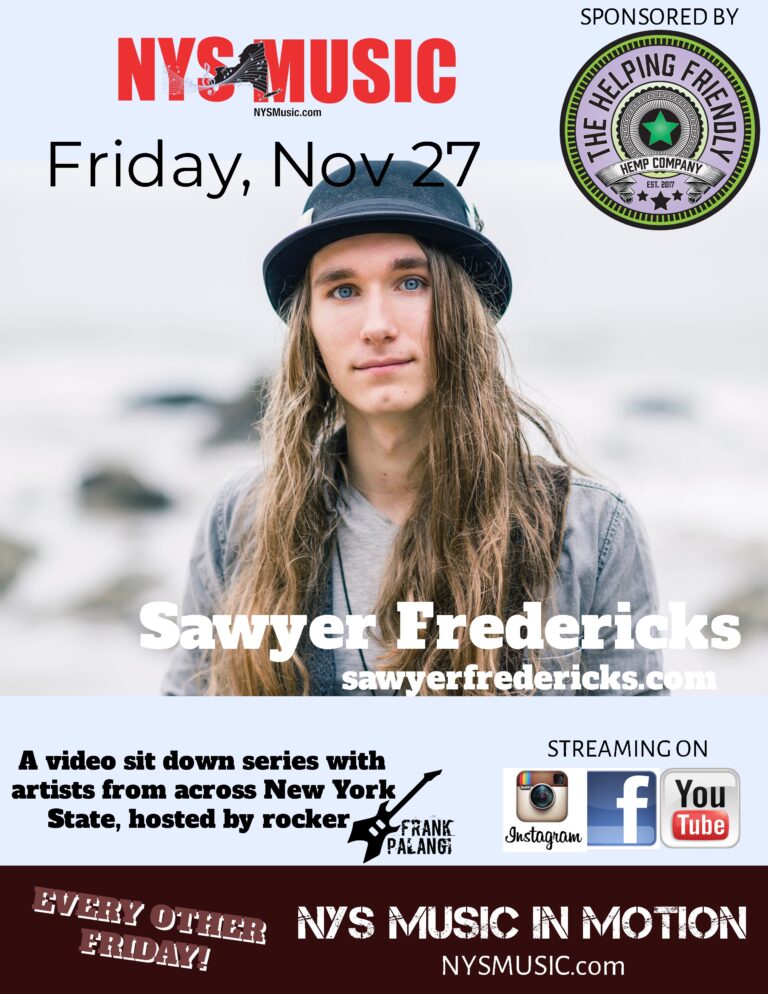
    We’re moving through NYS Music in Motion’s inaugural season with rocker Frank Palangi, and we’ve got three big episodes to go. Coming up on Friday, November 27, Frank welcomes Fulton County native, The Voice’s Sawyer Fredericks.

    Music in Motion brings together seasoned musicians from across New York State, who hail from or have made New York their home, with host Frank Palangi, a guitarist and singer from Warren County. On December 11 Palangi welcomes Wavy Cunningham and on December 18 he’ll sit-down with Dopapod’s Rob Compa to close out Season 1.

    sawyer fredericks

    Sawyer Fredericks won Season 8 of The Voice and has amassed a sizeable fanbase. He released “Born” on April 1 via American Songwriter. Sawyer has 12 songs on his latest new album, covering his journey growing up as a working musician. His “free range folk” merges blues, roots rock and jazz with real-time live instrumental arrangements throughout.

    Set a reminder below for Friday’s episode of NYS Music in Motion with Sawyer Fredericks.
    Subscribe to the NYS Music YouTube channel and get the scoop on Season 2 plus videos from across the state and beyond.

    Catch up With NYS Music in Motion

    Added Color performs “Something Better,” a bonus track to their NYS Music in Motion sit-down with Rocker Frank Palangi. “Something Better” is off Added Color’s latest “EP If You Had It All.”

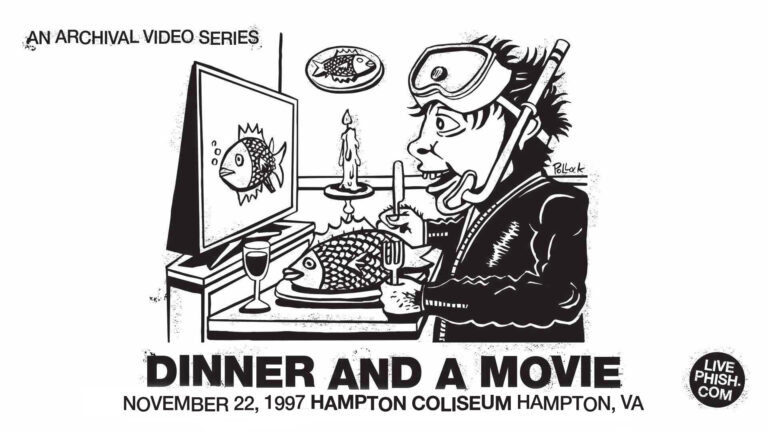
  • Hampton 97 Announced for post-Thanksgiving Dinner and a Movie

    Phish’s now monthly installment of Dinner and a Movie will revisit a classic Fall ’97 show from Hampton Coliseum. On Saturday, November 28 at 8:30 pm, Phish will offer a free stream of November 22, 1997.

    Hampton 97

    Part of the Phish Destroys America tour, the show ranks as the 11th highest rated show according to Phish.net, and for good reason. The show begins with a 17-minute “Mike’s Song,” and 18-minute “Harry Hood” and closes with Hendrix’s “Izabella” – and that’s just the first set. Set two opens with 26 minutes of “Halley’s Comet” and blasts off from there.

    Released as part of the Hampton/Winston-Salem ’97 box set, just before Set 2 started, the audience made a group effort to sing “Destiny Unbound,” a song that had been shelved for six years at that time, in an effort to have the band bring the song back into rotation. The banter from Trey in response is hilarious and well worth hearing, and now seeing, on this week’s Dinner and a Movie.

    For the dinner portion of the evening, lighter fare is offered, courtesy of Nashville-based chef Ryan Poli, formerly of the famed Catbird Seat restaurant. Butternut squash soup with chipotle chiles and popcorn, a brussel sprouts salad, and a sticky toffee pudding with a spiced caramel sauce are on the menu. Recipes can be found here, and fans are encouraged to tag photos of their creations with #phishdinnerandamovie.

    The beneficiary for this weekend’s Dinner and a Movie is The Food Empowerment Project (F.E.P.), a non-profit organization that seeks to create a more just and sustainable world by recognizing the power of one’s food choices. F.E.P encourages healthy food choices that reflect a more compassionate society by spotlighting the abuse of animals on farms, the depletion of natural resources, unfair working conditions for produce workers, and the unavailability of healthy foods in low-income areas. Donate at phish.com/waterwheel.

    Setlist via Phish.net

    Set 1: Mike’s Song -> I Am Hydrogen > Weekapaug Groove, Harry Hood > Train Song, Billy Breathes, Frankenstein > Izabella
    Set 2: Halley’s Comet > Tweezer > Black-Eyed Katy > Piper > Run Like an Antelope[1]
    Encore: Bouncing Around the Room > Tweezer Reprise
    [1] Lyric changed to “Michael Esquandolas.”

  • Indie Rock’s White Cliffs Two-Lane Travel Creation ‘Six Cylinder Run’

    Ignition on, as we drive off into the horizon with Brooklyn based White Cliffs. The two-sided single, “Six Cylinder Run,” was bred from an impromptu cross-country trip, released Friday, Nov. 13. The single marks a kick off too future releases as we move later into the year.

    Rafe Cohan, aka. White Cliffs is a virtuoso of all things music with a slew of singles and EP’s being released since 2018. A musical chef, if you will, blends his talents as a guitarist, pianist, percussionist, singer and songwriter. Moreover, his producing talents fuse these ingredients to create a numbing effect, synonymous with wide open roads and endless travel.

    Photo Credit: Oskar with a K

    The title track, “Six Cylinder Run,” instigates the hype of a road trip. Suspended echoing-synth leads layer as Cohan sets off with his newfound friend. Tight drum beats prove calming as we move steadily down the highway at 75.

    Artists, and travellers alike, can relate to the bottomless feeling White Cliffs emulates across both tracks. He is nor here nor there, constantly in motion. Thus, the void is created. It is a void where musical expression blooms. We stew on its endless exploration. We harness creativity, but we never interrupt the drive.

    Last summer I met this new friend. I didn’t know him very well but we became very tight when he was moving to LA… He was supposed to drive across the country so I went with him and we made an EP starting with me in the passenger seat of a car with no real instruments, just on a laptop.

    White Cliffs
    Watch “Six Cylinder Run” music video here, released November 18.

    “On My Mind” gives you a second wind with a phat dub-bass ostinato. Written to back-half the trip, your neck begins to sway with the landscape. It’s getting late, but you seemingly rejuvenate, despite hours to go. The only gripe with these releases is the short sub-three-minute track length, aiding to an industry shift in a shorter attention span.

    Listen to “Six Cylinder Run”/”On My Mind” HERE

    On My Mind’ is 2AM and you have hours ‘til you get to the hotel, pulling this U-Haul trailer and this is like hell. We worked on the songs in the hotel, we brought a bunch of gear with us, little synths, monitors, working on it in Albuquerque and in LA.

    Dubbed as a purist, and lost in the art of producing, White Cliffs opens our minds to the days on the road. Listeners relate, especially with touring or traveling experience that encompasses the music industry. Cohan has experimented and crafted, leading him to debut under the moniker White Cliffs in 2017. He has toured with Big Wild, Elderbrook, STS9, in addition to performing at New York City’s Panorama Festival.

    With this cook in the kitchen, passengers are left feeling incomplete in its length. The singles don’t transcend the journey, leaving us audio-less quickly. In hopes of accumulating a larger album, White Cliffs will certainly lure his future listeners into the carpool lane for one last late night drive. For now, toss both singles onto your road-trip mixtape.

    Take a deeper look into “Six Cylinder Run” and producing craftwork.