Austin City Limits began its run on PBS in 1976 as a way to showcase Texas artists. Its pilot episode featured Willie Nelson performing. Forty one years later, the show has become a television institution and the inspiration for the music festival by the same name. It is a destination gig for performers of any genre.
In order to promote Central New York artists on a more wide-ranging scale, Syracuse area promoters Liz Nowak and Jordan Davies created Salt City Limits in the same vein as its Austin namesake to be initiated at the venerable Palace Theater on James Street. The series will be ongoing the last Thursday of every month at Funk ‘n Waffles Downtown. Each will be recorded and filmed by SubCat Studios and will be available on YouTube and the Salt City Limitswebsite.
The inaugural show takes place this Friday, March 24 at the Palace Theater in Syracuse and features eight local artists from various genres. Tickets are $20 and may be purchased in advance at the Sound Garden in Armory Square or online through the Palace Theater’s website.
According to Syracuse.com, Nowak, who is also the executive director of the recently concluded SAMMY Awards, noticed many artists mingling and exchanging contact information throughout the event. The creation of Salt City Limits became an extension of that camaraderie. The SAMMYS celebrates the variety of music and talent available at the local level and Salt City Limits will allow this on a year-long basis.
The showcase continues downtown at Funk ‘n Waffles April 27 when Mike Powell, Just Joe and Castle Creek take the stage. Tickets for each successive show in the series will be $10.
Holly Bowling is back on the road in March and after hitting Syracuse this week, she heads to a little known venue The Whisper Dome on Friday, March 24. The venue is a unique round room, perfect for jazz performances, and Bowling is excited to revisit the Capital Region as she does quite frequently, bringing with her classical reimaginings of the music of Phish and the Dead. Bowling chatted with NYS Music recently about the integration of Grateful Dead music into her setlists, performing with Everyone Orchestra and the musical handshakes that resulted.
Pete Mason: How has integration of the music of the Grateful Dead and Phish changed since you began integrating the two and since you releasedBetter Left Unsung.
Holly Bowling: The setlists have gotten a little more Dead heavy. When I introduced Grateful Dead songs, the album wasn’t out yet, and it worked itself into the setlists gradually. The Dead have such a deep and extensive catalog and I continued to dig into that and add things to my repertoire. In general, the shift from playing all Phish and then Phish and The Dead together has opened up a whole new arc to each show and each set. As you know, as much as the two bands get compared to each other and lumped together, the music in truth is really, really different. There are some really touching and beautiful songs in the Dead catalog, and if you juxtapose a Dead song between a Phish song, you have to ease into each song in order to cover more stylistic ground in each show and make room for improvisation and bridging the space between the two bands and the place the music takes you.
The other change is that adding in the Dead’s music, I’ve noticed the chord progressions are beautiful but they’re not incredibly complex. Some of those have been the hardest ones to work on. Having that in my catalog and adding into sets has taught me the importance of leaving space. Some songs in the Dead’s catalog are truly emotional for me – “Stella Blue,” “Wharf Rat,” stuff like that. There can be these delicate, very emotional moments and you can’t fill up all the space there. I’m really enjoying the variety that is coming with working with these catalogs both at once. It gives the shows more of an ebb and flow and opens the door for a good arc or storyline in each set. I try to put the sets together with a particular shape to it and you end up having more tools to work with in that way. There is still a balance between the two. I love the bands both very deeply.
PM: In addition to your solo shows, you have been playing with the likes of Joe Marcinek Band and Everyone Orchestra.
HB: I just played two shows with Everyone Orchestra in Charleston, SC and Asheville, NC. We played a bunch of Dead music together with Oteil Burbridge on bass (Dead and Company), Ian Neville on guitar (Dumpstaphunk), Natalie Cressman (TAB), Claude Coleman Jr. on drums (Ween), Wallace Mullinax (Dead 27’s), Mike Quinn, and Jeff Mosier on banjo (Blueground Undergrass), and we did an afternoon set called Everyone’s Dead with Matt Butler on drums, Anders Osborne, Oteil and myself. It was a great experience all around.
PM: How have those experiences with Everyone Orchestra challenged you and affected your playing?
HB: It feels natural. I hadn’t played with anyone in that lineup before. Matt will write a theme on his dry erase board and sometimes one specific instrument gets to lead a tune and make up the theme with Matt’s suggestion. To play a theme and meet these musicians through a musical handshake allows you to get to know people through performance, you start to hear everyone’s voice come through. Whoever starts out the song, you find out ‘This is your style, your voice’ and we find out what we sound like together. Then you hear their voice and you figure out how to add to it or complement it.
The other things that was really cool about it is that no one is ever announcing what they’re going to do next, the most you can do is telegraph a chord change in a certain progression; if everyone moves to the 5, you know you’ll move back to the 1. It’s kind of a surrender, and instead of a group think and do the same move at the same time, if one person decides to go off in one direction, the group moves in that way. It’s different when you have a conductor and they’re at the controls of going to the B section. It’s unique and with someone calling the shots and conceptualizing where you want the show to go is a very different experience and it was really cool.
PM: How did you come across The Whisper Dome?
HB: We are always looking for piano rooms and also looking for unconventional spaces for a show. This happened in Portland at The Old Church and people walked out having never heard of the place and wanting to return. I like venturing outside the usual circuit of rooms that get played within our music scene. The style of music, by necessity, is a hybrid of different sounds so playing in jazz clubs, churches, clubs is reflects the variety of music. I think we found a picture of The Whisper Dome online from a jazz series they help and being called the Whisper Dome, it intrigued me. I think it’s good to change it up and give people an opportunity to have this grounding experience in a real quiet space can be really cool. Spaces like The Whisper Dome and really conducive to that kind of environment and listening atmosphere.
PM: Todd Stoops (RAQ and Electric Beethoven) recently moved to the West coast and your hilarious airplane photo rivalry…
HB: We’re gonna open an airline together. It’ll be expensive though, one customer per plane. (laughs)
PM: Do you see yourself performing more with Todd now that he’s out west?
HB: I feel like piano players don’t get to play together very often – sometimes there are two guitars in a band but rarely double keys. There’s an amazing movie Piano Players Rarely Ever Play Togetherthat I highly recommend watching. It’s got Tuts Washington, Allen Toussaint, and Professor Longhair. You gotta check it out! But I digress. I’d love to play with Todd. Actually, I have side by side pianos in my living room currently – Todd, if you’re reading this, come over and play one of ’em! Double piano jams!
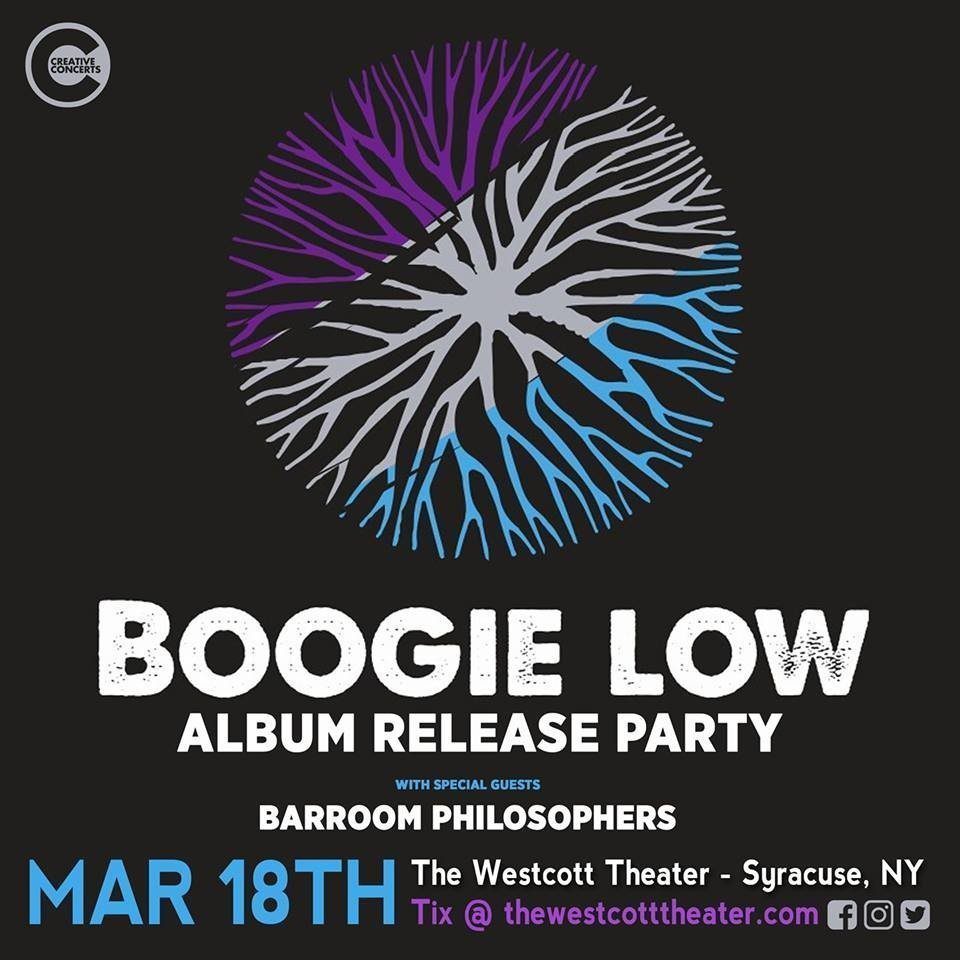
Syracuse-based groove rockers Boogie Low have a hometown party planned for the release of their new eponymous album at the Westcott Theater Saturday March 18.
Photo Credit: Nicole Carey Photography
Opening for Boogie Low Saturday night are fellow Syracuse-area natives, Barroom Philosophers, who are also promoting a new release. Tickets for the show are $10 and can be purchased at Sound Garden in Armory Square or online through the Westcott Theater’s website.
The quartet first formed as the Boogie Low Trio in 2011. Founding members Tommy Dennis (bass), Loudon Smith (guitar/vocals) and Brandon Caza (drums) used a reggae-tinged sound reminiscent of Sublime and other Long Beach, CA bands of the early ’90s as a base. The band ditched the “Trio” from its name when it brought on guitarist Matthew West in 2012. The band parted ways with Caza in 2013 and was replaced by Brandon Au, completing the band’s current lineup. Other contributors to the new album include Ray Wiggins on drums, Ty Hancock on keys and Josh Alaniz, also on keys.
The new album, simply titled Boogie Low, has influences ranging from the aforementioned Sublime to Santana, moe., Umphrey’s McGee, 311 and Calexico. This range of influences allows Boogie Low to create its own distinct sound that encapsulates all of them.
Smith’s vocals are rhythmic, soulful and smoky, while West’s western-style guitar solos wouldn’t be out of place on a Quentin Tarantino soundtrack. This is especially prominent on the tracks “Mexico,” “Eldin” and the band’s signature jam vehicle “Shadows,” which closes the album. Wiggins’ drumming and Au’s percussion work is what keeps this train moving. Their beats are at the forefront of Boogie Low’s sound. The accents Wiggins and Au provide help to propel the rest of the band to the next level. One can easily feel the jamming possibilities in a live setting being propelled by the percussion.
The CD was produced at SubCat Music Studios in Syracuse by Jeremy Johnston and mastered by Patrick MacDougal. The band credits Johnston as being the captain of the ship from start to finish. Physical copies of the album will be available at the Westcott Saturday night or directly through the band’s website. Following the show, the album will be available through iTunes, Spotify and on Pandora.
Track list:
1. Mexico
2. Eldin
3. Back to Nothing
4. Better Way
5. Colas in the Sky
6. Annie
7. Miss Bliss
8. Tommy’s Song
9. Walk On
10. Mckenna
11. Shadows
Key Tracks: “Mexico,” “Colas in the Sky,” “Shadows”
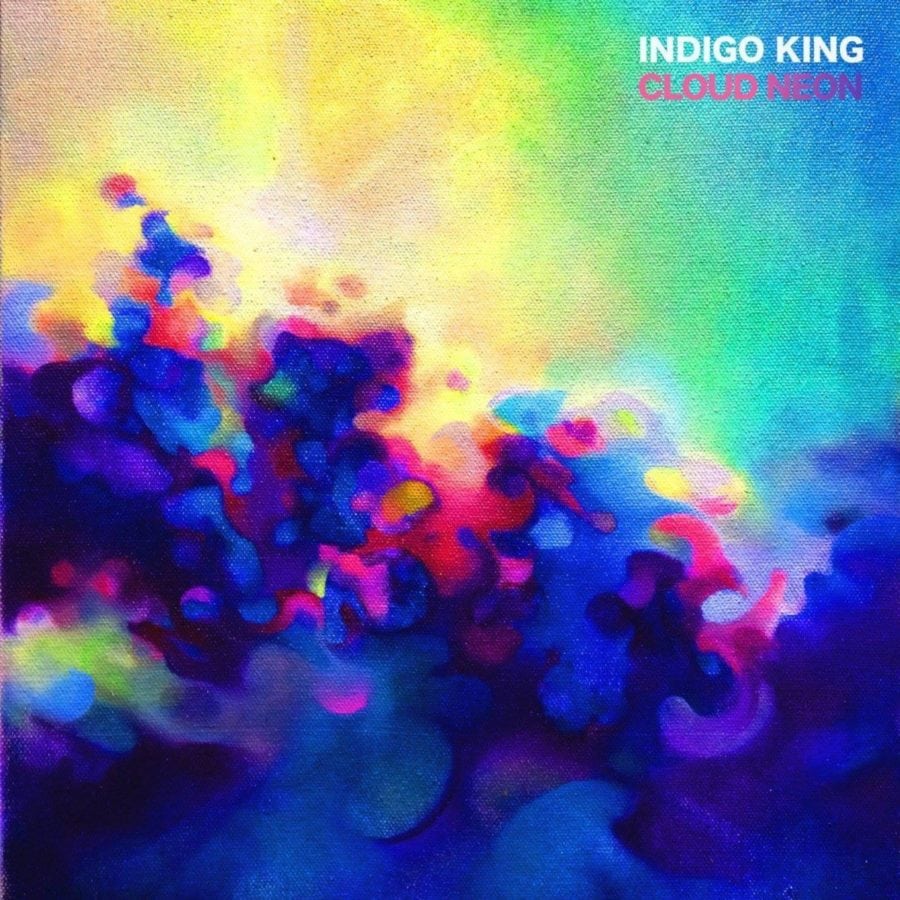
Last June, Westchester based psych-rock band Indigo King celebrated a victory at the Pleasantville Battle of the Bands competition, winning a slot on the main stage of the Pleasantville Music Festival as an opening act for national bands, including Guster and KT Tunstall. Now the band members have announced Indigo King’s debut album, Cloud Neon.
The band, who routinely play shows throughout Westchester County and New York City, spent the last year recording and mixing the album, mainly in their homes in Ossining and Hartsdale. The lead single “Metaphor,” released February 10, is a confident and optimistic feel-good tune that emanates a wave of sun-soaked feeling.
Singer/guitarist Faiz Lone called the album, “a cross-section collection… an album that ranges from somber introspection to proliferating elation.” The album spans 15 songs and will be available both online and in a physical format.
NYS Music had the honor and pleasure of speaking with Albert Mazibuko, an original member of Ladysmith Black Mambazo, the a cappella revolutionaries from South Africa. They gained global recognition from their collaboration with Paul Simon on his album Graceland and their careers have skyrocketed since. They worked with a variety of widely recognized artists from Dolly Parton to Sarah McLachlan and released a plethora of albums over the course of 50 years. Tickets are now on sale to see the group perform at the Fairfield University Quick Center in Connecticut, Sunday, March 12 at 7:00 p.m. Mazibuko tells NYS Music about their humble beginnings, stories of their time with Paul Simon and more information about their upcoming performance.
David Ostroff: When was the last time Ladysmith Black Mambazo came to Connecticut?
Albert Mazibuko: I cannot be specific, but it was maybe a year or two years ago. I cannot tell because we are always around the country
DO: That’s not surprising. Ladysmith has been performing constantly for years now. That being said, how do you and your team keep up your enthusiasm after 40 plus years of recording and performing?
AM: The music itself gives the energy that we need. Sometimes, I’m feeling tired before the show. But then we get together and we pray. After that we start a song to warm up ourselves and then the energy just comes. Before I hit the stage, I am a new person.
DO: I have to ask. I did some research and saw that in South Africa, before you came to the states, Ladysmith would perform in a cappella competitions. But you guys were so good that they wouldn’t let you compete. How did that happen?
AM: Wow, that is a good refresher! I’ll never forget that day. We were finally allowed to enter the competition (because their music was a different style than other groups). After we sang, the judges and audience stood up, and the other groups said, “You already won!” They decided the music was too good to entertain, so what (we) would do is sing from 8 to 12, and then after, the other groups will compete. We couldn’t believe it happened. We really missed the competition. But not anymore, after our success in our group.
DO: What were some of your best memories when working with Paul Simon?
AM: When we first received the message that Paul Simon was in Johannesburg to met Joseph Shabalala, we wondered why he would want to meet (Joseph)? We first thought it was someone who would sing American gospel, which is similar to our music. But when we heard it was Paul Simon, because we knew his music, it would play all over radio’s in South Africa, we said, “How?? Why does he want to meet him?” When Joseph went there, I remember he went there in the morning because we were around in Johannesburg on tour so he went to meet him in the studio and Joseph came back in the afternoon. We asked him what Paul said, Joseph said, “He is a man of music. He wants to do something with us.” So the concern was more than before. In two weeks time, he sent us a letter with a demo (of the track “Homeless”). Along with it came a piece of paper in Paul’s handwriting that said, “Dear Joseph, Don’t change this because I took it from one of your recordings.” Paul only sang two lines by himself which were “Homeless, homeless.” (The chorus) This was the right time to write the music because this would go with the situation in South Africa. Violence was all over the place. We then received a message that we had to go to London to meet with Paul. We went as a group and we were so excited. We stood behind the microphones, and Joseph told Paul we had been trying to work on the song. We tried to record the song on the first day and it did not work at all. It was so much different with all the people trying to help and the song was not getting together. We were in the studio at two in the afternoon, and by six in the evening, Paul said let’s all go back to the hotel. We were very disappointed because Ladysmith Black Mambazo would usually record up to 12 songs a day. We practiced until midnight. The following day, we went into the studio. Joseph told Paul that that we had been rehearsing and to take a listen to this one. We sang the whole song, someone said, “This is it,” and in two hours we knew the song was there.
DO: Well it must have been worth putting that effort into that song, though. It’s absolutely beautiful.
AM: It was like a nightmare to us! One song for three, four hours? But we understood that it was something else that was introduced to us. I appreciate that because, after that, everything was so much better for the group.
DO: I didn’t know much about your music aside from your work with Paul Simon and most of my generation have limited knowledge of Ladysmith Black Mambazo as well. What else would people my age recognize Mambazo from?
AM: We have worked with a song on Michael Jackson’s “Moonwalker” and we collaborated with artists like Dolly Parton, Stevie Wonder and Ben Harper. There were so many others. Sesame Street (“Put Down the Duckie”) was a very famous one, The Lion King (“Upendi” from The Lion King 2) and the track for Eddie Murphy in “Coming to America” (“Mbube”).
DO: Aside from your generation, Americans most likely remember Ladysmith from their intro in Paul Simon’s “Diamond on the Soles of Her Shoes.” What is the rough translation of that intro in English?
AM: That one happened in the way that we used to do things. One day we came to New York to perform on Saturday Night Live. (The day before SNL) Paul Simon was recording and he said, “You can come in.” When we went in we found he was working on this song, “Diamonds on the Soles of Her Shoes” and he said to Joseph, “Just give me some blessings in my song.” We listened and said, oh this song is complete. But Paul Simon insisted that we do something. Joseph just took a piece of paper and a pen and wrote it down. It translates to, “It’s unusual, the girls, they take care of themselves so they don’t depend on a man.” He was responding to the song about this girl who is rich. The girls have their own money so they take care of themselves. We recorded that on the last day, and it took not even 30 minutes. To tell you the truth, this is a song that after I heard it for the first time I thought, “Oh it’s one of those song where you said, ‘Okay I need 12 songs, so I’m going to put something that makes number 12’”. But I was mistaken, because after I played it the third time I realized, this song is good!
DO: One more question before we move to your performance in Fairfield. Your group has been recording and performing for more than half a century now. Many bands and musicians that stay together for even half that time were doomed to have conflict, like Simon and Garfunkel. How did you and your group keep such good ties with one another?
AM: I think something is helping us. You see groups all over the world that have been together for two or three years and then they go separate ways which is sad, most of the time. But in ours, we are fortunate that we are all family. In our culture, the family will stick together, no matter what. And also, our culture tells us that the person who is in charge of the family is a leader of that group. We are bound to listen to that person and respect that person and also respect one another. We believe that (Ladysmith Black Mambazo) is a family and if I have a different opinion than my brother, or whomever, I represent that in a respectful way. So even if we have some disagreement in the group, we always tell it with respect. It helps us a lot because I can tell you the truth that we’ve never had something like a fight between us. We do have different opinions sometimes when we talk about things. But we find a solution and a common ground. If my way works, I will never say, “What did I tell you? Your idea was useless.” No you don’t say that. In our group, we will always find a way to agree with one another.
DO: On behalf of all people that love your music, thank you for thinking in such a way and staying together for as long as you have. Your contribution to American music was immense. Let’s move on to your performance at the Quick Theater. What kind of audience usually attends your shows?
AM: It’s amazing that we see all ages. All people. Older people up to the toddlers. All the nations and the colors enjoy our music. Joseph used to say, “Our music, it’s coming from the blood to the blood.” So everyone creature who is a human being in this world can relate to our music because we speak to the soul of the people. When I look to our audience, every time I will see a 90-year-old and then I see the toddlers, maybe three years, which we are so grateful for that.
DO: In a few of your albums and performances I hear some light instrumentation. Will we see a strictly a cappella or will there be a band accompanying you?
AM: No it will just Mambazo. When you get into the theater you will see 10 microphones lining up on the stage. You will see 10 guys, they walk to the stage with colorful clothes, white shoes and the song will begin. Some parts we will include the audience and so we engage them. We give them something and then we sing so it’s like a competition then after that we come together and we sing. It’s a very good lineup. It’s songs that are entertaining and uplifting. They are more encouraging with a positive message, especially in this time. It seems that this beloved country is in a conflict. We choose very specific songs for that. The songs that we sang for South African people, it helps them and encourages them. They were able to solve their problems. Hopefully the message is going to be held in America so it can open into its beauty again. Our music is about love, peace and harmony. We want people to take peace and feel that harmony. By doing that, we will make this world we’re living in a beautiful place to live
WEQX, The Real Alternative, has three big shows in Albany this weekend! Thursday March 2: Slothrust at The Hollow
This Brooklyn-based trio of graduates from Sarah Lawrence College bring their Indie-grunge rock with influences of jazz and blues to The Hollow on March 2nd. They recently performed at Upstate Concert Hall this past November. Check out their latest album Everyone Else.
This pop duo from California hits The Hollow the following night, and will be performing at SXSW Festival later this month. Fun fact: singer Asa Taccone (brother of Lonely Island’s Jorma Taccone) helped Andy Samberg and Akiva Schaffer produce “Dick in a Box,” among other Lonely Island numbers.
Self proclaimed ‘Dairy Rock‘, this San Francisco garage pop rock comes to The Low Beat on Sunday night. Their latest EP, We’re Set, has found them joining the stage with the likes of Hinds, Night Beats, Adult Books, SWMRS, The Aquadolls and many more.
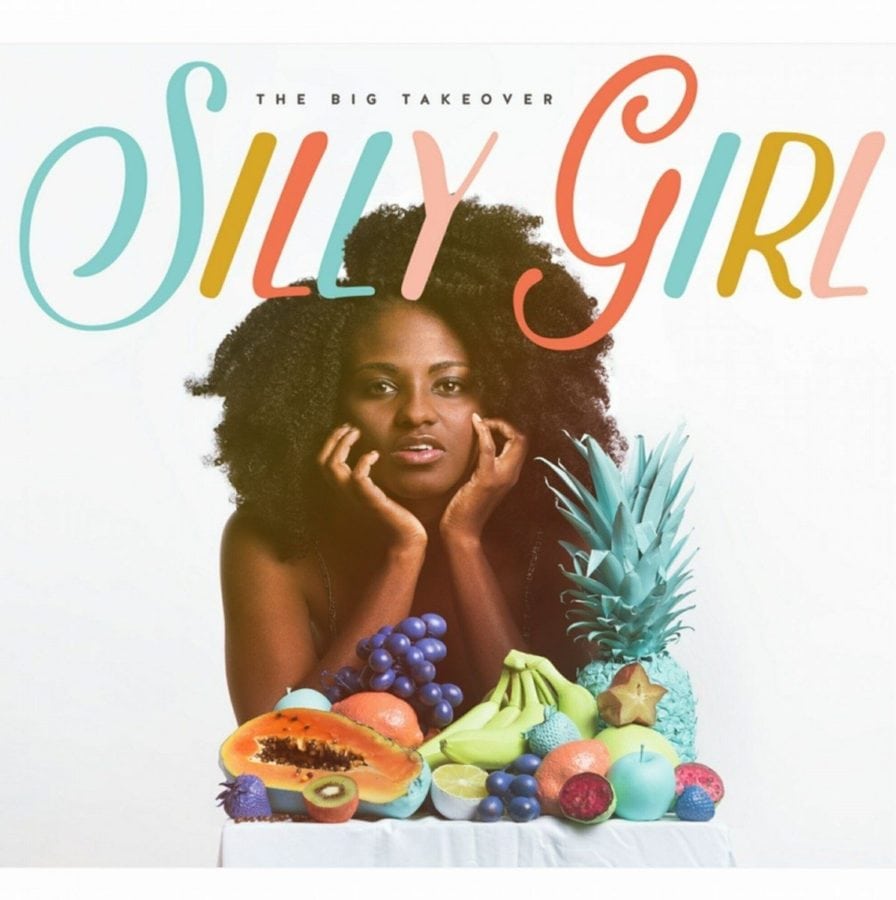
Silly Girl is The Big Takeover’s fourth full-length release since their last album three years ago. Neenee Rushie, a Jamaican-born songwriter and powerhouse singer leads this six-membered band in their musical endeavours. A tight-knit ensemble, made up of two horns including the trombone and saxophone, backs her up. A bass, guitar and drums accompany this unique horn section to create a sonically distinctive sound for the group.
From New Paltz, NY The Big Takeover’s infectious twelve-track Jamaican R&B sound has got everyone grooving along starting with the first song, “Rubber Biscuit.” This opening track doesn’t waste a beat as they begin with a quick drum section by band member Hector Becerra and go immediately into the horns played by Andy Vogt and Chas Montrose. The singing takes a backseat in this song unlike in the track “Things You Do” in which the vocals are definitely noteworthy.
The string instruments, with Kerry Shaw on the guitar and Rob Kissner on bass, play a major role in establishing the head-bobbing rhythm of songs like “Love Understands” and the namesake song, “Silly Girl.” A personal favorite is “Come Before Five” and was released off the record prior to the album release date itself. Its catchy tune just can’t seem to leave my head – but that’s a good thing in music!
With hints of soul and Motown also peaking through in their songs, The Big Takeover successfully join the popular music movement while still paying homage to their influences in reggae and ska music.
Key Tracks: Silly Girl, Love Understands, Come Before Five, Rubber Biscuit
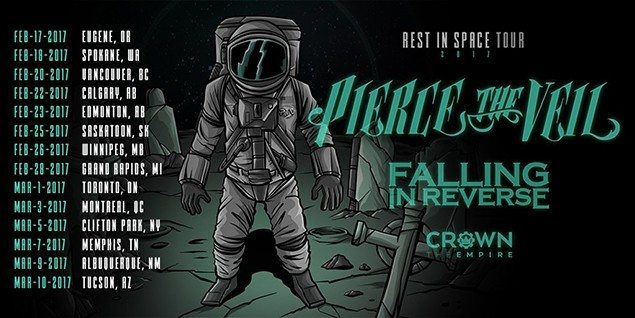
Pierce The Veil fans are running in circles from the excitement of the Rest In Space tour.
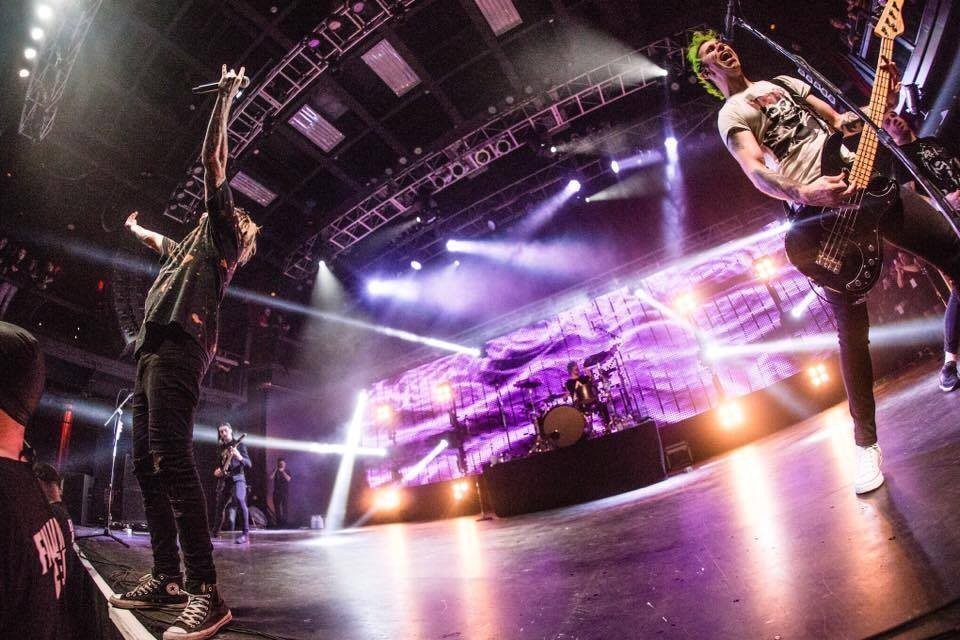
Pierce The Veil, alongside direct support Falling In Reverse and Crown The Empire, are scheduled to play at Upstate Concert Hall in Clifton Park, N.Y. on Sunday, March 5.
On May 13, the band released their fourth full-length album, Misadventures. Fans are welcoming back the band to perform their new material at the Clifton Park venue for the first time since their nearly sold-out show in 2013 with Memphis May Fire, Letlive and Issues.
Their third U.S. headlining tour promoting the album, the Rest In Space Tour will be hitting North America until March 10. Since the release of Misadventures, Pierce The Veil have released music videos for fan favorites, “Circles,” “Dive In” and “Floral & Fading.”
Direct support Falling In Reverse are scheduled to release their new album, Coming Home, on April 7 via Epitaph Records. Their fourth full-length release, Coming Home features hit singles, “Loser” and “Coming Home.”
Following the departure of vocalist Dave Escamilla, in July of last year Crown The Empire released their third full-length album, Retrograde. Their Retrograde Tour promoting the album hit the Clifton Park venue in late November.
Doors open for the Rest in Space tour at 6 pm on Sunday, and the show kicks off at 7 pm.
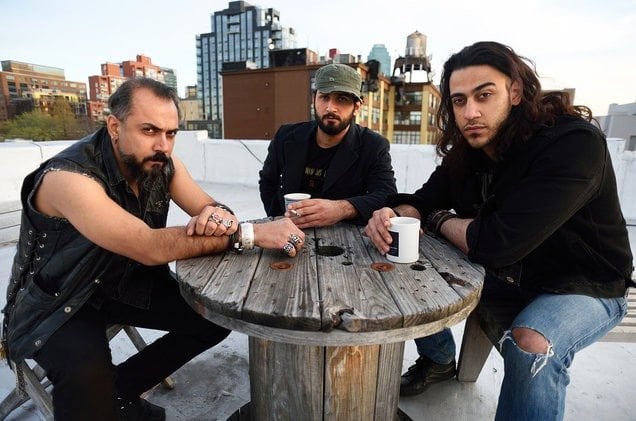
Brooklyn-based Acrassicauda, a metal band originally formed in Iraq and featured in the 2007 documentary Heavy Metal in Baghdad, is hosting a benefit at the Knitting Factory Sunday to support immigrant resettlement programs in Brooklyn. The 6:00 p.m. all-ages show is free to attend, donations are encouraged.
Speaking with Billboard about the decision to conduct the benefit, the typically apolitical band says it was sparked by President Trump’s executive order calling for a travel ban from seven majority Muslim countries. Drummer Marwan M tells the magazine:
We dodged that conversation because of everything we went through growing up in Iraq. But what’s going on here is idiotic and making us sick to our stomachs. We decided that we can’t pretend nothing is happening. This country is built on immigration and the idea of diverse cultures united. So many Americans are people who have fled their countries for one reason or another and built a home here. And this country has benefited from them.
The Sunday show features special guests Alex Skolnick of Testament – who produced Acrassicauda’s debut EP, Only the Dead See the End of the War – and Jay Weinberg of Slipknot, along with the bands I Killya, Sun & Flesh, Robots and Monsters and Signals of Bedlam.
Original Acrassicauda members, drummer Marwan and guitarist/vocalist Faisal Talal, with assistance from members of Staten Island band Sicada, will headline the affair. All proceeds from the event, including from all Acrassicauda merchandise sold, will go towards immigrant resettlement causes. The band hasn’t designated one specific organization, but did say a portion will go to the International Rescue Committee, an organization instrumental in helping the band members when seeking asylum in 2009.
Weinberg was enlisted to help via text message from Marwan after witnessing the recent airport protests. He was on board right away.
If you’ve seen the documentary, then you know what those guys went through just to be a band; just to practice. They are trying to live, quote unquote, the American dream, but it seems more difficult to attain these days. So, they are standing up and speaking out for what’s right. They walk the walk, and if I can contribute to a cause that they’re behind, I’m honored to be a part of it.
Acrassicauda released its first full length album Gilgamesh in February 2016. Watch the powerful video for the single “Rise” below. The Vice documentary Heavy Metal in Baghdad can be viewed in its entirety on the band’s website here.
Pioneer of jazz and Latin fusion guitar Al Di Meola is on the road celebrating the 40th anniversary of his second studio album Elegant Gypsy as well as his 2015 release Elysium. With a number of dates around the United States and Canada this past month, he concludes the tour this Sunday night at Paramount Hudson Valley in Peekskill.
Since his first release in 1976, Di Meola has established himself as a prolific writer and virtuoso of the guitar, blending jazz, rock, and Latin music into his songwriting. With an extensive career over the past 40 years he has tallied over 20 albums to his name and collected many accolades and awards for his work. In his career he has also collaborated with several notable names including Chick Corea, Stanley Clarke and Lenny White as part of the super group Return to Forever when he was just 19 years old.
Di Meola’s February tour is an extension of an extensive 2016 world tour for Elysium to help mark the 40th anniversary of Elegant Gypsy. Sunday’s show at Paramount Hudson Valley starts at 7pm with tickets still available here or by calling the box office at 914-739-0039. Special meet-and-greet packages are available by calling the box office which include access to the soundcheck and a pre-show Q&A with Di Meola in the theater.
Joining him on tour is Philippe Saisse (keyboards, marimba), Gumbi Ortiz (percussion), Elias Tona (bass), Luis Alicea (drums) and Evan Garr (violin).
 Pete Mason: How has integration of the music of the Grateful Dead and Phish changed since you began integrating the two and since you released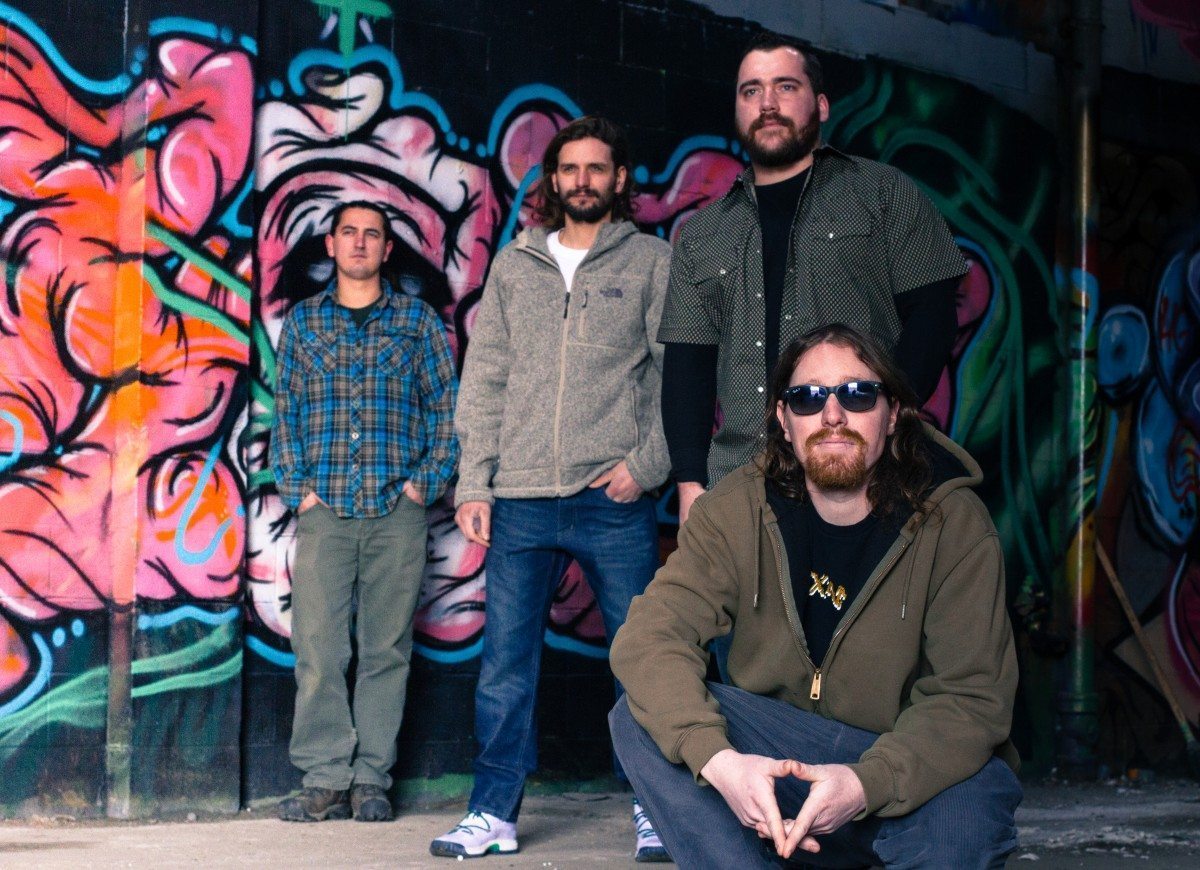
 The band, who routinely play shows throughout Westchester County and New York City, spent the last year recording and mixing the album, mainly in their homes in Ossining and Hartsdale. The lead single “Metaphor,” released February 10,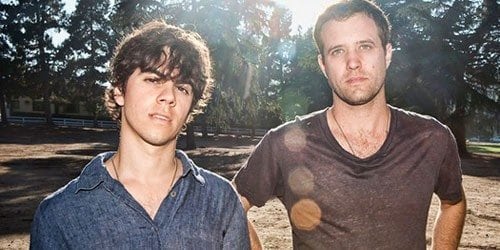

 Speaking with