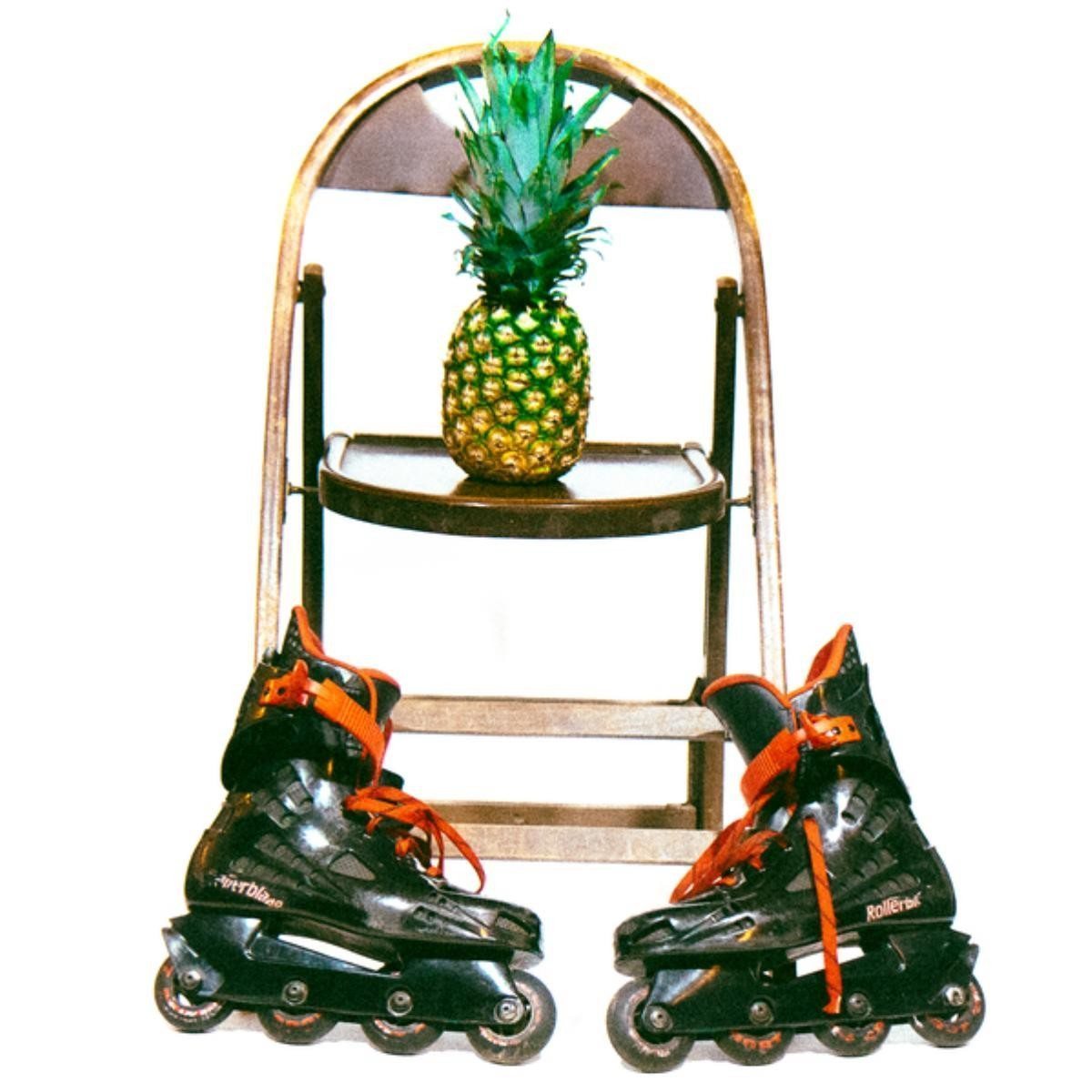
Category: Interviews

  • Interview: Olivia Grace Discusses her Upcoming Releases and Next Steps in Brooklyn

    Indie pop artist Olivia Grace is originally from Maryland but ready to take the New York music scene by storm. She’s focusing her energy and creative juices into launching a musical career while completing her senior year of college. Her latest single “Blackbird” was released on September 30 enticing listeners with her unique style. NYS Music had the chance to find out more about Olivia Grace’s unreleased music including “Shoestrings” to be released early June.

    Sammy Steiner: As a singer-songwriter, where did your inspiration for “Shoestrings” come from?

    Olivia Grace: Ultimately, the song is about feeling out of place. It’s somewhat unapologetic, but it’s also about trying to make sense of everything when you’re not quite sure how you fit in. The story isn’t completely about me, as I do love creating fictional characters in my songs. However, when I wrote this song I had just moved to New York, and it was completely different from what I had been used to. I lived in Chicago beforehand, but New York just doesn’t compare. I think that feeling of navigating a new city and finding my place inspired a bit of the song.

    SS: Can you take us through your journey and involvement in the creation of this track? What was your favorite part of the record-making process?

    OG: The song took over a year to write. When I first started it, it sounded more like a folk song. It was slower with completely different rhythms. It didn’t really feel like THE song. I came back to it when I was flipping through old song ideas, trying to write something new. I picked it back up and it just flowed out. My favorite part recording was the “oh’s” that you hear in the beginning and after the chorus. They were actually added last minute. The song didn’t feel complete when my producer Matt and I had finished. He told me to just go crazy improvising over my piano/instrumental part, and eventually I started singing the “oh” melody. We both knew when we heard it that, that was it!

    SS: Do you have any upcoming plans or prospective venues where you hope to perform in the New York State area?

    OG: I do! I’m currently setting up some shows for July in New York, so I’ll probably be posting about it in June!

    SS: Can you name your top three favorite artists to cover at your shows and why?

    OG: Truthfully, I don’t cover that many artists at shows! I mostly perform my original songs. The one song I always try to fit in my set is Lana Del Rey’s “Video Games.” It’s just so beautiful and after years of performing it, I still love it.

    SS: What are your plans going forward? Are you going to focus on future musical projects or touring?

    OG: I have a lot of unreleased recordings right now, and I’m still going in the studio and recording more. I’m writing quite often as well. Both those things are my main focus right now. I don’t see myself doing a full on tour *right now* but I am traveling a lot this upcoming year, so I probably will be doing a few shows here and there.

    SS: What is one thing you’ve learned from your glimpse into life as an artist thus far?

    OG: Be patient. Everything takes time, hard work, and persistence. You can’t rush success.

  • Cornell ’77 Revisited: Holy Grail of Grateful Dead Shows Makes Debut at The Cap; Larry Reichman Discusses New Photo Book

    5/8/77 – Grateful Dead’s most talked about and traded show from Barton Hall at Cornell University,  has been mastered from the Betty Board tapes and commercially released along with other May 1977 Dead shows. The hype, excitement, and anticipation over this release since its announcement earlier this year has been turned over into just as much appreciation for the release in its various formats.

    Monday, May 8, 2017 marked the 40th anniversary of the legendary Cornell Barton Hall show and in Tompkins County it was declared as “Grateful Dead Day” by way of proclamation. It was a particularly special day for the Big Red Deadheads out there with a special tribute concert by the Cornell Chimes, performing a handful of arrangements of Dead tunes. Rhino Entertainment, the Grateful Dead’s record label, hosted two special events with one at the State Theatre featuring Terrapin Flyer and a second at the Capitol Theatre where the newly released 5/8/77 show debuted in full concert sound for a rather fun listening party.

    grateful dead cornellThe Grateful Dead’s Barton Hall show gained notoriety in part from the fairly quick circulation of the soundboard recording of the show among traders, which itself is of good quality with some minor flaws. In comparison, the new official release is immaculate and among the best of quality mastered commercial Grateful Dead releases. Although there was no band on stage at the Capitol Theatre, hearing the freshly realesed 5/8/77 show through the Cap’s PA system in full concert sound captured the essence of being at a live show – so much so that folks were dancing around the floor.

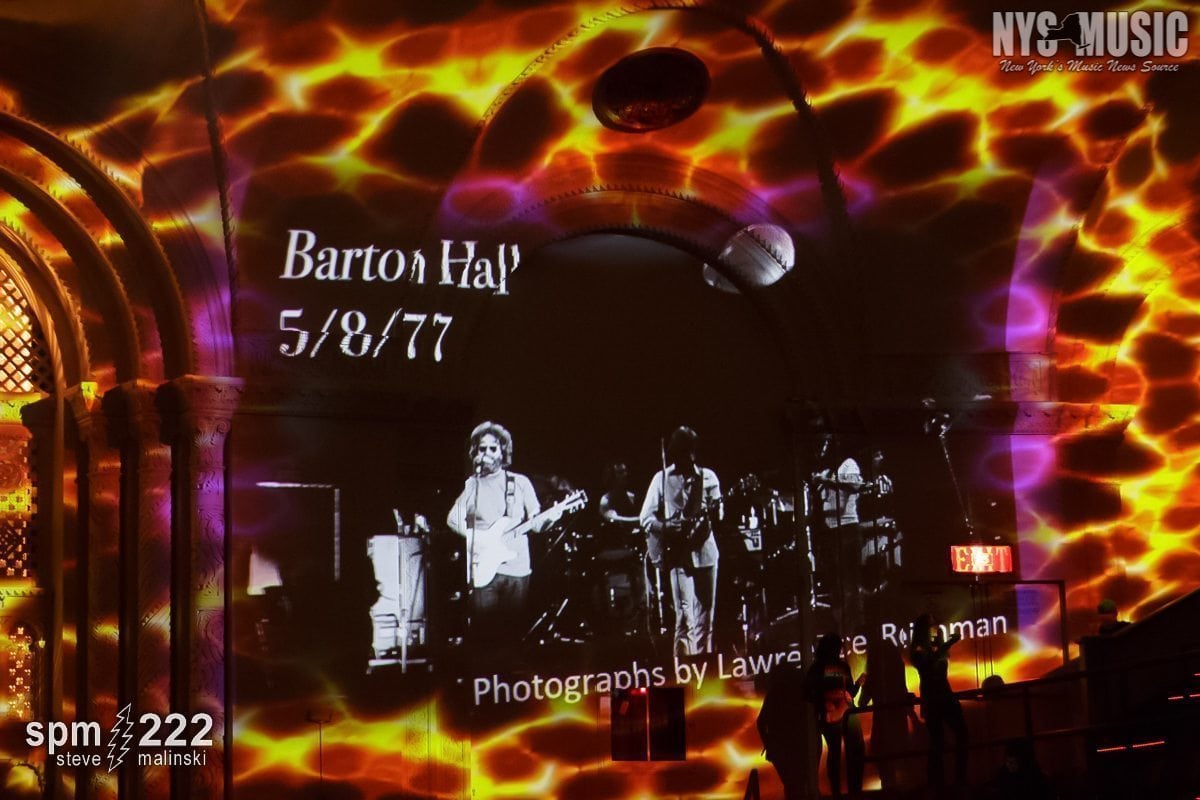
    While revisiting 5/8/77 at the Cap reminiscers were treated to a montage of photos from the show itself, many unseen before, projected on the theatre walls. Those photos were taken by then Cornell freshman Larry Reichman who is working on releasing a complete book featuring many more images from Barton Hall that day from setup through the concert. He was there at the Cap to promote it (the black and white photos shown within the photos in this article are by Reichman). He is currently running a Kickstarter campaign which ends on May 24 and can be found here. NYS Music caught up with Reichman at the Cap to chat about the book and his Barton Hall experience in an interview that was also broadcast on WVBR-FM in Ithaca.

    Steve Malinski: Can you tell us about your background in photography?

    Larry Reichman: I got into black and white photography when I was a high school student down in New York and learned to develop negatives and prints the old fashioned way and when I got to Cornell, I started working for a newspaper and started taking photos of events on campus – most of the concerts they had on campus that year – and jumping ahead to this show I had gotten a pass from the Cornell Concert Commission to be in [Barton Hall] the whole day. So, I took photos of the setup and the whole show.

    SM: What prompted you to shoot the Barton Hall show?

    LR: Well, I was a big Dead fan so there was no way that I would not go to the show. I had a press pass for most of the shows that year and I could have done that, but a friend of mine was a volunteer for the Cornell Concert commission and suggested I talk to someone there. While I had no special arrangement with the Concert Commission, I gave them a few photos of the show which are also now part of the Cornell University Archives.

    SM: Can you take us through the course of your day at the Barton Hall show, and interesting things that you saw?

    LR: I didn’t really know what to expect. So I was just in the Hall and as you know, it’s a big empty hall. Not a barn, but a big open space. They had to literally build the stage and lighting. There were these super trooper spotlights going in. As things were loaded in I was just wandering around taking photos. Probably the most memorable moment was (since I had a lot of time to kill earlier in the day) while I was wandering around behind the stage I looked up and the band was about four feet above me on stage. Because I was kind of shy I didn’t say hi to the band but nodded to Jerry and was on my way. The show of course was memorable. I got to claim a spot right in front of the stage and shoot from there.

    SM: And you were only a freshman at Cornell doing all this?

    LR: I was, 18 years old. I had seen them a few times before that and it was awesome to hear that they were coming to Cornell and I didn’t have to go far to see them.

    SM: You’re working on a new photo book with many never before seen photos of the Barton Hall show, which you are raising funds for through Kickstarter. Can you tell us about the book?

    LR: Again, I was there the whole day for setup, soundcheck and the whole show. So what I’m putting together is a really good quality book, about 80-pages long. My goal is to have something special, a really good quality coffee table kind of book printed in the US. There will be three chapters. First chapter is the setup, and in fact the announcer of that show, Bob, is here tonight and I happen to have a photo of him in the book. Then the next chapters will be First Set and Second Set. First set, for the photo buffs out there, I shot with a 50mm lens, so it’s a bit more of a wide angle. For the second set I had a telephoto lens which allowed me to zoom in a bit more. Because of slower shutter speeds and other technical parameters it allowed me to capture some movement on stage. The book will have a variety of shots and won’t just be picture after picture. It will be an artistic layout.

    SM: And you’re running a Kickstarter to get this going?

    LR: Yes, the book is laid out and ready to go but I need help to print it. So I’m running a Kickstarter to raise the money for the printing. People can pledge to support it with various rewards, including a pre-order of the book and individual photos from the show.

    Editors note: as of the publication of this article, the Kickstarter campaign has been fully funded.

    SM: You mentioned that you were also involved with WVBR back around that time as well?

    LR: Yeah, I signed up to volunteer there my first week at Cornell back in 1976. I was just really interested in all things music. I learned how to splice tape and make commercials. I had a show on the AM band which was literally broadcast through the AC electric system on the West Campus of Cornell. I’d go there on Saturday nights and spin records, played a lot of Dead. Then the next year I did a bit of engineering, particularly for the news shows. Also, the newspaper I was working for was downstairs in the building. I don’t recall the name but it was a weekly startup. I think that’s how I learned about the paper from going to WVBR and saw the paper downstairs. I decided to check it out and that’s where I developed all of these photos. It was all off-campus in Collegetown.

  • The 5th Annual Susquehanna Breakdown: Affordable Scranton Bluegrass

    What can you do with $50 in Scranton, PA this weekend?  How about two days of incredible bluegrass, folk, and funk?  The 5th Annual Susquehanna Breakdown begins Friday, May 19 with local act, The Dishonest Fiddlers taking the stage at 6:30pm followed by most Deadhead’s favorite one-man band, Keller Williams, at 8pm.  Members of Northeastern Pennsylvania’s own Cabinetwill be joining Williams on stage for the 9:30pm “Keller & Cabinet” set which is sure to be full of surprises.  Cabinet will then take over the stage at 10:45 for the first of three weekend sets.

    When Susquehanna Breakdown was founded in 2013 by Cabinet and Live Nation Entertainment, their aim was to shine a light on the regional artists, farmers and craft vendors of Scranton, PA.  Over the years the festival has added bigger names and larger crowds to their Montage Mountain home, yet the tight-knit friendly vibe, cheap ticket price, and local sponsorship has remained.  While Cabinet continues to be at the nucleus of the event, bluegrass juggernauts, Greensky Bluegrass, have taken over 2017’s headlining slot at 9pm on Saturday night.   Other sets to check out on Saturday include Binghamton, New York’s Driftwood at 12:30pm, a daytime acoustic set from Cabinet at 2:15pm, the soulful folkie Wood Brothers at 4pm and Billy Strings tearing things up at 8pm!

    The full schedule is posted and as in years past, the festival organizers have set the separate stage times so that attendees are able to catch a glimpse of every band with little to no overlap.  And did we mention the late night acts?  The funky West Coast trio, Organ Freeman, will be taking over the party on Friday night and the traveling powerhouse, Turkuaz, will be sending Breakdowners home after one more Saturday night set.  Sandwiched in between all this funkiness is Tom Hamilton’s Breakdown All Stars at 11pm on the second day which will be full of festival-wide collaborations.

    The Northeastern festival season is now upon us and this showcase might be the best bang for your buck you will find this year.  Whether you plan to attend on Saturday only or camp for both nights on the pavilion lawn, there is plenty to do and hear at this year’s Breakdown.  An eclectic collection of acts from around the country sharing the space with local bands and vendors makes this the perfect practice run for the rest of the summer’s events.  The Susquehanna Breakdown shares the same space as Montage Mountain’s larger summer extravaganza, The Peach Festival, but at a fraction of the cost.  While Scranton locals may consider Peach to be the big brother of the mountain’s two jam-heavy festivals, the Breakdown just hit another growth spurt and is ready to rival its older sibling in 2017.

    NYS Music had the chance to sit down with The Dishonest Fiddlers founder, Dave Brown to discover what makes “The Electric City” the perfect place for a breakdown…

    Ben Boivin: What is the concept behind The Dishonest Fiddlers and where did you first come up with this unique idea to play with different artists at every show?

    Dave Brown: Well, I played solo prior to forming the band and I still enjoy the solo sets very much but the band has given my music a chance to take a different shape and myself a chance to play with and learn from a lot of different musicians along the way.

    BB: What is your connection with Cabinet, the band that founded the Breakdown?

    DB: Well my introduction to Cabinet came maybe 4 or 5 years ago in Scranton.  I ordered lunch from Pizza by Pappa’s, and JP [Biondo] delivered it. I was not expecting him, nor was I expecting the pizza to have several bites out of it either. JP agreed to let me take a few bites of the next pizza he had to deliver, and after playing a few tunes I agreed we were square. Since then I started picking up my orders from Pappa’s and listening to Cabinet.  Lately I’ve been fortunate enough to have Todd Kopec, from Cabinet, playing fiddle with us and he’ll be on stage with me at the Breakdown too.

    BB: I know that you are on the road all summer and visiting many different festivals.  What do you feel is so special about the Susquehanna Breakdown?

    DB: The Breakdown has really evolved into something a lot of people really look forward too. I’ve met people from all over the country at the Susquehanna Breakdown over the years. I was a spectator at the first one and its definitely special to have the opportunity to be playing this year. It’s also nice that our family and friends have a chance to be there and share the day with us

    BB: What is the band you are most looking forward to seeing at this festival?

    DB: I recently had a show with Driftwood and I got a copy of their new album so I’m looking forward to hearing some of those tunes again.  I’m also interested in hearing Billy Strings for the first time.

    BB: What would you like to see for The Dishonest Fiddlers?

    DB: Well tours and new albums all sound great but mainly I want to keep having fun and keep writing music. If I can manage to keep enough air in my tires and the lights on at home, the rest will fall in place.

    Tickets for the Susquehanna Breakdown can be purchased at the festival or via Ticketmaster while supplies last.

  • Interview: Life Of Agony’s Joey Z and Alan Robert Talk Touring, New Album, and More

    On April 29, Life Of Agony played their 3rd show of their spring tour at The Chance in Poughkeepsie, NY in support of their recently released album A Place Where There’s No More Pain, their first album in 12 years.  Before another kick ass performance from the Brooklyn metal veterans,  I was lucky enough to sit down with lead song writer and bassist Alan Robert, as well as guitarist Joey Z.

    Joey Z

    We sat down and discussed topics such as playing overseas, other bands they hope to play with, and the recording process of the newest album.  They also shared some advice and opinions on how new bands can get their start.

    Check out the full interview in the video below:

    Here is some of the interview transcribed:

    JS: I see last night you guys played the hometown show in NYC. How did it go?

    AR: Great.

    JS: First show of the tour right?

    JZ: Actually no we played Boston the previous show, but last night was the record release party. But the previous night was album release party. But the night before was a warm up show in Boston. SOLD OUT. Packed house, did a lot of driving, but otherwise it worked out great, got warmed up, had a great night last night and really killed it. Now we are at the Chance tonight and we are gunnakill it again.

    JS: Yes, so now that you’re doing a small tour out here in the east coast, I gottaask, you go some overseas shows coming up, and did some overseas shows last year, how are the crowds different between and Europe?

    AR: It’s weird. Its like over the years things have changed in the states a lot. Scenes die out, clubs close down. In Europe, it is as strong as it ever was.  Sometimes we go over there, people are camped out in the rain and go there just to experience the music.

    JS:  Yea like Gene Simmons talking shit that rock is dead, but that’s not the case in Europe.

    JZ:  Yea, Eurpope still has that same feeling that it had fucking 20 years ago, so it really hasnt lost that heart.

    JS:  I was watching you guys on YouTube playing in front of these fucking huge crowds in Europe. It’s so bananas.

    AR: And the thing is too its different types of music.  Like hip hop bands, alternative bands, death metal bands that all play all the same stage.

    JZ: Yea they’re blending the genres out there, blending them all together.  So you get the chance to play with David Bowie, and Journey, then on the same bill you could have Lamb Of God or something.

    JS:  You guys kind of did the same thing over here with Tsunami Fest (Reading PA) I was there, and Body Count and Wu Tang played the first day and you guys and Madball played the next day. That was a good fucking blend of hardcore and hip hop and it was my first LOA show.

    JZ: Awesome, it seems America could pick up the ideas or traits of the European music scene.

    JS: Maybe someday.  I feel like bands tour in packages and festivals.

    JZ:  Well the buisness has changed alot in music so thats caused a lot of these promoters to put bigger packages together to get more people to get away from the computer and step outside their house and make an effort to go see their favorite bands instead of sitting around in their underwear.

    JS:  Do you guys have a wishlist of bands you want to play with?

    AR:  The original Misfits.

    JZ:  Ah that’s a great one.

    AR:  That would be a dream.

    JZ:  I think it would be great for this band to play with Soundgarden.

    JS: YESSSSSS. One of my favorite bands.

    JZ:  I think we would work really well with them.  Think both bands would go really well together.  Misfits would be great cuz that was our favorite band growing up.

    JS: Soundgarden is working on new material and touring.  So it will be cool to see what Chris and Kim come up with. Now before you guys hit the stage, do you guys have any pre rituals before you go on stage or do you have any warm up music you listen to get psyched up?

    JZ: It depends. Like in Europe, we find ourselves in the dressing room listening to music.  It depends on the room too.  If we’re in a room like this, there’s not much vibe. So probably try another room.  Or decent place thats comfortable with couches and we will listen to a Soundgarden, or a Sabbath, or throw on some music to get those musical juices flowing.

    JS:  So what are you listening to right now? Like in the car or gym.

    JZ: “A Place Where There’s No More Pain” (Laughter) It’s in my CD player in my car.

    JS: Hey I cranked it all the way here.  I love it.  So let’s get into it right now.  It’s been years since “Broken Valley”… what was it like to finally get back in the studio again? Was it different?

    AZ:  It was completely different from any other record we’ve made.  For the better.  We were more focused.  We were very concentrated on the performances.  To get the best from each other.  It was awesome.

    JZ:  Almost like isolated performances.  We worked with Matt Brown.

    JS:  I know Matt Brown.

    JZ:  He plays with Pale Horse Named Death (Sal Abruscato’s other band)

    JS: That’s how I met him.

    JZ:  We did it like Alan said, more each person had a focus.  And Matt took the time to work each person on their own to mix it.

    JS:  The mixing is FANTASTIC by the way.

    AR: He would love to hear that.

    JZ:  He’s gunna hear it. So yea Matt was an integral part on how the record turned out.  The way it sounds, the way it turned out, the performances on us, Matt pushed all that to get that done.  I give him a lot of credit for this.

    JS: I think it’s cool that you guys decided to stay in house with Matt instead of getting a Rick Rubin, or a Brendan O’Brien. You guys stuck in house, and say this is the guy we want, this is the guy who knows us best.  I find that an awesome approach.

    AR:  We almost did the exact opposite of what we did with “Broken Valley” every step of the way.

    JS: Like major label.

    AR: We did the major label, big time producer. Greg Fidelman fantastic, he worked with Metallica, Slipknot, worked in big studios, sunset sound, where they did Led Zeppelin drum tracks.  We totally went stripped down on this record.

    JZ:  This record is different.  We really utilized all of our assets around us.  All the studios where we know and we’re comfortable with.  And it worked out cuz hey listen, there’s more than one way to skin a cat and get it done.  We were actually able to turn out and make a great record with our own little chemistry on how we were gunna do it.

    AR:  Plus our schedules.  We all have other things that we we’re doing.  So scheduling stuff was a lot easier to do one-on-one with Matt, versus trying to get everyone there all the time.  It was really cool.

    JS:  I see you guys spent years apart, then got back together.  During this time between the last album and this album, you guys all had other bands and projects. Sal had a band called A Pale Horse Name Death

    JZ: Yea.

    JS:  I love both of those fucking albums, I was lucky enough to catch them, and now with this album I hear a lot of doom and gloom, very dark and gritty compared to the others.  Did Sal’s time in Pale Horse have an influence and with Matt Brown, did they influence on the direction of the dark sound this album has?

    JZ: I would say absolutely.  Because Sal brought a shit ton of rifts to the table.  We’re all guitar players in this band.  I always say we got four guitar players in this band, so there’s not like “oh Joey is the guitar player, he has to write the rifts.”  It’s not like that.  We all contribute to the pot.  Sal had a shit load of rifts to offer for the band and that’s why you hear a lot of that sound you were talking about.  And it’s cool cuz now you hear Mina sing over those rifts.  So I feel my job in the end as a guitarist, is kind of making those my own.  Make them my own so when I record them I make them my own.  It’s me.

    AR:  He’s a machine.  I don’t know how he does it.  He can do like six guitar tracks that sound exactly the same.  (Laughter)

    JZ: Thank you.

    AR: It amazing.  And that’s why the record sounds the way it does.  Because everything is so precise.  Everyone spent the time to hone it in.  Really make sure we got it the way we want them.

    JS:  My two favorite tracks from this album are, umm I really love, “Meet My Maker,” and I absolutely love “A New Low.”

    JZ: “A New Low!” Me too! That’s one of my absolute favorites!

    JS: That’s fantastic! Now, that I’ve just said my favorite tracks, what other tracks are you guys most proud of, or what’s your favorite track on the album?

    AR: Ahh, I would say “The Dead Speak Kindly” is my favorite.

    JS: Okay.

    AR: Umm, and probably,” World Gone Mad.”

    JS: Yeah, the video was awesome by the way.

    JZ: I keep jumping around, umm, because I listen to it a lot.

    JS: Yeah.

    JZ: And I keep flipping. I love “A New Low,” every time that song comes up…

    JS: Yes! That song speaks to me.

    JZ: It’s my favorite! But then honestly I’ve been really hot lately on” Right This Wrong,” because I can picture us doing it live. It’s like when I can really picture this band playing a song at a festival, and making, ya’ know, 80,000 people go insane. I can picture” Right This Wrong,” doing that to a crowd just by the groove it has and the drilling and the vibe it has. It has that festival big crowd vibe.

    AR: Yeah.

    JS: So now, I don’t wanna give away too much, but is it safe to say that a lot of these songs will be played at these upcoming shows?

    JZ: Yeah, ya’ know we’re gonna pace ourselves a little bit, and not blow our load all at once. We’re gonna start introducing songs to the set. We already are, umm, tonight we will play a couple off the record. I know a lot of people are just getting the record so they don’t have start learning, ya’ know?

    JS: Yeah.

    JZ: Yeah, so we’re gonna throw a couple of songs from the new album into the set tonight and then when you see us again down the line you’re gonna hear more of the album in the set, you know?

    JS: Yes. Everybody should be at the show tonight. If you missed the last three shows, not the end of the world, especially if you’re still in the east coast. There are more Life of Agony shows coming up in May.

    JZ: So we are playing Stroudsburg, PA on May 12 and then May 13 we are playing Long Island, Wantaugh, NY.

    AR: First time in a very long time. We haven’t played Long Island in I can’t remember.

    JZ: Yup, May 19 we play Lancaster, PA and then May 20 we play Starland Ballroom.

    JS: Yes, speaking of the ballroom, I was there for Mina’s birthday, that was an awesome fucking show by the way, so yeah Starland Ballroom is definitely a good venue, you gotta check it out. It’s bloody fantastic. I caught you guys there, I caught Garbage there. It’s a kick ass venue man.

    JZ: Yeah, we’re gonna have fun.

    JS: Okay I got one last thing, Zire’s War.  That’s how we met.  Cuz I was catching Biohazard on the small little tour that they did. And Lo and behold you got Zire’s War opening.

    AR: Was that your first show?

    JZ: No, I believe our thrid show.

    JS: Zire’s War… you with some of the guys of Misery Kills.

    JZ: And John from Stereo Mud.

    JS: YES Stereo Mud! So what’s going on with Zire’s War?  I know you’re busy with LOA

    JZ: Well the way I am in life is that I want to give my full attention, my full energy, my committment, to what I’m doing. I can do both when we are playing live when LOA is touring, and I can fit Zire’s War in between it. That’s one thing, but making a record is a completely different animal.  And when it was real when we were about to do this record.  I spoke to the guys, and told them, and Zire’s War I write the stuff, I don’t wanna call it  “My Band” but it is my baby that I’m putting it out on the world, so I told the guys that it’s very important that I do this LOA record and give it my full attention.  And not try to squeeze Zire’s War because then I’m thinning this out or I’m thinning that out for each other.  And that’s not healthy for either project.  So I want to give it my full attention for this Life Of Agony record.  And I’ll get that Zire’s War record out as the Life Of Agony cycle continues here.  I plan on recording somewhere down the line.  And finally getting out.  And I think it’s a great thing because this record has reintroduced all of us back into the industry.  It’s not easy out there.  Not everyone is throwing deals at you.  So being relevant again is important to us individually.  You know Alan has his comics and coloring books he released.  All that’s going on with Life Of Agony, it all trickles down in our personal adventures.  It all just helps each other.  You gotta be smart about what you do.  And you can’t step over each other.  And that’s the way I saw it if I tried to push to do both with full force at the same time.  So I’m going to pick up Zire’s War again. The songs are there, they’re not going anywhere and I’m making them better and working on them here and there at home.  So now when it finally comes out, and when it’s released I can give it more of my attention.  It will make a lot more sense.

    JS:  My last question for the day is do you guys have any advise for bands trying to get their start in this changing industry?

    AR:  That’s a tough one.  It’s funny. Yesterday at the Irving Plaza at the record release show, we had an unsigned band contest, just trying to give back, ya know. It’s kind of how we found our way, we got to play some really great shows when we were a baby band, played with Agnostic Front, opened for Type O, and Overkill at the Ritz. Stuff like that happened to us and it help us put us on the map so now we are trying to do that for someone else.  Just gotta keep doing it and hope that those opportunities happen.

    JZ:  And a way to make them happen and it’s something we did in the past is, and I remember clearly, when we were young, we didn’t have management or anything, we used to connect with the promoters ourselves.  And I remember Gene from Faces.  The only way we got to play that first  show was that we would go to faces and see a band like Biohazard or Monkey Bump, and we met the promoter and said “Hey we would like to play here.”  And gave them music.  I think if more people did that, actually found out who was booking the shows at their local venue, and actually went to go personally say hello. You see people just complain that nothings happening but they’re not trying.

    AR:   It’s like everything is all computers, and everything is virtual, friendships are virtual.  There are no faces to names anymore.  It’s like sometimes you have to get “real” with people so they can give you a shot.

    JZ:  Yea go meet with them. Go to the venue. Go hand them some music and say we’d love to play here.

    AR: It’s easy for someone to press delete when the email comes in with music from someone you’ve never met before.

    JZ: Yeah, there’s no face, there’s no personality, there’s no connection you know?

    AR: And there’s so much of it online. It’s almost like you get bombarded.

    JS: Yeah, I get it.

    AR: Sometimes you’ve gotta be more proactive.

    JZ: Definitely! That’s it, you people out there! Young bands, get proactive!

    AR: Whipper-snappers!

    JZ: And I don’t mean the fucking pimple shit.

    JS: Guys, thanks so much for giving me the time to do this. Go kick ass out there, I’m definitely looking forward to the show, and obviously best of luck for the rest of the shows. And just a quick special thanks to Napal Records, Life of Agony, over at NYS Music.com, Peter and Jim, my co-hosts Mosh Pit Fardo, Black Metal Steve, and Psycho Steve of Steve Losurdo Productions, and of course my lovely camera gal Danielle, thank you so much. It’s been a real honor.

  • An Interview with MAYfest founder Dave Marzollo

    This Memorial Day weekend, MAYfest returns to Surprise Lake Camp in Cold Spring, NY, about an hour north of the NYC metro area. Highlighted by Music, Arts and Yoga, MAYfest brings together dozens of all-star yoga instructors including Elena Brower, Sadie Nardini and Amy Pearce-Hayden​ during the day alongside headliners Rusted Root​, Ozomatli​, Dar Williams​ and DJ Drez​, as well as combination yoga/live music sessions that are part of a memorable festival weekend.

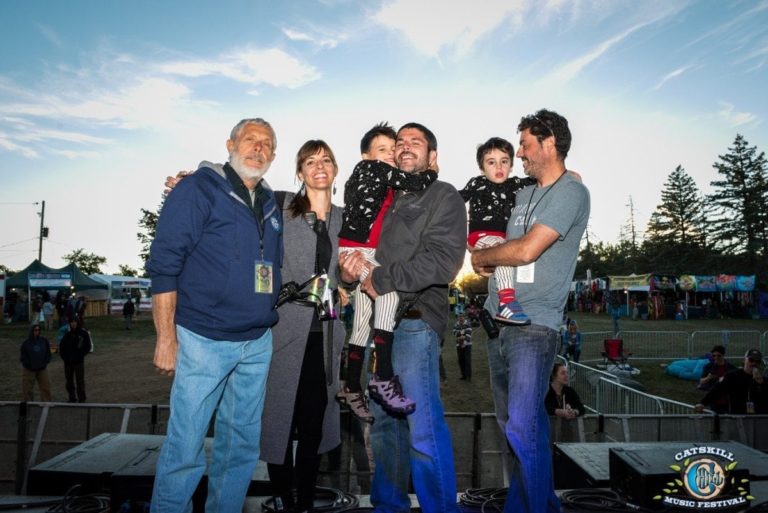
    dave marzolloMAYfesters can come for the weekend of just for a single day and create their own schedule online for any of the 140 sessions of yoga that vary in type and skill level. In between sessions, Vendor Village is open to attendees where they can shop for local and hand crafted goods and receive holistic services from healers in the Wellness Center. At night, the main stage is alight with national and regional touring acts. MAYfest and Catskill Chill founder Dave Marzollo spoke to NYS Music about the upcoming festival and how the yoga and music focus of MAYfest sets it apart from other festivals.

    Pete Mason: Where did the idea to start a music and yoga-based festival first start?

    Dave Marzollo: My wife has been a yoga studio owner for over ten years, For the last five years, and she currently hosts a ton of different styles of yoga, pilates, meditation and kids programs at SkyBaby Studio. Meanwhile, I had spent five years founding and developing The Catskill Chill Music Festival. When a yoga class at The Chill in 2014 hosted over 300 people, we had a vision. We felt that we could combine our skills to create a new and different kind of event: one where people could workshop or relax all day, and then hold a big rock ‘n roll concert at night.

    dave marzollo mayfestPM: MAYfest highlights Music, Art and Yoga. What sets MAYfest apart from other music festivals?
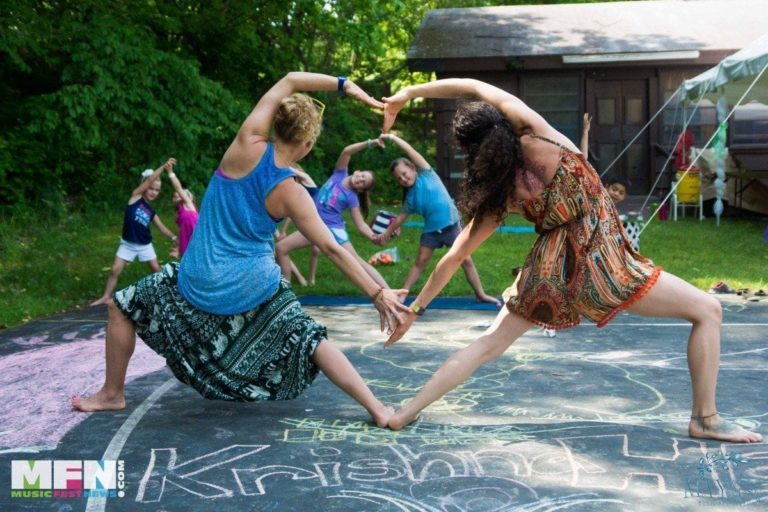
    DM: People go take classes and workshops to further themselves. They work to develop their minds, their bodies and their creative and loving spirits. We want to be able to gather like-minded people together in the interest of cultivating an environment where people can experience this growth together. On the flip side, people go to concerts to reveal and celebrate in a different spirit, through dancing and singing. Again the community is gathered, but after the hard work of a day’s pursuit or self-betterment, it just feels nice to see everyone be able to let loose again. Celebration always feels better after accomplishment!

    PM: Over the last two years of MAYfest, you have attracted a wide audience. For fans considering attending, what kind of festival-goer does MAYfest invite?

    DM: That is the perfect follow up question! This festival’s aim is to give people a place to pursue their personal development by day, and then give them a place to party and celebrate life by night! We are seeking to attract are the type that love both pursuits!

    PM: The lineup is tailored a little differently than other fests, including Catskill Chill, with what feels like more roots based music. How did the lineup for this year come together?

    DM: When we pick the bands for this event, we are looking for music that lifts the human spirit. If you look at our bands from this year and in years past you will see soulful, spiritual, uplifting and conscientious. In these turbulent times we like to feature bands who are both fun to dance to, while also delivering powerful messages of growth and harmony.

    PM: You have more than 4 dozen yoga instructors on tap for the weekend. What variety of yoga is possible with so many yogis on hand?

    DM: My wonderful wife Melia is the curator of the yoga program, but I can speak for both of us when I say that one thing we both love about yoga is how many different interpretations of yoga there are. Sometimes yogis or yoga studios can be to narrow focused on one specific kind of yoga, but we think it is best to offer as many varieties as possible. There is a lot to choose from, and you can never take every class, but there is something for everyone.

    Get tickets to MAYFest now!

  • Searching for Sonic Spaces: An Interview with Morgan Bolender and Scott Ferreter

    “Do you remember who you were before they told you who to be?” Morgan Bolender asks the world during her demo track “Mary Oliver.”  She is a self-taught musician from the Empire State that has traveled the globe and currently calls Oakland, CA home.

    During her travels, she found her sacred path as an artist and after hundreds of thousands of Youtube views, she realized that her compassionate lyrics and beautiful voice was echoing throughout the world. Her debut album, Recordings From My Living Room, has gained popularity among her open minded and globally conscious followers and while the music may be too emotional for some, others find refuge in its soulful tranquility.

    Self-proclaimed “freak folk” artist Scott Ferreter calls his music “Deep Pools.”  Ferreter spends his time in the spotlight attempting to engage the members of the audience mentally and emotionally.  He uses his music to tell stories of his life and experiences.  Musical influences such as Radiohead, Neil Young, and The Band can be heard in his stirring tales of death, birth, peace and seasons.  After decades of practice, Ferreter has formed a bond with his guitar, allowing him the confidence and comfort to explore many different sounds and genres.  His most recent LP, See You In The Morning Light, has been described as “an ecosystem of emotion” by Sacramento News and Review.  It was no coincidence that Bolender and Ferreter found each other and formed a musical communion that has been strengthened through love, respect and admiration for one another.

    After their first sonic pilgrimage through the country called the Come As You Are Tour, Bolender posted on her Instagram, “Tour’s over. 10,512 miles. 34 cities. 70 days.  I have so many feelings.”  These feelings were planted inside of Ferreter and Bolender in the beginning of the Fall of 2016, and much like a tulip bulb, they are finally ready to bloom this Spring.  They will embark on yet another house concert tour entitled The Feelings Parade.  After the spiritual, emotional, creative and musical success of their 2016 travels, they have decided to do it all over again on an even bigger and more ambitious trail.  Their live shows feature the two playing together as well as solo before an audience of all different backgrounds and interests.  In reference to last year’s adventure, Ferreter writes, “We played over 35 shows, saw parts of the country we had never seen, and made deep-feeling community in places where we used to be strangers.  We miss you already.”

    The truly dynamic duo is currently calling on their friends new and old to host house concerts for their upcoming gigs.  No town is too big or small.  No mansion is too sparkly and no barn is too dirty.  No swamp lands are too filled with alligators and no desert is to dry.  Based on their Instagram feed from last year, they are willing to do basically all the work except building the venue itself.  If you or someone you know is interested in helping with the tour efforts, send an email to the performers and express interest.  I caught up with Bolender and Ferreter after their last tour to hear more about what they learned, what they liked, and what the future holds for them.

    Ben Boivin: What covers did you play most frequently?

    Morgan Bolender: “Hallelujah” by MaMuse, and “Old Before Your Time” by Ray LaMontagne. When playing MaMuse’s “Hallelujah,” I invited the crowd to sing along, which was almost always an overwhelmingly beautiful experience. There’s nothing quite like singing my heart out with a room full of people. My favorite times were when the crowd started out singing with quiet trepidation and finished with wholehearted gusto. Due to my own trepidation, I didn’t sing at all (not even in the shower!) until about 5 years ago, so it’s one of my missions to create a safe place for people to open up the channel that has enriched my life so much.

    Scott Ferreter:  I hardly played any covers this tour, because I have so many new songs I’m excited about. It was hard enough to decide which originals to play. One cover-playing memory that really sticks out is playing “Traveling Song” by Bright Eyes in Omaha, Nebraska, because that’s where Conor Oberst (of Bright Eyes) is from. He’s one of my favorite songwriters, and it was quite the experience playing it on my first visit to his hometown and having several people in the crowd passionately singing along.

    BB: Did you switch up the sets or add more to a set based on where you were and the experiences you had during your travels before the shows?

    MB: Our sets varied from let-it-all-hang out, no-holds-barred-wild-fun, to playing for a garage full of conservative Christian corn and soy farming seniors on a farm in South Dakota who all brought their own lawn chairs. Part of the beauty of the intimate house concert setting is having the opportunity to really feel and connect with the audience – to experience them as a living body and try to tap into what would be most nourishing for that body.

    SF: The set changed almost every night, based on the feeling of the place and the feeling of the crowd. Also, a lot of my songs are very vulnerable and they often push at different social norms that I find myself bumping up against in my struggle to be my full self. For that reason, some of them were entirely inappropriate for certain shows and certain crowds. I have no interest in shoving anything in anyone’s face–my intention is to stretch boundaries, not break trust. For that reason, I found myself changing the set quite a bit.

    BB:  What was your worst show of the tour?

    MB:  New Orleans. For sure.

    SF:  Absolutely, New Orleans. Heiress to a fortune.  Old school classism and elitism.  Small turnout plus pretension equals a terrible show. I’m amazed that we played over 35 shows and only had one that I wouldn’t want to do again!

    BB: What was one of the best shows of the tour?

    MB:  That’s a really tough one, as I’m still processing the experience. My heart feels warm when I think about Kim’s living room in Blue Springs, Missouri, who Jodi filled with a lively, funny, loving crowd. Then I think of Jen’s show in West Bend, Wisconsin, which happened on gorgeous, magical land where, if there are fairies, fairies lived.  That show was so sweet and tender, the people so open and ready to receive what we came to share. And the, Paonia!  In a castle, and then a community house! And San Diego! Then the Dakota’s – a beautiful yard along the Missouri River, a sweet farm with Alice’s epic flower garden! Nicole’s overflowing yard in Nunica, Michigan! Playing for family and friends in NY, many of who’d never seen me play. Flagstaff, AZ, where they created an ornate backyard festival for us! There was a tea tent! I didn’t answer this question very well, but truly – there were so many magical shows. Oh! The squawking baby eagles that accompanied our show on Whidbey Island! The Heartson’s in Vermont, where we not only got to play a great show, but got to teach a songwriting workshop! Like I said – magic, magic, magic.

    SF:  There were so many great ones, and they were all great for different reasons. I had a particularly connected-feeling set in Paonia, Colorado. It was one of the few places where I felt no need to bring people into the right headspace for the music. It felt like we were all there together from the beginning, and it was so sweet to be able to just drop into the music and feelings.  Wisconsin was a very meaningful set for me because I showed up incredibly sad, and decided to be vulnerable and play the set I needed (instead of the set I imagined the crowd wanting). As it turned out, sadness must’ve been in the air, because it seemed like the perfect set for the people there, too. I left that show feeling very held.

    BB:  If you had to spend two weeks at one venue you played, where would it be?

    MB:  Hmmm. Possibly New Orleans. That place feels like an entirely different universe, and I feel like in order to really drop in and explore it, I need some time. Or Portland, because there are so many people there I love and want to hang out and make music with.

    SF:  Great fucking question! I feel like Ashville, North Carolina and I have some catching up to do. I’d never been before, and yet I’ve had many great friends live there over the years. I felt deeply connected to the land there, and could easily see myself putting in some weeks barefoot in Asheville.

    BB:  What did you learn during your travels and would you do it all over again?

    MB:  If you’re going to buy high quality, American made, ethically sourced and produced merchandise, be sure to let people know, because ethical and conscious consumption is really important for our people and planet, and I want more people to consider where their things come from.  Also, ethically sourced and produced merchandise is more expensive.

    Humans are extremely capable of adapting. For the first 2 weeks of tour, I was a wreck. My body was falling apart, my emotions raw, and my nerves fried. The pace of tour, the emotional expenditure, and the sheer amount of work was breaking me down. Once we got into a rhythm and once I made a strict “I need 8 hours of sleep per night” rule, things changed dramatically. I was amazed and inspired by how much my limits could be extended.

    It’s okay to need people. Okay, fine, I’m still learning that one, but tour helped a lot. I was very stubborn about my independence, and was sure to let Scott know, many times, that I could have done this on my own. But the truth is, I couldn’t have. Not this exact tour. I could have done some version, sure, but not what we did. Doing it together made so much more possible. And just because I can do something by myself doesn’t mean that I have to. I learned so much about how to trust and work as a team.

    I can set out to do something huge, and make it happen. Even if I don’t really, really know what I’m doing, I can learn as I go.  [There are] so many more things that I don’t know yet.  I would absolutely do this again, and intend to. I realized after a few weeks of the Come As You Are Tour that, though we were already reaping harvest, much of our work was seed planting. Meeting new people who became part of our community. Refining our model for producing house concerts. Creating systems. Walking first-time hosts through how to put on a concert. The tour was enough, just as it was, and, it’d be a shame to not put all we learned to use!

    SF:  I learned that I’m supposed to be touring and sharing my music! I learned that you don’t eat passionfruit by biting it directly in half. I learned that it’s better to play the songs I want than play the songs I think the crowd wants. I learned that just because the east-coasters don’t show their love as freely doesn’t mean they aren’t loving it. I learned that nobody wants to buy totes. I learned that there are fewer medium-sized people listening to our music than there are small and large people listening to our music. I learned that I’ve still got a lot to learn from Morgan. I learned that Morgan has still got a lot to learn from me. I learned that I’m making music on behalf of all of the people who are nourished by it, not just for myself.  I would do it again tomorrow!

    In a dark world, Bolendar and Ferreter use their music as the guiding light.  Their compassion for the human race is powerful and their creative approach to going on tour is refreshing.  The Feelings Parade of 2017 is sure to see these couch-surfing companions on an entirely new wave of energy and bliss.  Two old souls living their own version of the American Dream with a trunk full of instruments and heads full of sound will hopefully inspire a new generation to get in their cars and cruise the land of the brave and free.

  • Bringing the Boy Back Home: Brit Floyd Bassist and Syracuse Son, Ian Cattell Discusses Playing a Hometown Show

    The spectacular Pink Floyd experience known as Brit Floyd visits the Crouse Hinds Theater at the OnCenter in Syracuse Tues. April 18. The band has been proclaimed, “The World’s Greatest Pink Floyd Show.” The spectacle and grandeur of each Brit Floyd show leaves few to argue that point. The Immersion World Tour celebrates the 40th anniversary of Pink Floyd’s 1977 album Animals. Tickets for the show are still available through Ticketmaster and the OnCenter box office.

    Recently, NYS Music sat down with Brit Floyd bassist Ian Cattell, who grew up in the Syracuse area, to discuss the current tour; the pressure to perform Floyd material and playing in his hometown.

    brit floydBrit Floyd has been touring the world performing the music of Pink Floyd since 2011 but has its genesis in the Australian Pink Show back in 2005. Cattell has performed with both units in addition to playing in several prog-oriented outfits as an up-and-comer in the Central New York Scene.

    Cattell moved to Syracuse at the age of 10 and lived there throughout high school. He played with several local outfits that gathered some large followings during his time in Syracuse: Crazy Diamond and Childhood’s End, both Pink Floyd tribute projects; the United Booty Foundation, a popular funk-disco band and Seconds Out, a Genesis cover band. It was through these endeavors that Cattell honed his prog-rock chops, leading to his current gig with Brit Floyd.

    When you’re performing the music of such an iconic band in rock history, there is already a built-in fan base looking for note-for-note replication of that band’s work. When asked if he ever feels that pressure or if he places any pressure on himself, Cattell responded,

    Oh, definitely. If we were out doing original music, you can kind of do it however you like. It’s yours. Whereas, there are so many Floyd fans that listen to the albums over and over again and they’re so familiar with every last detail. We try to put a little bit of our own flavor into it for our own fun, but it’s only to a point, because people are expecting to hear how it is on the album.

    Cattell performs both David Gilmour and Roger Waters songs but finds his natural singing voice closer to that of Gilmour’s. He first “tried his Roger Waters vocals on with Childhood’s End” around 2001. He does admit to his voice being “in character” while singing Waters’ vocals. See below for Cattell in character during “The Trial” section from The Wall. Cattell goes full-on Waters. First timers may be fooled into thinking the Floyd bassist is making a guest appearance onstage.

    When attending a Brit Floyd show, expect to spend the night. Each show is approximately three hours long, with songs spanning Pink Floyd’s career. This tour focuses on not only the 40th anniversary of Animals but also the 1994 release The Division Bell, with other eras being represented as well.

    When asked what makes playing in his adopted hometown different from other venues, Cattell states, “Each time we play in Syracuse, it’s quite amazing. I feel like I know at least half the audience. If not from having done gigs or going to see gigs or through Facebook…I get a vibe off the Syracuse crowd like no other because I know so many people there. I do so many gigs where I don’t know anybody…but Syracuse is unique where it’s that the people I know are everywhere I look.”

    If you miss Tuesday’s show in Syracuse, Brit Floyd will be performing in Schenectady at Proctor’s Theater Wed., April 19.

  • Justin Henricks Steps into Role of Bandleader with Wurliday

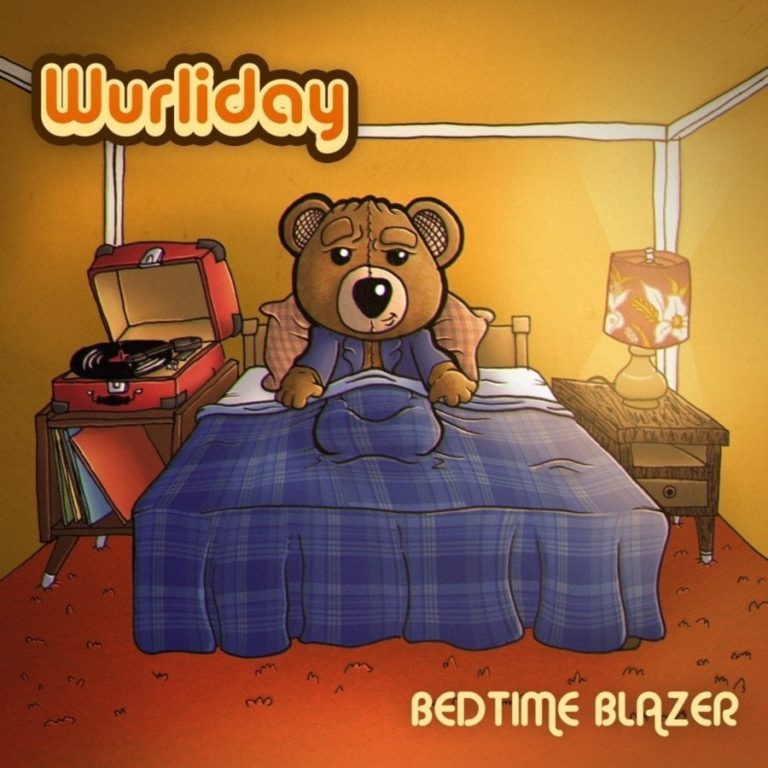
    Justin Henricks is taking on a new role as a band leader, as the Hart School graduate and Averill Park native will release Bedtime Blazer this May, the first EP for his new project Wurliday. As he leads his first band, Henricks finds himself poised for the next step in a career that has thus far found him as a key player best known for his guitar work in Beau Sasser’s Escape Plan, Way Down and The Chronicles.

    Henricks has played guitar all his life and considers Hartford to be a second home, thanks in part to the music scene that includes Arch Street Music Hall, West End Blend and Boo-yah Funk Night, while back home in Albany, Justin hosted funk night at City Beer Hall in 2016. NYS Music sat down to discuss with Henricks the shift from band member to band leader, performing with Beau Sasser and putting together the Wurliday EP.

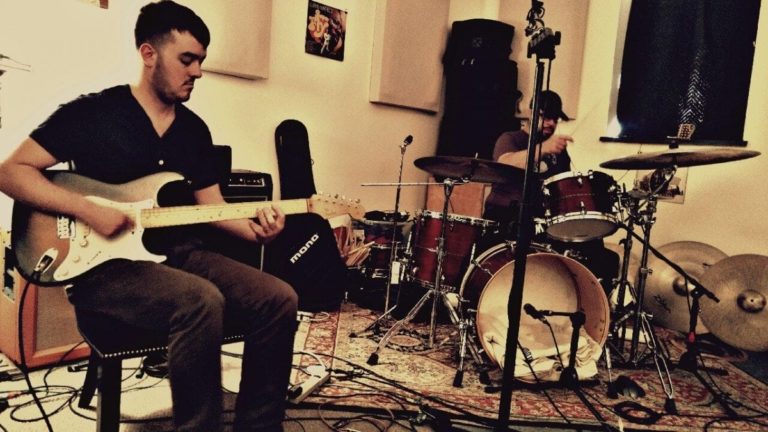
    justin henricksPete Mason: Tell me about Wurliday and how the group came together.
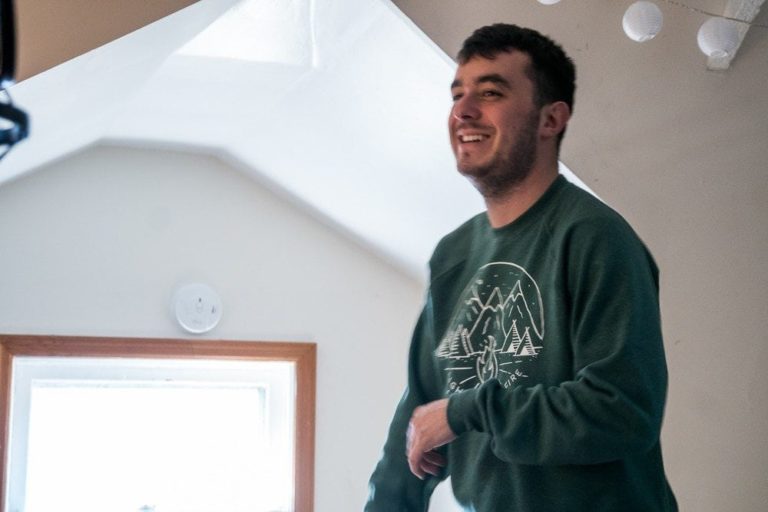
    Justin Henricks: Had this idea circulating in my mind for almost a year, and I’ve been taking my time to let it come to fruition in terms of getting the songs written and making this EP that is coming out. I’ve always wanted, its been long due, having my own project that I have creative control over. I spent a lot of time working with Beau (Sasser), and the Escape Plan and The Chronicles. I’ve learned a lot as a sideman and I’m ready to take on my own project. I figured the best way to do so would be to release something, sort of build the groundwork of the band and the internet presence and everything, before the band actually starts. Almost like a Steely Dan approach  I was able to get some incredible musicians and friends together to play on these tunes. Everyone was really supportive and showed me a lot of love during the process. Trying to create something that will go for a while. Really starting to think of the future of this project and create a home base for myself, creatively and band speaking.

    PM: Where did you record the album?

    JH: We recorded at Alan Evans‘ studio Iron Wax in Millers Falls, MA. The album’s cast is nothing short of all-star. He was a pleasure to work with, he was a great engineer, gave his two cents when needed, and really worked with us to make sure we were getting all the sounds we’re trying to hear. I felt like we had two days of initial tracking and got a lot of overdubs done in the first two days. We brought the sessions back to our house with Bryan (Brundige) at his studio, Grandma’s Studio, in The Attic. Between him and I, he helped a lot in terms of lending gear and his engineering skills. We were able to bang out all the vocals

    PM: Who sings on the EP?

    JH: Arielle O’Keefe, her stage name is Girl Blue. She actually co-wrote the record with me, we worked on all the vocals together, she’s extremely great to work with, hoping to move forward with her and play some shows together. She’s singing on three of the tracks and Jennifer Hartswick (TAB) is on the fourth track, and Tyrone Hartzog (The Chronicles) is featured. In my opinion, he’s my favorite male vocal voice to record, it comes through in the recording so well, something about the timbre and the tone about that dude’s voice that sits real well. He’s like Donnie Hathaway. Between that I also went to Paulie Philippone (West End Blend), he helped me a lot with this record. He’s playing all the keys and synth. We took a trip down to his house, it’s called the Funk House, West End Blend Studio in Hartford. We had a couple fun keyboard days where we went over synthesizers.

    wurlidayPM: How did Jennifer Hartswick come to sing on a track?

    JH: I was really excited to get Jen on a track. It kinda happened organically. Arielle wrote the album with me, and we started the vocal tracking sessions for it and while she sounded great, she suggested to look around for a singer for “Getting There.” On a whim I emailed Jen and sent her the track and asked if she’d be interested in doing it because she really has such a powerhouse voice and she can really sit up there in that high register. She got right back and ended up tracking it in Nashville and did a remarkable job. I couldn’t be happier with her performance, she was the sweetest for helping out with that, it was great.

    PM: How and when did your vocals develop?

    JH: I’ve been working on my vocal chops! I look forward to singing some backups and working on it some more in this new project.

    PM: You went to the Hart School and have ties to Hartford, CT.

    JH: Hartford has always been a second home to me. They have their Booya Funk night on Wednesdays. I try to go down there as much as I can. Arch Street Tavern is one of my favorite venues to play. Going to the Hart School I got all my jazz chops from a really traditional program with some great leadership; I was lucky to study under Nat Reeves, Renee McLean and my guitar teacher Rich Goldstein who taught me everything I know.

    PM: After the Hart School you moved back up here?

    JH: Yeah the Chronicles were gigging a lot and I was playing with Way Down, who were my first sort of band that I had a stake of leadership in. It  was all of our bands but I learned a lot about leadership skills and what it means to be a band leader, which makes me so excited to finally get this project off the ground. Really looking forward to taking something and calling it my project.

    PM: How did you go from playing with The Chronicles to playing with Beau Sasser?

    JH: I met Beau because Way Down was opening for Alan Evans’ Playonbrother and Beau invited me out to do one of his funk nights at Bishop’s Lounge in Northampton, MA, He asked me to come out and play. I didn’t know what to expect and he didn’t send me any tunes, it’s kinda Beau’s way. I went out there and it was a very crazy packed jam party. From there Beau and I became really great friends and he wanted to start the Escape Plan and thought it would be cool to have a band with two guitar players. He brought Danny Mayer to the table and Mary Corso, who are both playing in the Eric Krasno Band now. Beau mentioned he wanted a vocalist and I was able to bring Mary, who I went to Hart School with, into the mix. We had maybe half a rehearsal and Mitch Moriber at Tone Wheel Music Group booked us a bunch of shows and off we went. I definitely do owe Beau some credit in introducing me to a lot of these folks who have been kind enough to play some music with me from time to time; pretty much everybody on the record.

    The Escape Plan is fun, for all of us really, I think it was a really nice vehicle. We played some shows and met a lot of great people and we still play from time to time – Beau is with Kung Fu, Danny and Mary are with Eric Krasno Band. It’s been a funny little stepping stone for all of us I think. It’s like the family band at this point, we have a lot of fun when we get together.

    PM: Who are your guitar/musical influences?
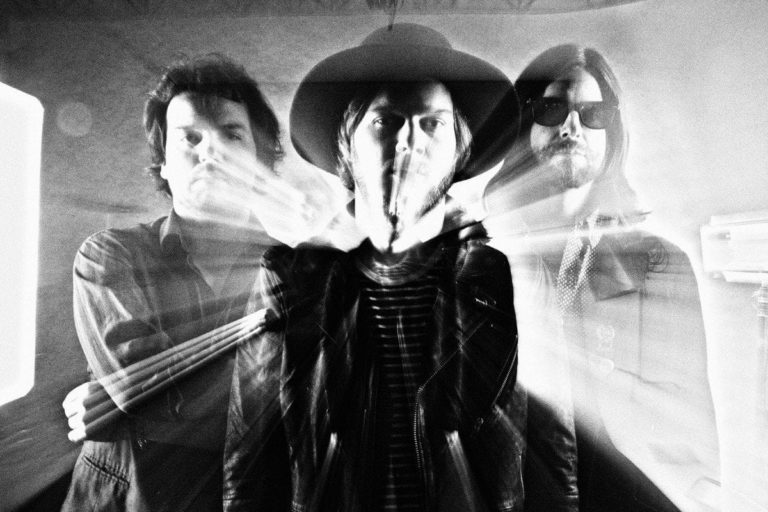
    JH: Guitar-wise, George Benson, John Scofield, Wes Montgomery and Grant Green. Musical influences: Earth Wind and Fire, Steely Dan

    PM: You’re 24 and your roots are in Albany. What do you see your goals are by the time you’re 30?

    JH: I would hope that this original project, long term, has gotten to a sustainable point and something I can really call home, and still doing a lot of the same – getting a chance to play with these amazing musicians and making more records. I hope to have a bunch more records under my belt. This is the first go at it – the first recording process that I produced and had creative say over and I like it a lot. So the bug has definitely bitten and I hope to get back in the studio next fall and do Bedtime Blazer, Vol. 2.

    PM: Thinking of the second one already?

    JH: Absolutely.

    PM: What are your thoughts on the Albany scene? How do you see the Albany scene from the point of view of a traveling musician with a base here?

    JH: It’s a tricky thing for sure. What makes a scene, ya know? People going to shows, we certainly have that, The Hollow and Parish Public House are great rock clubs that host a lot of great bands. A lot of bands have called this place home and had a lot of great times here. There’s a lot of great musicians to play with in the area. It’s a bit of an older scene in my experience. There’s a lot of people that for whatever reason ended up here who are heavy dudes and have their resources available to you as a musician to go seek out and play with them. I was on the phone with Skip Parsons not too long ago. Skip has been doing a gig at The Fountain, he’s been holding that gig for like 50 years, every other Saturday, playing old school jazz and sharing a wealth of knowledge of old music. There’s people to play with here and a lot of history.

    PM: There’s so much going on in this town, and the ridicule of calling it ‘Smallbany’ doesn’t help and you realize there are all these musicians tucked away.

    JH: A scene for me is … there’s all these scenes in all these cities, and it’s the people that are in them that matters. With funk night in these other cities – Beau has in Northampton, West End Blend has in Hartford, Kung Fu has in Bridgeport – it’s definitely a staple that I tried to get going in Albany at City Beer Hall last summer. We had some really successful ones, and some not successful ones, but I learned a lot from it, directing a band, being a band leader. That was my gig that I had to prepare for each week, so I learned a lot from that experience too, all building up to this original project I want to start; all learning experiences.

  • Interview: St. Phillips Escalator Gives Us the Lowdown on Upcoming Album ‘The Derelict Sound’

    St. Phillips Escalator is on the verge of releasing their long-anticipated sophomore album, The Derelict Sound. What’s more – it’s coming out on vinyl on Record Store Day. NYS Music met up with members of the Rochester-based rock band at Record Archive. It was easy to spot guitarist/vocalist Ryan Moore, with his signature newsboy cap and long sideburns, chatting with drummer Zachary Koch in the Archive’s Backroom Lounge. Friends since childhood, Moore, Koch, and bassist Noel Wilfeard were just out of their teens when they recorded their debut album Endless Trip with the help of members of garage rock revivalists The Chesterfield Kings. The 2015 EP Elevation was highly praised, with the one criticism that it was too short and left a reviewer wanting more. Now they’re just about ready to deliver.

    St. Phillips Escalator
    Photo: John Myers

    Paula Cummings: Tell me about your single “New Age.” Why did you choose this as your first release off the new album?

    Ryan Moore: We have a heavier psychedelic sound to the other songs and this one was a little catchy. It’s one of my favorite songs on the album, I think.

    Zachary Koch: We wrote it starting with the beat – it was an early Doors’ first record kind of beat – and based it around that with minor chords. It just came together. But the style definitely references them (The Doors).

    PC: The single comes from the sessions for The Derelict Sound. How did you choose the album title?

    ZK: We just sat down and had a talk one day when we were making some plans. We were really trying to think of what would represent the record. We’ve been together for years now and we reference music from different eras – modern and vintage – but it’s not understood by many people when they first hear it. It’s a derelict sound, an unused kind of overlooked sound… dusted.

    PC: What was the writing process like compared to your previous works, the first album a decade ago and the EP two years ago?

    ZK: As far as the way we write the songs, I don’t think it’s changed much since the beginning. Maybe somebody has a fully baked song or if it’s just a riff then we’ll work it out at practice.

    RM: We usually know if a song works for our sound right away. We only just give it a couple tries with some because it’s like beating a dead horse with some. We’re like, “That would have been great but we know it wouldn’t work.”

    ZK: We build on it together. It’s a collaborative process. Sometimes a single idea comes to the group and we know it works right away. We’ll get inspired with a song first and then play with it. We always had the power trio and blues thing happening, and on this we tried to bring it more into the psych genre.

    RM: I would say this is a little bit darker.

    ZK: The songs fit together well. We had 13 songs, but we cut it down to ten because some of them just didn’t fit that vision. They’re still good songs but just didn’t fit the feel we wanted for this one.

    PC: How has your music matured over the years?

    ZK: We have more life experience, so the content is different from our first record. We were just coming out of our teens. And now there’s more life experience. I have some political lyric writing. Ryan’s lived in New York and so has Noel, so we all have different life experience that go into the writing. I think the music process has been the same, but maybe back then it was a little unhinged, like “Let’s write and play” without having an idea first. It was fun. It’s always fun, but there’s more goal-setting. But the writing process, that’s the same. It’s always just fun at the heart of it all.

    PC: You have this energy that comes across well in live shows. How did you try to capture that in the studio?

    RM: The guy we collaborated with suggested we record it live. So what we did was we went to this place in Geneseo, Tempermental Recording. It’s this big old church and it’s really awesome. All of the tracks for the whole thing we recorded together. There wasn’t anybody separate.

    ZK: That was the key. It was not just a live record, but the bass, drums, and guitar the core of it we played together because it’s the only way we could draw that energy. We tried before to record separately.

    RM: It’s just not the same.

    ZK: And allowing the big space… We need to play louder, so we don’t feel like we’re holding back. That space allowed us to be loud.

    RM: Yeah, that was amazing. I think it was just one of the best experiences that we’ve had.

    PC: That was my next question, how did the space enhance the acoustics?

    RM: The guy who owns the church, he’s an insane collector, so it’s just full of guitars, and organs and pianos and drums and all those things are in the room, vibrating and making a sound as we’re recording, too. It’s really cool.

    ZK: Even recording into the night that helped set the tone because it got dark in there.

    PC: And in a space like that, you’re going to have a big, cavernous sound.

    ZK:  We used that to our advantage.

    RM: And he had tons of cool gear that we were able to use. Echo on the vocals and vintage amps. But mostly we used our own stuff.

    PC: Who did you work with, and how did they influence what you produced?

    RM: Alex Patrick did the recording and the mixing. And when we were out of that studio Mike Brown (owner of Tempermental Recordings) hung out and gave us feedback.

    ZK: He’s like-minded.

    RM: We never met him before. We were renting the space from him, and he was just hanging out and interjecting. He came up with cool ideas.

    ZK: Yeah, he’s really talented. He’s a guitarist and writer, so it was nice to get his perspective on things. It helped.

    RM: Then Brian Moore mastered our tracks out at Red Booth Studios in Rochester.

    ZK: Really helpful people, gifted. They have that patience I would never have to be able to engineer and mix. I just like playing.

    RM: I just appreciate it so much.

    PC: Which tracks are you most proud of and why?

    RM: I really love “New Age.” I think that came out awesome.

    ZK: I really like this track five. It’s called “Find My Way.” It closes out the first half of what will be the vinyl. And I think that it’s a different direction for us. It still fits, but in my mind it’s more of a modern song. It has a type of beat that’s different than what we’ve done. It’s this driving type of beat – you’ll see – but that’s one of my favorites from the record. Generally, a lot of our songs in the past have been four minutes. We get to solo a lot in this one.

    RM: That song and the last song are kind of long, dark psychedelic songs. And I think the first song is one of my favorites, too, “Sleepy Silver Train Haze.” That’s just kind of a dark brooding psychedelic tune that feels a little sad.

    PC: Is this your first vinyl? How does this fit the aesthetic of what you do and what you’re about?

    RM: It fits perfectly.

    ZK: It’s everything. We’ve collected, we were raised on it.

    RM: We’re just huge record fans and I think it’s pained us to not have anything on vinyl yet. That’s one of the reasons why it took so long to come out. We were looking to find the right partner and in the end we did everything ourselves. We were going to wait as long as it took to make sure it was released on vinyl.

    ZK: Vinyl gives the opportunity for the album artwork to shine. Ryan is an incredibly gifted graphic designer. He has a wonderful friend, a very generous friend, John Myers, who shot the cover for us and Ryan put it all together. That’s something that’s missing with a digital outlet. You can’t hold it and you can’t see the art that goes into it as well. But yeah, I play records every single day and to finally have one of our own is what we’ve always been going for. For our last EP Ryan and Noel were in NYC so we didn’t have as much time to get it all in line for vinyl.

    PC: What are you listening to on vinyl?

    ZK: We still listen to all formats. We just appreciate it the most and it sounds the best. But some of our favorite vinyl?

    RM: My collection? I have some of my favorite old blues records like Mississippi Fred McDowell and the Blues Bakers. Cool rare blues records are some of my favorites. Then on top of that 13th Floor Elevators, The Seeds and some of the stuff that influences our band. It all sort of comes together.

    ZK: And when I’m really sitting down and listening I really love to put on either Neil Young or The Byrds. I like listening to folk records on vinyl. I think it’s really befitting.

    RM: We also started collecting some newer, modern psych bands on vinyl too. Morgan Delt, Black Angels. Anything that’s good sounds better on vinyl.

    PC: Tell me about the album cover.

    RM: We really had this idea that I really wanted this to be an out of focus picture of us, like a really blurry, just weird picture. I didn’t want just another portrait of the band. People either know us or they don’t, and I don’t care to have our mugs pegged on it.

    ZK: And the photographer was able to do that without any special effects.

    RM: We were just playing around. It was fun to go through a whole set of photos. We went picked the blurriest one that had a cool vibe. It’s got a cool grain and strange colors to it as well. And then I put just a small psychedelic treatment to it, kind of small off to the corner, kind of nondescript.

    ZK: We never really had a set logo, and that little badge in the corner is kind-of new.

    PC: You guys have been together half of your lives. What are some of the challenges you’ve had to overcome to do this?

    RM: I think it’s because we were friends first. I think we became friends in junior high.

    ZK: I think it’s been an advantage.

    RM: I think that us looking out for each other and keeping each other in mind…

    ZK: Feeling comfortable enough to share what turns out to be a really terrible song or a great song, but not being afraid of what you’re bringing to the table.

    RM: Respect for one another.

    ZK: When we play, we’re just hanging out. So we get to hang out with each other as friends but also as a band. It’s beneficial.

    RM: Sometimes it gets tough though when you have to get work done, and you just want to have a beer and catch up.

    PC: So you mentioned that Ryan and Noel lived out in New York City for a bit and you had to make that work long-distance.

    RM: Yeah, that was tough. We weren’t as active during that period. But it also opened up some different opportunities because I met a lot of people in New York and we were playing a lot of gigs in Brooklyn and Manhattan.

    ZK: And then we could just stay at Ryan’s.

    RM: Yeah, it was easier then than it is now because we had a home base.

    ZK: And then we rented an hour studio to practice in New York.

    RM: We were still playing shows actively, but I think creation was the harder thing to do.

    ZK: We would send things online, but we couldn’t really test them out.

    RM: That was obviously the hardest part…

    ZK: The productivity in the studio.

    RM: But something about us being together for so long, we could book a show in New York or Rochester, practice once – or not – and play the show and it still sounds good.

    Follow St. Phillip’s Escalator for news about upcoming show dates, news, and links to purchase the album.

  • Interview: Super American Serves Up Retro Upbeat Sound with a Side of Pineapple

    Buffalo’s best kept secret is about to break out. Super American has been wowing the local music scene with its youthful energy and optimism. With two music videos out now and a debut album hitting the market on April 7, these boys are poised to top the indie pop scene.

    Photo by Andy DeLuca

    The core of Super American is Matt Cox and Pat Feeley, with friends helping to fill out on drums and guitar. NYS Music interviewed Cox to learn more about Super American’s peppy tunes, clever phrases and… pineapples?

    Paula Cummings: Let’s start with the one burning question that’s on everyone’s mind: what’s up with the Year of the Pineapple?

    Matt Cox: Before we started taking all the photos of our friends at shows, we all referred to the Year of the Pineapple as this sense of optimism for the upcoming year. When the year started, we didn’t have much of a choice, because we laid the foundation that this is the year of the pineapple. It’s a fun way to start the year.

    PC: So people are bringing pineapples to the shows. What are you doing with all of them?

    MC: When people do bring them to the shows, I’m not sure what they do with it. I typically leave it or I’ll pass it along. The last time we brought one out someone asked for it, so they take it and it makes its way to the bar or wherever it’s going.

    PC: Tell me a little about how Super American started.

    MC: We were working on songs about this time last year. We’ve been friends, Pat had in bands separately from myself and vice versa. It was something we talked about working on music together. We got together about this time last year and we haven’t looked back.

    PC: So you guys were in separate projects, but ran in the same circles in Buffalo.

    MC: Yeah, it’s a tight-knit community. We recorded our album through the spring of last year, we wrote it over the winter. We played a few shows in the summer. That’s when we gained the attention of Joe from the label, and put things on hold til the end of the year. And now we are going to release the album on April 7.

    PC: I’m looking forward to it. Going back to the community, you’ve been working with Andy DeLuca. What was it like working with him for the music videos and promotional photos?

    MC: Working with Andy, I personally grew up with Andy around the corner. He was a friend, and he was someone who inspired me at a young age. So I got to learn how to make music from Andy and learned how to be creative from Andy. Some of my best jokes were stolen from Andy, and at one point we were roommates. He just moved to the city, but seeing what he’s been able to do in a short period of time is awesome. When you have an opportunity to work with someone like that you let it happen, and you don’t take any second for granted, because he could obviously be spending his time elsewhere at this point. So we’re lucky to have him as part of our team.

    PC: I think he’s captured your aesthetic – that retro feel-good throw-back to an earlier, simpler time.

    MC: Definitely. When we made the video [for “Sloppy Jazz“] we didn’t have too much of a plan ahead of time. We just had an idea. We just went at it. And you just get out of the way of someone that talented who has a vision. He did an awesome job. The video he did was amazing.

    PC: Did he also direct the video for “Congratulations?”

    MC: He did. That was actually Pat’s idea. The stand still lyric video, which was cool. And Andy said where to sit and things like that, and he did the lyrics. We actually recorded those videos on the same day.

    PC: On your band profile, you identify your genre as “Poolhouse Rock.”

    MC: We were spending a lot of time this past winter in a suburb of Buffalo, in East Aurora. We’d go there every weekend just to get out of the city. There was a lot going on in the city. Sometimes it’s a bit repetitive and there are a lot of distractions. So we would go to East Aurora to get inspired, and not even just to write music. Our friend had a pool house that was potentially available to rent. So Poolhouse Rock is something Pat came up with. It’s about defining music, and removing yourself (from the label of a genre) to hear it objectively. So Poolhouse Rock works for Super American.

    PC: How would you describe your music?

    MC: We made a lot of effort to capture that same energy that we had in past bands that were a bit louder and more aggressive in an audible sense. So the energy, but a little easier to listen to. We made an effort to try and step up as musicians in this batch of songs we recorded, and I really hope we accomplished that.

    PC: What I like about the album is that it’s pop and it’s fun, but it’s got a message to it.

    MC: I’d say it’s a very friendly record. We wrote the songs all together. Our good friend Fred Cimato, who played in a band called Cute is What We Aim For for a number of years, really helped us when we were writing songs and arrangement and recording the album. Fred is intelligent when it comes to songwriting and producing. And Rob Grabowski, our drummer at the time, had a part in it. So it was a lot of heads put together for all the songs on the record. Our friends Fred and Rob recorded with us and were on the videos. Rob has moved to NYC and Fred is always down to help if needed. Now it’s Pat, myself, Steve Gardner, and Elliot Douglas.

    PC: Where did you record the album?

    MC: We were actually very fortunate in that aspect. We have a studio called CGR Studio that’s owned and operated by Robby Takac of the Goo Goo Dolls. It’s been around many years. Rob’s done a good job renovating the studio. He’s had people like James Taylor come here to record parts of his album and people such as Lil Wayne. That’s the reputation CRG has. We’re very lucky to have a place to make something like that. We recorded with Jay Zubricky, who’s a producer here in Buffalo. He engineered it, mixed it and produced it.

    PC: What led to the signing with Take This To Heart Records?

    MC: We were looking at putting it out with a label. We were looking for a team approach.  Joe (the owner of Take This To Heart Records) was very nice to us. We have the same goals. He’s been getting us exposure on playlists. Working with Joe has been great so far.

    PC: What are your band goals for the year of the pineapple?

    MC: To live up to the standard of the year of the pineapple. And continue to grow as a band and as artists and grow as people. And if we’re able to do that then I think that those things our band looks forward to like touring and playing shows will take care of themselves.

    PC: Anything else you’d like to add?

    MC: I would suggest that people listen to the Del Paxton record. I highly recommend it.

    Photo by Andy DeLuca

    Disposable and pineapple-themed Super American t-shirts are available to preorder on Take This to Heart Records.

    Upcoming Shows:

    4/8 – Buffalo, NY @ Waiting Room
    4/14 – New York, NY @ TBA
    5/24 – Brooklyn, NY @ Shea Stadium
    5/25 – Philadelphia, PA @ Alternative Underground
    5/26 – Washington, DC @ Electric Maid