Originally hailing from Aukland, New Zealand but now residing in Los Angeles, USA, Gin Wigmore is known for her powerful vocals and melodies.
Listen to the interview with Gin Wigmore by Alexander Spinelli/Longbow Media/Recess with Spinelli:
Ms. Wigmore originally came to my attention while I was in London, England in 2012. While surfing the channels on the (in the local vernacular) “telly,” I stumbled on a James Bond, “Skyfall” commercial featuring Gin’s song, “Man Like That,” off here 2011 release “Gravel & Wine.” At this point, I was as Peter Pan may say, ‘hooked.’
Gin Wigmore at the Hollow Bar and Kitchen in Albany, NY
Ms. Wigmore’s 2013 release, Blood to Bone lived-up to her reputation and in fact, ever solidified her growing American fanbase, with songs such as “Written in the Water” and “New Rush.”
Back in December, Gin came to Hollow Bar and Kitchen, in Albany, NY to a packed audience in support of her upcoming album and newly released, bold single “Mercy.”
I interviewed Ms. Wigmore ahead of the show, during which she speaks of her musical progression, move to California, the upcoming album and much more!
You can also listen to the full radio broadcast here:
Recess with Spinelli can be heard every Wednesday 8pm-10pm EDT on WSPN in Saratoga Springs, NY on 91.1FM and on Hoxton FM in London, England every Wednesday 11pm-1am GMT 6pm-8pm EDT
Holly Bowling is back on the road in March and after hitting Syracuse this week, she heads to a little known venue The Whisper Dome on Friday, March 24. The venue is a unique round room, perfect for jazz performances, and Bowling is excited to revisit the Capital Region as she does quite frequently, bringing with her classical reimaginings of the music of Phish and the Dead. Bowling chatted with NYS Music recently about the integration of Grateful Dead music into her setlists, performing with Everyone Orchestra and the musical handshakes that resulted.
Pete Mason: How has integration of the music of the Grateful Dead and Phish changed since you began integrating the two and since you releasedBetter Left Unsung.
Holly Bowling: The setlists have gotten a little more Dead heavy. When I introduced Grateful Dead songs, the album wasn’t out yet, and it worked itself into the setlists gradually. The Dead have such a deep and extensive catalog and I continued to dig into that and add things to my repertoire. In general, the shift from playing all Phish and then Phish and The Dead together has opened up a whole new arc to each show and each set. As you know, as much as the two bands get compared to each other and lumped together, the music in truth is really, really different. There are some really touching and beautiful songs in the Dead catalog, and if you juxtapose a Dead song between a Phish song, you have to ease into each song in order to cover more stylistic ground in each show and make room for improvisation and bridging the space between the two bands and the place the music takes you.
The other change is that adding in the Dead’s music, I’ve noticed the chord progressions are beautiful but they’re not incredibly complex. Some of those have been the hardest ones to work on. Having that in my catalog and adding into sets has taught me the importance of leaving space. Some songs in the Dead’s catalog are truly emotional for me – “Stella Blue,” “Wharf Rat,” stuff like that. There can be these delicate, very emotional moments and you can’t fill up all the space there. I’m really enjoying the variety that is coming with working with these catalogs both at once. It gives the shows more of an ebb and flow and opens the door for a good arc or storyline in each set. I try to put the sets together with a particular shape to it and you end up having more tools to work with in that way. There is still a balance between the two. I love the bands both very deeply.
PM: In addition to your solo shows, you have been playing with the likes of Joe Marcinek Band and Everyone Orchestra.
HB: I just played two shows with Everyone Orchestra in Charleston, SC and Asheville, NC. We played a bunch of Dead music together with Oteil Burbridge on bass (Dead and Company), Ian Neville on guitar (Dumpstaphunk), Natalie Cressman (TAB), Claude Coleman Jr. on drums (Ween), Wallace Mullinax (Dead 27’s), Mike Quinn, and Jeff Mosier on banjo (Blueground Undergrass), and we did an afternoon set called Everyone’s Dead with Matt Butler on drums, Anders Osborne, Oteil and myself. It was a great experience all around.
PM: How have those experiences with Everyone Orchestra challenged you and affected your playing?
HB: It feels natural. I hadn’t played with anyone in that lineup before. Matt will write a theme on his dry erase board and sometimes one specific instrument gets to lead a tune and make up the theme with Matt’s suggestion. To play a theme and meet these musicians through a musical handshake allows you to get to know people through performance, you start to hear everyone’s voice come through. Whoever starts out the song, you find out ‘This is your style, your voice’ and we find out what we sound like together. Then you hear their voice and you figure out how to add to it or complement it.
The other things that was really cool about it is that no one is ever announcing what they’re going to do next, the most you can do is telegraph a chord change in a certain progression; if everyone moves to the 5, you know you’ll move back to the 1. It’s kind of a surrender, and instead of a group think and do the same move at the same time, if one person decides to go off in one direction, the group moves in that way. It’s different when you have a conductor and they’re at the controls of going to the B section. It’s unique and with someone calling the shots and conceptualizing where you want the show to go is a very different experience and it was really cool.
PM: How did you come across The Whisper Dome?
HB: We are always looking for piano rooms and also looking for unconventional spaces for a show. This happened in Portland at The Old Church and people walked out having never heard of the place and wanting to return. I like venturing outside the usual circuit of rooms that get played within our music scene. The style of music, by necessity, is a hybrid of different sounds so playing in jazz clubs, churches, clubs is reflects the variety of music. I think we found a picture of The Whisper Dome online from a jazz series they help and being called the Whisper Dome, it intrigued me. I think it’s good to change it up and give people an opportunity to have this grounding experience in a real quiet space can be really cool. Spaces like The Whisper Dome and really conducive to that kind of environment and listening atmosphere.
PM: Todd Stoops (RAQ and Electric Beethoven) recently moved to the West coast and your hilarious airplane photo rivalry…
HB: We’re gonna open an airline together. It’ll be expensive though, one customer per plane. (laughs)
PM: Do you see yourself performing more with Todd now that he’s out west?
HB: I feel like piano players don’t get to play together very often – sometimes there are two guitars in a band but rarely double keys. There’s an amazing movie Piano Players Rarely Ever Play Togetherthat I highly recommend watching. It’s got Tuts Washington, Allen Toussaint, and Professor Longhair. You gotta check it out! But I digress. I’d love to play with Todd. Actually, I have side by side pianos in my living room currently – Todd, if you’re reading this, come over and play one of ’em! Double piano jams!
Fultonville, NY native and winner of NBC’s Season 8 of “The Voice,” young Sawyer Fredericks will be joining the stage with fellow local musicians The Sea the Sea, Girl Blue, Sandy McKnight and John Davidson for the 518 Songfest at The Egg in Albany, NY on April 1. interview
Sawyer Fredericks live on Recess with Spinelli at WSPN
Back in November, Mr. Fredericks stopped by the WSPN radio studio on the Skidmore College campus for an interview and to perform several live songs and discuss life on the family farm, musical inspiration, experience on “The Voice” and much more.
You can listen to the full radio broadcast here:
Sawyer Fredericks live on Recess with Spinelli at WSPN
Recess with Spinelli can be heard every Wednesday 8pm-10pm EDT on WSPN in Saratoga Springs, NY on 91.1FM and on Hoxton FM in London, England every Wednesday 11pm-1am GMT 6pm-8pm EDT
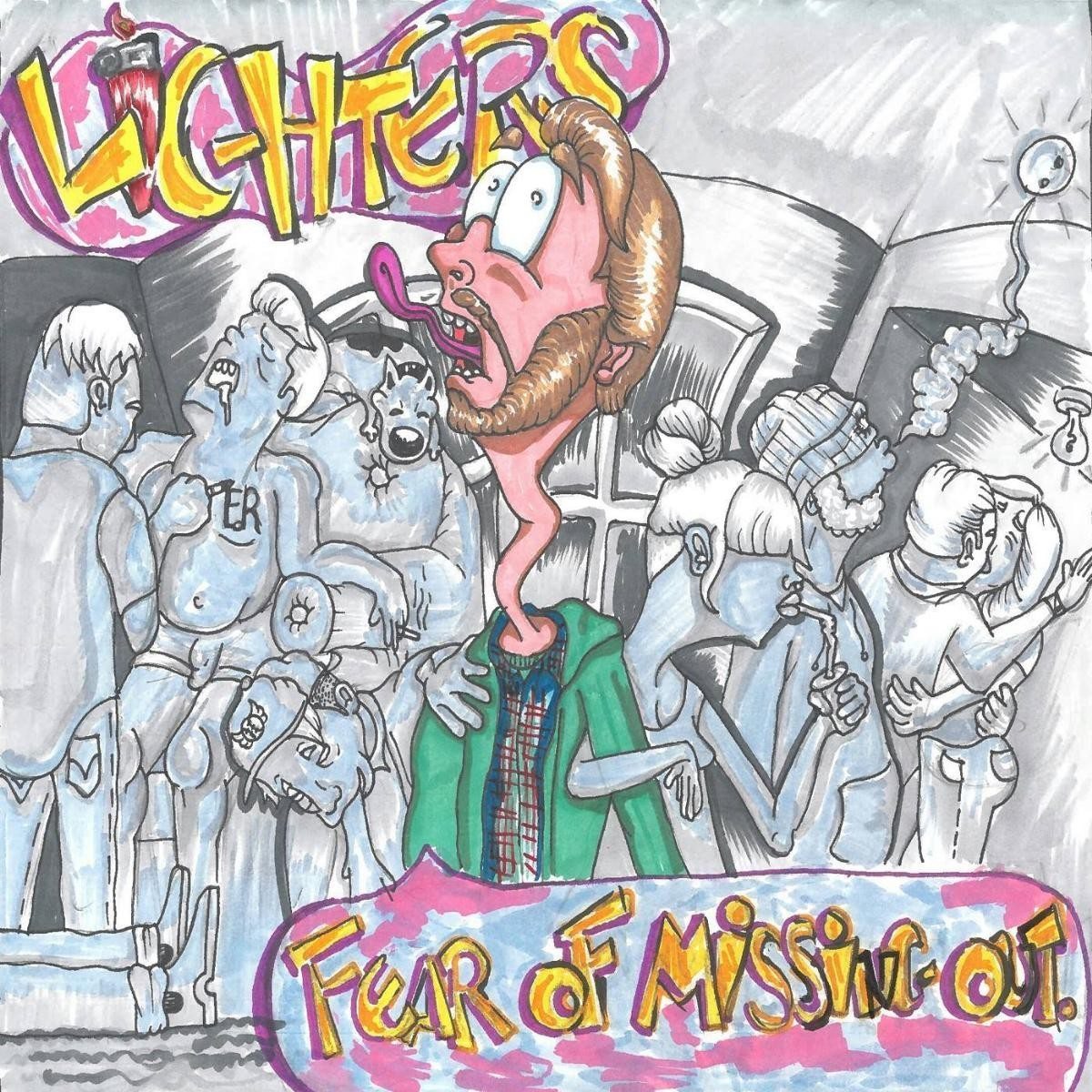
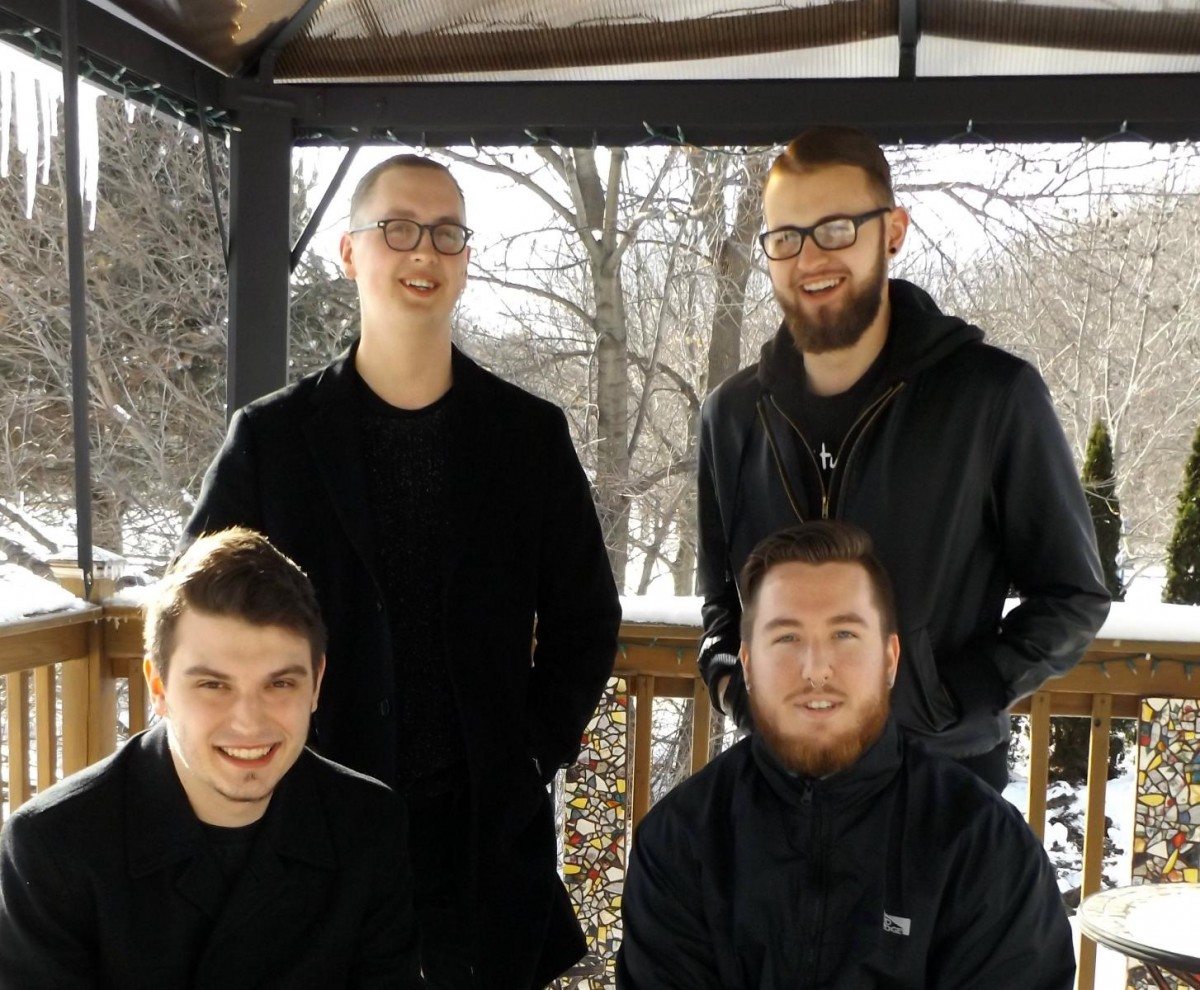
In a vast sea of pop punk bands, Lighters emerges as a stand-out from the crowd. On their latest EP, Fear of Missing Out, they pay homage to the nostalgic aspects of the genre, while at the same time redefining the boundaries.
Photo: Corinne Cummings
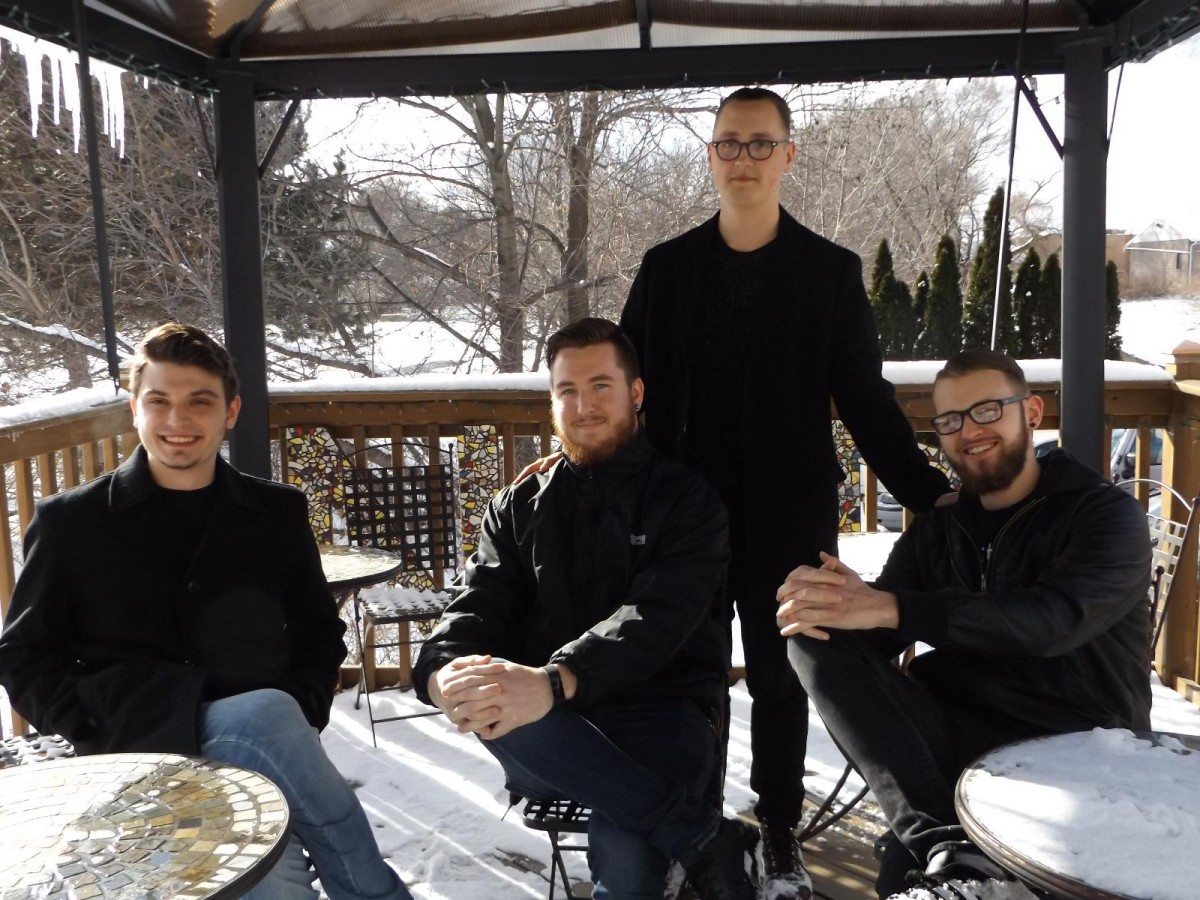
To learn more about what went into the making of Fear of Missing Out, I met up with the members of Lighters: Matthias Galley (lead vocals/guitar) Will Westveer (lead guitar), Jake McDermott (drums), and Alan Pelton (bass) at New Roots Coffeehouse in their hometown of Rochester. We talked about recording at home versus the studio, the stories behind the songs, and the best places to go in Rochester for a garbage plate.
Paula Cummings: So why Lighters?
Will Westveer: Plural nouns were the thing two years ago. Every band was a one word name with an “s” at the end and without the “The,” and we thought Lighters would be good. Part of the reason we changed our name (from Cult Classic) was because there was already a band called Cult Classic. But now there’s another band called Lighters. So it’s really unavoidable.
PC: How would you describe your sound?
WW: It’s very old school. There’s a lot of old school pop punk, old school emo.
Matthias Galley: Early 2000’s – The Get Up Kids, Blink
Jake McDermott: My girlfriend said last night, “You guys sound like newfound glory.”
Alan Pelton: We’ve also got that newer emo going. Modern Baseball is a huge influence.
MG: We’re not a straight up punk band, but that’s definitely where a lot of my roots came from – just like that pure aggression and energy and maybe not being technically the best but having heart behind it. I think that’s a lot of our philosophy.
JM: But we also want to get out of that and be more modern, like alternative emo.
MG: It’s really hard to put your music in a genre because you just have so many influences and you put them in the box and you don’t know what’s going to come out.
PC: The new EP, Fear of Missing Out, where did you record and who helped you put that together?
JM: First we tried recording at my house.
WW: It didn’t sound too bad, but it was too much work.
JM: My parents were out of town for Halloween weekend last year. We set up my drums in the living room. We put pillows next to the fireplace so no one would hear outside. And we just recorded drums for the entire day. Then we recorded their vocals and stuff for the next two days. We finally were almost done and we were on the last song when someone rang the doorbell. I forgot it was Halloween. So my dog starts barking, and we’re like “Okay, we’re just going to get someone to do it.”
WW: It was the last straw.
PC: Yeah, DIY is great, but it takes a lot of work.
WW: We recorded it with one of our friends in a band called REPS. They’re a hardcore band, they’re really good. They have a rehearsal space over off Park Ave and they’re turning it into a studio too. We’re one of the first bands that used it. The guitar player Jordan Foehner helped us. We were really happy with it. HQ Audio – they were deciding the name as we recorded.
MG: It’s cool to be at the beginning of something like that.
PC: And then the album art – that’s a throwback.
MG: That’s my roommate Billy Lyons. He’s a local artist. He had a show at the Bug Jar a while back and he just had a show at Ugly Duck Coffee. I was like, “Hey can you draw something that looks like 1990’s cartoons, like Rocko’s Modern Life style?” We had him base it off our friend Bobby Heath, who is the guy on the album artwork for the other EP. Bobby comes to a lot of our shows. We’ve known him forever.
AP: We kind of made him look like he’s not really fitting in, like everyone’s having a good time and he’s hanging around.
PC: And that fits the title of the album, Fear of Missing Out. So let’s talk about the tracks. Tell me about “It’s Cold, I’m Sorry.”
MG: That song I wrote after my 21st birthday. I went to a show at the Bug Jar. And it was my 21st birthday, so I left the bar and I forgot my coat inside. And my girlfriend was like, “What are you doing, you have to go in and get it.” So she went and got it for me. It was such an insignificant thing, but I thought it was kind of cute.
PC: The cold seems to be a theme, because there’s mention of the cold in the next song.
MG: You have to write about what you know, right?
AP: It’s something that happens in Rochester.
WW: It’s a reoccurring theme – you can’t get away from it.
PC: But then your EP came out right at the beginning of a heat wave, which was ironic. Tell me about the second song, “Cult Classic.”
WW: That’s one of my favorite songs, I think. That’s a song that we wrote in our old band Cult Classic. That’s why we named it. Back then it was only a verse and a chorus, like verse-chorus-verse-chorus. We only played it once or twice, but I always thought that the chorus was super catchy. We had this other song that we wanted to put on the EP, but we were on the fence about it. And I was like, “Let’s go back to that, let’s revamp it, let’s add a few more parts.” I think it turned out really good. That song’s about Rochester.
PC: But then there’s “Cranberry Lake,” which does not sound like a Rochester reference.
MG: Cranberry Lake is a campground up in the Adirondacks. It’s more of a return to a natural setting. We talk about Rochester, then we shift settings.
PC: I think punk pop bands have like three prerequisite songs, and one of them is always about getting out of town.
MG: We try to avoid those tropes because it’s really tough being a punk pop band.
WW: But you can’t really avoid the pop punk clichés.
JM: We love pizza and buffalo chicken.
PC: And then “Mary Jo,” that one’s a little different than the other ones.
AP: The title is my grandma’s name. One of the first times we played was at the Vineyard Community Space. She came and a ton of my family came and they took up half the room. She had like a folding chair – she got a chair from somewhere, I don’t know where – and she put it right in the front, like right in front of our mics. She put some ear plugs in and she just sat there for the whole thing. That song didn’t have a name, so we just slapped her name on it and it stuck. I kinda like it.
MG: I really like that venue. It’s cool. It’s all ages, which is amazing around here. You know it’s tough. I don’t know how you can encourage people to keep moving into the scene if you have venues that you can only go in if you’re 21. I just wish there were more all-ages venues around.
PC: The last song is “No Pictures Please.”
MG: The song itself I wrote two summers ago. Cold is kind of a theme for the whole album, but this swings to the opposite end of the spectrum. This is about summertime. We had put out our first EP and we were trying to write new songs, to generate new material and come together as a band. At the same time this was in between classes and I was living at home, because you can’t live on campus during the summer break. And you feel anxious and you just want to move on to the next phase. And I think that’s what the song is about – trying to advance as a band and a person.
Photo: Corinne Cummings
PC: How was the experience recording this one different than your first EP?
WW: The EP we did at RIT at WITR studio. We recorded the whole thing live so we played it all live in this tiny room. We did vocals afterwards. This time we had a lot more control. It took way longer. Last time took only a day. This time took a few weeks and we tracked everything separately, so we got to mess around with some tones. We did a little editing. It was a lot more professional this time around, and a lot more fun, really.
MG: Yeah, it was cool. We really did enjoy recording at HQ Audio. It was a really nice, relaxed environment. I didn’t mind coming in multiple sittings because it’s enjoyable recording with them and doing what we do.
AP: Jordan knows what he’s doing. In “No Pictures Please,” at the end, he jumped in too and that was super fun.
WW: Yeah, it was me and Alan and he’s got a booth with all of his board. Me and Alan were standing outside the booth with headphones and a microphone. And he’d hit go and run out with headphones on.
MG: He was really involved.
JM: It was fun doing vocals with Jordan.
WW: He helped out a lot too. A lot of harmonies and input.
AP: He pushed you to make it sound better – “No, you can do better than that” and “do it again, do it again.”
MG: Yeah, it definitely would have sounded different if we went with someone else. He had a lot of good constructive criticism.
PC: In your band interests you mention garbage plates. What’s your favorite place to go for garbage plates in Rochester?
JM: I like Steve T’s the best – on Lyell. It used to be Nick Tahoes. It looks really trashy, but it’s good.
WW: I love a greasy spoon.
AP: But I like Henrietta Hots, they’re consistent. They’re open late, too.
PC: Anything else you’d like to add?
MG: We had a lot of outside help, between Jordan and Billy who did the album artwork. And Bobby, too. He comes to shows whenever he can. And Tim Avery. He’s the reason we play shows. The majority of shows come through him and he’s the one who gave me my first shows when I was 16 or 17 years old. The way he goes about his business is very commendable and I really appreciate what he does for the scene.
NYS Music had the honor and pleasure of speaking with Albert Mazibuko, an original member of Ladysmith Black Mambazo, the a cappella revolutionaries from South Africa. They gained global recognition from their collaboration with Paul Simon on his album Graceland and their careers have skyrocketed since. They worked with a variety of widely recognized artists from Dolly Parton to Sarah McLachlan and released a plethora of albums over the course of 50 years. Tickets are now on sale to see the group perform at the Fairfield University Quick Center in Connecticut, Sunday, March 12 at 7:00 p.m. Mazibuko tells NYS Music about their humble beginnings, stories of their time with Paul Simon and more information about their upcoming performance.
David Ostroff: When was the last time Ladysmith Black Mambazo came to Connecticut?
Albert Mazibuko: I cannot be specific, but it was maybe a year or two years ago. I cannot tell because we are always around the country
DO: That’s not surprising. Ladysmith has been performing constantly for years now. That being said, how do you and your team keep up your enthusiasm after 40 plus years of recording and performing?
AM: The music itself gives the energy that we need. Sometimes, I’m feeling tired before the show. But then we get together and we pray. After that we start a song to warm up ourselves and then the energy just comes. Before I hit the stage, I am a new person.
DO: I have to ask. I did some research and saw that in South Africa, before you came to the states, Ladysmith would perform in a cappella competitions. But you guys were so good that they wouldn’t let you compete. How did that happen?
AM: Wow, that is a good refresher! I’ll never forget that day. We were finally allowed to enter the competition (because their music was a different style than other groups). After we sang, the judges and audience stood up, and the other groups said, “You already won!” They decided the music was too good to entertain, so what (we) would do is sing from 8 to 12, and then after, the other groups will compete. We couldn’t believe it happened. We really missed the competition. But not anymore, after our success in our group.
DO: What were some of your best memories when working with Paul Simon?
AM: When we first received the message that Paul Simon was in Johannesburg to met Joseph Shabalala, we wondered why he would want to meet (Joseph)? We first thought it was someone who would sing American gospel, which is similar to our music. But when we heard it was Paul Simon, because we knew his music, it would play all over radio’s in South Africa, we said, “How?? Why does he want to meet him?” When Joseph went there, I remember he went there in the morning because we were around in Johannesburg on tour so he went to meet him in the studio and Joseph came back in the afternoon. We asked him what Paul said, Joseph said, “He is a man of music. He wants to do something with us.” So the concern was more than before. In two weeks time, he sent us a letter with a demo (of the track “Homeless”). Along with it came a piece of paper in Paul’s handwriting that said, “Dear Joseph, Don’t change this because I took it from one of your recordings.” Paul only sang two lines by himself which were “Homeless, homeless.” (The chorus) This was the right time to write the music because this would go with the situation in South Africa. Violence was all over the place. We then received a message that we had to go to London to meet with Paul. We went as a group and we were so excited. We stood behind the microphones, and Joseph told Paul we had been trying to work on the song. We tried to record the song on the first day and it did not work at all. It was so much different with all the people trying to help and the song was not getting together. We were in the studio at two in the afternoon, and by six in the evening, Paul said let’s all go back to the hotel. We were very disappointed because Ladysmith Black Mambazo would usually record up to 12 songs a day. We practiced until midnight. The following day, we went into the studio. Joseph told Paul that that we had been rehearsing and to take a listen to this one. We sang the whole song, someone said, “This is it,” and in two hours we knew the song was there.
DO: Well it must have been worth putting that effort into that song, though. It’s absolutely beautiful.
AM: It was like a nightmare to us! One song for three, four hours? But we understood that it was something else that was introduced to us. I appreciate that because, after that, everything was so much better for the group.
DO: I didn’t know much about your music aside from your work with Paul Simon and most of my generation have limited knowledge of Ladysmith Black Mambazo as well. What else would people my age recognize Mambazo from?
AM: We have worked with a song on Michael Jackson’s “Moonwalker” and we collaborated with artists like Dolly Parton, Stevie Wonder and Ben Harper. There were so many others. Sesame Street (“Put Down the Duckie”) was a very famous one, The Lion King (“Upendi” from The Lion King 2) and the track for Eddie Murphy in “Coming to America” (“Mbube”).
DO: Aside from your generation, Americans most likely remember Ladysmith from their intro in Paul Simon’s “Diamond on the Soles of Her Shoes.” What is the rough translation of that intro in English?
AM: That one happened in the way that we used to do things. One day we came to New York to perform on Saturday Night Live. (The day before SNL) Paul Simon was recording and he said, “You can come in.” When we went in we found he was working on this song, “Diamonds on the Soles of Her Shoes” and he said to Joseph, “Just give me some blessings in my song.” We listened and said, oh this song is complete. But Paul Simon insisted that we do something. Joseph just took a piece of paper and a pen and wrote it down. It translates to, “It’s unusual, the girls, they take care of themselves so they don’t depend on a man.” He was responding to the song about this girl who is rich. The girls have their own money so they take care of themselves. We recorded that on the last day, and it took not even 30 minutes. To tell you the truth, this is a song that after I heard it for the first time I thought, “Oh it’s one of those song where you said, ‘Okay I need 12 songs, so I’m going to put something that makes number 12’”. But I was mistaken, because after I played it the third time I realized, this song is good!
DO: One more question before we move to your performance in Fairfield. Your group has been recording and performing for more than half a century now. Many bands and musicians that stay together for even half that time were doomed to have conflict, like Simon and Garfunkel. How did you and your group keep such good ties with one another?
AM: I think something is helping us. You see groups all over the world that have been together for two or three years and then they go separate ways which is sad, most of the time. But in ours, we are fortunate that we are all family. In our culture, the family will stick together, no matter what. And also, our culture tells us that the person who is in charge of the family is a leader of that group. We are bound to listen to that person and respect that person and also respect one another. We believe that (Ladysmith Black Mambazo) is a family and if I have a different opinion than my brother, or whomever, I represent that in a respectful way. So even if we have some disagreement in the group, we always tell it with respect. It helps us a lot because I can tell you the truth that we’ve never had something like a fight between us. We do have different opinions sometimes when we talk about things. But we find a solution and a common ground. If my way works, I will never say, “What did I tell you? Your idea was useless.” No you don’t say that. In our group, we will always find a way to agree with one another.
DO: On behalf of all people that love your music, thank you for thinking in such a way and staying together for as long as you have. Your contribution to American music was immense. Let’s move on to your performance at the Quick Theater. What kind of audience usually attends your shows?
AM: It’s amazing that we see all ages. All people. Older people up to the toddlers. All the nations and the colors enjoy our music. Joseph used to say, “Our music, it’s coming from the blood to the blood.” So everyone creature who is a human being in this world can relate to our music because we speak to the soul of the people. When I look to our audience, every time I will see a 90-year-old and then I see the toddlers, maybe three years, which we are so grateful for that.
DO: In a few of your albums and performances I hear some light instrumentation. Will we see a strictly a cappella or will there be a band accompanying you?
AM: No it will just Mambazo. When you get into the theater you will see 10 microphones lining up on the stage. You will see 10 guys, they walk to the stage with colorful clothes, white shoes and the song will begin. Some parts we will include the audience and so we engage them. We give them something and then we sing so it’s like a competition then after that we come together and we sing. It’s a very good lineup. It’s songs that are entertaining and uplifting. They are more encouraging with a positive message, especially in this time. It seems that this beloved country is in a conflict. We choose very specific songs for that. The songs that we sang for South African people, it helps them and encourages them. They were able to solve their problems. Hopefully the message is going to be held in America so it can open into its beauty again. Our music is about love, peace and harmony. We want people to take peace and feel that harmony. By doing that, we will make this world we’re living in a beautiful place to live
It’s hard to be so humble and mature when talent comes so naturally to someone, but Bobby Paltauf proved in an interview it’s possible, as he is undoubtedly one of the most professional and grounded young musicians out there.
He’s coming to the Fairfield Theater Company‘s secondary venue, Stage One, on Saturday, March 11 and NYS Music revealed some information about the show and how he got started. Paltauf also talks about a pre-show fundraiser with organizations like Horns For Kids, along side Rock Cottage Studio as well as how a portion of the ticket sales going to Zach Staden, a man who requires stem cell therapy for a spinal chord injury.
Dave Ostroff: What age did you pick up the guitar?
Bobby Paltauf: Around 7, I’ve been playing for about 10 years now. Started right on a Strat too, it’s a huge guitar. My dad used to play a lot and he had an acoustic and Strat and I dove right into those.
DO: Did your dad tempt you to play?
BP: It was always more of my doing. My dad always played great music. When I was a kid we would just rock out to Led Zeppelin. He played one Zeppelin song and it just intrigued me. I picked up his guitar one day and I tried to learn it.
DO: Did you ever get stumped and need that extra push to keep learning?
BP: Definitely. It was hard especially when you have those baby fingers. There were songs that I wanted to learn, a lot of Led Zeppelin stuff. It was about a year, year and a half where I was kind of getting it… and then it just clicked.
DO: When did you get together with the people you put the album out with?
BP: 2013. I started going to BRYAC. They had a funk night and there, someone told me about this bass player and drummer and we met in their basement and we just clicked right away. We added a keyboard player that we knew and then we put together that record.
DO: You guys sound fantastic. One of my favorites is Atmosphere. Talk us through the creative process of that song.
BP: When I first met with the drummer Kaitlyn, and the bass player Miles, we jammed on a funk tune and directly after, Miles started playing some diminished line, and we wrote the tune right there on the spot. It was the first or second time we met. We molded it out every night that we were on tour and it just came to be the song.
DO: What would you define the album is in terms of genre?
BP: A lot of it is instrumental, it’s funky with a little bit of jazz influence, so I would just call it a funk rock album.
DO: A lot of the music, as you said is instrumental, but in some songs you sing. Did you want to stay more instrumental because that’s your strong suit?
BP: At the time we put out the record I was only 14 and at the point your voice is changing every couple of months. At that point my voice wasn’t my strong suit and I was more engulfed in the guitar, so I just wanted to make that album based around instrumental stuff. I wanted to let my voice develop more. That’s actually what I’ve been doing for the past year/ two years now is writing lyrical based music. The next record is going to be a complete twist, all lyrical stuff.
DO: Led Zeppelin was your muse for your guitar work. Do you pull any inspiration from famous vocalists?
BP: Back then I was focused on guitarists. But in the past couple years I’ve been getting into folk singers like Bob Dylan. I like his less technical approach, just singing from your soul. I’ve been working on my own, which will be on the new album.
DO: Is there an expected date for the album drop?
BP: Mostly likely early May.
DO: Compared to Lost and Found, are we going to see a similar genre? Striving for something new?
BP: I’m definitely going to go for more of a rock and roll feel, going back to the music I really fell in love with years ago. It’ll definitely be more rock based, there will be tracks that go off a little bit and jam with a little bit of funk thrown in. Also some more lyrically developed idea.
DO: You’re show at the FTC is coming up in March, are we going to see anything from the new album?
BP: We’re actually going to play the entire new album. We might throw in some stuff from lost and found, but it’ll almost all be new stuff.
DO: You got to sit in with Buddy Guy among other famous musicians. How did you get that gig and what was it like?
BP: I played with him at the Ridgefield playhouse and my aunt who works there set me up with him. I didn’t really know who he was. I was more into the rock stuff, but I started to check him out and thought, “I need to see this guy he’s a legend!” She ended up getting me to meet him before the show, he had me play a little bit in front of him, he said, “Stand over here by the side stage and I’ll call you up for a song. It was just so incredible and surreal.
DO: Was that the most memorable sit in with an artist?
BP: Buddy Guy was probably the big one. The other one at Catskill Chill when I sat in for The Meters with Paige from Phish. That one was incredible. I was around 14 for that one. I happened to be a in a Meters phase too. It was incredible to play with George and Leo.
DO: Did any of these big names say or do anything that will stick with you for the years to come?
BP: I’ve seen Buddy Guy so many times after that. You see he brings so much energy to the shows. It shows that it’s all about the music, but you need to keep people engaged, especially nowadays. The Meters show was a fun jam for jam lovers, but the Buddy Guy one stuck with me. You need to keep the crowd engaged. He walks around the stage, into the crowd and up into the balcony. He has a lot of fun with it.
DO: You’re playing with Grayson Hughs at the FTC, have you talked to him? Know him at all?
BP: I’m actually in his band too. He called me up a few years ago, I had no idea who he was. He got my number from a girl in my school who was family friends with him. He’s this legendary soul singer from the 80’s who fell out but is making a come back with a few albums. He happens to be from Danbury and he tried to put together a band, he found me, a drummer and bass player and we’ve been rehearsing for about a year and a half. We thought about the idea of merging the two bands at a bigger venue- Stage One in Fairfield.
DO: So your group is going to open first, and then you’ll combine together for the second set?
BP: We’ll do a little over an hour and then change over and he’ll do about 90 minutes with us.
DO: Do you guys plan on heading over to NYC anytime soon?
BP: We plan on doing a bigger run when the album drops. We loved playing New York City, and hopefully try to get a nice run together for the early summer.
DO: Any other info regarding your upcoming FTC show?
BP: Before the show we are going to have a bunch of local organizations and causes setup in the art gallery at FTC StageOne to promote what they do and to raise donations. There will be a table for Zach Standen setup where they will be collecting donations for medical funds, stem cell therapy, and more (as well as a portion of the ticket proceeds will be also going to him). Rock Cottage Studio will have a setup to spread Horns For Kids, which gives instruments to underprivileged kids who can’t afford them. There will be many other things set up at doors before the show and we will also have merch and cd’s.
Former owner of The Electric Company, Anthony ‘Zee’ Donaldson, offers a glimmer of hope for the Utica music scene in the form of EC Radio. Launched in January, the radio show host has had a hand in the Utica area for more than 20 years, owning the fabled venue from 2002-2012. With the new show, Zee hopes to breathe life back into The Handshake City.
The Utica music scene has fallen on hard times in recent years. The 2012 closing of The Electric Company marked the lack of a main music venue in town, and Utica Music and Arts Festival not returning in the fall of 2016 have not been the best news for the once burgeoning scene in Central New York. Utica does have Saranac Brewery summer concert series that continues to be well-received and attended by fans for a variety of music each summer, but the rest of the year, the Utica scene is struggling, to put it lightly.
Pete Mason: What made you want to start EC Radio?
Zee: EC Radio starts with the D. Disruption Networks is a new media channel my partners and I launched on January 30th this year and features a lot of uncensored talk shows. On EC Radio I like to focus on live music, indie bands and introducing the world to all different types of music.
PM: What can listeners expect to hear when they tune in?
Zee: Topics range from everyday life, music, sports, different segments and interviews. All uncensored and live.
PM: As the former owner of the Electric Company, which closed in 2012, how has the Utica music scene fared in recent years?
Zee: There’s a lack of venues unfortunately. It’s a risk to run a live music venue. People aren’t supporting live music like they used to. It’ll come back again. It’s always a constant circle.
PM: How can the Utica scene find its footing again?
Zee: I hope my new platform with EC Radio will help get people out there supporting the music.
PM: Are there bands in the Utica area that may be part of a future renaissance?
Zee: There’s so much talent in the 315, I would be typing for days, but off the top of my head: Rusty Doves, Glen Street, Nineball, Mason’s Revolt, Copper Vein Clones, Enemy Down, Dying Breed, Floodwood, jay n nick, Alpaca, Matt Lomeo Band, Showtime, Simple Props, The Bomb, Gridley Paige, Dave Snediker Band, Joe Sweet n John Kelsey, Old Main, and there’s way more but that.
EC Radio airs Monday through Friday from 3-6pm. Tune in!
NYS Music had the chance to sit down and interview with Oliver Wood of The Wood Brothers just days before they embarked on their 2017 Winter Tour, which is currently under way. Due to their familial connection, the Woods come from the same musical roots, but their talents grew in all different directions over the years prior to forming the soulful folk band that now has a worldwide following. Some dates on this tour are already sold out, so if the spirit of their music moves you, purchase your tickets today!
Ben Boivin: Let’s start from the very beginning…The Wood Brothers connection with the state of New York. Your first ever show was at Tonic in NYC and two of the first five shows were at Savannah’s in Albany. How did the Capital District wind up as your first stomping grounds?
Oliver Wood: Well, part of it was a matter of convenience because my brother [Chris Wood] used to live in Saugerties and in the early days of The Wood Brothers we were trying to find little gigs and do things that were realistic and convenient. I was living in Atlanta at the time so I would just go up there and hang out for a few days and work on music and then get a few gigs in the area. We played gigs nearby Atlanta for the same reason. My brother would come down and that just made the most sense. Sort of how we cut out teeth and started to figure out what The Wood Brothers was all about.
BB: What do you feel is different about playing in New York State compared to other parts of the country?
OW: Every region has its own unique vibe and certainly New York State has that. The first thing that comes to mind for me is obviously New York City. That’s where we got our record deal and where our management company is located and where we played our first gig. There’s a sentimental connection to it. Also, we played several times at Levon’s [Helm] barn, his rambles, while he was still alive. Besides Chris living in that part of the country, it certainly has some sentimental value to me as well. There is such a rich tradition there.
BB: Is there one band member that chooses the set lists or is it a group effort?
OW: We definitely tweak it as a group, but I would say Chris is the master set writer. He is the guy that masterminds it and really thinks it through. I don’t know why, it is just something he started doing and was really good at. I guess he is a better decision maker than me? We certainly consult each other and as a group make a list of songs, but Chris is really good at putting them all together.
BB: Do you ever consider cutting songs based on the crowd?
OW: Oh, absolutely. If the crowd is rowdy, we add some rowdier songs. Sometimes we try to tone it down for people and they might be rowdy, but what they don’t know is that they actually want to shut up for a minute and really be in the moment and that’s cool too because it brings them in. It gives them something they didn’t expect.
BB: I read something you said about touring with the Zac Brown Band in front of 20,000 people and how that is a much different level than the normal tours you do as a trio. What makes that different from the theaters and bars where you primarily play?
OW: In a large venue, it is more consistent, there is this one gear. But, I like the variety of small and medium places because they are all unique and you can play them in different ways. It is very satisfying to not just do the same thing every night.
BB: How does playing music with your brother help or hurt what it is you are trying to do?
OW: It is definitely a different dynamic. I mean when you play in a band for years and years with people they become brothers. It’s like a family. It’s like a marriage even. There are those kind of brothers and then something different and deeper with a real brother because you’re family and because you have a more shared experience. Your childhood and your growing up and your parents are all formidable things that you both have. I think also, there is that innate, intangible, yet genetic thing that Chris and I noticed right away. After years apart, being able to comfortably play together and have this telepathy that usually takes years to develop, we were kind of like,“Wow, we have it built in!”
BB: In recent tours you guys have been taking different versions of the same songs on the road. Does Jano Rix help you dissect and resurrect new versions of the same song?
OW: It’s very much a group effort. Part of that is for us. By rethinking a song it is keeping it fresh for us. If we have been playing a song for a couple of years, we may think people love this song but maybe we are getting kind of tired of it. Let’s do something different with it. There is a big rocking number, like the song “Shoefly Pie,” that’s a full electric one, but we made it more porch-y the next time around. We made it all acoustic and Jano was on percussion instead of drum kit, and that’s an example of how we can deconstruct a tune and put it back together in a completely different way. It keeps it fresh for us and for the audience too. We have had a lot of comments where people appreciate and enjoy that.
BB: I have seen you guys a lot and must have heard “Luckiest Man” about 100 times.
OW: Yeah me too, tell me about it.
BB: In the Winter 2016 tour, Jano came out and did a long piano intro before a very jazzy version of “Luckiest Man” and it was really special to hear a familiar song played differently for the first time.
OW: I think people like to get surprised and challenged a little bit and there’s nothing wrong with that on either side.
BB: Going back to the topic of New York, your most recent release, Live from the Barn, was recorded right in the heart of the Catskill music scene in Woodstock, NY. Why did you choose that spot and why is it so special to you?
OW: It’s a very sentimental place for us and Levon is a serious influence and indirectly like a mentor to us. We hadn’t been there in years. Since he passed away we have done stuff with Amy, his daughter, and felt that family connection with their family. When we made the plan to go back there to play, it felt like a special occasion and we wanted to record it all. You never know how it will turn out. Maybe that was okay or that was horrible, but as it turned out, if felt like a real special night. We were really happy and excited that we captured it. We were sort of tripping on being there. It was magical and brought back all these memories. I mean, we were there watching Levon play and standing two feet from his drum set. By the end of the night, we were singing songs with him and sitting around in his kitchen after the show. There are spirits there that you just don’t get anywhere else.
BB: What is the best piece of advice Levon gave you?
OW: He never really gave us any specific advice. I think we just learned by example. I will tell you the thing I get from him is to just be yourself. Just be real and be yourself. That’s what he was and sometimes it is hard to do that and remember that in this business. Sometimes you think, what can we do to survive and to sell more tickets? It’s not about that. If you can be yourself, that’s going to be the best art you can make.
BB: I am sure you are aware that “Big Pink,” the house that The Band rented to create their debut album, is located about 10 minutes outside of Woodstock. Do you, Chris and Jano have your own “Big Pink”? Is there a place that makes writing and creating music easier for you as a group?
OW: Not necessarily. We’ve had several spots, but it has been a challenge since Chris and I lived in different parts of the country for the first six or seven years of The Wood Brothers. I would go up to him and we would write and then he would come down to my place. We would write on the road, backstage, in dressing rooms and at sound checks. He would send me e-mails and we would go back and forth. I will say, since we all moved to Nashville a few years ago, it has been awesomeness because we have been able to hole up in someone’s basement or living room or even rehearsal space. Nashville has been a good place to gel in that regard and relax with our writing. It makes it fun.
BB: What was it about Nashville that drove you guys there?
OW: It was a combination of things. For one, it was somewhat in between New York and Atlanta. We wanted to stay on the east side of the country and I was in the South so long and I like the South, a lot! Part of it too is that we had a lot of great experiences before we lived here. Really cool times where we came to town and recorded with people and collaborated with people and had some shows we really enjoyed. At random, we got to know some good friends and we had kids in school and Nashville is a nice place to raise a family. The music industry here has a stigma that it is just a country music town but there is all sorts of stuff happening with great writers and great music. It is really inspiring just to be here. You can sit in your house and think, “Maybe my neighbors are writing great songs and making great music.” I love that part too.
BB: You will be returning to the Empire State this summer, hitting SPAC in Saratoga and the Highland Bowl in Rochester as well as over a dozen other cities with the Tedeschi Trucks Band & Hot Tuna for the 2017 “Wheels Of Soul” Tour. What’s it like touring with other well-known bands compared to being on the road as a trio?
OW: It’s real special because usually when you’re on the road alone you are crossing like ships in the night and you don’t get to hang out with your contemporaries and they’re all playing at the same time as you are in some other city or state. It is a real treat even at summer festivals to get to cross paths with some of our friends and to get to hang out for a few minutes if we’re lucky. To do a tour with Tedeschi Trucks and be with them every day for a month or two is a real privilege because not only do we get to hear them play every night, but we also get to play with them, eat meals with them and be close.
BB: Well, we are definitely looking forward to that tour.
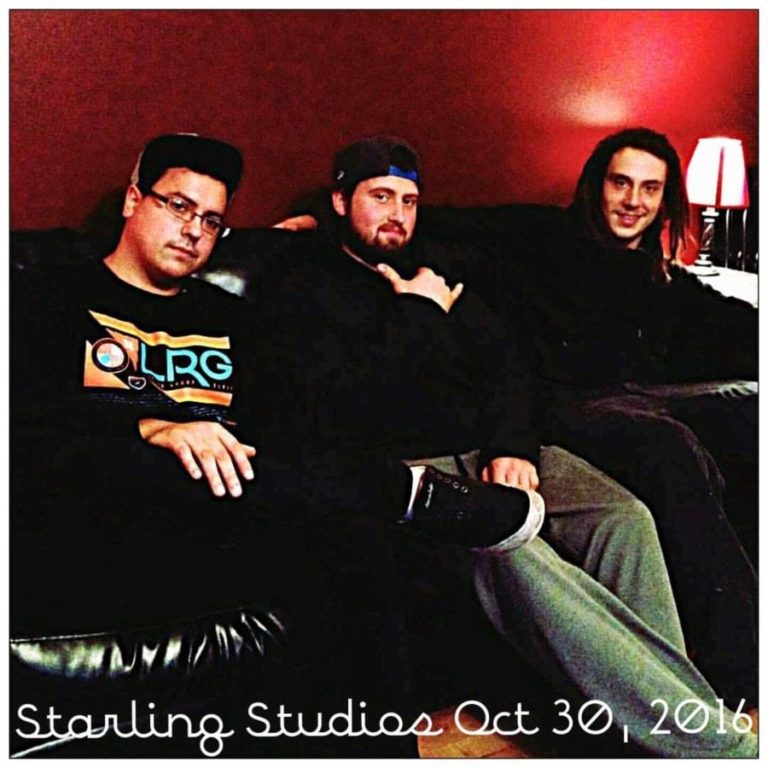
Upstate New York rock band Iüdica just got out of the studio after recording their first album entitled Brain Carvings and debuted it in proper fashion. Earlier this month, the band held an album release party at Gug’s in Glens Falls, NY with Paradox Saints, Chestnut Grove, Dustin Sawyer and Germy Cats supporting them. NYS Music spoke to frontman Brian Alvarado, drummer Nate Fidd and bassist Chris Walker about their recent rise in the scene.
Frank Cavone: First of all, I would like to congratulate you guys on the new EP Brain Carvings. What was the process like writing the album all the way to mixing?
Brian Alvarado: Recording and mixing this EP with Jason Brown at Starling Studios was a great experience. I had the worst feeling in my stomach the days leading up to the recording session. The band had practiced every week several times a week for months leading up to the recording session though, and we all managed to talk ourselves into a point of calm collected mindsets.
After about an hour of setup, we recorded these songs in one take. Everything, the vocals, drums, guitars at once – but through separate tracks of course. It was amazingly easy, and after all that worry – we proved to ourselves we were indeed ready to rock. After a couple of touch ups here and there, we are now left with our Brain Carvings EP.
FC: So the name Iüdica is a cool name that you guys chose as a band. Where did the name originate from?
Nate Fidd: Brian actually had the name from a prior band. It was the name of a song first.
BA:Iüdica is a Latin word that means to judge yourself. Especially from past actions that you make and transgression with the same conviction as god himself.
FC: What were your influences prior to forming the band?
Chris Walker: I like to keep an open mind but I would definitely say that classic rock and grunge are my favorite genres of music.
FC: What are your favorite local bands that you have played with?
NF: There are a lot of great bands in the area but I would have to say playing with Formula 5 at a benefit concert was pretty cool and the Paradox Saints.
FC: Over the past year, the music scene in Glens Falls has expanded. For those outside the area, what is your scene like?
BA: My favorite venue to play is and always will be Gug’s. I see a lot of potential in places like the 190 grille. The scene is developing and I think that we are in the middle of a boom. There is going to be even more live and local music and that is what the area needs more of.
To check out the Iüdica’s new album check out their Bandcamp and stay up to date with the band on their Facebook page.
Long Island pop punk band Times Like These announced that they are working on a second EP, Take It or Leave It. Coinciding with the announcement, they released the single “Too Little Too Late,” as a free download on Bandcamp. The song was produced and co-written with Okan Kazdal of the band This Is All Now. Both bands will be playing a show at Revolution Bar and Music Hall in Amityville on January 29.
Mike Acampora (lead vocals/guitar), Zach Dyer (bass/vocals), and Eddie Giuffo (lead guitar) have been friends since high school, and formed Times Like These in the summer of 2015. NYS Music reached out to Mike to learn a little more about this up-and-coming band.
Paula Cummings: How did you decide on the name Times Like These?
Mike Acampora: We were going back-and-forth with names for a while, and there is a lyric in the All Time Low song “Noel.” We thought the lyric was cool, and the name would be cool and it kind of just stuck after that.
PC: Based on the band name, it’s safe to guess that All Time Low is a band that you are inspired by. Who else would you list?
MA: Yeah, All Time Low is a huge inspiration. Other bands would be State Champs, With Confidence, Neck Deep, and of course Blink 182 and Green Day.
PC: Tell me about the new single.
MA: It’s called “Too Little Too Late,” it’ll be the first song we drop off the new EP which is called Take It or Leave It and we are super stoked about it. We are so proud of this song. It also features Okan Kazdal from This Is All Now. It’s just so awesome in itself to be able to work with such a fun and talented person like Okan.
PC: What is Take It or Leave It like, compared to your first EP Follow Your Stupid Dreams?
MA: I would say it’s definitely a change, not a huge change, but our writing has improved and I want to say this EP has more pop in it. It’s still a pop punk/pop rock EP but the pop influence definitely shows a lot.
PC: What are the meanings behind the names of your EP’s?
MA:Follow Your Stupid Dreams was all about doing what you wanted and never letting anyone hold you back. Days before the album came out we had people send us their dream jobs and we posted them all with the hashtag Follow Your Stupid Dreams and it was really cool having all these people open up to us and tell us about their life goals and telling us what they want to do for the rest of their life. And when you dream big, there will be people who shut you down and tell you you’ll never be able to do the things you want to do. Follow Your Stupid Dreams is all about ignoring those people and dreaming big and not letting anyone shut down your master plan. As for Take It or Leave It, the name comes from a lyric in one of our songs off the new EP called “Chicago” and we felt that the lyric was so strong that it should be the EP title!
PC: I heard that you’re upgrading your equipment. Are you getting a new guitar?
MA: Yes! We all got new guitars and basses! I just got a new Fender Duo Sonic with an orange cab. Zach just got a new Jaguar bass with a Snake eyes cab. And Eddie just got a new LTD guitar with a Marshall cab.
PC: What has been the best gig so far?
MA: We played a show at a local spot called O’Briens a few weeks back. We packed it and the whole room was screaming our lyrics and moshing. It was just so cool. All the shows we play there are always amazing. So many people come out to see us there, and we always make sure we put on an amazing show.
PC: Your band profile lists your interest as milkshakes. What are each of your favorite flavors?
MA: Eddie digs chocolate shakes. Zach and I are more fans of vanilla milkshakes.
PC: Want to give a shout out to your favorite place to get milkshakes?

 Pete Mason: How has integration of the music of the Grateful Dead and Phish changed since you began integrating the two and since you released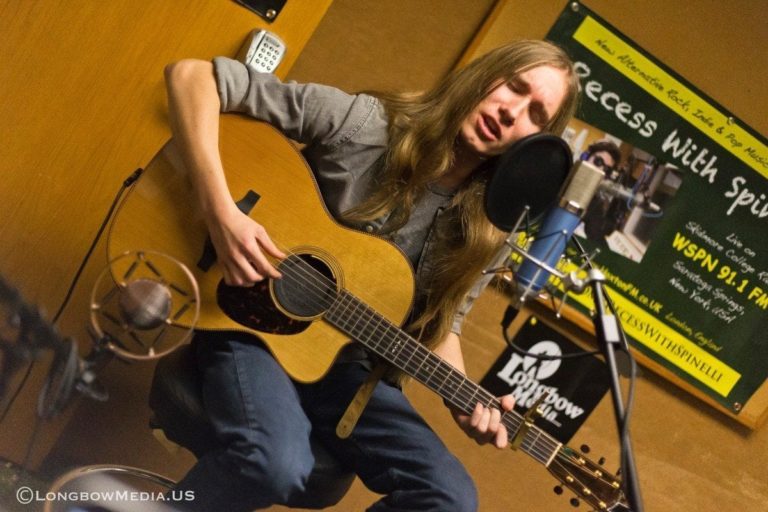



 Pete Mason: What made you want to start EC Radio?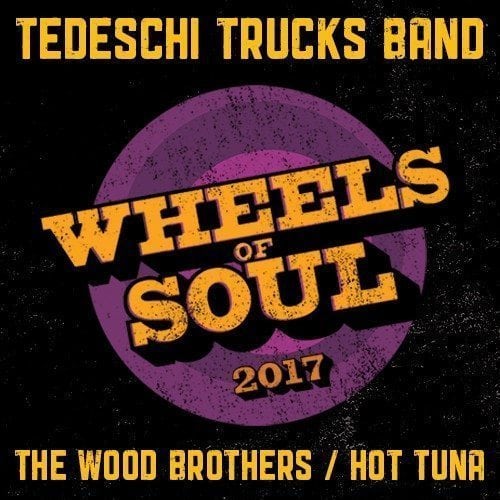
 Frank Cavone: First of all, I would like to congratulate you guys on the new EP Brain Carvings. What was the process like writing the album all the way to mixing?
