Category: Interviews

  • In Their Own Words: Joey Arcuri of Driftwood

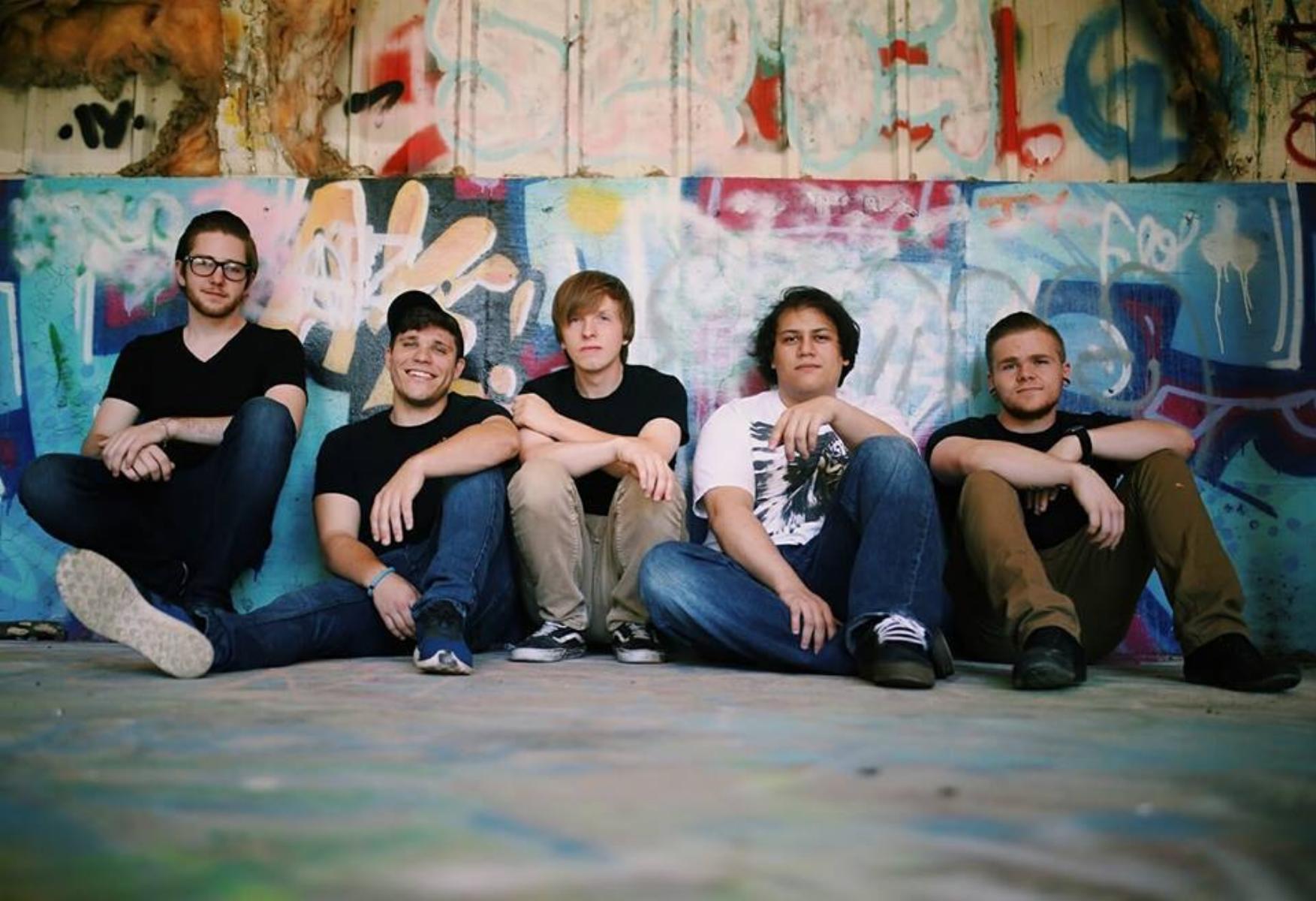
    Binghamton’s native four-piece Driftwood needs no introduction. However, they sure deserve one! Driftwood’s precise mix of folk, country, singer/songwriter, punk, pop, and rock has earned a grassroots following, mowing through the Upstate, NY music scene. Whether it’s with the complexity of their lyrical poetry, simplicity of the quiet melody, or the rampage of a old-timey fiddle, Driftwood continuously impresses their audience. The friendly folk family is currently working on an album with world-renown producer Simone Felice and are ready to take the world by storm. NYS Music sat down with Joey Arcuri, bassist of Driftwood. Arcuri riffed on his experience as a full time bass player for Driftwood, focusing on both the rewards and struggles of a career in music. Please enjoy “In Their Own Words,” bitesized nuggets of wisdom quoted directly from Joey Arcuri of Driftwood:

    On Bass

    Keep it simple…

    When you’re young you want to play all these notes. You want to play fast and virtuous, but, what you learn as a bassist is to be tasteful and support the group. This is the most important thing with all instruments, but especially with the bass. It’s not about you. It’s about the band, song, and lyrics. Ultimately, if lyrics are happening, the band is supporting the singer; the band is supporting the story. I learned that. I came from more of a virtuosic instrumental kind of mindset and matured into supporting the music and the song as a whole…Being that rock. Half notes are bad ass…holding it down…I didn’t see that when I was younger.

    I had a gig with a band once and they didn’t call me back. I wouldn’t have called myself back either. I was playing too fast and adding too many eighth notes. I was trying to do too much and not doing my roll. Often, you have to mess up to learn. I didn’t always have anyone telling me how to play a part properly. At the time, even if I did have someone, I probably wouldn’t have listened. Sometimes I didn’t get asked back, or i’d be getting looks instead of the high-five I was expecting. Not until that happened did I realize I needed to continue to learn and grow.

    On Driftwood

    I grew to love bluegrass, folk, and singer/songwriter music through Driftwood. Before, I didn’t love it, I appreciated it, but, playing and feeling the music of Driftwood inspired me. I remember when we were on the road and saw Del Mccoury for the first time…that was a huge thing for me, I was like, woah!

    We all write lyrics and our instrumental parts. Often at practice, someone will write a song and then present it to the group. We are all a little nervous presenting our own songs…it’s like, you feel naked, no one’s ever like ‘hey, you’ve got to hear this hot new track.’ Next, we let the parts come together naturally, and we give advice as we move on.

    Ultimately, we put the song through what we call the ‘road test.’ You don’t always know things until you perform a song live for a reacting and staring audience. For instance, you can tell so much by simply the crowds clapping and overall audience feedback. Like when you get a burner of a song, and you just kill it, the audience will give you a roar. And if something is not jiving, after the song, everyone’s just like giving a pity clap or something. There is so much to live performing I’ve learned on the road. It never stops; I am constantly learning.

    What makes a good show is when the people who come to see you dig it, the quality of sound, and our performance. Always, If  you have good sound and people listening to you, you’re going to kick ass and play well.

    Sound can be a battle. We’ve had shows where the audience just stare or they’re not really moving their heads too much.  We can tell if it’s good sound based on how the audience is looking and moving… you can feel it if the sound’s not on. It’s such a bummer! We want to share music and have it transferred in a smooth and comfortable way, and when it does go well, it’s so gratifying.

    I acknowledge I have chosen a field that isn’t always great financially like other ‘normal jobs.’ In a band, you need to all love each other… you hear the horror stories of bands that are fighting on the road. It’s so important to like who you’re making music with. I feel very fortunate. And when we’re on, I feel so blessed to be doing what we’re doing. It’s great to be a musician.

    On The Future

    We are preparing for creating and recording an album ten days in November. We are working with producer, Simone Felice. Simone is brothers with Ian Felice of the Felice brothers, a band he used to be a part of. Simone grew up a poet and a writer, and he has such an ear for words and lyrics. His reputation speaks for itself.

    We all wrote songs of our own and sent them in as demos and Simone has chosen 12 that he believes are cohesive and our strongest.  He’s helping bring together what songs go together as a whole, creating an album that works as a beautiful masterpiece, and so, as our producer, we’re leaving him the space to create and tell us what to do.

    We’re also excited for some special shows coming up. We’re playing a two night Thanksgiving weekend run at the Ransom Steele Tavern in Apalachin, NY on November 24 and 25. We’re calling it Foxfire Weekend. Foxfire is like the bioluminescence of fungi on wood…It creates these cool trippy colors that are vibrant. It’s just a cool word we found and it fits Driftwood. In addition, Driftwood is playing a two-night run at The Haunt in Ithaca, NY on December 30 and 31 for New Years Eve.

  • Interview: A Backstage Chat with The Weekend Classic

    The members of The Weekend Classic are no strangers to life on the road, having spent the past couple years criss-crossing the country to build a fan base one show at a time.

    They make their return to New York State on November 13 with a show at Stamps in Buffalo. The quartet from Madison, Indiana is Chris Webster (vocals/guitar), Christian Richards (drums), Matt White (guitar/vocals), and Ryan Wells (bass/vocals). NYS Music caught up with them backstage at a recent show to talk about what it was like to win last year’s Ernie Ball Play Warped Tour challenge, what keeps drawing them back to New York, and what’s on the horizon.

    Photo by Camrun Courtney

    Paula Cummings: I saw you guys last year in June, and you said that your band goal was to play Warped Tour. Then you won the Ernie Ball Warped Tour Challenge. What was that like?

    Chris Webster: It was pretty crazy. We didn’t think ever in a million years that we’d win a competition like that. Two years prior, we got on the competition and we played  the Cincinnati Warped Tour date. Then we decided to go for it again. We posted about it and we had a lot of support from people. It was really cool.

    PC: As a result, you got to go into the studio with some famous people.

    CW: Chad Gilbert (New Found Glory) and Ryan Key (Yellowcard). That was honestly really cool, too. Just getting to meet them and working with them. It was a little stressful, but it was really good for us. It pushed us to step out of our comfort zone.

    Christian Richards: I feel like he (Chad) re-taught us how to write a song.

    CW: He showed us things that someone who is a professional would know, and us, being us, are not going to know off the bat.

    PC: You guys have toured pretty extensively over the past couple years. You’ve come through New York a few times.

    CR: We’ve been to Long Island once before, twice now, and Buffalo, Rochester, and Poughkeepsie.

    PC: What keeps you coming back to New York?

    Matt White: Its a huge market. You can play a lot of places in New York.

    CR: And a lot of great bands, too, all spread out through New York.

    PC: What’s up next?

    CW: We have some more touring that we know we’re going to be doing.

    CR: Write a record. And release some songs we haven’t put out yet. They’re a lot better than anything else we’ve done. But they’re not there just yet, not fully ready.

    PC: What can we look forward to with the new music?

    CW: There’s a more mature sound to it, more in the direction we want to go.

    CR: I feel like we wrote it for ourselves.

    MW: We think its sick.

    Catch The Weekend Classic on tour this month. They are joined on select dates by In Good Nature, Young Culture, and Chris Swartz. Tickets are on sale now. Their music is available on iTunes, Spotify, and Bandcamp. Follow on Facebook for updates on shows and new music.

  • Interview: Catching Up with 311’s Tim Mahoney

    Next week, reggae rock giants 311 will be making their way through the northeast, in continuation of their currently underway 2017 fall tour. Tomorrow night, the band comes north to Pennsylvania to start at Sands Bethlehem Event Center, and then will hit Lupo’s in Providence on Friday and The Wellmont in New Jersey on Saturday. Sunday, October 30 will take them to none other than Port Chester’s The Capitol Theatre, before Halloween night sees the band play at Huntington’s The Paramount. Earlier this year, the band released their 12th studio album, Mosaic, which has been receiving high praise from longtime fans as one of their most creative albums yet. After a big summer tour (which makes eighteen summers in a row for the band), 311 is feeling more energized than ever. In anticipation of what should be a terrific run of shows next week, lead guitarist Tim Mahoney talked with NYS Music about the new album, practice time, Halloween costumes, and more.

    Miles Hurley: So 311 fall tour is underway with several shows so far. How are things feeling?

    Tim Mahoney: Good! We took a long enough break from summer until now, that you kind of get comfortable being at home. But once you get back out here, though, you realize it hasn’t been that long, so you just get back into it. No real dust or cobwebs, we’ve mostly been trying to get through some of these back catalogue album tracks that we did not play in the summer. You know, to just mix it up from there. This record, Mosaic, I think it was June it came out, we’re getting through a lot of that, too. Right before I called you I was just doing a little bit of homework, going over a handful of songs for soundcheck that we haven’t played for a minute. But it’s going good. Same crew and everything, so it’s like…knock on wood. Probably break both my knees or something tonight now (laughs).

    MH: Which tracks from Mosaic have been your favorite to play, or which ones have been sounding the best live to you so far?

    TM: Well, we’ve been working through most of them, I do like “Face in the Wind,” because there are a couple of guitar solos in there. You know, being the guitar guy (laughs). But they’ve all been fun to play, but it’s a challenge, because there’s a lot of material there. But it seems like most of the kinks are out of them. There’s one we have not played yet, but that might be farther down the pipeline.

    A song like “Too Late” we’ve been doing pretty much every night, and it seems to get people going. I kind of forget that there are some super metal parts, that come up in the songs all of a sudden, and if you’re not ready for them, well….(laughs) We’ve been trying to get a balance of them out there, some of the more mellow ones with the heavier ones. And when we come to the east coast, we’ll try to mix it up.

    MH: I think that’s what I like especially about the new record—it has a nice flow back and forth between the more laid back, groovier songs, and some really heavy stuff. When it comes to the heavier and the more laid back, where would say your taste, or your playing preference, lies these days?

    TM: Ooh, it’s hard for me…well both, definitely. Being a guitar player and listening to, when I was starting, punk rock and more aggressive stuff, I’ve always enjoyed that, the heaviness you can get with the electric guitar. But I also like the grooves, and funk and jam bands, I’m a Jerry Garcia fan. I’ve always enjoyed…you know like all the way back to the Bad Brains, who does reggae and punk rock together. It’s hard for me to choose one or the other, I’ve always enjoyed just playing reggae, and being a part of an ensemble playing reggae.

    But I like to kick it to the high side of the amp, too. It’s nice that on Mosaic, as you mentioned, a lot of the songs, even within the songs, are pretty bipolar, going from super clean to super heavy, I like the contrast of them. It’s fun to get to be able to play both sides with this band.

    MH: I’ve heard many fans feel this is some of the most mature stuff from 311 yet, in how many styles it weaves together.

    TM: That’s good to hear. That’s how we feel, everybody’s on the same page right now, in being inspired to play together, and to go at it like that. That makes me happy to hear that people would say that.

    MH: I also read that 311 has always been diligent when it comes to practice, and I’m sure that’s something the fans truly appreciate—the band nailing the parts in songs when the time calls for it. In terms of, on the one side, practice makes perfect, and on the other side, just going with the flow when things happen on stage, where would you say you are right now?

    TM: Aw man, yeah, that’s a hard thing because…you know, as much as you practice, you’ll never be perfect. You have to put in the time and the work, so that when you get into a situation on stage, you can let it flow, and be in the moment, and have the tools that you’ve worked on sitting there to keep you flowing. So I think it’s both, and you can only really do the work on stage on stage, basically, in front of people.

    We talk about this a lot, about the adjustments. You know, if we rehearse in the studio, it still can’t really prepare you for when you get on stage, in front of people. And there are all these other entities there, the energies and stuff, that come into play. So managing that energy and that excitement and being able to keep focused and have it flow with the music is a big part of it, too. And that just comes from time spent doing it. But to be able to survive and to be comfortable in the on stage situations, you have to spend time working. Even the greatest players that maybe don’t rehearse any more, there was a time when they did, and I still have to work at it, everyday.

    It’s so funny, because the most random things can happen up there, in different parts of the songs. So, you always try and do your best out there, but it’s different every night, and that’s what’s fun, that’s what’s exciting about it. Even the songs we play, they’ll be different from night to night.

    MH: So would you say you are still experiencing unexpected moments on stage from your band members?

    TM: Oh yeah! (Laughs) Just weird funny little things that might make you laugh. Whether it’s a new dance move from SA, or last night Chad had some light up drumsticks that were pretty cool. And as time goes on, I enjoy playing music more and more, and I think everybody in the band is on the same page there. We’re just very appreciative of the fact that we can go out there and play music.  

    MH: Have you ever considered either playing some kind of solo shows, or solo recording?

    TM: Well I’ve played with some friends bands and stuff, and recorded here and there with them, just little projects. I think eventually I will do something, because I have songs from over the years that aren’t quite right for 311. Like, although I enjoy singing, I’ve never really sang (laughs). So it’d probably be a collaborative thing, but eventually, yeah. When I get a little time to work on something like that, it’d be fun.

    MH: Something to bring the trombone in on, too.

    TM: Yes! That’s funny you bring that up, because I have been working on a little something there. I’ve been trying to figure out what song I might be able to whip it out on. My first instrument, you know, I do love it. The hardest thing, having to buzz your lips, and the wind control. That kind of stuff has been the hardest for me. But you know, I’ve got a pretty solid one octave there, so I figure I could chip away at one of these melodies, I just have to figure out what the proper one would be.

    But yea, trombone! I’m excited, I don’t know if you listen to much Phish or to Trey, but his solo band there has a really great trombone player…I’m a huge Trey fan, so it’s nice for me also being a trombone fan, that he’s got a trombonist in his band.

    MH: Yeah, Natalie. I’ve seen her in TAB and in some side stuff with other people, yeah she’s incredible.

    TM: Yeah, chainsaw! Wow, you’re lucky, see every time Trey Band comes to Los Angeles, I’m out of town, it’s been going on for years and years now. This year they’re doing Halloween out there, and we’ll be in New York. I’m such a huge Phish fan, and every couple of years their schedule and ours line up…but yeah, TAB, what a great band he’s got there.

    MH: And I also read that you’ve always been a big deadhead, too. Has 311 played the Capitol Theatre before, or will this be a debut there?

    TM: Aw yeah. I’m pretty sure this is our debut there. It’s exciting for me, just knowing so many people have played there, you know what I mean? I’m pretty sure I have some Jerry Garcia Band shows from The Capitol Theatre. It must be a stop for a lot of bands on the jamband circuit, too. I’m getting all the emails, it seems like a lot of people are going through there.

    MH: It’s a special place to see a show, for sure. Crowds tend to get really amped there.

    TM: Aw, good! Well I’m just excited to get to step foot in it. It sounds to me like a classic room, too…

    MH: You mentioned Halloween. The 31st you’ll go to The Paramount. Does 311 do any Halloween-type bashes?

    TM: Actually, it’s been so long since we’ve played on Halloween, so we’re trying to get it together. We have some ideas, but you know you’ve got five people, so things get vetoed and cut. What I thought were good ideas, I don’t want to say them, I don’t know if they have any traction anymore (laughs). But it’ll be fun, it has been a long time since we’ve played on Halloween. You know, we’re kind of procrastinators a bit, but we’ll get something good going that night. I still have to get my costume together, that’s my biggest thing right now (laughs).

    MH: You’ve got something good?

    TM: You know, I like going as guitar players, like back in the day when we were playing on Halloween all the time. I got through a lot of the obvious ones, like Slash, Garcia, Angus Young. So I’ve been toying with that, but I don’t know yet for sure…you know the thing is, everybody in the band dresses up and I go out there without a costume, I end up looking like a dilweed.

    MH: You’ve got a date coming in November with Karl Denson. Has there been any collaboration there before?

    TM: No, you know I’ve met him…because he’s played with Slightly Stoopid, right? That’s where I’ve gotten to meet up, and hear him play. And I’ve heard…Tiny Universe songs, just a couple of them. And he’s a great player, and in Slightly Stoopid, in that context, it’s great to hear him, his solos and stuff. So I’m looking forward to playing with him. But we’ve never collaborated before, that would be a fun collaboration, to have him sit in with us, if he would ever be into that. Looking forward to that. And I didn’t know he played with the Rolling Stones, too, shit. But that show should be fun, that’s a benefit show we’re doing down there. I haven’t heard much yet other than that we’re playing with him, and…I can only imagine that the band he gets together must be pretty fun to listen to.
  • RAQ is Back: An Interview with Chris Michetti and Jay Burwick

    To many jam band fans, catching a RAQ show is like finding a four-leaf clover; it doesn’t happen often, but when it does you know you’re having a legendary day. The four-piece jam band from Burlington, VT made a name for themselves in the early millennium by touring relentlessly and creating some of the most distinctive psychedelic albums of the early 2000’s. After seven ferocious years of creating music together, the band decided to take a hiatus in 2007. Then in 2010, the band decided it was time to reunite with a show at the Bowery Ballroom in Manhattan.

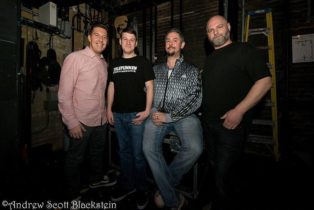
    RAQSince they have gotten back together, RAQ has not toured the same way they used to. Their focus has been on shorter, more condensed runs rather than the “50 shows from coast to coast” tour model. Fans have come from all over the country for a chance to see RAQ again during these runs, and this Fall they will have another opportunity. RAQ will be performing a five-night east coast Halloween run with special guest ‘Goose’ starting on 10/31 at Gypsy Sally’s in Washington, DC. The Halloween show is being billed as “FOO-Q-AZI” as they will be mixing in material from the Foo Fighters and Fugazi, along with their own songs. From there they will play The Stanhope House on Nov. 11 in Stanhope, New Jersey, the Abby Bar at Appalachian Brewing Co. Nov. 2 in Harrisburg, PA, The Hollow Nov. 3 in Albany, NY, and will finish things off at the Arch Street Tavern Nov. 4 in Hartford, CT. I had the opportunity to speak with Chris Michetti (guitar and vocals) and Jay Burwick (bass and vocals) about their upcoming run:
    Ryan Randazzo (RR): You recently got back together again. Why did you initially take a break, and what made you want to start things up again?

    Chris Michetti (CM): We took a break in 2007 because we played together for 7 years at that point. We did 50 show tours, lived in a van for what felt like forever, and got burnt out. RAQ hit their stride in 2004-2005, then we hit a point where we were spending a lot of money, people’s lives got in the way, and we just needed a break. Looking back on it, we had no one to tell us to take a short break to just play a New Year’s Eve or big show, so we just stopped.

    We have been on and off since, and all have our own musical and life projects around the band. I like it better now because I’m not relying on it. Back then, we relied on the band, our manager, the lighting guy, our agent, etc. It was our sole source of income. It was hard relying on all that, and became stressful. We’re doing it for fun now. It takes all the bullshit away of how much money we make each night, how many people came to see us, and how we did that night.

    I remember, when we were younger, if someone missed a note we would get made at each other. Now we laugh about missing a note and joke about it. It’s almost the best part. At the end of the day we have a new attitude: “who freaking cares, we’re having fun.” It sounds silly, but we just have fun. It was so hard to do when we were young. We still had fun, but things were more serious.

    Jay Burwick (JB): It’s different when you’re doing it for fun. Now we’re just having a good time and it’s apparent in both the band and audience. We were shooting for the golden ring in the early day. Everything was focused on being a huge band and making it big. Now we get to get together with our brothers and play music to people who appreciate it. It’s such a blast to not have to worry about the end game. It’s more about music, fraternity, and having a good time. It’s also really cool to see dedicated fans who are excited about it.

    RR: Is this going to be the same RAQ on stage, or will things be changed up musically?

    CM: It will be and it won’t be. We used to call what we play “high performance rock and roll” and that’s what it is, but the attitude of having fun has made us a bit more mellow and that’s been great. We used to get compared to Phish and other jam bands because we used to come out and play a million notes. We still do that, I guess, but are more relaxed with it. When we’re on it’s super fun. Like riding a wave; there’s nothing like it. That’s the goal. I used to think we had to slow down, but really, we just need to get into a groove and do our own thing. When we first formed the band and played at parties we would do this thing where we’d get ultra-loose, and it was infections. We were having such a good time it would spread and people would be freaking out. We have hit more of those moments in the past four years than ever. It happens once every two shows now.

    JB: What he said. It’s different because now we just relax. We don’t worry about impressing anyone. We have a good time and let the music come out as it does.

    RR: What are you most excited about for this Halloween run you’re about to embark on?

    JB: I’m honestly most excited for Halloween night. The FOO-Q-AZI thing is going to be a ton of fun.

    CM: I’m looking forward to playing The Hollow. The last time we played there it was crazy loose, like, what’s going on with this place?!? I’m also excited to hang out with friends and play some music.

    RR: How has not playing together often changed the band?

    JB: A great aspect of us not playing together often is that the jamming is epic when we do get together. It’s like all the ideas flow out in the first few shows. Sometimes we rehearse and play an epic jam, then we wish we saved it for the show. The lack of jamming together has been a good thing because since we’ve played together for so long and know each other so well that when we finally get together it just explodes.

    CM: Scotty, our drummer, has become the most learned on RAQ songs. The rest of us have played them so many times over the years we’ve just gotten lazy and forget parts, so Scotty has to show them to us. With the condensed mini tours, we end up reaching points that used to take us 50 shows to achieve. The jams are so fresh. Music can get old, and I bore myself pretty quickly. If haven’t played in a while, a jam in ‘A’ becomes the best thing ever and everything feels so new. Even writing music is different. Now when I’m writing a song and making it sound good, I’m not concerned if others will like it. I just do it for myself.

    RR: What are your future plans? Will we see more RAQ after this run?

    CM: We have a record coming out soon that’s so cool. I’m really excited about this record. I wanted to create a new RAQ album for a while, but I didn’t think I had the time. Then it all just started coming together. With today’s technology, we can basically create a record on our own. We used to have to hire producers and spend a lot of money, which can drain a band. It also meant someone else had control of our destiny, which is a weird feeling. The last time we were in the studio as a band it made me want to learn how to record an album on my own. Now I have a vision, the songs are fun, and there’s an attitude of “who cares” so the raw tracks sound freaking good. We’re hoping the album will come out by February at the latest, and after that we plan on playing some more shows.

    RR: What’s been different with this album compared to past ones you’ve made?

    CM: The biggest thing is technology. You can have an idea and just do it all yourself; the drums, bass, keyboard. Then you just hand it out to everyone and it’s done. Then the band members interpret it differently, so you let go of some control and collaborate. Like, I did all the drum parts on drum a software. I could have spent a lot more time on there, but then Scotty will just practice to drum tracks he made anyway. We get to where we want to be for each part without having to explain to each other what it should sound like since it’s already there. Then he gets it, and it makes it easier to record. I wish it was like this years ago. We’re not just sitting in a room all day recording. Now we have layers, textures and polish.

    RR: What are your thoughts on the jam scene now as opposed to when you started?

    JB: It’s definitely changed, but when I go out in Denver I still see the same things. The same people seeing shows. Bands still tour the hell out of themselves to get recognition. The biggest change is how people market themselves and advertise to get people to shows. They post on Twitter and Instagram now. When you go out to see a jam band you still get the same feeling though, and you know it’s a jam band. The festival scene is very different. It’s crazy. There are groups of people who just go to festivals. They weren’t that big when we first started, so it’s very different in that aspect.

    CM: It’s changed on so many levels, but I love the use of technology. It’s interesting to see it stay the same yet change in so many ways. Musically its consistent across the board. Even with newer bands, it’s the same vein of music. If you hear jam music you know it’s a jam band, but electronic bands are where there is a big difference. With a lot of bands, the internet had brought the secret out. Sometimes there is extra hype for a show that normally wouldn’t have had any. Because of this there are new ways of navigating way to find a band, and people have to be convinced to see them or like them. The best bands I like I had to be convinced to like at first. But overall the scene is pretty much the same. If we play Camp Bisco this year, it might as well be 15 years ago. We play the same songs, get into the same hijinks, see the same people. It’s the same thing. Most changes are technological. Social media, ticketing, and sound.

    RR: What are your biggest influences for you, and how have they changed over the years?

    JB: Early on it was the Dead, Phish, Zappa; live music bands. Lately I’ve been big on the Foo Fighters. I’m psyched to play some Foo Fighters on Halloween. I love Grohl’s writing style. It’s easy to absorb. It’s also fun to have a metal vibe when I’m in a jam and just want to shred. It’s influenced me to play harder, dig deeper, and get heavier.

    CM: Everything Jay said, but I’m not as big into the Foo Fighters. Anyone who plays guitar well is a big influence on me. I love music everywhere. Sounds, production; I like it all. Sounds absurd. There are a million good guitar players out there, and many people wouldn’t recognize them if I listed them. I find a lot on social media, like Andy Wood. I find them online and am amazed. It’s fun to find new guitar players on Instagram.

    RR: What advice do you have to young bands just starting out?

    CM: The best thing is to understand business aspect of music and the music business. It’s gonna help you. Help with struggle. The struggle is real, be ready. Know the backend before booking a show. Think: how can we maximize this? Learn the deal: What you will make, how you can make it better, and understand the settlement sheet with club. If you want to make your living off music, it’s very important to understand the business and how to actually make money doing it. If you follow and understand what’s happening you can make it better. You have to rely on yourself, not the tour manager who is gonna quit in two weeks.

    JB: I second that; study business. It will bite you in the ass if you don’t have someone in the band who knows business.

  • Interview: Roan Yellowthorn (Jackie McLean) on her influences and the power of a song

    Jackie McLean, daughter of singer-songwriter Don McLean, best know for his song “American Pie,” is the front woman of Roan Yellowthorn. She adopted this alter ego when returning to music after taking time to complete a university degree.

    She began to gain media attention as a result of her distinct voice and poetic lyrics on her first self-titled EP in 2016. Roan Yellowthorn is expected to release a new album by the end of 2017 displaying the same outspoken singer/songwriter qualities people loved so much on her first EP. In the meantime, NYS Music had the privilege of speaking with Jackie McLean about Roan Yellowthorn’s past releases and some of her biggest influences.

    Roan Yellowthorn Jackie McLean

    Sammy Steiner: Given that “Child in Chief” is a political protest song, how did you hope it would impact your audience and society at large?

    Jackie McLean: I initially wrote “Child in Chief” for myself as a kind of therapy tool to help me process all of the negative feelings I had around the outcome of the election and the entire climate leading up to it. I also hoped that I could give a voice to the fear and anxiety that a lot of other people felt in the wake of the election. I wanted to honor my own feelings of discomfort and apprehension in an artistic and articulate way and, through doing that, I hoped to be able in some way to bring people together in solidarity and resistance. A good song can do that.

    I think music is such a powerful medium because it can convey many things at once. A good song has many layers and a lot of nuance and I love the opportunity to embed artistry into a message. I feel like it was the perfect medium for me to express my emotions and feelings of political dissent.

    SS: Did your father’s (Don McLean) singer/songwriter career influence any aspects of your artistry and if so, how?

    JM: Yes, I think my dad’s career has had a large impact on both my artistic and personal development. On one hand, seeing his job probably normalized for me the idea of having a career in the arts. That’s been valuable. It feels natural to me on some level to have art be my profession. On the other hand, my father’s fame as a musician has inhibited me in some ways- maybe making me feel like I can’t compete or that any success I find is not my own. Those fears have at times contributed to hindering me from becoming confident as an artist and a person. So I’d say it’s a complex issue and there have been benefits and challenges. But it’s all good now. I’ve had to find myself, the same as everyone else, and I like where I am.

  • In Their Own Words: JP Biondo of Cabinet

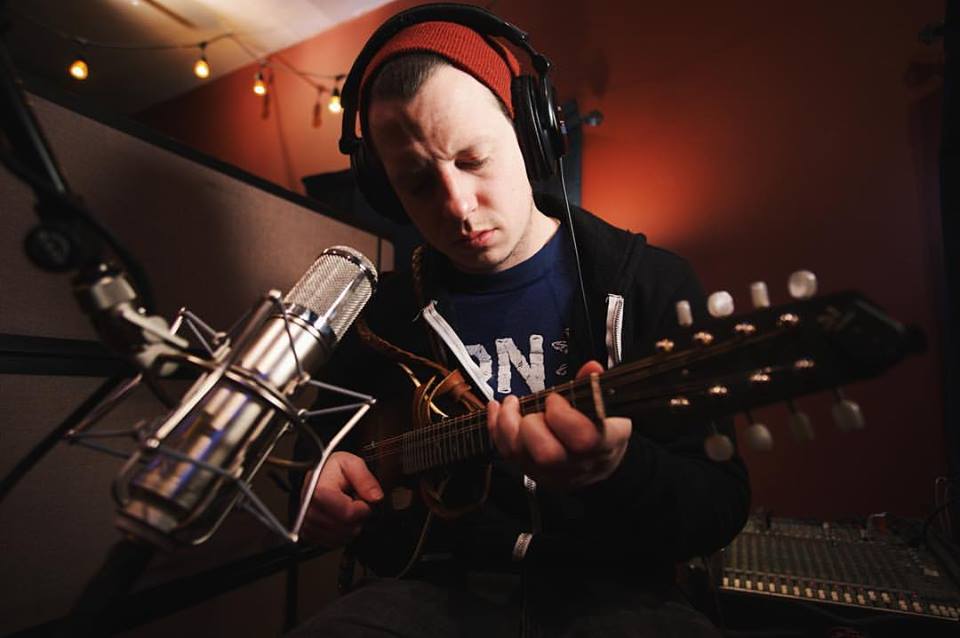
    On Friday September 29, folk powerhouse Cabinet landed in Ithaca, NY, and played two long sets at The Haunt. Since their birth in 2006, Cabinet has built a committed grassroots following by providing an eclectic roots sound. They have earned unconditional respect with their commitment to quality songwriting, and impressive ability to cross between genres of bluegrass, country, jam, and psychedelic. Before Cabinet’s foot-stomping performance, NYS Music had the  opportunity to sit down with Cabinet co-founder, singer, songwriter, and mandolin player JP Biondo. NYS Music is ecstatic to present you this edition of “In Their Own Words.” Here we have a collection of bite size nuggets of knowledge, quoted directly from J.P Biondo of Cabinet:

    On a Musical Childhood:

    My first instrument ever was a Tuba. I joined the band as a young teenager in around 1998. As a child, I always loved music. I always loved singing a bunch. I came from a very musical family. Growing up, I was surrounded by music all the time. For example, my dad would teach me how to sing harmonies on car rides.

    I come from a very large musical family. My dad has eight brothers and sisters, and so, I have like a whole slew of 1st cousins. There is a total of 35 of us or something like that. The family has at least one family reunion every year at grandma’s house. She lives on a big farm near Scranton, PA. At last year’s family reunion, there was like 180 us. Every year, the sun goes down and everybody knows  it’s time to get around the campfire and sing. We sing, play harmonies, and just hang out and have fun. This is how I first learned to sing. At our family reunions, I would pick an elder out for the night and stand by their side and listen to everything they were singing. I would be like, “ohh thats how you do that. Ok cool.”  So a lot of my teaching came organically that way.

    Later on, I started to take playing very seriously.  I started playing guitar when I was about 14 or 15. I learned every Dave Matthews song in the book–like any young kid does. I just loved it. I always loved music. Until this very day, music pulls me like nothing else in life. When it came to playing music, I didn’t really have a choice in the matter.

    On Songwriting:

    I don’t have a specific goal. Every song is different for everybody. I like to write about life experiences, For example, I wrote a song called “The Tower,” about this place where I grew up, we called it the “Dry Dam.” It’s a dam that was supposed to provide drinking water for the town of Scranton, but, for whatever reason or another, it didn’t end up working. The lake stayed there, and above this dam there was a big tower.  It was like 30 or 40 feet high. As kids we would climb up the tower and jump off into the lake. We also would just hang out, drink under age or whatever, all the stuff kids do. It was a big time hang out spot for me and friends. I had a lot of fun experiences there. I like writing about my personal experiences and hopefully, someone can relate to them in some sort of way.

    Advice For a Kid or Young Adult With A Passion For Music:

    Follow your heart…Decide if music is something you’d like to make money at or if it’s something you just enjoy doing. Try to decide that as soon as you can, and either way is fine, but, just make that decision at some point and know where you’re at with it.

  • Interview: One For The Braves

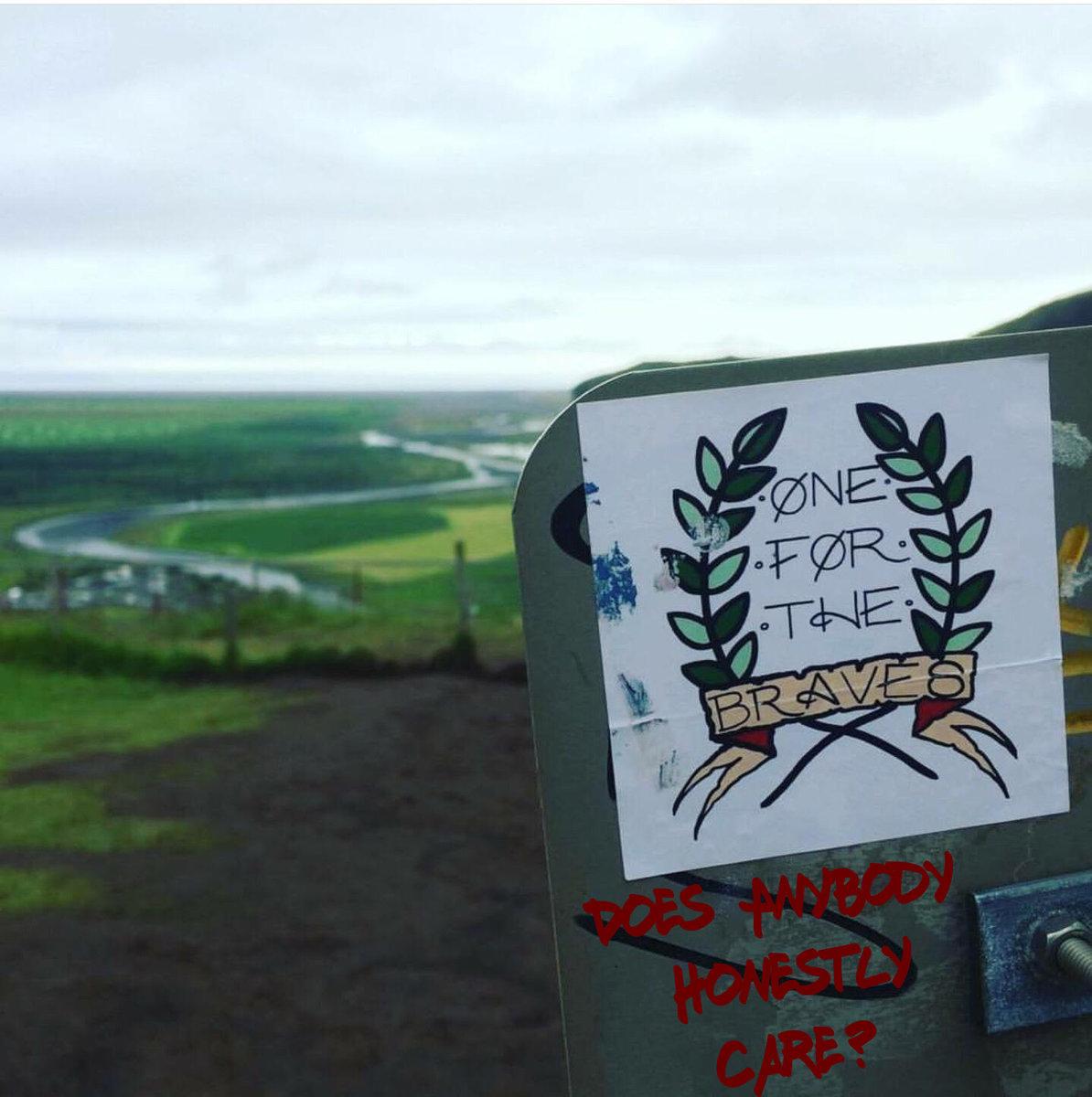
    One For The Braves just debuted their first music video, for the song “Dirt Nap” off their latest release Does Anybody Honestly Care.

    The EP’s a mile-a-minute pop punk revelry, with pop culture references bringing levity to heart-on-sleeve lyrics. The quintet from Poughkeepsie features Adam “Radam” Rebillard on vocals, Avery Avello and Brian Morgan on guitars, Nick Ferraioli on bass, and Sean Mercado on drums. NYS Music spoke with Rebillard about the band, their latest release, and their first music video.

    Photo: Sabrina Leviton

    Paula Cummings: When and why did you start writing songs?

    Adam Rebillard: I started writing lyrics when I was really young, mostly just to kill time. When I got older, I got bored of doing it. Then I discovered punk and pop punk and all those wonderful styles of genres. It sounded fun to me, so I started singing and putting melodies to some of the lyrics. Then my freshman year in college I met our guitar player Avery, and the two of us started jamming together and it kept going from there. We got a few new members over the years.

    PC: How would you describe your band?

    AR: We take the nostalgic pop punk style, which would be bands like New Found Glory, and mix it with a newer style like The Wonder Years and Story So Far. We find ways to make it our own, so we’re not a clone of another band. That’s not what we want.

    PC: What was your most memorable show so far?

    AR: We did a show back in January. It was our first headline show at our local venue, The Loft. It was fun to finally be the main event of a local venue that we all grew up going to. We had a good turnout. We were on with some of our best friends’ bands. It was laid-back. Everyone was happy, having a good time. We do everything we can to grab an audience and keep their attention. I personally move around a lot. We incorporate solos in our songs. We do our best to get the audience interactive, talking between songs.

    PC: You recently released your sophomore EP. Tell me about the team you recorded this one with.

    AR: The first EP we did over at New Paltz. But the sophomore EP, Does Anybody Honestly Care, we did at Nada Studios in Montgomery. It was awesome. We recorded these songs with another studio, and got it back, but it wasn’t what we were looking for. We emailed Eric and Nada, told him what we were looking for, and that we wanted to record again from the ground up. We went in and he had ideas to bring to the songs. We made this amazing EP that we’re all so proud of.

    PC: What was it like to film your first music video?

    AR: It was weird, but it was fun. Like I said, I like to move around a lot – jumping, spinning. I’m doing my usual stuff. We’re filming and the guy’s like “Hey, man, that’s really cool but you need to stay in one spot so I can keep up with you.” We did it at a high school track. The song we did it for is called “Dirt Nap.” The idea behind the song is regardless of what people think you keep moving forward in life. People are going to like you, people are going to not like you. You can’t let that get to you. So when I feel anxious or whatever, I go run on a track, so one day I got the idea. So we drew up some signs and had people stand around holding these signs. The idea was to keep going regardless of the signs and what people think, and keep moving on and pushing forward.

    Does Anybody Honestly Care is available on Bandcamp. Follow One For The Braves on Facebook or Twitter for updates and show announcements.

  • An Interview with YES Keyboardist Geoff Downes

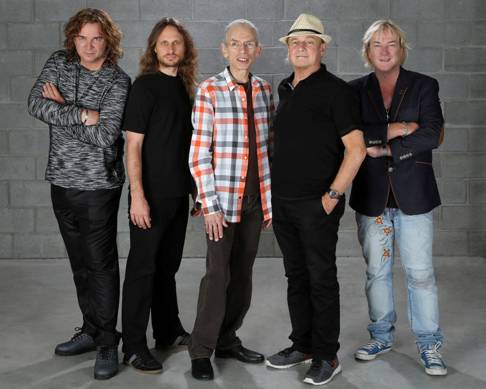
    YES is best known for their influence on rock history and classic songs including “Roundabout,” “I’ve Seen All Good People,” “Owner of a Lonely Heart,” and countless others. On their recent YESTIVAL tour, YES featured a setlist of greatest hits from the band’s studio work, performing at least one song from each of the first 10 albums, starting with YES (1969) through Drama (1980).  Matt Richards, keyboardist for Formula 5 spoke with YES keyboardist Geoff Downes about his gear, YES’ best compositions and the rock legacy of YES as they near the half century mark.

    Matt Richards: How has the YESTIVAL tour stuck out to you compared to your previous tours with YES?

    Geoff Downes: It has been very different so far because we have been doing the chronological tracks from each of the first ten albums. That has seemed to be something the fans really like because they get to hear tracks that are not in the normal YES repertoire and haven’t been played for quite some years. I think being on the bill with Todd Rundgren and Carl Palmer’s ELP Legacy has been a nice mixture to be able to have a whole feast of music rather than just the standard YES classics. In the past we have been doing albums in their entirety and it has been nice to move away from that and look at a much more historical view of the band’s catalogue.

    MR: How is touring in The United States different from touring in The UK?

    GD: A lot of the venues in The US are better designed for concerts in the modern age. The backstage areas and load-in areas are much more accessible. The British venues are not designed for big stage trucks to come through and some of the theaters in the UK are very old. There is a bit of a logistical problem in that regard but audience-wise, we’ve got a following in the UK as well as the United States that is very receptive to the music of YES

    MR: Is there one song you find the most representative of the music of YES?

    GD: I think there are certainly a few but I find “And You And I” from the Close To The Edge album is the most representative of YES’s music in terms of the changes in the sections, the dynamics, and the great uplifting finale. In a lot of ways, dynamics is what YES’s music is all about. It has the same application that classical music does where the orchestra is not going full torque all the way and it features certain instruments at certain times. That’s what makes YES’s music very interesting and appeal to a wide range of generations. It is always uplifting to play that one live and I look forward to it coming up in the setlist because it is such a great piece of music.

    geoff downes

    MR: As a keyboardist do you find there is any particular keyboard that is the most representative of YES’ sound?

    GD: The music has been very focused since the early days with Tony Kay on the acoustic piano and Hammond organ rolls. That was extended more by Rick Wakeman when he started to introduce Melotrons and the Minimoog. I think those elements have always been key to YES’ music and progressive rock music in general. When I joined the band in 1980 that is when the real explosion of synths and digital keyboards was just beginning. I think I injected that into the Drama album. I tried to take it a step further and bring the technology in line with what was happening in music in general.

    MR: Is there any keyboard that you are currently touring with that is your favorite to use in your performance?

    GD: I use Mac laptops for recreating a lot of those old sounds because the software now is so sophisticated that we are capable of doing that. I have always been very interested in not only the musical side, but the technological side of keyboard playing. It is sort of a dream to be able to create these wonderful sounds with virtual synths.

    MR: What program do you find is best to recreate the classic synth sounds?

    GD: I use Apple’s Mainstage which is a development from Logic. Logic Pro X is the main program and it is great because you can create all these virtual layers of keyboards. It is a very powerful piece of design.

    MR: With such an emphasis on composition in YES’ music, what role does improvisation have in the live performance?

    GD: Generally, we try to remain fairly close to the original recording in terms of core parts of the pieces because that’s what people mostly have as their highlights of our music. There are occasions where solos have more flexibility and some of the arrangements will be chopped around while still recreating the songs accordingly.

    MR: What role does YES play in the world of music?

    GD: It is a very unique volume of music in the history of rock music. There is a very positive and uplifting experience that drew many listeners to the band from the beginning. The name of the band and the positivity emanating from that is carried on into the music. I think people find that not only something nice to listen to but also a spiritual experience. I think YES is quite unique in that respect that they can actually convey that feeling to people, making them feel good and want to say “Yes!” as they listen.

  • Interview: The Demos Prepare to Take The Parcel 5 Stage at Rochester Fringe Festival

    The Demos, a mainstay of the Rochester music community, are prepping for their set at KeyBank Rochester Fringe Festival. They play on Saturday, September 16 at 6:30pm at Parcel 5 on Main Street. The 75-minute long set will span the power pop band’s fifteen-year career, which they’ve spent continually writing, recording and gigging. With a couple EPs and a full-length album already under their belt, they’re in the studio again working on a new project.

    Over the years, The Demos have been through a few lineup changes. Singer/guitarist Jay Milton and bass guitarist Cal Saunders have remained the core of the group, with the addition of Caela Moore on keys, Jeremiah O’Reilly on guitar and the newest addition, RJ Papaleo on drums. They took time away from rehearsing for the big show to talk with NYS Music about Rochester Fringe, The Demos’ body of work, and identifying their spirit animals.

    Paula Cummings: I’ve seen the promos you’ve been posting to promote your set at Fringe Festival. How excited are you for this year’s event?

    Jay Milton: It’s really exciting to play in such a huge space in the heart of the city that most of us grew up in.

    CS: And that we call home.

    JM: This is our home and it’s awesome. A very unique venue, and a free show. I always feel it’s great to play a free show. I love doing free stuff.

    Jeremiah O’Reilly: I think what appeals to me most is that I think sometimes when you play at specific venues around town, you run into the situation where you’re often playing for the same people. Playing at an outdoor free concert during a festival allows you to play to a different variety of people in the community. It’s nice to be able to share and express ourselves to those people as well as the ones who come to our Bug Jar shows.

    JM: And it can be a family show. We’re PG.

    https://soundcloud.com/younglionofthewestrec/sets/the-demos-lovely

    PC: You’re recording songs for the next album. Will some of those songs be on the set list?

    CS: For sure.

    JM: It’s going to be a very eclectic set from us. It’s a lot longer than we usually play. Most of our sets are 45 minutes or so. So this is a double set almost. So we’re digging deep into our catalog. Me and Cal have been together in this band for 15 years. So we’re going back and playing songs from every era of our time as a band, from our first EP’s in the mid-2000’s. We’ll be playing songs off Lovely which is our full length from 2012.

    CS: The notes on that are that it was the one that went #1 on FMQB.

    PC: That was the one that was big in Japan, right?

    CS: We’re very proud of that.

    JM: It was big in Japan. That was the one that got us the Tokyo billboard. And obviously, we’ll play songs from our latest EP, Paramount Clouds, which came out last year. And then a whole bunch of new songs, and a few covers for good measure. Obscure though. We can’t be playing songs that everyone knows. Because then they’ll know how bad we play them.

    (Laughter)

    CS: We kind of make them our own.

    PC: Although the Andy Kaufman cover was awesome. It might be the wrong crowd for that one.

    CS: But I think though at Fringe, it’s weird enough that if you did it people would laugh, which is the point.

    JM: Andy Kaufman is my hero in life.

    CS: He’s your spirit animal.

    JM: He’s definitely my spirit animal. I have been obsessed with him most of my adult life. And the thing I love about him is the more I learn about him the less I understand him. Which is what I love about it. Every time you think you’re getting deeper into what it was about, it seems you’re just opening millions of other things which go nowhere. Which to me is… Life as performance art, perhaps.

    CS: The whole world’s a stage.

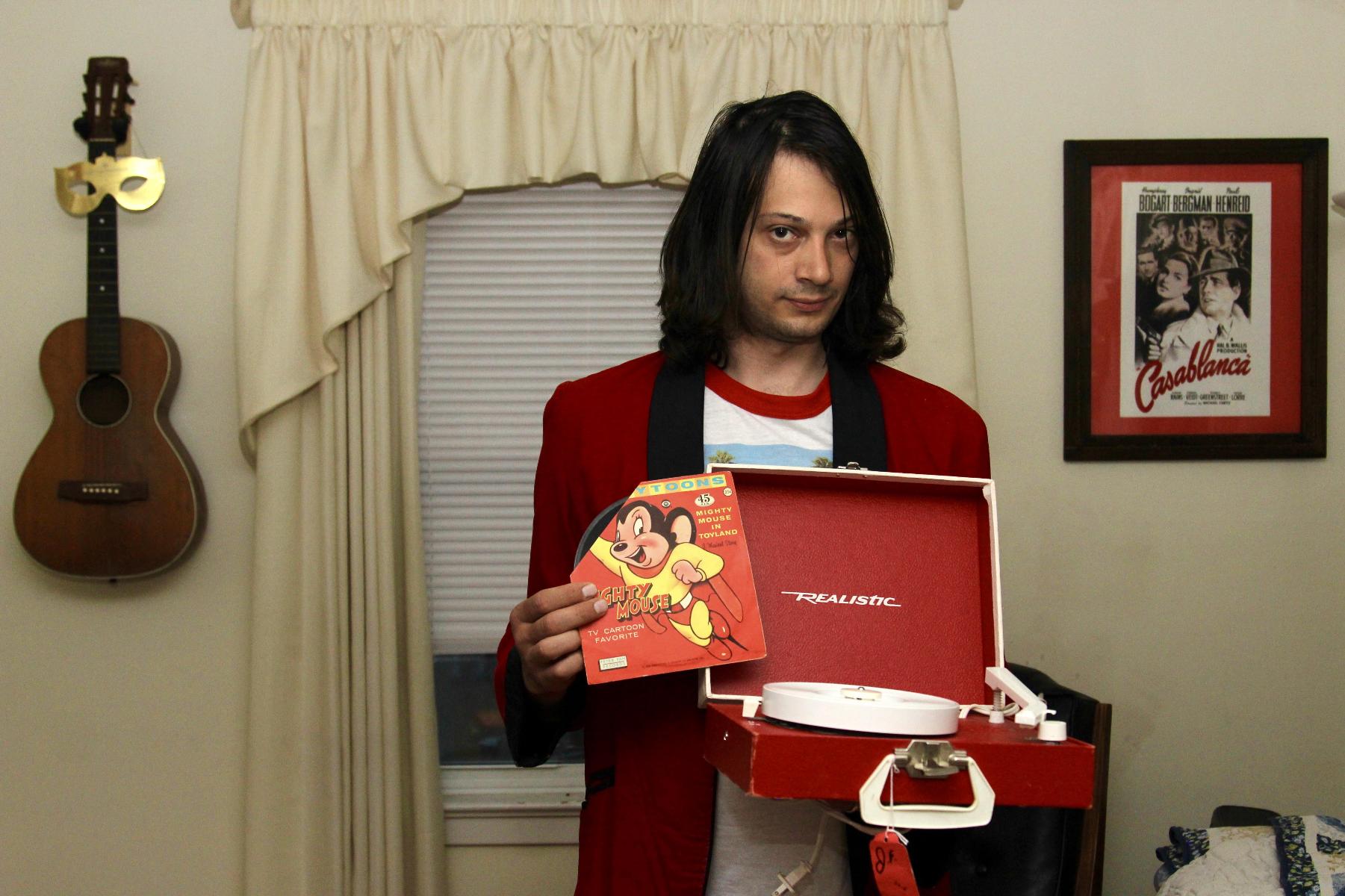
    JM: I actually own Andy Kaufman’s childhood record player. And his smoking jacket as well.

    Jay with Andy Kaufman memorabilia, Photo: Jeremiah O’Reilly

    PC: So we’ve got your spirit animal. What would you say yours is, Cal?

    CS: Billy Martin, a friend of ours, once told me that he thinks Chris Robinson from the Black Crowes is my spirit animal.

    JM: I’d believe it.

    CS: But it’s not that easy. My struggle is endless. I seem to go around, which makes me think serpentine, like a snake. I’m year of the dragon, too.

    JO: I think I’m an earth dragon.

    JM: What’s the difference between a dragon and an earth dragon?

    JO: So there’s different parts, like your animal that’s part of the Chinese zodiac, and then an element that goes along with it.

    CS: Like earth, water, fire.

    JM: I thought maybe an earth dragon was one that couldn’t fly, or something.

    JO: I’m like the black sheep of dragons. I guess that’s my spirit animal.

    PC: Is it too soon to divulge any details about the next album?

    JM: We don’t know when it will be ready. I would say by this time next year, there will be something.

    PC: Jeremiah, this is your first time recording with these guys?

    JO: Yeah, I’ve known these guys for a while. I actually went to one of their shows back in 2005. When I was a wee little lad. One of my best friends Alex Northrup was one of the founding members of The Demos. And I’ve been playing music with him.

    CS: He’s the Syd Barrett of The Demos.

    JM: That’s actually very accurate.

    JO: I was 16 back in 2005, so I’ve known you guys for a while. But I’ve only been playing with them for 8 months. It’s been a blast.

    PC: And now you’re no longer the newest member of the band.

    JO: I am not the newest member.

    CS: We’re like a restaurant. We change staff as much as we change clientele sometimes.

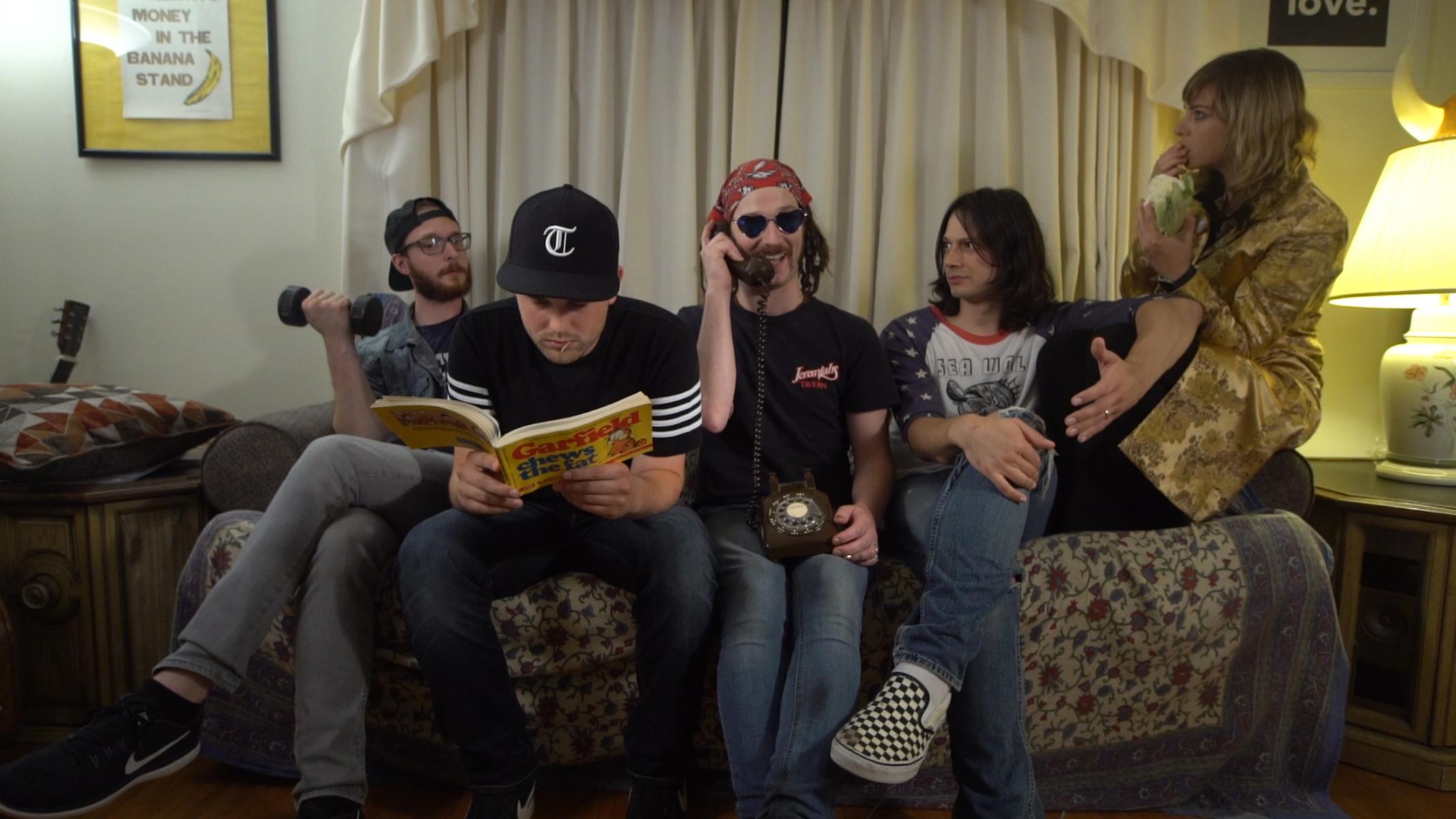
    The Demos: Jeremiah O’Reilly, RJ Papaleo, Cal Saunders, Jay Milton, Caela Moore

    JM: Honestly, I think we’re just intense workers when it comes to music. We just pour everything into it.

    JO: It frightens some people.

    CS: Or people have lives.

    JO: Aren’t you glad you found me – I have no life!

    JM: That’s the worst thing about being a musician in a place that has such a great local scene is that it’s hard to work on music and do things. Tart Vandelay is playing tonight and I’d love to go do that, but we’re doing this and then we’re going into rehearsing right after. And if we’re not in the studio, then we’re rehearsing, or we’re writing. It’s hard to do cool things, like watching other people play music, when you’re so focused on doing it yourself. That’s my least favorite part. We’re very dedicated.

    CS: We’re dedicated, honest, and hard working.

    JM: Every moment that we’re not working on music, we wish that we were.

    JO: Me and Jay text each other at work saying, “I wish we were in the studio.”

    (RJ Papaleo arrives)

    PC: Hey, we’re just wrapping up. What is your spirit animal?

    RJP: I feel like it would be a bird of some kind.

    JM: Maybe like a pterodactyl.

    PC: And what is Caela’s spirit animal?

    JM: A fox.

    Catch the Demos live at what is sure to be a memorable performance Saturday, September 16 at 6:30 at Parcel 5 on at 285 East Main Street in Rochester. Get ready by listening to their catalog of music on Bandcamp. Follow on Facebook, Instagram, and Twitter for updates on this and other shows.

  • In Their Own Words: Freekbass

    On a sunny Friday evening on August 18, funk icon’s Freekbass and The Bump Assembly rocked the main stage at Nights Of Fire Music Festival in Franklinville, NY. Before the big performance, NYS Music was honored to sit down with Chris “Freekbass” Sherman in Freekbass and The Bump Assembly’s tour van. As we began,  Freekbass wittily commented, “It’s appropriate that we’re doing this in the van, because this is where we live.”

    Born, raised, and currently based out of Cincinnati, OH, Freekbass has released six full length albums and has collaborated with modern legends including Bootsy Collins, DJ Spooky, Mike Gordon, Buckethead, Bernie Worrell, and many others. His touring band, Freekbass & The Bump Assembly includes Razor Sharp Johnson (Bootsy’s Rubberband/P-Funk) on keys and synths and Rico Lewis (George Clinton & P-Funk) on drums.

    Whether he’s rocking the cover of Bass Guitar Magazine, playing upward of 150 shows each year, or working on his new album with Ropeadope records, Freekbass is one of the hardest working musicians in the funk business. NYS Music is humbled to present you this edition of “In Their Own Words.” Here we have a collection of bite size nuggets of knowledge, quoted directly from Freekbass:

    On Life On The Road:

    Living in the van, we play about 150 dates a year. I enjoy the road life. I always say you sorta have to have that trucker gene in you to really enjoy it. In James Brown’s autobiography, he explains how they started in a station wagon, then they moved to a van, then to a bus, then a plane, and then a private jet. It doesn’t matter if you’re in that private jet or that station wagon, the road is still the road.  You have to enjoy yourself.

    I like meeting new people all the time. It’s always exciting because you gain energy from new people, and the energy is always different in different places. The audience becomes as much a part of the music and the band as we are. I used to thank the audience at the end of the show. I’d say, “thanks for letting us play for you,” nowadays, i’m always saying, “thank you for letting us play with you.” It feels like our audience has become as much a part of the music as we are. We can play a song for 20 minutes long or the same song for 5 minutes. It all has to do with what the vibe is that night. A lot of our performance has to do with what’s happening with the audience.

    In the last few years, music streaming, illegal downloading, and torrenting has taken over the industry. Five to ten years ago, you recorded a record and then you played live to promote the record. Nowadays, it feels like it’s almost the opposite. A band records a record to help bolster their live show. For instance, when they first began, Pretty Lights gave all of their music away for free. Some people said, “oh wow this is a pretty odd business model,” but, the idea was to get inside everyone’s ears. All of a sudden, they created this huge live buzz, it was all about going to see them live. We have a brand new business model. I think it’s great. Nowadays, you have to be a really good live act. The one thing you can’t replace is a good live show.

    On Cincinnati Ohio’s Funk Music Scene:

    The Cincinnati music family is pretty tight knit. In the music industry, there already is just six degrees of separation between everybody, but, the funk community is even smaller. That’s one thing that’s great about being in Cincinnati. The history goes back to the days of James Brown and King Records; that’s how many great funk players such as Bootsy Collins got their start. There’s always been a strong community of funk musicians in the midwest. When there is a plethora of musicians playing the same kind of music, it’s easier to connect then it might be in other parts of the country.

    On Pre-Performance Rituals:

    We always get together and meditate and pray before a show. It’s something we do no matter what. This is nice because sometimes-at festivals especially-performing can be freaking chaotic due to changeovers and all sorts of things. I feel like prayer grounds us. Right before we go on, no matter how chaotic the day is, even if we have to run behind the back of the van and do it, we always pray.

    Fun Facts:

    I’m looking forward to the new Justice League movie…I also listen to a lot of superhero podcasts. My favorite one is called Holy Batcast. There is also Batmannews.com, Suicide Squadcast, Batman On Film, ect. I’m a big podcast fan. I also listen to WTF with Marc Maron quite a bit. I enjoy putting my headphones in and listening on long road trips.

    Listen To The Entire Freekbass Live at Nights Of Fire Performance: