Category: Interviews

  • Spolight: The Lifeline

    Picture-2Music lovers fall under the spell of such a unique, haunting melody as they tune into the band casting their magic from within their music. The dulcet sound of a bow being rhythmically drawn across violin strings, followed by the electric guitar and bass, the sounds that most are very familiar with, copying the rhythm. Definitely a different type of music, where classical meets rock. Who is this band that created such an interesting, wonderful combination of genres? Introducing, The Lifeline.

    The Lifeline originates from Chicago, IL, with members Ryan T. Hope (vocals, guitar), Rebecca Faber (violin), Rhapsody Snyder (keys, harp) and Derek Kalicky (bass). The band has released a total of three records; their debut independently released, Where There Is Life, There Is Hope… (2005), For All Who Triumph (2006) and Reflections of Hope (2011). For All Who Triumph showed the listeners that by not altering the line between the very different genres, but by bringing the concept that at the end of their record, The Lifeline would leave them feeling very content by what they had just heard. The band’s next project was a short film called “Trilogy” which contained a series of music videos placed together. Because this was past anyone’s anticipations, “Trilogy” moved onto film festivals such as the West Hollywood Film Festival and the Midwest Independent Film Festival. It accepted two awards (Golden Eagle from CINE and Best Cinematography from the Midwest Independent Film Festival’s BMA’s in 2008). Because of their increased popularity, The Lifeline opened for groups such as 30 Seconds to Mars and Saving Abel. As of March 11, 2011, the band signed with T.J. Sagen of JBM Management (Disturbed and Art of Dying). On January 2012, Ryan T. Hope’s vocals can be heard in “You Won’t See The Light” with Geno Lenardo on guitars. This song featured in the latest Underworld franchise soundtrack. As of January 29, 2013, The Lifeline released their recent single “See You Again”, a very chilling track. Upstate Metal’s Kate Drexel had the opportunity to do an interview with front man, Ryan T. Hope.

    UM: How did you come up with your band name?

    RH: It was a collective effort, Rebecca and I had been offered an on-air acoustic performance from the local radio station in Champagne, IL and it was like our first real public performance. We knew we were forced to come up with a band name because we couldn’t just be “Rebecca and Ryan”, it didn’t have that ring to it. So we just stumbled upon The Lifeline. We were looking through some kind of dictionary or something like that, whatever bands go to, to try to find words and combine them. But Rebecca came across “lifeline” and I was like “That’s great! How about The Lifeline” and she was like “Okay”, and it just stuck. And after we played that on-air gig we felt like that was our name now and it just stuck with us. It’s hard coming up with a name for your band, because it’s like one word or three or whatever. You want to come up with what your band is all about. If you pick the wrong name, people might get the wrong idea about you right off the bat. Something you need to be careful about.

    UM: What gave you the idea to use the instruments in your music? Referring to the violin.

    RH: Well, it was pretty calculated. When I first met Rebecca, I didn’t even know she played the violin and as our friendship developed…she knew I was a musician…and as our friendship developed, I started to learn some things about her and that she was a music major and that kind of thing. I’m also a string player too; I played bass growing up, in the orchestra. When I found out she played the violin, I was really intrigued and I thought, “What kind of music could we create with the different kind of instrumentation?” And we just went from there and it started off very acoustic but it had a rock edge to it so eventually we felt “Hey this could probably translate pretty well, a hard rock setting.” We tried it and it worked out pretty well, so that’s how it came about. But we just use the talents that we have and the instruments that we could play and we just took it from there.

    UM: Where do your song ideas come from?

    RH: Oh man…I mean everywhere really. We’re both really heavily influenced by classical music, obviously, so occasionally we will hear a classical piece that kind of grabs our attention and several of our songs are loosely based off of classical pieces. Like “Romeo and Juliet” for instance, kind of loosely based on Tchaikovsky’s “Romeo and Juliet”. Sometimes I’ll hear things in rock music that really inspire me, like the new Muse record for instance; that was something that really caught my attention so I’ve been kind of geeking on that for a while now. That’s definitely influencing me very much, but I mean, ideas for songs though, anywhere. I feel like the best songs are the ones that you write about your personal experiences, and the things that have happened to you, and everyday life. That’s what most of our music subject matter is about, and the influence definitely comes from the emotion that comes out of those experiences. Not too complex, but it’s a variety of different areas that I can say that we take our inspiration from.

    UM: Who are your inspirations?

    RH: Personally, my inspirations…I mean I’ve always looked up to Roger Waters of Pink Floyd. From a musical standpoint, the guy is absolutely genius when it comes to making compositions; I mean I’m a huge fan of the concept album and he kind of pioneered the whole thing so he is definitely one of my biggest inspirations, of course David Gilmour, the guitarist of Pink Floyd…man, there’s too many to talk about as far as musicians go. Singers, I’d probably say Freddie Mercury was my first big inspiration. I don’t know but there’s something about that guy’s voice that goes right through you, captivating and there’s no one else in the entire world that sounds like that dude. It’s kind of something that you’re born with and that’s amazing, so I’ve always been in awe of him. Every time I see a concert on TV or listen to a clean record, I’m like “wow” that’s what I want to strive for, just be awesome.

    UM: What inspiration does the band use?

    RH: We take it from everywhere, like I said classical composers are definitely a huge influence. The Smashing Pumpkins have been a gigantic inspiration, they’re a Chicago band, they made their way up the ladder of rock and roll here in Chicago and definitely a band we look up to and take a lot of inspiration from, business wise. They’re really good at promoting themselves, selling their brand, and I think that’s the reason they’ve been around as long as they have. That’s just one. One of many, but that’s probably one of the biggest collectively for all of us.

    UM: What does your music reflect about you guys?

    RH: Well, I mean, like I said earlier about the band name, you definitely want to pick something that sums up what your music is and who you are as people in one word or a phrase and in music itself and it has the same effect as the band name. We’re kind of like a quiet intensity sort of band. We are unassuming, just normally walking down the street but once you talk to us, you’ll realize that there’s a lot more than what’s on the surface and I think that’s the best way to describe us. As a band, musically, where there are a lot of different layers to our musical personalities.

    UM: What’s your favorite venue and why?

    RH: Oh, that’s a tough one…I’d probably say the House of Blues here in Chicago. There’s just something about that place, if you’ve ever been to a House of Blues, just the décor and the vibe. I know its pretty much the same at every single one across the country, but there’s something about the one in Chicago that kind of makes sense, you know Chicago being the home of the blues. And it just has this ambience that I haven’t really experienced at any other venue, anywhere that I’ve been. Plus it just sounds and looks amazing on stage, and you just feel like you’ve got the audience in the palm of your hand because it’s super intimate yet it can fit a lot of people. It’s an interesting room. So it’s definitely my favorite and I think the rest of the people in the band would agree. A close second though is definitely the Aragon Ballroom here in Chicago, a lot of the same stuff going on there. There’s such an amazing vibe that comes from being in that building, and when you’re on stage, you just feel you’re a part of something bigger than yourself.

    UM: What’s the story behind your leading single, “See You Again”?

    RH: It’s not super interesting, I guess, but it’s one of those things where, like I was saying earlier about drawing inspiration for music from everyday things, and Rebecca and I got talking about life in general and loss, just an idea of what if something that you cared about was there one second and the next second gone? Like, how would that make you feel, and we took that mood and that idea and just started writing. I think the piano part was the first thing that came out, Rebecca came up with the piano line first and we just developed the entire song all around that. It happened really quickly, sometimes with songs you have an idea, you mess with it for a while and it doesn’t really go anywhere then you come back to it later. But this song, it just happened like, boom-boom-boom…it was done. And we knew we had something special there, and we wanted to use it as a model of where we wanted to take the band next, and it’s kind of a neat transitionary song for us.

    UM: How did you become a part of the Underworld soundtrack?

    RH: Well, a few years ago, I had the pleasure of working with Geno Lenardo from Filter on another project that was unrelated to the Underworld thing, and he and I have gotten together and wrote a couple of songs together. It didn’t really take off or go anywhere but we stayed in touch. He kind of has been honing on his craft as a producer and engineer and stuff like that for the past few years and when he landed the opportunity to contribute to that soundtrack, he naturally called me up and said “Hey wanna give this a shot and work on this with me?” I was like “Yeah of course!” We got together and recorded the vocals in a day and the rest is history. There was a bunch of other submissions that he sent along and mine got picked over a couple of well known artists and it was a pretty good feeling and definitely something I’m really proud of. I do have some other things in the works with Geno for the future, so it’s a pretty cool opportunity for me.
  • Interview: They Exist

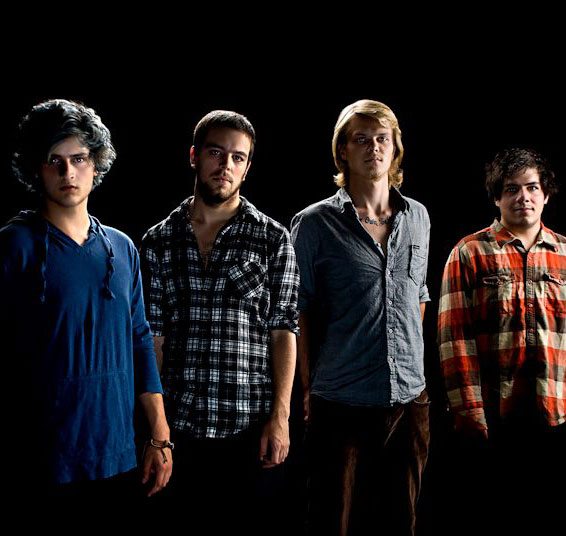
    Funny yet with a serious appetite to make music,  They Exist is a three-piece progressive metal band hailing from the Syracuse/Oswego area.

    Once a quartet they came across line-up changes like most musicians; losing a drummer and a guitarist. Zach switched to bass then back to guitar. However, even with losing a few members they decided to stay strong and stick with it. Fortunately, the remaining three members came across Jarod.  Jarod joined the band after talking to one of the current member’s brothers and seeing them play. Upstate Metal’s Steve Strader was able to talk to Dan (bassist) a bit and he said they might be adding a keyboardist which will give them more opportunity to expand their sound.  When you go to a show expect your ear drums to explode cause they hit you from all angles with their diverse sound which ranges from jazz to jam – all in one song.  They Exist doesn’t let genre labels stop them, they have a fun, “can do” attitude, and the willingness to expand. You can find them on Facebook and they are currently accepting new bookings. You won’t be disappointed with their presence. The 315 Street Team will be out promoting them and other great local artists, too.  You can find upcoming local acts at their Facebook page (link below).

    They Exist Facebook: http://www.facebook.com/TheyExistTheBand?ref=ts&fref=ts

    315 Street Team Facebook: http://www.facebook.com/browse/page_fans/?page_id=179384965535463&ref=notif&notif_t=page_new_likes

    Steve Strader‘s Youtube account for live vids and other interviews: https://www.youtube.com/user/rundownmaggot666

  • Spotlight: ACIDIC

    Spotlight on a small killer band from Southern California by the name of Acidic. They’ve toured with major bands such as Hinder, Trapt, and Hawthrone Heights.

    The band consist of Mike Gossard (lead vocals/guitar), Ted Dubrawski (bass), and Matt Whitaker (drums), with a special guest guitarist; in this case on the Hinder tour it was Josh Bennett. Their first record, Chronic Satisfaction, produced by John Ryan of Chicago Kid Productions, a platinum award-winner (produced Styx, Santana, Lynyrd Skynyrd, Badfinger, and the Allman Brothers. As of recently, the band signed with SONY/RED through a special arrangement with MegaForce Records. Acidic’s latest record, Copper Man, is expected to be released March 19, 2013. The leading single, “Copper Man”, was picked by Motley Crue’s Nikki Sixx on his nationally-syndicated radio, “Side Show” to kick off February. Upstate Metal’s staff, Kate Drexel, was lucky enough to do an interview with the band’s front man, Mike Gossard.

     acidic_web

    UM: How did you come up with your band name?

    MG: We went out to Joshua Tree for a weekend with a…you ever see that movie where Johnny Depp goes to Las Vegas and has a crazy weekend? Yeah, well it was kind of like that, and we came back and we didn’t know what the fuck had happened but saw that we had written on a little piece of paper the name “ACIDIC” and we were like, “what?” That must be the band name we decided…kinda catchy, y’know, unknown. There was a lot of ‘shrooms involved probably, we’re not really sure. But we had a good weekend; we know that, we came back safe.

    UM: What’s your favorite song off of your record?

    MG: Off our new record? Well, I’ll just do it from the new record, which is out March 19th; it’s going to be released by SONY/RED. My favorite song off that record is called “Copper Man” and I know we sound like total douchebags right now but we wrote it in jail. So yeah we got arrested the first day of our tour for Fuel, for being a “rock ‘n’ roll” band and I’m not going to go into any more detail than that. And we decided we were going to write a kickass song about being on the road. And so we wrote a song about the chronicles of this guy going across the country, getting into all sorts of shenanigans and partying with people and having a great time and everywhere he goes, he’s the life of the party…he’s the Copper Man. And he’s just all around the country, and when they let us out, we had a full song and we played it that night and it was pretty cool. We’ve never done anything like that since. We’ve only been arrested twice last year so it’s all-good.

    UM: How did you become a part of the Hinder tour?

    MG: Actually, our management is good friends with their management and they hooked us up and I have to say…Hinder, they are the nicest bunch of dudes on the face of the planet, I mean seriously, they have taken such good care of us. We are so grateful about that. So yeah, mutual friends.

    UM: What’s the story behind “Satellite”?

    MG: Okay, I went through a bunch of crazy stuff last year, right? And usually, it revolves around a girl and so I went through a bunch of stuff with a girl and I ended up getting sober and that was the first song I had written sober in years. I wrote it about always feeling like you can’t quite connect with somebody. I mean, everybody’s had that feeling where they’re just like, the one person they really want but can never say the right thing to or can’t connect with, it’s all about that. It’s the idea of being a satellite and they’re being a fucking planet.

    UM: What does music mean to you?

    MG: Everything. I try to think “Could I be a lawyer?” and then I realize, when I’m not on stage, I’m always listening to music, or when I’m watching a show, all I pay attention to is the music in the background. If you watch a TV show, there is never more than 30 seconds of that music, and if it’s done, it’s done on purpose to get attention…but it’s everything and it’s everywhere you go. You cannot escape from music. So it’s my life.

    UM: What does your music reflect about you guys?

    MG: Our general attitude and our transgressions on the road. Seriously, we write everything about experience, things that have happened to us…oh god, people we’ve known, people we’ve had drinks with, people we’ve had smokes with, people we’ve had sex with, y’know that’s the classic thing. It’s great, it’s honest…may not be very polite, but it’s honest.

  • Video: Tour of MUSICIANS PARADISE STUDIO in Dexter, NY

    Tucked away yet out in the open at the same time because you’ll never really know unless you go there, Musicians Paradise Studio is located in Dexter, New York on Crimson Creek Road.

    JP Voytko gave Upstate Metal’s Steve Strader a nice little tour. He provided a brief description and history on the layout and how the place came to be. It’s refreshing how they preserve the tradition of the land. The studio is a wonderful idea and a great future for the arts community which will need your help! Give the Musicians Paradise Studio a like on Facebook to learn more about it, and feel free to ask questions about this recording studio!

    https://www.youtube.com/watch?v=w5mEC4LeTgU

    FB: http://www.facebook.com/pages/Musicians-Paradise-Studios/461226433918380?ref=ts&fref=ts

    315 Street Team: http://www.facebook.com/315StreetTeam?ref=ts&fref=ts

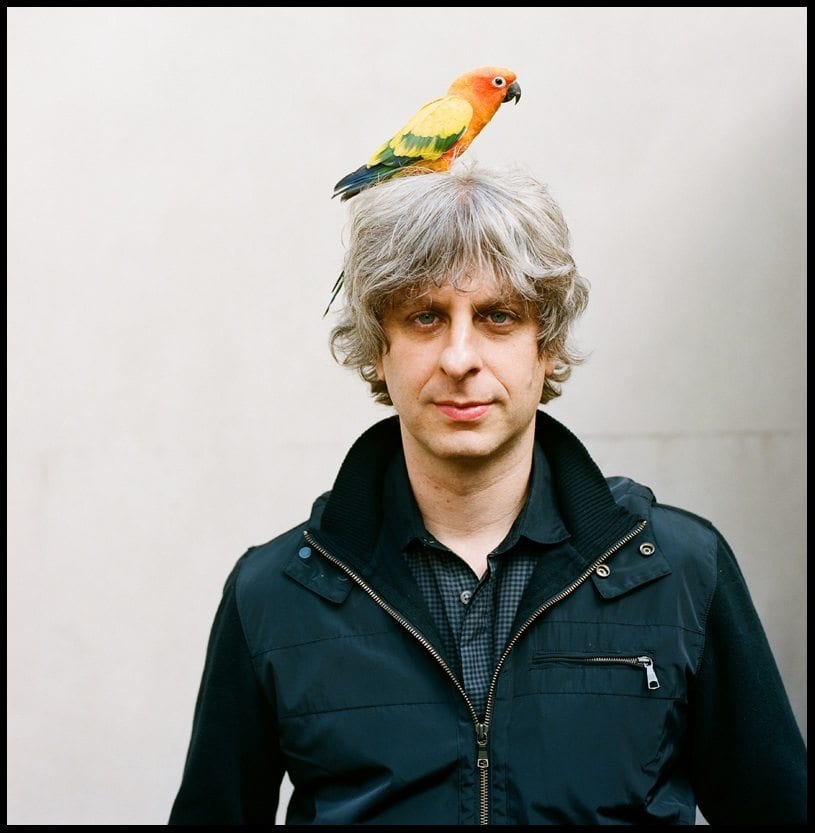
  • An Interview with Mike Gordon

    Prior to the release of Mike Gordon’s album Moss, Pete Mason sat down for an interview with Mike regarding the album, Phish’s recent Halloween show in Atlantic City, his purple pants, music festivals, his new fatherhood, among other topics. 

    Pete Mason: Where do you think Moss differs from your earlier albums, particularly your first, Inside In?

    Mike Gordon: Well, since Inside In had stemmed from the movie soundtrack (to Outside Out), it ends up being a lot dreamier, and the songs are strange little excerpts of sentiments and vibes from the movie actually, from the lyrics, I think so. As I progressed a few albums later, I became interested in having the songs being more about the sort of  more self-contained, in terms of the message and sentiment, and not requiring the movie or dreamscape litmus to allow the album to stand on its own.

    an interview with mike gordonPM: Listening to Moss, particularly “Flashback”, “Can’t Stand Still” and “Idea”, they seem to have more of a presence of horns on this album than previous releases; why were they incorporated more this time around?
    MG: Well, there were some horns on Green Sparrow and they were synthetic on Sound. We tried it on “Fire from a Stick” but it didn’t work as well as I hoped, but I think the reason for using more horns was because Phish had just done Exile on Main Street, and I really liked the way the horns were woven into that album and the backup singing, which we did with Sharon Jones and the Dap Kings. That got me thinking about horns as a rock and roll sound, not just as a jazzy sound. It got me excited to get some different textures and it just made sense. I tried to get local guys because the vibe of not homemade, but locally made. So we got who was needed for the songs, and not because of names, instead it was more efficient and added to a more macrobiotic feel, musically somewhat. So we got local Vermont horn players, and great ones. 

    PM: What have you learned about solo project from watching your band mates in Phish go on solo tours over the past decade?

    MG: I’ve learned that it’s to make money at it. It’s so important to me that I don’t really call it a side project anymore, it’s as important as to me as the Phish stuff, because I’m just a creative person and I like to do a lot of writing and I like to see how my creations are sort of working or not working in the context of bringing them out to the world, then refining them and bringing them out to the world trying different things. The whole process is really fun for me because I don’t get to do that process in Phish because I’m not the song writer, or I am on occasion, but my role in Phish I see as bass-playing. In a way I feel like Phish is a side-project (laughs), in terms of time, and I guess huge musical inspirations that come with playing with Phish.

    (I’ve learned) from watching the other band members the importance of a there being a strong leader, even though I like to be the leader who shares the responsibilities of decision making and creativity, and I’ve seen that sometimes work and not work. I guess those are the two big things. The importance of having a strong leader in the group and at the same time letting everyone thrive and come into their own creatively and to surrender some control to the others, because I think that some bands that are side projects or solo artists and its clear that everyone else is a side-man or side-woman. There is only so much to you can do in life without going outside of your comfort zone (it’s hard), and if you’re in a band where there is one members name on the marquee then they may not be encouraged to leave their comfort zone and take risks and go crazy and become the full people they are, and I see that a bunch of times, and that’s actually one reason why I would like there to be a band name instead of just my name, but so far I haven’t decided on one; its been a couple of years and I’m still thinking about it. So, anyway, yeah.

    PM: How did you assemble this band of musicians for the album and tour?

    MG: It’s different from the album and the tour. The band, my goal there is to stick with the same people, and it’s been the same lineup for the last two and a half years with no changes. The cool thing with that is that is the chemistry and telepathy start to grow. Its only been seven years, so its not that long like with Phish who I grew up with, it’s a different group of people and context and what’s fun is to see how it can be different from the other side projects other members have been involved with and become its own thing and that’s really fun for me, just letting it develop and see what the potential is because of the interesting mix of personalities, and the new music that we’re working with. Everything is new and also inspired by where we’ve all come from and for me that’s definitely Phish.  It’s been a couple tours, a couple years with the same lineup, so its cool to just get up on stage, even though we don’t know each other as well, in some cases, to just see that the happening, the chemistry thing. I’ve been playing with (guitarist) Scott Murawski for a long time in different projects, and there are two others from Burlington, (Craig Myers on percussion and Tom Cleary on keyboards) and the drummer (Todd Isler from Brooklyn) was one of I auditioned a million drummers, or at least researched a million and really wanted to find a guy who clicks, so he is someone I don’t really know, and although he was a recommendation through the grapevine and he just clicked; his rhythmic sense is just mesmerizing and danceable and the same time, which I wanted. So that’s where the band came from.

    On the album, there are some tracks that have three of us from the band playing plus some overdubs, and there are a few tracks that have other band members overdubbing, so its not a band album where all the tracks are just the band, but they have a strong presence. There are a couple of Phish band members on there, a handful of Burlington musicians and a few non-Burlington musicians, a sort of smattering of people on the album.

    PM: Having played three moe.down’s in the past few years, at two separate venues, what is your opinion on the venues and the shift south to Mohawk?

    MG: Well I guess I had gotten used to the first one (Turin) but the second one (Mohawk) seems like a nice spot. Its just different, don’t really have a strong opinion. The first one had a coziness to it while the second one had a vastness to it.

    PM: What do you feel is the best aspect to playing music festivals?

    MG: For me, its getting to check out other music and meet people, to do some talking and networking with other musicians. We played at the Austin City Limits with Phish, and I really wanted to check out JJ Grey and Mofro, and I left to run there like a mile and a half away along the river. When I left the hotel, I noticed that there was a stage setup outside between the pool and the river, and a lot of bands were playing on this tiny little stage, and there were a lot of people and kids just walking around, I was almost so tempted to stay there because it was so festive, but I really wanted to see JJ Grey so I ran along river, flashed my pass and ran right up to where he was playing and watched the whole thing so I could get inspired in that way. There are things I don’t like at festivals, I don’t like to play music when there is other loud music that you are hearing at the same. At Phish festivals, our biggest thing is because there generally wasn’t other music or other stages in the campground, there was a lot of silence, so we would play a set for an hour then there would be silence, and people would get a break from their ears and I think there is something nice about that too. I have a lot of fun at festivals, get on a golfcart, check out crafts and things, behind the scenes, so I guess there are pros and cons.

    PM: Looking back on 10/31 and playing Waiting for Columbus, (and having playing “Sailing Shoes” last night in Seattle), what is your post-mortem on how you played the album that set, as well as the three weeks of touring and did the members of Little Feat share their take on the show with you?

    MG: They all heard about it and they were honored, so there were some nice emails going back and forth. It was a favorite album of mine since high school, so it was probably my favorite one, even though I think we have done some good ones. Learning it was a big challenge, it was harder than I thought it would be, but it was great to get inside what was going on there both musically and vocally. Rehearsals were really fun, but I think that it wasn’t quite as tight on stage as it had been in rehearsals, in terms of ending and transitions and getting it all right but I think the energy was there. I guess I would agree with a lot of the fans who said that Saturday was a great show or even the best one, but for me its not because of the Led Zeppelin stuff that everyone is talking about, its the flow that we were in, very deep and subconscious and groovin’, I just loved Saturday night, the Led Zeppelin stuff was just sort of an extra icing on the cake. It was cool to play “Ramble On” all the way through even though we hadn’t played it or practiced it in 20 years or however long it was (last time played – 8/12/98, Vernon Downs, NY) and just guessing what the chord changes would be and that kind of thing, that’s how much fun it was.

    PM: How did you guys decide to play so much Zeppelin that night?

    MG: Just because it was the rumor and we had been teasing some stuff at soundcheck, hoping that people would tweet it, which they were. It was part of the tease and keeping the secret really well, it was the best kept secret of which album it would be. I actually had a brief email correspondence with Kenny Gradney (Little Feat bass player) a few weeks earlier, and we weren’t allowed to tell them so I had to just wait till I answered his email at a certain point.

    PM: When you guys prepare for Halloween, its very tight lipped to keep the album secret. Nobody knew.

    MG: Yeah, and a lot of younger people didn’t know the album, but I think that the Phish Bill kind of explained it, we had David Fricke write a whole history of the album and interview us about what it meant and how hugely influential it was to us and fun, it meant to turn people onto something they might not have known for the younger fans.

    PM: There is a small following of Phish fans who admire the purple pants you wear from time to time on stage. What it your affinity with them, and what has your reaction been to them?

    MG: That’s funny because at a certain point I decided that I was going all black and gray and I went to the store, got a whole new wardrobe, but lately I’ve been carrying the purple pants with me but not yet wearing them, I’m glad you reminded me. Maybe its getting to be time. I think I’m leaving my black and gray phase. I just went shopping yesterday in Seattle and what I got departs from the black and gray. My fantasy is to very gradually turn into Steve Tyler, with a bunch of scarves and lace frills and everything. But I’m many steps away from that.

    PM: For 1/1/11, was scheduling the show that day done thinking that it would be a cool date to play, or is it only reflective of scheduling?

    MG: Generally we’re not going to play more than three in a row just to stay fresh, which required us to go over to the first and I think people like it because it’s a little different and so we don’t repeat ourselves.

    PM: Do you have any plans for 2011 for touring, either solo or with Phish?

    MG: This tour that I’m on now is part A of two tours and I’m not exactly sure when Part B will be, probably sometime in the first part of next year. It’s good to do more and it’s been fun, then it gets to be so sad when it’s over. I want to hunker down and work on some more writing, so many song-writing projects in mind, 100’s of things that are half-finished or barely started. I don’t have a lot of time to do that. When we have time off, it’s never off, it’s either hanging out with my two-year old or working on projects, mostly song-related. So I’m hoping not to do too much touring so I can do more of that and maybe Phish will dabble in some recording. I’m sure that at least some point Phish will be playing next year, I just don’t know all the timing yet.

    PM: You mention your daughter, how do you feel fatherhood impacted your music and the touring life?

    MG: Well, it’s interesting. When the first band member had a wife and kid, I remember thinking that their attention would be deflected and the music won’t get as much attention, and it turns out that’s not true at all. Now I realize its grounding and give me more focus. She is such a huge central figure in my life, the central apex of everything, and not just because of her being a kid and because she’s supposed to be but because I just love her so much and she’s so funny and inspiring and I can learn so much from her perspective of the world. Sometimes that happens and I wind up being more grounded as a person. And also, actually, I did The Artist’s Way book, which Trey recommended a couple of times, which is one of the most popular books on creativity – a workshop in a book – and the whole thing is geared towards trying to regain your childish sense of wonder that you used to have and approaching your life and your art from that child’s eye, and trying to overcome all the sensors that you have built-into your head from what your parents and teachers told you and your experiences that led to living confidence, and its important getting back to that playful state, and it’s important for music and art. That’s another fringe benefit of having a little one around us is that everything she sees, whether it’s a sheep drawn on the wall of a hotel lobby or whatever it is, it’s so exciting and noteworthy that she has got that ability to share that perspective of the world, and it is probably indirectly rubbing off where it’s probably a whole lot refreshening for my musical outlet to get to the point where I can see music that way too. I just got a text from my wife saying that our daughter said “Like the music that Scott makes and dadda too”.

    PM: To be able to pick Scott out of the mix is pretty good for a two-year old.

    MG: Yeah, it’s very cool. She’s been completely fluent with music since about one and a half and knows 400 signs of sign language, but I love it when kids all convolute it. We were walking down the street and she says “Daddy look, ‘pine noodles’”, instead of pine needles, ‘daddylion’ instead of dandelion, or other funny grammatical structures.

    PM: Regarding your hotline, I called it the other day

    MG: Yeah, I have to update it

    PM: How did the hotline startup and update fans randomly through it?

    MG: The original idea came from when Inside In came out and a guy from Ropeadope (Records) recommended it as a sort of marketing tool for Inside In, and that’s what it was called, the Inside In hotline or something, just a voicemail service. I had a lot of fun with the interactive quality, giving people little games to play, answering people’s questions, having it be like a back and forth thing, kind of like a slow motion radio talk show. I kept it going and at a certain point my manager said “You’re wasting your time with this, don’t do it anymore”, and I said “Well, I just enjoy it and I think it’s a unique way to talk to fans and get some feedback”. It went dormant for a little while, and when it did people said ‘You can’t stop this, I talk to you more than my own mother!”, so after a little while I decided to bring it back. We’ve talked about making some hotline merch or maybe a website with some archival messages, at some point, maybe for the 10th anniversary of it. I like it because it’s unique, its a little old school, doesn’t really use new technology but I kinda like that about it too, it’s always available, people put it on speed dial so when they are heading home from work or walking home alone from bars or something they can call for their virtual friend.

  • Interview: YOUNG BLOOD

    The lights begin to dim and the mixed chatter amongst the crowd turned into screams and cheers of excitement. A familiar drumbeat fills the room and the people begin to clap with the rhythm. Concert attendees sing along to the classic rock song “We Will Rock You”, famously performed by Queen. The new faces on the stage continue to encourage the audience to sing along. They then begin to play what they had in store for their elated fans. Entrancing melodies transfer from instruments to fans and fill ears and souls with the unique sound of Young Blood, a band that emerged from the shadows and captured the hearts of many music lovers. As fans surmounted, intrigue arose regarding the band and its origin. Who is this band? Where did it come from?young blood

    Young Blood is a rock/alternative band from Rochester, New York, that recently toured with pop punk/alternative band Yellowcard. Together the five members, Ben Dean (lead vocals), Joey Arena (guitar), Chris Klumpp (guitar), Corey Baiera (bass), and Bryan Struczewski (drums), have released two singles on their YouTube account (“Little Vices” and “Chemicals”).

    Upstate Metal’s Kate Drexel had the opportunity to interview the band’s guitarist and founder of the band, Joey Arena.

    Upstate Metal: How did you come up with your band name?

    Joey Arena: I came up with the name years ago, actually. I’ve always been young at heart, you know, and everybody wants to live forever, and be young, and I think I fear may grow old, but I want to choose to stay young as possible on the inside…so kind of having that young blood.

    UM: How did you meet each other?

    JA: Chris [Klumpp] and I have played together before, and all the other kids were just people we kind of knew through friends of friends or in passing. We wanted to play with fresh faces that we’ve never played with before and everybody was a friend of a friend of each other, and we were kind of random about it, picked a bunch of random talented dudes.

    UM: How long have you been together?

    JA: Chris and I have been together for about five months of planning this and the approach we wanted to take on this, like having Ben [Dean] in the band. Bryan [Struczewski] got into it about three months ago and Ben got into it about two months ago, and Corey [Baiera] is the newest, he came in about a month ago. This is the original lineup so we kind of just pieced this puzzle together with no rush because we wanted to find the right people for the right job. As this lineup, I guess I would say a month and a half. The idea of the band had been brewing for about five months.

    UM: Who are your inspirations?

    JA: That’s such a difficult answer because we have tons of inspirations. We grew up from different backgrounds, which is cool. Ben is a very indie person; he likes a lot of weird music. Bryan used to play in a lot of hardcore bands, stuff like that. Chris is like…I don’t know…we all just come from really different backgrounds. Then we all come together and like the same bands, like we love, like stuff that we grew up on through high school heartbreak, like Garbage, Taking Back Sunday, Berlin, and 30 Seconds to Mars, and all of these awesome bands. But individually we come from different places. I love 80’s music; I’m a huge 80’s rock person. My mom raised me on Bruce Springsteen and stuff like that. I picked up a guitar because of Nirvana, because of Kurt Cobain. I have a sick obsession with Kurt Cobain.

    UM: How did you manage to be a part of the Yellowcard tour?

    JA: We knew they were going to be taking on another band and our manager is friends with their booking agent. We gave them our new music that was unreleased, and everybody dug it, and that was like, “yeah, come on tour with us.”

    UM: When do you think the album will be out?

    JA: We are currently in the studio, finishing up the rest of the tracks. We’re hoping to get it finalized no later than early summer but we are shooting for the spring, but that can go anytime because we just got bunch of choices that fell into our laps. We wanted to take the rest of February off to finish getting the demos organized so we can finish recording those. At the same time, we can’t pass up tours; we are a very tour hungry band, we love to live on the road.

    UM: Where do your song ideas come from?

    JA: Musically, I do most of the songwriting. Like I’ll structure out a song and the band will put like two sentences to it, like once we bring it into the studio. Whatever emotion I’m feeling, I will put it through the guitar, which is kind of weird to say that, like how; obviously, singers whatever they’re feeling emotionally will be put in lyrically. Well, I do that with guitar; if I want a more aggressive song because I’m feeling aggressive or I’m feeling anxious or if I feel like I want to write a love song. It goes as far as what I am feeling musically. Lyrically, like “Little Vices” is really cool as far as what Ben put out, like his experiences…he can explain it a lot better than I can because his lyrics are like crazy. Lyrically, its kind of like he wants to have this relationship with this girl no matter who can stop him, like if fate isn’t bringing them together, he’s not going to believe in fate- that type of thing. It’s not going to stop these two people from willing to be together. A lot of people blame the Devil or God for things not happening. This song is like “you control your own life, you control your own actions. If you want something bad enough, just do it yourself. You’re the only one who can get in the way.” Then there’s “Chemicals”…it’s along the same line as the other song but it’s really about this person who is possibly the worst individual we have ever met in our entire life. It makes for a good song.

    UM: What does your music reflect about you guys?

    JA: When we write how we want our music to portray us, we are all over the wall, we are rock and roll, no genre, no sub-genre, we are just music. We don’t want anyone to put a title on us or put us in a category. We push the envelope in certain spots but we bring it back, to common grounds, to the common listener. We are really just writing for ourselves, we play music because it’s what makes us happy. And if there are fans that understand that and there are fans that can relate to our lyrics, relate to that feeling because everybody feels love, hate, sadness, happiness, everything, and we just want to put that into our music so that when someone puts our record on its literally an emotional roller coaster. We want something for everybody and because not everybody wakes up happy, not everybody wakes up sad, not everybody wakes up angry, there’s some kind of feeling for everybody.

  • An Interview with Bela Fleck, playing his Banjo Concerto at Kleinhans Music Hall with the Buffalo Philharmonic Orchestra, March 16-17

    Bela Fleck will be performing his first every concerto for the banjo with the Buffalo Philharmonic Orchestra on March 16th and 17th at Kleinhans Music Hall. Fleck talked to Pete Mason about “The Imposter Concerto”, his recent trip to India and Oman, his banjo documentary ‘Throw Down Your Heart’, as well as bluegrass in Upstate New York.

    Pete Mason: Why make a documentary about the banjo?

    Bela Fleck: I felt there was a lot about the banjo that had been forgotten and distorted. The banjo came from the slaves, but southern white banjo music had wiped all evidence of that off the face of the earth, if it weren’t for Earl Scruggs. But the story of the banjo is a lot deeper than that and you can play different styles with it – there was a banjo player in the Louis Armstrong Band – it’s originally made for African music, and that wasn’t coming out so bringing the banjo in its modern form seemed like an opportunity that was very special. Kinda precious.

    Bela FleckPM: Had you done research on the banjo earlier in your life, or just before you headed to Africa?
    BF: The idea came from knowing the history of the banjo, but it didn’t really have that much to do with me, until I found myself passionate about traditional African music. It was sort of connecting the dots and going there and interacting with African musicians and the remainders of banjo music there, and that was a good opportunity for me. The documentary doesn’t have a stiff tone, but it captures those honest interactions and while there we did some research, but that’s not the fundamental point of the movie.

    PM: What is that?

    BF: I don’t know, but it’s not that (laughs).

    PM: Were you expecting, or at least familiar with, the variety of instruments you encountered in Africa, such as the finger piano, various percussion instruments, versions/variations of banjos and other stringed instruments? Anything new?

    BF: Pretty much everything we saw were things that I was expecting to find. I knew we were very well researched on what we were going for and had a crew that necessitated doing research in advance. I knew we were going after the giant marimba, and there were a few surprises but everything was a phenomenal experience.

    PM: How has the recent violence in Mali affected you and any musicians seen in the film?

    BF: Well, I was on tour with Oumou Sangare and when I was in Mali, a musician I stayed with had to leave his home, so there are a lot of musicians in the Mali scene that are impacted by the violence. I’m glad that France has gotten in there and that we are helping somewhat. They made it a law that Africans can’t play music, and that is so oppressive, that you can’t even breathe. This is one of the most unique places in the world and it’s as criminal as anything else in the world.

    PM: When did the idea arise to go to India and play music over there?

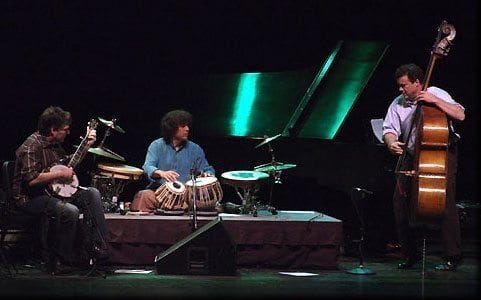
    BF: Zakir Hussain, an Indian percussionist and musician who has played with John McLaughlin, and whose father played with Ravi Shankar, he offered to bring myself and (classical bassist) Edgar Meyer to India, playing big concerts with huge crowds. Zakir is the best tabla (an Indian drum) player of the last couple decades, a genius musician. He even lined us up to play with a symphony.

    PM: Where did you play?

    BF: Bangledesh, India, Dubai, Muscat in Oman, and now I’m back. It was a great trip and learning experience. Now that I’m back I have a pile of things including a film based on the banjo concerto I’m writing, meeting up with Edgar and Zakir in San Francisco for a show and playing the concerto in Buffalo. Two weeks playing with four different groups, that’s what I like.

    PM: What was the reception like from audiences?

    BF: Great. We’re playing with one of their bigger stars and we’re a wonderful surprise. We were new information.

    PM: Tell me about the Banjo Concerto you will be performing with the Buffalo Philharmonic Orchestra.

    BF: Well the Banjo Concerto was something I wanted to do for a long time and after seeing Edgar Meyer and Mark O’Conner doing pieces for their instruments with an orchestra, I knew it was something I was going to do one day. The National Symphony offered me a chance in 2010 and I took it seriously and after a year, I came up with a piece I am very proud of. A lot of people said I wouldn’t get bookings but it’s seeming to get some unique opportunities, such as with the Cleveland Orchestra, Philadelphia Orchestra and Buffalo, which I’m told has a wonderful symphony.

    I actually titled it “The Imposter Concerto”, with the banjo sneaking into the orchestra as an instrument, which sounds funny to me. The first part could be titled “Infiltration”, where the banjo sneak in, the second part “Integration”, where the banjo works into the orchestra, and “The Truth Comes Out” for the third part, which has a ‘Scruggs’ breakdown.

    It was an opportunity to write for all 80 instruments and I’ve never written for them myself; I’ve done it with Edgar but never did it on my own. I had to take the responsibility for how it turned out, good or bad, based on the listener’s decision. Gramophone is putting it out so I’m glad they thought it was good.

    PM: Did playing with Edgar on Music for Two presage the writing of this concerto?

    BF: He’s my best friend in the classical world, and watching what he’s been doing has been very inspiring. He’s always the first to teach me Bach pieces, how to work equipment, the first to show me how to edit audio, and in a weird way, even though he’s younger than me, he’s almost like a big brother. His compositional skills are immense. After studying him informally and being around him a lot and watching him, writing two concertos with him – they were sort of master classes for me and I contributed what I could – then I had to walk away and do something on my own to establish my own point of view. We have different strengths and points of view and I wanted to see what I could do on my own. I felt I had a little to prove – a lot of people would presume Edgar wrote it all, and he wrote a lot but I did as well – now that I’ve seen how one of the greats does it, how would I do it?. I used it as a strength, that I had never orchestrated before.

    PM: How did growing up in New York City influence your musical inclination and upbringing?

    BF: Well I think the main thing of growing up in New York is that I didn’t approach the banjo as having a southern heritage. I love that part of the banjo but I’m interested in all parts of the project. There was incredible music in New York City – salsa, rock n roll, The Beatles were kickin’. I think I was very open in my New York upbringing, in a way someone from North Carolina may not have been. I wasn’t stuck on context and I was open to anything else.

    A lot of great banjo players come out of New York State and New York City and they bring something that the folks down south don’t.

    PM: We do have one of the bigger bluegrass festivals in the country with Grey Fox.

    BF: Every festival you went to back then was because of the parking lot pickin’ and to see the bands on the stage. Good festivals drew good parking lot pickers.

    PM: Did you have any adventures in Upstate New York when you were younger?

    BF: Before it was Grey Fox, it was Winterhawk, and before that Berkshire Mountain Bluegrass Festival. There was a great one in Corinth. I went to all of them in high school, and then I started getting to perform there after high school. There’s a great deal of New York bluegrass musicians, more than people know.

    PM: Looking back on a long line of bands you have played with, which memories stand out the strongest among them all?

    BF: There’s been some pretty incredible ones. That’s tough because there’s so many great experiences, I wouldn’t want to reduce it to any one. It’s great how often I get to play with great people. When you play with people who are heroes of yours personally, that’s something special. When I played with Tony Rice the first time it was a mindboggling experience; (playing with) Chick Corea, I couldn’t have conceived that could ever happen. With Jerry Garcia, the three times we played together were amazing; playing with people in their musical environment, like the musicians in Africa, those are pretty awesome. I’ll have to plead the fifth. I’ve had more than my share of mindboggling experiences and I am incredibly fortunate that these kinds of things can happen regularly.

    Catch Bela Fleck with the Buffalo Philharmonic Orchestra performing “The Imposter Concerto” on March 16th and 17th at Kleinhans Music Hall. Get tickets here.

  • High Dive Horse Interview

    hdh (1)

    When I put out a post that I was interested doing written interviews, one of the inquiries was from Tim Fields of High Dive Horse. I was excited about this, because I always enjoyed reading their Facebook posts and seeing their pictures with the horse head masks on. This was one of my favorite interviews because I love when a musician has a sense of humor.

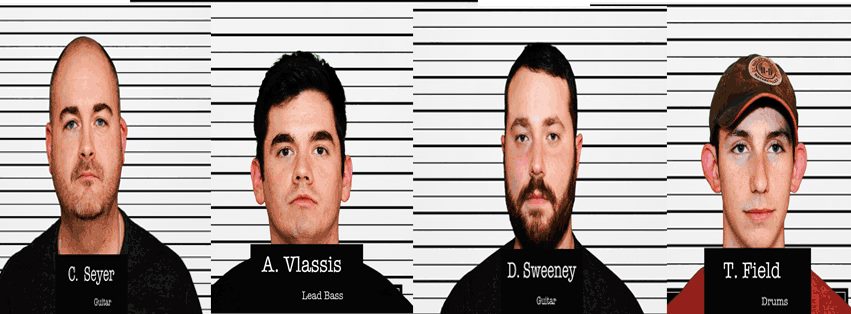
    Steve Strader – First off how many members are there, four or five? Does it depend on the songs you guys play or just the availability of the group?

    Tim Fields – We currently have four members: myself (Tim Field) on drums, Adam Vlassis on bass, Drew Sweeney on guitar, and Chad Seyer on guitar/vocals. We are actually looking for a 5th member for lead vocals… Hint hint.

    SS – What was the inspiration behind your name? Is one of the members a jockey or involved in taking care of horses?

    TF – The inspiration behind our name was actually from the previous drummer of the group. He suggested the name and said we can say it is for protesting animal abuse, or something like that. And yeah, I think Adam likes horses. He is weird like that.

    SS – How did you guys come to form?  And when did the magic happen?

    TF – The band actually formed through a series of Craigslist ads. Adam always jokes about the first time he met Chad by saying “It was a successful Craigslist meeting because I didn’t get raped.” I think it has been over a year.

    SS – Who are some of your influences?

    TF – Influences range few and far between for our band. As for myself, I grew up on the “Wannabe Punk”, as the rest of the band calls it, consisting of Sum-41, Blink-182, and New Found Glory. However, I started to get into Metal and things like that. As of right now, my biggest influence is Nate Felty of Leylines, a local Syracuse band. Check them out. As for Adam, Chad, and Drew, they are all influenced by Lagwagon, Bad Religion, NOFX, Bad Astronaut, and Rise Against.

    SS – How is the success going for your street team? I mean the prizes you guys are offering: carrying your equipment around, a band member’s used bath towel… Who wouldn’t jump on that!

    TF – Our street team is so successful, it has five members: four of the band members and Chad’s cat, the panther. That’s about it. Who doesn’t want to rub my feet after a kick-ass show? Seriously.

    SS – On Valentine’s Day you said to expect big things soon; what kind of things can we expect in the near future?

    TF – The big things that are planned is the album, and we are going to begin playing shows again pretty soon, as the album is coming to a wrap.

    SS – I see that you guys like PBR! What words do you have for the hipster a**holes who hijacked the image of it?

    TF – To anyone who hurts PBR, you will die.

    SS – The horse heads in your photo albums are very comical. What caused you to use these horse heads?  Is it just a gimmick to go along with you name? What’s the story behind it?

    TF-The horse heads we use in our pictures for Facebook is kind of a play on our name, of course. It is comical to have pictures of people doing stupid stuff in a horse mask, am I right?

    SS – How does it feel to not be nominated for a Sammy?

    TF – MAN, I cant BELIEVE we were not nominated for a SAMMY after only playing, what, like four shows? Haha!

    SS – Adam, if someone were to open your fridge what would they find?

    TF-If you opened Adam’s fridge, it would be lined with Tofu and vegan stuff. Extra firm too. Oh baby.

    SS – Tim mentioned your album will be coming out soon. What has the creative process been like? I saw on Facebook you had to do multiple takes on the drum tracking. What have been the highs and lows making it? Remember, don’t spare any gritty details either!

    TF – Oh boy, the album. Well, we are recording it and producing it through Boilerplate Records, as Chad owns part of it. We recorded guitars, bass, and vocals down in his basement, and then transferred the studio to my house for the drum recording – the worst part… Drums suck to record. But overall, it has been a very fun and creative process, but one I would not want to go through all the time. I can speak for everyone on that.

    SS – Anything to be seen or heard from High Dive Horse in the near or distant future?

    TF – Expect the album! Thanks for interviewing us!

    SS – The pleasure was all mine, looking forward to seeing you guys in the future!

    Give them a like on Facebook; there are a few tracks there for download. Then head over to the 315 Street Team page and give us a like. I have Video interviews on my YouTube channel which is located in the “About” section. Support the scene and if you see these guys are playing, go and wile out!

  • An Interview with Aaron Carter, Making a Comeback at The Westcott on February 24

    A surge of nostalgia washes over the gaggle of sorority sisters in the front row as Aaron Carter jumps out of a black bag (yes, that’s right) and takes center stage. Armed with red plastic cups in hand, everyone is ready to. well, come and get it. The lights dim and before you know it, he tears up the Westcott Theater stage, bouncing from corner to corner, staring into souls and dodging bras being flung at him. Obviously, we all know better than to expect the subtle from Aaron, who looks for any excuse to lift off his shirt to flaunt his newly ripped abs. The good news is his dance routine kept the indulgent, drunk crowd entertained enough to keep their attention off of the pitchy vocals and off-key runs. I mean, who’s to blame? I know my teenage hopes came right back knocking on the door within the first ten seconds into “That’s How I Beat Shaq”. And though nobody remembered, “Do You Remember?”, we ought to give the devil his due for getting the whole crowd on the floor to dance to “I Want Candy” as if it weren’t a day past 2000.

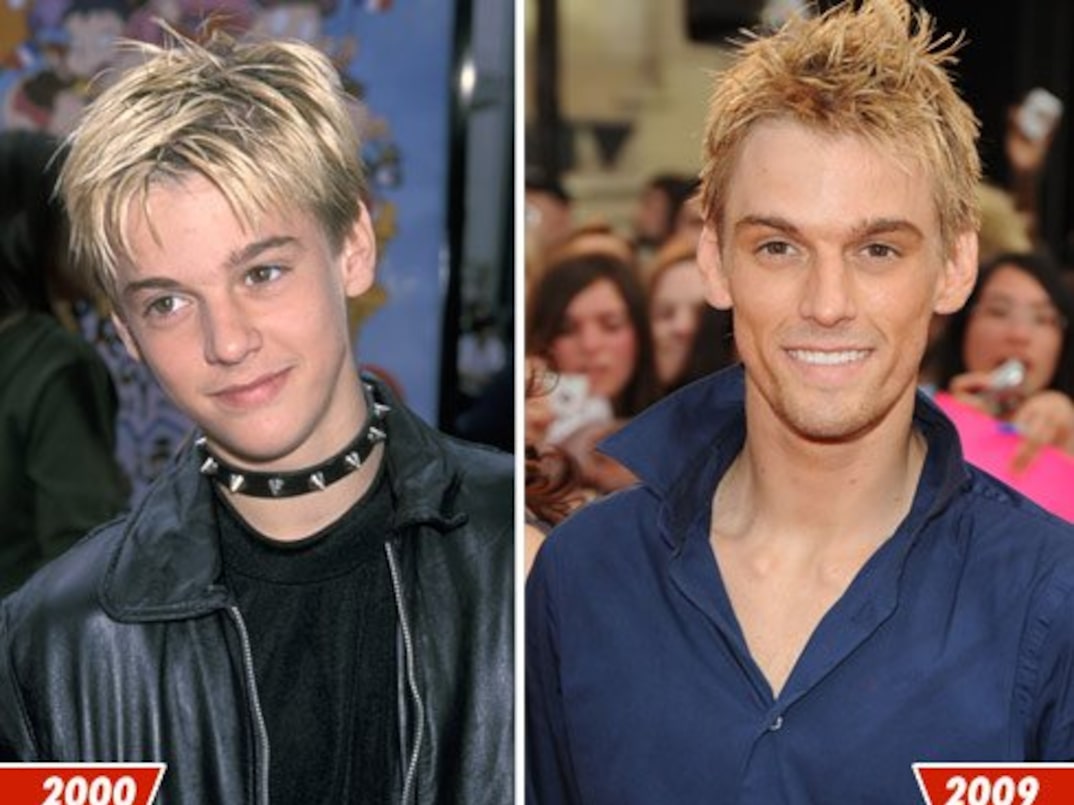
    Before embarking on his tour, Aaron Carters gets straight on the phone with Morgan and Gauraa from after his rehearsal in New York City to discuss his new album and tour, The After Party. He might be dripping a sweat, but he claims there’s nothing else he’d rather be doing.

    Aaron Carter: What’s up guys? Girls?

    Mary Morgan Craig: It’s so nice to get the chance to talk with you.

    Gauraa Shekhar: Yeah, finally!

    MMC: We really appreciate it.

    aaron carterAC: Sorry if I’m a little quiet right now, I just got out of rehearsal so I’m like really tired right now…
    MMC: No problem! So you’re currently working on a new studio album and you’re busy with an upcoming play on Broadway, “The Fantasticks”, and now you’re also going on tour. How do you manage everything?

    AC: Oh well, I just go with the flow, I mean, I don’t really try to manage anything really, I just kind of do what I’ve got to do, you know? I love performing so much that, you know, anything I can get to perform I’m just, I’m going to do it. It’s not really something that’s like an inconvenience, you know, I mean, but… I mean logistically what it comes down to is I have a manager, you know that. It helps keep my life simple and, you know, takes care of all the business, so I can, you know, have fun and perform.

    GS: Yeah, that’s the spirit. You’re working on a new album. How is that going for you? Could you tell us a little bit more about it?

    AC: Oh yeah! I’m kind of taking it a little more, I mean, I’m taking it a lot more seriously this time around. Um, you know, I’ve been growing up so, it feels kind of hard for me to pick a sound that I really like, want to stick with, so um, I think there are quite a few songs that other people produced and wrote for my album. It’s going to be like a dance sound. The kind of music that all my fans grew up with, you know.

    GS: Sounds exciting!

    MMC: Yeah we’re excited!

    MMC: Yeah totally. Do you think you’re going to put any EDM influences into it?

    AC: Sorry?

    MMC: Any EDM influences in the new album? Like electronic dance music?

    AC: I mean, there will be a little bit, but I’ll do little hybrids with my dancers like hip hop, but like pop music.

    GS: Yeah, sounds good! What inspired the title of your tour, “The After Party”?

    AC: I was just sitting there one day, and it just came to me that the theme for the next album should be, “The After Party”. And I came up with it because, you know, “Aaron’s Party” was a huge success and uh, literally the beginning of my career, you know, was “Aaron’s Party”. I wanted to embrace that, you know, I love all the songs that I’ve got.

    GS: So do we!

    AC: Yeah, I’ve performed them and toured them and toured them all around the world and, you know, thousands of times I’ve performed the songs, and I was like, it would be cool to bring them back.

    MMC: That’s really cool, I’m glad you’re embracing that! I thought it was really clever.

    AC: Why thank you.

    MMC: A lot of people are really excited to see you on tour again. What made you decide to tour this year?

    AC: Well, uh, it’s just been so long and, I mean, I guess after doing Broadway and so many consistent shows over and over and over, I just felt like my endurance, my, you know, my performance had just gotten a lot better and so has my craft. So it was nice to get out there and I can’t even tell you guys how happy I am, you know, that I get to be able to go back out on tour and do what I love, you know?  You know, it’s really cool.

    MMC: That’s awesome. What was your Broadway experience like, playing Matt the Boy and all?

    AC: Oh it’s been amazing! It’s been exhausting and exhilarating, ha. I don’t know I have all kinds of feelings about it. It’s hard work! It’s hard work. I mean,  I did “Seussical the Musical” when I was 15 years old for 6 months and you know, it was tough! It was really tough. And I remembered it. And out of all the tours and things I did, you know, it was probably the hardest thing I ever did. You know, the experience, I mean, I learned more from the actors that I’ve worked with, you know, I’m a sponge and I kind of absorb what everybody does. It’s tough, but it’s been good. I like it, but it’s tough. I like feeling exhausted like I am now.

    MMC: We want to know what the typical day in the life of Aaron Carter is.

    AC: Well, there’s no typical day per se, I mean it varies. I mean, I wake up and reach out to my phone and get right on twitter to talk to my fans immediately.

    MMC: That’s great!

    AC: Yeah, that’s pretty much what I do. I go get ready to perform and I go chat up with my dancers and those people who are opening up for me. It’s kind of like a party. We just have a lot of fun!

    GS: Well, speaking of dancers, we saw that you tweeted yesterday: “By the way, if you recognize some of my dancers from ABDC (America’s Best Dance Crew), that’s because they were on the show”. Are these back-up dancers touring with you?

    AC: Yes! They were in The Funkadelics. They’re actually brothers, Nico Rich and Trey Rich. They bring a lot to the table and they challenge each other. They’re really amazing.

    MMC: What is the weirdest fan experience you’ve ever had?

    AC: Oooooh! Well, I’ve had a fan climb up, like, thirty balconies once. I was actually started throwing paper airplanes with my autograph on them to the crowd of three thousand girls in the parking lot. And then this one girl was just out of her mind, I guess she really wanted an autograph so she really climbed thirty flight of stairs. In the end, she finally made it and ran up to me and started squealing, “Oh my god, It’s Aaron Carter!”.

    MMC: Wow! Well, you were definitely my first crush so I can totally relate. I’m sure you get that all the time, though. I was totally one of those girls! Ha, not chasing-you-crazy, though, so don’t get creeped out!

    AC: Well, I like hearing that!

    GS: Okay, well, a lot of people still look at you as if you’re still that kid who kissed Lizzie McGuire under the mistletoe. What has it been like trying to grow out of that image?

    AC: Well, a few million people probably know me from that, but I don’t know, I’m proud of everything I’ve done. People still come up to me today and recognize me from all the different things that I have done. It does kind of annoy me to hear that though because she’s my ex-girlfriend, you know; she was kind of my first love so it pulls on my heartstrings a little bit but that’s about it.

    MMC: We interviewed your opening act, singer-songwriter Justin Levinson. What do you think of his music?

    AC: I actually haven’t had a chance to check him out as yet. But I’m going to, so good call.

    GS: Well, he’s great. So, what was the last record you bought?

    AC: Um, I don’t know. I haven’t actually bought a record in a year to be honest! I think it’s probably Aaron’s Party!

    MMC: It seems like you’ve been on the receiving end of a lot of scrutiny from the media since such a young age. Obviously, you’ve handled it so well. We were just wondering what was it like growing up under the public eye?

    AC: I kind of just, like, bottle my life. I try not to immerse myself in all of this stuff, you know. I just try to be the person that I am and that kind of helps me stay sane.

    GS: Your on stage routine is pretty demanding. How do you manage to stay fit on tour?

    AC: I don’t know, I just do my performance routine. I try to eat as much as I can and rehearse. That’s the only way to stay fit, really.

    Morgan: So what’s your favorite song to perform?

    AC: Right now, it’s probably “Leave it Up to Me”.

    MMC: Cool!

    GS: You’re starting off your tour on the East Coast this time around. But what’s your favorite place to tour otherwise?

    AC: Um, that would be Malaysia, South America, and the Philippines. They have a great crowd.

    GS: Oh, sweet. You should definitely hit up Indonesia sometime also. I’m from there so I know they have a dedicated following. Really great energy, really.

    AC: Oh, really? Will do. I mean, my whole goal with this tour really is to tour the whole year and kind of introduce the fans to my new music.

    GS: Sounds like a plan!

    MMC: So, do you have a Valentine this year?

    AC: Sadly, no!

    GS: Well, you have a bunch of fans regardless so it’s not half as bad for you I’m sure!

    AC: I mean it’s hard to have one Valentine, you know. I have multiple, ha!

    GS: Who’s your favorite artist right now and why?

    AC: Bruno Mars. I love him! Great performance at The Grammys. Also, he’s just an incredible singer.

    GS: Great choice!

    MMC: Okay, we’re going to do a Valentine’s day rapid fire, if you’re down. We’re going to say a word and then you have to say the first word that comes to your mind.

    AC: Okay!

    MMC: Okay, so the first word is Marvin Gaye.

    AC: Sexual.

    GS: Alright, next word is candy.

    AC: Lollipop.

    MMC: Candlelight.

    AC: Romance.

    GS: Taylor Swift.

    AC: Red.

    MMC: True Love.

    AC: Um, no.

    GS: Bieber.

    AC: Carter.

    MMC: Long distance.

    AC: Relationships.

    GS: Love song.

    AC: Bump and Grind.

    —–

    Who knew a trip down memory lane would only cost $14?


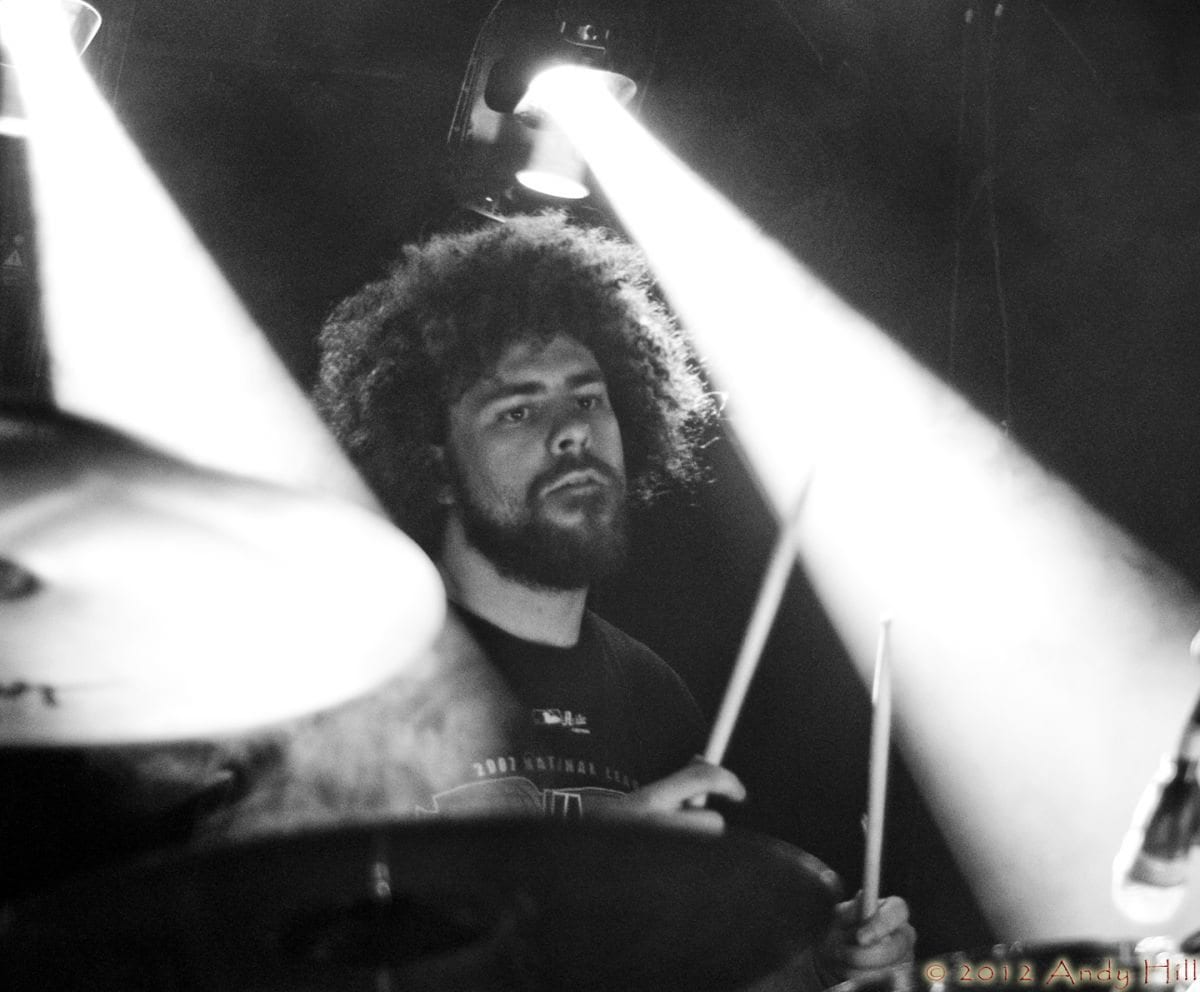
  • An Interview with Dopapod’s Neal Evans and Rob Compa

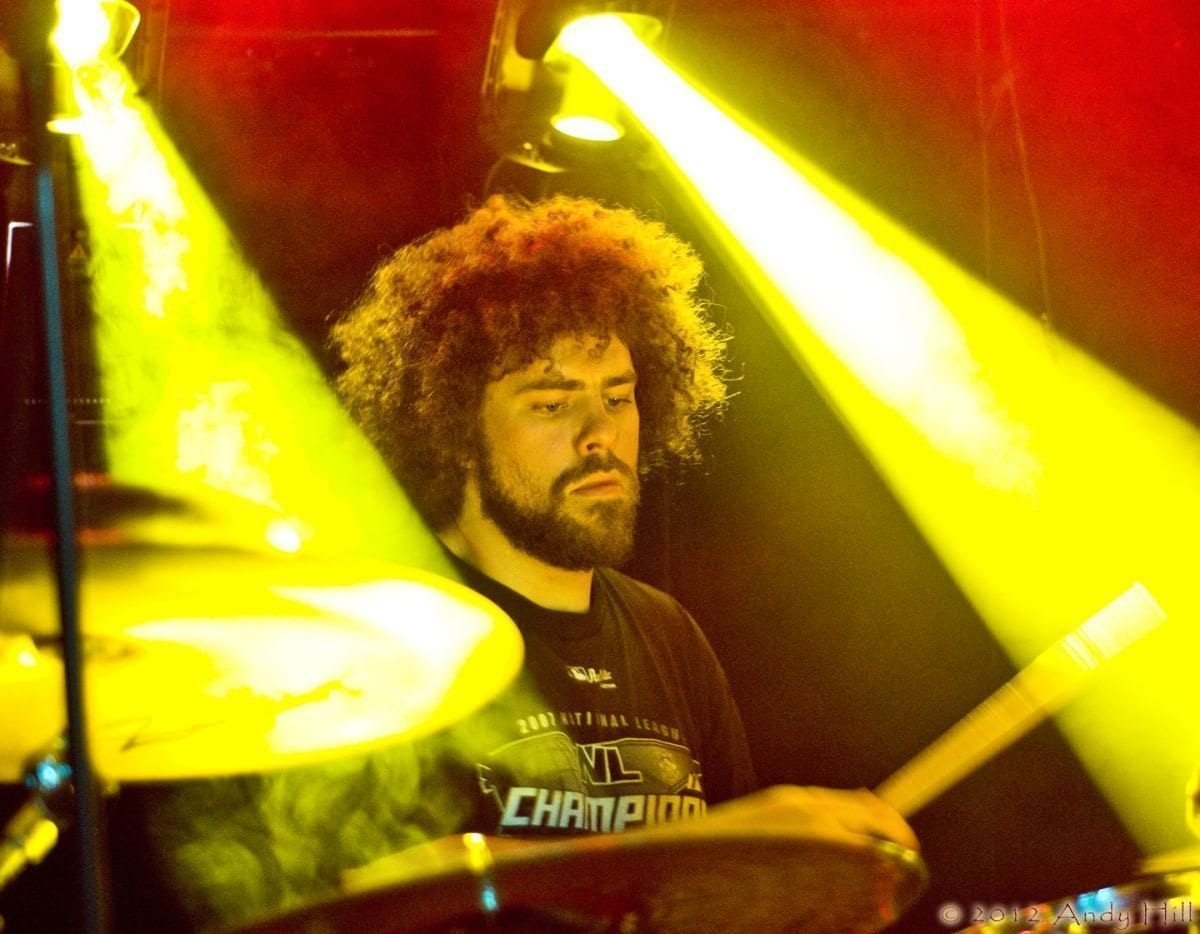
    I first became aware of Dopapod when I downloaded a show of a band with the funny palindrome name. They had a good sound, a bit heavy for me at the time, but they also did a killer cover of Daft Punk’s “Robot Rock,” a band I have been a fan of since college in the mid-90s. While that cover hooked me, it was the originals and the improv that kept bringing me back. When plans for a book release party for PhanFood came together in the fall of 2010, Nectar’s in Burlington was the venue and Dopapod just happened to be the main act of the night. A couple of emails between band manager Jason Gibbs and myself and the band was happy to help promote the book release, and led to a packed house for both the release and the show. At every festival since and every opportunity throughout, I’ve seen Dopapod continue to grow at an exponential pace. Nearly a studio album a year, plus a heavy touring and festival schedule has made Dopapod a sought after act that is spreading quickly from their Northeastern base. Upon the release of their most recent album, Redivider, we sat down with guitarist Rob Compa and drummer Neal ‘Fro’ Evans of Dopapod to talk about their roots, what lies ahead, and what’s up with the palindrome band name and album titles.

    neal evans rob compaPete Mason: How did the band first come together? Who knew each other and when and where was the first gig? Any memories of that first Dopapod moment?
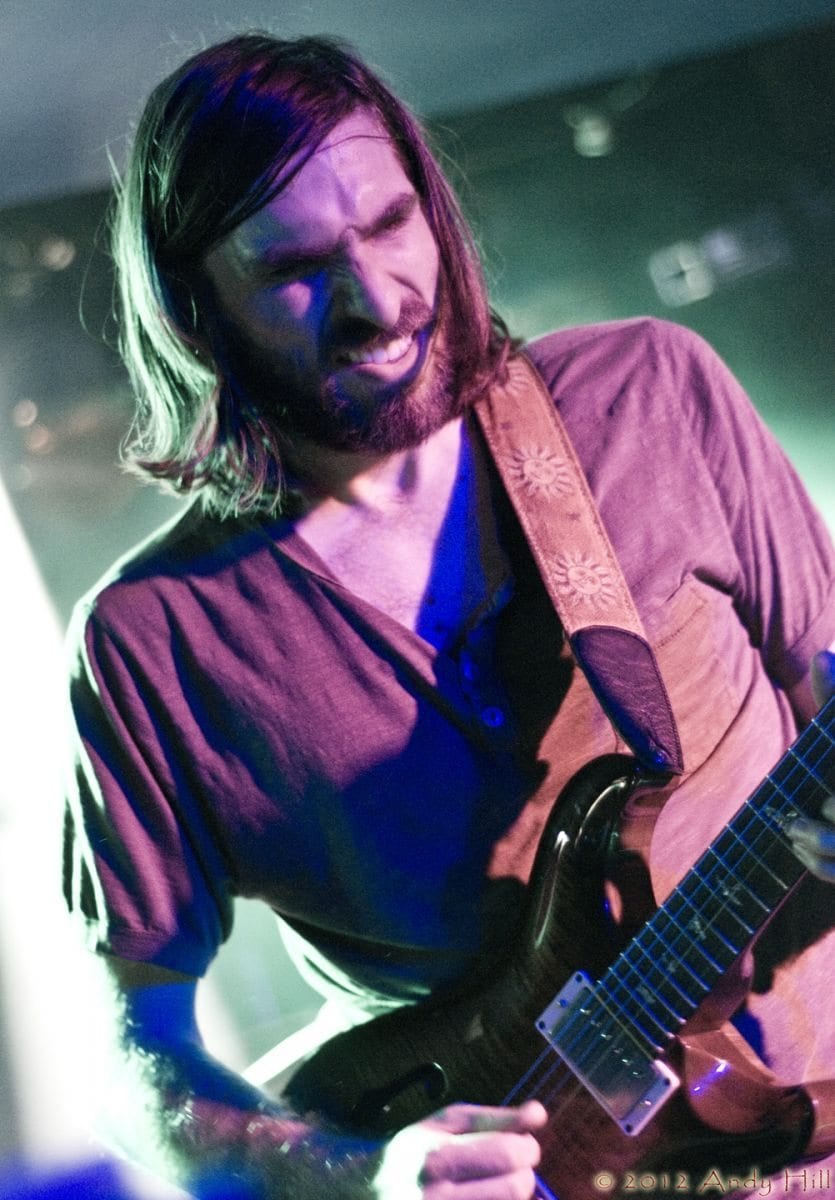
    Rob Compa: The band started with just Eli (Winderman) and our friend Michelangelo Carubba as a keys and drum duo. My first show was at a little sports bar in Boston called The Draft. I wasn’t in the band yet. I just came out and sat in because Eli and I knew each other from playing reggae gigs around town. The first moment when I really felt like we were on to something was at my first rehearsal in a basement in Allston. We had a jam and just trailed off harmonizing with each other and answering each other’s phrases. It was crazy, like we had the same musical vocabulary right off the bat. It took a while before we were comfortable enough to play off of each other like that on stage though.

    Neal Evans: Before I was in the band, I asked Dopapod to play an after party that I was planning for my band Cashed Fools. The party never ended up happening, but Eli invited me to come to the festival that they were playing the next day (Heady Fest), and I asked if I could bring some percussion. Heady Fest was my first show with the band.

    PM: You blend a wide degree of sounds among your catalog. What musicians have provided the major influences for each of you?

    RC: I’ve been a huge Phish fan since I was a teenager. That’s the biggest one for me. I’m also really influenced by country guitarists, particularly Duke Levine and Jim Campilongo. And I studied a fair amount of jazz over the years; I don’t consider myself a jazz guitarist necessarily, but I learned enough of it to have some bebop vocabulary in my playing. I particularly love Django Reinhardt.

    NE: I came from a heavy metal and progressive rock background; the first song I played on drums was Metallica’s “For Whom The Bell Tolls”. And Primus. Then I got into more funk and groovin’ stuff. I’ve always listened to a wide variety, but the heavy drums really got me started. 

    PM: Are there any new artists that you are listening to that are having an influence on you, or simply ones that you enjoy listening to?

    RC: The Fleet Foxes have been a big influence over the last couple years. And Fro recently turned me on to Megadeth. Also, Tim Palmieri’s (Kung Fu/The Breakfast) playing has really had an impact on me.

    NE: Jaga Jazzist and Snarky Puppy are my favorite new bands. They are musically amazing and very forward thinking. I’ve never heard anything like those two bands. Also Dub Trio is just super bad ass.  

    neal evans rob compaPM: What gear do you each use?

    NE: I have a Yamaha Maple Custom drum kit, DW kick pedals, assorted hardware, cymbals from Sabain, Zildjian, Ufip, and Meinl, and Vater Fusion drumsticks. 

    RC: I use a Paul Reed Smith Hollowbody II that I love the shit out of. I pretty much only use that live, although I used a Fender Strat and Tele on a lot of the new album. My amplifier is an old Fender Vibrolux that sounds great. For pedals, I use a maxon OD808 and an Analogman King of Tone for my overdriven sounds. I’ve also got a delay, phaser, and a octave pedal on my pedalboard

    PM: How have you found the EDM and electronic environment to be, considering that the scene is becoming quite large and almost super-saturated with talent?

    RC: I like bands that use computers and click tracks to do the electronic thing. And I think it’s cool that music is changing and evolving with the whole DJ thing, even though that way of making music doesn’t really resonate with me, personally.

    NE:  There are some that I like and some that I don’t care for. As long as its originality is clear, I’m usually into it. I love hearing sounds and grooves that I have never heard before. 

    neal evans rob compaPM: What do music festivals provide to bands as they are growing, and how do the fans benefit from acts like Dopapod playing festivals on a regular basis?
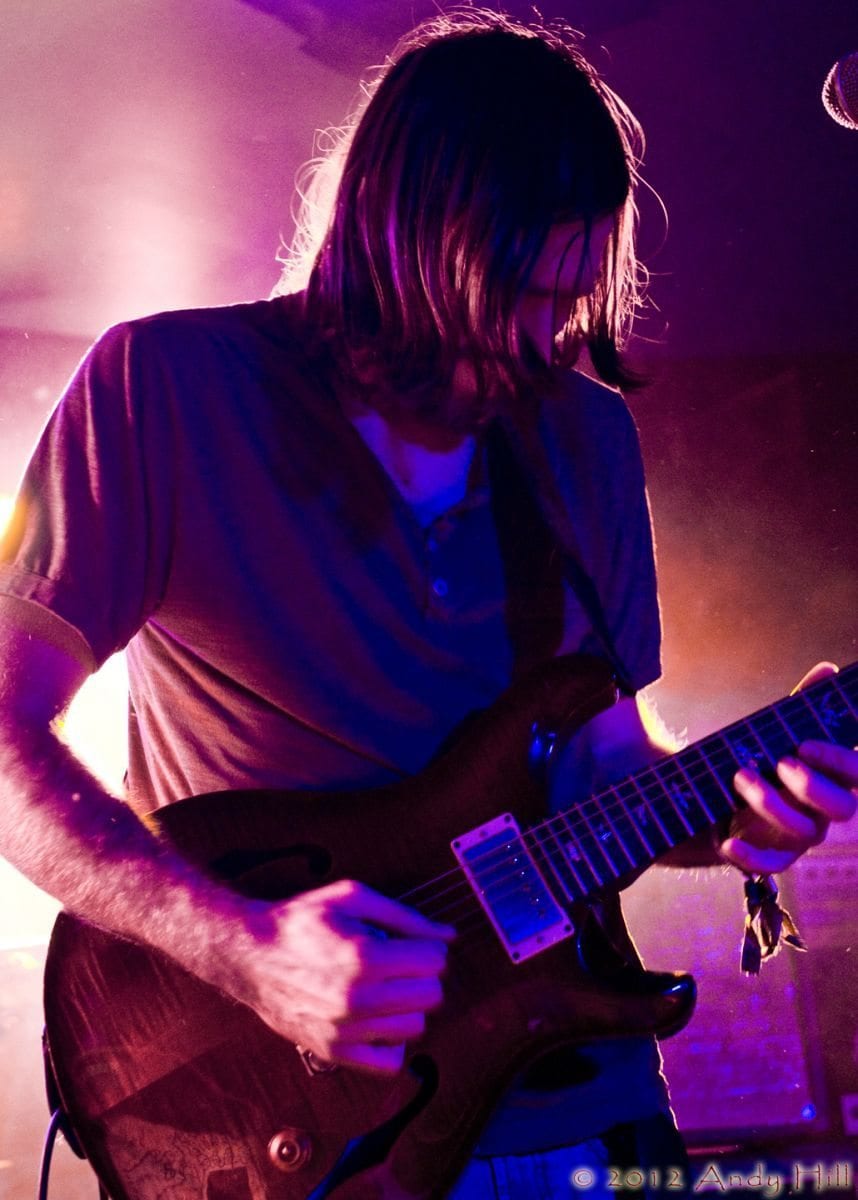
    RC: Festivals are awesome because it gives bands a chance to to be heard by tons of new people who might not have ordinarily gone out of their way to take the chance on the band.  And, it gives people the chance to discover new bands.

    NE: Festivals are great for helping a band gain a following in the greater area of the festival. Most festivals have a large local attendance, so when we come back to the area, there will be a lot of people who first saw us at the fest. There is definitely a large growth of electronic music at festivals, and a lot of fans express their gratitude for keeping the live band element strong at festivals. And we like to do fun special things at festivals, because they feel like special gigs. Our festival sets usually have some fun surprises that may not happen at a club or venue. 

    PM: Branching out from the Northeast, you have recently dipped into the Southeast and Midwest. How have you found the experience entering new markets, with only word of mouth to precede you?

    RC: It feels great to play a market for the first time and already have people there excited for the show. It’s encouraging. At the same time, going to different parts of the country and playing for smaller crowds is very humbling. It’s important for us to remember that we still have a lot of work to do.

    NE: It’s always fun to go to a place you have never been before for the sake of playing music. Some new markets do well, some not so well, but we will just keep at it. We have seen steady growth just about everywhere, which is a great feeling.

    PM: How has the reception been from fans in these parts of the country?

    NE: So far so good! Gaining many fans and street teamers all the time, and getting a lot of support from people in the new areas.

    RC: It’s been awesome, all around. Even if a show isn’t necessarily packed, people always seem to have a great time. Crowd size matters not.  

    neal evans rob compa
    photo by Andy Hill

    PM: Was there a moment for each of you where you were playing a show or on the road, and the thought crossed your mind, “Wow, I can totally see myself doing this for a living!”

    NE: I think that happened for me when the first time I played a drum set.

    RC: I think we’ve all felt that way the whole time. None of us really have any doubt that this is what we want to do.

    PM: One burning question that I’ve had is the use of palindromes, both the band’s name and each album title: I saw live Dopapod evil was I, Drawn Onward, Radar, and the latest, Redivider. Did the band name come first, then palindrome album titles, or was that sort of the plan all along? Can that well ever run dry?

    NE & RC: ?yrd nur reve llew taht naC  ?gnola lla nalp eht fo tros taht saw ro ,seltit mubla emordnilap neht ,tsrif emoc enam dnab eht diD  .redivideR ,tsetal eht ,radaR , drawnO nwarD ,I saw livE dopapoD eviL waS I :eltit mubla hcae dna eman s’dnab eht htob , semordnilap fo esu eht si dah ev’I taht niotseuq gninrub enO

    PM: Regarding Redivider, the album is a fantastic mark of growth in the band and your best album to date. “Braindead” has a hint of Oysterhead, while “Bubble Brain” gives off a hip-hop feel, “Trapper Keeper” has one of your catchiest lyrics – they make for a powerful start to the album. What was the process behind each of these songs?

    NE: Each song came together differently. “Bubble Brain” and “Trapper Keeper” were ideas that Eli had, and “Braindead” was written completely off of a guitar riff that Rob wrote.

    RC: They were all different. “Braindead” seriously took like a year to write. It started with just the intro riff, which I brought to the band to jam over in rehearsal. And it became a finished piece very slowly. Eli wrote Bubble Brain on his computer, and we all learned our parts on our own, then rehearsed it and made some arranging changes. We started working on “Trapper” right before the Redivider sessions, and basically finished it in the studio, which was a cool new method for us. 

    PM: One song of note, “Vol. 3, #86” is not only a stand out, Nintendo-esque track, but also one of the more unique titles. Where did this one come from and how were the pieces of the song composed and melded into one final tune?

    RC: Eli wrote the music and I wrote the lyrics after the music was written. I’ll give 5 bucks to the first person who can figure out where the title comes from.

    PM: You’ve played all over New England and Upstate New York. What stands out for you when you go through New York and hit off Buffalo, Syracuse, Albany, Ithaca and all points in between?

    RC: Oneonta, NY is a standout. Some of our first shows were there, so we’ve got a lot of fans from there who’ve been with us from the beginning. That’s a really special place for us. Also I’m from Rochester, so I always enjoy playing there.

    PM: Did growing up in Rochester influence your music playing in any way, either through school or the local music scene?

    RC: Absolutely. While I was in high school, I did a bunch of musical extra-curricular things that challenged me as a musician, like pit bands and even an Irish band. I also played in a local cover band called the Earthtones, which taught me a lot about gigging and having a good attitude about playing with other people. After high school, I got really into an amazing local band called the Niche. Eventually, they sort of took me under their wing and let me sit in with them at shows. That was a huge influence for me and I still love their music to this day. Also, an early jazz based influence was a great local group called Doja. Their guitarist, Paul McCardle, is an amazing player and had a big impact on my playing early on.

    PM: Got any favorite places to stop for food while in Upstate New York?

    NE: Dinosaur BBQ, Alto Cinco in Syracuse and anything around Ithaca is great for hiking and chilling.

    RC: Garbage Plates.

    Dopapod plays Albany at Red Square on February 28th with special guest Big Something, March 1st at The Westcott Theater in Syracuse with special guests The Manhattan Project and The Greys, and March 2nd at Water Street Music Hall in Rochester with special guest Haewa. There will be Garbage Plates late night.