Category: Interviews

  • Interview with Burlington, Vermont based singer-songwriter, Justin Levinson, playing The Westcott Theater on February 24th

    The promising Burlington, Vermont-based singer-songwriter Justin Levinson chats with Gauraa and Morgan about his trajectory as a musician–from the good ol’ Berklee days spent playing gigs at the All Asia Cafe to his upcoming tour with Aaron Carter.

    Mary Morgan Craig: Your music is an interesting combination of country, pop, and rock. How would you best describe the influences that led to that?

    Justin Levinson: I think most of my music right now is in the power-pop genre but when I spent some time out in Nashville a couple years ago, I was really inspired by a lot of the music that was out there and one of my friends gave me an Elton John record called Tumbleweed Connection and it just turned out to be a really influential record for me. That’s one of Elton John’s records that had some country influence on it and it was piano driven as well.

    MMC: We can definitely hear that in your music.

    Gauraa Shekhar: Yes, for sure. We read that you went to Berklee College of Music. What did you major in while you were at Berklee?

    Justin Levinson: Well, I started out as Jazz Trumpet and then I changed over and did songwriting. It was more like School of Rock than normal college.

    GS: I’d imagine!

    MMC: Do you think the Boston music scene helped you grow as an artist? I’m from Boston, by the way.

    Justin Levinson: Yeah, definitely. Going to Berklee was great because I was around incredible, awesome peers who were great musicians and I got to learn a lot from them. I also played a lot of the local clubs like The Middle East. I actually started out playing at the All Asia Cafe, which is kind of the place to start when you’re in Boston and you know, all your friends have to buy a drink and everything. It was small and no one actually went there so it was mostly just students playing, ha. I kind of worked my way up from there to playing bigger venues like Great Scott. I feel like I  played every venue in the city until I worked my way up playing at The Paradise.

    MMC: Nice. The Paradise is such a gorgeous venue! I would have been so pumped to have played there.

    Justin Levinson: Yeah, it was a real privilege and now actually, when I’m not on tour with a bigger headliner, I go frequently back to the Lizard Lounge, which is in Cambridge. Ha, you probably know the spots. Where are you from in Boston?

    MMC: I’m from a little town right outside of Boston, actually, called Boxford.  I mean, there’s nothing going on there so we go to Boston all the time.

    Justin Levinson: Ah, nice. Yeah, Boston’s great!

    GS: It’s pretty interesting you say that because you went straight from Boston back to Burlington, Vermont, which you described as the “one horse town”. What inspired that?

    Justin Levinson: Well, originally, I had been interested in moving to Nashville. A lot of my friends were thinking about moving out there and I was pretty certain that I was going to move out there–not just because of music but also because this girl I was chasing was moving out there, and since that didn’t work out, I pulled an audible and said I’m gonna move to Los Angeles. Ha, and I ended up not moving to Los Angeles. Then, my final choice was New York City but New York City just wasn’t for me. I mean, I loved visiting but it moved a little too fast for me and I just really loved the people in Vermont as well as the quality of life and I was able to do enough touring to be able to make my confections in the music industry on the road and be able to not have to kind of live in the chaos in the big, urban music meccas.

    MMC: Ha, good! So you described your latest album, This Side of Me, as feel good heartache. How’d you come up with that?

    JL: Yeah. Basically, I was making a record that was filled with a lot of heartache but at the same time I wanted to keep it a little lighthearted for listeners and I didn’t wanna make kind of a woe-is-me record. Also, I was really aware that making a concept album about heartache is probably the most overdone topic so I realized that it was important for me to put a twist on it. I tried to have a little sense of humor–kind of heart-on-sleeve, using simple metaphors and silly euphemisms…just kind of playful stuff, ha.

    GS: Well you did a good job because we definitely liked it! People say musicians write music most when they’re either falling in love or falling out of love. Would you agree with that statement?

    JL: Yeah, definitely! Love alone is like the number one topic in most songs and I think when an artist is writing from the heart, its definitely one of the pretty intriguing concepts, I think.

    MMC: You have experimented with your sound quite a bit over the past years. How did you end up with The Valcours?

    JL: Well, I spent a lot of time playing with session musicians and there’s a big difference when you’re playing with session musicians as opposed to when you’re playing with a band. Session musicians have higher guns and technically you don’t let them into your world as far as writing and ideas are concerned. It’s kind of like you’re showing up to work for the artist, basically. I work that way a lot because I’ve been in bands in the past and it hadn’t really worked out for me. When I met the guys that are in my band now, we just really got along well and we would have dinner together before we would practice and we would totally talk about our troubles and there was this ‘bromance’ going on and I thought to myself maybe I won’t let the jaded past of the band thing haunt me and give this band a chance and let them in a little bit. It really made a big difference  because it let me listen to other people’s ideas for once instead of my own. If you don’t work with people who trust you enough, you end up writing the same song over and over and over again but if you listen to four people in the band, someone could be like, ‘Hey man, you’ve already done those four chord changes a few times. Why don’t we try this instead?’ It might be hurtful at first to listen to but it definitely makes you grow as a musician. I think anyone that thinks they can do everything on their own, all DIY and all, is at a setback. In the music industry, it’s always good to listen to other people.

    GS: Well said. As musicians, we are consistently trying to find “our sound”. Would you say you’ve find your sound with your new backing band?

    JL: Yeah, I think I’ve found a sound but one thing with me is that I get really bored playing one kind of sound so I don’t know if I can make that a final answer. I mean, look at The Beatles, they never made the same record twice. They had some similarities, yeah, but they went from “She Loves You” to “Let it Be”, you know. I’m hoping that I’ll achieve that kind of growth and maturity if I keep it up.

    MMC: Yeah, we’re excited to hear more.  Your song “City With Two Lights” sat tight on CMJ charts for quite a while, granting you nation-wide exposure. Would you recommend artists like yourself to leverage themselves at conferences like that?

    JL: Yeah, I think college radio is a great thing for independent artists. I learned a lot about the industry by doing that as I had to build relationships with people. One of the best piece of advice that I got was from a friend who worked for WERF, which is the Emerson College radio station, and he was actually a DJ there and he suggested putting in a personal note in with my press kit when I sent them out to colleges because college DJs get so many press kits so it needs to have something that separates you from the pack and makes you go, “alright, Justin Levinson is a human ‘being’.

    GS: We do get a lot of press kits, that’s true! A personal note can make all the difference.

    JL: Yeah, that was really a cool thing and I started writing notes to DJs and build authentic relationships with these people who I’m still in touch with today. I would say for artists coming up, that’s an important thing to do because people you meet as you’re rising are very important. Kids that were DJs at WERF are now working at Columbia Records.

    GS: Yeah, hopefully that’ll be us in a few years.

    JL: Ha, definitely!

    GS: Okay, so, how did you end up as an opening act for Aaron Carter?

    JL: Well, that’s actually a good question. I don’t really know all the details about how that came to be but in November I signed with new management and since then I’ve been working with artists like Aaron Carter. I also toured last fall with Tyler Hilton. He’s actually in the cast of One Tree Hill.

    GS: Oh, wow, that’s amazing. Tyler’s really good, I have his records and everything.

    JL: Yeah, his new record is really good and he’s possibly the nicest guy I’ve ever met, too. He’s totally an authentic dude and the first show I jumped on on tour, he introduced me to all his friends and you know, every time I’d play he’d mention my name three times to the crowd. It was a great experience, really. I think the new management is opening up a lot of doors for me. Hopefully, I’ll be doing a lot more stuff like this in the future!

    GS: Oh, sure.

    MMC: So when you’re writing, do you keep a certain demographic in mind?

    JL: I don’t really think I ever really thought about it but you know, recently, with the Tyler Hilton and Aaron Carter tours, I definitely think about it a little more. During the Tyler Hilton tour, it was like 300-500 screaming young girls every night, which was crazy and something I wasn’t used to but when I write, I want to have every age group and gender have some sort of experience where they can relate to the music. I think I have a pretty good perspective right now. I’m 27 so I’ve still got some sort of teenage angst in me but I’m also kind of an adult now  and been into college for a while so I think I can kind of balance out a lot of age groups. Well, I hope I can at least. I mean I’m wishful that a lot of different age groups would enjoy my music.

    GS: With the growing EDM scene, what do you see happening to the future of the power-pop/ singer-songwriter genre?

    JL: You know, I’m not really sure, I think with the power-pop stuff that I’m doing right now, there always seems to be a market for it, you know, I aspire to be as successful as bands like fun. Nate Reuss is kind of one of my heroes, he’s around my age right now and he’s been doing this power-pop thing for a long time and it seems like it all has worked out for him. I think if artists are able to be as creative as him and really combine a lot of really cool things like hip-hop, power-pop, and  even some of those marching band kind of rhythms that he kind of sampled, it would be a great feature for the indie, power pop market.

    MMC: Do you think that you will incorporate anything like that in your music?

    JL: I would love to keep experimenting, you know. My drummer right now has a sampler and we use a sampler for our drum beats and use real drums over them. I’m always up for doing different things. It would be really cool to try to fuse those things.

    GS: Very cool. Is there a specific songwriting process that is your default? Like, do you write the melody first or the lyrics? Or does it vary from time to time?

    JL: You’re asking really good questions! These are really thoughtful, I appreciate it.

    GS and MMC: Why, thank you!

    JL: Yeah, I mean, I’m kind of the dude that plays on the piano with the melody in his head. The lyrics kind of come after, I guess. Usually it comes after playing the piano and guitar. You got to kind of see what the mood is like if it’s a minor chord progression, then it might be a sadder topic. If it’s major, then it might be a happier topic. If it’s kind of transitioning between major and minor, it is likely that it’s going to be bittersweet. I guess that would be my process for the most part.

    MMC: Cool. So, in the video for “I Was So Wrong”, what inspired the ballerina in the video?

    JL: Well, one of the things I do besides playing music is a lot of social work. I work with people in development of disabilities and one of the things  we do is we volunteer at a lot of different places and I volunteer at the main society at Burlington, Vermont and one of the women that works there had told me that she was a dancer and I said, ‘Well, I kind of have this circusey idea for this song and it would be cool to have a ballerina dancing in the background as my muse.’

    MMC: Well, it looked good!

    JL: Yeah, I’d say it worked out fairly well.

    GS: Do you find yourself using social media at all to stay connected to fans?

    JL: Yeah, definitely. The whole DIY thing is great and I can’t speak for every songwriter but I have not  reached the pinnacle of my career yet but I think being all DIY is an impossible feat in music so it’s important for me to have a lot of help. Even though I’m not with a major label, I have a publicist, a booking agent, a college booking agent, a licensing company, that puts a lot of stuff together for me but I still spend endless time doing the whole social media thing. A lot of publicity these days is doing social media. PR campaigns are all about reaching out to bloggers and podcasts. It’s all about networking, really. It’s a big social networking game and I spend a lot of time doing that. Even though I have this team, I love talking to fans and friends and everything, but sometimes I’m like, “I really want to be writing a song right now” instead of sitting on my Twitter page and what not. It’s really all about balance. If I can do both, it makes me a happy camper.

    MMC: Awesome!

    GS: We loved having you on our show.

    JL: It was a pleasure, really. I appreciate you taking the time to talk to me. Hopefully I’ll see you guys at the show!

    GS: Oh definitely, we have our tickets.

    JL: Nice! You should come in and introduce yourselves, it would be fun to chat a little bit.

    GS: We’d love to!

    MMC: Thanks and have a great night!

    JL: You, too!

    Make sure to catch Justin Levinson open for Aaron Carter at the Westcott Theater on the 24th of February!

    To listen to this interview with Justin Levinson, tune into The Laura and Meg Show via iTunes Radio on Wednesday, February 20th at 11pm! Just click on “Radio” on the menu bar at the top of your iTunes Library. From there click College Radio> Syracuse University>WERW. Or simply head over to SoundCloud
  • An Interview with Jeremy Salken of Big Gigantic

    The first time I saw Big Gigantic, I was floored by the amount of energy exuding from the stage to the crowd. They have all the aspects of any amazing electronic show: the mind blowing light show, the high energy and the improv jams, but also the jazz stylings that you would only find in a classically trained saxophonist. Dominic Lalli (sax and production) and Jeremy Salken (drums) have pioneered their own genre of music fusing together electronic, bass-centered music with smooth jazz and acoustic drums.  Their sound is truly one of a kind and they have made their presence well known in the electronic scene. I had the pleasure of chatting on the phone with Jeremy just days before their show in Clifton Park at Upstate Concert Hall.

    Jenni Wilson: Alright, we’ll start off with a little history behind Big G. When and how did you two meet?

    Jeremy Salken: We met through the Boulder, Colorado music scene. We both were playing in funk and jazz bands, any gig we could get and we kind of met through that and ended up moving in together. Dom found a computer and started making some beats and it all kind of progressed from there.

    JW: Who would you say are some of your biggest influences?

    JS: Everything. Herbie Hancock, John Coltrane, all jazz music. Radiohead, a bunch of new stuff like Skrillex and Bassnectar. We get influences from everywhere. We are always looking to push ourselves. Dom’s always trying to push the way we make music and the angles its coming from.

    JW: You have clearly forged your own path in the electronic music scene, but being that what you play is still so different from other acts, how would you go about defining your music  to someone who has no connection to the electronic music scene?

    JS: It’s really hard to explain, honestly. It’s one of those things were still kind of trying to figure out. Its really not jazz and electronic. We call it electronic dance music or live electronic music. We take so many different styles from drum and bass, hip hop, dubstep, sometimes moombahton.

    JW: What exactly inspired you to blend live sax and live drums with electronic?

    JS: Dom has been playing sax for  a while he has his masters in jazz performance. I’ve been playing drums since I was a little kid, self-taught. Naturally we wanted to bring different instruments together and we wanted to find a way to fuse electronic beats. We wanted to be able to throw a party and keep everyone dancing but still get to play our instruments and improvise and build and drop.

    JW: Your tour schedule looks jam packed. Is this busiest you guys have ever been?

    JS: It’s pretty normal, we’ve stay relatively busy since we started so it feels very natural. We have more time coming up than we ever have. Things are kind of chillin out. We have a nine-week tour in the fall, so this five-week tour is  a short one compared to that.

    JW: The last time I saw you guys was main stage at Camp Bisco and I know you guys ended up playing some of the top U.S. festivals last year. What festivals do you think you’ll be leaning towards this summer?

    JS: We’re on Summercamp and Snowball in March, but we played so many last year this year will be more mellow and we try not to repeat festivals. A lot of festivals don’t like to repeat. We’re working on our new album and doing a big tour in the fall. We’re also working on a Red Rocks gig. There are also a couple of other festivals that I can’t really announce yet.

    JW: What is your favorite part about playing a festival, and how does that compare to playing a headlining tour?

    JS: It’s definitely different. We love playing festivals because Dom and I have been going to festivals before we were in this band. We’re huge fans of the festival vibe. It’s awesome playing in front of so many people with a huge crowd and massive energy. But we also love getting indoors and containing all of that energy and playing with a more intimate crowd.

    JW: You guys have put out an album almost every year since 2009, is there any new material planned for 2013?

    JS: We’re working on an album for the fall now hopefully before our tour. And hopefully we’ll have that and ya know, that’s been kind of the main focus.

    JW: Will your show at the Upstate Concert Hall be your first trip to the Albany area, aside from Camp Bisco? What can we expect from you guys at this show?

    JS: No we’ve been to Albany a bunch, probably our third show. We played The Big Up Festival, and we’ve also played in Rochester. We played a sports bar (Jillian’s) about a year and a half ago in Albany. We try and hit that area (Buffalo, Rochester, Albany)  because we love coming to the Northeast. It’s gonna be a party. I wouldn’t miss it if I were you guys. We have a new light rig that we dropped on New Years and we’re bringing that out. We’re playing a bunch of new music, Dom’s been working on some new stuff so it’s gonna be a non-stop party.

    JW: Alright last question. There have been rumors floating around that you and Jennie Garth recently started dating. Is this true?

    JS: True. I haven’t been asked that on an interview but I’ve been asked it more and more since Jam Cruise. Our story broke in the National Enquirer with a bunch of false information. It said I was 41, which I wouldn’t mind if it was true but it’s not. It was funny being in the National Enquirer because obviously they don’t have reputable news. They called every member of my family and Dom trying to get all of this information and obviously nobody gave them anything so they ended up making everything up.  They said we met at Coachella and have been dating for a really long time. That isn’t true. We didn’t meet at Coachella, we met in October so it’s impossible. It’s pretty nuts what kind of information they’ll print. Even with no information they will print whatever they want.

    You can catch Big Gigantic at Upstate Concert Hall in Clifton Park on February 12th  and at Water Street Music Hall in Rochester on February 17th.

  • Band Profile: LOWKEY

    I had the opportunity to sit down with Lowkey (Newark, NY) this weekend at Fusion in Syracuse, and got down and dirty with them. For those of you who don’t know them, where have you been? They got together in 2003 when metal was making its triumphant comeback. They have not changed their style, nor succumbed to big management… yet. Through many line-up changes, these guys have not stopped pushing one bit. The changes they say “were for the better of the band”, which I would have to agree with. They always impress, and out of a fluke of chance encounters, they have formed a solid metal orchestra.

    image

    The thing I enjoy about the metal scene is the realism of it. You say to a band “Hey, I’d like to interview you for a feature”, and they say “come on out to our van, we will smoke, drink some beers and talk”. That, to me is the brotherhood the other scenes are lacking right now.

    The band currently consists of Sean Augustus, “Pickles” (Brian Belcher), Jay, and Matt Huff. The members are spread out over Upstate New York. As Matt explained, “the professionalism of the band is what has kept them together over the years, they have all done side projects in other bands that didn’t work out, but they are all very passionate about this band.” Lowkey has a little bit of thrash, “stoner” metal, and death metal mixed into one bag. What else is stashed away in the bag, I’m not saying. Among their influences are Lamb Of God, Godsmack, In Flames, Led Zeppelin, Deftones and even The Grateful Dead.

    When they write a new song, it starts with a simple jam, and they build off it. Each of their members write their own parts in the process. The band mates also own Hage Entertainment together, which brings bands from the neighboring states to Upstate NY every summer to celebrate Hage Fest. This coming summer marks the 7th year in a row that they have at least 100 submissions to play. They started the festival for the sake of the scene. They wanted to help the other bands in the metal/hardcore scene to have some place and a crowd to play in front of and gain exposure. During the interview, they continued to let their very loyal fans into their van, to witness the interview, along with sharing a few beers and good times. I asked them about their upcoming release, Forward. With two albums already under their belts, Backstabber and Red Moon, Forward promises to be their most brutal release to date. They record at Nitro Blast Studios with the respected Jeff Barrett engineering and producing the albums. They have known Jeff for most of their careers in music. He has a knack for being able to capture the “Lowkey” sound. The Studio is located in Geneva NY, a backroom studio, described by the members of Lowkey as being “one of the best recording studios in the state.”

    The boys in Lowkey shared with me some of the highlights of their last tour in 2012, as Sean said “crashin’ and ridin’”. With great support by fans, letting them crash at their homes and feeding them so they didn’t starve. But the most memorable moment was probably when Pickles crashed their brand “new” 1979 van. Luckily, no one was hurt, and they look back and laugh about the incident now. During their 2010 tour in Texas, a bartender after a gig gave them a case of vitamin water to help them survive on the road for a couple of days. Along the way they’ve meet some of their personal heroes, too. They genuinely appreciate their fans that sometimes send money on tours, and radio stations like The Metallic Onslaught that give them playtime. They’ve tried big management, but have found they like having complete control over what they do and how they do it. However for the right price they might think about making another deal. Jay says “he does this for the fun.”
    Lowkey is a very tight-knit family that helps each other during the tough times and celebrates the good times. Be on the lookout for Forward to be released between March and April. They really strived to make the album as close as you can get to catching them live. If you haven’t checked them out yet, you can find them at www.facebook.com/lowkeyny and www.reverbnation.com/lowkeyny. For booking info go to www.facebook.com/hageentertainment.

  • Lotus Interview and Review: January 30th at the Westcott Theater

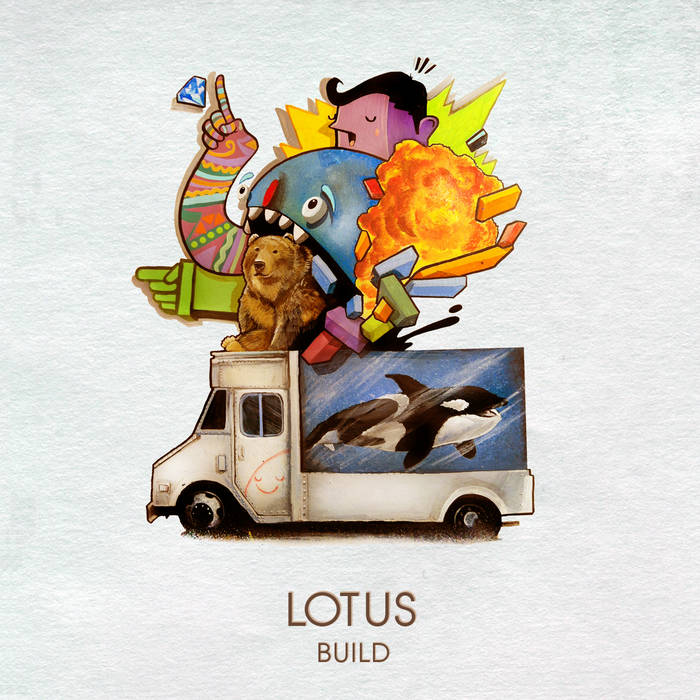
    Lotus, the notorious EDM act-turned-jamband played a solid sold-out show at The Westcott Theater on a Wednesday, January 30th, making quite the comeback with their tenth album, The Build. The band continues to enchant listeners as they genre-bend their way into an idiosyncratic combination of funk and EDM, proving to be more relevant now than ever.


    Before the show, I got the chance to talk to Jesse Miller, the bassist and sampler for the band.

    Gauraa Shekhar: Your new record The Build is recorded live to analog. How did that come along considering the wide range of instrumentation?

    Jesse Miller: We have been following the process over the last few years. It is a classic 70s thing, you know—with basic tracks and everything.

    GS: That’s really cool. In The Build the rich texture really comes through, especially in songs like “Middle Road”. How do you guys produce music within a budget without compromising the quality?

    Jesse Miller: Most of it was done by myself and Luke. We rehearsed the process before we went into the studio and relied on a lot of software to help us. So we didn’t waste time and money on extra studio hours.

    GS: That’s very practical. What kind of a demographic are you catering to with such genre-bending music? Is it easier to find the venue that matches your sound or do you have to pay special attention to it?

    JM: I don’t think there is a specific demographic that we cater to but venues are definitely important. We aim for high-energy shows. Sometimes, we play for a younger crowd but there really is no specific age.

    GS: Performing live is obviously a great aspect of your music. How do you mix it up on stage to keep the audience entranced . . . I mean, besides the lights of course.

    JM: Improvisation, for sure. We try to mix it up by changing the instruments and arranging the songs a little differently.

    GS: Since you guys incorporate a lot of computer generated digital sounds in your music, how do you put a different spin on it whilst performing live?

    JM: There are certain things that are important to pull out of line…sometimes, we play around with the melody and sometimes we change up the instruments. We also trigger samples on stage.

    GS: Oh, wow! Well, what is it like having a 47 days tour?

    JM: 47 days in a tour can be hectic. But it allows us to develop a sound and a rapport.

    GS: I’m sure. Bands have issues but you guys seem to stuck together as a band through all these years. What are some of the main things that glue you guys together?

    JM: Well, it’s mostly the work ethic and the drive. We’ve been at this for such a long time and we’re really passionate about the music.

    GS: As are we! Looking forward to seeing you in ’Cuse on the 30th, Jesse!

    JM: Looking forward to the show!

    [youtube http://www.youtube.com/watch?v=Mg8giAkXJjA]

    As promised, Lotus gave those looking to get a high-energy head start to their weekend more than what they had bargained for. As I walked straight off the campus to their venue, I couldn’t help but wonder if I had walked straight into a Tim Burton set with all its entailing paraphernalia. I watched inebriated girls in princess costumes flail their way to the front row and men leaping out of crumbling bathroom doors with glowing light sabers. The night was fecund with possibilities  as if anything could happen. Excited fans drove in all the way from Rochester and Watertown, yelling out to anybody willing to listen: “This is the fourth time I’m seeing them perform”, “I just watched their show in New York last week” and “They just keep getting better each time”.  It was more than evident that Lotus’ electronica sound sustained their fan base over a span of fourteen years. And let me tell you, the infamous interplay of stage lights was only the beginning. Only a band like Lotus could turn a dance party into a religious experience. Lotus fueled the room with time-transcending energy and a motley crowd checked their baggage at the door, walked in, simply wrapped their heads around the music— and let their hair down.

    [youtube http://www.youtube.com/watch?v=Q2r7NY_Ra3s]

  • Interview with 17-year-old EDM Sensation, DJ Danny Avila

    It the midst of a cold Thursday night in the Windy City, the 17-year-old EDM sensation Danny Avila hops off his plane and into an interview with Morgan and Gauraa from to dish on his US tour, Fedde le Grand and his new haircut!

    Mary Morgan Craig: When did you fall in love with house music and was there a first track that got you enamored with the genre?

    Danny Avila: Um, I don’t know, I was probably like 12 years old, and I was still listening to other music genres like R&B and stuff and probably the track I heard for the first time that made me go like, “wow, what kind of music is this?” was Put Your Hands Up For Detroit by Fedde le Grand.

    Gauraa Shekhar: That’s a great track! What was it like to have Pete Tong open his essential selection with Breaking Your Fall?

    DA: Wow, that was crazy! I had no idea at all. I was just checking my Twitter and I was just getting messages from people saying, “wow, Pete Tong played your track” and I just called my manager and he was like, “Pete Tong just played it–it’s massive”. I couldn’t believe it, it was crazy.

    MMC: I bet, I would have the chills, too. It’s amazing that you have already had three residencies. Did you have a favorite residency? And why was it your favorite?

    DA: I would say the residency at Pacha, Ibiza. Probably because I have been following Tiestö since I was 13 years old. You know, for me, it has always been a dream to perform with him and get the chance to share food with him and be part of his family. It was incredible.

    GS: That’s so cool. Is it Amba Shepherd who does the vocals on Breaking Your Fall?

    DA: (Laughs) No, no, it’s not her. She’s a vocalist from Holland but you know, she’s working on different projects right now and she didn’t want to appear in the title.

    MMC: How do you choose the tracks for your set?

    DA: That’s a really good question! You know, I have so many tracks. I mean, my library is huge. I always arrive at the venue a little bit earlier…about half an hour earlier so I can feel the vibe a little bit. I see how it goes. I don’t usually come in prepared with the titles that I will play that night.

    MMC:  Does that make you nervous?

    DA: I’m never nervous, I’m always excited!

    MMC: So you’re just a natural born DJ then, ha.

    GS: Is there a DJ that you would love to get the chance to meet that you haven’t met yet?

    DA: I have met a lot of artists but one person that I really, really, really want to meet is probably Skrillex because, you know, he’s so talented. His music is just awesome and   he’s been a big influence on me.

    MMC: That’s great. I would have assumed that you’d already met him because he’s so popular. Do you have a favorite music blog? How do you find new music?

    DA: The website that I regularly access is Billboard. I check it everyday to see what’s going on but also, I get a lot of promos…a lot of friends who are producers also send me tracks that are not released yet. Then I have a couple of blogs like the Cow House Mafia. They’re pretty cool.

    GS: Do you have any advice for aspiring DJs?

    DA: Yes, of course. There is so much going on right now. Especially in the states, it’s crazy, there are so many parties and usually about five DJs on a Friday night in New York. There are also a lot of producers out there so my advice is to be unique and have your own personality. Just try to do what they want and not be what they want you to be.

    MMC: When did you get your first equipment and what did you get?

    DA: It was ridiculous, ha. It was a super cheap small consoler which cost me about $45-50. I don’t remember the name but it was like Erklos NK2 or something. It was nothing, really. At that point, I didn’t even know how to mix tracks with that but I was so happy and I enjoyed it so much. I spent so many hours trying to improve a little bit. I used to teach tennis when I was 12 or 13 so I could earn enough money to buy Pioneer C800 on eBay. That was basically how I improved my skills. I practiced for hours and hours.

    GS: Have you ever changed a song in a set based on how the audience was reacting?

    DA: Yeah, well, I kind of have my own style of playing. I mean, every DJ has their own way of playing. If the audience wants commercial shit, I will play commercial music with my own sound in the sense of dropping more vocals or whatever.

    MMC: That’s very cool. What do you think is the craziest/weirdest fan experience you’ve ever had?

    DA: (Laughs). I was kind of trapped in Spain last year and two girls went to the booth totally drunk and crazy. They jumped to the booth and broke the mixer. It was crazy. The staff had to go get a new mixer.

    GS: Yeah, I’d be pissed, too! So how does it feel to be playing Ultra this year?

    DA: I can tell you a quick story, actually. When I started DJing, Fedde Le Grand was one of my biggest inspirations. He even has a ten minute documentary on YouTube about Ultra and I was like, “man, the day that I play a main stage or whatever, I’ll be the happiest guy in the world” and then I didn’t now I was playing ultra and my manager hadn’t told me yet and he had no idea. I was checking my Twitter and I got so many mentions and I was like, “no way”. I was almost crying. I was so happy.

    MMC: I’m glad! That’s so insane. So who are your biggest musical influences? Was it always house music or did your parents bring you up on something else?

    DA: I listen to and love so many different music genres. I play a bit of electro but I also listen to Maja Jean who is a big House music producer. She is amazing. Also, Solo Moon is a house producer whom I love.

    MMC: I love listening to your sets because they have a lot of the popular songs and also a lot of the deep cuts and now other people can pull that off really well.

    GS: Do you ever get nervous in front of so many people at festivals?

    DA: Um, not really nervous…but sometimes I get butterflies in my stomach and you know, sometimes I get really really excited. The five minutes before my set, I go nuts. It’s like getting really excited.

    MMC: Where you see EDM as a genre going?

    DA: That’s a very hard question because in the last year and a half, it blew up and now it’s blowing up even more. It’s changing a lot and there are so many producers coming up as well. I hope it continues to grow bigger.

    GS: What are your plans for the rest of the year?

    DA: I have a remix for Skylar Gray coming up in six days. I did a remix with my friend and it’s dub step. I also have new original Danny Avila track coming out and then I have this crazy tour this month in the states. Also, Coachella with Tiesto and my Ibiza season tour this year. I don’t know, I guess just working on music and playing!

    GS: That sounds great! Have you ever been to Upstate New York before or would this be your first time?

    DA: This would be my first time! I’m so excited!

    MMC: Well welcome! Bring a jacket!

    DA: Thank you, it’s gonna be a lot of fun.

    MMC: Well what do you think of the touring life? Traveling all the time?

    DA: Well, you don’t start traveling every single day in the beginning. I started with a few gigs maybe once a week, then twice a week and you go out of the state. It’s a process, you know. Then you get used to it. I mean, it’s crazy right now because I’m touring every single day. If I had started doing this every single day of the week in the beginning, this would have been exhausting. It is still exhausting but you get a bit used to it.

    GS: How is the EDM club scene different now than it was when you were 12?

    DA: It is crazy, ha! Four years ago, it was like a house music scene…a bit more tech-house…a more vocal sound but now everything is really electro and dub step. You know, people just go crazy. It has changed a lot but that’s what I mean…in five years, it’s gonna change even more.

    MMC: I’m excited to see what happens.

    DA: Me, too. I can’t wait!

    GS: We love your show Ready to Jump–could you tell us about the creative process that goes into that show?

    DA: Well, last year, I’ve been trying to upload things to my soundcloud…just mixing things every week just to bring a larger audience. These guys based in New York contacted me and they were very excited. They were like, “oh, we want to do a show with you” so then we needed to find a name and because I’m super active and I play in the booth, we decided to call it Ready to Jump because I’m always jumping, ha. It’s working pretty well, too. People are liking it and I just want to take it to another level. To interview a little bit more and have some guest DJs and do different things.

    MMC: Well, I heard you do a lot of wakeboarding, too, on the side, when you have time from your DJ life.

    DA: Haha, well I do a lot of things. See, when I started DJing, it was more like a hobby for me and it didn’t take me that much time so I have more time do more sports. I don’t know, I would just wakeboard everyday. When I was 12 in 2007, I broke my knee so music took over all my time. That’s when I decided to keep wakeboarding as a hobby and switch to music.

    MMC: Well I’m glad you made that decision!

    GS: Well, thanks for the interview! It was so great to interview someone our own age for once.

    DA: You are both 17?

    MMC: Well, I’m 18.

    DA: I’m turning 18 soon, too, but I got a new haircut and I look like I’m 21 so…

    MMC: Work that!

    GS: Haha, thanks, Danny. Have a great night!

    DA: You, too!

    To listen to this interview with Danny Avila, tune into The Laura and Meg Show via iTunes Radio this Thursday night (Feb 7th)at 11pm! Just click on “Radio” on the menu bar at the top of your Itunes Library. From there click College Radio> Syracuse University>WERW.

    Check out the stations blog and The Meg and Laura Show

  • Review and Interview: The Brew at The Westcott Theater, January 26th

    Over the past year I’ve often heard people voice concern about Rock N’ Roll as a genre, seemingly worried  that it is dying out these days due to all of the EDM and Indie music that is over saturating the mainstream. If you are one of these people, fret not. I assure you that Boston based band The Brew is keeping Rock alive and kickin’.

    Before they completely brought the house down at The Westcott Theater this past Saturday night, lead singer Chris Plante of expressed his love for Upstate New York and the ‘Cuse. “We’re so happy to be back in Syracuse! We love playing The Westcott,” he yelled into the mic from his spot at his double-decker keyboard. The Boston based quartet consists of brothers Chris Plante (lead vocals, keyboards), Joe Plante (Bass, vocals) and friends Dave Drouin (Guitar, vocals) and Aaron Zaroulis (Drums/vocals).Together they are like the Fantastic Four of Rock. There isn’t a single weak link in the group on instrumentals and their song writing skills are something to envy.

    Following Chris’s warm shout out the band opened with one of their new songs titled “Aftermath”. From the sounds of the track we can look forward to enjoying a killer new release. As soon as the powerful instrumentals of this track filled the room I was reminded of why I fell in love with Rock N’ Roll in the first place. Aaron has driving in-your-face drum beats that make it virtually impossible for anyone with a soul to stand still. Chris sings the band’s insightful and relatable lyrics with an honest raspy voice while his piano parts cascade over the tracks. Dave plays epic guitar solo’s on his edgy Gibson explorer with seemingly no effort and Joe coolly holds the entire sound together seamlessly on bass.  Their sheer musical awesomeness evoked multiple and loud shouts of “I love you!” from the audience on multiple occasions throughout the show.

    When they vocally harmonized for the intro of radio hit “When Darkness Comes” off the album  A Garden In The Snow, I doubt if there was a single person in the room that didn’t have the chills. Later in the show they played their hard rocking version of Led Zeppelin’s Going To California which I might actually like even more than the original because of its absolute head banging break down. They also included tracks such as “Into The Remembering Sun”, “Sharks In The Pool” and “Garden In The Snow”. As soon as they left the stage the crowd cheered for an encore and they all came to play “What I Want” (the ladies love this one) and a few others as the crowd begged them not to go.

    After the show, I got a chance to sit down with The Brew and ask them a few questions.

    Mary Morgan Craig: So first of all who are your biggest Musical influences individually?

    Joe Plante: My biggest influences at the moment are Little Feat, Radiohead and Beck has a really big influence on me.

    Aaron Zaroulis: I like Guns and Roses and I like the Allman Brothers .. a lot.

    Chris Plante: I’m doin’ a lot of Bruce Hornsby, a lot of Chick Corea and a lot of classical.

    Dave Drouin: I listen to Iron Maiden a lot and MJ. (MJ’s Dirty Diana plays in the background)

    MMC: I know Chris and Joe are brothers. How did the two of you meet Dave and Aaron?

    AZ: Well the band was around for nine or ten years with another drummer and then I joined about a year ago and I met all these dudes through the power of music.

    CP: Yeah but the real story behind that one is like six or seven years ago we were playing a show with our other drummer Kelly. It was a show in Newburyport, Massachusetts, that we put on ourselves. We didn’t have like a green room or a bathroom for ourselves. During set break Kelly like really had to pee, so he went outside because there was a big line for the bathroom inside. It was  a packed show with a lot of kids. A lot of younger kids, and he got arrested outside for peeing in a public place. So we didn’t have a drummer! We frantically tried to bail him out. We reluctantly went back onstage when we, you know, had to. We basically made an announcement to the crowd. We were like “Does anybody know how to play drums?” “Put your hands in the air because our drummer is arrested”, and a bunch of young girls in the crowd were pointing to Aaron who was like 13.

    AZ: Yeah I was 13.

    CP: And then he got up on stage and already knew a bunch of our tunes.  So we’re like oh good job, cool, thanks for sitting in. Then like eight years later or whatever it was…

    DD: No six years later.

    CP: When it came down to audition for the band when we were moving on from a different drummer he showed up and already knew all of our songs and he was like “Yeah, I’m that kid” and we were like “Sweet!”

    AZ: Yeah I’m that Kid. (all laugh)

    MMC: What was the first CD you ever bought?

    JP: Green Day’s Dookie. I remember that. I really remember that day.

    CP: Didn’t you get it from your 5th grade girlfriend?

    JP: No. Oh Yeah ! I did. I did get it from my 5th grade girlfriend.

    AZ: That was the worst Valentine’s day ever huh?

    (All laugh)

    JP: I love that CD.

    AZ: No. Its not that bad. I don’t remember my first CD. I think it was like Tom Petty or Paul Simon something like that. Something that my parents passed down to me kinda thing.

    CP: I don’t know. I’m in the same boat. Me and Joe started finding music around the same time and I remember doing was it Toadie?

    JP: Yeah Toadie.

    CP: Toadie was awesome. Yeah I remember doing the Toadies.

    JP: The Toadies!

    CP: Yeah The Toadies were awesome.

    DD: I had tapes way before CD’s.

    CP: Ya. Ya no we were all actually into tapes.

    JP: I bought an Oasis tape and a Blues Traveler tape.

    DD: Yeah, I had the Blues Traveler tape with the cat on it. I traded my Aerosmith Pump when it was like the new thing.

    AZ: Bad move.

    DD: Bad move.

    MMC: So are your parents as musically talented as you or are you guys the first in the family?

    JP: My dad happens to be extremely talented musically. He started playing when he was about our age professionally out in California. He met my mom out there and then moved back to Massachusetts and had us children and surrounded us with music our entire lives.

    CP: He was sitting in with us at a show recently.  We were doing like a more acoustic broken down sort of show. We were telling the stories behind certain songs and stuff like that. And he comes up and he plays an original song of his with us and its like the last song of the show cause it kicked so much ass.

    MMC: That must be so cool.

    CP: Yeah, its pretty nice.

    MMC: So is that why you guys chose to do that cover of “Going to California”? Which I love by the way.

    CP: Thanks! That’s an interesting connection but no we just did that cover because we were doing a gig opening for moe. at The House Of Blues and we really wanted to do something special, you know? Dave came to practice and he was like “I just Heard Going to California and was picturing it with a more driving groove under it” and we just started doing it.

    MMC: Well it came out great. I love that one. When did each of you start playing your instruments and what made you gravitate to the specific ones?

    JP: I went to a show when I was 17. I ate some mushrooms and I heard bass for the first time. I was tripping and I was like “I am gonna be doing that for the rest of my life.” That’s pretty much how I decided. And I had a bass so I decided just to start playing it. I picked it up that night and started playing it.

    CP: That was my bass.

    JP: Yeah. I stole his bass.

    CP: I had a black Guild bass.

    JP: It was awful to play. It was terrible, but then i actually started jamming with Dave literally four days after.

    AZ: I started playing drums in the fourth grade. It wasn’t cause I started eating mushrooms though. And I got serious around my freshman year of high school and I just haven’t really stopped since.

    CP: I started playing piano when I was like 3 because of my dad and then took classical lessons when I was like five. So, I did that and then jazz and a lot of stuff so I’ve just been playing my entire life. I remember when I was like 14, I really realized I could play piano. Because I never made the conscious decision to actually do it. So its been a long time. I should be better than I am.

    DD: I started playing guitar at like age 14. It was mainly because I couldn’t have a drumset. I had drumsticks. I really wanted to play drums. But they were like “too loud” or something. So I got a guitar.

    (all laugh)

    MMC: Good thing you did

    DD: Ruined my life

    (All laugh)

    MMC: OK so who is your biggest Rock-Chick crush?

    CP: Rock Chick Crush?

    MMC: Yeah, well it doesn’t have to be rock. Musical artist crush.

    DD: The lead singer of Heart.

    AZ: Aw this is rough man.

    CP: There’s not as many hot rock lead singers as there are like pretty sexy pop stars.

    MMC: Well what about Gwen Stefani?

    All: Yeah

    AZ: True. She’s hot

    DD: I don’t know.

    CP: But she’s a little too muscle-y for me.

    JP: I’m a ‘Sineado’ fan. Just, you know, because… (gestures to his bald head).

    DD: Did you just call her ‘Sineado’? Sinead. O’Connor.

    JP: ‘Sineado’. That’s what I call her. She likes it.

    (all laugh)

    AZ: I’d like to take Mila Kunis out to like a nice dinner at like The Ninety Nine or like The Olive Garden.

    CP: Salisbury Steaks?

    AZ: Yeah yeah! I would definitely buy her a nice Salisbury steak.

    CP: I like Rachel McAdams. I think she’s the hottest. I like her.

    AZ: Yeah, shes pretty dreamy.

    DD: I like Taylor Swift.

    MMC: I knew that was going to come up.

    CP: She looks like a deer. Not in like a bad way.

    JP: In the headlights.

    DD: That’s why I like her.

    CP: I think shes beautiful but she resembles a deer slightly.

    MMC: A majestic deer.

    (all laugh)

    CP: A majestic blonde deer.

    MMC: Have you played any festivals recently? Are you planning on playing any this year?

    CP: Yes. A lot. We played Mountain Jam last year.

    JP: Absolutely

    AZ: We played a lot of festivals last year.

    DD: Its mid-winter now so..

    CP: Yeah we’re actually starting to think about next year and any festival, you know. We’re having our agent and our management work with all the promoters of festivals to hopefully get the right situation worked out.

    MMC: How would you describe your own music?

    JP: Um, not butt rock. Rock.

    (all laugh)

    CP: I mean, its really just like rock n’ roll but we try to be versatile with how we deliver our songs. We get into different production techniques the same way The Beatles or anybody else would.

    MMC: What was the thought process behind the Triptych project? Who did your album artwork?

    JP: Well actually we decided to make the Triptych just based on the fact that we had a really large catalog of songs and certain songs fit into different groups. Like for instance, the first album was really driven by acoustic singer-songwriter songs that kinda fit into a certain category. We felt like they all really fit on the album. Then the second album we really stretched out live.  We wanted to take that same energy in the studio and do some improvisational stuff. The third record basically is really more pop oriented the way The Beatles used to like look at all their parts and really kind of like figured out how they wanted everything to fit.

    CP: As far as the album artwork goes, that’s a tapestry that was meant for King Louis the 7th. It was a tapestry that was meant to commemorate like his wedding with somebody. It was back in 1495. Its called The Hunt of The Unicorn. You can see the unicorn on the second record. When you put them all together it makes one large image that kind of gives you the whole scope of the artwork.

    MMC: Very Cool. What has been your best tour experience ever or just one that sticks in your mind?

    CP: We were rolling through from New Mexico to Austin, Texas and we pulled over at this  like really sketchy looking Subway. We were like ‘Fuck we have to get Subway today. This is gonna suck.’ But there was a burger joint right next door that was kind of like home made burgers but you could tell it was like real like southern cooking.

    AZ: They had like Boston stuff in the windows so we were like ‘Fuck it lets go in here.’

    DD: Yeah it was weird. It was all like Red Sox stuff and Patriots stuff.

    CP: Yeah we felt good about going there and so we walked in and just like everywhere we show up, they’re all like are you in a band or something? It was this older guy and his wife. Very old like 85 or 87. With this other lady and we were like yeah we’re in a band and hes like have you ever heard of Roy Orbison and we’re like ‘Yeah of course.’ and then he’s like ‘Have you ever heard of Buddy Holly?’ We’re like ‘Obviously.’ and he’s like ‘I used to sing with them.’ So we met a member of Buddy Holly’s band, the only guys to like background sing. They were called The Roses.

    JP: And then hes like ‘Do you want to go see Buddy Holly’s studio? I’ve got a key. I live there.’ And so all Buddy Holly’s original stuff is set up there, untouched, and we sat in the same chair that Buddy Holly was (once) sitting in.

    AZ: I got to play on the drumset. It was rad. It was awesome. We got it all on video too.

    MMC: That’s crazy!I’m so jealous. So last year when I saw you play at Brewfest Chris was playing with a broken arm at Brewfest in Lincoln, NH, which was so impressive. I actually remember I  Instagrammed about it and I captioned it like ‘my hero’ or something. I read somewhere that you just recovered from broken ribs. What happened there ? Are you always this accident prone?

    (all laugh)

    CP: I wouldn’t say i’m accident prone. I play indoor soccer so I just smashed into a dude that was way bigger than me and it was like this really awkward point in my side where my fist got like  jammed right into my rib. But I didn’t know it was broken for like the first four days. I thought it was just really badly bruised.

    MMC: Glad you’re better now! Do you have any advice for other bands who are just starting out?

    DD: Don’t do it.

    (all laugh)

    MMC: I think that they should just focus on the songs and then really work on the business aspect even though that’s the last thing you want to do as a musician. That’s what it takes to actually succeed. Cause you know its a small business and it sucks to look at it that way but you can’t go on forever running out of money. So just get good content, believe in your music, and then like just be doing your work. What has been your weirdest fan experience?

    CP: Oh man there’s like too many twisted stories to get into that.

    DD: There’s like naked dudes getting tied up. Well we were at a festival and there’s this guy running around naked like going ‘Get off my island! Get off my island!’

    CP: And then they hogtied him and had to like put him in the back of the truck.

    MMC: Well why were you on his island?

    JP: Well we weren’t on mushrooms and he was, so we were on his island.

    AZ: Dude he was on his own island.

    (all laugh)

    CP: He was being aggressive toward everybody.

    JP: The last straw that they wouldn’t put up with at this festival was when he went up to an old woman that was pushing a baby in a carriage and walking a dog at the same time and he like tried grabbing the dog leash from her and then they tackled him and hogtied him.

    DD: I think they like duckttaped him up.

    CP: It was a duct tape hogtie job. They did really well

    AZ: Hogtied!

    (all laugh)

    To listen to this interview with The Brew, tune into The Laura and Meg Show via iTunes Radio next Thursday night (Feb 7th)at 11pm! Just click on “Radio” on the menu bar at the top of your Itunes Library. From there click College Radio> Syracuse University>WERW.

    Check out the stations blog and The Meg and Laura Show

    Check out The Brew’s WebsiteFacebookMyspaceSoundcloud, and the official video for When Darkness Comes
    [youtube http://www.youtube.com/watch?v=F3lkwFjHvw0]

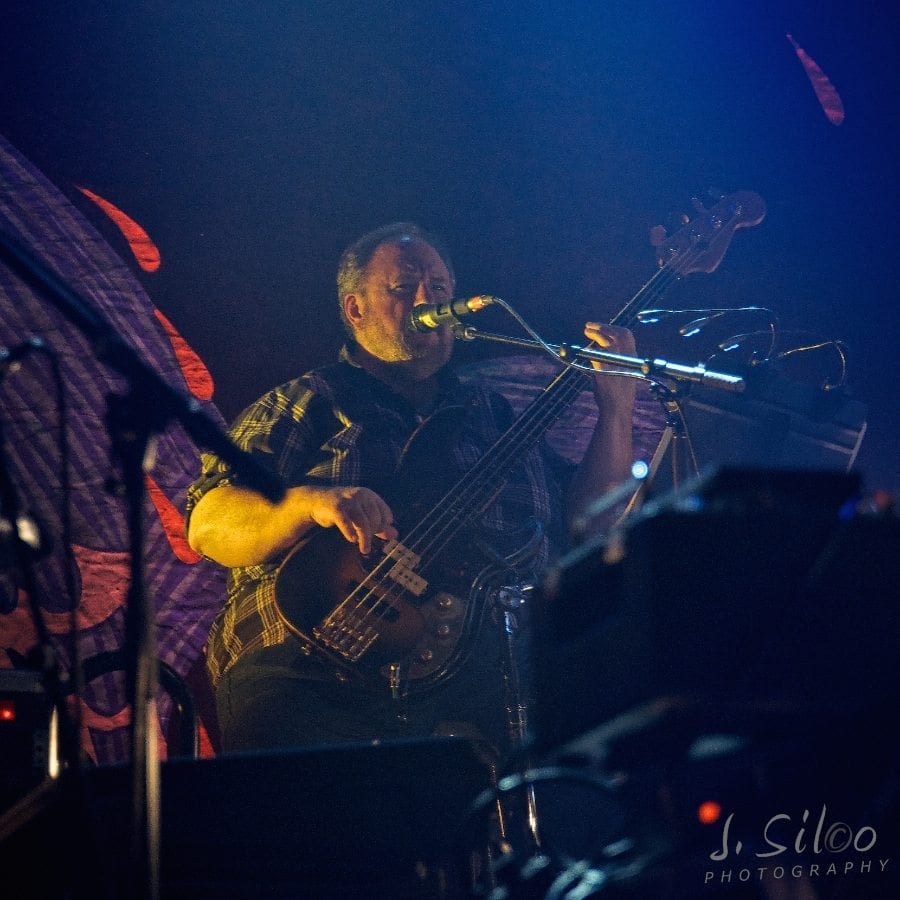
  • An Interview with Tony Markellis

    Upstate New York music legend and producer Tony Markellis has played with the likes of David Bromberg, Jo Henley, Paul Butterfield, The Mamas & the Papas, been a member of The Unknown Blues Band and is the current bassist for Trey Anastasio Band.

    With a career spanning from his origins in Helena, Montana to his current home in Saratoga Springs, NY, Markellis has spent the past forty-plus years playing a wide variety of music, including jazz, folk, rock, country and blues music, including appearances on nearly 100 albums in his storied career. Tony was kind enough to sit down for an interview after meeting at the Soule Monde show at Putnam Den on May 12, 2011 and discuss his bass playing and local musical impact.

    tony markellisPete Mason: What is it like being one of the most famous local music celebrities in the Saratoga area? How has your status as a musician evolved over the years living in the region?

    Tony Markellis: I really don’t think about it much. I live a pretty private life, and for the most part, I come and go without much notice when I’m not in a professional setting. I don’t think most of my neighbors know what I do for a living, and I tend to prefer it that way.

    PM: What is it like playing with guys like Russ Lawton and Jo Henley?

    TM: Playing with Russ is a real pleasure. We’ve known each other for over thirty years, and I’ve been a big fan of his playing since I first heard him playing with Zzebra (a Vermont based Afro-fusion band led by Nigerian musician Lofty Amao, formerly of Osibisa). My band, Kilimanjaro, was losing drummers just about every five years. Every time that happened, I would recommend Russ as a replacement, but the timing was never quite right– even back then he was in high demand! When Trey called me up to start what became TAB, I couldn’t think of a better drummer for the project than Russ. My one and only regret about Russ is that he’s a strict vegan, and I’m definitely not. Wherever we go, I’m always in search of the local equivalent of a goat roasting on a spit, or just about any cuisine that involves a combination of immigrants, meat and fire. As you can imagine, we don’t get to share many dining adventures.

    I’m glad you know about Jo Henley. I got introduced to them about five years ago when they were recording their CD Sad Songs and Alcohol in Schenectady, NY. They happened to be between bass players at the time. The engineer mentioned that I lived in the area, and the guys knew me from my work with TAB. It worked out well, and I even played out with them for a while. I went on to do their next CD, Inside Out, as well (which also included Russ Lawton and Ray Paczkowski from TAB). Jo Henley has just released a very autobiographical new CD called Mohawk, which is a great representation of how the current working band sounds with their new bass player and drummer.

    tony markellisPM: You play a wide variety of music. Where does this interest and ability come from and do you have a style that you prefer to play above all others?
    TM: I’ve always had varied interests– not just in music, but in everything. Life’s just too short to think that only one type of anything is good. As a college kid in Ann Arbor, I got to start playing with some living legends like blues singer Johnny Shines and singer/songwriters like Paul Siebel and Rosalie Sorrels. After that, I worked for years with people like David Amram, David Bromberg, Kilimanjaro, the Mamas & Papas and Paul Butterfield, just to mention a few. I also got some great opportunities to play once in a while with people like Professor Longhair, Martin, Bogan & Armstrong, Ellen McIlwaine and Nick Brignola. I have played almost every form of American music in one context or another, and I hope I can continue to do that for a long time to come. I have to agree with Duke Ellington that there are only two kinds of music– good and bad.

    PM: Can you talk about the group of talented musicians in the Saratoga area?

    TM: There are so many great musicians in the Albany/Saratoga area who I am fortunate to have worked with at one time or another. I have a couple of great singer/songwriter friends, Michael Jerling and Bob Warren, who I have been playing and recording with for about thirty years. I’ve played Mexican and cowboy music with Don & Victoria Armstrong on and off for the same period of time. They have migrated back and forth between Saratoga and the Southwest for as long as I’ve known them. For the past ten years or so, I have worked with a great roots/blues trio called No Outlet (with Kevin Maul on slide guitar and vocals and Dale Haskell on drums and vocals). For about the same amount of time, Kevin and I have been traveling and recording with the Burns Sisters, a wonderful three-sister country/Americana act out of Ithaca, NY. I worked with the Sarah Pedinotti Band (now Railbird) for a couple of years, and for the past couple of years have been playing in an intense roots/blues trio called Street Corner Holler with Dale Haskell and slide guitarist Mark Tolstrup. For a few years, I had the pleasure of playing with Albany songwriter Rosanne Raneri, who just might be the best singer I’ve ever heard.

    PM: What kind of bass do you play?

    Tony Markellis, The Palace Theatre, Albany, NY February 19, 2011

    TM: I have a number of basses that I use, depending on what the gig demands. I have two almost identical P-J basses (combining features of the classic Fender Precision and Jazz basses), one fretted and one fretless, that I assembled myself out of parts from various makers. The fretted one is the one I generally use when I play with TAB. I have a fretless Taylor AB-1 acoustic/electric bass guitar that I use on a lot of singer/songwriter, jazz and bluegrass gigs. I have an Eminence Portable Upright that I use on some blues and jazz gigs. And I have a couple of headless Hohner basses that sound great and are wonderfully easy to transport– I can carry them on a plane and put them in the overhead rack.

    PM: How did you get into playing the bass?

    TM: I began playing upright bass in the third grade in my grade school orchestra in Helena, Montana. The music teacher gave us a choice of which instrument we wanted to play, and for some reason, the bass spoke to me.

    PM: Any bass influences or favorite musicians amongst your peers?

    TM: From early on, I was a great admirer of Paul McCartney’s playing. Unlike most of the players who I consider influences, he was always more of a ‘guitar player playing bass’ than a bassist, but the playful fluidity of his playing was always very appealing; his playing with the Beatles is consistently brilliant. As a teenager and as a college kid, I listened to guys like Jack Bruce, Jack Cassady, Freebo, Rick Danko, Bruce Palmer and Phil Lesh, but it didn’t take me long to discover the masters– giants like Oscar Pettiford, Jimmy Blanton, Ray Brown, Willie Dixon, James Jamerson, Chuck Rainey, Duck Dunn, Jerry Jemmott, Phil Upchurch, Scott LaFaro, Eddie Gomez, Family Man Barrett and George Porter. If anyone reading this doesn’t recognize some of those names, I hope they will do themselves a big favor and go look them up. Of my contemporaries, I think very highly of Lincoln Goines, Huey McDonald, Mark Rubin, Sarah Brown, Conrad Lozano, Lee Allen Zeno, Oteil Burbridge, Victor Wooten, and of course, the late Jaco Pastorius.

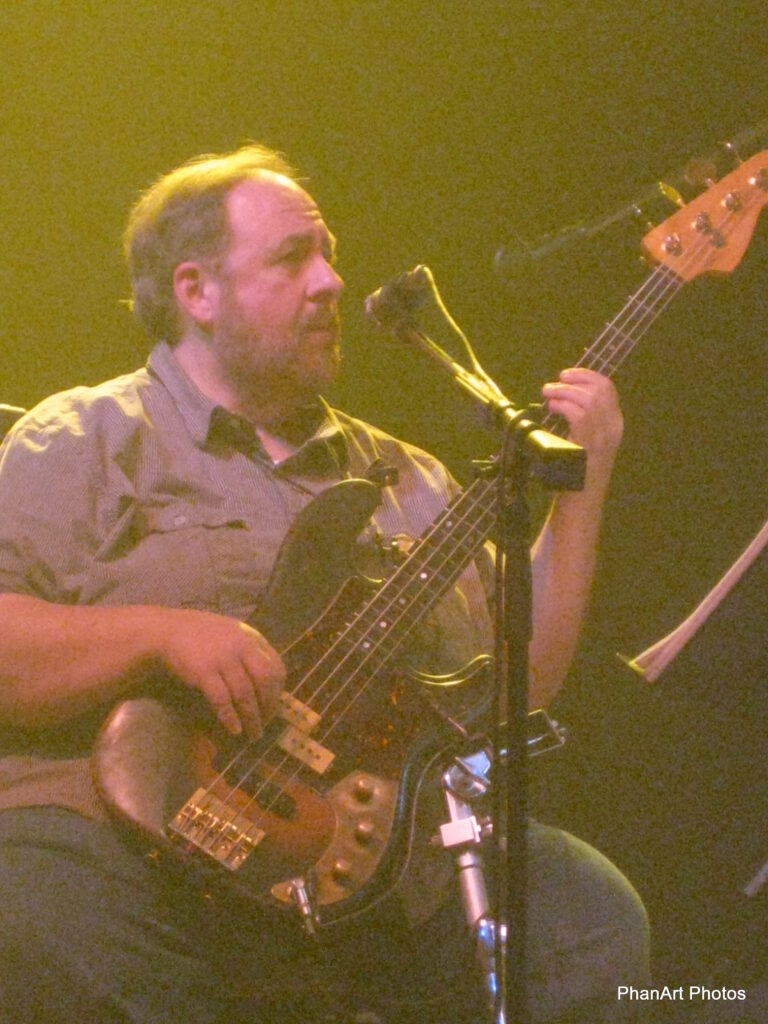
    PM: How did you develop your method of playing bass, seated with the bass so vertical? Is it a comfort thing?

    TM: I have sustained a number of injuries over the years, the cumulative effects of which have made standing up with a bass around my neck really difficult. I was an avid and overly daring skier as a teenager, and I broke my back and one of my knees. Those injuries didn’t bother me for a long time, but they’ve both kind of snuck back up on me over the years. I also broke my collarbone as a baby. It apparently didn’t set right, and after some fifteen years of hanging heavier-than-average basses over my shoulder, I started getting pinched nerves and numbness in my left arm. About ten years ago I dislocated both ends of my left collarbone in a badly-planned home logging mishap. To top it all off, last year I was on an extremely turbulent flight on the edge of a tornado system, resulting in a case of whiplash that I’m still trying to get straightened out. With all that, a seat and a bass stand makes it a lot easier for me to do what I do.

    tony markellisPM: How did you develop your method of playing bass, seated with the bass so vertical? Is it a comfort thing?

    TM: I have sustained a number of injuries over the years, the cumulative effects of which have made standing up with a bass around my neck really difficult. I was an avid and overly daring skier as a teenager, and I broke my back and one of my knees. Those injuries didn’t bother me for a long time, but they’ve both kind of snuck back up on me over the years. I also broke my collarbone as a baby. It apparently didn’t set right, and after some fifteen years of hanging heavier-than-average basses over my shoulder, I started getting pinched nerves and numbness in my left arm. About ten years ago I dislocated both ends of my left collarbone in a badly-planned home logging mishap. To top it all off, last year I was on an extremely turbulent flight on the edge of a tornado system, resulting in a case of whiplash that I’m still trying to get straightened out. With all that, a seat and a bass stand makes it a lot easier for me to do what I do.

    PM: What is it like going from the high energy/big crowds at a Trey Band show to your regular quieter gigs in the region?

    TM: In many ways, I find it easier playing for a sea of faces than for a handful of people who are only an arm’s length away. The biggest difference, though, is that on the TAB gig, everything– transportation, business, equipment set-up, logistics– is taken care of by a very well-oiled crew of professionals. Back in the real world, I have get used fending for myself again.

    PM: Is it a wind or a bug?

    TM: Ah, yes– I’m afraid people will be asking that question long after we’re all gone.

    PM: Seriously though, how did “Windora Bug” come about?

    TM: It predates me. Knowing Trey and Tom, they were probably having an evening writing session near an open window, and heard something unidentifiable outside, raising the question, “Was that a wind or a bug?” and another classic was born. Trey’s always trying out different material in different contexts, and that’s one of those songs that I guess he had tried out with Phish, and then shelved until Russ and I came along.

    PM: How did Trey first invite you to join him in the creation of the original Trey Trio?

    TM: When Trey first went to Burlington to look at colleges, I was playing there with Kilimanjaro and the Unknown Blues Band at a great (now-defunct) club called Hunt’s. Trey claims that we were one of the deciding factors in making him choose to stay in Vermont. He and his girlfriend Sue came out to see us on their first date; years later, we played at their wedding. As we were watching Phish develop into the juggernaut that it is today, they were also looking to us “old guys” for inspiration. The Phish guys were also big fans of the Sneakers Jazz Band, some of whom also became members of TAB. In 1999, Trey wanted to get a side project going, and he got in touch. At the time, he was very interested in African music such as that of Fela Kuti, and I couldn’t think of anyone better than Russ Lawton, with his strong background in African beats, to recommend to Trey as a drummer for the project.

    PM: Did you have any input into the evolution of the band as it went from 3 members to 6 to 8 to 9 to 10 and back to 7?

    TM: I brought Russ on board– beyond that, it’s all been Trey’s doing. The process has involved Trey trying to assemble a group of individual musicians who are not only versatile enough to handle all the many styles that he might throw their way, but are also agreeable enough to coexist smoothly. And I think it’s worked beautifully– I can’t imagine a better group of not only musicians, but people, than the current TAB lineup.

    PM: Describe the evolution of songs like “Sand”, “Gotta Jibboo” and “First Tube”, three of the most popular and famous TAB songs that have become full fledged Phish songs.

    TM: When Russ and I first got together with Trey, he encouraged us to build some basic grooves from the bottom up, based on things we liked or had been working on individually. He then fleshed the grooves out with his own ideas. We came up with the foundations for about twelve or fifteen tunes from our first rehearsals. After we left, Trey continued to tweak ideas, eventually adding some of Tom Marshall’s lyrics onto the finished tunes. He eventually took a few of them to Phish, and now they’ve become standard parts of the Phish songbook– so much so that when a lot of people hear us play them, they think we’re covering Phish tunes.

    PM: How does life on the road affect your playing over time? Do you prefer to stay local for shows?

    TM: They both have their good points. I love to travel– I have since I was a little kid. My parents would throw us on a train and take us from Montana to Chicago or New York, or we’d drive to San Francisco or the Oregon coast. Now, as an adult, how much better could it get than getting paid to travel around the country playing music with a bunch of people I like? There is, however, something to be said for being able to jump in the car, drive five minutes to the gig, and five minutes back to sleep in my own bed. One thing I know is that I don’t get much time to practice when we’re on tour.

    PM: How did the 6/20/10 sit-in at SPAC with Phish come together? What prompted it and how did it all go down?

    TM: I hadn’t heard Phish play for a few years, and I wanted to stop by to say hi to all my friends in the band and the crew. If you know anything about Trey, you know that he is unable to pass up a show-biz opportunity. As soon as he saw me, I know he was thinking, “How can we work this into the show?” It worked out fine– he picked a song that I cowrote (Gotta Jibboo, which Phish even plays in the same key), so it wasn’t a stretch. Fishman is such a pleasure of a drummer to play with, it was just a piece of cake. I think Mike even enjoyed playing guitar for a change. I guess I’m just lucky that Trey didn’t have the crew try to stuff me in that bathtub with all those little kids!

    PM: Have there been any TAB moments that stand out among the rest over the past decade-plus?

    TM: I enjoy listening to the other players in the band so much that there have been moments– I couldn’t tell you exactly where or when they were– where I’ve just sort of left my body while listening to them play. I’ve enjoyed the beautiful venues we’ve gotten to play– Red Rocks stands out, as does RadioCityMusic Hall, the Ryman Auditorium, the Pabst Theater and the gorgeous Fox Theaters. One of the most memorable highlights for me would be when Carlos Santana came to sit in with us at the Warfield Theater in San Francisco in 2003. He’s been a musical hero of mine since I was in college. What a great night that was– I was grinning from ear to ear the whole time!

  • Sitting down with The Wailers’ Aston Barrett, Jr and Drummie Zeb

    The Wailers started their current tour just two days after Christmas and January brought them through Upstate NY.  Lewis Tezak, Jr. offered a great review of the Seneca Niagara Casino on January 12th and NYS Music was at the Bearsville Theater show in Woodstock less than a week later to sit down with The Wailer’s drummer Drummie Zeb and keyboardist/bassist Aston “Famz Jr.” Barrett, Jr.

    NYSMusic:  So, Aston it was nice to see you on stage with your dad.  I noticed that this is only your second show back on this tour, what were you doing before that?

    Aston Barrett Jr. (AB):  I was in India playing with Julian Marley.

    NYSMusic: What’s it like to play reggae in India?

    AB: It’s nice, man. They love reggae.  Everytime I go on the streets it was like, “Family Man, Family Man, Wailers.”

    NYSMusic: So it was nice to be recognized?

    AB: Oh yes.

    NYSMusic: So Drummie, you have been on the tour since it started?

    Drummie Zeb (DZ):  We started this tour on January 27th and played right through 2012 and into 2013.  We played New Years Eve in Telluride, Colorado. Way up there, beautiful country.

    NYSMusic: I know how Aston got into the Wailers, how did you get in (the Wailers)?

    DZ: Oh my my you have to go back a few years now.  I met Famz in the early 80’s and I saw Carlton right after Bob Marley. They were on a tour it was either 83 or 84, Carleton was playing and the tour came through DC.  Junior Marvin, Al Anderson, Alvin Patterson, “Wire” Lindo, Tyrone Downie – the whole band. And Carleton, the Mighty Carleton. I saw him rattle that snare.  I can still hear it now. *makes the sound* Because he was sitting way up there, because of how the stage was in this building. It was unreal.  It was such a pleasure to see him work.  Good god, man, I was just always seeking out those drums. So, we drove from Virginia for two hours to that show that night to meet Famz.  And ever since that night, they would be on tour and I would be on another support band called the Awareness Art Ensemble. It was a big band in the 80s and we would support the Wailers every year.  We’d see Famz and hail up each other through the 80s and then through the 90s… all the way to 99. And Famz and I were on a show together, he sees me and says “hey Drummie” and I’m so honored, always to be amongst him and he asked if I would be interested in reviving the set. I said “yes, truly!” And time would go on but we met them in the 80s and I think that’s where it started. Cause I was on the set.  I think with any young musician you need to stay on the set.

    NYSMusic: Truly, thank you.  Aston, do you remember your uncle Carleton?

    AB: Nah, I was too young.

    NYSMusic: I understand, what’s it like to play with your dad?

    AB: It feels nice.

    NYSMusic: Is he a tough critic?

    AB: He’s a good father. You know it’s an honor all the time. Everytime I look at him.  Sometimes I am playing and I’m like “oh shit that’s Family Man” and then I’m like, oh, he’s my dad. You forget you know? I look at him so highly and so proud to be his son. It’s like, “wow!” So anytime I am playing music, I try to reach the higher, higher, high. The highest standard and keep my father’s music inside me and my uncle’s music there. This music will never die, it will go on forever and get bigger and bigger and bigger until it finds its right people.

    NYSMusic: I am glad to hear that and that leads to my next question. You guys have been touring now since 69 to now.  Where do you guys see the Wailers going? Studio? Another album?

    AB: Plenty of more albums to come. The only thing is that the singers now in these days are very different. As we listen to the message of Bob’s days. Almost every singer that comes out has a message. I don’t think they can sing the same message these days because it’s different times. So what we are dealing with now is more positive and positive vibes. It’s more peaceful and mind, body and understanding.

    NYSMusic: So, Drummie, if we go back to the positive vibes, why do you think Family Man chose Survival for this tour?

    DZ: I know last year it was talked about with Roger (Steffens). It was talked about to get a little intention to it.  And God bless because last year we did the Uprising record. We did all the Uprising songs last year and tonight was Survival.

    NYSMusic: Is there a Confrontation tour coming up?

    DZ: That would be great. It’s one of my favorites and I tell his (Aston’s) father that all the time. Because we used to play “Buffalo Soldier” from Confrontation. But all the rest of them are such anthems. You know “Trench Town” and “Jump Nyabinghi”. I mean, wow!

    AB: “Mix Up, Mix Up”

    DZ: Ah, “Mix Up, Mix Up” oh man that record right there. We’d be dancing off the stage ourselves there because I wait to play that one.

    NYSMusic: I just love the trilogy and you can see the Wailers evolve with those three albums.

    DZ: That’s a good idea.

    NYSMusic: Kaya was before those and sort of ganja loving and laid back.

    AB: 1978! Ah right.

    NYSMusic: So you are touring for the next two months and then what? Are you doing any festivals?

    AB: I don’t know yet, but in June and July it’s festival season and if there is a Reggae Festival we should be here.

    NYSMusic: My first Wailers show was a festival in the early 90’s.

    AB: Ah that probably was with “Wire” (Earl Lindo), “Carrot” (Irvin Jarrett) , Junior Marvin was the lead singer at that time and Carrot’s Third World Band. First time to see them, respect, respect.

    NYSMusic: With the chaos in the world today, I don’t know how much has really changed.  What is your message to the world?

    AB: Peace, Love and Unity. That’s all we can bring.

    DZ: Jah guide that One Love. Keep moving forward ever, backward never.

    NYSMusic: I like that.

    DZ: Yes, sir.  I think we just need to say it more. Send more vibrations out there. Because we are coming closer and we are feeling more love. More vibrations. More. So we will put the sonic sound of survival out for all of 2013 and really push this message. That is a powerful delivery of music, man.

    NYSMusic: I really appreciate your time. I know you have a long day and playing again tomorrow in Pennsylvania.

    DZ: It’s great. The audience hear felt great here. Everyone was warm, very accepting, we’d still be up there playing, man. It felt like that.

    NYSMusic: It was a great show and our goal at is to get people out to the music. There is nothing like seeing it live.  Aston, do you see the role as bandleader getting passed from father to son soon?

    AB: Whatever Jah says. Whatever my destiny is we don’t know, but we are all good people. We will follow the right way, we do good so good will follow us, right?

    NYSMusic: I was happy to see you slide over from keys to bass.

    DZ: And to the first question you said, “Where’s the Wailers going?” Se this new generation right here (points to Aston Jr and Avery). To the future that. It’s done already. It’s going on.

    NYSMusic: And it sounds good.

    DZ: Alright! Rastafari long live. Jah Bless.

    NYSMusic: Thank you for your time.

    DZ: Thank you for your time. Love.

    AB: Give thanks for your time and stay safe. God Bless.

    If you haven’t caught the Wailers yet on this trip through Upstate there is one more chance.  They will be performing at Turning Stone Casino on January 23rd in the showroom. Tickets are only $10/$15/$20.

    Also, Upstate Reggae Woodstock presented its first award last Thursday at Bearsville Theater to Aston “Family Man” Barrett, one of the founding members of The Wailers.  A Rennie Cantine original crafted wooden bass guitar signifying Famz’ lifetime of innovation and musical excellence on bass guitar and his steadfast commitment to world touring and producing music for the next generation of reggae talent.  “May Family Man and The Wailers always return to perform in Woodstock, the home base for music,” said Lea Boss of Upstate Reggae Woodstock.

  • Will Phish return to Watkins Glen this summer?

    NYS Music spoke to Michael Printup, President of Watkins Glen, about the possibility of Phish making a return to the Southern Tier this summer.

    Johnny Goff – Hey Michael, It’s been two years since we chatted pre-Super Ball to discuss Phish rumors at Watkins Glen. Here we are, two years later and I’m curious what you think the legacy is of having the Phish SuperBall 9 festival at Watkins Glen International?

    Michael Printup, Watkins Glen International Track President – It was such a great show. I mean, it was obvious so much more than I initially would have given it credit to be, even though I had attended some Phish shows in the past. What a great festie it was. It really gained some attention from the music business, which, in all honesty, was one of the goals. It wasn’t something we were surprised at. But we are still looking, you know. I went out to California to talk to Coran Capshaw and his main group Red Light Management about coming back and unfortunately, we just couldn’t find common ground to put it back together and come back and even the band, according to Coran, wanted to come back but it just wasn’t going to work for 2013. We just both agreed to put it on the hook and see if we could put something together and do it again in 2014.

    phish return to Watkins glenJG– So at this point, you can definitively say Phish would not be returning to Watkins Glen this summer?

    MP– Nope, Sorry folks, Phish is not coming back this summer. We are not even in discussions. We told them we’d stay in touch and every now and again, Richard (Glasgow) and I email each other and stay in touch but we don’t have any Phish shows coming back this summer.

    JG – May I ask what are the details behind the band not returning? Is it coming from WGI’s parent corporation in Daytona – (International Speedway Corp.) wanting to focus more on its core with Auto Racing or was it based on scheduling conflicts?

    MP– It was all scheduling and that’s what we told Coran and Richard. We’re booked almost a full year and half ahead for the following year so when we’re entering spring of 2013, we are already booked for 2014. So schedules materialize very fast and so by the time we went back out there in April to Coachella to speak with them, it was just a matter of conflict. They only had certain dates that worked for them and we only had certain dates that worked for us, it just wasn’t conducive to hold a concert in October or November, which was really the only timeframe we had open.

    JG– Does Watkins Glen still have a commitment down the road to holding more musical events there and have you engaged in any talks with Live Nation?

    MP– Yes. Absolutely. In fact, I’ve been meeting with Live Nation and another group out of Los Angeles. There’s interest from numerous promoters to put something on here, so at this point, it really just comes down to scheduling, like it did with Phish. So it is imperative we maintain a very historical spot for music, dating back to 1973’s Summer Jam to some of the famous festivals that have happened in New York State. It’s almost like something we have a reputation to do and the ability to do and I think there’s some type of cache’ with Watkins Glen so we want to keep it going. Our primary business is racing, that’s what we’re here to do and we’re going to keep that up too, but music is a big goal of mine, it has been since I got here. We were very fortunate to have booked Phish and we’re hopeful we can do it again in the future.

    JG– How does your plan for music play into ISC’s plans for auto racing at Watkins Glen and possibly segmenting your core audience?

    MP– It’s funny you asked this because I just had a conversation with John Saunders who is president of our entire company (ISC) and he shared with me that he’d like me to speak with some of the other (race)tracks about our model and how we did it because he said, ‘Let’s face it, you had a very successful concert so let’s take a look at that model and see if we can do that at other racetracks.’ The good thing is we do have a very successful model and the boss recognizes it and has been more than supportive in letting us our business. So I think that’s a good thing. John (Saunders) lets us run it and we’ve got a great group supporting us.

    photo by Andy Hill
    Phish @ SuperBall IX – photo by Andy Hill

    JG– Hypothetically, if all of your plans jive perfectly and the schedules fall in line with would-be promoters, what is EARLIEST fans could expect to see music back at Watkins Glen?

    MP– I honestly think Johnny that if we get really lucky, I want to say this year. Not Phish though.(laughing). I’d like to make that clear again. But there are some other opportunities that may just slip into our schedule. We’re still waiting to hear back from a couple of promoters on whether some things will work. We could do evening concerts all day long because our track is pretty much booked until October already so if we could put something together, you know, where we book 2-3 night shows and it works for someone else, we’re trying to find, right now for 2013, we need to find that perfect recipe to bake the perfect cake. I think we’ve found 1 of possibly 2 promoters who would be flexible in that and if we do, but then it’s just up to the artists at that point to tie it all together.

    JG– What genres do you forsee being good fit for a local and regional draw?

    MP– You know…I’m not going to rule out anything. I think whatever you can think of. Truly. I mean, we could be successful with everything from country to EDM so I really think we can do everything. That’s not an arrogant statement. I just think we have the population of all the cities that surround us, not even counting New York City, but Buffalo, Rochester, Syracuse, Albany Erie, Binghamton, northern tier of Pennsylvania: you add all those up and that’s a pretty solid population base. Literally, we could do EDM, rock, country. I think we’ve get pretty lucky because one thing promoters have really liked and wanted to plan out after the success of that Phish show is our capacity for camping. That’s what really highlights and made it easier for the fans and in turn, makes it easier for the promoter.

    JG– Thanks again for your time Michael.

    MP– Pleasure’s mine. Take Care.