Syracuse native Charley Orlando has released his newest single, “Slipstream.” Featuring an easy-listening guitar melody accompanied by a hint of a folky/country twang, the song presents itself with a laid-back, calming presence to all listeners.
Over the last 30 years, Charley Orlando has developed an impressive reputation as a musician. With an impressive 28 Grammy Ballot nominations, 18 releases, and over 30 years of touring, he has cemented his place as an influential and respected musician in the industry. Other than his career as a solo musician, Orlando is an active group performer. He has performed as part of Ruha, which releases its own, original music, and bob., a Bob Dylan tribute band. His music is a unique blend of blues, folk, and rock, with heartfelt lyrics that resonate with audiences around the world.
Orlando’s latest single, “Slipstream,” is the second of a series of singles that he plans to release over the next year. Much like his last single, “California,” Slipstream embodies the best elements of music from the late 60s and early 70s. The easy-going vibes set by the instrumental, along with masterful lyrics that display sensitivity and vulnerability, are reminiscent of artists like Bob Dylan, Seals and Crofts, Steely Dan, and more. The instrumentals offer a perfect blend of blues and rock that makes the single stand out as an easy listening tool. Despite its ongoing themes of anxiety, pain, and struggle, Charley Orlando’s “Slipstream” offers a relaxed, comforting, and secure peace of mind.
Lyrically, the single reads as a plea for help in times of struggle. The line “My sweet friend, get me out of this slipstream” repeated throughout each chorus tells us where Orlando is coming from. But despite the pleas to be saved, Orlando’s steady, delicate voice tells us that there is still hope. Whatever may have caused the metaphorical slipstream, someone will be there to help get you out of it. Even if he is unsure, he knows that there is someone who will always be by his side. It is a message of a precious relationship that one can only hope to have. For those who do, it would only make them even more appreciative of their loved ones.
Following the release of “Slipstream,” Charley Orlando announced a series of live performances happening this summer. All events are listed below. Slipstream is available on all streaming platforms. To download for free, visit this link, and use code n1aw-hv0b.
This fall, ArtsWestchester will hold its annual JazzFest from Sept. 11- 15, a night market on Sept. 21, and an art exhibition on Oct. 13.
Throughout the coming fall, the public will have the opportunity to experience the exciting events ArtsWestchester will have to offer. The variety of events will offer something appealing to everyone interested in attending.
ArtsWestchester begins the fall season with the big bang of our annual JazzFest that presents nationally prominent musicians. We will quickly pivot to a string of events that include our returning night market and a new art exhibition.
Kathleen Reckling, incoming CEO of ArtsWestchester
To kick the season of events off is White Plains’ annual Jazzfest taking place from Sept. 11- 15. The festival will include 18 live shows ranging from free musical experiences to performances from Grammy-winning artists. Friday, Sept. 13, Grammy-winning singer-songwriter Nicole Zuraitis will play. The following night the Vijay Iyer Trio feat. Tyshawn Sorey and Linda May Han Oh will take the stage. Other shows, including noon and Sunday performances, will be free to the public.
On Sunday, Sept. 15, the festival will end with the addition of the White Plains Jazz & Food Festival from 12:30-7:30 PM on Mamaroneck Ave in White Plains.
On Sept. 21 from 4 to 8 PM, ArtsWestchester will celebrate the harvest moon by turning their gallery into the Mooncake Night Market. The event will be full of music, crafts, food, and workshops. Attendees can have hands-on experiences in Chinese calligraphy and lantern-making. Admission to the market is $15.
Beginning on Oct. 13 through Jan. 12, ArtsWestchester will present the Futures Art Exhibition. Attendees can explore an immersive look into visions of Hudson Valley’s future as well as themes of historic land ownership, inclusive communities, creative placemaking, and sustainable development interpreted into art installations.
For more information about ArtsWestchester and the events, visit artswestchester.org.
New York holds a special place in the history of music, spawning countless superstar artists and musical movements. It is no wonder then, that New York has a host of institutions meant to celebrate its important relationship to music. Across New York State, there are a number of Music Halls of Fame, many of which celebrate the musical heritage of their region. Others instead celebrate entire genres that originated in New York. Let’s explore New York’s Music Halls of Fame, their histories, and what they contain.
Locations of New York State’s Music Halls of Fame
New York City Metro
Long Island Music and Entertainment Hall of Fame
The Long Island Music Hall of Fame (LIMEHOF) is an organization aiming to preserve and celebrate Long Island’s musical heritage. Inspired by this emergence of Long Island, music historian Norm Prusslin and Rich L Hommedieu founded the Hall in 2004. They were quickly joined by Jim Faith and others. LIMEHOF inducts artists, producers, venues, and radio stars from Suffolk, Nassau, Queens, and Kings counties. Located in Stony Brook, the hall of fame occupies an 8,800 square foot building, which also contains a museum dedicated to Long Island Music History. The museum houses instruments, memorabilia, and awards won by some of its inductees.
The exterior of the Long Island Music Hall of Fame
Starting in the 1970s, Long Island slowly began to emerge as a hub of music. Local bands like Zebra and Twisted Sister slowly began to conquer rock radio airwaves in the 1980s. Soon, by the early 2000s, Long Island had become home to its own music festivals, such as the Great South Bay and Long Island Bluegrass festivals. As Billy Joel said in his induction to the hall of fame, “people began to recognize that the âLong Island Soundâ wasnât just a body of water.” Inspired by this emergence of Long Island, music historian Norm Prusslin co-founded the hall of fame in 2004 with Rich L. Hommedieu.
Since its founding, the hall of fame has inducted over 120 figures, who originated or lived on Long Island. Genre pioneers like punk-rockers the Ramones, and hip-hop legends Run-DMC were among the first inductees. The hall of fame also recognizes nationally-known stars, like Billy Joel, Paul Simon, and Louis Armstrong for their success and influence. Induction, however is not just limited to artists, with execs, producers, and important venues also having spots in the hall of fame.
The lobby of the hall of fame museum
The hall of fame is also involved in music education, and community involvement. The museum facilities host a theater that showcases local artists, film screenings and music workshops. In addition to inductions, the hall of fame also awards the Harry Chapin award to artists and organizations dedicated to humanitarian causes on Long Island. Past inductees have included Steven Van Zandt, and the Long Island Cares food bank. The organization also awards annual high school scholarships, and recognitions for Long Island high school orchestras.
Hip Hop Hall of Fame
The Hip Hop Hall of Fame is an organization founded in 1992 that is dedicated to the preservation of hip hop as a cultural art. The organization specifically recognizes hip hop’s role in promoting socio-economic empowerment and urban development. In addition to recognizing artists instrumental in hip hop’s foundation, the organization places a special emphasis on community involvement through charity, and education.
A photo of the inaugural inductees in 1995, with Hip Hop Legends Grandmaster Caz, Mr. Magic, Founder JT Thompson, Kool DJ Red Alert and Ez AD
New York holds a key place in the development of hip hop as a genre. Hip Hop was born in the Bronx, with many citing its origins in an August 11, 1973 party held by DJ Kool Herc. His use of two turntables to play extended instrumental funk breaks shaped the sound that would become the basis for hip hop. Since its birth, New York has spawned countless superstars, including Notorious B.I.G., Nas, and Jay Z. It is no wonder why the Hip Hop Hall of Fame is based out of New York City.
The hall of fame’s inaugural induction ceremony was held at Sylvia’s restaurant in Harlem in 1995. Since then, BET has nationally broadcast annual induction ceremony and concert every November to celebrate Hip Hop History Month. Inductees include rappers, DJs, b-boys, and producers. The organization currently has no physical location, but that will soon change. The Hip Hop Hall of Fame is constructing a massive complex in the heart of Manhattan. The entertainment complex will host the hall of fame, museum, a hotel, and stores for visitors. The hall of fame museum will contain memorabilia, and interactive exhibits for each of its inductees. The physical facilities are expected to be completed in late 2026 to early 2027.
A digital rendering of the museum’s planned exhibits
The hall of fame holds community involvement and education as a key tenet of its mission. As a result, it offers a host of scholarships, grants, and music industry mentoring programs for inner-city youth. In addition, the organization invests in efforts to register voters, empower local businesses, and provide job training. This is all part of the organization’s belief that hip hop culture can be a positive influence in fixing many of the problems that plague the inner-city.
Brooklyn Jazz Hall of Fame and Museum
The Central Brooklyn Jazz Consortium founded the Brooklyn Jazz Hall of Fame in 1999. Its goal is to recognize musicians who had an impact on the cultural landscape of Brooklyn through both musicianship and community involvement. This hall of fame places specific focus on artists whose work has been overlook in comparison to other commercially successful jazz musicians.
The hall of fame’s origins can be traced to the Central Brooklyn Jazz Consortium, an alliance of venues, community organizations, and musicians. The Consortium places special emphasis on the preservation of jazz as a piece of Brooklyn’s culture, using activism and education to aid in this mission. Specifically, the consortium works to ensure there are accessible, and affordable music shows and programs for Brooklyn’s underserved communities. As part of this mission, the Consortium hosts an annual Brooklyn Jazz Festival.
The Consortium’s Jazz Hall of Fame is currently an online entity. Its creators however hope that it can one day have a physical location. The envisioned location would contain interactive displays, educational facilities and a performance center. The hall of fames inductees include singers, instrumentalists, composers, and bandleaders. Some notable inductees are Lena Horne, Freddie Hubbard, and Max Roach.
The Brooklyn Jazz Hall of Fame presenting an award to flautist Herbie Mann
The Hall of Fame is also dedicated to giving back to the community, and promoting jazz to youth. As a result, they award the annual Deacon Leroy Apple Young Lion Award. The hall of fame presents this award to a young Brooklyn musician with exceptional jazz skills.
American Theater Hall of Fame
The American Theater Hall of Fame is the only organization that recognizes lifetime achievement in American theater productions. Earl Blackwell, James M. Nederlander, Gerard Oestreicher and L. Arnold Weissberger founded the hall of fame in 1970 in Manhattan. The organization’s mission is honor the past history of theater, celebrate present productions, and encourage future involvement in the arts.
The hall of fame is located in the Gershwin Theatre in the heart of Broadway. It takes the form of large gold lettering embossed on the walls of the theater’s entrance. The Gershwin Theatre also houses a small museum dedicated to hall of fame inductees. The second floor lobby houses 22 exhibition cases displaying memorabilia from past inductees. Individual donations, and ticket sales from the theater fund the hall of fame’s memorial and events.
Since its first induction ceremony in 1972, the hall of fame has honored hundreds of performers, composers, and directors. To be eligible for induction, someone must have performed for over 25 years, and have at least 5 Broadway credits. Each year, a committee of 275 critics and hall of fame members votes on candidates, inducting the top 8. In terms of musicians, the hall of fame has inducted famous composers and conductors such as George Gershwin, and Leonard Bernstein.
The hall of fame hosts an annual induction ceremony and Gala at the Gershwin Theatre each January. Leaders of the Broadway industry frequently attend the ceremony. Each year’s induction ceremony is videotaped and stored at the New York Public Library for Performing Arts at Lincoln Center.
Bronx Walk of Fame
Bronx Borough President Fernando Ferrer founded The Bronx Walk of Fame to honor the achievements the Bronx’s residents. The Walk of Fame came as part of a larger plan to uplift the spirits of the borough’s residents, and improve the external image of the Bronx. Today, the Walk of Fame takes the form of a 23 block long corridor along the Bronx’s Grand Concourse. Along the concourse, street signs celebrate celebrities who were born or lived in the Bronx.
An aerial view of the Bronx’s Grand Concourse – home to the Walk of Fame
The bright yellow street signs along the Walk of Fame celebrate not only honorees, but the borough as a whole. One side displays an image of the Bronx County Courthouse, the center of government for the borough. The other illustrates art deco storefronts, hinting at the vibrancy of commerce in the community. Since the Covid-19 pandemic, the signs were redesigned, placing a larger emphasis on the inductees name, removing the building illustrations.
Each year, the Bronx Borough President, Tourism Council, and Overall Economic Development Corporation vet a series of candidates, before selecting inductees. There is an unveiling ceremony at the County Courthouse, where the signs are displayed for one year, before relocation to the Grand Concourse. The annual Bronx Ball celebration also honors Walk of Fame inductees.
The Walk of fame includes a number of musicians, spanning many genres and decades. Hinting to the Bronx’s importance to hip hop’s birth, a number of rappers, like Slick Rick and Kurtis Blow have signs along the concourse. Additionally, the Walk of Fame also honors the smooth voices of Luther Vandross, Bobby Darin, and Jerry Vale. The Bronx has historically been a hub for Latin music in the US, so many musical inductees have roots in this genre. Willie Colon, Johnny Pacheco, and Joseito Mateo are just a few salsa and merengue musicians honored on the Walk of Fame.
Ertegun Jazz Hall of Fame
The Ertegun Jazz Hall of fame is an organization dedicated to honoring luminary minds of Jazz. The hall’s name comes from Atlantic Records co-founder Nesuhi Ertegun, whose label released many seminal jazz records. Jazz at Lincoln Center founded the hall of fame in 2004 to celebrate the definitive artists that have shaped jazz.
“The Ertegun Jazz Hall of Fame will provide a center where the lives and the artistry of the greatest jazz musicians will be celebrated, and where people will come to learn about jazz, something to which my brother devoted his life’s work”
– Ahmet Ertegün
Today, Lincoln Center’s Frederick P. Rose Hall houses the interactive hall of fame. The hall includes a 14-foot video wall, interactive kiosks, and touch-activated virtual plaques. In addition, the hall’s architecture itself is a celebration of jazz instrumentation. The facilities make use of cork, wood, and brass, that are key materials of jazz instruments.
A 60 person panel, including artists, and scholars from 17 different countries works to select inductees. The inaugural 2004 induction included legends like Miles Davis, Jelly Roll Morton, Louis Armstrong, and 11 others. Jazz legends, including Herbie Hancock presented awards to inductees’ family members and friends.
A Display of Hall of Fame inductees in the Frederick P Rose Hall
Capital Region
Eddies Music Hall of Fame
The Thomas Edison Music Hall of Fame, colloquially known as the Eddies Hall of Fame began in 2019. The mission of the hall of fame is to celebrate individuals from the Capital Region who have made a significant impact on the music industry. Their contributions can be national or local, drawing a great diversity of inductees.
The Eddies Music Hall of Fame unveiling ceremony
Jim Murphy and Sal Prizio created the Eddies in 2018 as part of Proctor’s Collaborative. The collaborative is a collection of Capital Region theaters, music schools, and other organizations to push music education and economic development in the area. Each year, the organization hosts the Eddies Awards to recognize musicians of the Capital Region, and induct hall of fame members. The first ceremony was held at Schenectady’s Proctors Theatre, and saw 1,250 attendees.
Since its establishment, the Eddies Hall of Fame has taken physical shape in Saratoga Springs’ Universal Preservation Hall. The venue houses a wall of plaques honoring each inductee, with a screen of rotating videos telling their life stories.
Exterior of Saratoga Springs’s Universal Preservation hall
The hall of fame celebrates not only musicians, but also songwriters, producers, journalists and execs who have impacted the industry. To be eligible for induction, candidates must have spent part of their lives in the Capital Region, and had a music career longer than 20 years. The inaugural class of 2019 only had two inductees: Celtic star Kevin McKrell, and folk singer Ruth Pelham. Since 2019, the hall of fame has expanded to include 40 inductees.
Dance Hall of Fame
Marylou and Cornelius Vanderbilt Whitney founded the National Museum of Dance and Hall of Fame in 1986. The organization’s mission is to cultivate appreciation of musical arts, especially dance, in the larger community. The hall of fame additionally partners with the Saratoga Performing Arts Center (SPAC) to aid in arts education.
A restored bathhouse in Saratoga Spa State Park houses the hall of fame and museum. The museum contains memorabilia from some of the most famous dance artists of all time. Photographs, videos, personal artifacts, and costumes are just some of the objects displayed. Additionally, the hall of fame takes the form of golden plaques with the images and biographies of inducted embossed onto them.
From 1987-2019 the hall of fame annually inducted members who left a lasting impact on the dance industry. This has included many musicians, including singers, and composers. 2009 saw the induction of the King of Pop Michael Jackson for his chart-topping dance songs, and choreography. In addition, classical ballet composers such as Igor Stravinsky hold a place in the hall of fame.
The future of the Dance Hall of Fame has been uncertain since the Covid-19 pandemic. The museum remains temporarily closed since 2020, being taken over by SPAC in the meantime. SPAC and museum board member Anthony Ianniello has said that SPAC is working to reopen the museum to the public, with more information being available soon.
Central New York
NYS Country Hall of Fame
Cortland’s Country Music Park & Campground hosts the NYS Country Hall of Fame. Local musician Merlin Reynolds envisioned a hall of fame to recognize the Western artists of New York. In 1984, Reynolds with the help of Loretta and Dr. John Eckel purchased the current property to create the hall of fame.
The Country Music Hall of Fame’s Opry Barn
Located directly off NY-13, the property’s A-frame house hosts the hall of fame. The property contains a hall of fame, and hall of honor, which takes the form of commemorative plaques on the building’s walls. In addition, the property hosts a museum dedicated to country artists from Nashville and New York. The museum has memorabilia, instruments, and costumes from legends like Willie Nelson, and Tammy Wynette. Hall of fame and museum admission is $3 per person, with admission by appointment only.
In addition to the museum, the hall of fame hosts a vast campground for visitors. The campgrounds have guests lodgings, bbq pits, horseshoe courts, and a performance space. The performance hall, called the Opry Barn, has a 150 sq foot stage, hardwood dance floor, and kitchen for visitors. It is also home to the annual hall of fame induction ceremony.
One wall of the Hall of Fame, featuring plaques and memorabilia
Induction into the NYS country hall of fame first requires induction into the organization’s hall of honor. Honorees must have been born or lived in New York, and performed country music for over 10 years. Each year, 3 members of the hall of honor are elevated into the hall of fame at the annual induction dinner dance. In addition, the organization’s lifetime achievement and horizon awards are presented at this event. This ceremony takes place the last Sunday of October. Since its inception, the hall of fame and hall of honor have inducted over 200 musicians.
SAMMY Hall of Fame
Since 1993, The SAMMYS awards have celebrated the music scene of Syracuse and Central New York. Since its inception, the awards have included an annual induction into the SAMMYS hall of fame.
Carolyn Kelly’s induction into the SAMMYS Hall of Fame in 2023
The first SAMMYS Hall of Fame induction took place at Syracuse’s Landmark Theatre in 1993. Since its founding, the annual ceremony has become the largest music event in Syracuse, drawings hundreds of musicians and guests each year. The hall of fame currently has no physical location, and takes the form of this honor at the annual awards. In addition to awards, the ceremony features live performances from local artists and honorees.
The hall of fame recognizes musical artists and organizations from Syracuse who have left a lasting impact on the music industry. Since its start in 1993, the hall of fame has inducted over 100 artists, venues, and publications. The first artist inducted was jazz trombonist Spiegle Wilcox in 1993. In addition, the SAMMYS also recognizes a select few with lifetime achievement awards. Lifetime achievement honorees include legends like Lou Reed, and Ronnie James Dio.
Oswego Music Hall of Fame
Nancy Spereno and the Oswego Harbofest board established the Oswego Music Hall of Fame in 1990. In the words of the organization, they honor artists “who have kept Oswego dancing, singing, and smiling for years.” Following the 1990 awards, the Hall of Fame went on hiatus until its revival in 2015. For the past nine years, the hall of fame has honored local artists at its annual induction ceremony.
The hall of fame’s inaugural induction honored Joseph Spereno, Charlie Davis, Dick Workmen, Jimmy Gannon and Dick Fellows. These men were recognized for laying the groundwork of Oswego’s music scene, as well as their dedication to the community. Then Mayor John T. Sullivan also presented them with keys to the city at the 1990 Harborfest celebration. Following a 15 year hiatus, the hall of fame was revived with the sole induction of Joseph P. Spereno. Spereno worked as agent for legends like Isaac Hayes, ELO, Tom Petty, and others. He was also honored for his dedication to charities fighting AIDS, and funding music education. The hall of fame now awards the “Joseph P. Spereno Hall of Fame Award,” which is the highest honor at the annual ceremony.
2023 Oswego Music Hall of Fame inductee John McConnell
The Oswego Music Hall of Fame has no permanent location, but takes the form of an annual induction dinner each October. The annual ceremony features hall of fame inductions, live music performances, and the awarding of the organization’s annual Joseph P. Spereno Scholarship. The scholarship recognizes a local youth who wishes to pursue a career in music.
Western New York
Buffalo Music Hall of Fame
The Buffalo Music Hall of Fame is an organization dedicated to preserving and promoting the diverse musical heritage of Western New York. Rick and Marsha Falkowski founded the hall of fame in 1983 to honor the musicians and cultural achievement of Erie, Niagara, Allegany, Cattaraugus and Chautauqua counties. The hall of fame not only includes international superstars, but also regional figure’s who shaped the music industry in Buffalo.
Following its founding, Niagara Falls’ Hard Rock Cafe housed the hall of fame in a dedicated room. The room displayed memorabilia and artifacts from the hall of fame’s inductees. For years, the hall of fame hoped for a standalone location to house a performance space, displays, plaques, and memorabilia. This dream came true in 2021, with the opening of a physical space in Buffalo’s Black Rock neighborhood.
Each year, the hall of fame announce its nominees at a midsummer press conference, with official induction taking place at its annual October gala. The 2023 induction gala took place at Buffalo’s Seneca One Tower, with an induction concert taking place the next night. Induction is based on longevity in Western New York, community service in music, music education/mentoring, charitable contributions, recording status, and production credits.
Since its founding, the hall of fame has inducted hundreds of honorees spanning countless genres. Some standouts include funk legend Rick James, pop icons Goo Goo Dolls, and jazz fusion band Spyro Gyra.
The hall of fame partners with many local Buffalo organizations to give back to the community. They often collaborate with Music to Remember WNY, and the annual Juneteenth celebration. Additionally, the hall of fame offers annual scholarships for students who study and perform music.
Niagara Falls Music Hall of Fame
The Niagara Falls Music Hall of Fame is an organization dedicated to preserving and honoring the musical heritage of the Greater Niagara Falls area. The organization inducts individuals, groups, and businesses that have left a lasting impact on the local, national, and international music scenes.
The hall of fame currently has no physical location, but has held induction ceremonies since its founding in 2017. As part of the inductions, an annual ceremony and concert is held, with the 2024 edition set for October 23.
The hall of fame allows members of the community to nominate individuals, groups, and venues for induction. The nominees are then evaluated based on their impact on the local community, not necessarily their popularity. Nominees must have a definite connection to the region, and a noticeable impact on music or community service. Inductees include everyone from the MacKenzie Highlanders Pipe and Drum band to rock guitarist Frank Grazanti.
The MacKenzie Highlanders play at the 2023 Niagara Falls Music Hall of Fame induction
In addition to induction, the hall of fame offers an annual Dr. Sam Morreale Award. The award recognizes a musician, promoter, or fan who has shown unparalleled dedication to music in the community. The award’s namesake is Dr. Sam Morreale, a dentist, music historian, and reedist, who served Niagara Falls’ music community for over 70 years.
Rochester Music Hall of Fame
The Rochester Music Hall of Fame began in 2009 to recognize the immense talent, and promote appreciation of Rochester’s music scene. The hall of fame recognizes not only Rochester, but much of Western New York, including Monroe, Orleans, Genesee, Wyoming, Livingston, Ontario, Yates, Seneca and Wayne counties.
In 2009, local musician Karl LaPorta wrote an op-ed in Rochester’s Democrat and Chronicle newspaper envisioning an institution to honor the city’s musicians. Seeing an immensely positive community response, LaPorta assembled a committee, including media, politicians, and musicians, to found the hall of fame.
The exterior of the Eastman School of Music’s Miller Center
The hall of fame made a great stride in 2018, opening a physical location in Rochester’s Miller Center. It now shares the building with the Eastman School of Music‘s Sibley Music Library. The hall of fame holds regular events for the community, including book talks and signings as part of its “Books Backstage” events. In addition, since 2019 âThe Grove Place Jazz Project” sees jazz performances from music school students each Tuesday evening.
Since 2012, the hall of fame has inducted yearly honorees, including musicians, radio hosts, venues, and philanthropists. Rock legends like Foreigner’s Lou Gramm and The Beach Boys’ Al Jardine, as well as Jazz icon Cab Calloway are among the inductees. The class of 2024 includes producer and YouTube star Rick Beato for his role in online music education. The hall of fame awards each inductee with a trophy in the shape of a gold treble clef designed by award-winning artists Mark McDermott.
The hall of fame remains dedicated to giving back to the Rochester community, offering a host of outreach programs. They offer a school outreach program to educate students on music history, opportunities in the music industry, and the hall of fame’s activities. Live music performances often accompany these talks. In addition, the hall of fame awards an annual Douglas Lowry award scholarship to a local high school senior wishing to pursue a career in music.
National Comedy Hall of Fame
The National Comedy Center in Jamestown, NY houses the newly established Comedy Hall of Fame. The hall of fame is the first one in the country to honor legends of stand-up comedy. The mission of this hall of fame is to honor inductees, provide education on comedic arts, and explore the role of comedy in American history.
The National Comedy Center, which houses the Comedy Hall of Fame
A 2022 Netflix special titled “The Hall: Honoring the Greats of Stand-Up” launched the hall of fame, acting as its first induction ceremony. The ceremony was hosted by current comedy icons, like John Stewart, John Mulaney, and Dave Chappelle, who honored inductees, as well as comedians who had recently passed. At this inaugural ceremony, four comedy legends were inducted, including Richard Pryor, George Carlin, Joan Rivers, and Robin Williams.
John Mulaney presenting at the first induction into the Comedy Hall of Fame
A brand new wing of the National Comedy Center will house the hall of fame will contain interactive exhibits, archives of rare performances and interviews, and memorabilia from inductees. The National Comedy Center began in 1996 as the Lucille Ball-Desi Arnaz Museum before its rebranding in 2018. On its 37,000 sq foot grounds, the museum invites upwards of 60,000 annual visitors to explore exhibits ranging from vaudeville to internet memes. In addition, the organization has hosted sets by famous comedians, such as Jerry Seinfeld and Trevor Noah. Congress designated the museum as an official US cultural institution in 2019. The museum is located in Jamestown, NY, the hometown of I Love Lucy star Lucille Ball.
Statewide
New York Blues Hall of Fame
The New York Blues Hall of Fame is a subsection of the national Blues Hall of Fame, founded in 1999. Its mission is to preserve the legacy of the blues through local induction ceremonies across New York States. These ceremonies bring artists, fans, and contemporaries together to recognize inductees’ musical prowess. The hall of fame places special emphasis on those who have gone overlooked, tirelessly perform for passionate audiences.
The Recognition of Jeff Pevar as a Master Blues Artist at the 2016 induction ceremony
The hall of fame currently has no physical location, but has an extensive e-museum on their website. The website contains a gallery of videos and photos honoring its inductees. Additionally, the e-museum hosts pages on local blues histories, and defining bands and artists of the genre. On top of this, it also provides information on local blues jams and events across the state.
Whereas the national Blues Hall of Fame began in 1999, the New York edition had its first induction ceremony in 2011 in Middletown. The hall of fame hosted 24 induction ceremonies through 2016, traveling to NYC, the Hudson Valley, Albany, and more.
In its induction ceremonies, the Blues Hall of Fame honors great artists, photographers, venues, and more. Some honorees of note are Taj Mahal in 2016, Shemekia Copeland in 2013, and Allman Brothers Band drummer Jaimoe also in 2016. The Hall of Fame awards honorees a certificate recognizing them as either a legendary, master, or great blues artist.
The Ashokan Center, located in Olivebridge, NY, announced the lineup for the twelfth rendition of their Summer Hoot Music and Nature Festival. From August 23 through the 25, attendees can enjoy an array of activities, including parades, music workshops, nature walks and hikes, petting zoos, and more.
The festival will also feature live performances from local, regional, and nationwide musicians, comedians, and other performers.
Nestled deep within the Catskill Mountains, The Ashokan Center has dedicated more than five decades to the conservation, protection, and preservation of New York’s forests. As a non-profit retreat center, they host a variety of programs and community engagement activities. Most notable are their Music & Dance camps, an opportunity for people of all ages to engage in their favorite activities and collaborate with one another. The Ashokan Center’s unique educational offerings explore natural science, history, environmental issues, arts and music, and writing through programming for children and adults.
In February 2013, Mike Merenda and Ruth Ungar planned a festival to raise awareness for the Center. The plan was to create a fun, engaging space for all ages to enjoy the culture and nature of the Catskills. Over 400 people attended the first Winter Hoot, but that was only the beginning.
During the summer of that year, the team built two outdoor stages on “Hoot Hill,” giving the festival its name. This launched the Summer Hoot Music and Nature Festival we know today, which has brought in crowds of over 1,200 attendees year after year.
In addition to raising money for the Ashokan Center, the Hoot aims to invite locals and visitors alike to gather in the mountains for a friendly, upbeat celebration of the unique culture, community, and beauty of the Hudson Valley and Catskills region.
“The Hoot is a way to share the joy and freedom I was privileged to experience in my own childhood at Ashokan, and keep the party going for generations to come.”
Ruth Ungar Merenda
In addition to live music on two stages on Ashokan’s Hoot Hill, the Hoot Music and Nature Festival offers a wide range of programming for the entire family. All-day activities for children in the Kids Zone, including daily kids’ parades, will be hosted all weekend long. Music workshops, blacksmithing demonstrations, morning gong baths with Love Waves, yoga classes, guided hikes to Ashokan’s historic Cathedral Falls, and an all-hours Jubilee Jam Tent are merely just a few examples of the exciting weekend planned.
The full lineup and information for the Summer Hoot Music and Nature Festival are listed below. For more information, visit here.
Summer Hoot 2024 Lineup
THE MAMMALS are Indie folk ambassadors and songwriting ninjas featuring Hoot producers, Ruth Ungar & Mike Merenda. The band is known for its high-energy shows, original repertoire, and Americana sound. Their music blends old-timey, vintage pop, and contemporary folk.
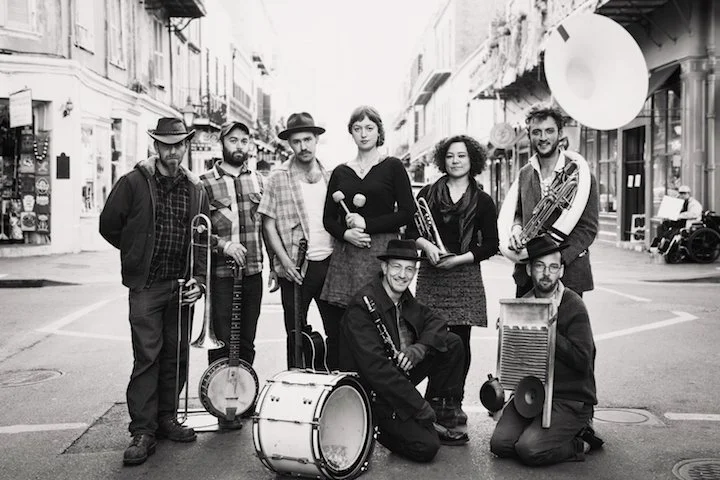
TUBA SKINNY is a New Orleans-based traditional jazz street band. Known for their interpretations of early jazz, ragtime, and blues music from the 1920s and 1930s, they have recently branched into other genres such as traditional New Orleans soul and R&B. Their instrumentation includes cornet, clarinet, trombone, tuba, tenor banjo, guitar, frottoir, and vocals.
STEVE POLTZ is a Canadian-American singer-songwriter and guitarist. He is a founding member of the indie-rock band the Rugburns and collaborated on several songs with singer Jewel, including the 1996 single “You Were Meant for Me”, which reached number 2 in the US.
BRIDGET KEARNEY is a Brooklyn-based musician and songwriter. She is a founding member of the band Lake Street Dive and winner of the 2005 John Lennon Songwriting Contest in the Jazz category.
JAY UNGAR & MOLLY MASON have contributed immense vision and hard work to preserving the Ashokan Center and its music and nature programs. From organizing big-picture development to playing “Home Grown Tomatoes” and “Ashokan Farewell” for visiting 5th graders nearly every week, their leadership and love of Ashokan helped to preserve the land and a “safe place to try new things” for thousands of adults and children to experience yearly.
THE BIG TAKEOVER is a seven-piece band from New York’s Hudson Valley known for their original music that blends Jamaican pop genres like reggae, ska, and rocksteady. The band blends their own unique sounds with those of Motown, retro soul, and R&B. Jamaican-born singer and songwriter Nee Nee Rushie leads the band.
NAIIKA SINGS is a Brooklyn-based Hoot favorite known for soulful performances and creative, dynamic performances that engage any audience. A variety of genres, including R&B, folk rock, pop, world music, and jazz influences her music. Naika Sings surely stands out in a crowd. Join them for their performance at the Summer Hoot and Music Nature Festival.
JEFFERY BROUSSARD & THE CREOLE COWBOYS is a Creole & Zydeco group from Louisiana. One of the most influential accordionists and vocalists in modern Zydeco music, Jeffery Broussard continues to be one of the genre’s most dynamic performers. Join them for an unforgettable night of Zydeco music.
SETH BERNARD & JORDEN HAMILTON are a beloved singer/songwriter and hip/hop-influenced duo from Michigan. They perform original music on electric guitar and cello, combining classical music with a hip-hop influence to create a unique, fun, and original sound.
GUACHINANGOS is an energetic Latin-American ensemble from NYC fusing Mexican son jarocho with Colombian cumbia and other rhythms.
LAURAL MASSÉ & VINNUE MARTUCCI are a Hudson Valley-based vocal and piano jazz duo. As the founder of the band Manhattan Transfer, Massé toured worldwide and appeared on TV. Vinnue Martucci teaches jazz history part-time at the State University of New York at New Paltz. He accompanies Massé on a monthly live show on WAMC in Albany.
THE CITY STOMPERS are a percussive Appalachian dance troupe from New York City that will bring their dance performance to the Toshi stage and invite attendees to join in the evening square dance in the Pavilion.
ARM-OF-THE-SEA THEATER is an inventive, larger-than-life, storytelling troup focused on eco-educational stories and themes. Through visual storytelling and great live music in original works of mask and puppet theater, Arm of the Sea Theater has dedicated nearly 3 decades to family-friendly, creative environmental storytelling.
CAROLINA MAMA is an Argentinean songwriter. A graduate of prestigious arts programs at Buenos Aires’ Universidad Nacional del Arte and NYC’s New School of Jazz and Contemporary Music, Carolina also records and tours with Samir LanGus and the GRAMMY-nominated vocal group ROSA.
DAVID & JACOB BERNZ are a son-father duo from Beacon who have been performing throughout the Hudson Valley for many years. David is known for his tribute to The Weavers (Work O the Weavers) and as a two-time Grammy award-winning producer for Pete Seeger albums, Pete Seeger at 89 (2008) and Pete Seeger and the Rivertowns Kids (2010). Together David and his son Jacob sing original material and new versions of older tunes blending modern and traditional sounds.
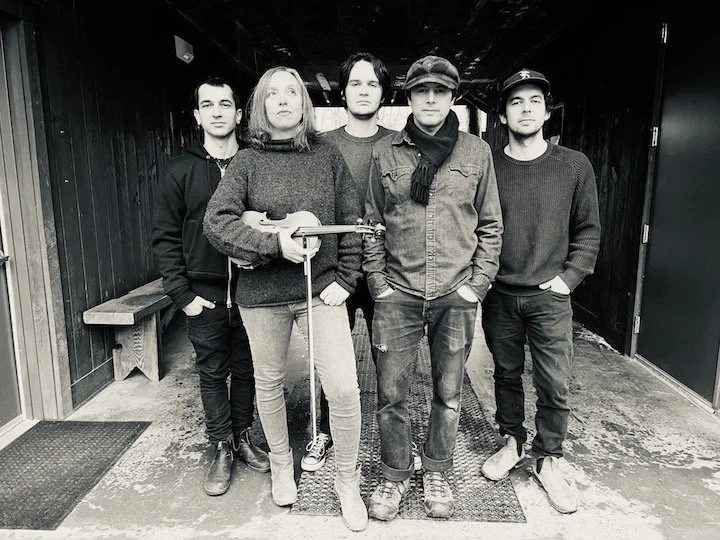
GASLIGHT TINKERS is a band from Brattleboro, Vermont, known for their high-energy, danceable shows that blend traditional New England fiddle music with global rhythms. Their sound is a joyful, exciting journey with unexpected textures and turns. The band draws inspiration from their musical backgrounds in traditional folk, Caribbean, Celtic, and rock, creating a delightful blend of genres that are simply unforgettable.
BRENDAN DANIEL is a founding member of Town Meeting from New England. As a harmonica prodigy, Brendan Daniel is surely a performance you will never forget. His rich voice and skilled harmonica playing are a sight unlike any you have seen before.
NATE THE GREAT is a master juggler, musician, and comedian who is hilariously fun for the entire family. Join him at the Summer Hoot for a fun-filled magic and comedy show!
On Thursday, June 13 the 8th Jazztopad Festival kicked off with performances from composer and pianist Kris Davis accompanied by the Lutosławski Quartet at Dizzy’s Club of Jazz At Lincoln Center.
The Jazztopad Festival, running from June 13 to 27, will have shows across New York, Philadelphia, and Canada. The Polish festival celebrates Jazz music and the talents of musicians worldwide. By bringing Jazztopad to North America and legendary venues like Dizzy’s Club, the music and artists featured are exposed to new audiences. Its partnership with the Polish Cultural Institute New York makes the festival possible.
Thursday’s performance included the premiere of Kris Davis’ new piece “The Solastalgia Suite,” written for the Lutosławski Quartet. Specifically, this show marks the first time she composed for strings. The quartet includes Roksana Kwaśnikowska on 1st violin, Marcin Markowicz on 2nd violin, Artur Rozmysłowicz on the viola, and Maciej Młodawski on the cello.
The first piece played, “The Solastalgia Suite,” started slow and bitter, as the audience patiently anticipated the brand-new composition. The music eventually built up to the extravagant song everyone was waiting for. Undeniably, attendees’ genuine respect and appreciation for the music echoed throughout the room. As Davis led on the piano and the Quartet responded accordingly, their synchronization exemplified their talents.
Set to the backdrop of the sun setting on the iconic Columbus Circle view, the performance began the festival with a heartwarming and celebratory experience.
Ahead of the release of the live albumLOUIS IN LONDON, the RIAA has announced that Louis Armstrong’s legendary track “What a Wonderful World” has been certified 5x Platinum, marking the original recording’s cumulative US sales of more than 5 million since its first release in 1967.
To coincide with this milestone moment, Verve Records is releasing the official performance video of the track, along with a live recording of his GRAMMY-Award-winning Hello, Dolly!
left to right: Jamie Krents – President, Verve and Impulse; Wynton Marsalis – President of the Louis Armstrong Educational Foundation / Managing and Artistic Director at Jazz at Lincoln Center; Jackie Harris – Executive Director of the Louis Armstrong Educational Foundation; Ken Druker – Senior Vice President, Jazz Development at Verve and Impulse; Oliver Schrage – Senior Director, Marketing and Jazz Development at Verve and Impulse
Recorded at the BBC in 1968, Louis Armstrong’s live rendition of “What a Wonderful World” marked his last great live performance. He had done the recording just weeks after the song hit #1 on the UK’s top charts, and afterward, it became the biggest song in the country for that year. Along with his biggest hit, Armstrong had recorded an entire concert in London with the BBC.
An iconic figure who transformed the world of music, Louis Armstrong continues to be honored by the Recording Academy and celebrated worldwide. Born in New Orleans, Louis Armstrong rose to prominence in the world of jazz and eventually moved to New York City. He quickly became an iconic figure at The Cotton Club, the most famous jazz club in Harlem. He lived the rest of his life in New York City and was buried in Flushing Cemetery in Queens.
The Louis Armstrong House Museum, located in Queens, holds hundreds of collected items that document his life, both in and outside the world of music. The upcoming album includes insider-exclusive liner notes by Armstrong’s biographer and Director of Research Collections for the Louis Armstrong House Museum, Ricky Riccardi.
The posthumous live album Louis In London contains 13 live performances recorded in London in 1968. In addition to the live recordings, the collection features six previously unreleased tracks, including “(Back Home Again) In Indiana,” “You’ll Never Walk Alone,” “Ole Miss,” and “Blueberry Hill.” The album will be released on July 12, 2024.
The Louis in London album will be available for purchase and download on July 12, 2024. Pre-orders are available here.
Looking back into history, the 1920s was a time marked by intense racial and sexual discrimination. In the South, Jim Crow laws were in full effect, leaving African-Americans as second class citizens. Throughout the country, KKK membership expanded to almost 4 million, only worsening racist violence. LGBTQ Americans also faced similar discrimination, with homosexuality being labeled as a mental illness, and the media spreading homophobic stories of sensationalized sex crimes.
During this period of intense discrimination, blues singer Gladys Bentley, a queer African-American woman, managed to overcome these obstacles and become one of the most popular entertainers of Harlem. In doing so, Bentley not only made a name for herself, but also paved the way for future generations of LGBT artists to succeed.
Gladys Bentley was born in 1907 in Philadelphia, PA to an African-American father, and Trinidadian mother. From a young age, Gladys pushed the constraints of gender expectations, often wearing her four younger brothers’ suits to school. As she recalled to Ebony Magazine later in her life: “It seems I was born different. At least, I always thought so…From the time I can remember anything, even as I was toddling, I never wanted a man to touch me…Soon I began to feel more comfortable in boy’s clothes than in dresses.”
Sexual discrimination marked Gladys’ childhood in Philadelphia. Her classmates often mocked her for being overweight, and dressing too masculine. In addition, following a crush on a female teacher, her parents forced Gladys to see doctors in failed attempts to “cure” her lesbianism. Gladys’ way of dealing with this childhood trauma was writing and performing songs. Wanting to seek freedom from this discrimination and true expression, Gladys ran away to New York City at age 16.
Harlem’s Gay Club Scene
Following the passage of the 18th Amendment in 1919, which prohibited the sale of alcohol, Harlem’s clubs went underground. Venues like the Cotton Club, Connie’s Inn, and the Savoy Ballroom became hubs for entertainment, African American arts, and stigmatized activities. Vendors sold crab, peanuts, and cannabis, and everybody – including the neighborhood police – were engaged in illicit lotteries. In these Harlem nightclubs, the Harlem Renaissance truly blossomed. Soon, entertainers like Cab Calloway and Ethel Waters became some of the most well known celebrities not only in New York, but the whole country.
A map of Harlem’s Night Clubs illustrated by E. Simms Campbell in 1932
This flourishing of the nightclub scene came with a public fascination with the LGBT community in New York City. During the “Pansy Craze” of the 1920s and 30s, queer performers were more visible and successful than ever before. Throughout Harlem, Greenwich Village, and Times Square, drag balls captivated audiences. At these events, women could be found in tuxedos, and men in stockings and makeup. As the African-American newspaper The New York Age reported, “Wigs, where necessary, were in evidence.”
While homophobic discrimination did exist, Manhattan was much more tolerant of the LGBT community than much of the country. While some identified publicly as queer, many people did not associate with any identity at all. As Harlem Renaissance artist Richard Bruce Nugent said “You just did what you wanted to do. Nobody was in the closet. There wasn’t any closet.”
Career in New York
The active club scene, and more widespread acceptance of openly queer lifestyles allowed Gladys Bentley to rise to stardom in Harlem. Following her arrival in New York, Bentey made a name for herself at rent parties across the city. At these rent parties, artists would perform and pool proceeds made to help low-income tenants pay their rent. These parties provided African-American New Yorkers a forum to dance, enjoy Black art, and form a sense of community. It was at these rent parties that Bentley built the connections that forged her later career. At one such party, Bentley got the chance to audition for 133rd Street’s Mad House, which needed a male pianist. This position would launch her career into New York’s nightclub scene.
An invitation to a NYC Rent Party, preserved by Langston Hughes
Bentley soon found work as a performer at Harry Hansberry’s Clam House on 133rd Street. The Clam House – one of the city’s most visible gay speakeasies – allowed Bentley’s career to flourish. She made a name for herself with her deep alto voice, and piano skills, which she used to cover classic songs. What made Bentley stand out was the raunchy lyrics she would add to these classic covers, which both enthralled and shocked audiences. One such example was her cover of “My Alice Blue Gown” from the Broadway musical Irene, which referenced anal sex.
“And he said, ‘Dearie, please turn around’ And he shoved that big thing up my brown. He tore it. I bored it. Lord, how I adored it. My Sweet Little Alice Blue Gown”
– Gladys Bentley’s cover of “My Alice Blue Gown”
These racy lyrics, as well as the spectacle of Bentley’s live performances made her famous among Harlem’s performers. Bentley’s 250-pound figure, dressed in an iconic black tuxedo and hat, enamored audiences regardless of race of sexuality. During performances, Bentley would often flirt with women in the audiences in her deep gruff voice. For many, the illicit nature of her lyrics and performances played into the underground nature of the club scene during prohibition.
Throughout her heyday in the early 1930s, Bentley enjoyed performances across New York, and record releases. In 1933, Bentley headlined the Cotton Club, and Apollo Theater, some of the most famous in New York City. In the early 1930s, Bentley also released eight singles on record, and hosted her own weekly radio program.
With Bentley’s success also came scandal. She shocked the public with the announcement of the marriage to her white female lover in a New Jersey civil union. While there is no official documentation confirming this marriage, it speaks to Bentley’s openness about her sexuality and ability to control public attention.
“An amazing exhibition of musical energy—a large, dark, masculine lady, whose feet pounded the floor while her fingers pounded the keyboard—a perfect piece of African sculpture, animated by her own rhythm.”
– Langston Hughes
The pinnacle of Bentley’s Career however, was her residency at the Harlem’s Ubangi Club from 1934-37. A former speakeasy, the club was rechristened following the repeal of prohibition in 1933. The club’s name evoked voodoo, marketing it as a place both exotic and mysterious. At the club, Bentley performed her self-produced musical revue, backed by eight male dancers in drag. This success, however, began to wane following the end of prohibition. Soon, as queer acts fell further out of favor, police raids and harassment became more commonplace.
An Ubangi Club advertisement featuring Gladys Bentley’s music revue
Wanting to escape homophobic harassment in New York City, Bentley relocated to Los Angeles to live with her mother in 1937.
Later Life
Bentley’s career in California had a brief resurgence, first in Los Angeles then San Francisco. In the 1940s, the West Coast was marginally more tolerant of queer lifestyles than the rest of the country. Following her relocation, Bentley continued to record music, and perform at gay and lesbian bars in San Francisco. These performances, were often toned down versions of her explicit acts from the 1930s.
Part of the reason for this self-censoring was the influence of McCarthyism in the 1940s and 50s, which saw increased targeting of LGBT performers. California, while more tolerant, was not devoid of homophobic harassment. In one case on August 8, 1947, Bentley was prevented from performing at Los Angeles’ The Jade due to a police raid.
A letter from the Musician’s Protective Association regarding the cancelation of Bentley’s Show on August 8, 1947
By the late 1950s, Bentley had almost completely disavowed her previous life and sexuality. In 1952, Bentley married Charles Roberts, a cook from Santa Barbara, and claimed to have previously married and divorced two men. Also in 1952, Bentley in an interview with Ebony magazine declared, “I am a woman again.” She claimed, “like a great number of lost souls, I inhabited that half-shadow no man’s land which exists between the boundaries of the two sexes,” stating she underwent hormone therapy to “cure” her lesbianism. In public, Bentley began wearing dresses, and decorated her hair with flowers. Many view this either as a reinvention to survive the homophobic tides of McCarthyism, or an attempt to conform to the heteronormative attitudes of the US.
Following a final 1958 performance on the Groucho Marx show “You Bet Your Life,” Bentley succumbed to illness, eventually passing away of pneumonia in 1960. At the time of her passing, Bentley was only 52 years old.
Gladys Bentley in 1932
Legacy
Bentley, while often overlooked, paved the path for many African-American and LGBT artists in the decades since her passing. One artists in particular who has taken influence from Bentley’s work and image has been Janelle Monae. Following the release of her 2010 debut The ArchAndroid, Monae sported an androgynous black and white tuxedo, a public image highly reminiscent of that which propelled Bentley to Stardom almost a century earlier.
Gladys Bentley, while being one of the most popular performers of the Harlem Renaissance, was so much more than just a musician. Through her performances and public image, Bentley defied the heteronormative standards of 1920s America, paving a path for future queer artists to succeed in the music industry. As a singer, pianist, dancer, and provocateur, Bentley was a true “Renaissance man” of the Harlem Renaissance.
Enjoy an interview and performance by Gladys Bentley on “You Bet Your Life” from 1958.
Rochester-born McKinley James released his debut album, Working Class Blues, on June 7. With classic sounds reminiscent of Chuck Berry, Elvis Presley, and Buddy Holly, the album takes us back to the first days of modern rock’n’roll.
Through stories of love and heartbreak, McKinley James celebrates the early days of soul and rock while simultaneously giving it a modern, personal twist.
McKinley James – Official website
Since 2015, James has been making a name for himself in the soul and blues scene. At the age of 13, he appeared on the cover of the platinum-selling Eric Church album Mr. Misunderstood. In the two years between the album’s release and James’ arrival in Nashville, he had gained enormous amounts of popularity and recognition. Nine years later, at only 22 years old, James has headlined gigs and events all across North America and Europe. Although this is only his debut, Working Class Blues paves the way for up-and-coming McKinley James‘ inevitable soul stardom.
Originally from Rochester, McKinley James has been making music with his father and fellow bandmate, Jason Smay, since he was a child. Inspired by nearly every genre, from country to R&B, James became a guitar prodigy as a child. The father-son duo shared an admirable passion for the vintage sounds, and were committed to recreating them themselves. The two were so dedicated to the genre, that the album was recorded with older instruments and technology. Jason played a vintage Ludwig drum set from 1970. McKinley played a vintage ’54 Stratocaster through a Peavey Pacer. Neither band member wore headphones, and microphones were minimal.
The “archaic” methods of recording were an essential part of the album’s production. Without it, replications of the old-fashioned sound would be artificial and inauthentic. There is a sense of originality to the production, especially when juxtaposed against the modern music scene and genres, that this kind of recording gives to the album.
When your band is only two people, there’s no hiding. It keeps you honest, and that was the goal with this album, tooâto be as honest as possible about who we are and what we do.
McKinley James
However, the method of production is not the only element of this album that gives it its key sound. James’ vocals, instrumentation, and singing style all emulate key figures of the era. With his gritty tone, calming guitar grooves, and swing-style approach, the album is not just a tribute to what rock was built on. In fact, Working Class Blues is an original, deeply personal piece that gives us a perspective as to how the genre has progressed. Its outreach to younger generations ignites a passion for music and storytelling previously unthought of.
Many of the tracks on Working Class Blues are stories of falling in love, heartbreak, and dealing with the aftermath. James’ melancholy about his own loneliness, captured in tracks like “Call Me Lonesome” and “Movin,” is something every listener can relate to. Yet, there is an undeniably personal tone to these tracks. James has shown, through each track, that this album is not just a collection of songs, but a story that he wants us to listen to. Despite his age, the voice James uses reminds us of tales as old as time.
Following the release of his album, McKinley James has announced upcoming shows. Tour dates are listed below.
JUN 8 – Orpheum Theater @ 7:30 PM, Madison, WI
JUN 9 – Rialto Square Theater @ 6:00 PM, Joliet, IL
JUL 25 – Robinson Center @ 7:00 PM, Little Rock, AR
AUG 1 – Brown County Music Center @ 7:30 PM, Nashville, IN
AUG 15 – Cleekwood @ 6:30 PM, Nashville, TN
AUG 24 – Minnesota State Fair 2024 @ 7:00 PM, St. Paul, MN
AUG 27 – KEMBA Live! @ 7:00 PM, Columbus, OH
SEP 29 – Amphitheater at Quarry Park @ 7:00 PM, Rocklin, CA
Fans can listen to Working Class Blues on all streaming platforms, as well as with this link, on June 7th. For more information, songs, albums, or tour announcements, visit here.
The Battery Park City Authority announced the River and Blues lineup for this year’s Summer Concert Series held in Rockefeller Park, Manhattan.
For 25 years, the Battery Park City Authority’s River and Blues concert series has served as a fun, classic summer tradition. Fans of folk, soul, blues, and rock’n’roll alike gather in one of many of Manhattan’s parks and enjoy its free live performances. Since its inception, it has served as an opportunity to host a series of both legendary and recently emerging musicians.
This year, the concert series will be at Rockefeller Park, located in Battery City, Manhattan. To travel via public transit, use the 1, 2, or 3 train and exit at Chambers Street, or the E train, exiting at the World Trade Center. Following your stop is a 5-8 minute walk.
During the entire month of July, the River and Blues concert series features four free live performances every Thursday evening. The concert series hopes to bring together fans of multiple genres, including Tejano, rhythm and blues, country, folk, and soul music. This summer’s River and Blues lineup features an astounding collection of diverse, talented up-and-coming musicians.
Below is the information regarding the performances. All shows are free to the public and welcome all ages. Doors open at 6:00 PM and feature an opener from DJs Reganomics and Suzan D Anthony.
July 11 – Los Lobos
Multi-Grammy-winning artists Los Lobos‘ music embodies the idea of America as a melting pot, combining Tejano, son jarocho, and norteño with folk, country, and rock ‘n’ roll. Together, they create a sound that’s greater than the sum of its parts. For more than 50 years, this East L.A. band has been wowing audiences with daring and diverse recordings and legendary live shows.
6:30PM – DOORS
7:00PM – DJ REAGONOMICS
7:30PM – LOS LOBOS
July 18 – Hooray for the Riff Raff
Hailing from New Orleans, Louisiana, is the folk band Hurray for the Riff Raff. Combining elements of traditional American folk with elements of 90s punk-rock, Hurray for the Riff Raff offers a unique sound for listeners of all genres and generations. Join them on July 18 at 7:30 PM.
6:30PM – DOORS
7:00PM – DJ SUZAN Z ANTHONY
7:30PM – HURRAY FOR THE RIFF RAFF
July 25 – Leela James
On July 25, Get soulful with singer Leela James for her live performance at Rockefeller Park. Without a doubt, James has remained an important figure in R&B, still topping the charts with a discography of quality soul music spanning nearly two decades. Leela’s music is a constant reminder of what it is to be human — to love, to regret, and to dream.
6:30 PM – DOORS
7:00 PM – DJ SUZAN Z ANTHONY
7:30 PM – LEELA JAMES
August 1 – Abraham Alexander
Finally, A night of folk-pop fusion awaits with Abraham Alexander’s performance on August 1st. The final performance of the series is a refreshing genre fluidity at play as elements of folk, pop, rock, R&B, gospel, and even electronic music intertwine into a cohesive whole that is simultaneously warm and cool.
In an industry where so many artists and bands come and go, American rock and roll, country, blues and R&B hybrid band Little Feat has remained ever-present since the late 1960s.
Nearly 30 projects have come out over the course of Little Feat’s 55-year existence, with the band’s most recent full-length record coming out less than a month ago. Following their new record, Little Feat is set to headline the NYS Blues Fest in Syracuse on Saturday, June 15.
Through breakups, regroupings, lineup changes and genre-bending albums, Little Feat has maintained the spirit that gave them an audience in the first place. That of making authentic and passionate music that’s a joy to listen to and feeds the soul.
The band’s new album, Sam’s Place, just came out on May 17 and is their first album in 12 years. The record is also the first Little Feat project to feature longtime percussionist Sam Clayton on lead vocals, and the first to lean heavily into the blues.
Bill Payne, pianist for Little Feat, is the sole founding member of the band who is still actively involved. With a wildly impressive resume of musicians he played with as a session artist, including Pink Floyd, Stevie Nicks, Toto, Jimmy Buffet and many more, Payne is no amateur in the industry.
NYS Music had a conversation with Payne about Little Feat’s recent record, the significance of live music, the future of Little Feat and more.
Bill Payne playing with Little Feat at a 2010 Richie Hayward benefit in Vermont.
*This interview has been edited for length and clarity.
Erkan: The gap between Rooster Rag and Sam’s Place was 12 years. What was it like for the band to get back together and record after your longest break between albums?
Payne: It wasn’t that big of a deal. There was an interim right after Rooster Rag where I was playing with The Doobie Brothers. So that time was occupied. I didn’t feel like there was a huge gap in terms of what I was working on. I don’t think it really affected the band all too much.
Erkan: What makes Sam’s Place different from all other Little Feat projects?
Payne: I think it’s unique in a couple of senses. The biggest one is focusing on Sam Clayton for vocals. I wanted to do this many years ago, and it never took place, so I was thrilled. The other thing that I think stands out with this record is that Michael LoBue, or we call him “Bull,” was playing harmonica for us. Also, the record focuses on one genre of music rather than the eclectic mix of things that we normally do.
Erkan: Now that Sam’s Place is out, how has the reception been?
Payne: The reception is excellent. It’s always great when you can project yourself on a project. I had one guy comment saying, “Oh man, I love Little Feat, but when I found you were doing a blues record, I was like, ‘Oh no!’ And then I sat down and listened to it, and my jaw fell to the floor.”
Erkan: Have you been able to play it live yet?
Payne: We’ve cherry-picked a few songs. We were just in Berkeley, and we played one of the tunes that evening.
Erkan: How important to the band are live shows?
Payne: I think to our band in particular, and any band for that matter, especially these days, they are exceedingly important. The music industry has changed so much over the years and selling records is not what it used to be. Streaming is a conundrum in terms of you couldn’t possibly make a living doing it unless you were a star like Lady Gaga. I think all the proponents that have always been there for artists are all important. Live shows, recordings, rehearsals—the whole nine yards.
Erkan: Sam’s Place is the first Little Feat album to be released in the streaming era. What aspects of the album did it affect, if any?
Payne: I didn’t think about it one way or the other. I don’t think anybody did. We just played.
Erkan: You’ve had the privilege of seeing the music industry evolve massively throughout your career. Do you have any words on what it’s been like to exist through the countless changes and evolutions the industry has gone through?
Payne: On certain levels, it’s like a frog being boiled in water. People don’t realize things until it’s too late. On other levels, I’ve felt like Nostradamus at times. Like when I was trying to convince Warner Brothers that the internet is something they might want to pay attention to. Artists don’t write or compose or create because they want to. They have to. In other words, it’s going to come out, whether there’s a platform to present it or not. It’s something that you have in you or you don’t.
Erkan: Do you have any words of advice for people who might want to get into the industry but don’t know what to do?
Payne: If you’re the type of person who’s inquisitive about things, you have to embrace that with all with all you have. As an artist you have in your quiver, so to speak, the ability to share with people not only what you like to listen to or have been influenced by but how you might influence others, which is your own. Those things are important to share, especially in this day and age.
Erkan: Your 1978 album Waiting for Columbus made it to Rolling Stones’ 50 Greatest Live Albums of All Time list. What factors would you say contributed most to that album being so highly praised?
Payne: What exemplifies anything that we gravitate to with musicians and artists is two things: One is the music itself, the compositions. And secondly, there is the craftsmanship. The sonic quality of that record is wonderful. We had some brilliant people working with us. What makes Little Feat Little Feat, is the musicianship and great songs.
Erkan: You’ve mentioned in a couple of previous interviews that you’re actively writing a memoir. Can you tell me more about how that’s going and what stages of the book you’re in?
Payne: I’m approximately 70,000 words into it. I think that Thomas McGuane said the other day that between the musings and the dead ends, writing can often be like starting to fire in the rain. It’s tough, but I enjoy the process. All manner of things are revealed when you write about yourself. I was curious to see if I could tickle my brain and operate on myself, and yeah, it turns out I can.
Erkan: What’s next for Little Feat?
Payne: I was just listening before you called to the last mix of some songs that we have coming out on a record next year. The album is untitled, but they’re all new songs. People settled into Sam’s Place, and we’ll follow up with a punch with this new record. It’s extraordinary. There are some good guests on it. Hopefully, we’ll have another conversation about that.
Stream Little Feat’s new album Sam’s Place on all streaming platforms.