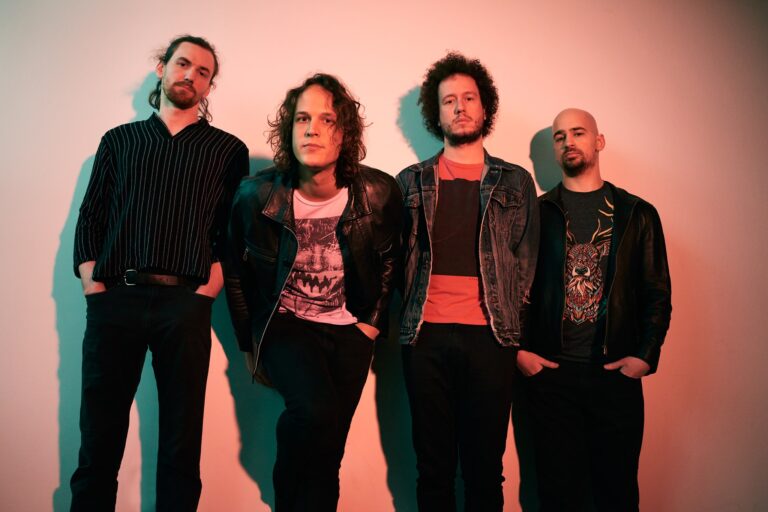
In a year where things can’t seem to get any worse, Added Color provides a rare hopeful vision. The Brazilian-American Brooklyn rock band returns with their new song “Something Better,” the lead single for their upcoming November EP, If You Had It All.
“Something Better” impressively tackles a myriad of problems plaguing Western culture without skimping on any of them. Using topical slogans like “resist” and “I can’t breathe,” it sounds like a socially conscious mosh pit. The accompanying lyric video complements the song with a staticky aesthetic, depicting this year’s protests, inedible fast food, and corrupt politicians. But despite including the likes of Donald Trump and Brazil’s Jair Bolsonaro, Added Color believes these presidents merely personify deep-rooted societal issues:
We feel that the greed, corruption, and cruelty that is embodied by world leaders such as Trump and Bolsonaro is a symptom of something that’s been decaying for quite a while now. A lot of people are depressed; a depressing amount of people are addicted to drugs. Police brutality is a massive issue—it seems we hear a new heart-wrenching tale of senseless loss of life on a daily basis. Access to decent healthcare is a nightmare for millions of people in what is supposed to be the richest country in the world. Fast food franchises reign supreme; it’s a challenge to eat decently in a lot of places.
It all amounts to a huge macro need for Something Better. The capitalization is not just because it’s the name of a song. It’s an idea for another world: one that we all deserve, and one that we can create together.” Of course, the song’s bridge decides that “Something Better starts with you.
“Something Better” precedes Added Color’s November EP, If You Had It All. The band is releasing the EP through Damp Interactive, in partnership with global distributor Symphonic Distribution. Recorded and produced by Johann Meyer (Gojira, Mastodon, Shinedown) and Jamie Uertz (Blind Melon) in Brooklyn, guitarist and vocalist Kiko Freiberg says If You Had It All is “darker, more political, and more powerful” than past projects. Drummer and singer Daniel Freiberg elaborates:
“The EP attacks the ‘free world’ as a society designed for failure, where corporations and government work hand in hand to thrive off the backs of the oppressed. Unfortunately, it took a pandemic to make the world pay attention to the societal diseases that plague our revered ‘Western Society.’ It’s time to make a change.”
Added Color has played in over 25 states as well as internationally. They’ve toured in Morocco five times, including at the 2019 L’Boulevard Festival, and played at some of Brazil’s biggest music festivals. Since the pandemic has stopped them from touring, they’ve instead planned live performances online. Every Tuesday at 3:00 P.M. ET, the band streams their “Chevy Expressions” series on Instagram Live.
https://www.instagram.com/p/CESO8ZHDjns/
Stream “Something Better” here, and visit Added Color’s website for more information.
They say you never know how good something is until you try it, who knew that peanut butter and jelly would set the world ablaze? Sometimes, pairing opposites makes for a grand result. This was the case when pop star –Mariah Carey — remixed her hit record “Fantasy,” featuring the most erratic member of the Wu Tang Clan, ODB.
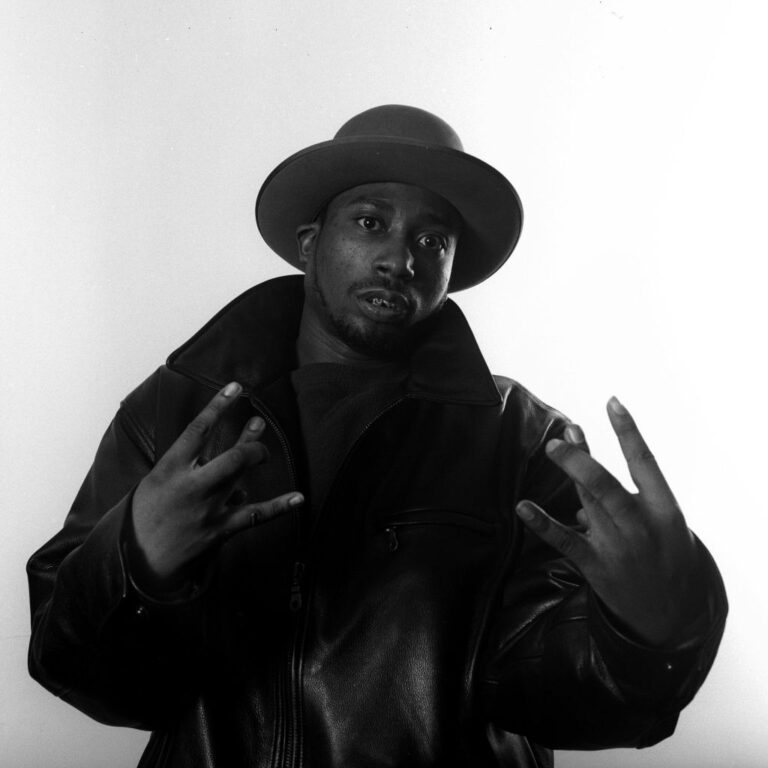
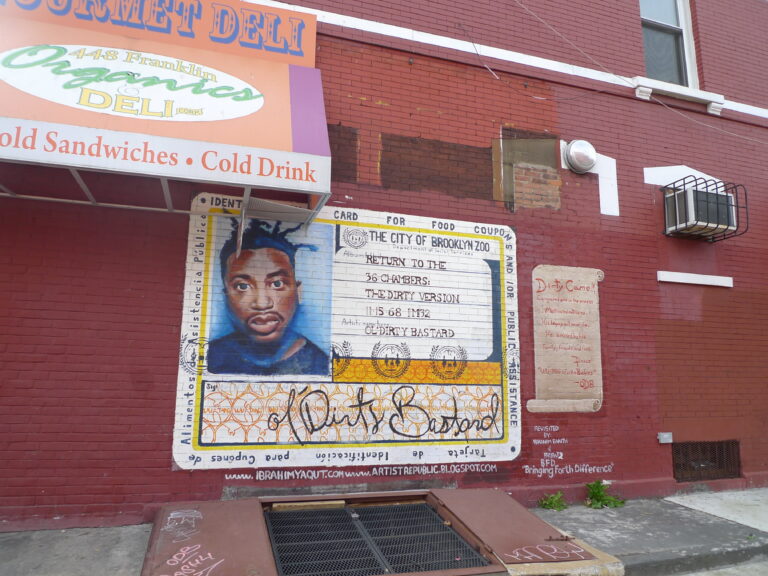
Also known as Ol’ Dirty Bastard — “because there ain’t no father to his style” — is recognized as one of the most raw, unorthodox, unpredictable and authentic personalities to ever grace hip hop. As such, he was an unusual pick to feature on Mariah Carey’s chart-topping single. Known for his free nature and wild behavior, the mixture of his tainted public image alongside Mariah Carey’s pristine image made for a head scratcher to many.
The late Ol’ Dirty Bastard has had his fair share of discrepancies
The original record was the lead single off her Mariah’s fifth studio album, 1995’s Daydream, written by Carey and Dave Hall and produced by Bad Boy Records.
Known primarily as a pop star, Mariah Carey wanted to make a splash in the hip-hop scene and personally requested to have ODB on the remix. In an interview with Genius, hip hop journalist, Rob Markman, praised her for making collaborations with hip hop artists popular, as she went on to explain why she was so intent on having Wu Tang’s bad boy on the record. Divulging that since she grew up in New York, she listened to the same music as everybody else, and since hip hop was major in New York, she loved it and wanted to incorporate some of their production in her music. Her fandom of the late rapper was the reason behind her request, despite the disapproval of label executives.
Sweet, sweet fantasy baby
In a 2016 Billboard feature, the backstory on how the record came together was revealed. Corey Rooney (A&R for the track), said he reached out to ODB, who wanted $15,000 to rap on the record and since it wouldn’t have put a dent in Mariah Carey’s budget, it was fine with him.
On the day of the recording, ODB showed up three hours late, drunk, and on the phone, arguing with his girlfriend. After the commotion, he asked for some Moet and a box of Newports before recording, to which Rooney responded that they were already behind schedule, which resulted in him accusing the assistants of being “white devils who don’t want to let black people have anything.” He ended up throwing a bottle of Heineken in disgust when it was all the crew could find.
The “Shimmy Shimmy Ya” rapper proved to live up to his reputation of being difficult to work with by only rapping one line at a time and napping in between lyrics. Eventually they were able to complete the verse but, had to pay him another $15,000 to appear in the video.
Gone but never forgotten
The remix differs slightly from the original, as it sampled Tom Tom Club’s 1981 record “Genius of Love” (per Mariah Carey’s request, as it was one of her favorite songs growing up), as well as, Dirty’s “Baby C’mon” and “Goin’ Down.”
The record made Mariah Carey he first female artist in history to have a record debut at the top of the Billboard 100, spending eight consecutive weeks at number 1. The cover for the single was done by photographer Steven Meisel and Mariah Carey made her directorial debut as she created the video concept and picked the location.
Carey and Dave Hall wrote the song about a woman who was in love with a man and every time she saw that man, she started having fantasies about him and a potential relationship that was impossible. ODB’s verse was nothing to write home about, as it was a drunken freestyle.
Oh, when you walk by every night
Talkin’ sweet and lookin’ fine
I get kinda hectic inside
Mmm, baby, I’m so into you
Darlin’, if you only knew
All the things that flow through my mind
Mariah set the mood with her opening verse singing about how the man walks through her mind and how she perceives him talking sweet to her. ODB’s verse was all over the place but his melodic flow carried him throughout the record.
Me and Mariah
Go back like babies with pacifiers (That’s right)
Old Dirt Dog’s no liar
Keep your fantasy hot like fire
Jump, jump, let me see you do the stump
Girls, let me see you shake your rump
Brothers, hit it from the back and front
And let’s do it, do it, do it, uh-huh
I’m a little bit of Country
I’m a little bit of Rock and Roll
And I’m soul to soul
Big letters, all big and bold
Old Dirty Bastard across the globe
While not that long, the verse was still impactful, as his raw and unorthodox rap style gave it the extra credibility it needed to appeal to hard-core hip-hop fans.
The influence of “Fantasy” has had a long-lasting effect. It introduced R&B to hip-hop — and with Mariah Carey’s status as a pop superstar — helped grow the genre. Yet, for many, the song will always be remembered for Ol’ Dirty Bastard’s iconic feature. Not because of the quality of his verse, but because his mere presence and his unapologetic way of living was a representation of everything hip hop was about and he didn’t change for anyone.
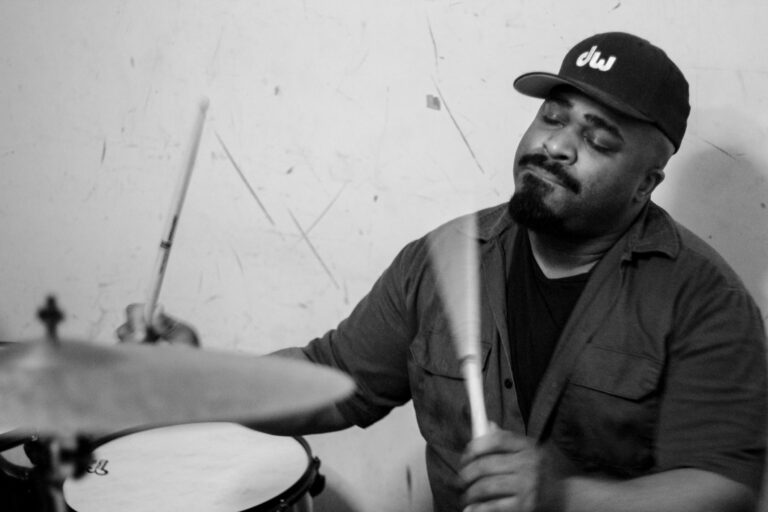
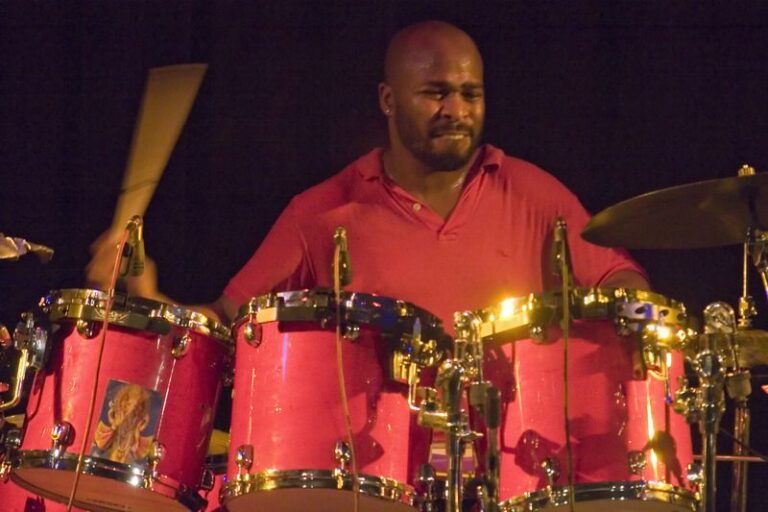
Throughout the summer, protests surrounding the shootings of unarmed Black Americans led to calls for police reform, with success that can already be seen across the country and world. Black Lives Matter has changed the national dialogue on race and brought it out of the shadows. There is one musician who has been using his improvisation skills to bring to light those who have been killed or injured at the hands of the police – Donald Sturge Anthony McKenzie II.
McKenzie is a prolific improvisational drummer with a fierce discipline and connections to the late ’80s hip hop scene in Brooklyn. Learning from Everett Collins (Isley Brothers) and world-renowned drumming teacher, Dom Famularo, McKenzie has developed a firm basis in theory and has evolved thanks to his discipline behind the kit. Having traveled the world performing, McKenzie has toured and recorded with instrumentalist Elliott Sharp, guitarist Marc Ribot, and Grammy nominated jazz composer Roswell Rudd, among others, and backed hip hop and R&B artists including Pharoahe Monch, P.Diddy, Grave Diggaz, New Kingdom, to name a few. McKenzie also serves as musical director for Kat DeLuna, and teaches master classes at the Brooklyn Music School.
Best known for Silenced and Silenced II, two extremely powerful albums with tracks named after a POC who lost their lives due to police brutality, McKenzie is wrapping up Silenced III, a double album to be released in late 2020.
McKenzie spoke with NYS Music about Black Lives Matter and his Silenced albums, playing with Nels Cline, how Vernon Reid has helped him along in his career, and the next chapter for the compelling improvisational drummer.
Upon first glance at Silenced, the track names stand out, each being a Black American who were victims of police violence, many lesser known names. The tracks themselves are entirely (99.5% as estimated by McKenzie) first takes and unedited version. While smaller parts may need to be cleaned up, the goal was to have it completely unedited and completely improvisational. McKenzie shared his insight into these two unique factors:
If one person can be drawn to my music, my art, for music’s sake, the musicality of my work, and they see a song title – if one person goes to Google and researches their name, I think I’ve done a service to the world. A lot of people are not as aware of the injustices and the every day trauma of living in America in Black skin.
It’s a way to move a person closer to acknowledgement of certain people’s humanity. Not 100% of name titles are people that have been killed by police, some are people who were killed in tragic circumstances.
McKenzie wants people to research these individuals – he does not seek to tell people to do this, or to be shamed or browbeaten into researching someone. Giving these names to song titles allows, in this words, for “the art to travel while he sleeps.”
If it leads to someone saying “Who is Malissa Williams?,” then it is a service to the world and the people as well. Let’s say my album is being played in Ukraine – everybody has their own strife and troubles and drama – they could be listening to this and wondering, ‘Who are these people?’ I wanted people’s names to resonate on a global scale, as far as my art can take it.
https://www.youtube.com/watch?v=gCeAOg2iyYI
Linking up with Wilco’s Nels Cline would lead to the high-powered “Sandra Bland,” the first track off Silenced. The pair did not discuss what they would play, nor did they run down or plan it out – the track is fully improvised, purely organic and in the moment. You can hear the first to the last note they played together on “Sandra Bland.” And they’ve played together since, with Sean Lennon and Captain Kirk (The Roots), but the first notes from McKenzie and Cline are on Silenced.
The first time I met Nels Cline I was on a trio gig with Elliot Sharp and Melvin Gibbs, and Nels was on the same bill and I just loved his sound and his playing. While I was recording these albums, I wondered if I could get him on this. I was walking by the music store Main Drag, in Williamsburg, Brooklyn, and just by chance he just happened to be walking out and I was like, ‘Nels, what’s up?’ and we made arrangements to play and he was the first one that recorded on this album.”
Once he cut “Sandra Bland” with Cline, McKenzie sent an unmixed version to Living Colour guitarist Vernon Reid, who, according to McKenzie, “went crazy,” and expressed interest in being on a track, which would later be titled “Eric Garner.” It turns out McKenzie and Reid have a long history going back to Living Colour’s rise to prominence in 1988 with the release of “Cult of Personality,” and the two would link up to perform in Reid’s Masque.
I think that improvisation (with Cline) set a high bar, and while some musicians might have been scared off from the studio concept, and some are competitive (especially guitar players) Reid loved the challenge and having played together since 1995, we have a great musical relationship. It was superb.
I met Vernon around 1988-90 when I was 17. Living Colour had a special place in young Black musicians’ hearts, esp those who were playing instruments. Most people were pure hip-hop heads, into the drum machine, and that’s great too, but as a drummer and those who were guitar players (Eddie Reyes – Taking Back Sunday) – we’d all go in the house and play Living Colour covers, Slayer and Metallica covers, all in my parents garage. Vernon was an idol of mine. The video for “Cult of Personality” changed a lot of people’s trajectory in life; that was a big deal for me.
I was playing (drums) in the rap group New Kingdom and I was at the record label, on top of Tower Records at 4th and Broadway. In that building was Island Records and I used to hang out the label, drink the water, absorb the whole thing of being in the music business. There was a release party for a Gravediggaz album that I was on and Vernon came to pick up his invite. He gave me a copy of his first solo CD with Masque. I was so impressed I went home and practiced it; I was just so impressed that he would semi-remember me from stalking him as a teenager.
Long story short, something happened with his (Masque) drummer, a friend of mine, Curtis Watts, and Vernon asked me to step in and I showed up at rehearsal, I was over-rehearsed – I knew every song, every inflection.
From connecting in 1995, to recording with Masque, Reid would use McKenzie in many of his projects, with the Yohimbe Brothers and DJ Logic, the third Masque album, live performances, improv, and soundtrack work. McKenzie notes the depth of the connection: “Vernon is just my guy, Vernon is like a musical father to me.”
McKenzie’s collaborations started when he was 16 and recorded a demo for TBT records with the band Three Feet Deep. And while the band was not signed, listening back recently, McKenzie notes, “It’s still happening.” The next group he performed with, Gravediggaz, would lead to broader connections.
I used to be at the recording studio hanging out with Wu Tang Clan – this was Firehouse Recording Studios – and I went to the same high school as De La Soul in Amityville – they knew I was eager and into my music, so they always wanted me around, so that was a big deal.
This connection at age 16 would allow McKenzie to hang out with rising artist A Tribe Called Quest, who he has memories of going to a Hampton’s homecoming game with on the bus, alongside De La Soul, Tribe, Hieroglyphics, and road manager Chris Lighty (Violator).
I started out playing more straight material – less improvisational music – but as I’ve developed and gone on in my career and life, I’ve realized that more of a Cecil Taylor improvisational path is better for me, as opposed to recording in sections. I love playing in the moment, and in an improvisational setting. That’s where I’ve seen my individuality and creativity coming to life. That’s where my head is right now and I want to just move forward and push forward with that.
Two years sinceSilenced II, a new project is in the works – a double album – inspired in part by the Black Lives Matter movement and protests this summer.
I’m working on a double album right now. I don’t want to be the guy to milk this cow. I made a statement, and the statement is relevant today. I think that capitalism under this American imperialism and colonialism, it will still say relevant. We seem to try to disconnect ourselves from the violence and oppression overseas and the violence of the military and violence of the police; it’s just different GPS points. I made a statement and it’s relevant, but it would be suppressive and anti-creative to keep doing the same thing.
When I made that statement with Silenced and Silenced II, I had no idea that the situation in America would come closer and bring people closer to what I was saying years ago. But that’s what’s happened. It’s been three years since I got in the studio and played these tunes. I have more work than play but I don’t want to tip my hat, a good way to maybe give you an inkling, yes it will be a majority improvisational, which is I think a really strong way to express myself at this point in my life, and it will be a double album and really like an audio Jackson Pollak.
With two young children, McKenzie has been focusing on parenting during the pandemic, doing his best to mitigate the damage of sudden isolation from school and peers.
I’ve been able to use the studio and just be here for days on end and just practice and practice and listen to music and a lot of great drummers. I get inspiration from visual things so I look at different artists and get different sounds from different art. Someone said they hadn’t ever heard birds chirping in Brooklyn, because there were no cars, and no one was out, and that has been a source of inspiration.
Overall, McKenzie has been spending time with his children who have been the focus of his attention as he moves forward in a positive way for everyone’s benefit.
He’s also been in the studio, using French band Gojira‘s studio space since they are out of town and admire what he does. “Stuff like that would never happen if the lock down didnt happen, the studio would be full up,” said McKenzie. They love what McKenzie is doing and offered up the studio for him. His next studio offering drops this fall.
This fall, Saratoga’s Caffe Lena is expanding its music school. First announced back in January, the Caffe Lena School of Music has proven so popular it’s offering even more classes for children and adults alike.
Photo from Caffè Lena’s website.
“With people cooped up and needing a positive outlet, especially school kids, the timing turned out to be unexpectedly good,” said Caffè Lena School of Music Coordinator, Vivian Nesbitt.
Saratoga musicians Oona Grady and James Gascoyne will continue overseeing the children’s program, with fall classes beginning on September 15. Courses include beginner and intermediate fiddle, ukulele, and guitar, as well as Irish tin whistle and fiddle tunes. If students qualify for free or reduced school lunch, the school offers full scholarships for their lessons and instruments.
Each class consists of 10 weekly 40 lessons over Zoom in groups of four. Despite the distance, Caffè Lena seeks to uphold the tradition of teaching and learning folk music as a group. Parents have praised the program, calling it “a stellar service” that inspires “motivation to keep the creative spark alight.”
“This is how people entertained themselves before radio and television turned us into music listeners instead of music makers,” said Nesbitt. “It fills our hearts to make music together, even if it has to be online for now.”
Adult classes are 4 weekly lessons of 90 minutes each, also via Zoom. Two-time Grammy winners Cathy Fink and Marcy Marxer have joined the faculty, teaching beginner clawhammer and guitar. Other adult classes include songwriting and accompaniment with Dan Navarro, blues guitar with Guy Davis, and clawhammer banjo and old-time fiddle with Bruce Molsky. Caffè Lena’s website has suggested experience levels for some courses.
https://www.instagram.com/p/CDl79mnpImi/
“We believe in the power of music to get us through the hard times,” continued Nesbitt. “Zoom is not what we had in mind when we launched the School of Music, but it won’t be long before these students are on stage in front of a live audience. Our dream is that the next generation of folk musicians will be born out of this crisis.”
Thanks to its increased online presence, the legendary folk venue is still going strong despite restricted operations. In addition to its burgeoning music school, the cafe has been offering a near-nightly “Stay Home Sessions” streaming series on YouTube. The full calendar of Caffè Lena events is available on their website.
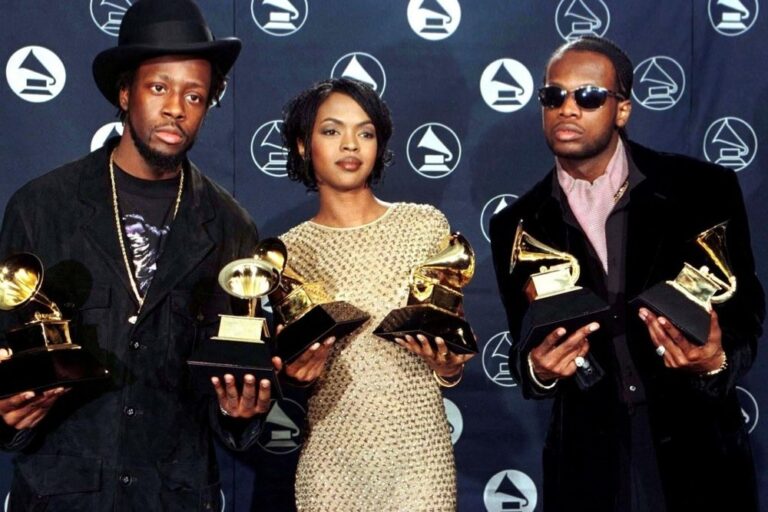
Lauryn Hill has not released an album in nearly two decades (2002’s live album, MTV Unplugged No. 2.0). Yet, her presence within pop culture remains. Much of it can be accredited to her work as a member of the Fugees — whose sophomore album, The Score, has been certified 6X platinum in the United States by the RIAA, with 22 million copies sold worldwide — as she garnered her first top 10 hit with her rendition of Roberta Flack’s “Killing Me Softly,” earning her and group-mates Wyclef and Pras the top spot on the Billboard 100.
ooh la la la
Piggybacking off of the success of The Score, the artist now known as Ms. Lauryn Hill, reached folklore status when on August 25, 1998, The Miseducation of Lauryn Hill hit record stores. Distributed by Columbia records, the album was primarily recorded at the late Bob Marley’s Tuff Gong studios in Kingston, Jamaica. Hill had developed a romantic relationship with Rohan Marley, son of the legendary Reggaeton artist, and the family-oriented nature of the Marley’s was her respite, as she recorded what is now considered her magnum opus.
Classified primarily as a neo-soul and R&B album, The Miseducation also includes elements of hip hop and reggae, while implementing plenty of live instrumentation — some notable names include: a young pianist by the name of John Legend, R&B superstar D’Angelo, along with famed guitarist Carlos Santana. Accompanying the excellent musical composition was Hill’s heartwarmingly soulful voice, as the album’s contents served as inspiration for a generation of men and women. She didn’t pretend to be perfect, as the scathing Wyclef Jean aimed diss track –“Lost Ones” — showed, she was capable of animosity. She shared stories of desperate attempts to save her relationship on “Ex Factor,” while the Billboard charting single “Doo Wop (That Thing)” shared messages of self-worth (“how you gon’ win if you ain’t right within” has become one of the more transcendent lyrics in music).
From tales of newfound love on “Can’t Take My Eyes Off of You” to the fulfillment one finds in their child on “To Zion,” Lauryn Hill’s wide range of emotions on The Miseducation captured the hearts of fans worldwide. Add in the many biblical idioms she drops on records like “Final Hour” and “Forgive Them Father” and you have the makings of a God-fearing woman whose romantic struggles have left her scorned for the better, finding love within her religion, her children and newfound romance. What’s not to like about that? Apparently nothing, as The Miseducation went on to sell over 8 million copies in the United States, as she cleaned up at the 1999 Grammy awards, winning 5 and being nominated for 10.
She wrote her opus to reverse the hypnosis, the awards just came along
So, today, we celebrate Lauryn Hill for her contributions to music, and if she never drops another album, we can be happy with the fact that she was open enough to share all of herself on The Miseducation.
In the final installment of NYS Music’s interview with Street Pharmacy‘s Ryan Guay and Giant Panda Guerilla Dub Squad‘s James Searl, the pair take the time to dig deep on their relationship to modern progressive activism in Canada and America, and the inspiration for “They Don’t Give A $$$.” Ryan reveals the dark past of Canada while James shares his family history with the abolitionist movement. Catch up with parts one and two.
Thomas Lent: You know, we’ve been talking about a wide variety of different crises here, but you know this track is about activism. Emphasis on the active. To promote the causes that your groups stand for, what specific causes would you like your listeners to contribute to?
Ryan Guay: Well, I think, first and foremost, looking from the Canadian perspective. The indigenous people have received the worst brunt of what it is to be Canadian but not be Canadian because they aren’t acknowledged that they are Canadian. Something I would like to bring up to an Americans attention is the Truth and Reconciliation Document that was written in 2015 where the federal government in Canada formally apologized, to make reparations for certain indigenous populations of Canada. If you want to read about what actually happened here and how terrible it was for all indigenous people, especially young people being shipped off to residential schools and being raped by Catholic priests, and you know going back to their, to the tribes, back to the “rez” and not being accepted because they lost their culture. Looking into the highest suicide rate in Canada and who that belongs to, and why.
I think it will be mind-blowing for a lot of people that have this perception of Canada as being this very apologetic, say sorry all the time, nice people. Just read that it will definitely open your eyes to the situation here that needs more attention being brought to it. That the people who die the most from murder in Canada are indigenous women who are in prostitution rings. Why? How did that happen? We had such a strong attempt at, quote-unquote, “assimilating” their culture into Europeanized society, why is this a thing? Obviously, the whole story has not been told. Apologies are one thing but actual action is a different thing, and theirs is definitely not enough and the situation with the pipeline being built says that. The fact that the RCMP exists for the sole purpose of keeping the indigenous population in check, to quote Sir Francis Bonhead, who created the Indian act. I think there’s a lot of work to be done here. That’s something that’s important for the song and that why those clips were included in the video. For me as a Canadian, as a person who is of mixed blood, it’s a story that should be told and should be told world-wide. James could probably speak more about the Black Lives Matter movement and other groups that we want to support as well.
James Searl: If the listener had reservations about being active or for like how to get active in the movement for the good, ha, that’s so cliche. But they should seek out who the groups that are in their communities that are representing the most marginalized people. Whether it’s Black Lives Matter, the Movement for Black Lives, or other groups that are working to bring all sorts of services to the indigenous community and also money and representation. They should be trying to find out who those organizations are in their community and listening to what their platforms are and what is important to them. If you have reservations about it, take a step back and realize what these people who are not you and come from a different situation are trying to say and to, you know, support that. Even if it doesn’t resonate with who you are, kind of have the faith that these people are doing all the work and they know what they are talking about. Let people represent themselves and support them when they do. Learn how to be a good ally and lend your body. Especially if you’re young and don’t have a family and you don’t have much to do. Show up, wear your mask, and be supportive. There are people that are being beaten up and killed out there. The more people that are there the less that will happen.
One of the greatest things that I heard about from some of these protests in New York was the young white women, when the cops would come up and start to rough up some young black men and women or teenagers in the protests they would yell out, “White Shield” and all these little white girls would run up to the cops and be the ones there to get beaten and they would stop. It was like, “Wow,” when I was 20-21 that is not what the young white girls I knew were doing. So be part of these movements. Again the situation in the United States, the plight of the indigenous folks here, and the plight of enslaved Africans that were brought over, are very different stories but they all come to the same place and what was done to them was done by the same people. I think its important to recognize what that common denominator is, and that’s “American Empire.” Our tax dollars are used for that all over the world. Even now, there’s more people enslaved now around the world than there were during the trans-Atlantic slave trade.
TL: Right! In Liberia and North Africa right?
JS: Well, in the Congo, with mining the lithium for our batteries in our phones. I think it’s important to acknowledge that there’s always been abolitionists. We don’t hear about them. That’s kind of what this argument about the founding fathers is about right now. Why are we learning about these guys, Thomas Jefferson for example, who raped his wife’s half-sister who was given to him as a wedding present because she was enslaved and was the product of a rape her father committed. Thomas Jefferson then took that wedding gift, that was a person, and his wife’s half-sister, to France, where he started to sleep with her and made babies. Why are we learning about him and not about that part of him and not about the abolitionists that were around at the time and we’re calling them out for it?
There’s always been people who knew the wrong thing was happening so it’s hard to live in 2020 and know that, “Oh we’ve come so far, we eradicated slavery, it’s been over for so long.” Well really because we’re all on our cellphones. While we can’t yell at every individual cell phone owner we can all as cell phone owners, you know, make it loud to Apple and Google, who make these technologies, or our governments, to pass laws that make sure people are working in safe conditions, and are paid a reasonable wage. It all comes down to “Workers of the world unite.” It’s all part of the same call. It’s been happening for hundreds of years. This is not a new moment this is part of a long moment. Additionally, the education part of that is important and I’d like to recommend books to people for people to read.
TL: What books would you recommend?
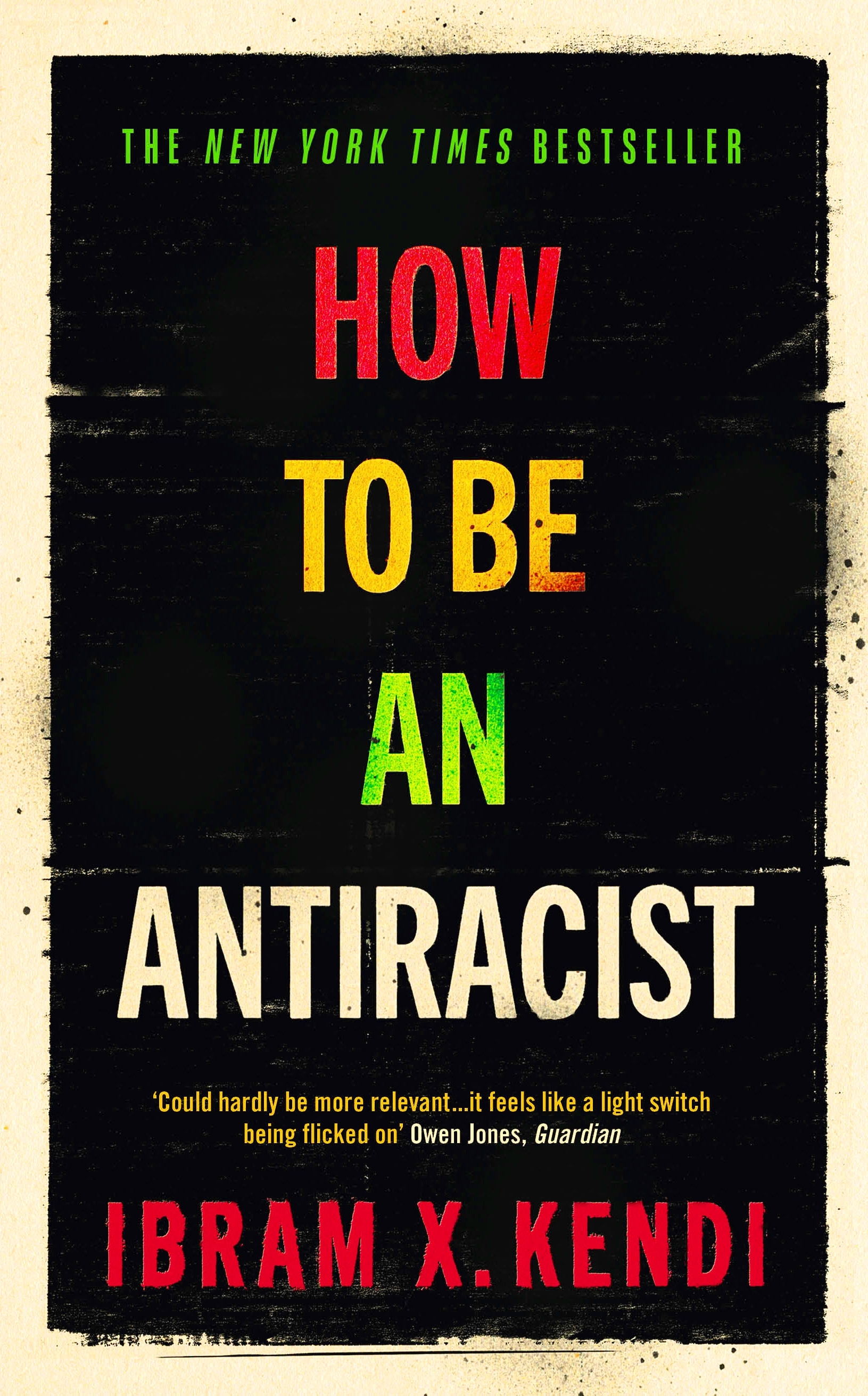
JS: The New Jim Crow by Michelle Alexander is super eye-opening about everything from the trans-Atlantic slave trade to the drug war and the prison industrial complex. It’s one line, and white America has been doing this to black America since before the founding of the country and its nation’s wealth is built on. We wouldn’t have what people call “American Exceptionalism” without it. Of course “American Exceptionalism” is also a flawed term, highly flawed. But, the more you see, the more you know, the more you see and if you can be anti-racist, and that refers to Ibram X. Kendi’s book How to Be an Antiracist. People talk about how this book is sold out in some places but it’s in audiobook form so it will never sell out in theaudio form. They can just keep giving it to you. He reads it himself, again I’ve been pretty devoted to studying, because of reggae and hip-hop, I’ve been devoted to learning about, what Bob Marley called “The real situation” and the line that he says in “So Much Things to Say”: “Never forget who you are and where you stand in this struggle.” It means something different when Bob Marley says it that when I say it because I’m coming from a different place.
I’ve been devoted to learning about this stuff and the history of racism in America and the history of the political economy of the United States and the world, for like since I was 17-18 years old. The things I’ve learned from The New Jim Crow and How To Be An Antiracist are things that I had never thought about before up until a year or two ago. So I think that being an antiracist is something that is gonna legitimately take everybody their entire life to work on, including their children’s life, and maybe even some generations after that. It’s not a small calling so the time to start is now and you can start by educating yourself about it and there’s great resources out there. People have done the work. People don’t want to do that, that’s why it was so amazing to see that show Watchmen on HBO, like I sorta knew about the Tulsa Bombing, and I’ve been trying to know about this stuff for a long time, and I’ve been trying to wrap my head around this history. But even now it was like, “Oh what happened in Tulsa? Oh ya, black Wall Street was bombed, firebombed by planes, and women and children were killed.” Now we all know about it and that’s because artists have with movies, shows, books, and plays, that’s always how I’ve really learned about that stuff. As much as I want education and school and books to inform me, more entertaining media has done a good job for me.
TL: I agree, modern media has been doing a much better job of representing these untold stories.
JS: Hey man, you’re from East Aurora, do you mind if I tell you a small family story?
TL: Sure go ahead!
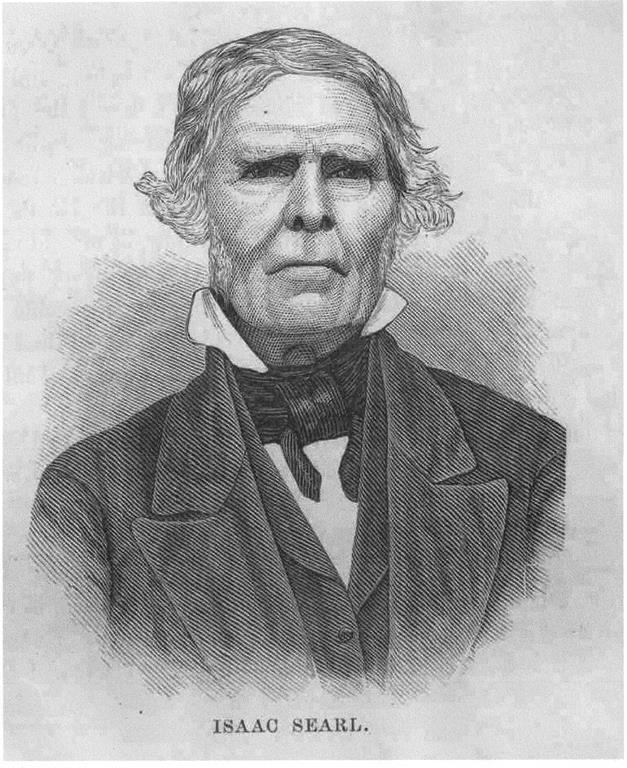
JS: My dad’s from East Aurora and the way that my family got to East Aurora was in the 1800s, I had a relative named Isacc Searl who moved his family from Vermont after he lost everything in a drought, he was a farmer and they were suffering so he moved his family and they ended up in Cattaraugus county. We didn’t really know about who he was but my dad got into genealogy when I was a little kid and he found a picture of him at the time and started putting it on shirts for our family reunion every year. All the family from East Aurora, Buffalo, and Rochester would come hang with us and we would celebrate the family of Isaac Searl. The picture was from the eighteen hundreds and he looked like an “Old Searl” and just a couple years ago some history was unearthed that a person who was on their death bed in the late 19th century told a secret.
He told a secret about, “Hey listen in the 1820’s and 30’s the Underground Railroad was really happening around here and these were the people that were involved.” They’re all dead now so they can’t go to prison, but Isaac Searl used to hide people who were traveling on the Underground Railroad in his house and then get them to the boat that would take them to Canada. So like, it’s amazing, and it made me proud to know that my family, the white part of my family came to the United States in around 1632, a long time ago, and I’m sure a lot of them were involved in all sorts of terrible shit but it’s nice to know that is a guy who had already lost everything risked his life and his family, and losing everything again, to do what he knew was right. It’s important to me to remember that even in those times people knew what the right thing to do was and you can be like those people now. You can always be one of those people. I’m really proud of all my young cousins from East Aurora that are in their teens and twenties, it’s like, “Wow, you’re so cool. I’m so glad I don’t have to like, be arguing with you guys about this stuff, it gives me a lot of hope.”
TL: That’s fantastic, do you have any other points you would like to communicate too the listeners?
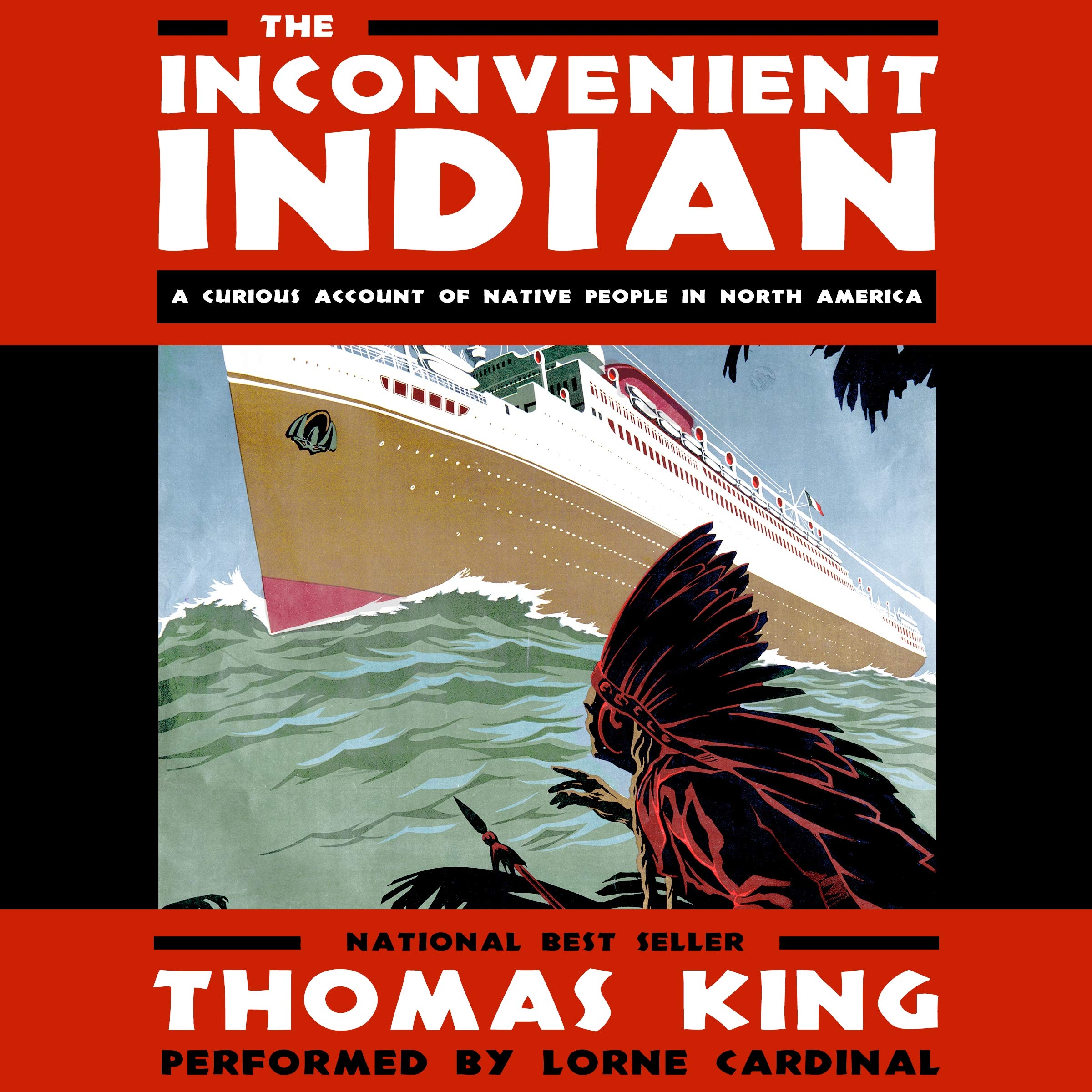
RG: For books, I would say that The Inconvenient Indian: A Curious Account of Native People in North America by Thomas King is a great book for people to check out who are interested in the real history about the relationship between North American Natives and non-natives, what that looks like from the perspective of the indigenous people when they first met. It’s a unique account. I think I just told James to check out The Indian Horse by Richard Wagamese.
JS: I just bought both of those books from my local female black-owned book store. She’s ordering them for me thanks for the recommendation.
RG: No problem, I think those are the books I would recommend.
TL: Do you guys have any closing statements that you want to add for the track?
JS: Ryan has got an incredible team up there and it would be a great honor for me to do more stuff like this.
RG: It’s amazing that a random fan was able to connect us and we were able to hit it off so well. James is such an enormous talent and he’s such a good person, his heart is in the right place, and I really hope that we continue to work together to make music that creates change and helps people realize what’s up in the world and makes people feel good and positive and that we’re moving forward in the right way. I feel very lucky, the invisible line is a lot more significant to Canadians trying to get into the United States to tour and make music. You don’t know what’s going to happen when you get over there, but to find a kindred spirit in James and to make music with James, and Eli played on the track, he did fantastic I forgot to mention that. I just feel really lucky James and all of Giant Panda Guerilla Dub Squad are some of the best musicians I’ve ever worked with for any genre and it’s been amazing to work with them.
JS: And enjoying music and talking about activism and talking about what’s right and what’s wrong it all happened at the same time. Friends, family, while your cleaning in the kitchen, making love in the bedroom, all this stuff you don’t have to separate this stuff as different parts of your life, they’re all part of your life.
RG: Yeah, we want people to get out there and do something. The last line that in the verse that James wrote: “It’s not what you say it’s what you do.” It’s important to not only have these conversations but also to do something that can affect change. That’s what this song is really about, it’s a call to action. Before we leave there’s one more thing I wanted to add to another question you had asked, something that was really disturbing to me while we were working on this song. In Toronto, on July 2nd and 3rd, there were some riots for an African-Canadian woman who was tossed out of a balcony by a police officer who was called to interview for some sort of domestic call. There were protests in my neighborhood in Welland, which is about 80 minutes outside of Toronto. There was a person from that group that I was discovering before, trying to pay young men to go into Toronto to break things and cause a riot rather than a peaceful protest. That to me, if there isn’t a reason to get up and say something, if that isn’t a reason I don’t know what is gonna be. If you have somebody like that who goes into a neighborhood and pays broke college kids to go and break things in Toronto for $200 a day each, there’s the issue. It was scary to see that.
JS: Don’t be that guy!
RG: Don’t ever be that guy!
TL: Don’t take money to go destroy another community, got it!
RG: Ha ha, yeah, I just wanted to add that to your previous comment about what was going through our heads while we were writing it. I called the police who interviewed and they were aware of the situation and had marked the group as a terrorist organization which is positive. In Canada, that’s what the situation is.
JS: That’s the way that the KKK over here is.
RG: I noticed that actually. As a matter of fact, the KKK in Canada actually started in my home town in 1908, so yeah.
JS: The grand wizard lives a town away from me.
RG: Wow that’s close
JS: And people know that that’s what’s crazy to me, everybody knows him. I guess I’m not gonna try anything.
Mariah Carey announced her upcoming compilation album, The Rarities, out on October 2. While the Songbird Supreme has previously released seven compilation albums, The Rarities is the first to feature new material instead of past hits. The album’s lead single, “Save The Day,” features vocals from Ms. Lauryn Hill and samples The Fugees’ cover of Roberta Flack’s “Killing Me Softly With His Song.”
Mariah started recording “Save The Day” back in 2011, but scrapped it for unbeknownst reasons. Co-written by frequent collaborator Jermaine Dupri, it was originally meant to be a charity single. Thankfully, its message of hope and unity is even more relevant in 2020 than when it was first conceived. The only disappointment is that Lauryn Hill fades into the background: she doesn’t have a solo or new lines beyond the iconic sample.
The Rarities has 32 tracks and two discs: one with unreleased music from every era of her career, another with live performances from Mariah’s Tokyo Dome show in 1996. The album coincides with her memoir, The Meaning of Mariah Carey, out on September 29. Mariah first teased The Rarities back in June to celebrate the 30th anniversary of her debut album, but postponed its release to focus on the Black Lives Matter movement. Now, she’s devoting the rest of the year to #MC30 festivities for her fans.
Flushing Town Hall is joining Global Music Month with a virtual concert series. A collective of world music festivals and events across the U.S. and Canada, GMM 2020 consists of 19 presenting organizations. Throughout September, the historic arts landmark in Queens will showcase archived “Global Mashup” concerts as well as live Latin and Korean music.
No two Global Music Month events are the same, and each concert offers a unique blend of sounds and cultures. The Town Hall is kicking off the festivities with replays of their 2018 Global Mashups, where two types of international music come together. Each band performs a solo set, then they combine their talents and jam out together.
The first such concert, “Latin Boogaloo Meets Afrobeat,” technically isn’t part of Global Music Month because of its pre-September date, but it airs at 7:00 p.m. EDT on Tuesday, August 25. After that, the series will continue weekly at the same time through September 22. Subsequent mashups include “Egypt Meets Haiti,” “Mexico Meets Guinea,” “Balkans Meet El Barrio,” and “Texas Meets Peru.”
Besides the archived 2018 mashup series, Flushing Town Hall has assembled two nights of live music.
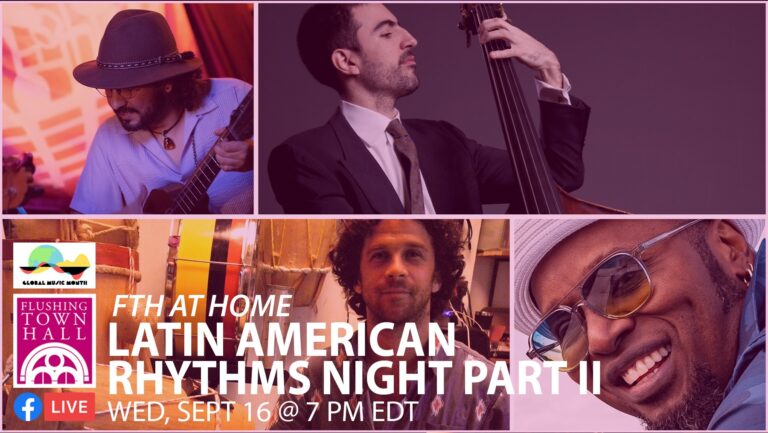
Latin American Rhythms Night starts at 7:00 p.m. on Wednesday, September 16, exploring New York City’s colorful Brazilian, Mexican, and Argentinian artists. The night features live and pre-recorded performances from David Vieira, Sinuhe Padilla, and Pedro Giraudo. The show is hosted and curated by Martin Vejarano of the Cumbia River Band, and also features “Spanglish” stories and interviews.
Finally, psychedelic Korean folk band Coreyah is closing out Global Music Month at 7:00 p.m. on Tuesday, September 29. Since 2010, the band has melded a contemporary pop sound with traditional Korean music.
“As a cultural institution whose mission is to bring people together by presenting global arts for a global community, we couldn’t be more thrilled to be a part of this unique and diverse consortium and to participate in the Global Music Month 2020 online festival,” says Ellen Kodakek, Flushing Town Hall’s Executive & Artistic Director. “The fact of it being virtual means audiences throughout the country and around the world can enjoy our content and not just those in New York, where our venue is located. We are especially proud to present this programming free of charge.”
While all Global Music Month shows are free, Flushing Town Hall still encourages donations. The full Flushing Town Hall Global Music Month lineup is available on their website.
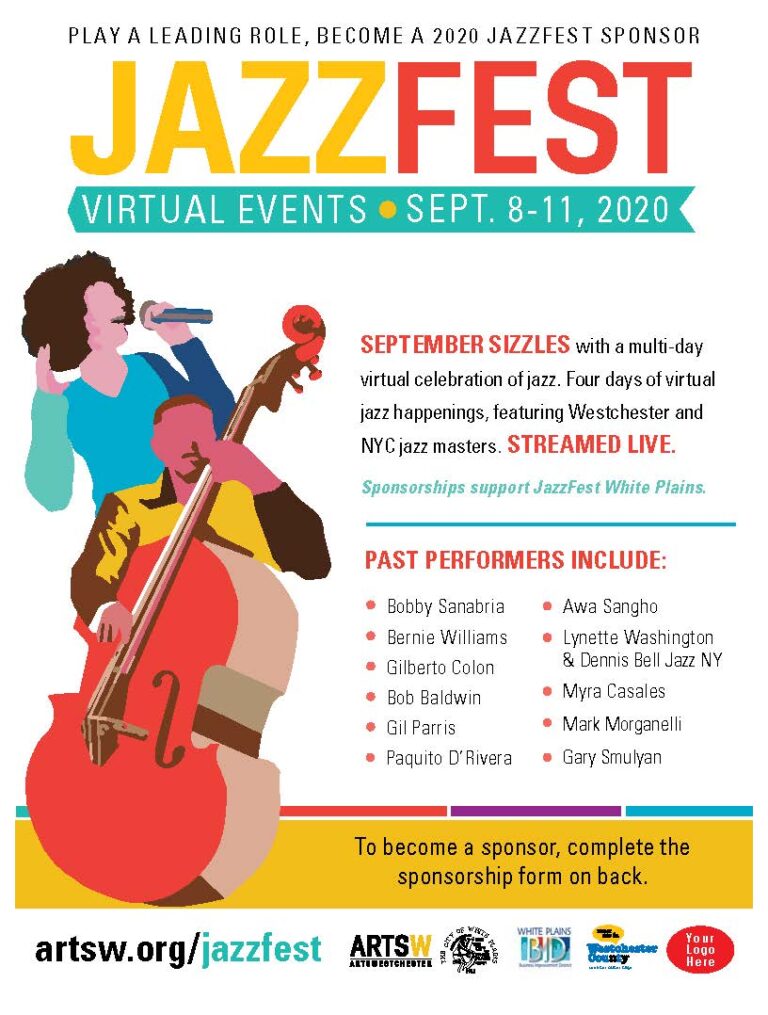
JazzFest White Plains announced virtual festival dates. The virtual festival will take place September 8-11 and will host a variety of artists. The 9th annual JazzFest White Plains will be streamed on Zoom and on Facebook.
The four days of Jazz will include not only performances but conversations as well. It will feature a mixture of artists at the forefront of jazz and rising stars. From Westchester jazz talent to jazz masters the festival will be something spectacular for Jazz enthusiasts. JazzFest White Plains are teaming up with the spirit of Arts Westchester’s annual ArtsBash.
The festivities will start at 4:30 – 5:30PM on September 8 with the “ArtsBash Virtual Mixology” event making Jägermeister cocktails and live jazz music by The Rico Jones Trio. Then at 6PM there will be a “presenting Jazz in the time of COVID-19” conversation. At 8PM the night will wrap up with “Westchester Jazz: Then and Now” featuring Art Bennett on sax, Kathryn Farmer on piano and vocals, Kenny Lee on trumpet, and Rocky Middleton on bass.
The second day will start at noon on September 9 with a performance form “Isabella Mendes & Flavio Lira Duo.” At 6PM there will be “Jazz Education in Westchester” conversation. Wrapping up at 8PM the “Jazz, From One Generation to the Next” event will happen featuring conversations and performances by Alexis Cole and Lucy Wijnands, Bobby Sanabria and Gabrielle Garo, and Ulysses Owens Jr. and Aaron Jennings.
On the third day September 10 the fun will start bright and early at 8AM with “Jazz at the Intersections” performances featuring Amir ElSaffar with an Arabic music and jazz combination, Jomion & the Uklos with a West African/Carribean music and jazz combination, and Pablo Mayor with a Columbian music and jazz combination.
On the last day September 11 the festival will wrap up at 8PM with “Jazz’s Rising Stars” featuring performances of Connie Han on piano, Matthew Whitaker on piano, Veronica Swift on vocals, and Alicia Olatuja on vocals. There will also be a moderated discussion about what it’s like to be a young rising star in jazz today which will be moderated by Keanna Faircloth, WBGO.
The festival is free to the public but is accepting donations online here. People wanting to register for certain events to get the zoom link can do so on JazzFest White Plains’ website. The events will also all be live streamed on Arts Westchester’s Facebook Page.
For more information visit JazzFest White Plains’ website.
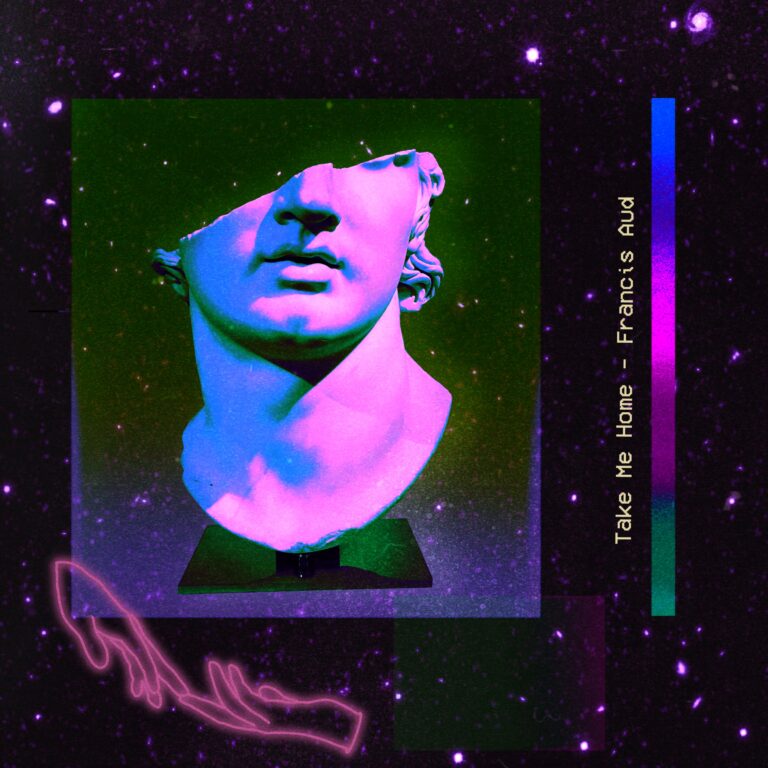
Brooklyn electro-pop funk artist Francis Aud recently released his newest single “Take Me Home,” blending bittersweet lyrics with an upbeat and unique electric funk.
Francis Aud started out as a retro-soul artist and released his debut EP Tender Things in July 2017. Since then, his music has evolved into what he calls ‘FONK,’ his own original blend of electro-pop and funk. This refreshing mix gives his music personality and makes his sound memorable. Francis tells NYS Music:
My biggest inspirations are Al Green, Marvin Gaye, and Sam Cooke. From listening to those guys, I then found Jackie Wilson, James Brown, and then followed the thread of musicians they influenced all the way up to contemporary pop artists like Bruno Mars and Parcels.
Francis Aud
What he listened to as a child has been “carried in his psyche,” and he says that listening to “super romantic Spanish crooner music or The Commodores” all the time as a kid still influences his own writing style today. “I almost exclusively write about love, relationships, and desire and I still try to phrase the lines I sing like how a crooner would…old habits die hard I guess!” He’s been releasing several FONKY singles since 2018 in preparation for a bigger release in the future.
“Take Me Home” looks back on a past relationship with bittersweet nostalgia. “When it comes to lyric-writing,” Francis says, “I’m always trying my best not to write lyrics that aren’t devoid of meaning (if that makes sense.) I think lots of the time when people hear the words ‘pop music’ their mind immediately jumps to this idea of extremely surface level and superficial lyrics that come from lazily relying on overused tropes and clichés. I think good pop music doesn’t have to be devoid of a deeper meaning and there’s lots of proof around me of that.”
Photo courtesy of Amanda Blide
Despite its somewhat sad message, the single is in no way a downer. It’s upbeat and dancey. “That comes from my shameless love of 80’s music,” the artist admits. “I seriously, positively, TRULY, love music from the 80’s, especially the movie soundtracks where the arrangements were super over the top and used cheesy keyboard sounds on everything. Because that music makes me happy, I think it’d be worth exploring the juxtaposition between that music and the lyrics and I’m just lucky to call it a success!” The 80’s vibes in “Take Me Home” are clear, but with an original and modern spin that is lacking in some other “cheesy” pop.
Francis Aud’s music and website both shine with his positivity and humor. “I don’t think I can ever remember a time where I wasn’t blatantly making terrible dad jokes and puns,” he says about his ever-present humor. “In terms of positivity,” he notes, “I think it comes from both my parents and also comes with the territory of being a musician. With my parents being immigrants and coming to this NYC during the really rough 80s’-90’s, they had to work their asses off to make things happen and they had to have an optimism that things would work out. I think I naturally picked up on that. ALSO, when it comes to being an artist, you almost have to force train yourself to become more positive on a daily basis because there really is no guarantee that your art will be heard or even enjoyed.”
Despite the global halt brought by the Coronavirus, Francis has been keeping busy working on music: “I’ve been spending most of the quarantine teaching myself more about music production and trying my best to ‘level up’ my home recording set-up,” and “I’ve been working with more getting more comfortable using synthesizers and more of the electronic aspects of music production,” he says, as he can’t record in a full studio with a band right now due to the quarantine. “Aside from that, I’m always trying to hone my writing and working to finding that distinct balance between saying something meaningful and being catchy.”