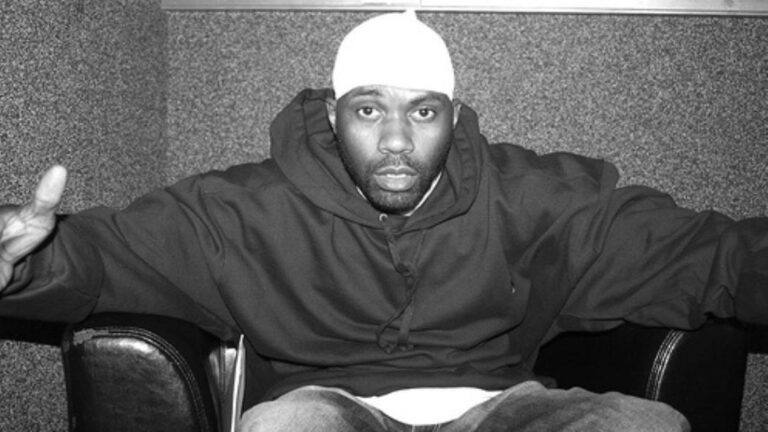
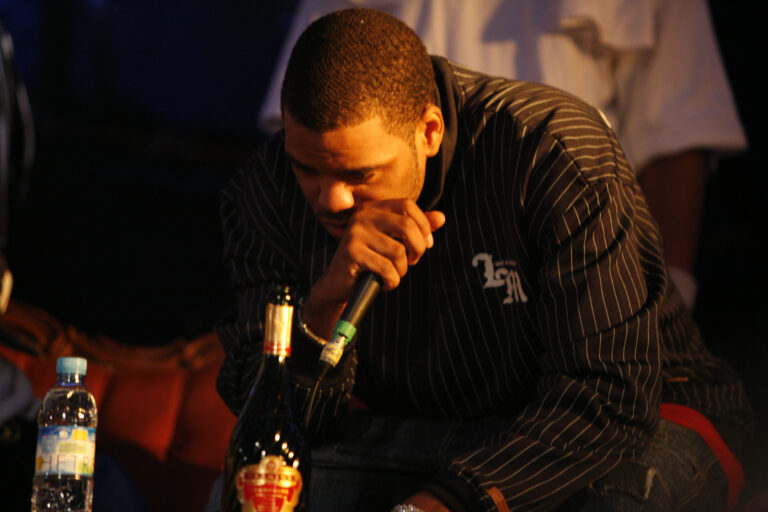
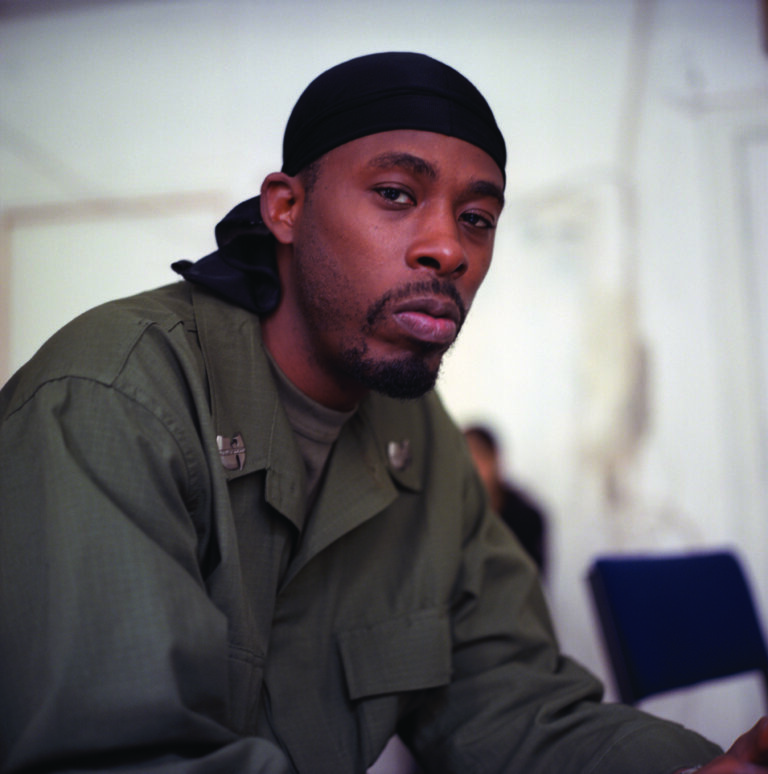
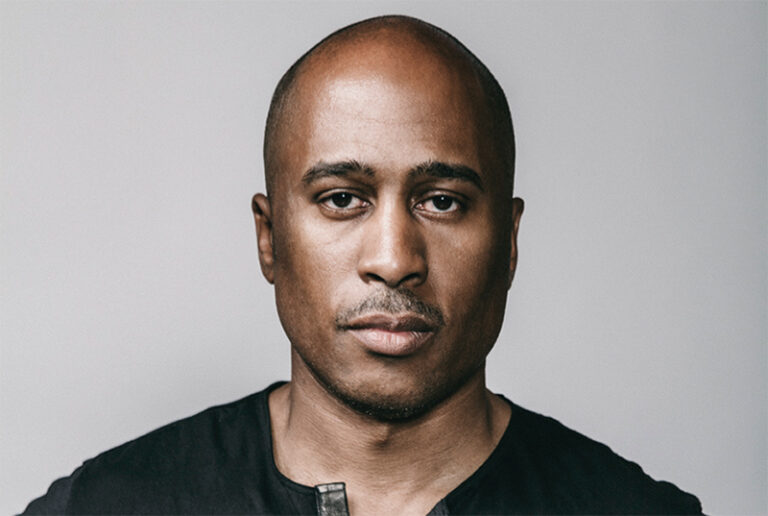
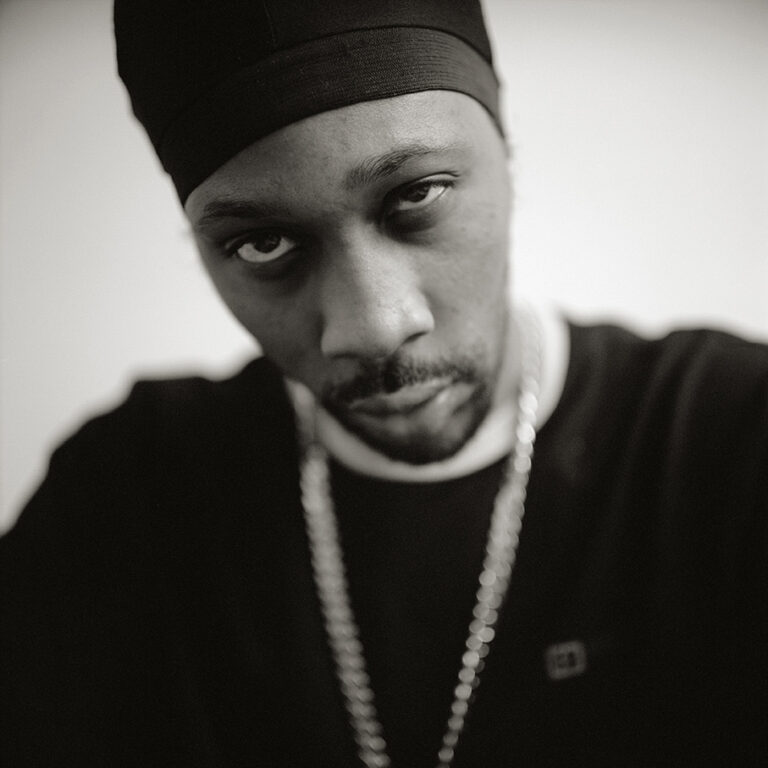
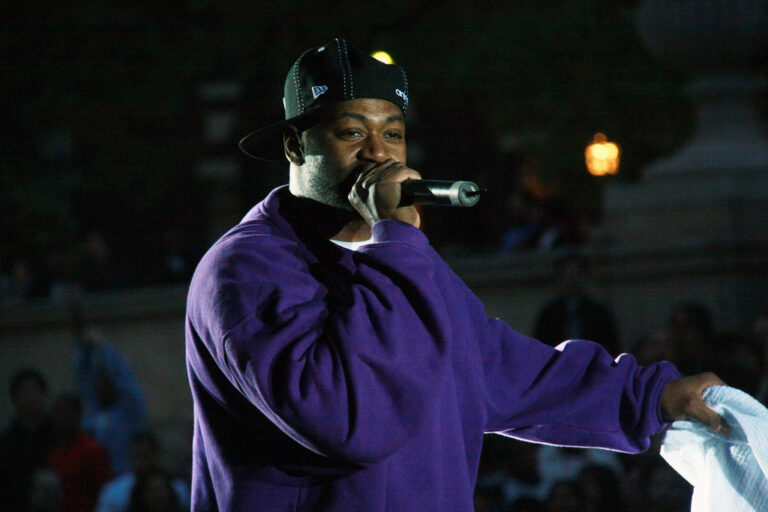
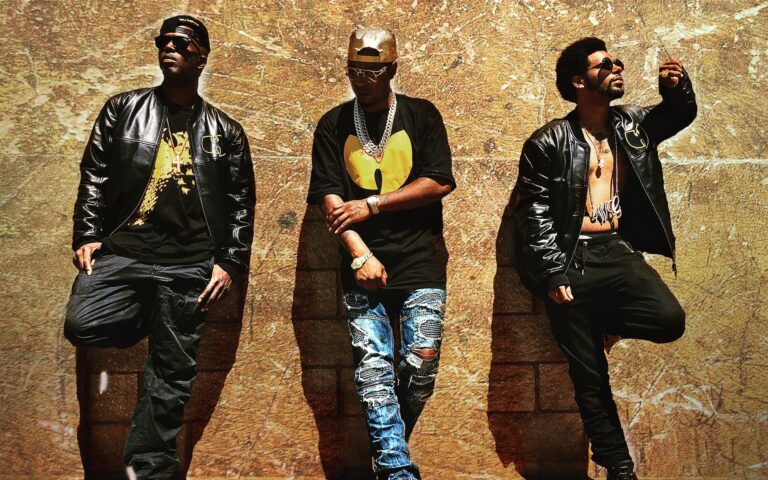
It has been well established that Wu-Tang Clan remain to be one of Staten Island’s proudest musical groups. However, the groups most recognizable members such as Ghostface Killah, RZA, and GZA stand in the way of the groups lesser known but equally important members. Today, we focus on Masta Killa, one of the more obscure members of the famed Wu-Tang.
Born Elgin Turner in Brooklyn, 1969, Masta Killa, though one of Wu Tang’s lesser known members, proved himself to be a mainstay throughout the group’s evolution throughout the 90’s.
Masta Killa was the last to join the Wu Tang Clan and, subsequently, was not featured on the group’s debut single, “Protect Ya Neck.” The only Masta Killa feature on Wu-Tang’s debut album, Enter The Wu-Tang (38 Chambers) can be found towards the end of “Da Mystery of Chessboxin’.” Killa was one of the only members of Wu Tang that had not had a technical background in rap with almost zero experience as an MC. While the rest of Wu-Tang was recording verse after verse on 38 Chambers, Masta Killa was concentrating his efforts on perfecting his flow.
Masta Killa’s absence of rudimentary hip hop techniques led to him being taken under the wing of Wu-Tang founder, GZA. While the majority of Wu-Tang Clan’s members were known for their hyper and energetic flows, Killa and GZA in contrast had a much more relaxed and slow-paced, almost effortless flow. The similarities between the two are evident on the group’s sophomore album, Wu-Tang Forever, which saw improvements in Masta Killa’s technical ability. The two would continue to influence each other’s flow and delivery throughout the remainder of their both careers.
Masta Killa’s solo career began in 2004 when he released No Said Date which was met with high praise from Wu-Tang fans. Songs such as “Old Man” helped to cement Killa’s solo career which would continue throughout the early 2000s with his latest album, Loyalty is Royalty, in 2017.
If one thing is clear, it’s that Wavy Cunningham always makes music. I’ve seen him write a song in a notebook, and then release it days later. He never waits. He gave his fan base a week between the releases of his new EP, Fight Back, and album, Club Wavy. They set sails on July 31st and August 7th, 2020, respectively.
Photo by Zach Hitt
Always Be Closing
Wavy might not yet be a household name, but his charisma and performance style converts first time listeners into fans with little effort. That’s how he got me to listen. I’ve seen this happen during live sets, both at shows where he’s the featured headliner, and guest spots on stage too. But his ease around people doesn’t negate his work ethic.
Unique Style
In fact, Wavy, along with his frequent collaborator and producer DJ Mercy, enjoy writing, recording, and releasing music in extremely quick succession, unlike certain artists who wait for “outside influences and people around them” to lead to an album’s refinement, Wavy says.
Every year, major league record labels dispose of a tremendous amount of resources for their artists to drop a project only once every few years, on average. However, Wavy releases multiple projects per year without a label, so I talked with Wavy about his process, his plan, and his methods. We also dug into his newest work, Club Wavy and previous efforts such as Catch Me If You Can (2016).
More Music on Deck
At this point in time, Wavy Cunningham and DJ Mercy have over five projects on Spotify with dozens of smaller EPs, demos, singles, and mixtapes collecting listens on SoundCloud. “We also have a bunch of unreleased projects,” says Wavy. It allows the duo to pull from a vast repertoire of well-written rhymes and vintage samples when it comes to live shows. And Wavy is not concerned about what others are doing. He mentions wanting to go his own way, instead of “running on the hamster wheel,” or following the same pattern that other artists do.
The New Normal
Speaking of shows, performance is Wavy’s bread and butter, in my opinion. So with a lot of the world shut down due to the dangers of the COVID-19 health crisis, we might not get to see his live vibe for songs like “Doin’ My Thing,” (one of my favorites) and “1B” for quite awhile. Wavy told me that platforms like Twitch and live streaming methods have allowed him and other artists to put on virtual shows. “We’ve done…a concert on Instagram Live and we pulled out unreleased tracks. It’s cool to [be able to] do that.” Wavy also said that he and DJ Mercy have tentative plans for another Internet set, in which they’ll perform an album from beginning to end.
Most Improved Goes To…
Although the concept of recording and turning over material so quickly may seem chaotic, Wavy has a plan for the future, and music waiting to be released. “Each project is a learning experience,” he says, in which he and Mercy have been able to learn from each studio session and improve the listening experience little by little. They’ve made little changes along the way that lead to a steady climb in quality.
Notably, Entreband’s MostlyEverything took care of the mix and master to balance out the technical sonics of both projects, and producers Frank Finesse, Phil Dreisin, Hyuka, and N-Pro all lent instrumentals to pair with Wavy’s flow. “We went for more original sounds…this time. There’s less samples and more elements of [live instruments],” Wavy says. These instruments perfectly balance tracks such as “Get Away” (Fight Back) and “Whattup?” (Club Wavy) both of which feature a glassy guitar intro.
To close the latter of the projects, Club Wavy, Cunningham wrote “All We Need is Love.” This track contains a beautiful tribute to Breonna Taylor and other people who have been killed due to systemic racism and police violence. The swan song perfectly closes both projects and carries a message that will be heard the loudest.
Verdict
Overall, Fight Back and Club Wavy are strong entries into Wavy’s catalogue and will stay as his most cohesive work until he comes up with something, which probably won’t be long from now.
Club Wavy and Fight Back are both available on all major streaming services, with the music video for “Whattup?” being available for views on YouTube and Facebook.
Key tracks: Whattup?, Get Away, Never Ends, All We Need is Love
Shadowboxing is defined as: “boxing with an imaginary opponent especially as a form of training.” One usually shadowboxes when preparing for a combat sport. Hence the metaphorical brilliance of the GZA — aka the Genius — on his classic album, Liquid Swords. On the LP’s eight track “Shadowboxin’,” GZA and Method Man come together to topple their metaphorical challengers, with Method Man’s verse in particular being considered one of the best of his career.
Released as the fourth and final single off of 1995’s Liquid Swords (as the B-side to the “4th Chamber” track featuring Ghostface Killah and Killah Priest.) “Shadowboxin’” was produced by cohort RZA, the record samples Ann Peebles “Trouble, Heartaches & Sadness” off of her 1972 album, Straight from The Heart, 1993 hit-record “Slam” from Queens hip hop group, Onyx. As well as, the popular fight scene “Shaolin Monk vs Shadow Boxing Kung Fu” from martial arts film, Shaolin vs Lama.
Along with the looping drum kit, RZA uses turntables and distorts the chopped-up sample for a more grimy and raw sound, a common theme within the Wu Tang Clan catalog.
By 1995, Method man had become one of the more popular and in-demand rappers of the time, and while his crossover-appeal would bring an additional audience, it was his performance on said records that would make him a talking point. He set the tone, spewing out “F**k that” within the first couple of seconds of the song, almost like an impatient fighter, who no longer wishes to wait for his turn:
“I breaks it down to bone gristle
Ill speaking scud missile heat seeking
Johnny Blazing, nightmares like Wes Craven
N*** gunning, my third eye seen it coming before it happened”
He begins his verse aggressively, with an urgency of a man who has no time to spare and came out firing, with his flow, wittiness and clever word play on full display.
“Rap insomniac, fiend to catch a n**** snoozing
Slip the cardiac arrest me, exorcist Hip-Hop possess me
Crunch a n**** like a Nestle, you know my STEEZ
Burning to the third degree, sneaky a** alley cat top pedigree
The head toucher, industry party bum rusher
You don’t like it? D*** up in ya, f*** ya!”
He calls himself a “Rap insomniac,” conveying that he doesn’t tire of hip hop, while also paraphrasing that he is not to be slept on. The next few words further demonstrate this, as he is so addicted to hip hop culture that he is now a “fiend” and his only fix is to prey on those who aren’t as good or as dedicated to rap as he is, or in his words are “snoozing.” Hip hop is a competitive art form and Method Man makes it clear that he is out to outperform the competition.
Rap Insomniac
While always razor sharp, GZA’s style varies from Method Man’s aggressive approach. Always one to drop knowledge, his delivery resembles that of a slam poet, although he is just as lethal with his pen and confident in his abilities.
“I slay MCs back in the rec room era
My style broke motherfucking backs like Ken Patera
Most rap n****s came loud but unheard
Once I pulled out, round ’em off to the nearest third
Check these non-visual n****s, with tapes and a portrait
Flood the seminar trying to orbit this corporate
Industry, but what them n****s can’t see
Must break through like the Wu, unexpectedly
Protect Ya Neck, my sword still remains imperial
Before I blast the mic, RZA scratch off the serial
We reign all year round from June to June
While n****s bite immediately if not soon
Set the lynching and form the execution date
As this two thousand beyond slang suffocate”
Da Genius
He begins his verse with a jab, as he claims to “slay emcees.” While we don’t know who he is referring to, the ambiguity of his and Method Man’s verses are part of the song’s theme. He rhymes as if his lyrical vigor is directed at one or multiple people, though neither he nor Method Man mention anyone in particular. Or just maybe, their only competition is themselves, and they are simply shadowboxing.
The Genius and the late ODB in action
Method Man gets the final word, with the last verse something of an exclamation point to their lyrical exercise.
“When my mind start to clicking and the strategy
Is mastered the plot thicken, this be that Wu shit
I don’t give a cotton-pickin’ f**k
Flying guillotines here they come, bloody bastards
Hard times and killer tactics, spitting words plus
Semi-automatic slurs, peep the graphic
Novel from the genie bottle,”
The people’s choice: Method Man
“Shadowboxin” is one of hip hop’s truly flawless records and helped further the legacies of two of the Clan’s most lyrically potent rappers. This song along with is B-side, “4th Chamber,” are part of the reasons why Liquid Swords is so highly regarded within hip hop circles.
It has been sampled by Gang Starr in their 1998 record, “You Know my STEEZ” (a play on one of the records iconic lines). It was also sampled by rapper/producer Tony Touch and fellow Clan member Inspectah Deck and clan affiliate, Killa Sin, on their collaborative “Killa Armee Freestyle.”
Give your favorite A Tribe Called Quest album a spin today. The man behind the turntables, Bedford-Stuyvesant’s Ali Shaheed Muhammad, who mixed up the beats that Q-Tip and Phife Dawg rhymed on celebrates his birthday today.
Born August 11, 1970, Ali Shaheed Muhammad became one of New York City’s underground rap legends. As a hip hop producer, Ali Muhammad is responsible for the early jazz rap sounds that A Tribe Called Quest is known and loved for.
Growing up in Bed-Stuy, Muhammad’s uncle, Michael Jones, who was a bassist and DJ himself, began teaching him at the age of eight. Ali would DJ parties in his Bed-Stuy neighborhood and recorded demos before joining Tribe in 1985.
Coming together in the early 1980’s in Queens, A Tribe Called Quest consists of Ali Muhammad (the only member not from Queens), who held the role of co- producer, assisted by the groups main composer, Q-Tip, along with Tribe’s MC, Phife Dawg. Together, the trio would be looked back on as pioneers of the alternative hip hop sounds which are still popular today. Muhammad was just 19 when the group released its first album, People’s Instinctive Travels and the Paths of Rhythm, in 1990
Ali Muhammad and A Tribe Called Quest rose in popularity through their second album, the 1991 jazz-influenced album Low End Theory. The album was stripped back compared to their previous, with instrumentals consisting mostly of bass, drums, and the regular use of Jazz sampling, all sounds that find themselves synonymous with the underground alternative hip hop scene.
Later on in 1995, Muhammad co-wrote and co-produced the Top 40 pop hit that launched the neo-soul movement, D’Angelo’s “Brown Sugar,” and earned another Grammy nomination via Lucy Pearl’s “Dance Tonight” in 2000. Muhammad has remixed songs for Janet Jackson, Maxwell, Maroon 5 and KRS-One, and has writer, producer or co-producer credits on more than 20 albums. He would also go on to found The Ummah, a production company with Jay Dee and Q-Tip.
Throughout the early to mid 90’s A Tribe Called Quest maintained their commercial success through the release of their 1993 album, Midnight Marauders, which saw technical improvements in the groups dynamic. A Tribe Called Quest seemed to be on an unstoppable rise to success however, the group went on an eight year hiatus. Despite not working together during those years, individual members had the chance to pursue moderately successful solo careers until their reunion in 2006.
On the 25th anniversary of his death, the music of Jerry Garcia continues to have an enduring presence in the extended Grateful Dead scene that has thrived for more than a generation since his passing. His iconic guitar play and signature vocals have now been consumed and enjoyed by fans of all ages thanks to modern audio technology that’s fueled by a trove of Grateful Dead and Jerry Garcia Band releases.
Jerry Garcia truly was built to last. So it is fitting that we pay homage today to “Built to Last,” one of his last song writing credits. It appears on the Dead’s final studio album that shares the same name. With poetic lyrics supplied by longtime collaborator Robert Hunter, it’s a song of hope and resolve in trying times – items that are very relatable today.
Its first performance in a live setting was on October 20, 1988, at The Summit in Houston, TX. “Built to Last” appeared in the second set, following “Playing in the Band” and right before the “Drums” section. It wasn’t played again until February of 1989 when it made its way into the first set at a show at The Forum in Inglewood, CA.
In an odd twist, the song itself did not live up to its title as it was predominately played only in 1989, often appearing in the latter stages of the first set, before being shelved soon after. But it does share the distinction, along with “Blues for Allah,”“Terrapin Station,” and “Shakedown Street,” of being the title track for a Grateful Dead album.
Were the band still playing today, there’s little doubt that this song would reemerge in the live setting as the lyrics about strength in times of adversity and self reliance more than play to the current climate. And the song truly does speak to the Grateful Dead’s legacy of establishing something firm and long lasting that will stand the test of time. Pair all of that with a passionate guitar solo from Jerry and you’ve got a winner.
With that said, here’s the last ever live performance of “Built to Last,” played in Albany’s own Knickerbocker Arena. As today we celebrate the life and music of Jerry Garcia, whose legacy was undoubtedly built to last.
“Built to Last” – words by Robert Hunter, music by Jerry Garcia
There are times that you can beckon There are times when you must call You can shake a ton of reckoning But you can’t shake it all There are times when I can help you out And times that you must fall There are times when you must live in doubt And I can’t help at all
Three blue stars / Rise on the hill Say no more, now / Just be still All these trials / Soon be past Look for something / Built to last
One blue star / Sets on the hill Call it back / You never will One more star / Sinks in the past Show me something / Built to last.
Built to last till time itself Falls tumbling from the wall Built to last till sunshine fails And darkness moves on all Built to last while years roll past Like cloudscapes in the sky Show me something built to last Or something built to try
There are times when you get hit upon Try hard but you cannot give Other times you’d gladly part With what you need to live Don’t waste the breath to save your face When you have done your best And even more is asked of you Let fate decide the rest.
All the stars / Are gone but one Morning breaks / Here comes the sun Cross the sky now / Sinking fast Show me something / Built to last
With one of the more iconic hooks in hip-hop history, “C.R.E.A.M” (Cash Rules Everything Around Me) is by far Wu-Tang Clan’s most popular record, making them household names. The single was on their debut LP Enter the Wu-Tang (36 Chambers) and is considered a magnum opus of hip hop music. When you combine Method Man’s unique — yet silky-smooth flow — along with Raekwon and Inspectah Deck’s cutting-edge lyricism, you have the makings of a classic record.
“C.R.E.A.M” was recorded by the group in July of 1993, but was officially released November 9, 1993 as the eighth track from the 36 Chambers LP. RZA — the group’s defacto leader and beat maker — produced the song by sampling the opening piano riff from Charmel’s 1967 record “As Long as I Got You,” with a perfectly placed set of looping drum kicks added on.
Despite all the praise the record received within the hip-hop community and its current status as a classic record, “C.R.E.A.M” was not a chart-topp. Debuting at number 96 on the U.S. Billboard Hot 100, it eventually peaked at number 60 later that week, also peaking at number 8 on the hottest hip-hop/R&B songs. It became certified gold officially in 2009, 15 years after its release.
“The Rza is just razor sharp, he always on point with the beats with the rhymes”
In an interview for 247HH (hip-hop), Raekwon revealed the meaning behind the song’s tittle, revealing that “cream” was a slang term for money kids around the neighborhood would use. Saying that it came from cartoons like, Tom & Jerry, where the titular cat — Jerry — would slap Tom (the mouse) with whipped cream as they would fight over food. As a result, “cream” became something that they said when they were fighting over money or. in general, want of a better financial situation.
He also revealed that the acronym “cash rules everything around me” came from group mate Method Man’s associate, Raid. Detailing that back then, people would write graffiti and would break words down to give them meaning so, Raid broke down “cream” to mean “cash rules everything around me.”
RZA shed light on how the record came about, in an interview with SiriusXM. Divulging that the name of the original track was “The Lifestyle of the Mega Rich” and it had about 8 minutes of material from Raekwon and Inspacteh Deck. He wanted them to condense their lyrics into more concise verses and thought it needed a great hook. That’s where Method Man came in to play. The most culturally transcendent of the group, RZA even acknowledged that it was Method Man’s melodic flow on the hook that took Wu-Tang from gold to Platinum.
In a more recent interview with DJ Vlad, Inspectah Deck revealed that it was the success of “C.R.E.A.M” that made him realize how big of a group they were. Recalling a memory from a show the clan in Webster Hall, noticing that many of his heroes were there to see the Clan perform. From Big Daddy Kane, to Tracy Lee and Q-Tip.
The songs music video paid homage to where each member of the group was from, as a form of imagery that added even more depth to the record. The music video begins in the projects of Staten Island and then sees the Clan make their way to a more lavish lifestyle, driving Mercedes and sipping champagne.
Raekwon And Inspectah Deck were the only members of the group to have verses on the record. With both relating to the harsh realities of being from the inner cities. Telling their life stories’ in each verse. Rae gives a timeline of his life from his move from to Staten Island and his time spent in New York City. His first two lines perfectly captures the environment he hails from.
“I grew up on the crime side the New York times side
Where staying alive was no jive.”
Continuing with more personal tales of being separated from his father with his mother leaving and moving the family to Staten Island.
“Second hands moms bounced on old man, then we moved to shaolin land”
He chronicled his entire life on this verse and gave descriptive accounts of his times in the inner-city. The story being told is raw, real and vivid, something the man known as “the chef” is known for. Finishing his verse with:
“Figured out I went the wrong route, so I got with sick a** clique and went all out
Catching kings from cross seas hauling MVP’s every week we make 40 g’s
N***a respect mine or here goes the tech nine ch-ch pow move from the gate now”
Inspectah Deck took a similar approach to Raekwon, with similar accounts, while his verse detailed his own attempts at preventing the youth from following a similar path.
“Spent 22 long hard years we still struggling
Survival got me bugging but I’m alive on arrival
I peep at the shape of the streets
And stay awake to the ways of the world cause sh*t is deep”
With Raekwon’s story-telling abilities an entire story was told in one perfectly executed verse. From this verse alone, we learn, that at 15 he had plans of making “cream” but, was sent to jail for selling drugs. Yet, he only sold drugs because he never had much and only wanted a piece of the finer things in life – a sentiment many incarcerated Black men can share in. In the end, his life was taken away for trying to get his version of the American dream.
“Life as a shorty shouldn’t be so rough.
Though I don’t know why I chose to smoke sess
I guess that the time when I’m not depressed
But I’m still depressed, and I ask; what’s it worth
Ready to give up so I seek the old Earth”
“C.R.E.A.M” has left behind a significant legacy in hip-hop. The song’s popularity helped shift the balance of power from the West coast to the East, even going on to transcend any tension between the differing coasts.
The record has been sampled or interpolated by Drake on “Pound Cake/Paris Morton Music 2,” Notorious B.I.G on his hit record “Notorious Thugs,” featuring Bone-Thugs-N-Harmony. Other artists include Joey Bada$$ on his song “Paper Trail$” as well as, Mos Def on “Mathematics.”
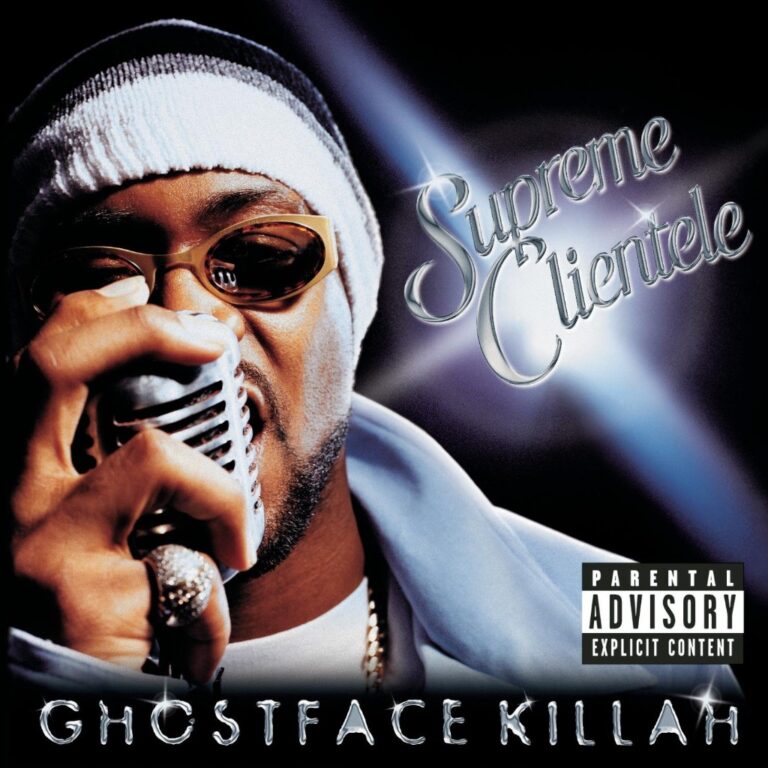
Ghostface Killah is one of the more renowned members of the Wu Tang Clan, lauded for his exceptional skills as an emcee, where he mixes detailed storytelling with a unique sense of imagery and style. Those abilities were ever-so-present on his second studio album Supreme Clientele. On the RZA produced album, he successfully implemented a trendsetting combination of lyrical excellence and story-telling exclusive only to him.
The lead single was the oft-sampled “Might Healthy,” which showcased his deadly skills as an emcee, as well as the kind of presence that would make him a mainstay of hip hop culture. Debuting at #7 on the Billboard 200, Supreme Clientele was the most acclaimed of each Wu Tang member’s respective sophomore effort. And ironically, the highlighted record — “Mighty Healthy” — was one of the few not produced by Wu Tang head honcho, RZA, with production being handle by producer and Wu Tang Clan DJ, Mathematics.
The iconic album cover
“Mighty Healthy” was partly inspired by Brooklyn based hip-hop group, Divine Force, and their single pack “Holy War (Live).” Divine Force was made up of emcees Sir Ibu, Lady Nefertiti and her brother Supreme and their DJ, Jizer. They were managed by Melquan, who also managed RZA (then known as Prince Rakeem), GZA (then known as Genius), and Ol’ Dirty Bastard, before 36 Chambers fame. “Holy War (live)” sampled drum patterns from Melvin Bliss’ “Synthetic Substitution,” an uncharted record that went on to become one of the most sampled songs in hip hop history.
On “Mighty Healthy,” Ghostface begins the sampling at around the 1:12 mark. You can hear him using Sir Ibu’s flow as well as some of his lyrics as a way of paying homage.
When we hug these mics, we get busy
Come have a good time with G-O-D
Make you snap your fingers or wiggle
Scream, shout, laugh or just giggle
Shake that body, party that body
Don’t f**k with ghost you’ll feel sorry
That’s word, I’m not the herb
Understand what I’m saying, saying, saying
Sir Ibu’s lyrics on “Holy War (Live)” read:
“The wisdom that I’m speaking are words that I’m rhyming
The God of rhyme, Divine Force gets busy
Make you hip or hop or get dizzy
Make you snap your fingers or wiggle
Scream, shout or laugh or just giggle
That body, party that body
Don’t (F**k) with me you’ll feel sorry
That’s word, I’m not the herb
Understand what I’m saying?”
Besides the Divine Force interpolation, “Mighty Healthy” sampled records from other pioneers of hip hop, sampling “Wish I Could Talk to You” by The Sylvers, as well as, “Nobody Beats the Biz” by Biz Markie featuring T.J. Swan and “Funk President (People it’s Bad),” by James Brown (another heavily sampled artist).
Ghostface did much more than just interpolate others, and “Mighty Healthy” showcased some of the best rapping of his career. Heavily inspired by martial arts — much like the rest of the Clan – the song begins with a sound bite from the film Shaolin Rescuers. He starts his verse with his typical and colorfully descriptive lyrics.
Son trifling f**k, wildflower on the cycle and
Picked up the broom thought I was Michael in
West Brighton Pool, now I’m into Iron Duels
Turn nuns to Earth Whoopi, she at Allah school
He starts with an honest, yet blunt description of himself, then says he thought he was “Michael in West Brighton Pool”– a home goods store located in Staten Island — but the imagery, metaphors and double entendre are ever present, as “broom” is also slang for guns; in the next line he talks about now being into “iron duels,” (as a gun is made of steel). Before finishing off the bar with a Whoopi Goldberg reference, known best at the time for Sister Act, where she played a choir singer who had to relocate after having witnessed a murder and enters witness protection as a nun.
“The world can’t touch Ghost, purple tape Rae co-host
In his second verse, he continues his onslaught, first by paying homage to Sir Ibu on the bride before getting into his verse, setting it off with this”
Hit mics like Ted Koppel, rifle expert
Let off the Eiffel, burn a flag in your grass, spiteful
Ringleader set it off, rap Derek Jeter
Culprit, prince of the game wish you could see us
Ghost brags here, letting the audience know that he is better than most. Ted Koppel was a famous anchor and broadcaster for ABC and Nightline, from 1980 until the program’s end in 2005. Ghost continues by saying, he’s a rifle expert who lets off “the Eiffel,” and “burn a flag in your grass, spiteful” is his way of saying that after conquering his enemy with his superior weaponry, he will continue to acknowledge it to the world. Finishing off by labeling himself “ringleader” and the “rap Derek Jeter.” He continues his braggadocios rhyming throughout,
“Too hot to handle, one thought from scrambling the mandolin
Hundred game Wilt Chamberlain, smack ‘em, say when”
“Mighty Healthy” has meant a great deal to hip-hop and to Ghostface, with Complex Magazine even naming it his best song. It has also been sampled on a myriad of records, including “No More Parties in L.A” by Kanye West — off of his 2016 album The Life of Pablo. The chorus was heavily interpolated on the Pusha T and Kanye West collaboration “New God Flow,” as well as a J. Cole rendition titled “Mighty Crazy.”
“Mighty Healthy” is one of the many bright spots from Supreme Clientele, yet its enduring legacy within hip hop circles has solidified the album as a classic. Ghostface stuck to his style and made it something to behold, especially at a time when other rappers were changing their sounds to fit the new party and club theme music of the 2000’s. The album’s success also cemented him as one of the commercial faces of Wu Tang, a spot that had only been previously reserved for Method Man.
NYS Music and Music Minds have teamed up to check in with musicians around the scene and see how they are holding up and how they are feeling about their craft. For the first installment, we talked to Shira Elias, vocalist of Turkuaz.
Vocalist Shira Elias finds her voice in the space where soul, pop, and R&B collide. This spring, Shira welcomed her debut solo endeavor, GOODS the EP, under her latest project, Shira Elias’ Goods & Services. With funk band, Turkuaz, Shira has recorded six records and played shows across the globe at legendary venues and festivals. Elias is collaborating with producer and musical partner MEGA to offer up a series of songs that are deeply personal, decidedly honest, and undeniably unique.
Adam Chase: In what ways has this time period put live music into perspective?
Shira Elias: I mean, you don’t know what you got til it’s gone, right? In so many ways, over the past 4 months we have seen how art brings people together and HEALS us. Especially now, live music is necessary in that way.
AC: In what ways has music helped get you through tough times?
SE: Music is therapy for me, both by experiencing it from an outside source and in creating it myself. It transports me to a spiritual place where I can really look within myself for answers and for comfort. For me, it’s the most potent anxiety reliever out there.
AC: What makes being a singer different from other musicians?
SE: Your instrument is your body. It is all within you. Instrumentalists have a separate entity that they channel their expression through. Vocalists have a more literally visceral connection to their instrument, which is a blessing and a curse. A blessing because I believe the sound of a human voice can resonate and express emotion in a more profound way than any instrument can by virtue of it being produced by a living being. And a curse, because there is no escaping it. You cannot put your instrument away in its case after the gig, which is why vocal health is a lifelong challenge for singers.
AC: What words of encouragement would you have for someone learning how to sing?
SE: I would tell them to sing as much as they can, as often as they can because your voice is a muscle that you need to train and work out just like any muscle in your body. You gotta get those reps in. And I would also encourage them to find their own true, authentic voice, rather than try to sound like someone else. No one else in the world can sound like you, so be the best you that you can possibly be.
Wu Tang Clan have long been innovators within hip hop culture, whether it came from their music, style, or their lingo. Before the masses draped themselves in popular streetwear like Supreme, V-Lone and Bape, Wu Wear occupied that space within the streetwear community. Always the trendsetters, this was the first of many clothing lines by rappers. Its impact was worldwide, as each article of clothing was designed to showcase the most iconic logo in the history of hip-hop, the infamous Wu Tang Clan “W” which combined their love of kung fu and hip-hop.
A unisex clothing line, Wu Wear offered a variety of fleece jackets, long sleeve t-shirts with graphics, crew necks along with sweatshirts — all of which donned the iconic logo. While RZA is regarded as the group’s de-facto leader, the idea for Wu Wear stemmed from Oliver “Power” Grant, a close associate of the groups who has executive produced every Wu-Tang Clan album.
In 2008, they faced a counterfeiting scandal, hurting the brand’s credibility. Consumers were under the assumption that they were getting ripped off with fake clothes that they were paying a lot of money for. The brand has since bounced back and has made a relaunch to their website. Partnering up with the likes of Nike, ALIFE and other popular clothing brands.
To recognize the brand’s cultural significance, RZA recorded a song titled “Wu-Wear: The Garment Renaissance.” which was included on the High School High soundtrack, as well as RZA’s greatest hit album. The record also features Wu tang affiliate Cappadonna and Method Man.
Method Man’s laid back and rhythmic hook (along with his charisma and style) gave the record much needed flavor that balanced RZA’s scientific flow and lyricism.
“Ain’t what you want baby
It’s what you need baby
Ain’t what you want baby
It’s what you neeeeeeeed”
Setting a calm and relaxed tone (which was needed) before RZA began his verse. The famed producer begins the record with a breakdown of what makes Wu garments unique, and why it had been deemed a renaissance for streetwear.
“Yo, diamond crystal rings sharp like icicles, nickel plated pistols
official Wu-Wear covers my physical”
RZA begins his verse describing the jewelry and diamonds that cover his body, concluding with Wu Wear as a way of associating the clothing brand with the valuable jewelry he dons.
“You can detect the true and living God from the score
Keep your sword straight, maintain your weight
But he ate too much monosodiumglutumate, and polysorbate
and drug rate concentrate, with sodium benzoate
By the chicken thighs and tryglycerides
And this bitch advertised her breast size
Eighty-five didn’t realize, til the truth opened up his eyes”
He begins to breakdown all the things that is poisonous to body and wellbeing of his body and of others. He is also referencing the “five percent” teachings when he speaks on searching for the God within. The five percenters focus on how the Black man is the original man and how they are Gods on the earth. That’s why it’s important to keep and maintain your health from many of the substances in this society that destroy your mental and body, which RZA references while also discussing his recent wealth. He refers to is as “chicken” that fattens his thighs which in tun, leads women to show their “breast size,” a clever play on words. He finished the bar off by letting the masses know that he was once one of the 85% until he searched for his own truth.
“Then he became highly civilized,
and spent time amongst the wise,
went through a garment renaissance
and stopped wearing Benetton, Tommy Hill, Perry Ellis, Nautica,
or Liz Claiborne, Ocean Pacific, Fila, Bill Blass and leave fitted
Quit the Armani sweaters with the Gucci wool knitted
Mecca, Pelly Pell, 88, North Q, Bear and a few others
For the new year, strictly Wu-Wear
Once he opened up his mind, he spent time with wiser men and gained a greater understanding of his purpose. His garment renaissance came when he stopped wearing name-brands clothing and focused his efforts on the success of Wu-Wear and other Black owned clothing brands. With the renaissance signifying
While the theme remained the same, Cappadonna’s verse was much more straight-forward, relying less on philosophical references.
“The Century 21 son, the new portfolio dunn
Now it’s my time, Asian Wu-Wear, Cap and fleece wear
One wear plaids the Don will hold the best for all wear
plus blue wear, Wu-Wear, what’s going on
We’re the best of this year, Wu-Wear and fleece wear”
While RZA focused on the meaning behind his beliefs, Cappadonna spent more time detailing his exploits as a well-dressed man, aligning Wu Wear with other recognized name-brands.
“Just hold your own baby
and just rock on baby
I got this wine on my mind
feelin fine darlin
Now all you see baby
ain’t what you need baby
I wanna know just how low it goes
Official nasty asses, straight shots in dirty glasses
Wu-Wear fleece for you and your stinkin piece
Hard time and killer tactics”
Known for having more crossover appeal, Method Man took a took a different approach to his verse. Unlike the others, he demonstrated how the allure of the clothing line can be used to allure women, a major point of contention for most men.
The record sampled The Soul Children and their 1972 single “Don’t Take My Kindness For Weakness,” spending 17 weeks on Billboard charts and peaking at number 20. While it served as great promotion for the clothing line, it also showcased the diversity that made Wu Tang Clan so iconic. There’s knowledge-of-self and wisdom from RZA, “fly talk” from Cappadonna, and the smooth slickness of Method Man.
Wu-Tang having their own clothing line and iconic logo has been ingrained in the fabric of hip-hop since the brand came out. They were innovators taking their interests and creativity outside of music and making it into a business to profit off of other than just recording music. You can say this was the model for artists such as Notorious B.I.G and Bad Boys records, Jay-Z and Roc-A-Fella records, rapper Camron and his Dip Set clothing line and Kanye West with his Yeezy brand.
Companies have also used rappers to promote their companies clothing lines such as the rap group Clipse with Bape and the late Tupac Shakur with Versace. All of this can be traced bac to the Clan and their influence on the culture.
With large gatherings banned for the foreseeable future, fans of musical theater and full-band live music are on the search for musical fulfillment and interesting story arcs. Enter the concept album- a perfect cross between long-form storytelling and studio recorded music. Albums like The Who’s Pinball Wizardand Green Day’s American Idiot hold their place on the pedestal of great rock operas. Over time, fans of musical theater have seen soundtracks becoming more contemporary. Musicals like Once and Hamilton make for otherwise great studio soundtracks to listen to apart from their visual stories. It’s a tall task for bands and composers to be able to write soundtracks in this long storytelling form. One NYC based band is doing it right here, combining catchy tunes with technically brilliant songwriting and performances.
The Ninth are a dynamic, often changing group of musicians. Ben Halperin (Guitar, Songwriter), Tim Russell (Vocals/Keys), Stephanie Genito (Vocals), Tim Galvin (Drums), and Jeff Ostroski (horns) make up the core of the group. The talented crew of musicians have two stellar studio works in their catalog, The Answer(2018) and Olympic Dream/Nightmare (2019). For the most part both combine elements of funk rock and musical theater. The outcome is wonderfully groovy and incredibly intricate. Catchy hooks unify every song, keeping the listener coming back.
The Answer
To begin with, The Answer isa short and sweet trio of songs clocking in at just over 10 minutes. The group’s propensity to uniquely combine the minutiae of classic rock, funk, and R&B is showcased in this initial release. Funky beats match with masterfully crafted bass lines to drive the songs and provide a delightfully dance-able groove. For instance, huge brass and string parts mesh well with the core-band. This gives each song a sense of grandeur.
Vocalist Tim Russel steals the show with his soaring vocals. Meticulously performed guitar and bouncing bass reinforce the technical expertise that the band possesses. Guitarist Ben Halperin remembers how the songs acted as a jumping off point in the first place. He recalls “We were just getting our bearings and feeling out our sound…we love those songs, but there isn’t anything to them other than that we thought they were good and ready.” Halperin had been working on something special however, before the band had even assembled.
Olympic Dream/Nightmare
The Ninth released their first full album Olympic Dream/Nightmare in October 2019. The album tells the story of the Nancy Kerrigan and Tonya Harding Olympic scandal. Ultimately the story was adapted and written by Halperin. The songs were also written in collaboration with the band over time. Halperin’s wife had recently opened his eyes to Broadway, theater performance, and all the possibilities the medium presented. The album idea came quick.
Having watched the Hardy/Kerrigan debacle unfold as a child, and after watching an “ESPN 30 for 30” special years later, Halperin was inspired to write about the event. He focuses especially on a couple main themes. One being how difficult it is to achieve lofty goals. The other about the damage public judgement can have on a person. Together with each other, these themes are of principal focus in the lyrics. Album in hand, Halperin started to put together his troupe.
Halperin was able to assemble an incredible crew of musicians including the likes of Broadway pit performer Jeff Ostroski, who played trumpet and also arranged the horn parts for the album. Adding in musical theater performers Tim Russel and Stephanie Genito on vocals gave the project’s lineup an extra kick. Consequently, they were outfitted to sound like a Broadway ensemble. The Ninth’s music consistently exudes influence in funk rock and jazz. The band’s consistency in genre lends to their tight-knit sound. With the clear album topic and a great sound in mind, the project could move forward with a common goal.
Putting it All Together
The re-imagination of such a dynamic event allowed the group to leverage emotional complexity to create large compositions that reflect such bittersweet themes. The real life story is about as wild as any Hollywood script. Particularly, The Ninth do a great job of capturing the chaos and beauty of the story. Every track is a roller-coaster, with highs and lows dominated by the intricate composition and wonderfully crafted lyricism.
Halperin remarks that “almost the entire first half of the album comes back some way or another in the second half.” For instance, “the title song introduces themes that recur in Limelight and Oksana, with Limelight also having a Trailer Park reprise.” Everything ties together splendidly, despite the long story arc. No strangers to big studio projects, the band offers up hit after hit.
Halperin mentions specifically how “the emotion and characters translated well to the funk and rock music that I love.”
Full brass and string sections give each song a larger-than-life feeling. This is something that the band strives to deliver. Songs such as “Saving Grace” and “Trailer Park” provide character introduction and juxtaposition between two of the story’s main characters. Namely, the band uses different vocalists for each character. Each vocalist offers a magnificent performance on their tracks and also mesh well together in harmony.
The guitar work shines marvelously throughout the entire work. Halperin matches tone to every small part of the story thus acting as a sort of narrator in the story. He provides a magnificent performance all around. Cory Wong-styled funk lines opposite soaring solos. Generally the guitar foretells the mood of the song. A sleazy funk song like “Crowbar” emulates the Jeff Gillooly character wonderfully.
Successes and Challenges
Although projects of this size don’t come together easy. It was great preparation and a solid cast of musicians that helped Olympic Dream/Nightmare come out so well done. Halperin mentions that it wasn’t so much the undertaking of the music that made the recording a challenge. He says “making music in a great studio with great musicians always has and always will be a complete pleasure.” The band recorded everything Steely Dan-style. Putting painstaking detail put into each instrument’s recording and layering is a point of pride. Indeed, the hard part was the scheduling and financing. This was no rush job, and it shows with the final product. Everything was meticulously planned and executed.
Playing Live and The Pandemic
It’s no surprise that the group has a big live sound too. They have played some of NYC’s iconic venues such as The Bitter End. Their tight grooves keep live renditions of their songs dance-able and exciting. High energy is a big defining characteristic of The Ninth. Together, this unrelenting powerhouse of a group can perform with stellar execution. “Boy do I miss crowds”, Halperin says. Specifically those crowds including musicians who are digging the music.
The off time has been ultimately slow for the band since everything is shut down. For instance, Halperin has kids and a day job. Consequently, with no access to child care right now it’s tough to focus on music. Though he is optimistic about the future. He says “we’re itching to perform once it’s safe.” In the meantime, he says the band has new music to record. Otherwise, he is available to help out with other projects, and is available to write if anyone has an idea and needs music.