Category: Artist Profile

  • In Memory of Lou Reed, 1942-2013

    Today we celebrate the memory of one of New York’s true musical icons, Lou Reed. Seven years ago today, Reed died from liver disease, leaving behind an incredible library of music that’s been so influential to so many artists. His work with the Velvet Underground as well as his solo efforts continue to enthrall people even today, showing just how timeless his music can be.

    Lewis Allan Reed was born on March 2, 1942 in Brooklyn in what is now known as Brookdale Hospital. He spent his youth and formative years growing up in Freeport Long Island in a Jewish household. Lou attended Freeport Junior High School, where his musical career truly began. His doo-wop band The Jades, where he played guitar and contributed backup vocals, was offered studio time for a recording in response to a talent show performance in 1958. This single, “So Blue,” didn’t quite make the charts but it would be Reed’s first ever radio airplay.

    Lou would stay in state to further his education at Syracuse University, studying journalism, creating writing and film directing. However, during his first year there, he was brought back home after allegedly having a mental breakdown of sorts. According to his sister, he was “depressed, anxious, and socially unresponsive” for a while. This ultimately led to his parents consenting to electroconvulsive therapy (ECT) as a treatment option after doctors’ recommendations.

    After treatment and recovery, Reed resumed his studies at Syracuse University, even hosting a radio show on WAER called Excursions on a Wobbly Rail. At Syracuse, he would study under the poet Delmore Schwartz, who would be an early mentor for Reed. It was also here that he would meet Velvet Underground guitarist Sterling Morrison for the first time. Morrison was visiting the older brother of eventual Underground drummer Maureen “Moe” Tucker.
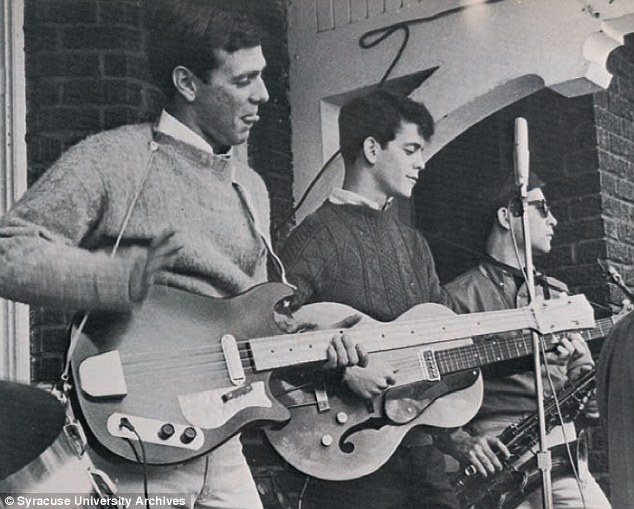
    Lou reed
    Lou Reed plays with his band LA and the Eldorados in front of the Sigma Alpha Mu fraternity house at Syracuse University

    After graduating with a B.A. cum laude in English in 1964, Reed moved to New York City where his career would blossom. As an in-house songwriter for Pickwick Records, it was here that he would meet fellow musician John Cale and form a lifelong partnership of sorts. The two lived together on the Lower East Side and would eventually recruit Reed’s college acquaintance Morrison and Cale’s neighbor Angus MacLise who played drums to form the first iteration of The Velvet Underground. MacLise wound up quitting the band right before their first paid gig and was replaced by Tucker.

    Although they never reached commercial stardom or widespread fame at the time, the Velvet Underground would go on to become one of the world’s most influential bands, providing a public image for the bustling New York City underground and alternative rock scene. They would eventually catch the attention of Andy Warhol who would serve as their early manager and quickly instituted them as the house band for his Explosive Plastic Inevitable multimedia events held at his Manhattan studio that was known as the “Factory.”

    It was Warhol who would urge the band to hire the German former model and singer Nico. Their debut release, The Velvet Underground & Nico, would only peak at No. 171 on the US Billboard 200. However, Rolling Stone would much later dub it the “most prophetic rock album ever made.” The overall sound was propelled by Reed and Nico’s deadpan vocals, Cale’s droning viola, bass and keyboards, Reed’s experimental avant-garde guitar, Morrison’s often R&B– or country-influenced guitar, and Tucker’s simple but steady and tribal-sounding beat with sparse use of cymbals.

    Nico and Warhol soon parted ways with the band with the former quitting and the latter fired by Reed, both against Cale’s wishes. The two co-founders were beginning to butt heads musically as well. Cale favored a more experimental, avant-garde style while Reed was trying to steer the band towards a more pop-driven style. It would result in Reed firing Cale from the Velvet Underground and replacing him with Doug Yule who played keyboards and bass guitar. This new version of the band would only record two more albums: The Velvet Underground in 1969 and Loaded in 1970. Shortly before Loaded‘s release, Reed would quit the band and by the end of 1971, the Velvet Underground was a thing of the past.

    Lou reed
    The Velvet Underground

    Reed then set out on his solo career, signing a recording contract with RCA Records. His first release, Lou Reed, contained some unreleased material that never made it onto Loaded and didn’t receive much attention. This didn’t come until 1972’s incredibly successful Transformer release that was co-produced by David Bowie and Mick Ronson. The album’s hit single “Walk on the Wild Side” introduced Reed to a much larger audience and worldwide acclaim. It would peak at No. 16 on the Billboard Hot 100 singles chart, by far his most commercially successful record. Transformer also features other Lou Reed classics like “Perfect Day” and “Satellite of Love.”

    Berlin, his next solo release in 1973, is described as a concept album about two junkies in love in the city. Perhaps uncoincidentally, he also married his first wife Bettye Kronstad this year. Although it appears to be mislabeled as Velvet Underground, check out Lou singing “Berlin” below to a spellbound audience.

    Some of his later solo projects would go in a completely different direction. 1975’s Metal Machine Music is an hour’s worth of modulated feedback and electric guitar effects. It was widely panned by critics and seen, by some, as an effort to get out of his contract with RCA. He would later sign on with Arista Records and his first release for them, Rock and Roll Heart in 1976, features “A Sheltered Life,” a song with roots going back to 1967 and the Velvet Underground era.

    A live album recorded at The Bottom Line in Greenwich Village titled Live: Take No Prisoners also came out this year with Rolling Stone describing it as “one of the funniest live albums ever recorded,” comparing Reed’s monologues with those of Lenny Bruce. Lou was certainly never afraid to speak his mind and reveal his true feelings, a true New Yorker in that sense.

    Throughout the 1980s, Reed would continue to pump out new music and maintain a public persona. He collaborated with guitarists Chuck Hammer and Robert Quine on Growing Up Public (1980) and The Blue Mask (1982), respectively. 1984’s New Sensations even saw Reed back on the charts for the first time in six years. He even played a solo set at the first Farm Aid concert held in Champaign, IL in 1985. The decade would end with another one of his more successful solo efforts, appropriately titled New York, released in 1989. It not only netted him a GRAMMY nomination for best male rock vocal performance, but also served as his public commentary on contemporary issues like AIDS, crime and civil rights.

    The 1990s would feature even more solo releases from Reed as well as a brief Velvet Underground reunion. Andy Warhol’s funeral in 1987 would bring John Cale and Reed together for the first time in decades. It would ignite a new collaboration between the two, 1990’s Song For Drella, a song cycle about Warhol. This eventually led to a brief Velvet Underground with one benefit show in France that year and a brief tour of Europe in 1993 that featured a performance at the Glastonbury Festival. Sadly, plans for a North American tour were scrapped after another disagreement between Cale and Reed.

    In 1996, the Velvet Underground finally entered the Rock and Roll Hall of Fame, with an induction speech given by another musical icon of New York City, Patti Smith. Unfortunately, original guitarist Sterling Morrison passed away the night before the ceremony. Reed, Cale and Smith would later sing “Last Night I Said Goodbye To My Friend” in tribute.

    For the rest of his life, Lou Reed continued to find new ways to express himself and grow as an artist. In 2000, he collaborated with Robert Wilson on POEtry. This would lead to a CD release under the same name years later that featured songs written by Reed and spoken-word performances of reworked and rewritten texts of Edgar Allan Poe by actors, set to electronic music composed by Reed. In October of 2001, the New York Times even published a poem of Lou’s titled “Laurie Sadly Listening” that was written in response to the recent 9/11 attacks. He would also go on to release three books of photographs, the second one released in 2006 was titled Lou Reed’s New York.
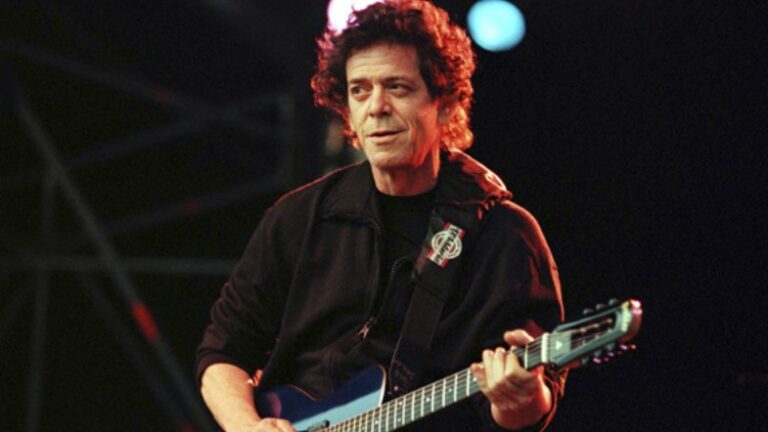
    Lou reed

    Reed would also go on to revive his Berlin and Metal Machine Music projects in live settings. He also wound up collaborating with modern day acts like Metallica, Gorillaz and Metric. Unfortunately, health issues caught up to him in 2013 and after a transplant in May, he succumbed to liver disease on October 27. Almost instantly, the outpouring of respect from other musicians began. Bands like Pearl Jam, The Killers, My Morning Jacket and Phish all dedicated either original or cover songs played that evening to the late guitarist’s memory.

    Although he may be gone, Lou Reed’s legacy lives on and then some. He was posthumously inducted into the Rock and Roll Hall of Fame, this time as a solo artist, with another speech from Patti Smith. Lou Reed: A Life, a biography by Anthony DeCurtis was published in 2017. And an archive of his letters and other personal effects was donated to and can be viewed at The New York Public Library for the Performing Arts. More importantly, Lou Reed and his extensive musical catalog and stylings continue to influence and inspire new listeners and will continue to do so for the rest of time. Not too shabby for a kid from the city.


  • Autumn Nicholas Strives to Make a Difference Through Music

    Autumn Nicholas, a soul-pop singer-songwriter from Raleigh, NC, is a talented young musician that makes her listeners only want more. Growing up with a father who played drums and a brother who played guitar, music was always prevalent in her family; however, Nicholas never thought she would make a career out of it.

    Autumn Nicholas
    Autumn Nicholas Promo

    To say Nicholas is passionate about her music is an understatement. Not only is she passionate about her music, but she is passionate about making a difference in our society. She strives to make her music unique and relevant, singing about love and loss as well as hope and pain—which has been very pertinent in today’s civilization.

    Recently inspired by the #BlackLivesMatter and LBGTQ marches, her new single “Side by Side” shows both the positive and negative sides of these movements in hopes to try and get people to stand up and take action. She says the single “is focused on how we are all uniquely beautiful, beyond our gender, circumstance, and skin, no one more than the other.” Autumn Nicholas is proud to be and sing about her sexuality. The gay, biracial artist stands out among other young artists because she sings about her own life in a way that can relate to anyone. She also sings to the masses where she offers inspiring messages through her lyrics and gives her listeners something to think about.

    I can’t understand why we all just keep taking sides

    Why can’t we sympathize?

    If we really care about each other’s lives

    Then let’s go and make it right

    Standing side by side for equal rights

    Autumn Nicholas – ‘Side by Side’ Single

    Both the song’s lyrics and production capture her goal of coming together as people to stand up for what is right. “I want it to focus less on me and more on the words and the art and the community,” said Nicholas. She even said the official music video of ‘Side by Side’ was rushed because they had to make it before the artwork was taken down, and that there will be a second version of the song that shows even more street art as well as other artists of different races from around the world.

    When performing her song live, she starts by talking about #BlackLivesMatter and how it relates to her song. “It grabs the attention and captures the importance of those words,” She explains, “it is deeper than that – it’s about equal rights and LGBT, but it ties in as a whole to unity, something during these times we do not have a lot of, especially since we are feeling like we’re trapped in our homes, like we are divided, whether it’s by sickness or by color. I hope this song can bring some unity to our time period.” In times like these, Nicholas wants to bring hope to our world, something in which our world needs right now.

    Autumn Nicholas is also in the process of developing a clothing line titled Unbrand.d where their motto is “No Genre. No Gender. No Rules.” She wishes to create a style that can be worn by anyone no matter the gender. Her first item from the brand is a T-Shirt in which the proceeds will go to a food bank.

    Not only will Nicholas continue to show the world her vibrant personality and talents, but she will continue sending the messages of unity and equality in her second EP Shades of Beige coming out this November.

  • Kyle Stockman Finds ‘Solace’: A Chameleon Amongst Genres

    Harlem-native, Kyle Stockman, has suffered through an unexpected 2020 along with many fellow Americans. After receiving buzz on singles “Opal” and “Sunday,” the Shooting Star singer believed it was best to combine his passion and interests by majoring in music at Hudson Valley Community College.

    The curriculum was not as progressive as Stockman had hoped. He already self-taught much of the course. Out of that, came Solace. A multi-instrumental laden record that serves as a chameleon amongst the genres. Containing elements of folk, pop, rock and R&B.

    Kyle Stockman

    With the worldwide COVID-19 pandemic making classes virtual, he decided this was the time to abandon ship and focus on his latest. Stockman’s retreat to the studio ensued, trying out new beats and entering his sound.   

    “That’s what my music is geared for, I love the dark rawness of songs that bring out emotion.”

    Kyle Stockman

    In it, Stockman croons about a breakup. First, he tries to find closure in a relationship’s end, dejectedly singing, “you left the heart baby, but you took my soul. It’s clear you don’t care about the way things go.”

    He goes on hashing out his feelings towards his significant other. He searches for “solace” in the solitude that comes with life after a breakup. 

    Kyle Stockman

    “I make music for people who could be going through a break up, or lost someone close to them, [anything] that’s hard to deal with that at the moment,” says the indie crooner. Stockman is having fun making records and puts his soul into his music.

    His brand of Indie-pop R&B is drawn from the likes of Frank Ocean. “Frank Ocean is who I’m into the most right now. I love his album Blonde for its simplicity [and] the rawness the emotion it incites. For me, that project was a masterpiece. I know that it got a lot of mixed reviews at the time but, the more I listened, the more I got what he was trying to convey. I try to make my music the same way, so you can feel the emotion.”

    With contributions from Maxwell Amankwah

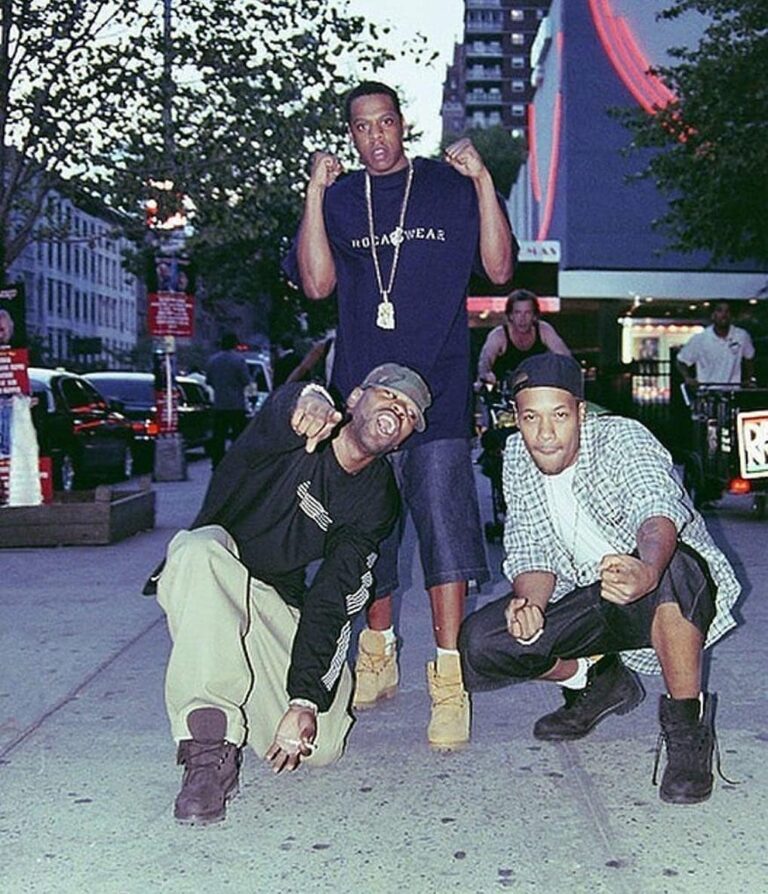
  • Why Method Man is the Perfect Adversary for Jay-Z in a Verzuz Battle

    Since March, the Coronavirus global pandemic and government shutdown had left many people in their homes stuck with nothing to do. That is until, famed producers Hit-Boy and Boy-Wonder began the Verzuz craze on Instagram Live, playing their most popular records back-and-forth. Timbaland and Swizz Beats expanded on the phenomenon, elevating it by pairing older, iconic acts together to showcase their catalogs in a 20-song format.

    Verzuz battles have helped keep the general public’s minds off of the pandemic and the success from each ensuing battle has fans creating dream matchups of who they want to see next, and which artist they want paired with who. One of the artists that many fans want to see step into the ring is Jay-Z. Widely considered as one of, if not the greatest rapper ever, conversations surrounding a potential Hov battle have people asking two questions: given his immense stature, would he actually do a Versuz battle? And, who exactly would be his opponent?

    Verzuz

    The first names that have been tossed around are his long-time rival Nas and Lil Wayne. Nas and Jay-Z’s rivalry is well-documented and dates back to the late 90’s. Their problems began when Nas turned Hov down for a feature on Jay-Z’s song “Dead Presidents” off of the Reasonable Doubt LP, because Nas’ voice was sampled for the record. With that, animosity began to build, as both rappers exchanged shots for years throughout multiple songs until the rivalry met its climax in 2001.

    https://vimeo.com/316958866

    First came Jay-Z’s “Take Over” from his Blueprint album, while Nas replied a few months later with “Ether.” Their battle marked Nas’ to hip-hop superiority, as well as the first real loss by Jay-Z. It only makes sense that their convoluted history has fans yearning for a Verzus battle between the two.

    While Lil Wayne’s case is centered on his dominance of the rap game during the mid-to-late 2000’s, he has also had a healthy rivalry with Jay-Z with the two sharing subliminal shots at each other on various records. While all these names are legendary in their own right, the best opponent for Jay-Z isn’t Lil Wayne or Nas, but none other Method Man.

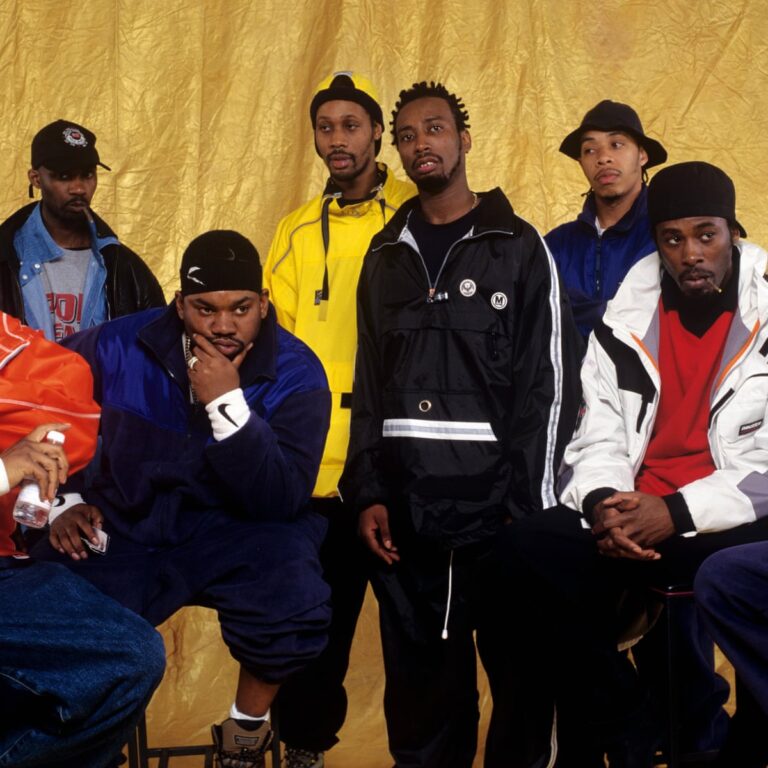
    Making a name for himself in the early 90’s as the face of the most gritty and diverse group in hip-hop history, Wu Tang Clan, Meth has been a part of many classic albums in his own right. From his work with the Clan, his own solo albums and guest features, he has enough in his arsenal to give Jay-Z his toughest matchup in a Versuz Battle.

    Why Meth and not Nas or Wayne

    Some will say that Method Man isn’t a better choice to battle Jay over Nas or Lil Wayne and they would be wrong. Artists have egos and want to be matched up with other rappers whom they believe are of their stature. Jay-Z is at the pinnacle of hip-hop as a mogul, artist and legend. He is constantly praised by hip-hop media outlets who have been the main reason for him being mentioned as the “G.O.A.T.” in recent years. Prior to his success as a businessman, that title was reserved for the likes of Tupac Shakur, The Notorious B.I.G., Rakim, LL Cool J, and Nas.

    Jay-Z has always been conscientious of how people perceive him. In a 2019 Breakfast Club interview, rapper T.I revealed that Jay-Z phoned him over comments he made where he stated that he believed Tupac Shakur was the greater emcee.

    Jay-Z took some offense, which let the masses know that being considered the greatest is important to him. From his pespective, why go head-to-head with Nas again? Because of the extent of his radio catalog, he would would be the heavy favorite, to the point that most would write off Nas, just as they did in 2001.

    While a Verzuz battle is meant to be hit-for-hit, we’ve seen them deviate from this course and highlight quality records over just radio-friendly music. In this scenario, Nas could come with 20 of his best records and possibly sneak a win from Jay-Z, and if he does, then his status among mainstream media as the best rapper ever would come into question.  

    The same thing can be said for Lil Wayne, only his win would come from his sizable radio catalog. If Jay-Z were to battle him and go hit-for-hit, there is a possibility that he would lose. Another overlooked aspect is that Nas, Lil Wayne and Jay-Z all have laid-back personalites, which might not be the most entertaining to the public as other battles have been. This is where Method Man comes in. As the host of TBS’ Drop the Mic, his personality is effervescent and thus would serve as better entertainment to audiences, as he would surely provide great banter during a Verzuz battle. Meth is not considered usually in the conversations for best rapper ever, he is thought of like Snoop Dogg; a dope rapper in their prime, who have been featured on great songs throughout their careers.

    Verzuz

    If Jay-Z were to get defeated by Method Man it would be more of a look for Meth and his catalog than a diminishment of Jay-Z’s. Meth is pulling from not only his catalog but the entire Wu-Tang Clan’s, as well as guest verses he has done throughout his career. If Jay-Z does defeat Method Man, then he can say he took down Method Man (who was at one point viewed as a better emcee than Jay-Z in the mid to late 90’s), while also claiming that his own catalog was able to overcome Wu-Tang Clan’s discography, which would make his case as the greatest ever stronger.

    How Would Their Battle Go?

    A battle between Method Man and Jay-Z would be interesting because of their contrasting styles. Meth has a gritty gutter style and has been known to rhyme over tougher beats. Jay-Z is smoother and rhymes on more polished sounding production. Meth might probably start off with his first single off the 36 Chambers album “Method Man” or “Protect Ya Neck,” the track that put the entire Wu on the map. This would put Jay-Z in a bind, as a lot of the early Wu Tang records are considered some of the best rap songs of all-time. This would probably force him into playing a lot of his older, more acclaimed work but, he would most likely still play some of his newer songs like “Story of OJ,” due to its popularity and current climate of the world, with race relations and internal bickering amongst the black community.

    A major risk in this battle is sequencing. Would Jay-Z try and use his Billboard hits against Method Man with songs like “Déjà vu” with his wife Beyonce? While one of his highest charting songs ever, against Method Man, the underdog in this battle, it would not be wise to play those kind of records.

    Method Man has gotten a bad rap for “whining” about being overlooked in his all-time ranking when people mention the greatest emcees. A Verzuz battle with Jay-Z not only brings new listeners to his already iconic catalog and also opens up discussions about where Method Man should be ranked in the pantheon of hip-hop greats. This also works in Jay-Z’s favor, as Method Man has a legendary and mostly underrated discography. If Jay-Z were to lose, it would be shocking but no one would question his superiority over Method Man in the rap hierarchy. If Hov wins, then he would reaffirm his status as the best rapper of all-time.

    Here is a list of both MC’s potential versus picks.

    Method Man

    1. “Method Man” (1993)
    2. “Protect Ya Neck” (1993)
    3. “C.R.E.A.M” (1993)
    4. “Wu Tang Ain’t Nothing to F**k With” (1993)
    5.  “The What” (1994)
    6. “All I Need” (Remix) (1994)
    7. “Bring Da Pain” (1994)
    8. “Meth vs Chef” (1994)
    9.  “Raw Hide” (1995)
    10. “Ice Cream” (1995)
    11. “Shadow Boxin’” (1995)
    12. “How High” (1995)
    13. “Got My Mind Made Up” (1996)
    14. “Triumph” (1997)
    15. “Reunited” (1997)
    16. “Cash Still Rules/Scary Hours” (1997)
    17. “4,3,2,1” (1997)
    18. “Say What You Want” (1998)
    19. “Milk the Cow” (1998)
    20. “Rockwilder” (1999)

    Jay-Z 

    1. “Dead Presidents II” (1996)
    2. “Can I Live” (1996)
    3. “What We Do” (2003)
    4. “Heart of the City (Ain’t no Love)” (2003)
    5. “Brooklyn’s Finest” (1996)
    6. “Intro: A Million and One Question” (1997)
    7. “Hard Knock Life” (1998)
    8. “Money, Cash, H**s” (1998)
    9. “Reservoir Dogs” (1998)
    10. “Intro” (2000)
    11. “The Ruler’s Back” (2001)
    12. “Story of OJ” (2017)
    13. “Otis” (2011)
    14. “Song Cry” (2001)
    15. “Renegade” (2001)
    16. “Dirt Off Your Shoulder” (2003)
    17. “99 Problems” (2003)
    18. “Big Pimpin” (2000)
    19. “U Don’t Know” (2001)
    20. “Public Service Announcement” (2003)  

    With Contributions from Alain Clerine.

  • On this day in Grateful Dead history, Jerry Garcia debuts ‘Wolf’ aboard a Hell’s Angels cruise with Merl Saunders

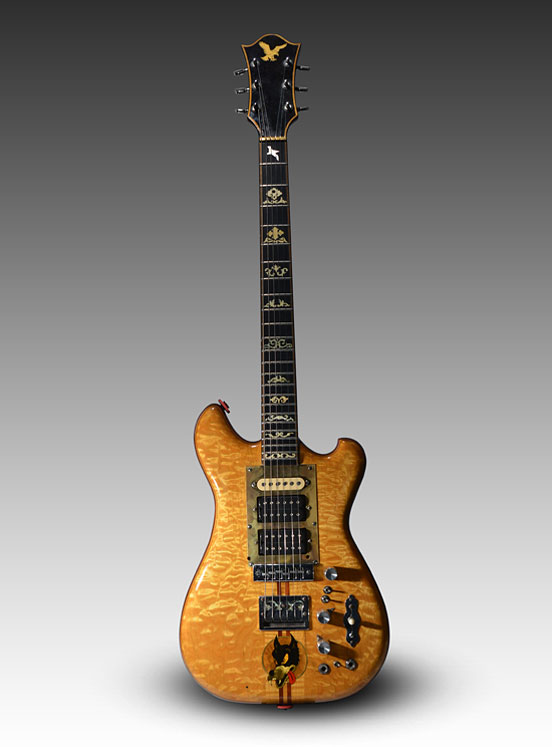
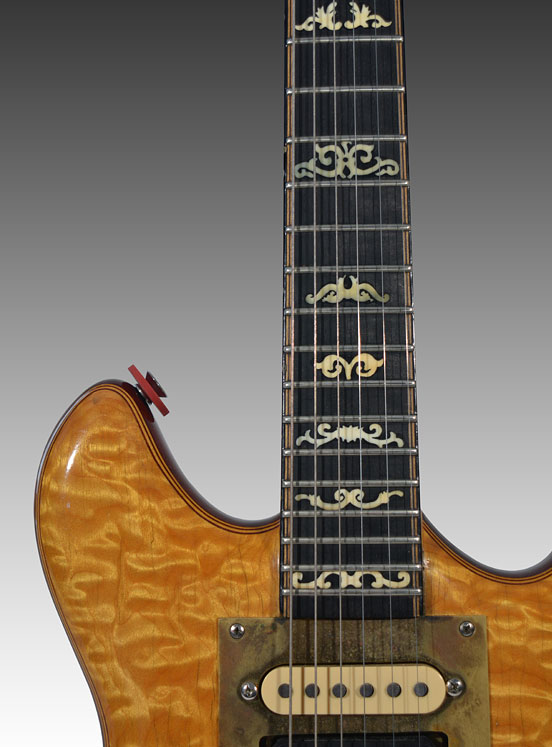
    Among the many guitars in the cache of Jerry Garcia, “Wolf” stands as the most legendary of them all. “Wolf” was customized by luthier Doug Irwin, and was delivered to Jerry ahead of his appearance at a private show for the Hell’s Angels on September 5, 1973 in NYC.

    jerry garcia wolf

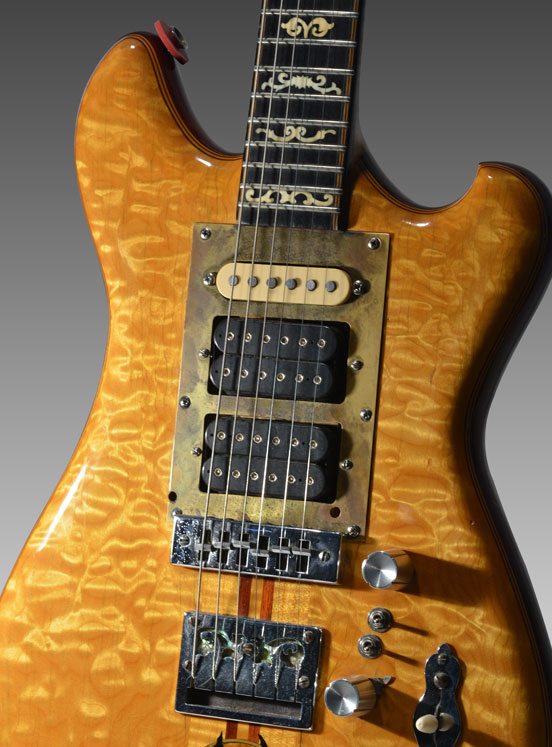
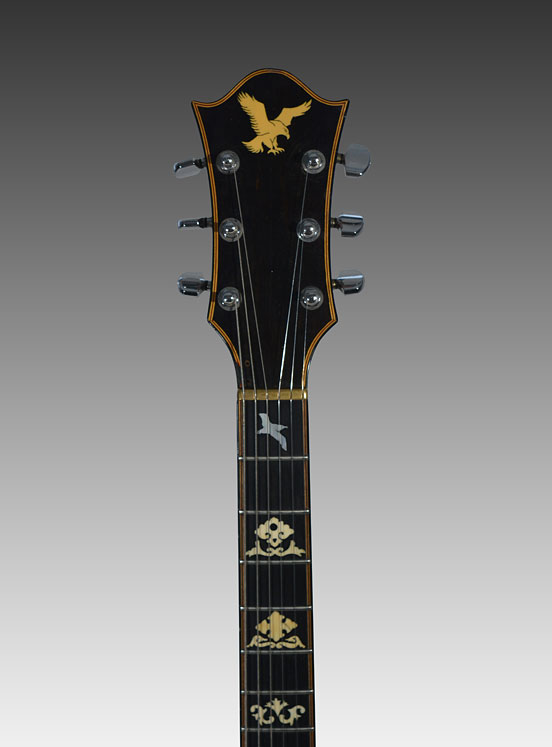
    Late in 1972, Garcia came across the first guitar Doug Irwin made for Alembic, which he bought on the spot for $850. He then asked Irwin to customize a guitar for him, and “Wolf” was born. Made from amaranth/purpleheart and curly maple with an ebony fingerboard and twenty-four frets, which were inlaid with African ivory (the first fret is mother-of-pearl).

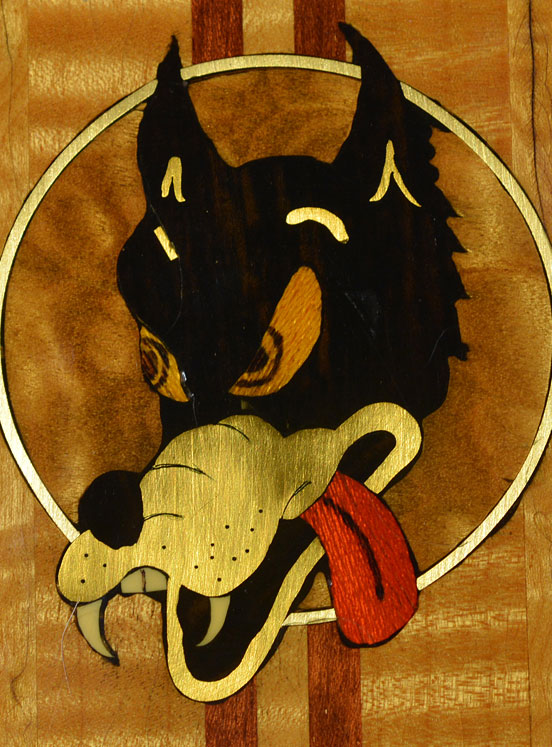
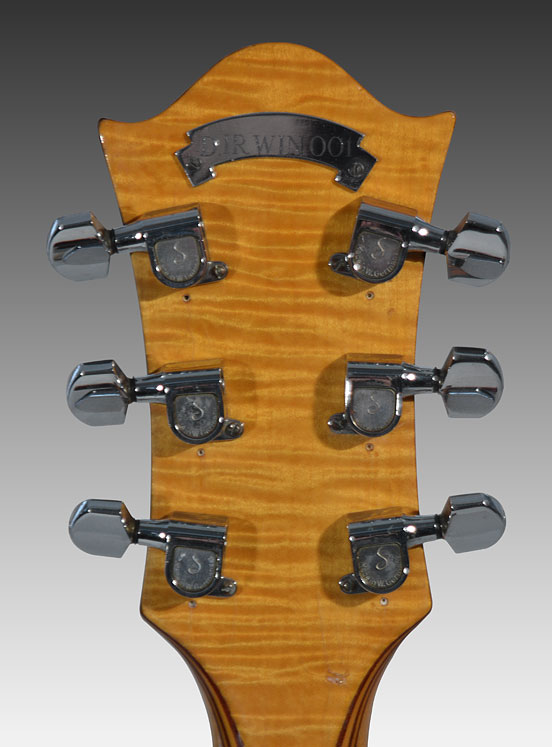
    The original version had a peacock inlay, later followed by Irwin’s eagle logo in its place. Later, a cartoon wolf licking his chops was placed by Jerry Garcia just below the tailpiece, which gave the name to the guitar. Irwin would later inlay the sticker into the guitar, which was labeled as “D. Irwin 001.” The guitar would cost Garcia $1,500, or around $8,700 in 2020 dollars.

    “Wolf” would be played for two decades, becoming his most well known guitar and played across countless recordings, concerts and even in “The Grateful Dead movie.” Here, Irwin discusses the intricate detail of “Wolf.”

    jerry garcia wolf

    A few years after I delivered Wolf to Jerry, the guitar took several tumbles during Grateful Dead’s European tour. The first, a fall of about fifteen feet off the stage onto cement, had no effect on the guitar at all, but the second incident caused a crack to appear in the peghead. When Jerry finally brought me the Wolf for repair, the crack was actually very minor, but a stitch in time, saves nine. Repairing the crack wasn’t much of a problem, but having the guitar again made me reassess my early inlay work, and prompted me to reface the peghead with ebony and replace what I determined to be a poor excuse for a peacock with my signature eagle inlay cut from mother-of-pearl.

    Doug Irwin, on “Wolf”

    “Wolf” was played throughout the ’70s and ’80s, alongside “Tiger” and “Rosebud,” also designed by Irwin. “Wolf” was brought out of retirement in 1989 when Jerry explored using a MIDI synthesizer, and was played for the last time with the Grateful Dead at Oakland Coliseum Arena on 2/23/93.

    In 2002, “Wolf” was purchased by a Deadhead, who later auctioned the guitar off for a great cause. The anonymous fans said:

    I’ve been a fan of The Dead since I was a kid, and playing this iconic guitar over the past 15 years has been a privilege. But the time is right for Wolf to do some good. My wife and I have long supported the efforts of the Southern Poverty Law Center, and if ever we needed the SPLC, we sure do need them now.

    Anonymous owner of “Wolf”

    “Wolf” would be auctioned off at a price of more than $1.6 million, a bid that was matched by an anonymous donor, raising a total of $3.2 million for the SPLC.

    jerry garcia wolf

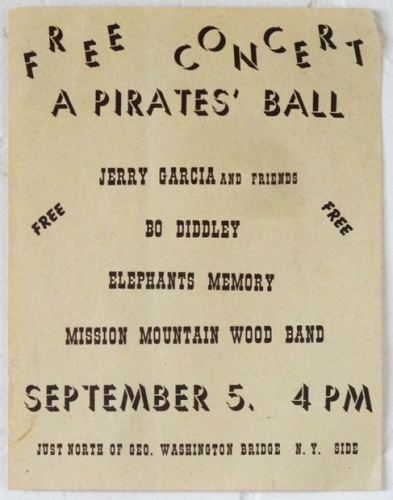
    The first show that Jerry Garcia would play “Wolf” at was a private show dubbed “Pirates Ball” on September 5, 1973, a private Hell’s Angels party aboard the S.S. Bay Belle. Performing with Merl Saunders in New York Harbor, the ship was known as the “largest marine ballroom afloat,” and was renamed to the Sound Line later after the show. The show also featured Bo Diddley, Elephant’s Memory and Mission Mountain Wood Band.

    jerry garcia wolf
    The S.S. Bay Belle, later named Sound Line

    The guitar can be see in the movie/documentary Hell’s Angels Forever, directed by Richard Chase, Leon Gast, Kevin Keating, and Lee Maden.

    Setlist: It Ain’t No Use, Favela, You Can Leave Your Hat On, Mystery Train, Harder They Come, Think, Finders Keepers

    Wolf’s first appearance with the Grateful Dead was at the Nassau Coliseum on September 7th, two days later. The Dead were off the road for a month, and were refreshed getting back to business. Donna Godchaux was pregnant at the time, with her husband Keith having taken over keyboard duties from Pigpen a year prior.

    This show marks the debut of Weir/Barlow’s “Let It Grow,” and one of the last “Bird Song’s” of 1973 before the song was shelved for a few years. Highlights include “New Potato Cabooose,” the jam that arose from “Playin’ in the Band,” a hefty jam from “The Other One,” and the “Eyes of the World” that followed.

    Deadheads reported a heavy police presence that evening, with many fans arrested at or after the show. Cops reportedly drove on the sidewalks as the show ended and attempted to clear the crowd. They also seemed to use their batons to clear the area in front of the band between sets. This would influence the Dead’s decision not to return to Nassau for many years, until January, 1979.

    Setlist: September 7, 1973, Nassau Coliseum, Uniondale, NY

    Set 1: Promised Land, Sugaree, Mexicali Blues, They Love Each Other, Jack Straw, Looks Like Rain, Deal, El Paso, Bird Song, Playin’ In The Band

    Set 2: Here Comes Sunshine, Me & My Uncle, Loser, Let It Grow-> Stella Blue, Truckin’-> Drums-> The Other One-> Eyes Of The World-> Sugar Magnolia, E: Around & Around

  • Wu Tang Wednesday: The Clan Brings Da Ruckus

    “Bring da Ruckus,” from the Wu Tang Clan‘s debut 36 Chambers LP stands as one of the rawest songs in rap history. As the lead single, and intro track on the album, “Ruckus” set the tone and established the Wu as a crew to be reckoned with. Not a particular long record (4:12, with plenty of filler), each member of the Clan was tasked with establishing themselves as individuals in short yet, impactful verses. With that, came the birth of an organic (gutter) sound that has yet to be replicated. 

    Bring da Ruckus
    cousin’ terror, quick damage ya whole era

    The record was formatted to sound like a hip-hop cypher but, with a hook from RZA. Four verses and a bridge and everyone on the record went off with aggressive verses and flows. The song has three major samples, interpolating the drums from Melvin Bliss’s 1973 track “Synthetic Submission” and “CB#2” by Ralph Vargas and Carlos Bess. The song begins with a sample of the English version to the film, Shaolin Shadow Boxing

    In a 2015 interview with London-based music technology company Roli, RZA explains how he came up with the sound for Wu-Tang and how he came up with the beat for “Bring Da Ruckus.” He explained that he wanted to use sounds that represented New York City in his beats and sound effects to bring more color to their songs. “When we were making a song called ‘Bring Da Ruckus,’ we took the snare and put it in an elevator sound and recorded it.” He went on to reveal that the reason he used martial arts soundbites was to edit out curse words, thus making songs playable for radio, which he believes is what had kids gravitating to them. RZA loved manipulating sounds to make beats, to him, any kind of sound effect had a musical connotation to them that could be used for any beat. 

    Beginning with the skit from Shaolin Shadow Boxing, you get a raw and dingy sounding intro,  RZA’s hook is then heard but, in a supporting role to the beat, as he shouts “bring da mother f**king ruckus” about four or five times before we get the first verse from Ghostface Killah.

    “Ghostface catch the blast of a hype verse

    My Glock burst, leave in a hearse, I did worse

    I come rough, tough like an elephant tusk

    Your head rush, fly like Egyptian musk

    Aww sh*t, Wu-Tang Clan spark the wicks, an’

    However, I master the trick just like Nixon

    Causin’ terror, quick damage your whole era”

    Ghostface is aggressive, setting the tone and stage for the others to follow. His verse embodied what RZA envisioned for the record, as he hoped for a pull no punches attitude from whoever rapped on the beat. The verse was quick but to the point, as Ghostface established himself as a someone to be reckoned with, bringing an attitude full of terror and dominance. Raekwon followed up, without a break from the chorus.

    Bring da Ruckus
    Given’ bystanders heart attacks

    “No doubt, and you watch a corny n***a fold

    Yeah, they fake and all that, carryin’ gats

    But yo, my Clan rollin’ like forty macks

    Now you act convinced, I guess it makes sense

    Wu-Tang, yo, soooo represent!

    I wait for one to act up, now I got him backed up

    Gun to his neck now, react what?

    And that’s one in the chamber, Wu-Tang banger

    36 styles of danger”

    Rae followed Ghost with a great verse painting a picture like he loves to do in his rhymes and directly putting you in the scenario that he paints. His tone and his delivery made you imagine him actually putting a gun to some one’s neck waiting on him to “act up.” Finishing up with a reminder that the clan was made up of different members, who each brought something to the table, or as he said, “36 styles of danger.” 

    Bring da Ruckus wu wear
    36 Styles of Danger

    Rapping third, Inspectah Deck might have had the best verse of the entire song, using wild terms, metaphors and rhyme schemes that kept the listener captivated. Like he said in his verse he verbally assaulted this track leaving listeners stunned like literal stun guns. 

    “I rip it, hardcore like porno-flick b***hes

    I roll with groups of ghetto bastards with biscuits

    Check it, my method on the microphone’s bangin’

    Wu-Tang slang’ll leave your headpiece hangin’

    Bust this, I’m kickin’ like Seagal: Out for Justice

    The roughness, yes, the rudeness, ruckus

    Redrum, I verbally assault with the tongue

    Murder One, my style shocks your knot like a stun gun”

     GZA (aka da Genius) was tasked with finishing off the record and he didn’t disappoint. 

    “Givin’ bystanders heart attacks

    N***as try to flip, tell me, who is him?

    I blow up his f***in’ prism, make it a vicious act of terrorism

    You wanna bring it, so fuck it, come on and bring the ruckus!

    And I provoke n***as to kick buckets

    I’m wettin’ cream, I ain’t wettin’ fame

    Who sellin’ ‘caine? I’m givin’ out a deadly game

    It’s not the Russian, it’s the Wu-Tang crushin’ roulette

    Slip up and get fucked like Suzette”

    He ends the songs perfectly, adding to the theme of the record and showcasing his now famous lyricism

    “Bring Da Ruckus” is one of the more impactful intro songs in hip hop history. It highlighted four of the major members of the group, establishing their style and unique sound and slang, while also previewing a new era of hip hop, one that celebrated being from the streets not only in lyrics but in how the records were produced and mixed. 

  • Wu Tang Wednesday: ODB joins Mariah Carey on “Fantasy”

    They say you never know how good something is until you try it, who knew that peanut butter and jelly would set the world ablaze? Sometimes, pairing opposites makes for a grand result. This was the case when pop star –Mariah Carey — remixed her hit record “Fantasy,” featuring the most erratic member of the Wu Tang Clan, ODB.

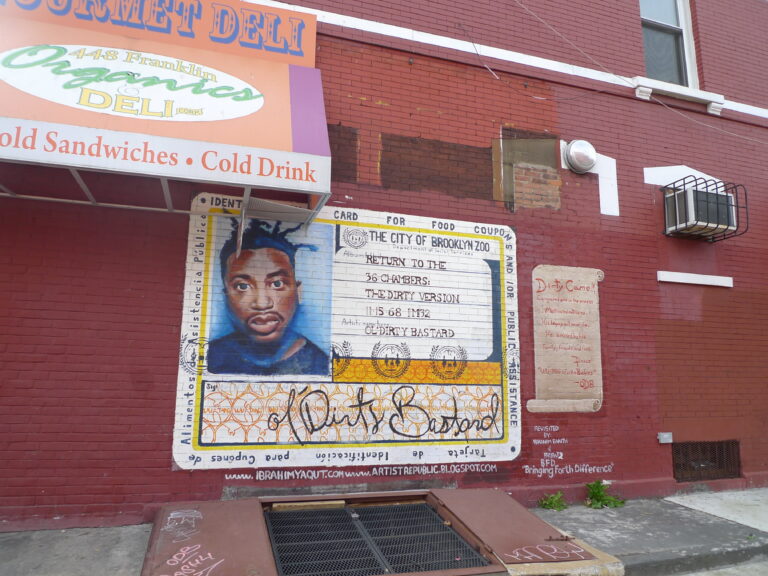
    Also known as Ol’ Dirty Bastard — “because there ain’t no father to his style” — is recognized as one of the most raw, unorthodox, unpredictable and authentic personalities to ever grace hip hop. As such, he was an unusual pick to feature on Mariah Carey’s chart-topping single. Known for his free nature and wild behavior, the mixture of his tainted public image alongside Mariah Carey’s pristine image made for a head scratcher to many.

    ODB Mariah Carey Fantasy
    The late Ol’ Dirty Bastard has had his fair share of discrepancies

    The original record was the lead single off her Mariah’s fifth studio album, 1995’s Daydream, written by Carey and Dave Hall and produced by Bad Boy Records.

    Known primarily as a pop star, Mariah Carey wanted to make a splash in the hip-hop scene and personally requested to have ODB on the remix. In an interview with Genius, hip hop journalist, Rob Markman, praised her for making collaborations with hip hop artists popular, as she went on to explain why she was so intent on having Wu Tang’s bad boy on the record. Divulging that since she grew up in New York, she listened to the same music as everybody else, and since hip hop was major in New York, she loved it and wanted to incorporate some of their production in her music. Her fandom of the late rapper was the reason behind her request, despite the disapproval of label executives.  

    ODB Mariah Carey Fantasy
    Sweet, sweet fantasy baby

    In a 2016 Billboard feature, the backstory on how the record came together was revealed. Corey Rooney (A&R for the track), said he reached out to ODB, who wanted $15,000 to rap on the record and since it wouldn’t have put a dent in Mariah Carey’s budget, it was fine with him. 

    On the day of the recording, ODB showed up three hours late, drunk, and on the phone, arguing with his girlfriend. After the commotion, he asked for some Moet and a box of Newports before recording, to which Rooney responded that they were already behind schedule, which resulted in him accusing the assistants of being “white devils who don’t want to let black people have anything.” He ended up throwing a bottle of Heineken in disgust when it was all the crew could find.

    The “Shimmy Shimmy Ya” rapper proved to live up to his reputation of being difficult to work with by only rapping one line at a time and napping in between lyrics. Eventually they were able to complete the verse but, had to pay him another $15,000 to appear in the video. 

    ODB Mariah Carey Fantasy
    Gone but never forgotten

    The remix differs slightly from the original, as it sampled Tom Tom Club’s 1981 record “Genius of Love” (per Mariah Carey’s request, as it was one of her favorite songs growing up), as well as, Dirty’s “Baby C’mon” and “Goin’ Down.”  

    The record made Mariah Carey he first female artist in history to have a record debut at the top of the Billboard 100, spending eight consecutive weeks at number 1. The cover for the single was done by photographer Steven Meisel and Mariah Carey made her directorial debut as she created the video concept and picked the location.

    Carey and Dave Hall wrote the song about a woman who was in love with a man and every time she saw that man, she started having fantasies about him and a potential relationship that was impossible. ODB’s verse was nothing to write home about, as it was a drunken freestyle.

    Oh, when you walk by every night

    Talkin’ sweet and lookin’ fine

    I get kinda hectic inside

    Mmm, baby, I’m so into you

    Darlin’, if you only knew

    All the things that flow through my mind

    Mariah set the mood with her opening verse singing about how the man walks through her mind and how she perceives him talking sweet to her. ODB’s verse was all over the place but his melodic flow carried him throughout the record.

    Me and Mariah

    Go back like babies with pacifiers (That’s right)

    Old Dirt Dog’s no liar

    Keep your fantasy hot like fire

    Jump, jump, let me see you do the stump

    Girls, let me see you shake your rump

    Brothers, hit it from the back and front

    And let’s do it, do it, do it, uh-huh

    I’m a little bit of Country

    I’m a little bit of Rock and Roll

    And I’m soul to soul

    Big letters, all big and bold

    Old Dirty Bastard across the globe

    While not that long, the verse was still impactful, as his raw and unorthodox rap style gave it the extra credibility it needed to appeal to hard-core hip-hop fans. 

    The influence of “Fantasy” has had a long-lasting effect. It introduced R&B to hip-hop — and with Mariah Carey’s status as a pop superstar — helped grow the genre. Yet, for many, the song will always be remembered for Ol’ Dirty Bastard’s iconic feature. Not because of the quality of his verse, but because his mere presence and his unapologetic way of living was a representation of everything hip hop was about and he didn’t change for anyone. 

  • Speaking Truth to Power through Music: A conversation with Donald Sturge Anthony McKenzie II

    Throughout the summer, protests surrounding the shootings of unarmed Black Americans led to calls for police reform, with success that can already be seen across the country and world. Black Lives Matter has changed the national dialogue on race and brought it out of the shadows. There is one musician who has been using his improvisation skills to bring to light those who have been killed or injured at the hands of the police – Donald Sturge Anthony McKenzie II.

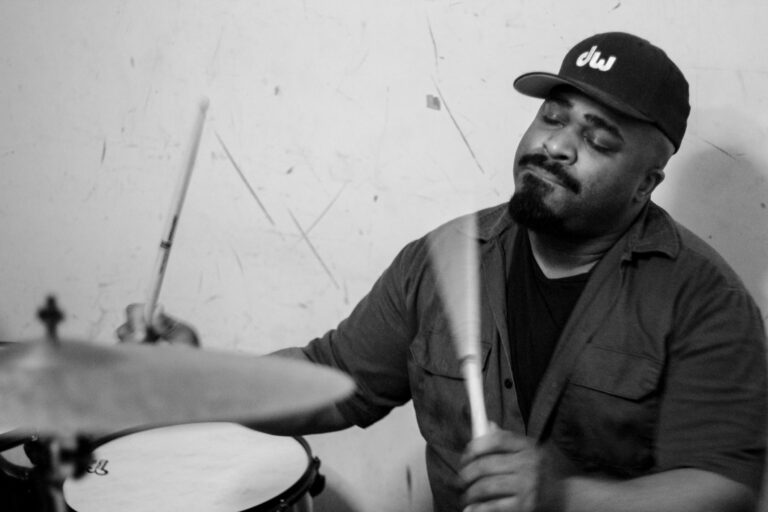
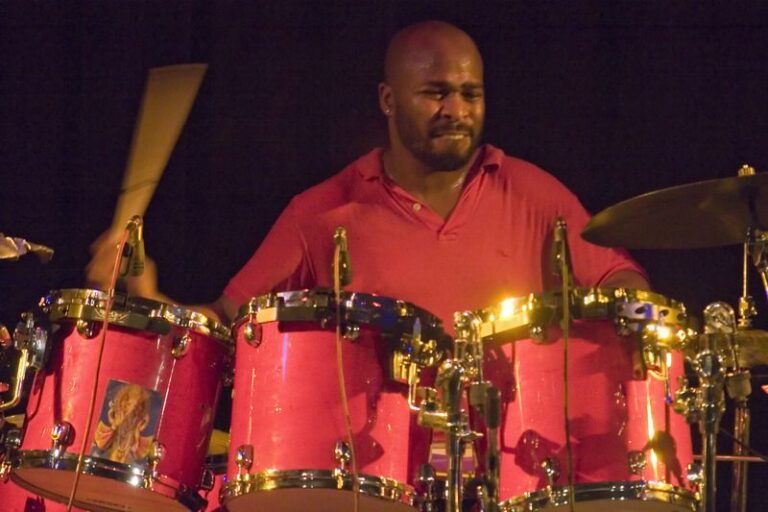
    McKenzie is a prolific improvisational drummer with a fierce discipline and connections to the late ’80s hip hop scene in Brooklyn. Learning from Everett Collins (Isley Brothers) and world-renowned drumming teacher, Dom Famularo, McKenzie has developed a firm basis in theory and has evolved thanks to his discipline behind the kit. Having traveled the world performing, McKenzie has toured and recorded with instrumentalist Elliott Sharp, guitarist Marc Ribot, and Grammy nominated jazz composer Roswell Rudd, among others, and backed hip hop and R&B artists including Pharoahe Monch, P.Diddy, Grave Diggaz, New Kingdom, to name a few. McKenzie also serves as musical director for Kat DeLuna, and teaches master classes at the Brooklyn Music School.

    Donald Sturge Anthony McKenzie
    photo via 577 Records

    Best known for Silenced and Silenced II, two extremely powerful albums with tracks named after a POC who lost their lives due to police brutality, McKenzie is wrapping up Silenced III, a double album to be released in late 2020.

    McKenzie spoke with NYS Music about Black Lives Matter and his Silenced albums, playing with Nels Cline, how Vernon Reid has helped him along in his career, and the next chapter for the compelling improvisational drummer.

    Upon first glance at Silenced, the track names stand out, each being a Black American who were victims of police violence, many lesser known names. The tracks themselves are entirely (99.5% as estimated by McKenzie) first takes and unedited version. While smaller parts may need to be cleaned up, the goal was to have it completely unedited and completely improvisational. McKenzie shared his insight into these two unique factors:

    If one person can be drawn to my music, my art, for music’s sake, the musicality of my work, and they see a song title – if one person goes to Google and researches their name, I think I’ve done a service to the world. A lot of people are not as aware of the injustices and the every day trauma of living in America in Black skin.

    It’s a way to move a person closer to acknowledgement of certain people’s humanity. Not 100% of name titles are people that have been killed by police, some are people who were killed in tragic circumstances.

    McKenzie wants people to research these individuals – he does not seek to tell people to do this, or to be shamed or browbeaten into researching someone. Giving these names to song titles allows, in this words, for “the art to travel while he sleeps.”

    If it leads to someone saying “Who is Malissa Williams?,” then it is a service to the world and the people as well. Let’s say my album is being played in Ukraine – everybody has their own strife and troubles and drama – they could be listening to this and wondering, ‘Who are these people?’ I wanted people’s names to resonate on a global scale, as far as my art can take it.

    https://www.youtube.com/watch?v=gCeAOg2iyYI

    Linking up with Wilco’s Nels Cline would lead to the high-powered “Sandra Bland,” the first track off Silenced. The pair did not discuss what they would play, nor did they run down or plan it out – the track is fully improvised, purely organic and in the moment. You can hear the first to the last note they played together on “Sandra Bland.” And they’ve played together since, with Sean Lennon and Captain Kirk (The Roots), but the first notes from McKenzie and Cline are on Silenced.

    The first time I met Nels Cline I was on a trio gig with Elliot Sharp and Melvin Gibbs, and Nels was on the same bill and I just loved his sound and his playing. While I was recording these albums, I wondered if I could get him on this. I was walking by the music store Main Drag, in Williamsburg, Brooklyn, and just by chance he just happened to be walking out and I was like, ‘Nels, what’s up?’ and we made arrangements to play and he was the first one that recorded on this album.”

    Once he cut “Sandra Bland” with Cline, McKenzie sent an unmixed version to Living Colour guitarist Vernon Reid, who, according to McKenzie, “went crazy,” and expressed interest in being on a track, which would later be titled “Eric Garner.” It turns out McKenzie and Reid have a long history going back to Living Colour’s rise to prominence in 1988 with the release of “Cult of Personality,” and the two would link up to perform in Reid’s Masque.

    I think that improvisation (with Cline) set a high bar, and while some musicians might have been scared off from the studio concept, and some are competitive (especially guitar players) Reid loved the challenge and having played together since 1995, we have a great musical relationship. It was superb.

    I met Vernon around 1988-90 when I was 17. Living Colour had a special place in young Black musicians’ hearts, esp those who were playing instruments. Most people were pure hip-hop heads, into the drum machine, and that’s great too, but as a drummer and those who were guitar players (Eddie Reyes – Taking Back Sunday) – we’d all go in the house and play Living Colour covers, Slayer and Metallica covers, all in my parents garage. Vernon was an idol of mine. The video for “Cult of Personality” changed a lot of people’s trajectory in life; that was a big deal for me.

    I was playing (drums) in the rap group New Kingdom and I was at the record label, on top of Tower Records at 4th and Broadway. In that building was Island Records and I used to hang out the label, drink the water, absorb the whole thing of being in the music business. There was a release party for a Gravediggaz album that I was on and Vernon came to pick up his invite. He gave me a copy of his first solo CD with Masque. I was so impressed I went home and practiced it; I was just so impressed that he would semi-remember me from stalking him as a teenager.

    Long story short, something happened with his (Masque) drummer, a friend of mine, Curtis Watts, and Vernon asked me to step in and I showed up at rehearsal, I was over-rehearsed – I knew every song, every inflection.

    From connecting in 1995, to recording with Masque, Reid would use McKenzie in many of his projects, with the Yohimbe Brothers and DJ Logic, the third Masque album, live performances, improv, and soundtrack work. McKenzie notes the depth of the connection: “Vernon is just my guy, Vernon is like a musical father to me.”

    McKenzie’s collaborations started when he was 16 and recorded a demo for TBT records with the band Three Feet Deep. And while the band was not signed, listening back recently, McKenzie notes, “It’s still happening.” The next group he performed with, Gravediggaz, would lead to broader connections.

    I used to be at the recording studio hanging out with Wu Tang Clan – this was Firehouse Recording Studios – and I went to the same high school as De La Soul in Amityville – they knew I was eager and into my music, so they always wanted me around, so that was a big deal.

    This connection at age 16 would allow McKenzie to hang out with rising artist A Tribe Called Quest, who he has memories of going to a Hampton’s homecoming game with on the bus, alongside De La Soul, Tribe, Hieroglyphics, and road manager Chris Lighty (Violator).

    I started out playing more straight material – less improvisational music – but as I’ve developed and gone on in my career and life, I’ve realized that more of a Cecil Taylor improvisational path is better for me, as opposed to recording in sections. I love playing in the moment, and in an improvisational setting. That’s where I’ve seen my individuality and creativity coming to life. That’s where my head is right now and I want to just move forward and push forward with that.

    Donald Sturge Anthony McKenzie

    Two years since Silenced II, a new project is in the works – a double album – inspired in part by the Black Lives Matter movement and protests this summer.

    I’m working on a double album right now. I don’t want to be the guy to milk this cow. I made a statement, and the statement is relevant today. I think that capitalism under this American imperialism and colonialism, it will still say relevant. We seem to try to disconnect ourselves from the violence and oppression overseas and the violence of the military and violence of the police; it’s just different GPS points. I made a statement and it’s relevant, but it would be suppressive and anti-creative to keep doing the same thing.

    When I made that statement with Silenced and Silenced II, I had no idea that the situation in America would come closer and bring people closer to what I was saying years ago. But that’s what’s happened. It’s been three years since I got in the studio and played these tunes. I have more work than play but I don’t want to tip my hat, a good way to maybe give you an inkling, yes it will be a majority improvisational, which is I think a really strong way to express myself at this point in my life, and it will be a double album and really like an audio Jackson Pollak.

    With two young children, McKenzie has been focusing on parenting during the pandemic, doing his best to mitigate the damage of sudden isolation from school and peers.

    I’ve been able to use the studio and just be here for days on end and just practice and practice and listen to music and a lot of great drummers. I get inspiration from visual things so I look at different artists and get different sounds from different art. Someone said they hadn’t ever heard birds chirping in Brooklyn, because there were no cars, and no one was out, and that has been a source of inspiration.

    Overall, McKenzie has been spending time with his children who have been the focus of his attention as he moves forward in a positive way for everyone’s benefit.

    He’s also been in the studio, using French band Gojira‘s studio space since they are out of town and admire what he does. “Stuff like that would never happen if the lock down didnt happen, the studio would be full up,” said McKenzie. They love what McKenzie is doing and offered up the studio for him. His next studio offering drops this fall.

  • This Day in Hip Hop: Lauryn Hill’s ‘Miseducation’ inspires a generation

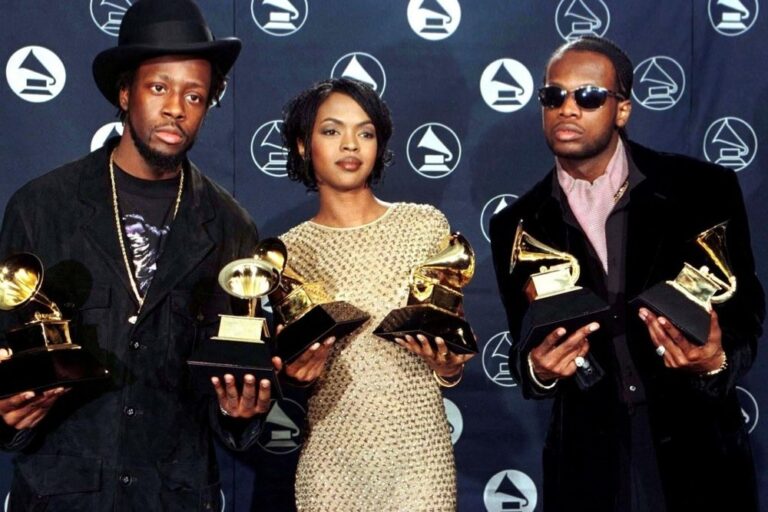
    Lauryn Hill has not released an album in nearly two decades (2002’s live album, MTV Unplugged No. 2.0). Yet, her presence within pop culture remains. Much of it can be accredited to her work as a member of the Fugees — whose sophomore album, The Score, has been certified 6X platinum in the United States by the RIAA, with 22 million copies sold worldwide — as she garnered her first top 10 hit with her rendition of Roberta Flack’s “Killing Me Softly,” earning her and group-mates Wyclef and Pras the top spot on the Billboard 100

    Miseducation
    ooh la la la

    Piggybacking off of the success of The Score, the artist now known as Ms. Lauryn Hill, reached folklore status when on August 25, 1998, The Miseducation of Lauryn Hill hit record stores. Distributed by Columbia records, the album was primarily recorded at the late Bob Marley’s Tuff Gong studios in Kingston, Jamaica. Hill had developed a romantic relationship with Rohan Marley, son of the legendary Reggaeton artist, and the family-oriented nature of the Marley’s was her respite, as she recorded what is now considered her magnum opus. 

    Classified primarily as a neo-soul and R&B album, The Miseducation also includes elements of hip hop and reggae, while implementing plenty of live instrumentation — some notable names include: a young pianist by the name of John Legend, R&B superstar D’Angelo, along with famed guitarist Carlos Santana. Accompanying the excellent musical composition was Hill’s heartwarmingly soulful voice, as the album’s contents served as inspiration for a generation of men and women. She didn’t pretend to be perfect, as the scathing Wyclef Jean aimed diss track –“Lost Ones” — showed, she was capable of animosity. She shared stories of desperate attempts to save her relationship on “Ex Factor,” while the Billboard charting single “Doo Wop (That Thing)” shared messages of self-worth (“how you gon’ win if you ain’t right within” has become one of the more transcendent lyrics in music). 

    From tales of newfound love on “Can’t Take My Eyes Off of You” to the fulfillment one finds in their child on “To Zion,” Lauryn Hill’s wide range of emotions on The Miseducation captured the hearts of fans worldwide. Add in the many biblical idioms she drops on records like “Final Hour” and “Forgive Them Father” and you have the makings of a God-fearing woman whose romantic struggles have left her scorned for the better, finding love within her religion, her children and newfound romance. What’s not to like about that? Apparently nothing, as The Miseducation went on to sell over 8 million copies in the United States, as she cleaned up at the 1999 Grammy awards, winning 5 and being nominated for 10

    miseducation
    She wrote her opus to reverse the hypnosis, the awards just came along

    So, today, we celebrate Lauryn Hill for her contributions to music, and if she never drops another album, we can be happy with the fact that she was open enough to share all of herself on The Miseducation.

  • Utica Indie-Rocker Cait Devin Gains Attention

    Cait Devin is an 18 year old indie/alt pop/rock singer-songwriter from Utica. Although young, this self-described “strummer and shredder” is musically and creatively talented. Cait currently is an independent artist, but recently released her first album and has collaborated with several other artists. 

    Cait Devin

    Cait tells NYS Music, “I’ve been singing my whole life, but picked up an acoustic guitar in my mid teens. I began playing lead guitar two and a half years ago and ever since, I’ve spent a lot of my time diving into it more.” Her album, Cait Devin (Unplugged), is entirely acoustic; however, she still spends a lot of time with her electric guitar

    Cait says that “just keep playing” has been her motivational mantra since the start of her career, and she has not disappointed herself. Despite her young age, she “has written hundreds of songs.” When she was just 16, she was a SAMMY’s People’s Choice Award finalist before even having a record out. She won “Extrodinary Talent of the Week” in Syracuse, and, later that year, released her first EP, “Gemini Rising.” Soon after, she booked a tour in Nashville.

    Cait frequently uploads original songs and covers of various artists online and proves to have a wide range of talent. She’s covered The Cranberries, MGMT, The Beatles, Slipknot, and more. She’s covered so many artists that she “wouldn’t be able to pick” her favorite. She even remixes famous songs and themes, making them entirely her own. She has entire playlists of covers and originals on YouTube available for free. 

    Cait writes about her own experiences, saying she draws inspiration from life. “I take random inspiration here and there and just write about it,” she comments. “Some of my influences for my songwriting include Ed Sheeran, Taylor Swift, Grimes, and the Weeknd. As far as my lead playing goes, I would say players like Nita Strauss and Steve Vai.” The great variation in her top influential artists perfectly shows how Cait’s music style and skill are so adaptable. She can blow audiences away with soft acoustic pieces but still shred like a pro. Her powerful and emotional vocals shine brightly in every piece she writes or covers.

    Although a young independent artist, Cait’s talent is attracting attention. She’s performed at different venues, and recently went live on the News 12 Facebook page and played two songs from her album, and has previously been featured on top NY radio stations. She has over 2k subscribers on YouTube, and more than 8k followers on Facebook. She’s collabed with Jared Dines, Hiram Hernandez, and more, and recently appeared on the single “Unbroken” by Michael Angelo Batio, along with Vinnie Moore and Andy James. She also has a new, big “shred collab” project in the works, but can’t say much about it. Be sure to follow her for updates!

    Cait Devin (Unplugged) is available for purchase or streaming, and she has more singles and EPs available on Spotify. Follow her on (Facebook, YouTube, Instagram, Twitter, and TikTok to stay up to date on all of her content.