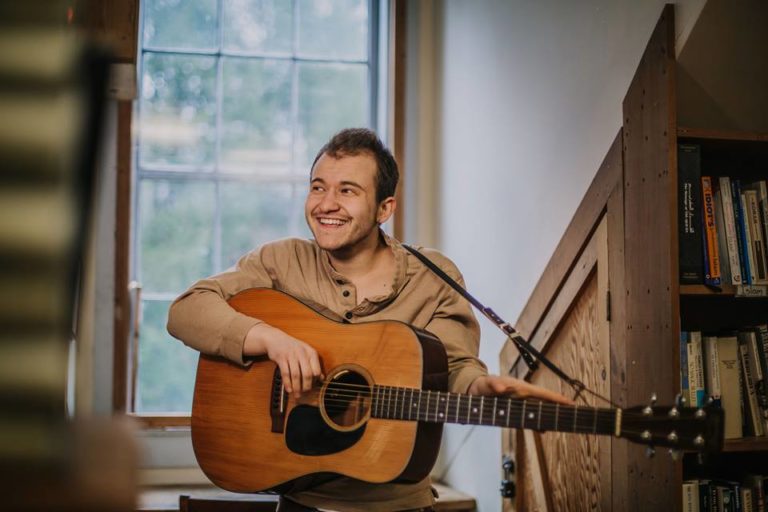
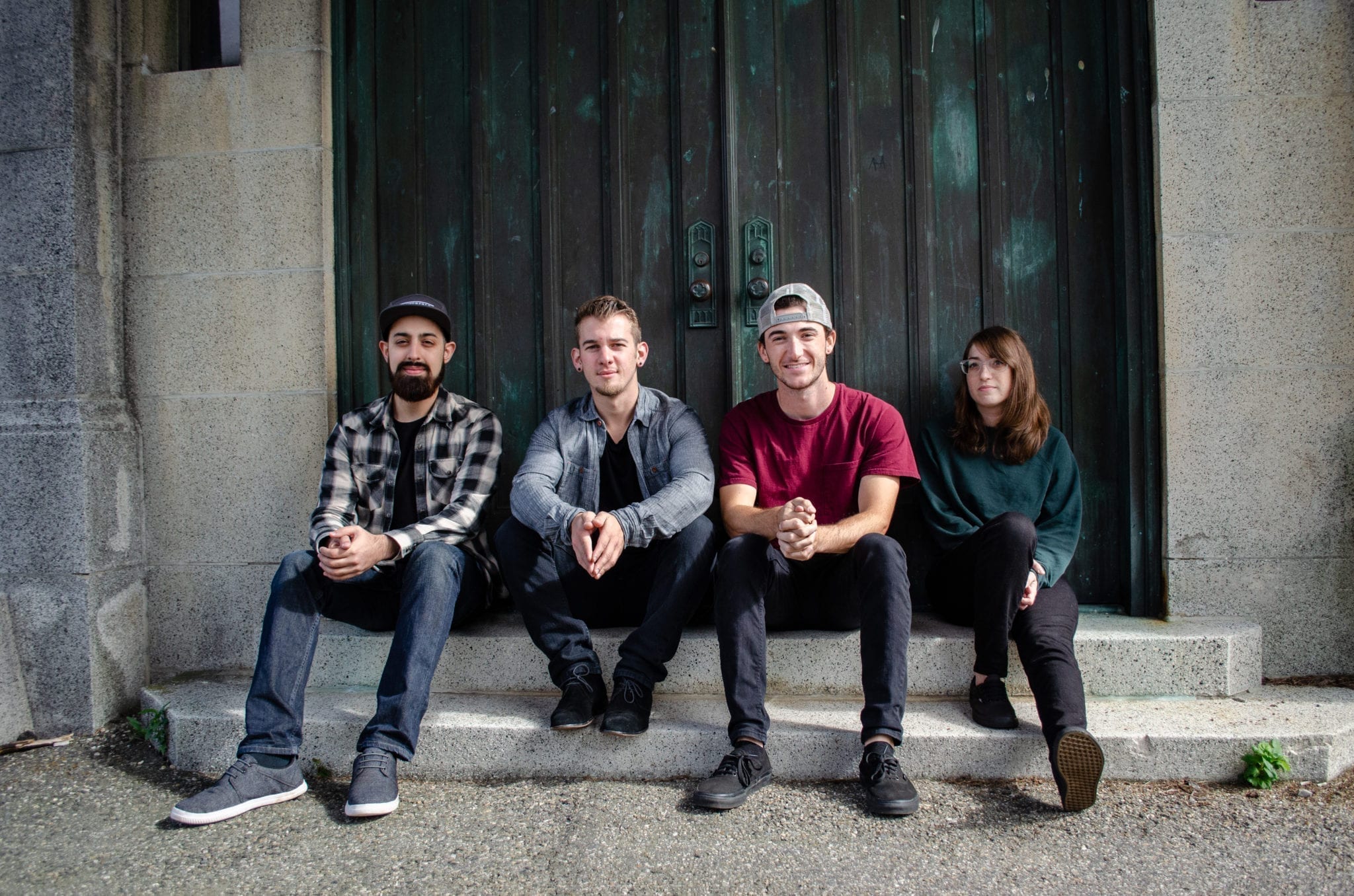
Only Yesterday, the new EP from Izzy Heltai, dropped April 19 on all streaming platforms. It feels nostalgic to his old work with more adult gut-punching overtones that make Only Yesterday something any indie-folk lover should check out.
Izzy Heltai captured by Emma Kate Rothenberg-Ware.
The four song EP starts with Helai’s single, “Marching Song,” which Heltai says was very much about being in a low point of his depression and not having much self worth in himself. The songs starts with some slow strumming acoustic guitar and slowly, he starts to sing. A piano joins, just slightly, and then completely adds itself as the chorus starts. Heltai sings: “On and on a marching song gets sung inside my head. I’m walking out the door now. It feels like only yesterday I learned I could be here. Now here I go leaving.”
Then, just after the chorus ends, a trumpet adds itself to the mix. “Marching Song” sits in the stomach of the listener and they can’t help, but empathise with Heltai feeling like “He’s drowning and dragging you down and if he says nothing you’ll stay on dry land.” It’s the feeling that someone will be better off without you – a hard thing to admit to oneself let alone sing out to the rest of the world.
The second song on the EP is called, “Common Sense,” and it starts with acoustic guitar and violin. It’s about thinking someone was the love of your life, but realizing, maybe you didn’t know them the way you thought. It’s a fabricated idea in your head. This is an emotion many have felt, but few are able to express in a way that’ll get across to the listener, the way Heltai does. It’s a feeling of nostalgia for someone that you realize, might not even really be for them, but for the idea of them.
“Stuck in Stone” follows the classic Heltai format starting with an acoustic guitar intro. Accompanied with an array of different instruments, percussive guitar works as a satisfying pause to the song. The song revolves around having your mind made up, but your body being “Stuck in Stone,” physically not being able to make yourself do what you’ve decided. As most of Heltai’s songs, it is a relatable feeling. Heltai puts his remarkable twists to make a familiar story one-of-a-kind with his unique word choices.
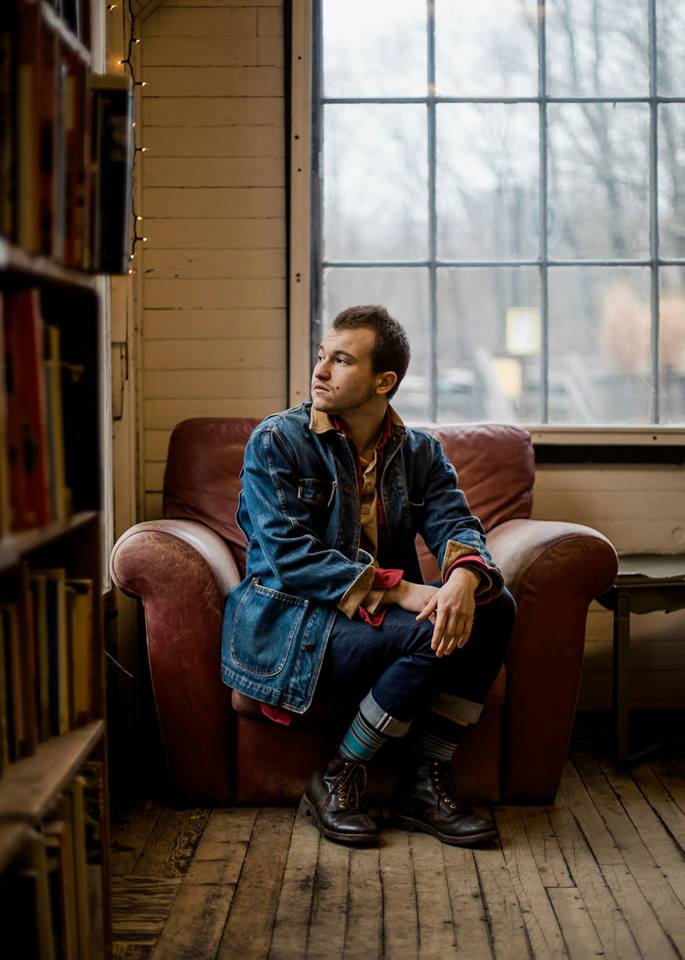
Izzy Heltai captured by Emma Kate Rothenberg-Ware.
Only Yesterday ends with “Mountain,” which switches up Heltai’s normal format. The song flows from present to past with Heltai’s current feelings on himself and love to things he’s experienced. His mother told him he couldn’t have candles in his room. He would burn the house down. Trumpet returns, adding a layer to the instrumental parts of the song, that resolve with an “ah” feeling for the listener.
The 16-minute long EP feels so much longer than that with its catchy choruses to its insightful words. Heltai is definitely someone too look out for in the indie-folk scene. Heltai is currently on tour and has dates across the United States from now until August. For more information visit his website.
Vocalist Nick Reese, guitarist Blake Allard, bassist Greg Braccio, and drummer Robert Sodaro comprise Joyous Wolf; a rock and roll four-piece from Southern California who are hitting on all cylinders. After only four years together they have signed with Roadrunner Records, releasing their debut EP (out this month) and currently on a two-month tour opening for Buckcherry. Not too shabby.
I spoke with Nick Reese and Greg Braccio before their set at The Chance Theater in Poughkeepsie, N.Y. The show marked the midway point of the current tour with Buckcherry. We were led by the band’s tour manager, Stripes, to an upstairs back corner lounge to conduct our interview. Nick and Greg sat down in padded bar chairs that had no legs attached, which puts them close to floor level. I’m now towering over the guys (being 6’2”) so I grab a “legless” chair too and join the guys on the floor. They let out a “yeah,” as we are now all eye to eye. “You should make a new show called “Tiny Chair Talk”” Nick says. We start laughing and get down to rock and roll.
Greg Braccio – Bass, Nick Reese – Vocals
Mickey Deneher: You’re a SoCal band. When I listen to your songs, you’re not the Beach Boys. You’re not the Eagles. Who is Joyous Wolf? Why did you put the band together?
Nick Reese: There wasn’t a reason, other than boredom.
Greg Braccio: That’s the interesting thing.
NR: It kind of happened.
GB: None of us went into this like we are going to be this kind of band, or that kind of band. Everyone had their set of influences and it just melded into what it is.
NR: It found it’s own way.
MD: Creatively isn’t that the way you want it?
GB: Absolutely.
NR: That is what we set out for. I could play you our original demos and stuff and it’s a totally different band.
MD: If you take yourself from the beginning to now, where’s the band gone?
NR: Everywhere (said with a very big grin, laughing).
MD: Not only physically, but creatively.
NR: I think we’ve always set out to be creative. I think we just figured it out ourselves. We really didn’t know what we were. We were pretty much a bunch of guys jamming together, putting out ideas. A lot of evolution has happened since then. That’s all I can say. It’s just evolving. Yeah, a lot of evolution.
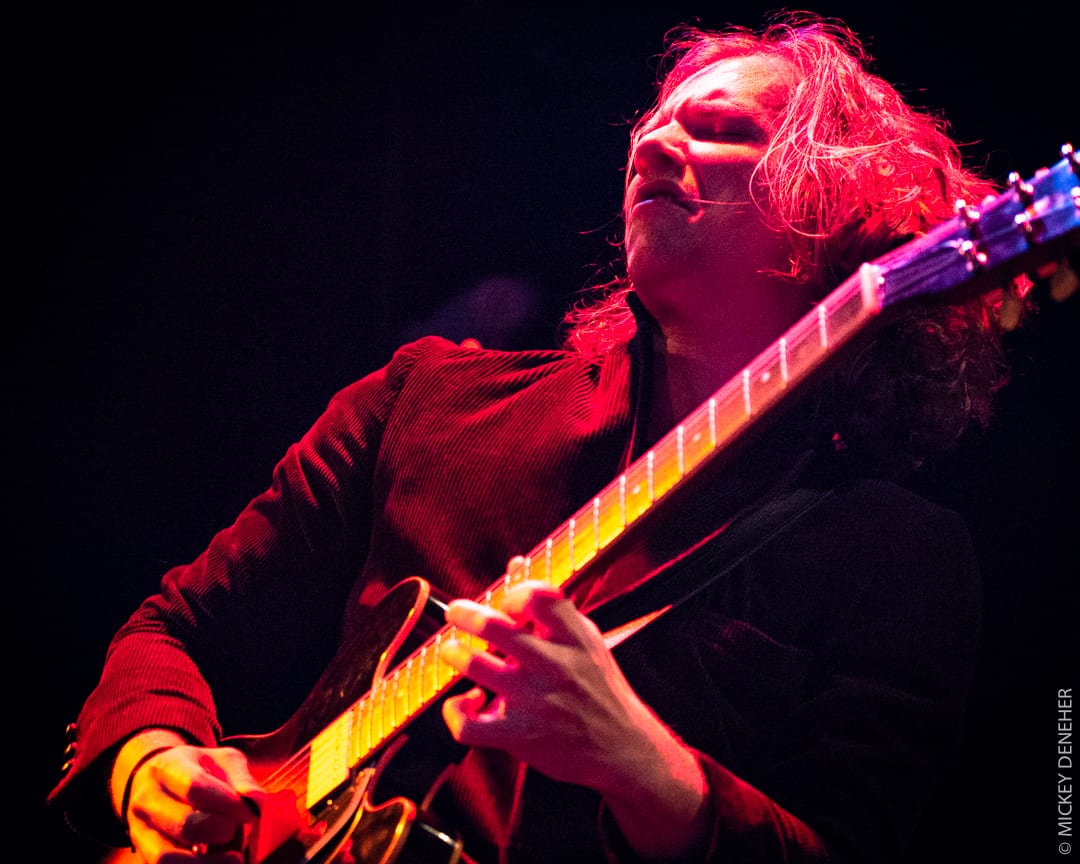
Blake Allard, guitar
MD: The writing process. Where does that (direction) come from? Who’s the driver?
NR: We all write together. Sometimes, someone will go and write something by themselves and bring it, and we all make it happen. That’s pretty much the main thing, or else we just get together and feel out the room, and what ever happens. Sometimes a song happens right there.
MD: You hear it? You hear it as your playing?
NR: Yeah.
MD: And all of a sudden, it’s like “go over here.”
NR/GB: Yeah.
MD: That’s a cool thing.
Robert Sodara, Drums
MD: In your promo (bio) it says you go from heavy metal to delta blues. That’s a huge swash.
NR: When we did that thing (promo) it was,what do we listen to? What’s the range? We’ll listen to heavier bands and to Muddy Waters. Between the four of us there’s a pretty big collection of music. That’s really what I think makes this band fun, for me anyway.
GB: Yeah.
NR: We get to apply all of it together. There is no one direction. I think people are going to see that on the record. I think they are going to have a lot of different feelings to our music.
MD: Is it always a personal thing when you write? Or is it, I saw something that impacted me?
GB: Honestly I don’t really think of it that way. It’s just kind of what ever we are feeling at that moment, or what ever we are playing, or what ever we are doing.
I think we try really hard try to just venture outside of the parameter of what’s the normal average rock band.
– Nick Reese
NR: As far as myself, that happened to me lyrically. I bring in little bits and pieces, now and then. But the majority of my job is to translate the mass that they create.
MD: Is it you, or is everyone dropping little snippets of sound?
GB: It’s either that or we’re all kind of jamming together and it will come up.
NR: Sometimes it will be at a sound check. Sometimes it’ll be when we are completely far apart. No one’s near each other and someone wakes up in the middle of the night. It’s nothing new as far as how songs are written.
MD: Your right. It’s nothing new, but it is new.
NR: Yeah, it’s a new creation.
MD: You are looking for something new.
GB: It’s almost inevitable to create something entirely new, especially with rock music. But, it’s really just the four of us having our own set of influences and hoping to create something like a weird blend of genres, what ever you want to call it.
MD: That synergy sort of groove thing and follow along.
GB: Yeah.
MD: And bring people with you.
GB: Absolutely.
Nick Reese, Blake Allard
NR: I think for us, it’s all about the energy of our music. I think that’s what makes it sound fresh. That, and I think we also try really hard try to just venture outside of the parameter of what’s the normal average rock band. I think we are going to do even more and more of that as we continue on.
MD: Setting yourself apart. In time, you want people to just say immediately “Joyous Wolf” as compared to “umm, sounds like umm,”
NR: “Whoever else.”
MD: That’s the individuality of it.
NR: We are fully prepared for things like that. Every band that has ever come around has been compared to somebody else.
GB: It is inevitable.
NR: Even when Led Zeppelin came around they said they sounded like Jeff Beck’s band. There is never going to be a brand new band that’s not going to get pegged for somebody else.
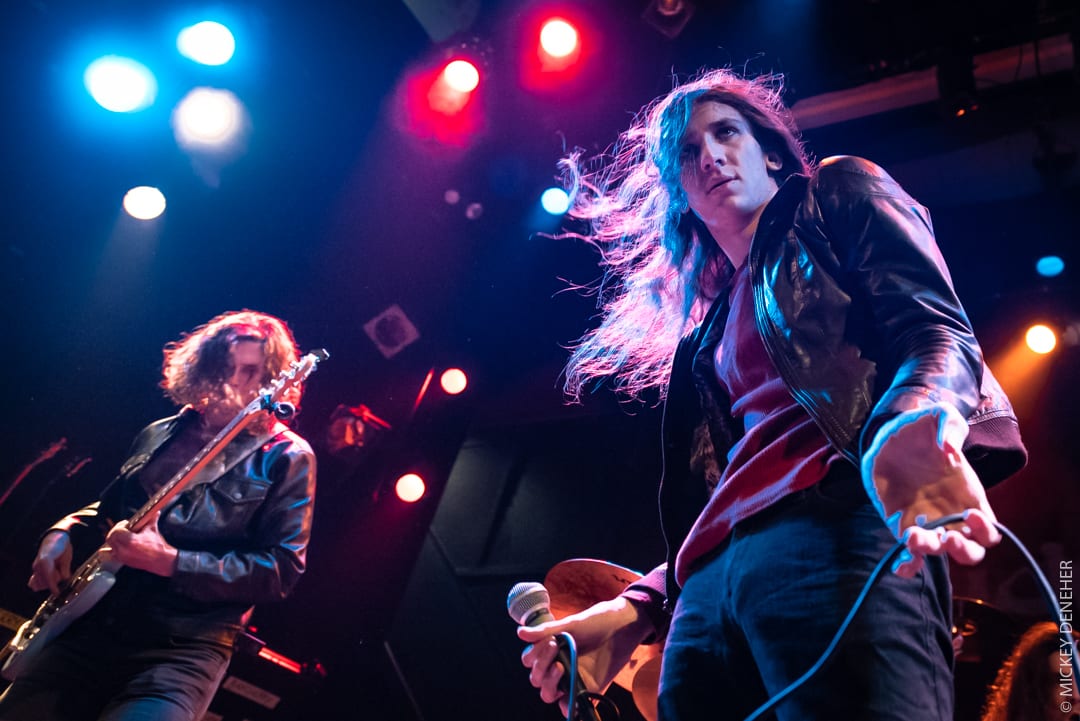
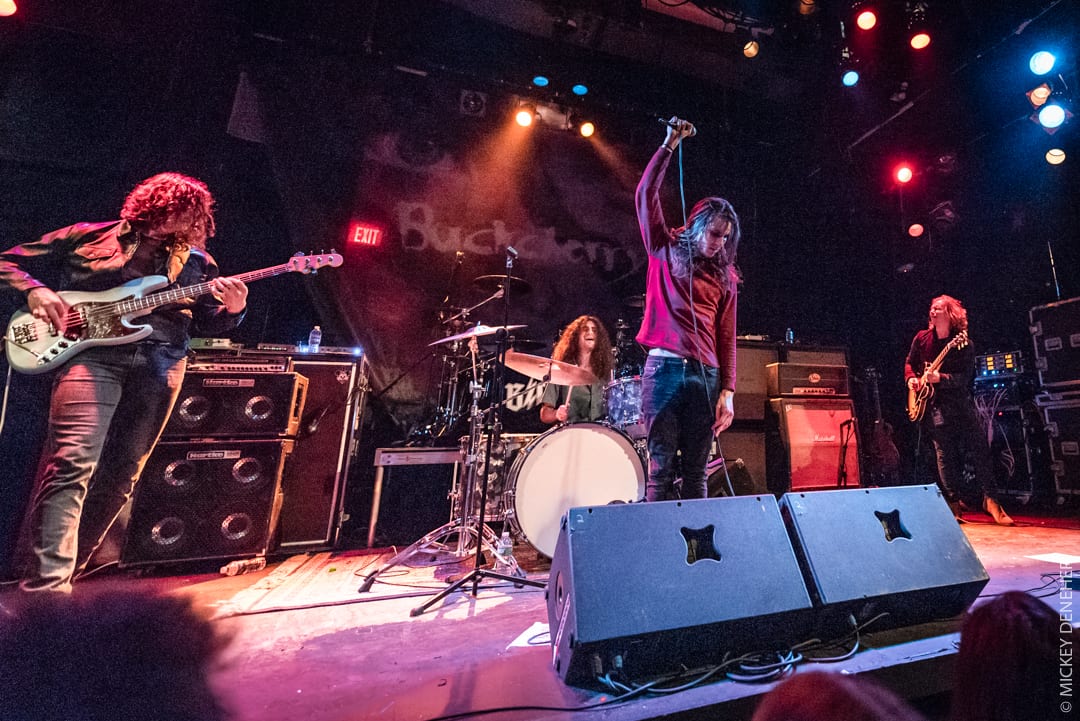
Opening for Buckcherry at The Chance Theater
MD: You played at a festival in Sacramento, under a freeway, and got a record deal.
GB: It sounds that simple, but that’s is pretty much how it happened.
NR: And it just happened to be next to the 5 Freeway. I still think to this day that that is the most California thing that could have possibly have happened. We’re playing in Sacramento, in the capital; we’re from California, lived their our whole lives; and we’re playing under the f#cking 5 Freeway.
That performance lead to signing with Atlantic Records’s Roadrunner label and the recording of their debut EP, “Place in Time,” in late 2018.
MD: Had you guys ever been in a recording environment like that? Putting together an album with any other bands or anyone else?
NR: Not quite like that no. Everything else that we had done was very independent.
GB: That was like the first professional setting to be doing that in.
MD: I hear bands talk about the daunting task of going in, getting it right. The producer is such a critical cog in that wheel to make something happen.
NR: He helped educate us in a couple of ways, as far as our ability to write songs. It’s not like we ever had trouble, he just showed us little bits and pieces to help us do that. Honestly, I think in that perspective, it came out pretty great. As far as it being daunting, I think the only thing that we were worried about was having the material. We went and took a couple of weeks after our fall tour last year and we worked until (looking to George) when did we go in?
GB: Late November early December.
NR: We did pretty much the entire the record in around 2 weeks.
GB: So it was very new material still.
Nick Reese, Blake Allard
MD: The sounds you had in your head for those songs, I take it, all the songs where written prior to going into the studio.
NR/GB: Yeah.
MD: Was that sound, the actual sound that came out? Or did it go to someplace else?
NR: I don’t think there was ever an expectation really. You don’t know what you are going to get, you know, until it is done.
GB: Yeah, I mean it was close. I would briefly say it was not quite what we were expecting. But overall it’s us. We shine through as much as we could.
MD: And you can stand up and say, “we are proud of it.”
NR: Yeah, I’m proud of the songs. I am proud of the songs.
Greg Braccio, Robert Sodaro, Blake Allard
MD: I’ve seen a couple of acoustic things that you have done. It’s you (Nick) and Blake (guitar.) Is that something that you may lean more towards going forward? Or is it that just that we need to be acoustic because of where we are and that’s what we do?
GB: I think when it comes to a full-length album or whatever; we’ll defiantly want to incorporate acoustic or anything really. We are not stuck to one thing.
NR: Even on the EP already we are going to have some stuff that a lot of our peers I don’t think would do. I think we’ve already included some elements, things that are not exactly everyone’s idea of rock and roll. We’re really not afraid to go anywhere. We don’t have any machismo. It could be literally anything. I feel like that’s how rock’s going to go forward, just let it fly.
GB: Yeah, it’s not supposed to be still the Sunset Strip all leather kind of thing. It’s got to evolve from that.
MD: No walls. No constraints. You just take if where it goes. Who knows where it’s going to end up, but you are not stopping yourselves.
The guys nod their agreement. As we get closer to show time, we talk about what is ahead for the year
Nick Reese
MD: Two months with Buckcherry.
NR: It’s a lot longer than that. We’re doing their second leg in the summer and even more, later in the year. We are also supporting Slash in July. We are also going to go to Europe for the first time this fall.
MD: This (current) tour you went to Canada and now you are doing a whole leg going back to California.
NR: Yeah and then we go back to Canada with Slash for six shows. We opened for him at the Paramount in New York last fall. He had picked us to come and open the shows. We were going to play Rock Fest, but when Slash calls, you don’t say no to Slash.
We’re really not afraid to go anywhere. We don’t have any machismo. It could be literally anything.
– Nick Reese
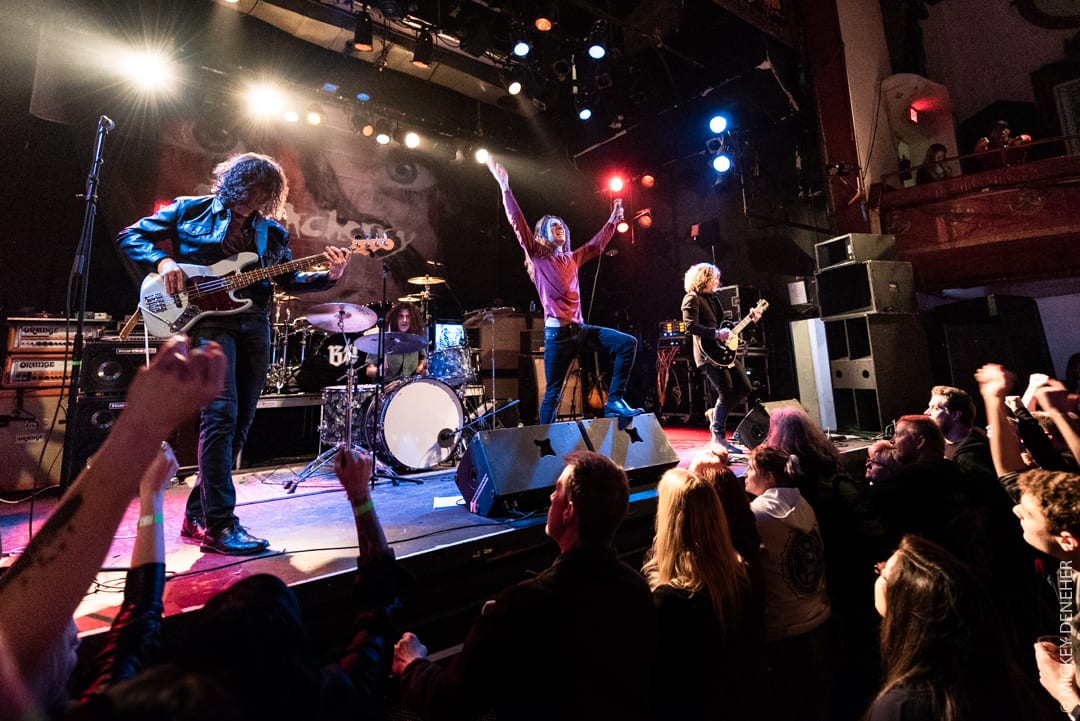
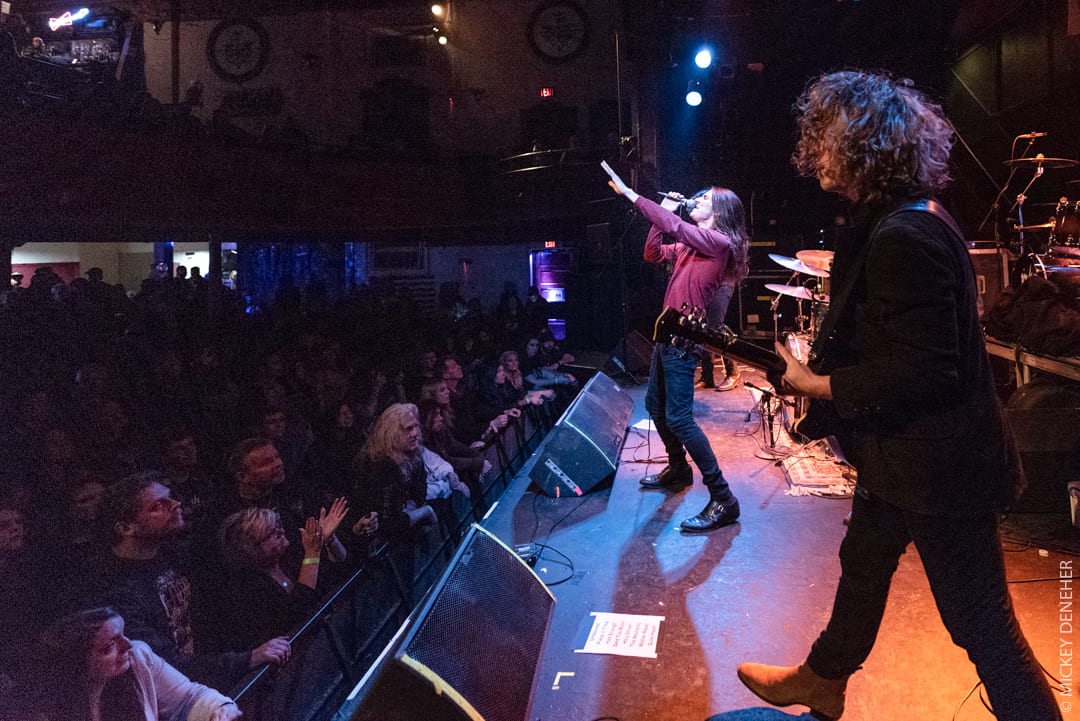
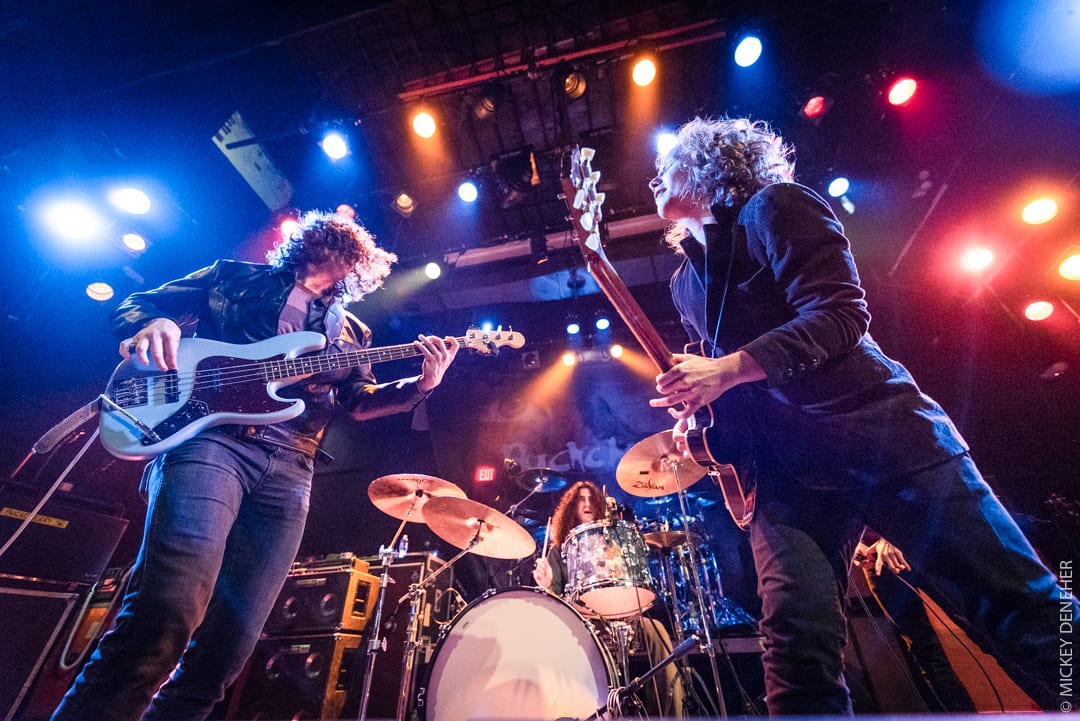
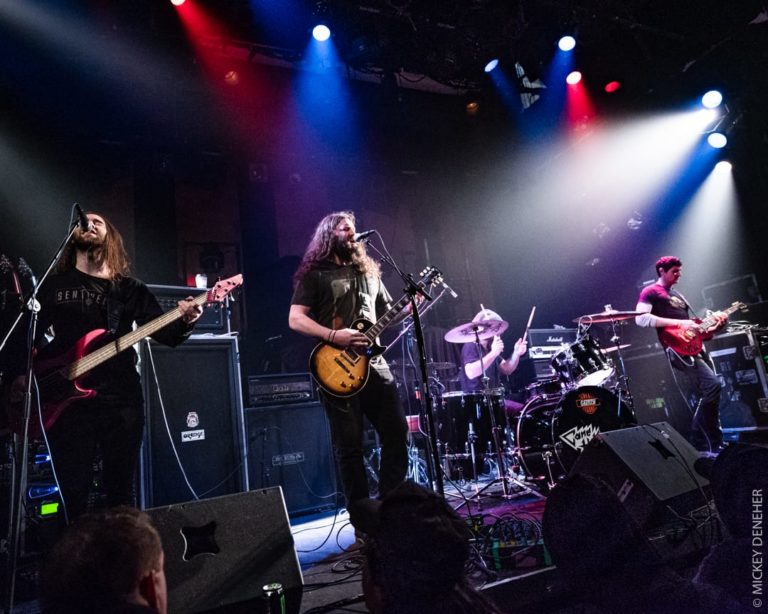
There is a reason why Buckcherry, Slash and other top-level acts are booking Joyous Wolf to open for them. As the band hit the stage this night, they took charge. Nick gyrated across the stage as if he had conjured up the spirit of fellow Californian Jim Morrison. All the time drawing in the audience with every word sung. Supporting their vocal extrovert, Blake, Greg, and Robert cranked out some heavy, in your face, rock and roll power playing. By the end of the set, hands were pumping high in the air and Joyous Wolf had left their mark. With an impressive, well-produced debut EP and ever increasing exposure opening for some of rock’s best, it won’t be long till these guys are headlining themselves.
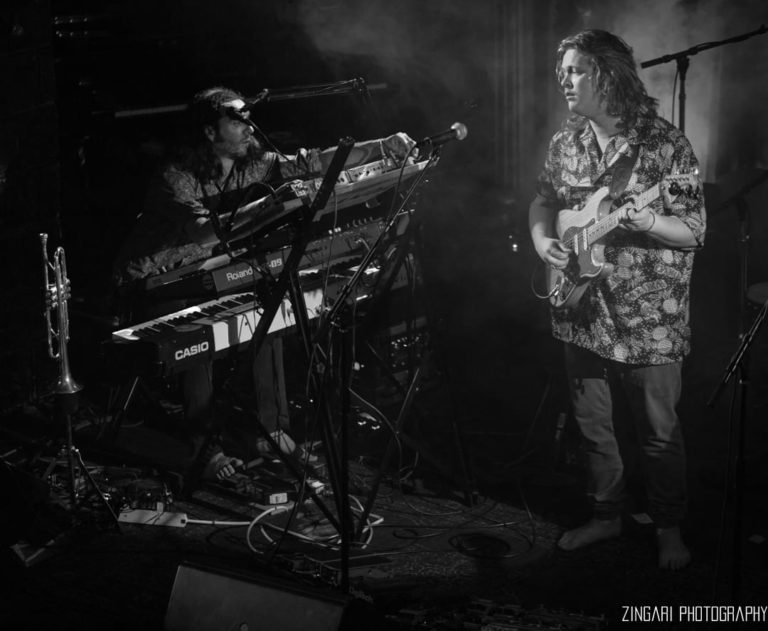
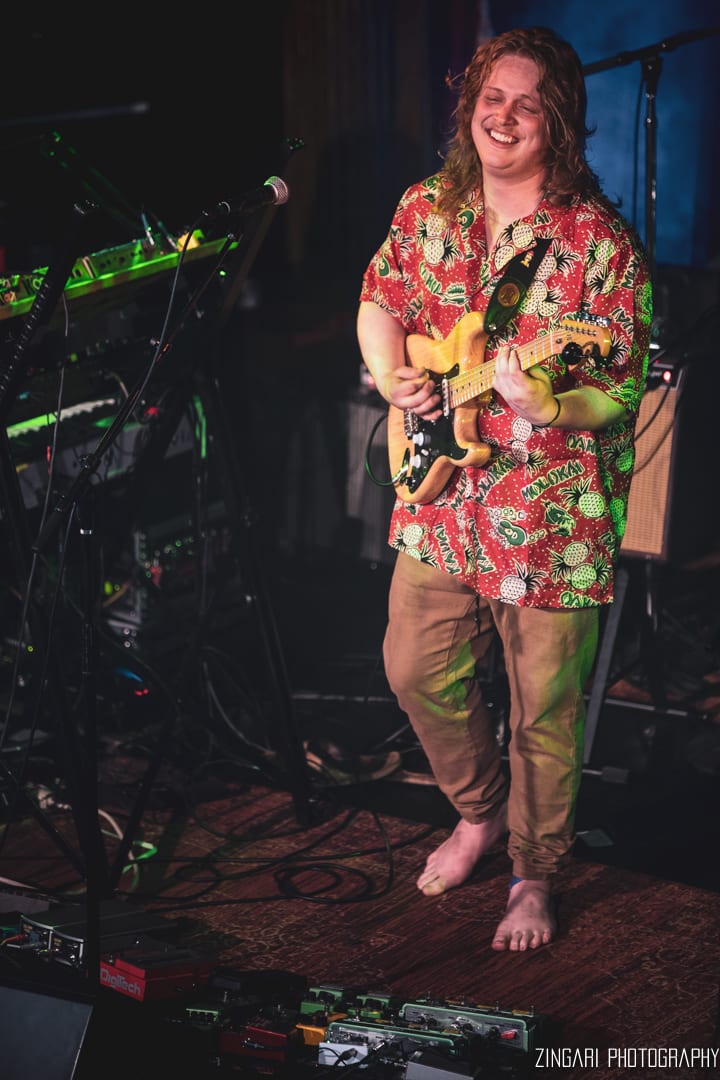
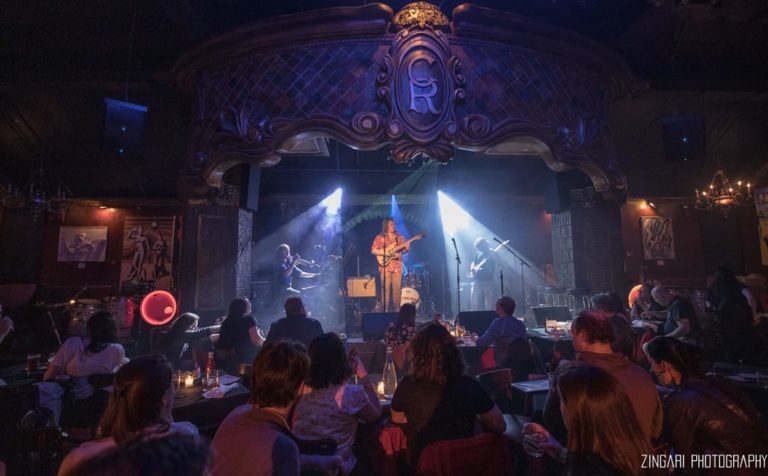
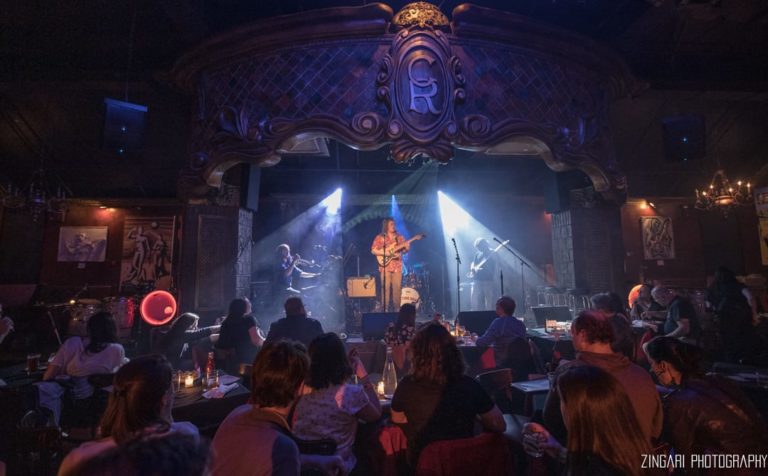
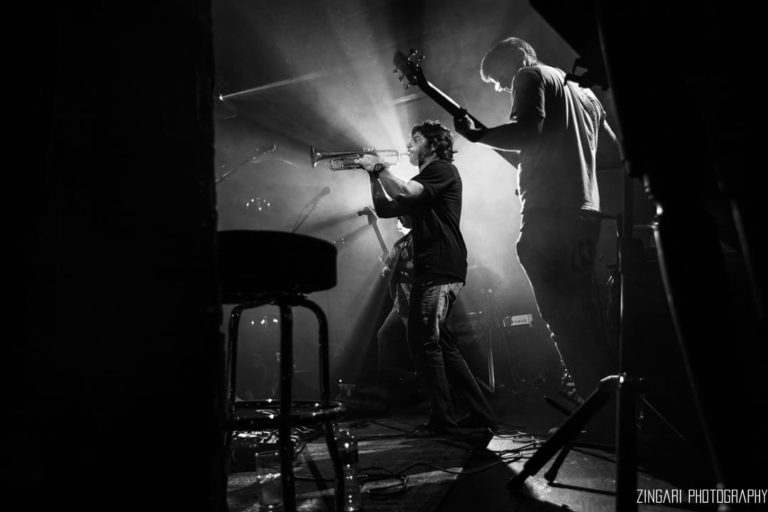
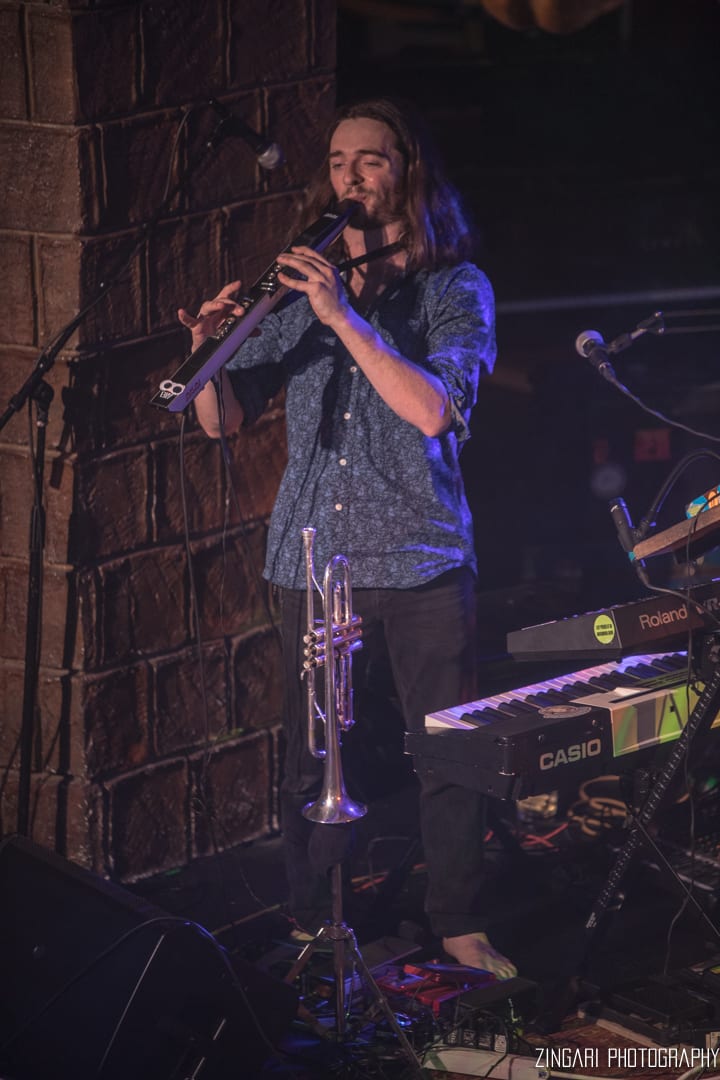
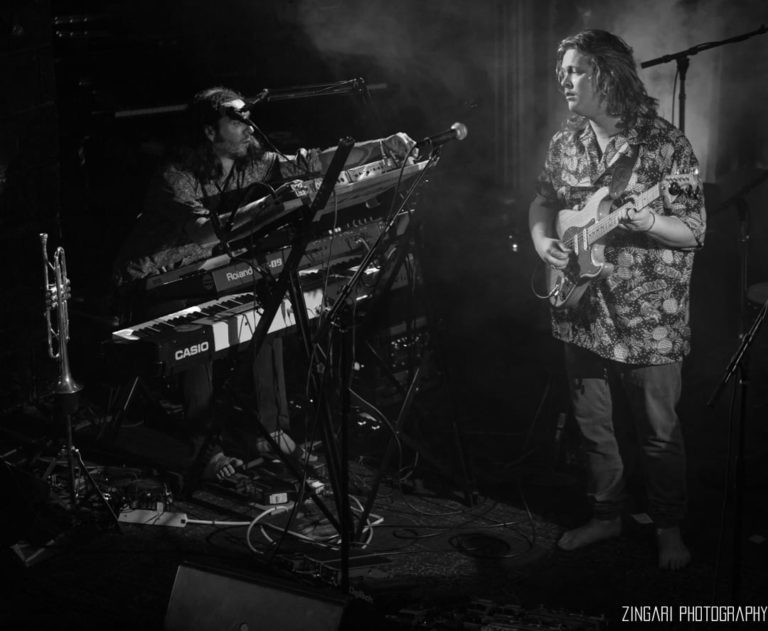
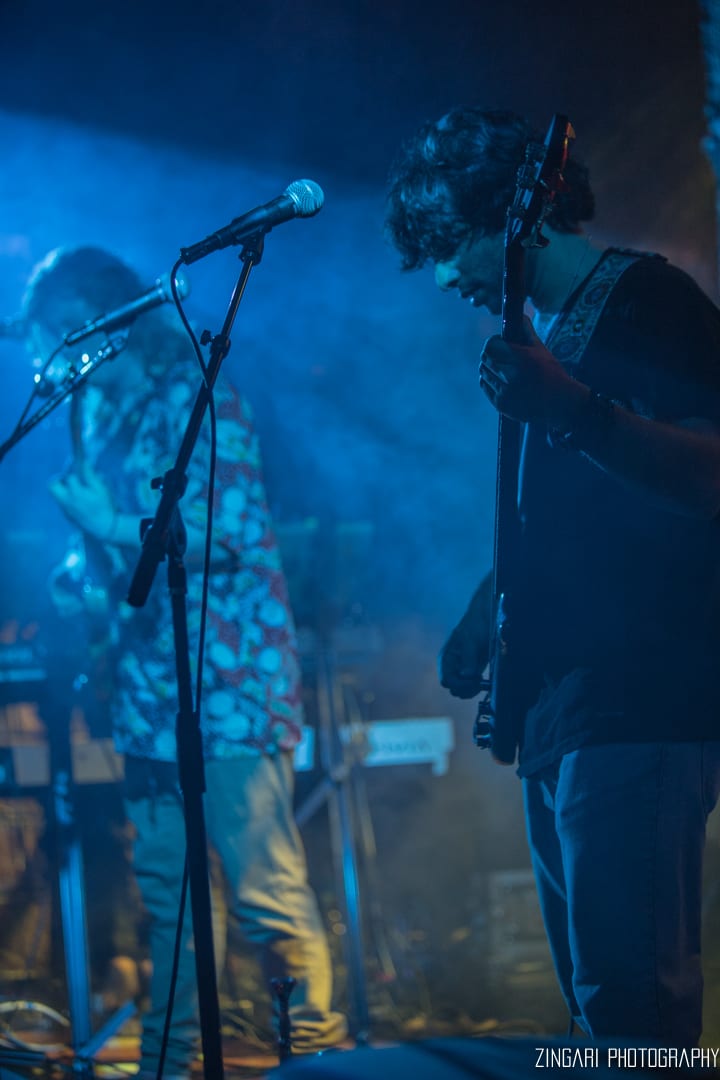
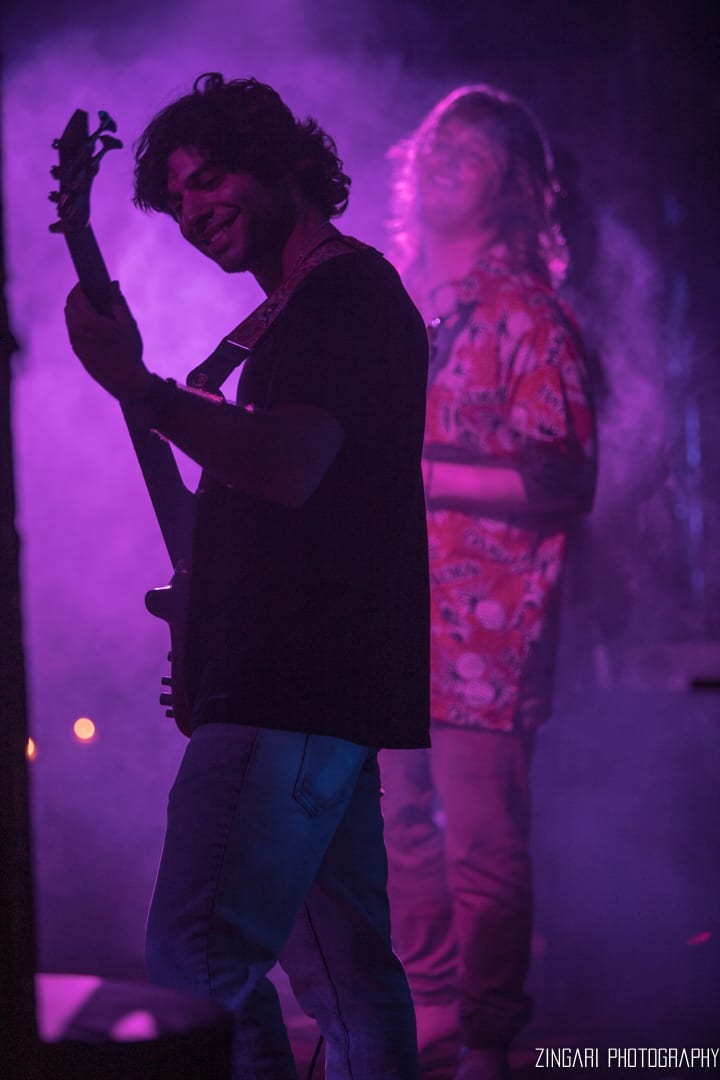
Amoramora might be the new kids on the block in the jam scene, but these rocky mountain boys are becoming quite the road warriors, where they are gaining more and more momentum through an unbreakable comradery, as well as great musical talent and exploration. Their 21-date spring tour is coming to a close, with stops in St. Louis, Cleveland, Nashville, Macon and New York, performing at the infamous Cutting Room on April 6, 2019.
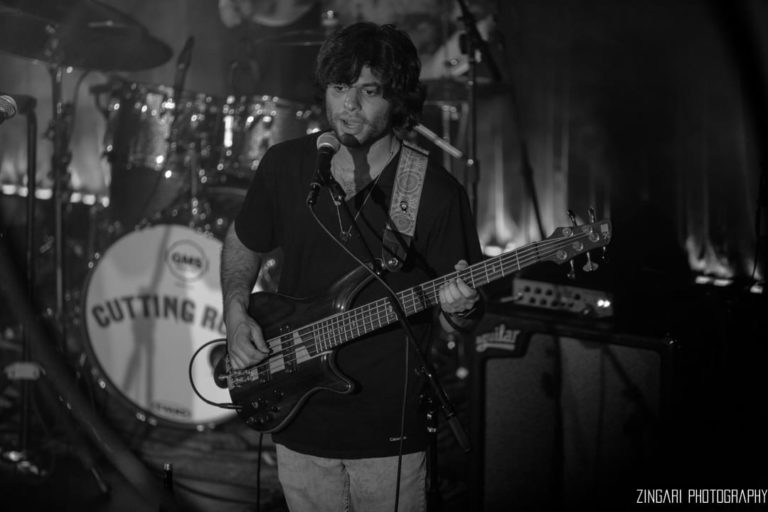
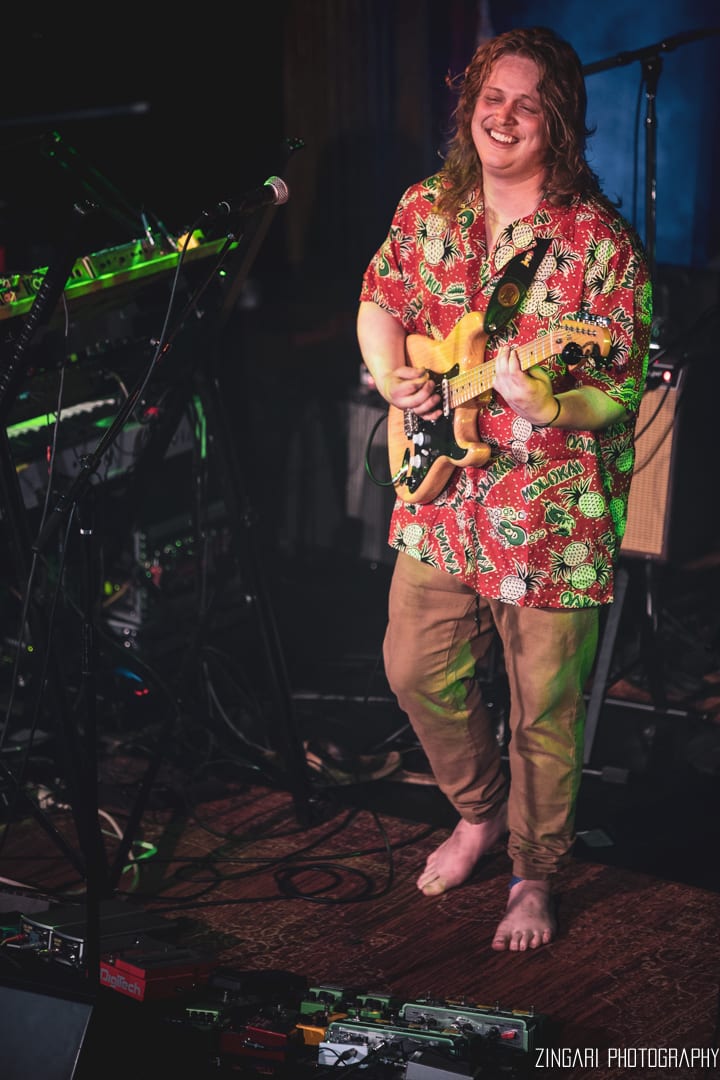
This quartet consists of Danny Evans on guitar and vocals, Eric Levine (bass/vocals/trumpet), Michael Lenssen (trumpet/EWI/keys/vocals), and Tyler Hobbs (drums/precussion/vocals). Amoramora blends Funk, bluegrass, jazz and African Highlife, with a main theme of positivity guiding their sound. The band has a great commitment to consistently changing setlists and expanding their extensive catalog of original material.
Zach Belfer: How would you describe Amoramora to a music fan that has never heard of you before?
Danny Evans: It’s like a s’more – crunchy, warm, melty and tasteful.
ZB: How did you come up with the name Amoramora?
DE: To us it means More Love. It’s a made up word inspired by a pet snake we knew in college.
ZB: What venues would you like to play that you haven’t played yet?
DE:Too many great places to pick one… but playing the Brooklyn Bowl or Capital Theater would be pretty mind blowing.
ZB: What was your favorite memory of this tour?
DE: I think that our show in Cincinnati on April’s Fools Day was one of the most creative and dynamic shows we have ever played. It was seriously fat, with tons of tease and laughs throughout.
ZB: Tell us a fun fact about Amoramora, that fans wouldn’t know about.
DE:Both the bass player (Eric Levine) and the keys player (Michael Lensse) have a degree in Jazz Trumpet. Eric went to University of Colorado and Mike went to University of Miami (FL).
ZB: Where can we find your music?
DE: Bandcamp, Apple Music, Spotify, Archive.org, and written on the caves of Altamira.
Setlist: Window To The Stars, Diamond Phillips > Spirit Of Adventure, Rafiki’s Expedition*
Notes: 1 set, 45 minutes, opening for Hayley Jane & The Primates. Danny teased The Flintstones,Mike teased Swingtown and Eric teased In-A-Gadda-Da-Vida in Diamond. Spirit featured a Round The Wheel tease and an In The Streets / 70s Show Intro tease. Mike also teased Rhapsody In Blue in Spirit. Rafiki’s featured Eric on Trumpet and Dan Montgomery sitting in on Bass.
Colorado-based, three-piece stringband Head For The Hills released their newest studio work this past Friday, an EP: the politically minded and emotionally vibrant, four-song collection called Say Your Mind. Featuring a heady mix of special guest artists, like Pimps of Joytime’s Kim Dawson, Elephant Revival’s Darren Garvey and others, the record is some of the band’s most creatively satisfying work yet.
Born out of the Colorado music scene, Head For The Hills have been pushing boundaries in the studio and on stage for over fifteen years now, and that decade and a half has earned them regular performances at mega festivals like Telluride, SXSW, and High Sierra, along with recognitions from the likes of NPR and others.
Ahead of an East Coast tour this week that, starting in Virginia, will hit NYC, Burlington, Connecticut, Lima, NY and Mt Holly, NJ, the band’s bassist Matt Loewen talked with NYS Music about the new EP Say Your Mind, the title track’s new music video, and more.
Miles Hurley: So, your new release. How did you guys go about deciding to make an EP of four new songs rather than a full album or something else?
Matt Loewen: So, we’ve been in a little bit of a transitional period, in terms of being a band that had a mandolin player in it, to being a band that plays with percussion in it. We’ve been an acoustic four-piece band for a long time, so we’ve been in the process of evolving a little bit, I guess. And we went into the studio and recorded those four songs, and I really thought it was a strong statement. But in terms of the EP thing…the way the music industry goes, to make it work you kind of have to put stuff out all the time. And I think we’ve shifted from everybody just put out a record, and then twelve to eighteen months later you put out another record, and then twelve to eighteen months later you put out another record. But that’s just not the way it goes anymore. I mean, I love albums, I have thousands of records, I love the long play album format.
But I also think it’s cool how things have opened up, and how you have the full myriad of ways of going about releasing music, whether its a record, or an EP, or just a single, or just a video, etcetera. So we’re starting to look at doing all of that different stuff, and we’ve got some other interesting things later this year that are, again, not in the full album format, but just making music and getting it out there.
MH: That’s cool. So then, would you say the band is in a writing period? Or do you have material that you’re currently sitting on?
ML: I wouldn’t say we’re sitting on things, but writing, it’s just always happening. We all write a little bit, but there’s two primary writers, Adam and Joe, and they are always writing. So we’ve got some songs that we haven’t recorded. But we don’t do the thing where you hole up for a month and write a bunch of songs. We’re always writing and coming up with stuff.
MH: I’ve heard a similar sentiment from other artists I’ve spoken with recently, that it’s more common to be touring and working, and living life and all that, and songwriting is worked into the lifestyle.
ML: Yeah. Which is cool and not cool, sometimes. But overall I think its cool.
MH: So, for Head For The Hills, bringing guests into the studio process is not something new. But can you tell me about some of the artists you invited this time around? I see Kim Dawson, Todd Livingston, even a horn section. Are these old or new friends to the band?
ML: Everybody that’s on the EP are people that we’ve known for awhile. The drummer, Darren, was with Elephant Revival, their percussion guy, although they aren’t playing right now. That’s how we know him. The rest of the people we’ve known for awhile, and it was fun to have that kind of family atmosphere. Sometimes you do bring in people that you’ve never met before, and the first time you meet them is when you’re trying to be creative, which can in and of itself be really awesome. But yeah, this time it was bunch of friends, and we got them in there and it was cool. We’d been bringing in some of those people into the live show, locally, because they’re all our Colorado friends. We’ve had the horn section up at some concerts, we’ve had Kim come and sing…so there was a familiarity thing, and it was really rewarding.
MH: That’s always an interesting thing, hearing what artists create in the studio and then they sometimes have to choose what of that makes its way into the live show. For the EP, did you have to make decisions about trying to recreate some of it’s different sounds live, or maybe just playing them in a stripped down way?
ML: Well, that’s all part of the process, exactly what you’re talking about. Because inevitably, in the recording we do, there’s typically going to be overdubs. There’s always little things that you add, like Joe will double the violin part, and no matter what you just can’t be two people at once, right? (laughs) So we can’t do that live, and we have to figure out how to approach that. And, with this new stuff, these four new songs, we play pretty much everything. Like “Can’t Stay This Way For Long,” which has a pretty significant horn section on the album, we still play that live. What’s cool about it is, Joe and Todd Livingston, who is playing dobro on the road with us, they’ve learned those horn parts, right? So they’ll come in and replicate some of those parts. And, inevitably, the songs become their own thing live, because that’s just kind of what happens, which is cool. But that’s how I’d say we’ve kind of approached that, on this new stuff. Picking some of those new pieces up, and playing them in the tunes. It’s been fun.
MH: “Say Your Mind,” the title track, has a great music video along with it, which you directed. Can you tell me a bit about what’s going on in this video?
ML: The guy that plays the main character is Boots, the one with all the jewelry and that drives the car. He’s been a friend of the band for a long time, and he’s a local. He lives up in the canyon, outside of town. I just think he’s so f***ing interesting. You know, he was born in Queens, had famous parents, moved to the Bay and knew The Grateful Dead and Bill Graham, he was a technical guy that went on tour, was an animal person that was on the Jack Parr show. He’s just a fascinating dude. And I always wanted to make a music video with him, and the original concept was that he was going to be driving around town in this convertible. That was an idea in my head for a really long time.
Then it came time to do a video for this “Say Your Mind” song, and I started kicking that idea around again, with Boots, and it evolved into this story about a father and his relationship with his kid. There’s some heartache there, and so the story is about reconciliation, about coming together, and love and family can really bring things together. So that’s the story of the video, which to me is a parallel narrative to the song, because the song is really a message from a father to their child. Adam wrote it, he was inspired by this experience to write a song as a sort of letter to your child, and about doing your thing and being happy, living life to the fullest.
When I think about music videos, I’m most interested in parallel narratives if it’s going to be a narrative-based thing. So instead of something that’s directly following the words of the song, I’m into doing something that’s similar but not exactly the same thing, and telling a related story that can maybe highlight some elements of the lyrics but not be directly tied to it. So that’s what we did with “Say Your Mind.” The party at the end of the video is shot at Joe’s house, with a bunch of our friends and family, it’s Adam’s family that’s in the video, like his daughters.
MH: You’ve done a bunch of videos for your band in the past as well. Has video production been in your background for a long time?
ML: You know, I actually started doing it for the band. And yeah, I’ve been doing it for a little while at this point. My background with it is really all centered around making content for us. I’ve expanded and worked with other people. I’ll eventually be doing a video for another group, when we get back from tour. But yeah it began, well, years ago, before video became as ubiquitous and necessary as it is now. But I rented a camera when we recorded our self-titled record in the studio. And I thought, we should video this, why not? Let’s just rent a camera. So we took a bunch of video footage and then I was like, “Well shit, I guess I’ve gotta edit this, or do something with it.” (Laughs) So I got my software and did up the whole thing. That was pretty much the beginning of it, for me, and I’ve had a bit of a network from it, other bands and creative people that need stuff. It’s allowed me to grow and do different stuff, and I’m always looking for more work.
MH: The last track on the EP, “I Am The Problem.” Honestly, I don’t think I’ve heard anything quite like that, the mix of hip-hop and Americana songwriting.
ML: Good! Well thanks, I’ll take that as a compliment, whether you mean it that way or not (laughs).
MH: Definitely a compliment!
ML: Sweet! Yeah, that’s definitely a product of Joe’s personal background as a writer and as a musician. Separately, he has had different hip-hop groups, one in particular called Whiskey Blanket that still makes records. He’s done that for as long as he’s been with our band. I think, over time, those things get closer to each other, more and more hip-hop worked into his writing for Head For The Hills. Another example is from a few records ago, a song called “Never Does.” It’s very rapid-fire, and if you were to look at the words on a page and the way that the rhymes actually make out, and the way the end line rhymes, all that stuff, it’s pretty similar to the way someone would concept a hip-hop verse. So, flash forward to now, on “I Am The Problem.” The concept for the song was alway that there would be this part in the middle where he raps, essentially. And the decision was made to just go for that. And he goes on and on and on, which is progressive. It’s cool to hear it live, it’s a lot of words, and he just goes for it (laughs). I hope that people are ready for it!
MH: So, you have a little tour coming up soon, which will start on the East Coast and then head back out west. So I’m curious – over the years, as you’ve toured more and more with Head For The Hills, have there been certain scenes or places around the country that you’ve really taken a liking to, or looked forward to returning to?
ML: Yeah, I’d say so! You know, being based in Colorado, it’s a lot easier for us to get to the West Coast and the Midwest, so over the years that’s where we’ve spent a lot of time. Especially the Northwest, love going there, love Portland and Seattle and that whole area, it’s been good to the band. I would say the same for Chicago, it’s been a favorite for the group. But over the past couple of years, we’ve just started to expand a little bit more eastward, and have actually really enjoyed getting out there. And I say that because…my initial answer is always the Pacific Northwest, but part of that is bred in familiarity, like we go there all the time. I haven’t been to Burlington, VT ten times, I’ve only been twice, and I love that area. It’s a big-ass country, and there are just so many different people and places. And I find myself enjoying a lot of them where people are open minded, proudly respecting people for who they are, stuff like that. As long those elements are in place, I’m down. (Laughs) If people are close minded and weird, and there’s a bunch of bigotry going on, that makes it harder to really enjoy a place. I’m also really looking forward to getting back to New York, always such a crazy, vibrant place.
MH: Nice! Well I am personally planning to catch you guys on April 4 when you perform at Rockwood Music Hall. Have you played there before?
ML: We have been there before. The last time we played somewhere else, but the first time we played at Rockwood, and yeah, that’s a cool spot. The first night we played there, the music that was presented before us was a singer-songwriter with a pianist and bassist, and the bassist ended up being Leland Sklar, who’s like one of the most recorded, most famous studio bassists of all time. Which is just random, but that’s the way that place definitely is, and I got to meet him which was f***ing awesome. And then after him was this band from, like, South America. I’m not even sure what you would call it, definitely not a salsa band but like a modern dance, but it was so good. So yeah, such a cool place. I’m a big fan and definitely looking forward to getting back there.
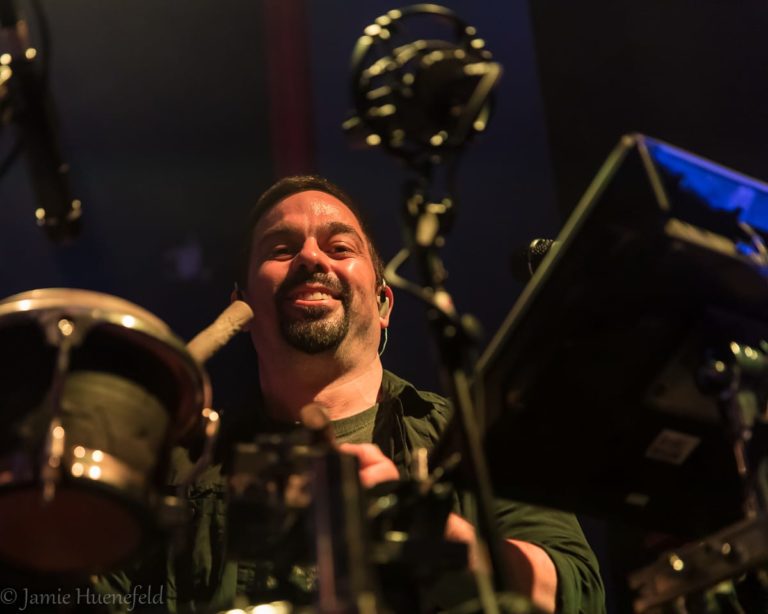
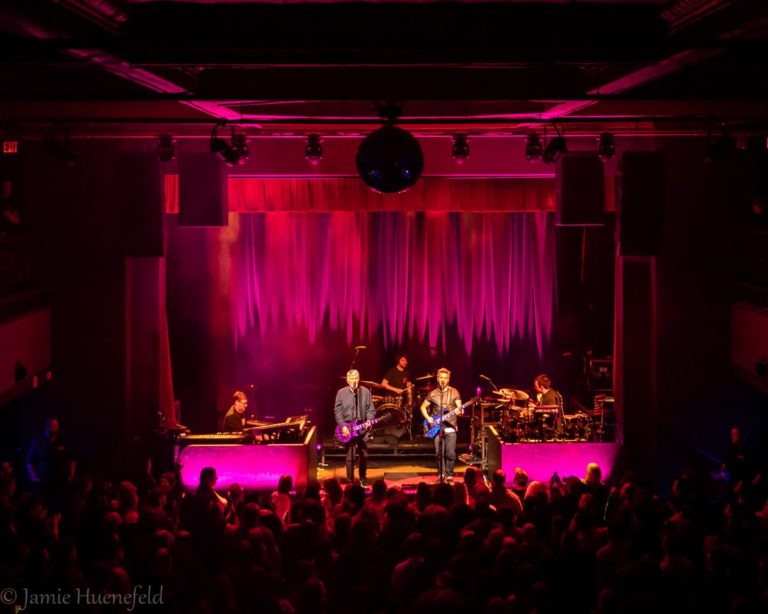
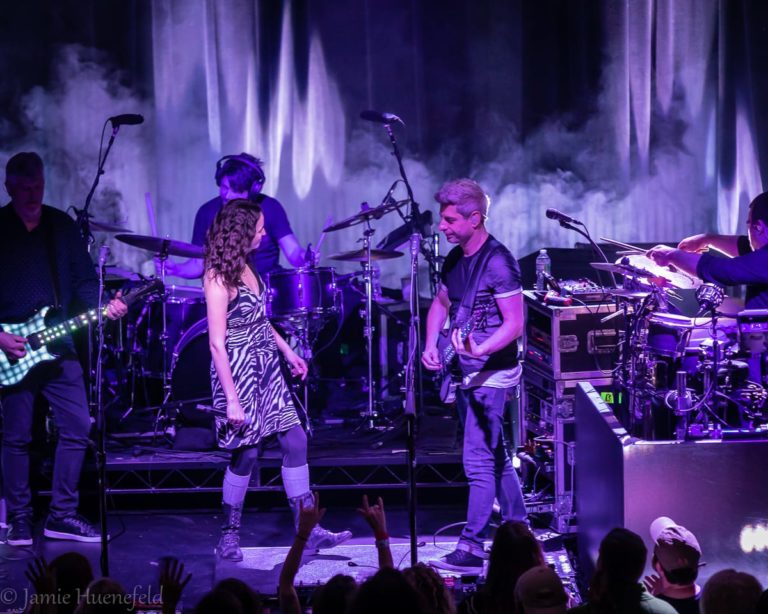
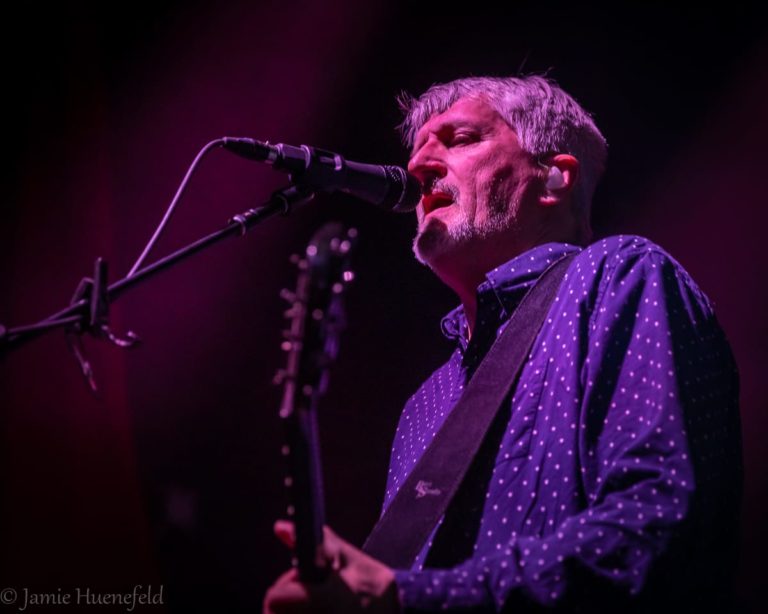
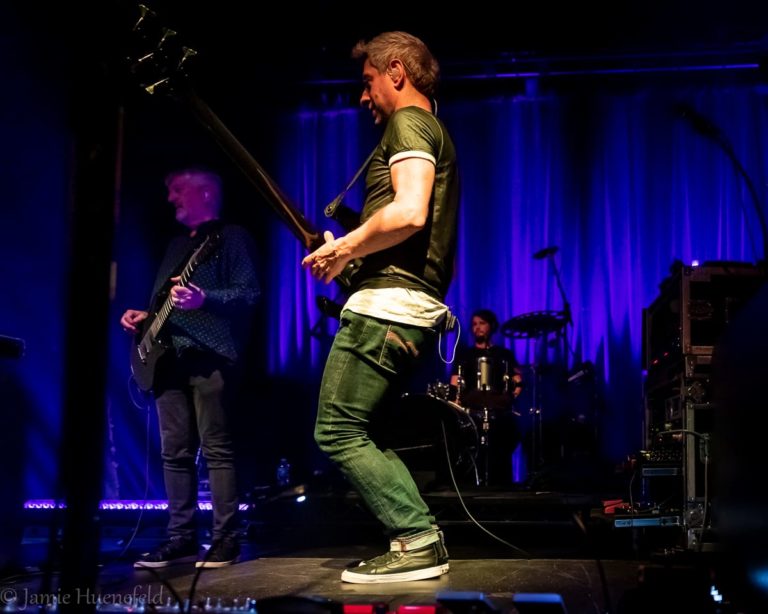
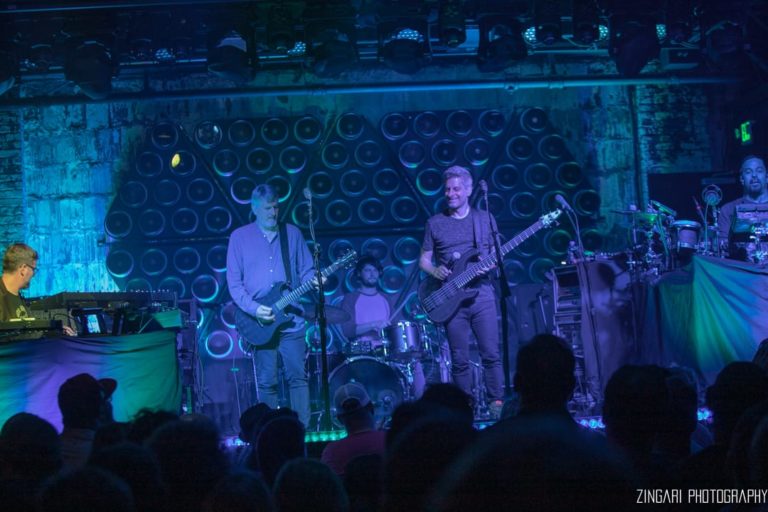
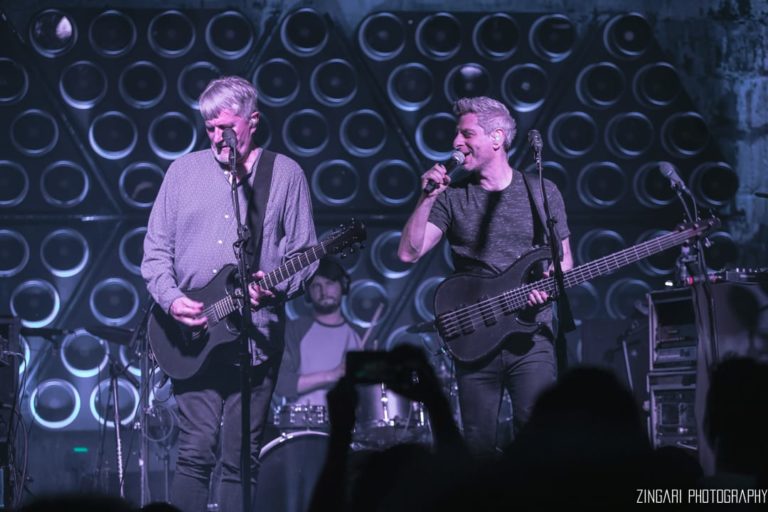
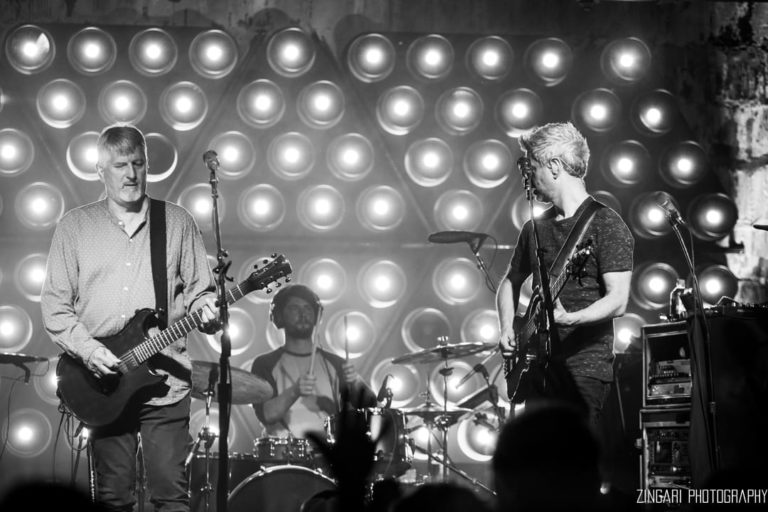
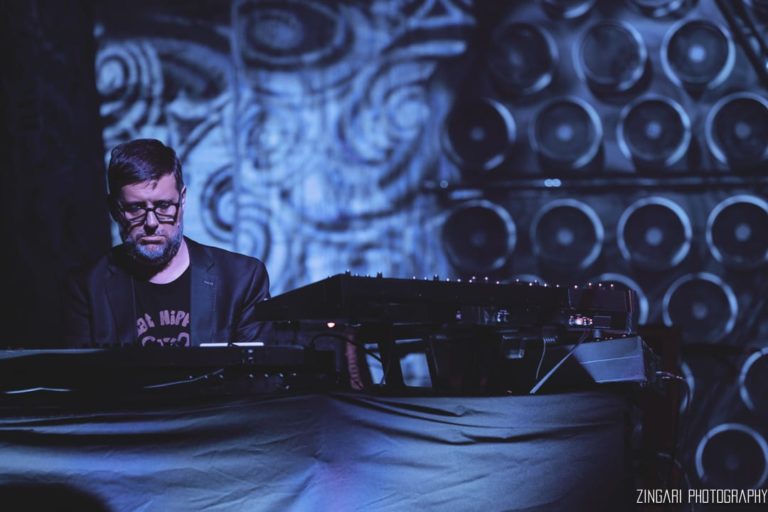
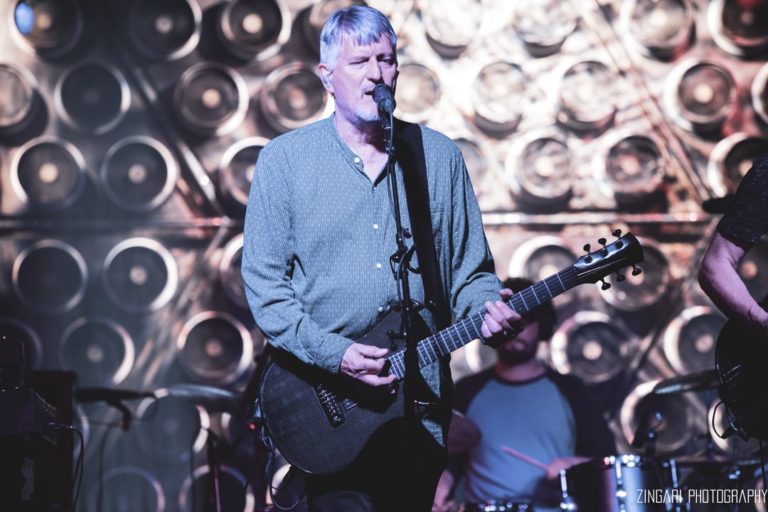
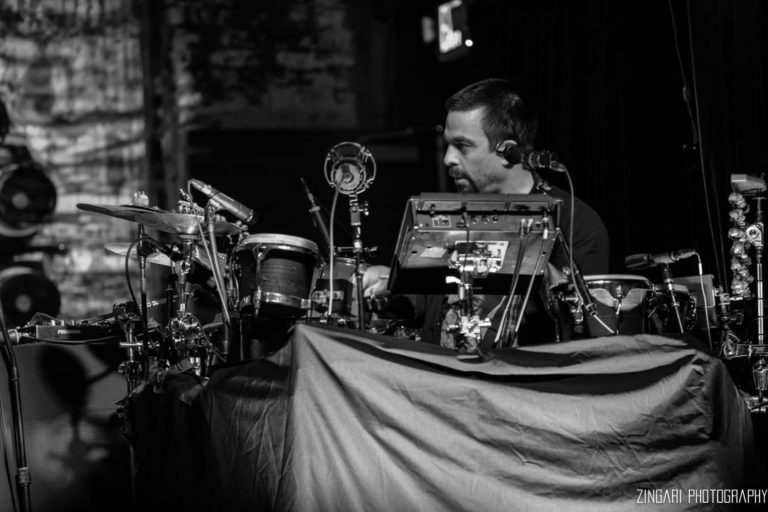
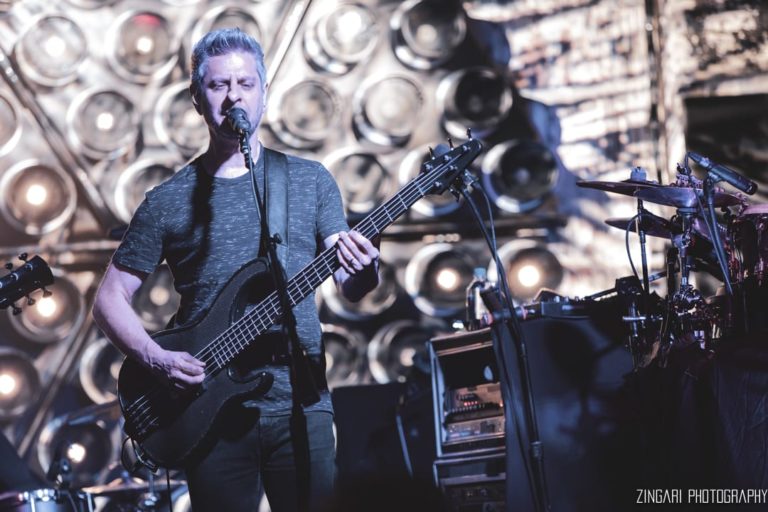
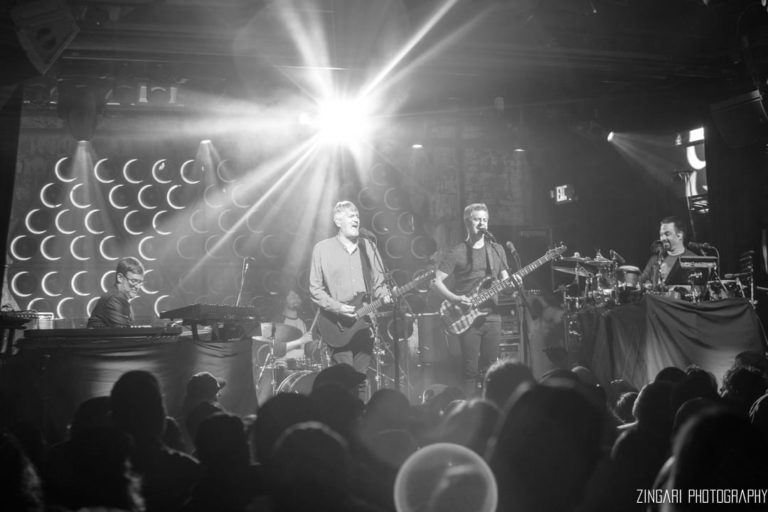
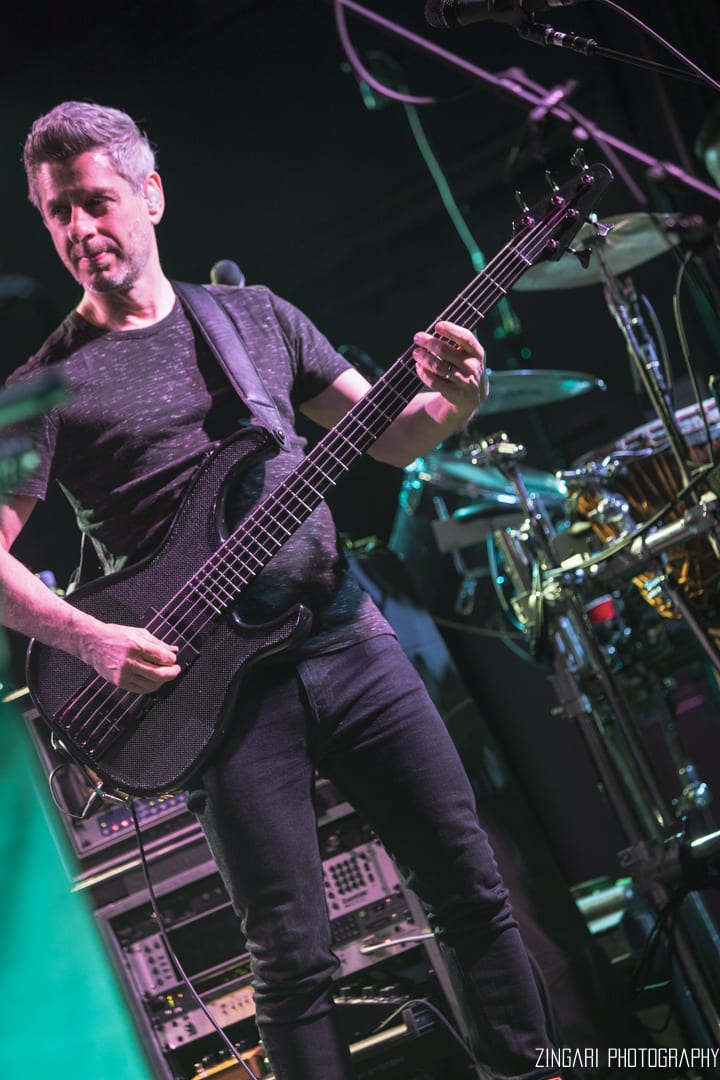
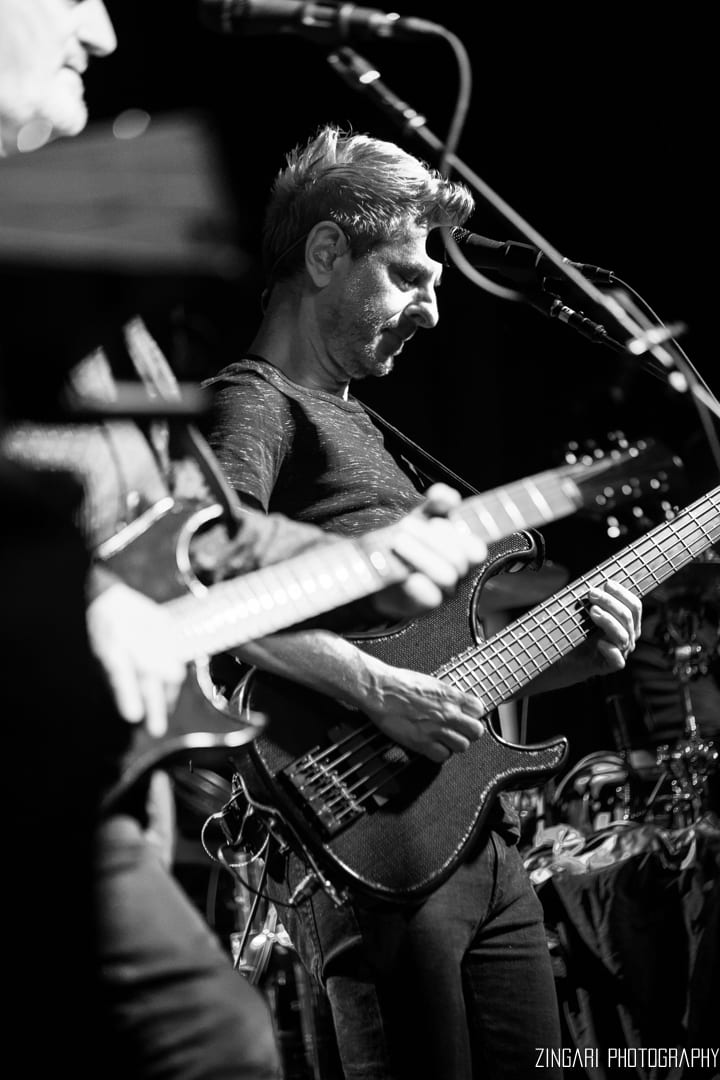
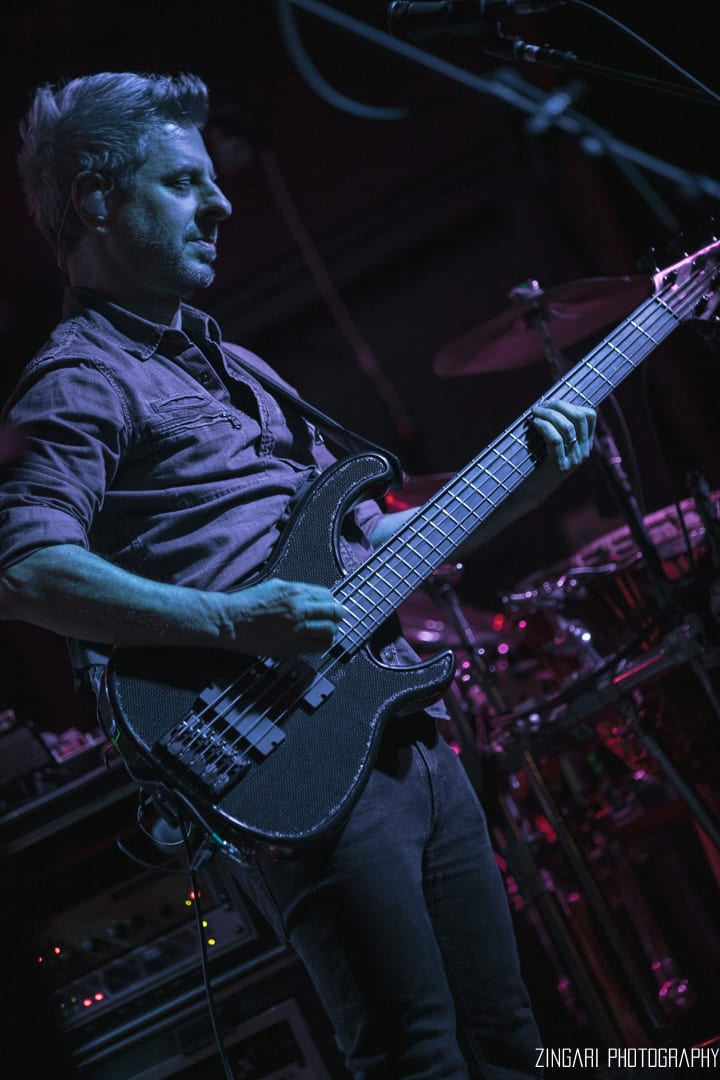
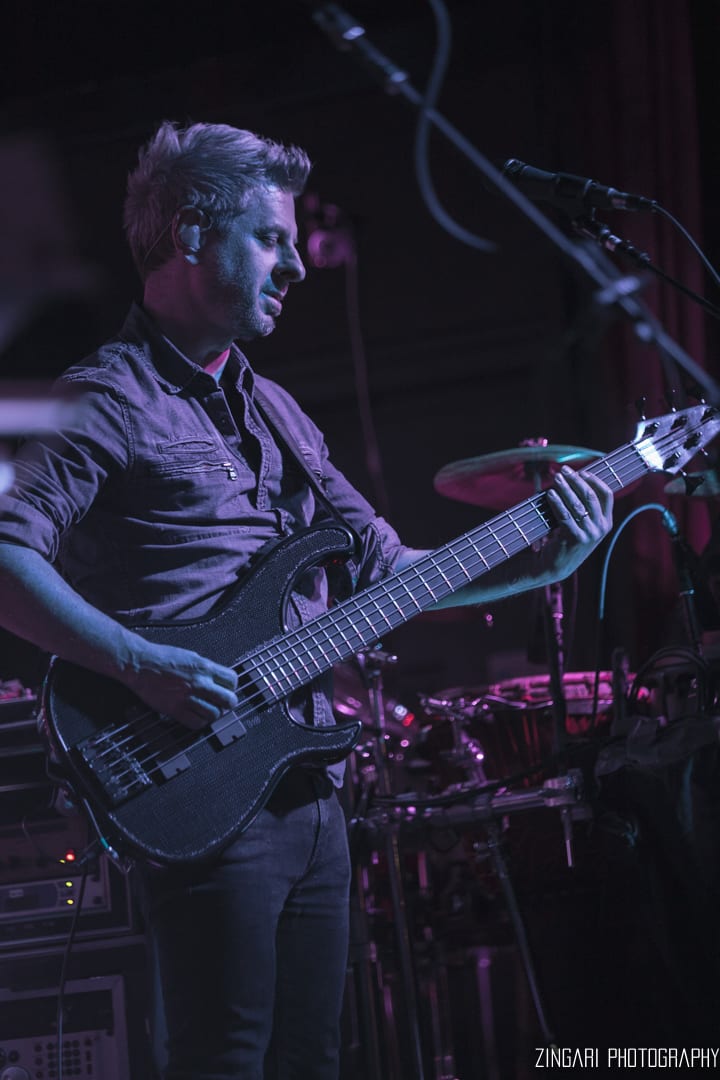
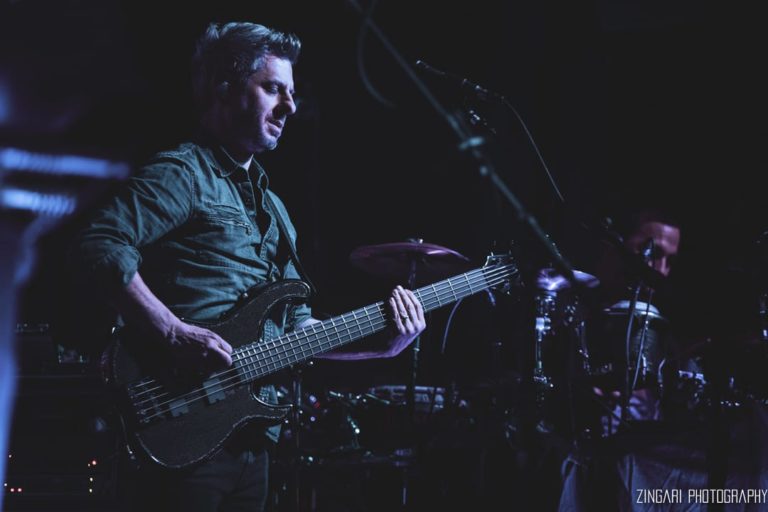
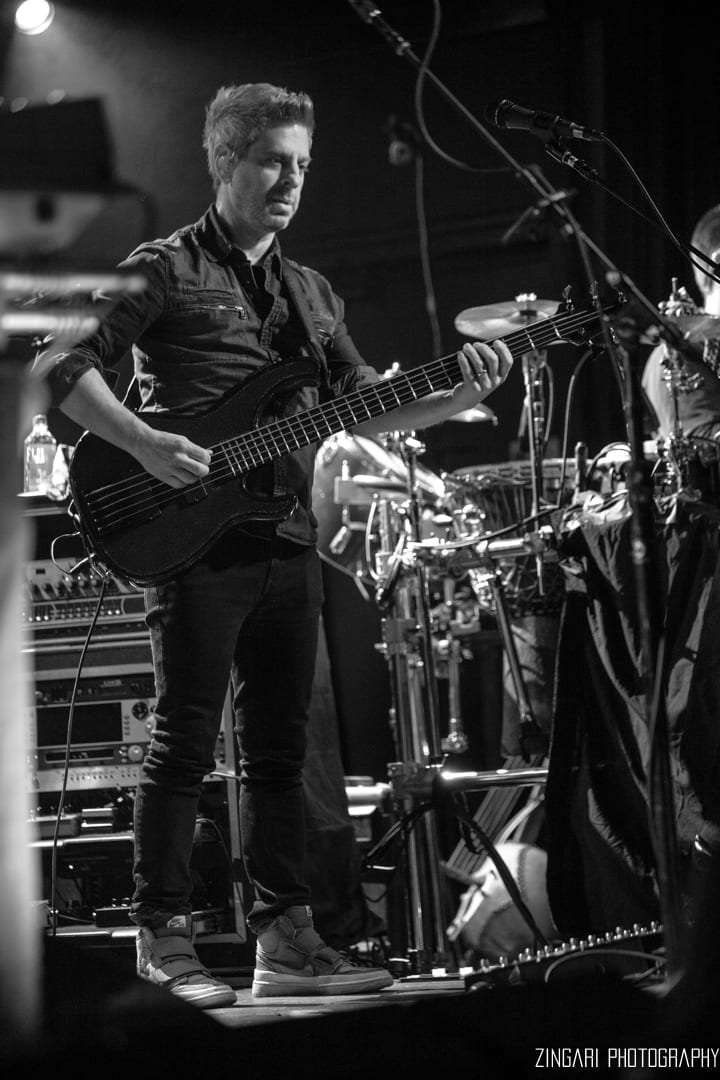
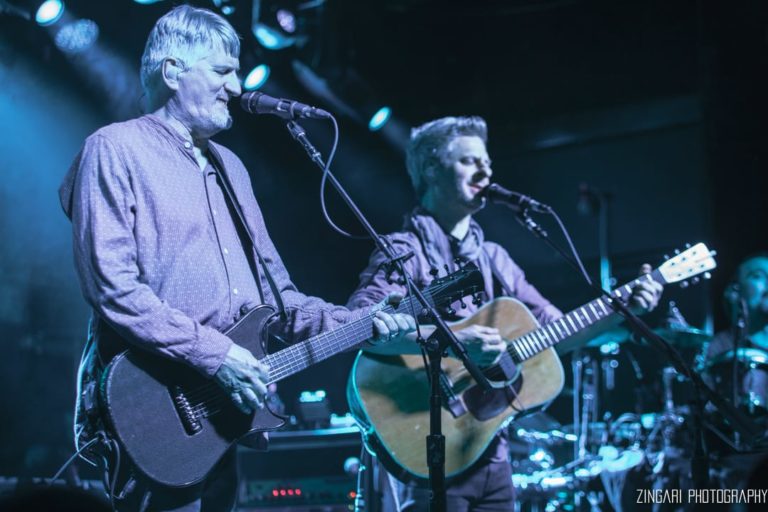
Phish bassist Mike Gordon brought his brand to Jersey City, NJ for a rocking St. Patrick’s Day’s show. The current lineup includes Gordon, guitarist Scott Murawski, drummer John Kimock, keyboardist Robert Walter (JJ Grey, Robert Walter’s 20th Congress) and percussionist Craig Myers.
Gordon’s band is nearing the end of a March tour that started in Atlanta, GA and moved up the East Coast. Upcoming dates include Buffalo, NY and Cambridge, Mass. The band will also play at Jazz Fest in April.
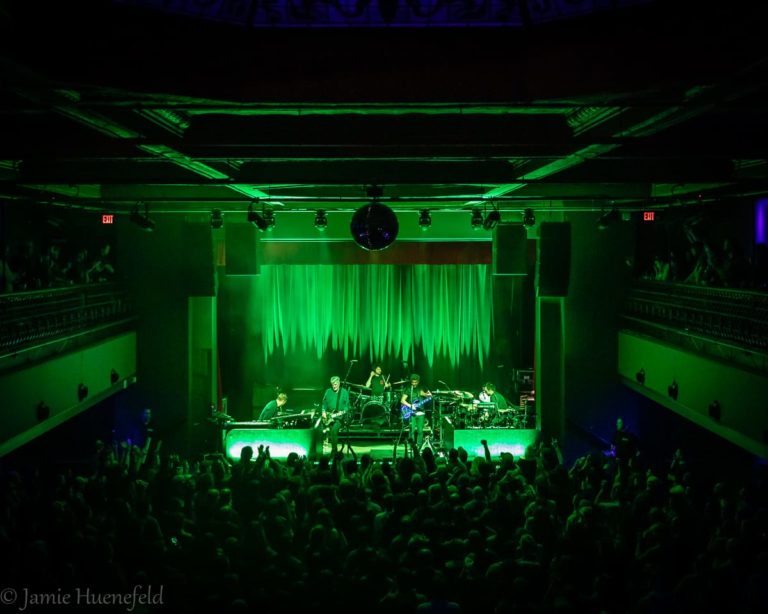
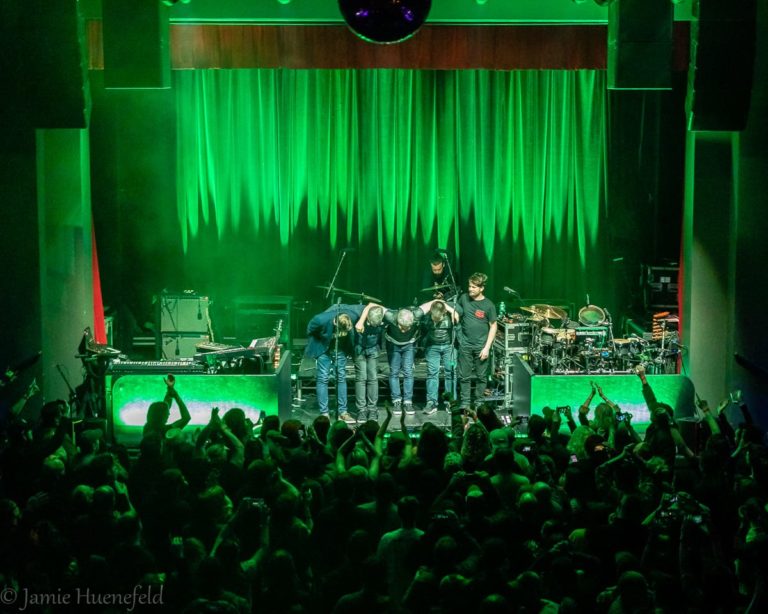
Jersey City’s White Eagle Hall was the venue for this rocking event. Originally built as a community center, this restored historic building is in the downtown area. On this night, White Eagle Hall was sold out and at capacity.
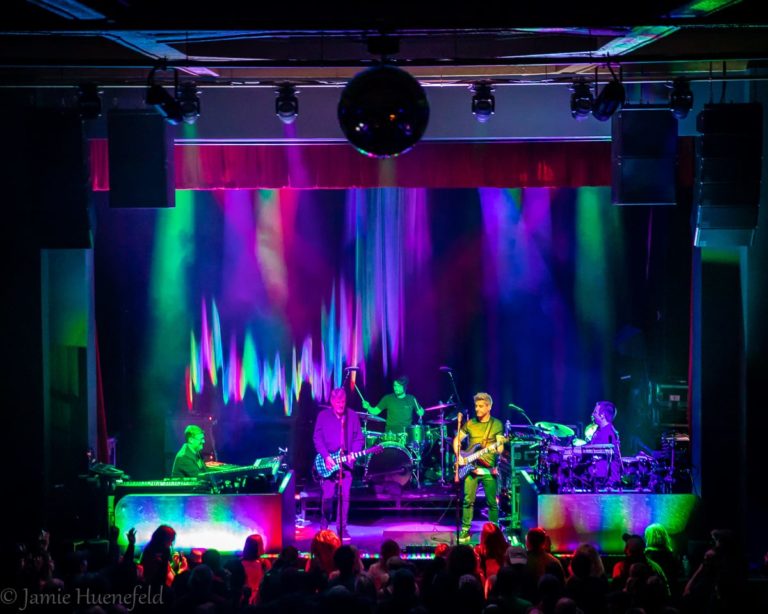
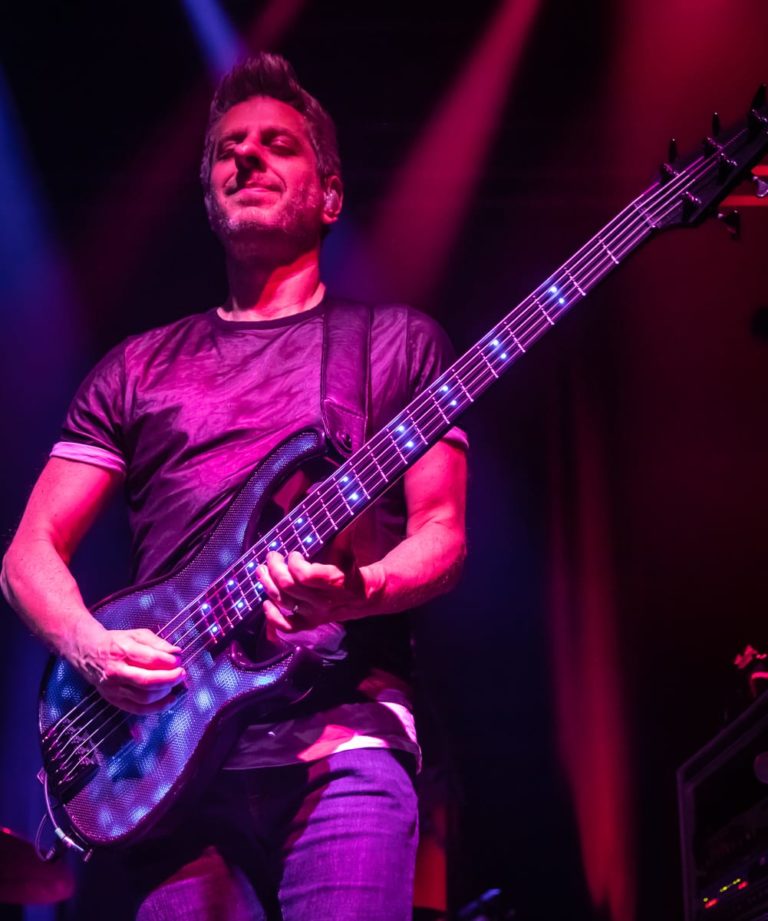
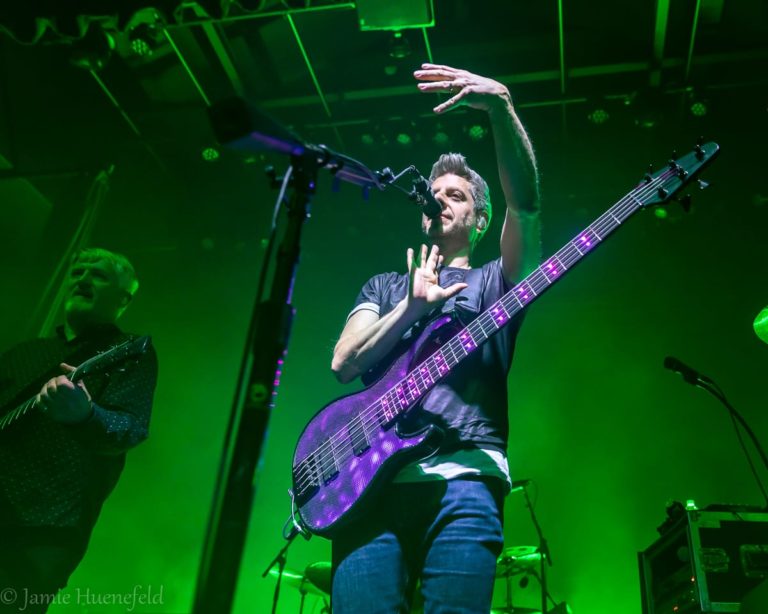
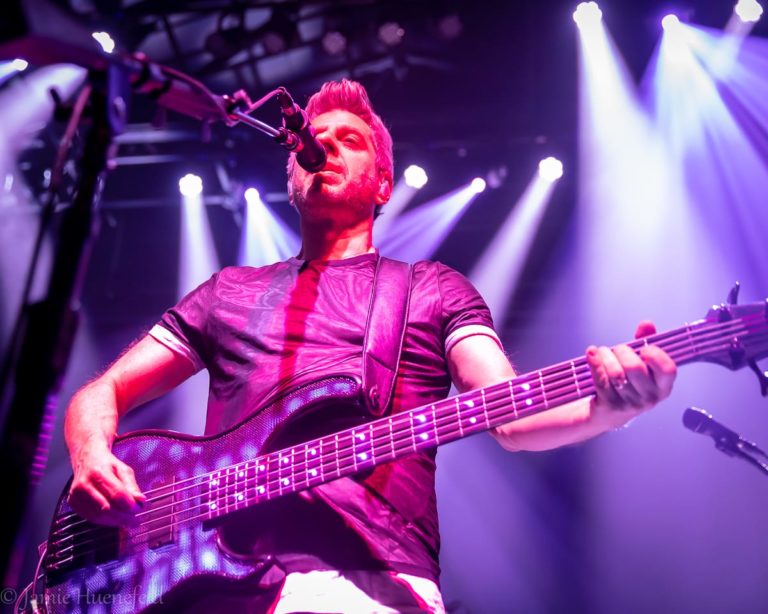
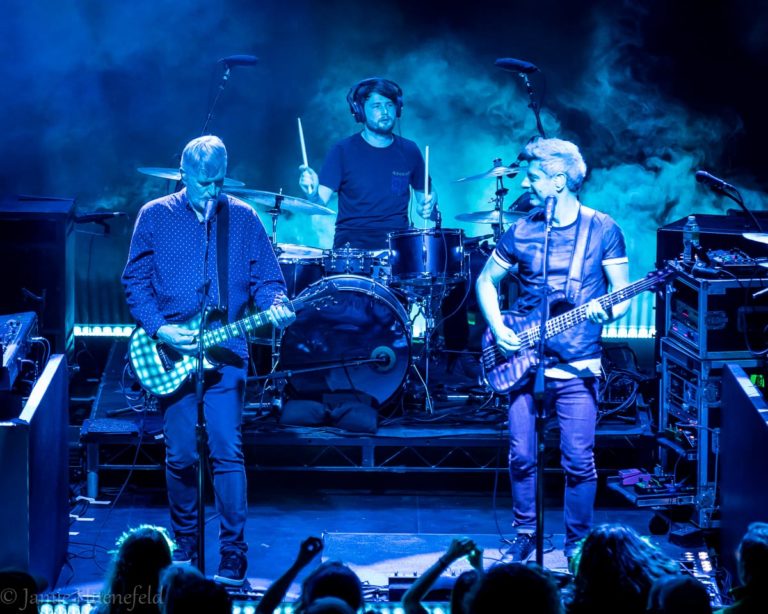
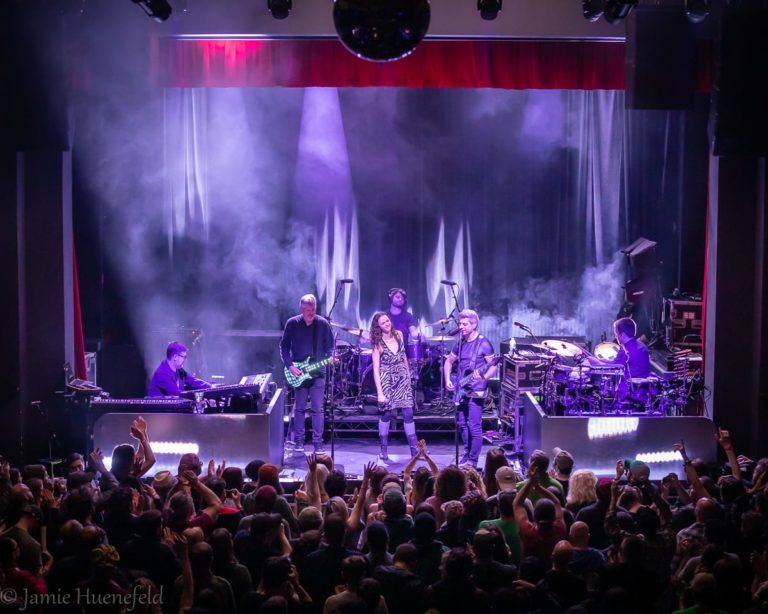
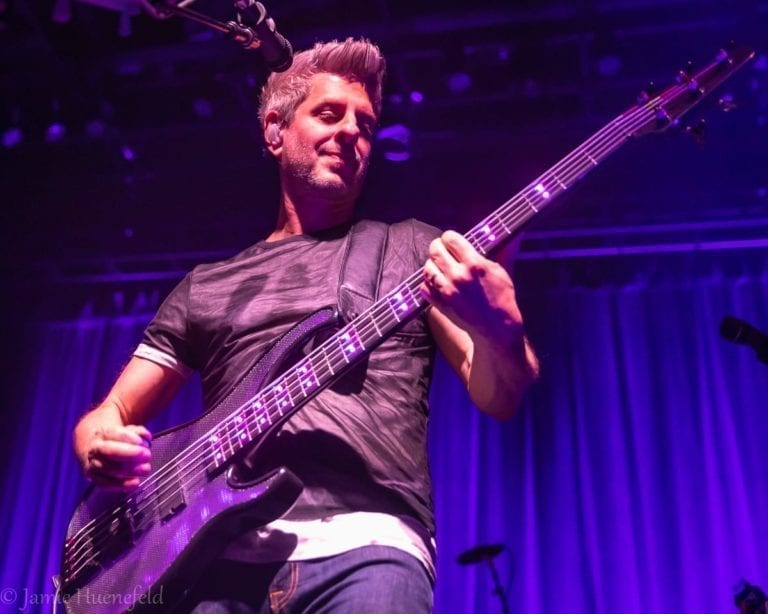
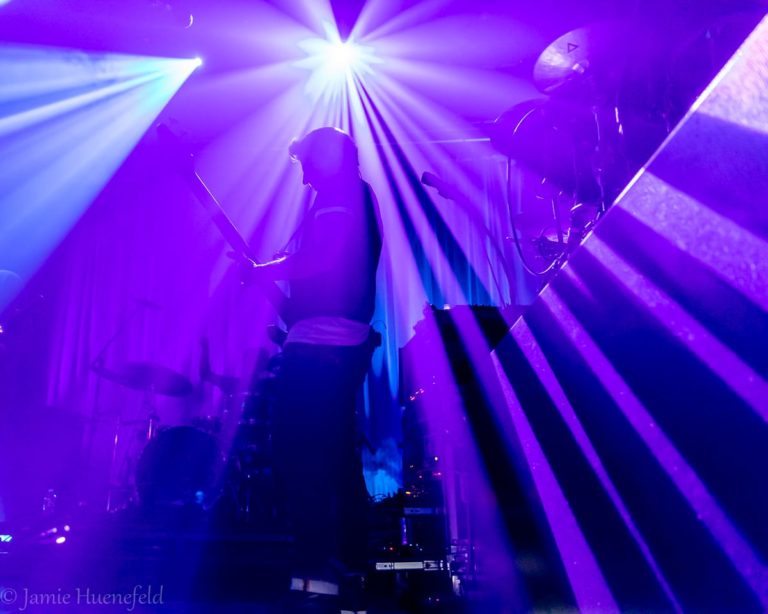
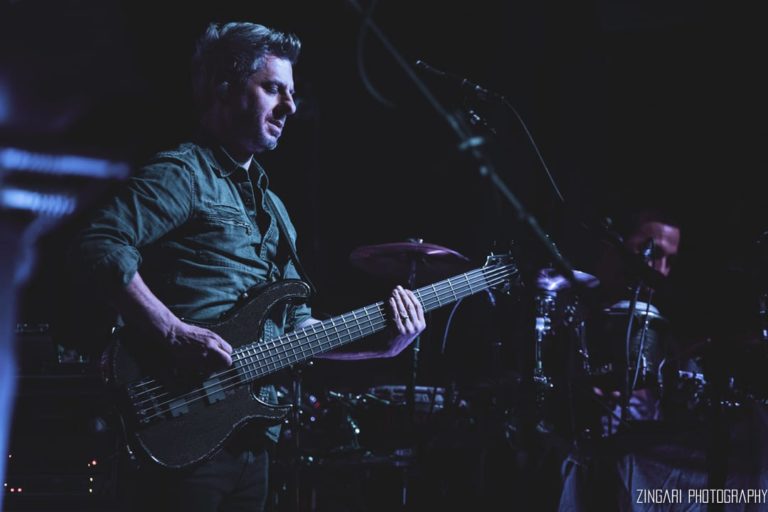
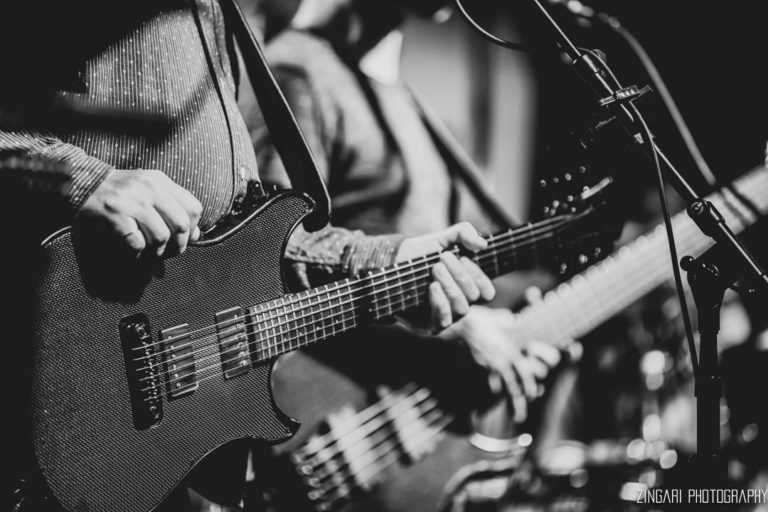
Set 1 began with the band entering to a roaring packed crowd. Mike showed off his matching illuminated bass with Murawski’s guitar. His funky, slappy bass playing transcended these songs, creating a rocking dance party. A cool multi-colored light show accompanied the music. The set ended with the high energy “Crazy Sometimes.” Set 2 picked up where set 1 left off. “Sweet Emotion” was the notable cover from the set. Elizabeth Nestlerode sat in with the band during the encore for “If You Want Me.” Nestlerode is a Broadway star in The Other Josh Cohen. The show ended on a high note with Jersey City anxious for more of the Mike Gordon Band.
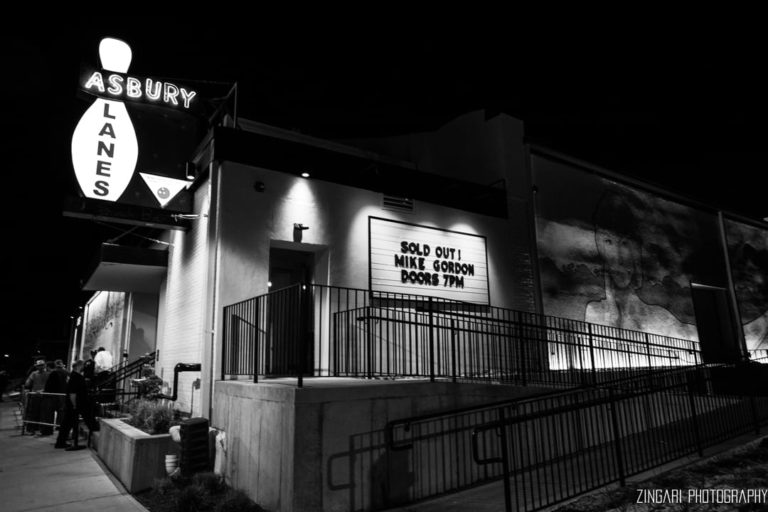
On Saturday, March 16, Mike Gordon played to a capacity crowd at Asbury Lanes, a new Jersey Shore venue brought to you by The Bowery Presents. The Phish bassist’s solo outfit is not to be missed, with Craig Myers, Robert Walter, and John Kimock the band is fun and tight, exploring each song. But it’s the long time collaboration with Scott Murawski that makes these shows ebb and flow through a funky jammy sound that is a lot of fun. Mike Gordon will be out on his solo tour for the rest of the month of March and for any Phish fan it is a must see.
SET 1: Different World, Victim, Infinite > Jumping > Meat, Black Tambourine, Let’s Go
SET 2: Up And Down, Sughn Never Sets, Yarmouth Road, Marissa, Cities, Face
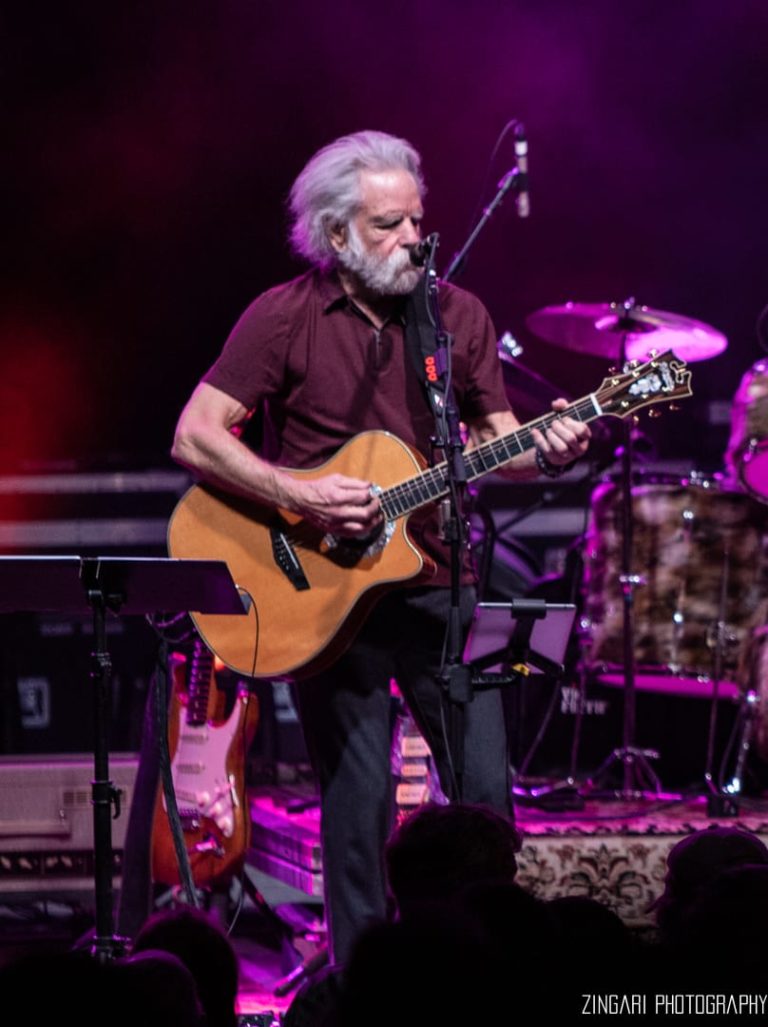
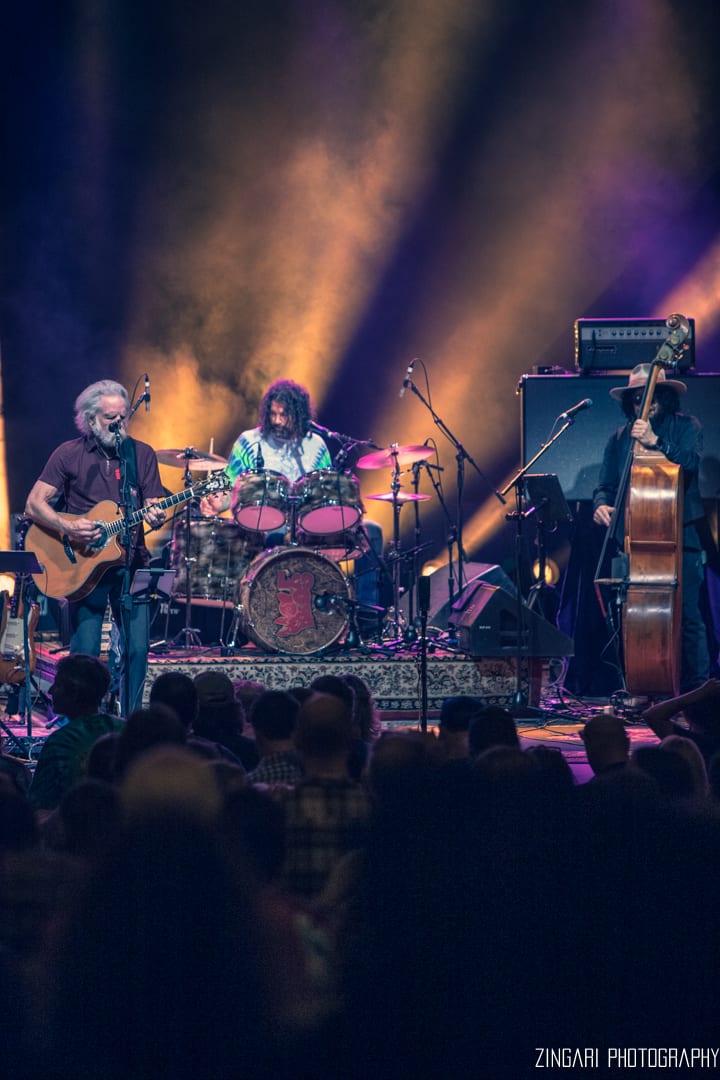
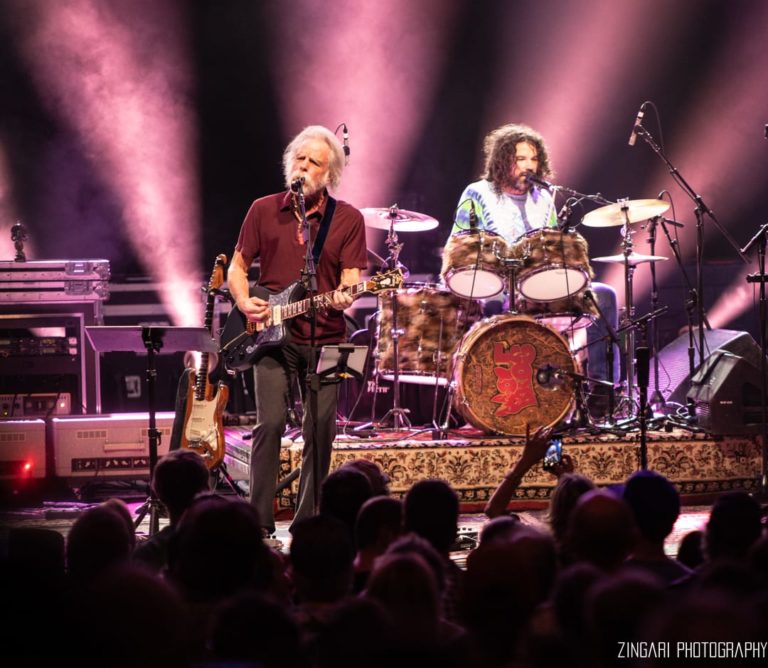
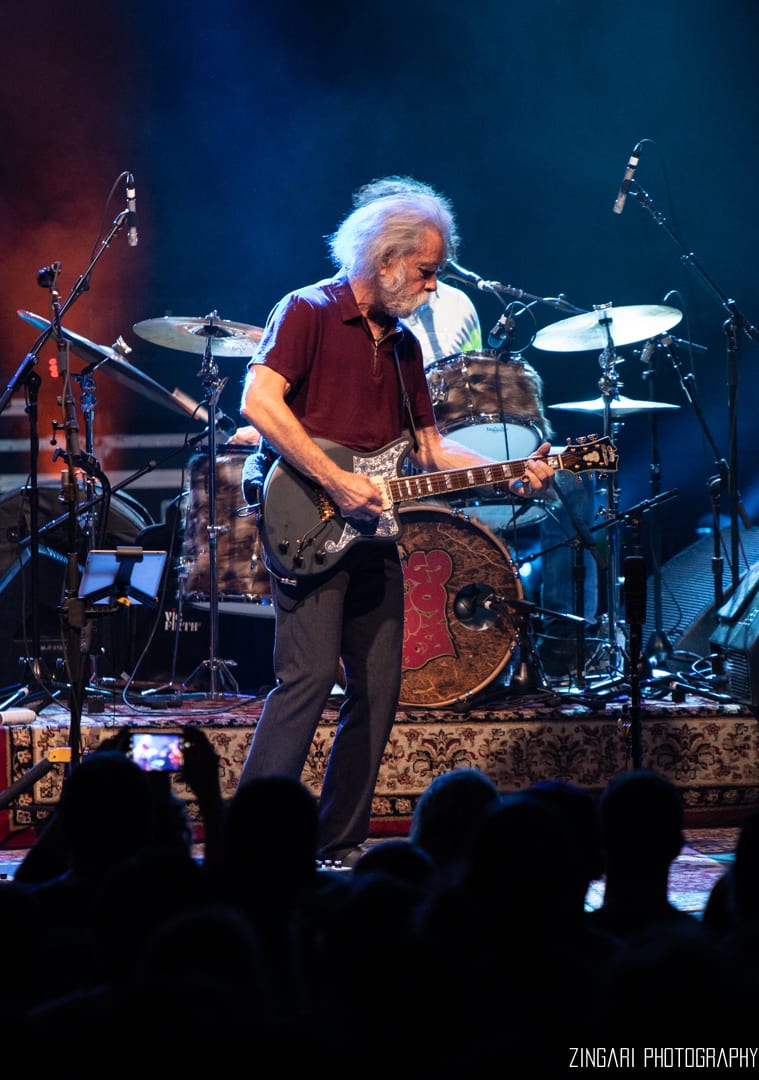
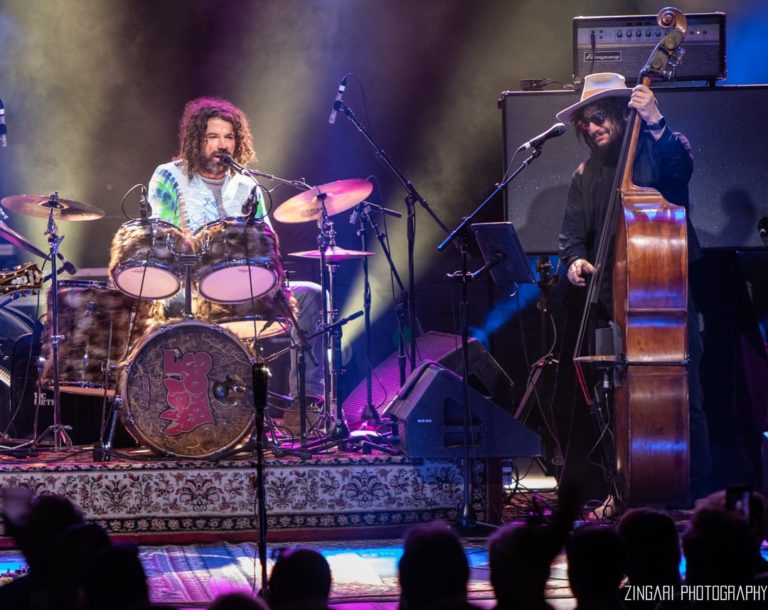
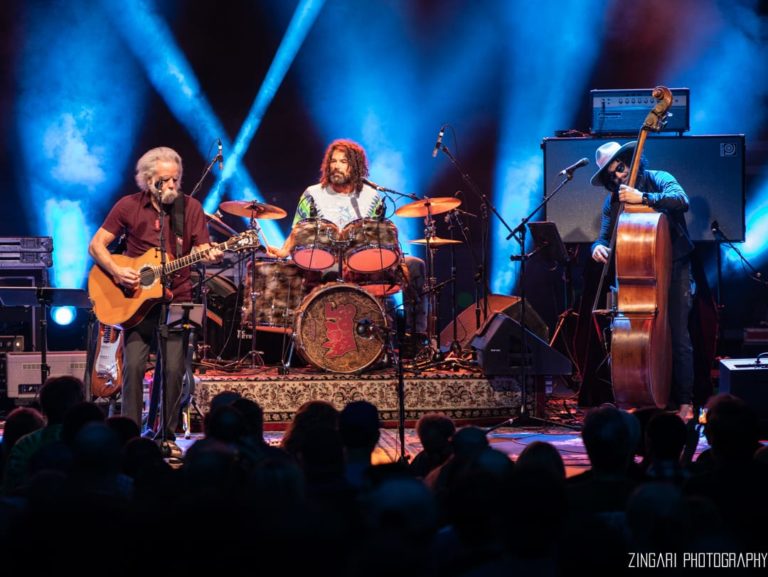
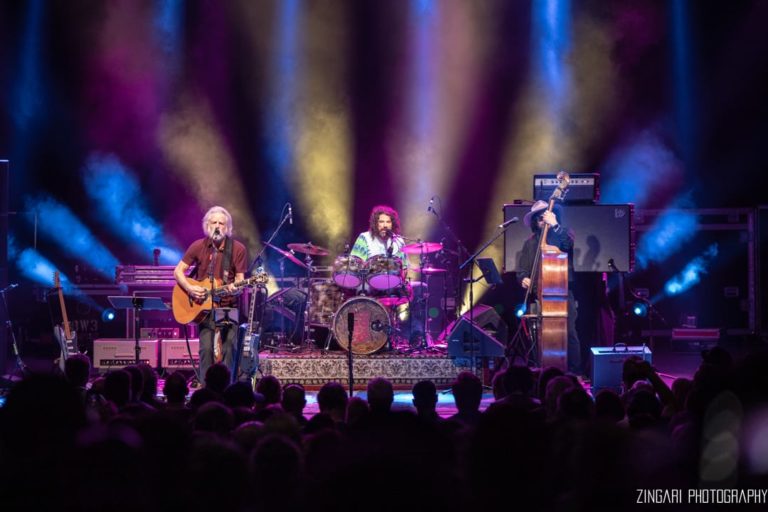
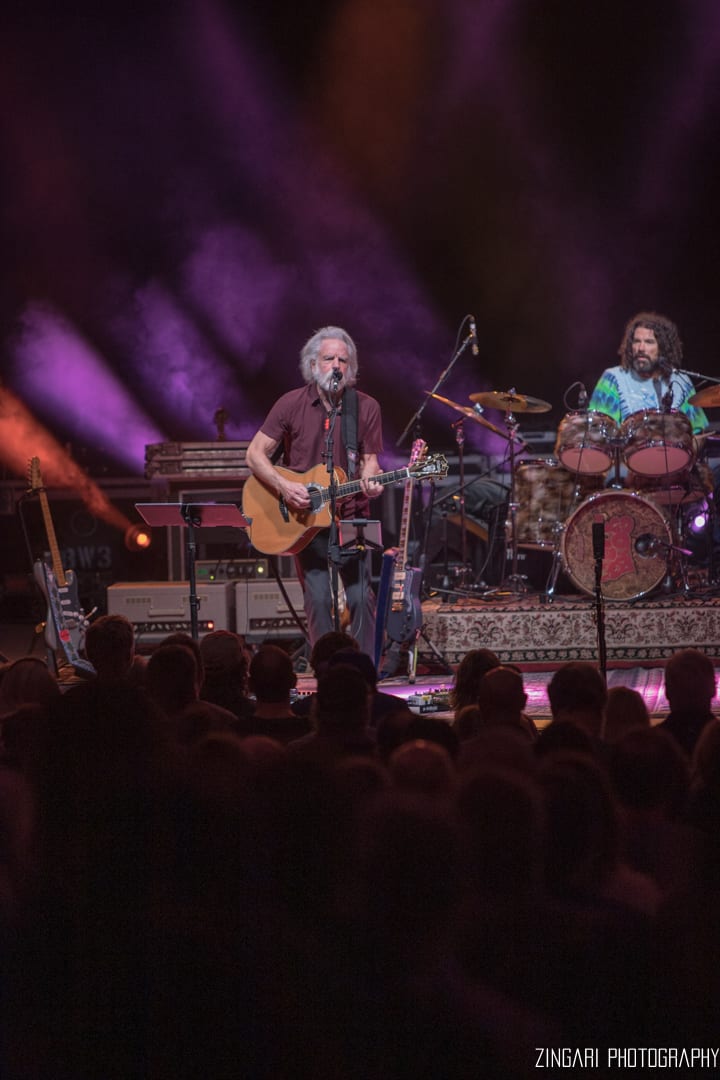
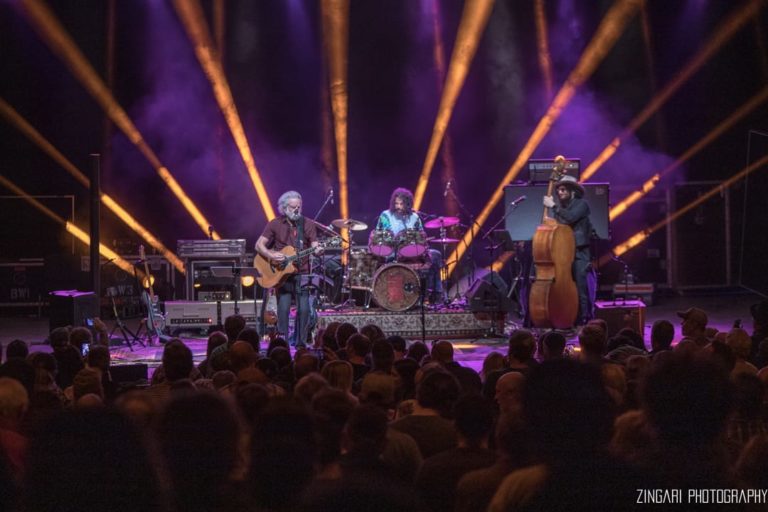
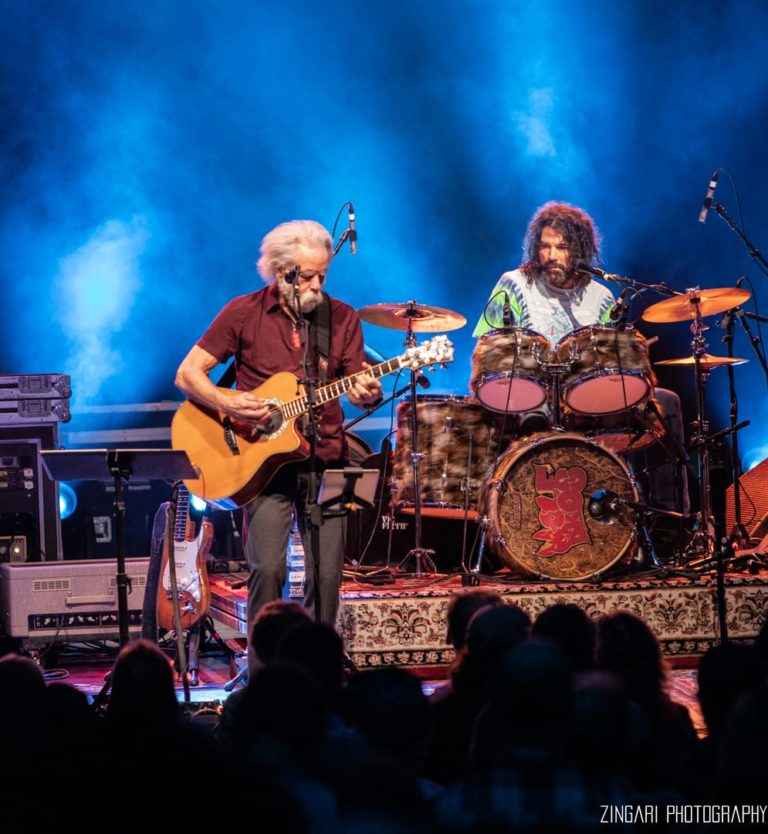
Completing a stellar two night run at the historic Count Basie Theatre in Red Bank, New Jersey, Bob Weir and Wolf Bros continue to shine, expanding the Grateful Dead’s legacy to new heights. Bob Weir is in top form, and is supported by two amazing musicians; Don Was on bass and Jay Lane on drums, each bringing their own style to the performance. Highlights included “Blackbird,” “Deal” and “Eyes of The World,” but it was the extremely intimate and emotional rendition of “Standing On The Moon,” that didn’t leave a dry eye in the building and rounded out an amazing two nights for the band and deadheads alike.
Set 1: Easy to Slip, Gonesville, Blackbird, K.C. Moan, Odessa, Hell in a Bucket, She Belongs to Me, Corrina, Deal
Set 2: Me and My Uncle, Cassidy, Truckin’, Fever, Ashes and Glass, Don’t Let Go, Eyes of the World, Standing on the Moon, Going Down the Road Feelin’ BadEncore: U.S. Blues
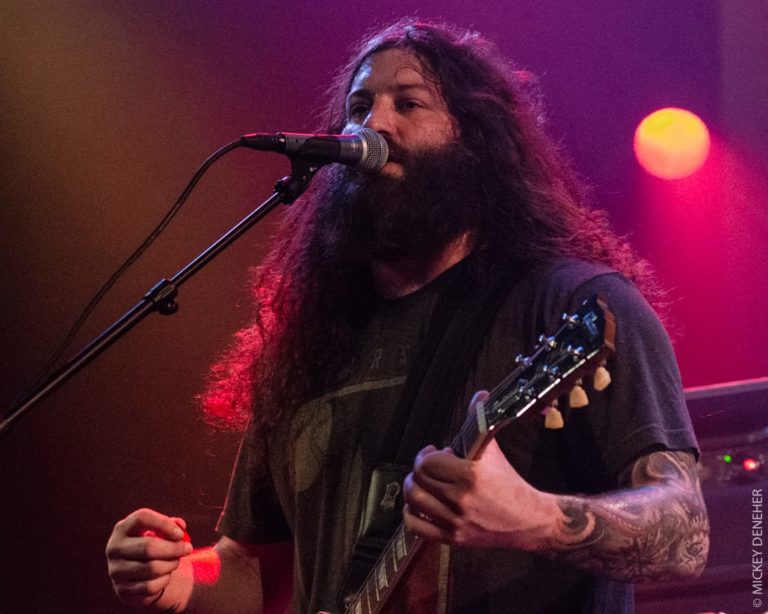
Bass player ‘Ray’ Beatty is very straightforward when talking about his band Lullwater: “we’re a really loud rock band.” Add their love for Seattle grunge (Pearl Jam, Alice in Chains, Soundgarden) and a “take no prisoners” rock ‘n roll stage presence – you get the DNA make up of this 4 piece band from Athens, Georgia.
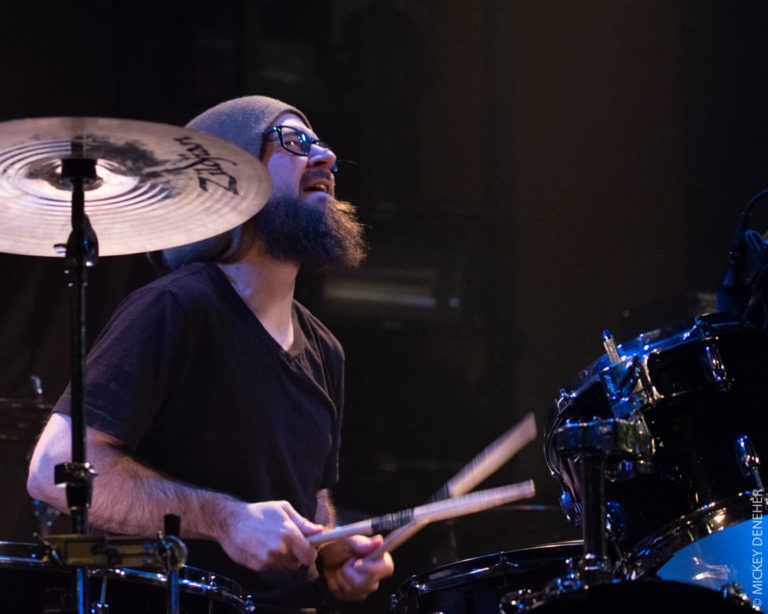
Together for 10 years, Lullwater is comprised of John Strickland on rhythm guitar and lead vocals, Roy ‘Ray’ Beatty on bass and vocals, Joseph Wilson on drums and vocals; and newest member, as of two years ago, Daniel Binnie on lead guitar. I sat down with Ray and Daniel before their set at The Chance Theater in Poughkeepsie, N.Y. The band was finishing up a month long, five band tour, with headliners Sevendust. It was a cold, but sunny afternoon with plenty of snow on the ground as we sat inside the band’s tour van and got down to business.
John Strickland
Mickey Deneher: You’re on month long tour with Sevendust, what’s that been feeling like?
Roy ‘Ray’ Beatty: It’s great. It’s an awesome tour to be on. It’s not just Sevendust. We have Tremonti, Cane Hill, and we got Kirra. Every band on this tour is really awesome. Not to discredit any of the bands we have been on tour with before, but as far as from start to finish, this tour lineup is just totally stacked. Almost every show has been sold out. Crowds have been really rockin’ and we get to watch the machine that is Sevendust. Not just the band, but the crew and everything. Seeing an operation on that level is inspiring. It’s like, oh; that is where we aim to be with our professionality, it’s great.
They’re like hanging out with us, allowing us to hang out with them. Sort of taking us under their wing a tiny bit. It’s a great experience all around. It’s inspiring. It’s very inspiring. You can see how bands that do this for a long time find and maintain success. Manage to do that through hard work.
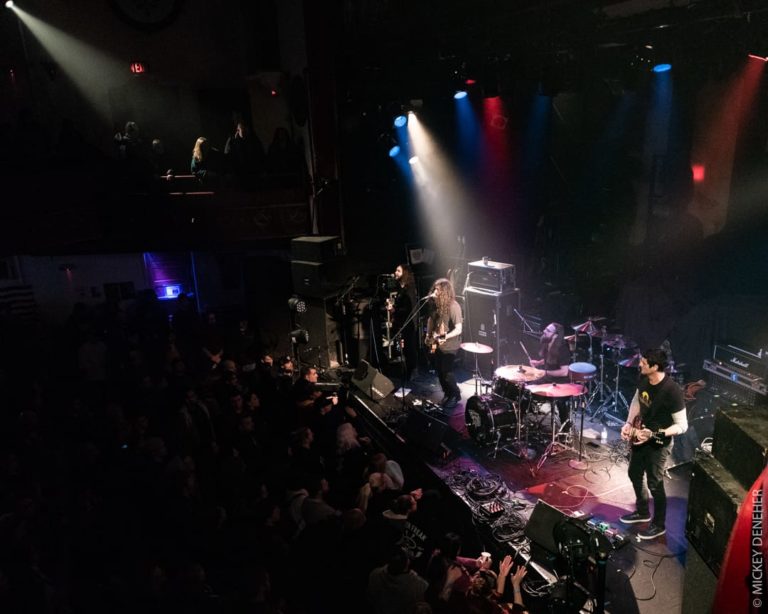
Lullwater at The Chance Theatre.
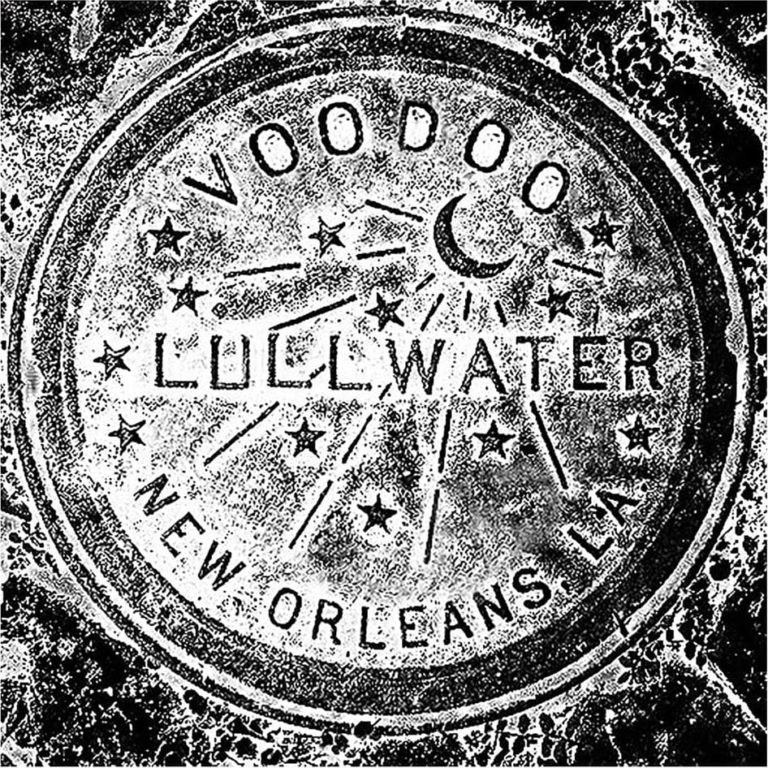
With the tour winding down, the band was preparing for the release of their 3rd and most adventurous studio album, Voodoo. A recording the band calls “a bigger, more intricate and layered, digitally-recorded sound.“ Recorded in New Orleans, the band engaged Jacob Hermann (Anthrax, Machine Head, Amaranthe) to take the reigns as producer. Recorded over a year ago, the band worked hard on the required business details so it would hit the market with full impact.
2019 released ‘Voodoo’ album art.
MD: The new album is coming out, that has to be an exciting thing.
RRB: It is exciting.
MD: You’ve done a couple of studio recordings and some live stuff. Did you go in with songs written and ready, or did you just go in and feel it and make it happen?
RRB: We had the majority of the songs written. But we went in and took the first week of our studio time just looking back at all of our songs; arranging things and changing things. So it’s like we re-wrote the whole album. But we had a lot in. Like 70 to 80% kind of like rough framework were there.
But Jacob, he came in and cracked the whip a little more and made us buckle down more then we have in the past. Made us be more reflective and honest about things that we were trying to make and were the things that we wanted really suiting the song that we wanted.
Roy “Ray” Beatty – Lullwater
Joseph Wilson
MD: You say we looked back, you had them ready, but let me make sure they were there?
RRB: Well, we did maybe a month or two of just practice in our basement leading up to it. Of us, just writing all these songs and playing them. But neither of our producers were able to be there with us. So when we went down to the studio we wanted to get them in on the vibe and also get their input and just make sure everything was the best that it could be. ‘Cause we’ve done albums. Like the previous album, we really didn’t write almost anything before we went in. And that was cool too. But we just really wanted to make this one stand out.
MD: Jacob Hermann?
RRB: Jacob (reiterated with a Swedish accent)
MD: He had some great creds coming in. How was it working with him?
RRB: It was great. It was a little daunting. It was a big step up. Not to say that our other producer, Justin, isn’t also great to work with, and he is. But he kind of goes along with our vibe and we are all very collaborative. But Jacob, he came in and cracked the whip a little more and made us buckle down more then we have in the past. Made us be more reflective and honest about things that we were trying to make and were the things that we wanted really suiting the song that we wanted.
Daniel Binnie: He was extremely critical.
MD: But that’s good.
RRB: It was good.
DB: In a good way.
MD: His name is on there also. It’s a collaboration.
RRB: It is. I think people probably don’t realize, that people that don’t make music, or don’t record their music with producers; don’t realize how much of an impact that those producers have on the album; the sounds that are happening, how the sounds all fit together, a lot of the arraignments and stuff. Your always like “Hey Justin,” “Hey Jacob,” “does it sound good?” “Does it suck or not?” When I personally go into the studio I try to, you know I have all these ideas that we have and I want things to be a certain way, but unless I absolutely am worried something’s going to not turn out good, I try to just give up worrying about anything. Saying the power to veto a sound or to confirm ‘does this sound good,’ is in the producer’s control.
Roy “Ray” Beatty
MD: You (as a band) present it, you play it, you created it, but you need that extra set of ears to help you.
RRB: You defiantly do. If you don’t all do that, it gets to be a to many cooks in the kitchen kind of scenario with everyone saying, “NO, we got to do this riff,” ‘That didn’t quite work, we have to redo it.” It’s like CHAOS. In order to serve the final product, you have to remove yourself a little from it.
MD: The song “Empty Chambers” a first release. Talk a little about it.
RRB: It’s just a loud rock song. Actually, that was the first one we started writing for the album, I think. I was traveling and I had my guitar in my car and I knew that we had our studio session booked and I was kind of freak’n out because nobody had been sending in riffs. ‘Cause usually, the way our writing process works is, other people are coming up with some of the riffs and I‘ll try to arrange them and we’ll all try to arrange them and write. We write together. But for this one, I was just in my hotel drinking and I was like; man, we need songs. So I just wrote that first riff and we just kind of came together and made a song out of it.
Daniel Binnie
You can take kind of what you want from the lyrics. John (Strickland, lead vocals and rhythm guitar) doesn’t like to be super direct with explaining his lyrics in interviews, so I kind of respect that. But you listen to it; you can kind of hear what it’s all about.
Daniel Binnie: I wrote the rhythm for the chorus. Don’t for get me (laughing!)
RRB: Binnie did write the chorus of “Empty Chamber.” Totally wrote that. We took that from a song he made. So it really came together.
MD: What was it that drew you down to NOLA (to record)?
RRB: Jacob had worked in that studio and he said that was the place to go, so we said ok, we trust you.
MD: New Orleans is such a music place.
RRB: It is a music place.
MD: The vibe is a NOLA vibe. Did any of that seep in a little?
RRB: The album is called Voodoo. We where there for Halloween. (Laughing) It definitely influenced the album. It seeps through. You be able to hear it in the final product.
Lullwater
DB: Musically of course, we got some horns and strings and stuff from local musicians on the album. So you got that. As far as the vibe of the town, there is a lot of pain and suffering on that album.
RRB: There is. I feel that like that is the theme of the album overall, everything falling apart and then getting back together.
The band hit the stage at The Chance Theater to a very appreciative and packed house. With 2019 in front of them, Lullwater will be releasing an acoustic EP, containing songs from their last two albums, in late spring or summer. The band is now finalizing tour dates for the rest of the year, so look for Lullwater out on the road in support of their latest release.
The album Cash Cabin Sessions, Vol 3, which features vocals by Jason Isbell on one track, goes back to Snider’s more quiet, folk-based roots. While he composed the lyrics for the songs in Stinson Beach, California, the melodies to the songs came to him behind Cash Cabin.
Todd Snider
The album as a whole can be attributed to a list of things that are happening in the world, told in the form of satire with songs about reality TV, the government and just the conspiracy of it all. Calling this album a nod to the world we live in is perfectly conveyed throughout in songs like “Talking Reality Television Blues,” “The Blues on Banjo” and “Framed.”
With the influence of Johnny Cash on his side and, of course, his recording studio, courtesy of Cash’s son John Carter Cash, Todd Snider really taps into the essence of the legendary musician with his Cash Cabin Sessions, Vol. 3.
Snider cites working in the studio and actual reoccurring dreams of Johnny Cash that he had that led him to record in this studio in 2016 and 2017 with his supergroup Hard Working Americans. This, however, is his first solo album produced here.
Vignettes of heartache, redemption, hometown joy and drama fuel Anything, Everything, the sophomore album from the Connecticut-based pop-punk band Say What You Will. Hailing from New Haven, the band is Christine Sabol on bass guitar, Shane Emery on vocals and lead guitar, Chuck DeFilippo on drums and Ethan Griffeth on lead vocals. Amongst changes in personnel and other identity shifts since 2017’s Seconds to Home, the new album is a work of passion and exploration, sure to excite longtime fans and attract new ones. The band supported the album release by debuting their music video for the feature track, “Southbound,” in late February.
Drawing from the likes of State Champs, Grayscale, Sleep On It and others, Say What You Will found a way to create a distinctive, unique sound while paying homage to their influences. Recorded with Chris Piquette at No Boundaries Studios in Rhode Island, the record marks a new age of growth and maturation for the band. Anything, Everything is set to release on all platforms next Friday, March 15.
“We’ve always tried to incorporate so many influences into our music, and I think that this time around we were more focused on making something that sounded like us.”
Shane Emery
From the start, “Break Away” pulls listeners in, skipping casual orbit and launching them directly into the fiery atmosphere of Anything, Everything. The restrained, energy-building intro showcases the band’s chemistry by allowing Griffeth’s expressive voice to sit on top of the rhythm, culminating in a quick stop and explosion of layered melody sure to get peoples’ bodies moving.
Moving on, it’s clear that a key strength of the album is how it dynamically shifts between the blasting, yell-along, triumphant choruses and the sensitive, yearning reprieves. “Carolina” stands apart as a pop-punk ballad, an ode to a specific place and time, displaying Emery’s journeying, skilled guitar and the interplay between drums and Sabol’s bass. The record picks up the pace again in “Lake Zoar,” filled with jump-along moments.
Distinct from the instrumentation of each song, there are the stories Griffeth shares through emotive vocals and heart-wrenchingly piercing lyrics. “Summer Haze” ends the album with a story of a woman who’s struggled with helping her significant other with drug addiction. Inspired by heroin epidemics in Griffeth’s hometown, the song is the band’s plea to shine a light on dark moments.
Anything, Everything has all the elements of what makes a great pop-punk record, though it doesn’t stop there. The album represents a refined and redefined sound identity for the group. Listeners will always find their way to the catchy hooks, the grooves and breakdowns in the songs that feature boundary-pushing infusions from other genres. Say What You Will has put all their cards on the table, successfully creating something unique and inspiring. Pop-punk fans will find plenty of value and perspective from picking up this album.
*Anything, Everything Release Show*
[/accordion]
[accordion title=”April 6: Pauly’s – Albany, NY” load=”hide”]April 15: Encore Live Room – Dayton, OH
April 16: Evolution Music – Downers Grove, IL
April 17: Laundry Room – Nashville, TN
April 18: The Depot – Baltimore, MD
April 26: Ralph’s Diner – Worcester, MA
May 3: Cianfano’s – Elizabeth, NJ
May 4: The Barbary – Philadelphia, PA[/accordion]
[/accordions]
Photo: Megan Greer
Listen to Anything, Everything and learn more here.