Classic Dark Side of the Moon prism tee shirts were abundant in Syracuse as Brit Floyd performed its Immersion World Tour 2017 at the OnCenter’s Crouse-Hinds Theater April 18 to a near capacity crowd of both young and the bit more seasoned.
Brit Floyd speaks fluent Floydian. The tribute act has toured the world since 2011 and has mastered the art of Pink Floyd’s catalog while still managing to put its own stamp on the music.
 A highlight of this particular show was the homecoming of Brit Floyd bassist and Chapman stick player, Ian Cattell. Cattell grew up in the Syracuse area and performed in many Syracuse area bands prior to joining the Australian Pink Floyd Show in 2005. He is equally adept at channeling Roger Waters and David Gilmour. One unique instrument he employed during the later era Floyd songs is the Chapman stick. It is a long 10 or 12 stringed guitar used to play bass and melody lines. Cattell’s gig with the Australian Pink Floyd Show led to his current one in 2011. You can read more about Catell in the NYS Music preview interview here.
 Brit Floyd dipped its toes into every era of Pink Floyd’s history, from the psychedelic era “Astronomy Domine” off the band’s 1967 debut album to the opening numbers, the instrumental “Cluster One” and “What Do You Want From Me” from 1994’s The Division Bell.
What you get with Brit Floyd is attention to detail. The band is respectful of the source material, yet still manages to put a Brit Floyd twist on it. The lighting and visual effects (the circular video screen used is the same one Pink Floyd used on the Division Bell tour) are top notch. The sound circled the theater, creating the intended immersion effect. It was a full on immersion into Floyd.
 The graphics used introduced the year of each song played and mixed public domain videos and images along with original animation synchronized to the music and lights.
 Cattell and musical director/guitarist Damian Darlington took on the vocal roles of Roger Waters and David Gilmour with daft precision. Cattell’s inner Waters proved a highlight throughout the night. Cattell also took turns on Gilmour-sung songs such as on the A Momentary Lapse of Reason track, “One Slip.” Cattell claims his natural voice is more similar to that of Gilmour’s. This was proven on the latter era Floyd songs he captained.
Lead guitarist Edo Scordo manages what few who cover Floyd can. He has the Gilmour feel. While Gilmour may not be the most technical guitarist in rock, what he brings to the table is an emotion that translates through his fingers to the fretboard. Scordo has that knack. Throughout the night, he nailed the solos, smiling at the adoring audience as he did so.
 The band is celebrating the 40th anniversary of the Animals album on this tour. Following the second set opener “Astronomy,” the band broke into the familiar keyboard intro and pig noises that open “Pigs on the Wing, Part 1” from that album. The crowd immediately responded in favor. Not stopping there, Brit Floyd seamlessly worked its way through the remainder of the “first side” of the criminally overlooked album.
They jumped forward to 1987 for the following two songs, “A New Machine (Part 1)” and “Terminal Frost” before the alarms and bells broke out for a trip to the Dark Side, of the Moon, that is. “Time” and “Breathe (Reprise)” are what this audience came to hear. Darlington broke into the lead lines of “Time” sounding every bit like Richard Wright.
The true highlight of the night, however, was still to come. Vocalist Angela Cervantes wowed the crowd with her hair-raising performance of “The Great Gig in the Sky.” Those in the know, realize this song, originally performed by Clare Torry on Dark Side, utilizes lyric-less female vocals as another instrument over Wright’s piano. On this night, Cervantes, accompanied by Ryan Saranich on keys, nailed it, lifting the audience out of its seats for the first standing ovation of the night.

 Following the Dark Side tracks, the spirit of Syd Barrett paid a visit to Crouse-Hinds in the form of “Wish You Were Here” and “Shine on You Crazy Diamond (Parts VI-VII).” The video screen flashed video of early Floyd performances and glimpses of Barrett to the applause of the crowd. During “Wish You Were Here” Scordo and Darlington traded acoustic riffs as Darlington sang accompanied by those in attendance.
The second set ended with Cattell showing off his acting chops. A chair, television and lamp, props mimicking those used in the film version of The Wall, were carted on stage as Cattell emerged dressed in a lab coat and carrying a clipboard. Cattell’s played the role of the menacing doctor to a tee and Darlington’s solo was spot-on.
The band returned after “Numb” for a two-song encore. The first was a surprising pull. Darlington broke into the angst-ridden Waters-penned track “Not Now John” from Pink Floyd’s final album with Waters, The Final Cut. The song is one of Floyd’s heavier numbers and this brought raised fists and head bobbing from the audience.
Brit Floyd closed their near-perfect Syracuse evening with a pulsing “Run Like Hell” from The Wall accompanied by a tremendous light and laser show. If there were anybody left disappointed by this show, they were simply not Pink Floyd fans. Brit Floyd is likely the closest we’ll come to a true Pink Floyd experience these days. Fans of the music would be wise to catch this band on tour.
Set One: Cluster One, What Do You Want from Me, Welcome to the Machine, Coming Back to Life, Another Brick in the Wall Part 2, One Slip, One of These Days, Us and Them, Any Colour You Like, Brain Damage, Eclipse
Set Two: Astronomy Domine, Pigs on the Wing, Part 1, Dogs, A New Machine (Part 1), Terminal Frost, Time, Breathe (Reprise), The Great Gig in the Sky (featuring Angela Cervantes), Money, Wish You Were Here, Shine On You Crazy Diamond (Parts VI-VII), Comfortably Numb
Encore: Not Now John, Run Like Hell
 Thursday, April 27
 Set 1: Story Of The World> Shem-Rah Boo^> Gangster> Story Of The World, Strobelights and Martinis, On Time
 A palindrome of 5 songs covered most of the second set, sandwiching inverted middle sections of “Jigsaw Earth” and “Pimp Blue Rikkis” inside “Save The Robots” for a high energy/no let up hour with some “Basis for a Day” teases mixed in. “Highwire” found the crowd tapping into reserves of energy that was needed as they wrapped up “Down to the Bottom” and threw in a “M.E.M.P.H.I.S.” encore for good measure. Night 2 had a lot of heat and boded well for the finale of the run to come on Saturday
 Although night three appealed to a ravier side of the Biscuits, the setlist was crafted down to a science, treating fans to an equal split of classic jams and electronic tuneage. Keeping the party raging, a captivating “I-Man” opened up set two while leading into “Munchkin Invasion,” or so it seemed. After a decent amount of playtime, everyone on foot at the Cap was duped with a hard fake out, leaving Munchkin unfinished and instead taking on an electric “Cyclone” with abstract and mind-bending visuals climbing up the Capitol Theatre walls and across the dome ceiling to match. “Little Betty Boop” came to fans in an astray, inverted package and while the transition guessing game continued, “Loose Change” followed. While it seemed many weren’t familiarized with the bust-out On Time EP track, it was played so flawlessly that it certainly made an indelible mark for those hearing it for the first time. “Munchkin Invasion” was revisited as senses were heightened waiting for the resolution that never came. Faked out yet again, “Loose Change” also came with “Svengali” teases. Revisiting “I-man” as bookend tracks for set two, both halves added up to nearly a half hour of full on crowd engagement and an “And the Ladies Were the Rest of the Night” tease as “I-Man out on the loose!” rang throughout the famed Port Chester venue.
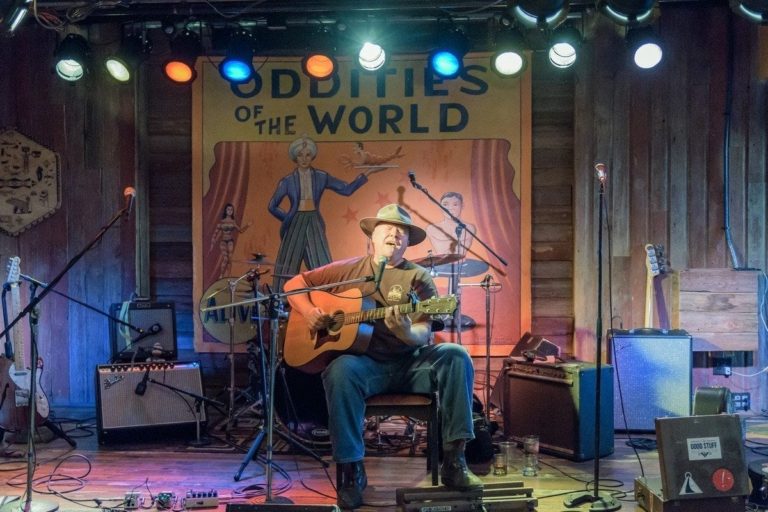 Whether belting out blues standards like Blind Willie Johnson’s “Nobody’s Fault But Mine” or her own soulful original, “Only God Knows When,” Wonderland proved that she is one of the genre’s most dynamic acts. Her Joplin-esque rasp held the crowd’s attention while her six-string prowess had jaws on the floor.
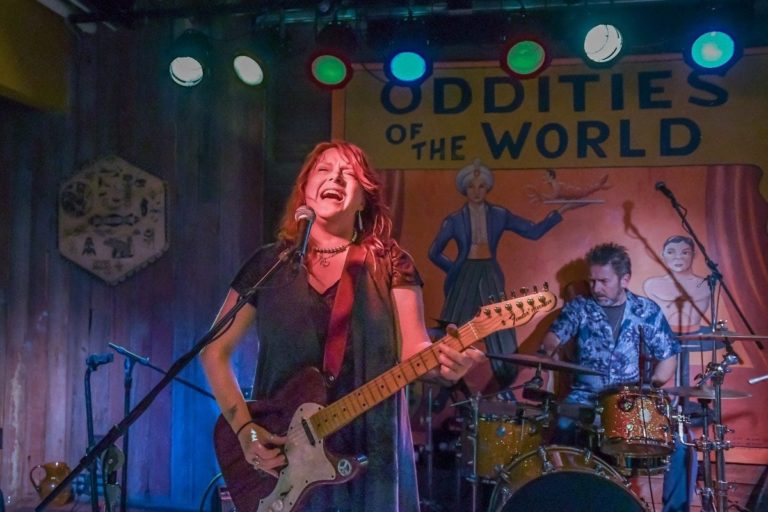 Following Wonderland’s show, the party continued on the main floor of the juke joint as the Carolyn Kelly Blues Band took the baton on Carolyn night. Kelly’s soul, especially in the Roosevelt Dean song,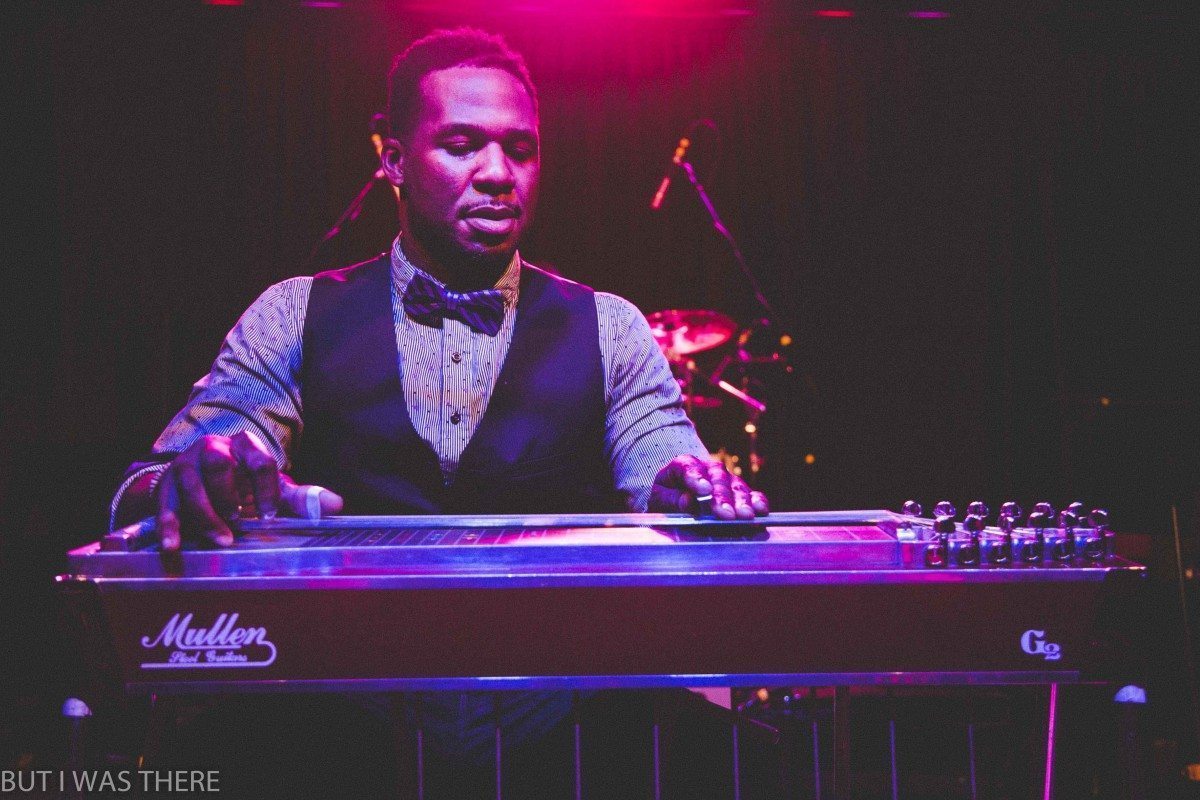

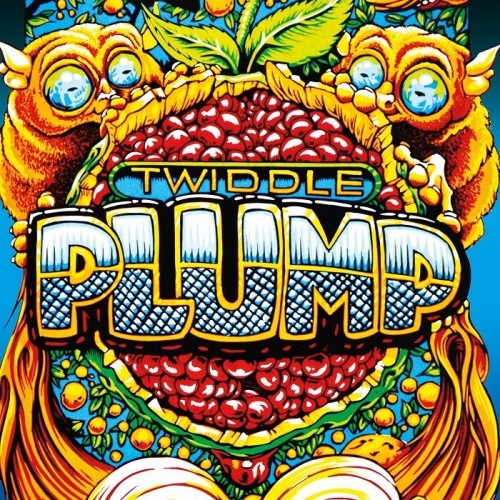 In January of 2015, Vermont based jam quartet Twiddle launched a Kickstarter for Plump Chapters One and Two. With their fan’s help, the band set out to launch two separate chapters. Fifteen months after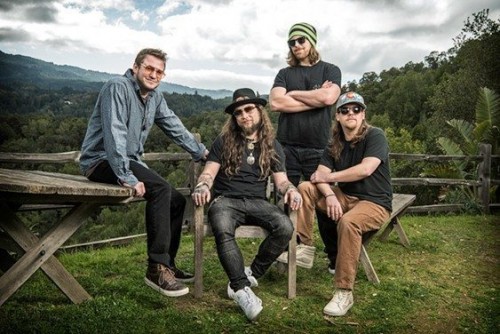
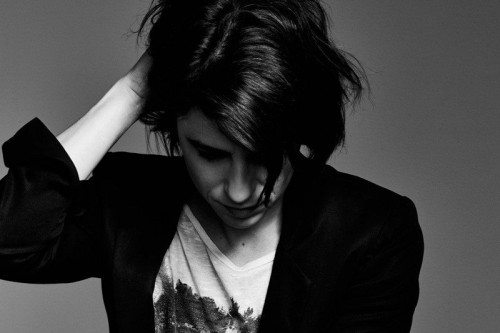 With so much noise going on in the world today due to technology, from cell phone beeps and rings to endless updates on various apps, it’s easy to get lost in the computer-strung clutter. The one enjoyment that can take an individual away from the murky shadows of continuous information overload is music. Sure, there are endless amounts of live shows available for streaming on the internet, but to really get to the raw simplicity of a note takes putting on the headphones and pressing play on the new album by singer Leslie Mendelson. Love & Murder is her first work released in eight years.
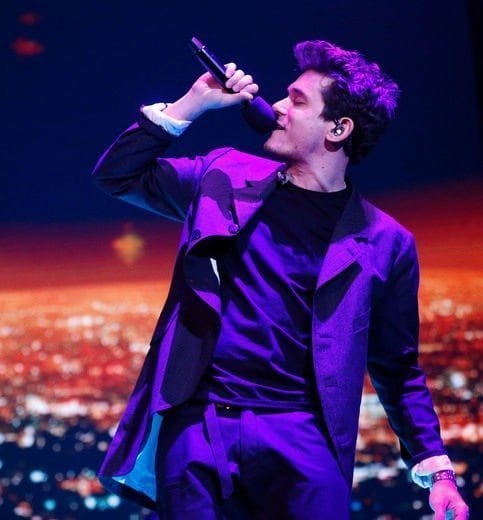 The format of his concert included five chapters to help guide the audience through the show, which featured songs from his entire repertoire of music. The sets consisted of a digital backdrop that projected different scenes for each song. Mayer began by playing a set with his full band stretching as far back as his 2006 Continuum era to open the show with “Belief” and later playing “I Don’t Trust Myself (With Loving You).” During this first chapter, in addition to live debuting “Helpless,” Mayer stepped away from his sidekick guitar with a microphone in hand to engage with his audience during “Moving On and Getting Over.” He decided to play the hook back multiple times varying the speed and melody while breaking out unusual dance moves rarely seen in his live performances.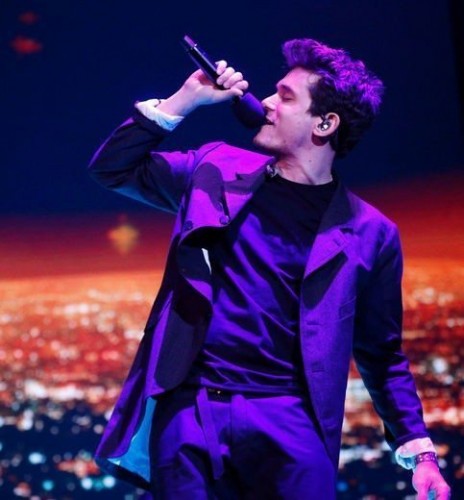
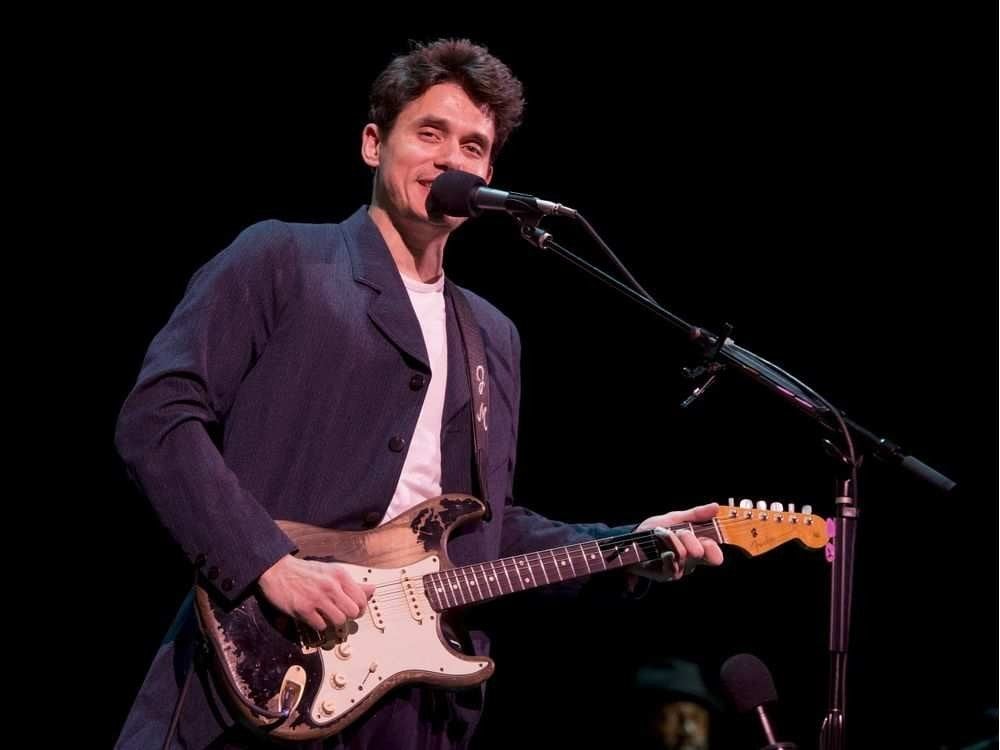
 Every concert on this tour also features songs from John Mayer Trio (JM3) during which Mayer excitedly invites the legendary bass player Pino Paladino and drummer Steve Jordan to perform alongside him. The trio reunited on stage to play both original JM3 songs and covers from the greats such as Chuck Berry and Jimi Hendrix. Each show on this tour features well-known, new and obscure tracks from Mayer’s vast musical library.
 For this final chapter, the entire stage set was transformed into a blank white page except for the word ‘Epilogue’ which flashed on the screen. Mayer appeared alone on stage sitting at a white piano which he used to accompany himself for the final song, “You’re Gonna Live Forever in Me.” At the conclusion of the song, he walked through a stage door in the middle of the white screen that was not visible to the audience, leaving one to wonder if his passage through this door is meant to symbolize his continual Search for Everything.
 Some protest music speaks to specific events. Sometimes it commands specific actions. Other times it is a non-specified reaction.