Category: Interviews

  • Nation’s eye on local tattoo artist

    Since local tattoo artist Lydia Bruno was a young adult, she understood life better than most.

    “You have to make your own path in life,” Bruno said. “If you wait for things to happen to you, you’re just going to get lost in it; just end up settling for a life you really weren’t meant to live in.”

    The 34-year-old tattoo artist is suddenly on the national stage.  Starring in Ink Master, a hit television show on Spike TV, she enjoyed a two-month run before ultimately being eliminated from an initial field of 16 artists.

    Already, it has impressed her toughest critic.
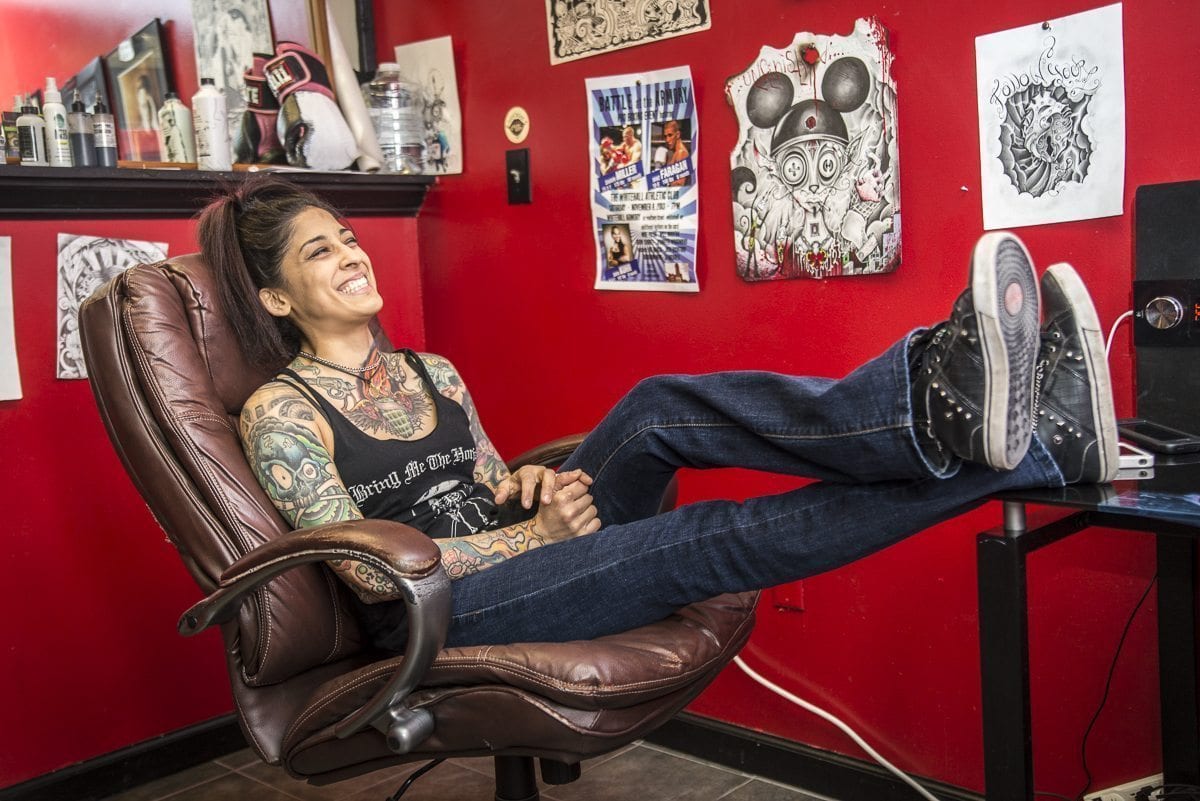
    local tattoo artistToday, Bruno lives in the Capital Region.  But, she is the very definition of a cosmopolitan, having lived throughout the world, thanks in part to her father’s career as a nuclear engineer.  Originally born in London, Bruno has lived England, Canada, and the Netherlands.  In the United States, she’s lived on both the West Coast and the East Coast. As can be imagined, her father believes in a good education.

    After Bruno graduated high school, she pursued a career in mental health.  She ultimately wanted to earn a PhD.  But, as you read this, you can already tell that’s not what happened.  While enrolled in school, the opportunity to work at a local mental hospital presented itself. Valuing experience over schooling, Bruno leapt at the chance.

    “Wow, the experience,” Bruno said. “I’m learning more in a day than I am in a month at the school.” It coaxed her into dropping out of school to pursue a full-time job.  The experience, she said, was worth it. “It was good,” she said, “because I realized that I hated it.”

    Bruno toiled with her mental health career for four years.  By chance, another opportunity presented itself when her roommate’s boyfriend noticed her doodles. “I’ve been an artist all my life,” she said. “I never once thought to do something with my art. It’s so much a part of me. It’s like breathing! You don’t make money off of it.” He thought enough of her art to persuade her into an apprenticeship at a local tattoo shop.  Working nights at the hospital, and days as an apprentice, it wasn’t long before she was forced to a decision.

    “I got to follow my passion, so I went with the art side,” she said. “That’s why I’m on this Earth, I feel.  I try to fight it. Sometimes I’m like, ‘Maybe I’m on this Earth to do this job?’ No. I’m an artist. I can’t fight it.”

    Nearly a decade later – after dropping school, after quitting her career, after being cast onto the show – she receives a phone call. “’Your famous! I saw you on tv,” says an excited voice on the other end of the telephone. “You’re on a billboard in Times Square!”

    “Yeah,” Bruno says. “Not bad for a hobby, huh, dad?”

    Burn Your Own Path was a motto taken from a skateboarding company Bruno and a partner started a decade ago.  Custom designing decks naturally tapped into her creative nature.  Her partner pulled out of the venture before it took off.  The name has since developed into Bruno’s own personal mantra, of sorts.

    Bruno’s creativity had also drawn her to the local stage. She was a teenager when her hardcore metal band, Catheter, was making the rounds in the Capital Region. They would be playing along such groups as Section 8, Skinless, Crisis and Stigmata at the QE2 (where the dance club, Fuze Box is now located on Central Avenue). They went as far as cutting a record before ultimately disbanding. But, while on stage, she demonstrated her talents as a vocalist and a wordsmith, singing her words out onto a riot of dancing revelers.

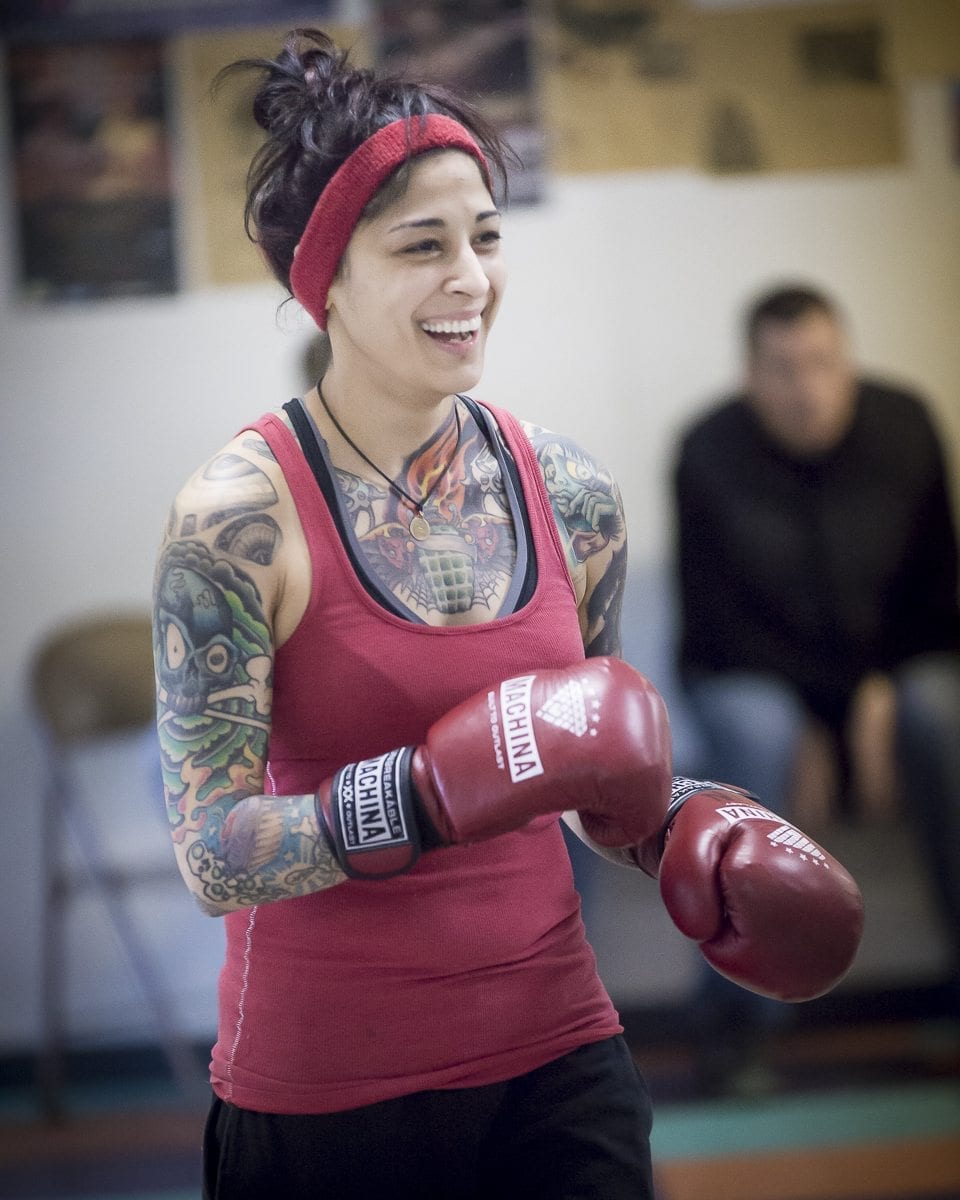
    Whether it was a skateboard company, a heavy metal band, a graduate’s degree in mental health, or a tattoo apprenticeship; Bruno has approached each opportunity with passion. “I like to throw myself into things 100 percent,” she said. “I definitely put every fiber of my being into something I’m doing.” Which, as of late, has included amateur boxing.

    From the back of a weathered boxing gym, Bruno can be found jumping rope under the watchful eye of pro boxing trainer, Rick Sweeney.  The snapping of her rope blends into a medley of sound that includes the thack-a-da-thack-a-da-thack-a-da of speed bags, along with the percussion of punches (and subsequent grunts) from two boxers who battle inside the ring.

    Even among the handful of women who are there, Bruno seems out of place – a little bit shorter, a tad bit smaller, maybe a little older. Despite this, she appears to have an air about her where others recognize she’s no one to mess with. Maybe people are intimidated by her eyes, dark and blunt, especially when unaccompanied by a smile. Or, maybe by her tattoos, to which her tank top reveals plenty; from both “sleeves” down her arms to the art that covers her chest and back of her neck. Regardless, such perceptions are based upon assumptions.  Speaking with her melts away those preconceived judgments, and reveals someone entirely different.
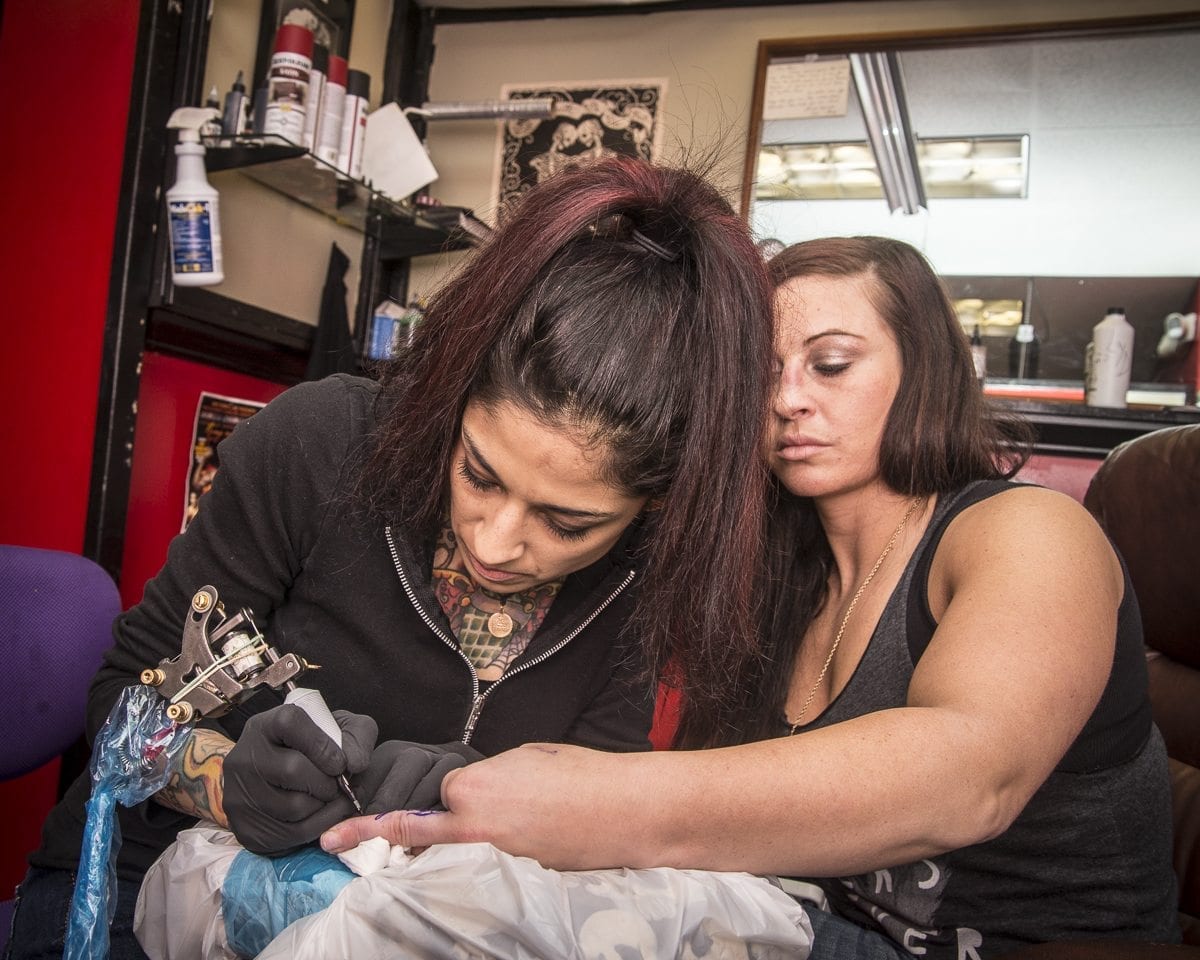
    local tattoo artistFor starters, Bruno enlisted herself into an amateur boxing program at Sweeney’s Boxing & Fitness in Delmar, New York.  Sweeney, has produced two champion boxers out of his gym.  One of which, Sarah “The Knockout” Kuhn, who is responsible for introducing Bruno to the gym.  All who walk into Sweeney’s gym are immediately made aware of the no none-scene atmosphere.  Those who seek training for amateur boxing are warned they must meet “high expectations” or be asked to leave.

    “I’m very passionate, and it may be overbearing [for some people],” Bruno said. So much so, some people label her as a badass. “I believe the term badass is something other people put upon someone else that they don’t understand.”  Nonetheless, it is a persona she’s been asked to embrace while on television.  “(Laughs.) I guess a lot of people have labeled me a badass.”

    With careful editing and coaxing from show producers, Bruno is intense and unapproachable.  It’s something the show wanted to portray, she said. And, she agreed to play along. “Okay, I’ll go with it.”

    The premise of the show pits tattoo artists against each other in competition.  Each episode focuses on a specific technique to which a panel of judges ultimately critique and eliminate one artist at the end of every episode.  The margin of error “is so slight,” Bruno said. “They don’t show how bad [the critique process] is. You’ll have a line that is a little bit thinner than the other and you’ll get blasted for it.  You can get eliminated for it.”

    In addition to the stress of competition is the drama involved with living with strangers.

    “It’s basically, you’re putting sixteen overly passionate artists in a loft,” Bruno said. “We like to do things our own way. They are going to fight… A lot of people had a difficult time… On top of that we had to deal with the production side [of the show], which took hours and hours of every day. We were tired.  We were cold.  We were hungry. And, then, when that was done. There was a lot of standing. Going back, going forth.  Out in the cold, pretending that it’s summer. And, then it’s 10 o’clock at night, ‘alright, competition starting. Here are your canvases!’

    The biggest obstacle for me throughout the challenges was not being in my artistic comfort zone,” Bruno said. “I learned that I like to do art in my own time, in my own setting.”
    local tattoo artistLike the images tattooed onto her own body, she draws back to things she’s picked up along the path. She still picks up a pen.  She writes prose and later posts it onto Facebook for her friends to read. (“Just with the way my words come out on paper.  Just writing and writing, and read it later and I’d learn about myself. Same thing will happen with my art.  I’ll just zone out and start drawing. When I’m done with a piece, I’ll look at it and I won’t realize that it came from me.  It’s like I’m looking at someone else’s art.”)   When she tattoos, she can listen to her music. (“Music is very important to me. I listen to ’80s music when I tattoo. I listen to the 80s station on Pandora – Billy Joel, Flock of Seagulls. Stuff like that. I listen to hardcore metal, a little mix of everything. Every now and then the occasional Haddaway.”)  The television show has lead to more phone calls; old clients offering up support and new ones from out of town calling in to have work done. It humbles her to remember how long it took to build her credibility with clients. (“It’s been glamorized so much that everyone wants a hot girl tattooing them.  But, back in the day, for the trailblazers, it was difficult.”)

    Now, she continues to box, something she had to abandon for the show. Another path she intends to burn.

  • Local Limelight: Ian Wagner Brings a Fresh Sound to Watertown

    magazine1

    Ian Wagner is a local Watertown artist whose incredible talent has raised the expectations for musicians all over the North Country. Originally from Fairbanks, Alaska, Ian traveled the country and joined the military in 2001. He was assigned to 2nd Battalion 22nd Infantry Regiment Ft. Drum as a Combat Medic on May 13th 2003. He was medically retired after being wounded in action during his second tour. In 2009, Ian decided to pursue his dreams as a musician. He was a member of local bands Network and Wagner’s Agenda before going solo in 2011. Ian has made the North Country his home, and we are happy to have him!

    With acoustic covers of artists like Luke Bryan, Shinedown, Tenacious D, and even Eminem, he hits every genre. He transforms every song into his own, performing with incredible passion and energy. His talent is unlike anything you will hear out of this region. You will remember the first time you saw him play, and you will be sure to see him again. I have been lucky to see him play many times and recently I sat down with him to learn more about this upcoming artist.

    Katrina Johnson: I heard you were working on an album, is that true?

    Ian Wagner: Not entirely. I have about an LP’s worth of original material that’s ready to be recorded. But I’m shy with my originals. You actually heard one on Saturday though, which is rare. That song is called “Deeds Not Words” and was written specifically for the families of fallen soldiers.

    KJ: I loved that song.Very well done! What is the next step for you? What is your ultimate goal?

    magazine3

    IW: Well, that’s still a little up in the air. I’ve played on every stage Jefferson County has to offer, and I consider this place my new home. I’m definitely interested in branching out though. It seems like the logical choice. We are fortunate to live in an area rich with musical talent. I’ve shared the stage with some incredible musicians, some of international notoriety. Most significant to me are Brian Purwin and Marcus Hagans. They have become my brothers both on and off the stage. If I had my way the three of us would be out on the road, but there are numerous obstacles preventing all of us from being able to commit 100% to the dream. I plan on spending my summer here in the North Country playing as much as possible.

    KJ: Did you meet them here or did you serve with them?

    IW: I met them both at jam nights in Depauville actually. Marcus was in the Army. He gets out this week actually. Brian is originally from New Jersey and wound up here visiting his childhood friend at Better Farm in Redwood.

    ian11

    KJ: When did you start playing and performing?

    IW: I’ve been playing music my whole life. I didn’t start performing until I decided to resign from my position as a tactical medical instructor at the MSTC on Drum and pursue my lifelong passion as a musician. That was in 2009

    KJ: Who taught you to play?

    IW: I have approximately five years of state recognized education. For the most part I taught myself everything I know. That isn’t to say I haven’t studied everything I can get my hands on. My mom plays a bit and sings from the heart. I guess in a lot of ways I inherited that from her. I taught myself how to read tablature when I was 13 and immersed myself in learning my favorite albums front to back when I could afford the corresponding book. The five years I was in school I learned how to read music and play every brass instrument my school had. I also tried my hand at clarinet and tenor sax. When I was very young my mom had a keyboard that I began picking familiar melodies off of. It’s hard to say who “taught” me to play because my musical experiences are multi-faceted. At the end of the day, I believe I taught myself. Music is a personal experience for me, and even though I share it with every one else these days, I always try to put 110% of myself in everything I do.

    KJ: Who is your idol?magazine2

    IW: They change frequently. The list is way too long to get to them all. I attempt to get to every genre. Locally there is a guy named Ben Wisner that I aspire to play as well as. Stevie Ray Vaughn had a big influence on me as I began maturing as a guitar player. Bradley Nowell taught me that you don’t have to have an amazing voice to sing with passion. Django Reinhardt had incredible absolutely impeccable rhythm and played with two fingers fused together after a burn injury. I explored trying to recreate sounds that guys like Jimi Hendrix made without having the luxury of being able to afford expression pedals, which was ultimately impossible, but taught me so much about digging sounds out of the instrument. Lately I’ve been on a country kick. I recently had the opportunity to stand 10 feet from Brad Paisley’s Dr. Z amplifiers while he delivered a show to 10,000 adoring fans. Not only was I up front, but I got to hang out with him a bit backstage! An incredible experience. Marcus and Brian consistently blow my mind. I can cover hundreds and hundreds of songs; I tend to do them my way. These guys just feel it and make it happen, even if they haven’t ever heard the original song. None of us have rehearsed for a gig as long as we have played together. We literally built our shows making it up as we went, and that has been incredibly inspirational for me. If the roles were reversed and I were supporting them, I would be sure to disappoint.

    KJ: That is impressive. You guys do an amazing job. Do you have any shows scheduled yet for this spring or summer?

    IW: I think the show I’m looking forward to the most so far in May is Bella Brook Vineyards, May 24th. That’s in St. Lawrence County, and I have had an incredible time every time I have played there. This summer is starting to fill up with a lot of fun events, both public and invite only. I guess in closing I’d like to send a shout out to @musicology in Watertown. I play out multiple times a week and that takes a toll on my gear. I can always count on them t keep me ready for the next gig!

    Check out Ian’s Facebook page to find out where you can see him next!

  • All Roads Lead Home to Syracuse for Ben Mauro

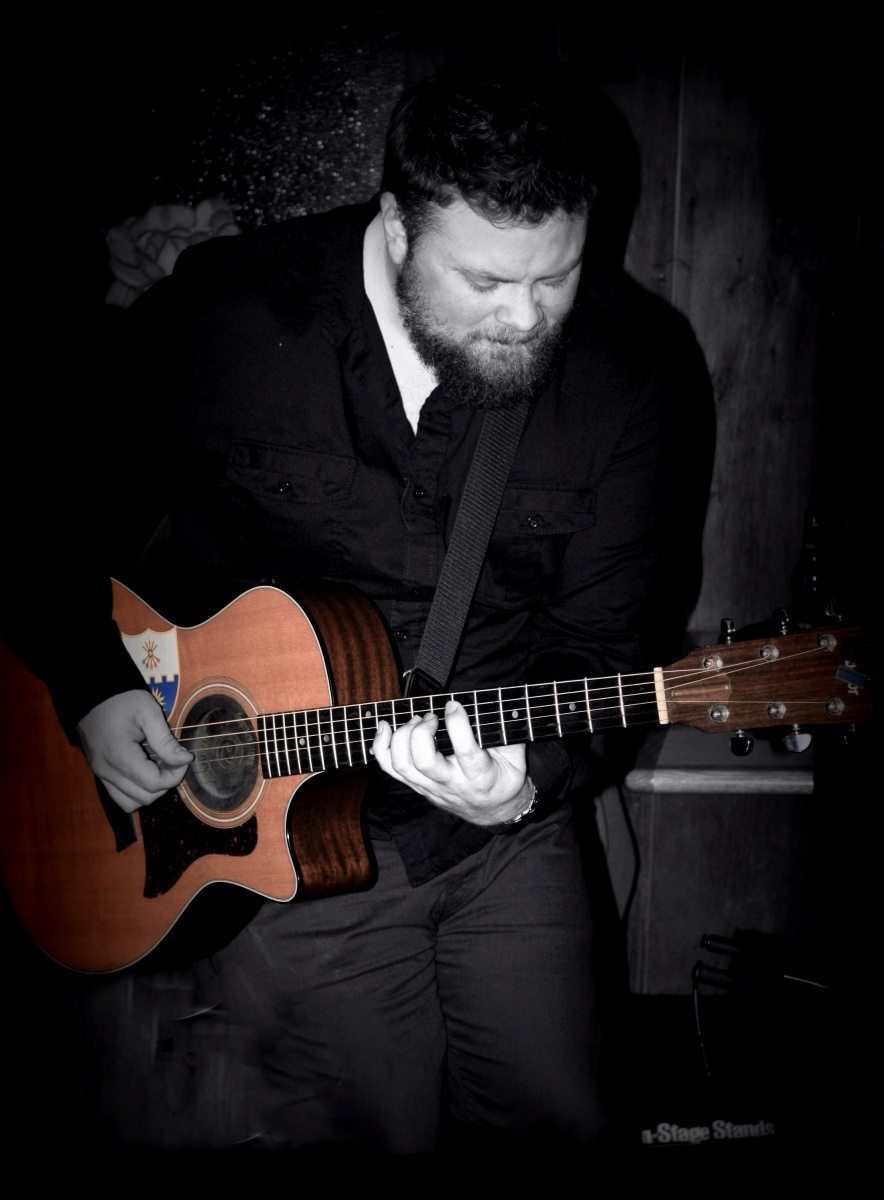
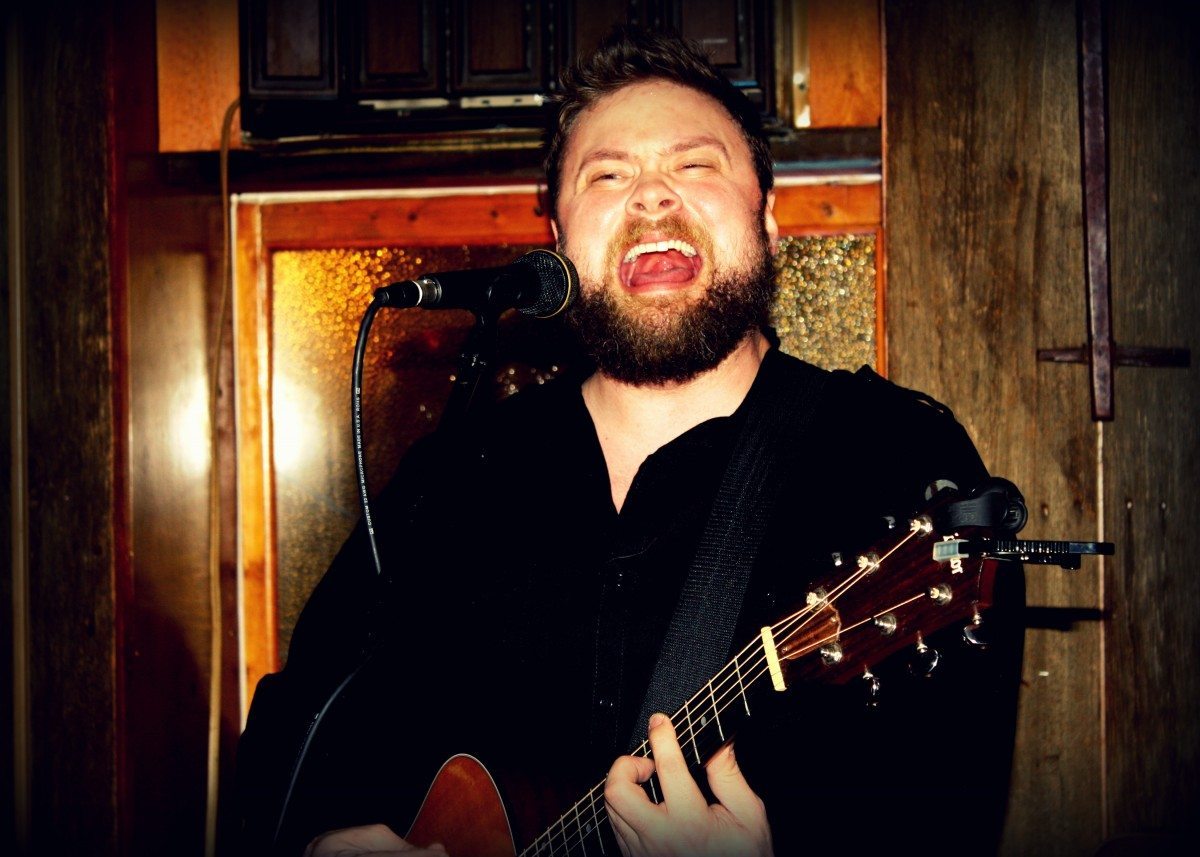
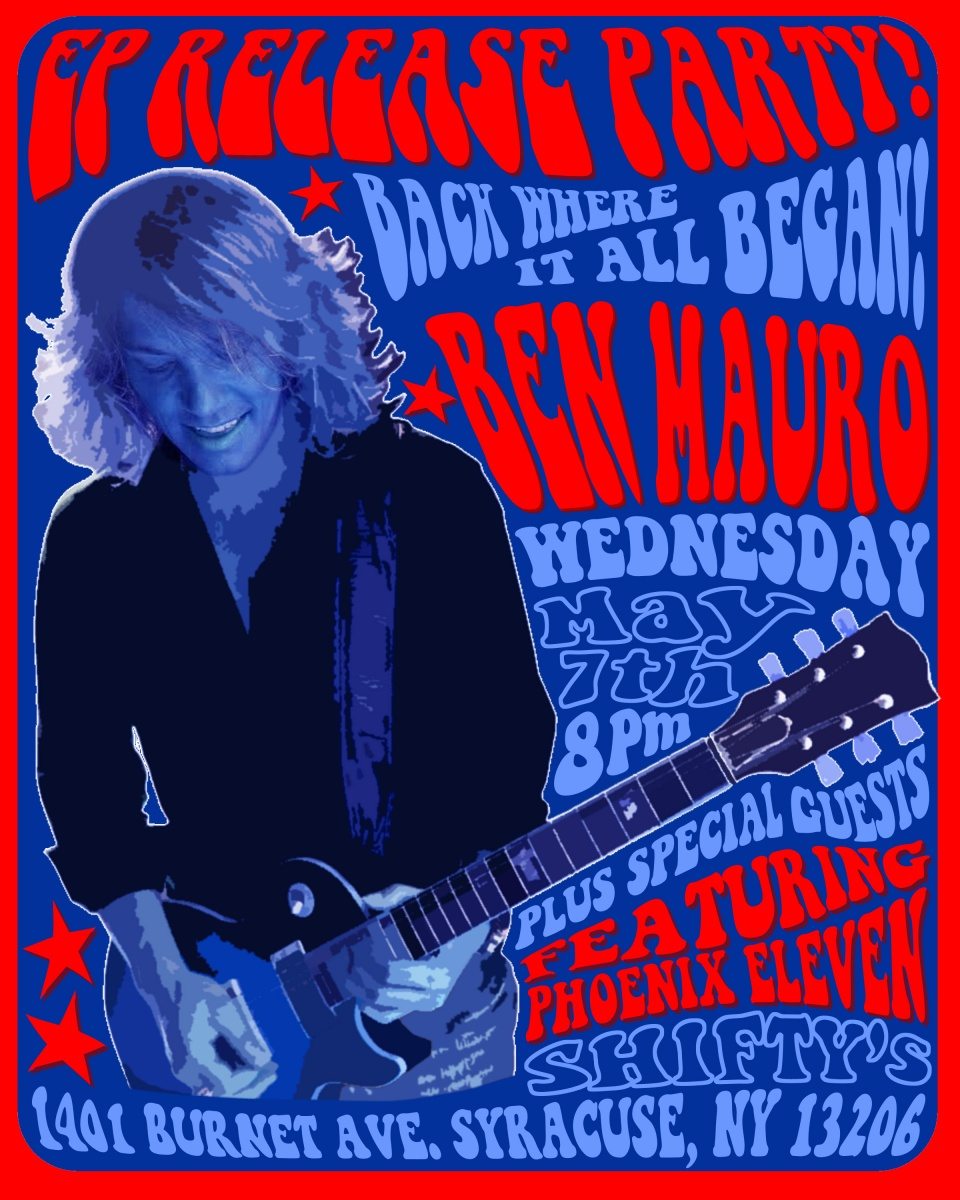
    On May 7th the road leads full circle for Ben Mauro, Syracuse native and world-class musician, as he takes the stage at Shifty’s Bar & Grill on 1401 Burnett Avenue to launch his new EP, Take Your Time.  The year was 19-something when those at Shifty’s Bar & Grill first saw Ben take the stage for open mic night.

    Since that time, he’s gone full steam ahead to have one of the most successful careers a musician could hope for, traveling the world, meeting and playing alongside the most amazing musicians, mentors, and fans along the way.  However, after only two seconds I knew he was something special as we chatted about his upcoming event.  The success that Ben has achieved has not changed his priorities, and this is apparent as he comes home to share this special release.  Giving back to the community that embraced him originally was Ben’s goal, and for this we embrace our home town star and say thank you.

    Ben Mauro - Take Your Time EP Release PartyAs I reviewed the new EP Take Your Time, I came away with a sense of who Ben is and what he wanted to achieve in his new release.  His versatility is amazing to me and after speaking with him, I can see how all of the influences over the years lend to what we hear on Take Your Time.  A positive vibe comes across in his sound as the lyrics tell a story of love, happiness, and living life uncomplicated as it should be.  With a mix of pop, country, southern rock, jazz, and Latin flavor the audience is treated to many genres, sounds, and instruments along the way.  In “She’s Beautiful”, the jazzy tune is upbeat and happy with an interjection of a sax solo that is reminiscent of songs during the Motown era.  In “Complicated” Ben’s songwriting skills inherently shine through.  While on the track “Down By The River” you have this urge to grab a cooler, bathing suit, and fishing pole to play hooky all day like Huck Finn and Tom Sawyer. On the title track “Take Your Time” Ben’s guitar solo rocks this number to the point where that’s the one thing that stands out..WOW…this man can play a guitar.  Here’s a small taste of “Take Your Time.”

    Lately I’ve been on a kick for ethnic sounds and find myself drawn to songs of this nature so on the final track “Burn It To the Ground” I was immediately drawn in to the sultry song with the Latin flair to it.  Not only does it showcase the songwriting talents of Ben, it also showcases the amazing talent of Ben’s backup musicians with the percussion and keyboards,  while his guitar solo evoked a feeling of being in a small cantina listening to the mariachi band serenade me.  Only thing missing was my cerveza.  Over all, once I listened to the Take Your Time EP, I couldn’t help feeling happy, upbeat, with an admiration for Ben.  I was curious to see who and what had influenced him over time to bring us to the point where this mix of music originated from within.  So as Ben toured the world with Lionel Richie through Australia, Asia, and many countries, he so graciously took the time to answer a few questions for me and the audience to get to know him better.

    Ben Mauro

    Kathy Stockbridge:  So let’s begin this journey and share with me some insight to how it all began. When did you know that music was your destiny? You share how you began as a young adult jamming in the basement to Led Zeppelin tunes, but did you also participate in music through grade/high school also? Garage bands?  Marching Bands?  Was a formal education in music helpful to your understanding of the craft?

    Ben Mauro: I played French Horn in middle school, and was All-County Band and Orchestra. Then I took a break from music for a while, until my dad brought home an electric guitar he had trash-picked while out running one day. That’s where it started, and I’ve been playing since I was 16. I had a garage band in high school ,and we played in the school talent show and at a couple of parties. That was really it.

    My formal education was mostly with Rick Balestra, a private jazz instructor, that still teaches and performs around Syracuse.  I studied with Rick for two or three years –  he really opened my eyes to a lot of different types of music and it made a huge difference.  I was mostly playing Southern Rock up until that point. Plus going to OCC for classical guitar really helped a lot – learning technique and how to read music.  My instructor there was Joe Jewel.  He left Syracuse to go to Los Angeles and now plays on “Dancing With The Stars.”

    KS:  As a parent I support my children in anything they wish to do, no matter how risky it may be as I feel when you love what you do, it’s not even a job, it’s a lifestyle.  Did your family support you like this as well?  Do you come from a musical family?

    BM:  The short answer is no, I don’t come from a musical family.  A couple of my cousins were kind of musical – one played guitar and one had long hair.  But the rest of my family are all teachers. My dad started the rugby team in Syracuse, so I was surrounded by rugby players growing up. I was always hanging around athletes, not musicians. They still know how to party, though! Really, I’m very lucky because nobody in the family knew much about music.  My dad said if I could make it my job and make a living doing it, we support you. And they did – still do.

    KS:  You share how you took off for NYC to for a “street musical education”.  As a starving artist, do share some experiences that defined in which direction you ventured.  We know you gravitated towards the music scene in Greenwich Village at Café Wha? Were there other venues you played that held special meaning?  Types of music that helped you learn the business more so than had you just hit the tour scene?

    BM:  What I tell up and coming artists all the time is that they have to work – hard.  Before I got the Lionel Richie gig, I was a freelance musician playing around the circuit in NYC for years.  I paid my dues and at the time that I got the Lionel audition I was playing in ten different bands.  I used to say “Yes” to every call I got.  It was a badge of honor in our circle of friends to see who could play the most nights in a row without taking a night off.  It would usually be about 35-40 nights straight of playing before I would take one night off and then go back at it.  Sometimes that was two gigs a night –three sets in two different bars!  We would play one gig then drive into NYC to start our second gig at 1am and then play sometimes until 4am.  But that is really what helped me keep my name out there – just keep going and going. And playing in all different kinds of bands.  I got the experience in Jazz, Funk, Rock, Latin.  Even if I wasn’t sure I could do it when the call came in, I would say yes and then make sure to learn.  You can’t just play one style of music, even if it is your favorite.  Learn as much as you can and play as much as you can.

    KS:  We all are inspired by other greats along the way. Share with us some of these influences that shaped your musical style and steered you towards the craft you do today? Teachers, mentors, bands, sounds…who and what has shaped the sound we hear today on “Take Your Time”?

    BM: My favorite band growing up was the Allman Brothers Band – that kind of Southern Rock type band.  Learning all the different styles helped me figure it out along the way, but my all time favorite is a guitar player named Warren Haynes.

    KS: On this timeline, please share with us some of your musical moments beginning at Shifty’s and carrying on through to your world-wide tours with artists such as Lionel Richie, Don Felder, John Fogerty, Kelly Clarkson, and so many other great musicians along the way.

    BM:  The thing with Shifty’s is, that is where I first met Delmar Breland.  He was playing bass and I went up and started talking to him.  My first band was with Delmar, Ricky Chisholm, and my good friend Paulie Cerra.  And that all happened because of Shifty’s.  Ricky loves the Commodores and we played all kinds of those songs.  Which really helped out a lot when it came to my current job. Delmar was also a big help to me because he and this other dude named Sugarfoot are the ones who really taught me how to play that kind of funky rhythm guitar.  Here I was, this long-haired white kid from the country and these two big guys took me under their wing and taught me how to really play.  That is why I am working today – that funky R & B guitar skill has served me well.

    It kind of goes with a story about Lionel, too.  After I had played a couple of gigs just filling in for his main guitar player he made some changes and he fired everyone in his band except the drummer and sax player.  I had to try out again too, and at first the new musical director didn’t want to hire me. He told me later he was thinking who is this surfer looking dude in here, but it was Lionel who said to him, “Naah, give him a chance – he’s funky.”  So if I hadn’t hung out with Delmar and Sugarfoot, or learned all those Commodores songs with Ricky…

    KS: In between, what are some “a ha” moments that you have had?

    BM: Probably watching the first season of American Idol and then getting a call to play in the band for the tour and backing up Kelly Clarkson. She was really great to work with – and then doing TV shows with her.  Getting a call from Don Felder from the Eagles asking me to be his guitar player in his solo band and then playing the Hotel California harmony guitar solo on stage with him.  That was a WOW moment. Auditioning in John Fogerty’s garage and getting the job as his guitar player and background singer.  That was pretty surreal. He asked me if I knew any country!  And pretty much every time I get onstage with Lionel and he looks me in the eye while he is singing his ass off!

    KS:  As I previewed the new songs on Take Your Time EP, one thing definitely jumped out at me, and that is that you are very versatile in your styles. Many times you will listen to an album and get a flavor of similarity in all the songs, however on this album, you get a wonderful variety of genres, musical instruments, and moods.

    BM: I think this goes back to my days in NYC where I had to play all those different styles of music.  Now that I’m an artist and write my own stuff, that is all coming out.  It just feels comfortable and comes naturally to go from one style to the next.  I don’t set out to write in a specific style – it just comes out.

    KS:  And I must add they go together extremely well. They have a common theme to them and a positivity.

    BM:   I’m happy to make music that makes people feel good instead of all down and dark.

    KS:  Talk with me about the making of this album and the songs on it. What do you want the listener to take away from this album?

    BM:  Uplifting. I want people to feel good and positive.

    KS: What was the creative process, the inspiration, and share some of the moments in the making of the album cuts. Do you come up with lyrics and immediately reach for the closest paper? Were there melodies in your mind you came up with and then put the lyrics to them?

    BM:  The music usually comes first and then I write the lyrics as I play the tune.  I don’t write it down very often – just start playing.  Sometimes I will record things on my phone so I don’t forget an idea. Some of the new songs were written in the area.  “Down By The River” was inspired by something my dad said when we were all on a family vacation.  He just said one thing and it clicked – the song came from that.  And I wrote “Take Your Time”  sitting at my parents kitchen table.

    KS:  Do you collaborate on any of the songs? Share with us the band and how you chose the instruments to accompany the music.

    BM:  I do most of the writing and then my producing partner Gary Davenport comes in to collaborate on some of them.  He does some arranging and polishes the songs up.  Makes them more focused – just better. The band is the 13 Curves Band, Oscar Seaton and Gary Davenport.  13 Curves was my rock band from a few years ago.  We played together for a while and then it kind of morphed into me as a solo with them playing for me when I recorded. Gary is also from Syracuse and I played with him way back before I left for New York.  I first met Oscar touring with Lionel – he has been Lionel’s drummer for 15 years.  He also plays with jazz guitarist George Benson and a bunch of other great artists.

    It’s also cool because Paulie Cerra, my old bandmate is still one of my best friends.  He plays saxophone with me on “She’s Beautiful.”  That’s another Syracuse connection.

    KS:  Do you play multiple instruments in the recordings?

    BM:  I play guitar, dobro and banjo on this one.

    KS:  As I mentioned above I have noticed that you are a very upbeat and positive individual and that shines through your music and your show Let’s Go! With Ben Mauro. How did you come up with the idea for Let’s Go! and share with us how long you have been documenting your adventures?

    BM: Let’s Go! came from my dad telling me I had to go out and see things while I was on tour.  I kept telling him I was too tired after having been on a 12 hour flight, but he would say things like, “The Tower of London is only 20 minutes from your hotel.”  I finally went and took some pictures and posted a blog.  I started to do it for my family – so they could know what I was doing while I was on tour and stuff.  But people really liked it so it expanded.  I got an HD camera and started to do the videos. The very first one I did officially was the Great Wall of China and it’s been almost 4 years.

    KS:  What are some of your most favorite places and you’ve been able to share with viewers along the way? I also want to commend you for featuring band mates and other musicians along the way as well. It’s great to not only see these amazing countries and places, but also to see behind the scenes of the rock and roll way of life with sound checks and traveling and all of the things that accompany this lifestyle.

    BM:  Some of my favorite places are Morocco, Brazil and the Great Wall of China. It is very important for me to show the life of working musicians.  I say that in every episode. What we do is really so different from what most people think. It’s a great job and I’m very lucky to get to do a lot of really cool stuff, like seeing places I might never see.  But it is not all rock and roll glamour.  We are on planes. A lot.  We are in hotels.  A lot.  It’s a job and we work hard.

    KS:  As a fun way of getting to know the musicians and give the readers an insight into their personalities…would love if you would play along in a “Social Speed Round” of questions, some very random questions for you to answer. And…”Let’s Go! With Ben Mauro!”

    1.  You’re flipping through the channels on TV and come across this movie or show that you always stop on!!! No matter how many times you’ve seen it!!!    – Million Dollar Baby or Anchorman.

    2.  You come across a restaurant out-of-state that claims to have the best original NY food…you think THIS has to be on the menu to even be considered a NY restaurant?  –

    3.  I meet a lot of great individuals in my line of work, some that have left me at a loss of words. This is the person that leaves you speechless and at a loss of words when you finally meet them?  – Greg Allman.

    4. Time to get away for the touring for a while. Where is your “Happy Place”?  – Zuma Beach, Malibu, California.

    5. You’re at Disneyland/World…you only have time for one ride because you have to do a sound check and perform immediately after…you choose Roller Coaster/Bumper Cars/Sky Ride or Ferris Wheel?  – Roller Coaster.

    6. You get an offer to be a featured star on a cable television show but you can only do one..you choose Dancing with the Stars/ Man vs. Food/ Off Limits? –  Man vs. Food

    7. Dream collaboration  –  Greg Allman again.

    8. Favorite board game? – Yahtzee.

    9. If you weren’t a musician what was your plan B? – When I was a kid I wanted to be a professional athlete – soccer player, but never really had a plan B.  Since I was 16, I always wanted to be a musician and I loved it so much that I never thought about doing anything else.  Even when I was dirt poor in New York, I never thought I would do this for a few years and then get out.

    10. Your guilty pleasure?  – Spy and adventure novels.  Like Lee Child or the James Bond books.

    As you can see, Ben Mauro is a fun, positive, upbeat type of person.  He works extremely hard to be the best he can be, and he is appreciative of his beginnings and those along the way.  Syracuse is honored to have Ben Mauro return home to launch his new EP Take Your Time and we urge everyone to take the time to stop down to Shifty’s Bar & Grill on May 7th to welcome Ben home.  Ben will be joined by SAMMY award-winning performers Phoenix Eleven and special guest Ricky Chisholm.  Tickets are being sold ahead of time and can be purchased at http://bpt.me/622514  There are limited tickets available so I urge you to not wait, but buy in advance to guarantee to be part of this event.

  • The Leprechaun’s Ball: It’s Magically Funk-a-licious; an Interview with Bobby Paltauf

    They got your St. Patrick’s Day fun for you proper on the Saturday night before the much celebrated holiday!  Get your freak on and act like a carefree leprechaun for a day while indulging in some varied and exceptional music.  The team that brought festival goers the immensely successful Equifunk (the all-inclusive festival now in its sixth year) unveils the Second Annual Leprechaun’s Ball, featuring Bobby Paltauf, to take place at the intimate Le Poisson Rouge in downtown New York City on Saturday, March 15th starting at 1 pm.

    bobby paltauf
    Photo by Mike Thut

    The line-up is stocked again with professional musicians adept at bringing layered musical musings guaranteed to start a multi-hour dancethon.  The all-day extravaganza is buoyed by a stellar 2013 inaugural effort and this year proves an even more impressive array of musicians all amassed under one roof.  The Bobby Paltauf Band and Dorsia are poised to start the day in an incendiary manner before the all-star band, Eddie Roberts and the Funky Charms, are set to tear the roof off the joint.  With veterans Eddie Roberts (guitar/New Mastersounds), Nigel Hall (keys/Nigel Hall Band), Jennifer Hartswick (trumpet/Trey Anastasio Band), Natalie “Chainsaw” Cressman (trombone/Trey Anastasio Band), James Casey (saxophone/Lettuce), Ron Johnson (bass/Warren Haynes Band) and John Staten (drums/Karl Denson’s Tiny Universe), it is likely to get very hot inside the comfortable confines of one of the city’s most lively and respected venues. Tickets are only $25 and can be purchased here

    bobby paltaufIn a festival preview and exclusive, we sat down with one of the day’s artists for a little Q&A to wet our appetite in anticipation of the event.

    Bobby Paltauf is a quickly-ascending artist who has played with some of the genre’s finest including Dumpstaphunk, Twiddle, Stanton Moore and Buddy Guy.  Paltauf’s surprise sit-in last September at Catskill Chill with The Meter Men was considered by most to be the highlight of the amazing festival weekend.  Paltauf is set to drop his first album in mid-March.  With so much immediate success and so much talent oozing from his pores, it’s a challenge to remember that he is only 14 years old.  Like many who saw Derek Trucks when he was wowing audiences as a teenager, we again have a 14-year-old guitar phenom in our midst.

    Much like other teen musicians, the McLovins, Paltauf’s reputation is built on talent and not as a novelty teenage act.  The guitar prodigy’s impeccable timing, rhythm and uncanny ability to innately exude cool confidence under pressure is already becoming a known trademark.  A quick-study, jam band aficionado Paltauf is adept at various styles while making an indelible mark with an approach all his own.  Although a diamond in the rough, Paltauf is a rare gem that will not be left uncovered for long and Leprechaun Ball is an ideal opportunity to watch him shine!

    Chadbyrne Dickens:  When did you play with Buddy Guy!?
    Bobby Paltauf: I played with Buddy Guy on November 11th of 2010 at the Ridgefield (Connecticut) Playhouse on “Strange Brew” and “Voodoo Child.” I went backstage to meet him and he saw the Buddy Guy guitar strap (I had bought earlier just that day) and invited me to play with him. It was unreal.

    CD: What music do you like to listen to?
    BP: Bluegrass, jazz, funk, blues and bands like Phish, Soulive, Lettuce and The Grateful Dead.

    CD: What is your favorite moment in your career?
    BP: Playing with The Meters for sure. I’d been listening to “Cissy Strut’ and all that stuff so just to play with them and Page McConnell from Phish….It was crazy. It was awesome!

    CD: Who is your idol?
    BP: I listen to a ton of Eric Krazno with Lettuce and Soulive and Trey Anastasio of Phish. I love how each song in each setlist is always different from all other versions. I can learn a lot from the tone they have.

    CD: What rules does a great guitarist have to live by?
    BP: Sitting in with an artist… you have to be ready. You have to be careful…when I was playing with the Meters, I didn’t really know the songs at all. George Porter explained some right beforehand and I was kinda nervous, but you have to learn to relax and feel your way into it at the right time.

    CD: Who inspires you to do better?
    BP: Hmm. Probably hearing all these new artists come out and going to new shows and learning new things makes me want to play and practice.

    CD: Do you plan to go to college? Are academics important to you?
    BP: Yes! Obviously, I would much rather be playing, but academics is very important as you want to be smart. I want to go to a music school to learn more jazz theory and other stuff.

    CD: How was your band chosen?
    BP: We were playing with a few different local musicians we met at jams, but the most recent line-up we’ve been going with since September is Gene Leone Jr. (keys), Miles Livolsi (bass), Caitlin Kalafus (drums). We met them through Josh Kroop (Kung Fu’s manager) who was like, “you must play with Myles and Caitlin”, so we set up a little jam session as a trio and it was just magic right there when we started jamming. Gene is a good friend, we’ve been playing together for three years now and we put him on keys. It’s just a great line-up.

    CD: What is the greatest challenge being so young in the music scene?
    BP: I don’t know. Well, my dad always says that it’s hard to get people who follow bands to come out to see me as they are mostly in their 20’s and don’t know my music yet.

    CD: Where do you see yourself in 10 years?
    BP: I’d like to see myself playing festivals and venues around the country with a good band while having fun. I have to focus on the guitar and learning new stuff all the time but also improving vocals and getting the band to learn new songs. I don’t think my voice has even changed yet.

    CD: Tell us about your upcoming album? Where recorded/who plays on it/wrote it etc?
    BP: Our new album is titled, “Lost and Found” and was recorded at The Barn at Maple Hill Farm. My dad produced it. Corin Nelson engineered and recorded all the tracks on it and it sounds great. It features John Kooya on Rhodes and clavinet and Bob Nunno who I met at a school we played at, he was actually the music teacher there, and he just killed it on saxophone so we included him on some of the originals. The only covers on it are John Scofield’s “Ideofunk” and the Soulive inspired version of the Beatles “Eleanor Rigby” but most songs are originals that we have been playing since about May of last year. I write. We have a couple instrumental jazz/funk tunes that I wrote and one of the songs, “Atmosphere” that was written in Caitlin’s basement the first time we played.

    To warm up for the Leprechaun’s Ball, the Bobby Paltauf Band will be playing with John Popper at B.R.Y.A.C. in Bridgeport, CT on March 9th which is the official CD release party. Paltauf has also been tapped to be the artist-at-large at Rock n Roll Resort in Kerhonkson, NY on April 4th. Everyone wants to be able to say they saw Derek Trucks when he was 14 and now we all have the opportunity to watch the next great guitar prodigy unfold in front of our very eyes. One should cherish this rare opportunity to witness it firsthand.

    by Chadbyrne R. Dickens

  • Protest The Hero’s Volition: An Interview with Luke Hoskin

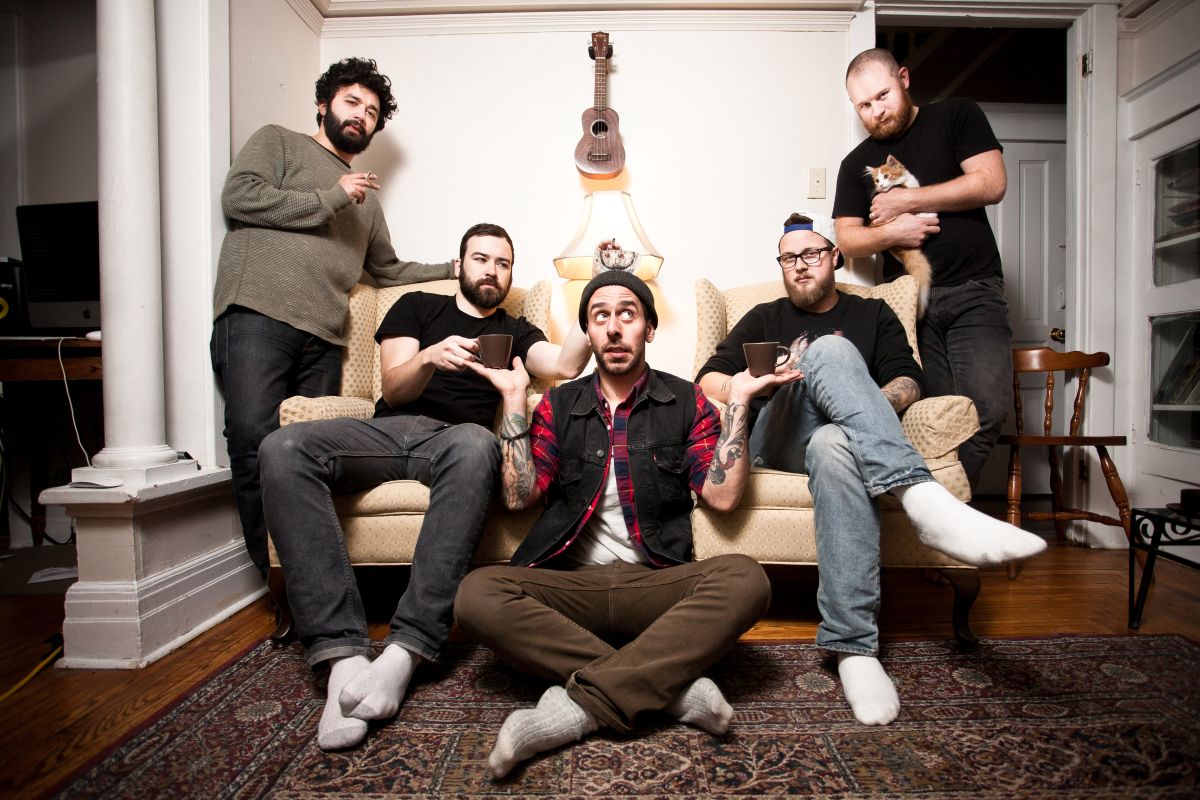
    Protest the Hero has had a wild ride in the past year. I had the chance to speak with guitarist Luke Hoskin about the band’s experience ,being without a label’s support, their new album, and how the past year has shaped the band.

    From walking away from a new contract with their label and the departure of their longtime drummer Moe Carlson to releasing a fan-funded album and learning the independent ropes along the way; 2013 was brand new territory for a group of seasoned vets.  With the past year under their belts though, the band is eager and excited to see what 2014 brings.  The new album Volition has done well, receiving positive reviews. And, they found an official replacement for Moe in Mike Ieradi.

    The band embarks on a North American tour starting March 1st with a show at Buffalo’s The Waiting Room . And, on April 4th, the come back around to Rochester to play The Montage Music Hall towards the end of the tour.

    pth-4-300dpi

    Jeremiah Shea: Now that you guys have had some time being out on your own and not tied to a record label, do you think you’ll ever go back?  What are some of the pros/cons?

    Luke Hoskin: It’s been pretty great. I think we’ve learned to appreciate what labels do when you’re fully on one because they tackle a lot of the legwork and day-to-day stuff; whereas you notice that will falloff right away when you don’t have a label behind you. We’ve been lucky that we were able to do distribution deals, so we still own everything and we’re not technically on a label, but we can tap into some of their marketing if we need to. We just pay for it as we go which puts us in control over what gets spent and what doesn’t. It’s been great in that respect because over the years we’ve become really good at doing a lot of the business side of things ourselves. Not a ton has changed, but there are a lot fewer stupid ideas from labels that we have to say no to, that’s for sure. I respect them, but I think a lot of labels are always trying to come up with something new and quirky and don’t know if it’s in the character of the band or not. For almost ten years of being on a label, we had to seem like assholes and say no to a lot of stuff because we didn’t want to be identified with some of the concepts and ad campaigns that people wanted to run. We got tricked into some of them too. Some of our earlier videos were great on the ones we had input on, but some of them are terribly stupid and weren’t our ideas, but we kind of went along with them. We learned from that though, so it’s better now.

    JS: Do you think you’ll ever go back to a record label?

    LH: I’ve tried to stick up for labels….

    A lot of the line of questioning in interviews is “what do you hate about labels” and the idea of them having input on our songs. I think for us and bands like us, that’s a big misconception with labels. They don’t try to get involved, at least in our experience, with songwriting, how a song should sound, or what studio we should go to. That all started and ended with our decision, which was great. I’ve heard about bands getting input from labels with their music and it boggles my mind because we never experienced that. There might have been suggestions on how to market the album or how the artwork should be or something like that, but it was all really timid and was just them throwing in their two cents. It was totally cool if we came back and said no to everything.

    JS: So will you ever go back?

    LH: I don’t know; it’s hard to say. I almost don’t want to say no in the off-chance that someone reads it, but no, I honestly don’t think so. Outside the initial launch of a record when you have all kinds of crap and publicity to deal with, I don’t know how important a label is after that. There’s a lot of them that would argue with me, and that would be a good discussion, but for a band like us, there’s a lot of stuff you can do on your own.

    JS: Does the Internet make that easier?

    LH: For sure! Even sites like Bandcamp give the artist a good cut of what they sell. I think the artists are way more quick to realize and accept that people don’t really pay for music anymore. The labels are still clinging to that, so there’s a conflict of interest. I think a lot of us as musicians have moved on from that, pirate stuff ourselves, and don’t necessarily pay for that much music anymore. Obviously we support the bands we love by going out to shows, buying a t-shirt, and that kind of stuff. I think a lot of artists have accepted that. I’m not sure about Metallica yet, but I think we’ve moved on and accepted that if you’re going to make a living, you have to do it in other aspects. When we were under contract before, we couldn’t just go in and record a song as a one-off and release it. Even if we cut them in, there were loopholes and other legal mumbo-jumbo. Nowadays, we can write a song, record it tomorrow, and put it up online for free or a pay-what-you-can. We haven’t done it yet, but I think we’re planning on it. It’s just a really cool feeling that if the inspiration strikes us, we’re free to do what we want.

    PTH-Brush-300dpi

    JS: What do bands looking for a label face in terms of what comes with that commitment? What would guys do differently?

    LH: For us, I know we needed that label infrastructure when we started. I don’t think we would’ve gotten to where we are now without it. But if we were starting now, I think we might be able to build it close to what we have now just because the internet is so much more of a tool than what it was. As long as you have the right people around you giving you decent advice, I think we could’ve made a run at it. I know a band called Intervals in Canada that had tons of label interest and for the first full length album, they did it on their own. I think I would’ve said to any of them to just REALLY REALLY think about it before you sign up for a bunch of albums. Most bands don’t make it out of those first three albums plus an option; we’re lucky that we did. When you have two more albums that you owe someone and you don’t really see it going that far, it’s tough, and a lot of bands hang it up at that point because you’re still in the hole.

    JS: Have you ever thought about offering up advice to up and coming bands on the subject?

    LH: Yeah, I’ve thought of that. I know Tim’s really into that stuff because he’s really vocal about the wrong turns we’ve made, and I think that’s good because people can learn from that. I would like to blog, but I’m still learning so much that I don’t know if I’m in the position to do that because I’d never want to give someone the wrong advice. We’re making spur of the moment decisions all the time with Sheet Happens, which is our publishing company, and Protest the Hero. I could definitely blog about experience, but wouldn’t ever say don’t do this or don’t do that because it wouldn’t be right for everyone.

    JS: How has the reception been for Volition?

    LH: The critical analysis of the album has been more positive than any of our previous albums. It’s tough, and I’m proud of this, to find a bad review of Volition whereas the older albums were a bit more polarizing. I’m sure they’re out there, but I don’t look too hard or I just get pissed off. Most of the show reviews have been positive as well.

    protest-the-hero-volition-600x597

    JS: What was it like working with Lamb of God drummer Chris Adler on your latest album?

    LH: It’s funny because when we heard about Lamb of God going on hiatus, we joked around with our new drummer and told him he was out. That goes back to how comfortable we are with Chris anyways – we can make that joke and I think he’d laugh at it too. We had a really good experience with him. 2013 was a really interesting year for the band as we really just went with our gut with everything we did. Sure there were some consequences to those decisions, but we’re happy with our decision to go with Chris. I think Chris accepted from the beginning that he wasn’t going to be able to mimic Moe’s style. Moe is the definition of self-taught and didn’t care whether something was technically sound. That made him really unique and we realized that a lot more after he left the band. Chris took what we programmed ahead of time and went with what was comfortable for him. It could’ve gone either way because we didn’t have a lot of time to really refine what he was playing, so we just went for it and I’m pretty proud of what he did.

    JS: What was it like bringing fans into the studio to play on the new album?  Any memorable experiences?

    LH: I think that was kind of one of the more polarizing perks. There were some people who saw that and thought we were charging people to hang out with us, but that wasn’t the intention. We put it up as “the big one” that nobody would actually buy. As it turned out, there were four people who did it and we told them they could bring a friend. It was fucking crazy. We got really lucky that all four were really talented and could pull off what we wanted them too, but I couldn’t imagine if someone came in with nothing going for them. I think it was cool for them because some had never been in a studio before. Both days we went out for drinks afterwards with everyone and it was a good time.

    Editor’s Note:  All pictures courtesy of Protest The Hero.

  • An Interview with Denise Parent of The Deadbeats

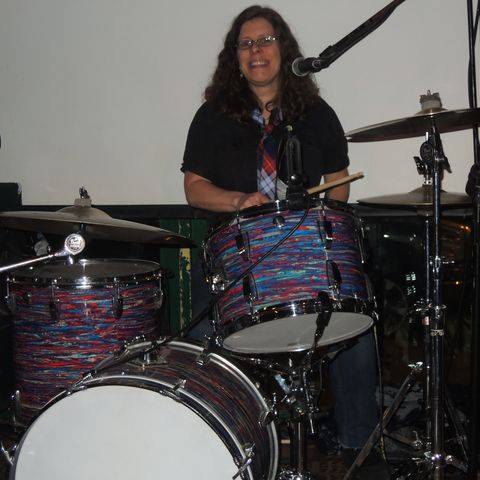
    For years, Deadheads throughout the Capital District make the trip every Wednesday night to hear some good old Grateful Dead covers at Valentine’s on New Scotland Avenue in Albany, New York (and as of last week, at The Low Beat on Central Avenue). Any one who has attended a Deadbeats show can probably attest to the dedication and talent each member in the band brings to the table to keep the Grateful Dead alive in Albany. You may also likely know Denise Parent, drummer of The Deadbeats as well as many side projects throughout the Upstate music scene. had the opportunity to ask Denise some questions regarding her past within the music scene and her rise as one of the most well-known female drummers in Albany.

    denise parentJenni Rose Wilson: Tell us a little about yourself and how you got started in the music scene.
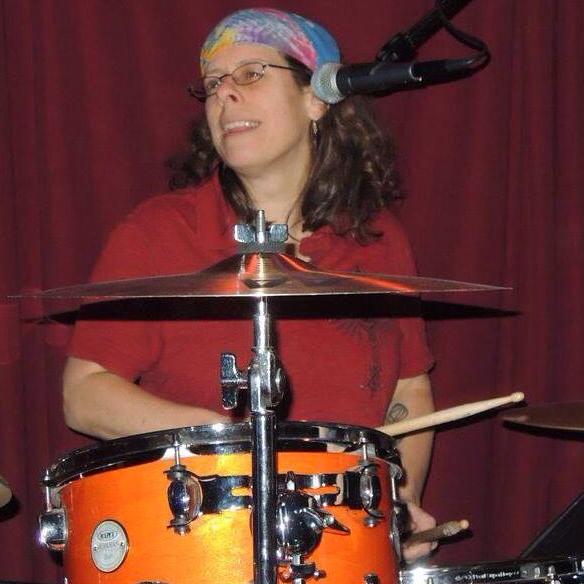
    Denise Parent: I guess I think about how I got started playing music. My mother has been singing since I was in the womb, so I think it really rubbed off on me. She used to be involved in local musical troupes and I used to go watch her shows and regular rehearsals. My mother is a fantastic singer; therefore I had a great musical mentor. I started singing as a young girl and performed at my first talent show at 9 years old. I went on singing in talent shows and the choirs for years.

    One day in high school I was sitting in class tapping on the desk with my pencil erasers, and my teacher yelled out, “Join a band!” (Thanks Ms. Molloy). It was like a light bulb went off! I went home and told my parents I wanted to play the drums. That Christmas my brother got me a snare drum and cymbal and I smacked that for about a year before asking my parents for a drum set. For my 17th birthday I got a little Pearl kit. I taught myself how to play by watching MTV, back when they actually played music videos. I joined my first band after playing in my room a couple of months. By 19 I had joined my third band and we played some gigs in the bars in and around Levittown, Long Island. I did take a few drum lessons over those years and learned how to read drum music and play a few necessary rudiments.

    I had also been playing around with the guitar as a kid since my older sister played in the folk choir. I had fiddled around with it for years and before you know it I was playing some solo and duo guitar gigs at my brother’s café in Sayville. I kept all the gigs going until I moved up to New Paltz to finish college in 1993. It was there I met the Deadbeats. I started to play with them full-time in 1993 and we were going on the road and playing up and down the East Coast for a few years. We played in all size venues, from great little dive bars to colleges, festivals and music halls. Since then I have been playing gigs regularly. In late 1997, I left the Deadbeats and soon after joined Big Sister, an all female band from Woodstock, NY. Six months after I joined we got signed to Capricorn Records and then recorded a rockin’ CD called So Hi How Are You. We had a few years of playing great gigs like the Rock and Roll Hall of Fame, and we were even in Rolling Stone Magazine! That was a really great experience for me and I did have a lot of fun! Unfortunately, Capricorn went bankrupt and we lost our good gigs and our monetary support.

    I was a lead singer in most of the bands I was in prior to this, and being a backup singer in Big Sister always left me wanting to sing leads again. It was around this time that the Deadbeats called me and asked me if I wanted to come back and play in the band. When I had been given the opportunity to sing lead again it felt really wonderful. I came back to the Deadbeats on NYE 2000-2001 and have been in the band ever since.

    denise parentJRW: You have your hand in a number of different musical projects, can you tell us a little bit about each project?
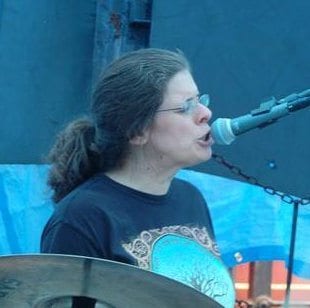
    DP: Currently I play in three bands, The Deadbeats, Hemingway’s Cat and Wild Piper. The Deadbeats is a staple in the Albany area, playing a ton of Grateful Dead and classic rock. Since I sing lead, we do Janis Joplin, Aretha Franklin, and other assorted female-singer songs. I love to sing Bob Dylan and Bob Marley, so we do a handful of their songs. Of course I also love singing anything by Jerry Garcia, since I have a true soft spot for singing soulful Gospel and traditional songs. The Deadbeats also have a good amount of original music, of which I sing some of the songs I have written. We have never played the same set twice, and we don’t use a setlist. Mike, Alex, Brian and I have developed a band that has an awesome following, and we do have a special relationship with the crowd every time we play.

    Hemingway’s Cat is an all-original band from Woodstock. The music is very eclectic, with songs that sound like jazz, blues, reggae and an almost Middle Eastern feel. I joined that band about three years ago. I was mostly drawn to them because the music has a lot of great rhythms with high energy. When I first met the band they already had recorded a CD, and then we recorded a five song CD called Next to You. When we play we really raise the roof! I also really enjoy playing all of our own music for people who dance and smile while we do it! Wild Piper is an exciting new band, made up of some of the current and former Deadbeats, in addition to members of Raisinhead and Ominous Seapods. It’s a great mix of strong lead vocals, screaming lead guitar, the warm Hammond organ, the funky rhythm guitar all on top of a bass and drums powerhouse duo! Even though this band is in its early stages, the talent and song choices have already wowed audiences. It’s has that “new relationship energy” and we all have an appreciation for each other’s talent. I look forward to where we will go together.

    JRW: What is it like being a female in a male dominated craft such as musical production?

    DP: I admit over the years I have had a few funny experiences while playing in a band. I have met a bunch of men who have been open minded and wonderful. Of course there are those who tell me I’m pretty good for a girl. I know those guys are trying to be nice, so I see the compliment they are striving for. One night in the mid-90s, I was setting up for a Deadbeats gig in Monticello alongside Mike Johnson, the guitarist. Some guy came over and started talking to Mike, asking him what time the band would be starting and what type of music we played. They talked a little bit while Mike set up his amp and pedals. Then the guy turned to me as I was setting up the drums and asked when the drummer would be getting there. I thought it was a bit funny because I was actually setting up the drum kit when he asked me. I admit it wasn’t the first time I had been asked a question like that. This time I decided to have a little fun with it. Mike and I told him that the drummer was my boyfriend and would be getting there soon. I continued setting up my kit and did a little bit of a soundcheck. He came back over to the stage and said that I sounded pretty good. I laughed a bit with Mike and told the guy I was going to have to start with the band because my boyfriend would be late. I also told him that he taught me a lot, so I could probably be OK for a few songs. After playing a bit I felt guilty for pulling his leg and I came clean. He was very surprised at first, but then he was my biggest fan. Of course there are those other times that aren’t as funny, but I like to focus on the positive.

    denise parentJRW: What instruments do you play and at what age were you introduced to them?

    DP: I sing lead vocals and play drums at the same time. People always tell me they think it’s hard, but I guess I have been doing it for so long I really don’t even notice. Lucky me, I do feel blessed for being given such a great gift. I started playing drums when I was 16. I always tapped on everything as a kid. I used to take all the pots and pans in the house and put them all over my bed and then I would play them like a drum set with my chopsticks or pens, whatever I had handy. I had a lot of fun doing this until one time I was jamming out hard and broke the ball point off the pen. The ink went flying all over the pot and pans and my bed and the carpet and my mom was pissed! I can still remember her face! Fortunately we laugh about that now! Soon after it was clear that I had rhythm I got my first drum set. My parents would let me play anytime 10am-10pm. I would crank up my stereo and the fun would begin. My mom used to clean the house and dance around while I played. My dad would always compliment my improvements. I remember my mom being surprised that I liked reggae and gospel music. My parents were (and still are) very proud of me and were very supportive to my playing drums. When I was 17 I had a party at my sister’s house and asked my friends from school to play. I remember them playing the Beastie Boys and I just got so incredibly charged I knew I had to join a band!

    I have been playing the guitar since I was a young girl. My sister gave me her classical acoustic guitar and I would play over all the songs on the radio. I didn’t really know many chords in the beginning, so I would play leads and sing a bit while I plucked around. I started to learn more chords and rhythms when I was around 15. I wrote my first song, on the guitar, “I Hate Goodbyes”, at 17. There is something so nice about being able to pick up my acoustic guitar and sing a song. Even to this day I love to do it. No setup required. No amplification necessary. I have played a few acoustic guitar gigs over my years Upstate, but these days I play the drums at my gigs.

    JRW: What are your biggest musical and non-musical influences?

    DP: My mother taught me how to sing. My father taught me how to work hard and be responsible for myself. My high school teacher told me to join a band. My religious upbringing has taught me to love people. Both my parents have taught me to thank God and to love and respect others. I tend to wear my heart on my sleeve, probably because I like to connect to other hearts around me. When I think about all my influences they are widespread. My first concert was Rush at Nassau Coliseum, and that blew my mind. Neil Peart was one of the most intricate drummers I had ever seen. I always loved watching Mick Fleetwood play, and felt like I could really understand his playing. I did notice that we both made some pretty funny faces when we got into it. I love both of the drummers in the Grateful Dead. Mickey Hart has taught me to lead with the toms and to stray from the form and see where it takes me. Billy Kreutzmann showed me how I can add beautiful color to the most basic beats, while holding a whole band together. I have always loved to sing Indigo Girls, Bonnie Raitt and Joni Mitchell songs. Over the years I have followed them and their music and really appreciate the effort they take in crafting a song, and how they sing it. I often get goosebumps when I listen to any one of their songs.

    My last few years living on Long Island, my friend Dino Perrucci took me to see this great band called The Volunteers (who later became the Zen Tricksters). They really taught me the music of the Grateful Dead. I did used to go see a lot of Dead shows, but I got an intense 101 from seeing the Tricksters four nights a week for a few years. To this day I credit Jeff Mattson (who now plays with Dark Star Orchestra) and Dino for much of my musical influences. Jeff even gave me guitar lessons back in the day. Just last weekend I went to see him and Rob Barraco play in the DSO and remember how much I learned from both of them. I give them and the Zen Tricksters a lot of credit for helping me learn so much of what I still do today.

    JRW: How do you handle mistakes during performances?

    DP: If you had asked me that question 15 years ago I would have answered very differently. I remember a time when I would get very upset with myself and have a hard time remaining present to ease and grace after I had made a mistake. I would spend so much time focusing on the mistake that I would be kicking myself during the next few sections of the song. I would not be present to the beauty of anything, and really missed out on so much good. I got hung up on mistakes others would make too. I think I lost sight of all the good and got stuck in insignificance. After doing some helpful introspection and years of different sorts of self-help work, I’ve come to get a huge lesson that has impacted me in every aspect of my life. Nothing is wrong. Its all how I deal with it that really matters. Of course I am not perfect at anything, so accepting that I make mistakes has become easier and easier. And having compassion for me or anyone else that may make a mistake around me comes with that as well. Falling off the beaten path has led me to some incredible moments on and offstage. Of course I love it when I hit the notes well and play the drums spot on, but I welcome whatever I am presented with now, while looking to see what I can learn from it. It really is all good.

    JRW: What are the biggest obstacles for a band and what is the hardest part about working in the music industry?

    DP: I would love to be able to support myself by writing, recording and playing music. I think most artists I know struggle with being able to play music and travel to reach wider audiences, because it costs money. Therefore they need to have a side job to help them pay rent and eat, and whatever’s left may go towards a little tour. In most cases artists need to find a way to promote their music, and even though the Internet is very helpful for that, we still have to travel to different places to play for them.

    JRW: How do you balance music with your life’s other obligations?

    DP: Well fortunately my day job at Family Services does accommodate me playing music on a regular basis. I do appreciate having that job, because I recognize all the good that FS does. It also helps that I have a great crew of people that I work with. I also really love just being at home with Anne and all the animals! It does my soul a world of good.

    JRW: What advice would you give to other artists who have less experience than you?

    DP: I’m not sure I know all the right advice to give. I will say that keeping the joy alive is great for the soul in any regard. Remember the joy that making music brings you, and do it for that reason. I think it is incredible to connect with my band mates and make something special happen. It’s even more wonderful when others can appreciate it as well. Oh yeah, and learn how to harmonize. It works in life as well as in music!

  • Bringing Back the Funk: An Interview with Jesus Coomes of Lettuce

    Similar to Restless Leg Syndrome and sharing the acronym, a Raging Lettuce Show will cause an irresistible and uncontrollable urge to move your body.  Funk might typically be an exercise in rhythmic synchronicity, but the way Lettuce does it conjures up words like relentless, entrancing, potent, and completely intoxicating.  Their sound is composed of seven members whose sole purpose is to contribute to this runaway funk train that’s been taking down anyone in their way.  The band is currently wrapping up their winter tour, but not before a stop in Buffalo, NY at The Tralf on Friday, February 21st.  Their most recent album Fly has only built upon what’s made them so good: commanding beats, catchy melody lines, and stripped of anything that doesn’t add to the overall groove. Writer Jeremiah Shea got the chance to talk with Lettuce bassist Jesus Coomes about the band, a new album, and funk’s recent rise in popularity.

    jesus coomes

    Jeremiah Shea: How did you get your nickname?

    Jesus Coomes: I got that nickname from working in L.A. with DJ Quik. I was really devout with my lifestyle, my beard was long, my hair was long, and he just started calling me Jesus. After that, it caught on and everyone started calling me that.

    JS: How did the band name come about?

    JC: The name just kind of dawned on us. We were playing out at a lot of places and when we went to parties, we’d say to the band: “Let us play.”

    JS: Explain the importance of the overall sound and feel of the band versus highlighting one particular member.

    JC: Rather than having one person being the guy that’s standing out, we like to keep the perspective where the sound of all of us together is much more important than the sound of any us separately. We play our part in the band and when everyone plays their part and we’re vibin’ off each other, that’s what creates really good feel. It’s really just keeping the overall sound of the band being paramount to any individual.

    JS: Lettuce came on the scene in the early 90’s, but didn’t record Outta Here until 2002.  Why is that and what developed during that time period?

    JC: Because recording an album is expensive! That’s one way of looking at it. Also, we formed in 1992, but didn’t really start playing a lot until 1994-1995. I think it’s good for a band to play the material live first before you go record it. By the time we went to record, we had played it so many times that we were able to record quickly. Instead of going into the studio and figuring out what you want to do, we could play as a band basically and get it almost all done live. We had to play out a lot of shows first before we could have something really great to record. I think that’s why it took from 1992 until 2000 to get that going; we were basically playing for a while.

    JS: How does the band balance the band’s responsibilities alongside all of the side projects that everyone is involved in?

    JC: It’s all about priorities. When you give your life to music, you always have a couple of things that are really important to you. We all have those things that we’re involved in, but we keep Lettuce high-up on that priority list. I think the amount of fun that we get to have when we play in Lettuce makes it easy. We’re also all good friends and keep in contact all the time. When all you do is music, you SHOULD have a couple of things that you’re working on I think. It’s not as hard as it might sound; when I’m not touring with Lettuce, I just go super hard in L.A. and write. You want to stay busy. We like to play music, so if there’s a day when we’re not playing music, we’re freaking out! It also keeps us fresh – when I haven’t played a Lettuce show in a while, it makes me really excited to play one.

    JS: There’s a lot of overlapping members within Royal Family Record’s various bands; is it possible we get to see a full Royal Family Tour in the future?
    JC: Oh yeah – you never know what we’re going to do; that’s for sure.

    JS: You can hear funk’s influences in a lot of genres these days, but it seems like there has been a rise of bands lately that just play a pure form of funk – bands like Lettuce, Kung Fu, Orgone, Dumpstaphunk, etc.  Why do you think that is?

    JC: I want to be completely egotistical and say it’s because we’ve been playing funk! Lettuce has been going around playing funk at all of these festivals for so long that somebody must have heard us. You know, I really don’t know why though, but I’m happy about it. I think it’s just a lot easier these days to just get your ear on some dope shit! You used to have to search out that music, but now it’s a lot more accessible and easy to find.

    JS: How does Lettuce continue to evolve while still staying true to funk’s original roots?

    JC: I mean, for me personally, the key is to not be bound by a genre. When you think of a genre, they’re all creations of some dude who probably didn’t play music. It’s just a way to try to say this band sounds like that band, and that’s bullshit! We keep that genre stuff out of our minds and just worry about playing good music.

    JS: Can we look forward to another Lettuce album in the near future? It’s been two years since Fly came out.

    JC: We’re going to be working on it. We did two songs in the studio and we’re going to release those, but I can’t speak on that. We have stuff that’s already recorded and the album is in the works.

    JS: What’s the best part about playing in Lettuce?

    JC: It’s such a blessing to get to play music and be in a band that people enjoy; it’s honestly a dream come true. There’s nothing better in my life than having people appreciate what we do. It’s so dope!

  • Particle Makes it Hot on a Snowy Day in Saratoga

    The neon signs that welcomed fans to Putnam Den were illuminated by falling snow landing on the glass. People huddled around the snow covered tables, smoking, trying to stay warm. The venue was very welcoming to the cold as leather couches sat in the middle of the room, giving off a cozy, warm, almost home-like feeling. People trudged in slowly and the floor became soaked in footprints as the perfectly lit room filled. Everyone who made it through the treacherous weather to get there prepared themselves for the great time that is a Particle party.

    John Wayne and the Pain opened the evening with their unique sound of Reggaetronic Dub. The mixture may sound abstract but when put all together a great sound was created. They pushed musical boundaries to the limits when they covered the Grateful Dead classic, “Wharf Rat”, a song that wouldn’t seem to fit this genre, but with these three musicians they made it work. Starting the song with Garcia like guitars licks and ending it the same way was a phenomenal feat, that very few could pull off.

    As Particle prepared to take the stage, fans who were milling around the room came to the center for what was sure to be a rager. The slightly tilted hats that have become a staple in the scene were out in full force as were the girls in their artsy skirts with drinks in hand. Clay Parnell (bass) and Brandon Draper (drums) started out the show with “Papa Delta”, a heavy drum and bass beat, getting the crowd going, warming their cold bones. The energy level was extremely high as guitarist Ben Combe and keyboard extraordinaire Steve Molitz joined the other two on stage. Molitz then led the drum and bass jam into the Chemical Brothers’ “Denmark”, a keyboard heavy dance track, with the crowd throwing their hands in the air, smiling, and giving each other high fives. Particle had arrived. Molitz was also hopping up and down to ensure the energy level was steady.

    Although the sound of Particle is keyboard heavy, the next track, “London Forces”, was focused on Combes’ guitar playing, building up and up until an explosion of sound emerged showing the versatility of the band. Covering Pink Floyd’s “Have a Cigar” was a treat for all, slowing the pace down a bit, allowing fans to catch their breath but still staying connected to the show. The beautifully covered song also showed the immense range Particle has in their playing ability. The party continued with more beats to keep the crowd moving, to keep them warm. This being only the second show with this rotation they were spitting pure fire and will continue to do so as the band’s chemistry grows.

    Setlist: Papa Delta, Denmark, Hits, London Forces, Red Orchestra, Launchpad, Have A Cigar, New Song, Kneeknocker, W, Elevator, Below Radar, Axel F

    Encore: Pro, Sun Mar 11

    Prior to the show, I had the privilege of siting down with Particle members Steve Molitz and Clay Parnell before their recent show at Putnam Den.

    Jimmy Chambers: How has the sound of Particle changed as new members have joined the band?

    Steve Molitz: Different people bring different sounds and tones, but I don’t think the Particle sound changes that much. There is sort of this core thing that happens when the songs get played, I don’t want to say it’s bigger than the musicians playing it but it’s separate from the musicians playing it. The various musicians over the years have tapped into it. The songs are created with am end line, but by bringing in new musicians there is room for a song to grow, but always keeping that core intact. And it’s interesting playing with different players, because you get to hear what the interpretation of the song is. A great example of this is Clay (Parnell) on bass he interpreted a song that we have been playing for ten years differently than when it was written, and now we have a completely new sound to a song we have been playing for over ten years.

    JC: Clay are you pulling double duty with Brothers Past or are you mostly going to be focused on particle?

    Clay Parnell: Well in a sense I am. I mean Brothers Past hasn’t disbanded, we have a couple of dates lined up. But everybody in Brothers Past is doing really amazing things, Tommy Hamilton is out with the American Babies. Our keyboardist, (Tom McKee) is running a music school.

    JC: How did you end up joining an established band, when your are already in an established band?

    CP: Its funny, Steve and I, since both of our main projects were kind of in a lull I kinda had a lot going on, like I say I’m the man of a million side projects.

    JC: Like the Warren Haynes of bass.

    CP: Yeah, you know, Steve asked me what I was doing, and asked me about this, and I just went with it.

    SM: It all came about very organically, it started with just jamming on tunes in the studio, and just worked out. He heard the tracks and laid down his bass lines, and that was that. It all came together very well.

    JC: How did you get involved playing with Phil Lesh, and how did that experience impact your playing, because the Grateful Dead sound is a little different than the Particle sound?

    SM: I think he (Lesh) came to see Particle at the Cow Palace (San Francisco), I think, and shortly thereafter he asked if I want to play with Phil Lesh and Friends. I said yeah, but I never grew up listening to the Grateful Dead, I didn’t have their albums, I wasn’t familiar with their songs. So I told him I may not be the best guy for the job and he said that’s even better, that’s perfect! He was thrilled that I didn’t know the material because then I wouldn’t try to emulate anyone who has played it before me. You really made a good point when you asked how it influenced my playing, because I definitely learned a lot playing with theses different lineups.

    JC: Now that you have this formation in the band where do you see yourself going? About ten years ago I saw your name everywhere, Disco Biscuits shows, then it kind of died down a bit. But now you have this resurgence with Clay in the band this huge tour. Where do you see it going?

    SM: Yeah you’re right, right now we have like 40 tour dates on the books. This tour takes us down the East Coast and as far south as Texas. Then the next tour starts in Tahoe (Nevada) and works its way down to San Diego and out through Arizona, Utah, the Midwest, ending at Jazz Fest in New Orleans. So we’re definitely getting around, planning a big fall tour as well and finishing putting a few touches on the new album. As for the big picture, its kind of counterproductive to think about the future too far and that’s something I’ve learned being on the road for over 14 years. So I’m not really trying to get ahead of myself thinking where will we be in a year, five years. It’s more just thinking ‘I am so excited for the show we are going to play tonight’, and ‘I’m so excited for the show we’re going to play tomorrow night and so on’. Trying to play each night as it comes, live each moment as it comes. And have as much fun as possible doing it.

  • Sammy nominee Jeremy Miller is a rocker and an author

    Last December, Upstate Metal’s Steve Strader took the opportunity to speak with Jeremy Miller, lead vocalist of Syracuse’s One Last Shot. Last week, One Last Shot was named among two Syracuse metal bands that are up for a 2014 Sammy Award.

    Jeremy Milller

    The Sammys are presented each year by The Syracuse Area Music Awards Executive Committee. The committee is a not-for-profit organization that supports Syracuse musicians.

    The award ceremony is scheduled for March 7th, at the Palace Theatre.

    Jeremy Miller is a natural wordsmith and his band depends upon him for his writing skills as much as his singing ability. Like many writers, he falls victim to inspiration and often finds himself writing down ideas as they come, or speaking into a digital recorder. Over time, those notes have turned into song lyrics or have collected inside numerous notebooks. Those notebooks are now being worked into a book, about which he spoke to Upstate Metal.

    Strader: So first off what made you want to write a book?

    Miller: A lot of reasons actually. First, I’ve always wanted to have my own book. A lot of my favorite artists have put out books similar to this like Danzig, and William Control of Aiden. Most importantly my fiancee saw all these lyrics I have laying around in notebooks and pushed me to do it. I finally took her push and am doing it now.

    Strader: How long have you been working on this?

    Miller: I guess realistically since I started writing lyrics. I’ve been writing lyrics and poetry since around 11 years old.

    Strader: You mentioned there will be un-used lyrics in it, is there any other cool content you’ll be displaying to your fans?

    Miller: Yeah, so far it’s split in 4 parts. First part is unused lyrics/ poetry, the 2nd part is random short ideas, the 3rd part is passages I’ve written about important band situations, and the last part is stories from shows. There’s also flyer art inside/ art I’ve made throughout the book.

    Strader: Will there be any embarrassing moments?

    Miller: Maybe for other people, everything I do in life can be looked at as embarrassing. I’m okay with that, it makes life fun.

    Strader: What are you hoping readers will get out of this by the end?

    Miller: Maybe it can give some insight to people trying to start a band, and hopefully people in underground DIY bands will be able to relate these situations. Also people can have a laugh or two at some of the stories.

    Strader: Anything you can “leak” about this book and what we can expect?

    Miller: There’s situations with drugs (not my band mates obviously), bum fights, and violence all inside. It comes out late December or early January. Most likely early January. I may leak something around mid December-ish. Oh, and its 50+ pages long. (So far…)

    Strader: How will this book be made available?

    Miller: It will be a real physical book. It will be printed professionally like if you got it at Barnes and Noble. You will be able to get one online or at shows. Just follow us at Facebook or Twitter and you’ll get all the updates.

    Strader: Any last thoughts or words?

    Miller: If this goes well, I have other books planned. This is also “Volume 1”, so as more events happen and if things stay interesting, I hope to make a “Volume 2”. Just stay tuned, and thank you for talking to me about this.

  • Umphstate: An Interview with Joel Cummins of Umphrey’s McGee

    The hype from all of the New Year’s runs has finally died down and right on its heels come the first announcements of the festival season. Sandwiched right in between though, and largely overlooked, is the winter tour where bands often times debut new material and dig deep for old fan favorites. Umphrey’s McGee tour has begun and the band is set to blaze a trail right through the heart of Upstate New York, all within the first week of February. The band will make stops in Clifton Park, Syracuse, and Rochester among many other dates across the U.S. The Chicago-natives recently finished a two-night standalone set at the famous Beacon Theater in New York City which has only led to more anticipation for these upcoming dates.

    Writer Jeremiah Shea had a chance to interview with keyboardist Joel Cummins about the upcoming tour and their new album that is due to come out in the coming months.

    joel cummins interviewJeremiah Shea: What are your thoughts on the recent two-night run at The Beacon Theater?

    Joel Cummins: It was a pretty awesome weekend. Being able to play the Beacon last year and then doing two nights this year really let us soak it in a little more. The Beacon is one of the greatest venues in the country, if not the world. There’s been so many great shows there and amazing performances that when you play there, you really feel like you have to step up and not just bring your A game, but your A+ game. You have to wow people in New York.

    JS: Last year in January you guys played Buffalo and Syracuse on back to back nights before making a stop at The Beacon Theater; this year you’re hitting Clifton Park, Syracuse, and Rochester.  Is there a reason you show Upstate New York so much love?
    JC: A lot of it has to do with two things: where people are and how far you can travel between cities. Logistically, our typical limit is about 450 miles before you make touring increasingly more expensive. Coincidentally, there are a lot of good places in New York to play between Buffalo, Rochester, Ithaca, Syracuse, Utica, and Albany. There are a lot of good mid-size cities that we’ve been trying to build over the years. Since we played Buffalo in the Fall, it made sense for us to come to Rochester this time. We played the Harro East Ballroom one other time and had a great time there, so we’re psyched to come back. We haven’t played the F Shed in Syracuse before, so that’ll be a really fun night and we’re pumped to have Kung Fu out with us on that one.

    JS: Are you guys doing anything special on this run of shows to celebrate the band’s 16th birthday?
    JC: Every show is a special night to be honest; you know how we do it.  We try to mix it up and play as many different things as possible.  We have this website called All Things Umphrey’s where everything is in a database that we’ve played in the past.  We can use that to go back and see what we’ve played and haven’t played in an area and continue to shred as much of the catalog as we can to keep it fresh for people.  Once somebody has seen 8-10 shows, they start to hone in on what they haven’t seen yet; every city is different.  We’ll go in and see that we haven’t played “Booth Love” or “Hurt Bird Bath” at a particular place in four years.  It’s a really helpful tool for us to keep mixing things up.  This is our typical biggest tour of the year between January and April and we try to hit every corner of the US.  Our new album will be coming out in the first half of 2014, probably sometime in May, so this will kind of be the warm-up for that.  My guess is that one or two of the songs that didn’t make the new album will probably get played on this winter tour.

    JS: You made some mentions of the new album on your Twitter account.  What’s on tap and is there anything you can share?
    JC: Ya know, not too much at this point as we’re trying to keep it under wraps right now.  I can tell you that we started by recording 16 tunes, 7 of which were brand new and 9 of which we’ve played live before. I think we’re going to end up with probably 10 or 11 tunes on the new album with some bonus material. There’s at least 5 new tracks on the album, I’d say, that we haven’t played live previously. I think that’s always exciting for the fans when you can kind of inject the set list with some brand new stuff for people. We also have a couple of newer ones that we’ve been playing pretty consistently for the past couple of years and a couple of classic Umphrey’s McGee tunes that we previously haven’t been able to hit perfectly with the studio takes. We finally got a couple of these where we really feel like we nailed the essence of the song and they fit the overall vibe of the new album which is definitely heading in a more hard rock direction; there are tons of great guitar riffs on this album.

    JS: Does the band’s approach vary nightly depending on the venue or city?  If so, how?
    JC: It’s different every night and we mix up who writes the set list. On a typical day, we make a list of songs in the morning and people can add or subtract things depending on what they’re feeling. By the afternoon, somebody will pick it up and try to make a set list out of everything that’s been suggested. I think that really keeps it fresh, especially when you have different people writing the set list who think about it and approach it differently. We’ll typically try to always do a mix of newer and older material so that it’s fresh for everyone.

    JS: How do you guys interject teasers into your songs live?  Are they planned or discovered during your set?
    JC: Most of the time if we’re teasing something, it’s happening in the moment. It’s very rare that it’s something that’s planned. I think one of the things that we all thrive on is that stuff in the moment where nobody’s really sure what’s going to happen, but you kind of try to pick up a song. That actually happened at The Beacon. We started teasing the Eminem song “Lose Yourself” and then it ended up kind of morphing into “Kashmir”. That was an example from this weekend where we ended up hitting a cool little patch of teases there, but it was certainly not planned.

    JS: What do you like about touring compared to the festival circuit in the summer?
    JC: I feel like when we do our own shows, we’re playing to our people; everybody who’s there is there for us. That’s always a really special thing when you can do these tours and really feel the excitement from the fan base. That’s the fun thing about the beginning of the year. With the festivals now, it’s such a great time getting to see so many of our friends all around the country. That’s kind of the highlight of the summer festival season whenever we get to do that. That’s also the time when we try to convert some new fans, so we definitely approach the shows a little bit differently. We’ll still try to throw in a few rarities or things that you might not expect to see us play at a festival, but when we play for the hardcore fans, I’d say that these winter tours definitely have the biggest variety of our catalog that you’ll see. I looked on All Things Umphrey’s the other day and in 2013 we played 329 different songs, so there really is a lot of room for variety. It’s really nice at this point to have that catalog selection where we can play so many different things.

    JS: Does Jefferson Waful have any new tricks up his sleeve this year?
    JC: He does! He’s actually in the process of transitioning from the grandMA console, which we’ve been using, to the grandMA2. I’m not totally sure if he’s going to have it up yet for these shows as it’s probably about a month-long process to make that transition and learn everything that needs to be learned. That is definitely new though and in the works for 2014, so it’s only going to promise to make the production and light show that much stronger. We’re always tweaking our light show and playing different things out depending on what the venues allow. This most recent run at The Beacon we definitely had our biggest light rig that we’ve ever brought to New York. We’re definitely trending in that direction of bigger and better, which is a nice way to trend. We’ve been really lucky with Jefferson that he’s such a passionate, driven, and really great artist behind the light console. There are plenty of moments during the night when the fans get excited about the music, but you know you have somebody who has a really great eye for art and a way to connect that to music when the lighting designer can elicit cheers from the crowd.

    IMG_0824