Category: Interviews

  • Interview: Rob Barrett of Death Metal Legends, Cannibal Corpse

    When someone talks of the genre of death metal, there are a few names that reside at the top of everyone’s list. Cannibal Corpse is indisputably one of those names. Formed in 1988, they helped shape the budding underground metal scene at the time, and helped usher in this new type of crushing sound. Signing with Metal Blade Records early in their career, they have consistently put out records over the course of their 26 years of life.

    Cannibal Corpse have had multiple lineup changes, and controversies surrounding the band because of their graphic imagery and lyrics (1995 Bob Dole named them one of the bands that was ‘undermining the national character of the United States). But they have seen success in their field, from a cameo in Ace Ventura:Pet Detective to multiple awards and recognition among all who are fans of metal. At the recent Rockstar Energy Drink Mayhem Festival at Saratoga Performing Arts Center, Jim Gilbert and I got to speak with guitarist Rob Barrett about the band, the life, and the new album coming out in September.
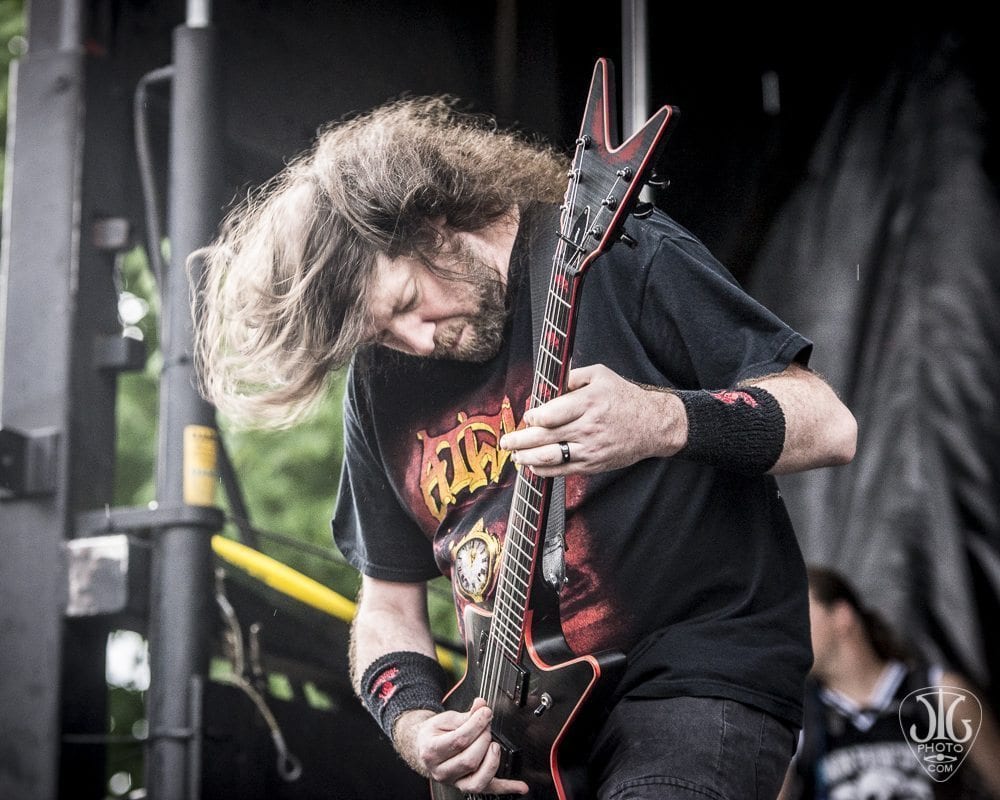
    cannibal corpseJim Gilbert: I know you guys originally hail from western New York, Buffalo area.

    Rob Barrett: Yea, it’s where I grew up as well.

    JG: So talk a little about the metal scene in Buffalo at the time, the mid to late 80’s. Death metal wasn’t really out yet, right?

    RB: It was kinda of forming at that time, in the late 80’s. All of us were in different local bands, and playing local gigs together. Alex [Webster] and Jack Owen were in a band called Beyond Death, with Darrin Pfeiffer, who actually ended up being in Goldfinger. Chris Barnes, Bob Rusay, and Paul Mazurkiewicz were in a band called Tirant Sin. I was in Dark Deception, and we would all play shows and all the bands rehearsed in the same building, so we always saw each other and we would hang out after. It was a nice tight-knit scene going on.

    JG: You had joined Cannibal Corpse after they formed, around 1993?

    RB: Yeah, they had already recorded Tomb of the Mutilated (1992). I had joined Malevolent Creation and had moved to Florida in 1989. Originally I moved to Fort Lauderdale, and then I went to Miami and formed a band called Solstice that I was singing and playing guitar in. At that time Phil from Malevolent Creation called our drummer Alex and myself to join up with them. So we were both part of the second Malevolent Creation record, Retribution, in 1992. We went on a U.S. tour with Cannibal Corpse, Obituary and Agnostic Front. That was definitely a good tour, and for me it was the first tour I was ever on, so it was excellent. Cannibal and Malevolent shared a bus together, and we all knew each other from Buffalo, so we all got along great. We were like one big family, and I am pretty sure that is why I got the call to join with them the next year, because they had gotten rid of Bob Rusay and they knew we would get along because they had already toured with me.

    Jeff Ayers: So did you move back up to Buffalo at that point?

    RB: Yea, I was living in Miami when I got the call. I think I flew up there a few days later, and learned their entire set in two weeks because they had a U.S. tour scheduled, and then just started touring with them.

    JG: But you guys recorded down in Tampa.

    RB: Yea, yea. The first six albums, I believe, were done at Morrisound Recording in Tampa, FL. Up through Gallery of Suicide definitely.

    JA: Just about everybody in death metal was getting recorded there

    RB: At that point in time, that was the place that everybody was going. It was the hot spot. Obituary, I believe, was the first band to record death metal down there, and that got everyone else to want to record there. After I moved back up to Buffalo, we all decided to move down to Tampa as a band. For me it was like a triangle: Buffalo, Fort Lauderdale, Miami, back to Buffalo and then back down to Tampa. We have been based out of Tampa since 1995.

    JG: Do you still consider yourself a Buffalo band?

    RB: We are really widely known for being from Tampa. But if you go back to the beginning, yeah, we all originated from Buffalo. But since the member changes there are now two guys who are not from Buffalo.

    JA: So Cannibal Corpse has been THE band in the past 20 years. You guys have paved the way for a lot of bands that are on festivals like this, and everything else. From your opinion, how has the dynamic of the scene changed? You started back in the 80’s, with something that barely existed at that time.

    RB: I think that it has improved a lot. These bands today have a lot more technology to make more quality recordings. Back when we first started, everything was rough around the edges. That right there is kinda what made death metal what it’s supposed to be, in my eyes. I mean we practice a lot, we average four days a week when we aren’t on tour. We take it serious, not just getting together a couple times a month. But the comparisons between back then and now, with the technology, the younger bands have more tools to make things not so rough around the edges.

    JA: For better or worse I guess.

    JG: Now we get massive metal tours, like the Big Four touring together. If you had your ideal death metal tour, who would be on it?

    RB: We were actually hearing some talk of someone trying to get a Big Five thing (in death metal) going on, which would have been Deicide, Obituary, Cannibal Corpse, Morbid Angel and Suffocation. I don’t know if that will ever come to fruition. I think it would be great, maybe not as a full-blown tour, but major city dates or something.

    JA: Oh my god, I’d be up for that. That would be a lot of fun.

    RB: It’s strange, too, because all those bands except for Suffocation are based out of Florida, but never have actually toured together a lot. I mean, we did tour with Obituary, back in 1992 though.

    JG: You guys all did you early albums out of the same studio. I’m not sure where Deicide recorded

    RB: Deicide has been going to Audiohammer, which is in Sanford near Orlando. We just recorded our last album there as well. But early Deicide was also Morrisound as well.

    JG: That whole sound really came from that one spot.

    RB: Yea it just kinda happened, you know? Everybody heard Obituary’s recording, and everyone just started going there. A lot of bands went there to record demos, in the hopes of getting a record deal, because their demos would say ‘Recorded at Morrisound.” It actually worked for some of them, I think.

    JG: To be in the environment in the beginning, it’s the first time anyone has heard stuff like that. Is there a different feeling now, than opposed to 20 years ago? Are you happy with the direction you are going, are you still pushing the boundaries?

    RB: We are working harder than we ever did. We have to stay vital with these younger bands that are coming up in the scene. It’s not like we are trying to hang onto the throne, it’s not a competition, but we want to be able to hang with the younger bands. I think we are doing pretty good. Our sound has progressed to the point that we are keeping up with the times but still staying true to our sound that we started 26 years ago.

    JA: Is there a younger band that just blows your mind?

    RB: Well, the last one that really blew my mind was this band Aeon from Sweden, that we are actually going to be touring Europe with in October and November. They have been around a little bit, but they are the last death metal band that blew me away with their stuff. It’s like a mix between Florida death metal and maybe Meshuggah. They have a lot of strange timing going on, but with straight forward death metal mixed in. It’s a good combination, and being from Sweden, they also have a lot of shred going on as well.

    JA: Of course, lots of shred in Sweden. Keeping up with new stuff, you guys are on the 70,000 Tons of Metal Boat Cruise this year. That sounds like quite a blast, have you ever done anything like that before?

    RB: Well we got offered to do the first one when they started it, but we passed on it to see how it was going to go. It was a major success, so we jumped on the second one, and it was great. It was a cool experience, and I wasn’t drinking on that trip, but if you a drinker, you will love it. You are on a boat for four days, and everybody’s just partying.

    JG: Can we talk about the new album a little?

    RB: Sure. We just released the name of it, A Skeletal Domain, out in September. We have a lot of fast songs in there, and a good amount of slower stuff as well. If you are just playing fast all the time, it’s all going to sound the same. There is no dynamics going on. So we have a few mid-paced songs, which also help out our live sets as well. I mean, I’m 44, and my head feels like it might fall of my neck sometimes. [laughs]. Headbanging every night for that long will take it’s toll on you. George [Fisher] though, he is the king of the head spins. I used to be able to do the windmills like that, but now I just do the ‘chicken peck’ i call it. [laughs].

    JA: Your more melodic stuff is always intricate and interesting though. You never have a throw away song or a cop-out.

    RB: I mean, our main thing with our sound is to make sure nothing sounds happy, or over melodic. You can be melodic without having it sound happy or triumphant. We try to go for the more uglier sounding stuff.

    JA: You want to keep the core true to Cannibal Corpse

    RB: Yes, definitely.

    JG: Have you released any track names off the new record?

    RB: Sadistic Embodiment was the one song that leaked early. There is a couple I can talk about though, that I wrote on the record. There is one called Kill or Become, which is like going back to the old Cannibal Corpse lyric style. It’s a zombie song. You gotta kill or become one. I wrote another one called Icepick Lobotomy, which is a nice little ditty about a doctor. It is kinda based on a true story, which I made into my own. Back in the 1800’s, there was a doctor that used to perform lobotomies with ice picks, right between the eyeballs. Paul wrote lyrics for half the album, and Alex wrote four songs, music and lyrics.

    JG: Do you read a lot to get inspiration for songs?

    RB: Yea, either from reading, or it might be something I’m watching, like a true crime or something. There are all sorts of crazy things in the world that sometimes real people did. So we draw a lot of information from that and twist them into our own little stories. Somebody dies by the end of the song all the time. There is definitely a body count going on. That is what people expect from us, and we aim to give them what they want.

  • Interview: Suicide Silence’s New Lead Singer, Eddie Hermida

    Suicide Silence has made quite the name for themselves over the years, starting in 2002 in Riverside, California.  They have worked hard to produce quality deathcore music, and have received many accolades because of it, such as Revolver Magazine’s Most Innovative Band in 2009 and a song on the motion picture soundtrack for SAW IV.  But in 2012, tragedy struck when lead singer Mitch Lucker died from a motorcycle accident.  Morning their fallen brother, the band vowed to push on, and hired All Shall Perish singer Hernan “Eddie” Hermida a year after Mitch’s death.  I got to sit down with Eddie and talk about the transition of joining the band under such unfortunate circumstances, and how their new album You Can’t Stop Me on Nuclear Blast Records is tearing up the charts.

    20140723-REDMF-40

    Jeff Ayers:  So is this your first time on Rockstar Mayhem Fest?

    Eddie Hermida: No, this is my second time, just my first with Suicide Silence.

    JA: You did it with All Shall Perish?

    EH:  Yea we did Mayhem in 2011 with Suicide Silence.

    JA:  Did both bands meet on Mayhem?  Or were Suicide Silence and All Shall Perish friends before that?

    EH: We met in 2005, at a California metal fest.  All Shall Perish drove down south the day before, and it was actually Mark [Heylmun] and I who met.  We were just bull-shitting together, talking about how both our bands should do a tour together.  So in 2006 they were headlining a tour and we were brought on as direct support.  We did about 56 shows in 60 days.

    Jim Gilbert: Oh my god.  You guys were probably in a van right?

    EH:  Yea it was my first major tour.  We were both in vans with trailers.  It was crazy, we all became really close.  They have been my homies since then.  Then in 2011, it just made the bond stronger.  All Shall Perish was in an RV for Mayhem, instead of sharing a bus with Suicide Silence.  It was ten dudes packed in an RV, and it was brutal.  So I ended up sleeping on the Suicide Silence bus a lot, because it was easier.  They would stay late and party, and it added an extra two or three hours to my night to hang back, so i did it, because they allowed me to.

    JA:  So, obviously with the tragedy that fell on Suicide Silence, that must have strengthened the camaraderie between the bands.  When you were finally announced as taking over for vocals for Suicide, how have the fans been, have they welcomed you?

    EH: It’s been absolutely overwhelmingly good.  A lot better than I thought it would be.

    JA:  It’s always tough, with a transition like that on the heels of a death in the band.

    EH:  That’s the thing.  Mitch [Lucker] always meant so much to his fans, and the fans meant so much to him.  Stepping into that role, I was very concerned with how that would be perceived.  But coming into it, and seeing how lovely everyone has been, and how fired up the fans are to see the band again, it is such a good feeling.  Being able to go out there, do what I do, and have no one judge me for it, and everyone just go nuts, is great.  There is a lot of trust involved, and there is also a lot of welcoming too.

    JA: You guys just came out with a new record.  How has the response been on that?

    EH: We just found out that we hit number 16 on the Billboard charts for our first week.  We sold 16,000 copies, and it’s the highest charting record for Suicide Silence ever.

    JA: That has to feel great.

    EH: For a death metal band, it’s so amazing.  The number really doesn’t matter anymore, because there isn’t the cd sales that there once was, and there is a huge drop off in numbers from the top five to everything underneath that.  We are talking about hundreds of thousands of records difference.  But it still feel great. To be in the history books as hitting number 16 on the charts for this week, for the rest of my life that is a good feeling.  It is also a statement to where the music industry is.  I mean a death metal band can chart in the top 40, and that is ridiculous.

    JA:  It’s happening more and more with your contemporaries.  Cannibal Corpse helped pave the way for this, for many years with only underground recognition, and now bands like you and them are hitting top 40 on Billboard.  You can talk of a lot of bands that can and have charted now.

    EH:  Exactly.  Whitechapel is charting, Volume has charted, even All Shall Perish has been up there.

    JA:  So what’s the plan for Suicide Silence after Mayhem?

    EH:  Headline a tour.  We want to go out there and play as much as we can.  We are working on a tour that hasn’t been announced yet, but we are finalizing details on it.  It will be a U.S. tour.

    JG:  You will be back up through this area though

    EH: Absolutely.  Saratoga Springs, Albany, Syracuse.  Upstate New York has a lot going for death metal.  I’d like to hit Upstate Concert Hall when we come around.

    JG: We were just there covering Gogol Bordello.

    EH:  I got to see them recently and they are incredible.  We were in Europe, and we played this festival called Rock am Ring, and it’s all like Europe bands that top charts, and we were thrown in there on a stage with Crossfaith, Battlecross, Mastodon, and Ghost.  We got to see Gogol there, what a great show.

    * I was wearing my trademark Boba Fett hat, and Eddie and I had a mutual moment admiring each other’s fandom, because he has a tattoo of Luke and Leia on his leg.  Which led the conversation this way:

    JG:  Going back to Ronnie James Dio, with science fiction, and fantasy, they relate to metal and death metal.

    EH: They go hand in hand for sure.  I mean, Star Wars, it’s the battle of good and evil.  It’s the oldest story there is, the story of Jesus, or the Matrix.  It’s one guy, who is the good, but doesn’t know it, and has to go through the trials to figure it out and win in the end.  It just goes to show you can adapt that story in many different ways and it’s still going to be an interesting story.  To me, that is even a bigger middle finger to the bible story, and to christians and people who are so close minded and would turn an ear from music like ours.

    JG:  Back to the new album, You Can’t Stop Me.  Did you write for this album, how was the contributing process?

    EH: We worked a hundred percent together on this.  I locked myself in a dingy, hot garage for four months with these dudes, and producer Steve Evetts [The Dillinger Escape Plan, Sepultura] would come out and oversee the songs, and make sure it would all fit.

    JA:  How was it working with Steve?

    EH:  Amazing.  He is such a genius.  He is one of those dudes that wants you to understand that you don’t need all the electronics and digital bullshit to make a good sounding record.  He knows how to take analog sound and make it sound huge.  This record is huge.  Drums are 100 percent natural, as well as guitars save for punch ins and edits.  You can hear the flavor of each drum hit, you can feel the lick of each guitar strum, I love it.  The mixing and the mastering is how he got such a big sound.  He would run my voice, clean, through effects pedals and manipulate them as I recorded.  The whole record is fluid and natural like that.  I am really proud of the record, and I think everyone is really gonna like what we did on it.

  • Local Limelight: Getting to Know Wagner’s Agenda

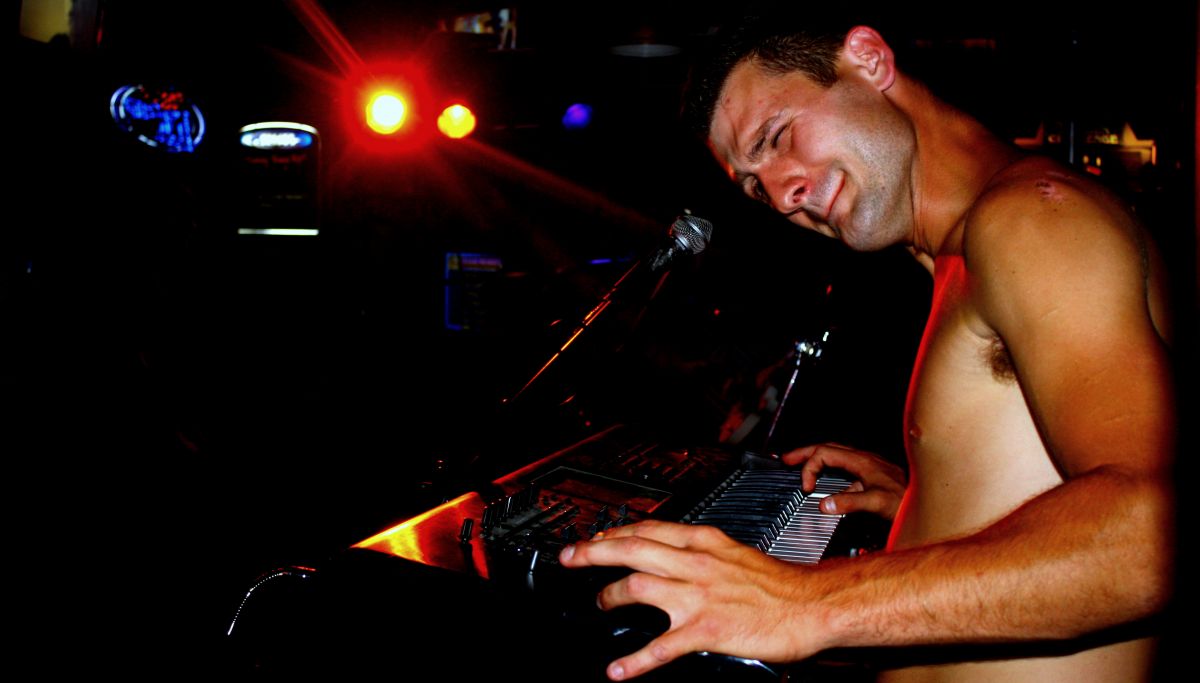
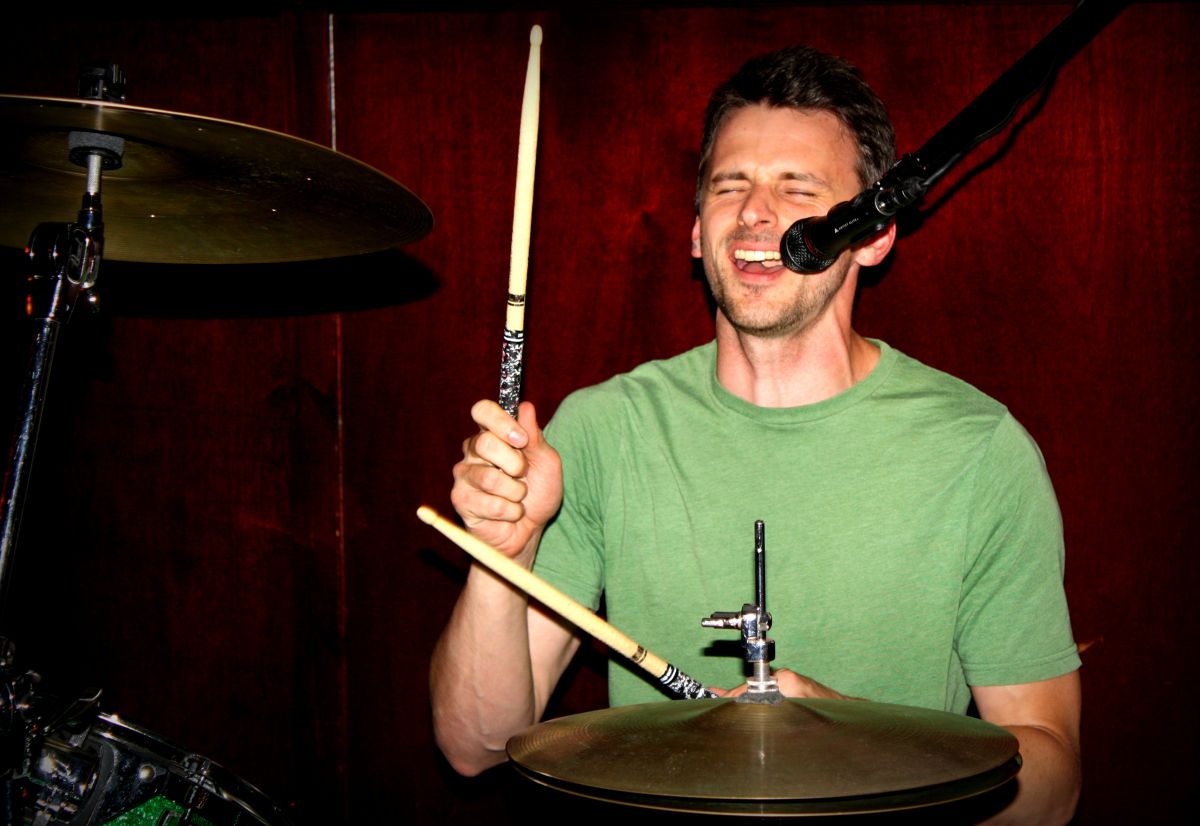
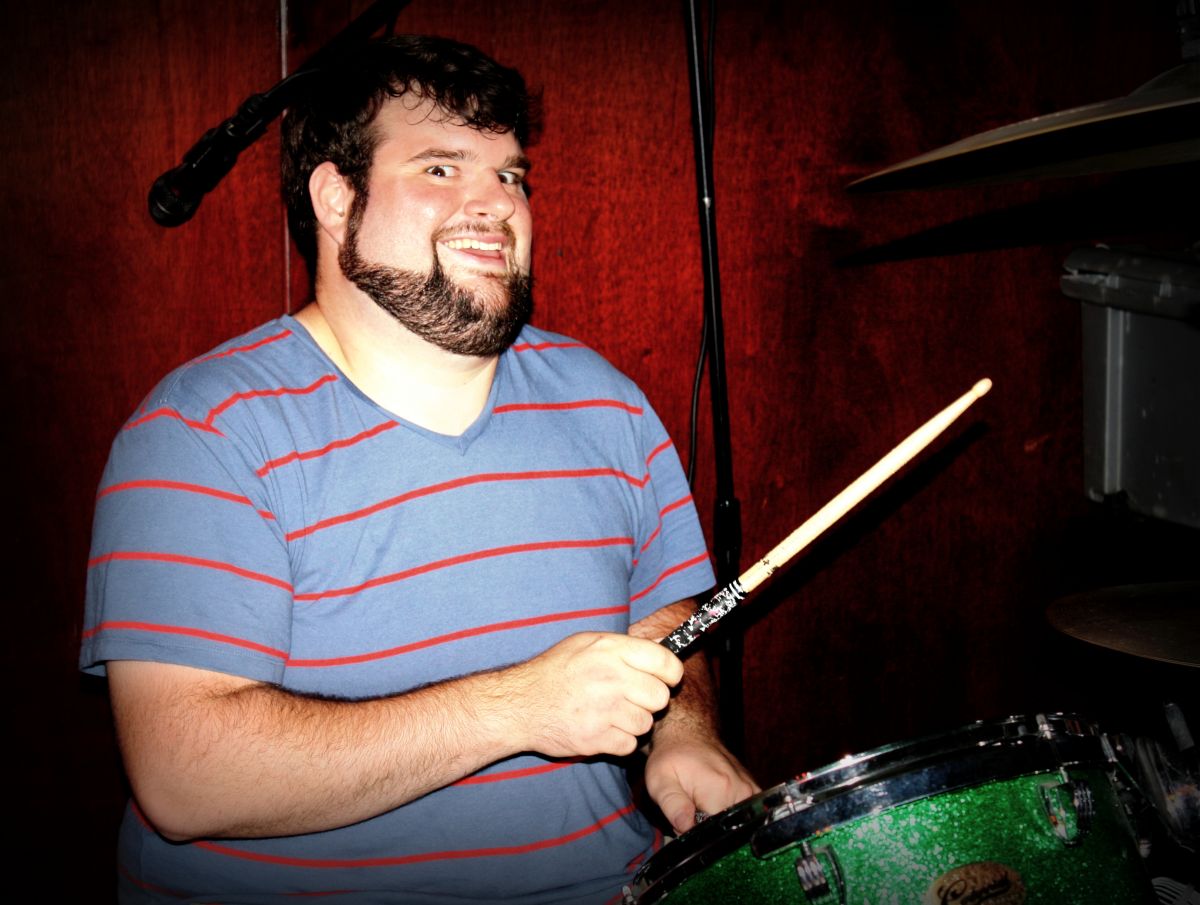
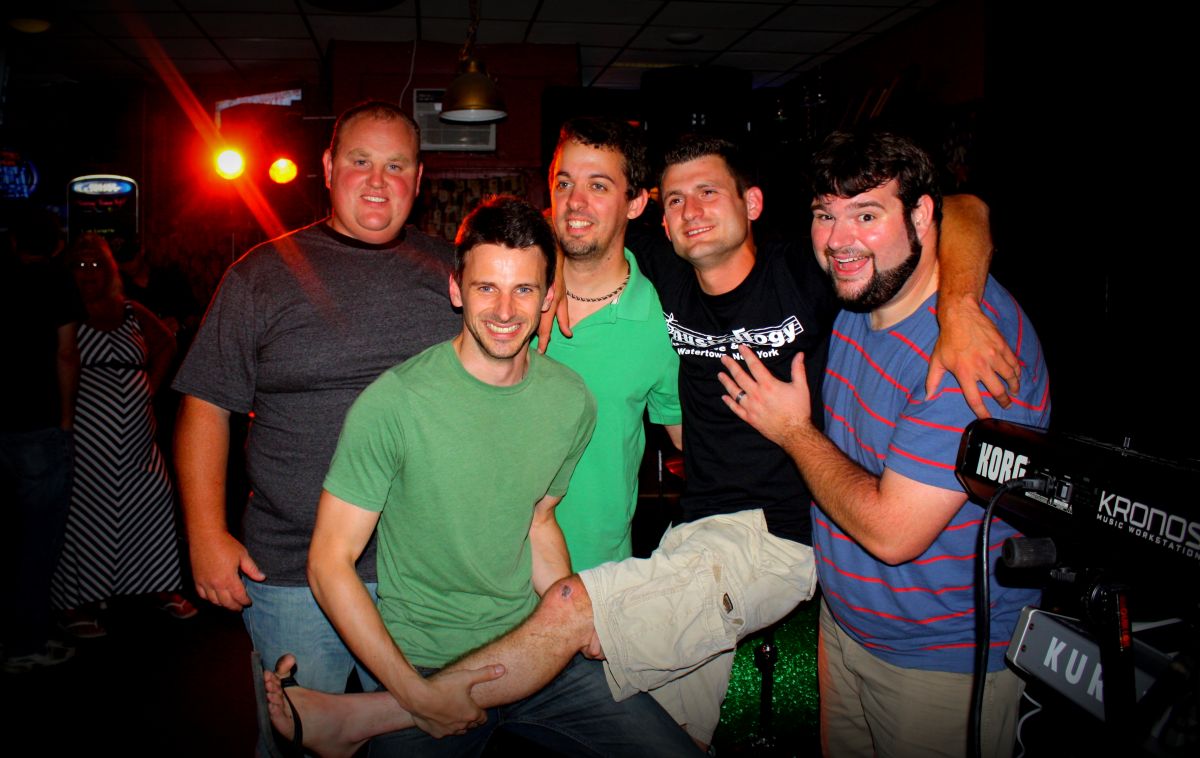
    It is nearly impossible to talk about the music community in Watertown without discussing the fun-loving guys of Wagner’s Agenda. The band started in 2010 and has struggled with various line ups over the years. In 2014, playing more than 160 shows a year, Andrew Willis, Mark Getman Jr, Gino Cappuccetti, and Bobby Perkins, have formed the perfect combination of talent. This foursome is not only incredibly talented but has proved to be a great asset to the community. From performing several benefits every year, including the annual Keith Brabant Music Scholarship Festival, to sparking a change in the music scene by hosting local jam nights and sharing the stage at their own gigs; Wagner’s Agenda are the kind of guys’ fans love to root for. While performing in a wide range of genres the band shows the versatility in their talent. It truly seems there is nothing these guys can not do. They have won the hearts of followers with their talent and showmanship. One is almost guaranteed a good time with Wagner’s Agenda. In the words of keyboard player Gino Cappuccetti, “Having fun is the name of the music game.” As I sat down to talk with them, I learned the fun doesn’t stop on stage.

    Katrina Johnson: How did you guys get started?

    bobby1
    Guitarist, Bobby Perkins.

    Gino Cappuccetti: We started after we lost a buddy, Keith Barabant. I had been playing in a cover band with him. When we lost him my son was almost a year old, we were doing things that didn’t make us money, still playing a lot but it was like we need this cover band. Bobby and I were playing Queen August at the time with two other gentlemen and we decided none of us can sing, so we hired Ian Wagner. After he left I called Mark and Anthony Ubriaco and I said any interest? That was in 2011 and that lineup stayed for a while. So about a year ago when Anthony left we hired Andrew

    Mark Getman:  But that’s it,this is final.

    KJ: So you guys have found the right line up?

    Gino Cappuccetti: Bands are a funny thing. Before I always felt like if I did something wrong I’m going to lose this. I never felt like anything was solidified, with these guys I do. We are all friends, there is communication. I can’t find this anywhere else in Northern NY. I have played with a lot of people and this just feels right. It’s not even about the playing, I can sit and talk to them, but when we play its extra special.

    BobbyPerkins: We are at that point now where we can listen to any song, any style and say I think we can do that somehow. We are just that band that goes for what other bands think is impossible

    Gino Cappuccetti: At this point it isn’t just about the music. We are a live band going out, we have to entertain our age group as well as older generations. The talking, the jokes, the antics, that’s a huge draw for us. You work  all week, you want to get away from it, you come see us. We bring that element.

    KJ: Were you guys friends before or did you meet through the music community?

    Andrew Willis: Gino and Mark knew each other growing up. They jammed together. Gino and I jammed once when we were kids. Like 15 or 16. We didn’t really hit it off. We weren’t necessarily the best of friends.

    Gino Cappuccetti: He was talented; it had nothing to do with that. I was just young.

    Andrew Willis: I met Mark through my fiance. She knew they had this band so I went to see them. It was just this energy that I wasn’t finding in any other band. A year later with some pushing and nudging I was in the band.getbobby5

    Gino Cappuccetti: Bobby and Mark really made the best move. I was apprehensive at first. He was busy. I was like how is this guy going to join the busiest band up here. But it has worked. Bobby started Wagner’s with me with the lineup from Queen August.

    BobbyPerkins: We actually met at a music store. My brother and I were talking about music theory and Gino chimes in, talking our ears off. So he invites us out to see him play, it was the first time I had ever seen him play keyboard, and I thought he was really good. I moved away to Florida and when I came back 2 years later I ran into him. He had me come out and jam again. We started talking and he told me about Queen August.

    KJ: I have noticed you guys play in a lot of different genres. Do you have a favorite?

    Gino Cappuccetti: I don’t think we all agree on one. I like progressive and rock and fusion. But that’s my roots. Bobby’s is metal. I like everything.

    Mark Getman: I appreciate progressive stuff,I’m not as crazy about that. I’m just hard rock. Rock and roll.

    Andrew Willis: Maybe it’s just because I’m a bass player,but I like songs that I have to be present for, I have to pay attention for them. The thing I really like is the nights when we are firing on all cylinders. Even if it’s cheesy music, when we are on one of those streaks where man we just can’t go wrong.

    Gino Cappuccetti: As long as we are getting that energy back from them, it really doesn’t matter what we are doing. You can bring an old song,do it a little differently and people are like aha! Mark Getman: Not much is off limits for us

    gino2.2

    KJ: Do you guys want to take this further or are you happy with where you are now?

    Mark Getman: We do. We are trying to figure out what that is and how it is going to work. For me personally, I’m really curious. I want to get out there and test the waters and see how we stack up to all the other bands in the scene.

    Gino Cappuccetti: We can do this anywhere. It’s not just us going ‘oh yea good job Bobby’. People tell us, you guys have it. I don’t think we are going to Hollywood but I know we can take this farther. This is the pivotal point because I can book everything for next year in the next month.

    Bobby Perkins: Otherwise you get too used to what you are doing.

    Andrew Willis: Even for the sake of keeping things fresh. Playing in a band that played the same set list in the same order night after night that started to get crappy. We had the songs down but we basically turned into a jukebox. So even if we aren’t growing we are always going to be changing and adding things.

    Gino Cappuccetti: Next year we are definitely going to take steps to branching out. There is talent everywhere. I just think it’s this combination. There are better bass players, singers, keyboard players, hell they are up here. But you can get four of the best together and they can’t work together. We have something unique. But those are the risks you take in the music business, all that talent, it’s still a lottery ticket. You have to make sacrifices.

    andrew5.2
    Bass player, Andrew Willis, on drums.

    KJ: One of my favorite things about you guys is almost every show I have been to Mark and Andrew switch places at some point. Was that always the plan?

    mark5.2
    Drummer, Mark Getman.

    Mark Getman: That started when Anthony and Josh were in the band. I like to doodle on the bass. I’m just a frustrated musician, can’t really focus on one thing. I just thought it would be an interesting gimmick.

    Andrew Willis: It makes sense with us at least because we are both rhythm section.

    Mark Getman: There are just some songs the rhythm section is just so simple. It gives me something to look forward to in the night. It gives me a chance to get up interact with the crowd. Its more of a challenge because it’s not my primary instrument. I think people like that novelty

    KJ: Where did you each learn to play?

    Bobby Perkins: A lot of us started in middle school. I picked up the trombone, and then the guitar about 3 years later, so music has always been part of my education.

    Gino Cappuccetti: Mark and I had a really great band teacher in school. She encouraged me to play keyboard. She allowed us to stay after school with no supervision at 16, locked us in the band room and let us practice until 8 or 9 at night. Dawn Burnette was integral in our lives.

    Andrew Willis: My uncle was a bass player, he taught me a couple of things. I was in 6th grade, I saw a kid playing bass in the jazz band and I told my mom I’m going to be in that band. So in 7th grade I joined. It got me in contact with a couple other guitar players. They wanted me to join their cover band. I thought it was cool because they were in high school and I was 11. I told my mom and she was like no. Eventually it worked out, she would come to all the bars so I could play, she had to I was 11. That was almost 20 years ago. When we were kids my mom had this learn piano Suzuki where you would listen to tapes, you have the music in front of you but you don’t know what you are looking at you just know how it sounds, I think that helped with being able to pick things up. We can all do that, I think that’s part of the magic. If someone comes up and pitches a song, ‘hey play this Dave song’, and we are like’ sure we’ve heard it once or twice’. It may not be perfect but it will be close.People who have gone to school and been trained properly I’m sure just look at us like a band of hooligans. But it’s the intangible things. Even if you have a problem with our technique, we can still put on a show and entertain you.

    KJ: Who are your idols?

    Bobby Perkins: As far as guitar is concerned, my Uncle Don. He heard I had an interest in the guitar and had me come down to the studio when he was playing. I just absolutely loved it. So I got a guitar, started learning the basics from him. I have too many influences to name, the list is so long.. Mark is into Rush so he exposed me to more of that kind of music and I started to gravitate towards that. Gino has opened a million doors for me coming from his background.

    Gino Cappuccetti: I always liked music, I played video games as a kid, I always like the tunes in them. Id record them on a cassette tape so I could listen to that. I knew songs on the radio but it didn’t touch me. When you are a kid that’s what gets you. After that it was the band Genesis. I didn’t know a keyboard could make all these other sounds. I thought every weird sound on there was an instrument, it’s the keyboard. So I told my mom, I want a keyboard. From there it took off. Rick Wade and Keith Emerson are keyboard guys that influenced me. Steve Vibe was huge in my life, he was a guitar player. When I saw him, I was like I want to be able to command an audience like that. He’s just got something, that gimmick, that show, that presence, you need that. I don’t care if you are playing classical, if that’s the way you get rid of that energy there’s no rules.mark3.4

    Mark Getman: My mother always had rock music on so I grew up singing along to anything that would be considered classic rock now. The thing that made me want to play drums was Nirvana. They left their mark. The thing that I was drawn to was watching the “Smells like Teen Spirit’ video, there is a bunch of slow motion shots of Dave Grohl playing the drums, symbols going everywhere, hair is flying, and I was like man I want to play the drums. As I got older I moved on from Nirvana, and then I followed Dave Grohl into Foo Fighters, where he became front man. Dave Grohl is definitely a part of how I approach performing in front of people. He just gives his all, gets people pumped up, whether he’s playing on the drums or being front man. Once I got into college I got into this Rush obsession. I discovered a DVD of theirs and I was just blown away by their musicianship. They are awesome rock musicians. Geddy Lee is a big influence on how I like to sing, I have a higher voice I kind of emulate that in a lot of ways. I’m influenced by a lot of people. I like to think most anybody has something to offer.

    Andrew Willis: My mom and dad played together. My dad wanted to be Jon Lennon, he had the white suit. My mom was awesome on the piano. So the only thing left in the house to form a trio was this bass. So I’m sitting their playing notes that don’t make ne sense, and my mom tells my dad just show him something. So he did. He started getting me into Jethro Tull and Frank Zappa. Tull in some of their early recordings the bass line pushed a lot of those songs. That’s where I started digging into bands that had bass players. Thin Lizzy, Red hot Chili peppers;Flea is a nutcase, if I could just tap into half of his energy. I started idolizing Jaco Pastrius for a while, a lot of these jazz greats who aren’t necessarily playing bass as much as they are playing another lead instrument. I cant play bass like a guitar.andrew1

    Gino Cappuccetti: You could, I’ve seen you do solos. Most of the bass players up here are scared of him but he won’t tell u that, he doesn’t even think that. He is very accomplished. The guy is singing and playing like it’s no big deal, its hard to do.

    Andrew Willis: I’ve never been comfortable playing in front of people. I feel like I’m doing something very personal.  Its kind of selfish thing, I’m playing for me all the time, I’m like oh I like what I just did.

    Mark Getman: I think Andrew being the way he is a nice counterpart to Gino and I.

    Gino Cappuccetti: Andrew and I are probably the most different. Mark and I are alike when it comes to the business aspect. But when it comes to being an authoritarian, its Andrew.

    KJ: So he is kind of like the dad of the group?

    Gino Cappuccetti: More like the grandpa. We can get a little crazy, sometimes Andrew is like…a little too much. And he keeps things organized; he likes things to be in place. Mark doesn’t care. Bobby is right in the middle of it all. There are different personalities but the sense of humor is universal. We make each other laugh. But when Andrew first came along he didn’t assert himself. And it upset me. He kept saying it’s your band. It’s not. I just talk more than everybody else and make more phone calls. I can’t do this by myself.

    Mark Getman: Andrew is such a kind, giving soul, so when he came in he was worried about stepping on peoples toes. But I’d like to think of us as a team. Everyone has their rolls, some more than others.

    KJ: What do you want people to know about Wagner’s Agenda?

    Gino Cappuccetti: One thing that has been said about us is that we have more guests than anybody in this area. Every night we have at least 5 people come in from other bands playing with us. We are very good at sharing the stage. We like to give back. We try to help our community because they pay our bills. We are very much into our music scene, it’s not like a competition.

    Andrew Willis: We are trying to build things up instead of tearing them down. band1

    Check out Wagner’s Agenda on Facebook!

  • Interview: Kthien of Erimha sits down with UL

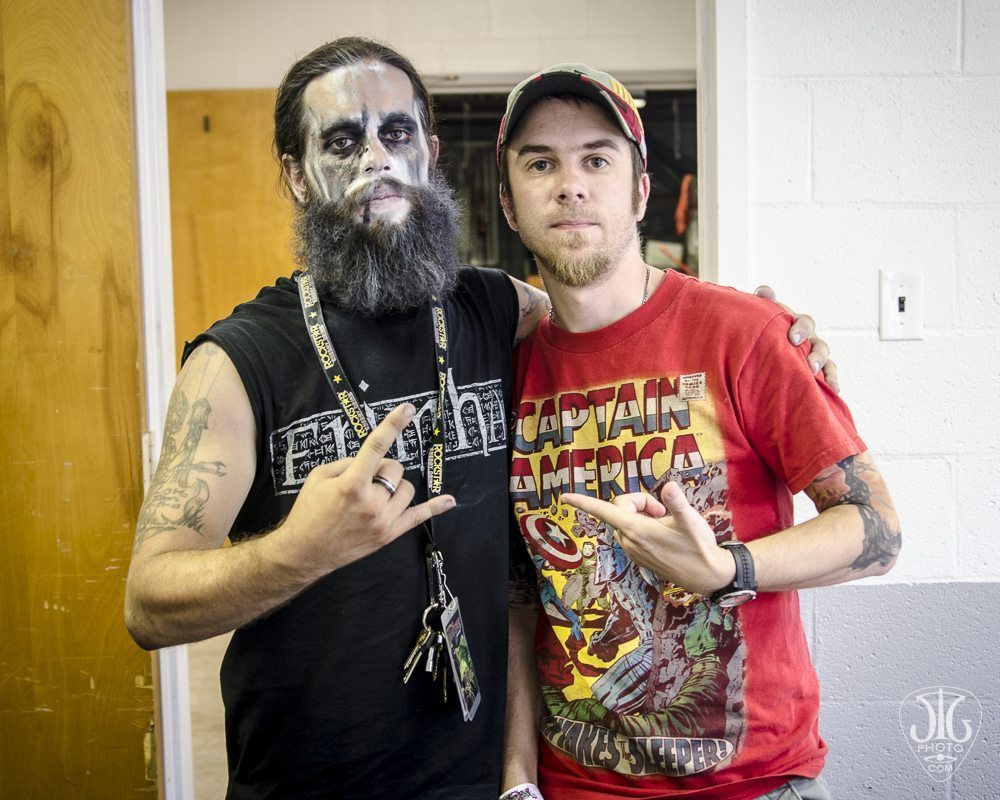
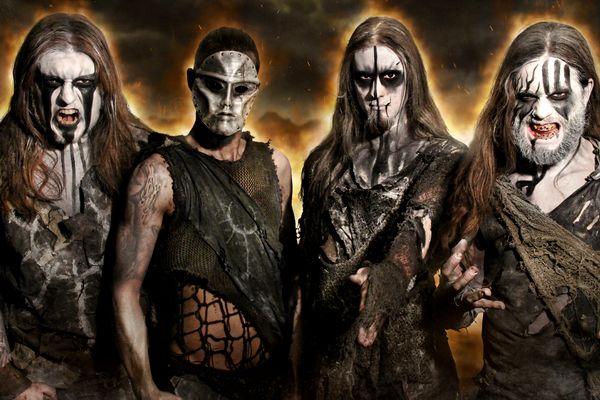
    With a band name derived from the Sumerian language, you know you are in for a treat before you even hear them.  Erimha, or ‘army’ or ‘legion’ in Sumerian culture, has set a course to bring their haunting, melodic metal to the world.  Starting from humble beginnings in Montreal in 2010, they quickly coalesced into a powerful sound and wrote and recorded their first full length, “Irkalla” by the end of that year.  By 2013, their hard work and dedication put them in the sights of Victory Records, and they released their debut Reign Through Immortality in July 2013.  In 2014, they were granted the opening slot on the Rockstar Energy Drink Mayhem Festival, among some of the best metal bands touring today. Jim and I were lucky enough to sit down with Kthien, the rhythm guitarist, when they came to the Saratoga Performing Arts Center with the festival.  Still wearing the remnants of corpse paint from their set earlier, he had a lot to say on what it means to be a hard-working, up and coming band.

    20140723-REDMF-33
    Erimha’s Kthien and ‘s Jeff Ayers back stage at Rockstar Energy Drink’s Mayhem Festival. Photo by Jim ‘JT’ Gilbert

    Jim Gilbert: So you guys were on first today at the festival, how did that feel?

    Kthien: Good! I mean, we understand our position in the lineup.  It does suck sometimes, to have fans say they were stuck in line, [trying] to catch our set, but we always have a good crowd everyday.  We just go out there, and do what we would do if there was five hundred people or if there was only five.

    JG: You guys are the only black metal band on the festival. How is the vibe between bands?  A lot of bands must be fans of black metal, right?

    Kthien: Yeah, yeah.  It’s a little weird, we have gotten attention from a couple of bands, being the openers on this fest.  I think even fans too, people who have never seen this kind of music, they are coming up to us and saying, ‘Listen, you have opened up a whole different style to us that we can actually appreciate from here on in.  Because, [black metal] still stays in the underground, and I’m surprised still to this day that, and maybe it’s because our name isn’t out there enough yet, but I’m surprised that we haven’t been hated on by the whole black metal community.  We don’t really consider ourselves to be black metal.

    Jeff Ayers: What do you consider yourself then?

    Kthien: Just extreme metal.  I mean we just stick it to that.  We do have black metal influences, we have death metal influences…

    JG:  Who are some of your black metal influences?

    Kthien: I would say it’s mostly a lot of the other guys in the band. There is a lot of Dissection, Dimmu Borgir, Watain, older Behemoth, and it could go all the way down to At The Gates.  We are all different guys from different kinds of music.  I am a lot more Led Zeppelin, old rock and roll, so I bring that touch a little more rock to the band.  As much as we hate labels, we understand that we have to put one on the band.  But in the future, it is never going to stop us from doing anything [in music].

    JG: I get disgusted by genres because there are so many of them.

    Kthien:  Yea I agree.  Someone asked us early on when we got on this tour what our take was on the lineup.  I said that what I like about this festival is that it is all about metal.  Who cares what style you play.  All the bands talk behind stage, and no one cares if you play a bit more one way or the other, it’s all for the same reason.  I think it’s cool to have a festival like this.

    JG: I think that there is some much talent in black metal, and how musically gifted your style of music can be.  People are not as aware of that, I believe.

    Kthien: Thank you.  Death metal is the sound and the aggressive part.  What we consider a lot of what black metal is, you know in this band, is the ambience, and the lifestyle.   I think that is where we bring in the black metal part to Erimha.  Just how we live our everyday lives.  How you decide to see things, how you decide to spend your time.  None of us at home have TV’s, none of us really use social media, other than band related.

    JG: Let’s talk about the metal scene in Montreal.

    Kthien:  Sure.  I mean it’s really good.  What’s weird is that we were lucky enough to want to start a band, get into a van and get out of there.  As much as I think it’s scene is one of the best in Canada, and I would even put it up against a whole big part of North America as well, but at the same time, when you are an underground band and you are trying to play shows, and there is five underground shows in some very decent venues, you have to choose which gig you want to go to.  You still end up playing to decent crowds, but when there are so many shows happening almost every night, you have to figure out a way to stand out.  We had an issue in the beginning trying to land shows in Montreal.  We are actually from fifty minutes south of the city, in Valleyfield, which is a small island off of Montreal.  So we told ourselves, let’s just get in the van and get out and play shows.  So we started playing shows in Ontario.  We were accepted very well there and it was probably where we landed our first major shows.  From there, we just decided, lets stay out of Montreal as much as we can and keep on the road and keep playing.

    erimha
    Erimha, Montreal Extreme Metal band, photo provided.

    JA:  Being in a big festival like this, big bands, corporate sponsors, publicists, how has that felt?  Do they give the opening band a fair shake?

    Kthien: What surprised me the most, coming into this festival, was that within the first day, I didn’t feel any different from say Cannibal Corpse, or anyone else.  The whole team has been treating us so great.  You know, playing a festival like this, you are asking yourself, ‘Will I be waiting in line, and some guy in Korn or whatever is gonna push you behind the line.’  But no, everyone has been treated the exact same way, and we are going to work so hard to get back onto this festival in the future.

    JA:  I am always interested in instrumentation, and I noticed when you started that you were a double guitar band with no bass.  Was that a decision made from the get go, or one made out of circumstance?

    Kthien: It really was just that way when we started.  We had issues with bass players, and we decided to go out and play the first shows no matter what.  Now, we have been a full lineup for over a year.  We also have the guitarist who sessions with Vital Remains, Aaron Homma on this tour with us and we see what the future holds.  For now, all the compositions we try to stick to the main guys no matter what.  I’m guessing that might be an issue for, I don’t know how long, because we are extremely strict on what we want in this band.  All of the main guys, we do not do anything else other than this.  We are not living like gods or anything, and that was something we decided early on.  Erimha and nothing else.  It’s hard to find other guys who want to make that sacrifice.

    JG: If this is the only thing you guys are all doing, how many days a year are you playing?

    Kthien:  We should have another tour lined up after this one, for October/November, and that will have us hit the 100-120 mark.  That gives you a good idea on how we are living our lives outside of playing shows.  Right now we are seven dudes touring in a van, no a/c.  You sleep where you can.  Usually we try to show up to venues early and I try to sleep either on top of the van or outside on a mattress on the sidewalk.  Which has actually given us a good reputation with other bands.  You have to start somewhere.  To us, deciding to live our lives a certain way off the road, makes it easier to live on the road.  You are doing a hundred percent of what you want to do.

    JA:  It’s definitely tough to be a touring band.

    Kthien:  Yea, but it’s awesome, too.  It’s crazy.  We joke around with some of the other bands, because some of them are complaining about problems with their tour buses or stuff like that, and then when you start talking about how you are touring and they are like ‘Holy Shit! You guys are doing this?”  We don’t see it as anything, it’s just part of the whole process.  The smartest decision to make in a band, it to get out there and tour in a van.

    JA:  You said you have seven with you right now.  Are you touring with a roadie?

    Kthien:  Yea we have a merch guy.  We call him Ace Boogie.  He is the kind of guy you want on your team.  I think they have it even more rough than us, because they are sacrificing just as much as us, but they don’t get to shake all the hands and meet the crowds.  They are the guys in the corner actually taking a lot of weight off our shoulders, and I have a ton of respect for that. We had a tour manager too, but he had to leave us because he was under contract for some big productions in Quebec.  But he decided to help us out for the first run of this tour.  He helped take care of everything and making sure we headed out to merch after we played.  Now we are just continuing to do what we do, working as a small team,  and that’s our job.

    JA:  What do you have planned for after Mayhem?

    Kthien:  We are finalizing a tour for October through November, with two major headliners with full US/North American dates.  We are really pumped to be on that because one of the bands have not played in some time.

    JG:  So could we speculate on who that might be?

    Kthien:  Even if you did, I couldn’t say who it is.  But we are really pumped, really excited for this.  We are trying to be out on the road as much as we can, and we have an awesome label who works their ass off.  Seems like the whole ‘agent’ part of booking, I don’t know what you have to prove to these guys to make sure you are on the road, but that is what we are trying to do everyday.  Whoever picks us up eventually will be a happy guy, and we will hopefully stay with them a long time.

    JA:  How is it being on Victory Records?

    Kthien:  One thing I like about this label is they have a lot of balls.  You need to understand the industry is changing, you need to be on the road to make your name,  and I think they realize that we have a certain market, and we need to step into this extreme market which has been exploding the last few years.  All I have to say about the management at Victory is good stuff.  When you sit down and talk to the team and see how many hours they put in, this is why we are with them.  They are ready to put in as many hours as we are.  If you go out and look at the promotion that is being done [on our behalf] the work speaks for itself.

    JA:  Again, thank you for taking the time to talk to us.

    Kthien:  Honestly, we appreciate you guys talking to us.  I mean, I hold a lot back in interviews sometimes.  But one thing I always say is that if in twenty years I am still sitting around being as friendly as we have been, then I believe I made it in music.  I mean, we are talking to the guys from Cannibal Corpse, and they are giving us high fives back stage, and I have a lot of respect for that.  Kids that are starting out, just picking up guitars or whatnot, look at us.  We are just a few guys from a small area in Quebec and in four years here we are.  Nothing is impossible, so keep it up.

    JA:  You do have the best outlook on this business: hard work.

    Kthien:  There are a lot of sacrifices, man.  People that work 9 to 5 ‘s, and do four hours of traffic a day are sacrificing too.  But we are lucky enough to do something that we have dreamt about.

    http://www.victoryrecords.com/erimha

  • Interview: Justin Rice opens up about Bishop Allen’s new album ‘Lights Out’

    The streets you know come to define you, especially if you’re Justin Rice and Christian Rudder, who lived in a house on Bishop Allen Dr. The two met in an English class during their sophomore year at Harvard, and have come a long way from making music in their dorms. In 2008, they were featured in the generational cult movie Nick and Norah’s Infinite Playlist which amassed them a sizable fan-base, but surprisingly enough, the band went on a hiatus after releasing their third studio album Grrr…, leaving fans to wonder if they’ll ever hear from them again. Five years later, Bishop Allen is finally back with a new “sad party record.”

    justin riceWhen I spoke with Justin over the phone (after staying up the night before trying to remember the password to my YouTube account so I could take down my graduation montage set to “Click, Click, Click, Click“), he was humble, honest, and witty. I got the scoop on Lights Out and moving to Kingston (where “Start Again” was shot). We also talked about collecting vinyl and the return of the cassette.
    Gauraa Shekhar: You guys have definitely moved around a lot. Starting in Cambridge, where you guys went to college, then Brooklyn, followed by the big move Upstate to Kingston in 2009. Would you say that each city you’ve lived in has influenced your sound?

    Justin Rice: In addition to those places, we’ve also lived in Virginia and Austin. In each environment, there were different interactions with people and different ways musicians interacted with each other. In New York City, there were a million bands and it was an environment where everyone was just really competitive. As a band, you’re always trying to figure out how to be as good as you can be in order to stand out from all the other bands around. Whereas in Kingston, it’s a very cooperative environment and it’s easy to collaborate with people. I think those different relationships affect the way that you sound.

    GS: I know in Syracuse, besides the random assortment of touring artists (ranging from EDM to jam bands to Aaron Carter), there’s quite a local scene. What is the music scene like in Kingston?

    JR: There’s a place here called BSP—I don’t know how long it’s been open—we’ve lived in Kingston for maybe four years now and in the past year and a half to two years it’s grown into a really vibrant hub for local music here. Not only is it great for local bands, but it has also turned into a real stop for a lot of touring bands so there are good shows every night. It just always seems like a community supported space and a very engaged and active group of people show up to a lot of shows. It’s almost like a normal social event as opposed to in the City where there’s so much stuff going on that you’d only go to a show if you were really interested. In Kingston, people are more open and supportive of the space and bands that are playing here.

    GS: Eight years ago, Bishop Allen recorded and released an EP every month for a year. You did the same thing with The Last Names—where you and your wife Darbie released one cover a week for a year. Would you say designating yourself a time frame is more effective when it comes to the creative process rather than sitting around waiting for a muse?

    JR: Yes. For me, having a structure and a set of goals is definitely an effective way to write and record songs. When moments of inspiration come to you, you have to make sure to grab a bunch of them. You have to grab on to a song idea, a lyric idea, a melodic idea and somehow make a record of it whenever the “muse” speaks to you, but to actually take some sort of fleeting inspiration and turn into a finished product is a matter of sitting down with whatever thought you had and seeing it through. A good way is to sit down every day and work with the material that you have and grow it into a finished product. It’s nice because when you’re working on a daily basis, you’re basically taking the whole giant process of creating a record and turning it into a series of tiny, tiny decisions — it’s a lot easier to deal with than giant overall decisions.

    GS: Were you working on Bishop Allen material simultaneously along with the Last Names and other projects?

    JR: No, not really, which is part of why it took so long to put out this record. For me, it’s really hard to do two things at once. So it’s always like—focus on one thing and put it down, then focus on the next thing, then put it down.

    GS: Rumor has it that Bishop Allen finished recording Lights Out last December. What led you guys to wait almost a year before releasing it?

    JR: We finished recording it last September, and we finished mixing it around January and then we turned it into the label and they chose this release date for us. They have to schedule our release date—they have a lot of other releases that they’re dealing with and they don’t want to put them all out on once—there’s almost like a queue that you wait until it’s your turn. They already had releases scheduled all the way up until August basically on the day that we turned the record in.

    GS: You guys originally started out without a label and/or publicist. What made you change your mind about the DIY aesthetic?

    JR: I feel like we still do a lot ourselves—we’re very engaged in every single part of the process—from recording the music, mixing the music, releasing the music, making videos, all of the stuff—we’re still very hands on. That said, when we first started out, we didn’t have a choice. It’s not like you wake up one day and start a band and automatically get all of the support that you want—you have to earn it—go and tour and make people want to work with you. We worked on our own for so long that we found a way of doing it that we were really happy with—we weren’t actively seeking labels, but at some point in the middle of the EP project in 2006 that you mentioned, people started coming to us. We’d meet with most of them and we could tell that the relationship wouldn’t be perfect, and since we’re happy doing it on our own, we were planning to stay that way. Eventually the label that we did sign with, Dead Oceans, approached us, and the impression they made was different from any other label made—they were very forthright, very clear, had a good vision, and seemed to proceed from a simple common sense point of view, so it seemed like they would be good people to work with specifically. The reason why we signed with them was because they seem to be doing things right. Dead Oceans is a part of the whole group of labels—Dead Oceans, Secretly Canadian, and Jag Jaguwar—they’re doing great—they’re putting out great records and getting them out in a way that artists couldn’t do themselves. Finding a good relationship and knowing that the people you’re working with can help you exceed beyond what you’re doing on your own.

    GS: Is there any other band on the label you can say you’re particularly a fan of?

    JR: The last record that just came out on Dead Oceans—it just came out last Tuesday—Strand of Oaks—that record is amazing!

    GS: Would you say the recording process is more laid back in Kingston than it is in Brooklyn?

    JR: A lot of times, we’re just tinkering in the recording studio and whether that studio is in Kingston or in Brooklyn, it doesn’t really matter because it’s not like we’re booking studio time and hearing the pressure of a ticking clock. That being said, life up here in general is a little easier, so it does spill over into the recording process. For instance, when we’re in the middle of recording, and trying a bunch of stuff on computers, preamps and microphones, the process is kind of the same in both places. But when we take a break from that process here in Kingston, we stroll outside and we’re in the woods, and it’s more peaceful and much more relaxed.

    GS: As former math majors, do you guys have a tendency to look at your music from a very technical standpoint—like focusing on cadences and all?

    JR: Well, I was not the math major—Chris Rudder was; To me, though, there is a lot of mathematics in music—and a lot of songs on this record, for instance, have a lot of synthesizers on them—and synthesizers are all based on frequency modulations and sound wave forms. There’s a physics to taking two oscillating sine waves and running them through the parameters to make a sound wave that has the shape that you want. Definitely in learning how to use those synthesizers, there was an understanding of the physics of the sound—that’s very helpful in terms of being able to craft the actual sound.

    GS: Lights Out has a very cool packaging—it’s a thoughtful collectible without being overpriced and gimmicky. The deluxe bundle pack comes with the CD, a white vinyl and a glow in the dark custom print poster (which definitely highlights the theme)—all under $23. What made you choose this layout rather than, say, pressing the album on vinyl mixed with blood and tying it together with custom art prints, like a lot of artists are doing these days?

    JR: I feel like at this point there are a lot more people who are interested in vinyl as an artifact—as something that you can collect, and I think that the urge to collect is a little more pragmatic than it used to be—the idea of making something that’s really expensive appeals to a very, very small segment of people who can afford the luxury of buying it—it’s an approach that I understand. But we wanted to make a collectible item that’s really just accessible to everyone—that feels special and limited but what makes it limited is not necessarily the price point—it’s an easy collectible that you can reach and doesn’t feel insane. Part of that is, I think, that we want to make cool things that you can enjoy—like a cool poster on your wall? Great. But I just don’t feel precious about it—it’s not something that should be put in a museum.

    GS: I know you’re vinyl collector yourself. What are a few of your most prized records?

    JR: I would say, “Wanna Buy A Bridge?” which is a compilation of early Rough Trade singles. “No New York”, which I have on vinyl, which is the Brian Eno produced compilation of early no wave dance in New York. A lot of the records I have, I listen to them, love them, but I don’t set aside the most expensive, rarest records. I love Astrud Gilberto, but there are not that many records that she put out, but those are like the records I listen to all the time; or like every Bob Dylan record, but I don’t necessarily own the most premium, first edition unless I accidentally stumble on them. I collect records to listen to more than anything else. That said, those two records that I mentioned initially are pretty hard to find. They’re really, really good.

    GS: A lot of the newer indie bands are now coming out with eight-track cassettes—what are your thoughts on that? Do you think cassettes are going to make a comeback too and hit—dare I say—the shelves of all the Urban Outfitter/Hot Topic stores?

    JR: (Laughs) I doubt it. The thing about it is that an eight-track player is a hard thing to find. I think before they actually make a comeback, there has to be someone who decides to manufacture eight-track players. But it’s kind of the chicken-and-egg thing—I think that there are definitely downsides to the eight-track format that prevent it from lasting—I think it’s an outdated technology. Any tape format wears out faster than vinyl—you listen to it too many times and you’re degrading it till it eventually stretches out and it won’t last generations. Secondly, with an eight-track, there is a problem when it plays—you can’t fast forward. So if you have your favorite song on an eight-track on one side and you want to listen to it, you have to flip the tape and listen to the other side an equal amount so it rewinds the tape back, and then you can hear your favorite song again. It’s practically because you can’t choose your entry point—you’re forced to listen to it from A to B without having much control over basically where you drop the needle or where you skip to track-wise. It’s a really difficult format to actually listen to.

    GS: Hey, as long as it looks good on your shelf, right?

    JR: (Laughs) Hey, definitely, it’s cool. I’m not opposed to eight-tracks, I just don’t really see them coming back.

    GS: A lot of the indie bands today have signed hefty sync deals with publishing companies. Would you guys consider trusting a company to place your songs in other media?

    JR: I doubt it. I guess it would depend on the company and what offer it was, but it would really depend on the company as it’s hard to imagine giving away the rights of something that you create. It’s hard for me to picture that as a good idea. Historically, it’s been a bad idea for a lot of people. In the music industry, a lot of corporates took advantage of artists who didn’t understand that they were signing away their rights to songs and they turned those into giant mega corporations and left the actual creator. I mean, I obviously wouldn’t sign a deal like that but that is sort of the idea—you’re taking something that you’re creating and selling it to someone without ever knowing what the value of it might end up being. On an economic level, it might make more sense, but on a spiritual level, it doesn’t feel great to know that you no longer are in possession of the actual publishing of this thing you wrote and someone who doesn’t even write music is.

    GS: “Click, Click, Click, Click” has been featured in a lot of movies. Did you have a say in all of that?

    JR: Yeah! There is a company that handles licensing for us—Bank Robber Music—they handle licensing for thirty labels—hundreds and hundreds of bands. They try to pitch songs for placement in movies where they think they’ll be appropriate, but they’re always working with the artist they’re representing so they’ll check in and say, “hey, this TV show is interested in licensing your song—would you want to do it?”. It’s always done very knowingly with both sides being very, very clear about what it is that is going on.

    GS: You’ve actually licensed that song for a Sony ad before. If you could pick an ad to have your new songs featured in, what would it be for?

    JR: I feel like a lot of the times when you’re licensing your song for a commercial, it does lessen the value of your song. You usually do it out of necessity—it’s more about the money than the exposure. It’s a way to keep making what you make—also, most of the songs that I write, for instance, I don’t think they need to be protected—they’re not some sort of treasure that you hoard or put a moat around to make sure that you never diminish their value by licensing them to some corporation. But at the same time, I don’t know that there’s an ideal ad. There are terrible ads and then there are ads that are okay. The two places that I’ve seen have a cooler take on music and use it in ways that seem interesting and seem to actually appeal to me for instance are Volkswagen ads and Apple ads. They seem pretty smart about what they use and how they use it—but even then, it’s not that different.

    GS: Yeah, the other day I just saw Elliott Smith being used in a diaper commercial and I was cringing as I was watching it.

    JR: Anytime I feel like, “I can’t believe they’re using Elliott Smith to market diapers”, it’s also like, I’m the person in front of this TV being marketed to by this diaper commercial. It feels bad, but that’s part of the point, I guess.

    GS: The release party for the new album will be held at Brooklyn venue Glasslands on August 21st. Any specific reason you guys chose to kick off with a 21+ show?

    JR: No, we just wanted a venue we were happy with in New York City and I feel like 21+ in New York City is a different animal than 21+ in a lot of places because, honestly, if you want to get into the show, you can get in no matter what the age is.

    GS: Actually, Glasslands happens to be one of the strictest venues in Brooklyn where age policy is concerned. They’ve been hosting a lot more 18+ shows this year, though.

    JR: I wasn’t aware of that! Definitely, I’d like for all of our shows to not be 21+, and whenever possible, we try to make that happen but sometimes by mistake, or because of the lack of suitable options, we have to go with a 21+ show. I didn’t realize that 18+ shows were an option. Maybe I can look into it and see if we can get that changed. Thanks for letting me know!

    GS: What can we tell our readers to look forward to in the upcoming album?

    JR: I think the new record is kind of a little different from anything we’ve done before. This record was done altogether at once, so I think it’s rather coherent. Mood-wise, I think there’s a certain sadness to a lot of it, but it’s sort of a party record—it’s a sad party record.

    GS: A sad party record?

    JR: Yeah, in a good way. That sounds weird, but what I mean is that a lot of it is pretty upbeat and dance-y and it’s fun, but it acknowledges a certain sadness at its core. It’s a melancholic dace record I guess. Definitely, there are some different sounds—some synths that we had never explored before and I think that it’s kind of hard for me to pinpoint.

    Lights Out will be out August 19th on Dead Oceans. Pre-order it here.

  • America’s Got Talent Breakout Star Robert Channing Awes & Amazes Central New Yorkers

    What do 45,000 runners, Howard Stern, and Jimmy Fallon all have in common?  They were all blown away by the amazing talent of Robert Channing, spell binding mentalist and artist from New Hartford, NY.  Most recently seen on this season’s America’s Got Talent, Robert Channing wowed the judges and audience collecting four straight “Yeses” to move on into the next round on the NBC summer hit show.

    As Utica prepared for the 2014 Boilermaker Road Race, a worldwide event with runners from all continents, it only seemed fitting to have a worldwide star like Channing take the stage at the beautiful and grand Stanley Theater in Utica the night before to send off positive vibes for all those racing the following day.

    As Channing began his performance, he immediately won the audience over with his charismatic presence and quick wit.  His unique talents, albeit different, demonstrated both Robert’s creative mind and talents splendidly. After being blindfolded by two complete strangers, Robert showed off his inept intuitive ability to identify articles, individuals, and facts, stupefying the audience more and more as the show progressed. This mental capacity to call out things that nobody could possibly know is an amazing gift.

    Robert Channing - Mentalist/Speed Painter
    Robert Channing – Mentalist/Speed Painter

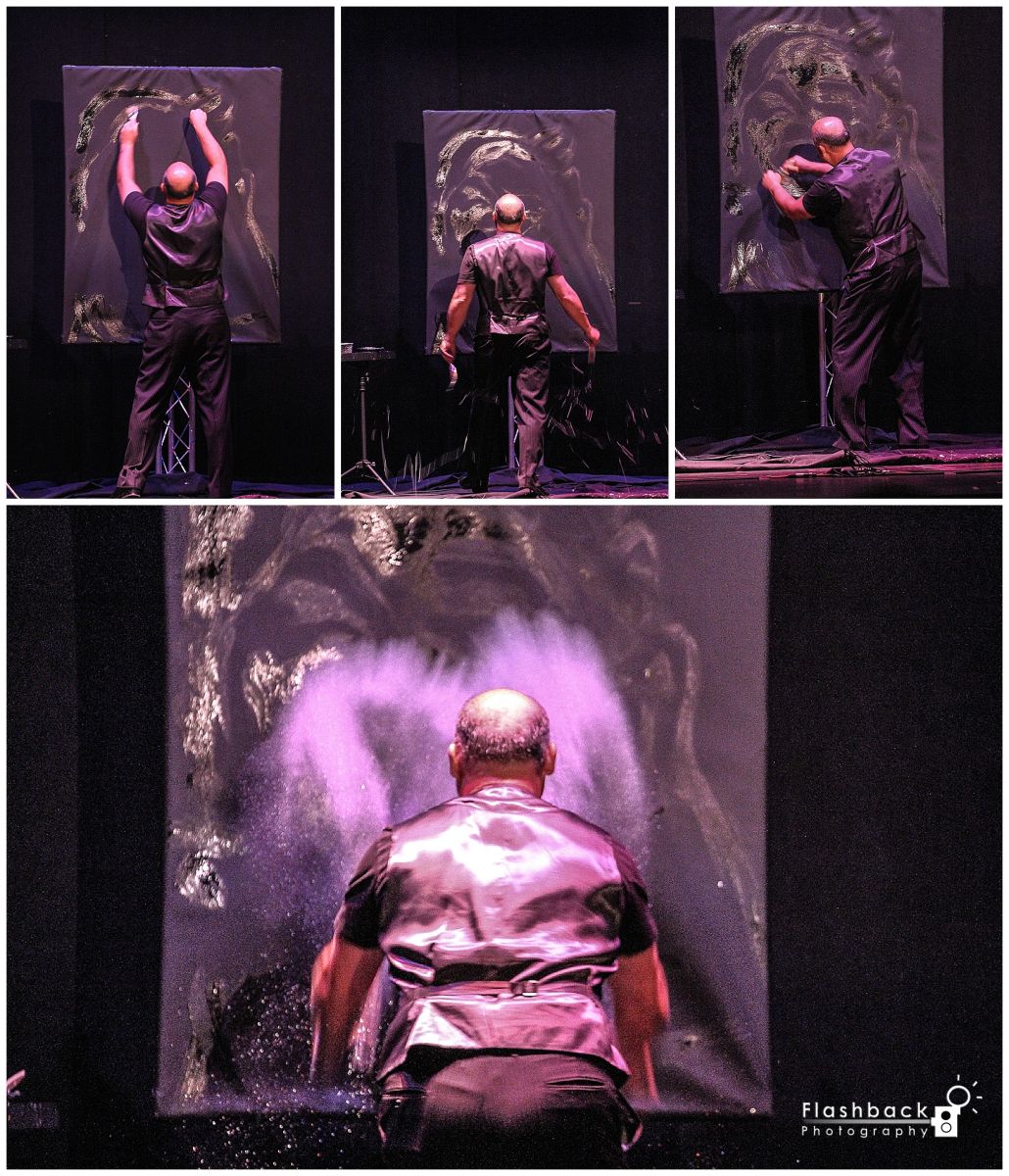
    As Channing wrapped up his show, the last two minutes were the most impressive.  To paint a painting is a talent not many of us can achieve, and if a time limit was added to that task, the result would most likely resemble a round of drawing during a game of Pictionary for most of us.  This was not the case for Channing as he painted and danced in a performance, captivating the audience and leaving them on the edge of their seat to see who the subject of this artwork would become. Literally within two minutes, Robert completed his painting, and in cloud of glittery dust, a still life of the iconic Marilyn Monroe came to life on the stage.

    Channing’s works of art have become highly collectable pieces, being sought after with prices upwards of $100,000.  As the artist performed for Heidi Klum, Mel B., Howie Mandel, and Howard Stern on AGT, the artwork came to life, and Howard, who is never at a loss for words, was stunned by this amazing creation,while the other judges were left in jealous awe of what they had just witnessed.

    Robert Channing - Mentalist/Speed Painter
    Robert Channing – Mentalist/Speed Painter

    I had the opportunity to interview Robert and found him to be the most interesting individual.

    Kathy Stockbridge (KS) – How long have you been sharing your mental abilities with audiences? When did you discover this gift?

    Robert Channing (RC) – Since I was five years old, I have been messing with not only my mind skills, but other people’s thoughts.  It’s 35% Extra Sensory Perception, 35% Showmanship, and the rest is dumb luck.

    KS:  What is your most memorable mental performance?

    RC:  Performing in Monaco for Billionaire Alex and Carrie Vik and their lovely family for a private event at his home on the ocean. My family and I were flown first class and performed two private shows for the Vik’s and their clients. Amazing Place!

    KS:  Have you found this gift to be one that you can use in everyday life to help others?

    RC: The gift that was given to me and helps me put smiles on people’s faces and provides me the ability to help people in need. So far, over the last five years, I have helped raise over $150 million for a charity called “Hunger to Hope” with YUM Brands! as a sponsor alongside President Bill Clinton, Maria Carey, and Christina Aguilera. Yum Brands! It is the largest food organization in the world.

    KS: What are some drawbacks being able to read others thoughts?

    RC:  My reading of minds is just that..a show. A show of what you can do if you just tap into your own mind’s ability. Scientists believe we only use a fraction of our minds in a lifetime.

    KS: How did you begin painting?

    RC:  In 1988-1989 I performed with a gentleman named Denny Dent who did a speed painting show called “Two Fisted Art Attack”, and his performance and energy along with his ability to inspire people motivated me to study him and this performance art form. I’ve had this doormat for a few years and decided after some trials and tribulations in my life to express myself with painting, creating extraordinary pieces of art for clients, celebrities, family, and friends.

    KS: How did this speed painting using glitter come to be? And how did you know it should be part of your performance?

    RC:  It was something that I created with my daughter as an art project, and one that I was inspired to perform on stage by the reactions of my test audiences who first fell in love with my glitter paintings.

    KS:  As a contestant on AGT, how did it feel to completely surprise the unsurprisable Howard Stern?

    RC:  Being on America’s Got Talent, it was an exhilarating experience that will never be forgotten.  To have Howard, Heidi Klum, Mel B., Howie Mandel, and Nick Cannon give me over a 2 1/2 minute standing ovation along with the packed audience of over 5,000 people at Madison Square Gardens in NYC, and to have Howard Stern join me on stage to sign and ask to own my painting, was like a beautiful dream that I could only imagine.  That it came true is amazing to me!

    For those of you who have yet to see Robert live, your chance is right around the corner.  He will be returning to The Stanley Center for the Arts once again, November 15, 2014.  Tickets will go on sale this Friday, July 18 at noon.  Patrons can get them online at www.mvcc.edu/tickets and www.thestanley.org, by phone at (315) 724.4000, or by visiting the Stanley Box Office. A portion of the proceeds will benefit the BELIEVE 271 FUND, which provides awareness, educational programming, and financial assistance to volunteer firefighters, EMTs, and Ladies Auxiliary members in Oneida and Herkimer Counties who suffer from a life threatening illnesses.  Don’t miss your chance to see the phenomenal Robert Channing and his amazing works of art come to life this fall at The Stanley Center for the Arts.

    When asked to provide a quote for the readers, Robert left me with this thought that absolutely encompasses his performance and the man behind the spotlight:

    “Do not go where the path may lead…instead go where there is no path….and leave a trail”  Unknown author

  • An Interview with Dani Moz

    At Los Angeles International Airport, blurry-eyed travelers stand upon moving walkways with luggage in tow as they head out from the solace among the clouds to the bustle on the ground. The average person walks about 3mph. A weary cosmopolitan standing atop this massive conveyor belt like a bag of produce moves twice as quickly, while seemingly standing still.

    On a lazy Sunday, Dani Moz stands outside her childhood home in Delmar as, she too, continues to move while seemingly standing still. Handmade signs throughout the neighborhood advertise a garage sale. Her garage sale. A blue Chris Drury Rangers jersey hangs upon a rack with a $50 price tag spinning in the breeze. The hockey team out of New York just lost the Stanley Cup Finals the previous night to her hometown Los Angeles Kings. There it hangs, along with three racks of clothes, a number of different books and DVDs, CDs and sheet music – relics of her life as Danielle Mozeleski.

    dani mozAtop a table outside her parent’s garage stands a box and several promotional headshots at the ready for the now-(former) television phenomenon to sign autographs. What she raises from the sale will help fund the album to which she’ll proceed to record on the West Coast in a few days. What she doesn’t sell today will go to charity.

    The pedestrian looking tag sale is just another example of the constant motion in Moz’s life. As she stands on the driveway, hugging old friends and chatting with local high school kids, her singing career is moving. She is less than a month removed from the competition on NBC Television’s The Voice; but her schedule is no less hectic today.

    Quite the contrary.

    “It’s actually crazy, ’cause it hasn’t. The great thing about leaving the show when I did was the opportunities that have been thrown my way. I’m now doing music full-time, so my career in PR has been put to the side for now. Which is fantastic. I’ve really been focusing on music 100 percent.”

    Before performing, Moz established a public relations career, ultimately landing a job at Boston Gardens, marketing for the venue that plays host to the Celtics and Bruins.  That experience has taught her the importance of timing.  The metal of a career takes shape once it emerges from the fires of the crucible.  For Moz, that crucible was the weekly competition viewed by millions on national television. There are stars who have taken similar paths; Kelly Clarkson, Carrie Underwood, Jennifer Hudson, and Chris Daughtry. But, when considering the hundreds of contestants who have appeared on The Voice and similar shows, she knows the rate of success is against her. Even those who ultimately win, are not guaranteed fame.

    “Being on a show like The Voice, there’s a big misconception that, just because you’re on that platform, things will come easy to you after the show. Or, if you make it to a certain point, [people] think ‘oh, you’re definitely going to be famous. Label deals are going to be thrown at you.’ And, to a certain degree, there is that. However, now more than ever is the time to work hard and hustle.

    Now is not the time for me to sit back and wait for offers to fly,” said Moz. “Now is when I’m getting in everyone’s face to say, ‘Hey, I may not be relevant when the show starts back up again in September, so this is where I am now, and this is what my vision is. Help me bring it to life.’”

    Moz is already separating herself among her peers.  Speaking among friends from the show, she said she can already see fellow competitors bewildered from the lack of record deals coming their way.   “That’s where everybody has it twisted,” she said. So, once she was voted off the show, thanks to a strong will she attributes from her mother, she started hammering out her career. “I never take anything for granted… You’ve got to earn it. You got to hustle.” Even a short stay with her parents back home has called for radio interviews, performing at the Saratoga Performing Arts Center, and visiting her high school to speak to students about building character. Living in Los Angeles provides her the resources to pursue her dream, networking with producers and pitching her talents to a number of different labels.

    Moz has an EP she previously released on iTunes in 2010. But, she said, her sound has evolved since, and she is ready to try out new material.

    “I’m really excited to bring that to fruition, and to put all my new material together,” said Moz. “Definitely going to make a full Dani Moz album of my own songs, and shop it to labels, and see where it goes and takes me.”

    “It’s all about having the passion and the drive.”

    That’s what she said to members of Bethlehem Central’s choir and band groups. As she stood the students, Moz found her role switch to motivational speaker, as some questions asked of her where of students discouraged from not reaching their own goals. “I was in the same spot you guys are in,” she said, admitting that as a student she was never first chair, and she never earned the lead in all her four years in drama. But, she said she continued on because it was her passion.

    “So, it’s not to say, if you’re not the best at what you’re doing, you can’t excel and flourish in that field.”

    Before the sun rises the following day, Moz is at a terminal at Albany International Airport.  A mix-up with the flight has her on the phone with customer service.

    Nothing is to get in her way.

    Moz headlines Schenectady County’s SummerNight Beach Party with a performance at 8 p.m. on Friday, July 11.  The event is scheduled to begin at 5 p.m.

  • LIVE: Rising Again with New Lead Singer, Chris Schinn

    Being the new guy is never easy. Try filling big, famous shoes. LIVE was one of the most popular grunge bands in the 1990s; I wasn’t the only one who was seriously bummed when the band split under some vague and ugly circumstances in 2009. Those of us paying attention were pleased to hear that the band was going to march on, but eyed the new lead, Chris Schinn with a decent amount of skepticism. And really, who wouldn’t? Anytime the new guy gets up on stage with an iconic group of performers, the fans’ critical eye gets super sharp. Most of us stubbornly refuse to accept lead replacements of super awesome bands, even if they are a great fit.

    Schinn told us, when we sat down with him in Verona, that he’s been guilty of the same thing. But then he saw Alice in Chains perform with William DuVall (replacing the original lead, Layne Staley). When he left that show, not only was he sold on the “new” Alice in Chains, but he also thought to himself, “I could see myself doing that.” A short time later, he was. Before I saw him perform with LIVE during the Summerland Tour in 2013, I was seriously doubtful that the band could live up to my expectations without Ed K. I’m a fan of Ed too, so I went in with the same skepticism of a kid meeting their new step mom. But, WOW. I was not disappointed. I’m not the only one; Schinn told us about a fan who approached him after a show to tell him that she drove hours to that show fully prepared to hate him. But in the end, the opposite happened: she fell in love.

    Schinn said that unlike the challenge of selling his acceptance to old LIVE fans, fitting in with the Chads and Pat was easy. Naturally, he was a LIVE fan in the 1990s (his favorites then were Operation Spirit, Pain Lies on the Riverside, and Lakini’s Juice). He also knew the guys personally; his former band, Unified Theory, actually opened up for LIVE during the Distance to Hear tour. Schinn and the rest of LIVE share responsibility for song-writing, many laughs, a good amount of patience — patience that I’ve been lacking actually as a fan. I’ve been eager to hear what they are up to, but they have taken things REALLY slow. It’s already been a couple of years since Schinn joined the group, and their first album together, The Turn, isn’t due out until October 2014. They wanted to make it good; get it right. They are using a lot of the same folks who have worked with LIVE in the past, including Jerry Harrison and Tom Lord-Alge, so we can expect the same quality of material found on Throwing Copper.

    On stage Schinn adds his own style to the show while bringing the audience close enough to LIVE-as-we-knew-them. Admittedly, there is a different energy that flows from the songs of old. LIVE’s established fan base expects to hear the old, popular stuff, and that’s Schinn’s key to their hearts. But when LIVE played their new music the vibration kicked up a notch. Schinn promised us four new songs during the performance at Verona, and noted that whereas a lot of LIVE’s previous work included references to water and rebirth, the newer material is harder, with many references to fire. Schinn’s favorite current LIVE song is “Siren’s Call”, the lead track on their new album, and it is awesome, and I’m not the only one who thought so. Schinn says, and I agree, to “give it a listen.” The Turn will be released in October and LIVE will promote it on tour. Dates will be announced on the bands website and related social media sites.

    Setlist: The Way Around, Iris, Top, All Over You, Siren’s Call, Pain Lies on the Riverside, Operation Spirit, Beauty of Grey, Dolphin’s Cry, Rattlenake, Freaks, Don’t Run, Selling the Drama, Lightning Crashes, I Alone, 6310 Rogerton Encore: Lakini’s Juice, White, Discussion

  • Interview: Boxed Wine talk about Shows, Syncs and Cheap Fun

    Friday, June 20th. My friend buys us tickets to see Dresses play The Studio at Webster Hall. I like the duo but feel as if my street cred is in question walking into a venue after a gaggle of fourteen year olds making some kind of remark about wearing dresses to a Dresses show. I try putting off going in for the openers, but between the scalper trying to sell me tickets to a show I already have tickets for, and the homeless guy on 11th street making me bear predictable Charlie Sheen jokes against my will, I realize it’d be easier to follow my friend inside.

    Surprisingly enough, we walk into a beach-party kind of vibe. A band called Boxed Wine is on and I initially can’t tell if there are four or five members in the band—a guy in a ponytail and blue Boxed Wine shirt (apparently this guy never got the memo that this is bad luck) keeps bouncing on and off stage to sing gang vocals. Within minutes, the band has the crowd dancing. There’s a palpable sense of familiarity in the air—not in the sense that you recognize them from one of the OC mixes but in a way you know you’ve heard the songs before. When “Summer Wine” comes on, I find that I’m no longer thinking about rent, or my shitty coffee shop hours the next day. Instead, I ricochet into that two week long Halloween freshman year (Syracuse will stretch out any holiday where it’s socially acceptable to wear seasonally challenged outfits and spend the night adjacent to the toilet) when my friends drove up to my dorm, corrugated fiberboard boxes in hand, and we stayed in and got wrecked off of cheap red wine together. That’s the exact sentiment Boxed Wine captures in their music.

    boxedwine

    With the lead singer of Silver Conor on their side, a song in an Adam Sandler movie, and tragicomic DIY music videos, this New Jersey band is out to show you that sometimes cheap really is more fun. In this interview, lead singer Chris Nova talks more about the band that we’ve all seen from the corner of our eyes.

    Gauraa Shekhar: According to your website, you guys love Johnny Walker Red,  Magic Hat and Craft Beer. How did you end up with the name Boxed Wine?

    Chris Nova: Well it happened after we wrote the first EP drinking Franzia Sangria every night (re: the cause of Summer Wine’s poor vocal takes, haha). We settled on ‘wine’ as part of the name, but argued between naming the band Fine Fine Wine or Winetown. Someone said why not just name it Boxed Wine, but we all assumed it was taken. When we looked it up and saw it was open, we were shocked and made the Facebook page that night!

    GS: What brought you guys together?

    CN: Ralph and I lived together for most of college at Rutgers, and met Mike halfway through mutual friends. Ralph played in a band called Jackie Treehorn with Mike (who’s also the best singer in Boxed Wine) and the precursor band to Boxed Wine, Le Le Low, but they both imploded and we all did nothing for a bit. Then Ralph and I started writing different songs when we were both depressed about how awful the ‘real world’ was. The songs were just an escape that grew gradually over time into a full band with other members. Eventually we settled on the current lineup, adding Mike and his friend Steve. Now we’re practicing with our new member Andrea who’s gonna be playing keyboard since that our sound is changing up a bit.

    GS: Your songs are always in commercials, playing before Banks shows at Irving Plaza, etc. Do you guys have a say in the syncs at all or do you just randomly turn on the TV and go, “man, our song’s in a washing machine ad”?

    CN: We played before Banks’ show?! That’s so cool! (Laughs) We must have a fan in NYC! We have say on some songs and not on others. The sync market is crazy competitive so they often need a yes immediately. We trust our friends in the licensing world to look out for us, but they did soundtrack an Adam Sandler movie commercial with “Waste Your Time” so we might need to reevaluate those friendships…

    We never see the commercials first, our fans and friends usually text us and ruin the surprise. We don’t have cable though so it’s actually pretty helpful.

    boxed wine

    GS: On that note, what’s the weirdest place you’ve ever heard your music play?

    CN: We got a small random check for being in a Norwegian airlines in-company video, so though we’ll never see it we hope it made us a fan or two! Go Norway!

    GS: These days artists have started giving music videos an importance again. Bands like Cable and Babes have quite the narrative play going on in their videos but you guys are definitely onto something new. What was the thought process behind the music video for “Spies”?

    CN: Well Spies isn’t a music video we made, but we’re glad you enjoyed the guinea pigs! We don’t have enough money to make videos for all our songs, so we ended up stealing a bunch of footage from YouTube to give something entertaining to watch during the non-single tracks!

    You should check out Arnold in the “Tearing It Up” video, or Nickelback in the “Into the Nite” one…

    We love music videos though, but have kinda screwed up every one so far, especially Cannibal. That turned out to be oddly misogynistic instead of as ridiculous as originally planned. We might remake it with naked dudes and dogs, but the original idea was pretty much done in an MGMT video we hadn’t seen. They probably do more drugs than us, which is why their music video was better. Unfortunately it had a different and much worse effect on their last album…

    GS: NJ has a very tightly kit music community. I just learned that Bruce Springsteen helped Nicole Atkins set up her new record label after they met at an Ashbury Park show once. Have you met anyone from NJ who has served as your rock and roll guardian angel?

    CN: Our bassist’s dad is Joe Cerisano of the 80s rockers Silver Condor. He also sang the ‘Be All You Can Be’ Army theme, which is awesome. He’s been super helpful with general career advice, which is great. Unfortunately half the people he knows in the music business are dead from an overdose of Rock and/or Roll.

    Fun fact: he also sang the best version of “When a Man Loves a Woman” with Clarence Clemons on sexy sax duties. It is jaw dropping.

    GS: How do you guys deal with situations where fans in Boxed Wine T-shirts insist on coming up on stage three times per show to sing gang vocals?

    CN: We have an officially licensed Homer Simpson ‘Reachin’ Stick’ that we use to push them off stage.

    Haha just kidding! We love our fans and honestly wish our shows were crazier, kinda like a Black Lips show. I have never been drunker or happier jumping off the stage while they played through ‘Bad Kids’ and that’s a memory to cherish. We want our crowd to have those memories too.

    GS: Which show has been your favorite thus far? Why?

    CN: We’ve played some seriously great basement shows in New Brunswick, but the best in our memory was April 20, 2013. It was insane and we had a whole basement soaked and exhausted at the end. That was a memory indeed.

    GS: What would you say is the difference between performing in NY and NJ?

    CN: There’s no venues in New Jersey, so there’s the answer. Haha kidding again. There are a few, but our best shows have been in basements, hands down. The Court Tavern finally noticed us recently and we had a good show there so we’ve set up another for August 30th.

    Unfortunately there are more scammy venues in NJ than NY. There’s a difference between a draw requirement and “here’s 50 $20 tickets to sell or you don’t play an have to pay us back.” NJ has more of the latter and it’s absolutely awful. We’ve always said no to that garbage, and they’ve only tricked us once, causing us to purposefully invite no one and cancel the day before, ha.

    GS: People in NY are slightly…well, insane. They tend to say a lot of ridiculous things (paging guy down the street from me who sings dirty versions of nursery rhymes and claims to be a pirate)–what’s the most bizarre thing someone’s said to you at a show?

    CN: The exchange went as such:
    Homeless man: “you look like a Beatle, can I have a dollar?”
    Chris: “what?”
    HM: “you look like John Lennon, give me a dollar!!!”
    Chris: “thanks but sorry I don’t have any cash”
    HM: “FUCK YOU JOHN LENNON GIMME A DOLLAR!!!!”

    He then chased us. Very slowly…

    GS: I know you guys look up to bands like Bear Hands. In an ideal world, which artists/bands would you like to tour with?

    CN: All we want to do is tour and hang out with Tokyo Police Club, that’d be like a dream come true. I’d say Spoon would be a close second. I met Britt and he was so appreciative of his fans; just an all around nice dude. My dream, though, would be to play with the Strokes, but I imagine the second coming of Bowie would happen first.

    GS: What are you all listening to right now?

    CN: Ralph is listening to a bunch of synth pop bands like Magic Man and Betty Who, so now he never shuts up about Charli XCX. He keeps playing the new Blondfire record on repeat as well.

    I’m currently obsessed with Mounties (because Steve Bays is a musical god) and have listened to their debut album like 40 times this month. I’m also crazy about JJAMZ because Alex from Phantom Planet is in it. Unfortunately JJAMZ has been quiet since 2010.

    Mike never stops listening to Gaslight Anthem, and it’s clearly influencing the awesome solo songs he’s been writing. Frank Turner and the Fratellis are other passions of his, as well as the Naked and Famous.

    Steve listens to way heavier stuff and loves Crosses and the Deftones when he’s not listening to Rush. That’s why he’s the greatest drummer in indie pop, haha.

    GS: What’s your favorite Boxed Wine song?

    CN: My favorite is currently our next single “Innocent.” but I also really like “Young Lovers”.  Ralph’s is probably our new single ‘Quiver.’ Mike is a rockist and likes “Bones” and Steve likes another b-side that’s our heaviest track. It’s untitled currently but will be out pretty soon, we hope.

    GS: What led you to make your new album available for free download on Bandcamp?

    CN: We’re just realists. Everyone steals music, including us, so we felt this was a way to give back. People have the option to give us a few bucks and they often do, which shows us the true good in humanity. We line our pockets with humanity! Really though, we’d rather people buy a tangible T-shirt and come see us instead of spend the money on the digital songs themselves. We just try not to be jerks, and expect the same from any fans.

    Unfortunately we’re forced to charge on the bigger sites, but if you’re not smart enough to figure out how to get it free then unfortunately you must pay handsomely, ha.

    GS: Why should our readers pick up “Cheap, Fun?”

    CN: It’s FREE, why wouldn’t you take it?! In all seriousness, it will hopefully make your day brighter, guide you in times of trouble, and bring you closer to His Holiness (sic.) David Bowie. All we want to do is help people forget that the world is a cold, dark, cruel place with no rhyme or reason to anything other than the fact that we should all be dancing way more often. And eating pizza. And taking naps. That’s it.
    ___

    Download Boxed Wine’s latest album Cheap, Fun here.

  • Interview: Discussing The Beatles with Dr. Gordon Thompson

    There is little question as to how quickly news travels today.  With the advent of smart phones, computers and 24-hour news services – the impact of the event is as immediate as its occurrence.  But, the collective experience is no longer as vivid, only because of the diversity by which we all receive the news; where one person may watch a transmission over television, another is viewing it from his iPhone.  The shared memory isn’t quite shared at all.

    In 1964, television was the leading means of entertainment, and NBC’s Ed Sullivan was the man to provide you that entertainment. Radio could no longer compete.  And, the home computer would not be conceptualized for another 20 years.  Sullivan practically invented “prime time” television with his 8 p.m. telecasts.   But, on February 9th, he not only entertained viewers, he created news.  And, in doing so, had a hand in creating a memory.

    Dr. Gordon Thompson is the music department chair for Skidmore College in Saratoga Springs, NY. He remembers that broadcast of The Beatles, as, it seems, everyone from his generation.  It’s a shared memory as vivid as that February night 50 years ago.

    “In 1963-64, a generation of baby boomers sought to distinguish themselves, not only from their parents, but also from their older siblings,” said Dr. Thompson. “As usual, they did this en masse, just as they always do, whether hippies, punks, gangstas, etc. They buy the same clothes and adopt the same jargon, all as a way to separate themselves from the others.”

    Dr. Thompson is a ethnomusicologist, or one who studies the relationship between music and culture. He is also respected as this area’s leading expert on all things Beatles.

    And, come July 5th, he’ll have a seat at Albany’s Times Union Center to attend a Paul McCartney concert.  Ironically, on account of the ticket prices (which, as of today, are going for as high as $766.50 on studhub.com), he initially thought of not going.

    “Well, this morning I changed course and went for the tickets, so I’m going. I’ll be in section 103.”

    When arena officials announced the event in April, news crackled across all mediums. The excitement seemed to overshadow the news of Ringo Starr performing at the smaller, more intimate, Palace Theatre. Nonetheless, “Macca”, the man behind many of the band’s lyrics, has never been here.  And, though popular music has transformed since “The Fab Four” left the stage, their music is as timeless, and popular, as Bach.

    “I’m not sure exactly that we could call Bach ‘popular,’ but his music was important,” said Dr. Thompson. “McCartney has said that they compared themselves to Bach because, just like him, they were chugging out music on a regular basis for a particular audience. His was the Lutheran church. Theirs was the baby-boom generation.”

    NBC newscaster Edwin Newman reported the details on “Beatle Mania” the following November. Newman, a respected journalist known for his candid interviews of foreign head’s of state, was also a music aficionado. From 1965 to 1971, Newman was a Broadway drama critic.  Later in life, he hosted summer Boston Symphony concerts from Tanglewood, in Massachusetts.

    But, in 1964, it remained questionable whether or not he appreciated The Beatles.

    “It’s anybody’s guess why The Beatles emerged from its cellar night clubs to national prominence, but emerged, they did,” reported Newman, who is held in reverence for his journalistic talents.  However, he was also known for his sense of humor, as evident in his playful quips in the same report. “The sound they make is called the Mersey Sound, because Liverpool is on the Mersey River. [Pause.] The quality of Mersey is somewhat strained.

    One reason for The Beatles’ popularity may be because it’s almost impossible to hear them [over the screaming of fans].”

    Newman’s career as a journalist would span over four decades.

    No one accused him of being a music critic.

    “Trying to second-guess history is a tricky business,” said Dr. Thompson. “Everything looks so inevitable to us, but was much less definite to contemporary players. If not for Felix Mendelssohn, we might not be paying attention to Bach. I’m not saying that Bach’s music doesn’t have much to commend it; but aesthetics are a social construct and social constructs by definition are constantly changing.

    One of the reasons the Beatles remain so important is because of the cultural role they played at a critical point in history. In the wake of the Second World War, the rise of the baby boomers, the exponential growth of globalism – aided by both the beginnings of satellite telecommunications and the initiation of commercial transatlantic jet travel – and the emergence of acoustic-magnetic recording and a convergence of audio playback technologies, the Beatles were the most successful performers out of the gate. Their recordings, indeed their career, helped to define the popular-music industry in such a way that they shaped the very artistic vehicles used by artists today.

    Yes, Lady Gaga is building on Lady Madonna in a way.”

    So explains the appeal McCartney has upon today’s youth. The fingerprints left behind by The Beatles of yesterday are still visable, if not through music than by avant garde choices in fashion. Though it can be safely assumed that part of McCartney’s popularity is fueled behind older generations that age along with him, but the simplicity of and the diversity within the group’s catalogue of music has an appeal for everyone.

    Today, “Beatlemania” is no longer an event, but a shared phenomenon enhanced by the many means in which fans use to listen to music.  The same tools used to disseminate details of current events, draws generations together in a shared memory.

    “They were modernists in an era when parents wanted things to return to an imagined happier pre-Cold War era, “said Dr. Thompson. “In an era of presidential assassinations, brutally repressed civil-rights marches, and an increasingly angry and dangerous world that seemed right on our doorstep, the Beatles irreverently espoused innocence. Rather than duck and cover in fear of an atomic bomb, the Beatles told us to live and be funny doing so.”

    Tickets are still available for Paul McCartney by visiting the Times Union Center box office, or through Ticketmaster.