Blog

  • Ramiro Marziani: Embracing All Things Music One String At a Time

    Guitarist/composer Ramiro Marziani is taking the NYC music scene by storm using his international style influenced by a love for culture. The Argentinian-born musician has recently released his newest EP, Sep ’20: From a Living Room in Brooklyn, on Friday, August 13.

    Marziani is a young, worldly guitarist based in Brooklyn, New York City. He has previously performed at venues across New York and Europe, from NYC’s Sony Hall, to Le Bal Blomet in Paris and Prague’s Jazz Dock. He has also made appearances at Austin, Texas’ SXSW festival, California WorldFest, and was even featured in a Polynesian string-inspired NPR Tiny Desk Concert with ukulele virtuoso Taimane.

    Ramiro Marziani

    Music played an important role in Marziani’s life since the beginning. Marziani notes that his family’s influence inspired him to take up guitar, due part from Argentinian musical culture. After gravitating towards the guitar from a young age, he began taking the instrument seriously at 11 years old.

    Old Spanish guitars were always sitting around my family home growing up, I had an intense curiosity to pick it up and start playing.

    Ramiro Marziani

    Marziani’s earliest inspiration was 80’s rock band Asia, after attending a concert of theirs with his father. The revolutionary rockers opened a new door for Marziani to explore endless genres of music, fueling his passion for all forms of musical expression. He enrolled in professional lessons, studying traditional Spanish guitar as well as rock and other genres as he got into his mid-teens.

    Ramiro Marziani
    1980’s supergroup Asia

    When you’re young, you have an aesthetic ferocity to try an instrument. How it sounds, how it looks, what it does. For me, it was the guitar, and the Asia concert made me think “yeah, I’m doing this.”

    Ramiro Marziani

    His musical training continued into attending Berklee College of Music which sealed his future as a professional guitarist. After graduating from Berklee, Marziani moved to Brooklyn in search of bigger and better things. He uses New York as a headquarters for music production and performance in-between travels while he continues on his journey as a blossoming international artist.

    NYC as a culture capital is very romantic to me, it’s filled with amazing musical talent and has provided me with inspiration that I had not found anywhere else.

    Ramiro Marziani

    Travel is apart of the magic for Marziani, allowing him to indulge in his love for discovering new forms of music. His style is self-described as “putting together techniques from everywhere” to create something truly unique; the exchange of knowledge and culture seems to make music so enticing for Marziani.

    It’s the fact that I’m not a tourist, and I have immediate access to meeting and learning from the people of any place I visit, the people that come to your shows. This is the biggest prize for a musician like myself.

    Ramiro Marziani
    Marziani in the studio

    Marziani’s professional studies have guided him to an intuitive way of music-making, comparable to an orchestral composer. His process of creating is much less focused on just throwing things out and seeing what sticks. Instead, he takes an intentional approach, focusing in on the conditions behind the creation of an album. This unique approach to musical artistry allows for a freeform fluidity between genres to properly fit the music’s intended role.

    I strive to create an environment of composition with my music that leads into intentional improvisation and collaboration. I want to make things feel purposeful, no matter the genre.

    Ramiro Marziani

    Marziani released another EP, a meditation music guitar album titled Cielito Blue, in July 2020. Cielito Blue is a short 20-minute album of eight solo guitar songs, written with a service mindset rather than a purely artistic goal. Produced in the beginning of the COVID-19 pandemic, its purpose is to allow oneself to re-connect with the present, by quieting the mind through meditation, stretching, yoga or daily tasks.

    Marziani’s newest EP, Sep ’20: From A Living Room in Brooklyn marks his return to the sound of high energy rock n’ roll guitar and extended jazz improvisation. The meditative period of Cielito Blue, is greatly juxtaposed by this new project, as Sep ’20 marks a return to normalcy.

    Sep ’20: From a Living Room in Brooklyn, was recorded shortly after Cielito Blue, but was kept on the back burner while Marziani worked on other projects. It represents a fusion of cultures through collaborations with musicians from Brazil, Indonesia and Argentina. Best described as “jazz and American folk with a little rock n’ roll sugar,” be sure to expect some unique yet enchanting guitar rhythms.

    Now is the right time to release Sep ’20, as it marks the moment in time when it was recorded, but allows us to celebrate that things are beginning to open up again.

    Ramiro Marziani

    Marziani looks to recreate a banjo-like sound through the electric guitar with first track, “Celtic Dreams.” “El Rio,” the second track, is a slower ballad where Argentine folk and country influence become present. The third and final song on the EP is titled “Oliver Oil”, which floats across dreamy Brazilian rhythms.

    Ramiro Marziani

    Other than creating and traveling, Marziani can be found teaching aspiring musicians of all ages as well as sharing various jam sessions and musical covers on Youtube. From just scrolling down his posts, ranging from Clapton to AC/DC and everything in-between, his musical ambiguity is clear.

    Sep ’20: From A Living Room in Brooklyn is available now on all major streaming platforms. Stay up to date with all things Ramiro Marziani through his Instagram and website.

    Marziani performing with Taimane Gardner for NPR
  • New York Youth Symphony Announces Return For 59th Season

    The New York Youth Symphony (NYYS) is thrilled to announce their 2021-2022 performances under music director Michael Repper. Performances will take place in Stern Auditorium and Perelman Stage at the world renowned Carnegie Hall. The full orchestra will return to the stage for three performances in November, March and May, performing repertoire by Valerie Coleman, William Grant Still, Mahler, Tchaikovsky, and more.

    New York Youth Symphony
    The New York Youth Symphony performs a concert at Carnegie Hall, on November 17, 2019. Credit: Stephanie Berger.

    Soloists joining the orchestra include baritone Paulo Szot on Mahler’s Songs of a Wayfarer and Rodgers & Hammerstein’s Some Enchanted Evening from South Pacific, and violinist Grace Park performing Barber’s Violin Concerto. The performances will also include the world premieres of new works by First Music commission prize winners Jonathan Cziner, Patrick O’Malley, and Liza Sobel.

    “We are thrilled to return to Carnegie Hall. We’re exceptionally proud of all we accomplished during this period of uncertainty, but performing live for our community is something we have all missed dearly. We are ecstatic to return to the stage and celebrate music and unity together with you through our performances.”

    Michael Repper

    The New York Youth Symphony is the most awarded youth program of its kind in the nation, recognized for its innovative educational programs for talented young musicians. It was founded in 1963 as an orchestra to showcase the metropolitan area’s most gifted musicians aged 12-22. Since its creation, its activities have grown to encompass programs in jazz, chamber music, conducting, composition, and musical theater songwriting. They have performed at world class venues such as Carnegie Hall, Jazz at Lincoln Center, and the Public Theater.

    2021-2022 ORCHESTRA Season
    Michael Repper, Music Director

    Season Opening Concert
    Sunday, November 21, 2021 at 2:00 PM
    Stern Auditorium/Perelman Stage at Carnegie Hall
    Valerie Coleman: Umoja: Anthem of Unity
    Patrick O’Malley: Obliviana (First Music commission and World Premiere)
    Tchaikovsky: Symphony No. 5 in E minor, op. 64
     
    The McCrindle Concert
    Sunday, March 13, 2022 at 2:00 PM
    Stern Auditorium/Perelman Stage at Carnegie Hall
    Barber: Violin Concerto, op. 14, featuring Grace Parkviolin
    Jonathan Cziner: Ruach (and Other Delights) (First Music commission and World Premiere)
    William Grant Still: Symphony No. 1, “Afro-American”
     
    The Spring Concert
    Sunday, May 22, 2022 at 2:00 PM
    Stern Auditorium/Perelman Stage at Carnegie Hall
    Liza Sobel: First Music commission and World Premiere
    Mahler: Songs of a Wayfarer, featuring Paulo Szotbaritone
    Rogers/Hammerstein: Some Enchanted Evening, featuring Paulo Szotbaritone
    Brahms: Symphony No. 2 in D major, op. 73

  • Don Everly, 1937-2021

    Don Everly, the remaining half of the iconic Everly Brothers, has passed away at the age of 84. Together with his brother Phil, The Everly Brothers helped revolutionize and form the early sounds of the rock and roll movement that would engulf America. Their distinguished harmonies accompanied with elements of country music would go on to influence an entire generation of fellow musicians, enabling them to be one of the first artists to be inaugurated in the Rock & Roll Hall of Fame, alongside Elvis Presley, Chuck Berry, Little Richard, Buddy Holly and Jerry Lee Lewis in 1986. Phil Everly later passed on in 2014 at the age of 74.

    Don Everly

    Issac Donald “Don” Everly was born on February 1, 1937, about two years before his brother Phillip. They spent most of their childhood in Shenandoah, Iowa, raised by musically-inclined parents who performed country music throughout the South and Midwest before moving to Iowa. Their father Ike hosted a show on local Iowa radio, first singing with with his wife Margaret, and later “Little Donnie” and “Baby Boy Phil” joined them as the Everly Family. The family would later relocate to Knoxville, Tennessee. Here, the brothers would find work on Cas Walker’s Farm and Home Hour, a regional radio and TV variety program. They managed to catch the eye of Chet Atkins, who managed RCA Victor Studios in Nashville and was also a family friend. Atkins was somehow able to get the brothers a recording deal with Columbia Records in 1956. However, the lone single “Keep a-Lovin Me,” which Don wrote and composed ,flopped and the Everlys were quickly dropped by the label.

    Again with the help of Atkins, they were later hired by Acuff-Rose music publishers in Nashville, but strictly as songwriters. However, this connection helped finally launch their career as they were soon introduced to a Cadence Records label that was looking for recording artists. At Cadence, they were presented with a song that had been rejected by dozens of other artists previously. But the Everly Brothers would record it in February of 1957, and their lives would never be the same again. “Bye, Bye Love” reached No. 2 on the pop charts, fighting with Elvis for radio airplay, and also reached No. 1 on the country and No. 5 on the R&B charts.

    Their follow up to “Love” was somehow even more successful, with “Wake Up Little Susie” topping both the pop and country charts just a few months later. Both songs, and many of their other hits like “All I Have To Do Is Dream” and “Bird Dog,” were all written by the husband-and-wife Nashville writing team of Boudeleaux and Felice Bryant that Cadence Records employed. Their early hits helped them land an opening spot for Buddy Holly and the Crickets for tours in the late ’50s. Their innovative “countrified” rock style and distinct harmonies would begin to plant the seeds of influence for some of the greatest bands of the latter half of the 20th century. The Beatles once referred to themselves as the “British Everly Brothers” in their nascent days and Simon and Garfunkel have readily admitted to them being the driving influence behind their collaboration.

    Phil and Don were the most beautiful sounding duo I ever heard. Both voices pristine and soulful. The Everlys were there at the crossroads of country and R&B. They witnessed and were part of the birth of rock and roll.

    Paul Simon

    After three years at Cadence, the Brothers would sign with Warner Bros. Records in 1960. It was here that they recorded their first successful hit that they wrote and composed themselves, “Cathy’s Clown.” It would go on to sell eight million copies and become the duo’s biggest-selling record. It’s also the first song ever that Warner Bros. released in the UK. If there’s any doubt as to the popularity of this song, it somehow even made its way into a Phish show as the opener for their show at SPAC on 7/2/19.

    The Everly Brothers would continue to churn out Top 10 hits in both the US and UK throughout the early ’60s like “Walk Right Back,” “Crying In The Rain” and “The Price Of Love.” In fact, they would average one Top 10 hit on the pop charts every four months from 1957 to 1961. However, royalty disputes would later emerge with Acuff-Rose, to the point where The Everly Brothers would only record songs from other composers/publishers so as not to pay them anything. This also meant they were cut off from working with the Bryants who had written so many of their hits.

    Both brothers enlisted in the United States Marine Corps Reserve in 1961. They did resume their career after being discharged from active duty, but their success in the US would begin to dwindle. The Everly Brothers’ last US top 10 hit was 1962’s “That’s Old Fashioned (That’s The Way Love Should Be)”, a song recorded but unreleased by The Chordettes. Album sales began to dwindle as well. The Everlys’ first two albums for Warner Bros. peaked at No. 9 US, but after that, of a dozen more LPs, only one made the top 200: 1965’s Beat & Soul. By the end of the 1960s, the Everly Brothers still maintained some success in Canada, the UK and Australia, but returned to their country rock roots with 1968’s Roots which was critically acclaimed. But this wasn’t enough to keep their contract with Warner Bros. from lapsing after ten years. In 1970, Don Everly released his first unsuccessful solo album. The following year, the brothers would resume touring once more, with Lindsey Buckingham joining them in 1972. But sadly, the brother’s relationship also frayed over the years. Their last performance together took place on July 14, 1973 at Knott’s Berry Farm in Buena Park, CA with Phil smashing his guitar and walking off stage leaving Don to finish the show by himself while famously remarking, “The Everly Brothers died ten years ago.”

    Don Everly

    Both brothers would then go on to pursue solo careers, with Don Everly finding some minimal success on the US country charts in the mid- to late-1970s with his band Dead Cowboys, and playing with Albert Lee. He also recorded with Emmylou Harris on her 1979 album Blue Kentucky Girl. But nothing approached the commercial success he had experienced with his brother.

    The brothers would later reunite in 1983, with a concert at the Royal Albert Hall in London which was recorded for a live LP and video broadcast on cable television. This helped put them back on the map and included a new album EB ’84, produced by Dave Edmunds with its single “On The Wings Of A Nightingale” written by none other than Paul McCartney. It returned The Everly Brothers to both the US and UK pop charts for the first time in more than a decade.

    Their last charting hit would be in 1986 with the title track to Born Yesterday. Afterwards, their career consisted of mainly collaborations with other artists. They would go on to provide backing vocal’s on Paul Simon’s signature solo effort, Graceland. And later, in 2003 and 2004 on Simon and Garfunkel’s “Old Friends” reunion tour, they would share the stage again. As a tribute to the Everly Brothers, Simon & Garfunkel opened their own show and had the Everlys come out in the middle of it. At almost all shows, Simon made a point to express how much of an influence the brothers had on his career.

  • New York Series: Onyx Struts their New York Walk

    There was a time in history where hip hop gave insight into the issues facing the Black race. But as the infantile genre continued its ascendency into the mainstream during the mid-to-late 1990’s, popular acts and record labels began shifting away from the raw, gutter and street sound of rap. Rather than focus on tales of the inner-city, lyrics began to reflect a more glamorous lifestyle, that was backed by a wardrobe to match

    Onyx never suffered from that conundrum. The Southside, Jamaica outfit always seemed to know where their niche lied. They excelled in their raw, energetic, raucous, and lyrically inclined style of rap. Coming off a platinum-selling album and high-charting single, it would’ve been easy for them to continuously chase commercial success. Rather, the “Slam” emcees stuck with what originally garnered them critical acclaim.

    Their sophomore effort, All We Got Iz Us, has been certified gold with over half-a-million sales yet, never reached the success of its predecessor. Nonetheless, the Jam Master Jay signees delivered several more classic hip hop records. The singles, “Live Niguz” and “Last Dayz,” have gotten their just due, but the anthemic “Walk in New York” best resonates with the parts of New York City many can’t fathom. 

    onyx

    According to New York City’s crime database, in 1993 (the year Onyx’s debut album dropped) the city faced nearly 2000 murders, and over 85 thousand robberies. For better context, New York City is estimated to face only 468 murders in 2021, a substantial difference. In light, it is easy to see why Onyx’s style, sound and lyrics reflected such lawlessness and aggression, those were the times! 

    Their description of their hometown is more resemblant of a violence laden wasteland where ruthless aggression rules above all. Yet it’s clear as day the pride each emcee exudes when characterizing their beloved New York City, for better or worse.

    The title “Walk in New York” refers to the strut and swagger one from New York maintains as they walk, particularly when part of a larger ensemble. And as the proprietors of hip hop, New Yorkers held a certain panache when it came to the culture, taking pride in setting all the latest trends. 

    Fredro Starr begins the record, emphasizing that New York was not a part of the gang culture that had become so prominent in hip hop as a result of the West Coast influence (possibly a jab, as this was during the height of the east coast-west coast hip hop beef), before reminding listeners of the intense animosity between NYPD and young minorities. 

    We don’t throw gang signs in New York
    We just be on some shit in New York
    New York City, shiftee low down gritty
    You punk niggas yell pity and smell shitty
    NYPD can suck my dick

    One of Hip Hop’s greatest attributes is that it allowed inhabitants of inner cities to express their first-hand experiences. Unpolished thoughts that are not ready-made for the mainstream were encouraged during the 1990’s. On the song’s second verse, Sonsee furthers fortifies the real New York experience.

    Them damn streets are eager to claim all lives
    But fuck it, it’s my home hate it or appreciate it
    It’s the torrid 8 million story orientated
    Designated and made for the real renegades
    So I never been afraid to stomp, comp, then get paid

    As the song continues, Sonsee’s temperament changes, he goes from accepting the cards he was dealt, to taking pride in the lawless nature in which many from the inner-city were conducting themselves. Which I maintain should go in the case study for nature vs nurture. 

    New York hold shit down on keep locked we rock all night
    And if Zoo York niggas wasn’t part of your shit, your shit wasn’t right
    We known to start shit up from trends, to riots, to fracas
    And big enough to fuck up anybody that wanna attack us
    And that’s cause the five boroughs are deep
    Most of us are peeps, true Zoo York niggas we play for keep

    The unmistakable Sticky Fingaz concludes the record with a fitting encapsulation of mid-1990’s New York City. From the violence, the distinctive swagger that New Yorkers carry themselves with, the “by any means” mentality of its hustlers, and the tourists who visit the outskirts and the city’s landmarks, but would never step foot in the jungle.

    Representin’ New York City and for what it’s worth
    Yo we the triflest mother fuckers on the face of this Earth
    So if you don’t like your life fuck with a nigga from New York
    The instincts we got is to shoot first then talk
    But what seems to always gives us away is our “niggery” walk
    And I speak from experience, so pleader take heed to advice
    We sellin guns and drugs and sex or anything for the right price
    The crime rate’s so goddamn high, we had to name the shit twice
    Cause tourists be scared to death to visit the criminal’s paradise
    Home of bloodshed and tears and for souvenirs there’s fears
    It appears nobody cares so say your prayers

    While not a major hit record, the song resonates mainly with New Yorkers, specifically those who lived through those dangerous times as well as those who feel Onyx represent the values hip hop were founded on. Real street tales from people who actually experienced them. 

    So fuck the mayor, fuck Rudy, Ray, and the governor
    Ya’ll niggas couldn’t walk my walk, my talk’s ruggeder

    Fredro Starr
  • Afro Latin Jazz Alliance Announces Construction Project, Timbale Terrace

    In East Harlem, the Afro Latin Jazz Alliance (ALJA) in partnership with Lantern Organization and Mega Development, announce today, along with the New York City Department of Housing Development and Preservation, plans to bring a new 16,000 square feet Afro Latin Music & Arts Center along with 330 affordable housing units to East Harlem.

    The project, Timbale Terrace, will construct a new mixed-use development on the east side of Park Avenue between East 118th Street and East 119th Street (formerly a NYPD 25th Precinct Parking Site) with a performing arts center operated by the Afro Latin Jazz Alliance.

    Timbale Terrace

    Timbale Terrace will offer housing to low-income families while the Afro Latin Music & Arts Center will provide community programs, music and technical production training, after-school programs, free arts education classes, community event spaces, world-class live performances, and more.

    “East Harlem is the community that best represents the mission of the Afro Latin Jazz Alliance, to use music as an entry point for service to the community and to reflect back to that community the beauty and ingenuity of its citizens”

    Arturo O’Farrill, Founder and Artistic Director of ALJA

    For the last two decades, ALJA has served as a well-renowned cultural institution in NYC preserving the music and heritage of Afro Latin jazz. The Timbale Terrace will allow the organization to expand their performance and educational programming. They currently are enriching over 1,000 elementary, middle, and high school students in underprivileged NYC schools. 50% of the affordable units will be given a community preference status for residents who live in East Harlem (or served by the Community Board district of the project, Manhattan CB #11).

    Along with Lantern Organization and Mega Development, ALJA is eager to work with essential local arts and cultural groups such as Art For Change, the Association of Hispanic Arts, El Museo del Barrio, La Casa de la Herencia Cultural Puertorriqueña, Speaking In Rhythms, Taller Boricua PR Workshop, and many others.

    Timbale Terrace

    For more information regarding ALJA, please visit: afrolatinjazz.org

  • Before There Was Old School There was PreSkool

    Self-described manipulator of light. DJ by night and day. Keyholder to the power of music and unknown grassroot secrets of our music and political history. A description of him will often times be brought up amongst select youth who attend his nights at clubs before they can think of his name. “ Who was that old guy DJing when we went to Union Pool?” “ He had played the techno music and was playing until we left at 3 am” “ Ah… Yes, DJ… DJ Preskool.” 

    Found halfway down on his website at the beginning of a paragraph, it transcribes the origin of his name is that “Before there was Old Skool or Nu Skool, there was PreSkool.” So, who is this DJ?

    Larry Weissman, 71, who used to only be  DJ PreSkool on weekends, quit the ill-fitting suit of corporate America in 2014 leaving his position as Vice President of IT at Wells Fargo. He then put himself through Dubspot (A DJ school in New York City) to do something that he seemed to have been manifested to do, DJ.

    PreSkool
    Larry Weissman outside his home. photograph by T. Sesselman, 2020 during quarantine in Heights, Jersey City, NJ

    His “71 years around the sun” has been one that some envy and others look down upon. But frankly, he is just here to live the life that he wants to live. 

    The son of a third-generation baker, Larry Weissman’s story starts in Springfield, Massachusetts. Having been born in the ’50s there was “a lot of tension between, you know, people that were on the left and the right. Plus Springfield is a very old city and very segregated. So you know like many people of my age, I mean we experienced somewhat of a negative situation,” Weissman had said recalling his time growing up. 

    My dad as a person had pretty much always treated people right but was also very much a classic second-generation immigrant who had fought bravely in World War II, although he definitely mellowed out later. But me and him butted heads a lot in my teenage years with the pressure of the Vietnam War, which I was against. That kind of all made me wanna leave, and basically, I ended up running away going to Boston, living in Boston for a summer, then figuring out how to stay in Boston.

    I was listening to The Beatles and the Stones and Jimi Hendrix, smoking pot and doing everything…I was a rock N’ roller.

    Larry Weissman

    Once in Boston, he did a year and a half of the College of Basic Studies program at Boston University before dropping out. Weissman explained, “the theory was that they were looking for people who were highly intelligent, but were not good academically, right up my alley, right? It was a good idea, except what they didn’t realize was that they were describing all these hippies.”

    Weissman described Boston back then as to how “it was like San Francisco. It was like a very hip place to be. There was tons of great music, J. Geils. All sorts of really good stuff going on.” After dropping out, it wasn’t long until he left Boston and hitchhiked across the country a few times “ It’s hard to explain to people now but it was just kind of a thing where you’d meet certain people. Maybe you hang out with them for a couple of months.”

    Before settling down in San Francisco in 1971, Weissman had lived on commune in Oregon. “We anticipated that there was going to be some sort of actual  political civil war,  it was even more against each other than it is even now, although it’s getting pretty bad now too.”

    Left: Debbie Olcese, lead guitarist for the Lisa Kindrid band Right: Larry Weissman

    But after a few years, Weissman realized that, “I was more interested in continuing to do community organizing and living in the city, so I moved down into the largest commune in San Francisco, which is called the Good Earth Commune” and living in the Haight-Ashbury neighborhood, known for its counterculture movements in the ’60s and 70’s. 

    While being a part of the White Panther Party A white people organization formed in support of the Black Panther Party) in San Francisco, Weissman had joined The Peoples Ballroom. He gives most of his credit to the Peoples Ballroom for starting his interest in producing music.

    To me, part of being a hippie was all this new music going on.

    The Peoples Ballroom was a coalition of community organizers and community people and bands and sound guys and all the different kind of stuff and the idea was to put on shows for the community that also combine music with, you know, information about different topics that were going on and to provide a certain amount of financial support for everybody by all of us, like passing the hat and sharing it.

    We did it outdoors, that would range from block parties and small events in the Panhandle all the way up to very large events in Golden Gate Park, including many, many shows with thousands of people. I think the biggest show we did was the Grateful Dead and the Jefferson Starship in 1975, was 50,000 people in Lindley Meadow.

    One of the jobs that I had was to come up with tapes to play in between the bands though I didn’t think of it at the time as DJing, but in fact, at night we would go to my friends recording studio and we were making these tapes to play about. Ironically even some of the music I played last night (referring to his DJing at Union Pool the night before the interview) is music that I played back then. Like. It’s funny how it all comes around in circles.

    Larry Weissman

    The organization had also sought out to make political changes as well. In 1969 when the city government put out a bunch of anti-music laws they grew a backing and were able to get laws changed. Weissman said that they had thought “capitalists [had] taken over the music industry and what we were looking for is to create something outside of that.” 

    PreSkool
    An anti-nuke rally, in San Francisco in 1978. People’s Ballroom built stage did sound, and security Larry Weissman was event manager and Jackson Brown played

    During this time Weissman and the organizations he was a part of “were constantly butting heads with the police.” He talked about his daily run-ins with the police and the general harassment from them. 

    Weissman then recalled to what he said was one of the worst arrests for him was:

     The Gay Liberation Front and the gay community in the Castro had just started the Gay Freedom Day things and we had a stage and security for them. Sylvester played. It was super great.

     But the city didn’t like the fact that the hippies and gay people were working together. So at the end of the show, 6 cops broke into the backstage and beat the shit out of me, and took me to jail. I was charged with four counts of assaulting a police officer.I had a jury trial. Mom was there, she came out for it and I represented myself and got acquitted on all charges because they were phony.

    Larry Weissman

    Sometime after being acquitted, Weissman had served a year in jail after representing himself to the Supreme Court of California and it was even noted how well and organized he had represented himself. Once out of jail “people had scattered everywhere. I personally had a son who was like, you know five or six years old,” and a lot of the groups faded out as well. 

    Lucky enough, however, Weissman said he got “on the ground floor [of] computing in ’78, ’79 and ’80 in the Bay Area. Which was in fact the ground floor, I mean we got an Apple from Steve Wozniak personally.”

    For a while, he would go between Queens and San Francisco, computerizing companies until he decided to make the transition fully to New York City in ’98 now that his son was older. In order to stay in New York he “ended up taking the job at Wells Fargo Bank. I was a senior VP, I kept all their inner wholesale banking systems running. I had 160 people. I worked with a big budget, I was doing good but at the same time where I was spending all my time outside of work was always going to plays and dance recitals and seeing music and hanging with all these kids that were in their 20’s.”

    I started meeting a lot of younger kids that would eventually become the Williamsburg music scene and the first people were mostly over in the Lower East Side and then gradually moved to Williamsburg and I moved to Williamsburg probably 2004.

    In many ways [it was] very similar to Haight Ashbury, it was a ghetto. There was a lot of empty buildings and stuff and while there was never the political intensity that they had in Ashbury they had in terms of the culture and the quality of the music of the area were equally there. I was very fortunate to meet a lot of those people and obviously since you know it was the best place I’ve found since the Haight  Asbury.

    Larry Weissman

    After getting involved in the community friends had started to suggest that he should start to DJ since he had such an intense music depth and with that, a much more interesting perspective. With the encouragement from friends, he started to “DJ in underground loft-type stuff and then very slowly a couple of different clubs started happening,” Weissman said for how he started his DJ career.

    Then finally in 2014 ,“I finally said you know what? This is what I want to just do, so that’s when I retired from the bank and became a full-time DJ.”

    PreSkool
    Photo By Syra Sparkle Left Photo: Crowd at Union Pool Right: Larry Weissman Performing

    The main reason that I DJ is that  I’m trying to show kids that there’s no one way to be like, not everybody who’s 71 years old does what I do, but what I do is equally as valid as some 71-year-old grandfather. Most of the songs I play have very specific messages about fighting against oppression and being free and opening your mind and that’s where me and these kids communicate. 

    In the ’60s we were trying to figure out how to have a better community and a better life without any guidelines or rulebooks. Rather than make speeches, I just try to be as authentic as I can in what I’m doing and I get a lot of love from people for that. 

    If they (referring to kids in their 20’s) saw me on the street they wouldn’t look at me twice, but we’re there in the backroom together and we’re sharing this music, and I’m not sharing my music. I’m not playing old 60’s songs, I’m trying to show them that there’s something about their music that’s the same as mine.

    Larry Weissman

    Starting to become a DJ at 50, Larry Weissman now splits his time between DJing clubs and working with the owner of 20 Sided Games in Brooklyn, doing live DJing for Dungeons & Dragons games. Weissman is “not looking to become famous. I just like doing what I’m doing with it where I’m at and I don’t let anyone tell me that I shouldn’t do it. ’cause I’m too old or you know this or that. So yeah,  I urge people, particularly people in their 60s. Out in the 70s is don’t limit yourself at all.”

    preskool
    A younger Larry Weissman

    When asked if he would change anything in the past, Weissman said, “I wish I wouldn’t have made my mom so unhappy when I was a kid. But ultimately at every point in my life, I did what I thought was the right thing to do. I’m not saying it was all the right thing to do, but I can tell you that I did what I thought was the right thing. So no, I don’t regret those decisions.” 

  • NYC and Surrounding Areas Forced to Postpone Shows Due to Hurricane Henri

    NYC and surrounding areas have been forced to postpone various shows due to Hurricane Henri. Concerts and events have been cancelled and postponed in Hudson Valley, NYC, and Long Island. 

    Hurricane Henri
    Hurricane Henri

    Hurricane Henri originated in the 200 miles north-northeast of Bermuda and is currently threatening Long Island, NYC, Hudson Valley, and the New England area as a whole. On August 16, the storm system became designated Tropical Depression 08L and a mere eighteen hours later the system strengthened into being declared a Tropical Storm Henri. 

    On August 21, 2021 Madison Square Garden announced that due to the state of emergency that was declared from the impending hurricane that the Eagles performance scheduled to take place tomorrow, Sunday, August 22, 2021, has been postponed to Wednesday, August 25, 2021. Tickets for Sunday’s show will be valid for the rescheduled date and will not need to be exchanged. The Eagles performance scheduled for Tuesday, August 24, 2021 at Madison Square Garden will proceed as planned.

    Hurricane Henri
    The Eagles.

    Bardavon Presents announced that due to the unpredictability of Hurricane Henri and the potential for dangerous storms in Kingston, New York they have postponed the Trombone Shorty performance. The performance was supposed to take place on  Sunday August 22 and has now been rescheduled to Sunday September 26 at UPAC, 7PM.

    Trombone Shorty ©EMily Butler Photography

    Outside the State of New York performances are getting cancelled as well. Due to the state of emergency issued by the State of Connecticut Jason Mraz has been forced to postpone his performance which was originally scheduled for the evening of August 22 at Mohegan Sun Arena. Updates on a rescheduled Jason Mraz concert at Mohegan Sun Arena will become available via mohegansun.com and Ticketmaster.com. Guests can hold on to their tickets for the rescheduled date.

    Jason Mraz

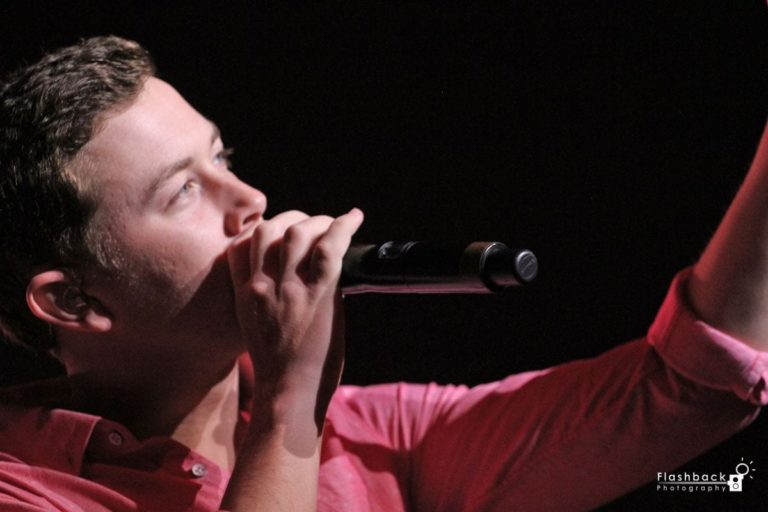
    Scotty McCreery’s show at Indian Ranch in Webster, MA scheduled for Sunday, August 22 has been cancelled. The pre-concert cruise on the Indian Princess is also cancelled. Samuel Slater’s Restaurant will be closed all day Sunday.

    Scotty McCreery
    Scotty McCreery

    Pix11 is currently giving updates on events across NY state that are being cancelled. Visit their full list here. Hopefully Hurricane Henri will pass through the area without return to stages across NYC and surrounding areas.

  • Catskill Mountain Jubilee: Upstate Symposium Charting The Intersection Of Electric and Electronic

    The inaugural Catskill Mountain Jubilee (CMJ) was held August 12-14 at The Blackthorne Resort in East Durham, New York. The venue’s biggest event yet bent genres and danced around the intersection of electric and electronic. bands like Lotus bridged the gap between Doey Joey and Dark Star Orchestra. The eclectic influences and open minds made for a few days full of idea-filled conversations, exciting new music, and top notch vendors. The not-too-big, not-too-small festival in the middle of a humid heat wave created an atmosphere of mutual respect which cultivated a space ripe for profound understanding of ourselves and our community.

    Catskill Mountain Jubilee

    Gnomes and 9 Pins

    The CMJ had a familiar story that aligned with folklore about sailors being led by gnomes deep into in the Catskills only to find joyful celebration full of music. Diverse creatures of the forest gathered to play games of 9 pin all night, illuminated by a seemingly ever burning bright firelight. It is said that every 20 years, that light can be seen and music heard. Some felt a pull, while others felt magic.

    catskill mountain jubilee
    Blue emerges

    This past weekend, bright lights could be seen and music heard. Strangely, in the land of Mountain Jams and Cosmic Alignment’s past, genres at CMJ could not be identified. In a most peculiar way, the over 400 residents at Blackthorne resorts were nowhere to be found the first and second day. It was as if they did not exist.

    Pool Party with Doey Joey

    Games were played at DJ Doey Joey’s pool party. Bright colors, bubbly movement existed in this thriving ecosystem that was the Joey crowd. Fans extended like dorsal fins, electric poi hung in the air like angler fish and glow sticks helped fasten hair into a bun as the warm day slowly cooled.

    Meeting of the Minds in Transitional Times

    “Face it, Black Tourmaline from the Himalayas is f***ing so rad. Believe what you want. The point is the aesthetics.” –

    The intensity of the heat matched the the conversation during the day at CMK. Crystal Wielders and Zen masters took shade at the second stage which acted as an arena to discuss the ultimate debate: Quartz or Himalayan Black Tourmaline on your back?

    Your Ocean

    As night fell and humidity rose, attention could only be directed towards the place with the light. The oceanic thickness in the air combined with the “mind like alter” transition from healthy debate to learning seemed only appropriate.

    catskill mountain jubilee

    Lotus gave intimate, yet energized upstate Flodown that evoked new levels of emotional connection for fans as guitarist Michael takes his victory lap with the band. Incoming stand-out guitarist Tim Palmieri and fellow guitar warriors exchanged theories on the most humane strategies for reducing a crowd into liquid form with their solos.

    Moe. guitarist Al Schnier is not featured in this photo.

    This is a moment that captures the heart and soul guitar playing in the band Lotus from Michel to Tim. Tim’s eagerness to learn from Michel and Michael letting go of this place will put a smile on all Lotus Fan’s Faces. We love the band. We will miss Mike, and we still want Lotus in our lives.

    Alexander Wonnell Nicknames: Wonz, Wonzie, Wonnie, Fatass, Wonz Frat, Wonton, Wonnell (pronounced incorrectly)

    Intensity’s Breaking Point

    catskill mountain jubilee

    During tumultuous conditions, the vendors acted as protector and mother to any patron in need. Regardless of Maslow’s ranking, the vendors were there to provide quality accommodations every homeostasis need, like Keith’s Coffee.

    catskill mountain jubilee

    Some vendors even appeared to have a special ability to live paint the eye of the storm, channel its dragon spirit and will the storm and all of its heat away.

    Rainbow Party

    After the storm passed and the heat broke, Annie In The Water acted as the rainbow ride all the way to a party “where the wine flowed like cheap booze in soup containers.”

    The locals, feeling safe, were drawn out of what turned out to be their their air conditioned summer homes. What did the trick? It seemed the upbeat jams of Lucid did the trick. Lines of golf carts were full of folks seeing a world of possibility they never knew existed. The party continued into two nights of Dark Star Orchestra.

    Powers and Abilities

    Once the heat broke and everyone at CMJ began to interact with more cognizance, something unexpected happened.

    Karina Rykman discovering what Umphrey’s McGee and Doom Flamingo member Ryan Stasik called “Levitation and Doom (Flamingo hat)”

    As true celebration began, the inner power of each individual began to manifest itself in different ways.

    Becoming Jellyman

    These patrons responsibly used their powers to summon a deep feeling of gratitude and acceptance among all attendees. The group seemed to tie closer and closer bonds throughout the weekend.

    Newfound confidence in community had many take their light bending to an entirely new level.

    It takes some kind of magic to allow oneself to submit to romance and all that goes along with it. It is a scary world out there, but only with the support of our community can we find it in ourselves to kiss the girl.

    Karina Rykman finding her inner light

    Sometimes finding that one inner light in ourselves was all we needed.

    Looking Forward

    “fuck yes” – Woman on the left.

    What does this all mean? It means that the power of a beautiful place, good music and supportive minds can remind us why we loved going to see music when it was all still new. It also allows us to tap into our inner optimist. Regardless of how bad life might feel, we could probably make it to the next set.

    “It will buff out.” A rainbow Hemp Hatted Zen Master shared his mantra with the crystal keepers while gazing deep into the looking stone. He explained the phrase meant everything will be ok, but he has to do work.

    “At least if the journey has no destination, the jubilant reassurance that we are all in this together” – Loosely quotes from David Byrne but with a CMJ twist

    “Let’s cherish the Memories we’ve had so far, and have equanimity with what happens next.” – Wonzie

    “F**k yeah!” -Woman on the Left (pictured above)

    This Inaugural symposium brought together individuals from every planet, ocean, desert, pool party and pot of gold. It was a true meeting of the minds. Moving forward we will be empowered to take care of more fellow music fans, regardless of their favorite band or who they think is getting “The Torch.” In times where addiction runs rampant, we must remember that we are all in this together and everyone without a water bottle needs one.

    The Catskill Mountain Jubilee certainly felt like it had been happening for centuries. and maybe it has…

    For a reminder of how far we have come, check out this awesome video from shutdown with Karina and Marlo from Melt playing China Cat Sunflower

  • This Week’s EQXposure Features Paul Moody, The William Deuel Band, And More

    Each Sunday evening from 7-9pm you’ll find EQXposure on WEQX, featuring two hours of local music from up and coming artists. Tune into WEQX.com this Sunday night to hear new music from Paul Moody, the William Deuel Band and many more!

    Paul moody

    WEQX has long been the preeminent independent station in the Capital Region of New York, broadcasting from Southern VT to an ever-expanding listening audience. NYS Music brings you a preview of artists to discover each week, just a taste of the talent waiting to be discovered by fans like you.

    Paul Moody

    Folk singer-songwriter Paul Moody is a recent Woodstock transplant from Chicago, who also performs under the name Moody Jr. His upcoming album Songs From Youth, out this October, is preceded by the contemplative, personal single “Breaking Into Cars.”

    Moody’s music is immersive and ambient, with detailed soundscapes you can almost meditate to. The best example is “All I Had Was You,” his most-played song on Spotify with almost 500K streams.

    The William Deuel Band

    Formed in Saratoga Springs in 2018, The William Deuel Band is a unique amalgamation of the Rolling Stones and Nirvana, with some country and blues thrown in for good measure. Their newest full-length effort, Moment in Time, features frontman William Deuel, drummer Chris Reed, Jr., and bassists Jason Brown and Ethan Henderson. Highlights include “Ballroom Bananas” and “Can’t Wait on Sunday.”

    The Great Pacific Garbage Patch

    “Situational Comedy” is the final track on The Great Pacific Garbage Patch’s debut album, You’ve Changed. Despite its title evoking images of Michael Scott or Leslie Knope causing hilarious hijinks at their workplace, this pop punk tune is bleak and anxious, referencing The Truman Show and a self-conscious feeling of being watched by an audience: “And it’s been a good run / I just hope that I could give the people what they want.” The Albany trio is made up of drummer Jordan Demarest, bassist Dan Haggerty and lead singer and guitarist Will Kachidurian.

    You’ve Changed by The Great Pacific Garbage Patch
  • Sound Mind Announces “Un-Heard Mentality” Benefit Concert

    Sound Mind has announced “Un-Heard Mentality” benefit concert in honor of world mental health day. The concert will be hosted by comedian Tristan Miller and feature sets from Langhorne Slim, Fantastic Negrito, Aisha Bardu, and poet/artist Patrick Roche. The benefit will take place at the Brooklyn Bowl in Williamsburg on October 21, 2021. 

    Sound Mind

    The benefit is taking place In partnership with American Foudation for Suicide Prevention (AFSP) and Relix. It will represent a collaboration across artists and organizations to support social change on mental health during a critical time. Experts from American Foundation for Suicide Prevention will provide information on mental health resources, support programs and best practices for self-care as we navigate these still challenging times. Proceeds will support the New York City chapter of the American Foundation for Suicide Prevention.

    “The past year has reminded us all how we need a supportive community to survive,” said Sound Mind Live Executive Director Chris Bullard. “Un-Heard Mentality is about fostering and celebrating community through great music and open, authentic dialogue on mental health – which can save lives and create a better world for all of us.”

    Leading up to the event, in partnership with TikTok, AFSP, and JED Foundation, a wide array of artists will be sharing about their own mental health in a first-of-its-kind #SongsThatSaveMe campaign. Beginning on World Mental Health Day which is on October 10, artists will share TikTok songs that have saved them in their own mental health journeys. Participating in the campaign include UPSAHLand Adelaine Morin.

    Tickets for the event go on sale today. Prices start at $30 for General Admission, with VIP packages starting at $50. For additional event information and to purchase tickets visit here. The event will also be streamed live to Relix’s Twitch channel and available free of charge. 

    For more information on the “Un-Heard Mentality” benefit concert visit Sound Mind’s website.