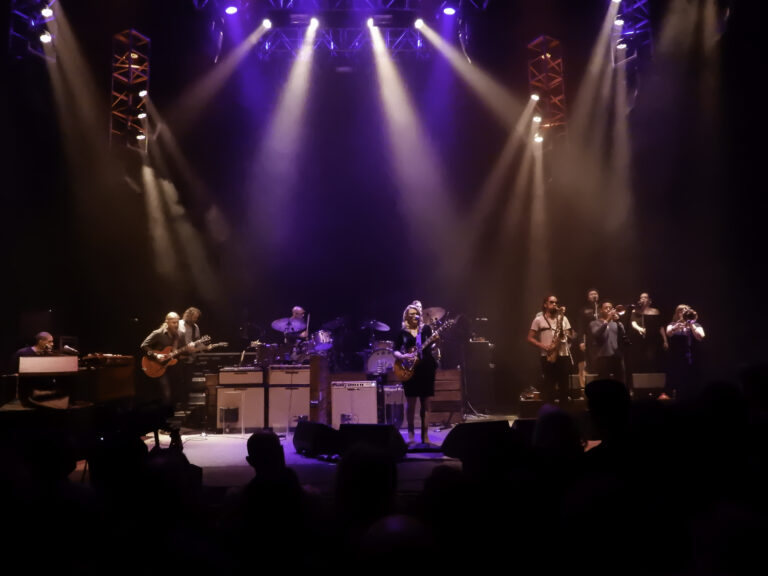
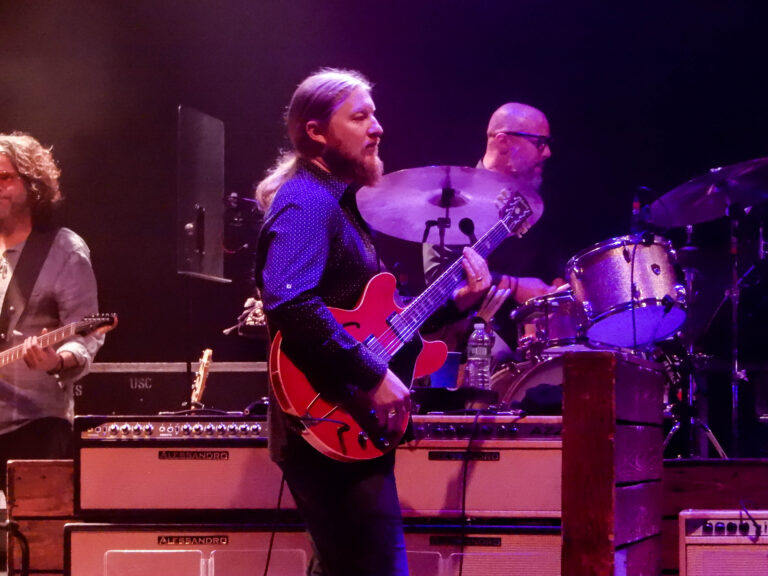
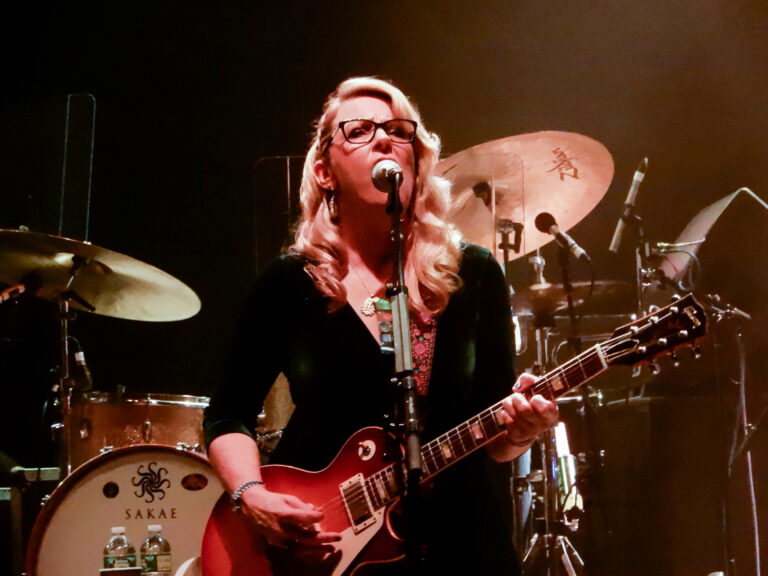
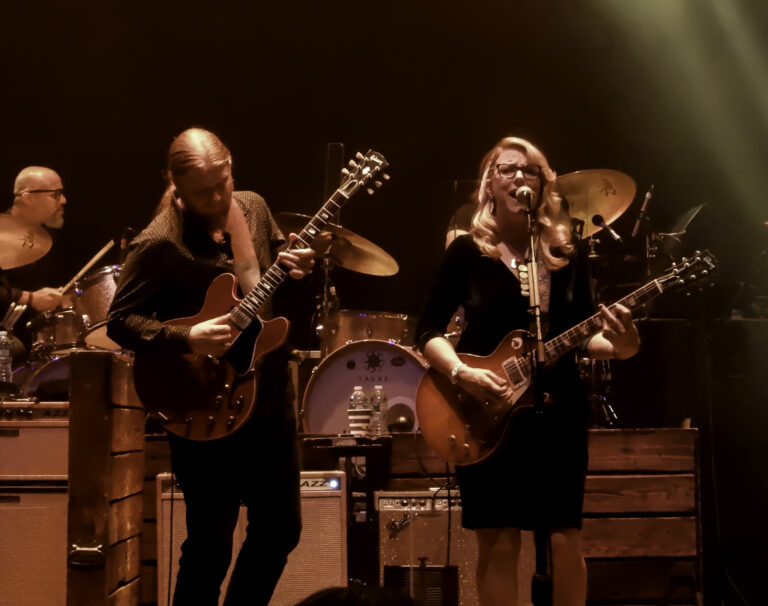
February of 2018 happened to be the warmest February on record in New York State, and part of the reason was probably due to the Tedeschi Trucks Band two sold out shows at The Capitol Theatre in Port Chester on the 20th and 21st. I was at the first show and, as usual, the band was on fire during their impressive set just shy of 20 songs, opening with a tight version of “Do I Look Worried” from the 2013 album Made Up Mind.
Much like Derek’s former band The Allman Brothers, TTB gets right down to business with very little talk directed to the audience, if any. Susan is an absolute powerhouse. She proved this once again during the epic “Until You Remember” from the 2011 album Revelator. The first set had a few covers such as Neil Young’s “Alabama” and Charles Segar’s “Key to the Highway.”
The set closed with an amazing “Idle Wind” jam from the group’s second album Made Up Mind. The second set started with “Statesboro Blues” which is actually a Blind Willie McTell song that was made famous by The Allman Brothers Band. The rest of the second set was very blues heavy and included some great covers like “Goin Down Slow” by St. Louis Jimmy Oden and “How Blue Can You Get” by Johnny Moore’s Three Blazers in which Susan played lead guitar and thanked their late friend B.B. King at the conclusion. The second set ended with a gospel song written by Bill Taylor called “I Wish I Knew How It Would Feel To Be Free.”
The encore started with a fantastic cover of “You Don’t Know How It Feels” by Tom Petty who had passed away suddenly just 3 months earlier. The show ended with a extraordinary version of “Laugh About It.” During the chorus, Susan said, “Put your hands up for those kids,” referring to the tragedy at Parkland High School in Florida.
TTB was scheduled to tour in 2020, but due to Covid19, The Wheels of Soul Tour has been rescheduled to start in the summer of 2021. Starting on February 18th, the band is presenting a six-episode series of home performances called Fireside Sessions available on nugs.net. For more info visit the band’s website.
Tedeschi Trucks Band, The Capitol Theatre, February 20, 2018
Set 1: Do I Look Worried, Just as Strange, Until You Remember, Key To The Highway (Charles Segar cover), Don’t Miss Me (The Derek Trucks Band cover), Alabama (Neil Young cover), Talking About, Idle Wind
Set 2: Statesboro Blues (Blind Willie McTell cover), Part of Me, It’s So Heavy, Let Me Get By, Right On Time, Goin Down Slow (St. Louis Jimmy Oden cover), Made Up Mind, How Blue Can You Get (Johnny Moore’s Three Blazers cover), I Wish I Knew How It Would Feel To Be Free (Bill Taylor cover)
Encore: You Don’t Know How It Feels (Tom Petty cover), Laugh About It
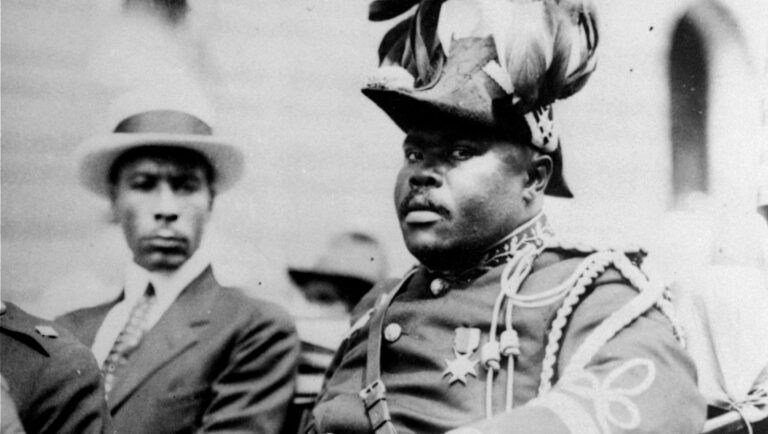
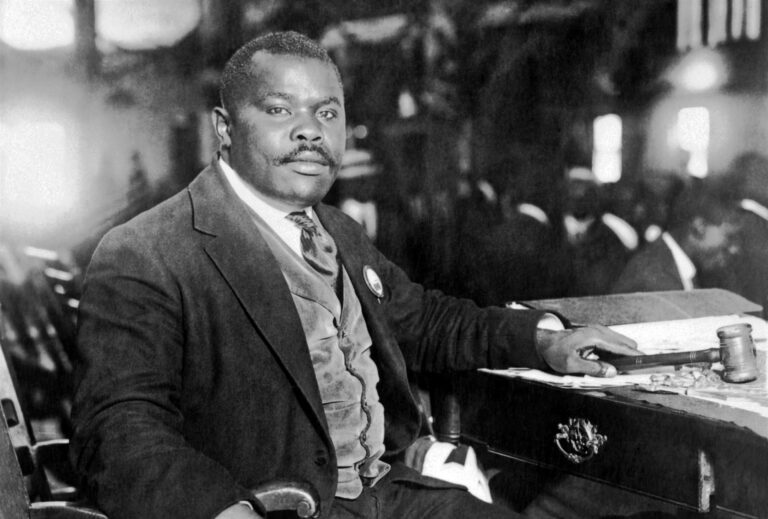
As part of NYS Music’s continuing series looking at the Centennial years of the Harlem Renaissance, we turn to activist Marcus Garvey, leader of the Pan-African movement, the first American Black nationalist movement.
Marcus Moziah Garvey was born in St Ann’s Bay, Jamaica on August 17, 1887. His father, Marcus Garvey Senior, was a stonemason and his mother, Sarah Jane Richards was a household servant. Garvey had 11 siblings but was the only one to survive to adulthood. Attending a local church school until the age of 14, Garvey then moved to Kingston where he worked in a print shop as an apprentice. Garvey quickly rose through the ranks and became the first Afro-Jamaican foreman. Thus began Garvey’s fabled career in activism, becoming a trade unionist and partially leading the November 1908 print workers’ strike.
After being fired from his print shop job, Garvey’s hatred for the societal structures creating inequality began to form. Garvey joined the National Club, one of Jamaica’s first nationalist organizations, publishing several pamphlets and magazines campaigning for the removal of the British Governor of Jamaica. Economic hardship took hold of Jamaica, leading to a mass exodus that included Garvey. After Garvey spent several years traveling, including living with family in Costa Rica and attending University of London’s Birkbeck College, Garvey returned to Jamaica.
Getty Images
Birth of the UNIA
Upon returning to Jamaica, Garvey formed the UNIA (Universal Negro Improvement Association). An organization whose goal was to “Establish a brotherhood among the black race, to promote a spirit of race pride, to reclaim the fallen and to assist in civilizing the backward tribes of Africa.”
With this organization, Garvey wanted to establish a country that would unite black people all over the world. After coming on to contact with fellow famed civil rights activist Booker T. Washington, Garvey moved to Harlem to establish the UNIA in the United States.
As the UNIA began to grow, Garvey launched his own weekly newspaper Negro Weekly. The newspaper reached worldwide audiences, nearing 10,000 copies circulated by the end of its first year. In 1919, Garvey launched his shipping company Black Star Line. The company’s goal was to establish trade and commerce between Africans all over the world. By this point, the UNIA had grown to over 4 Million members. The Black Star Line bought the S.S. Yarmouth, which they renamed it as the S.S. Frederick Douglass, in preparation for the group’s ambitious program which sought to establish a country for former slaves in Liberia.
Underwood Archives via Getty Images
Enemies
Garvey was infamous for his impassioned and controversial speeches which caused him many enemies from the likes of fellow activist, W.E.B. Du Bois, to FBI Director J. Edgar Hoover. Dubois was vehemently against Garvey’s separatist philopshy, going so far as to call him “The most dangerous enemy of the Negro race in America.”
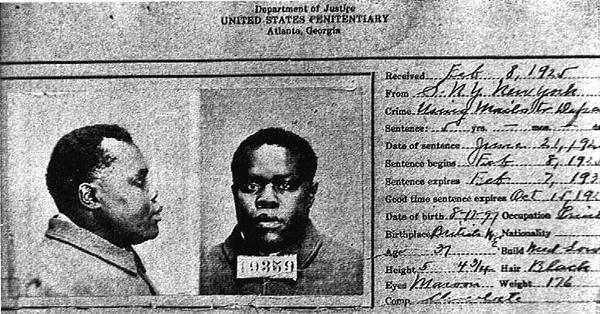
Garvey was under surveillance from Hoover for several years. Hoover looked for any dirt he could dig up on Garvey, going so far as to hire the first black FBI agent to infiltrate the ranks. Hoover would use the same method against several civil rights leaders throughout the 20th century including Martin Luther King Jr. and Malcolm X. Eventually, Hoover was able to try Garvey and others within the Black Star Line with Mail Fraud. Garvey was found guilty and sentenced to five years in prison.
Imprisonment and Deportation
Before the trial, Garvey controversially had agreed to meet with the leader of the Ku Klux Klan, believing they had common ground when it came to Segregation. Garvey blamed the Jewish judges and jurors for his convention, claiming they held bias against him for agreeing to meet with the Ku Klux Klan leader. This began a trend of Garvey siding with segregationists. While in jail, Garvey wrote his famous letter “First Message to the Negroes of the World from Atlanta Prison.”
Garvey was released in 1927 after serving just three years of his sentence after President Calvin Coolidge received a petition with 70,000 signature demanding for his release. Upon release, Garvey was immediately deported back to Jamaica. Continuing his political activism in his home country, Garvey created the country’s first political party, the People’s Political Party (PPP). The party ran on the platforms of establishing a minimum wage and the ability to impeach and imprison corrupt judges. The party quietly faded away after Garvey lost the election and was imprisoned again for seditious libel.
Never forget that intelligence rules the world and ignorance carries the burden. Therefore, remove yourself as far as possible from ignorance and seek as far as possible to be intelligent.
Marcus Garvey
Later Life and Death
Never again was Garvey able to convey the same amount of influence that he once did. Garvey continued his political activism in Jamaica until 1935 when he moved to London. Garvey would go on to back other segregationist legislation such as The Greater Liberia Act of 1939, championed by infamous white supremacist Mississippi Senator Theodore Bilbo; this act sought to deport 12 million African Americans to Liberia under the justification that it would reduce unemployment. The bill never passed.
In January 1940, Garvey suffered a stroke that had left him paralyzed almost entirely. Word spread that Garvey had died, leading it to be reported in several papers. Garvey had a second stroke brought on from the reading of these headlines, leading to his actual death on June 10th, 1940 at the age of 52. Garvey was buried in London due to WWII travel restrictions but his remains were moved to Kingston, Jamaica in 1964.
Legacy
Marcus Garvey has a complicated legacy like no other civil rights figure. Garvey’s key message was one of African Pride, to love your self and heritage no matter what. Phrases coined by Garvey such as “Black is Beautiful” are still commonplace motivational statements today. On the other hand, Garvey was one of the most outspoken segregationists. Garvey sided with white supremacists on several occasions, even backing key legislature. While his aspirations of a unified African American nation might have been pure, the ways he went about achieving those goals were destructive. Marcus Garvey the man may be controversial, but his word would go on to influence generations of activists and spur change all over the globe.
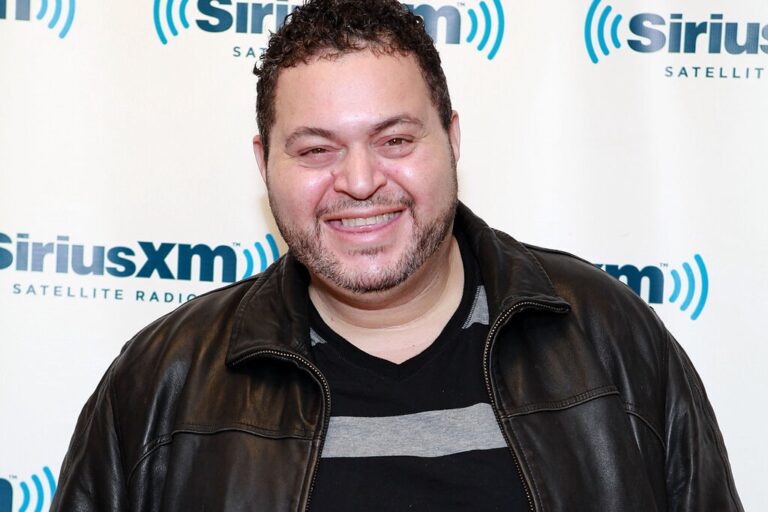
Mark Morales, known as Prince Markie Dee and a founding member of hip-hop/ rap group The Fat Boys, passed away at 52 years old, just one day before his birthday, on February 18, 2021. AllHipHop reported Prince Markie Dee had died from congestive heart failure after suffering “distressing” health issues.
Mark Anthony Morales also hosted “The Prince Markie Dee Show” on LL Cool J’s Rock the Bells channel on SiriusXM radio.Credit…Robin Marchant/Getty Images
Mark Morales was born on February 19, 1968 in Brooklyn. He formed the band called ‘Disco 3′ with Darren Robinson and Damon Wimbley in the early 1980s. After they won a talent contest at Radio City Music Hall in 1983 the group signed a contract with the show’s promoter. They eventually ended up rename themselves the Fat Boys in reference to their weight under their promoter at the time’s recommendation.
The Fat Boys went on to release seven albums, three of which were gold certified and one reaching platinum status. They had hit songs like “Jail House Rap,” “Can You Feel It,” and “The Fat Boys Are Back” and brought beatboxing into the spotlight. The trio even appeared in a few films including “Disorderlies” “Krush Groove” and “Knights of the City.” They ended up breaking up in the early 1990s. Band member Darren Robinson died in 1995 at age 28 after falling off of a chair while rapping for friends and lost consciousness.
Morales started work as a songwriter and producer for Uptown Records, collaborating with Father MC and Mary J. Blige after the group disbanded. According to The New York Timesarticle “He helped write and produce Ms. Blige’s 1992 breakout hit “Real Love” and worked on her debut album, What’s the 411? He also worked on songs and remixes for Destiny’s Child, Mariah Carey and others.” Later in his life, Morales became a radio personality based in Florida. He started back in 2008 to 2010, serving as the afternoon drive radio host/DJ at 103.5 The Beat WMIB radio in Miami, Florida. He also ended up working at WEDR 99.1 FM and the Rock the Bells station of Sirius XM which he hosted his show The Prince Markie Dee Show.
https://youtu.be/cvqxIDmEw_c
Prince Markie Dee aka Mark Morales will be missed by the music community. We mourn his loss and send our condolences to his family and friends.
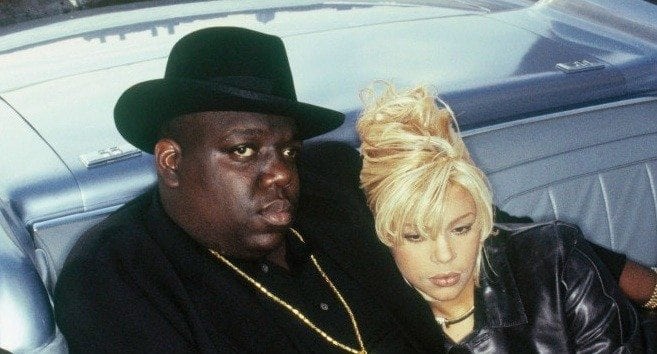
Netflix is gearing up for the premiere of their newly announced documentary, Biggie: I Got a Story to Tell, which will be released on March 1, 2021. The documentary will take a deep dive into the personal life and career of The Notorious B.I.G. with commentary from fellow rappers and close friends. The streaming platform teased the series’ first trailer Tuesday, February 16.
The documentary will provide in-depth content on the deceased mega-star, Christopher Wallace, aka The Notorious B.I.G. Produced by Volleta Wallace, The rapper’s mother, the series will feature interviews from friend and collaborator, Diddy.
“Biggie blew up overnight, You have no origins from what rap planet this guy came from,” you can hear Diddy say over the series trailer which features archived snapshots detailing The Notorious B.I.G.’s quick rise to fame.
Snippets of the series also shared in the teaser include Biggie’s mother talking about his Brooklyn childhood, reflecting on memories of a young Christopher Wallace writing and reciting songs at a young age.
“This will be the first documentary to focus on the experiences of my son’s life rather than the circumstances of his death. It is a celebration of who he was and where he came from. This is how he would have wanted to be remembered,” says Volleta, explaining the need for a different narrative surrounding the rapper, who died March 9, 1997 at the age of 24.
The Notorious B.I.G. remains to be just that, even 20 years after his death, he remains prevalent in in rap culture. His contributions to the genre along with never before seen blend of wordplay, delivery and songwriting ability have contributed to keeping his legacy alive.
The impacts of COVID-19 have been felt throughout the entire world, with many having to deal with unfortunate tragedies as a result of the virus. Furthermore, the worldwide quarantine was a strain on many people’s mental health. Humans are social beings after all and forced isolation is bound to have a negative effect, despite its necessity. It was during this time that recording artist, Summer Williams, began to brew ideas for the matching/music creation app, Lyricster.io.
Williams’ innovation was preceded by strenuous efforts to record, collaborate and discover new music during quarantine. There had to be a more efficient way to go about this without having to search countless databases for music album credits. Having used dating apps in the past, William, 30, saw this as an opportunity to add a new spin to musical fraternalization.
“Isolation and quarantine was a blessing and a curse. Being forced to stay indoors allowed me the time to slow down and focus on my needs as a music creator personally and what was lacking in the professional networking space,“ said Williams.
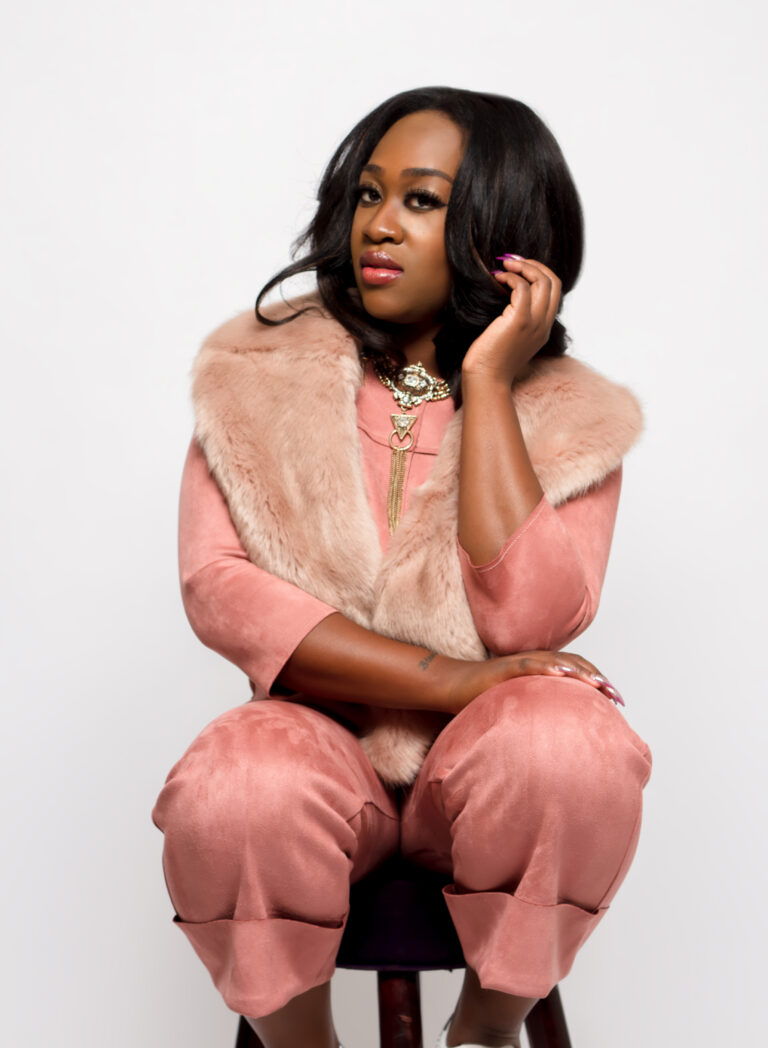
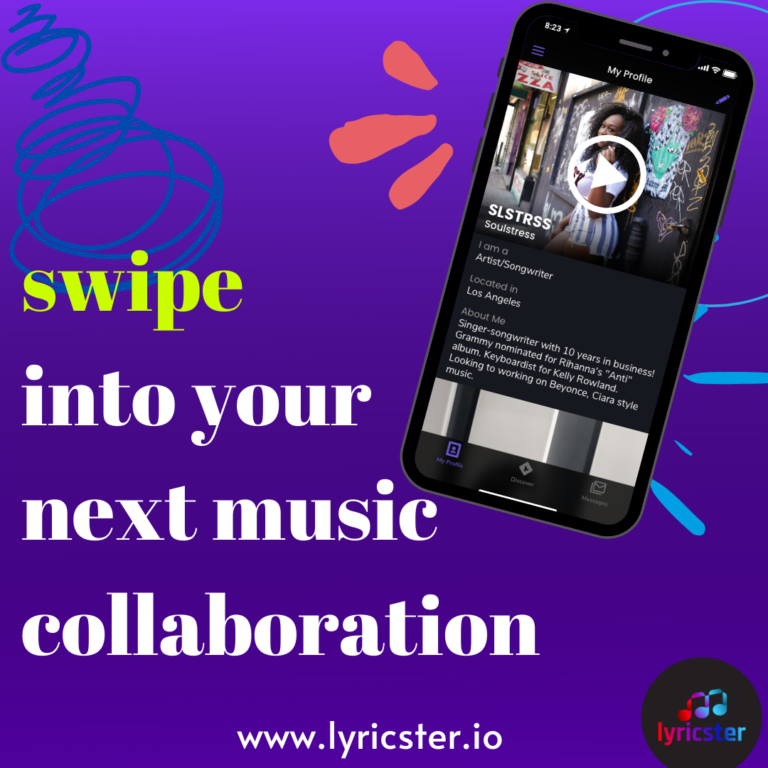
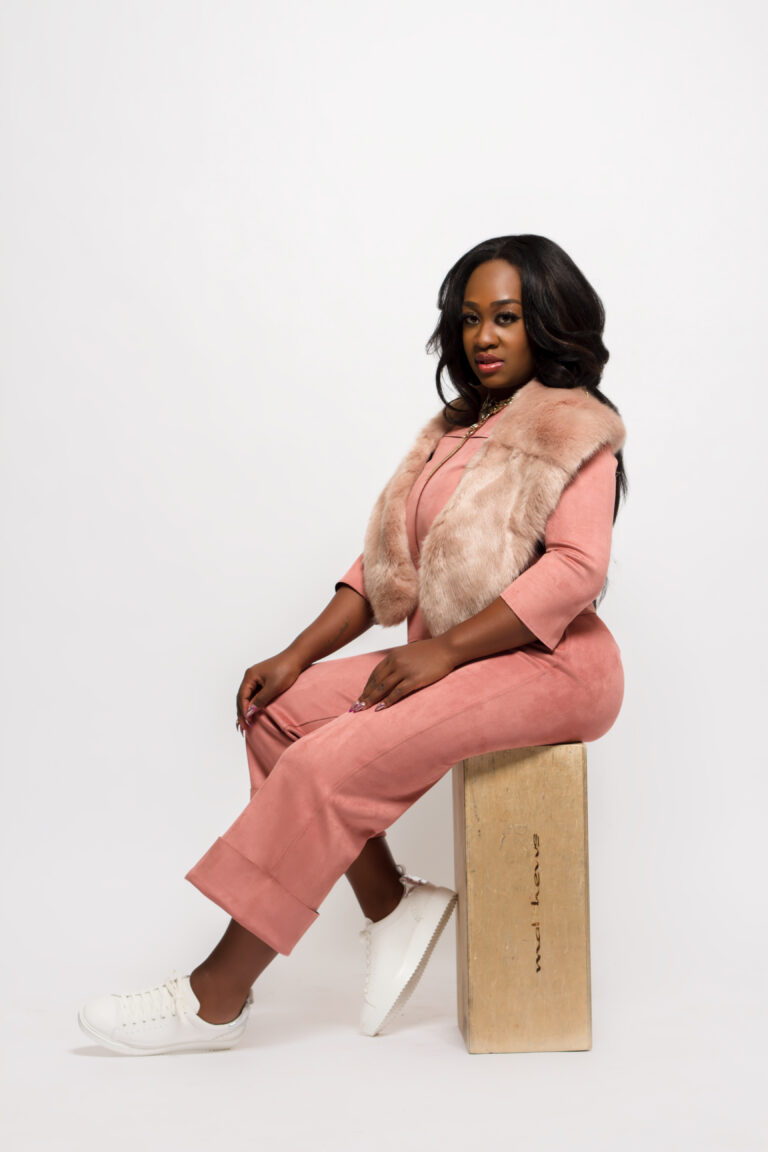
In doing so, she has entrenched herself as a member of the music industry as both a creator and executive. A graduate of Manhattanville college with a degree in music management, Williams is an R&B songstress in her own right, going by the moniker, SLSTRSS, with Lyricster.io serving as her passion project.
The official beta for Lyricster.io launched on January 21, 2021 and was presented at their Songwriters Super Conference, where potential consumers tuned in for a day of expert panelists in the music publishing, sync licensing, audio production, songwriting, social media and entrepreneurship industries, representing industry giants like; Twitter, Songtradr, Songtrust, Berklee College of Music and more.
While collaboration is one of the app’s main selling points, it is more than just about pairing musical acts together. Lyricster.io works to empower the individual through various initiatives. Each Thursday at 9 p.m., Lyricster.io hosts a free members-only virtual session with expert guest songwriters and producers from all genres of music, breaking down their creative processes.
The app has also introduced an online education platform titled “Lyricster University.” The learning tool uploads weekly ‘‘fast classes,” with animated lessons explaining complexities like; royalty collection and copyright protection for musicians, a major point of contention for established artists when speaking to hopefuls. Other features include the ability to filter by genre, location, vocal style, creator type and much more, with the option to match and message your way to musical relationships.
The idea of dating apps are amazing in terms of easily searching through an endless database of users so we kept that similar. What we added are key features fit for musicians, like video profiles instead of picture profiles, links to all music streaming, file sharing and ‘sounds like” filters to experience a user’s full audio resume before being swiped.
Lyricster founder Summer Williams
As a beta launch, all services are completely free. After March 15th, swiping in your city will always be free, but access to the upgraded filters and location search will be $14.99/month.
Imagine the beautiful new sounds of music when we can all just collaborate, both in song and in this country. This year has been incredibly traumatic as a dark-skinned woman in America and it’s time we change the sound ourselves, because we’ve played nice long enough.”
Vevo has revealed Brooklyn emcee Sheff G as the latest artist to get spotlighted in their Ctrl series, with performances of “Eeny Meany Miny Moe” and “Lights On” from his 2020 project, Proud Of Me Now.
Vevo’s Ctrl series highlights the work of hard-hitting, cutting-edge musicians making an impact in today’s music scene – both emerging and established. These artists demand attention, and Vevo’s Ctrl shines a deserving spotlight. Sheff G’s performance follows sessions from Rick Ross, Common, Rapsody, Fat Joe, Jeezy, Jadakiss, Fabolous, A$AP Ferg and more.
From the Flatbush section of Brooklyn, Sheff G — born, Michael Williams — gained recognition for his 2017 drill record “No Suburban.” The song’s popularity — along with a slew of other popular drill songs — helped usher in a new era of rappers from the borough and spotlighted the gang activity that often served as the pre-cursor to the music.
Following the success of “No Suburban,” Sheff G released his much-heralded debut mixtape, The Unluccy Luccy Kid. The project contained popular records like “We Getting Money,” “Flows” and “Designer,” with the latter two featuring friend and frequent collaborator, Sleepy Hallow.
Williams released his next project One and Only in May 2020, and Proud Of Me Now, which includes “Eeny Meany Miny Moe,” in December. He rounded out the year with singles “Light On” and “No Negotiations.” Donning a blue bandana themed shirt and pants, Sheff G’s live performances is a continuation of the rapper’s progression from homegrown talent to bonafide star. In usual Sheff G fashion, both records are thumping and assertive, displaying his fearlessness and bravado on the streets through his music.
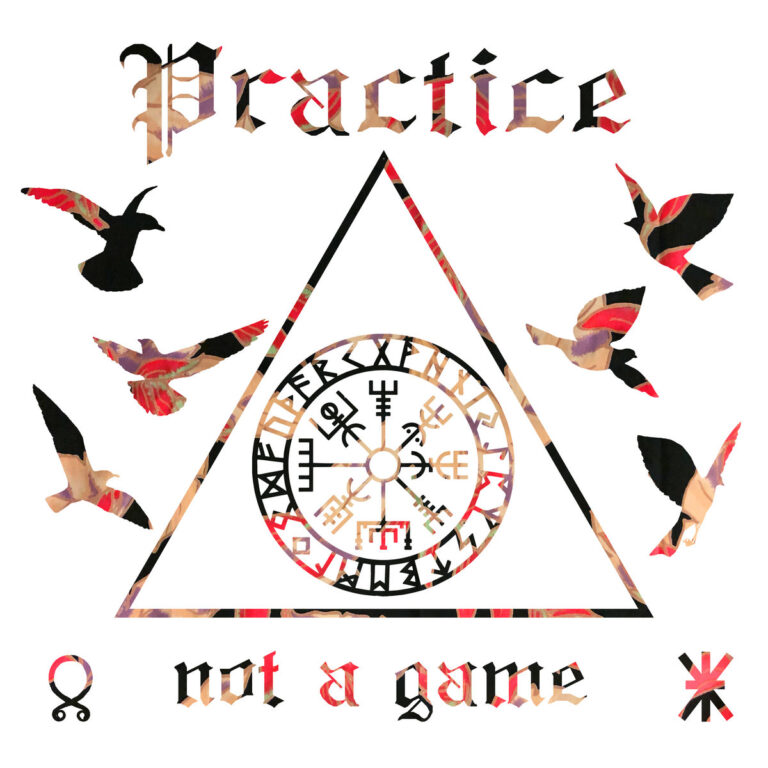
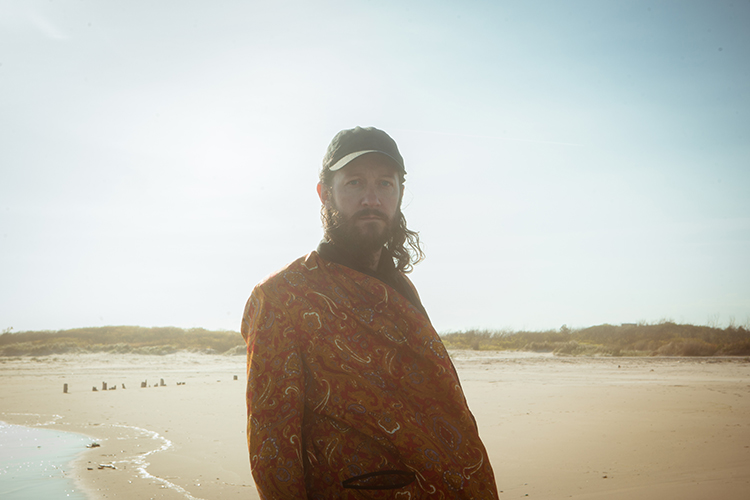
Indie electro artist Practice is set to release his debut solo album, Not A Game, on February 19. NYC-based artist Michael Tapper is developing his own sound under the moniker Practice. He combines synth usage with his deep vocals to illuminate the tone of his work.
Photo Credit: Guy Eppel
Not A Game is Michael Tapper’s first solo project. Prior to this, he was a drummer for We Are Scientists, Bishop Allen, Fool’s Gold, and Yellow Ostrich. Going from a collaborative environment to working alone prompts many challenges. Practice faced this exact difficulty and shares it with NYS Music:
Usually when working with someone else, we can find the areas and directions where we agree or feel like we can each contribute the most to create something we both will love, and that will determine what we try to make. My interests are very broad, so I had a hard time narrowing down the focus of what I wanted to do. Eventually I came upon the idea of forming a band out of analog synthesizers, which gave me some framework for structure. Within that, I could explore different types of songs that worked within those artificial constraints.
Michael Tapper
Having no collaborators to bounce ideas off was another obstacle Practice had to face, especially when working in unfamiliar capacities with many instruments. However, he found that his wife and friends were the solutions. The artist highlights, “I was surprised to learn that just listening to a song with someone else helped me to hear it differently than if it was just me listening to it in my studio. Somehow, you’re able to sort of hear it through someone else’s ears to some degree.”
The Power of the Synths
All the tracks in this album are unified by the instrumentation. The use of synthesizers is the main driving force behind Not A Game. The framework behind creating a solo project was to view it as a band, “with each band member being a specific synthesizer.” These “band members” consist of “a bass synth, a lead synth, a poly-synth that plays pads or rhythm parts, and a drum machine. Kind of like your typical rock band, but with synths.” In addition, Practice aimed to perform these songs live one day. So, he connected all the synths together to allow this.
The creative process behind utilizing these synths varied based on the arrangement. Creating new songs would sometimes start with a bass-line, a lead synth, a textural pad, or a drum machine beat. Practice utilized these “band members” as if it was an actual collaborative project with different sounds commencing each track’s development.
One result I liked about working with this framework was that in the end, the songs all shared a certain consistency in their sounds and textures because it was the same instruments on all the songs, even though the songs themselves might seem like they come from different worlds or genres.
Michael Tapper
Photo Credit: Guy Eppel
Finding Inspiration
A few songs on Not A Game are inspired by the 28-day sailing trip that Practice undertook from Mexico to Hawaii. The idea to make an EP stemmed from the thoughts and feelings experienced on this voyage. “They deal with feelings of loneliness, fear, and uncertainty – sort of these universal feelings that are relevant even when you aren’t out in the middle of the ocean.”
The album kicks off with the catchy single “After Life,” introducing feelings of being separated from the world. While the closer, “I’ve Had Enough,” is a more laid-back song. Practice shared, “I like to take the listener on a journey. I ultimately decided to start the album with ‘The Afterlife’ because I thought it introduced a lot of the elements of the record musically, but in hindsight, it really works lyrically as well. I liked that it started with just the richness of the synthesizers and then kicked into a groove that’s definitely danceable.”
Watch “The Afterlife” Music Video Here
Leaving an Impact
I hope people can relate to and connect with what I’m saying according to their own experience…But also, I hope people can just listen to the music and think it sounds good! I don’t really feel a need to be heard, like personally, and I’d be very happy if people wanted to put it on at a party and dance or put it on in the background as they work or work out or whatever. I hope that people can enjoy it in whatever way they can and need, like a musical multipurpose saline solution.
Michael Tapper
Keep an eye out for Not A Game, soon to be released on February 19. Get a sneak peek by checking out some released singles off of the album: “I Saw Love,” “Failure of Imagination,” and “I Don’t Need Love.”
Madison Square Garden may be opening for live audiences sooner than one might think, according to President Andy Lustgarten. Their first in-person event will take place on February 23, 2021 for the Knicks game.
Governor Andrew Cuomo announced that arenas could open up to 10 percent capacity on February 10, 2021 using a testing- based program. People who provide a negative PCR test within 72 hours of the live event in question would be able to attend live entertainment like musical events according to the testing- based program.
At Madison Square Garden 10 percent capacity is about 2,000 people. Which means at the upcoming Knicks game against the Golden State Warriors 2,000 people can be cheering from the crowd. Although 2,000 isn’t that many, Madison Square Garden hopes that they “are on a path to continue to increase capacity,” according to Lustgarten. They hope that in time attendance will be able to increase beyond 10 percent before the basketball and hockey seasons end.
“This was earlier than we had expected,” Lustgarten told analysts on a Friday at the New York Post. And because of the fact reopening to live audiences was unexpected there are some things that are still up in the air. Like the fact there will be limited types of food for sale, but it’s unclear what types of food will be available in the upcoming events. Madison Square Garden says details will be coming soon on what options will be available.
This MSG reopening is coming just in the knick of time for the arena with its second fiscal quarter, ending in December of 2020, was down $23.1 million which is 94.1 percent from the previous year’s $394.1 million according to Billboard. The live entertainment industry has been harder than most industries by the COVID-19 pandemic. The fact that live shows are slowly but surely coming back is the light at the end of the tunnel the industry has been searching for.
For more information on Madison Square Garden visit their website.
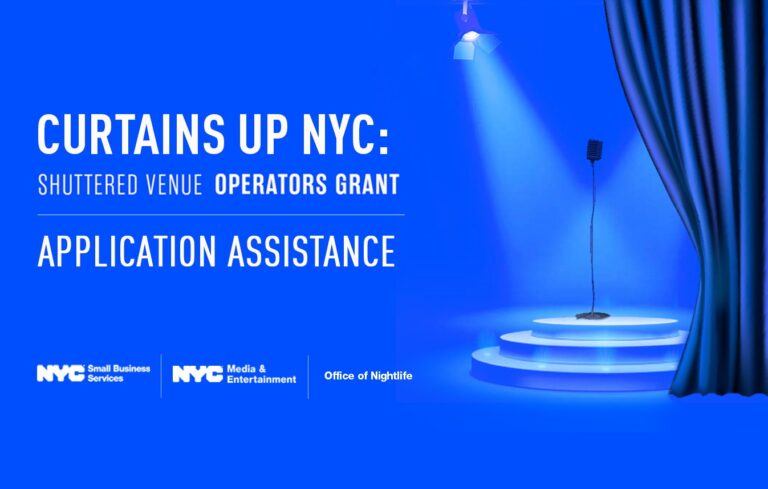
New York City announced it’s Curtains Up NYC government program which will work with the Federal Shuttered Venue Operators Grant process on February 8, 2021. This grant and program are available to help venues suffering from the COVID-19 pandemic with services provided by the city for free. The program will provide application assistance to live-performance venues, organizations and workers applying for federal relief.
The program and grant was announced by Mayor Bill de Blasio, NYC Mayor’s Office of Media and Entertainment (MOME), Commissioner Anne del Castillo, and NYC Department of Small Business Services (SBS) Commissioner Jonnel Doris. The Federal Shuttered Venue Operators Grant is made for businesses or nonprofits who are connected to live performances. These organizations could get a grant up to, or equal to, 45 percent of their 2019 gross earned revenue, capping out at $10 million. Shuttered Venue Operators Grant bloomed from the Save Our Stages initiative.
The Shuttered Venue Operators Grant is available to operators or promoters of live performance venues including, but not limited to: theater, music, arts organizations, movie theaters, talent representatives, museums, zoos and aquariums. In addition, they must meet certain guidelines including active operation as of February 29, 2020, and they must not have applied for a PPP loan on or after December 27, 2020.
The Shuttered Venue Operators Grant isn’t accepting applications yet, but people interested in applying are urged to start organizing their application. To prepare for the application process people should register for the federal System for Award Management (SAM), which will be a required part of the application. People need to know their D-U-N-S number to register in SAM. You can get a D-U-N-S number on the Dun & Bradstreet website. You should check the federal government’s website for the most recent updates on when and how to apply and for frequently asked questions. Watch the federal government’s webinar on YouTube and Register for email alerts from the federal government about the Shuttered Venue Operators Grant so you will be the first to know when applications open.
In the meantime, you should check out the Curtains Up NYC program. Curtains Up NYC provides free application assistance for the Shuttered Venue Operators Grant. Curtains Up NYC offers free webinars and one-on-one counseling for people interested in applying for the grant. The Services are free starting on February 10, 2021.
For more information on the Curtains Up NYC program and the Federal Shuttered Venue Operators Grant Process visit their website here.
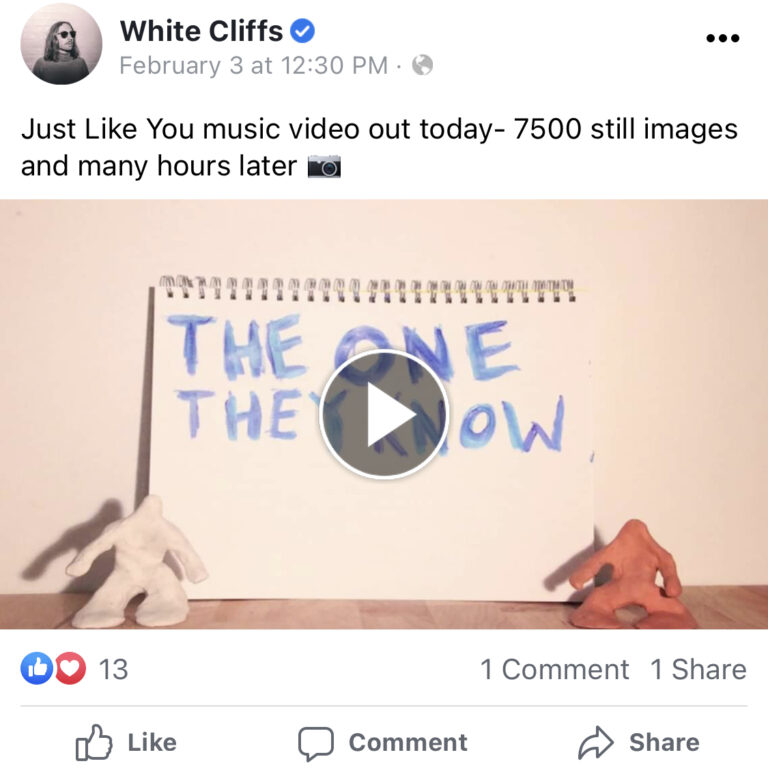
On February 3rd, Brooklyn-based electronic rock artist White Cliffs (Rafe Cohan) released an endearing claymation music video accompanying his newest single, “Just Like You.” Garnering a lot of attention from fans to art enjoyers alike, the video is impressively mesmerizing and perfectly captures the feeling of imposter syndrome. The single kicks off the beginning of his upcoming EP, Stockholm, to be released February 19th.
The music video is directed, produced and edited by Rafe Cohan himself and features two clay creatures, identical except for color, that are constantly molding themselves into vibrant animations and dancing around each other. Previously having expressed his struggle with accepting his true self, Cohan created a perfect visual aid to his music and the message he wants to send.
I wrote the song about our playful and hypocritical struggle with accepting our true selves. And that struggle is just a part of pursuing a career as a musician… You’re constantly drawing this attention to your project, and in the process, you end up learning quite a bit about yourself, both good and bad. Usually, you experience some denial or imposter syndrome, but after time passes, you are left with acceptance.
Rafe Cohen, on the meaning behind “Just Like You”
With this track, the artist set out to challenge conformity and use unconventional means, such as a Roland organ/strings synthesizer that allowed him to experiment at the base level, the underlying chords. This idea alongside an unorthodox topic and video meshes together beautifully to create a sense of ease and nostalgia.