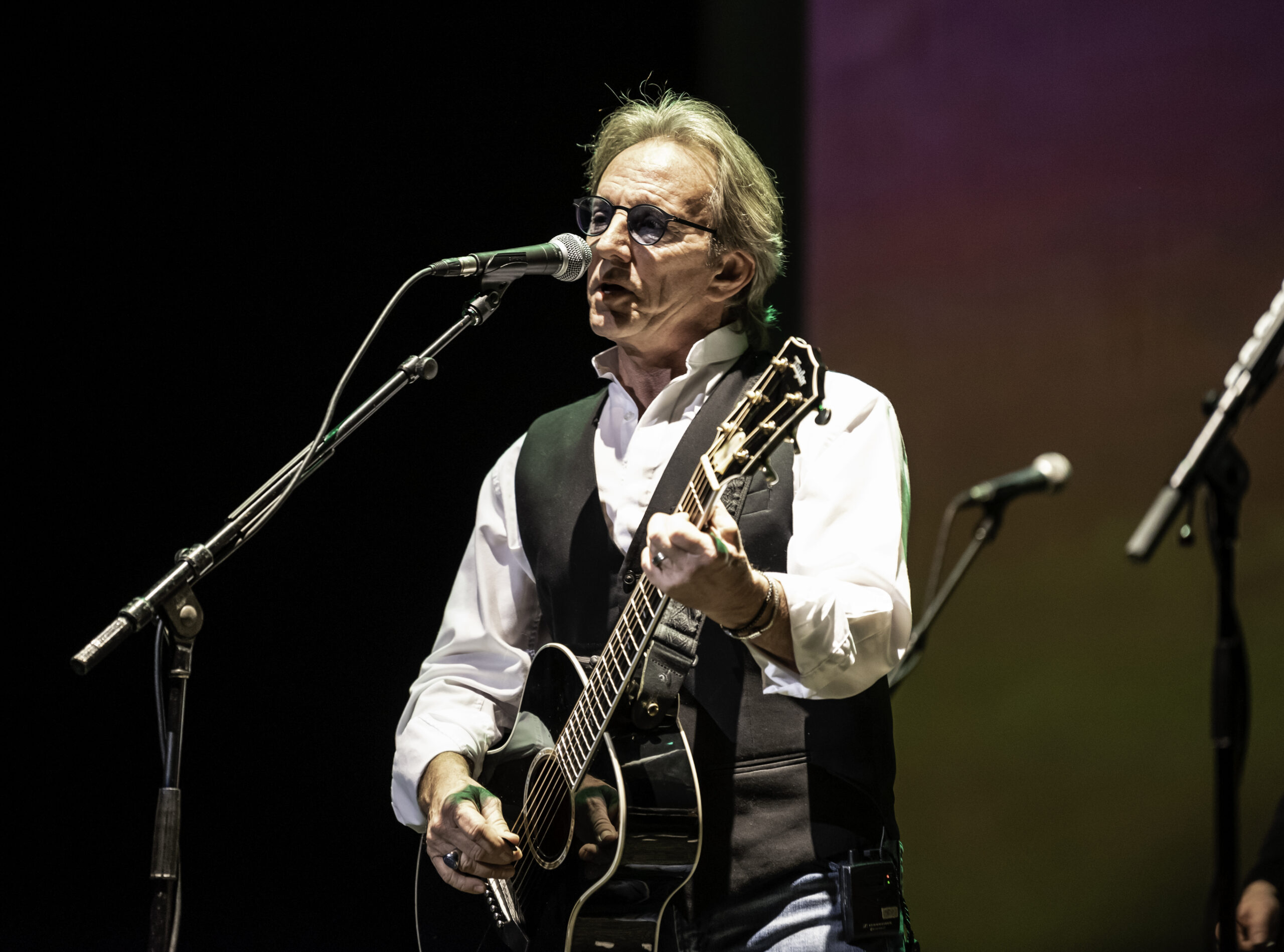
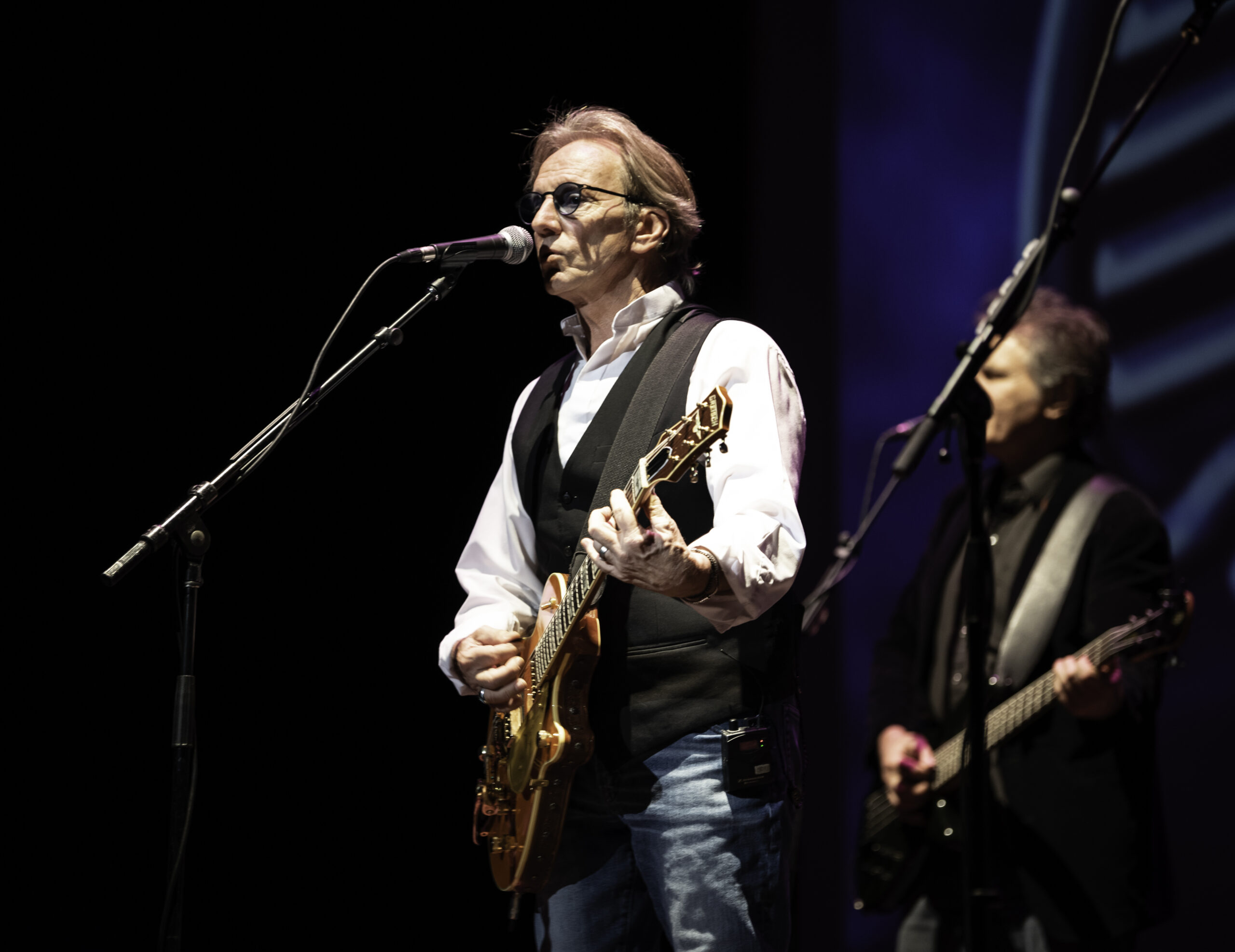
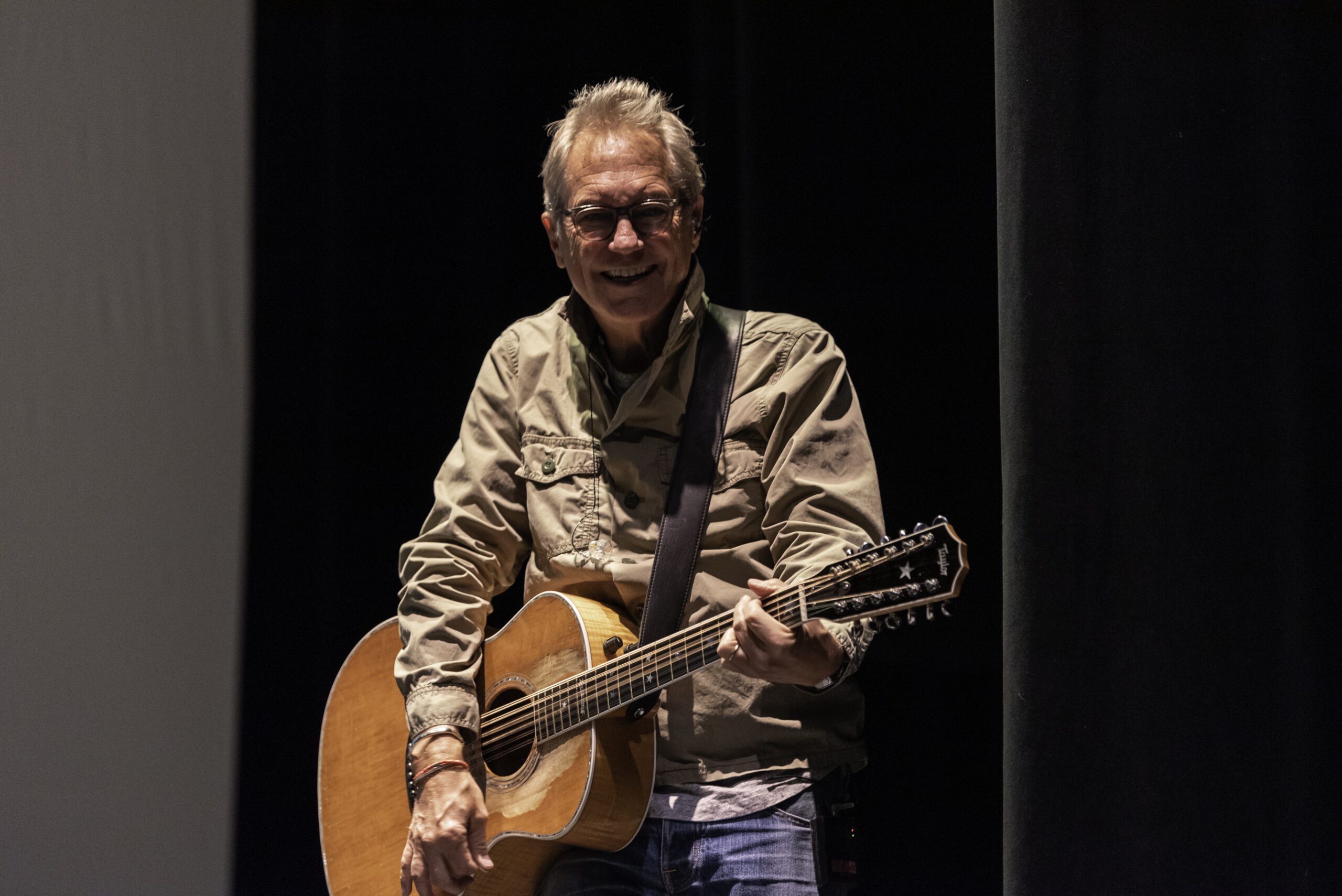
Greg Graffin is most recognized as the lead vocalist and songwriter for the punk rock band Bad Religion, which he co founded in 1979. Graffin has also earned a PhD from Cornell and teaches natural science courses at UCLA. He has written several books on the topics of evolution and religion. In 2017, he released his third solo album, Millport.
In support of the album he played 3 sold out shows at Rockwood Music Hall in the Lower East Side of Manhattan on February 27th, 28th and March 1st in 2017. The album was released on March 10th of the same year.
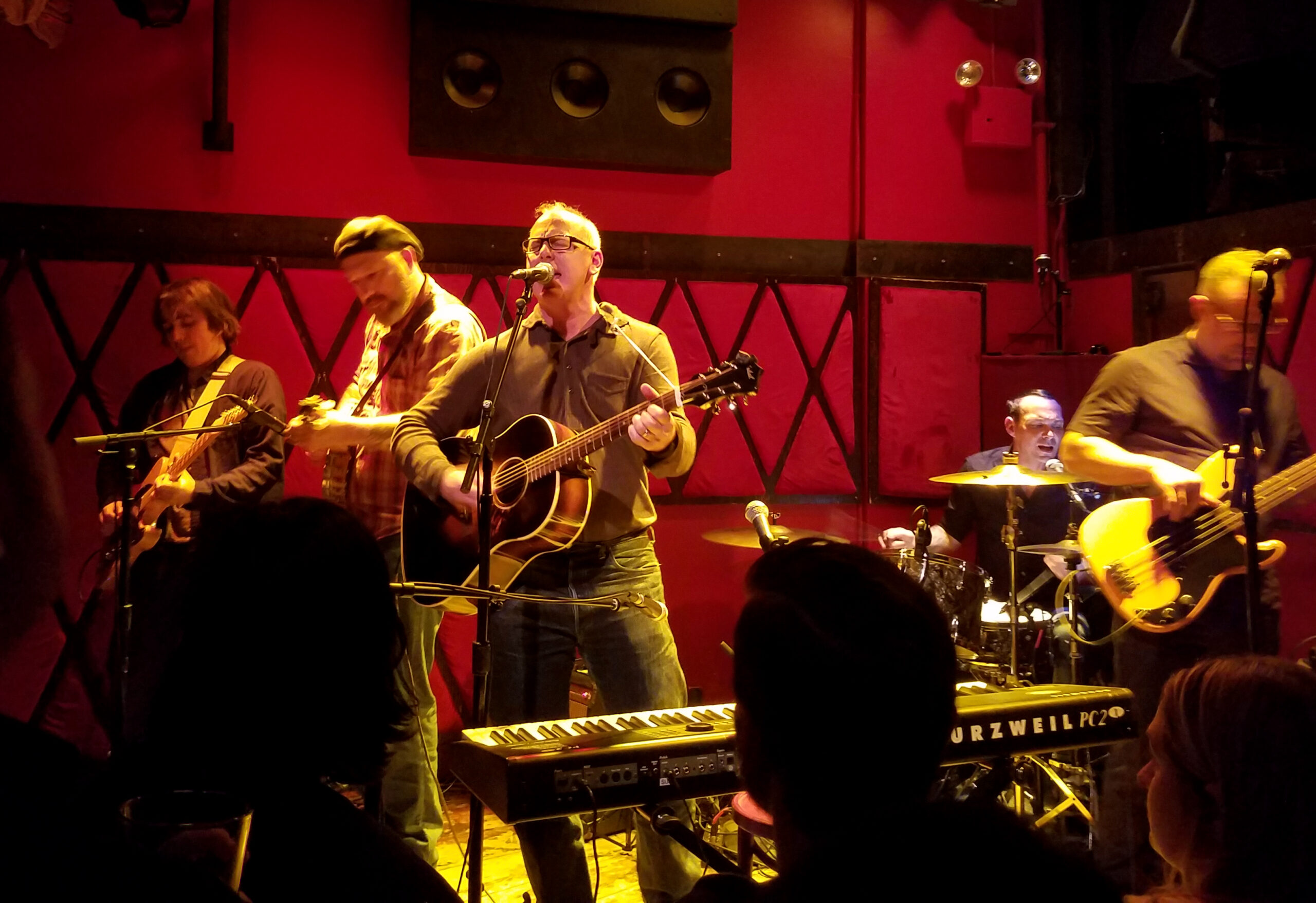
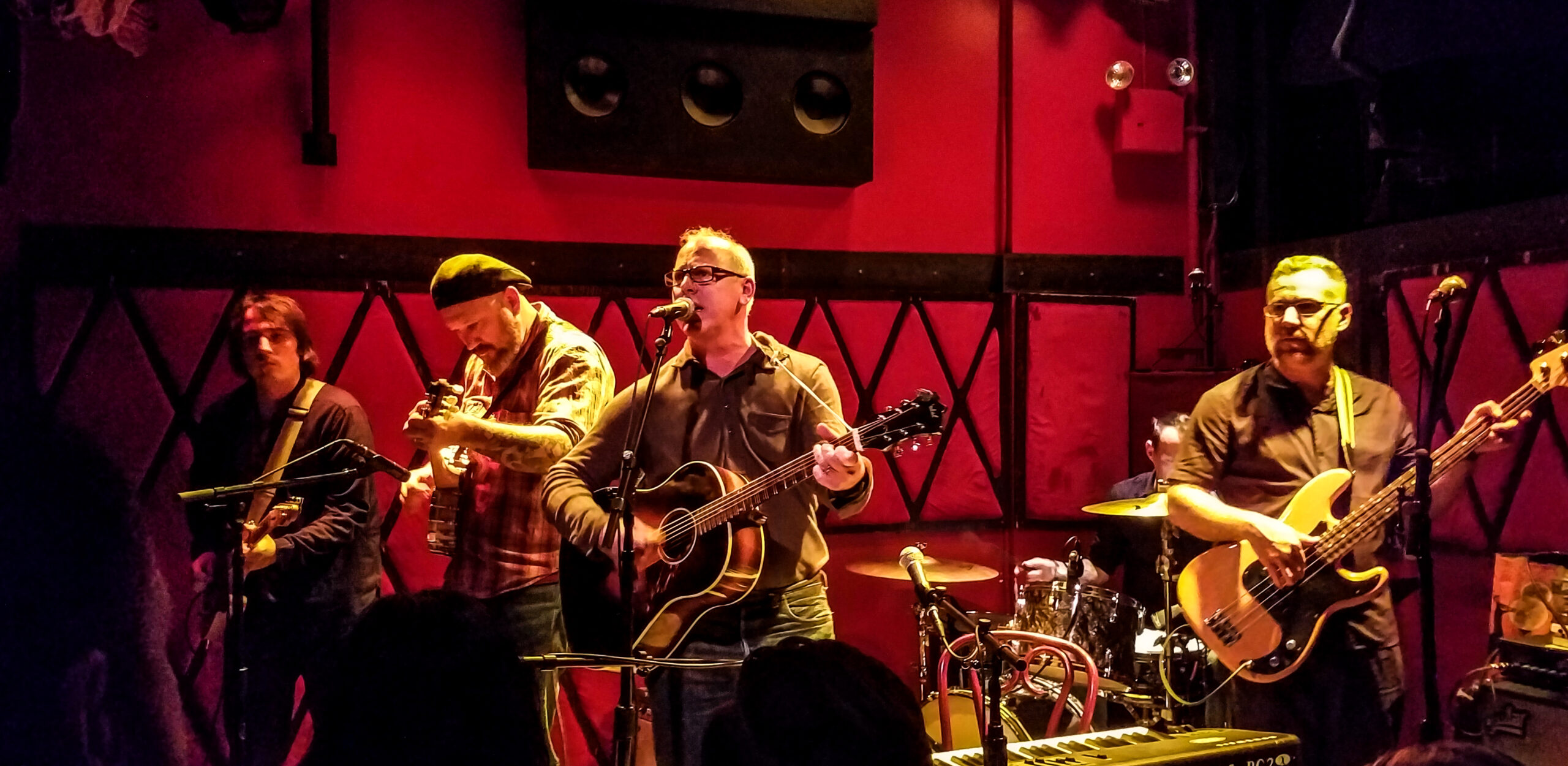
Ken Rockwood opened the venue in 2005. It is a very small and intimate venue that has 3 stages, a bar and a record label of the same name. Usually Graffin plays on bigger stages with his main band Bad Religion, so to see him perform these new songs up close and personal was a real treat for me. I have been a huge fan for over 20 years.
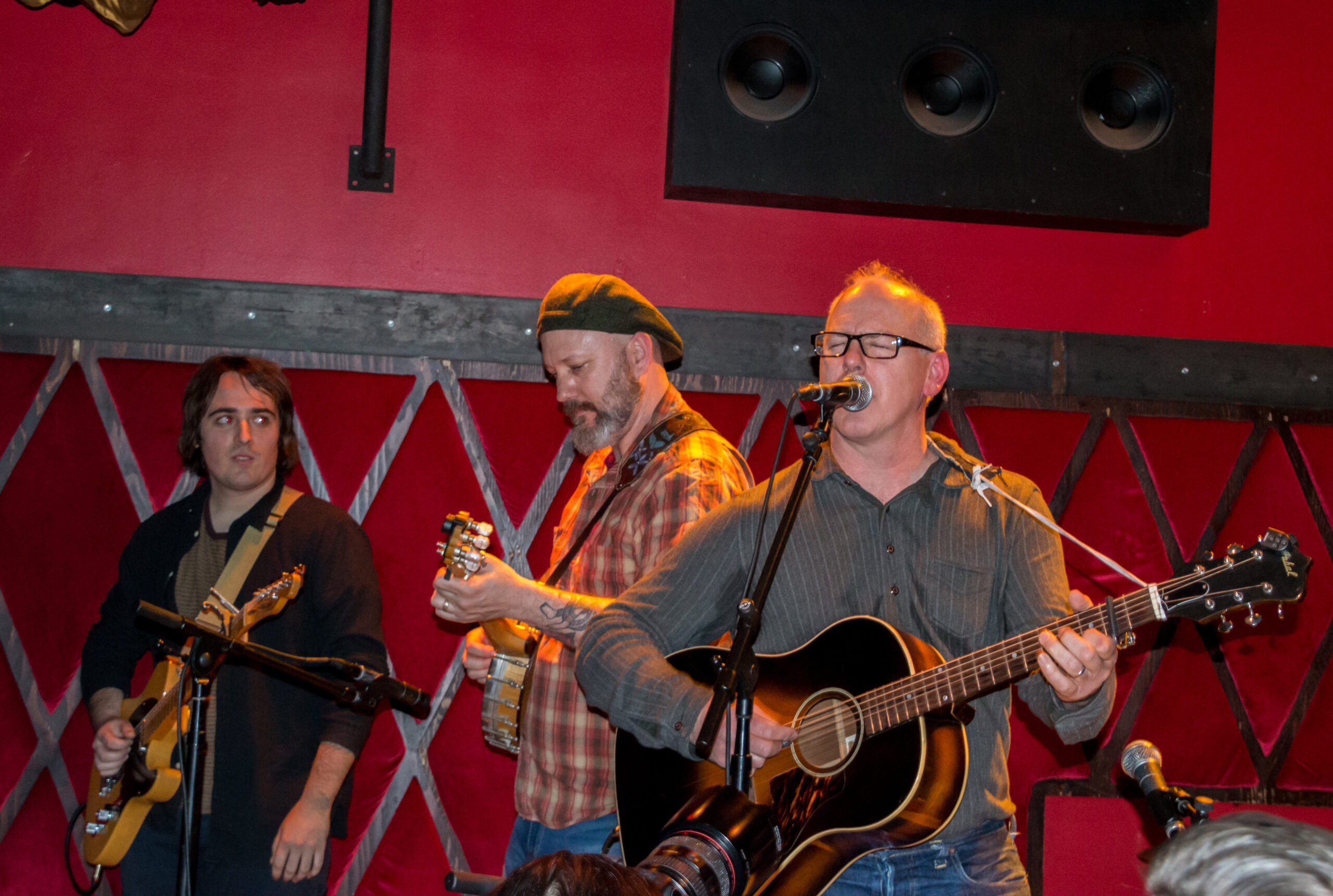
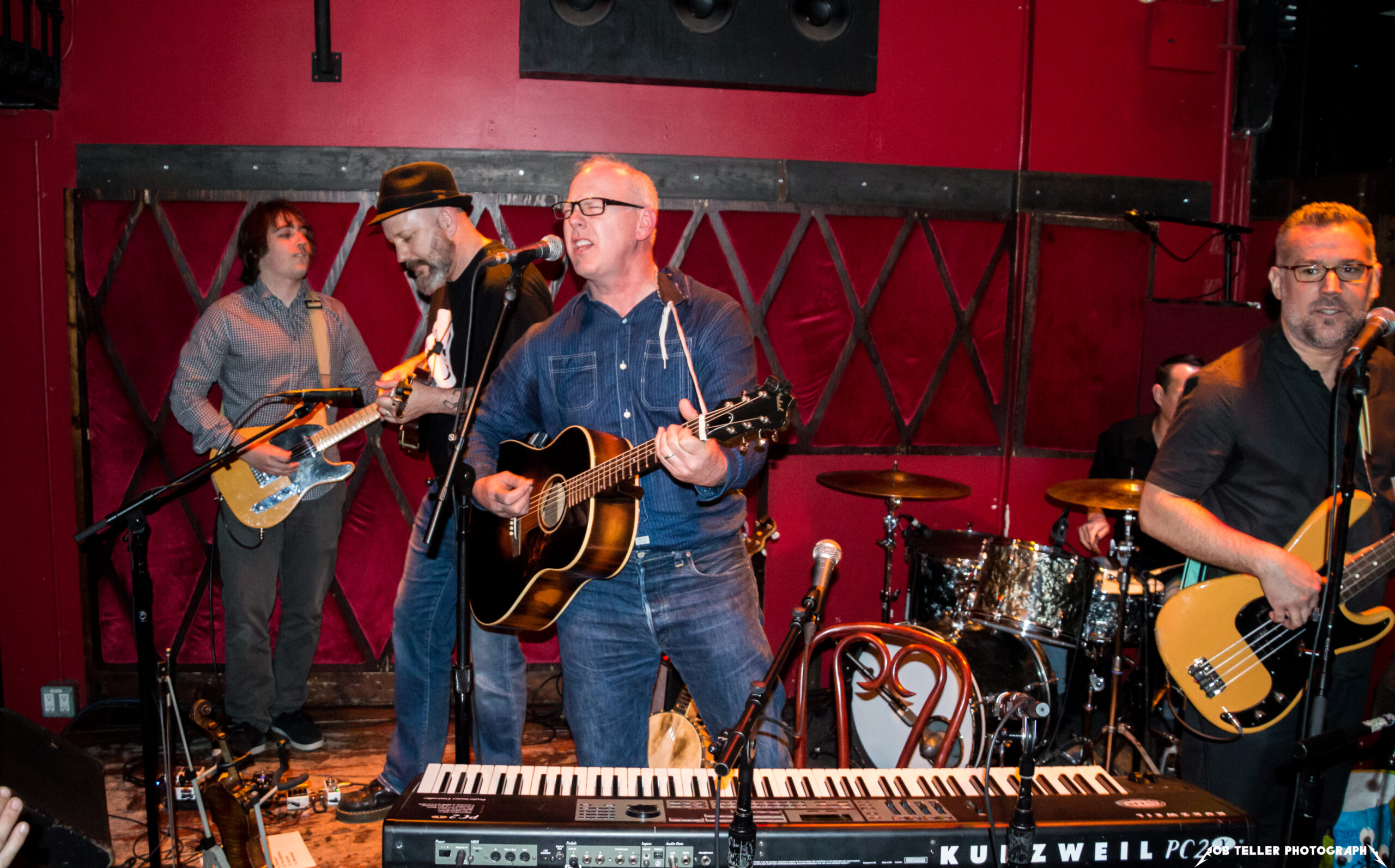
The small stage was packed with instruments you would not see at a BR show such as a banjo, fiddle and a madalin. The band featured Guitarist Tommy Andrews, Drummer Jamie Miller and David Bragger who played multiple instruments.
The first song they performed was “Backroads of my Mind” which happened to be one of the first singles off the album. After the song, Greg noted that these were the first shows he has ever played guitar in front of a group of people while standing up. You can tell he wasn’t lying because he was using an actual shoelace as a guitar strap which was somehow perfect for matching the Country Rock/Folk genre.
The band then went into several more songs off the album including “Too Many Virtues”, “Time of Need” and the electric guitar driver “Lincoln’s Funeral Train”. One of the highlights of the night was the harmony filled Bluegrass track “Echo on the Hill”. The song was a great showcase of the band’s skills, particularly Bragger’s mandolin playing.
Before the last song, Greg Graffin jokes “for everyone who waited all night for a Bad Religion song” as they went into an rearranged version of “Sorrow” from BR’s 2002 Process of Belief album. The new version sounded awesome in the tiny room as the whole crowd sang along. It was really a great moment for any Bad Religion fan. It was a perfect night and the audience really felt connected with the band. I enjoyed it so much that I went back the following night which was just as amazing. After the shows Greg even stuck around to take pictures and sign autographs for the fans. It was a truly magnificent experience.
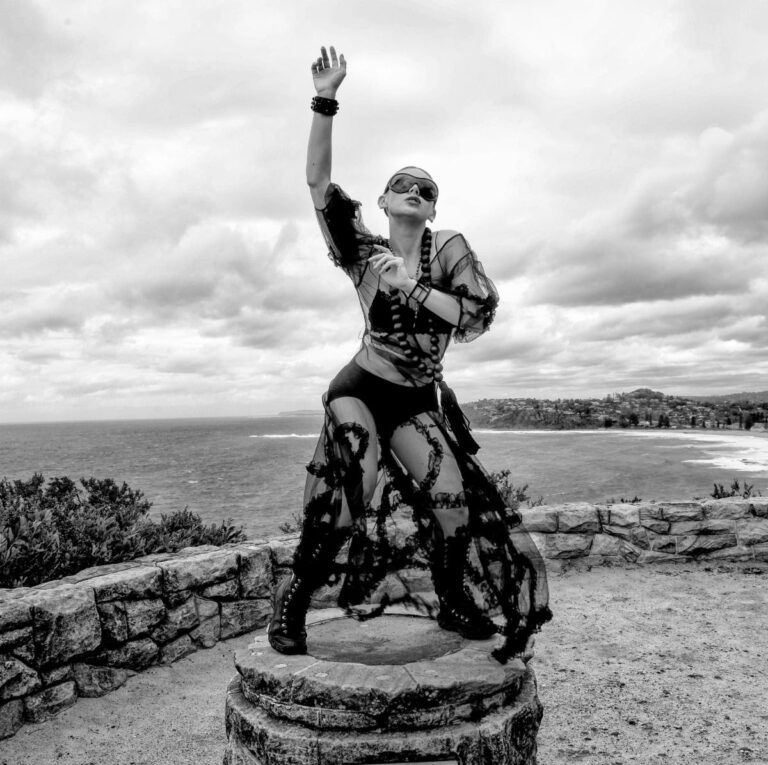
L’FREAQ has returned after a two-year absence to share her newest single, “Make Me Move.” Described as having a “sexy, neo-goth, synth pop sound,” the track features an intimate look into the hardships of a long distance relationship in the midst of quarantine. The artist sets aside vulnerability to express an experience that most, if not all of us, can relate to, after a year since the quarantine began.
Photo Credit: Kelly Cappelli
More commonly known under the alias L’FREAQ, Brooklyn and LA-based singer/songwriter Lea Cappelli has caught the eye of many with her gothic and soulful presence, alongside an impressive vocal range and a talent for writing lyrics that strike a chord, attracting an inclusive and diverse audience.
I wrote this song before quarantine about deep yearning for my long-distance partner. It was my challenge to strip everything away to primal instincts. When quarantine hit, it forbid us from seeing each other and the relationship ended, causing a spiral into craving and a deep dive into intimate voicemails that have been sampled on the song.
L’FREAQ describing the single, “Make Me Move”
Photo Credit: Kelly Cappelli
Some highlights of her career include a private performance for Muhammad Ali, sharing the stage with Jakob Dylan, and performing alongside Grammy-awarded artist India.Arie. Recently voted “NYC’s Favorite Emerging Artist” in a poll sponsored by The Deli Magazine, she pays homage to her Brooklyn roots. She cites her love of music as being nourished by her artistic mother from a young age, growing up in a music studio in the midst of the punk scene of NYC.
You can find where to stream her newest single, “Make Me Move,” on various platforms here, and keep an eye out for any new quarantine-inspired releases on her website.
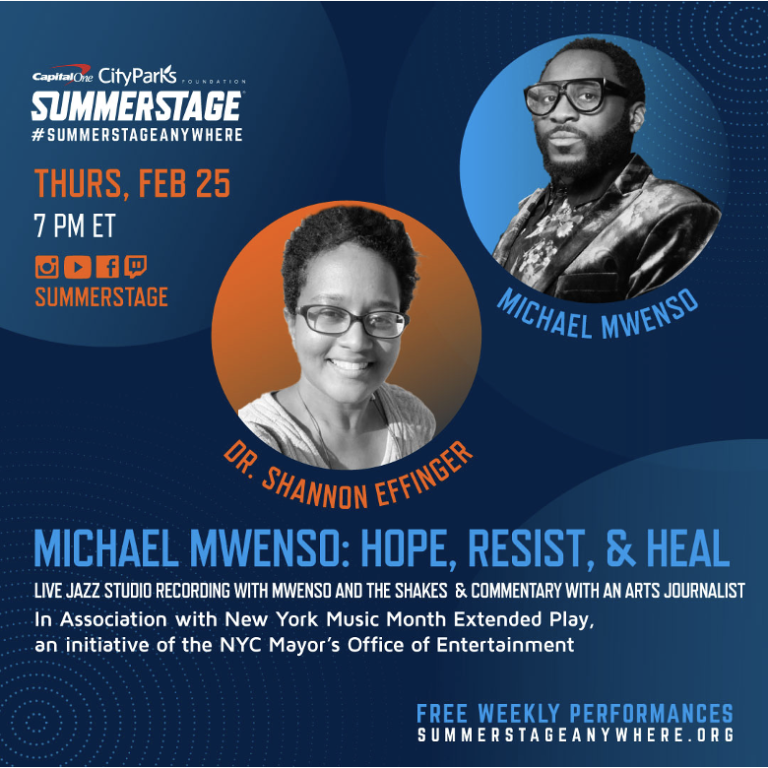
Capital One City Parks Foundation announces performance from Michael Mwenso as part of their SummerStage Anywhere series on February 25, 2021 at 7PM EST. The performance will be streamed virtually as part of a Black History Month celebration.
The performance is titled the Michael Mwenso: Hope, Resist & Heal, Performance and will also be hosting a conversation with Shannon Effinger. Michael Mwenso is not only a musician but an artist and social commentator. He will offer his unique and ancestral perspective on Black music and its power to heal. He is an African-born queer man who grew up in London and New York. The performance will consist of a live studio recorded performance with his group, Mwenso and the Shakes, a multicultural New York jazz group. After the performance the conversation with arts journalist Shannon Effinger focusing on the continuum and power of Black roots music will take place.
Michael Mwenso was born in Freetown, Sierra Leone but spent his teenage years at the legendary jazz club Ronnie Scott’s in London where he was exposed to musicians like Benny Carter, Elvin Jones, Ray Brown and Billy Higgins. Mwenso is known for his work as a trombonist, singer and performer playing in jump bands, reggae and Afrobeat horn sections and at hard-bop sessions.
Mwenso has worked with big names like Cécile McLorin Salvant, Jon Batiste, Aaron Diehl, Sullivan Fortner and Jamison Ross.Mwenso began his collaboration of Juilliard trained musicians known as The Shakes which come from all over the world including Sierra Leone, South Africa, Madagascar, London, France, Jamaica and Hawaii. Between all of them they create a unique jazz and blues sound through African and Afro-American music.
The performance will take place on February 25, 2021 at 7PM EST. The performance will be streamed virtually on SummerStageAnywhere.org and across SummerStage social media outlets Instagram, YouTube, Facebook, and Twitch as part of a Black History Month celebration. For more information on the performance visit Capital One City Parks Foundation’s website.
Brooklyn-based psychedelic rock bank, Acid Dad, are excited to announce their sophomore album – Take It From The Dead. The album is due out June 11, 2021 via Greenway Records / The Reverberation Appreciation Society.
In preparation for the new album, the band has released visuals for the albums first single – “RC Driver.” The video debuted on FLOOD Magazine. Singer-guitarist Vaughn Hunt comments on his inspiration behind the song:
RC Driver is about how I wish I raced cars for a living. All I wanna do is go fast and do stunts. I grew up near a lake, so jet skis are the next closest thing. Ain’t nothing like rippin’ a supercharged Sea-Doo going 90mph on pure glass, baby.
Vaughn Hunt, Singer-guitarist
Acid Dad consists of Trevor Mustoe on drums, Vaughn Hunt and Sean Fahey on vocals and guitar. The band was started in Hunt’s basement in Bushwick, NY – releasing their first single “Brain Body” and EP Let’s Plan a Robbery. Acid Dad quickly rose up through the ranks in the New York rock scene, releasing their debut album to widespread acclaim.
The band spent much of 2020 creating a new studio space in Queens, while building their own guitars and continuing to independently produce their new music. With a new space and vision, the band produced their second LP, Take It From The Dead, set to be co-released in June 2021 by Brooklyn’s Greenway Records and psych powerhouse LEVITATION’s label, The Reverberation Appreciation Society.
Take It From The Dead’s influences range from the likes of 90’s neo-psych, modern post-punk and 70’s rock-n-roll. Acid Dad’s album is innovation, but still shows love for its roots. In contrast to their earlier work, they make use of slower tempos and expand their sound to include songs that are both more intricate and more hypnotic. To accompany the new record, the band spent the last year collaborating with video artist Webb Hunt, producing psych and glitch art videos that form a visual counterpart to the dreamy distortions of their sound.
CBGB wasn’t the only club/scene to birth a new musical genre in the low-rent, dirty and deliciously dangerous Downtown NYC of the mid- to late-1970s. Alongside the wannabe punks, there were a slew of fiercely talented young jazz immigrants from St. Louis, Chicago and beyond who worked to make free jazz even freer than Coleman and Coltrane. They plied their exploratory path not at traditional clubs but a series of short-lived, musician-led NYC loft scene like Coltrane drummer Rashid Ali’s Studio 77, Studio We, The Ladies’ Fort and, most notably, Studio RivBea, founded by saxman Sam Rivers and his wife Bea.
New York’s so-called Loft Jazz scene would launch the careers of many luminaries who would define jazz’s more creative edge in the post-Coltrane era. These included Muhal Richard Abrams, Anthony Braxton, Henry Threadgill, David Murray, Arthur Blythe, Butch Morris, Lester Bowie, Oliver Lake and Julius Hemphill to name but a few.
Their music was technically accomplished, exploratory, impulsive, spiritual and often politically-minded. It could flow from angry and dissonant to heavenly melodic, all in the space of a few bars. It had elements of jazz, modern classical, folk, world music and more. It also utilized instruments not often associated with jazz, like the oboe and cello. The intimacy of the scene led to much cross pollination among the players. This is something reflected in a bold new release from the archives of Michael Gregory Jackson, a versatile innovator and guitarists’ guitarist who first came to light in the scene.
One look at the list of progressive jazz guitar all-stars who have named Michael Gregory Jackson as an influence demonstrates the continued resonance and relevance of his four-decades of exceptionally creative music-making.
“Michael Gregory Jackson has long been one of my favorite musicians,” said Pat Metheny. “I always considered him one of the most significantly original guitars of our generation, with his own distinctive sound and point of view.”
Bill Frisell adds: “I first heard Michael Gregory Jackson in 1975 when I moved to Boston. He blew my mind and influenced me a lot. I believe he’s one of the unsung innovators.”
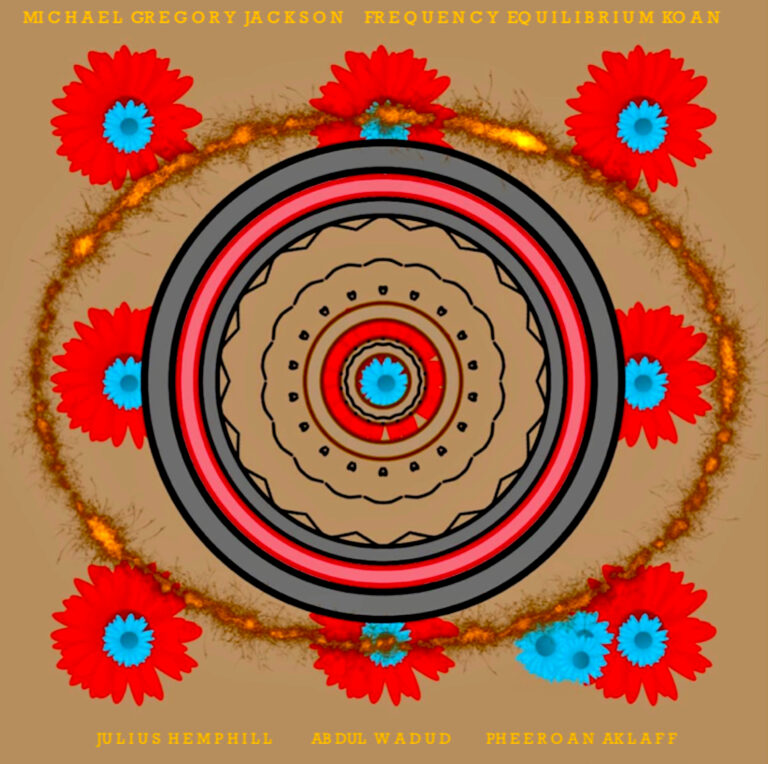
Frequency Equilibrium Koanis an authentic document of the without-a-net creativity and exhuberance of no-hold-barred this era. It is a performance of four lengthy compositions recorded by Jackson on his trusty Sony cassette machine in 1977 at The Ladies’ Fort. It finds the then 23-year-old guitarist leading a quartet featuring saxophonist Julius Hemphill, drummer Pheeroan akLaff and cellist Abdul Wadud.
Hemphill was one of the true giants of the era, perhaps best known for his work with the World Saxophone Quartet alongside Oliver Lake, who helped launch Jackson’s career in a quartet which also included akLaff.
A little like Hendrix before him, cellist Wadud literally reinvented his instrument for a new musical genre. With furious plucking, bowing and percussives, it became a tool of jazz that would skirt the territory between groove-keeping acoustic bass, a soaring solo instrument and drum. Wadud and Hemphill were frequent collaborators. One of their best performances together is on “Hard Blues,” from Hemphill’s 1975 album Coon Bid’ness.
Jackson’s new/old album kicks off with the nine-plus minute title track. After a fragmentary head, the piece moves into improvisation, with Hemphill coming to the fore with a long forceful tenor solo. At times, the improvisation becomes collective, a kind of outré New Orleans ragtime. Jackson’s bag of tricks is on full display here – volume swells, detuned swooshery, bleeps, slides and long tricky melodic lines, a blend of Cubist post-bebop and twelve-tone classical. Wadud plucks and bows away, creating both rhythmic pulse and solo lines that dance off his partners’ musical conversation.
The next track, “Heart and Center,” is a radical extension of what would become the title offering for Jackson’s wonderfully diversified 1979 album of the same name. This is as straight-ahead as this album gets, with Hemphill again out of the gate on a solo charge. Jackson leads the way with choppy irregular chording that provides a rich harmonic backdrop for Hemphill and his own soloing. Again, the flavor here is improvisation that is collective, with lots of call-and-response. As usual, akLaff keeps it all moving, with jungle like tom tom heavy percussion.
“Clarity 3” is the most challenging listening experience in the set. It begins with akLaff’s circular swirl of percussion, which leads to a solo spotlight for Wadud. With Hemphill and Jackson’s entry, the music comes to a fast boil then overflows. It’s jazz roller coaster, with the instruments almost seeming to merge into one howl at times. In the last minute, Jackson finds and rides a broad chord that sounds like a car horn, together with Wadud’s cello groans. The album ends on a mellow tone with “A Meditation.” Hemphill sits this one out and Jackson forsakes his trusty 1961 Gibson SG for a bamboo flute. It’s a wind down of chill temple bells and malleted cymbals, bowed cello and modal flute melody, an East Asian-flavored sunset brought to the dark and dirty Downtown NYC of the 1970s.
In the liner notes to the album, guitar master Bill Frisell observes:
These guys are all heroes of mine. I’ve learned so much and am still learning from all of them. To hear them all together like this is a real gift. What a combo! I can’t believe this happened more than 40 years ago. It sounds like the future. I’m so thankful the tape was running to document this extraordinary moment.
Like many good things in New York City, the loft jazz scene was killed by the rising rents that came with gentrification. For more detail on this vibrant scene, read Michael Heller’s Loft Jazz: Improvising New York in the 1970s. For a great sampling of the musicians and the scene, check out Wildflowers: The New York Loft Jazz Sessions. This five album/three CD set captures edge-pushing performances by many of loft jazz’s leading lights over nine days at Studio RivBea in May 1976. For more about Jackson, see our review of his jazz suite for Nelson Mandela, Change or purchase the album on Bandcamp
Key Tracks: Heart and Center, Frequency Equilibrium Koan
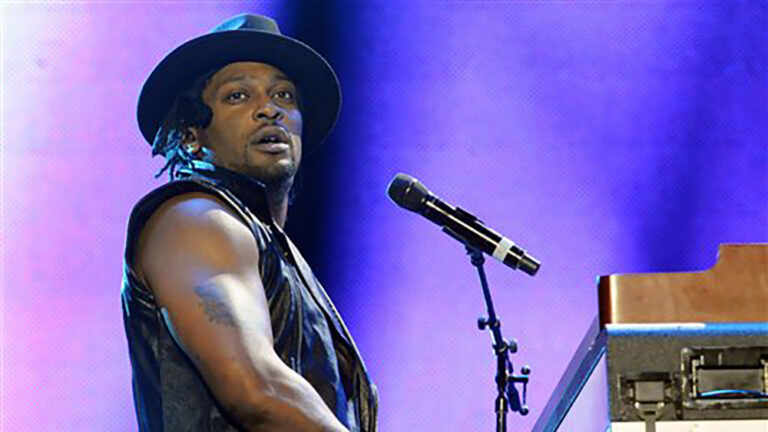
D’Angelo will hold a Verzuz DJ battle against unnamed “friends,” taking place on February 27 at 8 pm EST, at the historical Apollo Theater in Harlem.
(Photo by Cheryl Gerber/Invision/AP, File)
He announced another episode of Verzuz, an online DJ-battle series, in which artists face off their contemporaries. The competition is fun, friendly, and fans cheer on artists as they DJ hit songs against each other. Previous sets have included Alicia Keys vs. John Legend. Beginning during lockdown, Verzuz has become a staple respite for music fans everywhere. The notoriously reclusive artist, D’Angelo, who champions quality over quantity will take the stage at the Apollo Theater for the first time since 2014.
D’Angelo will be challenging several guests at his performance, which expands the online show to a larger spectacle. Due to his sparse public performances, rumors have arisen of new music, although the artist has released one album in 21 years.
In the early 1990s, D’Angelo exploded onto the “new retro soul” scene with artists such as Erykah Badu. His 2000 hit album, Voodoo, catapulted him into the spotlight, and he retracted, rarely playing shows. The next D’Angelo album did not come to fruition until 2014, and he vanished from the public eye quickly after a supporting tour. On that tour, it was the last time D’Angelo played the Apollo Theater. This return is long anticipated, and you can stream it on February 27 at 8pm EST through Verzuz.
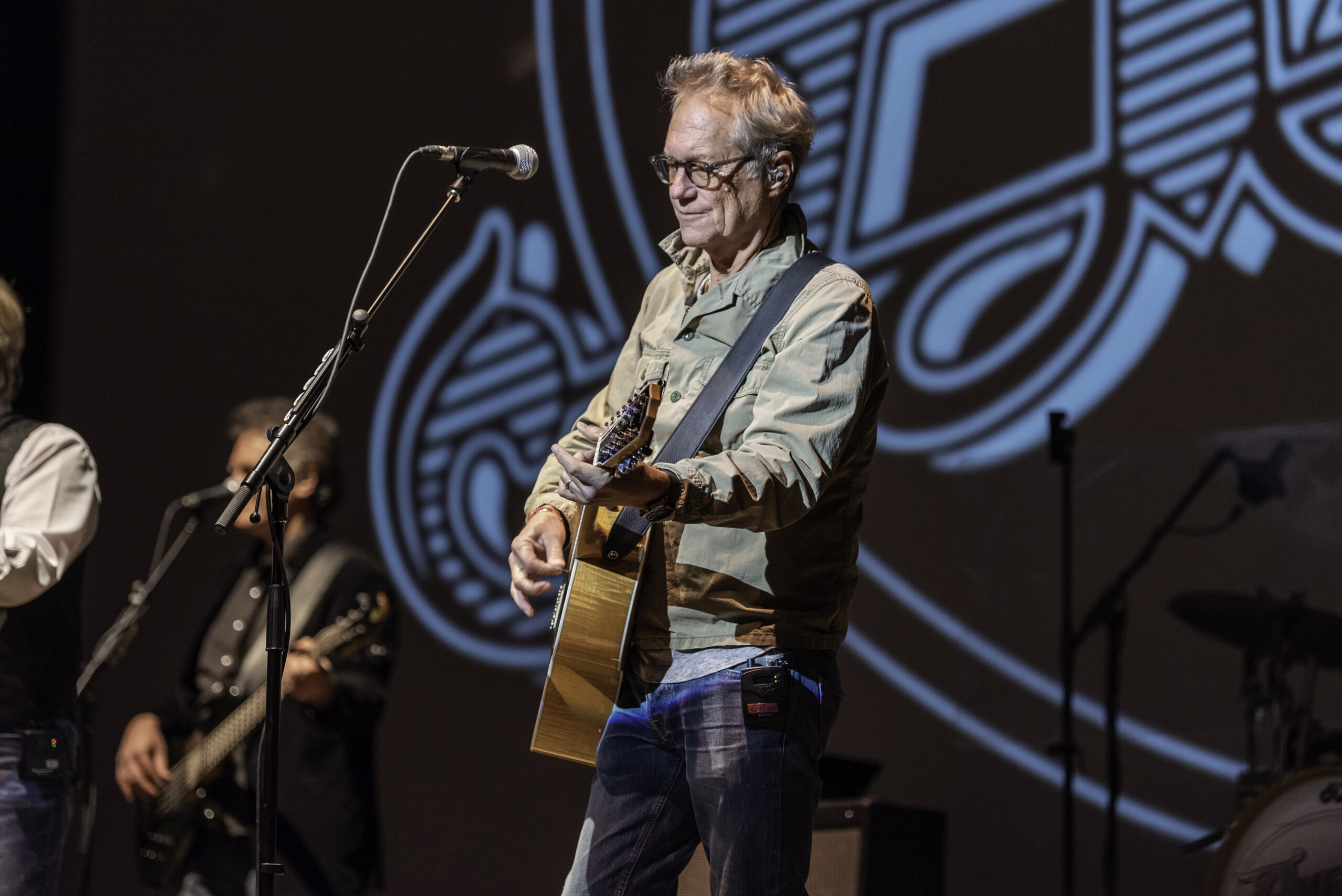
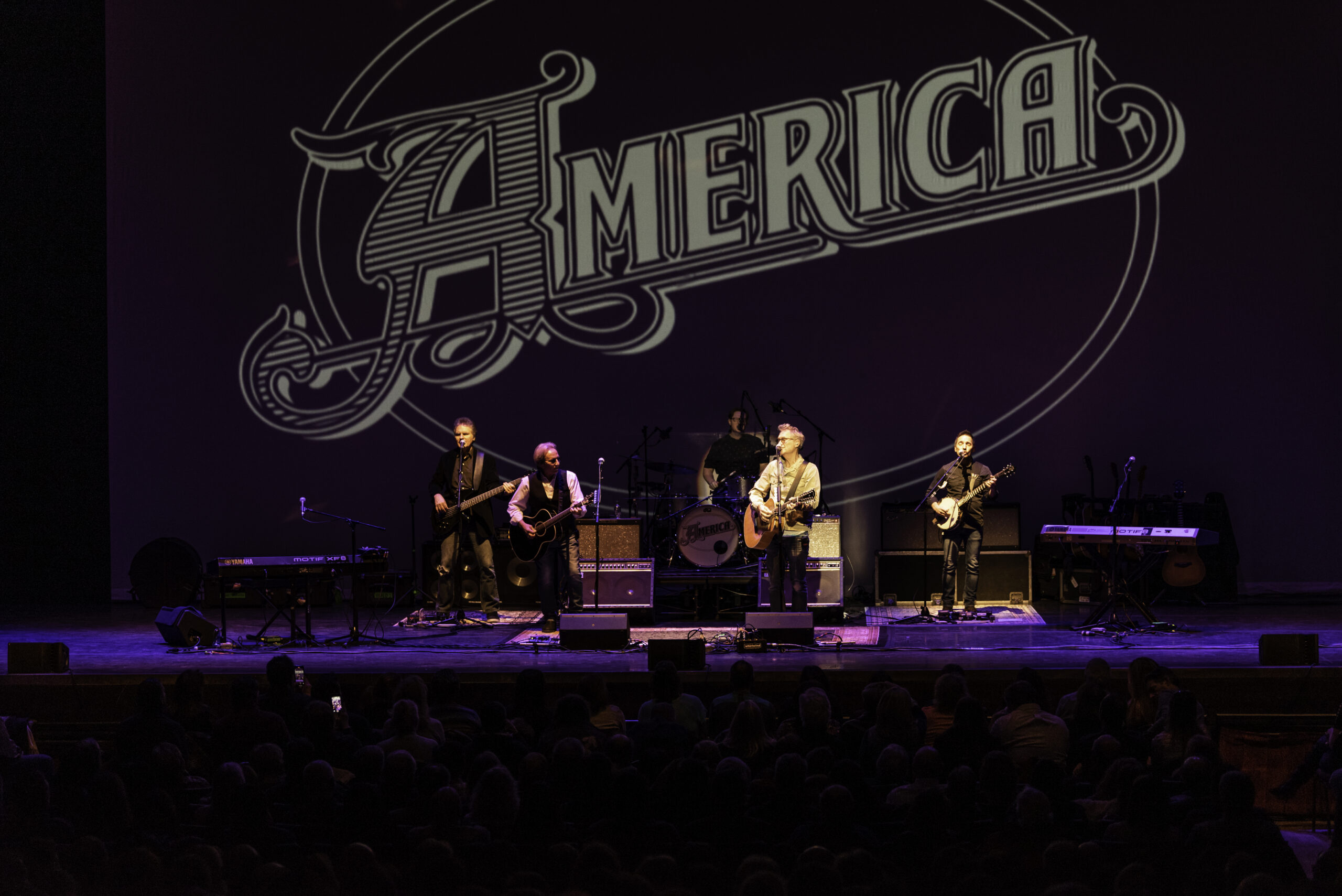
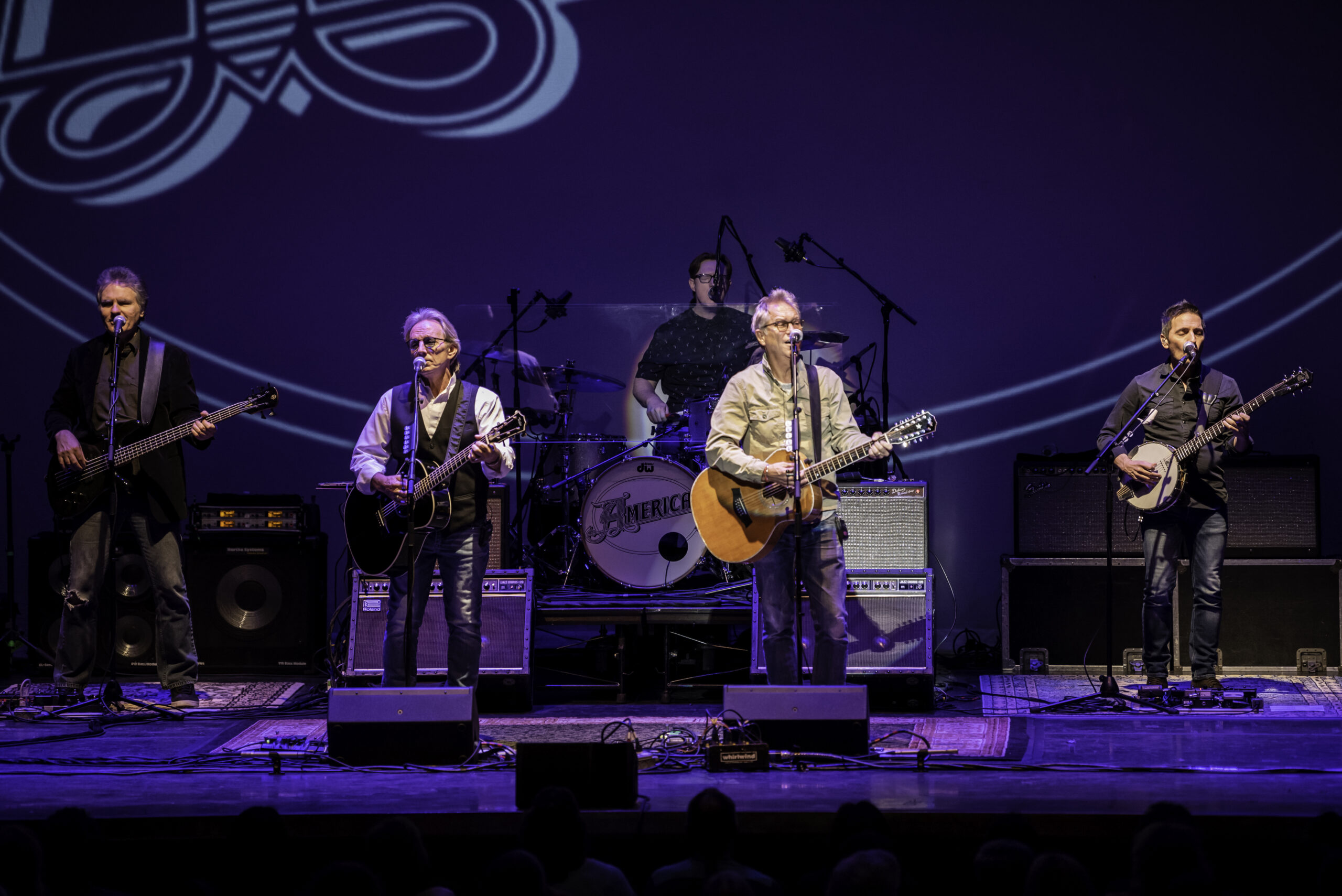
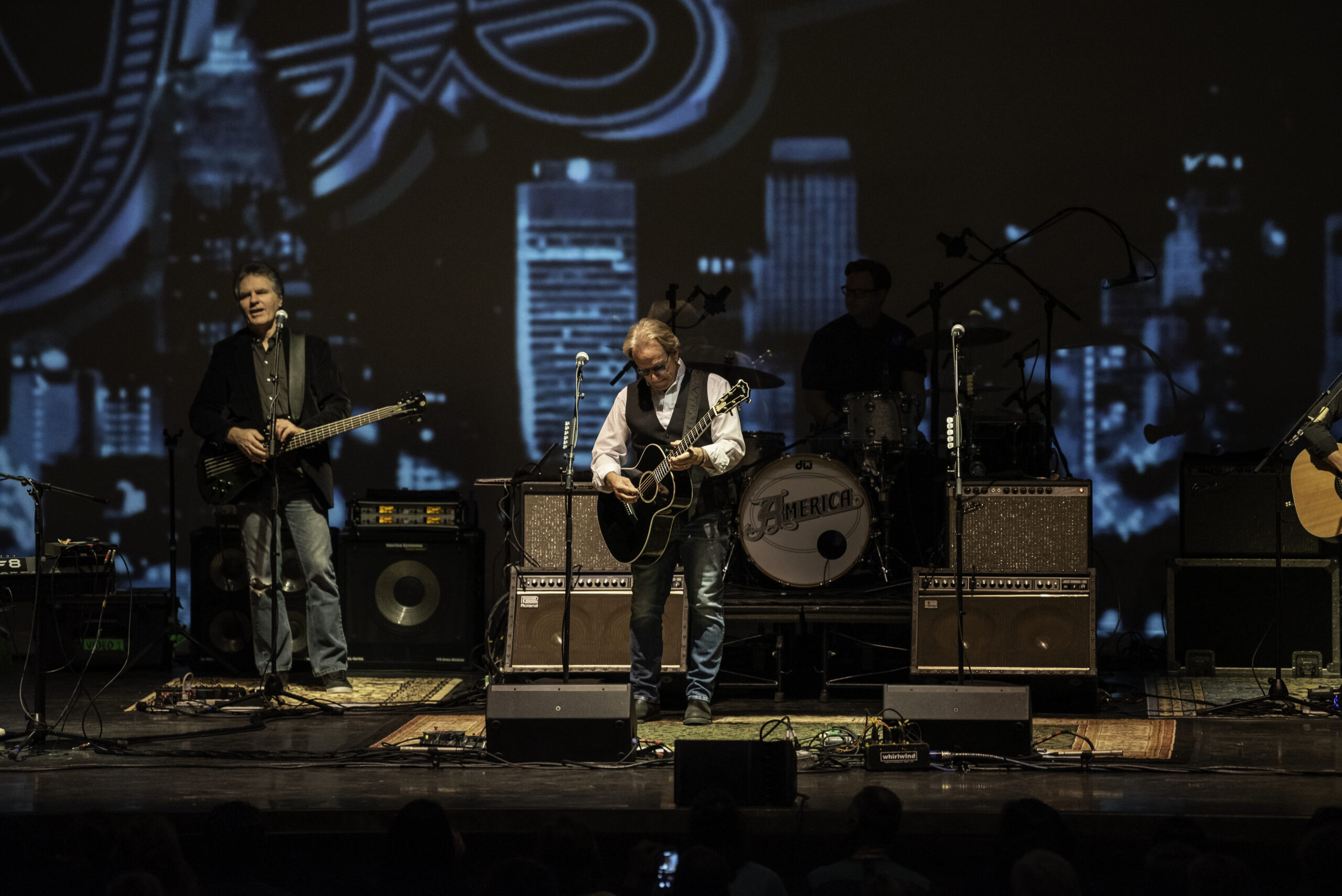
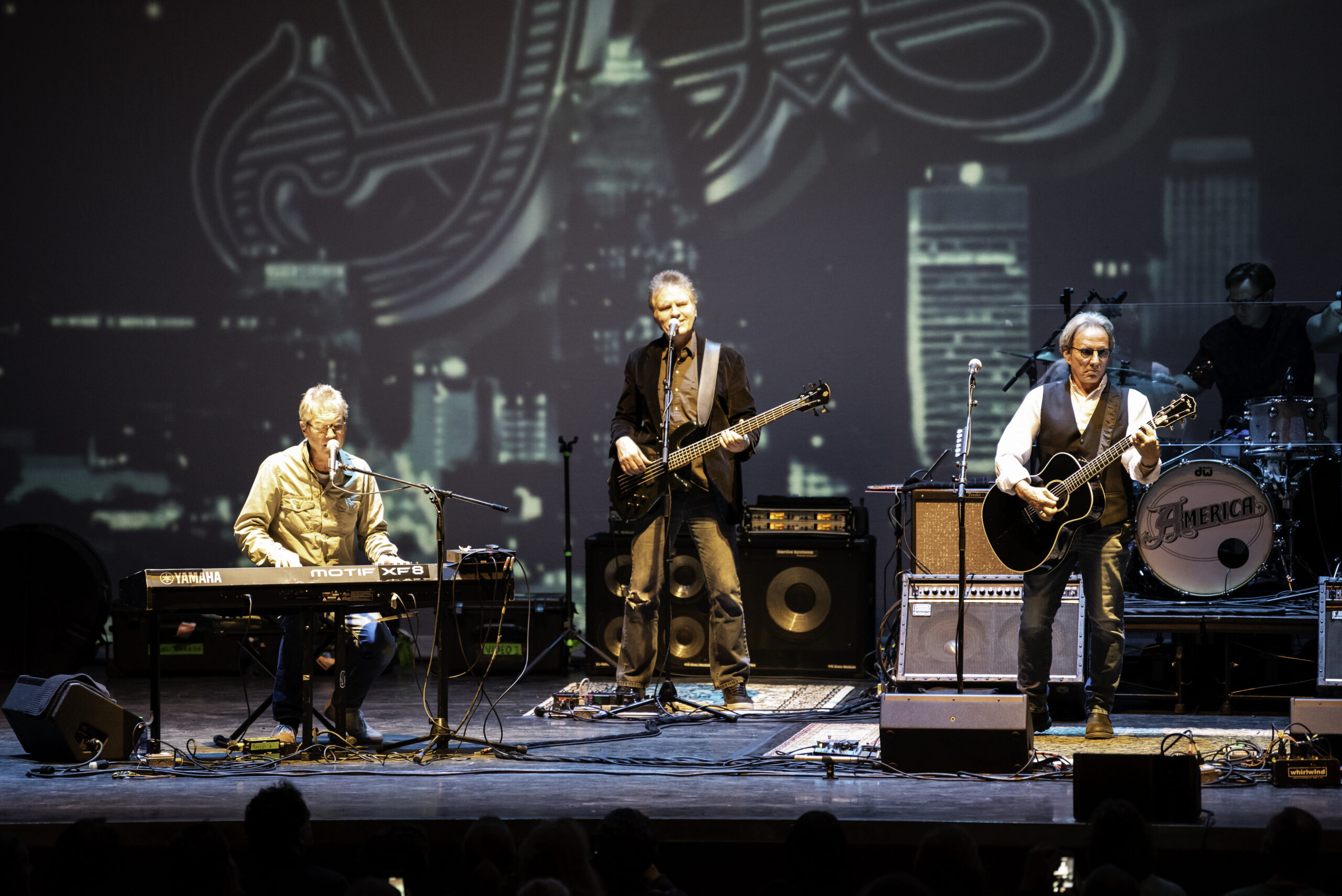
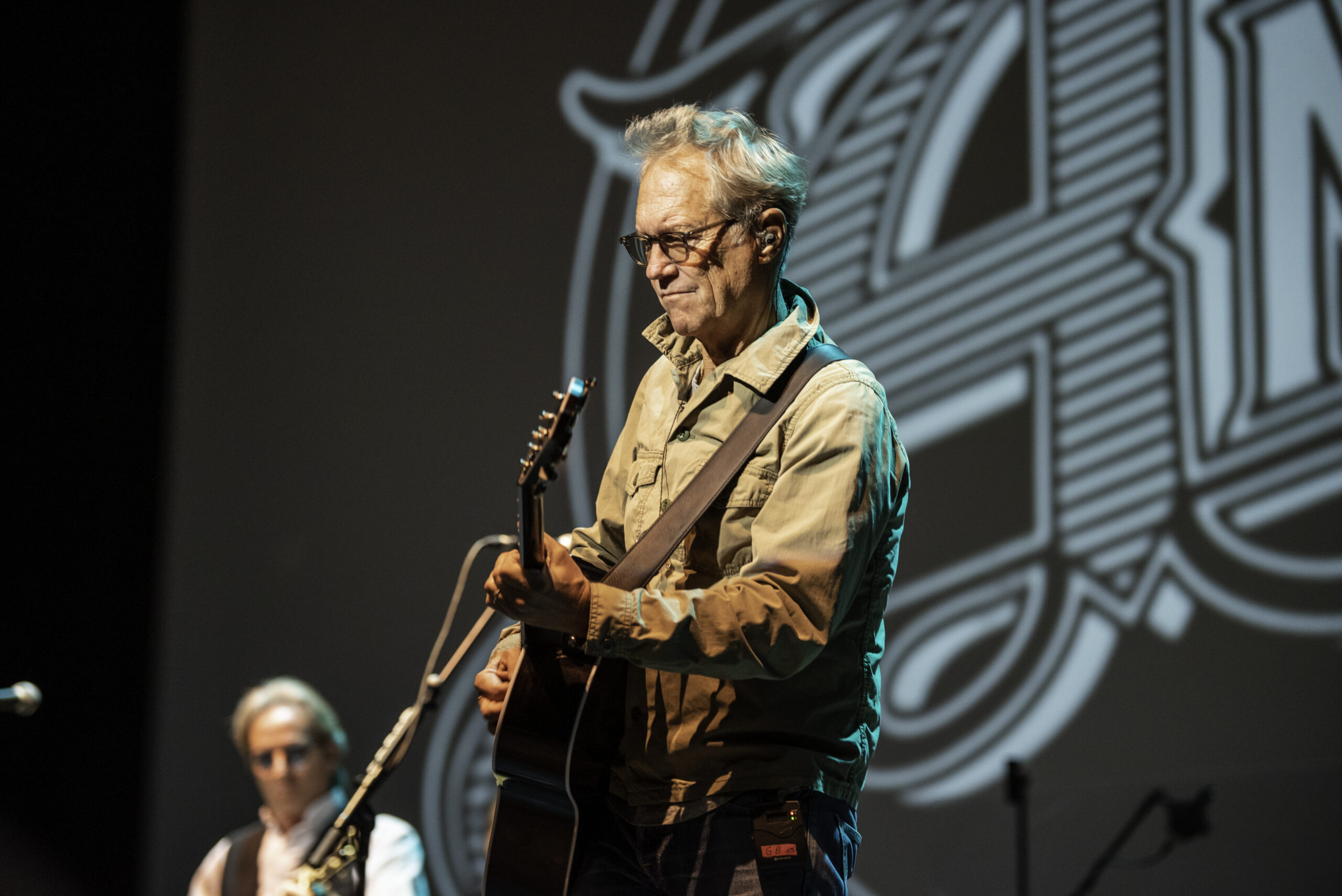
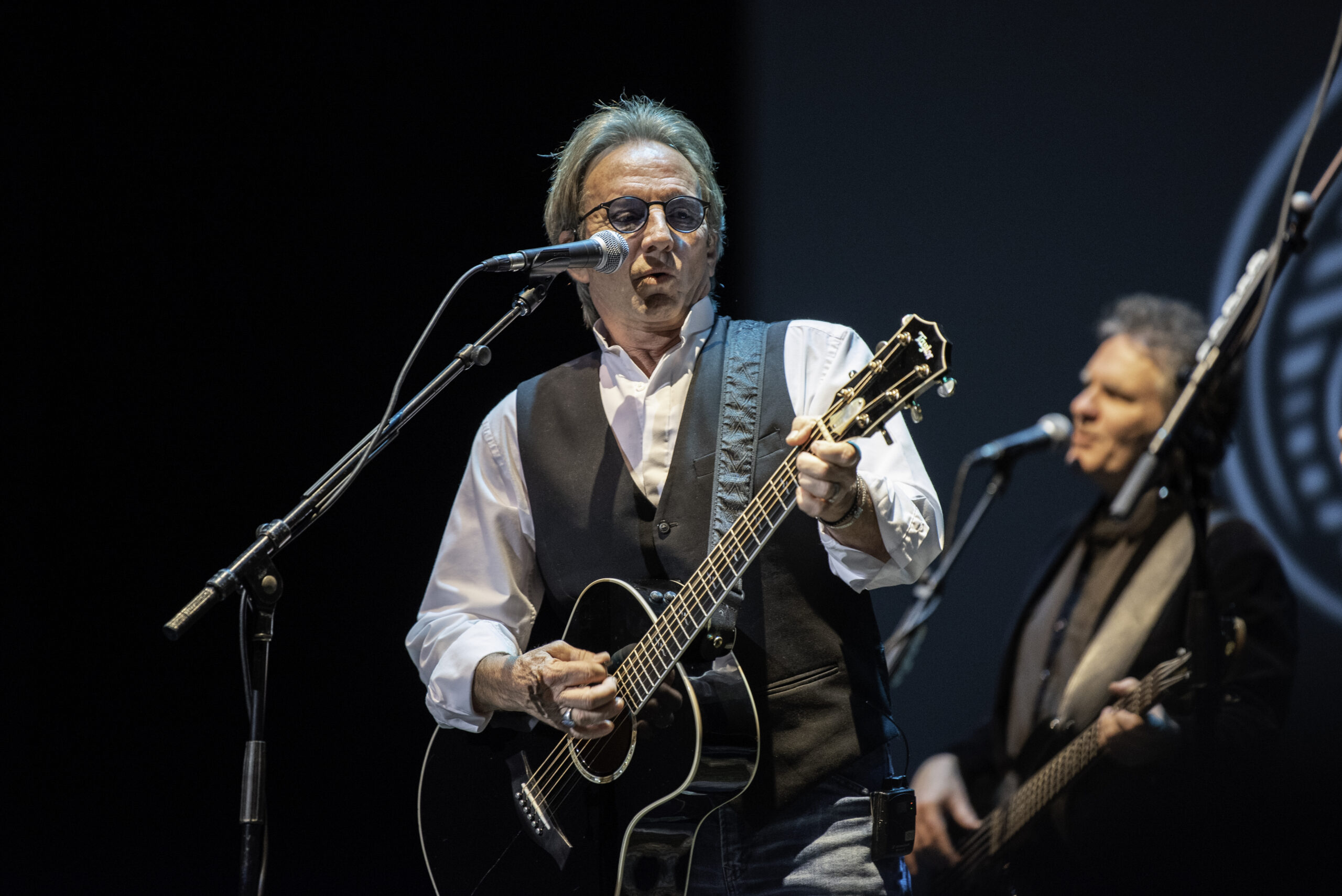
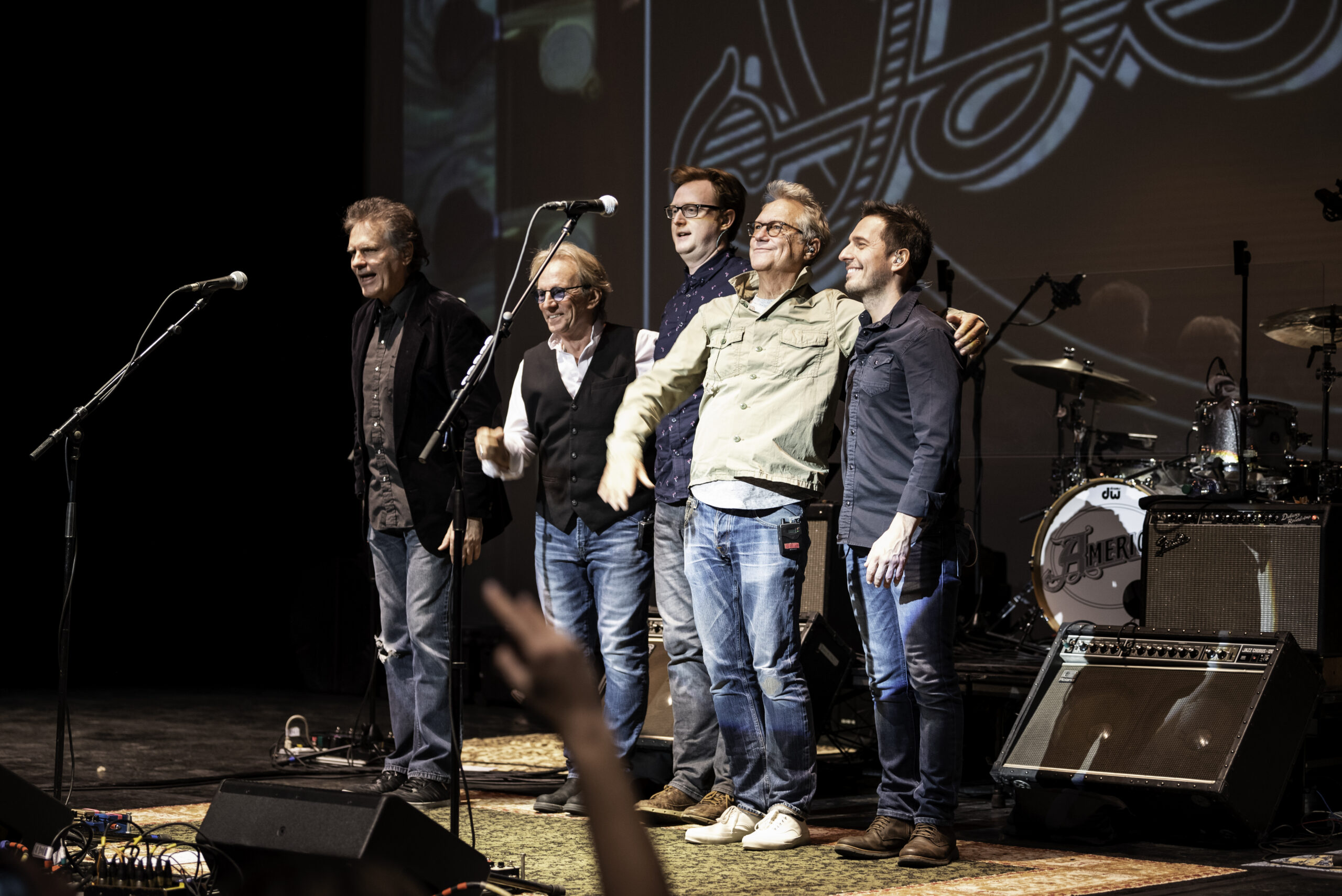
1 year ago today on February 21st 2020, America played a sold out show at The Tilles Center on the LIU Post campus in Brookville, Long Island. This was the first show of the bands 50th Anniversary tour celebrating the release of their 1971 self titled album.
“A Horse With No Name,” originally titled “Desert Song” was released in the US a few weeks before the album came out and sold over a million copies being awarded a gold disc by the RIAA. The album went platinum shortly after. The band was opening for acts like The Who, Elton John, Pink Floyd and worked with Beatles producer George Martin from 1974-1979.
The show was filled with hit after hit spanning through their 50 year and counting career. Gerry and Dewey sounded just as good today as they did when they started harmonizing 50 years ago. Songs from the setlist included “Tin Man,” “Ventura Highway,” “Sister Golden Hair” as well as a covers of The Beatles “Eleanor Rigby” and The Mamas & Papas “California Dreamin’.” The 18 song set concluded with “A Horse With No Name.”
The band’s current lineup includes original founding members Gerry Beckley and Dewey Bunnell, as well as Ryland Steen on drums, Steve Fekete on guitar and Richard Campbell on bass. The tour continues across United States and Canada until July when they head to Europe for shows in France, the U.K. and Germany. You can see all the tour dates here.
There is also a biography about the band written by Jude Warne, titled America The Band: An Authorized Biography that is available now.
Setlist: Tin Man, You Can Do Magic, Don’t Cross The River, Daisy Jane, Riverside, I Need You, Here, Ventura Highway, Eleanor Rigby, Cornwall Blank, Hollywood, The Border, Woman Tonight, Only In Your Heart, California Dreamin, Lonely People, Sandman, Sister Golden Hair, A Horse With No Name
Beginning on February 18, 2021, the National Jazz Museum in Harlem is available for anybody in the world to visit virtually on the Google Arts and Culture platform.
The National Jazz Museum in Harlem
The free, virtual tour allows viewers to experience videos and high-resolution pictures of jazz artifacts from the Museum’s collections as a part of the Google Arts & Culture Black History Month project.
“Jazz was born in New Orleans but spent a lot of time growing up in Harlem,” says award winning bandleader Christian McBride who, with award winning bandleader Jon Batiste, serves as National Jazz Museum in Harlem (NJMH) Artistic Director. The Black History and Culture project celebrates and recognizes Black creatives. NJMH joins over 80 partners on the platform with their own expertise and storytelling about Black history and jazz.
“Jazz music is a centerpiece of Black history, culture and art,” said Simon Delacroix, US Lead for Google Arts & Culture. “During Black History Month, we’re proud to welcome the National Jazz Museum in Harlem to the Google Arts and Culture platform. Now everyone can experience the magic of the genre and the artists who created it.”
The Museum wishes to reopen its doors to the public for the indelible, energetic performances and captivating history contained in its walls. Executive Director Tracey Hyter-Suffern says that “During the pandemic we have seen the effect on the jazz community and vital role this music and the arts, in general, play in anchoring us. We are a gathering space for jazz artists, educators, scholars and the community. Jazz engages us with each other. Jazz is history you can feel. It’s physical. The Museum is physical. It’s a place, in Harlem, where the community can connect, renew and celebrate.”
Outside the National Jazz Museum in Harlem
The pandemic has had a severe, disastrous impact on Black and other communities of color. Black, Latino, and senior jazz artists and performers are among the highest risk categories, and many have sadly passed away during this time. This makes it especially critical to share and celebrate the history and legacy of jazz, the uniquely American art form. The Museum serves as a force to keep jazz and its message alive and its artists working, never letting the passion and importance of it fade.
Inspired by news of the Museum’s partnership with Google Arts & Culture, the Ella Fitzgerald Charitable Foundation has offered to match every dollar contributed to the National Jazz Museum in Harlem during Black History Month up to $5,000. To contribute, visit .
Where else can you get a steak and jazz performances all in one spot? Step back nearly 90 years and visit Hickory House.
A New York jazz club located on West 52nd Street, Hickory House was opened in 1933 by John Popkin and was a swinging venue and a great spot to grab cocktails and dinner before a show.
Located in a stretch of midtown that was crowded with jazz clubs in the 1940s and 1950s, Hickory House stood out because they also had a branch in Miami Beach, as seen on the menu cover.
With the 18th Amendment repealed in 1933, post-prohibition New York City hit the bars and drank without abandon, and the cheap prices for the time show it.
In 2014, NPR profiled Hickory House Trio, a 1950s group of Marian McPartland, Bill Crow and Joe Morello, the latter of whom was part of a reunion session in 1990. Morello fielded offers from both Benny Goodman and Tommy Dorsey, but ultimately went on to work with a small group taking a new direction in jazz led by Dave Brubeck, notably on his “Take Five.”
NPR notes that during the 1950s when McPartland and company were playing the Hickory House, jazz musicians including Duke Ellington, Billy Strayhorn, Oscar Pettiford and Thelonious Monk, would stop by the club for a meal and to watch the band. Some would even sit in with the trio, and after coaxing, Ellington might join them on the bandstand (it didn’t hurt that he shared a publicist with the club.)
Although all trace of Hickory House is gone, it continued to be in operation at least until 1964. See more images of the venue, and what 52nd Street looks like now, at JAZZ LIVES.
A similarly named venue, The Hickory Log, located on 47th St., and known simply as Lou Terrassi’s. also hosted jazz performances. While the two venues share a name, they do not seem to be related, and a connection between the two venues is unable to be discerned.
One recording from The Hickory Log, made available by JAZZ LIVES, provides a glance at a half-hour broadcast recorded at the lost venue. With host Aime Gauvin, a.k.a. “Dr. Jazz,” featuring musicians from the Jimmy McPartland Sextet: McPartland (cornet), Dicky Wells (trombone), Cecil Scott (clarinet), Joe Sullivan (piano), Walter Page (string bass), George Wettling (drums) and Marian McPartland (piano).
Hickory House, 1937
The band is introduced by Leonard Feather, who chats with both McPartlands, amid serene ambiance that is comparable to Central Plaza or Stuyvesant Casino at the time. Listen closely and you’ll hear the crash of dishes, as the stage and kitchen were located near each other.
Performances on Jazz Club U.S.A. from 1952 include “Love Is Just Around The Corner,” “Tin Roof Blues,” “Embraceable You,” “Baby Won’t You Please Come Home,” and “Sweet Georgia Brown.”
Puerto Rican artist Bad Bunny took to the stage at Studio 8H for this week’s episode of Saturday Night Live. This marked Bad Bunny’s first time as SNL’s musical guest, although he did appear in a sketch last season when the show was shooting remotely. Hosting this evening was Regé-Jean Page, from Netflix’s Bridgerton.
Bad Bunny is nominated for multiple Grammy Awards this year, including Best Latin Pop Album for YHLQMDLG, and Best Pop Duo/Group Performance for “Un Dia (One Day)” with J Balvin, Dua Lipa, and Tainy. At the 2020 Latin Grammy Awards, Bad Bunny took home the award for Best Reggaeton performance and in 2019 won for Best Urban Music Album.
For the first performance of the night, Bad Bunny sang “La Noche de Anoche,” joined by nuevo flamenco singer Rosalía. The music video for the song off 2020’s El Ultimo Tour Del Mundo dropped last week, an album which made history for Bad Bunny as the first all-Spanish-language album to hit #1 on Billboard’s Top 200.
https://www.youtube.com/watch?v=7yb4HX5gwqI
Bad Bunny also made an appearance in the musical sketch “Loco,” serving as a hallucination for stir crazy cast member Ego Nwodim as she revisits how the COVID-19 pandemic has affected her life.
Bad Bunny’s second song of the night was “Te Deseo lo Mejor,” also off 2020’s El Ultimo Tour Del Mundo. Translated as “I Wish You the Best,” Bad Bunny performed the track on The Late Show with James Cordon this past December.
https://www.youtube.com/watch?v=SPEwYnAQQOg
Saturday Night Live returns on February 27 with host and musical guest, Nick Jonas.