Atlanta-based artists Outkast and TLC received shout-outs during the ‘Blue Georgia’ sketch, and The Office theme song finally gained lyrics courtesy of John Krasinski.
For his first song, Machine Gun Kelly sang “My Ex’s Best Friend” The punk-lite track recalled Sum 41’s performance on October 6, 2001, the second episode after 9/11. Kelly channeled Gen Z’s muffled rage, throwing his guitar into the crowd at the end of the song.
https://www.youtube.com/watch?v=Rd7APH5XeFc
MGK performed “Lonely” for his second song, an emotional song about his father who passed away in July 2020. Both songs are from Machine Gun Kelly’s fifth album Tickets to My Downfall, released in September 2020.
Uproxx notes how fitting the second song is, “not just because of what he shared about watching the show being a family affair, but because these emotions of loss, grief, and loneliness are pervasive right now during the coronavirus pandemic that has been plaguing the world since last year.”
https://www.youtube.com/watch?v=B_djsCw1iS8
To close the night, Machine Gun Kelly attempted to pick The Dirt co-star Pete Davidson, allowing hilarity to ensue.
Indie-folk singer Mackenzie Shivers releases her first single “Martha’s Vineyard” for her upcoming 2021 full-length release, Rejection Letters
Singer, songwriter and pianist, Mackenzie Shivers, premiered her new dreamy video for her song “Martha’s Vineyard.”Her song radiates the intimate, eerie qualities of indie-folk, akin to Phoebe Bridgers. At the end of the song, a spoken-word verse adds mystery and edge to Shivers’ unique sound. The music video features a vignette of Shivers alone on a beach save her acoustic guitar, immersed the world of her music.
I’m not sure I ever learned healthy ways to express anger. But I’m learning now. I’m much more comfortable with sadness than I am with anger. I think that’s because female anger is so often met with shame and dismissal. That’s certainly been my experience, and it really started to hit home as I wrote this song.
Mackenzie Shivers – “Martha’s Vineyard.”
Shivers’ third full length album was borne out of the strange circumstances which we have all endured in 2020. She sought refuge in Cape Cod from her home in New York City. With an old family guitar gifted by her father, Shivers experimented with alternate tunings, thanks to Instagram live tutorials from folk artist Laura Marling. Since touring was an adventure left in another world, Shivers inadvertently wrote a collection of songs that became Rejection Letter.
Her newfound time for introspection led to topics she seldom discussed on past records. Female anger – questioning the contemporary world, trying to have a child and struggling to conceive color. This record is in a poignantly personal way. She hopes that her lyrics help those with grand uncertainties can listen to someone that feels the same. Shivers revels in her rebellion, embracing her fiery nature.
“I’m proud that I found a way to make this record during a very scary, chaotic, uncertain time. I wanted to make something that would give my listeners permission to get angry, to commiserate. My goal is always and ultimately to remind people they’re not alone,” says Shivers.
I feel like this is me at my best and most complex to date. You get to see new sides of me through this music – a darker, moodier, sometimes angrier side. But it’s still whimsical. It still balances that dark with the light.
Prior to her upcoming third release, Mackenzie Shivers has released two full-length albums: 2014’s Neverland and 2019’s The Unkindness and three EPs titled Living in My Head (2016), Ravens (2017), and Midwinter (2019). She currently lives in New York City with her husband.
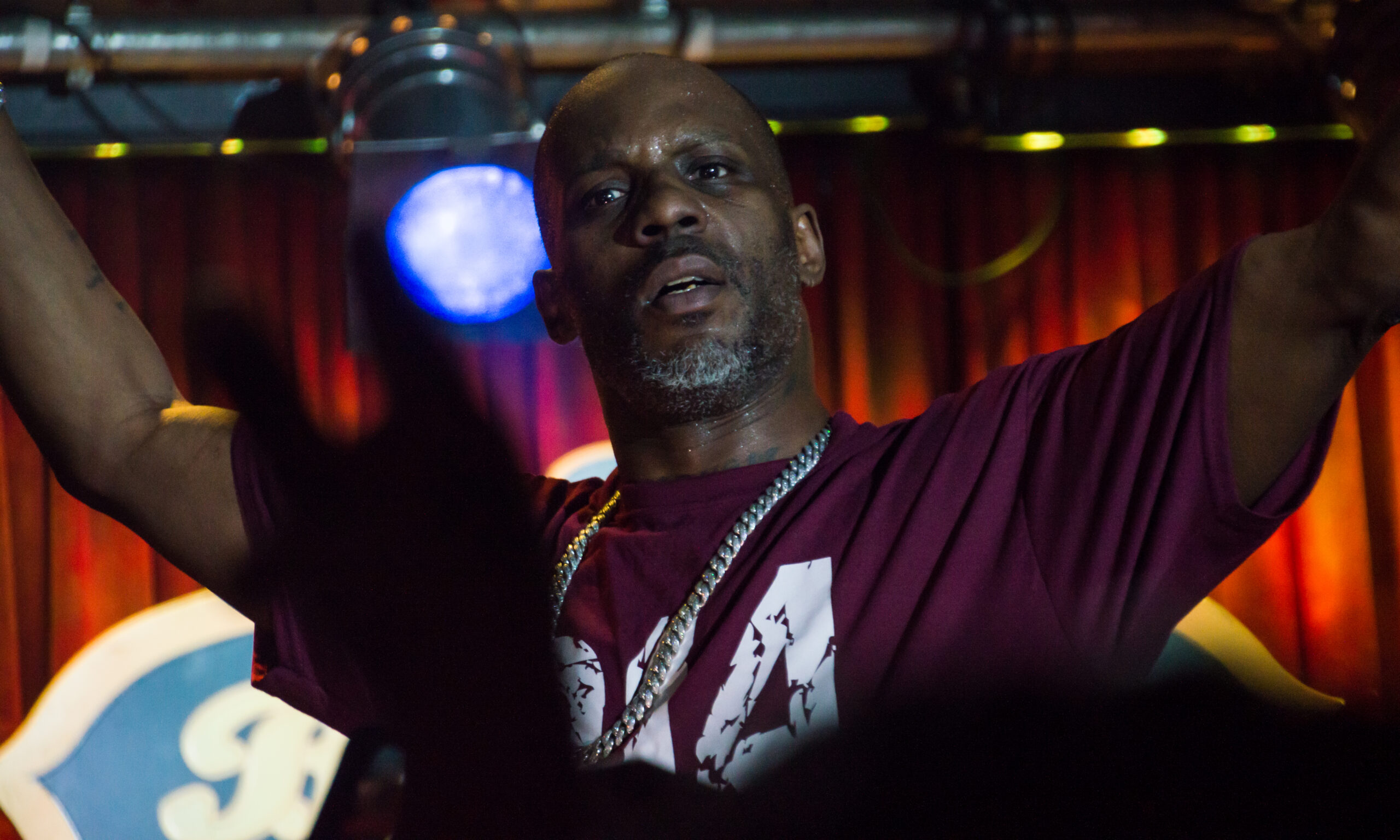
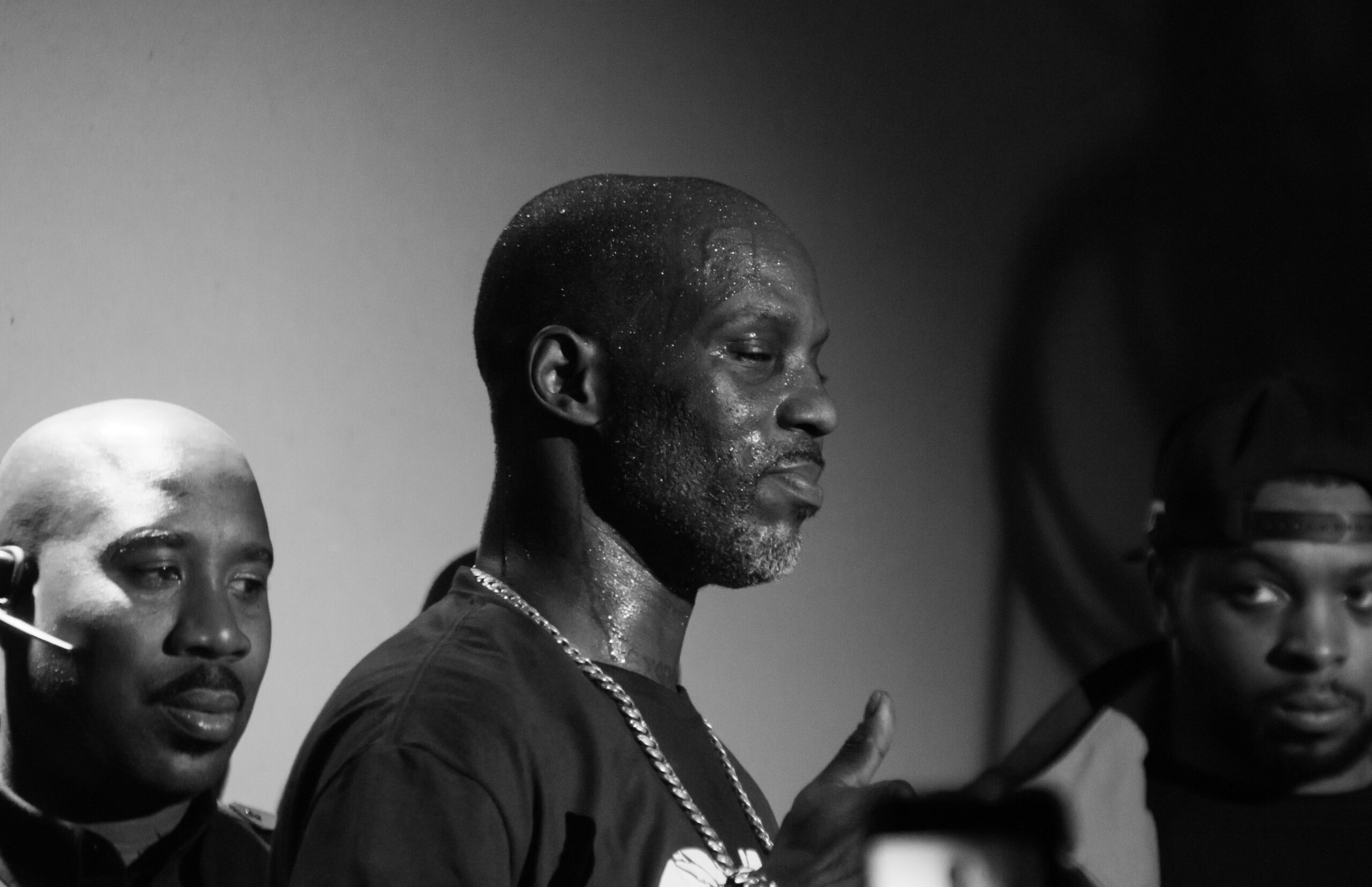
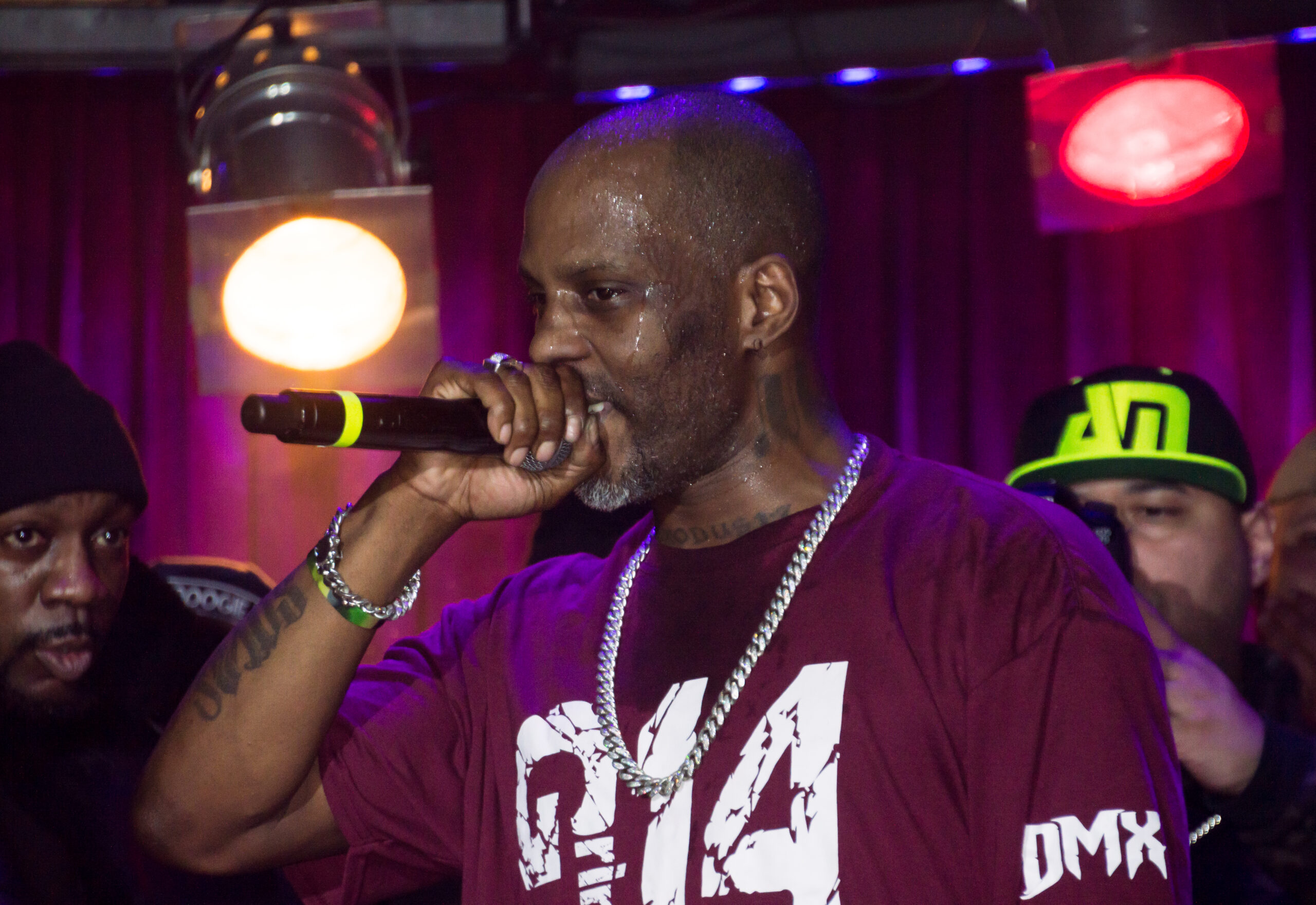
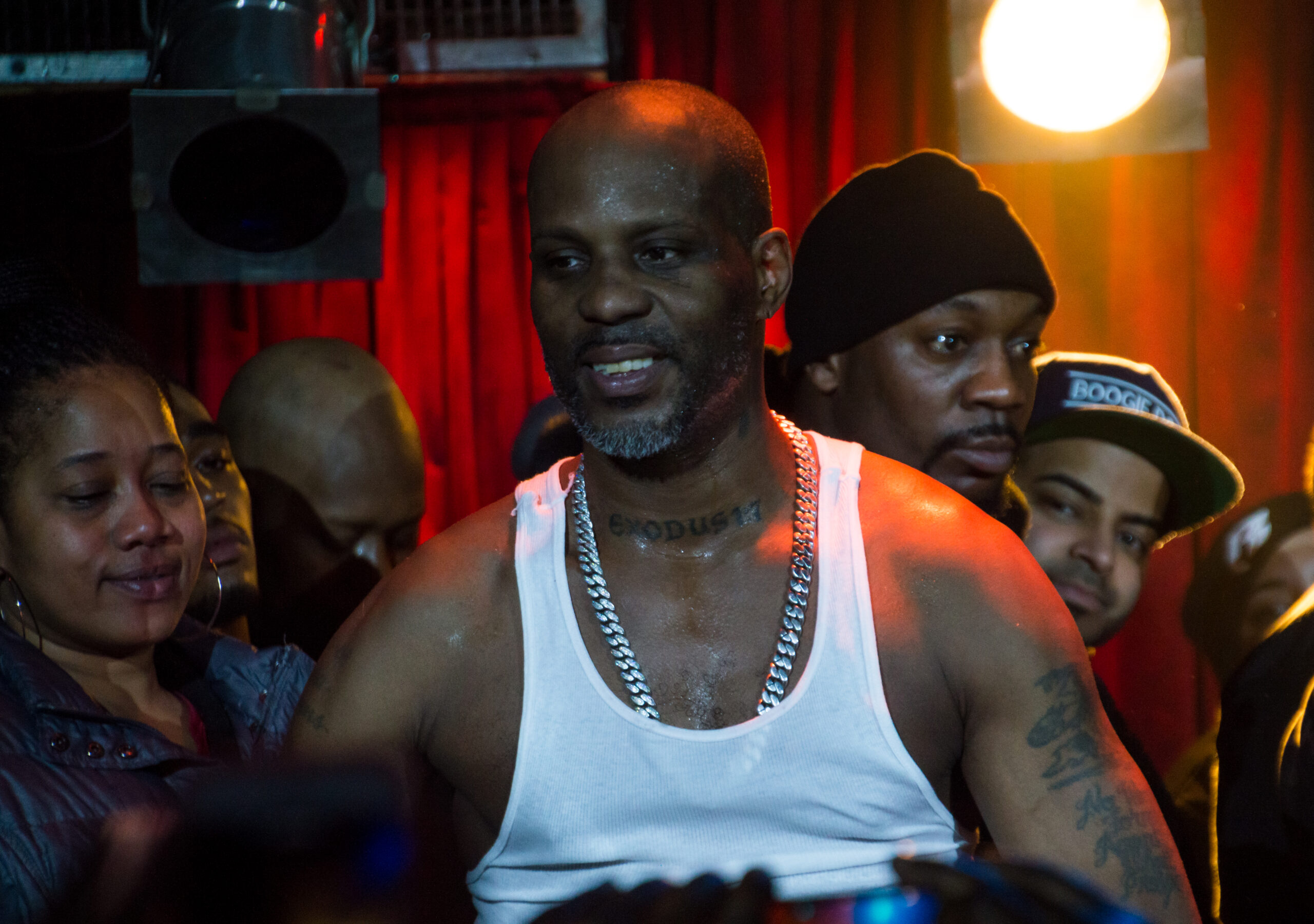
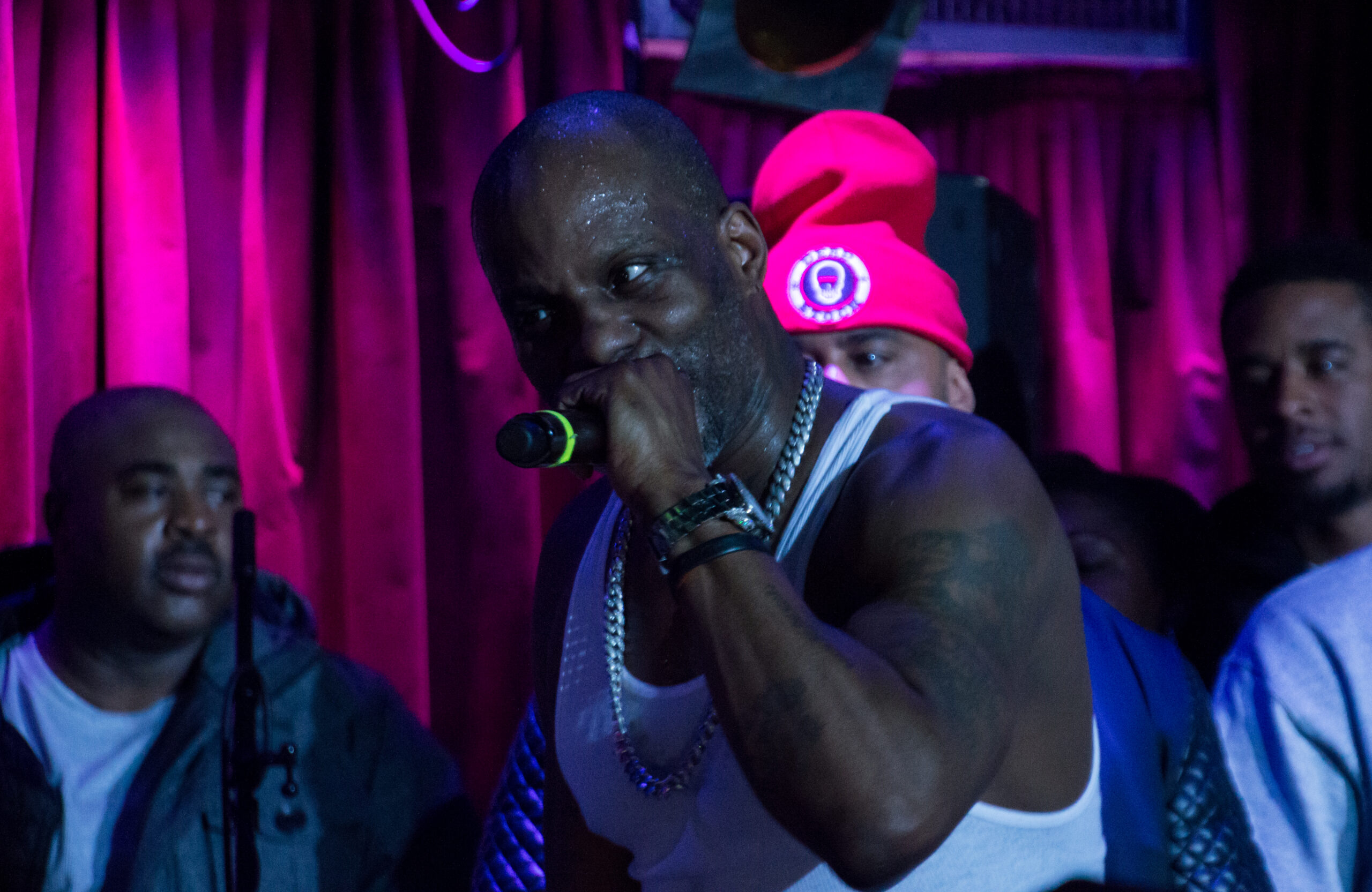
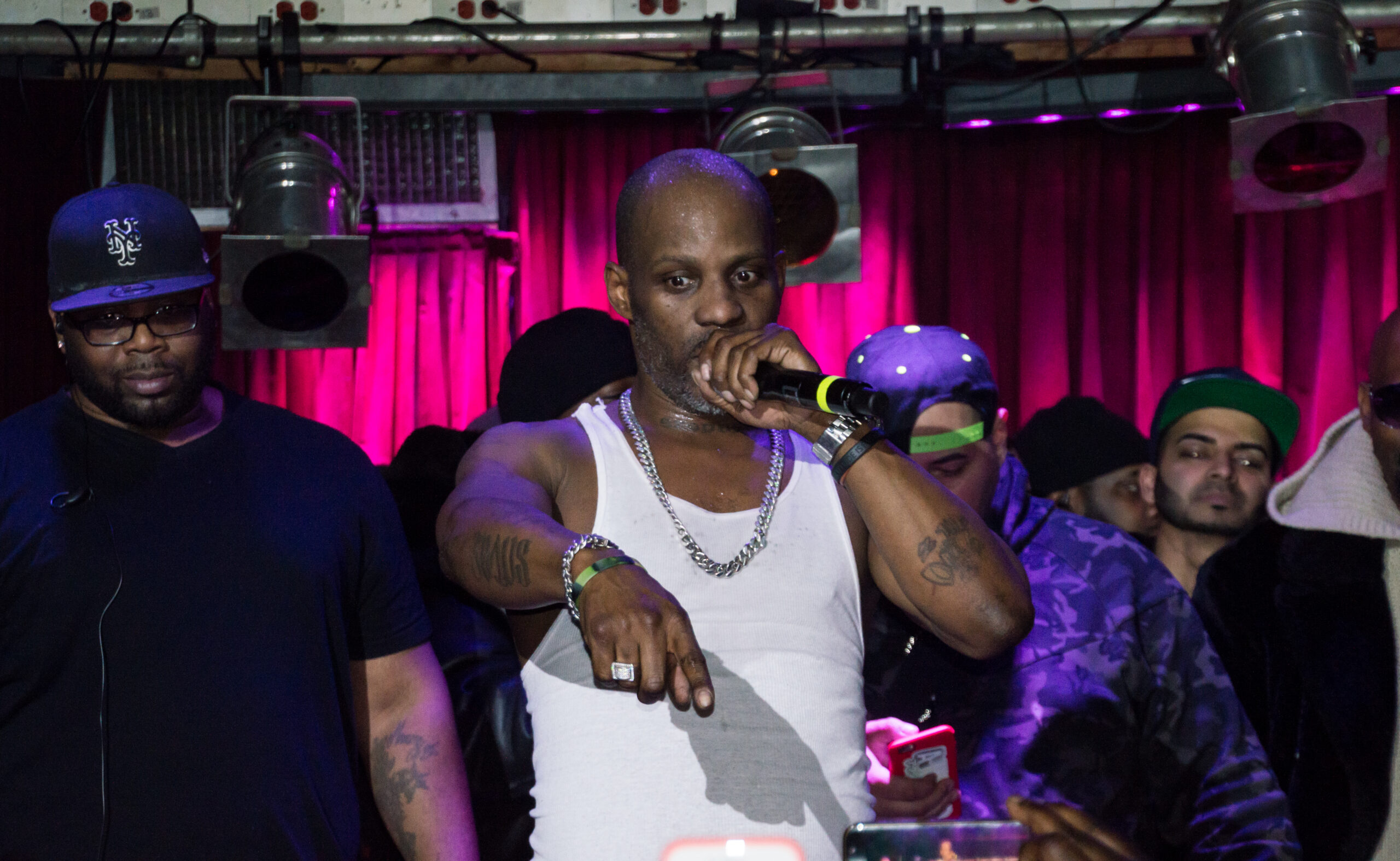
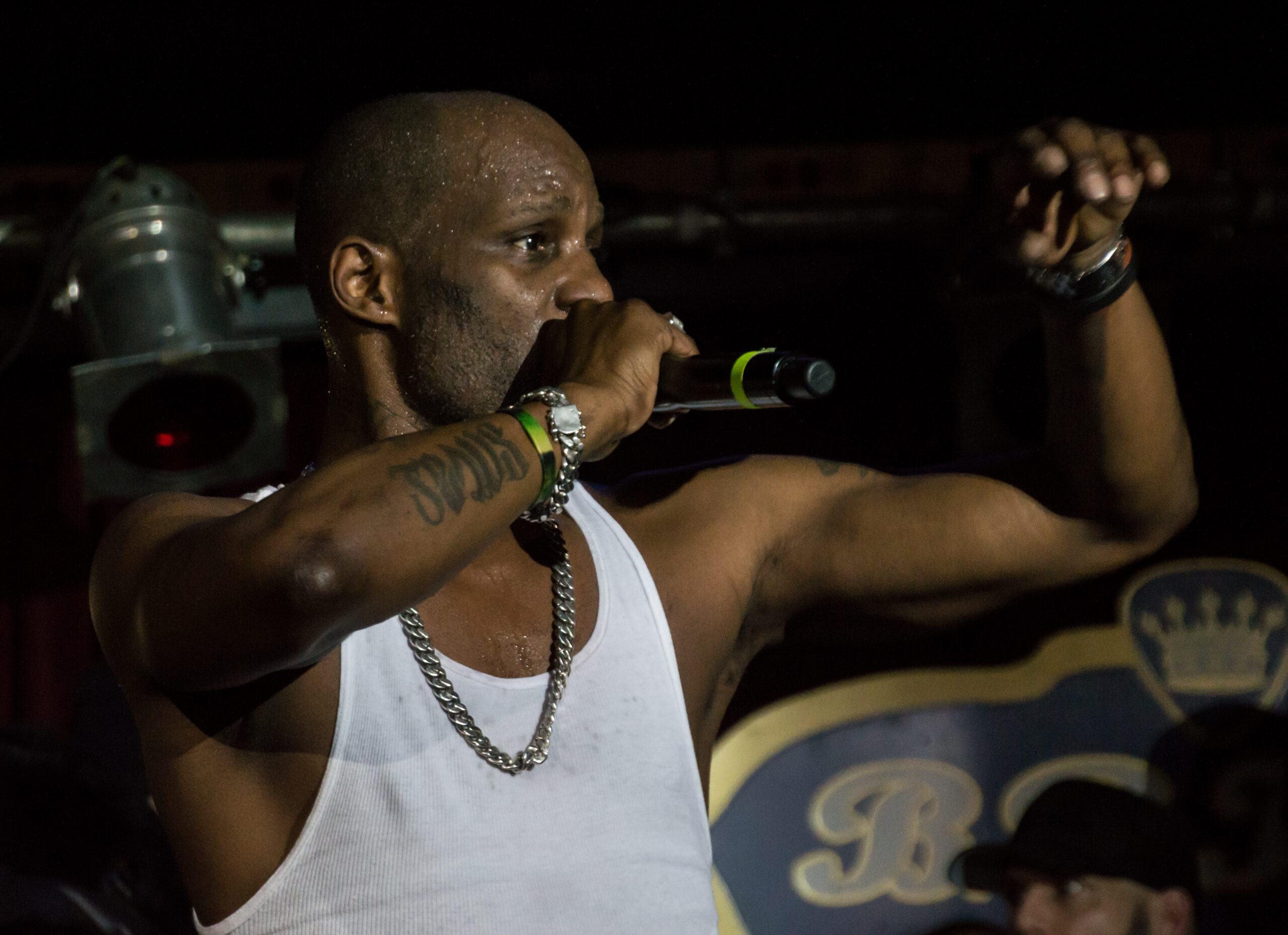
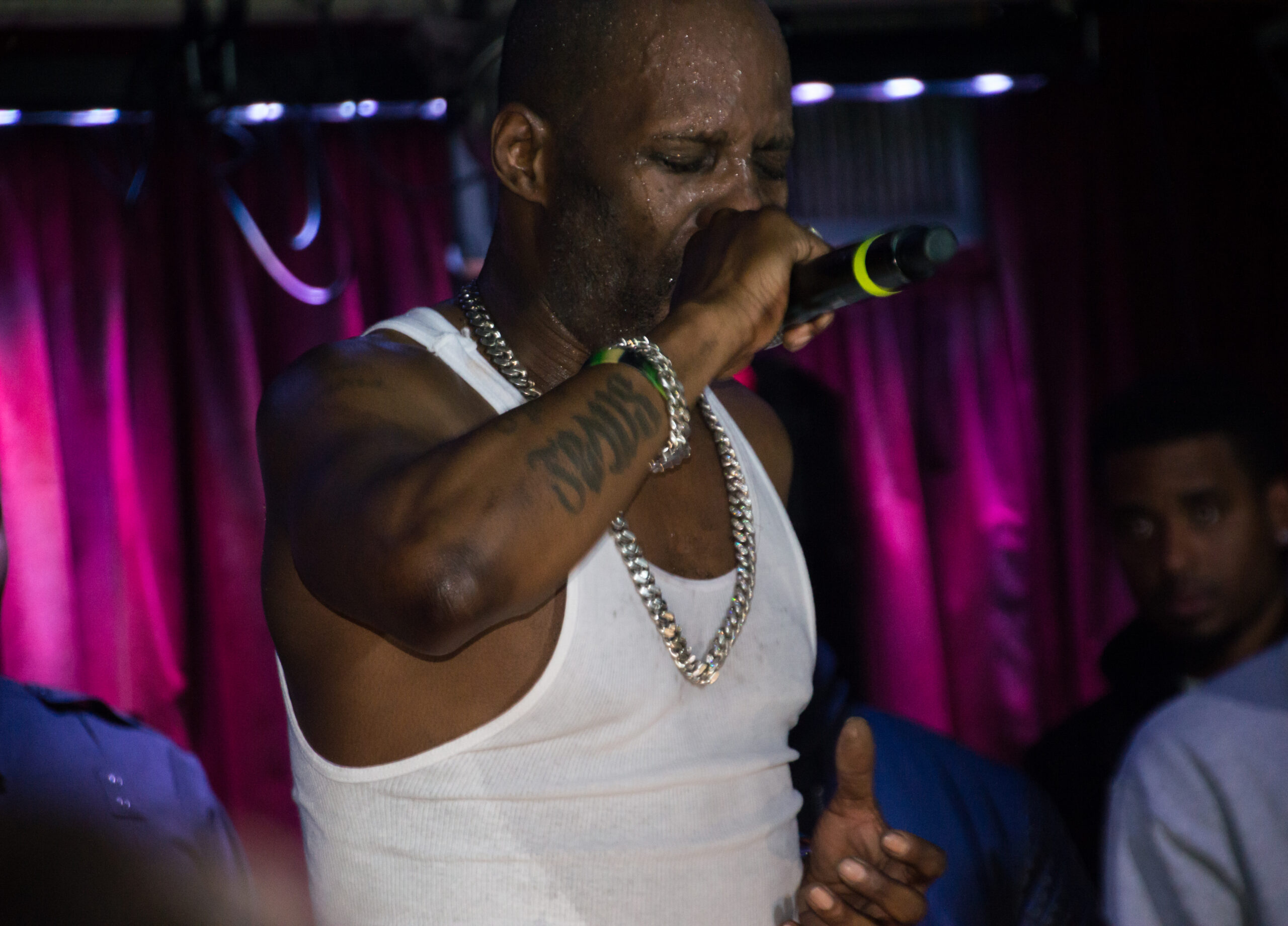
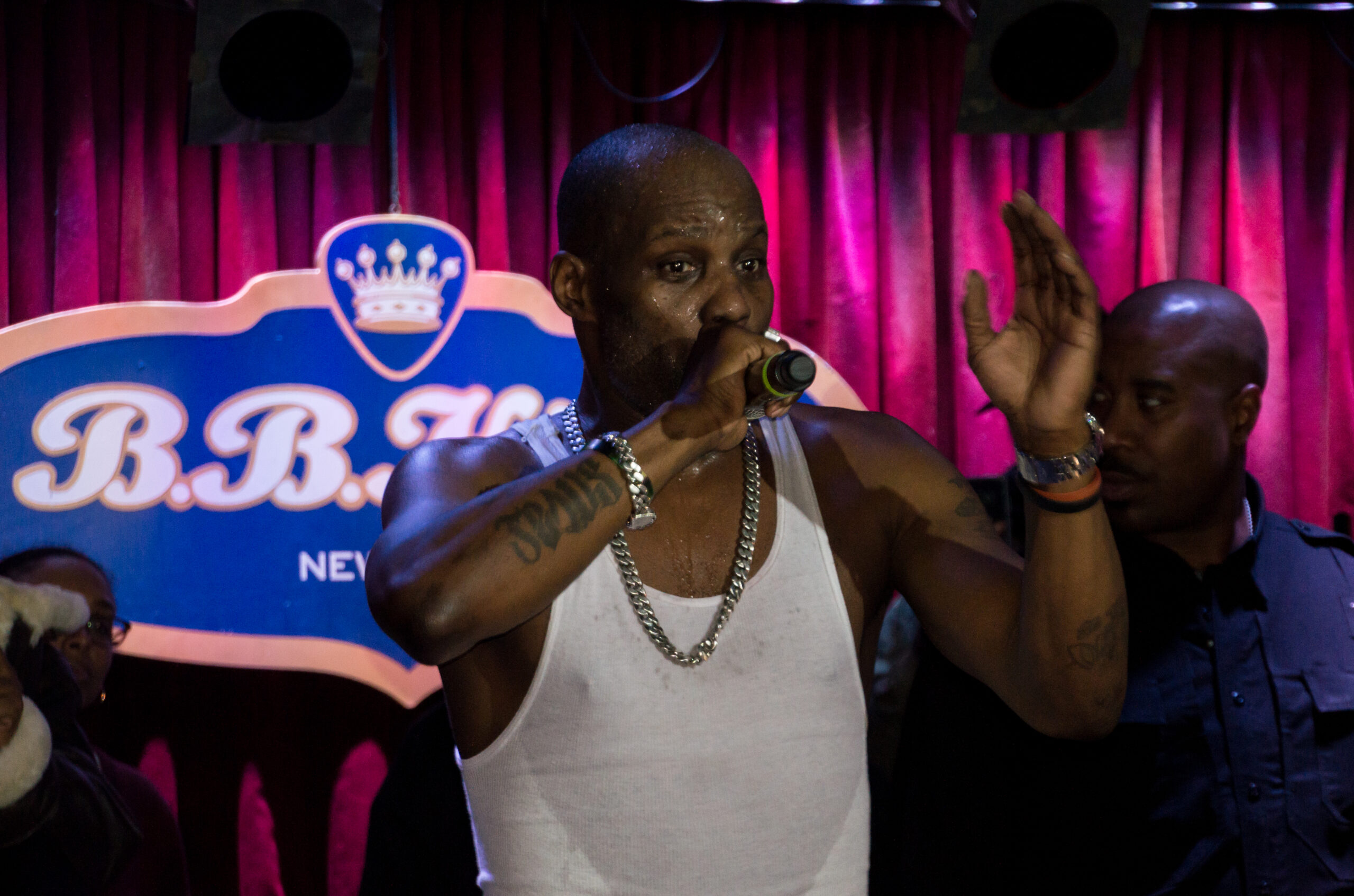
On January 25, 2018, Earl Simmons, better known as DMX, played BB King Blues Club in NYC shortly before the venue permanently closed its doors. Despite his late arrival, DMX managed to put on a great show and win back the restless crowd that waited hours for him to arrive.
The crowd went crazy when he finally came out, but many were skeptical if he was going to be able to perform due to his recent issues with substance abuse. DMX proved everyone wrong who doubted him as he started his set with the hard hitting “We Right Here.” He sounded like he did in ’98, the year his first album, It’s Dark and Hell is Hotcame out.
He went on to perform more classics like “Who We Be,” “Ruff Ryders Anthem,” “Where the Hood At,” “Get At Me Dog,” “Party Up” and “Slippin.” Throughout the night he cracked jokes and showed his appreciation to the crowd. He ended the show like he always does, with a prayer.
The hour long set left fans wanting more. Hopefully there will be new music from DMX in the future for the club. B.B. King Blues Club NYC closed it doors for the final time after 18 years on April 29, 2018. So far the venue has not announced any plans to reopen.
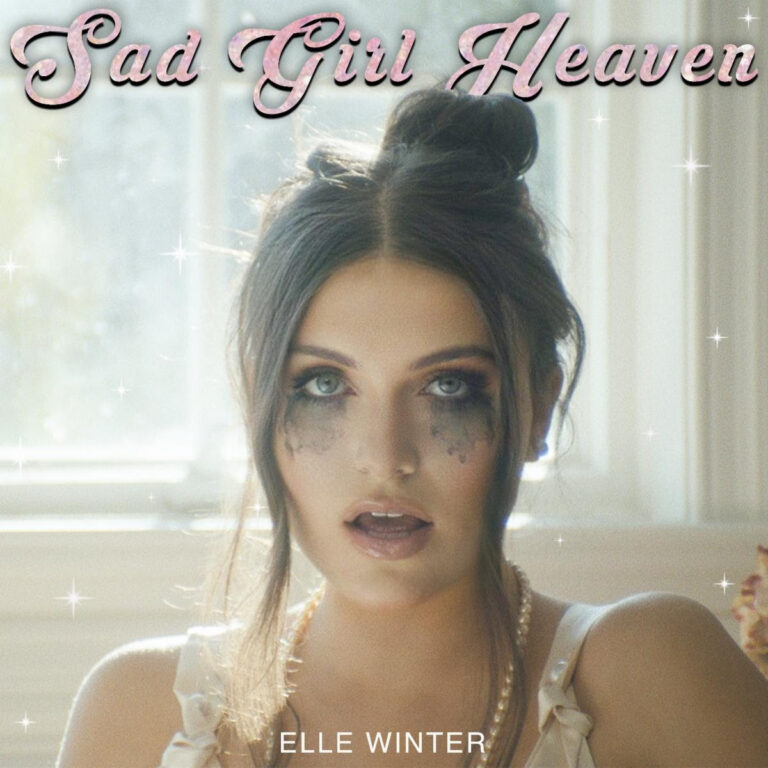
Manhattan singer, songwriter, and actress, Elle Winter starts the year off by debuting her song “Sad Girl Heaven” and releasing an accompanying music video.
Photo by Gianni Taylor
This single comes almost a year after the release of her breakout album “Yeah, No” in March 2020. Winter was first discovered at 14 by Radio Disney’s “Next Big Thing” program comprising of several singles and a tour. In her high school years, she starred in two films and independently released her single “One More” in 2018. From these previous accolades, Winter signed to The Orchard from SONY Music in 2019. Her album received approval from major outlets like Apple Music, Spotify, Billboard and more.
“Sad Girl Heaven” is Winter’s first release of 2021 and it’s also the first single from her upcoming project. Co-written and produced by the famous UK producer Jungleboi, the song serves as a new beginning for Winter’s music. She plans to reveal a more personal and candid side of herself through her music that aims to share her story fearlessly.
The lyrics boldly express the cycles and emotions faced in relationships filled with heartbreak. Elle Winter describes the song as “a witty take on my tendency to pursue toxic relationships and people who are not good for me for the thrill of the experience.”
The single is accompanied by a music video directed by Bobby Hanaford. The visuals depict Winter with her mascara running and in distress over the disappointment coming from unsuccessful relationships. It represents her dealing with her unhappiness and failed attempts at finding her equal.
Winter’s upcoming project is releasing with more music to unveil her experiences. Her hope is to make music people can relate to and know that they aren’t alone. The single “Sad Girl Heaven” is available now on all digital platforms.
Governors Ball Music Festival announced it’s 2021 dates tentatively scheduling its 2021 edition for September 24-26. The festival generally takes place in June but is optimistically hoping by September that COVID-19 will be under wraps enough for the festival to take place.
The Governors Ball is a widely known and loved festival that takes place in Randall’s Island in New York City. Usually it has an attendance of sound 150,000 people and takes across four stages and over 70 acts. There is also a food program that is part of the festivities and it features the City’s best eats and highlights its incredible culinary diversity. It also hosts visual art, beverages, art installations, statues, high flying inflatables, and pop up performances.
Organizers of the festival released a statement saying that, “We’ve decided to move the 2021 show to a time of year that is both more realistic and safer for all and while there are still question marks and unknowns in the World, rest assured that we are working closely with City and State authorities to ensure that the next Gov Ball will be a safe and amazing experience. We’ll be back to our regular June dates starting in 2022.”
There isn’t a lot of information on the 2021 version of Governors Ball but there is some on their website. The lineup will not be the same lineup as the cancelled 2020 festival lineup. They haven’t announced who is on the lineup yet but have dropped a hint saying, “The lineup will be brand new! (Note: this is not a hint).” They are also saying the festival will return to it;s normal June dates in 2022. People who I held onto their tickets from the 2020 festival, but I can no longer make the new 2021 dates. Can I get a refund by requesting a refund for their ticket purchase but they must do so by Wednesday, January 27th at 11:59:59pm EST. If the festival doesn’t end up being feasible because of COVID-19 all tickets will be available for a refund.
The hope is with vaccines rolling out and many experts predicting a return to live music events in the Fall the festival will be able to take place in September. For more information on the Governors Ball and it’s new dates visit their website.
Howard Johnson, renowned tuba player, founder of the original Saturday Night Live Band and a musical mainstay of New York’s jazz community for more than half a century, has died at age 79. A muse to Charles Mingus, Gil Evans, and Carla Bley, Johnson was an inspiration to multiple generations of players.
photo by Nancy Olewine
Johnson died at home in New York on Monday, Jan. 11 following a long illness, according to his longtime partner, Nancy Olewine.
An accomplished player, composer, arranger and raconteur, Howard gigged on tuba, baritone saxophone, bass clarinet, flugelhorn, electric bass and pennywhistle. For more than 50 years he was an important fixture in multiple scenes, moving fluidly among genres. In addition to working with a litany of NEA jazz masters including Quincy Jones, Dizzy Gillespie, Gil Evans, Charlie Haden, Carla Bley, Jack DeJohnette, and Randy Weston, Johnson also played with pop and rock icons such as John Lennon, Paul Simon, James Taylor, Carly Simon, Taj Mahal, Levon Helm and scores of others.
Johnson played an important role in forming and shaping the sound of the Saturday Night Live band during the show’s first five years, 1975-1980. Donning an Egyptian headdress or nurses’ uniform in some of the most beloved early sketches featuring Steve Martin and Lily Tomlin, his weekly SNL appearances lent Howard visibility rare for a jazz musician or in-demand sideman.
He appeared in Martin Scorsese’s 1978 documentary The Last Waltz, was featured in a Miller Lite beer commercial in 1984, and made a Sesame Street appearance with James Taylor (in the decades since, it wasn’t uncommon for excited kids to point at Howard and shout “Jelly Man Kelly!”)
Howard would leave SNL, telling musical director Howard Shore that having a too-steady job leads to complacency, resulting in bad music. Musicians in that situation “start defending their turf, they start feeling like they have something to lose, and they keep narrowing and narrowing their perspective. I don’t want to get caught up in stuff like that.” In several interviews, Johnson recalled Shore’s reply: “Well, if you feel that way about it, then you’re the man for the job. Get me a bunch of other troublemakers like you and we’ll have a great band.”
Complacency was never a possibility for Johnson. In fact, from his earliest years in New York, the breadth of his capabilities led some critics and audiences to believe there must be more than one Howard Johnson: It was just too hard to imagine that in an often highly compartmentalized music scene that the same guy could be appearing with the avant-gardist Archie Shepp, hard-swinging drummer Buddy Rich, and sitting in with bluesman B.B. King.
In fact, Johnson crossed paths with legendary guitarist Jimi Hendrix at a B.B. King gig. He and fellow tubist Bob Stewart took their instruments up to Ungano’s [an Upper West Side club] to jam with B.B. King. Just the presence of that much low brass was enough to cause a stir, and right before they went on, Jimi Hendrix arrived with a group of women. The audience was distracted, buzzing and cracking jokes, not knowing what to expect from a couple of tuba players.
Howard and Bob took to the stage, one on either side of B.B., and showed everyone they know their way around the blues. Though there were no mics, they made themselves heard, with power to spare. Afterward, Jimi sought out Howard to congratulate him, saying, “You brothers just did the god-damnedest shit I ever heard! Ain’t nobody laughin’ now!”
Johnson appeared on hundreds of recordings spanning Gato Barbieri, McCoy Tyner, Muddy Waters, Roswell Rudd, Phoebe Snow, David Sanborn and Freddie Hubbard. He backed vocalists as diverse as Ray Charles, Marvin Gaye, Ella Fitzgerald, Yoko Ono and Albert King. Johnson can be heard on many movie soundtracks, especially those of Spike Lee; he spent several years with the NDR Big Band in Hamburg; and released four albums as a leader, including three with his multi-tuba brass choir Gravity.
While he played an arsenal of instruments, the tuba was his greatest love.
photo by Albie Mitchell
A tuba can be thunderous, it can be a rough-and-tumble instrument. People don’t think of it as anything delicate. I never thought there was anything the tuba couldn’t do, and I’ve been pretty satisfied with what I can do with a tuba.
By 2006, when New York Times critic Nate Chinen declared Howard Johnson “the figure most responsible for the tuba’s current status as a full-fledged jazz voice,” the life’s work of the multi- instrumentalist had been in progress for more than four decades. Johnson burned with the fire of bass-clef innovation since well before 1963, when he took an offhand remark from Eric Dolphy as a call to action to move to New York.
As a teen, Howard had discovered that he could push the tuba’s range to previously unheard heights—more than six octaves—surpassing the trombone on the high end and edging into trumpet territory. In a 2000 interview, Johnson noted that he was motivated to excel by a pecking order among high school band members, with those who took private lessons outranking those who learned at school, and the self-taught—like Howard—at the bottom.
When one of the private students asked him how high the tuba could go, “I was very embarrassed that I didn’t know,” he recalled. Thus, he began to experiment, noticing some of the highest notes were “very pretty; they sounded like they had kind of a French horn quality. So I added that new octave to my warm-ups.” He was surprised to discover that none of his bandmates could play anywhere near that high. “At that point, I’d probably been playing about six or eight weeks. I was highly motivated. I didn’t want to look like a fool,” Johnson said. “It was at that point that I decided not to let anybody tell me what the limitations were of the tuba or of the music.”
He was never a novelty act who would occasionally blast notes into the stratosphere to excite an audience. Rather, he played melody lines and solos fluidly and fluently, maintaining tonal integrity and feeling. Though there was no existing repertoire in the early 1960s for his then-groundbreaking low-brass range, once in the Big Apple Johnson caught the ear—and piqued the imagination—of Charles Mingus.
The iconic bassist/composer wrote adventurous parts for him in such a high register that “even trombonists wouldn’t welcome seeing those notes on the page,” Johnson recalled in 2017, for the liner notes of Testimony, his last release fronting his multi-tuba band Gravity.
Johnson became the muse of other composers, including Carla Bley and Gil Evans, establishing relationships lasting decades. Howard almost had a second encounter with Hendrix, in a project with the great Gil Evans, who had made plans to record with Hendrix and told Howard Johnson he wanted him in the studio, too. Unfortunately, Jimi didn’t live long enough to make the gig. But Howard eventually got to have his say on one of Jimi’s greatest tunes, “Voodoo Chile,” on Gil Evans’ recordings, and was also known to play a lovely, tender version of “Little Wing” on pennywhistle.
Tuba players are challenged by the standard Johnson set. He believed the tuba is capable of a virtually unlimited sonic and emotional range, based on a player’s abilities. By demonstrating his skills, Howard single-handedly moved the instrument out of its traditional place in the rhythm sections of large ensembles into featured roles in small bands. Recognizing his impact on the tuba’s changing role in music, in 2008 the instrument-maker Meinl Weston released the HoJo Gravity Series tuba, designed to the player’s specifications.
Johnson influenced musicians by expanding their ideas of the possibilities of the instrument, and demonstrated enormous generosity of spirit, mentoring tuba players, past, present and future. He influenced jazz (and pop) composers and arrangers by bringing a heretofore ignored instrument to the front line of soloists, and changed jazz overall by altering the direction of how jazz used the bass clef—no more oom-pah-pah, but pure linear bop, swing and rock phrasing that could stand on its own against any other “typical” jazz solo instrument.
At a time when jazz-rock fusion was gaining traction, Johnson opened up the music without diluting the tradition, performing with an unwavering jazz sensibility as a founding member of the Saturday Night Live band. His writing, arranging and playing captured the attention and imagination of such pop culture icons as John Lennon, Paul Simon, Levon Helm and Taj Mahal; Johnson never dumbed it down, never resorted to spoon-feeding anyone “Jazz 101” level music. He has always been “The Real Thing,” as Taj Mahal dubbed the 1971 CD that debuted Johnson’s innovative multi-tuba brass choir, Gravity.
Even as he approached his 75th birthday, Johnson declared that he still had the fire in his belly to solo, to increase awareness of the versatility of often-underutilized horns, and to continue to have his say on the definitive way to play them. After the music master no longer made a practice of hoisting the 20-plus pound instrument to his lips—his last gigs were in 2017—he continued to feel he had much to offer as a mentor and advisor.
There’s a wonderful accessibility to Howard Johnson’s artistry. Whether playing a standard from a Broadway show, taking the lead on Hendrix’s “Voodoo Chile” with the Gil Evans Orchestra, or evoking early R&B beats on Don Pullen’s “Big Alice” with Gravity, his music could get under your skin and quicken your steps for days to come.
Howard’s talent, determination, and no-limits viewpoint were irreplaceable ingredients in his recipe for artistic fulfillment and professional success, and his music will continue to inspire for years to come.
Howard Johnson is survived by his longtime life partner, Nancy Olewine; his daughter, musician Nedra Johnson; and two sisters, Teri Nichols and Connie Armstrong. He was predeceased by his son, David Johnson, a musician and artist, in 2011. A memorial service will be held in 2021.
In lieu of flowers or other tributes, it was Howard’s wish that to honor his memory and support his legacy as a master of the bass clef, memorial donations be made to benefit The Howard Johnson Tuba Jazz Program Fund at Penn State.
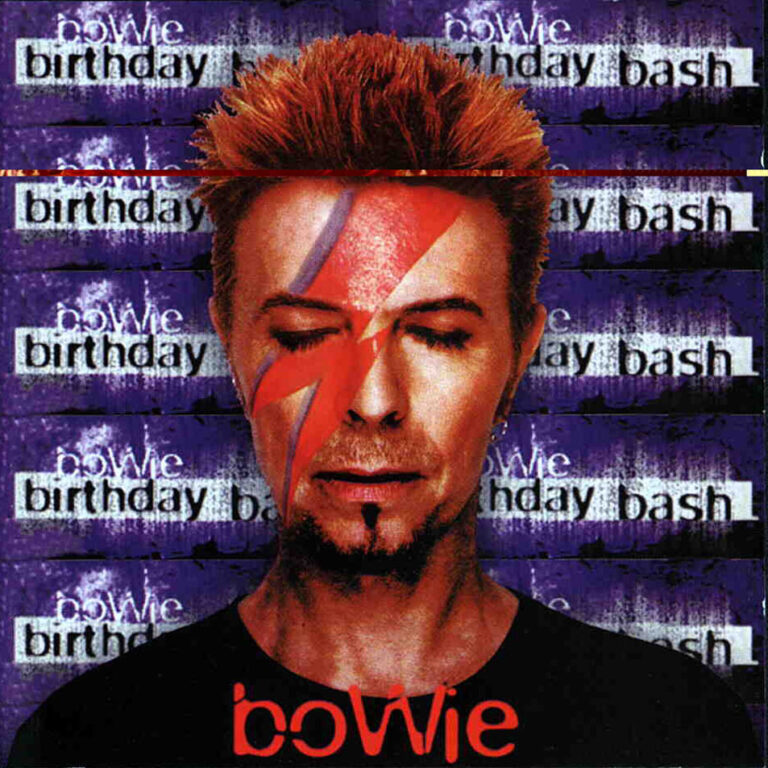
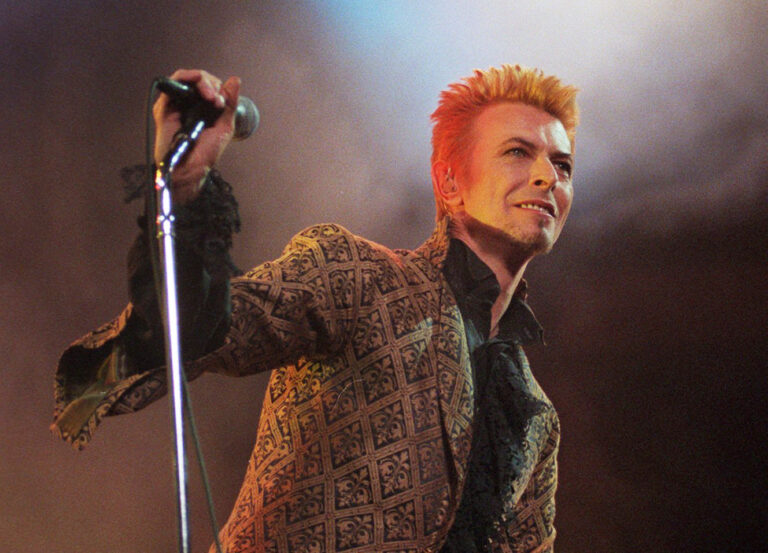
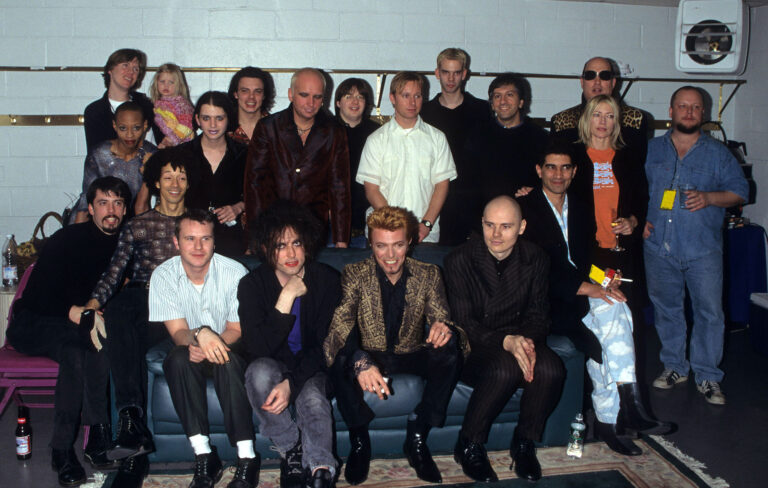
In 1997, David Bowie threw himself a 50th birthday party at Madison Square Garden and invited an A-list of friends to join him on stage. Billed as ‘David Bowie and Friends: A Very Special Birthday Concert,’ Bowie’s life of music was highlighted with special guests throughout the night.
Bowie was also about to release his 20th album, Earthling, a month later, and would perform a handful of songs from the album throughout the night, including the show opener “Little Wonder.” Following “This Heart’s Filthy Lesson,” Bowie informed the crowd, “Good evening. We’re your rock band for the night. We’re going to get partyfied.”
The sold-out show was also filmed for a pay-per-view TV special, and was later issued on DVD, with proceeds from both concert and broadcast benefiting Save the Children.
Bowie said early in the evening, “I have no idea where I’m going from here, but I promise I won’t bore you.” Along with new material, Bowie played 24 songs throughout the night, including “I’m Afraid of Americans,” “The Jean Genie,” and “Heroes,” but passed on 80s hits “China Girl,” “Let’s Dance” and “Modern Love.” The ever lively Bowie told the New York Daily News:
I wouldn’t have expected to have such an appetite for life at this point. I had assumed, like romantic poetic heroes, that I would burn it all out. But nothing has been quenched. I’m still feeling fiery.
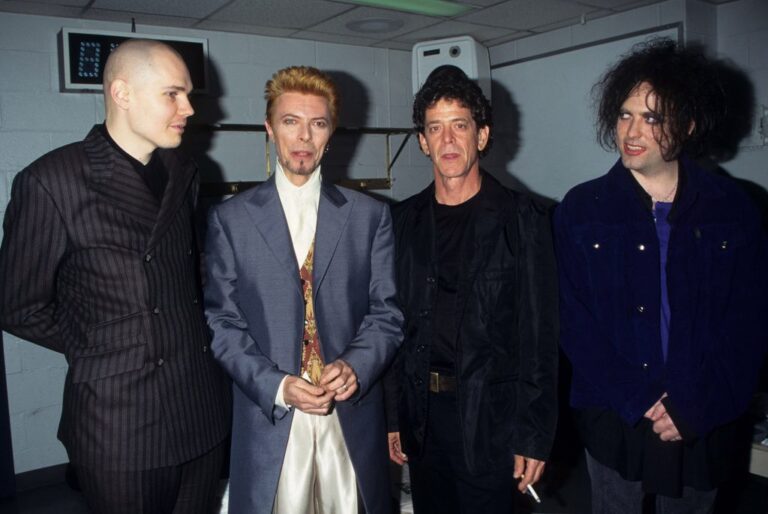
And those special guests? Bowie was joined by The Pixies’ Frank Black, The Cure’s Robert Smith, Foo Fighters, Sonic Youth, Smashing Pumpkins’ Billy Corgan, and close friend and New Yorker, Lou Reed.
Thurston Moore, Kim Gordon, Dave Grohl, Robert Smith, David Bowie, Billy Corgan, Pat Smear, Kim Gordon and guests (Photo by Kevin Mazur Archive/WireImage)
Bowie’s backing band that night included Staten Island’s Reeves Gabrels on guitars and Mike Garson on keyboards, who helped in a reimagined version of “The Man Who Sold The World” with a sedate reggae tone.
The highlight of the night came in the first encore, when Bowie was joined by Lou Reed, who performed “Queen Bitch” and three of Reed’s own songs from his Velvet Underground days, “I’m Waiting for the Man,” “Dirty Boulevard” and “White Light/White Heat.”
photo by Kevin Mazur
Following “Moonage Daydream,” Bowie returned to the stage for a second encore, with Billy Corgan from Smashing Pumpkins joining Bowie for “All the Young Dudes” and “The Jean Genie.” This proved to be a treat for Corgan, who told Lisa Robinson of the New York Post, “When I was 10 years old, growing up in the Midwest, I bought David’s Ziggy Stardust album. I really believed he was an alien. I always have been a fan, and still am a fan.”
(Bowie) kept one eye firmly on the future. Instead of serving up dewey-eyed rehashes of sounds from eras dead and gone, Bowie – aided by an ornery mix of musical friends – shook classic numbers to their core. He also devoted roughly one-third of the show to recent and brand new material.
After the show, according to thinwhiteduke.net, a post-concert dinner was hosted by David Bowie and his wife Iman at the downtown space of Julian Schnabel (who had recently directed Bowie as Andy Warhol in Basquiat. Joining Bowie and Iman were a Beck, Moby, Courtney Love, Prince, Charlie Sexton, Fred Schneider, Matt Dillon, Matthew Modine, Jeffrey Wright, Christopher Walken, Michael Wincott, Donna Karan and Naomi Campbell.
Setlist: Little Wonder, The Hearts Filthy Lesson, Scary Monsters (And Super Creeps),* Fashion*, Telling Lies, Hallo Spaceboy^, Seven Years in Tibet@, The Man Who Sold the World, The Last Thing You Should Do%, Quicksand%, Battle for Britain (The Letter) , The Voyeur of Utter Destruction (As Beauty), I’m Afraid of Americans$, Looking for Satellites , Under Pressure, Heroes
Encore: Queen Bitch**, I’m Waiting for the Man**, Dirty Boulevard.**, White Light/White Heat**, Moonage Daydream
Encore2: Band intros, Happy Birthday#, All the Young Dudes+, The Jean Genie+, Space Oddity
*with Frank Black ^ with Foo Fighters @ with Dave Grohl % with Robert Smith $ with Sonic Youth # with Gail Ann Dorsey ** with Lou Reed + with Billy Corgan