Category: Blues/Jazz

  • Chautauqua Institution and Musicians Reach Agreement

    The Chautauqua Institution announced a new agreement with resident Chautauqua Symphony Orchestra musicians. The agreement extends the current Collective Bargaining Agreement through September 2021, but makes some important adjustments that provide for flexibility and creativity in planning the ensemble’s 2021 season.   

    Chautauqua Institution

    “I am pleased and grateful we have been able to reach an agreement that will serve both our patrons and CSO musicians during the 2021 season as we all look forward to an enriching and soul-nourishing 2021 Summer Assembly,” said Michael E. Hill, president of Chautauqua Institution.  

    Performances will occur Weeks Three through Seven of Chautauqua’s nine-week Summer Assembly, and will often feature a smaller ensemble, with all musicians distanced and non-wind and -brass players masked. Guest soloists will be limited in 2021, but the repertoire will be designed to showcase the members of the CSO. 

    “This hope-filled news allows us to immediately work together to create a season that balances safe practices and bold performances,” said Deborah Sunya Moore, interim senior vice president and chief program officer for Chautauqua.
    Chautauqua Institution
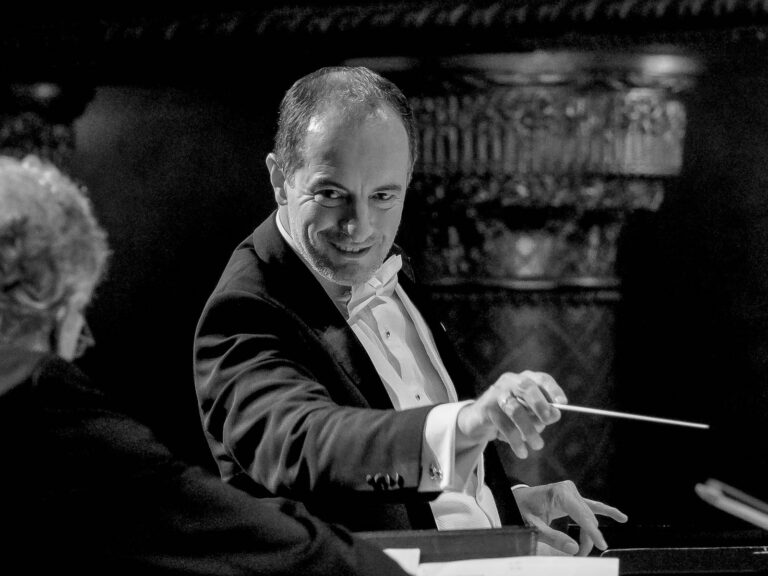
    Photo of Rossen Milanov

    “While these are not our ideal planning circumstances, this season does offer us an opportunity to experiment and innovate,” said Rossen Milanov, CSO music director. “We’re excited about the opportunities in 2021 to feature the virtuosity within this amazing orchestra. Most of all, we’re grateful to be planning to play together again in front of our beloved Chautauqua audience.” 

    The limitations presented by health and safety procedures provide an opportunity to highlight a diverse range of composers and compositions, in keeping with a commitment to both tradition and innovation. As an example, the CSO’s opening night will feature Beethoven’s Symphony No. 4 and Gabriela Lena Frank’s Elegía Andina.

    CSO member Leslie Linn, trumpet, served as chair of the musicians’ negotiations committee.  

    “As we prepare for the upcoming season at Chautauqua, we are grateful to have an opportunity to be back together, in-person, to perform for the Chautauqua community, filling the void that has existed for all of us since in-person performing ceased due to the pandemic,” said Linn. “The musicians of the Chautauqua Symphony Orchestra are excited to have this agreement in place. We thank the Institution for working with us over many months to reach this agreement and are eager to return to Chautauqua and the audience we love.”  

    Milanov will share the Amphitheater podium in 2021 with Stuart Chafetz, the CSO’s longtime principal timpanist, who was named the ensemble’s first-ever principal pops conductor in November 2019. With the cancelation of the 2020 season, 2021 will be Chafetz’s first with his new title, though he has long served as a go-to conductor for CSO pops concerts. 
    Chautauqua Institution
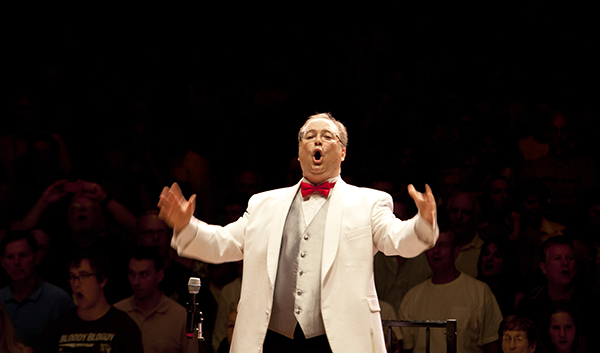
    Stuart Chafetz leads the The Chautauqua Symphony Orchestra in an Independence Day celebration in 2012.

    In addition to the CSO schedule, 2021 patrons will enjoy the Music School Festival Orchestra on Monday evenings Weeks One through Four, with a special additional performance on Saturday, July 3, keeping symphonic music as the centerpiece of Chautauqua’s Independence Day celebration.

    The Chautauqua Institution has a rich history of musical variety. With symphony, opera, jazz, theater, dance, visual arts and a renowned music school, Chautauqua produces an “ecstatic mix” of programming that can be found only at major organizations. This mix of arts and culture has defined the Chautauqua Institution for over a decade.
  • Stream Joe Bonamassa Live at Austin City Limits on April 1st

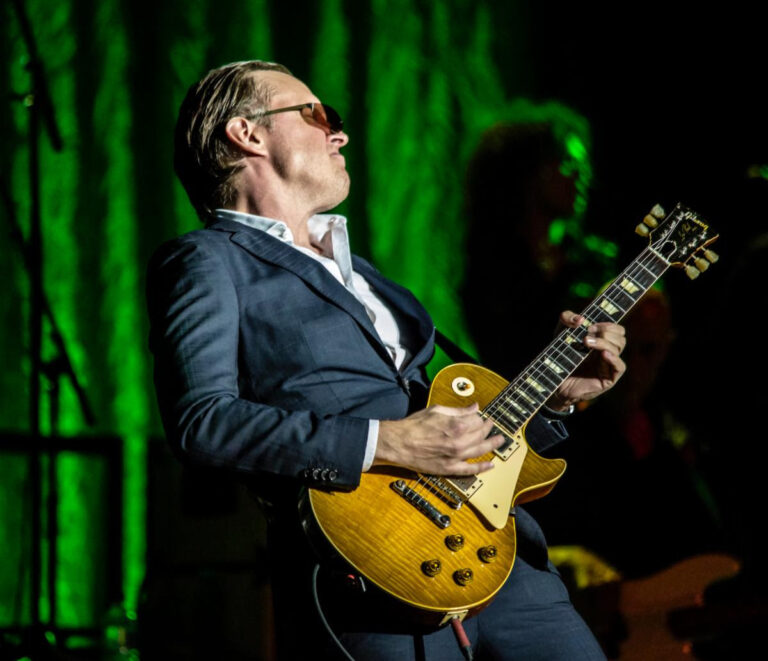
    Guitarist Joe Bonamassa announces a one-night-only livestream concert at the iconic venue, Austin City Limits on April 1st, at 9PM EST.

    The livestream, broadcasting worldwide, will raise money for musicians and artists in need. Bonamassa is returning to his blues-rock roots with a power trio performance and a setlist curated by his fans.

    Joe Bonamassa Austin City Limits

    Joe Bonamassa is bringing his blues-signature sound to the homes of fans all across the world, even though he is known as “always being on the road.” His set will include members Anton Fig from Late Night David Letterman and Steve Mackey on bass. It will be a rare power trio!

    Austin was one of the first cities in which Joe Bonamassa played as a three-piece, with Austin City Limits, a national landmark music venue, having been awarded “Best New Major Concert Venue” by Pollstar. Over the years, the venue has been home to legendary artists such as B.B. King, Santana, Peter Frampton, Paul McCartney, and Bonamassa himself, as well as many other artists. Bonamassa’s energy will take over the stage, making his own impact on musical history.

    The setlist will be curated by his fans, selecting from his 24 #1 albums. The cuts chosen from his extensive catalog will delight his fans and charm new ones with his virtuosic guitar playing and incredible energy.

    To enjoy this captivating event, you can purchase tickets here . Tickets start at $30 and increase for deluxe packages, including merchandise and passes to his other on-demand live performances. There will also be a VIP package where members will have their photos and names featured in the live stream credits as a virtual audience member.

    Bonamassa is a two-time Grammy nominated artist and hailed as one of the greatest blues guitarists of all time. Joe recently received his 24th #1 album on the Billboard Blues Chart with the studio album Royal Tea, a nod to his British heroes, recorded at the legendary Abbey Road Studios.

    His musical programs Fueling Musicians and Keeping the Blues Alive foundation have raised hundreds of thousands of dollars for struggling artists over the past year. To learn more about Joe Bonamassa, visit jbonamassa.com.

  • Flushing Town Hall announce their Jazz-packed tribute for Women’s History Month

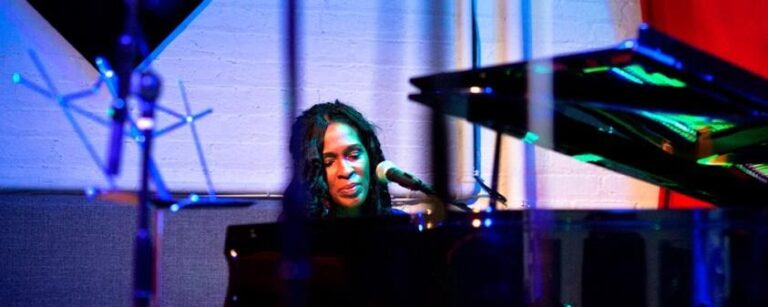
    Flushing Town Hall has announced their Jazz-packed tribute for Women’s History Month. The tribute will take place on March 26, 2021 7PM EST and is being called “Songbirds,” a virtual tribute to Minnie Riperton, Shirley Horn, and Joni Mitchell by the Mala Waldron Quartet. 

    Women's History Month

    Flushing Town Hall is known particularly for its long history of presenting strong jazz programming. It has been able to expand its audience across the globe through virtual programming since the COVID-19 pandemic closed its doors one year ago, like most music venues around the world. Although audiences are still not permitted into the venue, local performers are now slowly being able to return to the stage for live-streamed performances. The cultural nonprofit also has increased its collaboration with other performance venues to bring additional programming to its fans.

    The Mala Waldron Quartet features Mala Waldron who is a pianist and vocalist who has a unique technical alacrity and sensitivity that isn’t widely known. She is the daughter of Jazz Icon Mal Waldron. She has performed all over the world at prestigious music festivals including in Belgium, Russia, Belarus & China, Taiwan and Malaysia. Waldron has performed on some of NYC’s most prestigious stages, including the Iridium Jazz Club, the Blue Note, and the Jazz Standard, and at the Kennedy Center’s Millennium Stage. The rest of the quartet is made up of Steve Salerno on guitar, Michael T.A. Thompson on drums and Gene Torres and bass. They will perform “Songbirds”—a beautiful journey into a not-so-distant past made popular by Minnie Riperton, Shirley Horn and Joni Mitchell. It will be filled with memorable music and songs. 

    The concert will be performed at Flushing Town Hall’s theatre and will be streamed live for audiences at home in celebration of  Women’s History Month. It will be available on the Flushing Town Hall’s YouTube channel. This performance is ticketed performance and requires a prior purchase of $5.00, plus a $1.00 convenience fee to view the performance online. Audience members can submit questions at any time during the performance for a live Q&A which will be moderated by Flushing Town Hall’s Jazz Producer Clyde Bullard after the show. 

    For more information on Flushing Town Hall tribute to Women’s History Month visit their website.

  • Hearing Aide: No Showers On Vacation ‘Aquaband’

    No Showers On Vacation sounds about right. Now, wouldn’t that make you stink? Well, yeah of course. It is fitting then that this Burlington group’s funk is so strong it can kill a hippo. And jokes aside, this Phish-inspired group really does know how to bring their A-game while keeping things fun and exploratory.

    Processed with VSCO with l6 preset

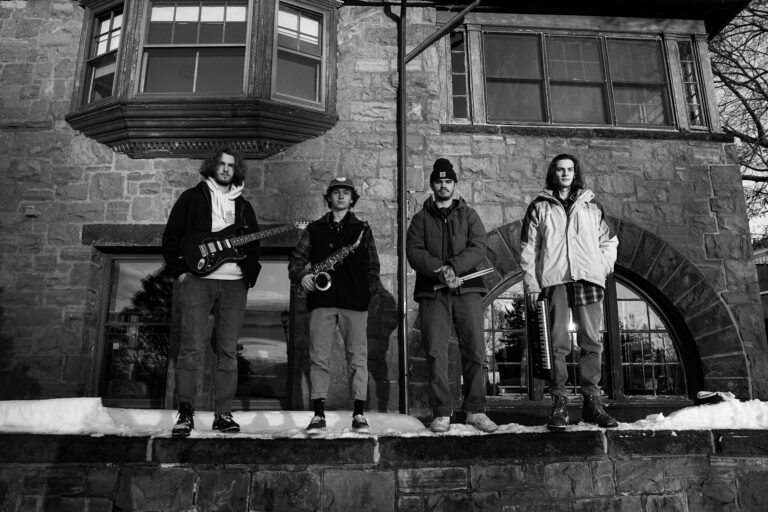
    This second pandemic release, AQUABAND, is true to the group’s sound and intentions. The album is terrifically produced and the compositions are very well organized considering this is a group that releases material at a good rate. Sam Lyons (drums), Emmett Lurssen (guitar), Alden Nichols (keyboards), and Pat Maley (sax) form a very good jam group. It is worth noting that this is only their second release, after debut EP Bath Time: Miami. Spoiler alert: this album is well worth your time.

    The first track, “Chestnut” features a rambling but consistent piano riff that leaves room for a ton of various solos. The eccentric beat forms itself into a Santana type jam, while a dirty guitar solo paves the way back to the piano riff. There is nothing missing here, aside from more sax (and even then, you better hold onto your hats cause this album just started). Throughout the beginning, the listener sees the piano taking center stage.

    The keys introduce a lot of the themes of the song and bring in the rest of the band. The bass divides the chord structure, navigating its way around the low end with a steady groove. The guitar sits back when it should and finds its way into the spotlight only when called upon. In a band of this style, it is often the case that one instrument will win a power struggle for being the most heard- that is not the case at all with No Showers On Vacation. Here we have a group that meshes really well and leaves space for every aspect of their music to shine.

    One that will get listeners up and active is “Sinkko.” Really, the only thing listeners might want more here is…literally more! The song hooks you in and then sets you free. It is easy to listen to this one a few times to soak in the vibes and the bouncy rhythm. “Amtrakk” features a beautifully organized instrumental that harkens back to a lot of 70’s jams. This is something you likely do not hear a lot of, coming from a band writing music today. The song has a progression that feels like you are actually traveling on a train (minus sitting next to someone who did not shower on their vacation). The charging, locomotive piano and beat drop off to a grand, empowering progression that can be likened to driving out of a tunnel onto a mountainside road.

    The beauty of what the band puts together here compared to the dirty funk in something like “Chonk” gives this album a whole of re-listening value. Highly recommend, and keep an eye out for when No Showers On Vacation are able to get back out to their live element! Find them on Instagram to keep up to date.

    Key Tracks: Chonk, Amtrakk, Gold

  • Miguel Zenón Commemorates Ornette Coleman With ‘Law Years”

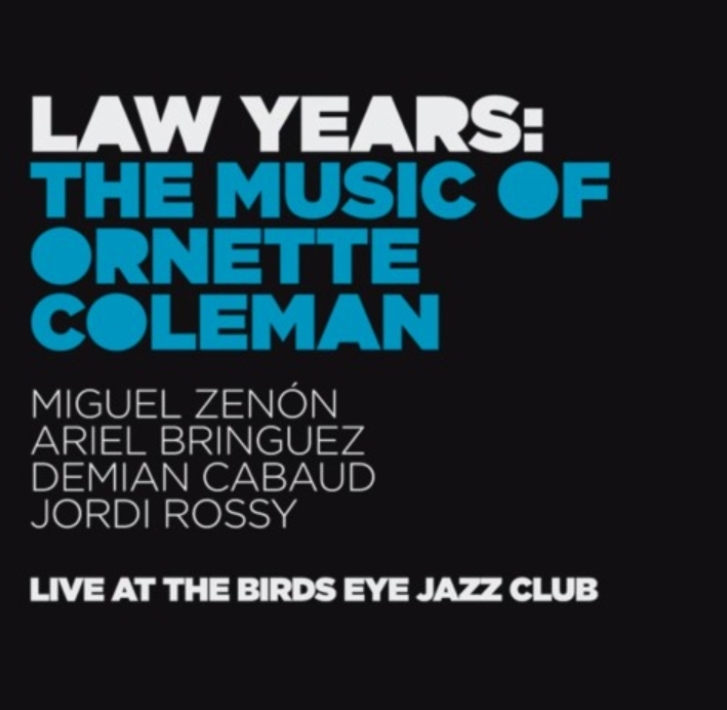
    On March 12, 2021, alto saxophone icon Miguel Zenón will commemorate Ornette Coleman’s 91st birthday (March 9) with the release of Law Years: The Music of Ornette Coleman.

    Recorded in May 2019 after a residency at Bird’s Eye Jazz Club in Basel, Switzerland, the album features Zenón with an international quartet: tenor saxophonist Ariel Bringuez, bassist Demian Cabaud, and drummer Jordi Rossy.

    ornette coleman Miguel Zenón

    Though the musicians have previous connections with Zenón, they never played together in this particular configuration, the performances display remarkable synergy and intensity.

    Playing a concert of exclusively Ornette Coleman music proved to be magical, exciting, and more bittersweet than the quartet knew. Each member of the quartet is a jazz master in their own right, and their expertise is clear to see in these live performances.

    Coleman has long been one of Zenón’s musical heroes. The first time he heard Ornette’s music, Zenón was a teenager still living in Puerto Rico.

    “I just kind of stood there, mesmerized and in shock, trying to figure it out,” he says. “It was entirely different than anything I had heard before. There is freedom there, and lots of it. But there’s also a deep sense of cohesiveness and structure. And, above all, melody: beautiful and inspired melodic lines that serve as springboards for everyone involved.”

    Later, Zenón was fortunate enough to meet Ornette. He remembers their interactions fondly. “He was always nice and supportive,” says Zenón.

    “Our interactions went pretty much the same way every time. Me: ‘Mr. Coleman, I’m not sure if you remember me – my name is Miguel, and I’m an alto saxophonist and one of your biggest fans.’ Ornette: ‘Nice to see you, Miguel. Have you ever thought about what would happen if you played A and Eb at the same time?’.”

    “As I listen to the music,” says Zenón, “it almost feels like a different time. A time when we weren’t afraid to be close to each other. A time when we could still play in a packed room, with the audience right in front of us, and just feed off their energy. A time that will come back soon enough. And when it does, we’ll be ready to do it all over again.”

    A special aspect of the quartet is that each member hails from a different part of the world. “I’m Puerto Rican, Ariel is Cuban, Demian is Argentinian, and Jordi is Catalan,” says Zenón.

    “The fact that we are all from different parts of the globe and all Spanish speakers raises another important point: Jazz music knows no boundaries or labels; it is as inclusive now as it has ever been.”

    The release will be available digitally on March 12, 2021.

  • Tedeschi Trucks Band Announce their Six Part Fireside Sessions

    Tedeschi Trucks Band announced their six part Fireside Sessions which was filmed at Derek Trucks and Susan Tedeschi’s home. The series will begin on February 18, 2021 and new episodes will air every Thursday at 8PM EST on nugs.net.

    The Tedeschi Trucks Band formed back in 2010 in Jacksonville, Florida. They are a blues rock group that is led by Susan Tedeschi and Derek Trucks. They won a Grammy Award for Best Blues Album back in 2012 for their debut album, Revelator. They have released four studio and two live albums over the years. Some of their most well known songs include “Midnight in Harlem,” “Bound Glory,” “Anyhow,” and “Learn How to Love.” 

    The Fireside Sessions will be the return to live performance for The Tedeschi Trucks Band after nearly a year without performing live. With COVID-19 still raging on and touring not being an option on the table they decided to these live sessions to showcase the talented musicians in a more intimate setting. Each episode features a different cast of band members. The combinations vary from Derek and Susan as a duo to four, six, and eight-member combinations which offer unique arrangements on their song catalog, including some deeper cuts not often performed live. They will also be performing several new songs they have been working on during their time off the road.

    Each episode of the series was captured in 4K detail by 7Cinematics, which is an award-winning crew of concert filmmakers, with audio recorded, mixed and mastered by TTB’s engineer Bobby Tis. Audio from each session will also be available in an mp3 bundle or separately for purchase in all additional formats. After the 8PM broadcast, episodes will be available for on-demand viewing for a 48-hour period.Single tickets are available for $17.99 and six show bundles are available for $89.99. For more information on tickets and bundles can be found here.

    For more information on the Tedeschi Trucks Band’s Fireside Sessions visit their website here.

  • Capital One City Parks Foundation Announces Michael Mwenso Performance

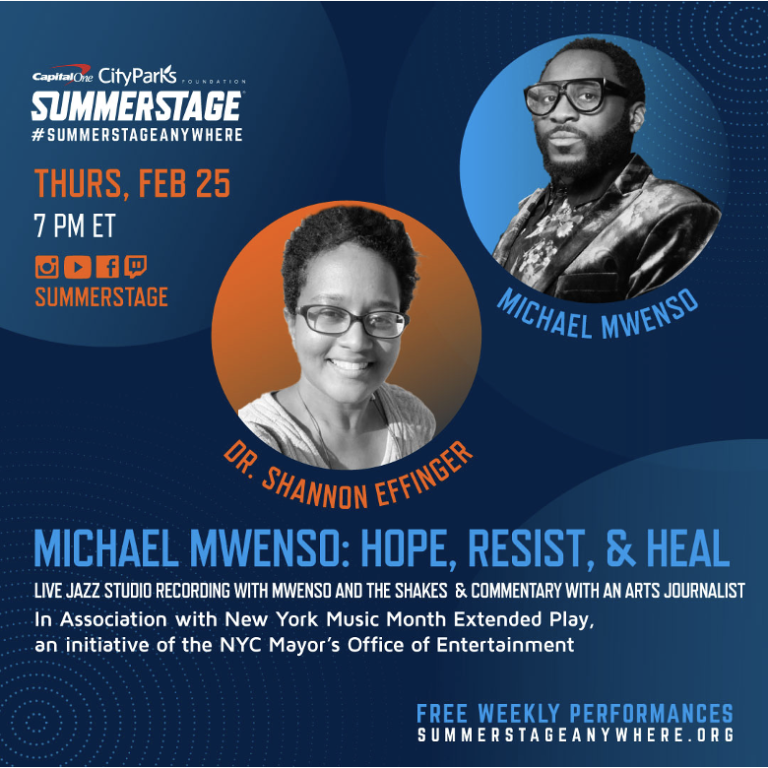
    Capital One City Parks Foundation announces performance from Michael Mwenso as part of their SummerStage Anywhere series on February 25, 2021 at 7PM EST. The performance will be streamed virtually as part of a Black History Month celebration. 

    Michael Mwenso

    The performance is titled the Michael Mwenso: Hope, Resist & Heal, Performance and will also be hosting a conversation with Shannon Effinger. Michael Mwenso is not only a musician but an artist and social commentator. He will offer his unique and ancestral perspective on Black music and its power to heal. He is an African-born queer man who grew up in London and New York. The performance will consist of a  live studio recorded performance with his group, Mwenso and the Shakes, a multicultural New York jazz group. After the performance the conversation with arts journalist Shannon Effinger focusing on the continuum and power of Black roots music will take place. 

    Michael Mwenso was born in Freetown, Sierra Leone but spent his teenage years at the legendary jazz club Ronnie Scott’s in London where he was exposed to musicians like Benny Carter, Elvin Jones, Ray Brown and Billy Higgins. Mwenso is known for his work as a  trombonist, singer and performer playing in jump bands, reggae and Afrobeat horn sections and at hard-bop sessions.

    Mwenso has worked with big names like Cécile McLorin Salvant, Jon Batiste, Aaron Diehl, Sullivan Fortner and Jamison Ross.Mwenso began his collaboration of Juilliard trained musicians known as The Shakes which come from all over the world including Sierra Leone, South Africa, Madagascar, London, France, Jamaica and Hawaii. Between all of them they create a unique jazz and blues sound  through African and Afro-American music.

    The performance will take place on February 25, 2021 at 7PM EST. The performance will be streamed virtually on SummerStageAnywhere.org and across SummerStage social media outlets Instagram, YouTube, Facebook, and Twitch as part of a Black History Month celebration.  For more information on the performance visit Capital One City Parks Foundation’s website.

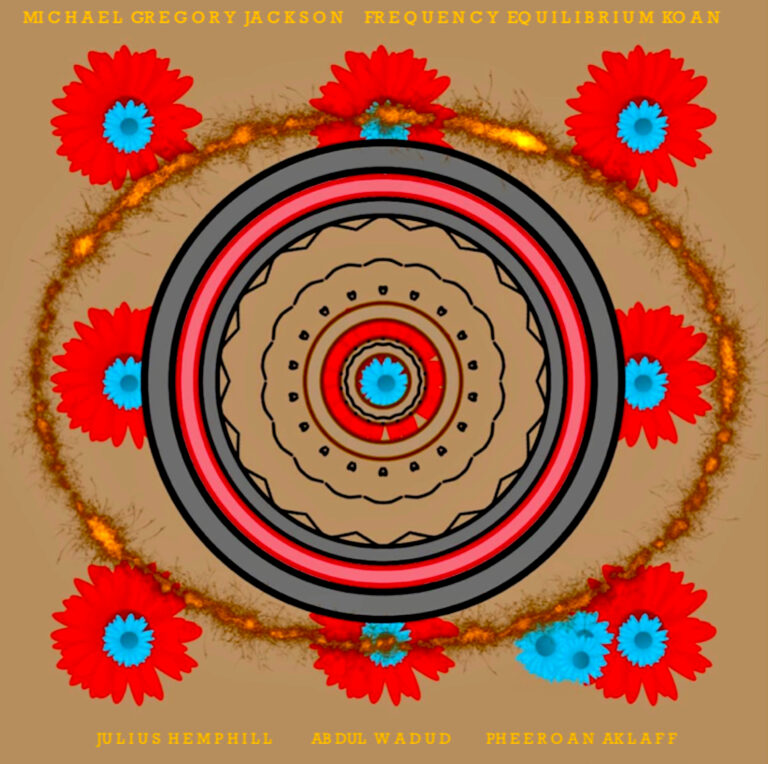
  • NYC Loft Jazz of the 1970s Comes Alive with “Frequency Equilibrium Koan” by Michael Gregory Jackson


    CBGB wasn’t the only club/scene to birth a new musical genre in the low-rent, dirty and deliciously dangerous Downtown NYC of the mid- to late-1970s.  Alongside the wannabe punks, there were a slew of fiercely talented young jazz immigrants from St. Louis, Chicago and beyond who worked to make free jazz even freer than Coleman and Coltrane. They plied their exploratory path not at traditional clubs but a series of short-lived, musician-led NYC loft scene like Coltrane drummer Rashid Ali’s Studio 77, Studio We, The Ladies’ Fort and, most notably, Studio RivBea, founded by saxman Sam Rivers and his wife Bea. 

    New York’s so-called Loft Jazz scene would launch the careers of many luminaries who would define jazz’s more creative edge in the post-Coltrane era. These included Muhal Richard Abrams, Anthony Braxton, Henry Threadgill, David Murray, Arthur Blythe, Butch Morris, Lester Bowie, Oliver Lake and Julius Hemphill to name but a few. 

    NYC Loft

    Their music was technically accomplished, exploratory, impulsive, spiritual and often politically-minded. It could flow from angry and dissonant to heavenly melodic, all in the space of a few bars. It had elements of jazz, modern classical, folk, world music and more. It also utilized instruments not often associated with jazz, like the oboe and cello. The intimacy of the scene led to much cross pollination among the players. This is something reflected in a bold new release from the archives of Michael Gregory Jackson, a versatile innovator and guitarists’ guitarist who first came to light in the scene.

    One look at the list of progressive jazz guitar all-stars who have named Michael Gregory Jackson as an influence demonstrates the continued resonance and relevance of his four-decades of exceptionally creative music-making. 

    “Michael Gregory Jackson has long been one of my favorite musicians,” said Pat Metheny. “I always considered him one of the most significantly original guitars of our generation, with his own distinctive sound and point of view.”

    Bill Frisell adds: “I first heard Michael Gregory Jackson in 1975 when I moved to Boston. He blew my mind and influenced me a lot. I believe he’s one of the unsung innovators.”

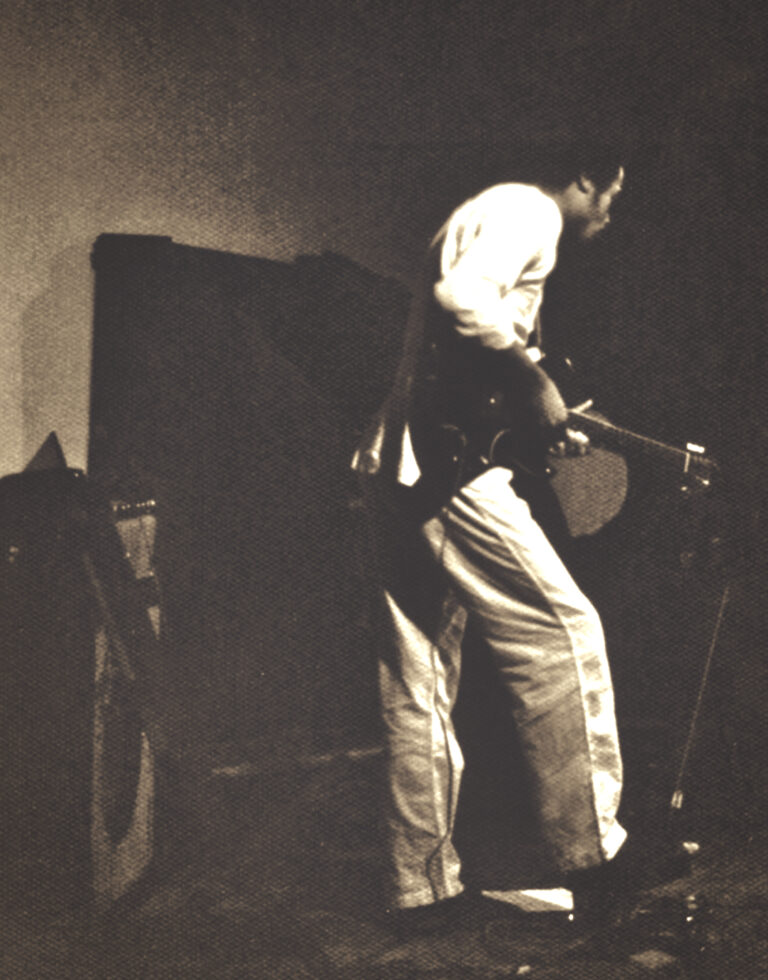
    Frequency Equilibrium Koan is an authentic document of the without-a-net creativity and exhuberance of no-hold-barred this era. It is a performance of four lengthy compositions recorded by Jackson on his trusty Sony cassette machine in 1977 at The Ladies’ Fort. It finds the then 23-year-old guitarist leading a quartet featuring saxophonist Julius Hemphill, drummer Pheeroan akLaff and cellist Abdul Wadud.

    NYC Loft

    Hemphill was one of the true giants of the era, perhaps best known for his work with the World Saxophone Quartet alongside Oliver Lake, who helped launch Jackson’s career in a quartet which also included akLaff. 

    A little like Hendrix before him, cellist Wadud literally reinvented his instrument for a new musical genre. With furious plucking, bowing and percussives, it became a tool of jazz that would skirt the territory between groove-keeping acoustic bass, a soaring solo instrument and drum. Wadud and Hemphill were frequent collaborators. One of their best performances together is on “Hard Blues,” from Hemphill’s 1975 album Coon Bid’ness.

    Jackson’s new/old album kicks off with the nine-plus minute title track. After a fragmentary head, the piece moves into improvisation, with Hemphill coming to the fore with a long forceful tenor solo. At times, the improvisation becomes collective, a kind of outré New Orleans ragtime.  Jackson’s bag of tricks is on full display here – volume swells, detuned swooshery, bleeps, slides and long tricky melodic lines, a blend of Cubist post-bebop and twelve-tone classical. Wadud plucks and bows away, creating both rhythmic pulse and solo lines that dance off his partners’ musical conversation. 

    The next track, “Heart and Center,” is a radical extension of what would become the title offering for Jackson’s wonderfully diversified 1979 album of the same name. This is as straight-ahead as this album gets, with Hemphill again out of the gate on a solo charge. Jackson leads the way with choppy irregular chording that provides a rich harmonic backdrop for Hemphill and his own soloing. Again, the flavor here is improvisation that is collective, with lots of call-and-response. As usual, akLaff keeps it all moving, with jungle like tom tom heavy percussion. 

    “Clarity 3” is the most challenging listening experience in the set. It begins with akLaff’s circular swirl of percussion, which leads to a solo spotlight for Wadud.   With Hemphill and Jackson’s entry, the music comes to a fast boil then overflows.  It’s jazz roller coaster, with the instruments almost seeming to merge into one howl at times.  In the last minute, Jackson finds and rides a broad chord that sounds like a car horn, together with Wadud’s cello groans.  The album ends on a mellow tone with “A Meditation.”  Hemphill sits this one out and Jackson forsakes his trusty 1961 Gibson SG for a bamboo flute.  It’s a wind down of chill temple bells and malleted cymbals, bowed cello and modal flute melody, an East Asian-flavored sunset brought to the dark and dirty Downtown NYC of the 1970s.

    In the liner notes to the album, guitar master Bill Frisell observes:

    These guys are all heroes of mine. I’ve learned so much and am still learning from all of them. To hear them all together like this is a real gift. What a combo!  I can’t believe this happened more than 40 years ago. It sounds like the future. I’m so thankful the tape was running to document this extraordinary moment.

    Like many good things in New York City, the loft jazz scene was killed by the rising rents that came with gentrification. For more detail on this vibrant scene, read Michael Heller’s Loft Jazz: Improvising New York in the 1970s.  For a great sampling of the musicians and the scene, check out Wildflowers: The New York Loft Jazz Sessions.  This five album/three CD set captures edge-pushing performances by many of loft jazz’s leading lights over nine days at Studio RivBea in May 1976. For more about Jackson, see our review of his jazz suite for Nelson Mandela, Change or purchase the album on Bandcamp

    Key Tracks:  Heart and Center, Frequency Equilibrium Koan

  • The National Jazz Museum in Harlem Announces Online Museum Access Through Google Arts and Culture

    Beginning on February 18, 2021, the National Jazz Museum in Harlem is available for anybody in the world to visit virtually on the Google Arts and Culture platform.

    Google Arts and Culture harlem
    The National Jazz Museum in Harlem

    The free, virtual tour allows viewers to experience videos and high-resolution pictures of jazz artifacts from the Museum’s collections as a part of the Google Arts & Culture Black History Month project.

    “Jazz was born in New Orleans but spent a lot of time growing up in Harlem,” says award winning bandleader Christian McBride who, with award winning bandleader Jon Batiste, serves as National Jazz Museum in Harlem (NJMH) Artistic Director. The Black History and Culture project celebrates and recognizes Black creatives. NJMH joins over 80 partners on the platform with their own expertise and storytelling about Black history and jazz.

    “Jazz music is a centerpiece of Black history, culture and art,” said Simon Delacroix, US Lead for Google Arts & Culture. “During Black History Month, we’re proud to welcome the National Jazz Museum in Harlem to the Google Arts and Culture platform. Now everyone can experience the magic of the genre and the artists who created it.”

    The Museum wishes to reopen its doors to the public for the indelible, energetic performances and captivating history contained in its walls. Executive Director Tracey Hyter-Suffern says that “During the pandemic we have seen the effect on the jazz community and vital role this music and the arts, in general, play in anchoring us. We are a gathering space for jazz artists, educators, scholars and the community. Jazz engages us with each other. Jazz is history you can feel. It’s physical. The Museum is physical. It’s a place, in Harlem, where the community can connect, renew and celebrate.”

    Google Arts and Culture harlem
    Outside the National Jazz Museum in Harlem

    The pandemic has had a severe, disastrous impact on Black and other communities of color. Black, Latino, and senior jazz artists and performers are among the highest risk categories, and many have sadly passed away during this time. This makes it especially critical to share and celebrate the history and legacy of jazz, the uniquely American art form. The Museum serves as a force to keep jazz and its message alive and its artists working, never letting the passion and importance of it fade.

    Inspired by news of the Museum’s partnership with Google Arts & Culture, the Ella Fitzgerald Charitable Foundation has offered to match every dollar contributed to the National Jazz Museum in Harlem during Black History Month up to $5,000. To contribute, visit .

  • Revisit 1930s Jazz from Hickory House

    Where else can you get a steak and jazz performances all in one spot? Step back nearly 90 years and visit Hickory House.

    A New York jazz club located on West 52nd Street, Hickory House was opened in 1933 by John Popkin and was a swinging venue and a great spot to grab cocktails and dinner before a show.

    Hickory House

    Located in a stretch of midtown that was crowded with jazz clubs in the 1940s and 1950s, Hickory House stood out because they also had a branch in Miami Beach, as seen on the menu cover.

    Hickory House
    Vintage menu – source

    With the 18th Amendment repealed in 1933, post-prohibition New York City hit the bars and drank without abandon, and the cheap prices for the time show it.

    Hickory House
    drink menu – source

    The music from the club is somewhat lost to time, but we know that Marian McPartland, as well as the Jimmy McPartland Sextet performed at Hickory House, as well as Hot Lips Page, Zutty Singleton and Jutta Hipp.

    In 2014, NPR profiled Hickory House Trio, a 1950s group of Marian McPartland, Bill Crow and Joe Morello, the latter of whom was part of a reunion session in 1990. Morello fielded offers from both Benny Goodman and Tommy Dorsey, but ultimately went on to work with a small group taking a new direction in jazz led by Dave Brubeck, notably on his “Take Five.”

    NPR notes that during the 1950s when McPartland and company were playing the Hickory House, jazz musicians including Duke Ellington, Billy Strayhorn, Oscar Pettiford and Thelonious Monk, would stop by the club for a meal and to watch the band. Some would even sit in with the trio, and after coaxing, Ellington might join them on the bandstand (it didn’t hurt that he shared a publicist with the club.)

    Although all trace of Hickory House is gone, it continued to be in operation at least until 1964. See more images of the venue, and what 52nd Street looks like now, at JAZZ LIVES.

    A similarly named venue, The Hickory Log, located on 47th St., and known simply as Lou Terrassi’s. also hosted jazz performances. While the two venues share a name, they do not seem to be related, and a connection between the two venues is unable to be discerned.

    One recording from The Hickory Log, made available by JAZZ LIVES, provides a glance at a half-hour broadcast recorded at the lost venue. With host Aime Gauvin, a.k.a. “Dr. Jazz,” featuring musicians from the Jimmy McPartland Sextet: McPartland (cornet), Dicky Wells (trombone), Cecil Scott (clarinet), Joe Sullivan (piano), Walter Page (string bass), George Wettling (drums) and Marian McPartland (piano).

    Hickory House
    Hickory House, 1937

    The band is introduced by Leonard Feather, who chats with both McPartlands, amid serene ambiance that is comparable to Central Plaza or Stuyvesant Casino at the time. Listen closely and you’ll hear the crash of dishes, as the stage and kitchen were located near each other.

    Performances on Jazz Club U.S.A. from 1952 include “Love Is Just Around The Corner,” “Tin Roof Blues,” “Embraceable You,” “Baby Won’t You Please Come Home,” and “Sweet Georgia Brown.”