A killer double-bill of Soundgarden and Voivod took place 31 years ago today on January 25, 1990 at The Chance in Poughkeepsie. Actually, it was a triple-bill, a band called The Big F opened, but there was some pretty intense fog. We got there just in time for Soundgarden and missed the openers.
In early 1990, Soundgarden was promoting their 1989 major-label debut, Louder Than Love; the one before it, Ultramega OK, had also been released that year. I’d first heard their single, “Flower,” when I was DJing at WCDB and it was awesome. I picked up anything I could find or taped the stuff.
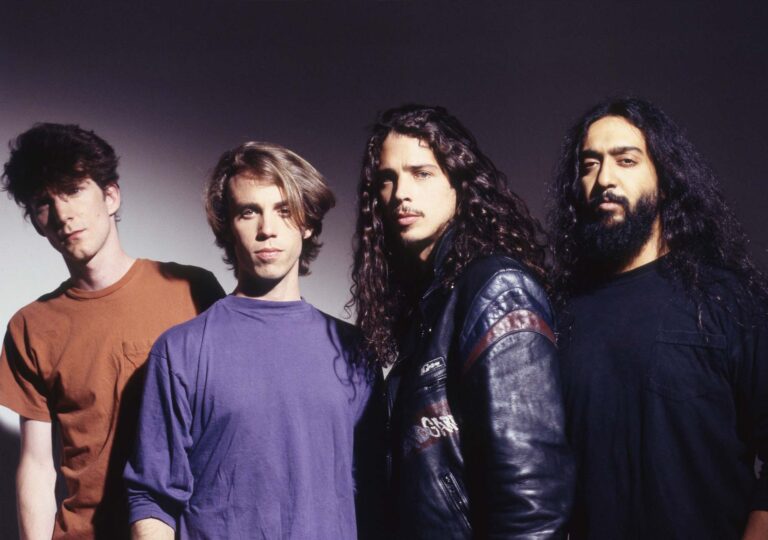
Soundgarden c. 1990
This show was with Jason Everman on bass, who gave Soundgarden a more metal edge live. Everman had lots of headbanging, jumping around and flying hair, which you didn’t get with his mellow-predecessor Hiro, nor his (permanent) replacement, Ben Sheperd, who would come into the band in Summer 1990. Everman’s story is really interesting – he was the second guitarist in Nirvana around the time of Bleach, but only played live with them, and left long before Nevermind and widespread fame. He then joined his second legendary Seattle band, Soundgarden, in 1989 and played with them as bassist on most of the Louder Than Love tour [he’s also on the Louder Than Live video and promo CD, and some b-sides].
Everman was dismissed from Soundgarden a few months after this show, after that he played with a cool NJ band called Mind Funk, appearing on their 1992 Dropped record, again as guitarist. After that, he joined the service and I believe became a Navy SEAL or Special Forces and fought in Afghanistan and Iraq for many years. There’s a great New York Times magazine article about him which you can find online – the guy who was in Nirvana and Soundgarden before they became huge rock stars, and then became a Navy SEAL.
Anyways, Soundgarden. They were incredible. They played some older songs like opener “Flower” and closed with “Beyond The Wheel” from Ultramega OK. They played a whole bunch of Louder Than Love stuff in between, plus a cover of Spinal Tap’s “Big Bottom,” totally kicked ass. Chris Cornell was in a quiet mood, there was little talk to the crowd, just flying hair, big down-tuned riffs and crushing heaviness. Soundgarden was amazing in those days. I saw them three times on this tour; this was the first.
It seems odd now that Quebec metallers Voivod headlined, but in early 1990 they were the bigger band – this was well before the Seattle explosion and alt-rock boom, long before “Black Hole Sun” and mainstream Soundgarden success. VV were promoting their Nothingface album at the time, easily my favorite Voivod record ever and one which has aged well. An incredible record, and they played most of it for today’s flashback, in 1990. I love their older, early Venom-ish stuff too, but they really didn’t play much of the older stuff at this gig – amazing show, amazing band. Soundgarden, as incredible as they were, did not blow Voivod away – a killer couple of bands, each as mighty as the other, a great diverse pairing. All hail Voivod and Soundgarden.
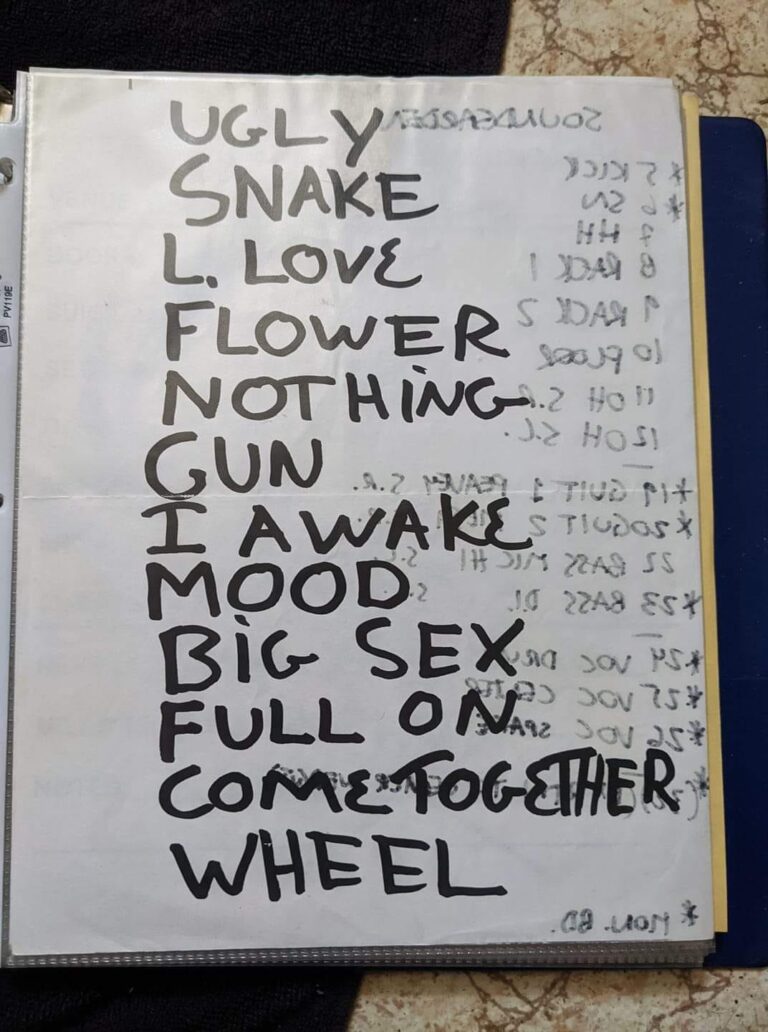
Soundgarden setlist: Flower, Hands All Over, Gun, Loud Love, Get on the Snake, Big Dumb Sex, Full on Kevin’s Mom, I Awake, Big Bottom, Beyond the Wheel
Voivod setlist: The Unknown Knows, Nothingface, Tribal Convictions, X-Ray Mirror, Tornado, Pre-Ignition, Missing Sequences, Brain Scan, Into My Hypercube, Astronomy Domine, Inner Combustion, Ravenous Medicine
https://www.youtube.com/watch?v=eKpt_HSa24w
Original review by John Moore from BUZZ Magazine. Republished with permission.
Everyone knows Boston is a mecca for musicians, but few have heard of the nearby city of Lowell, just to the northwest. The place is a bastion for independent artists. Fans of The Pixies know it as the place where Live From The Fallout Shelter was recorded back in ‘86. Bibliophiles would recognize it as the birthplace of Jack Kerouac. Throughout the years, it’s remained a haven for people who thrive in the fringe. People like the members of Inspector 34.
I met them a few years ago when they were passing through New York on tour. Frontman Jimm Warren and his band of merry misfits shook things up at our funky little community space. They gave off a hippy indie folk vibe, but their music was tight. This wasn’t some shtick. These guys could play.
Fast forward to the present day. While everyone has been finding their own ways to cope with current events, the members of Inspector 34 were funneling their creative energy into a full-length album. Lest you think Love My Life is full of romantic ballads, one glance at the cartoon engulfed in flames on the cover would immediately disavow you of that notion.
On first listen, the experimental nature of the music can be a little overwhelming. It’s a roller coaster of a journey. There are wild cacophonies that make the more ambient segments seem almost nihilistic in comparison. Think Joy Division meets Weird Al on the Beatles’ Magical Mystery Tour. It’s crazy, but somehow it works.
On second and third listen, it’s easier to pick out the lyrical themes and musical motifs that weave through this work. The tracks tracks “Love,” “My,” and “Life” present interludes between acts. The repeating mantra “I love my life, everything is wonderful” cleanses the palate and preps the listener for the next course. There is indeed method in the madness.
I didn’t expect to find one album that so encapsulates the past year, but Love My Life fits the bill. I’m still peeling back the layers. There’s a lot to unpack here.
“Everybody” is a stream-of-consciousness commentary on social interaction these days, when everyone’s live-streaming play-by-play narratives of the banalities of their lives:
“I know all the people in the world each and every single person in the whole entire world and me and them are all hanging out at the same time and you can see what we’re doing we all can see exactly what each other’s doing and sit and wonder what we’re gonna do next what are you doing?”
Probably the most mainstream song on the album is “The Gray House.” If you like indie punk, this one’s right up your alley. With driving guitar riffs and gang vocals along with super catchy la da da da’s, I’m betting this will be the fan favorite when they get to take these songs on the road. Never mind that it’s a song about existential dread while the world is crumbling all around, and grasping for a reason to hold onto hope. It’s fun to sing along to.
Another song on this album that really spoke to me was “Thick Bologna.” In a recent interview, the members of Inspector 34 reveal that it is simply a song about running out of cheap bologna from the local chain store. Even Freud said that sometimes a cigar is just a cigar. But I think there is license for the listener to interpret this as a song about longing for any enjoyable thing they are missing. The day my Keurig broke during quarantine, I probably could have written prose in such detail and description as to rival Nabokov’s meditation on a pencil stub in Transparent Things. Inspector 34 turned running out of bologna into a fat-riffed lament.
Overall, I find the album a cathartic experience. It’s both a poignant social commentary and an experiment in amalgamations of sound. It’s something you can zone out to in the psychedelic parts, and howl along with in the noisy dissonant parts. It’s dark, but in a satirical way. It’s a road map for getting through these chaotic times. And when all is said and done, and the crisis is over, Lowell is the #1 place I’d like to travel. Seeing Inspector 34 play live in their hometown is the newest addition to my bucket list.
You can find Love My Life at select record shops across the country. It’s also available for purchase digitally or on vinyl at Bandcamp. Or stream on Spotify. Follow Inspector 34 for updates and news.
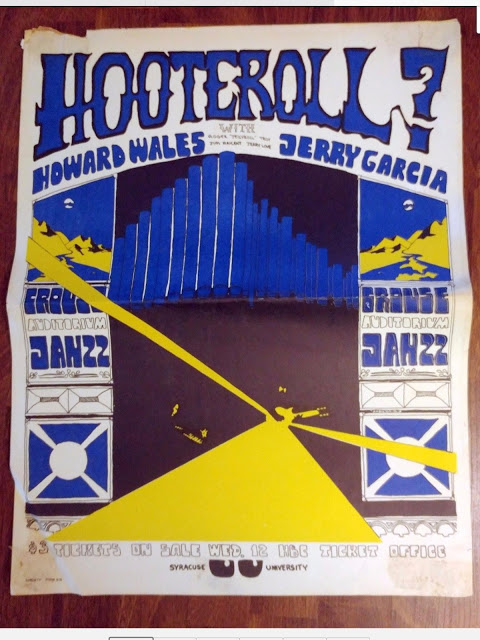
On January 22, 1972 Jerry Garcia performed at Setnor Auditorium on Syracuse University campus with his first live touring band outside of the Grateful Dead. He teamed up with American Beauty collaborator Howard Wales who wrote the composition to the album Hooteroll? The all instrumental LP which Garcia participated with a various cast on is reminiscent of Miles Davis record Bitches Brew. Abdul Mati Klarwein who did the cover album art for Bitches Brew also sketched Hooteroll?.
Jerry Garcia once stated that “Howard did more for my ears than anybody I ever played with because he was so extended and so different.” As for the brief January 1972 tour in which Garcia, Wales and co. performed a handful of Northeast dates, in support of Hooteroll?, Wales remembers, “Jerry played some of the best blues I ever heard him play on that tour. The Hooteroll? tour that was basically a blur, though. We had two hours of sleep a night and by the time we got finished we were ready to be delivered to the emergency room.”
The touring band that took the stage in Syracuse that night was made up of Jerry Garcia on guitar, Howard Wales on keyboards, Jerry Love on drums, Jimmy Vincent guitar, Roger Troy (aka Jellyroll) on bass and vocals. The 700 person capacity music hall on top of SU Hill houses a 3,823-pipe Holtkamp Organ below a 70-foot-high open timber roof and stained glass windows. The show consisted of a 22 song set list that was mostly heavy improvisational acid jazz-rock fusion and does not have any live vocals till almost 30 minutes into the performance. With original jam tracks like “Space Funk” it could be said that they helped coin the category.
The entire performance weaves throughout galaxies on a cold January night with the Hooteroll? track “A Trip to What Next” One can only imagine the steamy visual illusions this music created off the stained glass windows inside Setnor that night. Unlike Jerry’s live playing with the Grateful Dead in which he led the pack, in the beginning of 72 it was Wales who was calling the plays. Fifty minutes into the performance is Garcia’s only words to the crowd where he introduces the band and takes a seat to see what unfolds with everybody else. After his quick ten minute set break Garcia returns to play his Wales acclaimed “best blues” on “Sweet Cocaine.”
This Dinosaur BBQ blues ballad was One of Four songs that featured any vocals by Jellyroll, “when your downtown and left all alone, i need some rest woman, lord when i come home, i can’t get nobody, lord to sooth my soul, well i feel like a dog that’s lost his bone” After another 30 minute journey down the improvisational tunnel led by Wales on Hammond B3 organ the ensemble encores with “Gypsy Women.”
A week later the band made their way down the Thruway to the University of Buffalo for a performance on January 29, 1972. Very limited material exists of their work, Wales recently found the Buffalo tape and observed “It was a great tour because none of it was rehearsed. Some people are surprised when they hear that but we were capable of being out of the box. The way people get that way is because they’re jammers. Jammers have no fear.” Drummer Joe Russo had no panic over the years assembling musicians for their tribute to Hooteroll?
The Rose, Jules R Dot, and Stanford S Dot Sentor. School of Music, Syracuse University
His third time was last January 12 at Brooklyn Bowl for the 2020 NYC Winter Jazz Fest where Russo led an all-star cast tribute to the composition. Joe Russo Presents Hooteroll? + Plus! at Winter Jazz Fest; The Bogie Band Debut. After a long strange trip of 77 years, Howard Wales just passed away on December 7, 2020. His iconic keyboard sound can be heard on The Grateful Dead’s signature studio version of “Truckin‘.” “There was a point in which he was going to join the Dead, but Howard was to out there for them”
Listen to the Studio Recording of Hooteroll? below.
2020 was a year (mostly) devoid of live music, and you’d expect that it should have been full of new music, right? Not as much as you’d think, I’ve found, but this heavy release from Lost Breed, which snuck out near the end of that year of plague, conflict, division and staying-at-home, was a nice surprise.
Lost Breed is a band with New York roots. They arose from the ashes of Albany/Colonie-area metal band Blind Legion, who had released a killer 7” single (“Nice Guys Finish Last” b/w “Used to be Blind”) in the mid-80s, along with a couple of key, Sabbath-meets-NWOBHM demos before disbanding (since released officially by Portugese label Blood & Iron records as ‘Much Too Fast – The Anthology 83/86’).
Most of the ex-members moved out west and formed Lost Breed in Van Nuys, California, initially with Blind Legion vocalist Gary Tocco, later with doom-metal legend Scott “Wino” Weinrich (of the Obsessed, St. Vitus, Spirit Caravan, The Hidden Hand, etc.), before the band settled on west-coast vocalist Pat Lydon, with the band filled out with ex-Blind Legion New Yorkers Eric “Ike” Baestlein (guitar) and Vinnie Augustine (bass), and L.A. native Jamie Silver drumming. The band released some mighty, Sabbathy, doom-metal albums on German label Hellhound in the 90s (‘Save Yourself’, ‘The Evil In You & Me’), before the band became more of a part-time affair, when the New York half moved back east.
Until now: in late 2020, out of nowhere, this new record by Lost Breed dropped, somehow created mid-pandemic with half the band (Vinnie and Ike) here in Upstate NY, the other half out west. This is a doom-marinated blast of creeping heaviness, features singers from two eras of the band, and absolutely is worth hunting down.
Side 1 features the legend Wino back on vocals (and lead guitar – he also did the swirlingly evil back-cover painting) for the first time since the late 80s, Side 2 features “classic” LB vocalist Pat Lydon singing. Both sides are gloriously, stomping hefty, dragging you down to the depths with crushing heaviness, where tentacled things crawl, as if weighted by lead. Each vinyl side features 4 tracks, and Side 1 (“Wino”) would please both fans of vintage Lost Breed, and Wino’s great bands such as the D.C.-area legends The Obsessed, or the 80s doom-metal deities St. Vitus, “Cradle to the Grave” and the perfectly-titled “Doom” being standouts
Oddly, as legendary as Wino is and as much as I love every single thing the guy has done, the Side 2 Lydon-sung songs might be even better, especially “Siren Song” and the apocalyptically heavy “Stalker.” Churning, crawling, leaden riffs and ripping Baestlein solos lurk throughout Side 2), both vocalists howl with mournful authority, top-notch doom on both sides, soaked in Sabbathy goodness – a killer release.
On Sunday, January 19, 2014, Jay-Z played a sold out show at Nassau Coliseum on Long Island during his Magna Carter world tour. “The last time I was in this building I brought Michael Jackson to the stage,” he said. “I know that show will be a hard one to top, but we’re going to try tonight.” Jay looked at home while he took the audience on a 27 song journey of his musical career, covering almost all of his studio 12 albums. He also had a four piece band which included DJ/producer Timbaland.
The Magna Carter tour was Jay-Z’s first headlining tour in almost four years. Initially Jay was supposed to go on tour with Justin Timberlake in support of Timberlake’s come back to music and new album The 20/20 Experience. However, on July 24, 2013 Jay-Z released his twelfth studio album Magna Carter Holy Grail and on July 26, 2013 the tour was announced. The tour started in Europe, but due to its overwhelming success, a second leg of the tour was announced on September 13, 2013 to take place in North America. Based on Pollstar reports, the tour earned $48.9 million from 52 shows from 2013 to 2014.
Jay-Z – Magna Carter Tour
Nassau Coliseum, Uniondale, Long Island – January 19, 2014
Setlist: You Don’t Know, Crown, On to the Next One, Holy Grail, Fuckwithmeyouknowigotit, Beach is Better, 99 Problems, Picasso Baby, Can I Live, No Church in the Wild, Somewhere in America, Big Pimpin’, Timbaland Interlude, Can I Get A Nigga What, Nigga Who, Dirt Off Your Shoulder, I Just Wanna Love You, Niggas in Paris, Tom Ford, Public Service Announcement, Clique, Run This Town.
Encore: Who Gon Stop Me, Empire State of Mind, Izzo, Hard Knock Life, Young Forever.
Acclaimed singer/songwriter Mike Younger has just released a new single just right for these carnivalesque political times, “Lord of the Fleas.” And while the lyrics for this tune were just penned to reflect today’s tumultuous climate, its rhythm track, an all-star powered slice of pure Americana, is a remarkable story of its own, one dating back 20 years, and featuring none other than Levon Helm.
In January 2001, Younger was working with producer Jim Dickinson (Big Star, The Replacements) on sessions for what was to be his second album, the follow-up to his Rodney Crowell-produced 1999 debut, “Somethin in the Air.” Dickinson conjured a powerhouse band including Muscle Shoals’ legends David Hood (bass) and Spooner Oldham (keyboards), North Mississippi All Stars’ Luther Dickinson (guitar) and Levon Helm, the heartbeat behind The Band (drums). Unfortunately for Younger, his record company folded while he was finishing the recording, and the rights to the tracks were tied up in a legal battle… until now.
“Lord of the Fleas” features a stately New Orleans style swing and funeral march horns, accenting Younger’s pungent lyrics about the culture wars, the war on refugees and so much more. Sounding much like a track one of the The Band’s classic era albums, Mike Younger has found memories of the session, and the contributions Levon Helm gave to them in sound and spirit.
“Working in the studio with Levon was one of the most important musical moments of my life,” says Younger. “I had been listening to his music since I was about 13 or 14. It was both thrilling and intimidating to me to get to work with someone I admired so much. But it was a real joy to strike up a friendship with him.”
“It was equally crushing to have the music swept away from me for almost 20 years, for reasons beyond my control,” laments Younger. “So it is immeasurably gratifying to have found and completed the project we started together, in spite of all the years and obstacles thrown in my path.”
The promotional video for new single emerges as an American news reel – illuminating the great contradiction of the modern patriot. “Lord of the Fleas” is the first single and video to be released from Nashville-based Younger’s highly-anticipated long-player, entitled “Burning the Bigtop Down,” slated for release in 2021.
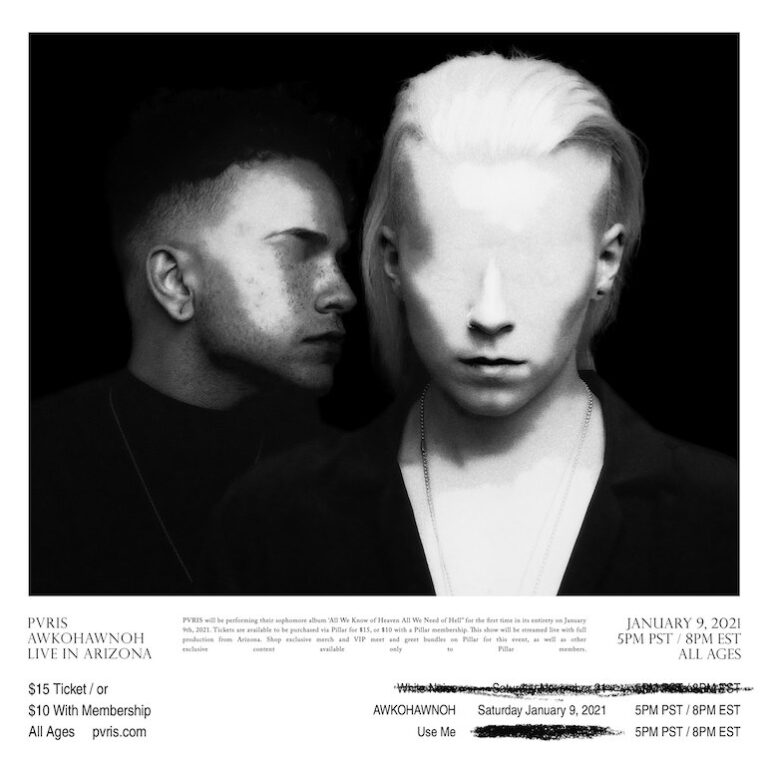
Many bands have found it difficult to find ways to connect with fans in new and interesting ways during the COVID-19 pandemic but the alt-rock band PVRIS has found a way to do with it’s live performances of it’s albums in their entirety. They took to the virtual stage to perform AWKOHAWNOH on January 9, 2021 in its entirety for the first time including performing two songs off the album that had never been performed live before broadcasting live from Arizona.
PVRIS is an alternative rock band from Lowell, Massachusetts. The band formed back in 2012 under the name to Paris and eventually changed it to PVRIS for legal reasons. They got their big start in Warped Tour’s battle of the bands finalists in 2013 and have since grown into the the band that’s known today.
Before this virtual concert I personally have seen PVRIS perform twice in person and once virtually for their previous album White Noise. Every time they have killed it. As a big fan of listening to full albums in their entirety the bands decision to perform all of their albums in their live was extremely exciting and intriguing for me and the performances have lived up to the hype.
AWKOHAWNOH, also known as ‘All We Know Of Heaven, All We Need Of Hell’ is PVRIS second album and was originally released on August 25, 2017 and included 10 tracks. The live-stream series is being presented by Pillar which is the platform that is hosting the series. PVRIS is selling tickets either for $15 for a one time ticket or a monthly subscription for $10 a month which gives special insights and allows the viewer to re-watch the live-streams. They are also selling merchandise specialize for each album and meet and greets with the band for each show. A part of the proceeds from the AWKOHAWNOH live-stream went to The Ally Coalition to benefit mutual aid organizations in the US.
The performance featured original members Lyndsey Gunnulfsen or more commonly known as Lynn Gunn and Brain McDonald and newcomer Denny Agosto Vega. Lynn Gunn is the powerhouse behind the band and is it’s lead singer, guitarist and is also known for playing keys, bass and being the main writer behind the bands discography. Brain McDonald is the bassist and is also known for his photography as well as his guitar and keys skills. Denny Agosto Vega has been standing in as the drummer and also performed with the band during their live version of their White Noise album back in November of 2020. The noticeably missing member was EX-guitarist Alex Babinski who parted ways with the band earlier this year after Sexual Misconduct Allegations were made against him and the band made a statement saying he would no longer be associated with the band.
The show was supposed to start at 8PM EST but as people waited on the stream to start as 8PM came and went. The anticipation grew in the group chat that accompanied the stream. Music videos from PVRIS’ newest album Use Me played and then eventually everything went dark. The stage appeared with a floor full of fog and iridescent lights. Lynn Gunn on Keys, Brain McDonald on Bass, and Denny Agosto Vega on drums opened with “Heaven, the first song on AWKOHAWNOH. It opened with Lynn’s Voice and keys for the first half of the first verse and then the rest of the band came in. Although it was just streaming onto my TV it felt just as strong of an entrance at any live show I have been to and brought the same adrenaline and excitement.
Throughout the album Lynn Gunn and Brain McDonald continually switched playing bass and guitar taking turns and highlighting their musical abilities. With Alex Babinski no longer playing lead Brian McDonald filled in that position for some of the songs which was different than the last stream. On the White Noise live stream Brian McDonald stuck to bass the entire time as well as playing on the keys occasionally with Lynn Gunn playing keys and guitar. Most of the lead guitar parts were pre recorded in the last live stream though so having a fuller live sound was great during this performance.
One of my favorite moments was when they performed “No Mercy” which is a fan favorite and Lynn Gunn introduced the song saying, “We got a one-way ticket to shred-ville, this is your captain speaking.” The band were really in their element with this song and just having a good time jumping around and playing and dancing together. Denny Agosto Vega was even standing while playing drums and Lynn Shredded on the guitar like her life depended on it.
Another one I really enjoyed was when Lynn Gunn performed “Separate” stripped with just her vocals and keys. Coming after all the hyper-ness of “No Mercy” it was the perfect way to follow up a song that would be hard to follow with another upbeat song. It slows everything down and brings the focus back to Lynn Gunn’s unique and powerful lyrics.
Maybe one of the biggest high points of the show was when they performed “Walk Alone” and “Nola 1” for the first time ever. Both songs have been heavily anticipated by the PVRIS fandom known as the CVLT. Both songs lived up to the hype of being performed live for the first time. “Walk Alone” was one of my favorite’s off the album so hearing it live was a dream come true. “Nola 1” closing out the show was perfectly fitting somehow being one of the most widely anticipated songs to be performed live to wrap up a great night. After the show the band came and “sniffed” everyone watching in their goofy joking way of trying to connect to the audience and said to stay safe and that they loved them. It was a great way to spend a night during COVID-19.
The last album Use Me’s live stream performance is yet to be announced but when it is will also be available to stream on Pillar. For more information visit PVRIS website or their Pillar page.
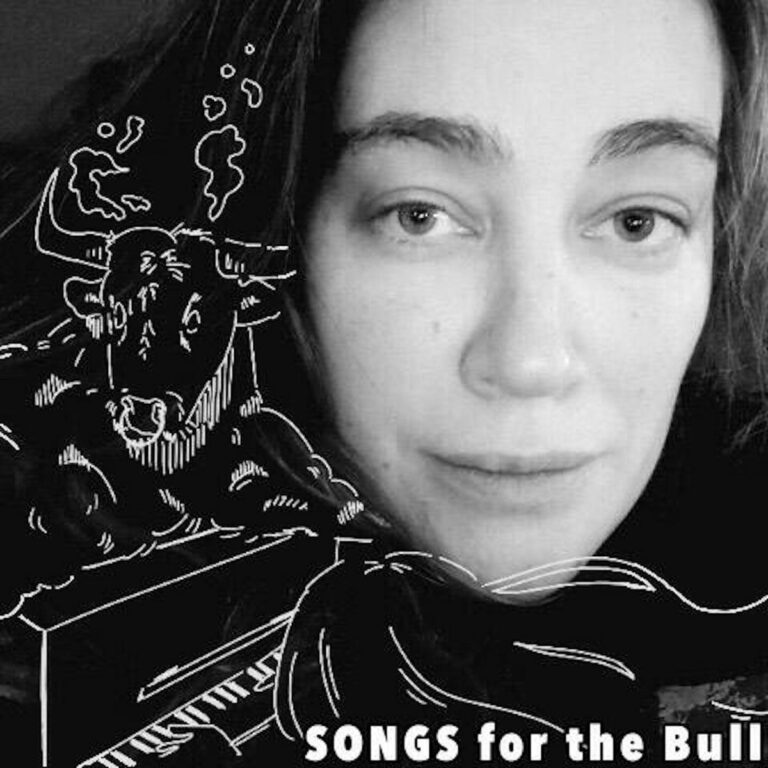
Julianne Mason is a Queens singer/songwriter on the brink of her forth album to be released Friday, January 15 on all streaming platforms. Songs for the Bull is and eight-track spearhead effort by Mason who acted as the albums sole writer, vocalist, and pianist, while also co-producing the release. The organic tenure of her keys passes you by like a spring breeze. It’s a heartfelt effort to harden.
Songs for the Bull album art by Zoe Wickham.
The pandemic only highlights a constant struggle for artist alike. Mason was nostalgic, with a mind full of a wanderlust that was not satisfied. As a result, Julianne found herself depressed, isolated and unemployed during quarantine. Musicians speak outwardly to avoid getting lost in these feelings. Simply put, she wrote songs to stay sane. Isn’t that what we all do. Firstly, Songs for the Bull acts as the antiseptic, washing our wounds.
Songs for the Bull is a collection of songs about the regret and loneliness that result from living a series of relationships in your mind instead of having the courage to experience intimacy in real life.
Julianne Mason took retreat in a safe haven to begin recording piano for this album, back home in Iowa. As things came together, she returned to NYC and over and intense couple of rehearsals and a ten hour recording session, Songs for the Bull bloomed. A throw back to 8-track exposes a warmth from the band, and home-like somber, recorded in her living room.
The title track “Paradise Weather” rises in like a winter sun. An underlying hum makes way for a swaying-triplet percussion as the 8-track reels. Julianne piano is soft and syncopated. Constant dissonance in her voice and piano pair with he song’s dis-harmonious lyrics: “So you take me forward, much to my displeasure. So you take me forward, to paradise weather.”
The album sways in its gloom and hopefulness. It is not a jaunting hunt for rebellion against sorrow, but rather a tip of your hat towards it. The album cast glimmer of light on a rather somber reality and forced isolation. With this intense recording session and 8-track ode, it will be even more wholesome to walk alongside this album from start to finish.
Followup track, “I Wait For You,” is a melodic tip-toe with the utmost sentiment. Drummer Shannon Minor take to the brushes, while Colin Leads delicately companies alongside each key stroke. Sutble creeks of Mason’s piano bench creep in. The sounds are intoxicating and contrast the once busy streets of the City.
Like a garden every time. This organism that invades my mind. Reminds my worry reminds my stubbornness. That the quiet night can caress.
Taxi, building, rain and breeze. City sidewalk, city symphony Ocean of people, waves of activity. Speak right now consciously And I’m lucky, lucky yet To hear these sounds of gentleness. Lucky that I still have this sensitivity Sensitivity to infinity.
The record was produced by Julianne Mason, Brendan Picone, and Daniel Crane. Songs for the Bull was mixed by Brendan Picone, mastered by Phil Petrie.
Yesterday Julianne Mason performed a live pre-release highlighting Songs for the Bull‘s debut.
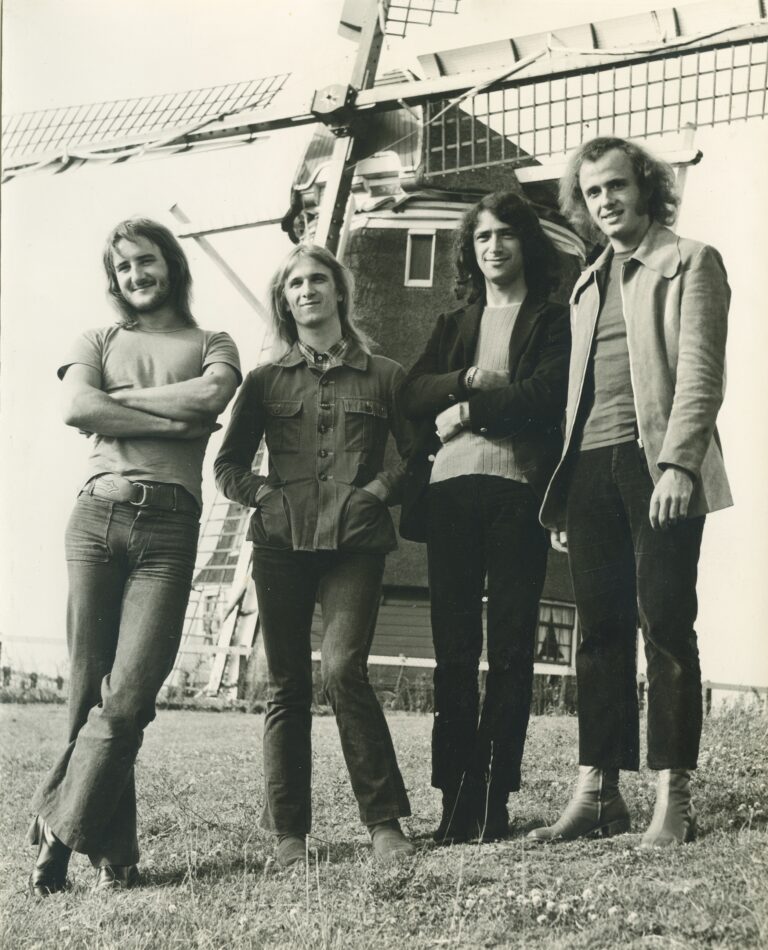
Whether you know it or not, you’ve all heard the band Focus. You know that tune they spin on classic rock radio, in films, ads and during NBA and World Cup telecasts, the one with the demented yodeling and amphetamine shred guitar breaks, with the relentless riff that’s as memorable as “Sunshine of Your Love” and “Smoke on the Water?” That’s Focus playing one of the most unlikely Top 10 hits of the 1970s, “Hocus Pocus.” And if you think that playful racket of virtuosity is all there was to this band than you’ve missed out on one of the most distinctive and eclectic bodies of work produced during rock’s progressive era.
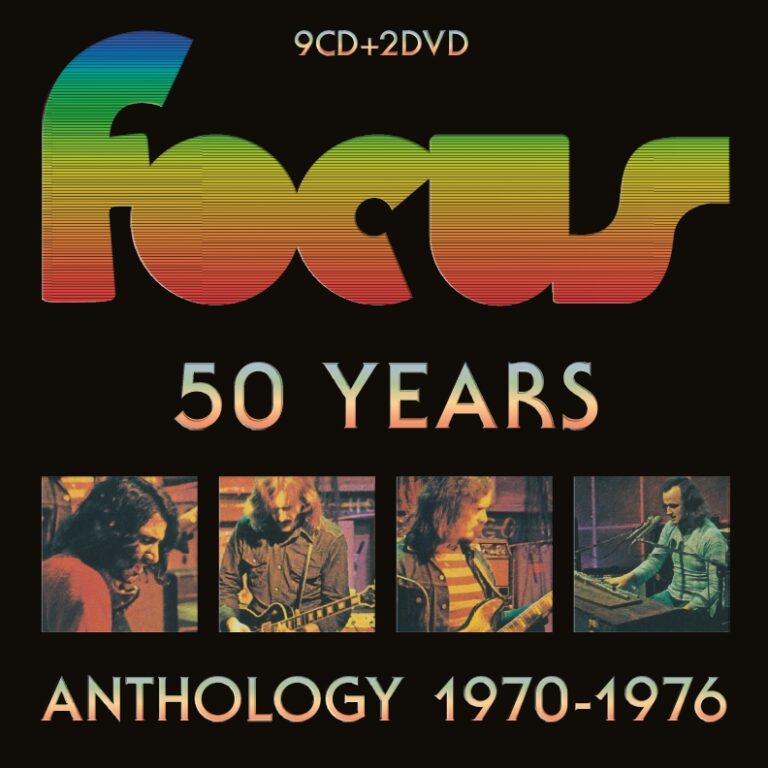
That’s something that Focus 50 Years (Anthology 1970 – 1976), the lovingly crafted, amazingly researched nine-CD, two-DVD set from Red Bullet Productions, aims to set straight. But first, a little backstory…
Focus commenced in Amsterdam in 1969. It was built around the massive talents of two main musicians, Thijs Van Leer and Jan Akkerman. Van Leer is a classically-trained flautist, keyboardist and occasional yodeler. He was also a talented composer who raided the classics, the works of Bach, Bartok, Haydn, Monteverdi and the like, to create a cannon of tunes, especially the numbered “Focus” titled instrumentals, that are among the most melodic of the prog era.
Van Leer’s foil in Focus was Jan Akkerman. Still going strong today at 74, Jan was one of the most fearsome and versatile virtuoso guitarists of the Guitar God heavy 1970s. This was a man with a jaw-dropping technical mastery of jazz, rock, blues and classical forms, a talent that powered some of the most emotional and exciting soloing and live improvisation ever committed to tape in the rock idiom.
Akkerman could spitfire fusion licks as swiftly as John McLaughlin or slow down to seductively squeeze every ounce of the melody out of a ballad, just like Santana. He could play psychedelic, blues-fired blasts that glowed as brightly as Hendrix and chromatic smears and screams like late ‘60s free jazz Coltrane. He, too, composed distinctive and maybe even more diverse originals than Thijs. Jan’s tunes reflected his own acumen with the classics, from his five years of study at the Amsterdam Lyceum, something evidenced by his lute playing on several Focus tracks. Then, there were those fueled by his love of balls-to-the-wall rock, like “Hocus Pocus,” and funk, like the latter day single, “Crackers.”
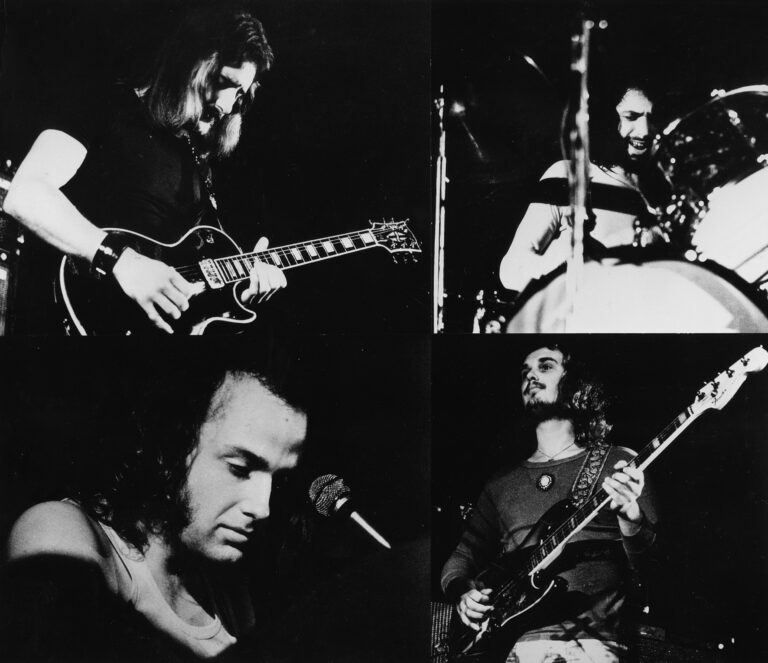
Between 1970 and 1976, the Van Leer/Akkerman Focus recorded seven albums and toured relentlessly in Europe, U.S. and Asia, averaging well over 200 shows each year. Led by Jan’s dazzling guitar work, the fiery drumming of the criminally-underrated Pierre van der Linden, Bert Ruiter’s rock-solid bass and Van Leer’s keys, flute and theatrical mugging, Focus pretty much blew everyone off the stage, wherever they ventured.
The proof was in the accolades. In 1973, Akkerman was named “Best Guitarist in the World” by the U.K.’s top music weekly, Melody Maker, over Clapton, Beck, Page, McLaughlin, etc. This was just a year after the same publication named the band its “Brightest New Hope.” Jan’s smiling mug also graced the cover of Guitar Player and, with his bandmates, Circus Magazine. Akkerman’s legion of fans would grow to include luminaries like Carlos Santana, Brian May, Joe Walsh, Chick Corea, Michael Jackson, the Beach Boys (he did unreleased sessions with them while they were recording in Holland), B.B. King and Frank Zappa to name but a few.
Although they seemed to bring out the best in each other, the Van Leer/Akkerman partnership grew stormy over time. It finally fractured when the road weary guitarist left (or was fired) on the eve of a U.K. tour in early 1976. Since then, Akkerman would go on to record two dozen, genre-leaping solo albums that are the height of the guitar art, all while choosing to remain happily out of the international limelight in Holland. Van Leer continues to revive Focus from time to time, with a rotating roster of guitarists who, while sometimes excellent, can never match Jan’s wholly unique musical aura and skill.
With the dawning of the web, a global cult of “Focus fanatics” coalesced, devotees who trade and post audio and video of live gigs and TV performances, rarely-seen concert posters and other ephemera. Unlike some stars, Jan, Thijs and their bandmates proved more than happy to engage with their fans via social media. For these folks, and anyone who loves great music of original intent, this brick of a boxed set will seem like Christmas morning.
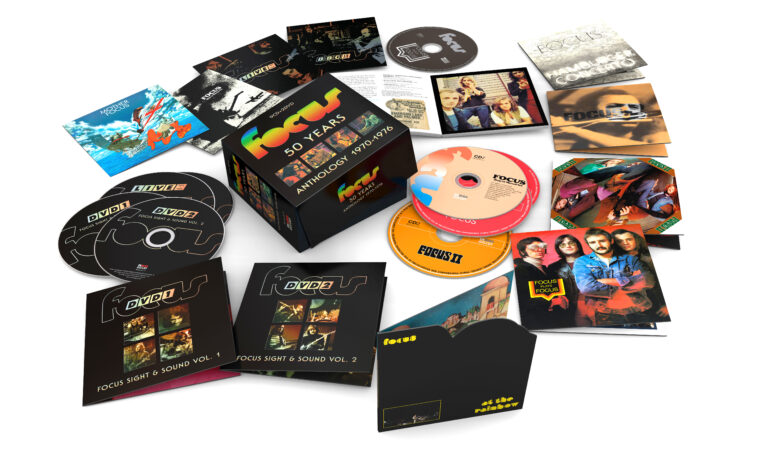
Curated by longtime Focus/Akkerman archivist Wouter Bessels, “Focus 50 Years” starts with 24-bit remasters from the original tapes of the first seven Focus albums, plus single, alternative and raw studio mixes, demos, unreleased live recordings and some real oddities, such as the quartet backing other artists in their early days. Add to this two additional CDs of more unreleased live performances from 1971 – 1975, including the first official release of their fantastic “BBC In Concert” performance from 1973.
The package also boasts two DVDs featuring the complete “Focus At the Rainbow” concert film from the live album of the same name, restored and remastered from the original 16 mm film, two BBC “Old Grey Whistle Test” broadcasts from 1972 and “BBC In Concert” from 1974. There’s also “Focus Live in Dublin” 1973, the “Goud van Oud” reunion from 1990 and the 1997 “Focus II Classic Albums” documentary. To guide you through the riches, Bessels has compiled an 80-page booklet with band history, liner notes, press clips and memorabilia.
The band’s debut album, “Focus Plays Focus,” finds the newly formed band still searching for an identity, with a few vocal tunes like the jazzy “Happy Nightmare (Mescaline)” in the mix. This was something that would be quickly abandoned in favor an all-instrumental approach, along with their original bassist and drummer, Martijn Dressden and Hans Cluever. This version of the album is notable for its opener, the stately instrumental “Focus I,” the first of this numbered series of classically informed instrumentals by Van Leer, and the two bonus tracks. The first, Akkerman’s flute-driven “House of the King,” became their first chart hit in Europe, one often mistaken for Jethro Tull. The other bonus is a sizzling 37 minute live performance from 1970, an in-development version of “Eruption,” the suite which would be the side-long centerpiece to their classic follow-up album, “Focus II/Moving Waves.” It includes some of Jan’s most fiery riffing, and in a spot where the band falls away for six minutes, he dazzles with slashing, quicksilver lines in exotic modes like the Hungarian minor and Indian scales.
The band’s sophomore effort commenced their prime era, with Akkerman’s former partner in the bluesy band Brainbox, the jazz-inspired Pierre van der Linden, now in the drum chair. The album kicks off with “Hocus Pocus,” an Akkerman/Van Leer composition born out of a jam session at the band’s rehearsal home in a Dutch castle. This unforgettable fusion of manic speed metal, yodeling and jazzy drum solos became a surprise hit. It was the first smash for Sire Records in the U.S., pushing global awareness of the band and inspiring legions of nibble guitarists to come like Yngwie Malmsteen and Eddie Van Halen. Akkerman’s “Le Clochard” is a melancholy solo piece spotlighting his Segovia-like technique, while his “Janis,” a gorgeous ballad dedicated to Janis Joplin, highlights Van Leer’s multi-tracked flutes.
The 23-minute, side-long “Eruption” is one of prog rock’s most acclaimed epics, perhaps the most original fusion of classical themes and rock vigor. It is a hard rock version of the myth of Orpheus and Euridice, an update of Jacopo Peri’s opera “Euridice.” An uncredited melody from Monteverdi’s “L’Orfeo” opens the suite, and a later segment includes the haunting ballad “Tommy,” named after its composer, Tom Barlage of the Dutch fusion band Solution. It’s a show stopping ballad that Akkerman continues to perform in concert to this today. The Zappa-inspired “The Bridge” is an all-out jam session, culminating in some blazing guitar soloing reminiscent of “Hocus Pocus” and Zappa’s “Willie the Pimp.” “Euridice,” penned by Eelko Nobel, is a classical lied which segues into the Gregorian chant of “Dayglow,” then van der Linden’s drum solo, “Endless Road.” The suite ends with a reprise of its opening themes, then concludes with van der Linden’s freeform percussion effectively evoking the sound of fireworks for the finale. In live performance, the band also included quotes from Bela Bartok’s “Concerto for Orchestra,” something they were denied use of during the recording by his family. Too bad…
The double-disc album “Focus III” followed. It featured more gorgeous melodies including Akkerman’s “Love Remembered” and Van Leer’s “Sylvia,” which spawned another surprise hit, a #4 in the U.K. charts. Van Leer’s “Carnival Fugue” continues the fusion, with a bit of Bach, some cool jazz and even calypso all in the mix. The keyboardist’s “Focus III” and “Answers? Questions! Questions? Answers!,” written by Akkerman and new bassist Bert Ruiter, are showcases for Jan’s way with stating a melody and the improvisational dexterity of the whole band. Like “Eruption,” they would become ever-evolving improvisation stoked workhorses of the band’s live sets including their fourth release, the live album “At the Rainbow.” Akkerman’s solo on this live disc’s version of “Answers?…” is one of his finest. It’s a study in melodic development and tension building that I have listened to hundreds of times over the years, one which you can view on the boxed set’s first DVD volume.
More blazing jamtastic is on display in the third album with Anonymous II. This is a re-recording of a track from their debut disc, which covered a side and a half of the vinyl of this release. The album closes with Akkerman’s first showcase on the medieval lute, “Elspeth of Nottingham.”
There’s a New York groove, or at least birthing, in the album that followed their live fourth disc, “Hamburger Concerto.” Akkerman’s rocking refrain in this side-long epic was written while watching cartoons and eating a hamburger and Junior’s Cheesecake at a NYC hotel. It’s a power chord stomp drenched in watery, swirling Leslie speakers inspired by their then touring partner, Joe Walsh. Together with Van Leer, he fashioned another powerful multipart suite, with quotes from Haydn, Brahms and Bach’s “St Matthew’s Passion” and plenty of room for burning flute, organ and guitar soloing. Another chart success, the disc featured a quasi-follow-up to “Hocus Pocus” called “Harem Scarem,” another dreamy Van Leer melody in “La Cathedrale de Strasbourg” and “Delitiae Musicae,” another lute outing by Jan adapted from a work by Dutch composer Joachim van den Hove. By this time, drummer van der Linden was gone, replaced by Brit Colin Allen of Stone the Crows fame, who keeps it all anchored with a firm, rock steady beat.
With the studio album “Mother Focus,” the band sort of heads off track, shedding some of its European classical spice for an almost soft jazz, easy listening vibe. All said, the album still has some standouts. Another New York connection comes with “My Sweetheart.” The upbeat Akkerman tune served as the theme song for commercials for popular NYC radio station WPLJ-FM for years. There’s also the Bert Ruiter penned “Hard Vanilla,” where Akkerman solos at length with a talk box, ending it all, and maybe his time with the band, with a laughing guitar.
The seventh album, Ship of Memories from 1976, is a collection of tracks done for an abandoned studio album around the time of “At the Rainbow,” along with some intriguing singles and leftovers. This album includes more beautiful melodies and spectacular guitar work, on the tunes like Van Leer’s “P’S March,” “Focus V” and the duo composition “Red Sky at Night,” with one of my favorite Akkerman solos on the outro.
The version of this album in the boxed set includes eleven intriguing bonus tracks. Featured are “The Shrine of God” and “Watch for the Ugly People,” where the band backs Van Leer’s onetime employer, Dutch cabaret artist Ramses Shaffy, along with rough mixes of “House of the King.” The former were recorded around the same time that the fledging group was serving as the pit band for the Dutch production of the musical, “Hair.”
Archivist/curator Bessels will spin the heads of the Focus know-it-alls with the two live discs in the package. He has unearthed a truckload of never-before-released radio and television performances and concert board tapes to present this improvisational monster jam band at the peak of its powers.
The version of “Eruption” from Rotterdam in 1971 features the classic Akkerman, Van Leer, van der Linden and Ruiter lineup and clocks in at nearly 47 minutes. Akkerman’s first solo on “The Bridge” is a little more jazzy than usual, pushed by Van Leer’s Hammond organ. But it’s his solo spot starting at 20 minutes in that goes from gentle classical to slashing noise rock to full whirling dervish Eastern exotica. Van Leer almost gets a solo spot that shows his mastery of the classical and jazz forms on his flute, while van der Linden’s drum solo swings as titanically and surehanded as any in the classic rock era. The live discs also present some interesting performances and jams that I didn’t know existed, from tours of Japan in 1974 and 1975. The 1973 recordings by BBC Radio are naturally of impeccable quality, but Bessels has also done a masterful job cleaning up many of the other live rarities here.
The two DVDs of television performances are another thing that sets this package apart. It’s a real thrill to see this unique band of improvisational madmen in full flight, in their BBC and Live at the Rainbow performances. The second DVD includes rarities like a 1970 spot of Dutch TV with the original quartet and an RTE TV performance from Dublin that hasn’t been seen since its initial broadcast in 1973. Also featured are television performances of “Hamburger Concerto” from Danish TV and the 50-minute “Classic Albums” special on “Focus II/Moving Waves.” Unfortunately, the latter is mostly Dutch, excepting the contributions from producer Mike Vernon.
After decades of being wrongly relegated to the backseat by rock’s critical tastemakers, progressive rock, like that plied by Focus, is gaining a much deserved second look. So the time seems right for this battleship of a collection from Holland’s Red Bullet Productions.
If you already love Focus, you can buy this, enjoy much more of the band you thought you knew everything about, and die a happy man (or woman). If you don’t, you should give this purchase some serious thought. You should also put aside some serious time to listen to, and enjoy live of your TV screen, one of the most underappreciated and uniquely talented bands of rock’s most boundary pushing era.
While a lineup of Dio, Megadeth and Savatage may sound like a great 80s metal triple-bill now, 33 years later, this show, in terms of ticket sales, was a flop.
The late, great Ronnie James Dio is rightfully heralded as a virtual deity these days, 12 years after his death. Rainbow, Black Sabbath, those first couple Dio albums, his late work with Heaven & Hell, that voice – the man was a giant in his field. All should hail him.
Forgotten these days is that, by the late 80s, the Dio star had faded more than a bit. By early 1988, when this show happened, the Dio solo band had gone from the upward trajectory of the killer Holy Diver and Last In Line records, which elevated Dio to huge, Madison Square Garden-headlining godhood, to a slow decline which had started with Sacred Heart, the departure of Vivian Campbell, and the treading-water, unremarkable Dream Evil record, which was current when this show happened.
Dio, the band, seemed to be heading into their Spinal Tap phase – in 1984 they’d packed this venue (and RPI Fieldhouse in Troy a year later), when this show happened, popularity had ebbed, the stage was moved up to the middle of the floor, and half of the arena was closed off – and even cut in half, the place still didn’t look very full.
Opening the show was Savatage, who were promoting their popular Hall of the Mountain King record. They played a short set to a small crowd, included early tracks like “The Dungeons are Calling” and “City Beneath the Surface,” but didn’t seem to make a huge impression, although their epic, 80’s power metal was a perfect match for Dio. Savatage never broke big, but various members of the Savatage team went on to monumental success with Trans-Siberian Orchestra, so they had the last laugh.
Megadeth was the band this writer was there to see in 1988 – their first two records were huge favorites of mine in the mid-80s, and they were about to release their third, So Far, So Good, So What. The band’s lineup had shifted: joining Dave Mustaine and David Ellefson were new guitarist Jeff Young and drummer Chuck Beehler, replacing the drug-addled Chris Poland and Gar Samuelson, who’d been in the band when they played an incredible gig at Colonie Coliseum just over 7 months earlier. They weren’t big enough yet to affect the morose ticket sales too much this night, but I remember a short, killer set, kicking off with “Wake Up Dead” and “The Conjuring,” with some as-yet unreleased new tracks (“Hook in Mouth,” “In My Darkest Hour”), and some Peace Sells-era heavies like “Devil’s Island” and “Peace Sells” itself. The set finished with some covers, Nancy Sinatra’s “These Boots” (the only track played from their Killing is my Business debut), and the Sex Pistols’ “Anarchy in the UK”. Megadeth would return soon after, playing the Palace Theatre in Albany in April 1988, and drawing as many or more people than had attended this Glens Falls gig with Dio.
Dio and his band – now featuring Craig Goldy on guitar instead of original Irish guitarist Viv Campbell – hit the stage with first-album classic “Stand Up & Shout,” and stuck to a mostly crowd-pleasing set, playing a lot of the first-and-second album classics, and four songs from then-new ‘Dream Evil’. But in 1988 things were changing, and the stage show with the costumes, mechanical spiders and endless solos – before a not-packed hall – gave it somewhat of the aforementioned Spinal Tap vibe. Dio in ’88 seemed like the past, and Megadeth seemed like the future. I’d worshipped him 5-6 years earlier, but by the time of this gig there was so much cool thrash metal and alt-rock that perhaps Dio just seemed anachronistic to me. In retrospect, he was not.
In ’88, things looked pretty over for Ronnie, which obviously wasn’t true at all. But (probably because of the dismal sales for this gig) I think this was the last time the DIO band played the Albany area – although he’d some back with Black Sabbath and Heaven & Hell in years to come, already by then a beloved veteran, and his legacy is solid. All hail Ronnie James Dio.
Savatage setlist: City Beneath the Surface, 24 Hrs. Ago, Beyond the Doors of the Dark, The Dungeons Are Calling, Hall of the Mountain King, Power of the Night
Megadeth setlist: Wake Up Dead, The Conjuring, Hook in Mouth, In My Darkest Hour, Devil’s Island, Peace Sells, These Boots Are Made for Walkin’, Anarchy in the U.K.
Dio setlist: Stand Up and Shout, Dream Evil, Night People, Naked in the Rain (incl. Guitar Solo), The Last in Line, Holy Diver, Drum Solo, Heaven and Hell, Man on the Silver Mountain, All the Fools Sailed Away, Keyboard Solo, Rock ‘n’ Roll Children, Long Live Rock ‘n’ Roll, Rainbow in the Dark, We Rock, Don’t Talk to Strangers