Category: Reviews

  • NYC Loft Jazz of the 1970s Comes Alive with “Frequency Equilibrium Koan” by Michael Gregory Jackson


    CBGB wasn’t the only club/scene to birth a new musical genre in the low-rent, dirty and deliciously dangerous Downtown NYC of the mid- to late-1970s.  Alongside the wannabe punks, there were a slew of fiercely talented young jazz immigrants from St. Louis, Chicago and beyond who worked to make free jazz even freer than Coleman and Coltrane. They plied their exploratory path not at traditional clubs but a series of short-lived, musician-led NYC loft scene like Coltrane drummer Rashid Ali’s Studio 77, Studio We, The Ladies’ Fort and, most notably, Studio RivBea, founded by saxman Sam Rivers and his wife Bea. 

    New York’s so-called Loft Jazz scene would launch the careers of many luminaries who would define jazz’s more creative edge in the post-Coltrane era. These included Muhal Richard Abrams, Anthony Braxton, Henry Threadgill, David Murray, Arthur Blythe, Butch Morris, Lester Bowie, Oliver Lake and Julius Hemphill to name but a few. 
    NYC Loft

    Their music was technically accomplished, exploratory, impulsive, spiritual and often politically-minded. It could flow from angry and dissonant to heavenly melodic, all in the space of a few bars. It had elements of jazz, modern classical, folk, world music and more. It also utilized instruments not often associated with jazz, like the oboe and cello. The intimacy of the scene led to much cross pollination among the players. This is something reflected in a bold new release from the archives of Michael Gregory Jackson, a versatile innovator and guitarists’ guitarist who first came to light in the scene.

    One look at the list of progressive jazz guitar all-stars who have named Michael Gregory Jackson as an influence demonstrates the continued resonance and relevance of his four-decades of exceptionally creative music-making. 

    “Michael Gregory Jackson has long been one of my favorite musicians,” said Pat Metheny. “I always considered him one of the most significantly original guitars of our generation, with his own distinctive sound and point of view.”

    Bill Frisell adds: “I first heard Michael Gregory Jackson in 1975 when I moved to Boston. He blew my mind and influenced me a lot. I believe he’s one of the unsung innovators.”

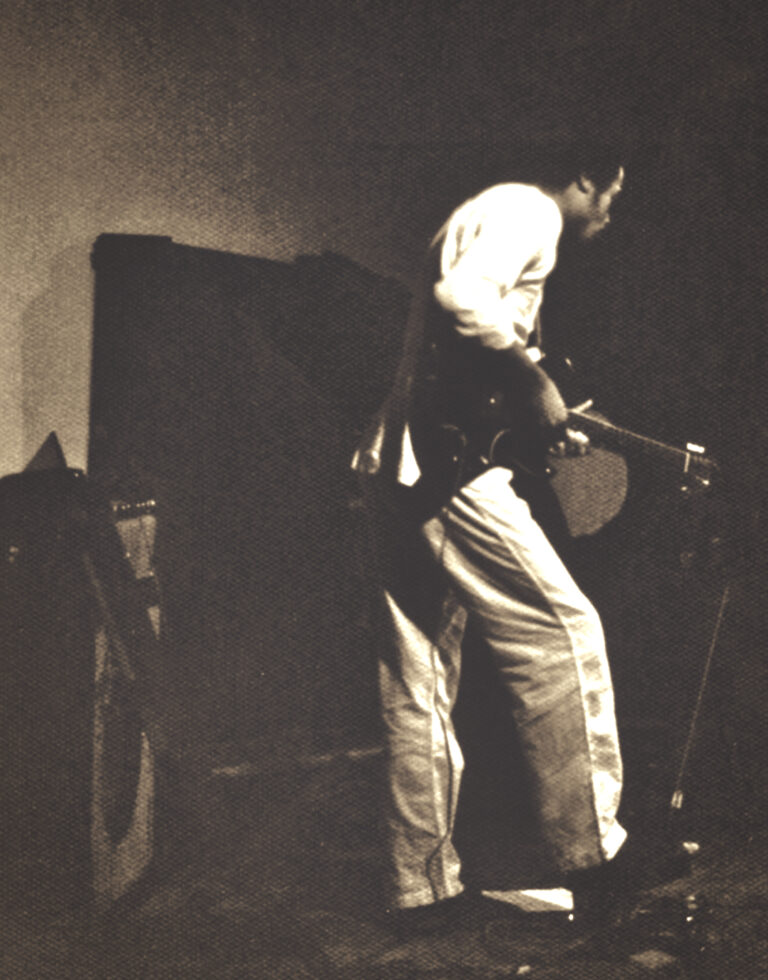
    Frequency Equilibrium Koan is an authentic document of the without-a-net creativity and exhuberance of no-hold-barred this era. It is a performance of four lengthy compositions recorded by Jackson on his trusty Sony cassette machine in 1977 at The Ladies’ Fort. It finds the then 23-year-old guitarist leading a quartet featuring saxophonist Julius Hemphill, drummer Pheeroan akLaff and cellist Abdul Wadud.
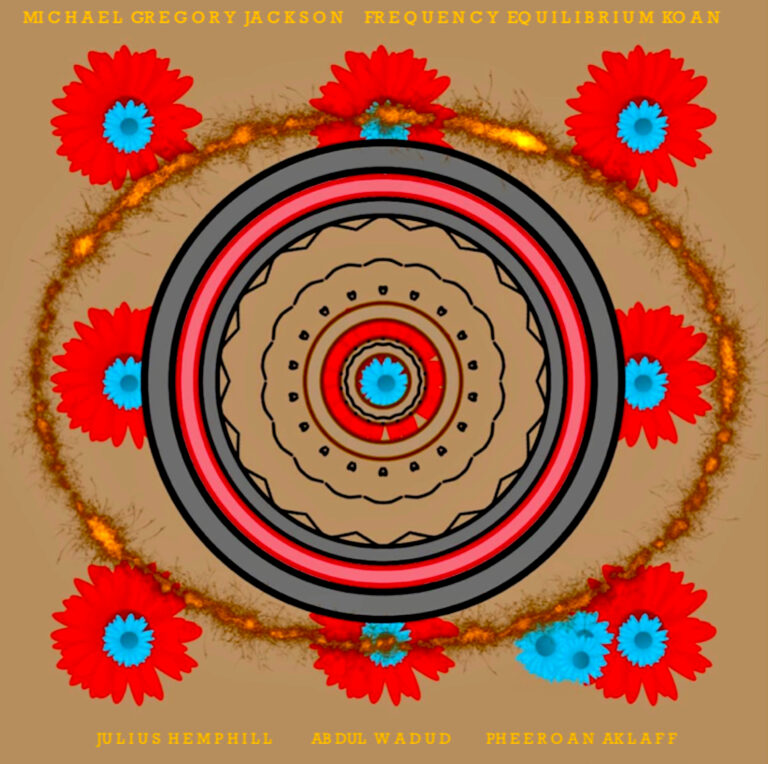
    NYC Loft

    Hemphill was one of the true giants of the era, perhaps best known for his work with the World Saxophone Quartet alongside Oliver Lake, who helped launch Jackson’s career in a quartet which also included akLaff. 

    A little like Hendrix before him, cellist Wadud literally reinvented his instrument for a new musical genre. With furious plucking, bowing and percussives, it became a tool of jazz that would skirt the territory between groove-keeping acoustic bass, a soaring solo instrument and drum. Wadud and Hemphill were frequent collaborators. One of their best performances together is on “Hard Blues,” from Hemphill’s 1975 album Coon Bid’ness.

    Jackson’s new/old album kicks off with the nine-plus minute title track. After a fragmentary head, the piece moves into improvisation, with Hemphill coming to the fore with a long forceful tenor solo. At times, the improvisation becomes collective, a kind of outré New Orleans ragtime.  Jackson’s bag of tricks is on full display here – volume swells, detuned swooshery, bleeps, slides and long tricky melodic lines, a blend of Cubist post-bebop and twelve-tone classical. Wadud plucks and bows away, creating both rhythmic pulse and solo lines that dance off his partners’ musical conversation. 

    The next track, “Heart and Center,” is a radical extension of what would become the title offering for Jackson’s wonderfully diversified 1979 album of the same name. This is as straight-ahead as this album gets, with Hemphill again out of the gate on a solo charge. Jackson leads the way with choppy irregular chording that provides a rich harmonic backdrop for Hemphill and his own soloing. Again, the flavor here is improvisation that is collective, with lots of call-and-response. As usual, akLaff keeps it all moving, with jungle like tom tom heavy percussion. 

    “Clarity 3” is the most challenging listening experience in the set. It begins with akLaff’s circular swirl of percussion, which leads to a solo spotlight for Wadud.   With Hemphill and Jackson’s entry, the music comes to a fast boil then overflows.  It’s jazz roller coaster, with the instruments almost seeming to merge into one howl at times.  In the last minute, Jackson finds and rides a broad chord that sounds like a car horn, together with Wadud’s cello groans.  The album ends on a mellow tone with “A Meditation.”  Hemphill sits this one out and Jackson forsakes his trusty 1961 Gibson SG for a bamboo flute.  It’s a wind down of chill temple bells and malleted cymbals, bowed cello and modal flute melody, an East Asian-flavored sunset brought to the dark and dirty Downtown NYC of the 1970s.

    In the liner notes to the album, guitar master Bill Frisell observes:

    These guys are all heroes of mine. I’ve learned so much and am still learning from all of them. To hear them all together like this is a real gift. What a combo!  I can’t believe this happened more than 40 years ago. It sounds like the future. I’m so thankful the tape was running to document this extraordinary moment.

    Like many good things in New York City, the loft jazz scene was killed by the rising rents that came with gentrification. For more detail on this vibrant scene, read Michael Heller’s Loft Jazz: Improvising New York in the 1970s.  For a great sampling of the musicians and the scene, check out Wildflowers: The New York Loft Jazz Sessions.  This five album/three CD set captures edge-pushing performances by many of loft jazz’s leading lights over nine days at Studio RivBea in May 1976. For more about Jackson, see our review of his jazz suite for Nelson Mandela, Change or purchase the album on Bandcamp

    Key Tracks:  Heart and Center, Frequency Equilibrium Koan
  • 2020 Flashback: America Starts Their 50th Anniversary Tour

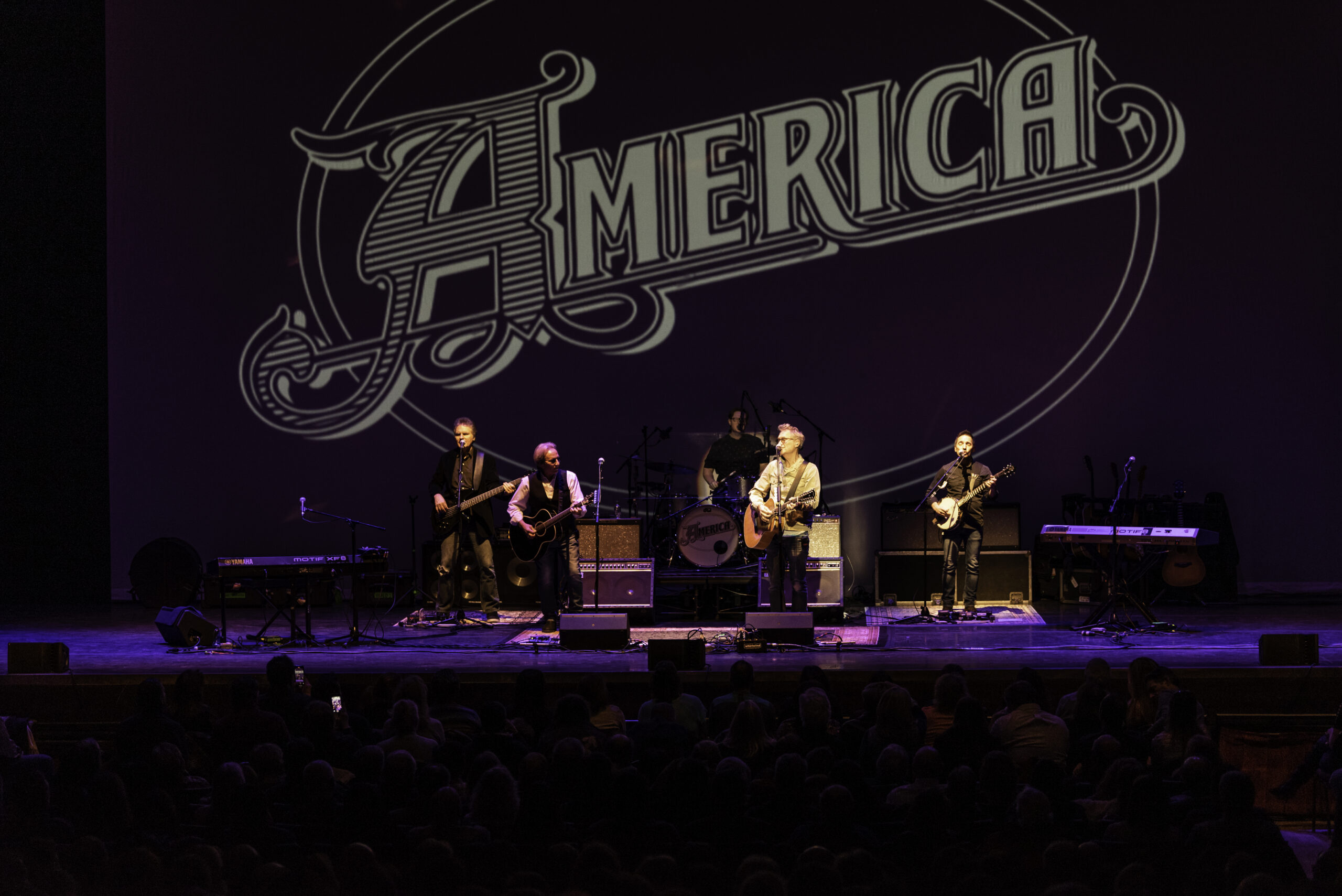
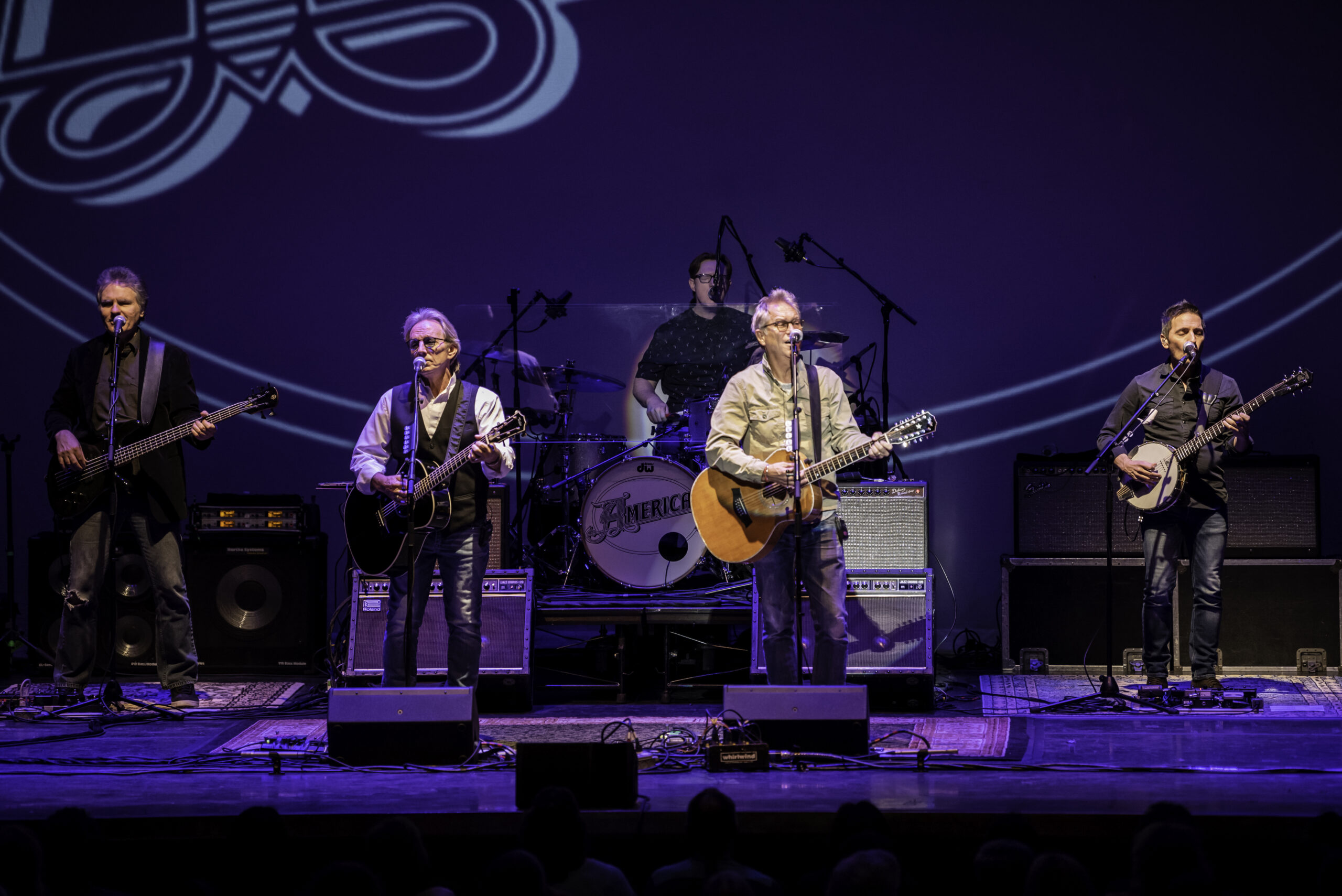
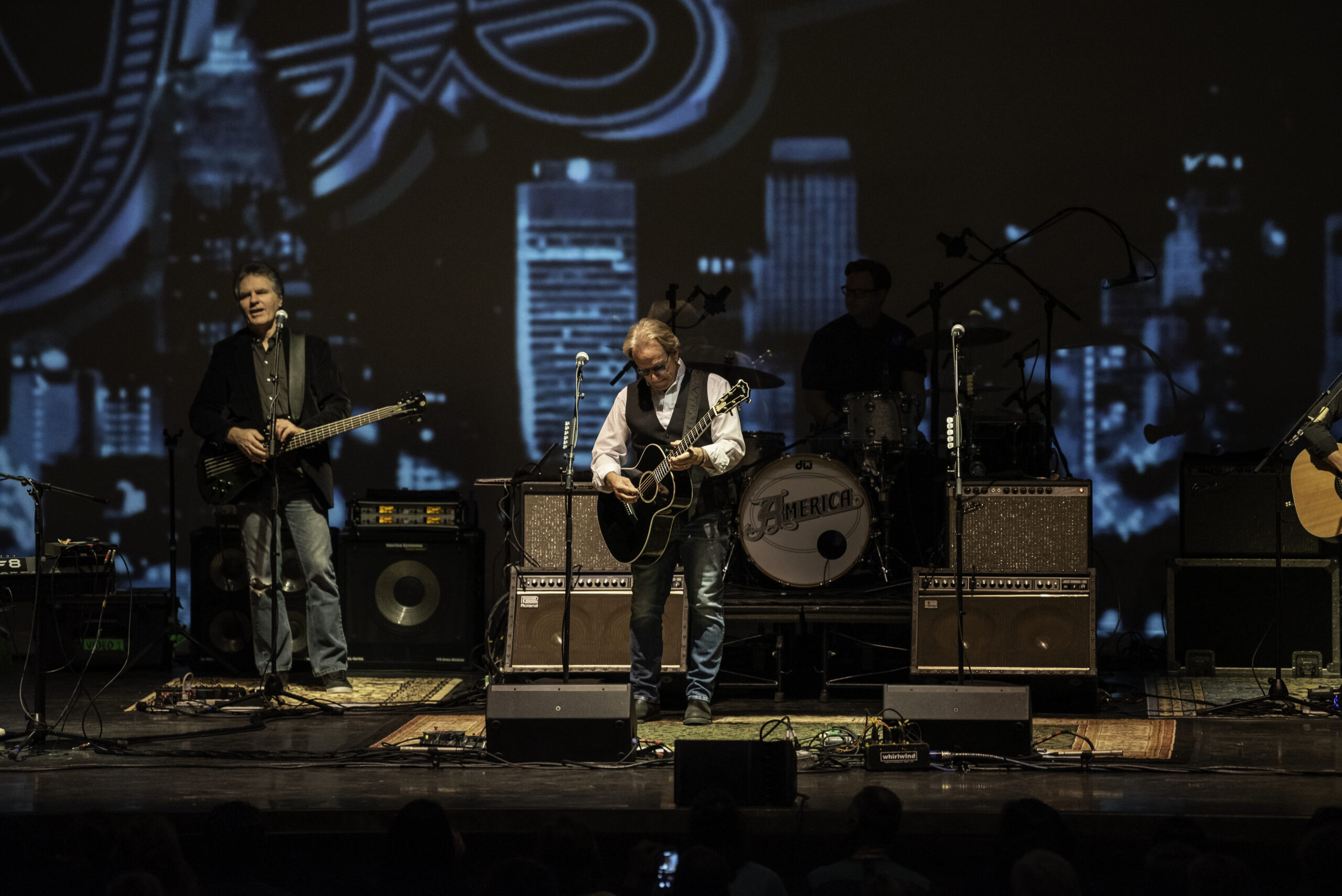
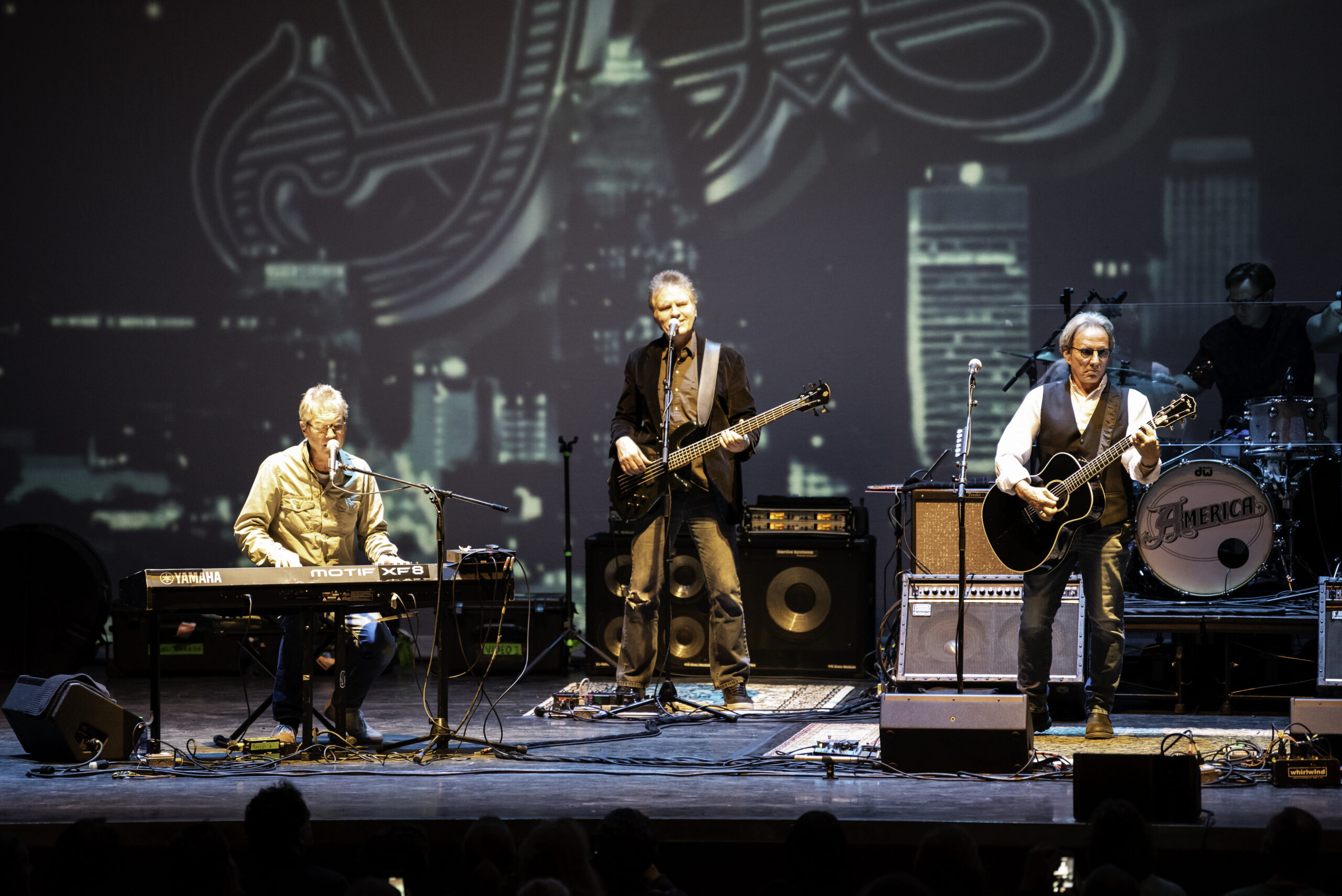
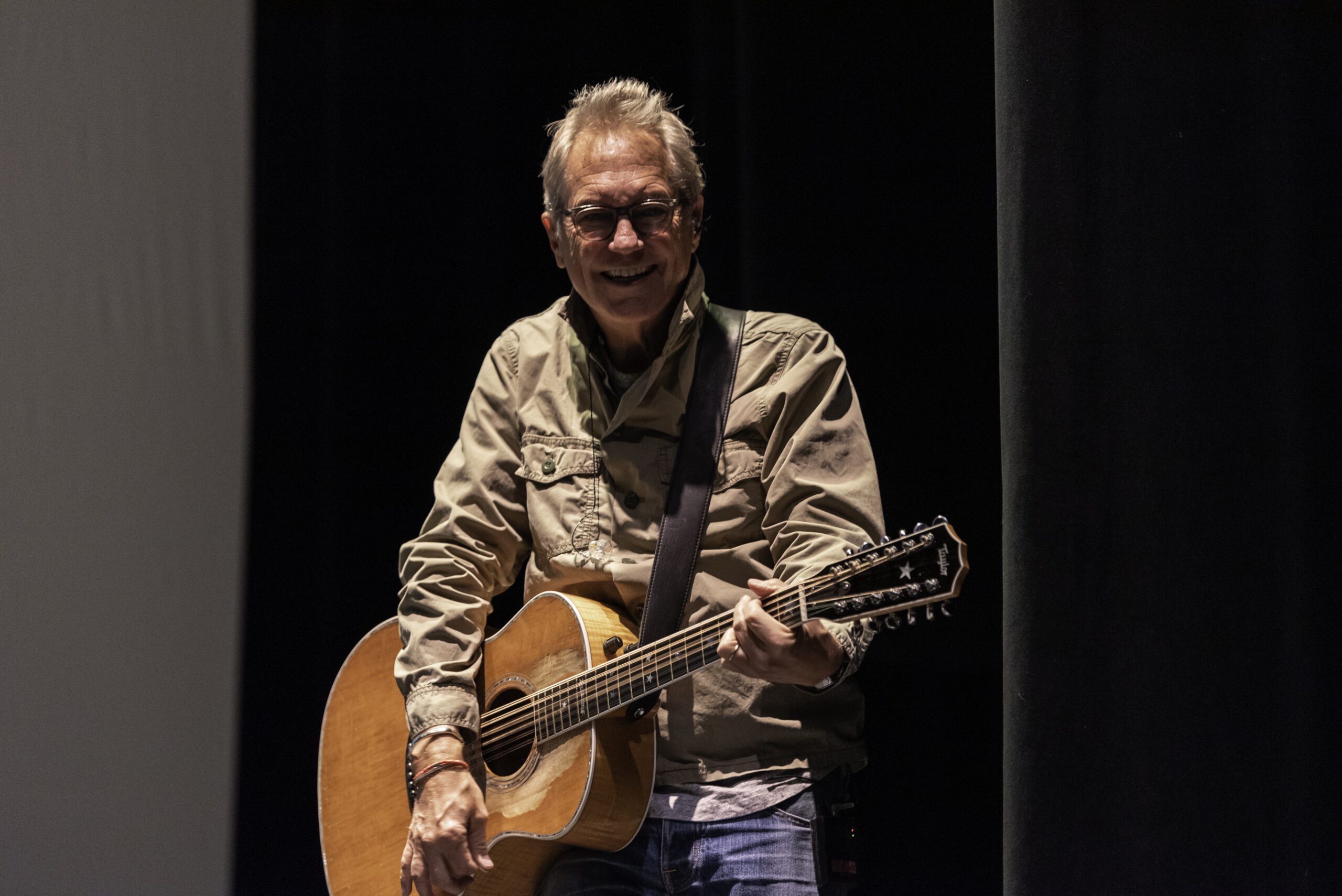
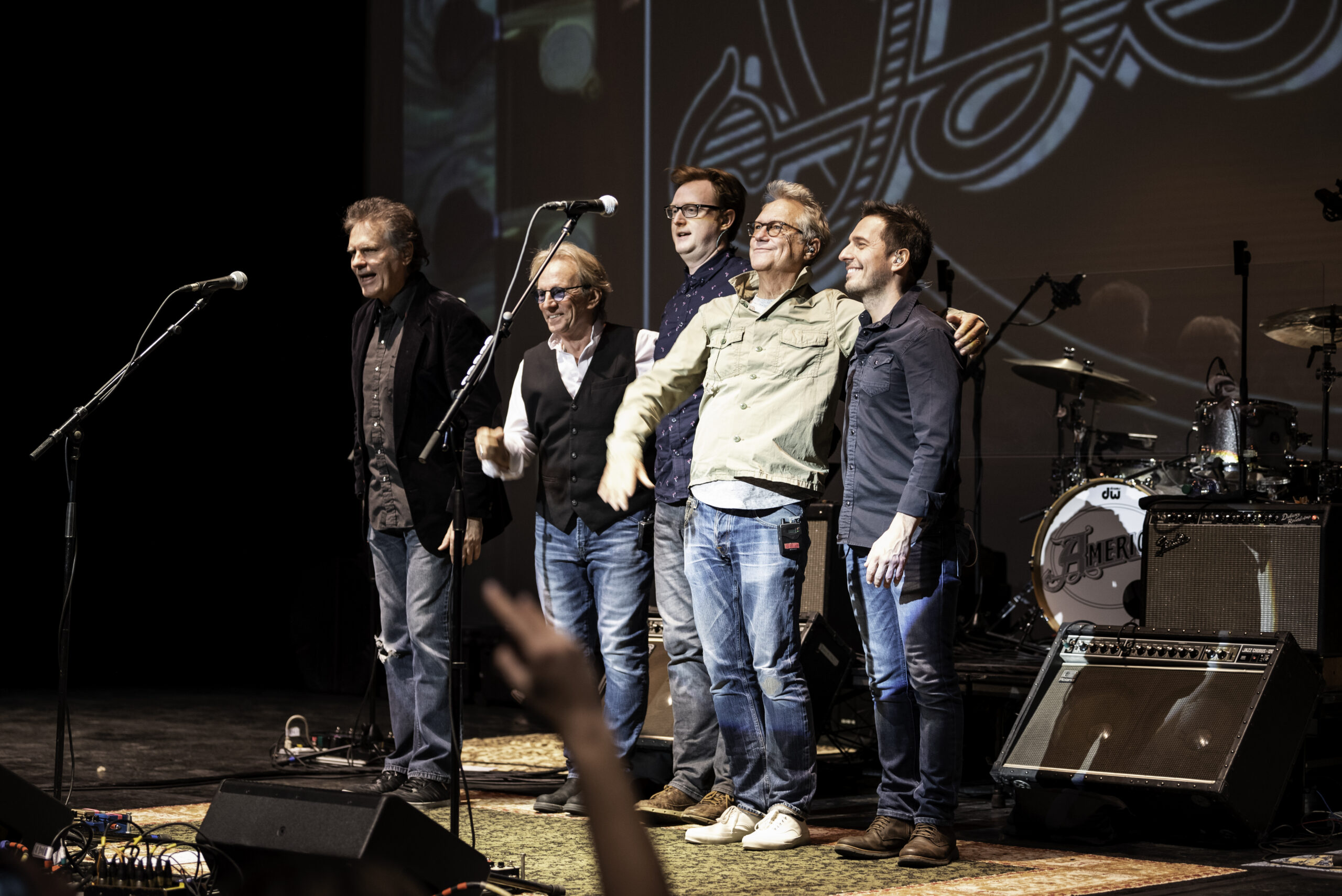
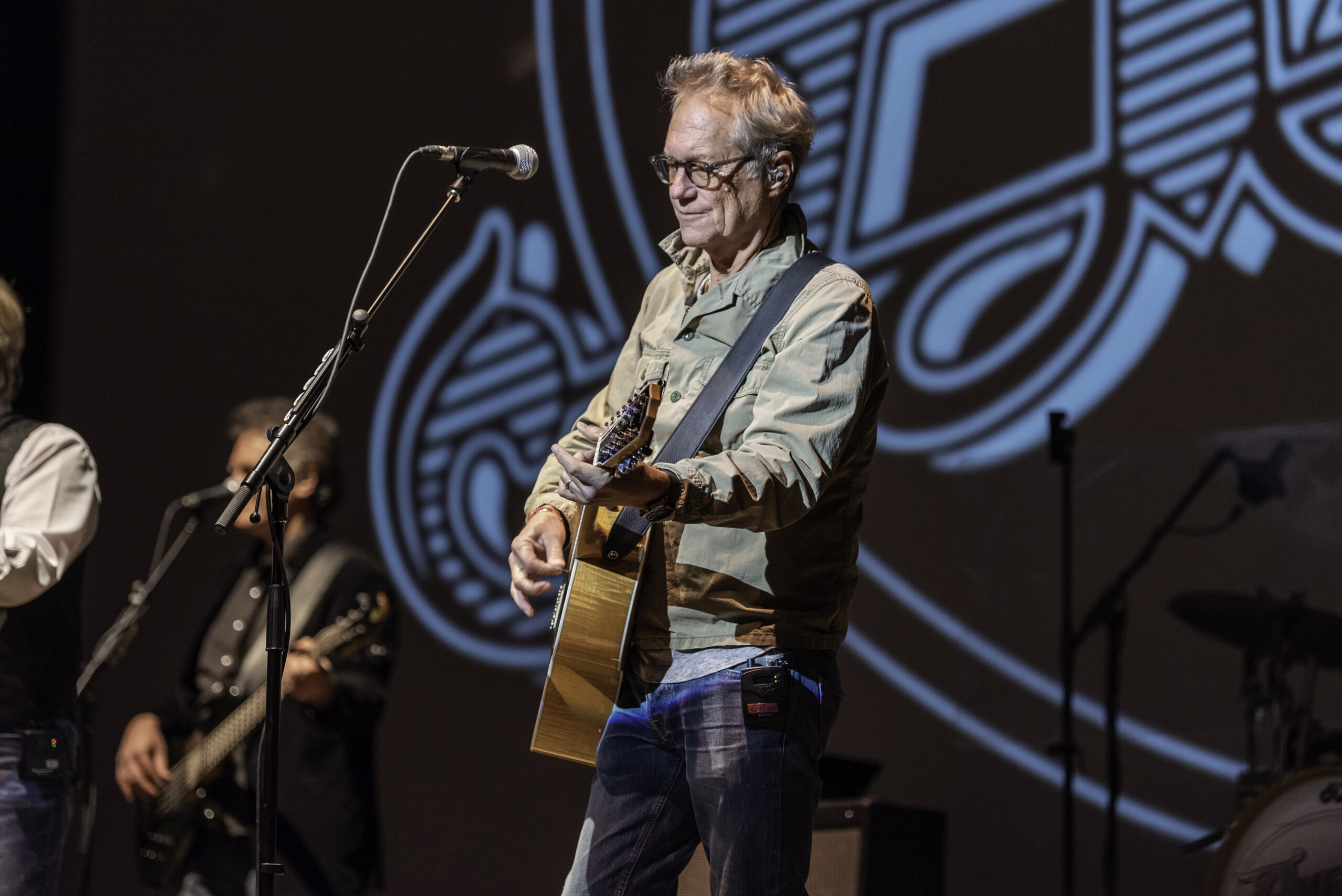
    1 year ago today on February 21st 2020, America played a sold out show at The Tilles Center on the LIU Post campus in Brookville, Long Island. This was the first show of the bands 50th Anniversary tour celebrating the release of their 1971 self titled album. 

    “A Horse With No Name,” originally titled “Desert Song” was released in the US a few weeks before the album came out and sold over a million copies being awarded a gold disc by the RIAA. The album went platinum shortly after. The band was opening for acts like The Who, Elton John, Pink Floyd and worked with Beatles producer George Martin from 1974-1979.

    The show was filled with hit after hit spanning through their 50 year and counting career. Gerry and Dewey sounded just as good today as they did when they started harmonizing 50 years ago. Songs from the setlist included “Tin Man,” “Ventura Highway,” “Sister Golden Hair” as well as a covers of The Beatles “Eleanor Rigby” and  The Mamas & Papas “California Dreamin’.” The 18 song set concluded with  “A Horse With No Name.” 

    The band’s current lineup includes original founding members Gerry Beckley and Dewey Bunnell, as well as Ryland Steen on drums, Steve Fekete on guitar and Richard Campbell on bass. The tour continues across United States and Canada until July when they head to Europe for shows in France, the U.K. and Germany. You can see all the tour dates here.
    There is also a biography about the band written by Jude Warne, titled America The Band: An Authorized Biography that is available now.
    Setlist: Tin Man, You Can Do Magic, Don’t Cross The River, Daisy Jane, Riverside, I Need You, Here, Ventura Highway, Eleanor Rigby, Cornwall Blank, Hollywood, The Border, Woman Tonight, Only In Your Heart, California Dreamin, Lonely People, Sandman, Sister Golden Hair, A Horse With No Name

  • 22 Years Later: Trey Anastasio Band makes Landmark Theatre Debut

    Thursday, February 22, 2001 was a frigid night in Syracuse, yet Armory Square was alive and well. With no Phish for the foreseeable future, and no New Year’s Eve performance that past December, the energy this evening was unmistakably palpable as Trey Anastasio Band made their debut performance at Syracuse’s Landmark Theatre.

    Only their second show of 2001’s Winter Tour, Trey Anastasio Band (TAB) offered fans a glimpse of what was to come from this new yet familiar cast of supporting musicians joining Trey, and how the void left by Phish’s hiatus would be filled by the band leader.

    trey anastasio landmark theatre 2001 winter tour

    Trey had originally played with drummer Russ Lawton and bassist Tony Markellis in 8 Foot Fluorescent Tubes in 1998, making the trio the core of a band that continues to perform today, even through the pandemic. Trey added in a three-piece horn section alongside Russ and Tony, bringing in Andy Moroz (trombone), Giant Country Horns member Dave “The Truth” Grippo (saxophone) and Jennifer Hartswick (trumpet/tuba). The sextet was an early version of the TAB lineup Trey has modified over the years, and did not yet include soon-to-join members Ray Paczkowski, Natalie Cressman and Cyro Baptista.

    The night began with the Chuck Berry number “In the Wee Wee Hours,” a perfect way to start an evening where the setlist was anyone’s guess. The first original of the night, “Push On ‘Til the Day” would follow, and when the horns stepped out into the light, the crowd roared with approval. “Push On” segued neatly into “Tube Top Flop” (later Tube Top Wobble), and then the emotion-heavy “Sunday Morning” (later “Ether Sunday”).

    trey anastasio landmark theatre

    “Mozambique” was raucous, a funky tune with a big band-meets-Salsa sound; the prize in the early versions of these new compositions was how they allowed for room to improvise both individually and collectively. Althought not played this night, “Last Tube” would serve the same purpose in 2001 for TAB’s cohesiveness.

    The first Phish cover of the night, “Gotta Jibboo” included Trey’s signature ‘whale call‘ making an appearance early in the song and continuing on a loop as the band found a groove to tuck into for nearly 12 minutes. In the final two minutes of “Jibboo,” listen closely and you can hear the band hinting at the song to follow, “Burlap Sack and Pumps,” soon to be a funky fan favorite.

    To close the set, Trey dispatched the band and brought out his acoustic guitar for “Guyute.” With the audience whistling along, the attention focused on the Bad Lieutenant sitting center stage.

    trey anastasio landmark theatre

    After a 43-minute set break, Set 2 began with a snare beat that perked ears up, signaling the start of Bob Dylan’s “Rainy Day Woman #12 & #35,” which the audience ate up and sang along to. An 18-minute “Sand” followed, with horns chiming in and Trey on keys, both soon to be staples of TAB shows.

    The Band’s “It Makes No Difference” felt especially touching, as did Bob Marley’s “Mellow Mood,” a cover debuted by Phish just a few months prior in Albany, and which Trey admitted the band had only practiced once prior to the show. Dedicated to sound engineer Paul Languedoc, “Happy Coffee Song,” off Trey’s initial solo album One Man’s Trash, stayed true to the original recording and worked nicely for the larger band format.

    Listen below, and if “Nothing But an E Thing” sounds familiar, that’s because it eventually came to be known as “Pebbles and Marbles,” debuted here as a fully instrumental piece, with horns taking turns on what amounts to the current “Pebbles and Marbles” intro section.

    Rounding out Set 2 was another One Man’s Trash track, “At the Gazebo,” later outfitted for performance with orchestras and string quartets, and “Drifting,” which included band intros, notably for Tony “the Meaning of Life” Markellis. An encore of Billy Preston’s “Will It Go Round in Circles” would close the night, one that saw the start of Trey’s next musical venture, one that continues to evolve and grow, 20 years later.

    Listen to a recording of the show here.

    Trey Anastasio Band, Landmark Theatre, Syracuse, NY – February 22, 2001

    Set 1: In the Wee Wee Hours [1], Push On ‘Til the Day > Tube Top Flop, Ether Sunday, Mozambique, Gotta Jibboo, Burlap Sack and Pumps, Guyute [2]

    Set 2: Rainy Day Women #12 & 35[1], Sand, It Makes No Difference, Mellow Mood[1], Happy Coffee Song [3], Nothing But an ‘E’ Thing[3], At the Gazebo [4], Drifting

    Encore: Will It Go Round in Circles

    [1] TAB debut.
    [2] Trey solo acoustic.
    [3] Debut.
    [4] Trey acoustic.
    This show at the Landmark Theatre features the debuts of Happy Coffee Song and Nothing But an ‘E’ Thing, and the Trey Anastasio Band debuts of In the Wee Wee Hours, Rainy Day Women #12 and 35, and Mellow Mood. Gotta Jibboo contained Burlap Sack and Pumps teases. Trey performed Guyute solo acoustic. The Happy Coffee Song was dedicated to sound engineer Paul Languedoc. At the Gazebo also featured Trey acoustic.

    strangefolk armory high feb 2001

    After the show, fans headed out into the cold night around Downtown Syracuse, with plenty of bars and restaurants to choose from. Over at Armory High (also known as Styleen’s Rhythm Palace) Strangefolk was playing a post-show to a packed crowd. Trey stopped by around 12:15-12:30am, and joined the band for a jam in the song “Neighbor” before taking off. Give a listen here and read below for Strangefolk guitarist Jon Trafton as he recalls the night.

    That was such a fun night. The story behind Trey’s sit in is that a good friend of ours was Trey’s daughters’ nanny for several years around that time, and she put the bug in his ear leading up to that night. TAB was playing in Syracuse and the timing worked out perfectly because he was in a theater, so his show ended around 11 pm. We were in a bar with a 1 or 2 am curfew so it just lined up. We knew he might come by, but it was one of those things where we weren’t expecting it to happen. It was cool to look up mid-song and see him standing by the side door. I think we were already into our song “Neighbor,” which has a nice open jam section, so I waved him on. (Guitarist Luke) Patchen graciously switched to acoustic so Trey could play his Fender Strat, and off we went. My recall of it was that we stayed in kind of a mellow groove. I was sort of hoping we would launch into the stratosphere but we had a nice little floaty thing going for a little while. Then, just like he appeared, he was off again into the night.

    Jon Trafton, Strangefolk
    Strangefolk guitarist Luke Patchen Montgomery performing at Armory High, February 22, 2001. Photo/clipping via The Daily Orange

    Although Trey was only on stage with Strangefolk for a few minutes, the memory and record of that night is one fans and band members alike have not forgotten. After the jam in “Neighbor,” Strangefolk worked into a “Norwegian Wood” jam, as Trafton puts it, “a way of saying, ‘Wow, that happened, and now he’s gone, this bird has flown.’” That tip of the hat from Strangefolk saw Trey take off into the night and head downstate for the next night’s show at Roseland Ballroom in New York City.

  • Flashback: Tedeschi Trucks Band Heats Up The Capitol Theatre in 2018

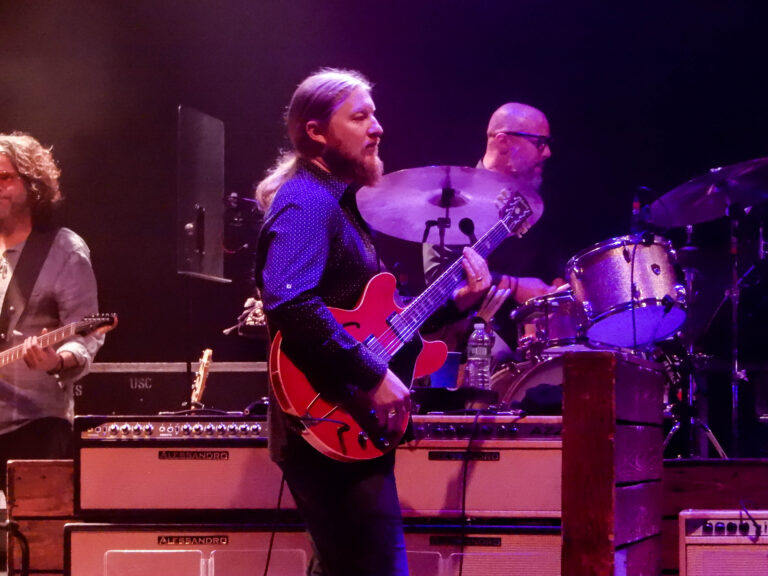
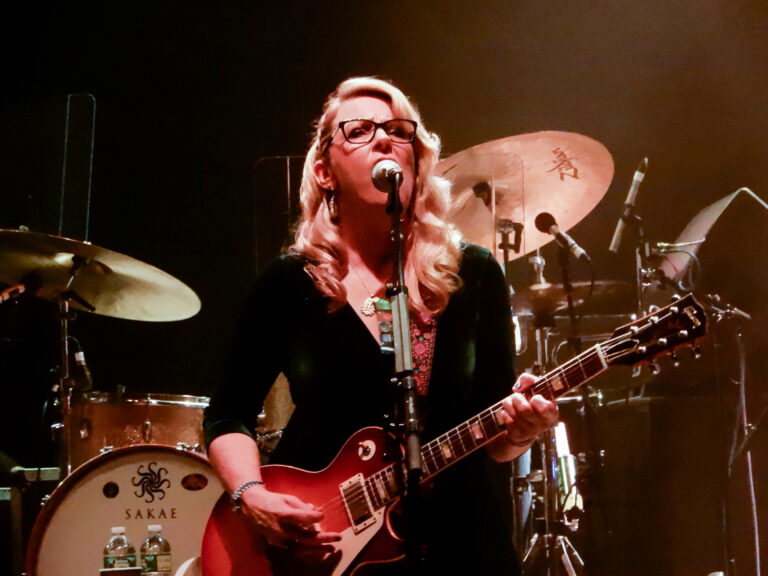
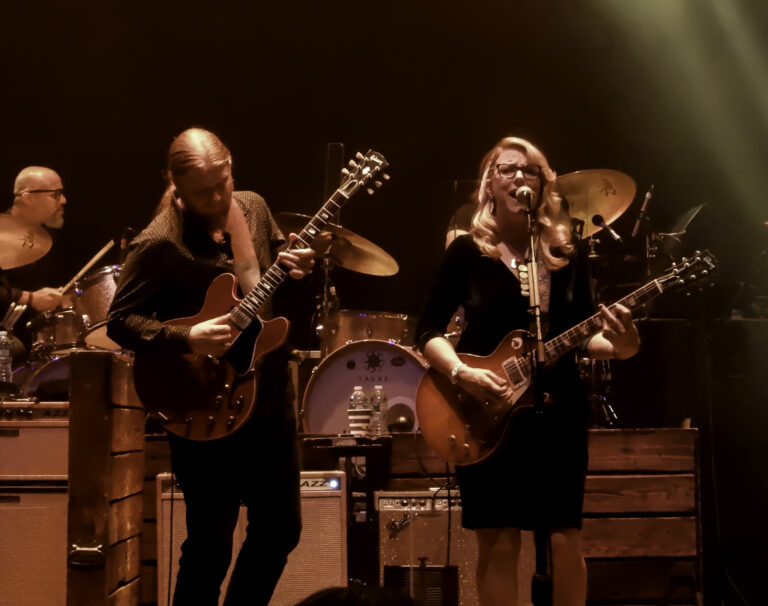
    February of 2018 happened to be the warmest February on record in New York State, and part of the reason was probably due to the Tedeschi Trucks Band two sold out shows at The Capitol Theatre in Port Chester on the 20th and 21st.  I was at the first show and, as usual, the band was on fire during their impressive set just shy of 20 songs, opening with a tight version of “Do I Look Worried” from the 2013 album Made Up Mind.  

    tedeschi trucks band capitol theatre

    Much like Derek’s former band The Allman Brothers, TTB gets right down to business with very little talk directed to the audience, if any.  Susan is an absolute powerhouse. She proved this once again during the epic “Until You Remember” from the 2011 album Revelator.  The first set had a few covers such as Neil Young’s “Alabama” and Charles Segar’s “Key to the Highway.”

    tedeschi trucks band capitol theatre

    The set closed with an amazing “Idle Wind” jam from the group’s second album Made Up Mind. The second set started with “Statesboro Blues” which is actually a Blind Willie McTell song that was made famous by The Allman Brothers Band.  The rest of the second set was very blues heavy and included some great covers like “Goin Down Slow” by St. Louis Jimmy Oden and “How Blue Can You Get” by Johnny Moore’s Three Blazers in which Susan played lead guitar and thanked their late friend B.B. King at the conclusion. The second set ended with a gospel song written by Bill Taylor called “I Wish I Knew How It Would Feel To Be Free.”

    tedeschi trucks band capitol theatre

    The encore started with a fantastic cover of “You Don’t Know How It Feels” by Tom Petty who had passed away suddenly just 3 months earlier.  The show ended with a extraordinary version of “Laugh About It.”  During the chorus, Susan said, “Put your hands up for those kids,” referring to the tragedy at Parkland High School in Florida. 

    tedeschi trucks band capitol theatre

    TTB was scheduled to tour in 2020, but due to Covid19, The Wheels of Soul Tour has been rescheduled to start in the summer of 2021. Starting on February 18th, the band is presenting a six-episode series of home performances called Fireside Sessions available on nugs.net. For more info visit the band’s website.

    Tedeschi Trucks Band, The Capitol Theatre, February 20, 2018

    Set 1: Do I Look Worried, Just as Strange, Until You Remember, Key To The Highway (Charles Segar cover), Don’t Miss Me (The Derek Trucks Band cover), Alabama (Neil Young cover), Talking About, Idle Wind

    Set 2: Statesboro Blues (Blind Willie McTell cover), Part of Me, It’s So Heavy, Let Me Get By, Right On Time, Goin Down Slow (St. Louis Jimmy Oden cover), Made Up Mind, How Blue Can You Get (Johnny Moore’s Three Blazers cover), I Wish I Knew How It Would Feel To Be Free (Bill Taylor cover)

    Encore: You Don’t Know How It Feels (Tom Petty cover), Laugh About It

  • In Appreciation of Radiohead’s “The King of Limbs” 10 Years Later

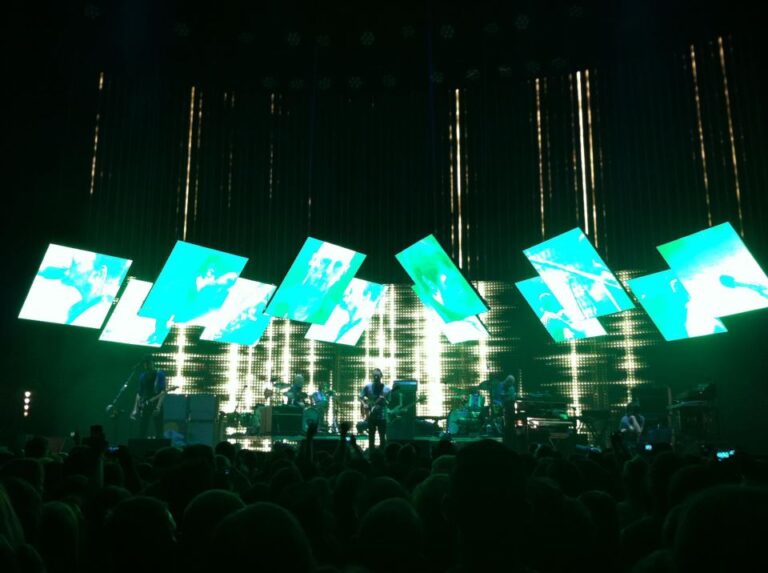
    It was March 15, 2012 – my future wife and I flew to Arizona and are standing on the floor at Jobing.com Arena (now Gila River Arena). The lights go off and Radiohead walk on stage for the last show of The King of Limbs tour, their first proper tour in four years. After a fervent reception from the crowd, Thom Yorke starts playing the swirling guitar arpeggios of “Bloom,” the opening track on The King of Limbs. While walking around the Grand Canyon the following afternoon we just could not shake off the chills still ringing through us from the night before.

    Radiohead The King of Limbs
    Radiohead, Jobing.com Arena – 3/15/2012 (Photo by Buscar Photo)

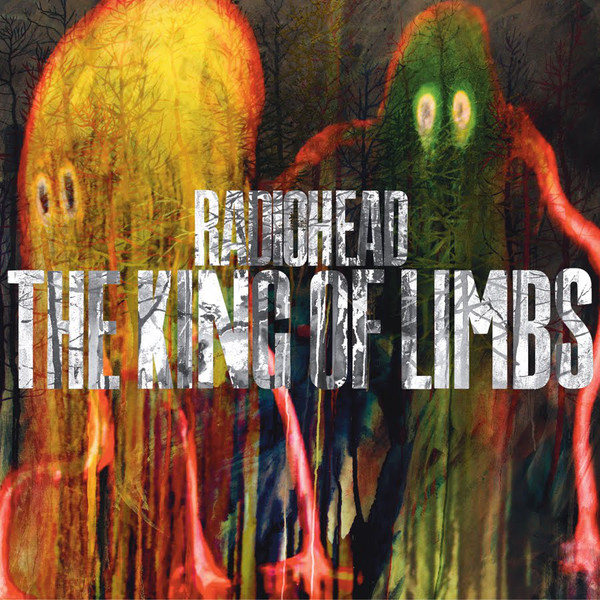
    Radiohead’s eighth LP, The King of Limbs (TKOL) turns 10 years old this week and as with any Radiohead album, it represents a unique (yet polarizing) place in the band’s history. The record followed up 2007’s In Rainbows, arguably one of the most important records in modern music history, and a massive double commercial success. Fans worldwide whole-heartedly embraced the pay-what-you-want model right off the band’s website. The record debuted at #1 on multiple charts months later when the retail version of the record was released. The release model for that record changed the music industry forever and foreshadowed the “creative economy” we are currently seeing explode. Four years removed from that ground-breaking release, fans were rabid for more.

    The King of Limbs was slated to be released on the Radiohead website on February 18th, 2011 but fans were surprised one day prior when the band announced that the “website was ready early” and the album was available for download. I skipped class for the rest of the day at Fordham, raced home to Long Island and pressed play as soon as I could.

    Radiohead The King of Limbs

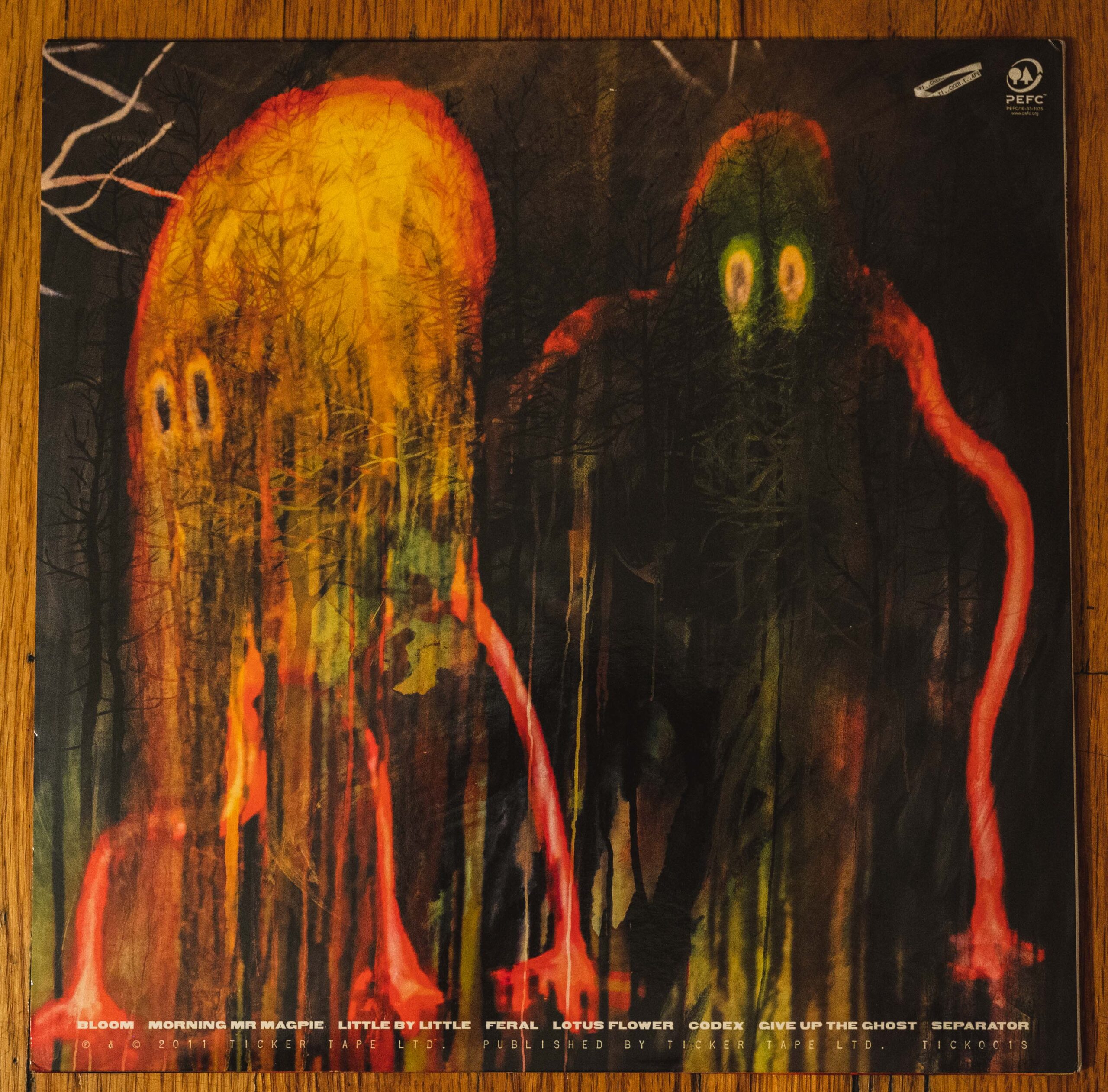
    The album kicks off with “Bloom,” a cascading mix of guitar arpeggios, repetitive drum sequences, and a metaphor of the ocean breathing a “universal sigh.” What would become a mainstay in Radiohead setlists, “Bloom” reaches an epic climax before winding down to a single ringing bass note. “Morning Mr. Magpie,” a feverish guitar rock track with a glitched out drum beat precedes “Little by Little,” where the new addition of second drummer Clive Deamer (of Portishead fame) really shines. The two play competing drum rhythms superimposed on one another but are still able to mix it in a way that comes off like a cohesive beat played by a single drummer.

    Radiohead The King of Limbs
    Radiohead, Jobing.com Arena – 3/15/2012 (Photo by Buscar Photo)

    Things take a sudden turn with “Feral,” certainly the black sheep of the record, even by Radiohead standards. The listener is bombarded with frenetic drums and ghostly, heavily distorted vocals (enormous “Pulk/Pull…” vibes here). We then hit “Lotus Flower,” the lead single released a couple days before the album via a music video featuring Yorke comically (seriously?) and erratically dancing in a bowler hat. The record then goes into a lull for “Codex” and “Give Up the Ghost,” which are stripped back minimal efforts that stops the albums momentum coming back to back in the second half. Closer “Separator” features soaring vocals over syncopated drum beats.

    “Lotus Flower” by Radiohead (via Youtube)

    Regardless of how we feel about the record today, there is no question that fans, myself included, felt disappointed that day. With only 8 tracks, a brief 37-minute runtime and a very lopsided track flow, I sat on my basement floor thinking to myself, “that was it?” After all, Thom Yorke seemed to be overtly teasing us with the vocals on “Separator” by singing “If you think this is over then you’re wrong…” A mantra fans used to convince themselves a “part 2” was coming. Everything about TKOL felt unfinished. The production was rather muted, the recordings felt like demo takes, and it was really hard to picture any of the songs slapping in an arena.

    That last notion was proven completely false once these songs got the live treatment. For me personally, hearing them performed live (7 TKOL era tracks that night in Arizona) made it all come together. Listeners still turn to the live studio version released in December 2011 – The King of Limbs: Live from the Basement as the definitive version of the record. The expansive reworked versions and three additional tracks (“The Daily Mail,” “Staircase,” and “Supercollider”) gave the album a whole new persona. Between the release in February 2011 and the start of the tour in February 2012, the band only played three shows (Glastonbury, and two nights in NYC at Roseland Ballroom) but it was already clear that the songs on TKOL are in their full glory live. This is true for so many bands and songs, but here it is especially the case.

    “Bloom” by Radiohead (via Youtube)

    Radiohead embarked on a drastic stylistic shift on The King of Limbs. Ambient and melancholic electronica have always been an omnipresent backdrop since the OK Computer era. This time around, Radiohead dove deeper into their IDM and dub-techno influences and adopted a more dadaist approach to the structure and recording of the songs. This was taken to the n-th degree (in typical Radiohead fashion) by Jonny Greenwood who built and programmed a custom hardware/software package to sample the band’s live playing. The essence of TKOL was always meant to be a live rock-band adaptation of 2000s era minimalist techno and down-tempo, a subset of electronica seemingly brought about to capture the moments leading up to sunrise after a long night at the club; an evanescent “blue hour” moment. Artists such as Burial, Bonobo and Four Tet come to mind.

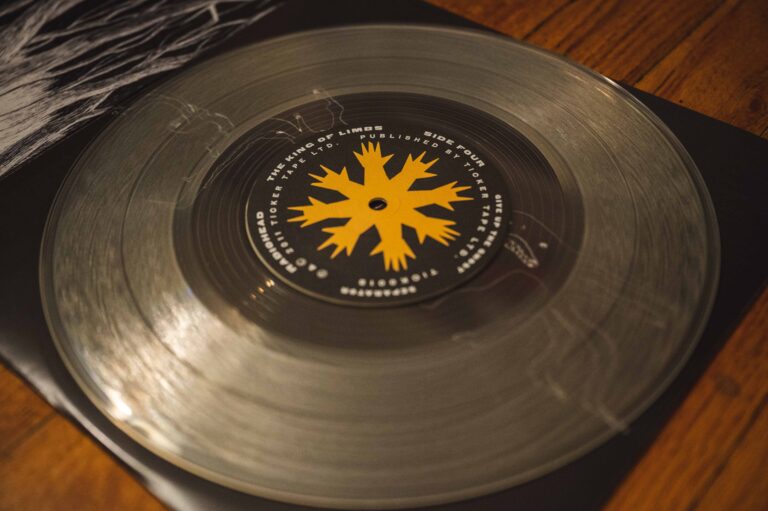
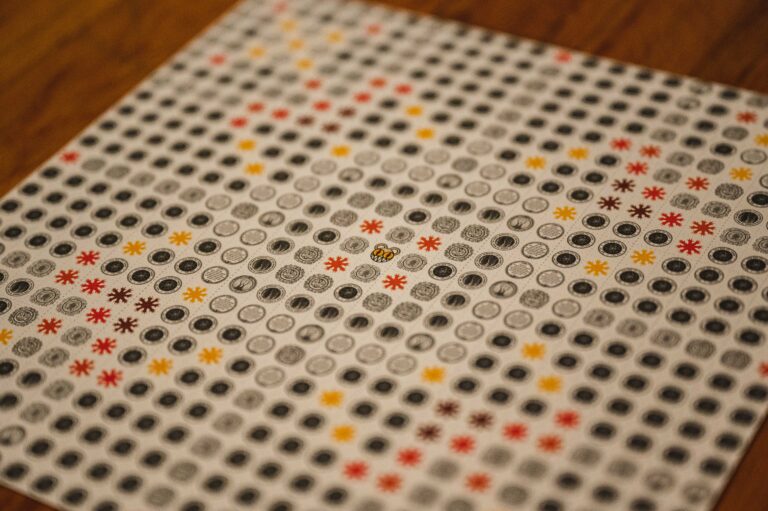
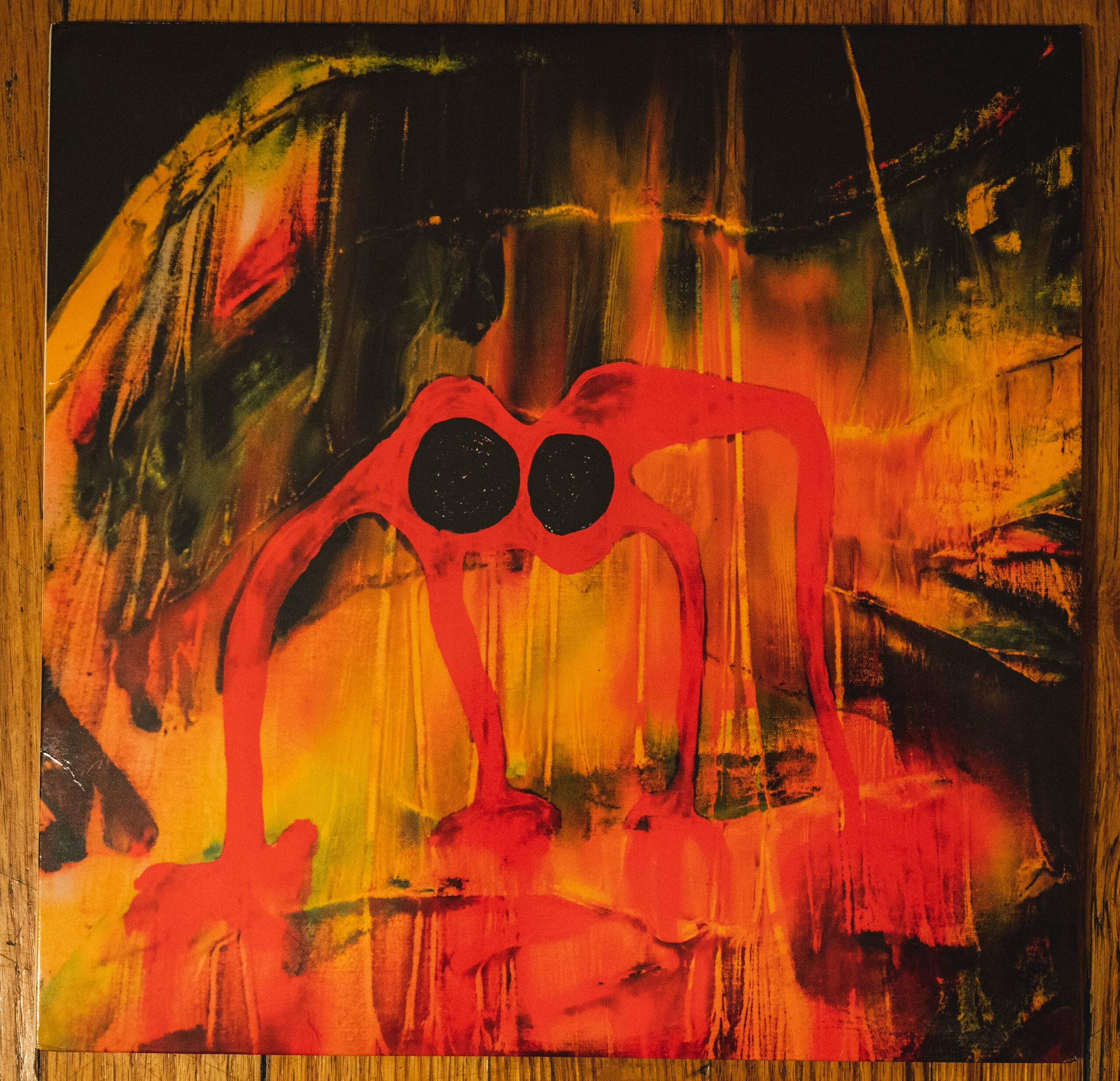
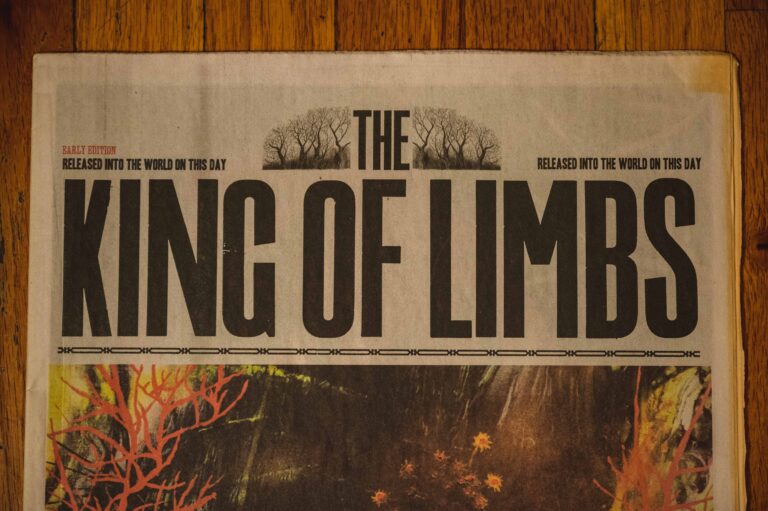
    The band even physically encapsulated that very same fleeting, transient vibe of the music in the physical vinyl release. Dubbed the “Newspaper Edition,” the album was first teased with a newspaper handed out on the streets of NYC and the UK titled The Universal Sigh, that featured collages of poetry, short stories, and visual art. The vinyl itself came with another newspaper style art book, a 625-tab sheet of blotter paper, and two clear vinyls. Newspaper was chosen because of how it predictably yellows and fades over time; coming back to the whole notion of capturing an elusive futuristic sound before it fades into memory.

    The exploration of this new style continued in the year following the release of TKOL with a continuous series of electronic remixes that culminated in the TKOL RMX 1234567 release. Artists such as Four Tet, Caribou, Mark Pritchard, Shed, Jamie XX, Modeselektor, SBTKRT, and many more did their thing with the album tracks. While disjointed and filled with some bizarre sounding remixes that many dismissed out of hand, the collection contains some of the most unique sounding electronica you can find. This style would ultimately evolve and become a jumping off point for Thom Yorke’s future eras of solo/collaborative projects (i.e. collaborations with Modeselektor, Tomorrow’s Modern Boxes and more).

    That brings us back to today – 10 years later. While still polarizing and a point of heated debate amongst the Radiohead faithful, The King of Limbs owns its distinct place within the band’s discography; I would even argue it is one of their best records. Considering that another record has been released since, fans have allowed TKOL to exist as it was meant to be, rather than forcing it to be another In Rainbows or OK Computer. The record explores a very brief period in electronica from the perspective of an arena rock band in a way that has yet to be done by any other artist. The Universal Sigh publications will eventually disintegrate with time but The King of Limbs is not going anywhere and continues to perplex and wonder listeners a decade on.

  • Saratoga Winners welcomes Armored Saint and M-16 on this day in 1988

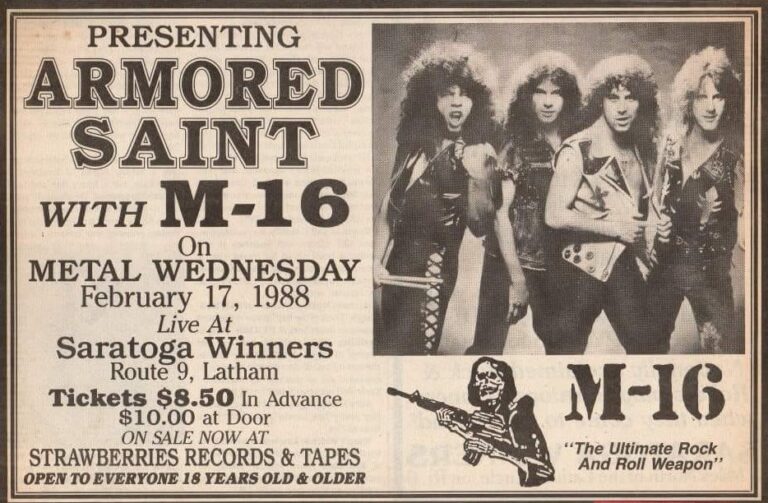
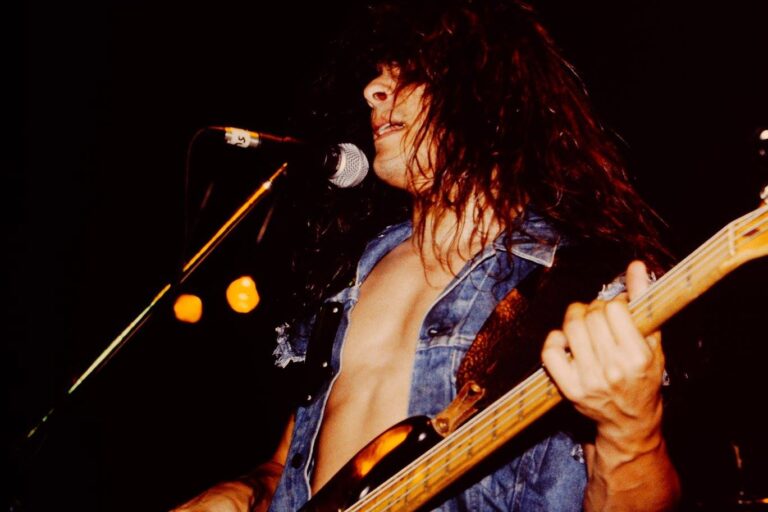
    On Wednesday, February 17, 1988, 33 years ago tonight, the ‘headbangingest band in L.A.’, Armored Saint, played a gig at Saratoga Winners in Latham, NY.  At the time, the band were touring their great third record, ‘Raising Fear’, on Chrysalis Records.  Saint had been to the Albany area before – opening for Metallica and WASP in early 1985 in Scotia in support of first album ‘March of the Saint’, and again in mid-1986, a headline show at the short-lived JB’s Theater, promoting second record ‘Delirious Nomad’, so this gig was packed with enthusiastic headbangers.

    Metroland advert

    The opening act was Albany-area heavies M-16, and the years have dimmed my memory of their set – but I remember them getting a good reaction, not much else.

    saratoga winners armored saint
    Bassist Joey Vera – photo by Mark Kurtzner

    Saint hit the Saratoga Winners stage with the blazing title track of the then-new record, “Raising Fear,” followed by the anthemic first-album classic “March of the Saint,” the chorus roared along with by those in attendance.  The band played a long set, incorporating older songs like “Can U Deliver,” “Nervous Man” and set-closer “Long Before I Die.”  A particular highlight was the creeping, epic tale of nuclear annihilation, “Aftermath,” from Delirious Nomad.  Drummer Gonzo and late, great guitarist Dave Prichard also had solo spots, both killer musicians.  These days the band rarely play songs from ‘Raising Fear’, but that night they did a fair number of tracks from it, including vampire tale “Human Vulture,” “Out on a Limb,” their cover of Lynyrd Syknyrd’s “Saturday Night Special,” “Book of Blood,” and the rampaging “Chemical Euphoria,” the most enduring and the one most oft-played over the years.  The first encore was “Frozen Will/Legacy” from that record – Setlist FM, if you believe “internet truths,” says this was the only known time they played that song live, ever, but maybe it was the only time it was bootlegged.  Either way, great song.

    saratoga winners armored saint
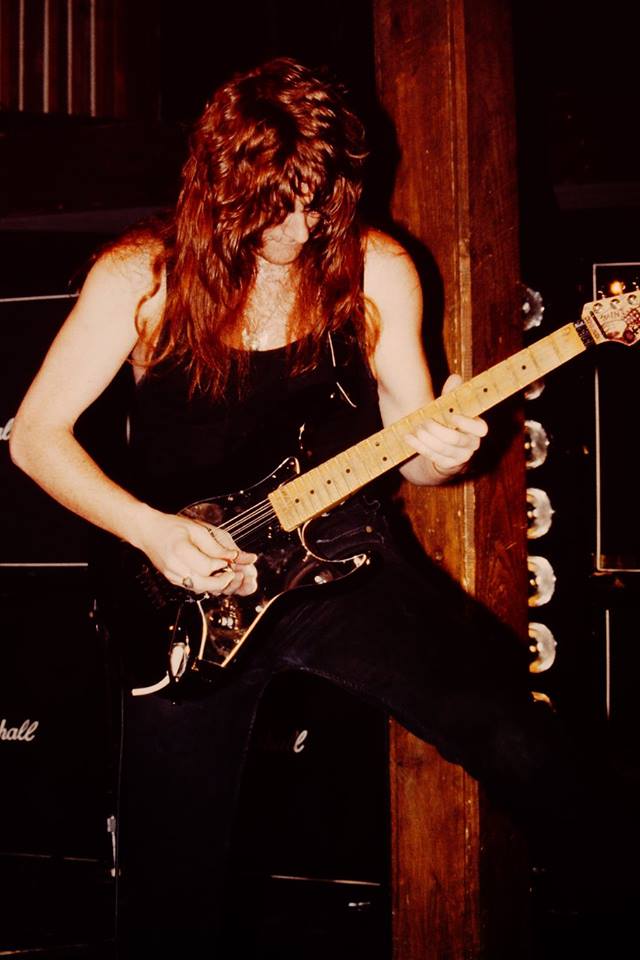
    Guitarist Dave Prichard – photo by Mark Kurtzner

    The show finished with the band raging through a cover of Black Sabbath’s first-album classic “N.I.B.,” and the band’s high-speed, neck-snapping traditional show-closer, the mighty “Mad House.”  A roaring, headbanging night – luckily, the whole thing was filmed by a fan in the audience, and is available online, and the energetic vibe from both band and crowd bleeds through, even via the rough footage available.

    The video caused some drama after the show. My buddy Mark (who took the great photos accompanying this retrospective) and I had set up an interview with singer John Bush for post-concert – I think for my WCDB college radio show – and when we were about to go back, the road manager, a guy named Zach, gave us a major ration about the video. Apparently, someone had seen a friend of ours videoing it, saw us talking, and insisted that we turn over the video before the interview commenced. Of course, it wasn’t our video, we didn’t have it, people tape stuff, that’s life – plus, said bootlegger had left, so what were we supposed to do? Road Manager guy didn’t want to hear it and continued to give us grief. This lasted for a while. I can’t recall how it resolved, but I think someone from the band told him to chill out, and we got a really good interview with John and some of the other guys – I remember we got a really funny, cool WCDB station ID from drummer Gonzo and guitarist Dave Prichard which was used on-air and WCDB for years afterwards. Road manager aside, Saint were/are some great guys.

    saratoga winners armored saint
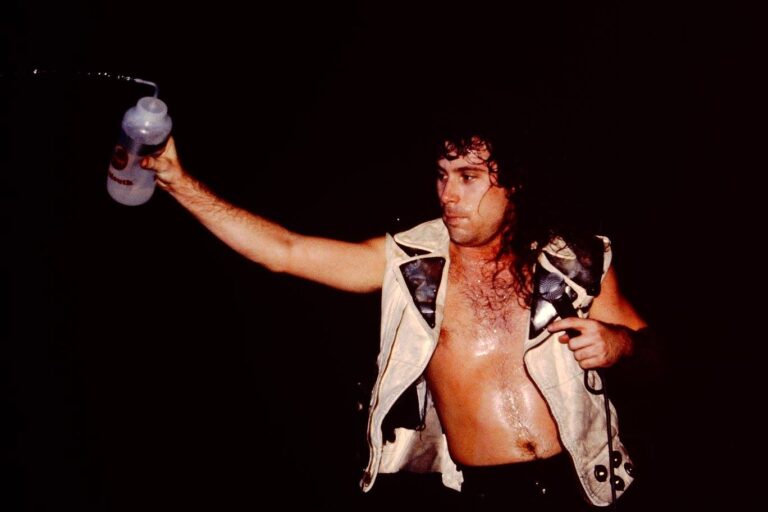
    Singer John Bush – photo by Mark Kurtzner

    The ironic part of the “road manager giving us crap” story is that, via the tape-trading scene, Saint eventually got a copy of the video, and used the bootleg video recording of “Raising Fear” from this show as part of the ‘Trip Through Red Times’ video/DVD which was released as a tribute to the mighty AS guitarist Dave Prichard after he sadly passed away from leukemia just two years later – what a great guitarist this guy was, and he’s been gone 31 years this month.  A sad loss.  All hail Dave, and all hail Armored Saint. 

    saratoga winners armored saint

    Setlist: Raising Fear, March of the Saint, Human Vulture, Nervous Man, Out on a Limb (Last known live performance), Aftermath, Book of Blood, Chemical Euphoria, Can U Deliver, Gonzo Sandoval’s Drum Solo, Can U Deliver (reprise), Dave Prichard’s Guitar Solo, Saturday Night Special (Lynyrd Skynrd cover), Long Before I Die 

    Encore: Frozen Will / Legacy (Only known live performance) , N. I. B. (Black Sabbath cover – Last known performance), Mad House

  • Flashback: Jerry Garcia Band Creates Lake Effect Sound at SUNY Oswego – February 17, 1980

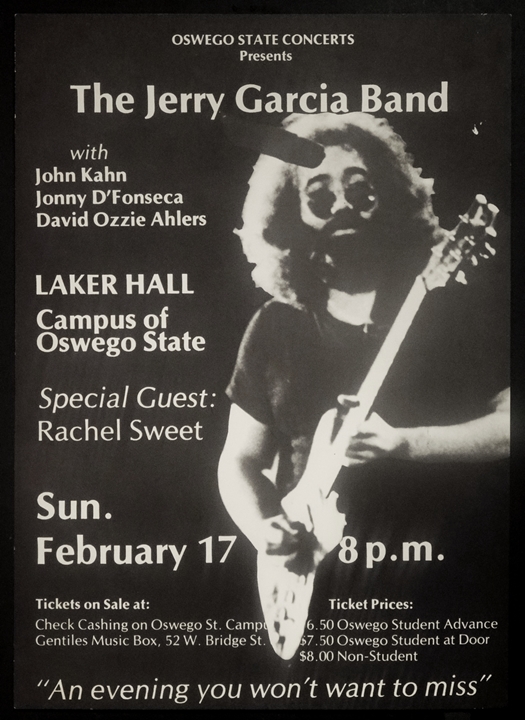
    What is it about Upstate New York Winter’s that make great music artists bring their multi-colored California concepts here to heat things up? Forty-one years ago today, Jerry Garcia Band came to be an act for the Lake Ontario sound at Laker Hall on SUNY Oswego campus February 17, 1980.

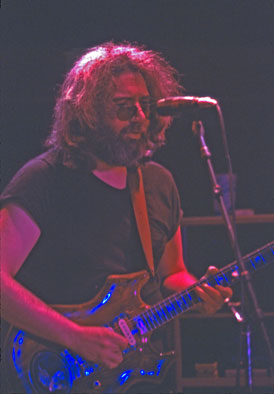
    A then 37-year old Garcia had his second touring band outside the Grateful Dead since collaborating with Howard Wales on hooteroll?. His four piece ensemble consisted of John Kahn on Bass, David Ozzie Ahlers on Keyboards, and Johnny De Fonseca on drums. The band set up atop the cold brick Route 104 venue on the hill, overlooking Lake Ontario, for three hours of music played to around 2,000 people.

    jerry garcia band oswego

    They certainly let Jerry’s influences play out in the performance with covers of Allen Toussaint, Marvin Gaye, Chuck Berry, Elvis Presley, Bob Dylan, Jimmy Cliff, J.J Cale, The Beatles, and his own material with the Grateful Dead. Like a typical New York Winter, Syracuse Deadhead Vinny Randazzo remembers the drive to the Oswego show as “covered in snow and sound.”
    The group immediately stretches out for fifteen minutes to start the show on Toussaint’s “I’ll Take A Melody” to let you know “I understand why the old fisherman, sails along, someday he’ll be gone.” Perhaps it was a quick nod to the windy docks of the Great Lake that sat next to all. There’s some devil out there that’s for sure, which launched them into “Friend of the Devil,” a friend Jerry normally plays with. Just three days after Valentine’s Day and three songs into the performance, love for the faithful is shown on “How Sweet It Is (To Be Loved by You).” The band then casts a line out to the crowd at shore, for a muddy version of “Catfish John.”

    jerry garcia band oswego
    Jerry Garcia, Laker Hall, SUNY Oswego

    The Grateful Dead anthem “Deal” comes up next, with Jerry reminding you of tours past: “ If I told you all that went down, it would burn off both of your ears!” There is a 4th Street in Oswego, and Jerry covers the waterside corner during his take on Dylan’s “Positively 4th St” singing, ” You see me on the street, you always act surprised, you say “How are you?,” “Good Luck” But you don’t mean it.”

    They close the set with a rockabilly tribute to Elvis for “That’s Alright Mama.” Yea, that first set was more than alright for all in attendance… “any way you do.”

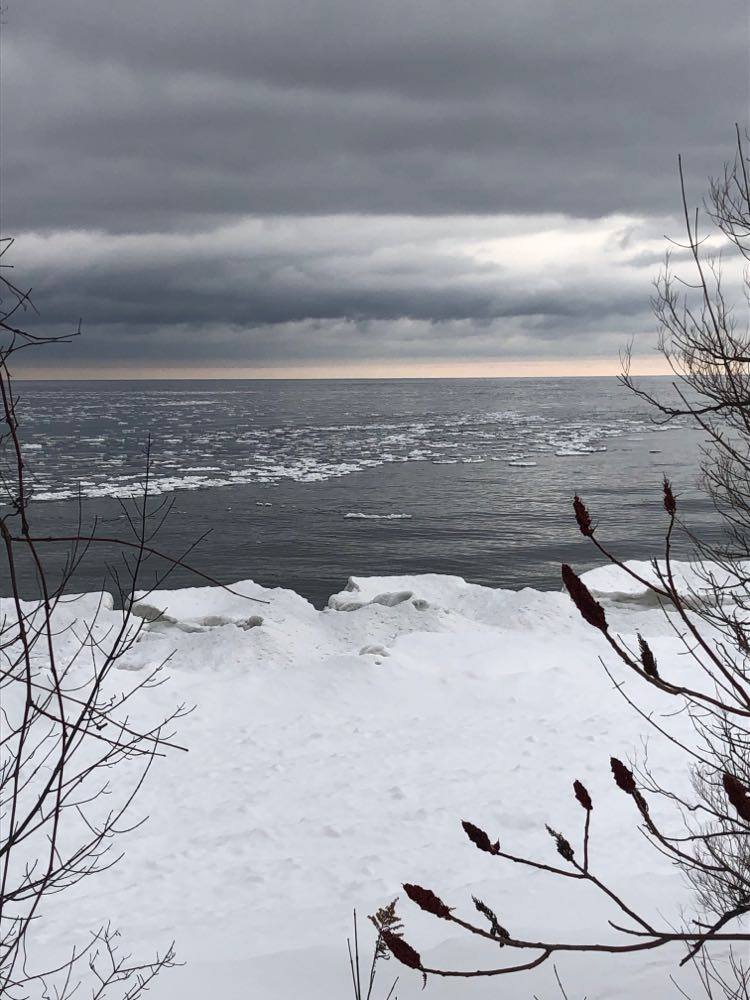
    Lake Ontario Winter Melody: “The Sky was Grey with a Spec of Blue, Peek through a Hole in the Clouds, The Sun was Screaming “Hey You!”

    After the set break, Elvis had not left the building. The quartet kicked off with the King’s version of “Money Honey,” that got everyone in GA hound-dogging back on the floor. During the set break the crowd certainly felt like they had been “Sitting Here in Limbo,” which is what the band dropped next. David Ozzie Ahlers brings you to Jimmy Cliff’s islands with a two part keyboard solo. Jerry reflects on an American working day for the the next track “Later in the evening when the sun is sinking low, all day I’ve Been waiting for the Whistle to Blow” on “Let It Rock.” Garcia lights up his delta licks on this Chuck Berry classic.

    Up next is one of the greatest live improvisational segue ways in rock and roll history. On the famous tape you might recognize the “After Midnight —> Eleanor Rigby Jam—>After Midnight” jam that was only played in the beginning of that decade. This is one of Senor Garcia’s sweetest unplanned moments to be captured.

    1980 Eleanor Rigby Jam in to After Midnight at Oswego

    Jerry takes another stab at Dylan’s seasonal lyrics “Now the wintertime is coming, the windows are filled with frost, I went to tell everybody but I could not get across, well, I wanna be your lover baby, I don’t want to be your Boss” for “It Takes A Lot to Laugh, It Takes a Train to Cry” Jerry’s Tiger guitar Quartet immediately melt the ice with the last song for “The Harder They Come.” “The Harder they Fall, One and All” to bring back the island vibe beats to close out the evening.

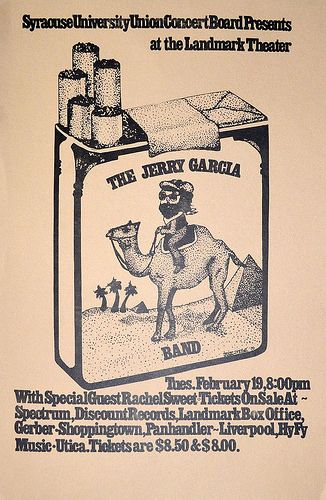
    Jerry Garcia Band 1980 winter tour rolled through New York State from Oswego to The Palace Theater in Albany, The Landmark Theater in Syracuse, The Calderone Theater in Hempstead and SUNY Stonybrook. They came back to Laker Hall under new personnel one last time on December 11, 1983 with Melvin Seals. Jerry Garcia kept a solo band outside of The Grateful Dead for the next 15 years with Melvin Seals How Sweet It Is: Melvin Seals at The Westcott Theater who carries the JGB touring torch to this day.

    jerry garcia

    In a 1981 interview someone asked Jerry Garcia “What are the virtues playing with your own band compared to the Grateful Dead?” Garcia responded “Its a real resonate consonance experience, its like harmonious, every bodies musical taste is similar to my own, ya know?, and our concept of what music should be, were an accord, so my band is playing the kind of music that I think of the way music is constructed , in terms of the roles and the instruments, The Grateful Dead is interesting because everyone has a different concept of what music is about, which creates a lot of friction and tension to it”

    Jerry Garcia Band, February 17 1980, Laker Hall, Oswego, NY

    Set 1: I’ll Take A Melody, Friend Of The Devil, How Sweet It Is (To Be Loved By You) Catfish John, Deal, Positively 4th Street That’s All Right, Mama

    Set 2: Money Honey, Sitting Here In Limbo, Let It Rock, After Midnight > Eleanor Rigby Jam > After Midnight, It Takes A Lot To Laugh, It Takes A Train To Cry, The Harder They Come

    Listen to the Whole Show from 1980


  • Revolver: Novel Gives A New Spin on Lennon

    In his debut novel Revolver, Evan Schwartz delves into a playground of fiction popular among music lovers, an alternative history of The Beatles and the late, great John Lennon

    From Bryce Zabel’s Once There Was A Way to Larry Kirwan’s Liverpool Fantasy to Danny Boyle’s recent film Yesterday, Lennon and his band have been catalyst for some interesting detours from reality. Schwartz’ Revolver is another – a quasi-mystical spin that rewrites the tragic history we all know too well.

    revolver

    Set in Long Island in the 1970s, Revolver is the story of two high schoolers, a boy and a girl who share a fierce, evolving love of rock ‘n’ roll and each other. 

    As the book opens, Charlie Mixner is pondering his requisite teen angst with insight provided by Lennon’s 1974 album, Wall and Bridges, and its signature tune, “#9 Dream.” At his school, Charlie is bullied for the scars he carries, purportedly from falling into a fire at this third birthday party.  He’s a classic music nerd, one whose concerns over the bullying, his budding love and his parents’ failing marriage are salved by the endless stream of music he dissects like scripture. One such scripture is The Who’s second rock opera, Quadrophenia, which Charlie plays, or at first largely mimes, with a band he forms with a trio of largely instrumentally illiterate friends. He’s also a guy who spends weeks doing a March Madness-styled, round robin competition to determine his favorite all-time band.

    Most importantly, Charlie is having persistent dark premonitions about Lennon. It sets him off on a mission to meet and warn the Beatle about an unknown danger he can sense but not quite put his finger on.  The signals as to what may come are somehow communicated through sensations in his scars, another thing he can’t quite figure out.

    evan schwartz revolver

    His female counterpart Shayla is another teen afflicted with music mania. In an effort to both proselytize their shared tastes and establish the cred needed to meet Lennon via an interview, they both become writers for their high school paper. Charlie churns out impassioned album and concert reviews, with opinions not always shared or popular with his classmates. Shayla puts her teen angst on display via her poetry in every issue.  

    The book follows the pair through a couple of years and the many changes in musical styles and favored bands that came fast and furious in the 1970s.  They go from The Beatles, Stones and The Who to Bowie’s glam, then Prog and Southern Rock, disco and, ultimately, New Wave and Punk. While Charlie cautiously goes with the changes, Shayla goes full bore as they happen – hanging in denims and halter top with the rowdy Skynyrd boys, then dancing mad to disco in a silky dress and, finally, a punk ethos and threads inspired by The Ramones and Chrissie Hynde.  

    The duo amiably stalk then ultimately come face-to-face with Lennon, a few times over the course of the book. This includes that critical night in December 1980, which serves as the novel’s climax.  But what happens here shall be left to your own reading.

    As a Queens, N.Y. native who came of age in 1970s, I can tell you that Schwartz’ take on Long Island and the times is spot-on.

    There are tons of fun cameos by folks like The Stray Cats (Charlie’s classmates), Billy Joel, the various concert venues and WLIR-FM, the prime youth taste disseminator in L.I. during the era.  And you have to love that the put-upon disco boy character is named Sergio Valente, after the jeans’ brand that was requisite dress for disco lads and lassies back in the day.

    Revolver is coming-of-age story with a deep dive into the power of music, especially the role it plays in the emotional lives of young people. It is set in and gives a new appreciation to the 1970s, one of rock music’s most creative, change-filled and underrated decades. It’s a book that will have young and old alike heading to Spotify (or their dusty vinyl) to enjoy the many breakthrough albums that dress Schwartz’ imaginative and most enjoyable literary fantasy.

  • Albany Symphony Orchestra Showcases Rarely Performed Brahms

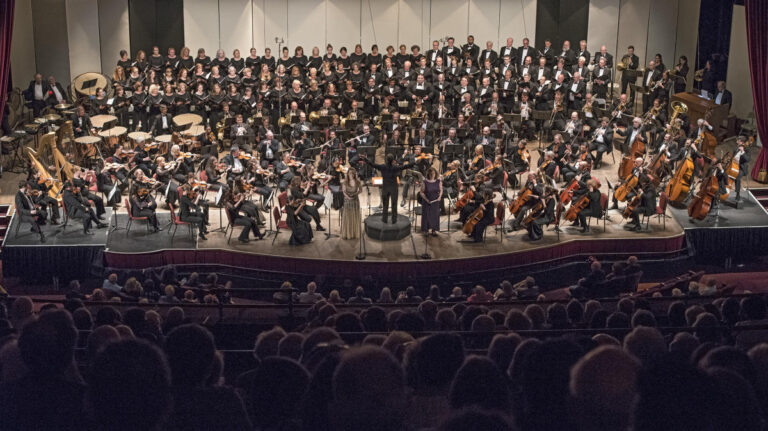
    On February 13, the Albany Symphony Orchestra performed three works: Sir William Walton’s Facade: An Entertainment, Tyson Davis’s Distances, and Serenade in D, op. 11, by Johannes Brahms. The concert was streamed virtually from Universal Preservation Hall in Saratoga Springs.

    Albany Symphony Orchestra Brahms

    William Walton was a British composer known for his instrumental writing, and was nominated for two Academy Awards in the 1940’s. He was inspired by a friend’s poem to write Facade. It started as a piece just for speaker and six instruments, but Walton later expanded it to an orchestra. The ASO did well on this piece. The speaker, Lucy Fitz Gibbon, navigated the tricky passages and was able to shine.

    The next piece performed by Albany Symphony Orchestra was Distances. It was composed by Tyson Davis. Davis, 21, a young but talented composer. He entered the UNC School of the Arts, studying with Lawrence Dillon. Later, he wrote for Eighth Blackbird, the Attacca String Quartet, and UNCSA Symphony Orchestra. He worked with the National Youth Orchestra to premiere a work that was commissioned by the American Embassy in Berlin to commemorate the 30th anniversary of the fall of the Berlin Wall.

    Albany Symphony Orchestra Brahms

    Written after the start of the COVID-19 pandemic, Davis wanted to explore themes of emotions and anxieties that the “New World Order” of a pandemic have caused. To do this, he left the piece with ambiguity and lingering passages.

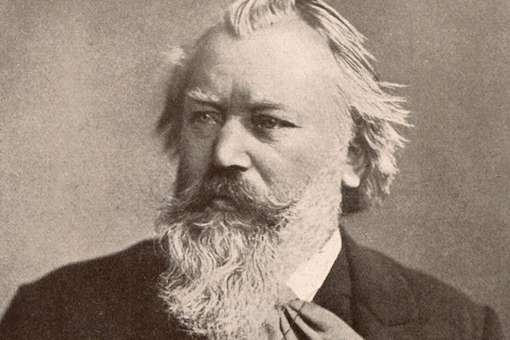
    Brahms was a dominant composer of the nineteenth century; he was not revolutionary in terms of structural change, but he wrote beautiful, sweeping melodies. The Serenade was his first work for a “larger” group (originally eight people). The piece usually contains six movements, but the ASO opted instead for a rarity. Instead of those six, the ASO played four. Symphonies are traditionally four movements, not six, so the ASO played movements 1, 3, 4, and 6. With these four, it encapsulates what a traditional symphony is: a faster first movement, a slow second, a minuet or scherzo third, and a fast finale.

    Albany Symphony Orchestra Brahms

    Brahms originally cast the work in four movements. Like so many of Brahms’ early efforts, that original form suggests a young composer wrestling with specter of the greatest of all symphonists, Beethoven, and trying to create a first symphony. The other movements were added later to create the Serenade.

    Overall, the Walton was phenomenal, especially with the addition of Gibbon. If I had to describe Davis’s piece in one word, it would be, emotional. The piece evokes emotions that everyone is feeling. The symphonic arrangement gave better understanding of an earlier Brahms symphony.

  • Albany’s Rock-Outlaws Son Of A Gun Turn To Dust Friday

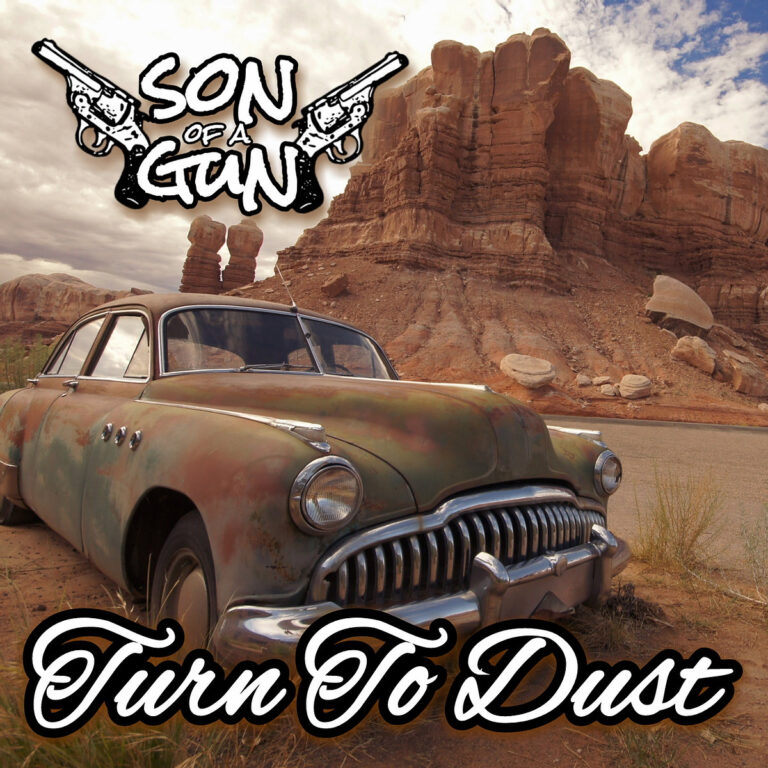
    New York capital region Rock-trio, Son Of A Gun, is on the run with the release of their second EP, Turn To Dust, to be released Friday, Feb. 12.

    While the band probably isn’t smuggling shine in their petina post-war Buick Roadmaster down the Hudson Valley, their stone-cold rock jams will take you on a wild ride. The proof: Turn To Dust corrodes Son Of A Gun and their Rock and Roll sheen with a wild-side, proving more raw than their former effort.

    Son Of A Gun Turn to Dust

    The title track to this EP, “Turn To Dust,” kicks up a washy hi-hat drum intro, instantaneously energising the band. The pages turn, like a storyline from their lyrics to musical motifs. The textured drum beat tightens up for the band’s versus and solo, but remains the driving constant. Son Of A Gun, leaves us trailing behind, right on their coattails. They throw you into a groove immediately, fronting as that under-assuming opener you never saw coming.

    Their concise burst of talent, in the forum of yearly releases keeps us intrigued. Their familiar tones reminisce of The Black Keys “Tighten Up” on tracks like “Watch and Wait,” yet keep you dancing with the song’s moving bass-lines. The solos scream, each and every time.

    Turn To Dust will feature their hip lick “Find the Seam,” as featured live at Albany’s Low Beat in Dec. 2019. These guys have claimed their spot in New York’s Rock arena. They are fuelled to roll through energising live performances as their fanbase multiplies, and venues re-open. As the band burst at the seams, hang on for the ride.

    “Find the Seam,” live at Albany’s Low Beat in Dec. 2019.

    Son Of A Gun formed late 2018 “bringing a jam sensibility to straight-ahead Rock & Roll.” Their 2020 self-titled debut aids to classic rock fans with a stout major chord mentality. Gritty guitars and loose-mix drums keep a humble garage-rock edge and live feel. The trio has a hearty sound that could fit the bill on any headline stage. Their tracks soar like a hand in the wind as you cruise down the HRE – a floating momentum that kicks off with momentum solos on “Down The Highway.”

    “…the band’s musicality and their compositions were tight and developed. They were songs that you could certainly rock out to. What was interesting was that their sound didn’t specifically fit into any musical genre. Sometimes it would sound more like Pearl Jam (heard through the vocals of “Winds of Change”), or you could hear the country-rock vibe of “Hope & Heartache.” Listening to both “Down the Highway” and “Call of Days Past,” you can tell that it centered around blues-rock, even including little hints of “Call Me the Breeze” in the guitar & bass riffs and hearing the vocals one could listen from Sly Fox and The Hustlers.”

    – Amy Modesti on Radioradiox

    Check out Son Of A Gun on their Website and Facebook.