Each Sunday evening from 7-9pm you’ll find EQXposure on WEQX, featuring two hours of local music from up and coming artists. Tune into WEQX.com this Sunday night to hear new music from Bendt, Rhoseway and many more!
WEQX has long been the preeminent independent station in the Capital Region of New York, broadcasting from Southern VT to an ever-expanding listening audience. NYS Music brings you a preview of artists to discover each week, just a taste of the talent waiting to be discovered by fans like you.
This week’s featured artist on EQXPosure is Bendt. With gritty, dynamic, and atmospheric rip-roaring creative rock music, Bendt celebrate the release of their new single “January,” released on Friday January 29. On Sunday evening, we’ll also hear three from last year’s release, Brightness in The Barrnes.
Benddt – made up of Matt Plummer (singer and guitar player), John Longo (bass), Carl Blackwood (lead guitar) and Cody Bingham (drummer) came together 2015 with a mutual love of hard rock, metal, and sounds in-between. Bendt has a sound that is evocative, personal, as well as searingly loud and at times perfectly aggressive. Riffs that rumble are balanced by unique chord stacking and brilliant melodies and solid perfroamces of each song.
Also featured on EQXposure is new artist Rhoseway with a pre-release cut “Deep Valley,” which hits all streaming sites on February 5, 2021. Rhoseway is very creative and the music takes many interesting musical turns. This is a very exciting artist to keep an ear out for.
It was January 29, 1990 in Central New York and, yes, it was snowing. Fans who attended the Phish show that night at The (original) Haunt in Ithaca did so battling a blizzard and poor roads, which caused the band to arrive late, quickly set up and, after a live soundcheck, got the show on the road.
Phish has played sporadically in the Fingerlakes Region of New York throughout their career, most notably and recently, Superball IX, Magnaball and shows in Canandaigua at CMAC. Their early years in the college town of Ithaca proved to be formative, bringing the band to town multiple times between 1988-1992 before graduating to larger venues like Finger Lakes Performing Arts Center (now CMAC).
The Haunt in Ithaca c.1990 (photo is not from the 1/29/90 Phish show)
From Phish’s bar years, this is an early era show that captures the band when they played to their early fans, many seeing the Burlington group for the first time. After a three-night run in May 1988, Phish would return to The Haunt in Ithaca for a show on January 29, 1990, with a loud and rowdy 18-and-over audience.
The partial tape of the show starts in the middle of “The Lizards” and continues through a “Harpua” and “Fire” encore, a setlist that is culled together thanks to David Schanker’s and Todd Ahrens’ audience recording. Thus, there is no known first set for this show.
You can hear the audience from this show quite distinctly, elated when each song ends, and fans screaming out requests despite the band being barely six years old. You may even catch drunks screaming into the mic, which was set up on the bar. One patron this night can be heard saying “Nothing like this has ever been done at The Haunt, unbelieveable man!” Quite the frozen-in-time seal of approval.
Recording aside, this is a smoking show musically, particularly for the “Weekapaug Groove” and a “Harpua” that has a tough to discern narration but full of “Purple Haze” teases. That said, you’ll get a fair idea of what it was like to see Phish at the original Haunt in Ithaca.
Dan Smalls, Ithaca-area promoter and head of DSP Shows was at the January 29, 1990 show and shared his recollections with NYS Music:
It was about as classic a Phish set as you get from the very early days. I always loved how they chose popular and also odd songs to cover, teases in jams and the like. That was a part of who they are today and was a huge bit of fun at the festivals we produced where they would learn a song backstage between sets.
My recollection is also vague but the room was solidly crowded in this era (unlike 1988 when we had a handful for those first few shows) and the band was on the cusp of the next step at this point. I remember that the band was playing The Haunt at least once a semester and often 3-4 times a year in these days. It’s where I got to know them and these shows were always fun because Fish’s parents would come down from where they lived outside Syracuse.
Phish would go on to play The Haunt another four times in 1990, then move up to the State Theatre of Ithaca for two shows in 1991. They returned the next year to perform at Cornell University campus in November 1992, the last shows for the band in the city.
NYS Music today announces The Rochester Groovecast Podcast as a returning partner and will be publishing all the major episodes starting February 2021. Since releasing their first episode in 20016, Rochester Groovecast has published over 100 episodes and counting.
To get started, check out this playlist of their most popular episodes:
At Rochester Groovecast, the mantra “We’re Fans First!” harnasses the belief that the best businesses are built by fans. Rochester Groovecast is deeply dedicated to playing an active role in the culture of its local scene.
The brainchild of Rochester native Ben Albert, Ben created Rochester Groovecast in 2016 to serve as a portfolio of the city, and nowadays, the entire region.
Rochester Groovecast believes in the artistic brilliance abundant in Rochester, NY, and the surrounding regions. Ben seeks to play a pivotal role in our community by helping give Rochester a well-earned voice. Having seen first hand the abundance of talent, character, creativity, innovation, and beauty the Flower City has continuously offered. Albert is confident that the Rochester scene could be the next great music scene in America, akin to Austin, Chicago, New Orleans, or Nashville.
The Rochester Groovecast Podcast help bring this vision to life with interviews, reviews, previews, and audio journeys to good to ignore.
Siena: “Ben Albert at Rochester Groovecast is ambitious, kind, and community-oriented. He truly cares about the Rochester community and actively lifts up voices that add value and strength to our culture. Most of all, he cares about music and the people that create it. He’s the guy to go to if you’re looking for someone who understands both music AND business, creating AND marketing. He knows the right questions to ask you to dig deeper into what your brand is and who you are as a musician. I’m grateful to know Ben as a human and grateful to have had the opportunity to be on his Rochester Groovecast podcast, which makes me proud to live and work in Rochester.”
Amanda Ashley of The Amanda Ashley Trio, Afternoon Cocktail: “Ben is an amazing host and a true asset to the Rochester Music Community. His love, dedication, and support of creativity isbeyond apparent in his broadcast. He is a genuine soul, and that truly comes across in his interviews.”
Charlie Lindner of The Pickle Mafia: “Rochester Groovecast does an excellent job at buildingawareness for our brand! Using interactive multimedia we were able to obtain new customersand engage with them directly.”
Kevleb: “I have had the chance to work with the Rochester Groovecast for my album release. During the COVID confinement, it was a great relief to be able to share my music on this platform. Ben suggested a few strategies to widen my audience and make the content accessible on social media. It felt productive and well prepared and allowed me to share my vision in an ideal setting. It is great to have the Groovecast support the local scene.”
Once again, NYSMusic is excited to feature The Rochester Groovecast Podcast. Keep your eyes open for many more episodes to come.
Rocker Frank Palangi brings the fourth installment of his music video series with “Bring on the Fear.” Following “Break These Chains,” “Set Me Free” and “Gone Mad,” Palangi brings COVID-19 to light with a tale of caution, shedding light with the message that we are all in this together, to use faith to face your fear, without hate.
The video and song is a statement for the times, saying we are in this together, to not to be afraid and face the fear.
For this video, I reached out to fans from the U.S., Canada, U.K. and Turkey to send in their video clips to be edited into the video. I always like to include them and due to COVID-19, I thought it was perfect since in the song I ask them to sing “Bring on the Fear.”
“Bring On The Fear” is the first self directed, produced, written and all in-house edited production from Palangi Films. Palangi notes that he always loved making films since a young age and figured now would be a great time to put that to work. The video is a one-man show in this regard, and due to COVID-19, he had to get creative. His friends and he would make small shorts with only two or three people, and that past experience was good prep.
Frank Palangi an indie rock recording artist is freshly homegrown in Upstate New York who pours the fuel on the genre that refuses to die.
Dawoud Kringle, aka The Renegade Sufi and God’s Unruly Friends, is one of the more forward-thinking, globally-centric and productive music-makers on the New York scene. The latest evidence is the remarkable cache of seven full-length albums he has just dropped on Bandcamp.
Dawoud’s music is a singular blend of East and West, acoustic and electronic, modern and ancient – sounds that transcend genre and time. Like the Sufi mystic/musician/author Inayat Khan, who inspired spiritually enlightened musicians like Coltrane, John McLaughlin and Dawoud, his primary interest is the psychoactive properties of music – the healing tenor that a sonic experience can bestow upon the listener.
The Milwaukee native/guitarist came to New York in 1983. On arrival, the 22-year old quickly secured a gig as a trainee engineer and studio musician at Shadow Sound, where he worked with artists like Kid Creole and the Coconuts. In New York, he also endeavored to deepen his guitar chops by taking private lessons with noted jazzman Kelvyn Bell (Ronald Shannon Jackson’s Decoding Society) and master classes with the legendary Pat Martino.
But it was the sitar, an instrument he purchased on his 18th birthday but returned to in earnest in the mid-90s, with which he would make his mark.
Called “the Jimi Hendrix of the Sitar,” Dawoud boldly applied jazz technique and electronics to expand upon the Indian tradition of the instrument, as heard in releases like The Tao of Mystic Jaz (2000) and Renegade Sufi (2004). The latter is notable as it features a sitar synthesizer, something the crafty Kringle devised by modifying his guitar synth pickup and controller.
Dawoud would further his reputation by performing with notables like Lauryn Hill, Nona Hendryx, Brooklyn Massive Raga Orchestra, DJ Celt Islam and many others. In solo performance and with his ensembles, Renegade Sufi and later God’s Unruly Friends, he appeared across Europe, Asia and the U.S. In New York, he performed at top venues including the Brooklyn Academy of Music, Apollo Theater, Blue Note, Birdland and Town Hall. He has also kept busy playing at yoga and meditation events, and with dance and theatre companies.
Seventeen of Dawoud’s mind-expanding releases can be found at his Bandcamp page, including his newly-released trove of seven full-length albums.
Wonder, Love, & Power is my favorite among the new offerings – a diverse, pristinely recorded and engineered collection highlighted by its wonderfully mysterious and airy title track. It’s a jazzy, ambient, floaty things-that-go-bump-in-the-night vibe, where you are lulled into complete relaxation then brought back to attention by a periodic gong crash. “Awaiting Joy” is another bevy of sonic surprises – cinematic, spiritual and sort of sexy like all the tracks here. Strings and a pulsing hammered autoharp reminiscent of Brian Eno discovery Laraaji at first swell, then are flipped backwards. At times, this swirling backdrop sounds like the fade out of “I Am the Walrus.” It is perfectly furthered by the eerie vocals of Chennano Manno and a gorgeous modal flute improvisation by Duane McCarthy. Another standout track is “The Unveiling,” where Kringle shows his melodic mastery of the dilruba, a bowed string instrument played in Sikh devotional music, over a synth pulse.
Dawoud’s The SymphoSynth Improvisation Series is a collection of synthesizer improvisations based on templates taken from composers like Scriabin, Slominsky, Stravinsky, Messian and jazzer Yusef Lateef. Music of Another Mind is sound design for meditation, massage therapy sessions and the like, with long tracks the artist calls “deep explorations for altering states of consciousness.”
A New Beginning is a collection of six impressionistic pieces, a tour through the emotional catharsis and ultimate acceptance of the artist’s own divorce, with evocative titles like “Painful Clarity” and “Fighting Back the Tears.” A Mansion with Many Roomsis a selection of more vintage tracks that Dawoud had time to complete during the quarantine. Its closer, “For Yusef,” is one of my favorites, with gentle bells and strings bathing his melodic sitar (possibly synth sitar?) melodies.
The artist calls Tales from Isolation “a collection of very dark stuff I did in total isolation during the quarantine.” These are “guerilla recordings” according to Kringle, ones made during the long, lonely hours he spent on his radio engineering job during Spring 2020. This is a collection of 20 sound poems, from two- to nearly 10-minutes in length, where Dawoud seems to have caged his darkest musical impulses – scratchy sounds and effects, weird oscillations, jagged time signatures and robotic percussion. And they have killer titles too. What’s not to love about compositions with names like “What the Hell is Wrong with You?” and “Fighting Monsters in Nightmares!”
With The Legend of Sheikh Majnun, Dawoud returns with the second album from a fictitious character he first conjured in the Myspace days, his weird electronic artist alter ego, Sheikh Majnun.
Get your Burning Man supplies in order for this selection of 11 tracks ideal for your next rave. It’s a cornucopia of beats and sounds and samples designed for dancing, tribal not disco! There’s a Brazilian Carnival space futurism vibe here. It’s the reggae samba rhythms of the mighty Olodum crossed with the outer space weirdness of the BBC’s early synth wiz Delia Derbyshire, most evident in the album opener, “Dance of the Small Fuzzy Things.”
As if this wasn’t enough, Dawoud composed his first symphony, “Trees,” a demo of which can be found here on his YouTube channel.
With these new releases and those that have come before, Dawoud has created a musical world that unites the past, present and future of sound. For him, no borders seem to exist and the most distant of inspirations, the most seemingly warring thoughts can live in perfect harmony. This is music as a healing and calming force, something the world needs now more than ever.
America has an immensely rich culture of art in all its forms, spanning from the early years of the country through present day. Musicians, sculptors, painters, architects, illustrators and graphic designers give this nation a broad history of artistic accomplishment and appreciation that is found through all walks of life and every corner of the country.
We have heard for nearly a year about the plight of independent music venues and the #SaveOurStages campaign, seen musicians turn to virtual tip jars to make money while streaming performances on various platforms, and in some cases, venues have closed and musicians have moved on to other adventures. For all our love of the arts, there is no central advocate on the national level to ensure that we maintain and support those who use their talents to create a more vibrant world.
Art, freedom and creativity will change society faster than politics.
Victor Pinchuk
In Canada, the position of Minister of Canadian Heritage heads the Department of Canadian Heritage, which is responsible for culture, media, sports and the arts. This position was created on a quarter-century ago in 1996, and covers everything from the Canada Council for the Arts, to the National Arts Centre, National Film Board of Canada and the National Gallery of Canada, among other governmental organizations. With a minister (the Canadian equivalent of a Cabinet-level Secretary), Canada is able to further federal programs and funding that relate to Canadian identity and values, as well as cultural development and heritage.
England also has national office for Minister of the Arts, focusing on Culture, Communications and Creative Industries. Covering arts, media, museums, galleries, libraries and creative industries, the position has evolved since creation in the 1960s. Additionally, a Culture Secretary serves as Secretary of State for Digital, Culture, Media and Sport, was created in 1992 and has been dubbed ‘Minister of Fun,’ and much like their Canadian counterpart, covers arts and culture, libraries, museums and galleries, sports and tourism. Prime Minister John Major, who founded the office, said in his autobiography his autobiography, that prior to the office being created, the responsibility for cultural interests was shared among various departments, but specifically important to none of them. So a change was made to highlight the culture of the United Kingdom.
In America, the creation of a Cabinet-level Department of Arts and Culture could help save the live entertainment industry as we know it, and provide a centralized office for the various governemt agencies that deal with the arts. With the ongoing COVID-19 pandemic, and the lack of support the arts received under the Trump administration, the live entertainment industry is in desperate need of direction and support.
According to the National Endowment for the Arts, the entertainment industry generates $877 billion a year and creates more than five million jobs across the country in 2017. That is 4.5 percent of the nation’s gross domestic product (GDP). The entertainment industry is a needed and big part of the economy especially on the small and local scale. A local venue brings in people for a show and ends up helping the local economy extremely. People end up getting dinner, staying at hotels, parking facilities, and so on. The arts don’t just support the venues, artists/ performers, and industry works but also the local businesses that people end up visiting due to being in town for the performance. If these local venues end up closing due to COVID-19 the entire local community will end up suffering.
The National Endowment for the Arts, commonly known as NEA, was established by Congress in 1965 as the independent federal agency whose funding and support gives Americans the opportunity to participate in the arts, exercise their imaginations, and develop their creative capacities.
With these facts and figures in mind, people like Charles Segars, head of the Ovation TV network and a known arts advocate, think it’s time for the arts to be taken seriously by the White House and create a cabinet level Secretary of Arts and Culture. With the entertainment industry’s nation’s gross domestic product (GDP) being more than agriculture or transportation, a voice is needed in the White House to advocate for the arts and entertainment industry.
According to an NPRarticle on this concept, at one point there was a ‘The President’s Committee on the Arts and Humanities’ which founded in 1982 and was originally in place to act as an advocate for the arts to the president. However, everyone on the committee resigned in the beginning of Trump’s presidency after the way he handled the deadly white supremacist rally in Charlottesville. Since then, the committee wasn’t relaunched under the Trump administration, and the arts leaving the live entertainment industry to fend for itself.
Under the Biden administration, hopefully the arts will be better supported. Some organizations are asking, “What Will the Biden Administration Do to Protect the Performing Arts?” An article by JazzBuffalo discusses this question and how live entertainment needs to have a higher priority in the government’s eyes, and the need to develop a realistic plan for a safe reopening of venues to get them back on their feet during the ongoing pandemic, just like restaurants and even businesses like bowling alleys have been given. They explore different ideas of things the new administration could do. Some ideas include independent health insurance and retirement accounts, musicians being able to form an LLC or S-corporation, individual union contracts, and unionizing venues.
Shawn Townsend was made the director of the Mayor’s Office of Nightlife and Culture, a position made by Mayor Bowser in 2018 and established the District’s first Office of Nightlife and Culture in Washington D.C. Serving as an intermediary between nightlife establishments, residents, and the District government, the District’s first Office of Nightlife and Culture promotes a safe, economically and culturally vibrant night time economy. Additionally, the office tries to engage nightlife stakeholders by conducting outreach and providing assistance and solve nighttime issues by collaborating with District government agencies and educate nightlife establishments on existing district policies and regulations through quarterly trainings.
The city of Dallas in Texas has a similar position within their government. The City of Dallas Office of Arts and Culture (OAC) is a division of the City Manager’s Office and fosters support, partnerships, and opportunities for Dallas residents, visitors, artists, and arts and cultural organizations. They do this by trying to enhance the vitality of the city and the quality of life for all Dallas residents by creating an equitable environment wherein artists as well as arts and cultural organizations thrive, where people of all ages enjoy opportunities for creative expression, and celebrate multicultural heritage. Their mission is to support and grow a sustainable cultural ecosystem that ensures all residents and visitors have opportunities to experience arts and culture throughout the city.
If both of these positions already exist on a major city level, why couldn’t a similar type of position exist on a federal level?
Prominent figures in the New York State music community chimed in on the possibility of this position. Salvatore Prizio, Concerts and Events Manager for Proctors Collaborative, says “Given the enormous financial impact that the arts have on the country’s GDP it is long past time that the US government create a cabinet level position that can oversee this economic driver for the economy as a whole. It isn’t just a matter of advocating for the arts, but if you look at it strictly from an economic perspective it’s the responsible move to make. Having centralized guidance as well as a seat at the table with the president will allow the arts to thrive and once again lead the way for economic recovery on the micro and macro-economic scale.”
Larry Siegel, General Manager of SummerStage Central Park at City Parks Foundation concurs with Prizio’s sentiments. “I think having an arts advocate would be an amazing addition to the Cabinet for the President. It would give the arts and entertainment a voice that we don’t have and desperately need. We are an 800 billion dollar industry that should have a voice at a seat in government. It’s all about connections and giving voice to this industry and I am all for it.”
Would an addition of a Cabinet Level Secretary for Arts and Culture be able to bring about these changes and stability? Given that major cities and other countries highlight the importance of arts and culture, America would certaintly be well-suited to create a this position and support the arts at one of the greatest times of need in our collective history.
Indie-folk singer Mackenzie Shivers releases her first single “Martha’s Vineyard” for her upcoming 2021 full-length release, Rejection Letters
Singer, songwriter and pianist, Mackenzie Shivers, premiered her new dreamy video for her song “Martha’s Vineyard.”Her song radiates the intimate, eerie qualities of indie-folk, akin to Phoebe Bridgers. At the end of the song, a spoken-word verse adds mystery and edge to Shivers’ unique sound. The music video features a vignette of Shivers alone on a beach save her acoustic guitar, immersed the world of her music.
I’m not sure I ever learned healthy ways to express anger. But I’m learning now. I’m much more comfortable with sadness than I am with anger. I think that’s because female anger is so often met with shame and dismissal. That’s certainly been my experience, and it really started to hit home as I wrote this song.
Mackenzie Shivers – “Martha’s Vineyard.”
Shivers’ third full length album was borne out of the strange circumstances which we have all endured in 2020. She sought refuge in Cape Cod from her home in New York City. With an old family guitar gifted by her father, Shivers experimented with alternate tunings, thanks to Instagram live tutorials from folk artist Laura Marling. Since touring was an adventure left in another world, Shivers inadvertently wrote a collection of songs that became Rejection Letter.
Her newfound time for introspection led to topics she seldom discussed on past records. Female anger – questioning the contemporary world, trying to have a child and struggling to conceive color. This record is in a poignantly personal way. She hopes that her lyrics help those with grand uncertainties can listen to someone that feels the same. Shivers revels in her rebellion, embracing her fiery nature.
“I’m proud that I found a way to make this record during a very scary, chaotic, uncertain time. I wanted to make something that would give my listeners permission to get angry, to commiserate. My goal is always and ultimately to remind people they’re not alone,” says Shivers.
I feel like this is me at my best and most complex to date. You get to see new sides of me through this music – a darker, moodier, sometimes angrier side. But it’s still whimsical. It still balances that dark with the light.
Prior to her upcoming third release, Mackenzie Shivers has released two full-length albums: 2014’s Neverland and 2019’s The Unkindness and three EPs titled Living in My Head (2016), Ravens (2017), and Midwinter (2019). She currently lives in New York City with her husband.
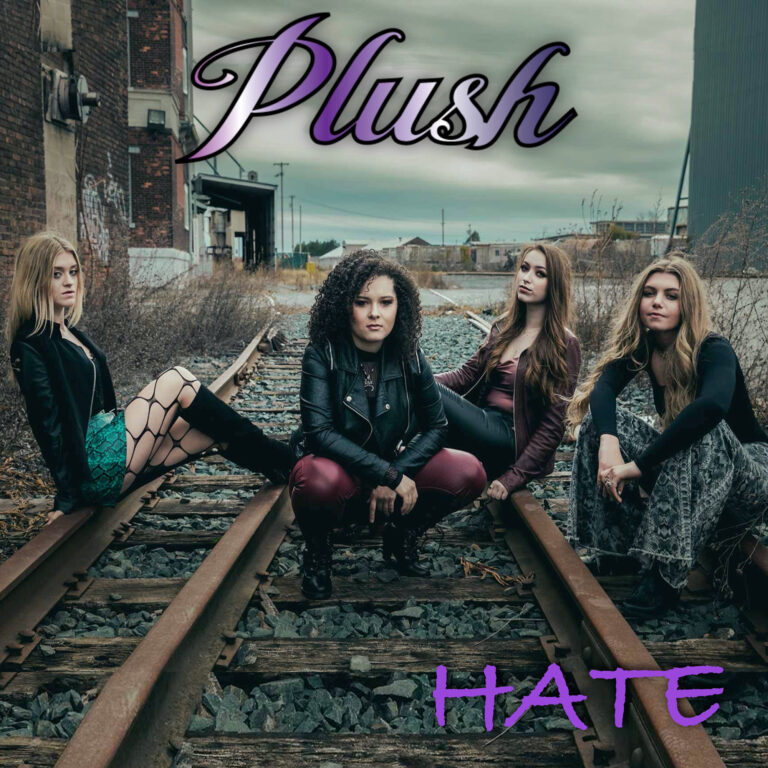
PLUSH is an all-girl rock band comprised of four members, all under the age of 21, with a mission to embody the heart of rock and make a name for themselves in the music industry. With powerful vocals and a sound that holds true to the genre, the four girls set out to break the boring, repetitive mainstream culture and bring back classic rock.
If you’re a fan of The Voice, you might recognize the lead singer, Moriah Formica, a contestant back in 2017 who was affectionately referred to as “The Rock Goddess” by Miley Cyrus. Drummer Brooke Colucci, otherwise known as Rock Angel, is a well-established artist on social media, with acknowledgment from John Lennon, solidifying her talent and standing in the rock community.
Guitarist Bella Perron is a freshman at Berklee College of Music with an artsy presence on YouTube, regularly uploading impressive, drool-worthy guitar covers. Bassist Ashley Suppa ties the group together with beautiful bass backing, even being noticed by Ace Frehley of KISS.
The mission of PLUSH is to bring the heart of rock back to the mainstream with a new fresh spin on the sounds you already love. PLUSH hopes to inspire young women everywhere to follow their dreams, regardless of whatever challenges may lie in the way.
Moriah Formica
On January 18, 2021, PLUSH dropped a promo for their upcoming single, “Hate,” available to be pre-saved and expected to drop on Apple Music and Spotify. The excerpt shows how well the band flows together, as well as the emotion and passion each member brings to the table, leaving nothing to be desired. The song focuses on a topic relatable to many, wanting to hate someone who broke her heart. But being unable to forget the love she had for them, she hates that she still loves them.
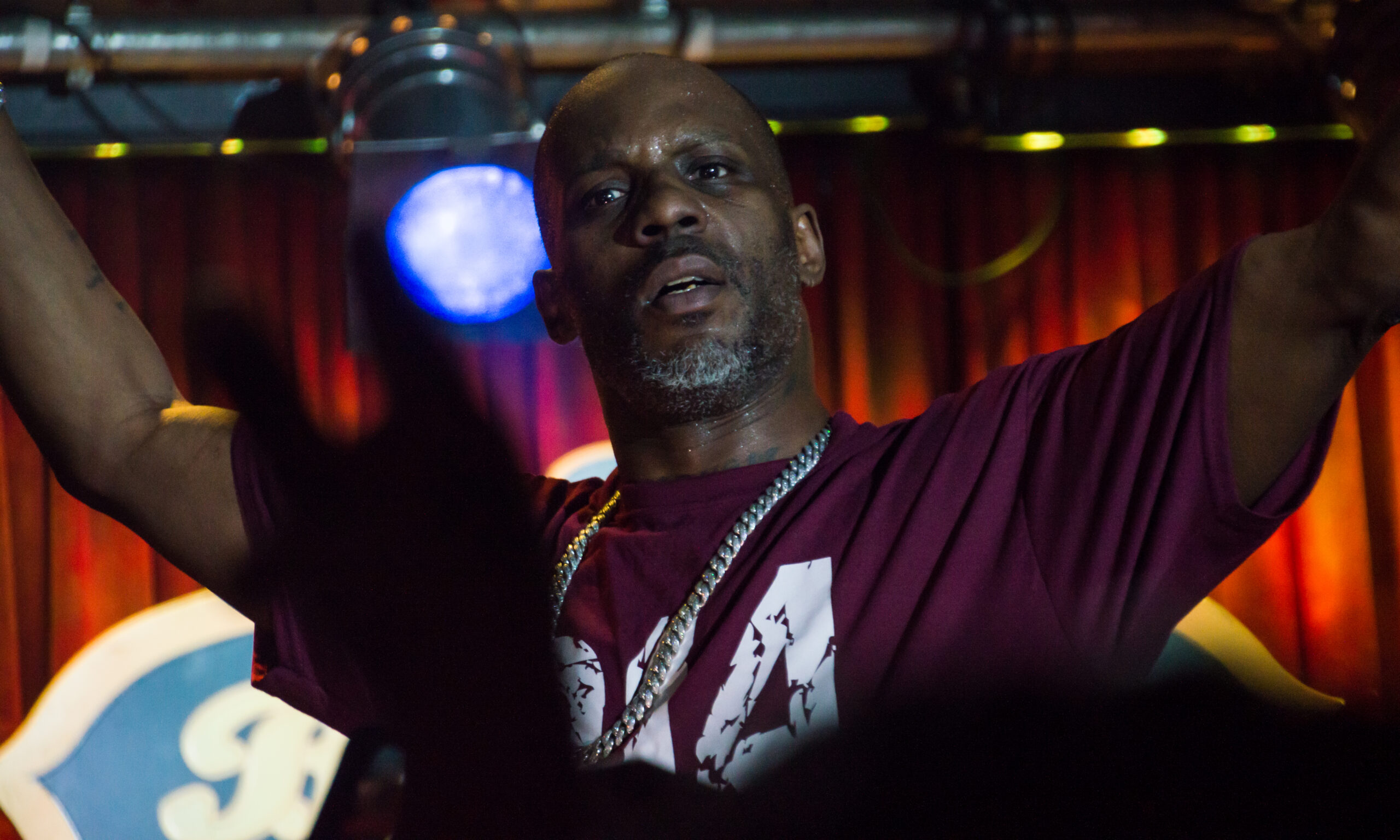
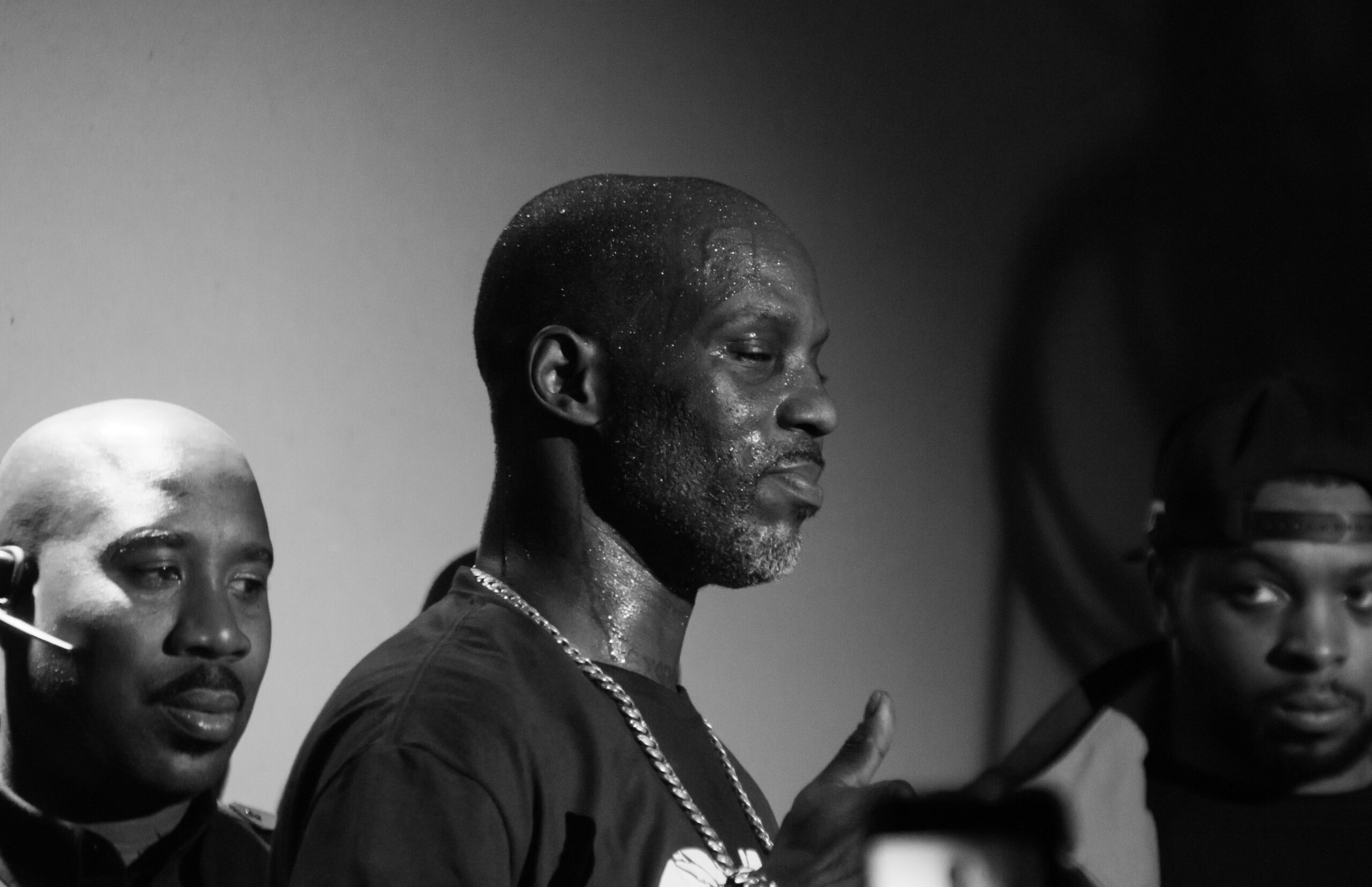
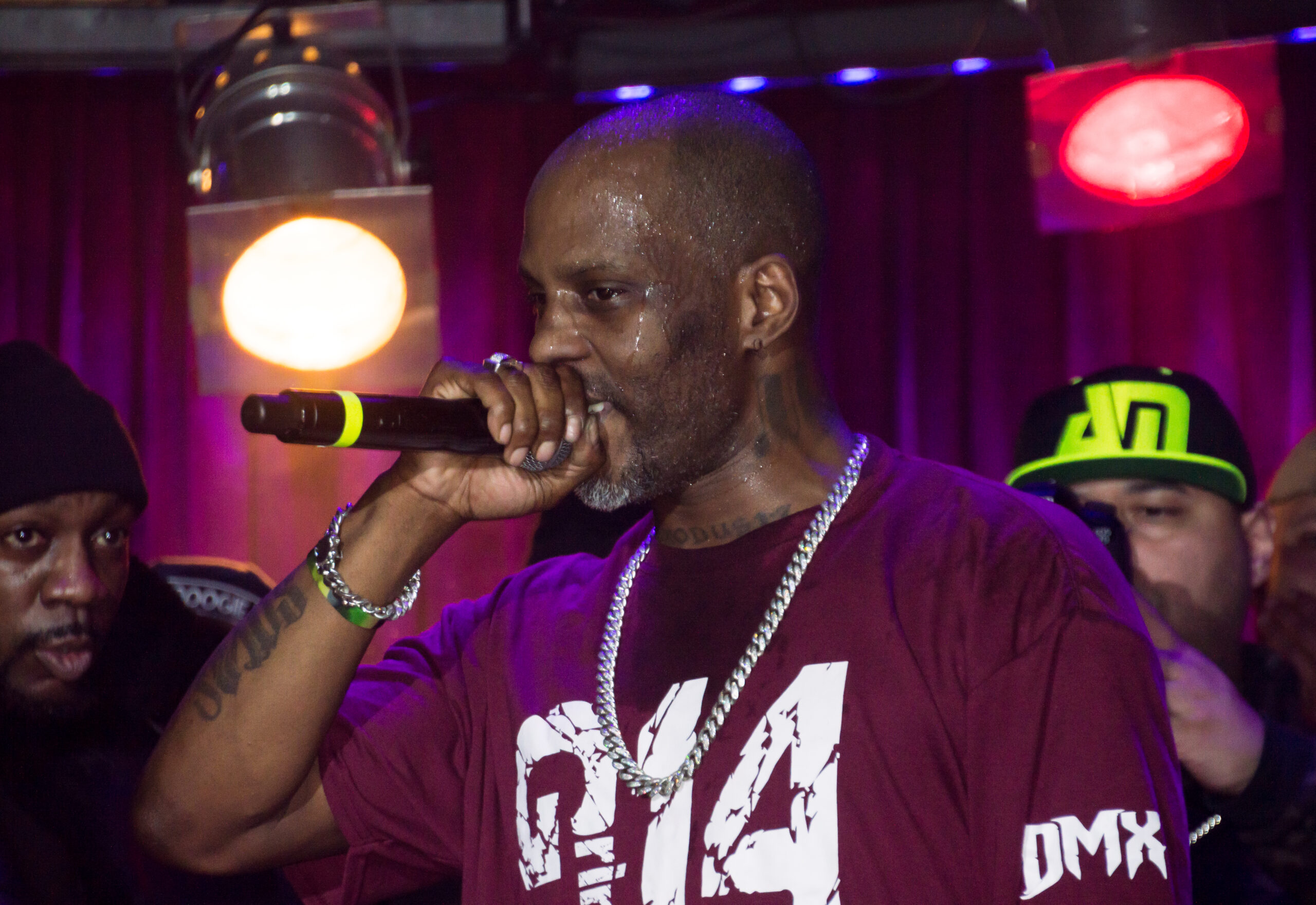
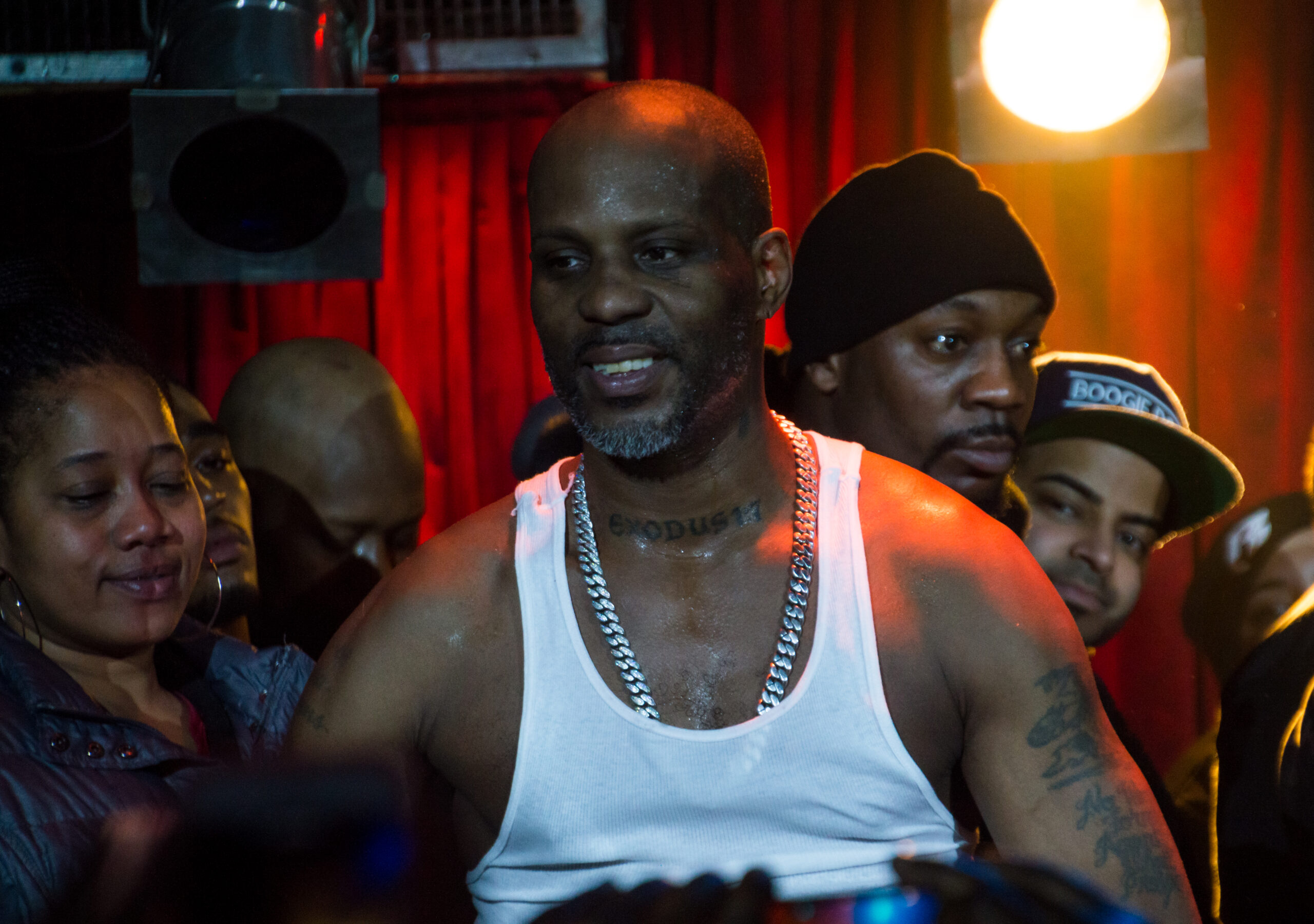
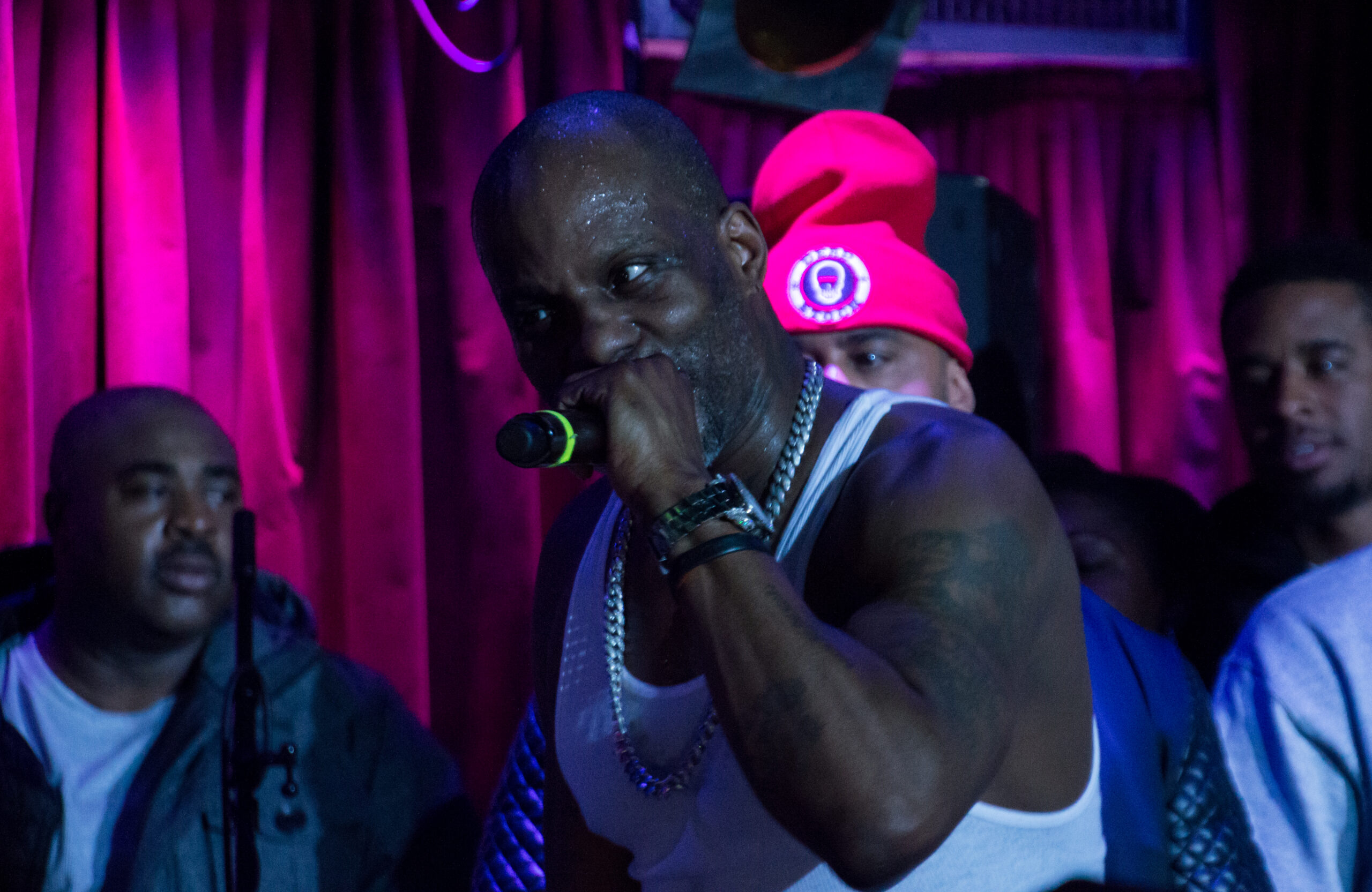
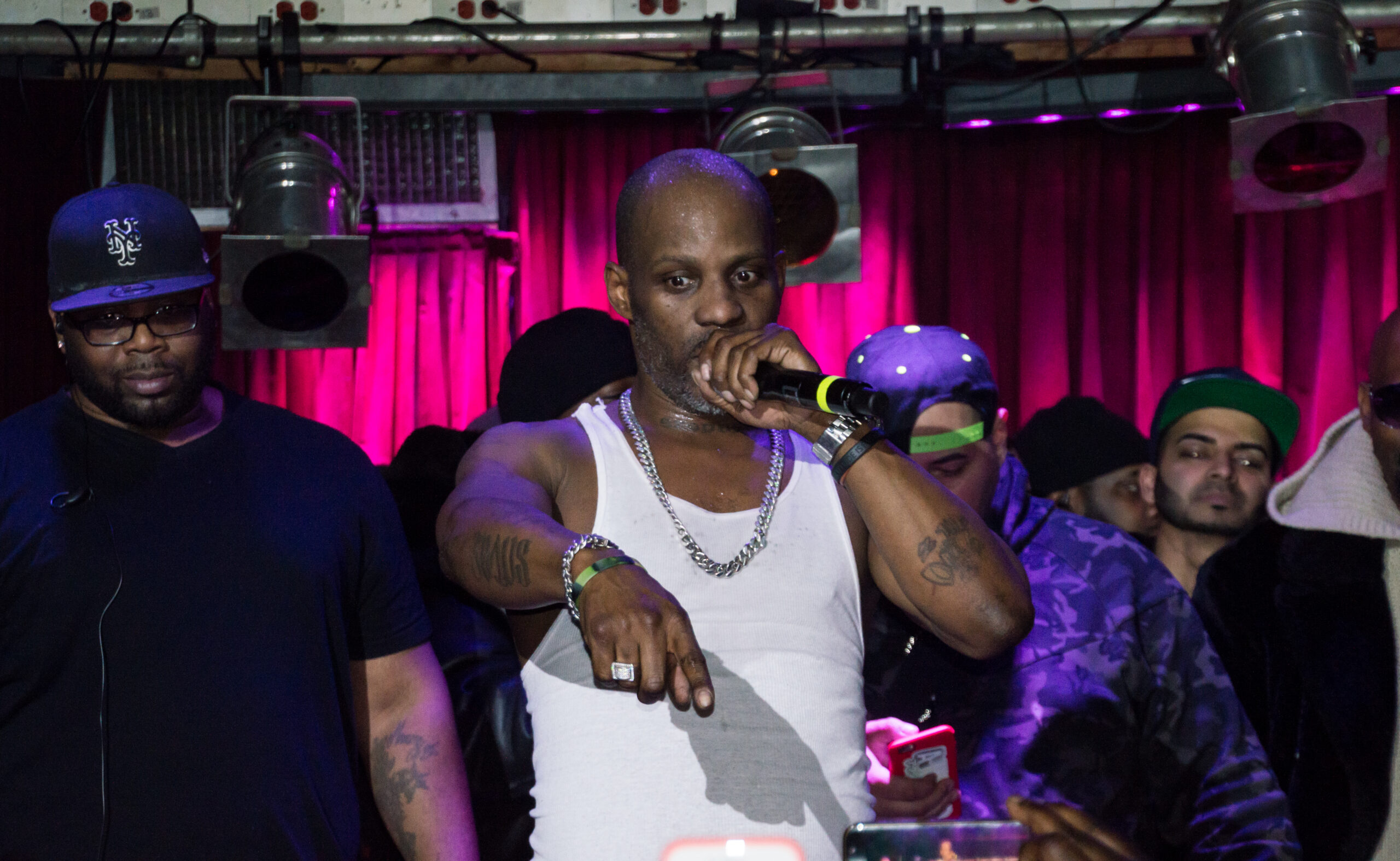
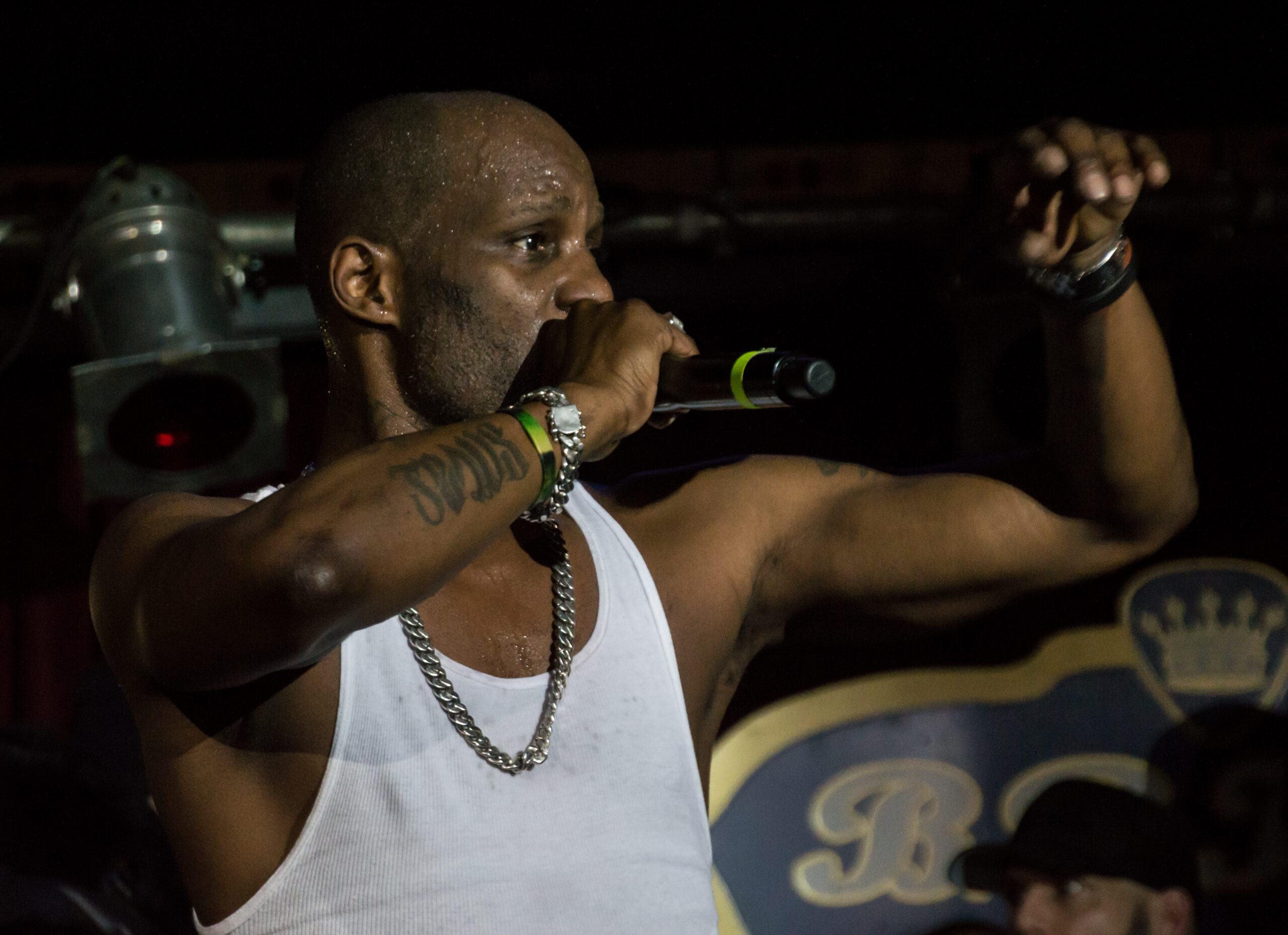
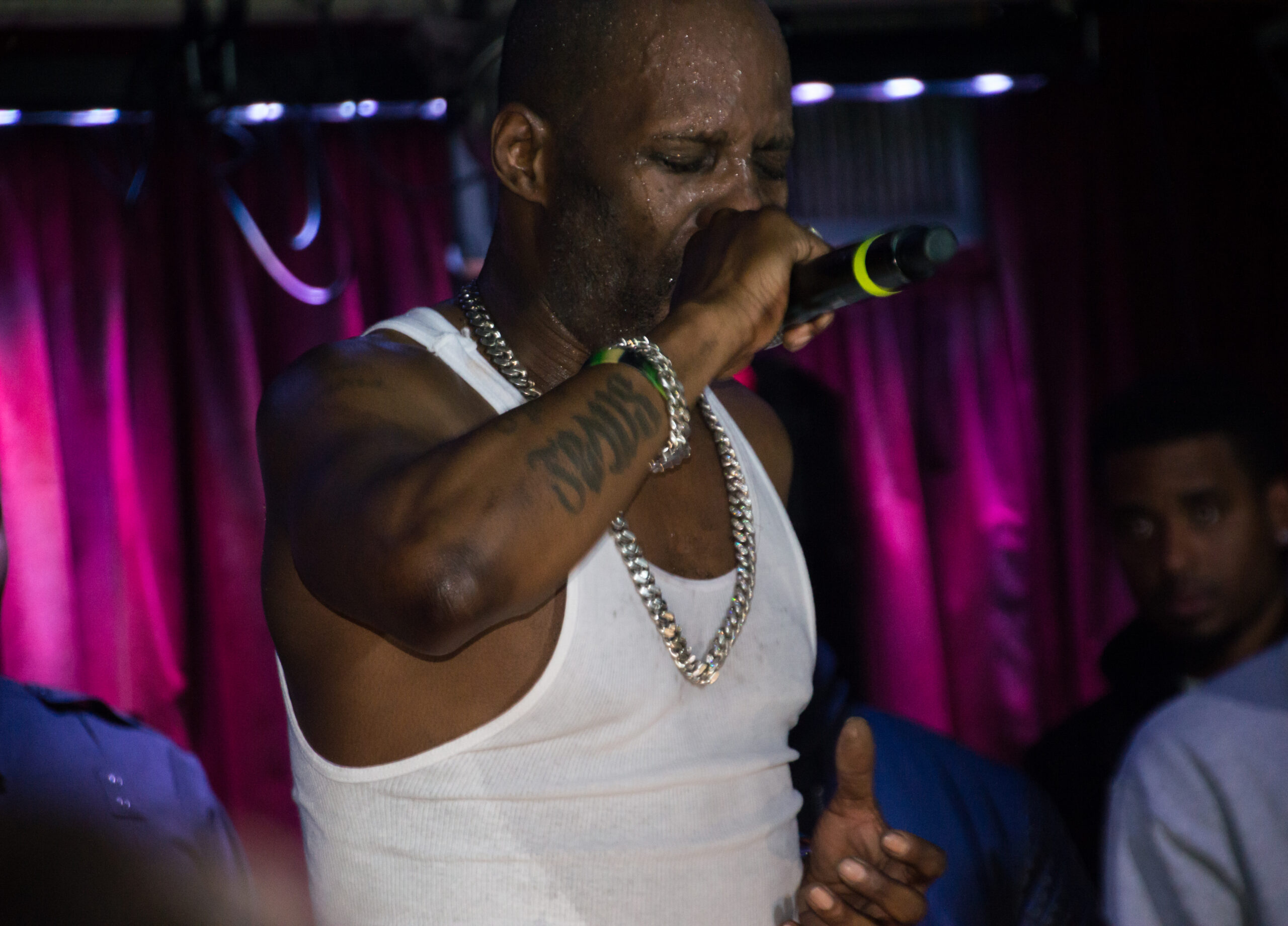
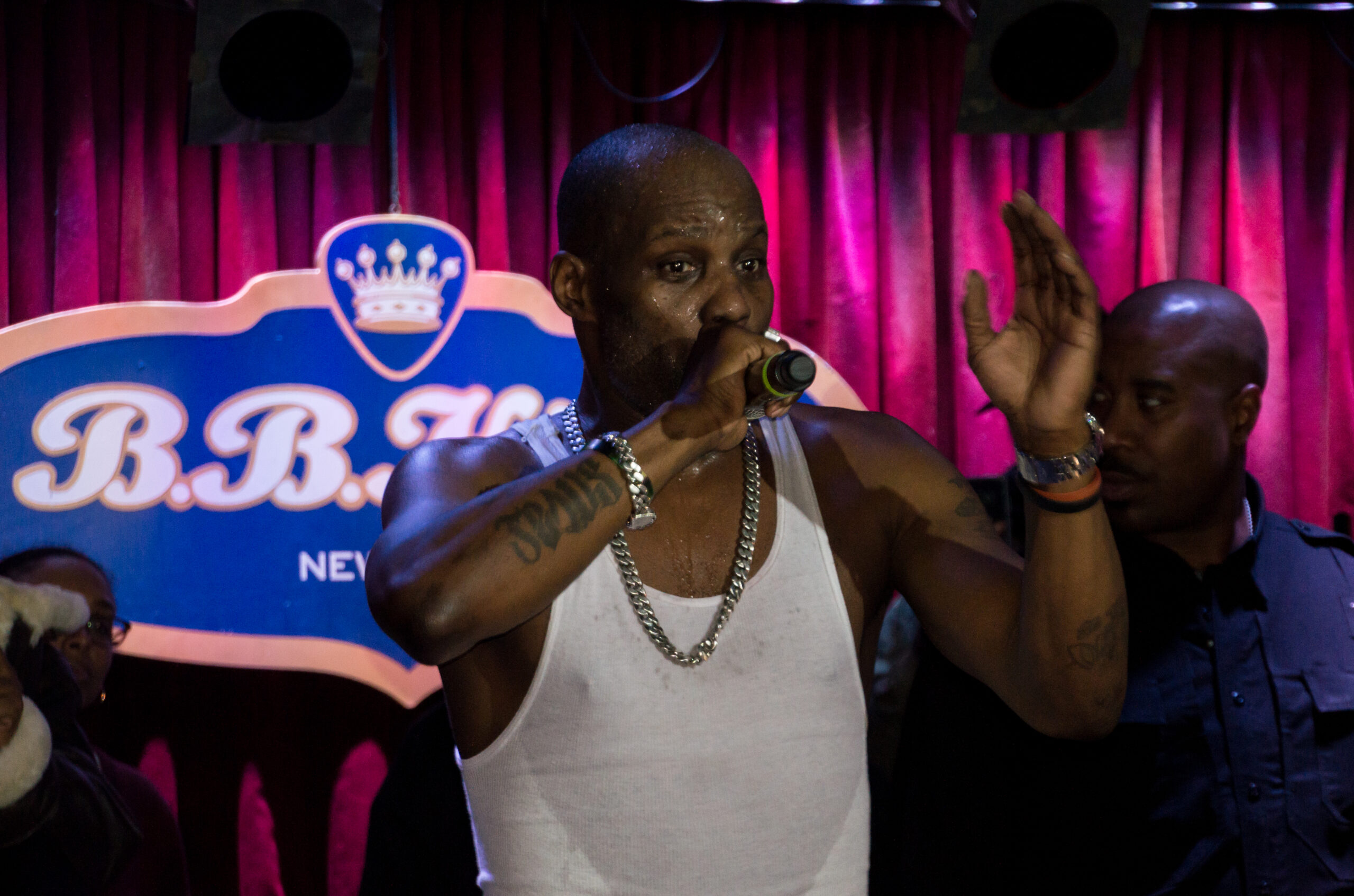
On January 25, 2018, Earl Simmons, better known as DMX, played BB King Blues Club in NYC shortly before the venue permanently closed its doors. Despite his late arrival, DMX managed to put on a great show and win back the restless crowd that waited hours for him to arrive.
The crowd went crazy when he finally came out, but many were skeptical if he was going to be able to perform due to his recent issues with substance abuse. DMX proved everyone wrong who doubted him as he started his set with the hard hitting “We Right Here.” He sounded like he did in ’98, the year his first album, It’s Dark and Hell is Hotcame out.
He went on to perform more classics like “Who We Be,” “Ruff Ryders Anthem,” “Where the Hood At,” “Get At Me Dog,” “Party Up” and “Slippin.” Throughout the night he cracked jokes and showed his appreciation to the crowd. He ended the show like he always does, with a prayer.
The hour long set left fans wanting more. Hopefully there will be new music from DMX in the future for the club. B.B. King Blues Club NYC closed it doors for the final time after 18 years on April 29, 2018. So far the venue has not announced any plans to reopen.
Evan McPhaden, bassist of Aqueous, spent 2020 staying productive amid limited live performances. He started early out in quarantine working on a solo side-project, Fluffy Fingers, and it’s one of the best albums you’ll hear in this nascent 2021.
If you’re looking for an album of soothing tracks that fit neatly into a Lo-fi beats playlist, Fluffy Fingers is for you. Six tracks of instrumental goodness are found in the vein of Poolside and a consistent groove that does not slack on any given track.
Compared to energetic Aqueous performances, McPhaden contrasts his typical comfort zone, bringing mellow yet engaging sounds to the listen for just under a half-hour. Evan invited fellow Aqueous bandmate Mike Gantzer to play on “Summer Pool 104” as well as Turkuaz‘ Craig Brodhead to join in on “Chai,” making this collaborative effort even deeper despite the distance between them.
McPhaden spoke to NYS Music about the album and revealed The Office connection to the project name.
Pete Mason: When did you start on the EP? Was this a project in works prior to pandemic or something that generated from the shutdown?
Evan McPhaden: I started working on this project about a month or two into the shutdown. I’ve always wanted to release my own personal music and it felt like it was a “now or never” moment. There’re so many memes about working on an EP and never putting it out, I had to do it. The shutdown was a unique time for everyone so it was nice to fill that time making music.
PM: What artists influence the style found on the album? I hear some Poolhouse and Tycho influence.
EM: That’s funny you mention Poolside because that was definitely an early influence on this project. The first song I wrote for this EP (coincidentally the first on the EP as well), which features Mike, totally has a Poolside influence. I also love Bonobo and was thinking of his vibe through this. Over the pandemic, I binged on instrumentals as well. I can put on the “lo-fi beats” or “jazz vibes” playlists on Spotify and listen to those for hours. So a lot of this EP has that vibe of influence over it.
PM: Where did the name Fluffy Fingers come from?
EM: Originally, I was thinking I would use something from Buffalo. I had the name “hoyt” because I live right next to Hoyt Lake. But it wasn’t sticking and I began to think about other things I love. I’m a huge fan of “The Office” and watch it way too much. I thought if I could find something from the show I’d love that. Micheal Scott goes to Darryl for some advice for what to do if someone disses you. Darryl uses the term fluffy fingers which he says “That’s when someone really gets in your face, you know you just, start ticklin’ ’em.” Part of putting out this music and creating it was to have fun with it, not over think it and just enjoy creating it. I thought the name and reference just reflected that and it felt right.