On Oct. 20, U.S. Senators Ron Wyden and Jeff Merkley co-sponsored a brand new inclusive package that, if approved by the House and Senate, will provide more that $370 billion to small businesses and music venues in Oregon and nationwide that were most affected by the pandemic.
Live concert pre-pandemic
The Heros Small Business Lifeline Act is an off shoot of the Paycheck Protection Plan, which gave small businesses loan forgiveness and grants at the start of the pandemic. Heros 2.0 essentially would extend those programs and give more help to those businesses in need.
This legislation would provide an urgently needed lifeline for thousands of small businesses struggling to keep their doors open and to employ Oregonians who want very much to earn a paycheck.
Senator Ron Wyden
For the National Independent Venue Association, this bill needs to be passed so that venues can get the relief they need since they were of the businesses that were hit the hardest.
Last month, the House passed the Save Our Stages Act. This was a huge accomplishment for NIVA in that the SOS authorizes the Small Business Administration to makes grants eligible to live venue operations and other music industry workers. They now need to go a few steps further in the Senate in order for music venues to keep their doors open.
This is urgent. Our members cannot wait any longer for emergency relief. Once independent venues go under, they do not come back. We respectfully implore our elected officials to come together and Save Our Stages.
NIVA
As of today, 95% of music industry workers have been furloughed and are still not operating. NIVA urges Congress to move forward with HEROS 2.0.
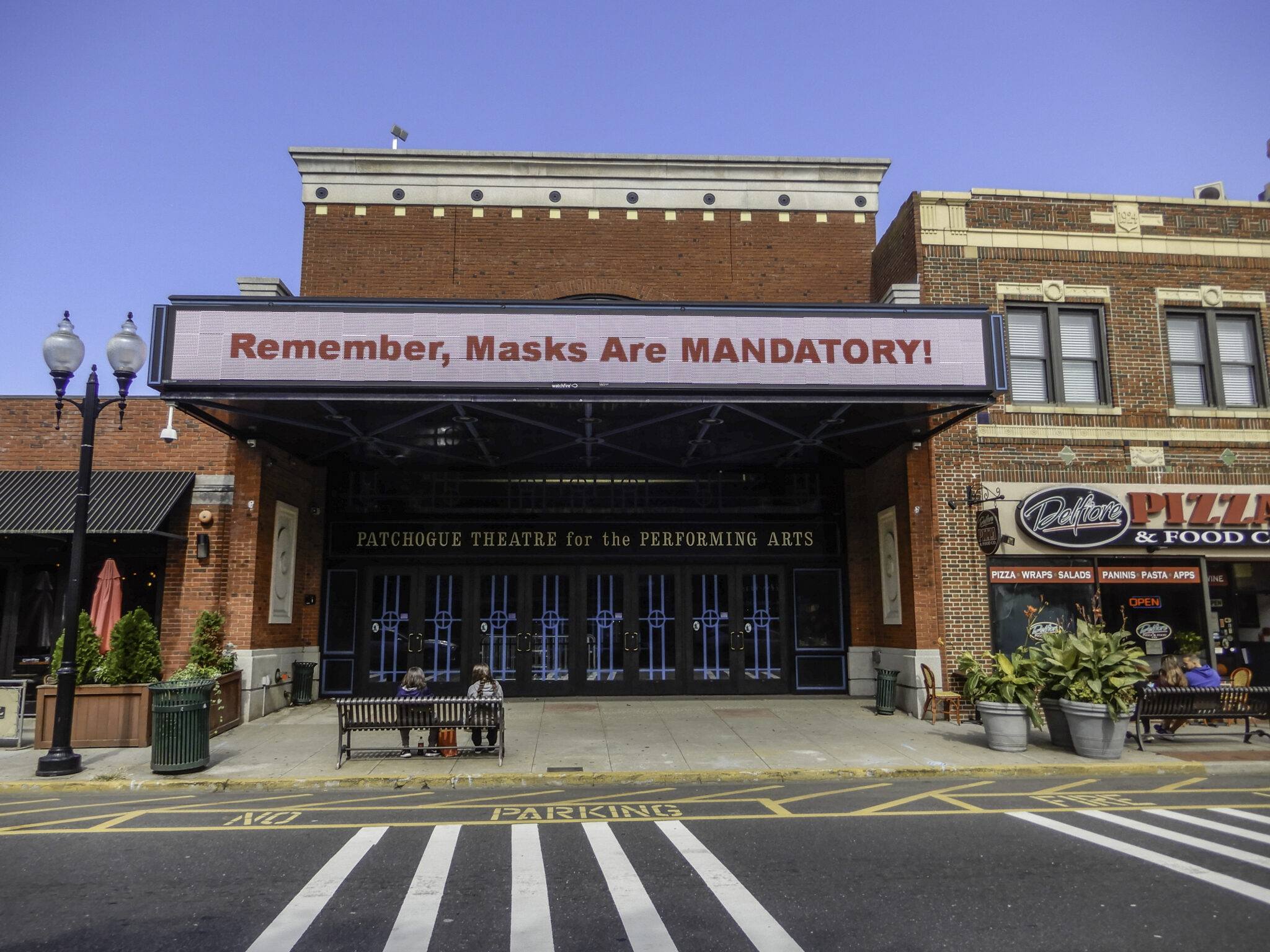
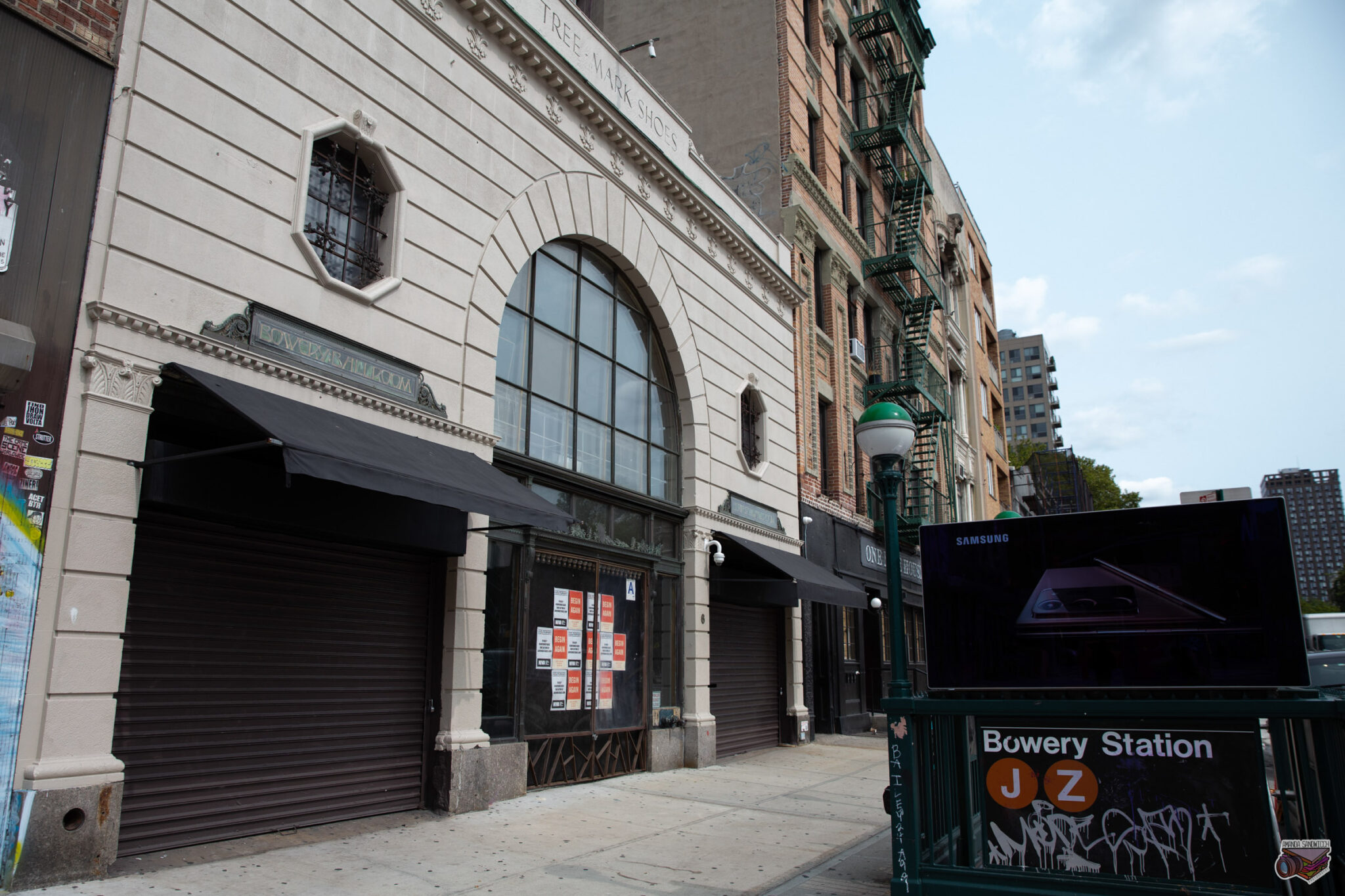
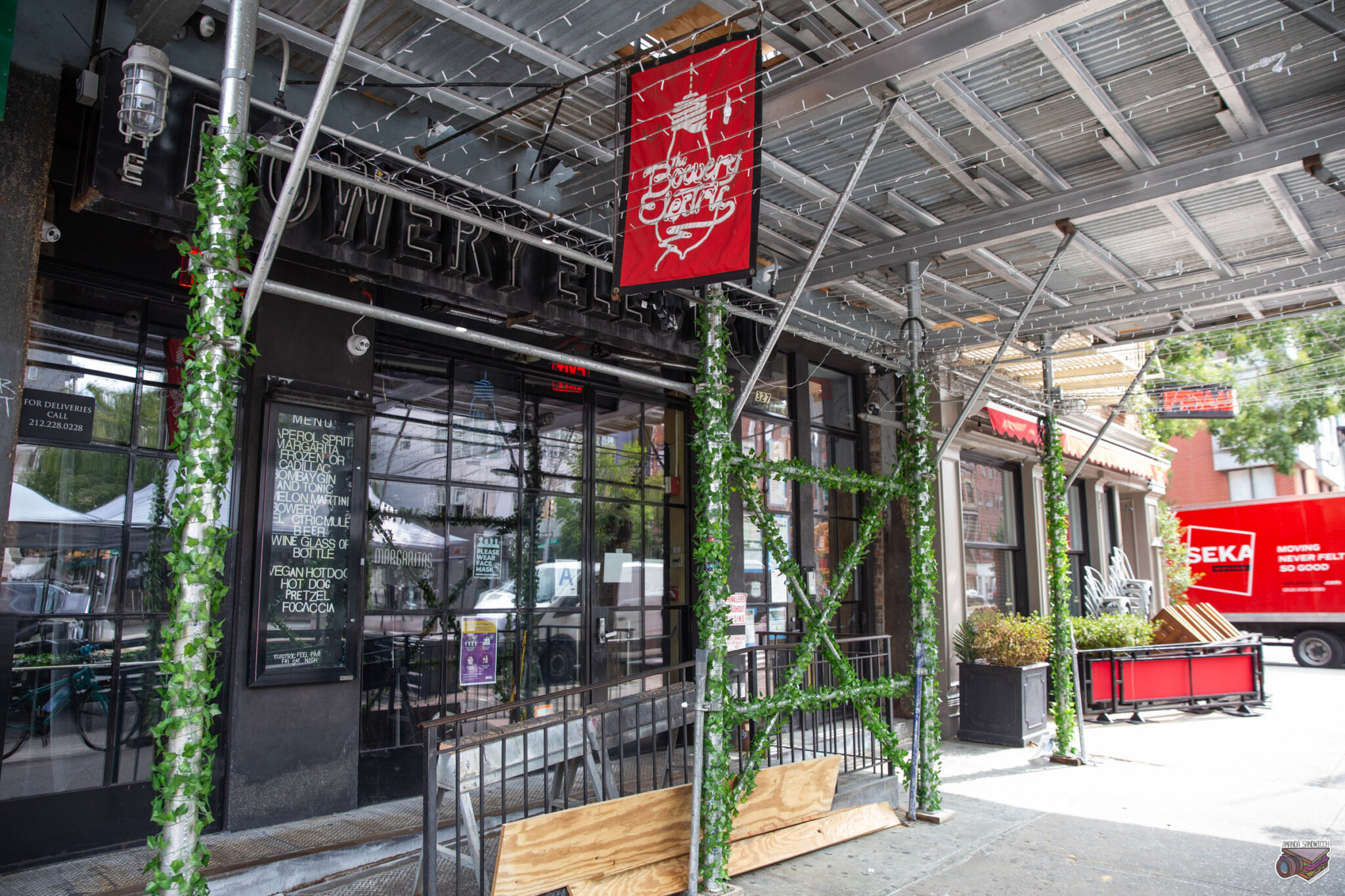
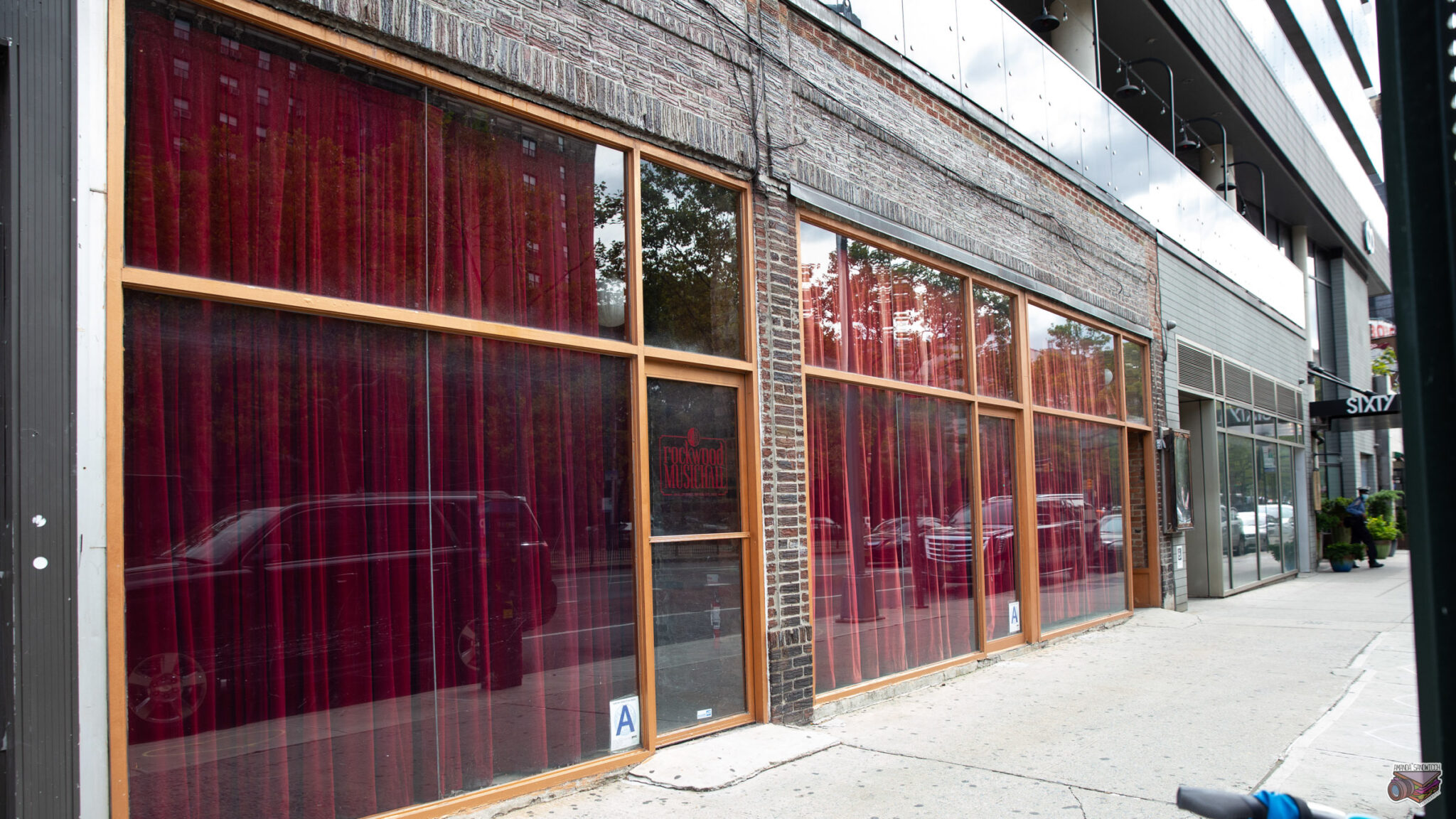
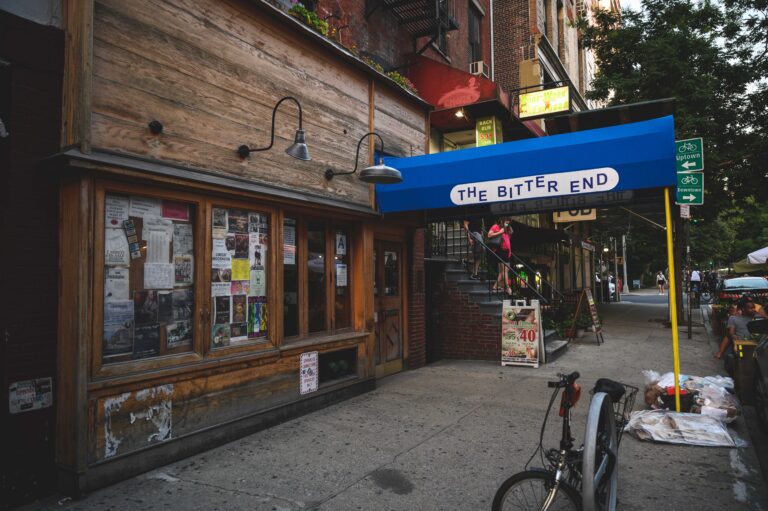
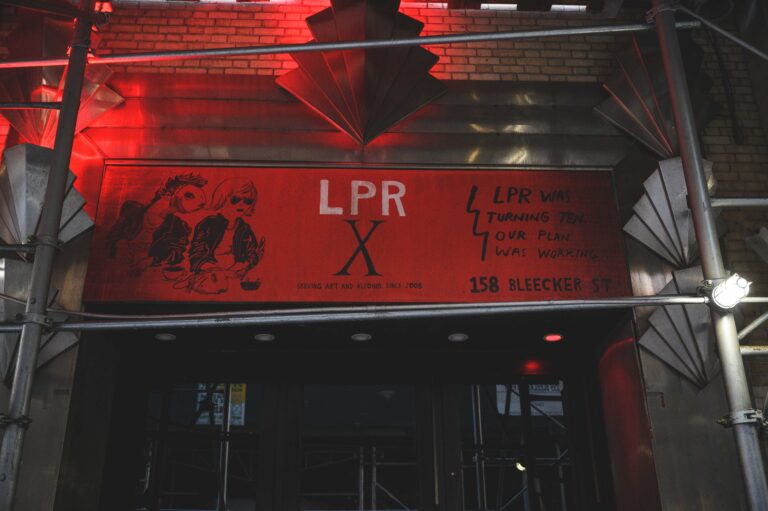
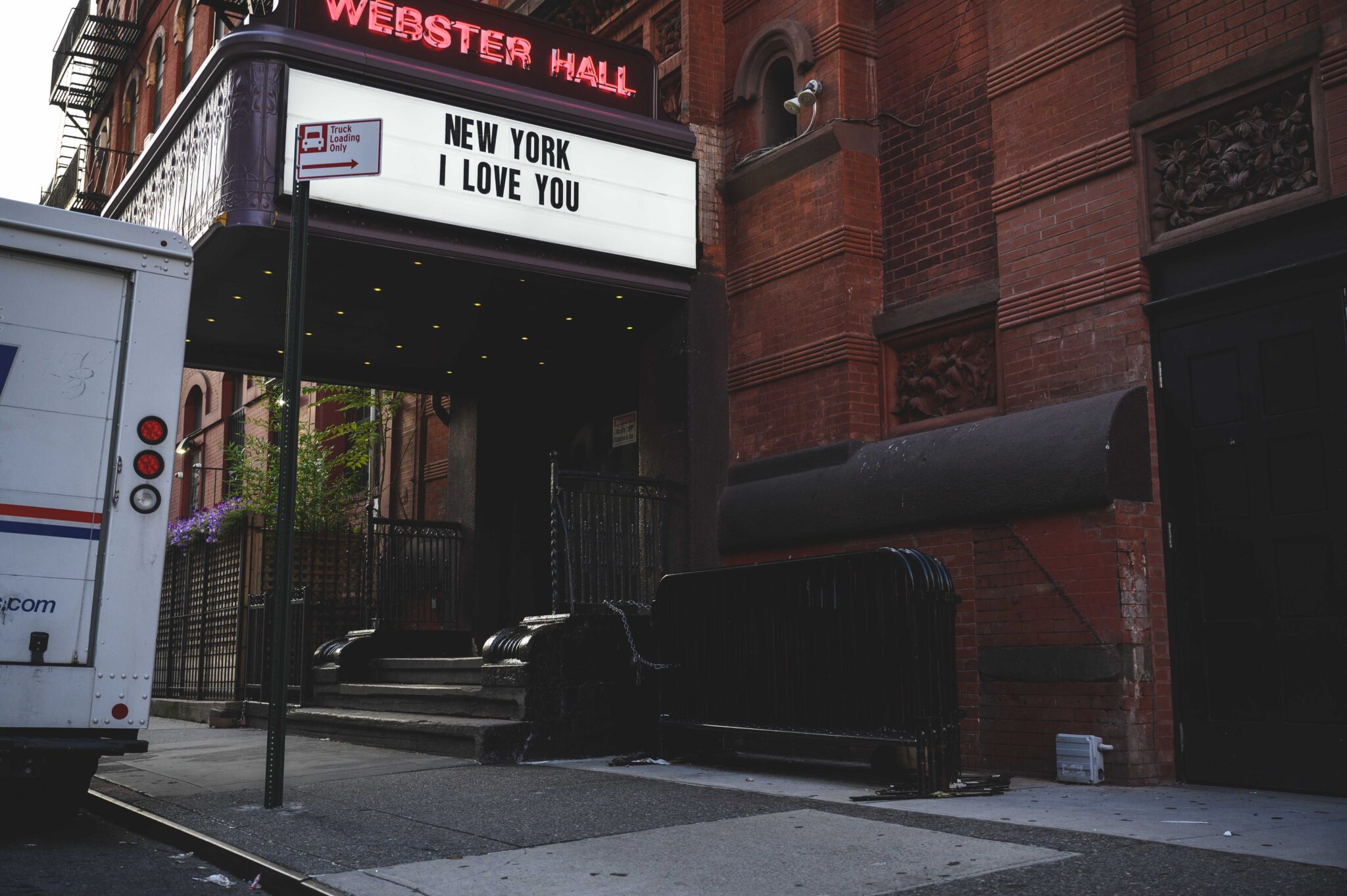
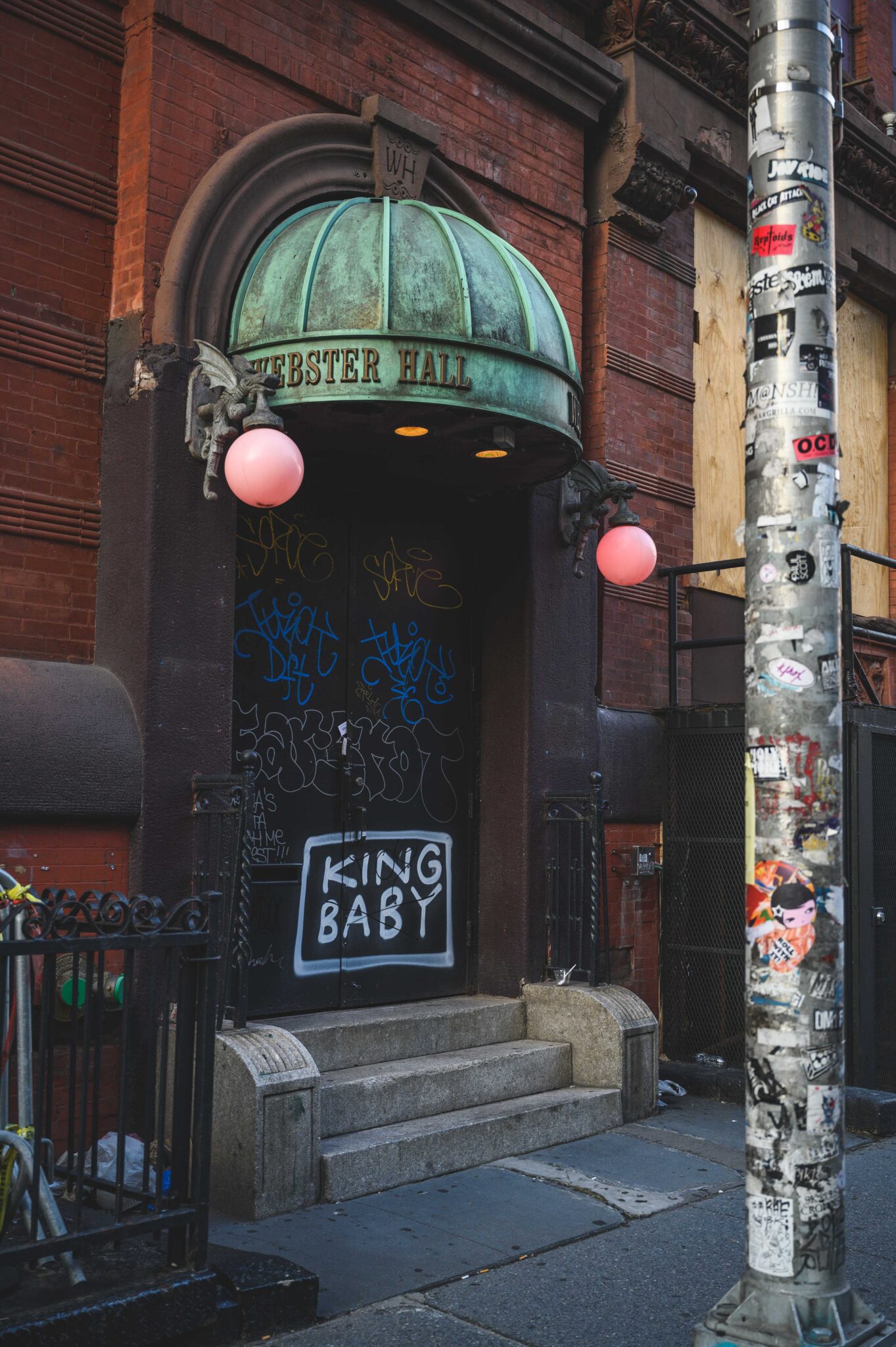
In June, NYS Music began to take a look at the state of New York’s independent music venues. In July, August and September, we saw venues closed for the foreseeable future, support for Black Lives Matter, some venues beginning to offer performances with social distancing in place, and many others stuck in limbo.
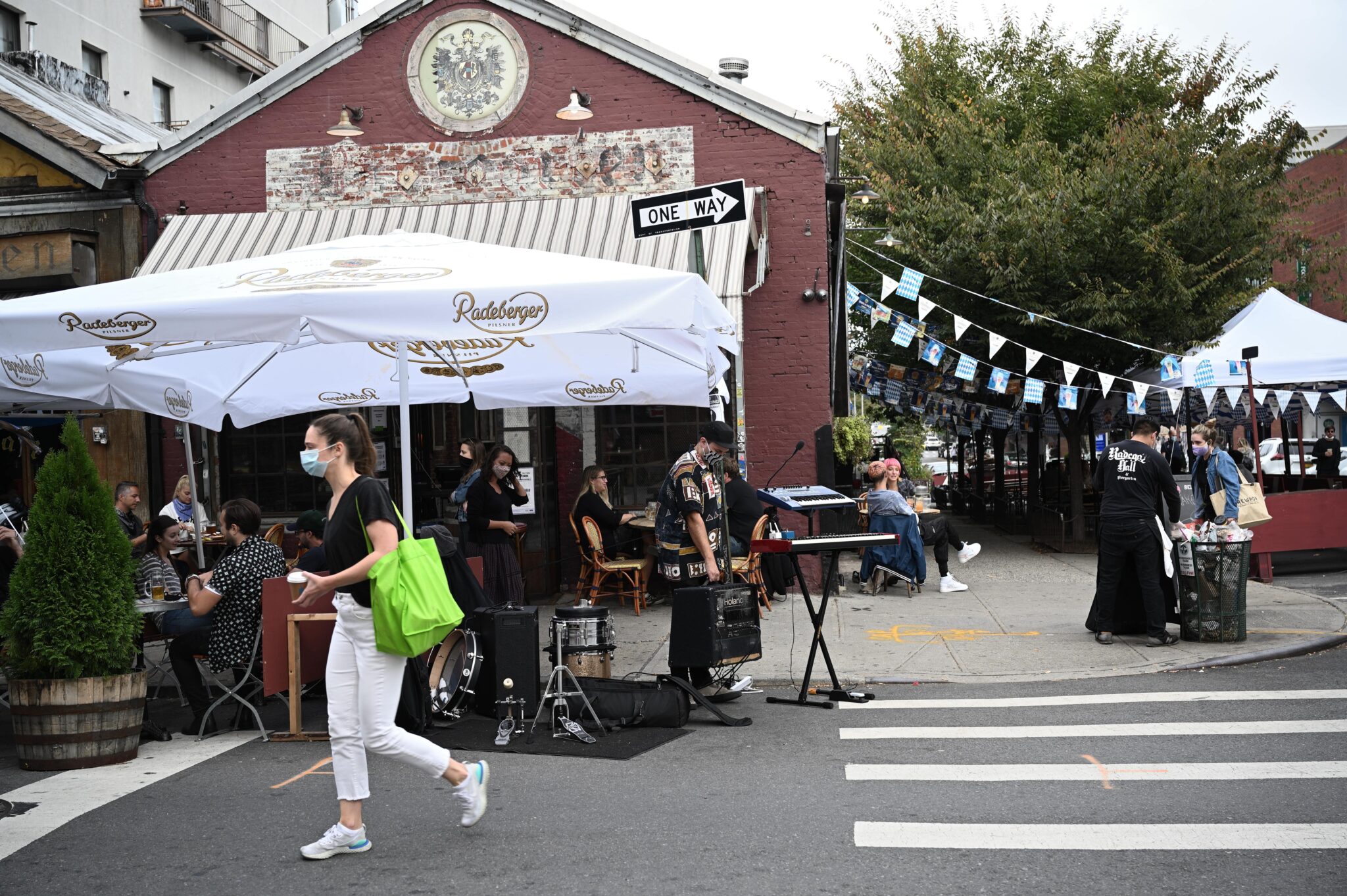
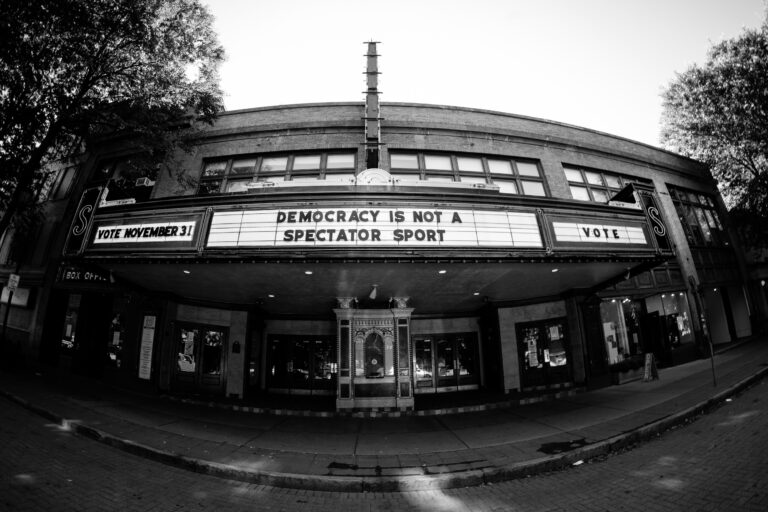
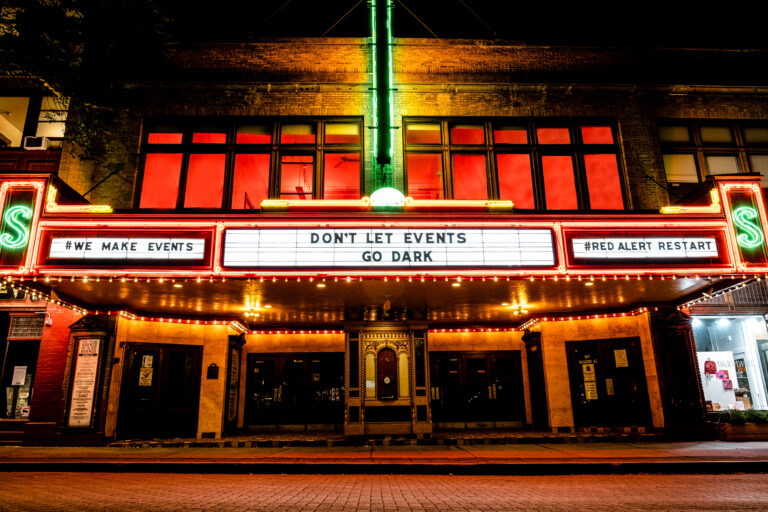
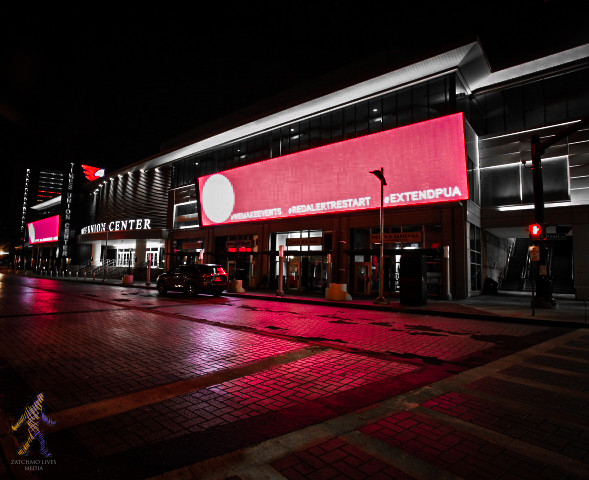
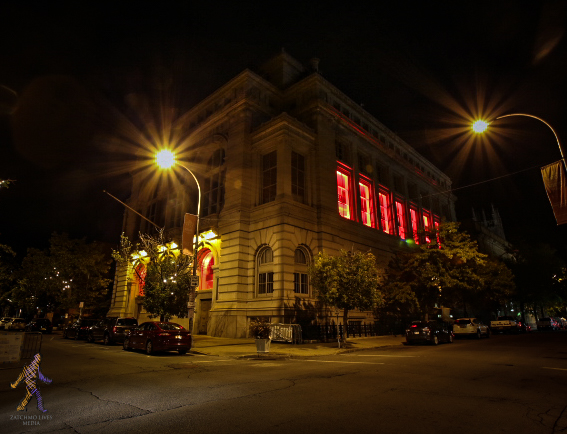
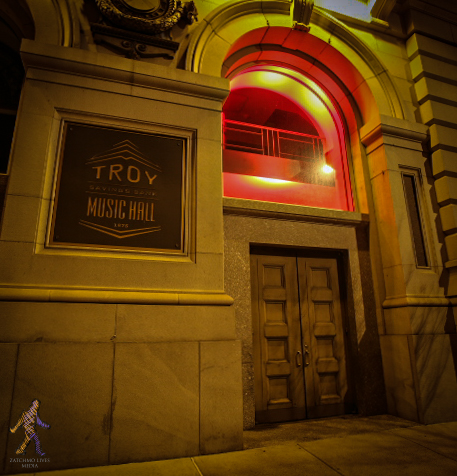
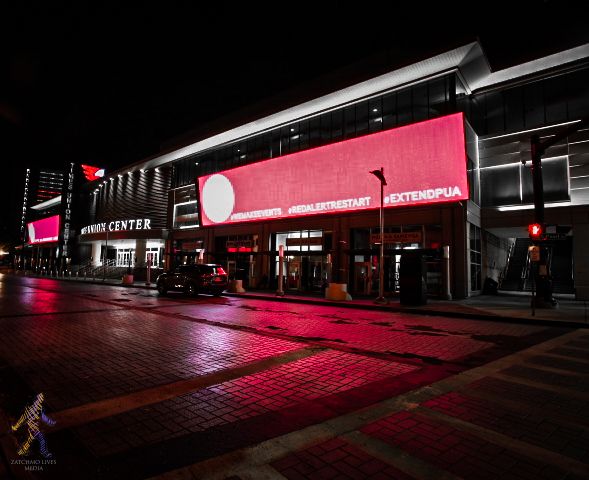
Like September, October kicked off with Red Alert RESTART, and venues across the country (and world) going red to encourage action to save independent music venues. With renewed hope of the Heroes Act passing through the House of Representatives, there is the possibility of relief before the election on November 3. With only ‘incidental music’ currently allowed, venues across New York remain mostly closed for live music, in growing anticipation of the day crowds can return.
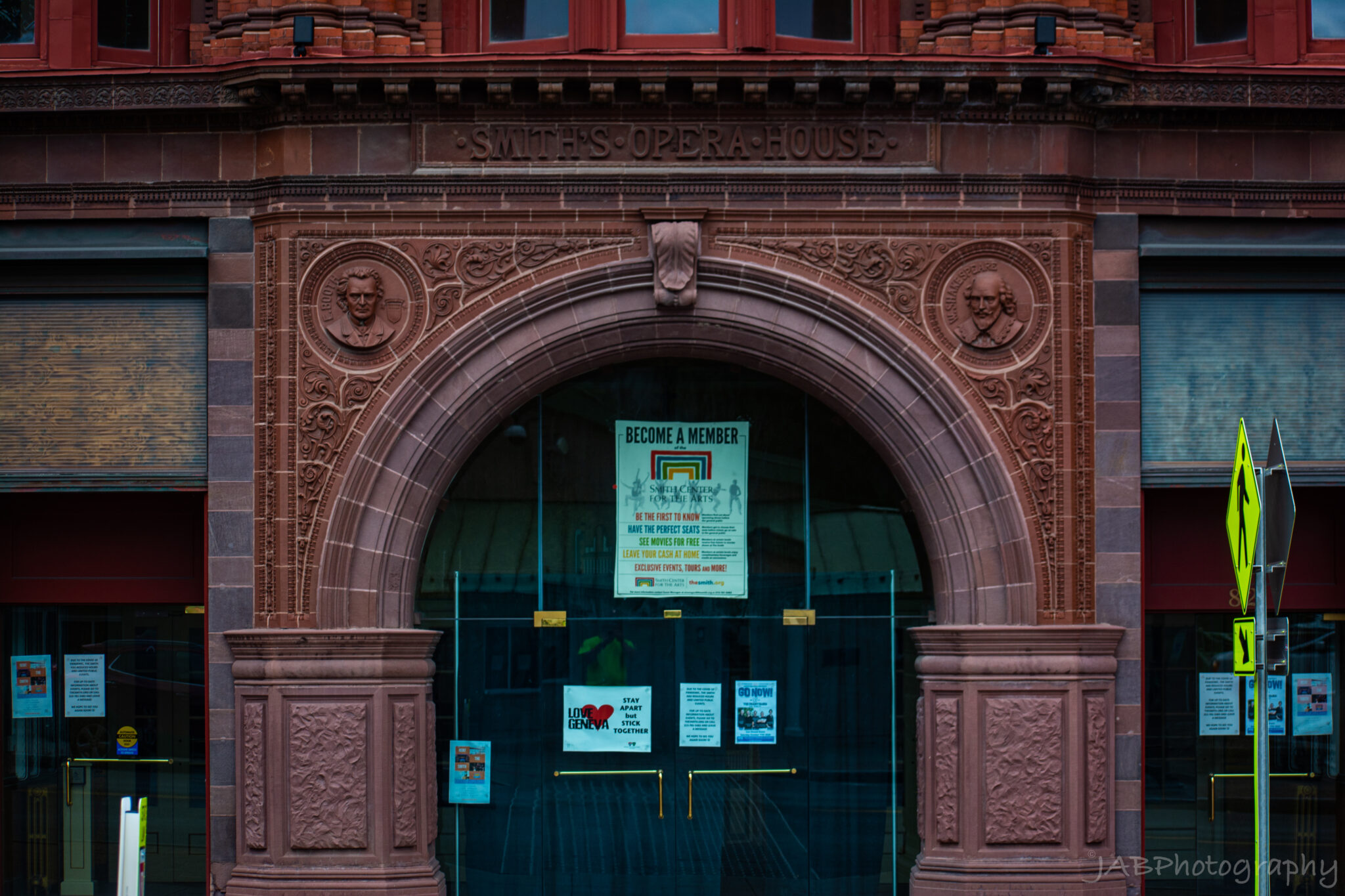
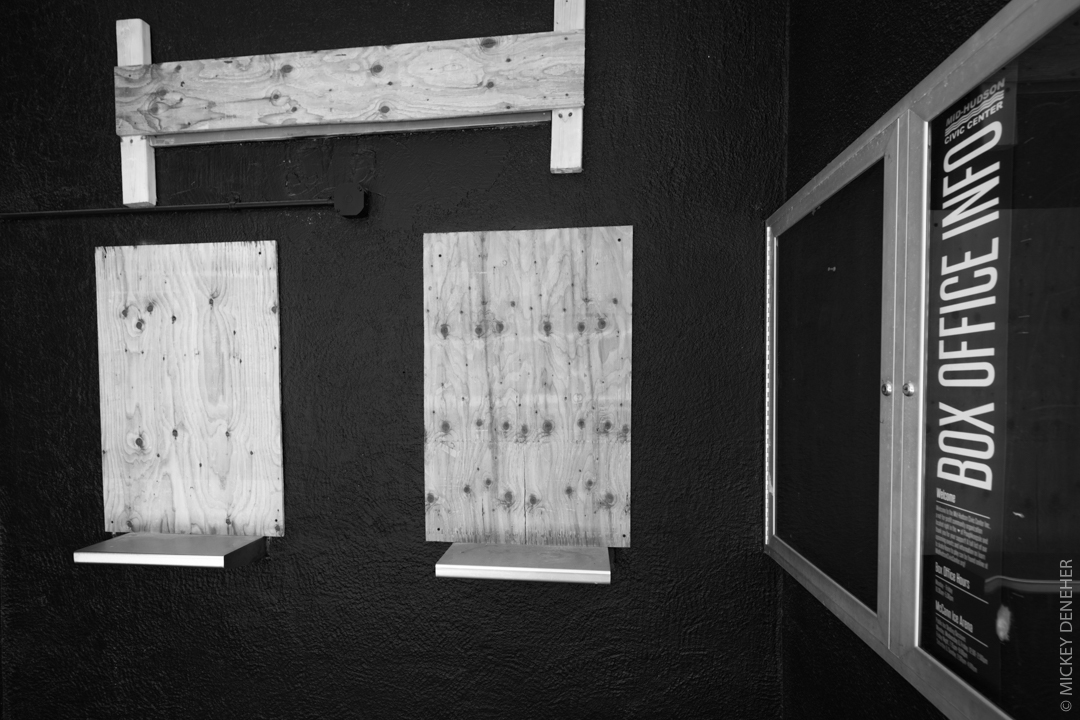
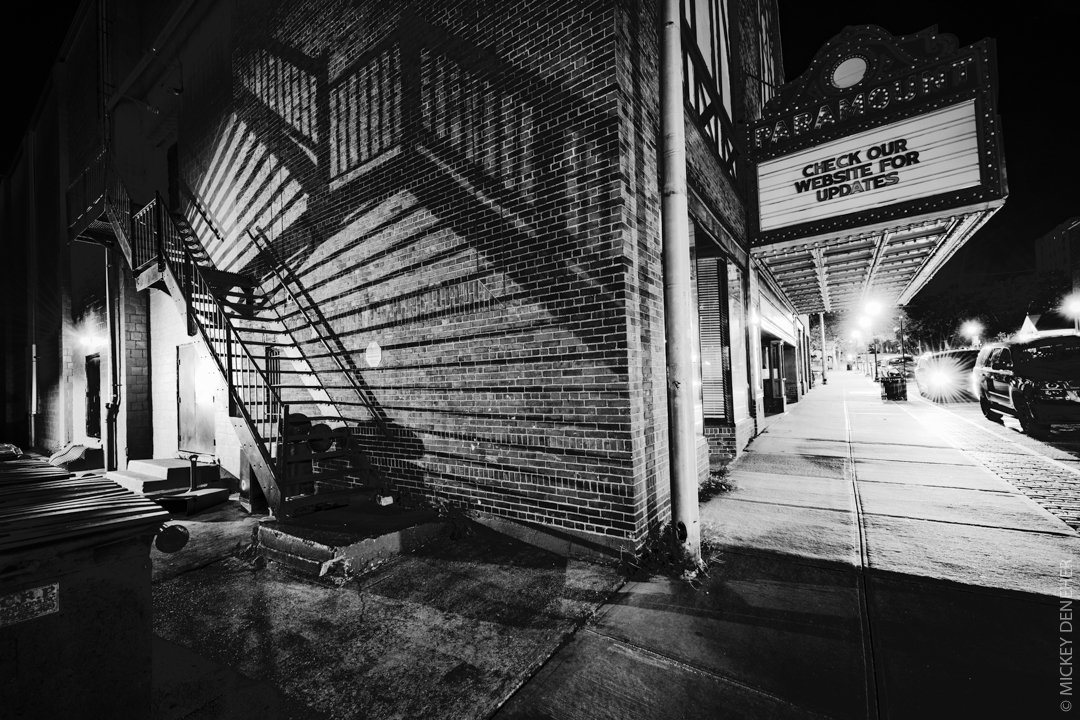
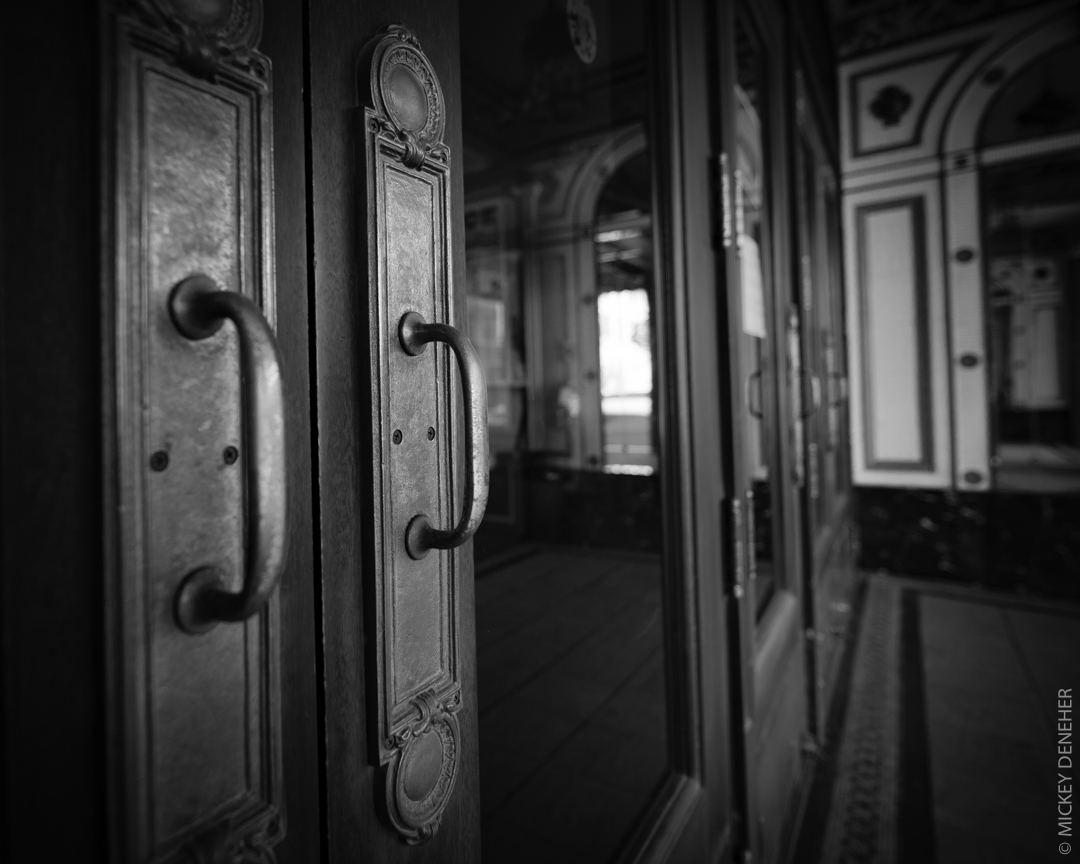
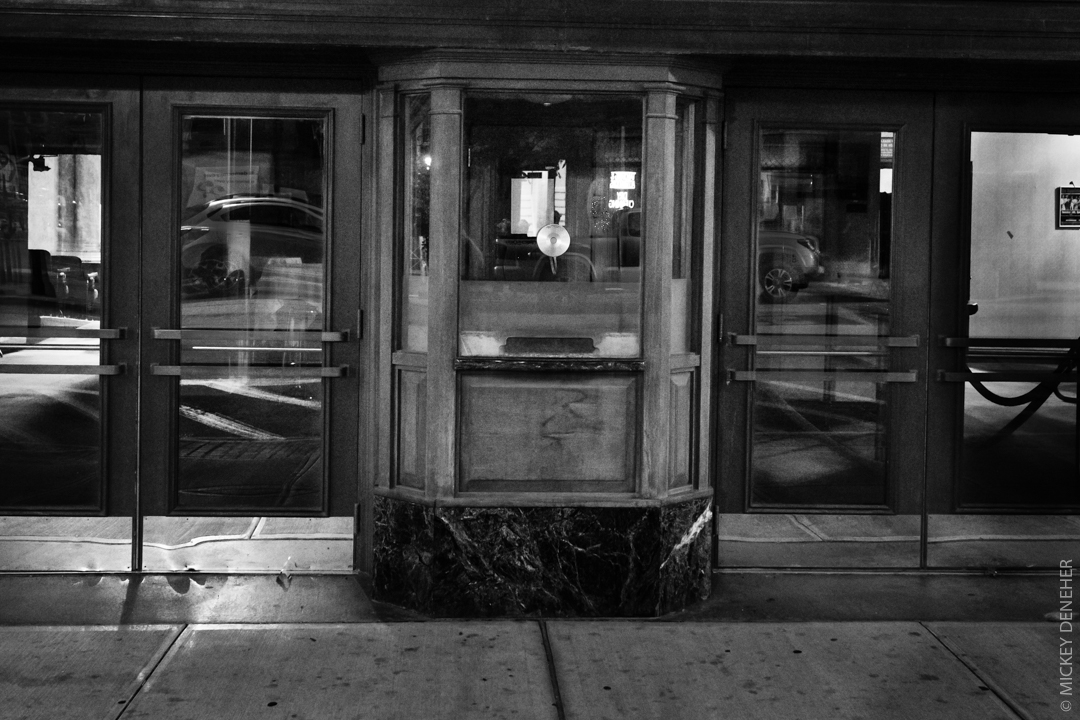
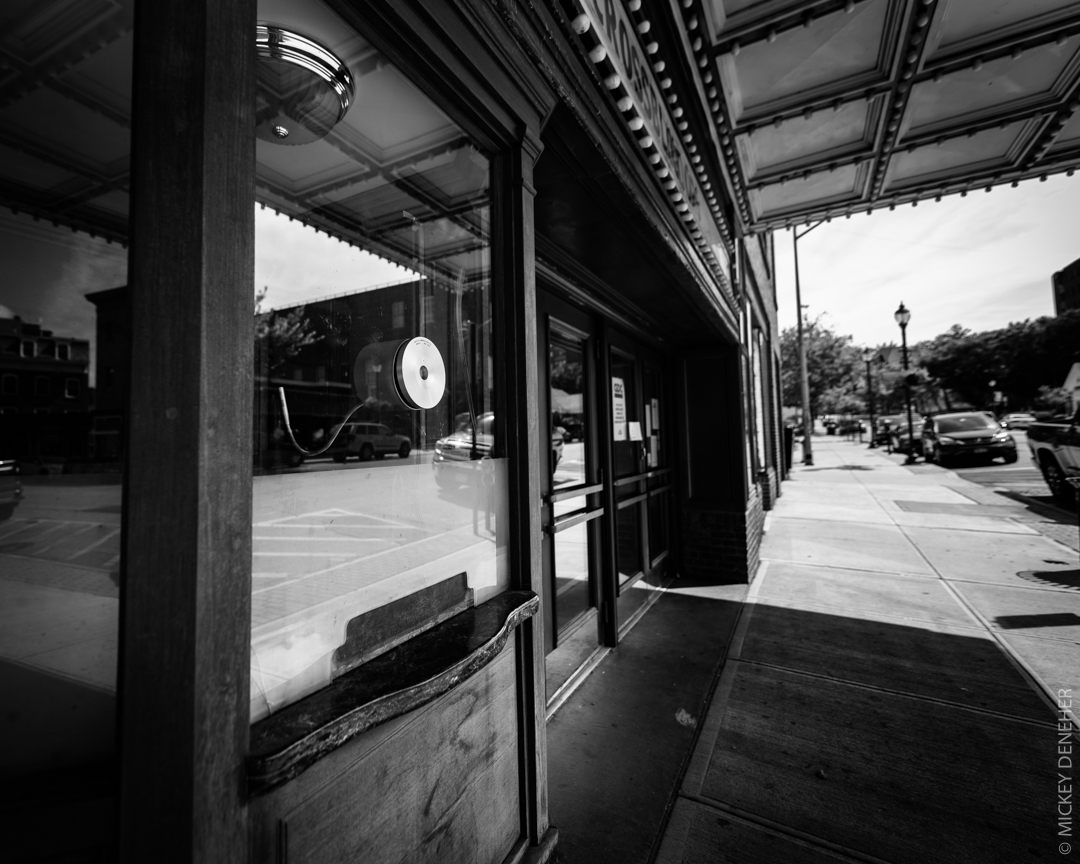
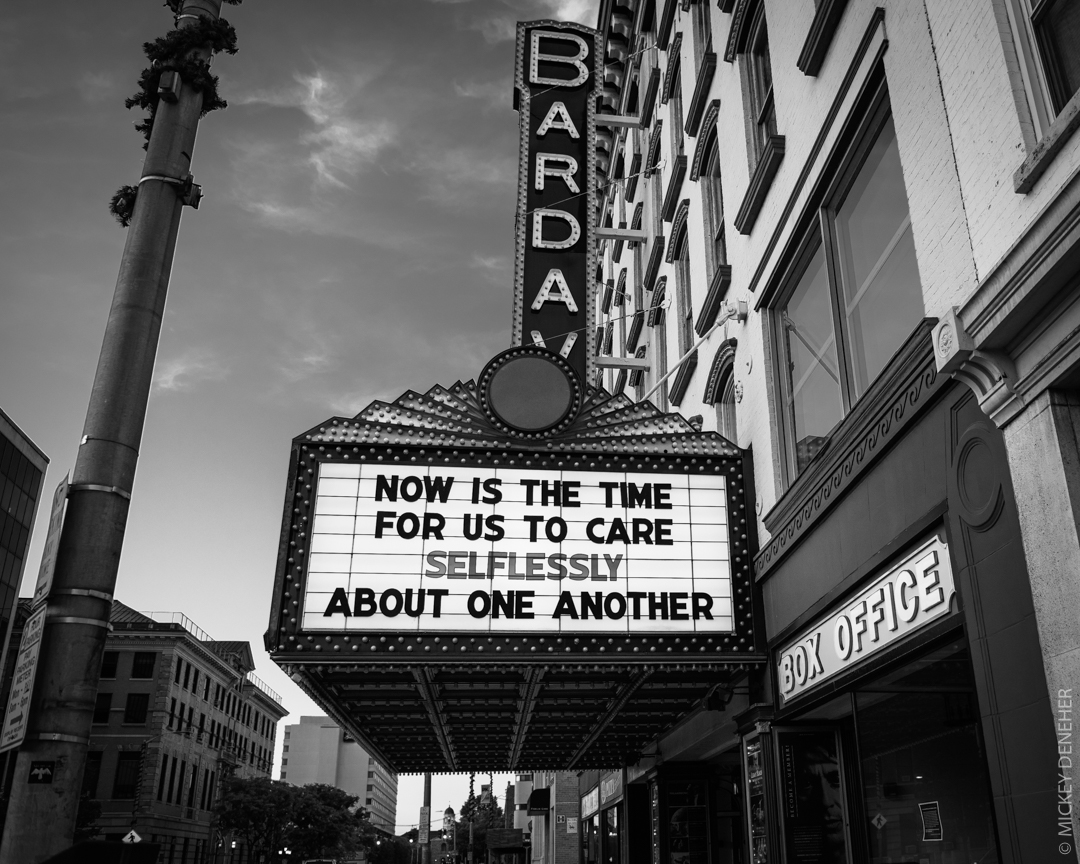
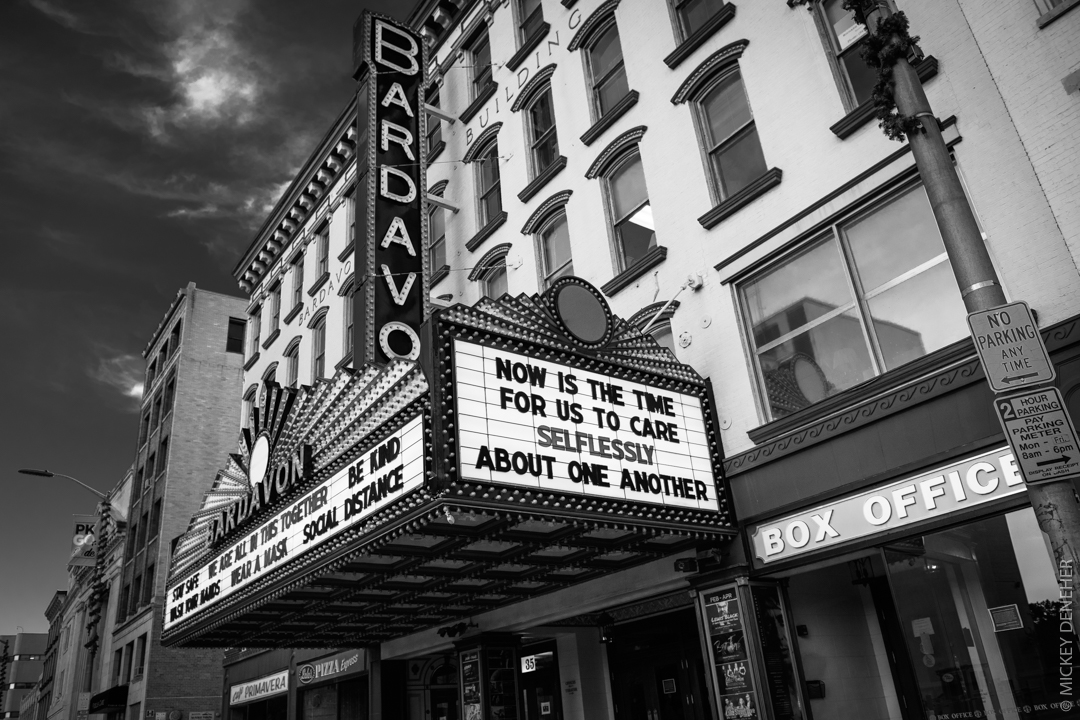
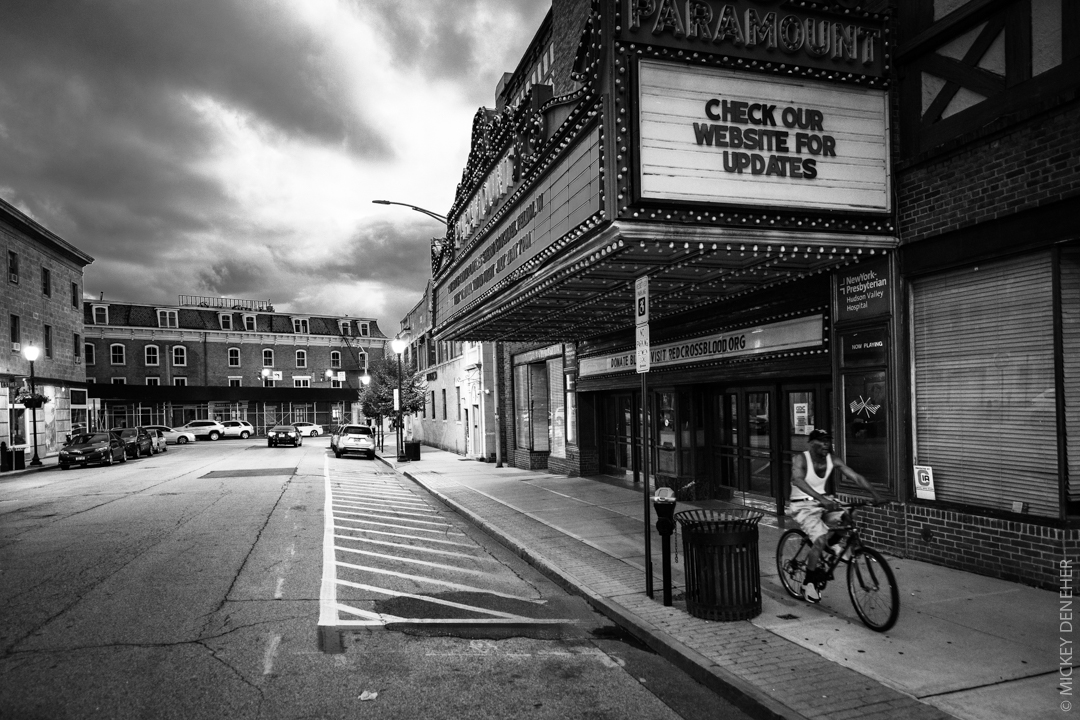
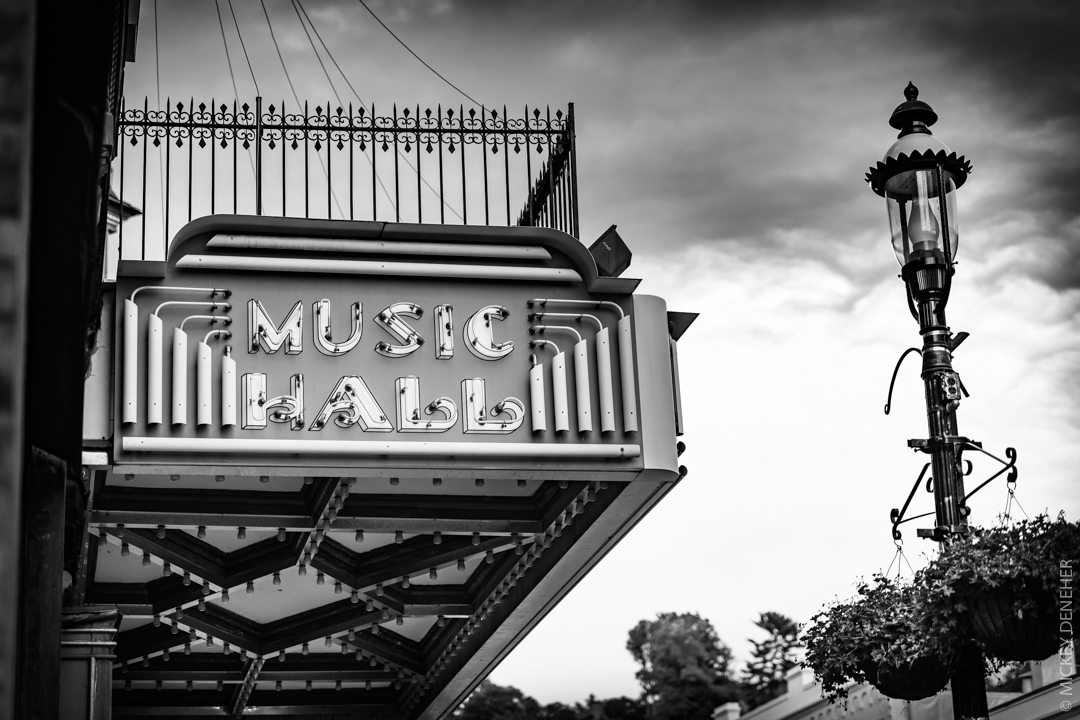
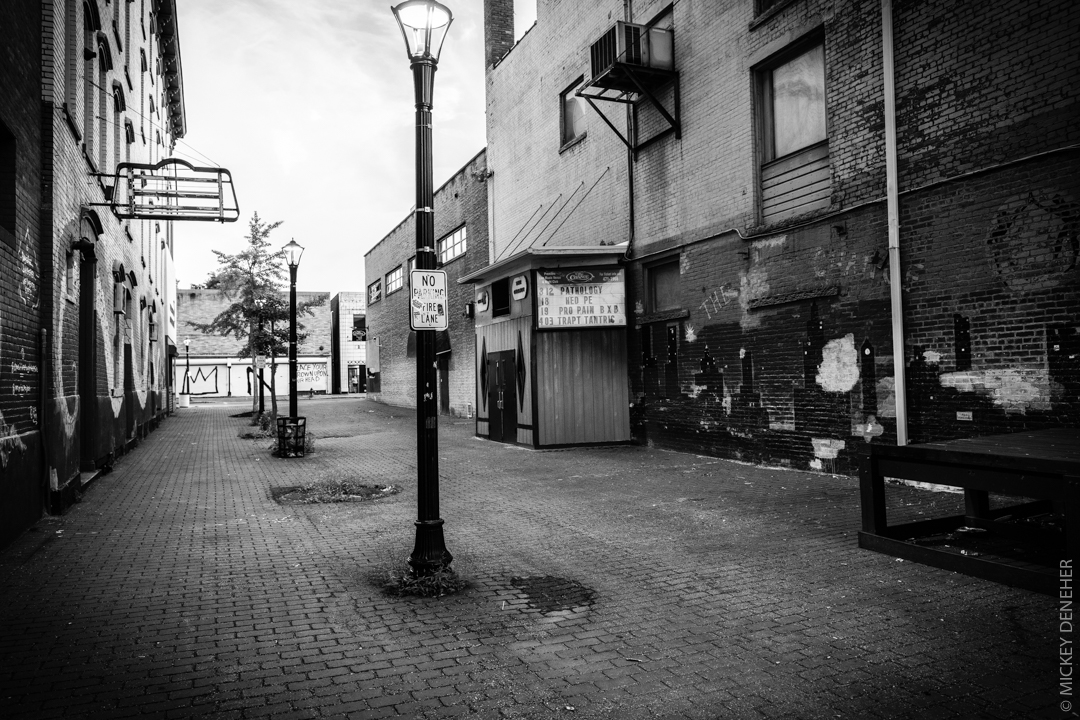
photo by Mickey Deneher
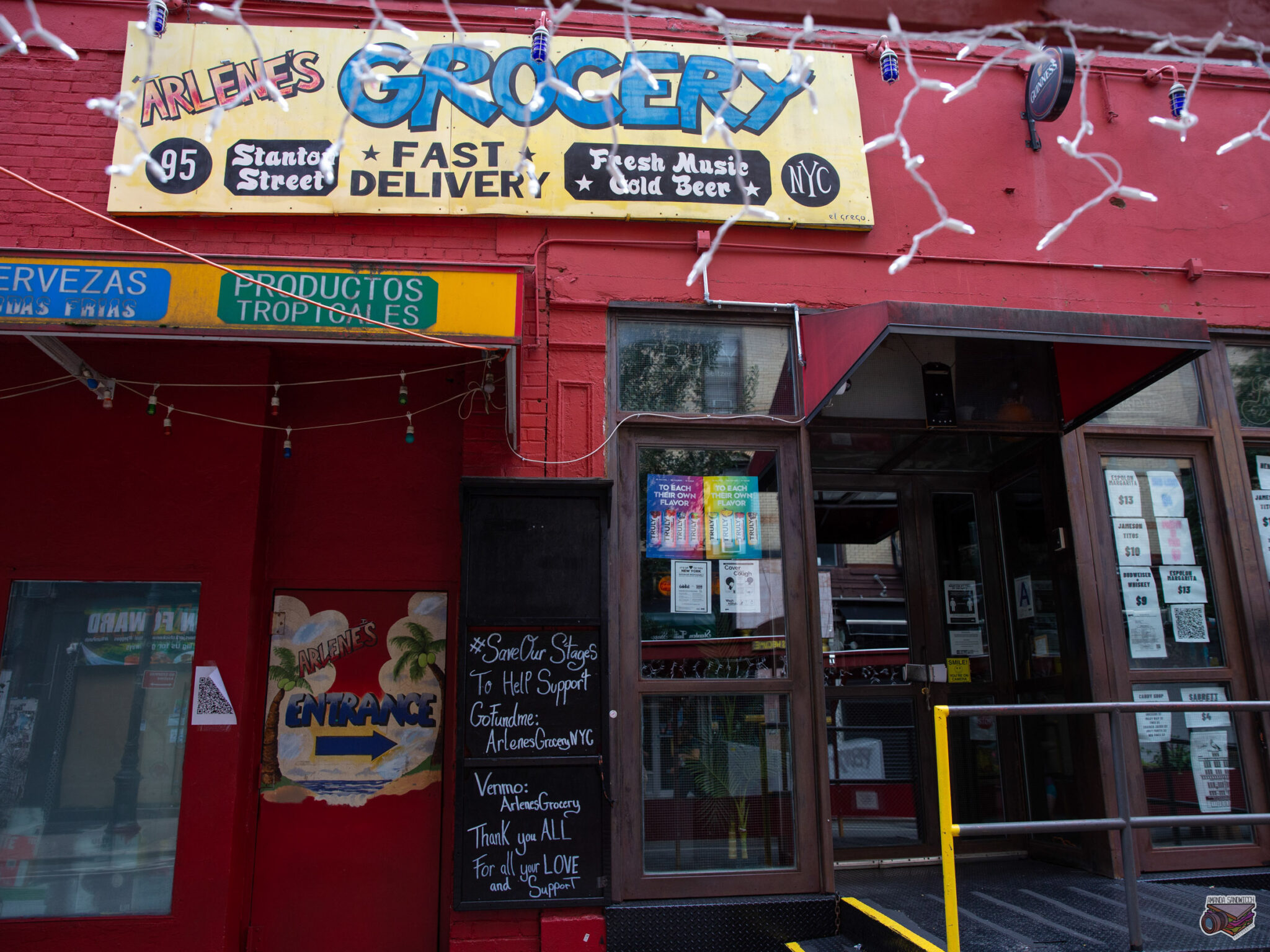
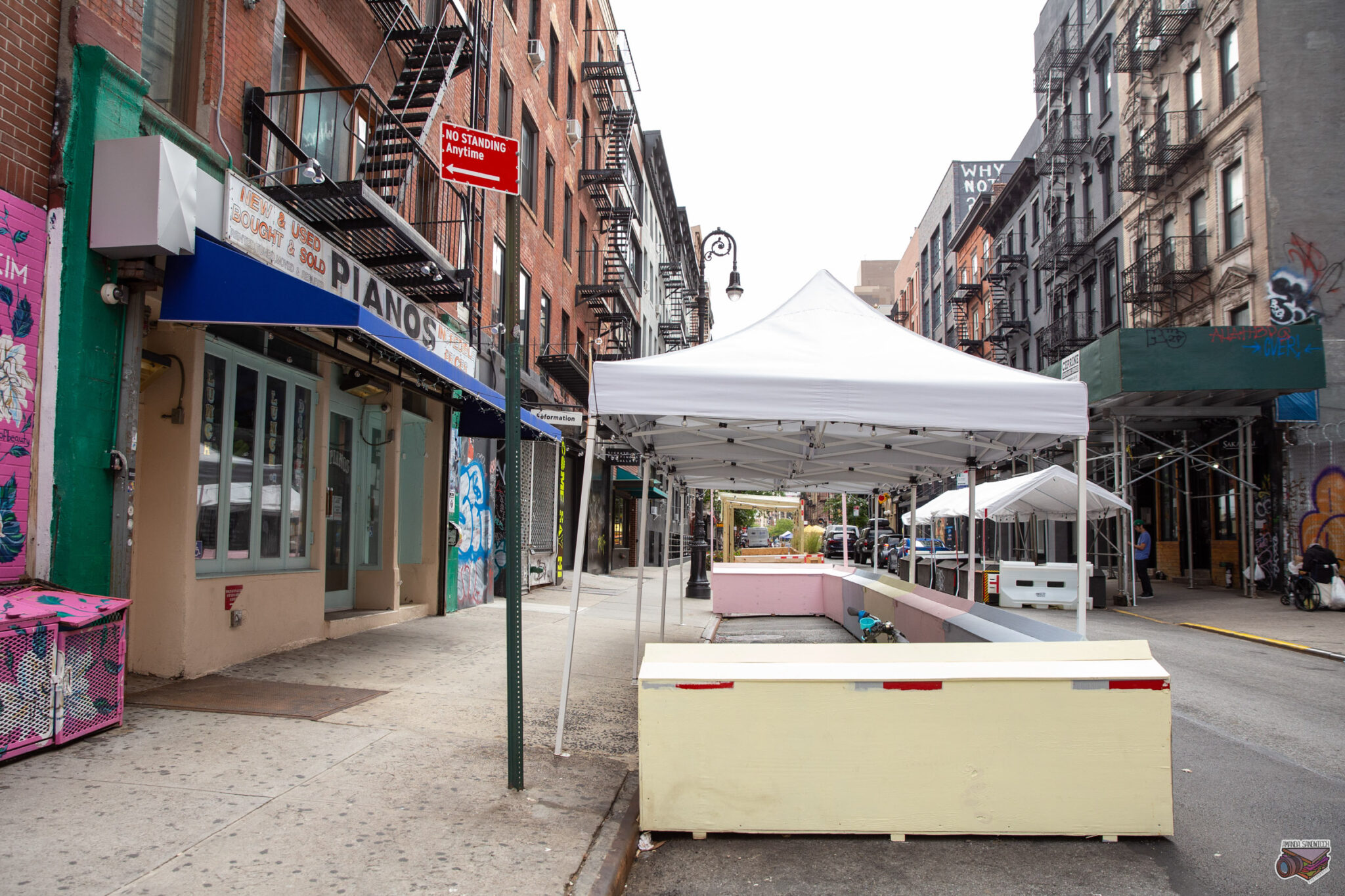
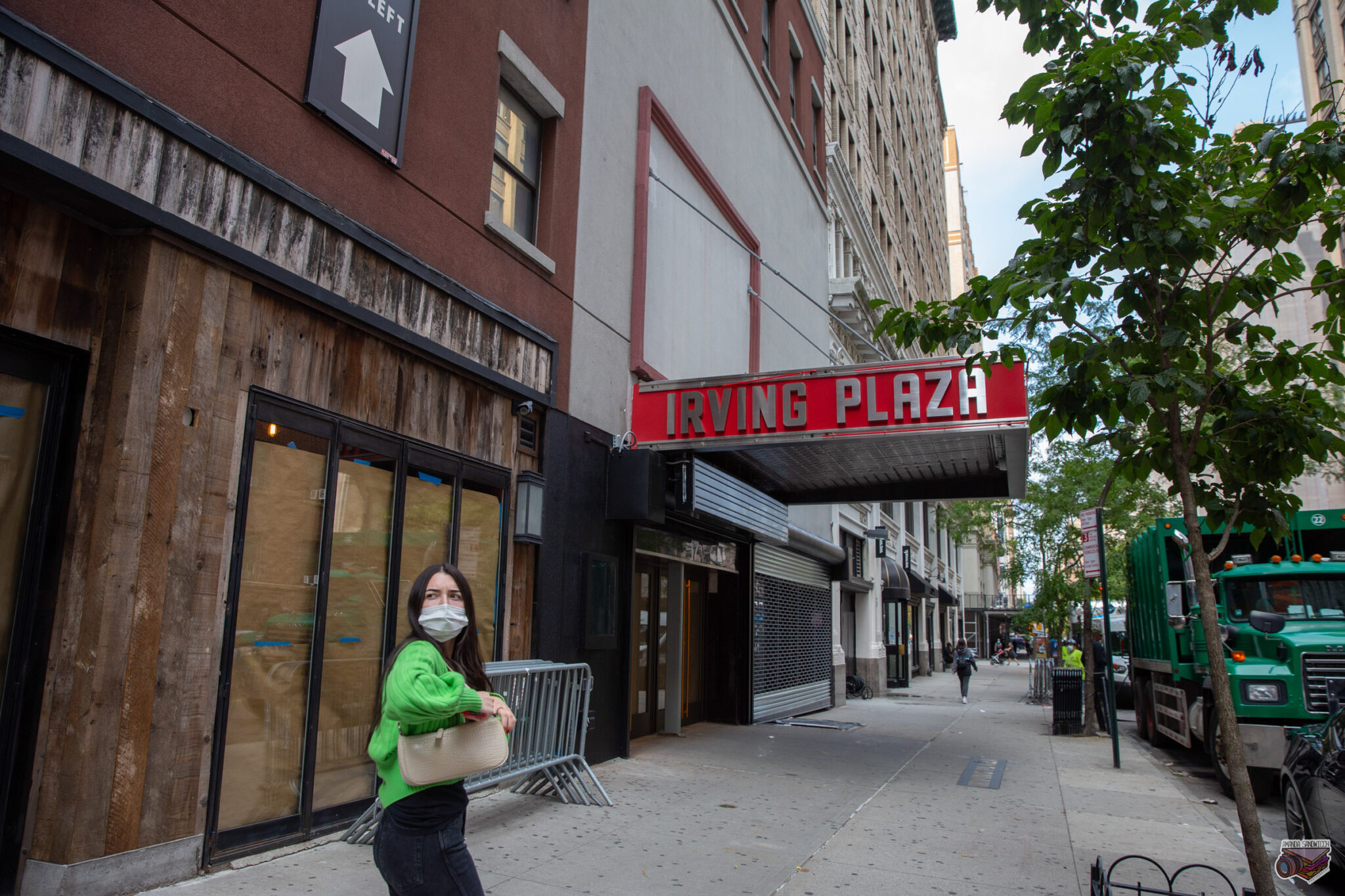
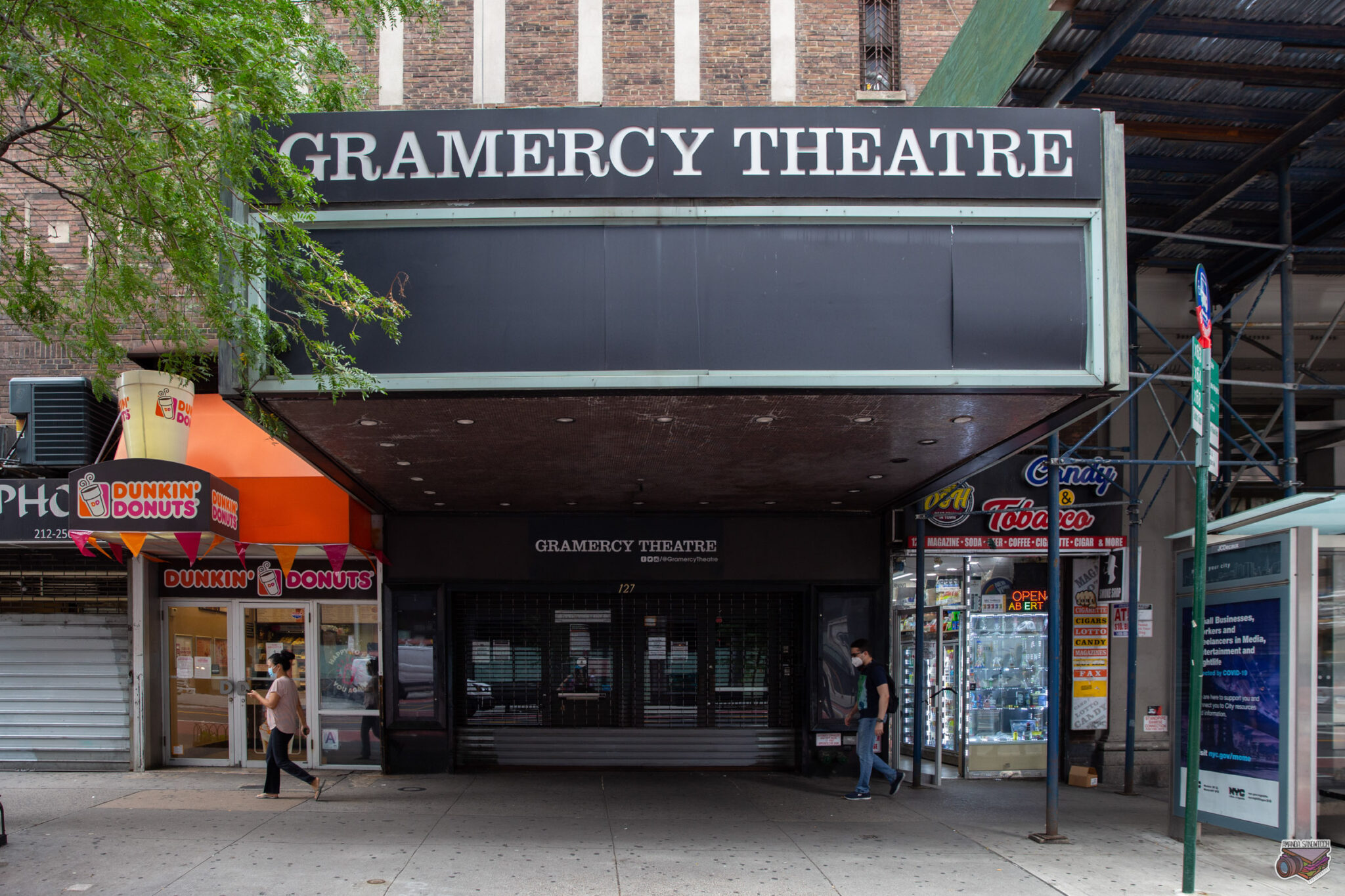
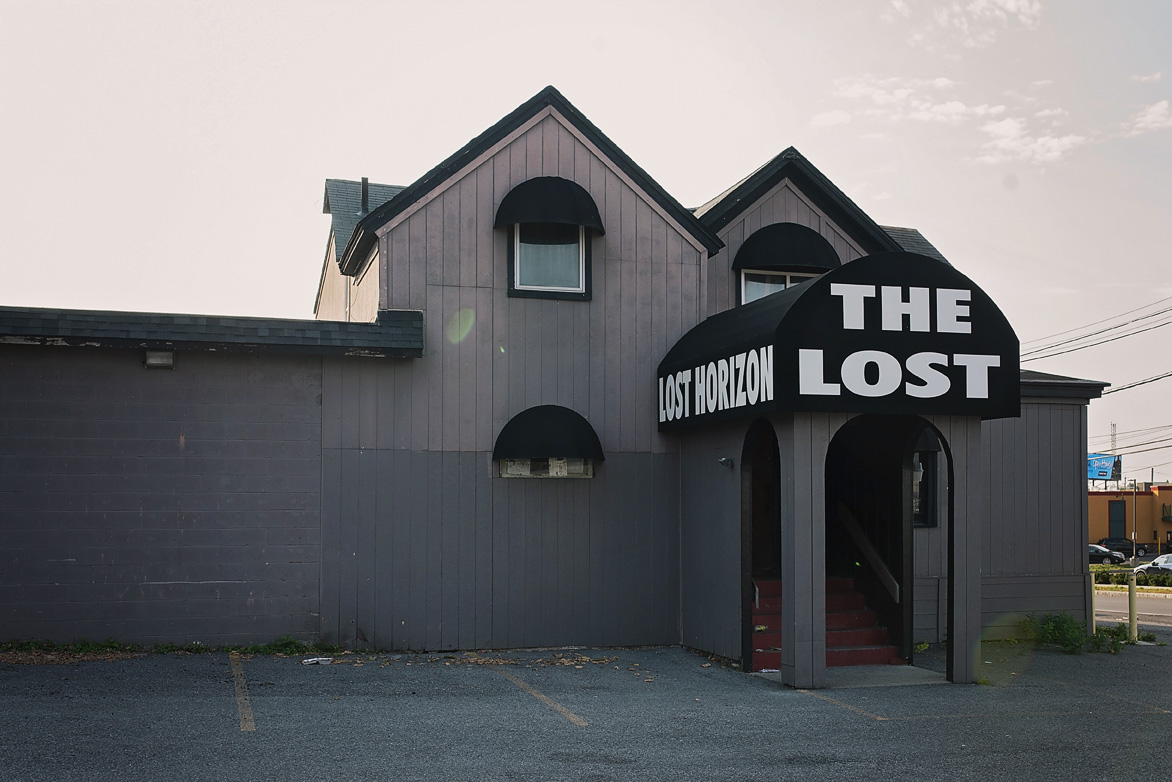
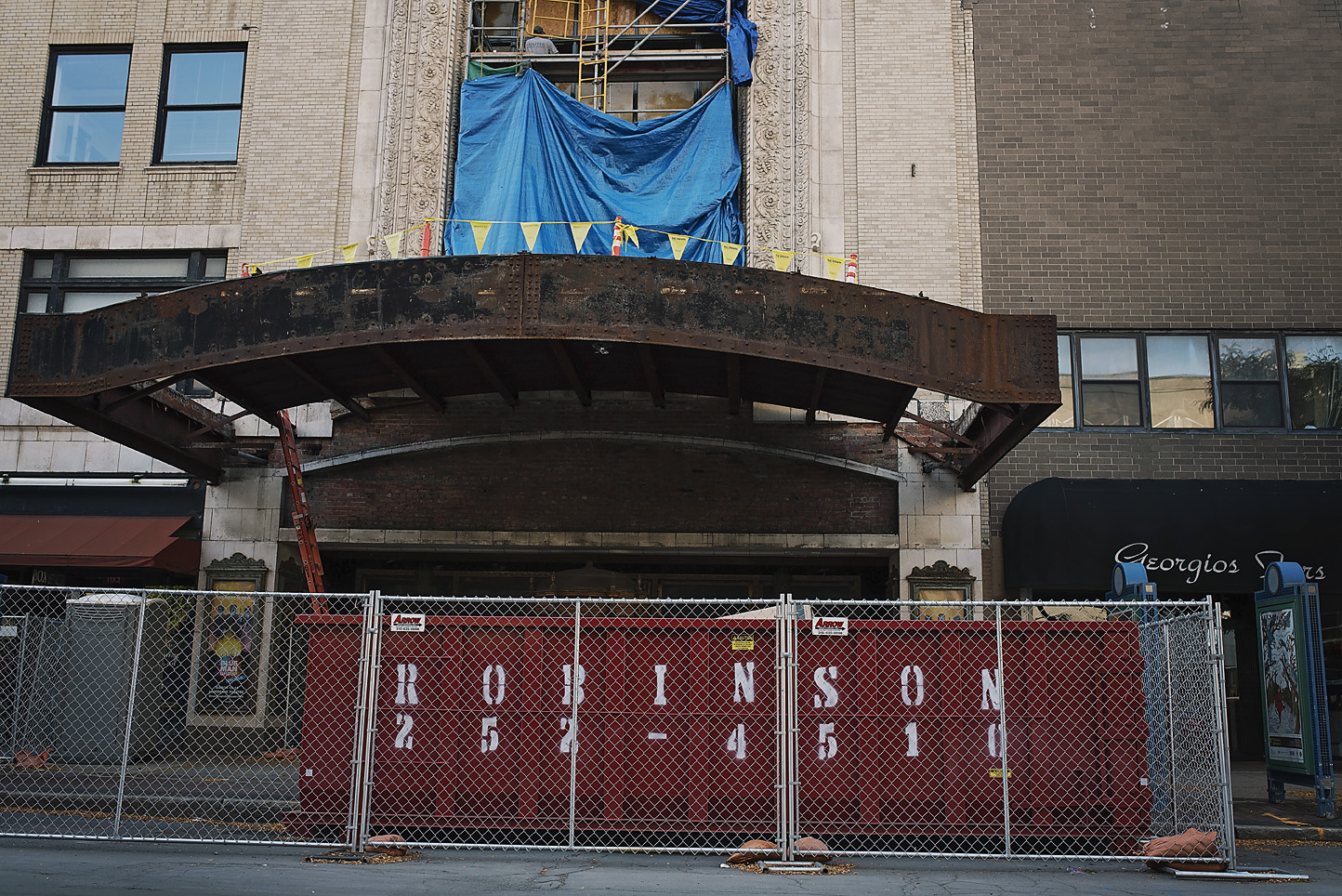
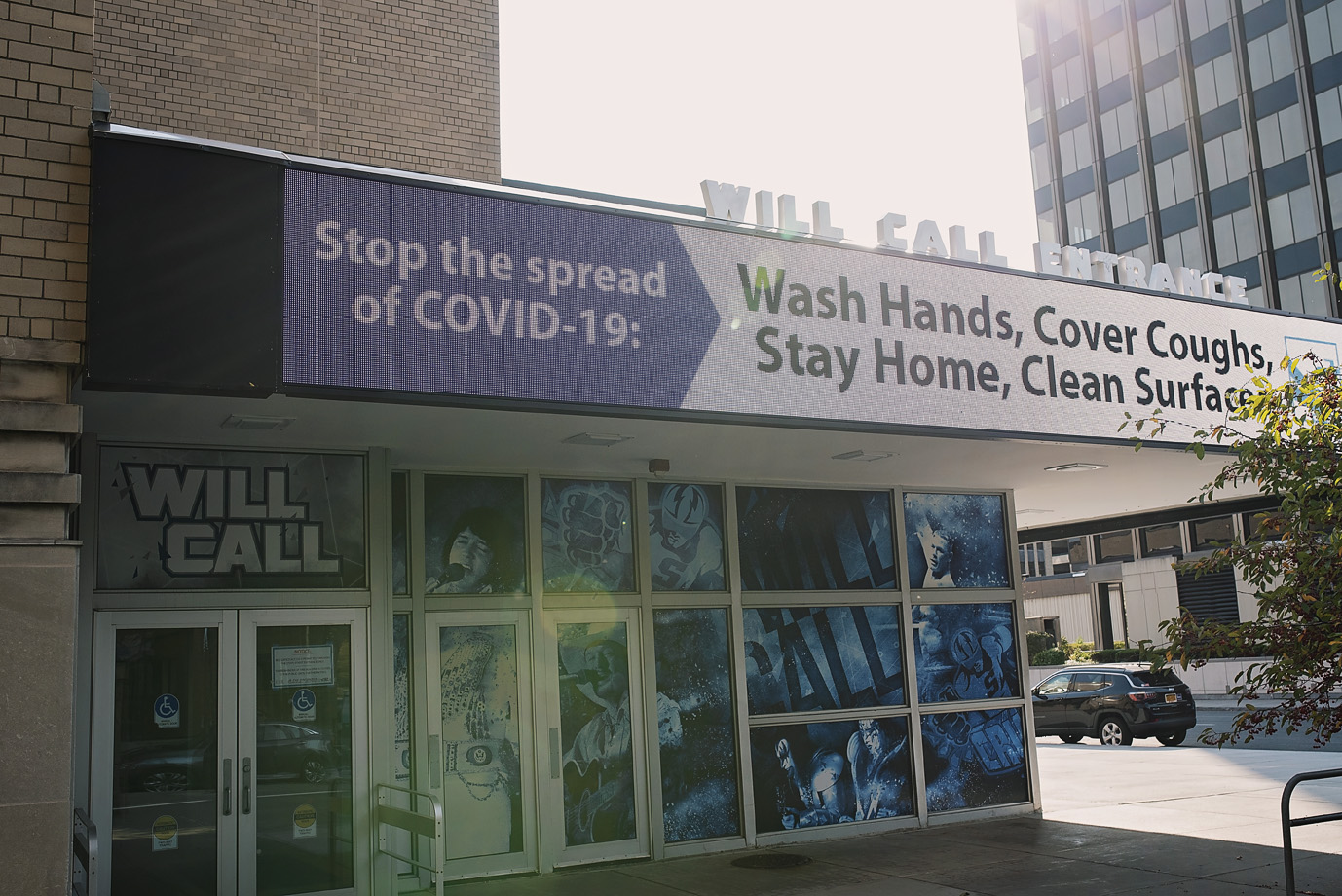
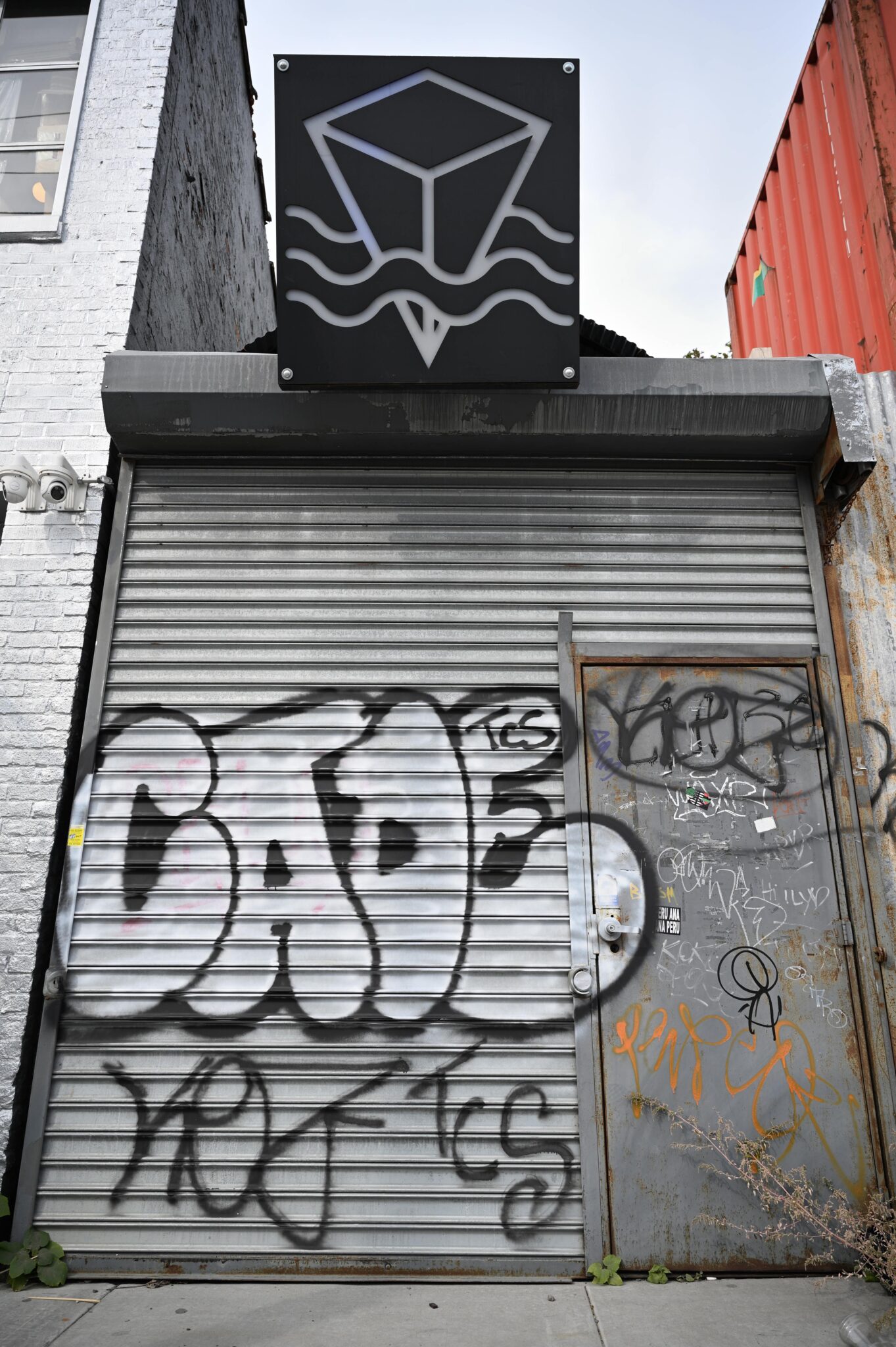
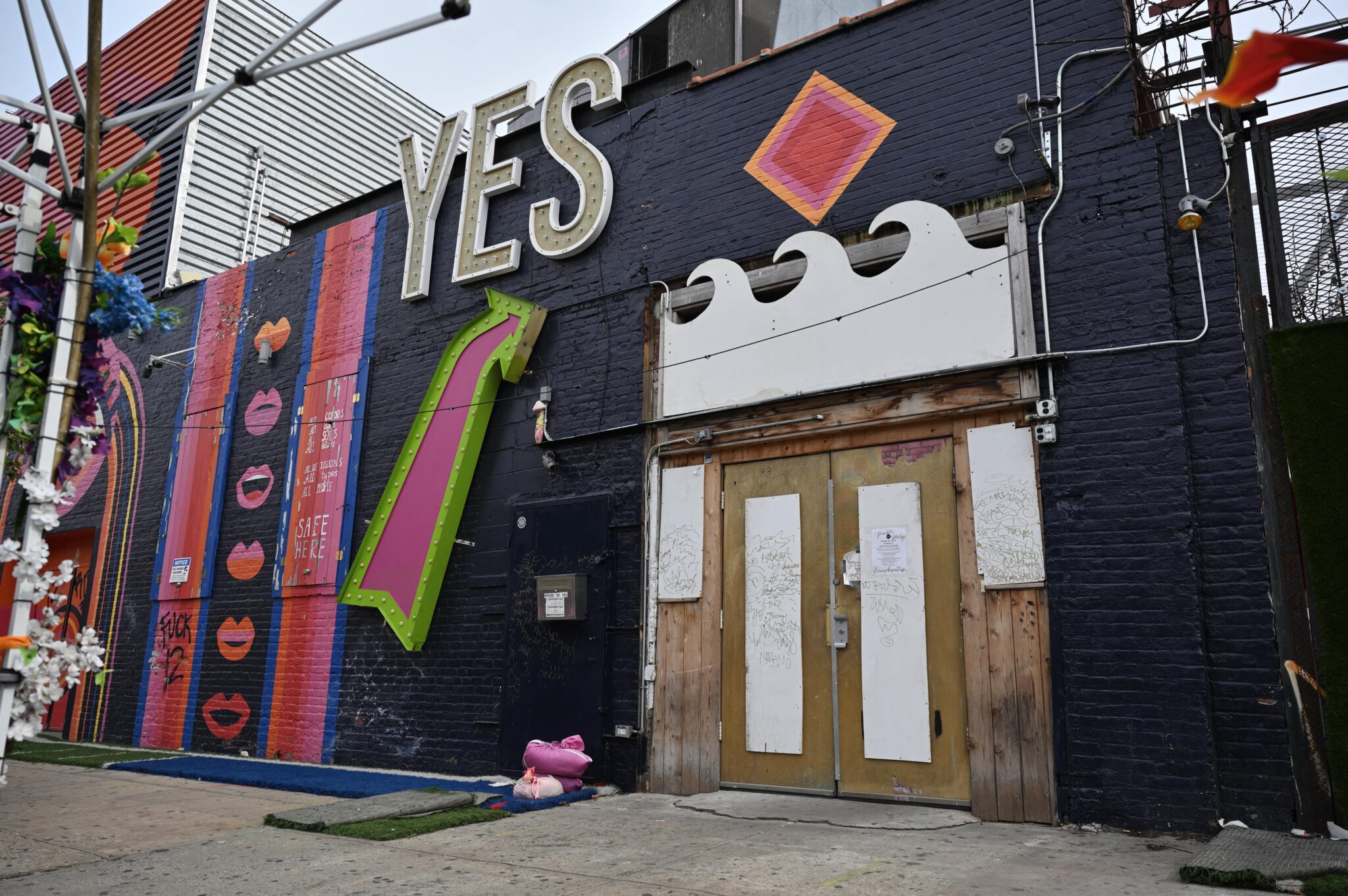
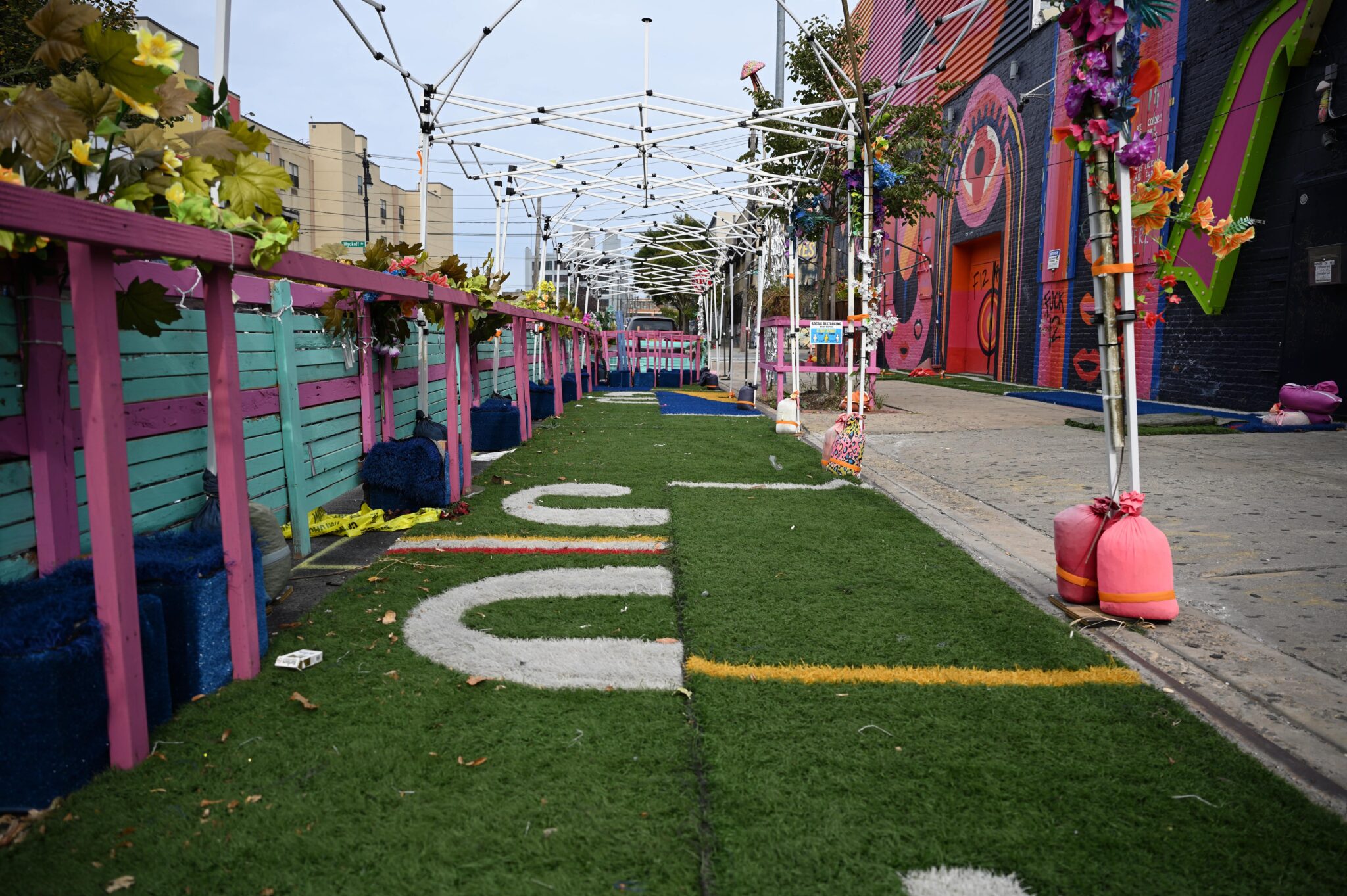
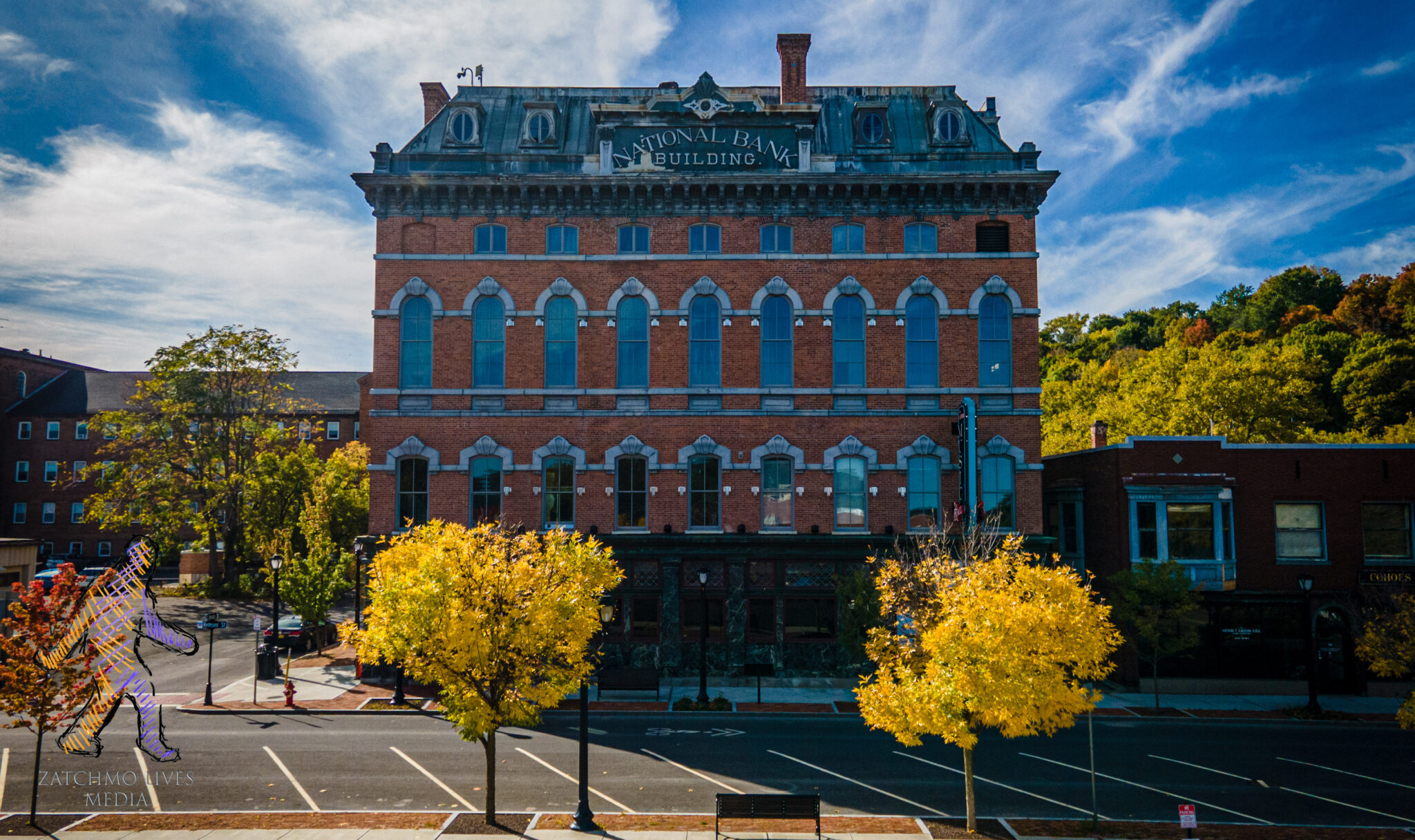
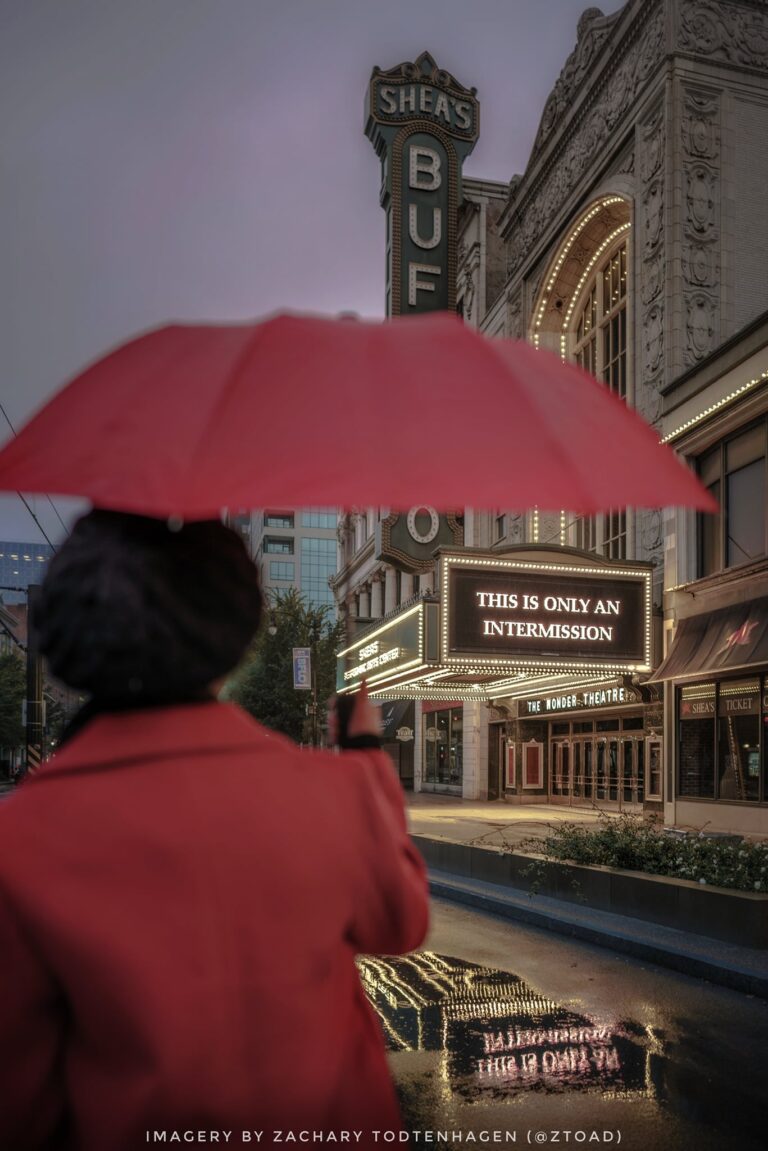
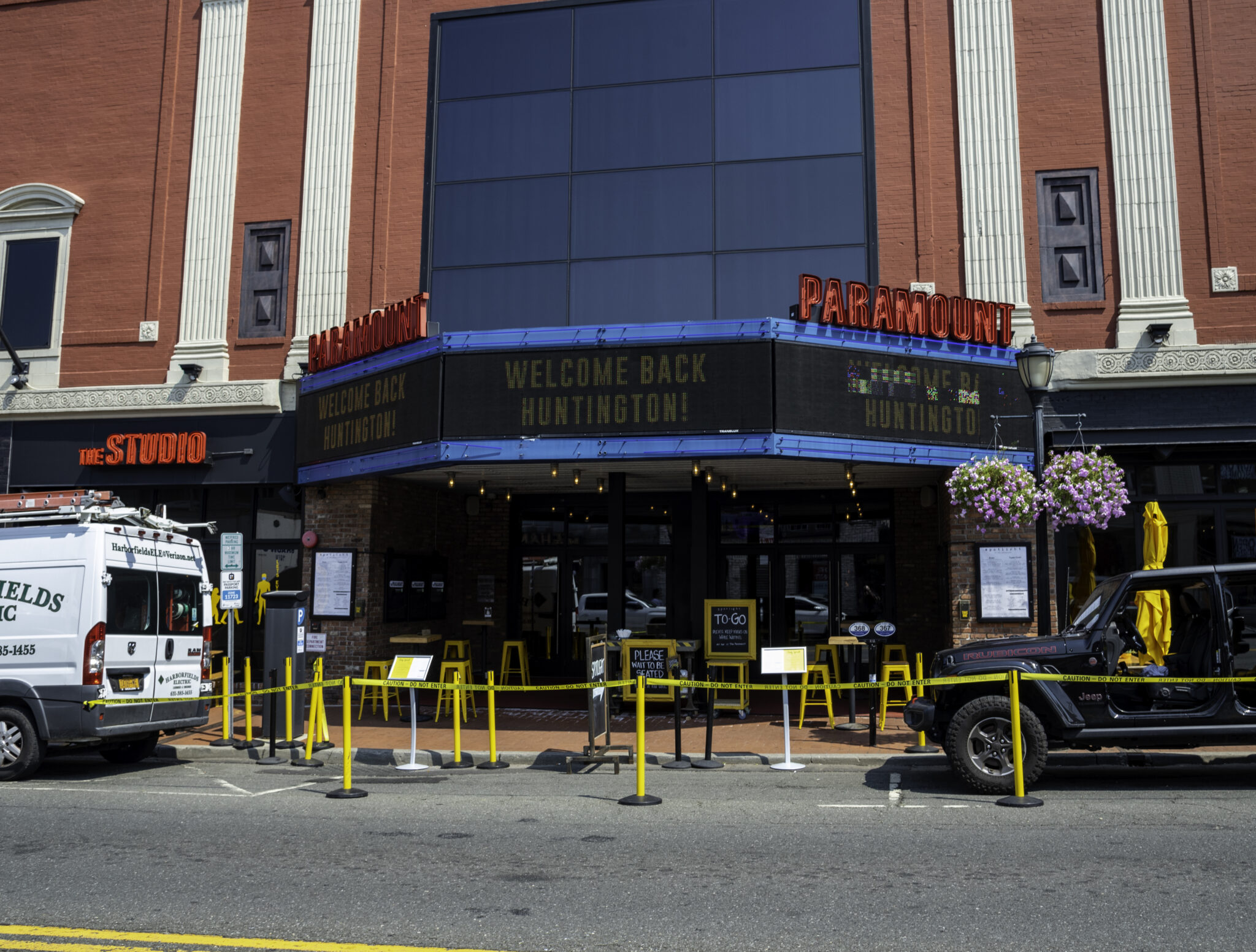
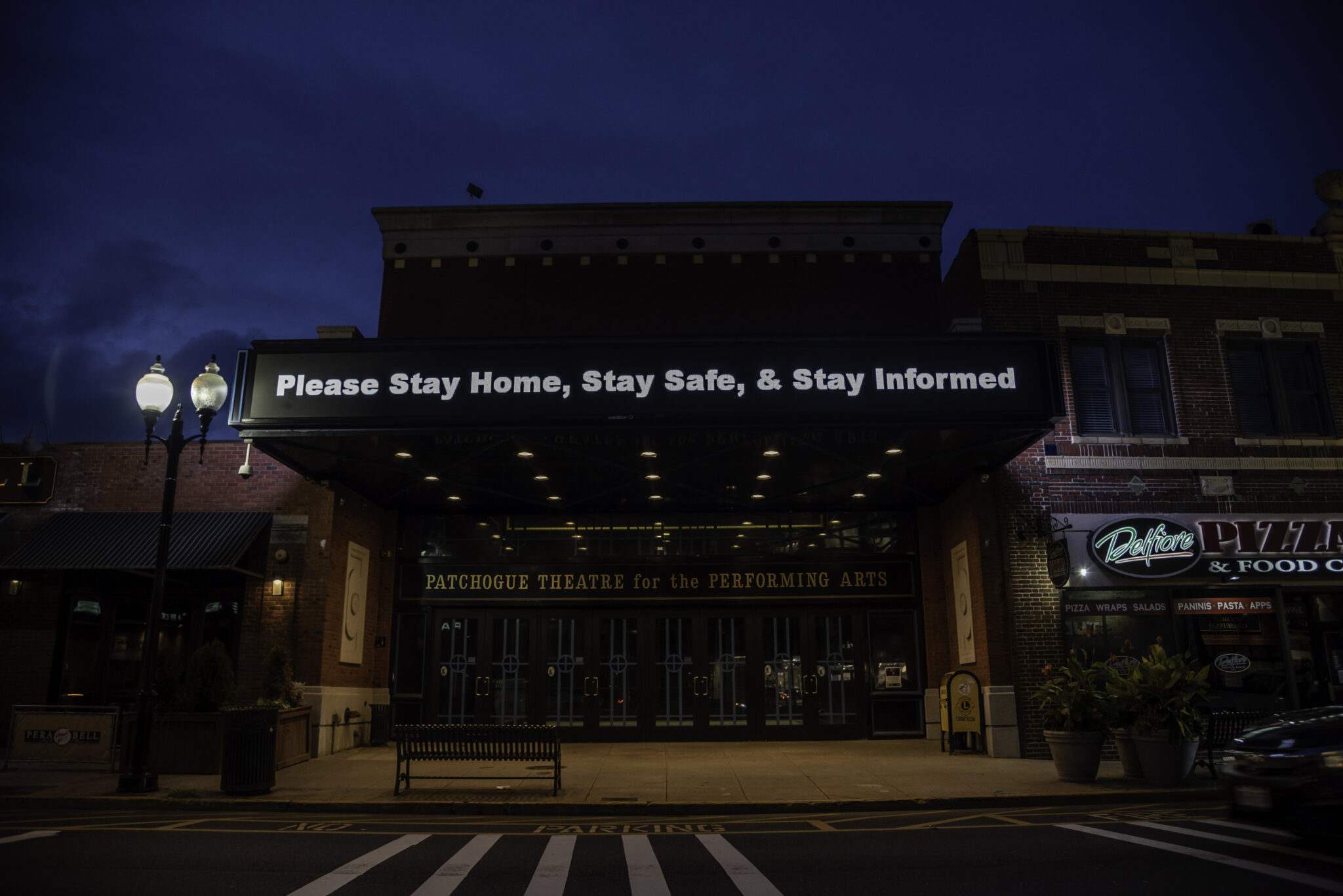
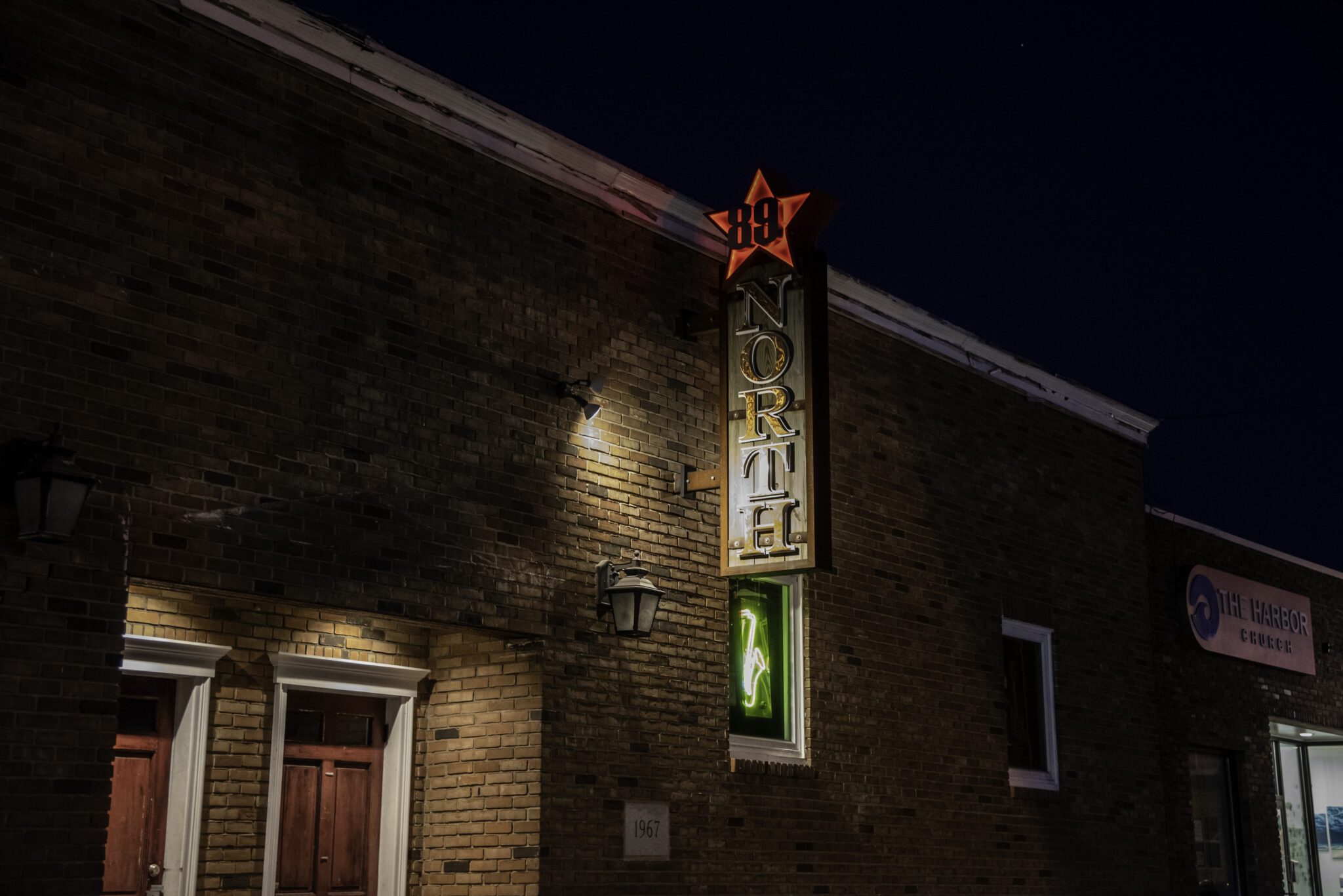
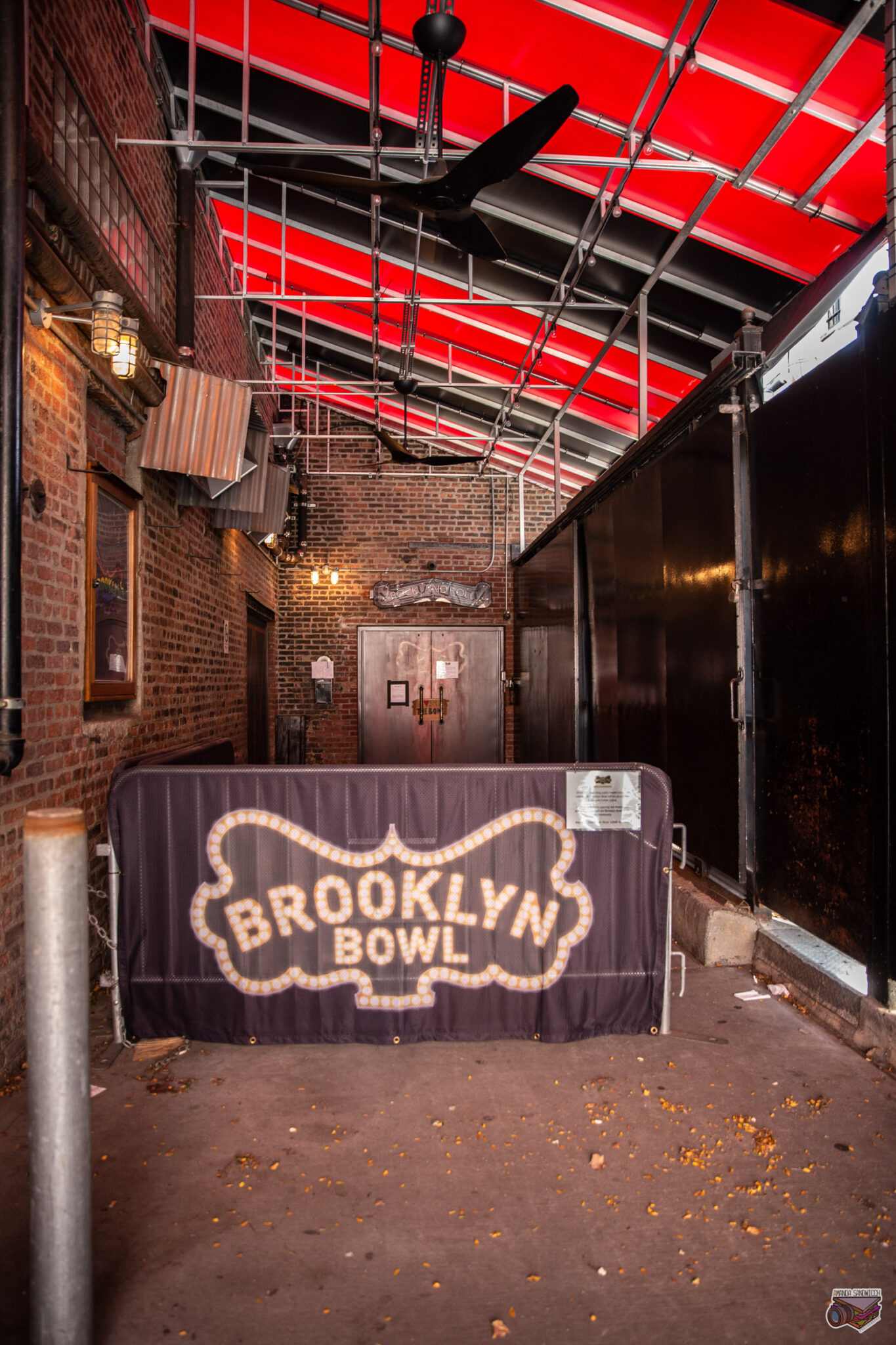
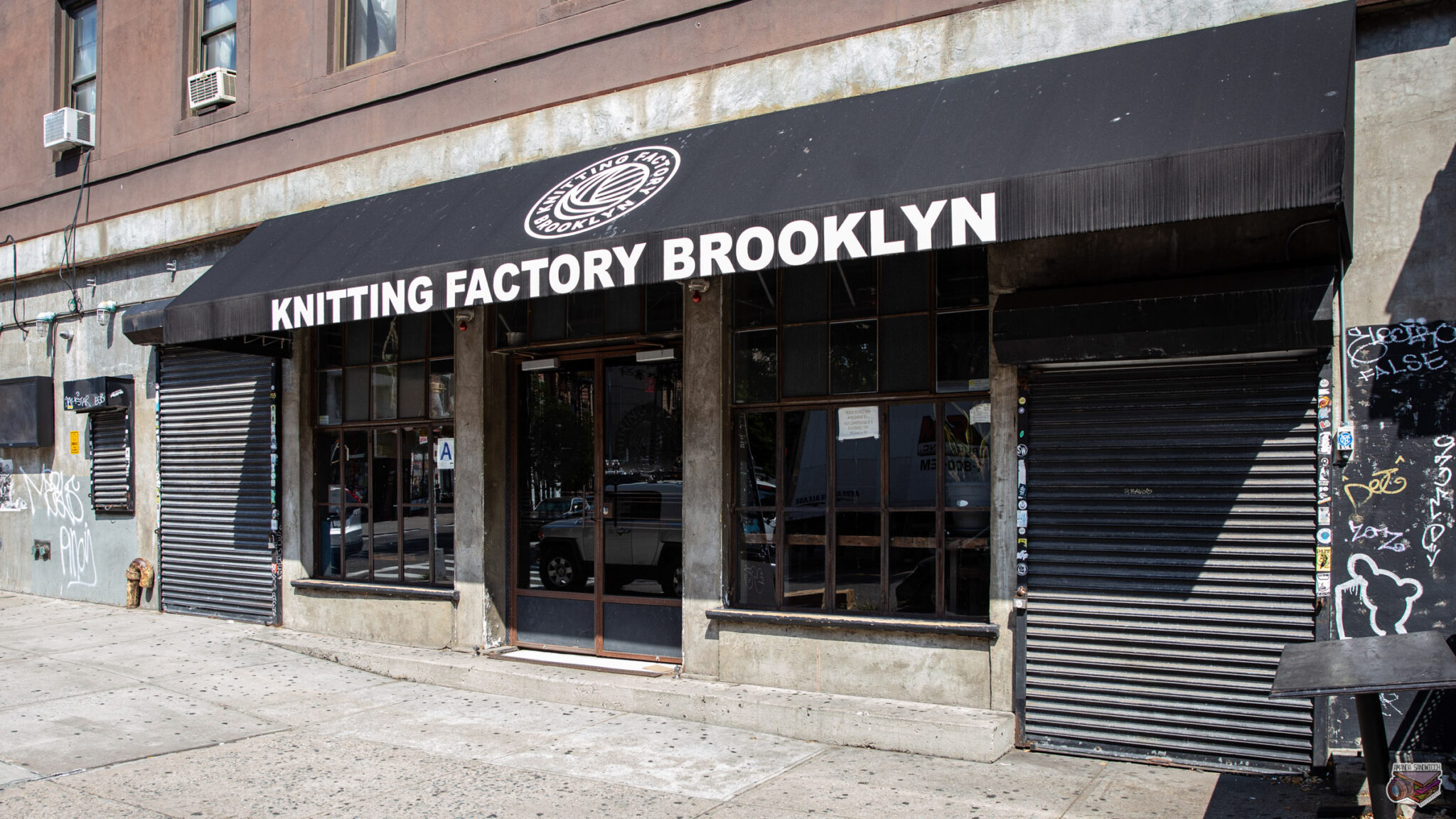
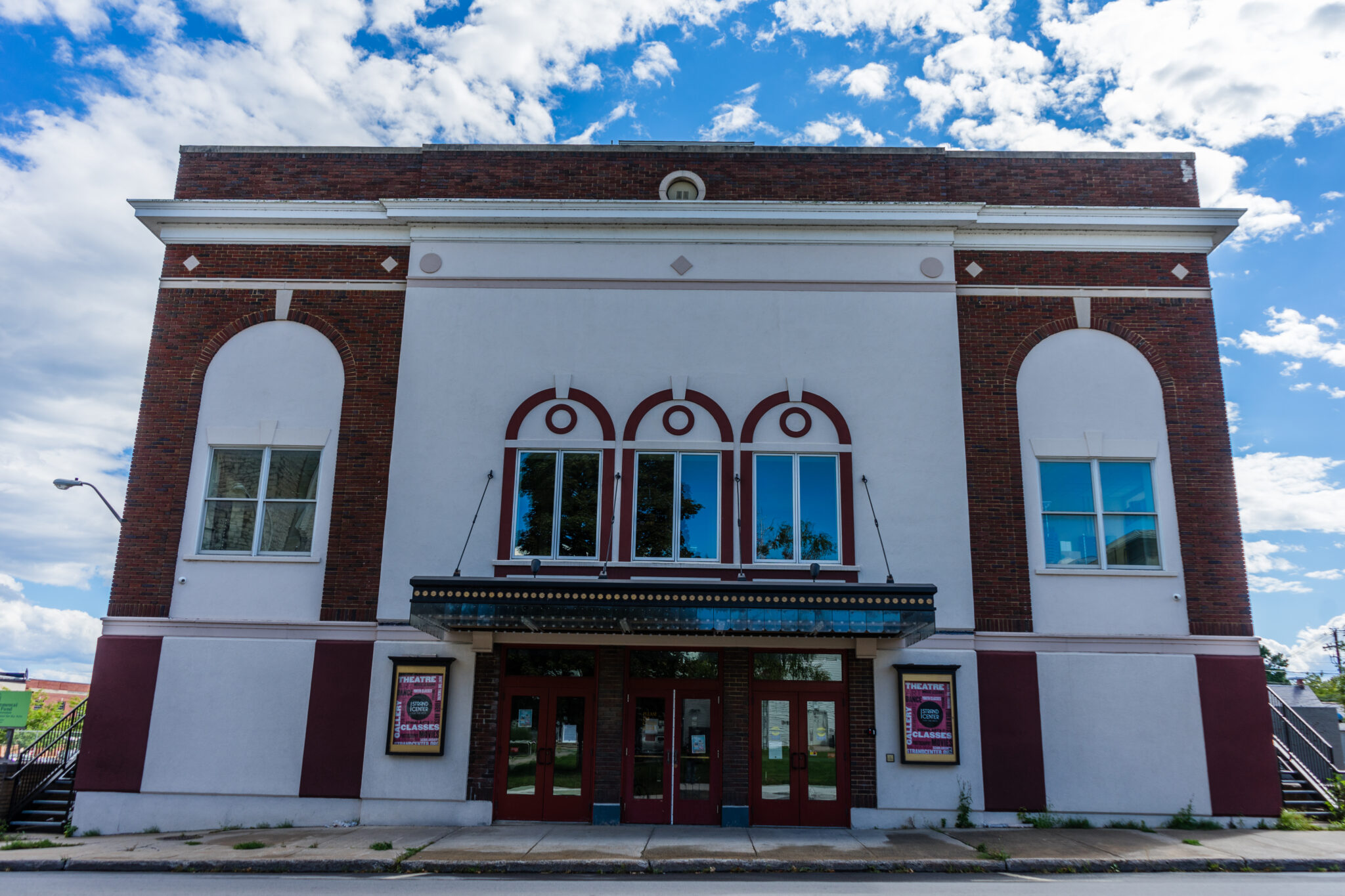
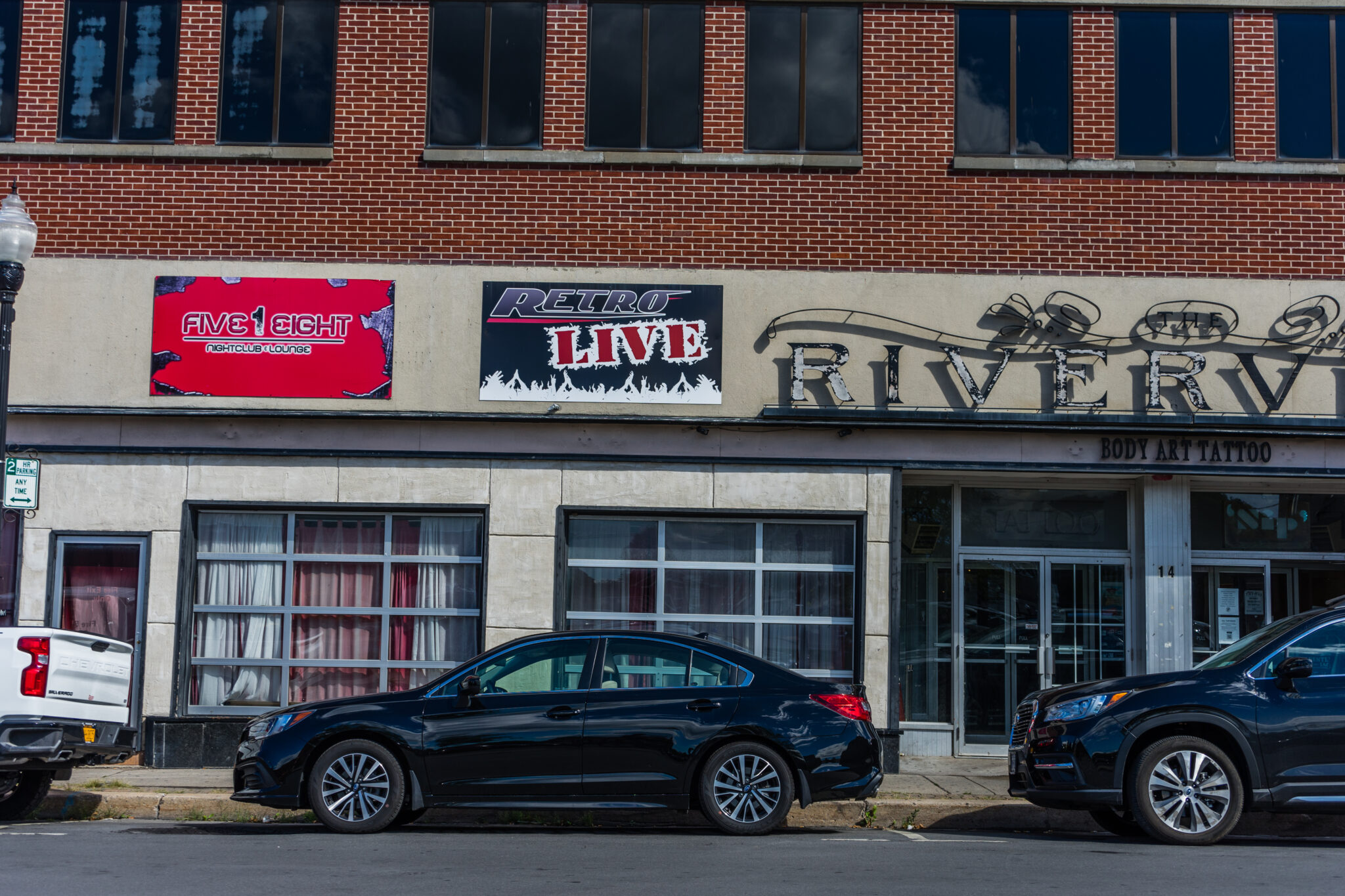
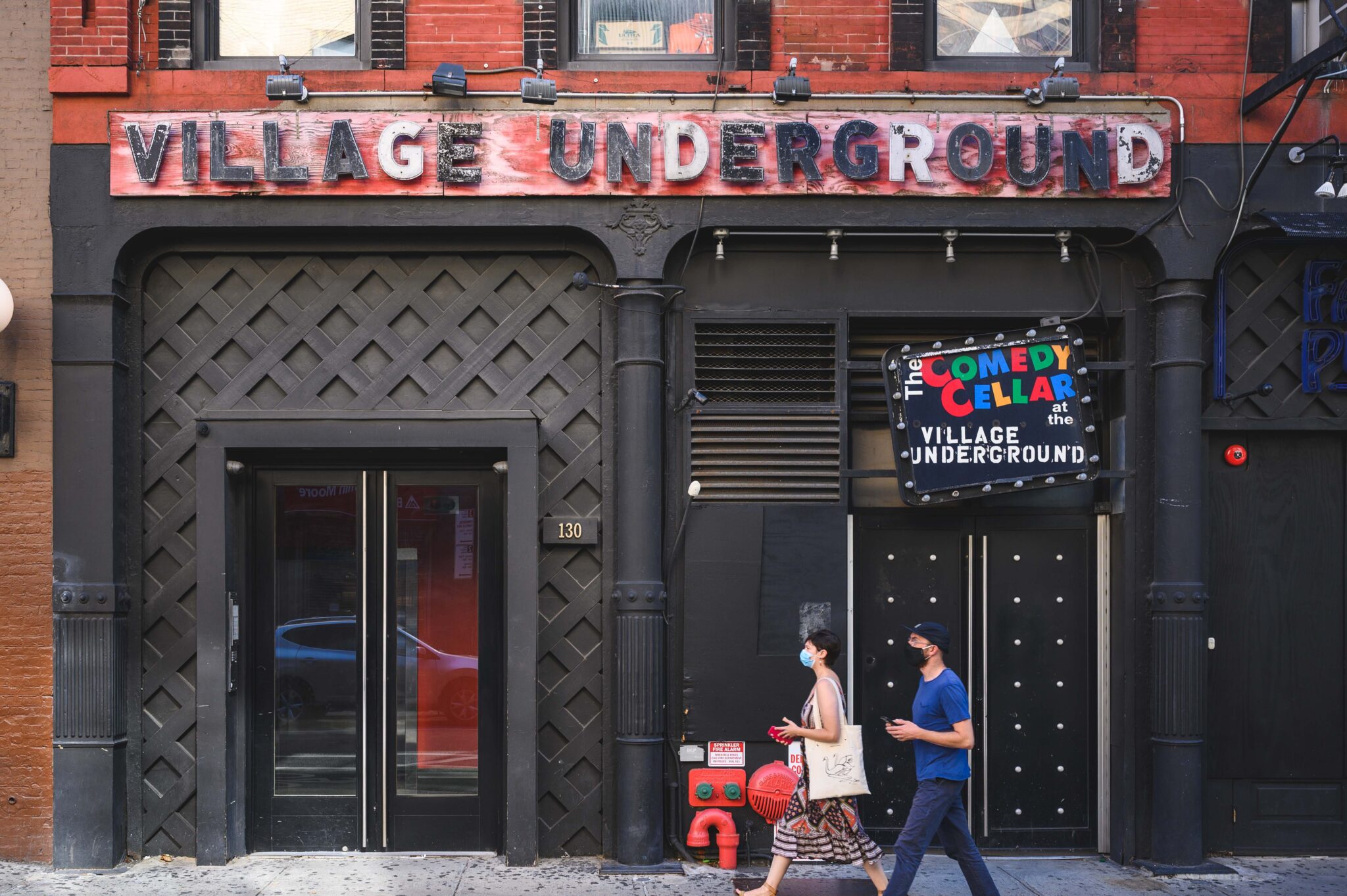
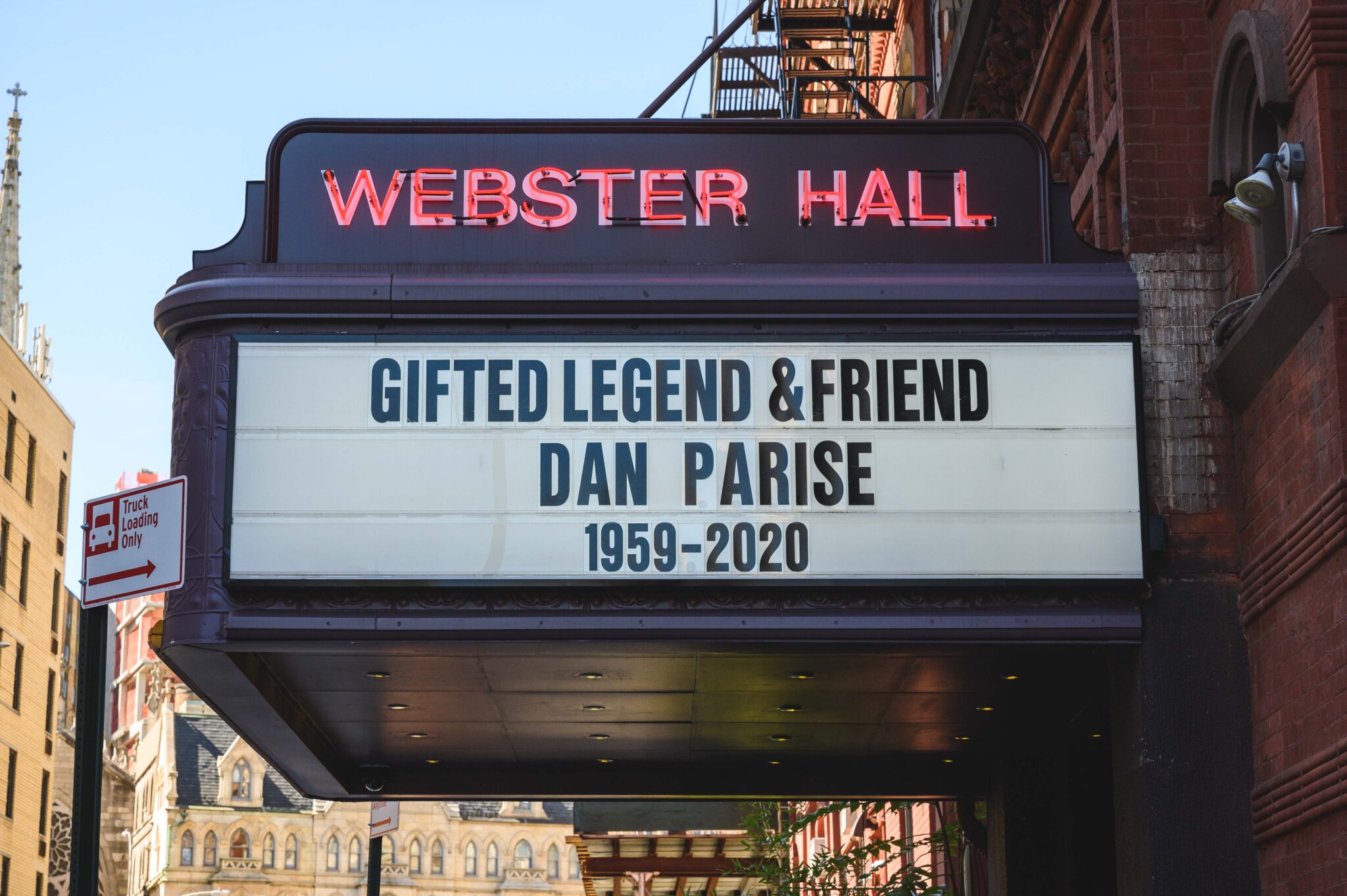
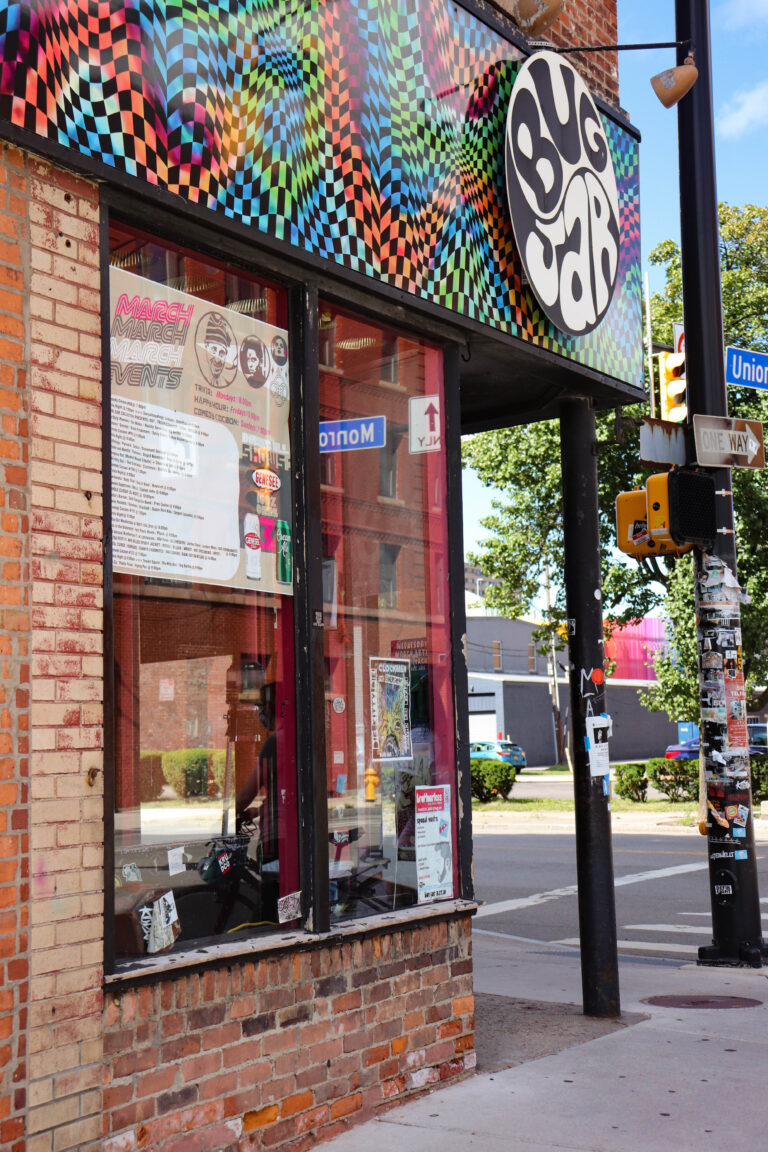
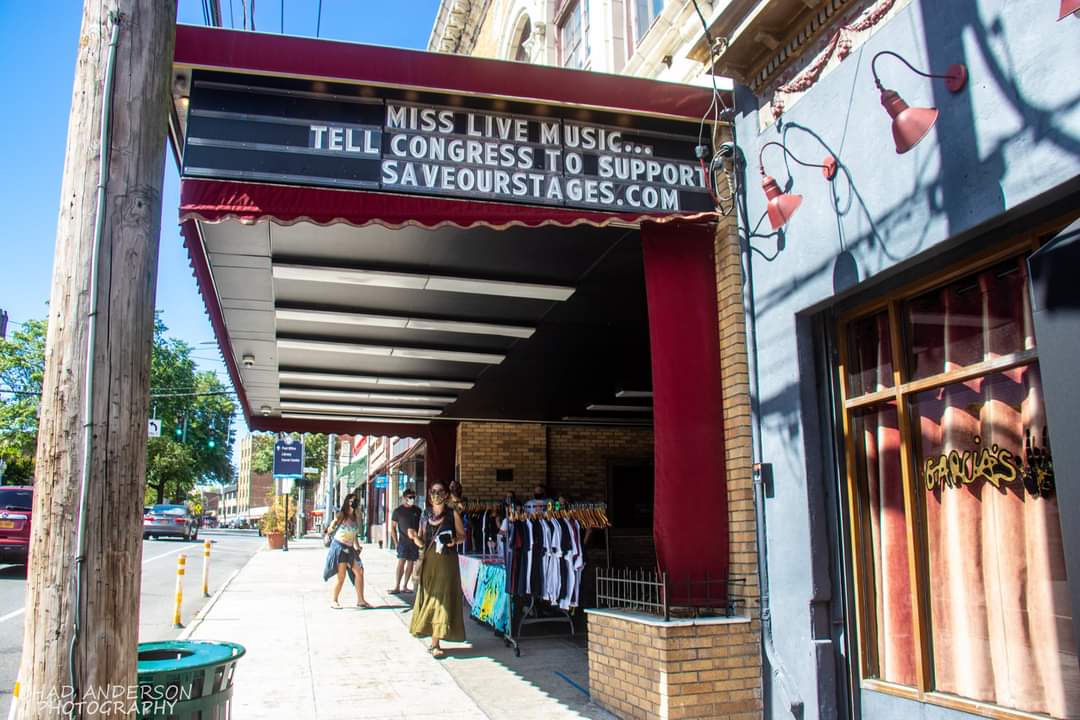
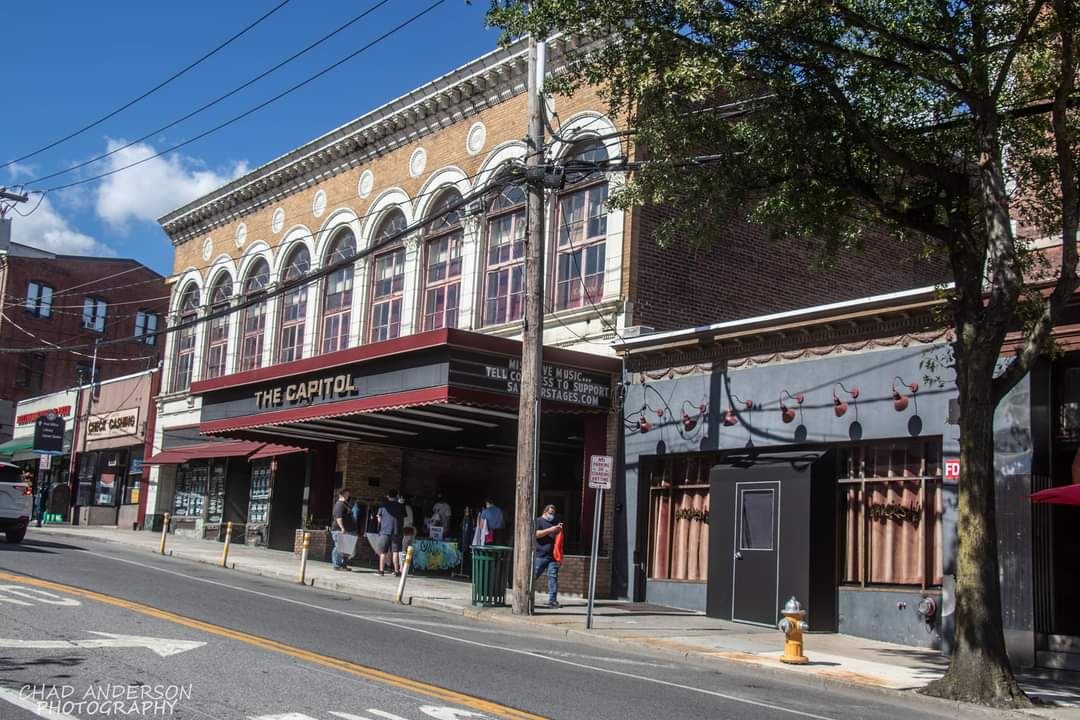
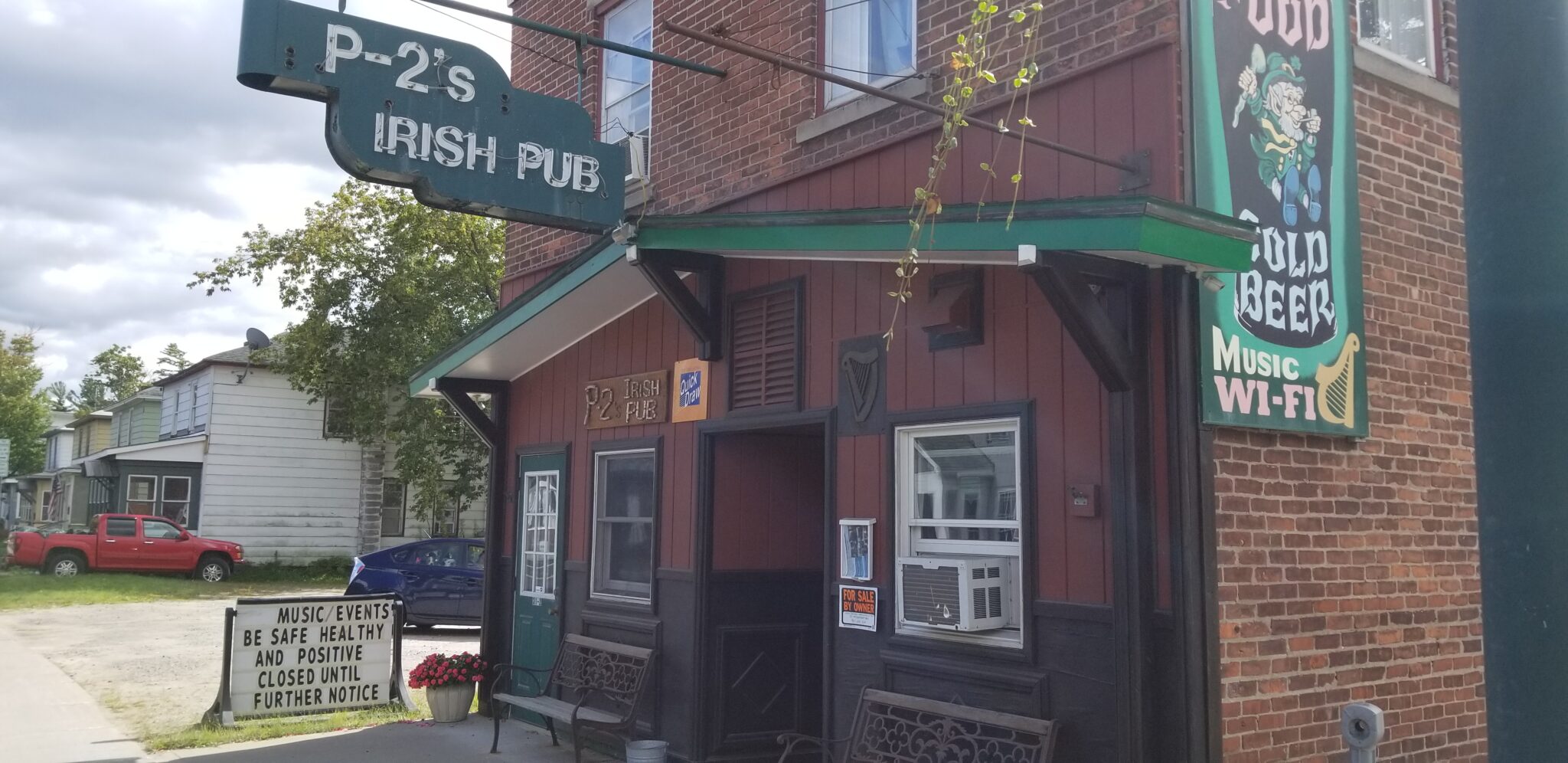
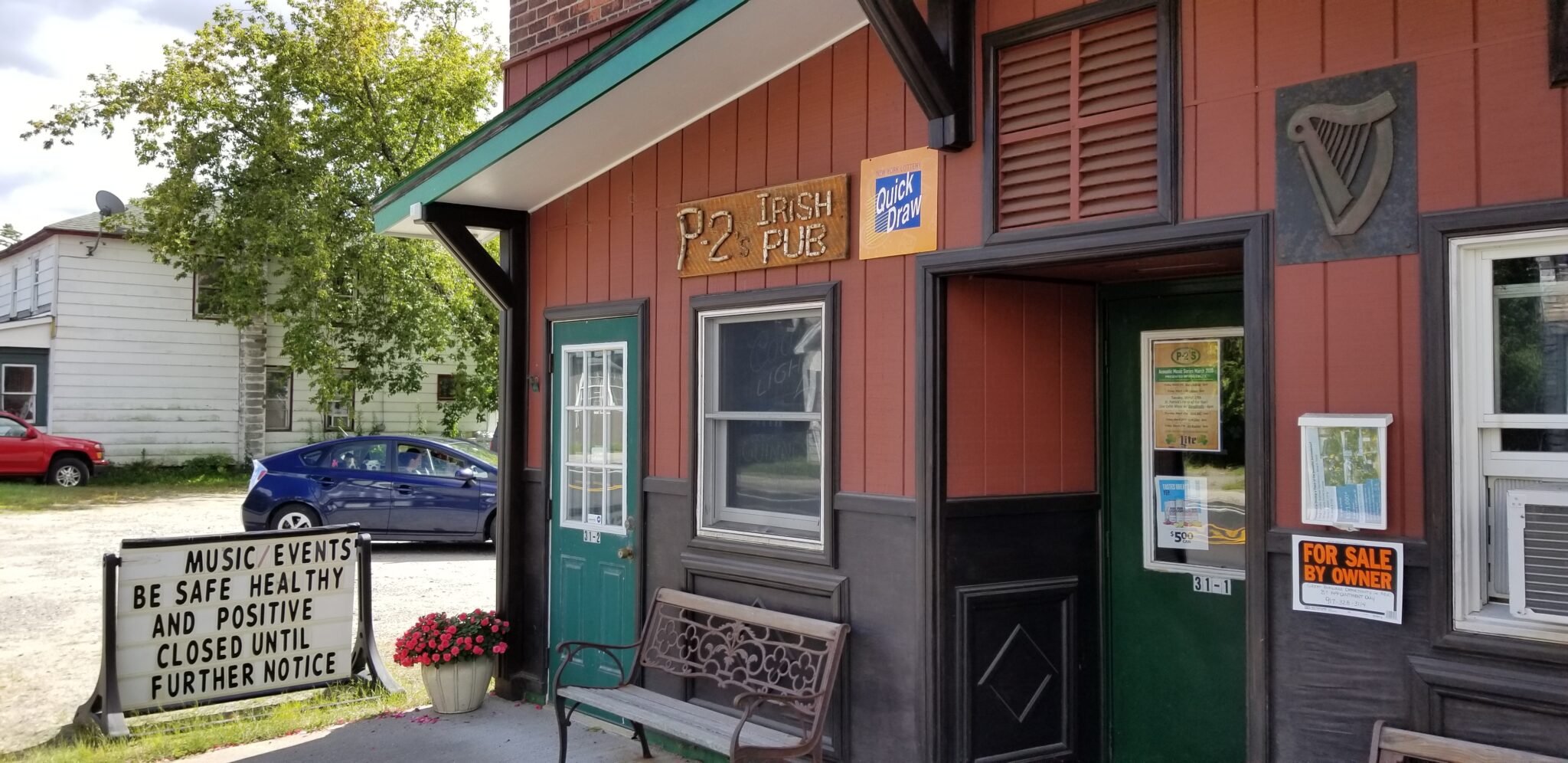
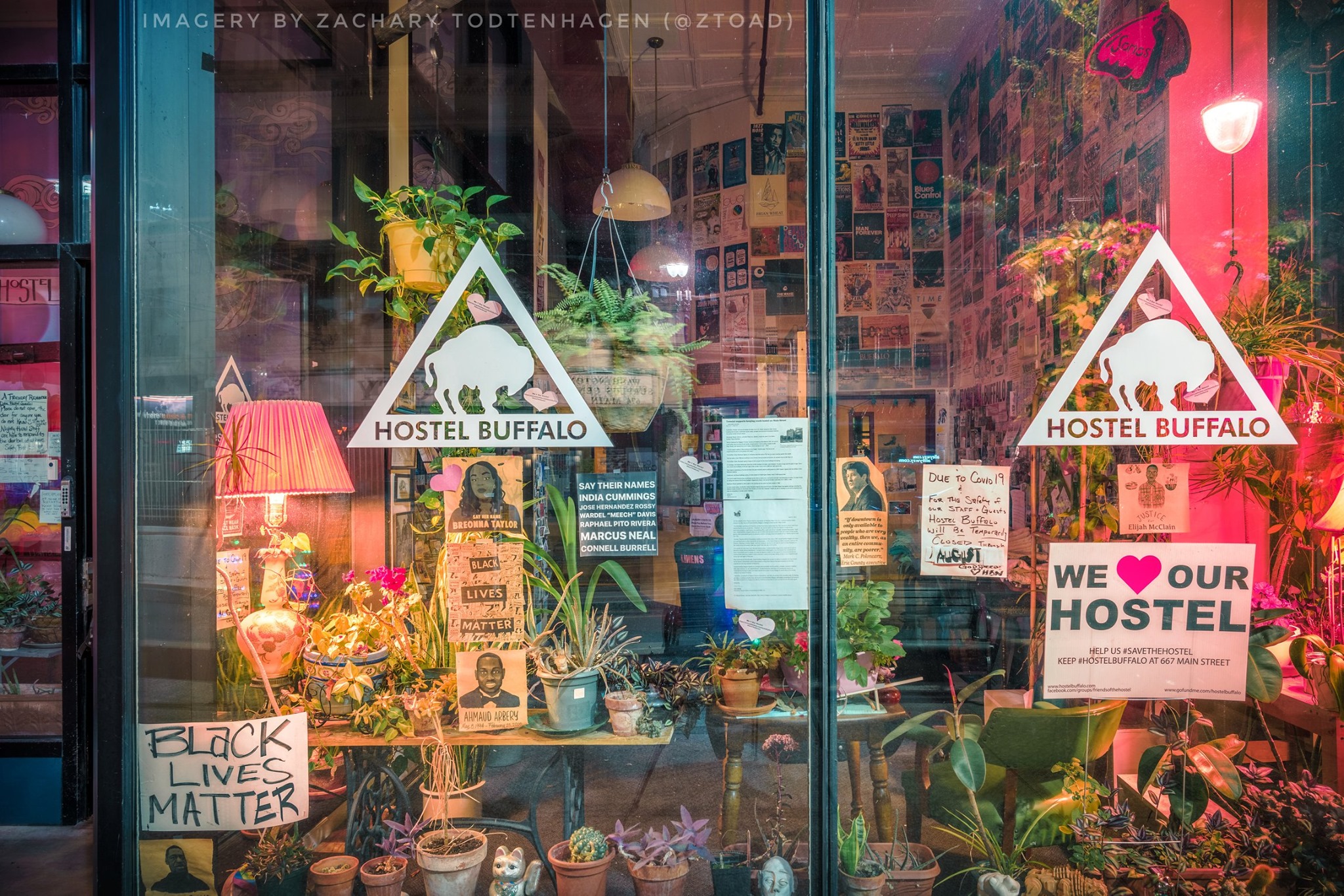
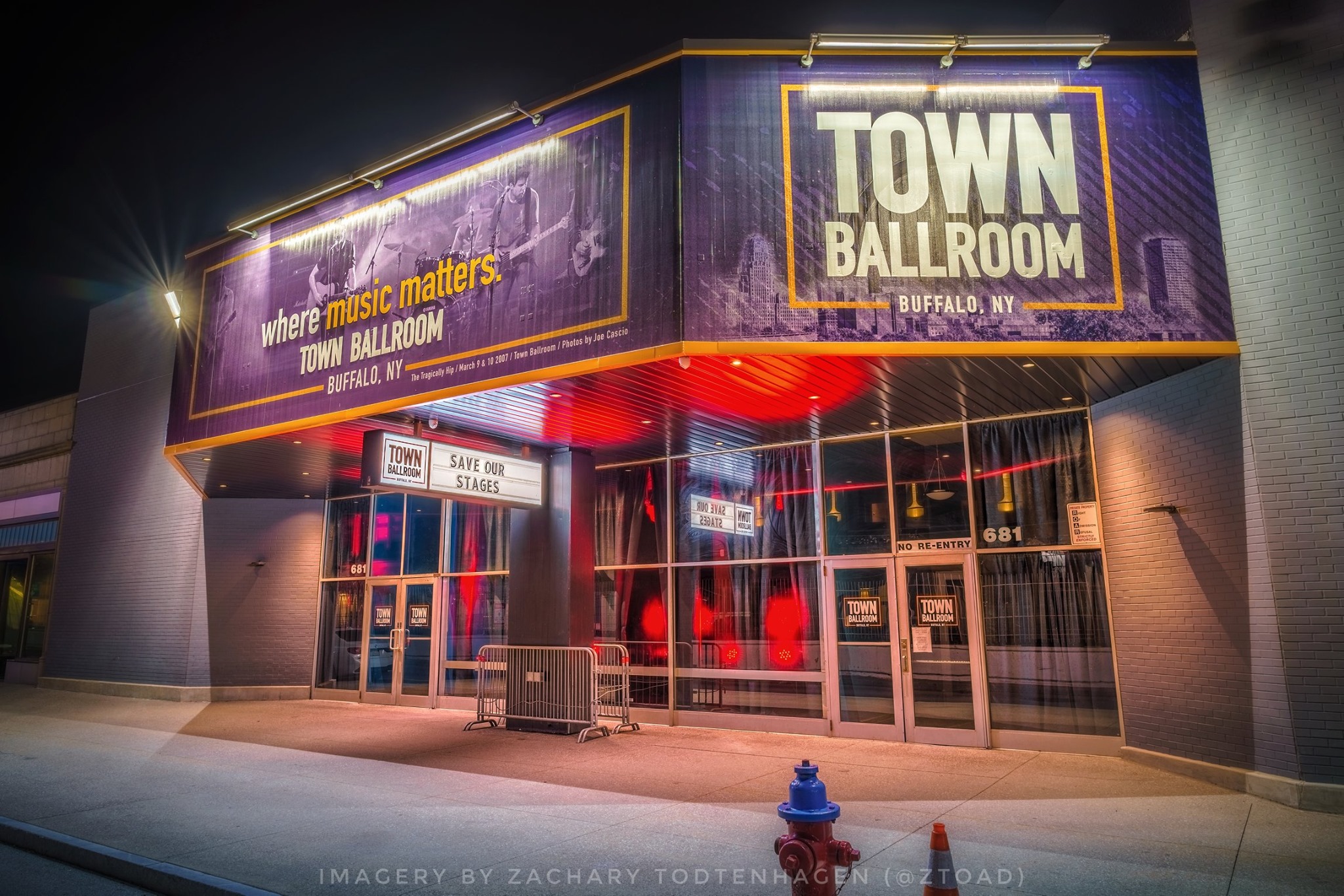
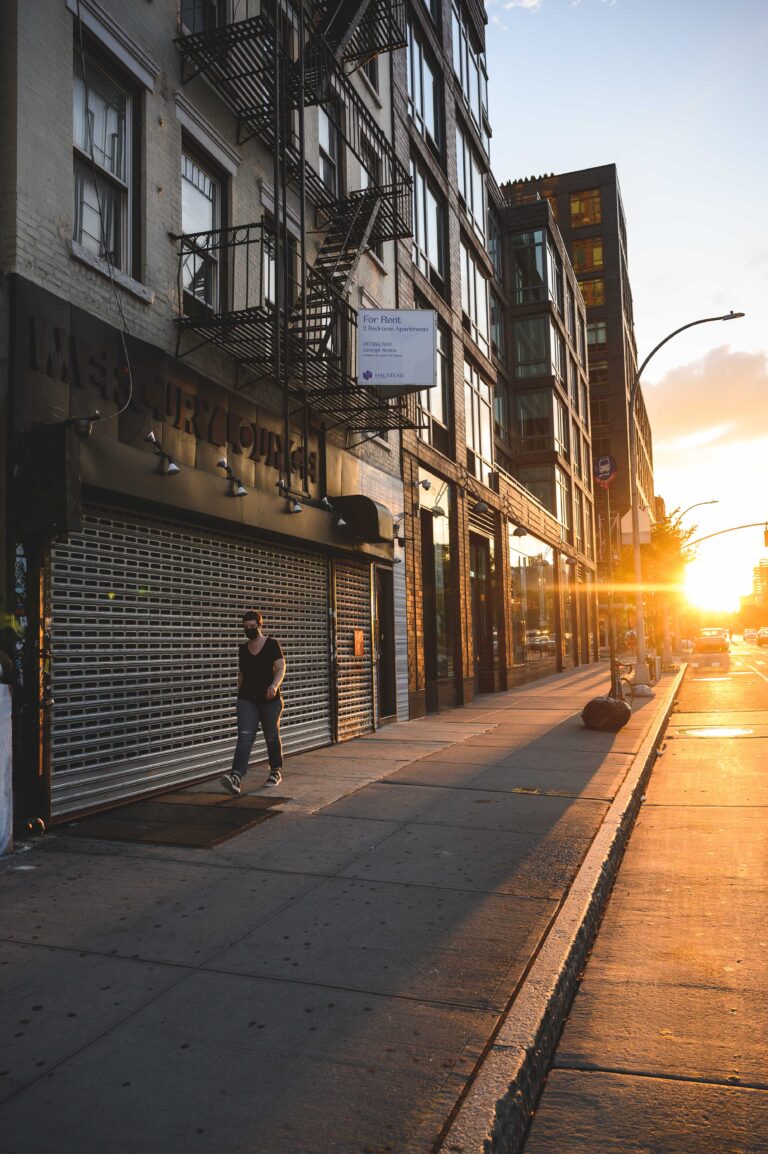
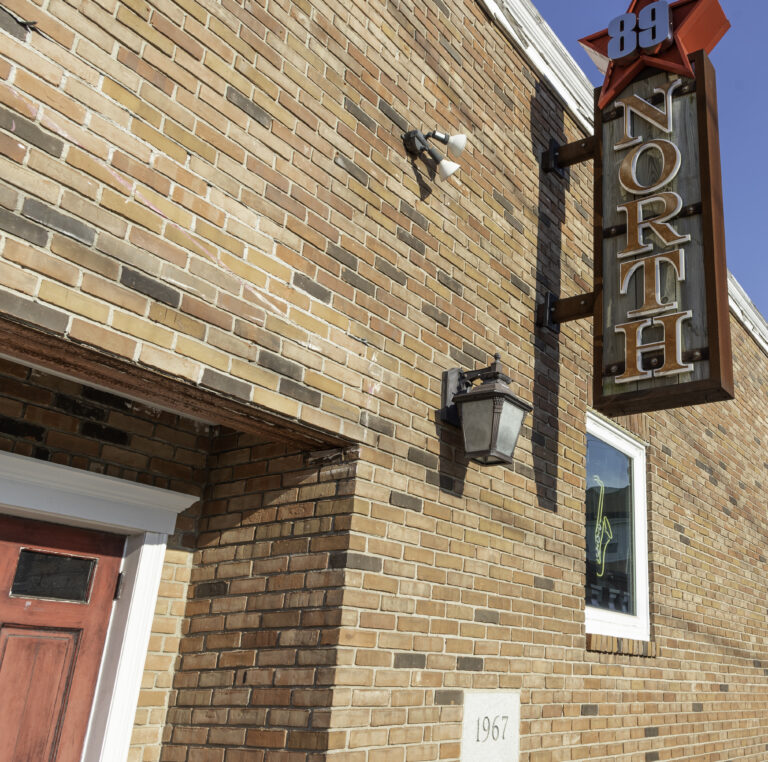
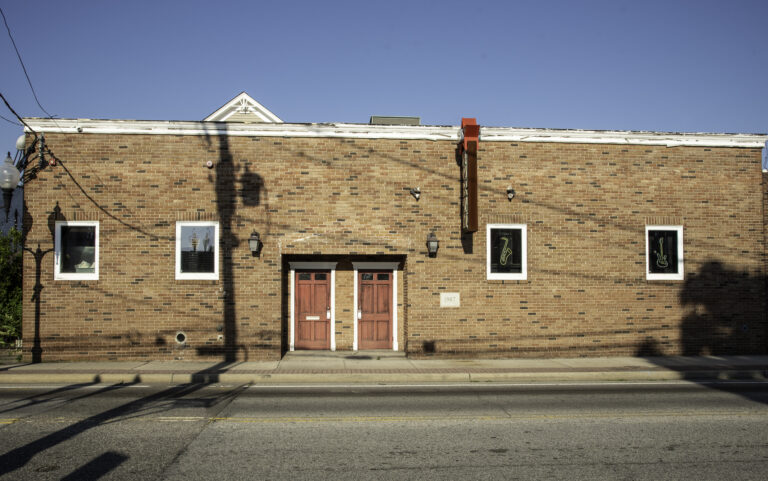
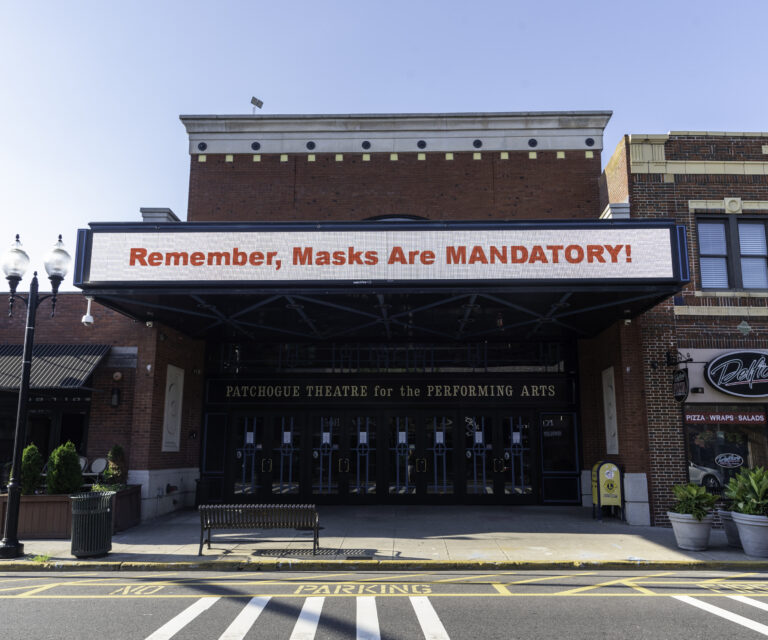
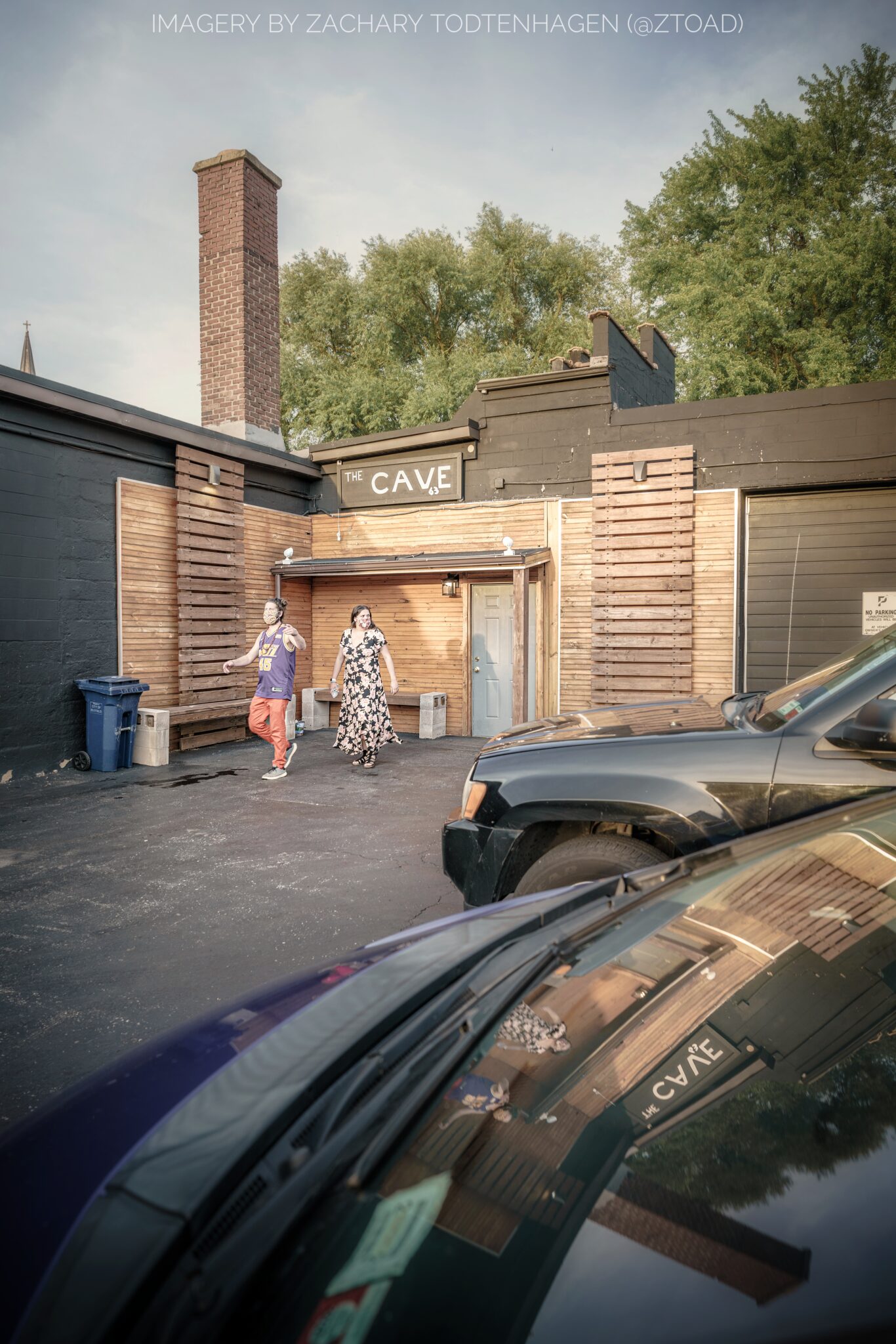
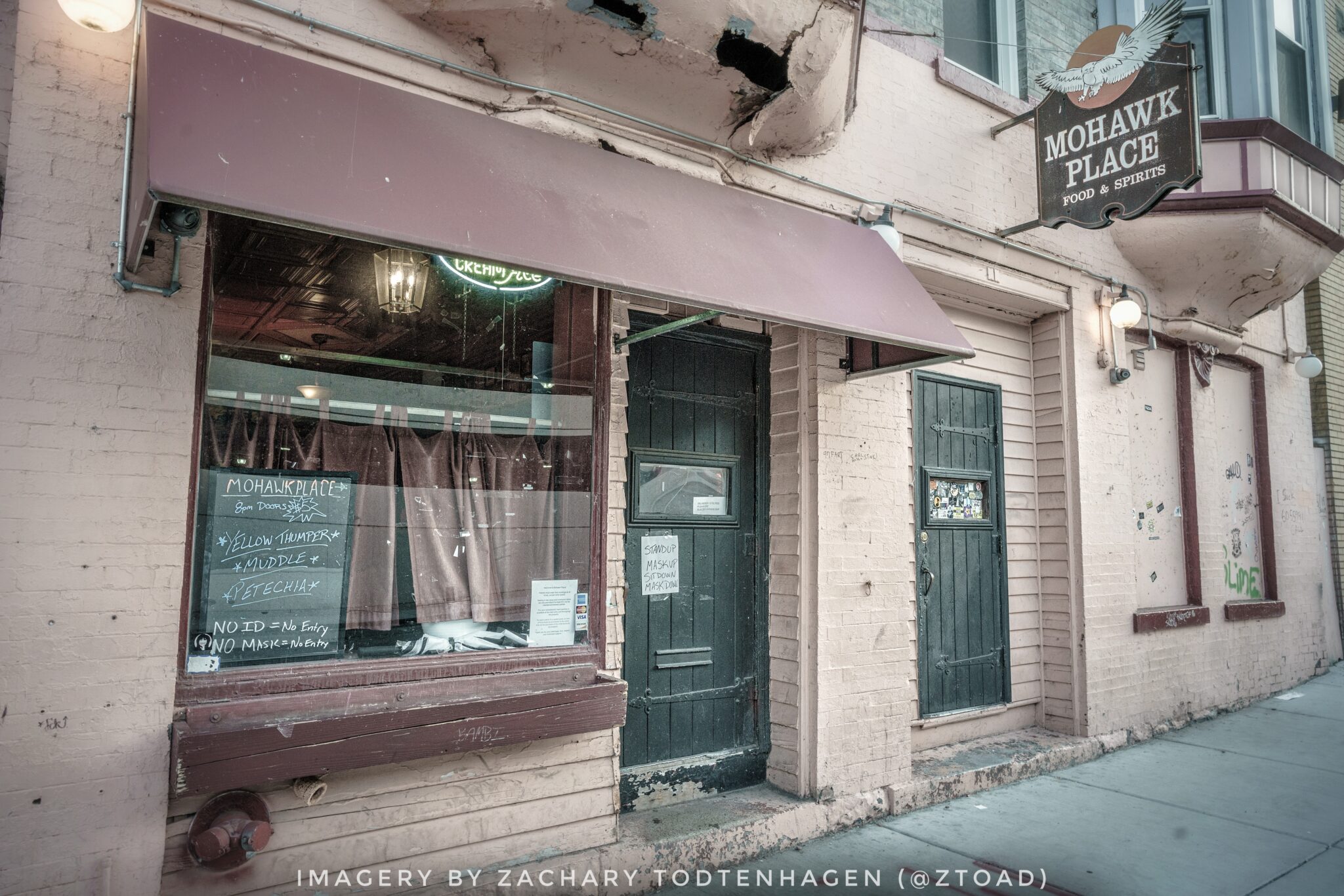
Working with a dozen photographers to document more than 50 venues in 14 cities across New York State, NYS Music presents the fifth edition of our monthly series that looks at the current state of our beloved venues.
Immense thanks goes out to all photographers and venues who are taking part in this monthly series. We’ll start October off on Long Island, with Rob Tellerman’s look at the music venues small and large that dot the isle that is long. Visit NIVA to find out how you can help venues across New York, and the country. We need to #saveourstages and preserve live music for when this is over.
New York State Supreme Court Justice Frank Sedita has ruled unconstitutional the State Liquor Authority to ban on advertising live music at venues and bars, and from promoting live ticketed events, after a Buffalo business challenged the new guidelines.
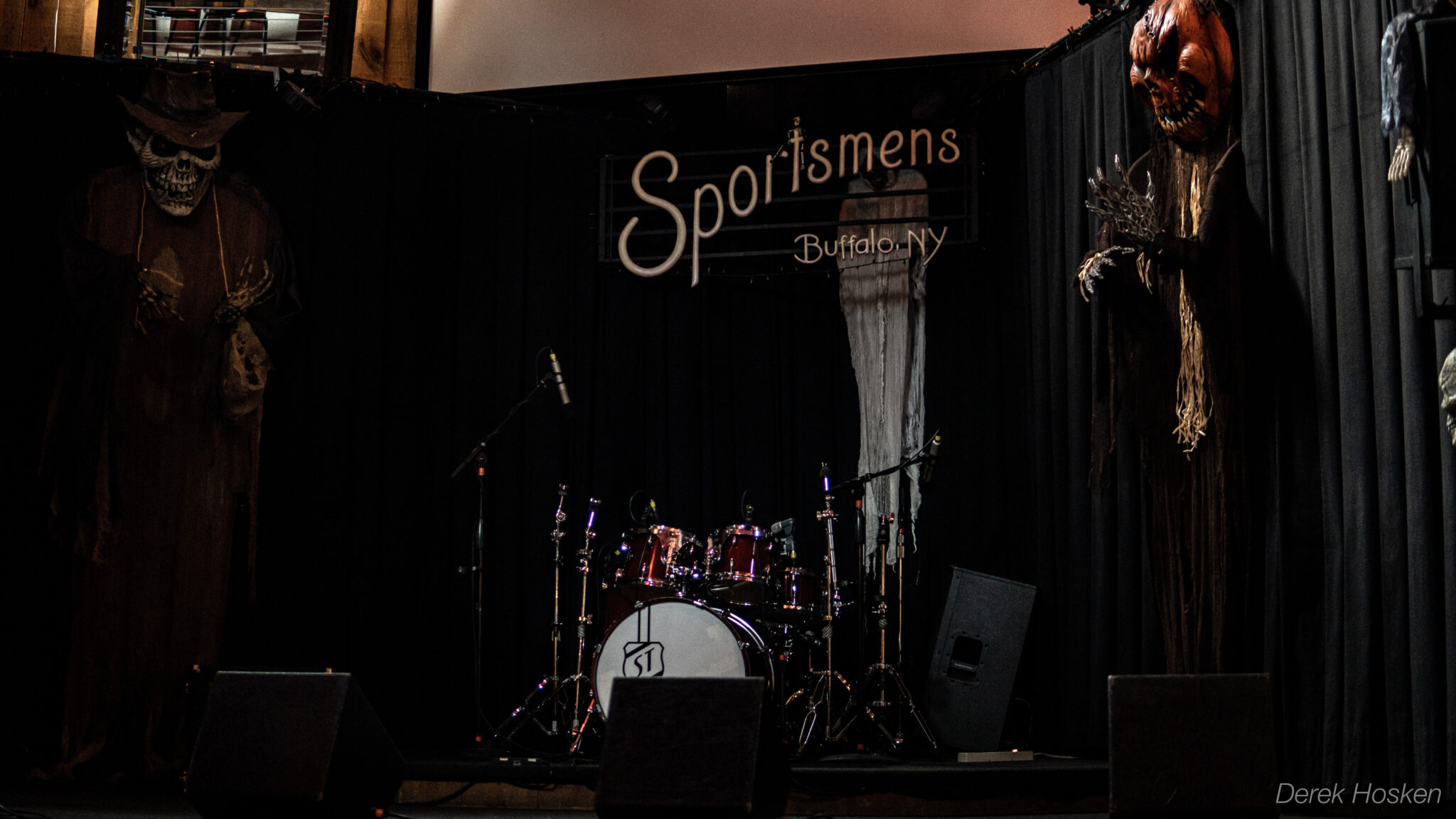
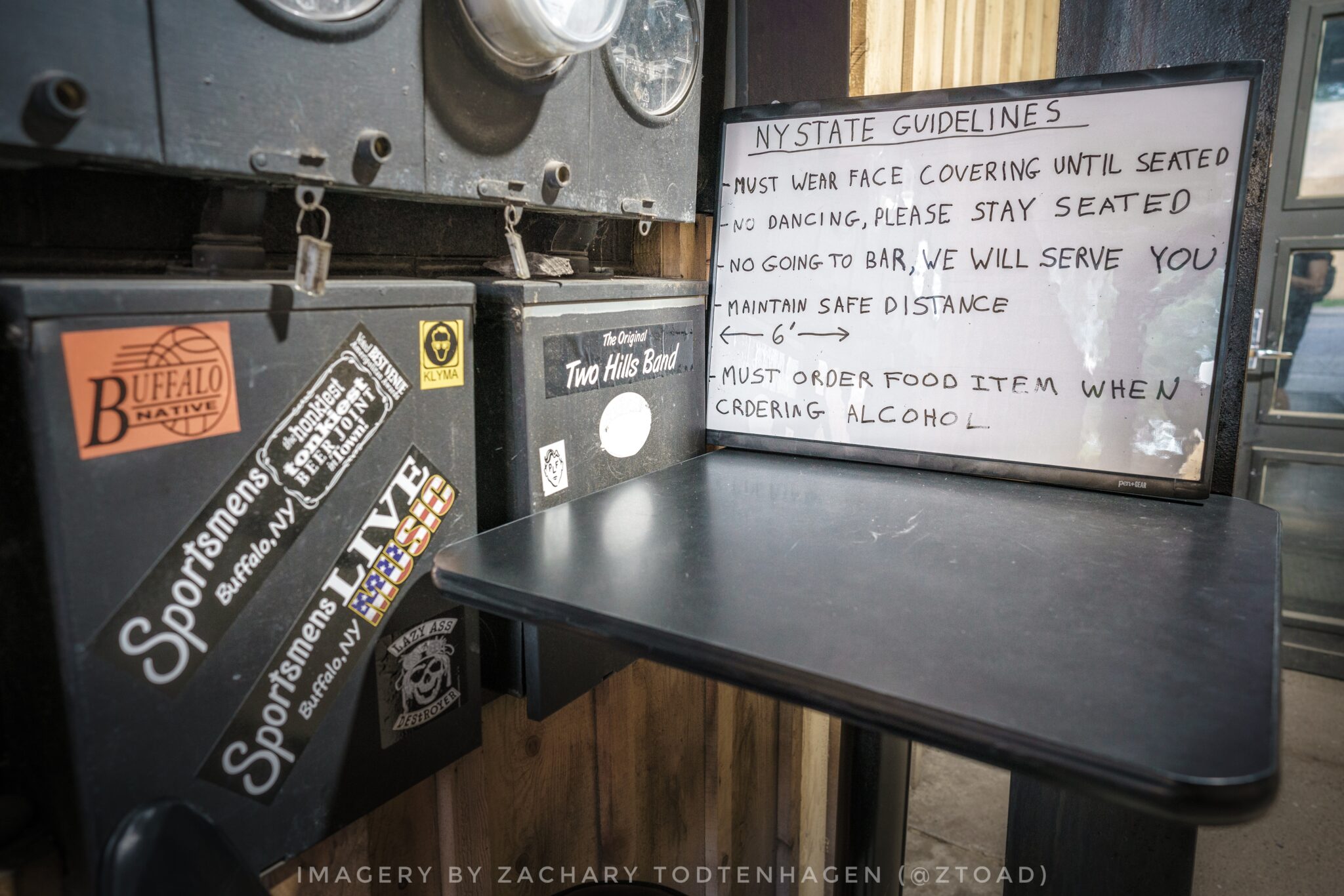
Sportsmens Tavern live music venue, pre-COVID.
Sportsmens Tavern, a music venue and bar in Buffalo’s Black Rock neighborhood, filed the lawsuit after Gov. Andrew Cuomo, along with the SLA, announced that advertising any live show is to be prohibited.
“I was surprised when the judge announced the ban as unconstitutional because we filed the lawsuit five weeks ago,” said Jason Hall, the owners of Sportsmens’ son.
According to Hall, the SLA informed them it was okay to continue advertising and promoting even though the new guidelines said the exact opposite.
In this case, they filed an ’emergency hearing,’ because the ban immediately affected their business. Attorney Paul Cambria, a well-known western New York attorney, advised them to stay off of social media and continue their business as usual while they awaited the ruling.
This does not mean every venue in New York State should be relieved. While it was a NYS Supreme Court judge that decided to throw away the rules, his district in in Erie County, meaning the SLA can make an appeal at any time. They indicated that they are considering it.
“Only incidental music is permissible at this time. This means that advertised and/or ticketed shows are not permissible. Music should be incidental to the dining experience and not the draw itself. All other forms of live entertainment, such as exotic dancing, comedy shows, karaoke etc., are not permissible currently regardless of phase.”
SLA website previously stated.
In the meantime, live music at Sportsmens Tavern is thriving with a whole lineup featuring local artists this month.
The Buffalo News reports that the lawyer for Sportsmens Tavern asked the court, “What’s the difference on how you fill your place, whether a blue plate special or that the Nerds Gone Wild are going to play there? You still have to follow the safety regulations.
Justice Frank Sedita III agreed, saying the regulations seemed “not only excessive but also irrational” given the Covid-19 safety precautions that Sportsmen’s Tavern and other establishments must follow.
“Whether a Sportsmen’s patron is principally motivated by listening to ‘Cheeseburger in Paradise’ or eating a cheeseburger in Black Rock is a distinction without a difference if the (establishment) is enforcing occupancy limits, cleaning, disinfecting, mask wearing and social distancing,” Sedita said at Wednesday’s court hearing.
Joel Terragnoli, counsel for the State Liquor Authority, contended Sportsmen’s Tavern could advertise that it remains open to serve its customers food and beverages, and even that it generally offers live or recorded music as entertainment for its patrons.
But since Sportsmen’s Tavern “is not free to hold special musical events, it should not be free to advertise and sell tickets to do the same, and operate a live show/entertainment venue under the guise of running a bar and restaurant, particularly when all other such show and entertainment venues across the state remain closed for public health reasons,” Terragnoli said.
And even if able to offer live music at its establishment while enforcing social distancing measures, he said, Sportsmen’s Tavern “cannot make an end run around the current prohibition on the operation of show and other entertainment venues by operating its bar and restaurant as a concert hall.”
“This case is not so much about ensuring public safety as it is about the permissible limits of state power to regulate the speech and the conduct of its citizens,” Sedita said.
Over the summer, NYS Music began to take a look at the state of New York music venues. In June, July, and August we saw venues closed for the foreseeable future, support for Black Lives Matter, and some venues beginning to offer performances with social distancing in place.
September kicked off with Red Alert RESTART, and venues across the country (and world) going red to encourage action to save independent music venues. With hope for passage of relief bills in Congress limited, and only ‘incidental music’ currently allowed, venues remain mostly closed for live music, in quiet anticipation of the day crowds can return.
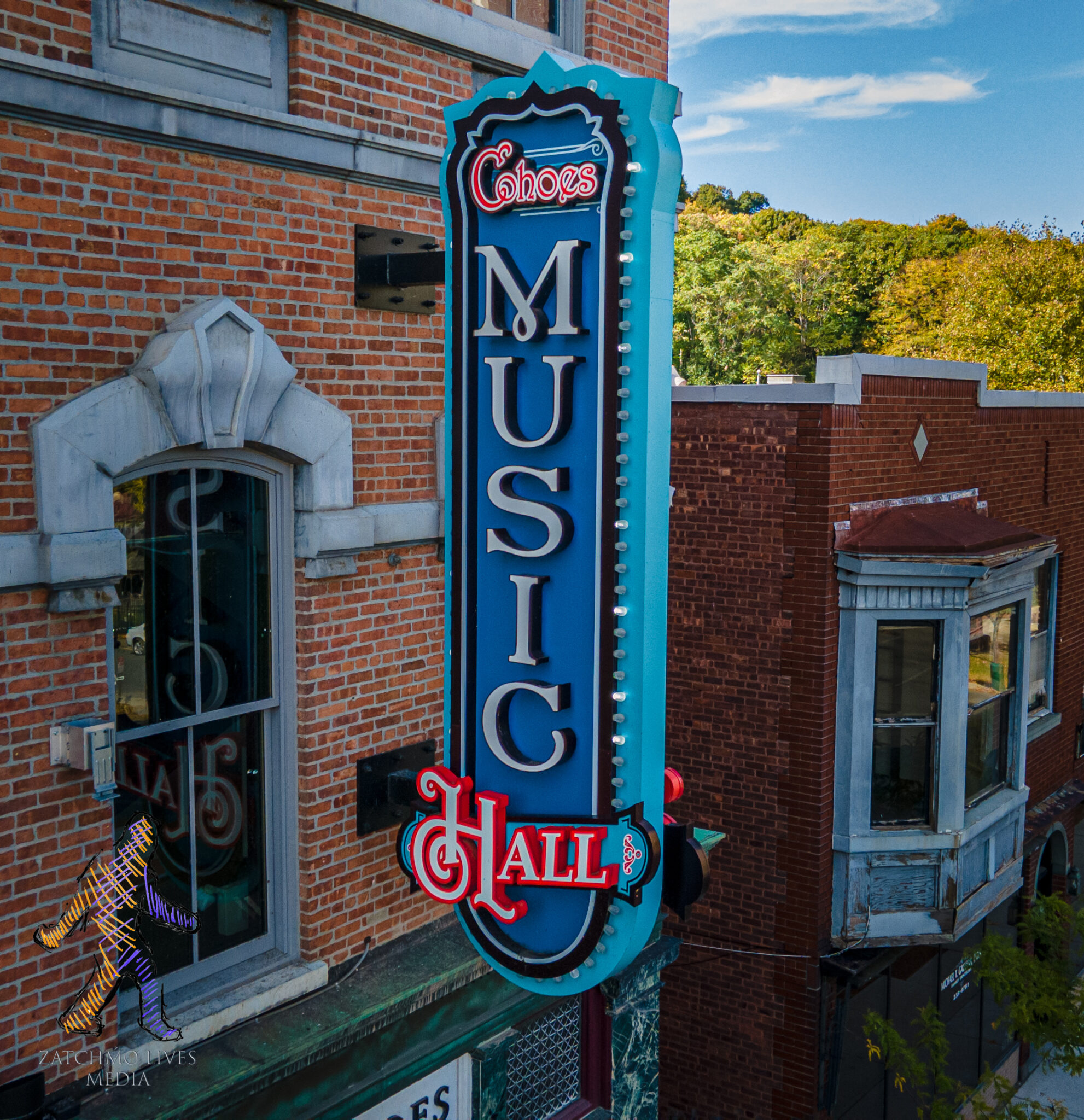
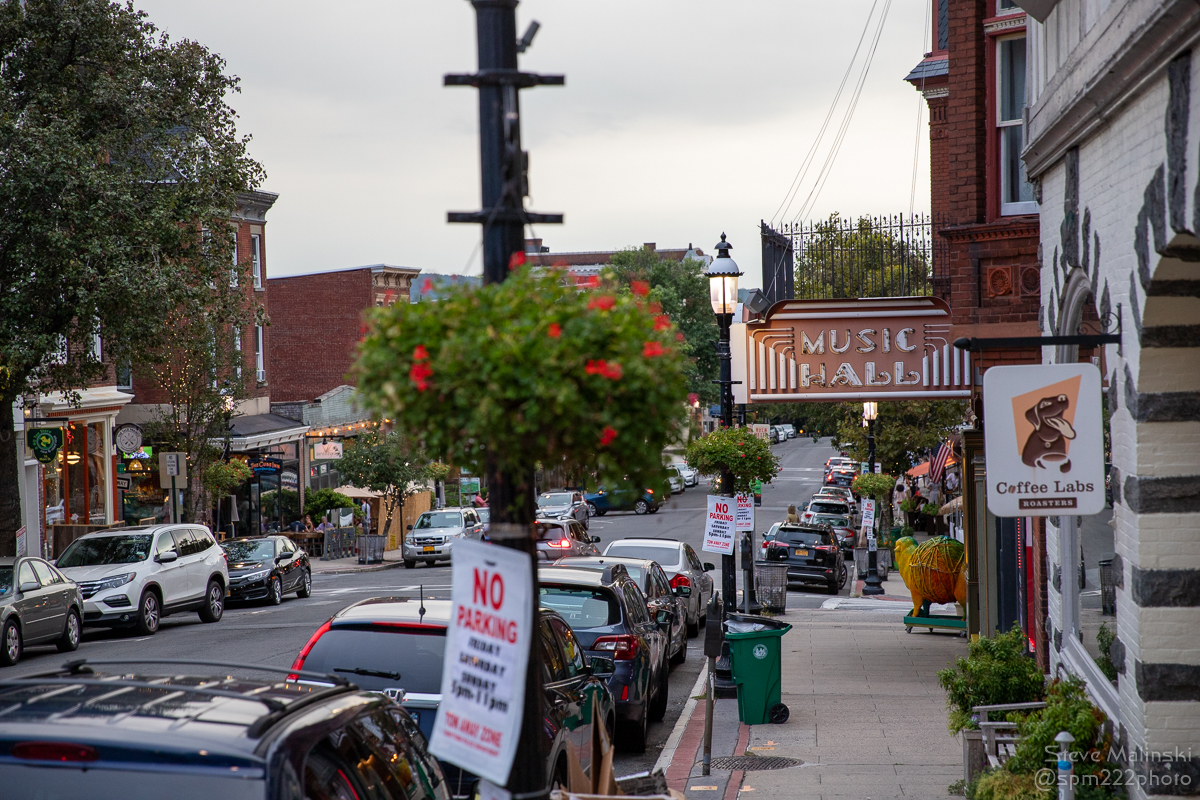
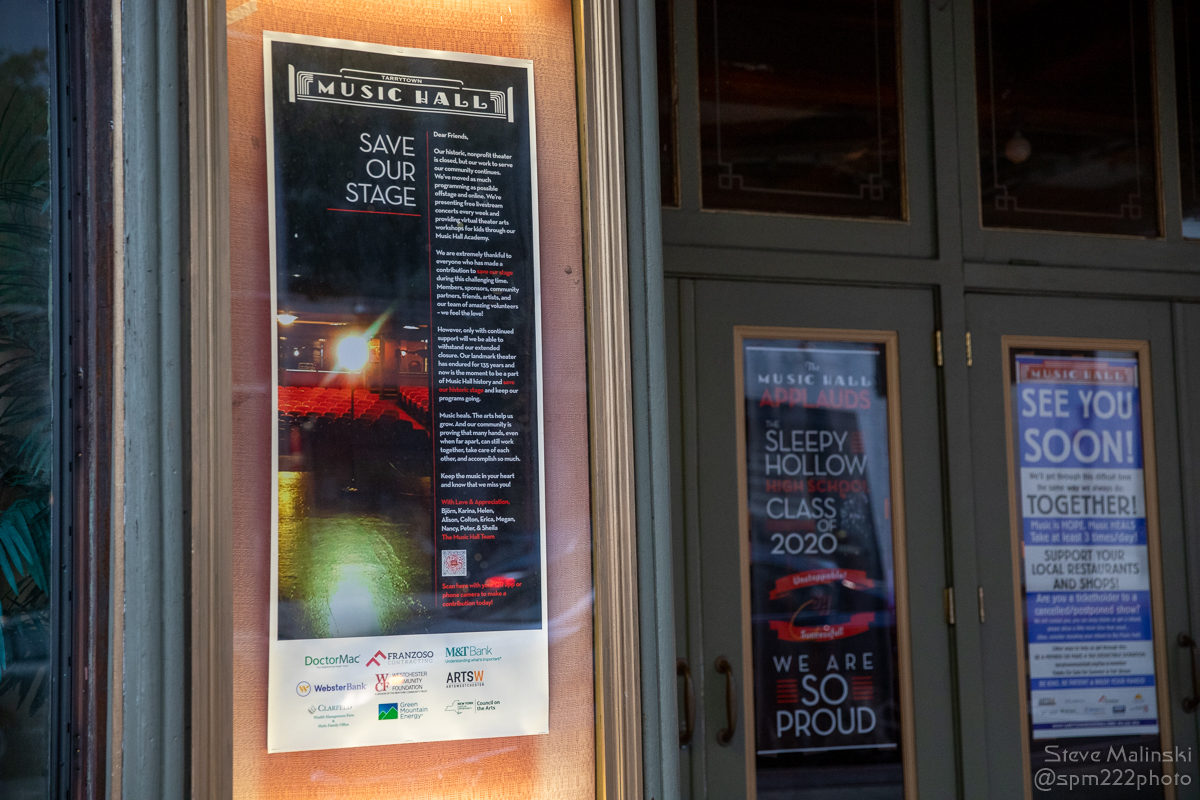
Tarrytown Music Hall – photo by Steve Malinski
Working with a dozen photographers to document more than 40 venues in 12 cities across New York State, NYS Music presents the fourth edition of our monthly series that looks at the current state of our beloved venues.
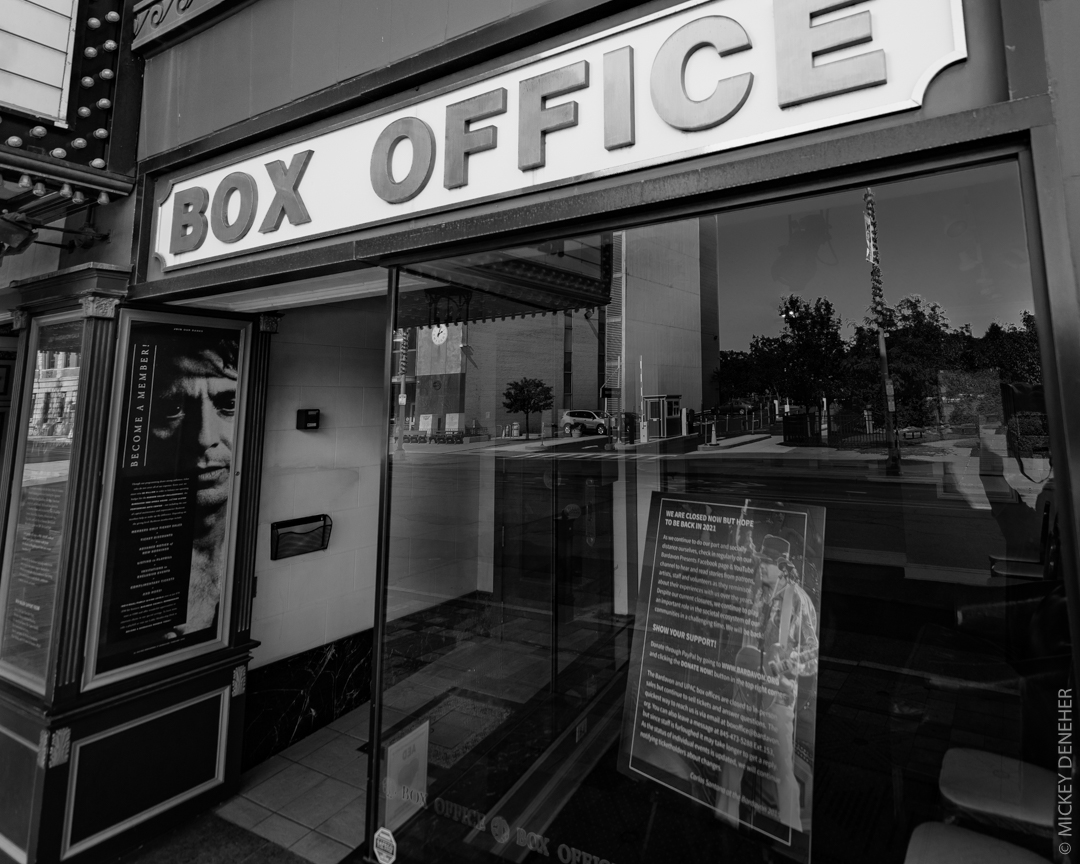
Immense thanks goes out to all photographers and venues who are taking part in this monthly series. We’ll start the fall off in the Hudson Valley with Mickey Deneher’s look at the historic venues that pepper the towns along the Hudson River. Visit NIVA to find out how you can help venues across New York, and the country. We need to #saveourstages and preserve live music for when this is over.
New York music venues decided to file a Federal lawsuit against State restrictions on live music on September 6, 2020 in the U.S. District Court in Manhattan. The lawsuit involves ten establishments across New York who believe the live music restrictions are unworkable and unconstitutional.
The Federal lawsuit challenges both the ad ban and the rule against charging for shows as being arbitrary since there is no evidence those actions have any effect on the slowing coronavirus spread.
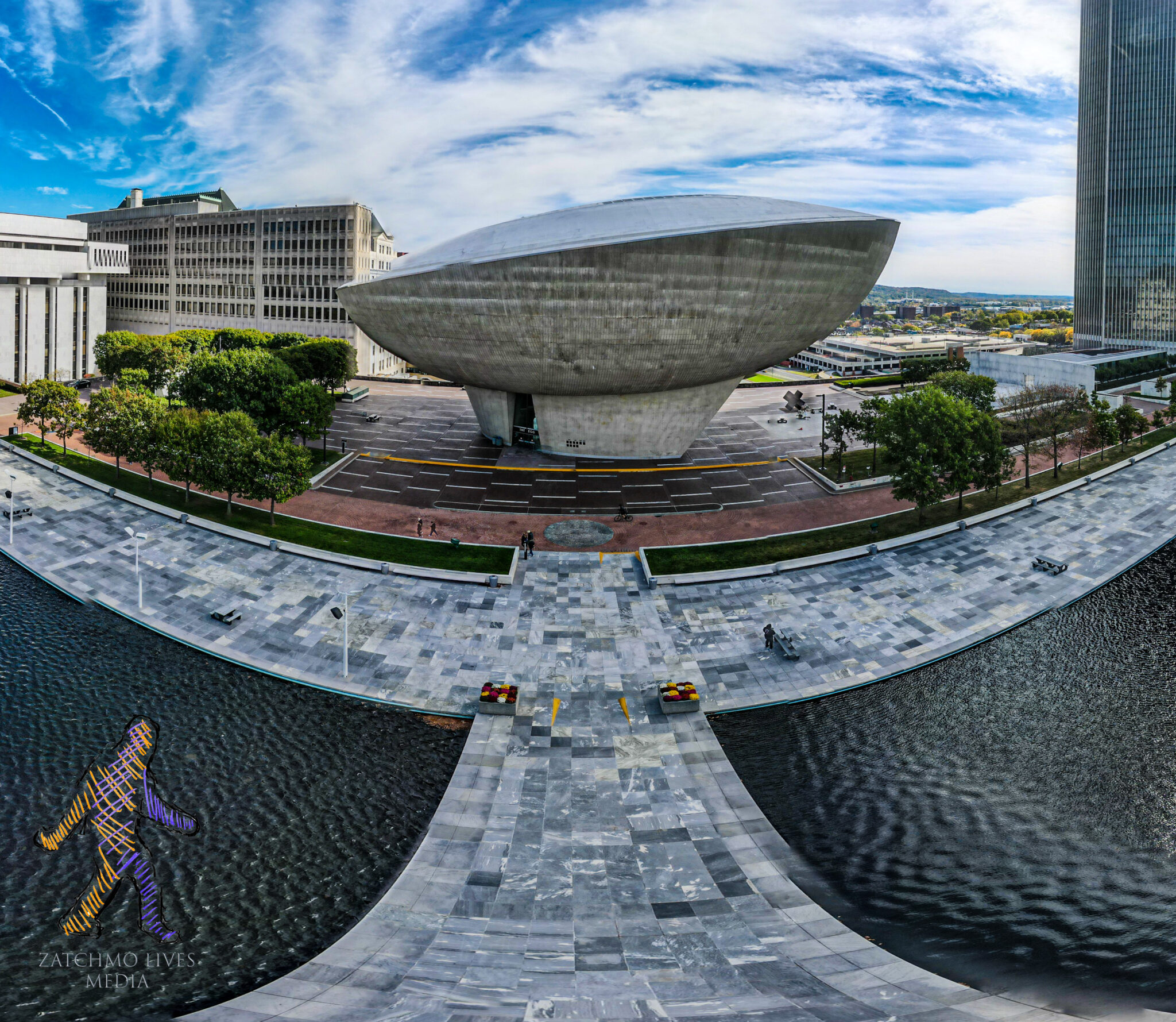
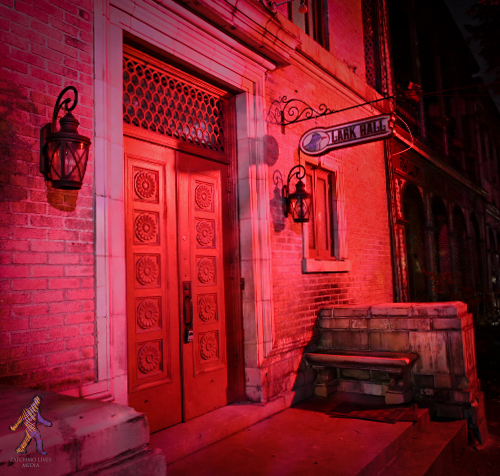
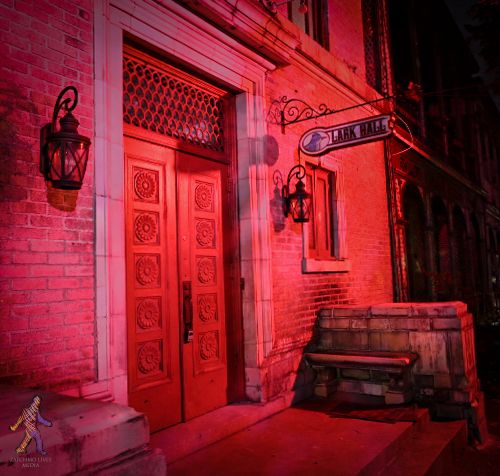
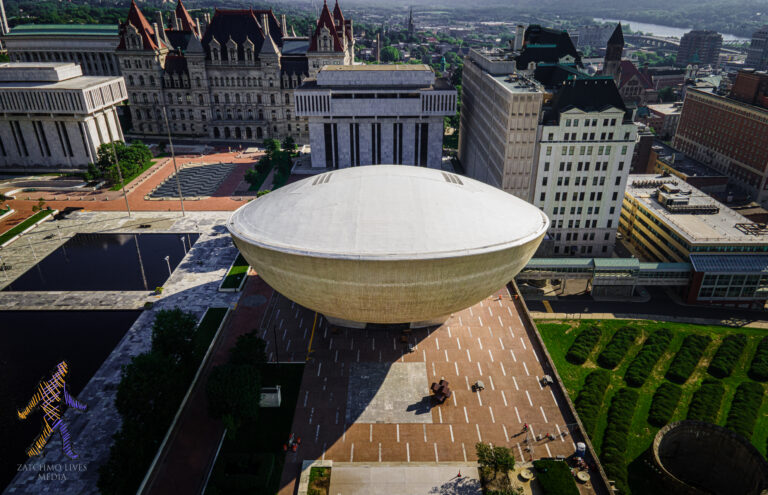
Lark Hall lit up in red demanding the passage of The Restart Act. Photo by Zach Culver.
Last week New York state announced rules that aimed to contain the spread of the coronavirus according to state officials but many venues feel they have been disproportionately singled out in this new ruling. The rules allow only what the state calls “incidental” music to be performed at venues making it impossible to promote performances and therefore making it difficult for venues, bars, and restaurants to intrigue an audience to attend their establishment.
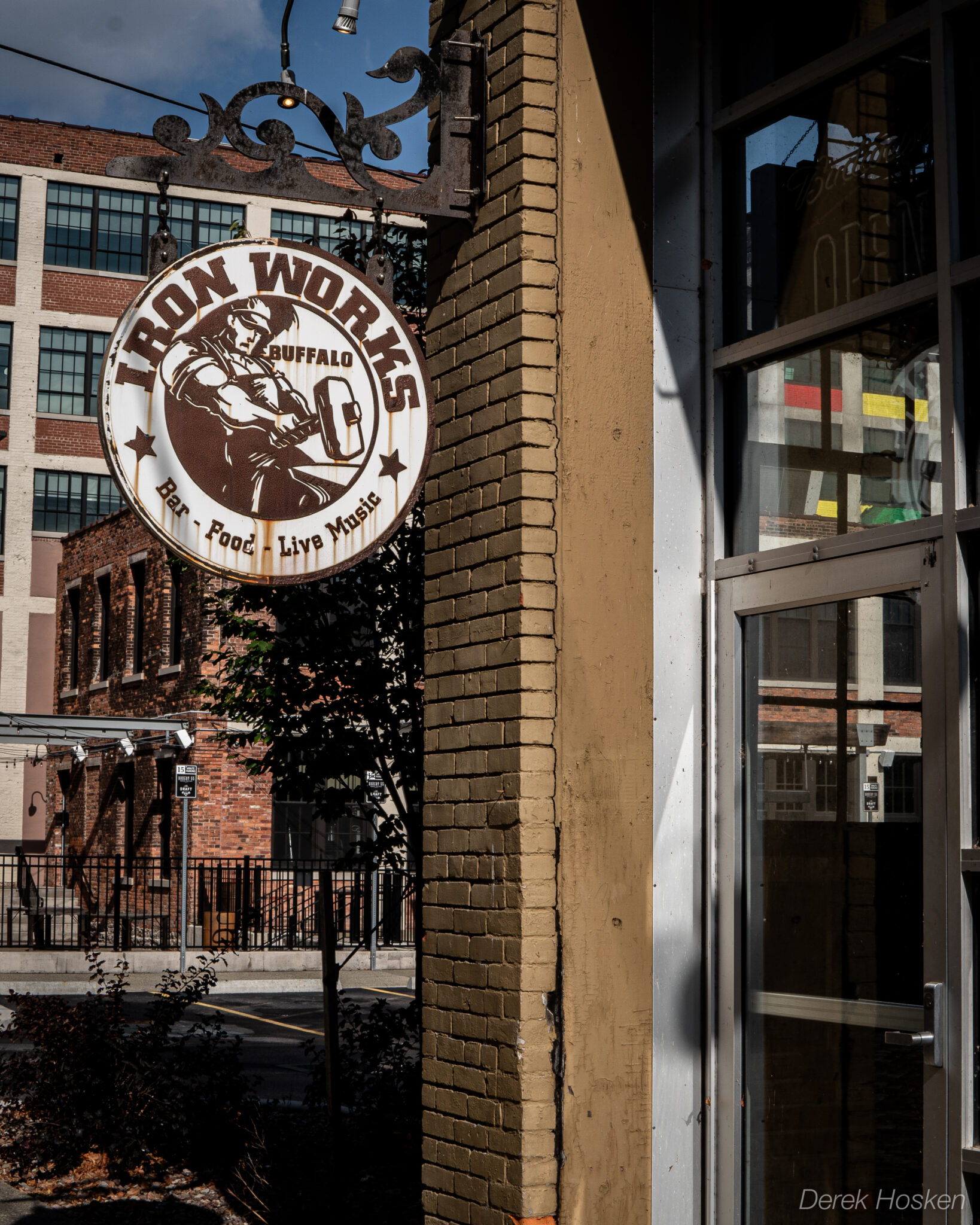
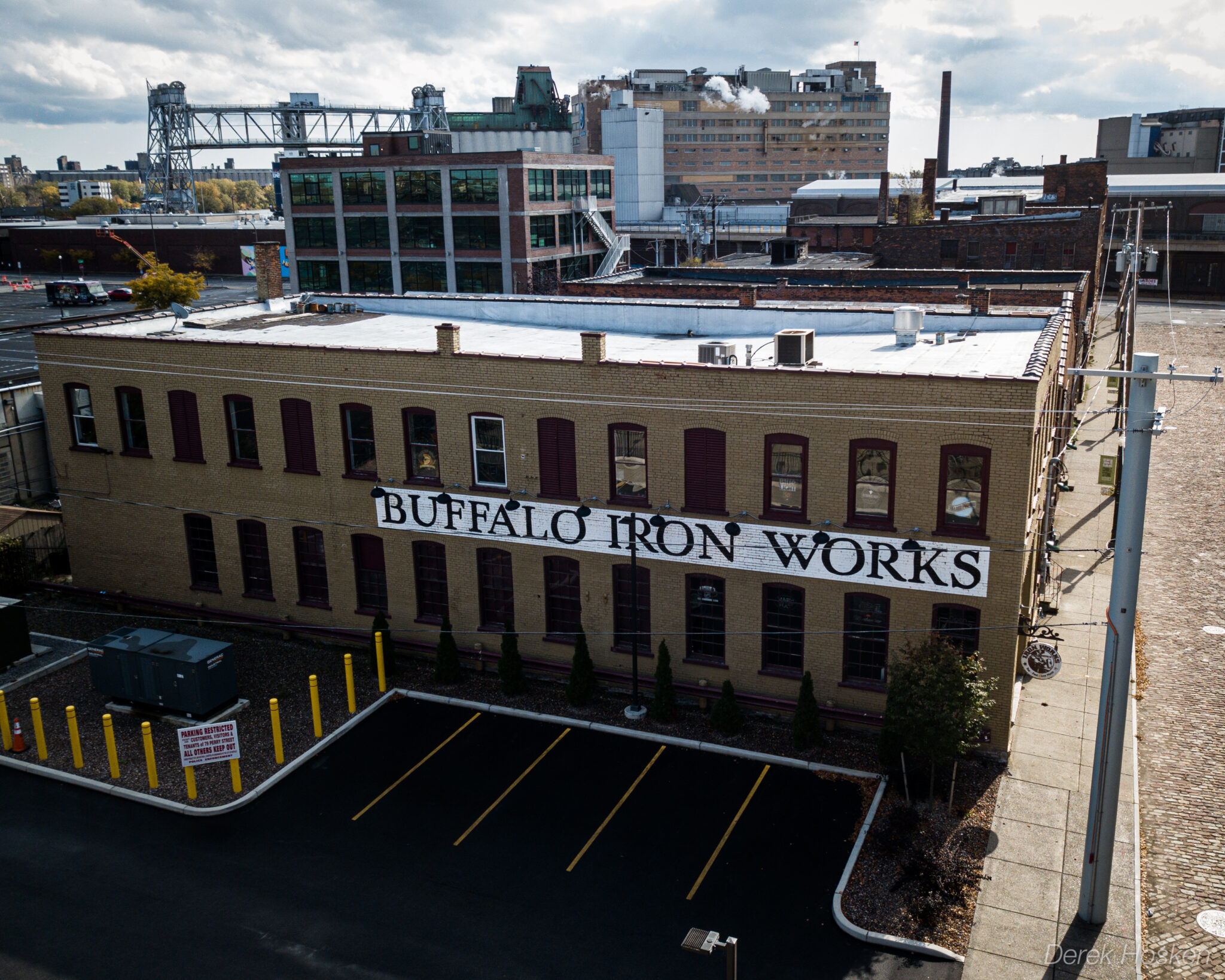
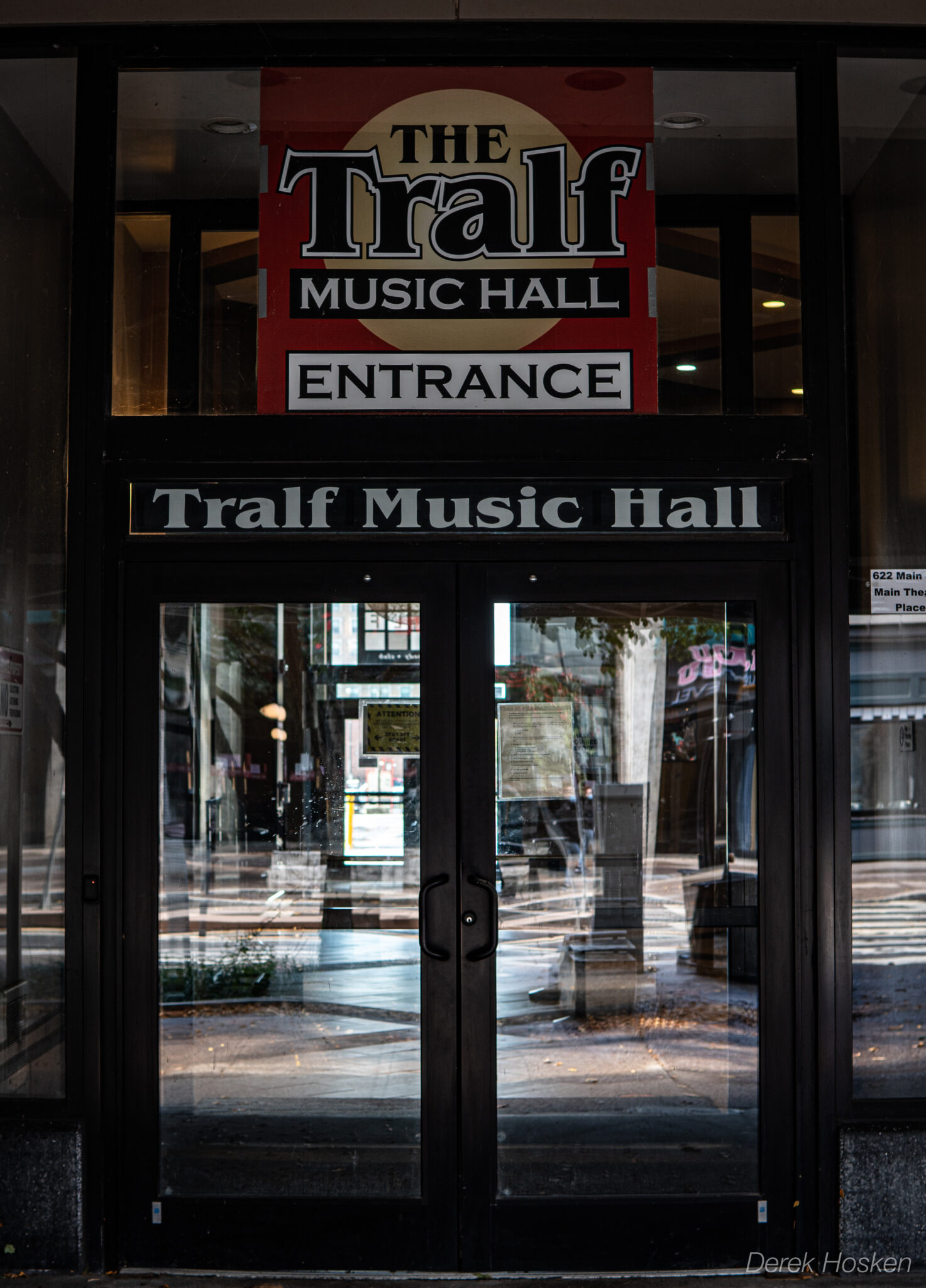
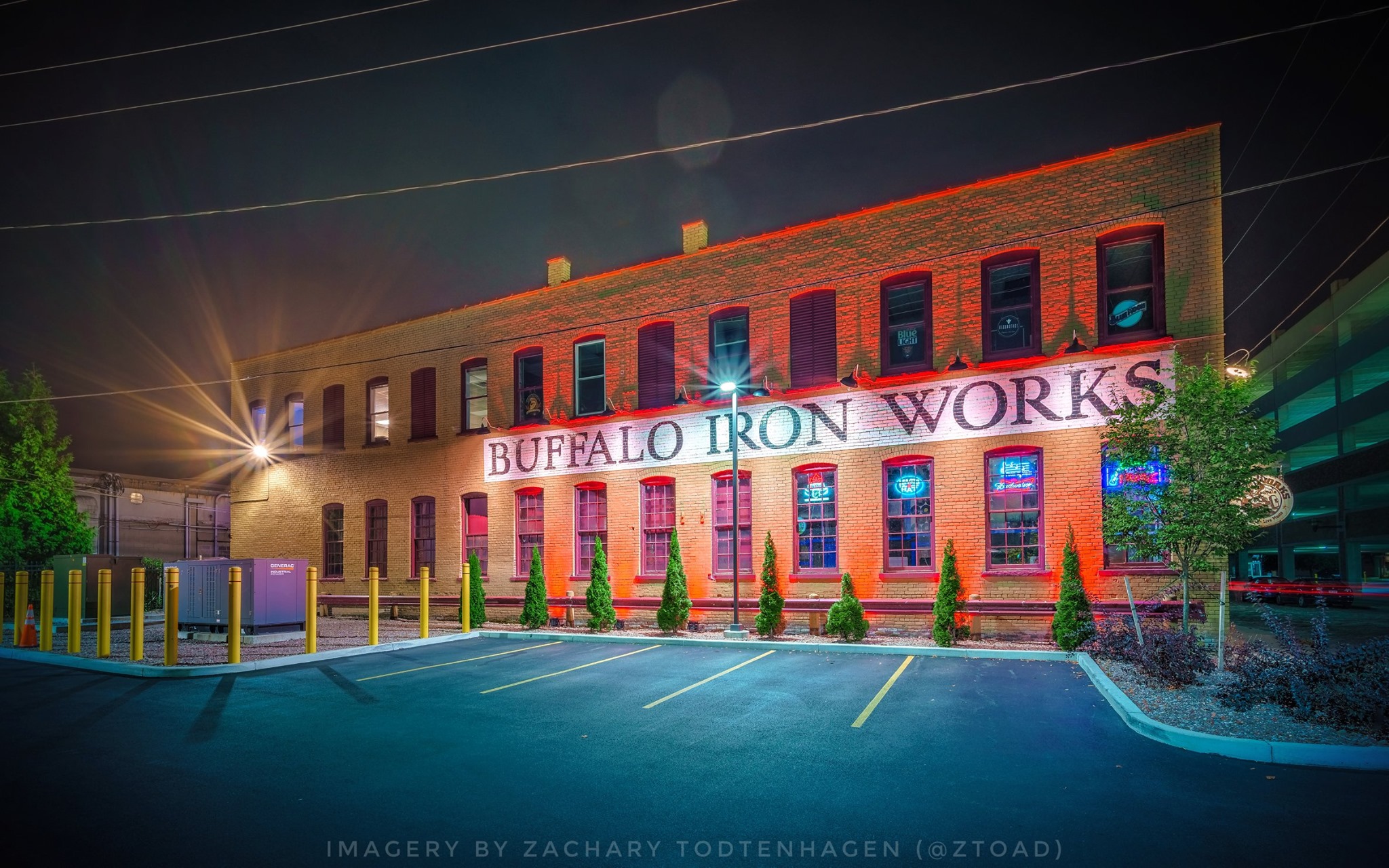
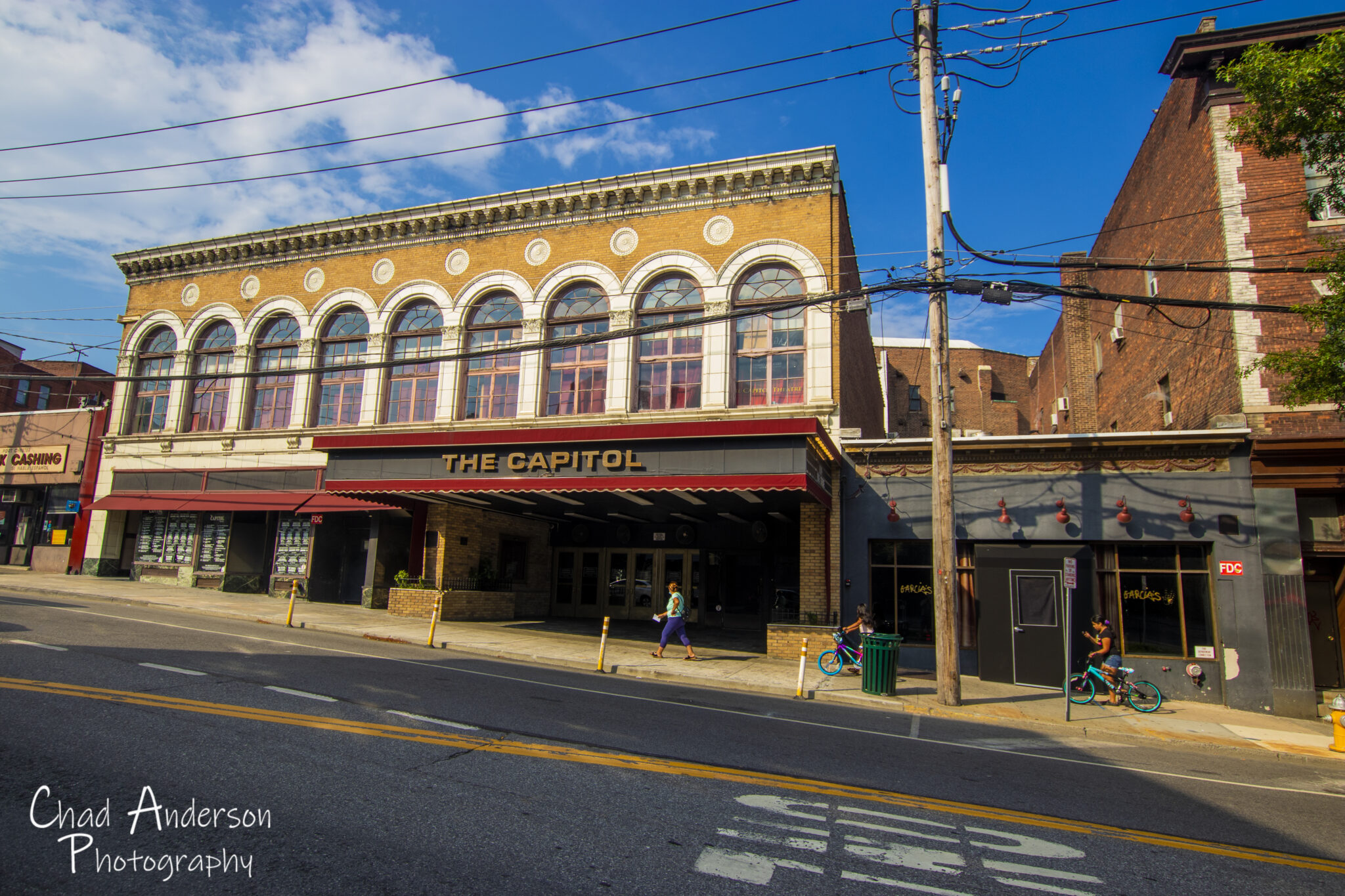
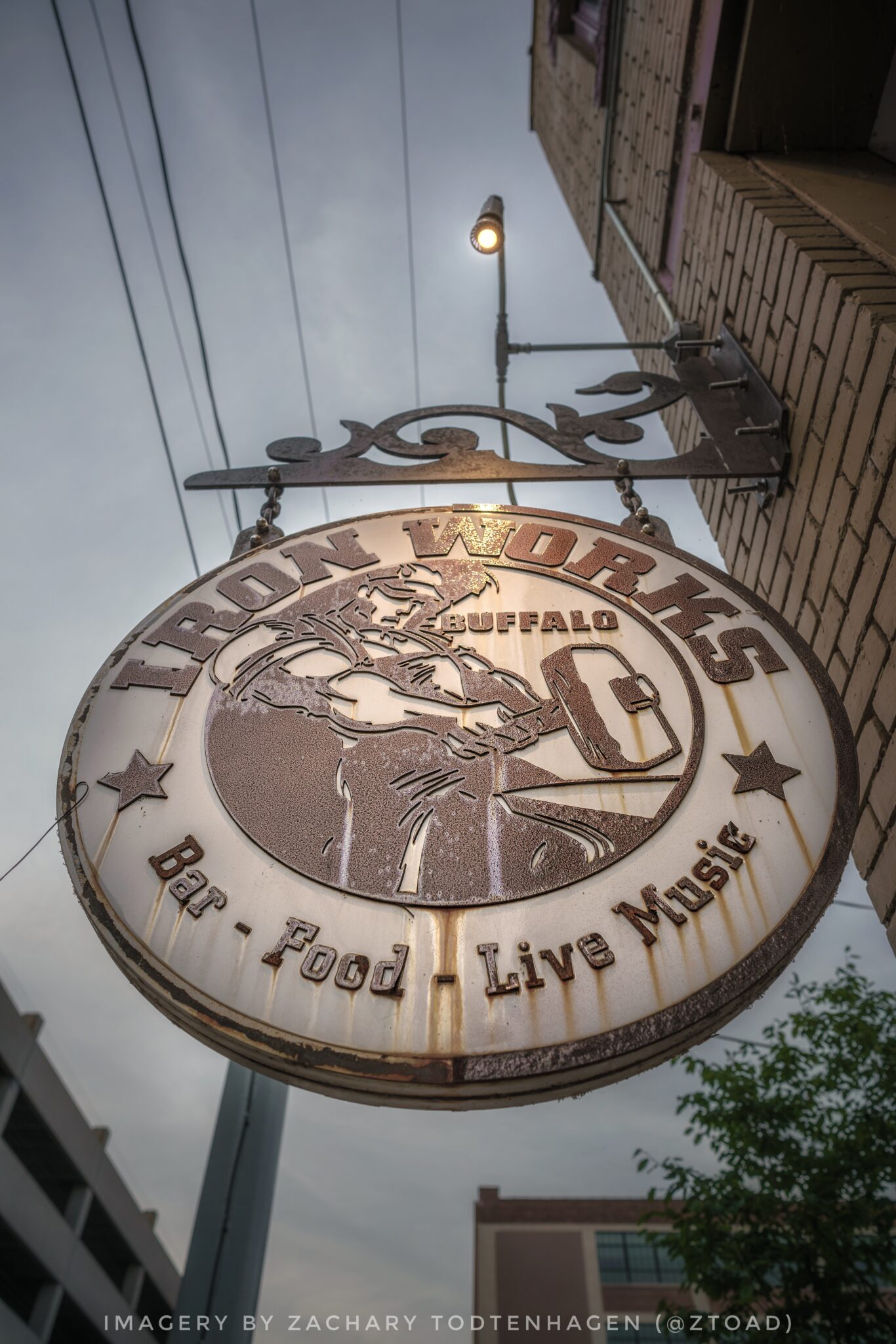
The ten establishments involved in the lawsuit are establishments that serve liquor and host or promote live music or entertainment. These venues come from all across New York state including four in New York City. The others are located throughout upstate New York in Buffalo, Niagara Falls and Clifton Park. The plaintiffs in the case are Turks Group, LLC, operating as The Sultan Room & The Turk’s Inn in Brooklyn, 49 Illinois Restaurant, LLC, operating as Buffalo Iron Works in Buffalo, The New York Independent Venue Association, a trade association, Columbus Ale House, Inc., operating as The Graham, in Brooklyn, Upstate Shows, Inc., operating as Upstate Concert Hall in Clifton Park, Jayarvee, Inc., operating as Birdland Jazz Club in Manhattan, Capitol Enterprises, Inc., operating as The Capitol Theatre in Port Chester, Jukimoo, LLC, operating as Littlefield in Brooklyn, nfinity on Main, Inc., operating as Tralf Music Hall in Buffalo, and Rapid Theater Niagara Falls USA, Inc., operating as The Rapids Theater in Niagara Falls.
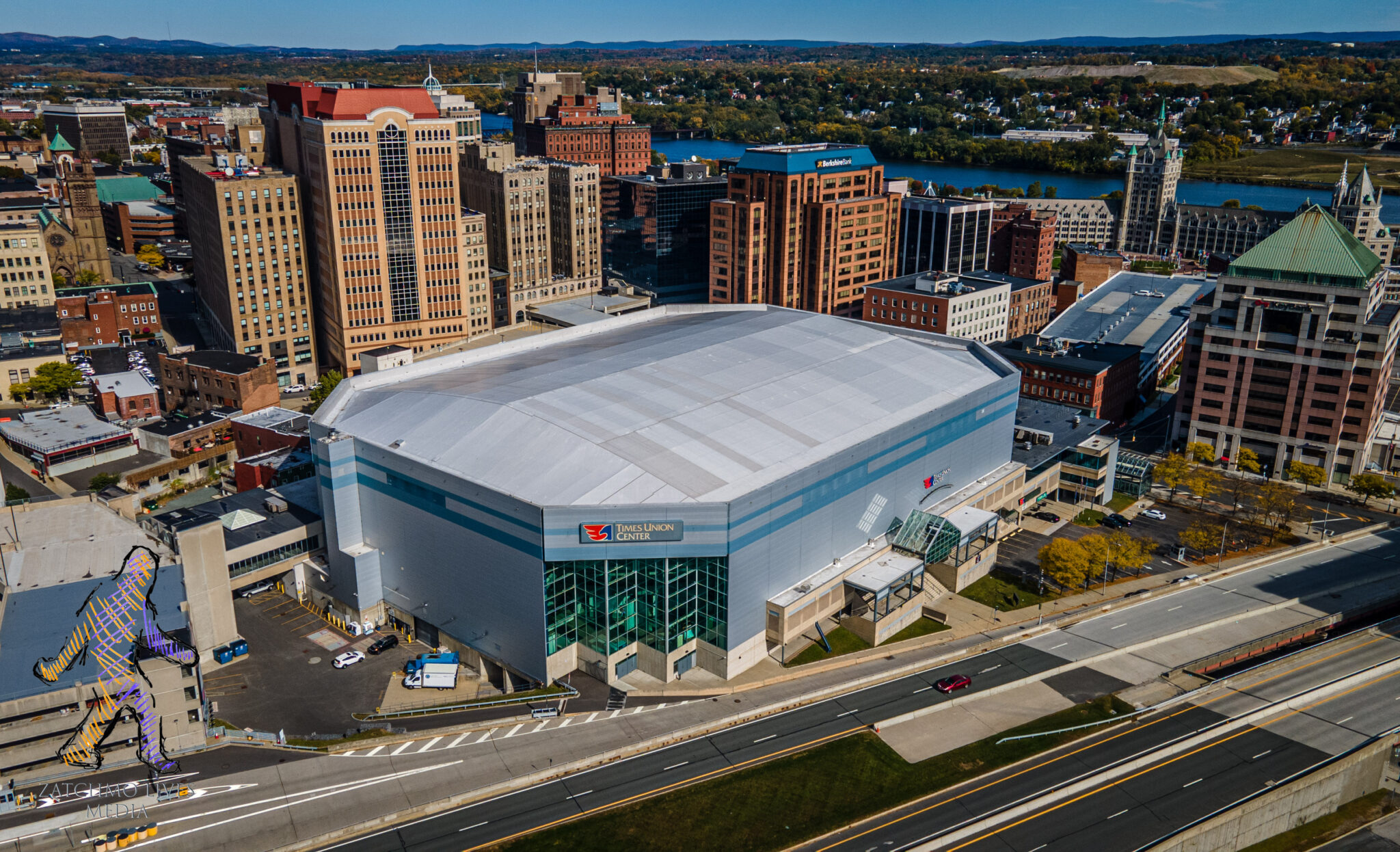
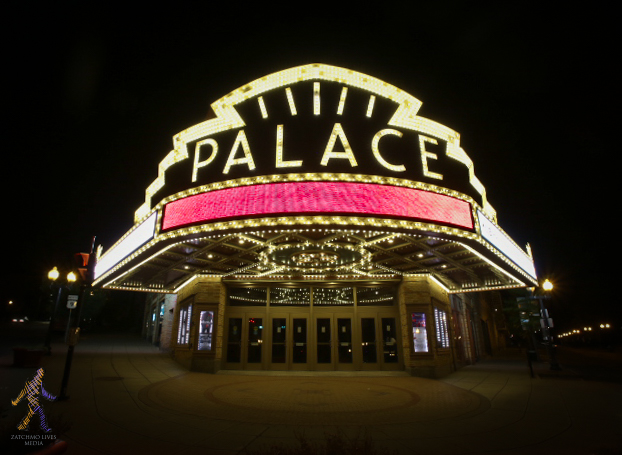
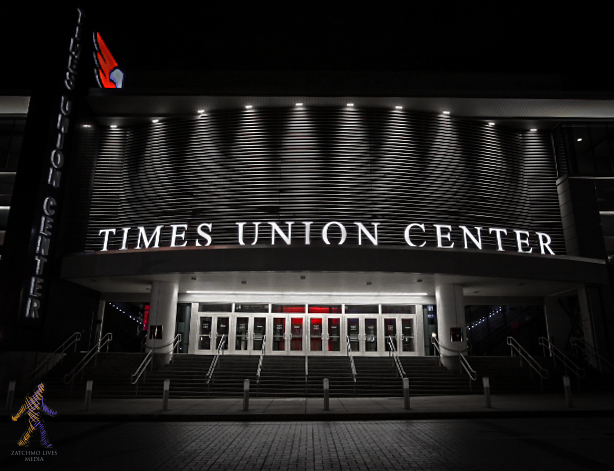
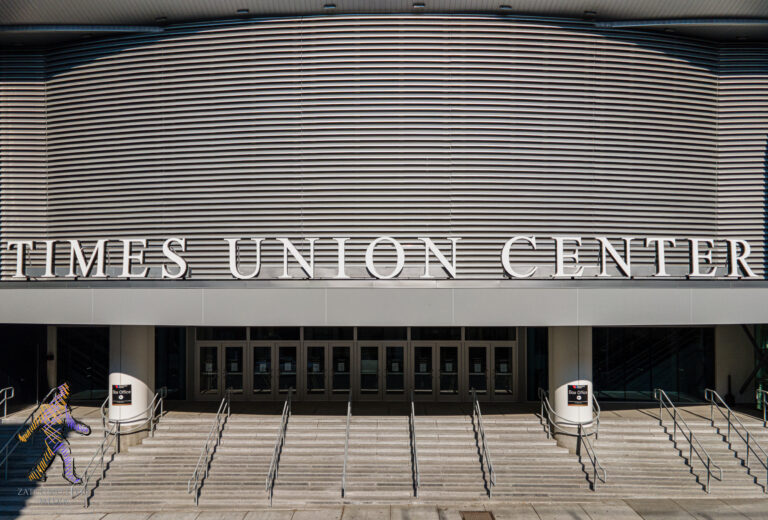
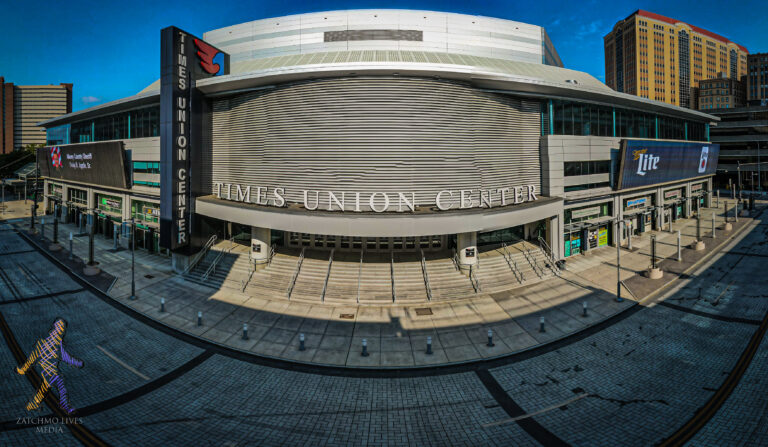
Times Union Center lit up in red demanding the passage of The Restart Act. Photo by Zach Culver.
The defendant named in the lawsuit is the State Liquor Authority Chairman Vincent Bradley. The State Liquor Authority has been the leading charge in enforcing Governor Andrew Cuomo’s coronavirus orders. They do this by having the ability to suspend liquor licenses and impose fines on establishments not following the rules.
According to syracuse.com, “The lawsuit asks the court to halt the state’s enforcement of the orders. It also seeks payment for the cost of the lawsuit and lawyer’s fees, but does not specify monetary damages.” The state’s coronavirus rules are simple and easy to follow for most of these establishments. People being required to wear a mask, social distance, use hand sanitizer, having employee health checks, and ect would be very doable for establishments who host live music and yet they are being singled out from being able to promote their businesses.
The Federal lawsuit says, “The advertising and ticketing of shows would allow establishments to maintain better control over their limited capacity, allowing them to tell patrons in advance that an evening is sold out and thus avoiding the gathering of crowds trying to gain admission (and the increased risk of transmission that comes along with such gatherings).”
For more information on the New York’s new guidelines for establishments and how they effect the establishments and musicians read NYS Music’s article on the guidelines.
Angered that the State Liquor Authority (SLA) created new guidelines last week in regards to live music and ticketed events, establishments have teamed up to file a lawsuit.
According to the SLA’s website, venues and bars cannot hold ticketed events, karaoke and other live entertainments. They claim that an establishment is allowed to have “incidental live music,” but it cannot be ticketed or advertised.
“Only incidental music is permissible at this time. This means that advertised and/or ticketed shows are not permissible. Music should be incidental to the dining experience and not the draw itself. All other forms of live entertainment, such as exotic dancing, comedy shows, karaoke etc., are not permissible currently regardless of phase.”
via SLA website
To many establishments, they feel these new guidelines will affect business drastically. According to the lawsuit, these rules restrict “free speech.”
“Despite the fact that coronavirus is not transmitted via sound waves, the SLA just decimated already struggling businesses. This rule prohibits lawfully operating establishments from advertising the entertainment that is lawfully available: to wit, a ban on advertising of music at food service establishments. This constitutes a content-based restriction on free speech,” the lawsuit states.
The lawsuit was filed with the support of the New York Independent Venue Association. Forming this past summer, NIVA has been on the forefront of the #SaveOurStages movement. Their mission was and still is to get financial support from Congress to the industry. They represent over 100 independent music venues including The Tralf, Littlefield, Birdland Jazz Club in Manhattan and Buffalo Iron Works in western New York.
The new guidelines appeared not too long after multiple raves throughout NYC got busted for illegally selling liquor and disobeying the social distancing rule.
Bill Crowly, a spokesperson for SLA told Gothamist that large gatherings such as these can be very dangerous.
“These high-risk gatherings would create exactly the situation we are trying to avoid, where people congregate, mingle, and create congestion at points of ingress and egress,” Crowly said.
On the side of the restaurant/bar industry, a manager, Kim, at Littlefield said that its been a hard time reopening and that costumers have to respect that.
“Nightlife is so vital here—I don’t know why else people would move to New York, and I feel like it’s going to die. We’re holding out as long as we can with whatever aid we can get. But this is going to change the whole landscape of nightlife in New York,” said Kim.
Ticketed music events will now be banned at bars, restaurants, and similar venues in the state of New York due to new coronavirus guidelines for Stage 3 and 4 reopening for licensed on premise establishments released on August 18, 2020. These new guidelines prohibit these establishments in NY from offering live music that customers pay for separately.
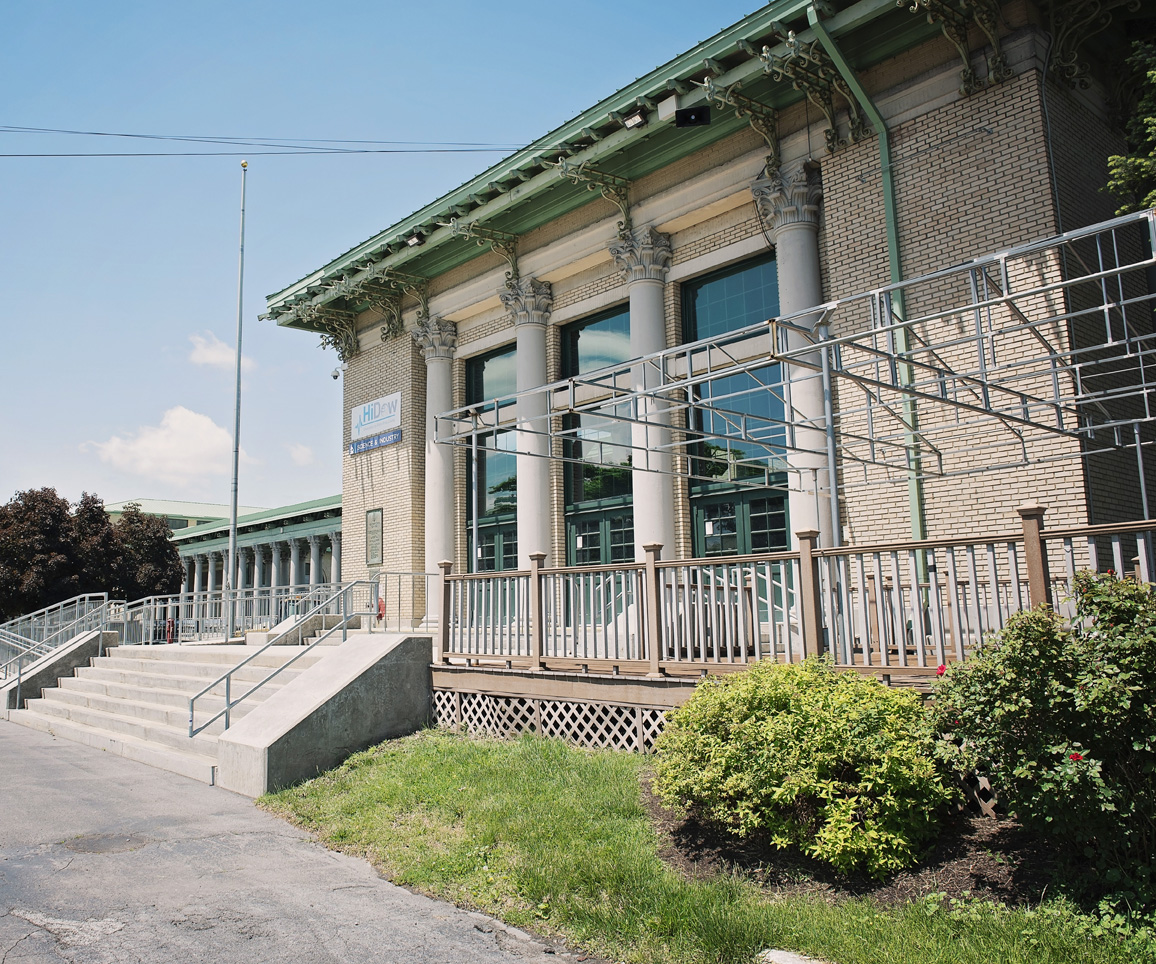
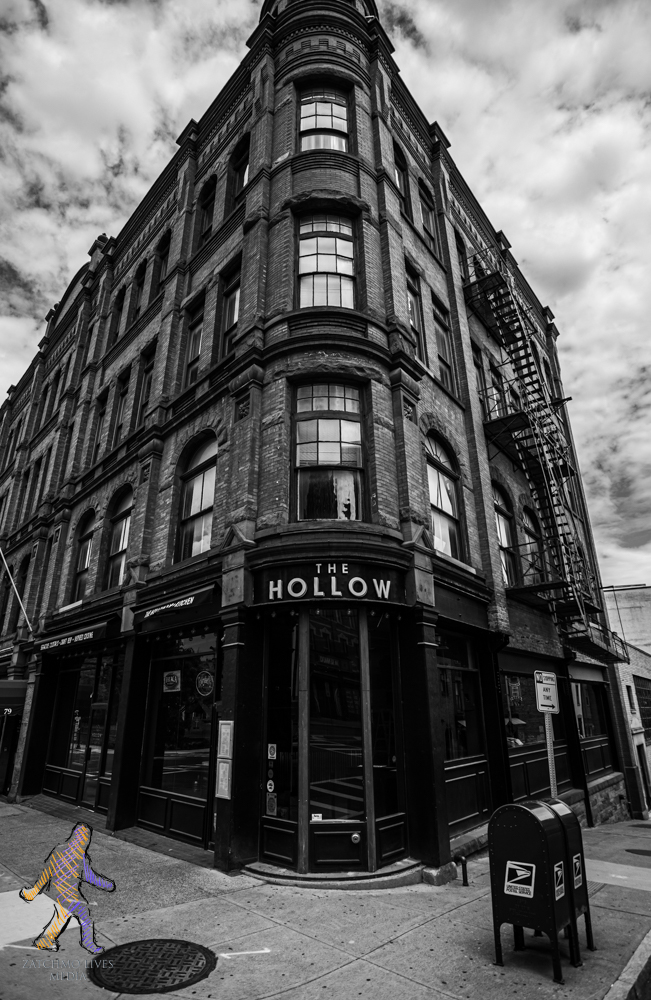
The Hollow, Albany – photo by Zach Culver.
Not only do they prohibit ticketing music events but prohibit any events where a patron has to buy a ticket. On top of that it prohibits venues from advertising live entertainment. These new guidelines will bring all events that have been planned by venues to a screeching halt. Music will be allowed at establishments but has to be “incidental” music according to the rules posted in Q&A format on the State Liquor Authority website. Incidental music basically means music can be at performed at establishments but it can’t be advertised and promoted as a reason people should go to the establishment.
“Restaurants and other on premises food and beverage establishments that have a license through the SLA are only allowed to offer on-premise music if their license certificate specifically allows for such activity (i.e., live music, DJ, recorded, etc.). A manufacturer that has an on premises license also must assure that its on premises license certificate specifically allows for the type of music it is offering. A manufacturer without a separate on premises license may offer music unless its license certificate specifically prohibits such music.
If offering music, indoors or out, all relevant aspects of the respective Department of Health guidance dining must be followed, e.g., patrons should not be standing except for necessary reasons (e.g., restroom, entering/exiting), standing patrons should wear face coverings, etc. Performers should be at least 12 feet from patrons.
All other forms of live entertainment, such as exotic dancing, comedy shows, karaoke etc., are not permissible currently regardless of phase.
Additionally, please note that only incidental music is permissible at this time. This means that advertised and/or ticketed shows are not permissible. Music should be incidental to the dining experience and not the draw itself.”
New York State Phase 3/4 Guidelines for Licensed On-Premises Establishments Answer for “Can I have live entertainment or a DJ in my indoor or outdoor dining area?”
This new coronavirus guidelines will disproportionately hurt musicians and venue operators. Many musicians depend on ticketed events for income. Many bars and venues depend on special music events to pay the bills. According the New York Upstate article Julie Leone, who is co-owner of The 443 Social Club & Lounge on Burnet Avenue in Syracuse had spoken to a State Liquor Authority enforcement officer August 18 and, “Was told the agency could automatically suspend the liquor licenses for any venues found to be advertising shows. That seems to be different from regular enforcement, in which officers physically visit the venues to verify non-compliance.”
To many, this guideline seems shocking, unfair, and far out of left field. It will effectively shut down many establishments again that have only recently been able to reopen. These guidelines were implemented with the intention to try to keep people from mingling for prolonged periods of time to help contain the spread of the virus by Governor Andrew Cuomo and other state officials but to musicians and venue operators it feels like an attack on the music industry.
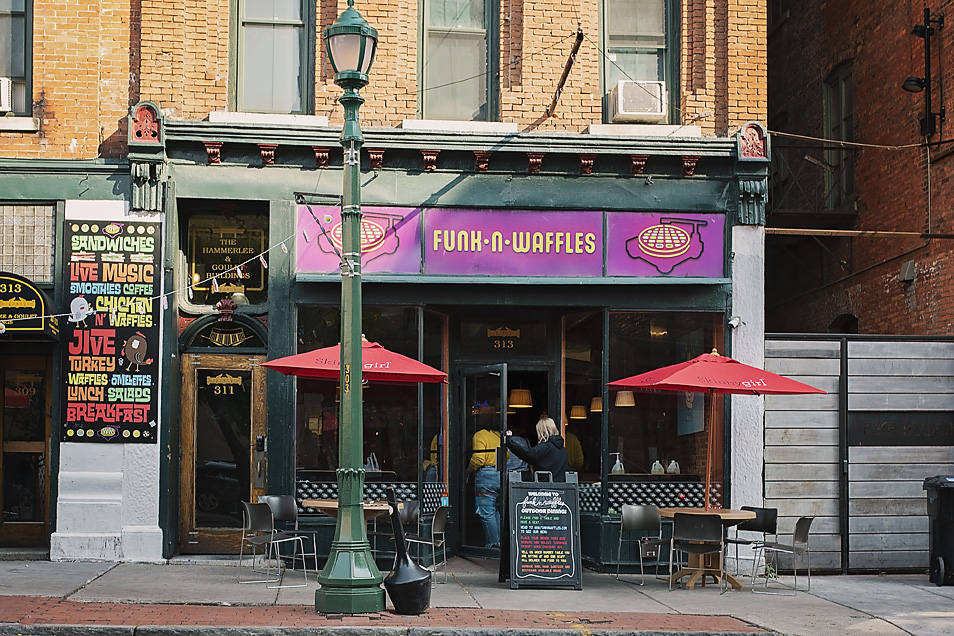
Funk n’ Waffles, Syracuse – photo by Josh Davis.
Dave Ehmann, owner and founder at Adirondack Independence Music Festival elaborated on his feelings about this implementation of these guidelines on his Facebook page saying, “I don’t know about anyone else but I feel like someone needs to hear enough is enough with this bullshit. This is nothing more than a straight up attack on the music industry. Why aren’t we yelling louder and pushing back? It’s gone way past being safe into straight up nonsense. Peaceful protests are in order here.”
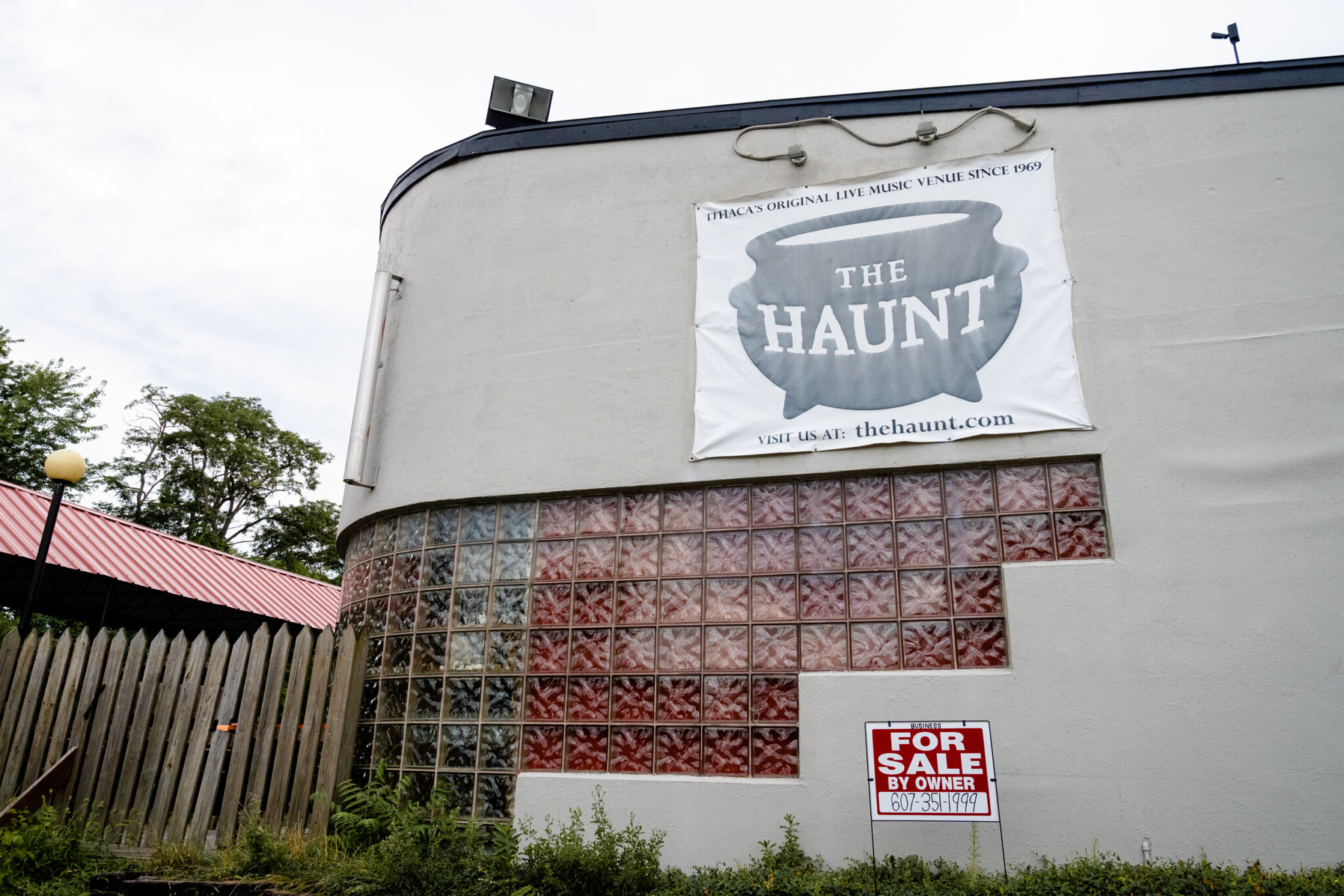
The Haunt, Ithaca – photo by Casey Martin
Adam Gold, owner of Syracuse’s well know Funk ‘n Waffles gave his two cents on the new guidelines saying, “I was under the impression these were the regulations anyways. For me it was more of a reminder: ‘By the way, you still can’t do anything (music-wise). We aren’t currently having any indoor dining, even with it being technically allowed for several weeks now. It seems the one thing experts tell you to avoid doing is being near a bunch of strangers in a building for more than an hour.’”
Jarrett Hartstone, promoter at Hartstone Productions, feels that safety is paramount and guidelines should not limit live music performances.
Having closely followed this entire pandemic since the beginning, I fully believe in the need for reopening guidelines in order to keep people safe and control the spread of COVID-19. That said, I think that this latest order by the State and SLA saying that establishments can’t advertise live music and that it has to be “incidental” takes it step too far.
As long as an establishment is operating within the safety guidelines (ie; maintaining social distancing, requiring face coverings, frequently disinfecting, even making people remain seated at tables if need be), there is no reason why they can’t safely host live music and advertise it to help generate business to their already reduced-capacity establishment.
While safety measures are indeed critical to controlling the spread of the virus, so is the need to give businesses (in this case musicians, music venues, bars and restaurants) a fighting chance to survive.
If an establishment isn’t operating within the safety guidelines, by all means, issue a violation. But the focus should be on whether or not they are operating safely, which has nothing to do with advertising and hosting a particular band.
Jarrett Hartstone, Hartstone Productions
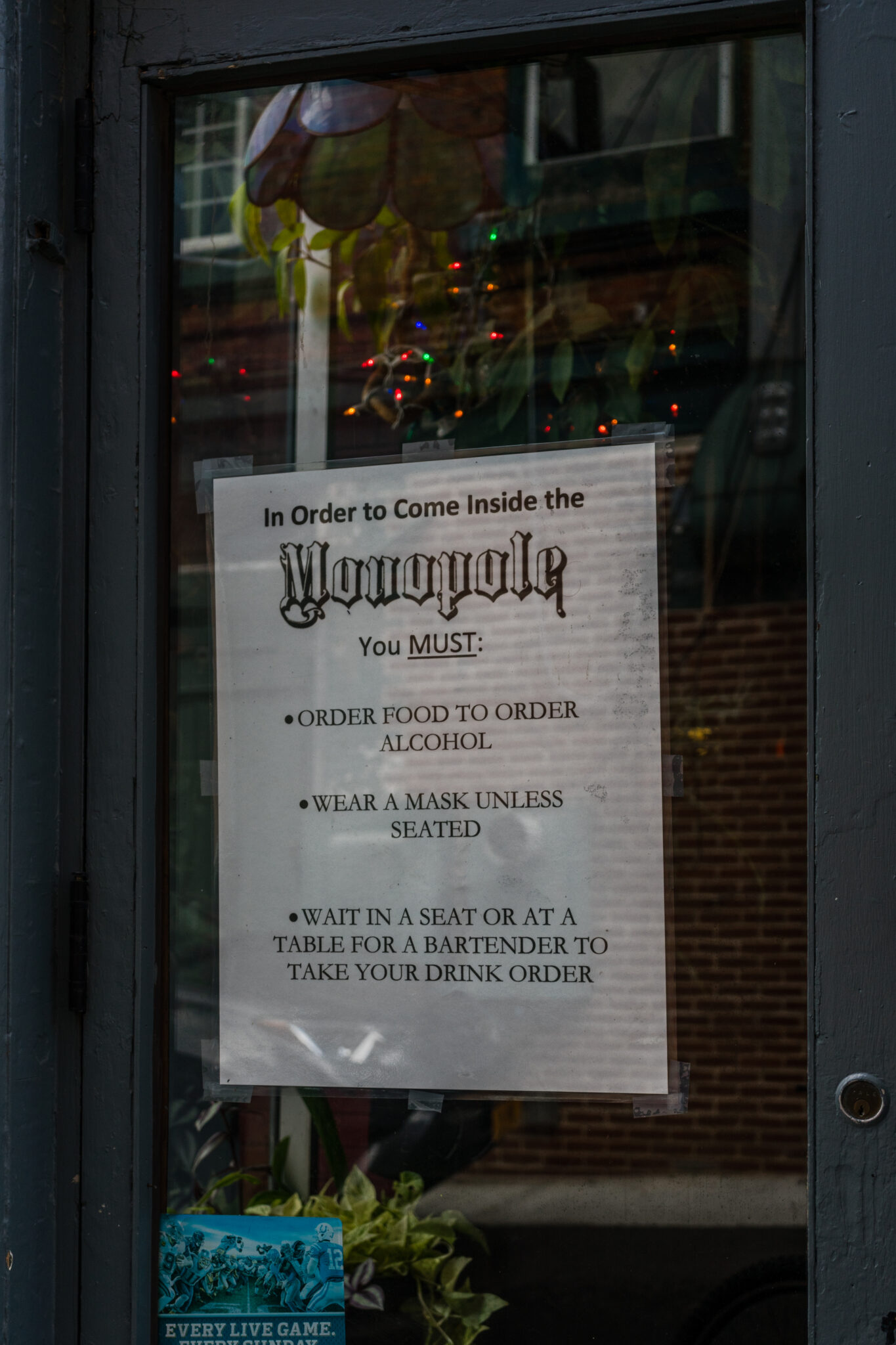
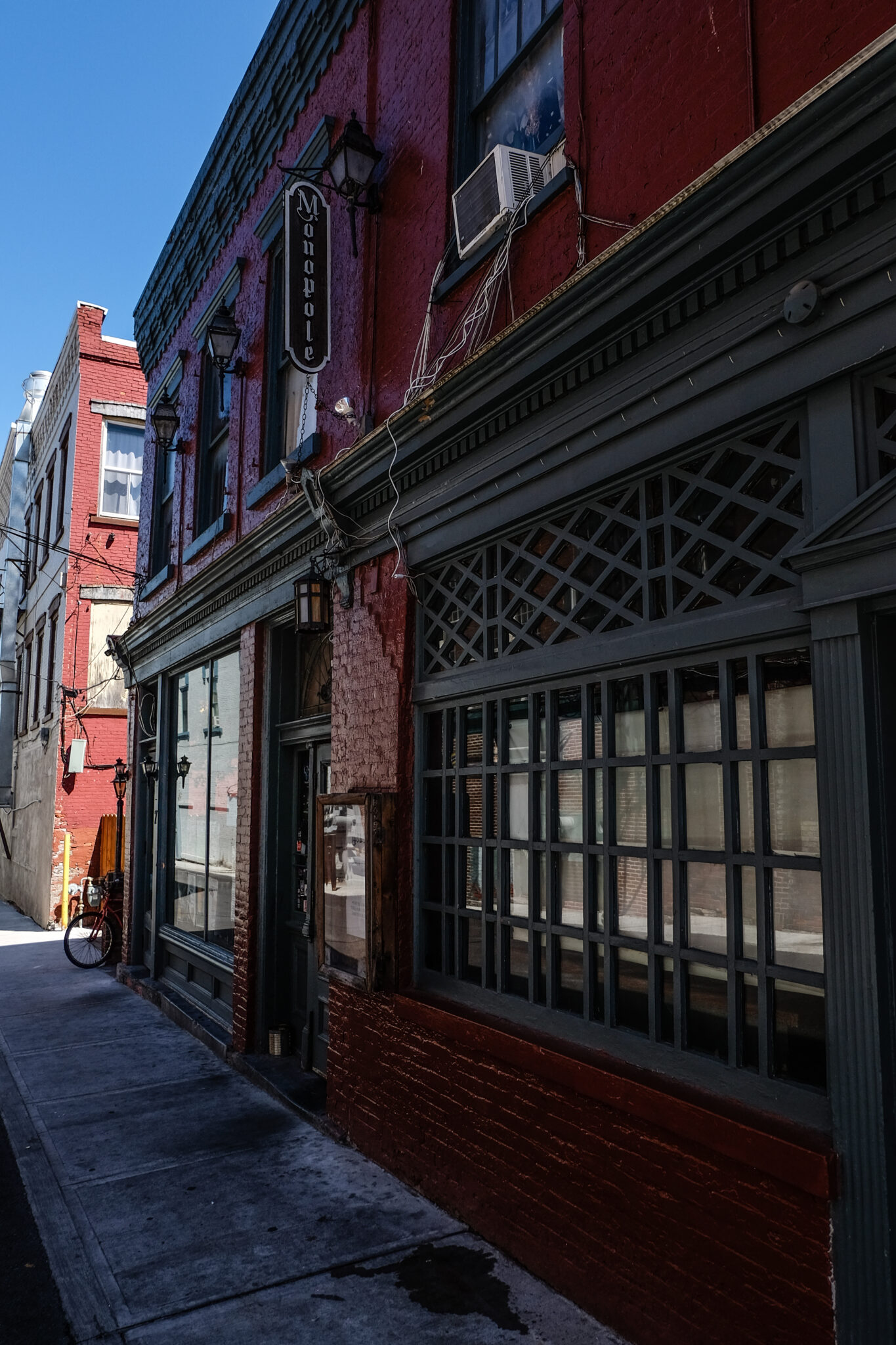
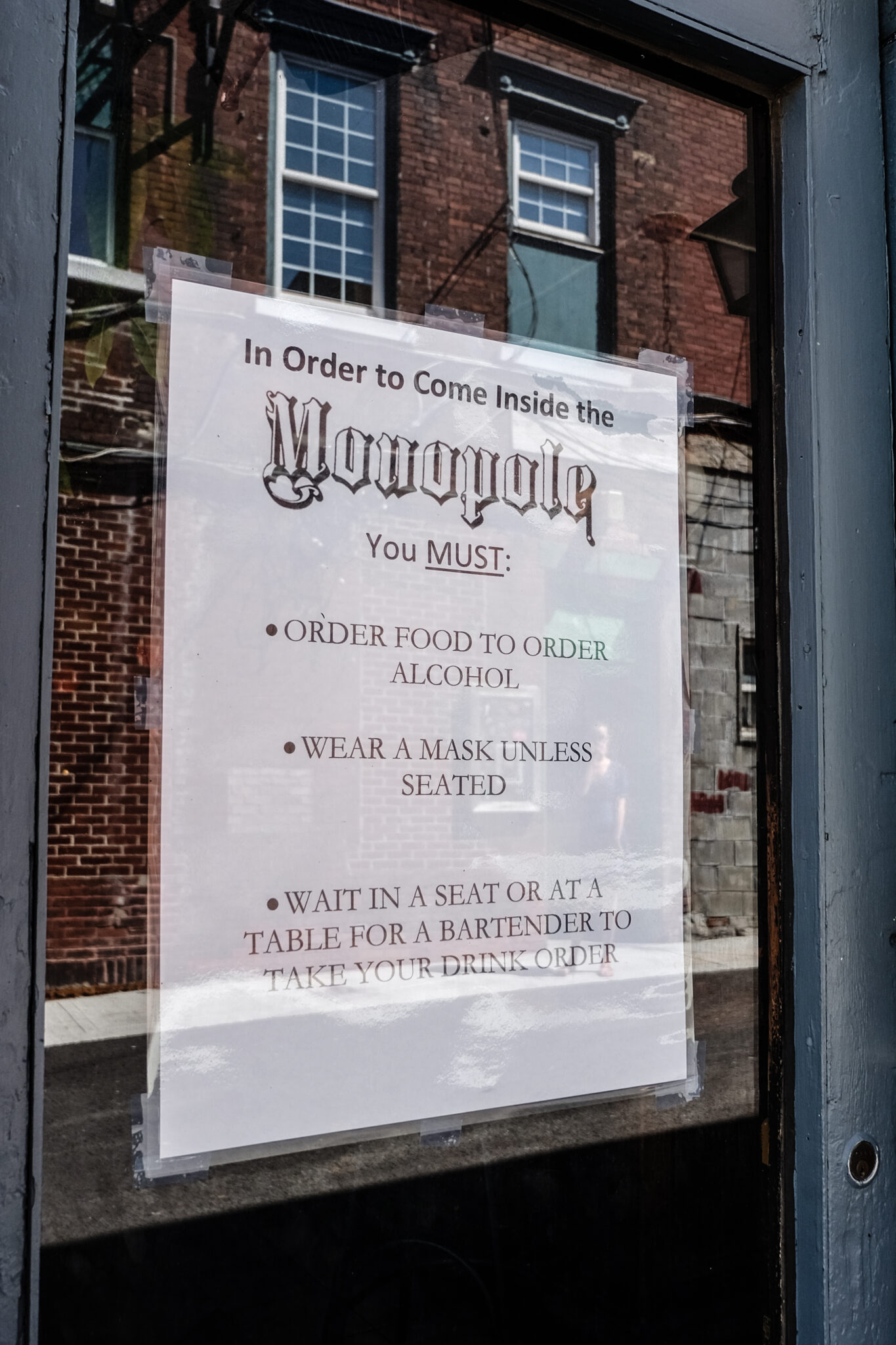
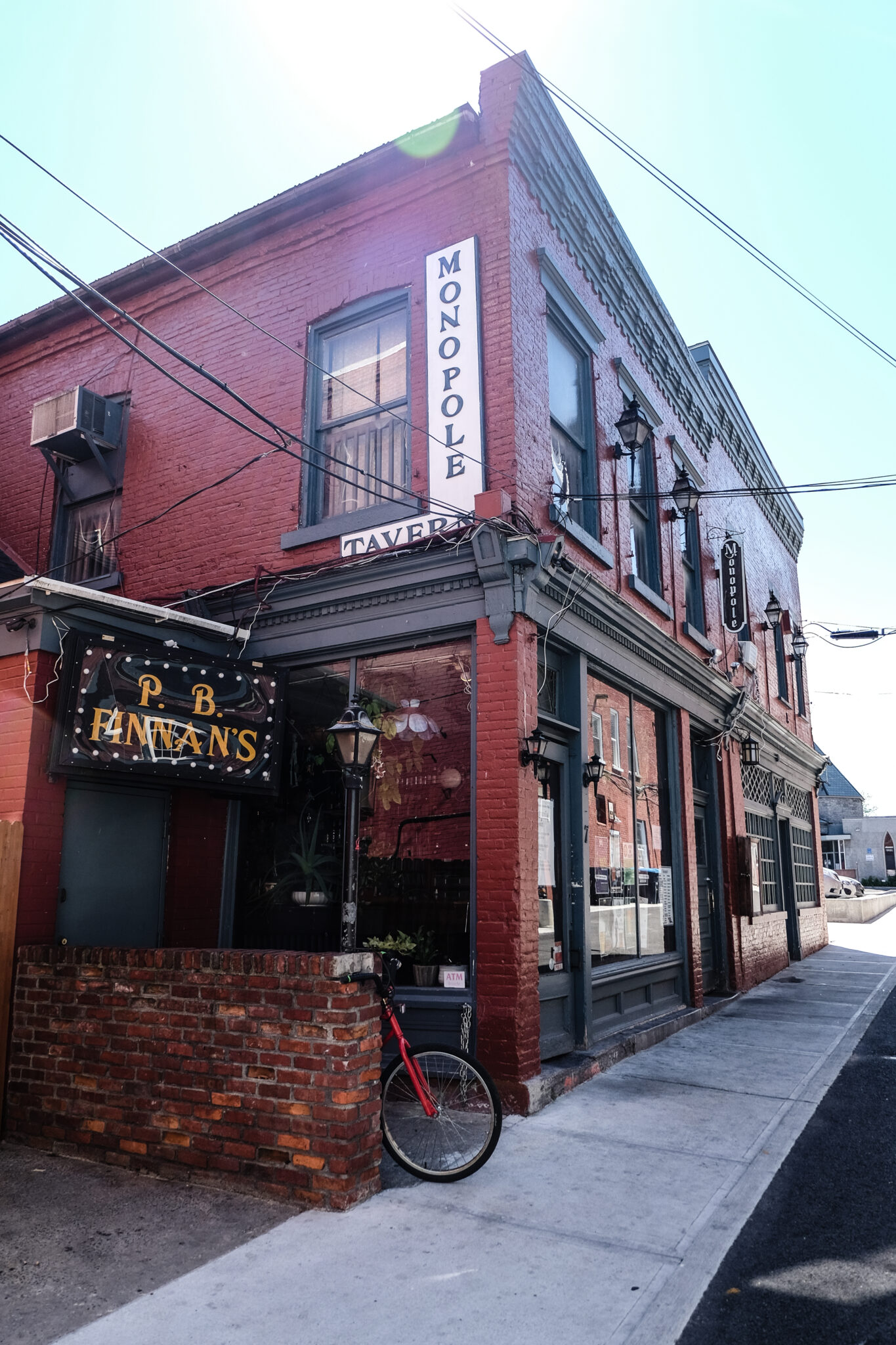
Corey Rossoff, owner of the Monopole in Plattsburgh, feels awful for musicians and bands who rely on live performances for income. He divulged on this saying, “I feel bad for all the musicians. We have cancelled all of our live music due to social distancing being impossible with a band playing. Everyone wants to be near the stage. We cancelled open mic because of all different people having to share instruments. We don’t even have the upstairs where bands play even open. With no end in immediate site I just have told bands there is no sense booking anything at this point. We have the downstairs open at reduced capacity at this time. This was even before this information was emailed to us from the SLA a couple of days ago. We don’t charge covers when we do have live music but under this ruling we could not even have any live music. So as I said I don’t know what avenue all the musicians have to make an income so I feel awful for all the many bands everywhere.”
If you are part of an independent music scene in New York State and would like to comment on this story, email nora@nysmusic.com.
Two U.S. senators introduced a new bill, the ENCORES Act, that will provide economic support to struggling live music venues and their workers.
SaveOurStages hopes to get economic relief for struggling music venues.
Senators Tom Carper and John Tester created the Entertainments New Credit Opportunity for relief & Economic Sustainability (ENCORES) Act.
The bill gives a new tax credit to venues with less than 500 employees. The initiative is to help cover the cost of refunded tickets and cancelled concerts.
“Today, I am joining Senator Tester to introduce the ENCORES Act, a bill that will provide much-needed relief for our live music venues by creating a tax credit to help cover refunded ticket costs due to canceled events. Music venues are truly special places that have, for generations, provided our families with priceless memories. It’s on us to do what we can to support this industry now so that we can come out on the other side of this pandemic and ensure that this will not be the day the music died.”
Senator Tom Carper
According to a press release, venues will be eligible if they offered costumers a voucher before they requested a refund.
Many live music venues show their support for the #SaveOurStages Act.
The U.S. is not the only nation protesting in support of live concert venues. England took storm with the #WeMakeEvents and Red Alert Movement. Marches throughout Manchester occurred Aug. 11, according to BBC.
The ENCORES Act credit will allow the venues to redeem losses because of cancelled concerts.
Milton Theater Director Fred Munzert from Delaware expressed his gratitude towards Carper.
“History tells us that for every challenging time the arts persist and comes back even stronger. Art is one of the first things people look to when regaining their sense of normalcy.”
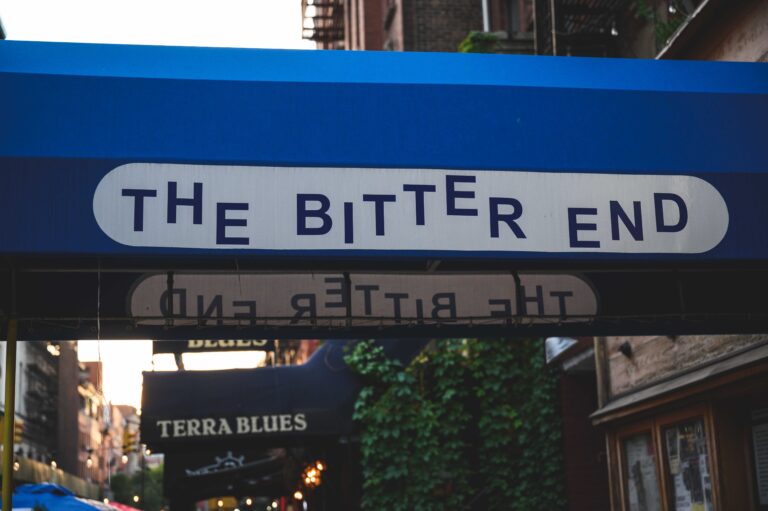
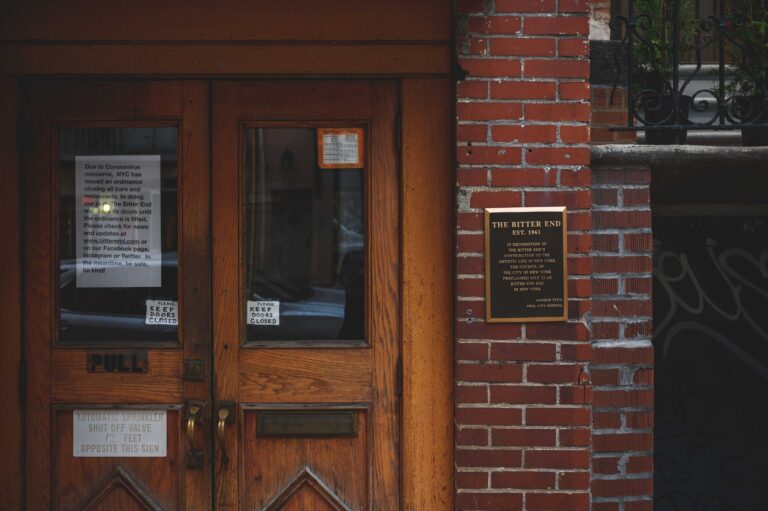
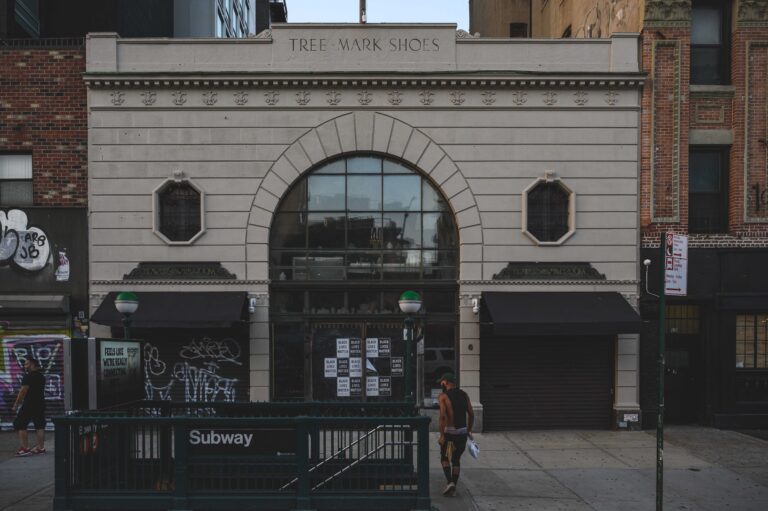
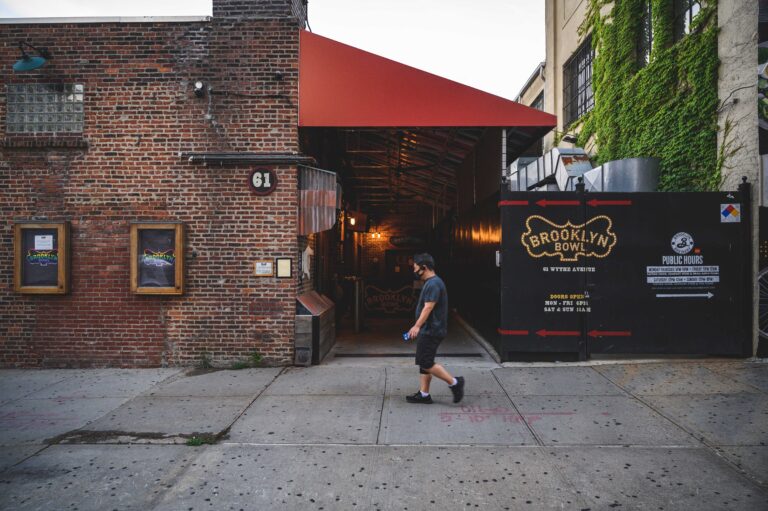
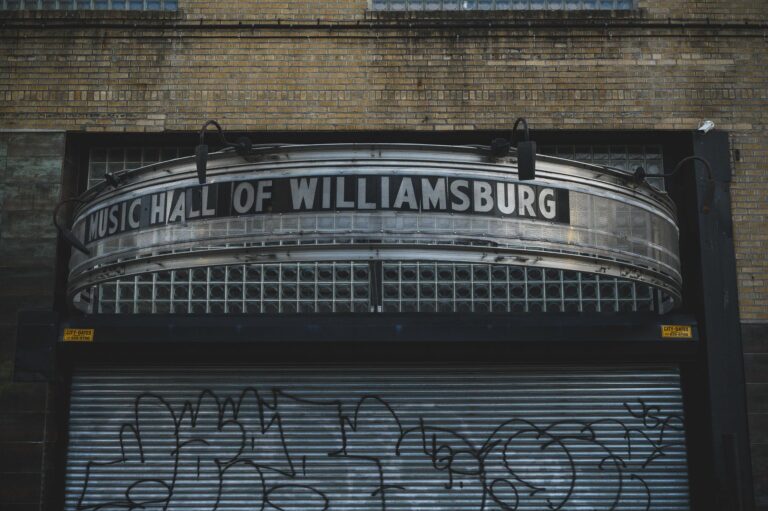
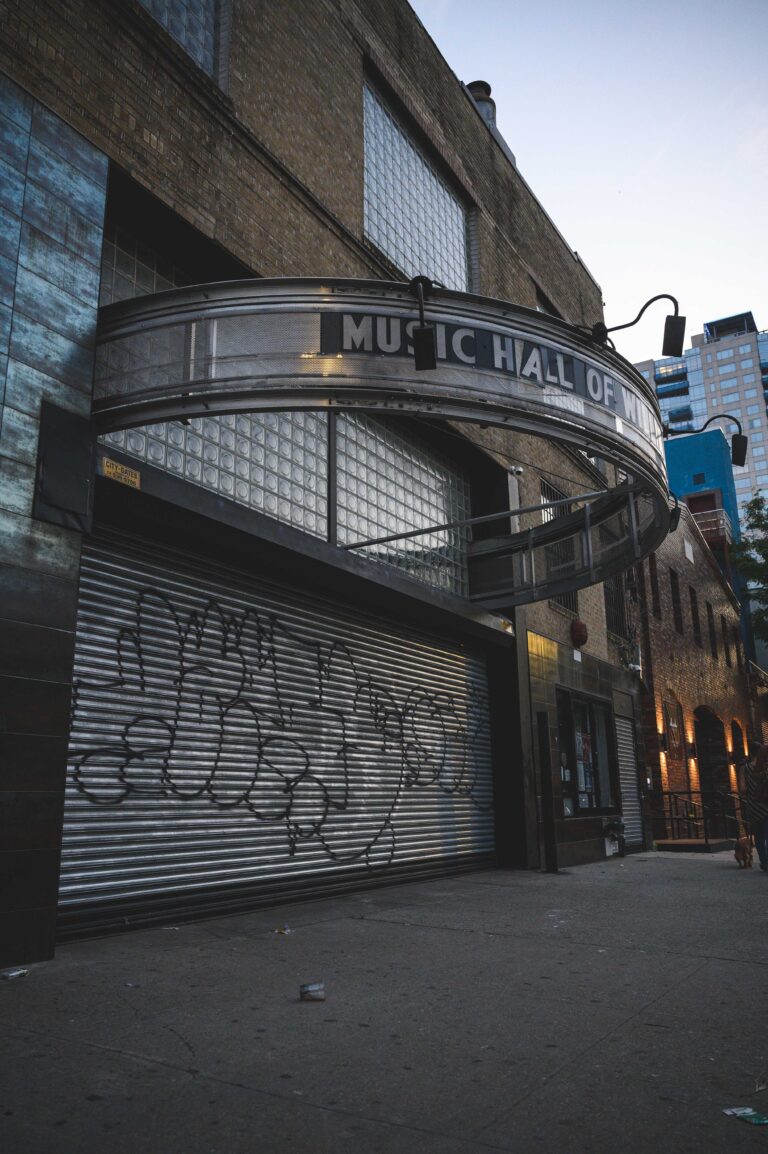
In June and July, we looked at the state of music venues across New York State. Now in August, with hope for passage of relief bills in Congress to help small independent music venues across the country, venues remain closed for live music, in quiet anticipation of the day crowds can return.
Working with a dozen photographers to document more than 50 venues in 12 cities across New York State, NYS Music presents the third edition of our monthly series that looks at the current state of our beloved venues. When the venues reopen, we will share photo documentation recording the changes over time in all corners of the state.
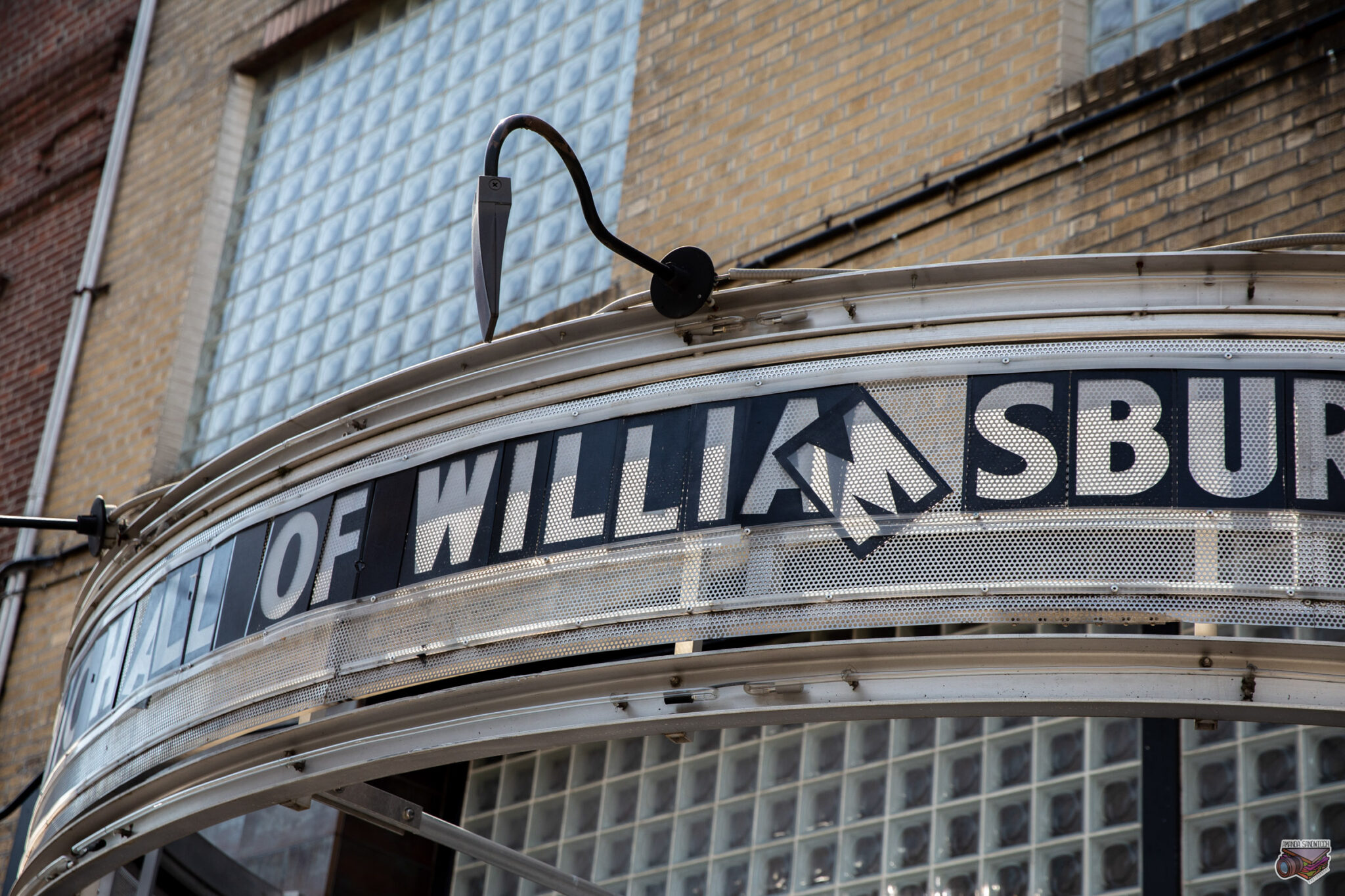
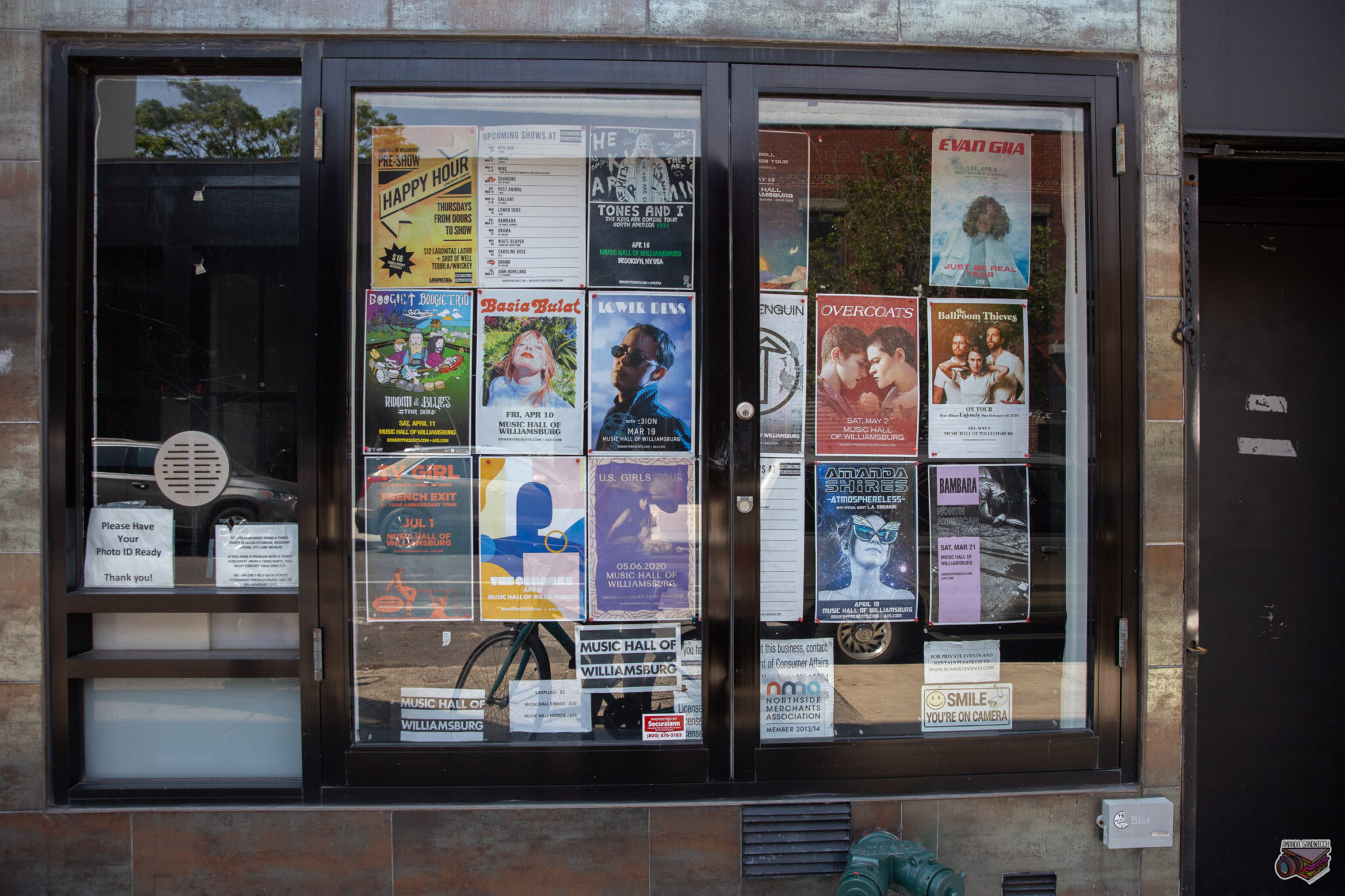
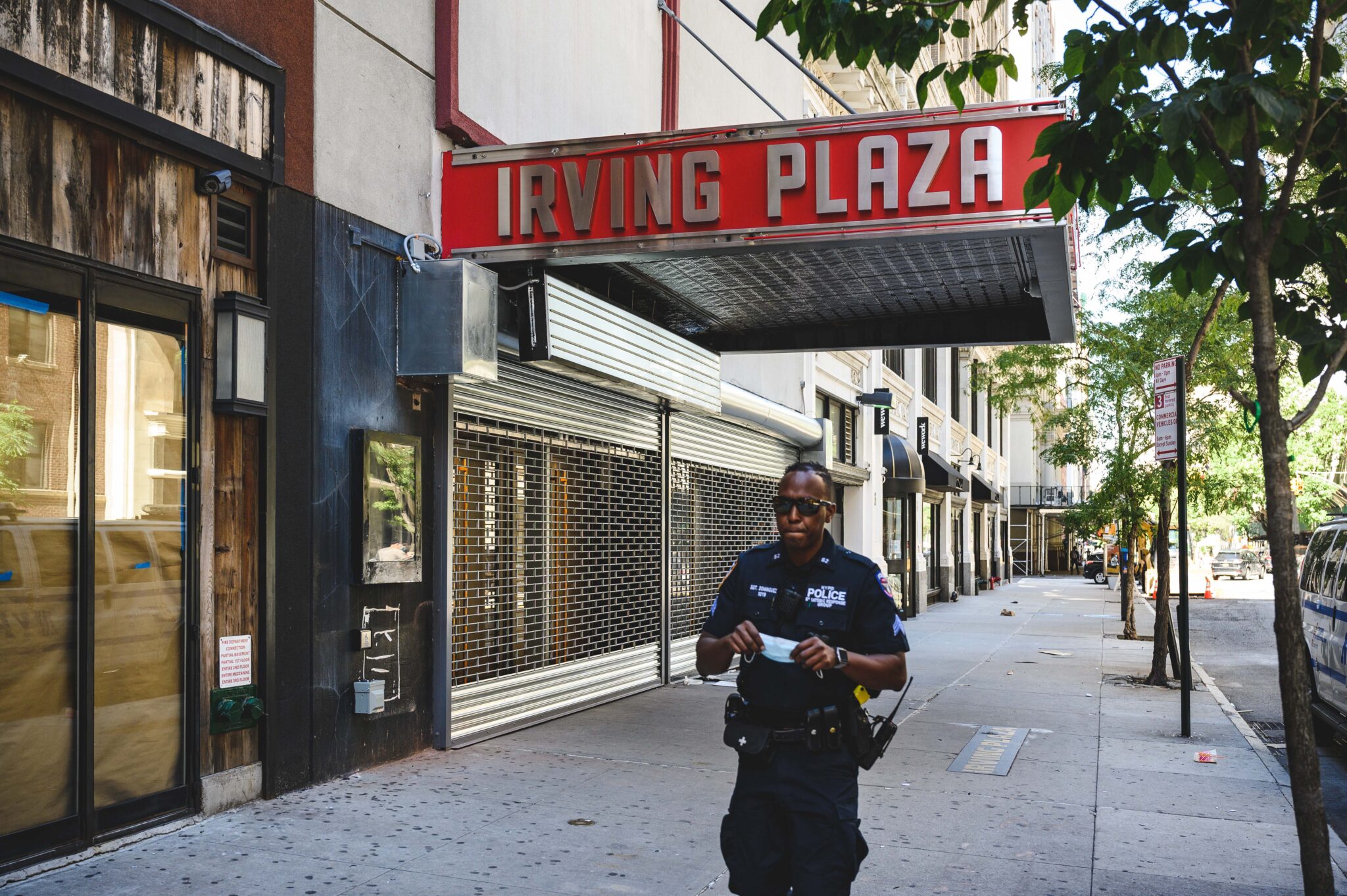
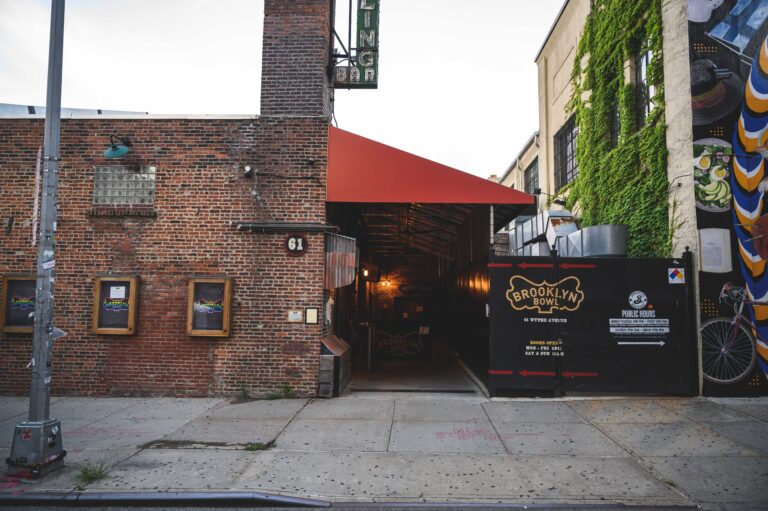
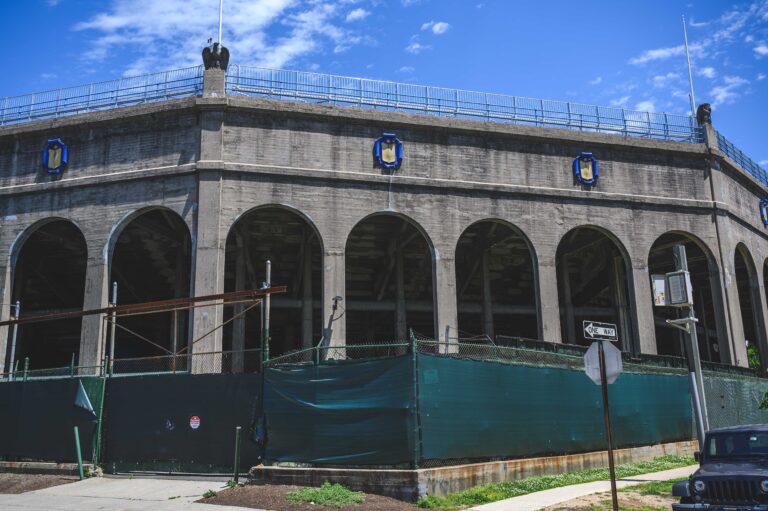
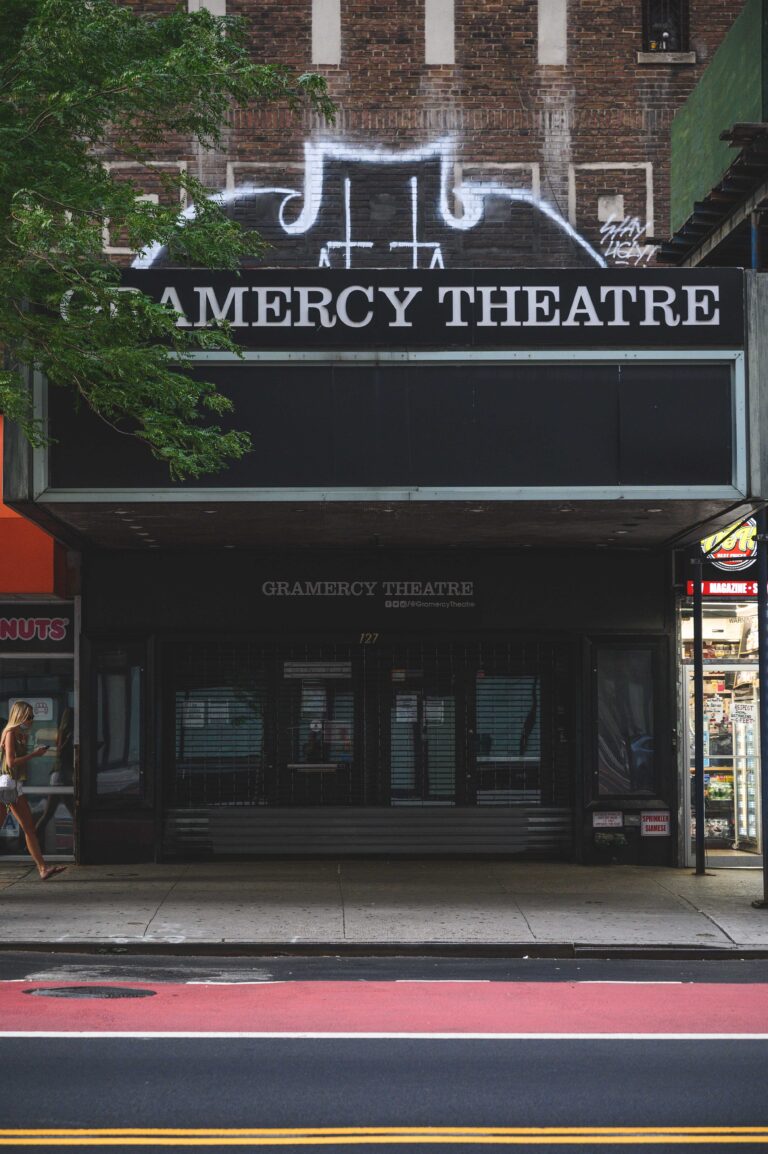
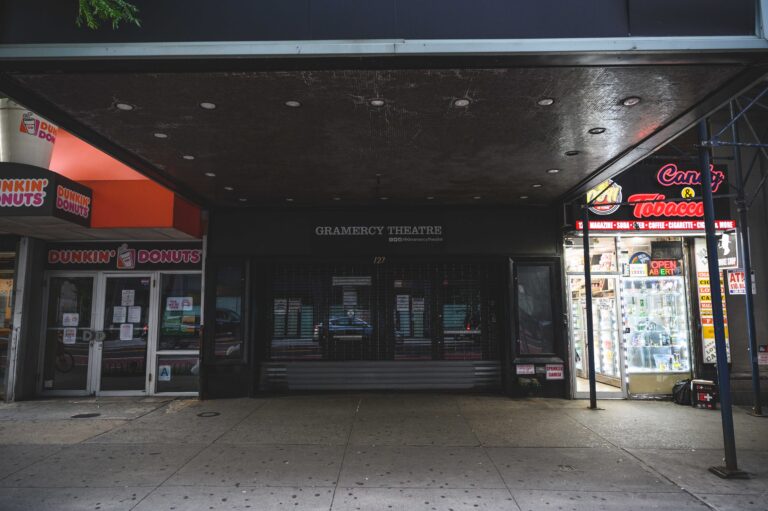
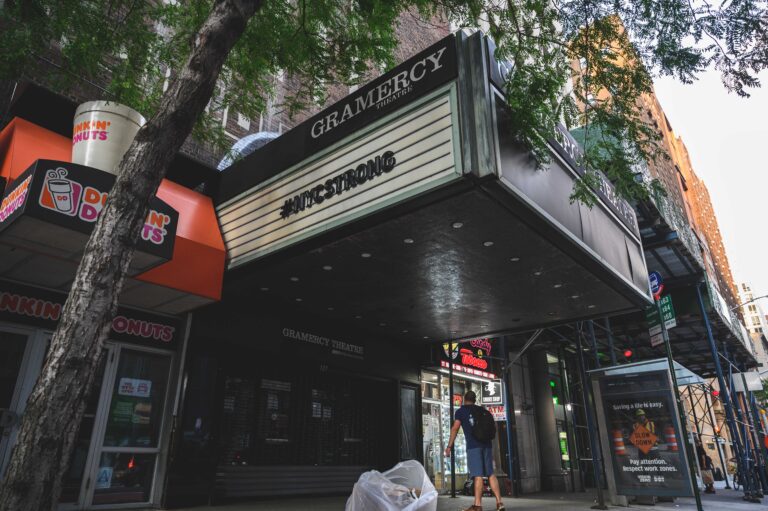
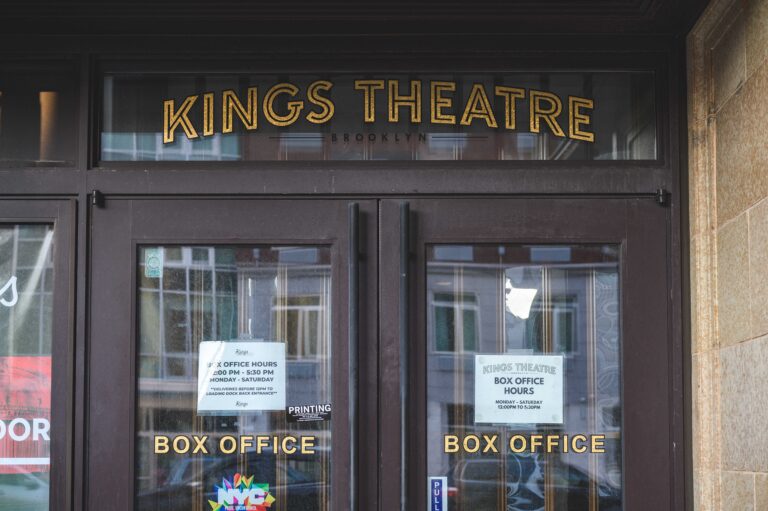
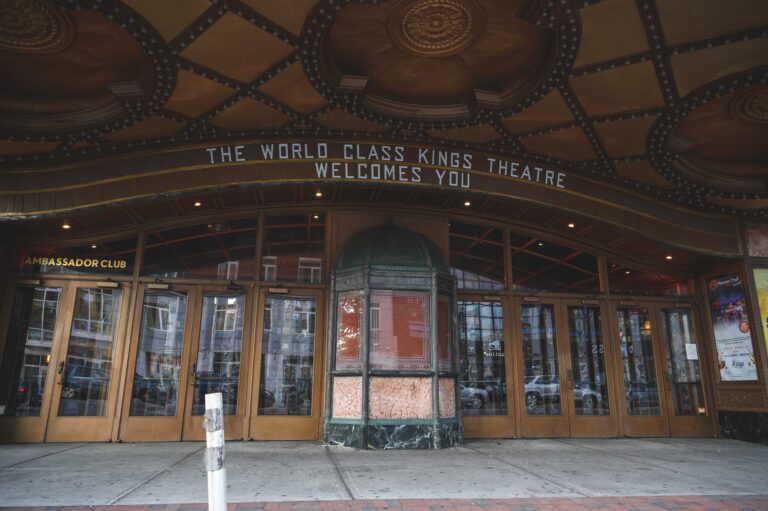
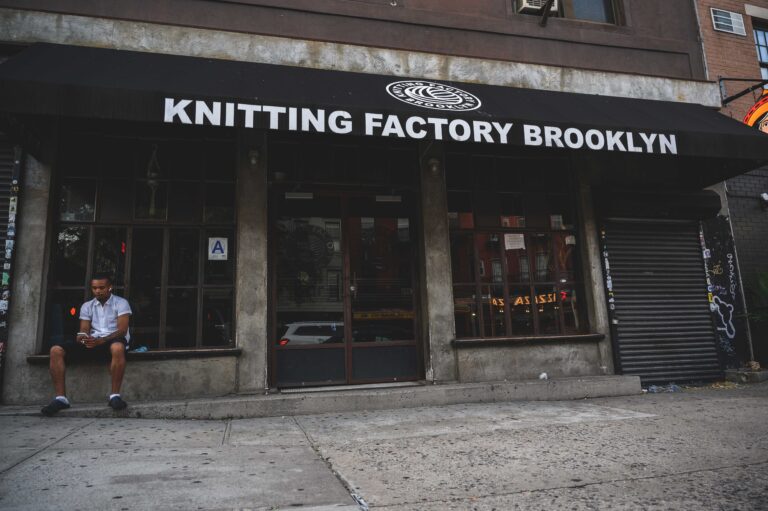
Immense thanks goes out to all photographers and venues who are taking part in this monthly series. We’ll start this month in Manhattan and Brooklyn with Joseph Buscarello, covering a wide swath of the Big Apple. Here’s to getting back to live music sooner, rather than later, and safely.
Senators John Cornyn of Texas and Amy Klobuchar of Minnesota introduced a relief bill known as “Save Our Stages” on July 22. The bill will support struggling venues during COVID-19 pandemic. If approved, the bill will provide six months of financial support to small independent music venues through the Small Business Administration.
The bill was announced via a press release from Klobuchar. The proposed bill would help keep these venues afloat so they can pay their employees and help preserve the critical economic sector they provide for communities across America. The proposed plan would provide small venues with amounts less than 45% of a business’ operation costs from 2019 or $12 million depending on the venue’s revenue. The bill states estimates of $9 billion in losses if ticket sales can not resume until 2021 in the music industry. “Small live music and entertainment venues have been hard-hit during the coronavirus pandemic, with 90 percent of venue owners, promoters, and bookers reporting they are at risk of closing without additional financial assistance” the press release states. This program would be similar to the previous small Business Administration grants through the Paycheck Protection Plan but focus on small independent venues. The proposed funding could be used by recipients for rent, utilities, mortgage obligations, PPE procurement, payments to contractors, regular maintenance, administrative costs, taxes, operating leases, and capital expenditures related to meeting state, local, or federal social distancing guidelines. The bill is trying to get $10 billion in SBA grants.
The bill comes on the coattails of the “Restart Act” which focused on businesses with high overhead and no revenue during the pandemic which included venues but wasn’t specifically about them. Senators Cornyn and Klobuchar felt the need for a bill that focused on venues in particular. “Minnesota’s concert halls, theatres and places of entertainment, like First Avenue in Minneapolis, where Prince famously performed, have inspired generations with the best of local music, art and education,” Senator Klobuchar said in a statement. She explained that, “This legislation would help ensure that small entertainment venues can continue to operate and serve our communities for generations to come.” Senator Cornyn echoched these feelings saying that, “Texas is home to a number of historic and world-class small entertainment venues, many of which remain shuttered after being the first businesses to close. The culture around Texas dance halls and live music has shaped generations, and this legislation would give them the resources to reopen their doors and continue educating and inspiring Texans beyond the coronavirus pandemic.”
The “Save Our Stages” act is supported by the National Independent Venue Association (NIVA). NIVA has an action campaign with a prewritten letter to legislators that people can fill out supporting the “Save Our Stages Act.” The prewritten letter explained the need for the bill saying, “Venues are experiencing upwards of 90% revenue loss and will be closed well into 2021 due to safety concerns posed by large gatherings. Without support from Congress, 90% of NIVA’s independent venues across America say they will be forced to close their doors forever.This would also take a toll on our local economy. Independent music venues are economic multipliers, community builders, and beloved institutions.” The letter can be found here.
For more information visit the Save Our Stages website and read the press release here.