Tag: Covid-19

  • New England Musicians Relief Fund Hopes to Distribute $300,000 to Musicians in Need

    New England Musicians Relief Fund (NEMRF) announced its hopes to distribute $300,000 to musicians in need via a new fundraising drive. The funding would apply to any musician in New England and New York’s Upper Hudson Valley, facing financial difficulties due to the COVID-19 pandemic. 

    New England Musicians Relief

    The New England Musicians Relief Fund’s mission statement explains that the organization aims to foster long-term security for professional musicians throughout the New England area by providing financial assistance and critical resources as a safety net for musicians experiencing unexpected or catastrophic income loss. The partnership between New England Musicians Relief, Sweet Relief, and NEMRF was able to raise emergency relief funds for musicians in a campaign that ran from July 1, 2020-August 29, 2020 and raised over $20,000. 

    The COVID-19 pandemic has been extremely hard on the live entertainment industry. The New England Musicians Relief Fund hopes to help lessen this financial strain musicians are experiencing, especially with money from the CARES Act, which has run out. Additional government support doesn’t seem likely, anytime soon. 

    “Without assistance, some musicians will leave the industry, which could devastate our once-vibrant New England arts scene. Helping musicians today is an investment in the quality of life we all hope to return to,” said Hazel Dean Davis, a horn player and one of the founders of NEMRF. “We created NEMRF to help musicians weather the COVID-19 shutdown, but even as we devote all our resources to this current crisis, we realize the need for a safety net will extend beyond the virus. Whether it is long term side effects from COVID, a car accident, a lost instrument, or another nationwide shutdown, the New England Musicians Relief Fund will be here to support musicians in crisis for years to come.”

    While New England Musicians Relief’s Fund 501(c)(3) status is pending, all donations will be processed by the NEMRF, and will be tax deductible retroactively after the federal approval of their tax exempt status. If people would prefer their donation be deductible immediately, please donate through our fiscal sponsor, Arts and Business Council of Greater Boston.  Money donated to A&BC with the button below will be earmarked for NEMRF. People interested in donating can do so here. Musicians interested in applying for a grant can apply here.

    For more information visit New England Musicians Relief Fund’s website. 

  • New York Philharmonic pay cuts suggest pandemic will last

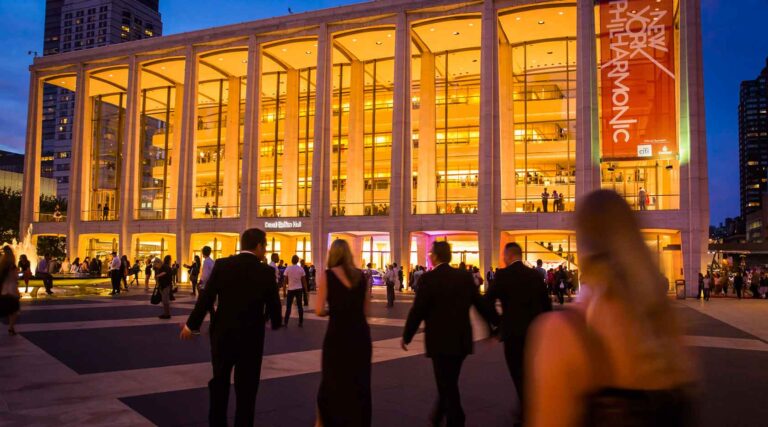
    Under the financial stress of the pandemic, the New York Philharmonic musicians have agreed to a four-year contract with 25% salary cuts until August 2023.

    From nyphil.org

    Although pay will increase from 2023 to 2024, the wage cuts total more than $20 million, and musicians will still be paid less than at the start of the pandemic when the contract ends. Deborah Borda, Chief Executive and President of the orchestra, honestly stated that the cuts were “necessary.” The pandemic will keep the Philharmonic closed for at least 15 months, causing at least $31 million in losses.

    Musicians have had wage cuts since May, but this contract is the most substantial. However, musicians at the New York Philharmonic have been understanding. The head of the player’s negotiating committee, Colin Williams, said “in recognition of the challenges of this time, we have done our part to help preserve the institution by forgoing more than $20 million of our wages.”

    New York Philharmonic
    Photo by Chris lee from nyphil.org

    In venues like the Metropolitan Opera, where 30% pay cuts have been requested, not all workers are willing to deal with such financial losses. The Met’s management planned to lock out workers who had not agreed to the proposed cuts. The employees of the opera have been without pay since April and will not be paid until the cuts are accepted. After the venue begins to recover financially, the cuts will be reduced to 15%. At the Philharmonic, cuts will drop to 10%.

    The Philharmonic has cancelled all planned shows up until June 2021. This is only a portion of NYC’s live art impacted by the pandemic. All Broadway theaters are closed until May 2021 at least, making this the longest time Broadway has been dark, ever.

    The contract, which ends in 2024, makes the lasting impact of this pandemic even more visible to the art and music community. Despite live venues’ plan to open sometime this upcoming year, it is clear that the financial road to recovery will be slow.

  • GrassRoots Festival Launches Save Your Roots Campaign and Live-Stream

    The GrassRoots Festival of Music & Dance launches its Save Your Roots campaign and live-stream benefit at the State Theater in Ithaca, NY on December 19, at 7 PM EST. The campaign hopes to raise $100,000 to prepare for the 2021 festival season. 

    Like almost all festivals around the world this year the GrassRoots Festivals were forced to cancel their annual festivals due to COVID-19. The GrassRoots Festival started back in 1991 and sought to inspire positive change in communities through the communal celebration of world music, art and dance. It all started as a sold out, one night, benefit to raise money for the fight against AIDS at the historic State Theatre in Ithaca, NY. It has since evolved into three, separate annual four-day -vents in Trumansburg, NY, Shakori Hills, NC and Miami, FL. 

    The GrassRoots Festival is a 501(c)3 non-profit organization. They, unlike some larger festivals, don’t have large pools of corporate sponsors. One of the reasons GrassRoots strays away from large corporate sponsors, is they want to keep their festival an authentic experience for participants and free from the boundaries of corporate influence. Though, the festival’s livelihood is in danger due to the lack of income in the 2020 year due to COVID-19. Their solution to trying to help the festival survive and thrive is by launching the Save Our Roots campaign. 

    The campaign has a goal of raising $100,000 that will culminate with a special live streamed event from the State Theatre in Ithaca, NY on December 19, 2020 at 7 PM EST.

    Each donation or ticket purchased through the campaign will help ensure that the GrassRoots Festival Organization stays afloat. Currently the campaign is 61% funded with $61,421 and 17 days remaining to donate. So far, 375 people have donated to the cause.

    People who donate $50 will receive a custom GrassRoots Festival T-shirt. One hundred dollar donations will receive their name on a GrassRoots Festival commemorative tree. Those who donate $1,000 will receive ten, four-day passes to any grassroots festival of their choice. People who donate $2,000 will receive  ten,  four-day passes to any grassroots festival of their choice plus two all access dream team lanyards. People can also donate a custom amount. Donations can be made here.

    The live-stream benefit is being hosted by Yes Darling (Ryan Montbleau & Hayley Jane) and features live performances by the GrassRoots All-Stars, Jeb & Tara of Donna the Buffalo, Driftwood, Richie & Rosie and appearances from Jim Lauderdale, Preston & Keith Frank, Keith Secola, Dirk Powell, Cortadito, Fabi World Music & more. The live-stream has a suggested donation of $10. Tickets can be bought here.

    For more information of on the GrassRoots Festival of Music & Dance and its Save Your Roots campaign and live-stream benefit visit their website.
  • This Darkness has got to Give: The State of Venues Across New York

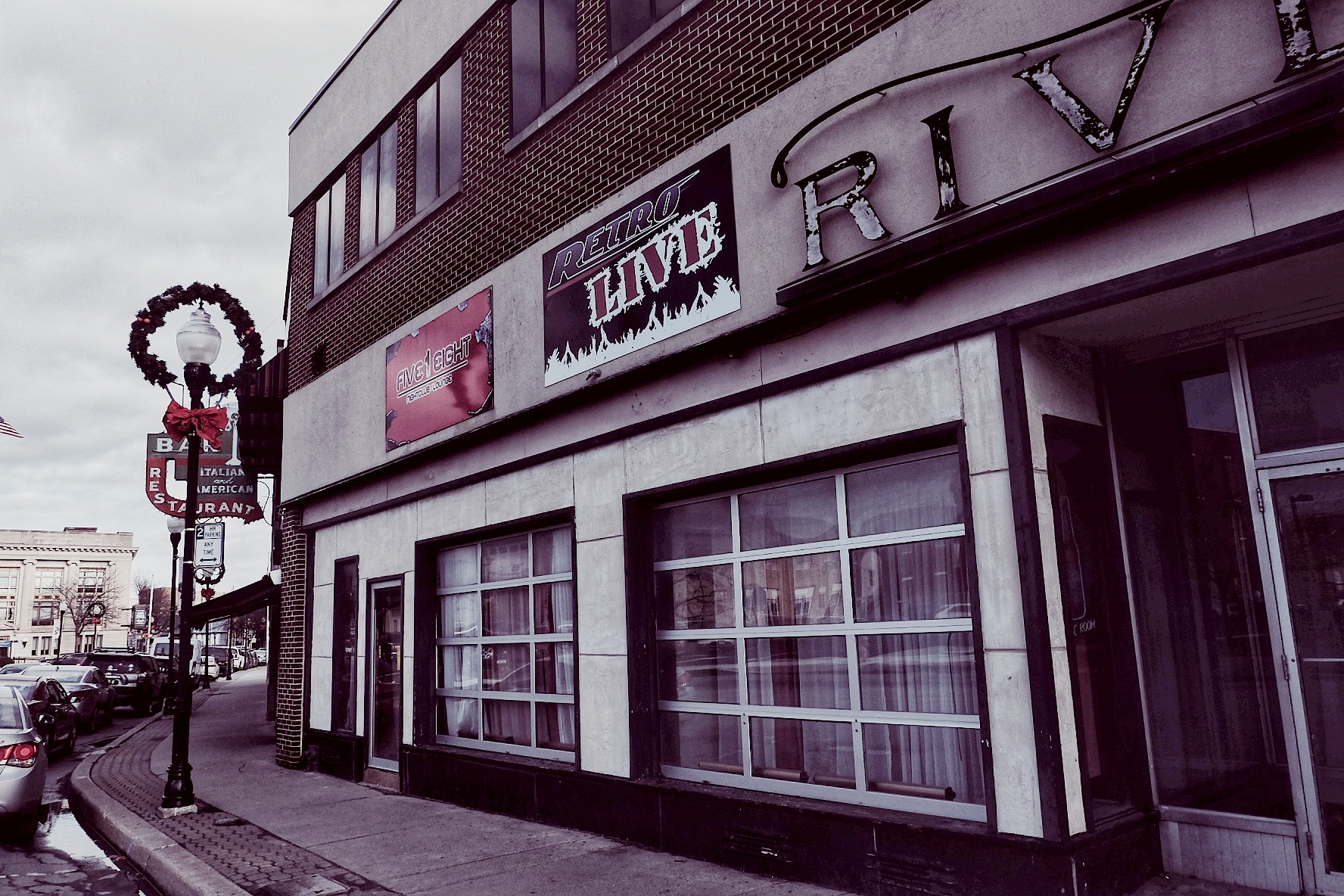
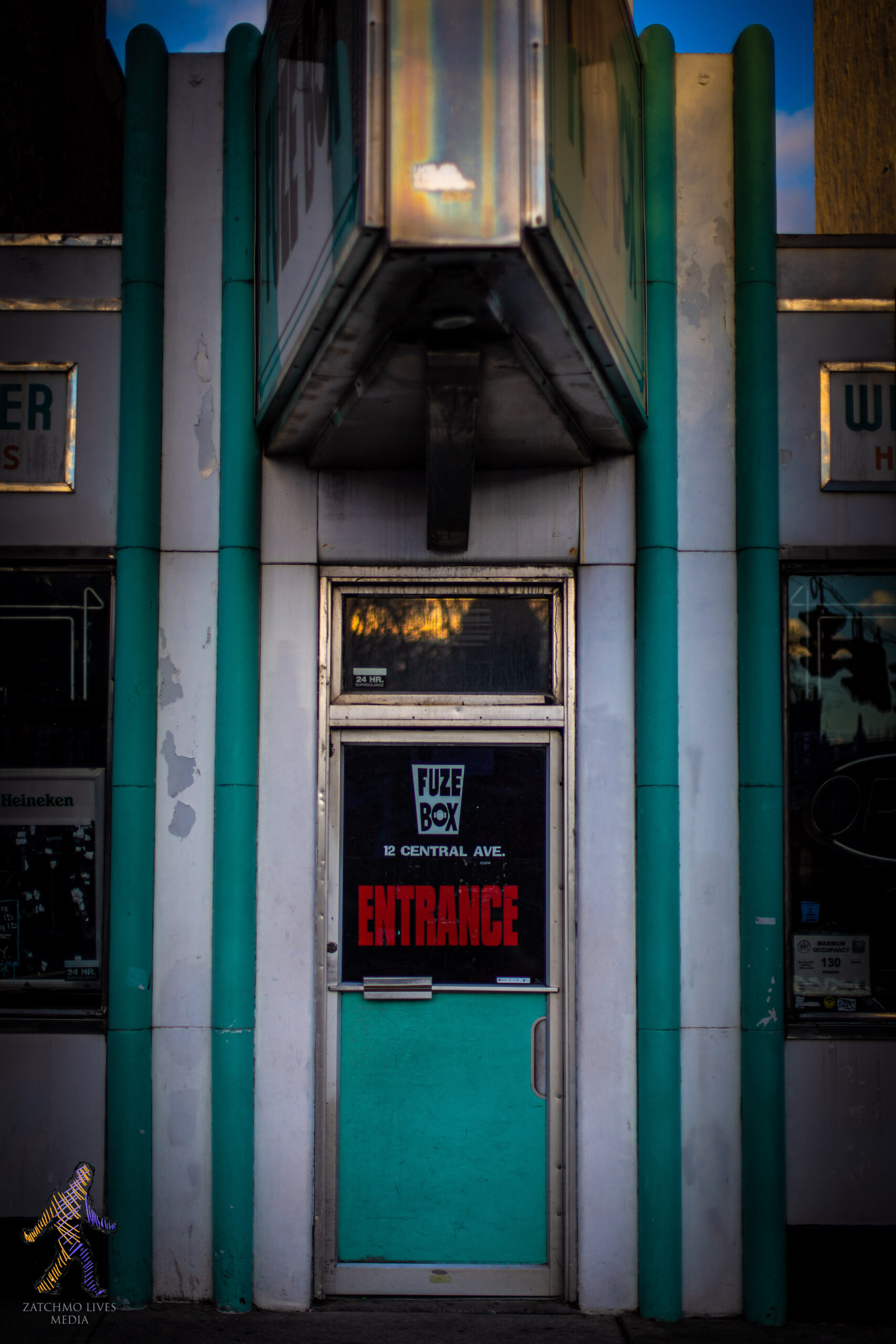
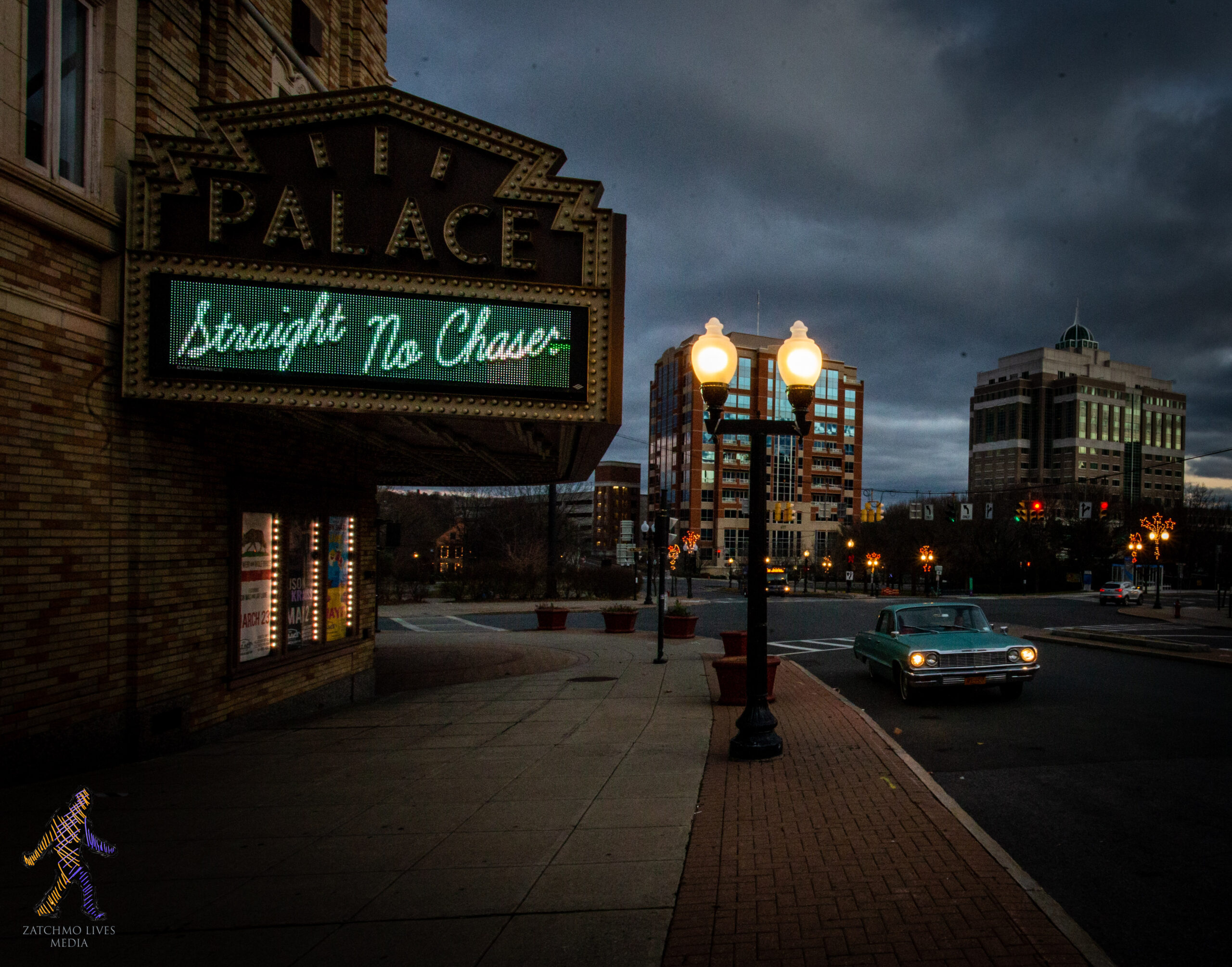
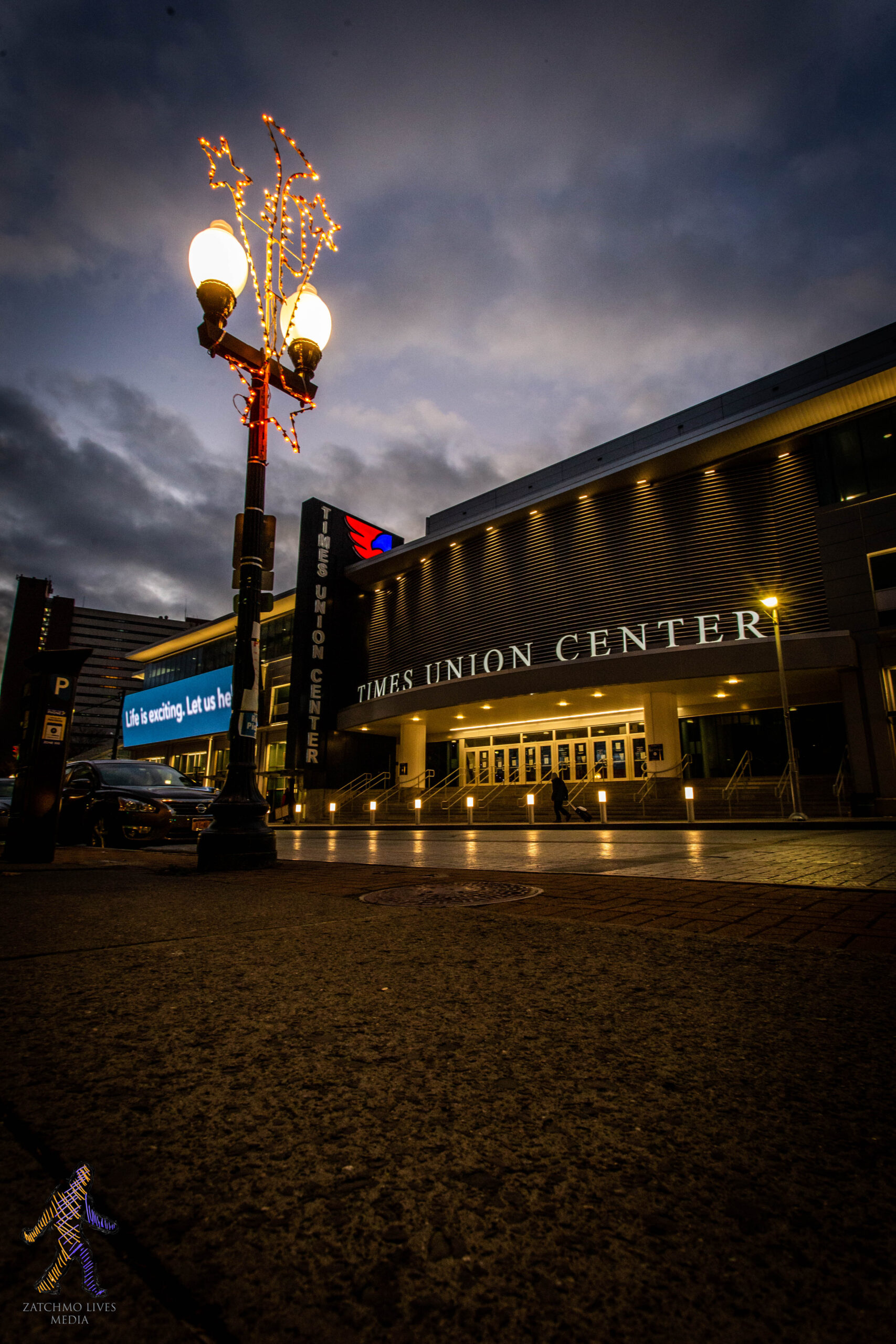
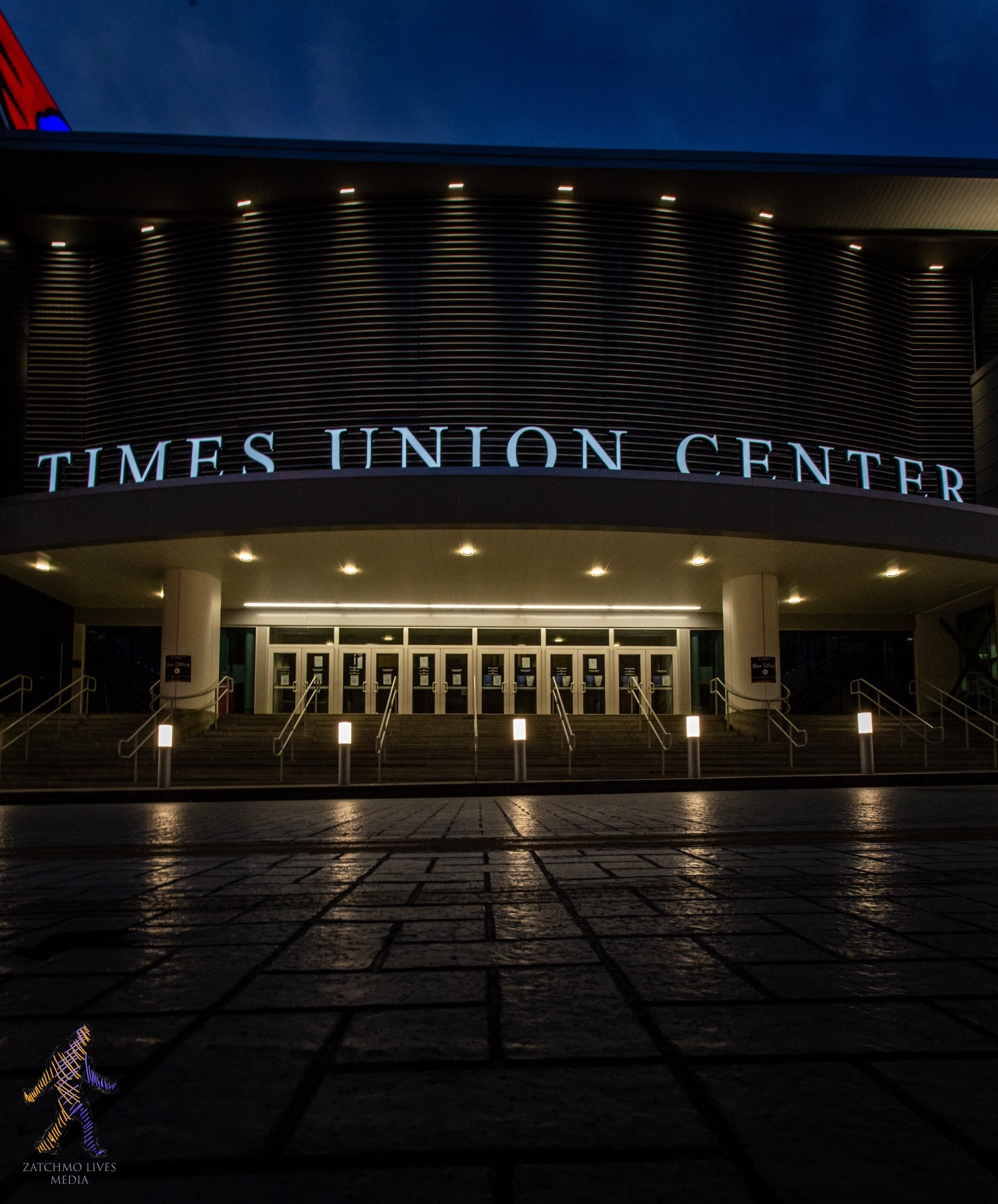
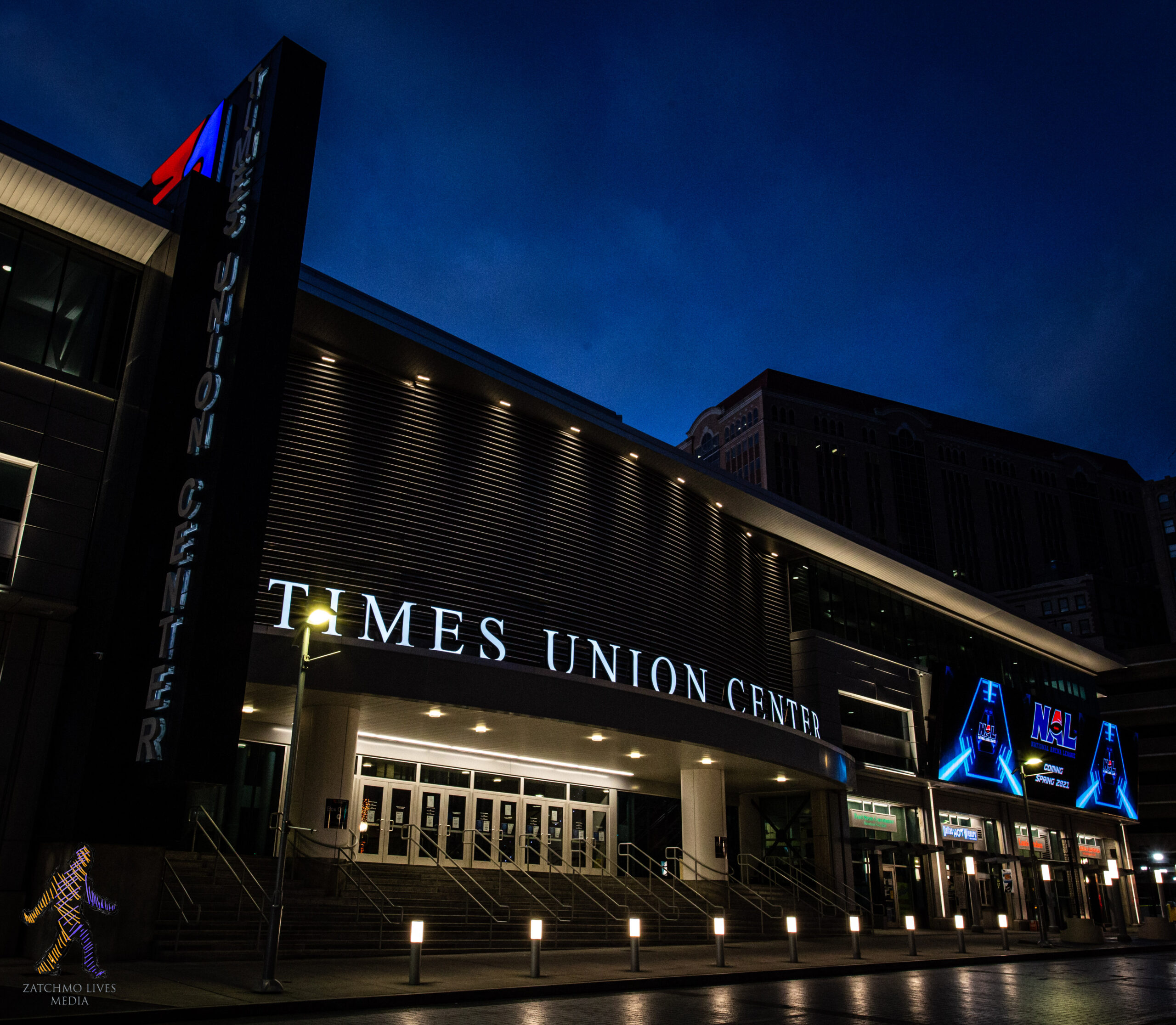
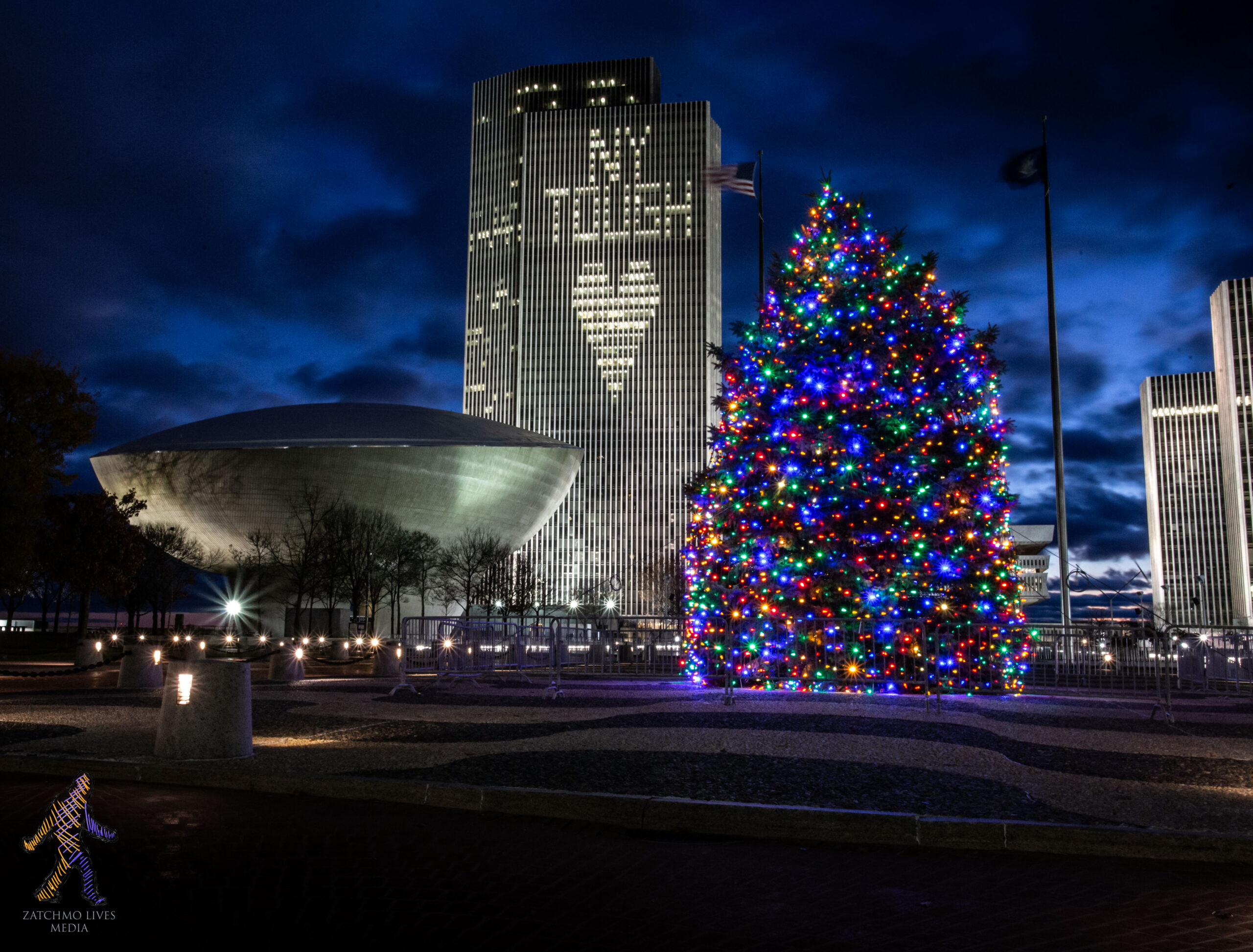
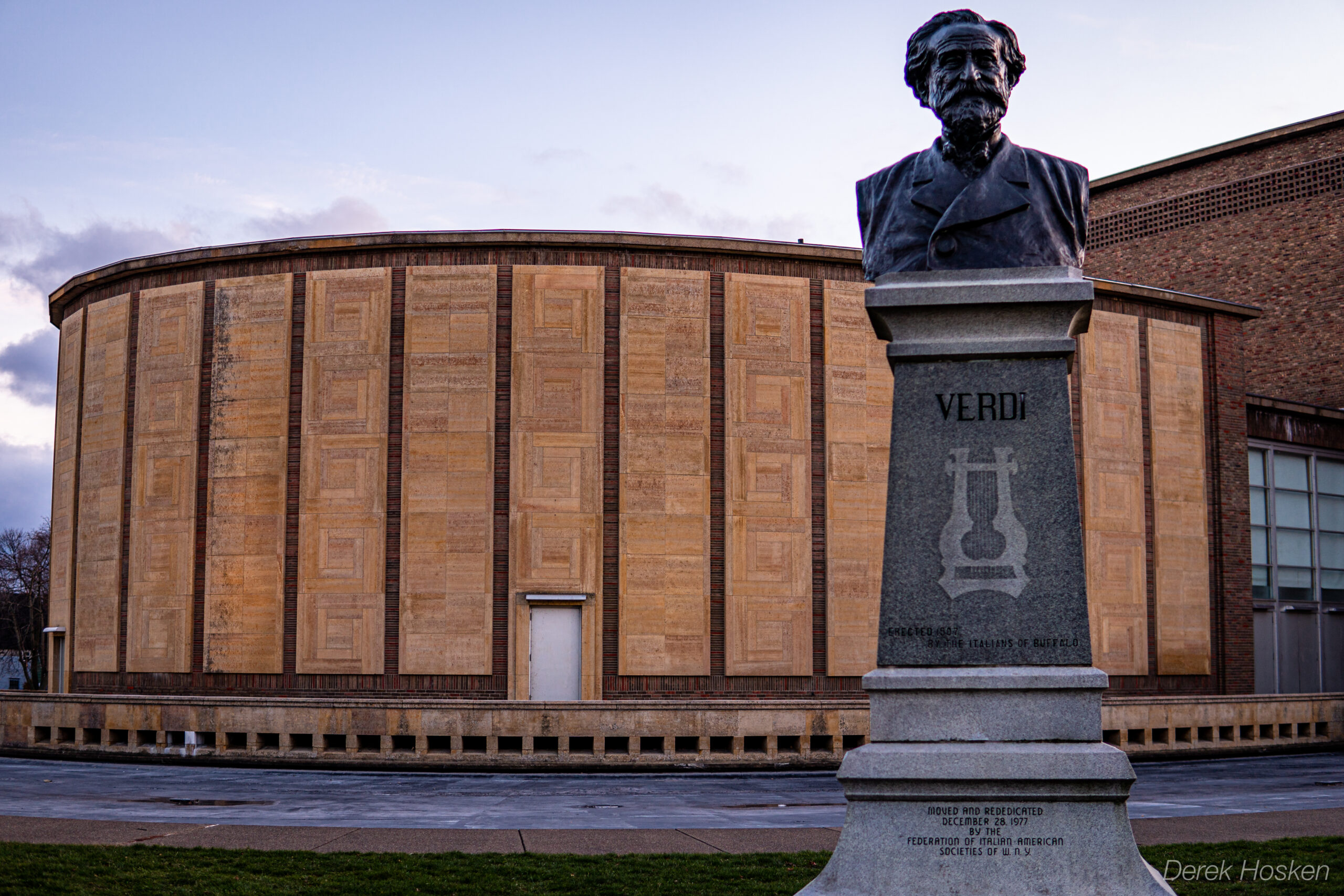
    Back in June, photographers working with NYS Music, with no live music to shoot, began looking at the venues we hold so dear. These independent music venues across New York State are in a battle for survival with the COVID-19 pandemic still not waning and relief held up in Congress.

    Over the summer and fall we saw venues closed for the foreseeable future, including The Jazz Standard in Manhattan. Venues are rallying their supporters to help as best they can at this time, including The Palace Theatre in Albany offering up a stream of moe. on Friday, December 11.

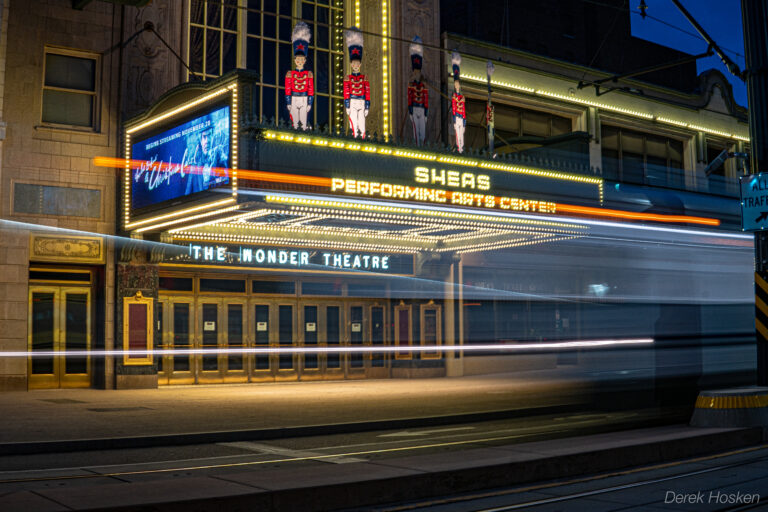
    Shea's new york venues

    Venues in New York and beyond are stuck in limbo, but they aren’t gone – not for good – so long as we can find resolution and relief at the state and national levels. The Heroes Act has passed in the House of Representatives, and there is still a chance for a relief bill to be passed before the end of December.

    With the winter setting in, venues will continue to go virtual for live performances, waiting for the time that we can bid this great pause farewell and welcome crowds back.

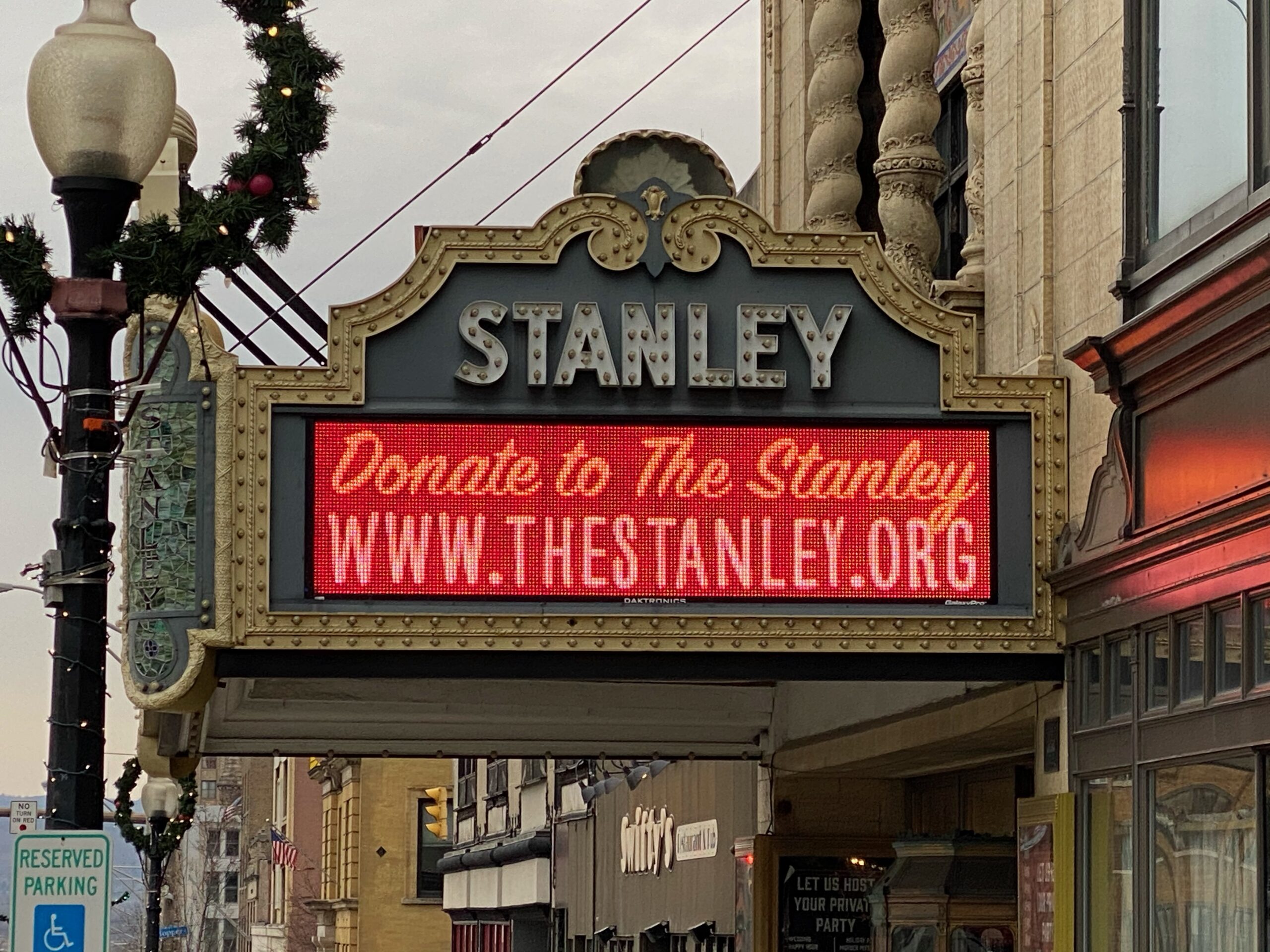
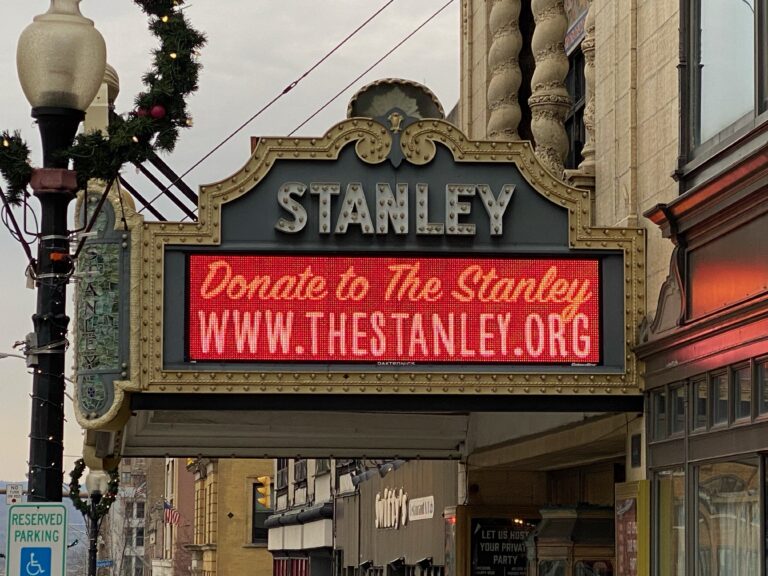
    We start this month’s photo gallery series in Central New York at The Stanley Theatre. Visit NIVA to find out how you can help venues across New York, and the country. We need to #saveourstages and preserve live music for when this is over.

    Utica – photo courtesy of The Stanley Theatre

    New York City – photos by Joseph Buscarello

    Ithaca – photo by Casey Martin

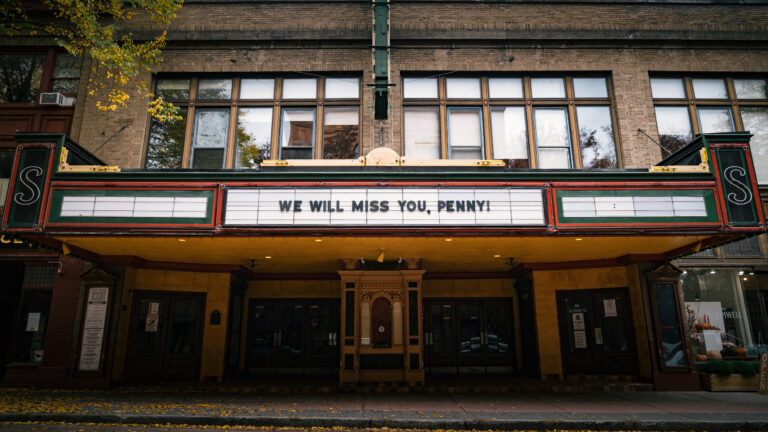
    In honor of one of The State Theatre’s favorite volunteer ushers of over 20 years, Penny Turco

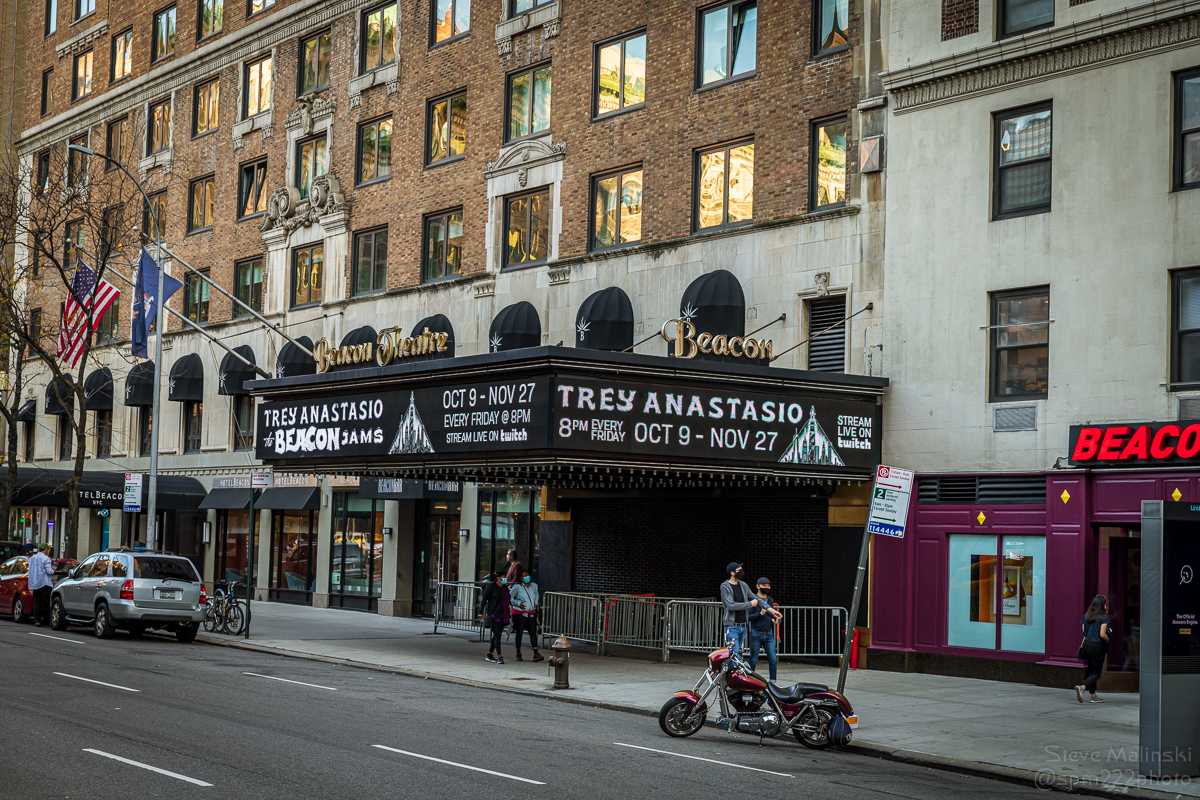
    Manhattan – photos by Steve Malinski

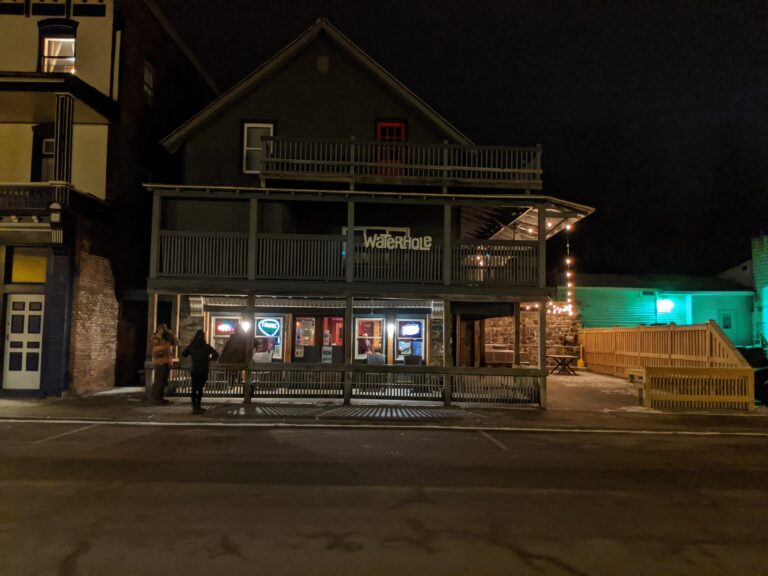
    Saranac Lake – photo by Neil Sedlak

    waterhole Venues New York

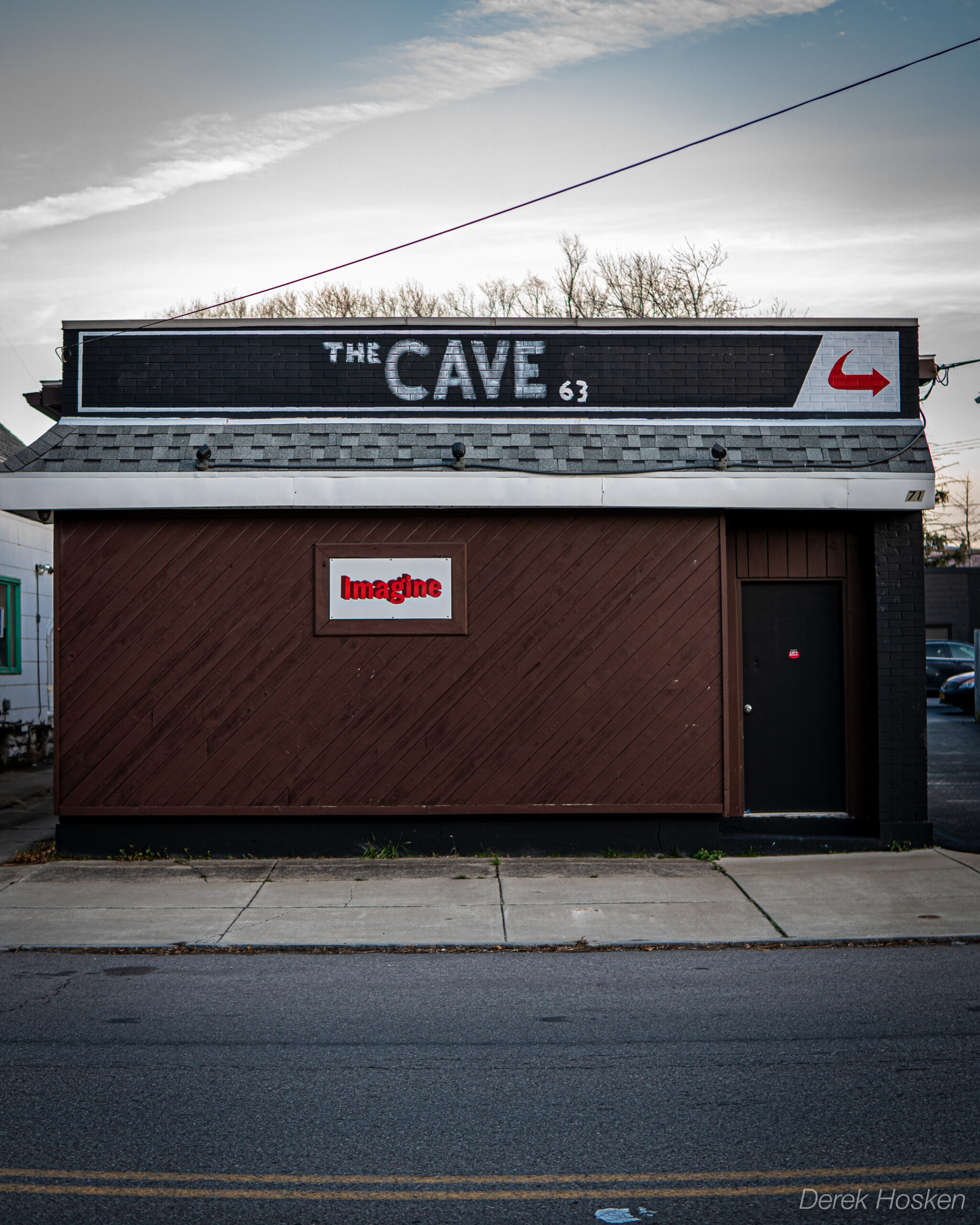
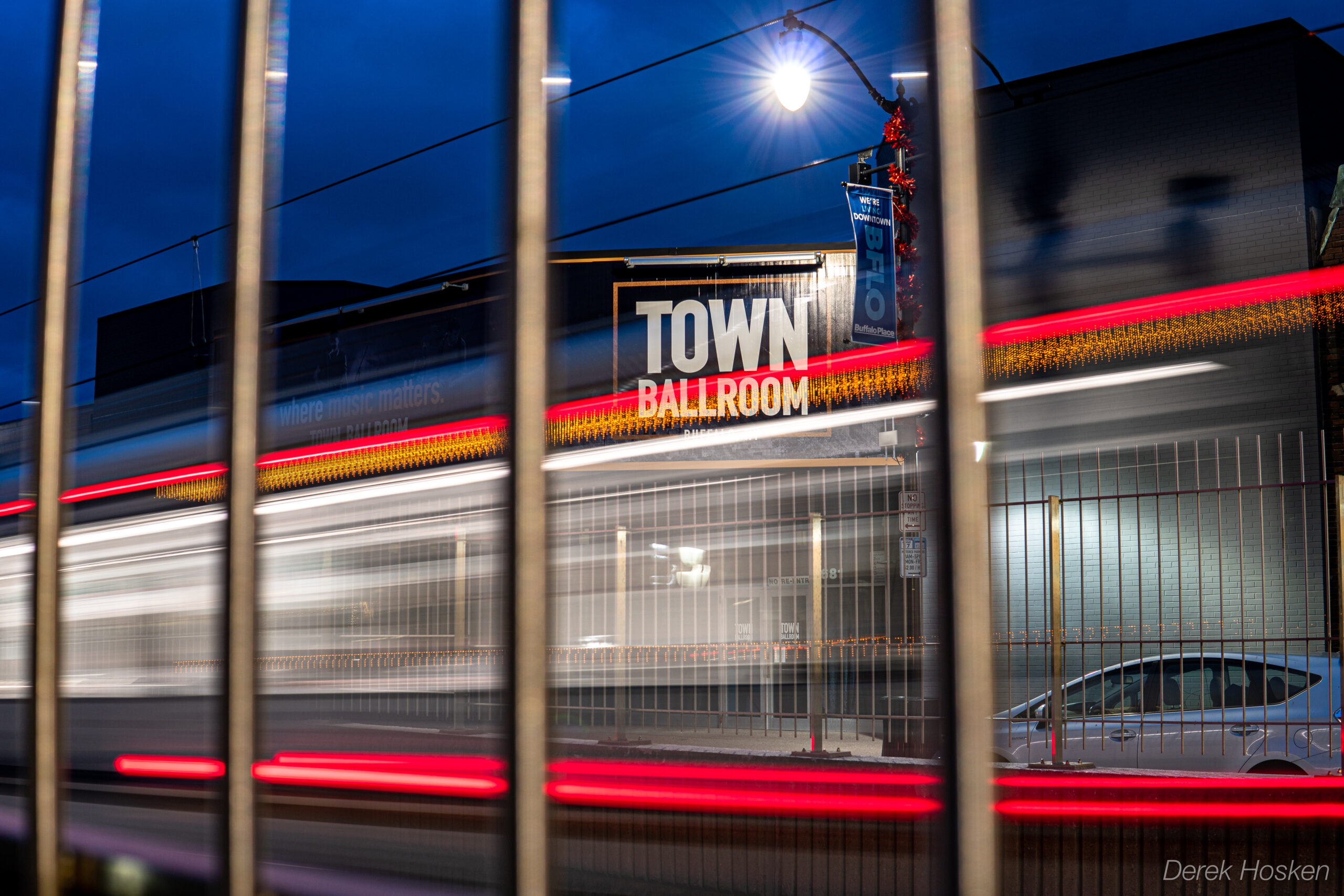
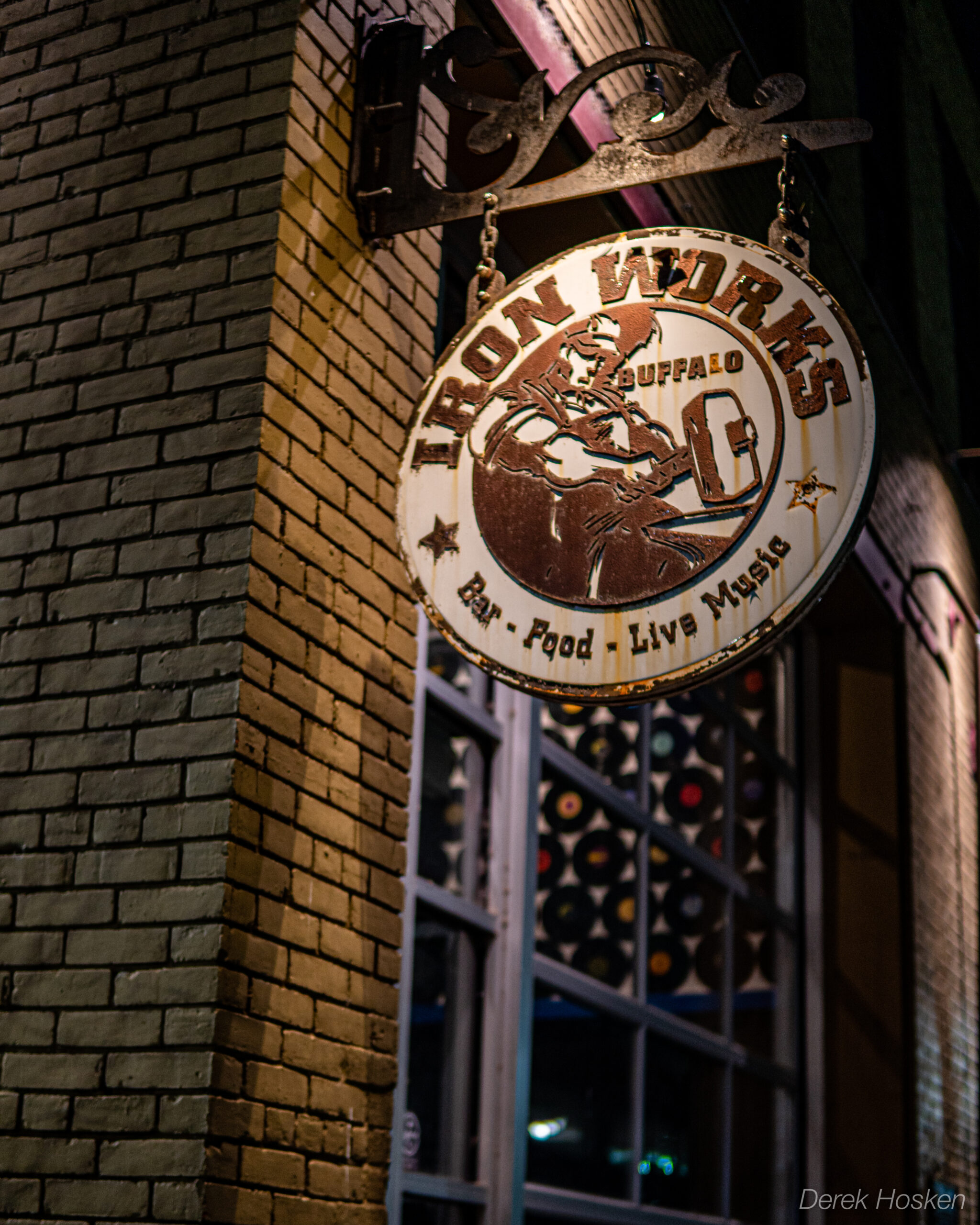
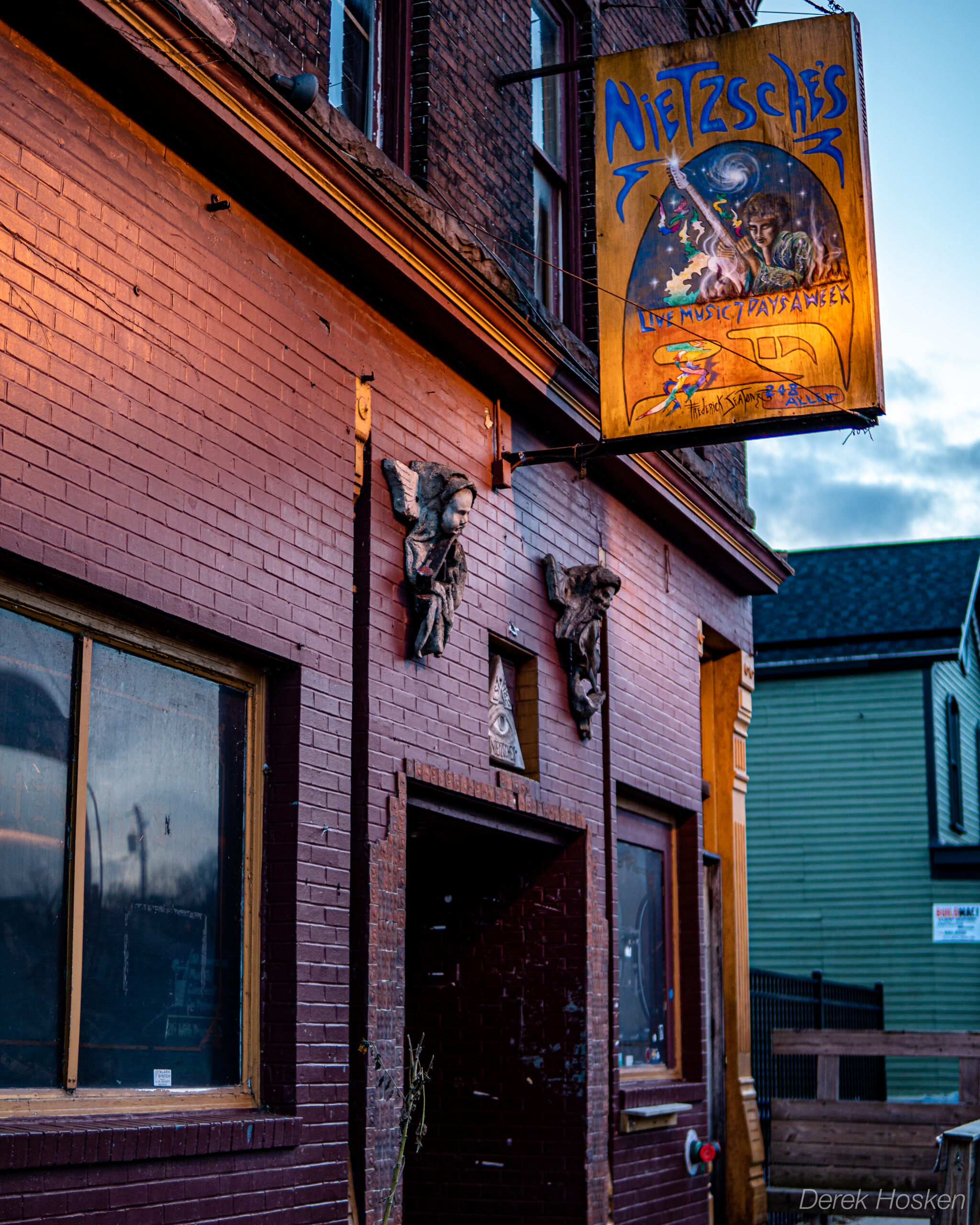
    Buffalo – photos by Derek Hosken

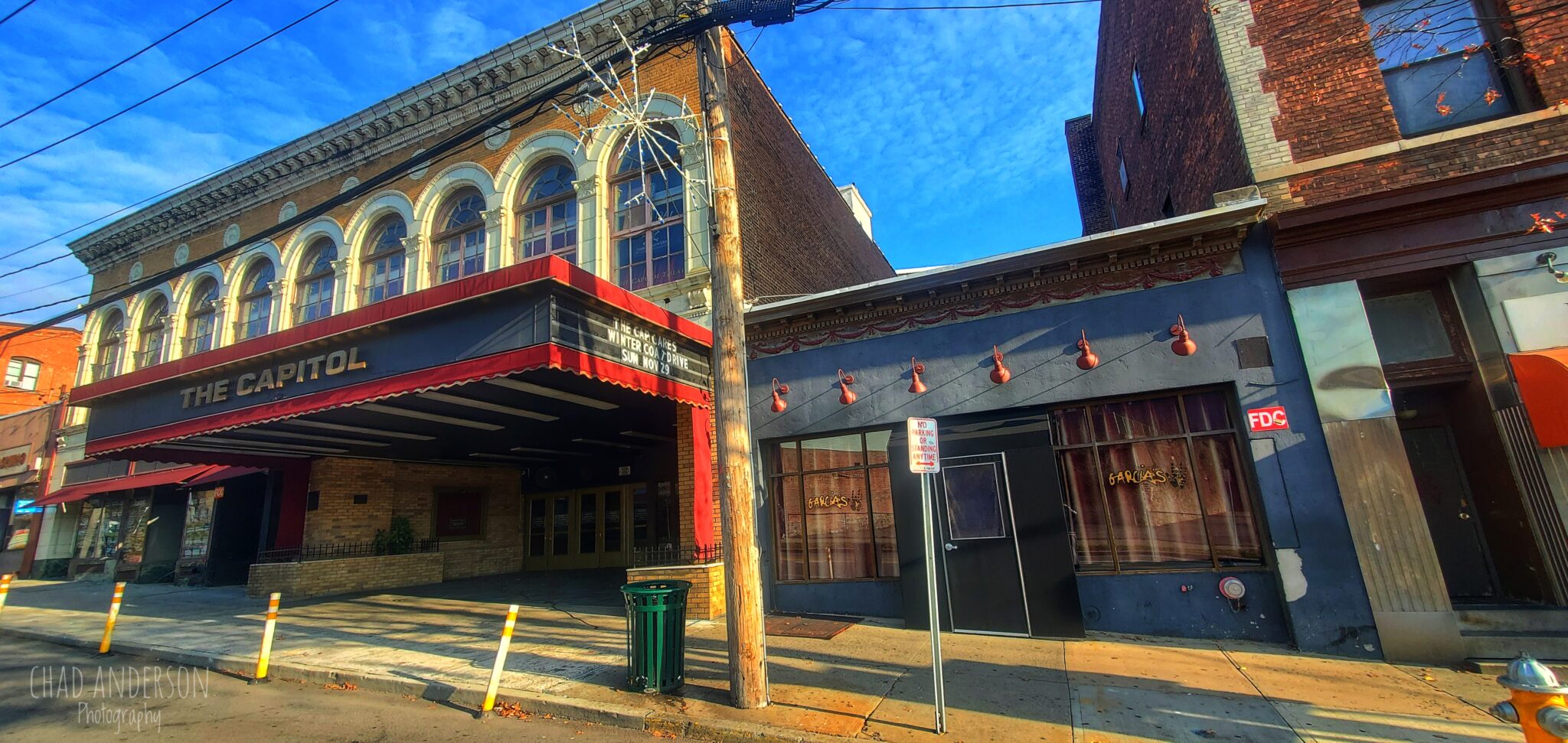
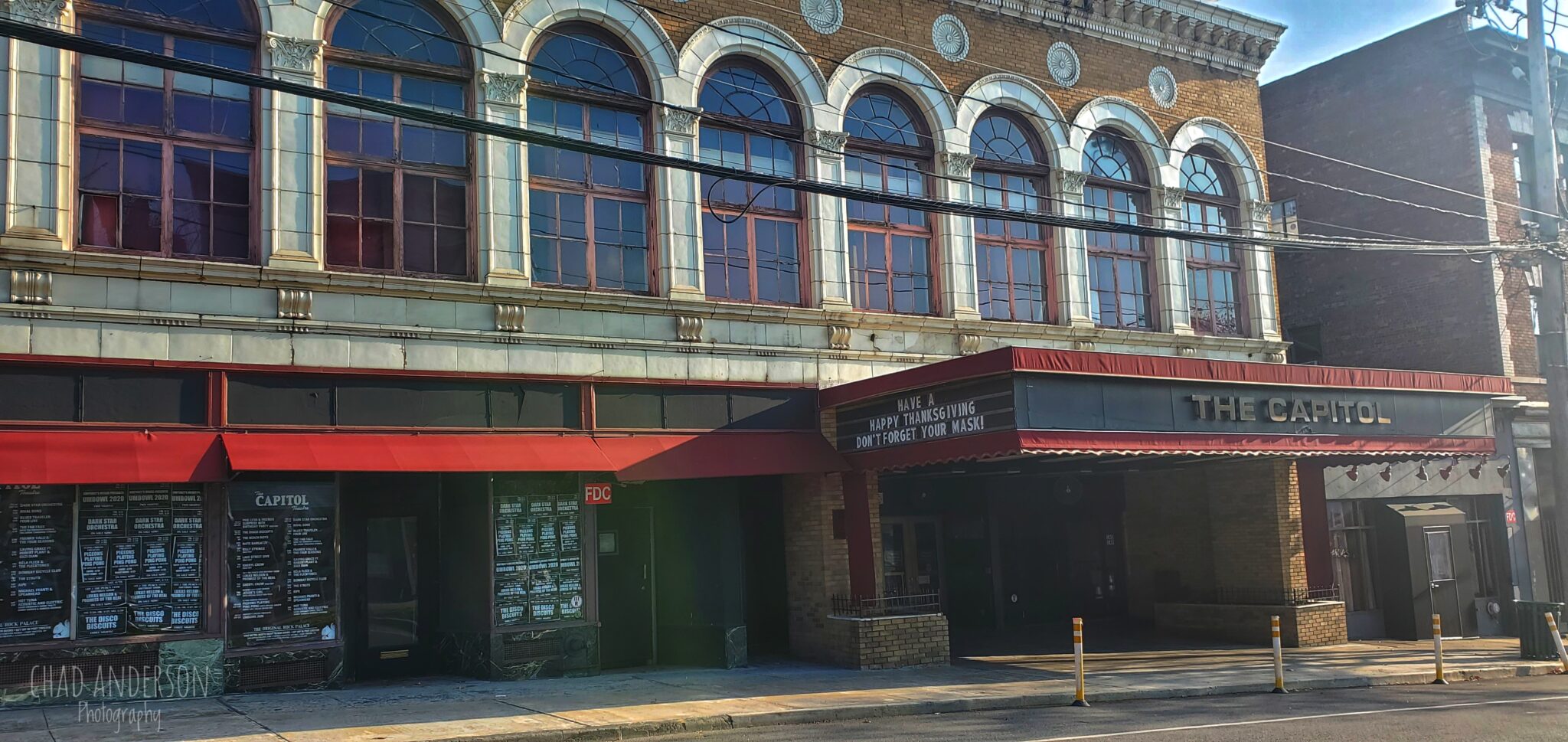
    Port Chester – photos by Chad Anderson

    Plattsburgh – photos by Jerry Cadieux

    Albany – photos by Zach Culver

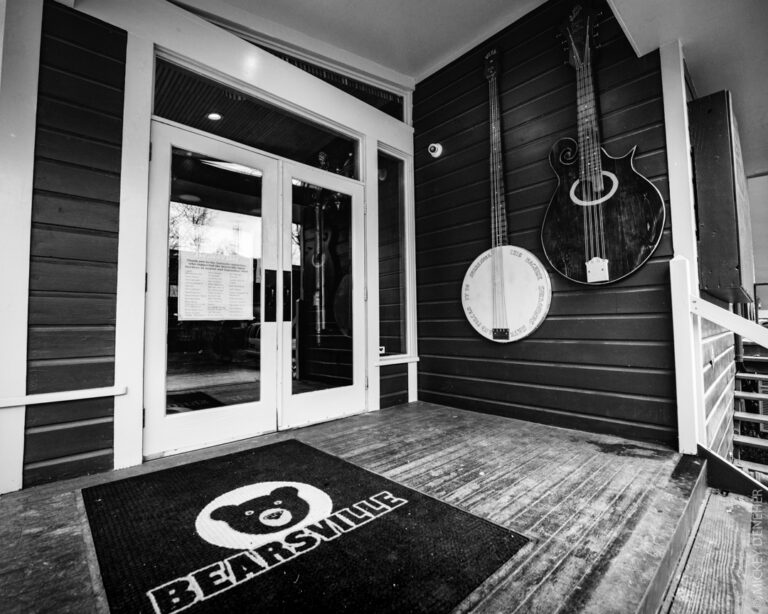
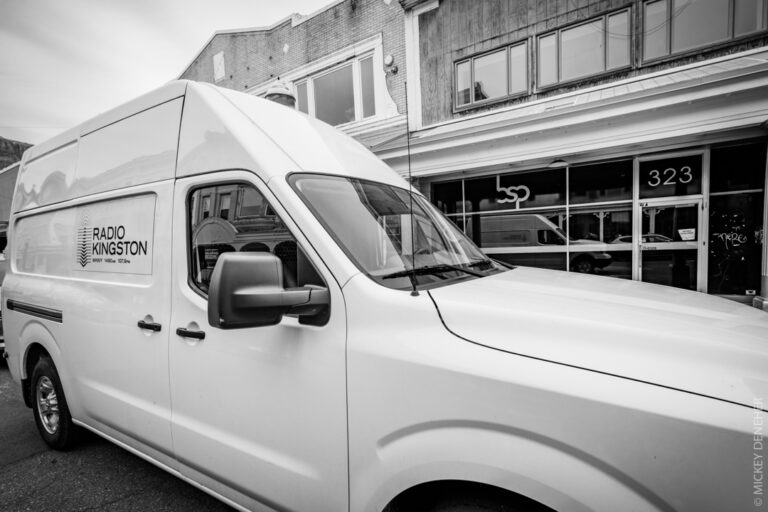
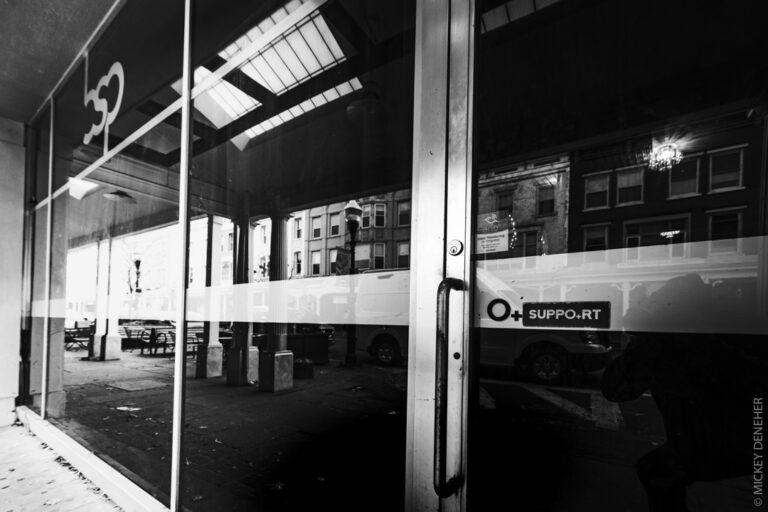
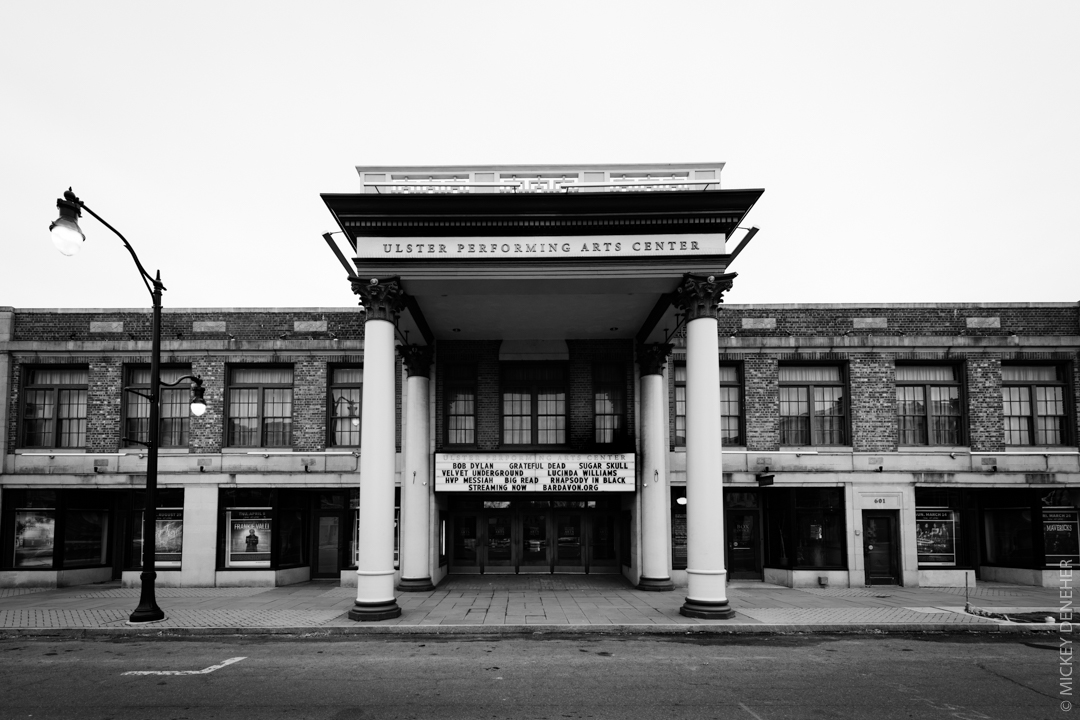
    The Hudson Valley – photos by Mickey Deneher

    Long Island – photos by Rob Tellerman

    Venues New York
    Venues New York
  • Non-for-Profit Venues in Upstate New York Call for Aid With #lightsUPstateNY Initiative

    Non-for-profit venues across upstate New York call for aid from Governor Cuomo and their state elected leaders during the COVID-19 crisis. They are calling for aid through their #lightsUPstateNY initiative, trying to bring light to the hardships these performing arts centers are facing. 

    #lightsUPstateNY
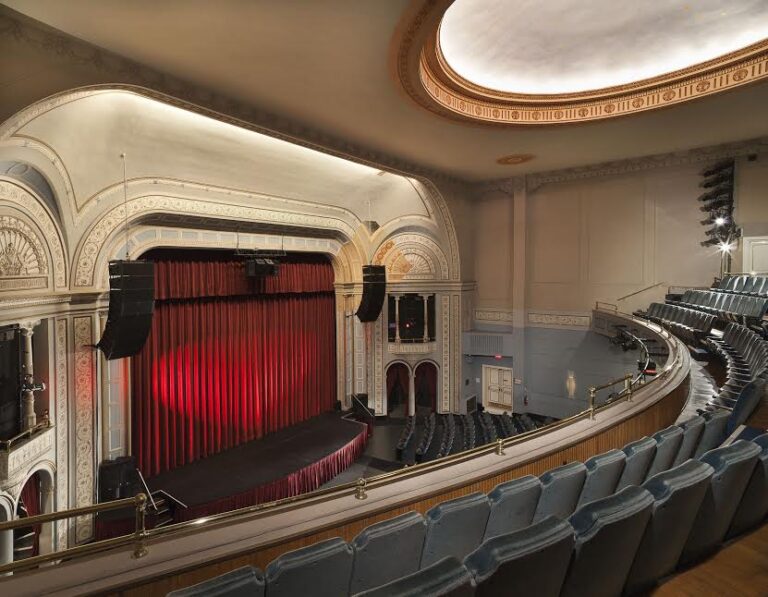
    Bardavon interior photo by Tim Lee.

    According to Chris Silva, Executive Director at
    Bardavon 1869 Opera House, the new protocols, requirements and re-staffing caused by COVID-19 will require not only time and capital, but every month these closures continue the costs of these eleven venues add up to a collective $1,500,000 dollars, with no significant revenue to offset it. This is a huge amount of money to these smaller local economies. These venues hope to bring light to the reality of their dim situation, as many venues across the United States are pledged with Save Our Stages campaign.

    The venues involved call for aid with the #lightsUPstateNY initiative are: The Bardavon in Poughkeepsie, UPAC in Kingston, Shea’s Performing Arts Center in Buffalo, RBTL’s Auditorium Theatre in Rochester, Smith Center for the Arts in Geneva, Landmark Theatre in Syracuse, Stanley Theatre in Utica, Proctors Collaborative in Schenectady, Palace Theatre in Albany, State Theatre in Ithaca, and the Clemens Center in Elmira. 

    These venues estimate the cost to reopen themselves, if a spring 2021 opening is possible, will be at least 15 million dollars – more if the “pause” caused by COVID-19 continues. As a group they bring over 250 million of collective, local economic impact to Upstate each year, which has come to an abrupt halt. 

    Silva explained the reasoning behind the union of #lightsUPstateNY initiative saying, “The large theatres of Upstate so often share similar realities. As we think about our restarts sometime in 2021, we decided to come together to speak with one voice about our needs and challenges as we get back to being at the heart of our cities and communities.”

    #lightsUPstateNY

    All of the venues involved  operate as 501(c)3 non-profit organizations – committed to serving their communities – and have worked together to create a network across Upstate for bands and theatrical performances to take place. They do this by offering a variety of live entertainment for all audiences, including concerts, comedy, dramatic and family events, as well as offer a mixed-use space for local performing groups, graduations, recitals and other presentations. 

    The hope of #lightsUPstateNY is to bring awareness to the dire need these venues are experiencing, while also calling on Governor Cuomo and their state elected leaders for aid. 

  • The State Theatre of Ithaca Wraps up their ‘Save Your Seat’ Campaign

    The State Theatre of Ithaca announced it’s ‘Save Your Seat’ campaign as a way for the community to help keep the Ithaca staple afloat during the COVID-19 pandemic. The ‘Save Your Seat’ campaign was announced on November 10, 2020 and will continue to run until all 16,000 seats are sold which happened on January 5, 2021. 

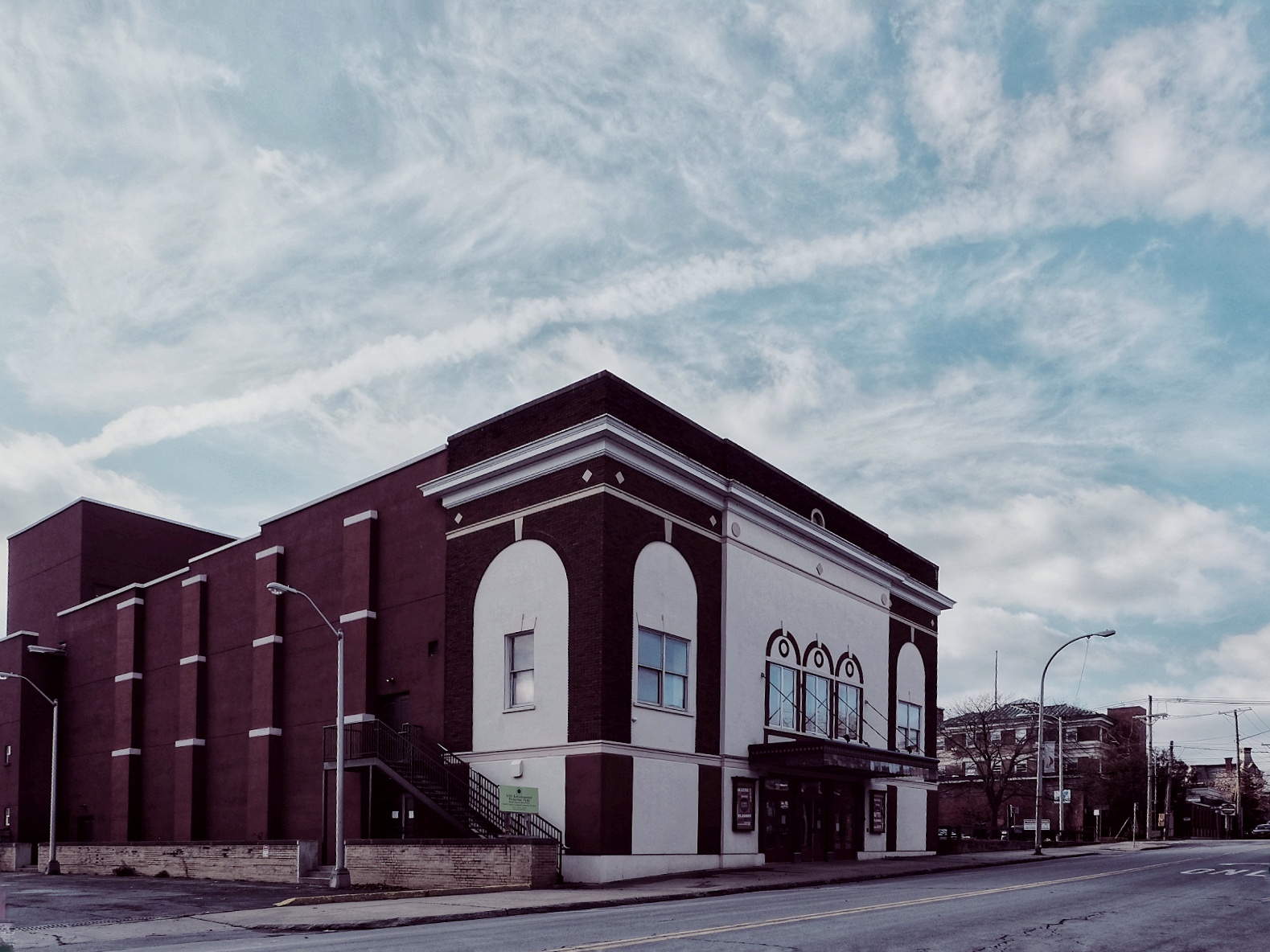
    The State Theatre of Ithaca was built back in 1915 and has been an entertainment staple of Ithaca, NY since 1928 and has served as one of the most significant venues for performing arts in the Finger Lakes region. Their  mission is to enhance the cultural life of Ithaca and the Finger Lakes by preserving, operating and promoting the historic State Theatre as an active venue for national, international and community performances and programming according to their website. 
    How the ‘Save Your Seat’ campaign worked is that people donated $100 per seat and will get a personalized plaque affixed to a seat in their honor. This campaign will offer a visible way to commemorate their support of this vital arts venue.  

    Executive Director Doug Levine of the State Theatre explains that, “Without show revenue to help sustain this facility, we are looking at a deficit close to $160,000 for this fiscal year. The State Theatre of Ithaca seats 1,600 people. If 1,600 of our amazing supporters and patrons bought at least 1 seat for $100 each, that would help us close the gap that the pandemic has created.  Our goal is to sell out the Theatre, just like we have so many times in the past.”   

    All proceeds raised from the ‘Save Your Seat fundraising campaign and benefit concert will help sustain the not-for-profit State Theatre of Ithaca. The aide will help the theatre remain at the center of Central New York’s performing arts scene while their doors remain closed. For more information visit the the State Theater’s website here.

    Updates made on 1/7/2021: The State Theatre of Ithaca announced on 1/5/2021 that all 1,600 seats within the Theatre have been “saved,” as part of their “Save Your Seat” campaign. The campaign has helped close the budget gap the Coronavirus shutdown has created for the Ithaca staple.

  • Hannah Sumner Pays Homage to Brooklyn on “Only You”

    Hannah Sumner released her new track, “Only You” on Friday, November 20. The song features over 10 NYC artists and attempts to pay homage to Brooklyn and the feelings of isolation during COVID-19.

    Hannah Sumner is a Brooklyn based writer, producer and performer who is a mainly alternative artist. She has released two EP’s: To The Almost, containing five songs, and Guesthouse containing four songs. Sumner has been singing since she can remember, but came into producing after graduating from Berklee College of Music. She messed around with Logic, popular production software, and taught herself how to produce when she no longer had musicians to play with post college. This is when she found her voice.

    Hannah Sumner
    Hannah Sumner photo provided by press release.

    Every musician has a different writing process and for Sumner, she prefers to write songs by improvising over her own productions. Her single, “Only You,” came out of this process. The chorus of the song contains the original first improvised take. “I use my first take a lot, as the songs come out almost finished. They help me understand what I’m feeling, usually before I even understand myself,” she explained. 

    She uses her music as a way of journaling her feelings and experiences. “Only You” was written back in April of 2020 when she, like many people around the world, was missing connection. She poured these feelings into a creation that ended up featuring 10 New York City artists, that she considers to be her ‘music family.’ 

    The song features: Steve Bone of VICE audio who mixed the track and performs guitar on it; Adam Neely, Youtube star playing bass; Ella Joy Meir of Iris Lune on vocals; Curtis J and Jackee Frome on vocals; Jacqueline Kerrod playing harp; Joey D’Alessio on vocals; and  Markus Roessler on vocals.

    The music video was shot on an iPhone, creating beautiful transportations, It is something Sumner aims for in her music, propelled by an underlying interest in film. 

    The song is somber and eerily-beautiful, which is perfectly mirrored within the music video. It starts with a simple chord progression on guitar with lyrics floating in subtly. Then the song builds up until the full lineup comes together to create a haunting melody. The different musicians featured on the song show up within the video in their own little screens chiming in on the chorus. It’s a song that’s very fitting and universal during these COVID-19 times and definitely worth listening to if you are feeling isolated or alone.

    For more information on Hannah Sumner visit her Facebook.

  • Ticketmaster Proposes Option For Venues to Check Attendees’ COVID-19 Status

    Ticketmaster has proposed a plan that would give venues and event organizers the ability to ask fans for COVID-19 vaccine status or test results before attending live events in 2021 on November 11, 2020. The Ticketmaster COVID-19 testing verification process would include three separate components making it a finicky hypothetical process. 

    Like all other safety/entry protocols, this potential screening process would be up to the discretion of the event organizer to determine if they would like to ask attendees to provide a test result or vaccine status. It will not be Ticketmaster’s requirement but the event organizer or venue’s requirement. This screening process for COVID-19 safety measures will be up to each event organizer. They will decide the future requirements, based on their preferences and local health guidelines. The proposed three part verification process would use the Ticketmaster digital ticket app, a third party health information companies like CLEAR Health Pass or IBM’s Digital Health Pass, and testing and vaccine distribution providers like Labcorp and the CVS Minute Clinic.

    The first part of this verification process all starts with a fast acting accurate testing and eventually vaccination against the virus. The pharmaceutical company Pfizer announced results on a new COVID-19 vaccine showed a 90% efficacy rate on an initial clinical trial on November 9, 2020. The hope is with these accurate and timely tests the live entertainment industry could mount a return in 2021. Once a vaccination becomes available, and after purchasing a ticket for an event, the attendee would need to verify that, “they have already been vaccinated (which would provide approximately one year of COVID-19 protection) or test negative for coronavirus approximately 24 to 72 hours prior to the show. The length of coverage a test would provide would be governed by regional health authorities — if attendees of a Friday night concert had to be tested 48 hours in advance, most could start the testing process the day before the event. If it was a 24-hour window,  most people would likely be tested the same day of the event at a lab or a health clinic,” according to Billboard’s article on the hypothetical testing process. 

    The next step in this verification process would be the attendee delivering their test to a secure and approved lab like CLEAR Health Pass or IBM’s Digital Health Pass. Once they were found to have no traces of the virus or have an up to date vaccination the lab would have to get those test results to Ticketmaster and that’s where things get a little tricky. Generally people’s medical finals are confidential and aren’t sent out to a giant mega corporation, so that’s when the last part of this verification process would come in. 

    A third party would be needed to act as the in between with the attendees and Ticketmaster to ensure Health Insurance Portability and Accountability Act (HIPAA) are being properly followed. Companies like Labcorp and the CVS Minute Clinic already exist for this exact purpose. These companies main role is to collect data from testing of all kinds and information from medical providers and deliver status updates to partner companies like Ticketmaster in this instance. Having these companies act as the in between creates a secure and encrypted way to deliver medical information in a way that complies with the Health Insurance Portability and Accountability Act (HIPAA).

    The idea of a safe way to attend live events is very enticing but this proposed way of doing it leaves a lot of questions.

    • How and when will attendees be made aware if the show they are interested in is requiring testing?
    • Who will be in charge of paying for the testing?
    • What happens if there is a breach in the system, people’s medical information gets leaked?
    • What if someone’s religious practices prevent them from being vaccinated or tested?
    • What if the lab makes a mistake or doesn’t get the results back in time. Will the ticket be refunded?
    • How will this work with minors wanting to attend events?
    For more information on the the Ticketmaster COVID-19 testing verification process read the full Billboard article here.

    Updated with current Ticketmaster information on the potential COVID-19 testing verification process on November 16, 2020.

  • Gov. Cuomo Imposes New Curfew and Capacity Regulations Statewide

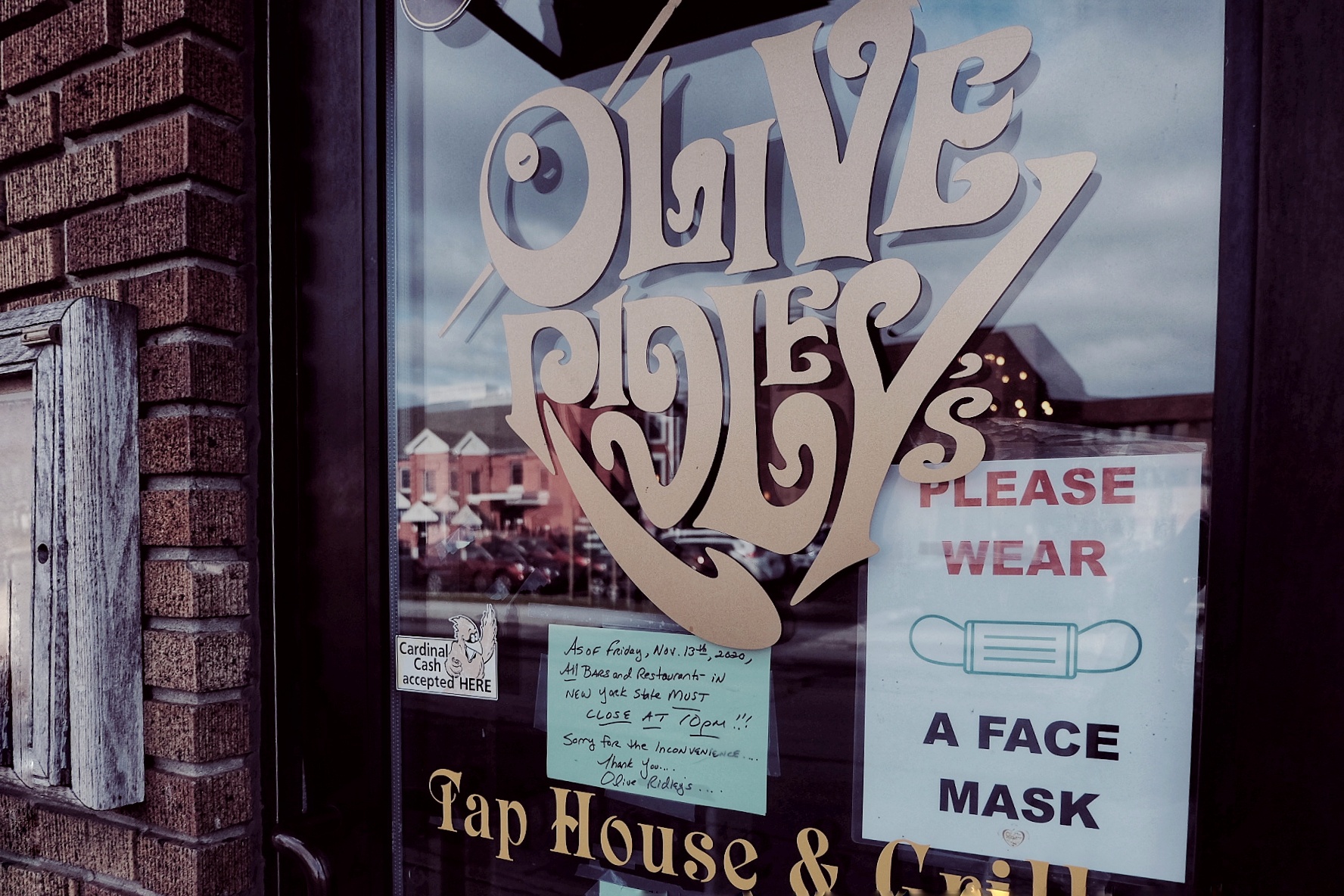
    Governor Andrew Cuomo announced, Wednesday, new statewide curfew and capacity regulations. They will take effect on Nov. 13, to combat the recent surge in Covid-19 cases across New York State.
    Cuomo Regulations
    (Credit: Deadline) NYS Governor Andrew Cuomo conducts press briefing and makes a presentation at the 3rd Avenue office in New York on July 23, 2020. Governor announced that President Trump will not send federal agents into New York City. He again pleaded to young people to be responsible, keep social distances and wear masks. (Photo by Lev Radin/Sipa USA)(Sipa via AP Images)

    On Friday, establishments licensed by the State Liquor Authority will have to close their doors at 10 p.m. This includes, restaurants, bars, bowling alleys and gyms. After curfew, restaurants can do curbside food-only pickup.

    According to Cuomo, house parties and small social gatherings are the third “great spreader” identified by the contact tracer. All at-home gatherings will be limited to ten people.
    In the last week, new reported cases have doubled in New York and New Jersey. The biggest goal for the new regulations is to ensure the state does not go through another shutdown if they don’t have to.
    “If these measures aren’t sufficient to slow the spread, we will turn the valve more and part of that would be reducing the number of people in indoor dining,” Cuomo said, “If that doesn’t work, if numbers keep going crazy, there are some scientists who believe we should close down. I hope that doesn’t happen.”

    Over the course of the pandemic, many regulations have been set in place by the governor and reinforced by the SLA. This is the first time in months that they’ve had to crack down once again. Unfortunately, this doesn’t just pertain to New York but also neighboring states.

    Cuomo Regulations
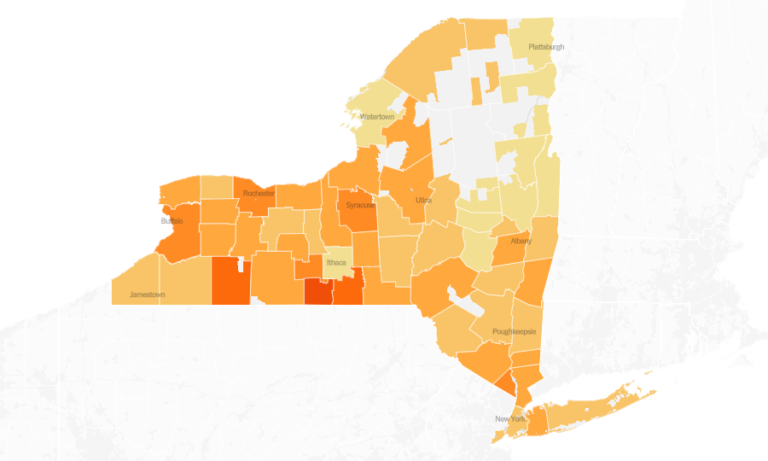
    NY state Covid map, updated November 2020

    “If you look at the places in our state where we’re having issues, they’re very often near the neighboring states,” Cuomo said. “If the national numbers are going up and the states around you are going up, be prepared.”

    With music venues around the country struggling to keep their doors open, this is yet another step backward for the industry. So that businesses can open and run normally, everyone is encouraged to follow the new rules and ensure everyone’s safety.

  • The Park Theater Announces First Event Since March Shutdown

    After eight long months of being shut down, The Park Theater in Glens Falls is proud to announce they will open their doors. On Nov. 18 the venue with host an event; ‘Dinner & A Movie: A Beautiful Day In The Neighborhood.’

    Cover art for A Beautiful Day in the Neighborhood.

    The screening of the movie will be accompanied with a three-course meal by Chef Matthew J. Delos. The guests will have their choice between three entrees and two different dessert. The 2019 film is about the late Fred Rogers, aka Mr. Rogers, played by Tom Hanks and his friendship with investigative journalist, Lloyd Vogel, played by Matthew Rhys. According to a press release by the theater, the movie “tells a story of kindness, empathy, acceptance and transformation.”

    The Park Theater has been an entertainment staple in Glens Falls since 1911, where the town would watch silent films and vaudeville shows. In 1935, they closed their doors until The Post-Star bought and transformed the building into a printing plant. Over the years, numerous organizations tried to maintain the building’s reputation as a performing arts center, only to really make a change in 2018 by returning to its original name, The Park Theater and Doc’s Restaurant downstairs.

    For the event, doors open at 5 PM, dinner starts at 5:30 PM and the movie will begin an hour after dinner service starts. The tickets are $60 (+tax) per person and can be purchased online or call the box office at 518-792-1150. The theater recommends buying tickets sooner rather than later because seats are bound to go quickly after not having an event for so long.

    Mr. Rogers inspired children and adults throughout his career. This film demonstrates the impact he had on not only viewers of his show, but also his personal relationships.

    I think the best thing we can do is to let people know that each one of them is precious.

    Mr. Rogers
    Event Poster for The Park Theater

    For more information visit The Park Theater’s website.