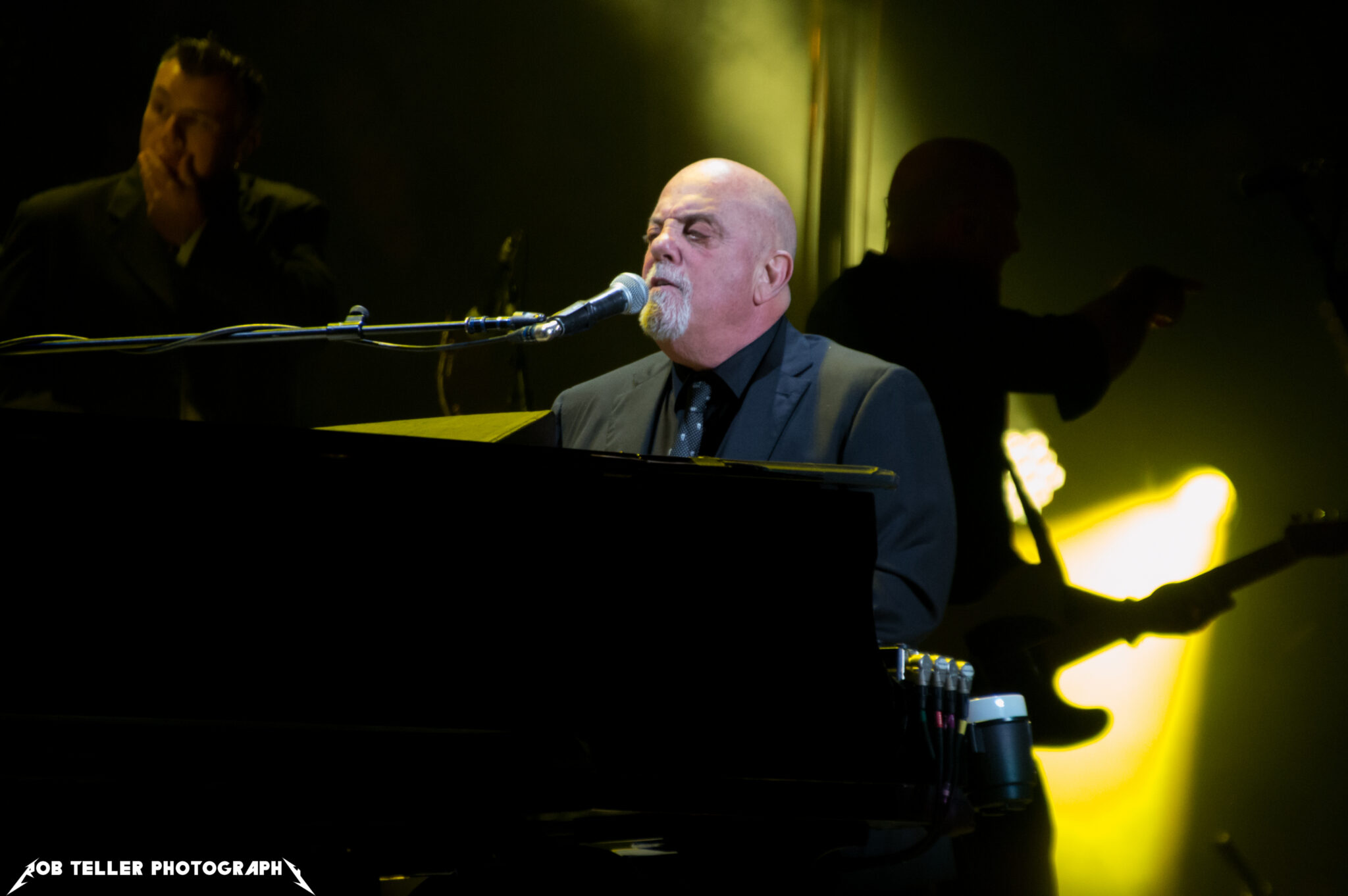
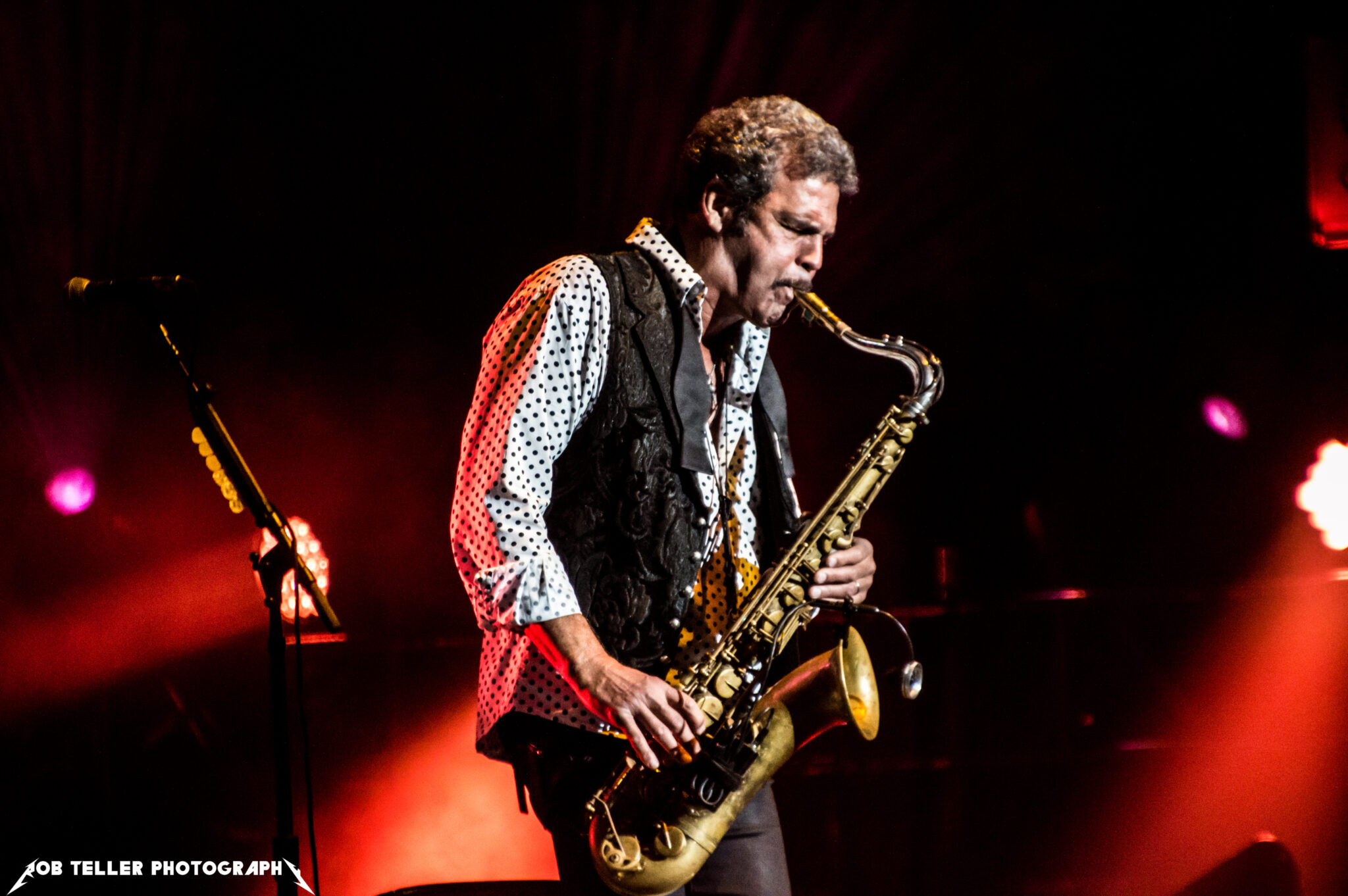
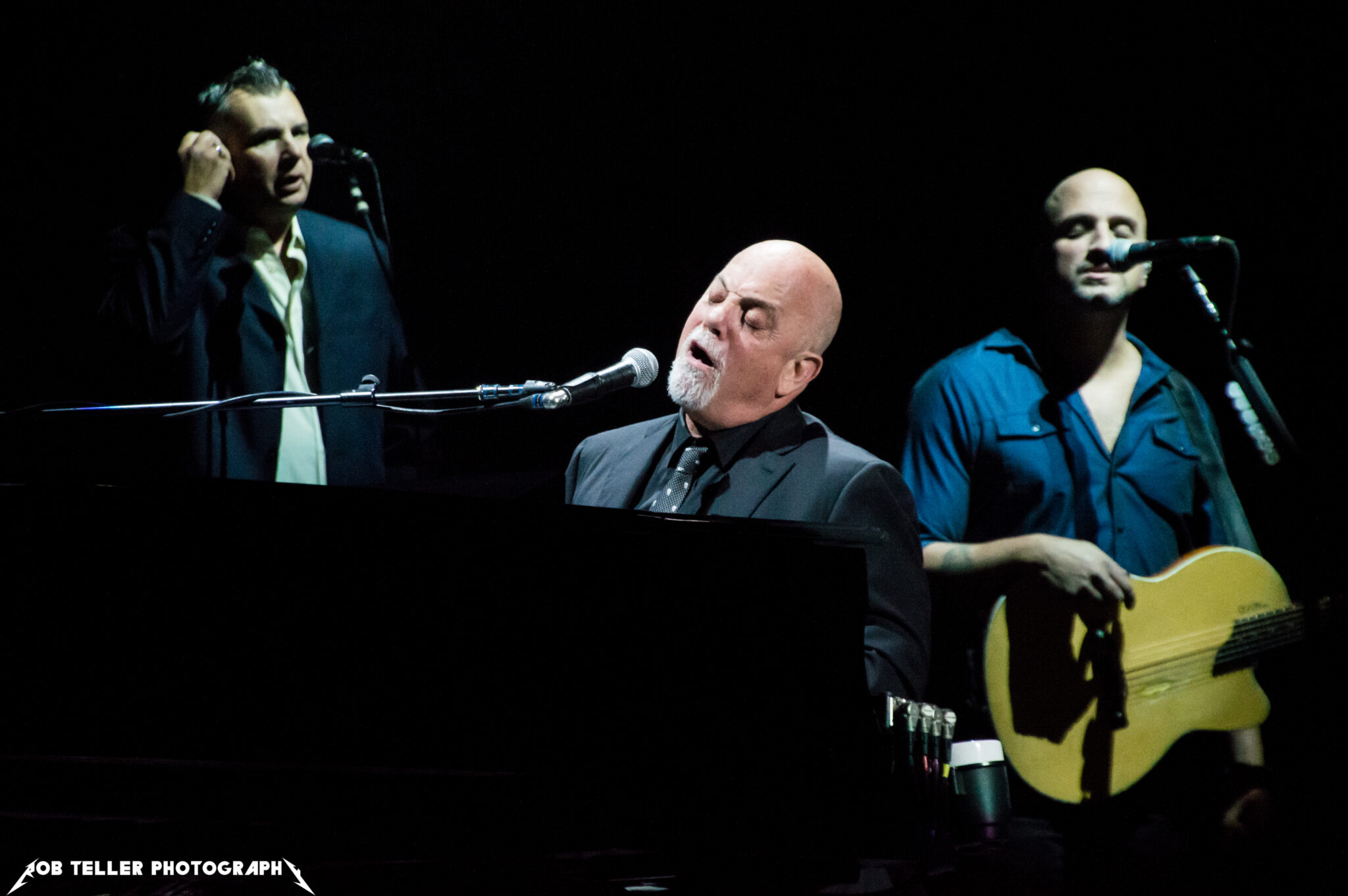
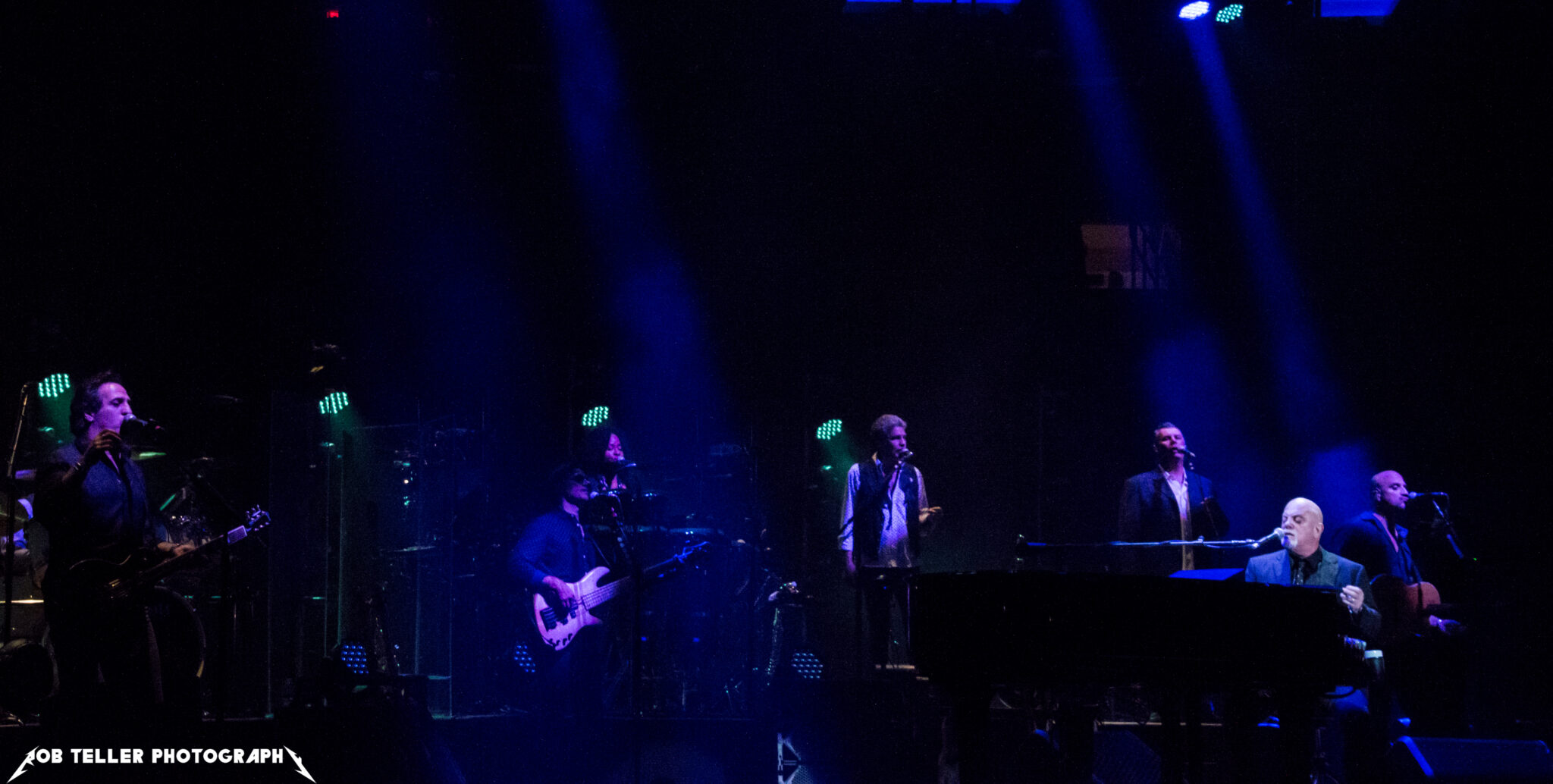
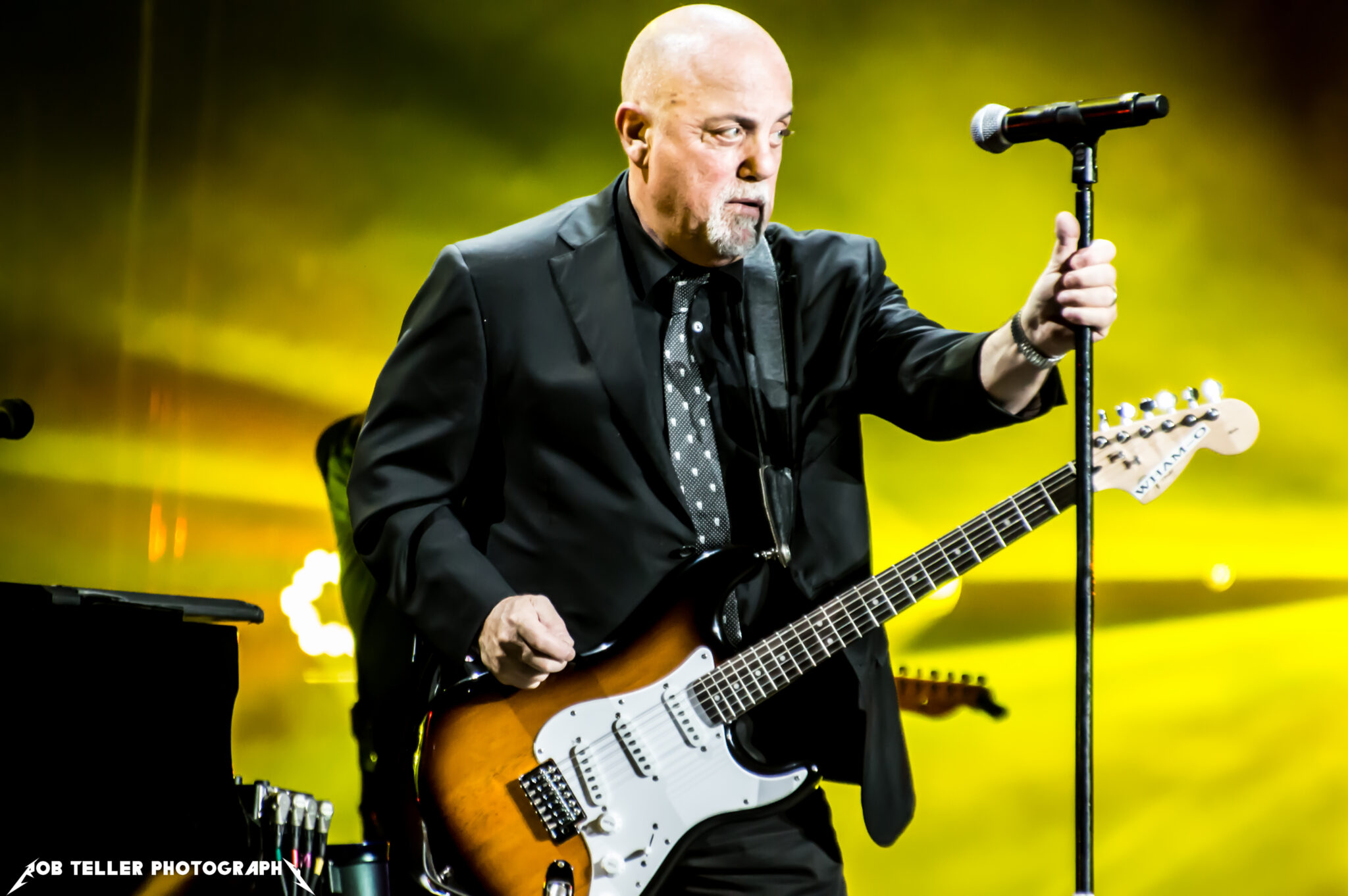
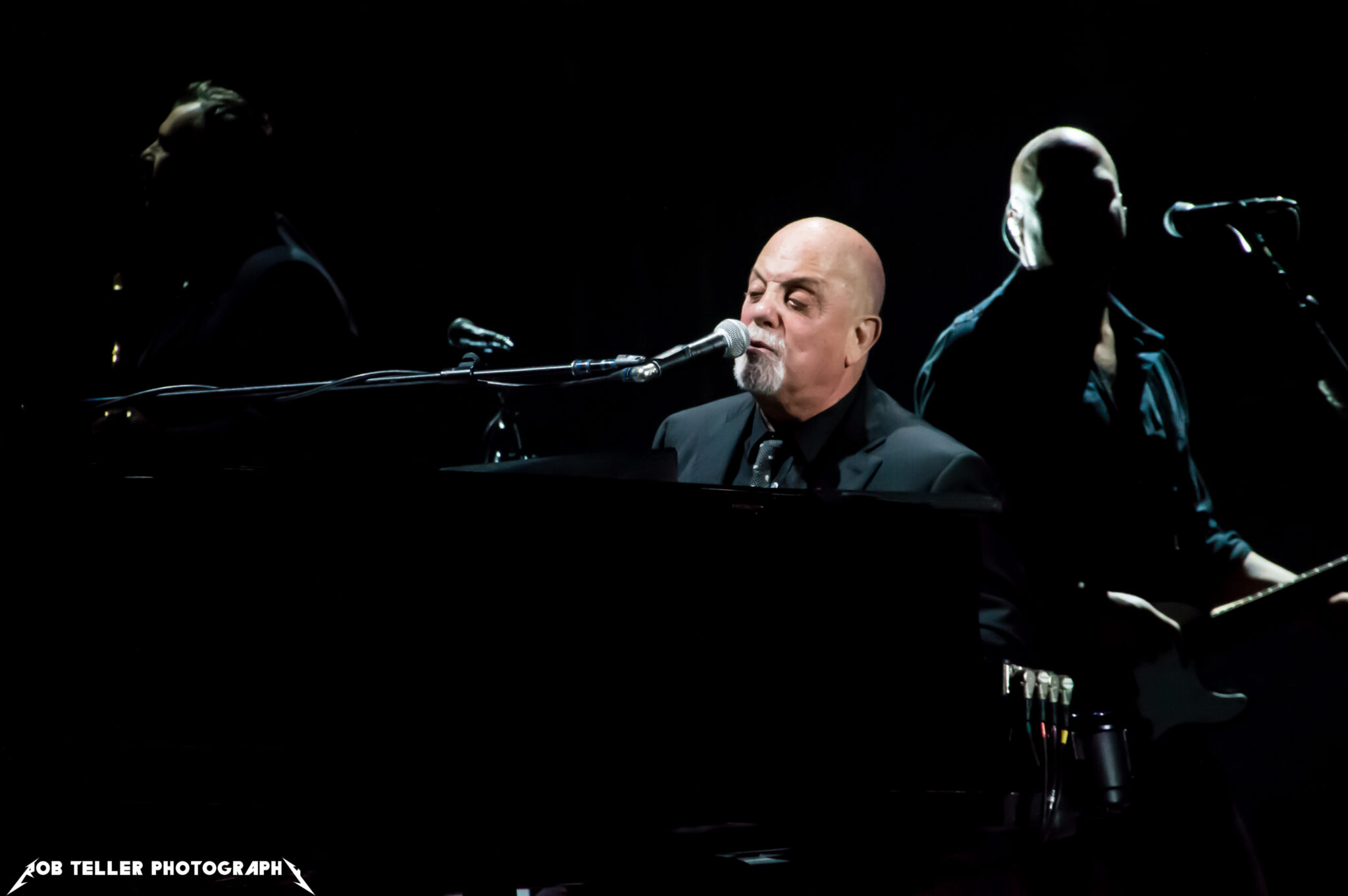
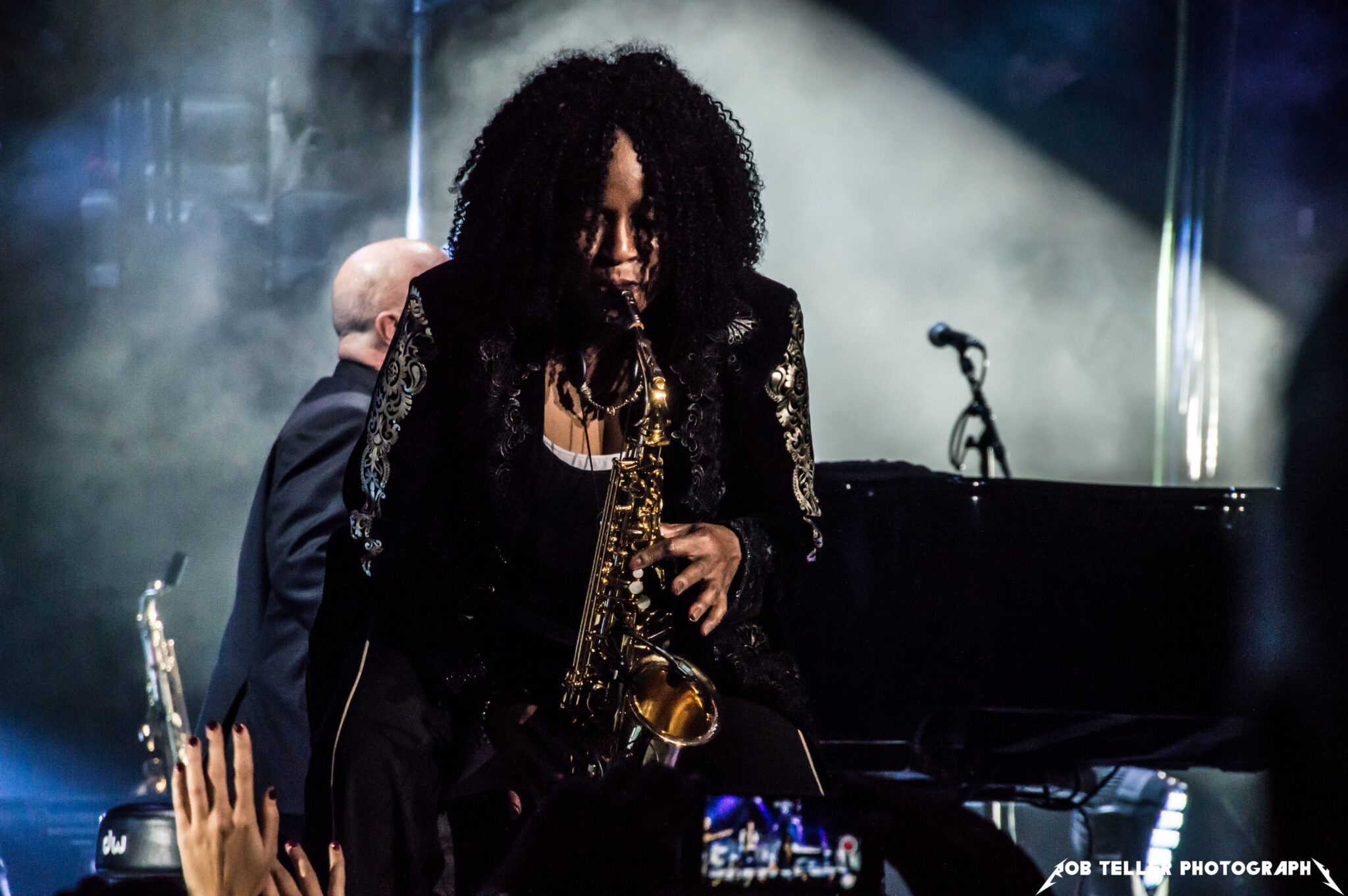
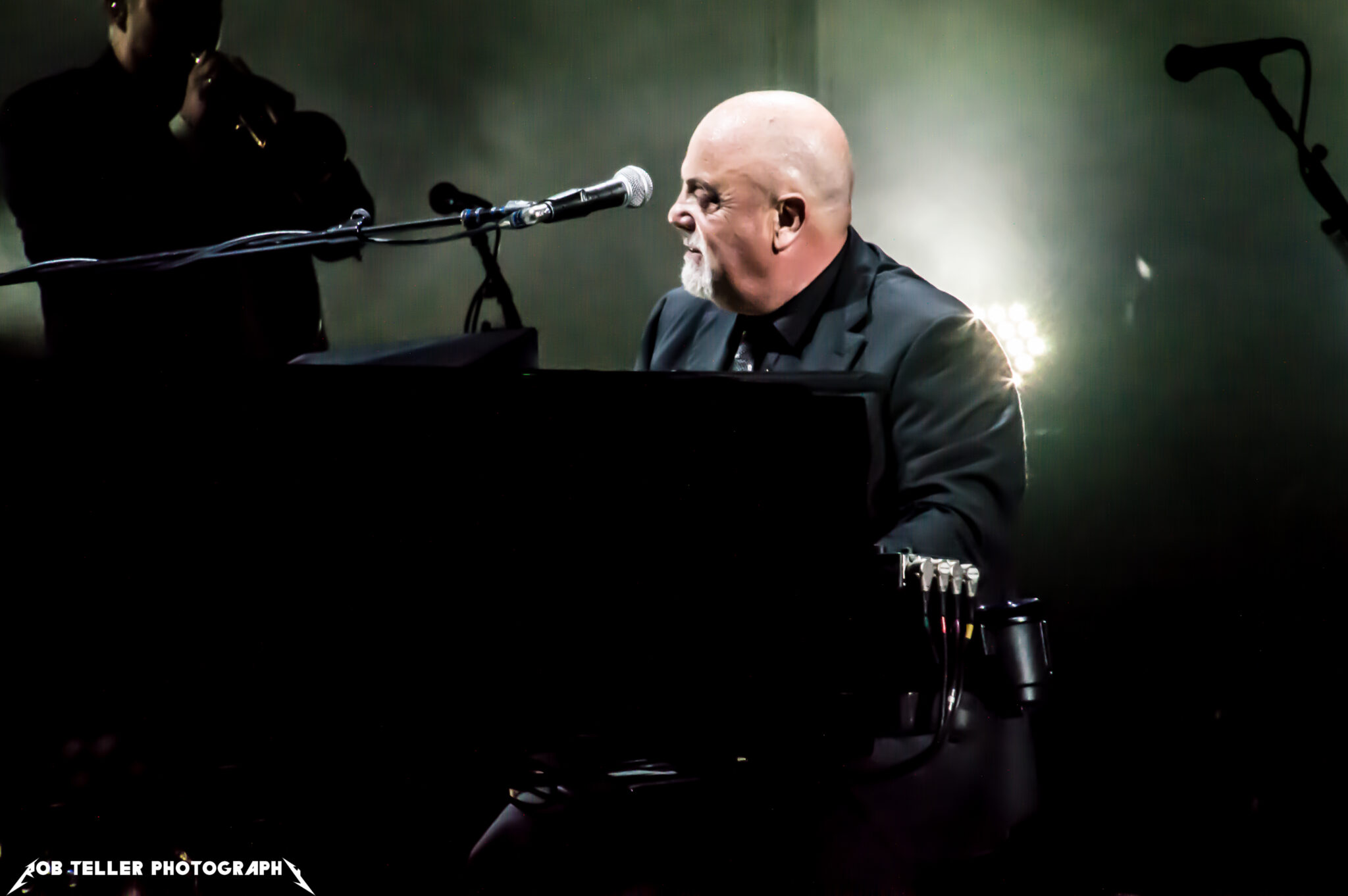
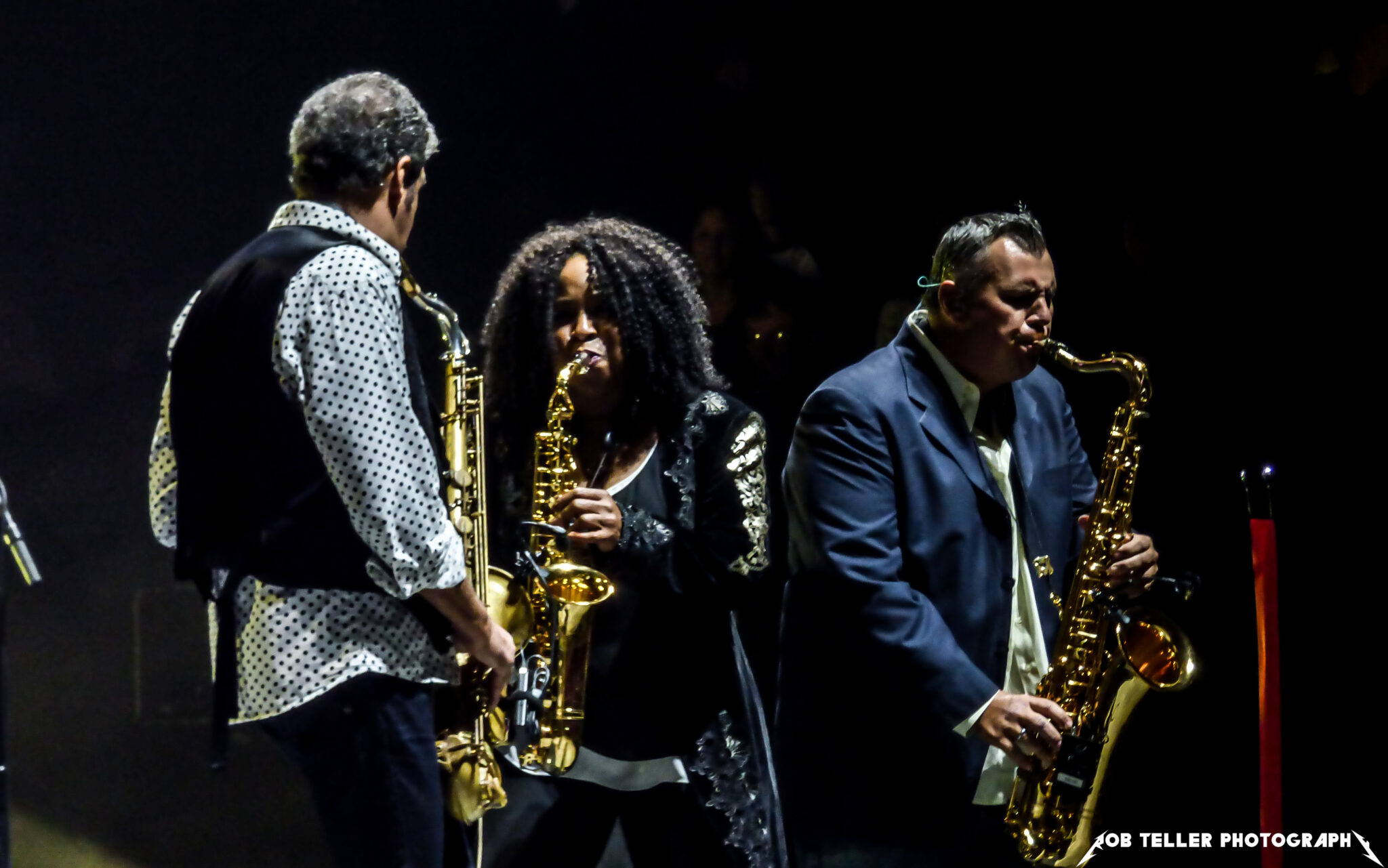
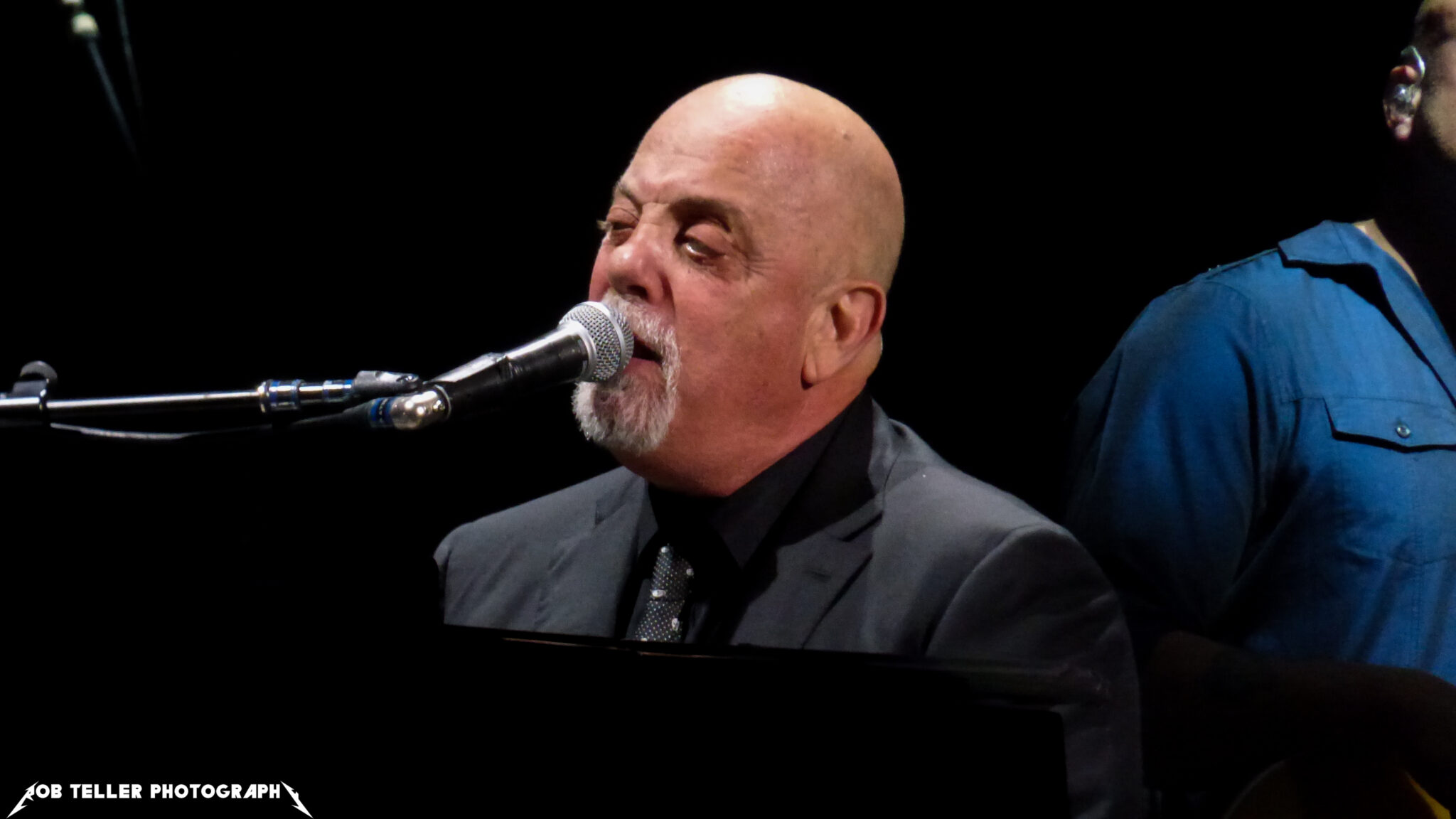
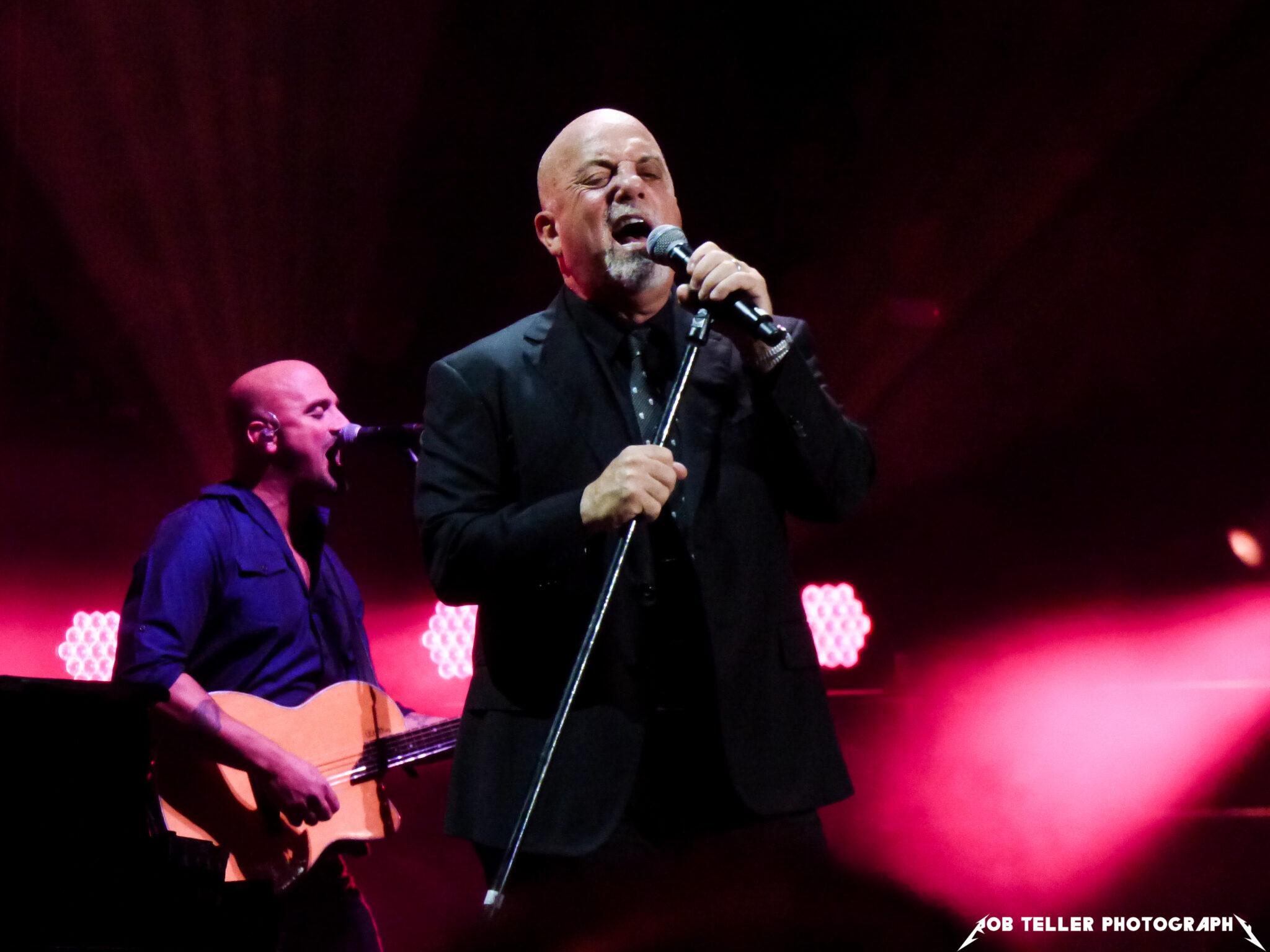
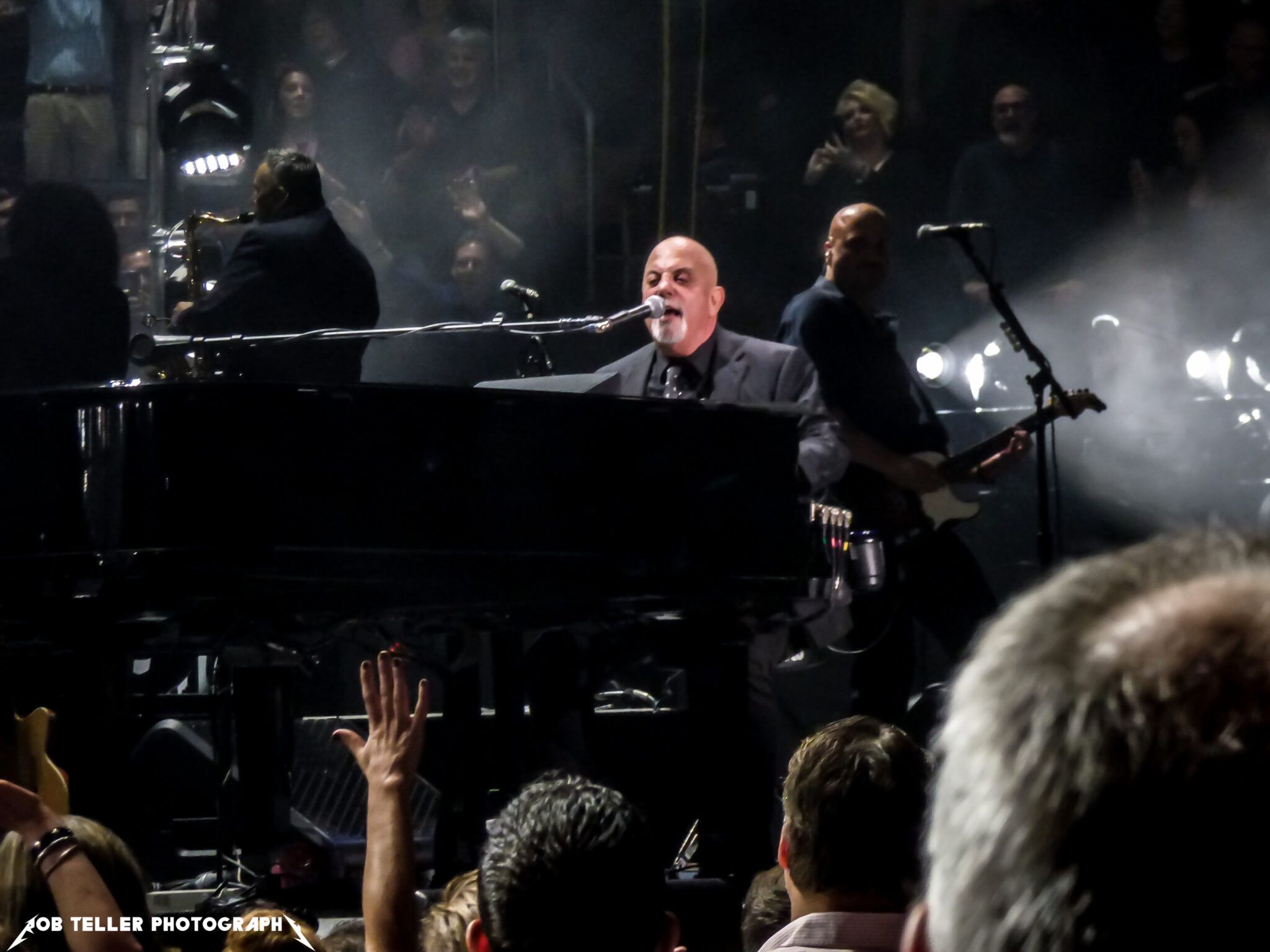
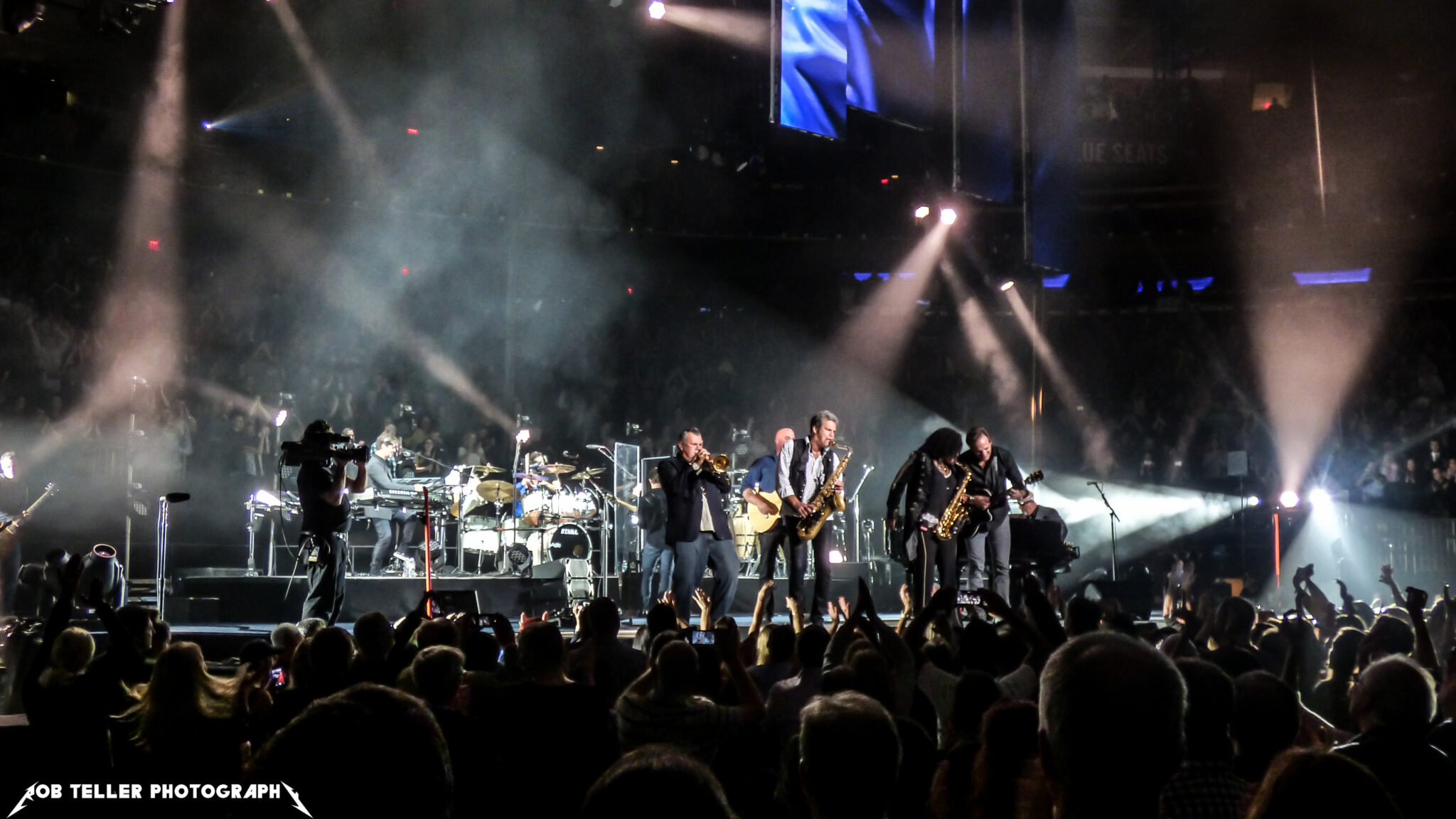
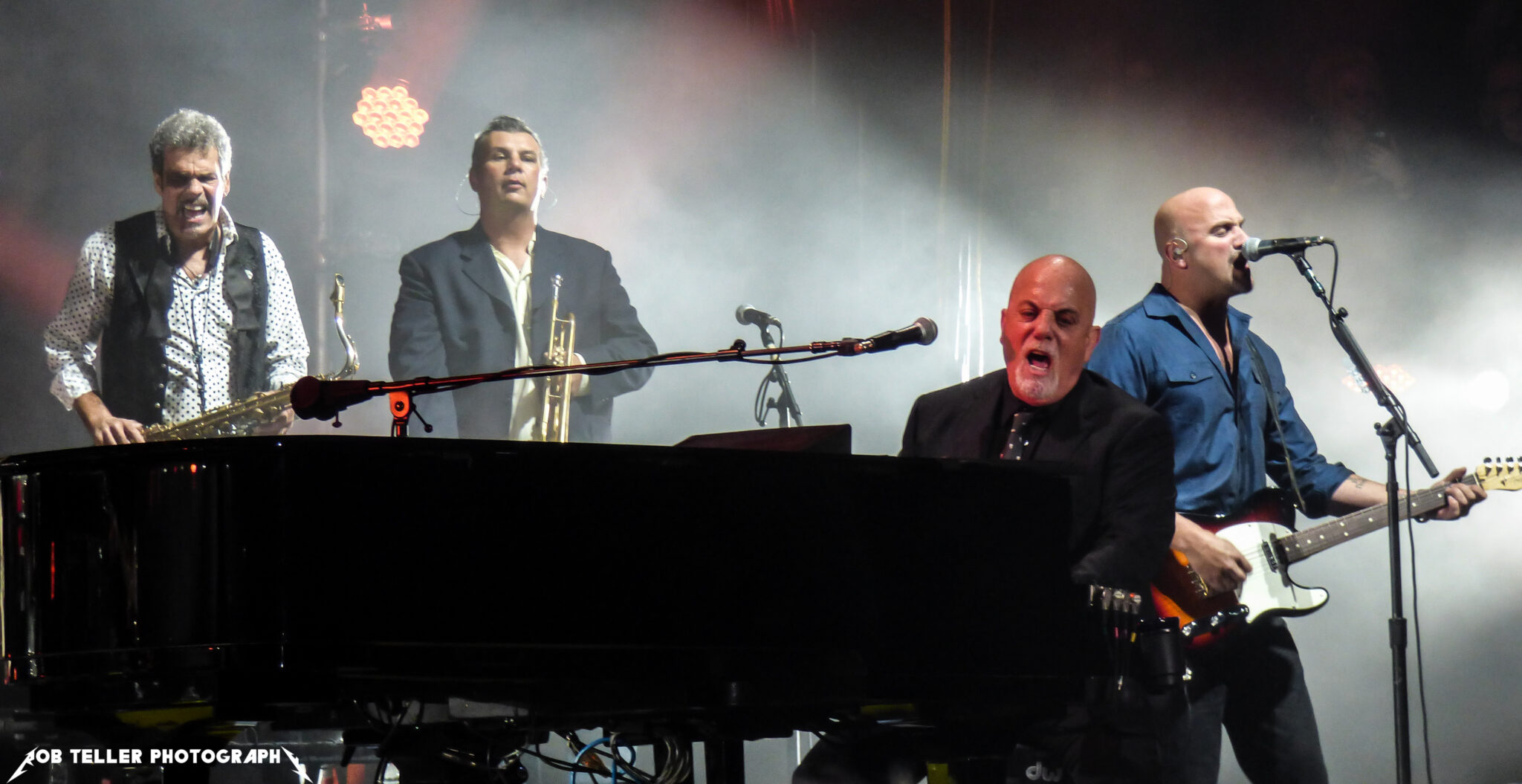
On November 30, 2016, Billy Joel extended his MSG residency continued with his 35th consecutive show at the World’s Most Famous Arena. His first monthly show at the Garden was on January 27, 2014. Joel committed to playing one show a month at the Garden as long as there was a demand for tickets.
Billy broke his own 2006 record for the most consecutive sold-out shows at his thirteenth performance on January 9, 2015. On July 1, 2015, he played his 65th show breaking the record for the most shows at the Garden by a single artist.
Elton John and the Grateful Dead held the record previously. His 74th consecutive MSG monthly show was scheduled for March 2020, but had to be postponed due to COVID-19. The show was initially moved to September, but has now been moved back another year till 2021.
According to a statement on Joel’s website, “Tickets for the original show dates and initial rescheduled show dates will be valid for the corresponding new rescheduled dates in 2021 and 2022.”
Setlist: Billy Joel at MSG, November 30, 2016
Miami 2017, Pressure, Movin’ Out (Anthony’s Song), Vienna, Downeaster Alexa (with Julian Rachlin), Zanzibar, Leningrad, Allentown, New York State of Mind, Root Beer Bag, The Longest Time, My Life, Don’t Ask Me Why, Sometimes a Fantasy, She’s Always a Woman, The River of Dreams, Take it Easy (Eagles Cover), Nessun Dorma, Scenes From an Italian Restaurant, Piano Man
Encore: We Didn’t Start the Fire, Uptown Girl, It’s Still Rock and Roll to Me, Big Shot, Only the Good Die Young, You May be Right
On the heels of back-to-back releases in 2019 and in anticipation of his long-awaited album, The Billy Danze Project, Mash Out Posse’s (M.O.P.) own Billy Danze returns. His 13-song, 37-minute LP We Busy (The Listening Session) is a collaboration with Swiss producer, Too Busy. Known for his aggressive delivery and roughneck subject matter, Danze gained notoriety during the mid ‘90’s and early 2000’s as part of the hardcore Hip Hop duo M.O.P., along with fellow Brownsville native, Lil Fame.
The Mash Out Posse
Recognized as a hardcore Hip Hop legend, Danze looks to present fans with a different point-of-view ahead of his upcoming album. A close associate and frequent collaborator to fabled producer DJ Premier, much of M.O.P.’s sound was rooted in classic hip hop principles. Heavy drums and loud snares, plenty of scratching, as well as distinctive riffs and sound effects, as exemplified by their breakout single, “Ante Up.” While The Billy Danze Project may see the Brooklyn-bred emcee return to his musical roots, he looks to show fans a different side of himself on We Busy.
“We Busy is more of the thinking section that leads to my album. The soulful beats helped me showcase the Billy Danze my audience may not know; I’m painting familiar portraits on an unfamiliar canvas,” Danze commented.
We Busy features notable collaborations from a number of Hip Hop legends and pioneers. Along with production and narration from DJ Premier, guest appearances can be found from Method Man, legendary rapper, producer and one half of Mobb Deep, Havoc, M.O.P cohort Lil Fame, fellow Brooklyn native and Firm member Cormega and renowned West Coast rapper, producer and Dogg Pound member, Daz Dillinger.
With varying production styles, the project sees Danze remain in his own pocket on the Method Man assisted record, “Gotham.” Yet, on the song “Damn” the underground veteran tries his hand at more contemporary beats and flows, delivering his rhymes in a much lighter and playful tone. On records like “One to Grow on,” the aforementioned soulfulness rears its head, as the Havoc assisted record shows a vulnerable side of Danze. he raps about his apprehensions, fears, failures, goals and ambitions.
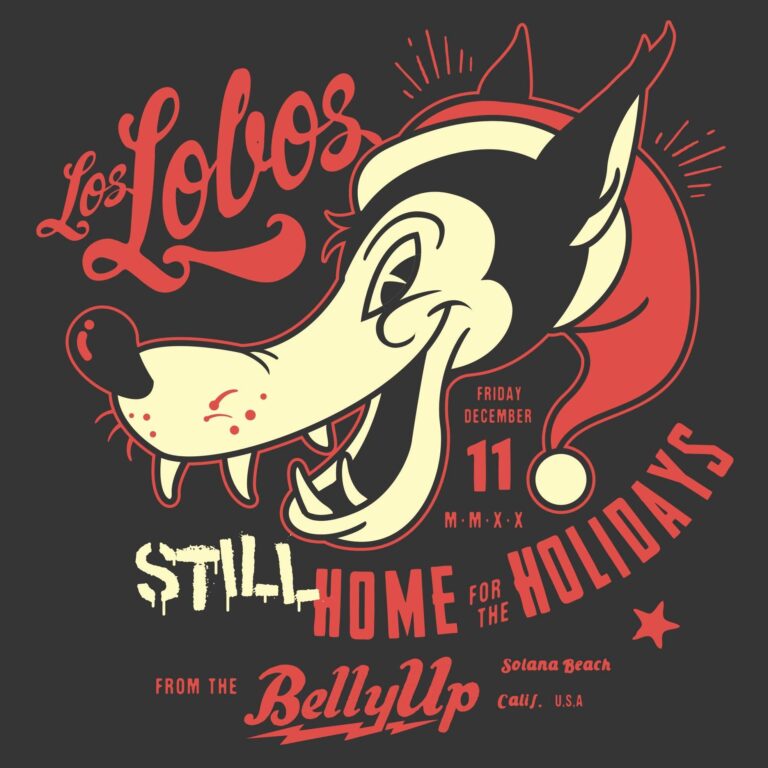
Los Lobos will perform “Still Home for the Holidays,” a live stream from the legendary Belly Up Tavern in Solana Beach, CA on Friday, December 11, starting at 7pm PST (10pm EST).
A themed stream to celebrate the holidays, Los Lobos fans can purchase a virtually interactive experience with the band before they hit the stage. Tickets and more information are available here.
A Chicano rock n roll band whose members hail from East Los Angeles, the group’s longevity over the last five decades is remarkable, having formed in 1973 and amassed a strong following and reputation for stand out live performances.
Rhino Records approached Los Lobos in spring 2019 to record a Latin Christmas album, leading saxophonist Steve Berlin to resesarch Spanish-language holiday songs for the album.
Llegó Navidad, which translates to “Christmas in here,” is the first holiday release from Los Lobos in their career of mixing rock n roll with blues, folk, soul and traditional Mexican music. The bilingual collection of songs from across Latin America and the U.S begins with an obscure novelty hit that was once popular in Latino households in the Southwest, “¿Dónde Está Santa Claus?”
According to NPR, title track “Llegó Navidad,” is a classic from the Fania Records catalog originally performed by the Puerto Rican composer and singer Ismael Rivera. The David Hidalgo and Louie Perez original “Christmas and You” is a ballad of loss, and closes with a scorcher in “It’s Christmas Time In Texas,” a song by Tex- Mex troubadour Freddy Fender.
In 2019, the band was able to tour later in the year in support of the release, so this year they’ll remain in Southern California to stream the event live to a wider audience than ever before. They’ve performed across New York State regularly when they are on the road, with performances at The Egg, The Capitol Theatre, and recently, the Performing Arts Center in Homer.
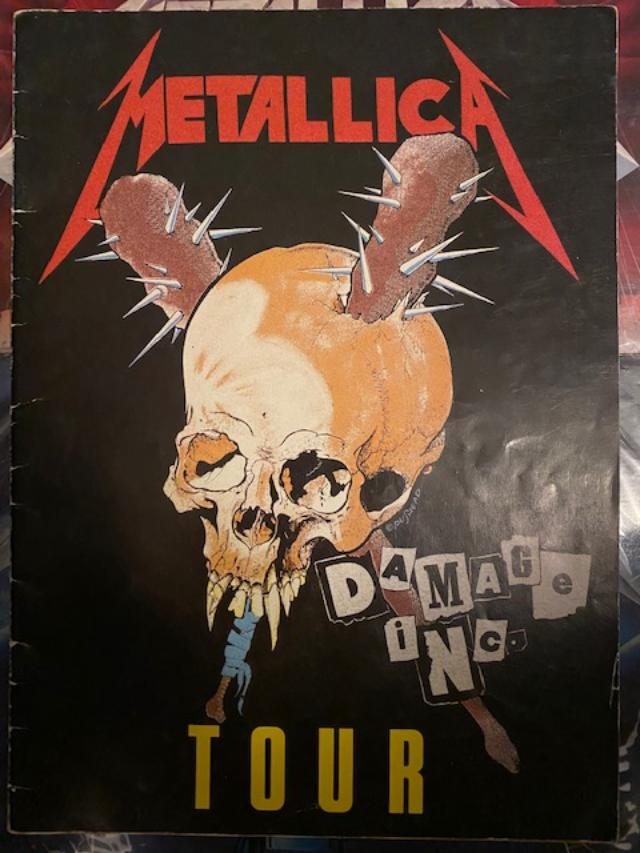
Metallica and Metal Church played the night after Thanksgiving in 1986, and the Mid-Hudson Civic Center was sold out. In years following the Mid-Hudson was usually open floor but this show was seated, which killed the vibe a bit, but did not prevent a massive crush and mayhem in front of the stage.
Late 1986 was a strange and sad time for Metallica. At the beginning of the year, they’d released their monumental third album ‘Master of Puppets’, and capitalized on 3 years of touring and huge underground acclaim by becoming THE band of 1986. They opened a nationwide tour for Ozzy Osbourne (which included several New York State gigs in Rochester, Syracuse, Binghamton, Glens Falls and Nassau Coliseum in Long Island) earlier that year, and the ex-Black Sabbath singer was routinely faced with the prospect of following their fireball performances, daunting even for a titan such as he.
Summer 1986 headline gigs – including a scheduled August ‘86 gig at this same venue – were postponed when frontman James Hetfield busted his arm skateboarding, but were rescheduled for October 1986, when the band were scheduled to return from a European tour and headline across the States. Sadly, these too were postponed, for much worse reasons, when iconic bass player Cliff Burton was killed in a bus accident in Sweden in late September 1986.
Astoundingly, the band bounced back almost immediately, recruiting Flotsam & Jetsam bass player Jason Newsted, played their first gig in early November, and the band did a Japanese tour just over a month following Cliff’s death. This Poughkeepsie gig, rescheduled for the third time for November 28, happened just 2 months to the day after Burton’s death.
The opening band for Metallica: mighty Seattle metallers Metal Church, who had just released ‘The Dark,’ their second album, a great record. They opened with “Ton Of Bricks,” and played a solid set with songs from both records, to a decent reception, although the crowd was there for one band.
Metallica were crushing, of course. This was Newsted’s 3rd ever U.S. gig with Metallica, and to this writer, it was weird not seeing Cliff up there. In retrospect, Jason did a fine job as Cliff’s replacement – he could never really replace the man, but he was a good bass player, great background vocalist, and did as solid a job as one could do replacing such a major figure. That night he looked uncomfortable and out of place, and for some reason the band stuck to the same routine they’d had previous to Burton’s death – a bass solo before “Whiplash” – and made Newsted do a bass solo, which was utterly unnecessary and really made you miss Cliff. The biggest cheer came at the end of the solo when he did a quick riff from Cliff’s trademark bass solo “Anesthesia”. Beyond that, no mention was made of Cliff Burton.
Anyway, even with a major absence, a great show – pretty much the same headline set they’d been doing all year, all those immortally mighty songs from the first three albums: opening with “Battery” and “Master of Puppets”, a few more newer ‘MOP’ songs like “Sanitarium” and “The Thing That Should Not Be”, and more vintage classics like “For Whom The Bell Tolls”, a thrashing “Whiplash”, singalong bruiser “Seek & Destroy” and a set-ending, world-destroying “Creeping Death”.
The encores were bulletproof pure metal: first-album standard “Four Horsemen,” a quick Kirk Hammet solo, and then their much-loved cover of Diamond Head’s “Am I Evil?,” coupled with a neck-snapping “Damage, Inc.,” and a raging, apocalyptic “Fight Fire With Fire.” A final, extra encore was another cover, this time of Blitzkrieg’s face-removing “Blitzkrieg.” Again, there was an air of strange sadness about the entire thing, without the man in bell-bottoms usually on the left side of the stage, hair flailing, roaring on his bass, something was missing. But it did not stop the raw power of this band – at this point, they were still the greatest band on Earth. All hail Metallica.
Metallica Setlist: The Ecstasy of Gold – intro, Battery, Master of Puppets, For Whom the Bell Tolls, Welcome Home (Sanitarium), Ride the Lightning, Bass Solo, Whiplash, The Thing That Should Not Be, Fade to Black, Seek & Destroy, Creeping Death, The Four Horsemen, Am I Evil?, Damage, Inc., Fight Fire With Fire, Blitzkrieg
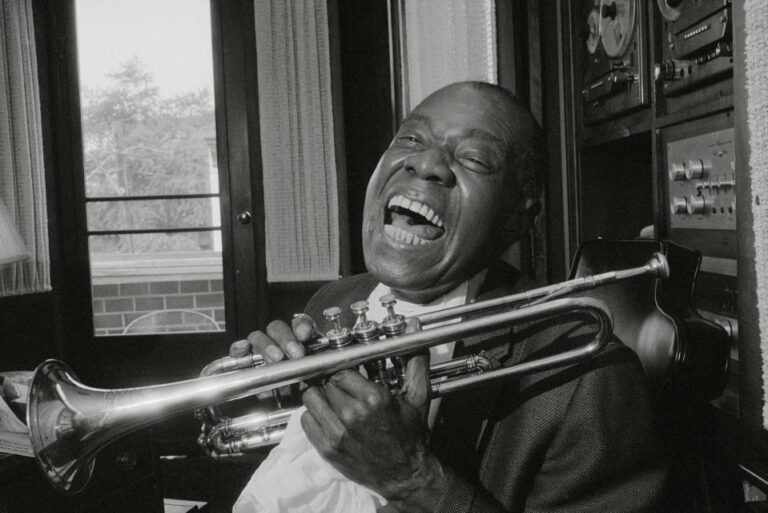
On August 4, 1901, Louis Armstrong was born in New Orleans. Until the age of five, Armstrong’s grandmother was his caregiver. At the age of six, he attended the Fisk School for Boys, an all black school in New Orleans. While performing odd jobs for the Karnoffsky family, Armstrong heard the early sounds of jazz from King Oliver.
Armstrong and the Karnoffskys bonded over their discrimination. Armstrong faced the obvious racial discrimination, but the Karnoffskys, a Jewish houselhold, also faced discrimination by “other white folks.”
In his early career, Armstrong performed on riverboats along the Mississippi River. This gave him more musical experience, particularly regarding reading music. He improved him trumpet playing, creating his own style and personality.
Chicago
In 1922, he moved to Chicago by invitation of King Oliver. Although race relations were poor, the city was flourishing and Armstrong was bale to find a job. The band, headed by Oliver, soon became one of the most influential bands in Chicago. Armstrong was able to live luxuriously in Chicago. Armstrong made his first recordings with Oliver for Gennett Records.
Louis Armstrong’s second wife, Lil Hardin Armstrong, wanted him to develop his own style apart from Oliver. Her influence eventually undermined Armstrong’s relationship with his mentor, especially concerning his salary and additional money that Oliver held back from Armstrong and other band members.
New York
Armstrong and Oliver parted ways in 1924. Soon after, Armstrong received an invitation to travel to New York and join the Fletcher Henderson Orchestra, the best African-American band at the time. Armstrong adapted to the tightly controlled style of Henderson, playing trumpet and experimenting with the trombone. The other members were affected by Armstrong’s emotional style. His act included singing and telling tales of New Orleans characters, especially preachers.
During this period, Armstrong made numerous recordings with Clarence Williams, Ma Rainey, Bessie Smith, and Alberta Hunter. Additionally, Duke Ellington‘s orchestra went to the Roseland Ballroom to catch Armstrong’s performances.
Return to Chicago
In 1925, Armstrong returned to Chicago. He joined his wife’s band, the Lil Hardin Armstrong Band, but also created the Hot Five. This group included Kid Ory, Johnny Dodds, Johnny St. Cyr, Armstrong, and Lil Armstrong. Over the next year, the group recorded twenty four records. Armstrong’s recordings of “Weather Bird” and “West End Blues” remain today as some of the most famous and influential improvisations.
He began to scat sing (improvised vocal jazz using nonsensical words) and was among the first to record it, on the Hot Five recording “Heebie Jeebies” in 1926. The recording was so popular that the group became the most famous jazz band in the United States, even though they had not performed live to any great extent. Young musicians across the country, black or white, were turned on by Armstrong’s new type of jazz.
After separating from Lil, Armstrong started to play at the Sunset Café for Al Capone’s associate Joe Glaser in the Carroll Dickerson Orchestra, with Earl Hineson piano, which was renamed Louis Armstrong and his Stompers, though Hines was the music director and Glaser managed the orchestra. Hines and Armstrong became fast friends and successful collaborators. It was at the Sunset Café that Armstrong accompanied singer Adelaide Hall. It was during Hall’s tenure at the venue that she experimented, developed and expanded her use and art of Scat singing with Armstrong’s guidance and encouragement
Back to New York
Armstrong returned to New York in 1929, playing in the pit orchestra for a musical with Fats Waller. He also made a cameo appearance as a vocalist, regularly stealing the show with his rendition of “Ain’t Misbehavin’”. His version of the song became his biggest selling record to date.
He soon began working at Connie’s Inn in Harlem, the rival to the Cotton Club. He also continued recording, performing many of Hoagy Carmichael‘s music with “Stardust” becoming the most successful. As with his trumpet playing, Armstrong’s vocal innovations served as a foundation stone for the art of jazz vocal interpretation. His resonant, velvety lower-register tone and bubbling cadences on sides such as “Lazy River” exerted a huge influence on younger white singers such as Bing Crosby.
Throughout the 1920’s, Louis Armstrong played a major impact on the Harlem Renaissance. His impact on the Renaissance influenced other major figures such as Langston Hughes. Within Hughes’ writings, he created many books which held the central idea of jazz and recognition to Armstrong as one of the most important person to be part of the new found love of their culture.
Jazz Revival
After spending many years on the road, Armstrong settled permanently in Queens, New York in 1943 in contentment with his fourth wife, Lucille. After spending many years on the road, Armstrong settled permanently in Queens, New York in 1943 in contentment with his fourth wife, Lucille.
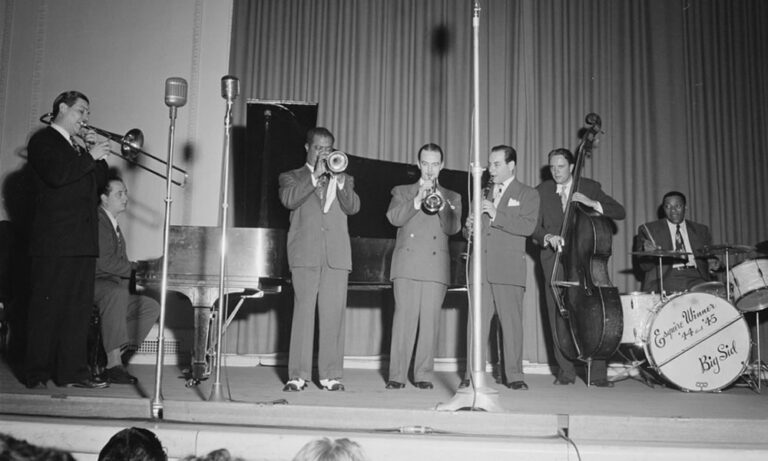
During the 1940s, Armstrong performed at the famed second Cavalcade of Jazz concert held at Wrigley Field in Los Angeles with Lionel Hampton’s band. Following a highly successful small-group jazz concert at New York Town Hall, Armstrong’s manager established a six-piece traditional jazz group featuring Armstrong with Jack Teagarden, Earl Hines and other top swing and Dixieland musicians. Armstrong’s manager named the group Louis Armstrong and His All Stars.
Around the World
By the 1950s, Armstrong became a widely beloved American icon and cultural ambassador. Around the world, he had a fervent following. However, there was an obvious generational gap between Armstrong and younger jazz artists like Miles Davis and Sonny Rollins. The younger generation viewed Armstrong and his act as outdated.
In 1948, Armstrong heard Suzy Delair sing “C’est is bon” at the Nice Jazz Festival. He loved the song and recorded his own in 1950. This became a worldwide success. In the 1960’s, he toured Ghana and Nigeria.
After leaving Decca Records, Armstrong became a freelance artist, but continued touring. This was an intense schedule, but Armstrong had to rest in 1959 when he suffered a heart attack in Italy.
In 1964, after over two years without setting foot in a studio, he recorded his biggest-selling record, “Hello, Dolly!”, originally sung by Carol Channing. Armstrong’s version remained on the Hot 100 for 22 weeks, longer than any other record produced that year, and went to No. 1 making him, at 62 years, 9 months and 5 days, the oldest person ever to accomplish that feat. In the process, he dislodged the Beatles from the No. 1 position they had occupied for 14 consecutive weeks with three different songs.
In March of 1971, Armstrong went against his doctor and played a two week engagement at the Waldorf-Astoria’s Empire room that ended in a heart attack. He was released from the hospital in May, and quickly resumed practicing his trumpet playing. Still hoping to get back on the road, Armstrong died of a heart attack in his sleep on July 6, 1971, a month before his 70th birthday. His honorary pallbearers included Bing Crosby, Ella Fitzgerald, Dizzy Gillespie, Count Basie, Frank Sinatra, Ed Sullivan, and Johnny Carson.
New Orleans’ main airport was renamed Louis Armstrong New Orleans International Airport. In 2002, Armstrong had recordings preserved in the United States National Recording Registry. The U.S. Open’s former main stadium was named the Louis Armstrong Stadium since he lived nearby.
Though Armstrong is widely recognized as a pioneer of scat singing, Ethel Waters precedes his scatting. Billie Holiday said that she always wanted Bessie Smith‘s ‘big’ sound and Armstrong’s feeling in her singing. Other major jazz musicians like Duke Ellington have praised Armstrong through strong testimonials.
Each Sunday evening from 7-9pm you’ll find EQXposure on WEQX, featuring two hours of local music from up and coming artists. Tune into WEQX.com this Sunday night to hear artists featured on Upstate Mixtape Vol.1 and many more!
WEQX has long been the preeminent independent station in the Capital Region of New York, broadcasting from Southern VT to an ever-expanding listening audience. NYS Music brings you a preview of artists to discover each week, just a taste of the talent waiting to be discovered by fans like you.
For the next two weeks, EQXposure will feature bands and the music selected for Upstate Mixtape Vol 1, a compilations of artists from the 518 area, committed to amplifying Black voices and suppressing racism. 100 percent of sales of the release, which will be distributed to black artists.
Upstate Mixtape Vol 1. is part of antiracist grassroots fundraising efforts, spearheaded by Jammella Anderson, working with musicians that identify with antiracism values and commit to amplify Black voices. Among songs contributed to Vol 1. include demos, B-sides, album loose ends and more from a group that showcases the multifaceted nature of musicians in the 518.
Featured artists that you’ll hear on EQXposure from Upstate Mixtape Vol. 1 include Blue Ranger, “Everybody Lies,” Greens, “Go Somewhere,” Carl Daniels “Morning Pages,” and Front Biz “I Want You.” More tracks from Upstate Mixtape Vol. 1 will be featured next week, as this is a collection of tunes that deserves two weeks.
Also featured on EQXposure are two cuts from Liam Singer’s forthcoming release, The Ocean, due out on January 15, which features a mixture of vocal and instrumental pieces, in the vein of new-composition and experimental music. “Cannon Beach” features guest vocals by Arone Dyer (Buke & Gase, Mistresses, Drone Choir), and “Heavy Water / I’d Rather be Sleeping” is a cover of a song by the artist Grouper, from her 2008 album Dragging a Dead Deer Up a Hill.
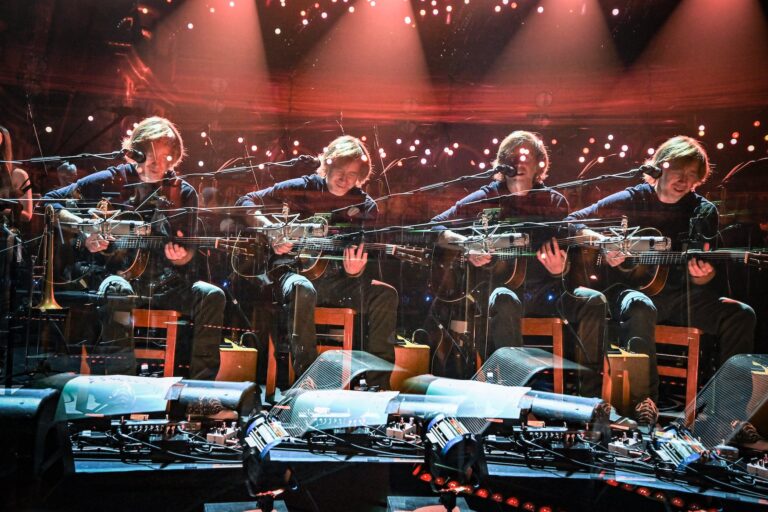
All good things must come to an end. For Phish fans, these eight weeks of Trey Anastasio and the Beacon Jams have been a shining light in the darkness deep. The previous seven shows had featured all sorts of stories, guitars, guests and strings and the eighth and final week of this journey was no different.
The finale was highlighted by an explosive “Carini,” beautiful versions of “Pebbles and Marbles” and “Slave to the Traffic Light” and a touching “Liquid Time.” Over 48,000 viewers flocked to Twitch for this final, free, live–streamed performance as donations poured into The Divided Sky Fund, which focuses on delivering quality care and compassionate treatment for those suffering from addiction, through Phish’s Water Wheel Foundation.
photo by Jake Silco
Earlier in the evening, Trey posted on Twitter for fans to tune in again at 7:50p EST for another installment of his pre-show video series with Page McConnell. This time they treated us to a brief but truly beautiful rendition of “Brian and Robert.” McConnell’s Wurlitzer added considerable depth to this duet as Trey’s acoustic guitar danced around the notes that Page played. The song choice couldn’t have been more appropriate as we’ve all been staring at our walls for the last three seasons and this past month and a half’s worth of shows has certainly been a welcome relief for phans around the globe.
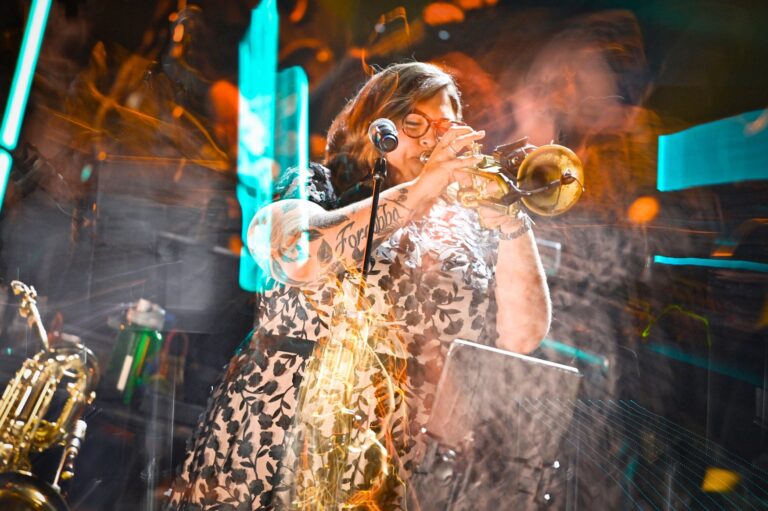
Deviating from the usual opening, the show started in the stairwell of the Beacon Theater with Trey Anastasio playing acoustic guitar, accompanied by James Casey, Natalie Cressman and Jennifer Hartswick. The foursome sang the first part of “Just A Touch,” before moving with the camera onto the stage to join the entirety of the Trey Anastasio Band to end this debut with the new way to end any song these days: “Science!” The energy of the show ramped up immediately as the opening notes of “Carini” filled everyone’s living rooms. Harnessing the power of every second set opener ever while adding the intensity of both horns and Cyro’s energy knocked this song into 12th gear.
photo by Jake Silco
Trey started his audience participation portion by reading a “thank you” on behalf of firefighter fans, a comment about one fan’s dog being scared by that monster of a Carini, and a comment about Cyro perhaps playing an empty pie tin from Thanksgiving as an instrument. This segued perfectly into “Mozambique.” This short TAB favorite was followed up by “Burn That Bridge,” a song written by Anastasio and his “Hands On A Hardbody” partner, Amanda Green.
It was only 30 minutes into the show when the donations hit $100K and Trey was visibly blown away by all of the support that had been shown, not only so far this evening, but throughout the entire Beacon run. Showing his gratitude to all those watching, the band went into a marvelous version of “Cayman Review,” featuring Cyro jamming away on the washboard. The conversation then moved back to spatchcocking, to which Ray mentioned that he always hears his name when the topic comes up. (I think we’ll be hearing him referred to as “Ray Spaczkowski” for years to come.) We also learned that Cyro is now officially a grandfather and that Trey now has a picture of his cat Joey on the headstock of his guitar. After these revelations, the band dove into “Speak to Me,” a song that Trey says might be about organic chemistry, which became reality thanks to some new lyric changes.
photo by Jake Silco
After a few heartfelt dedications and fan group donation shout-outs, Trey improvised a mini-song about Buzzetta before going into “Love Is What We Are,” as the donations for the night surpassed $200K. Trey’s chair and acoustic guitar came out as the Rescue Squad Strings arrived on the stage for the first time of the evening and the hearts of everyone watching leapt as Trey began to play “Pebbles and Marbles.” This gorgeous rendition of the classic Phish song showcased the incredible level of detail that string arranger, Don Hart, has shown over this entire concert series.
As the Rescue Squad left the stage, Trey wished Jimi Hendrix a happy birthday and shared that Tony Markellis had seen the guitar legend not once, but twice. This sort of banter has been just as exciting as the music that has been shared these last two months and will surely be missed by everyone who has tuned in. Trey led the band into classic versions of “Drifting” and “Night Speaks to a Woman” before going back into the fan comments and retelling a tale of a TAB performance in Utica at the Stanley Theatre where they had rocked so hard that part of the balcony fell, ending the show early. That infamous show was Cyro’s first performance with the band and certainly speaks to the intensity of this lineup that we’ve grown to know and love.
photo by Jake Silco
Trey interrupted “Liquid Time” less than a minute in to share that he wrote this particular song while under house arrest following his 2006 incarceration, reiterating to anyone that needs help to ask for assistance and thanking everyone again for donations for his treatment center before restarting the song. This was followed up by “Fast Enough for You,” which was amplified by the backup singers that we’ve all been enjoying these last few weeks. By the time this song had completed, the nights donations had passed $300K, and after a couple more fan comments, the band jumped into “Shine,” after which Trey came clean that it shared the ending to a Badfinger song. There’s truly nothing better than Trey coming clean.
“Show of Life,” another great example of a Phish song that’s intensified by the horn players on stage, was dedicated to their drummer, Russ Lawton. This fantastic version segued beautifully into “Ether Sunday” and then a shred-full version of “Simple Twist Up Dave”. Seemingly out of breath, Trey took to his acoustic guitar once more in order to dive into a phenomenal “Slave to the Traffic Light” with the Rescue Squad Strings before soaring into the ending of that masterpiece on his electric guitar.
photo by Jake Silco
Before closing the night, Anastasio belatedly thanked the entirety of the lineup over the last eight weeks as well as the countless people who helped make this entire aural experience possible. The Beacon Jams were capped off in the best way possible, with “First Tube.” The entire band and the Rescue Squad Strings were bathed in the mirror-ball light as Trey gleefully danced around, never missing a beat. Finishing the song with his guitar over his head, Trey ended the night with elbow-bumps to his band before walking out into the Beacon Theater seats to congratulate the staff with facemasks that said “LOVE.”
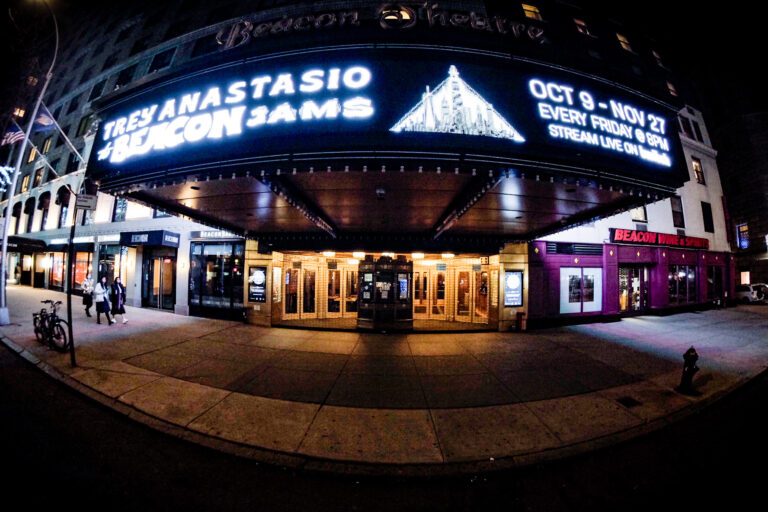
But the percussion didn’t end as the camera followed him into the Beacon Theatre lobby where over a dozen dancers grooved to the beat as Trey walked out the doors onto the New York City streets where the venue’s marquee showed the immortal words: “Thank You Heather McDougal and to our Frontline Heroes for Everything You Do!”
Set 1: Just A Touch [1], Carini [2], Mozambique, Burn That Bridge, Cayman Review, Speak to Me, Love Is What We Are, Pebbles and Marbles [3], Drifting > Night Speaks to a Woman, Liquid Time [4], Fast Enough for You[2], Shine, Show of Life > Ether Sunday > Simple Twist Up Dave, Slave to the Traffic Light [5], First Tube [6], Jam [7]
[1] Debut; began with Trey on acoustic guitar accompanied by James, Jennifer, and Natalie on vocals in a stairwell in the Beacon and finished with them on stage. [2] Full TAB debut. [3] Began with just Trey on acoustic guitar with The Rescue Squad Strings and the TAB horns before switching to electric guitar and the rest of the band joining in. [4] Stopped for Trey to talk and restarted. [5] Full TAB debut; began with just Trey on acoustic guitar with The Rescue Squad Strings and the TAB horns before switching to electric guitar and the rest of the band joining in. [6] With The Rescue Squad Strings. [7] Percussion jam with Trey exiting the Beacon.
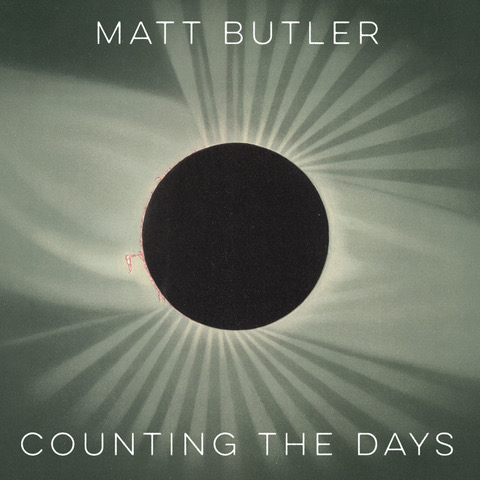
Profound Storyteller, Matt Butler, releases a cinematic and heart-stabbing single “Counting The Days” today, Friday, November 27. A stripped down acoustic demo also companies the release.
The Manhattan singer-songwriter gets your heart pounding immediately, boasting you up as Mr.Tough Guy, but let’s not get too ahead of ourselves. If you’re a Matt Butler fan, you’re sentenced for life. After an interview with Matt at the last instalment of Vans Warped Tour, it was clear he is the real deal. Remarkably his synergy of music, storytelling and humbleness are all backed by a hunger to improve. That will never let the fire die in Matt’s eyes. He makes things real. He makes it personal.
“Counting The Days” is overwhelmingly vivid, released Nov. 27, 2020.
So many palatable emotions rush through your body throughout “Counting The Days” that it’s hard to react. The track opens with an ominous yet eloquent acoustic strumming. Sixteenth-note bass drum kicks make the listener’s heart anxious, ready to unleash a lifetime of pain.
Music is a provocative tool. Opening lyrics immediately cue a 35-mm story reel in the listeners head. Some close their eyes in hopes music will spark their mind’s subconscious and craft inspiration, “Counting The Days” takes out all of the guess work.“Sound of the flies buzzing like a drill / Blood pooling on the table with the beer he spilled / I was frozen still.“
Butler goes on. “Too hot outside to dig a hole in the sand. And too tired to hide the gun in my hand. There was never a plan.” The strings carry momentum, as the tape reel plays, and the image sways on your mind with the heavy 2 & 4 backbeat that Butler carries.
Now, let’s get back to Mr. Tough Guy. Butler hits home here with the stereotypical male complex, that builds you up as each chorus replays. It is easy to feel like that kid, or cowardly man Butler depicts, as the alter ego makes him stand up. As you anchor your feet into the floor, Butler sucks you right into the shoes of the protagonist. It’s unclear who Butler is singing about: You? Me? Himself?
Alright, did you come around here looking for a fight? Okay, cause boy you look like you got something to say Well I just might, are you ready old man to say goodnight? God be praised, now I’m locked in here I’m just counting the days It was always gonna be this way
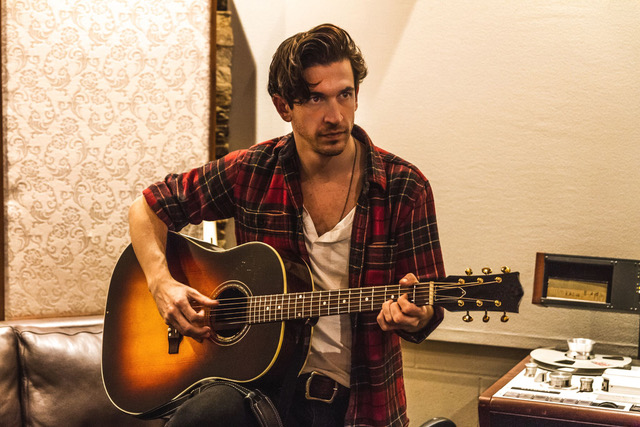
Photo Courtesy of Matt Butler.
Butler’s songs are rooted deep in hardship. For those who don’t know Matt, he travels to prisons across the country; singing, sharing and engaging a locked-up community. These stories are so vivid that they bring a tear to your eye. Matt is compassionate and helps these people overcome through song. That effect is compounded on the average listener.
Moreover, when we last interviewed Butler he was on the brink of music school. Now that dream has come to fruition. “I actually produced most of this new track myself, been learning Logic and Ableton during quarantine,” said Butler.
” [I] did a day of tracking vocals and overdubs in the studio and Rocky, the engineer, really helped get the sound. It’s my first real genuine attempt at self producing.”
Read More About Matt Butler on NYS Music
Matt Butler shows have an organic and mysterious quality. There are tears, but there is also laughter. Whether he’s performing at a theater, a state prison or delivering a keynote for a mental health conference, Butler delivers an experience that engages and transforms his audience. Everyone ends up feeling a little more whole, more human, and more connected – often with a changed view of the world around them. Blending rock and folk styles with a few lingering hints of his punk roots, Butler’s music shines a light into some of the darkest corners of our world. He paints vivid pictures of pain and truth while exposing the glimmers of hope that only exist in those raw moments where redemption is born.
“I was drawn to music for as long as I can remember, but music seemed very difficult and inaccessible… You have to risk being rejected and judged. That’s part of the plan, that it’s so scary. I think that whatever you’re scared of doing most, that’s probably what it is that you’re supposed to be doing – on an evolutionary level.”
Manhattan’s own, Matt Butler took an early set on the Monster Energy Stage. The folky, singer-songwriter gave a refreshing outsider’s perspective that pushed Warped fans outside of their comfort zone. Butler has gathered the sounds and stories of the road, shaped in ‘Warped’ roots; he grew up playing in punk and rock bands at CBGB’s and Arleen’s on the lower East Side. “My Favorite bands in high school were Nirvana and Fugazi… my favorite album was Ten by Pearl Jam,” said Butler. “I got more into folk and songwriting because of a band called The Replacements and Bruce Springsteen [laughing]. That’s always the bridge – as we say that in Boardwalk Hall, very appropriate.”
Butler’s set featured numerous tracks recorded this past March, but not yet released including soon-to-be single, “Tell Lucy That I Love Her.” Butler wrote the tune inspired by a tour of state prisons, and at this point he has played around 200 jails in the past 16 months. The idea quickly boomed from a fan-funded endeavour to Butler securing his 501(c)(3) non-profit, to officially bring curated arts programs to jails and underserved institutions – a heart-wrenching inspiration and driver for his music. At certain times it can be as little as four people in a room where they collectively share stories, experiences and music. “It’s a way to see the country, I’ll tell you that. This new song (Lucy) comes from the perspective of someone incarcerated.”
https://youtu.be/Iqto9tBus0M
“Counting The Days” Lyrics
Sound of the flies buzzing like a drill
Blood pooling on the table with the beer he spilled
I was frozen still

Too hot outside to dig a hole in the sand
And too tired to hide the gun in my hand
There was never a plan

But when I saw him sitting there watching TV
I knew he wasn’t planning on letting me be
One of us was always gonna end up dead
But he never saw it coming when he got up and said

Alright, did you come around here looking for a fight?
Okay, cause boy you look like you got something to say
Well I just might, are you ready old man to say goodnight?
God be praised, now I’m locked in here
I’m just counting the days
It was always gonna be this way

All summer long he was always around
Had a job painting houses in another town
But couldn’t hold it down

So I’d go out at night and I’d come home late
He’d have the lights turned off but he was wide awake
He was happy to wait

But I didn’t mind the hits I took
If it got my little sister off the hook
I can still hear the sound of her screams
And I can hear him shouting every night in my dreams

Alright, did you come around here looking for a fight?
Okay, cause boy you look like you got something to say
Well I just might, are you ready old man to say goodnight?
God be praised, now I’m locked in here
I’m just counting the days
It was always gonna be this way

I’ll tell you right now I always knew I was gonna end up in these prison blues
And if I had a choice, I’d do it again
When I hear that voice I say Amen

Alright, did you come around here looking for a fight?
Okay, cause boy you look like you got something to say
Well I just might, are you ready old man to say goodnight?
God be praised, now I’m locked in here
I’m just counting the days
It was always gonna be this way
We set up in the lobby of one of our favorite venues, the Palace Theatre in Albany, NY, during rehearsals for our Fall Drive-in Tour and recorded the whole thing. Along with our playthrough of Not Normal, we recorded a full 2 set show that will premiere on December 11.
With venues across New York State being severely impacted by closures related to COVID-19, the need for assistance for these businesses to continue to remain open is greater than ever.
Join moe. on Friday, December 11 at 8:30PM for a special performance to benefit the Palace Theatre. Pick up Broadcast tickets and poster bundles here – a portion of every ticket and ticket bundle sold will be donated to the Palace Theatre.
photo by Frankie Cavone
The Palace has been Albany’s iconic downtown landmark for more than 80 years, bringing the biggest names in entertainment to the Capital Region. The history and programming of the Palace is a unique and often untold story with roots dating back to the period of the Great Depression.
The Palace Theatre was built in 1931 and originally presented vaudeville acts, feature films and later became a civic auditorium before closing its doors in 1969. The theatre maintains its original beauty and design and is a historical landmark in the City of Albany.
The Palace Performing Arts Center was established in 1984 and incorporated as a nonprofit organization in 1989, created to operate the Palace Theatre. The Palace brings world-class arts and entertainment to New York’s Capital Region, greatly enhancing the area’s cultural and economic development.
Read more of NYS Music’s past coverage of shows at The Palace Theatre, and tune in for moe. on December 11.
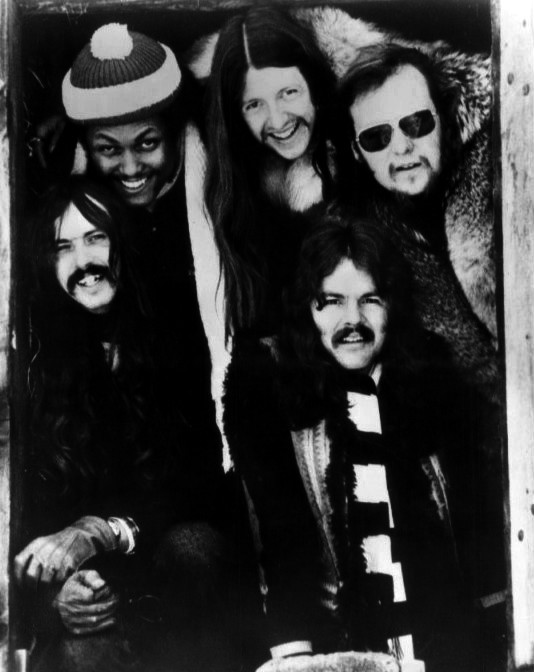
The Doobie Brothers have announced their release of a video of their 2018 Beacon Theatre performance to stream via longform rental and download on major video streaming platforms. The performance included playing their albums, Toulouse Street and The Captain And Me in their entirety, for the first time in 25 years.
The Doobie Brothers are a roots-based, harmony-laden, and guitar-driven rock and roll band that formed back in the 1970’s. The Doobie Brother’s have three multi-platinum, seven platinum, and 14 Gold albums. Best of the Doobies album has sold more than 12 million copies and is considered a rare “diamond record.” They are four-time GRAMMY Award winners and 2020 Rock & Roll Hall of Fame inductees.
The performance at the Beacon Theatre offered an opportunity for fans to hear entire albums and songs never-before performed live by the band, such as “Mamaloi,” “O’Connelly Corners,” “Ukiah,” and “The Captain And Me.” The show begins with the ten songs from the group’s second studio album, Toulouse Street. The album was released back in 1972 and is certified platinum. The performance also included songs from the third studio release, The Captain And Me. Originally released in 1973, it reached number 7 on the Album Chart and certified double platinum.
Earlier this year, The Doobie Brothers rescheduled their 50th Anniversary Tour originally slated to begin this past summer to now begin July 17, 2021 in Palm Beach, FL. For more information and tour dates visit here.
The Doobie Brothers Live From The Beacon Theatre was initially released last year on CD, DVD, and Blu-ray. A video for “Toulouse Street,” featuring a live horns arrangement is available now and can be found here.
For more information onThe Doobie Brothers visit their website.
Live from The Beacon Theatre Video Track Listing:
Five Corners, Listen to the Music, Rockin’ Down the Highway, Mamaloi, Toulouse Street, Cotton Mouth, Don’t Start me to Talkin’, Jesus is Just Alright, White Sun, Disciple, Snake Man, Natural Thing, Long Train Runnin’, China Grove, Dark Eyed Cajun Woman, Clear as the Driven Snow, Without You, South City Midnight Lady, Evil Woman, Busted Down Around O’Connelly Corners, Ukiah, The Captain and Me, Take me in the Arms (Rock Me), Black Water, Listen to the Music (reprise)