As a part of their Broadway at Home series, PBS will be bringing theatre to people at home by broadcasting She Loves Me, Present Laughter, In the Heights: Chasing Broadway Dreams, Much Ado About Nothing, and The King and I on a weekly basis starting July 24 and ending August 21.
Photo by Joan Marcus.
Since the Broadway shutdown was extended to 2021, many are still finding ways to keep theatre alive. Following the Disney Plus release of Hamilton, on Fridays this summer, PBS will broadcast some past Broadway favorites. She Loves Me will kick the series off on July 24 at 9PM ET. The musical features Tony award winner Laura Benanti and Tony nominee Zachary Levi. This 2016 revival of the 1963 show was the first ever Broadway show to be livestreamed. The next week, Noel Coward’s Present Laughter will air July 31 at 9PM ET. This comedy follows a self-obsessed actor as he deals with women who want him, crazed playwrights, twists, and his impending mid-life crisis.
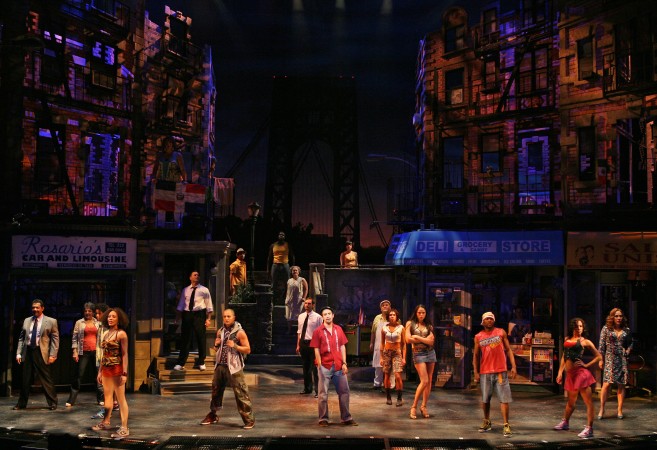
On August 7 at 9, PBS will broadcast In the Heights: Chasing Broadway Dreams. The film documents the stories of composer and lyricist Lin-Manuel Miranda and the cast of In the Heights as they prepare for their opening night in 2008. It is about the difficulty of going out and achieving dreams when all odds are stacked against you. Although writing a show about a mainly Hispanic neighborhood in NYC may have been risky, it certainly paid off. In the Heights took home 4 Tonys, including Best Musical and Best Score of a Musical. Its film adaptation will be released summer 2021.
For the first time, PBS will show a Shakespeare in the Park show–Much Ado About Nothing from 2019. Danielle Brooks and Grantham Coleman star in this Shakespeare comedy directed by Tony winner Kenny Leon and choreographed by Tony nominee Camille A. Brown. Much Ado About Nothing will air on August 14 at 9.
Danielle Brooks and Grantham Coleman. Photo by Joan Marcus.
PBS wraps the series up on August 21 at 9 with Rogers and Hammerstein’s The King and I. The 2015 revival of this 1951 classic won the Tony for Best Musical Revival. This production was recorded during its 2018 run and stars Tony award winners Ruthie Ann Miles and Kelli O’Hara, who won for this performance as Mrs. Anna in The King and I in 2015.
The shows will also be available for streaming on all station-branded PBS platforms, and all PBS station members will be able to watch the shows on Passport. Check your local PBS station for more information.
Oscar winning film director Martin Scorcese has announced plans for a documentary on David Johansen of New York Dolls fame. The film will explore Johansen’s teen years growing up in Greenwich Village, his alter ego Buster Poindexter, feature footage of Johansen’s recent performances at New York’s Café Carlyle.
To be released on Showtime, the Queens-born/Little Italy-raised Scorcese will co-direct the film with David Tedeschi, who has previously worked with Scorcese on music documentaries No Direction Home and Shine a Light.
The film plans to take an intimate biographical look at Johansen, looking at his upbringing on Staten Island and later his arrival in New York’s East Village in the late Sixties. While known best as lead singer of the New York Dolls, the documentary will also explore his time in the 80s as alter-ego Buster Poindexter and later the Harry Smiths.
“I’ve known David Johansen for decades, and his music has been a touchstone ever since I listened to the Dolls when I was making Mean Streets. Then and now, David’s music captures the energy and excitement of New York City. I often see him perform, and over the years I’ve gotten to know the depth of his musical inspirations. After seeing his show last year at the Café Carlyle, I knew I had to film it because it was so extraordinary to see the evolution of his life and his musical talent in such an intimate setting. For me, the show captured the true emotional potential of a live musical experience.”
On July 13, 1995, Phish was the musical guest on The Late Show with David Letterman. “Julius” was performed with support from The Late Show Band as well as Dave “The Truth” Grippo on saxophone. The second of nine performances at The Ed Sullivan Theater, Phish performed on Letterman over a span of 20 years to highlight upcoming shows and recent releases. Their Letterman performance would be their last show until late September that year.
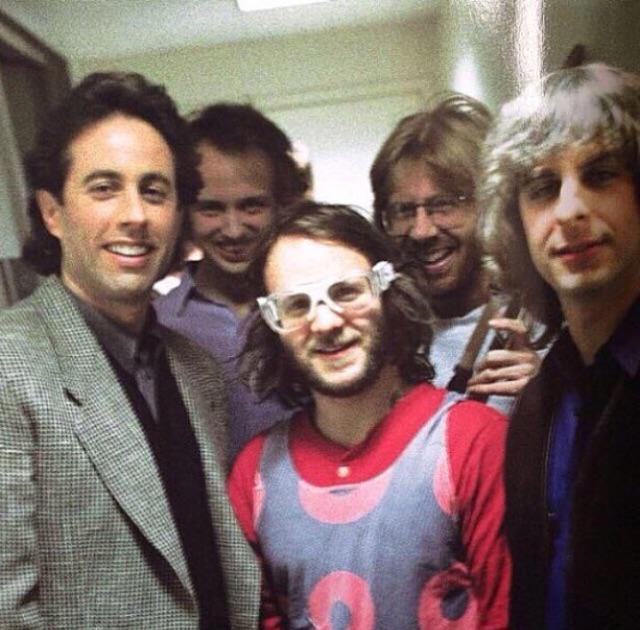
The band’s first performance included, at Dave’s supposed request, “Chalkdust Torture,” which was performed on the afternoon of the band’s first ever show at Madison Square Garden, December 30, 1994. Jerry Seinfeld was the first guest that night, which led to this iconic photo:
On June 21, 2004, the band memorably performed atop the Ed Sullivan Theater marquee to a crowd of hundreds dancing in the street on Broadway. Then in 2014, on the same night they performed “The Line,” they also treated a lucky group of fans to a set from the same stage where The Beatles made their American debut. Check out the setlist here.
Manhattan’s historic The Ear Inn has played a pivotal role in the music scene and beyond. It’s the oldest bar in New York City that has continuously served alcohol since 1817. Check out this recording of The Earregulars, from November 2009 via JAZZ LIVES.
The Ear Inn has a very unique history after being open for two centuries. It dates back to a time where there was African aide to George Washington and The Ear served as residence for John Adams and Aaron Burr, among others. The Ear Inn was nicknamed by patrons as an untitled bar (“The Green Door”) for obvious reasons. As a result, the bar is listed on the National Registrar of Historic Buildings.
Go ahead and enjoy these video selections of The Earregulars performing at The Ear Inn on November 8, 2009. The videos feature a plethora of musicians: Jon-Erik Kellso (trumpet), Matt Munisteri (guitar), Harry Allen (tenor saxophone), and Neal Miner (string bass). They also include Victor Herbert’s “Indian Summer” and Louis Armstrong’s swinging anthem of reproach, “Someday You’ll be Sorry.”
Blue Engine Records, Jazz at Lincoln Center’s music label, has released Black, Brown, and Beige, their first release dedicated entirely to famous jazz composer Duke Ellington.
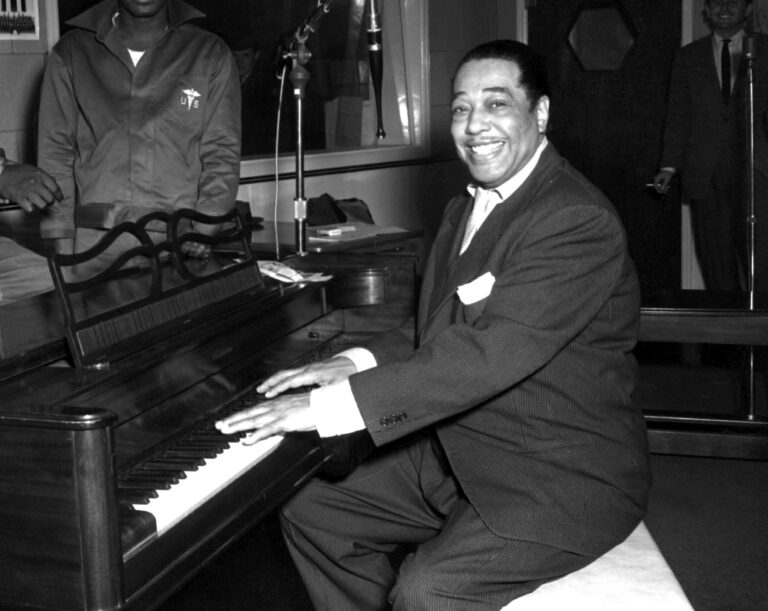
Photo from Wikimedia Commons Public Domain
Jazz at Lincoln Center’s in-house recording label, Blue Engine records’ Black Brown and Beige is a recording of a live Rose Theater performance in 2018 by the Jazz at Lincoln Center Orchestra. Wynton Marsalis, the center’s managing and artistic director, says: “Black, Brown and Beige sits alone in the history of jazz. It covers a mosaic of not just Afro-American but of American styles of music.”
Born in 1899, Duke Ellington was a master jazz composer and musician for several decades and was an important figure during the Harlem Renaissance. He thought of his music not only as jazz but also “beyond category,” and he wrote pieces that influenced American music for the greater part of a century. He led the best-known orchestral jazz group of all time. Composer Percy Grainger even wrote that “The three greatest composers who ever lived are Bach, Delius and Duke Ellington.”
Black, Brown, and Beige, which includes nine tracks in total, originally debuted at Carnegie Hall in 1943 while Ellington was still alive. Elliot called it “a parallel to the history of the Negro in America.” It is a notable work in both African-American history as well as that of all American orchestral compositions.
Jazz at Lincoln Center is happy to release a present-day recording of the piece that does Elliot’s greatest work justice and makes it digitally available to countless people today. Blue Engine Records’ mission is to feature both past and present works that make up an entire canon of music to bring old and new fans of jazz together.
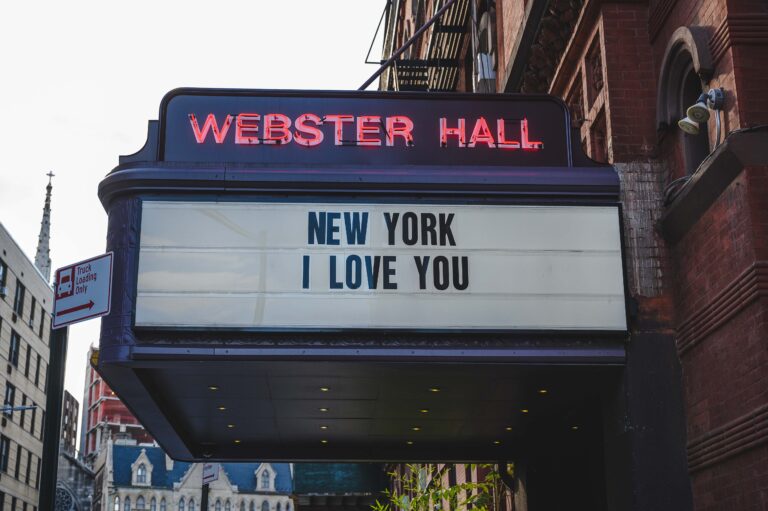
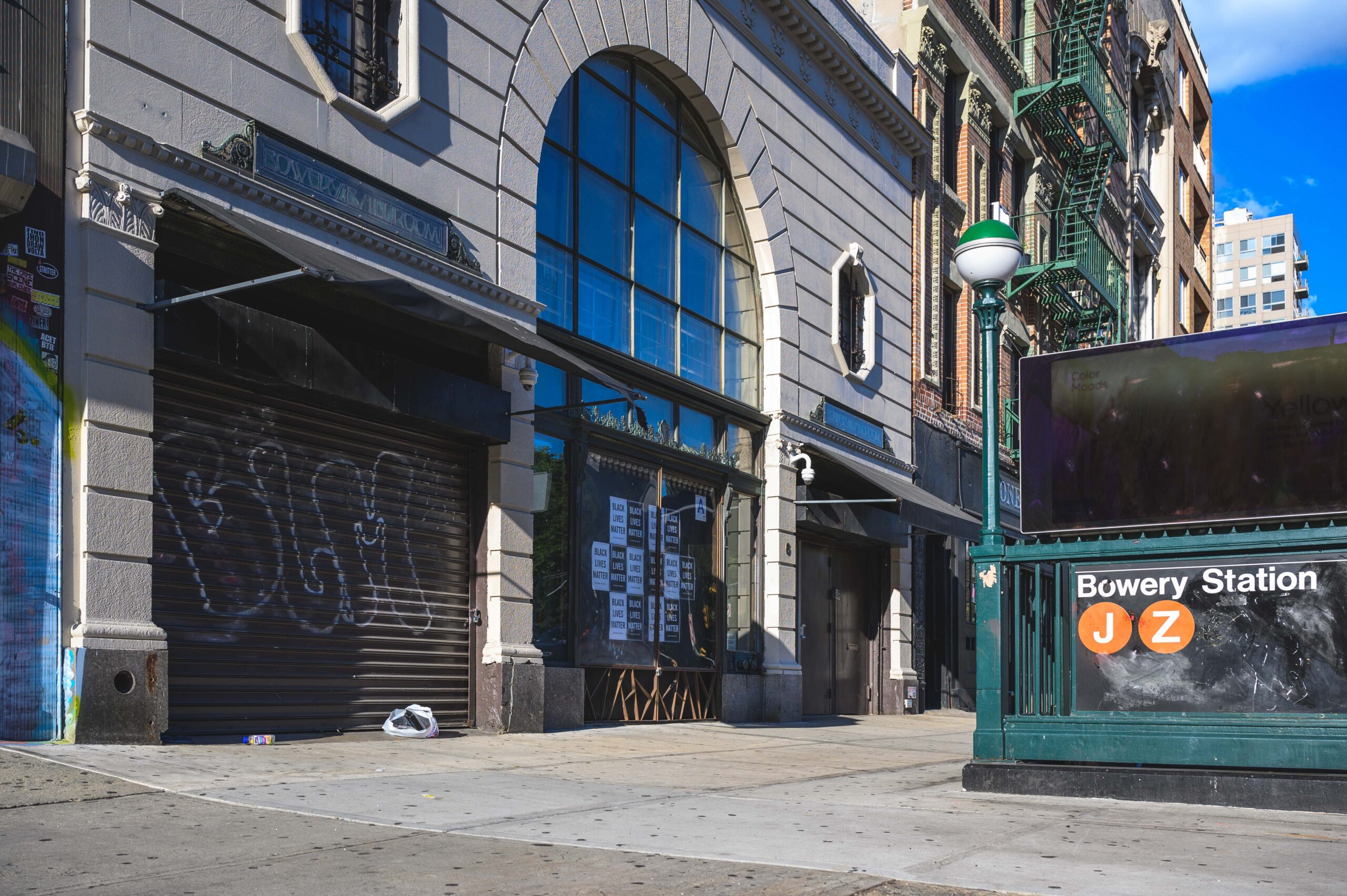
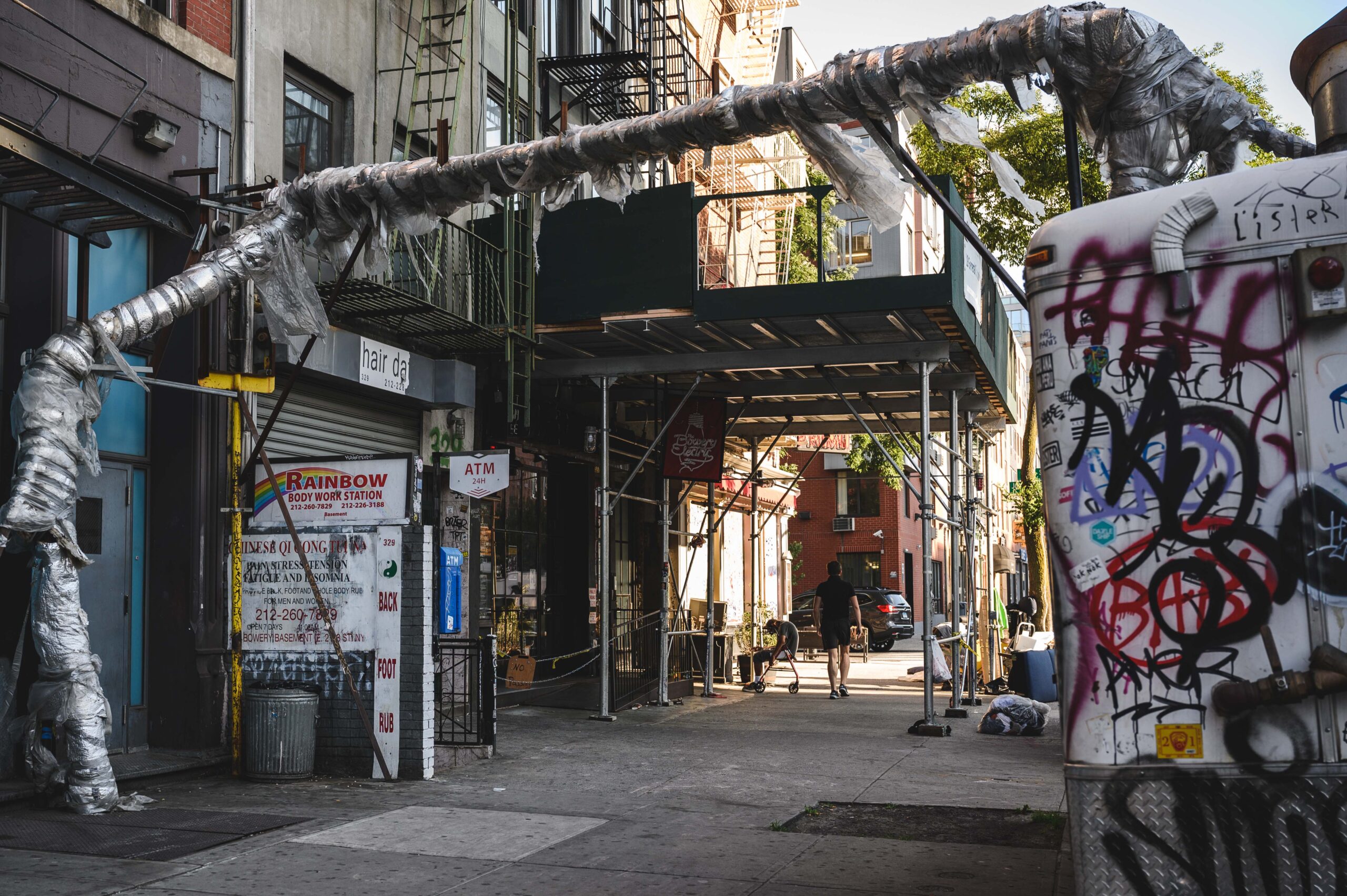
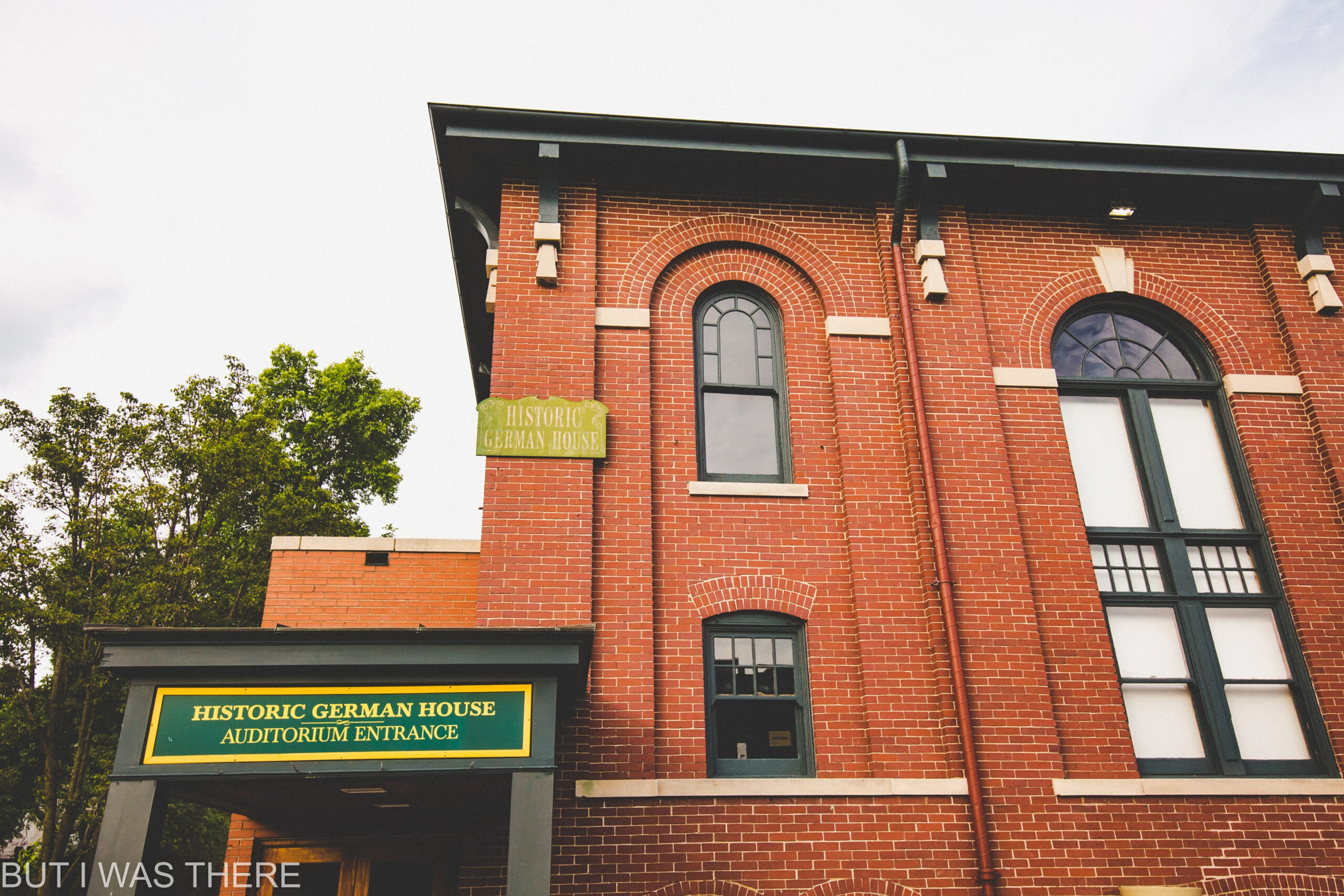
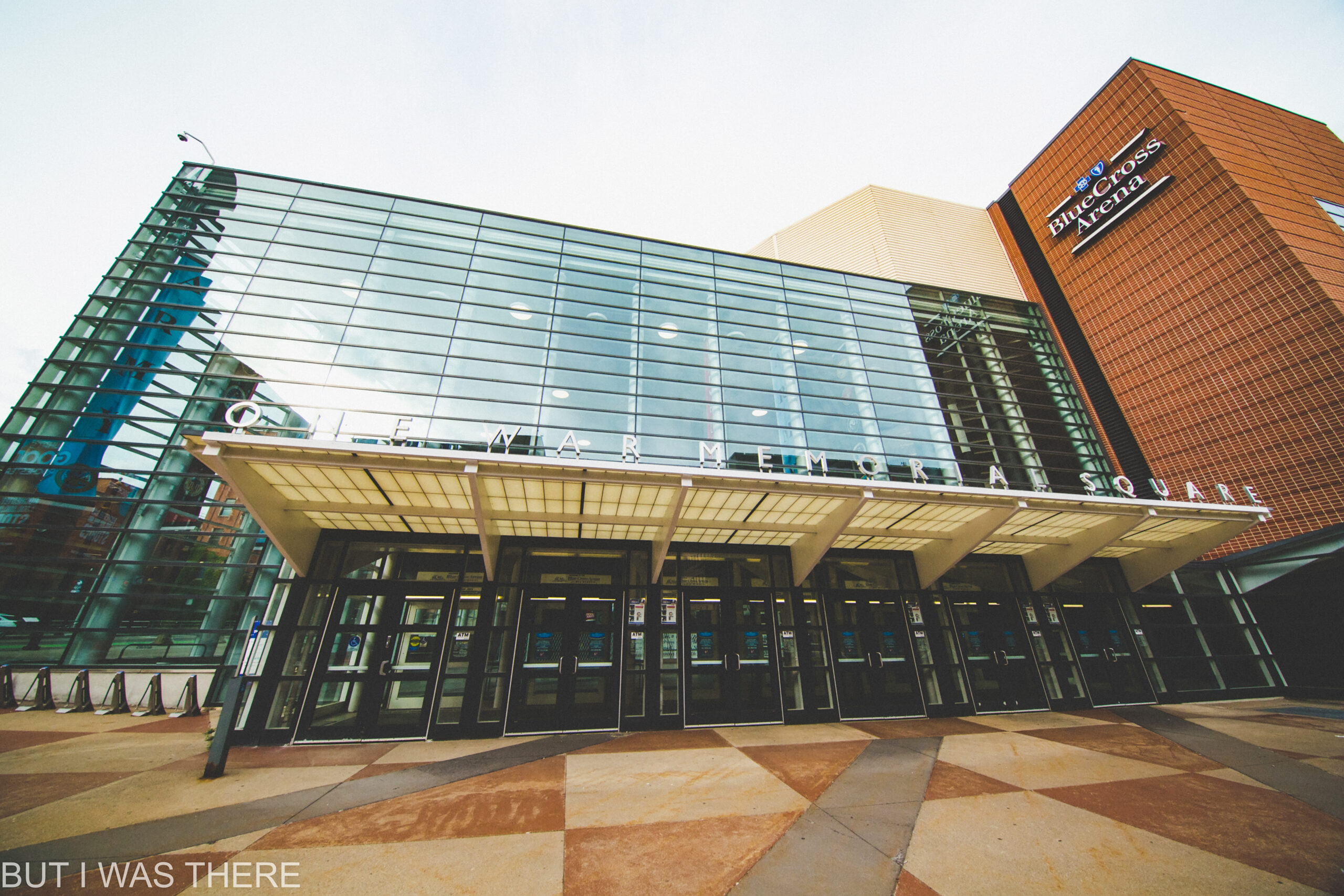
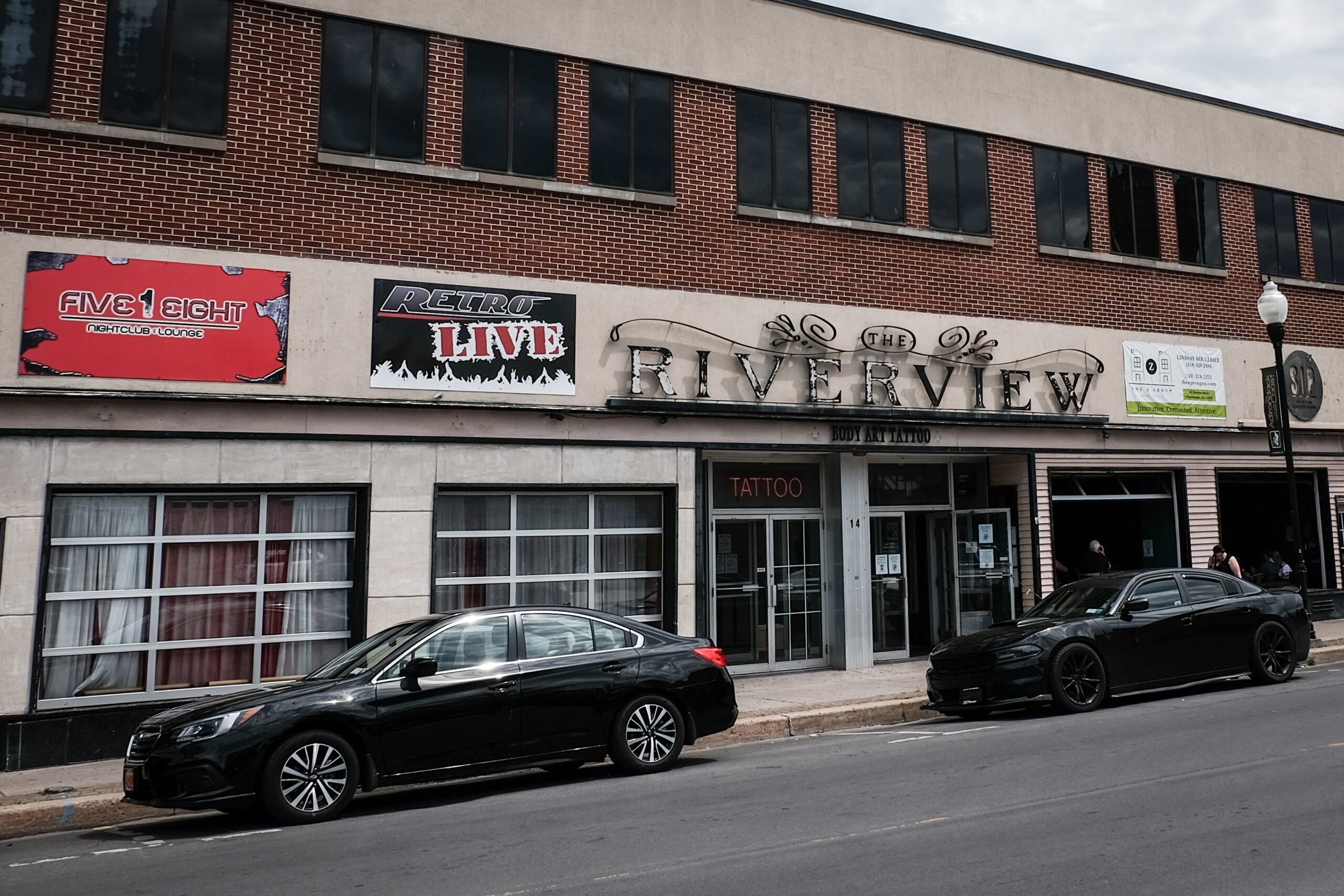
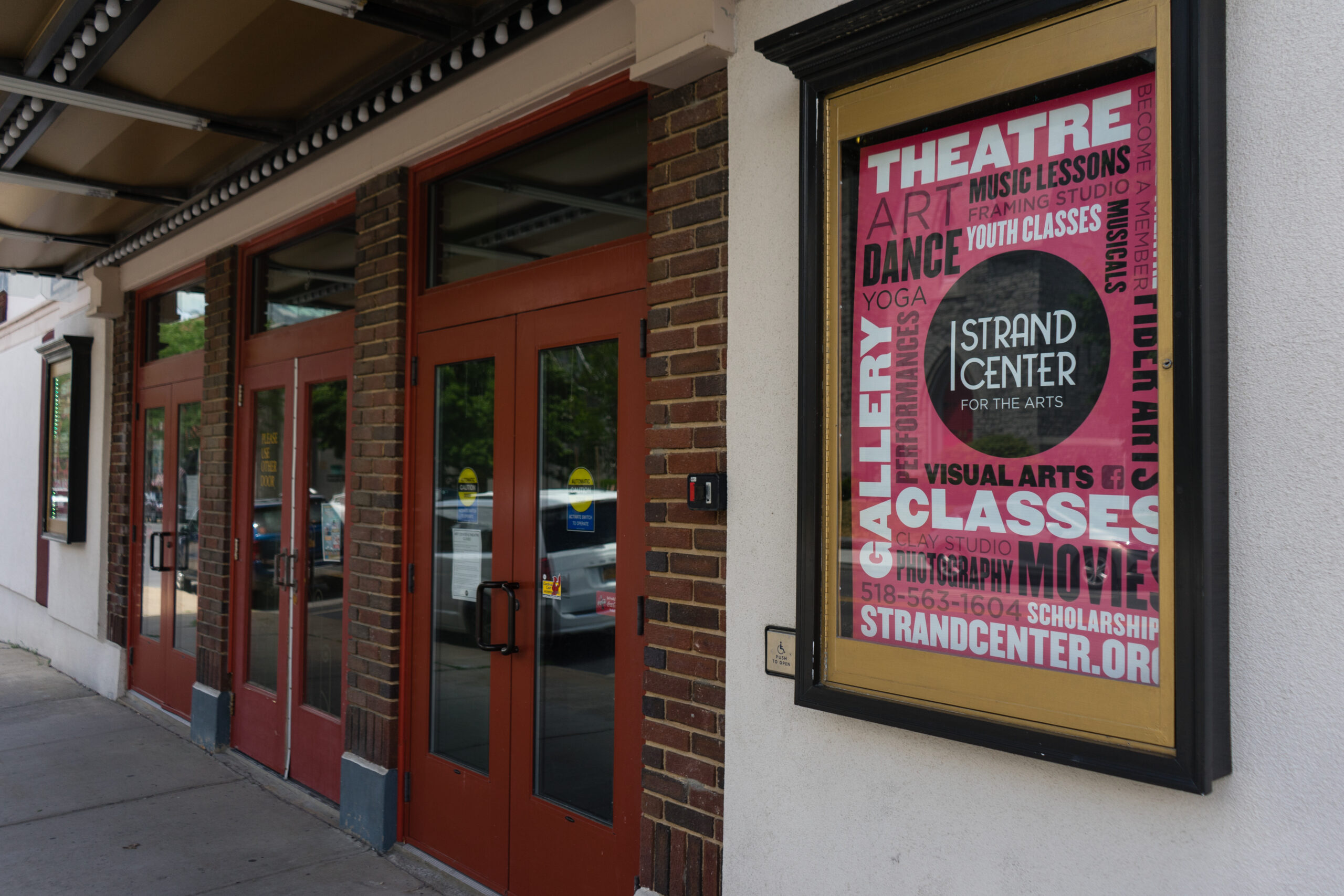
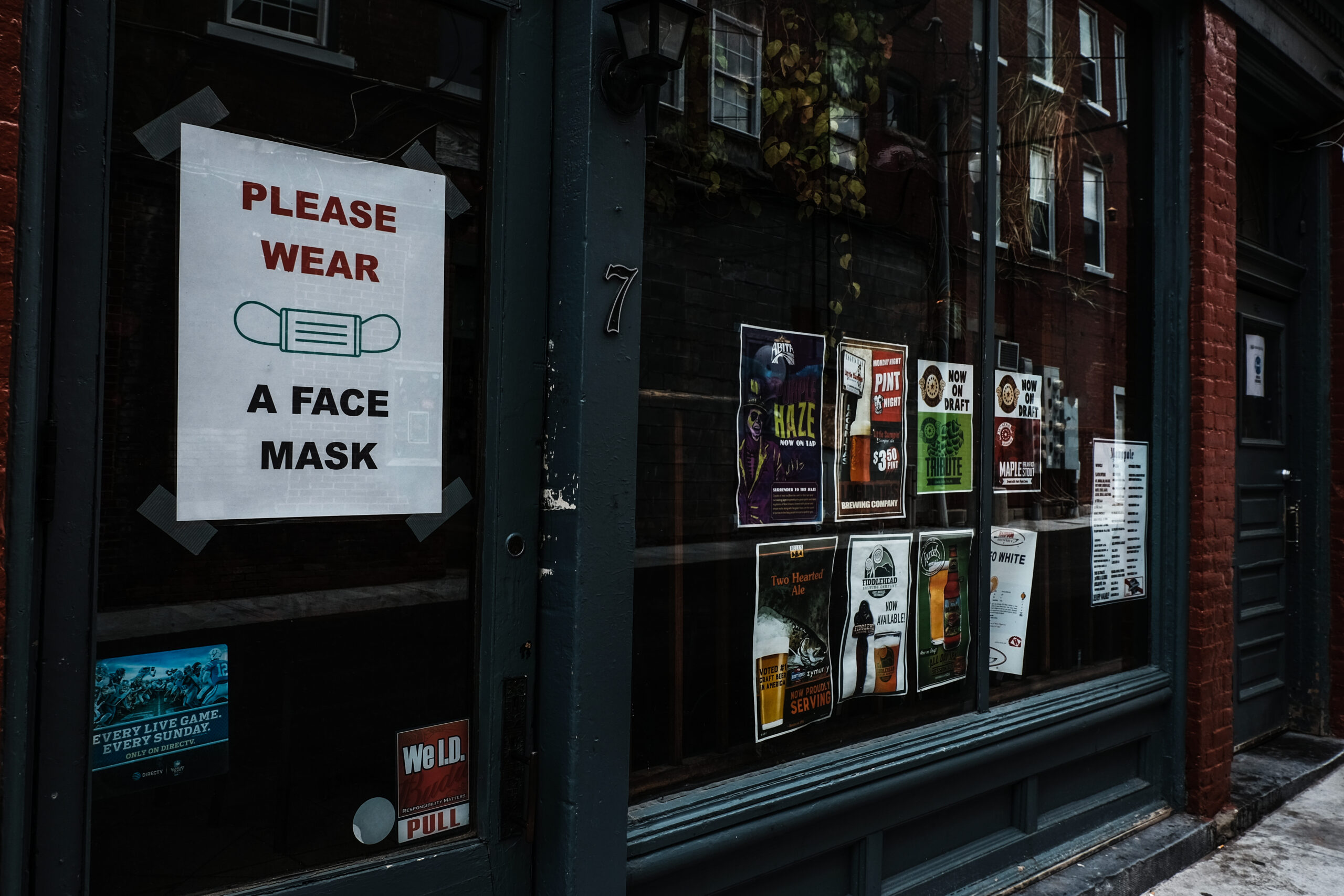
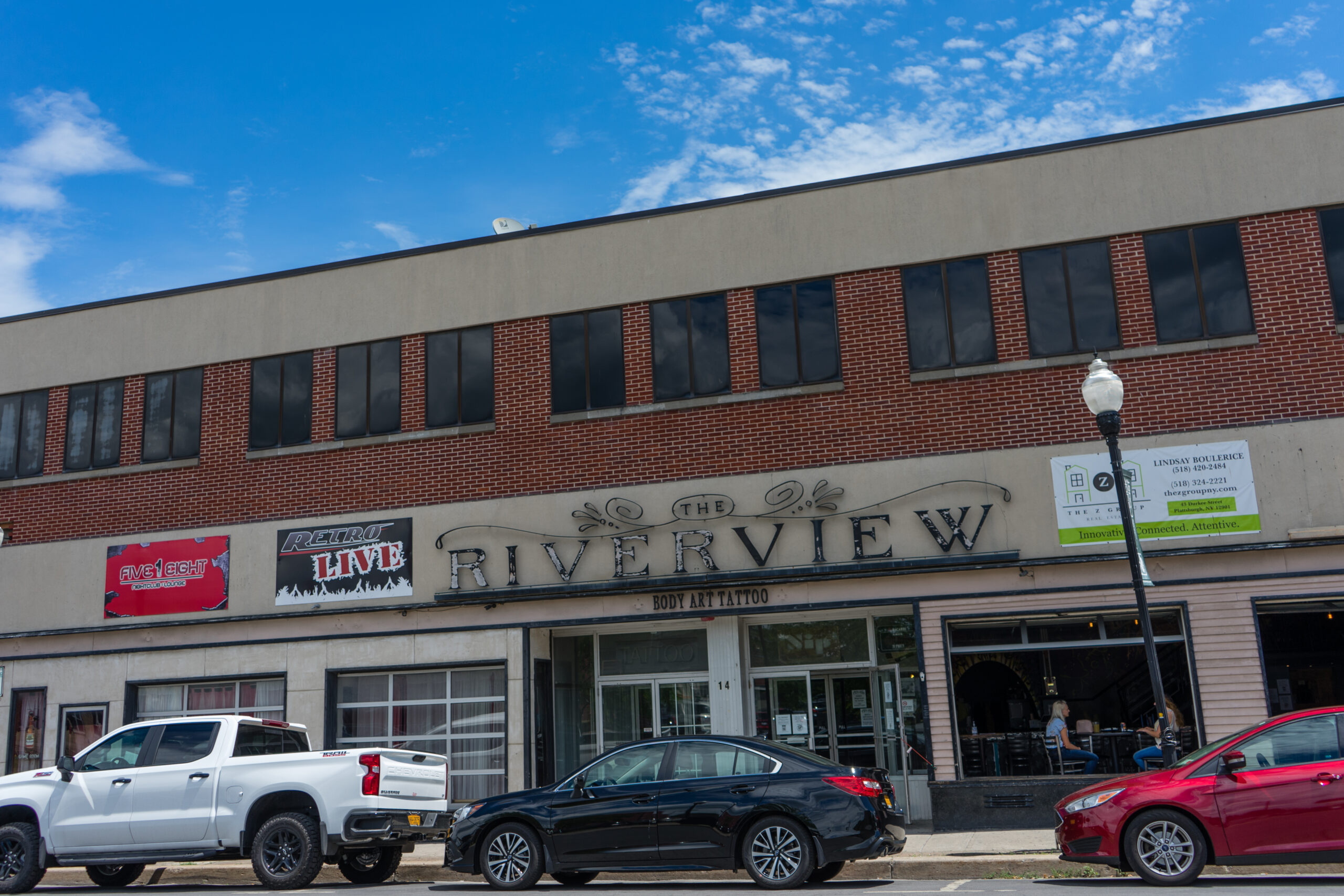
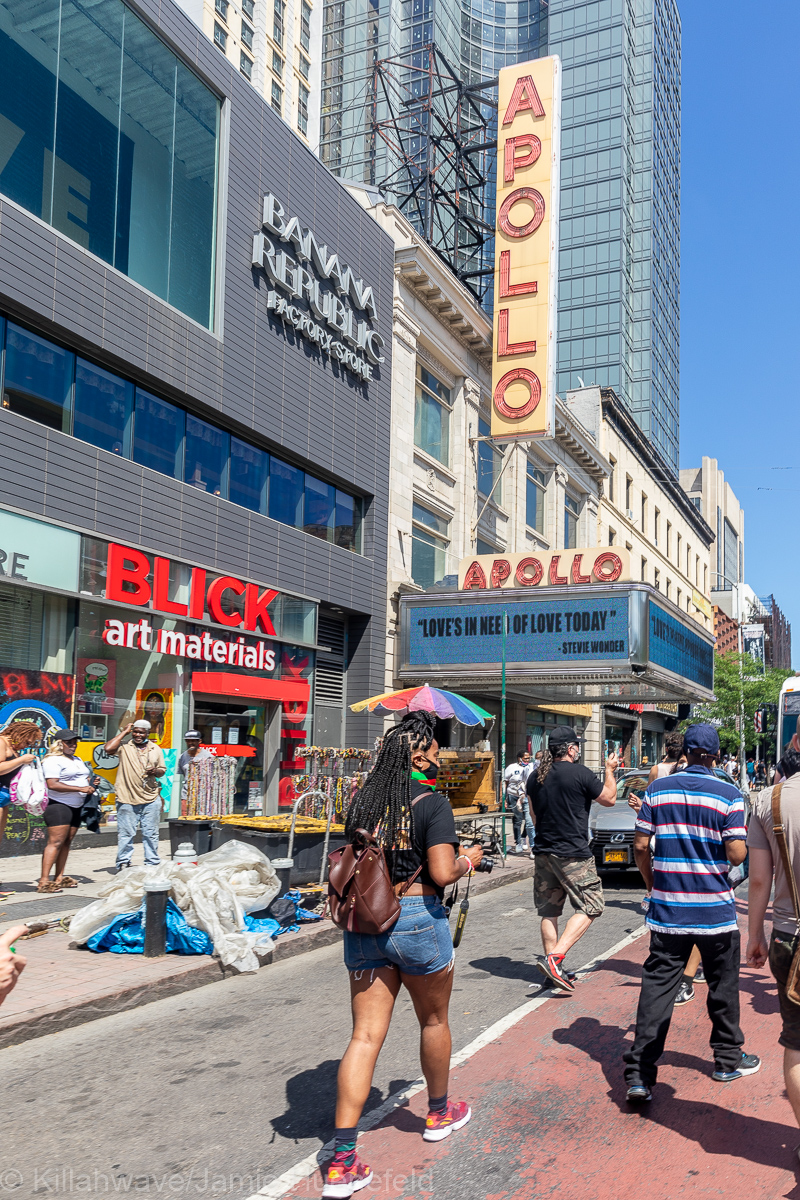
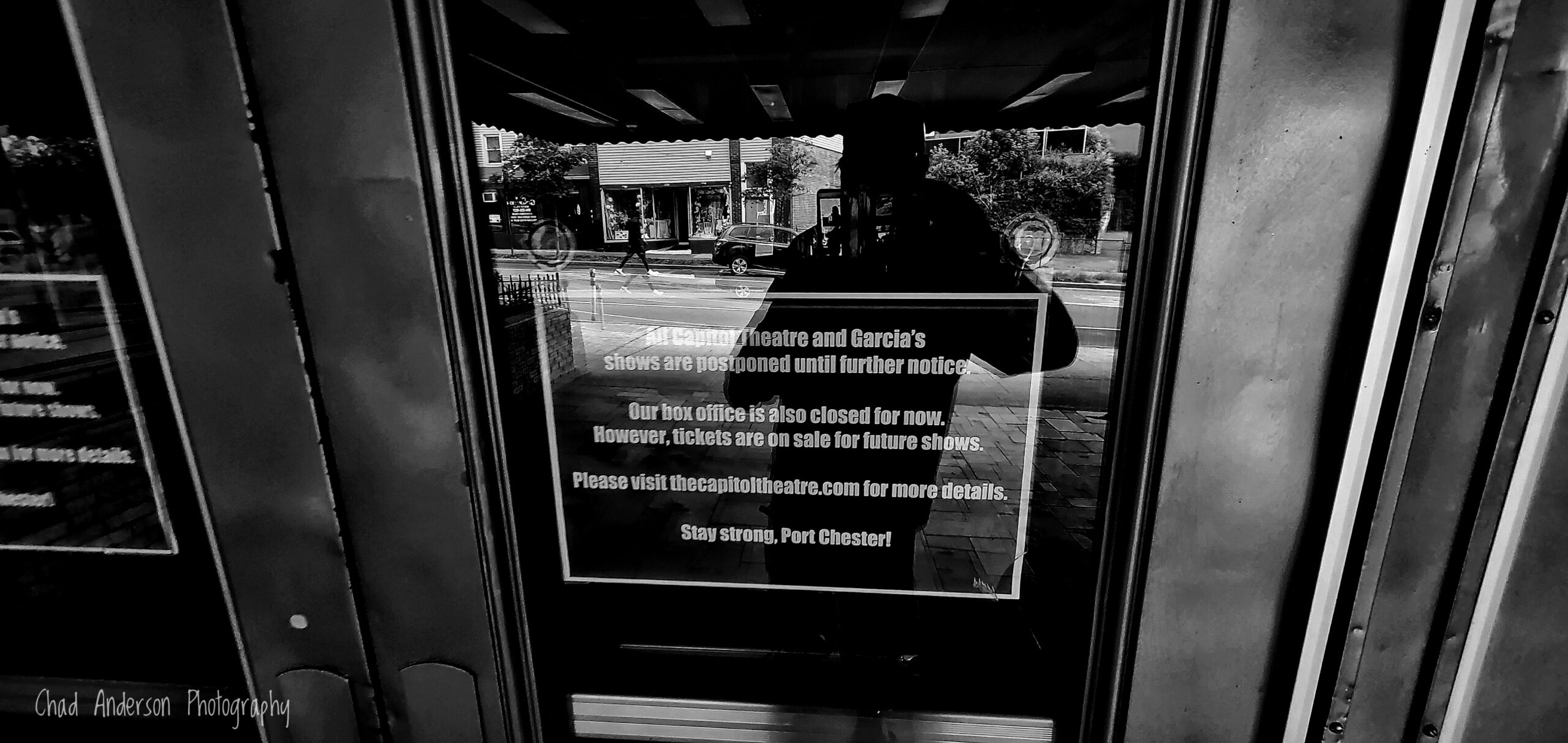
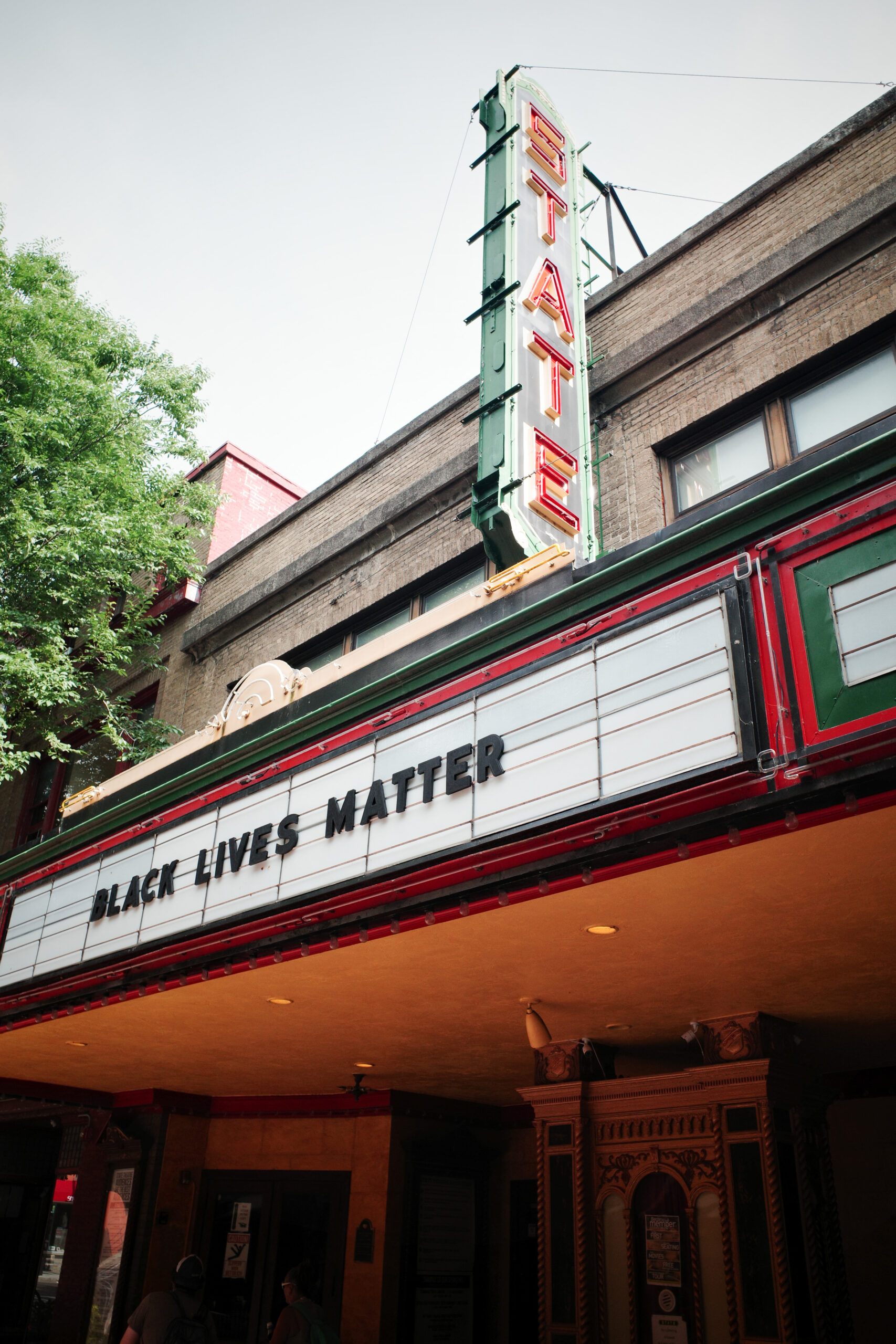
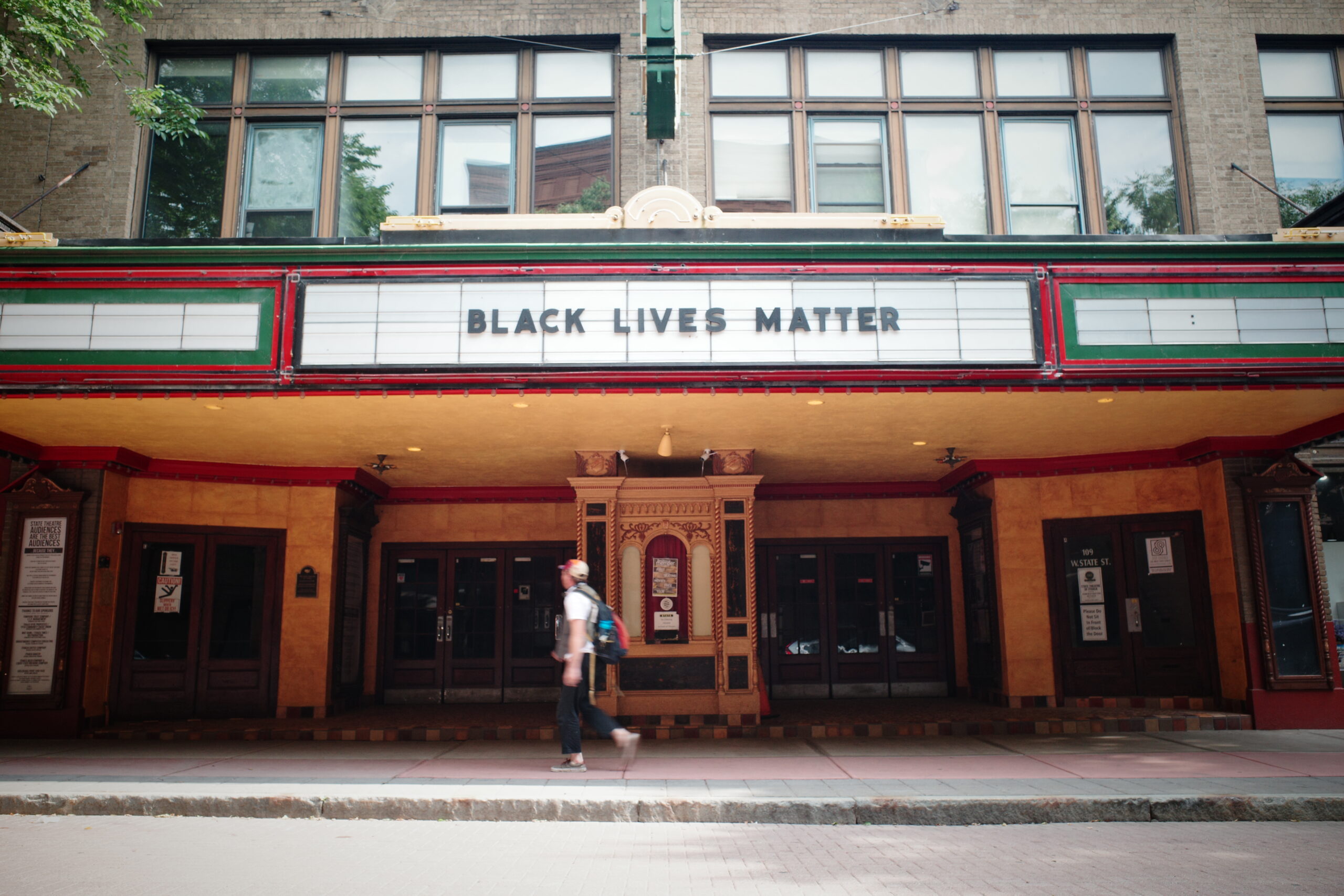
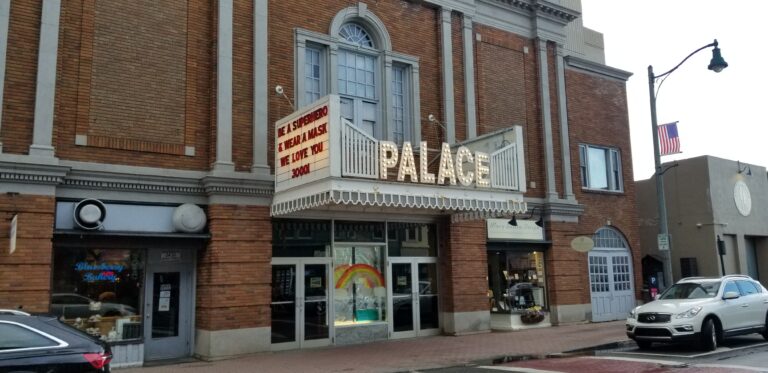
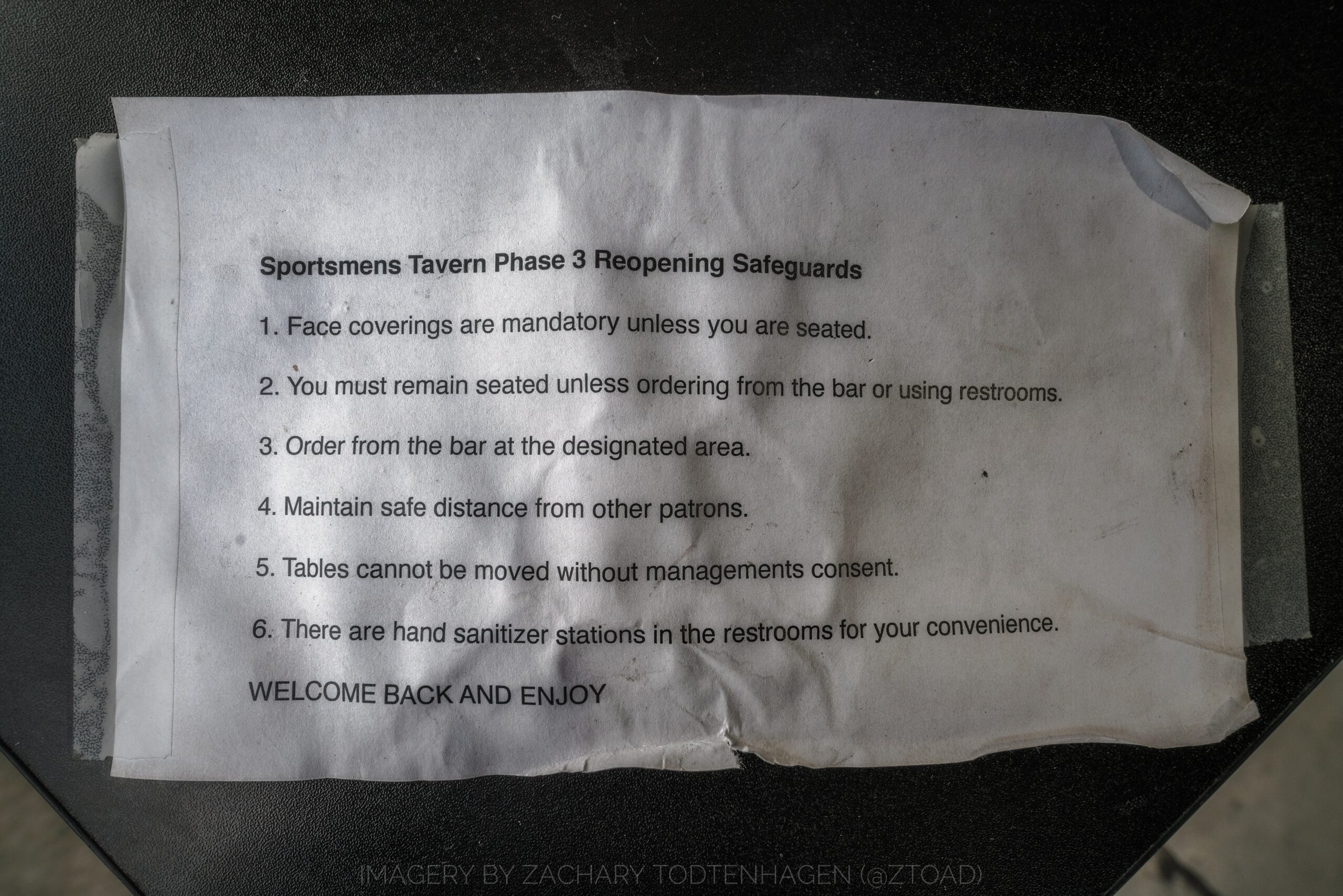
It is now July 2020, the fifth month with minimal, if any, live music performances throughout New York State, let alone the country. Our venues are not yet open, but as the threat of COVID-19 decreases, parts of New York will enter Phase 4 and beyond, with the hope that live music will return, even if gradually.
While we may be stream weary, the prospect of live music is a motivator for many, and staying safe is the key given that New York and much of the Northeast are faring better than other areas of the country.
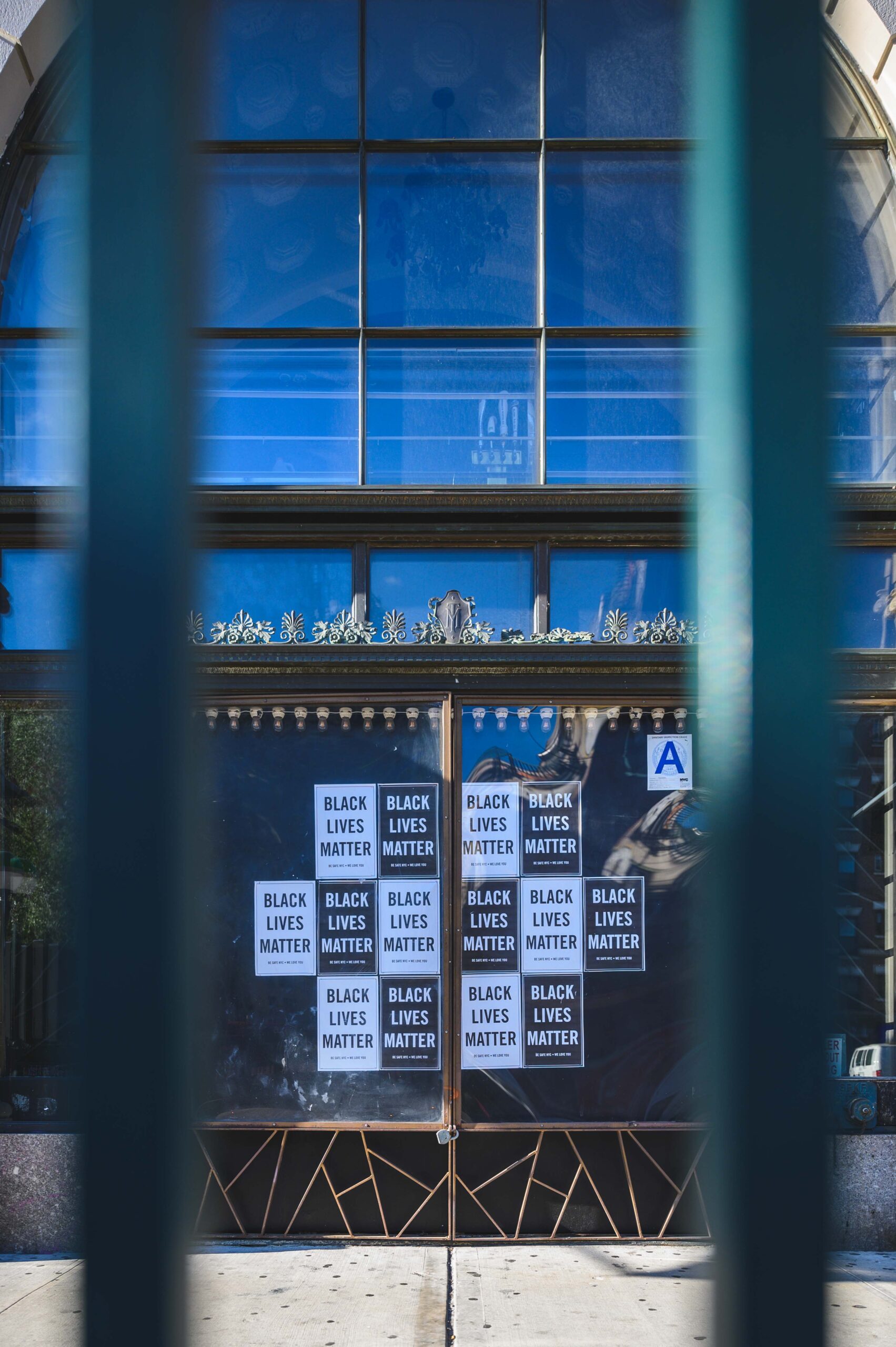
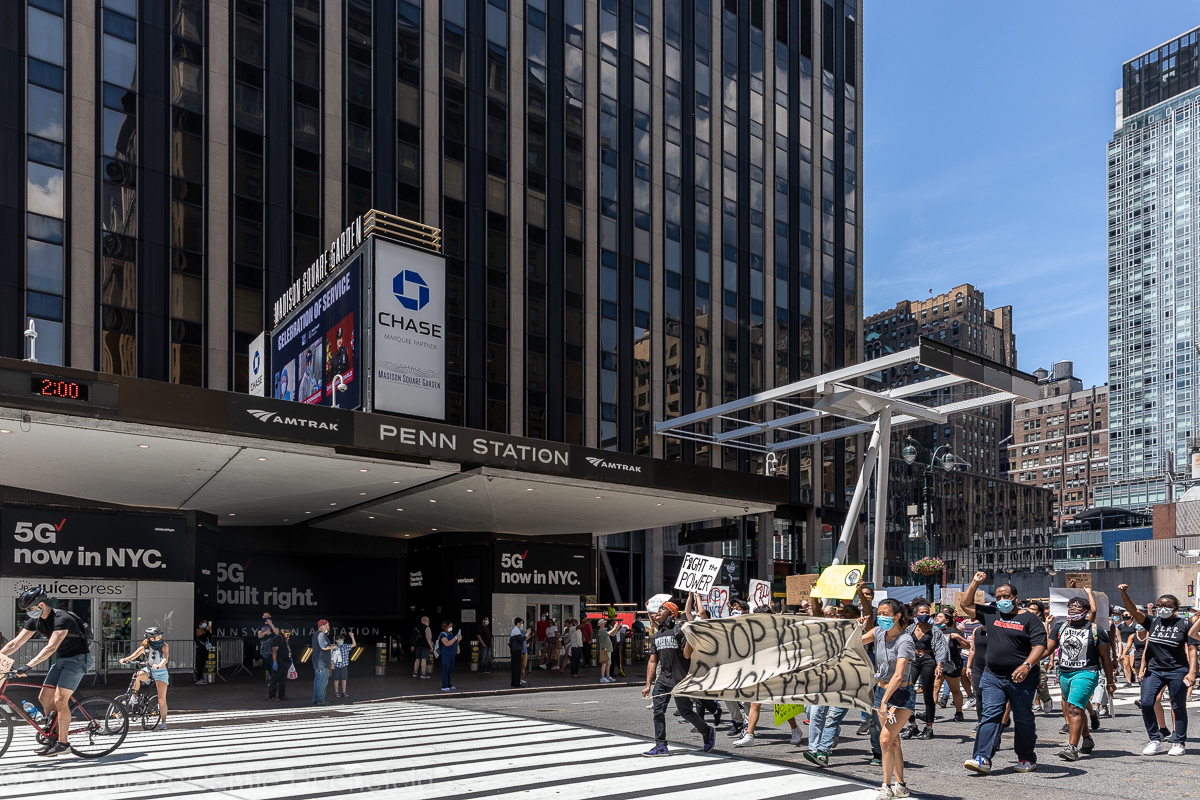
From viewing these photos taken during mid-late June, we can see the presence of the Black Lives Matter protests that spanned all 50 states. In all corners of New York there were protests, particularly in New York, protests that continue to push for defunding of the NYPD.
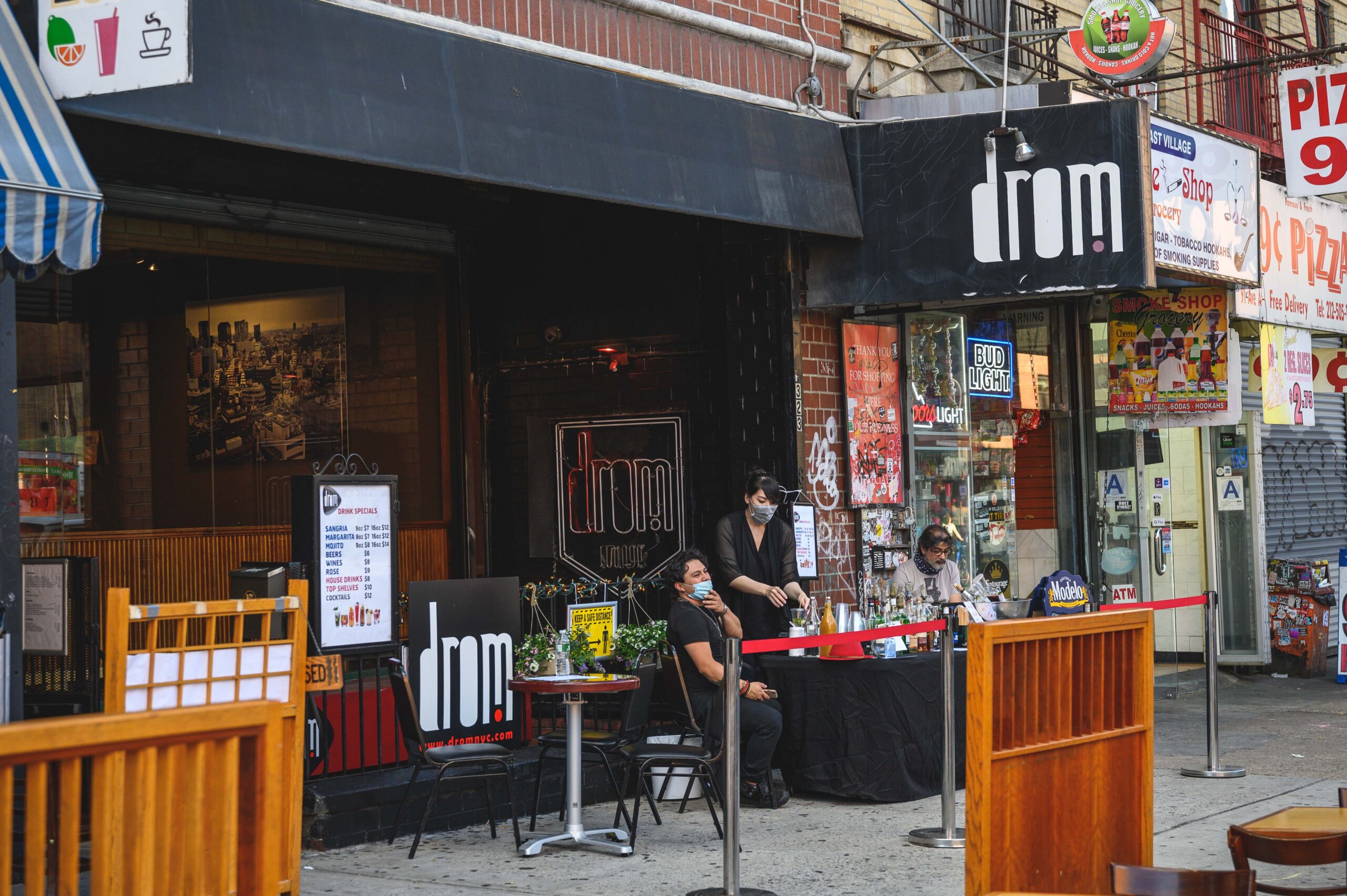
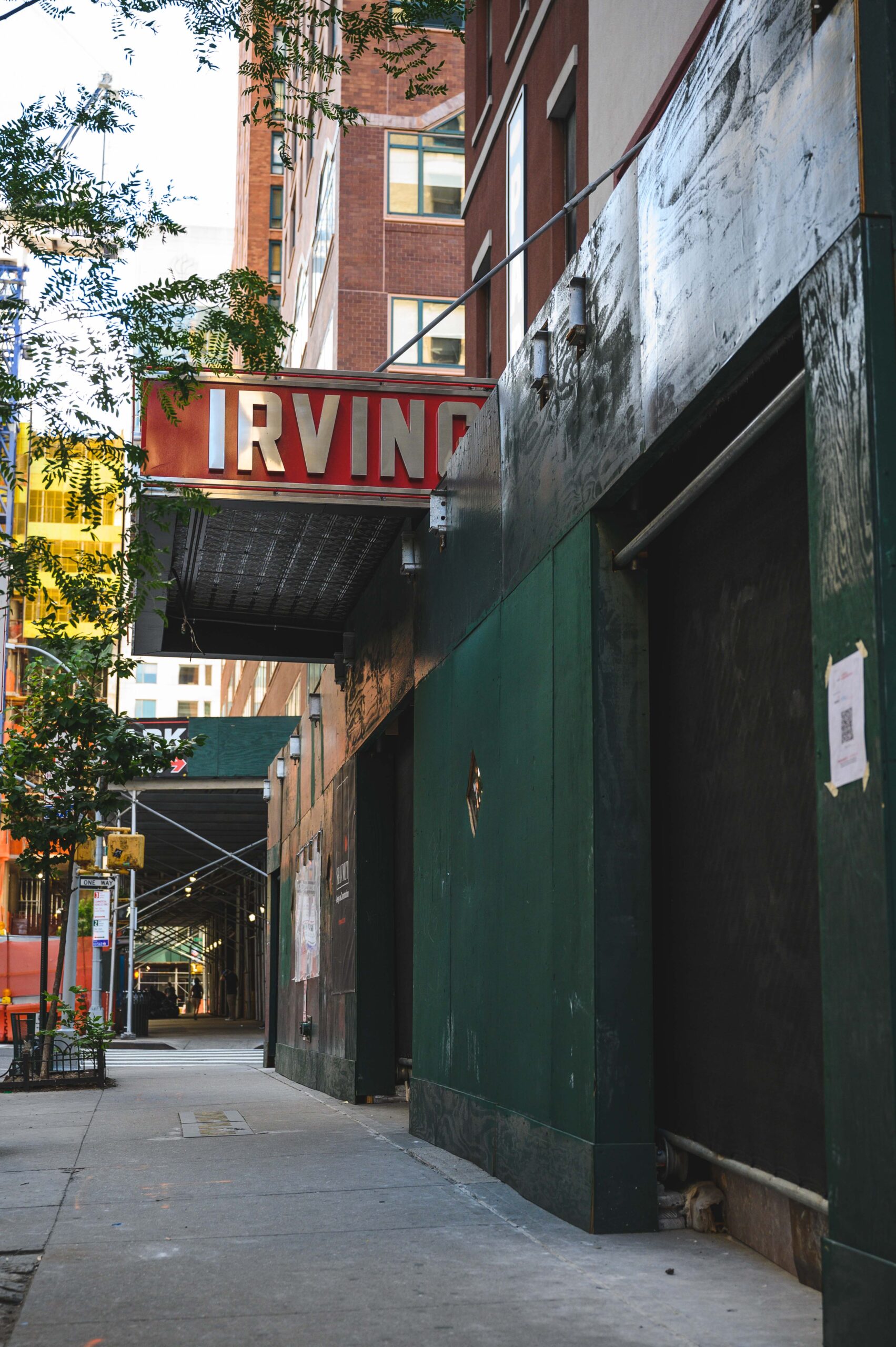
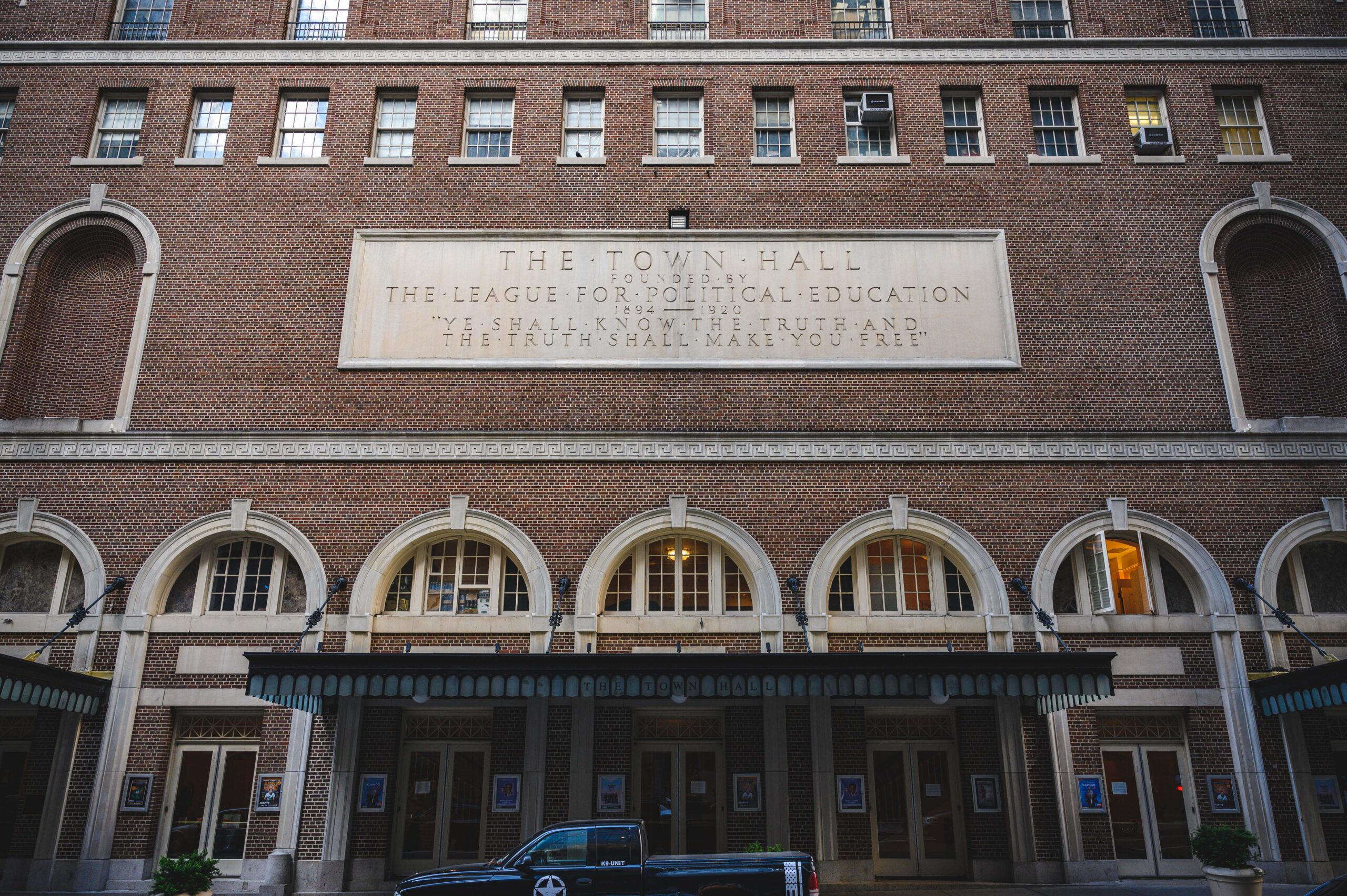
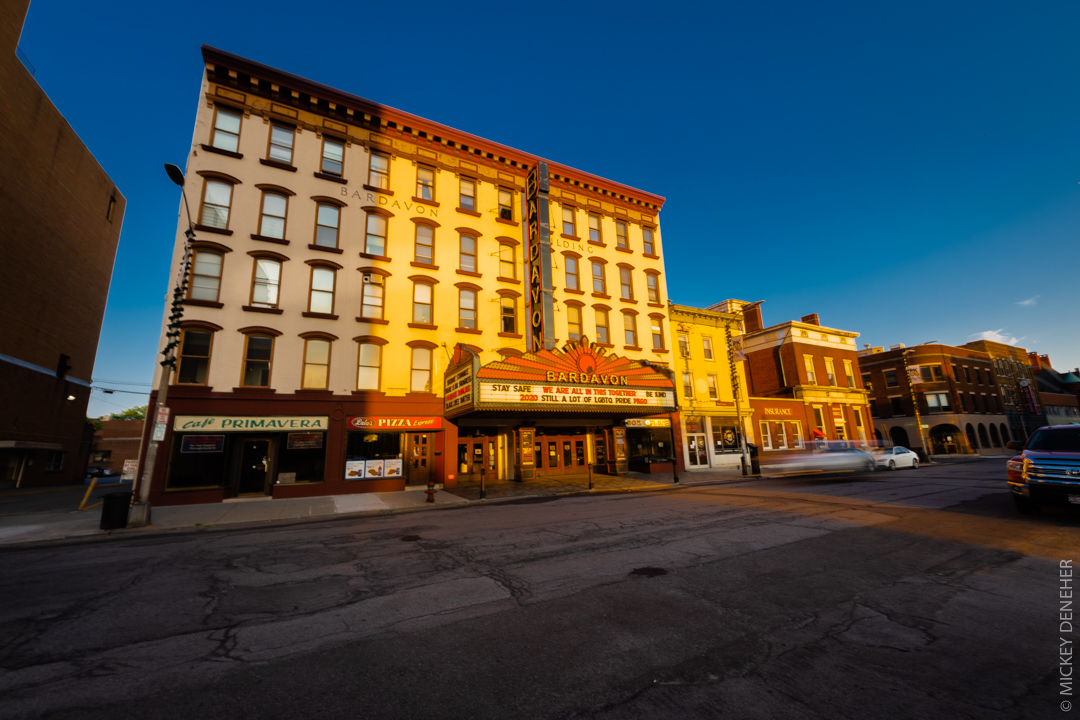
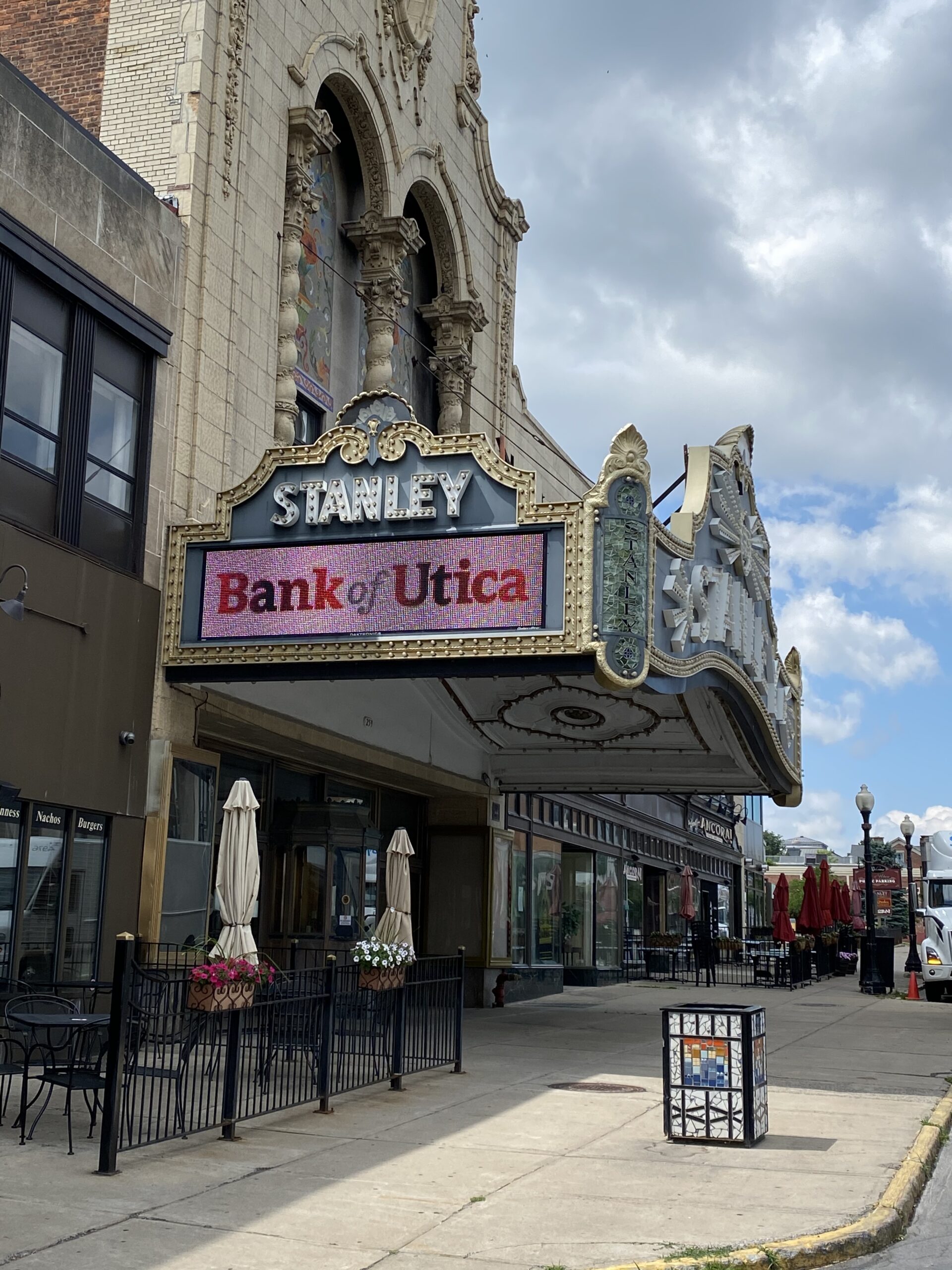
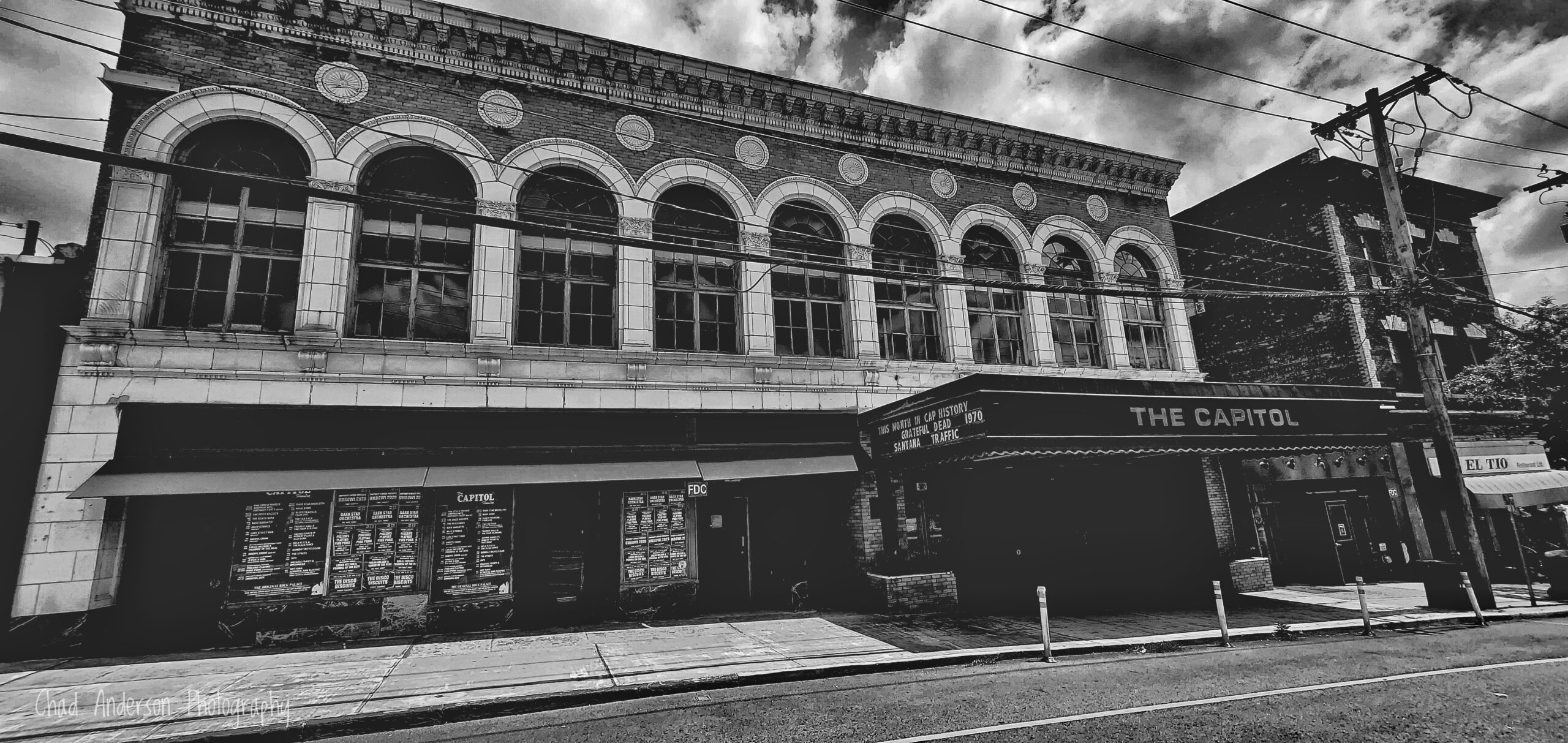
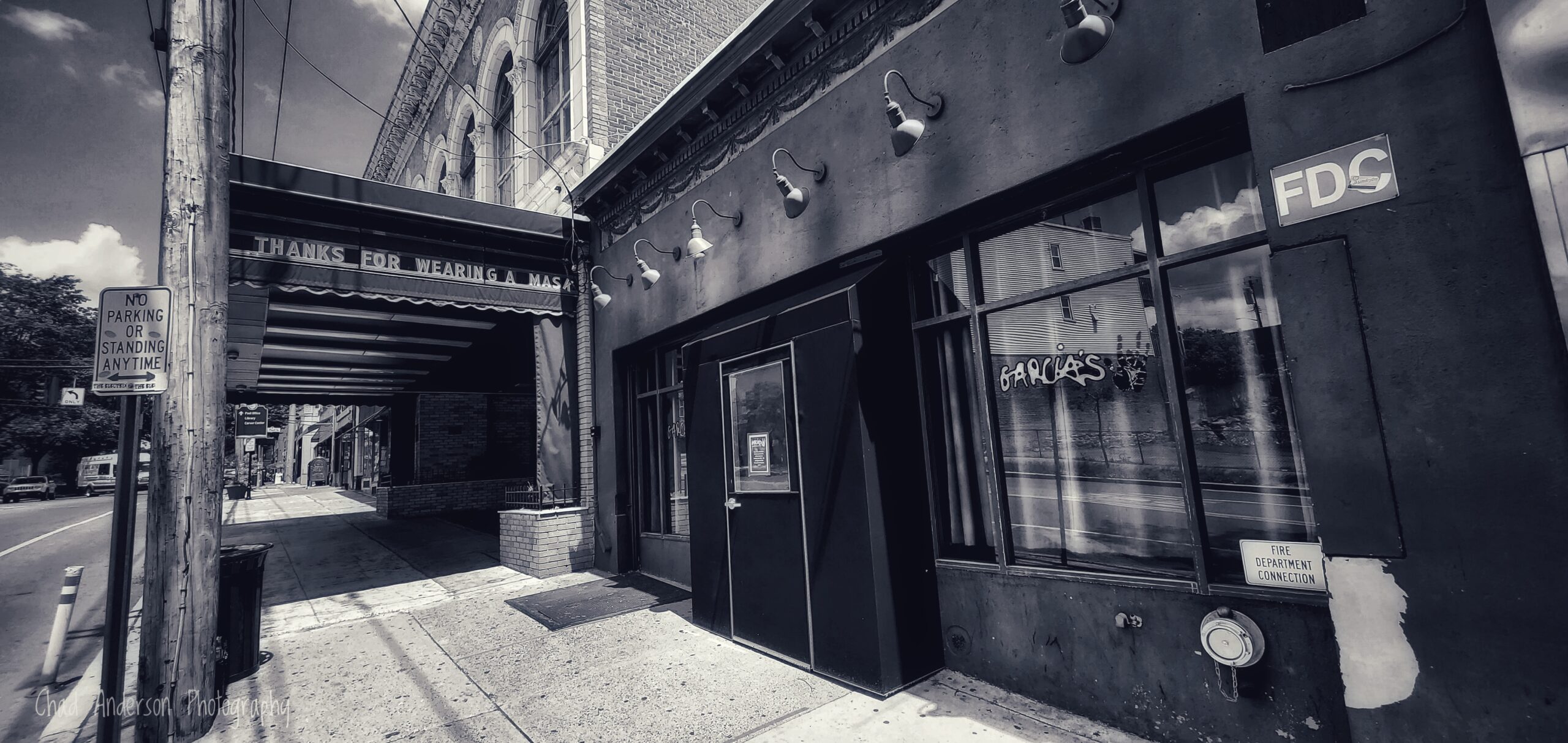
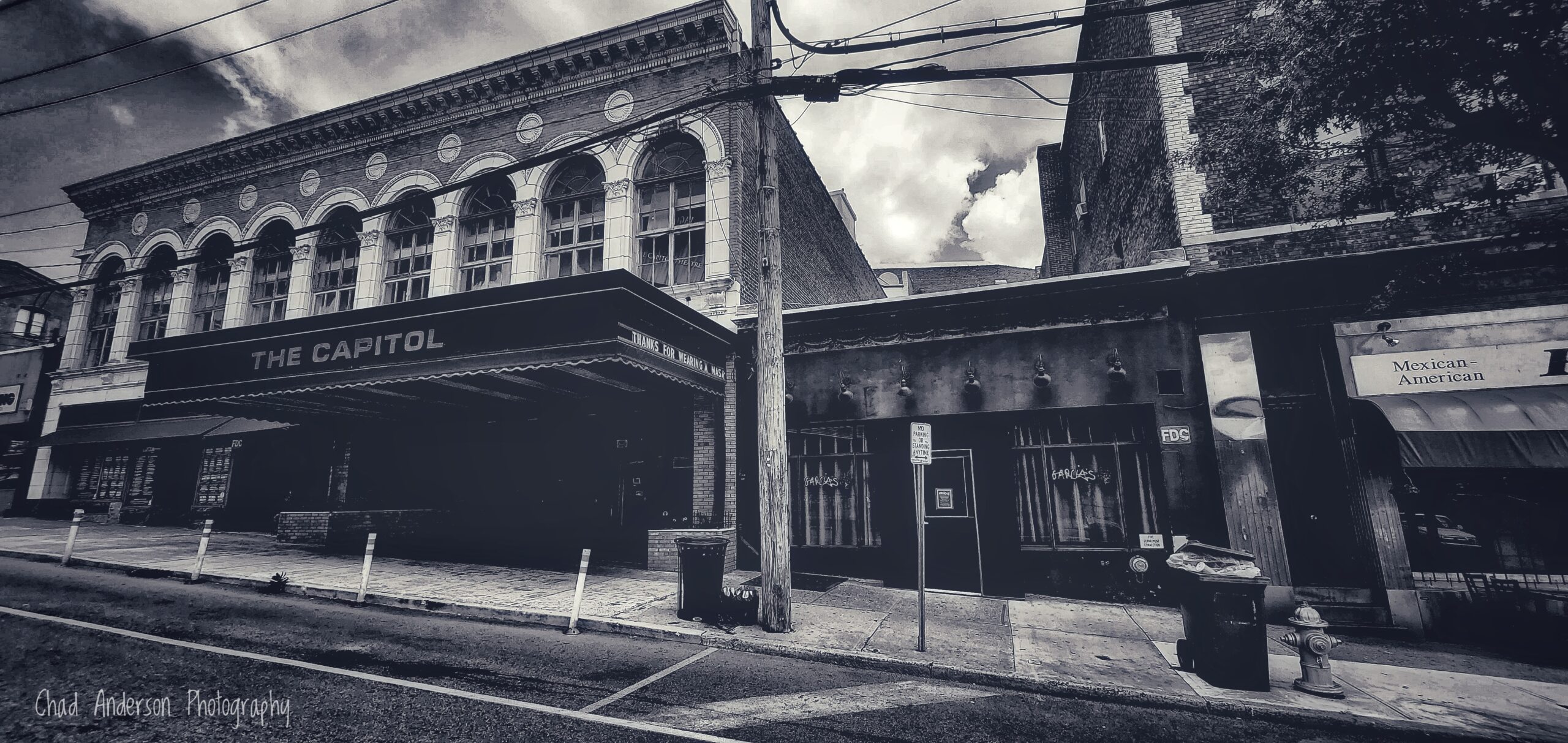
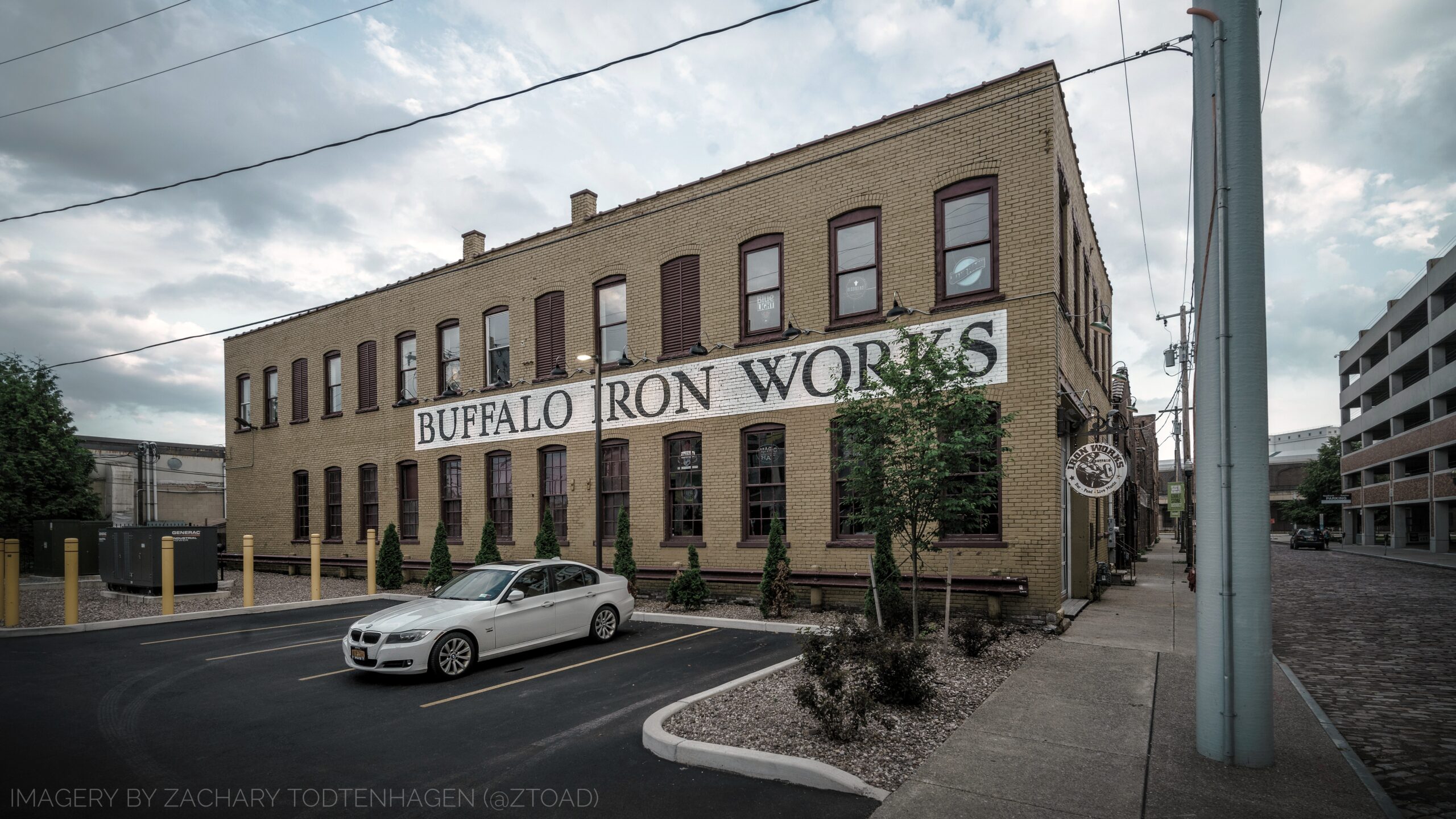
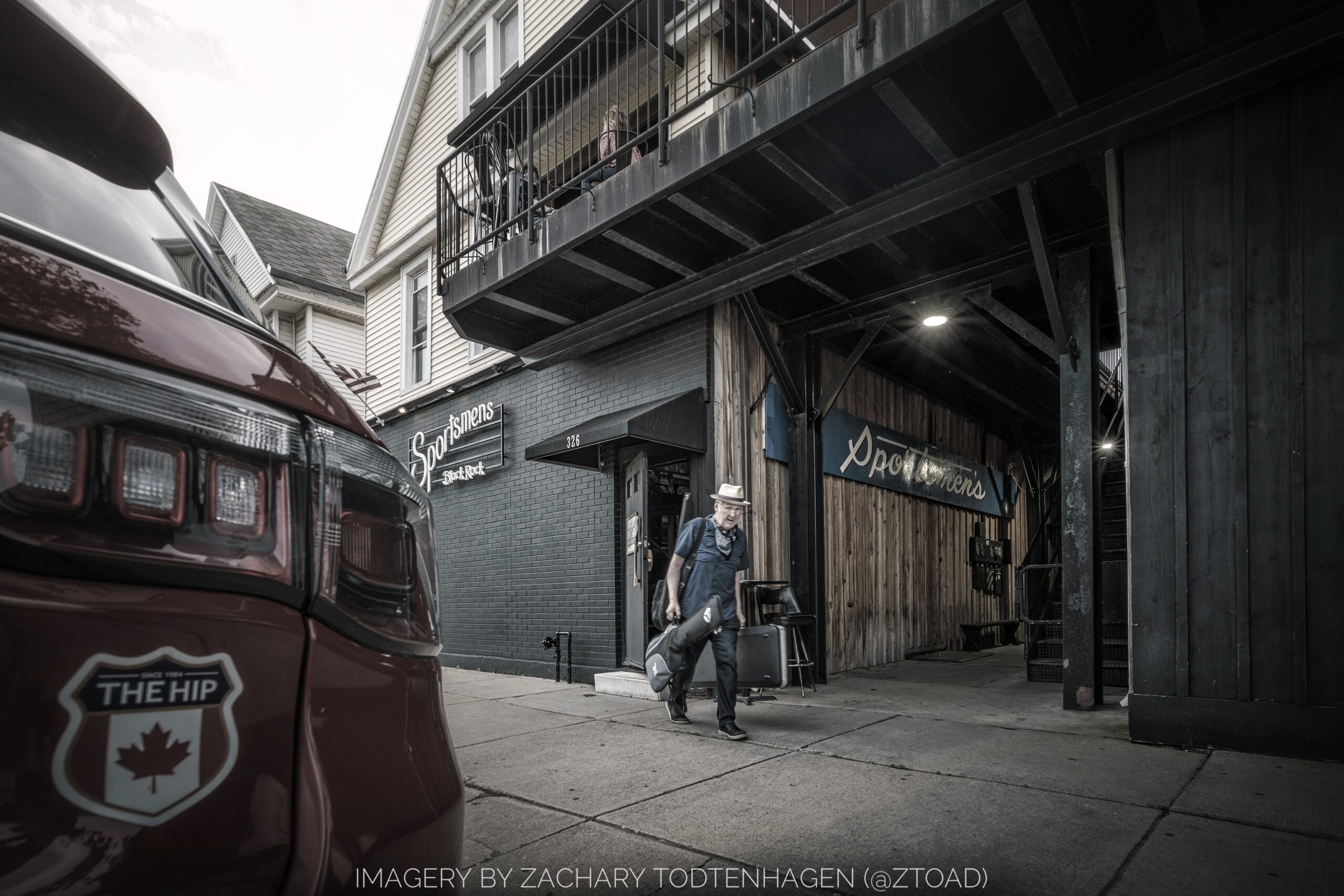
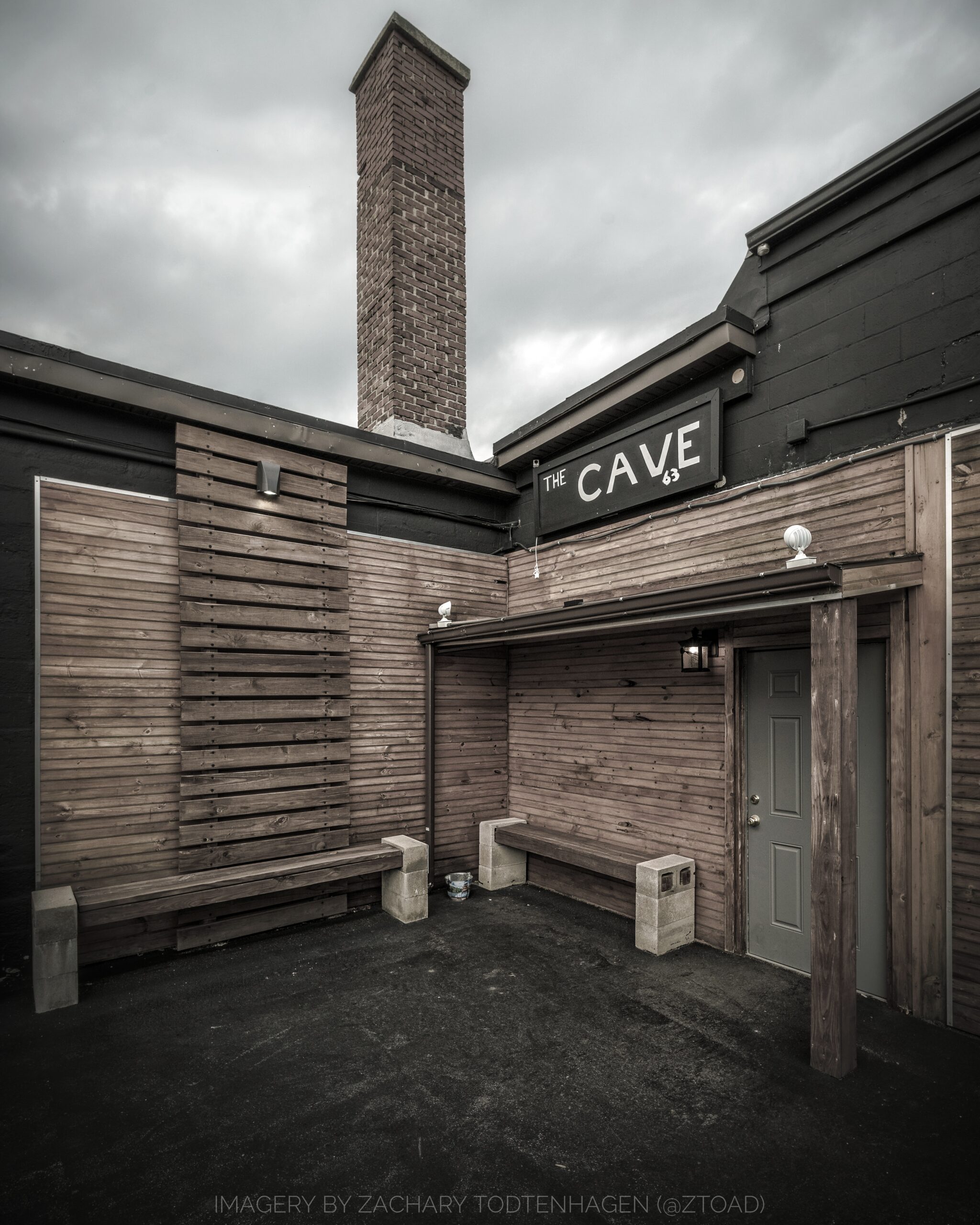
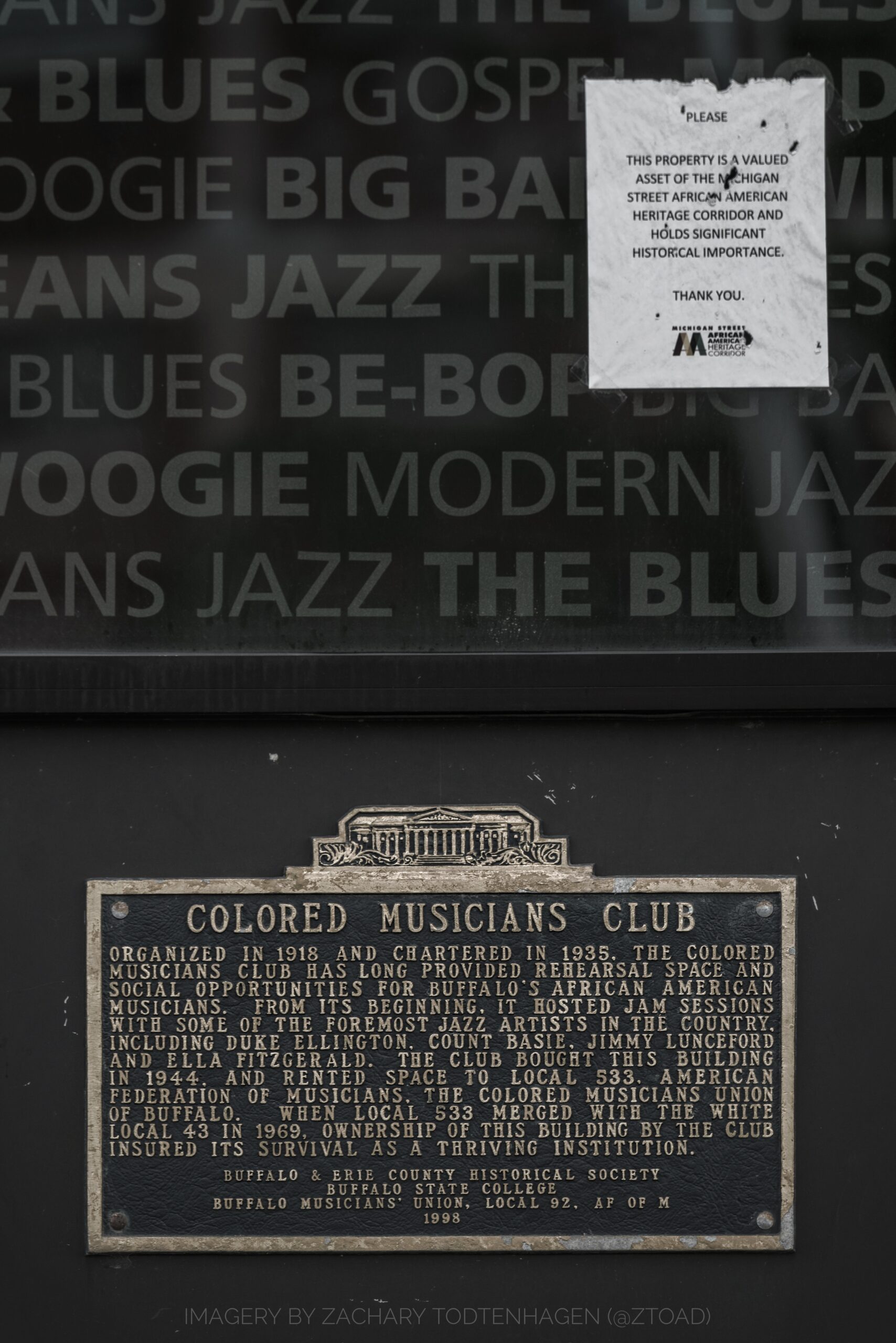
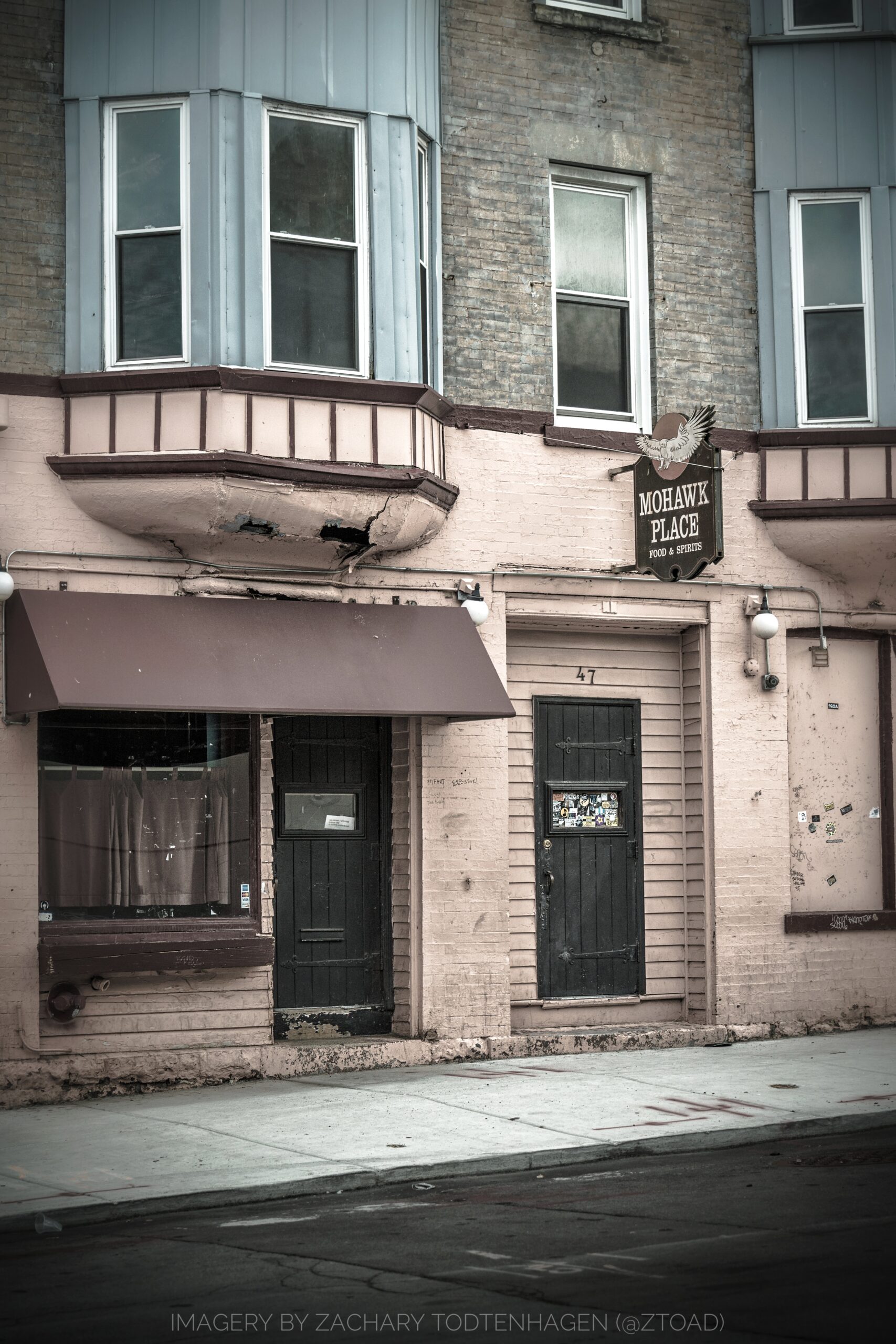
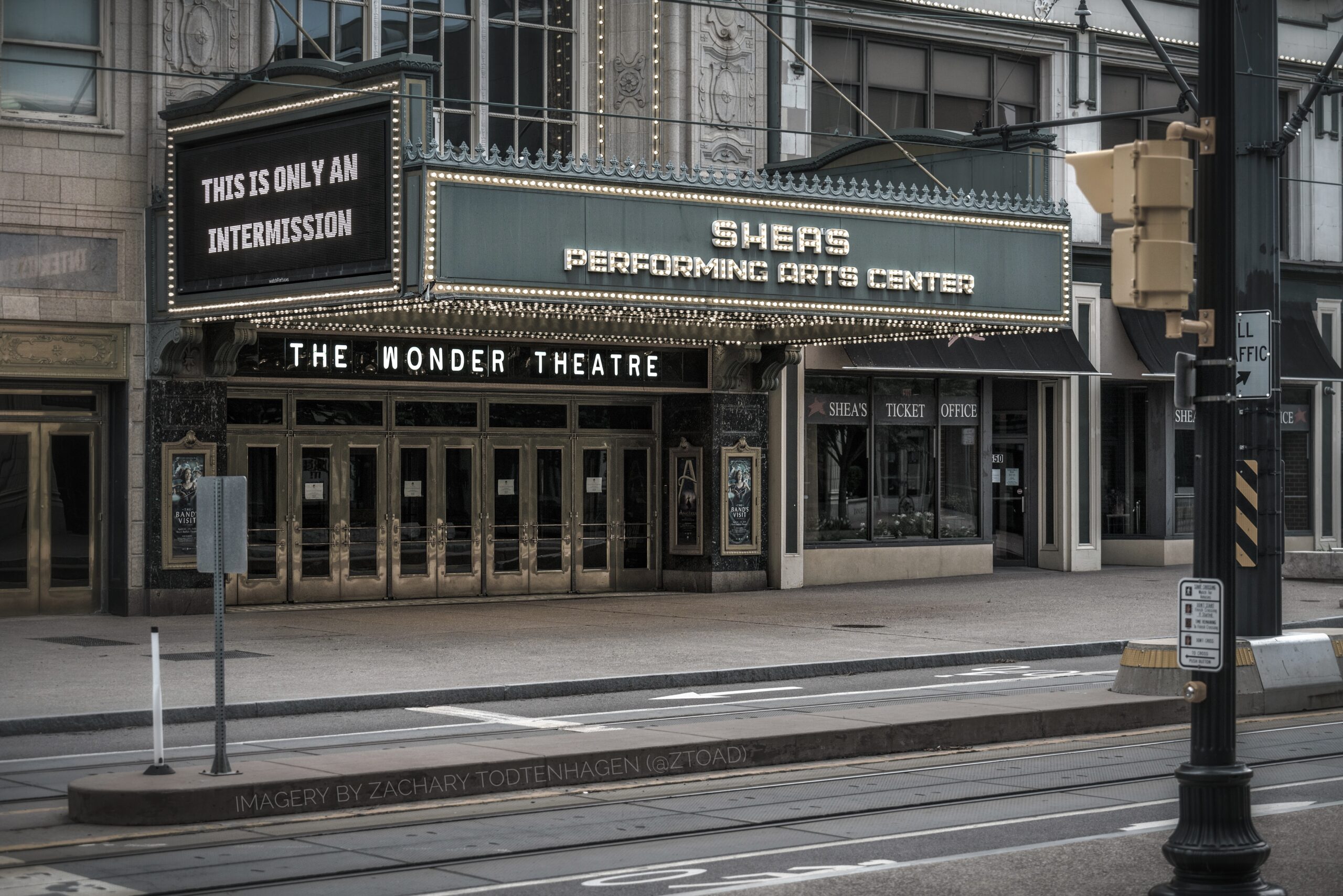
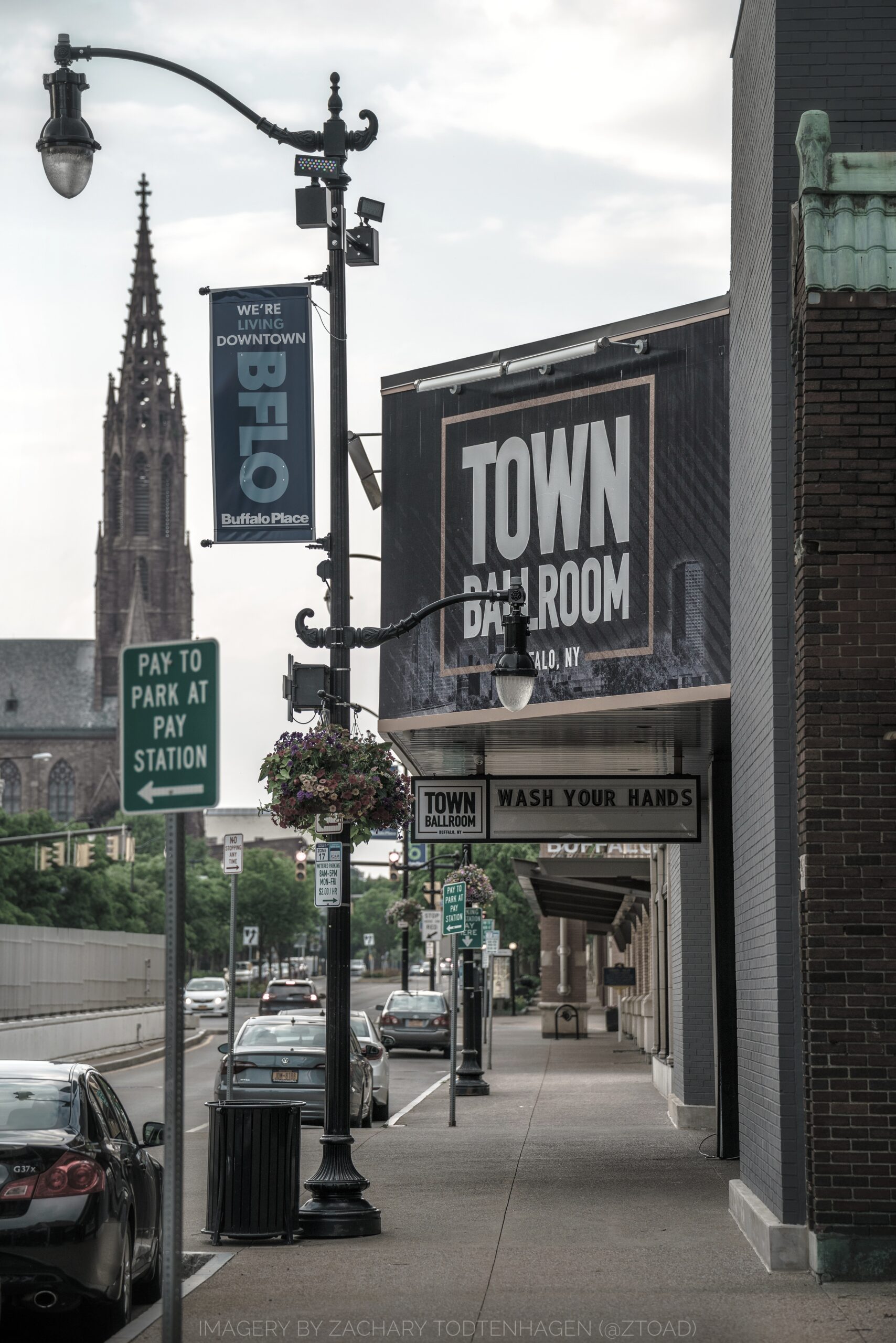
Working with 13 photographers to document more than 60 venues in 20 cities across New York State, NYS Music presents the second edition of our monthly series that looks at the current state of our beloved venues. When the venues reopen, we will share photo documentation recording the changes over time in all corners of the state.
Immense thanks goes out to all photographers and venues who are taking part in this monthly series. We’ll start this month in the Capital District, with a drone montage from Zach Culver, covering the venues we long to return to, sooner, rather than later.
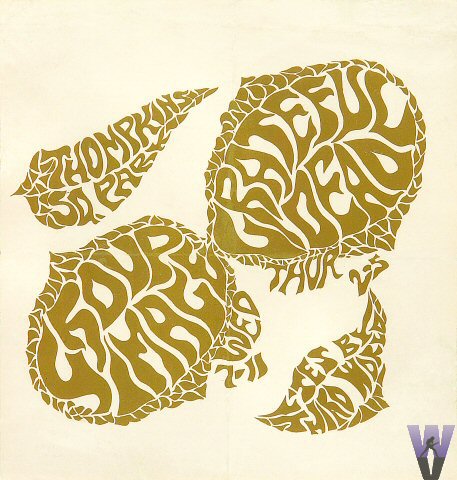
Few bands have a relationship with the state of New York like the Grateful Dead. Performing over 300 shows throughout the Empire State in a span of 28 years, the Grateful Dead made their mark starting with their first New York performance in Tompkins Square Park on June 1, 1967
In some ways, the Grateful Dead’s maiden trip to the East Coast via New York City mirrors the ongoing circumstances we see there and across the country today. The year was 1967, right in the heart of the Civil Rights Era. And, locally, tribal tensions were beginning to boil over as well, stirred by the wrestling of control over the communal jukebox that had become Tompkins Square Park, a public space in the Alphabet City section of the East Village.
Tompkins Square Park 6/1/67
This being the “Summer of Love,” San Francisco was not the only place towards which hippies were flocking. Those that had descended upon Manhattan’s Lower East Side grew fond of playing their congas and bongos at the park. Puerto Ricans, the neighborhood majority, wanted their music to be prevalent and the Black community also fought for control of the musical output. Over the last few weekends, fighting at the park had become rampant.
Most recently, 38 people were arrested at Tompkins Square Park on Memorial Day after being confronted by police for sitting on the grass where they were playing music, both park violations. Per a Village Voice article from June 8, 1967, “A couple of cops went over to the park and told the hippies to shut up and get off the grass. The kids laughed, and kept singing. The cops ordered them to leave. ‘They laughed at us,’ patrolman John Rodd explained. ‘That’s when the trouble began.’”
Throw in all the other issues that the summer of 1967 undoubtedly brought and it becomes clear that local police were in danger of losing their city, as far as popular opinion went, and needed to rethink their tactics. Maybe it was someone on the force who somehow had an early copy of the Grateful Dead’s eponymous first album, released just months earlier. Or maybe it was “Cream Puff War,” the album’s second single that was slowly beginning to garner some radio airplay, that had somehow made it to a patrolman’s ear. Whatever the root cause may have been, the Grateful Dead were about to be met with an interesting quid pro quo from the city in the effort of keeping the peace.
Grateful Dead playing Golden Gate Park, just a few months prior to their first East Coast trip
Although the band was still in its nascent stage, they were definitely on the local radar. This was made evident when they were greeted by two separate welcoming committees upon their arrival to the Big Apple, each with a distinct agenda. According to Rock Scully, one of the band’s early managers, they had drama as soon as they arrived at their hotel. According to his book, Living with the Dead: Twenty Years on the Bus with Garcia and the Grateful Dead, Scully and the band were greeted upon their arrival with one of the oldest tricks in the book.
“I put the briefcase down on the front desk right next to me – it had all of our expense money in it – and the next thing I know somebody comes up and asks a question. I turn around and when I turn back, bang! the money’s gone. ” ~ Rock Scully
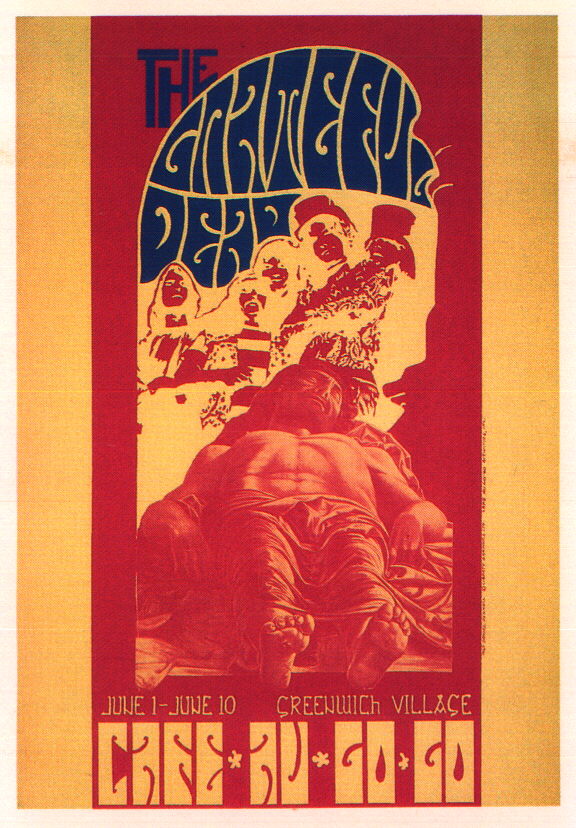
After returning to the hotel later that day, the band is greeted by the NYPD and Thomas Hoving, head of the Parks Department. Unsurprisingly, this was not a follow up for details to the heist from earlier in the day but, rather, a business proposal that would seem to benefit both sides. The Dead is presented with an offer to do the city “an honor” by playing an additional show at the bandshell in Central Park. As it stood, their only planned shows were a series of gigs slated to go down at the Village’s Cafe Au Go Go.
Who would say no to an extra show at such an esteemed locale in the most populated city in America? Surely, there had to be a catch. Well, there was. Now that the band had been buttered up, so to speak, the police then politely asked if they could give them “a hand with this little problem we’ve been having in Tompkins Square Park.”
The Grateful Dead may not have been a worldwide attraction yet, but they were known as a band that had no problems playing outdoors, and to great numbers at that. Word of the “Human Be-In,” a large outdoor show at San Francisco’s Golden Gate Park in January which the Dead were prominently involved in, had clearly reached New York City. A band with mass appeal that played outside and catered to hippies would be just what the doctor ordered. Although, understandably, the band had their concerns about jumping into the local fray.
“We can’t even hang on to our per diems and they want us to sort out a gang war in Alphabet City? They must be desperate.”
Rock Scully, Living with the Dead: Twenty Years on the Bus with Garcia and The Grateful Dead
It became clear to the band that the caveat for being allowed to play Central Park was their assistance in this local matter. After some initial reluctance, they were nudged to accept after lead guitarist Jerry Garcia spoke up, seeing it as a chance for outsiders like them to bring another community together via music. In the name of harmony, the Dead encouraged all local bands and musicians to attend and share the stage with them.
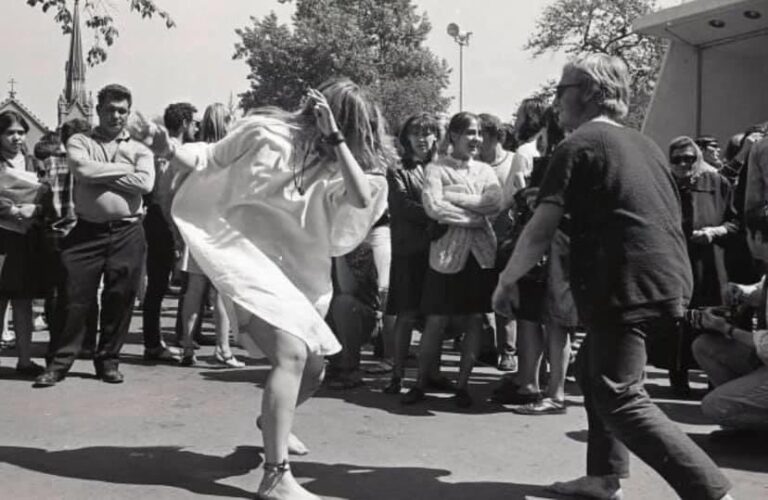
So on June 1, the day after the Memorial Day skirmish, the Grateful Dead went down to Greenwich Village where they were given the royal treatment, hailed as foreign troubadours here to deliver peace. Per a Village Voice article from the following week, “A happy, scruffy parade of 80 marched down St. Mark’s Place, complete with police escort, to present the Dead with a white carnation key to the East Village, graciously accepted by Pigpen. And the Tompkins Square bandshell rocked with San Francisco glory until a noise complaint was lodged in the late afternoon.”
But true to the band’s initial vision, they were only a part of the festivities that drew some 3,000 people to the park over the course of the day. They played from 2 – 5 p.m. and delivered their signature sound of amplified rhythm and blues meshed with psychedelic rock that was being consumed by an East Coast audience for the very first time. A Newsday review claimed the music could be “heard for blocks in every direction.”
Tompkins Square Park video footage from 6/1/67 (no audio first two minutes)
Throughout the course of the day, music of all kinds filled the air in what had to be one of the largest, free musical gatherings in New York to date. The gathering, dubbed a “real-in,” was a successful mass protest of sorts, in response to the events from Memorial Day, signaling to the local authorities that the local community was capable of policing itself.
It was certainly highlighted by the Dead’s first East Coast gig, but they willingly shared the stage with The Fugs, a much more well known local act, as well as local Puerto Rican and Black musicians who had also assembled – a true “pop-up” festival with some San Francisco flair. The Grateful Dead’s collective mindset, especially Garcia’s, is perhaps best summed up by Scully and his take on the day’s proceedings. “ Then other musicians come up with their congas and marimbas and bongos and cowbells, and they see this isn’t a turf thing at all. Music is music as far as the Dead go. African music or Puerto Rican salsa, it don’t make no difference to Garcia.”
And so, the band’s long, strange relationship with the State of New York had begun – dropped into the middle of civil unrest in return for an unexpected show at Central Park. Both those shows and the following string of dates at Cafe Au Go Go went off without a hitch and the Dead had officially stamped New York City as its first East Coast mainstay. They would return many times and wind up playing shows in almost every region of the state – which we look forward to writing about and covering here in New York State Music’s “Golden Road” series.
Setlist: June 1, 1967, Tompkins Square Park – Manhattan, NY (setlist is incomplete and approximate)
The Golden Road (to Unlimited Devotion), Dancin’ in the Streets, In the Midnight Hour, Beat it on Down the Line, Good Morning Little Schoolgirl, Cold Rain and Snow, Morning Dew, Viola Lee Blues
Bonus footage from the band’s performance at the “Human Be-In” in Golden Gate Park 1/14/67
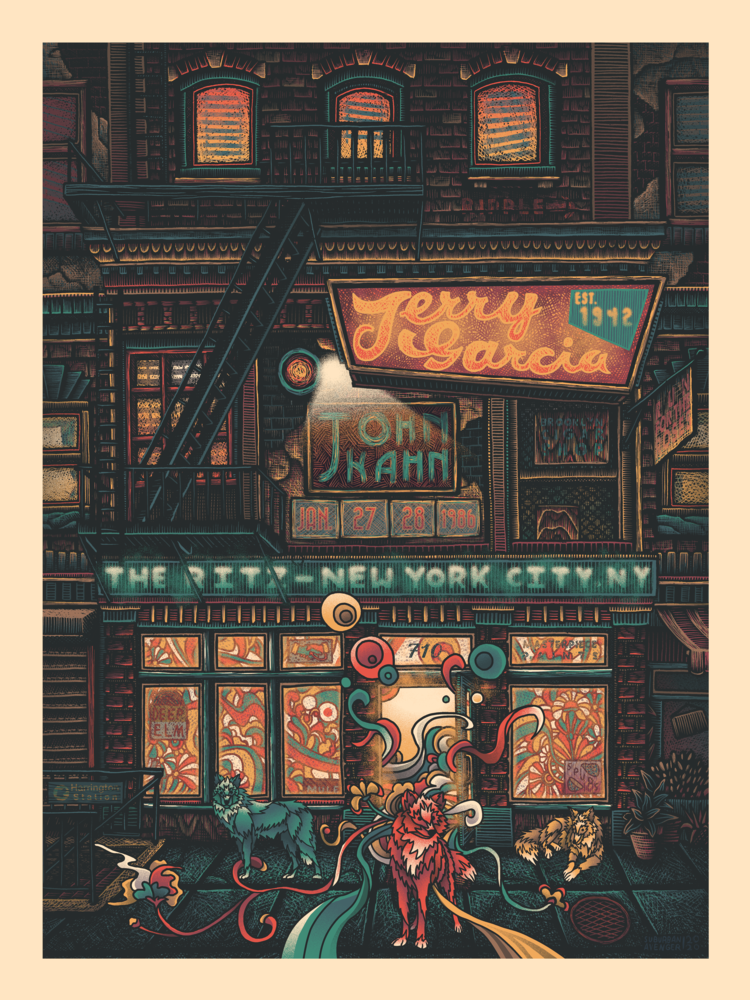
The latest release from the GarciaLive series brings bassist John Kahn together with Jerry Garcia on the duo’s winter tour stop at The Ritz in New York City on January 27, 1986. The collection includes a liner note essay by bluegrass virtuoso Billy Strings.
This performance at The Ritz was during the midpoint of their East Coast run, with Garcia and Kahn delighting the audience with a mix of Grateful Dead favorites, folk standards, and other staples from Garcia’s songbook. A laid-back yet passionate performance, Garcia’s mastery as a storyteller is on full display. As Billy Strings describes in the liner notes, Garcia “sings through the verses and picks through the melodies as if he is the man in the story. Delicate and deliberate.”
A sultry version of “Friend of the Devil” showcases Garcia’s soulful singing and his deep musical connection with Kahn. A pair of nods to Dylan are included in the show — “When I Paint My Masterpiece” and “Simple Twist of Fate.” Additional highlights include an upbeat “Bird Song” which Garcia & Kahn stretch out for the longest jam of the evening and a joyous “Ripple,” heard below.
Pre-order Vol.14 of GarciaLive here, and while supplies last, every CD pre-order via Garcia Family Provisions will receive a bonus CD featuring the duo’s show the next night, January 28, 1986 at The Ritz.
Set One: Deep Elem Blues, Little Sadie, Friend of the Devil, Oh Babe, It Ain’t No Lie, When I Paint My Masterpiece, Run for the Roses
Set Two: Dire Wolf, Simple Twist of Fate, Spike Driver Blues, Bird Song, Ripple
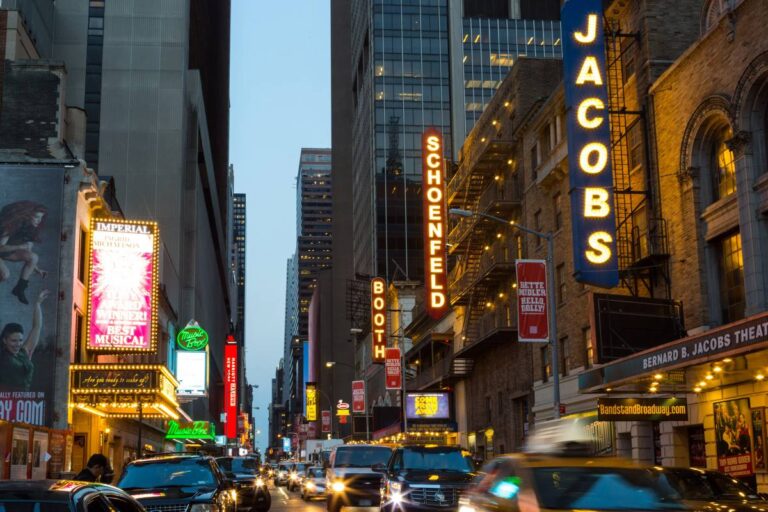
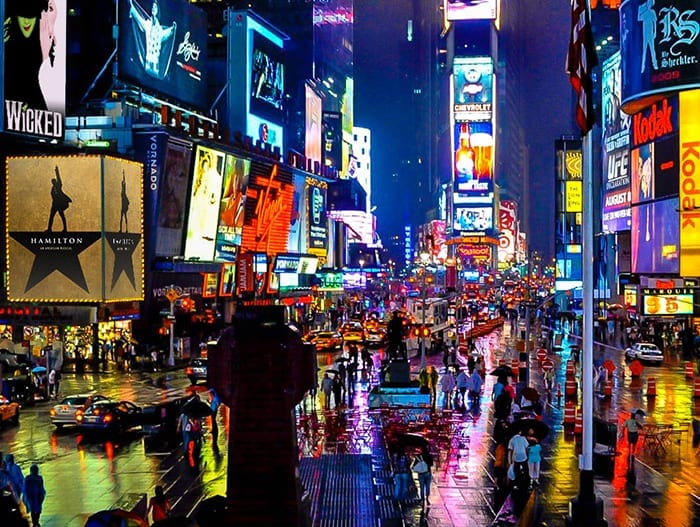
On June 29, The Broadway League announced that the Coronavirus shutdown would remain effective for Broadway theaters for the remainder of 2020.
Photo by Kate Glicksberg
On March 12, The Broadway League closed NYC’s shows after Governor Cuomo placed restrictions on mass gatherings. The theaters were supposed to only stay closed for a month. However, due to the ever-present threat of COVID-19, the date was pushed back several times. Now, shows will not be opening until January 3, 2021.
Broadway has gone dark before. Shows have been closed many times for strikes in 1919, 1964, and 1975, and all shows were closed for several days after the 9/11 terrorist attacks. This hurt shows financially so much that several were not able to reopen after the shutdown ended. However, Broadway has never been closed this long before.
Much like the 9/11 shutdown, Broadway shows are being deeply hurt by this inactivity today. Hangmen and Who’s Afraid of Virginia Wolf? will not be able to open in 2021. 31 productions were running in March, with 8 new shows in previews that were scheduled to officially open later this year. The Minutes, American Buffalo, and the long anticipated revival of The Music Man starring Sutton Foster and Hugh Jackman announced that their opening dates would be postponed. The Lincoln Center Theater and the Roundabout Theatre Company have released new Spring dates for their upcoming works.
Via gaylesbroadwayrose.com
“The Broadway experience can be deeply personal but it is also, crucially, communal,” says Chairman of the Board of The Broadway League Thomas Schumacher. “Every single member of our community is eager to get back to work sharing stories that inspire our audience through the transformative power of a shared live experience. The safety of our cast, crew, orchestra and audience is our highest priority and we look forward to returning to our stages only when it’s safe to do so. One thing is for sure, when we return we will be stronger and more needed than ever.”
The theaters are expected to open with rolling dates starting on January 3, 2021. All tickets before this date are being refunded or exchanged. In the meantime, Broadway fans can watch the original Broadway cast recording of Hamilton on Disney+, which will be available for streaming on July 3.
Former hardcore musician and NYC Council Member Justin Brannan of Brooklyn and NYC Council Member Keith Powers of Manhattan have formed the “CBGB Caucus” to help support independent music venues during the pandemic. The councilmen hope to protect and help small venues from being forced to close during these trying times.
Brannan was a member of hardcore bands Indecision and Most Precious Blood before getting into politics. This close connection to being a musician and the need to keep venues afloat is one of the reasons behind the formation of “CBGB Caucus.” CBGB is an historic a New York City music club that opened in 1973 and closed its doors in 2006.
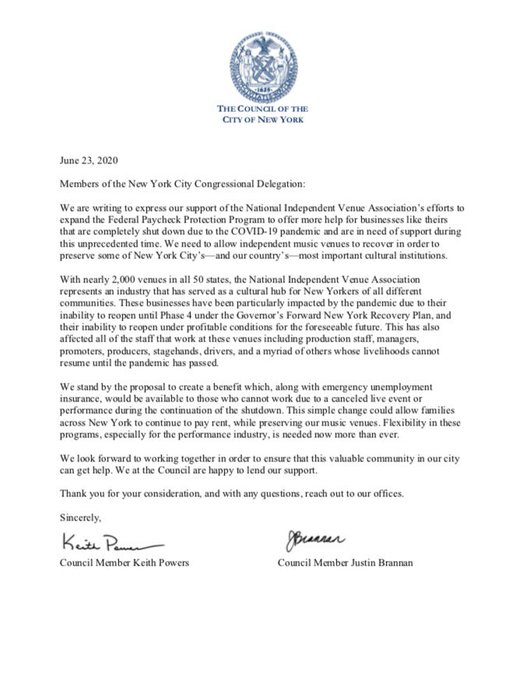
According to Brooklyn Vegan, the councilman, “shared a letter to members of the NYC Congressional Delegation offering their support to efforts by the National Independent Venue Association.” Currently, 90% of venues will be forced to shut down without much needed aid the councilmen are pushing for.
To help support and save independent music venues, visit SaveOurStages.com where you can quickly fill out a form to contact your legislators about the need for aid for venues. You can also help support individual NYC music venues survive the pandemic by donating to them directly. A list of venues you can donate too can be found here.
The full letter can be read below:
Members of the New York City Congressional Delegation,
We are writing to express our support of the National Independent Venue Association’s efforts to expand the Federal Paycheck Protection Program to offer more help for businesses like theirs that are completely shut down due to the COVID-19 pandemic and are in need of support during this unprecedented time. We need to allow independent music venues to recover in order to preserve some of New York City’s — and our country’s — most important cultural institutions.
With nearly 2,000 venues in all 50 states, the National Independent Venue Association represents an industry that has served as a cultural hub for New Yorkers of all different communities. These businesses have been particularly impacted by the pandemic due to their inability to reopen under profitable conditions for the foreseeable future. This has also affected all of the staff that work at these venues including production staff, managers, promoters, producers, stagehands, drivers, and a myriad of others whose livelihoods cannot resume until the pandemic has passed.
We stand by the proposal to create a benefit which, along with emergency unemployment insurance, would be available to those who cannot work due to a canceled live event or performance during the continuation of the shutdown. This simple change could allow families across New York to continue to pay rent, while preserving our music venues. Flexibility in these programs, especially for the performance industry, is needed now more than ever.
We look forward to working together in order to ensure that this valuable community in our city can get help. We at the Council are happy to lend our support.
Thank you for your consideration, and with any questions, reach out to our offices.