Picture Central Park today. Beautiful bridges and architecture throughout a green, shaded landscape. A place where people can enjoy their hour lunch break, or a destination for buskers trying to earn some cash. In the 1970’s, the park had been a completely different atmosphere. Crime, graffiti and decay structured the park.
Art Garfunkel and Paul Simon
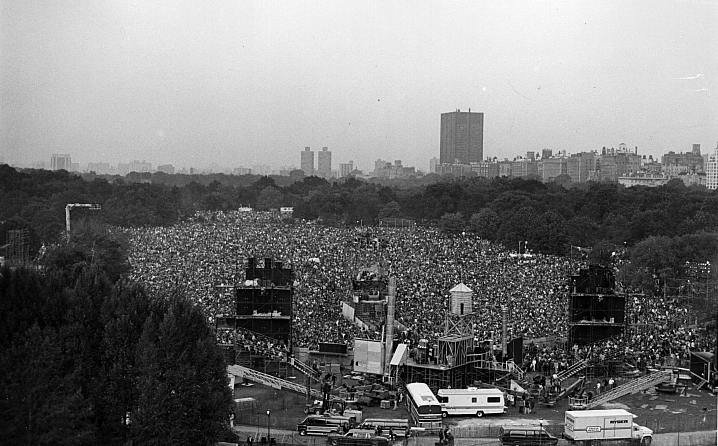
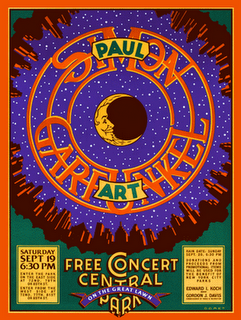
On Sept. 19, 1981, Simon & Garfunkel raised around $51,000, performing at the Central Park Stage which had free admission. Their concert would forever change the entire vibe of the famous park and helped it thrive to where it is today.
The concert was a year after Elton John performed for around 300,000 people, wearing his iconic duck suit. Among the artists that also performed in Central Park were Bon Jovi, Dave Matthews Band and Garth Brooks.
Simon & Garfunkel in Central Park, 1981
Although most of the concerts drew enormous crowds, and made a lasting impact on Central Park being a destination for great musicians, Simon & Garfunkel literally cleaned up the park with the money they raised from merchandising, CD sales and TV and video rights.
The show was broadcast live on HBO, then was recorded and released as the duo’s first live album.
Paul Simon and Art Garfunkel made history that day and drastically improved the state of Central Park. As a result of the impact they made, the park became a popular tourist attraction. There were no “sounds of silence,” when it came to the cheers of the 500,000 people in the audience.
Setlist: Mrs. Robinson, Homeward Bound, America, Me and Julio Down by the Schoolyard, Scarborough Fair, April Come She Will, Wake Up Little Susie, The Everly Brothers, Still Crazy After All These Years, American Tune, Late in the Evening, Slip Slidin’ Away, A Heart in New York, The Late Great Johnny Ace, Kodachrome/Maybellene, Bridge over Troubled Water, 50 Ways to Leave Your Lover, The Boxer
Encore: Old Friends / Bookends Theme, The 59th Street Bridge Song (Feelin’ Groovy), The Sound of Silence
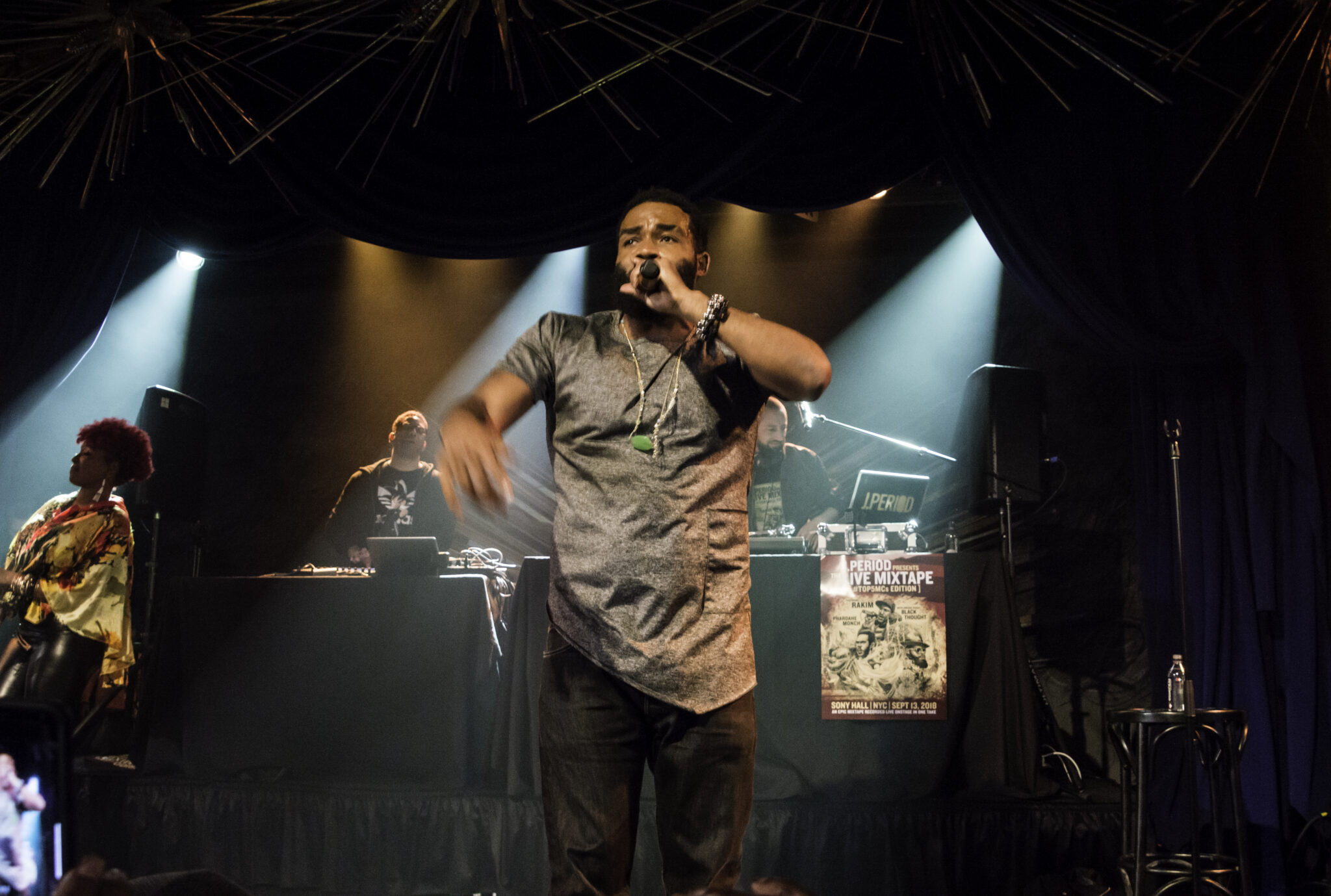
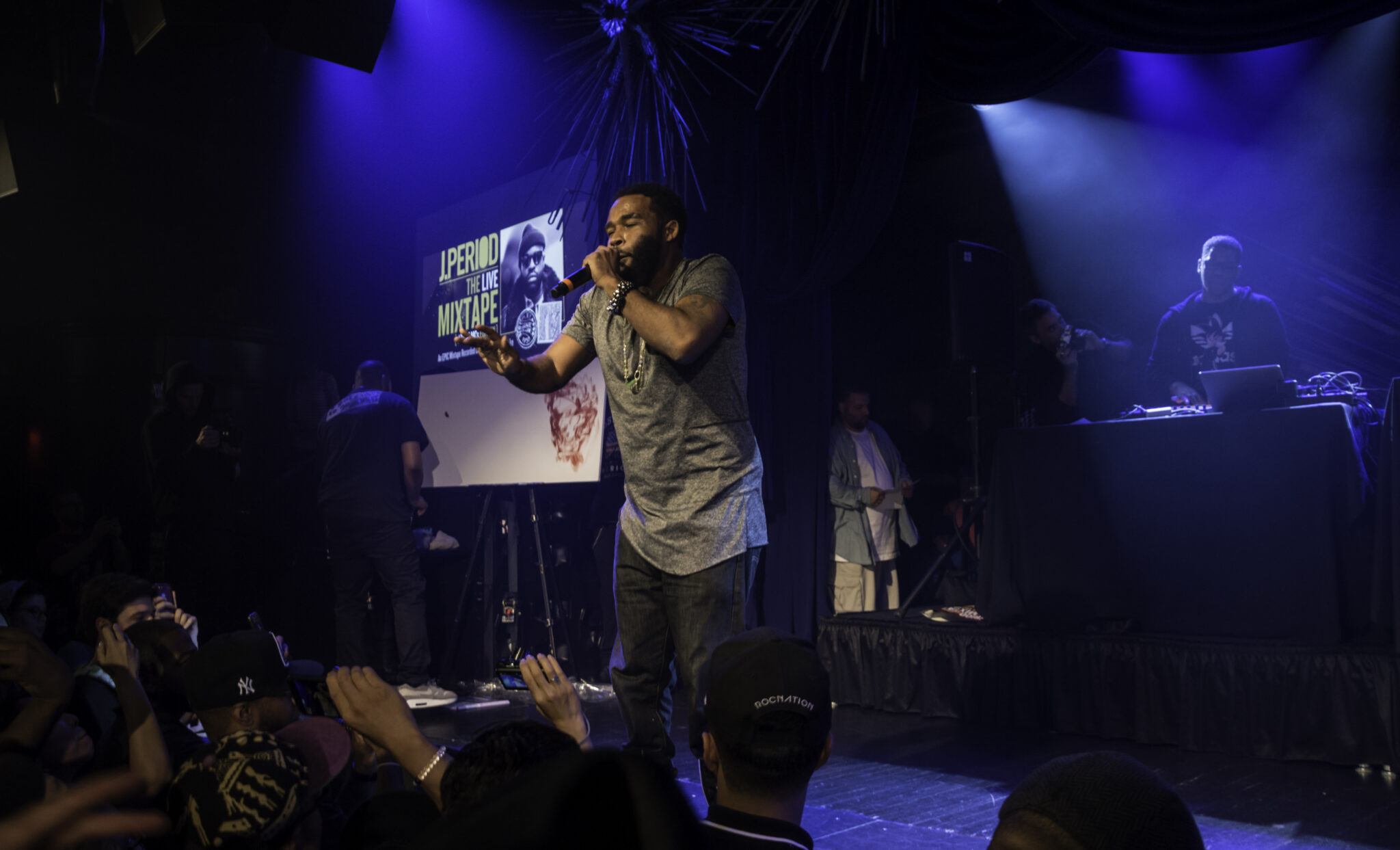
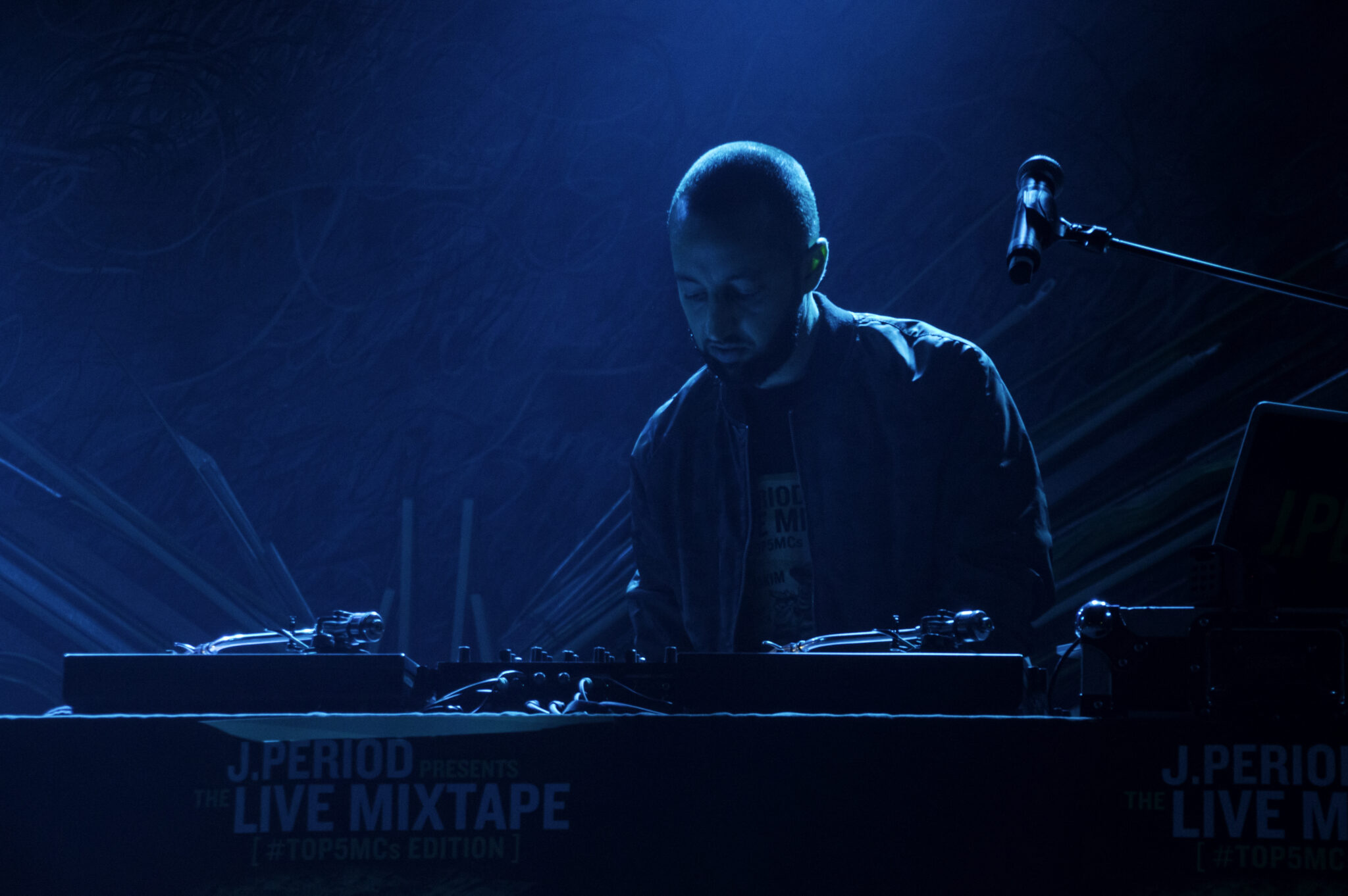
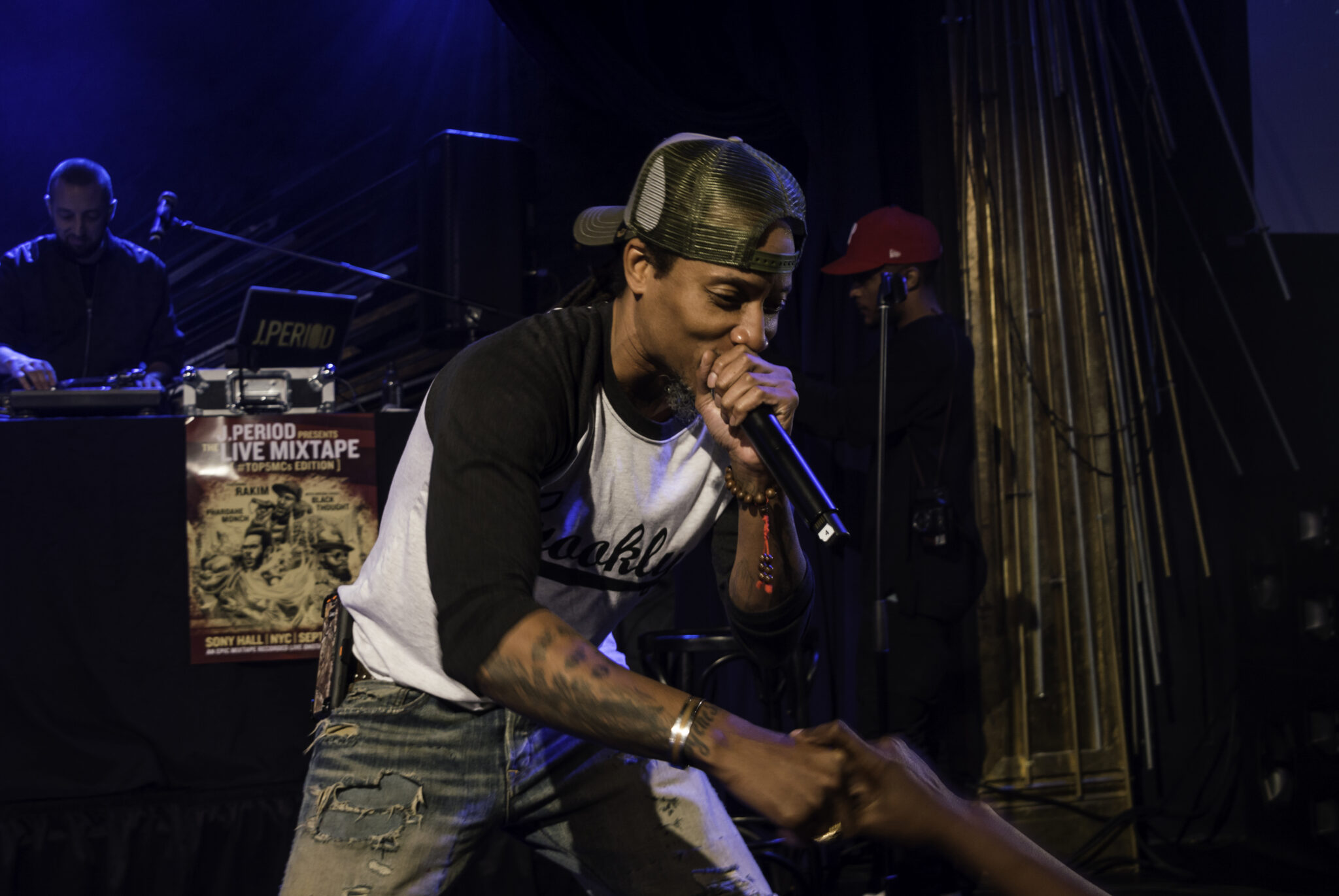
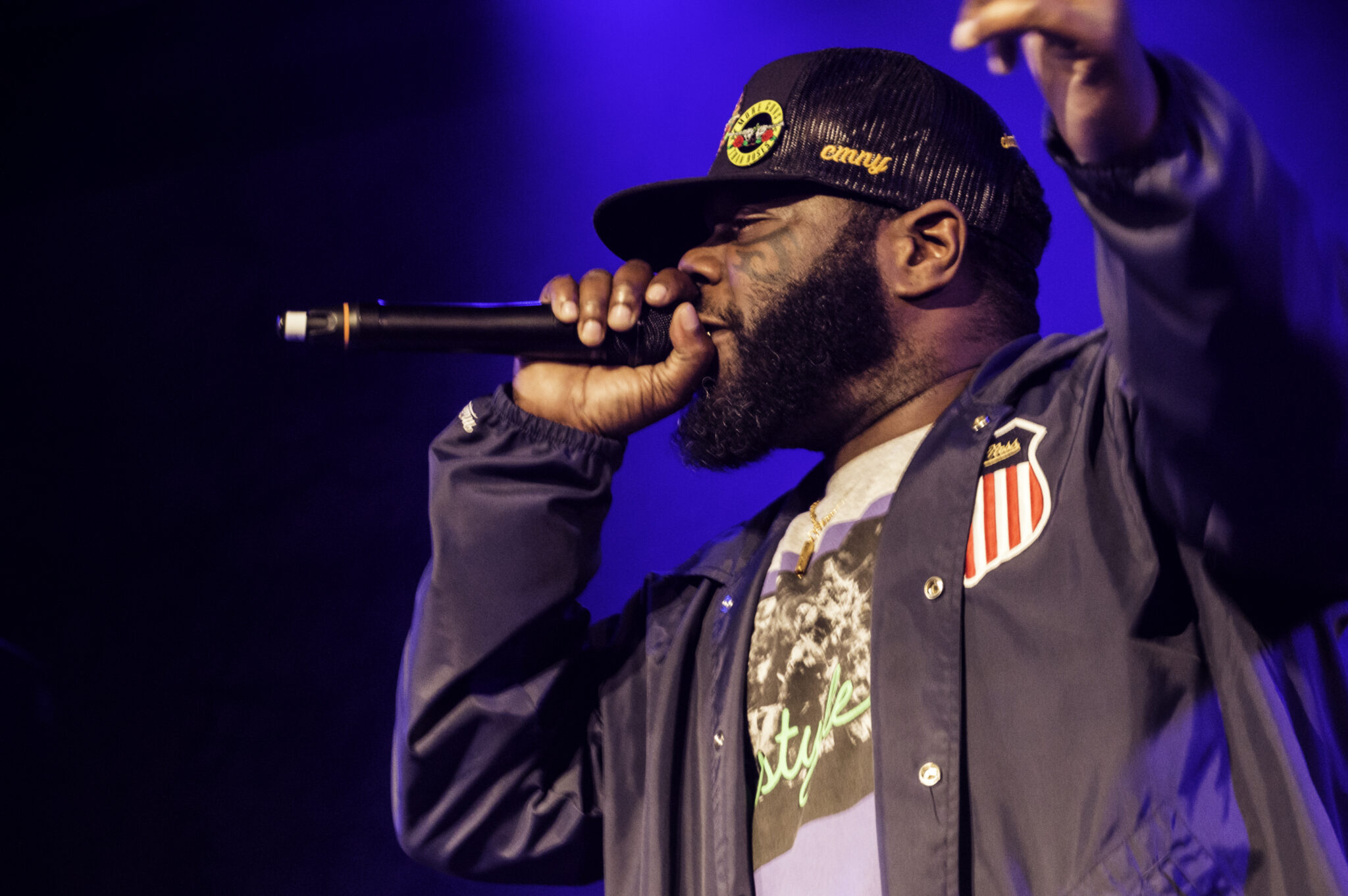
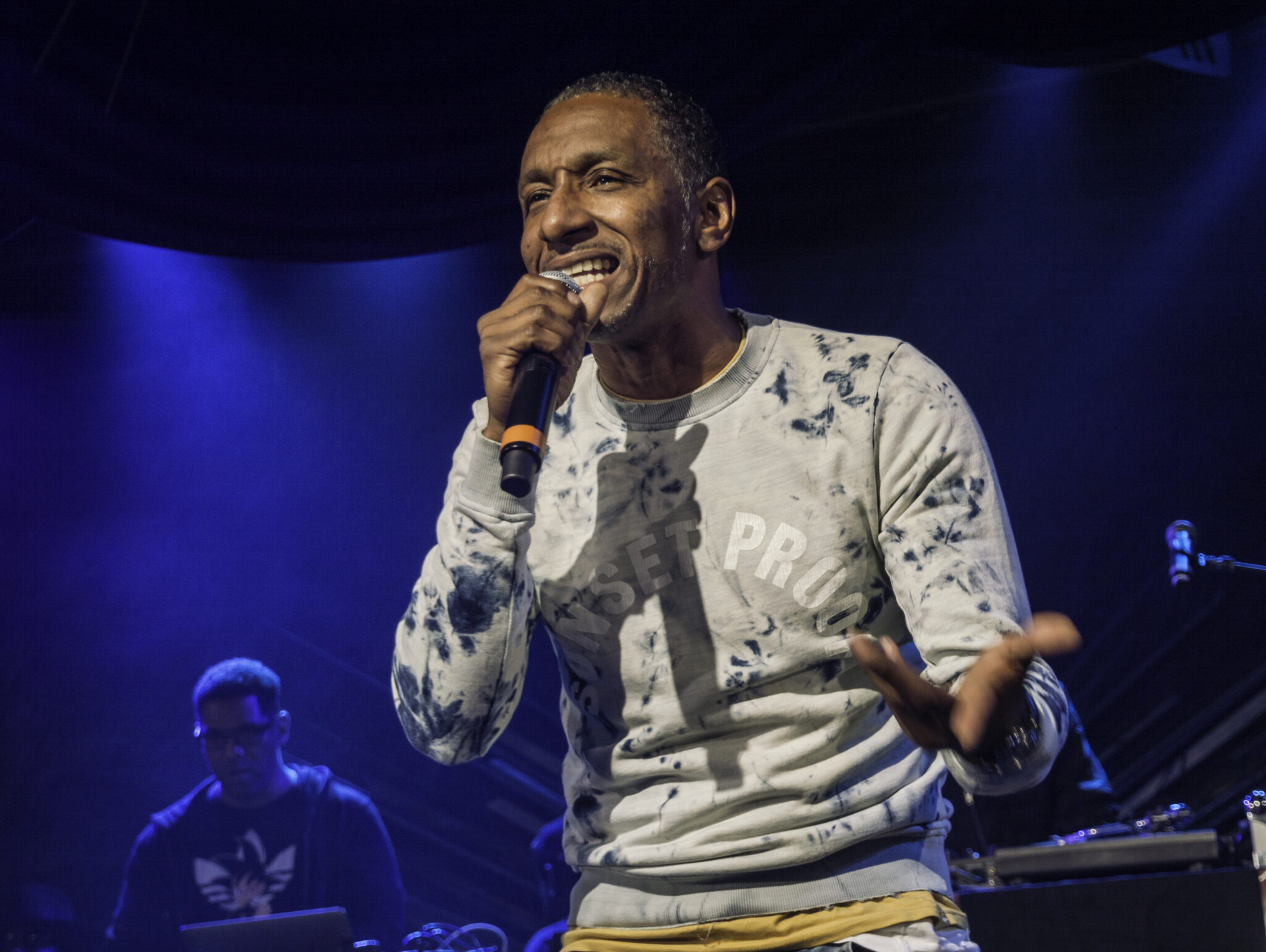
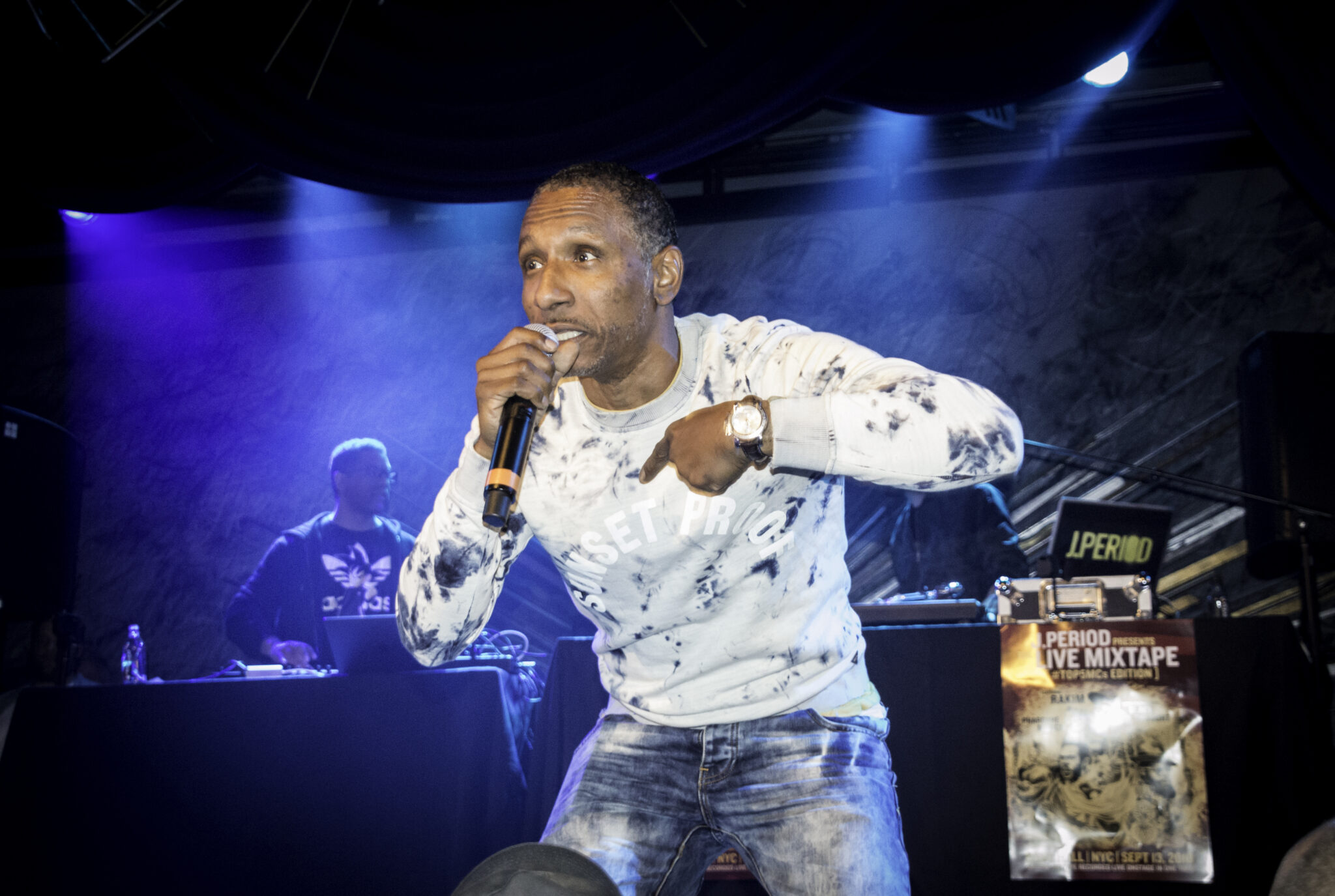
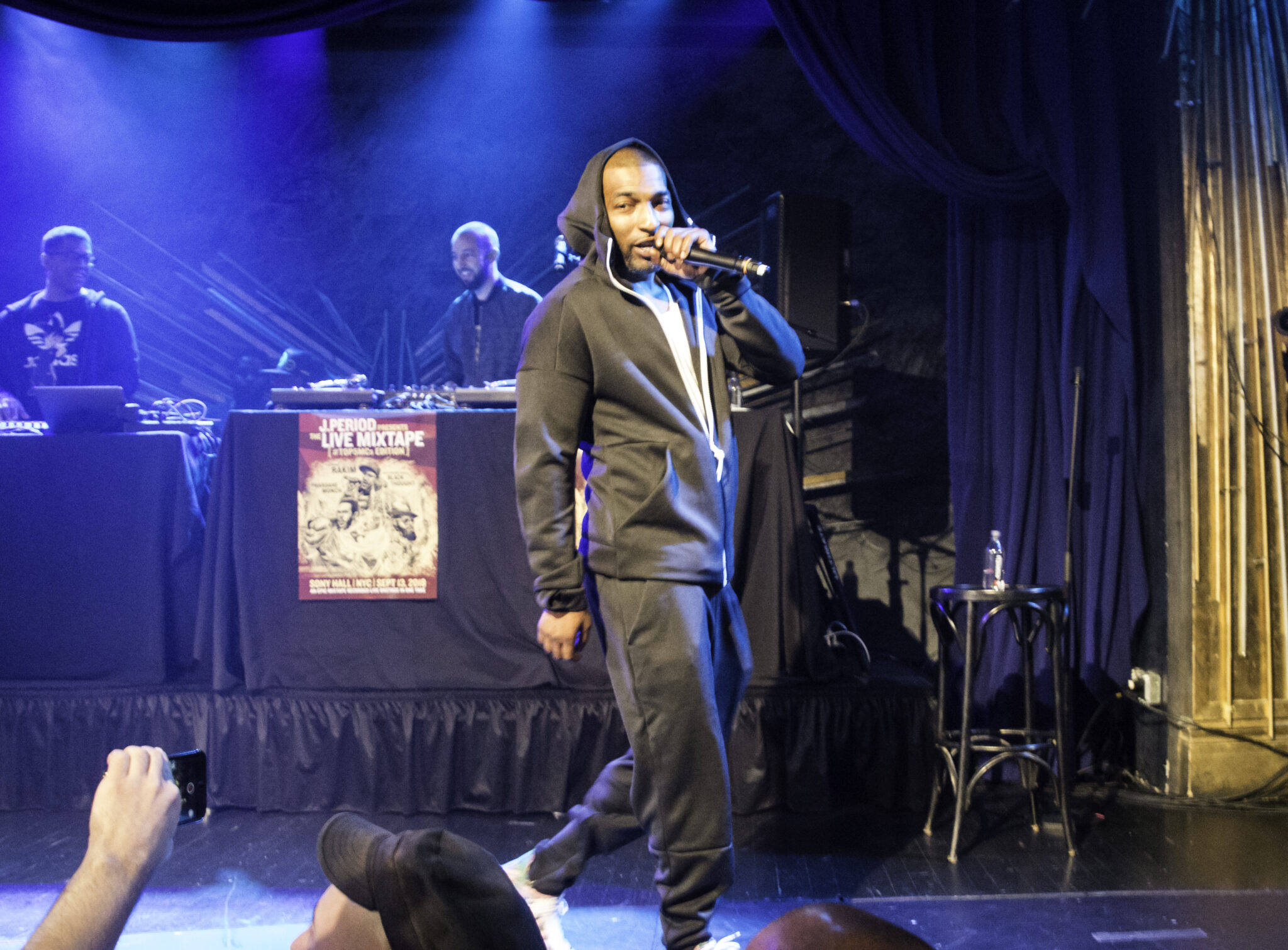
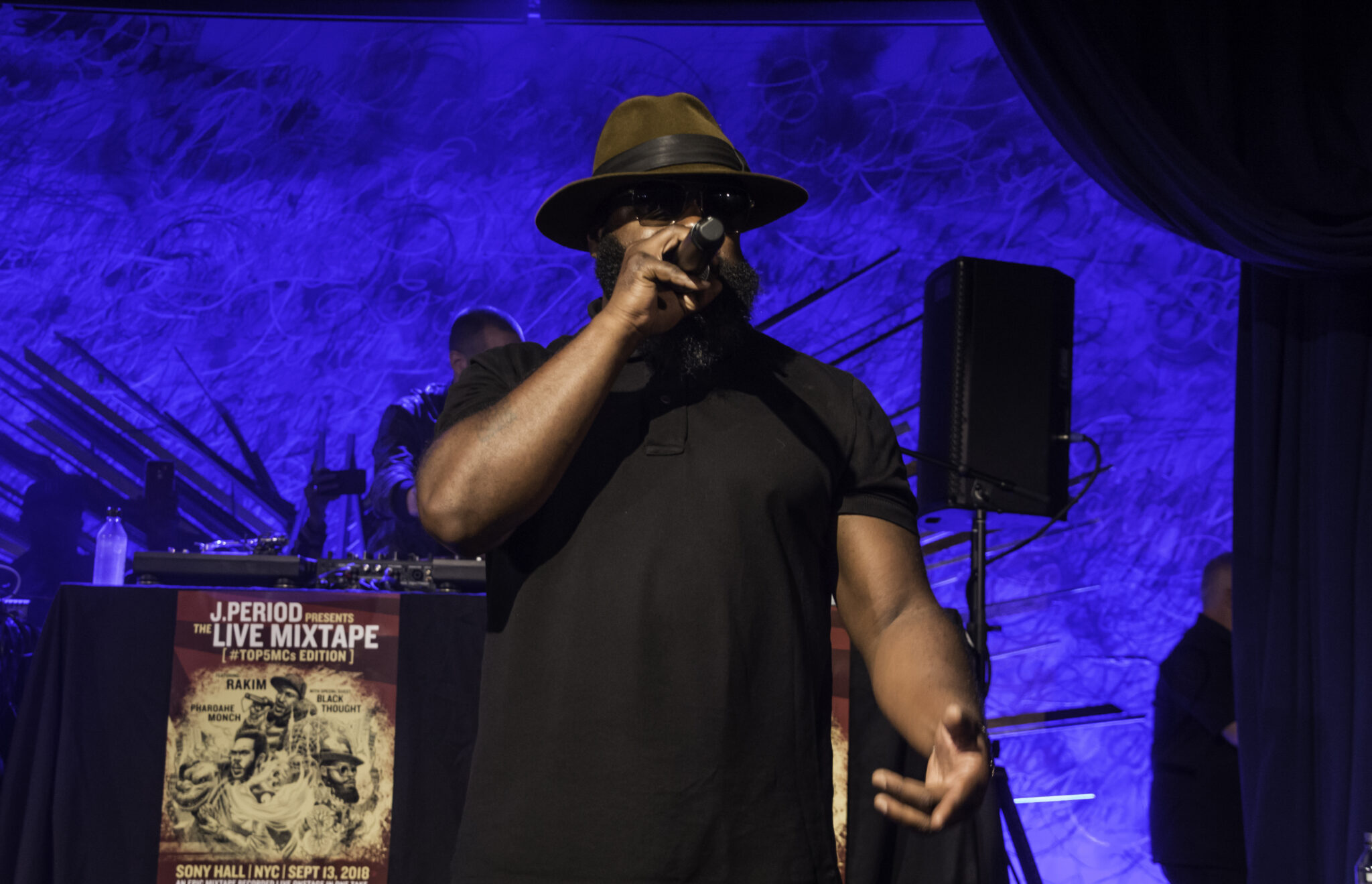
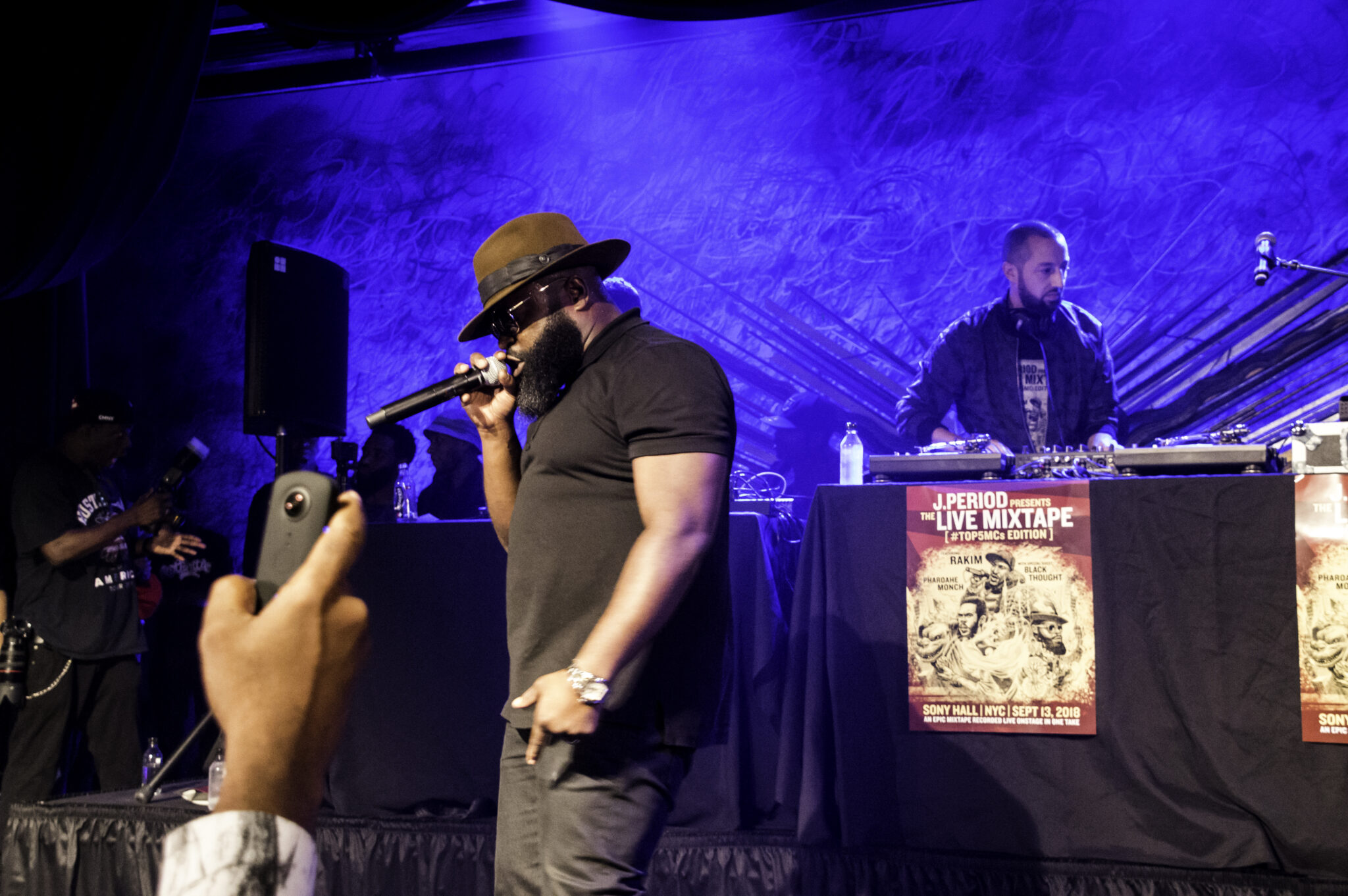
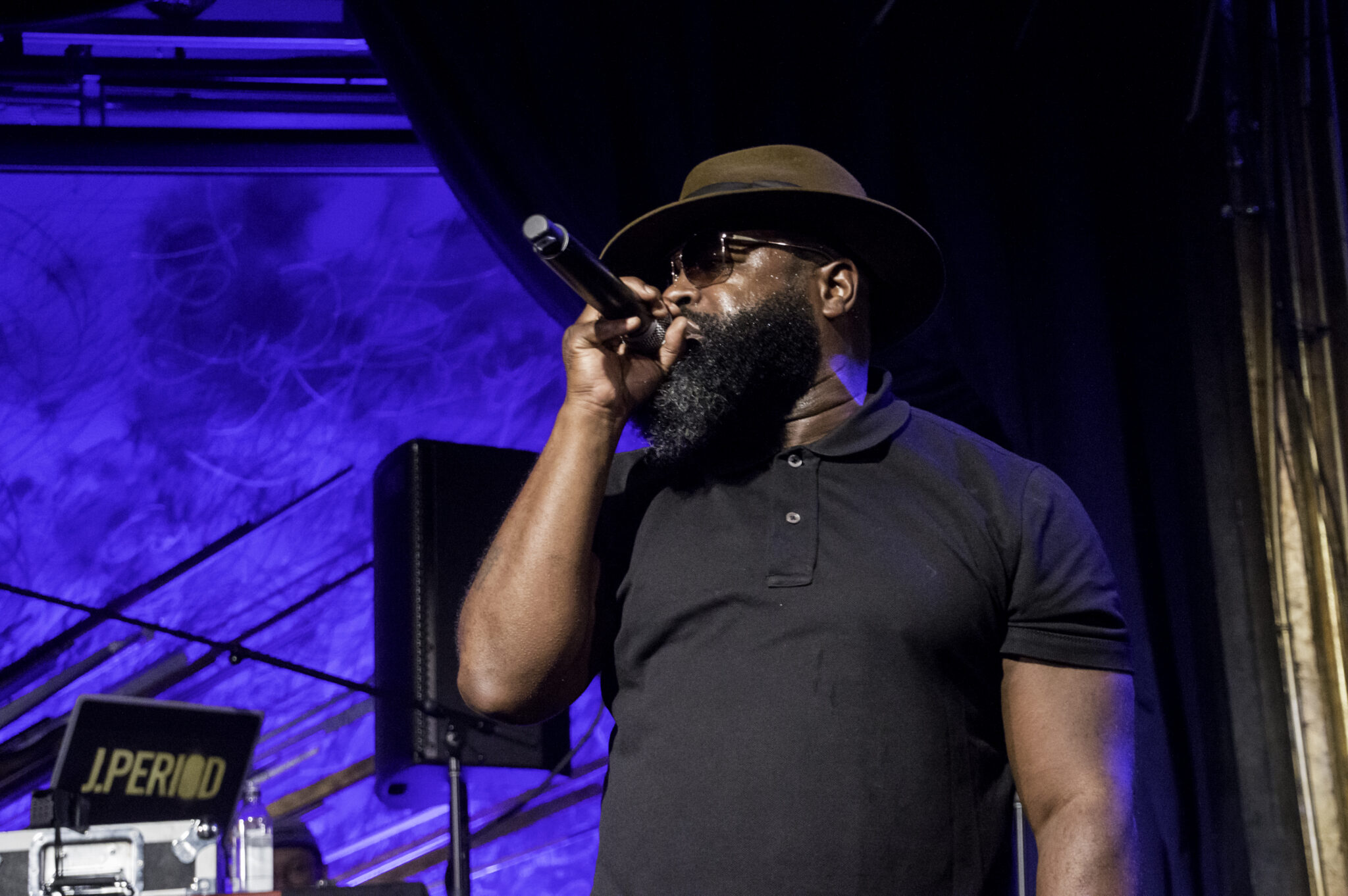
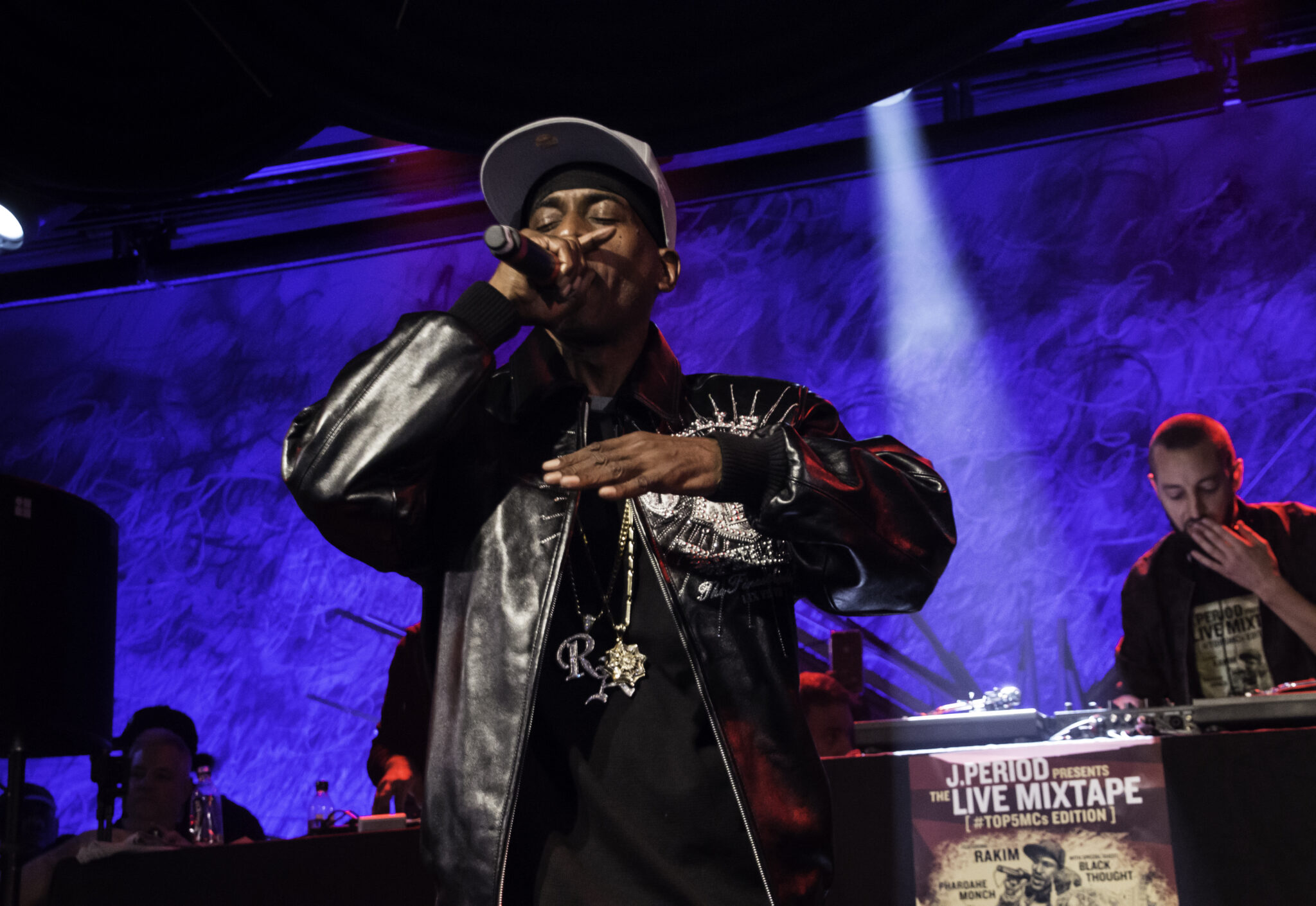
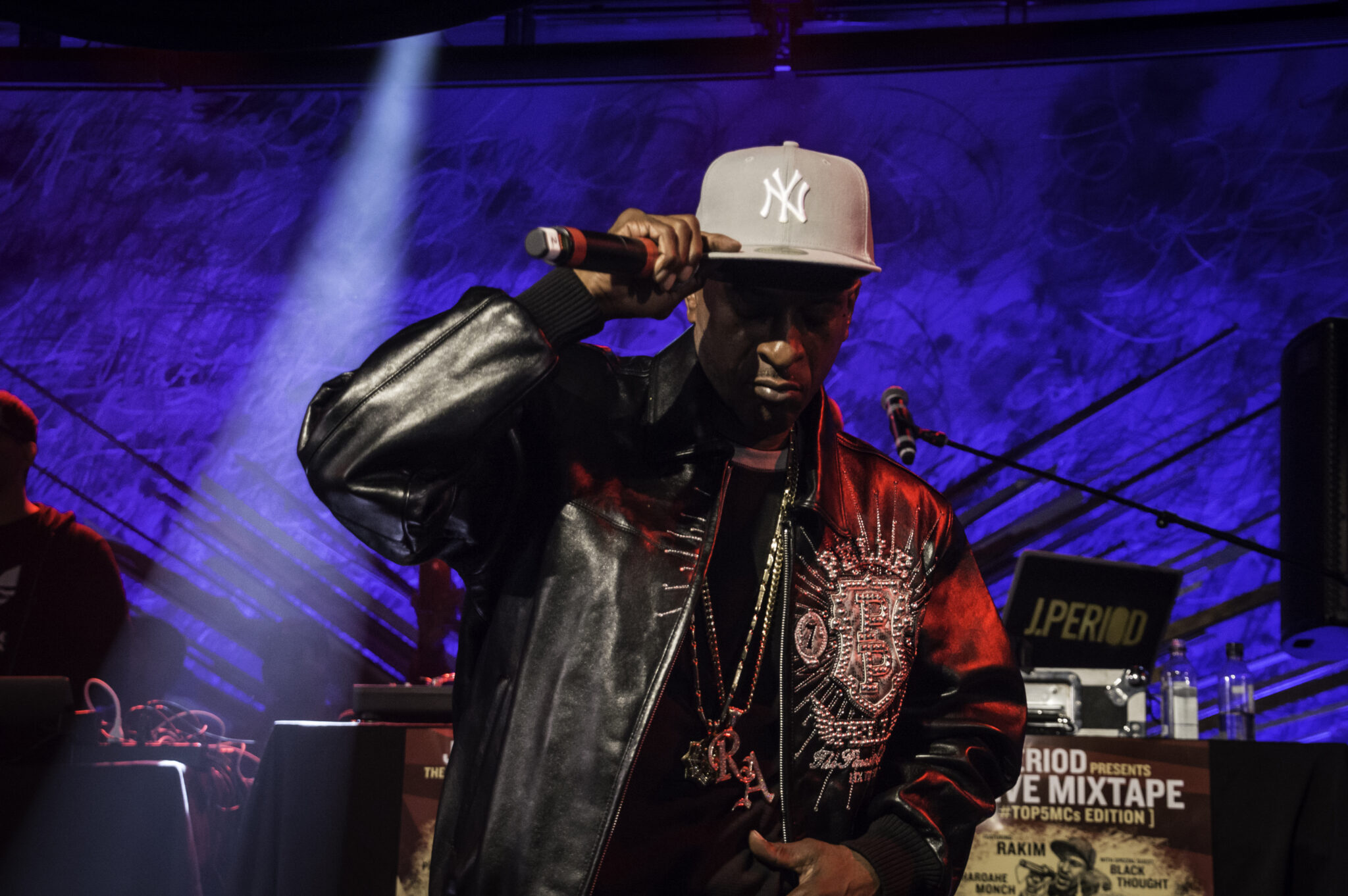
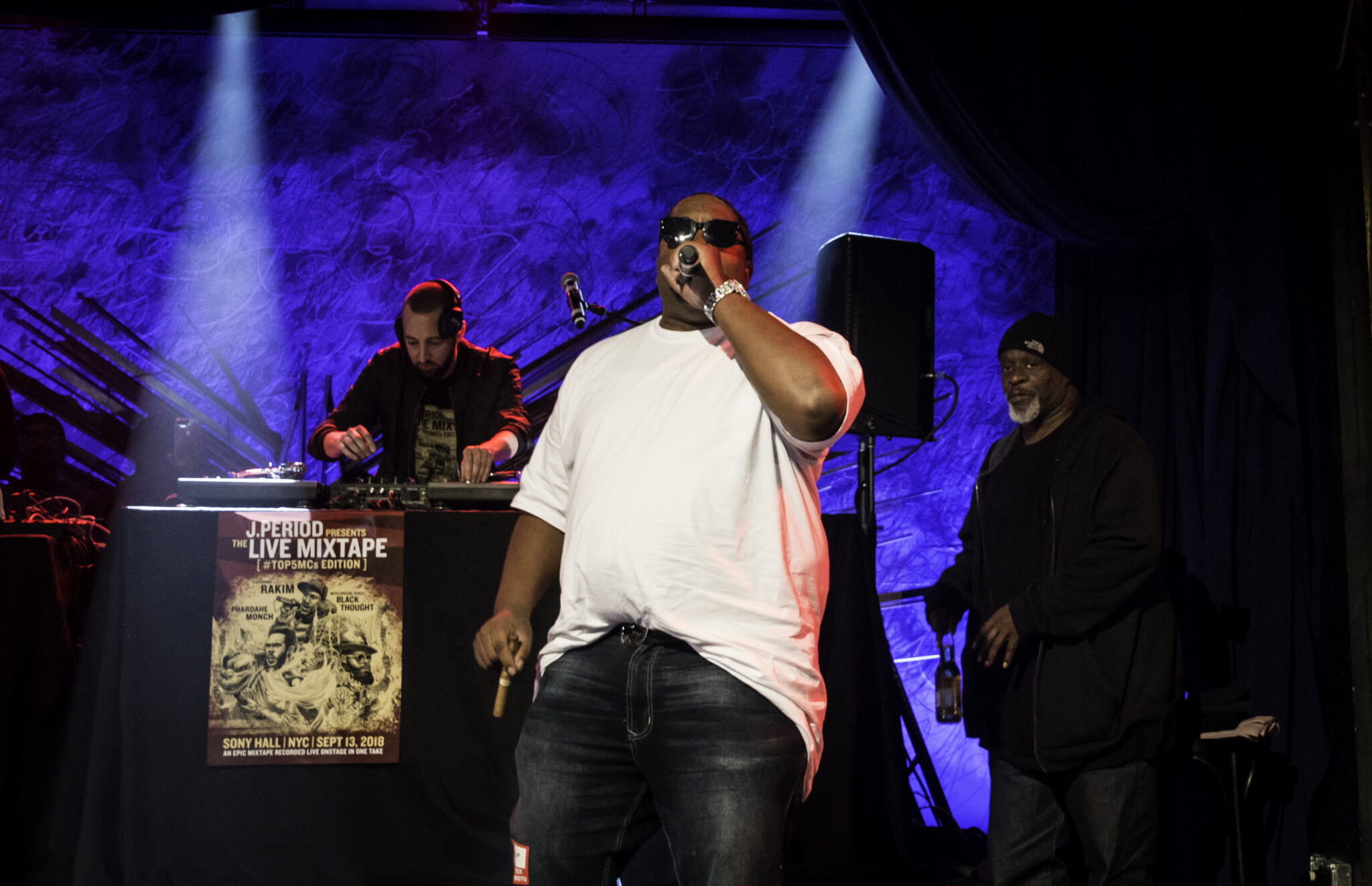
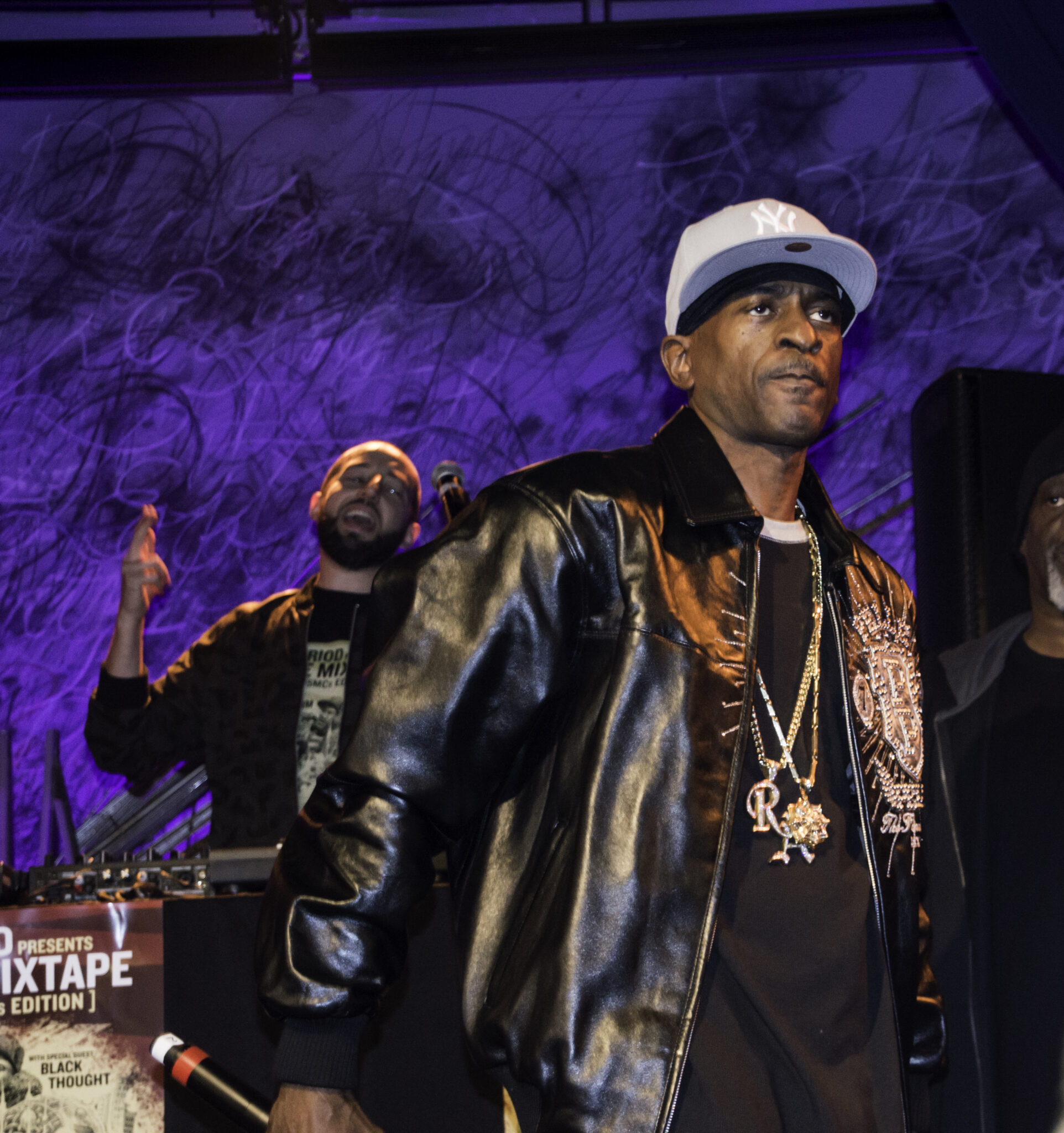
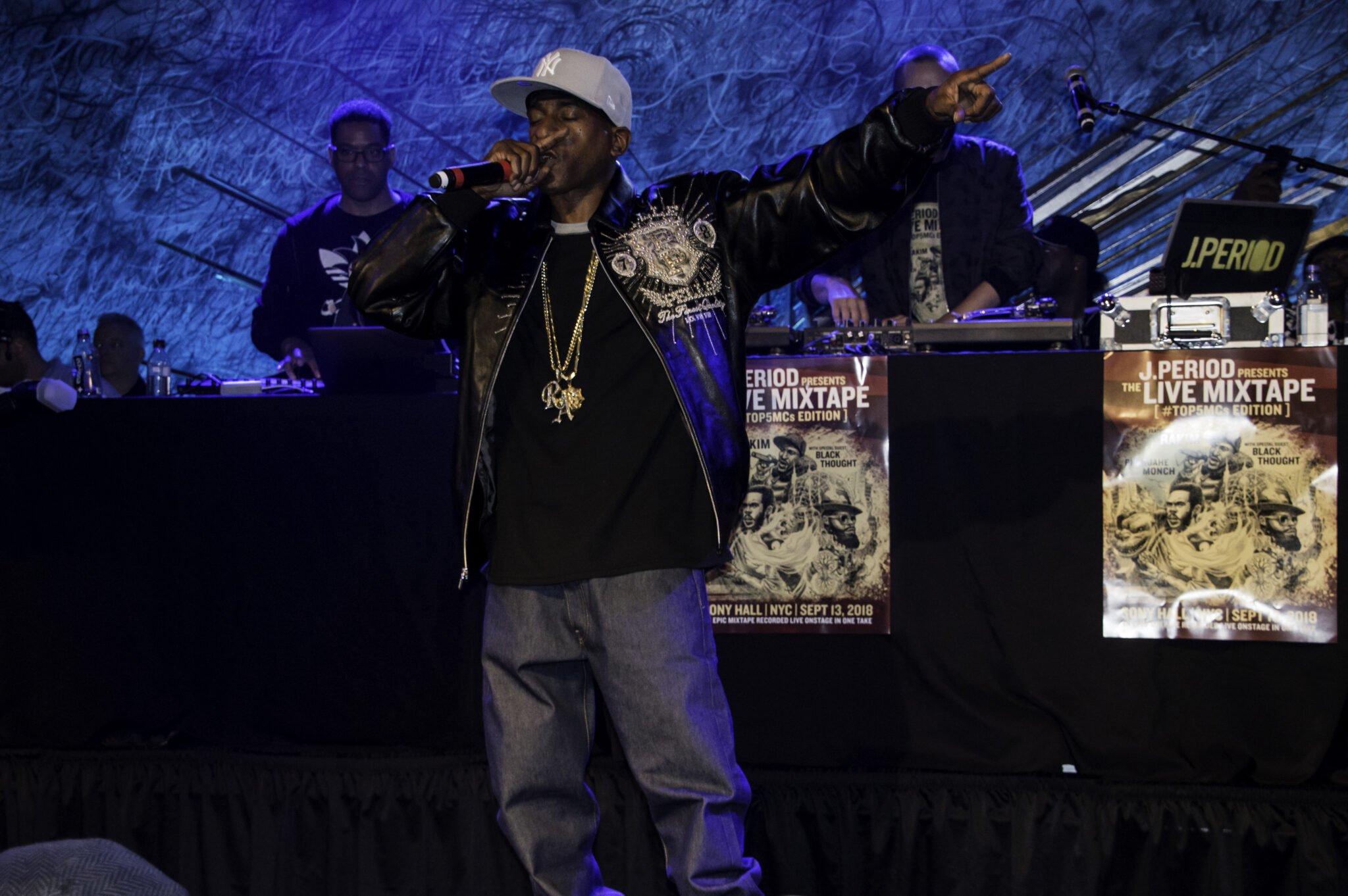
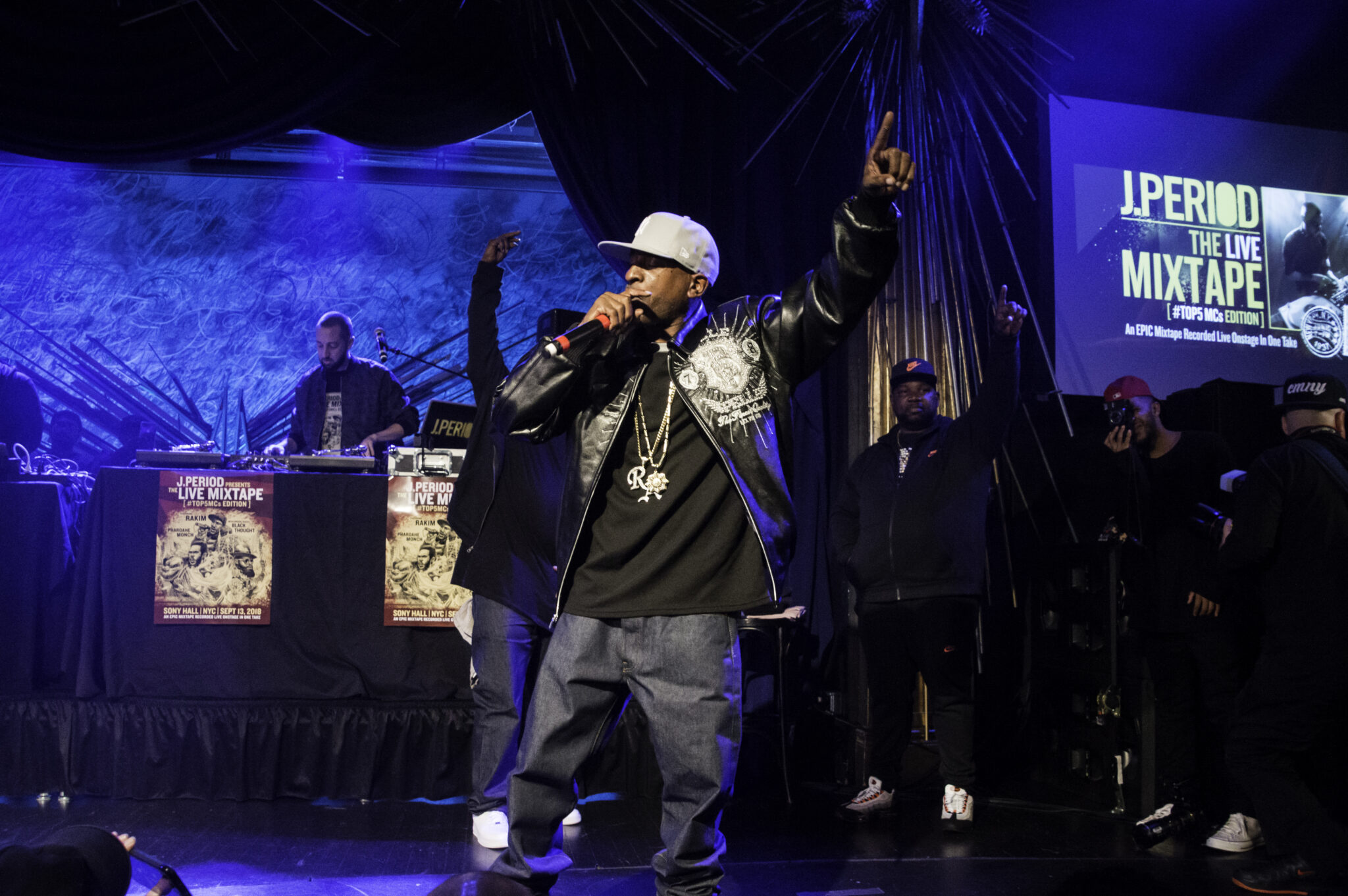
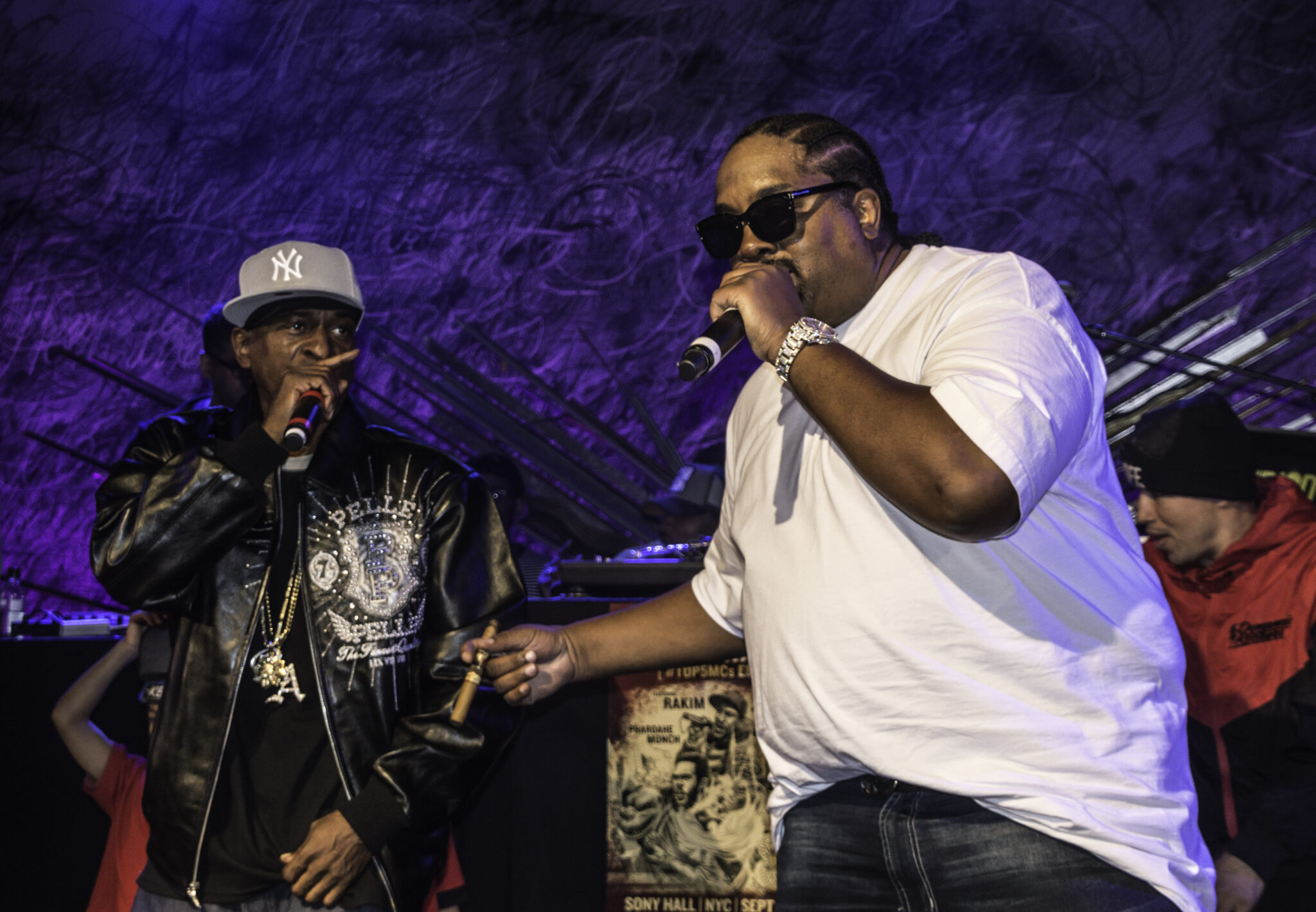
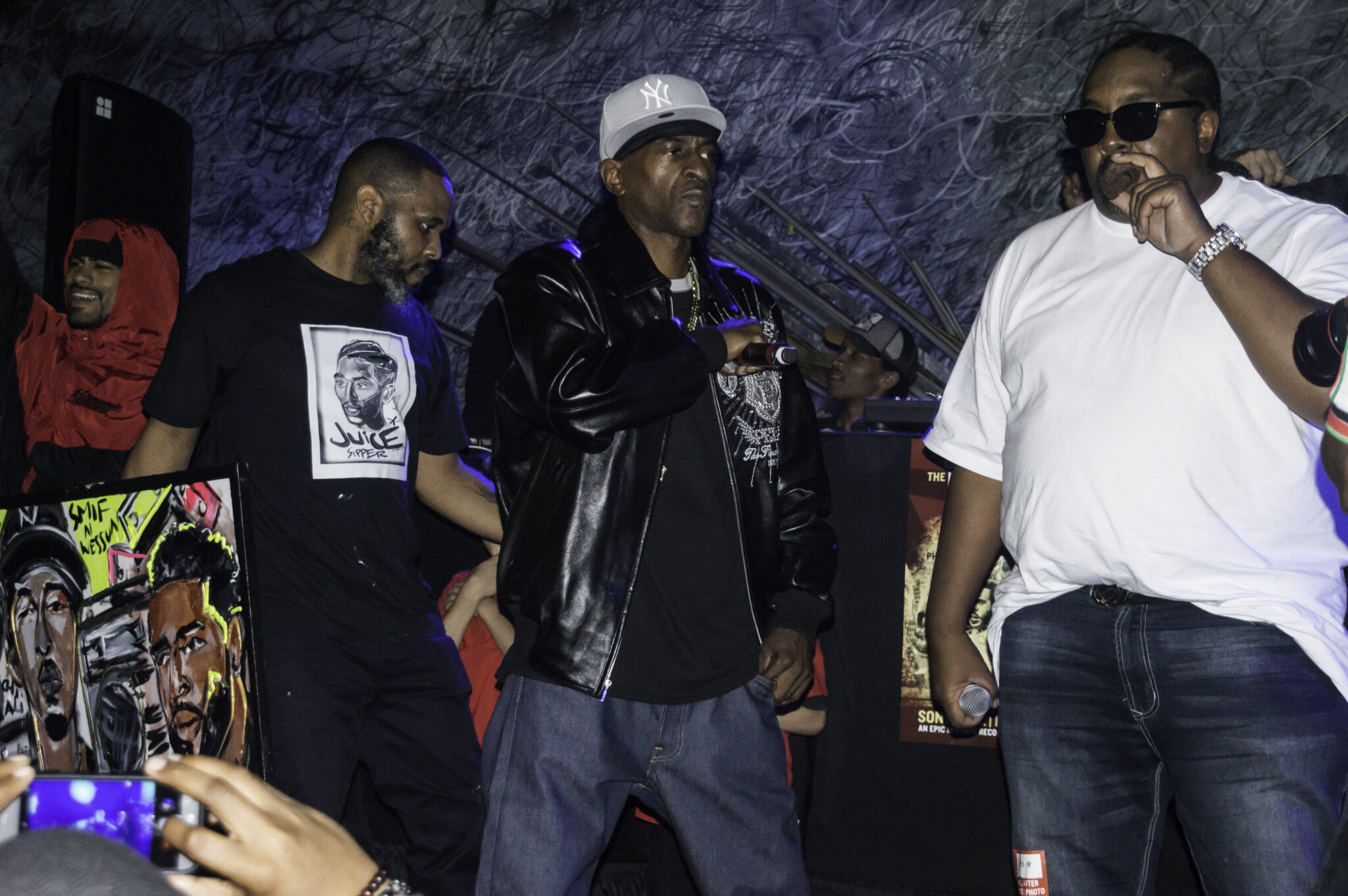
Brooklyn based Mixtape DJ J.Period recorded another installment of his live mixtape at Sony Hall in Manhattan on September 13, 2018. This installment was a Top 5 MCs edition, featuring Rakim, Black Thought, Pharoahe Monch, Dres from Blacksheep and Smif-N-Wessun.
After two DJ sets by The Whooligan and DJ Evil Dee, Pharoahe Monch started the mixtape and got the crowd amped up with a set including “My Life” and “Simon Says.”
Dres from Blacksheep blessed the stage with a few classics including “Flavor of the Month” and “The Choice Is Yours,” with a guest appearance by Native Tongue’s Chi Ali who appeared on Blacksheep’s debut album A Wolf In Sheep’s Clothing.
Next up was a set by another legendary hip hop duo, Smif-N-Wessun, consisting of members Tek and Steele. Smif-N-Wessun comprise one quarter of the Brownsville (Brooklyn) supergroup Boot Camp Clik. One of the highlights of the night was watching them perform their 1994 classic “Bucktown.”
Legendary MC Black Thought of the legendary Roots crew started his set with “Act Too (Love of my Life),” and also brought out Grammy nominated female rapper Mumu Fresh AKA Maimouna Youssef, and Pharoahe Monch for a three-way cypher. Thought also did a cover of Slick Rick’s “Children’s Story” and dropped some of the bars we heard on his now famous 15 minute Funk Flex Freestyle.
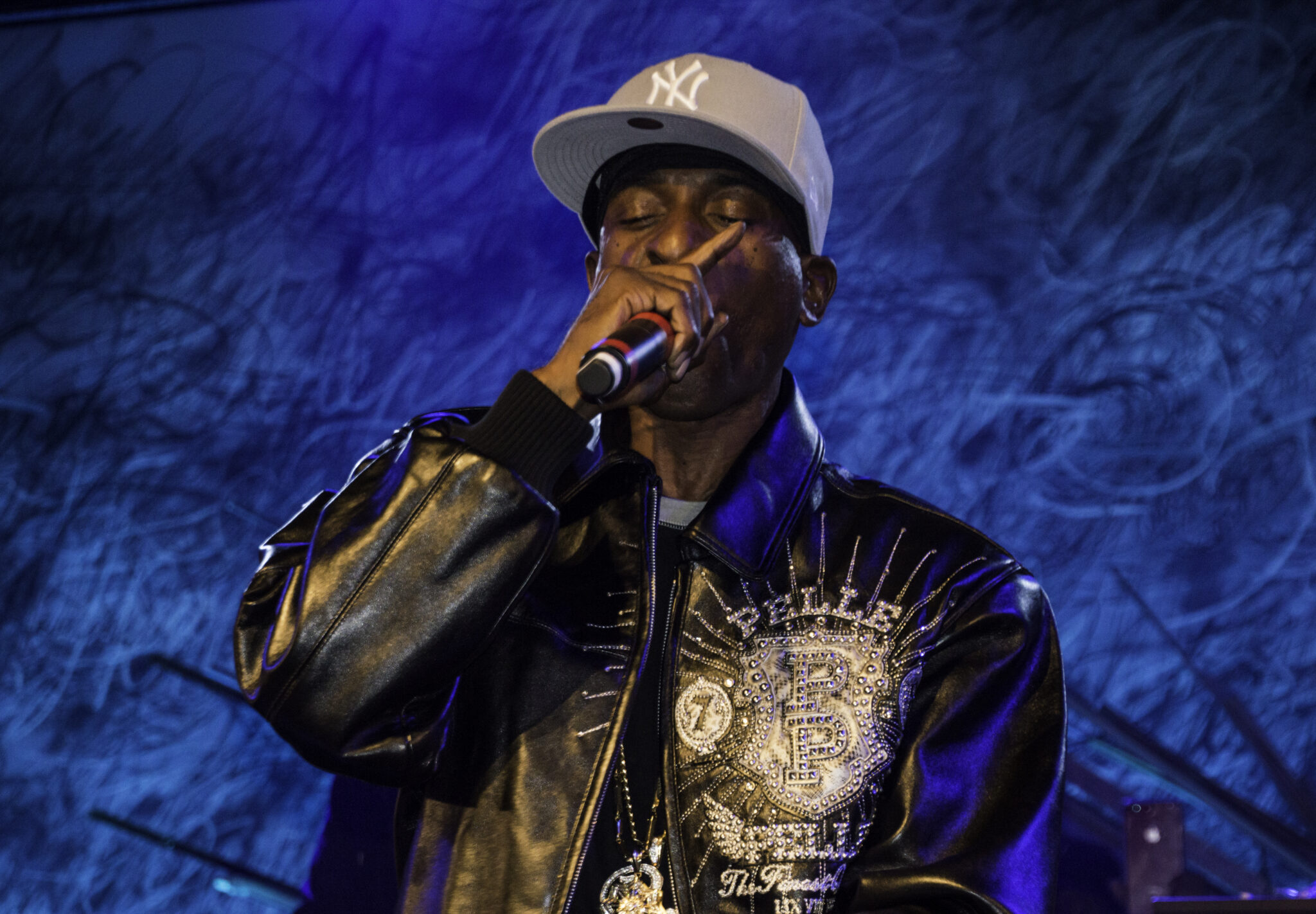
The show culminated with yet another legendary hip hop duo Eric B and Rakim. It was a nice surprise to see Eric B as he was not listed on the original lineup. This year marked the 30th anniversary of the classic album Paid In Full which led to the highlight of seeing Rakim perform “I Ain’t No Joke” and “I Know You Got Soul.” Rakim also brought out some very talented break dancers from the KBL (Kids Breaking League) to show off their talents as he performed “Juice (Know The Ledge).”
This was another legendary night for hip-hop fans, especially above the age of 30, like myself. All of the artists were on point and sounded great, making for another very successful installment of J.Period and his Live Mixtape.
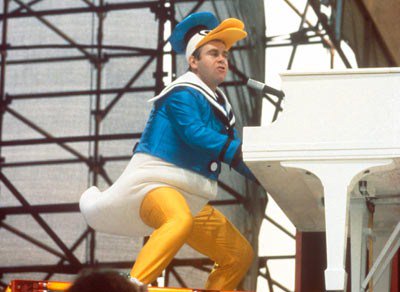
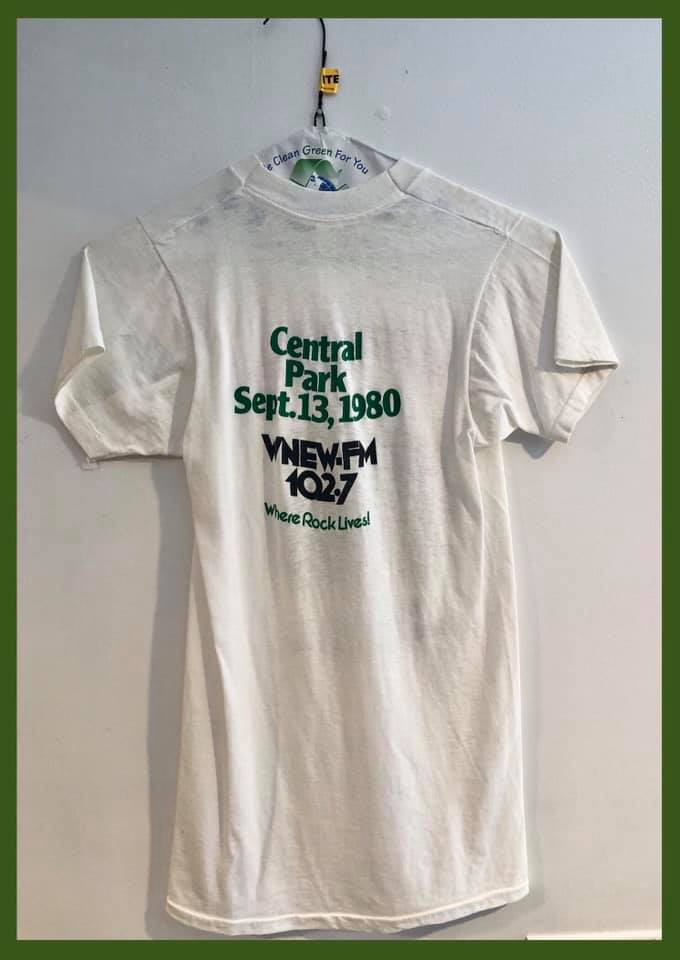
On Sept. 13, 1980, Elton John performed for around 400,000 people in Central Park. The sun was out, people were gathered (less than six feet apart), and Sir Elton was wearing a Donald Duck suit.
Sir Elton John performing, “Your Song” while wearing his legendary duck suit.
It might seem surreal, now, to imagine 400,000 people in the same place, at the same time, dancing and enjoying themselves. With Nigel Olsen on drums and Dee Murray on bass, the original Elton John Band created a legendary experience.
The concert was part of Elton John’s 1980 World Tour, supporting his latest album 21 at 33. He played top hits “Bennie and the Jets,” “Your Song,” and of course, “Tiny Dancer,” and added some new ones in there too, like “Little Jeannie” and “Sartorial Eloquence.”
Imagine all the people. Elton John paid tribute to his long time friend John Lennon by performing a cover of Lennon’s classic tune, “Imagine.” A few months later Lennon would be murdered by Mark David Chapman. Sir Elton said this made it too painful to perform the song ever again.
https://www.youtube.com/watch?v=Wy2VmfgEaag
Elton John, born Reginald Kenneth Dwight, started playing piano at a very young age, so it comes to no one’s surprise that he has plenty of awards under his belt. With two Academy Awards and four Grammys, John has and always had quite the reputation as being a musical genius. The latest tribute to the icon is the acclaimed film “Rocketman,” starring Taylor Edgerton as Elton John throughout his career; the movie would also land Elton John and writing partner Bernie Taupin an Oscar for Best Original Song with “(I’m Gonna) Love Me Again.”
Seeing Elton John, Donald Duck suit and all, singing “Your Song,” will never be forgotten as part of one of the most legendary concert experiences in Central Park of all time.
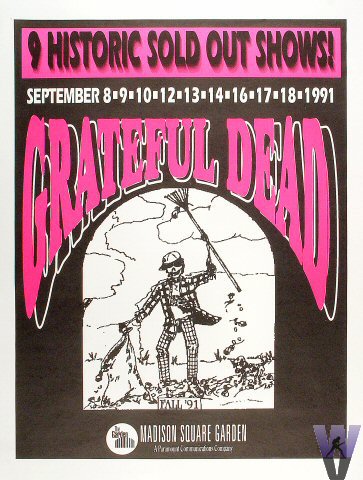
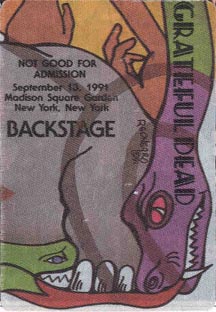
Today, we celebrate the anniversary of a Grateful Dead show at the most iconic of all New York music venues: Madison Square Garden. The Dead were certainly no strangers to this room by 1991. They had been playing the Midtown Mecca since 1979 and loved taking extended stays there. Fittingly, this show would be number five of a nine-show run at The Garden.
1991 was still very much a transitional time in the band’s history. Vince Welnick had only joined the band a year earlier and Bruce Hornsby was still making regular appearances. This show would be no different. And while this one may not be designated with a “legendary” status in the record books, there are certainly moments that shine.
To put it nicely, whether its the recording or the performance itself, the “Touch of Grey” opener is fairly mangled. Guitarist Jerry Garcia doesn’t seem to realize his part until a full verse passes first and the rest goes downhill from there. Fellow guitarist Bob Weir then takes over and directs “Wang Dang Doodle” afterwards that has a couple of inspired Garcia licks towards the end that seem to wake him up a little. With the band seemingly picking up on this, it carries right through the ensuing “Peggy-O” where Garcia continues to shine and brushes off some of the earlier mishaps.
The first set doesn’t seem to really take off until “Althea” which features more delicate guitar licks from Garcia that’s finally accompanied by a vocal performance to match. “When I Paint My Masterpiece” follows nicely with the always lovely accordion fills supplied by Hornsby. The first set closes with a triumphant “Bird Song” that soars for more than 14 minutes with both Welnick and Hornsby, along with the rest of the band, on top of their respective game.
After a rather nondescript Weir-led “Victim Or The Crime” to open the second set, things escalate quickly with a rousing “Scarlet Begonias” where the intensity of an MSG show is very much audible. The seamless segue into its traditional pairing with “Fire On The Mountain’ is vintage Dead and one of the definitive bright spots of this show.
Another valid complaint for this show may be the extended “Drums” > “Space” sequence that follows. While it does feature a few moments of fun, psychedelic mayhem, it also drifts off completely at parts and takes up almost 28 minutes of the second set.
Grateful Dead 9/13/91 Madison Square Garden
Garcia brings a little of the “Space” along with him in the beginning sections of “The Other One” that follow before falling into its signature pattern. This brings about another inspired jam with all seven legs of the band acting as one cohesive unit while Weir belts out the lyrics he penned for this song years ago.
The second set ends with a joyous “Throwing Stones” that features both Weir and Garcia with some passionate singing. A somewhat abrupt cut to “Not Fade Away” follows that gives the band one last chance to stretch out and jam.
Grateful Dead 9/13/91 Madison Square Garden – New York, NY
Set 1: Touch of Grey, Wang Dang Doodle, Peggy-O, Big River > Cumberland Blues, Althea, When I Paint My Masterpiece, Bird Song
Set 2: Victim Or The Crime, Scarlet Begonias > Fire On The Mountain > Drums > Space > The Other One > Stella Blue > Throwing Stones > Not Fade Away
Ed. note: this review of Trey Anastasio at Carnegie Hall was original published on PhanArt.net in September 2009. For a more recent review of Anastasio at Carnegie Hall, read our review from October 2019.
For years I have considered orchestral compositions the ultimate form of music, with the intricacies that I felt would never be understood, a style that would be too difficult to get into, and a high-class following that would elude me forever.
This started to change years ago when I heard the amazing beauty of Eric Clapton playing with the Royal Philharmonic Orchestra in London (February 10, 1990), and discovered the intersection of one of the greatest guitarist in history and one of the finest orchestras in the world. Hearing “Layla,” “White Room,” “Bell Bottom Blues,” as well as a unique Guitar Concerto in two movements performed with a guitar (?!) AND a 40 piece orchestra. My ears never had it so good. Every note was played, expanding, but not drowning out, the original composition. Bands like Queensryche and YES had explored orchestral infusion into their rock act previously, but the Clapton collaboration hit home with me, and I was forever hooked.
The only thing that stood in the way of getting a fix for this new-orchestral sound was more combination acts like the one that got me hooked. It took only a couple years before Trey was playing with the Vermont Youth Orchestra on “Guyute,” but opportunities to see this were limited. I listened to the version on Sharin’ in the Groove, The Mockingbird Foundation’s tribute album to Phish, over and over, guiding the orchestra while I drove cross-country and around town. This was some of the best music I could have imagined to hear.
When Trey Anastasio was announced to play the 2004 Bonnaroo music festival with the Nashville Chamber Orchestra, I knew that this would be the musical experience I had been long waiting for – combining my favorite band’s music with an orchestra, drawing out every last note of music hidden in there, expanding the tablature to a full musical composition replete with instruments I had not seen nor heard from since grade school. The experience was the highlight of that Bonnaroo, and set the stage for the musical bliss that was set with Trey Anastasio at Carnegie Hall on Saturday, September 12, 2009.
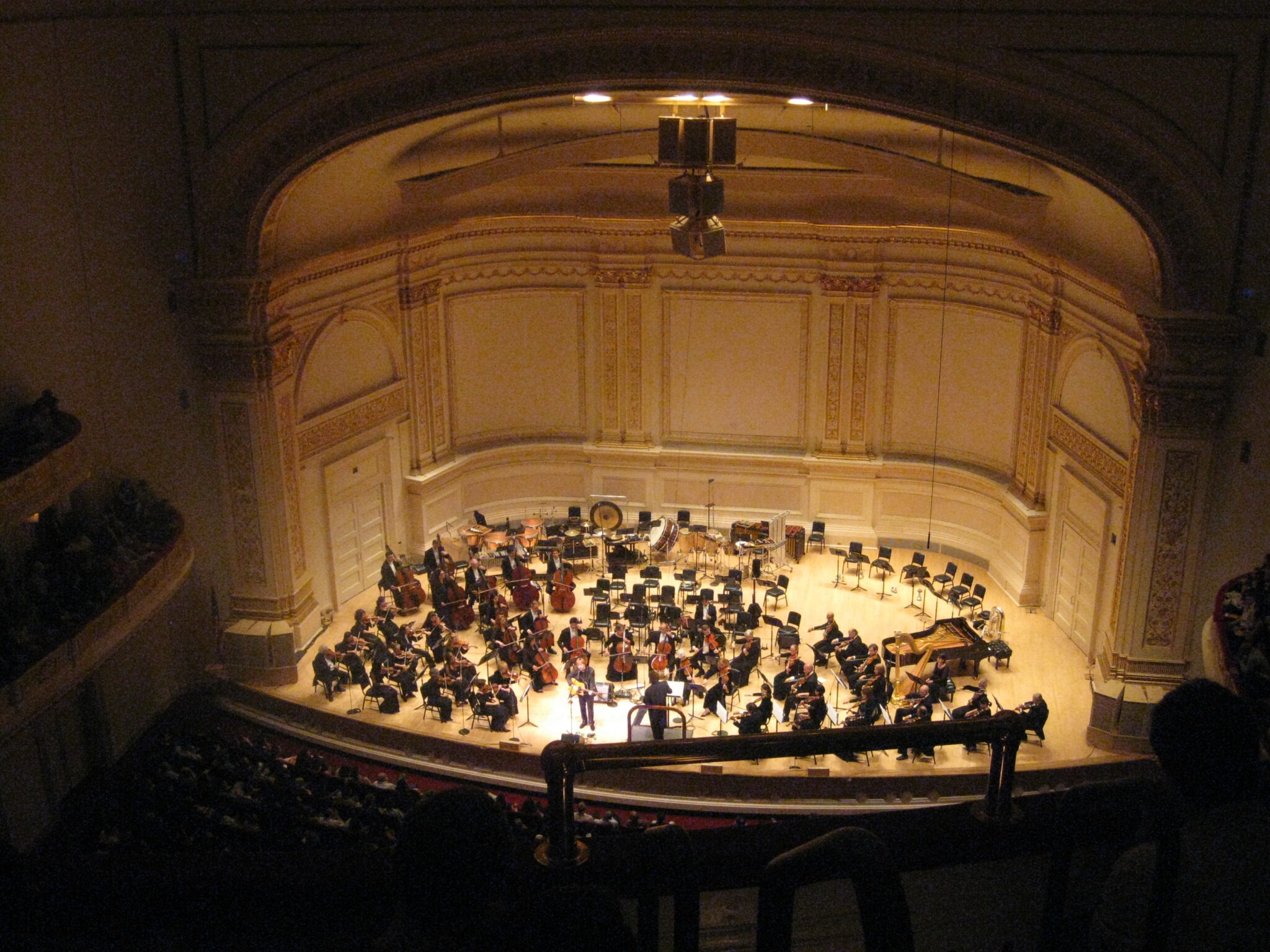
The show having been announced in mid-July, I immediately purchased the best seats I could afford (4th row balcony, which I hoped would provide immense views), as I knew the size of the room was considerably smaller than a normal phish-venue, and the demand would certainly be high. Arriving at Carnegie Hall, I saw what I had joked would be there, presuming it wouldn’t – nitrous tanks and a few shady-entrepreneurs making a quick buck on fans with money to burn on a cheap high. Ignoring this, I went inside and found myself walking up, up, up, up to the top level, and then was guided to my seat by an usher, which felt very high-class. Taking my seat, I marveled at the crowd around me, the youth, the remarkably familiar feeling I had in this great community of people, as well as the sharply dressed folks who took the occasion to go ‘phormal’, as we once had for Radio City in 2000. The crowd was very chill and happy, and notably respectful of the hall, likely thrilled to be able to see such a unique night of music in such a famous building.
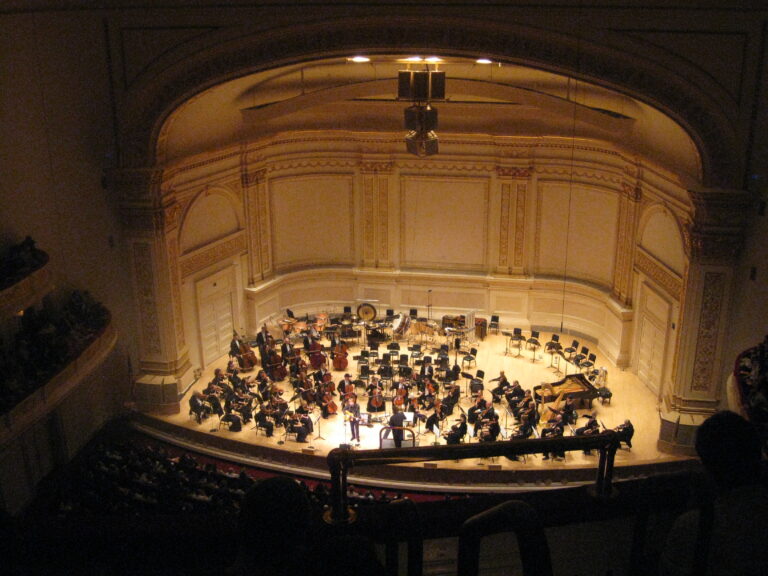
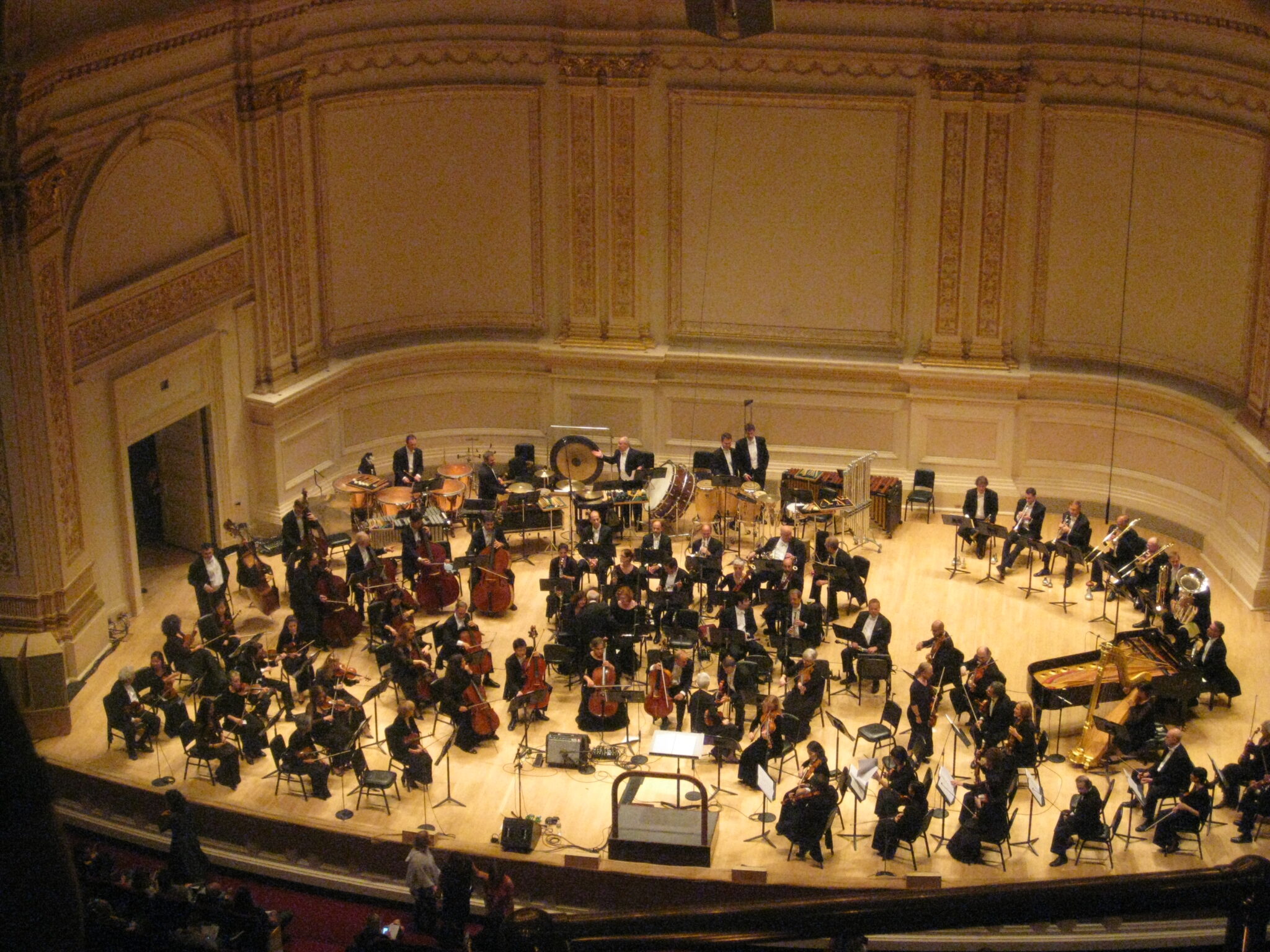
The seats were small and legroom was nil, but that was all taken away with the warming up of the New York Philharmonic. You could hear each section of instruments (the strings, the horns, the woods, the percussion, etc…) randomly tuning up, and a finely tuned ear could hear aspects of the peak of “Guyute,” the middle section of “Pebbles and Marbles,” and miscellaneous tuning and playing as the crowd got settled.
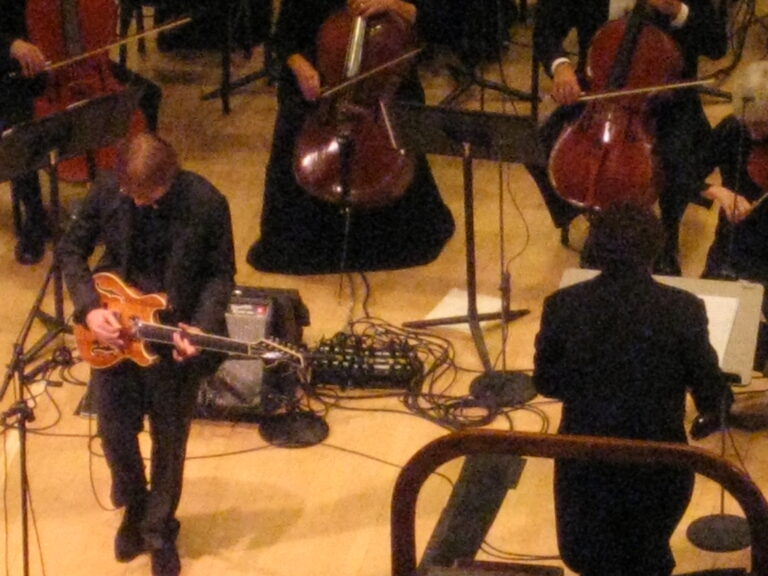
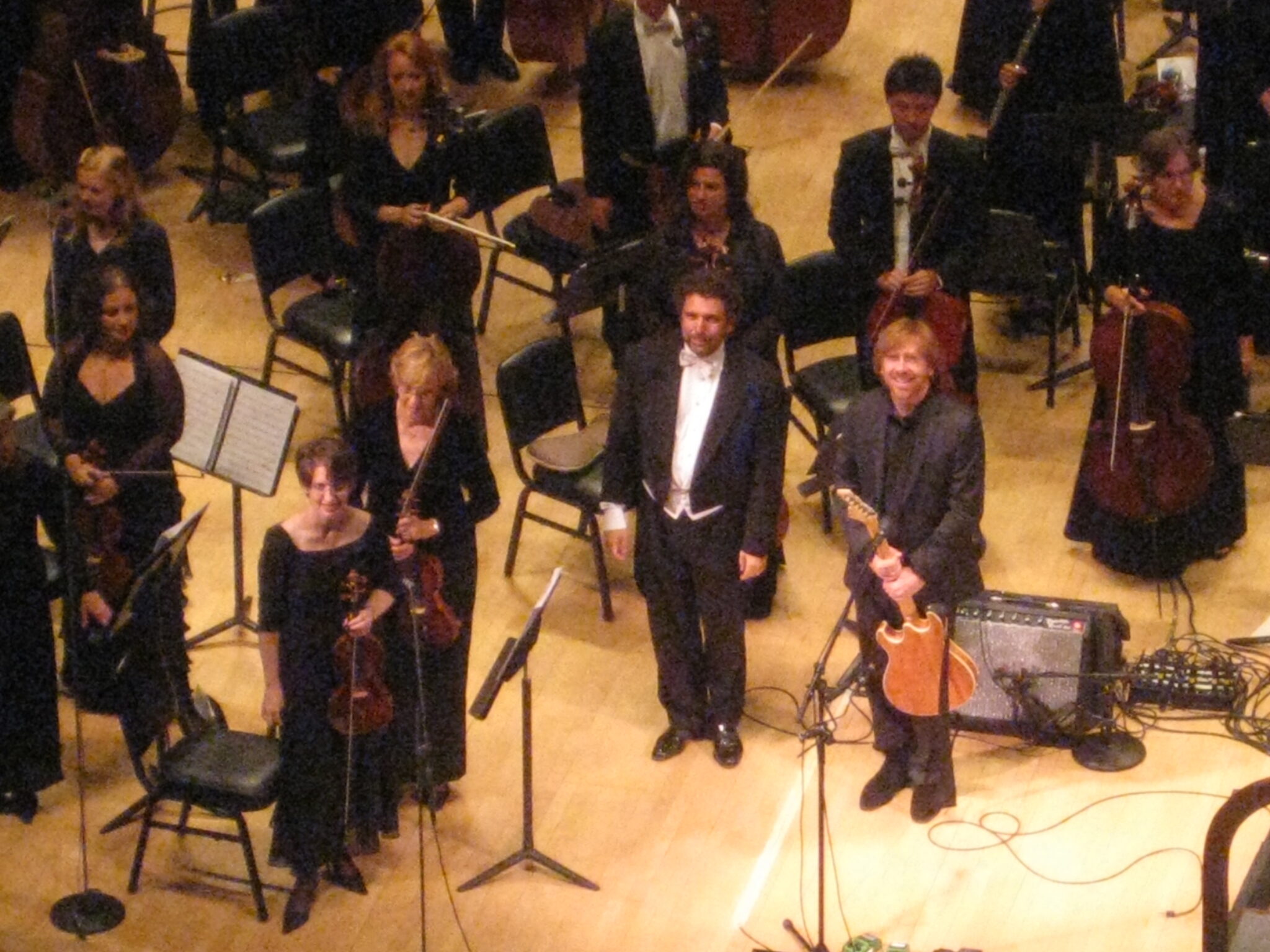
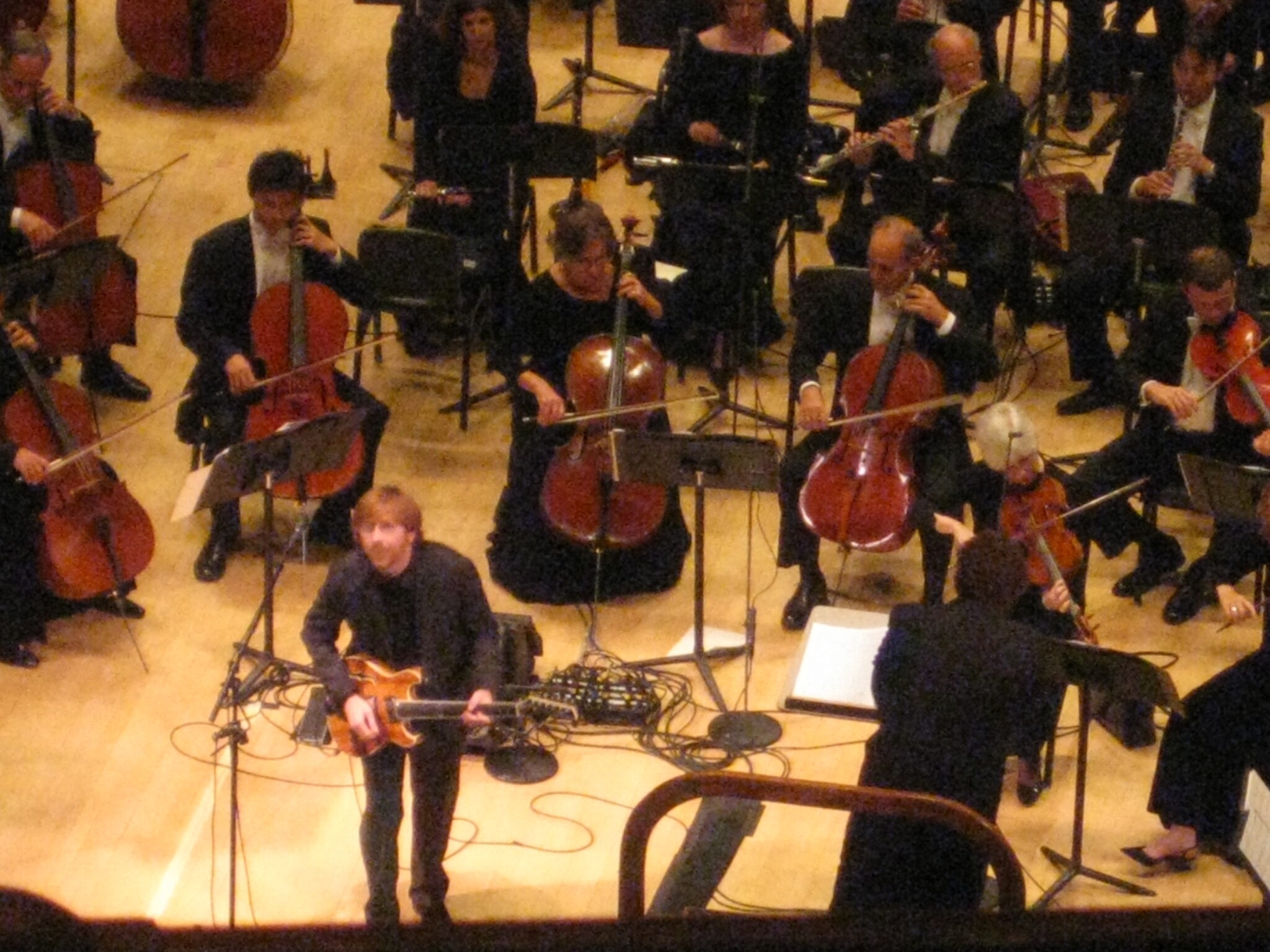
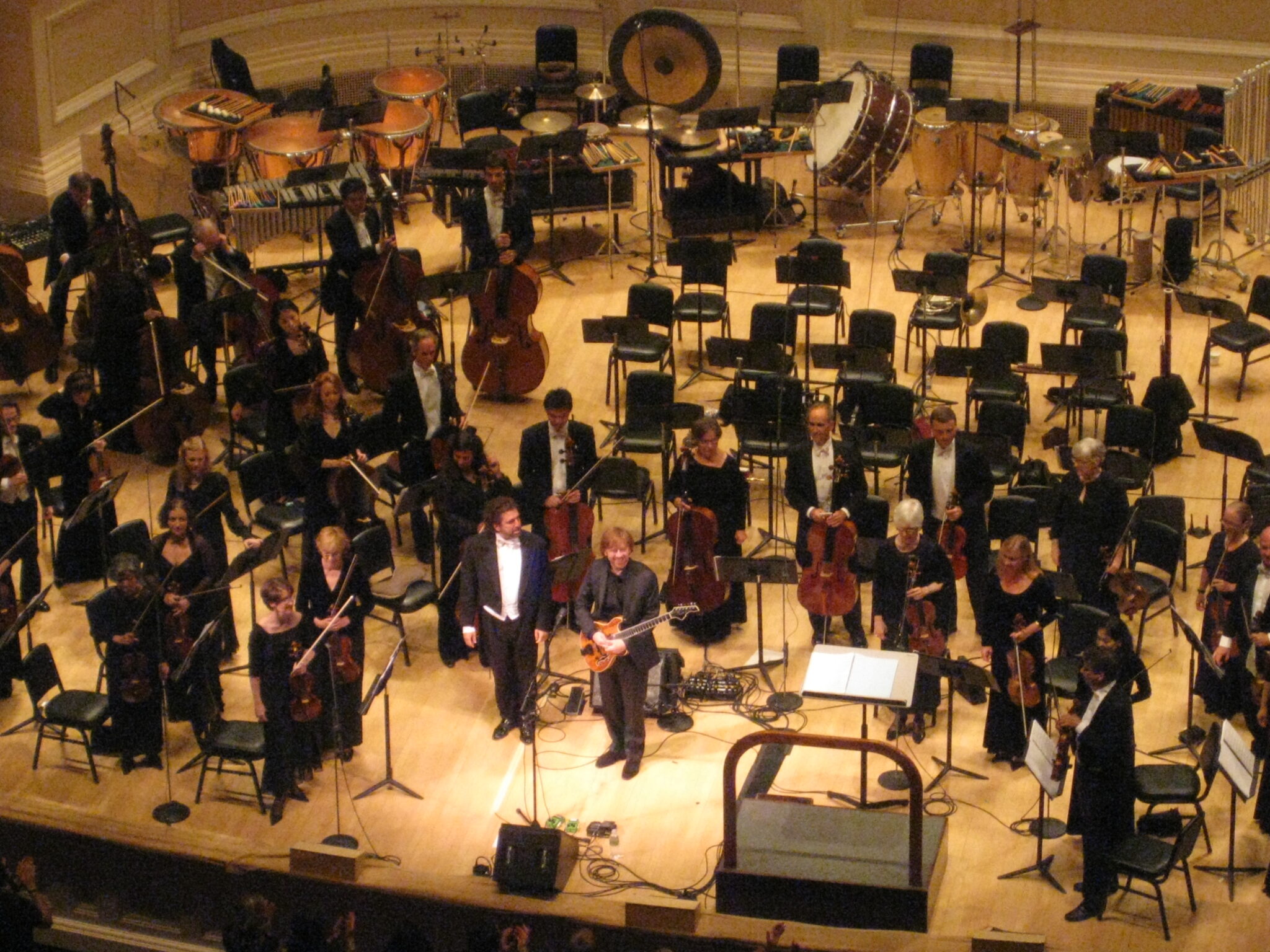
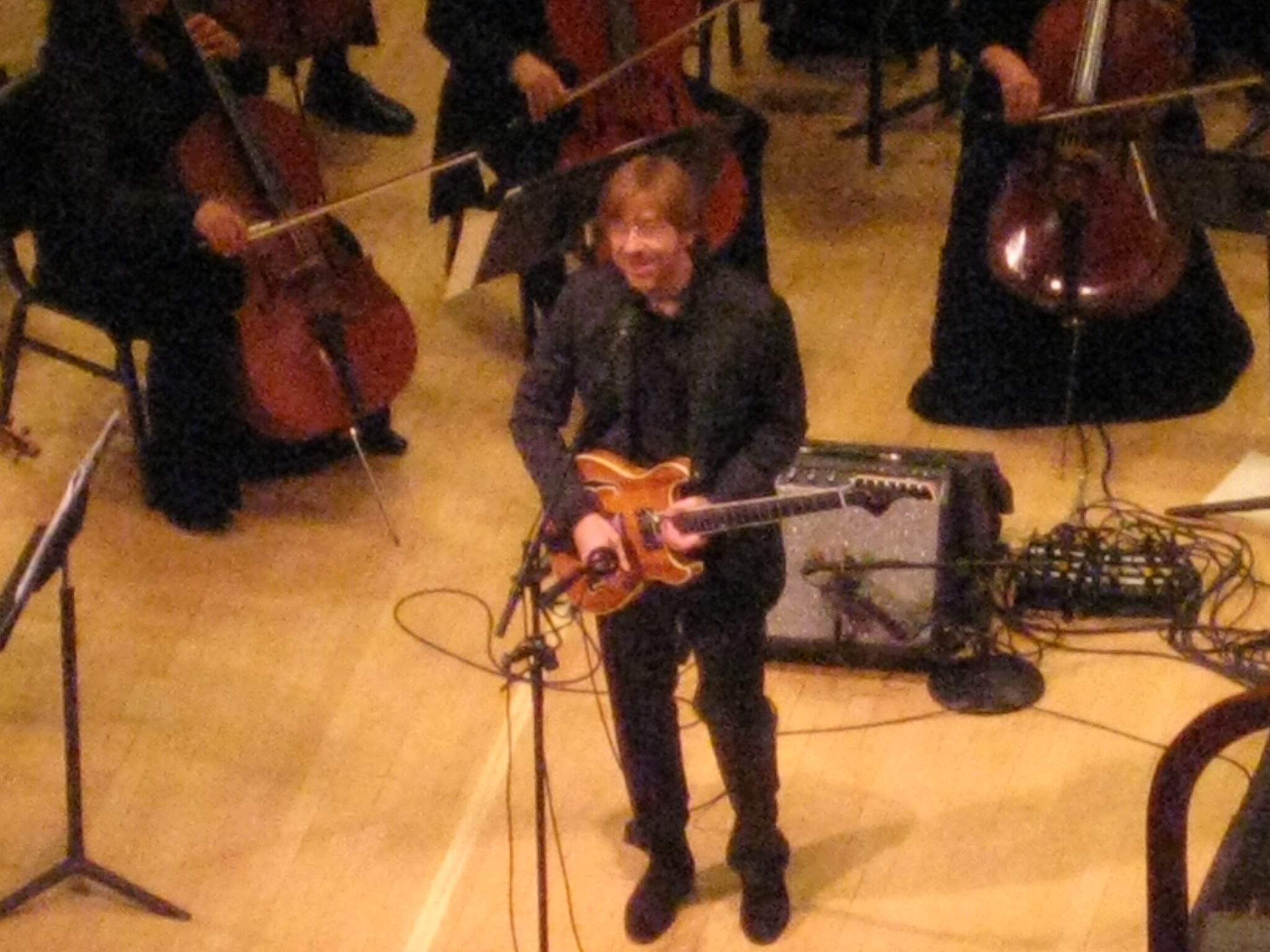
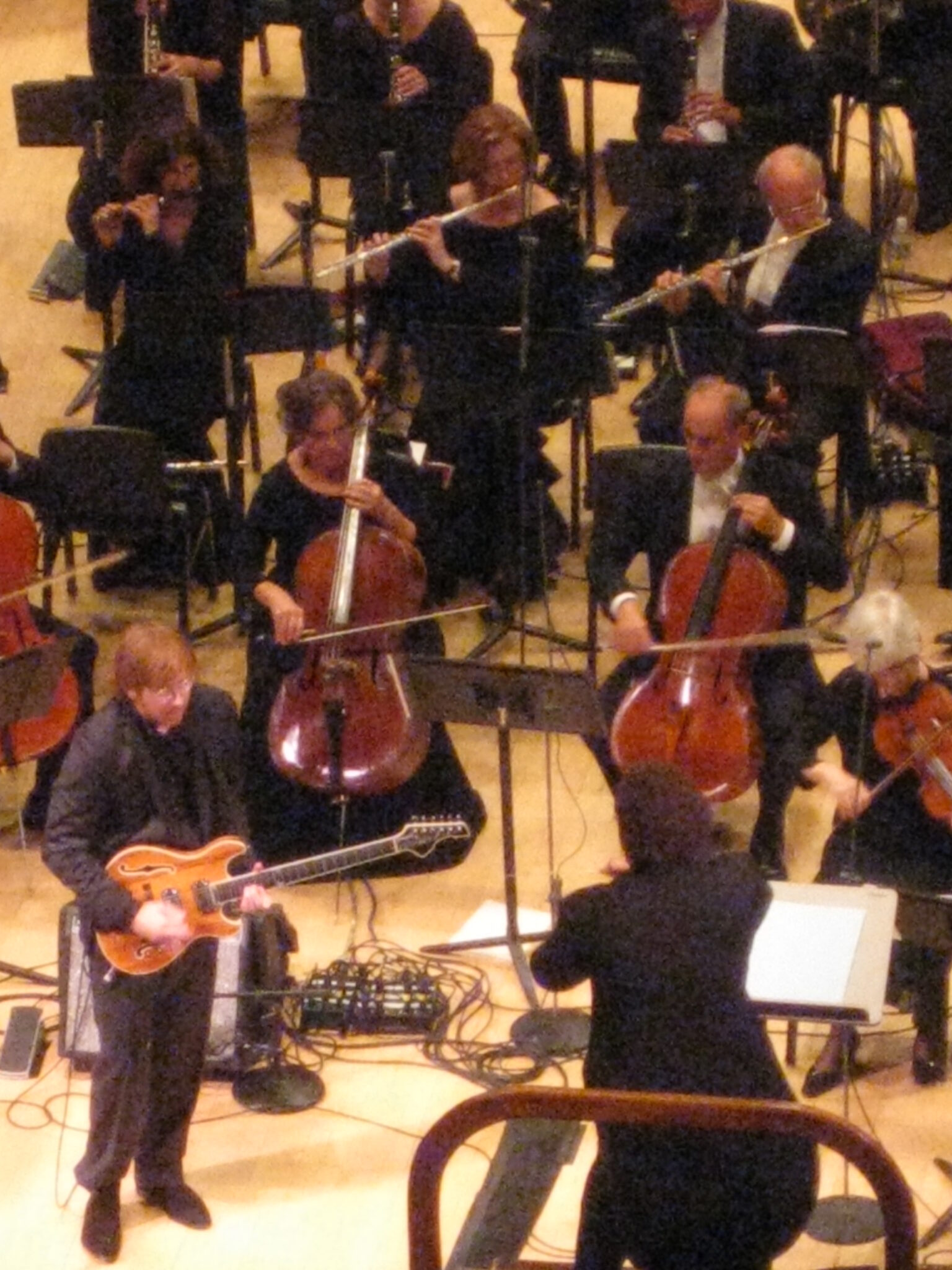
Upon their arrival to the stage, the principal violinist, the conductor, Asher Fisch, and then The Bad Lieutenant himself, Trey, came out to thunderous applause, likely the loudest Carnegie has ever heard. “First Tube” was soft and quiet at first, but perfect. Trey’s guitar was quieter than ever, but he changed the volume as the song got towards the end, with an amazing buildup, similar to the now-invigorated versions Phish has played in ’09. The flutes, violins and bongos/congos are heavy in this song, carrying the tune to its final section and peaking very subtly and suddenly.
“The Inlaw Josie Wales,” “Brian and Robert” and “Water in the Sky” were soft excursions into the mid-’90s writing of Trey, and showed the orchestral side of his writing that had been there all this time. “Divided Sky” was the crowd pleaser-supreme in the first set, giving the crowd a wide range of melodies and expansion of an already tremendous song. “Pebbles and Marbles” and “Guyute” closed out the first set, the latter of which had many heads bobbing and moving hands subtly to the movement of Asher Fisch, who was one of the more animated conductors I could have imagined, making Tom Hulce’s Mozart look like a impassive director of music. Fisch was swaying from side to side, almost seeming to leap in the air at times when the music compelled him to do so. It almost seems as though he would fit in at a Phish show.
Setbreak brought about a trip to the headiest smelling bathrooms since the last Phish show, and long lines of fans waiting for water, as the room was getting a bit warm. “‘Time Turns Elastic” started with the first two movements, which are not heard in the Phish version, as they are a cornucopia of the orchestra’s sound leading into the ‘Submarine’ section of the 30 minute composition.
This may be one of the best compositions I have ever heard, with crescendos and arpeggios that showed the masterpiece of Trey’s orchestral composition was a crowd pleaser, an attentive crowd focusing on the various sections intently. When played with Phish, fans take time to refuel and make pit stops, but for this version of “Time Turns Elastic,” every audience member hung on each section, as the segues were fluid to say the least. The most fascinating thing about this version of “Time Turns Elastic” was the focus on the various movements and sections within the song. The final section, ‘Carousel’, brought the song to a resounding peak, with applause that was the loudest of the evening thus far.
“Let me Lie” was touching, soft and short, providing a nice interlude in between two long epics, the latter being the debut of “‘You Enjoy Myself,” the immense Phish crowd pleaser. This was the song the entire crowd was waiting with bated breath to hear, only to be paused and let the excitement build longer as Trey thanked the audience, the orchestra, and remembered his late-sister, Kristine Anastasio Manning, for which her foundation that night was a beneficiary.
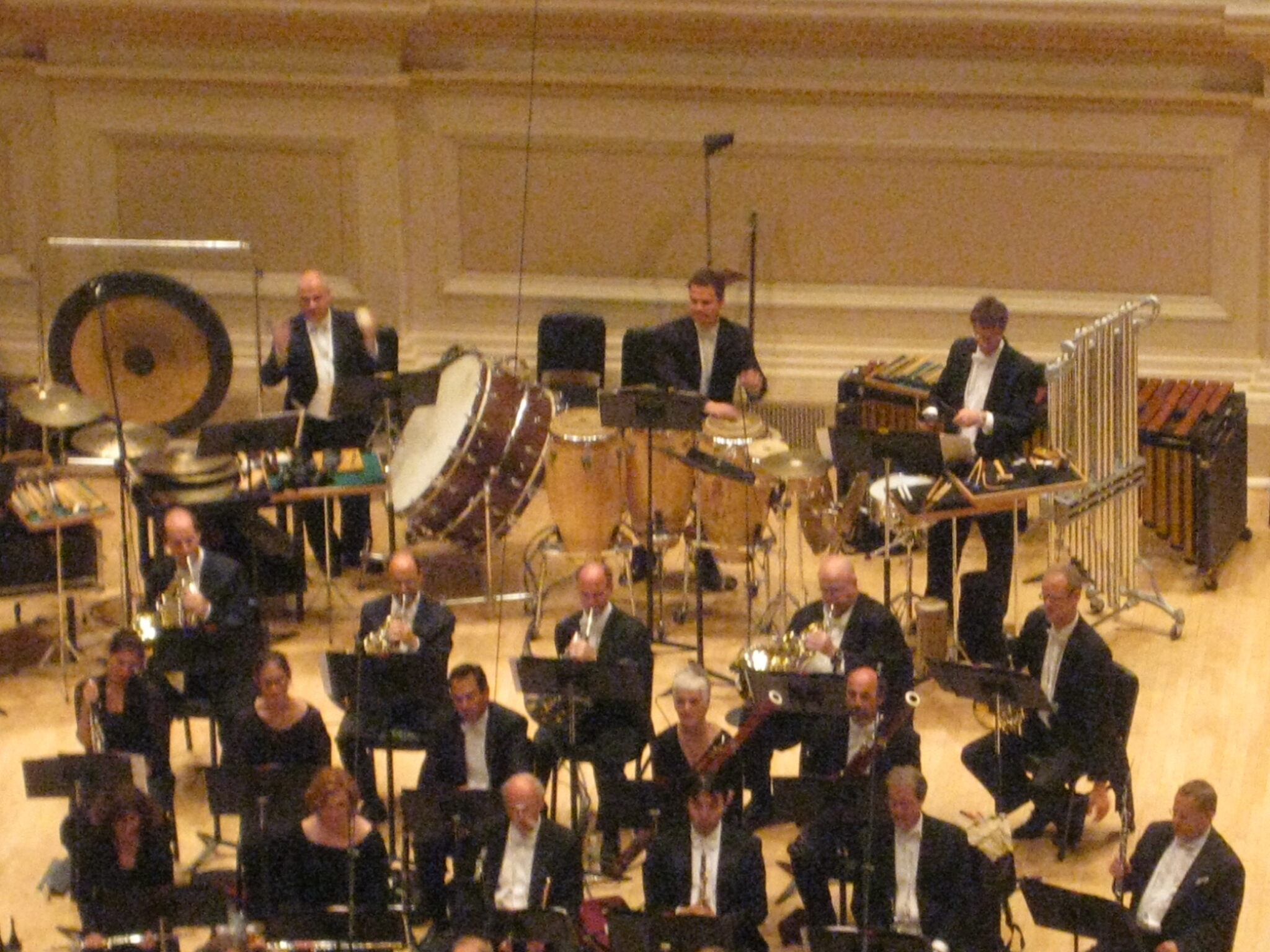
“YEM” started off with a round of applause overshadowing the opening section, but soon, you could hear a pin drop, were it not for the orchestra. The crowd hung on every note, hearing the song like never before, but really, like the song was meant to be heard – this version of the song brings out layers and aspects of the song still left unexplored through almost 500 performances over the course of the band’s career. The ‘Pre-Nirvana’ segment had the percussionist working a snare drum to emulate Fishman, as the strings brought about the largess of the ‘Nirvana’ section, with Trey playing softly and complementarily alongside the collection of musicians onstage. The xylophone in this section is worth turning the speakers up for. A crescendo appears with the trumpets, French horns and tympanis working to bring the song to its first crest. More xylophone brings the section typically played by Mike to its peak, with Trey playing louder and the horns coming in to build the song up once again.
The next section with the tremendous peak was resounding with horns and cymbals making it akin to the concert version. The bongos and congos took over the interlude in between these two sections, with an even louder zenith reached before ‘The Charge’ appeared and then dissolved with audience laughter, before a funky YEM jam beat was played by Trey and the percussionist, all the while the trombones, tuba and French horn played ‘Boy, Man, God, Shit’ in a way it was never played before.
You can’t help but laugh hearing this section, both out of the humor inflected by the horns, as well as the precision reached in the performance. Clarinets and other woods built up the song where the trampolines would usually come into play, and then the strings and full orchestra come into play, bringing the song into a three minute composed jam that highlighted all the parts of the song, as well as the musicians on stage, who were performing for an audience larger than they could possibly know.
As the final jam section ended and the strings played a very light ‘Wash Uffizi drive me to Firenze’, Trey set his guitar down and took towards the microphone, and began a vocal jam all on his own, a first for any Phish fan. The similarities between this vocal jam and the ‘Arc’ that Eddie Vedder performed on his 2009 solo tour were resounding, with the exception that Anastasio does his vocals all on his own, and without the addition of looping sounds; the room carried Anastasio’s voice throughout its acoustic borders, while the orchestra backed up each inflection of Trey’s voice.
The roar of the audience at the end was deafening, even for one of those cheering loudly. We cheered like a Phish audience for a very non-Phish set of performers, and they deserved every ounce of it. An encore of “‘If I Could” was so perfect, you need to hear it to truly appreciate how soft and elegant the song gets; the album version has strings towards the end, which is a nice start for a song that has found a new home in an orchestral composition. The harp solo after the first two sets of lyrics is enough to make your eyes well up with tears of joy, and then the strings make the wells runneth over. A more beautiful composition is hard to come by.
As the show ended, fans ventured out into the streets to dodge the nitrous vendors, and headed out into the night, having experienced one of the most amazing musical events of 2009, let alone the entire decade/century. Yes, it was that amazing.
Overall, even the most rabid of Phish fans and music fans in general, would appreciate the intricacies, tempo changes, structure and multi-auditory stimulation that come from the greatness of an orchestra. Seeing Trey in an orchestral setting is the way to see him perform him music. Remember, he went to school for this, so this isn’t some silly venture like Jordan playing baseball. No, this is the real thing. This is Jerry Garcia playing solo shows, Mick Jagger putting out subpar solo albums for unknown reasons, and Bono hanging out with world leaders to push for more attention to Africa. This is where the rockstar in Trey goes on to become something more, something larger, something that transcends Phish, but brings along the music for the ride. You have to ponder the thought, since Trey went to college for Composition, had he not co-founded Phish, would he have been a colleague of Fisch?
One has to wonder, have we been duped this whole time by Phish, that now we deep down can appreciate the intricacy and effort it takes to create orchestral music? Most the songs played that night have been played by Phish since the early days (YEM, Divided Sky), the ’90s (Guyute, Inlaw, Brian and Robert, Water in the Sky) and in recent years (Time Turns Elastic, Let me Lie, Pebbles and Marbles), yet at those times, few considered that we were hearing the rock and jam versions of classical songs. All these songs have that familiar strain, and can possibly convert Phisheads into classicophiles in no time.
This show was a game-changer and eye-opener for many fans. Seek it out and join in one of the greatest auditory experiences you have ever heard.
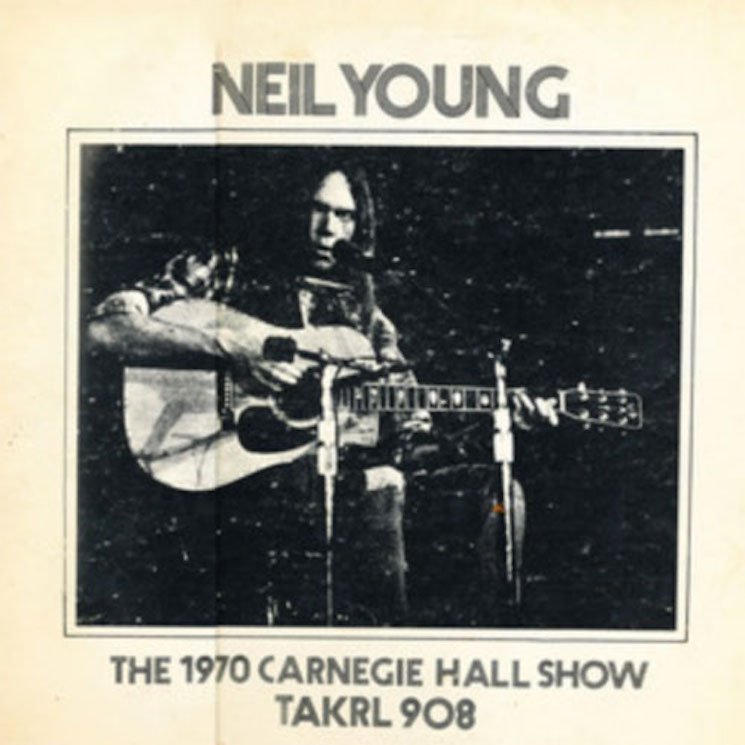
As the inaugural release from his upcoming Official Bootleg series, Neil Young chose a concert from December 4, 1970 at Carnegie Hall. It is an unheard solo acoustic concert that happened shortly after the release of After the Gold Rush.
Young performed two shows at Carnegie Hall that week. These gigs were the end to a phenomenal year for him due to the success of After the Gold Rush and Crosby, Stills, Nash, and Young’s Deja Vu. How important were they to Young and his budding career? He flew his parents to New York from Canada to witness the show.
In his book, Neil and Me, Young’s father, Scott Young, wrote,
“We sat, I guess, like visitors from another world, but once the place was dark, we could all see this dark form approaching the front of the stage and then the spotlight came on him: tall and thin, blue jeans, checkered shirt, work boots, dark straight hair to his shoulders or beyond, two acoustic guitars on a rack beside a plain wooden chair, a concert piano to his let. Moving gingerly as if his back was bothering him. No music to play except the songs in his head, all his own.”
Young has not yet announced a release date for the Carnegie Hall show, but fans could likely see the release before the end of the year. It is one of many projects, including the second volume of his Neil Young Archives box set and a 1990 club show with Crazy Horse.
“This one — Carnegie Hall, December 4th, 1970, is very special to me. Change happens fast. As I have gone through these early bootlegs, Carnegie Hall, Dorothy Chandler Pavilion [2/1/70], Royce Hall [1/30/71] and others, they show a change, something you can hear — an evolution.”
Blue Note New York has announced their fall schedule for Blue Note Live, a completely online concert series featuring 19 performances from jazz legends, including the John Scofield Trio and Joe Lovano. Tickets are $15 and can be purchased at bluenotelive.com.
The performances will be broadcast at 8:00 P.M. EST. They will then be re-streamed at 11:00 P.M EST that day, 8:00 P.M. Japan Local Time (7:00 A.M. EST), and 8:00 P.M. Central European Time (2:00 P.M. EST) the following day.
The series hopes to continue a relationship between the fans and the artists as well as other fans. To do this, they plan to use several interactive features through the livestream including a chat feature where they can interact in real time.
Blue Note New York Streaming Live Fall Schedule:
John Scofield Trio FT. Steve Swallow & Bill Stewart – September 11 at 8:00 p.m. Michel Camilo – September 12 at 8:00 p.m. Bill Frisell Trio FT. Thomas Morgan & Rudy Royston – September 18 at 8:00 p.m. Keyon Harrold – September 19 at 8:00 p.m. Madeleine Peyroux – September 24 at 8:00 p.m. Phony Ppl – September 25 at 8:00 p.m. Marcus Strickland Trio FT. Ben Williams & E.J. Strickland – September 26 at 8:00 p.m. Will Calhoun’s Changing Times Trio FT. Orrin Evans & Uganna Okegwo – September 30 at 8:00 p.m.James Carter Organ Trio – October 1 at 8:00 p.m. Joey Alexander – October 2 at 8:00 p.m. James Francies – October 3 at 8:00 p.m. Theo Croker – October 9 at 8:00 p.m. Mike Stern – October 10 at 8:00 p.m. Eddie Palmieri Afro Cuban Jazz Sextet – October 15 at 8:00 p.m. Ben Williams – October 16 at 8:00 p.m. Kenny Werner & Chris Potter Duo – October 17 at 8:00 p.m. Joel Ross “Good Vibes” – ‘Who Are You’ Album Release Concert – October 23 at 8:00 p.m. Joe Lovano’s Joyous Encounter – October 24 at 8:00 p.m. Trio 3: Oliver Lake, Reggie Workman, Andrew Cyrille FT. Vijay Iyer – October 30 at 8:00 p.m.
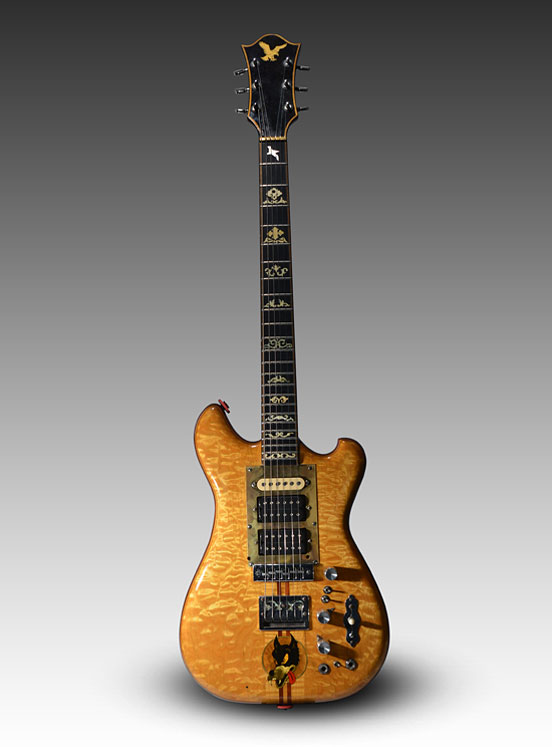
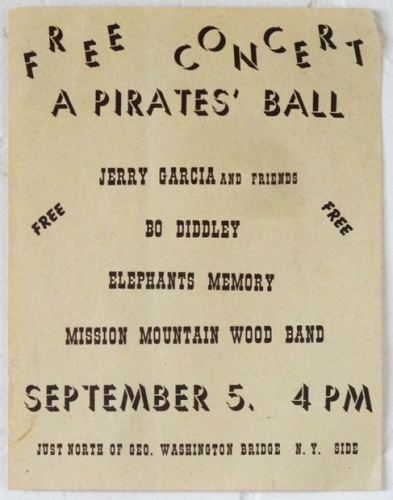
Among the many guitars in the cache of Jerry Garcia, “Wolf” stands as the most legendary of them all. “Wolf” was customized by luthier Doug Irwin, and was delivered to Jerry ahead of his appearance at a private show for the Hell’s Angels on September 5, 1973 in NYC.
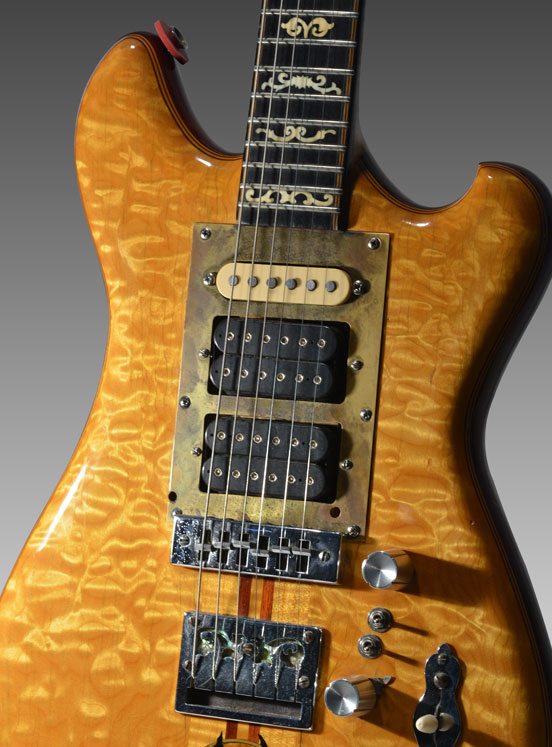
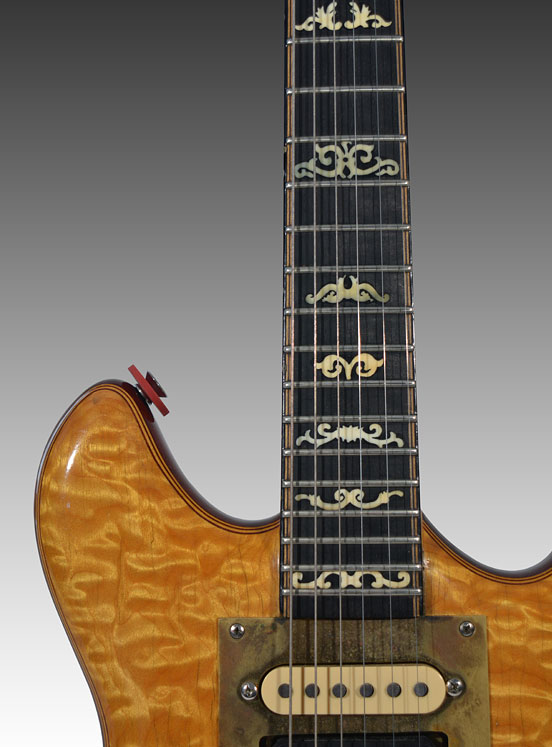
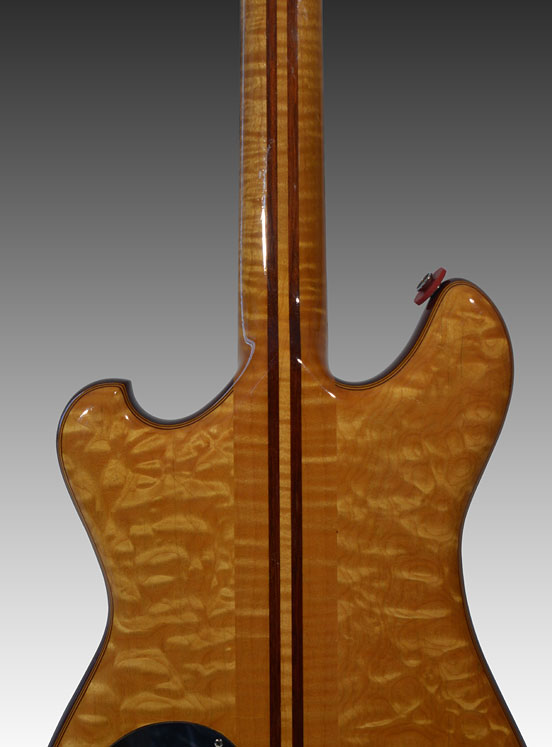
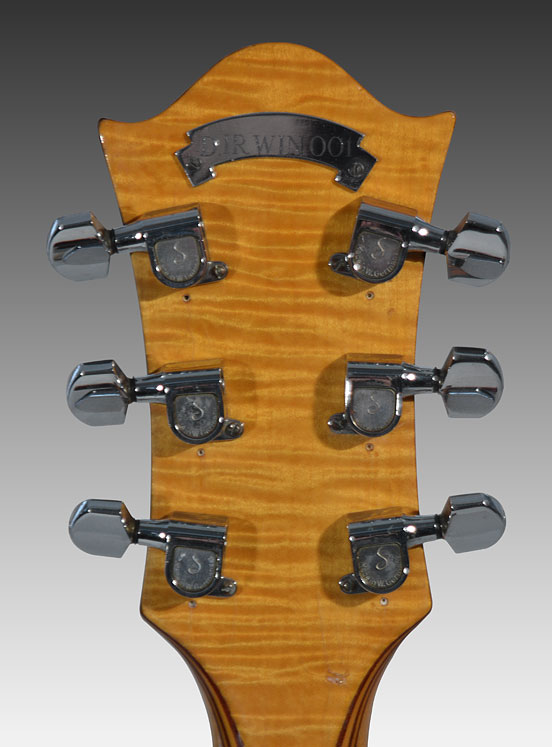
Late in 1972, Garcia came across the first guitar Doug Irwin made for Alembic, which he bought on the spot for $850. He then asked Irwin to customize a guitar for him, and “Wolf” was born. Made from amaranth/purpleheart and curly maple with an ebony fingerboard and twenty-four frets, which were inlaid with African ivory (the first fret is mother-of-pearl).
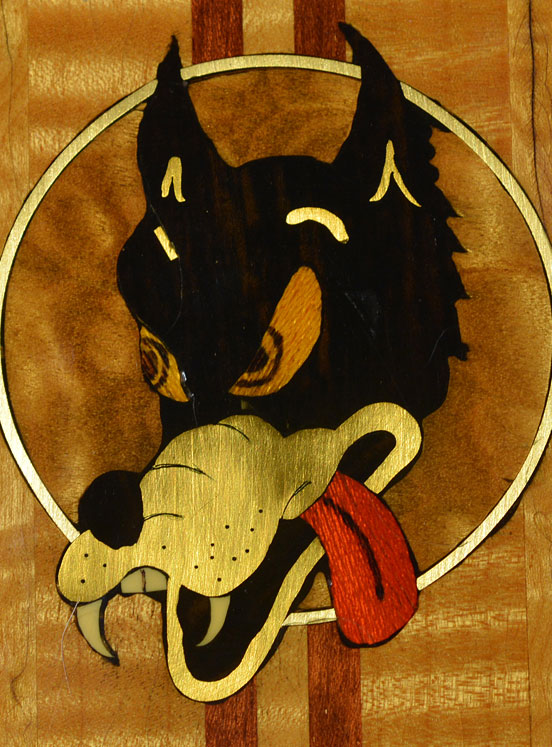
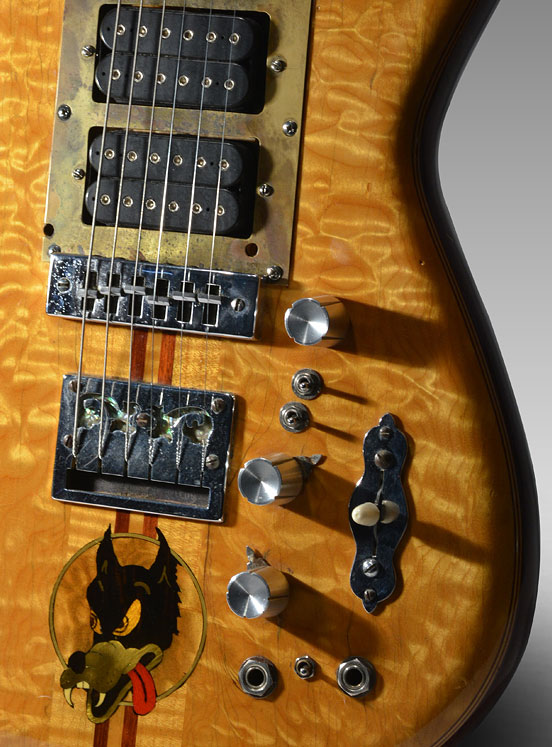
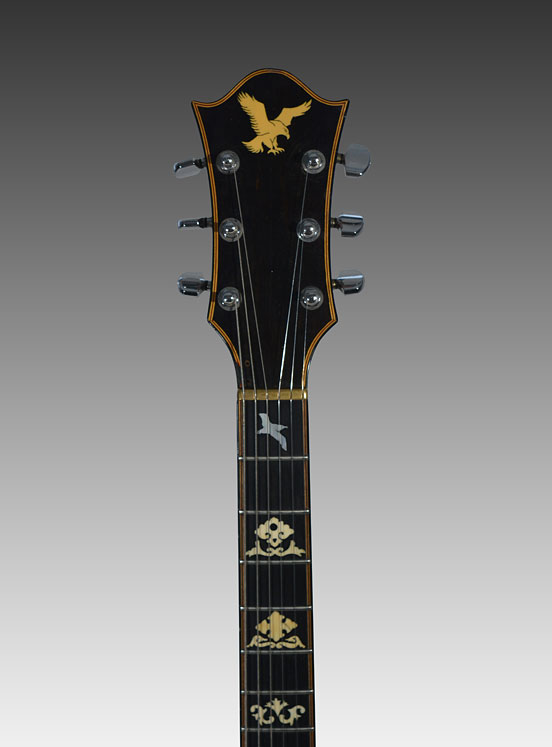
The original version had a peacock inlay, later followed by Irwin’s eagle logo in its place. Later, a cartoon wolf licking his chops was placed by Jerry Garcia just below the tailpiece, which gave the name to the guitar. Irwin would later inlay the sticker into the guitar, which was labeled as “D. Irwin 001.” The guitar would cost Garcia $1,500, or around $8,700 in 2020 dollars.
“Wolf” would be played for two decades, becoming his most well known guitar and played across countless recordings, concerts and even in “The Grateful Dead movie.” Here, Irwin discusses the intricate detail of “Wolf.”
A few years after I delivered Wolf to Jerry, the guitar took several tumbles during Grateful Dead’s European tour. The first, a fall of about fifteen feet off the stage onto cement, had no effect on the guitar at all, but the second incident caused a crack to appear in the peghead. When Jerry finally brought me the Wolf for repair, the crack was actually very minor, but a stitch in time, saves nine. Repairing the crack wasn’t much of a problem, but having the guitar again made me reassess my early inlay work, and prompted me to reface the peghead with ebony and replace what I determined to be a poor excuse for a peacock with my signature eagle inlay cut from mother-of-pearl.
“Wolf” was played throughout the ’70s and ’80s, alongside “Tiger” and “Rosebud,” also designed by Irwin. “Wolf” was brought out of retirement in 1989 when Jerry explored using a MIDI synthesizer, and was played for the last time with the Grateful Dead at Oakland Coliseum Arena on 2/23/93.
In 2002, “Wolf” was purchased by a Deadhead, who later auctioned the guitar off for a great cause. The anonymous fans said:
I’ve been a fan of The Dead since I was a kid, and playing this iconic guitar over the past 15 years has been a privilege. But the time is right for Wolf to do some good. My wife and I have long supported the efforts of the Southern Poverty Law Center, and if ever we needed the SPLC, we sure do need them now.
Anonymous owner of “Wolf”
“Wolf” would be auctioned off at a price of more than $1.6 million, a bid that was matched by an anonymous donor, raising a total of $3.2 million for the SPLC.
The first show that Jerry Garcia would play “Wolf” at was a private show dubbed “Pirates Ball” on September 5, 1973, a private Hell’s Angels party aboard the S.S. Bay Belle. Performing with Merl Saunders in New York Harbor, the ship was known as the “largest marine ballroom afloat,” and was renamed to the Sound Line later after the show. The show also featured Bo Diddley, Elephant’s Memory and Mission Mountain Wood Band.
The S.S. Bay Belle, later named Sound Line
The guitar can be see in the movie/documentary Hell’s Angels Forever, directed by Richard Chase, Leon Gast, Kevin Keating, and Lee Maden.
Setlist: It Ain’t No Use, Favela, You Can Leave Your Hat On, Mystery Train, Harder They Come, Think, Finders Keepers
Wolf’s first appearance with the Grateful Dead was at the Nassau Coliseum on September 7th, two days later. The Dead were off the road for a month, and were refreshed getting back to business. Donna Godchaux was pregnant at the time, with her husband Keith having taken over keyboard duties from Pigpen a year prior.
This show marks the debut of Weir/Barlow’s “Let It Grow,” and one of the last “Bird Song’s” of 1973 before the song was shelved for a few years. Highlights include “New Potato Cabooose,” the jam that arose from “Playin’ in the Band,” a hefty jam from “The Other One,” and the “Eyes of the World” that followed.
Deadheads reported a heavy police presence that evening, with many fans arrested at or after the show. Cops reportedly drove on the sidewalks as the show ended and attempted to clear the crowd. They also seemed to use their batons to clear the area in front of the band between sets. This would influence the Dead’s decision not to return to Nassau for many years, until January, 1979.
Setlist: September 7, 1973, Nassau Coliseum, Uniondale, NY
Set 1: Promised Land, Sugaree, Mexicali Blues, They Love Each Other, Jack Straw, Looks Like Rain, Deal, El Paso, Bird Song, Playin’ In The Band
Set 2: Here Comes Sunshine, Me & My Uncle, Loser, Let It Grow-> Stella Blue, Truckin’-> Drums-> The Other One-> Eyes Of The World-> Sugar Magnolia, E: Around & Around
In the most recent installment of his Karma mixtape series, Harlem rapper Dave East makes his latest attempt at solidifying himself as one of New York’s head honchos. The 15-track, 53-minute project features notable guest appearances. Trey Songz, French Montana, Benny the Butcher, A Boogie wit da Hoodie, dancehall artist Popcaan, along with R&B legend Mary J. Blige, all lend-a-hand, in what felt like East’s best attempt at a commercially successful project.
The mixtape opens up with arguable its best record. “Handsome” is a thumping and fast paced track where East confesses his life’s agendum, which are “to not break the code,” “try not to die,” and “praying that he gets old.” It is an ode to the lifestyle that many from the inner-city can have an appreciation for. In 2:53, East captures the hopes and dreams of a generation of men, which is wealth and health, while staying loyal to their compatriots. What makes the record even better is that, while it has a radio feel to it, the authenticity remains. And with it being just shy of 3 minutes, the replay value is high. He follows it up with a record that feels straight of a Caribbean crime film. Backed by loud and distinctive horns, “Unruly,” features Popcaan and serves as an antithesis to its predecessor. While “Handsome” described the perfect outcome from a life in the streets, “Unruly” sees East chronicle the dangers that come with operating on the other side of the law.
The third track is where the album takes a turn, in the Trey Songz assisted “The City,” East tries recreating one of Jay Z’s better records “Heart of the City.” While a noble attempt, he lacks the soulfulness to pull it off. Not to mention, at the time of the original recording, Jay-Z was arguably the biggest rapper in the game and thus metaphorically was the “Heart of the City.” We do not think of Dave East in the same vain (or any current New York rapper for that matter). The same issue follows him on the fourth track, “Get the Money.” It’s a solid enough song, as he details his chase for financial prosperity. A god-awful French Montana chorus — along with a bridge that sees Dave East try his hand at harmonizing – completely derail it. He completes a hat-trick of melodically challenged songs with “Thank God.” Featuring A Boogie wit da Hoodie, East tries his hand at a club record, but the song never takes off, as the duo lack chemistry and it ultimately ends up feeling forced.
This ebb-and-flow continues throughout, as the best records see East stay in own pocket, solid beats, along with well put together verses, while his attempts at diversifying himself see him fall short. “Said What I Said,” “Broke or Not,” “Mission,” “Menace” and the Three 6 Mafia inspired “F**ck Dat,” are all good songs. While “Stone Killer,” — featuring Benny the Butcher — is absolutely explosive. The Mary J. Blige assisted “Know How I feel,” was a nice surprise as East meshed well with the r&b icon. Yet, for some reason, it did not serve as the outro. That was reserved for the self-reflective “Believe It or Not,” and while it is a good enough record, it left the project a bit anti-climactic.
All in all, this is a solid body of work, yet it feels as though the pressure for commercial success inspired a few of the songs. The problem is, Dave East isn’t and will probably never be a top-selling (or charting) artist and that’s okay. While he hasn’t led New York back to dominance as some predicted, his abilities as a rapper is still a rare and valuable commodity in this current era of New York hip hop.
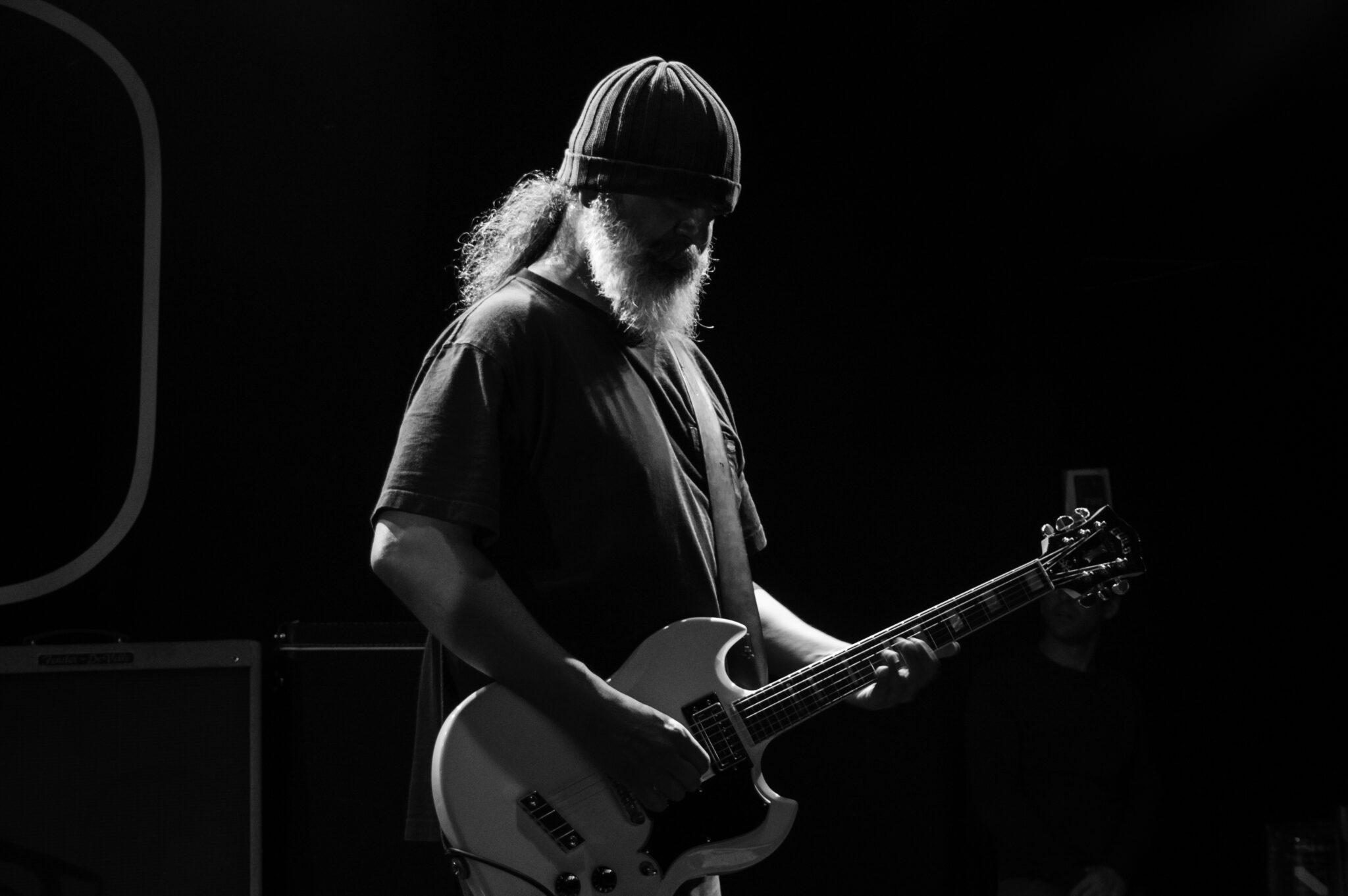
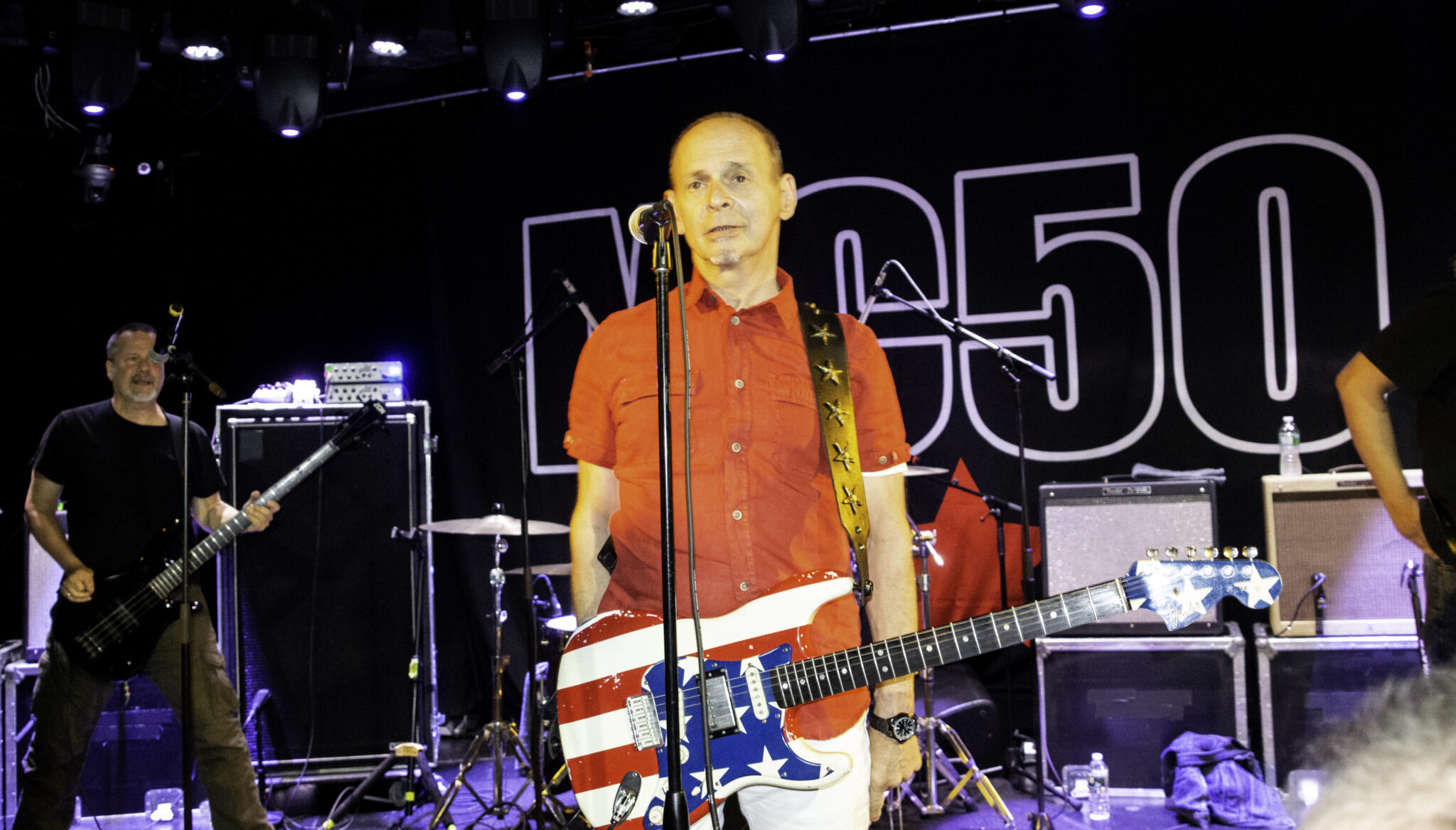
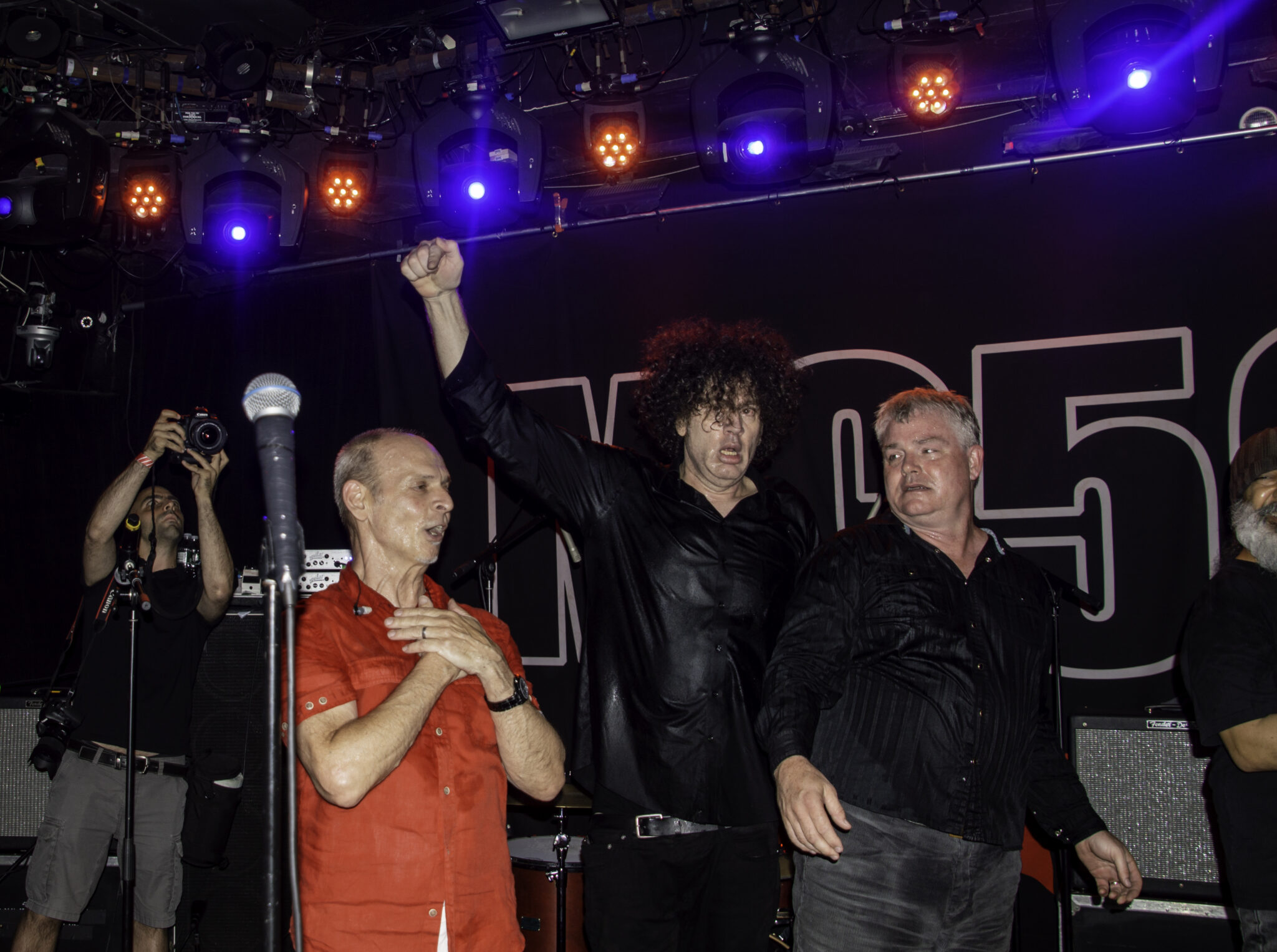
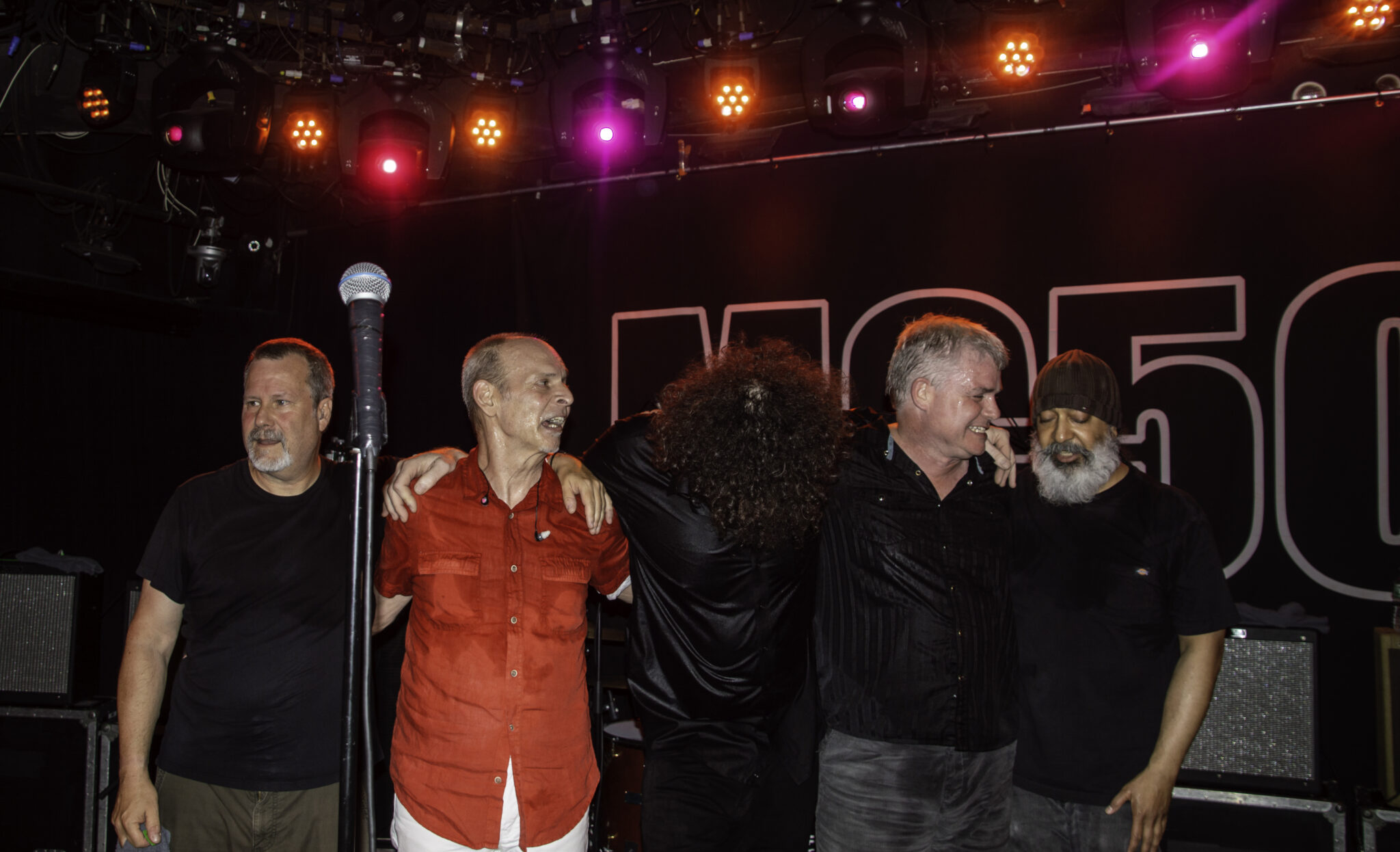
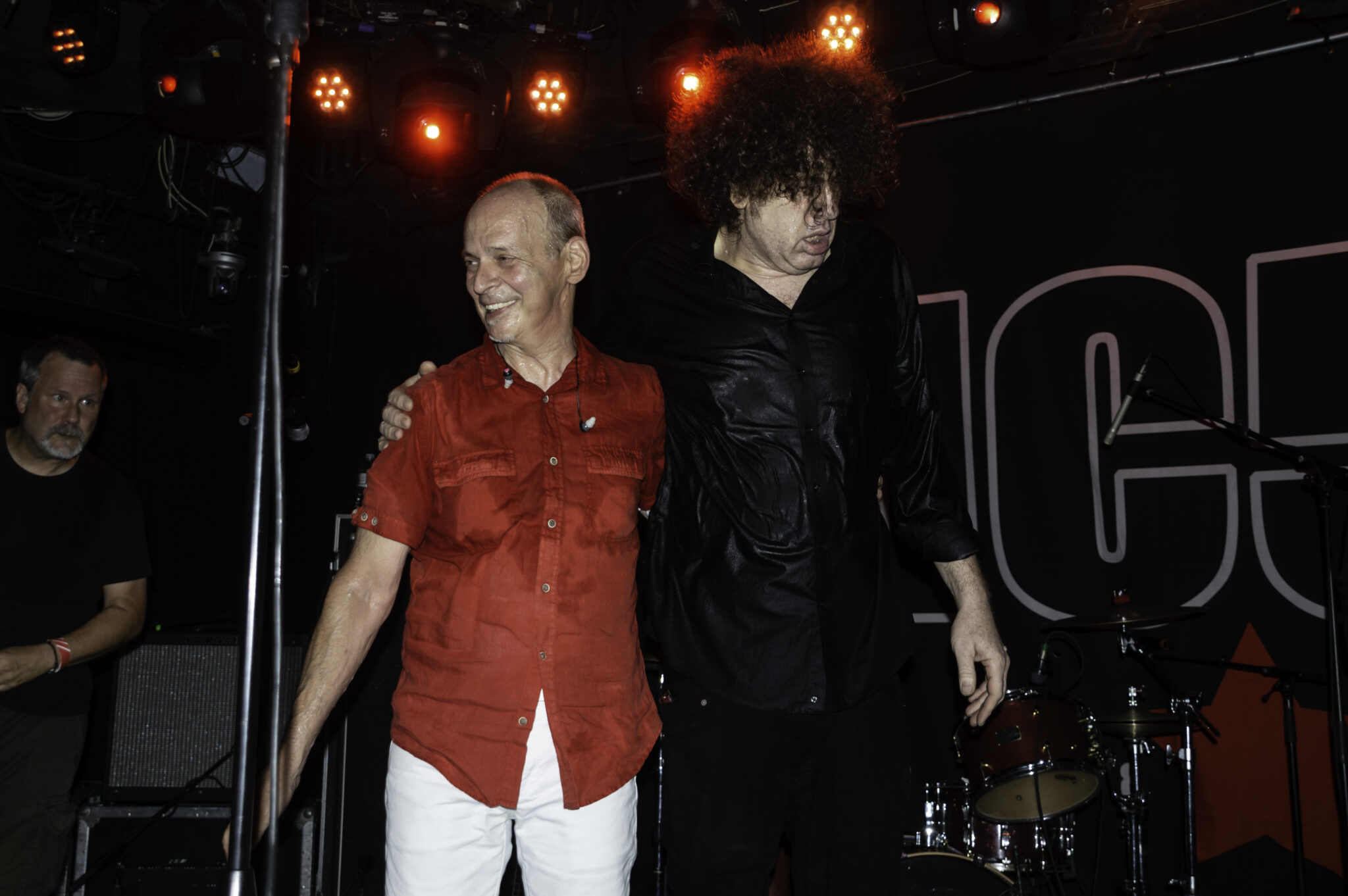
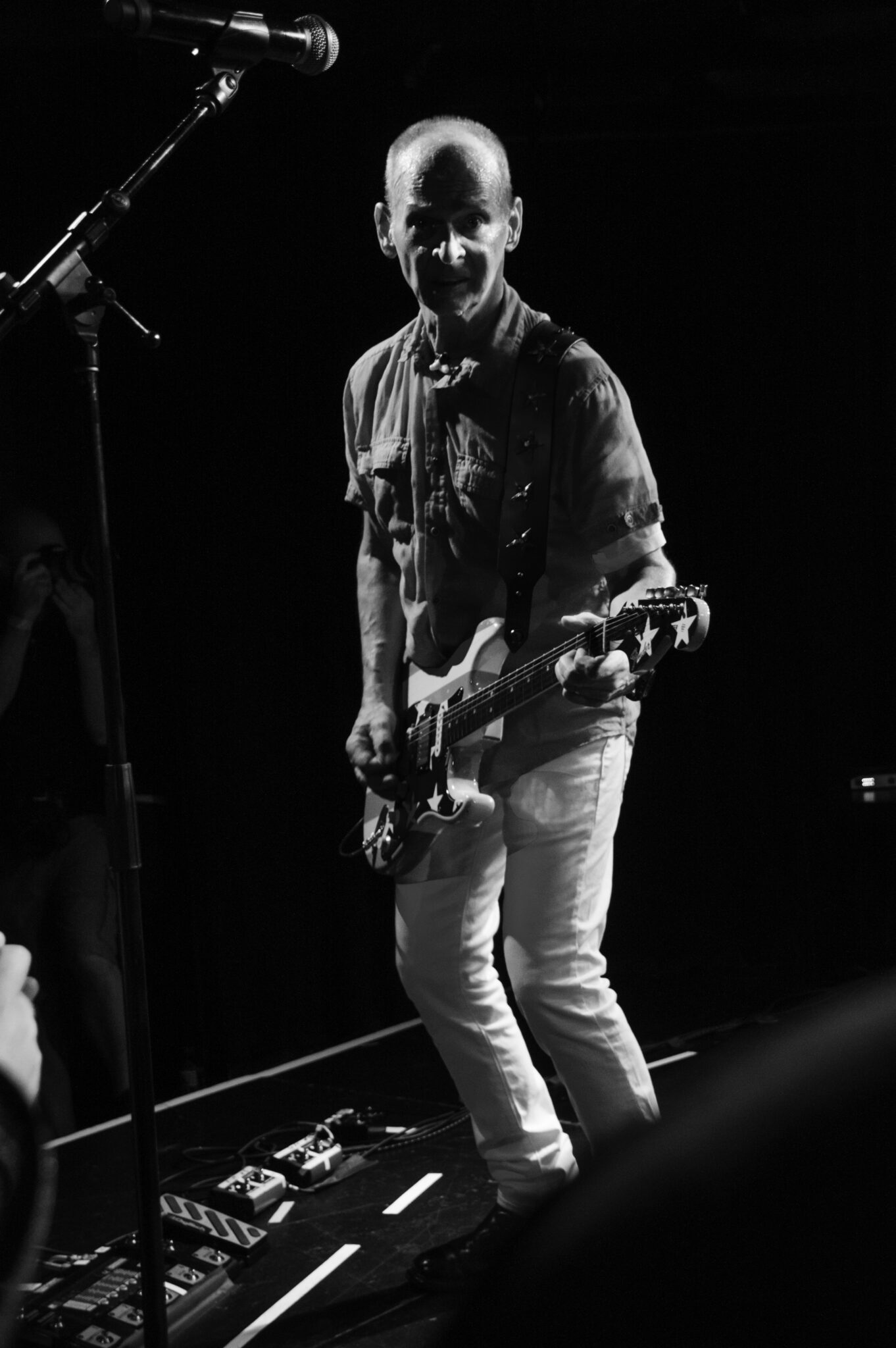
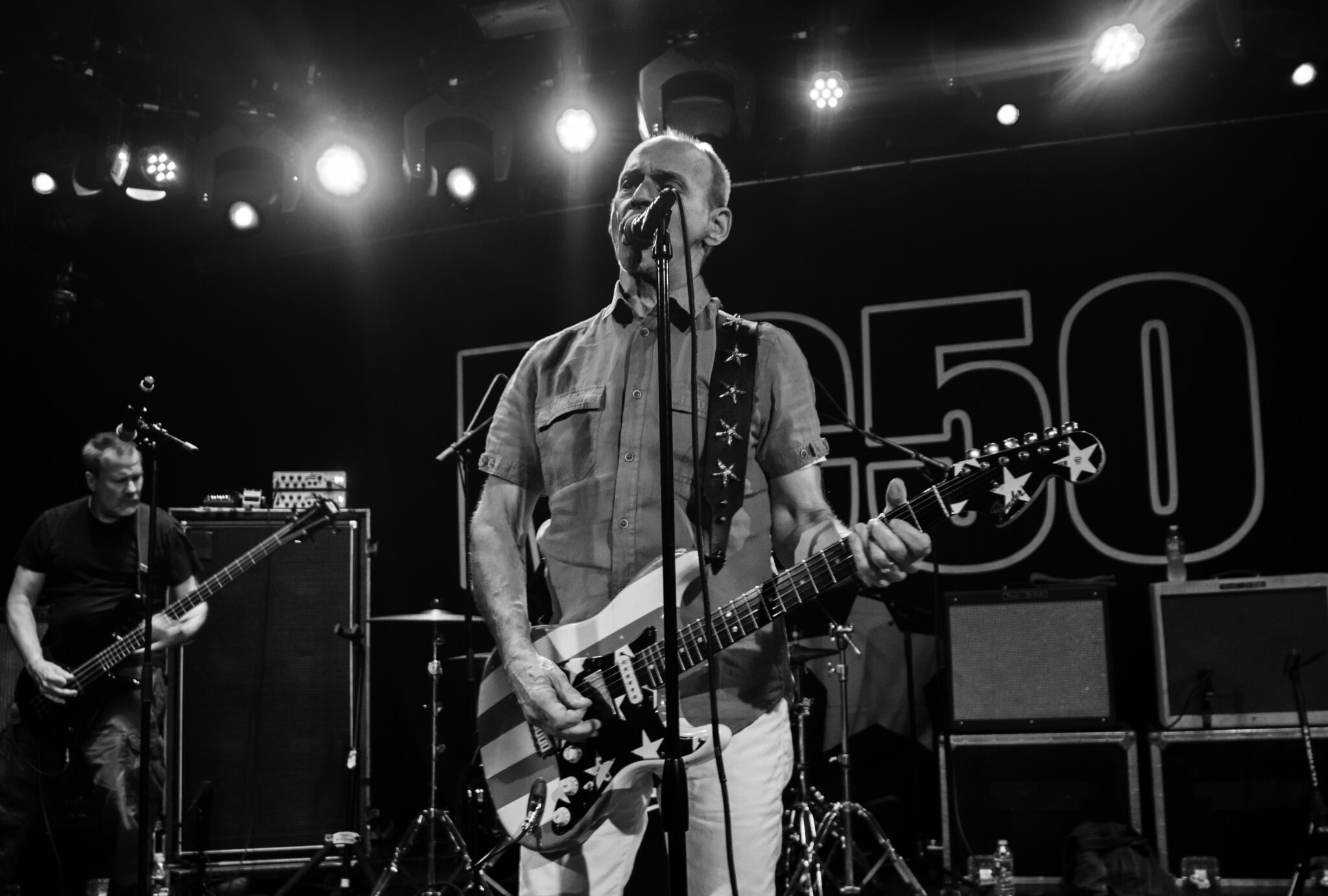
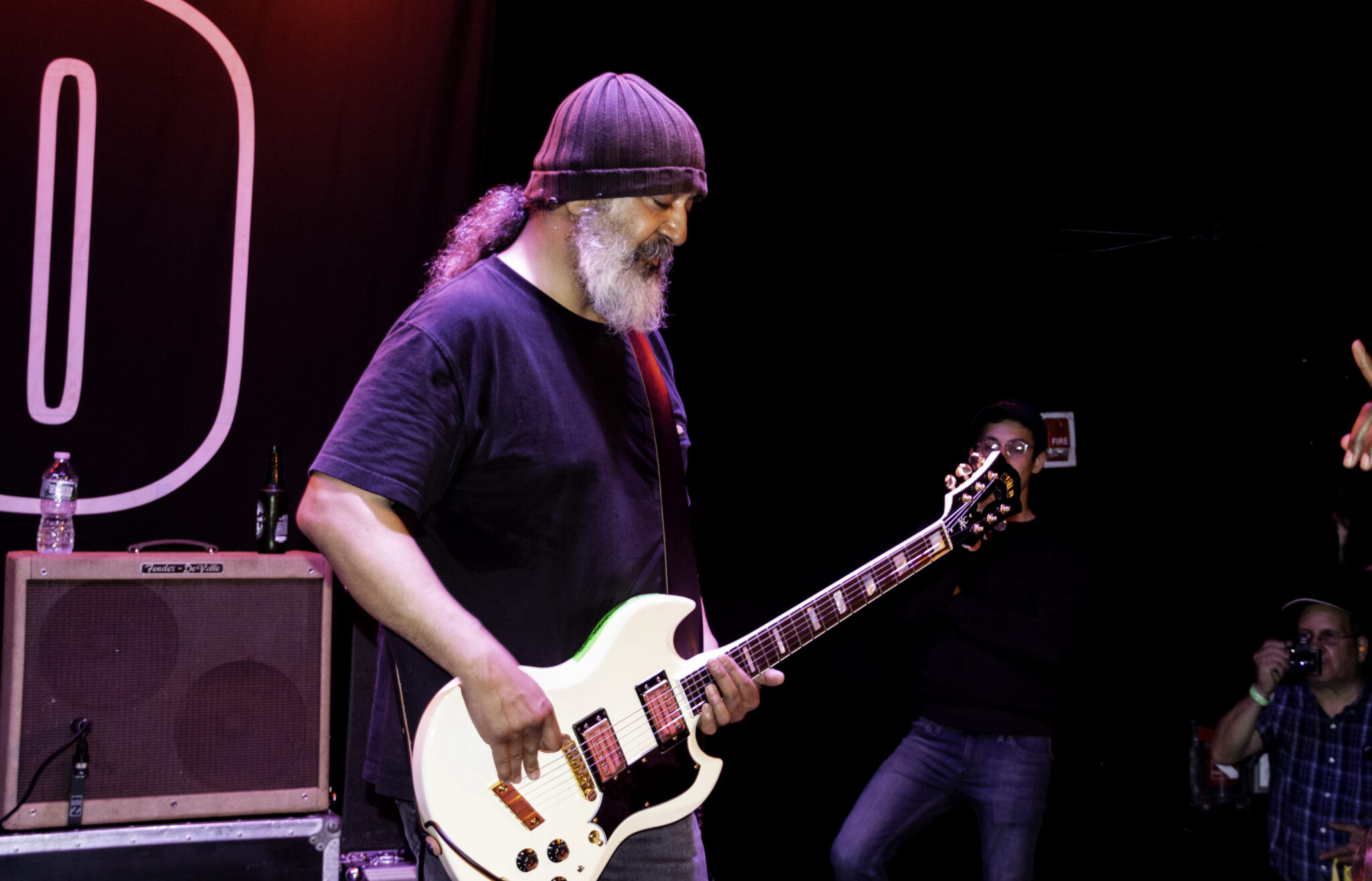
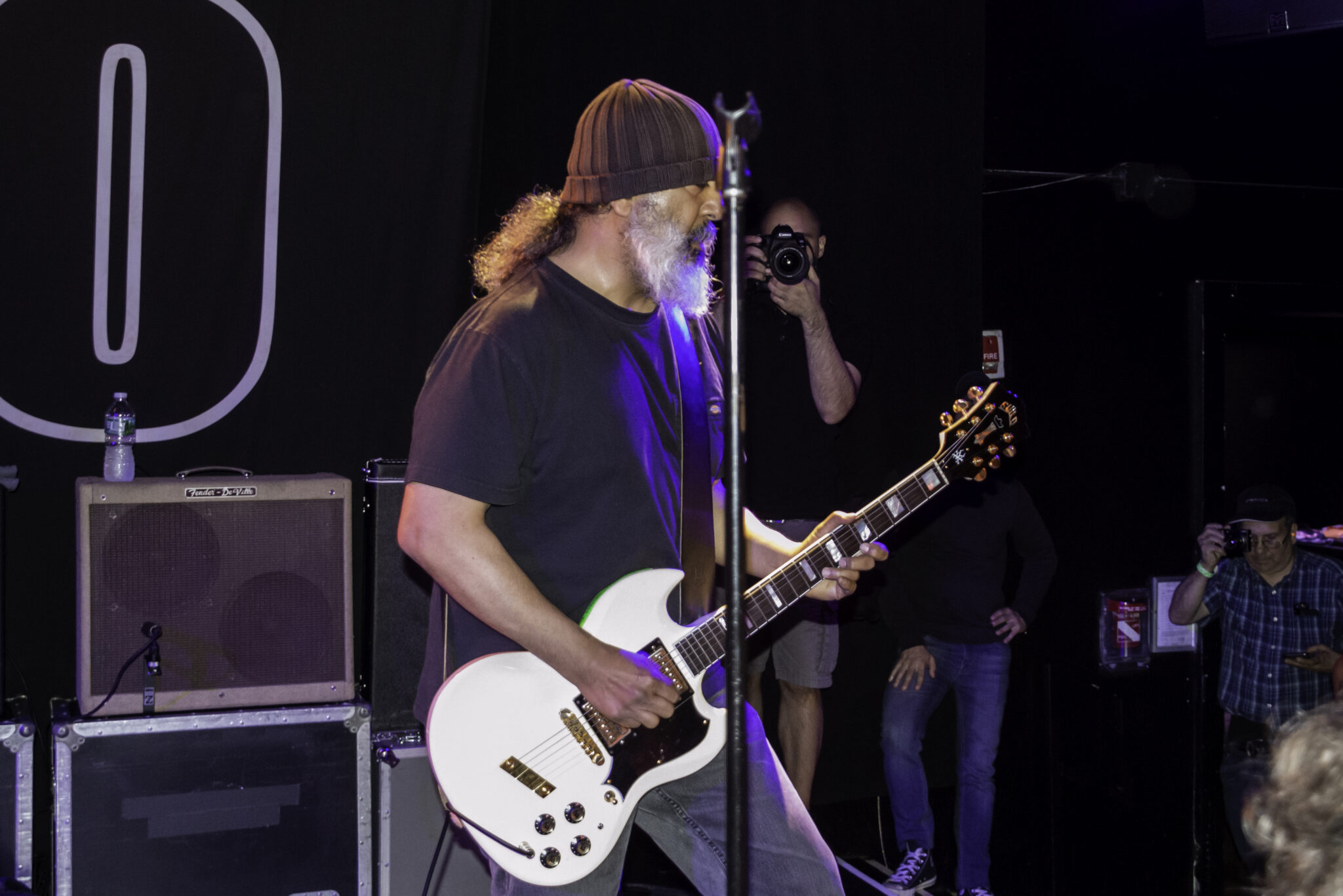
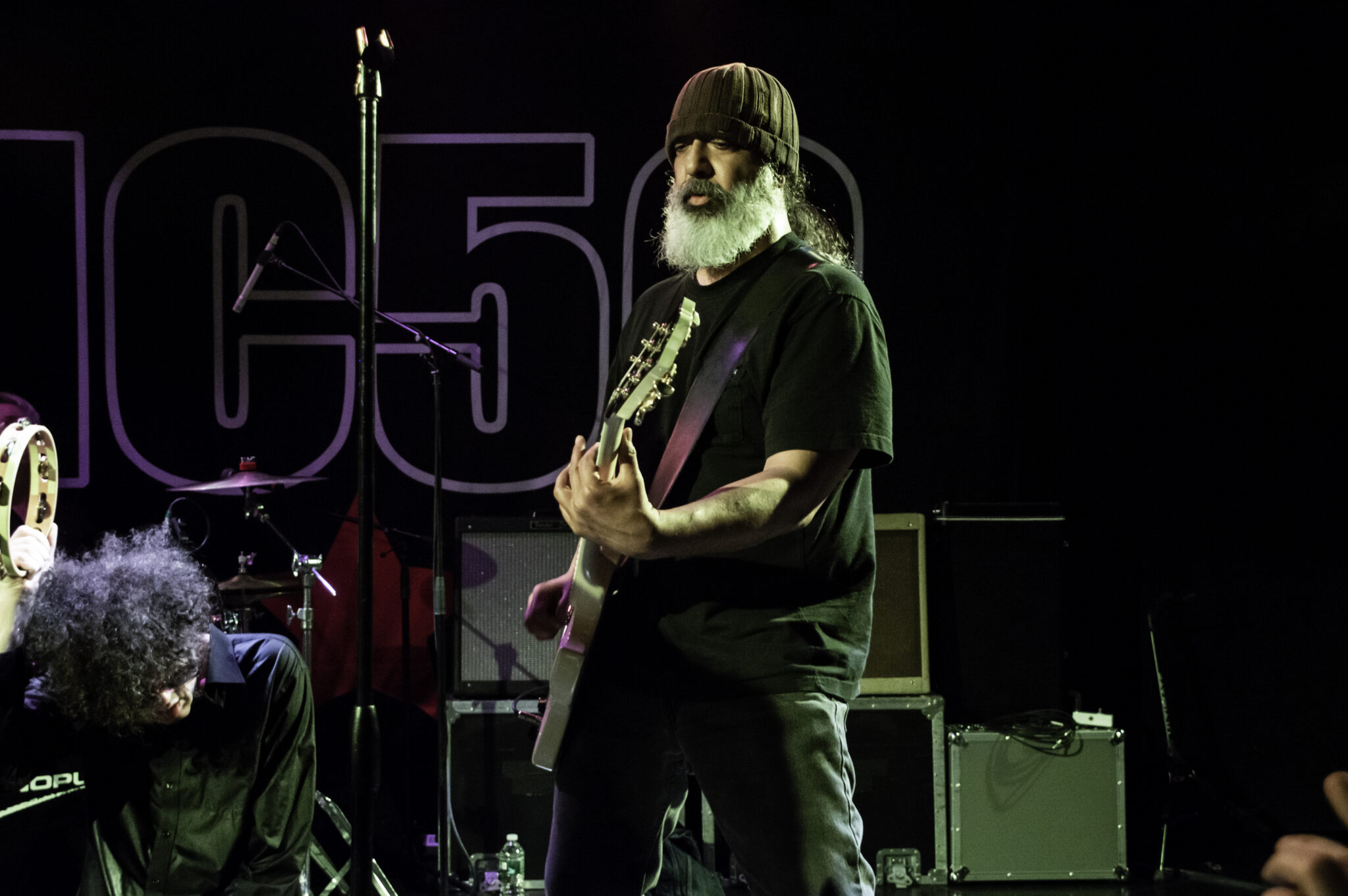
On August 29, 2019, MC5 founding guitarist Wayne Kramer brought his supergroup MC50 to Le Poisson Rouge in New York City to celebrate 50 years of punk rock greatness. The group consisted of guitarist Kim Thayil (Soundgarden), drummer Brendan Canty (Fugazi), bassist Billy Gould (Faith No More) and singer Marcus Durant (Zen Gorilla).
MC5 is considered one of the most important American hard rock groups of their era. The band performed as part of the protests of the Vietnam War at the 1968 Democratic National Convention in Chicago that were broken up by a police riot. According to Kramer in an interview featured in the documentary “Get up, Stand Up,” the band played for over eight hours straight when the other bands scheduled to perform didn’t show because of the chaos.
“Kick Out the Jams” was released as a single in March 1969 by Elektra Records. It has been covered by numerous bands including Bad Brains and Rage Against the Machine. The band’s debut album of the same name was released a month earlier and was recorded at Detroit’s Grande Ballroom over two nights, Devil’s Night and Halloween, 1968.
The band played the entire “Kick Out the Jams” debut album. They also played songs from MC5’s other two albums including “Tonight,” “Everything” and “Let Me Try.” They sounded great as they ripped through their 80 minute set at the very intimate but temporarily closed Greenwich Village venue LPR. The show was one of the only three shows the band played in the United States in 2019 before going to the United Kingdom to open for Alice Cooper for another seven shows.