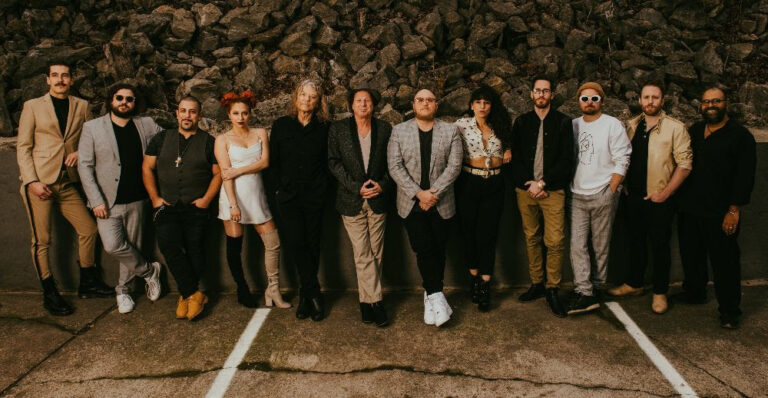
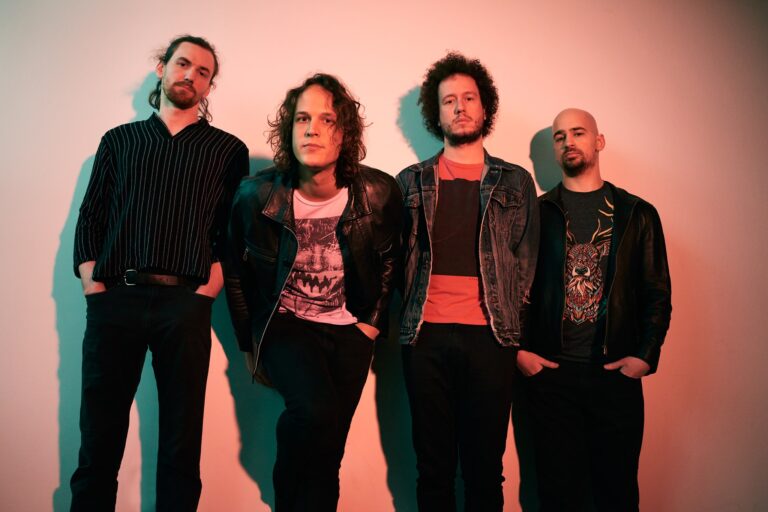
Brooklyn nine-piece funk lords Turkuaz explore the space between beauty and poison with their new single “Ophidiophobia,” featuring Jerry Harrison and Adrian Belew of the Talking Heads. They’ll debut the tune live this weekend during VIRTUAL ROO-ALITY, Bonnaroo’s Virtual music event.
Within this age of social distancing, Harrison and Belew added in their parts remotely, and the collaboration between Turkuaz, Harrison and Belew will appear on VIRTUAL ROO-ALITY as Remain in Light, an ensemble that was slated to tour the festival circuit throughout the 2020 summer.
We had always planned on doing a little bit of Turkuaz material in the upcoming ‘Remain in Light’ tour with Adrian Belew and Jerry Harrison. Once the pandemic hit and the tour was postponed, I started to think this would be a really nice track to have those guys on.
Dave Brandwein
Pronounced oh•fid•e•oh•fo•bia, what began as an instrumental groove originally titled “Dr. Jones” with a sinister, dark tinge turned into an Indiana Jones-inspired track, as recalled by Turkuaz bari-saxophonist and vocalist, Josh Schwartz. Another working title that Dave added was “Akar Saga,” but upon looking up the phrase and discovering it was a beautiful, tropical vine, Schwartz knew he was onto something special.
“A poisonous but beautiful tropical vine with red and black features reminded me of snakes, of which Indiana Jones is famously afraid, so I realized I could combine imagery and words from both placeholder titles to write a song involving snakes. When I found out that the fear of snakes is a word as beautiful and strange as ophidiophobia, I knew this song had to be written.
This was yet another great collaboration experience with Josh building on a groove/bassline that Taylor [Shell] brought in to some writing sessions we had here at my studio. I think most of us took a small amount of these mushroom capsules I had. Turns out they weren’t so ‘micro’ and some of us had a bit more of an experience than we’d planned for. But we carried on and tried to let the grooves take over! Once Taylor started on this bassline I think we may have just jammed on it for about 40 minutes straight.
Dave Brandwein
Tune into Virtual ROO-ALITY this weekend to catch “Ophidophobia” performed live.
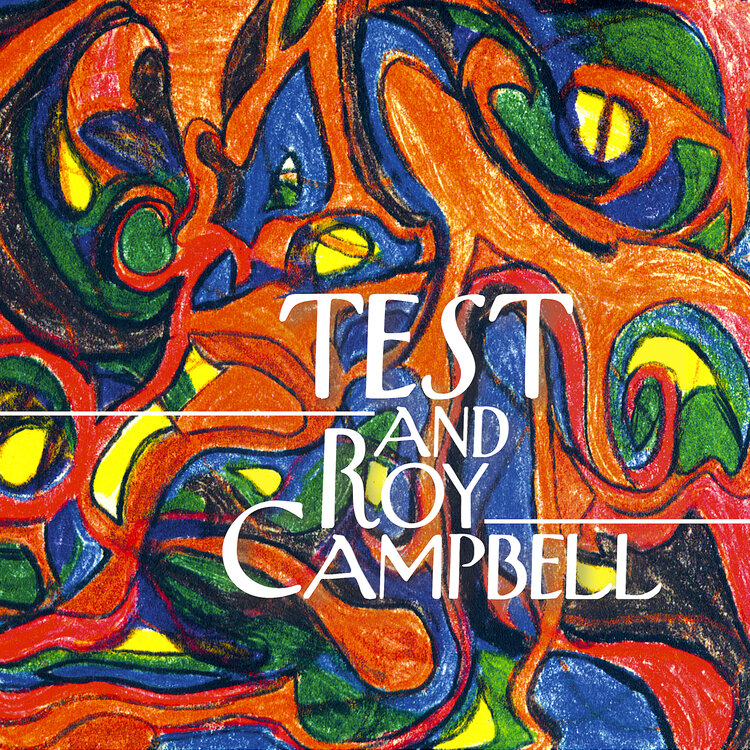
Indie Jazz label 577 records has just released the new TEST and Roy Campbell Jr. album, recorded live at the Hinton House. The live recording of the performance took place in April, 1999.
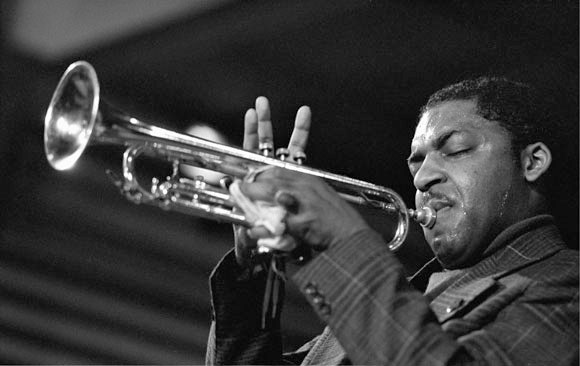
According to Jazz Times, Roy Campbell Jr. was considered a favored player among the free jazz aficionados. He was praised for his adventurous approach and mixing of genres including world music, hip-hop, and reggae. Unfortunately, Roy Campbell Jr had passed away on January 9th, 2014, at 61 years old.
Campbell was joined by bassist Matt Heyner, drummer Tom Bruno, and saxophonist Daniel Carter, with Sabir Mateen also playing saxophone alongside the group. According the album notes, this performance was a benefit gig to repair the No Neck Blues Band’s van. John Fahey, Lee Ranaldo, and No Neck Blues Band joined the stacked lineup at their loft, The Hinton House, and raised the ‘bread’ to fix the van. Spirits were lit with a listening and enthusiastic audience. The cathartic energy rising.
The performance and energy were frantic and steadily increasing as the show went on. Listeners tuned in to the live performance clearly enjoyed the free-jazz and the atmosphere Roy Campbell Jr. and company provided.
TEST occupied the public space of New York City. TEST’s typical audience was a passerby on a subway platform, a curious security guard on a smoke break in midtown, or the most ‘in the know’ subset of gig-goers. TEST, distinctly honed their working band approach, by actively gigging multiple times a week across the NYC subway map.
When TEST performed at a venue, listeners would witness the bullseye acumen of a working band. This ethos of the band choosing to ‘play anywhere/all the time’ separated TEST from other groups.
One of the hardest working musicians in the scene, Campbell lived at the north end of the Bronx, but nightly could be found downtown, uptown, or somewhere in the middle playing weekly at venues such as Lenox Lounge, The Pink Pony, Brecht Forum, Tonic, Knitting Factory and CBGB’s Gallery.
The free-jazz album has left listeners feeling nostalgic for the time. The Test and Roy Campbell album has given jazz aficionados the opportunity to live in that moment of free-jazz history. The album is now on Bandcamp.
Since March, the Coronavirus global pandemic and government shutdown had left many people in their homes stuck with nothing to do. That is until, famed producers Hit-Boy and Boy-Wonder began the Verzuzcraze on Instagram Live, playing their most popular records back-and-forth. Timbaland and Swizz Beats expanded on the phenomenon, elevating it by pairing older, iconic acts together to showcase their catalogs in a 20-song format.
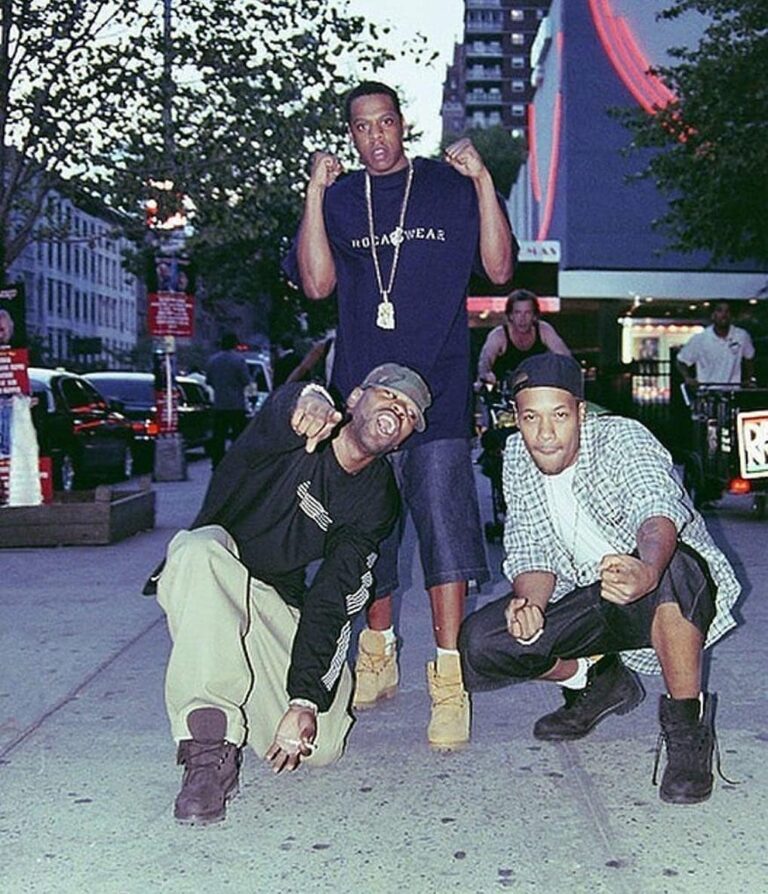
Verzuz battles have helped keep the general public’s minds off of the pandemic and the success from each ensuing battle has fans creating dream matchups of who they want to see next, and which artist they want paired with who. One of the artists that many fans want to see step into the ring is Jay-Z. Widely considered as one of, if not the greatest rapper ever, conversations surrounding a potential Hov battle have people asking two questions: given his immense stature, would he actually do a Versuz battle? And, who exactly would be his opponent?
The first names that have been tossed around are his long-time rival Nas and Lil Wayne. Nas and Jay-Z’s rivalry is well-documented and dates back to the late 90’s. Their problems began when Nas turned Hov down for a feature on Jay-Z’s song “Dead Presidents” off of the Reasonable Doubt LP, because Nas’ voice was sampled for the record. With that, animosity began to build, as both rappers exchanged shots for years throughout multiple songs until the rivalry met its climax in 2001.
https://vimeo.com/316958866
First came Jay-Z’s “Take Over” from his Blueprint album, while Nas replied a few months later with “Ether.” Their battle marked Nas’ to hip-hop superiority, as well as the first real loss by Jay-Z. It only makes sense that their convoluted history has fans yearning for a Verzus battle between the two.
While Lil Wayne’s case is centered on his dominance of the rap game during the mid-to-late 2000’s, he has also had a healthy rivalry with Jay-Z with the two sharing subliminal shots at each other on various records. While all these names are legendary in their own right, the best opponent for Jay-Z isn’t Lil Wayne or Nas, but none other Method Man.
Making a name for himself in the early 90’s as the face of the most gritty and diverse group in hip-hop history, Wu Tang Clan, Meth has been a part of many classic albums in his own right. From his work with the Clan, his own solo albums and guest features, he has enough in his arsenal to give Jay-Z his toughest matchup in a Versuz Battle.
Why Meth and not Nas or Wayne
Some will say that Method Man isn’t a better choice to battle Jay over Nas or Lil Wayne and they would be wrong. Artists have egos and want to be matched up with other rappers whom they believe are of their stature. Jay-Z is at the pinnacle of hip-hop as a mogul, artist and legend. He is constantly praised by hip-hop media outlets who have been the main reason for him being mentioned as the “G.O.A.T.” in recent years. Prior to his success as a businessman, that title was reserved for the likes of Tupac Shakur, The Notorious B.I.G., Rakim, LL Cool J, and Nas.
Jay-Z has always been conscientious of how people perceive him. In a 2019 Breakfast Club interview, rapper T.I revealed that Jay-Z phoned him over comments he made where he stated that he believed Tupac Shakur was the greater emcee.
Jay-Z took some offense, which let the masses know that being considered the greatest is important to him. From his pespective, why go head-to-head with Nas again? Because of the extent of his radio catalog, he would would be the heavy favorite, to the point that most would write off Nas, just as they did in 2001.
While a Verzuz battle is meant to be hit-for-hit, we’ve seen them deviate from this course and highlight quality records over just radio-friendly music. In this scenario, Nas could come with 20 of his best records and possibly sneak a win from Jay-Z, and if he does, then his status among mainstream media as the best rapper ever would come into question.
The same thing can be said for Lil Wayne, only his win would come from his sizable radio catalog. If Jay-Z were to battle him and go hit-for-hit, there is a possibility that he would lose. Another overlooked aspect is that Nas, Lil Wayne and Jay-Z all have laid-back personalites, which might not be the most entertaining to the public as other battles have been. This is where Method Man comes in. As the host of TBS’ Drop the Mic, his personality is effervescent and thus would serve as better entertainment to audiences, as he would surely provide great banter during a Verzuz battle. Meth is not considered usually in the conversations for best rapper ever, he is thought of like Snoop Dogg; a dope rapper in their prime, who have been featured on great songs throughout their careers.
If Jay-Z were to get defeated by Method Man it would be more of a look for Meth and his catalog than a diminishment of Jay-Z’s. Meth is pulling from not only his catalog but the entire Wu-Tang Clan’s, as well as guest verses he has done throughout his career. If Jay-Z does defeat Method Man, then he can say he took down Method Man (who was at one point viewed as a better emcee than Jay-Z in the mid to late 90’s), while also claiming that his own catalog was able to overcome Wu-Tang Clan’s discography, which would make his case as the greatest ever stronger.
How Would Their Battle Go?
A battle between Method Man and Jay-Z would be interesting because of their contrasting styles. Meth has a gritty gutter style and has been known to rhyme over tougher beats. Jay-Z is smoother and rhymes on more polished sounding production. Meth might probably start off with his first single off the 36 Chambers album “Method Man” or “Protect Ya Neck,” the track that put the entire Wu on the map. This would put Jay-Z in a bind, as a lot of the early Wu Tang records are considered some of the best rap songs of all-time. This would probably force him into playing a lot of his older, more acclaimed work but, he would most likely still play some of his newer songs like “Story of OJ,” due to its popularity and current climate of the world, with race relations and internal bickering amongst the black community.
A major risk in this battle is sequencing. Would Jay-Z try and use his Billboard hits against Method Man with songs like “Déjà vu” with his wife Beyonce? While one of his highest charting songs ever, against Method Man, the underdog in this battle, it would not be wise to play those kind of records.
Method Man has gotten a bad rap for “whining” about being overlooked in his all-time ranking when people mention the greatest emcees. A Verzuz battle with Jay-Z not only brings new listeners to his already iconic catalog and also opens up discussions about where Method Man should be ranked in the pantheon of hip-hop greats. This also works in Jay-Z’s favor, as Method Man has a legendary and mostly underrated discography. If Jay-Z were to lose, it would be shocking but no one would question his superiority over Method Man in the rap hierarchy. If Hov wins, then he would reaffirm his status as the best rapper of all-time.
Here is a list of both MC’s potential versus picks.
New York music venues decided to file a Federal lawsuit against State restrictions on live music on September 6, 2020 in the U.S. District Court in Manhattan. The lawsuit involves ten establishments across New York who believe the live music restrictions are unworkable and unconstitutional.
The Federal lawsuit challenges both the ad ban and the rule against charging for shows as being arbitrary since there is no evidence those actions have any effect on the slowing coronavirus spread.
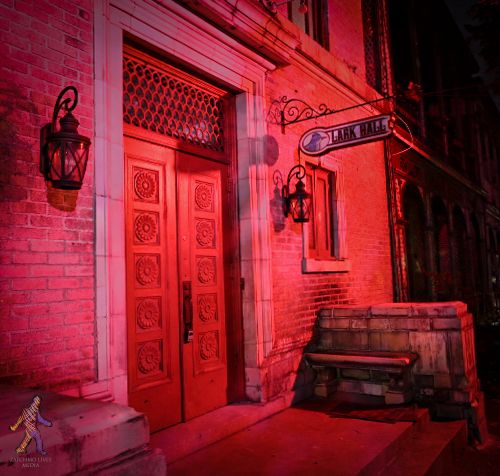
Lark Hall lit up in red demanding the passage of The Restart Act. Photo by Zach Culver.
Last week New York state announced rules that aimed to contain the spread of the coronavirus according to state officials but many venues feel they have been disproportionately singled out in this new ruling. The rules allow only what the state calls “incidental” music to be performed at venues making it impossible to promote performances and therefore making it difficult for venues, bars, and restaurants to intrigue an audience to attend their establishment.
The ten establishments involved in the lawsuit are establishments that serve liquor and host or promote live music or entertainment. These venues come from all across New York state including four in New York City. The others are located throughout upstate New York in Buffalo, Niagara Falls and Clifton Park. The plaintiffs in the case are Turks Group, LLC, operating as The Sultan Room & The Turk’s Inn in Brooklyn, 49 Illinois Restaurant, LLC, operating as Buffalo Iron Works in Buffalo, The New York Independent Venue Association, a trade association, Columbus Ale House, Inc., operating as The Graham, in Brooklyn, Upstate Shows, Inc., operating as Upstate Concert Hall in Clifton Park, Jayarvee, Inc., operating as Birdland Jazz Club in Manhattan, Capitol Enterprises, Inc., operating as The Capitol Theatre in Port Chester, Jukimoo, LLC, operating as Littlefield in Brooklyn, nfinity on Main, Inc., operating as Tralf Music Hall in Buffalo, and Rapid Theater Niagara Falls USA, Inc., operating as The Rapids Theater in Niagara Falls.
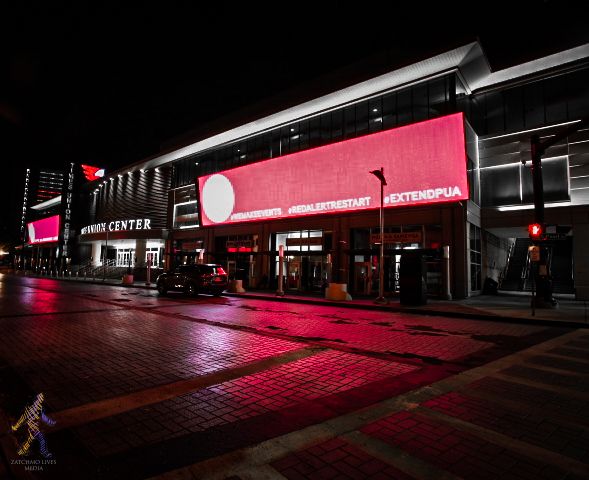
Times Union Center lit up in red demanding the passage of The Restart Act. Photo by Zach Culver.
The defendant named in the lawsuit is the State Liquor Authority Chairman Vincent Bradley. The State Liquor Authority has been the leading charge in enforcing Governor Andrew Cuomo’s coronavirus orders. They do this by having the ability to suspend liquor licenses and impose fines on establishments not following the rules.
According to syracuse.com, “The lawsuit asks the court to halt the state’s enforcement of the orders. It also seeks payment for the cost of the lawsuit and lawyer’s fees, but does not specify monetary damages.” The state’s coronavirus rules are simple and easy to follow for most of these establishments. People being required to wear a mask, social distance, use hand sanitizer, having employee health checks, and ect would be very doable for establishments who host live music and yet they are being singled out from being able to promote their businesses.
The Federal lawsuit says, “The advertising and ticketing of shows would allow establishments to maintain better control over their limited capacity, allowing them to tell patrons in advance that an evening is sold out and thus avoiding the gathering of crowds trying to gain admission (and the increased risk of transmission that comes along with such gatherings).”
For more information on the New York’s new guidelines for establishments and how they effect the establishments and musicians read NYS Music’s article on the guidelines.
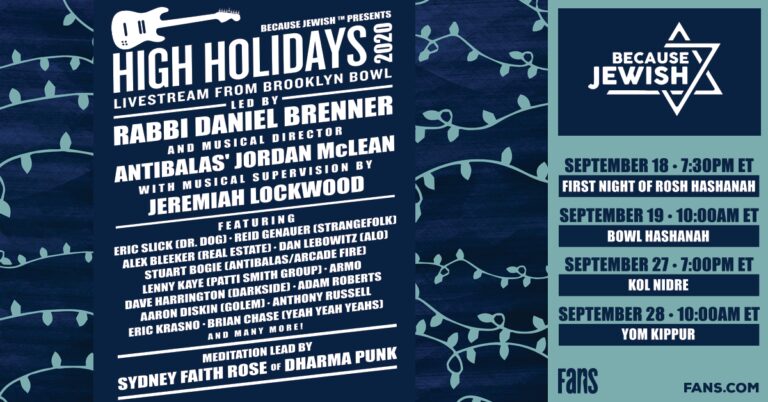
High Holidays live-stream was announced by the Because Jewish organization. The High Holidays celebration series for 2020 will stream for two weekends starting on Rosh Hashanah on September 18 at 7PM and the 19 at 10AM and on Yom Kippur on September 27 at 8PM and the 28 at 10AM. The celebration will include performances from people like Jeremiah Lockwood, Armo, Eric Slick (Dr. Dog), and Reid Genauer (Strangefolk). All four events will be broadcast for free live from New York’s Brooklyn Bowl.
The event will be led by Rabbi Daniel Brenner with Antibalas Jordan McLean acting as it’s musical director. The festivities won’t have a live audience at the Brooklyn Bowl unfortunately due to COVID-19 but people can attend the via Fans.com where it will be live- streaming. This will be the ninth annual High Holidays, Because Jewish is hosting. The aim is to host a suite of musically and spiritually driven High Holiday services.
Eric Krasno, Disco Biscuits’ Aron Magner, Guster’s Brian Rosenworcel, Dap-Kings saxophonist Cheme and guitarist Bryan Grone are the latest additions to the lineup, part of the array of musical guests appearing throughout the services. Some will be live while others will be pre-recorded performances.
Some of the anticipated artists include Jeremiah Lockwood, Armo, Eric Slick (Dr. Dog), Reid Genauer (Strangefolk), Alex Bleeker (Real Estate), Stuart Bogie (Antibalas/Arcade Fire), Dan Lebowitz (ALO), Lenny Kaye (Patti Smith Group), Dave Harrington (Darkside), Adam Roberts, Aaron Diskin (Golem) Anthony Russell, Brian Chase (Yeah Yeah Yeahs) and a number of others. Each service will also include traditional prayers, a guided meditation, and instrumental offerings from a number of notable New York jazz musicians.
Because Jewish is an organization that promotes, “Emotional, intellectual, mind-firing-on-all-cylinders exploration of God and faith and Judaism in this crazy modern world we live in. We explore through ritual, we explore through Bible study, we explore through delta blues, we explore through art, we explore through meditation. We explore through offering ourselves to something greater than ourselves. We aim to unsettle you. We aim to challenge you. We accept no easy answers.” According to their website.
The event will be free to the public this year but donations are greatly appreciated from those in a position to donate during these difficult times. For information on how to make a donation you can Because Jewish’s website.To stream the service visit the Fans.com event page and input your email for access for streaming.
For more information on the event visit Because Jewish’s website.
File this one under so nice the Analog Players Society had to release it twice. The first disc, TILTED, is a percolating live acoustic jazz session featuring four of the genre’s finest players. The second, Soundtrack for a Nonexistent Film, is a loop based reimaging of the sounds waxed during the former, a fractal audio swirl that gives props to the sample-heavy production of hip-hop’s Golden Age and a new kind of noir cinema sound.
The culprits behind this very forward-thinking project are the Analog Players Society, the brainchild of producer/engineer Amon Drum (aka Amon aka J. Amon). This heavy collective originated at Amon’s first studio, The Hook, which recently moved and expanded to be reborn as The Bridge Studio, a new Williamsburg, Brooklyn-based favorite of NYC’s most cutting-edge players.
Photo by Jude Goergen.
The APS collective features a rotating ensemble cast of some of the Big Apple best soundmakers. APS’ various projects, which are all decidedly eclectic by nature, carry serious strains of the Jazz, Dub, Funk, Afrobeat and Soul within. Analog Players Society’s 2012 debut album, Hurricane Season In Brooklyn, impressively debuted in the top 15 of the Billboard Contemporary Jazz Chart, and earned press accolades from NPR’s Fresh Air, Wired, and All About Jazz to name a few.
Fast forward to April 2019 and the Analog Players Society is reborn during a live jazz session produced by Ben Rubin (aka Benny Cha Cha) and Amonat at The Bridge Studio. Rubin gathered four of the best jazz musicians in New York City for the occasion: tenor saxophonist Donny McCaslin (David Bowie’s last bandleader on Blackstar), pianist Orrin Evans (the Bad Plus), and the in-demand rhythm section of bassist Dezron Douglas and drummer Eric McPherson.
The fruits of this meeting are featured on TILTED, which comes out today on Ropeadope Records. It boasts three lengthy explorations, all full of quirky creative turns and high-wire harmonic interplay.
Nothing like the tinkle of a toy piano to set the mood for this most unique cover of Monk’s angular and playful Epistrophy. McCaslin is the focal point for most of this 10-plus minute journey. He deconstructs lines and floats across Evan’s alternatively chopped single note support lines and lush, complex chord painting. McPherson’s unique drumming, evident on all the tracks, is at its most impactful here. He’s a man more inclined towards orchestral stomps, punky thunks and unexpected breakdown fills than cliched, cymbal-ridin’ chinga chinga cocktail lounge swing. To my ears, his style owes more to someone like Captain Beefheart’s John “Drumbo” French and the delightfully jerky time of Prime Time-era Denardo Coleman than traditional post bopper. And making this even more oddly Monk, Evan’s goes two hands for his solo here, one on the piano grand, and one on his toy ivories!
Photo by Jude Goergen.
On the other cover here, One Note Samba, the quartet wrestles a tasty dose of avant garde out of Antonio Carlos Jobim’s mellow bossa nova classic, with McCaslin tossing about the memorable melody, bringing a bit of sinister mood with the subtle delay and harmonizer laden on his horn. With the sole original, Freedom is but a Fraction of Humanity, what starts as a lovely, yearning ballad turns into a high-speed chase, with especially fierce soloing from Evans. All of these tracks are produced and engineered to perfection by Rubin and Amon, imparting a crisp acoustic experience, notable on Douglas’ deep soulful bass, and with tasteful use of electronic effects that give it just the right among of left field fun.
When it comes to left field fun, it will be hard to beat the second release birthed from these sessions, Soundtrack for a Nonexistent Film, to be released on October 30.
Running a little over 30 minutes in all, Soundtrack is comprised of 12 miniatures composed entirely lifted from short samples from TILTED’s tracks, seven by Amon on the A side; five by Rubin on the B side. These tiny gems are looped and mutated electronically to create a new kind of moody, one that is part street, and part cinematic cool.
The opener, Chase, features a driving 70s Miles Davis beat (think Al Foster on Agartha) on which Amon hangs an edgy bit of melodic sax, only to break the drive periodically with the ringing of solo piano chords and time changes. He gets extra points from me on this one with the injection of the fartiest sawtooth wave bass synth lines, vintage Krautrock or early ELP. My favorite Amon remix is Act Cool. It features a Hip-Hop beat under a warm, melodic acoustic bass, lush pads and McCaslin’s sax at its breathiest, a kind of Ben Webster Goes to Mars experience.
Photo by Jude Goergen.
Rubin’s five pieces demonstrate his devotion to in-the-pocket rhythms and dub mixing, most evident on the ska-infused Brooklyn Blackout and the jazzy blues of Starry Night. What’s a delight about all the tracks here is how the duo recycles and dramatically changes these little phrases, whipping them into a wide range of compositions, ones that always seems to milk something evocative out of these humble two-bar nuggets.
Key Tracks: Epistrophy, Freedom is but a Fraction of Humanity, Act Cool, Brooklyn Blackout
In a year where things can’t seem to get any worse, Added Color provides a rare hopeful vision. The Brazilian-American Brooklyn rock band returns with their new song “Something Better,” the lead single for their upcoming November EP, If You Had It All.
“Something Better” impressively tackles a myriad of problems plaguing Western culture without skimping on any of them. Using topical slogans like “resist” and “I can’t breathe,” it sounds like a socially conscious mosh pit. The accompanying lyric video complements the song with a staticky aesthetic, depicting this year’s protests, inedible fast food, and corrupt politicians. But despite including the likes of Donald Trump and Brazil’s Jair Bolsonaro, Added Color believes these presidents merely personify deep-rooted societal issues:
We feel that the greed, corruption, and cruelty that is embodied by world leaders such as Trump and Bolsonaro is a symptom of something that’s been decaying for quite a while now. A lot of people are depressed; a depressing amount of people are addicted to drugs. Police brutality is a massive issue—it seems we hear a new heart-wrenching tale of senseless loss of life on a daily basis. Access to decent healthcare is a nightmare for millions of people in what is supposed to be the richest country in the world. Fast food franchises reign supreme; it’s a challenge to eat decently in a lot of places.
It all amounts to a huge macro need for Something Better. The capitalization is not just because it’s the name of a song. It’s an idea for another world: one that we all deserve, and one that we can create together.” Of course, the song’s bridge decides that “Something Better starts with you.
“Something Better” precedes Added Color’s November EP, If You Had It All. The band is releasing the EP through Damp Interactive, in partnership with global distributor Symphonic Distribution. Recorded and produced by Johann Meyer (Gojira, Mastodon, Shinedown) and Jamie Uertz (Blind Melon) in Brooklyn, guitarist and vocalist Kiko Freiberg says If You Had It All is “darker, more political, and more powerful” than past projects. Drummer and singer Daniel Freiberg elaborates:
“The EP attacks the ‘free world’ as a society designed for failure, where corporations and government work hand in hand to thrive off the backs of the oppressed. Unfortunately, it took a pandemic to make the world pay attention to the societal diseases that plague our revered ‘Western Society.’ It’s time to make a change.”
Added Color has played in over 25 states as well as internationally. They’ve toured in Morocco five times, including at the 2019 L’Boulevard Festival, and played at some of Brazil’s biggest music festivals. Since the pandemic has stopped them from touring, they’ve instead planned live performances online. Every Tuesday at 3:00 P.M. ET, the band streams their “Chevy Expressions” series on Instagram Live.
https://www.instagram.com/p/CESO8ZHDjns/
Stream “Something Better” here, and visit Added Color’s website for more information.
Throughout the summer, protests surrounding the shootings of unarmed Black Americans led to calls for police reform, with success that can already be seen across the country and world. Black Lives Matter has changed the national dialogue on race and brought it out of the shadows. There is one musician who has been using his improvisation skills to bring to light those who have been killed or injured at the hands of the police – Donald Sturge Anthony McKenzie II.
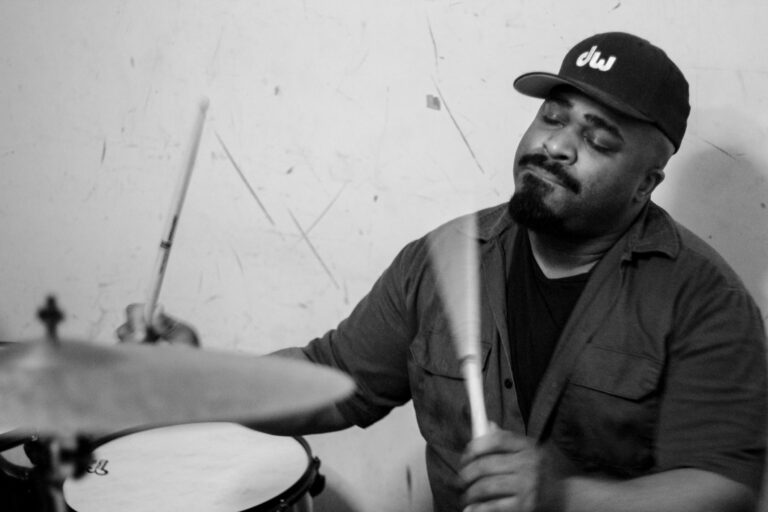
McKenzie is a prolific improvisational drummer with a fierce discipline and connections to the late ’80s hip hop scene in Brooklyn. Learning from Everett Collins (Isley Brothers) and world-renowned drumming teacher, Dom Famularo, McKenzie has developed a firm basis in theory and has evolved thanks to his discipline behind the kit. Having traveled the world performing, McKenzie has toured and recorded with instrumentalist Elliott Sharp, guitarist Marc Ribot, and Grammy nominated jazz composer Roswell Rudd, among others, and backed hip hop and R&B artists including Pharoahe Monch, P.Diddy, Grave Diggaz, New Kingdom, to name a few. McKenzie also serves as musical director for Kat DeLuna, and teaches master classes at the Brooklyn Music School.
Best known for Silenced and Silenced II, two extremely powerful albums with tracks named after a POC who lost their lives due to police brutality, McKenzie is wrapping up Silenced III, a double album to be released in late 2020.
McKenzie spoke with NYS Music about Black Lives Matter and his Silenced albums, playing with Nels Cline, how Vernon Reid has helped him along in his career, and the next chapter for the compelling improvisational drummer.
Upon first glance at Silenced, the track names stand out, each being a Black American who were victims of police violence, many lesser known names. The tracks themselves are entirely (99.5% as estimated by McKenzie) first takes and unedited version. While smaller parts may need to be cleaned up, the goal was to have it completely unedited and completely improvisational. McKenzie shared his insight into these two unique factors:
If one person can be drawn to my music, my art, for music’s sake, the musicality of my work, and they see a song title – if one person goes to Google and researches their name, I think I’ve done a service to the world. A lot of people are not as aware of the injustices and the every day trauma of living in America in Black skin.
It’s a way to move a person closer to acknowledgement of certain people’s humanity. Not 100% of name titles are people that have been killed by police, some are people who were killed in tragic circumstances.
McKenzie wants people to research these individuals – he does not seek to tell people to do this, or to be shamed or browbeaten into researching someone. Giving these names to song titles allows, in this words, for “the art to travel while he sleeps.”
If it leads to someone saying “Who is Malissa Williams?,” then it is a service to the world and the people as well. Let’s say my album is being played in Ukraine – everybody has their own strife and troubles and drama – they could be listening to this and wondering, ‘Who are these people?’ I wanted people’s names to resonate on a global scale, as far as my art can take it.
https://www.youtube.com/watch?v=gCeAOg2iyYI
Linking up with Wilco’s Nels Cline would lead to the high-powered “Sandra Bland,” the first track off Silenced. The pair did not discuss what they would play, nor did they run down or plan it out – the track is fully improvised, purely organic and in the moment. You can hear the first to the last note they played together on “Sandra Bland.” And they’ve played together since, with Sean Lennon and Captain Kirk (The Roots), but the first notes from McKenzie and Cline are on Silenced.
The first time I met Nels Cline I was on a trio gig with Elliot Sharp and Melvin Gibbs, and Nels was on the same bill and I just loved his sound and his playing. While I was recording these albums, I wondered if I could get him on this. I was walking by the music store Main Drag, in Williamsburg, Brooklyn, and just by chance he just happened to be walking out and I was like, ‘Nels, what’s up?’ and we made arrangements to play and he was the first one that recorded on this album.”
Once he cut “Sandra Bland” with Cline, McKenzie sent an unmixed version to Living Colour guitarist Vernon Reid, who, according to McKenzie, “went crazy,” and expressed interest in being on a track, which would later be titled “Eric Garner.” It turns out McKenzie and Reid have a long history going back to Living Colour’s rise to prominence in 1988 with the release of “Cult of Personality,” and the two would link up to perform in Reid’s Masque.
I think that improvisation (with Cline) set a high bar, and while some musicians might have been scared off from the studio concept, and some are competitive (especially guitar players) Reid loved the challenge and having played together since 1995, we have a great musical relationship. It was superb.
I met Vernon around 1988-90 when I was 17. Living Colour had a special place in young Black musicians’ hearts, esp those who were playing instruments. Most people were pure hip-hop heads, into the drum machine, and that’s great too, but as a drummer and those who were guitar players (Eddie Reyes – Taking Back Sunday) – we’d all go in the house and play Living Colour covers, Slayer and Metallica covers, all in my parents garage. Vernon was an idol of mine. The video for “Cult of Personality” changed a lot of people’s trajectory in life; that was a big deal for me.
I was playing (drums) in the rap group New Kingdom and I was at the record label, on top of Tower Records at 4th and Broadway. In that building was Island Records and I used to hang out the label, drink the water, absorb the whole thing of being in the music business. There was a release party for a Gravediggaz album that I was on and Vernon came to pick up his invite. He gave me a copy of his first solo CD with Masque. I was so impressed I went home and practiced it; I was just so impressed that he would semi-remember me from stalking him as a teenager.
Long story short, something happened with his (Masque) drummer, a friend of mine, Curtis Watts, and Vernon asked me to step in and I showed up at rehearsal, I was over-rehearsed – I knew every song, every inflection.
From connecting in 1995, to recording with Masque, Reid would use McKenzie in many of his projects, with the Yohimbe Brothers and DJ Logic, the third Masque album, live performances, improv, and soundtrack work. McKenzie notes the depth of the connection: “Vernon is just my guy, Vernon is like a musical father to me.”
McKenzie’s collaborations started when he was 16 and recorded a demo for TBT records with the band Three Feet Deep. And while the band was not signed, listening back recently, McKenzie notes, “It’s still happening.” The next group he performed with, Gravediggaz, would lead to broader connections.
I used to be at the recording studio hanging out with Wu Tang Clan – this was Firehouse Recording Studios – and I went to the same high school as De La Soul in Amityville – they knew I was eager and into my music, so they always wanted me around, so that was a big deal.
This connection at age 16 would allow McKenzie to hang out with rising artist A Tribe Called Quest, who he has memories of going to a Hampton’s homecoming game with on the bus, alongside De La Soul, Tribe, Hieroglyphics, and road manager Chris Lighty (Violator).
I started out playing more straight material – less improvisational music – but as I’ve developed and gone on in my career and life, I’ve realized that more of a Cecil Taylor improvisational path is better for me, as opposed to recording in sections. I love playing in the moment, and in an improvisational setting. That’s where I’ve seen my individuality and creativity coming to life. That’s where my head is right now and I want to just move forward and push forward with that.
Two years sinceSilenced II, a new project is in the works – a double album – inspired in part by the Black Lives Matter movement and protests this summer.
I’m working on a double album right now. I don’t want to be the guy to milk this cow. I made a statement, and the statement is relevant today. I think that capitalism under this American imperialism and colonialism, it will still say relevant. We seem to try to disconnect ourselves from the violence and oppression overseas and the violence of the military and violence of the police; it’s just different GPS points. I made a statement and it’s relevant, but it would be suppressive and anti-creative to keep doing the same thing.
When I made that statement with Silenced and Silenced II, I had no idea that the situation in America would come closer and bring people closer to what I was saying years ago. But that’s what’s happened. It’s been three years since I got in the studio and played these tunes. I have more work than play but I don’t want to tip my hat, a good way to maybe give you an inkling, yes it will be a majority improvisational, which is I think a really strong way to express myself at this point in my life, and it will be a double album and really like an audio Jackson Pollak.
With two young children, McKenzie has been focusing on parenting during the pandemic, doing his best to mitigate the damage of sudden isolation from school and peers.
I’ve been able to use the studio and just be here for days on end and just practice and practice and listen to music and a lot of great drummers. I get inspiration from visual things so I look at different artists and get different sounds from different art. Someone said they hadn’t ever heard birds chirping in Brooklyn, because there were no cars, and no one was out, and that has been a source of inspiration.
Overall, McKenzie has been spending time with his children who have been the focus of his attention as he moves forward in a positive way for everyone’s benefit.
He’s also been in the studio, using French band Gojira‘s studio space since they are out of town and admire what he does. “Stuff like that would never happen if the lock down didnt happen, the studio would be full up,” said McKenzie. They love what McKenzie is doing and offered up the studio for him. His next studio offering drops this fall.
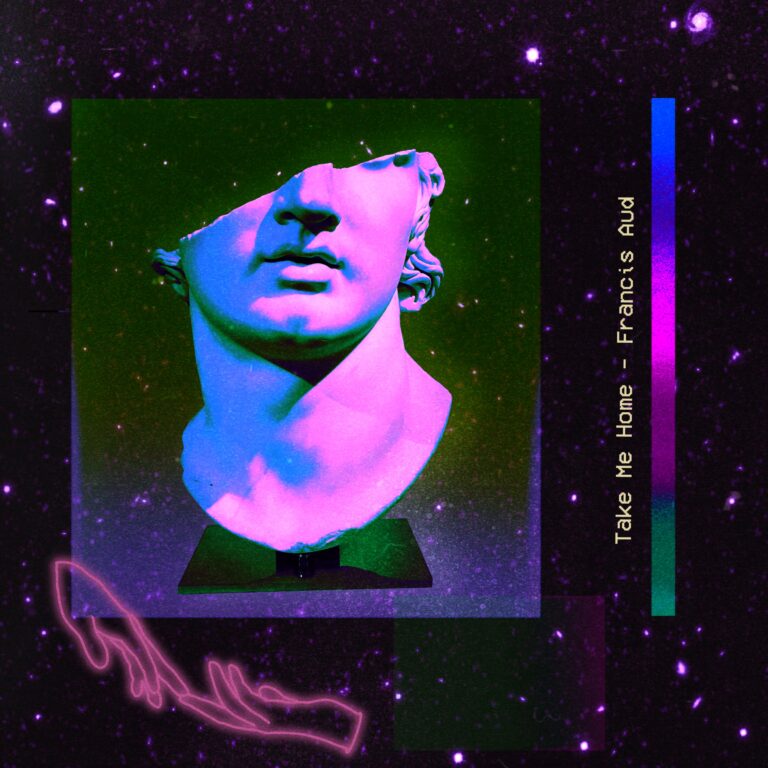
Brooklyn electro-pop funk artist Francis Aud recently released his newest single “Take Me Home,” blending bittersweet lyrics with an upbeat and unique electric funk.
Francis Aud started out as a retro-soul artist and released his debut EP Tender Things in July 2017. Since then, his music has evolved into what he calls ‘FONK,’ his own original blend of electro-pop and funk. This refreshing mix gives his music personality and makes his sound memorable. Francis tells NYS Music:
My biggest inspirations are Al Green, Marvin Gaye, and Sam Cooke. From listening to those guys, I then found Jackie Wilson, James Brown, and then followed the thread of musicians they influenced all the way up to contemporary pop artists like Bruno Mars and Parcels.
Francis Aud
What he listened to as a child has been “carried in his psyche,” and he says that listening to “super romantic Spanish crooner music or The Commodores” all the time as a kid still influences his own writing style today. “I almost exclusively write about love, relationships, and desire and I still try to phrase the lines I sing like how a crooner would…old habits die hard I guess!” He’s been releasing several FONKY singles since 2018 in preparation for a bigger release in the future.
“Take Me Home” looks back on a past relationship with bittersweet nostalgia. “When it comes to lyric-writing,” Francis says, “I’m always trying my best not to write lyrics that aren’t devoid of meaning (if that makes sense.) I think lots of the time when people hear the words ‘pop music’ their mind immediately jumps to this idea of extremely surface level and superficial lyrics that come from lazily relying on overused tropes and clichés. I think good pop music doesn’t have to be devoid of a deeper meaning and there’s lots of proof around me of that.”
Photo courtesy of Amanda Blide
Despite its somewhat sad message, the single is in no way a downer. It’s upbeat and dancey. “That comes from my shameless love of 80’s music,” the artist admits. “I seriously, positively, TRULY, love music from the 80’s, especially the movie soundtracks where the arrangements were super over the top and used cheesy keyboard sounds on everything. Because that music makes me happy, I think it’d be worth exploring the juxtaposition between that music and the lyrics and I’m just lucky to call it a success!” The 80’s vibes in “Take Me Home” are clear, but with an original and modern spin that is lacking in some other “cheesy” pop.
Francis Aud’s music and website both shine with his positivity and humor. “I don’t think I can ever remember a time where I wasn’t blatantly making terrible dad jokes and puns,” he says about his ever-present humor. “In terms of positivity,” he notes, “I think it comes from both my parents and also comes with the territory of being a musician. With my parents being immigrants and coming to this NYC during the really rough 80s’-90’s, they had to work their asses off to make things happen and they had to have an optimism that things would work out. I think I naturally picked up on that. ALSO, when it comes to being an artist, you almost have to force train yourself to become more positive on a daily basis because there really is no guarantee that your art will be heard or even enjoyed.”
Despite the global halt brought by the Coronavirus, Francis has been keeping busy working on music: “I’ve been spending most of the quarantine teaching myself more about music production and trying my best to ‘level up’ my home recording set-up,” and “I’ve been working with more getting more comfortable using synthesizers and more of the electronic aspects of music production,” he says, as he can’t record in a full studio with a band right now due to the quarantine. “Aside from that, I’m always trying to hone my writing and working to finding that distinct balance between saying something meaningful and being catchy.”
Soapbox Gallery, the intimate Prospect Heights performance space that grew out of the studio of sculptor Jimmy Greenfield, will present three nights of live streaming performances, from August 26-28 at 8 PM. Each performance will be dedicated to adventurous electronic looping sounds paired with video narratives.
Globe- and genre-trotting percussionist Will Calhoun will headline and close out the festival. The lineup will also feature the acclaimed sound painting jazz saxophonist and film composer Hayes Greenfield and Guitars A Go Go, the ambient guitar duo of Sal Cataldi (aka Spaghetti Eastern Music) and Rick Warren, who are supporting the release of their buzzed about record, Travel Advisory.
According to founder Jimmy Greenfield, the festival grew out of the success of the Immersive Surround Sound Experiences performed by his musician brother, Hayes Greenfield, since the beginning of the COVID quarantine. Here are the details on the festival’s lineup:
August 26 – Guitars A Go Go – This is the edge-pushing improvisational partnership of two very “switched-on” Hudson Valley-based guitarists, Sal Cataldi (aka Spaghetti Eastern Music) and Rick Warren. Armed with a plethora of effects pedals and a quest for meditative and melodic adventures that span a galaxy of musical influences and attitudes, the duo has swung for the fences with the June 2020 release of their debut album, Travel Advisory.
August 27 – Hayes Greenfield with Ikuo Nakamura – With electronically tweaked sax, flute, kalimba, and voice, Hayes Greenfield creates lush lines and emotionally charged melodies layered into compositions that are both healing and liberating. Accompanying images of sometimes collaborator 3-D filmmaker, Ikuo Nakamura, Greenfield enhances the visual thematic explorations of the human connection to nature by creating sound waves that stop time, and inspire fields of memory and a collective awareness, unlocking a sense of the natural world at once from above, below, inside, and out.
https://vimeo.com/224740378/d75ac01151
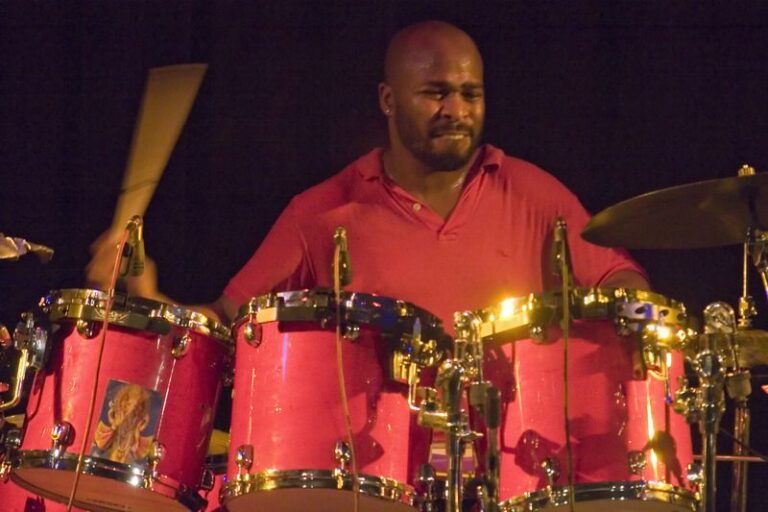
August 28 – Will Calhoun – With an array of indigenous and electronic percussion instruments, flutes (some sacred) and his drum kit, Calhoun weaves together ever more densely packed rhythms, ones that conjure an alternate reality no less transcendent than the multi-layered sounds of nature, people, thoughts, and relationships. Performed along to images he’s taken on his journeys to places as far flung as Mali, the Australian outback, and the heart of Brooklyn, Calhoun’s compositions unify the pulse of the ancient and modern worlds, revealing the hidden and underlying connections between the sacred and the everyday. electronic looping sounds