Upon the release of the music video for his single, “Calling Me,” Lefrak city native Kyngjo was happy with how his music was progressing, but was not fulfilled. Having begun his foray into the rap game only a year prior, he had seen significant growth in his sound and audience. With songs like “I’m Good Luv,” “Calling Me” and “Hypnotize” having reached tens of thousands of plays, he felt like it was time to up his production value.
“A lot of people want to rap, but what separates most of them is who puts their own money behind it,” he adds. “People always say this, but you really have to invest in yourself.”
With that, he embarked on a quest to shoot his best music video to date. The slick & catchy single “Who That,” which contains features from Long Island native, Pell The Don and Bronx rapper, Goggle Boy.”
“I just felt like that was a song I could push,” he explains. “Everyone did they thing on it and it’s something you could bump in the club or in your whip.” With a more polished music video in mind, he sought out popular Queens videographer, V.Lens. “I have ideas, but I also want a videographer who can come with their own [ideas] and knows how to shoot a story, not just record the video.”
Together, both artist and videographer brainstormed ideas and eventually came up with a fitting storyline to match the record. And so, the quartet made their way to the Long Beach section of Nassau County, as the boardwalk was designated as the perfect locale.
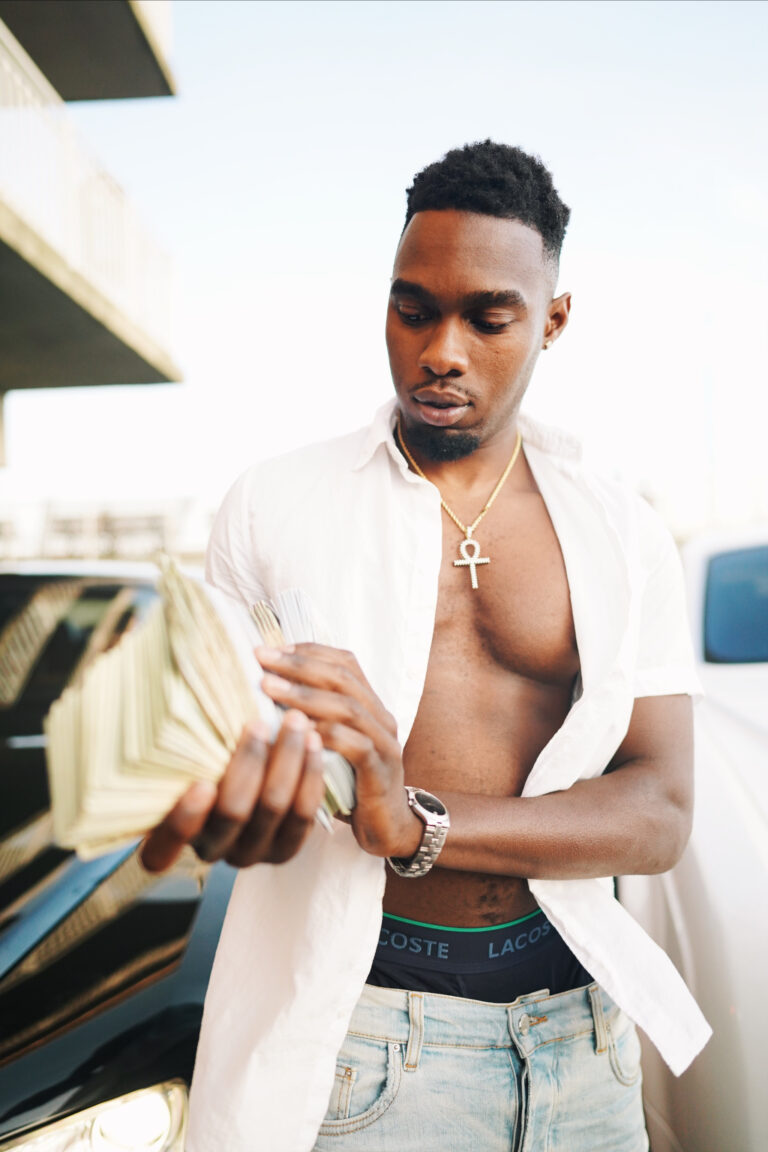
Actress and model, Ceecee Valez, played Kyngjo’s love interest in a plot that sees him and Pell The Don counting wads of cash when Kyngjo peers off, noticing Valez’s character making her way out. The rest of video sees the trio deliver their verses in the two Rolls Royce Wraiths and inside a club-themed locale.
Overall, the music video was quick and to the point (along with plenty of eye-catching props). Each artist got their chance to showcase not only their verses, but how well they work in front of the camera as this was a significant step up for each of them. “I wanted to separate myself from a lot of other people and I feel like I did that,” Kyngjo reveals.
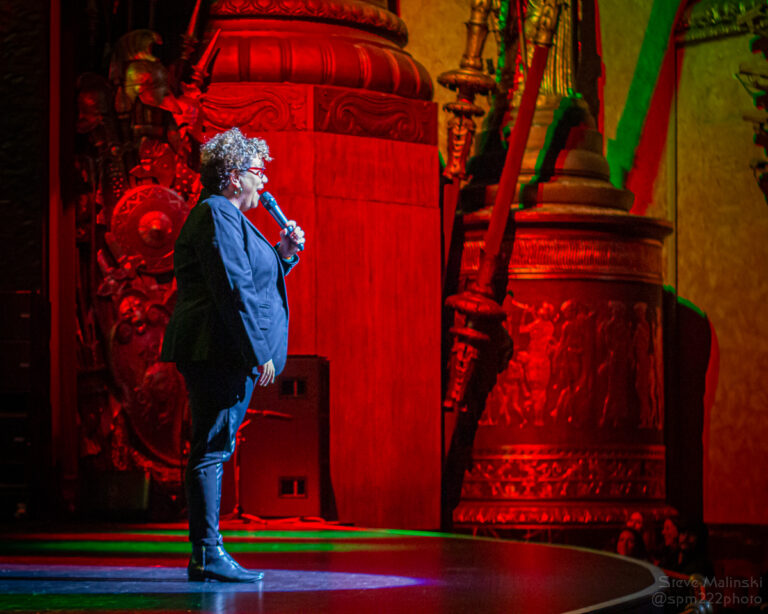
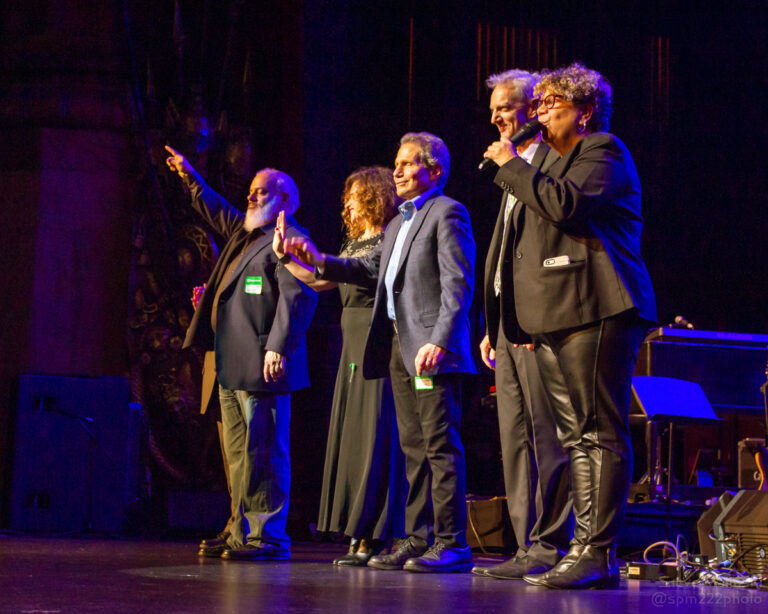
Longtime WFUV radio station program director and curator, Rita Houston, has solemnly passed away. A renowned DJ for multiple generations of listeners, Houston also excelled in her role as a musical curator, specializing in electric feel. WFUV announced Houston’s death early Tuesday morning and had reported her taking time off in order to deal with health issues. In reality, Houston had been battling cancer for the past six years.
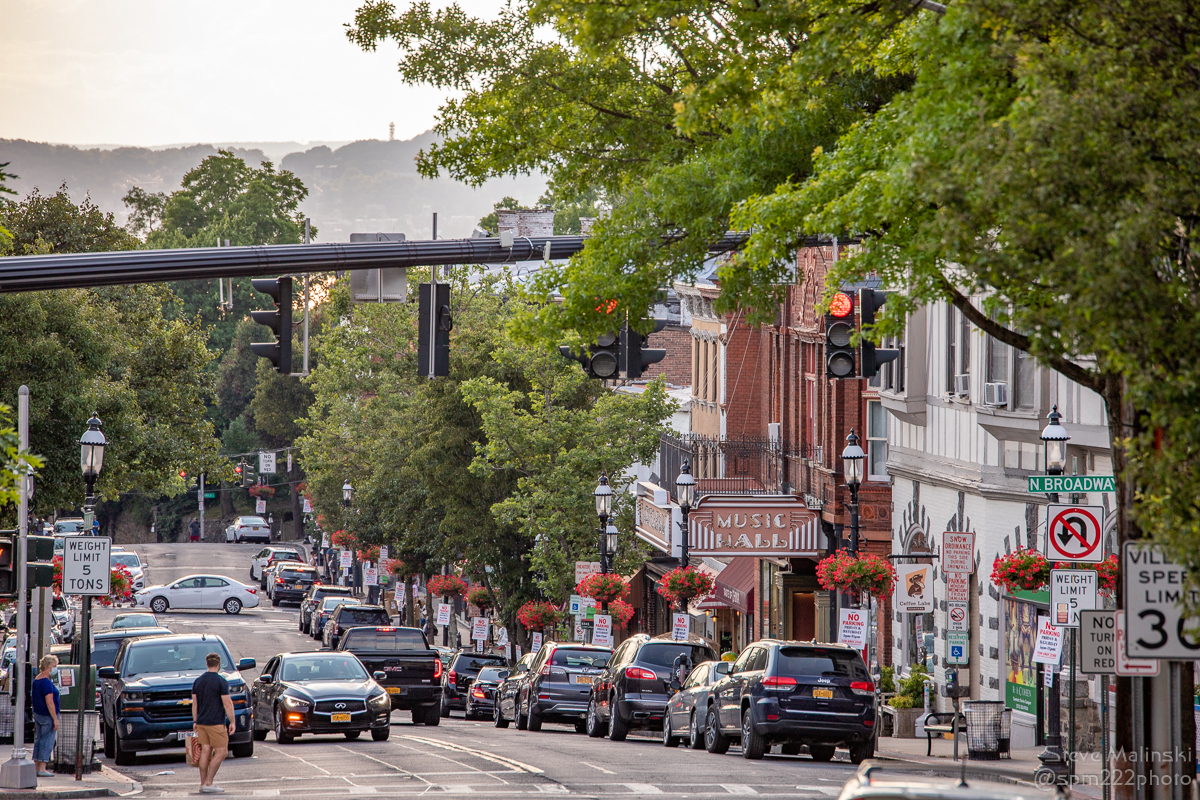
photo by Steve Malinski
Having begun her career at the Fordham University radio station in 1994, Houston’s hard-work, commitment and genuine love of music saw her trajectory go from mid-day DJ to running the Friday night programming. Her show, “The Whole Wide World,” would allow her to scour the world for more programming, as such was her appetite for all things music.
In 2019, when Rita Houston celebrated 25 years at WFUV, Mayor Bill de Blasio congratulated her for the “indelible mark” she has made on New York as an epicenter of creative expression,
Bringing joy to listeners throughout the five boroughs, providing a platform for new talent that deserves to be heard, and enriching the cultural vitality of our city.
The north star of WFUV’s sound and its public service, guiding the station’s musical direction for decades.”
“She was a New York original, a trailblazing woman of exceptional talent who shaped a unique style behind the microphone — informed and informal, intimate, warm, genuine. But also, one of tremendous joy,” said Singleton.
While declaring upcoming remembrances and celebrations of Houston’s life in the weeks to come, Singleton summarized Houston’s transcendent work by comparing her to other great musical acts who have recently passed. Stating, “right now, Rita, we see you on that stage with Sharon Jones, Bowie, Prince, and especially your beloved John Prine, emceeing the most heavenly edition of Holiday Cheer for FUV.”
Houston is survived by her wife, Laura Fedele, a sister and two brothers. She was 59 years old.
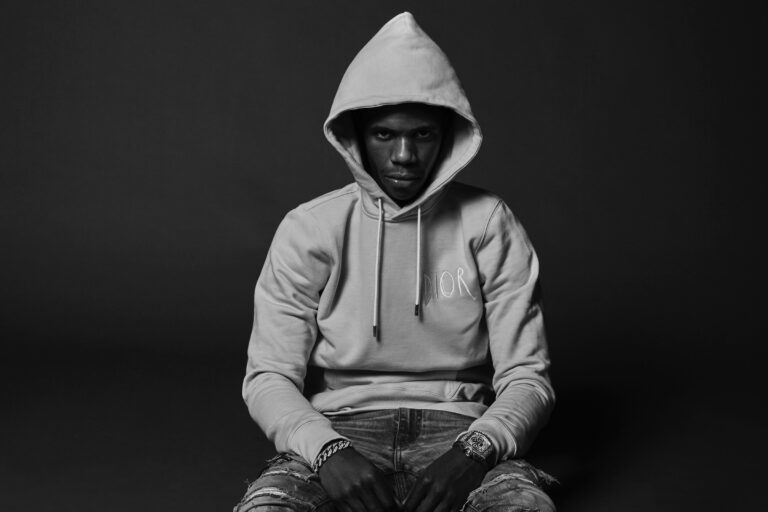
Bronx rapper, A Boogie Wit Da Hoodie, was arrested in Bergen County, NJ Monday, Dec. 7th following his 25th birthday celebration. A Boogie is currently facing an array of gun and possession charges.
Born Artist J. Dubose, A Boogie was arrested following a search warrant issued at his residence in Demarest, NJ where police seized four illegally owned handguns. The rapper’s security guard, Quashan Hagler, and his manager, Samblou Camara, were also arrested on possession of illegally owned firearm charges. Police also found an assortment of cannabis and drug paraphernalia which were added to the charges A Boogie is currently facing, according to prosecutors.
The search warrant was issued following a brawl that took place outside of a nightclub where A Boogie was celebrating his 25th birthday. Details are scarce, but witnesses report the fight escalating to a shootout. At this point, A Boogie’s involvement at this point is unsure, however, the investigation continues according to the police.
The events that transpired over the weekend take place during a year where we have lost countless rappers to street violence, most notably, Grammy-nominated Brooklyn artist Pop Smoke who was shot and killed following a home invasion in LA this past February.
More information about the shooting should be rolling out soon however, at this point there’s no indication that A Boogie was injured nor is it clear the group was directly involved in the shooting.
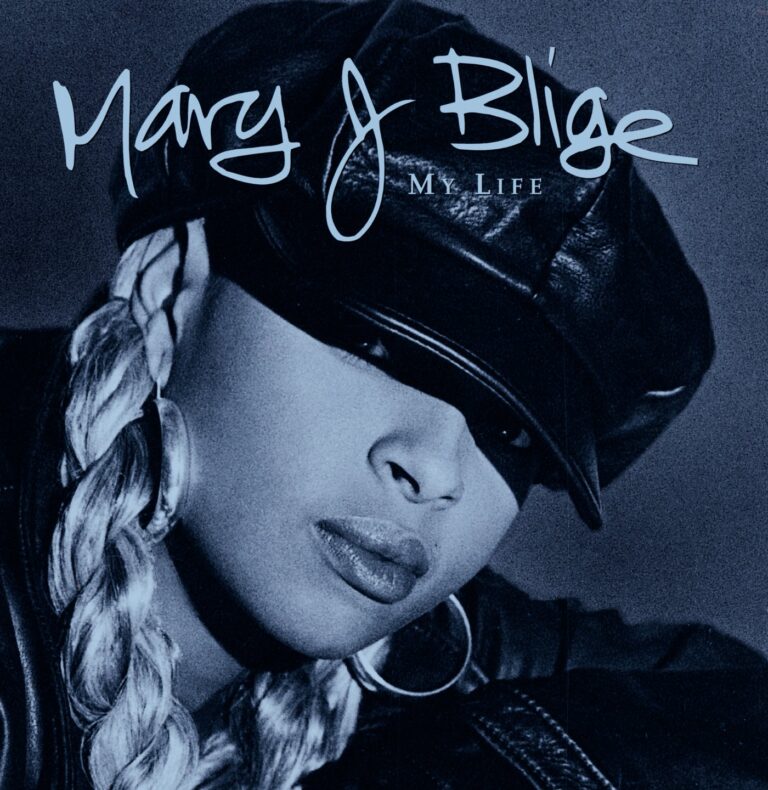
As the anniversary draws near for My Life, the iconic sophomore album from Mary J. Blige, Geffen/Ume records will celebrate the November 29 anniversary with a re-release that features three physical forms.
The repackaged classic features 2CD’s, a standard weight black double vinyl, and a triple vinyl edition in translucent blue with a lenticular cover, including bonus tracks featuring rap icon LL Cool J, and underground cult-figures Smif ‘N Wessun. The 3LP edition will also be available digitally which will also feature commentary by Mary J. Blige on the original album tracks.
As one of the most celebrated R&B albums of all-time, My Life was the catapult towards the Bronx native’s placement as the queen of R&B. After a highly successful debut that featured records like “What’s the 411?” and “Real Love,” Mary J. Blige’s subsequent work showcased her songwriting abilities, going in depth about trials and tribulations and exploring topics such as; abuse, alcoholism and self-love. Her increased involvement in the songwriting process, along with her collaboration with Bad Boy Records and their much-heralded group of producers “The Hitmen,” resulted in a transcendent piece of work. Much more than that, records like “Mary’s Joint,” “No One Else,” helped her become a symbol for women’s strength, soulfulness, beauty and resiliency.
https://youtu.be/hI7GqHxr7EE
My Life was nominated for Best R&B Album at the 1995 Grammy-awards, and in ensuing years, Rolling Stone included the album on their 50 Essential Female Albums (#17), 100 Greatest Albums of the ’90s (#63) and 500 Greatest Albums of All Time (#279) lists. Blender Magazine ranked it #57 on its 100 Greatest American Albums list, and TIME deemed it one of their ALL-TIME 100 Albums.
In a showcase of the Legendary songstresses’ lasting relevance, Vice-president elect Kamala Harris’ celebratory walkout after clinching her seat in the White House was serenaded by Blige’s “Work That.”
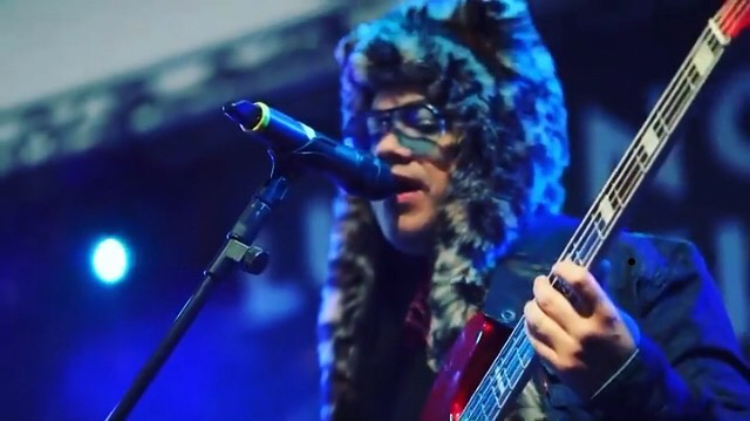
Greywolf, aka Jay Grey, bassist for rising powerhouse band Escaper, has released “Exit Key,” the first single off his upcoming debut album Operation Wolf.
“Exit Key” is a sample of what the multi-instrumentalist is able to do on his own. Haunting and beautiful, the lyrics evoke themes of love, loss, and wanting to make a change. The track opens with a droning synth, before dropping into love story lyrics. Prescient themes for these times are found, with change needed to be made after reaching a breaking point and wanting to make change.
Greywolf recorded and played all the instruments on this record in his home studio, including piano, synth, keys, guitar, bass and beat programming. The record as a whole addresses change, longing and one’s personal connection with nature and the universe. You’ll find an autobiographical feel and personal touch to the music and the album.
While Jay Grey is best known for his work with Escaper, he has branched off to deliver a sound all his own. Keep your eyes and ears open for more brilliance from this emerging artist.
Bronx Music Heritage Center is bringing viewers the Bronx Blast on their Facebook page. The Bronx Blast are mini-performances that will be presented in front of the Bronx Music Hall. The theater is currently under construction and will be a future home to the Bronx Music Heritage Center.
In July, Martha Zarate and Pilar Maez of Mazarte Dance Company danced to “El gavilancito,” a song from the son jarocho tradition from Veracruz, Mexico. “Jarocho” describes the people and culture of the southern coastal plain of Veracruz. The song, dance and costumes represent the Indigenous, Spanish and African influences on the cultural tradition. Watch the video on Facebook.
For episode two, the Bronx Music Heritage Center brought in Carmelo Soto, Jorge Vazquez, Bobby Sanabria, and Carlos Espada to demonstrate Plena. Plena is one of the traditional forms of music from Puerto Rico, often referred to as the “periódico cantado” or “sung newspaper” as many times the lyrics relate incidents from daily life or commentary on local events. The lyrics to plena was written by Carlos Espada and can be seen below.
Que bien yo me siento, en esta occasión la gran apertura el Bronx Music Hall.
Oyeee, finalmente, les presento yo, este gran proyecto aquí en el Bronx
Y muchos no saben, fue la visión, de Elena Y Bobby, que se construyó
Que viva, que viva, la diversidad, de toda la gente, nuestra hispanidad.
English Translation: How good I feel on this occasion of the grand opening of the Bronx Music Hall.
Finally I present to you this great project here in the Bronx
And many don’t know, it was through Elena and Bobby’s vision that it was built.
Long live the diversity of everyone, our Latino community.
In their latest episode, Nélida Tirado returns home to the neighborhood where she grew up to perform some rumba flamenca in front of the future Bronx Music Hall. Watch the performance here.
Check out NYS Music’s coverage of The Bronx Music Heritage Center’s concert series that occured this past June.
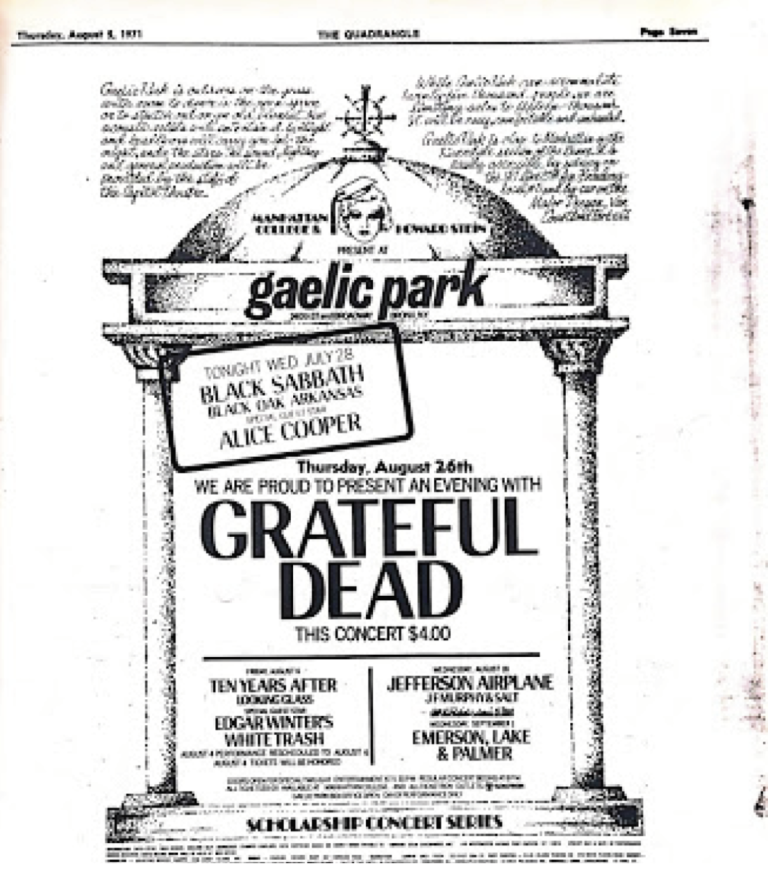
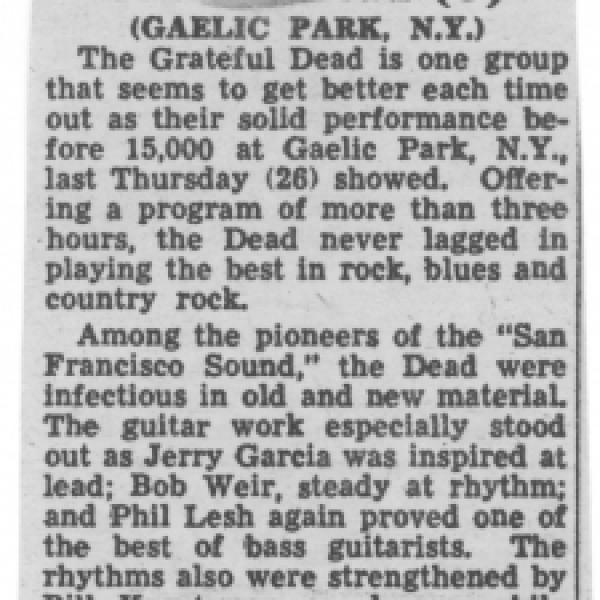
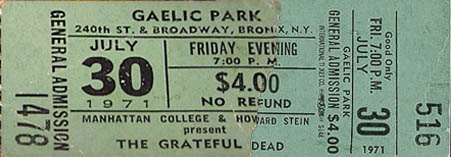
Although the Grateful Dead‘s track record with New York State is vast and varied, there’s one borough in particular that doesn’t get much love. And that’s The Bronx. Mainly because there’s only one show that was truly ever played there – Gaelic Park on August, 26 1971.
stub courtesy of Wayne Eichen
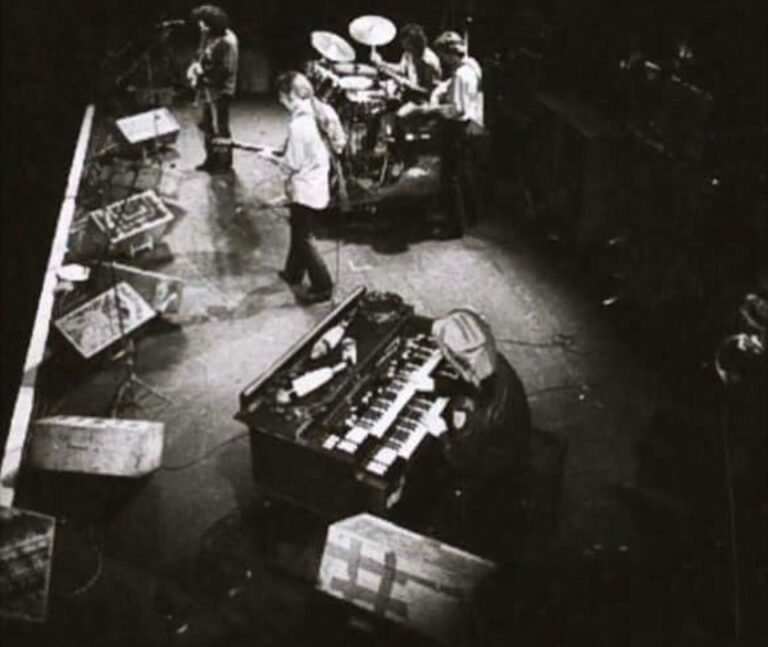
The performance is billed as a two-set show that really plays as three. A noticeably extended first set showcases some of the band’s newer original songs at time blended with a flurry of classic cover selections. Included in all this is a song the Dead would only play twice ever. And as for historical significance, this would be the last show featuring only the five founding members of the band. Seemingly aware of this, they collectively deliver a show for the ages that more than aptly serves as a figurative “passing of the torch” from one era to another.
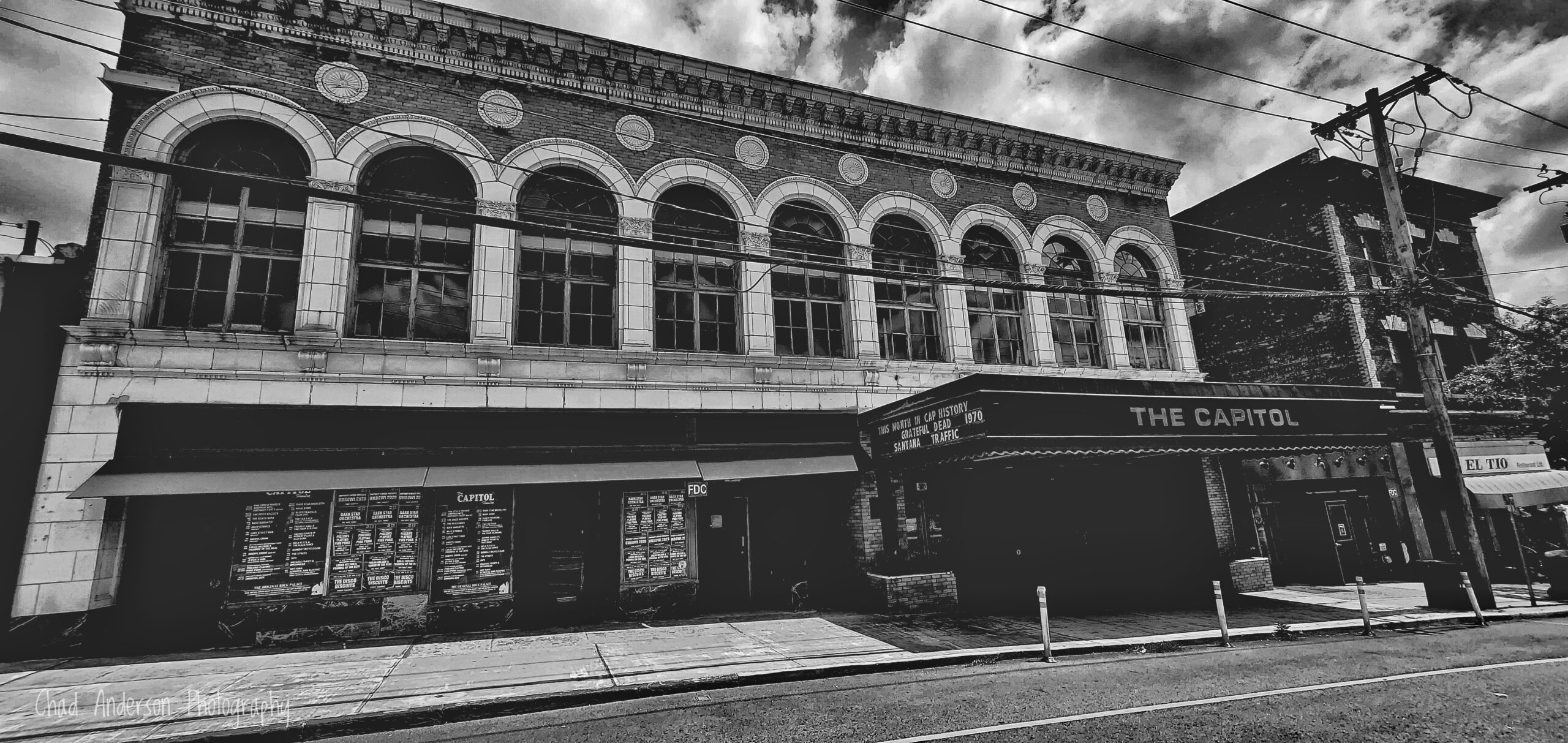
This show opens with a crisp yet standard version of “Bertha,” a Dead original still in its nascent stages at the time. The early wave of originals would continue with a “Playin’ In The Band” that had just made its debut earlier this year at The Captiol Theatre in nearby Port Chester. Even though this would be a regular selection at Grateful Dead shows for years to come, seeing it so early in the first set like this is a verifiable treat.
Pigpen gets his first chance to shine on vocals with a first set “Mr. Charlie,” another new song that debuted just last month. Even though he was beginning to take on a lesser role in the band by this point in time, Pig’s vocals are effusive and strong throughout this recording. This would be the last show before Keith Godchaux joined the band and assumed keyboard duties. So, fittingly, they give Pigpen plenty of the spotlight at this show and he takes it and runs with it.
The run on cover songs then begins with “El Paso,” a country-western ballad by Marty Robbins, sung smoothly by rhythm guitarist Bob Weir. “Big Boss Man” follows, a longtime Dead cover that was originally recorded by Jimmy Reed in 1960 and later popularized by Elvis in 1967. This gives Pigpen the chance to lead again and his blues-infused vocals ring loud and true throughout this one.
This first set also features a typically stirring “Hard to Handle,” the Otis Redding tune that was one of staples of the Pigpen songbook and, perhaps, his signature song. Aside from a mild snafu with the recording, this version is terrific and sees the band fully locked in during an escalating funk-like jam before Pigpen’s wailing vocals reenter. Sung with all of the soul and swagger he would always bring to this song, sadly, this would be the last one ever played with him on stage.
The set could have ended right there and few would take issue, but instead the band continues to motor on with “Beat It On Down The Line,” yet another cover. Jerry Garcia then takes the reigns courtesy of “Loser” and his customary hauntingly beautiful guitar solo that goes with it.
Courtesy of Bronx Music Heritage Center
Soon after is one of the true gems of this show – the second and final performance ever of “Empty Pages,” a song written and sang by Ronald “Pigpen” McKernan himself. It pairs his traditional crooning style with a slow blues jam that’s nicely peppered with fiery guitar licks from Garcia. It’s a true rarity and a shame that the band wouldn’t be able to further develop this one.
The other first set highlight immediately follows with a smoking cover of The Rascals’ “Good Lovin’.” Pigpen remains strong on lead vocals as both he and the band get into some heavy improvisation on this one. Only the Dead can take a three-minute pop song like this and stretch it out to an almost ten-minute psychedelic journey.
They had such a fun time playing the first set that the second one begins with a rare “Me and My Uncle” placement, as if to keep the opening vibes going strong. Immediately afterwards, reality sets in with a joyous “China Cat Sunflower” that soon effortlessly blends into to its traditional running partner, “I Know You Rider.” Bassist Phil Lesh, turned up particularly high in this mix, gets his turn to show off as he steers the band through the seamless transition.
There would be no extended “Drums” section this evening. Instead, the band collectively rips into the opening of “The Other One,” fueled predominately by drummer Bill Kreutzmann. After a rip-roaring opening sequence, the jam composition quickly devolves into a meeting of the minds between Garcia and the rhythm section. Seemingly out of the blue, Weir interjects with his vocals right on point and the song is off and running.
For a quality listen to the transition into the opening of “The Other One,” alongside some backstage photos, check out this great video courtesy of Sam Cutler, one of the band’s early tour managers:
The powerhouse second set continues with a tidy version of “Uncle John’s Band” and one of the last performances of “Saint Stephen” before it would be shelved for nearly five years and rearranged. The jam progresses into something that almost resembles “The Eleven” before immediately settling back down into the ending of “Saint Stephen.”
And then, right on cue, the rhythm section is back in action with the opening drumbeat of “Not Fade Away,” a Buddy Holly cover that the band had completely appropriated at this point in time. The Dead take one last swing and develop a passionate collective effort that once again flows right into “Goin’ Down The Road Feeling’ Bad” without batting an eye.
This closing sequence serves as the cap to a phenomenal show that’s rich in both quality and legacy significance. It can be argued that the end of the Pigpen Era happened here. Amazingly, the only time the Grateful Dead would ever grace the “Boogie Down” Bronx. But talk about making the most of a single opportunity.
Set 1: Bertha, Playing In The Band, Mr. Charlie, Sugaree, El Paso, Big Boss Man, Big Railroad Blues, Hard To Handle, Beat It On Down The Line, Loser, Sugar Magnolia, Empty Pages, Good Lovin’, Casey Jones
Set 2: Me And My Uncle, China Cat Sunflower -> I Know You Rider, Deal, Cumberland Blues, Truckin’ -> Drums -> The Other One, Next Time You See Me, Me And Bobby McGee, Uncle John’s Band, Saint Stephen -> Not Fade Away -> Goin’ Down The Road Feeling Bad -> Not Fade Away
Cardi B broke the internet on Friday, August 7 with her new song and video “WAP.” Featuring Megan Thee Stallion, the song serves as a comeback for both of them.
“WAP” has ignited controversy for many reasons, but its lyrical content is the most conspicuous of the bunch. While sexual subject matter is nothing new for either rapper, they abandon past metaphors and double entendres in favor of a literal approach. There’s nothing wrong with this in theory, but the song coasts solely on shock value. It worked, though: a Republican congressional candidate’s Twitter rant gave them free publicity, and the video is trending on YouTube:
Although Cardi and Megan’s prior hits were full of catchy hooks and Instagram caption-ready lyrics, both are largely absent here. The straightforward verses are a missed opportunity for them to show off their wordplay, which they’ve weaved with their sexuality in the past. The Frank Ski sample gets old quickly, and Megan outshines Cardi on her own song.
However, while Cardi often faces accusations of ghostwriting, it’s completely believable that she wrote her own verses here. One line goes, “I want you to touch that li’l dangly thing that swings in the back of my throat,” which is the trademark brazenness that only Cardi B could pull off. Also, as we’ve come to expect from the Bronx rapper, the video’s visuals are stunning. It’s rare that a music video feels like an event anymore, but her surrealist Dr. Seuss take on the Playboy Mansion is truly something to behold. Carole Baskin of Tiger King infamy decried Cardi’s use of big cats in the video, despite their addition in post-production with a green screen. This seemingly random feud most likely began when Cardi defended Baskin’s archenemy Joe Exotic earlier this year.
Mostly featuring up-and-coming artists such as Normani, Rosalía, and Mulatto, the “WAP” video’s main attraction is Kylie Jenner. Her cameo spawned memes as well as backlash, including a petition to remove her from the video. Besides looking out of place, signees cited her cultural appropriation and alleged mocking of Megan Thee Stallion’s shooting injuries as reasons.
I wanna say thank you to every woman that was apart of my video! The fact that you made time in your schedules means alot to me! It was so important to me to include different women,that are different races and come from different backgrounds but are so powerful and influential.
Contrary to many “WAP” critics’ complaints, the problem doesn’t necessarily lie in the song’s raunchiness, Kylie Jenner inclusion, or use of exotic animals, but how one-dimensional it is. Cardi and Megan have always been outspoken about their sexuality in their music, but they supplemented it with other aspects of their personality and artistry. Compared to “I Like It”’s trap-salsa genius and “Savage”’s boasts of complexity, “WAP” feels lifeless, uninspired, and derivative of their peers.
Cardi B’s second studio album is set for release later this year.
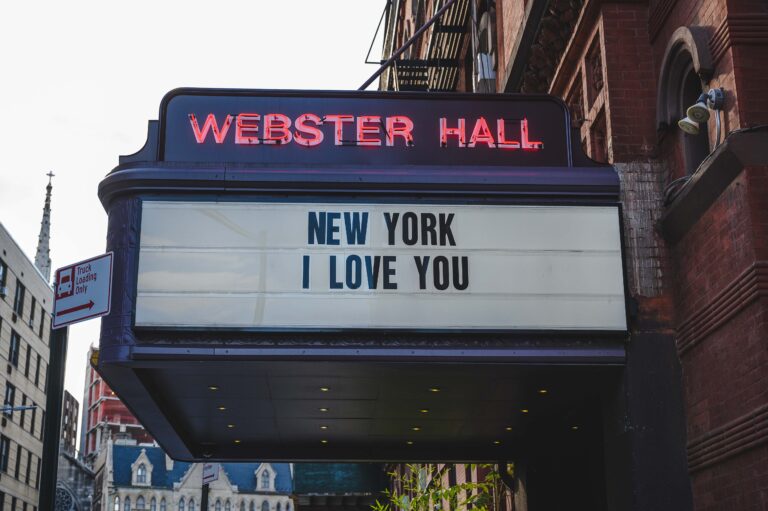
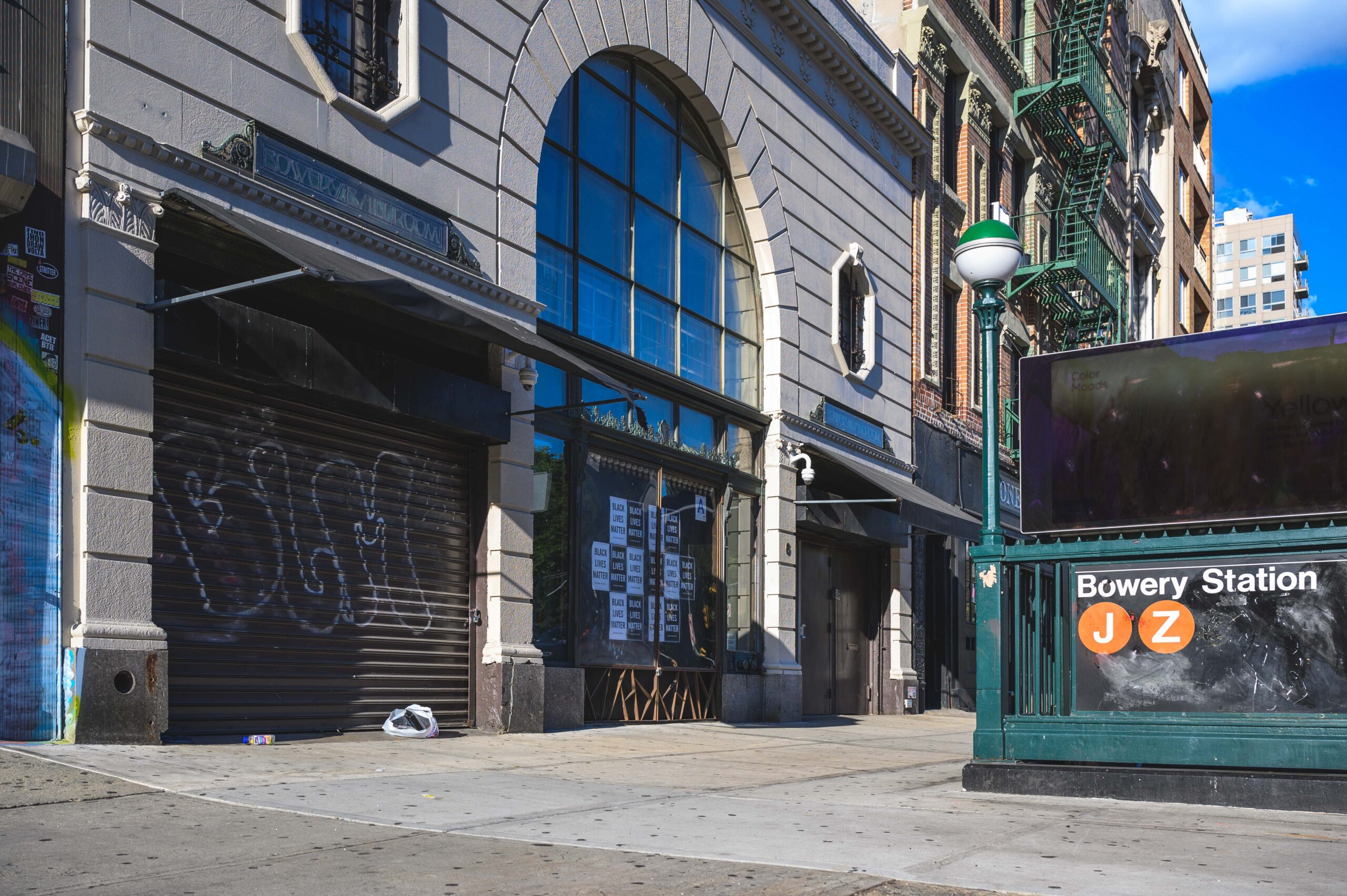
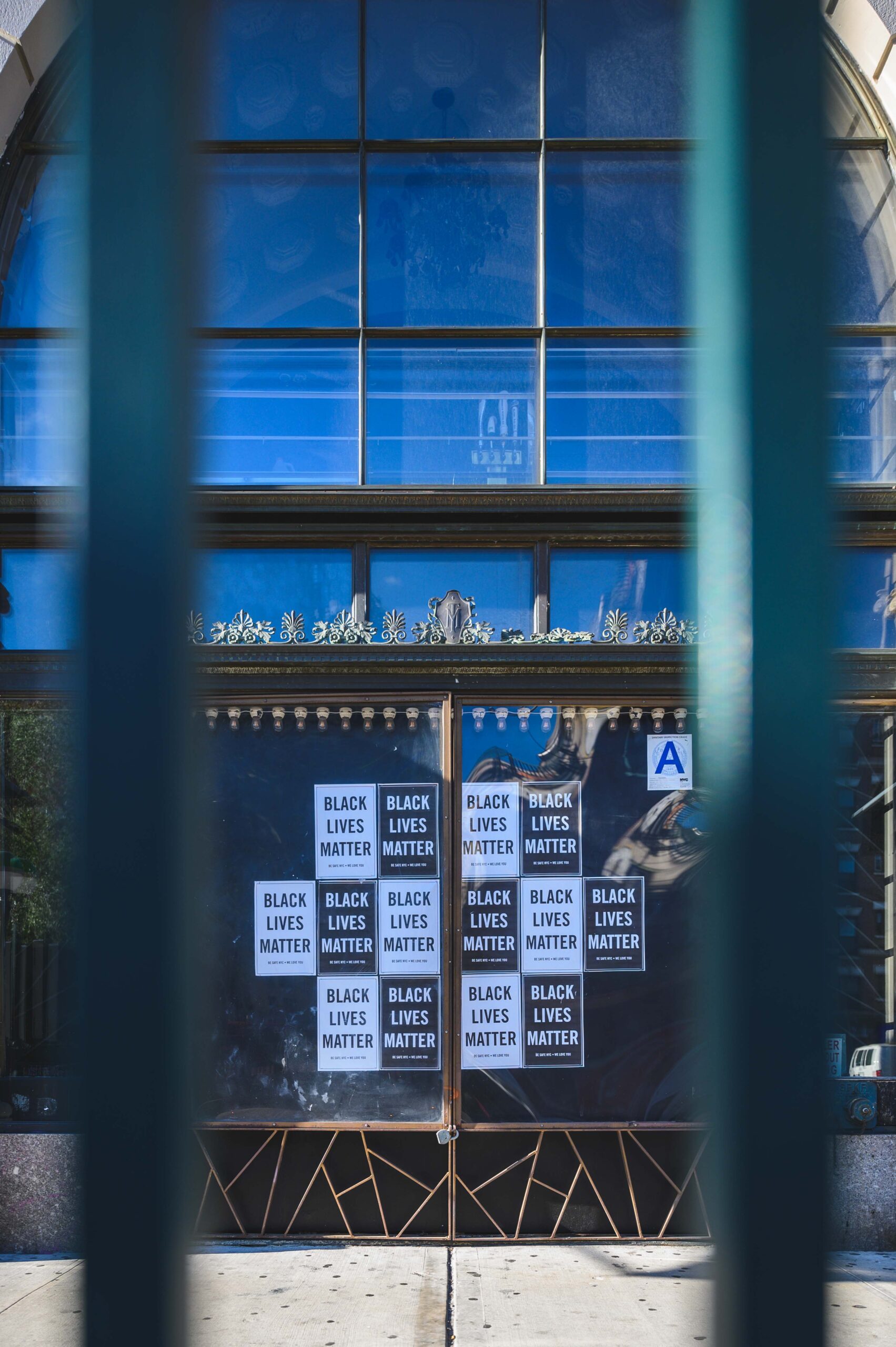
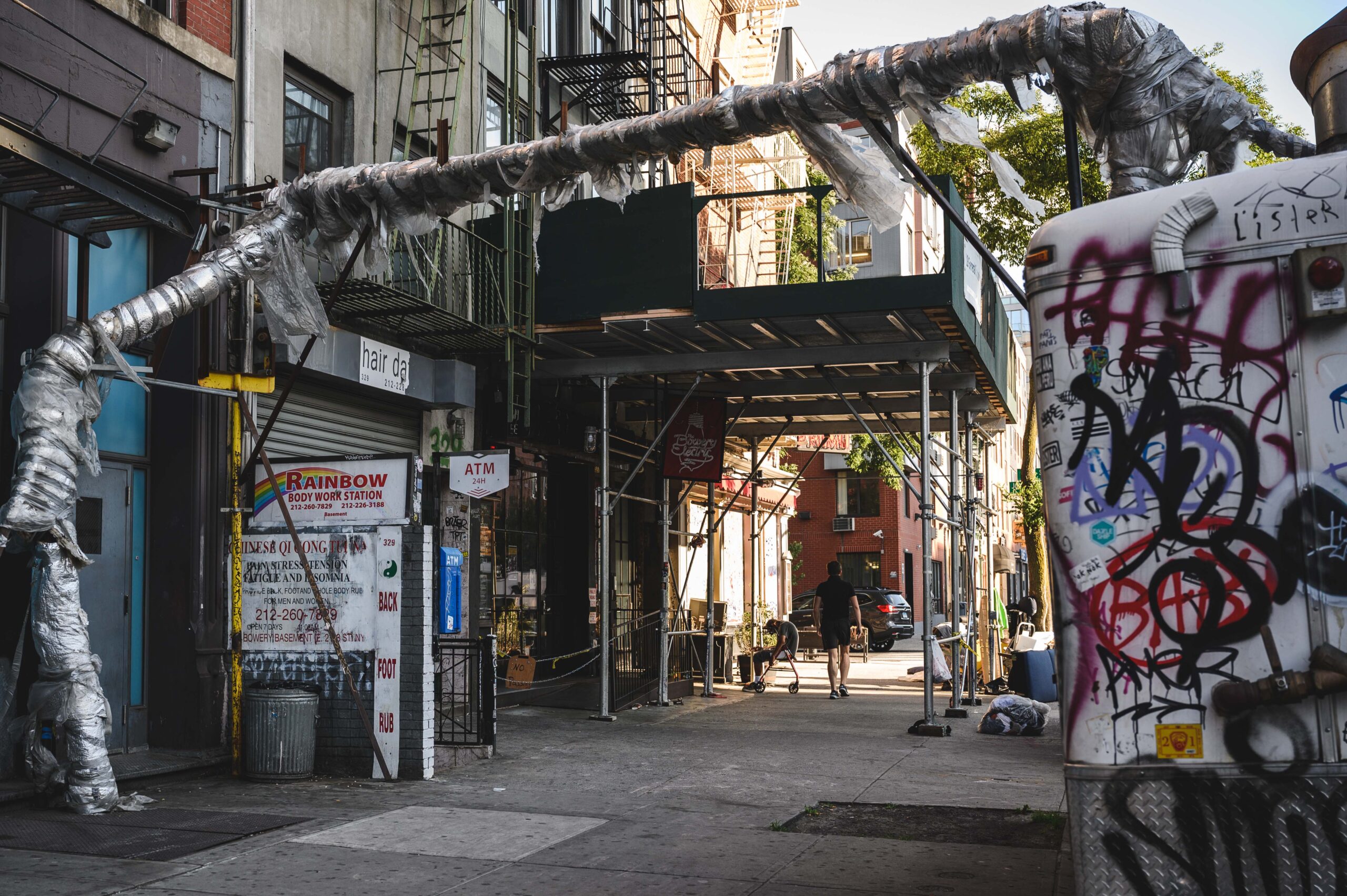
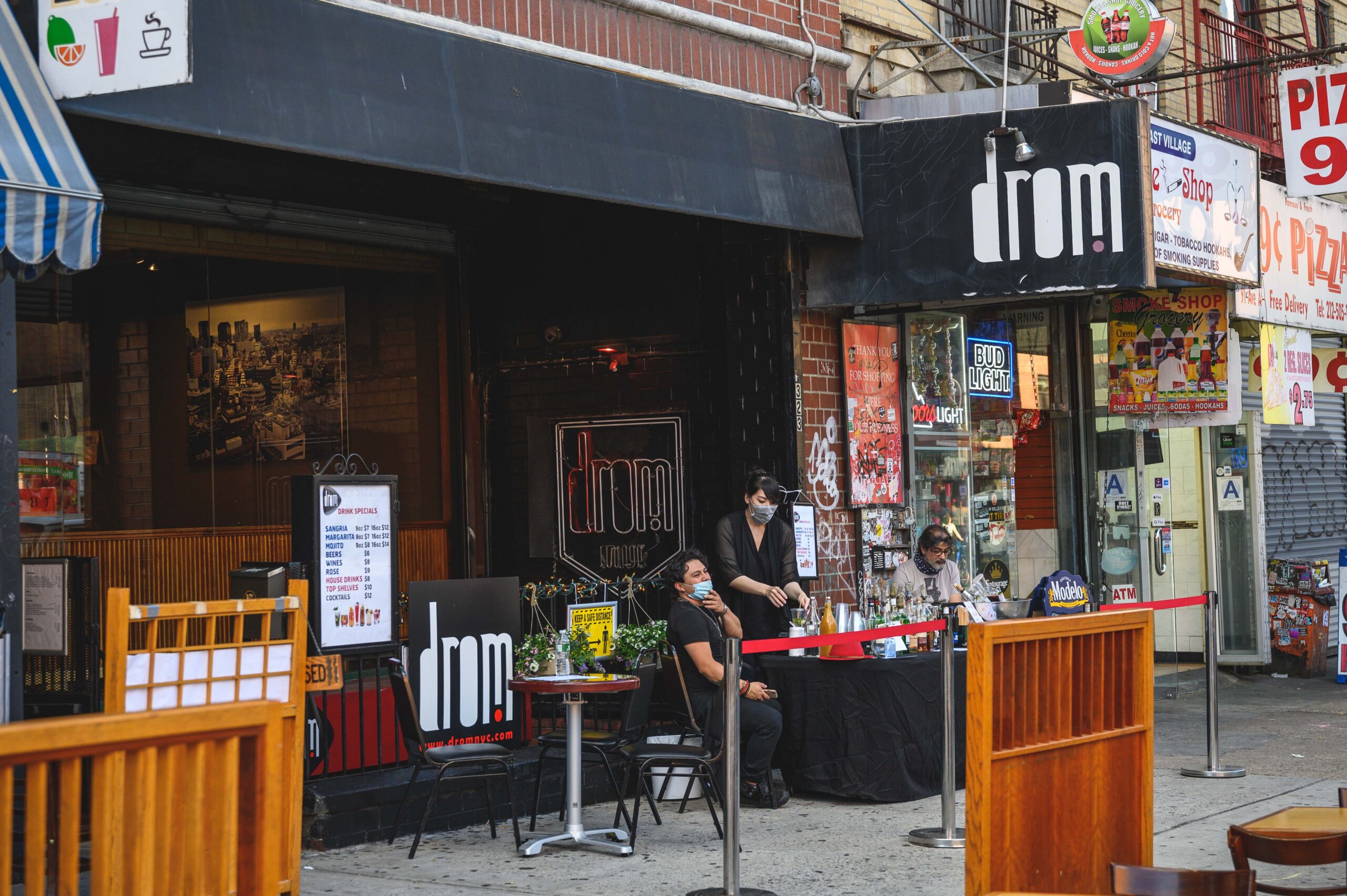
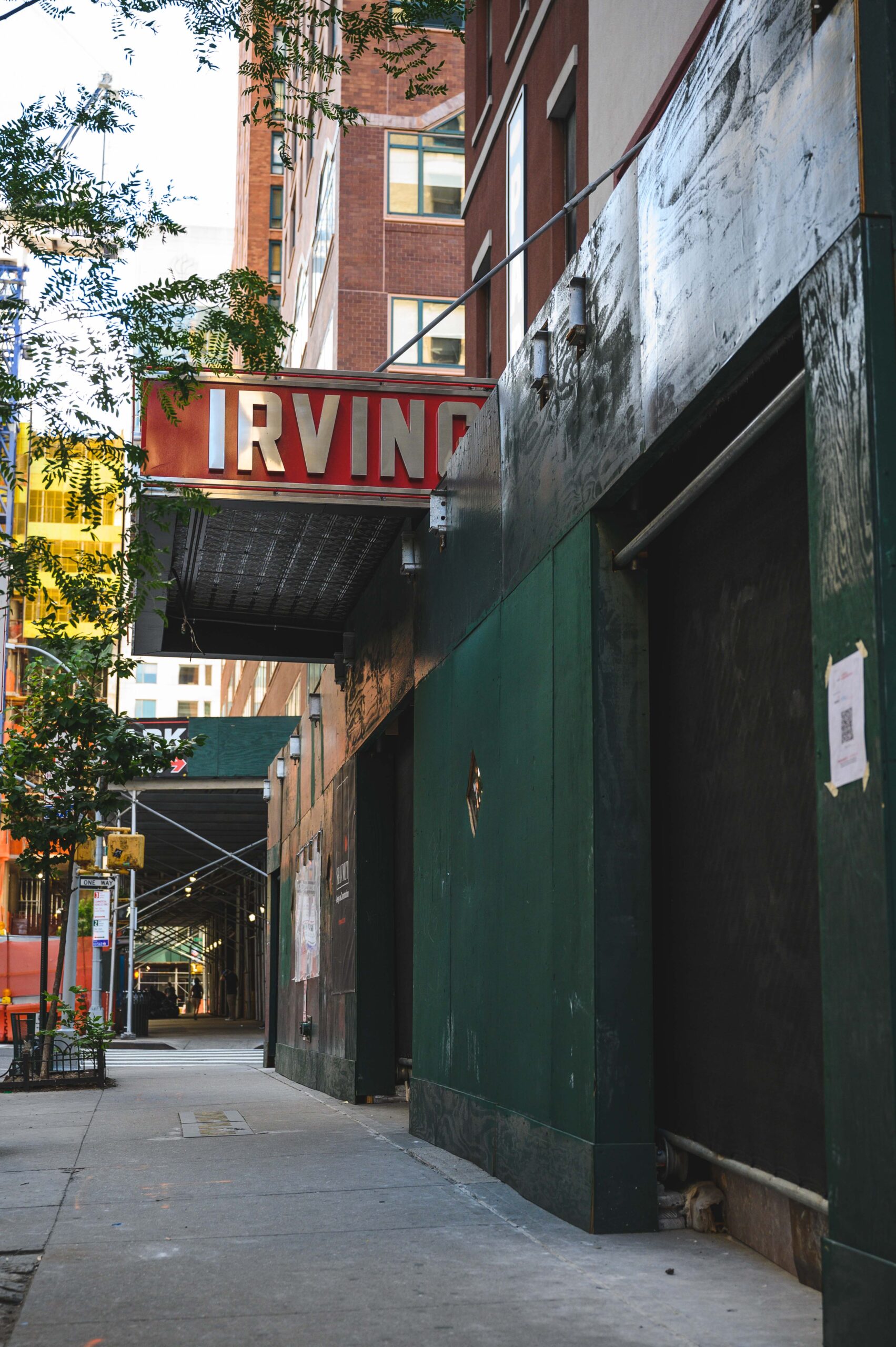
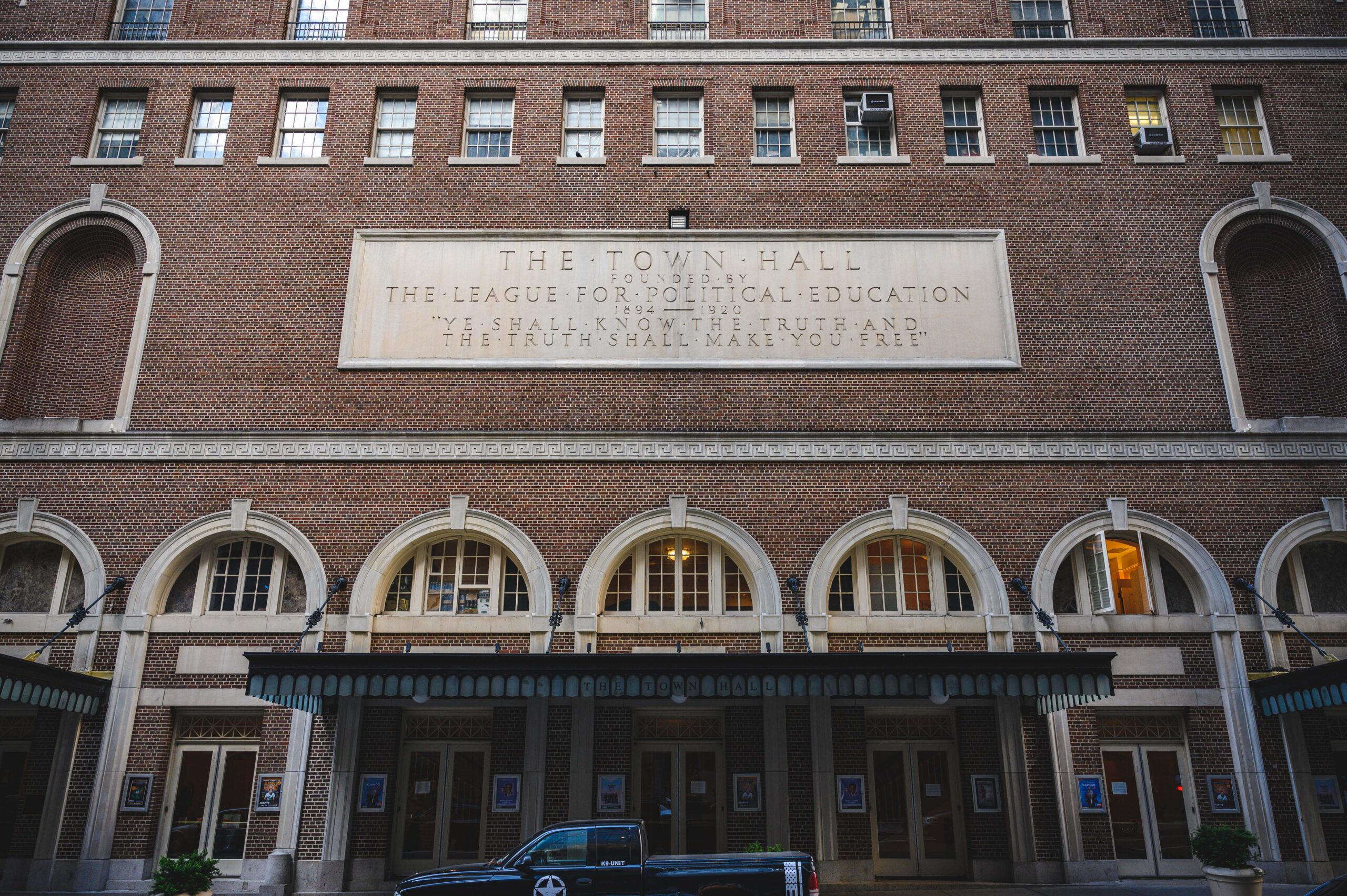
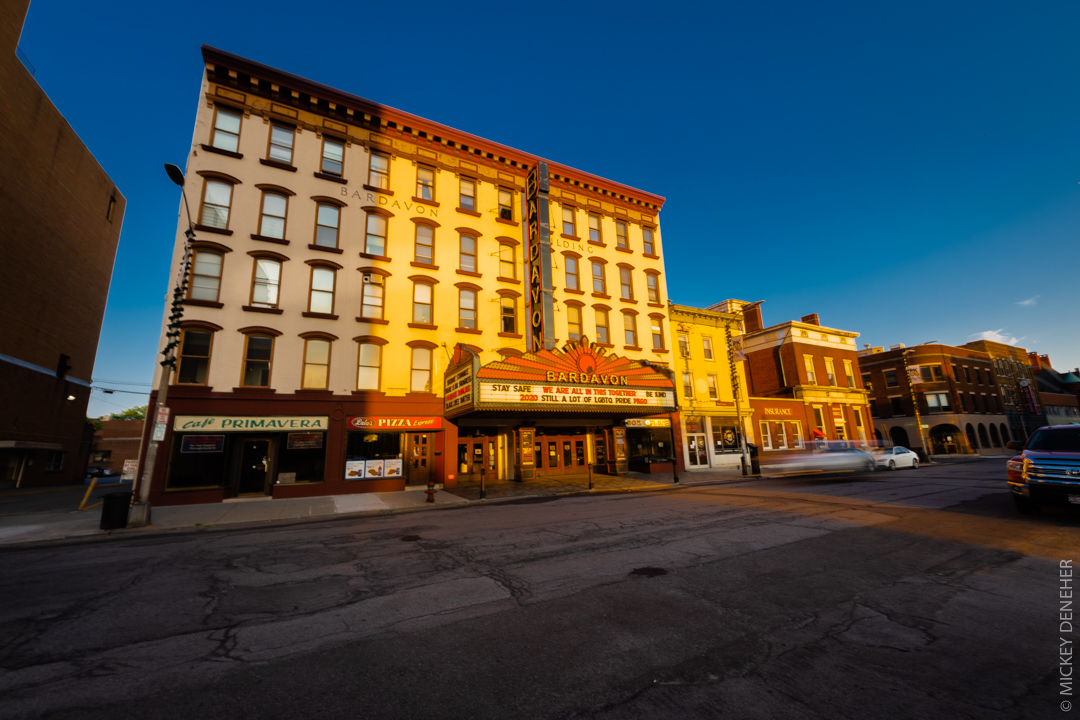
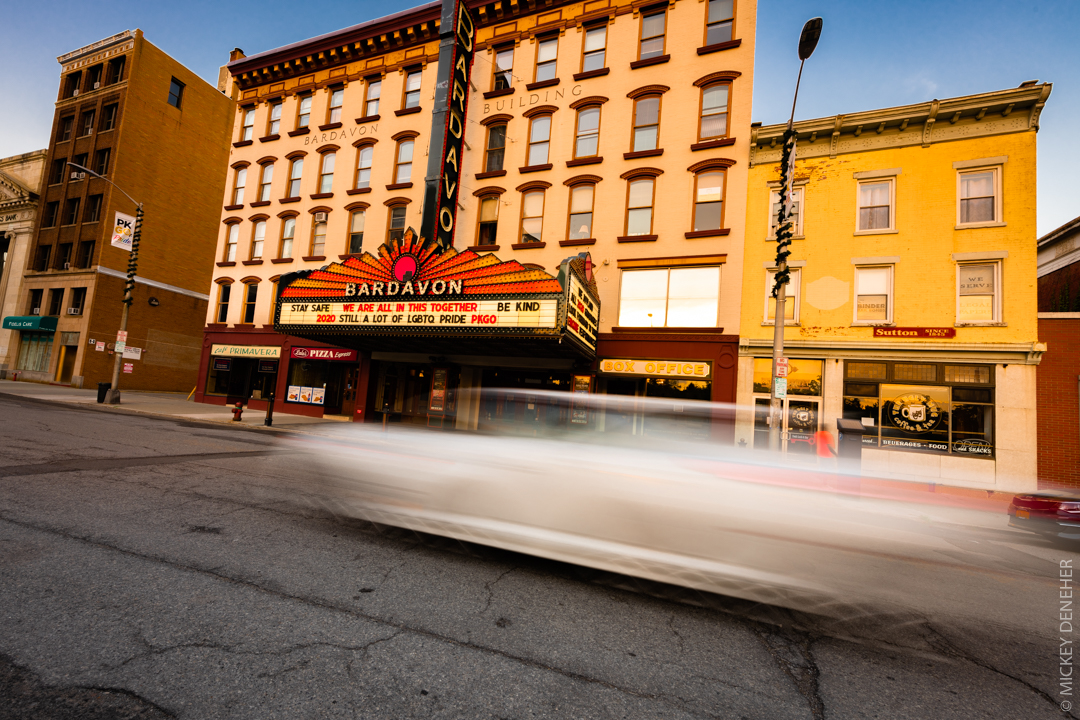
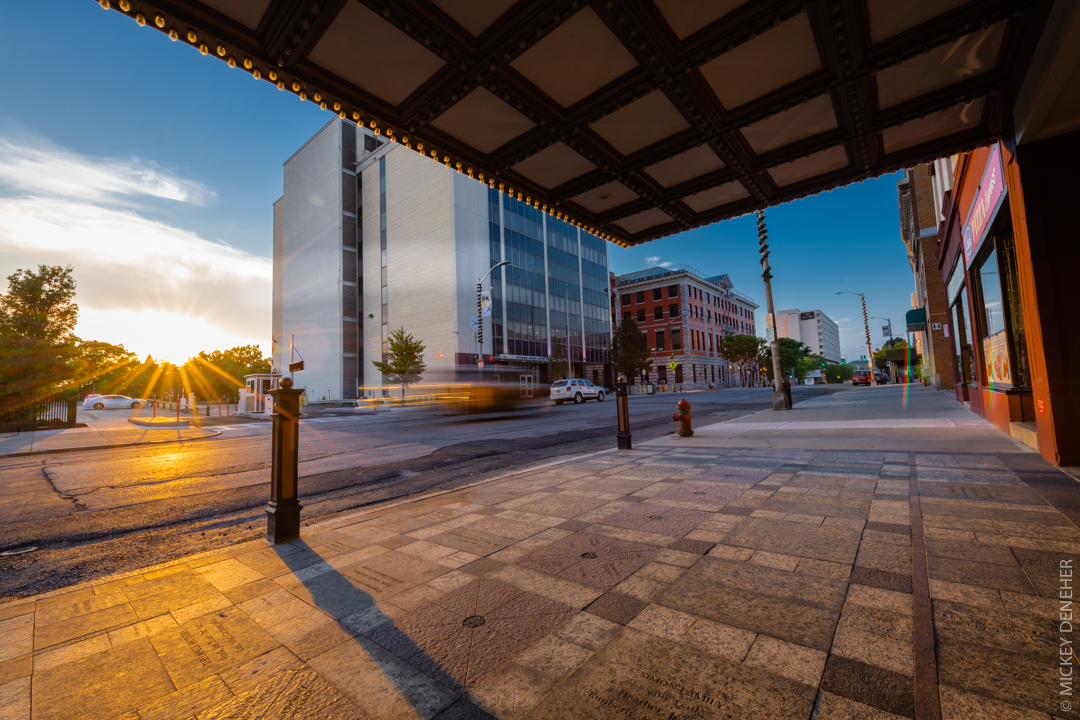
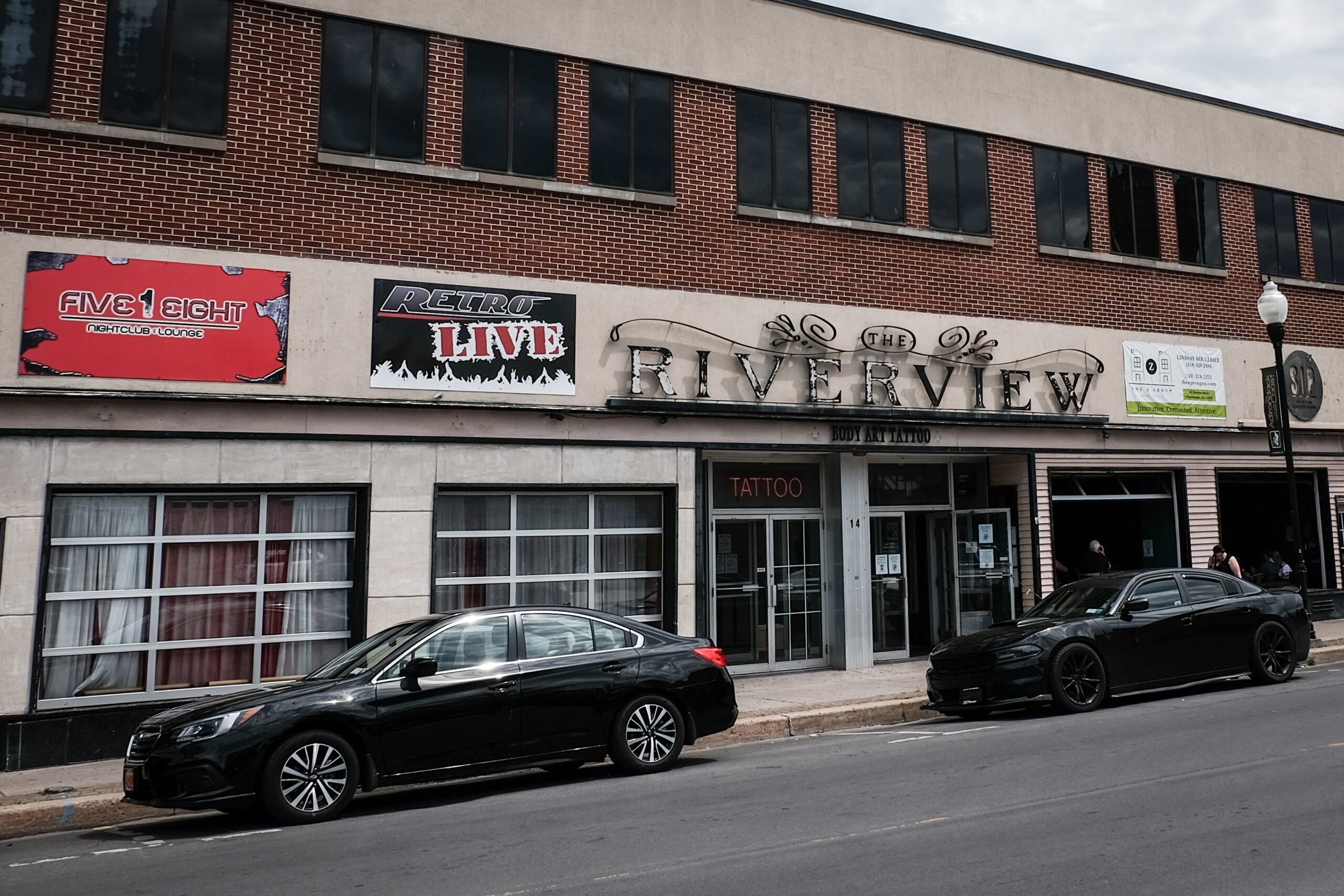
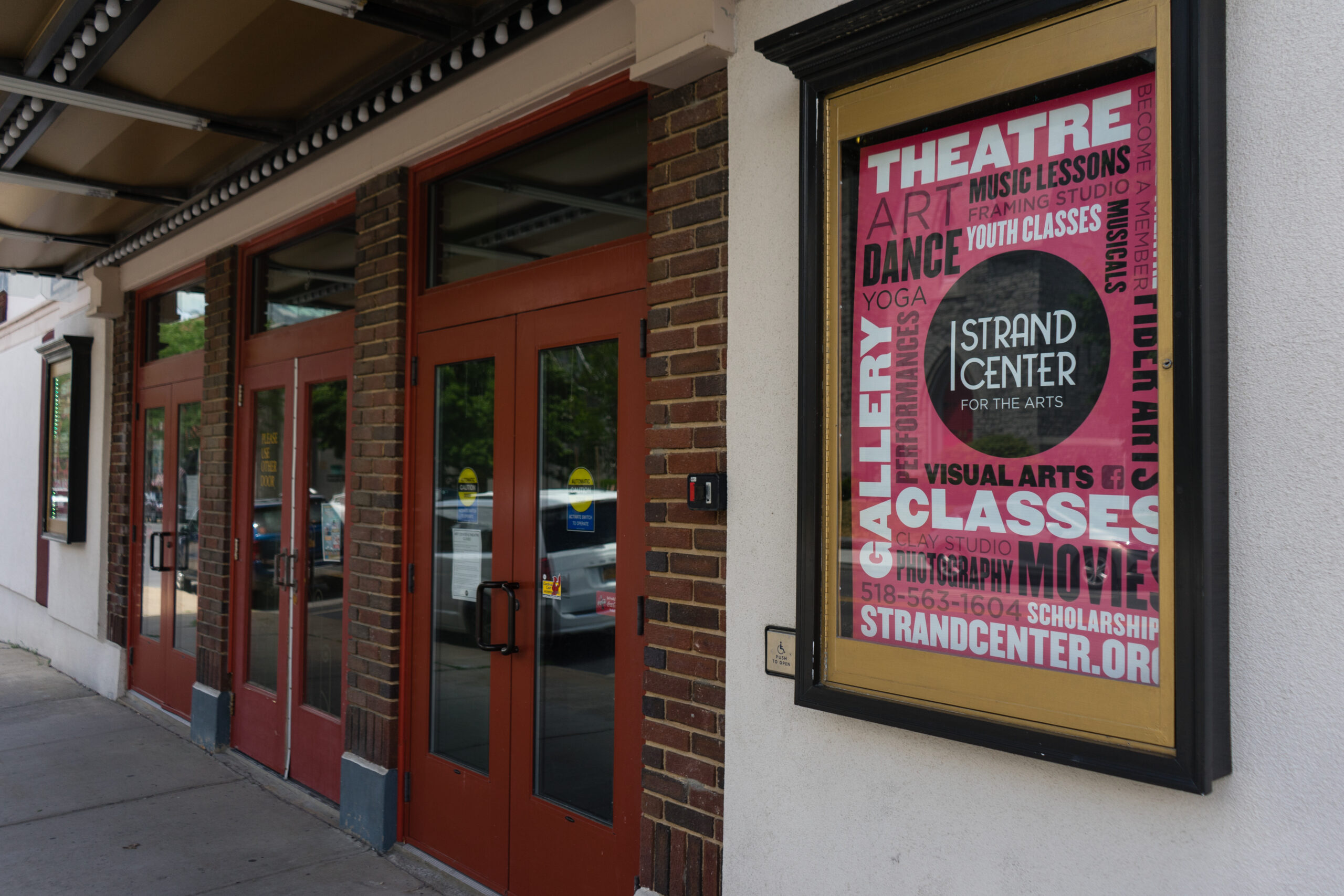
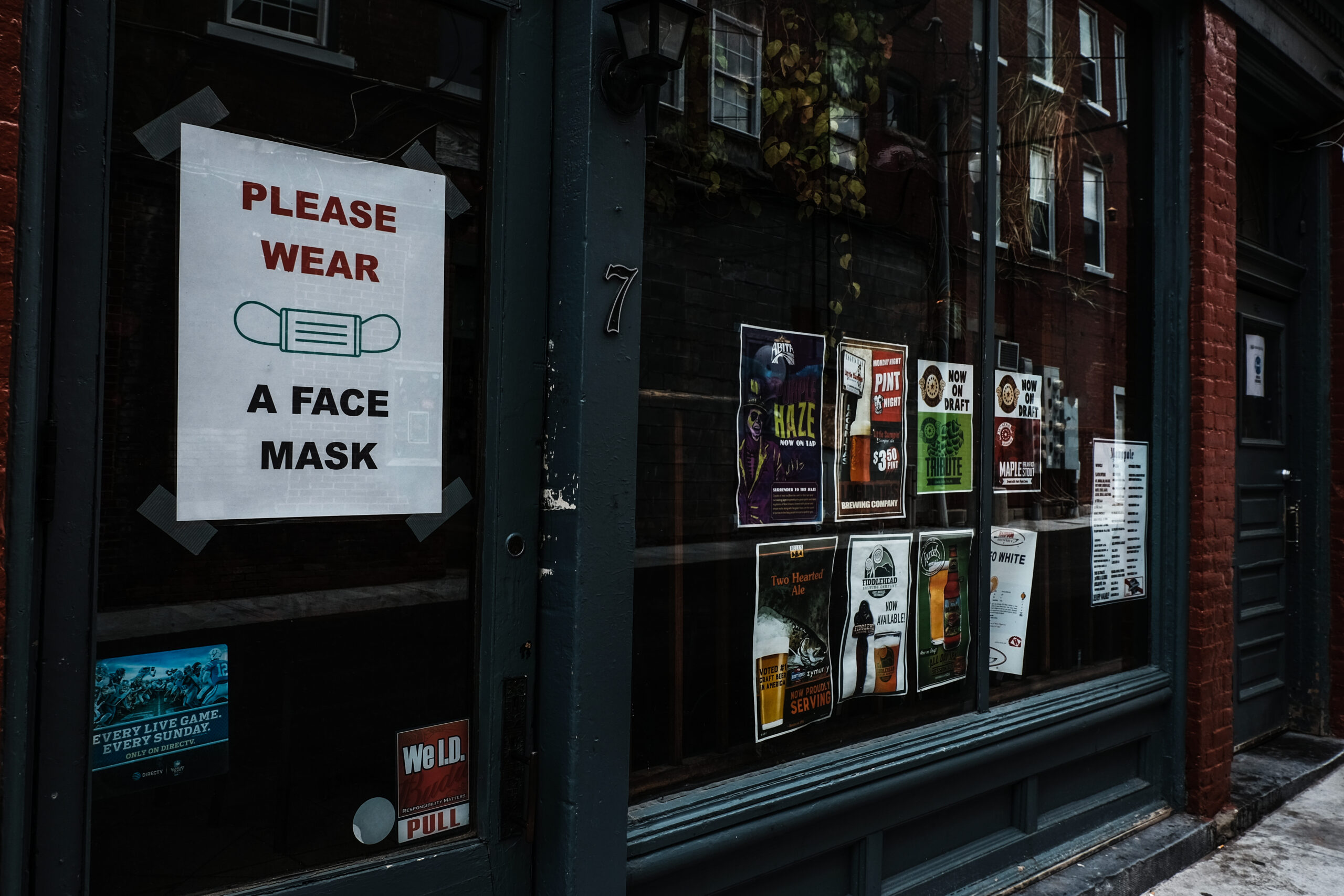
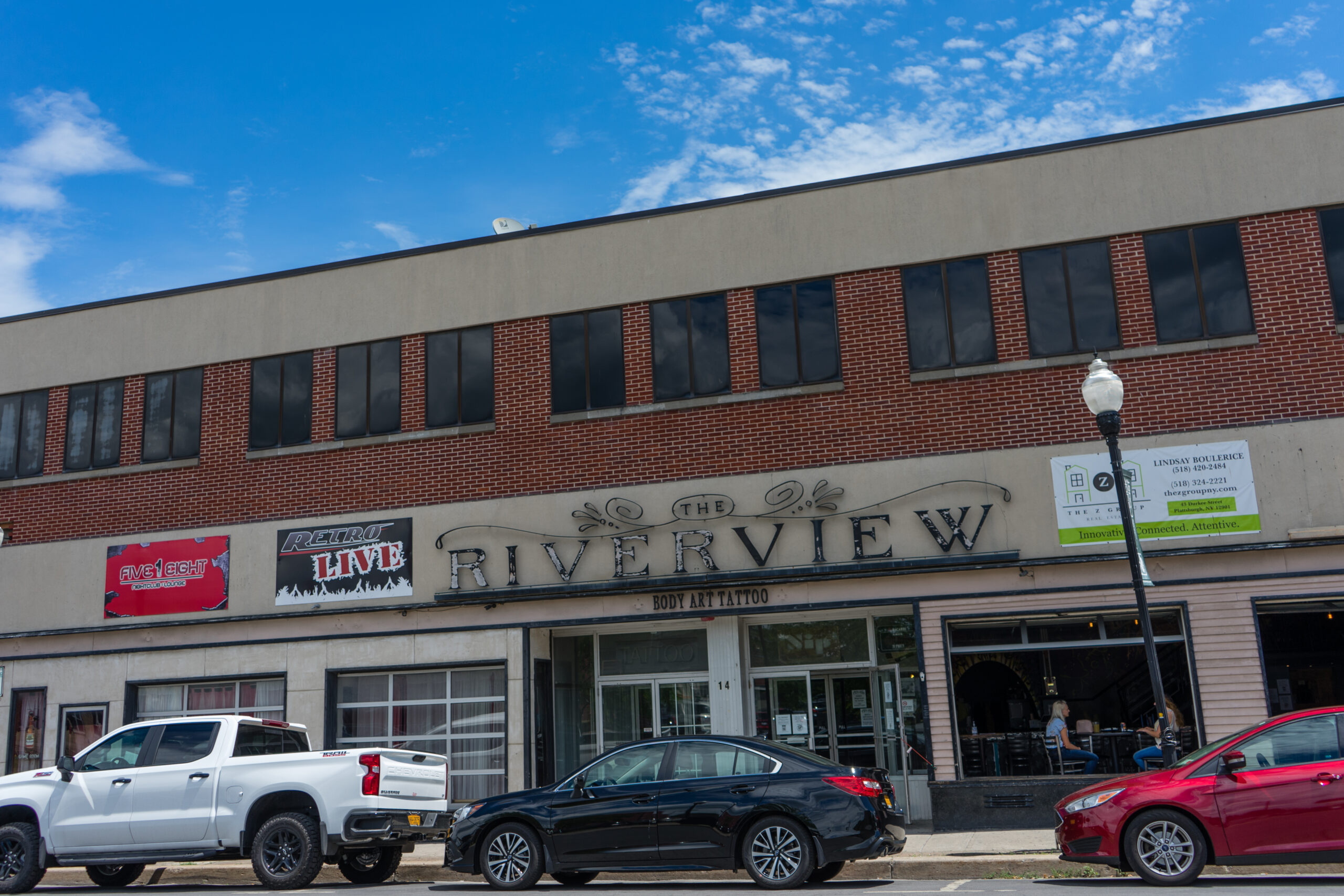
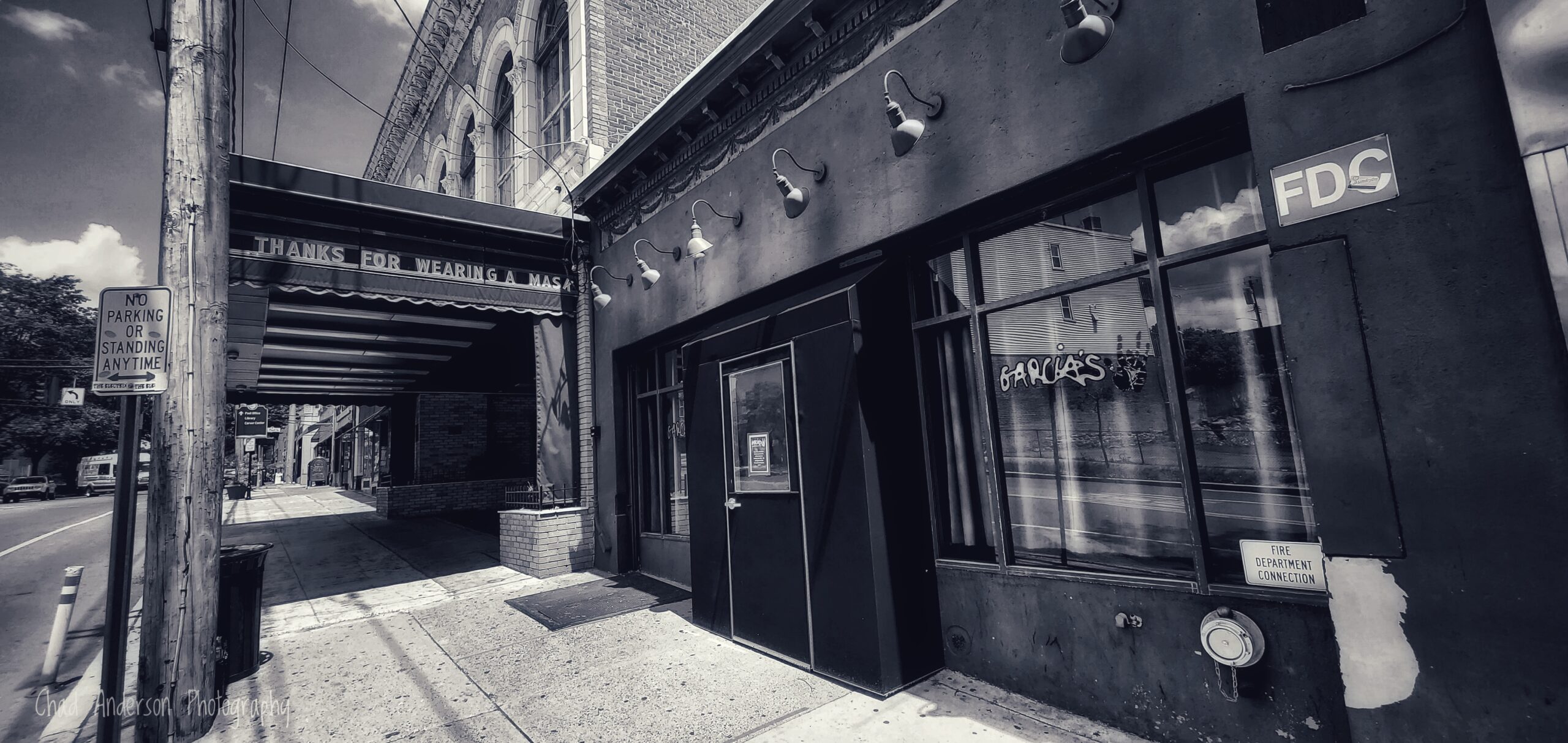
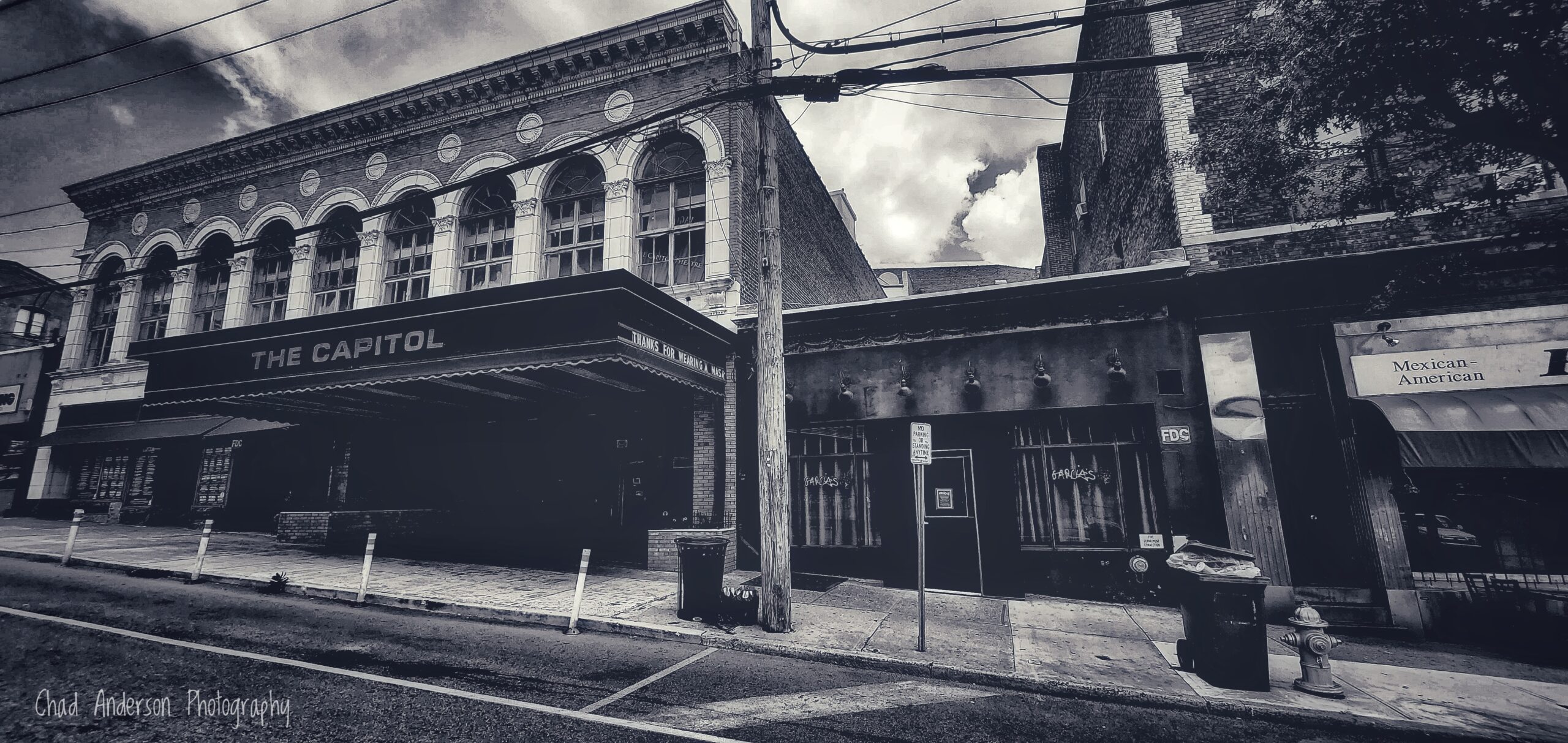
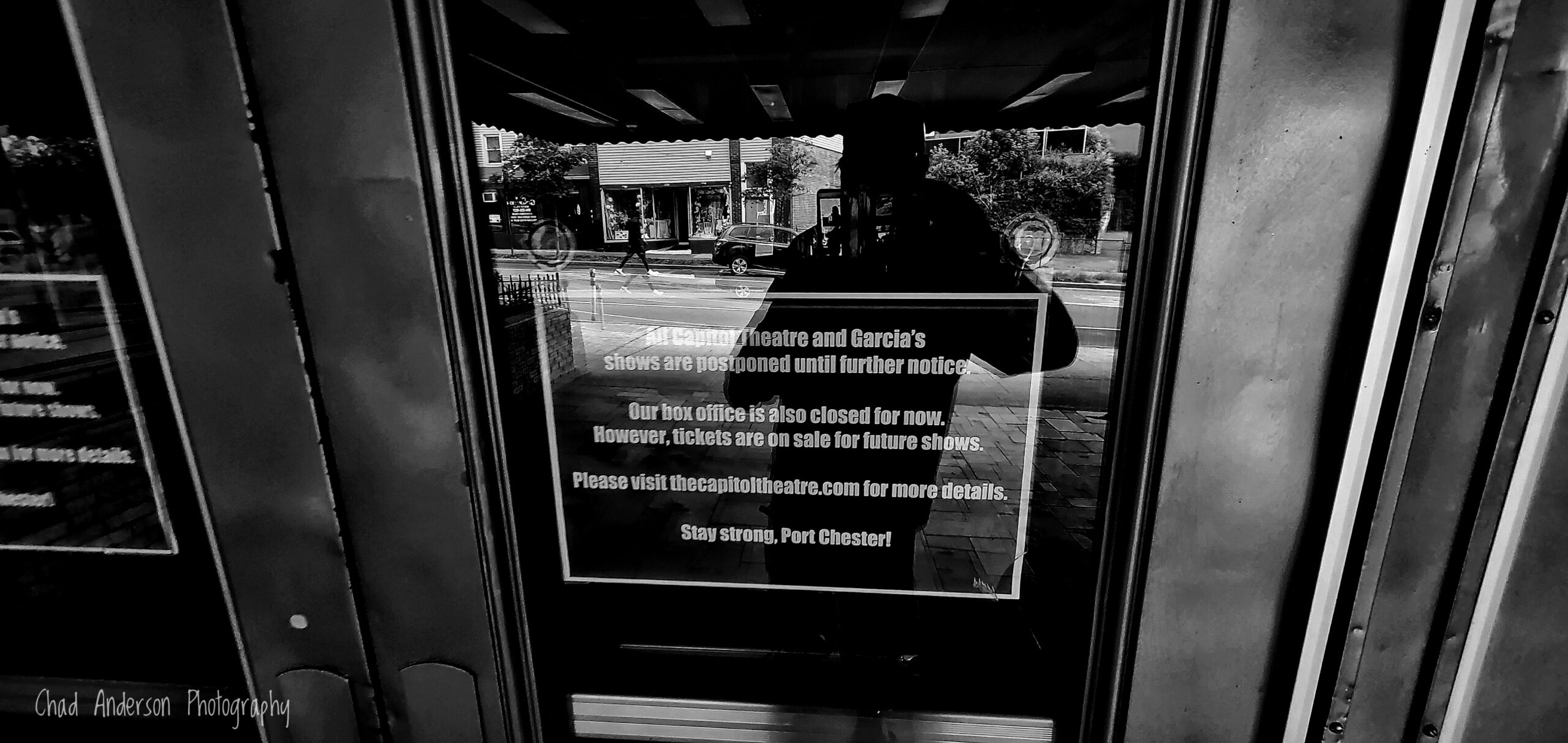
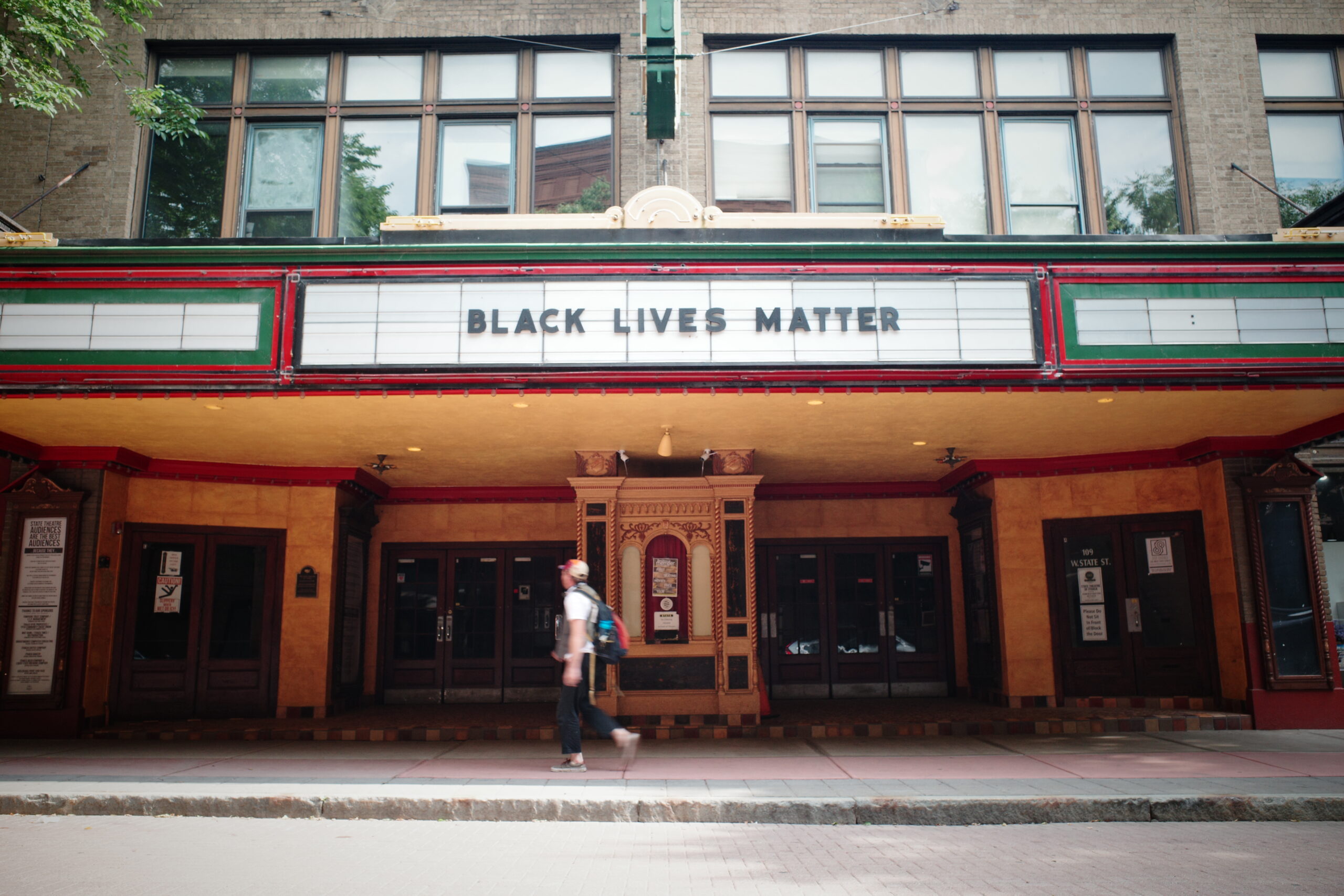
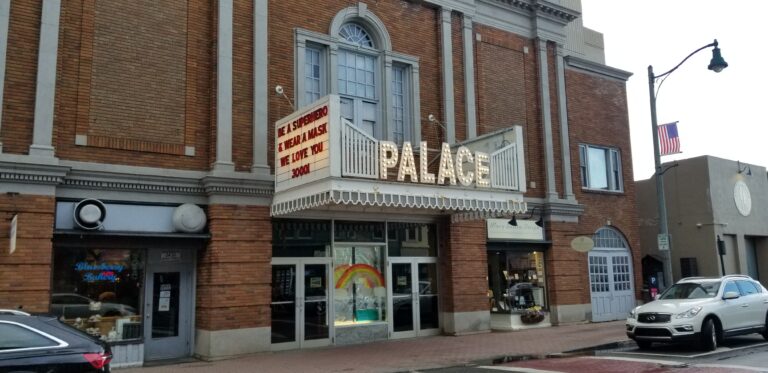
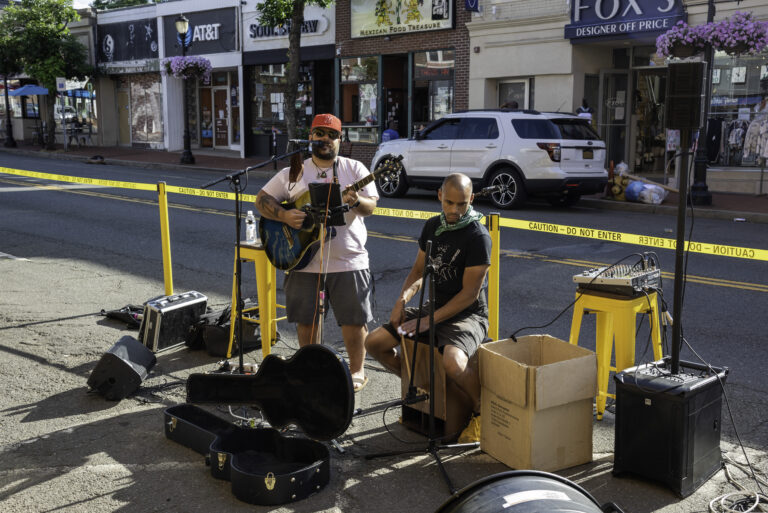
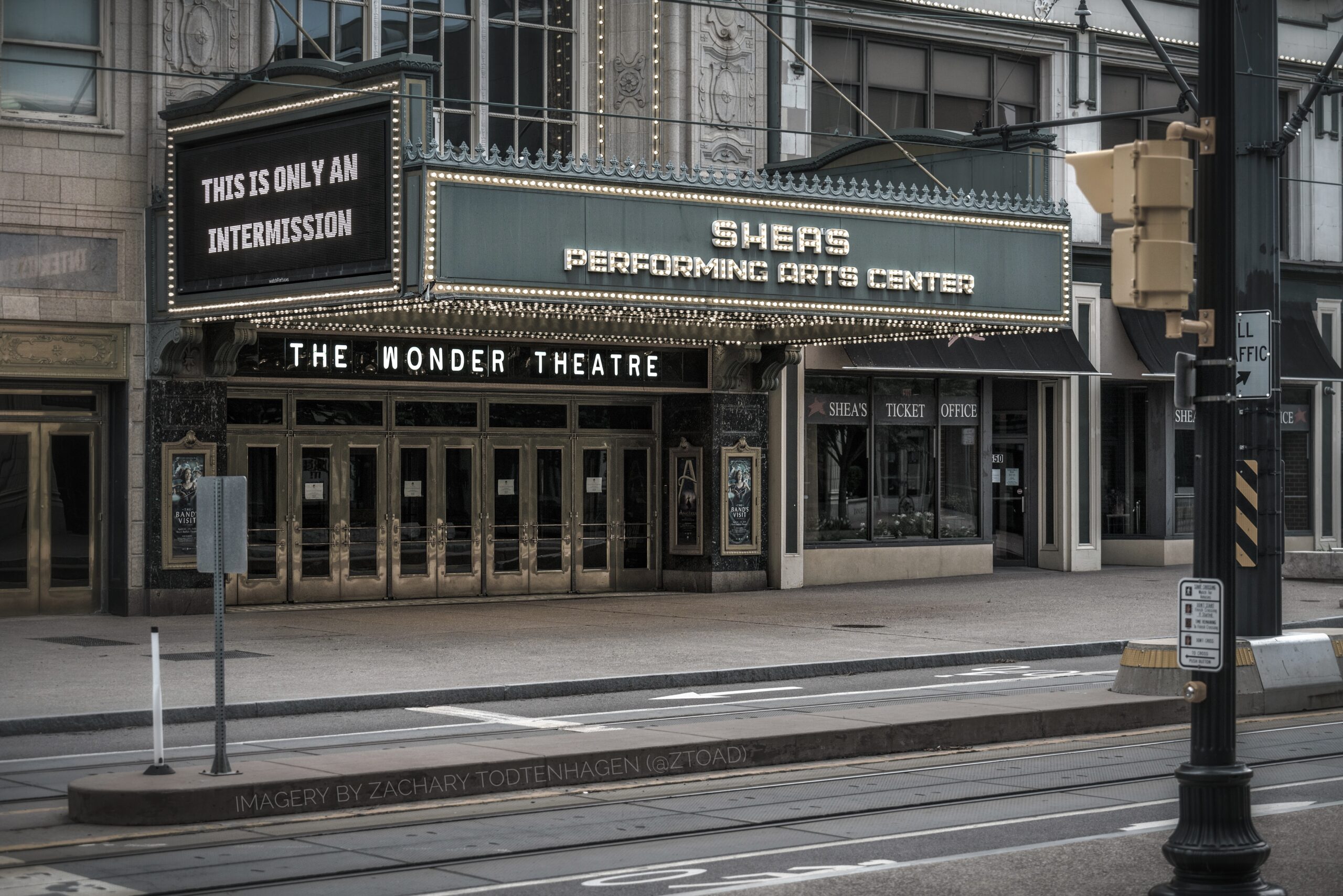
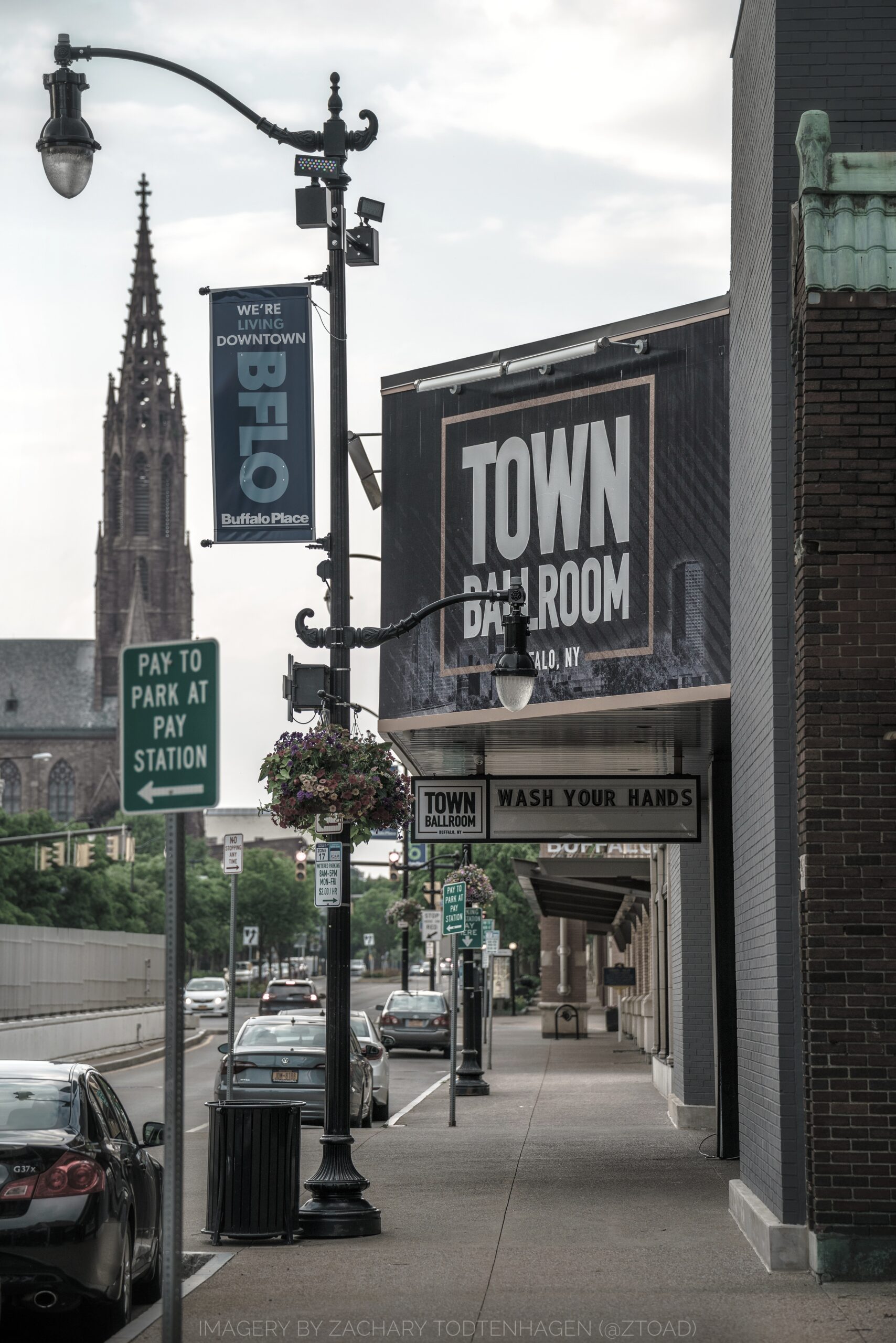
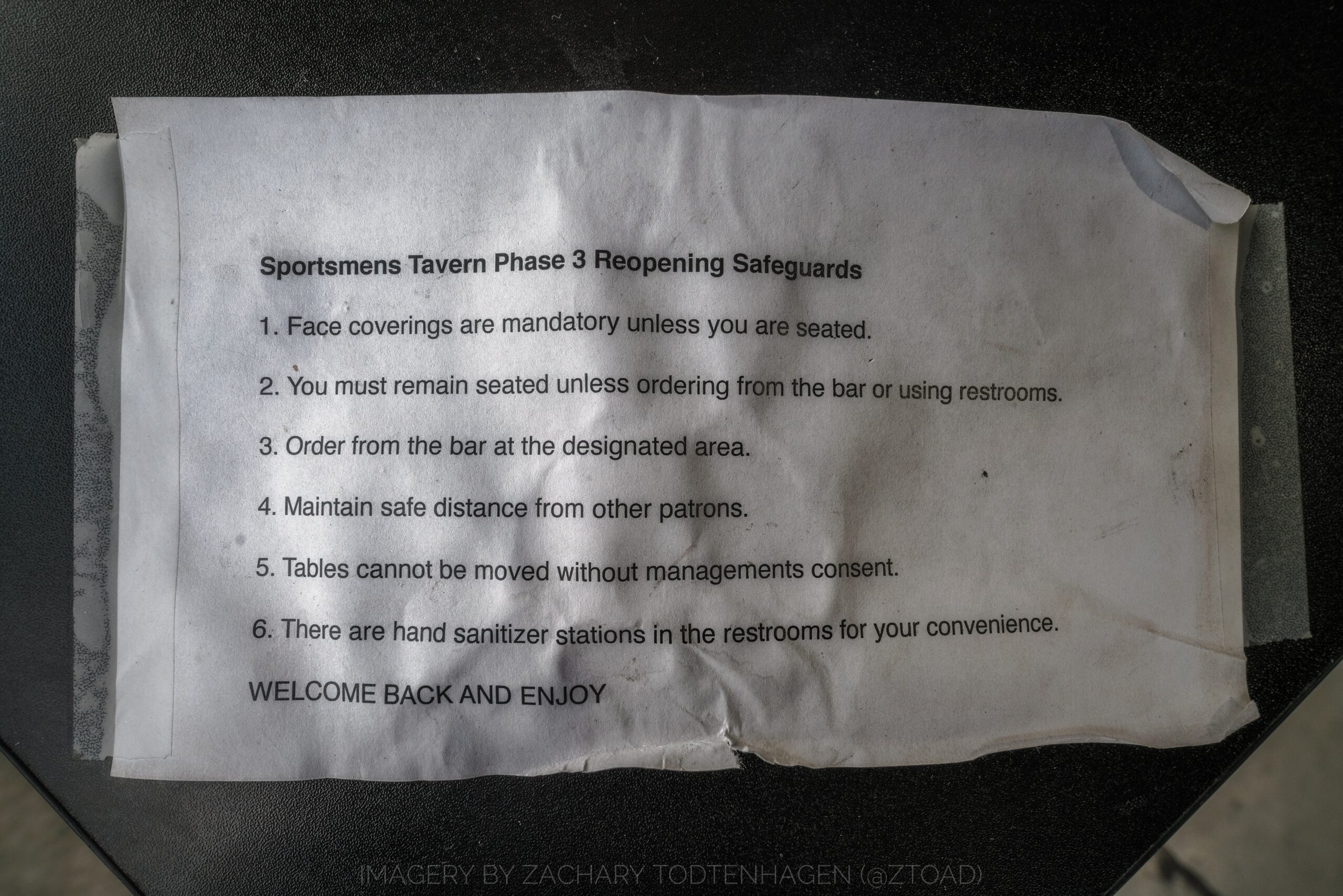
It is now July 2020, the fifth month with minimal, if any, live music performances throughout New York State, let alone the country. Our venues are not yet open, but as the threat of COVID-19 decreases, parts of New York will enter Phase 4 and beyond, with the hope that live music will return, even if gradually.
While we may be stream weary, the prospect of live music is a motivator for many, and staying safe is the key given that New York and much of the Northeast are faring better than other areas of the country.
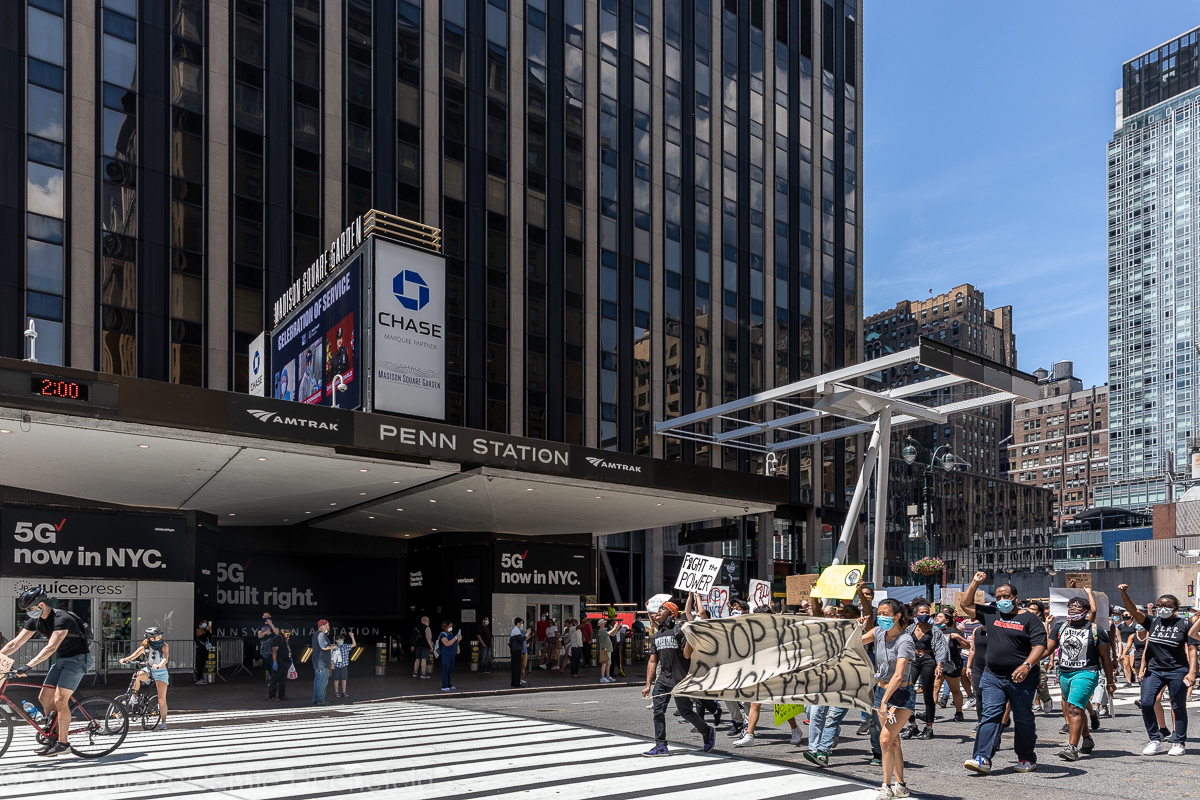
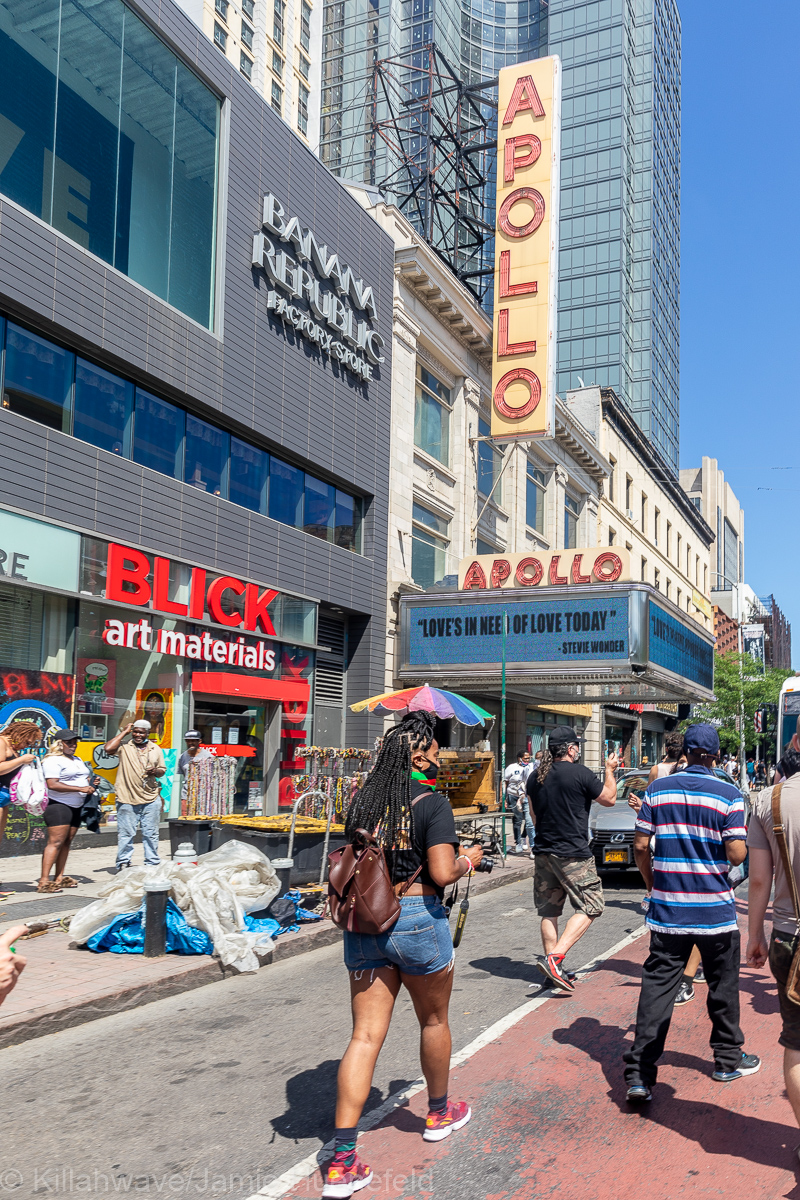
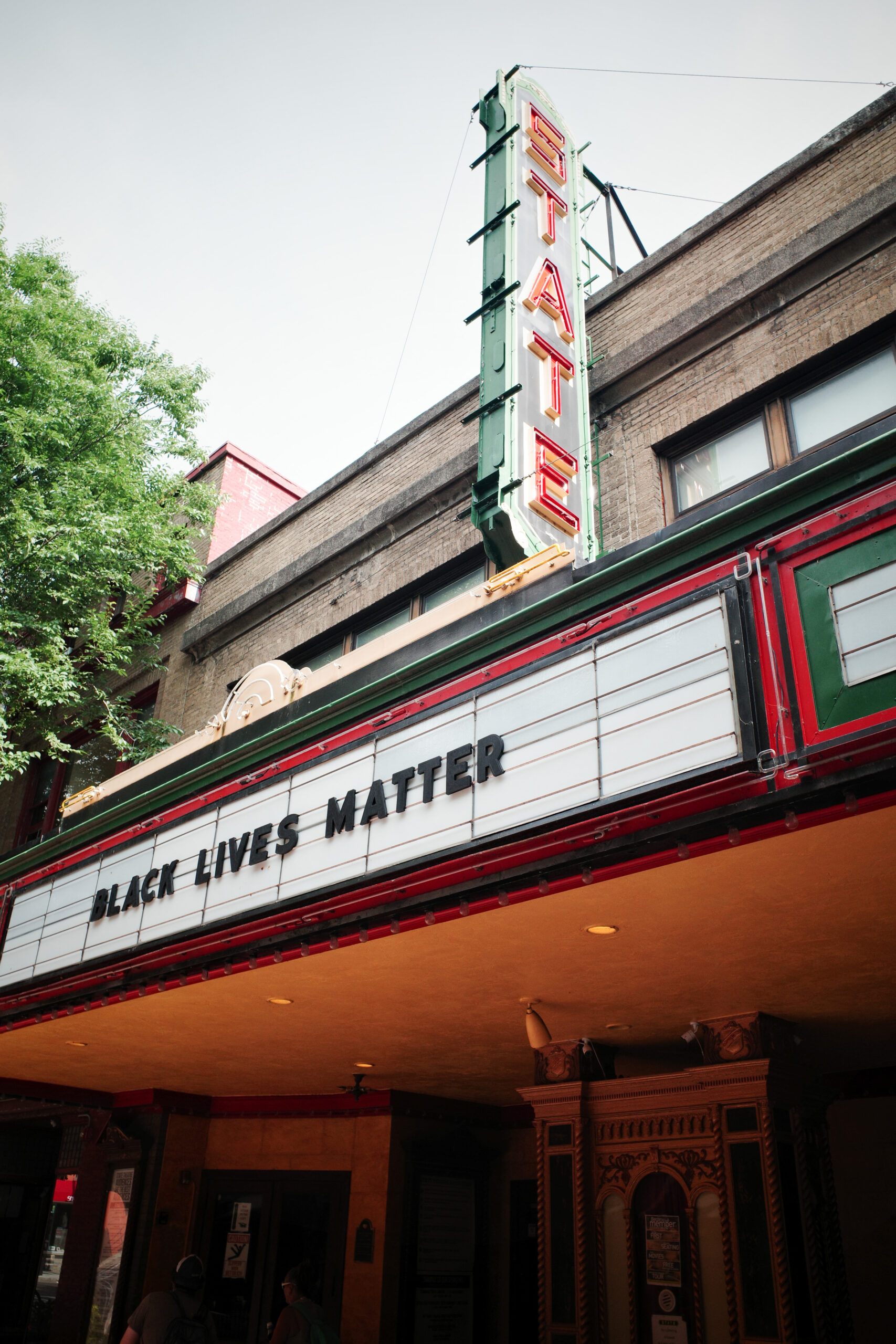
From viewing these photos taken during mid-late June, we can see the presence of the Black Lives Matter protests that spanned all 50 states. In all corners of New York there were protests, particularly in New York, protests that continue to push for defunding of the NYPD.
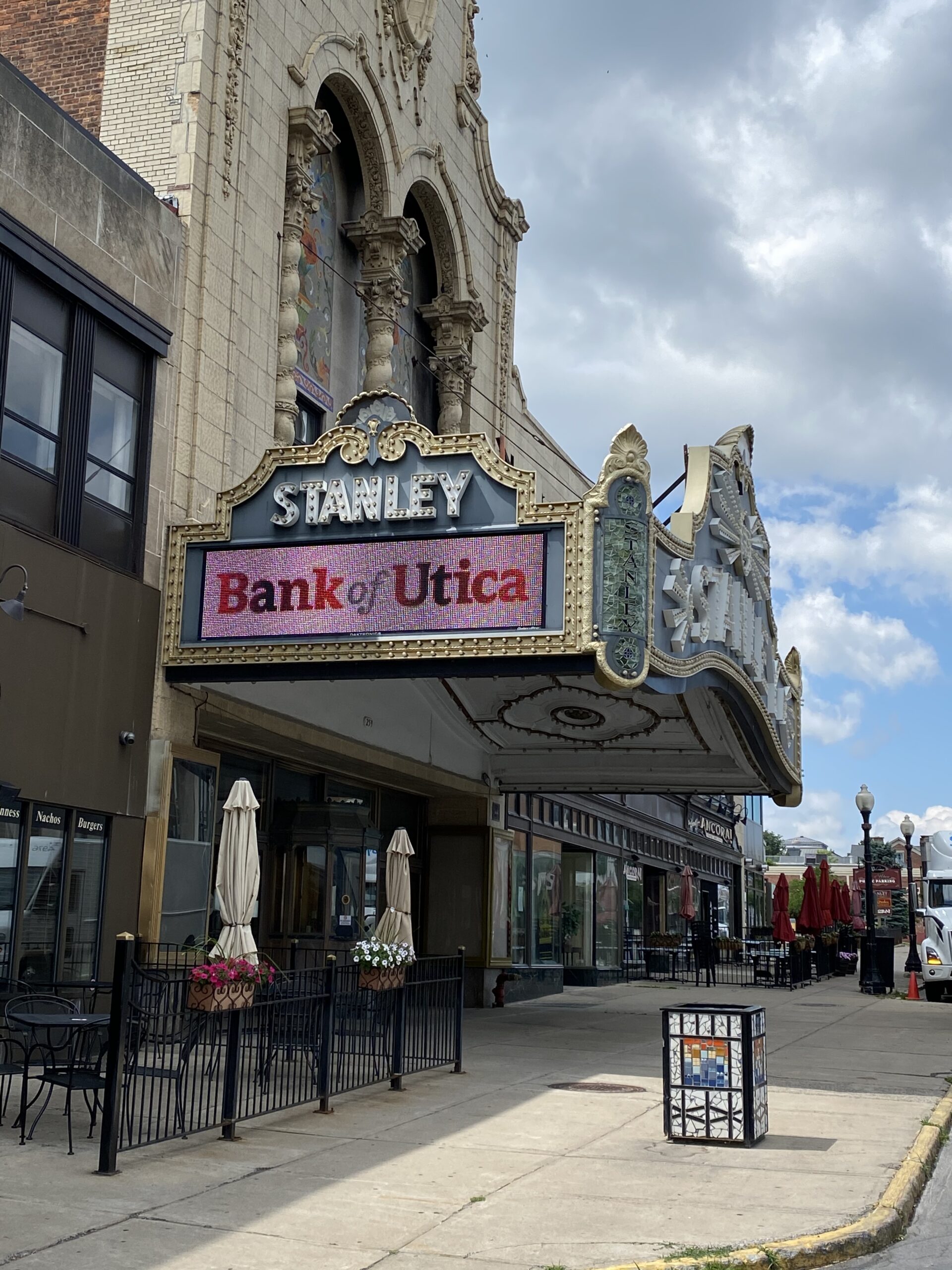
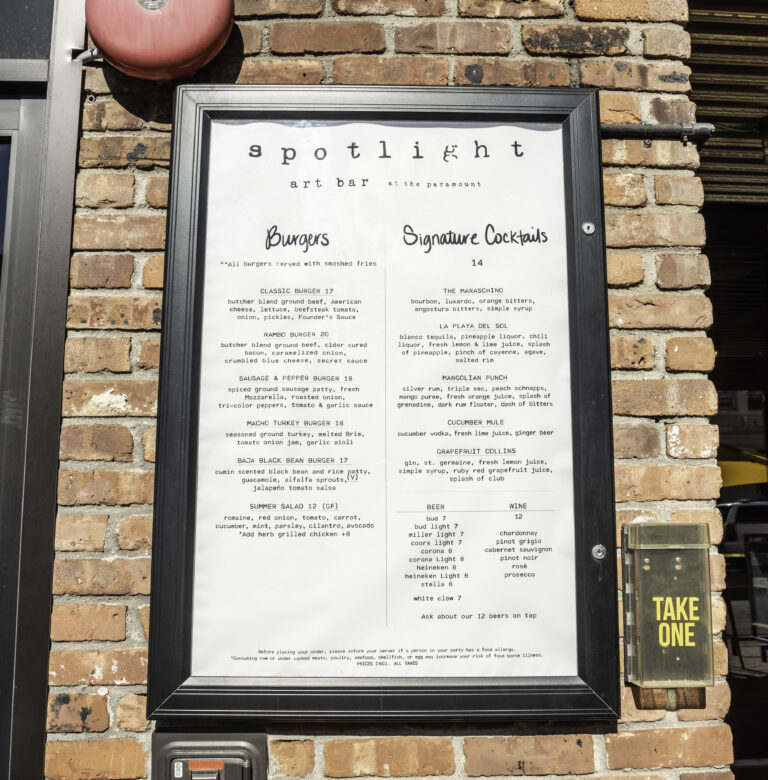
Working with 13 photographers to document more than 60 venues in 20 cities across New York State, NYS Music presents the second edition of our monthly series that looks at the current state of our beloved venues. When the venues reopen, we will share photo documentation recording the changes over time in all corners of the state.
Immense thanks goes out to all photographers and venues who are taking part in this monthly series. We’ll start this month in the Capital District, with a drone montage from Zach Culver, covering the venues we long to return to, sooner, rather than later.
At some point in our lives, we have all heard the classic hip hop refrain from Grandmaster Flash and the Furious Five, “Don’t push me ‘cause I’m close to the edge.” However, despite the funky bass line and infectious hook, “The Message” was written to give insight on the life of a young Grandmaster Melle Mel, who grew up in the Bronx during the ’60s and ‘70s, following the wake of the Civil Rights movement, an incredibly trying time for the impoverished black community. “The Message” has a place in history that is more than a reminder of the true roots of hip-hop, but rather a landmark of socially conscious rap. “The Message” was one of the first commercially successful rap songs providing heavy social commentary. At the time of its release, it stood out among other party tracks that were the hip-hop market at the time.
The intro delivered by Duke Bootee sets the scene, “It’s like a jungle sometimes it makes me wonder how I keep from going under.” Comparing life in the inner city Bronx to life in a literal jungle reiterates the hardships faced by the black community, struggling for survival and contemplating the will and self-determination that urge for survival takes. Then, on the verse is Melle Mel depicting the struggles of a poor black man who is on his last ounce of hope after repeating a cycle of despair desperate to escape.
Mel continues on the hook, “Don’t push me cause I’m close to the edge, I’m trying not to lose my head,” which encompasses the song’s central message: life in the inner city is hard and the stresses constantly build up. The hook almost sings as a warning to people unaware of the realities of street life, pleading people to not “push” you off the edge in a means to preserve your own mental sanity. Melle Mel’s verses continue to cover topics of poverty and homelessness due to mental illness with bars creating images of a “Crazy lady, livin’ in a bag eatin’ outta garbage pails” makes clear that Melle Mel was on the front lines of poverty in the 1970s. Mel also comments on the broken education system saying he “Got a bum education” and is under financial stress due to “double-digit inflation” which all feed into the power of the refrain.
Despite its release nearly 40 years ago, the song remains highly relevant in 2020’s social and political climate. The struggles detailed by Melle Mel are still issues faced by thousands who are stuck in the cycle of poverty perpetuated by systematic racism, un-equitable access, and crime. Many of the topics Mel rhymes about throughout “The Message” are the same themes present day artists such as Kendrick Lamar (AKA Cornrow Kenny) are bringing back to the focal point in the conscious hip hop movement.
There is an almost predictable reemergence of these themes of depression and poverty expressed by the black community brought to light by artists generationally. The consistency of lyrical themes present in the late 1970s mirroring those of present day billboard topping singles reiterates the notion that not much has changed. Black America is still trying to survive in the metaphorical jungle Bootee sang about.
Over the past ten years, we have seen artists such as Kendrick Lamar, as mentioned earlier, releasing songs in a similar vein to “The Message.” Most notably, his 2012 critically acclaimed, Good Kid M.A.A.D. City, concept album which followed the life of a young Kendrick throughout his upbringing in Compton, CA. Throughout the album’s track list, Kendrick raps about several similar themes such as his struggles with poverty, crime, and depression. Whether cited as an influence or not, Grandmaster Flash and the Furious Five’s “The Message” certainly paved the way for projects making social commentary accessible for the hip hop audience of today.
The next time you find yourself nodding your head to the beat of “The Message,” or saying “Don’t push me,” keep in mind the original focus of Grandmaster Flash and consider the blessing that music has the power to carry these messages through sound from generation to generation.