Category: Obituaries

  • Roger Berlind, Broadway Producer and Winner of 25 Tonys, Dead at 90

    Roger Berlind, a producer or co-producer of more than 100 plays and musicals on Broadway, including hits The Book of Mormon, Dear Evan Hansen, City of Angels and the revivals of Guys and Dolls and Kiss Me, Kate, died on December 18 at his home in Manhattan.

    The cause of death was reported by his family as cardiopulmonary arrest. He was 90 years old

    In a four-decade career in the theater, Berlind backed a great deal of original work on Broadway, amassing 25 Tony awards.
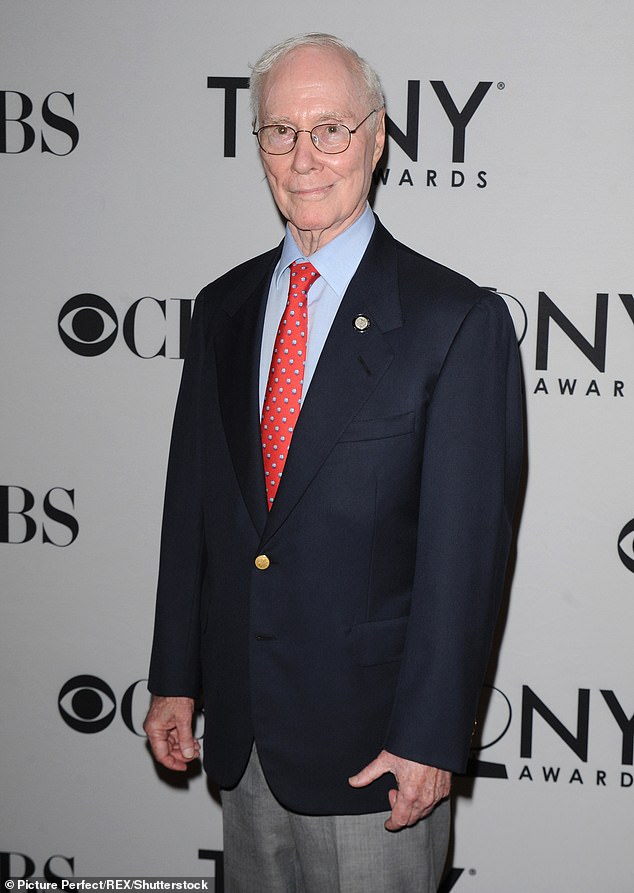
    roger berlind
    photo by Picture Perfect/REX

    According to the New York Times, Berlind helped bring buoyant musicals to the stage, like the smash 1992 revival of Guys and Dolls with Nathan Lane, as well as sophisticated literate dramas, like the original 1984 production of The Real Thing, Tom Stoppard’s dazzling exploration of the nature of love and honesty. The Real Thing swept the Tonys, winning for best play and best director (Mike Nichols) and garnering top acting awards for Jeremy Irons, Glenn Close and Christine Baranski.

    Berlind was able to play the piano by ear and felt he was destined to be a songwriter, but that dream faded and he worked on Wall Street for a while. Tragedy struck while he was a partner at a brokerage firm, when his wife and three of his four children were killed in an airliner crash at Kennedy International Airport. Days later, he resigned from his firm.

    Berlind told the New York Times in 1988, “The whole idea of building a business and making money didn’t make sense anymore. There was no more economic motivation.”

    Born Roger Stuart Berlind on June 27, 1930 in Brooklyn, his parents were Peter Berlind, a hospital administrator, and Mae (Miller) Berlind, an amateur painter who also gave painting lessons while raising her four sons. When Roger was three, the family moved to Woodmere, Long Island, where he attended Woodmere Academy. He would later go on to Princeton University, majoring in English.

    There, his life revolved around the theater and he joined the Triangle Club, which performs student-written comedies, and Theatre Intime, a student-run theatrical organization. In 1998, Berlind would donate $3.5 million to build the 350-seat Roger S. Berlind Theater as part of an expansion of Princeton’s McCarter Theater.

    “He loved the big-band music of the ’40s, he could play almost any song from the American songbook and he had a great memory for lyrics,” his son William said in a phone interview with the New York Times. His own tunes ran to the simple and nostalgic, as reflected by their titles, “Lemon Drop Girlfriend” and “Isn’t It a Rainbow Day?” among them. But Tin Pan Alley was uninterested, and, needing a job, Mr. Berlind was pointed by friends to Wall Street.

    Second wife Brooke Berlind said in an interview “The significant thing about Roger is that he made an incredible turnaround.”

    While his first musical, Rex, was a flop, he had his first hit with the original 1980 production of Amadeus. The play, written by Peter Shaffer, directed by Peter Hall and starring Ian McKellen and Tim Curry, took home several Tonys, including best play.

    Following that, early works included Sophisticated Ladies, Nine and . Later successes included Proof, Doubt, The History Boys, Kiss me, Kate, the 2012 revival of Death of a Salesman and the 2017 revival of Hello, Dolly! He would work with actors including Glenn Close, Bette Midler, Philip Seymour Hoffman and Jeremy Irons, among many others.

    Survivors include his wife and son, two granddaughters and a brother.

  • Leslie West of Mountain dies at 75 from Cardiac Arrest

    Guitarist Leslie West, heavy metal pioneer and Mountain frontman, has died at age 75. With hits including “Mississippi Queen” and “Theme From An Imaginary Western,” West established an indelible voice and guitar tone that remains legendary to this day. A press release reports the cause of death to be cardiac arrest.

    West was born Leslie Weinstein in Queens, and attended Forest Hills High School, which was also attended by The Ramones, Burt Bacharach and Paul Simon. West first emerged on the scene as a member of The Vagrant, and a few years later he and Felix Pappalardi formed Mountain. The iconic guitarist, vocalist, songwriter and storyteller leaves a legacy that is celebrated by peers and fans across the world.

    Mountain was one of the performers at the original Woodstock in August, 1969, and later formed West, Bruce and Laing with Mountain drummer Corky Laing and Cream’s Jack Bruce. In, 1971 West contributed to The Who’s Who’s Next sessions in NYC, performances that can be heard on the album’s 1995 and 2003 reissues.

    Alongside his significant contribution to pop culture as the face of Mountain, West appeared in films Family Honor (1973) and The Money Pit (1986). He was a regular guest on the Howard Stern Show, and over the course of decades remained a periodic visitor alongside enjoying a decades-long friendship with the talk show host.

    leslie west
    photo by Rob Teller

    West was inducted in to the Long Island Music Hall of Fame in 2006, and appeared on dozens of other recordings from a vast universe of artists. Samples of his performances lived a secondary life on the masters of a who’s who of hip-hop and rap stars.

    The guitarist is renowned for helping popularize the Gibson Les Paul Jr. model with P-90 pick-ups to create a tone that is undisputedly his own. More recently, he enjoyed a long relationship with Dean Guitars, releasing several signature models.

    Leslie West is survived by his wife Jenni, whom he married on stage after Mountain’s performance at the Woodstock 40th Anniversary concert in Bethel, NY on August 15, 2009. He is also survived by his brother Larry and nephew Max.

    From 1964 through today, few artists have left a more significant mark on music as we know it. Guitarists across the globe together will unite in sadness as the world says goodbye to a true original.

  • Rita Houston, WFUV Program Director, Dies at 59

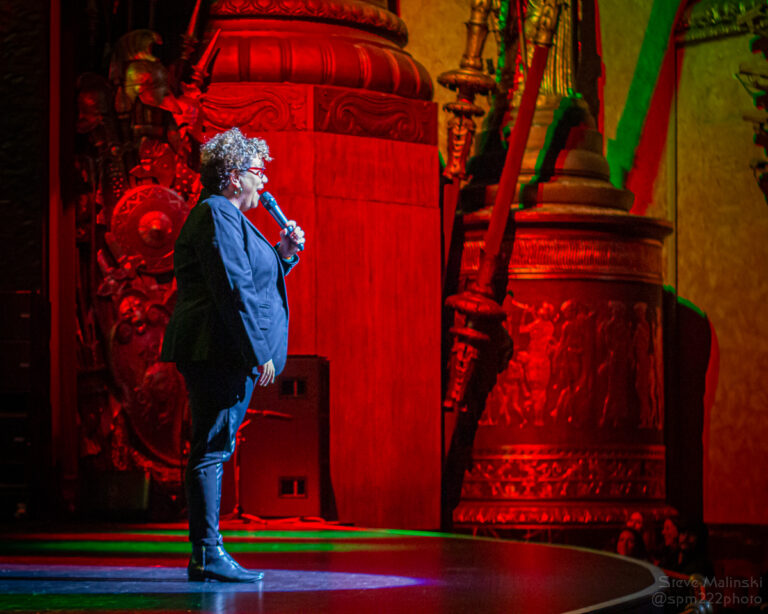
    Longtime WFUV radio station program director and curator, Rita Houston, has solemnly passed away. A renowned DJ for multiple generations of listeners, Houston also excelled in her role as a musical curator, specializing in electric feel. WFUV announced Houston’s death early Tuesday morning and had reported her taking time off in order to deal with health issues. In reality, Houston had been battling cancer for the past six years.

    rita houston
    photo by Steve Malinski

    Having begun her career at the Fordham University radio station in 1994, Houston’s hard-work, commitment and genuine love of music saw her trajectory go from mid-day DJ to running the Friday night programming. Her show, “The Whole Wide World,” would allow her to scour the world for more programming, as such was her appetite for all things music. 

    In 2019, when Rita Houston celebrated 25 years at WFUV, Mayor Bill de Blasio congratulated her for the “indelible mark” she has made on New York as an epicenter of creative expression,

    Bringing joy to listeners throughout the five boroughs, providing a platform for new talent that deserves to be heard, and enriching the cultural vitality of our city.

    That was our Rita, and so much more.

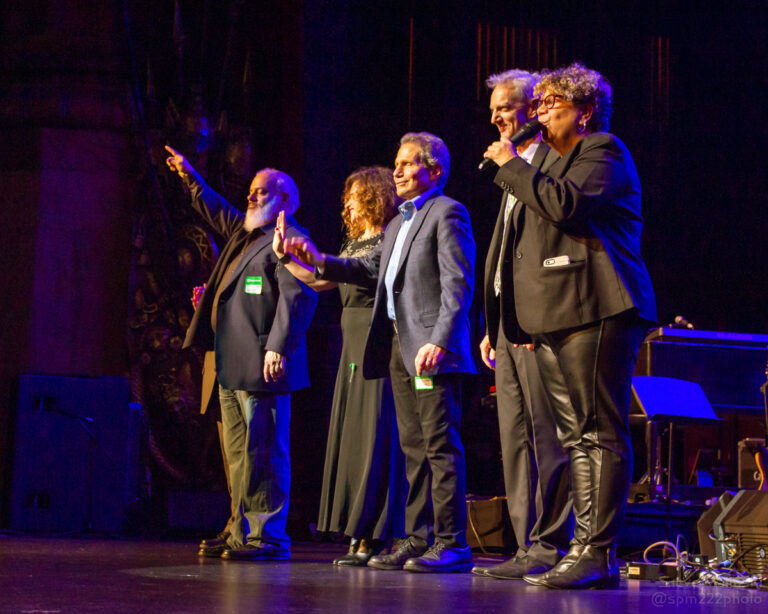
    rita houston
    photo by Steve Malinski

    In a statement from WFUV general manager, Chuck Singleton acknowledged Houston’s role as

    The north star of WFUV’s sound and its public service, guiding the station’s musical direction for decades.”

    “She was a New York original, a trailblazing woman of exceptional talent who shaped a unique style behind the microphone — informed and informal, intimate, warm, genuine. But also, one of tremendous joy,” said Singleton.

    While declaring upcoming remembrances and celebrations of Houston’s life in the weeks to come, Singleton summarized Houston’s transcendent work by comparing her to other great musical acts who have recently passed. Stating, “right now, Rita, we see you on that stage with Sharon Jones, Bowie, Prince, and especially your beloved John Prine, emceeing the most heavenly edition of Holiday Cheer for FUV.”

    Houston is survived by her wife, Laura Fedele, a sister and two brothers. She was 59 years old. 

  • Greenwich-born Country Singer Hal Ketchum Dies at 67

    The late, great Hal Ketchum passed away at 67 years of age Monday night. A social media post from his wife explained his passing was due to complications from dementia. The world certainly feels a little smaller now.

    Born April 9, 1953 in Greenwich, New York, Hal Ketchum went on to be a widely-loved, yet under-the-radar country singer of his day. Leaving New York at 17, finding home in Texas and finally residing his later life in Nashville, respectively.

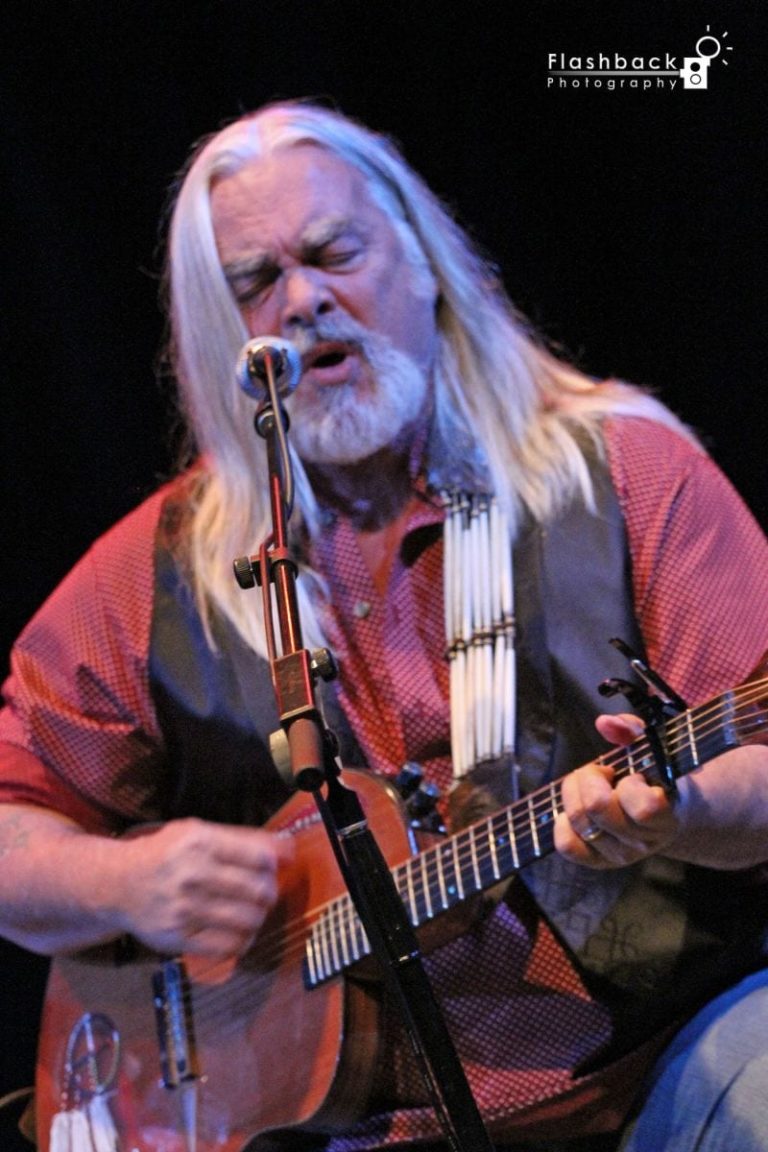
    Hal Ketchum
    Hal Ketchum – The Egg

    After his 1988 debut, Threadbare Alibis, under Watermelon Records, Ketchum would release his mots notable hits “Small Town Saturday Night” and “I Know Where Love Lives” off of Billboard #2, Past the Point of Rescue. The album reached Gold status as well as “Small Town Saturday Night,” which peaked #2 on the US Country charts. The talent went on to earn acclaim on nearly 20 Billboard mentions.

    Growing up traveling, on long open roads with a pile of country cassettes, Hal Ketchum grabs hold of your heartstrings early on, a lost art, of country breeze strumming onward. He embodies that stand-up, “tough as nails, hard as steel,” southern gent, that’s utterly sentimental. Hal Ketchum is country. Despite not living his life in the limelight when compared to other hits of his day, Hal hit the sweet spot balancing a hearty career, family and now, heartfelt-fanbase.

    Read more Hal Ketchum at NYS Music

    Andrea Ketchum, Hal’s wife, revealed he had been (officially) diagnosed with Alzheimer’s back in 2019. Accounts of him already battling the disease had stringing for “for some time now.”

    Don’t worry Andrea, it surely will. Especially on the angelic vibrato of “gold,” as Ketchum’s voice touches our hearts and his guitar fades up into heaven. God bless, long live country and we send the most beloved prayers to The Ketchum Family, and friends.

    May his music live on forever in your hearts and bring you peace.

    Andrea Ketchum

    Seven Day Music Marathon Day 5: Hal Ketchum At The Egg, May 8, 2015

    This was soft country at its finest, but at times the tempo picked up to a good foot tapping and head bobbing and that was the only workout the audience was getting tonight. “Small Town Saturday Night” was one of these songs, a pure American song through and through, full of twang and Mellencamp lyrics and guitar.

    [The comedian bantered] “What am I, a jukebox?” Hal shook his head and an audience member said “Play what you want!” with a bit of applause in favor. “Chickadee” was dedicated to his five grandchildren, and “Mama Knows the Highway” was played despite not being practiced, but came off perfect. Hal said afterwards, “Good country music will never steer you wrong.”

  • Celebrated Cuban Percussionist Cándido Camero Dies at 99

    Cuban percussionist Cándido Camero passed away on Nov. 7, 2020. Camero was 99 years old and was a well known, and loved, pioneer of Afro-Cuban jazz genre. He was an innovator in conga drumming. 

    Cándido Camero died peacefully at his home in New York on Saturday morning according to Camero’s grandson, Julian, told NPR member station WBGO of the sad news. Despite his age Cándido Camero played music up until the very end. 

    Cándido Camero
    Cándido Camero performs with Paquito D’Rivera at Flushing Town Hall (November 2019)

    He was born in San Antonio de los Baños, near Havana, in Cuba on April, 22 1921. His parents were Caridad Guerra and Cándido Camero. He moved to New York in 1946 and was “already a well-known musician in Havana as a percussionist and also for playing the Cuban tres, a folkloric guitar. He spent eight years playing at the famed Tropicana nightclub, backing the biggest Cuban stars of the day and counted the young Mongo Santamaría among his bandmates” according to NPR’s article

    Throughout the years Cándido Camero became a well known and extraordinary pioneer of the Latin Jazz genre and played with the best of the best throughout the years. Some of the big names he performed with include Charlie Parker, Tony Bennett, Dizzy Gillespie, Tito Puente, and Machito. He is known for being one of the first percussionists to play multiple congas at the same time, with each conga tuned to a different pitch, enabling him to play not only rhythm but melodies. 

    His biggest mainstream track came in 1979 with his disco recordings for Salsoul. He recorded several albums for the audiophile label Chesky Records. One of these records included Inolvidable, with Graciela, which earned him a nomination at the 47th Annual Grammy Awards. He was still playing and performing live up until the end. Back in Sept. of 2019 he joined Flushing Town Hall to celebrate their season’s launch with a performance from Canadian Afro-Cuban artists Jane Bunnett & Maqueque. He then returned in November to perform with the Gathering of the Masters alongside fellow greats Paquito D’Rivera, Joanne Brackeen, Jimmy Owens, Jimmy Cobb, and Reggie Workman. 


    Cándido Camero will be greatly missed from the music community. We mourn his loss and send our condolences to his family and friends.

  • Eddie Van Halen, 1955-2020

    Esteemed guitar icon and rock legend Eddie Van Halen passed away yesterday at the age of 65 after an extended bout with cancer. Best known as the shaggy haired lead guitarist of the eponymous band that he co-founded along with his brother, Van Halen‘s passing is a loss sure to be felt throughout the music industry. And it marks the end of an era for an American band that reached a level of popularity few others have.

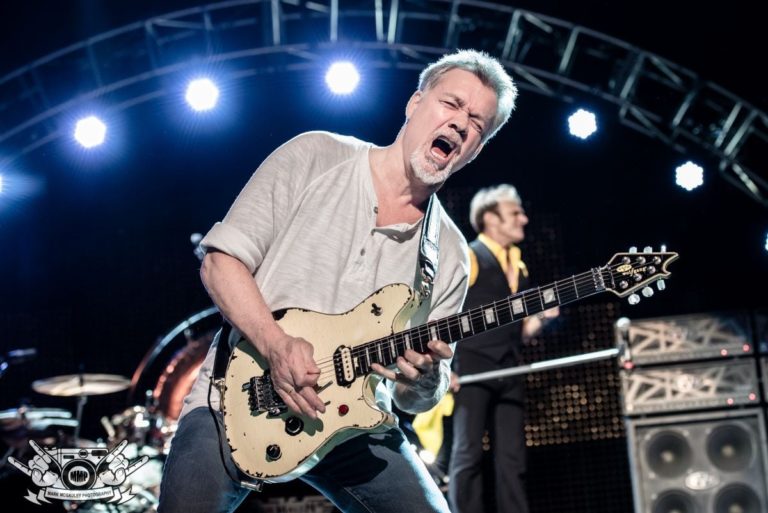
    RIP Eddie Van Halen
    Eddie Van Halen – photo by Mark McGauley

    Edward Lodewijk Van Halen was born in Nijmegen, Netherlands, on January 26th, 1955, a year and a half after his older brother Alex, to a Dutch father and an ­Indonesian mother. His father, also a musician, joined the Dutch Air Force band as a way to make money. When Eddie was eight years old, the family immigrated to Pasadena, CA where they set roots down and later established one of the most successful American bands of all time.

    RIP Eddie Van Halen
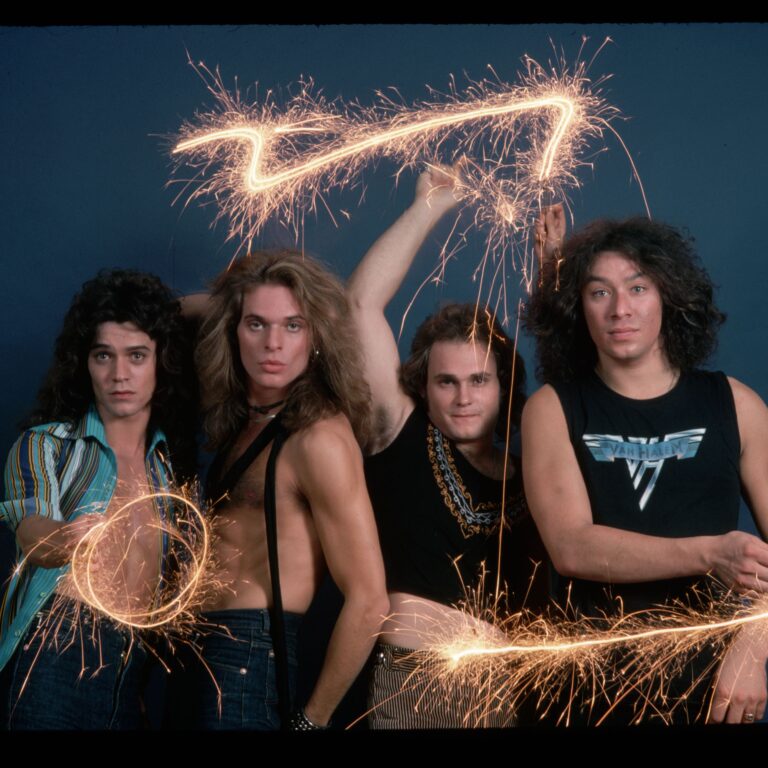
    (l-r) Eddie Van Halen, David Lee Roth, Mark Anthony, Alex Van Halen

    Originally, Eddie was a drummer and his brother would play guitar. Frustrated that he couldn’t handle the drum solo on The Safaris’ “Wipe Out,” the brothers decided to make one of the most impactful instrument switches of all time. The Van Halen brothers would go on to join several local short lived bands in the Pasadena area. In 1972, they formed a band called Genesis featuring Eddie as lead vocalist/guitarist, Alex on drums, and Mark Stone on bass. They initially rented a sound system from David Lee Roth but decided to save money by letting him join as lead vocalist even though his previous audition(s) had been unsuccessful.

    Roth was the only guy who had a PA. We were renting his PA every weekend for $35 and getting $50 for the gigs. So it was cheaper to get him in the band.

    Eddie Van Halen

    The band later changed its name to Mammoth, after learning Genesis was already in use. In 1974, the band replaced Stone on bass with Mark Anthony from local band Snake and again re-named itself, this time for good, to Van Halen. Like most bands, they started out playing parks and backyard parties in the Pasadena area. This soon gave way to gigs at small bars and strip clubs in the Hollywood area.

    What helped Van Halen significantly in its early years was their ability to self-promote. They would hand out flyers before shows at local high schools and also after Aerosmith and Black Sabbath concerts when they be in the area. After catching a show at a Sunset Boulevard club, Gene Simmons even helped produce a demo recording for them and took it to KISS management who would later inform him this fledgling band “had no chance of making it.”

    That would seem to change in 1977 when the band was offered a recording contract by Warner Bros. Records shortly after a show at the Starwood in Hollywood. By the end of the year, the group had recorded their debut album Van Halen at Sunset Sound Recorders.

    By now, the band had a solid collection of original songs like “Runnin’ With The Devil” and “Ain’t Talkin’ ‘Bout Love” to go along with their rotation of cover songs that were prevalent early in their career. The debut effort peaked at #19 on the Billboard charts and sold more than 10 million copies in the United States, receiving Diamond certification.

    This helped Van Halen land a tour opening for Black Sabbath, a band whose parking lot they were flyer-ing only years ago. The group’s chemistry owed much to Eddie Van Halen’s technical guitar wizardry and David Lee Roth’s flamboyant antics and stage persona, strong points which later made them rivals. 

    Van Halen II was released the next year and produced the band’s first commercial hit, “Dance The Night Away.” The 1980s would then see them maintain a rigorous pattern of album releases and supporting tours that would cement the band as global icons. They even earned an entry into the Guinness Book of World Records for the highest-paid single appearance for a band: a $1.5 million payout for a 90-minute set at the 1983 US Festival.

    While it was soaring commercially, the very fabric of the band was beginning to fray behind the scenes. Tensions between Eddie Van Halen and Roth were rising over the direction of the music. Roth preferred more dance-pop numbers while Van Halen was becoming interested in exploring new musical avenues and veering away from cover songs.

    I was getting sick of their ideas of what was commercial. That’s how we ended up doing all those covers on [1982’s] Diver Down. I never wanted to be a cover band.

    Eddie Van Halen

    When it came time to record a follow-up to Diver Down, Eddie insisted they record “Jump” and incorporate synthesizers into other tracks. The result was the smash 1984 that turned them into MTV superstars as videos for “Jump,” “Panama,” and “Hot for Teacher” went into heavy rotation and the album began selling by the millions, reaching Number 2 on the Billboard 200. 

    1984 would be, by far, Van Halen’s biggest commercial success, with the album going five-times platinum only a year after its release. It peaked at #2 on the Billboard charts that year, behind only Michael Jackson’s legendary Thriller. But this would also mark the end of an era, as Roth would quit the band later that year, embarking on a solo career.

  • Reggae legend Toots Hibbert, frontman for Maytals, dead at 77

    Toots Hibbert, the Jamaican reggae and ska frontman for the Maytals has died at 77 years of age. While a cause of death has not been announced, Hibbert was recently hospitalized due to complications from COVID-19.

    toots hibbert
    photo by Mickey Deneher

    Born Frederick Nathaniel Hibbert on December 8, 1942, the singer/songwriter was known for hits including “Sweet and Dandy,” “Monkey Man,” “True Love is Hard to Find” and “54/46,” inspired by his time in jail for marijuana possession in 1967. Hibbert, who coined the term ‘reggae’ with his song “Do the Reggay,” had been in a medically-induced coma at the Tony Thwaites Wing of the UHWI and was placed on a ventilator. His family shared this on his Facebook page.

    It is with the heaviest of hearts to announce that Frederick Nathaniel “Toots” Hibbert passed away peacefully tonight, surrounded by his family at the University Hospital of the West Indies in Kingston, Jamaica.The family and his management team would like to thank the medical teams and professionals for their care and diligence, and ask that you respect their privacy during their time of grief. Mr. Hibbert is survived by his wife of 39 years, Miss D, and his seven of eight children.

    Hibbert grew up in May Pen, Jamaica, about 30 miles west of Kingston as the youngest of seven children, Hibbert’s parents were both Seventh-Day Adventist ministers and would often sing in church, according to Variety. Hibbert lost his parents at any early age, with his mother dying when he was eight and his father dying three years later.

    Hibbert moved to the Jamaican capital of Kingston where he lived with his older brother John, who nicknamed him “Little Toots.” In 1962, singers Jerry Matthius and Raleigh Gordon heard Toots singing at the barbershop he worked at and formed the trio the Maytals. Over the next 10 years the group recorded with a series of producers that reads like a Reggae hall of fame: Coxsone Dodd, Prince Buster, Byron Lee, Leslie Kong.

    A contemporary of Bob Marley, both artists would find success with different songs titled “Redemption Song.” Speaking to the Jamaica Observer in 2018, he said of the early years with Marley:

    Sometimes the Maytals would close, sometimes The Wailers would close the show. We had no problems, no professional jealousy, we were all very good friends. Out of all of us though, me an’ Bob were very good friends. It was out of one of those conversations that I did the song ‘Marley.’ He was telling me that he was going to be a dreadlocks Rasta an’ I laughed an’ said, ‘I want to be a comb-locks’ Rasta like Selassie I’ an’ he laughed, just like the words in the actual song.

    Toots Hibbert, speaking to the Jamaica Observer

    Toots Hibbert appeared in “The Harder They Come,” starring Jimmy Cliff, and his 1969 hit “Pressure Drop” was featured on the movie soundtrack and was later covered by the Clash in 1978, giving Hibbert a wider audience of new fans.

    toots hibbert
    photo by Rob Teller

    Toots and the Maytals won Best Reggae Album at the Grammy Awards in 2005 for the album True Love, which featured duets with a number of music legends, including Eric Clapton, Willie Nelson, Jeff Beck, Bootsy Collins, Marcia Griffiths and Keith Richards, among others.

    Hibbert toured regularly since the 1970s, with a break in 2013 following an incident in Virginia when a fan threw a vodka bottle onstage and hit Hibbert in the head. Suffering a concussion in the process, Hibbert canceled his remaining shows and would not return to the stage until June 2016, although he continued to grapple with headaches and anxiety related to the injury.

    Toots and the Maytals performing at Summer Camp Music Festival, May 2019. photo by Pete Mason

    According to Rolling Stone, to form this new style, Hibbert infused reggae precursors like rocksteady and ska with elements of traditional Jamaican mento, as well as gospel, soul, R&B, and rock n roll. He could start a party as easily as he could deliver spiritual musings and social-justice rallying cries, all in a voice that recalled the likes of Otis Redding and Ray Charles but was always distinctly “Toots.”

    Ziggy Marley said in an Instagram post “I spoke with him a few weeks ago told him how much i loved him and what he means to me. We laughed and shared our mutual respect. I am fully in sorrow tonight. I will miss his smile and laughter his genuine nature. Toots was a father figure to me; his spirit is with us his music fills us with his energy. I will never forget him”

    https://www.instagram.com/p/CFBqLrsJfke/?utm_source=ig_web_copy_link

    Toots and the Maytals recently released their first album in over ten years, Got to be Tough.  The album features many originals as well as a Bob Marley cover of “Three Little Birds” featuring Ziggy Marley. It also features a track with Ringo Starr on percussion and Ringo’s son and longtime Who drummer Zak Starkey on guitar. 

    Toots Hibbert was inducted into the Order of Jamaica in 2012.

  • Hudson Valley Philharmonic Maestro Randall Fleischer passes away suddenly

    Randall Craig Fleischer, Maestro of the Hudson Valley Philharmonic (HVP), passed away suddenly Wednesday night at his home in Los Angeles, CA. Fleischer was much loved by all who knew him and were fortunate enough to create music with him. Fleischer was considered the heart and soul of the HVP.

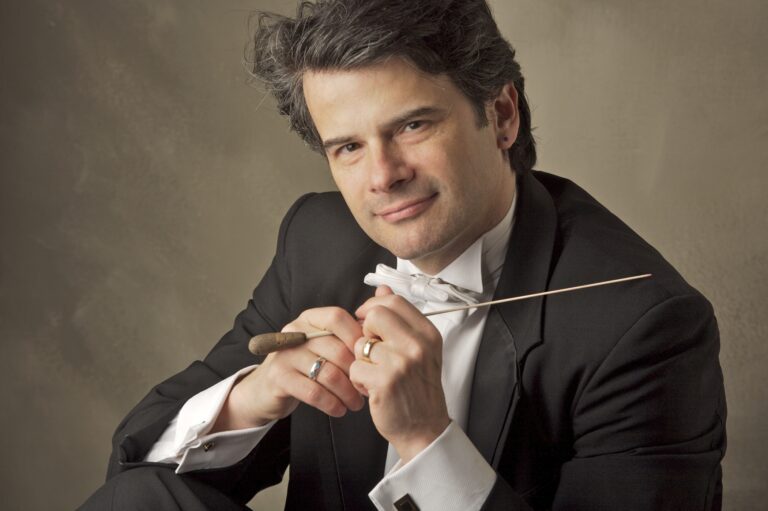
    Randall Craig Fleischer

    Fleischer became music director of the Hudson Valley Philharmonic in 1992 and was a leading force in the classical music scene all over the United States. His charismatic personality and contagious love of music ignited orchestral brilliance in every concert he conducted.

    He was an active guest conducting career with many major orchestras in the United States and internationally including repeat engagements with the Israel Philharmonic, Hong Kong Philharmonic, Los Angeles Philharmonic, San Francisco Symphony, Boston Pops, St. Paul Chamber Orchestra, Seattle Symphony, Utah Symphony, San Diego Symphony, Chamber Orchestra of Philadelphia, and Houston Symphony, among others.

    Additionally, he was also music director of the Anchorage Symphony and Youngstown Symphony Orchestra.

    Active as a composer, Mr. Fleischer was also a national leader in the area of symphonic rock and world music fusion. Pioneering these new and growing genres for more than 20 years, he had worked with artists such as John Densmore (The Doors), Natalie Merchant, Blondie, Ani DiFranco, John Cale (Velvet Underground), Garth Hudson (The Band) and Kenny Rogers. Mr. Fleischer’s arrangements and orchestral works have been performed by major orchestras worldwide.

    He also composed several new works focusing on the interrelationship of Native American music and culture and the symphonic realm. He collaborated with artists R. Carlos Nakai, Burning Sky, The Hawk Project and The Benaly Family. Mr. Fleischer’s work “Triumph” premiered in Flagstaff, Arizona in 2005. His work “Echoes” premiered in Washington, D.C. in November of 2008 at the National Museum of the American Indian (Smithsonian). Fleischer’s most recent work entitled “Symphony in Step” features the dance ensemble “Step Afrika” and is the first and only orchestral work featuring the African American dance tradition of “stepping.”

    Mr. Fleischer first came to international attention when, while serving his first of five years as assistant and then associate conductor of the National Symphony Orchestra (NSO), he conducted Dvorak’s Cello Concerto with Mstislav Rostropovich as soloist during the NSO’s 1990 tour of Japan and the U.S.S.R. Mr. Fleischer again had the honor of being chosen to accompany Maestro Rostropovich, once more conducting the NSO, this time in Lincoln Center’s Avery Fisher Hall in a performance of Prokofiev’s “Sinfonia Concertante” in celebration of the composer’s birth. In December of 1992, he conducted an ensemble of over 70 cellists, including Yo-Yo Ma, and a 190-voice chorus in the Kennedy Center Awards tribute to Rostropovich, televised nationally on CBS, with President and Mrs. Bush presiding.

    Mr. Fleischer studied with Leonard Bernstein as a conducting fellow at Tanglewood in 1989. He served as the assistant conductor of the American Symphony Orchestra from 1986 to 1989. While working toward his master of music at the Indiana University School of Music, he served as chorus master of the I.U. Opera Theater program from 1983 – 1985. Fleischer received his bachelor of music education from the Oberlin Conservatory of Music and has studied conducting privately with Otto Werner Mueller and in master class with Seiji Ozawa, Ricardo Muti, Gustav Meier and others.

  • Founding member of Widespread Panic, Todd Nance, dies at 57

    Todd Nance, the founding drummer of Widespread Panic, has died at age 57, in the band’s hometown of Athens, GA.

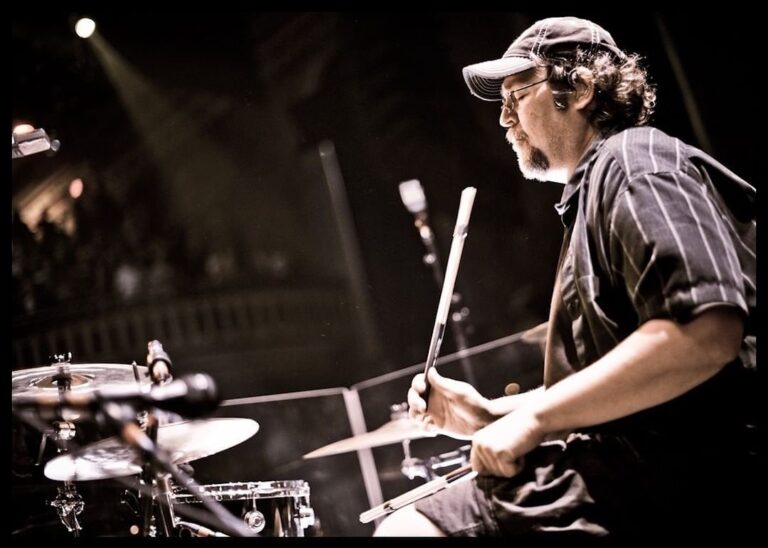
    todd nance

    The Nance Family said in a statement:

    It is with great sadness that we announce that Todd Nance, a founding member of Widespread Panic, passed away early this morning in Athens, GA from sudden and unexpectedly severe complications of a chronic illness. There are no services being planned at this time, but information will be shared as decisions are made regarding the best way to honor Todd’s extraordinary life and career. The Nance family appreciates the love and support of all and requests that their privacy be honored during this hard time.

    Along with the Nance Family, the Widespread Panic Family shared these sentiments:

    With heavy Hearts and Loving memories we say good bye to our Brother Todd Alton Nance. Widespread Panic was born the night of Todd’s first show. He and Mikey had played music together in High school (maybe Junior high) and with a lucky thought, Michael tracked him down and asked him to join us – because we had a gig, but needed a drummer. For thirty years Todd was the engine of the Widespread Panic. He wrote great songs, and was a giving and forgiving collaborator. T Man was the epitome of a “team player.” Drove the Band and drove the van.

    Funny, adventurous, and a very kind Soul, we wish Todd and his family peace during this sad time after so many happy times.

    Safe travels, Brother Todd.

    With Love, the Boys and Girls of Widespread Panic

    Todd Nance was born in Chattanooga, TN, where he received a drum kit for Christmas at age 13, and then formed a high school band with Michael Houser, with whom he would go on to found Widespread Panic, along with John Bell and Dave Schools. The band formed in 1986 and grew quickly, performing at Red Rocks only five years later, opening for Blues Traveler.

    Nance was the steady beat from the early years in Athens, GA, setting the tone alongside Domingo “Sunny” Ortiz. Nance briefly left the band in 2014, returned, and officially departed the band in 2016. He also played drums in the Vic Chestnutt/Widespread Panic hybrid brute. from 1995 to 2002, and in recent years, with groups known as Todd Nance & Friends, the Interstellar Boys and the Todd Nance Experiment.

    In a 2017 interview with Larson Sutton for Jambands.com, Nance looked back on his time with Widespread Panic with no regrets.

    Basically, I had 31 great years touring with (Widespread Panic). I wouldn’t trade that for anything. But, things do change as time goes on. I had to address those issues and put my professional life on the sideline. So now that I’ve gotten that stuff out of the way, I’ve tried to get back to work. That’s pretty much it.

    Todd Nance, as told to Larson Sutton
  • Remembering Julian Bream

    Anyone who can spell the word “guitar” likely knows of the formidable Spaniard of the gut string, Andrés Segovia.  But too few know enough about the Brit who cast just a smidge less of a shadow in the world of classical guitar and lute, and maybe a far more progressive one at that. Julian Bream passed away this week at the age of 87.

    Bream was regarded as one of the instrument’s most formidable, influential and soulful players, a flawless technician with incomparable tone and technique on guitar and, later, the lute.  Unlike the traditionalist Segovia who was his inspiration, Bream worked to push classical guitar beyond its Spanish roots by commissioning dozens of works from major composers like Malcolm Arnold and Benjamin Britten, whose “Nocturnal” (1963) is one of the most popular pieces in the modern guitar repertoire.  On the traditionalist front, he was the first to revive major works of Spain’s Fernando Sor and Mauro Giuliani of Italy, two important 19th century guitarist-composers, and to serve as the prime interpreter of the lute works of the legendary John Dowland. His painstaking transcriptions, which are a key parcel of the classical teaching lexicon today, included Bach suites and Scarlatti sonatas, as well as works by Purcell, Cimarosa, Diabelli and Schubert.

    Julian Bream: Benjamin Britten’s Noctural

    https://www.youtube.com/watch?v=Bk8VfE-Gzoo

    Bream’s initial interest in guitar came about not through the classics but the gypsy jazz of Django Reinhardt.  After receiving his first gut string guitar from his father on his 11th birthday, Bream quickly became a child prodigy. He won a guitar competition the following year which enabled him to study at the Royal College of Music (piano not guitar), before making his debut guitar recital one year later in 1947. 

    By the mid-1950s, Bream’s career was in full swing, with many tours in Europe, Asia, Australia and North America, as well as a busy slate of recordings.  Bream has a massive discography on the RCA Victor and EMI Classics labels, recordings which earned him four Grammys among other honors.

    What cannot be underestimated is Bream’s impact of reviving interest in that hard to handle, many stringed medieval cousin of the guitar, the lute. Bream took up the Renaissance lute in 1950 in order to play 16 century works by Thomas Morley, John Dowland and other Elizabethan composers.  In 1959, he formed the Julian Bream Consort, a string, wind and lute ensemble, to perform and record Elizabethan ensemble music, which he also did in a popular duo partnership with singer Peter Pears.  Bream’s success as a lutenist inspired a generation of young musicians, including Paul O’Dette, Stephen Stubbs and Hopkinson Smith, to set aside the modern guitar and concentrate on the lute and other early stringed instruments.

    Julian Bream Plays Dowland

    Bream’s influence as a musician went far beyond the world of classical music and into the world of rock and jazz, where appreciation of his skill and soul transcended the genre.

    One of his most fervent admirers is the astounding Dutch guitarist Jan Akkerman. Voted Best Guitarist in the World in 1973 over Eric Clapton, Jimmy Page, and others by that British bible of rock, Melody Maker, Jan is a man with a wide stylistic discography. He’s perhaps best known for the pioneering shred and yodel classic, “Hocus Pocus,” by his former band Focus.

    “I was recording with Focus in Chipping Norton in Oxfordshire and got fed up with the whole scene so I jumped in my car to escape it all,” begins Akkerman.  “I wound up in The Tews, in a little village near the Rollright Stones, a beautiful spot in a valley full of 12th Century houses, real Robin Hood style.”

    “When I switched on the radio, what I heard was The Julian Bream Consort on BBC1, playing lovely Elizabethan lute music, which really ran my bell,” he continues.  “You look at ten Dutch paintings and seven of them will have a lute in them.  It really struck a chord with me, emotionally and musically, and I became slavishly devoted to locating old sheet music and practicing the instrument, so much of it the music that Bream performed.”

    “At that time, Focus was touring like crazy, so I would bring the lute along with me and woodshed on flights, in limos, like a madman.  I used some of Julian’s concepts on my album Tabernakel, but with my own rock-style twist.”

    Jan Akkerman – Tabernakel “Brittania” John Dowland

    https://www.youtube.com/watch?v=WAUVbzDNYnY

    “What made Julian a great player for me is he played the lute in a classical guitaristic way, with a much cleaner sound which I happen to love,” continues Akkerman. “I saw him in concert once in the Netherlands and what occurred to me was he possessed an ungodly fluidity and lyricism and a sort of sense of humor from the guitar faces he threw too as he played, which I like to do.  I would say, along with Django, he is my all-time favorite.  If you want to hear what classical guitar is all about, just listen to his album, Julian Bream: 20th Century Guitar.

    Julian Bream Documentary “My Life in Music”

    https://www.youtube.com/watch?v=MUdunh_wMCI