Category: Reviews

  • Fire on Ice: Grateful Dead light up Nassau Coliseum

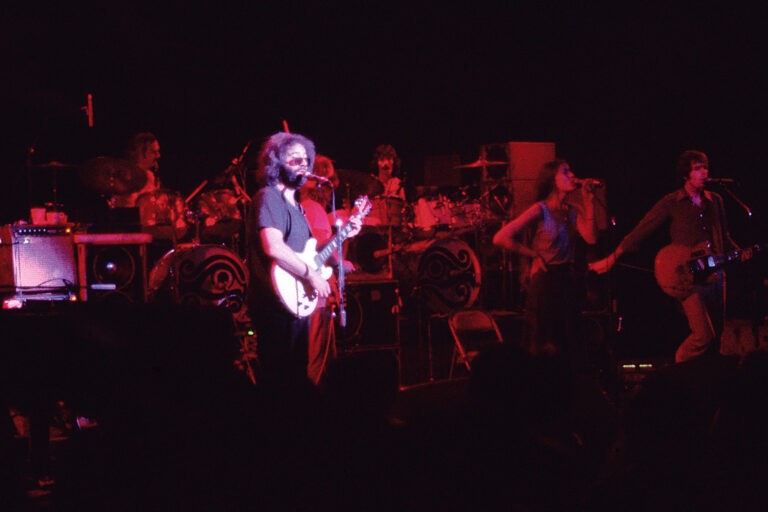
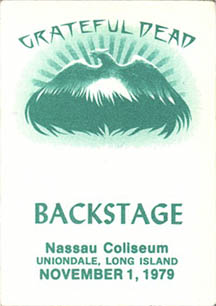
    We head back to the Island for this week’s Jerry Sundays installment with a Grateful Dead show at the legendary Nassau Coliseum from 1979. The band played two shows here earlier that year in January, more than five years after their first appearance in Uniondale in 1973.

    Now, in the middle of hockey season, and at the peak of the NY Islanders hockey dynasty no less, the Dead played three shows at the famous arena that surrounded Halloween. This was still the dawn of a new era of Dead as the band was still breaking in keyboard player Brent Mydland, new to the band as of April that year.
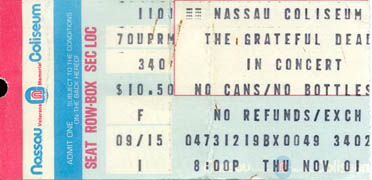
    The tone for this evening is immediately set through a ferocious “Jack Straw” that starts the show off in grand fashion. Weir’s vocals are matched in intensity only by the lead guitar fills supplied by Jerry Garcia. “They Love Each Other” ends with a flippant comment from guitarist Bob Weir afterwards about Russia “bombing Staten Island” that evening. The Cold War Era was truly a different time. A robust and particularly uptempo “Mama Tried” that follows seems to take the place of the usual early show “El Paso” due to the “Mexicali Blues” that starts up immediately afterwards.

    Another gem from this first set is a crisp version of “Peggy-O,” with delicate vocals and guitar play both handled wonderfully by Garcia. The swaying emotions that the cover of this traditional ballad brings with it would be a staple of Dead and Jerry Garcia Band shows for years to come. This one has a smooth delivery thanks to an in-sync rhythm section that motors along behind Garcia effortlessly.

    The first set “Candyman” features even more howling guitar play from Garcia and the “Looks Like Rain” that follows is filled with even more emotional guitar fills that accompany nicely with Weir’s vocals that steadily build in ferocity as the song develops. And the newcomer gets a first set contribution as well as the Mydland-penned ballad “Easy To Love You” makes one of its earlier appearances.

    But the true “meat and potatoes” of this show is the opening sequence of the second set. Some consider this longest “Scarlet Begonias” > “Fire On The Mountain” combination that the band has ever played. And they would have a legitimate argument as this one effortlessly stretches out past thirty minutes in all. Garcia and Mydland start hooking up as the “Scarlet” jam progresses and this carries all the way into and through a “Fire” that more than lives up to its name.

    The rest of the second set is certainly no slouch, but the extended break and rabid fan reaction after these first two songs marked the end of something special. The “Terrapin Station” that follows later in the set features more of the same relaxed tone in some of its transitional sections that stretch out a little longer than usual. This eventually gives way to a “Playin’ In The Band” that races through its composition and serves up another psychedelic offering with more heavy Garcia-Mydland interplay steering the collective ship.
    grateful dead nassau coliseum

    A late second set “Black Peter” gives Garcia’s guitar the spotlight and a chance to blissfully wail away again. And the “U.S. Blues” encore hits all the right notes, courtesy of more passionate playing from Mydland. But the legendary “Scarlet” > “Fire” pairing that opens the second set is what makes this show so special – one of the greatest versions of one of the band’s greatest pairings. In other words, just another typical New York Grateful Dead show.

    Grateful Dead 11/1/79 Nassau Veterans Memorial Coliseum Uniondale, NY

    Set 1: Jack Straw, They Love Each Other, Mama Tried-> Mexicali Blues, Peggy-O, Minglewood Blues, Candyman, Looks Like Rain, Don’t Ease Me In, Easy To Love You, Promised Land

    Set 2: Scarlet Begonias-> Fire On The Mountain, Samson & Delilah, Terrapin Station-> Playin’ In The Band-> Drums->Space->Black Peter-> Good Lovin’

    Encore: U.S. Blues
  • Flashback: The Who perform their first and only show at SPAC, August 2, 1971

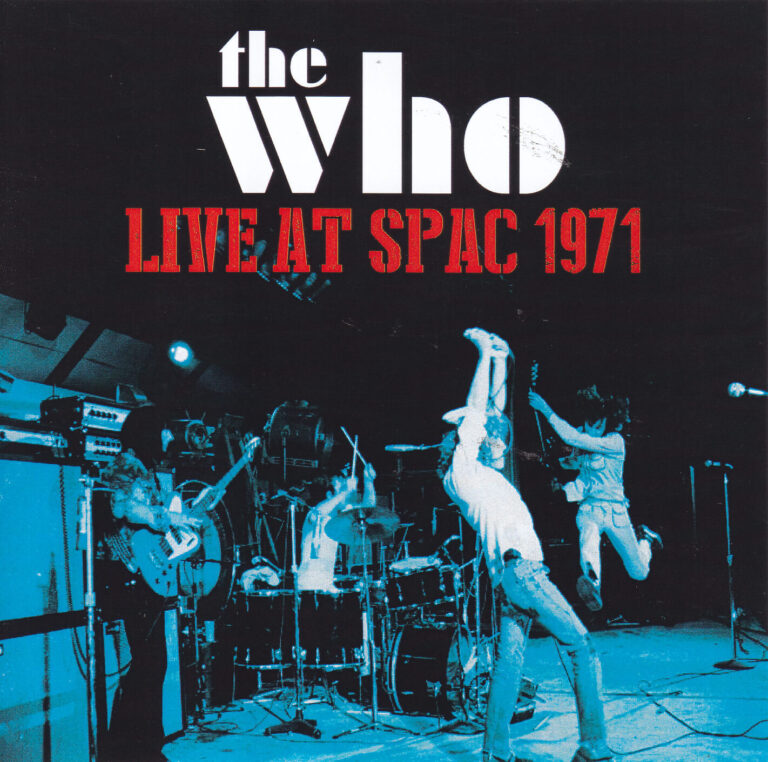
    Two years after releasing Tommy and just ahead of the release of Who’s Next, UK rock stalwarts The Who performed at Saratoga Springs Performing Arts Center on Monday, August 2, 1971.

    The show would serve as The Who’s only performance at SPAC, with a then-record attendance of 33,652 (reported as 27,800 by The Who), which shattered the previous record of 22,647 set by Chicago in 1970. Christian rock star and future Gospel Music Hall of Fame singer Mylon served as support for the show.

    The Glens Falls Post-Star had this to say of the show in their concert review:

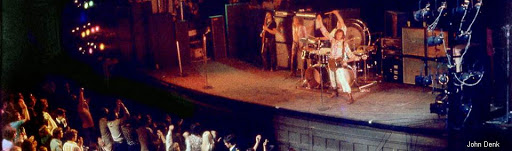
    The crowd was everywhere, in the seats, on the lawn, on the stage, in the aisles and even on the steel girders on the side of the theater. The latter, fortunately, was only temporary until the police ordered the dozen young people down.

    They were a noisy, restless audience to say the least, but seemed to lap up everything the four-man group offered. The Who gave them their money’s worth for an hour and a half, and do they work. As to the quality of their music, It was loud. I’ll leave further critique to those who favor this type of rock music. But the fact that they brought nearly 28,000 paying customers to SPAC is not to be denied.

    They seemed to sing all the songs the crowd came for, as well as anumber of new ones, and had a difficult time convincing the crowd to go home.

    Opening the show for the first have was Mylon, a long haired, grating singer-guitarist backed by five musicians and three girl singers. They did everything from rock to country-western, spirituals and even a standard, “Sixteen Ton.”

    the who SPAC

    The Post-Star review goes on to detail the sound at the show as well as fans camping on the lawn:

    The sound throughout the program was loud for those in the theater, and everywhere backstage theater walls and floor were actually vibrating. Out on the lawn, the sound was more moderated. Thanks to the closed circuit TV system used again last night, those on the lawn had a perfect viewing spot. Watching the TV cameramen in the aisles and one on stage on a ladder trying to cover the show for those on the lawn was almost a show initself.

    There were the usual several minor cuts and abrasions, as well as several fainting incidents requiring backstage first aid, with some also going to the hospital.

    Reportedly several on the lawn camped there from late Sunday night in order to be sure of a good place, so that should give some indication of the popularity of The Who. For anyone so inclined, a close examination of the group’s tons of sound equipment would be a short course in the electronic world of amplification at its fullest.

    The intermission was especially long, as management pleaded for the young people to clear the aisles to comply with state fire laws. They never did get the aisles clear, but finally did get most of the kids to sit down so those in seats could see the stage.

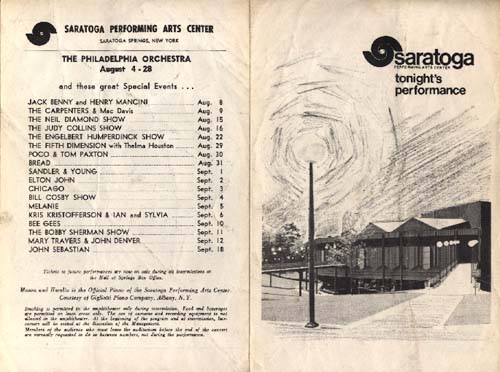
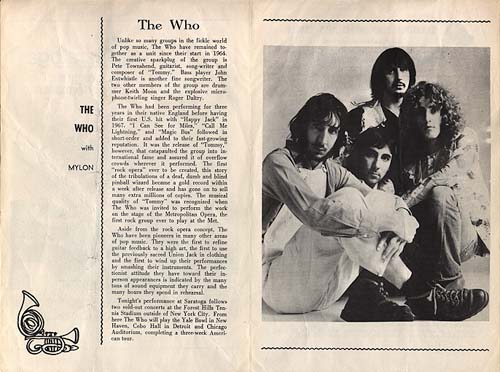
    A unique feature to evenings at SPAC – a program was distributed to attendees, as seen below.

    Program cover
    the who
    Program back

    Among the small print, the program says of The Who:

    Unlike so many groups in the fickle world of pop music, The Who have remained together as a band since their start in 1964. The creative sparkplug of the group is Pete Townsend, guitarist, songwriter and composer of Tommy. Bass player John Entwhistle is another fine songwriter. The two other members of the group are drummer Keith Moon and the explosive microphone-twirling singer Roger Daltry.

    (Ed. Note: Townshend, Entwistle and Daltrey’s names were misspelled in the program)

    Aside from the rock opera concept, The Who have been pioneers in many other areas of pop music. They were the first to refine guitar feedback to a high art, the first to use the previously sacred Union Jack as clothing and the first to wind up their performances by smashing their instruments.

    The program goes on to note that The Who had just played two sold out shows at Forest Hills Tennis Stadium in Queens. They wrapped up their tour shortly after their Saratoga performance, with final tour stops at the Yale Bowl in New Haven, CT, Cobo Hall in Detroit and Chicago Auditorium.

    Setlist: Love Ain’t For Keeping, Pure And Easy, My Wife, I Can’t Explain, Substitute, Bargain, Behind Blue Eyes, Won’t Get Fooled Again, I Don’t Know Myself, Baby Don’t You Do It (Marvin Gaye), Pinball Wizard, See Me Feel Me, Water

    the who
  • Hearing Aide: Evan Alexander Moore’s “The Perennial Millennial”

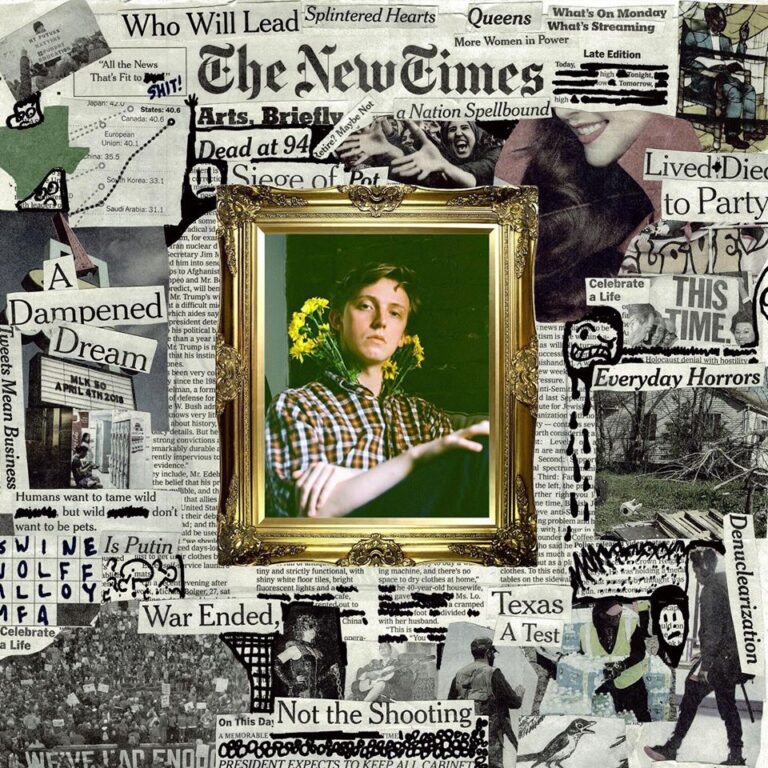
    Evan Alexander Moore dropped his debut album The Perennial Millennial is a defining snapshot of our time on May 22, 2020. A quirky social commentary on the American millennial experience in 2020, it’s a concept album through and through. In its sprawling length of 70 minutes, the NYC singer-songwriter tackles capitalism, the ruling class, and most entertainingly, “millennials are destroying x industry” clickbait.

    Despite his varied influences from Bob Dylan to Kendrick Lamar to Joni Mitchell, Evan Alexander Moore sounds fully original. While it’s easy to spot the aforementioned artists’ impact, he retains his own unique style. One of the album’s strengths is that the sound mixing is crackly and distorted like an old record from the 60s or 70s—a comforting contrast to its intense topical lyrics. It’s also quotable from start to finish: the opener, “Millennial,” has the line “I feel like Atlas with all this school debt on my shoulders.”

    Standout tracks on The Perennial Millennial include “Our Time,” “Grand Little Symphony,” and “The Price of Cereal.” And while not full songs, its two interludes offer some of the album’s most genius moments. On “Brian’s Interlude,” Moore remarks that “pitting generations against each other is just fucking clickbait shit.” He also pays homage to Bob Dylan on “Hey, Mr. Zimmerman!” The album admittedly feels long at times—the title track “Perennial” is over 14 minutes—but it’s certainly ambitious for a debut effort.

    After pondering what legacy millennials will leave, Evan Alexander Moore ultimately concludes that “our generation will grow out of the cement that has been paved over us.” For younger generations, The Perennial Millennial is an inspiring, reassuring, and guilt-free experience.

    Stream The Perennial Millennial here:

    For more information visit Evan Alexander Moore’s website.

  • Rock and Pinball exhibit at Universal Preservation Hall – the perfect summer activity in Saratoga Springs

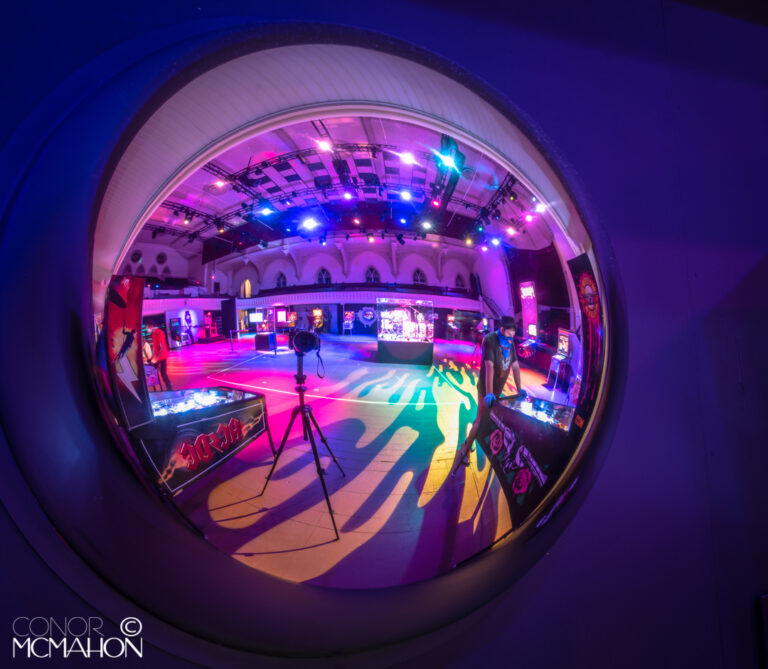
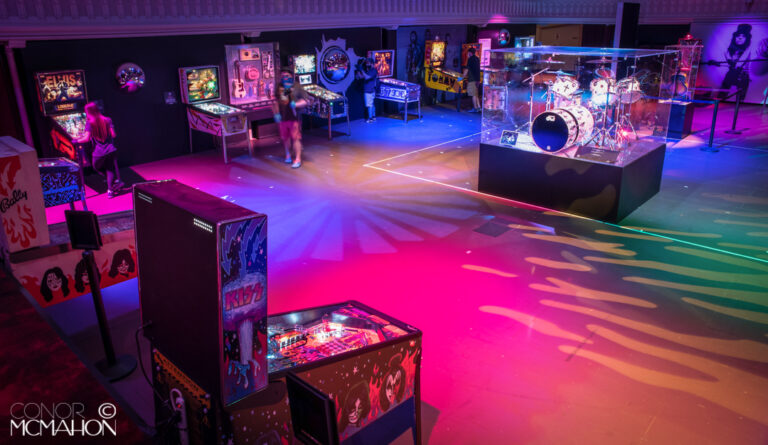
    If you’re in the Saratoga Springs region this August and September and need a safe activity for the whole family, where everyone can feel like a kid again, you’re in luck. Saratoga Springs’ Universal Preservation Hall has the perfect afternoon activity for you.

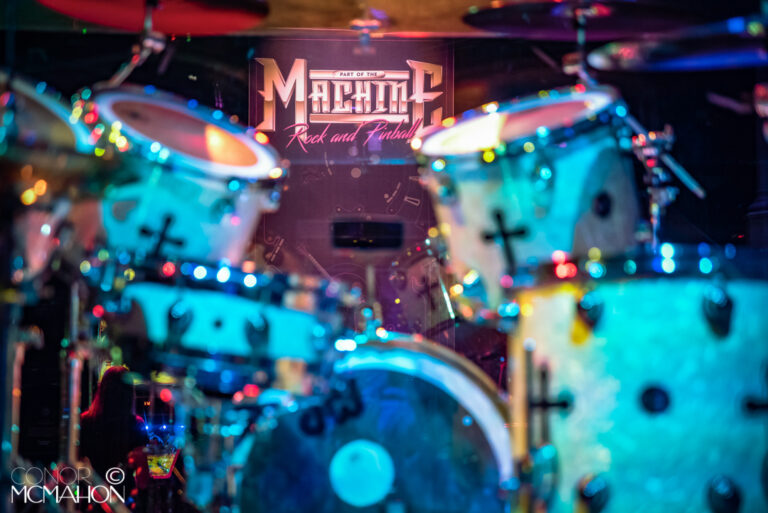
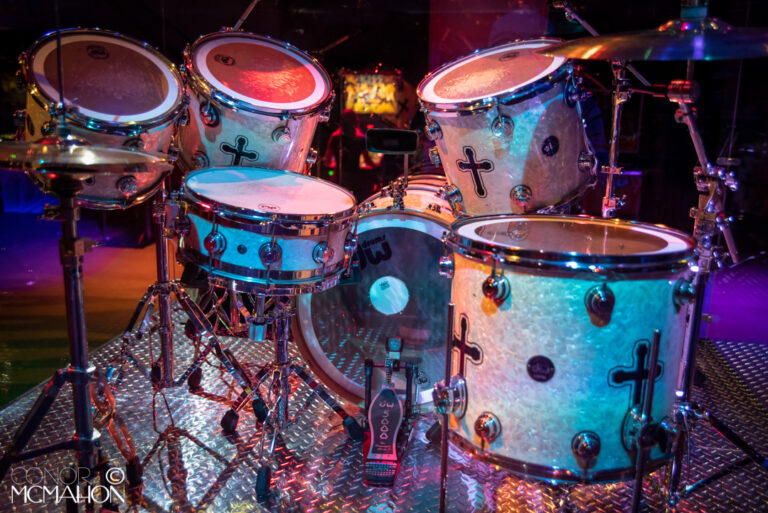
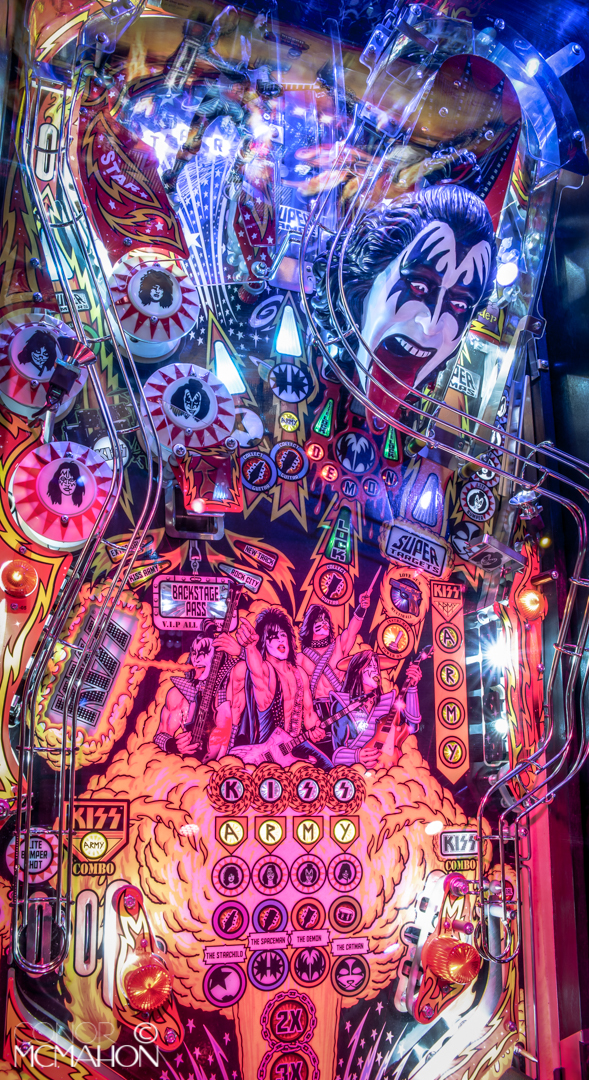
    rock and pinball

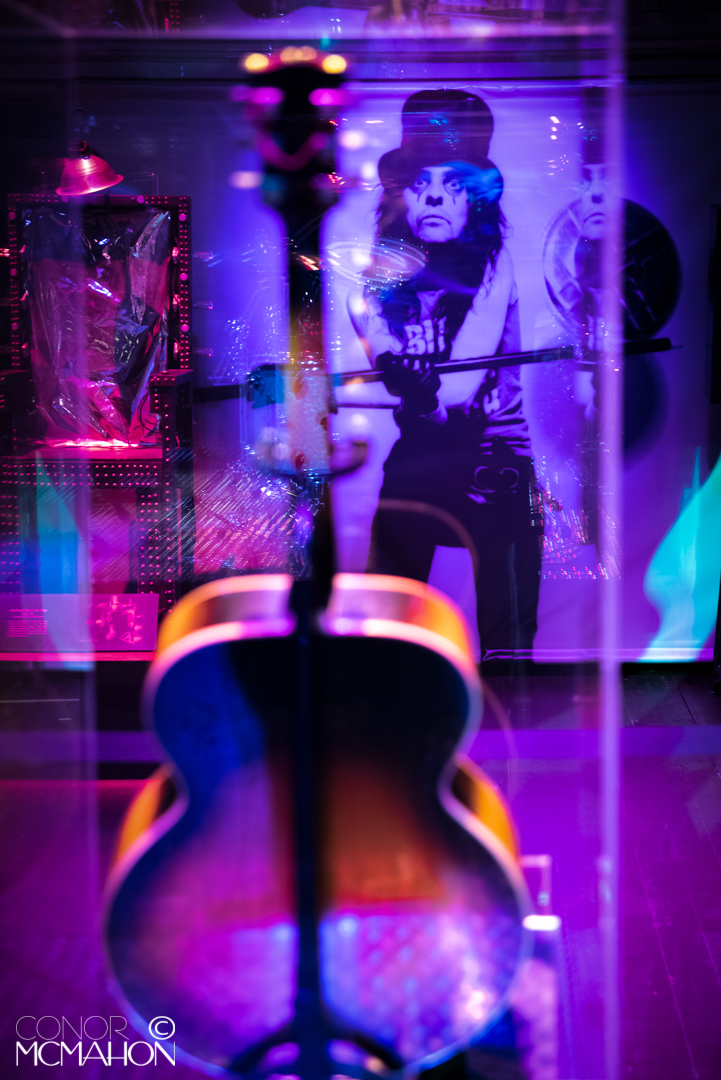
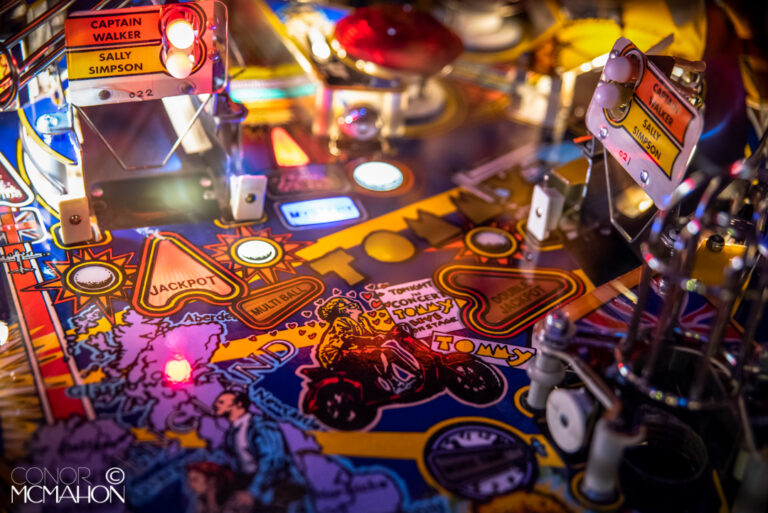
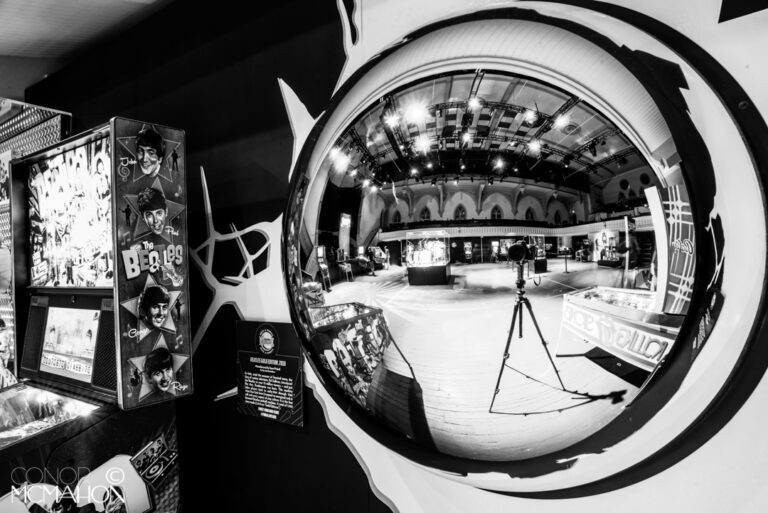
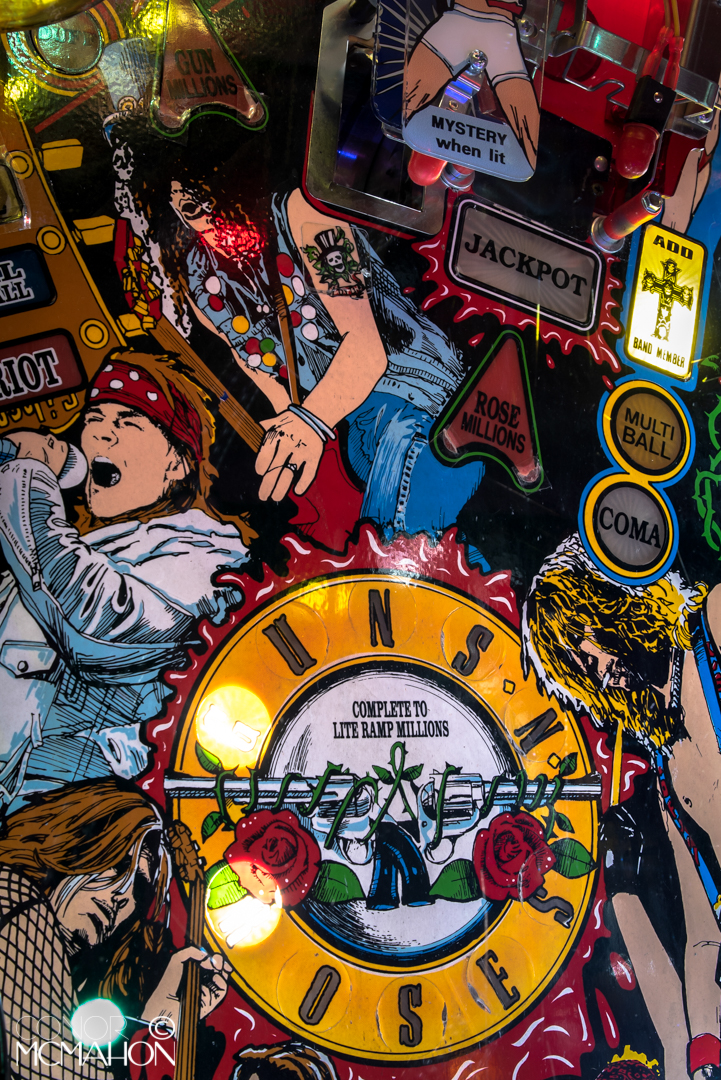
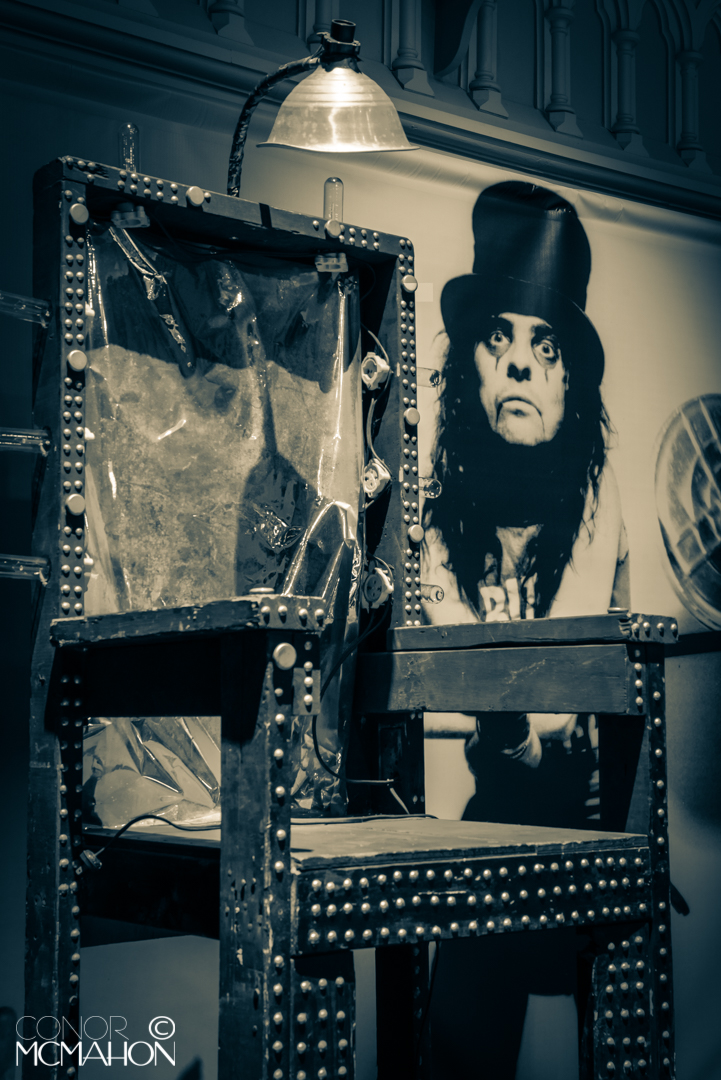
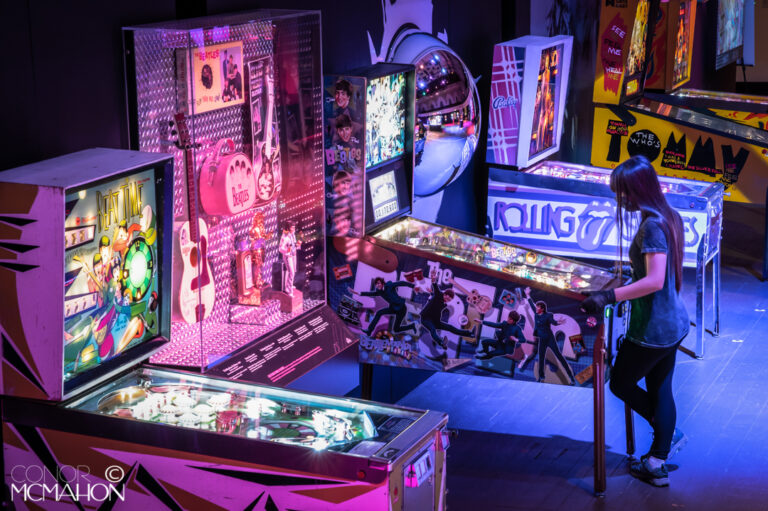
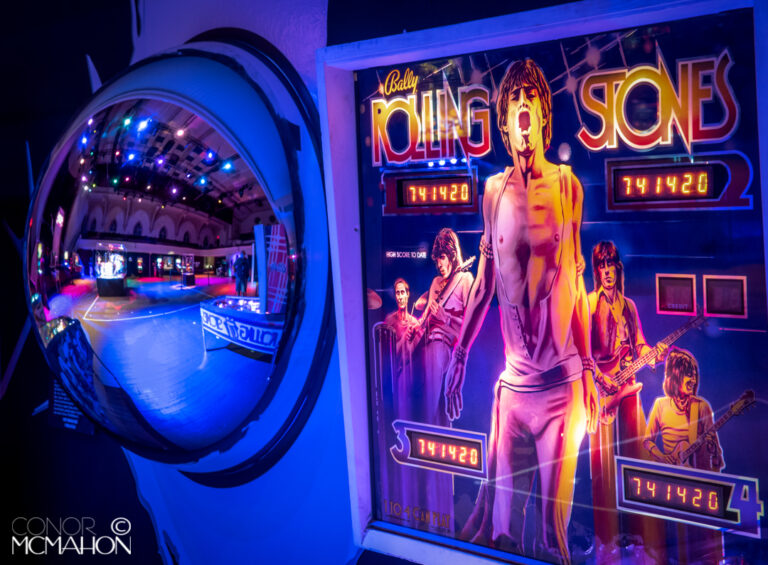
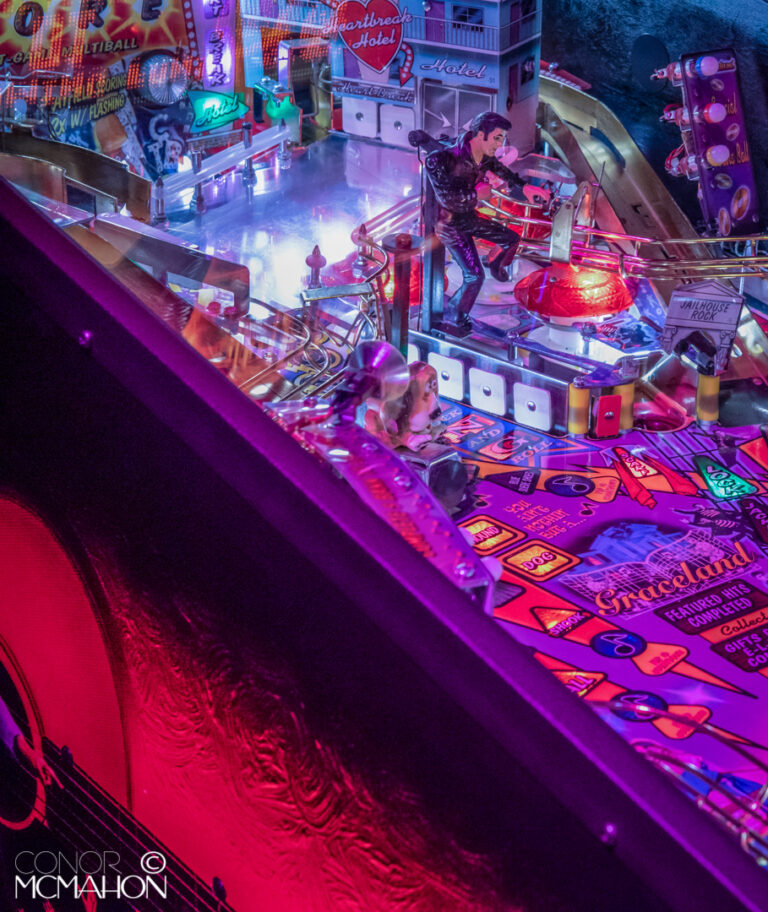
    Part of the Machine: Rock and Pinball” is one of the most fun and unique experiences you’ll have this summer in Saratoga Springs. Designed for music lovers of all ages, you’ll find 16 different pinball machines, all inspired by Rock ‘n’ Roll bands including The Rolling Stones, KISS, AC/DC, The Beatles and Alice Cooper, among others.

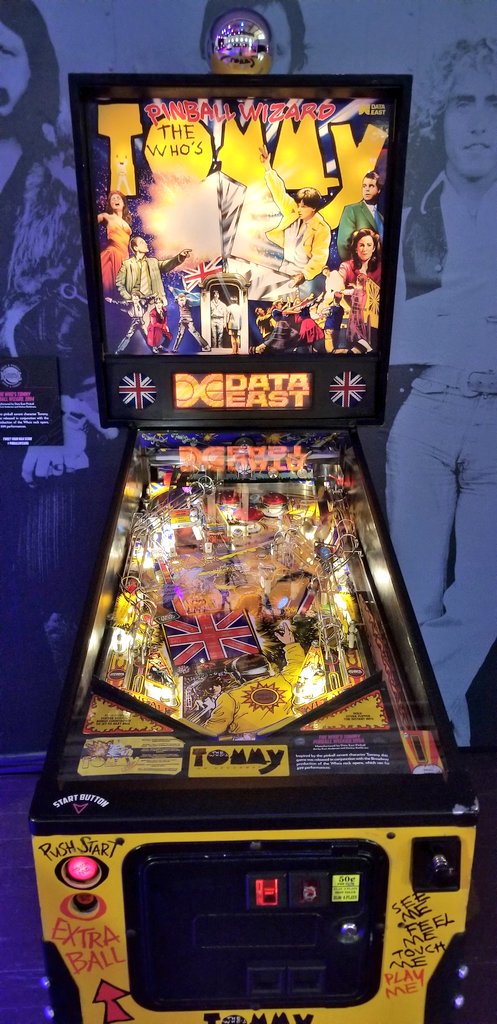
    rock and pinball tommy the who

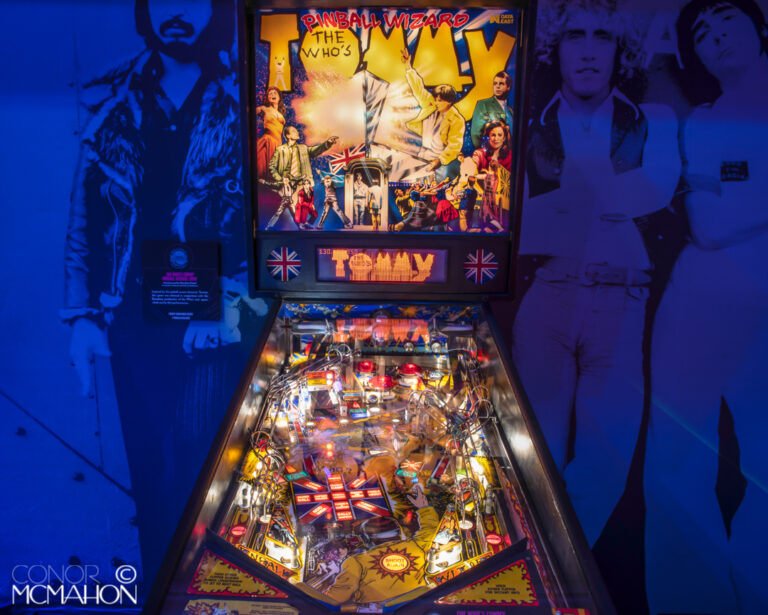
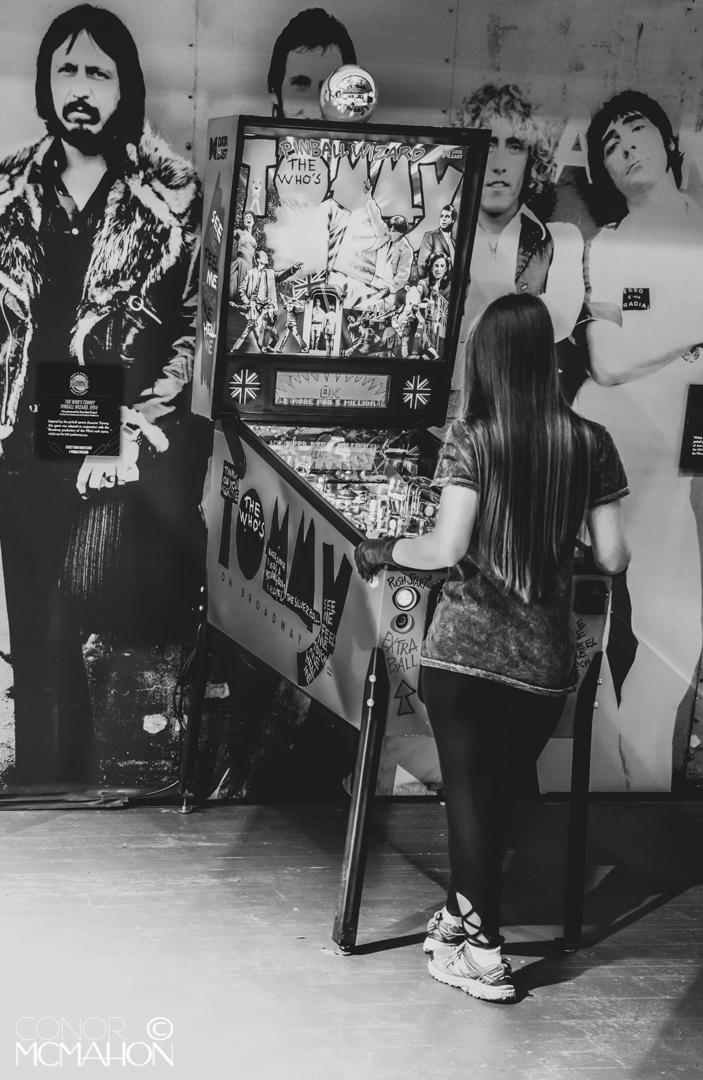
    There is of course one of the greatest pinball machines of all time, the detailed “Tommy” celebrating The Who’s “Pinball Wizard” himself. Alongside each machine, you’ll find artist memorabilia and information on each pinball machine, as curated by the Rock & Roll Hall of Fame, who brought the exhibit to UPH.

    UPH is also taking all precautions during the exhibit. There is a limit of 20 patrons per 90 minute block, during which time a facemask and gloves are required. Upon entry they’ll check your temperature and guide you in a socially distanced way to the exhibit.

    Following each block, all machines and surfaces are sanitized and cleaned over 30 minutes, before the next group comes in. Tickets are $20 for adults and $10 for children, giving access to all pinball machines, with no need to dig into your pockets for quarters.

    The Saratoga region is fortunate to have such an exhibit open to the public during a time when group activities seem a relic of the past. Given the UPH staff’s propensity for professionalism and creating an environment that is welcoming to all, you’ll find this exhibit welcoming and return for future performances and exhibits. Playing pinball for 90 minutes is a great way to get lost in the music and feel like a kid again, if only for a short time.

    https://www.instagram.com/p/CDPST-FJtAH/

    “Part of the Machine: Rock and Pinball,” is now open and runs through September 26. Tickets are available for admission during the following time frames: Sunday – Wednesday: 10 a.m., noon, 2 p.m. and 4 p.m. and Thursday – Saturday: 10 a.m., noon, 2 p.m., 4 p.m. 6 p.m. and 8 p.m. Tickets can be purchased in advance or at the door. For more about the exhibit, visit UPH’s website.

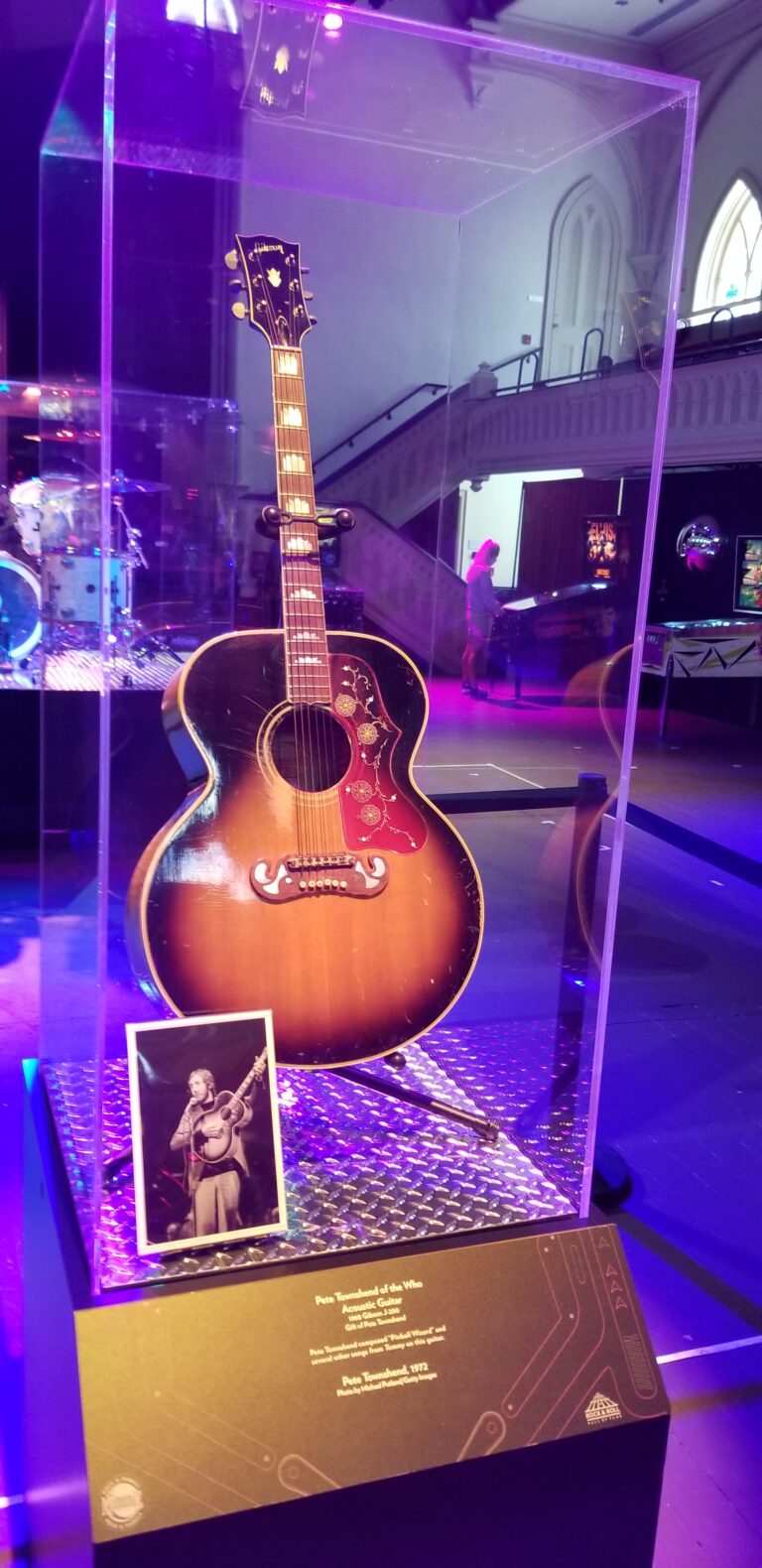
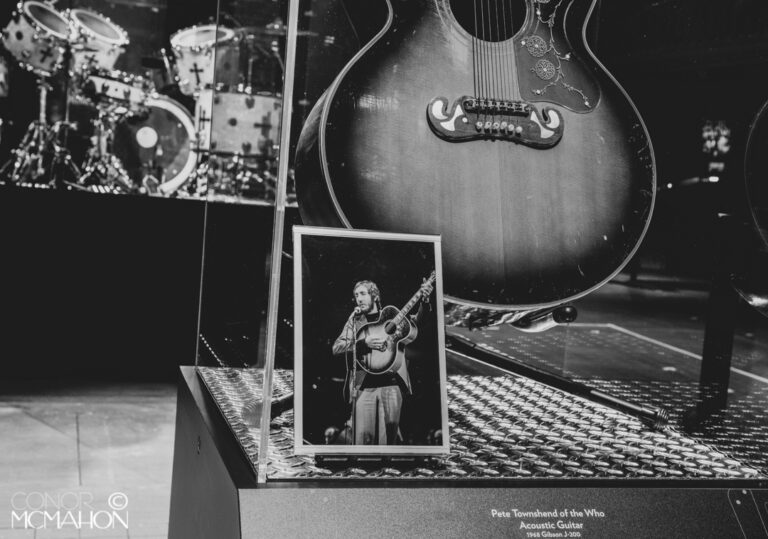
    pete townshend guitar
    The guitar Pete Townshend used to write “Pinball Wizard” is an added bonus to the Rock and Pinball exhibit at Universal Preservation Hall.
  • Hearing Aide: Cousin Fungus ‘22, Vol. 1′ and ’22, Vol. 2′

    Long Island jam band veterans, Cousin Fungus, have a long history of strong live performances. Some even credit them with contributing strongly to the establishment of a much more vibrant jam band scene today. With the release of 22, Vol.1, the band has released its best recorded material to date. With Volumes 2 and 3 promised to be right behind, veteran as well as new fans are in for quite a sonic treat.

    cousin fungus

    The band is made up of three brothers: Thomas (bass guitar, vocals), Christian (drums, percussion) and Henry (guitar, vocals) Stanziale. Good friend, Dennis Belline, Jr. (lead vocals, keyboards), rounds out this group of stand-out musicians.  The tight knit bonds between the members are on display on here in the cohesiveness of their sound. The collaboration just feels natural and easy.  

    From the opening keyboard notes on 22, Vol.1 evoking the Who, the songs sound both nostalgic and yet contemporary. This volume clocks in at just over forty minutes and the seven songs included are positive, almost celebratory. As bands and fans gear up for the return to live music shows, keep an eye out for Cousin Fugus. They are at the top of their game and ready to get back to the jam!

    Key Tracks:  Embrace, Black Cat Black Dog, Caravan

    With the release of 22, Vol.II, the Cousin Fungus crew unleashes their first album of live tracks. These seven songs have been honed and developed over the years, crafted with audiences watching. The guitar work is as steady and solid as you’d expect from these jam band veterans. And the keyboard contributions really stand out, sometimes as featured solos, but also as a connective agent between all of the pieces assembled here.

    cousin fungus

    Cousin Fungus doesn’t shy away from exploring different styles of music either. There are bluesy elements, funky stylings and straight ahead roaring guitar riffs.

    The final installment of the “22” trilogy will be released in the coming months.

    Key Tracks: Bridges, Ignis Fatuus, The Taunting

  • Wu Tang Wednesday: Ghostface Teaches us how to stay ‘Mighty Healthy’

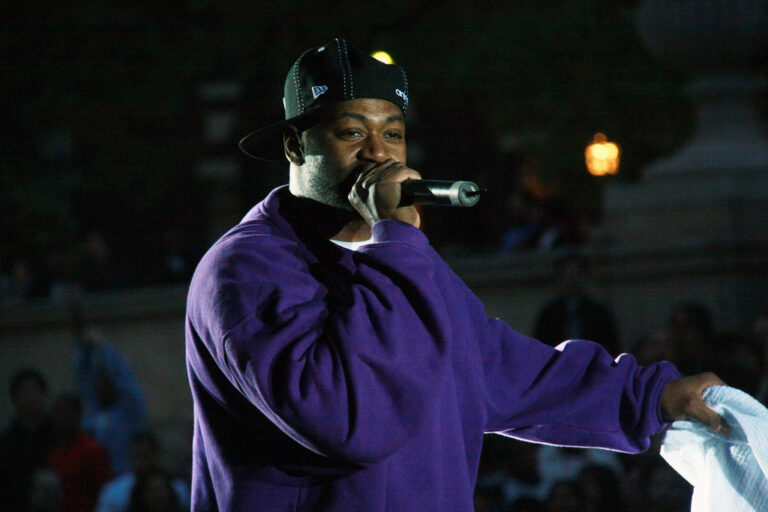
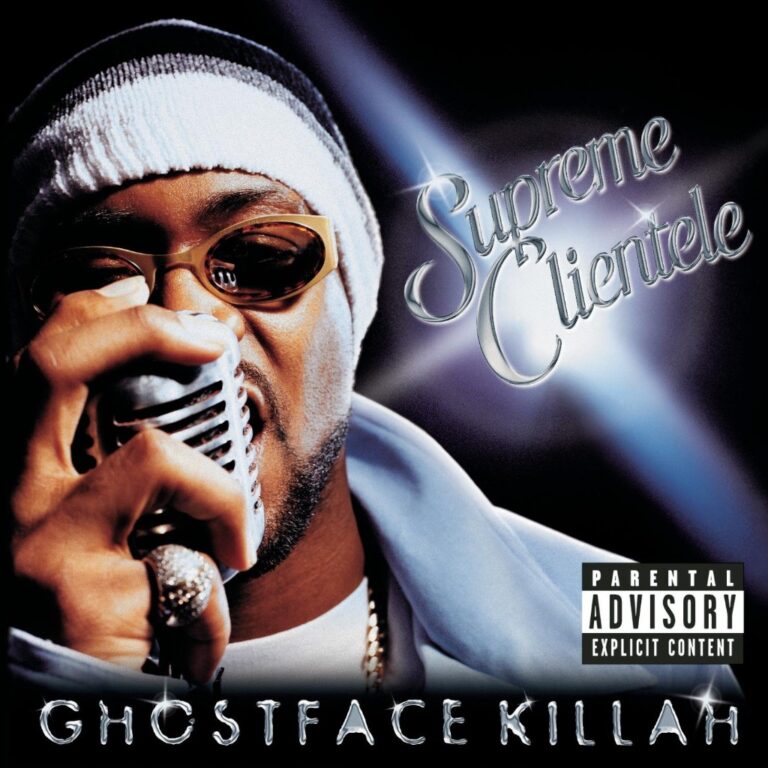
    Ghostface Killah is one of the more renowned members of the Wu Tang Clan, lauded for his exceptional skills as an emcee, where he mixes detailed storytelling with a unique sense of imagery and style. Those abilities were ever-so-present on his second studio album Supreme Clientele. On the RZA produced album, he successfully implemented a trendsetting combination of lyrical excellence and story-telling exclusive only to him.

    The lead single was the oft-sampled “Might Healthy,” which showcased his deadly skills as an emcee, as well as the kind of presence that would make him a mainstay of hip hop culture. Debuting at #7 on the Billboard 200, Supreme Clientele was the most acclaimed of each Wu Tang member’s respective sophomore effort. And ironically, the highlighted record — “Mighty Healthy” — was one of the few not produced by Wu Tang head honcho, RZA, with production being handle by producer and Wu Tang Clan DJ, Mathematics. 

    Ghostface Mighty Healthy
    The iconic album cover

    “Mighty Healthy” was partly inspired by Brooklyn based hip-hop group, Divine Force, and their single pack “Holy War (Live).” Divine Force was made up of emcees Sir Ibu, Lady Nefertiti and her brother Supreme and their DJ, Jizer. They were managed by Melquan, who also managed RZA (then known as Prince Rakeem), GZA (then known as Genius), and Ol’ Dirty Bastard, before 36 Chambers fame. “Holy War (live)” sampled drum patterns from Melvin Bliss’ “Synthetic Substitution,” an uncharted record that went on to become one of the most sampled songs in hip hop history. 

    On “Mighty Healthy,” Ghostface begins the sampling at around the 1:12 mark. You can hear him using Sir Ibu’s flow as well as some of his lyrics as a way of paying homage. 

    When we hug these mics, we get busy

    Come have a good time with G-O-D

    Make you snap your fingers or wiggle

    Scream, shout, laugh or just giggle

    Shake that body, party that body

    Don’t f**k with ghost you’ll feel sorry

    That’s word, I’m not the herb

    Understand what I’m saying, saying, saying

    Sir Ibu’s lyrics on “Holy War (Live)” read:

    “The wisdom that I’m speaking are words that I’m rhyming 

    The God of rhyme, Divine Force gets busy

    Make you hip or hop or get dizzy

    Make you snap your fingers or wiggle

    Scream, shout or laugh or just giggle

    That body, party that body

    Don’t (F**k) with me you’ll feel sorry 

    That’s word, I’m not the herb

    Understand what I’m saying?”

    Besides the Divine Force interpolation, “Mighty Healthy” sampled records from other pioneers of hip hop, sampling “Wish I Could Talk to You” by The Sylvers, as well as, “Nobody Beats the Biz” by Biz Markie featuring T.J. Swan and “Funk President (People it’s Bad),” by James Brown (another heavily sampled artist).

    Ghostface did much more than just interpolate others, and “Mighty Healthy” showcased some of the best rapping of his career.  Heavily inspired by martial arts — much like the rest of the Clan – the song begins with a sound bite from the film Shaolin Rescuers. He starts his verse with his typical and colorfully descriptive lyrics.  

    Son trifling f**k, wildflower on the cycle and 

    Picked up the broom thought I was Michael in

    West Brighton Pool, now I’m into Iron Duels

    Turn nuns to Earth Whoopi, she at Allah school

    He starts with an honest, yet blunt description of himself, then says he thought he was “Michael in West Brighton Pool”– a home goods store located in Staten Island — but the imagery, metaphors and double entendre are ever present, as “broom” is also slang for guns; in the next line he talks about now being into “iron duels,” (as a gun is made of steel). Before finishing off the bar with a Whoopi Goldberg reference, known best at the time for Sister Act, where she played a choir singer who had to relocate after having witnessed a murder and enters witness protection as a nun.

    “The world can’t touch Ghost, purple tape Rae co-host

    In his second verse, he continues his onslaught, first by paying homage to Sir Ibu on the bride before getting into his verse, setting it off with this” 

    Hit mics like Ted Koppel, rifle expert

    Let off the Eiffel, burn a flag in your grass, spiteful

    Ringleader set it off, rap Derek Jeter 

    Culprit, prince of the game wish you could see us

    Ghost brags here, letting the audience know that he is better than most. Ted Koppel was a famous anchor and broadcaster for ABC and Nightline, from 1980 until the program’s end in 2005. Ghost continues by saying, he’s a rifle expert who lets off “the Eiffel,” and “burn a flag in your grass, spiteful” is his way of saying that after conquering his enemy with his superior weaponry, he will continue to acknowledge it to the world. Finishing off by labeling himself “ringleader” and the “rap Derek Jeter.” He continues his braggadocios rhyming throughout
    “Too hot to handle, one thought from scrambling the mandolin

    Hundred game Wilt Chamberlain, smack ‘em, say when”

    “Mighty Healthy” has meant a great deal to hip-hop and to Ghostface, with Complex Magazine even naming it his best song.  It has also been sampled on a myriad of records, including  “No More Parties in L.A” by Kanye West — off of his 2016 album The Life of Pablo. The chorus was heavily interpolated on the Pusha T and Kanye West collaboration “New God Flow,” as well as  a J. Cole rendition titled “Mighty Crazy.”

    “Mighty Healthy” is one of the many bright spots from Supreme Clientele, yet its enduring legacy within hip hop circles has solidified the album as a classic. Ghostface stuck to his style and made it something to behold, especially at a time when other rappers were changing their sounds to fit the new party and club theme music of the 2000’s. The album’s success also cemented him as one of the commercial faces of Wu Tang, a spot that had only been previously reserved for Method Man.

  • Summer Jam ’73: New York’s Largest Social Gathering (Cuomo would be Pissed)

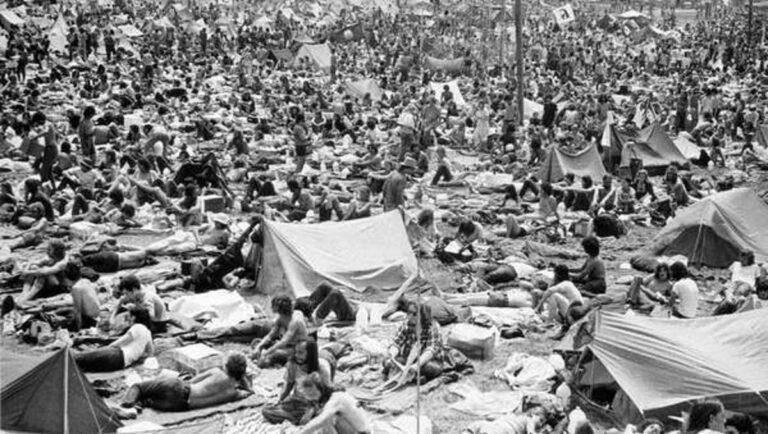
    In 2020, it is nearly impossible to imagine 600,000 people gathering anywhere, but especially in the rural town of Watkins Glen for Summer Jam ’73. For live music enthusiasts, summer is the best time of the year. The warmest months typically mean road trips with friends to exotic cities like Hartford, Connecticut; Bangor, Maine; and Camden, New Jersey. It means forgetting your tent stakes and having to make new friends by begging for extras at music festivals. Summer is when the sun stays up the latest, the air smells the dankest, and live music infuses with nature in the most powerful ways.

    watkins glen

    As many festival professionals, seasoned Shakedowners, and road warriors are isolated in their hometowns waiting for social ‘undistancing’ to begin, we take a trip back in time to July 1973 — to Summer Jam at Watkins Glen Grand Prix Raceway. Thanks to Dave Smith’s Historic Essay, and many other stories written by attendees of the mega-event, we’ve put together a list of 1973 Flashbacks from that iconic yet blurry weekend. 

    UPSTATE NEW YORK’S LARGEST CITY

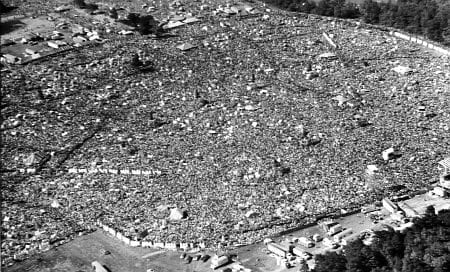
    With 600,000 people crammed onto 95 acres, Watkins Glen became one of the most densely populated areas on Earth! It is estimated that 1 in every 400 Americans trekked to the event, many being young adults from the Northeast. 

    JAM BEFORE THE MUSIC 

    New York State Police estimated 20 miles of roadblocks (with over 50 miles of traffic) by 4am Saturday morning — 8 hours before the first band was set to take the stage. Traffic was so backed up many guests abandoned their cars and walked tens of miles to get in. On Wednesday night, 48 hours before the actual event, police estimated roughly 50,000 new guests in a town of 3,500. By Thursday, that figure doubled and by Friday night, Watkins Glen was a quarter-million strong. New York State Troopers recalled Woodstock and the nightmarish traffic problems. This was worse.

    ICONIC MUD OF NEW YORK MEGAFESTS 

    Tents, tarps, flip-flops, beer cans, strollers, coolers, empty peanut butter jars, and fancy sun hats were among the items caked into the mud long after the event was over. Much like New York’s iconic music festival four years earlier, Woodstock, Summer Jam ’73 had its fair share of torrential rain and ass-shaking hippies to create an Upstate NY mud bath for the ages. 

    IS THIS STILL SOUNDCHECK? 

    The Band and the Allman Brothers Band both put on longer (and more rocking) soundchecks than usual to warm up the early attendees, but The Grateful Dead put on a two-set pre-show for the ages. Bassist Phil Lesh did his best to remind the crowd, “This is still just a test,” as they introduced Set II, but happily, no one was buying it. “This whole thing is a fraud, we’re really clever androids,” Lesh announced before breaking into a legendary “Bird Song.” 

    https://www.youtube.com/watch?v=L7L1zD4Xh-Q

    TRANQUIL(IZERS) AND SERENE

    How do you take the beauty of the Finger Lakes Region and make it even more spectacular? Drugs. Jamaican grass, speed, LSD, magic mushrooms, mescaline, cocaine, and a suspicious clown peddling Ex-Lax were a few of the items found at the mind-altering buffet that weekend. Dealers made so much money selling everything from animal tranquilizers to bags of oregano, that some of them rented U-Haul storage trailers just to leave behind come Sunday morning. 

    THE KIDS ARE ALRIGHT 

    With over half a million young adults gathered from all parts of the country, there was almost zero violence (one stabbing reported). A 74-year old Watkins Glen native, George Rehety, reported from his lawn chair, “You know, these are nice kids. I haven’t seen one fight.” An eight-year-old from nearby Corning, NY had this stellar recap: “Music was good, but I couldn’t understand the words. What was that funny smell? The food that I tasted was really yummy.” 

    LOCAL LAW KEPT IT COOL

    600,000 drunk and stoned young people in blazing heat — what could go wrong? The sheriff of Schuyler Country was Maurice Dean of Watkins Glen. As one of the youngest sheriffs in the Empire State, his age helped him understand the prevalent generation that was “invading” his town. When comparing the Summer Jam crowd to the Can-Am crowd just one week earlier, a mounted cop said, “I’d rather deal with these kids than the race crowd any day. I’ve never been called ‘Sir’ so many times in my life.”

    BUZZED AND CONFUSED

    The drug of choice for the weekend was Jack Daniels and Canadian Club whiskey. Pull tab beer cans like “Genny” went for 99 cents a six-pack, but only if you were prepared. The local beer suppliers were fresh out.  “And I’d filled the place with beer, up to the ceiling,” Jack Mafianey, the Beverage Baron himself, said. “This is ten times bigger than the Grand Prix.” With the biggest party on Earth happening in a tiny town, beer disappeared. According to Dave Smith’s record, concert beer initially went for $.75 a can and when all the ice melted, warm beer cost a quarter. 

    GO CHASING WATERFALLS

    Nude swimmers were surfacing all over the beautiful Finger Lakes Region. At the end of Main Street, Chequaqua Falls saw its fair share of bare butts, and Aunt Sarah’s Falls in Montour Falls became a communal bathtub by the Sunday morning. Locals laughed at the sight of concertgoers emerged in the local ponds off County Route 16 — a favorite for Watkins Glen snapping turtles that loved to chomp anything that dangled past them. One local couple looked outside their window to see a trio of young women spraying each other down with a hose. Not the usual Saturday night ritual in Watkins Glen. 

    WILL WAIT FOR FOOD

    Forget about fast food in rural Finger Lakes towns back in 1973. Jim Teemley’s Meat Market and Deli was the next best thing for the dry-mouthed hippies that descended on the community. Teemley’s wife recalled, “It was as orderly as a school cafeteria, the kids were very polite and mannerly, and there were no incidents of potato chip bags or candy being stolen.” On Route 414, the Simpson’s store ran out of food at a record pace, and although the Raceway was prepared for 150,000, they didn’t properly supply for four times that amount. Luckily, with free entry, the extra $10 fans brought for the now free concert entry was more than enough to acquire sustenance.

    While the world may never see another Summer Jam ’73, music festivals will return. The sweet sound of live music will fill the air. You and your friends will make unforgettable memories. And concertgoers will wake up on another hazy Monday morning with mud in their Birkenstocks. 2020 may prevent us from partying with 600,000 like-minded people, but it won’t stop us from discovering the wonders of nature and finding community through the chaos.  

  • Hearing Aide: Casey and the Comrades ‘Kidz These Daze’

    Kids These Daze is a detailed description of the world’s musical genres, interpreted by Casey and the Comrades. It’s as though they’re telling you about their worldly travels, but this time, you’ll actually want to hear about someone else’s vacation stories. Casey Cranford (of BIG Something) and friends, have fused a wide variety of sounds together that add spice to their jam band undertones – and strung together, it makes for a very exciting album.

    In their press release, they say “listeners will find a completely original sound” Completely original? No. But when you step back and look at the big picture, then yes – the execution of the album is fairly original. Special guests like, Nick MacDaniels, Becca Stevens, Paul Hanson, Billy Cardine, Saxton Rose, Nate Werth, and Lucy Woodward, bring their impressive musical talents to the table, which makes each track unique and dissectible.

    Casey and the Comrades

    One thing that allows them to be so eclectic is the EWI (electronic wind instrument) played  by Casey Cranford. His instrument can emulate the sounds of most winded instruments, allowing the group to morph into different genres. The saxophone is the most prominent sound we hear throughout the album, which can be heard playing the extremely memorable licks on “H1N1” and “ExciteBikeRack.” Speaking of – these tracks are the most interesting and energetic of the bunch. In “H1N1” We’re thrown straight into, what feels like a sandstorm raging through the Arabian deserts. We dive and fall into a fast paced race through memorable licks and avant garde solos. Then we’re seamlessly dropped into heavy, dense breakdowns that keep things spicy. The whole track is 7:39 second roller coaster of sound. 

    In “ExciteBikeRack,” we feel this sense of constant forward movement, coupled with hard hitting left and right turns, which allows for an ideal space to solo over in a live and studio setting. The hardest hitting turn is the rap break by TommyBlaze336. Not something we hear often in a “psychedelic space fusion” band, as they have proclaimed themselves to be. 

    Aptly named, “Fall” is the jazziest of the album. We feel like we’re free falling through space, with our attention being gently directed to the wide array of solos from a lush saxophone and bright keyboard, brought to us by Julian Sizemore. The track does drone on a for a while but as it ends, we feel ourselves “surviving the fall” as the lyrics go, and finally reaching the ground, entering the next song of the album. 

    https://www.youtube.com/watch?v=sdRiAnF3T3k

    So is this a “completely original sound” as proclaimed? In the grand expanse of time, no, it’s not original. So many key aspects go into making a sound that is distinguishable and different from anything else. Someone’s very unique voice, guitar tone or production tactics, are what give a band a unique sound. Somehow, we’ve heard these songs before. We’ve seen cooky instruments in a jam band, we’ve heard a jam band use Middle Eastern/ Arabic tones and scales, we’ve seen the concept album about how technology is double edged sword, and we’ve experienced the psychedelic space jam band. But again this should not undercut the fact that this album is interesting, impressive, full of creative licks and hooks. 

    It’s always impressive when people master their instruments, when groups of six or more can collectively agree on a vision, and make it come to life in a well executed and precisely produced manner. But being one of a kind doesn’t mean adding layers and layers of instruments and fussing every known genre together. It’s something that comes naturally, even accidentally, over years and years. We hope this group reaches that threshold, where we the listeners can hear a song, a lick, or vocalist, play something that is quintessentially Casey and the Comrades, because it’s obvious these men and women have the talent to make it happen.

    Key Tracks: H1N1, ExciteBikeRack, Fall

    Key Tracks: H1N1, ExciteBikeRack, Fall

  • Hearing Aide: The Erotics “Let’s Kill Rock ‘n’ Roll”

    Albany-area heavy rockers The Erotics are no longer a new band or young pups, having been at it for over two decades now. They first released “Get Drunk Again” on Cacophone Records Ultra Swank compilation in 1999, so we can reasonably call these lads veteran heavy rockers by now.

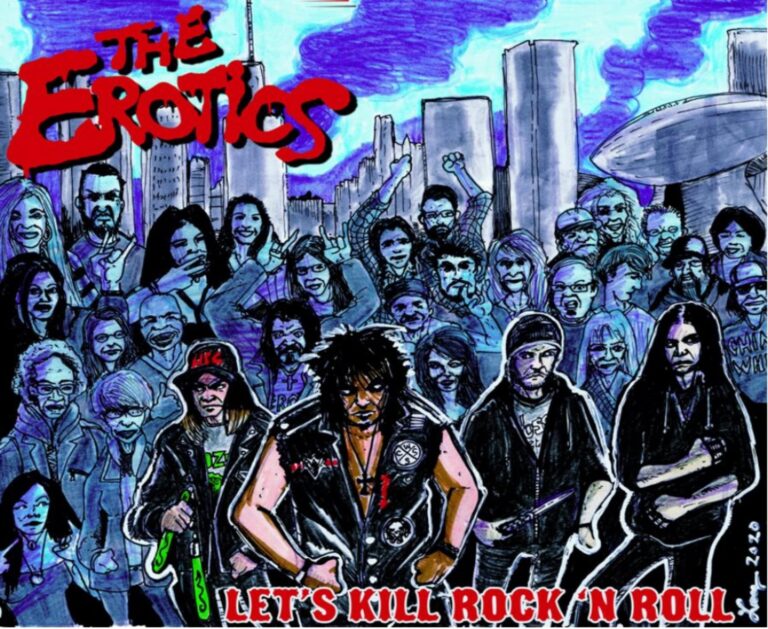
    Let’s Kill Rock ‘n’ Roll is a live record of all-new songs – I remember Central New York heavies The Rods doing this in 1984, but this is not common in the heavy rock world. However, it’s no crappy live-in-a-club recording – the band recorded this in front of a small audience of hardcore fans in an actual studio, so the sound is fantastic, the guitars are up-front and face-removing, a great balance of clarity and rawness. The small live audience gives it a vibe not unlike the legendary promo-only live 1977 AC/DC record Live from the Atlantic Studios, which was recorded in similar fashion.

    the erotics

    Before getting to the tunes, one thing that has always set The Erotics apart from your typical Albany-area “plays the local clubs and occasionally some other Northeast city” band, is that these guys have built a following well outside the local area. No doubt, there have been Albany bands who have done the same – Troy heavies Stigmata and Brick by Brick developed national followings and have performed in Europe; Albany ska-crunch heroes Can’t Say have toured nationally and released records in Japan; and legendary area greats Blotto were on MTV on Day 1 and toured the States opening for Blue Oyster Cult.

    When I’ve seen The Erotics in local clubs, there always seems to be someone there down from Canada or over from Europe to see the band. Having toured the UK several times, last year they played a British festival opening for one of my favorite bands ever, The Wildhearts; the reach of this band extends far beyond the 518.

    Anyways, the music: this record rocks. A killer old-school heavy rock record, with no pretensions to alternative rock or punk hipster-ism. I know other reviews and articles brand these guys as punk, but I don’t hear that – this band is firmly in the tradition of 70s (Alice Cooper, Bon-era AC/DC) and 80s hard rock. They invoke Appetite-era Guns n Roses, maybe first-two-records-era Motley Crue (but without the shitty singer) ‘Electric’-era The Cult and, again, AC/DC. Great riffs, great songwriting, and lyrics about things real rock bands sing about (fighting, drinking, rocking, women & hell). The record starts off with a short instrumental, “Nothing to Sing About”, with chugging riffs and Thin Lizzy-style harmony guitars, into title track “Let’s Kill Rock N Roll,” killer riff, memorable chorus, a truly great heavy rock tune.

    There’s mighty, hefty riffs everywhere and some excellent choruses, as with “Monday Morning Meltdown” and “Head of the Low Class.” Mike Trash’s vocals, always good, are top-shelf here, in the region of a more whiskey-soaked Axl. “Lie My Way Into Hell” is excellent, maybe the best track, great, swaggering stuff. Not much to criticize here – “Wrong Kind of Love Song” maybe reminds me a bit of those 80s power ballads I fucking hated back in the day, albeit without the candy-corn production, and as you get into the latter half of the 14 tracks, there’s a blending-in-together feel. But the record ends on a high note with “Fighting Like Cats and Dogs,” full of high-speed, fast, heavy, crushing metal. Great stuff indeed.

    All hail Let’s Kill Rock’n’Roll, a top-notch hard rock record, released on July 20, so go get yourself a tall glass of this now.  Check it out on Bandcamp.

    Key Tracks: Let’s Kill Rock N Roll, Lie My Way Into Hell, Fighting Like Cats and Dogs

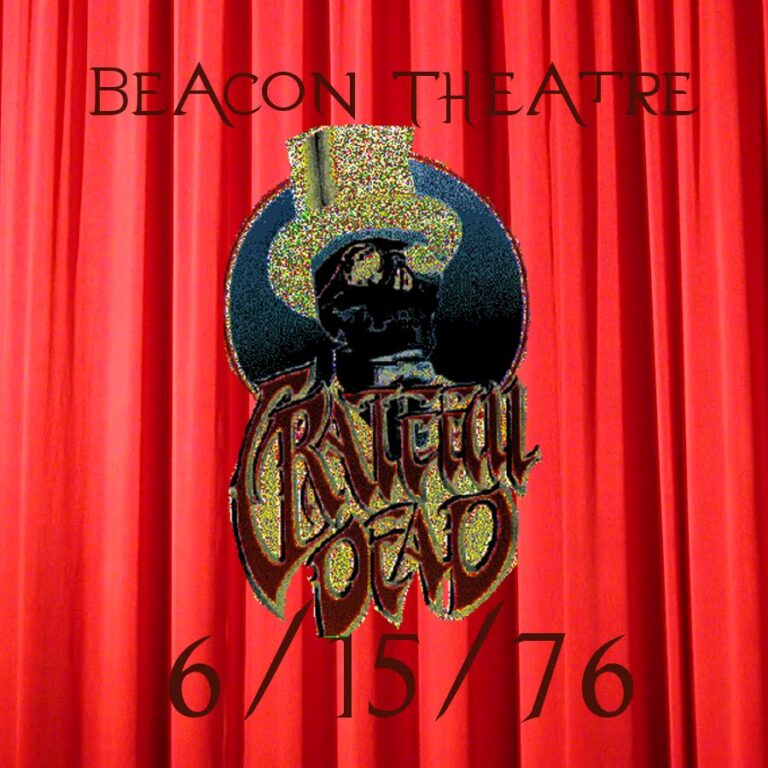
  • The Dead Peak at the Beacon For The Last Time: June 15, 1976

    Shortly before the country would celebrate its Bicentennial in 1976, the Grateful Dead would play a show at the Beacon Theatre. This is the second and last time the band would play this New York City venue before upgrading to the larger confines of Madison Square Garden a few years later. They had recently ditched their fabled massive Wall of Sound PA system for a more stripped down and intimate stage setup, opting to let the music speak for itself rather than overpowering the audience. A string of East Coast shows in June of this year would see the band in pristine form as they dusted off some of their classic songs and began to introduce new ones, ushering in a new era of The Grateful Dead.

    The first set starts off in electric fashion thanks a crisp vocal section led by guitarist Bob Weir that helps fuel a cover of “Promised Land” that would make Chuck Berry glow. A slow, drippy “Sugaree” follows that allows fellow guitarist Jerry Garcia a chance to stretch out his vocal chords a bit before a rip roaring “Cassidy” sets the tone for the first set, thanks to accompanying vocal support from Bob Weir and Donna Jean Godchaux.

    Dead Beacon

    An audible first set highlight, based on the crowd reaction alone, is a sultry “Candyman” that places the lyrical craftsmanship of Robert Hunter and the complimentary guitar play from Garcia front and center. Soon after, the ravenous New York City crowd gets a little taste of Grateful Dead shows of old show thanks to a stirring rendition of “It Must Have Been the Roses,” a song the band played extensively in 1974 and a staple of Jerry Garcia Band shows for years to come.

    The first set of this show ends with an impressive sequence of a “Let It Grow” that stretches out all the way to a “Drums”-esque type jam before settling into a set closing “Might As Well.” Even though this tune was also played the night before, it still marked only the sixth time this Dead tune was played live, one they would continue to showcase for another eighteen years,

    Dead Beacon
    Grateful Dead, June 1976

    The band wastes no time in opening the second set with a “Saint Stephen” that immediately explores the given space and stretches into a formidable jam. However, instead of a “William Tell Bridge,” the rhythmic partners of Bill Kreutzmann and Mickey Hart begin the percussive intro of “Not Fade Away,” a Buddy Holly cover that, by now, The Grateful Dead seem to have appropriated as their own.

    Contrary to most Dead shows, the ensuing Beacon “Drums” section gets ripcorded almost instantly in favor of an incredibly emotional “Stella Blue” that’s spearheaded by poignant Garcia-sung lyrics. This particular version is marked by a beautifully patient progression from all parties and is definitely one of the show’s highlights. Garcia’s hauntingly slow delivery of the vocals, matched perfectly by the rest of the band, gives this version a rather emotional feel to it. Take a listen to the entire segment from “Saint Stephen” to “Stella Blue” below – worth the price of admission alone.

    “Samson and Delilah,” a song that made its live debut only weeks earlier in the beginning of the tour, shows off its future potential nicely with a shortlived jam that picks the energy back up before a leisurely “Friend of the Devil” brings things to a crawl again. A manic “Dancin’ in the Streets” then follows as the band seems to delight in varying up the tempo of this second set. The telepathic interplay between Garcia and bassist Phil Lesh is on prime display here.

    Perhaps what makes this show so special is the superb sound quality, thanks to soundboard recordings captured by the band’s longtime live recording engineer Betty Cantor-Jackson. For years, this and the other June ’76 shows were some of the most revered recordings in the tape trading community. Picking up on that, these recordings have since been further polished and remastered and are now available for purchase as part of a 15-disc box set that highlights this special era of Grateful Dead music. It features this and four of the other shows surrounding this one. With production limited to only 12,000 individually numbered copies and a slew of crisp recordings from this seminal era of the band’s history, it’s sure to be a “sound” investment for any fan.

    Grateful Dead Beacon Theatre – New York City, NY

    Set 1: Promised Land, Sugaree, Cassidy, Candyman, The Music Never Stopped, It Must Have Been The Roses, Looks Like Rain, Tennessee Jed, Let It Grow -> Might As Well

    Set 2: Saint Stephen->Not Fade Away->Drums->Stella Blue, Samson & Delilah, Friend Of The Devil, Dancin’ In The Streets->The Wheel->Sugar Magnolia->Scarlet Begonias->Sunshine Daydream

    E: Johnny B. Goode

    Dead Beacon
Built in Breakdance