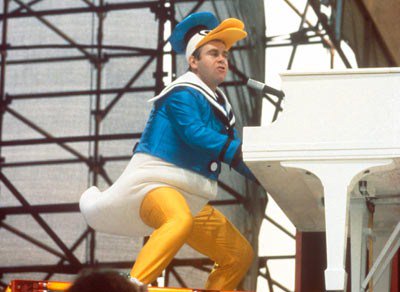
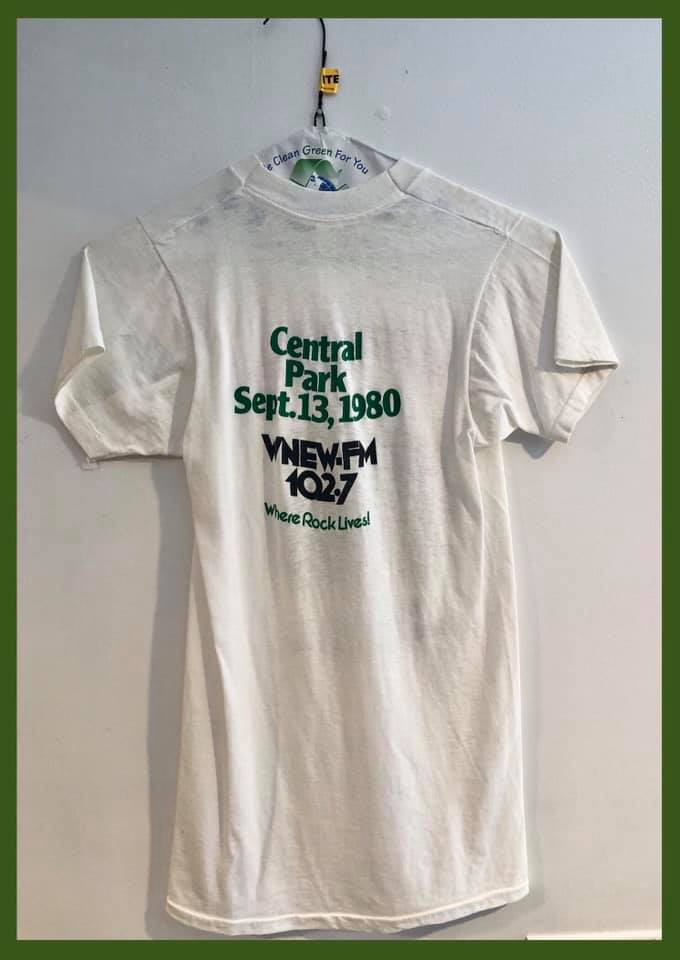
On Sept. 13, 1980, Elton John performed for around 400,000 people in Central Park. The sun was out, people were gathered (less than six feet apart), and Sir Elton was wearing a Donald Duck suit.
Sir Elton John performing, “Your Song” while wearing his legendary duck suit.
It might seem surreal, now, to imagine 400,000 people in the same place, at the same time, dancing and enjoying themselves. With Nigel Olsen on drums and Dee Murray on bass, the original Elton John Band created a legendary experience.
The concert was part of Elton John’s 1980 World Tour, supporting his latest album 21 at 33. He played top hits “Bennie and the Jets,” “Your Song,” and of course, “Tiny Dancer,” and added some new ones in there too, like “Little Jeannie” and “Sartorial Eloquence.”
Imagine all the people. Elton John paid tribute to his long time friend John Lennon by performing a cover of Lennon’s classic tune, “Imagine.” A few months later Lennon would be murdered by Mark David Chapman. Sir Elton said this made it too painful to perform the song ever again.
https://www.youtube.com/watch?v=Wy2VmfgEaag
Elton John, born Reginald Kenneth Dwight, started playing piano at a very young age, so it comes to no one’s surprise that he has plenty of awards under his belt. With two Academy Awards and four Grammys, John has and always had quite the reputation as being a musical genius. The latest tribute to the icon is the acclaimed film “Rocketman,” starring Taylor Edgerton as Elton John throughout his career; the movie would also land Elton John and writing partner Bernie Taupin an Oscar for Best Original Song with “(I’m Gonna) Love Me Again.”
Seeing Elton John, Donald Duck suit and all, singing “Your Song,” will never be forgotten as part of one of the most legendary concert experiences in Central Park of all time.
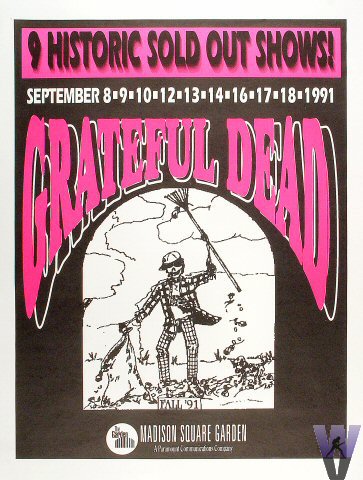
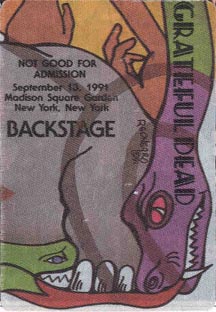
Today, we celebrate the anniversary of a Grateful Dead show at the most iconic of all New York music venues: Madison Square Garden. The Dead were certainly no strangers to this room by 1991. They had been playing the Midtown Mecca since 1979 and loved taking extended stays there. Fittingly, this show would be number five of a nine-show run at The Garden.
1991 was still very much a transitional time in the band’s history. Vince Welnick had only joined the band a year earlier and Bruce Hornsby was still making regular appearances. This show would be no different. And while this one may not be designated with a “legendary” status in the record books, there are certainly moments that shine.
To put it nicely, whether its the recording or the performance itself, the “Touch of Grey” opener is fairly mangled. Guitarist Jerry Garcia doesn’t seem to realize his part until a full verse passes first and the rest goes downhill from there. Fellow guitarist Bob Weir then takes over and directs “Wang Dang Doodle” afterwards that has a couple of inspired Garcia licks towards the end that seem to wake him up a little. With the band seemingly picking up on this, it carries right through the ensuing “Peggy-O” where Garcia continues to shine and brushes off some of the earlier mishaps.
The first set doesn’t seem to really take off until “Althea” which features more delicate guitar licks from Garcia that’s finally accompanied by a vocal performance to match. “When I Paint My Masterpiece” follows nicely with the always lovely accordion fills supplied by Hornsby. The first set closes with a triumphant “Bird Song” that soars for more than 14 minutes with both Welnick and Hornsby, along with the rest of the band, on top of their respective game.
After a rather nondescript Weir-led “Victim Or The Crime” to open the second set, things escalate quickly with a rousing “Scarlet Begonias” where the intensity of an MSG show is very much audible. The seamless segue into its traditional pairing with “Fire On The Mountain’ is vintage Dead and one of the definitive bright spots of this show.
Another valid complaint for this show may be the extended “Drums” > “Space” sequence that follows. While it does feature a few moments of fun, psychedelic mayhem, it also drifts off completely at parts and takes up almost 28 minutes of the second set.
Grateful Dead 9/13/91 Madison Square Garden
Garcia brings a little of the “Space” along with him in the beginning sections of “The Other One” that follow before falling into its signature pattern. This brings about another inspired jam with all seven legs of the band acting as one cohesive unit while Weir belts out the lyrics he penned for this song years ago.
The second set ends with a joyous “Throwing Stones” that features both Weir and Garcia with some passionate singing. A somewhat abrupt cut to “Not Fade Away” follows that gives the band one last chance to stretch out and jam.
Grateful Dead 9/13/91 Madison Square Garden – New York, NY
Set 1: Touch of Grey, Wang Dang Doodle, Peggy-O, Big River > Cumberland Blues, Althea, When I Paint My Masterpiece, Bird Song
Set 2: Victim Or The Crime, Scarlet Begonias > Fire On The Mountain > Drums > Space > The Other One > Stella Blue > Throwing Stones > Not Fade Away
Ed. note: this review of Trey Anastasio at Carnegie Hall was original published on PhanArt.net in September 2009. For a more recent review of Anastasio at Carnegie Hall, read our review from October 2019.
For years I have considered orchestral compositions the ultimate form of music, with the intricacies that I felt would never be understood, a style that would be too difficult to get into, and a high-class following that would elude me forever.
This started to change years ago when I heard the amazing beauty of Eric Clapton playing with the Royal Philharmonic Orchestra in London (February 10, 1990), and discovered the intersection of one of the greatest guitarist in history and one of the finest orchestras in the world. Hearing “Layla,” “White Room,” “Bell Bottom Blues,” as well as a unique Guitar Concerto in two movements performed with a guitar (?!) AND a 40 piece orchestra. My ears never had it so good. Every note was played, expanding, but not drowning out, the original composition. Bands like Queensryche and YES had explored orchestral infusion into their rock act previously, but the Clapton collaboration hit home with me, and I was forever hooked.
The only thing that stood in the way of getting a fix for this new-orchestral sound was more combination acts like the one that got me hooked. It took only a couple years before Trey was playing with the Vermont Youth Orchestra on “Guyute,” but opportunities to see this were limited. I listened to the version on Sharin’ in the Groove, The Mockingbird Foundation’s tribute album to Phish, over and over, guiding the orchestra while I drove cross-country and around town. This was some of the best music I could have imagined to hear.
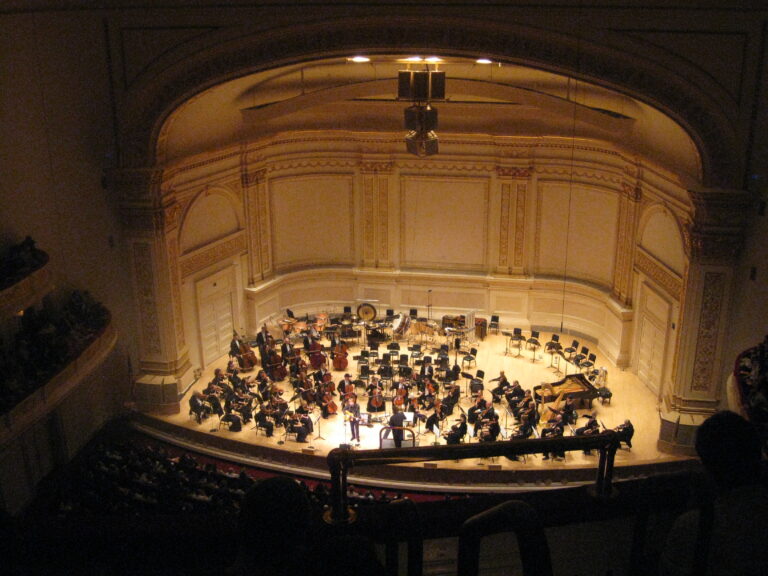
When Trey Anastasio was announced to play the 2004 Bonnaroo music festival with the Nashville Chamber Orchestra, I knew that this would be the musical experience I had been long waiting for – combining my favorite band’s music with an orchestra, drawing out every last note of music hidden in there, expanding the tablature to a full musical composition replete with instruments I had not seen nor heard from since grade school. The experience was the highlight of that Bonnaroo, and set the stage for the musical bliss that was set with Trey Anastasio at Carnegie Hall on Saturday, September 12, 2009.
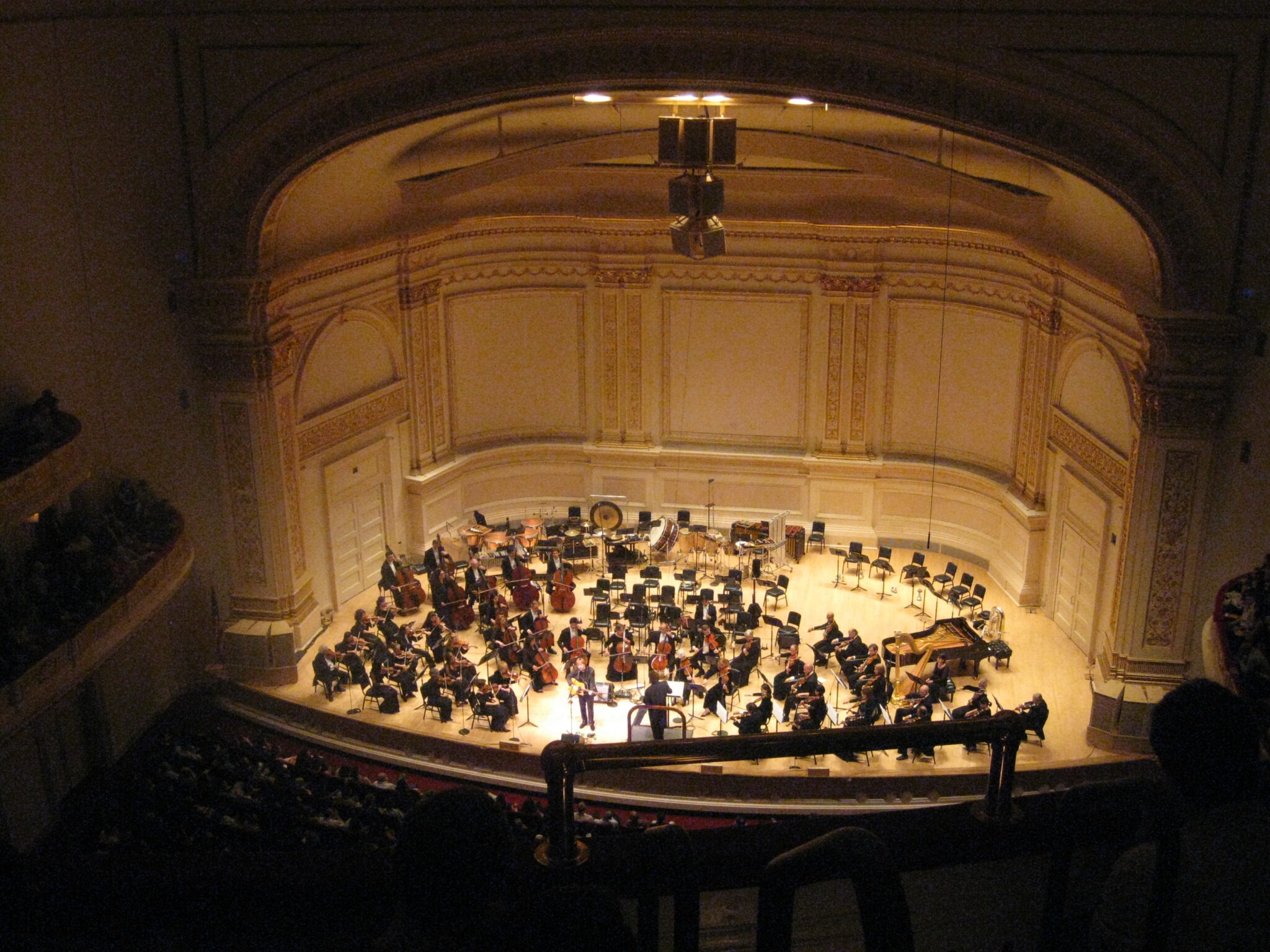
The show having been announced in mid-July, I immediately purchased the best seats I could afford (4th row balcony, which I hoped would provide immense views), as I knew the size of the room was considerably smaller than a normal phish-venue, and the demand would certainly be high. Arriving at Carnegie Hall, I saw what I had joked would be there, presuming it wouldn’t – nitrous tanks and a few shady-entrepreneurs making a quick buck on fans with money to burn on a cheap high. Ignoring this, I went inside and found myself walking up, up, up, up to the top level, and then was guided to my seat by an usher, which felt very high-class. Taking my seat, I marveled at the crowd around me, the youth, the remarkably familiar feeling I had in this great community of people, as well as the sharply dressed folks who took the occasion to go ‘phormal’, as we once had for Radio City in 2000. The crowd was very chill and happy, and notably respectful of the hall, likely thrilled to be able to see such a unique night of music in such a famous building.
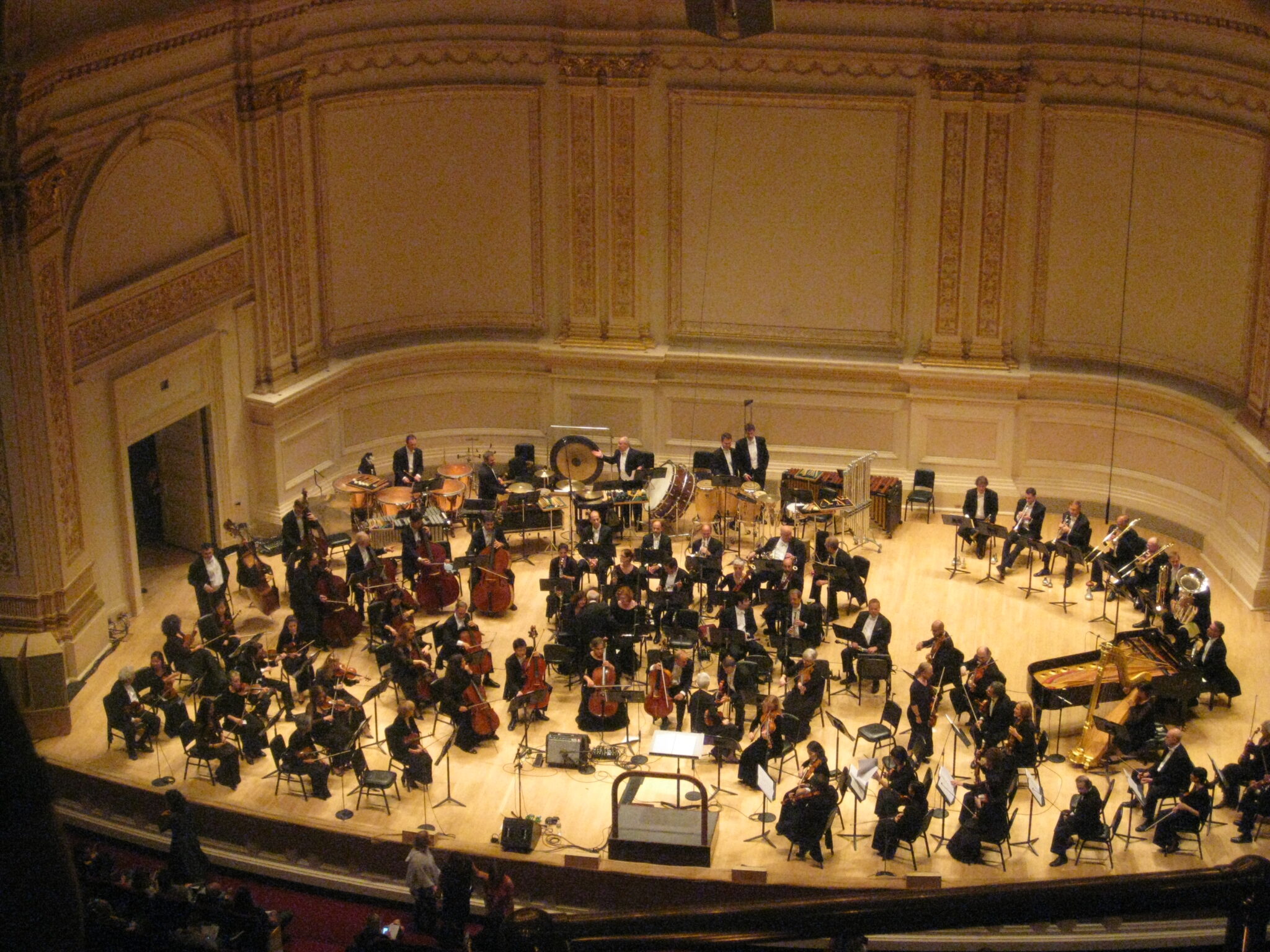
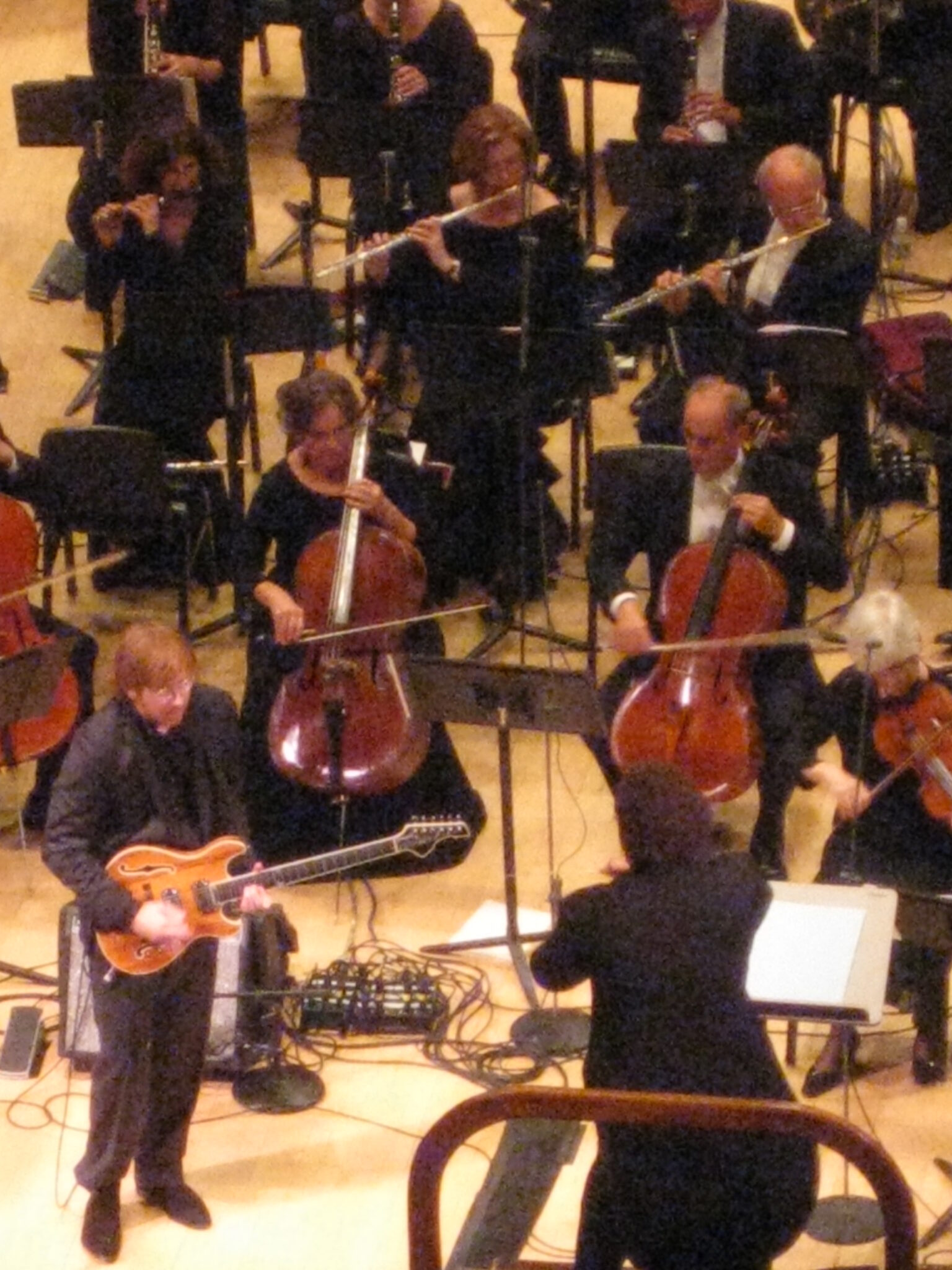
The seats were small and legroom was nil, but that was all taken away with the warming up of the New York Philharmonic. You could hear each section of instruments (the strings, the horns, the woods, the percussion, etc…) randomly tuning up, and a finely tuned ear could hear aspects of the peak of “Guyute,” the middle section of “Pebbles and Marbles,” and miscellaneous tuning and playing as the crowd got settled.
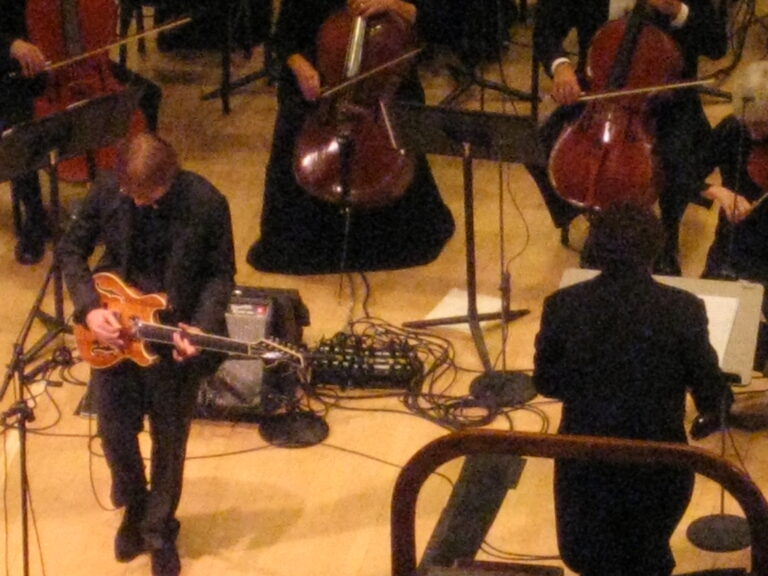
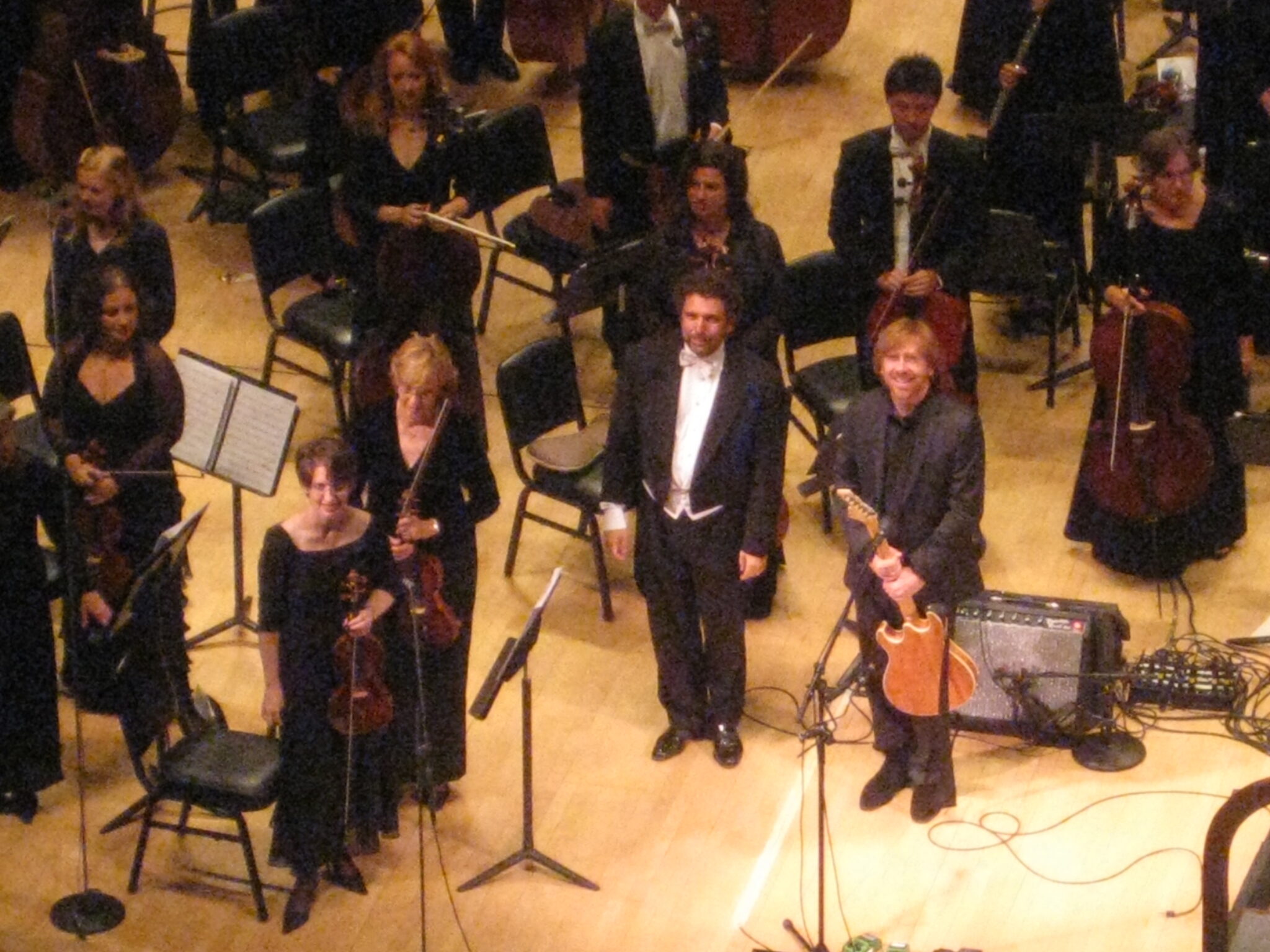
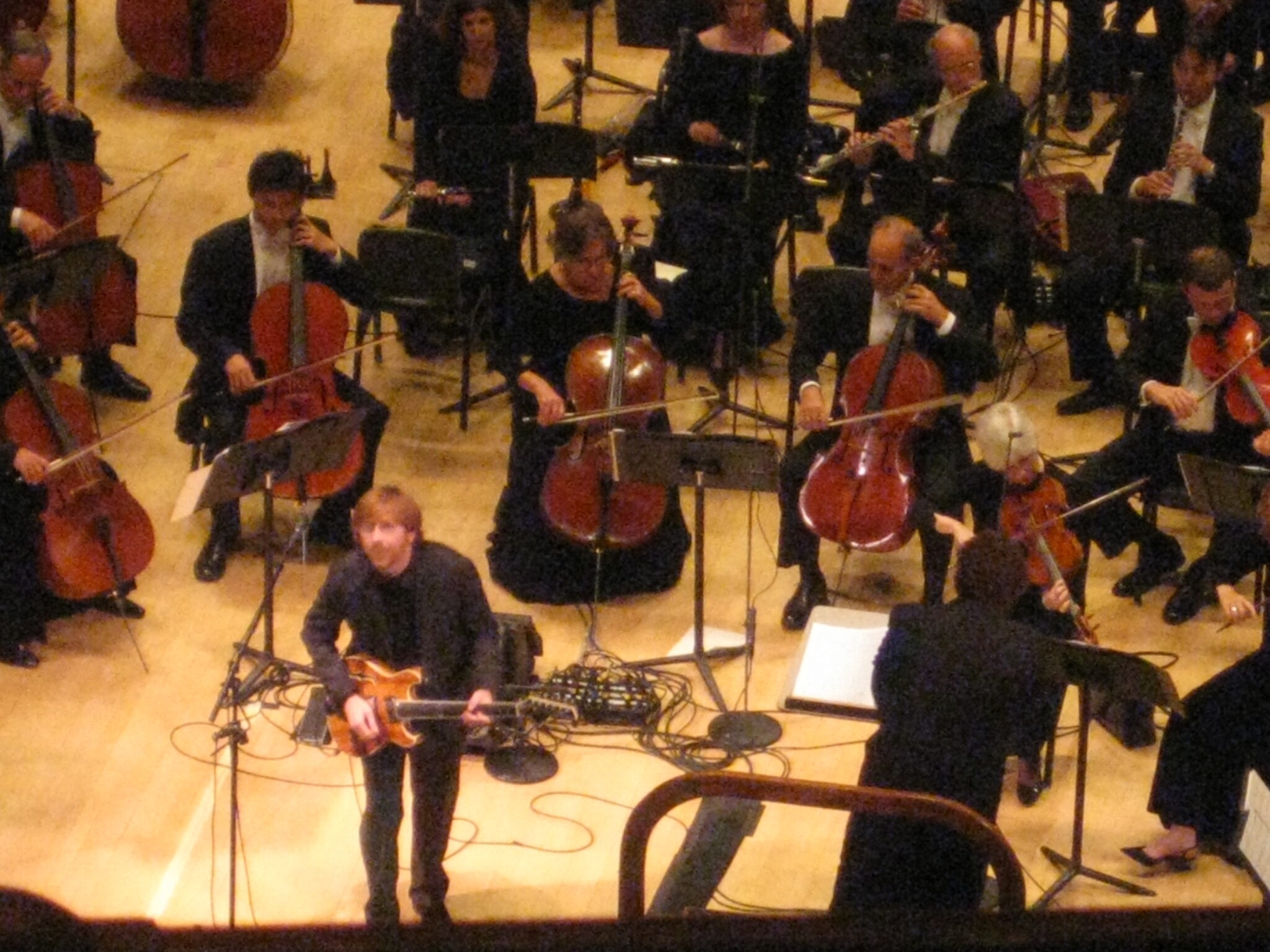
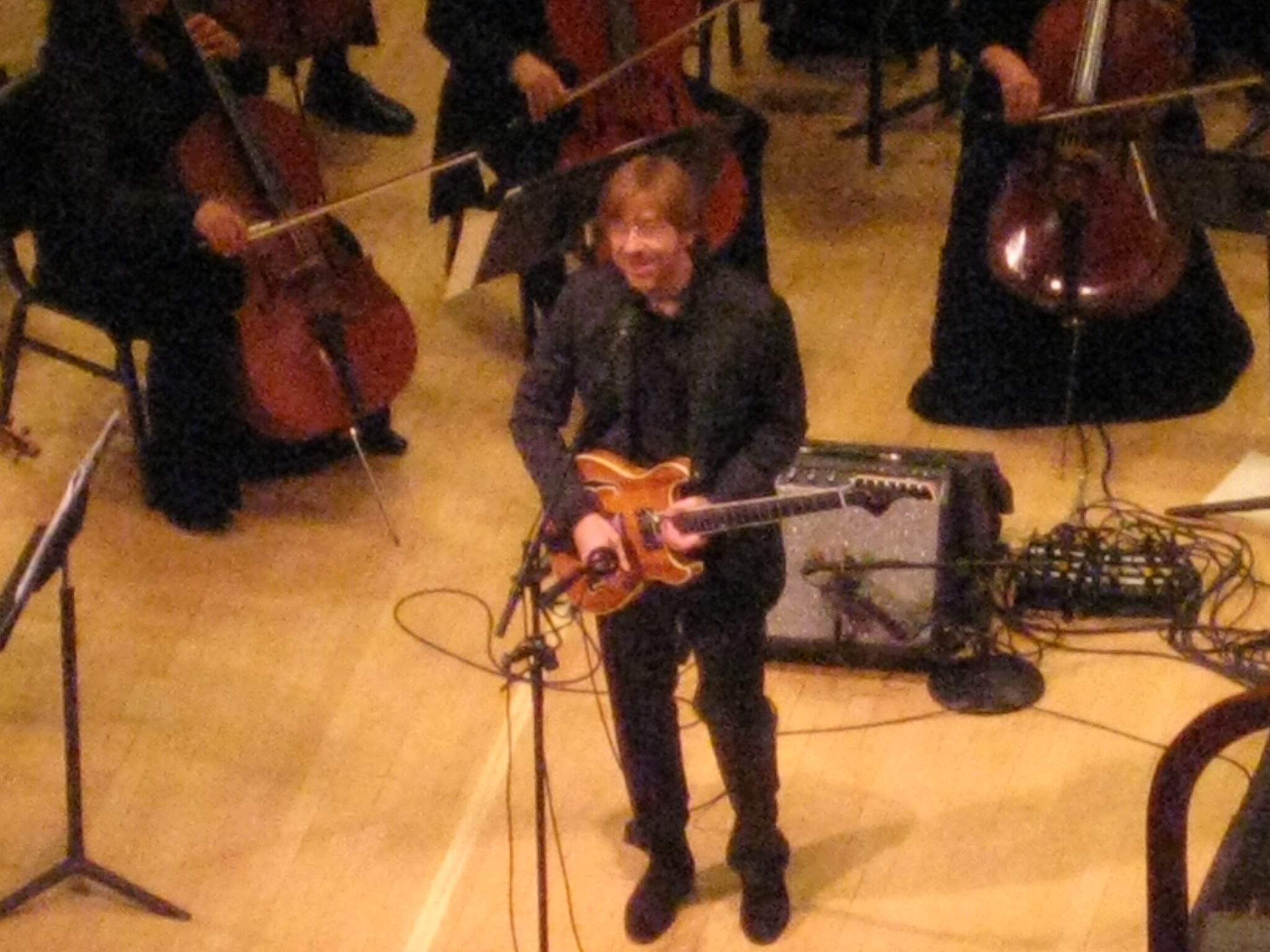
Upon their arrival to the stage, the principal violinist, the conductor, Asher Fisch, and then The Bad Lieutenant himself, Trey, came out to thunderous applause, likely the loudest Carnegie has ever heard. “First Tube” was soft and quiet at first, but perfect. Trey’s guitar was quieter than ever, but he changed the volume as the song got towards the end, with an amazing buildup, similar to the now-invigorated versions Phish has played in ’09. The flutes, violins and bongos/congos are heavy in this song, carrying the tune to its final section and peaking very subtly and suddenly.
“The Inlaw Josie Wales,” “Brian and Robert” and “Water in the Sky” were soft excursions into the mid-’90s writing of Trey, and showed the orchestral side of his writing that had been there all this time. “Divided Sky” was the crowd pleaser-supreme in the first set, giving the crowd a wide range of melodies and expansion of an already tremendous song. “Pebbles and Marbles” and “Guyute” closed out the first set, the latter of which had many heads bobbing and moving hands subtly to the movement of Asher Fisch, who was one of the more animated conductors I could have imagined, making Tom Hulce’s Mozart look like a impassive director of music. Fisch was swaying from side to side, almost seeming to leap in the air at times when the music compelled him to do so. It almost seems as though he would fit in at a Phish show.
Setbreak brought about a trip to the headiest smelling bathrooms since the last Phish show, and long lines of fans waiting for water, as the room was getting a bit warm. “‘Time Turns Elastic” started with the first two movements, which are not heard in the Phish version, as they are a cornucopia of the orchestra’s sound leading into the ‘Submarine’ section of the 30 minute composition.
This may be one of the best compositions I have ever heard, with crescendos and arpeggios that showed the masterpiece of Trey’s orchestral composition was a crowd pleaser, an attentive crowd focusing on the various sections intently. When played with Phish, fans take time to refuel and make pit stops, but for this version of “Time Turns Elastic,” every audience member hung on each section, as the segues were fluid to say the least. The most fascinating thing about this version of “Time Turns Elastic” was the focus on the various movements and sections within the song. The final section, ‘Carousel’, brought the song to a resounding peak, with applause that was the loudest of the evening thus far.
“Let me Lie” was touching, soft and short, providing a nice interlude in between two long epics, the latter being the debut of “‘You Enjoy Myself,” the immense Phish crowd pleaser. This was the song the entire crowd was waiting with bated breath to hear, only to be paused and let the excitement build longer as Trey thanked the audience, the orchestra, and remembered his late-sister, Kristine Anastasio Manning, for which her foundation that night was a beneficiary.
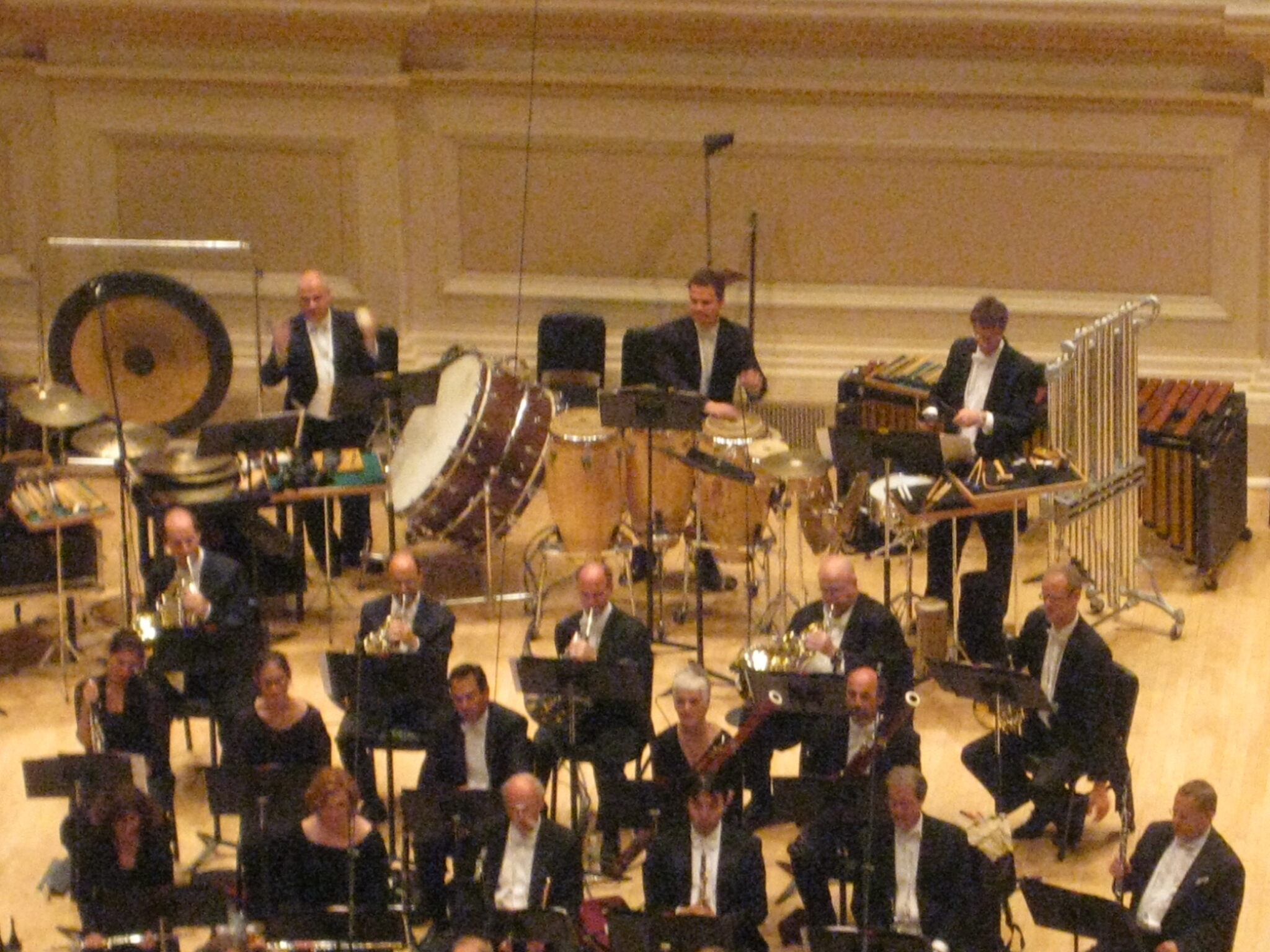
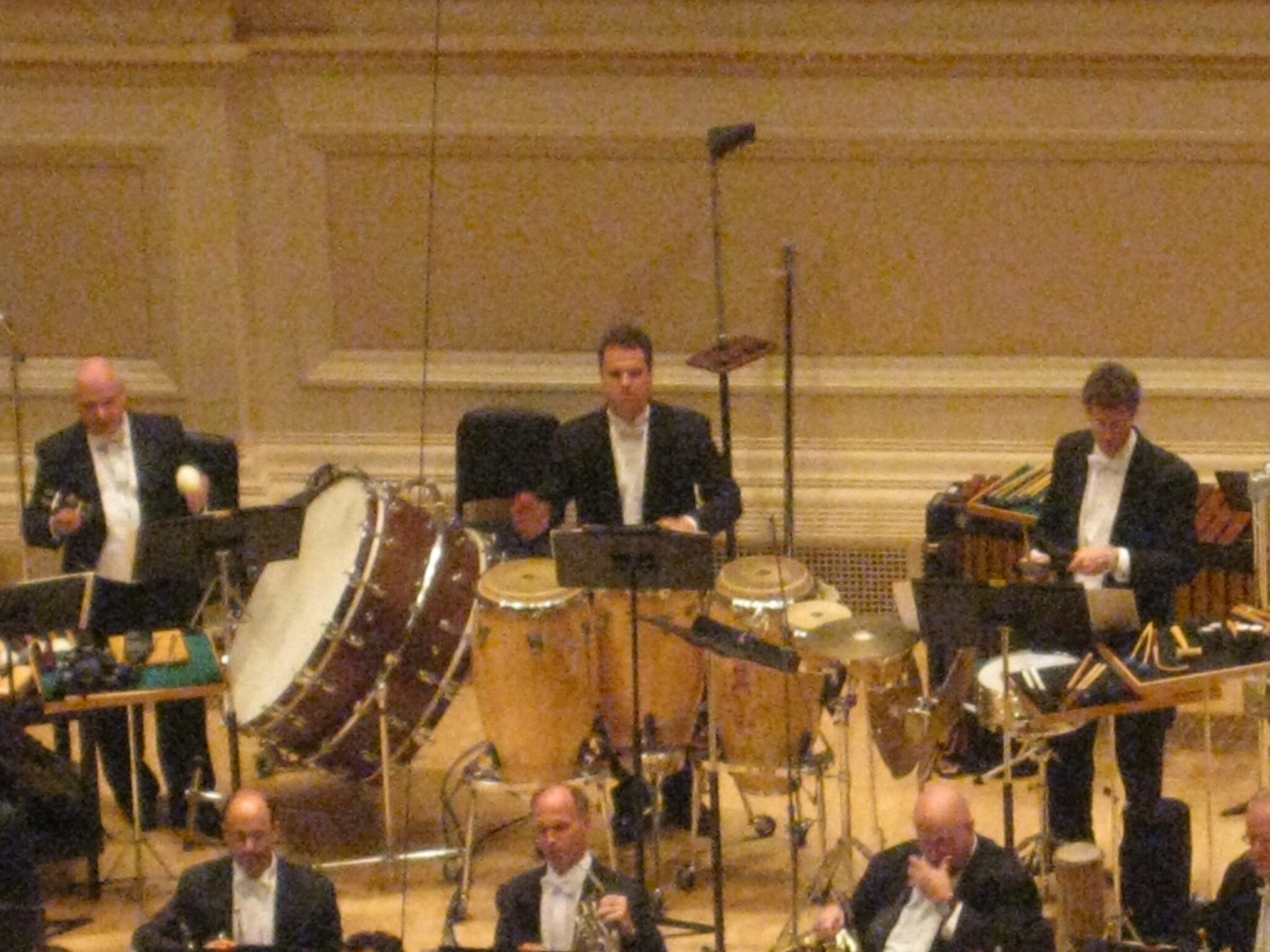
“YEM” started off with a round of applause overshadowing the opening section, but soon, you could hear a pin drop, were it not for the orchestra. The crowd hung on every note, hearing the song like never before, but really, like the song was meant to be heard – this version of the song brings out layers and aspects of the song still left unexplored through almost 500 performances over the course of the band’s career. The ‘Pre-Nirvana’ segment had the percussionist working a snare drum to emulate Fishman, as the strings brought about the largess of the ‘Nirvana’ section, with Trey playing softly and complementarily alongside the collection of musicians onstage. The xylophone in this section is worth turning the speakers up for. A crescendo appears with the trumpets, French horns and tympanis working to bring the song to its first crest. More xylophone brings the section typically played by Mike to its peak, with Trey playing louder and the horns coming in to build the song up once again.
The next section with the tremendous peak was resounding with horns and cymbals making it akin to the concert version. The bongos and congos took over the interlude in between these two sections, with an even louder zenith reached before ‘The Charge’ appeared and then dissolved with audience laughter, before a funky YEM jam beat was played by Trey and the percussionist, all the while the trombones, tuba and French horn played ‘Boy, Man, God, Shit’ in a way it was never played before.
You can’t help but laugh hearing this section, both out of the humor inflected by the horns, as well as the precision reached in the performance. Clarinets and other woods built up the song where the trampolines would usually come into play, and then the strings and full orchestra come into play, bringing the song into a three minute composed jam that highlighted all the parts of the song, as well as the musicians on stage, who were performing for an audience larger than they could possibly know.
As the final jam section ended and the strings played a very light ‘Wash Uffizi drive me to Firenze’, Trey set his guitar down and took towards the microphone, and began a vocal jam all on his own, a first for any Phish fan. The similarities between this vocal jam and the ‘Arc’ that Eddie Vedder performed on his 2009 solo tour were resounding, with the exception that Anastasio does his vocals all on his own, and without the addition of looping sounds; the room carried Anastasio’s voice throughout its acoustic borders, while the orchestra backed up each inflection of Trey’s voice.
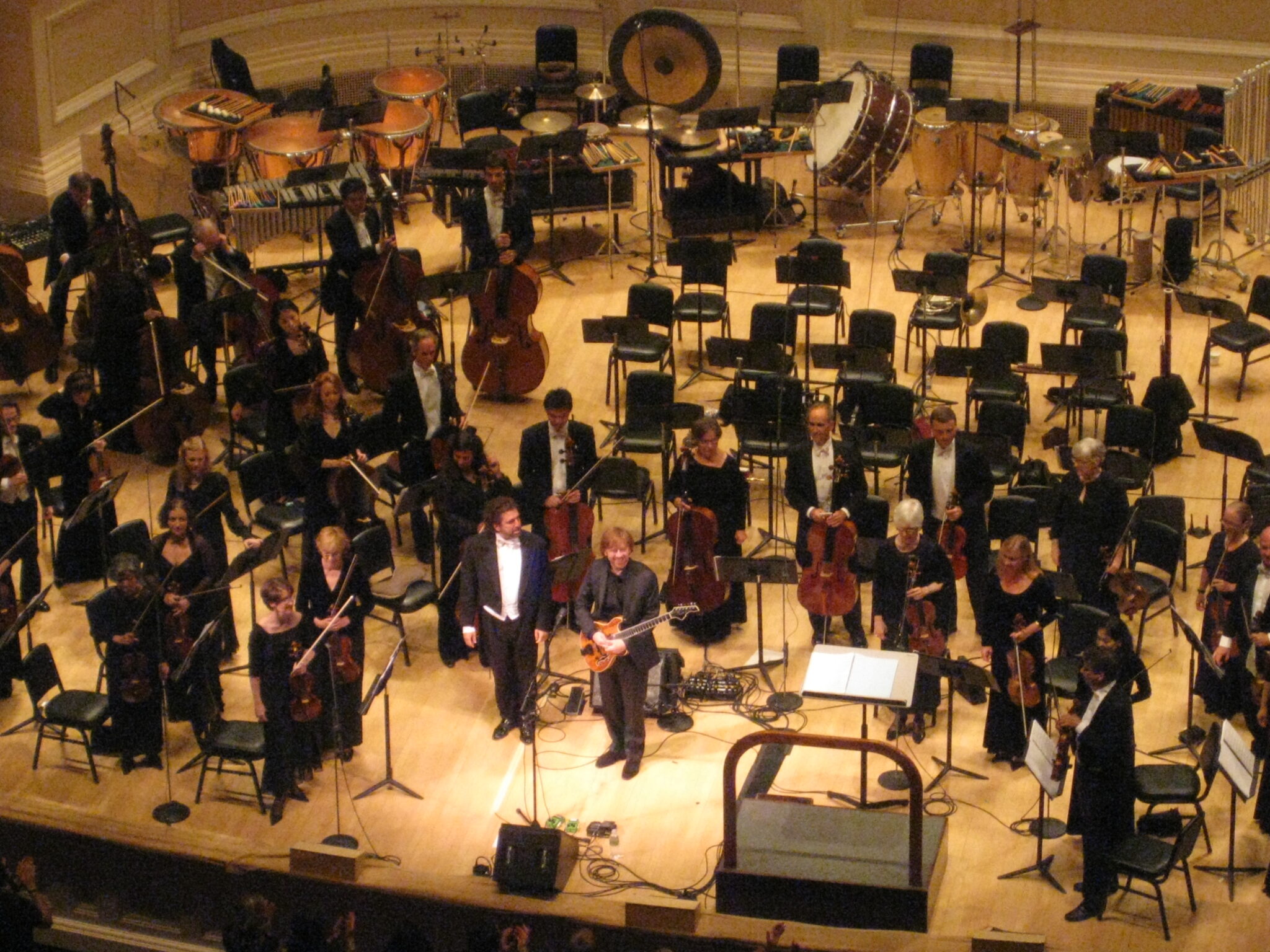
The roar of the audience at the end was deafening, even for one of those cheering loudly. We cheered like a Phish audience for a very non-Phish set of performers, and they deserved every ounce of it. An encore of “‘If I Could” was so perfect, you need to hear it to truly appreciate how soft and elegant the song gets; the album version has strings towards the end, which is a nice start for a song that has found a new home in an orchestral composition. The harp solo after the first two sets of lyrics is enough to make your eyes well up with tears of joy, and then the strings make the wells runneth over. A more beautiful composition is hard to come by.
As the show ended, fans ventured out into the streets to dodge the nitrous vendors, and headed out into the night, having experienced one of the most amazing musical events of 2009, let alone the entire decade/century. Yes, it was that amazing.
Overall, even the most rabid of Phish fans and music fans in general, would appreciate the intricacies, tempo changes, structure and multi-auditory stimulation that come from the greatness of an orchestra. Seeing Trey in an orchestral setting is the way to see him perform him music. Remember, he went to school for this, so this isn’t some silly venture like Jordan playing baseball. No, this is the real thing. This is Jerry Garcia playing solo shows, Mick Jagger putting out subpar solo albums for unknown reasons, and Bono hanging out with world leaders to push for more attention to Africa. This is where the rockstar in Trey goes on to become something more, something larger, something that transcends Phish, but brings along the music for the ride. You have to ponder the thought, since Trey went to college for Composition, had he not co-founded Phish, would he have been a colleague of Fisch?
One has to wonder, have we been duped this whole time by Phish, that now we deep down can appreciate the intricacy and effort it takes to create orchestral music? Most the songs played that night have been played by Phish since the early days (YEM, Divided Sky), the ’90s (Guyute, Inlaw, Brian and Robert, Water in the Sky) and in recent years (Time Turns Elastic, Let me Lie, Pebbles and Marbles), yet at those times, few considered that we were hearing the rock and jam versions of classical songs. All these songs have that familiar strain, and can possibly convert Phisheads into classicophiles in no time.
This show was a game-changer and eye-opener for many fans. Seek it out and join in one of the greatest auditory experiences you have ever heard.
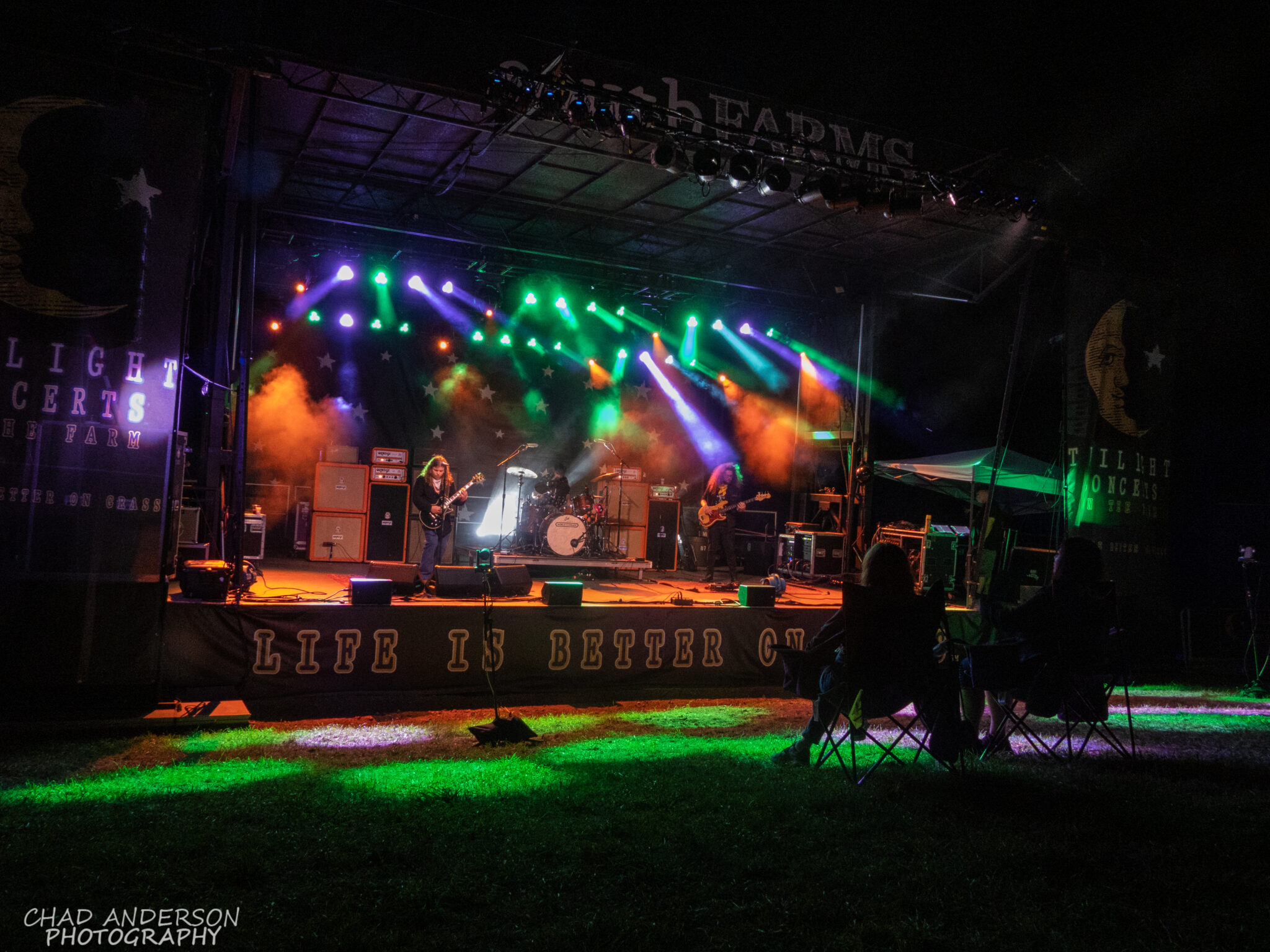
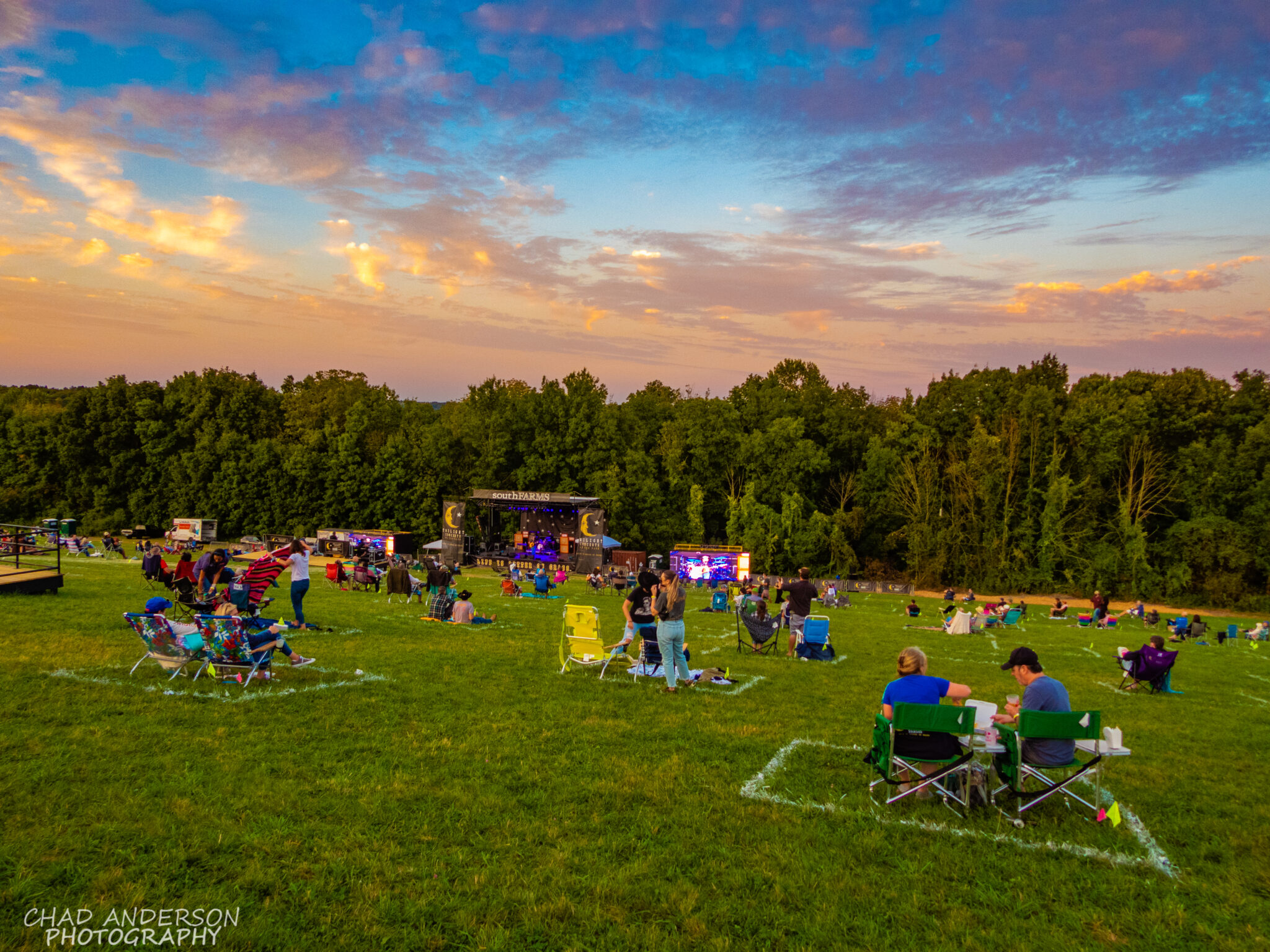
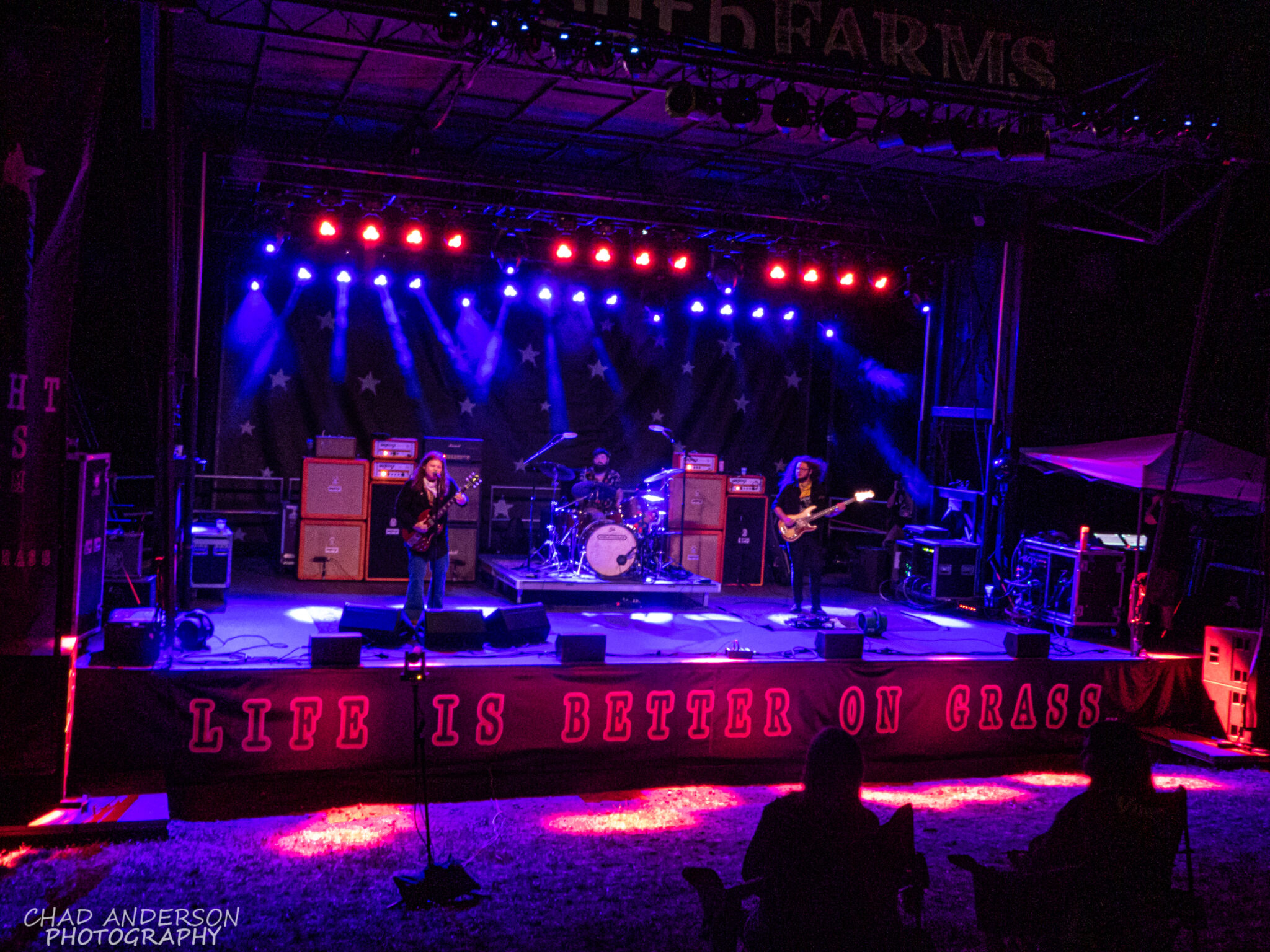
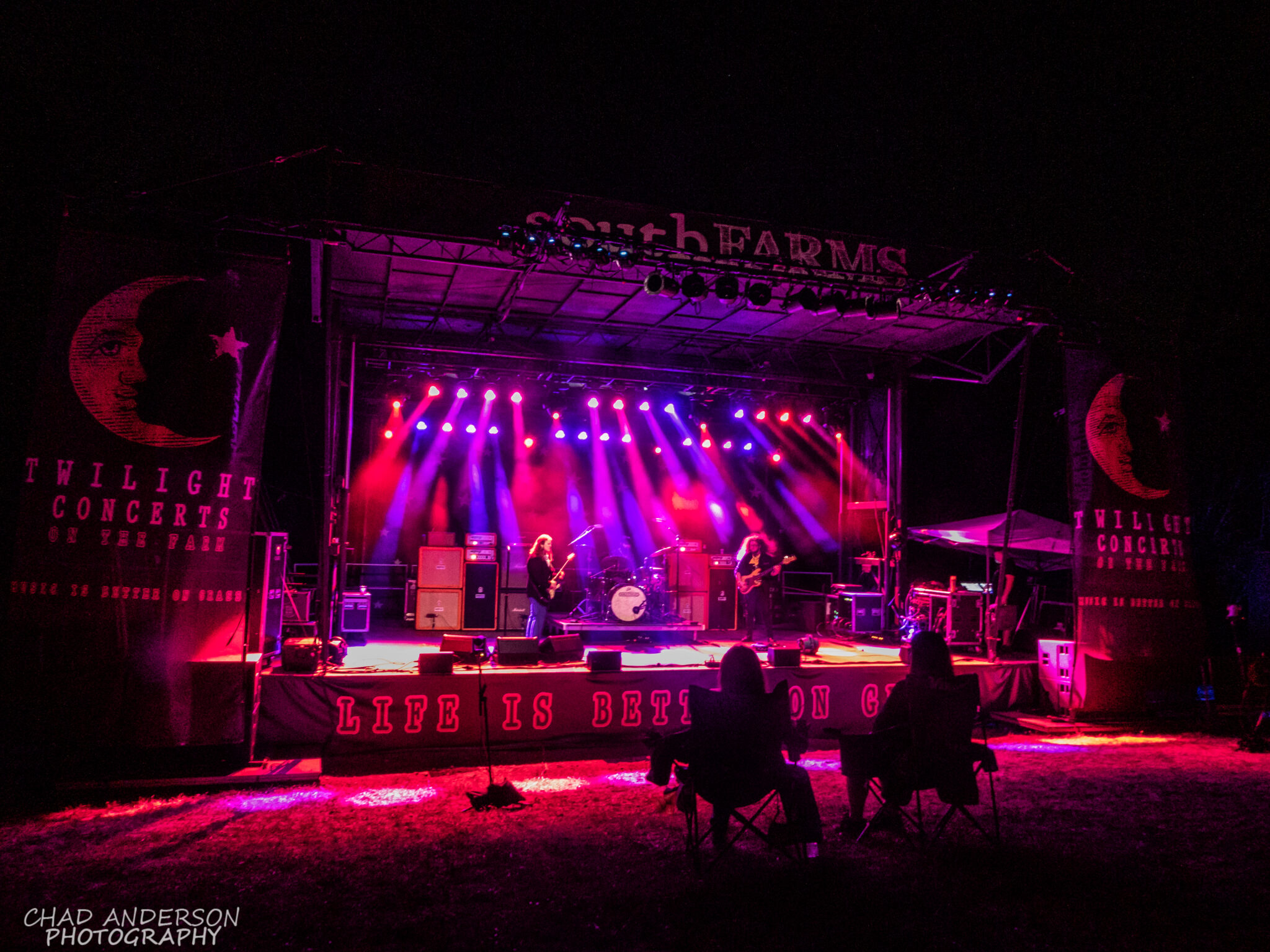
What is there to say, but it is great to hear live music once again. Having spent the last six months at home counting down the days to when we can all be together, on September 8, for just a few hours in the small town of Morris, CT, it felt like the curse of darkness had been lifted, thanks to Manic Presents and Marcus King Band. The team at South Farms have figured out a way to bring music and entertainment back to the people, and boy do we all need it.
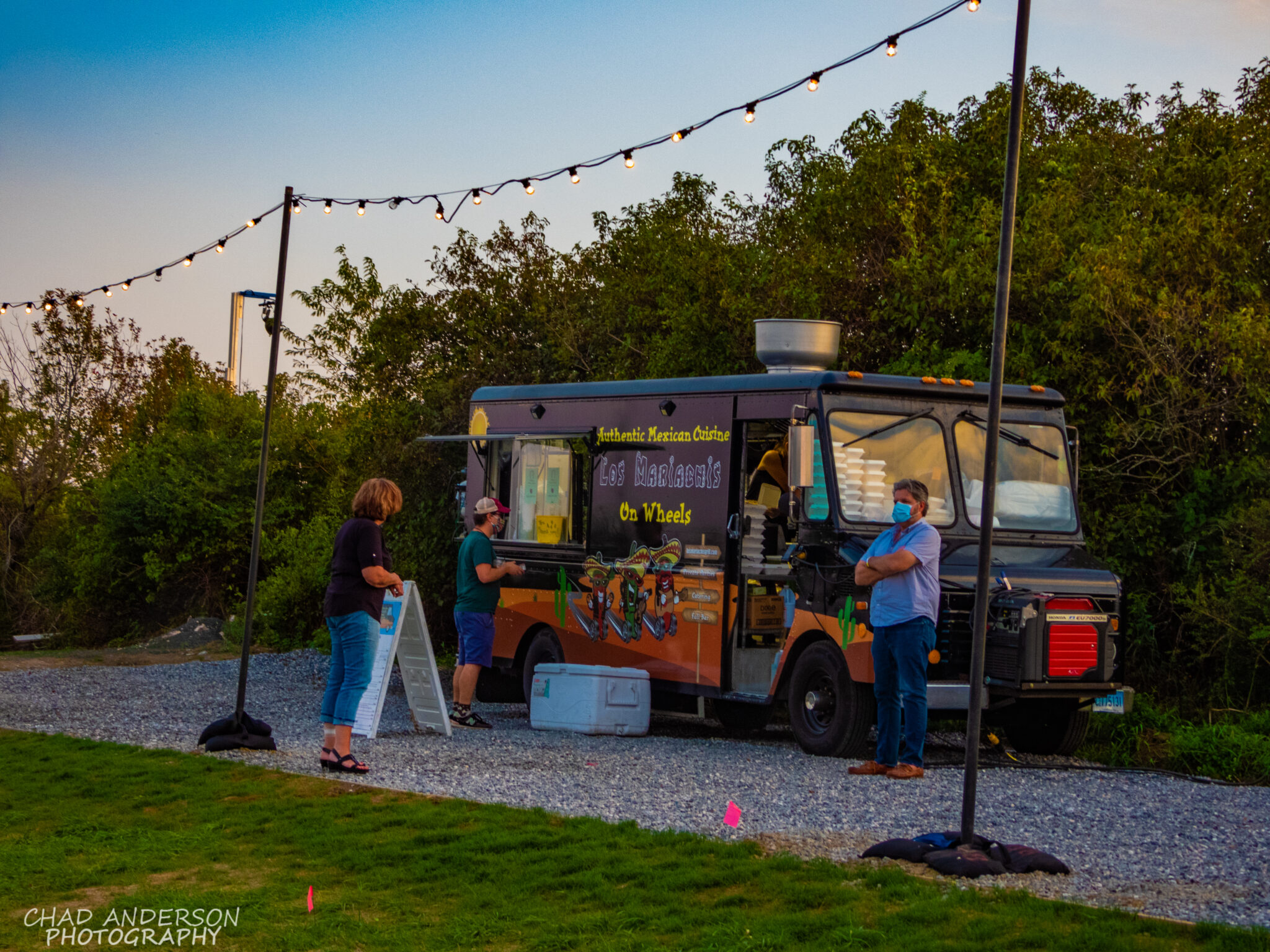
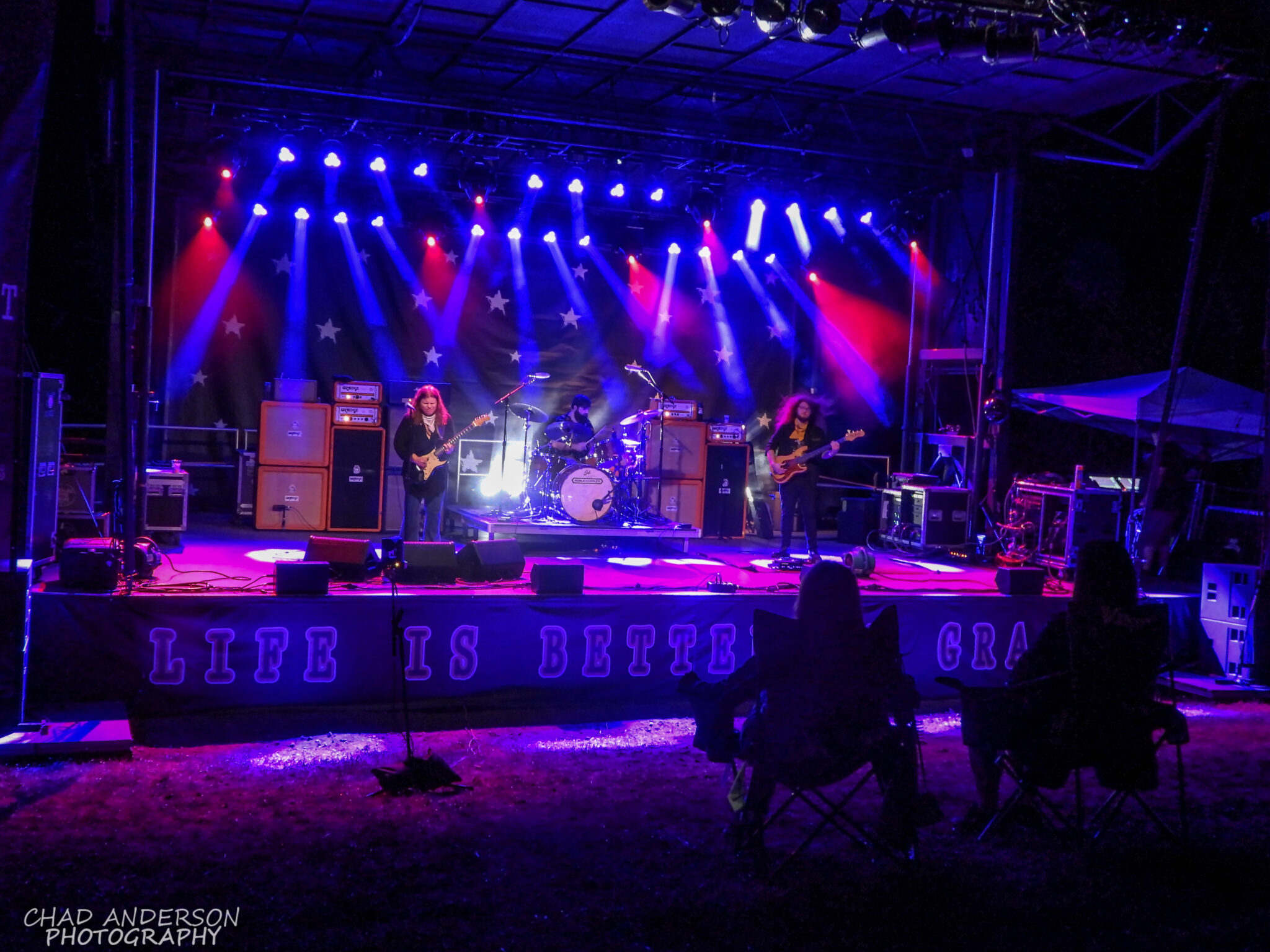
The new venue at South Farms for this power house team is unassuming and not a first choice for a one-night event. The venue has everything a fan would want and more: picturesque views of killer sunsets, incredible sound that echoes in the rolling farm hills and of course, great sight lines that make fans feel as though they’re in an amphitheater atmosphere all the while being socially distant Talk about a win-win!
The evening began with Early James, an Alabama singer/songwriter whose sound is a blend of country, southern blues, and jazz, and has a lyrical style that is a mix between Bob Dylan and Tom Waits. This one-two punch tonight allowed fans to be reintroduced to the concert format with James’ incredible talent. A highlight of his opening set was “Easter Eggs” with honky guitar licks and southern slide guitar.
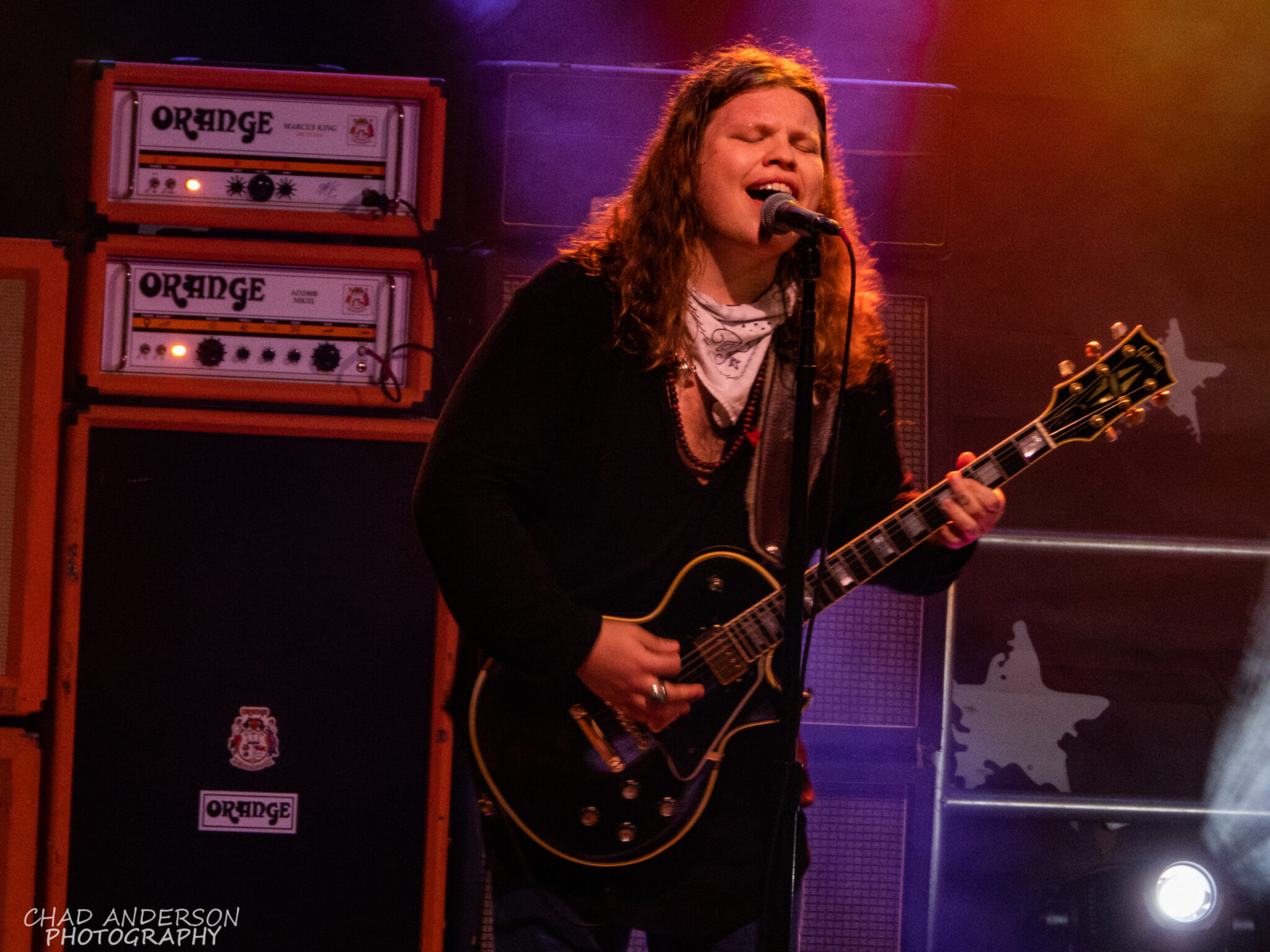
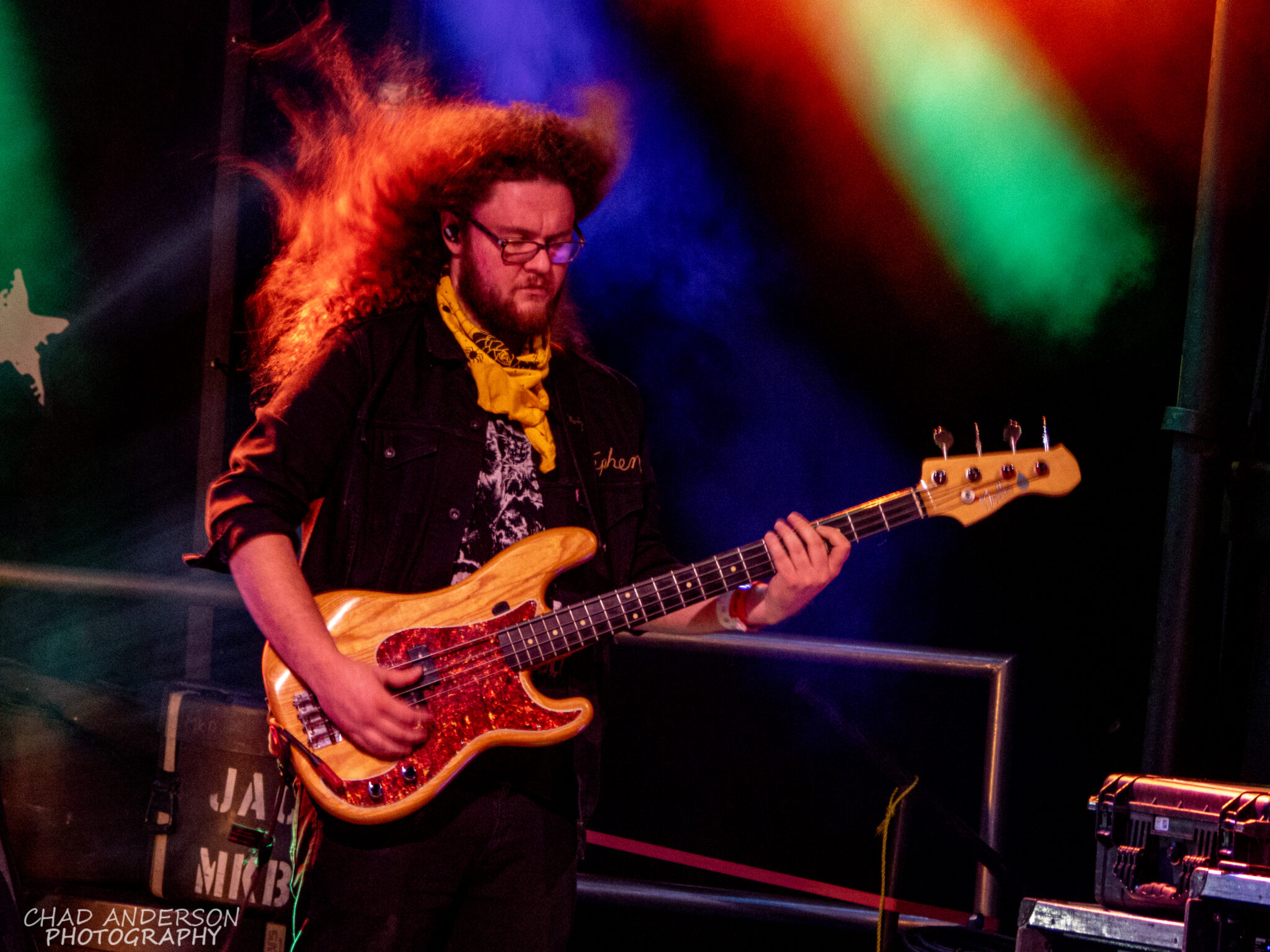
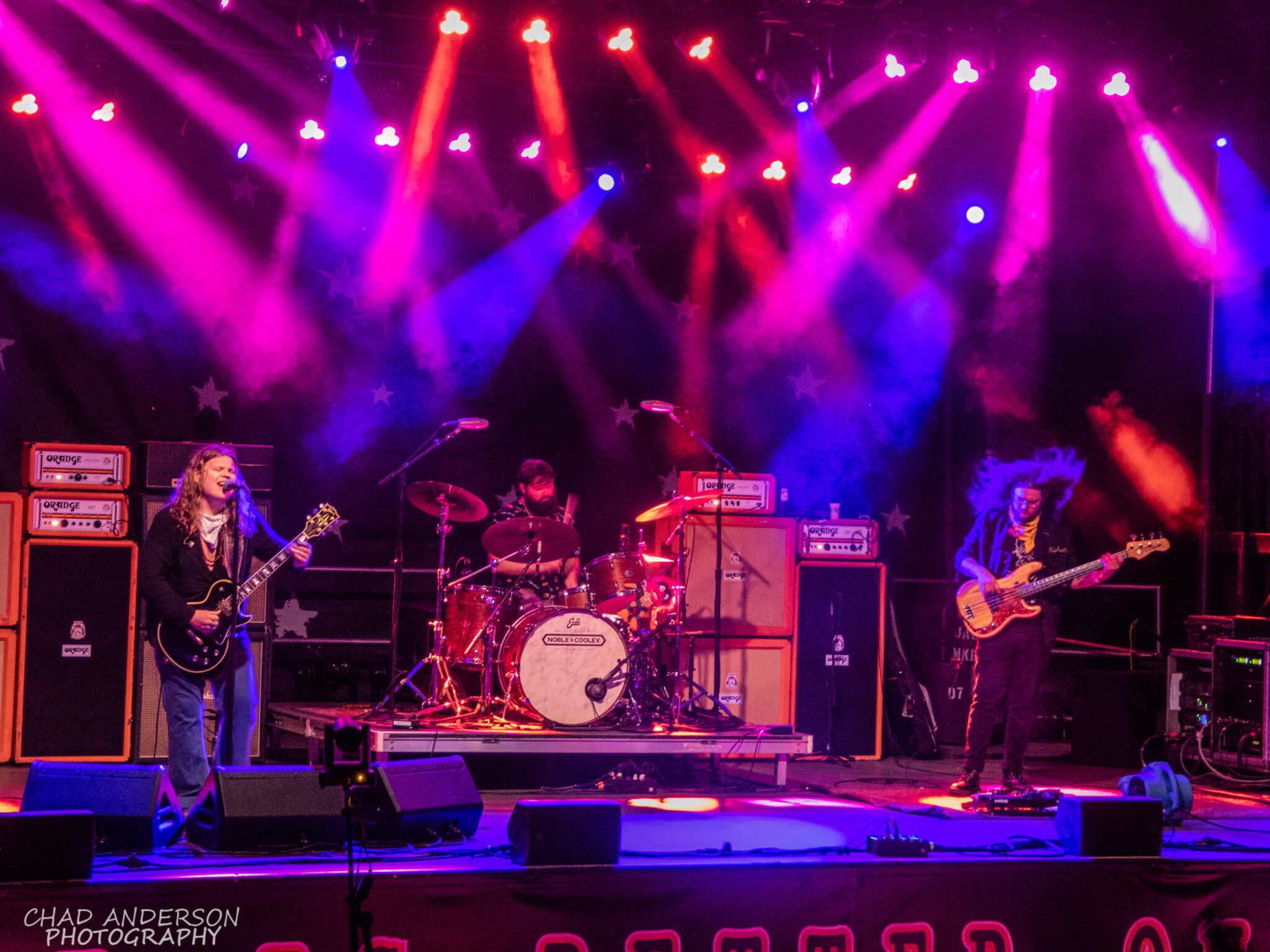
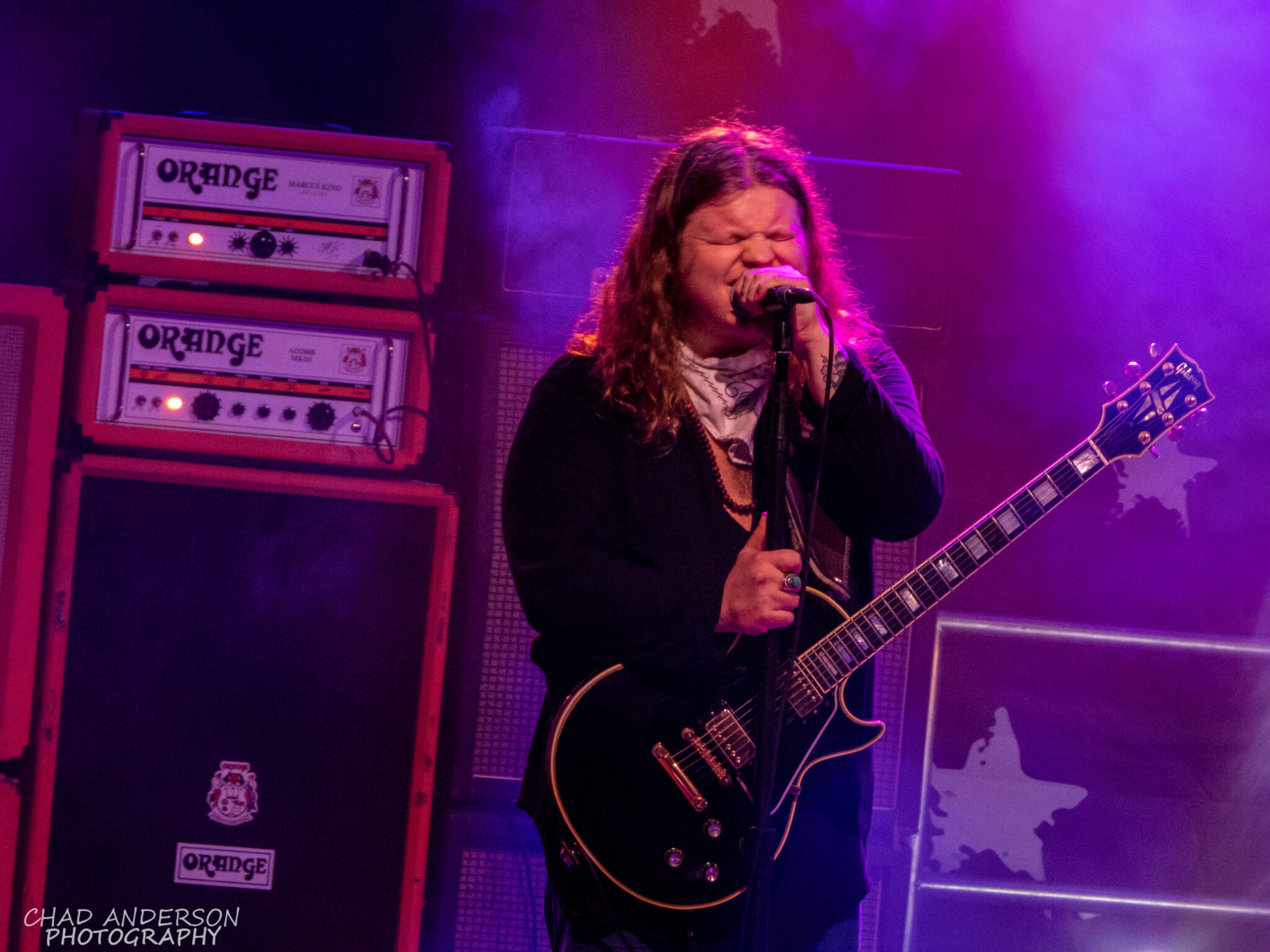
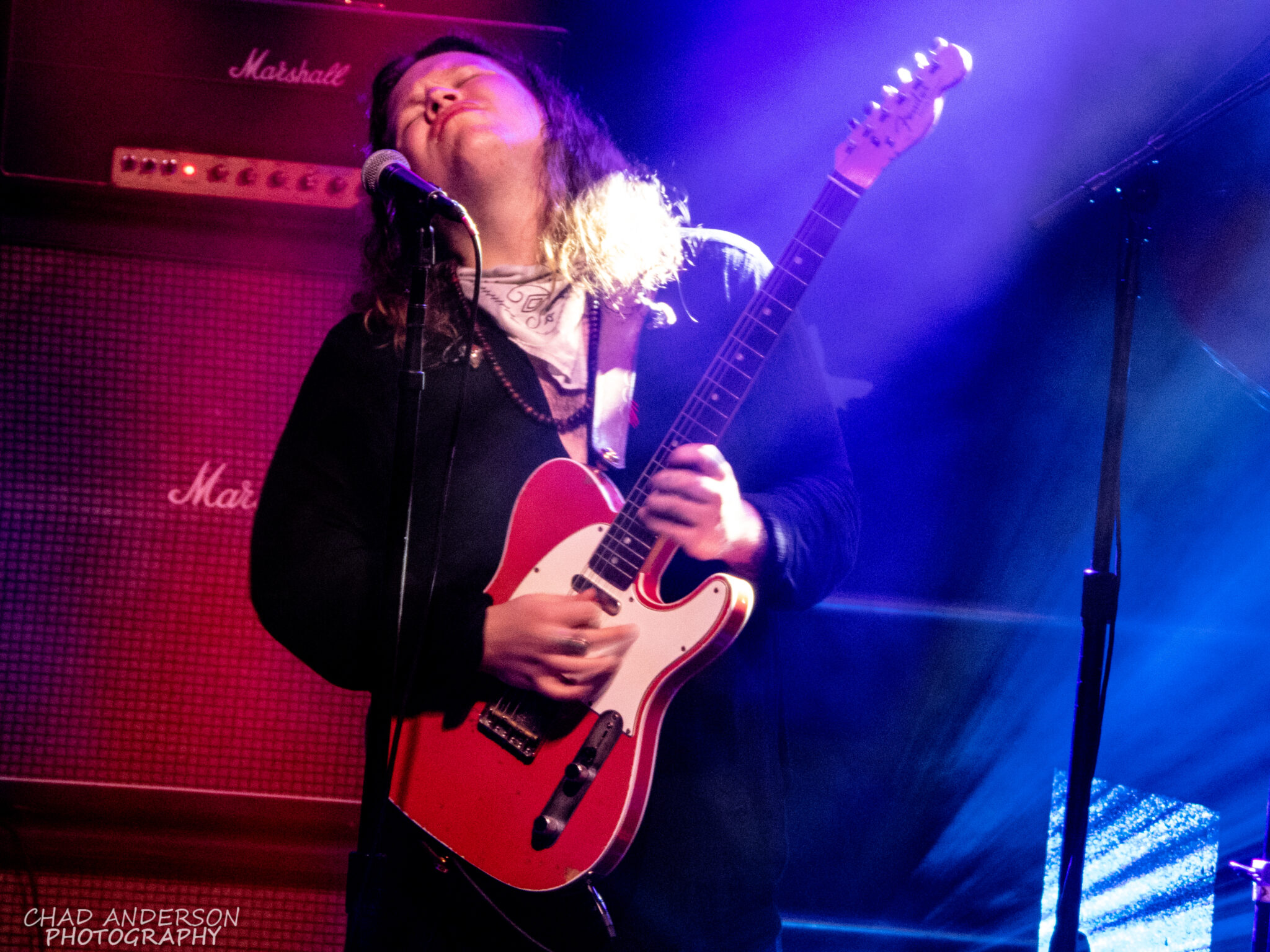
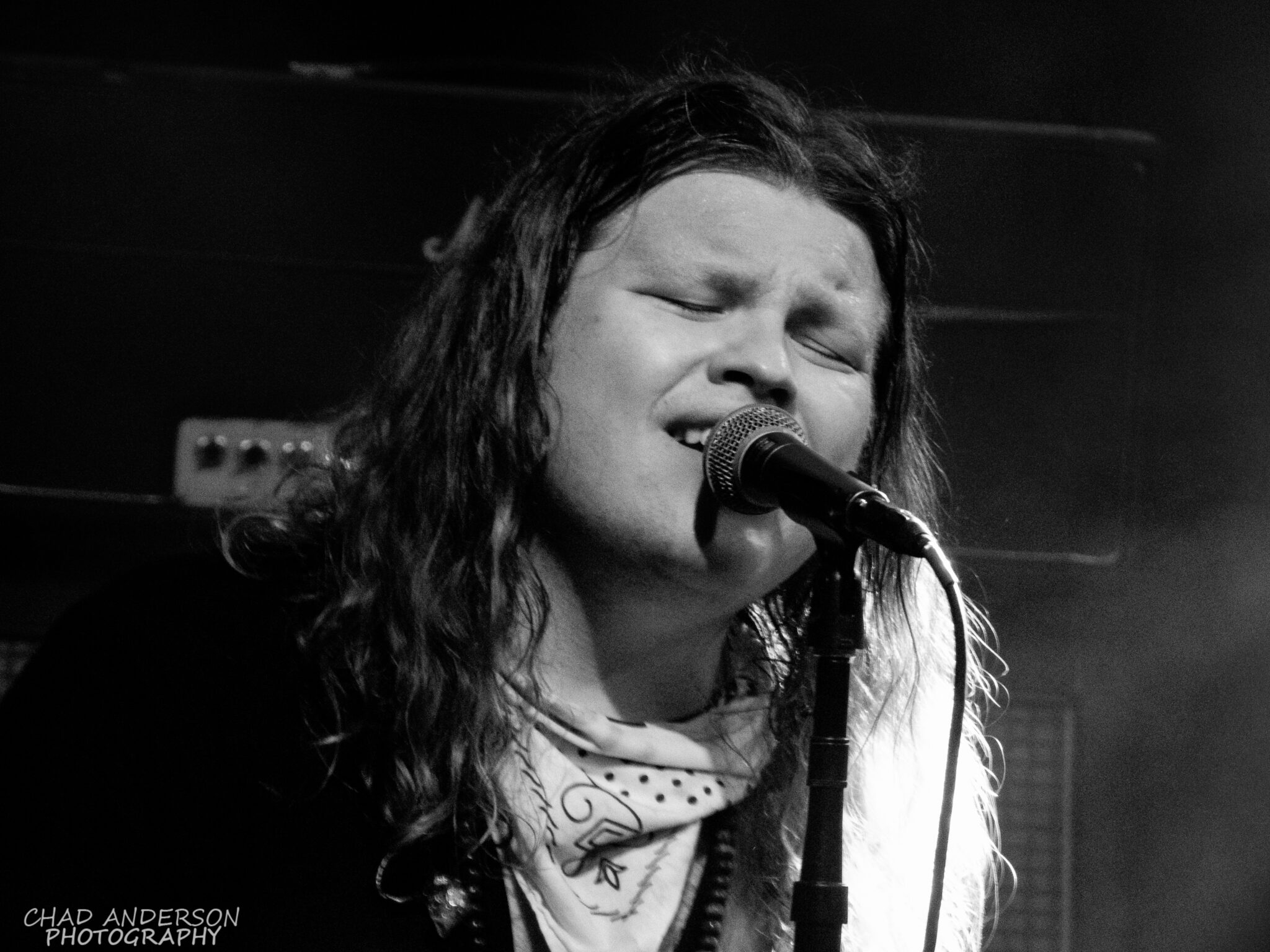
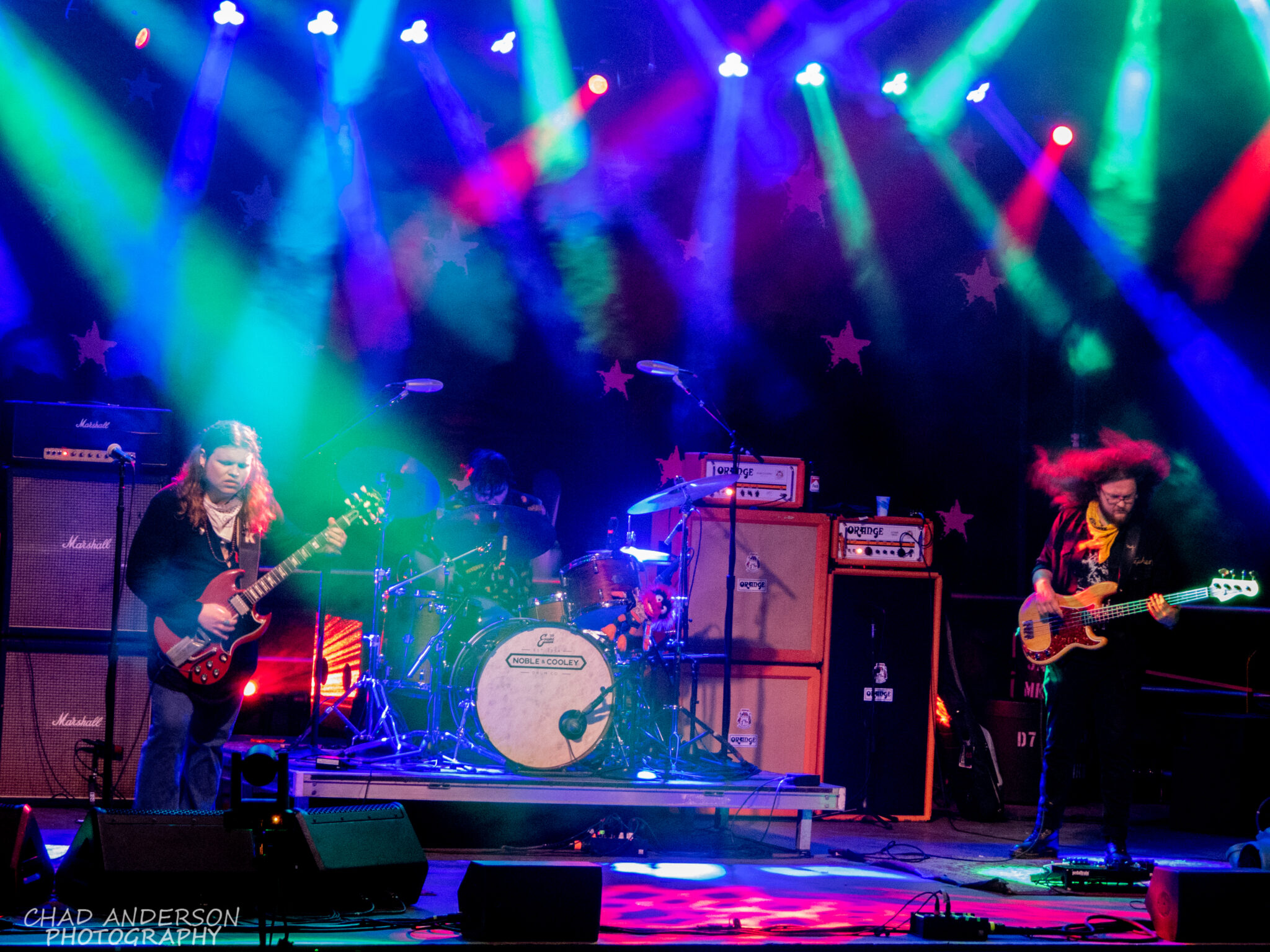
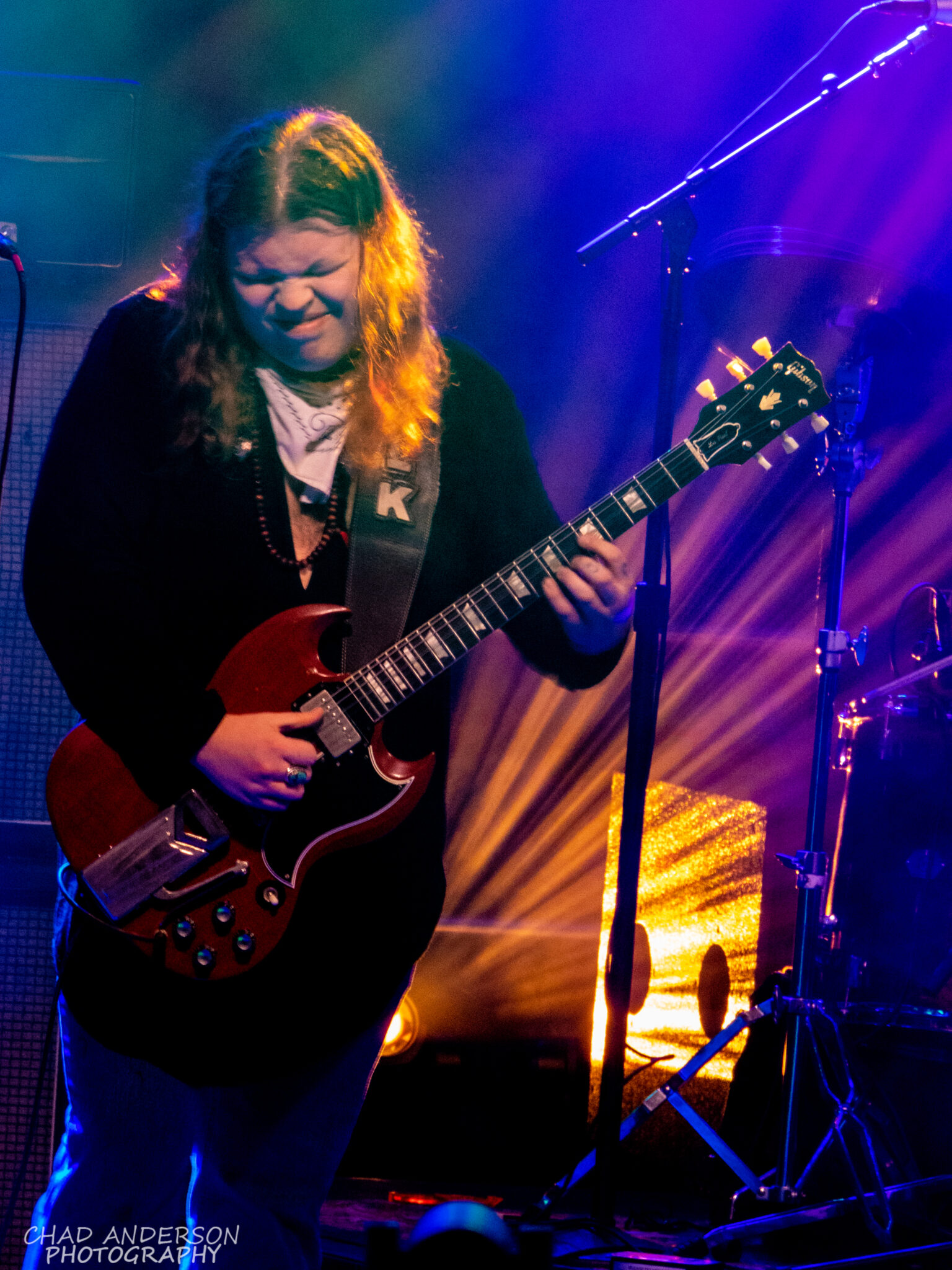
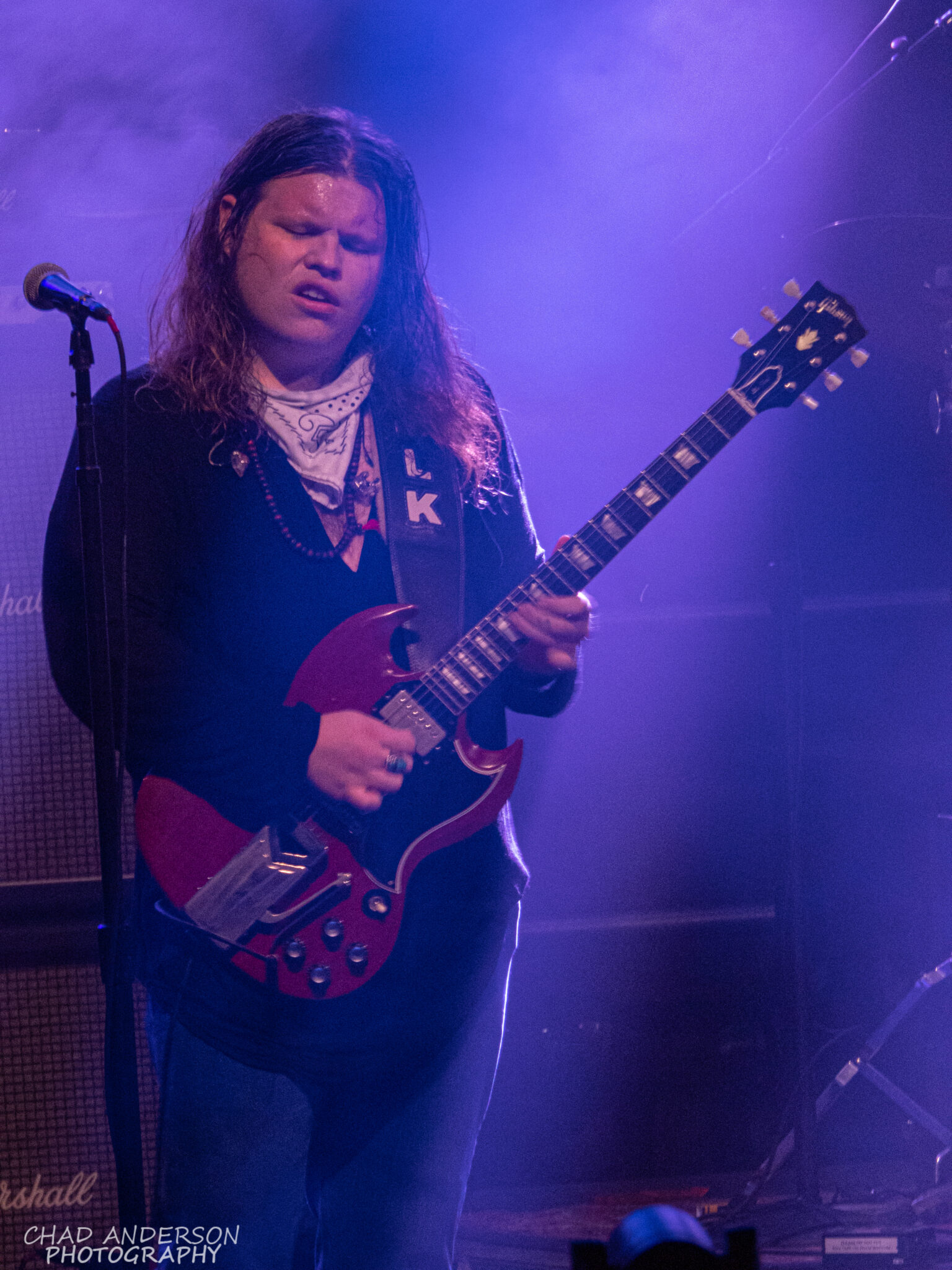
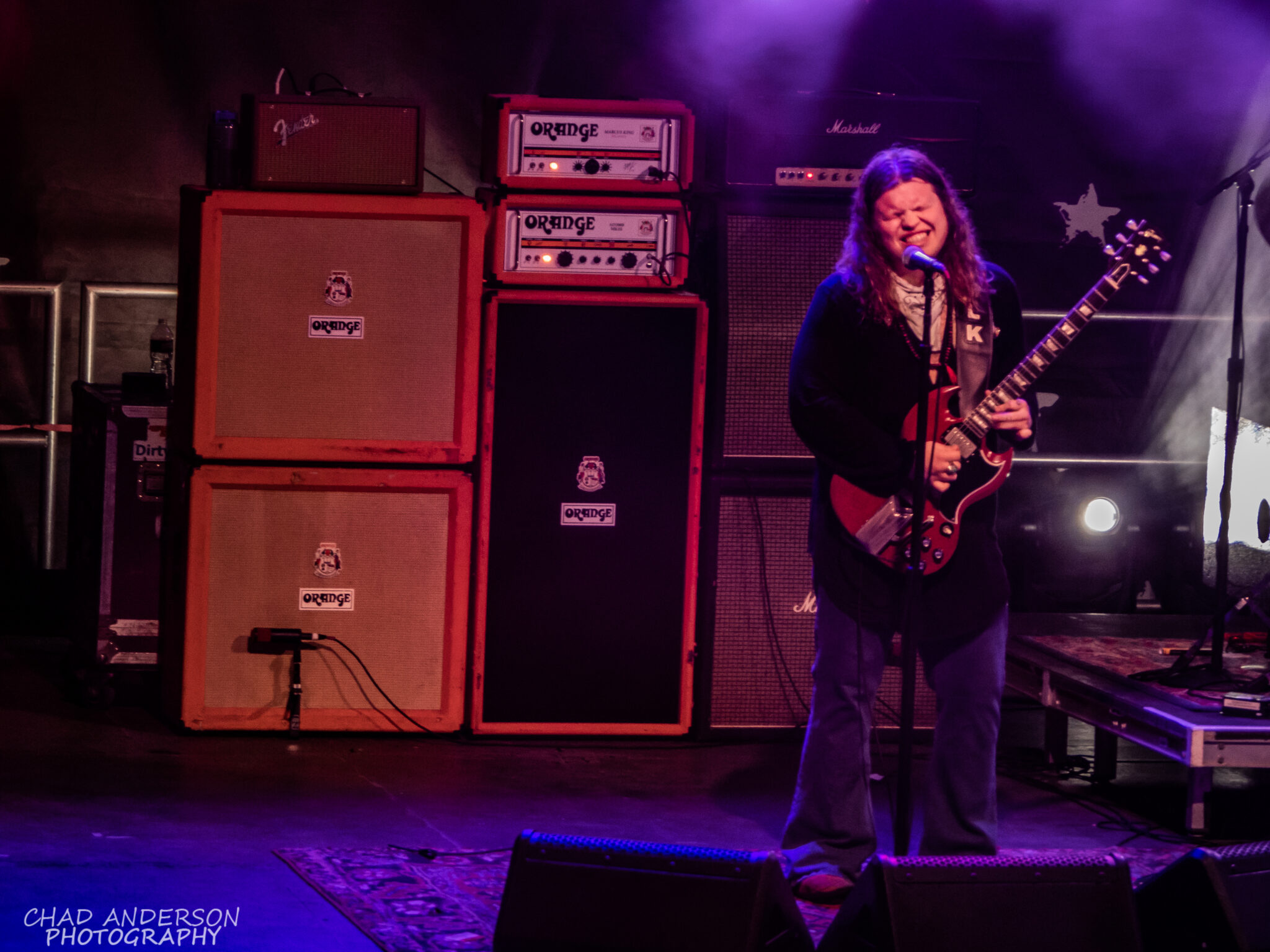
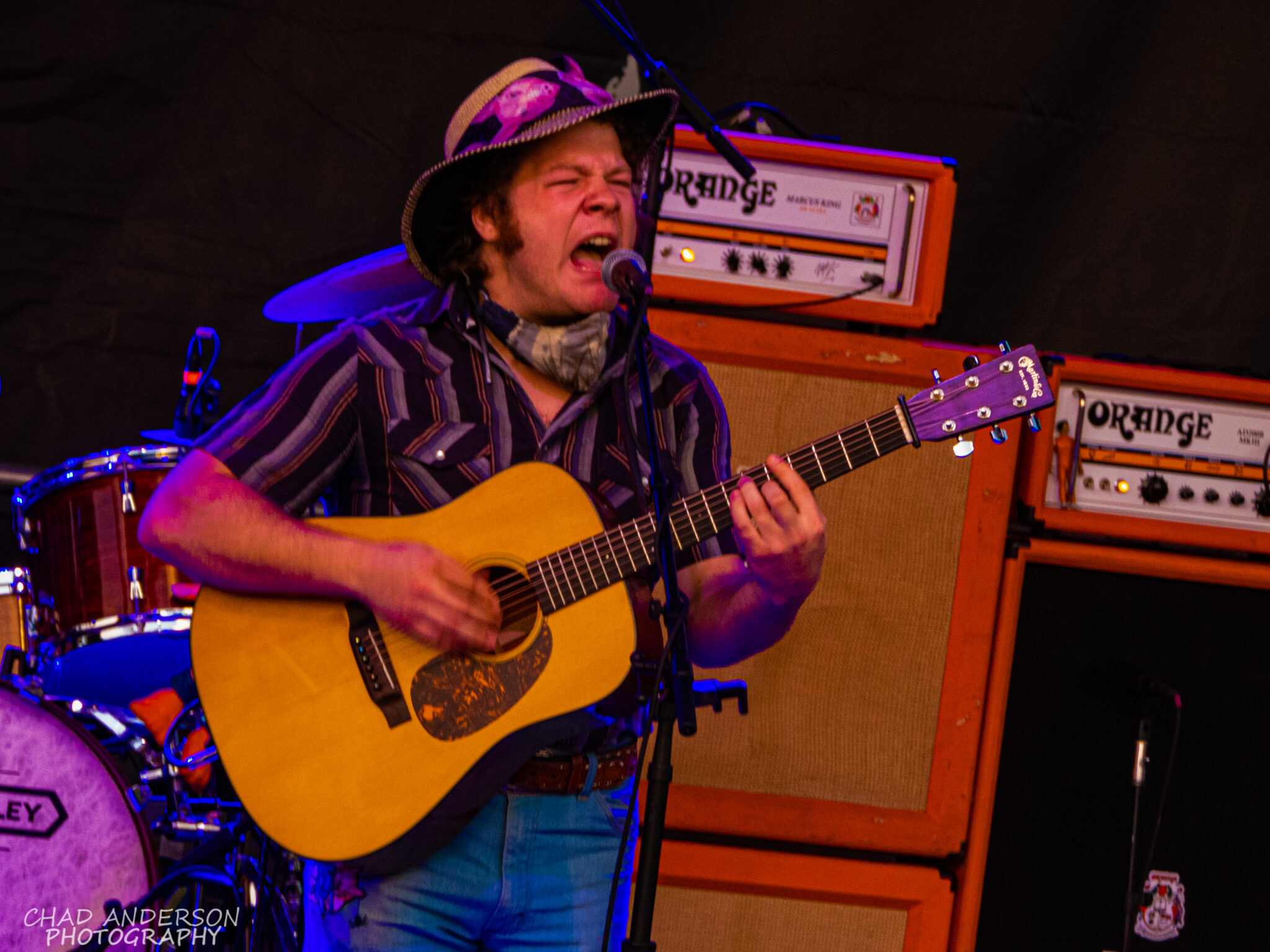
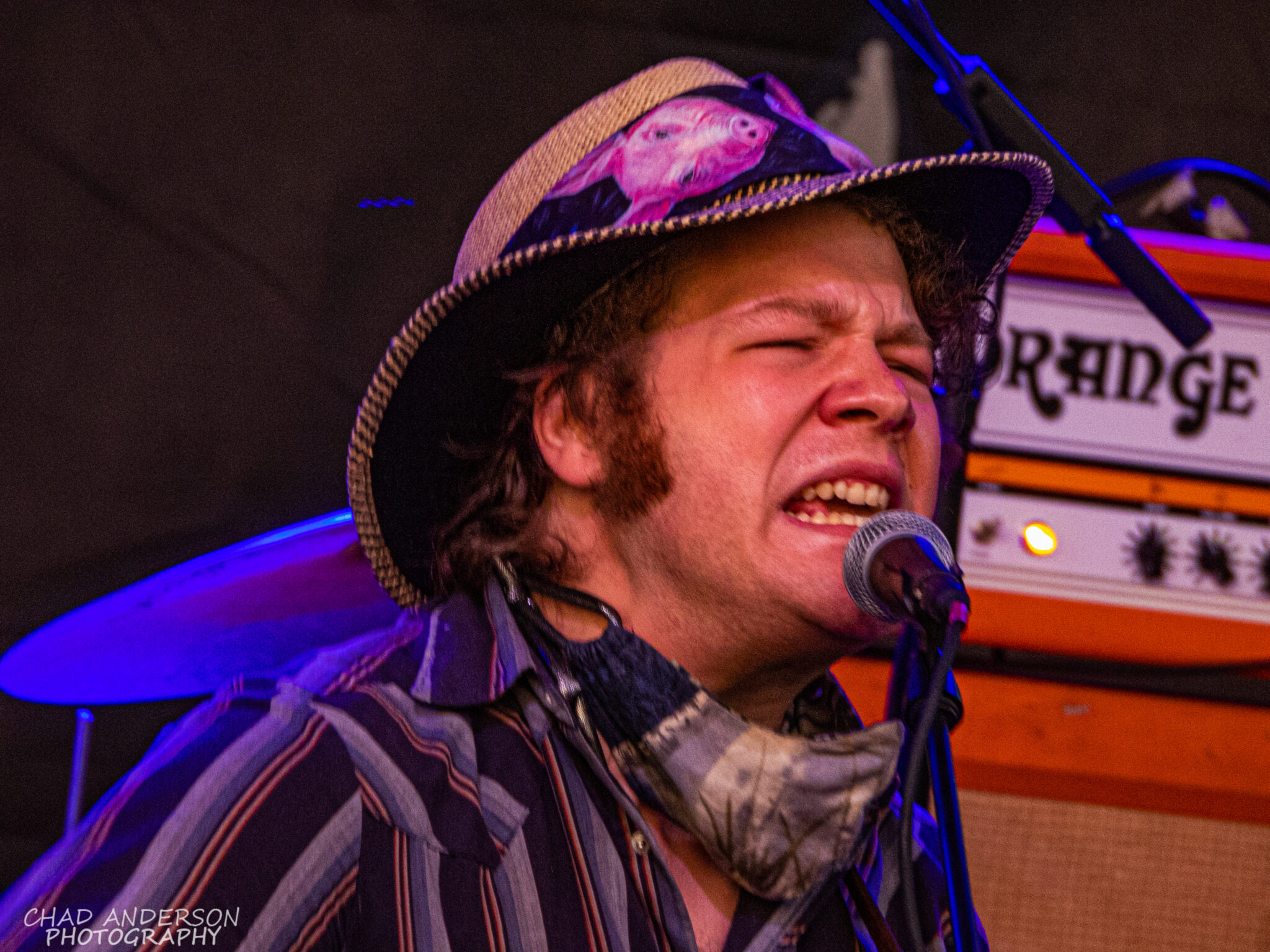
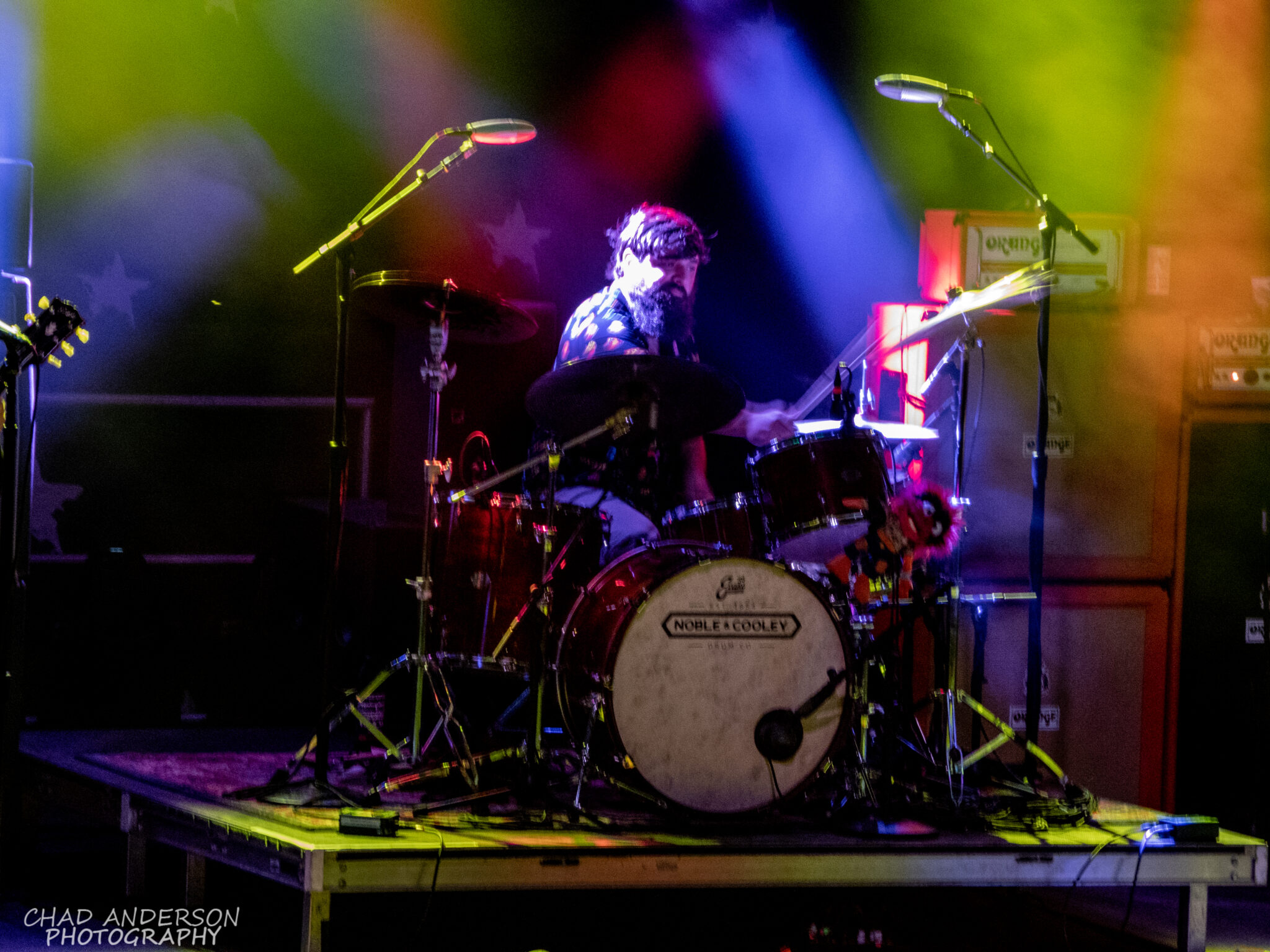
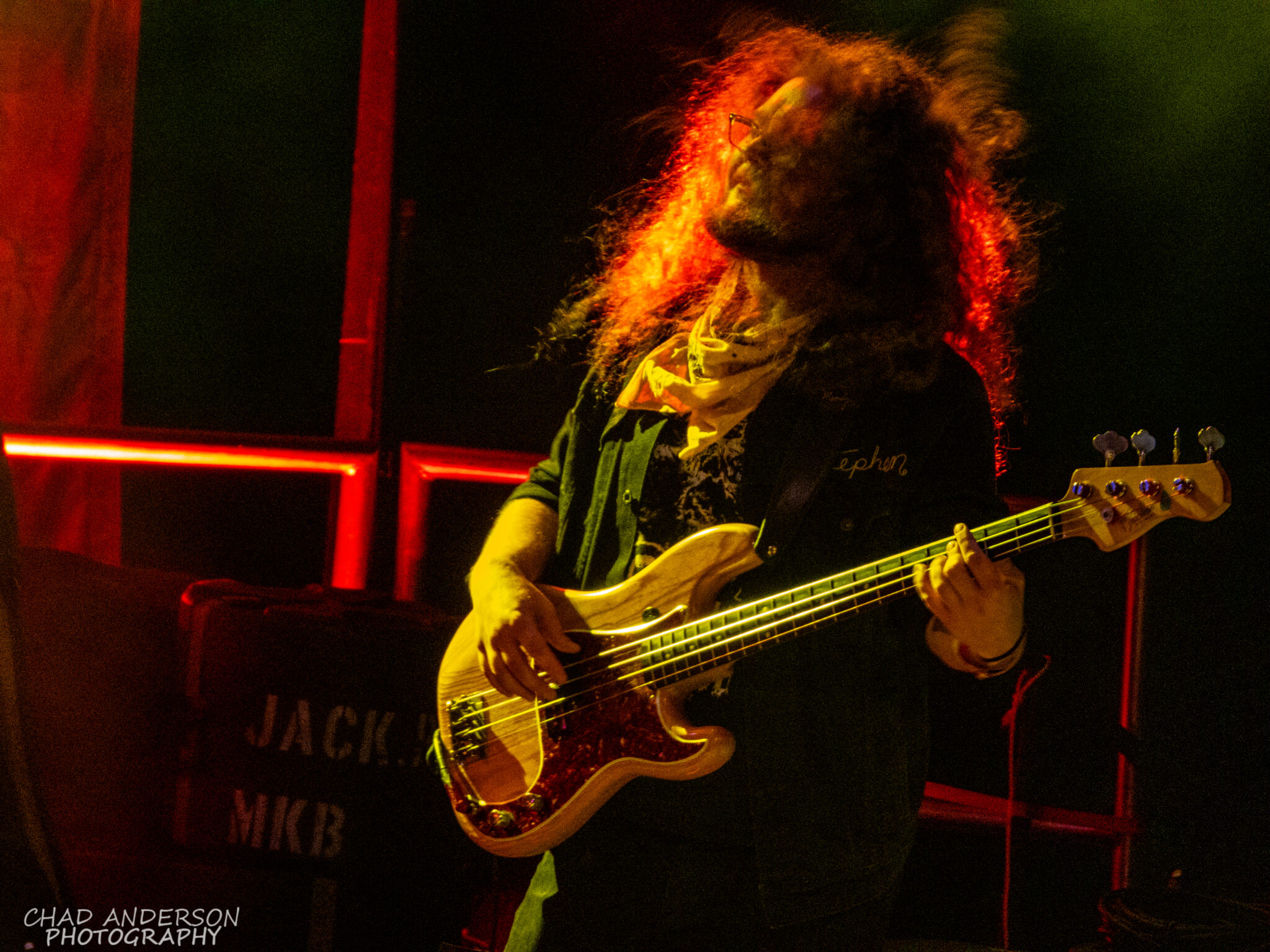
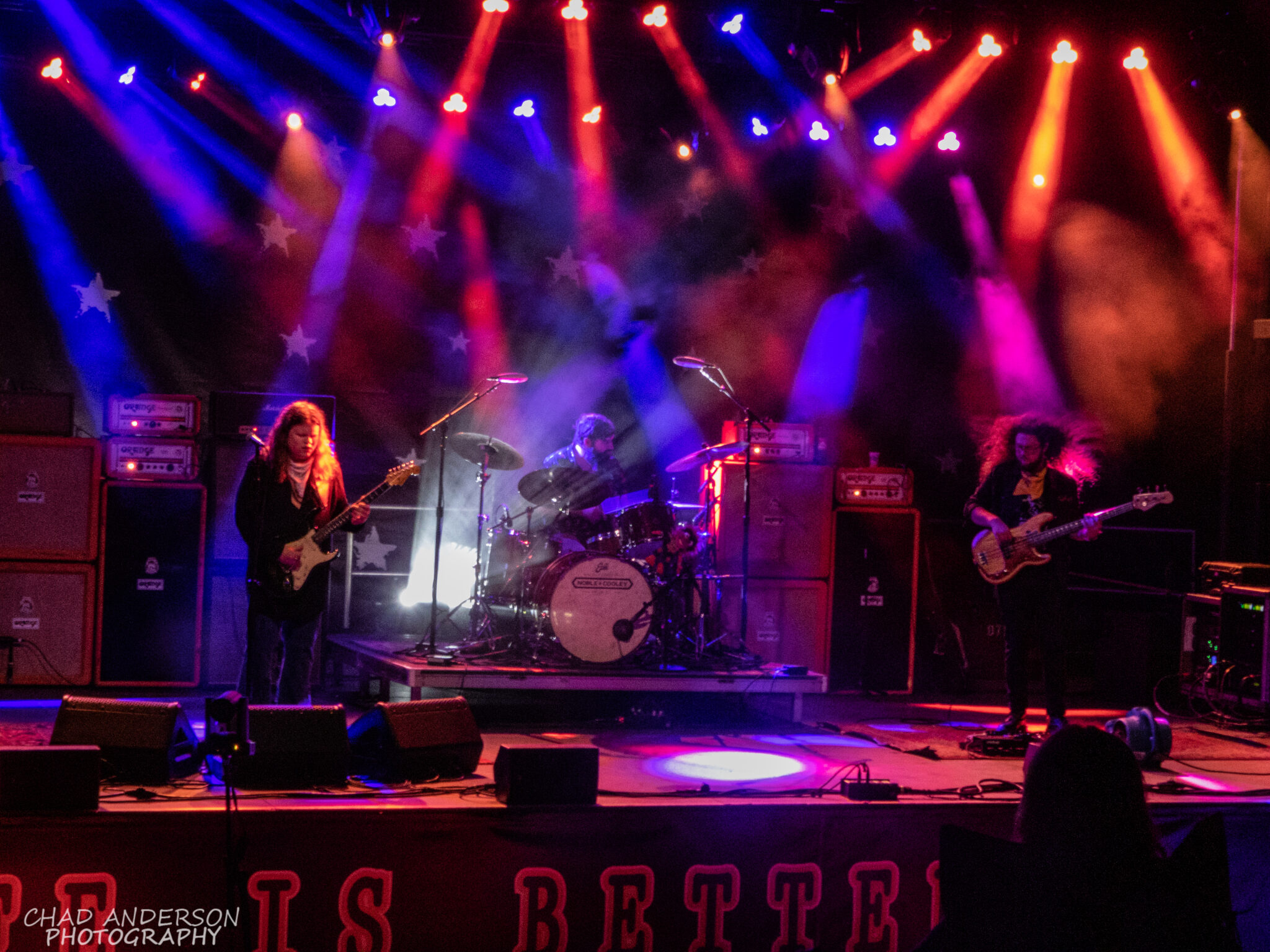
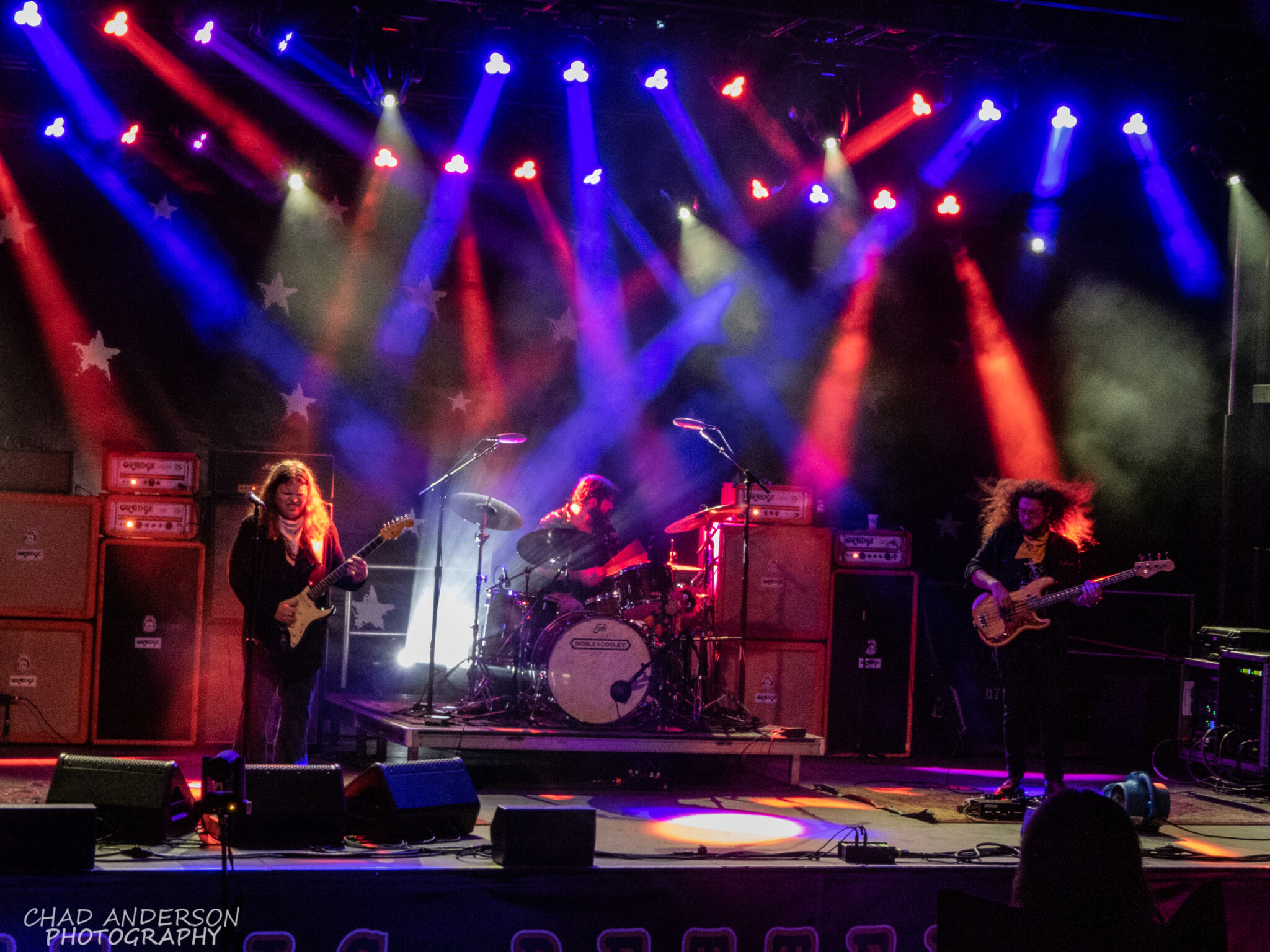
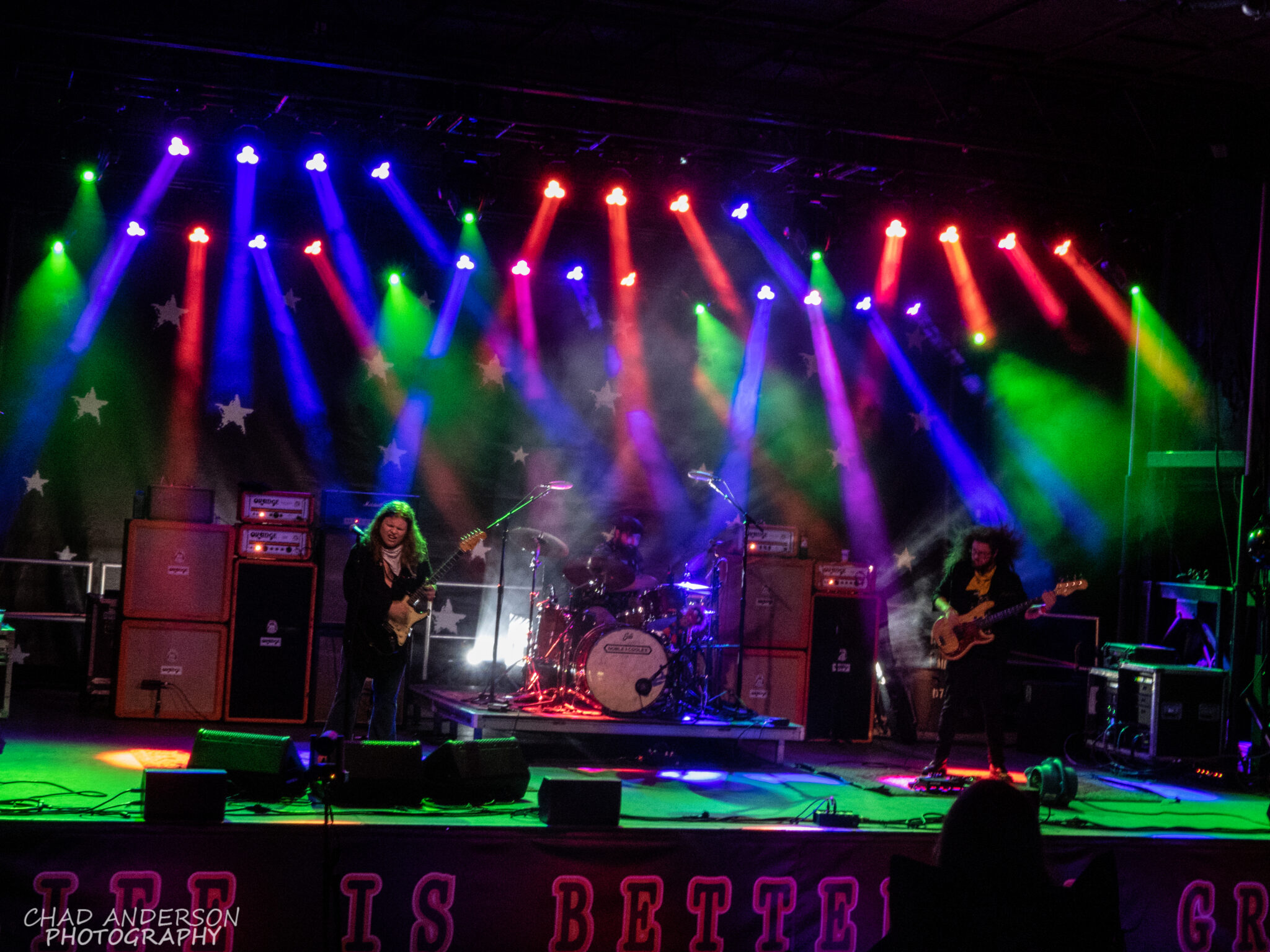
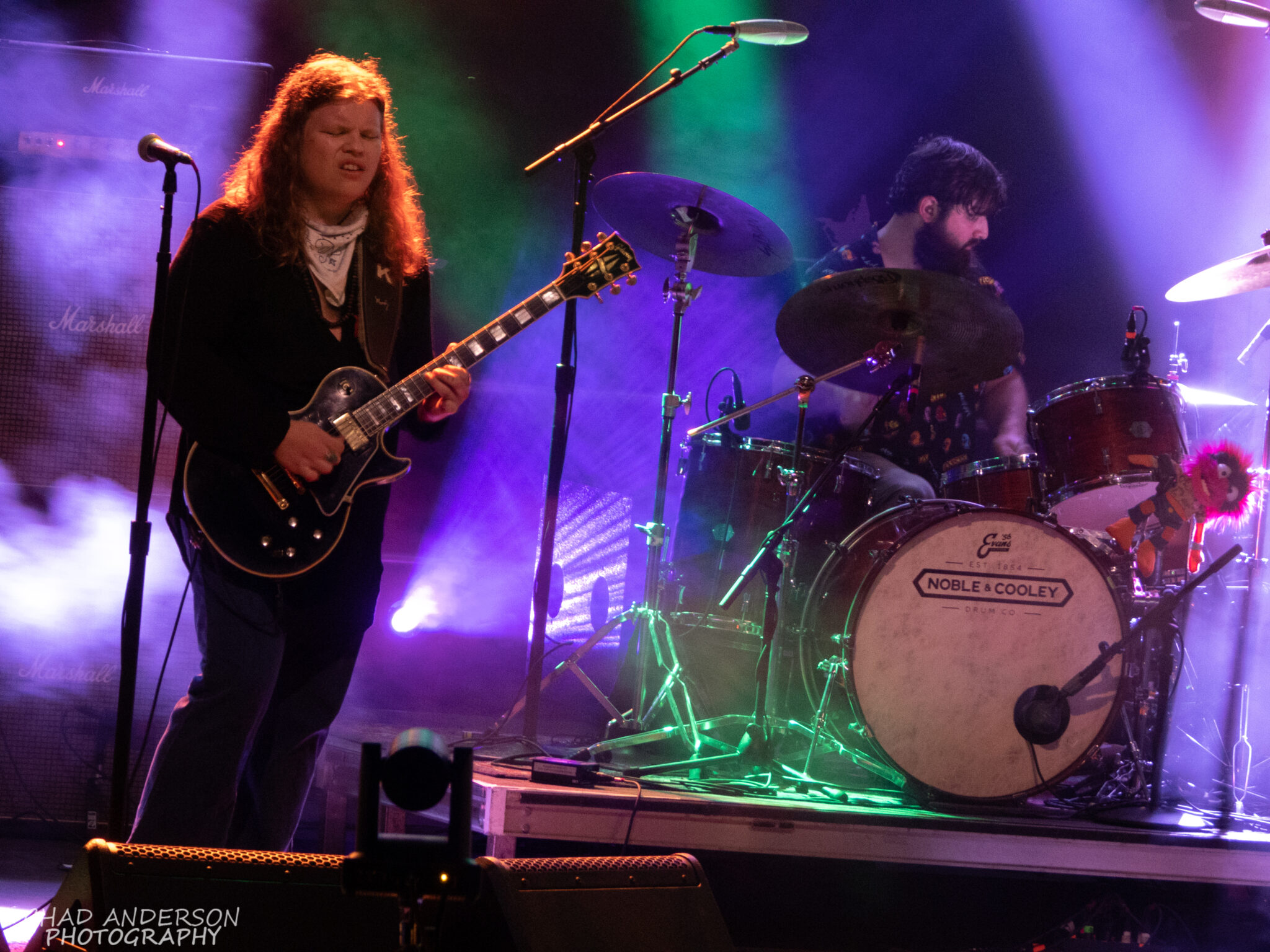
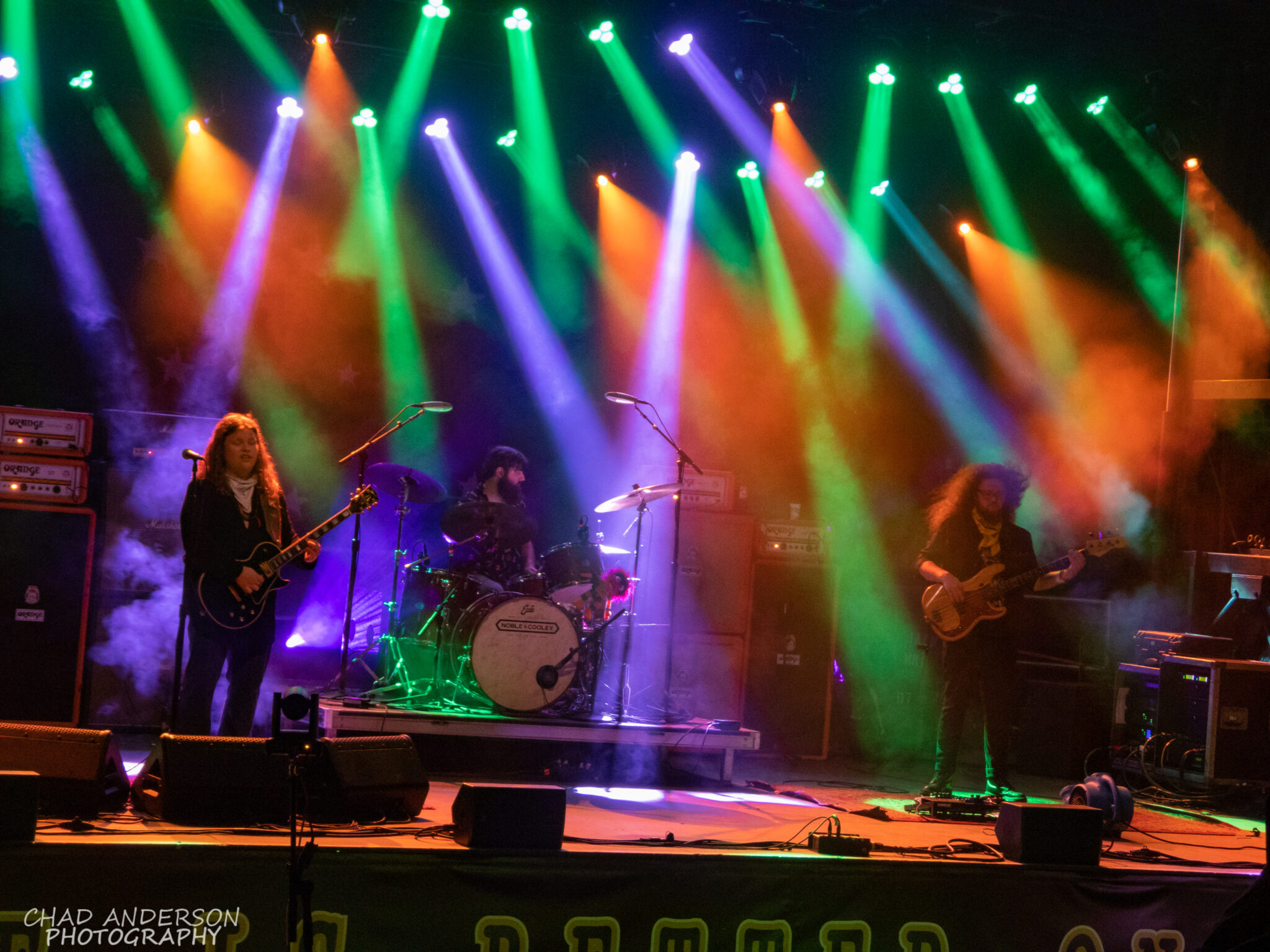
As the sun set a loud roar and the sound of woo-hoos echoed the night sky, Marcus King, with drummer Jack Ryan and bassist Stephen Campbell took the stage. Marcus joked saying how it was great to actually see people, instead of cars for the first time once again. The trio jumped right into playing a version of “I Just Want To Make Love To You/Hoochie Coochie Man”
The highlight for this photographer came as the trio began “One Day She’s Here,” a song that is hauntingly beautiful and can resonate with the times. “She” could be considered to so many people in the music industry this year.
Pretty little girl in a Coupe de Ville Saw her disappear up across the hill One day here, now the next, she’s gone Didn’t even get to hear me sing my song She disappears just like the dawn One day she’s here, the next, she’s gone
Other highlights of the night included a rocking version of “Virginia”, a southern rock song that just is so gritty and raw that those who were in attendance who had their eyes closed would have sworn Warren Haynes came to the farm early. And of course a stellar encore of “The Well” and Black Sabbath’s “War Pigs.”
One thing is for sure, that night at South Farms with Marcus King reminded us that “she” will come back one day and boy has she. Music is alive and well, as long as there are those who listen and follow the rules. Those who work in this industry will not go down without a fight. If you’re missing seeing acts at your local venue, do yourself a favor check out South Farms, because “Music is better on grass.”
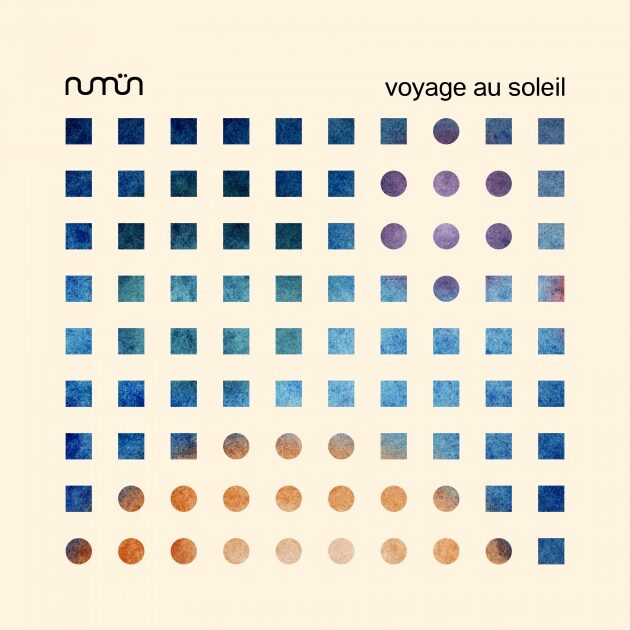
Bob Holmes, a member of SUSS and Joel Mellin and Christopher Romero of Gamelan Dharma Swara collaborated to create the minimalist group numün. They released their first album, voyage au soleil, French for “voyage to the sun,” on Friday, September 4. With their different backgrounds, numün is able to achieve a unique sound by using both American and traditional Balinese instrumentation, aided by synthesizers and looping.
The album first began as a project to commemorate the 50th anniversary of the 1969 moon landing. As with much ambient music, there is an inspiration from Brian Eno, but numün is able to break away from him using unique instrumentation and a key central element for the listener to follow.
The album begins with “Tranceport,” a song that invites the listener into the album. Even on this first track, the use of less-common instruments is evident. The song uses a gong that rings periodically. This functions as a start to the album, but also a start to the journey the listener is about to embark on. It transitions into a more guitar-heavy section, eventually fading into the next track, “First Steps.”
“Tranquility Base” works as a recap of the previous two tracks while also looking ahead to the future. As the longest track in the album at 8:22, numün is able to use this time to glance at the journey in front of them. The group reflects on what happened and looks to what is in store. The final three tracks work to propel the reader towards the finish, the heart of the sun.
The listener can get lost in the music and drift, but they will never get too far. There is always something that can pull the listener back. Sometimes it is a repetitive melody changing; other times it may be the use of an instrument that is foreign to the listener’s ear. voyage au soleil is a journey through it all: the unknown, the pitfalls, and the triumphs.
Key Tracks: Tranceport, Tranquility Base, Voyage Au Soleil
Over the last few years, Queen tribute band, Almost Queen has been on a roll. Selling out across the US, with 2020 starting out the same way. Then Covid-19. No shows, no touring, nothing. So, what’s a band to do? Some started doing social media performances, while others put out new music to cover the void. Neither route quite fit the mold of Almost Queen.
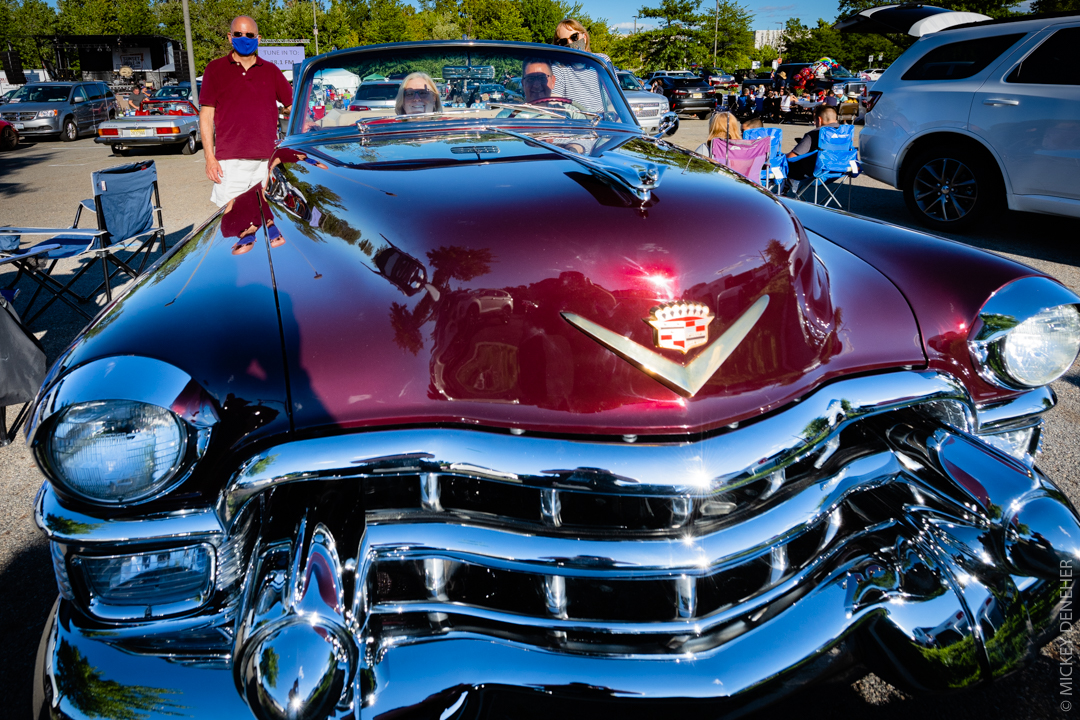
Plan B? What was old is new again. Drive-ins. Yup, drive-ins. Dating back to the 1910’s, hitting its popularity in the ‘50s’ and ‘60’s, drive-ins are experiencing a rebirth as the arena for live music. If you park it, they will play.
Almost Queen; Sunset Drive-In Concert Series
Now let’s be clear here. This is not The Capitol Theatre, The Strand Center, or Brooklyn Bowl. This is a drive-in. When the lights go down, it’s because the sun has set. So how do you prepare to play in this new realm? “With great difficulty” Randy Gregg, bass player for Almost Queen, cites. “Very different from the way we would prepare normally. What used to be this, is now this. It’s a whole different system of doing things now.“
Almost Queen; Sunset Drive-In Concert Series
“Our job as a band, is to break down this barrier between the band and the crowd, and get that crowd on your side before 90 minutes is up. That’s always the plan with any band. Now, that barrier is even thicker when they’re in their cars. “
Almost Queen faced this challenge head on in June when a band, booked to perform at a drive-in Hempstead, Long Island show, had to be quarantined, having just been in Florida. Almost Queen was called on a Wednesday to play that Friday.
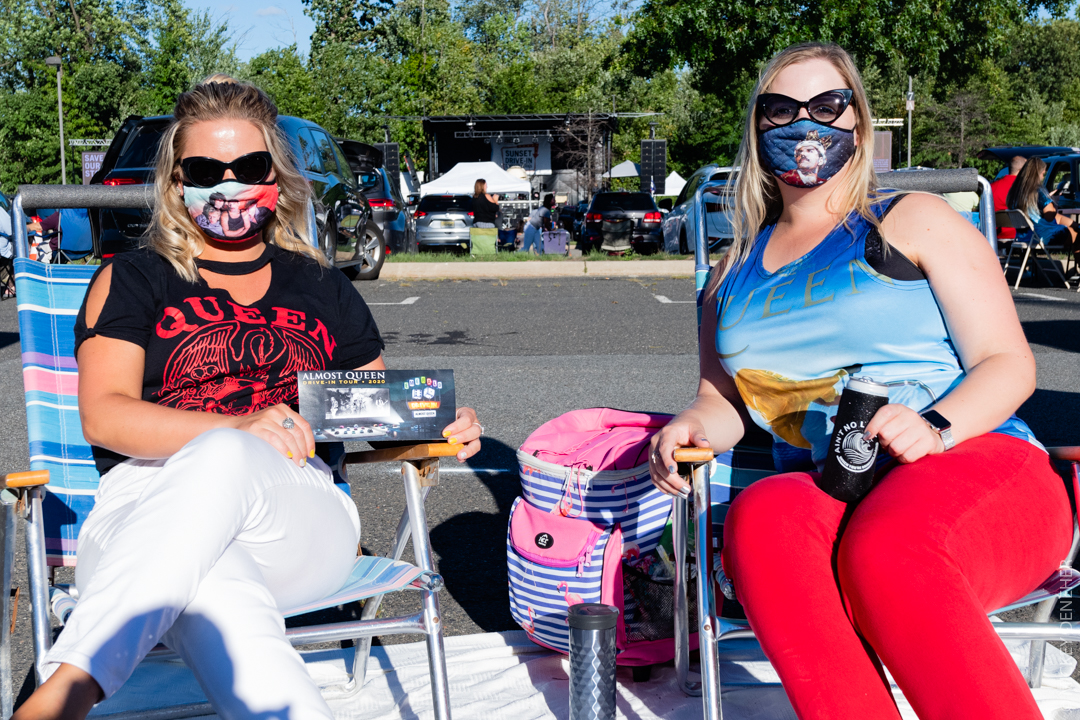
Tailgating; Sunset Drive-In Concert Series
“What had us very nervous was jumping into a drive-in show with two days notice. With all the work it takes to put a show on, and now it’s minimalized to hours to do things.” Gregg recounts. Adding to that, because of Covid, the band hadn’t played together in four months. The pressure was mounting. After squeezing in a rehearsal the night before the show, “we came out with the gloves on, just raring to go,” Randy quips. “Four months will do that to you when you’re cooped up. Apparently four months does that to everybody who was in the crowd that night. Even though everyone was in their cars, it seemed a bit explosive, if you will. People leaning on their horns, flick’n their lights, and you could hear people screaming and clapping from inside their cars. Definitely a different situation then it has been in the past. It is what it is. If there is a will, there is a way.”
With their foray into parking lot rock a success, the band started thinking of ways to interact with their audience, while adhering to restrictions. The solution? A “goodie bag,” given to each car when they arrive. Think of it as somewhere between a program and swag. In the “bag” is a brochure that shares info and photos about the band, glow sticks, and assorted rock accouterments that can be used during the show.
Almost Queen; Sunset Drive-In Concert Series
Our job as a band, is to break down this barrier between the band and the crowd…that barrier is even thicker when they’re in their cars.
Randy Gregg. Almost Queen
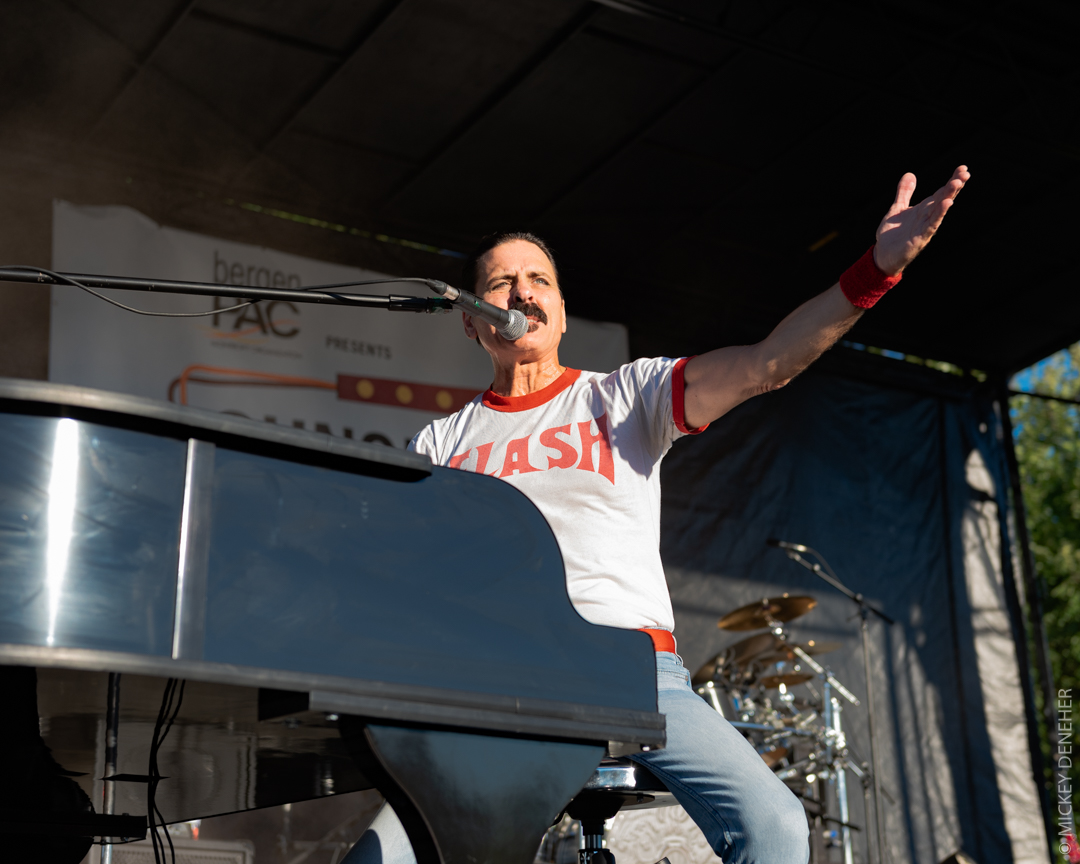
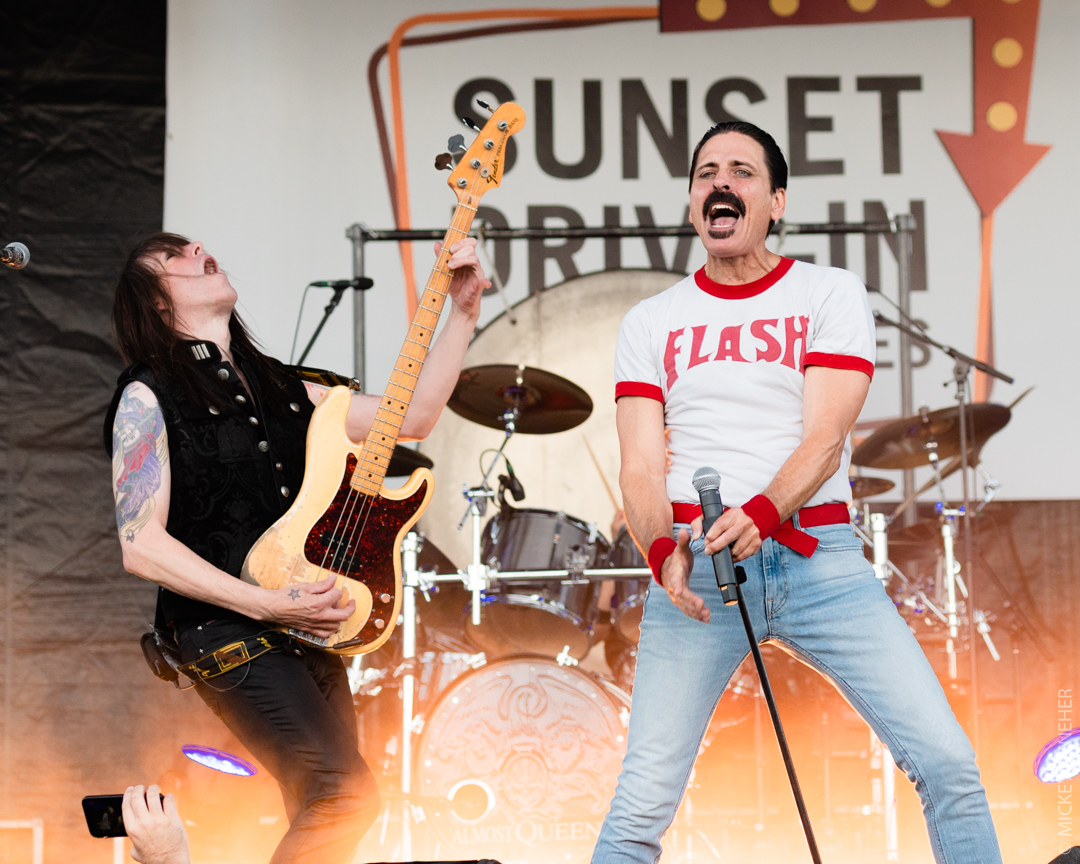
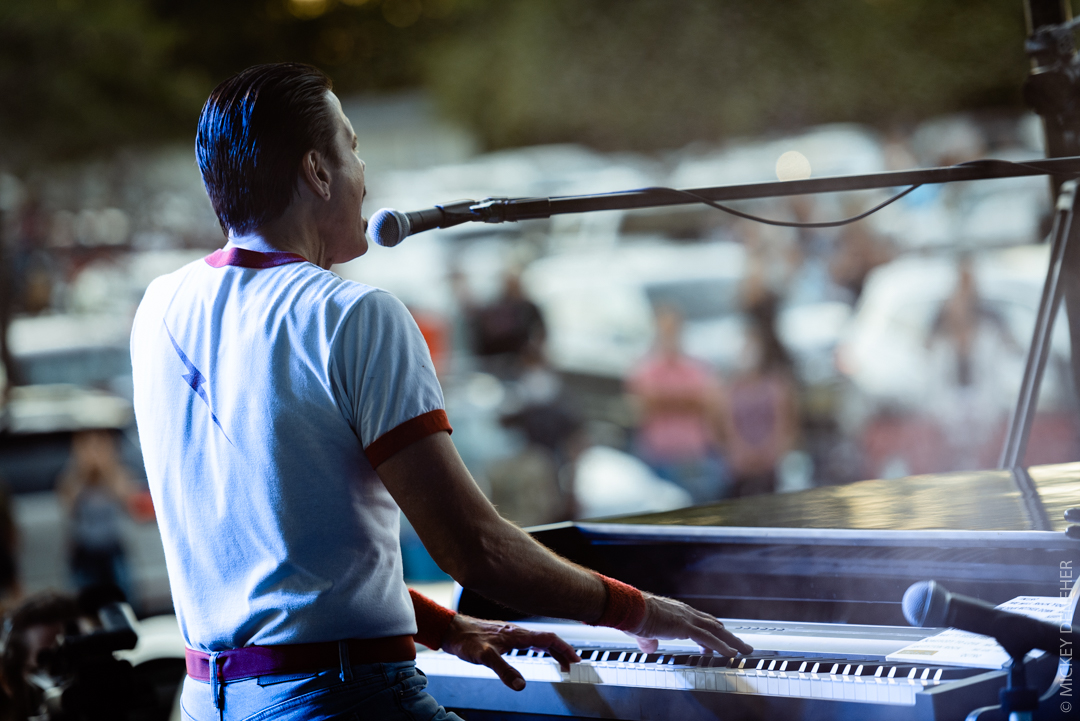
NYS Music tagged along with the band as they played the Sunset Drive-In Concert Series presented by Bergen PAC, at Garden State Plaza, in Paramus N.J. The lot used was a in a remote location behind the mall and isolated enough that you didn’t notice that Route 4 and 17 were beyond the perimeter. When we pulled up to the gate, our temperatures were taken, goodie bag received, and we were guided to our parking spot by a member of the on-site logistics team. Tailgating was approved for the show with each car given an additional space next to it, specifically for those purposes. Pre-show festivities went from people pulling drinks from a cooler to spreads with tables and tablecloths, candelabras and complete dinnerware sets. The “house” was filled with cars as far as the eye could see and large video screens were set up on each side of the stage, to insure that all had a full view of the action. Those attending ran the gamut from early Queen fans (circa 1970), to those who won’t learn to drive for a few years.
Almost Queen; Sunset Drive-In Concert Series
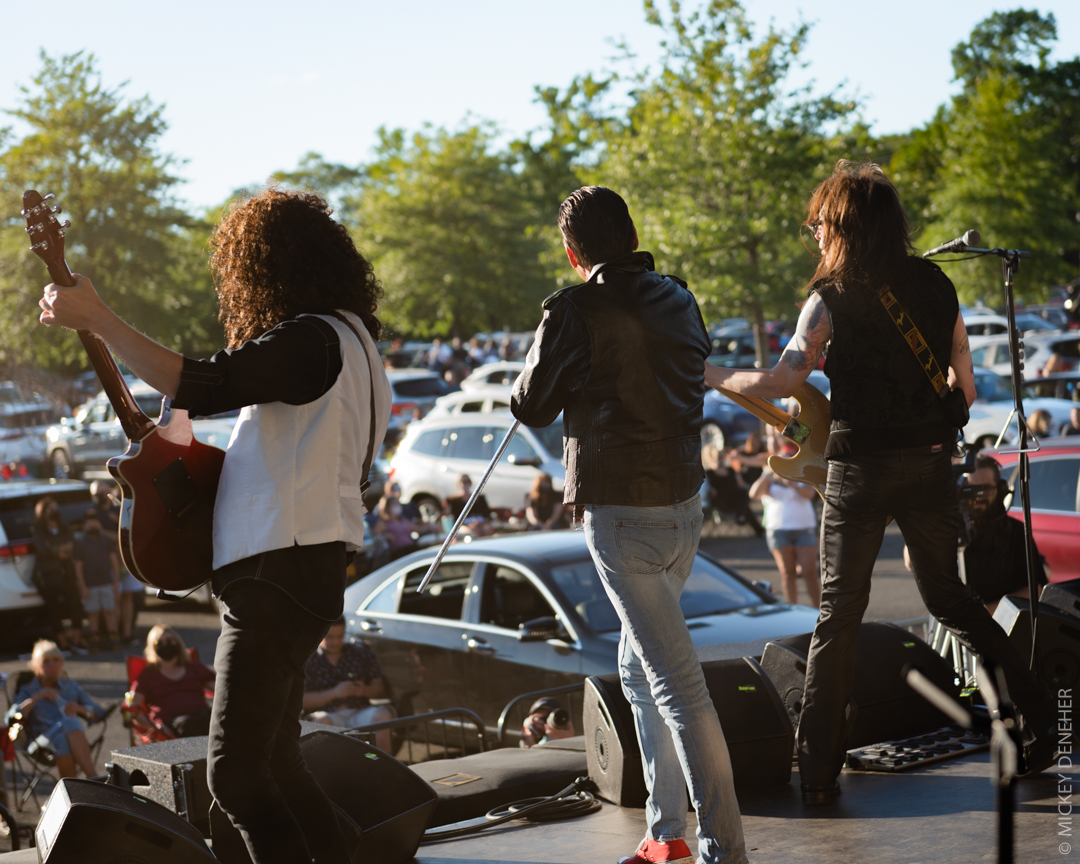
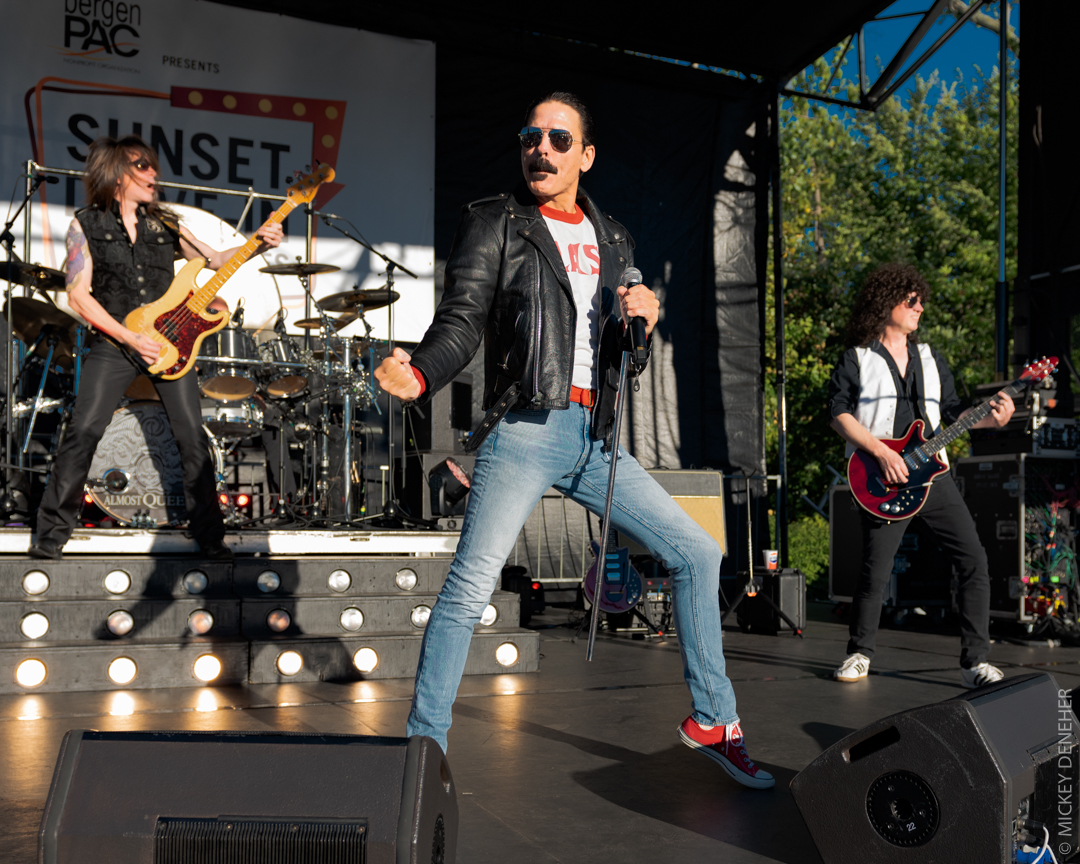
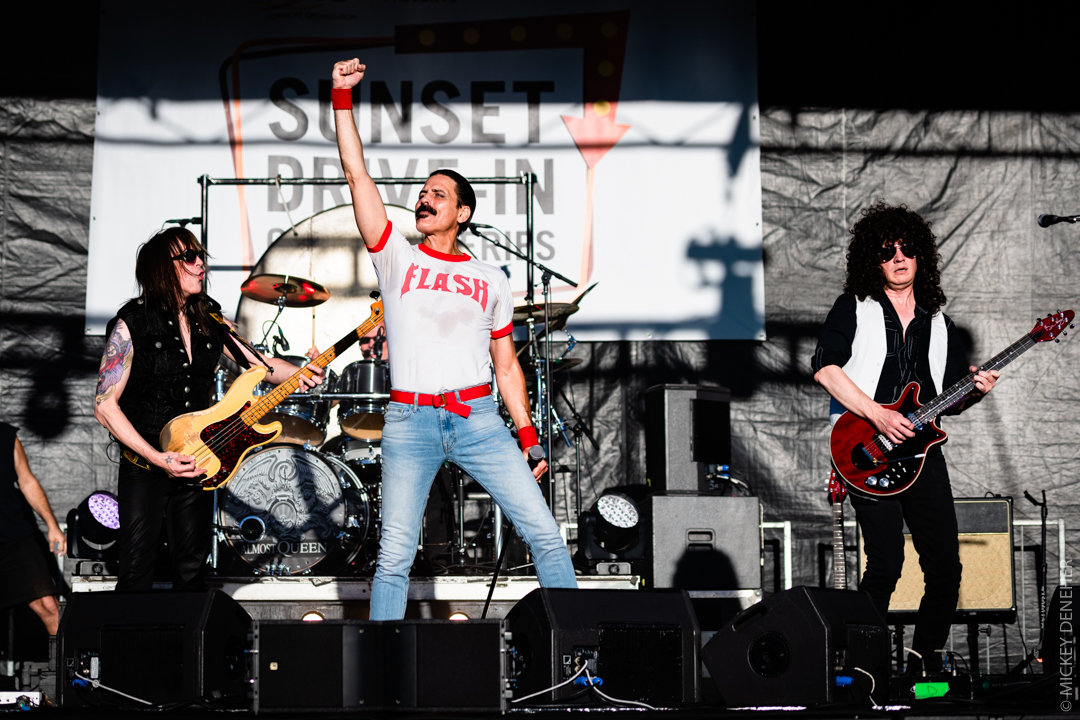
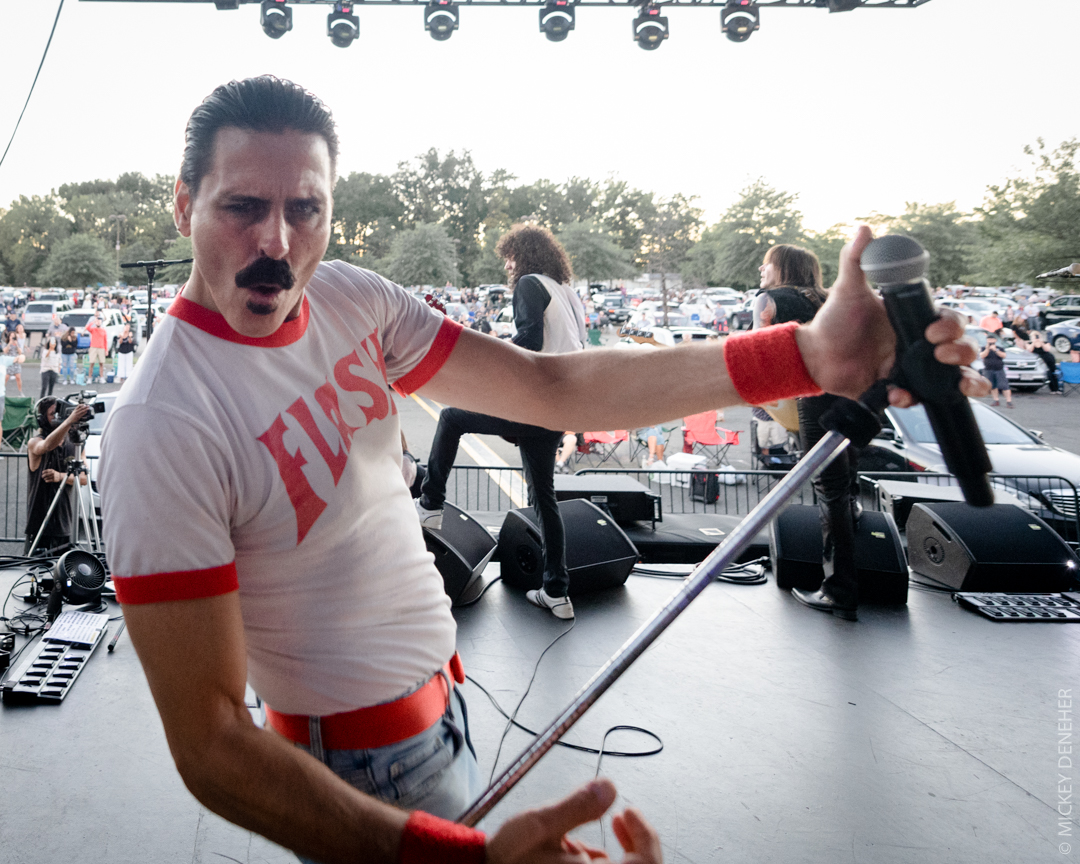
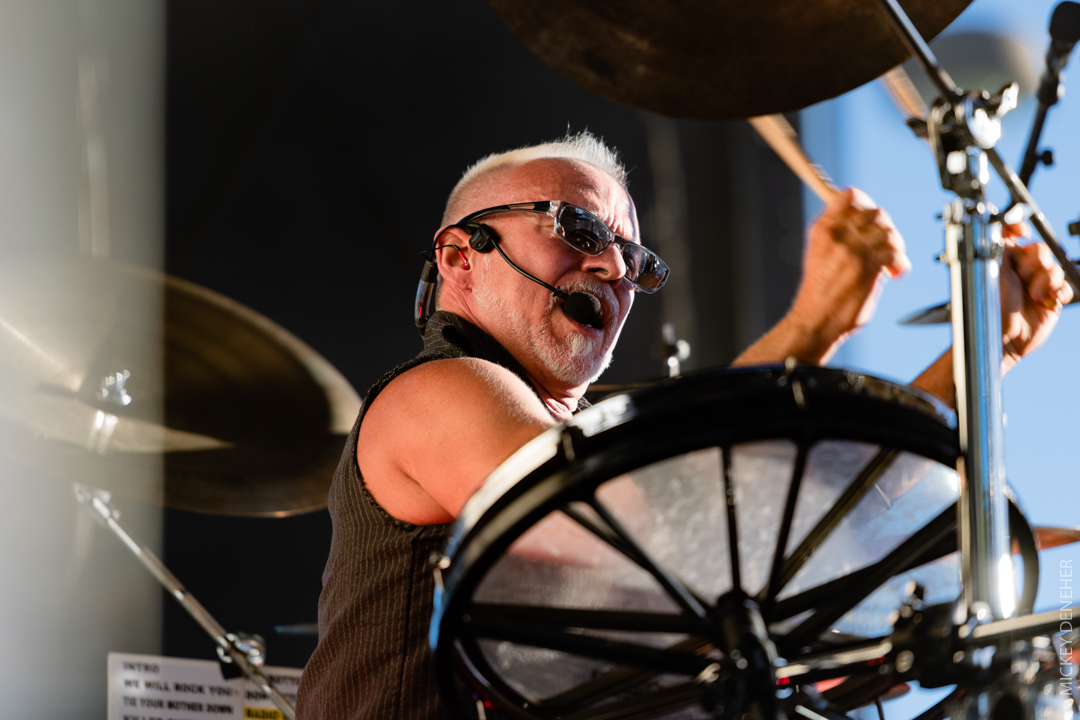
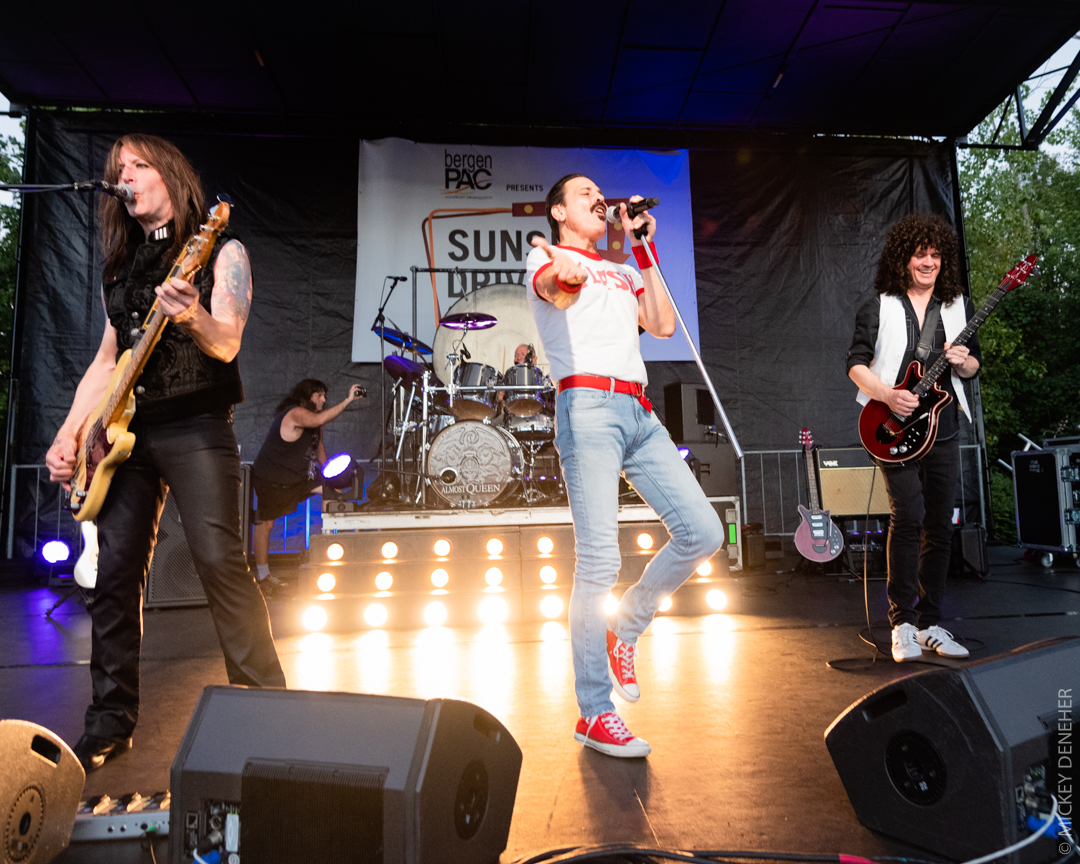
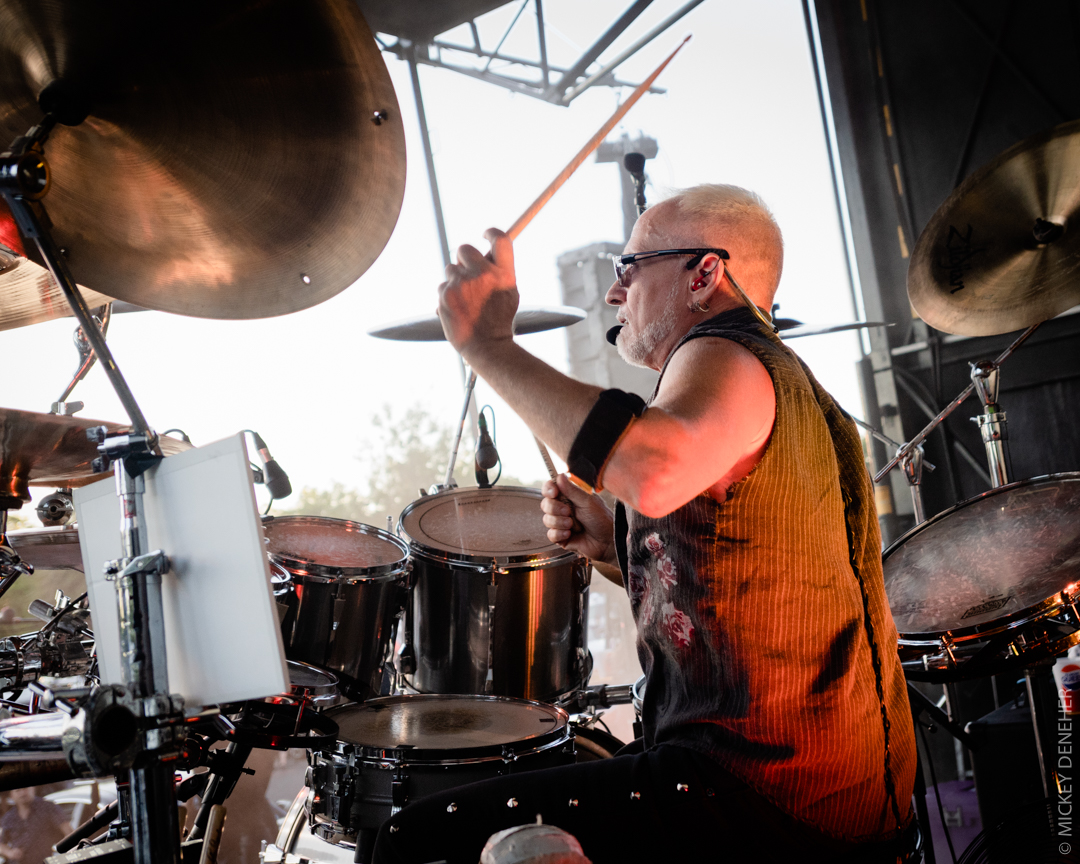
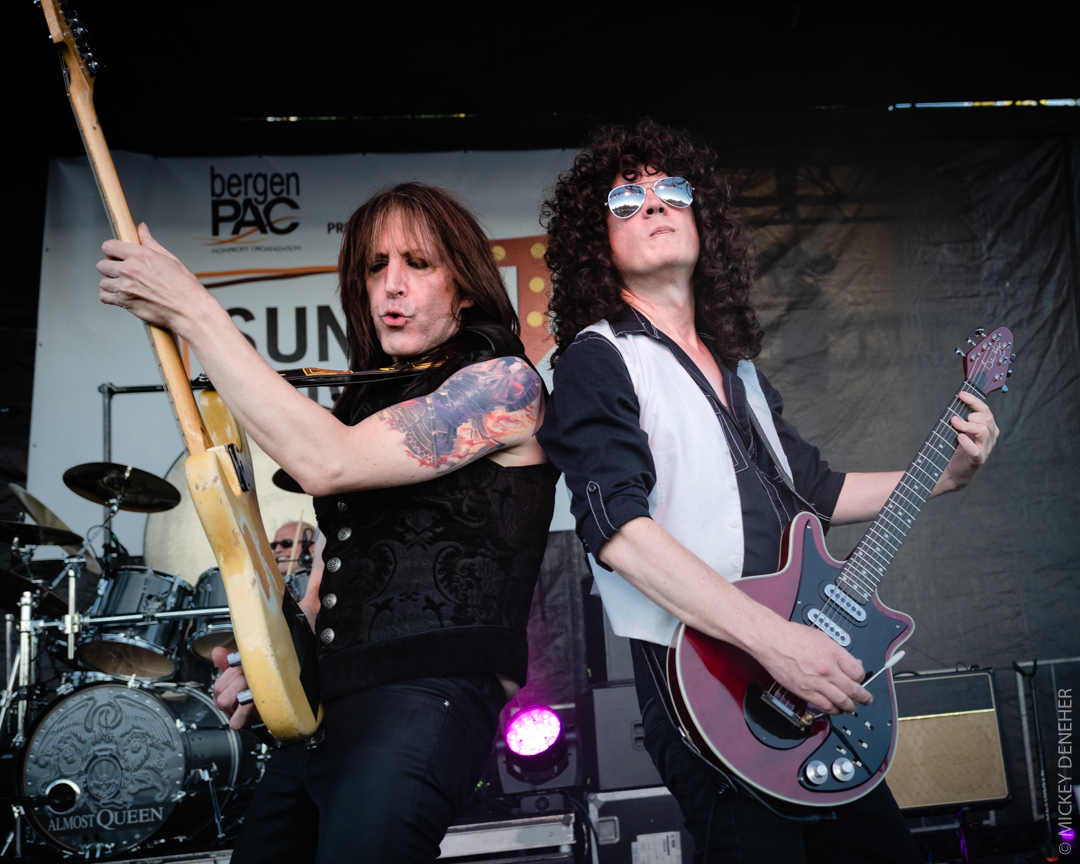
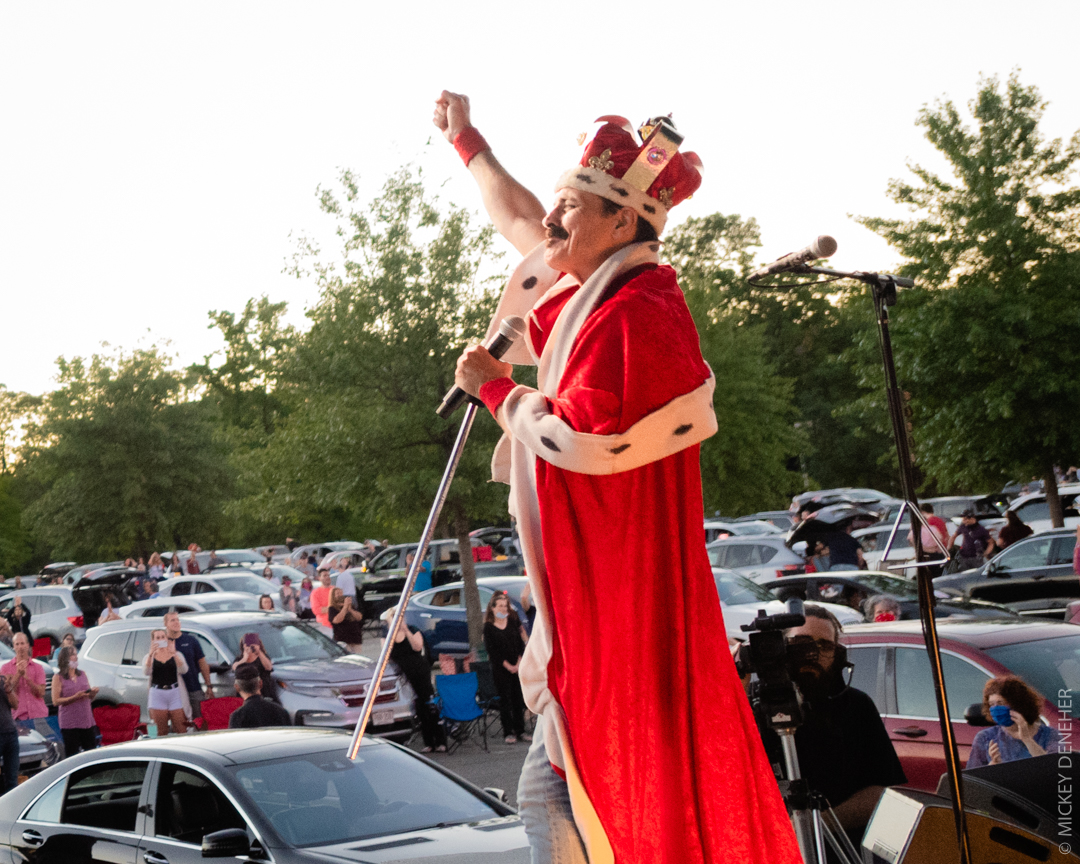
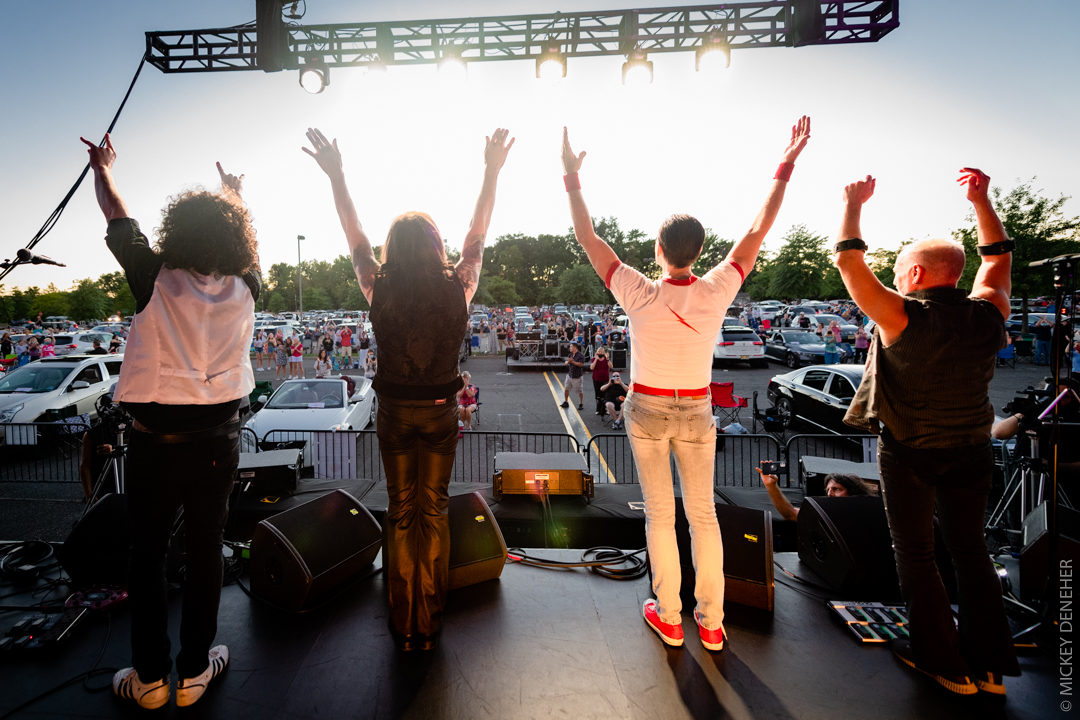
With the sun preparing to sink below the horizon, Almost Queen took to the stage, greeting the crowd with “We Will Rock You,” letting all know what was to come. Joe Russo, who takes the role of Freddie Mercury, embodies the lead singer’s spirit with his vitality and charisma. Not to take away from the rest of this rock tested band: John Cappadona on drums, Steve Leonard on guitar, and Randy Greggs on bass; who amplified their rock personas, performing as if they are in a 100,000-seat stadium and not a drive in.
Almost Queen; Sunset Drive-In Concert Series
As the night progressed, more and more cars could be heard honking their horns in approval of the show. Midway through the night, the band dedicating the apropos “I’m in Love With My Car,” to all in attendance as a thank you for attending. Even though this was a wide-open, socially distanced drive-in show, singing was encouraged with Russo engaging the audience in a song round establishing a sense of solidarity between band and crowd.
Pulling songs from the vast catalog of Queen, the night’s set included, “Killer Queen,” “Radio Ga Ga,” and “Another One Bites The Dust,” with each song building on where the last one left off. The show closed with a multi-song encore, including “Bohemian Rhapsody” and “We are the Champions.”
Joe Russo, Almost Queen; Sunset Drive-In Concert Series
It takes the right act to be able to connect with an audience that has restrictions placed on them. Almost Queen proved worthy of the challenge by piercing the veil of disconnect and pulling everyone, whether in a car, back of a truck, or standing in their socially designated spot, into being part of the band.
Almost Queen will be performing this fall at various Covid approved shows in the northeast including Saturday, September 12th at the Northeast Delta Dental Stadium in Manchester, NH. Check there website for future shows. Whether you’re a Queen fan or not, you own it to yourself to see Almost Queen. A band that goes beyond being just a tribute, to what a rock ‘n roll band should be.
In February of 1968, The Beatles pulled the ultimate disappearing act. The world’s most culture-bending and publicized foursome went radio silent, forsaking the comforts of Swingin’ London for a humble ashram in remote Northern India to study transcendental meditation with Maharishi Mahesh Yogi.
For two months, the justifiably world-weary fabs were alone but very together, with just their romantic partners, trusted roadie Mal, and a few heavy friends like Beach Boy Mike Love, the singer Donovan, actress Mia Farrow and her soon-to-be immortalized sister, Prudence. And, oh yes, one very lucky 22-year-old Canadian, Paul Saltzman, who unknowingly stumbled into the world’s most exclusive mystical gathering, all in hopes of learning meditation as a way to mend his recently broken heart.
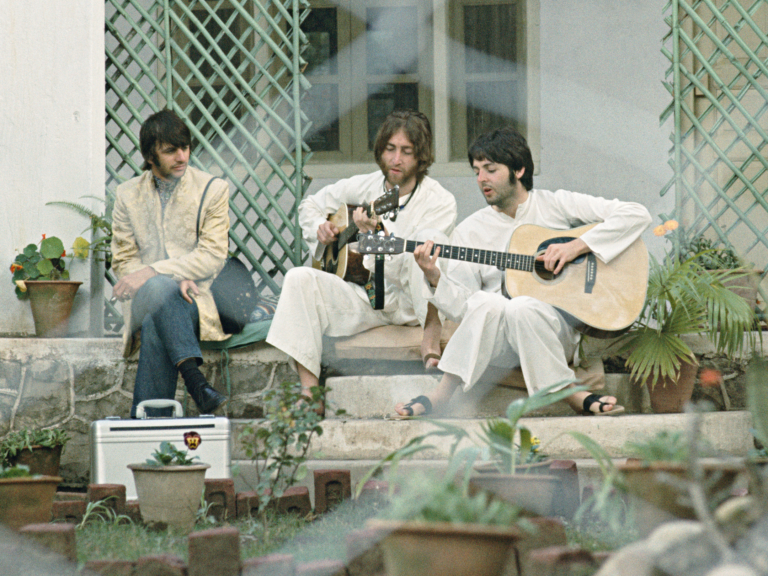
Now an Emmy Award-winning filmmaker with over 300 credits, Saltzman spent 10 days in close company with the Beatles at Rishikesh. The lush color photographs he casually snapped of them in blissful repose, often cradling their precious Martin guitars, would become vital artifacts of what is arguably their most creative period. It was one where they wrote up to 48 songs, classics like “Blackbird,” “Mother Nature’s Son,” “Goodnight,” “Julia,” “Mean Mr. Mustard,” “Revolution” and “Junk” that would appear not only on The White Album, but Abbey Road and their solo offerings.
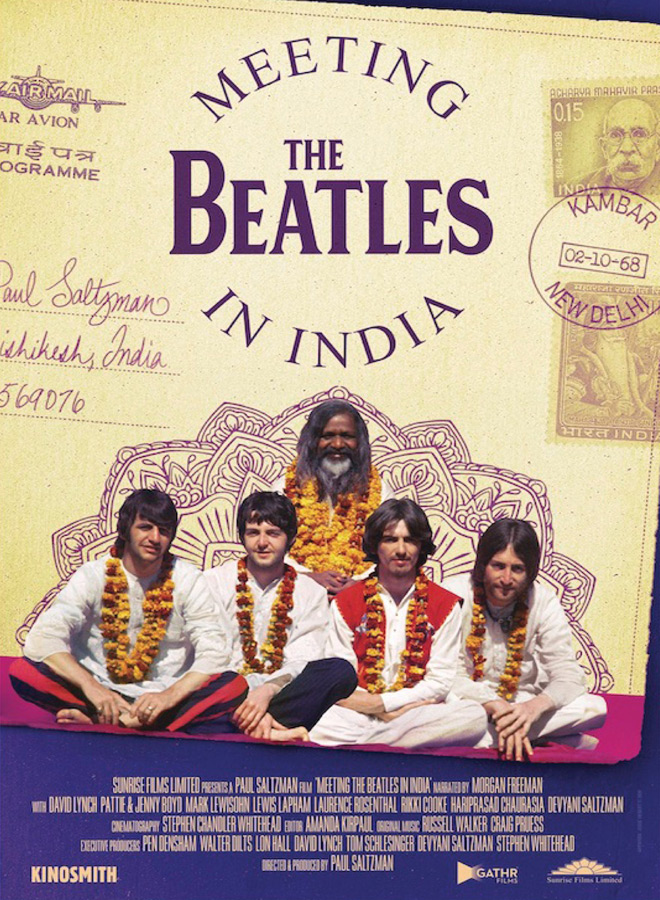
Saltzman’s new documentary, Meeting the Beatles in India, is much more than gossip about what happened behind the ashram’s exclusive gates. It is a profound and personal study, through the prism of the Beatles, of how the enlightenment and peace produced by meditation can impact creativity, as well as our physical and emotional well-being.
Narrated by Morgan Freeman, Meeting the Beatles in India expertly weaves together a mountain of rarely seen archival film and some never-before-seen in film photos from Saltzman’s collection, along with interviews from a bevy of notables like Harrison’s ex-wife Pattie Boyd and her sister Jenny and long-time meditation champion and film director David Lynch. Together they captivatingly tell the story of the Beatles time in India, the impact it had on their creativity and the Western World’s lasting embrace of Maharishi’s TM. Beatles history buffs will, of course, delight in the new factoids unearthed. These include how the band’s falling out with the Maharishi came about (we’re looking at you, Magic Alex!). And, in a face-to-face meeting in Hawaii with the real-life Bungalow Bill, we hear how his hunting trip with his mom inspired the tune, and how the tune then inspired him to put down a gun and pick up a camera to capture wildlife more peaceably.
The film also takes Saltzman back to India, with legendary Beatles historian Mark Lewisohn in tow and suitably agog. Here, they visit the former site of EMI Studios in Bombay where George recorded The Inner Light, with master musicians like flautist Hariprasad Chaurasia who is interviewed in the documentary and, of course, to the ruins of the ashram and the bank of the holy Ganges River to trace the Beatles’ steps.
Saltzman’s chance meeting with the Beatles came about when he headed to the ashram to learn meditation in an effort to mend a heart crushed by a “Dear John” letter sent from his girlfriend in Canada. On arrival in Rishikesh, he was turned away, being told that the ashram was closed to host the Beatles, who he was unawares were even in India! A kindly staffer let him stay in a tent outside the gates, and after eight days, he was allowed to enter and take a one-on-one session to learn TM. It took less than five minutes, and his first 30-minute meditation was ‘a miracle’ that healed the agony of his heartbreak.
In a blissed-out state following the session, Saltzman was walking through the ashman and saw the Beatles and their party sitting at table. When he asked to join them, the always leader-like John warmly welcomed him with an, “Of course, mate!”
Over the course of the next week, Saltzman hung out with them often, and even had private discussions, such as the one where John, addressing the young man’s recent heartbreak, told him: “The really great thing about love is that you always get another chance.”
In the film, Saltzman revisits the spots where Paul and John first sang Dear Prudence to Prudence Farrow, the serious-minded sister of Mia Farrow, and the beginnings of the unfinished song that would become Ob-La-Di, Ob-La-Da, with the partial set of scribbled lyrics set beneath McCartney’s shoe. In the convivial atmosphere, Saltzman used his low-end Pentax camera to casually capture some of the most intimate and relaxed photographic portraits ever taken of John, Paul, George and Ringo. These include the famous “Class Photo” of the group, their friends and 40 or so others who are at the ashman learning to become TM instructors.
Meeting the Beatles in India also takes viewers to The Beatles Story Museum in Liverpool. Here, Saltzman reunites with George Harrison’s ex-wife Pattie Boyd and her sister Jenny, who were both in Rishikesh with the Beatles, as they revisit their memories at an exhibit of Saltzman’s photos. This great documentary broadens the focus in an interview with famed filmmaker David Lynch, who also served as an Executive Producer of the film. In it, he discusses the impact TM has had on his own life and creative output and his foundation’s work to expose children around the world to the mental, physical and creative benefits of meditation.
When young Saltzman returned to Canada, his experiences with meditation and the Beatles were chronicled in a single story in a leading magazine, with a select few of his images. The pictures were then put away and forgotten for 32 years until his daughter, Devyani, suggested he do something with them. Several gallery shows and books followed a few years ago, setting the stage for what Saltzman’s believes is the most far-reaching and meaningful document of the experience, this new film.
With COVID-19 decimating traditional distribution means for film, the producers of Meeting the Beatles in India are plying an exciting new avenue for its premiere.
Gathr Films will host a World Event Cinema Premiere on Wednesday, September 9 at 7 PM (local times all around in the world) on its Gathr At Home™ platform. The film will be followed by a live Q&A with the filmmaker.
For another in-depth look at Saltzman and his experiences with the Beatles, check out episode 223 of the original all-talk Beatles’ podcast, Fab4Free4All, hosted by three New Yorkers, Tony Traguardo, Mitch Axelrod and Rob Leonard. Also recommended is Jenny Boyd’s 2013 book, It’s Not Only Rock ‘n’ Roll – Iconic Musicians Reveal the Source of their Creativity. In it, Boyd, now a psychologist, studies the sources of creativity of famous musicians in her orbit including Eric Clapton, George Harrison, Ravi Shankar, Joni Mitchell, Keith Richards, her former husband, Mick Fleetwood, and dozens more.
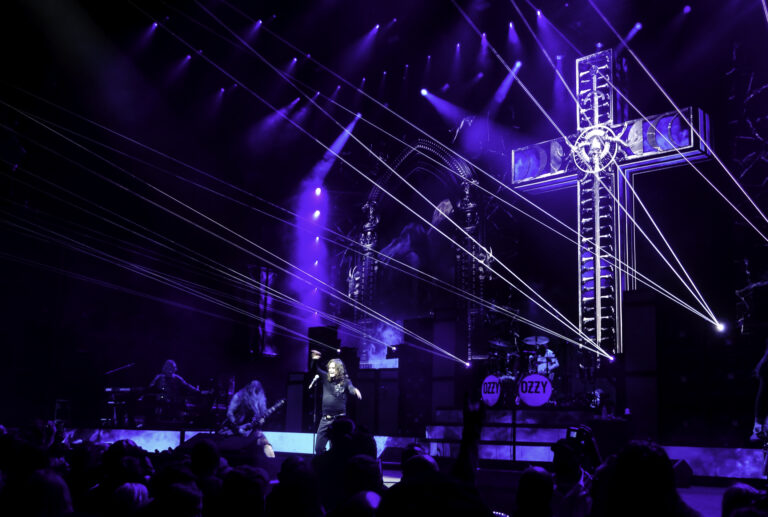
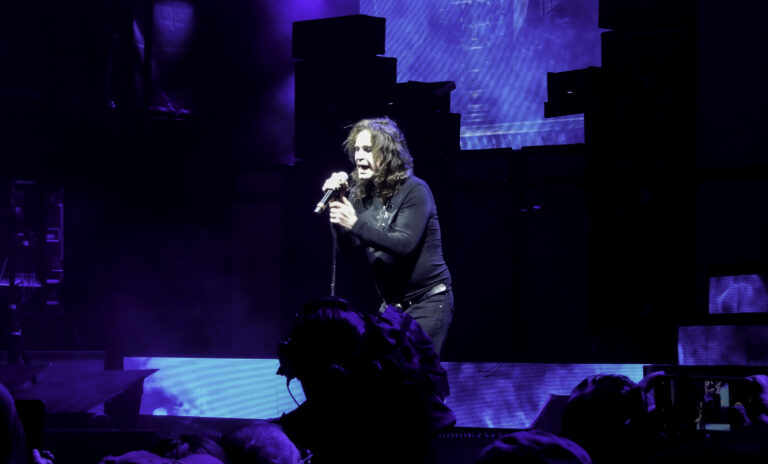
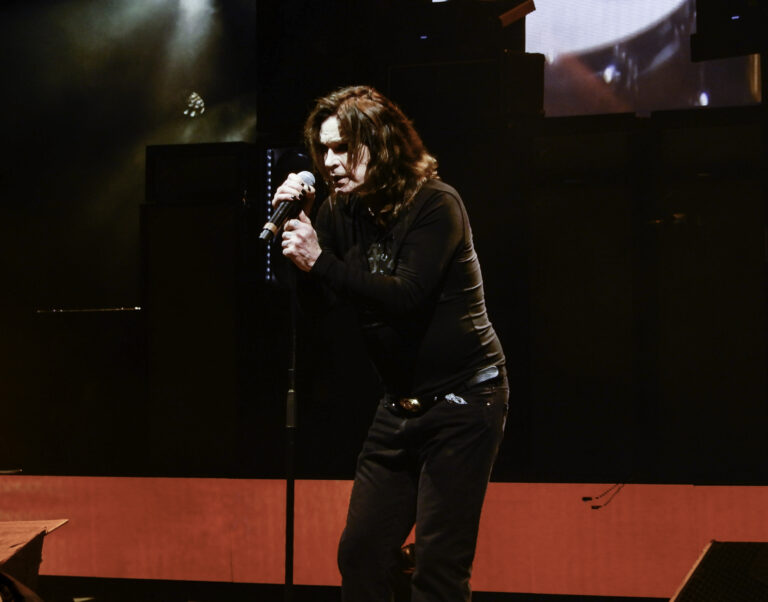
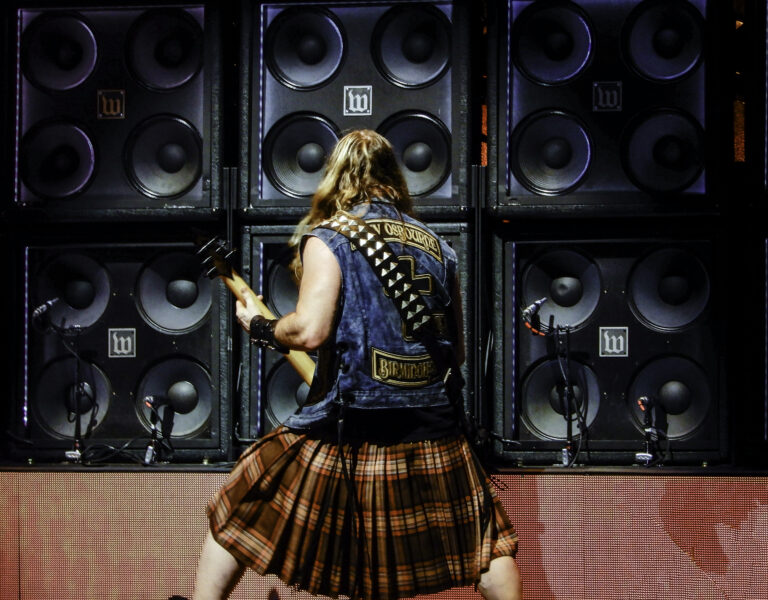
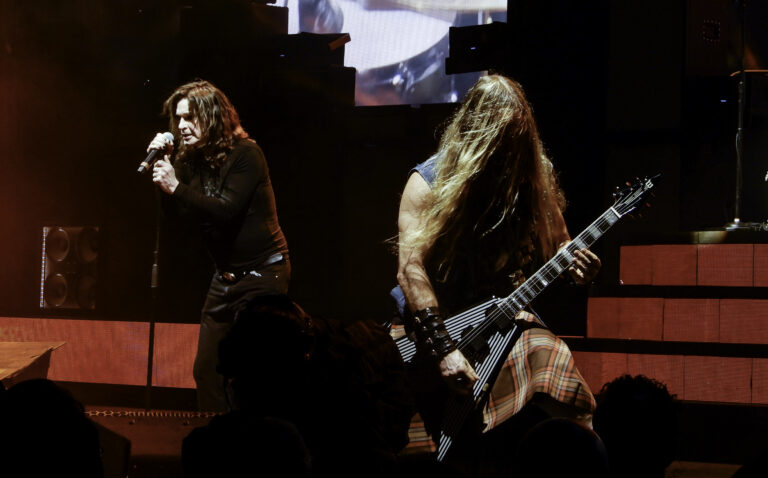
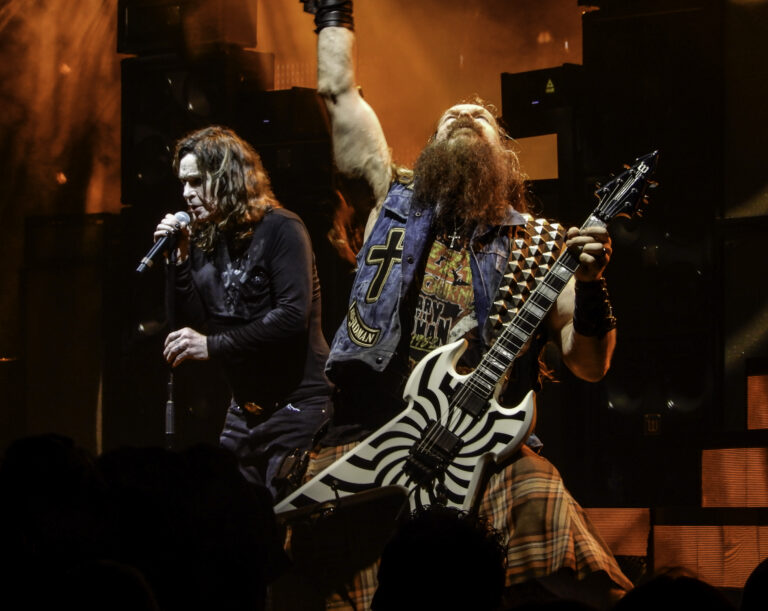
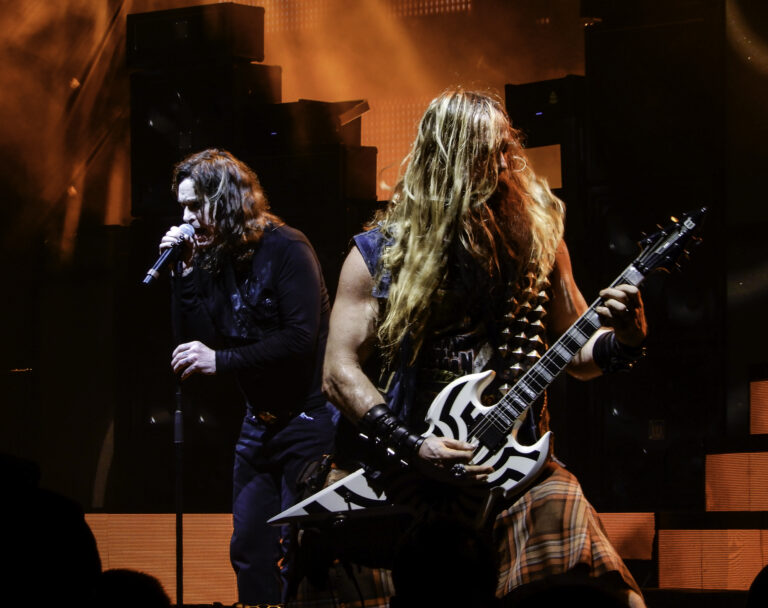
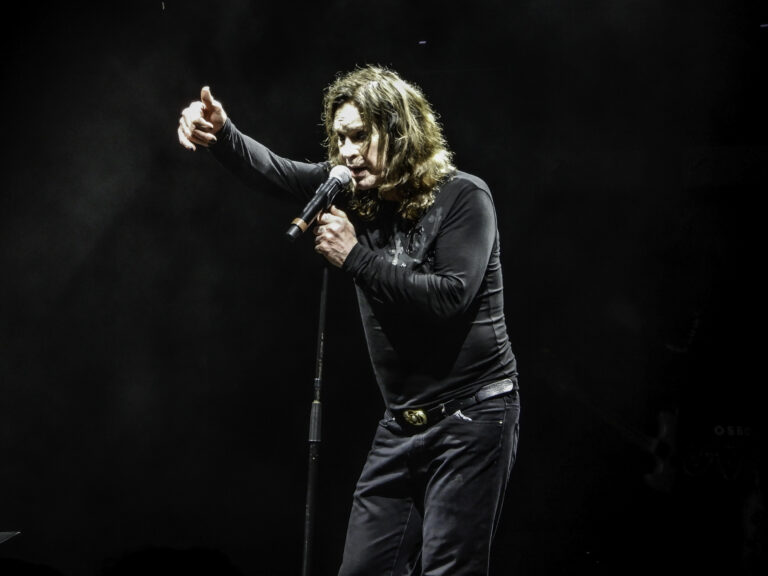
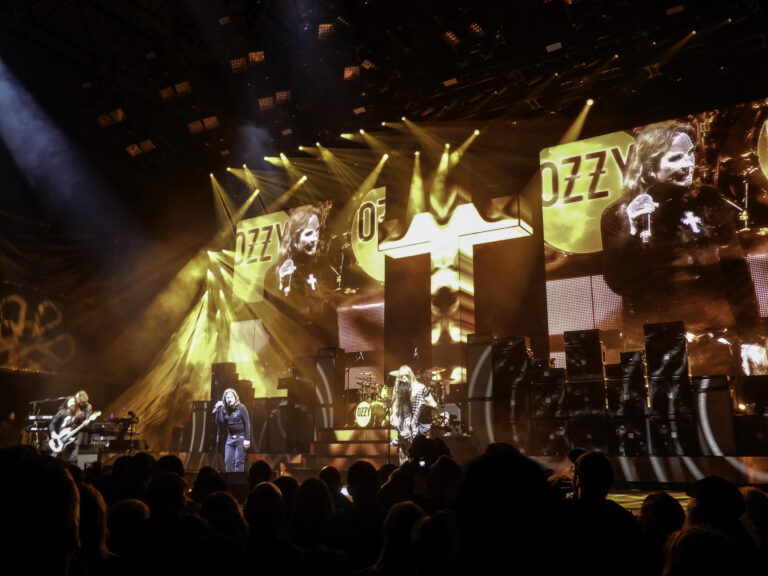
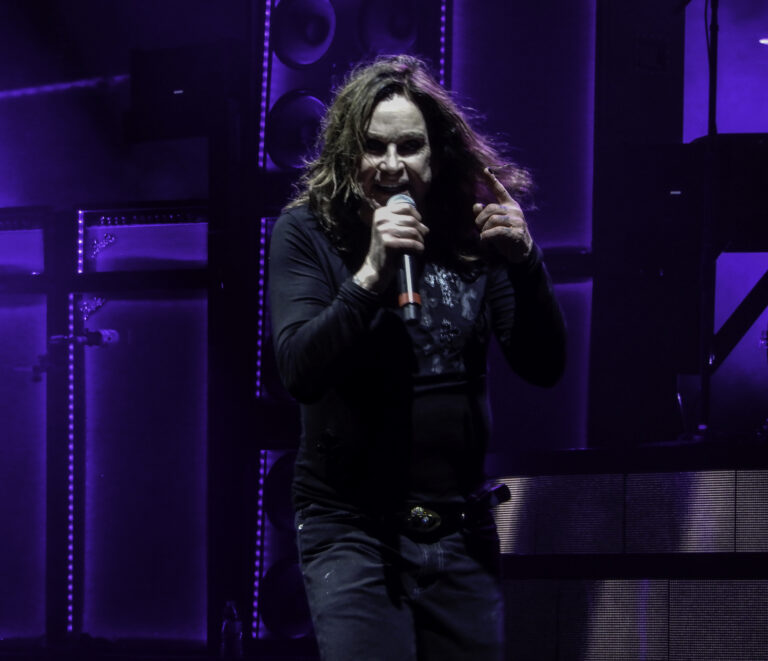
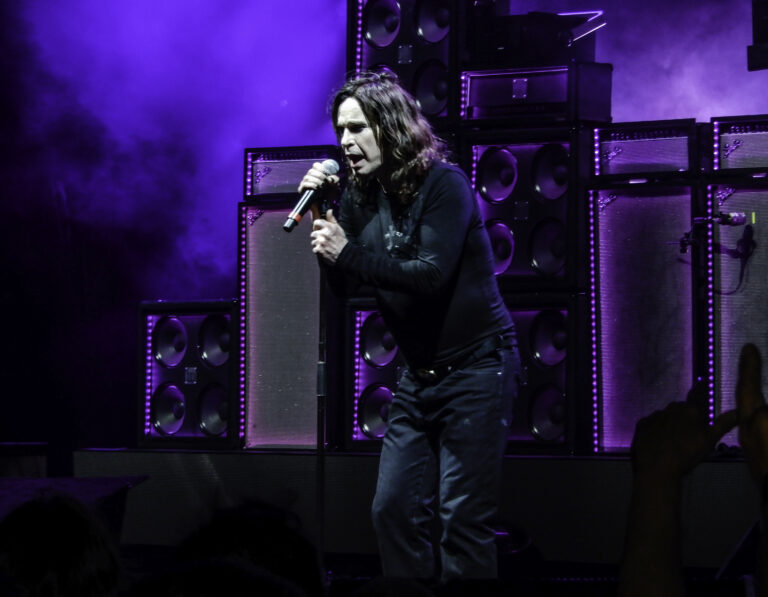
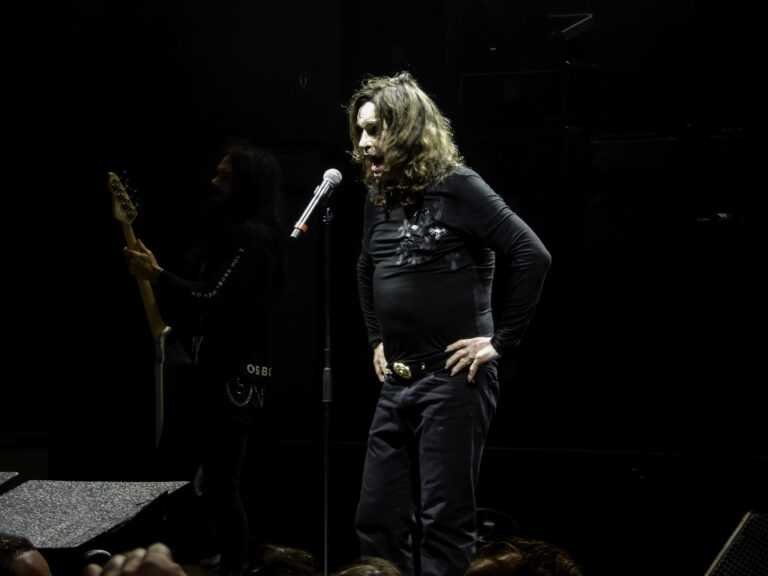
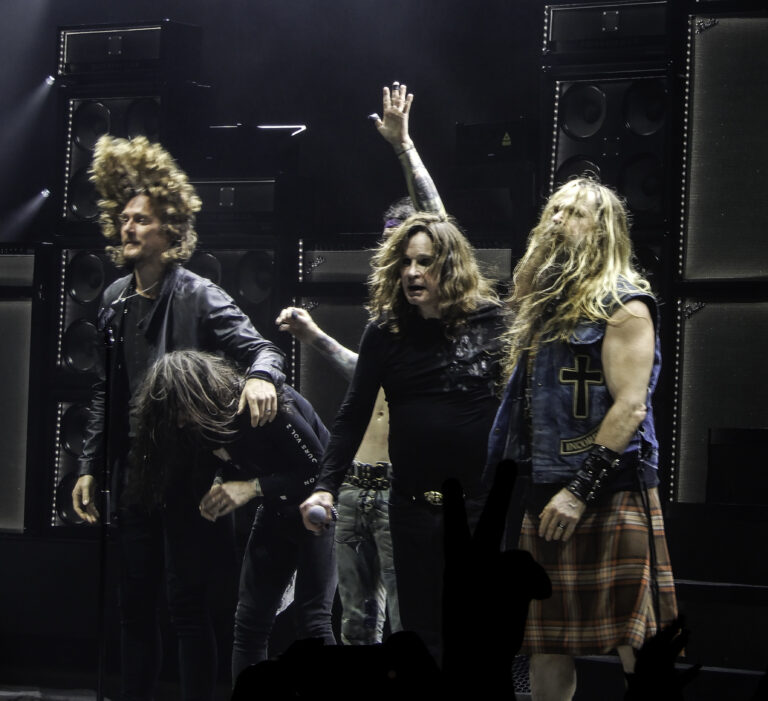
On Sept. 8, 2018, Ozzy Osbourne played to a soaking wet crowd at Jones Beach Theater, but once The Prince of Darkness hit the stage, nobody seemed to mind. Ozzy himself came out first before the rest of band and told the crowd, “The crazier you get, the longer I’ll remain on stage.” That’s all it took to get the sold out crowd of 15,000 plus going f—–g crazy!
At this point it was freezing cold and had been pouring for the last few hours, especially during opening act Stone Sour’s set, and the floor was a foot deep with water seeping in from Zach’s Bay where the venue stands. Regardless, Ozzy sounded just as good as I have ever heard as he kicked off the show with “Bark at the Moon.”
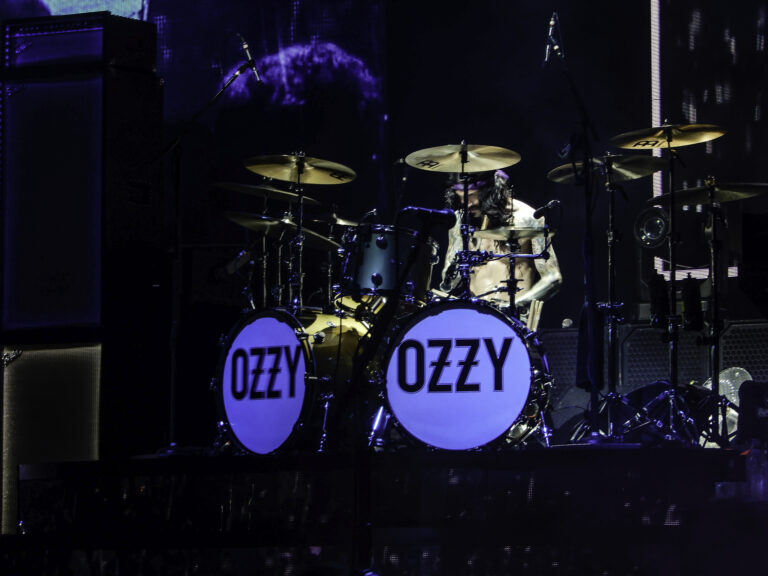
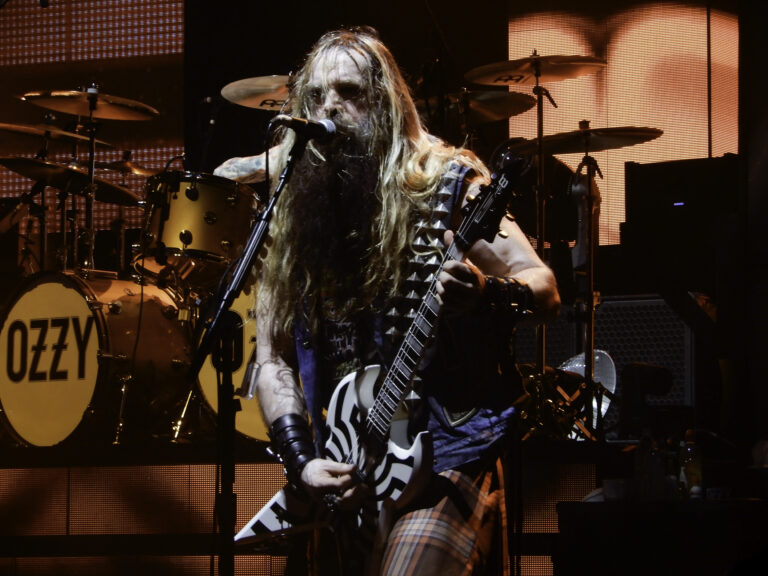
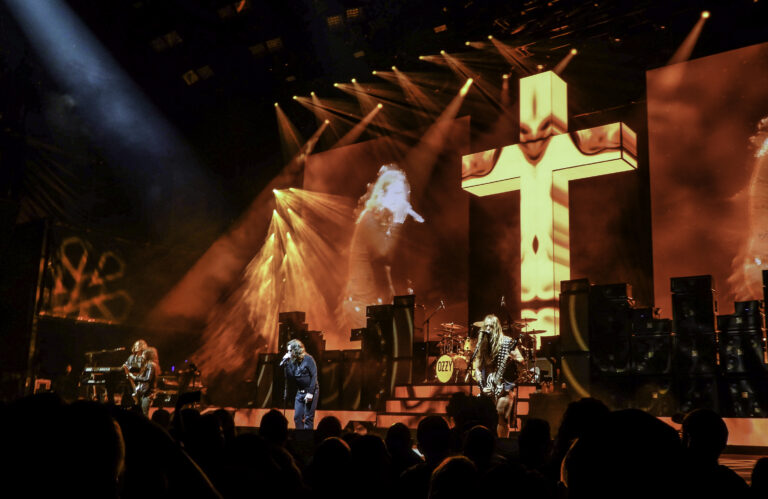
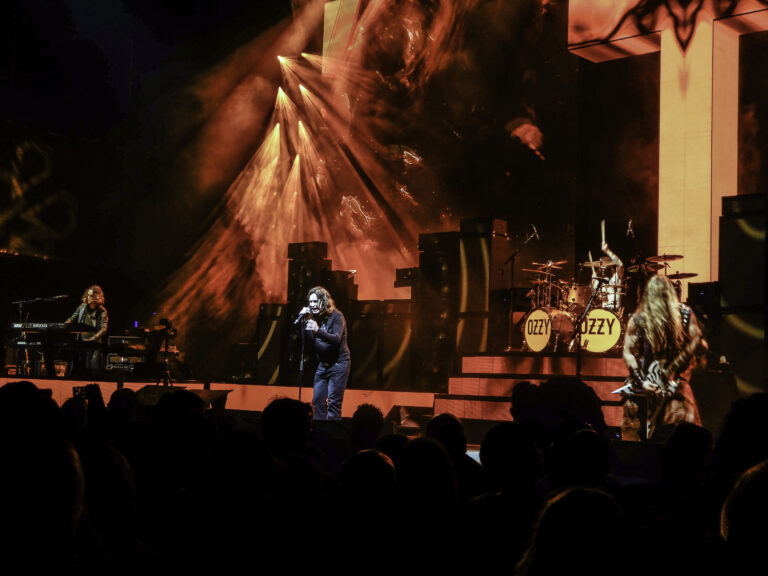
Zakk Wylde was back in the lineup on guitar along with Blasko on bass, keyboardist Adam Wakeman and drummer Tommy Clufetos. The stage backdrop was highlighted by a giant cross made up of screens projecting extraordinary imagery and at times looking like a medieval sculpture.
Ozzy’s solo hits made up most of the setlist including “Mr Crowley,” “Suicide Solution” and “No More Tears,” but he also slipped in a little Sabbath like “Fairies Wear Boots” and the epic “War Pigs.”
Black Label Society frontman Wylde was giving his own 20 minute showcase during the show at which time he made his way into the audience playing a medley of songs. He was tearing it up as he played with the guitar behind his neck and even with his teeth at times. He is one of the best metal guitarists the genre has ever known so it was good to see him play alongside Ozzy again. He was even wearing a custom Ozzy denim vest.
Ozzy Osbourne closed the main part of the set with, in my opinion one of the greatest metal songs ever written, “Crazy Train”. The show concluded with an encore of “Mama I’m Coming Home” and Black Sabbath’s “Paranoid.”
Setlist: Bark at the Moon, Mr. Crowley, I Don’t Know, Fairies Wear Boots (Sabbath Cover), Suicide Solution, No More Tears, Road to Nowhere, War Pigs (Sabbath Cover), Guitar Medley: Miracle Man/Crazy Babies/Desire/Perry Mason, Drum Solo, I Don’t Want to Change the World, Shot in the Dark, Crazy Train
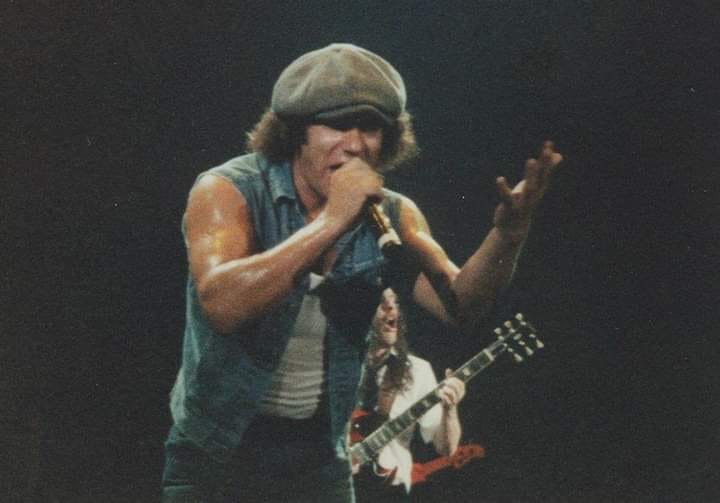
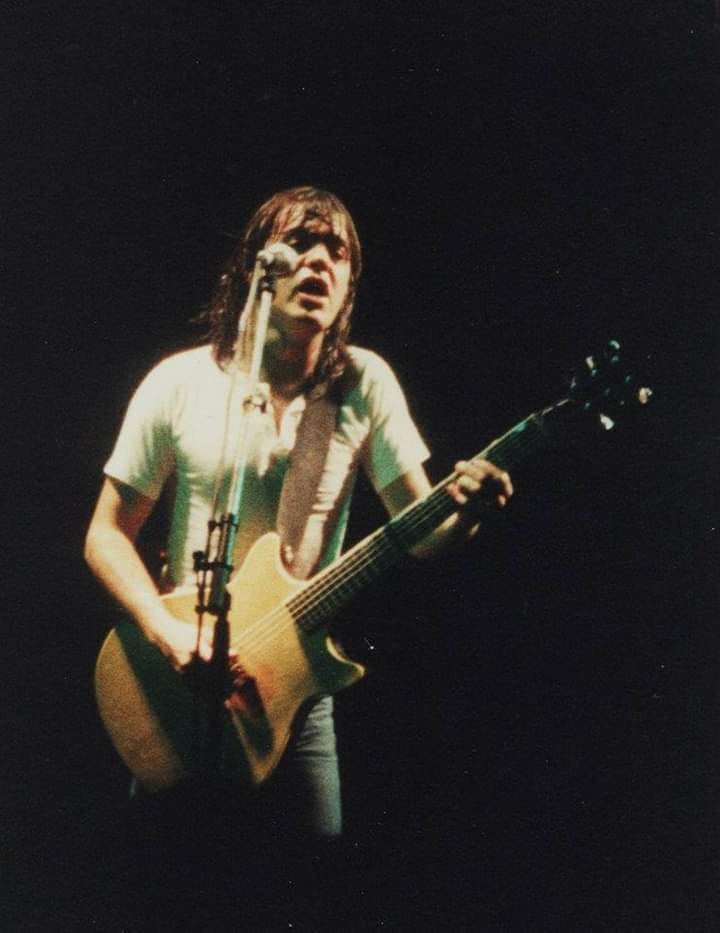
A mighty gig this was. 35 years ago tonight, on Sept. 5, 1985, AC/DC and Yngwie Malmsteen’s Rising Force performed at Glens Falls Civic Center.
Remember Ticketron?
This was actually AC/DC’s first headline gig in New York’s Capital Region – they had played Albany’s Palace Theater in the Bon Scott era in 1977, 1978 and 1979 opening for Rush, Rainbow and UFO, but the band skipped the area on the ‘Back In Black,’ ‘For Those About To Rock’ and ‘Flick of the Switch’ tours. Thus, the Civic Center was packed this night.
photo by Jim Polkowski
The opening band was Swedish guitar phenom Yngwie Malmsteen with his solo band, Rising Force, playing their first area gig. Yngwie had played Albany’s Palace Theater the year before with his old band Alcatrazz, opening for Ted Nugent, but in the year since he had released two solo albums, and the songs this night were tracks from his mostly-instrumental solo debut, and then-new record ‘Marching Out,’ featuring vocalist Jeff Scott Soto who was the singer for this gig. The sound for Malmsteen was fairly horrible and full of echoes in the hockey arena this night, opening with then-single “I’ll See The Light Tonight” and including some instrumental workouts like “Far Beyond The Sun” and “Black Star” which, despite the dazzling guitar playing, received a muted response due to the wretched sound.
https://www.youtube.com/watch?v=ooJCjKGYF28
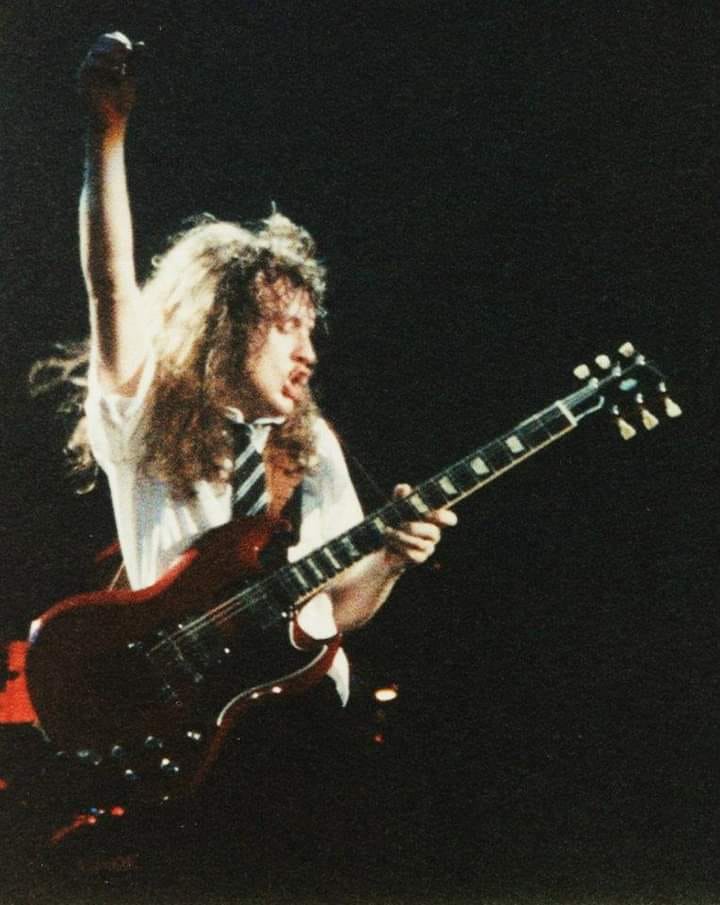
No such troubles for the headliners though. AC/DC were promoting the Fly On The Wall album (which history has not shown to be one of their most beloved albums) and they opened with the title track, before settling into a set of rapturously-received classics and hits: “Back In Black,” “Shook Me All Night Long,” the rarely-played “Have a Drink on Me” and a rousing “Shoot To Thrill” were mixed with a couple of the better new songs (“Shake Your Foundations,” “Sink The Pink”) and a whole host of older Bon Scott-era favorites: “Dirty Deeds,” “The Jack,” “Jailbreak,” “Highway To Hell,” “Whole Lotta Rosie” and an extended, Angus-doing-a-walkabout “Let There Be Rock” which finished the main set and brought the house down.
photo by Jim Polkowski
The encore was similarly no-filler: “Hell’s Bells” and the giant bell, a raucous “TNT” had the entire arena roaring, and the show finished with an explosive “For Those About To Rock,” Angus duckwalking and headbanging across the stage, Brian Johnson howling like he was going to burst a blood vessel, Malcolm and the rhythm section locked in with deadly groove, and of course the cannons exploding during the fast part at the end. Has there ever been a better live heavy rock band? Few can compare. All hail the mighty AC/DC.
photo by Jim Polkowski
Rising Force Setlist: I’ll See The Light Tonight, On The Run Again, Far Beyond The Sun, Anguish & Fear, Guitar Solo, Black Star, Caught In The Middle.
AC/DC Setlist: Fly On The Wall, Back In Black, Shake Your Foundations, Dirty Deeds Done Dirt Cheap, Shook Me All Night Long, Have A Drink On Me, Jailbreak, The Jack, Shoot To Thrill, Highway To Hell, Sink The Pink, Whole Lotta Rosie, Let There Be Rock, Hell’s Bells, TNT, For Those About To Rock (We Salute You)
Ronnie James Dio, the Cortland native and heavy metal legend, brought his band DIO to the RPI Fieldhouse in Troy 35 years ago today, September 4, 1985.
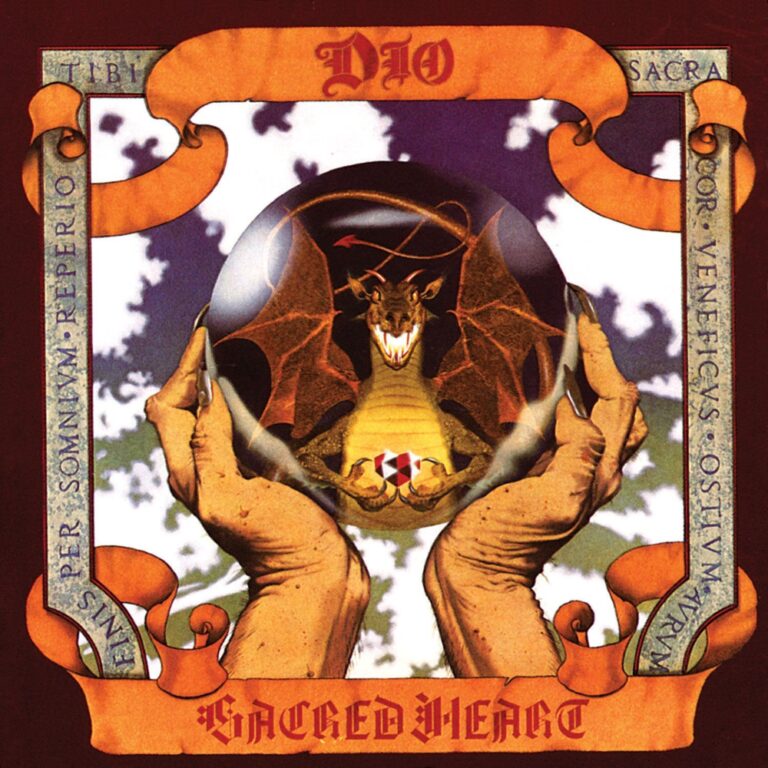
This was the second Albany-area appearance by Dio with his solo band – he’d played the Glens Falls Civic Center less than a year before, in November 1984 on the ‘Last In Line’ tour. In 1985, the band was promoting the third Dio album, Sacred Heart, a patchier effort than the first two Dio albums.
This was the last tour to feature the original DIO band backing Ronnie: NYC (ex-Black Sabbath) drummer Vinnie Appice, Scottish (ex-Rainbow) bass player (the late) Jimmy Bain, and Irish guitarist Vivian Campbell (ex-Sweet Savage), who would be fired midway through the tour, breaking up the original foursome which had made the classic first two Dio records.
The opening group was Rough Cutt, one of those spandex-ey LA bands, there by virtue of being managed by Dio’s wife, and they sucked. The RPI crowd was unmoved.
The house was packed for Dio’s set – despite the dip in quality offered by Sacred Heart, Ronnie James was in 1985 viewed as a deity in the heavy rock world, and the Fieldhouse was accordingly full of metalheads. This was the era of over-the-top stage shows, and this one was particularly Spinal Tap-ish, with lasers, a giant crystal ball and a giant dragon (which Dio himself “battled” with a sword), pre-taped wizardly creepy voice intro to the song “Sacred Heart”, and each member getting a big long solo.
Frankly, the whole thing would have been better if they dropped all that and just played a whole bunch of songs. That said, it was the 80s, you had to expect that kind of thing. The bands opened with a couple of the better new songs (“King of Rock’n’Roll”, “Like The Beat of a Heart”), played a slew of already-classics from the first two records, and a couple of the less-essential new ‘Sacred Heart’ songs, such a the somewhat corny title track, and the depressingly commercial “Hungry For Heaven.”
This tour featured less of the classic Ronnie James-era Rainbow and Black Sabbath songs that had featured in earlier Dio tours, all delivered during extensive medleys, and a truncated version of Sabbath’s “Heaven & Hell” got the biggest roar of the night. Rainbow classics “Man on the Silver Mountain” and “Long Live Rock’n’Roll” were played – again, in shortened form – in a medley with new yawner “Rock’n’Roll Children.” In fact, medleys were a big part of the show – the band played an extended, almost 40-minute medley of the song “Last In Line,” which incorporated “Holy Diver”, solos by all band members, more “Last In Line,” “Heaven & Hell,” “Sacred Heart,” and concluded with more “Last In Line.” The main set finished up with speedy early Dio classic “Stand Up and Shout” – a roaring highlight – and encores were Dio evergreens “Rainbow In The Dark” and a storming “We Rock.”
All hail Ronnie James Dio!
Setlist: King Of Rock’n’Roll, Like The Beat Of A Heart, Don’t Talk To Strangers, Hungry For Heaven, Medley: Last In Line/Holy Diver/Last In Line, Drum & Bass Solos, Heaven & Hell, Guitar & Keyboard solos, Sacred Heart, Last In Line, Medley: Rock’n’Roll Children/Long Live Rock’n’Roll/Man On The Silver Mountain/R’n’R Children, Stand Up & Shout, Rainbow In The Dark, We Rock.