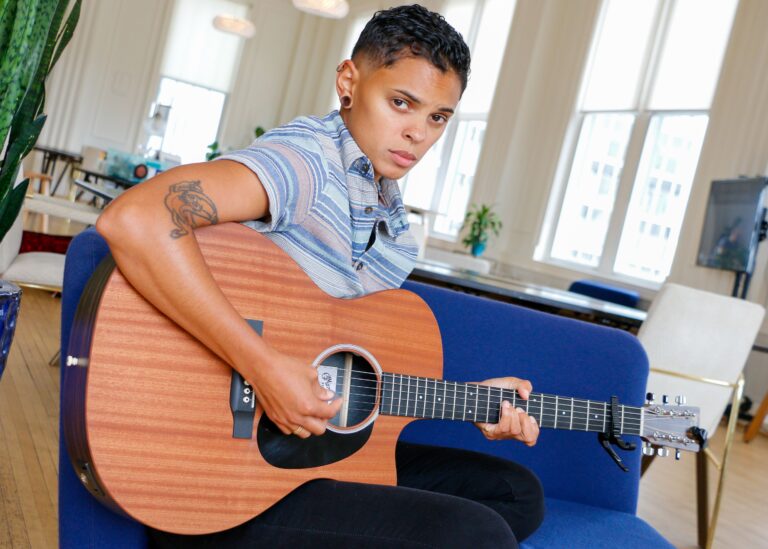
Cassandra Kubinski is a “storytelling oriented, piano-driven, theatrical pop” singer/songwriter from Saratoga Springs. Her passion for music from a young age propelled her into a successful career with Billboard charting albums. Kubinski’s career has already linked her to artists like Chris Botti, the Goo Goo Dolls, and Mary Ramsey of 10,000 Maniacs. Since her 2005 debut, Kubinski’s development as an artist continues to showcase her unlocked talent waiting to be released.
Cassandra Kubinski
A Musical Introduction
Growing up, Kubinski listened to a variety of artists because of her parent’s eclectic musical taste. Billy Joel, Carole King, Jackson Browne, and Joni were all a frequent part of the Kubinski’s family’s rotation of music. Kubinski’s theatrical exposure to Bette Midler, Guys and Dolls, Barbra Streisand, and Pippen shaped her into becoming a musical storyteller. Kubinski has even garnered praise from her musical idol, Billy Joel.
“Billy Joel is embedded in my DNA. My parents were listening to his music and loving him before I was even a twinkle in their eye. His storytelling, passionate vocals, and rogue piano playing style influenced me when I decided to be a songwriter,” Kubinski said.
During a 2008 concert in New York City, Kubinski’s dream of meeting Billy Joel came true. The full-circle moment of meeting her childhood music idol is one of the most memorable and surreal moments as an artist for Kubinski. If Billy Joel is willing, Kubinski would love to add a possible collaboration to her musical resume. Kubinski’s other musical hopes include opening up for Billy Joel, Jason Mraz, and Rob Thomas on tour one day. While the pandemic canceled touring for most artists, Kubinski looks forward to having a face-to-face interaction with concert audiences again. Performing at music venues with a beautiful outdoor component like Red Rocks Amphitheatre in Colorado and Humphreys Concerts By The Bay in San Diego are at the top of her list.
The Journey
While Kubinski’s musical aspirations keep her motivated as an artist, she has already amassed a couple of well-deserved accolades. Onwardcharted #97 on Billboard’s HeatseekersAlbum chart in 2016, while Holiday Magiccharted #46 on Billboard’s HeatseekersAlbum chart in 2017. In 2020, Kubinski has released her “Stardust,” “Back to Earth,” and “Stardust (DJ Taz Rashid Remix)” singles. “Stardust” highlights Kubinski’s “epic pop and piano sound” with the combination of positive lyrics. During the COVID-19 pandemic, Kubinski has gained a new perspective of how her songs can take on a different meaning from their initial release. “Dreams” started as a “whimsical look of a bittersweet moment of willing to let go because a better dream is coming” and now has a different significance of embracing the unpredictability of the COVID-19 pandemic.
I didn’t write “Stardust” in the pandemic I wrote it years ago. Since releasing it during the pandemic, I’ve heard from fans it was a sentiment they needed to hear to feel connected to something bigger, connected to nature, and reminded that they have power. This pandemic has made a lot of people feel very helpless and powerless. “Stardust” is about claiming and reclaiming your power. It takes on that meaning even though that’s not what I wrote it about,” Kubinski said.
Cassandra Kubinski and Tony Daniels shot the “Stardust” music video before the COVID-19 pandemic
What’s Next
Looking ahead, Kubinski is already working on a song with Hannah Grace Colin from “Dance Moms.” Her upcoming song “Eternity” with DJ Sol Rising is a follow up to “Stardust” and is set to release in early January. As fans can look forward to more music, Kubinski continues to progress as an overall artist. From the release of her first album, Hold The Sun to her latest single “Stardust,” Kubinski has honed her ability and confidence to lead as an artist with a specific creative direction in mind. “Trust your vision,” Kubinski said. “When you see something for yourself, work on it, and do it. That’s your vision for a reason and you’re the one that has to execute on that vision.”
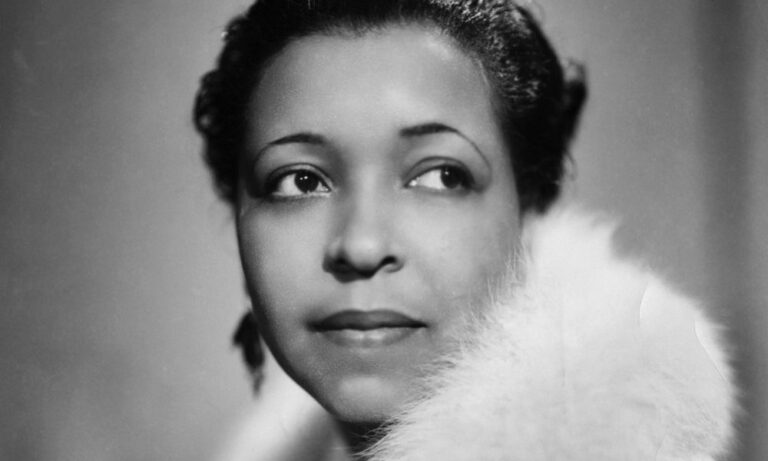
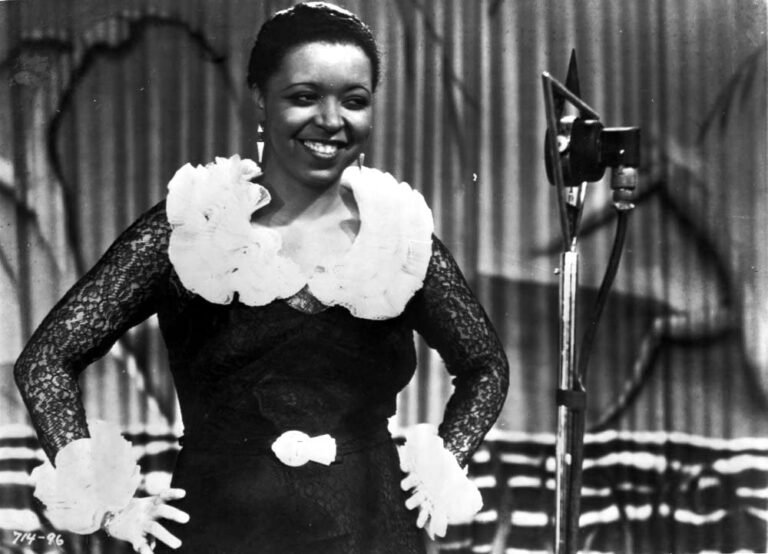
Ethel Waters was born on October 31, 1896 in Chester, Pennsylvania. She was raised in poverty by her grandmother as well as two aunts and an uncle. When asked about her childhood, Waters once said “I never was a child. I never was cuddled, or liked, or understood by my family.” On her 17th birthday, she attended a costume party and sang two songs. Her performance impressed the audience so much that someone immediately offered her a job in Baltimore.
Baltimore
When offered the job at the Lincoln Theatre in Baltimore, she received $10 per week, nearly double what she was making before. Even with her success, she fell on hard times and joined a carnival of freight cars going to Chicago. Soon after, she headed to Atlanta where she worked at the same club as Bessie Smith. Smith demanded that Waters not compete with blues songs, and Waters agreed to sing ballads and popular songs.
Harlem
Waters moved to Harlem in 1919, getting her first job at Edmond’s Cellar, a club that specialized in popular ballads. When she arrived in Harlem, female blues singers were becoming more and more powerful. She became the fifth black woman to make a record, originally joining Cardinal Records, but later switched to Black Swan.
At Black Swan, she was accompanied by Fletcher Henderson. Over the next two years, Waters became the highest paid black recording artist at the time. In 1924, Paramount bought Black Swan and Waters stayed for the year.
https://www.youtube.com/watch?v=tJBI2E_6lFA
She switched to Columbia in 1925 and began working with Pearl Wright. She continued touring, joining with Earl Dancer in what was colloquially called “white time,” the Keith Vaudeville Circuit, performing for white audiences. In Chicago, they earned an unheard of $1,250. Later, in 1926, Waters recorded “I’m Coming Virginia” which was a hit partially due to her performing it on Broadway. In 1929, Waters and Wright arranged “Am I Blue?” which became a hit and later her signature song.
Film, Theater, and Television
In 1933, Waters appeared in a satirical all-Black film, “Rufus Jones for President”, featuring future star Sammy Davis Jr.. She went on to star at the Cotton Club. Later that year, she stared in the successful Broadway musical, “As Thousands Cheer”.
Waters held three jobs: in “As Thousands Cheer”, as a singer for Jack Denny & His Orchestra on a national radio program, and in nightclubs. Due to these three jobs, she became the highest-paid performer on Broadway. Even with her success she still had difficulty finding work.
Waters moved to Los Angeles in 1942 to appear in “Cairo”. That same year, she starred in “Cabin in the Sky”. In the latter, Waters sang the Academy Award nominated “Happiness is Just a Thing Called Joe”.
In 1939 Waters became the first African American to star in her own television show, The Ethel Waters Show, a 15-minute variety special. She was nominated for an Academy Award for Best Supporting Actress for the film “Pinky”.
In 1950, Waters won the New York Drama Critics Circle Award for her performance in “The Member of the Wedding”. Later that year, she became the first Black actress to star in a television series with “Beulah”.
Awards and Accomplishments
Her recording of “Stormy Weather” was listed in the National Recording Registry in 2003. She became a member of the Gospel Music Hall of Fame (1983). In 2004, she received a star on the Hollywood Walk of Fame. Additionally, three of her recordings have been inducted into the Grammy Hall of Fame: “Dinah” (1998), “Stormy Weather” (2003), and “Am I Blue?” (2007).
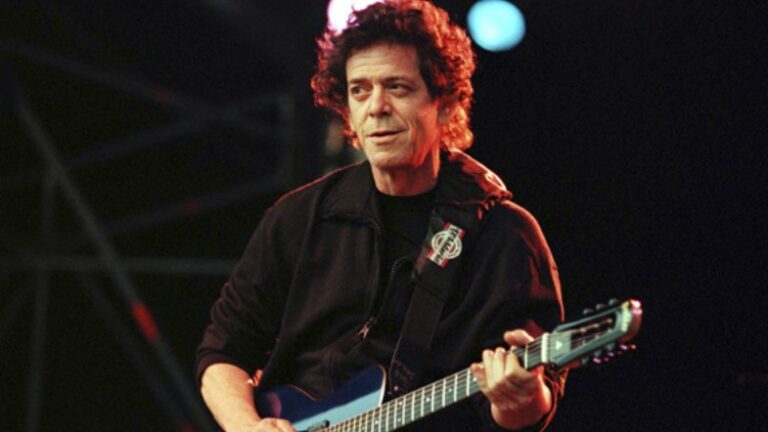
Today we celebrate the memory of one of New York’s true musical icons, Lou Reed. Seven years ago today, Reed died from liver disease, leaving behind an incredible library of music that’s been so influential to so many artists. His work with the Velvet Underground as well as his solo efforts continue to enthrall people even today, showing just how timeless his music can be.
Lewis Allan Reed was born on March 2, 1942 in Brooklyn in what is now known as Brookdale Hospital. He spent his youth and formative years growing up in Freeport Long Island in a Jewish household. Lou attended Freeport Junior High School, where his musical career truly began. His doo-wop band The Jades, where he played guitar and contributed backup vocals, was offered studio time for a recording in response to a talent show performance in 1958. This single, “So Blue,” didn’t quite make the charts but it would be Reed’s first ever radio airplay.
Lou would stay in state to further his education at Syracuse University, studying journalism, creating writing and film directing. However, during his first year there, he was brought back home after allegedly having a mental breakdown of sorts. According to his sister, he was “depressed, anxious, and socially unresponsive” for a while. This ultimately led to his parents consenting to electroconvulsive therapy (ECT) as a treatment option after doctors’ recommendations.
After treatment and recovery, Reed resumed his studies at Syracuse University, even hosting a radio show on WAER called Excursions on a Wobbly Rail. At Syracuse, he would study under the poet Delmore Schwartz, who would be an early mentor for Reed. It was also here that he would meet Velvet Underground guitarist Sterling Morrison for the first time. Morrison was visiting the older brother of eventual Underground drummer Maureen “Moe” Tucker.
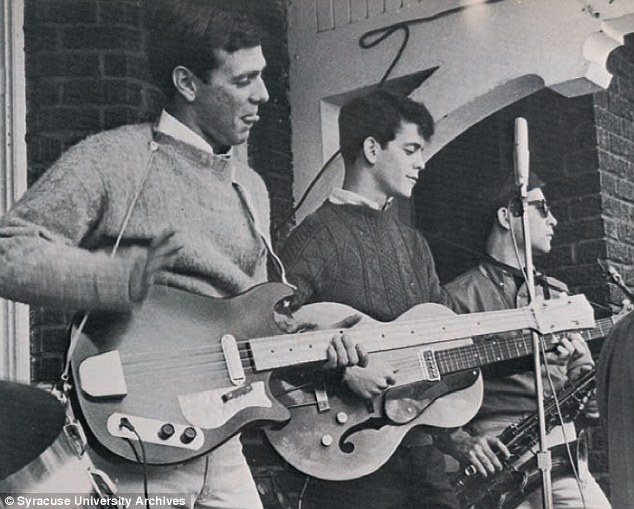
Lou Reed plays with his band LA and the Eldorados in front of the Sigma Alpha Mu fraternity house at Syracuse University
After graduating with a B.A. cum laude in English in 1964, Reed moved to New York City where his career would blossom. As an in-house songwriter for Pickwick Records, it was here that he would meet fellow musician John Cale and form a lifelong partnership of sorts. The two lived together on the Lower East Side and would eventually recruit Reed’s college acquaintance Morrison and Cale’s neighbor Angus MacLise who played drums to form the first iteration of The Velvet Underground. MacLise wound up quitting the band right before their first paid gig and was replaced by Tucker.
Although they never reached commercial stardom or widespread fame at the time, the Velvet Underground would go on to become one of the world’s most influential bands, providing a public image for the bustling New York City underground and alternative rock scene. They would eventually catch the attention of Andy Warhol who would serve as their early manager and quickly instituted them as the house band for his Explosive Plastic Inevitable multimedia events held at his Manhattan studio that was known as the “Factory.”
It was Warhol who would urge the band to hire the German former model and singer Nico. Their debut release, The Velvet Underground & Nico, would only peak at No. 171 on the US Billboard 200. However, Rolling Stone would much later dub it the “most prophetic rock album ever made.” The overall sound was propelled by Reed and Nico’s deadpan vocals, Cale’s droning viola, bass and keyboards, Reed’s experimental avant-garde guitar, Morrison’s often R&B– or country-influenced guitar, and Tucker’s simple but steady and tribal-sounding beat with sparse use of cymbals.
Nico and Warhol soon parted ways with the band with the former quitting and the latter fired by Reed, both against Cale’s wishes. The two co-founders were beginning to butt heads musically as well. Cale favored a more experimental, avant-garde style while Reed was trying to steer the band towards a more pop-driven style. It would result in Reed firing Cale from the Velvet Underground and replacing him with Doug Yule who played keyboards and bass guitar. This new version of the band would only record two more albums: The Velvet Underground in 1969 and Loaded in 1970. Shortly before Loaded‘s release, Reed would quit the band and by the end of 1971, the Velvet Underground was a thing of the past.
The Velvet Underground
Reed then set out on his solo career, signing a recording contract with RCA Records. His first release, Lou Reed, contained some unreleased material that never made it onto Loaded and didn’t receive much attention. This didn’t come until 1972’s incredibly successful Transformer release that was co-produced by David Bowie and Mick Ronson. The album’s hit single “Walk on the Wild Side” introduced Reed to a much larger audience and worldwide acclaim. It would peak at No. 16 on the Billboard Hot 100 singles chart, by far his most commercially successful record. Transformer also features other Lou Reed classics like “Perfect Day” and “Satellite of Love.”
Berlin, his next solo release in 1973, is described as a concept album about two junkies in love in the city. Perhaps uncoincidentally, he also married his first wife Bettye Kronstad this year. Although it appears to be mislabeled as Velvet Underground, check out Lou singing “Berlin” below to a spellbound audience.
Some of his later solo projects would go in a completely different direction. 1975’s Metal Machine Music is an hour’s worth of modulated feedback and electric guitar effects. It was widely panned by critics and seen, by some, as an effort to get out of his contract with RCA. He would later sign on with Arista Records and his first release for them, Rock and Roll Heart in 1976, features “A Sheltered Life,” a song with roots going back to 1967 and the Velvet Underground era.
A live album recorded at The Bottom Line in Greenwich Village titled Live: Take No Prisoners also came out this year with Rolling Stone describing it as “one of the funniest live albums ever recorded,” comparing Reed’s monologues with those of Lenny Bruce. Lou was certainly never afraid to speak his mind and reveal his true feelings, a true New Yorker in that sense.
Throughout the 1980s, Reed would continue to pump out new music and maintain a public persona. He collaborated with guitarists Chuck Hammer and Robert Quine on Growing Up Public (1980) and The Blue Mask (1982), respectively. 1984’s New Sensations even saw Reed back on the charts for the first time in six years. He even played a solo set at the first Farm Aid concert held in Champaign, IL in 1985. The decade would end with another one of his more successful solo efforts, appropriately titled New York, released in 1989. It not only netted him a GRAMMY nomination for best male rock vocal performance, but also served as his public commentary on contemporary issues like AIDS, crime and civil rights.
The 1990s would feature even more solo releases from Reed as well as a brief Velvet Underground reunion. Andy Warhol’s funeral in 1987 would bring John Cale and Reed together for the first time in decades. It would ignite a new collaboration between the two, 1990’s Song For Drella, a song cycle about Warhol. This eventually led to a brief Velvet Underground with one benefit show in France that year and a brief tour of Europe in 1993 that featured a performance at the Glastonbury Festival. Sadly, plans for a North American tour were scrapped after another disagreement between Cale and Reed.
In 1996, the Velvet Underground finally entered the Rock and Roll Hall of Fame, with an induction speech given by another musical icon of New York City, Patti Smith. Unfortunately, original guitarist Sterling Morrison passed away the night before the ceremony. Reed, Cale and Smith would later sing “Last Night I Said Goodbye To My Friend” in tribute.
For the rest of his life, Lou Reed continued to find new ways to express himself and grow as an artist. In 2000, he collaborated with Robert Wilson on POEtry. This would lead to a CD release under the same name years later that featured songs written by Reed and spoken-word performances of reworked and rewritten texts of Edgar Allan Poe by actors, set to electronic music composed by Reed. In October of 2001, the New York Times even published a poem of Lou’s titled “Laurie Sadly Listening” that was written in response to the recent 9/11 attacks. He would also go on to release three books of photographs, the second one released in 2006 was titled Lou Reed’s New York.
Reed would also go on to revive his Berlin and Metal Machine Music projects in live settings. He also wound up collaborating with modern day acts like Metallica, Gorillaz and Metric. Unfortunately, health issues caught up to him in 2013 and after a transplant in May, he succumbed to liver disease on October 27. Almost instantly, the outpouring of respect from other musicians began. Bands like Pearl Jam, The Killers, My Morning Jacket and Phish all dedicated either original or cover songs played that evening to the late guitarist’s memory.
Although he may be gone, Lou Reed’s legacy lives on and then some. He was posthumously inducted into the Rock and Roll Hall of Fame, this time as a solo artist, with another speech from Patti Smith. Lou Reed: A Life, a biography by Anthony DeCurtis was published in 2017. And an archive of his letters and other personal effects was donated to and can be viewed at The New York Public Library for the Performing Arts. More importantly, Lou Reed and his extensive musical catalog and stylings continue to influence and inspire new listeners and will continue to do so for the rest of time. Not too shabby for a kid from the city.
Autumn Nicholas, a soul-pop singer-songwriter from Raleigh, NC, is a talented young musician that makes her listeners only want more. Growing up with a father who played drums and a brother who played guitar, music was always prevalent in her family; however, Nicholas never thought she would make a career out of it.
Autumn Nicholas Promo
To say Nicholas is passionate about her music is an understatement. Not only is she passionate about her music, but she is passionate about making a difference in our society. She strives to make her music unique and relevant, singing about love and loss as well as hope and pain—which has been very pertinent in today’s civilization.
Recently inspired by the #BlackLivesMatter and LBGTQ marches, her new single “Side by Side” shows both the positive and negative sides of these movements in hopes to try and get people to stand up and take action. She says the single “is focused on how we are all uniquely beautiful, beyond our gender, circumstance, and skin, no one more than the other.” Autumn Nicholas is proud to be and sing about her sexuality. The gay, biracial artist stands out among other young artists because she sings about her own life in a way that can relate to anyone. She also sings to the masses where she offers inspiring messages through her lyrics and gives her listeners something to think about.
I can’t understand why we all just keep taking sides
Why can’t we sympathize?
If we really care about each other’s lives
Then let’s go and make it right
Standing side by side for equal rights
Autumn Nicholas – ‘Side by Side’ Single
Both the song’s lyrics and production capture her goal of coming together as people to stand up for what is right. “I want it to focus less on me and more on the words and the art and the community,” said Nicholas. She even said the official music video of ‘Side by Side’ was rushed because they had to make it before the artwork was taken down, and that there will be a second version of the song that shows even more street art as well as other artists of different races from around the world.
When performing her song live, she starts by talking about #BlackLivesMatter and how it relates to her song. “It grabs the attention and captures the importance of those words,” She explains, “it is deeper than that – it’s about equal rights and LGBT, but it ties in as a whole to unity, something during these times we do not have a lot of, especially since we are feeling like we’re trapped in our homes, like we are divided, whether it’s by sickness or by color. I hope this song can bring some unity to our time period.” In times like these, Nicholas wants to bring hope to our world, something in which our world needs right now.
Autumn Nicholas is also in the process of developing a clothing line titled Unbrand.d where their motto is “No Genre. No Gender. No Rules.” She wishes to create a style that can be worn by anyone no matter the gender. Her first item from the brand is a T-Shirt in which the proceeds will go to a food bank.
Not only will Nicholas continue to show the world her vibrant personality and talents, but she will continue sending the messages of unity and equality in her second EP Shades of Beige coming out this November.
Harlem-native, Kyle Stockman, has suffered through an unexpected 2020 along with many fellow Americans. After receiving buzz on singles “Opal” and “Sunday,” the Shooting Star singer believed it was best to combine his passion and interests by majoring in music at Hudson Valley Community College.
The curriculum was not as progressive as Stockman had hoped. He already self-taught much of the course. Out of that, came Solace. A multi-instrumental laden record that serves as a chameleon amongst the genres. Containing elements of folk, pop, rock and R&B.
With the worldwide COVID-19 pandemic making classes virtual, he decided this was the time to abandon ship and focus on his latest. Stockman’s retreat to the studio ensued, trying out new beats and entering his sound.
“That’s what my music is geared for, I love the dark rawness of songs that bring out emotion.”
Kyle Stockman
In it, Stockman croons about a breakup. First, he tries to find closure in a relationship’s end, dejectedly singing, “you left the heart baby, but you took my soul. It’s clear you don’t care about the way things go.”
He goes on hashing out his feelings towards his significant other. He searches for “solace” in the solitude that comes with life after a breakup.
“I make music for people who could be going through a break up, or lost someone close to them, [anything] that’s hard to deal with that at the moment,” says the indie crooner. Stockman is having fun making records and puts his soul into his music.
His brand of Indie-pop R&B is drawn from the likes of Frank Ocean. “Frank Ocean is who I’m into the most right now. I love his album Blonde for its simplicity [and] the rawness the emotion it incites. For me, that project was a masterpiece. I know that it got a lot of mixed reviews at the time but, the more I listened, the more I got what he was trying to convey. I try to make my music the same way, so you can feel the emotion.”
For years, Upstate Concert Hall has been incorrectly listed on tour promotion and concert posters as being located in Albany, NY. The venue, has been located in a Clifton Park, NY strip mall since 1996, when it was named Northern Lights, and is a 20-minute drive over the Mohawk River from Albany. The geographic error makes little difference now, as the owners of Upstate Concert Hall have relocated to Albany.
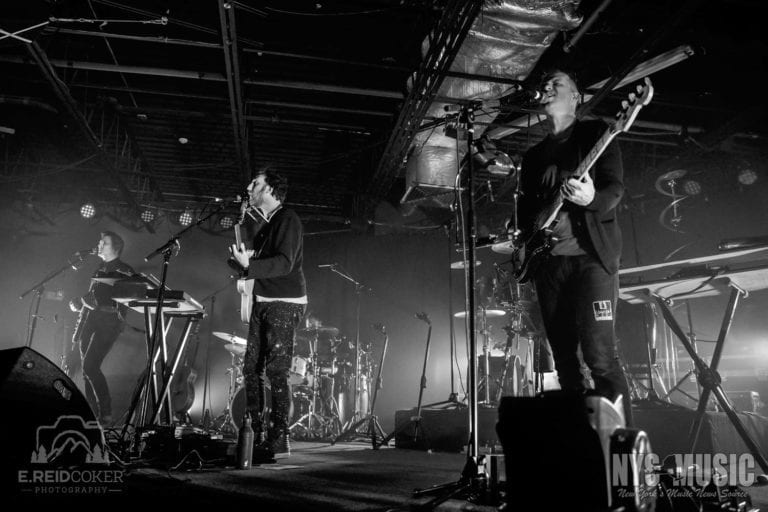
Guster performing at Upstate Concert Hall, 2019. photo by E. Reid Coker
With a fresh location in the former Capital Repertory Theatre building on South Pearl Street, the venue and area are in for a major upgrade from its previous setting. Capital Rep is moving to a new location in a renovated warehouse at 251 North Pearl Street, per the Times Union.
Upstate Concert Hall is beneficial for artists passing through the Capital Region, particularly metal and hardcore artists, as well as jam bands. The new venue at the former home of Capital Repertory Theatre stands to be a positive sign for the city of Albany, especially on Pearl Street where revitalization feels to be continually on the cusp of a renaissance.
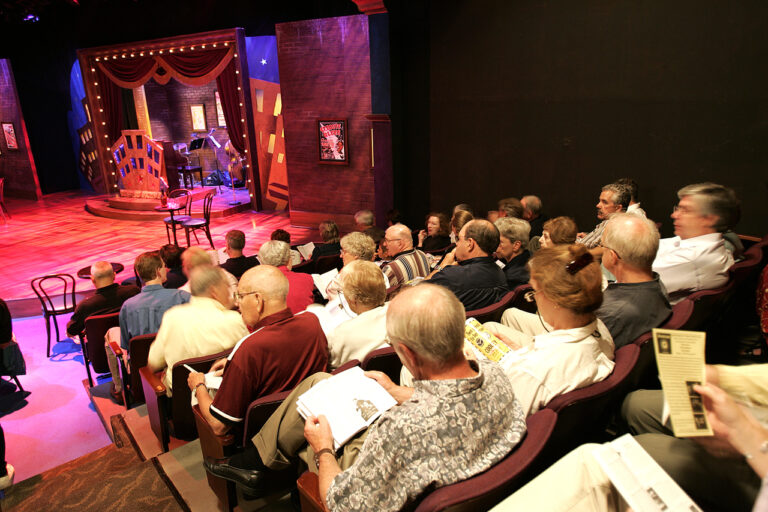
The view from inside Capital Rep, the new home of Upstate Concert Hall
Albany Mayor Kathy Sheehan said of the move, “This is yet another example of the unprecedented investments occurring in Albany’s newest neighborhood.”
The Clifton Park location became known as a great destination for a large number of bands who could not find a location in the city of Albany to play to crowds over a capacity of 250. There were drawbacks to the venue, including a low ceiling which limited light shows and large scale production (think of OK GO! and their confetti cannons, hitting a 12 foot drop ceiling doesn’t have the same effect).
Add in average sound quality throughout the expansive venue, as well as the location within a strip mall with limited restaurants and bars within walking distance, and Upstate Concert Hall became a destination for the artist, not the venue.
The view from inside Capital Rep, the new home of Upstate Concert Hall
Speaking to the Times Union, Jeff Buell, a principal at Redburn Development said, “We are working closely with Upstate Concert Hall to reimagine what a rock room looks like mid- and post-COVID.” Redburn purchased 111 N. Pearl two years ago as part of a six-property deal with the longtime owner, the developer Herb Ellis. Redburn has finished or is converting nine downtown buildings to rental apartments as part of a project with more than 275 residential units and a price tag north of $80 million. Buildings that are open are full or near capacity, Buell said, with others due to open in the coming months already 50 to 80 percent leased.
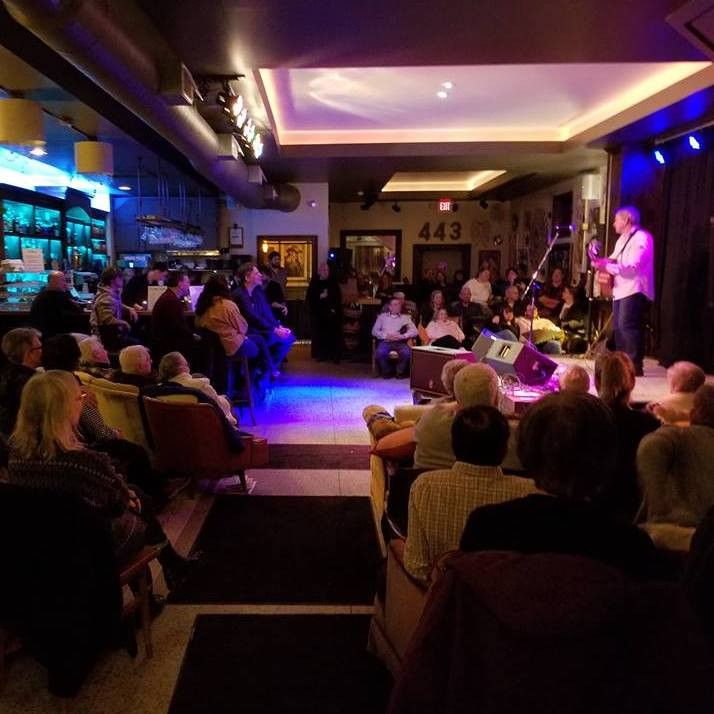
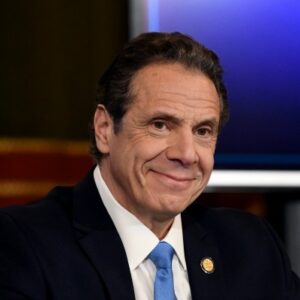
The COVID-19 pandemic has impacted the whole world, either directly, or indirectly. As a response to the pandemic, Governor Andrew Cuomo, has passed legislation that the states hope will help regulate COVID-19’s impact on the state. While guidelines for life during a pandemic are important, the broadness of certain rules has put many small businesses at risk of extinction. 443 social club
One of those venues, The 443 Social Club & Lounge in Syracuse is a place where those fond of live music can appreciate the ambience of a nice night out. A hub of live entertainment in their town, this restaurant seats 88 people but, as a result of the pandemic, it has operated with only 36-person capacity to meet state guidelines.
While the reduced customer base hurt business, it had allowed a mom-and-pop style business to stay afloat. That is until, a new wrinkle in New York state’s coronavirus guidelines for bars, restaurants and similar venues in New York state prohibits them from offering live music that customers pay for separately. The rule forced an immediate halt to The 443’s business. While they offer eatery, their main form of attraction is their live music.
Although we have all had to deal with the effects from COVID-19, actions like this towards small businesses still tug at the heart, knowing that hardworking individuals are in danger of losing their businesses, through no fault of their own.
The 443 Social Club & Lounge has chosen to take action, posting a letter to Governor Cuomo on their website that details, among other things, their compliance to COVID-19 rules, their determined attempts at keeping their business afloat, as well as the city’s mishandling of its small businesses. The letter is heartwarming and brings up questions, including ‘What was Governor Cuomo thinking with this new rule?’, and ‘How could they not have implemented any verbiage for small-capacity lounges?’ Let’s hope The 443 and other small businesses get an opportunity to get back on their feet, sooner rather than later.
Read below for The 443 Social Club & Lounge letter to Governor Cuomo, as originally posted on their website and socials.
Dear Mr. Cuomo –
I am a small business owner in Central New York. My husband and I operate an 88 seat cafe/bar that features listening room style acoustic performances. We had just celebrated our one year anniversary when COVID-19 hit.
When we closed our doors on March 15, I understood we would likely be shuttered for at least a few months. I understood we would be among the very last businesses allowed to reopen. There was a certain relief in letting go and accepting it, in understanding it was completely beyond my control. I had faith we would receive some kind of aid to help get us through, and for while we did.
I watched your daily press conferences religiously. With the vacuum in national leadership, I was grateful to be living in NY, grateful we had someone taking charge of the situation. Your no-nonsense, fact-based daily briefings were oddly comforting, even when NY’s numbers were high and the news you were sharing certainly wasn’t good.
Spring turned into summer and New York began it’s cautious, phased reopen.
We were busy reimagining our business so we’d be ready to go once CNY made it through the first few phases. We knew we would be facing an entirely new reality and there wasn’t a single aspect of our business that didn’t get retooled.
You can find the complete outline of what we did HERE.
We are classified as a restaurant, so we planned to reopen when indoor dining resumed in Phase 4. I checked with Empire State Development at the end of June to clarify the rules on live music. While we are classified as a restaurant, music is definitely our main focus. I was told it was allowed as “small scale entertainment”.
Well, it doesn’t get much smaller scale than our place, especially since we were going to be operating at about 40% capacity – just 36 people. We waited another month just to be sure numbers didn’t spike with everyone moving around again before we started planning a very limited schedule.
And then things got weird.
You declared food must be ordered by anyone who wanted an alcoholic beverage. The intention was to keep people seated, I get that, but keeping people seated was not an issue at our place to begin with. Our guests were anxious to comply with the rules, but not always hungry when they arrived. So, sometimes they placed to-go orders to eat later, which didn’t really accomplish anything. It disrupted the natural rhythm of service, where guests used to relax and enjoy their first drink before ordering, and worst of all, it meant the entire room ordered their food at exactly the same time. It was a logistical nightmare for our tiny food prep area and I had to schedule another person to help at a time when we could least afford it.
But, we were settling into a groove and figuring it all out. We planned to take advantage of the last 6 weeks of good weather and outdoor shows when you dropped the hammer.
On August 18 I learned about the new SLA rules prohibiting us from advertising or charging a fee for live music. I read it, then reread it, incredulous.
Prior to COVID, almost all our shows had a fee associated with them. It’s the only way the business model works financially in a small room and it’s important to us that everyone is paid fairly. With drastically reduced capacity, cover charges and tickets are more important than ever. We thought more venues charging for live music was one of the few bright spots in this whole mess…it’s healthy for our music scene to put a financial value back into the experience. And obviously, tickets are the best way to control a crowd.
The ban on advertising music is astonishingly cruel. We are all doing our level best to make our limited capacity work and now you’re telling us we cannot advertise to fill the few seats we do have? Are we are supposed to just open our doors and hope for the best?
We closed our doors again, wasting thousands of dollars we spent to reopen.
Governor Cuomo, we are DROWNING.
We are frantically treading water to keep our noses above the surface until (hopefully) some federal aid comes through. You looked at us, and instead of throwing us a life preserver you handed us a cinder block and told us to keep treading water.
The last 6 weeks of warm weather might have sustained our businesses for a bit longer, but the new guidelines have taken away even that flimsy lifeline.
In your August 9 press conference, the very last question was about bringing back live entertainment and Broadway. You said there were no plans to reopen “Broadway and other indoor, high-density arenas”.
And this is the main point of my letter.
“Live Entertainment” is far more than Broadway and far more than “high-density arenas”…and literally nobody is suggesting we open those things right now.
It is small rooms like mine that don’t even come near the 50 person gathering limit.
It is wineries and breweries who have acres of wide-open space to spread out their guests.
It is the venues who cut their capacity down to almost nothing and are doing a hybrid of a small live performance + paid live stream.
It is the rooms that moved all their events to their parking lot or back yard.
It’s different for everyone, but tickets and advertising are fundamentally necessary whether we are trying to fill 20 seats, 200 seats, or 2000.
And yes, live entertainment is also crowded rooms and mosh pits and huge amphitheaters packed full of people. We aren’t asking for that. Nobody is asking for that. We are asking you to allow hundreds of small businesses across New York State to be allowed to reopen and run their venues with all reasonable precautions in place. We have spent thousands of dollars to adapt to do it as safely as possible because we understand and respect how serious COVID-19 is.
But you know what else is serious?
Losing a business we’ve invested our life savings into. Putting our staff out of work. Our city losing one of its few dedicated music venues. Musicians losing a place to ply their craft. Our community of music lovers losing their gathering place.
You have told us we have 99.2% compliance with bars and restaurants right now. Why are the 99.2% paying such a steep price for the non-compliant .8%?
We have waited patiently throughout this whole saga and watched every other industry open up without any corresponding spikes in cases. For the most part, we haven’t even been part of the conversation. But time is running out. Many of us will be closing our doors for good in the next few weeks.
We are about to become collateral damage in the war on COVID-19, and Governor Cuomo – I know this is not your intention.
I know you have a lot going on and “live music” probably sounds like a hobby people are supposed to give up once they get out of college. WE ARE MORE THAN THAT. We are musicians, venue owners, sound and light techs, production, security, hospitality. We are savvy, smart, creative, and ridiculously hardworking. We feed other businesses like hotels, restaurants, and shops, plus our everyday vendors – trash, payroll, insurance, linen service, food, and liquor. We are the first ones to donate and support fundraisers for our neighbors in need. We are a port in the storm where you can forget about all that’s wrong in the world, if only for a few hours.
We are respectfully asking for the chance to try and salvage our businesses before it’s too late.
The Low Beat, located on Central Avenue in Albany, has permanently closed. This marks the first music venue in the Capital District to officially not reopen due to the economic shutdown caused by COVID-19, and no relief coming from Congress.
Having opened in 2014, The Low Beat was a relocation of sorts for Valentine’s, which closed in February 2014 due to expansion of Albany Medical Center. Owner Howard Glassman oversaw both venues, both of which played host to waves of jam, punk, hardcore and indie artists who passed through the Capital Region, with live music nearly every night of the year.
photo by Sarah Winner
At Valentine’s in the 1990s, bands like moe., Ominous Seapods and more built followings that last to this day. Wednesday nights with The Deadbeats were infamous among local Grateful Dead aficionados, and those nights continued at The Low Beat with bands like Ampevene, Glass Pony and others gracing the ‘No Pepper Games’ stage.
Glassman said opening up a new venue in the wake of the closing of Valentine’s,
It’s gonna be a little different, only because it’s going to be our bar. It’s going to be our building. We can do whatever we want and not have to worry about getting kicked out. This is what I do, so this will be around as long as I’m around. I think people need to feel like they have their place. Think about all the bars that have closed. CBGB’s, Maxwell’s, think about when the Palais Royale was still open. It’s not the same (as Valentine’s) but it’s not the same for different reasons. But once we open up, hopefully the first Wednesday when The Deadbeats play, and people come in and they’re like “Ah there’s Grumpy and there’s Chris,’ and they settle in, and I think when their ass makes an indentation in the seat, they’ll be cool and say ‘Alright. This is where we’re gonna hang for the next 20 years.’ I think it’s the vibe. It’s totally a vibe thing.
March 9 was the final night of music at The Low Beat, which saw The Deadbeats perform ahead of the COVID-19 pandemic sweeping through the country and closing music venues, shopping malls, bowling alleys and other communal places of leisure.
This past weekend Glassman opened the doors to The Low Beat and invited people to come down to the venue and pick up anything they wanted before the doors were permanently closed. All Glassman asked in return was a little money to help pay off his final bills, as reported by the Times Union.
Starting Monday, September 14 from 9am-5pm, stop in and get what is left of the venue’s memorabilia, just be sure to bring your own screwdriver, boxes and cash.
When asked for his final thoughts on The Low Beat, Glassman simply said “It was never EVER boring.”
Since March, the Coronavirus global pandemic and government shutdown had left many people in their homes stuck with nothing to do. That is until, famed producers Hit-Boy and Boy-Wonder began the Verzuzcraze on Instagram Live, playing their most popular records back-and-forth. Timbaland and Swizz Beats expanded on the phenomenon, elevating it by pairing older, iconic acts together to showcase their catalogs in a 20-song format.
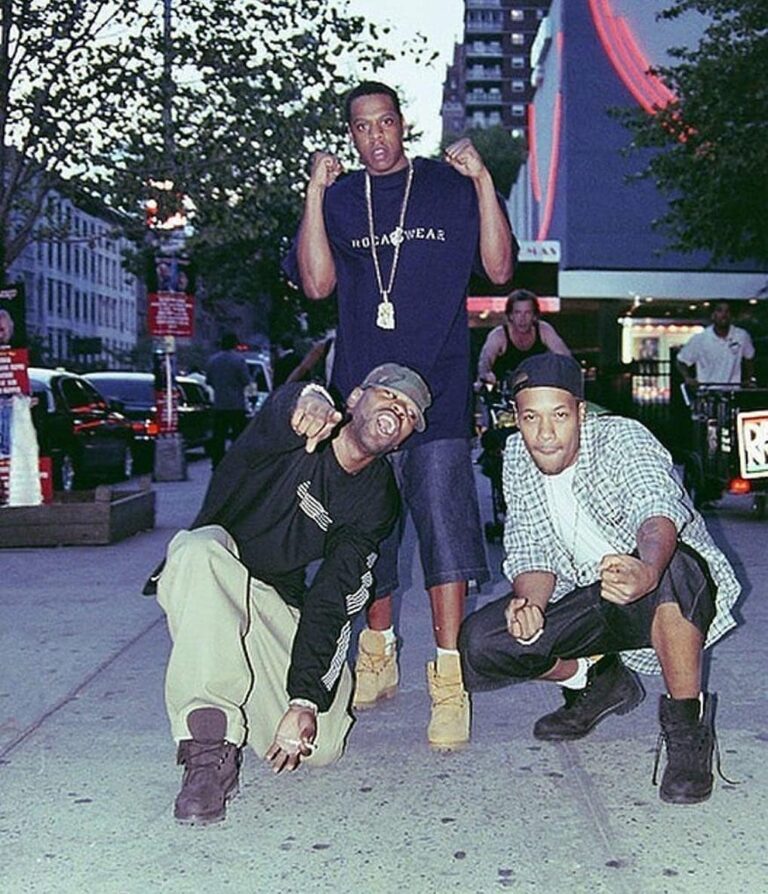
Verzuz battles have helped keep the general public’s minds off of the pandemic and the success from each ensuing battle has fans creating dream matchups of who they want to see next, and which artist they want paired with who. One of the artists that many fans want to see step into the ring is Jay-Z. Widely considered as one of, if not the greatest rapper ever, conversations surrounding a potential Hov battle have people asking two questions: given his immense stature, would he actually do a Versuz battle? And, who exactly would be his opponent?
The first names that have been tossed around are his long-time rival Nas and Lil Wayne. Nas and Jay-Z’s rivalry is well-documented and dates back to the late 90’s. Their problems began when Nas turned Hov down for a feature on Jay-Z’s song “Dead Presidents” off of the Reasonable Doubt LP, because Nas’ voice was sampled for the record. With that, animosity began to build, as both rappers exchanged shots for years throughout multiple songs until the rivalry met its climax in 2001.
https://vimeo.com/316958866
First came Jay-Z’s “Take Over” from his Blueprint album, while Nas replied a few months later with “Ether.” Their battle marked Nas’ to hip-hop superiority, as well as the first real loss by Jay-Z. It only makes sense that their convoluted history has fans yearning for a Verzus battle between the two.
While Lil Wayne’s case is centered on his dominance of the rap game during the mid-to-late 2000’s, he has also had a healthy rivalry with Jay-Z with the two sharing subliminal shots at each other on various records. While all these names are legendary in their own right, the best opponent for Jay-Z isn’t Lil Wayne or Nas, but none other Method Man.
Making a name for himself in the early 90’s as the face of the most gritty and diverse group in hip-hop history, Wu Tang Clan, Meth has been a part of many classic albums in his own right. From his work with the Clan, his own solo albums and guest features, he has enough in his arsenal to give Jay-Z his toughest matchup in a Versuz Battle.
Why Meth and not Nas or Wayne
Some will say that Method Man isn’t a better choice to battle Jay over Nas or Lil Wayne and they would be wrong. Artists have egos and want to be matched up with other rappers whom they believe are of their stature. Jay-Z is at the pinnacle of hip-hop as a mogul, artist and legend. He is constantly praised by hip-hop media outlets who have been the main reason for him being mentioned as the “G.O.A.T.” in recent years. Prior to his success as a businessman, that title was reserved for the likes of Tupac Shakur, The Notorious B.I.G., Rakim, LL Cool J, and Nas.
Jay-Z has always been conscientious of how people perceive him. In a 2019 Breakfast Club interview, rapper T.I revealed that Jay-Z phoned him over comments he made where he stated that he believed Tupac Shakur was the greater emcee.
Jay-Z took some offense, which let the masses know that being considered the greatest is important to him. From his pespective, why go head-to-head with Nas again? Because of the extent of his radio catalog, he would would be the heavy favorite, to the point that most would write off Nas, just as they did in 2001.
While a Verzuz battle is meant to be hit-for-hit, we’ve seen them deviate from this course and highlight quality records over just radio-friendly music. In this scenario, Nas could come with 20 of his best records and possibly sneak a win from Jay-Z, and if he does, then his status among mainstream media as the best rapper ever would come into question.
The same thing can be said for Lil Wayne, only his win would come from his sizable radio catalog. If Jay-Z were to battle him and go hit-for-hit, there is a possibility that he would lose. Another overlooked aspect is that Nas, Lil Wayne and Jay-Z all have laid-back personalites, which might not be the most entertaining to the public as other battles have been. This is where Method Man comes in. As the host of TBS’ Drop the Mic, his personality is effervescent and thus would serve as better entertainment to audiences, as he would surely provide great banter during a Verzuz battle. Meth is not considered usually in the conversations for best rapper ever, he is thought of like Snoop Dogg; a dope rapper in their prime, who have been featured on great songs throughout their careers.
If Jay-Z were to get defeated by Method Man it would be more of a look for Meth and his catalog than a diminishment of Jay-Z’s. Meth is pulling from not only his catalog but the entire Wu-Tang Clan’s, as well as guest verses he has done throughout his career. If Jay-Z does defeat Method Man, then he can say he took down Method Man (who was at one point viewed as a better emcee than Jay-Z in the mid to late 90’s), while also claiming that his own catalog was able to overcome Wu-Tang Clan’s discography, which would make his case as the greatest ever stronger.
How Would Their Battle Go?
A battle between Method Man and Jay-Z would be interesting because of their contrasting styles. Meth has a gritty gutter style and has been known to rhyme over tougher beats. Jay-Z is smoother and rhymes on more polished sounding production. Meth might probably start off with his first single off the 36 Chambers album “Method Man” or “Protect Ya Neck,” the track that put the entire Wu on the map. This would put Jay-Z in a bind, as a lot of the early Wu Tang records are considered some of the best rap songs of all-time. This would probably force him into playing a lot of his older, more acclaimed work but, he would most likely still play some of his newer songs like “Story of OJ,” due to its popularity and current climate of the world, with race relations and internal bickering amongst the black community.
A major risk in this battle is sequencing. Would Jay-Z try and use his Billboard hits against Method Man with songs like “Déjà vu” with his wife Beyonce? While one of his highest charting songs ever, against Method Man, the underdog in this battle, it would not be wise to play those kind of records.
Method Man has gotten a bad rap for “whining” about being overlooked in his all-time ranking when people mention the greatest emcees. A Verzuz battle with Jay-Z not only brings new listeners to his already iconic catalog and also opens up discussions about where Method Man should be ranked in the pantheon of hip-hop greats. This also works in Jay-Z’s favor, as Method Man has a legendary and mostly underrated discography. If Jay-Z were to lose, it would be shocking but no one would question his superiority over Method Man in the rap hierarchy. If Hov wins, then he would reaffirm his status as the best rapper of all-time.
Here is a list of both MC’s potential versus picks.
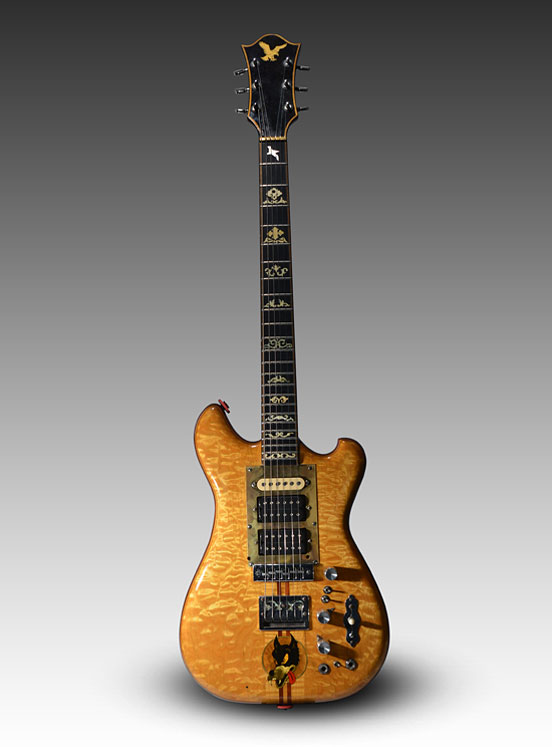
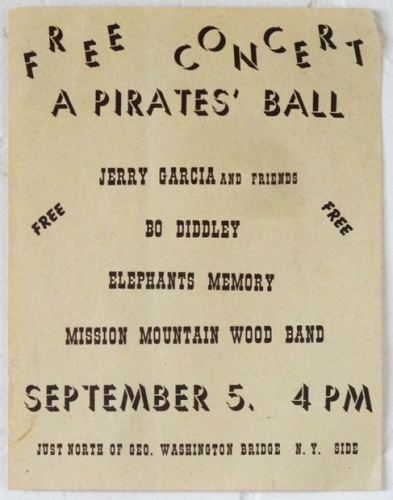
Among the many guitars in the cache of Jerry Garcia, “Wolf” stands as the most legendary of them all. “Wolf” was customized by luthier Doug Irwin, and was delivered to Jerry ahead of his appearance at a private show for the Hell’s Angels on September 5, 1973 in NYC.
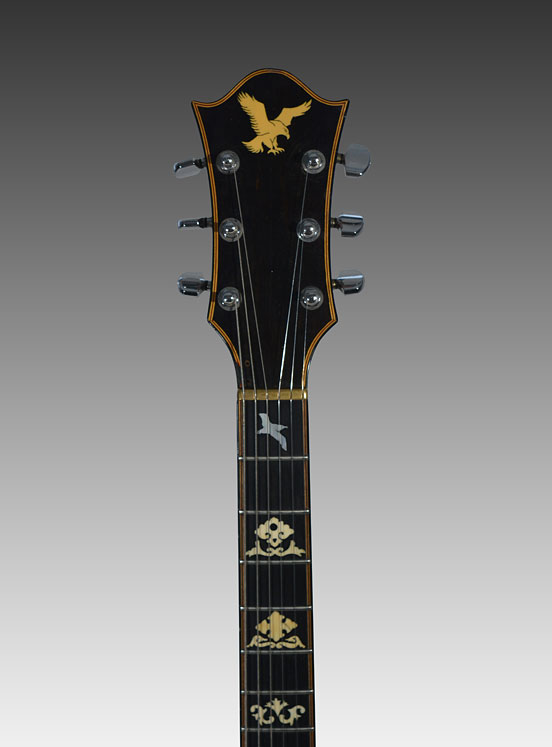
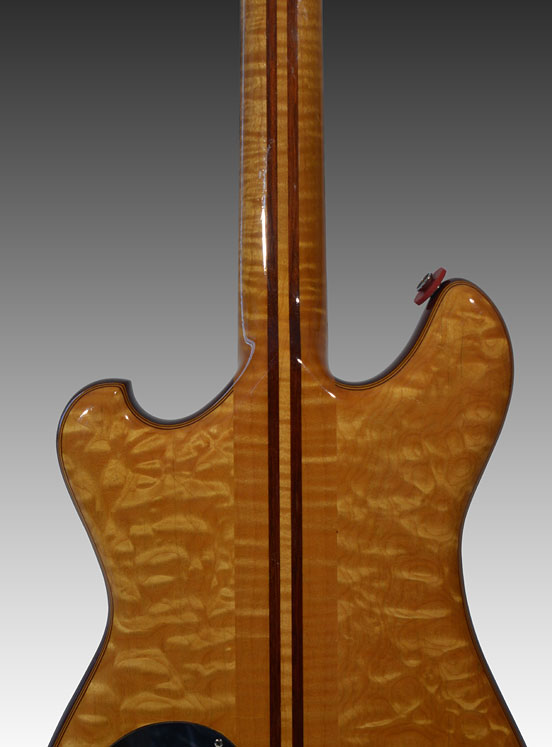
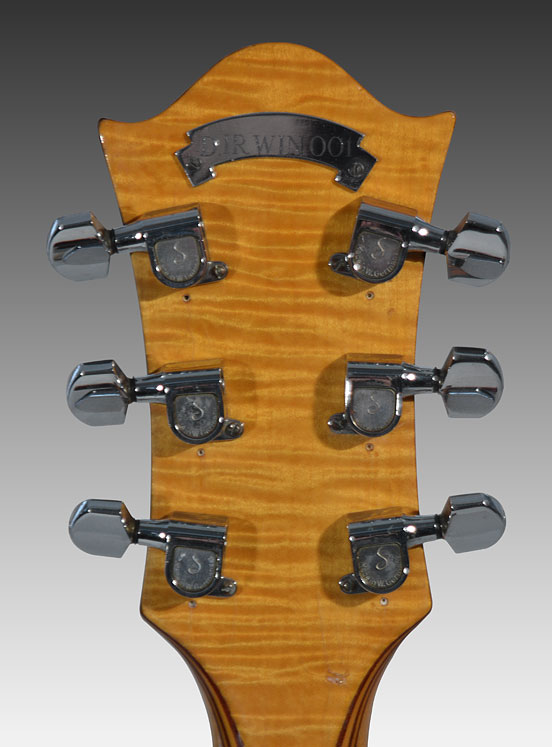
Late in 1972, Garcia came across the first guitar Doug Irwin made for Alembic, which he bought on the spot for $850. He then asked Irwin to customize a guitar for him, and “Wolf” was born. Made from amaranth/purpleheart and curly maple with an ebony fingerboard and twenty-four frets, which were inlaid with African ivory (the first fret is mother-of-pearl).
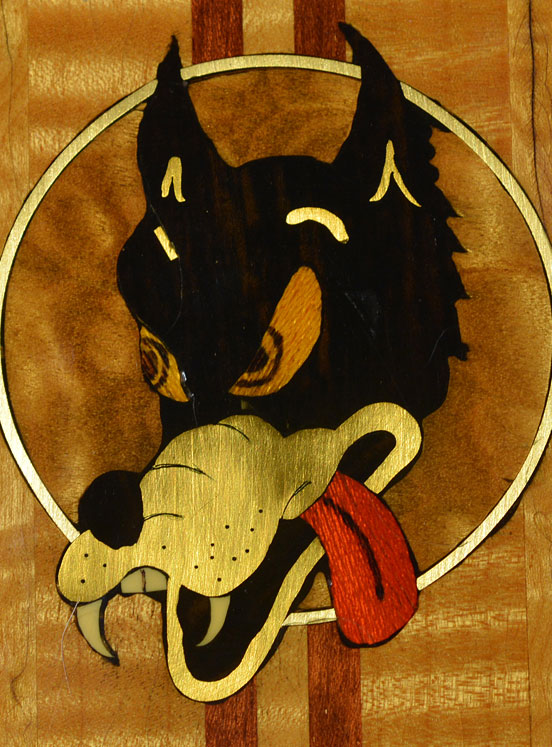
The original version had a peacock inlay, later followed by Irwin’s eagle logo in its place. Later, a cartoon wolf licking his chops was placed by Jerry Garcia just below the tailpiece, which gave the name to the guitar. Irwin would later inlay the sticker into the guitar, which was labeled as “D. Irwin 001.” The guitar would cost Garcia $1,500, or around $8,700 in 2020 dollars.
“Wolf” would be played for two decades, becoming his most well known guitar and played across countless recordings, concerts and even in “The Grateful Dead movie.” Here, Irwin discusses the intricate detail of “Wolf.”
A few years after I delivered Wolf to Jerry, the guitar took several tumbles during Grateful Dead’s European tour. The first, a fall of about fifteen feet off the stage onto cement, had no effect on the guitar at all, but the second incident caused a crack to appear in the peghead. When Jerry finally brought me the Wolf for repair, the crack was actually very minor, but a stitch in time, saves nine. Repairing the crack wasn’t much of a problem, but having the guitar again made me reassess my early inlay work, and prompted me to reface the peghead with ebony and replace what I determined to be a poor excuse for a peacock with my signature eagle inlay cut from mother-of-pearl.
“Wolf” was played throughout the ’70s and ’80s, alongside “Tiger” and “Rosebud,” also designed by Irwin. “Wolf” was brought out of retirement in 1989 when Jerry explored using a MIDI synthesizer, and was played for the last time with the Grateful Dead at Oakland Coliseum Arena on 2/23/93.
In 2002, “Wolf” was purchased by a Deadhead, who later auctioned the guitar off for a great cause. The anonymous fans said:
I’ve been a fan of The Dead since I was a kid, and playing this iconic guitar over the past 15 years has been a privilege. But the time is right for Wolf to do some good. My wife and I have long supported the efforts of the Southern Poverty Law Center, and if ever we needed the SPLC, we sure do need them now.
Anonymous owner of “Wolf”
“Wolf” would be auctioned off at a price of more than $1.6 million, a bid that was matched by an anonymous donor, raising a total of $3.2 million for the SPLC.
The first show that Jerry Garcia would play “Wolf” at was a private show dubbed “Pirates Ball” on September 5, 1973, a private Hell’s Angels party aboard the S.S. Bay Belle. Performing with Merl Saunders in New York Harbor, the ship was known as the “largest marine ballroom afloat,” and was renamed to the Sound Line later after the show. The show also featured Bo Diddley, Elephant’s Memory and Mission Mountain Wood Band.
The S.S. Bay Belle, later named Sound Line
The guitar can be see in the movie/documentary Hell’s Angels Forever, directed by Richard Chase, Leon Gast, Kevin Keating, and Lee Maden.
Setlist: It Ain’t No Use, Favela, You Can Leave Your Hat On, Mystery Train, Harder They Come, Think, Finders Keepers
Wolf’s first appearance with the Grateful Dead was at the Nassau Coliseum on September 7th, two days later. The Dead were off the road for a month, and were refreshed getting back to business. Donna Godchaux was pregnant at the time, with her husband Keith having taken over keyboard duties from Pigpen a year prior.
This show marks the debut of Weir/Barlow’s “Let It Grow,” and one of the last “Bird Song’s” of 1973 before the song was shelved for a few years. Highlights include “New Potato Cabooose,” the jam that arose from “Playin’ in the Band,” a hefty jam from “The Other One,” and the “Eyes of the World” that followed.
Deadheads reported a heavy police presence that evening, with many fans arrested at or after the show. Cops reportedly drove on the sidewalks as the show ended and attempted to clear the crowd. They also seemed to use their batons to clear the area in front of the band between sets. This would influence the Dead’s decision not to return to Nassau for many years, until January, 1979.
Setlist: September 7, 1973, Nassau Coliseum, Uniondale, NY
Set 1: Promised Land, Sugaree, Mexicali Blues, They Love Each Other, Jack Straw, Looks Like Rain, Deal, El Paso, Bird Song, Playin’ In The Band
Set 2: Here Comes Sunshine, Me & My Uncle, Loser, Let It Grow-> Stella Blue, Truckin’-> Drums-> The Other One-> Eyes Of The World-> Sugar Magnolia, E: Around & Around