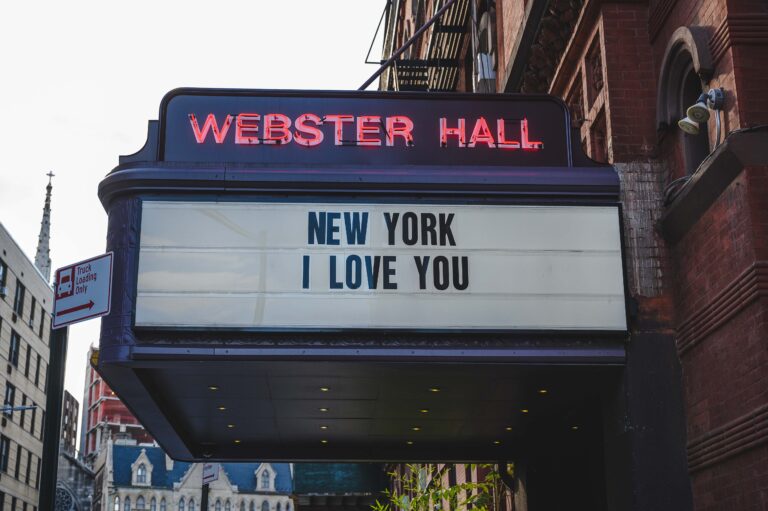
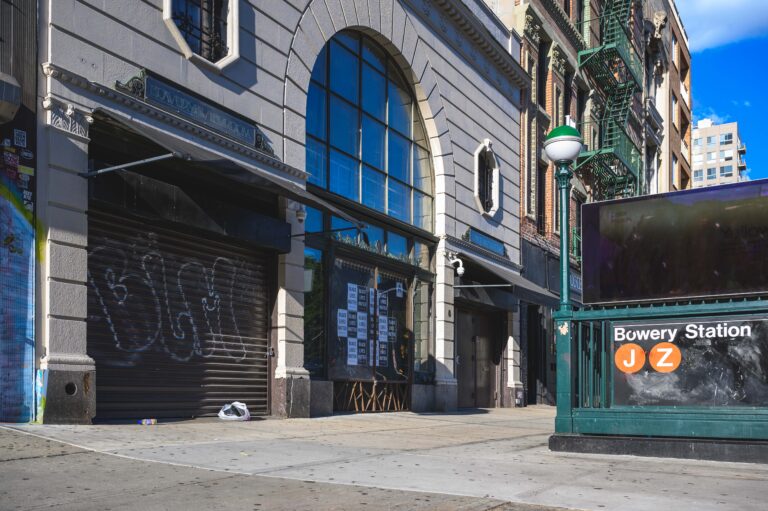
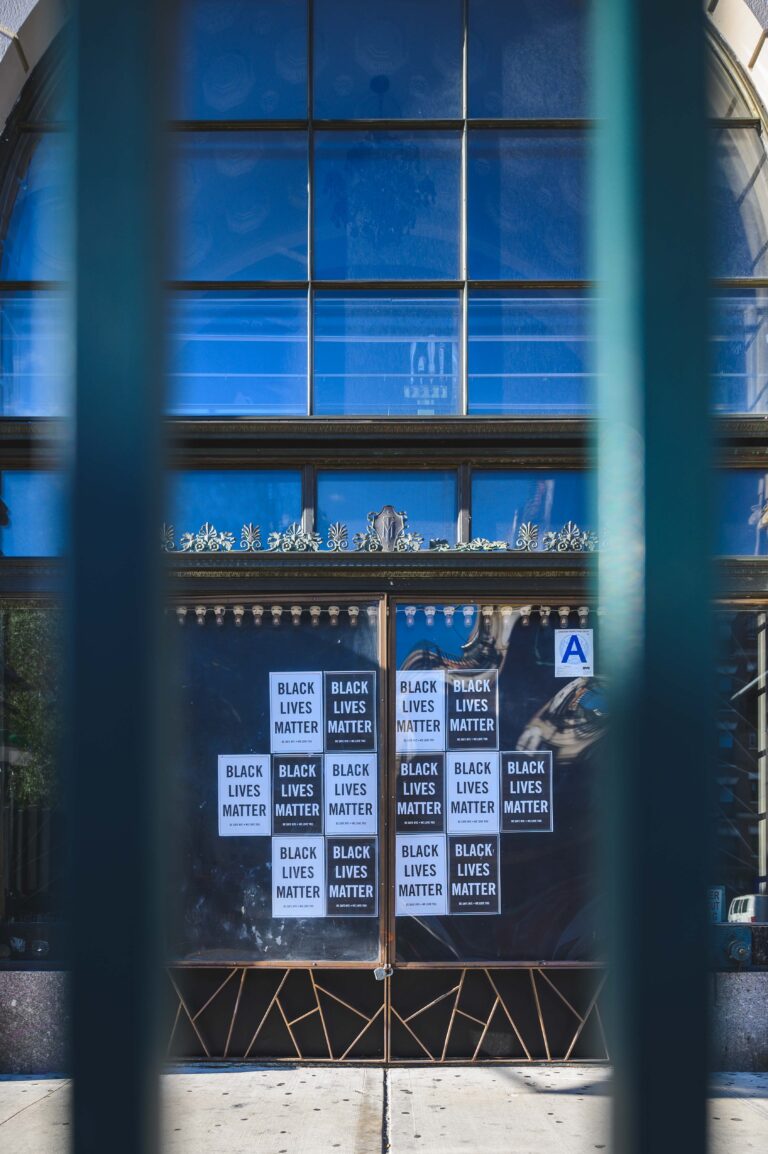
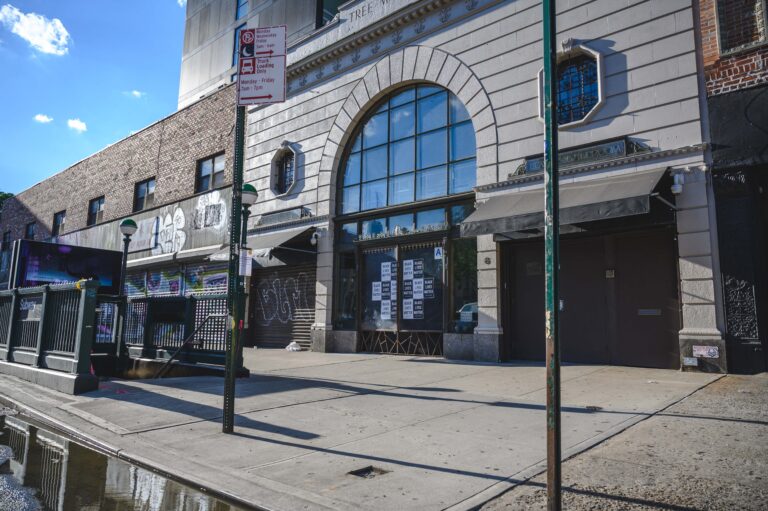
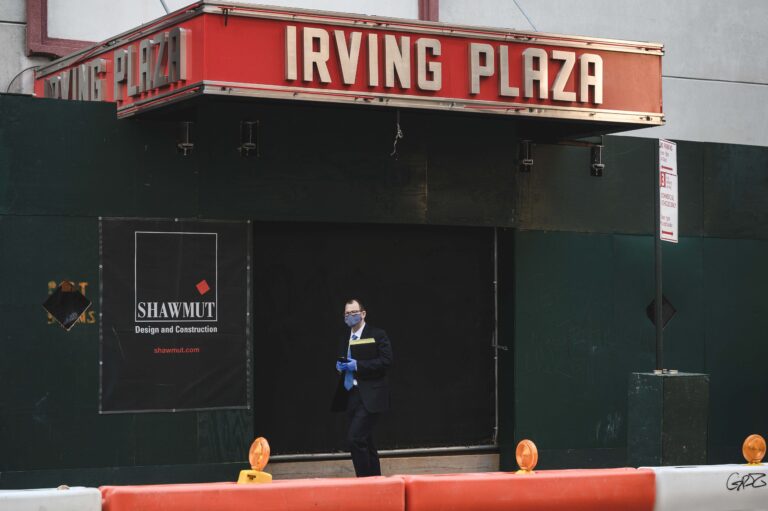
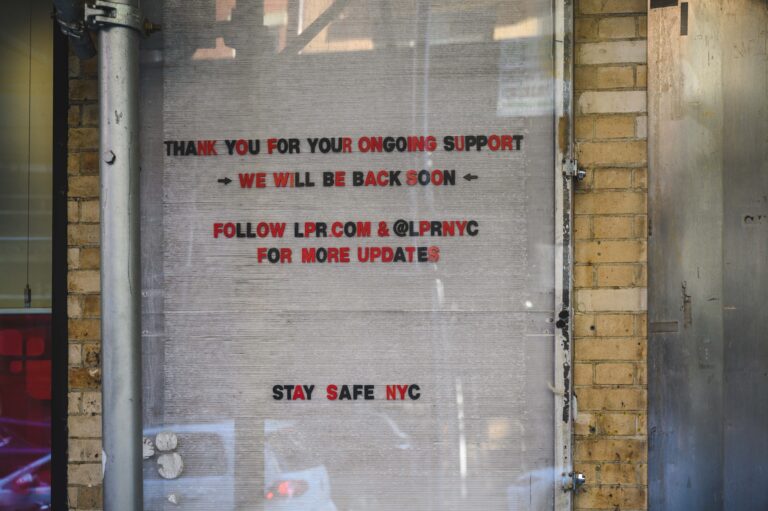
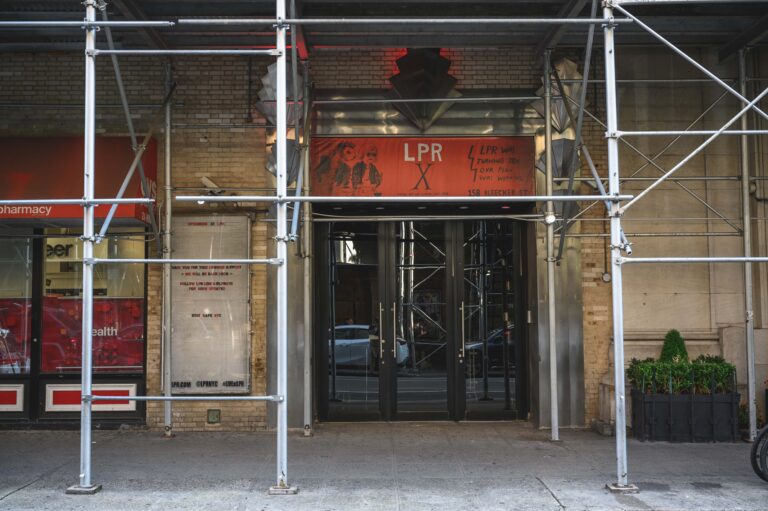
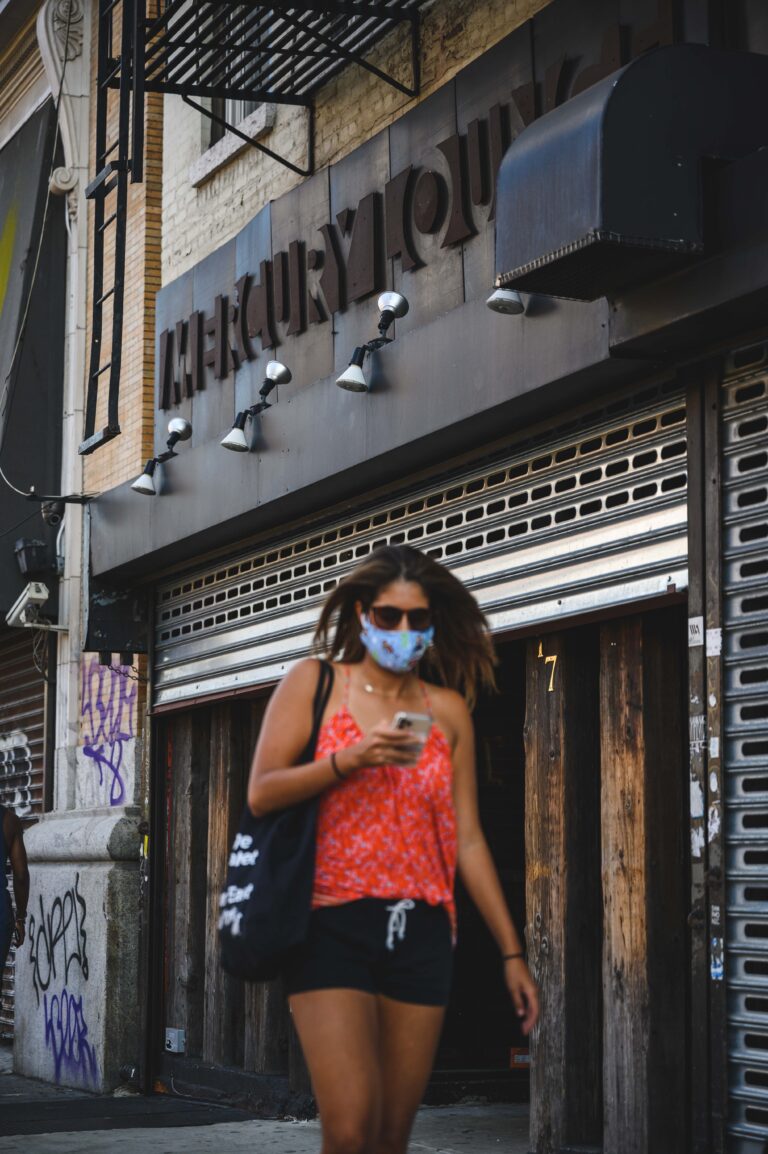
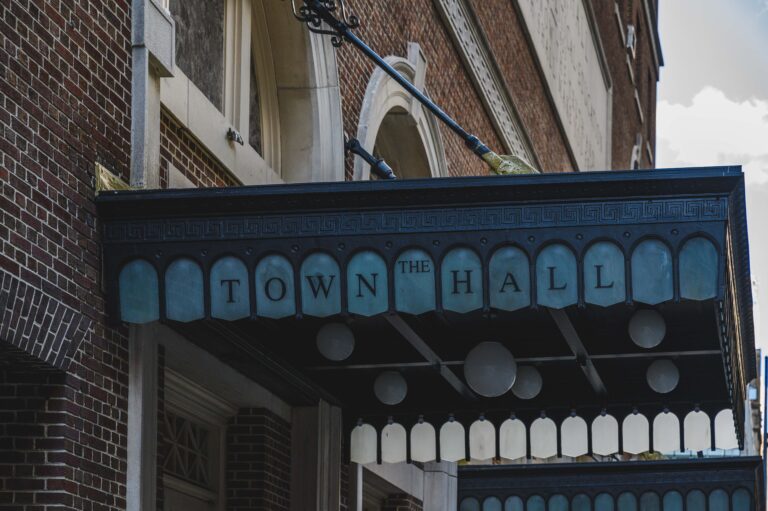
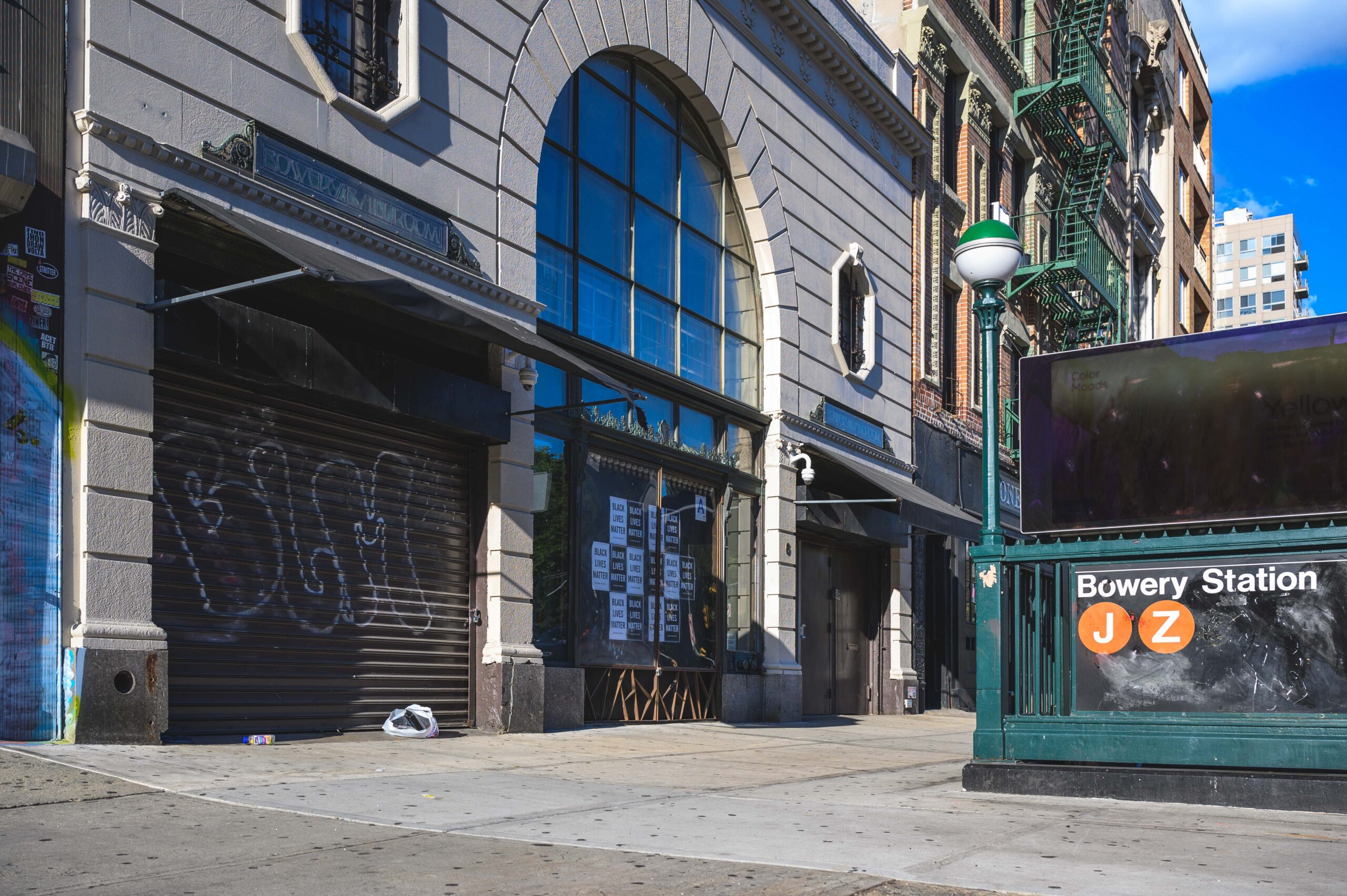
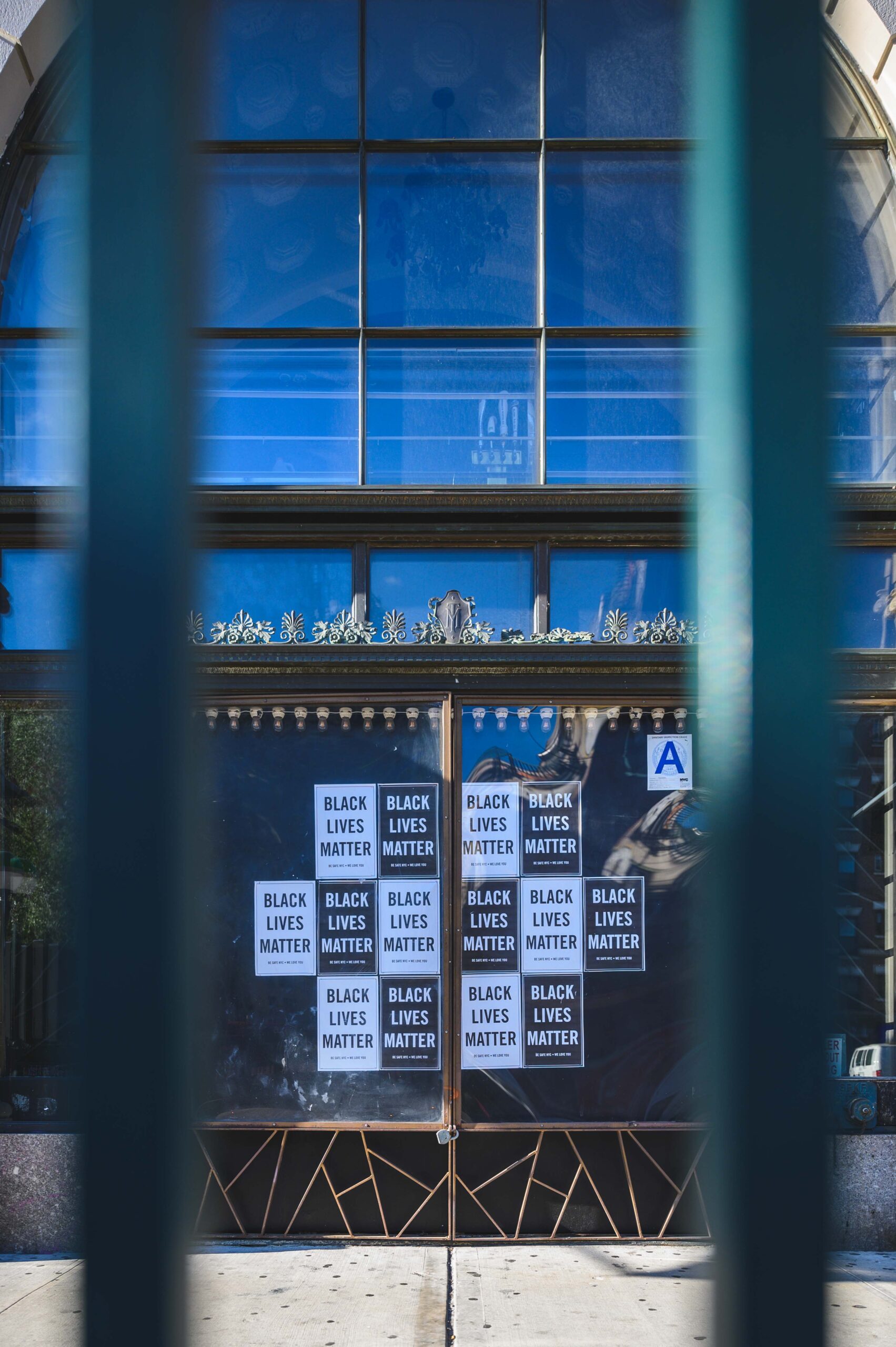
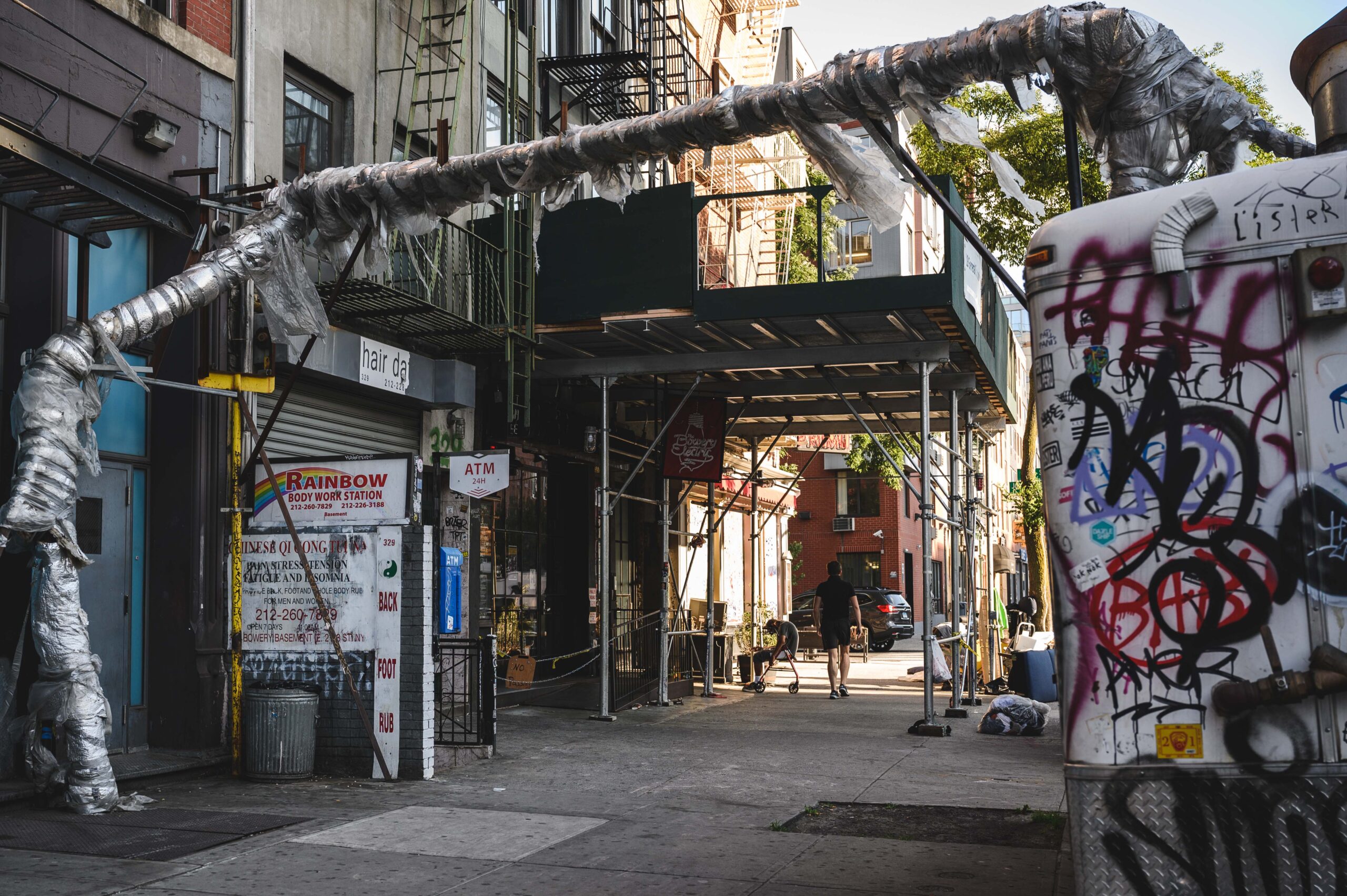
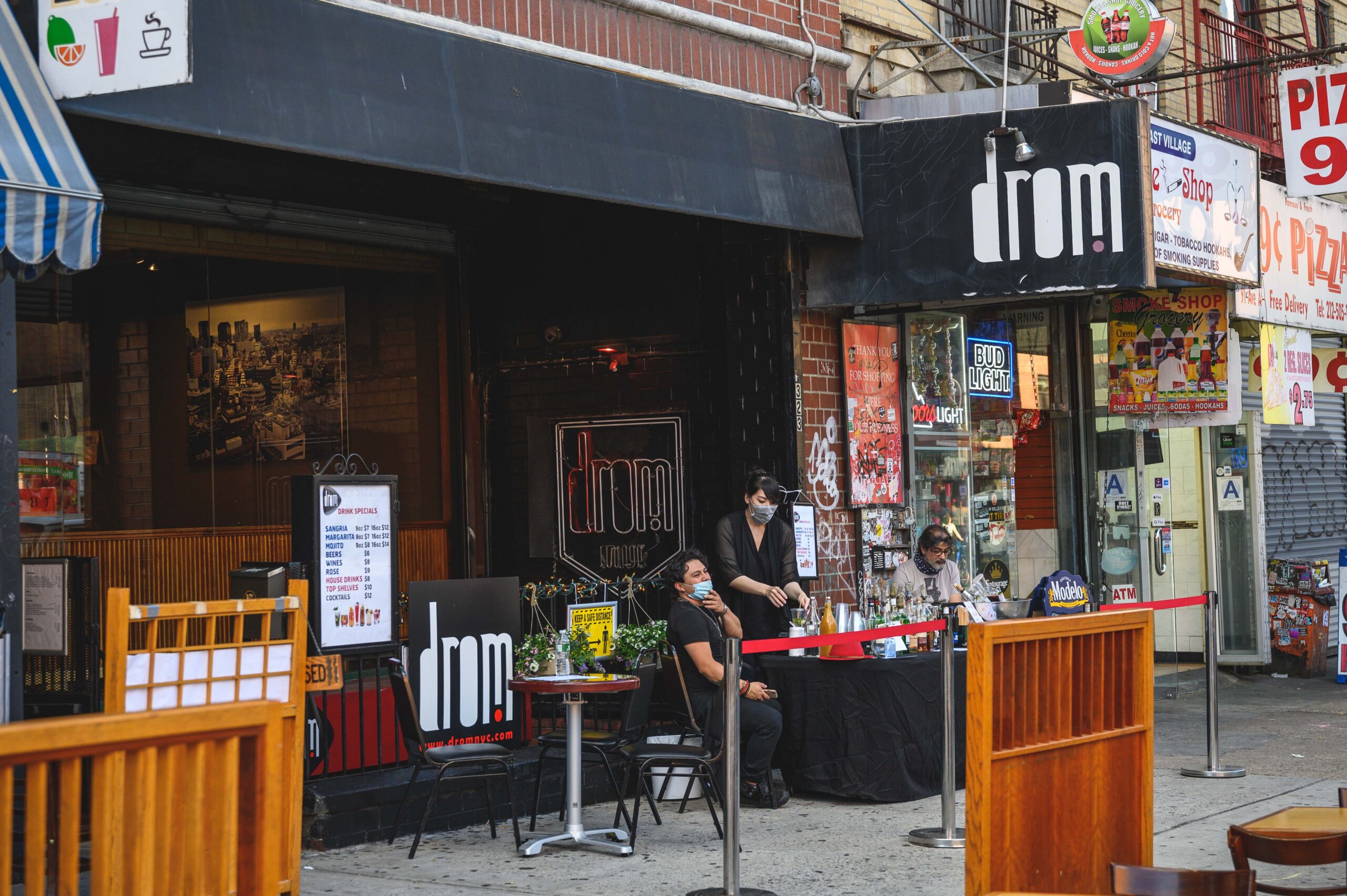
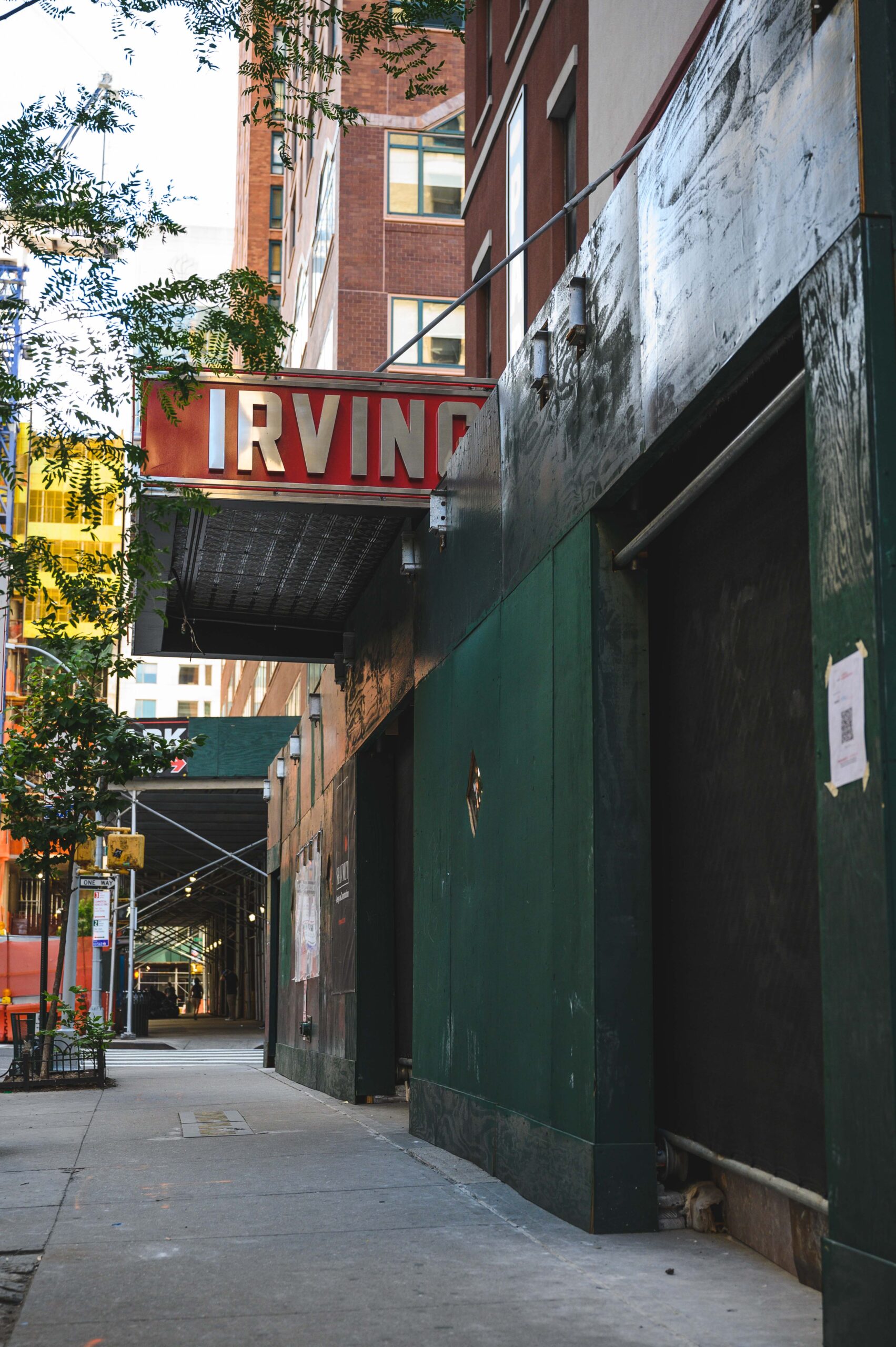
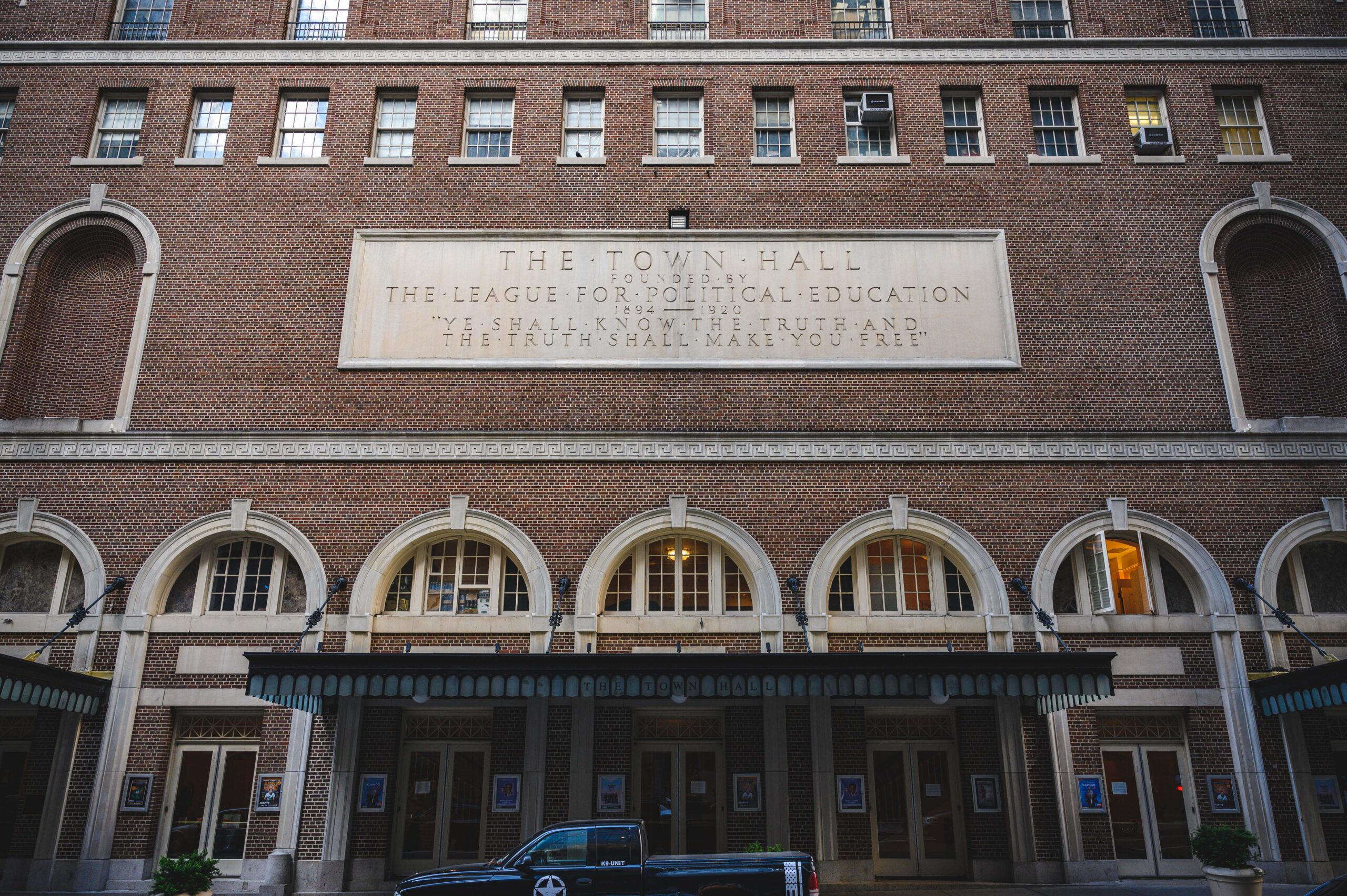
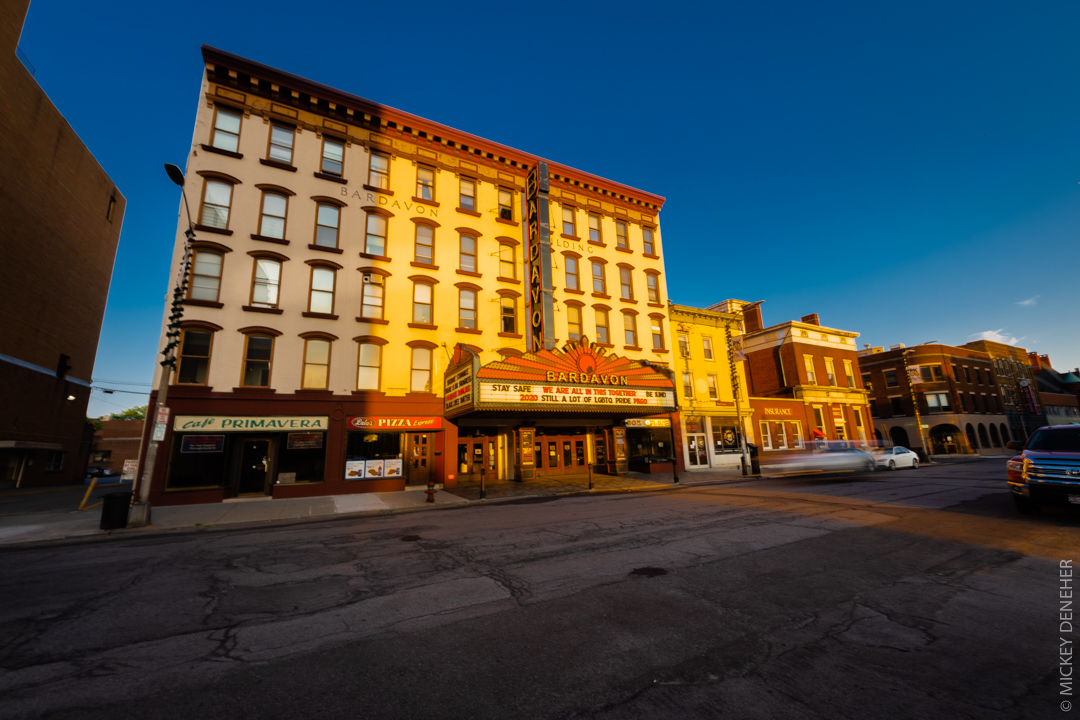
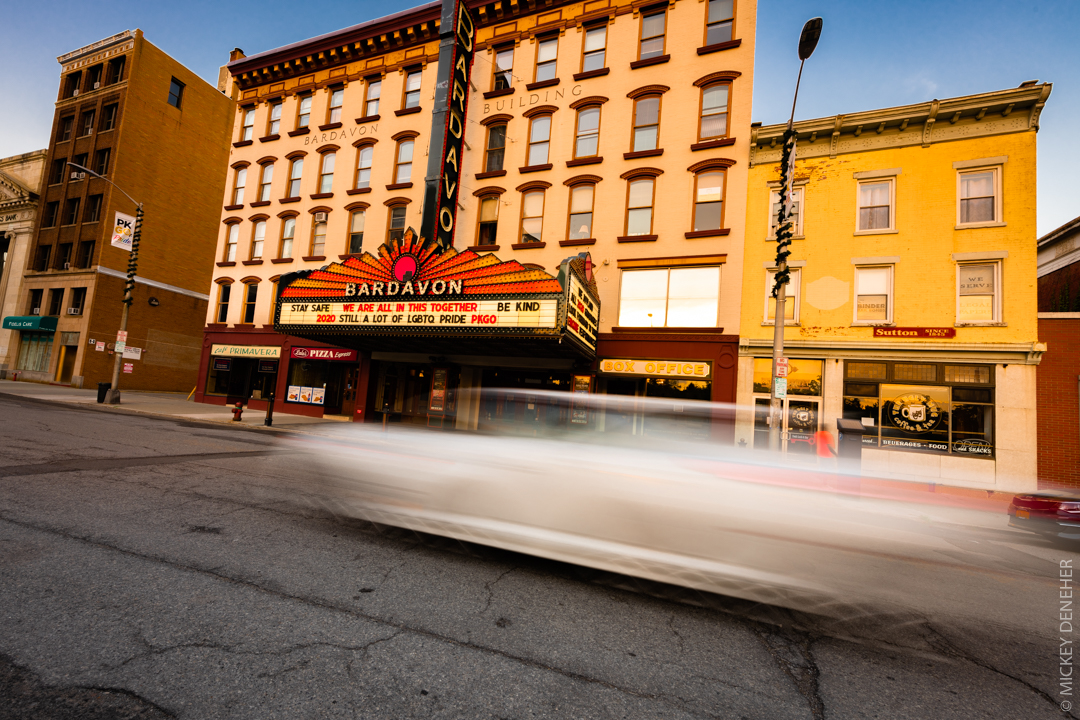
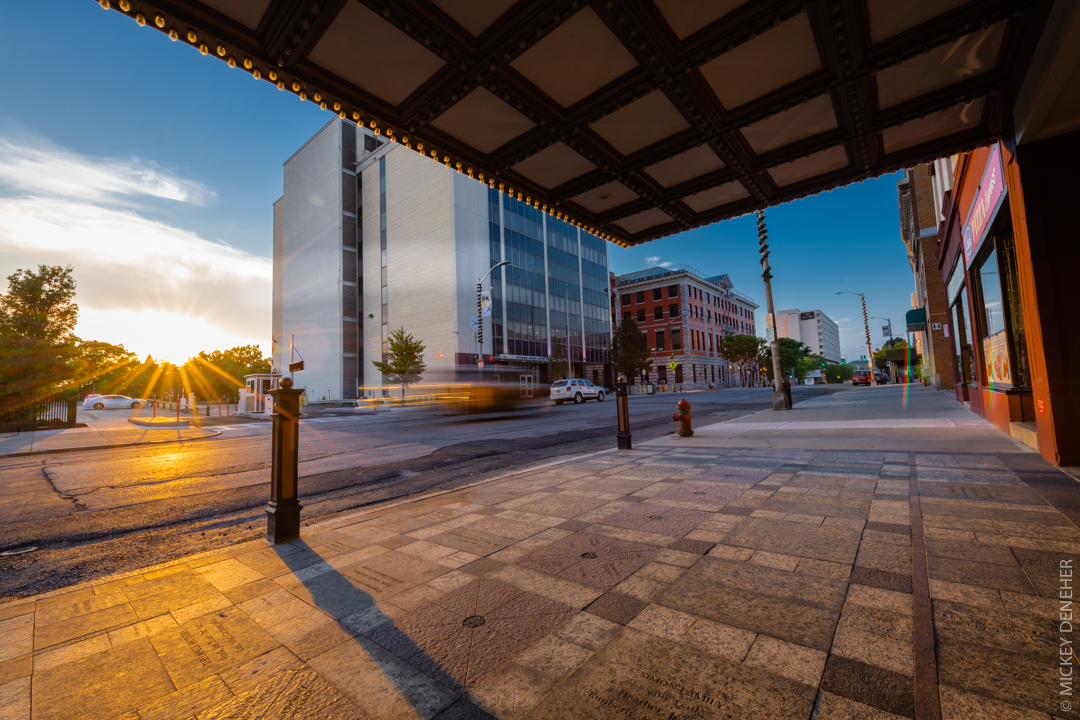
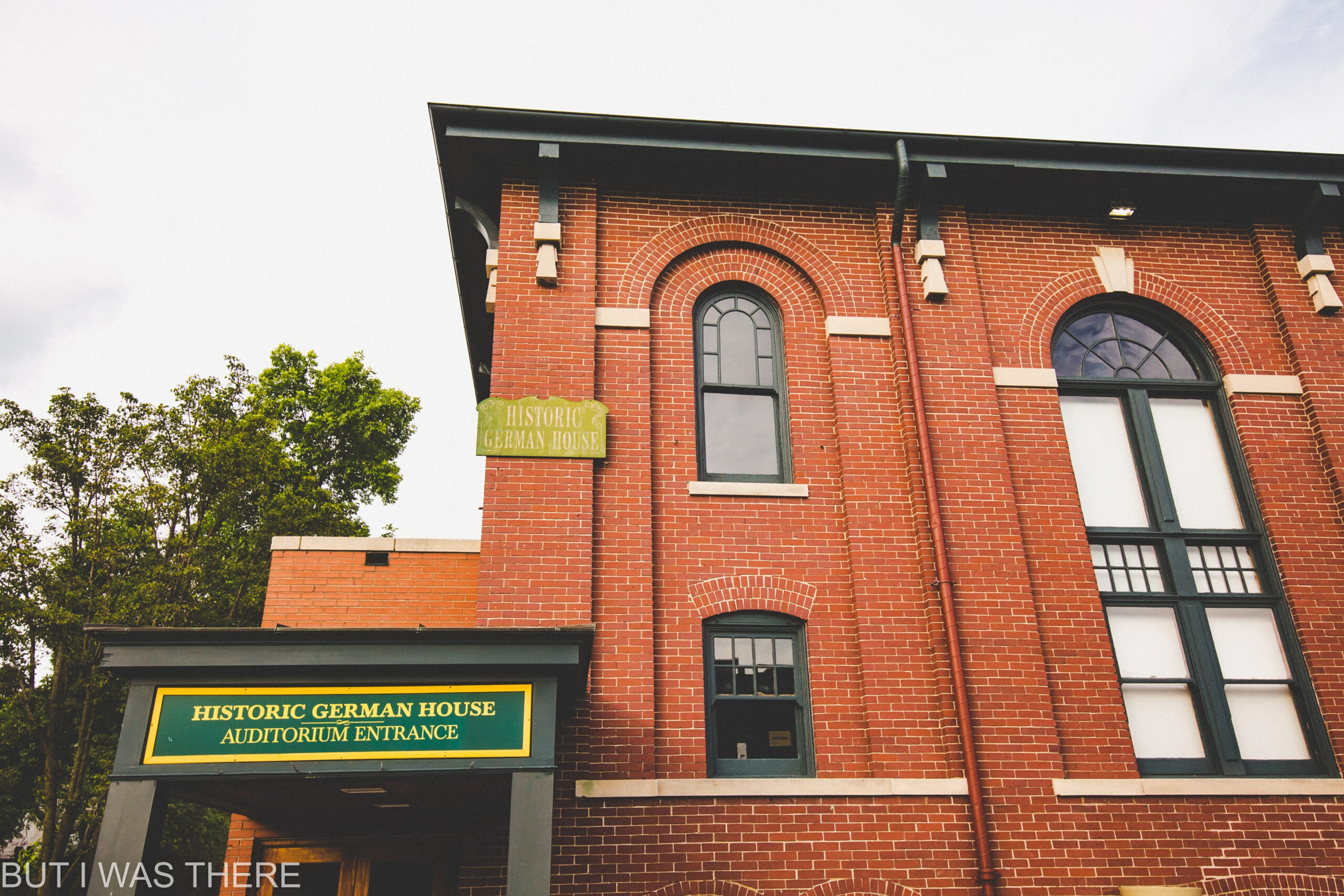
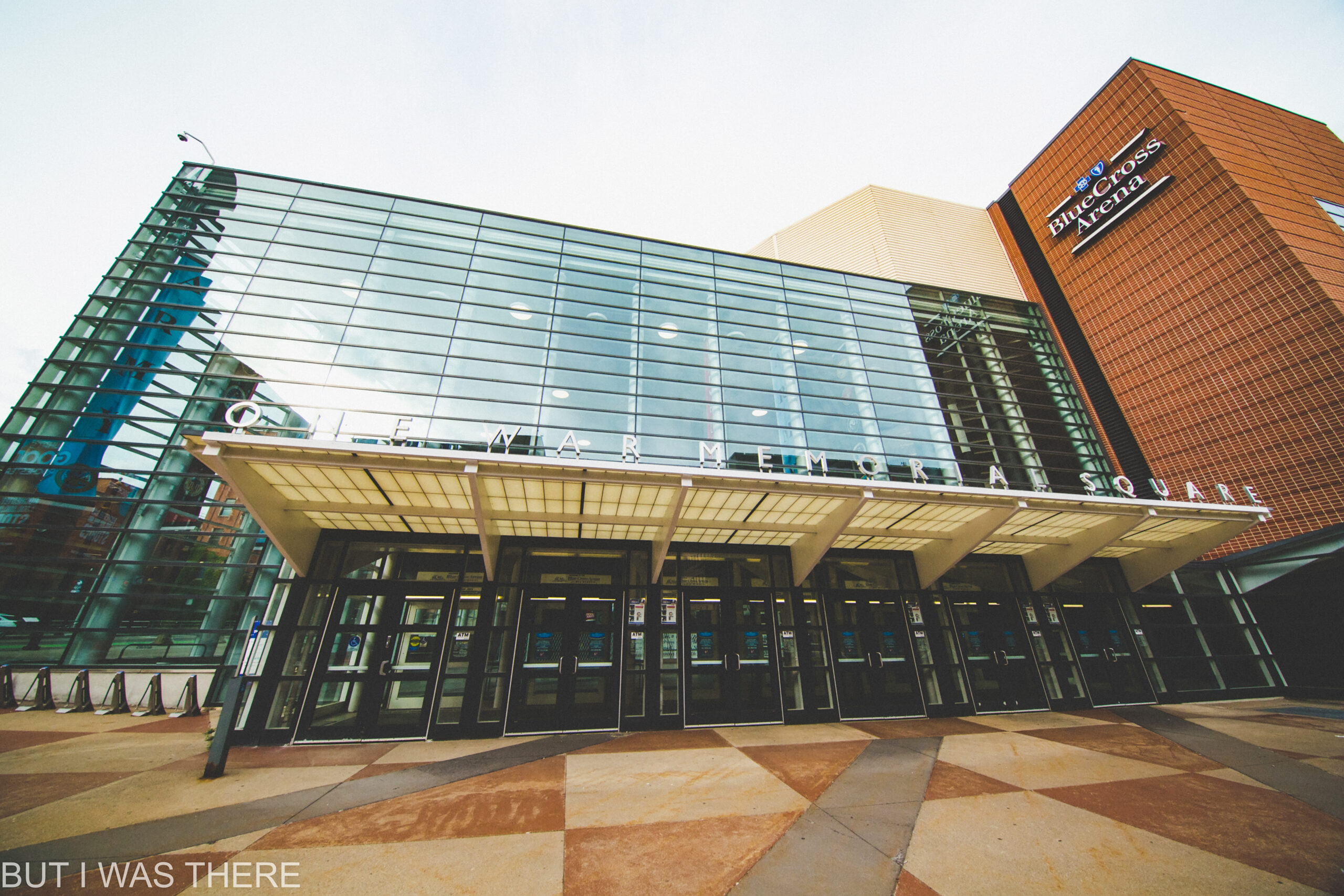
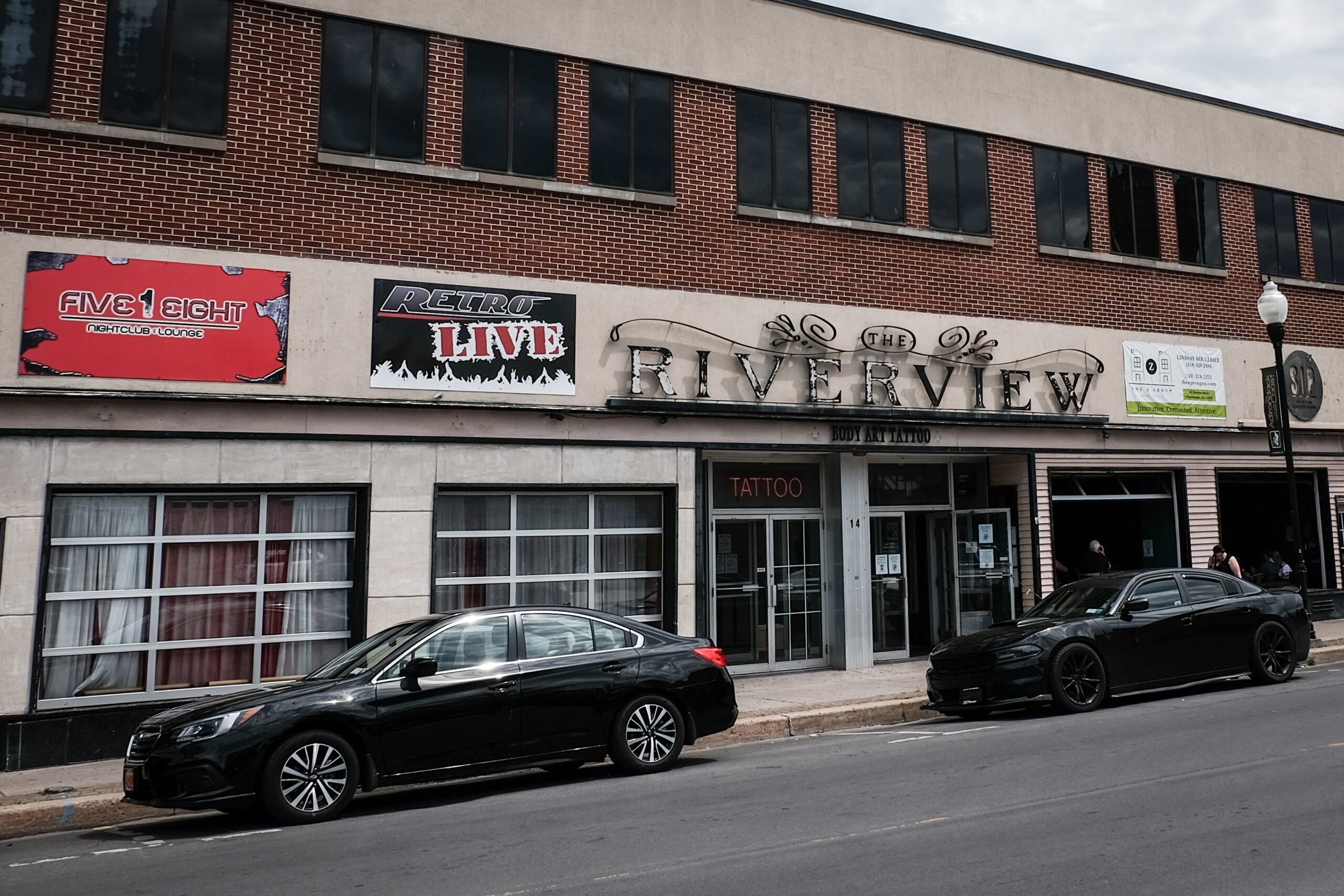
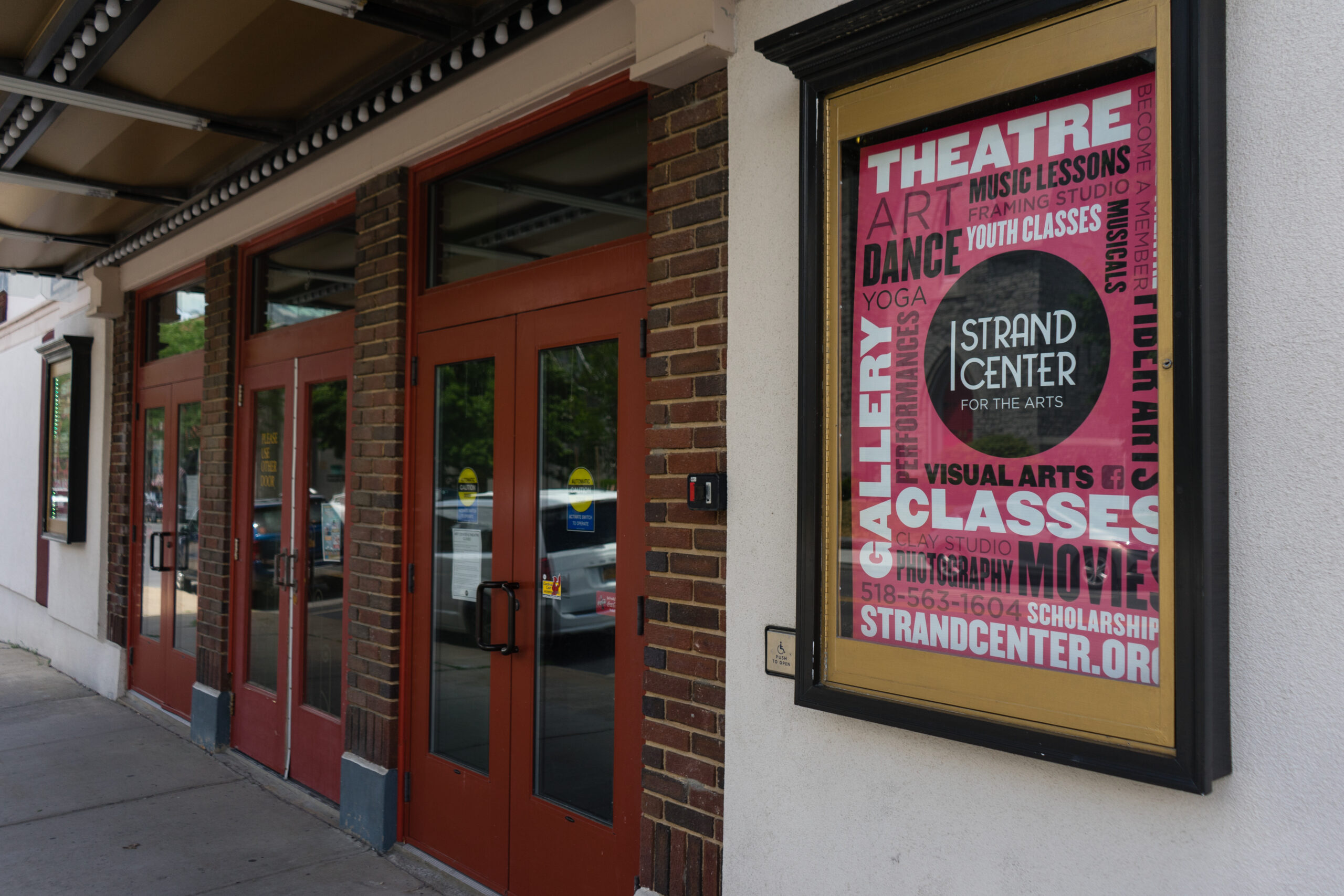
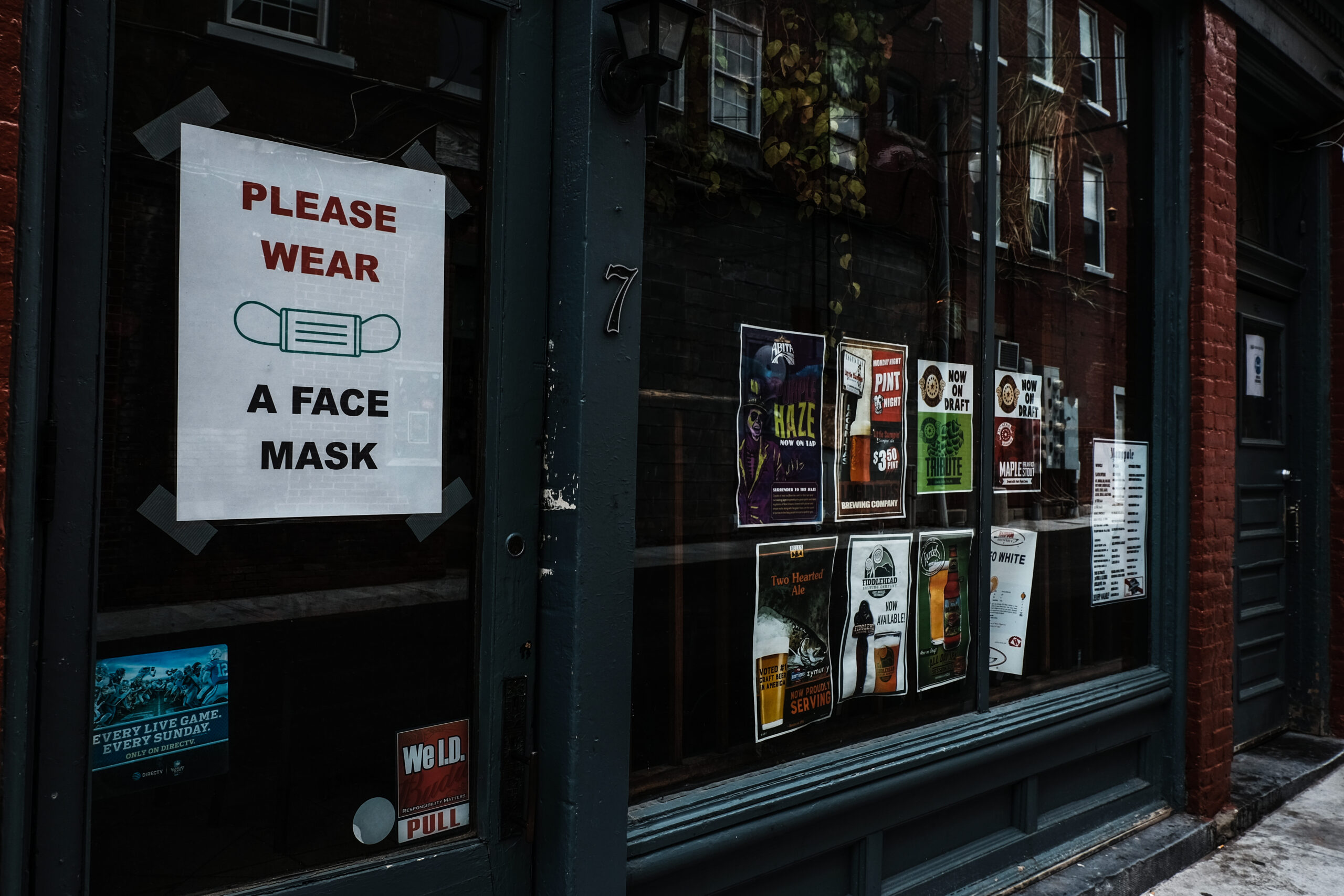
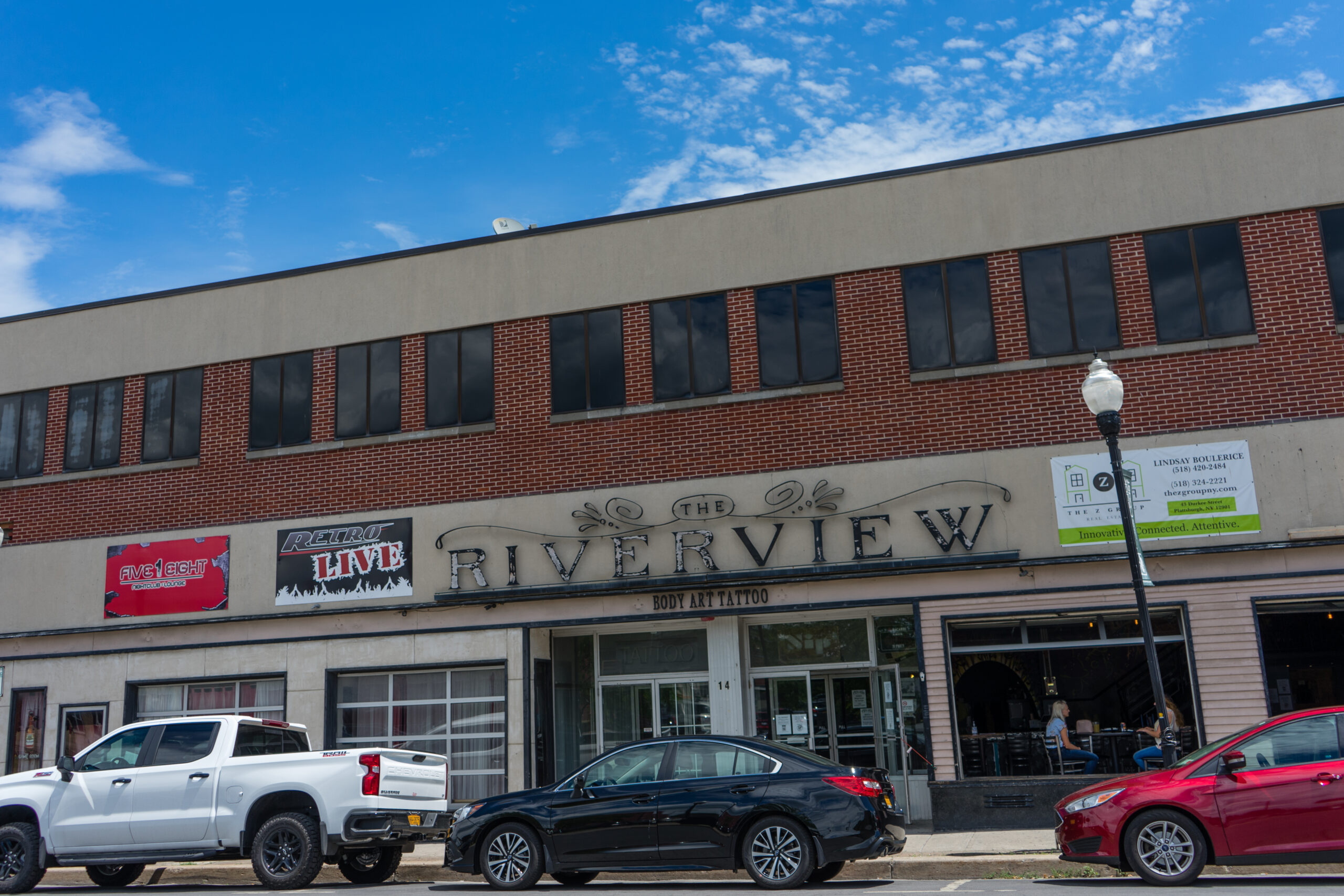
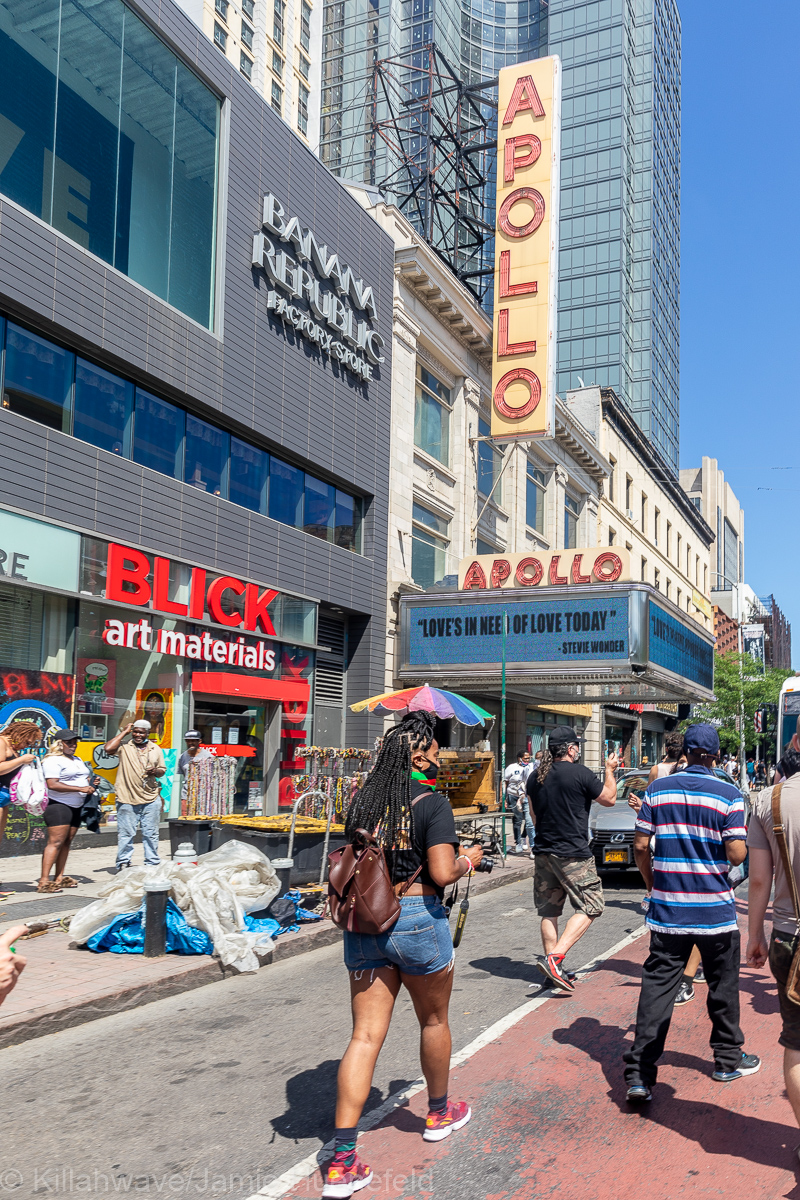
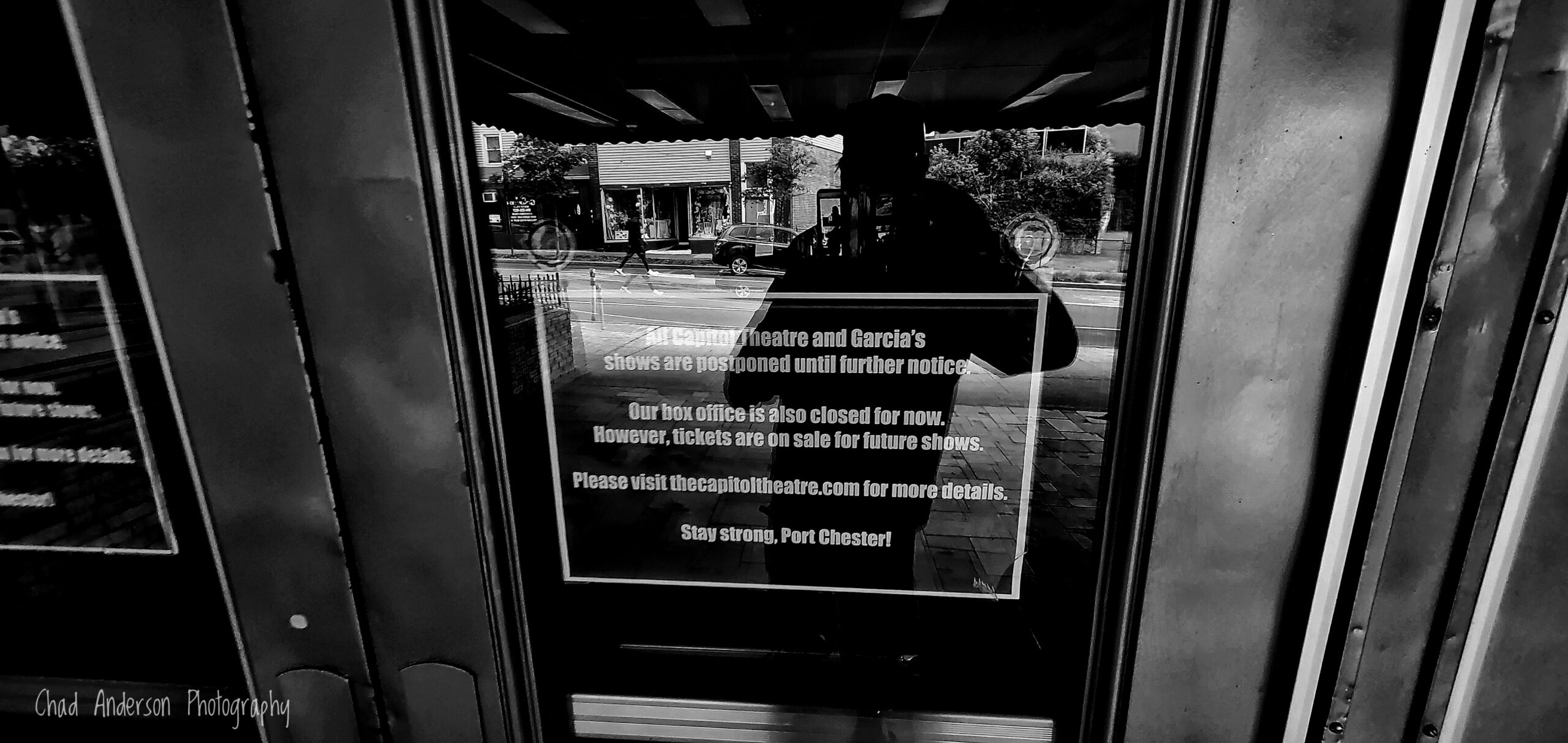
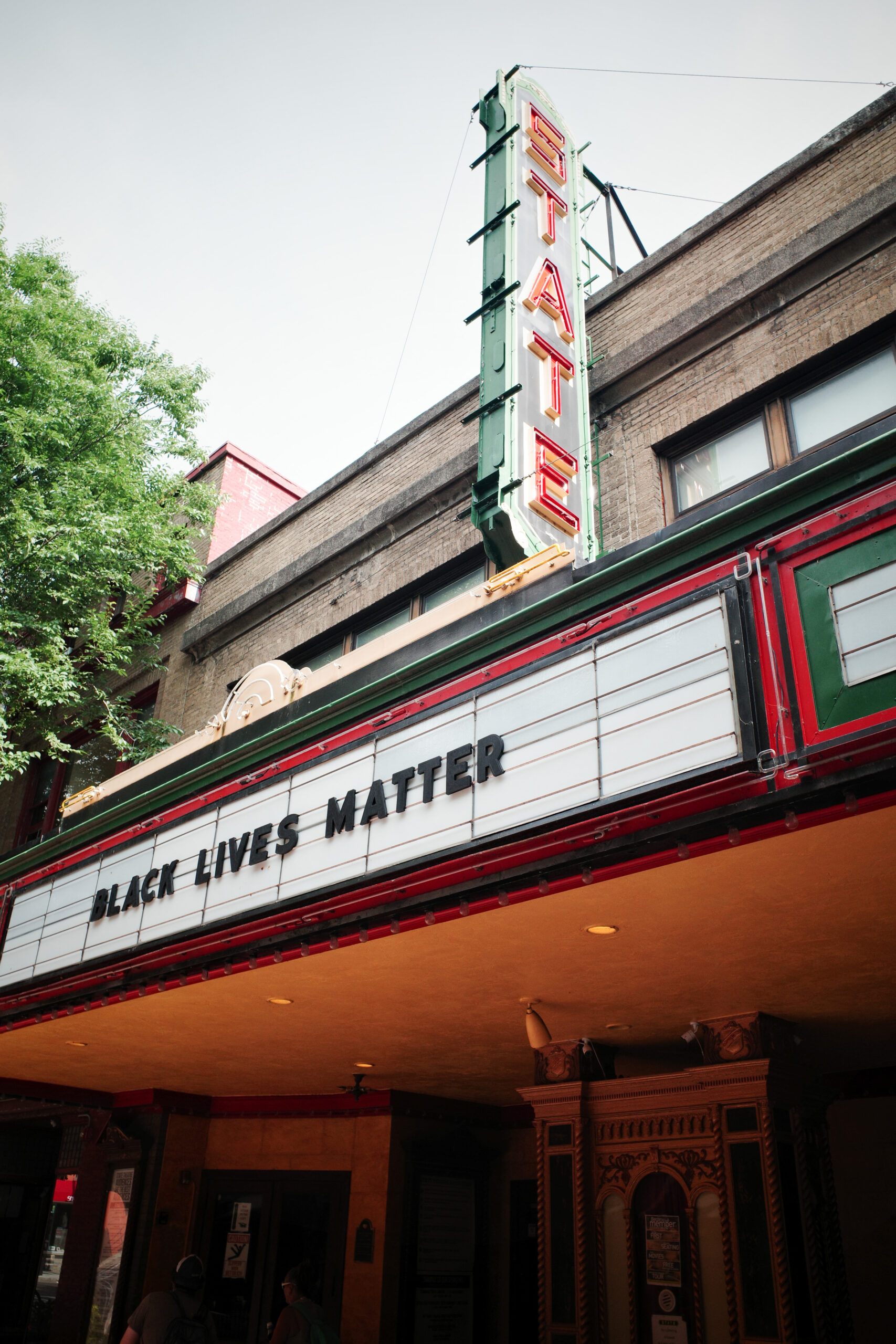
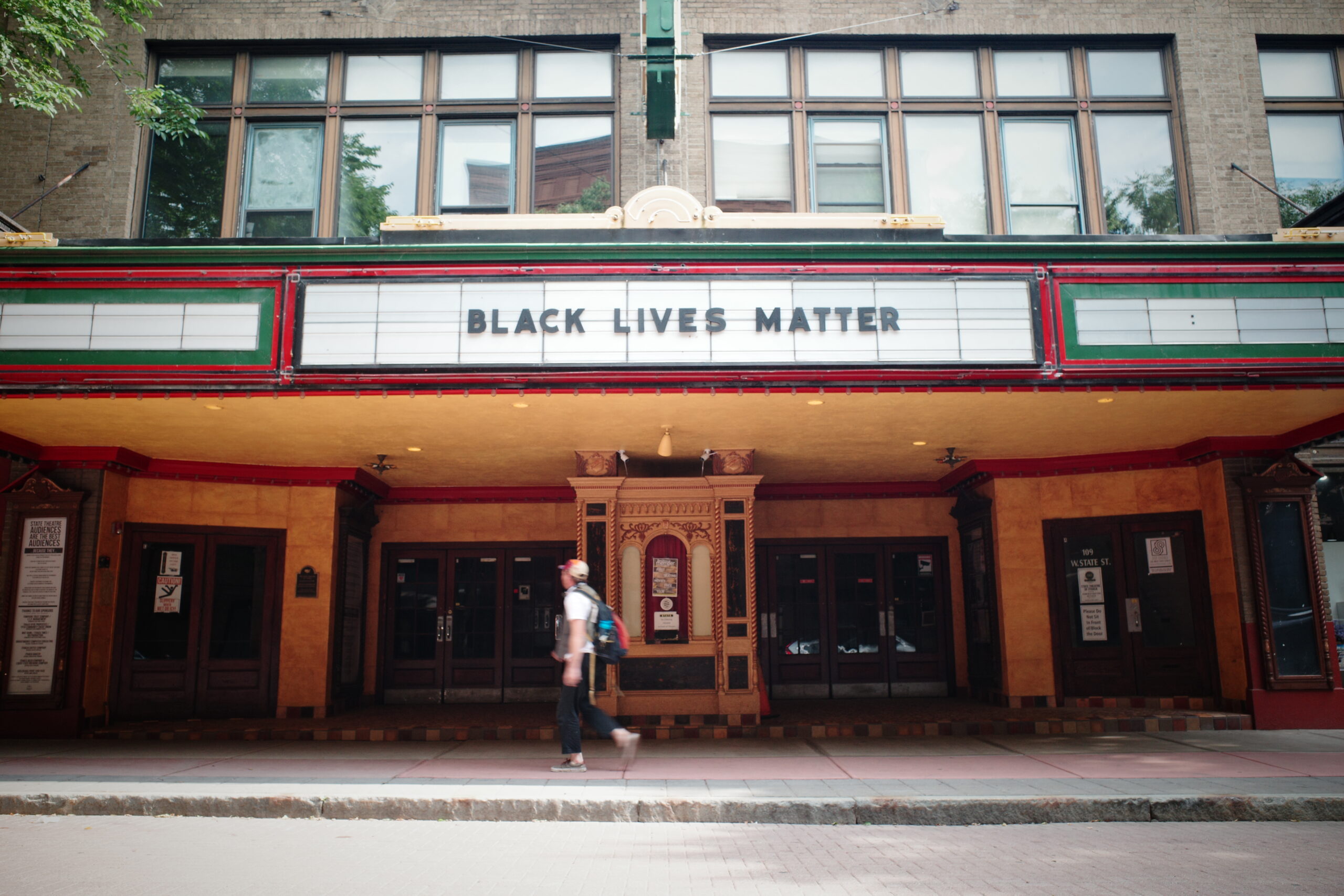
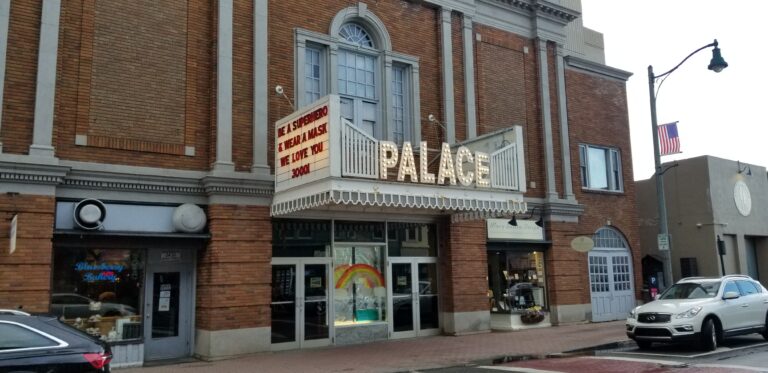
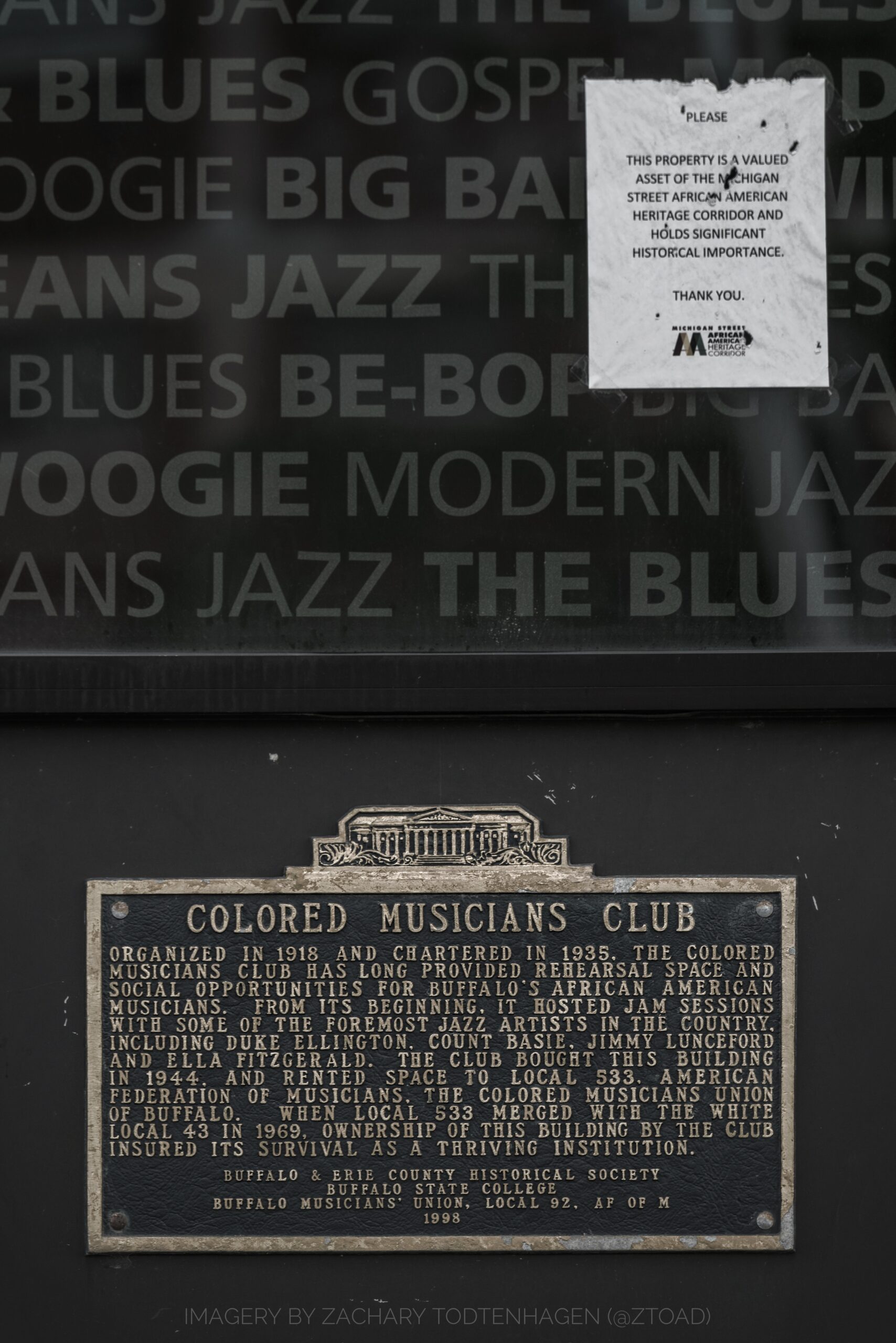
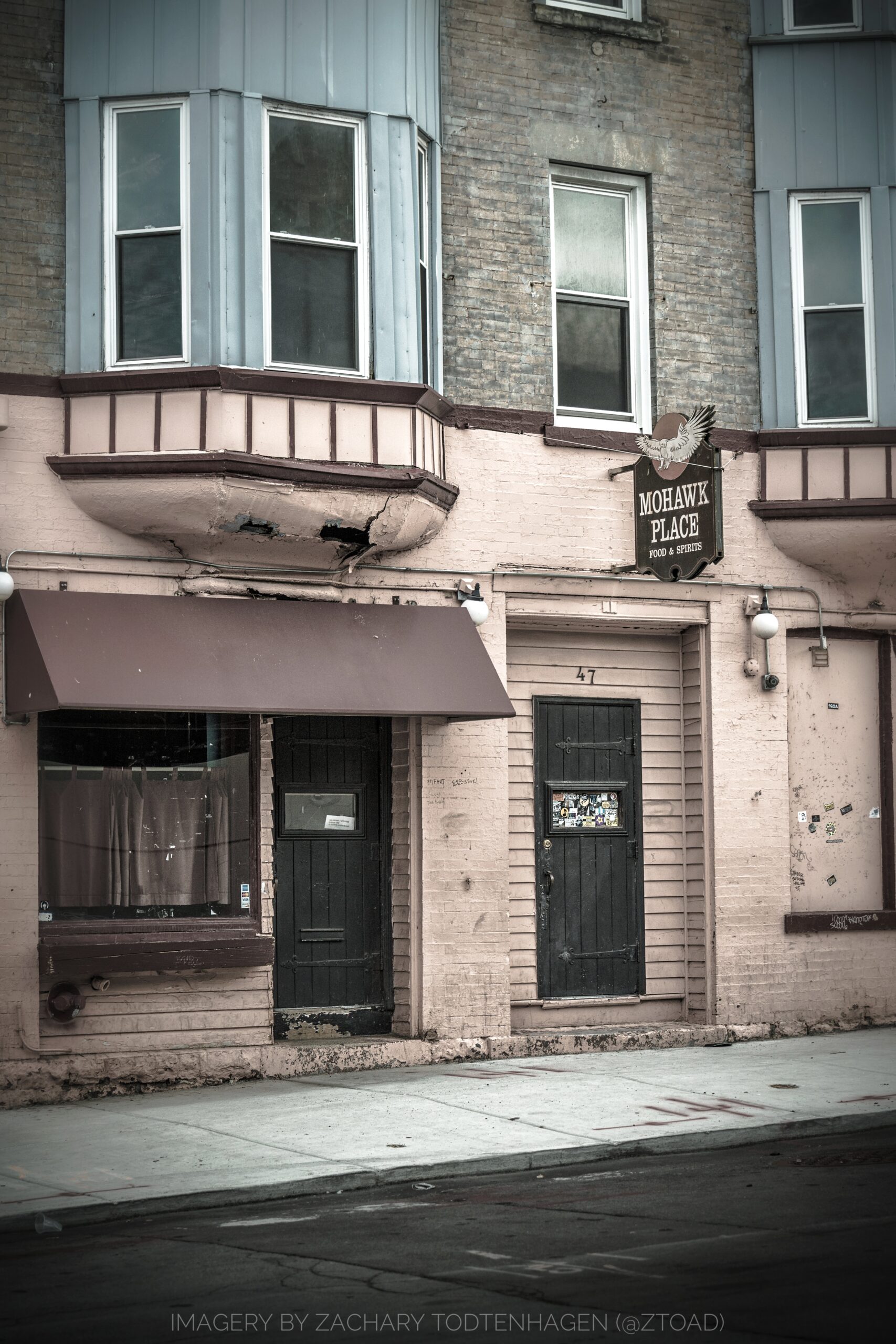
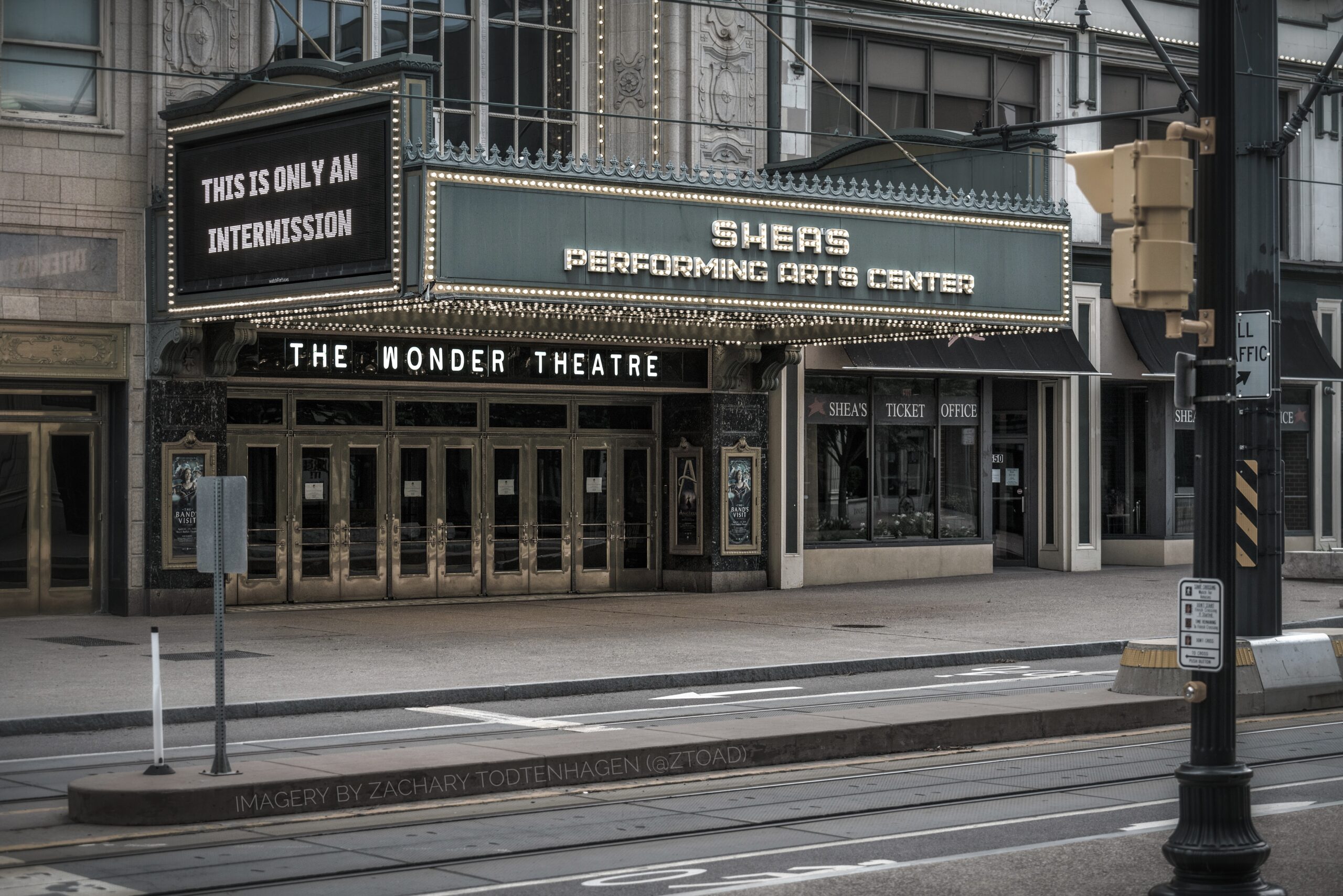
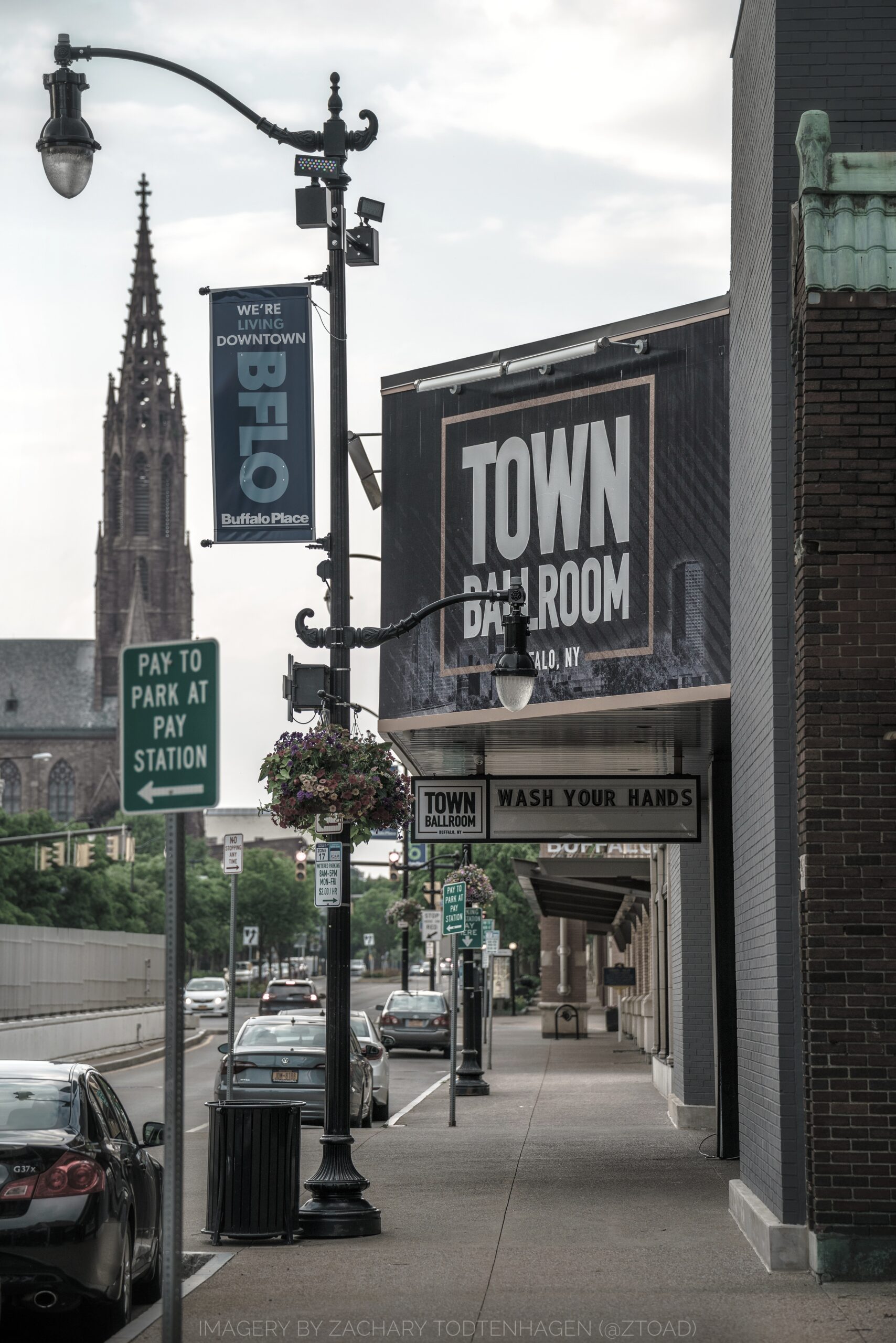
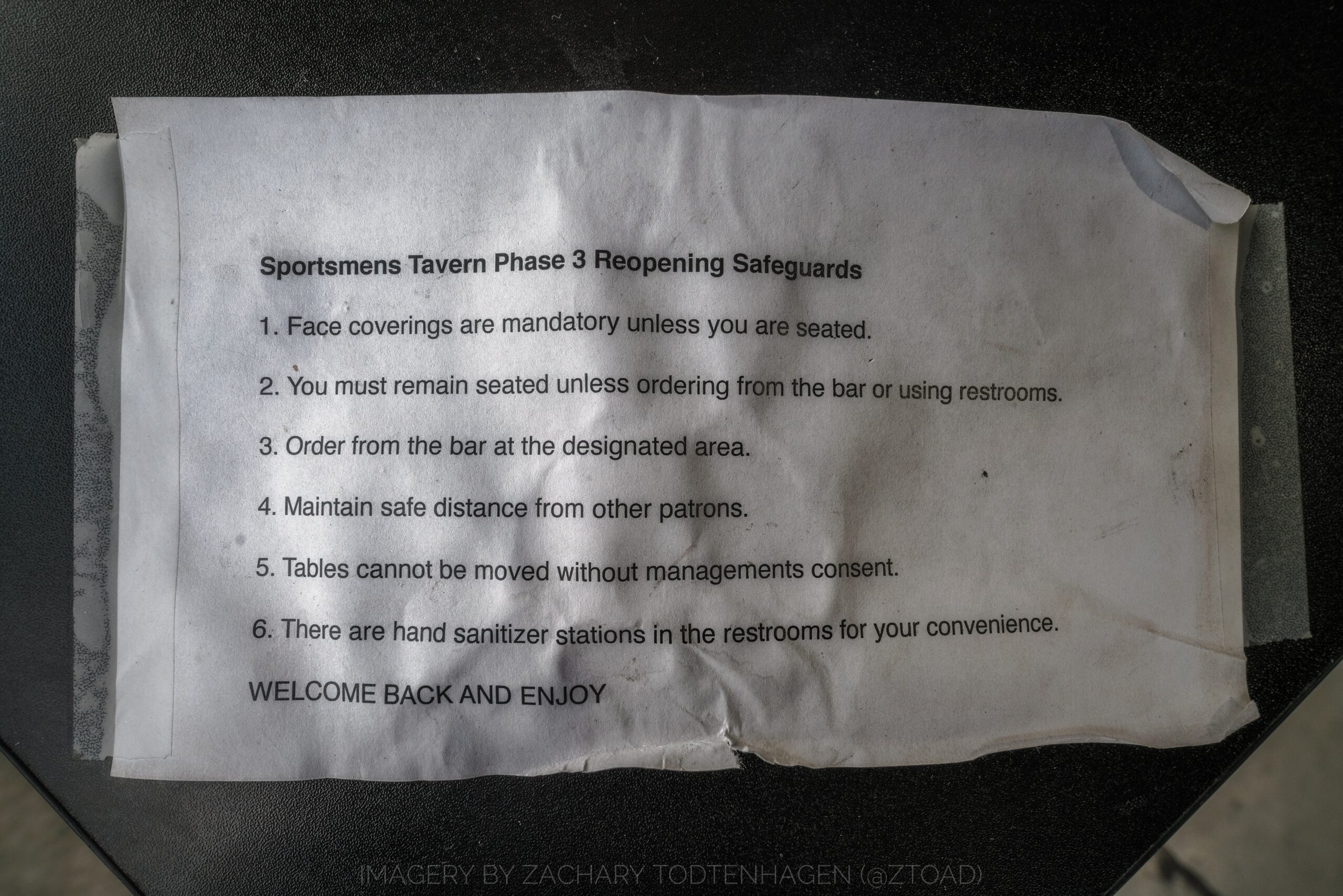
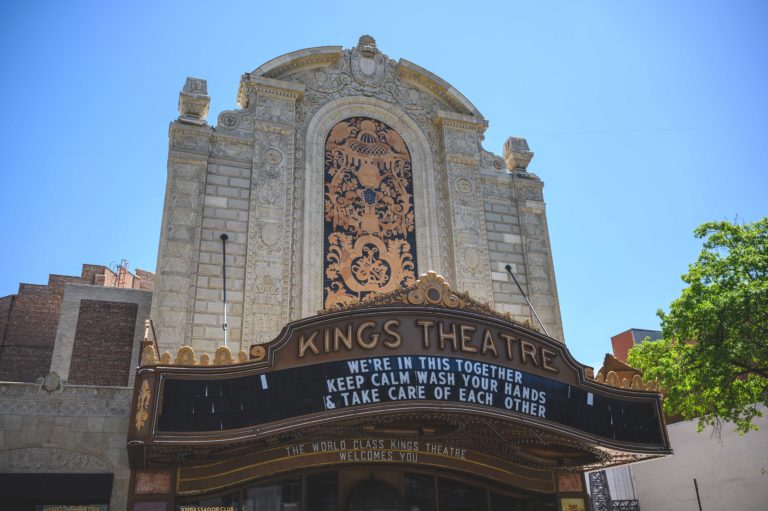
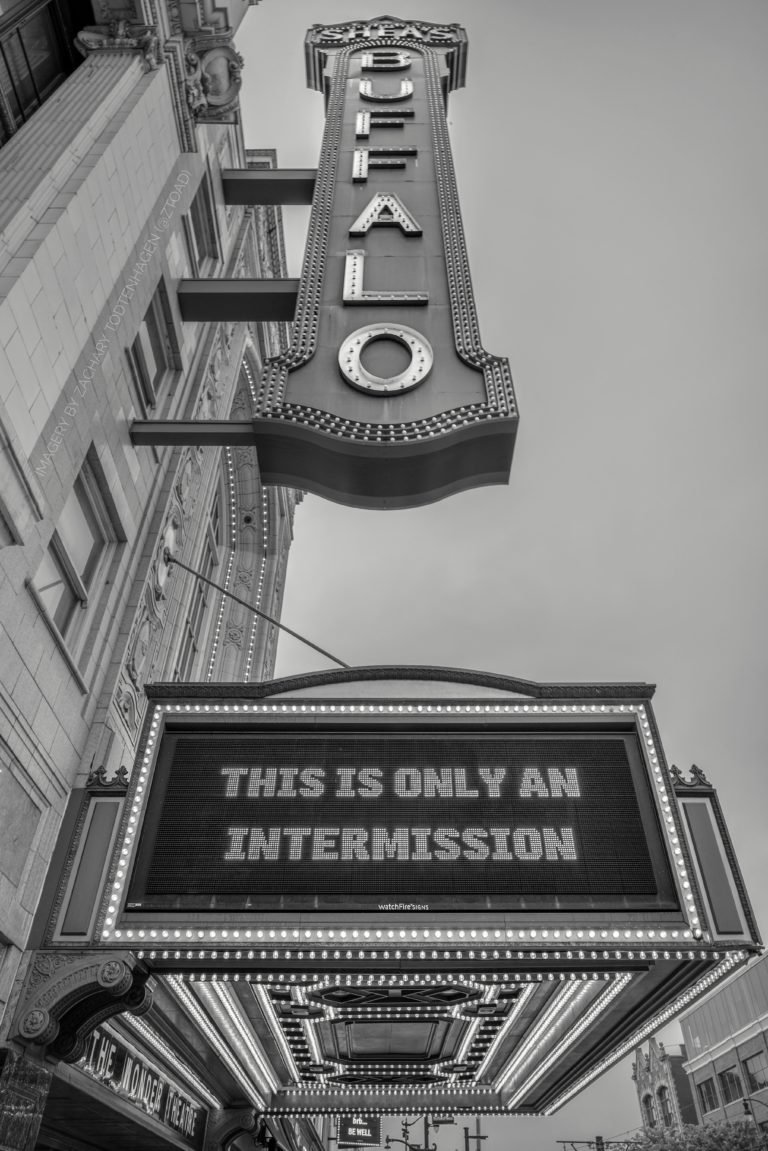
It is now July 2020, the fifth month with minimal, if any, live music performances throughout New York State, let alone the country. Our venues are not yet open, but as the threat of COVID-19 decreases, parts of New York will enter Phase 4 and beyond, with the hope that live music will return, even if gradually.
While we may be stream weary, the prospect of live music is a motivator for many, and staying safe is the key given that New York and much of the Northeast are faring better than other areas of the country.
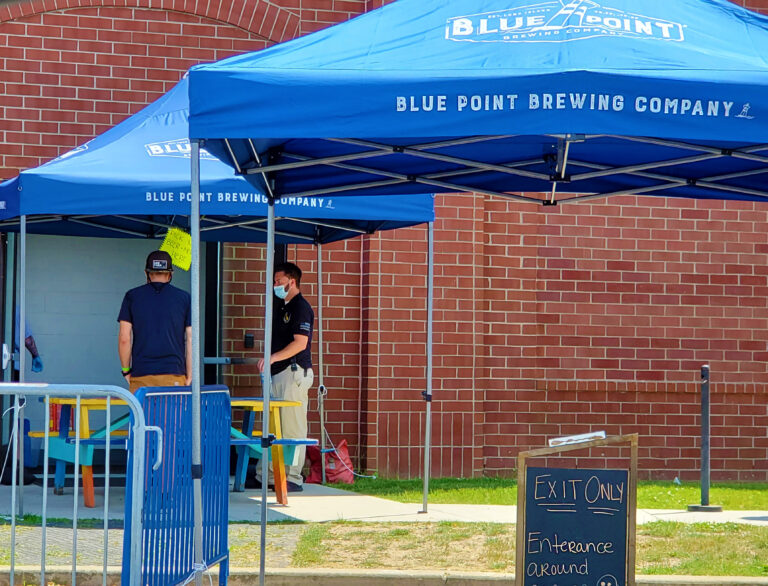
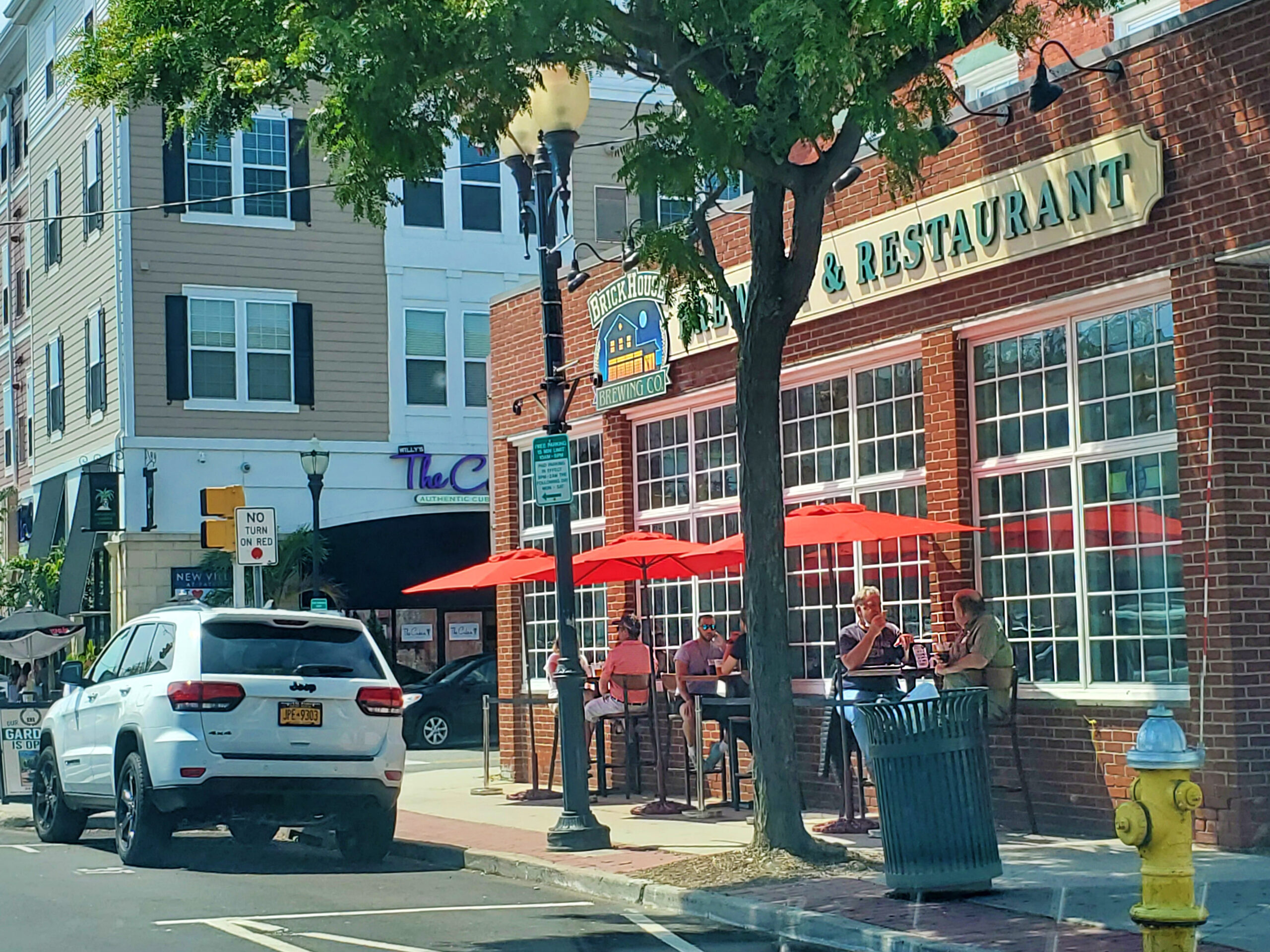
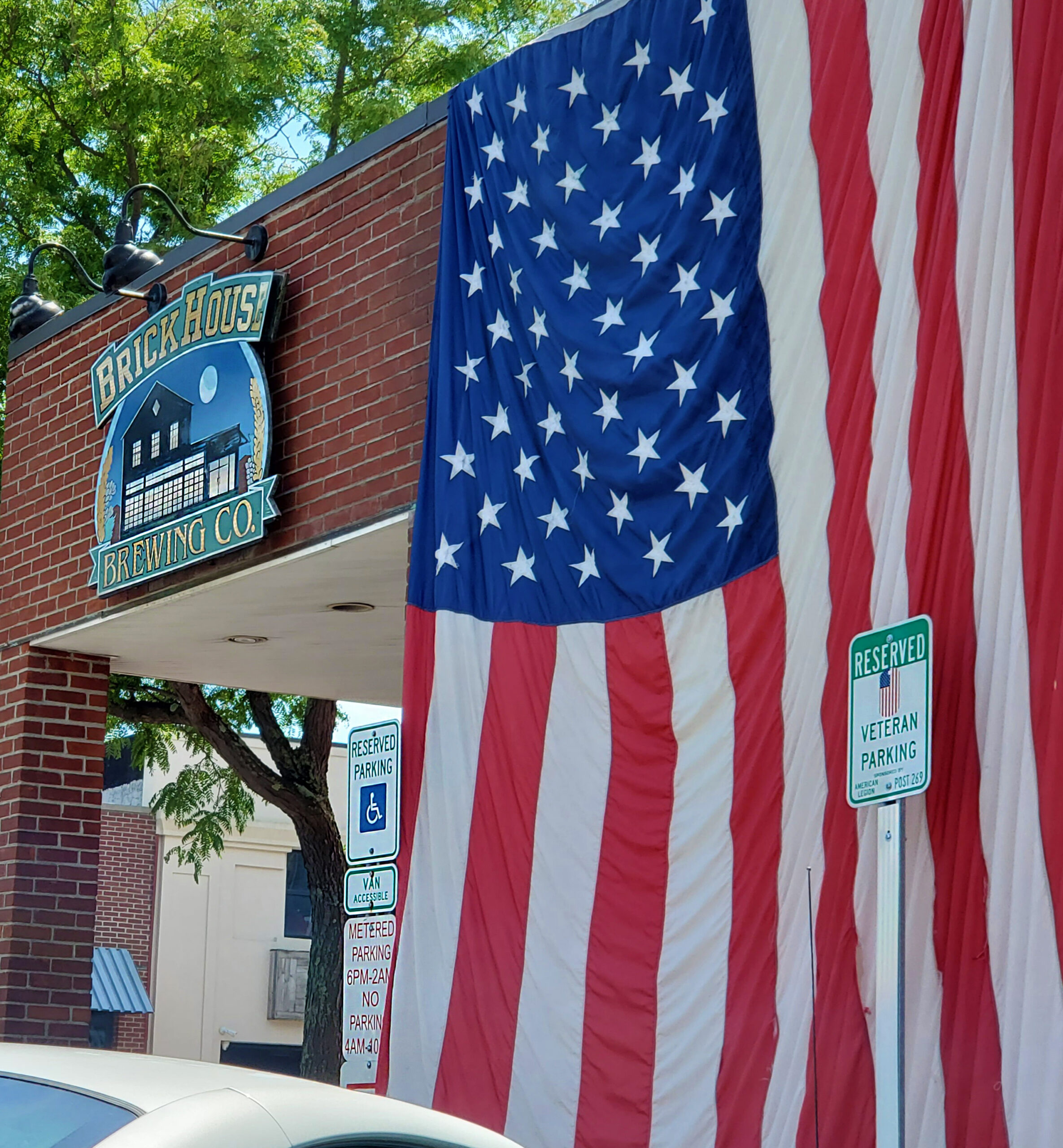
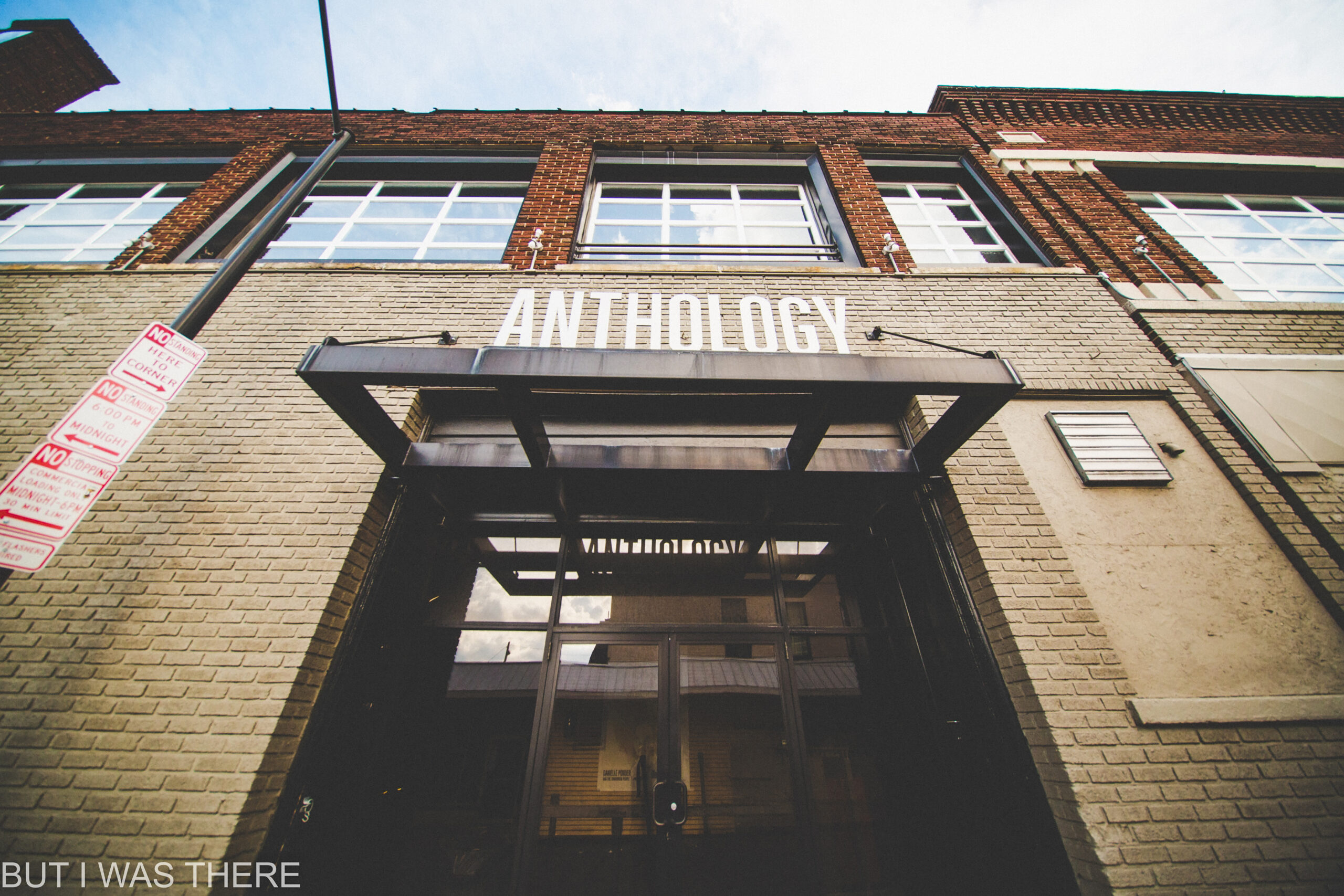
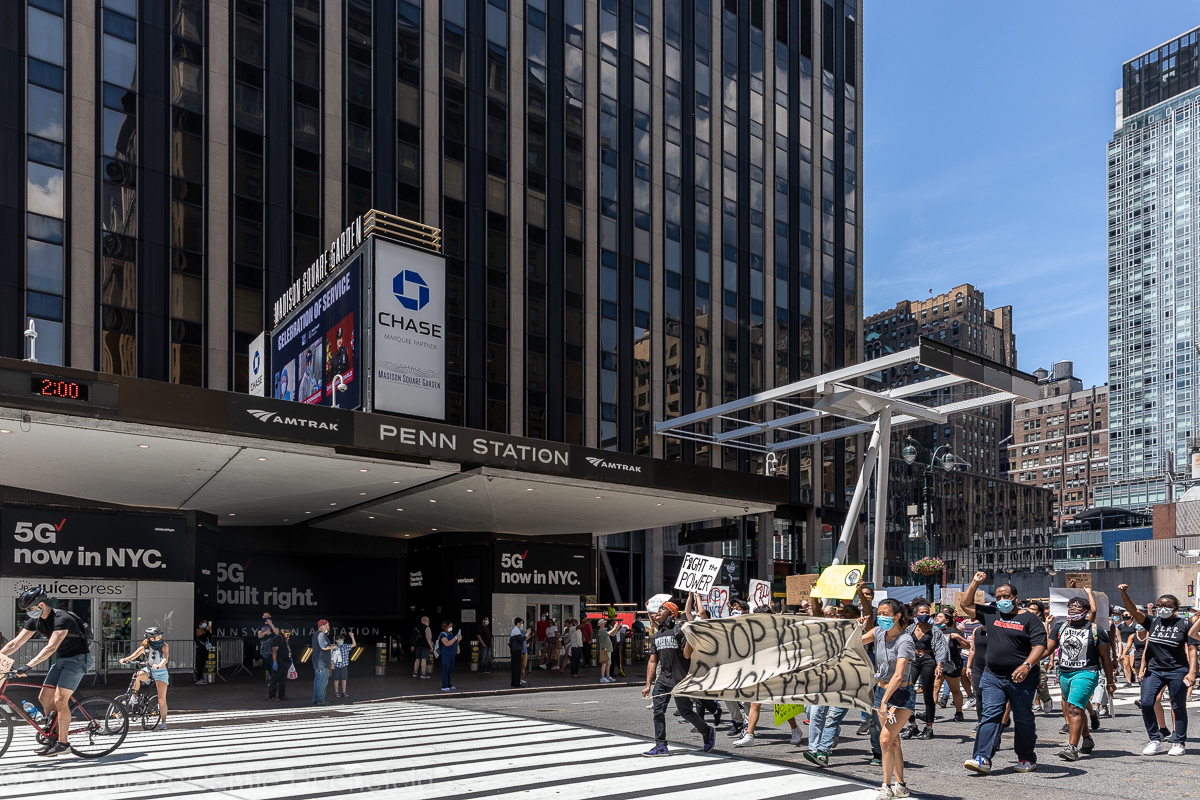
From viewing these photos taken during mid-late June, we can see the presence of the Black Lives Matter protests that spanned all 50 states. In all corners of New York there were protests, particularly in New York, protests that continue to push for defunding of the NYPD.
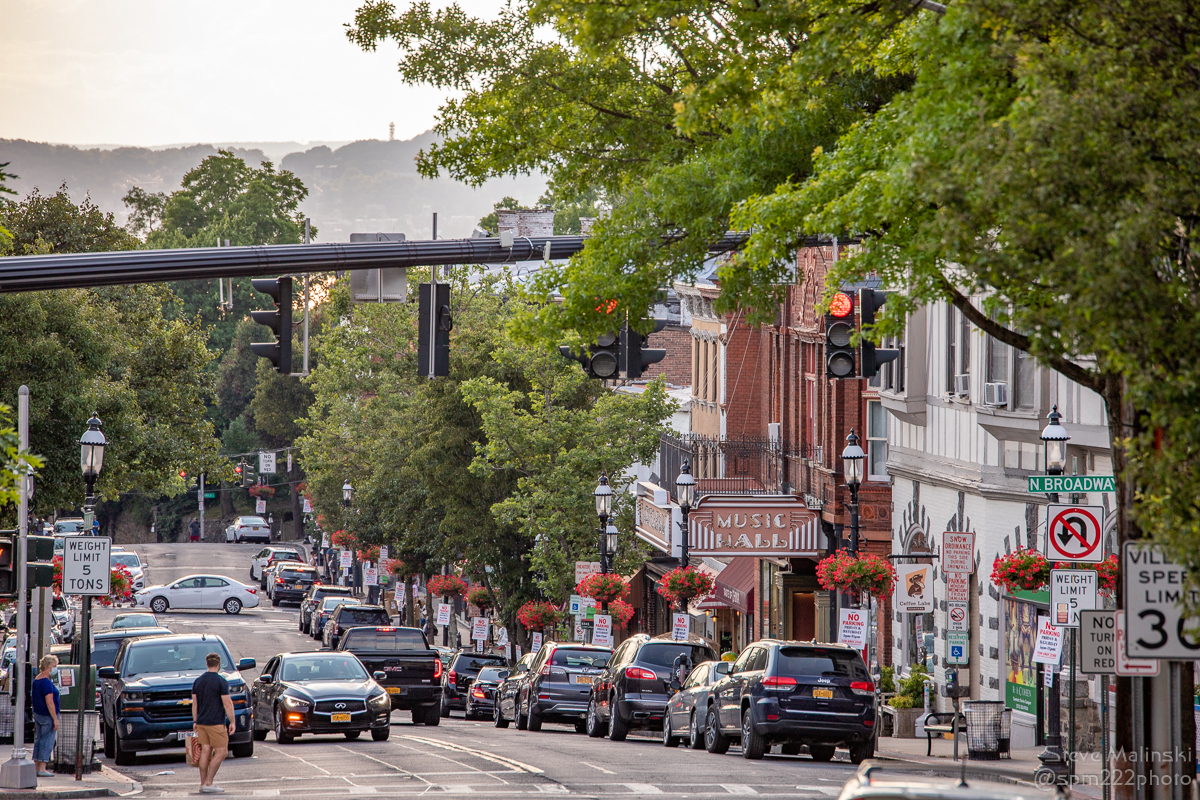
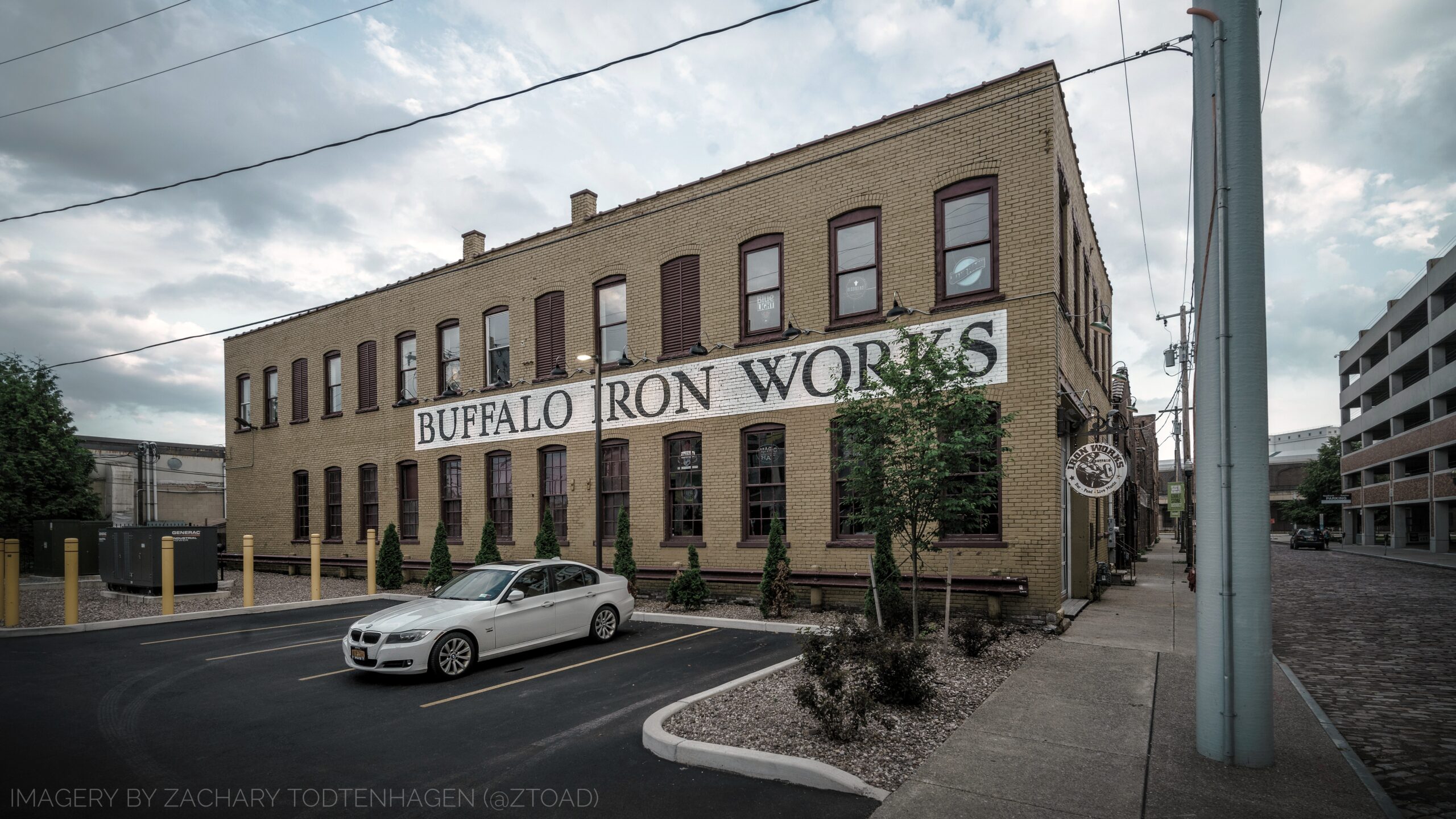
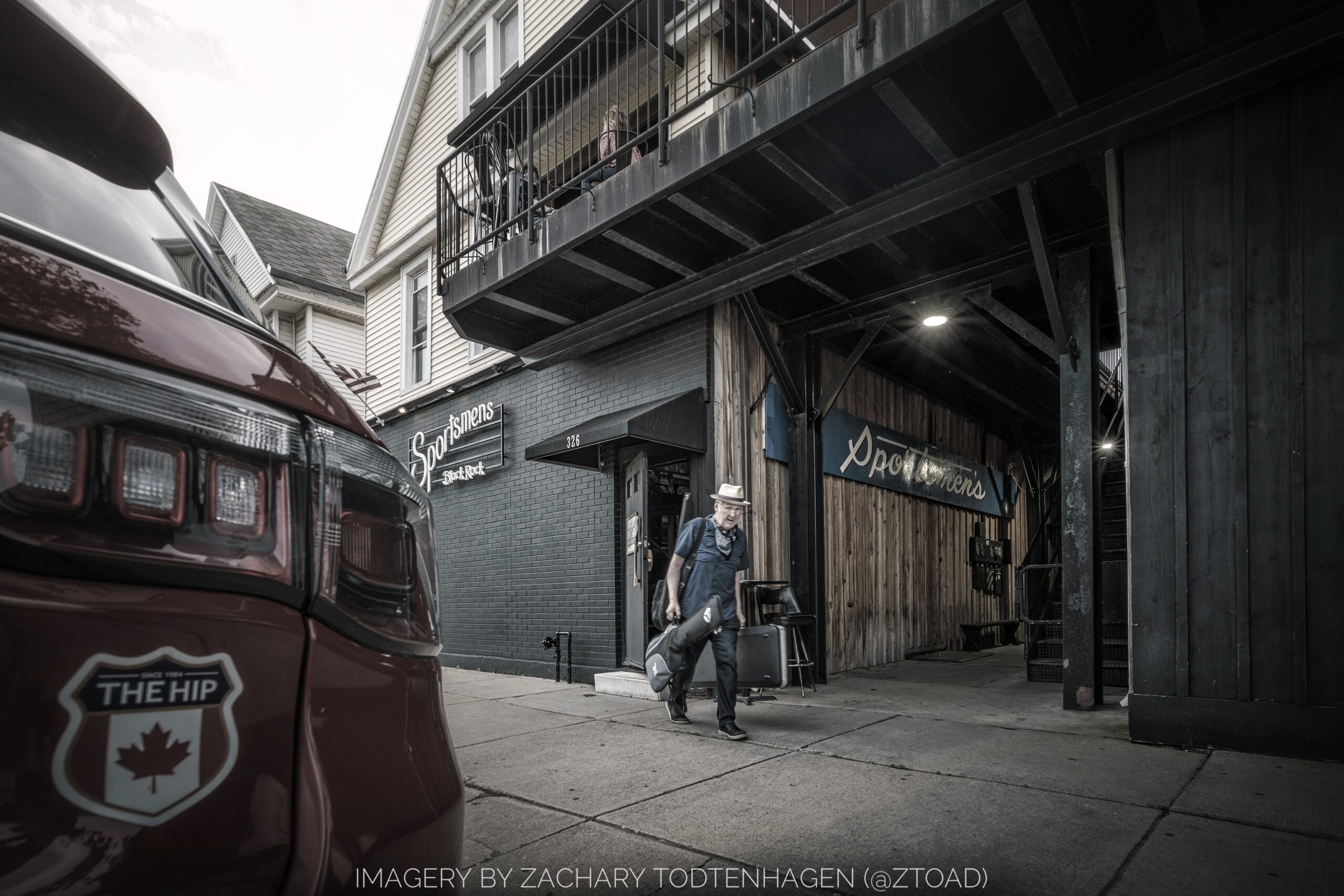
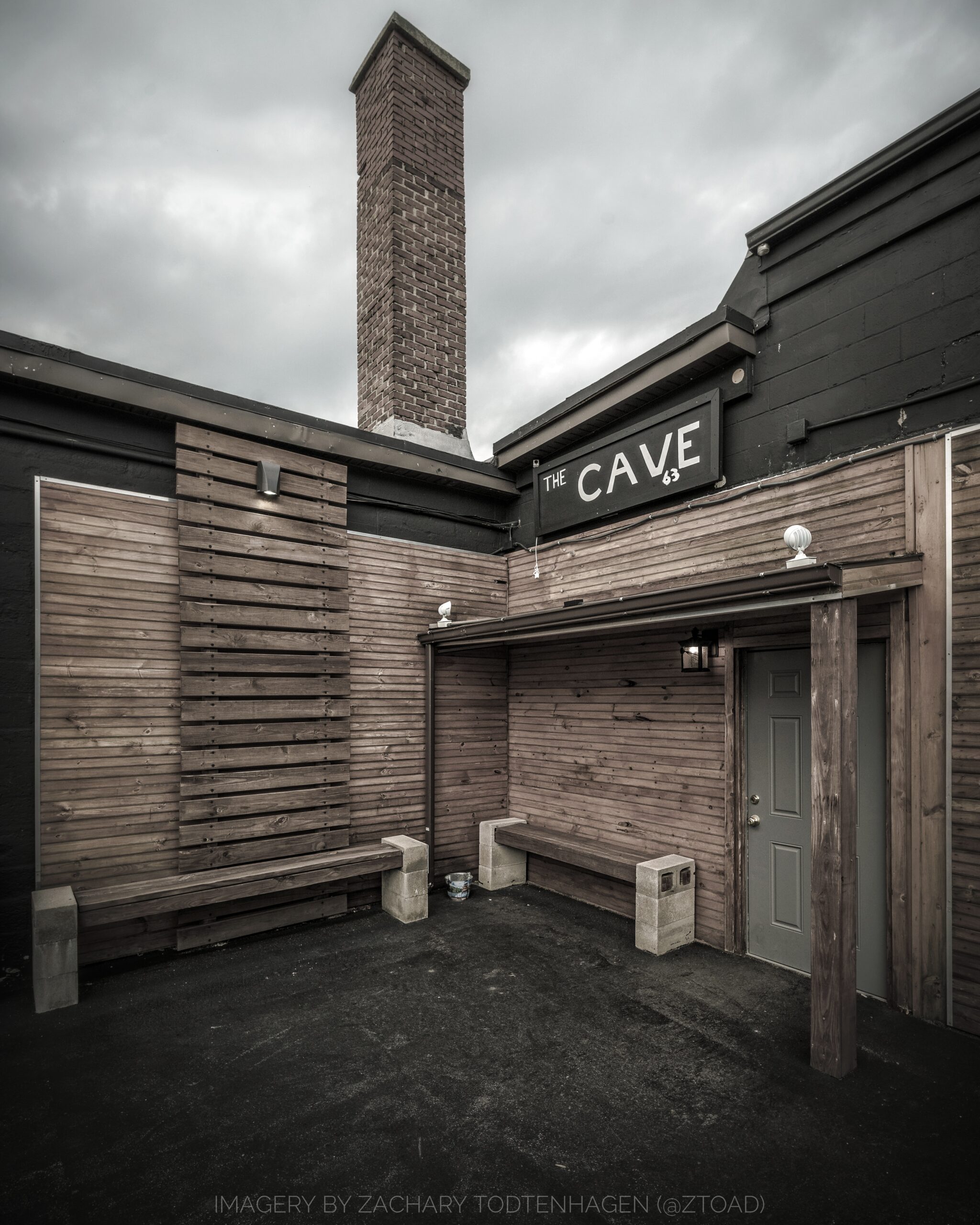
Working with 13 photographers to document more than 60 venues in 20 cities across New York State, NYS Music presents the second edition of our monthly series that looks at the current state of our beloved venues. When the venues reopen, we will share photo documentation recording the changes over time in all corners of the state.
Immense thanks goes out to all photographers and venues who are taking part in this monthly series. We’ll start this month in the Capital District, with a drone montage from Zach Culver, covering the venues we long to return to, sooner, rather than later.
Based in Westchester, Raquel de Souza (Singer), Cat Lines (Fiddle), Luis Cruz (Guitar), Tommy Carlucci (Drummer), and Steve Riccio (Bass) are Raquel and the Wildflowers. This troupe have provided a breath of fresh air into the country/rock genre with Raquel’s first single “Run Towards The Highway” charting #32 on DRT top 50 Country Airplay charts in 2018.
https://www.youtube.com/watch?v=5rEvzv0d8sI
After the bands public debut in 2019 they have been on a marathon of performances. The band has opened for multi-platinum artist Andy Grammer, award winning band Skeeter Creek, international country star Jessica Lynn, performed at The Cutting Room for Lauren Davidson’s first “Urban Country Jam”, Daryl’s House, qualified for the “Battle Ground Talent Show Case” finals at West Point Eisenhower Theatre and much more.
Most recently the band played the virtual concert for the radio station BIG FROG 104, and have posted the lovely performance on their Facebook page. For this performance, the band played covers as well as some of their originals, “King of the Jungle”, “Hot July”, “Room 15”, in addition to soon to be released songs “At least that’s what they say” and “What’s Done is Done”
In addition to online shows, the band will be doing “front lawn concerts” where they will be available to play for private shows and can be booked through their contact list on their website.
Their fully released songs are available on all major music outlets and you can find Raquel and the Wildflowers on their Facebook, Instagram, and website.
What lengths are you willing to go to keep your life’s work alive; will these adaptations muddle the concert experience forever.
Devastation throughout the music industry has crippled artists and their mediums – Venues. Amid a global pandemic we are seemingly waiting – for venues to open, shows to begin and the concert experience to shapeshift into a safe, sustainable event. Nobody is sure what the final product will be, yet passion radiates. Through blooming efforts like the National Independent Venue Association (NIVA) right here in New York, we have band together to save our industry and the concert experience as we knew it.
The Past:
Being elbow-to-rib is just part of the experience. Hours spent waiting in line that sparked anxious anticipation, or getting sucked into the stage by the crowd when the lights go dim, before the main act, cannot be replaced by live streams. Maybe you’re the one up front hanging over the barrier, screaming every lyric verbatim; maybe you’re setback, studying your favorite instrument or player; you’re moving around, dancing or moshing (respectfully of course); or you’re the type that hangs at the bar with friends, reminiscing how you’ve seen this particular band hundreds of times. All of these moving parts create energy.
When you walk into a venue it sets the mood, the crowd and band feeds off one another. From local dive bars and smaller venues, to theatres and arenas, stepping in pre-soundcheck has a therapeutic energy for performers, as does the commotion when the doors open. Artists paint backstages, leaving totems or memorabilia that builds a venue’s character. When those spaces are cut to half capacity, or less, that energy is depleted.
Everyone’s safety and economic sustainability is paramount, but nobody is talking about sustaining these colorful parts of the canvas. Adapting is necessary. Yet, promoters, artists and venues are stuck in limbo. Letting go of the experience as we knew it remains untold.
Music Canada sites 40% of concertgoers won’t return until six months after restrictions lifted.
The Present:
NIVA was created by Independent Venue Week, top venues and promoters across the nation, “to fight for the survival of independent venues, their employees, artists, fans and their communities,” (nivassoc.org). Sucking in 450 members across 43 states in the first three days, they are now pushing 2,000 members nationwide (50 States) for an endless-scrolling roster on their website. Founded by the industry’s best, NIVA states that 90 percent of independent venues will collapse if they don’t open this year. With rumours saying this lockdown can lead well into 2021, will we be able to recover.
Capacity restrictions will limit venues’ revenue, and minimum thresholds vary. A Chicago study deemed a 12:1 ratio of economic impact among small venues (nivassoc.org). Twelve dollars of economic stimulus to hotels, restaurants and shops flooded in for every dollar spent inside the venue. Extrapolate that on a $50 ticket, or a night out for a group of excited fans. The impact is everything.
According to a USA Today article, Johns Hopkins Director of the Master of Bioethics degree program and Research Scholar, Travis Rieder, said there’s serious doubt about live music returning before 2021 and “a shortage of test and lack of vaccine simply make things too risky.” Unfortunately, he continues that “the risk of those events as we would have done them in the past outweighs the benefit of doing them.” Masks, temperature checks and spacing restrictions may not be enough. Is your favorite band or venue worth the risk.
With the music industry on the rise prior to COVID-19, Pollstar predicts a daunting $8.9 billion hit, should quarantine continue and venues remain dark. They go on to state “industry losses could total about $5.2 billion in just missed ticket sales alone,” and not to mention residual impacts on the economy and all of those employed in the box offices, concession stands, parking valet, and so on.
The answer is NOTHING. Nothing will stop us from preserving our life’s work, the concert experience, our art, and all the pieces that work together to keep it alive.
On Thursday, June 18, NIVA made an official statement urging for federal help:
We, the undersigned artists, respectfully submit this letter in support of NIVA’s request for federal assistance for independent music venues and promoters across the United States.
This is no petty petition. Industry giants, artists and celebrities wave an official SOS including: Joel, Eilish, Seinfeld, Gaga, Letterman, Goldberg, Iver, Lauper, Plant, Nelson, Aoki, Mayer, Leno, Weir, Watts…
The irony in their signatures – it merits no value when we are all on lockdown. Something super-fan would unassumingly die for is now a cry for help, for congress to help kickstart the industry back to the creative and thriving outlet it once was, pre COVID-19.
We will continue to fight, support and be the voice for all artists, venues and industry mediums that are struggling. Stay tuned for ‘The Vault,” featuring venue and artist specific coverage on this topic. Please contact NYS Musicso your voice can be heard.
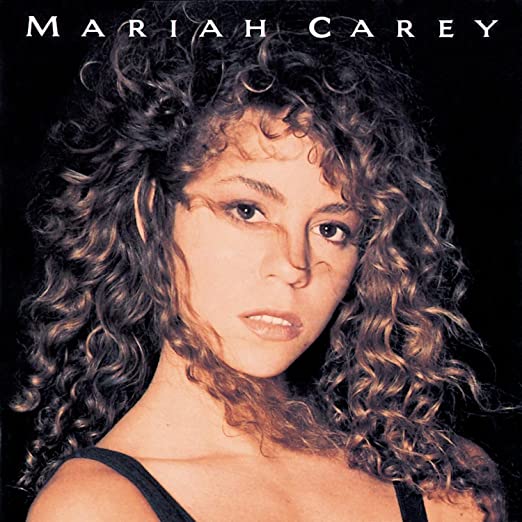
As of Friday, June 12, the self-titled debut album from Mariah Carey is 30 years old. With four consecutive #1 singles on the Billboard Hot 100 including “Vision of Love” and “Someday,” it instantly shot the Long Island-born diva into superstardom and an elite class of vocal legends including Whitney Houston. While Mariah’s legacy has been watered down to that of a washed-up Christmas singer in recent years, this unfair revisionist history ignores the impact she’s had on virtually every pop and R&B act after her.
When Mariah Carey released “Vision of Love” in 1990, the French-German duo Milli Vanilli had just been busted for lip-syncing and artists like Madonna made up for subpar vocal talent with shock value and spectacle. On the contrary, Carey demonstrated she was capable of belting, runs, melisma, and whistle tones in less than four minutes, swinging the pop pendulum the other way and reintroducing the concept of pop stars as vocalists with few gimmicks besides their own voices. More of these rose to fame throughout the 90s, from Brandy to Usher to Destiny’s Child, and the explosion of reality talent shows in the 2000s only intensified the phenomenon. Mariah’s power ballads like “Vision of Love” and “Hero” have been American Idol since its inception, a show she eventually judged.
Throughout the 90s and 2000s, Carey achieved 18 #1 hit singles on the Billboard Hot 100. She wrote and produced 17 of them, the sole exception being a cover of the Jackson 5’s “I’ll Be There” for her MTV Unplugged EP. She also shared the record for the chart’s longest-running #1 with Boyz II Men for their 1995 single “One Sweet Day,” which spent 16 weeks at the top and had yet to be surpassed until Lil Nas X’s 2019 hit “Old Town Road” beat it with 19 weeks atop. Late last year, “All I Want For Christmas Is You” finally hit #1 on its 25th anniversary, giving Carey her 19th #1 overall and the first in 12 years.
Despite her immense success, Mariah’s career hasn’t been without its setbacks. She made bizarre guest appearances on MTV’s TRL and Cribs in the early 2000s that she later attributed to bipolar disorder, and she was the subject of public ridicule when critics panned her 2001 film and album Glitter. However, she returned to form with her 2005 comeback single “We Belong Together” and its accompanying albumThe Emancipation of Mimi, winning three Grammy Awards. And although her 2016 New Year’s Eve fiasco temporarily made her the butt of the joke again, she set it right with a pitch-perfect performance the following year.
Mariah Carey with her three wins for The Emancipation of Mimi at the 2006 Grammy Awards.
Carey is also no stranger to engaging in public feuds with other singers. Interestingly, a short glance at the long list of artists Carey has feuded with shows that they’ve all been influenced by her in one way or another: Christina Aguilera, Jennifer Lopez, Demi Lovato, Ariana Grande, and Nicki Minaj, to name just a few. They might not like her, but they still respect her achievements and emulate her in their music, style, and personas. With the Ol’ Dirty Bastard remix of “Fantasy” in 1995, Mariah became one of the first mainstream pop singers to feature a rapper on a song’s verses while singing the hook—now a common crossover recipe for top 40 artists.
Even Canadian electropop artist Grimes defended her love of Mariah Carey to Pitchfork, saying, “I know very few adult males who consider themselves serious ‘music guys’ who don’t laugh when I say I like Mariah Carey. Why? Because she’s beautiful and people like her. Therefore she must be selling sex, right? So obviously her music is terrible, right? Ugh. The first time I heard Mariah Carey, it shattered the fabric of my existence.”
One of the greatest blessings we have in life is the ability to use our voice; Shawn Wodraska, a 21-year-old singer/songwriter from the small town of Wingdale, NY recently used his to represent his passion for the Black Lives Matter Movement and overall peace between those with different backgrounds and beliefs.
Shawn took to Facebook to portray a message of hope with a beautiful cover of “If I Can Dream” by Elvis Presley. “As I was scrolling through social media, I noticed that news coverage and posts were almost exclusively negative,” he said, “I decided that I had to do something; we all have to play our role to make a change, so I chose to sing, the only thing I know how to do.”
His video generated an exceptional amount of positive feedback with more than one thousand views. Prior to posting, Shawn said, “I was worried about negativity or that people would think I was using the Black Lives Matter Movement to further my career.” He continued, “I knew I had to do something to play my role in restoring peace, likes and views were the last thing on my mind.”
Philosopher Aleksandr Solzhenitsyn and his belief that “the line between good and evil passes through every human heart” was one of the driving forces in Shawn’s decision to post on social media. “I want to do what I can to help bring peace to all corners of life by inspiring people to find the humanity in who they perceive to be their enemies,” he continued, “I am one voice of the many needed to bring about unity, but it’s important to remember that we are all human and we have to work together.”
https://www.youtube.com/watch?v=9jntQW9XOxQ
The passion inside of Shawn is evident in his original music as well. Although he doesn’t mind if he never makes it big, he said, “I want to use the platform I build to promote positivity. We can always do better. I want to highlight that in my music.”
Typically accompanied by the piano, his content ranges from story-telling folk tunes that draw inspiration from Marty Robins to easy-listening ballads without lyrics. While some of his songs have a theme, many of them are left open to interpretation. “Mediums like music tend to reach people on a spiritual level – there’s a reason why they call it soul – the music we write should be inspirational and bring people together,” he continued, “We can all unite and enjoy a good song, regardless of the differences that polarize us.”
Words are like honey; they can be sweet to hear but the message might not always stick. And over time, messages get lost in translation. Take the late great Muhammad Ali, who refused to fight in the Vietnam war because, as only he could put it, “no Vietcong ever called me n*****.” When Ali took his stance, he was stripped of his world championships, boxing license and was vilified by the public.
“I am not allowed to work in America and I’m not allowed to leave America,” Ali said in February. 1968, the start of his first full year of exile from boxing. “I’m just about broke.” This is why the Kaepernick comparisons aren’t apt. While Ali struggled to afford groceries, Kaepernick is backed by a billion-dollar corporation in Nike. After Ali’s passing in 2016, revisionist history took over. Ali’s mid-career struggles were now celebrated. Despite being spurned by the very country that now celebrates him.
What does this all have to do with Lauryn Hill? Well, have you ever asked yourself how the first woman to be nominated in ten Grammy categories in a single year, and the first woman to win five trophies in one night found herself out of the spotlight a couple of years after her acclaimed solo debut? Well, I’m here to tell you this was coming all along, oh and she warned us about it.
Lauryn Hill’s Revelation
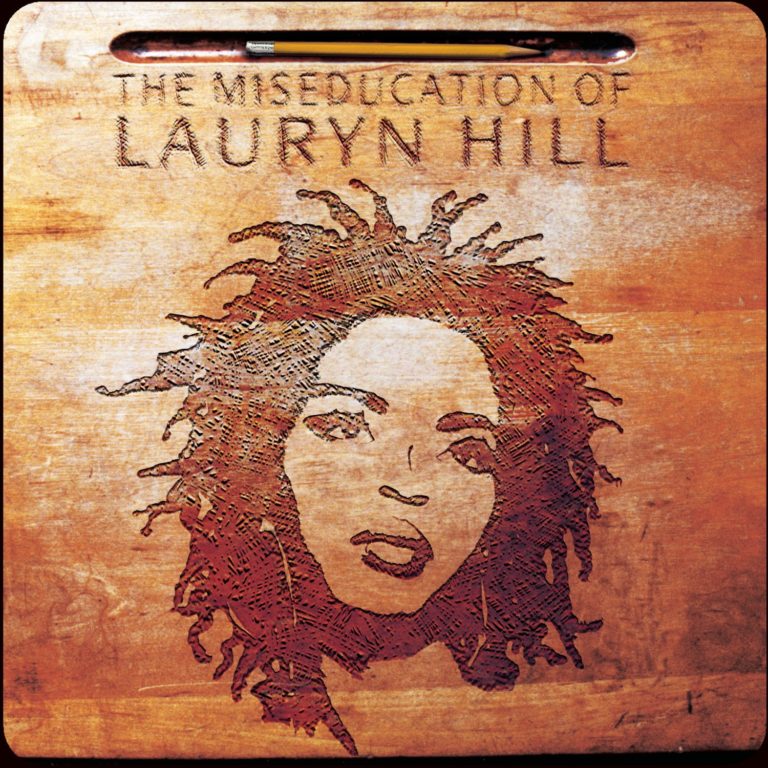
The Miseducation of Lauryn Hill is a magnum opus of black music, encompassing the best of multiple genres. However, due to her lack of activity musically, Lauryn Hill’s presence in contemporary pop culture is now reduced to jokes about her punctuality, and not the sacrifice she herself prophesied.
On “Final Hour,” the album’s seventh track, she makes her priorities apparent, regardless of her status as a world-famous entertainer. In the chorus she raps “you can get the money; you can get the power. But keep your eyes on the Final Hour.” With the “Final Hour” representing religious salvation. She even raps later in the record “I’m making sure I’m with the 144.” The 144 is a reference to the Book of Revelations. In it 144,000 people are specifically chosen by God to serve as his agents.
by 1998, Lauryn Hill had taken the world by storm
Lauryn Hill has always been open about her faith and spirituality yet, in her earlier work as a member of The Fugees, religious references were further and fewer in between. So, what changed? After selling millions of records, winning awards and being propped as the face of a generation of women, had Lauryn Hill learned new information that brought on this stance?
Decoding The Lyrics
At the end of the first verse she says, “People feel Lauryn Hill from New-Ark to Israel (clever play on words here as she makes a reference to the “Ark of the Covenant” and she’s from Jersey). And this is real, so I keep makin’ the street ballads, while you lookin’ for dressin’ to go with your tossed salad.” Followed by the aforementioned chorus, these lyrics emphasize her stance on the music industry. After all, tales of the the entertainment industry’s sexual deviance are now far too common. Hence, the “dressing” and “tossed salad” lines.
Throughout the song, she juxtaposes her glamorous life with her faith. Symbolizing that one wouldn’t be there without the other. In the last verse she says, “now I’m a get the mozzarella like a Rockefeller / Still be in the church of Lalibela, singing hymns a cappella / Whether posed in Maribella in Couture / or collecting residuals from off The Score.” While it may seem braggadocious, she lets the listener know what she would choose if it came time for a decision by saying, “I’m making sure I’m with the 144.”
Hence why she denounced the “dressing” (a symbolism for opulence) because the cost is her spirituality and beliefs. Being Lauryn Hill of course, (at one time one of the world’s most popular entertainers) there may not have been an option to continue her career without politics, corruption and possible harassment (there’s Harvey Weinstein’s in the music industry too).
Aftermath
It comes as no surprise that by the turn of the millennium, Lauryn Hill was out of the public eye. Yet, sehe returned in 2002 with her MTVUnplugged No. 2.0 live album. However, critics weren’t as kind this time around, as chic hip hop girlie Lauryn way to a spiritually devoted Mrs. Lauryn Hill. While her lyrics pick up where she left of on “Final Hour.” So, no. Lauryn Hill didn’t go crazy, she didn’t lose her rapping and songwriting abilities. She made a decision.
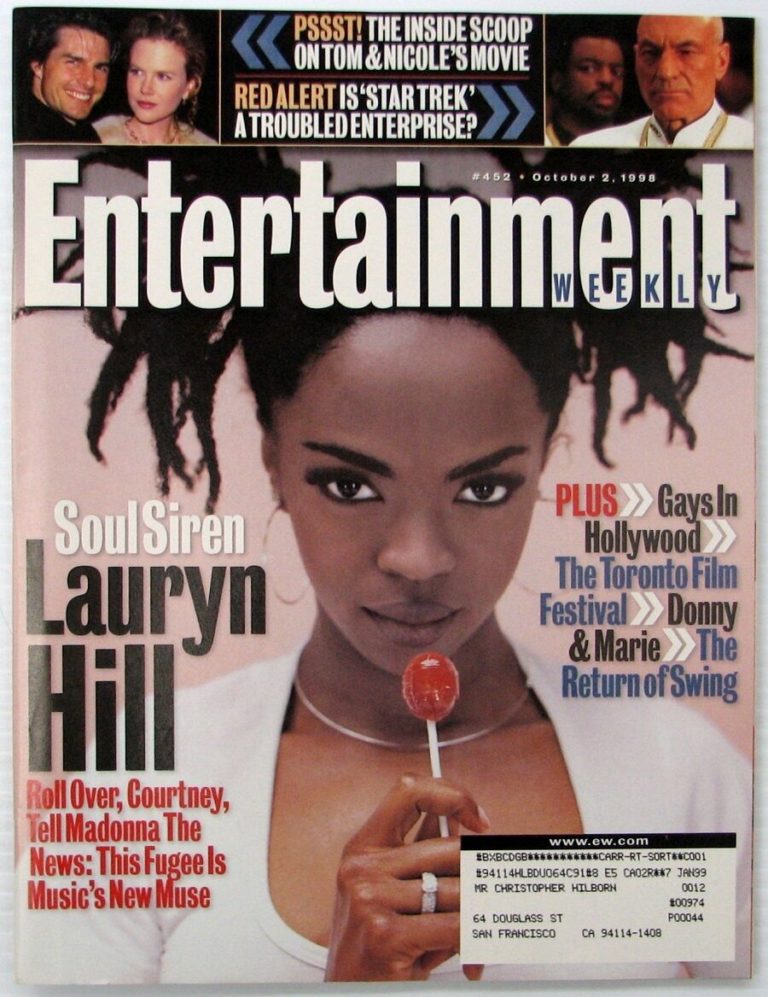
Lauryn Hill is now 45 years old. She still tours and performs medleys of her most popular songs (oftentimes restructuring the entire song and keeping the lyrics). She never regained the same level of stardom and probably won’t ever grace the covers of Time, Rolling Stone, Vibe, People or Entertainment Weekly ever again. Yet, it seems to have been a conscious sacrifice, preferring to sing her hymns for those that are keen to listen for their education and enjoyment. Not because the machine tells them to.
For all the horrors the COVID-19 quarantine has wrought, it has given us one nice thing – oodles of downtime that we can spend listening to music, ad infinitum. So rather than getting emotionally played by non-stop news, why not invest this bounty of break time luxuriating, in bulk, in one of most maligned fruits of 60s and 70s popular music? The Side-Long Epic.
Perhaps it was the soporific drugs consumed or the lack of concentration-breaking diversions like Facebook, YouTube and the iPhone? Or maybe the booming economy, where young people emerged from college with zero debt, apartments that rented for a little more than the cost of a Starbucks’ Venti and, therefore, more free time to devote to sex, drugs and music appreciation in mass quantities?
While there were a few in the rock idiom before it, the Golden Era of the Side-Long Epic ran from about 1968 to 1975. And its greatest practitioners? The so-called Prog rockers, of course. These were musos who may have started in the world of the 2:40 single, but who prided themselves on continued growth and evolution. Here was the giant canvas upon which they could indulge their grandest whims. They could showcase their hard-earned instrumental chops, familiarity with offbeat time signatures and the great classical and jazz composers. There was also exotic world and new electronic music technology to explore, as well as fantasy/sci-fi and esoteric spiritual literature, in meisterwerkes that just had to eat up a whole side of vinyl, if not more.
I offer the suggestions below with some qualifiers. A few of these are not quite fully side-long pieces, as proggers have an annoying habit of throwing brief pieces on right before or after their epics (I’m talking to you Genesis!). My definition of Prog is broad and progressive. Some named might be turned off, being tattooed with such a brand. Surely, some of the most popular favorites are not featured in my subjective roster. But please, dig them, and give them a spin.
As the immortal psychedelic pitchman, Timothy Leary, advised: Turn On, Tune In and Drop Out into these long and wonderfully strange trips.
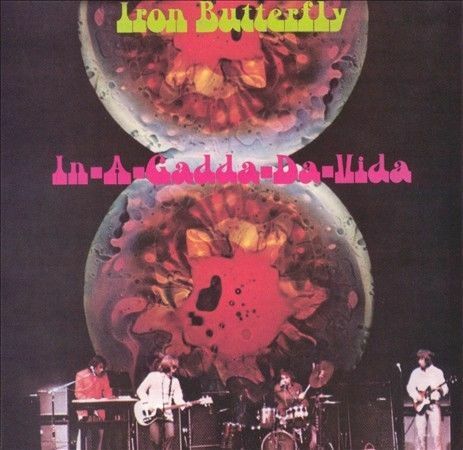
Iron Butterfly “In-A-Gadda-Da-Vida” – Not the first side-long rock epic or pure prog but certainly the one that put the idiom on the map, at 17-plus minutes, selling 30 million copies since its release in 1968. Writer/singer Doug Ingle’s organ intro and theme imparts a very prog-Anglican church vibe, not surprising as his dad Lloyd was a church organist. Long portions are devoted to an organ solo, a fuzzy wah lead and sometimes requisite of the side-longer, a big-assed drum solo. Reportedly written after Ingle consumed a gallon of wine, it was meant to be “In the Garden of Eden,” but his slurs made it otherwise when his drummer, Ron Bushy, attempted to write down the lyrics. Recorded not in the Butterfly’s native California, but at Ultrasonic Studios in Hempstead, Long Island, with the master take being the run-through recorded as the band waited for the late-arriving producer.
A stone cold classic to chill to, with renewed cred as a sample in tunes by hip-hop stars like Nas in his “Hip-Hop is Dead.” Another bit of NYS music trivia: the band was supposed to play Woodstock, but got stuck at LaGuardia Airport.
Procol Harum “In Held ‘Twas I” – The first true prog opus takes up nearly all of Side Two of Procol’s second album, reportedly Sly Stallone’s favorite, 1968’s “Shine On Brightly.” Its five movements chronicling nothing less than a search for the meaning of life (“Life is like a beanstalk, isn’t it?” says the Dalai Lama at one point). There’s the monk-y ohms and droning strings of its opening moving to a Russian classical style piano movement with poetic recitation by band’s obtuse lyricist Keith Reid, then a circus music jaunt. “The Autumn of My Madness” showcases the band’s organist Matthew Fisher at his “Whiter Shade of Pale” best. The “Look to Your Soul” and graduation march-like “Grand Finale” movements boast some of the wailingest work guitarist Robin Trower ever committed to tape. This is musical mountain climbing, brilliantly reprised live, with a full orchestra and choir, on their 1972 disc with The Edmonton Symphony Orchestra.”
Pink Floyd “Echoes” – The full flowering of Floyd Mach 2, sans songsmith Syd Barrett, at their musical architect best, from their 1971 album, Meddle. A product of intense improvisation and experimentation which kicks off with a minimalist piano “ping,” produced by sending the signal through a swirling Leslie speaker and Binson tape echo. Swirling guitars then a vocal section with lyrics about an “albatross overhead” (very prog). Seven minutes in, it settles into a driving beat, setting the stage for David Gilmour’s fuzzy neighing guitars, floating in deep space with outer worldly orchestral sounds. Its accomplished not with synths, but by Gilmore rubbing his bottleneck against the strings of his heavily processed Strat – real “2001” stuff. More undersea ping piano before the return to the song’s lyrical head, before sliding off into space. A staple of live performances since 1971, captured beautifully amongst ancient Roman ruins in their 1972 film, “Live at Pompeii.”
https://www.youtube.com/watch?v=DtJgNvwmsRA
Focus “Eruption” – The greatest prog band you never heard the truest side of – if you only know “Hocus Pocus,” a yodel-filled session afterthought that defined shred with the sizzling solos of their godly guitarist Jan Akkerman, a prank that became their biggest chart hit. Named “Best Guitarist in the World” by Melody Maker over Clapton, Beck etc. in 1973, Akkerman is as at home with the classics, and a lute, as he is with burning blues rock, psychedelia and jazz. Largely penned the Dutch quartet’s classical trained keyboardist and flautist Thijs Van Leer, the 23-minute epic is a telling of the Greek myth of Orpheus and Euridice, with themes “lifted” from classical masters like Monteverdi and Bartok, a bit which they performed live but couldn’t on the recording due to copyright issues. Highlights are Akkerman’s volume swell violin guitar on the theme, his stinging lyrical playing on the slow ballad, “Tommy,” which moves into his rapid-fire modal jamming on “The Bridge.” A flute theme segues into the Gregorian chant of “Dayglow,” before a very musical solo from drummer Pierre Van de Linden. The epic returns to the theme before a fade with an unusual bit of freeform percussion fireworks. The second side of their 1972 disc “Focus II/Moving Waves,” the band returned to the side-long epic with 1974’s Bach-infused “Hamburger Concerto.”
Yes “Close to the Edge” – Side one of the popular prog band’s fifth album, four dreamy movements that clock in at close to 19 minutes, with lyrics inspired by Hermann Hesse’s Siddhartha. A quiet kickoff of running water, birds and wind chimes leads into frenetic stop-time jamming before the first vocal passage. The third movement, “I Get Up, I Get Down,” is the longest and best-known, with harmony vocals patterned on leader/singer Jon Anderson faves, The Beach Boys and The Association, and a massive organ passage from keyboard whiz Rick Wakeman.More furious riffing before a return to theme and fade back into the nature sounds. Yes kept getting bigger with the outrageous four-sided 1974 concept album, “Tales from the Topographic Ocean” being their nadir. This one may be their best and purest.
Kraftwerk “Autobahn” – The 22-plus minutes of this 1974 track are recreate the feeling (and repetitive monotony) of driving on one of Germany’s no speed limit motorways. From the beginning sound effects of a key in the ignition to the vocoder vocal theme parodying The Beach Boys (“fun, fun fun on ze Autobahn”), it unfolds like a flower. A cornerstone in minimalist electronica, it was created using early monophonic synths like the Minimoog and custom-built electronic percussion pads, but also traditional instruments including the flute, violin and guitars. The Sgt. Pepper of Krautrock went Top 20, in a single edit, around the world.
Frank Zappa “Little House I Used to Live In” – Not your classic prog, but one almost side-long piece that moves through a multitude of moods and features the best of early Zappa, from his precise chamber classical and music concrete to furious free-blowing and snappy audience banter. The nearly 19-minute piece, a combination of live and studio pieces from the 1970 disc “Burnt Weeny Sandwich,” commences with a lush Schoenberg-inspired piano composition before marching off into the energetic theme from “Holiday In Berlin.” The highlight is the truly burning electric violin solo by Don “Sugarcane” Harris, one of many bits on the album recorded during the sessions for Zappa’s proto-fusion masterpiece, “Hot Rats.” A great two-handed piano solo by Don Preston, a reprise from Harris and his violin. More luscious chamber classical, bicycle percussion and oboe, a rare organ solo by Frank, then a war of words with an audience member recorded live in London. Early Zappa at his finest.
Miles Davis “Agharta” & “Pangaea” – Get out your pistols, but I say Miles was prog in the truest sense, an artist who never stopped evolving through decades. After marrying the saucy 19-year old singer Betty Mabry, Miles first started wearing psychedelic jumpers, fringed leather vests and wraparound shades. Then he infused his music with some Sly and Hendrix and invented jazz fusion with the 1970 album, Bitches Brew. While this album’s side-longer “Pharoah’s Dance” possesses all the deep grooves, virtuoso soloing and dramatic ebb and flow one could want, Miles’ most risky and lengthy plunge into the long electric grooves came with the 1973 – 75 band featuring the noise/psycho-funk/shred of guitarist, Pete Cosey. The double albums, Pangaea and Agharta, captured this band on evening and afternoon shows recorded on February 1, 1975 in Osaka, right before Miles hung up his trumpet for years. Basically they are one long performance, so take your pick of sides to dreamy away in. It’s African beat industrial electronica bebop, with Miles pushing the pulse and players with wah wah trumpet jabs and breakdowns where his dissonant organ screams out alone in the silence. Guitarist Reggie Lucas provides non-stop wah funk, while Sonny Fortune rips off feverish solos on his sax and flute. Cosey takes his guitar and table of stomp boxes, many homemade, to other worlds, the post-Hendrix world of psychedelic funk/noise/shred, while drummers Al Foster and Mtume, and Motown refugee bassist Michael Henderson, pray to the gods that they can hold it all together.
Need More? Try These……
Genesis “Supper’s Ready” (22 minutes, seven parts of a good versus evil battle with an apocalypse in 9/8 time!) Rush “2112”(Sci-fi epic inspired by Ayn Rand!), Can“Yoo Doo Right”(20 minute edit of a 6 hour extravaganza), Tangerine Dream “Phaedra” (Early Krautrock at its most expansive), Yes “Gates of Delirium” (Based on Tolstoy’s “War and Peace”), The Allman Brothers Band “Whipping Post” and “Mountain Jam” (Deep-Fried American Prog – Blues County Jazz Fusion at its finest), Grateful Dead “Dark Star”(23 minutes of superior noodle from 1969’s “Live/Dead”), Jethro Tull “Thick As A Brick” (A gag concept album inspired by the comedy of Monty Python across two sides of vinyl), and ELP “Tarkus” (21 minute, seven part epic about a cybernetic fighting half tank/half armadillo!)
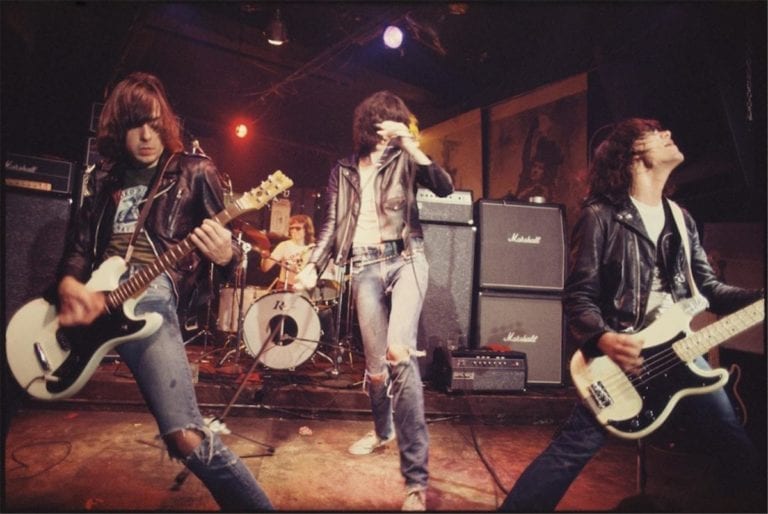
Born May 19, 1951 in Queens, New York, Joey Ramone is regarded as the rocker who ushered the definition of a rebellious and braggadocious frontman in a punk band. There is no doubting The Ramones level of authenticity in the punk scene. Today would be his 70th birthday.
Although short lived, Joey Ramone’s life was full of loud, angsty music; the legacy he left behind in the punk scene is almost untouchable.
In 1974, four high school friends from a neighborhood in Forest Hills formed a band, inspired by the fast paced pop music which was popular during their upbringing. Taking influence from The Beach Boys and The Kinks, The Ramones made their music fast, melodic, raw and angsty. That same trio of effects became the formula for making punk music in the generations to come.
Joey Ramone was diagnosed at a young age with Obsessive-Compulsive-Disorder which would go on to influence much of his lyrical content. Also somewhat of a social outcast, Ramone would use themes of paranoia and social rejection in his music. Releasing smash-hit single “Blitzkrieg Bop,” The Ramones went Gold with their Debut Album, Ramones, released April 23, 1976.
Since forming the band, The Ramones would go onto perform nearly 2,300 live shows, touring almost nonstop for the majority of their musical career. Although only reaching a brief amount of commercial success, the band’s accolades in notoriety far outweigh those of the Academy Awards. The group was nominated for, and won, both a Hall of Fame Award in 2007 and Lifetime Achievement Award in 2011.
Ramone passed away in 2001 after a lifelong battle with lymphoma, dying at the young age of 49. Although short lived, Joey Ramone’s life was full of loud, angsty music; the legacy he left behind in the punk scene is almost untouchable.
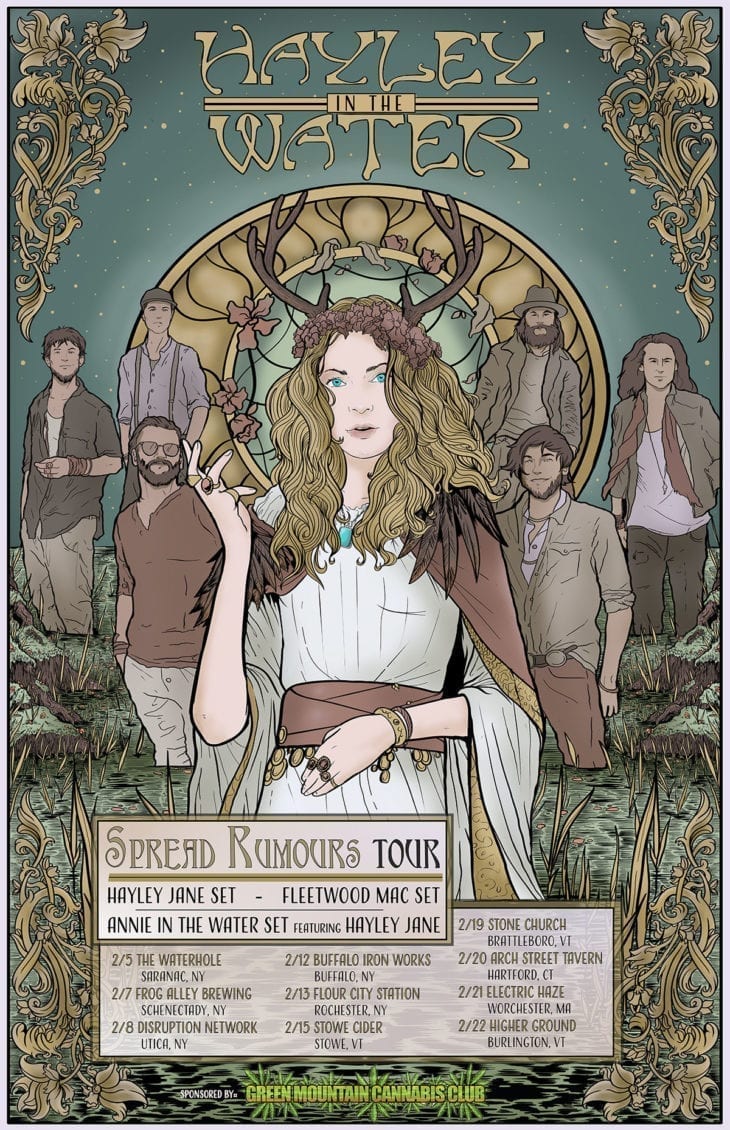
Annie in the Water has just completed the most successful year in their career and is now embarking on the most ambitious tour of their career beginning this week. This tour has the band teaming up with Hayley Jane to perform Fleetwood Mac’s Rumours album in its entirety and will visit venues across the Northeast throughout the month of February.
Annie in the Water’s second album Time to Play was released last summer. It’s an album comprised of songs the band has been playing live for years but hasn’t received the studio treatment until now. It’s an album that gives a snapshot of a band on the rise and a band ready to take on the live music scene with a vengeance.
While they call the North Country home, Annie in the Water has roots all over the map. Their origin story stems from a chance meeting between singer/guitarists Michael Lashomb and Bradley Hester at Hobart College in Geneva in 2007. The two hit it off immediately and began jamming together. They would reconvene during summers off from college, jamming together and coaching at lacrosse camps. They recorded their first album Destination in 2011 while Hester was a graduate assistant coach at Jacksonville University.
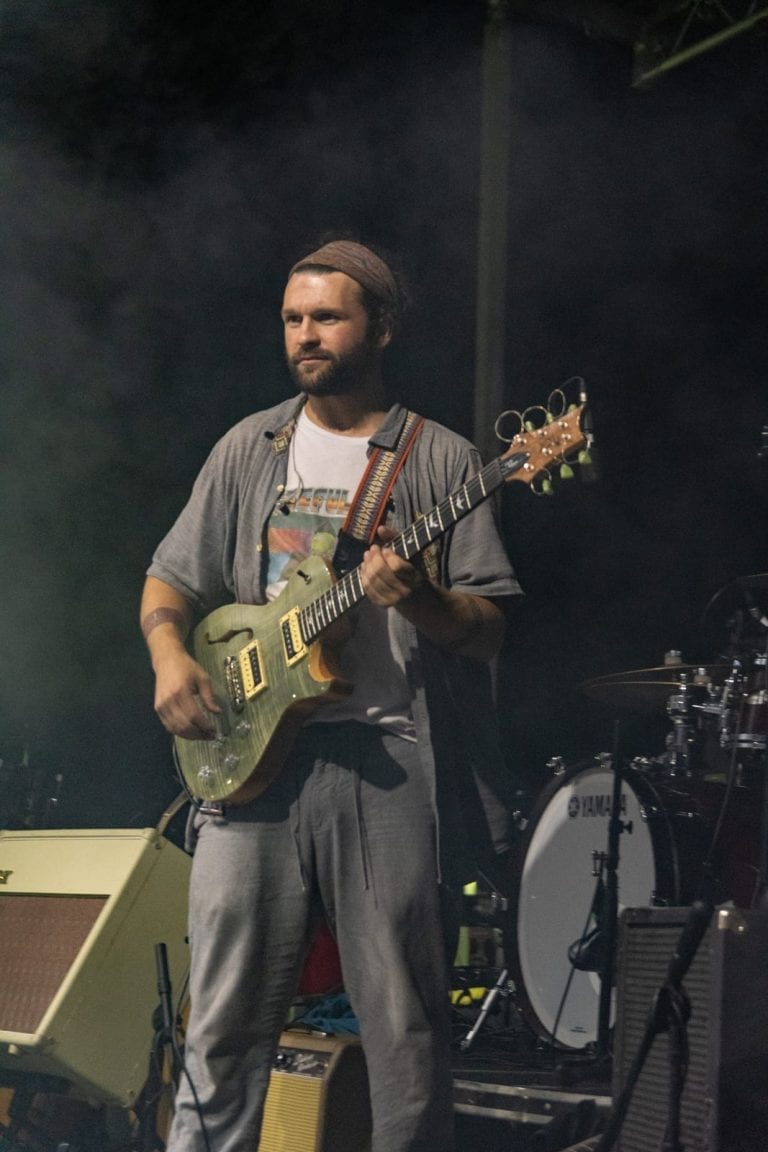
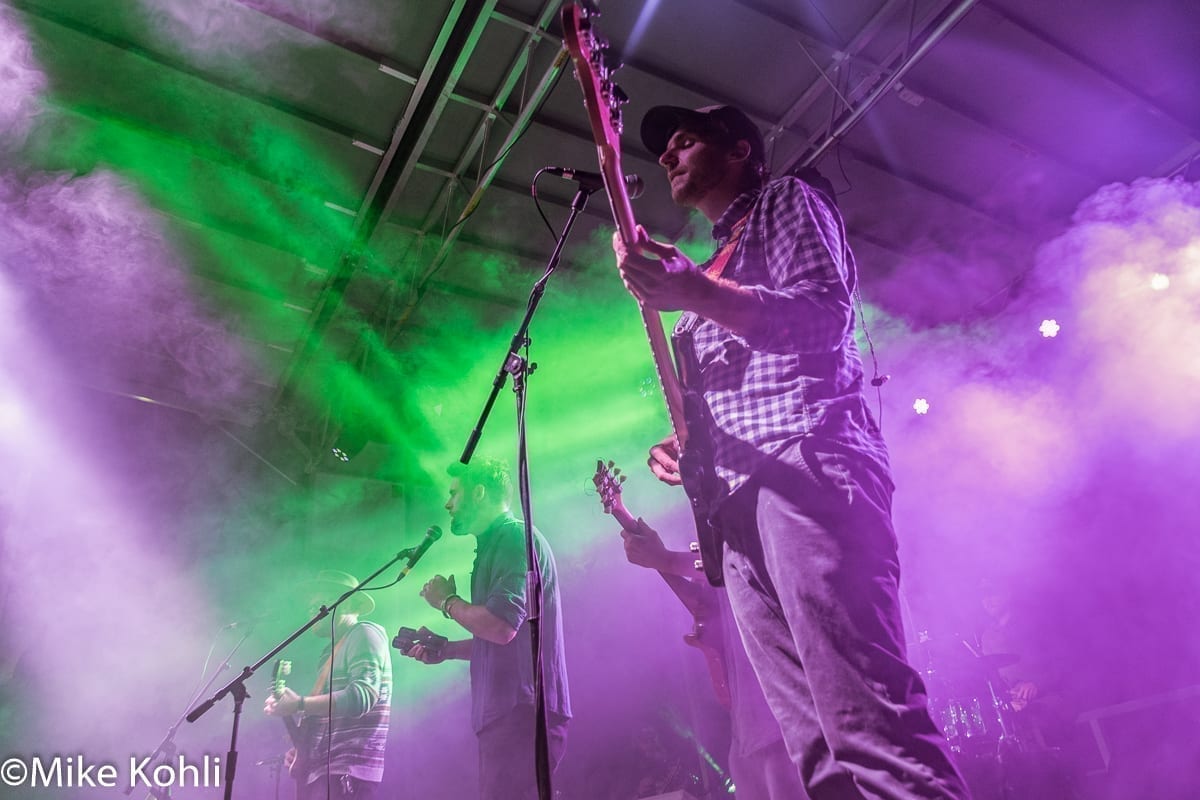
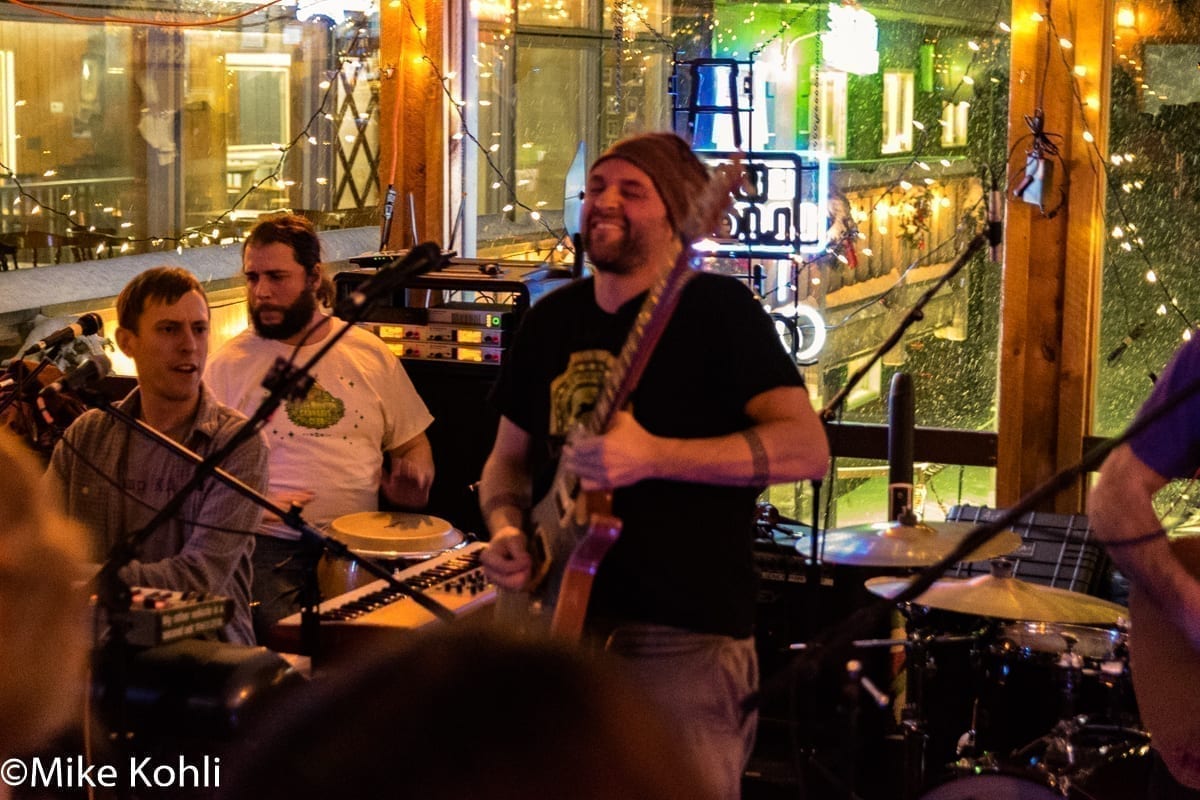
Since forming, the band has undergone several lineup changes, with Hester and Lashomb the only constant over the years. The band is now a six-piece with the addition of former Formula 5 keyboardist Matt Richards last July. Brock Kuca (drums/percussion), Ryan Trumbull (drums) and Chris Meier (bass) complete the unit.
Annie in the Water and Hayley Jane have been rehearsing for this tour for the past several months and are set to kick it all off this Wednesday in Saranac Lake.
NYS Music recently sat down with the band to discuss their history, their influences and the upcoming Spread Rumours Tour with Hayley Jane.
NYS Music: First, I’d like to start by finding out more about each of you individually. Where is each of you from? What path brought you to where you are today?
Bradley Hester: I grew up all over the place, born in Colorado. I also lived in Ohio, Japan, Virginia, and I came to Upstate New York by way of Hobart College. Since college, I’ve been in Upstate doing the Annie in the Water thing but also coaching lacrosse. I will probably always coach lacrosse because it’s one of the ways I am bringing my value to life and I have learned so many things from the game that continue to impact the way I live my life.
Brad Hester (Photo: Brian Cornish)
Michael Lashomb: I was born and raised in Cleveland, OH. My parents were originally from Ogdensburg, New York. We would go visit Upstate and work on my grandfather’s land whenever we had time off from school, so I was able to become familiar with the North Country landscape and inner-city life throughout my childhood.
While I was in Cleveland, I was exposed to a lot of diverse styles of music. There was always new music coming through mainstream radio when I was a kid, also a lot of hip-hop and funk influence in the city. In the North Country, I was exposed to more roots style and country. So I had a good blend that influenced me. When I was about 11 years old, I heard blink-182’s song “Dammit” on the radio and I immediately thought of ways to learn the song. That motivated me and I just started diving into all sorts of musical styles. I specifically started basing my early style of play on John Frusciante’s (Red Hot Chili Peppers) fretboard work.
Throughout my late teens and early 20’s, I was always picking up different jobs to try to make it work. I moved down to Florida at one point and was recruited to be a lacrosse coach and teacher at a prep school in Jacksonville. After that, I went out to L.A. for a short time and worked on the TV show The Amazing Race. In my late 20’s, I decided to go full-time music. No Plan B for me. I couldn’t imagine not pursuing music as my life path.
Michael Lashomb (Photo: Brian Cornish)
Brock Kuca: I was born and raised in a little town called Morristown on the St. Lawrence River (Thousand Islands). I started playing music at the age of 10, the saxophone. That didn’t really work out so well. I discovered the guitar at age 12. That’s when the sparks flew and music became the main priority in my life. Before joining Annie in the Water full-time, I cooked fancy food in a local restaurant. I was also a mail carrier for the U.S. Postal Service and worked production at music festivals. Although I have a deep passion for cooking, it’s hard to really imagine my life without some kind of musical influence in it.
I met Mike and Brad some eight or nine years ago. Wow, that’s hard to believe. They would invite me out to play gigs in Potsdam, Alexandria Bay, Clayton and Watertown. I’ve shared the stage with various, very credible and outstanding musicians since then but the present combination of the six of us is a special thing. We are all writers/composers and are just starting to explore that realm with one another.
Brock Kuca
Chris Meier: I’m originally from Chatham, New York. My path to where I currently am heavily involved my time spent at SUNY Oneonta, where I met my bandmates from my first group, Space Carnival. We were lucky enough to have a great scene that eventually led to where I am now.
Chris Meier
Ryan Trumbull: Well, I grew up in the Adirondacks. I was born in Saranac Lake. All of my family members had some sort of musical talent, especially my uncle who had played drums for a long time.
Ryan Trumbull (Photo: Brian Cornish)
Matt Richards: I was born in Albany and reside just outside of the city in Delmar, NY. My life’s musical journey through multiple bands — my high school and SUNY New Paltz band, The Assortment of Crayons, followed by my three-plus years with Formula 5 immediately after college — is what brought me to Annie in the Water. If I weren’t making music, I’d likely be studying how birds make music.
Matt Richards, Brock Kuca and Michael Lashomb
NYSM: The group has evolved over the years, adding new members as recently as this past summer. Have the six of you started to gel as a unit yet?
BH: I feel we gelled the first time we played with each other in a rehearsal. The first show we played together felt like the right thing. The music and the feelings that go with it all get tighter as we continue to push ourselves into unknown territory. As long as we allow ourselves the freedom to explore at shows, we can uncover parts of our potential that would never have happened if we limited ourselves.
ML: The band finally became a full unit when Matt Richards joined in July of 2019. The first rehearsal we had, I personally felt that he was the glue of the entire unit and the gelling started then. Chris and Rippy (drummer Ryan Trumbull) had already been in the mix for six months and they were really sinking in with the backbeat and Brock has made considerable strides as a percussion player.
Everyone in the band is open to trying new things. They are constructive and they are professional. I am extremely lucky to have such great people in this band. I believe all of our collective experiences and knowledge have come together well. All of our individual skills have made the growth quick.
MR: We certainly have. I find our unity became most evident in what is now known as “The Church Set.” We were supposed to perform outside in Potsdam on Sept. 7 last year but due to poor weather conditions, we performed inside the local Methodist Church. We were effortlessly one cohesive unit this set, and have remained so since.
RT: I think we are just starting to mold our sound.
CM: Most definitely. We’ve really taken off as a unit and it feels like the sky’s the limit.
NYSM: How does the songwriting process work for you guys? Is there one person doing all the writing or is everyone given free rein to submit material?
BH: Songwriting works in a variety of ways. The album Time to Play is a collection of some of the songs Mike and I have been playing and performing for years, but I really enjoy opening up the floor for all ideas while we are creating. I feel like the best ideas can come into something with an open canvas, so even if one of us writes a song, everyone else can add ideas to it and add great elements. Everyone in the group is a creator, so I like to keep open the possibility of anyone bringing a song to the group and for the group to help develop.
ML: AITW music is a collective of material. Everyone in the band writes, which is terrific. Now that we have had some time to develop, we are more focused on writing as a unit. Sometimes a song can be written collectively but also one person may have a vision for a song, and as a group, it’s important for us to all do our best to help facilitate that creation. Songwriting will always be an evolutionary process for this band.
MR: We all have so many songs from our past that we want to work in this group. Perhaps everyone in this band is a terrific songwriter. There is a strong desire to work as one to create music in the future. Additionally, Bradley and I have performed a number of duo shos and write at least one song each time, live, in front of an audience. That is a process that is new to me but I love very much. Songwriting can be improvisation slowed down and improvisation can be songwriting sped up.
CM: This has been the most open format for writing I’ve ever been a part of. Everything is on the table.
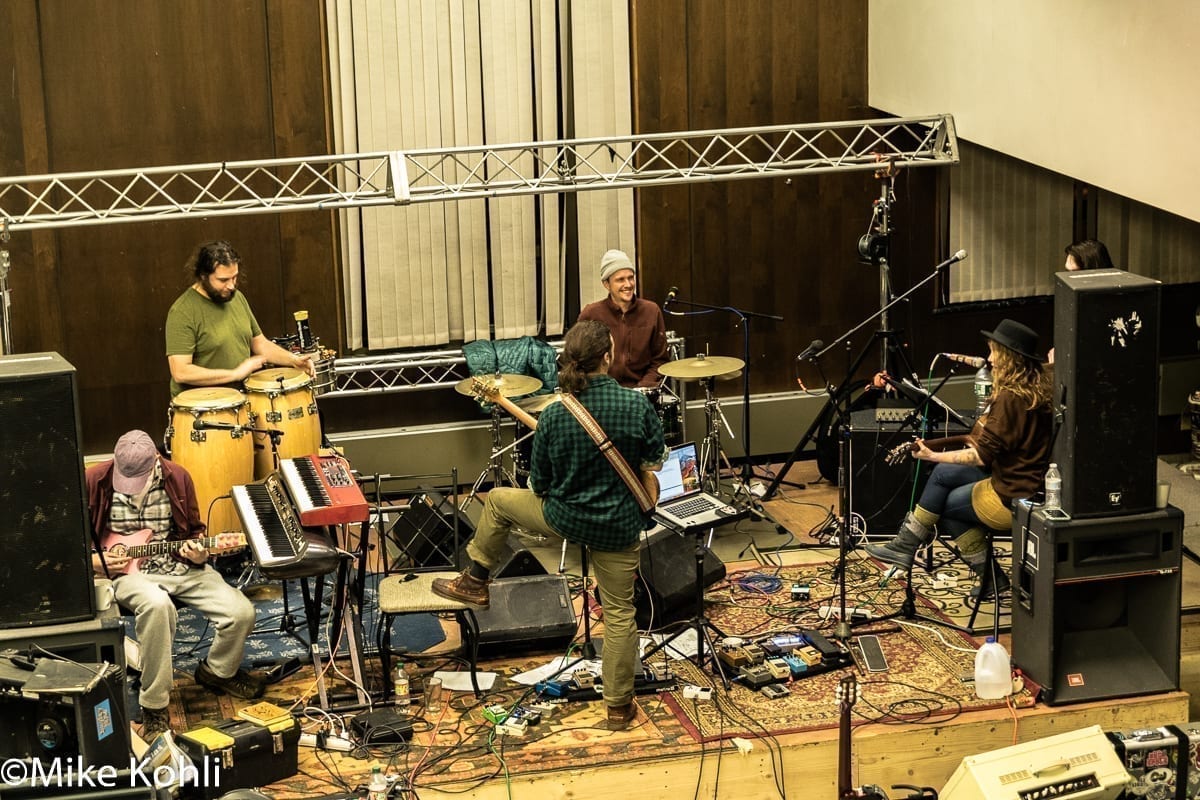
Hayley in the Water Rehearsal at The Bank, Frankfort
NYSM: Who are some of your biggest musical influences?
BH: When I was young, I grew up on Top 40 hits and was influenced by country music through my parents. Garth Brooks was a go-to of mine when I was in elementary school and, strangely enough, because of my older sister, the Backstreet Boys had an impact on me before I became a teenager. Throughout middle and high school I got into bands like Styx, 311, 30 Seconds to Mars, Finch, Our Lady Peace, blink-182. From the hip hop angle, Eminem is someone I paid a lot of attention to in terms of diction and delivery of language, Kid Cudi for breaking out of norms, B.O.B., Andre 3000, Sammy Adams for their unique approaches. Bob Marley is a huge influence on me as well. Mike introduced me to Phish back in 2008 and I had such an uplifting experience that I knew I was going to achieve similar things with our band with time and patience.
I’m always influenced a little by the other bands in our scene, especially the bands we have the pleasure of playing with. Michael Franti and Spearhead, Andy Frasco, Nahko and Medicine for the People, Swamp Kids, Wild Adriatic, John Brown’s Body, Goose, Turkuaz, Big Something, moe., Twiddle, Nina’s Brew, among others. There are too many to name but I am slightly influenced by everyone I am lucky enough to experience!
ML: When I was eight years old, I was obsessed with the Grateful Dead. Not so much their music, but their artwork. I had t-shirts and patches on my backpack and everything. What is interesting is how their music has been woven into my style almost naturally. But besides them as an overall musical influence, I grew up on folk music — Bob Dylan, Cat Stevens, Crosby, Stills, Nash & Young. I’m also a big fan of The Band. I love Pink Floyd, Daft Punk, LCD Soundsystem and Sigur Ros. Those are my ethereal outlets. I also loved punk in high school: Ten Foot Pole, MxPx, Pennywise, blink-182, Less Than Jake, 311, NoFX, but also heavy stuff like GWAR, Korn and Rammstein.
I got into jamband/bluegrass style stuff in high school. Stuff like String Cheese, Bela Fleck, Dispatch, moe., Umphrey’s McGee. Phish was a discovery that changed the whole game. But recently I have been getting more into traditional Celtic music like The Dubliners and different modern composition styles like Bon Iver and Hans Zimmer. Very grateful for all the music I have been exposed to.
MR: Steely Dan, Animal Collective, Ween, Yes, MGMT, Circa Survive, Phish, Vince Guaraldi, McCoy Tyner, The New Deal, RAQ, nature (like actual nature, not a band), Wilco, Dave Brubeck, Talking Heads. Okay, I gotta stop myself somewhere but I know I am missing at least 50 artists and will kick myself for not including them.
RT: Stewart Copeland, Brain (Primus), Anika Nilles, Benny Greb.
CM: Sly Stone, Beck, Motown, Steely Dan.
NYSM: When did you first develop a relationship with Hayley Jane? This tour sounds like it will be a fun collaboration. What was the genesis of the idea to do a Rumours tour together?
Hayley Jane
BH: I first developed a relationship with Hayley Jane back in 2016 when I posted myself doing a vocal exercise for the first time in eight months. She contacted me and was curious about what happened to me because she wanted to offer her experience going through vocal issues. We’ve been friends ever since, sitting in and co-creating whenever possible.
Sometimes it’s hard to remember how fragile our vocal cords can be if they do not get proper attention and strength training, but they are also very resilient and can come back from injury stronger than ever, which is how I feel now. I was able to dissolve the cyst that formed on my right vocal cord by taking many months of pure rest and also learning how to properly warm-up. Staying away from alcohol and drugs and remembering to stay healthy and hydrated is key to my intention to make my vocal cords last as long as I can stay alive.
ML: Brad and I first met Hayley Jane about four years ago in Vermont and that’s when a relationship started. The Vermont music scene has a tendency to bring like-minded people together. The project idea started when we were all at Grassroots in Shakori Hills, NC. Our band had been on a pretty solid Fleetwood Mac kick for a while so when we were in North Carolina, Chris was talking with Hayley about playing a Fleetwood Mac song. I’m not exactly sure how the conversation went because I wasn’t there, but now there’s a tour put together and I’m playing in it.
CM: I’ve been aware of Hayley for a number of years but we formally met last fall at Shakori Hills Grassroots Music Festival. The idea was developed there over the conversations we had in our RV on tour.
MR: I first met Hayley through Formula 5. She would perform with us in Burlington at Nectar’s when we would get up there. I think since we all love Rumours it just felt natural we reach out to Hayley and see if she would be interested in doing this with us. It all fell into place seemingly well.
NYSM: Thanks to all the members of Annie in the Water for your participation. Best of luck with this most ambitious tour.
The upcoming tour will have Hayley Jane opening each show with a set of original material, followed by a complete run-through of Fleetwood Mac’s storied Rumours album featuring Hayley Jane alongside Annie in the Water and concluding with a full Annie in the Water set.
Tickets are available now for all shows on the Spread Rumours Tour. For more information on the tour and where to purchase tickets check out the Annie in the Water website here. Check out the band’s latest album Time to Play below.