Category: Features

  • Nas makes his latest claim to the throne with “King’s Disease”

    The 13th studio album from legendary Queens rapper Nas was released on August 21 through Mass Appeal Records. Composed of twelve tracks and one bonus record, the project was produced solely by California native Hit-Boy, a well-known producer who has made a name for himself for producing records with artists the likes of Kanye West, Jay-Z, Drake, Big Sean and more.

    Following the lackluster reception to his previous body of work, Nasir, King’s Disease had fans skeptical, wondering what the fabled emcee had leftWould the album feel as uninspired as its predecessor or, would it be as acclaimed as 2012’s Life is Good? Other concerns arose when the track list was revealed, as Anderson .Paak, Lil Durk, Fivio Foreign and A$ap Ferg held the guest spots, which led the public to assume that Nas would try to conform and abandon his timeless style for a more modern trend of music. 

    These doubts were surely put to rest after the intro track and realized that Nas wasn’t conforming but taking his style and meshing it with more modern sounding beats and production. He effortlessly got into his pockets and felt comfortable from start-to-finish.
    Nas

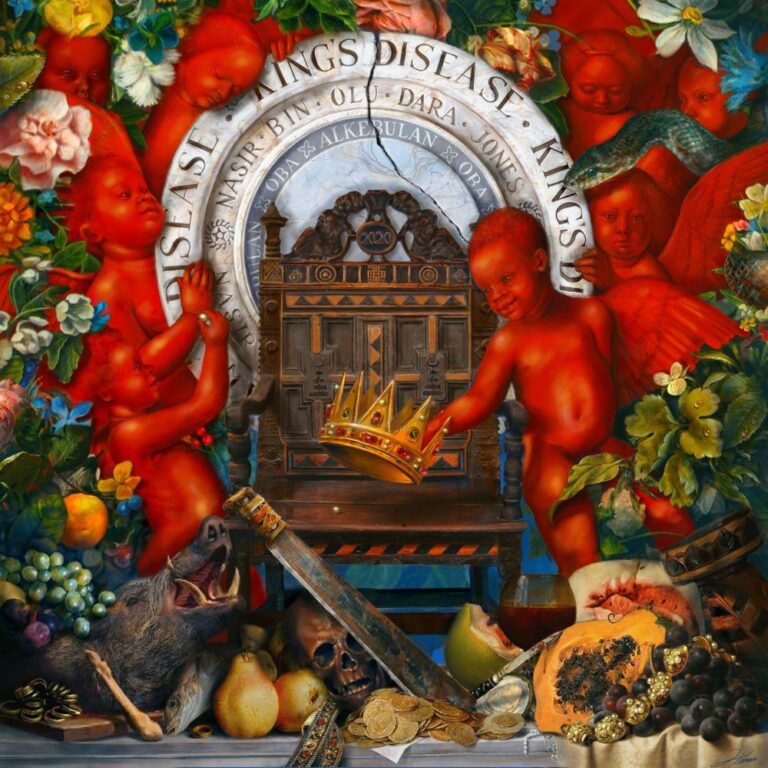
    The album cover goes consists of Cupid-like babies. Some are black, others white, with wings of angels but colored red as if they were demons holding up a plaque that is covered by dirt. Nas’ name appears on the plaque, while one of the babies holds a crown. There is a rusty bloody machete on the table with fruit, gold, a skeleton head, the head of a hog, a serpent and flowers from a garden. 

    Throughout his last couple of projects Nas has been made his spiritual beliefs apparent and this album cover reflects that. King’s disease is defined as a disease where affluent people eat poorly, invest poorly and have bad relationships, which leads to one’s downfall. Nas touches on business and health throughout the project but the theme he harkens on the most is love and relationships. On multiple songs he tells stories of failed romantic relationships, or how relationships work poorly within the black community. Nas also touches on the struggles of the black community as a whole throughout.

    Hit-Boy did a masterful job with the beats. The album has a classical sound to it, with a couple of instruments being played in the background on the majority of the tracks, combined with the heavy bass that is preferred in today’s rap music. 

    The story-telling is a highlight of the album. He didn’t do it too often but, when he did, they were amazing. On the record, “Car #85,” we get Nas at his descriptive best as he tells tales of his close run-ins with the law, his trips to hang out with friends, as well as his attempts of keeping a romantic relationship alive. All precipitated by this car service that he would use exclusively. 

    The length of the album was a plus – short and succinct, thus making it an easy listen, although several records felt short. Nas is known to rap multiple verses yet, on this project, it seemed like he would give one or two concise verses so as to not prolong the records. 

    And while many of the features were surprising, he did a great job of staying true to himself while letting other artists shine in their own lanes. He didn’t try to step on their toes and in return, they didn’t step on his. If there can be a complaint, it’s that the contrasting sounds made for songs sounding entirely different when a new act was introduced. For example, in the Lil Durk-assisted “Til The War is Won.” Nas raps for two verses and basically hands the record off to Lil Durk for the last minute or so. This also happened with his song with Anderson .Paak “All Bad,” which sounds like an Anderson .Paak song featuring Nas. 

    While having a great theme, Nas fails to focus on it for the entirety of the album. And at times, it feels like he was running down bullet points instead of detailed explanations. Nas is knowledgeable, but at times he doesn’t explain his knowledge – he just puts the knowledge out there for fans to either get it or not. This was a problem from his last release Nasir, where fans reduced many of lines to him being a conspiracy theorist.  
    Nas
    Full Circle

    “10 Points” is a record which embodies where Nas is in life. The song consists of him kicking game to the youth, explaining, “Take it from a street dude, you don’t need to be a street dude. Get a lawyer, read your contract, and eat food.” The way he delivers his rhymes in a smooth cool manner is what separates Nas from a lot of emcees, still.

    He also addressed the longstanding rumors of him copying the late Tupac Shakur’s ‘Thug Life’ tattoo, rapping, “Pac saw the chain, got his medallion, I want it. Insinuate imitation cause I copied his stomach. Kings honor kings, straight from my pops to my son’s sh*t.” This was his way of laying to rest how his ‘Godson’ tattoo mirrored Tupac and a ‘Thug Life’ tattoo both being placed across their stomachs. The beat switch on this track was flawless and was the highlight of Hit-Boy’s production. 

    Nas also gave shootouts to legendary NBA player Kobe Bryant and rap legend Nipsey Hussle, rhyming, “Rest in Peace Kobe and Nip that’s off the rip.” People forget that Nas once ripped Kobe on his Street Disciple album on the track “These are our Hero’s” where he went at the then troubled NBA star for his alleged rape case allegations in 2003. It was refreshing to hear Nas ignore old wounds and pay respects to Bryant, although the two had reconciled long before his death.

    Other great records include “Blue Benz,” “Car #85,” “27 Summers,” and “The Definition.” The beats for “Blue Benz” and “27 Summers” stand out. 

    Nas and Hit-Boy complimented each other well. Hit-Boy showcased his range as a producer while showing Nas’ ability to adapt to the new climate of music. Nas works best on more simplistic beats, with some drum patterns and instruments in the background to boost his message and it was cool that he was allowed to still find his pocket.

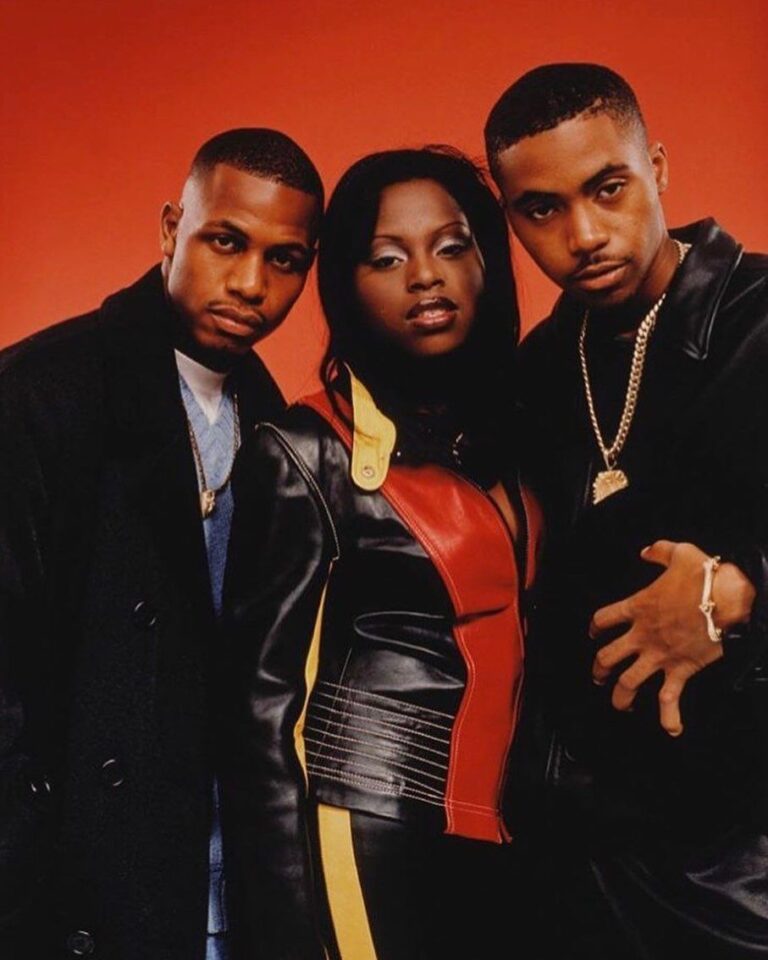
    Nas meshed with many of the features on the album and it was great to see the return of his group, The Firm, on the song “Full Circle.” King’s Disease is a good album, and while it isn’t Nas’ best work, it wasn’t expected to be. It’s just good to hear one of the genre’s all-time greats still delivering quality music.The album is a solid 7.5 out of 10 and we look forward to what more Nas has to offer.

    With contributions from Alain Clerine
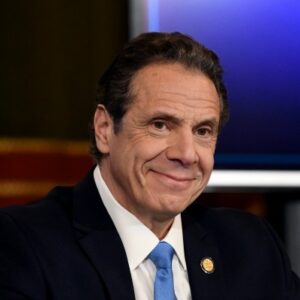
  • Syracuse’s 443 Social Club writes an Open Letter to Governor Cuomo

    The COVID-19 pandemic has impacted the whole world, either directly, or indirectly. As a response to the pandemic, Governor Andrew Cuomo, has passed legislation that the states hope will help regulate COVID-19’s impact on the state. While guidelines for life during a pandemic are important, the broadness of certain rules has put many small businesses at risk of extinction. 443 social club

    443 Social Club

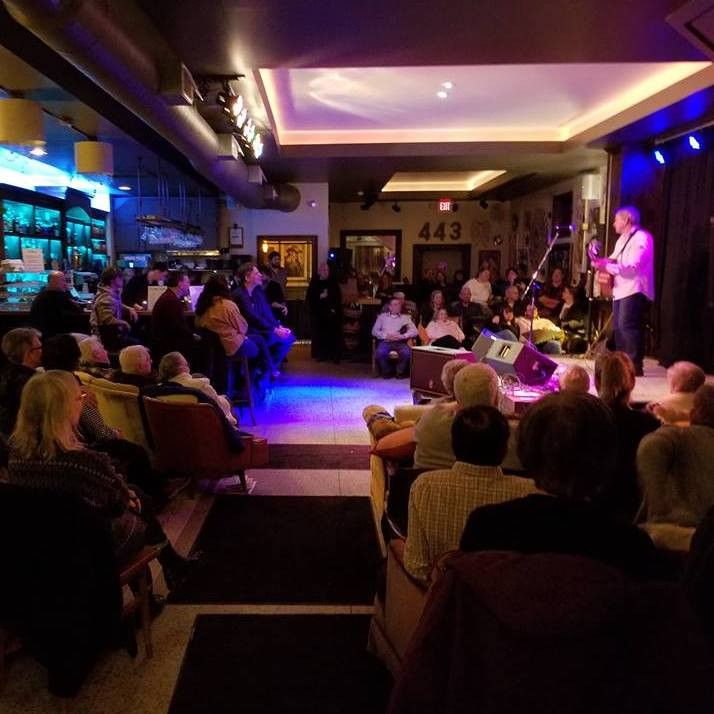
    One of those venues, The 443 Social Club & Lounge in Syracuse is a place where those fond of live music can appreciate the ambience of a nice night out. A hub of live entertainment in their town, this restaurant seats 88 people but, as a result of the pandemic, it has operated with only 36-person capacity to meet state guidelines.

    While the reduced customer base hurt business, it had allowed a mom-and-pop style business to stay afloat. That is until, a new wrinkle in New York state’s coronavirus guidelines for bars, restaurants and similar venues in New York state prohibits them from offering live music that customers pay for separately. The rule forced an immediate halt to The 443’s business. While they offer eatery, their main form of attraction is their live music. 

    Although we have all had to deal with the effects from COVID-19, actions like this towards small businesses still tug at the heart, knowing that hardworking individuals are in danger of losing their businesses, through no fault of their own. 

    The 443 Social Club & Lounge has chosen to take action, posting a letter to Governor Cuomo on their website that details, among other things, their compliance to COVID-19 rules, their determined attempts at keeping their business afloat, as well as the city’s mishandling of its small businesses. The letter is heartwarming and brings up questions, including ‘What was Governor Cuomo thinking with this new rule?’, and ‘How could they not have implemented any verbiage for small-capacity lounges?’ Let’s hope The 443 and other small businesses get an opportunity to get back on their feet, sooner rather than later.

    Read below for The 443 Social Club & Lounge letter to Governor Cuomo, as originally posted on their website and socials. 

    Dear Mr. Cuomo –

    I am a small business owner in Central New York. My husband and I operate an 88 seat cafe/bar that features listening room style acoustic performances. We had just celebrated our one year anniversary when COVID-19 hit.

    When we closed our doors on March 15, I understood we would likely be shuttered for at least a few months. I understood we would be among the very last businesses allowed to reopen. There was a certain relief in letting go and accepting it, in understanding it was completely beyond my control. I had faith we would receive some kind of aid to help get us through, and for while we did.

    I watched your daily press conferences religiously. With the vacuum in national leadership, I was grateful to be living in NY, grateful we had someone taking charge of the situation. Your no-nonsense, fact-based daily briefings were oddly comforting, even when NY’s numbers were high and the news you were sharing certainly wasn’t good.

    Spring turned into summer and New York began it’s cautious, phased reopen.

    We were busy reimagining our business so we’d be ready to go once CNY made it through the first few phases. We knew we would be facing an entirely new reality and there wasn’t a single aspect of our business that didn’t get retooled.

    You can find the complete outline of what we did HERE
    We are classified as a restaurant, so we planned to reopen when indoor dining resumed in Phase 4. I checked with Empire State Development at the end of June to clarify the rules on live music. While we are classified as a restaurant, music is definitely our main focus. I was told it was allowed as “small scale entertainment”.
    Well, it doesn’t get much smaller scale than our place, especially since we were going to be operating at about 40% capacity – just 36 people. We waited another month just to be sure numbers didn’t spike with everyone moving around again before we started planning a very limited schedule.

    And then things got weird.

    You declared food must be ordered by anyone who wanted an alcoholic beverage. The intention was to keep people seated, I get that, but keeping people seated was not an issue at our place to begin with. Our guests were anxious to comply with the rules, but not always hungry when they arrived. So, sometimes they placed to-go orders to eat later, which didn’t really accomplish anything. It disrupted the natural rhythm of service, where guests used to relax and enjoy their first drink before ordering, and worst of all, it meant the entire room ordered their food at exactly the same time. It was a logistical nightmare for our tiny food prep area and I had to schedule another person to help at a time when we could least afford it.

    But, we were settling into a groove and figuring it all out. We planned to take advantage of the last 6 weeks of good weather and outdoor shows when you dropped the hammer.

    On August 18 I learned about the new SLA rules prohibiting us from advertising or charging a fee for live music. I read it, then reread it, incredulous.

    Prior to COVID, almost all our shows had a fee associated with them. It’s the only way the business model works financially in a small room and it’s important to us that everyone is paid fairly. With drastically reduced capacity, cover charges and tickets are more important than ever. We thought more venues charging for live music was one of the few bright spots in this whole mess…it’s healthy for our music scene to put a financial value back into the experience. And obviously, tickets are the best way to control a crowd.

    The ban on advertising music is astonishingly cruel. We are all doing our level best to make our limited capacity work and now you’re telling us we cannot advertise to fill the few seats we do have? Are we are supposed to just open our doors and hope for the best?

    We closed our doors again, wasting thousands of dollars we spent to reopen.

    Governor Cuomo, we are DROWNING.

    We are frantically treading water to keep our noses above the surface until (hopefully) some federal aid comes through. You looked at us, and instead of throwing us a life preserver you handed us a cinder block and told us to keep treading water.

    The last 6 weeks of warm weather might have sustained our businesses for a bit longer, but the new guidelines have taken away even that flimsy lifeline.

    In your August 9 press conference, the very last question was about bringing back live entertainment and Broadway. You said there were no plans to reopen “Broadway and other indoor, high-density arenas”.

    And this is the main point of my letter.

    “Live Entertainment” is far more than Broadway and far more than “high-density arenas”…and literally nobody is suggesting we open those things right now.

    It is small rooms like mine that don’t even come near the 50 person gathering limit.

    It is wineries and breweries who have acres of wide-open space to spread out their guests.

    It is the venues who cut their capacity down to almost nothing and are doing a hybrid of a small live performance + paid live stream.

    It is the rooms that moved all their events to their parking lot or back yard.

    It’s different for everyone, but tickets and advertising are fundamentally necessary whether we are trying to fill 20 seats, 200 seats, or 2000.

    And yes, live entertainment is also crowded rooms and mosh pits and huge amphitheaters packed full of people. We aren’t asking for that. Nobody is asking for that. We are asking you to allow hundreds of small businesses across New York State to be allowed to reopen and run their venues with all reasonable precautions in place. We have spent thousands of dollars to adapt to do it as safely as possible because we understand and respect how serious COVID-19 is.

    But you know what else is serious?

    Losing a business we’ve invested our life savings into. Putting our staff out of work. Our city losing one of its few dedicated music venues. Musicians losing a place to ply their craft. Our community of music lovers losing their gathering place.

    You have told us we have 99.2% compliance with bars and restaurants right now. Why are the 99.2% paying such a steep price for the non-compliant .8%?

    We have waited patiently throughout this whole saga and watched every other industry open up without any corresponding spikes in cases. For the most part, we haven’t even been part of the conversation. But time is running out. Many of us will be closing our doors for good in the next few weeks.

    We are about to become collateral damage in the war on COVID-19, and Governor Cuomo – I know this is not your intention.

    I know you have a lot going on and “live music” probably sounds like a hobby people are supposed to give up once they get out of college. WE ARE MORE THAN THAT. We are musicians, venue owners, sound and light techs, production, security, hospitality. We are savvy, smart, creative, and ridiculously hardworking. We feed other businesses like hotels, restaurants, and shops, plus our everyday vendors – trash, payroll, insurance, linen service, food, and liquor. We are the first ones to donate and support fundraisers for our neighbors in need. We are a port in the storm where you can forget about all that’s wrong in the world, if only for a few hours.

    We are respectfully asking for the chance to try and salvage our businesses before it’s too late.

    Sincerely,

  • In Focus: Warren Haynes and Danny Louis kick off five-show run at South Farms

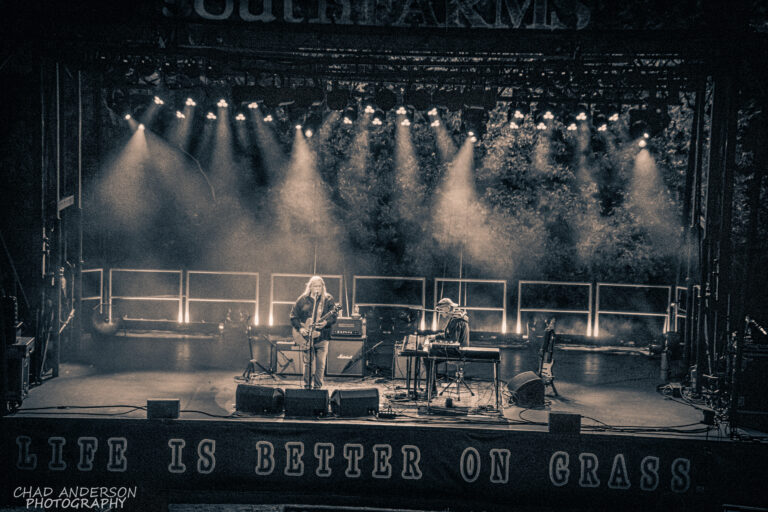
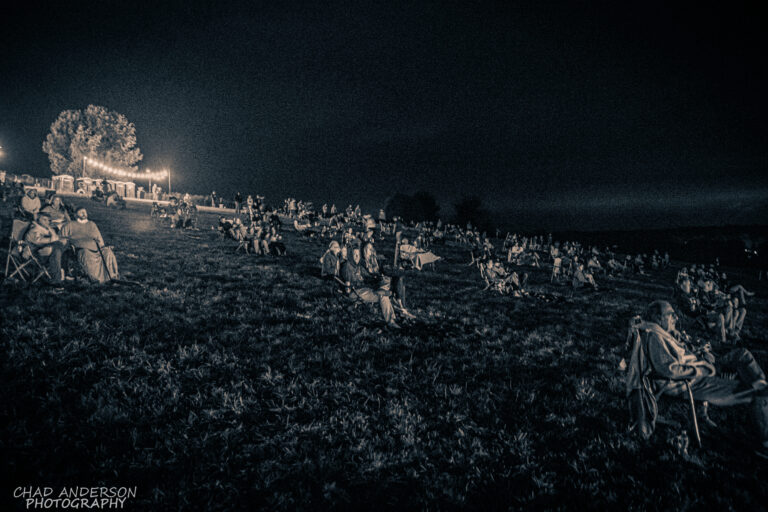
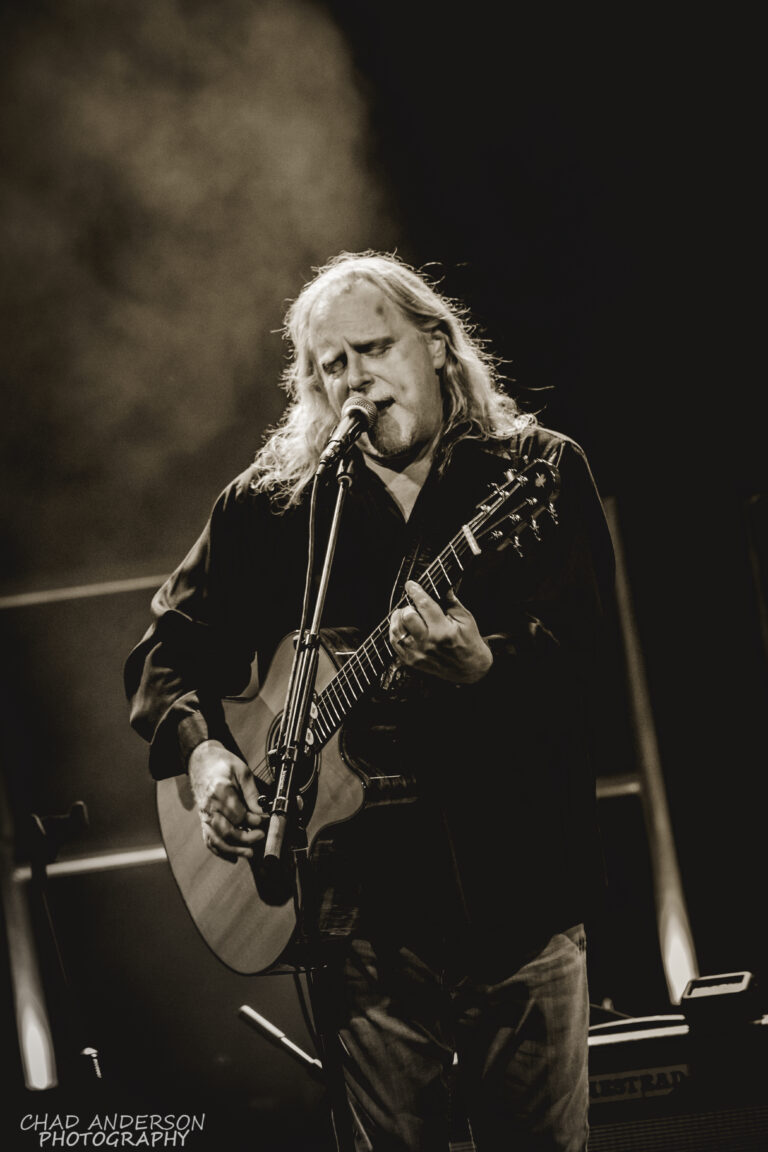
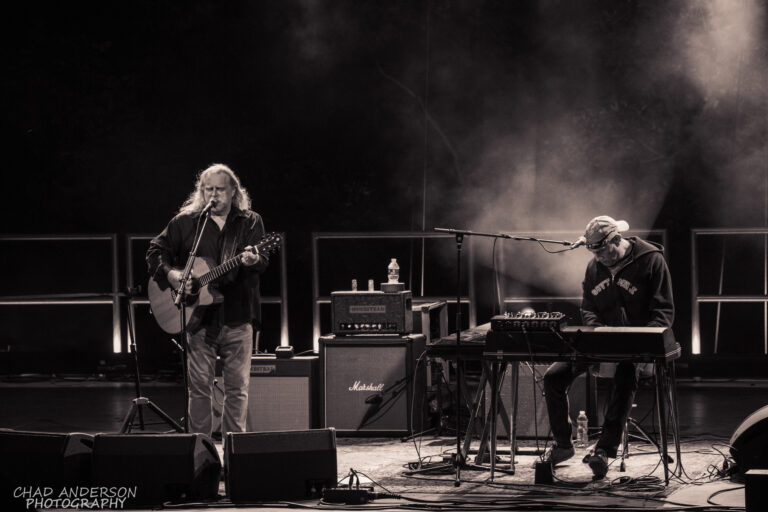
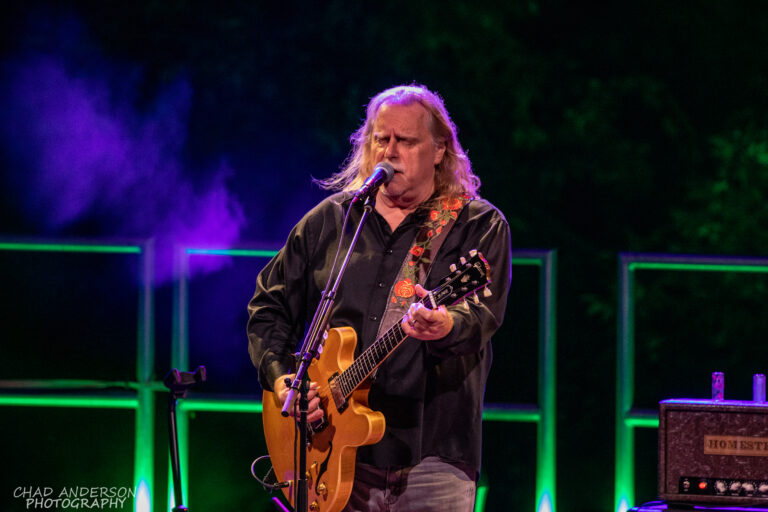
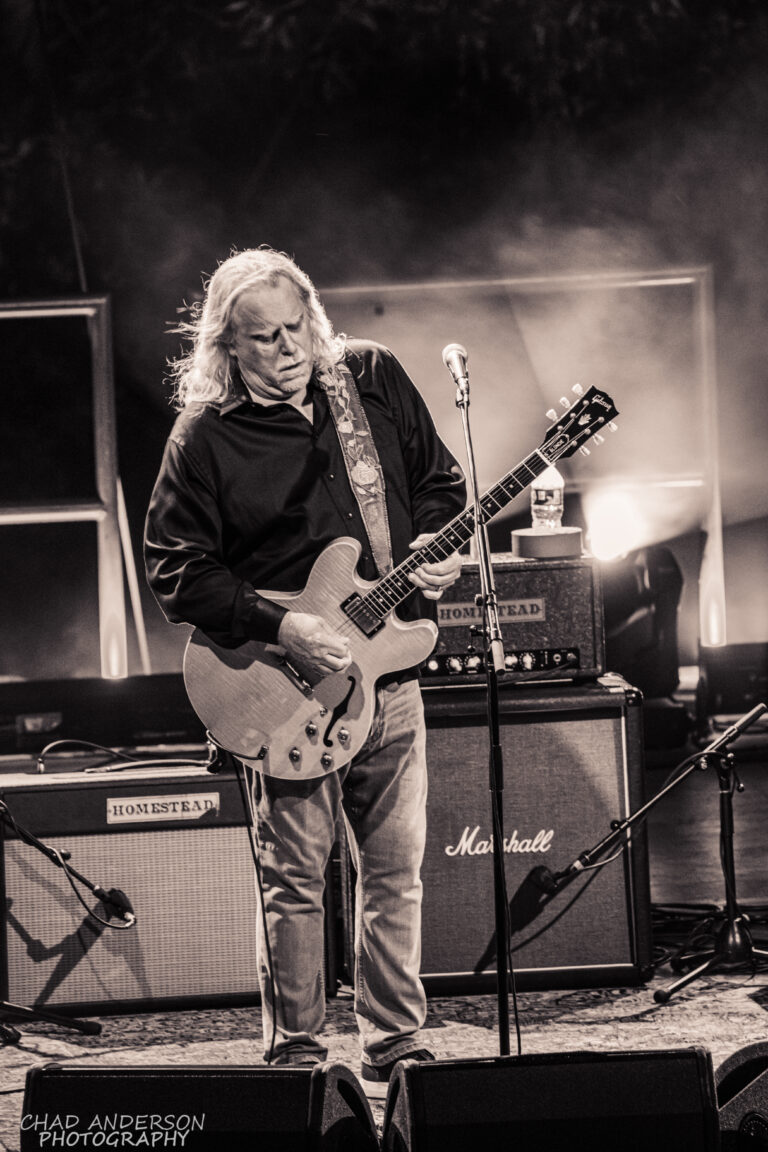
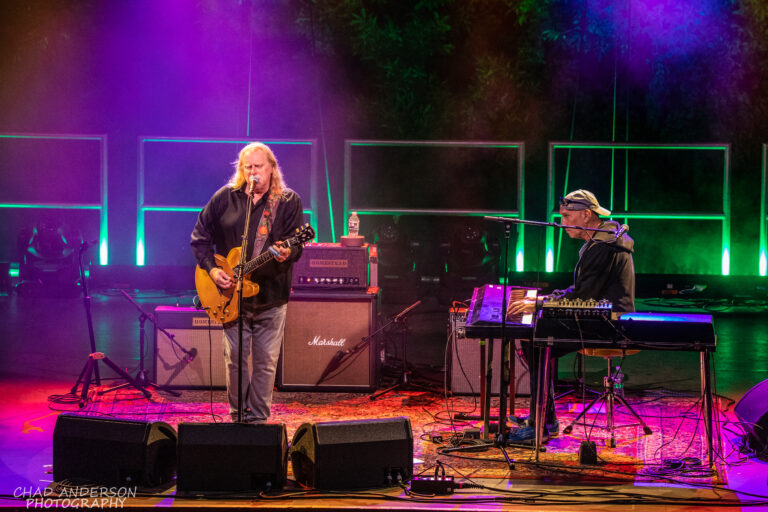
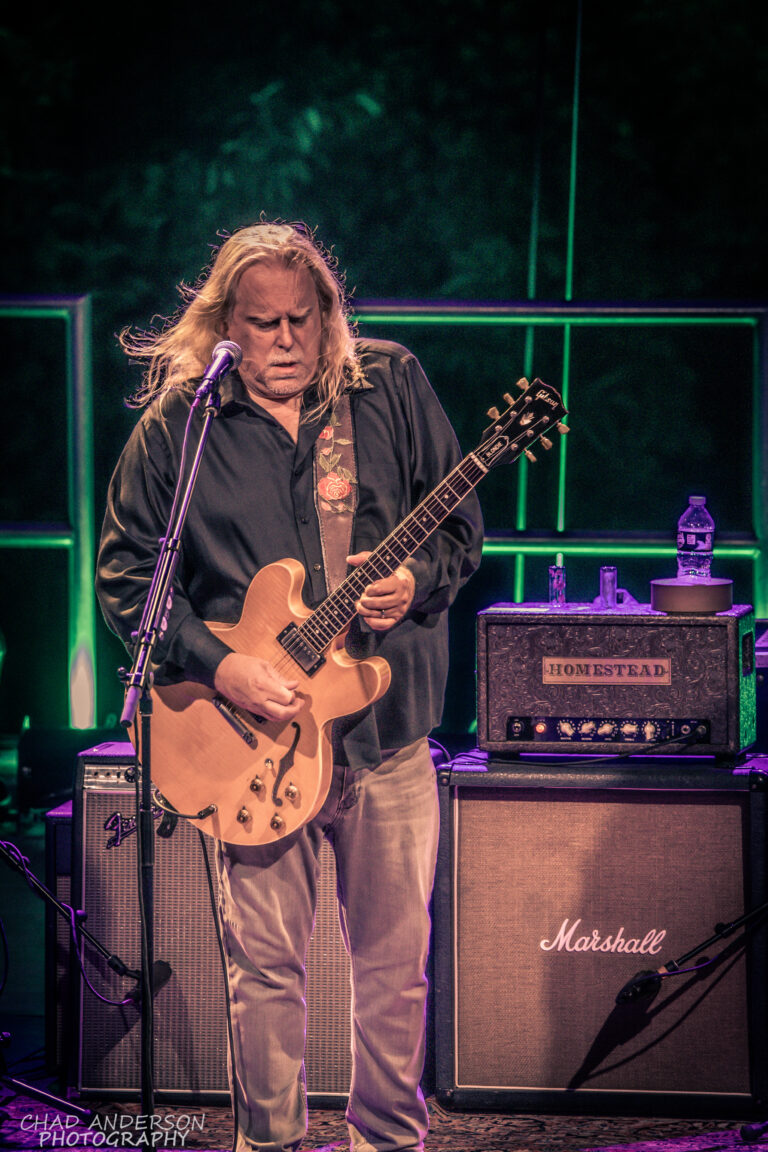
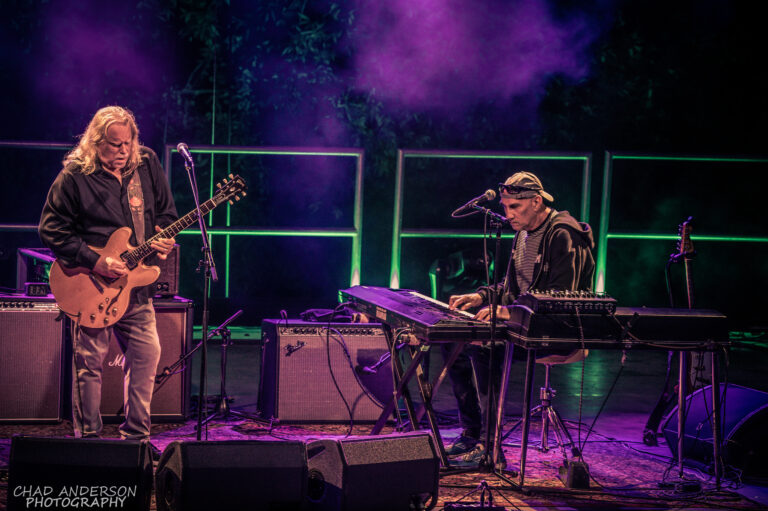
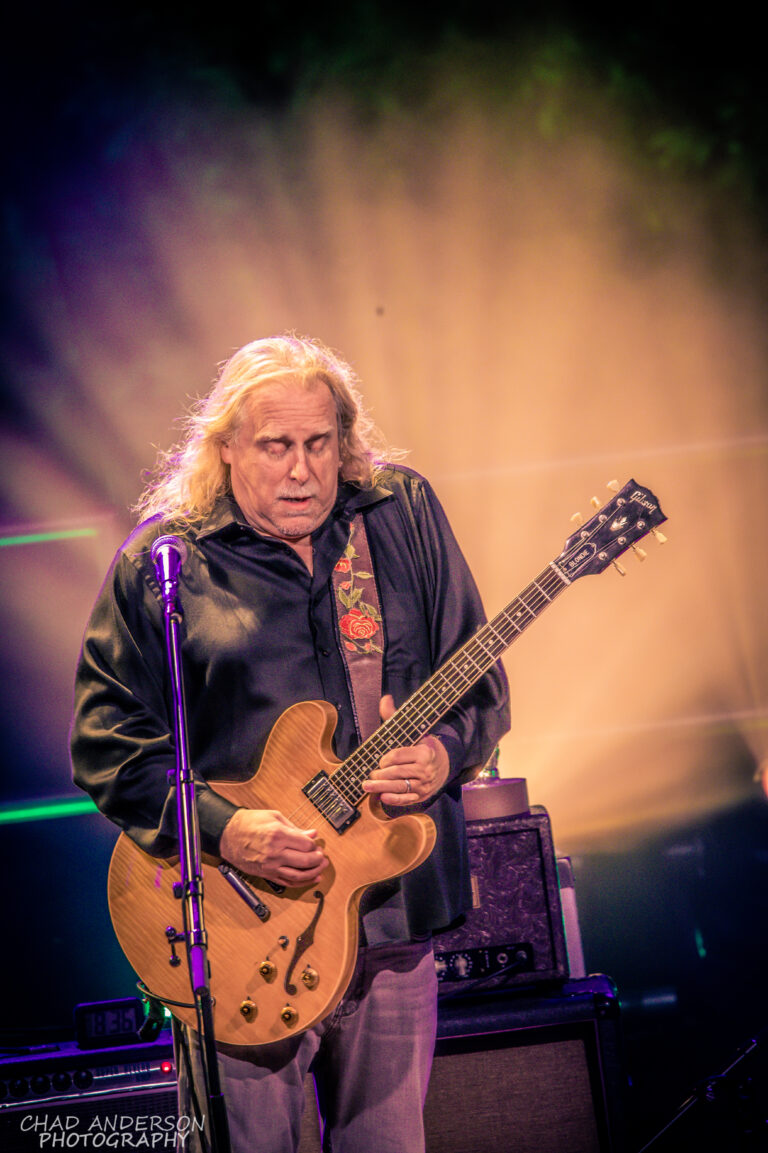
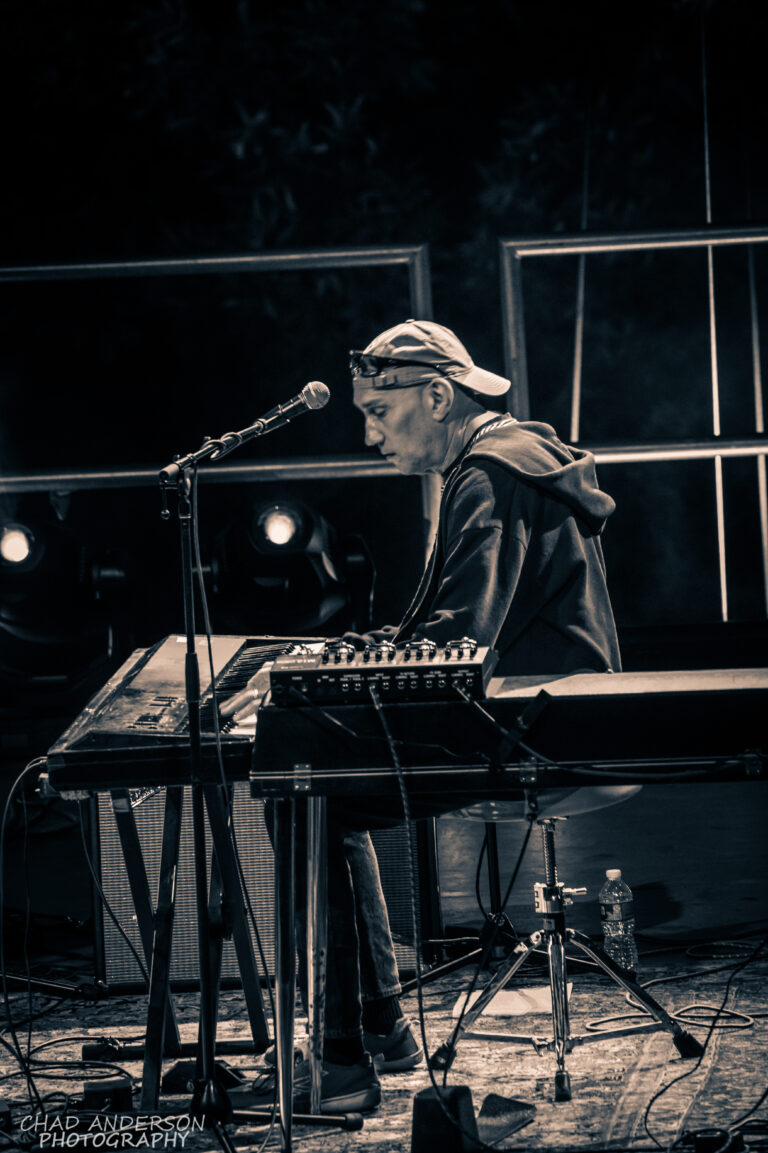
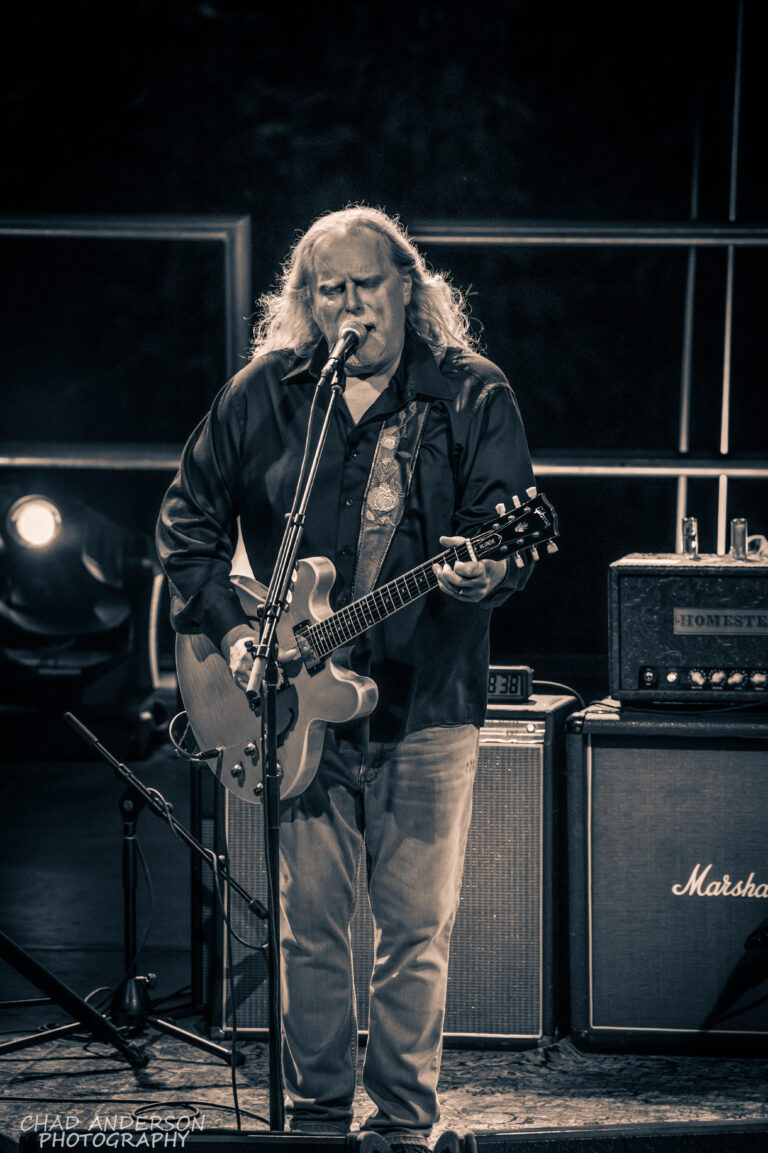
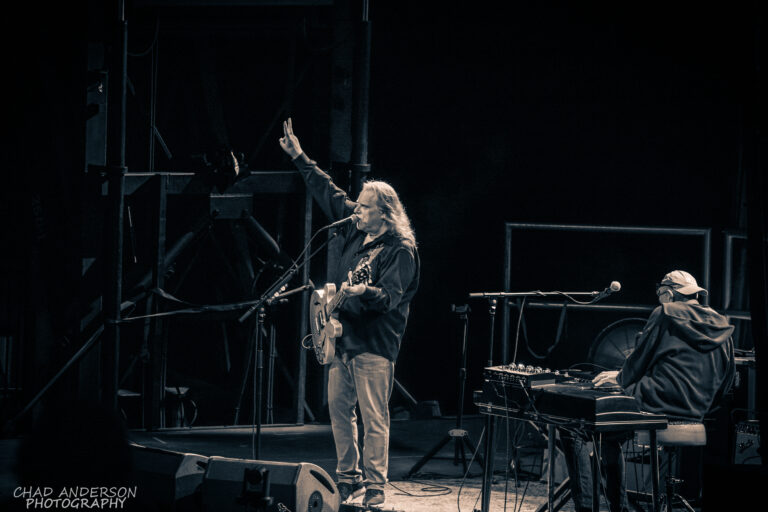
    Live music is back in Connecticut thanks to South Farms – the venue has figured out the formula for a socially distanced Drive-In shows. Billy Strings made a stop on his abbreviated tour, and Warren Haynes planned five shows, kicking off this past weekend on September 12.

    warren haynes

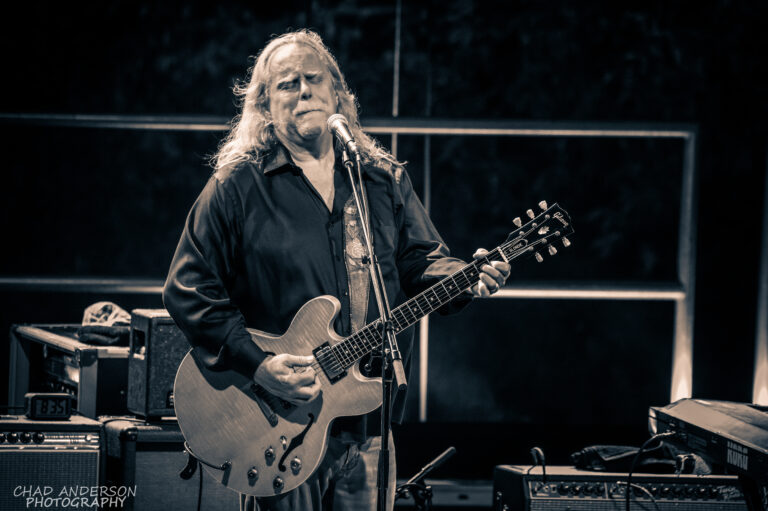
    The Sunday show found Warren Haynes and Gov’t Mule’s Danny Louis performing two stripped down sets of classic rock covers and Mule tunes, amid a gorgeous backdrop in the Western Connecticut.

    Haynes will return to South Farms for three more shows on October 1, 8 and 15. Tickets are still available and can be purchased here.

    Setlist: Warren Haynes with Danny Louis, South Farms, Morris, CT, September 13, 2020

    Set 1: Don’t Know Where We’re Going (But We’ll Get There), Glory Road, Blue Maiden’s Tale, Love’s Open Door, Working Class Hero, Traveling Tune, Forsaken Savior, It Hurts Me Too

    Set 2: Southern Accents, Melissa, Child of the Earth, Two of a Kind, Workin’ on a Full House, Beautifully Broken, Captured, Turn On Your Love Light, Smokestack Lightning

    Encore: Fallen Down*

    * w/ Danny Louis

  • Donny Frauenhofer releases melodic jazz single “A Spirit”

    “A Spirit,” a melodic jazz single by Buffalo’s Donny Frauenhofer is the latest quarantine composition from the Intrepid Travelers frontman.

    Frauenhofer plays piano on “A Spirit,” and also handled production, mixing and mastering. Colin Brydalski plays bass and behind the drum kit is Isaiah Griffin. Support these musicians through Patreon, and read below for Frauenhofer’s take on “A Spirit.”

    This composition is one that I’m most proud of. I wrote it in one night during the quarantine, and the name comes from the sensation of being alone, but not feeling alone. Whether you call it a muse, a ghost, a spirit, a god, a manifestation of your own subconscious – sometimes things that seem separate from ourselves visit us to deliver a message. I’m not interested in the explanation of why or what this sensation is, but rather communicating the sensation itself. This song is both the product of that, and expresses that feeling.

    Donny Frauenhofer
  • 20 Years Later: Phish jams “Drowned” for soaked fans at Darien Lake

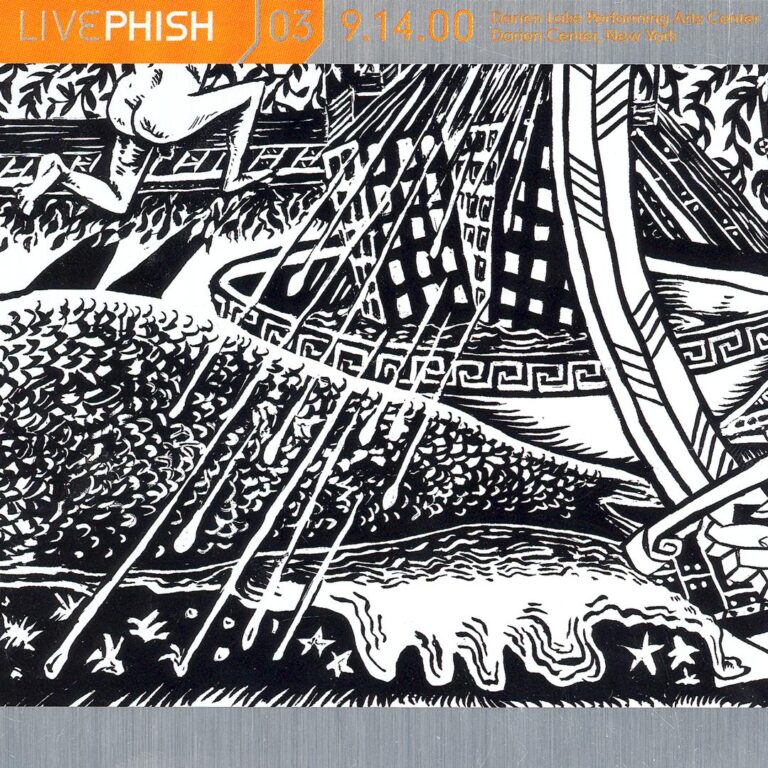
    Twenty years ago, on September 14, 2000, Phish performed to a rain-soaked crowd at Darien Lake Performing Arts Center. The last stop in New York on their Fall 2000 tour, this show would later be released as Live Phish, Vol. 3 in Septmeber, 2001.

    Phish Darien
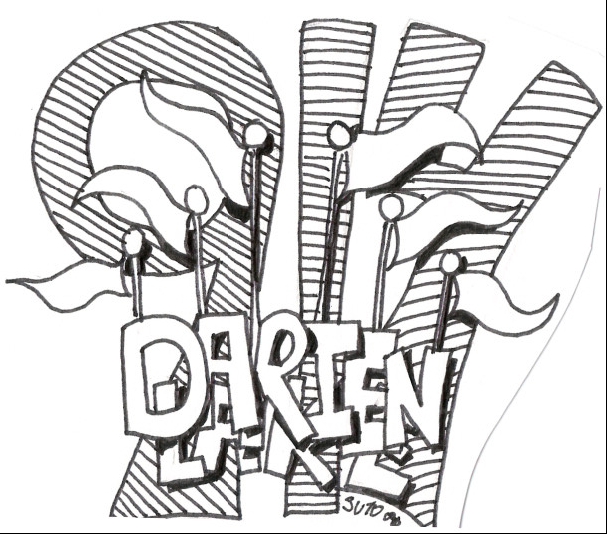
    Art by Drew Suto

    This was also Phish’s last show in New York until December 31, 2002 at Madison Square Garden, which ended the band’s hiatus that began on October 7, 2000. The band played six shows in the Northeast on their Fall 2000 tour, as they headed to the Midwest and, eventually, the West Coast to cap off their first 17 years as a band and take a much needed break from the road. The Darien Lake show was the fifth of these shows, and major storm be damned, fans flocked to Western New York in search of one final taste of Phish for the foreseeable future.

    In releasing this show just a year later, as part of their then-new Live Phish series, it certified the excellence in playing throughout the show. Trey Anastasio spoke to Relix Magazine in the August 2001 issue and referenced the show’s inclusion in Live Phish.

    There are also three shows from 2000 in the series. Page and I picked one of them because it has this version of ‘Carini’ that I’m convinced is the greatest version of all time. I’m not convinced that it’s the whole greatest show of all time, but I love this version of ‘Carini.’ I also like the song list, because if you didn’t like Phish and you heard this set, it would be very interesting. There’s ‘Punch You In the Eye,’ ‘Reba,’ [Neil Young’s] ‘Albuquerque’ and ‘Carini.’ I think it sounds like such a weird band.” Trey cracks up. “Those four songs in a row? You can’t make any sense of it. The ‘Carini’ is like 15 or 20 minutes long or something. It’s a complete metal meltdown. It’s the bass and drumming in the background that I really liked. It’s really strange. Nobody’s playing the beat at all. Those guys are playing in quarter time and the guitar and keyboards are just creating this wash of color on top of this heavy booming. It’s right after ‘Albuquerque,’ which has harmonies and then this heavy metal thing. If you kind of step away from it, they’re both really odd.”

    Trey Anastasio, Relix Magazine, August 2001

    It had rained all day at Darien Center, and would downpour more during the show, a seemingly never-ending torrent of water from the sky. Anastasio summed up the first set well, noting a band and fan favorite version of “Carini” amid a six-song set that was capped by “The Oh Kee Pah Ceremony” > “Suzy Greenberg,” with the latter being jammed well beyond the normal confines of the set closer.

    phish darien

    Set 2 opened with “Drowned,” apropos for the downpour that drenched the crowd on the lawn throughout the evening. Dave Calarco, aka Mr. Miner, shared his take on this hallmark version of The Who classic.

    “Delving into abstract psychedelia and ambient madness, this was arguably the craziest and most “out-there,” terrorizing, and successful jams of the fall- all wrapped into one. Accessing alien atmospheres during this mind-bending excursion, this jam illustrated the ’99-’00 millennial exploration of abstract soundscapes, an element of the band’s creative direction during these years.”

    Mr. Miner

    After 30 minutes of “Drowned,” Phish moved onto another song originating from their Halloween musical costumes of the past, with Talking Heads’ “Crosseyed and Painless.” 11 minutes later, the mellow and rare “Dog Faced Boy” shone some light after more than 40 minutes of dark jams, followed by “Prince Caspian” and Rolling Stones’ “Loving Cup to close the set.

    A unique encore followed, featuring three songs, two of which were still relatively new to the Phish repertoire – “Driver,” “The Inlaw Josie Wales” – and one of their most well known tunes, “Sample in a Jar.” The rain let up in the last half hour of the show, but spirits were far from dampened on this night. Some fans in attendance bid farewell to Phish, not knowing when the band’s self-imposed hiatus would bring them back.

    Setlist via Phish.net

    Soundcheck: Birds of a Feather

    Set 1: Punch You in the Eye > Reba[1], Albuquerque, Carini, The Oh Kee Pa Ceremony > Suzy Greenberg > Jam

    Set 2: Drowned > Crosseyed and Painless > Dog Faced Boy, Prince Caspian > Loving Cup

    Encore: Driver, The Inlaw Josie Wales, Sample in a Jar

    [1] No whistling.

  • The Low Beat closes its doors for good

    The Low Beat, located on Central Avenue in Albany, has permanently closed. This marks the first music venue in the Capital District to officially not reopen due to the economic shutdown caused by COVID-19, and no relief coming from Congress.

    Having opened in 2014, The Low Beat was a relocation of sorts for Valentine’s, which closed in February 2014 due to expansion of Albany Medical Center. Owner Howard Glassman oversaw both venues, both of which played host to waves of jam, punk, hardcore and indie artists who passed through the Capital Region, with live music nearly every night of the year.

    the low beat
    photo by Sarah Winner

    At Valentine’s in the 1990s, bands like moe., Ominous Seapods and more built followings that last to this day. Wednesday nights with The Deadbeats were infamous among local Grateful Dead aficionados, and those nights continued at The Low Beat with bands like Ampevene, Glass Pony and others gracing the ‘No Pepper Games’ stage.

    Glassman said opening up a new venue in the wake of the closing of Valentine’s,

    It’s gonna be a little different, only because it’s going to be our bar. It’s going to be our building. We can do whatever we want and not have to worry about getting kicked out. This is what I do, so this will be around as long as I’m around. I think people need to feel like they have their place. Think about all the bars that have closed. CBGB’s, Maxwell’s, think about when the Palais Royale was still open. It’s not the same (as Valentine’s) but it’s not the same for different reasons. But once we open up, hopefully the first Wednesday when The Deadbeats play, and people come in and they’re like “Ah there’s Grumpy and there’s Chris,’ and they settle in, and I think when their ass makes an indentation in the seat, they’ll be cool and say ‘Alright. This is where we’re gonna hang for the next 20 years.’ I think it’s the vibe. It’s totally a vibe thing.

    March 9 was the final night of music at The Low Beat, which saw The Deadbeats perform ahead of the COVID-19 pandemic sweeping through the country and closing music venues, shopping malls, bowling alleys and other communal places of leisure.

    the low beat

    This past weekend Glassman opened the doors to The Low Beat and invited people to come down to the venue and pick up anything they wanted before the doors were permanently closed. All Glassman asked in return was a little money to help pay off his final bills, as reported by the Times Union.

    Starting Monday, September 14 from 9am-5pm, stop in and get what is left of the venue’s memorabilia, just be sure to bring your own screwdriver, boxes and cash.

    When asked for his final thoughts on The Low Beat, Glassman simply said “It was never EVER boring.”

  • Revisiting J.Period Mixtape Live at Sony Hall

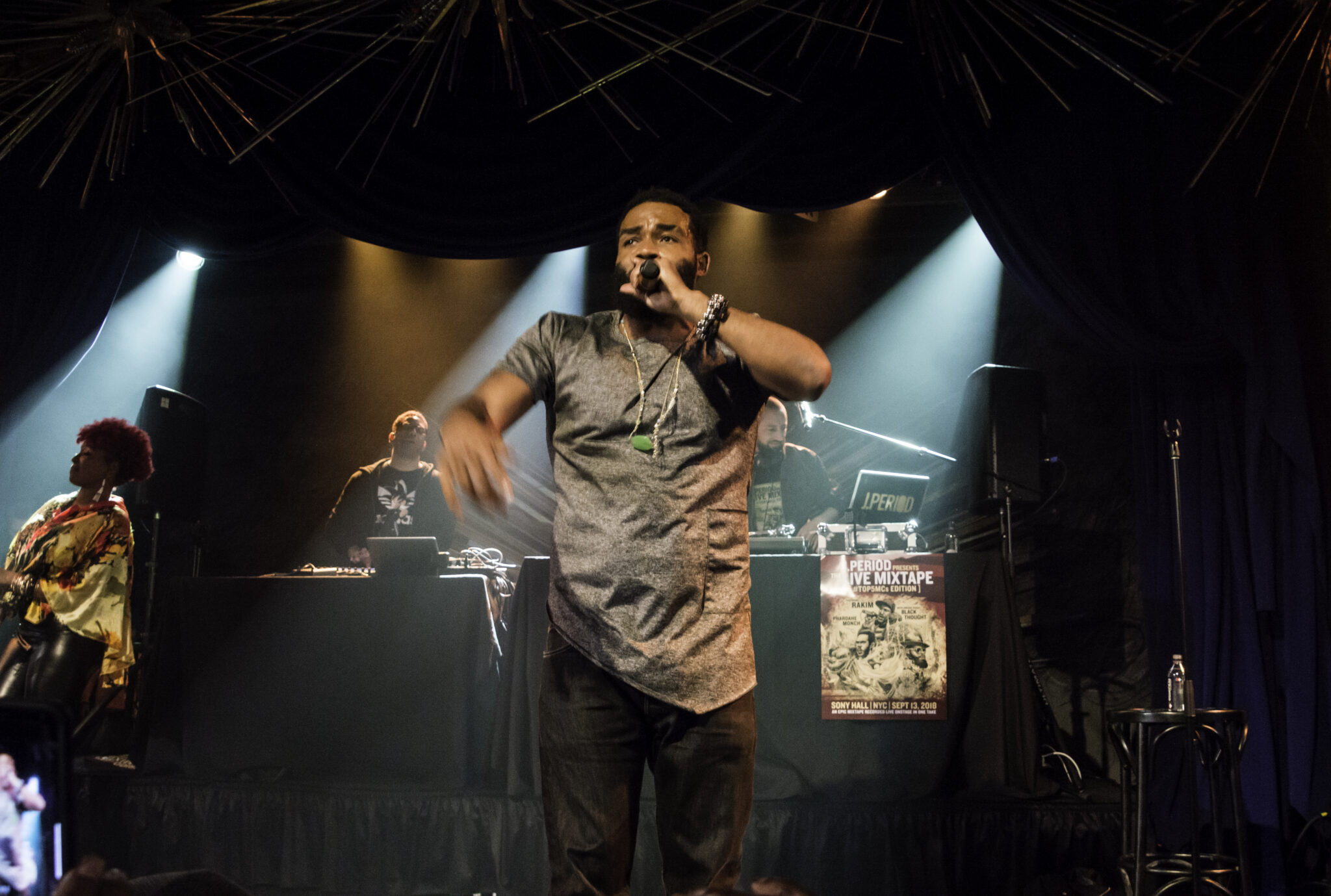
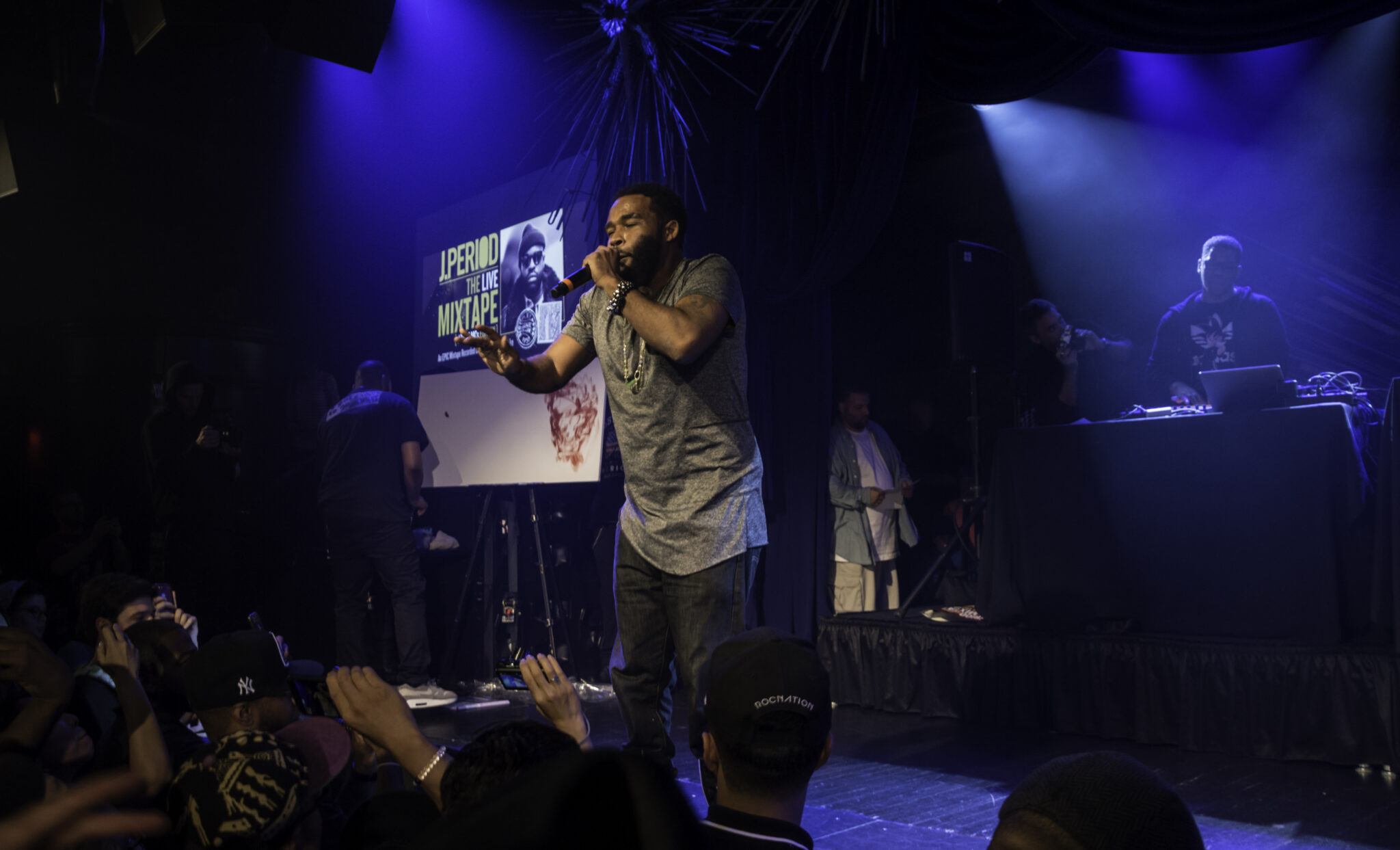
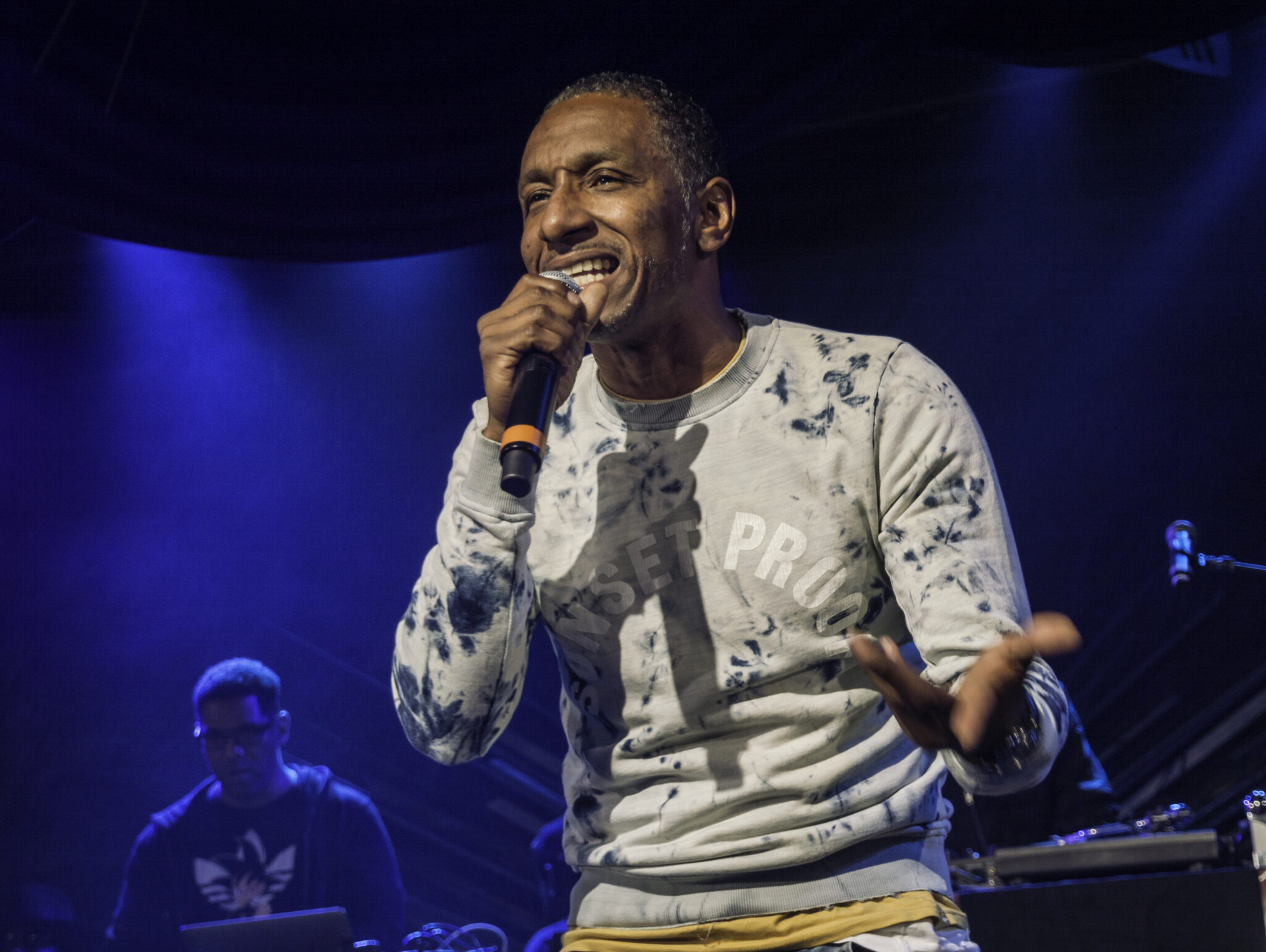
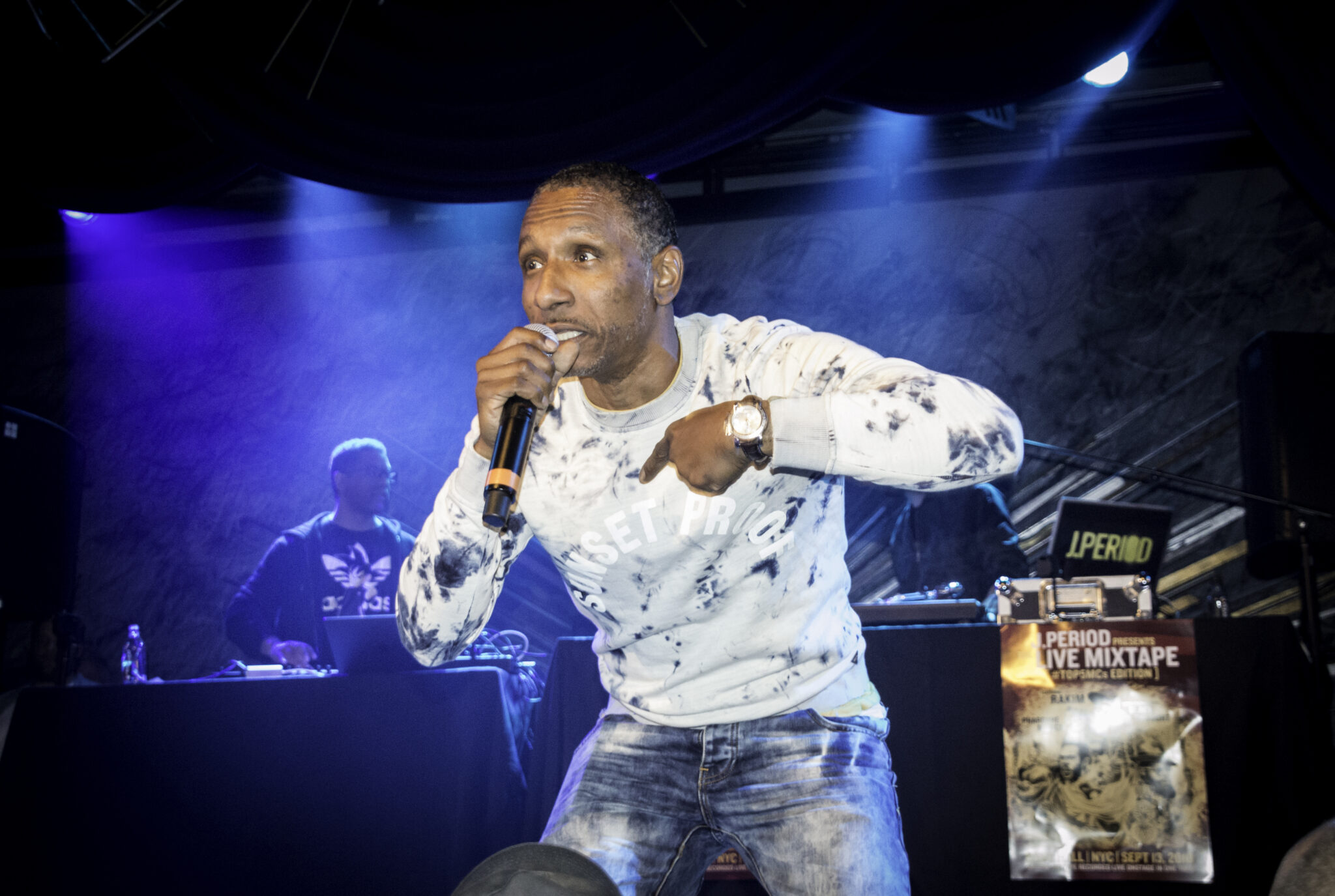
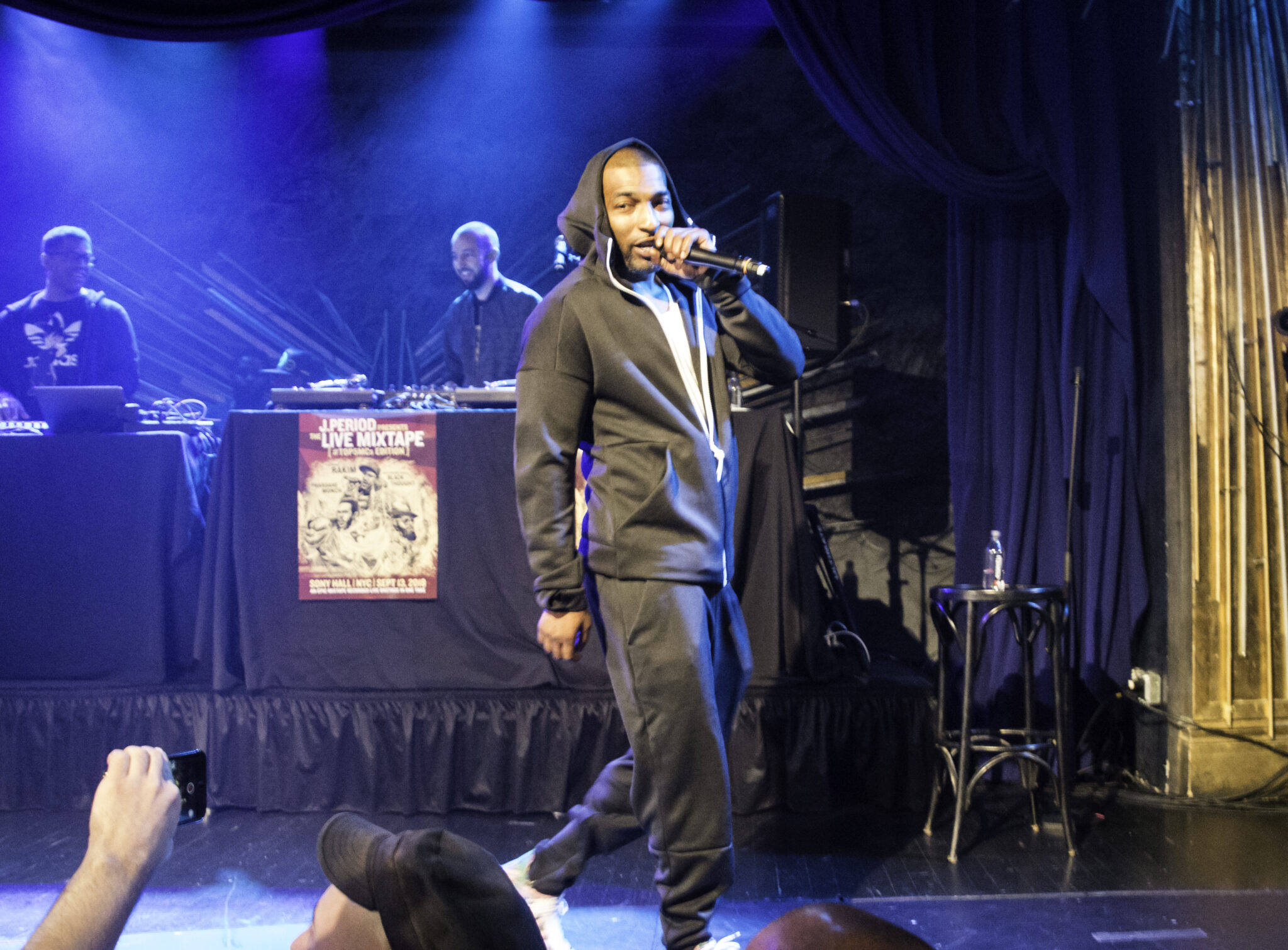
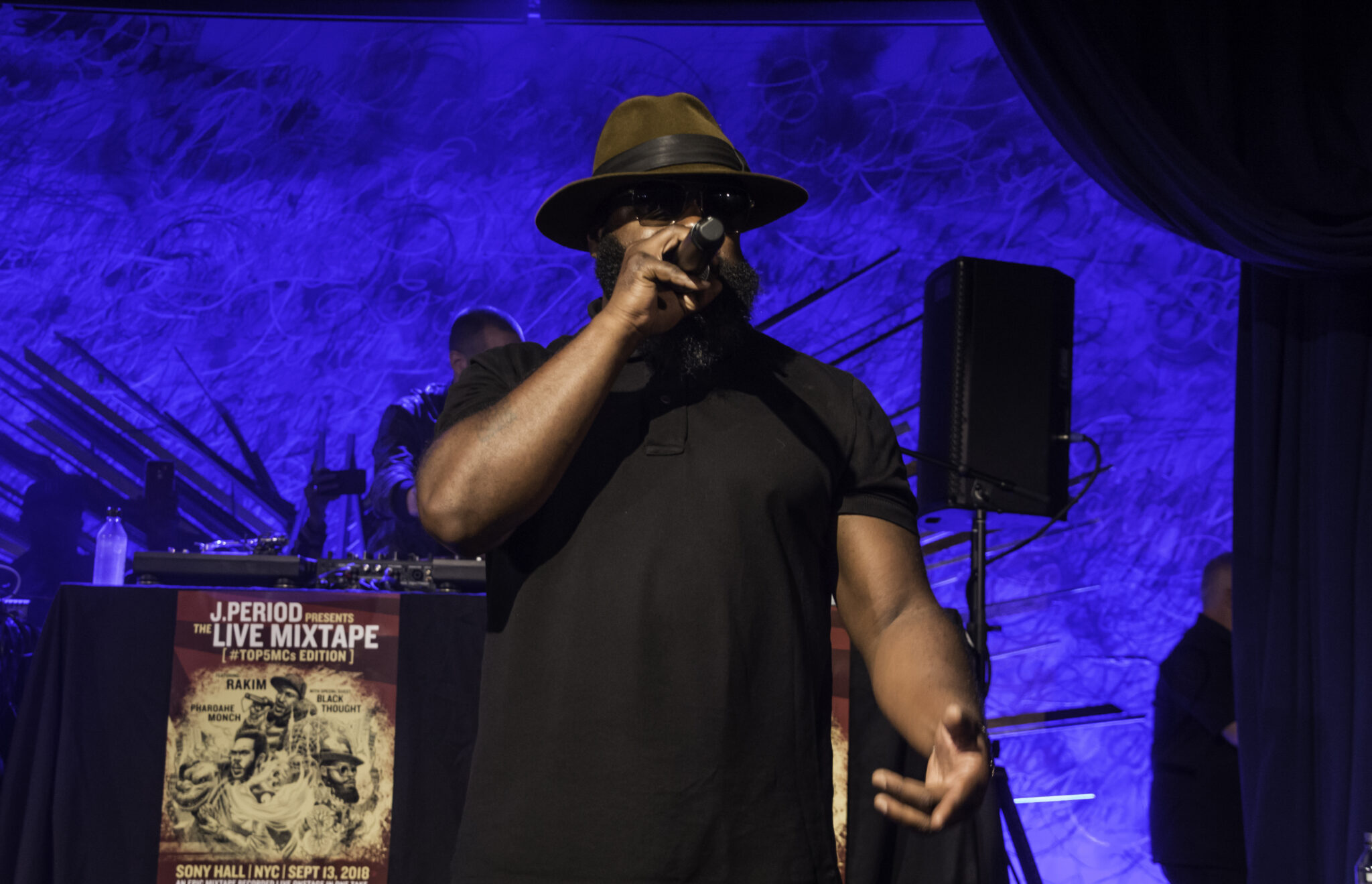
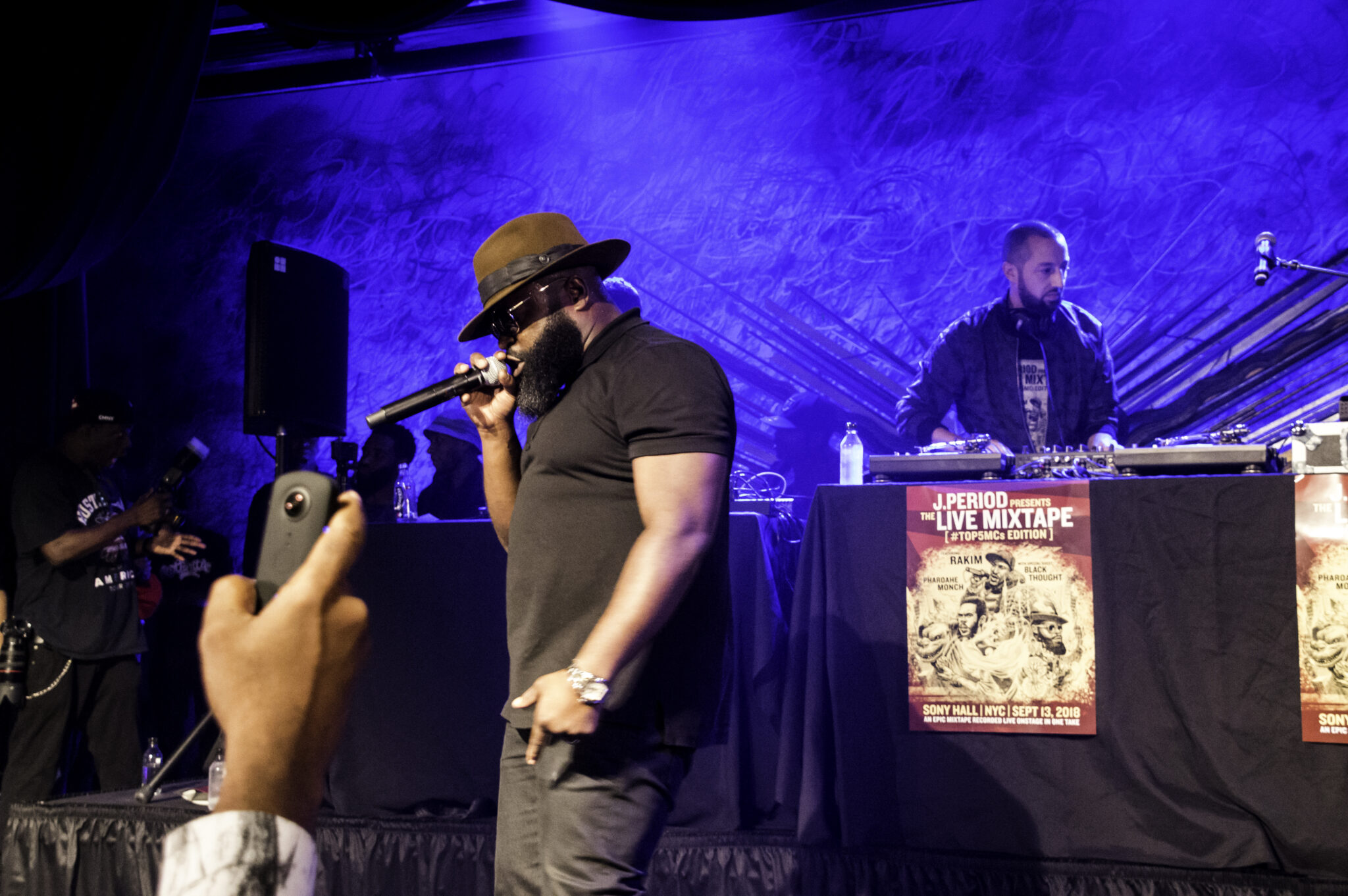
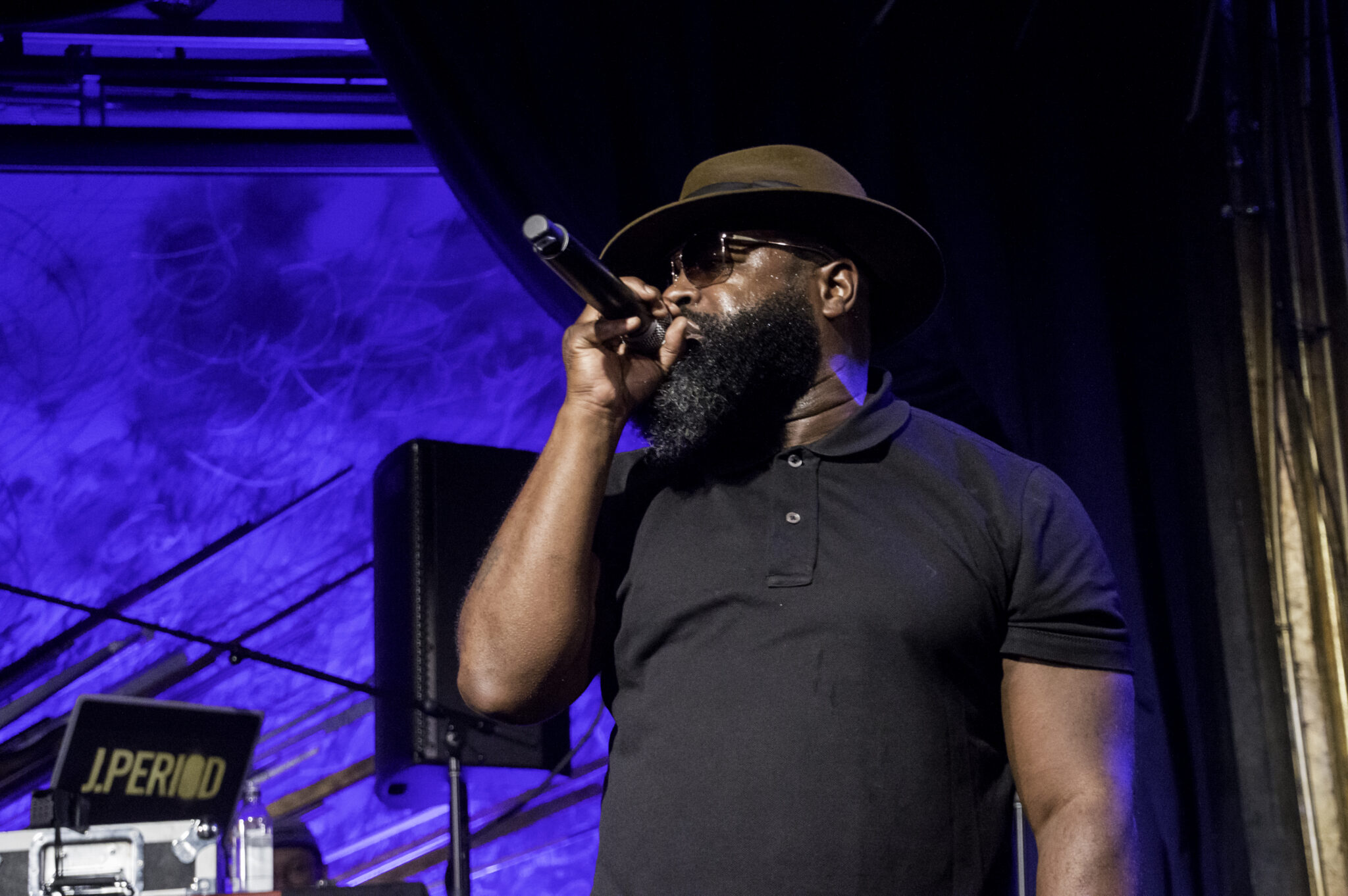
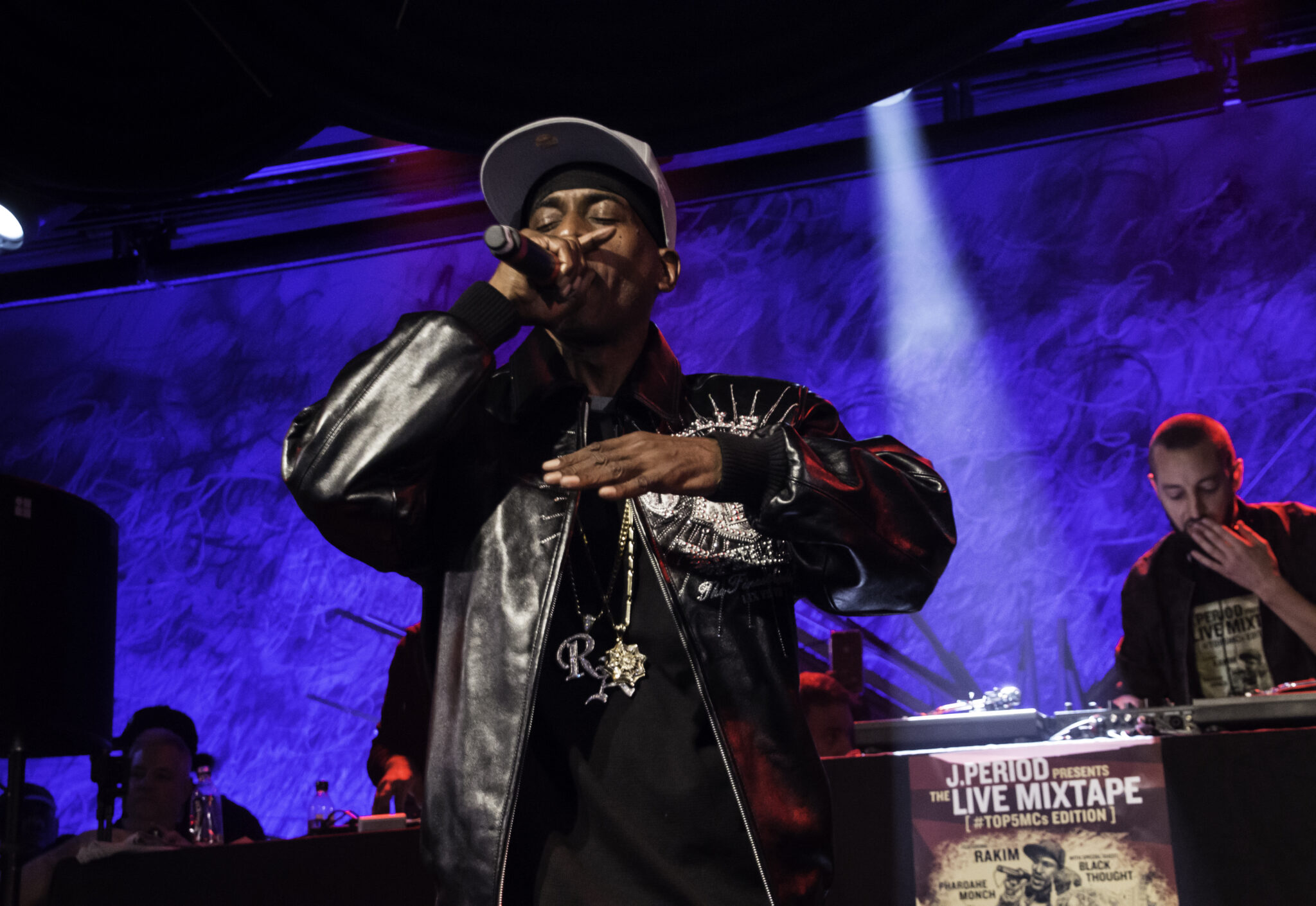
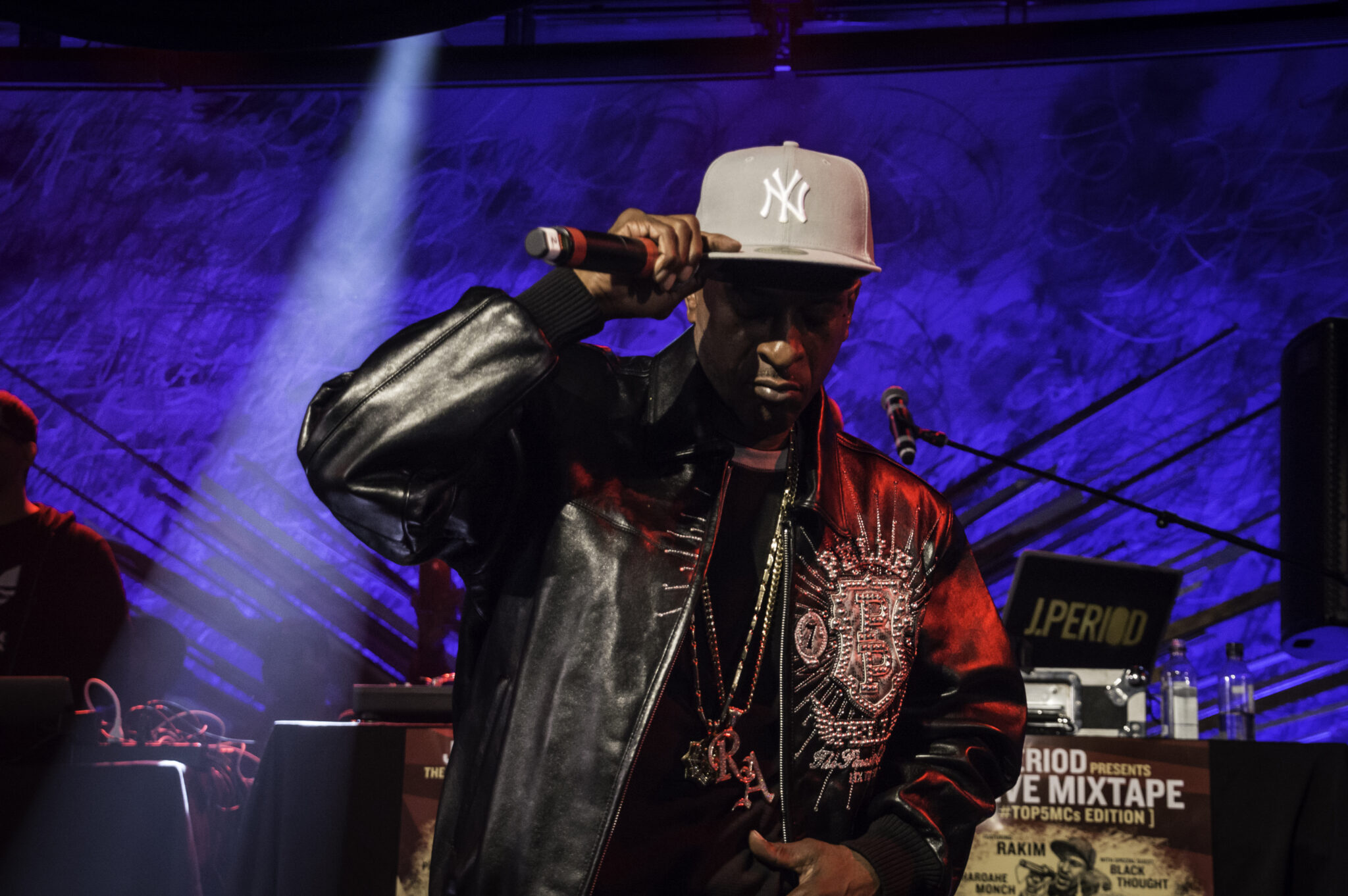
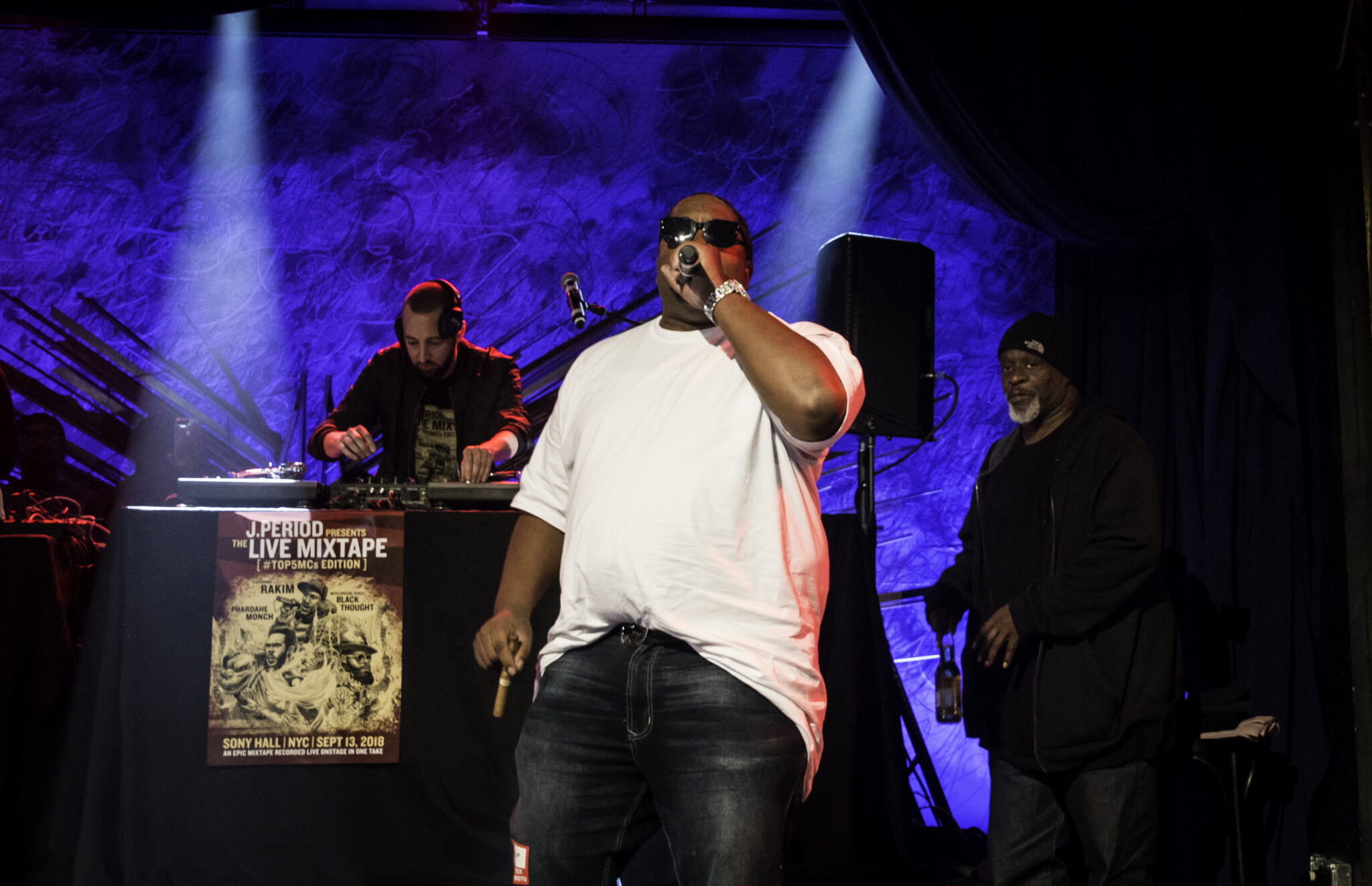
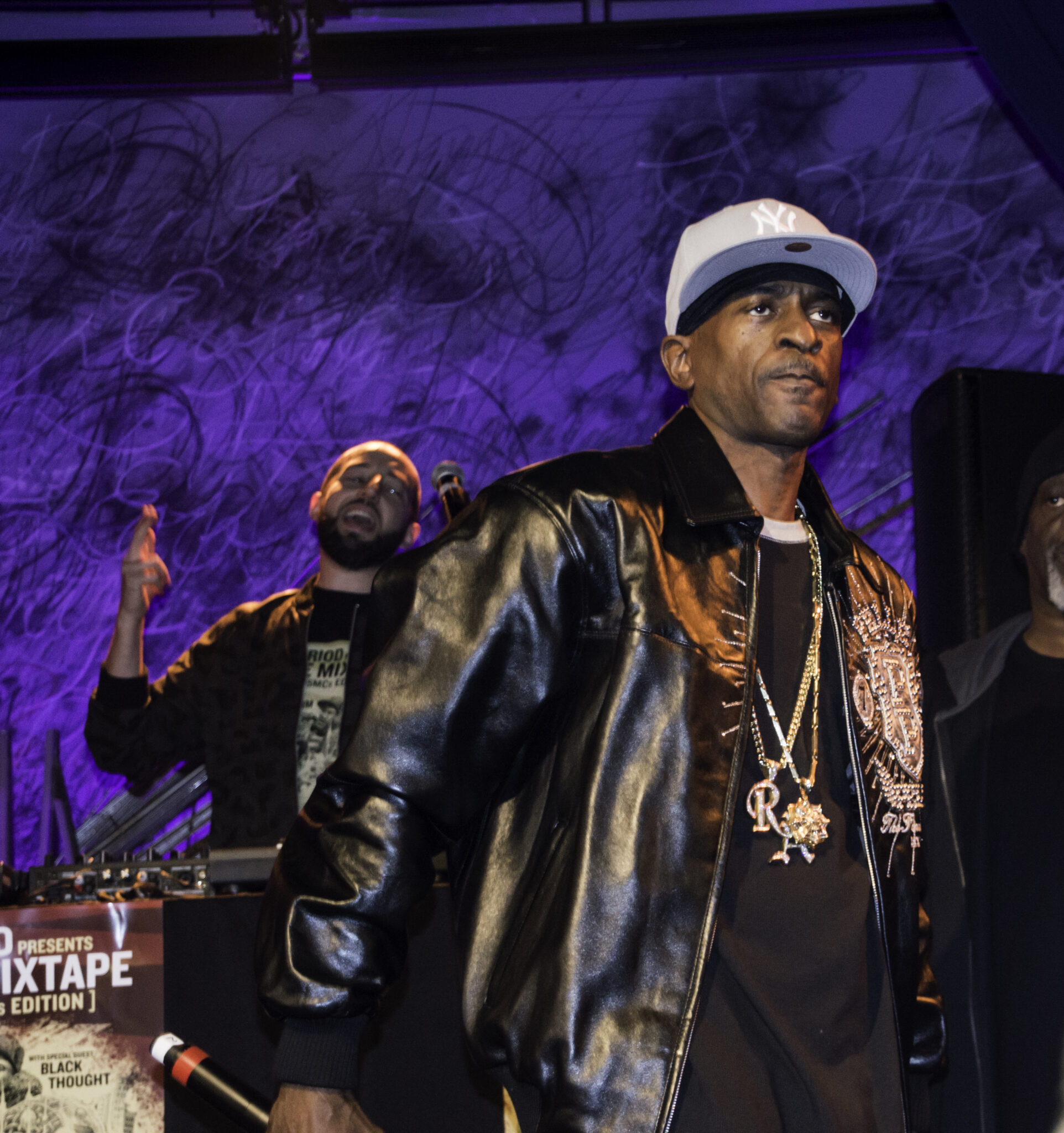
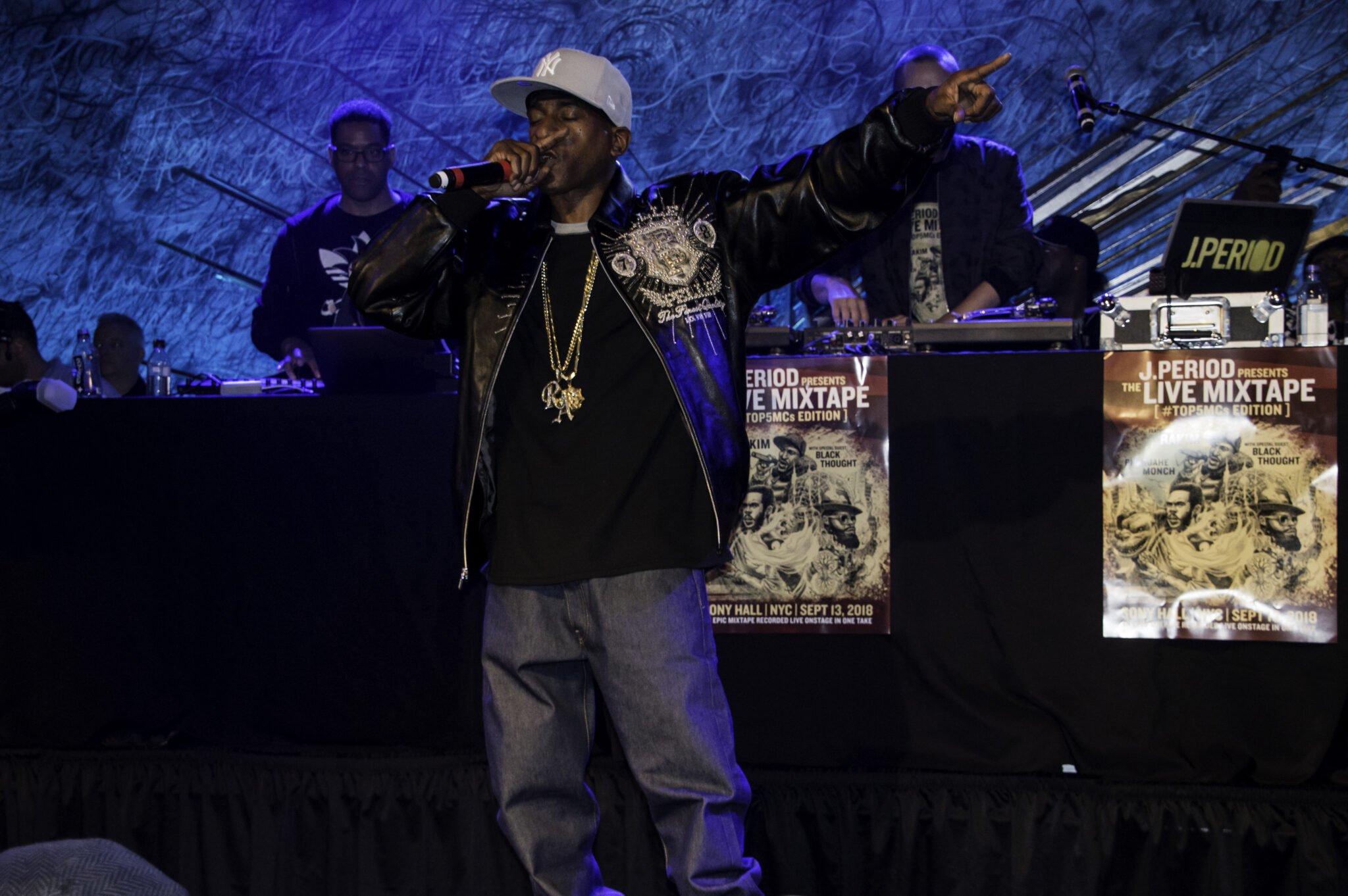
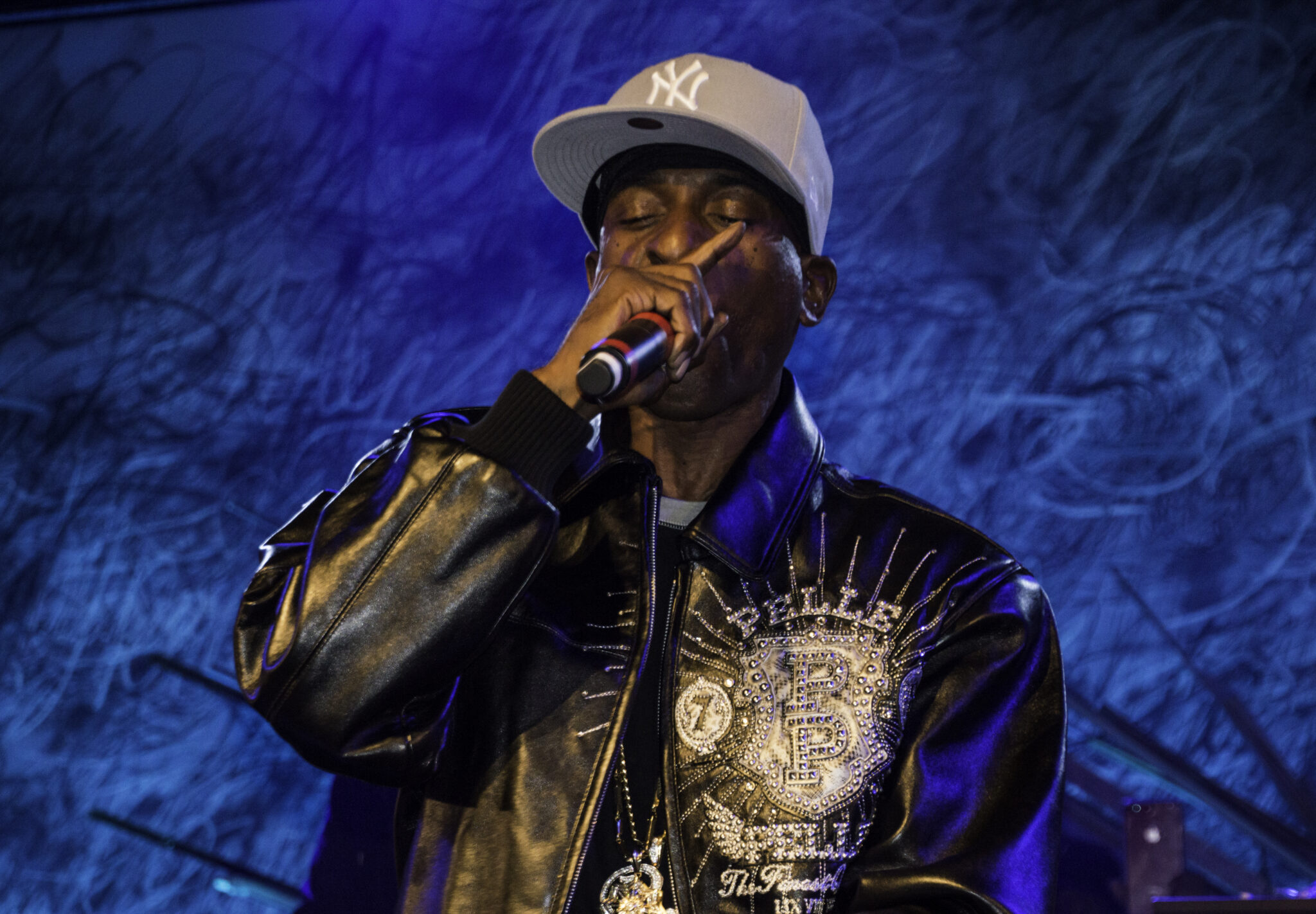
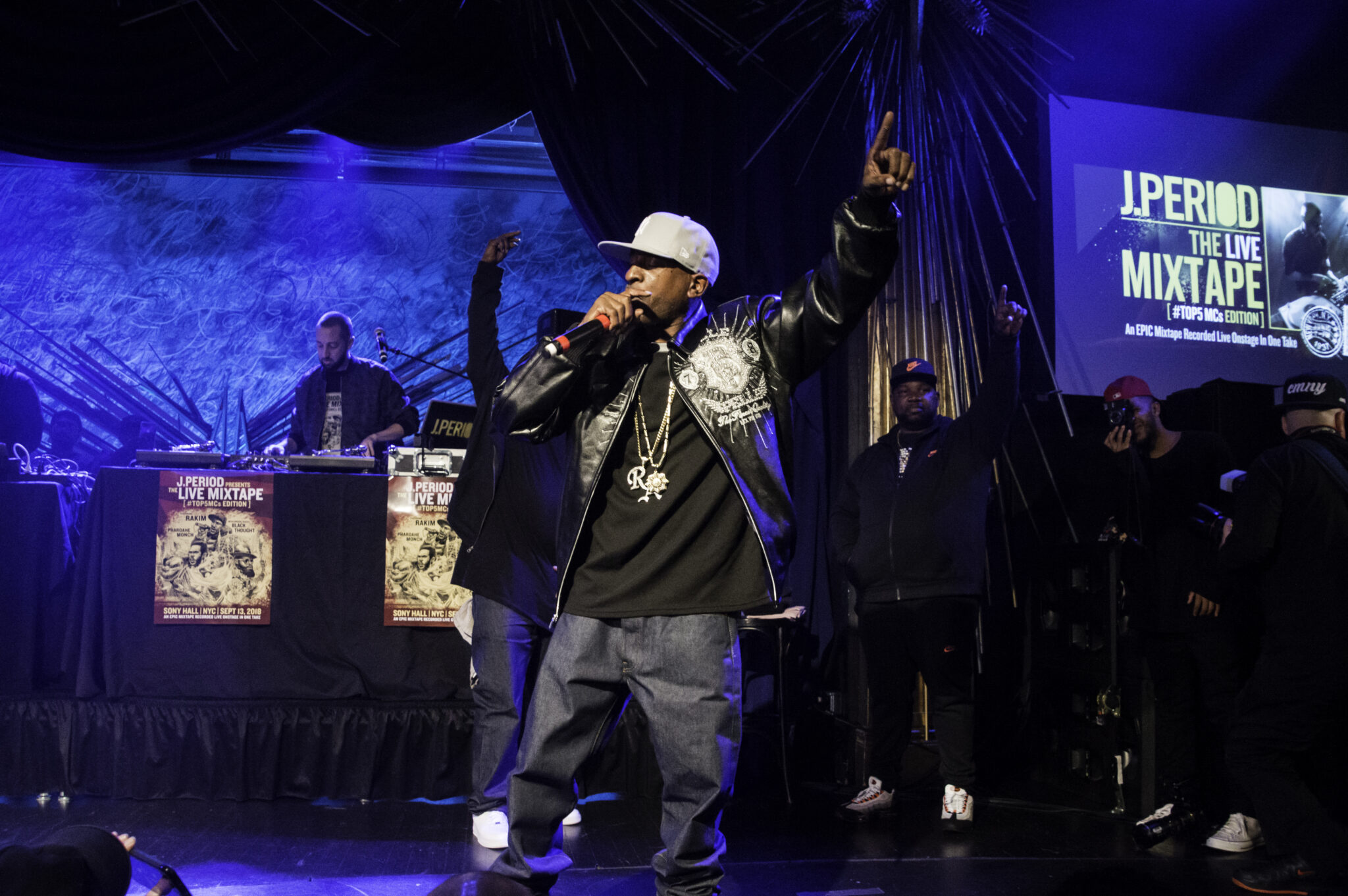
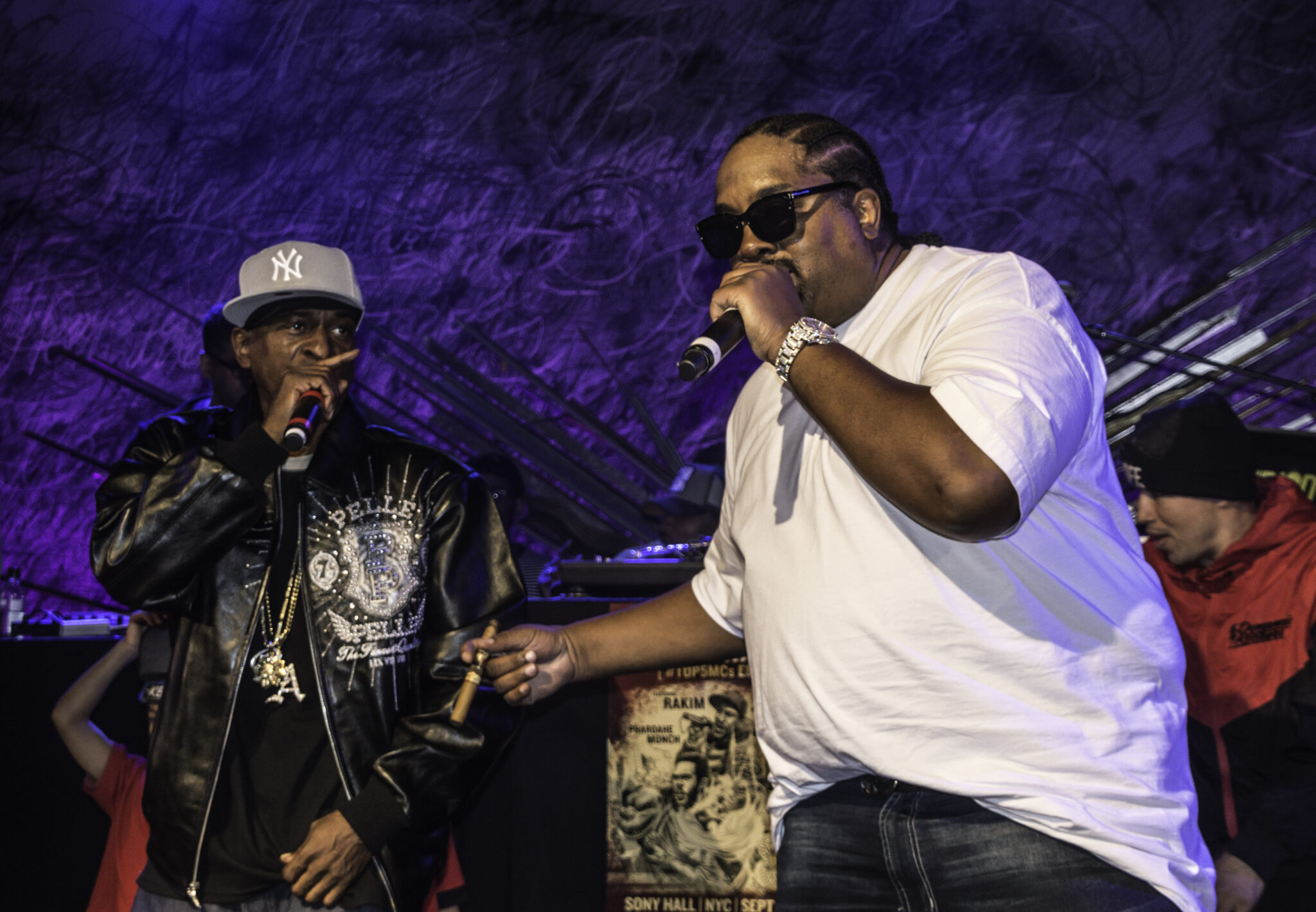
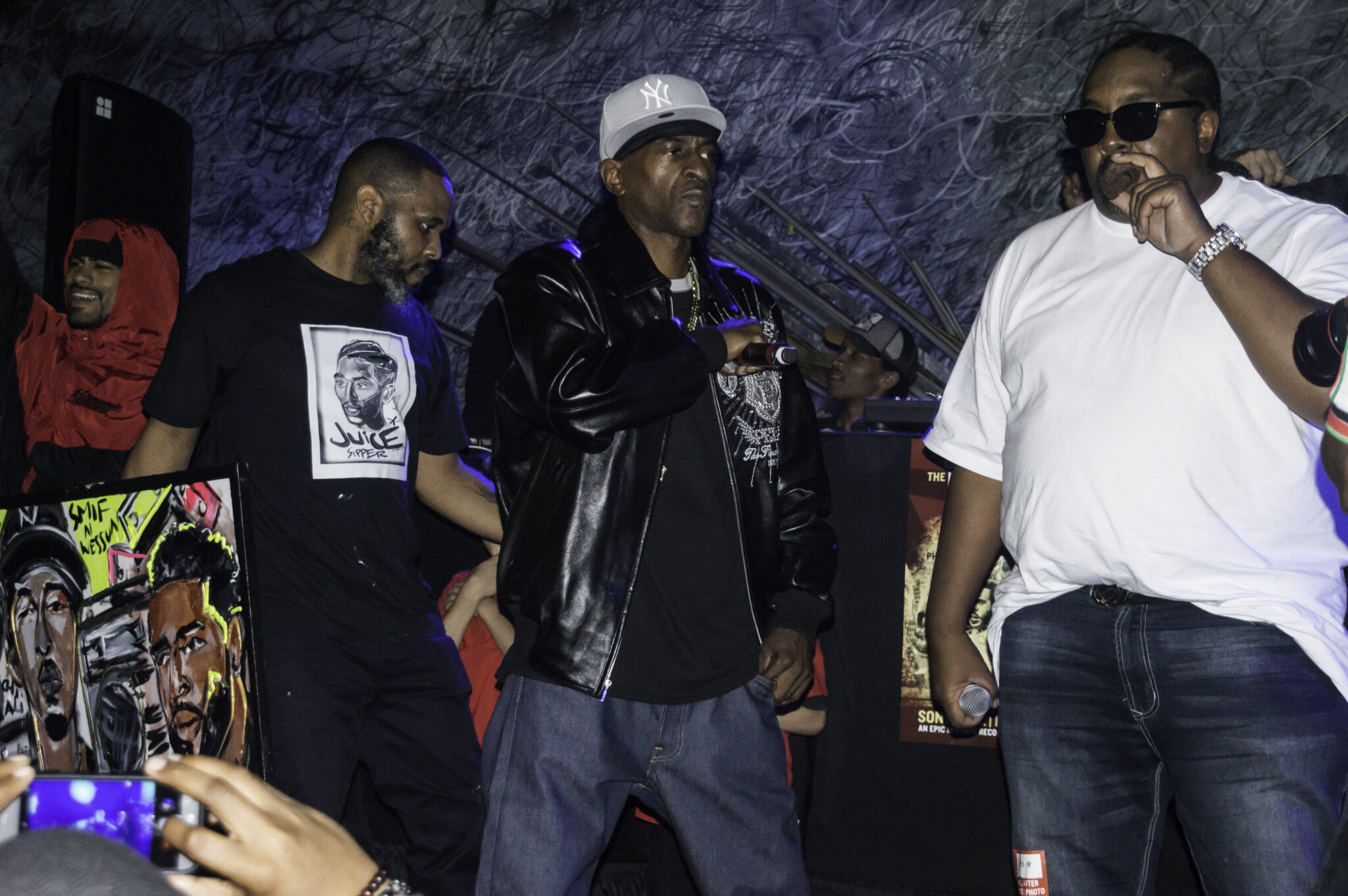
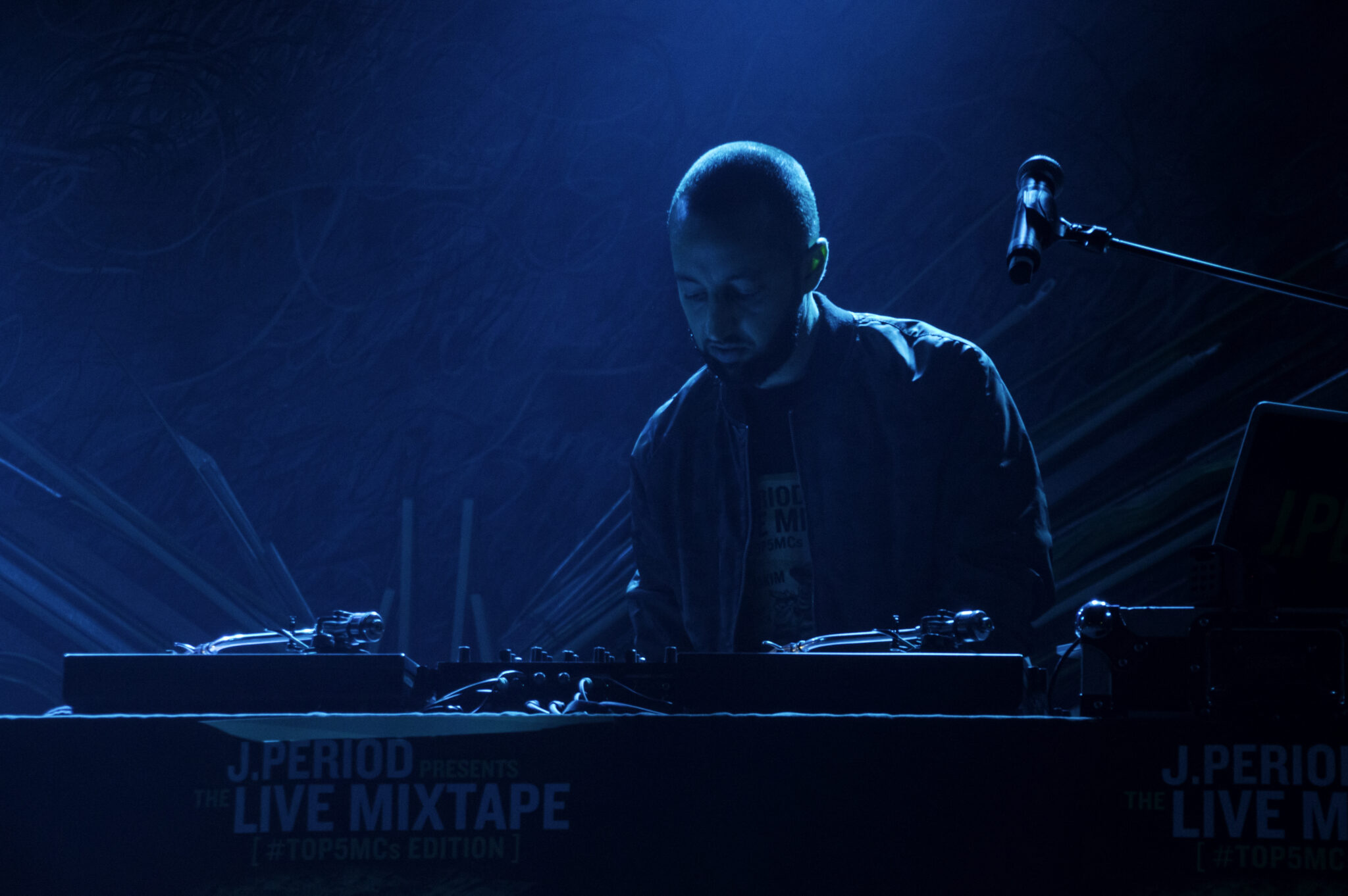
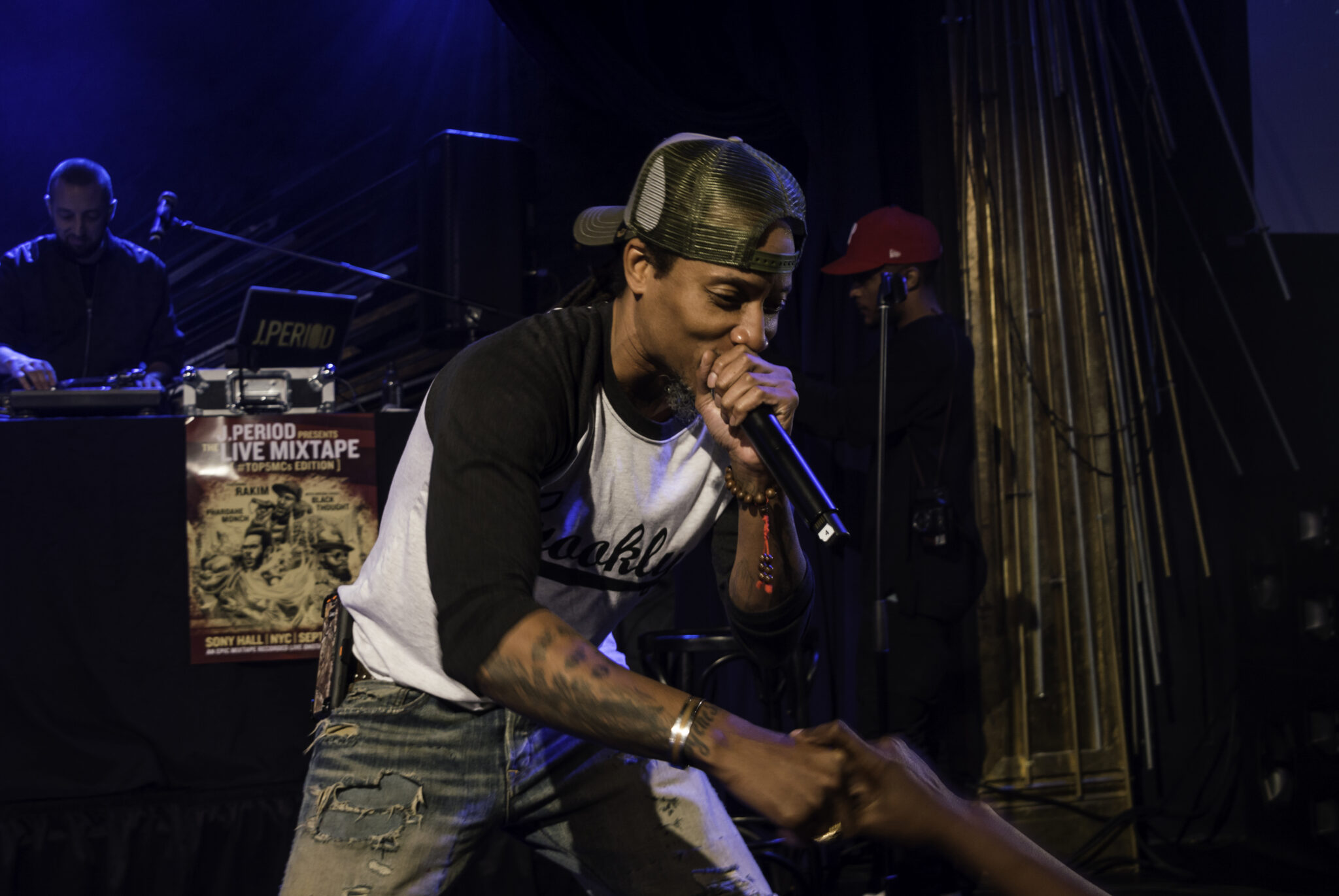
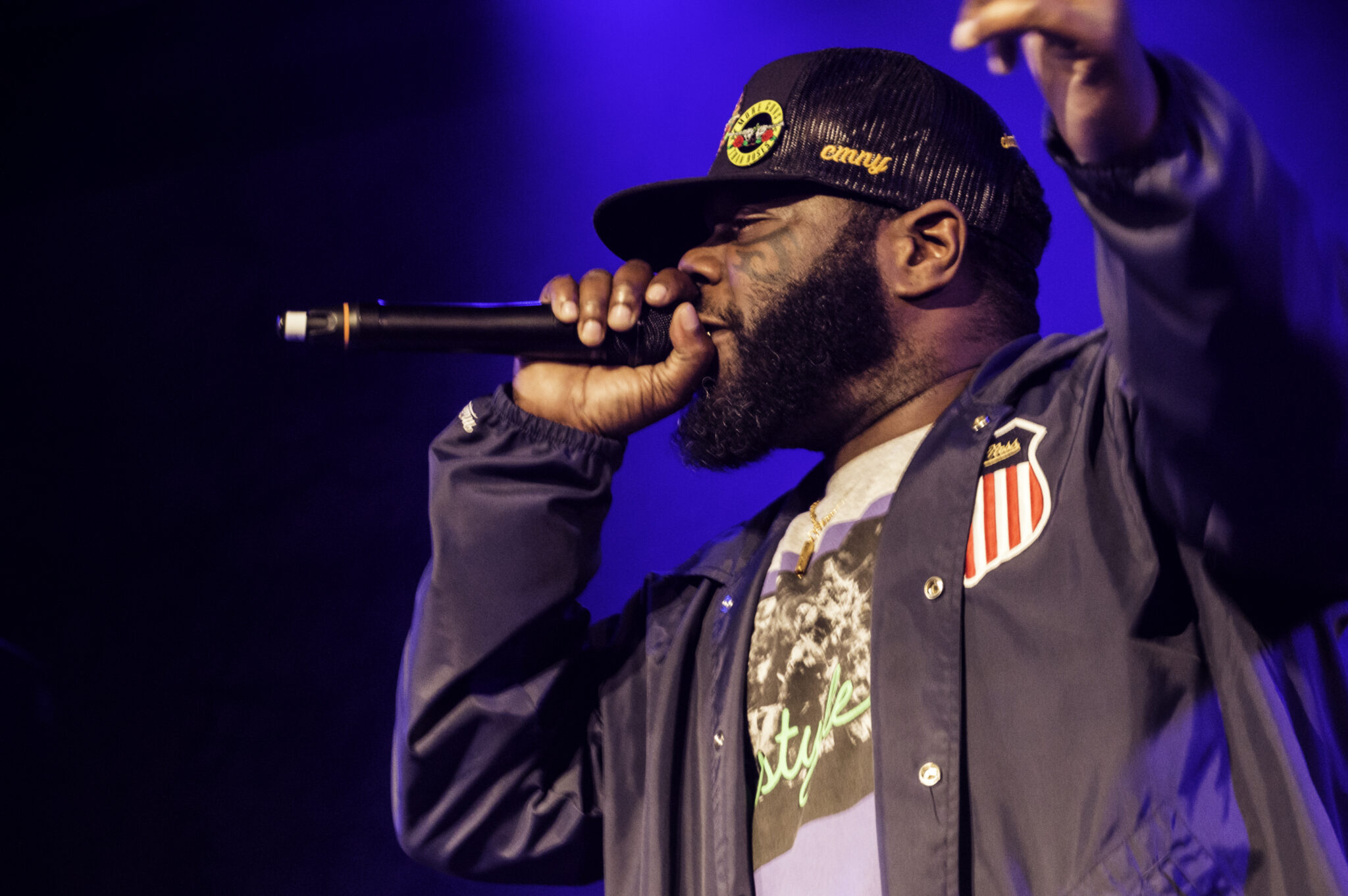
    Brooklyn based Mixtape DJ J.Period recorded another installment of his live mixtape at Sony Hall in Manhattan on September 13, 2018. This installment was a Top 5 MCs edition, featuring Rakim, Black Thought, Pharoahe Monch, Dres from Blacksheep and Smif-N-Wessun.

    After two DJ sets by The Whooligan and DJ Evil Dee, Pharoahe Monch started the mixtape and got the crowd amped up with a set including “My Life” and “Simon Says.”

    Dres from Blacksheep blessed the stage with a few classics including “Flavor of the Month” and “The Choice Is Yours,” with a guest appearance by Native Tongue’s Chi Ali who appeared on Blacksheep’s debut album A Wolf In Sheep’s Clothing.

    Next up was a set by another legendary hip hop duo, Smif-N-Wessun, consisting of members Tek and Steele. Smif-N-Wessun comprise one quarter of the Brownsville (Brooklyn) supergroup Boot Camp Clik. One of the highlights of the night was watching them perform their 1994 classic “Bucktown.”

    j.period

    Legendary MC Black Thought of the legendary Roots crew started his set with “Act Too (Love of my Life),” and also brought out Grammy nominated female rapper Mumu Fresh AKA Maimouna Youssef, and Pharoahe Monch for a three-way cypher. Thought also did a cover of Slick Rick’s “Children’s Story” and dropped some of the bars we heard on his now famous 15 minute Funk Flex Freestyle.

    The show culminated with yet another legendary hip hop duo Eric B and Rakim. It was a nice surprise to see Eric B as he was not listed on the original lineup. This year marked the 30th anniversary of the classic album Paid In Full which led to the highlight of seeing Rakim perform “I Ain’t No Joke” and “I Know You Got Soul.” Rakim also brought out some very talented break dancers from the KBL (Kids Breaking League) to show off their talents as he performed “Juice (Know The Ledge).”

    This was another legendary night for hip-hop fans, especially above the age of 30, like myself. All of the artists were on point and sounded great, making for another very successful installment of J.Period and his Live Mixtape.

  • On this day in 1980, Elton John rocked Central Park dressed as Donald Duck

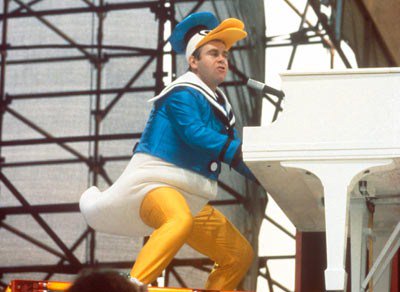
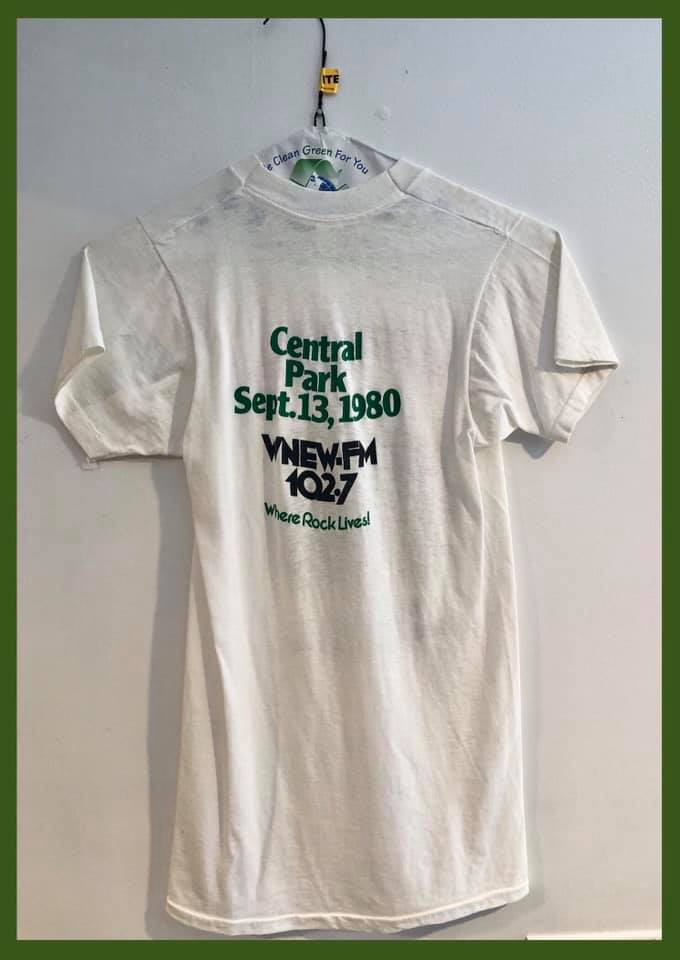
    On Sept. 13, 1980, Elton John performed for around 400,000 people in Central Park. The sun was out, people were gathered (less than six feet apart), and Sir Elton was wearing a Donald Duck suit.

    Elton John Donald Duck
    Sir Elton John performing, “Your Song” while wearing his legendary duck suit.

    It might seem surreal, now, to imagine 400,000 people in the same place, at the same time, dancing and enjoying themselves. With Nigel Olsen on drums and Dee Murray on bass, the original Elton John Band created a legendary experience.

    The concert was part of Elton John’s 1980 World Tour, supporting his latest album 21 at 33. He played top hits “Bennie and the Jets,” “Your Song,” and of course, “Tiny Dancer,” and added some new ones in there too, like “Little Jeannie” and “Sartorial Eloquence.”

    Imagine all the people. Elton John paid tribute to his long time friend John Lennon by performing a cover of Lennon’s classic tune, “Imagine.” A few months later Lennon would be murdered by Mark David Chapman. Sir Elton said this made it too painful to perform the song ever again.

    https://www.youtube.com/watch?v=Wy2VmfgEaag

    Elton John, born Reginald Kenneth Dwight, started playing piano at a very young age, so it comes to no one’s surprise that he has plenty of awards under his belt. With two Academy Awards and four Grammys, John has and always had quite the reputation as being a musical genius. The latest tribute to the icon is the acclaimed film “Rocketman,” starring Taylor Edgerton as Elton John throughout his career; the movie would also land Elton John and writing partner Bernie Taupin an Oscar for Best Original Song with “(I’m Gonna) Love Me Again.”

    Seeing Elton John, Donald Duck suit and all, singing “Your Song,” will never be forgotten as part of one of the most legendary concert experiences in Central Park of all time.

  • All the Years Combine: Grateful Dead at The Garden, September 13, 1991

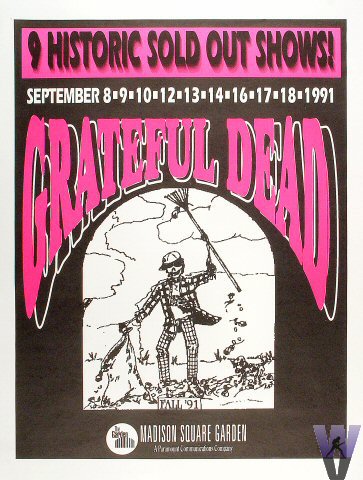
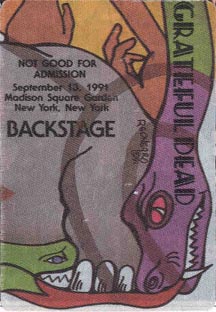
    Today, we celebrate the anniversary of a Grateful Dead show at the most iconic of all New York music venues: Madison Square Garden. The Dead were certainly no strangers to this room by 1991. They had been playing the Midtown Mecca since 1979 and loved taking extended stays there. Fittingly, this show would be number five of a nine-show run at The Garden.

    1991 was still very much a transitional time in the band’s history. Vince Welnick had only joined the band a year earlier and Bruce Hornsby was still making regular appearances. This show would be no different. And while this one may not be designated with a “legendary” status in the record books, there are certainly moments that shine.

    To put it nicely, whether its the recording or the performance itself, the “Touch of Grey” opener is fairly mangled. Guitarist Jerry Garcia doesn’t seem to realize his part until a full verse passes first and the rest goes downhill from there. Fellow guitarist Bob Weir then takes over and directs “Wang Dang Doodle” afterwards that has a couple of inspired Garcia licks towards the end that seem to wake him up a little. With the band seemingly picking up on this, it carries right through the ensuing “Peggy-O” where Garcia continues to shine and brushes off some of the earlier mishaps.

    The first set doesn’t seem to really take off until “Althea” which features more delicate guitar licks from Garcia that’s finally accompanied by a vocal performance to match. “When I Paint My Masterpiece” follows nicely with the always lovely accordion fills supplied by Hornsby. The first set closes with a triumphant “Bird Song” that soars for more than 14 minutes with both Welnick and Hornsby, along with the rest of the band, on top of their respective game.

    After a rather nondescript Weir-led “Victim Or The Crime” to open the second set, things escalate quickly with a rousing “Scarlet Begonias” where the intensity of an MSG show is very much audible. The seamless segue into its traditional pairing with “Fire On The Mountain’ is vintage Dead and one of the definitive bright spots of this show.

    Another valid complaint for this show may be the extended “Drums” > “Space” sequence that follows. While it does feature a few moments of fun, psychedelic mayhem, it also drifts off completely at parts and takes up almost 28 minutes of the second set.

    Grateful Dead 9/13/91 Madison Square Garden

    Garcia brings a little of the “Space” along with him in the beginning sections of “The Other One” that follow before falling into its signature pattern. This brings about another inspired jam with all seven legs of the band acting as one cohesive unit while Weir belts out the lyrics he penned for this song years ago.

    The second set ends with a joyous “Throwing Stones” that features both Weir and Garcia with some passionate singing. A somewhat abrupt cut to “Not Fade Away” follows that gives the band one last chance to stretch out and jam.

    Grateful Dead 9/13/91 Madison Square Garden – New York, NY

    Set 1: Touch of Grey, Wang Dang Doodle, Peggy-O, Big River > Cumberland Blues, Althea, When I Paint My Masterpiece, Bird Song

    Set 2: Victim Or The Crime, Scarlet Begonias > Fire On The Mountain > Drums > Space > The Other One > Stella Blue > Throwing Stones > Not Fade Away

    Encore: Knockin’ On Heaven’s Door

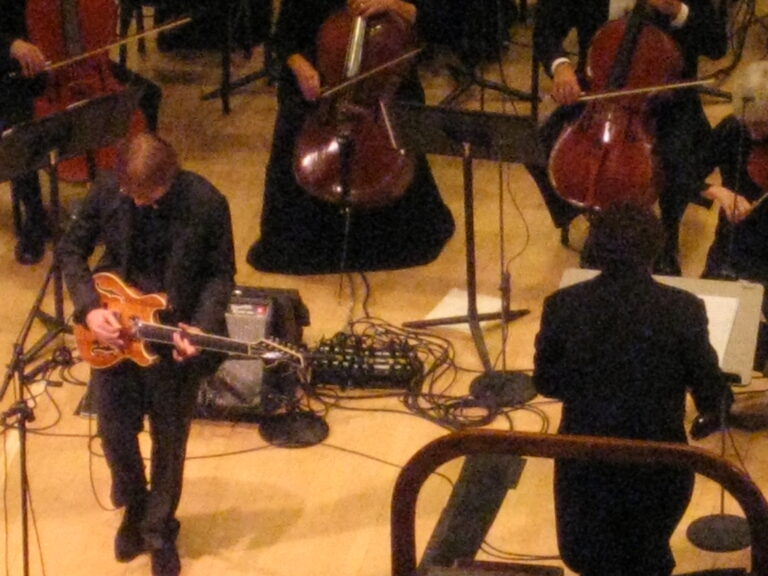
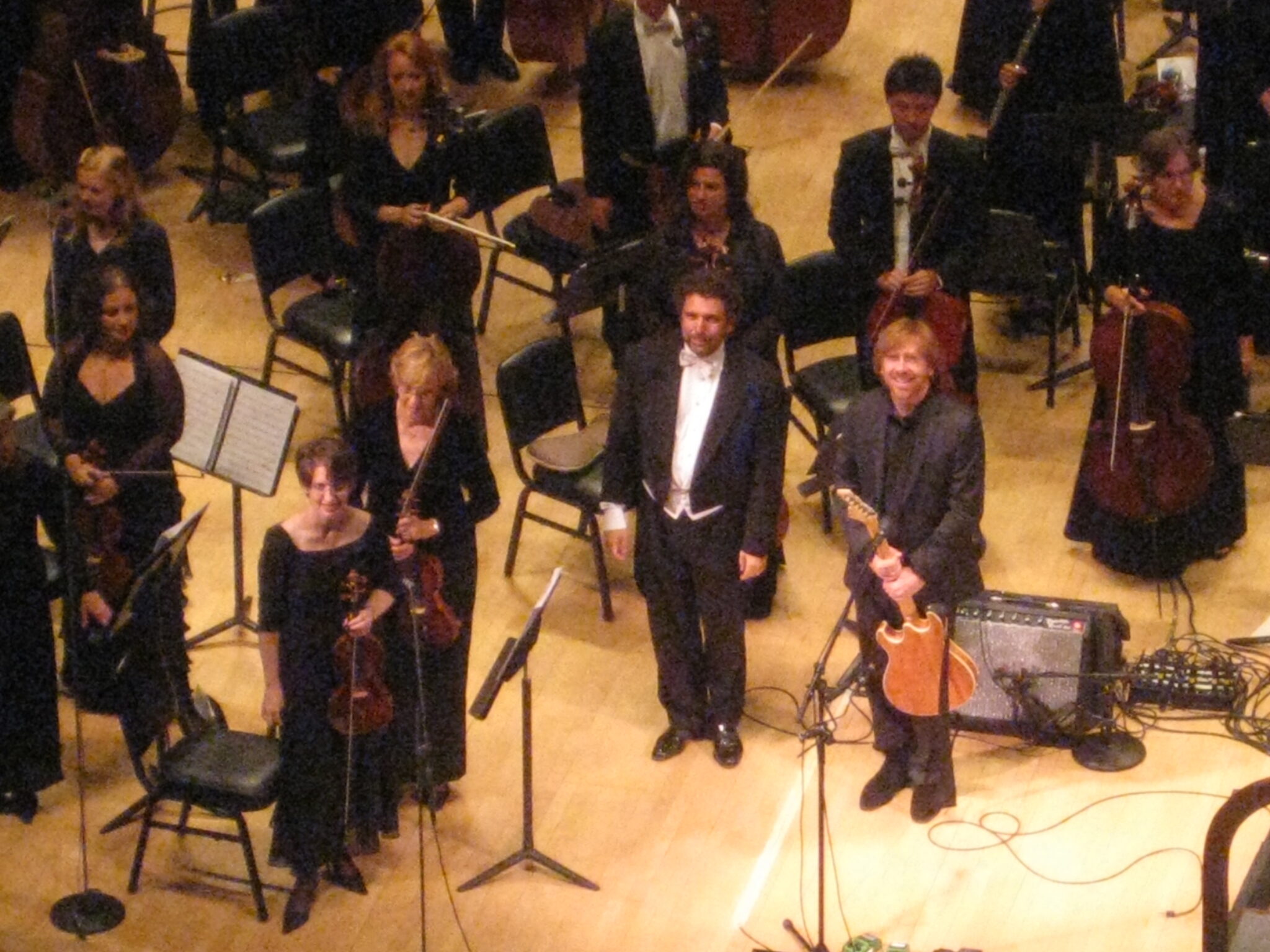
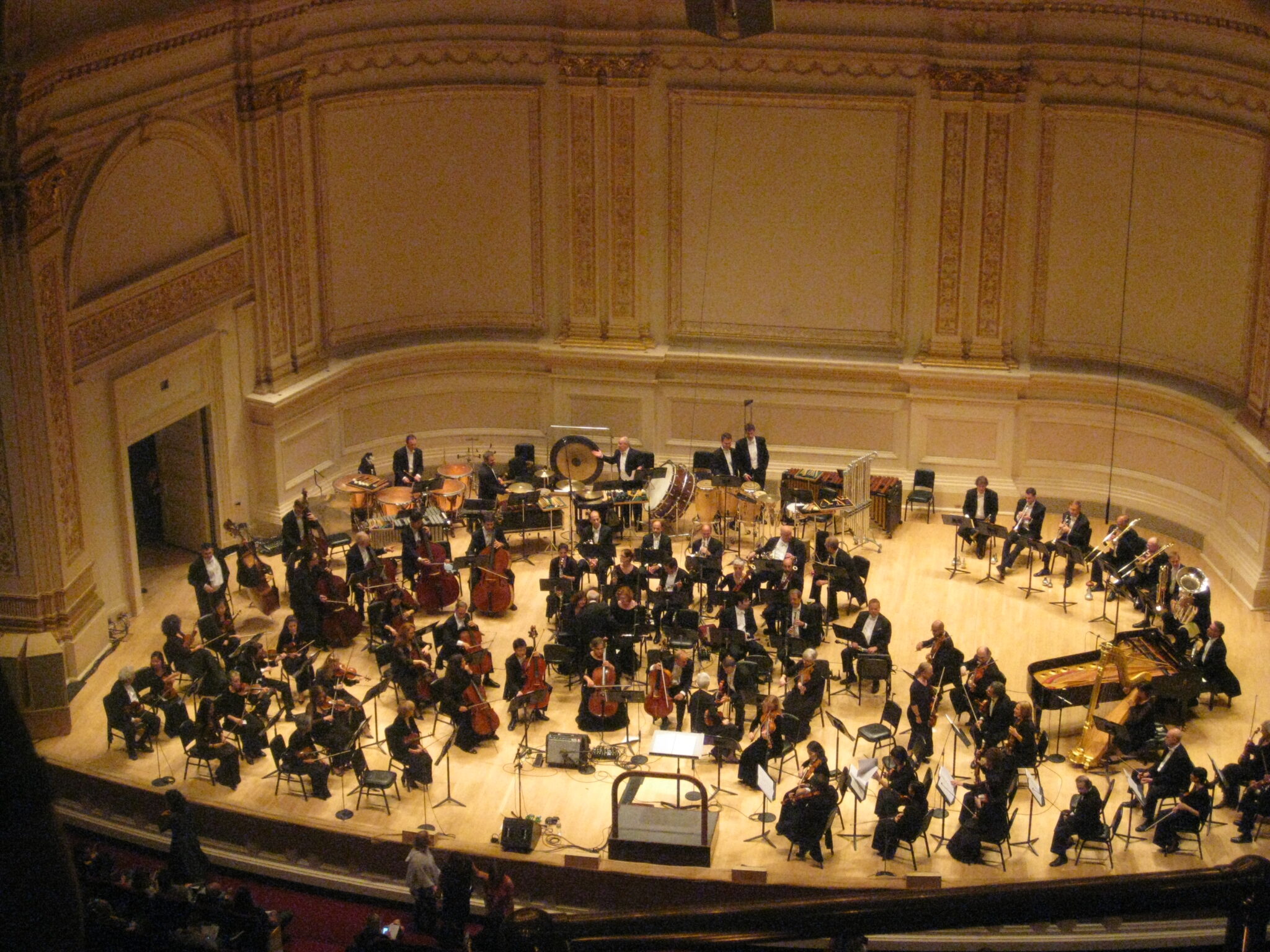
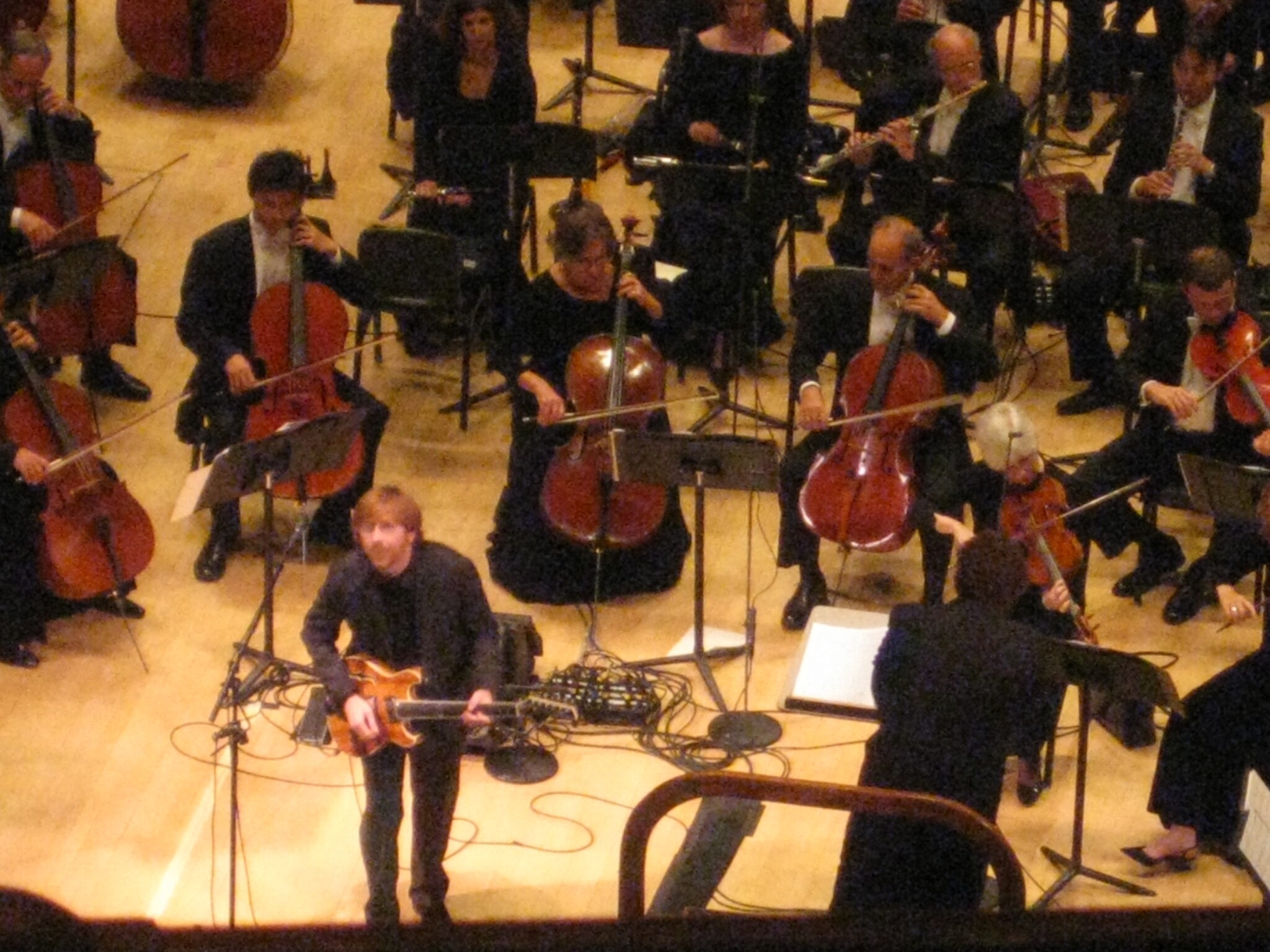
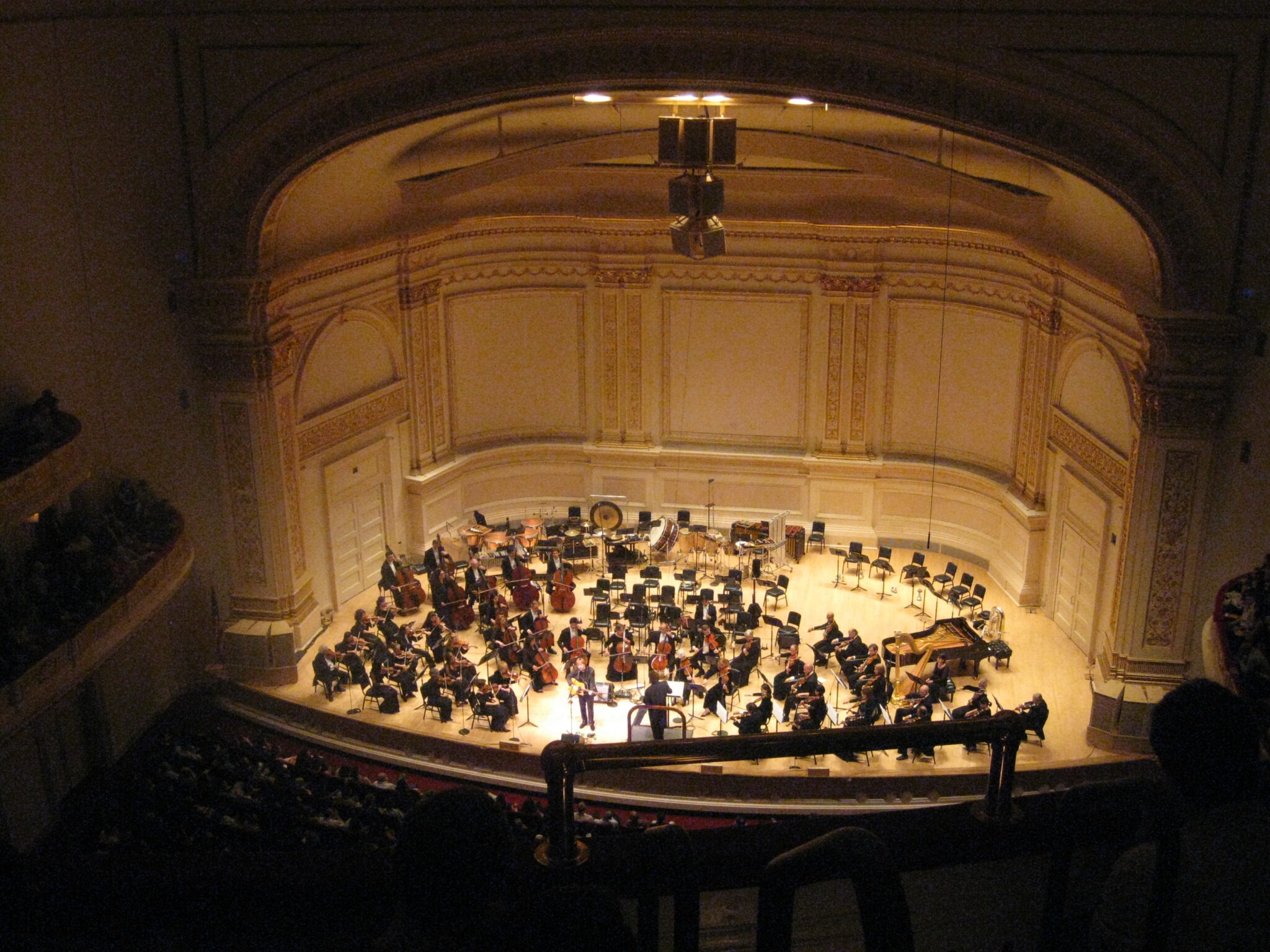
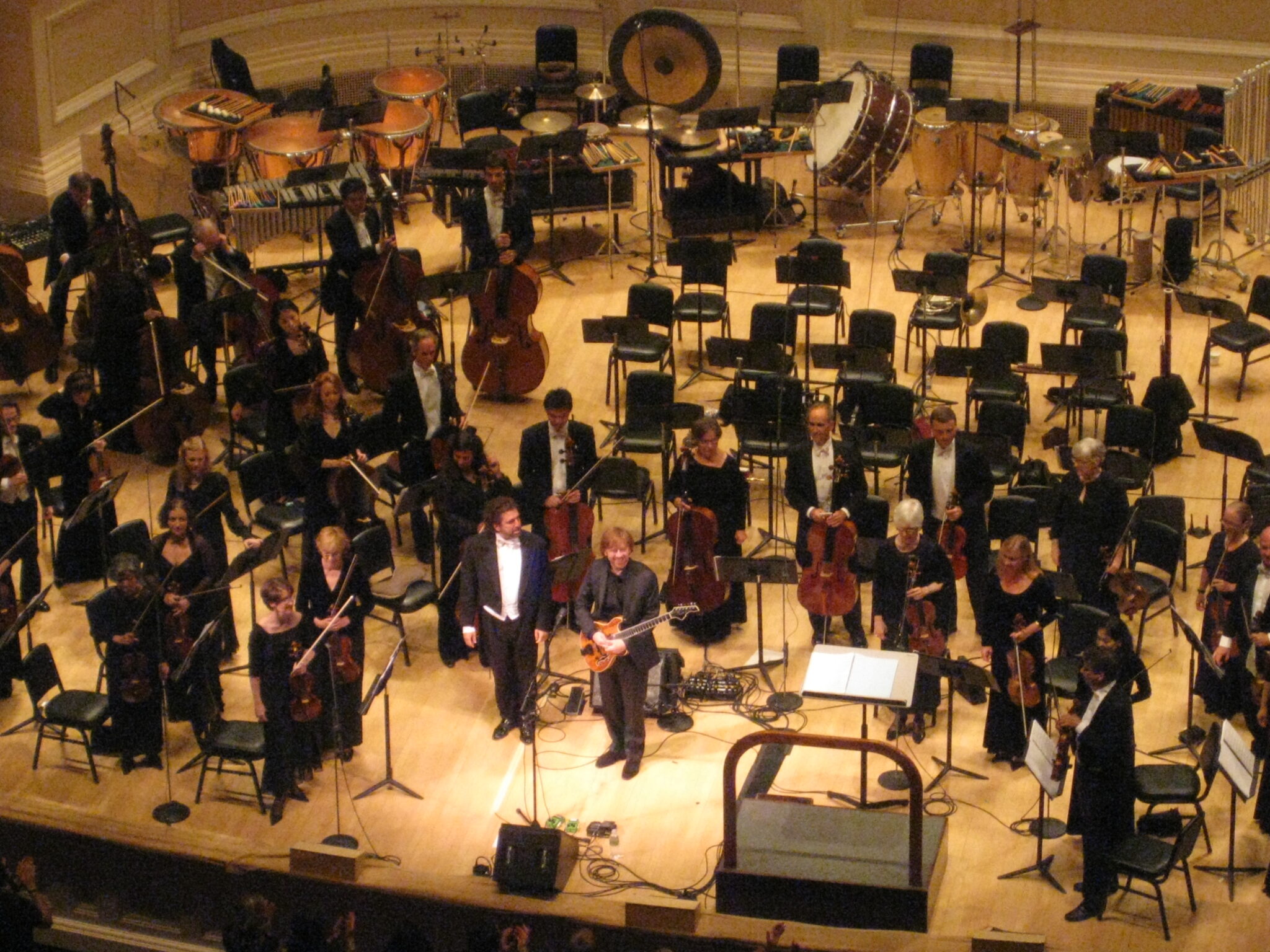
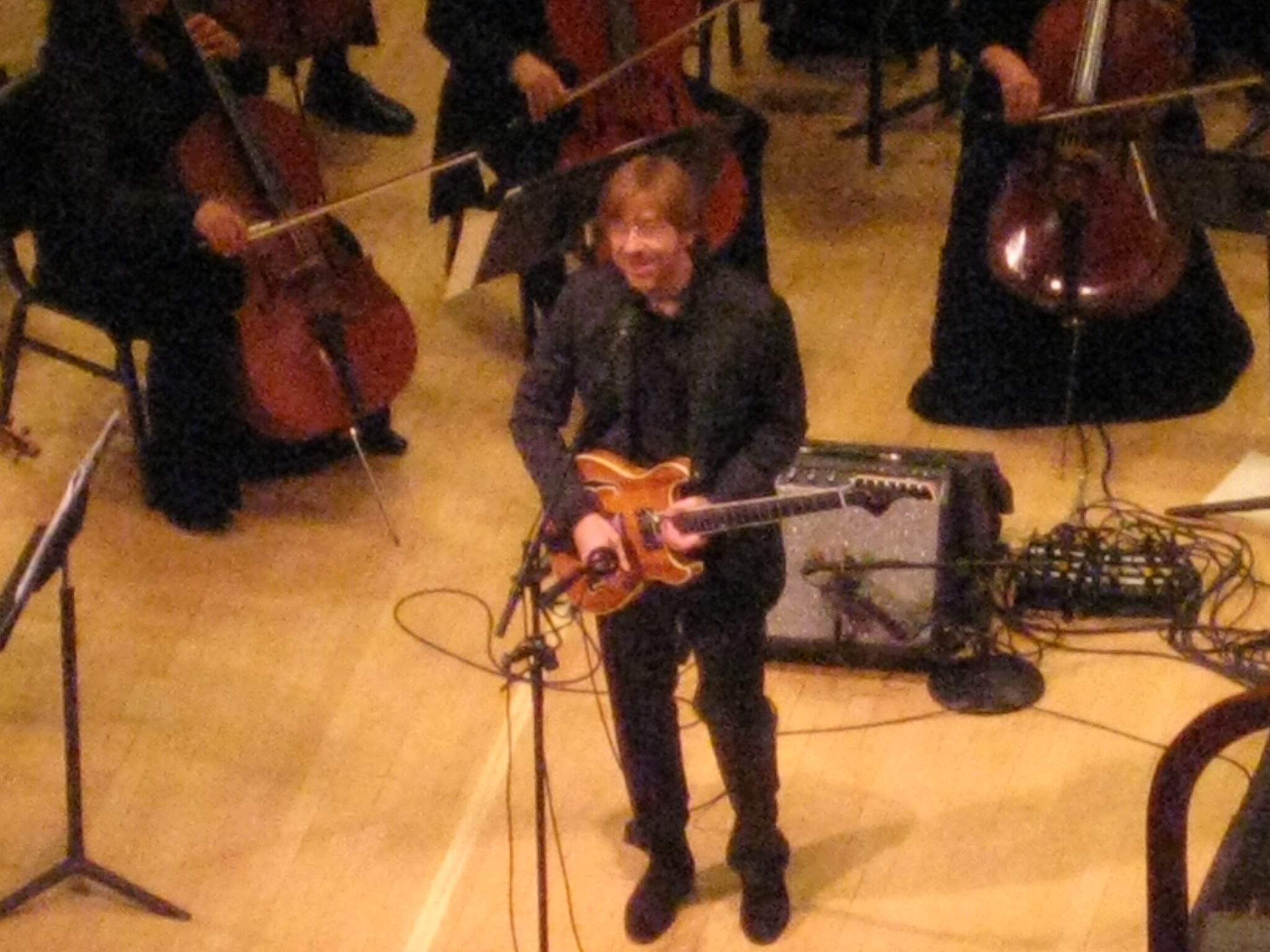
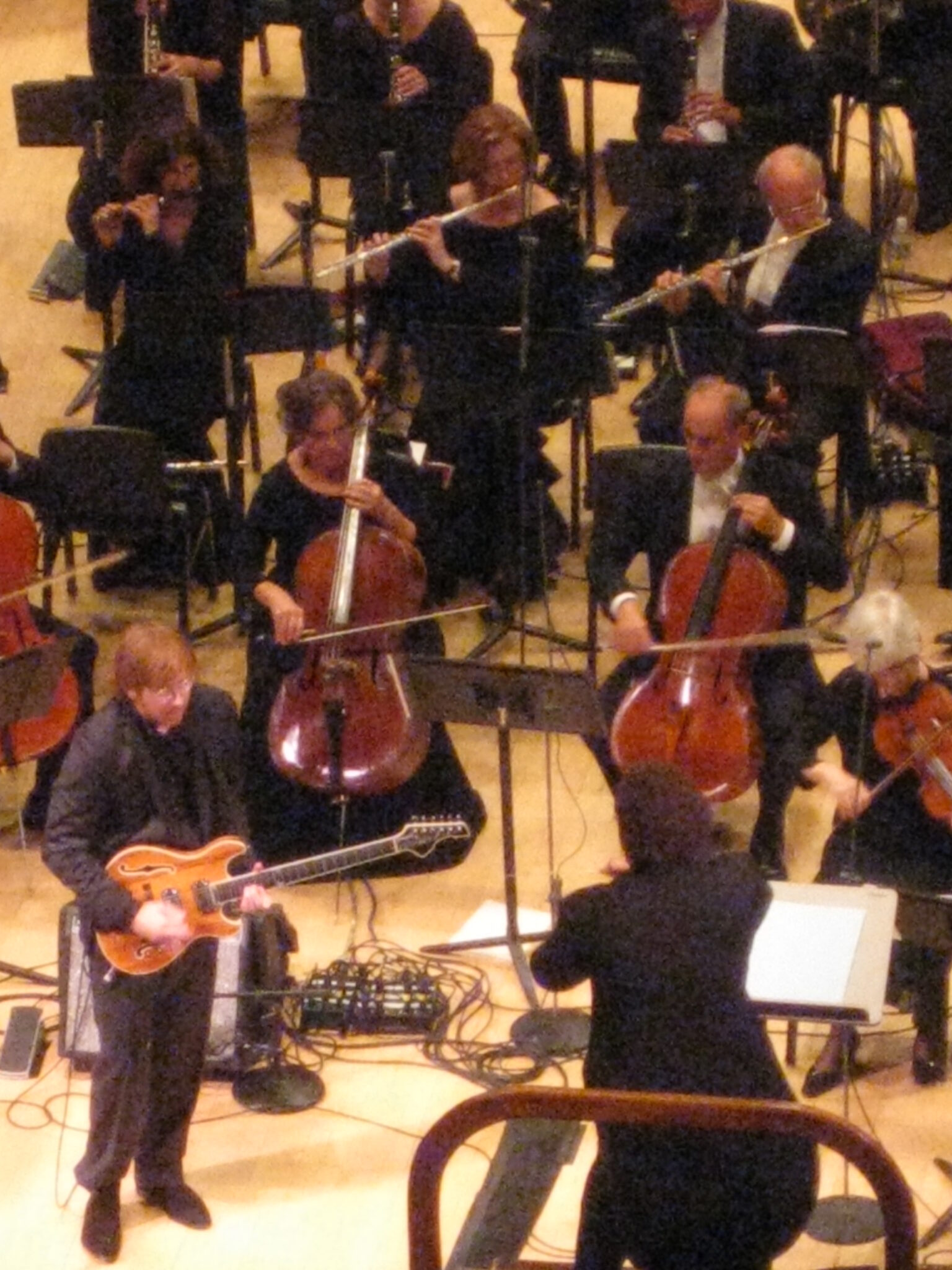
  • Trey Anastasio at Carnegie Hall with the New York Philharmonic, Sept. 12, 2009

    Ed. note: this review of Trey Anastasio at Carnegie Hall was original published on PhanArt.net in September 2009. For a more recent review of Anastasio at Carnegie Hall, read our review from October 2019.

    For years I have considered orchestral compositions the ultimate form of music, with the intricacies that I felt would never be understood, a style that would be too difficult to get into, and a high-class following that would elude me forever.

    This started to change years ago when I heard the amazing beauty of Eric Clapton playing with the Royal Philharmonic Orchestra in London (February 10, 1990), and discovered the intersection of one of the greatest guitarist in history and one of the finest orchestras in the world. Hearing “Layla,” “White Room,” “Bell Bottom Blues,” as well as a unique Guitar Concerto in two movements performed with a guitar (?!) AND a 40 piece orchestra. My ears never had it so good. Every note was played, expanding, but not drowning out, the original composition. Bands like Queensryche and YES had explored orchestral infusion into their rock act previously, but the Clapton collaboration hit home with me, and I was forever hooked.

    trey anastasio carnegie hall

    The only thing that stood in the way of getting a fix for this new-orchestral sound was more combination acts like the one that got me hooked. It took only a couple years before Trey was playing with the Vermont Youth Orchestra on “Guyute,” but opportunities to see this were limited. I listened to the version on Sharin’ in the Groove, The Mockingbird Foundation’s tribute album to Phish, over and over, guiding the orchestra while I drove cross-country and around town. This was some of the best music I could have imagined to hear.

    When Trey Anastasio was announced to play the 2004 Bonnaroo music festival with the Nashville Chamber Orchestra, I knew that this would be the musical experience I had been long waiting for – combining my favorite band’s music with an orchestra, drawing out every last note of music hidden in there, expanding the tablature to a full musical composition replete with instruments I had not seen nor heard from since grade school. The experience was the highlight of that Bonnaroo, and set the stage for the musical bliss that was set with Trey Anastasio at Carnegie Hall on Saturday, September 12, 2009.

    trey anastasio carnegie hall

    The show having been announced in mid-July, I immediately purchased the best seats I could afford (4th row balcony, which I hoped would provide immense views), as I knew the size of the room was considerably smaller than a normal phish-venue, and the demand would certainly be high. Arriving at Carnegie Hall, I saw what I had joked would be there, presuming it wouldn’t – nitrous tanks and a few shady-entrepreneurs making a quick buck on fans with money to burn on a cheap high. Ignoring this, I went inside and found myself walking up, up, up, up to the top level, and then was guided to my seat by an usher, which felt very high-class. Taking my seat, I marveled at the crowd around me, the youth, the remarkably familiar feeling I had in this great community of people, as well as the sharply dressed folks who took the occasion to go ‘phormal’, as we once had for Radio City in 2000. The crowd was very chill and happy, and notably respectful of the hall, likely thrilled to be able to see such a unique night of music in such a famous building.

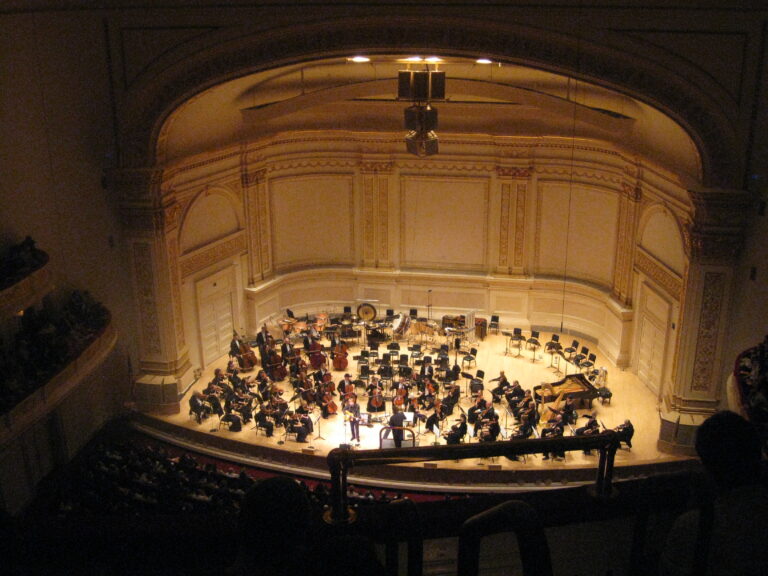
    The seats were small and legroom was nil, but that was all taken away with the warming up of the New York Philharmonic. You could hear each section of instruments (the strings, the horns, the woods, the percussion, etc…) randomly tuning up, and a finely tuned ear could hear aspects of the peak of “Guyute,” the middle section of “Pebbles and Marbles,” and miscellaneous tuning and playing as the crowd got settled.

    trey anastasio carnegie hall

    Upon their arrival to the stage, the principal violinist, the conductor, Asher Fisch, and then The Bad Lieutenant himself, Trey, came out to thunderous applause, likely the loudest Carnegie has ever heard. “First Tube” was soft and quiet at first, but perfect. Trey’s guitar was quieter than ever, but he changed the volume as the song got towards the end, with an amazing buildup, similar to the now-invigorated versions Phish has played in ’09. The flutes, violins and bongos/congos are heavy in this song, carrying the tune to its final section and peaking very subtly and suddenly.

    “The Inlaw Josie Wales,” “Brian and Robert” and “Water in the Sky” were soft excursions into the mid-’90s writing of Trey, and showed the orchestral side of his writing that had been there all this time. “Divided Sky” was the crowd pleaser-supreme in the first set, giving the crowd a wide range of melodies and expansion of an already tremendous song. “Pebbles and Marbles” and “Guyute” closed out the first set, the latter of which had many heads bobbing and moving hands subtly to the movement of Asher Fisch, who was one of the more animated conductors I could have imagined, making Tom Hulce’s Mozart look like a impassive director of music. Fisch was swaying from side to side, almost seeming to leap in the air at times when the music compelled him to do so. It almost seems as though he would fit in at a Phish show.

    Setbreak brought about a trip to the headiest smelling bathrooms since the last Phish show, and long lines of fans waiting for water, as the room was getting a bit warm. “‘Time Turns Elastic” started with the first two movements, which are not heard in the Phish version, as they are a cornucopia of the orchestra’s sound leading into the ‘Submarine’ section of the 30 minute composition.

    This may be one of the best compositions I have ever heard, with crescendos and arpeggios that showed the masterpiece of Trey’s orchestral composition was a crowd pleaser, an attentive crowd focusing on the various sections intently. When played with Phish, fans take time to refuel and make pit stops, but for this version of “Time Turns Elastic,” every audience member hung on each section, as the segues were fluid to say the least. The most fascinating thing about this version of “Time Turns Elastic” was the focus on the various movements and sections within the song. The final section, ‘Carousel’, brought the song to a resounding peak, with applause that was the loudest of the evening thus far.

    “Let me Lie” was touching, soft and short, providing a nice interlude in between two long epics, the latter being the debut of “‘You Enjoy Myself,” the immense Phish crowd pleaser. This was the song the entire crowd was waiting with bated breath to hear, only to be paused and let the excitement build longer as Trey thanked the audience, the orchestra, and remembered his late-sister, Kristine Anastasio Manning, for which her foundation that night was a beneficiary.

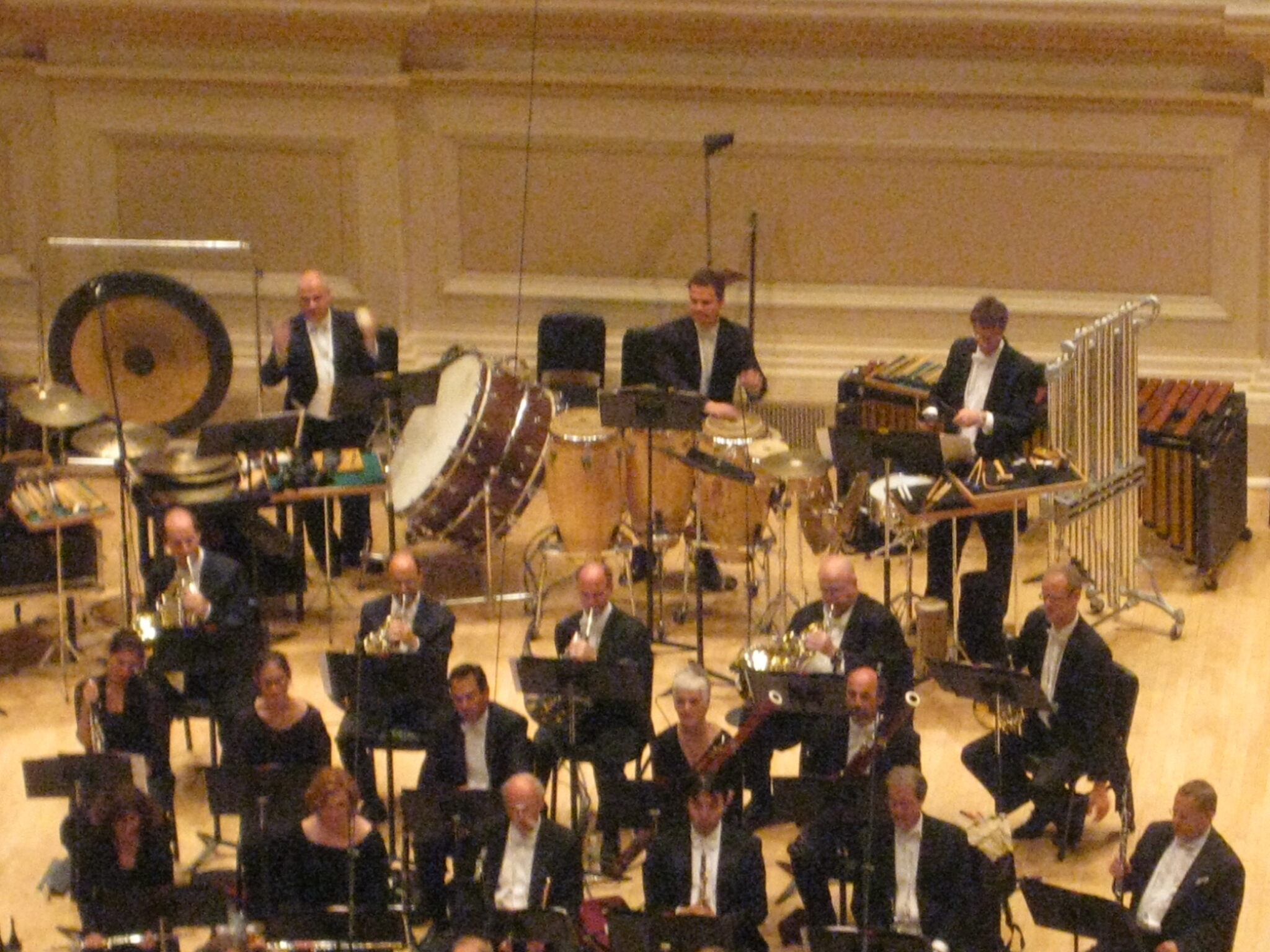
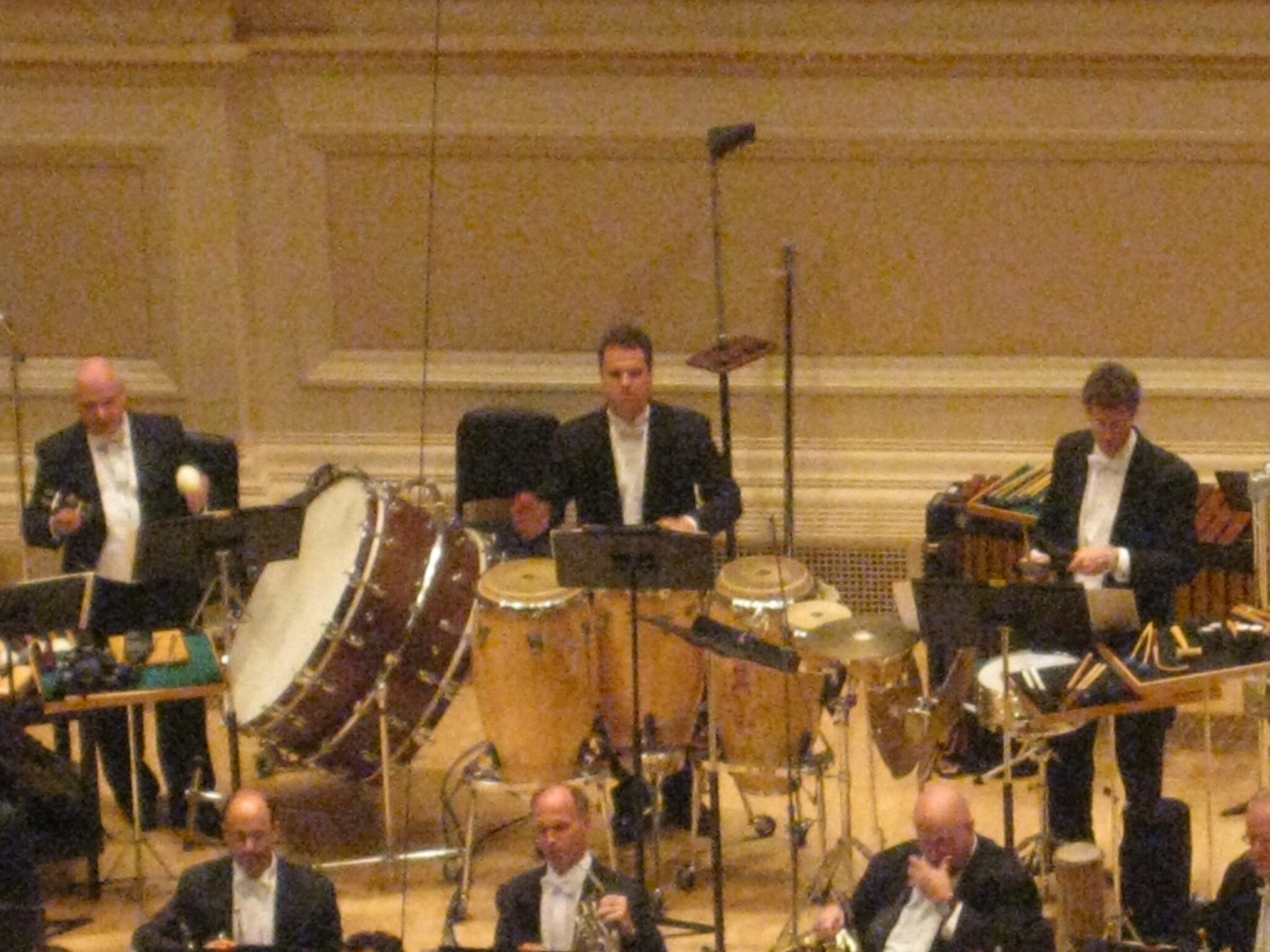
    “YEM” started off with a round of applause overshadowing the opening section, but soon, you could hear a pin drop, were it not for the orchestra. The crowd hung on every note, hearing the song like never before, but really, like the song was meant to be heard – this version of the song brings out layers and aspects of the song still left unexplored through almost 500 performances over the course of the band’s career. The ‘Pre-Nirvana’ segment had the percussionist working a snare drum to emulate Fishman, as the strings brought about the largess of the ‘Nirvana’ section, with Trey playing softly and complementarily alongside the collection of musicians onstage. The xylophone in this section is worth turning the speakers up for. A crescendo appears with the trumpets, French horns and tympanis working to bring the song to its first crest. More xylophone brings the section typically played by Mike to its peak, with Trey playing louder and the horns coming in to build the song up once again.

    The next section with the tremendous peak was resounding with horns and cymbals making it akin to the concert version. The bongos and congos took over the interlude in between these two sections, with an even louder zenith reached before ‘The Charge’ appeared and then dissolved with audience laughter, before a funky YEM jam beat was played by Trey and the percussionist, all the while the trombones, tuba and French horn played ‘Boy, Man, God, Shit’ in a way it was never played before.

    You can’t help but laugh hearing this section, both out of the humor inflected by the horns, as well as the precision reached in the performance. Clarinets and other woods built up the song where the trampolines would usually come into play, and then the strings and full orchestra come into play, bringing the song into a three minute composed jam that highlighted all the parts of the song, as well as the musicians on stage, who were performing for an audience larger than they could possibly know.

    As the final jam section ended and the strings played a very light ‘Wash Uffizi drive me to Firenze’, Trey set his guitar down and took towards the microphone, and began a vocal jam all on his own, a first for any Phish fan. The similarities between this vocal jam and the ‘Arc’ that Eddie Vedder performed on his 2009 solo tour were resounding, with the exception that Anastasio does his vocals all on his own, and without the addition of looping sounds; the room carried Anastasio’s voice throughout its acoustic borders, while the orchestra backed up each inflection of Trey’s voice.

    The roar of the audience at the end was deafening, even for one of those cheering loudly. We cheered like a Phish audience for a very non-Phish set of performers, and they deserved every ounce of it. An encore of “‘If I Could” was so perfect, you need to hear it to truly appreciate how soft and elegant the song gets; the album version has strings towards the end, which is a nice start for a song that has found a new home in an orchestral composition. The harp solo after the first two sets of lyrics is enough to make your eyes well up with tears of joy, and then the strings make the wells runneth over. A more beautiful composition is hard to come by.

    As the show ended, fans ventured out into the streets to dodge the nitrous vendors, and headed out into the night, having experienced one of the most amazing musical events of 2009, let alone the entire decade/century. Yes, it was that amazing.

    Overall, even the most rabid of Phish fans and music fans in general, would appreciate the intricacies, tempo changes, structure and multi-auditory stimulation that come from the greatness of an orchestra. Seeing Trey in an orchestral setting is the way to see him perform him music. Remember, he went to school for this, so this isn’t some silly venture like Jordan playing baseball. No, this is the real thing. This is Jerry Garcia playing solo shows, Mick Jagger putting out subpar solo albums for unknown reasons, and Bono hanging out with world leaders to push for more attention to Africa. This is where the rockstar in Trey goes on to become something more, something larger, something that transcends Phish, but brings along the music for the ride. You have to ponder the thought, since Trey went to college for Composition, had he not co-founded Phish, would he have been a colleague of Fisch?

    One has to wonder, have we been duped this whole time by Phish, that now we deep down can appreciate the intricacy and effort it takes to create orchestral music? Most the songs played that night have been played by Phish since the early days (YEM, Divided Sky), the ’90s (Guyute, Inlaw, Brian and Robert, Water in the Sky) and in recent years (Time Turns Elastic, Let me Lie, Pebbles and Marbles), yet at those times, few considered that we were hearing the rock and jam versions of classical songs. All these songs have that familiar strain, and can possibly convert Phisheads into classicophiles in no time.

    This show was a game-changer and eye-opener for many fans. Seek it out and join in one of the greatest auditory experiences you have ever heard.

Built in Breakdance