Category: Media

  • Matthew Caws Encourages Working for the Common Good with “When History Comes”

    Nada Surf‘s Matthew Caws has released a new political song, “When History Comes,” via Barsuk Records. Recorded and produced by Caws himself at his home studio, the song was created for the Rough Trade Publishing compilation Talk – Action = Zero, Vol. 2, which enlisted artists to write songs relevant to the current state of the world, with profits from the single benefitting the ACLU.

    Formed in New York City in 1992 by Matthew Caws and Daniel Lorca, the Nada Surf gutiarist and bassist met at the Lycée Français de New York, with both having spent some of their childhoods in France and Belgium. A chance run in with Ric Ocasek would lead to The Cars frontman producing the band’s first album, High/Low. The band would be best known for their hugely successful 1996 single, “Popular,” although the groups catalog goes far deeper, now well into their third decade together.
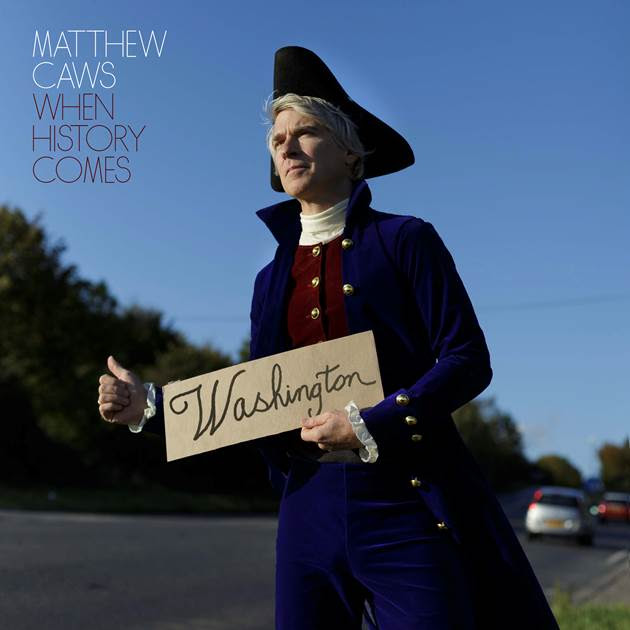
    Matthew Caws

    Regarding the song, Matthew Caws wrote the following statement about the lyrics and timing of the release:

    I was asked to contribute a song to a compilation organized by Rough Trade Publishing called Talk – Action = Zero Vol. 2, benefitting Spread The Vote, an organization helping people register and get their votes in. The prompt given was to write a song “relevant to the state of the world right now.” I chose to write about the election because I think it’s such a crucial moment in our lives.

    I want to make a quick disclaimer (and pre-emptive apology) that I know that all of what i’m about to say will seem obvious to a lot of people, but I think it needs to be repeated. We’re always in danger of becoming numb. There’s such a circus of chaos coming from the top right now that it’s easy to get distracted from how far (and how quickly) the country is sliding in a dangerous direction..

    The title of the song comes from a line in the chorus, “When history comes and sticks out its thumb / asking you for a ride / I hope that you see how fast it can be / it goes by in the blink of an eye.” In this analogy, by voting, you’re giving history a ride, helping it get where it wants to go.

    Despite its difficult history and present, the United States is a precious and miraculous entity, an ambitious experiment in equality that has been functioning for 244 years, and we need to cherish and preserve it, and keep our essential norms from eroding. We need to understand how fragile our democracy is, faced with someone who is ready to call an election illegitimate before it takes place and won’t commit to a peaceful transfer of power.

    In writing a song about an election your main choices are to try to energize and rally the potential voters on your side or try to speak to and influence the minds of people who are on the other side or undecided. I tried as much as I could to do both. I’ve been told that there is no point trying to change the mind of a Trump voter, that all our energy should go towards energizing the democratic base. That is probably true, but I can’t help believing that there’s a crack in that wall.

    Over the past few years, I’ve found myself debating a few Trump supporters on social media, and invariably the conversations start a little hot. I’ve found that by keeping a measured tone and by looking for and respecting the cause of someone’s opinion, if not the opinion itself, it was always possible to bring down the temperature a little. One misconception that kept coming up was that all Democrats wanted Trump to fail. In the song I say “I didn’t want him to fail / I wanted him to do great / he didn’t / but I wanted him to.”

    One of the great privileges of being a touring musician is getting to see people night after night being somewhere they chose to be,happy, open, ready to experience something. While it’s certain that among all the faces I’ve looked at from the stage there have been people with opposing political views, and probably some with wildly different views about equalities of all kinds, I always felt a human connection. I think almost all people have more in common than not.

    I think it’s important to refrain when possible from calling out or dismissing any whole group. Even though at this point, I don’t understand how one could support this very problematic administration, I wanted to say “I don’t hate republicans” because… I don’t. Despite my commitment to humanism and constructive positivity feeling totally innate, I’m conscious of the fact that if I’d been born into a different environment and community and hadn’t been exposed to certain ideas, I might be a Trump supporter too.

    My wife often points out that the world would be a much better place if every government decision taken took into account how it would affect the poorest and most vulnerable parts of the population. I agree. This calls for a lot of empathy, a quality in us that needs to be cultivated, checked in on and renewed. We drift in our comfort, we drift in our bubbles. It is always a good time to look around, try to see, try to understand, and re-evaluate our priorities. The common good should always be the ultimate goal. That is the basis for a great country, and despite our growing pains, that has always been the basis for ours.
  • Flashback: NIN Annihilates Radio City Music Hall Crowds for two nights

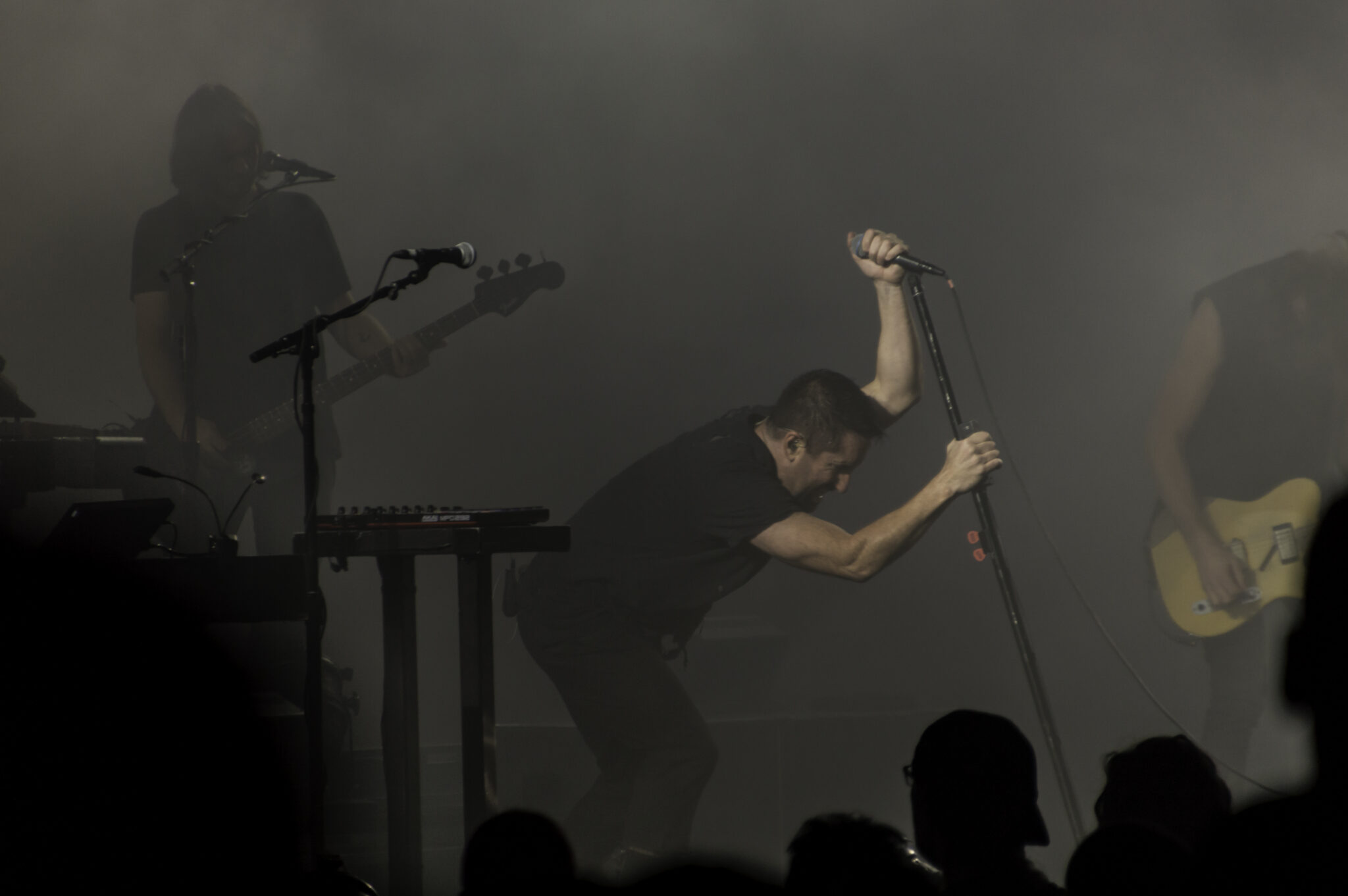
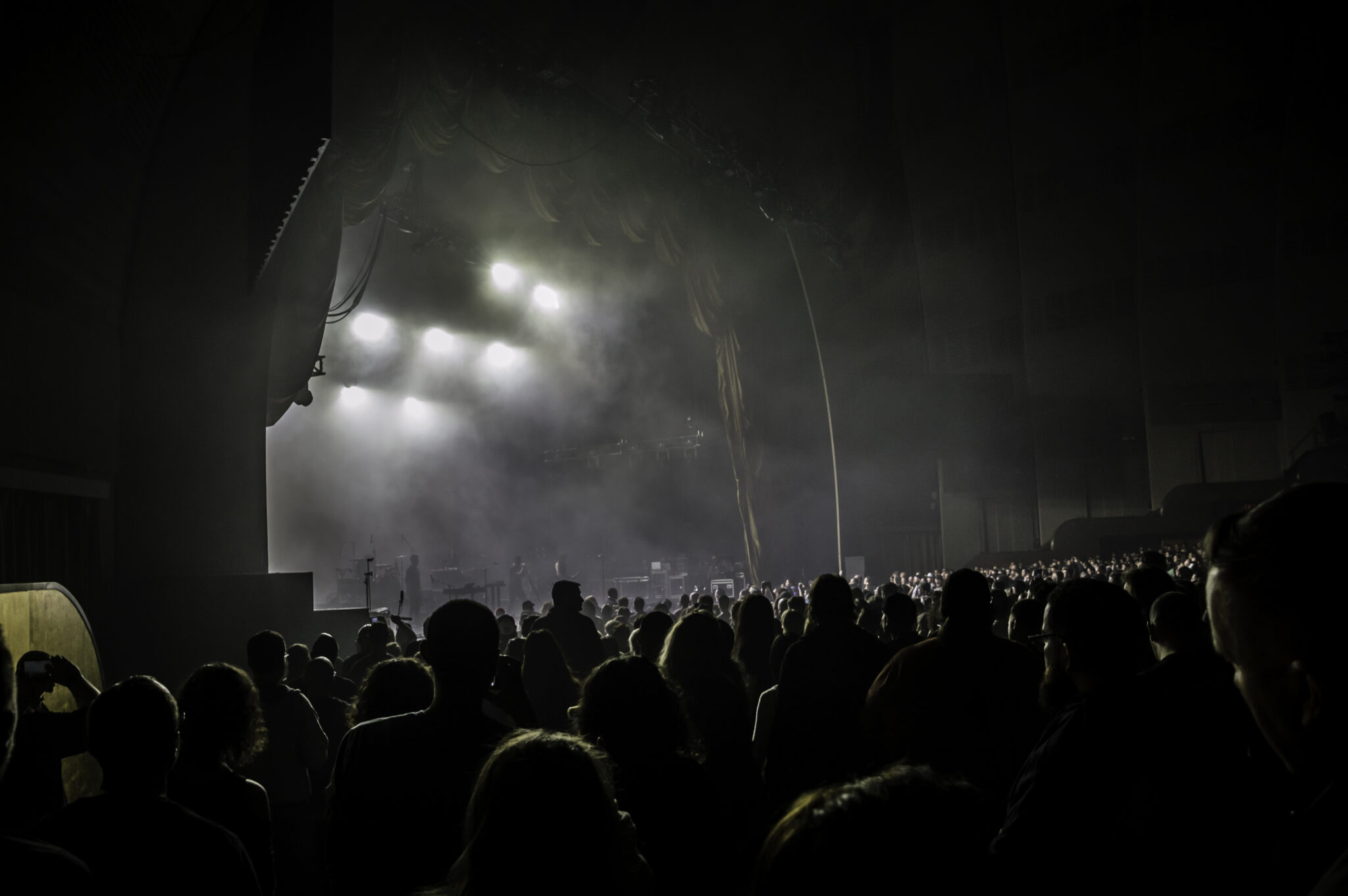
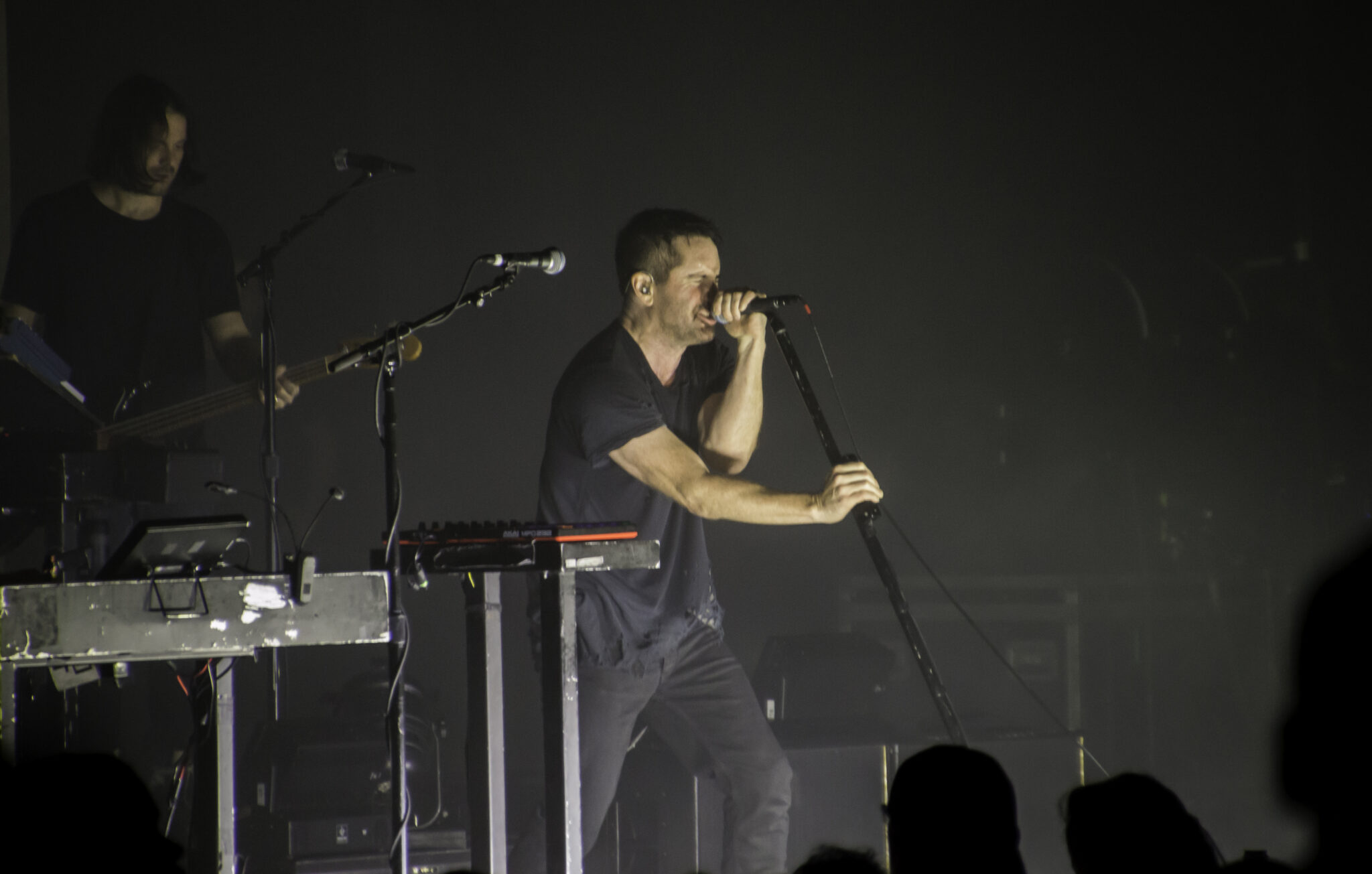
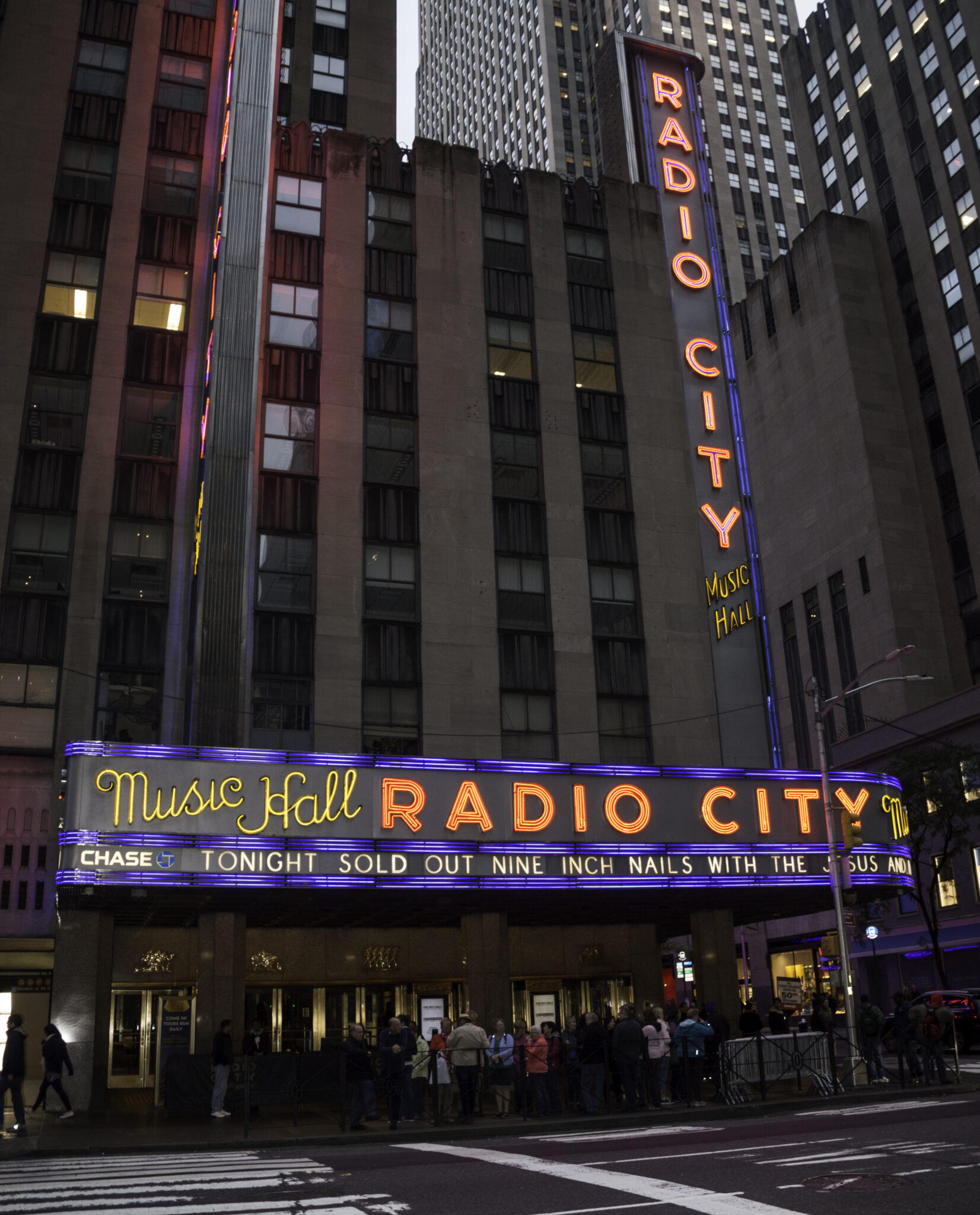
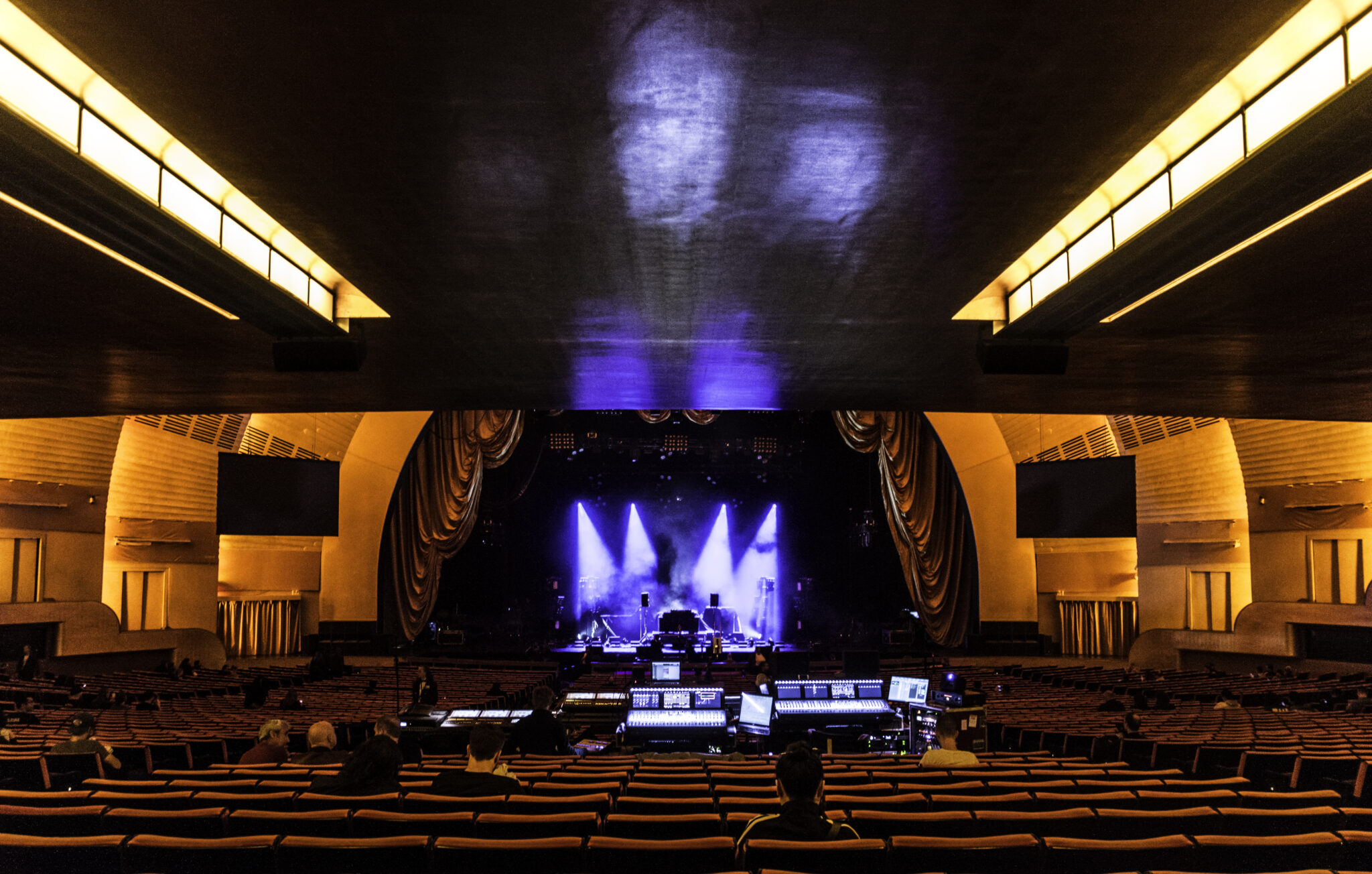
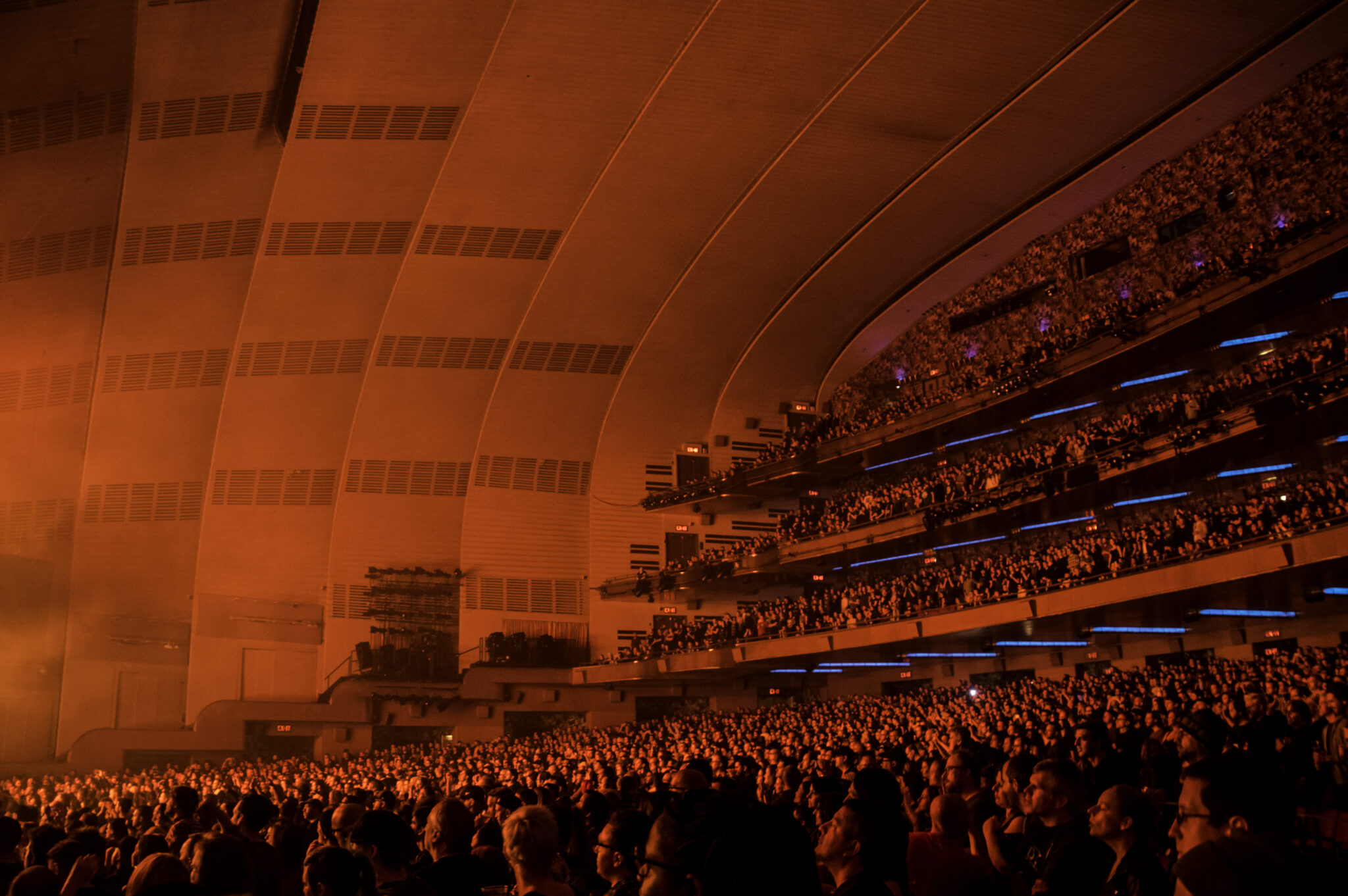
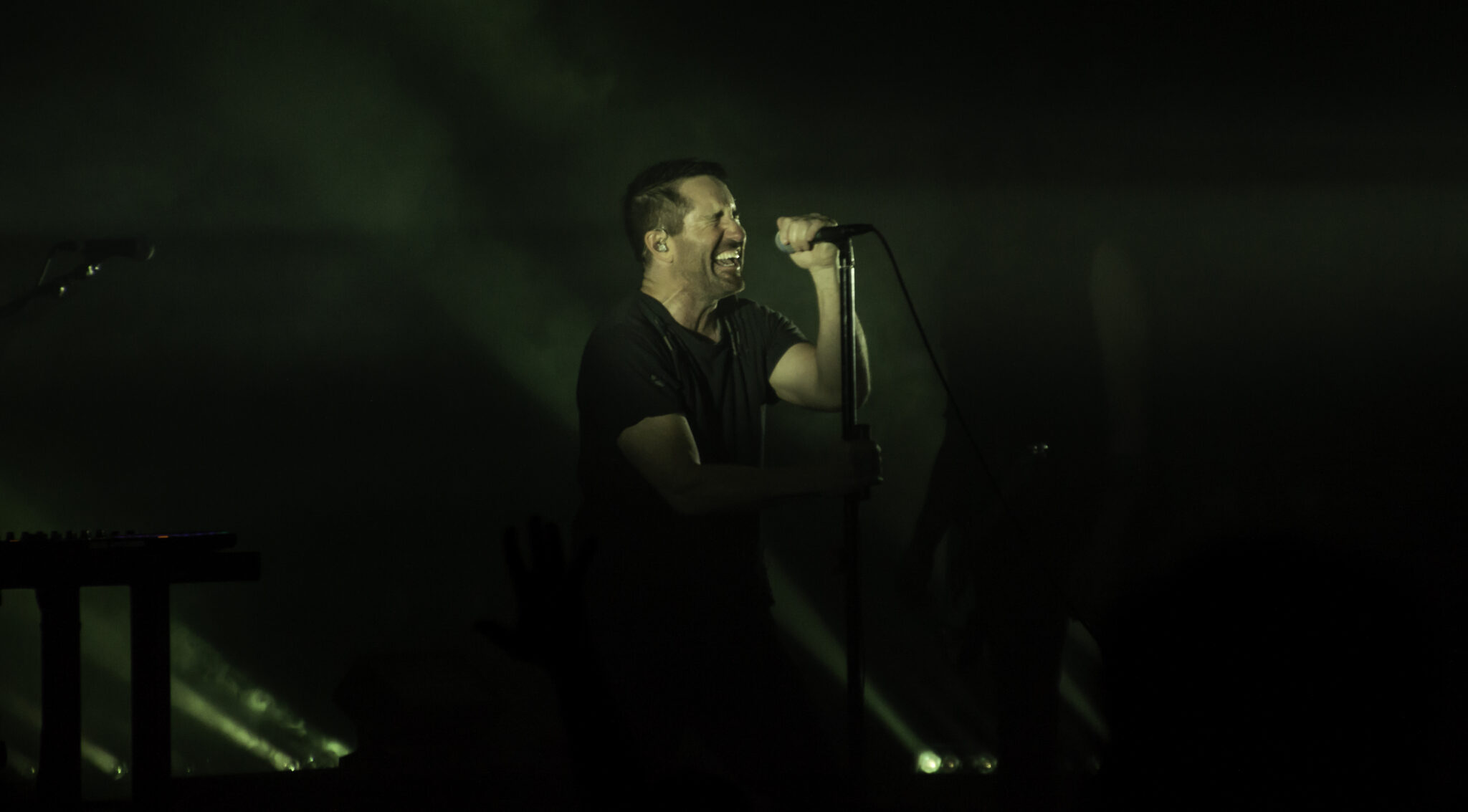
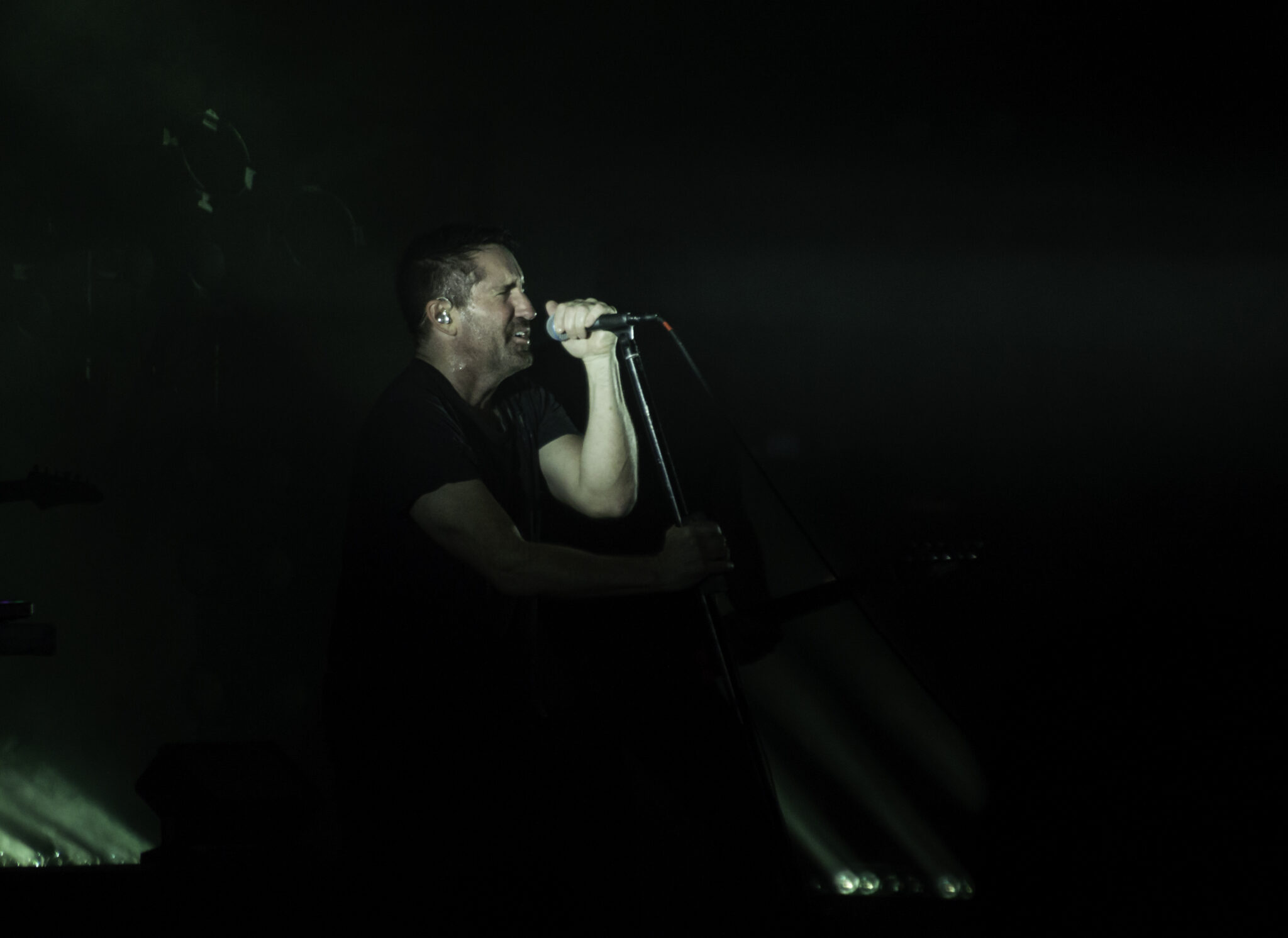
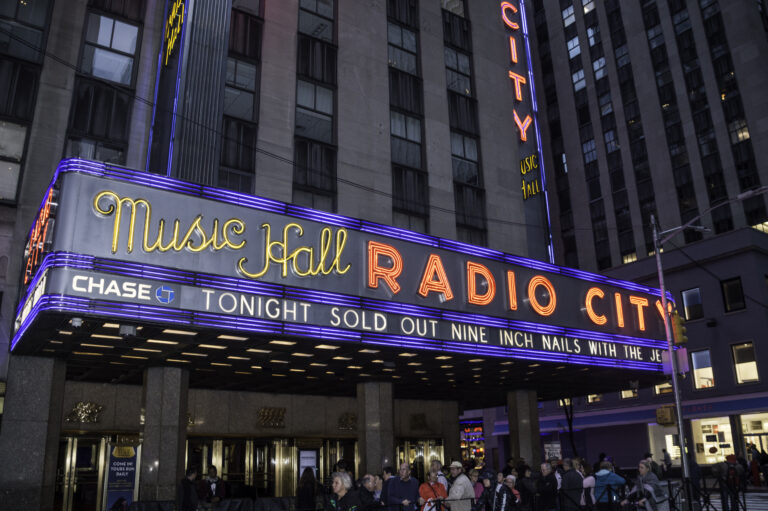
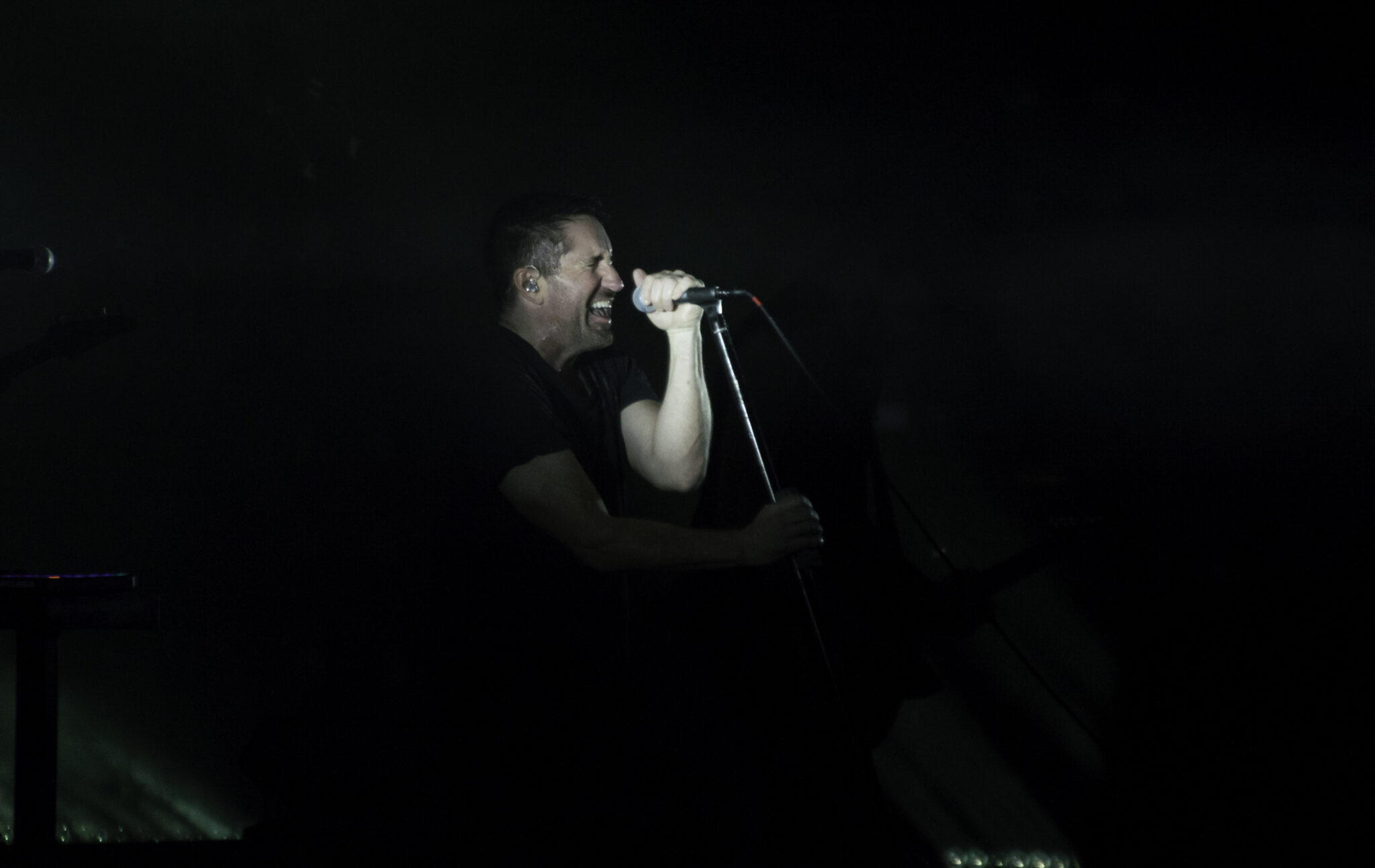
    Flashback to October 13 and 14, 2018. Nine Inch Nails played two sold out shows at New York’s iconic Radio City Music Hall. It was apart of NIN Cold and Black and Infinite tour. Other major stops included Red Rock in Colorado, and the Aragon Ballroom in Chicago.

    The 26 date tour concluded in December 2018 with four nights at The Palladium in Los Angeles. The tour came in support of the new NIN album Bad Witch, which was the third and final instalment in a trilogy series that began in 2016.

    NIN Radio City Music Hall

    The Jesus and Mary Chain opened the show. Back in the day, JAMC had taken NIN on the road as openers. This time Trent and co returned the favor. Their set was awesome. A killer lightshow, and great sound highlighted their career span on songs “Just Like Honey” and “Some Candy Talking.” It was cool to see them with NIN all those years later, especially at Radio City.

    NIN switched up their Radio City set considerably from night one. The first four songs were from The Fragile. On October 13, no songs from the album were played. They also drew from The Downward Spiral including “Piggy,” “Closer,” and “The Becoming.” It was strange they didn’t play anything from their newest album “Bad Witch,” flashing back to their archives only.

    Another highlight was “Burn,” a song from a great movie and soundtrack, Natural Born Killers. NIN did not disappoint with favorite “Help Me I’m in Hell” as part of the encore. The only similarities between night one and night two was – “Head Like A Hole” closed the pre-encore set and “Hurt” closed the entire show.

    One of the first concerts I ever attended was NIN at Nassau Coliseum in 1994. It is amazing to see how much this band has evolved over the years, especially at Radio City Music Hall. Their music is still ahead of its time now as it was back then. Although industrial music started sometime in the 1970’s, bands like Nine Inch Nails and Ministry were credited for making the genre popular, bringing it into the mainstream.

    Setlist: Somewhat Damaged, The Day The World Went Away, The Frail, The Wretched, The Beginning of the End, Survivalism, Piggy, Burn, La Mer, Closer, The Becoming, I Can’t Give Everything Away, The Lovers, The Great Destroyer, Burning Bright, Head Like A Hole.

    Encore: Help Me I’m In Hell, Happiness In Slavery, Even Deeper, Hurt

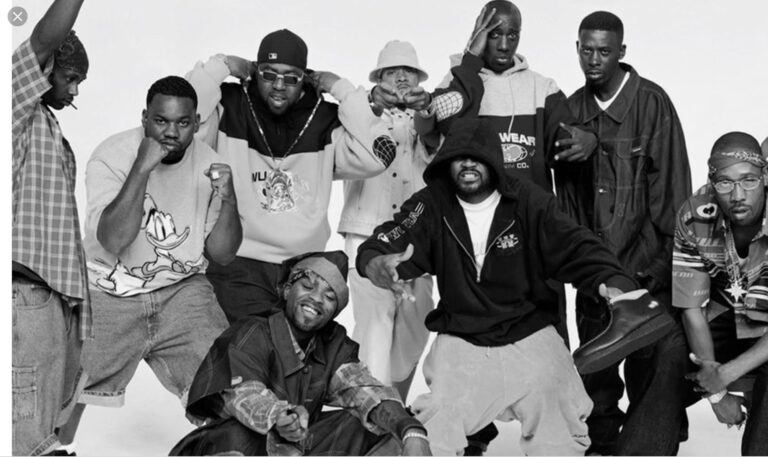
  • Wu Tang Wednesday: Lyrically Perform Armed Robbery, Convicting The Clan

    After a groundbreaking debut album — Enter the Wu-Tang (36 Chambers) — and a host of successful solo projects (GZA’s Liquid Swords, Method Man’s Tical, Raekwon’s Only Built 4 Cuban Linx, to name a few), the clan were in high-demand. They had accomplished a rare feat in the world of music. It established many of their members as individual stars, whose popularity could rival the group’s.

    The ego that accompanies success of such magnitude is liable to create division within any faction. It helped break up the Fugees. The clan is no ordinary group. Displaying their idiosyncrasy within a world of hip hop came with the release of their second LP, 1997’s Wu Tang Forever. The lead single “Triumph,” was a record that rang through the air waves. It was the first (and only) song where all nine Clan members rapped on. Moreover, it also introduced affiliate and later member Cappadonna. 

    triumph

    The record ran for 5 minutes and 38 seconds, with no chorus or break, except for the energetic opening monologue from Ol’ Dirty Bastard and a short interlude. Inspectah Deck began the track, followed by Method Man, Cappadonna, ODB’s interlude, U-God, RZA, GZA, Masta Killa, Ghostface Killah, with Raekwon concluding the record.

    About the Track

    In an interview with Power 106 radio station, RZA broke down the production on the record. He divulged that they recorded “Triumph” in Los Angeles. Musically he combined his new Yamaha keyboard V71 series with his ASR-10, MPC and Nord lead keyboard. His goal was to make a track with classical sounds, but still grab hip-hop with a touch of soul. While the drums meet classic hip hop, the strings added a new element.

    When asked about not having a chorus, he explained that for every Wu-Tang project, he wanted to have a song that reminded the people of their first record “Protect Ya Neck” with great rapping and a strong beat to compliment.  

    Speaking to DJ Vlad, Inspectah Deck — whose opening verse is one of the most-heralded in hip hop history — he acknowledged that using his “Triumph” verse twice helped his legacy, as it was originally recorded for Tony Touch’s 50 MC’sVol. 1 tape. RZA made the beat at around 5 a.m., as he and Ol Dirty Bastard were the only ones up. Inspectah Deck explains he could hear the kicks and snares from his room. He knew it was a smash-hit. He got up and asked to get on the record. Later that day the rest of the group had jumped on as well, because his verse was so outstanding.

    Sampled to Example

    “Triumph” samples “Just Found Me” and its multiple elements of soul, disco and fuck music, by the Rance Allen Group.  It also sampled “To the Garden of the Temple” from the 1983 film Duel to the Death, and some lyrics from “Da Mystery of Chessboxin” from the Clan’s own 36 chambersLP.

    Besides the mind-blowing lyrics and production, “Triumph” is known for its incredible video, with Rush Hourdirector Brett Ratner behind the camera. It was one of the more expensive music videos of 1997 costing around $800,000.  The video begins with breaking news: a massive swarm of killer bees attacking New York. Ol Dirty Bastard is up on a skyscraper surrounded by police helicopters and officers with their guns drawn.

    Interesting enough, ODB wasn’t actually in the video. Always one to act on a whim, Ol’ Dirty was uninterested in filming the video since he didn’t have an official verse, he left the set before filming began. It forced the director to get a stand in.

    Inspectah Deck is seen climbing the side of the building when “ODB” jumps off, as the bees follow in his path. Meanwhile Method Man and the other Clan members arrive on motorcycles, shooting fireballs at the bees. The bees are then seen passing through Cappadonna’s lair while U-God is seen burning down the forest. RZA appears with angel-like wings, later transforming into the killer bees and killing the Alcatraz prison guards. We then see GZA from space viewing the mayhem. A celestial God like figure.   

    triumph

    During  GZA’s verse there is a brief cut to the 1915 film The Birth of a Nation, he then makes a gesture to the bees and they swarm back down to Manhattan in the form of Masta Killa who stood on a tower in the form of the Wu-Tang Symbol. A crowd gathering around him. At the end of the video, the bees make their way to a club where Ghostface and Raekwon are raping, with Quincy Jones is in the audience. 

    One of the strangest and creative visuals in hip hop history “Triumph” changed how people looked at videos all together.

    Lyrical Highlights

    While he didn’t have an official verse, Ol’ Dirty Bastard left his mark in his own unique way.

    “What? Y’all thought y’all wasn’t gonna see me?

    I’m the Osiris of this shit

    Wu-Tang is here forever, motherfuckers

    This like, this ’97”

    Inspectah Deck began the song with his now-legendary verse that made him known as hip hop’s “set it off” man. He makes listeners immediately wake up with his intricate rhyme patterns and word choices, taking over the record.

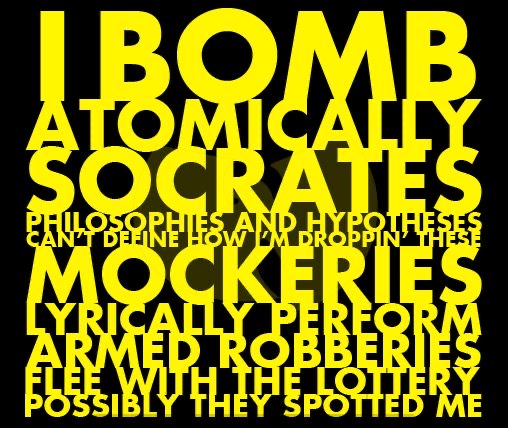
    “I bomb atomically, Socrates’ philosophies and hypotheses

    Can’t define how I be dropping these mockeries

    Lyrically perform armed robbery

    Flee with the lottery, possibly they spotted me

    Battle-scarred Shogun, explosion when my pen hits tremendous

    Ultraviolet shine blind forensics

    I inspect you through the future see millennium

    Killa Beez sold fifty gold, sixty platinum

    Shackling the masses with drastic rap tactics”

    Cappadonna rapped like he had something to prove being that he had to live up to what the others were doing. He wasn’t an official member at that point but you couldn’t tell with how he was flowing.

    “I twist darts from the heart, tried and true

    Loop my voice on the LP

    Martini on the slang rocks, certified chatterbox

    Vocabulary ‘Donna talking, tell your story walking”

     Creating A Legacy

    “Triumph” is one of Wu-Tangs most legendary tracks and it holds a special place in hip hop history. Their rapping ability was never in doubt, but the music video gave them a chance to showcase their visual creativity. As we look back at some of Wu-Tangs best tracks, “Triumph” stands the test of time because it epitomizes Wu-Tang Forever and as the lead single it exceeded expectations, as many radio stations and labels initially didn’t want to run the record because they felt it was too long. It’s safe to say, the Clan proved all doubters wrong.   

  • Gooseberry Blooms with Third 2020 Single ‘When I’m Gone’

    Brooklyn alternative quintet, Gooseberry, evolves with their third 2020 single “When I’m Gone.” Their inception began last fall. It takes form of an elusive fruit – a ploy to keep listenes guessing, or, a disregard of boarders in their infinite musical exploration.

    The band collides at an unpredicted crossroads of endless influence. Blues, jazz, soul, rock and R&B genres meet. Yet they create and audibly different constant. Each flavor is interjected, shapeshifting the whole.

    When I'm Gone Gooseberry

    “When I’m Gone” sounds familiar, like a sitcom intro with an alternative edge. The intro sweeps you up with an airy keyboard melody from Sam Rappaport. Asa ‘Baked Goods’ Daniels on guitar hints at a more explosive end. The band caries on.

    Drummer Colin Ashen and Bassist Will Hammond keep a solid backbone for the bands energetic bursts and ever-blooming hook. There’s something ear-catching at ever bar, including a clever placement of vibraslap.

    Each chorus grows into a more indie sound. The band flourishes as they stew on the title lyric. Ashen’s drums sweep into an open ride crescendo and Gooseberry takes on in an explosive indie-jam band fashion. Something they’ve only hinted at throughout each verse. Daniels amps-up, showing of his ear-grabbing guitar work.

    When I'm Gone Gooseberry

    The song highlights the band’s eclectic range of influences, showing resonances of classic rock, 70’s soul, and the piano-forward pop of artists like Randy Newman and Carole King. When I’m Gone is a lamentation over the certainty of loss and an ode to those we leave behind in the search for higher ground.

    Gooseberry, on “When I’m Gone”

    The album art is elusive and colorful, paring well with Gooseberry’s musical intent. Each part melts together. It shape-shifts the whole. The door is wide open to explore.

    Read more on Gooseberry’s 2020 Singles

    “Berkshires” goes back to major influences like D’Angelo, Donny Hathaway, and Stevie Wonder, while their newest, “The Protagonist,” showcases a more alternative/indie sound in the styles of the Foo Fighters, Courtney Barnett, Arctic Monkeys, and Spoon. Before the pandemic, Gooseberry had a biweekly residency at Harefield Road in Brooklyn, where they were steadily growing a devoted audience around their live shows. They had been gigging fairly regularly in and around New York City, running the full gamut of venues from The Cobra Club to DROM to house shows across the boroughs. 

    – Fiona Hernandez
    Read more at NYS Music…
  • The Kitchen Offers Up New Virtual Performances

    Manhattan-based non profit, The Kitchen, will premier of The Brooding Exercises. The video project can be viewed at The Kitchen OnScreen, the venue’s virtual streaming platform on October 16-18. Times will be announced closer to the premier date.

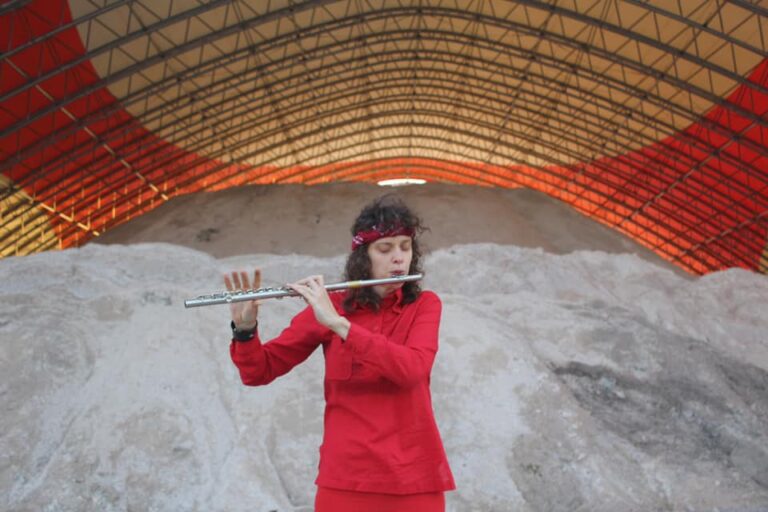
    The video is in response to the cancellation of a previous project, Vivification Exercises. The video project stars Ka Baird and Max Eibacher. Organizer Matthew Lyons, Ross Karre (Audiovisual Supervisor and Camera), Merve Kayan (Camera), and Caley Monahon-Ward (Audio Assistance) round out the production team.

    The Kitchen

    Ka Baird is an American multi-instrumentalist, recording artist, producer and performer based in New York City. Baird is known for raw, ecstatic, boundary-pushing live solo performances. Energetic body movements, extended vocal techniques, luminous flute percussion/meditations and innovative use of live electronics fuse to create the concept of ‘body music.’ Centered in radical present tense and vigorous expression, the performances seek extreme release, both through physical exertion and psychic extension.

    Ka Baird’s latest recording Respires was included on Pitchfork’s Best Experimental Albums of 2019 list. In addition, Baird is a founding member of the legendary psych-folk/avant-garde group Spires That In The Sunset Rise, founded in Chicago in 2001.

    Max Eilbacher is an Baltimore-based intermedia artist who works primarily makes abstract computer music. The sound is an eclectic mix of electroacoustic, musique concréte composition and process intensive computer music.

    Soon to celebrate its 50th year in 2021, The Kitchen remains one of New York City’s most forward-looking nonprofit spaces. Programs range from dance, music, theater to video and film. All programs aim to showcase ingenious work of emerging and established artists alike. Known as the epicenter of the New Wave avant garde music genre in the late 70s, The Kitchen was home to many successful artists like Glenn Branca and Lydia Lunch.

    In July 2020 OnScreen program formed to host online program offerings, including virtual performances, livestreamed events, and newly published texts.

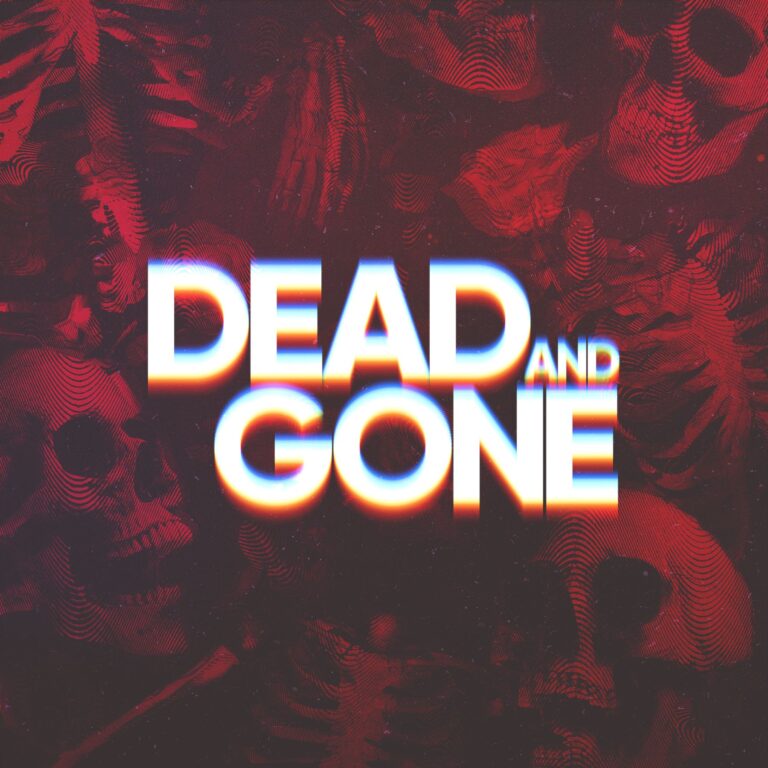
  • ‘Dead And Gone’ Podcast Explores Unsolved Grateful Dead Fan Cases

    Filmmaker Payne Lindsay and podcast company Tenderfoot TV have announced a new podcast called “Dead and Gone.” The true crime podcast’s first two episodes will debut October 15. It will be available on all podcast platforms in partnership with Cadence13.

    Listeners will tune in as unsolved cases of fans of iconic jam band the Grateful Dead are investigated. Hosting the show will be Jake Brennan, who also hosts the podcast “Disgraceland.” Lindsay will handle much of the podcast’s behind-the-scenes work including research and is co-founder of Tenderfoot TV.

    dead and gone podcast

    Lindsey and Brennan ran into few unsettling surprises while investigating the cold cases that span the course of five decades.

    Filmaker Payne Lindsey said of the series:

    “I knew we would encounter surprises throughout this investigation because of the strange coincidences, mysterious circumstances and rock and roll at the center of it all… but I never predicted to come across such a tragic case with so many unanswered questions. Many of these cases have not been thoroughly examined until now, and our goal is to uncover the truth about what really happened that night so justice is served.”

    One such case is the murders of Mary Regina Gioia and Gregory Allen Kniffin, two Grateful Dead-obsessed Berkeley residents. The pair were found beaten and shot to death in the San Francisco Bay Area in 1986.

    At the time of the murders, a black man named Ralph International Thomas was found guilty and sentenced to death. After a A “mysterious tip from a fellow Dead Head” it allegedly could be a wrongful accusation. According to the press release “lack of evidence and conflicting witness testimonies” could prove Thomas’ innocence. Lindsey and Brennan credit this tip for the catalyst behind the podcast.

    Beyond the double murder of Gioia and Kniffin, listeners will also dive into the darkness surrounding the band. Included will be tales of the band’s subversive past, the predators among the concert goers, and more. 

    “I’ve studied the history and culture of the band for years, and I think people will be surprised to find that there is a darkness at the core of the Grateful Dead’s music and that darkness is present throughout the band’s history. It has manifested in song and in real life and many of the band’s fans have fallen victim to it. This darkness and the violence and mystery it’s spawned runs contrary to the good intentions of the band and the Grateful Dead’s image of peace, love, good times and music, and that contrast makes for fascinating storytelling.”

    Jake Brennan, Co-Found of Double Elvis Productions

    Listen to the trailer here and be sure to catch new episodes weekly on all platforms. For more information subscribe here.

  • The Dead’s Lone Lake Placid Show: October 17, 1983

    The Grateful Dead‘s 1983 fall tour saw the band playing a slew of shows in the Northeast in October. After two shows at Madison Square Garden the week before, and two more at the Hartford Civic Center, the Dead made their way Upstate and paid a visit to Lake Placid and the Olympic Center.

    Only a few years ago, this venue housed one of the greatest upsets in sports history thanks to the “Miracle On Ice” in the 1980 Winter Olympics. Now it was the Dead’s turn to leave their mark on the place. This would be the only show in Lake Placid the band would ever play. Fans dubbed the tour stop as the ‘Special Olympics for Jerry’s Kids at Lake Acid,’ and where the opportunity presented itself, covered up the ‘PL’ in ‘Placid’ at every sign to the journey to the Olympic Town for added effect.

    Most Grateful Dead shows are known for fun first sets that set the mood before things “take off” in the second one. This may be one of the few shows that goes against that notion thanks to such a powerful opening set. Some early warm up tones of “Sugaree” can be heard before the band launches into the real things. Garcia leads the way with some blistering guitar licks with the rest of the band just trying to keep up. It results in a near 17-minute version that’s arguably one of the best jams of the night – rare for an opener.

    This opening burst of energy reemerges in the “Little Red Rooster” that picks up soon afterwards. With sublime bluesy licks provided by Garcia on guitar, Bob Weir’s customary growling vocals and beautiful organ fills from Brent Mydland, this one is a true group effort. A steadily building jam that slowly grows in intensity makes this a memorable “Rooster” that stretches past the nine-minute mark.

    Things then slow down a tad with the “Friend of the Devil” that comes next, played in its slower tempo. Afterwards, Weir reassumes vocal duties and leads the band through a standard run through of “My Brother Esau.”

    Dead Lake Placid

    But that frenetic energy displayed in the opening 1-2 punch doesn’t seem to reemerge until the jam that arises from “Bird Song.” With more intricate guitar work laid down by Garcia, this one takes after its namesake and soars. An appreciative crowd make their feelings well known at the end of this one.

    There’s no let up in the rest of the set. Weir belts out the lyrics to a quick but powerful “Hell In A Bucket” that includes a brief “Mustang Sally” quote towards the end. At its conclusion, Garcia immediately drops the opening guitar lick to “Deal” and the band is off and running again. The high octane, extended jam that results from this one stretches this “Deal” well past the ten-minute make and serves as an appropriate closer to an absolutely fiery opening set.

    Dead Lake Placid

    While the second set may not offer up as much firepower as its predecessor, there are some memorable moments to be sure. “Touch of Grey,” a newer song at the time that would later propel the Dead to a new level of stardom, begins the set. Despite some brief feedback issues, it gets a nice hand from the crowd when all is said and done.

    “Samson and Delilah” produces more high energy interplay between band members, with bassist Phil Lesh making his presence clearly felt on this one. Then comes a bust out of sorts in “To Lay Me Down,” the first one played in 82 shows. Though it shows little signs of rust as more poignant guitar work and delicate vocals from Garcia pepper this one throughout.

    Despite some early fumbling of the lyrics in the “Terrapin Station” that comes later, the band makes up for it with a beautifully patient and well executed version. The heavily percussive outro jam then bleeds right into the beginning of the traditional “Drums” segment, like it has so many times.

    After some heavy noodling from Garcia in “Space,” showcasing all sorts of guitar effects, “The Wheel” slowly emerges. The revved up Lake Placid crowd is audibly charged up for this one. Allegedly, crowd members in both the concourse and lower bowl linked arms and danced arm in arm around the arena during this one. What a sight that must have been.

    Dead Lake Placid

    The second set comes to a close with a couple of longtime covers that the Dead have perfected by now. “Goin’ Down The Road Feelin’ Bad” sees the crowd getting into it once more, vigorously clapping along in time. This is followed up by The Rascals’ “Good Lovin’,” giving Garcia one last chance to lay down some impressive guitar solos. And Bob Weir’s Pigepn-esque “rap” at the end sends the crowd into a frenzy.

    One more cover choice ends this one. Perhaps in a nod to John Lennon’s birthday which is October 9th, the Dead trot out The Beatles’ “Revolution” for the encore. It almost sounds like a slower version of “Deal” at first. And with that, the band’s lone performance in Lake Placid was complete. This was no “Miracle” though, just another Grateful Dead show.

    Listen to it here.

    Grateful Dead Olympic Center – Lake Placid, NY 10/17/83

    Set 1: Sugaree> Little Red Rooster, Friend Of The Devil, My Brother Esau, Bird Song, Hell In A Bucket> Deal
    Set 2: Touch Of Grey> Samson & Delilah, To Lay Me Down, Women Are Smarter, Terrapin Station> Drums> Space> The Wheel> I Need A Miracle> Goin’ Down The Road> Good Lovin’
    Encore: Revolution

  • Watch Jack White Pay Tribute to Eddie Van Halen on SNL

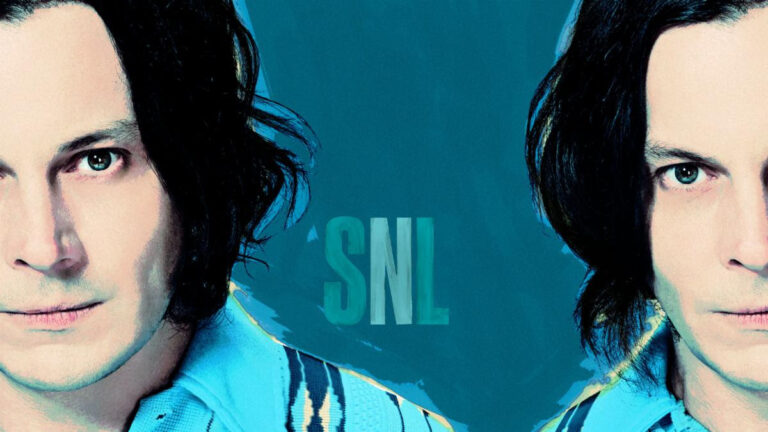
    Jack White filled in as musical guest for the second episode of the 46th season of SNL, hosted by Bill Burr. Called in last minute to replace country singer Morgan Wallan, White and his power trio including Dominic Davis (bass), and Daru Jones (drums) first performed a medley of “Ball and Biscuit,” “Don’t Hurt Yourself” and “Jesus Is Coming Soon,” and “Lazaretto” off White’s second solo album later in the show.

    jack white

    This was the fourth time Jack White performed on Saturday Night Live, going back to 2002. The first performance began with the infectious riff of “Don’t Hurt Yourself” from White’s collaboration with Beyoncé, before transitioning into “Ball and Biscuit” from The White Stripes’ fourth album, Elephant, which also featured a nod to Blind Willie Johnson’s “Jesus Is Coming Soon.”

    As noted by Benjy Eisen on Twitter, “Jesus is Coming Soon” has a COVID-19 tie-in, as the original song was written about the 1918 H1N1 influenza that killed over 50 million people worldwide, and includes the lines “It was an epidemic/It floated through the air.”

    “Lazaretto,” the title track of White’s GRAMMY-winning sophomore solo album followed as the second performance of the evening. Bassist Davis wore a shirt that read PRINE, a nod to the late singer/songwriter John Prine, on what would have been his 80th birthday.

    https://www.instagram.com/p/CGLP0XmJuop/?utm_source=ig_web_copy_link

    White gave a subtle nod to the late Eddie Van Halen during “Lazaretto,” using a model of guitar similar to Eddie Van Halen’s, but also playing a finger tapping solo mid-song, a signature move of Van Halen’s.

    The White Stripes Greatest Hits arrives on December 4 on Third Man Records/Columbia Records.

  • Ciarra Fragale and more Featured on this week’s EQXposure

    Each Sunday evening from 7-9pm you’ll find EQXposure on WEQX, featuring two hours of local music from up and coming artists. Tune into WEQX.com this Sunday night to hear music from Ciarra Fragale and many more!

    ciarra fragale

    WEQX has long been the preeminent independent station in the Capital Region of New York, broadcasting from Southern VT to an ever-expanding listening audience. NYS Music brings you a preview of artists to discover each week, just a taste of the talent waiting to be discovered by fans like you.

    Ciarra Fragale – “Miss That” and “Too Good For You Baby”

    Ciarra Fragale is an indie pop act born and raised in New York’s Hudson Valley. By blending the nostalgic traditions of songwriting with unique new-wave sensibilities, she creates a sound all her own. Ciarra spent years playing solo, until early last year when she joined forces with Kingston drummer Eli Marzano. Since then they have brought their dynamic set all across the Northeast, opening for renowned acts like Sammy Rae & the Friends. Ciarra relocated to North Adams, MA at the end of last year and just last weekend sold out two shows at Mass MoCA, her first shows since March.

    After the release of my second LP, Call It What You Will, I found myself already collecting a bunch of new material. Last fall, I visited a friend of mine’s studio (Sleeper Cave Records) while I was passing through for a show and really fell in love with the space. I had been familiar with [Andy’s] engineering work, as a lot of my friends had recorded with him. After a few conversations, we went in to record “Too Good (For You, Baby)” and quickly realized that we weren’t just recording a single—we were making a record. We’ve been plugging away on it ever since. It feels really good to push the envelope. I just know so much more now than I did when I was making the previous records, both as an artist and as a producer. I’m really excited to share these new songs, most of which no one has never really heard. The climate is different now…usually you write a new song and you try it out at a few shows to gauge interest. Since that is not really an option right now, we’re just going for it on this record and it feels quite liberating. The collection of songs on this album feel like my most honest, which is why I decided to make the record self-titled. This new album is not necessarily a “quarantine record,” even though a lot of the songs were written during this tumultuous time. They are just a snapshot of where I am, right now.

    EQXPosure will open the show 7pm Ciarra’s “Miss That” and later play “Too Good For You Baby” later in the 7 o’clock hour.

  • kurt.riley+praxis Dive Into a Dystopian ‘Chrome Empire’ With Latest Single “Free”

    kurt.riley+praxis are best known for shaping the alternative music scene in Central and Upstate New York. Riley has loved and played music from a young age; his influences include glam rock, Moroccan ritual music, new wave, 1930s pop standards, and Eighties post-punk. After a pause of a few years for a college degree, Riley started developing concept albums featuring other-wordly characters – Kismet in 2016, and Tabula Rasa in 2017.

    kurt.riley+praxis

    “Free,” releasing today, October 9, is the fourth track from Riley’s current ongoing project, Chrome Empire. The album is built around its main character – an android living in a dark future – and uses science fiction themes to address real-world events. 

    In “Free,” the android (portrayed by Riley in the video) has gained self-awareness, and is captured by a monolithic megacorporation seeking to prevent the rise of intelligent machines. An employee of the corporation has been put in place to get him to talk.

    kurt.riley+praxis

    Previous singles released from the Chrome Empire project are “Future Shock,” “Say You Love Me,” and “Evergreen.” The story arc starts with “Future Shock” that sets the dark, futuristic scene. The android, having a mind that came from a human a long time ago, remembers his love and tries to find her (“Say You Love Me”). In “Evergreen,” he is trying to escape the control of the megacorporation and finds footage of an evergreen Earth of the past. 

    In each single, Riley has chosen to include non-human characters which was “Much more fun – and more palatable – than talking about our current reality in a plain manner. Plus, I get to dress up!” he said. 

    kurt.riley+praxis

    There will be at least a dozen releases in total, scheduled through the rest of 2020 and 2021. After “Free,” the next one coming up (scheduled for early November) is called “Get Connected.”

    “Free” is scheduled to air at 5:00 PM EST on Friday, October 9, 2020 on the kurt.riley+praxis YouTube Channel.

    Lyrics to “Free” by kurt.riley+praxis

    When I was young, I didn’t understand
    My grandfather was a preacher man
    Told me to read the bible
    Crucial for my survival
    Grandmother joined him, now they sleep 
    Keeping to the vow, so dark and deep
    While I maintain location
    Staring at revelation
    But I’ll never be free
    Oh lord, no, I’ll never be free
    Not me
    Leaders are debating over déjeuner 
    Waters start to rise at the chestnut tree
    Only the weak are humble
    So they shall let it crumble
    On the horizon, the horsemen ride
    Stocked up my rations and I’m locked inside
    Stun my profane synapses
    All while the world collapses 
    And I’ll never be free
    Oh Christ, no, I’ll never be free
    Not me