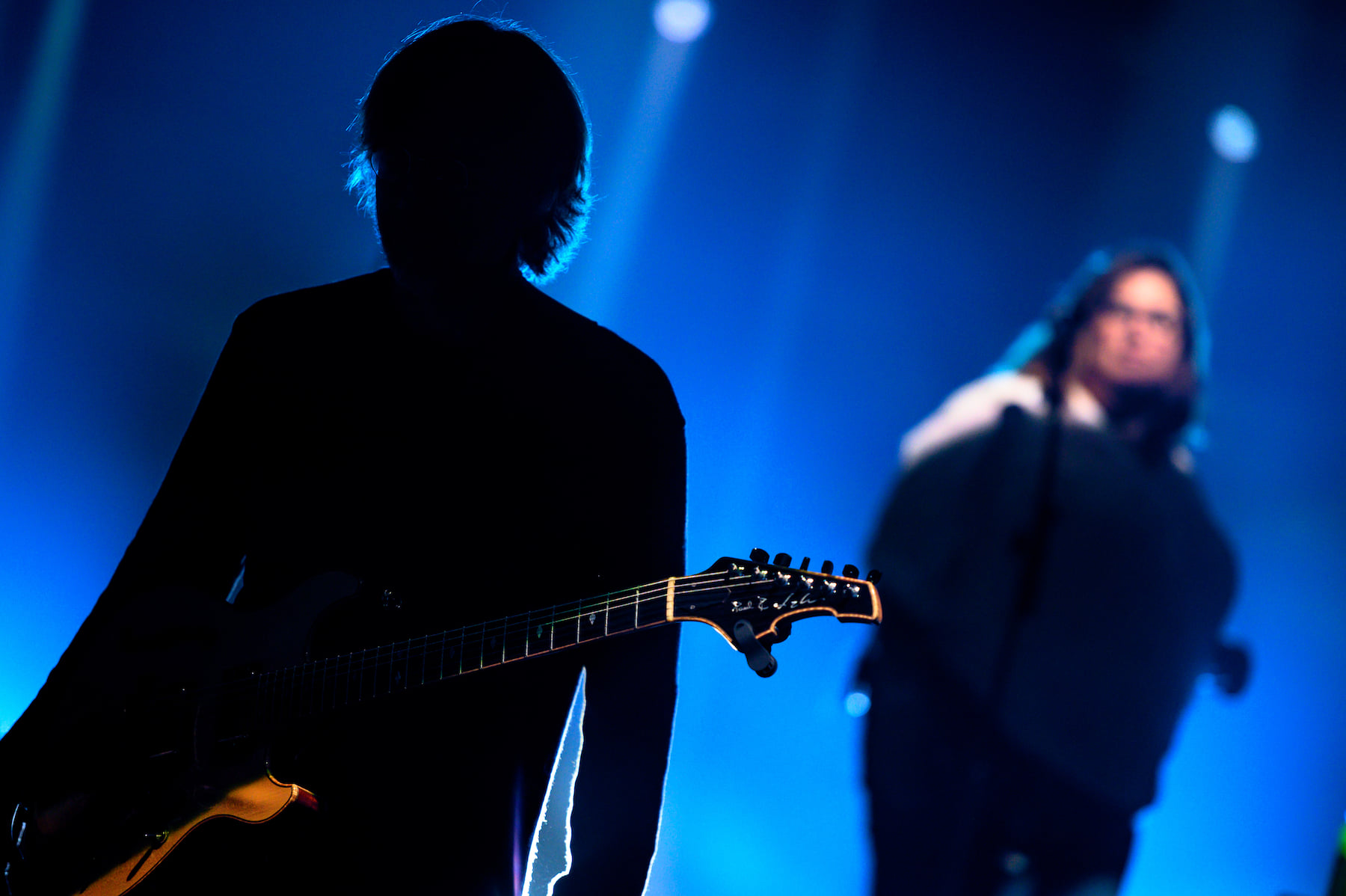
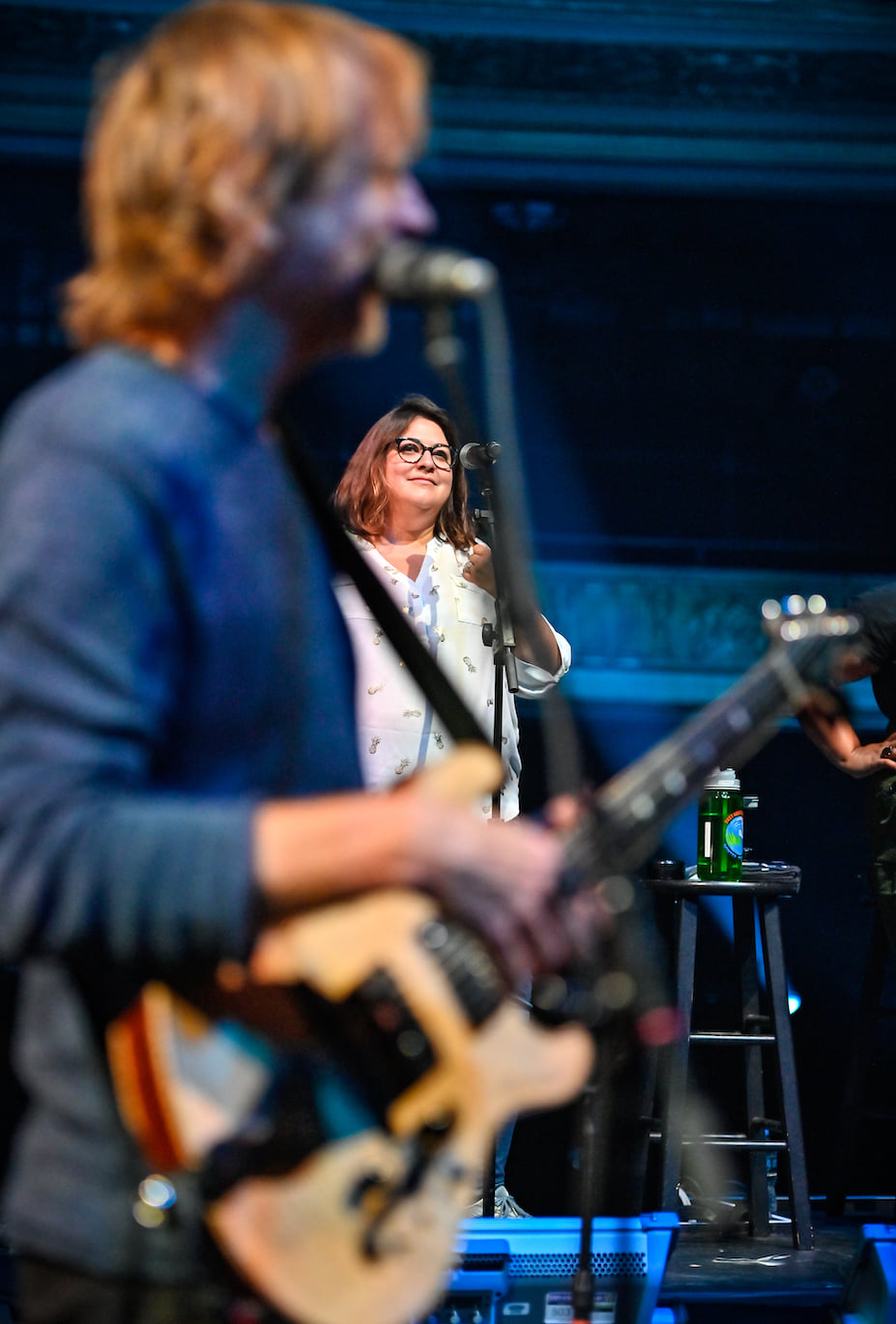
Author: Tim O’Shea

  • 27 Years Later: Phish Play Final Binghamton Show During Historic Run

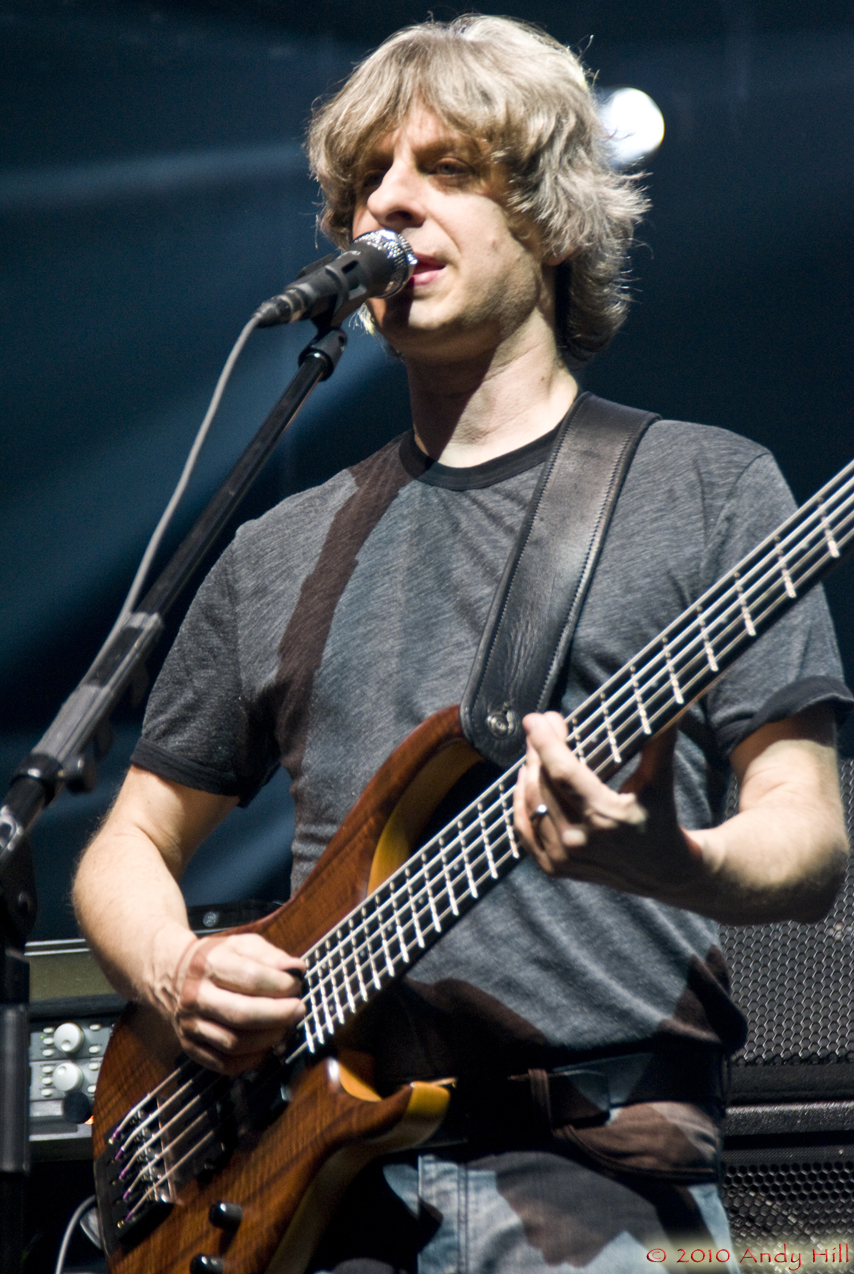
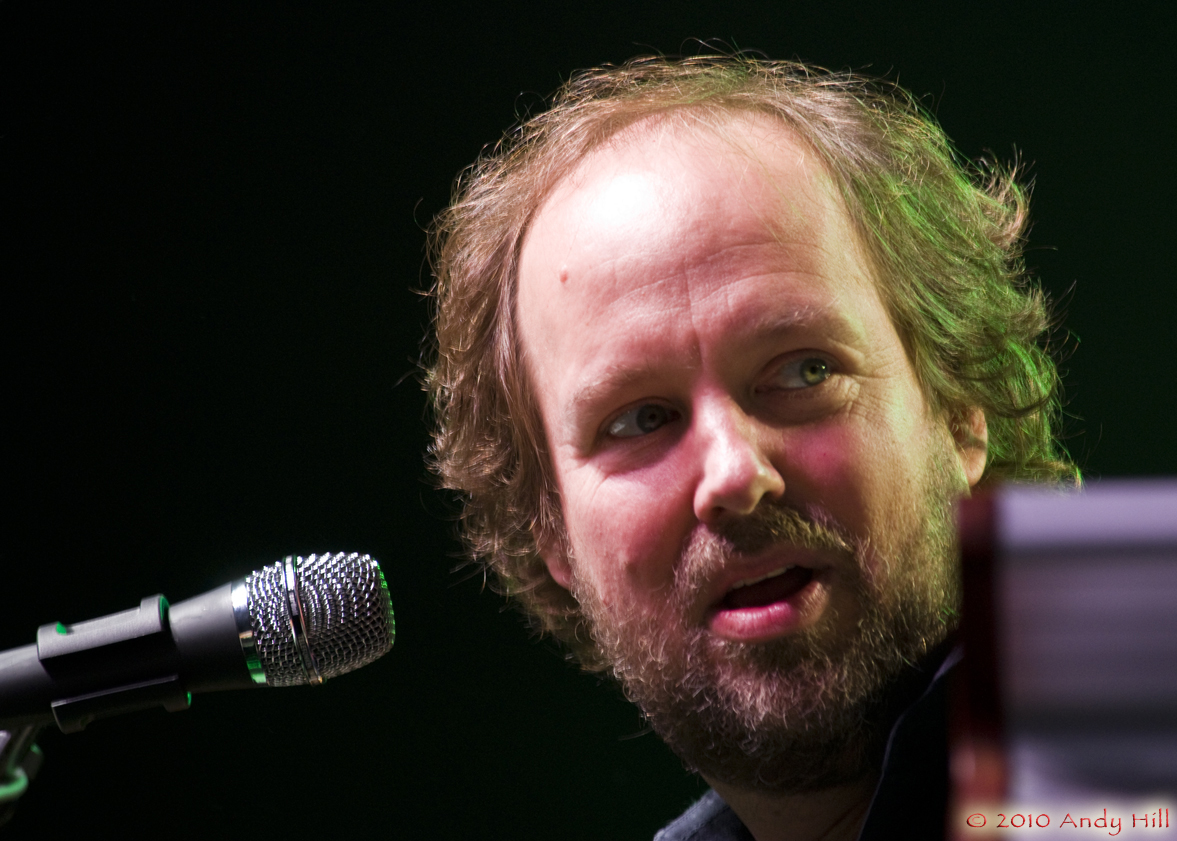
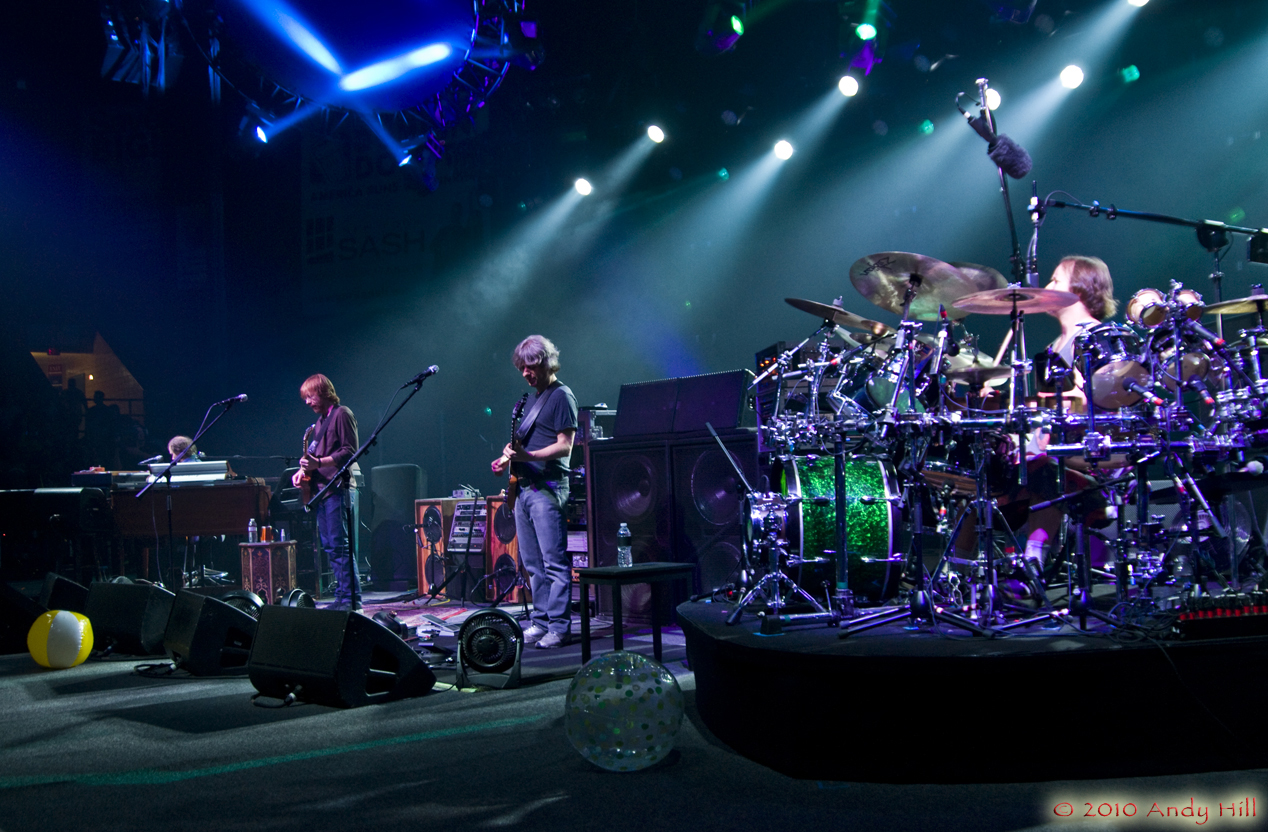
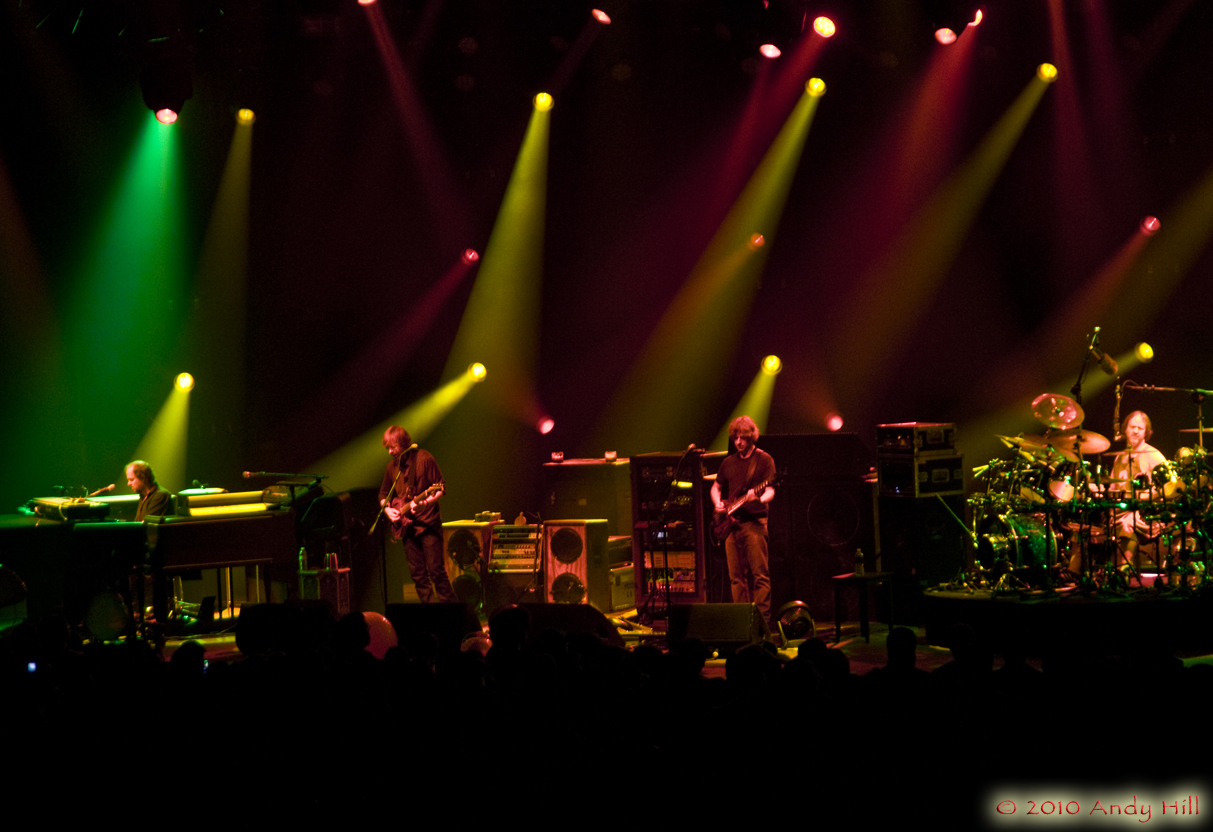
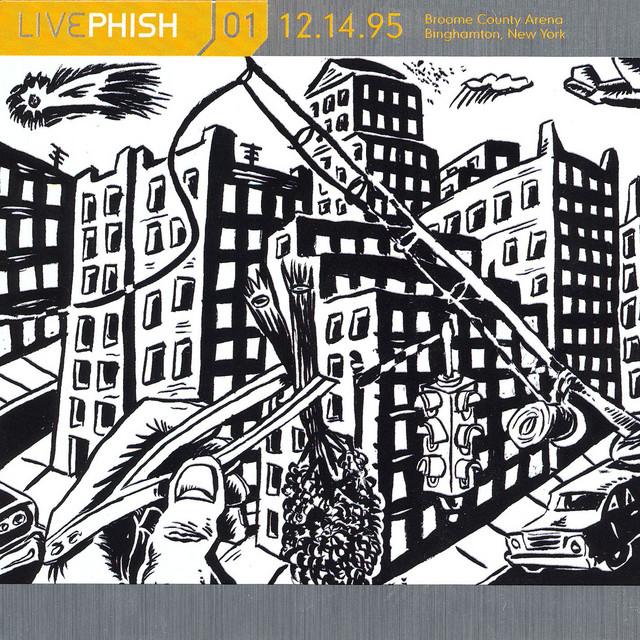
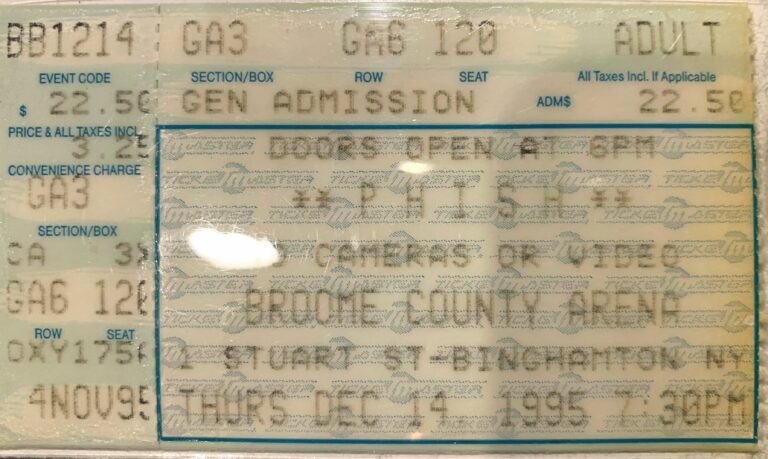
    It’s somewhat surprising that during the storied touring career of Phish, they’ve only played five shows in the City of Binghamton. The last one of these took place 26 years ago today, on December 14, during a time that’s now looked back upon in deep reverence. December of 1995 was one of the band’s most formative and successful eras. In fact, tonight’s show at the Broome County Veterans Memorial Arena was deemed worthy enough of being the first official live release from Phish’s extensive live catalog. With a couple of classic song selections and some jams that are truly definitive of the band’s ascent, it’s not hard to see why.

    “Suzy Greenberg” starts off the show before a lively Binghamton crowd in grand fashion. Baby grand, that is, as Page McConnell takes a couple of spirited piano solos to the delight of all during this old school Phish favorite. The “Llama” that immediately follows sees him deftly shift over to the organ early on for a few more harrowing runs. Trey then quickly assumes command on guitar and leads throughout the rest of the way on the A Picture of Nectar classic that’s executed to perfection.
    Phish Binghamton

    This opening pairing is followed with another in the “Horn” > “Foam” sequence that comes next. “Horn” is played with no frills. But the “Foam” provides the first real chance for the band to stretch out a little, thanks to some exploratory solos from McConnell and Anastasio that do just that. These lead to a short but ever so powerful jam that culminates in a beautifully sustained guitar note atop the classic relentless rhythm of Mike Gordon on bass.

    “Makisupa Policeman” then produces one of the all-time most bizarre “keywords” from Trey, a reference about smoking a joint with Khaddafi in bed.

    While the “Policeman” doesn’t really do much, the “Split Open and Melt” that proceeds it certainly does. Jon Fishman pops right away on this one, delivering the signature opening drum beat, and doesn’t let go. He nails the song’s odd time signature and lays the groundwork for a pulsating, driving jam that eventually shifts into Type II territory before re-entry. It’s the first real extended jam between all four musicians and a sign of things to come.

    “Tela” then takes everyone on a quick excursion to Gamehendge, with McConnell handling the lead vocals and Anastasio providing the fiery guitar finish as usual. “Taste That Surrounds” provides a glimpse into the evolution of a Phish song. Now simply known as “Taste,” this is a primitive version that would be one of the last ones ever played before being further modified. Its song history provides full details.

    After a move by “Dan from Binghamton” in the ongoing “Band vs. Audience” chess match featured that tour, Phish’s second set begins. “The Curtain” is a more than apt opener that displays the technical wizardry and seamless cohesion that are staples of December ’95. Without even pausing for a moment, “Tweezer” starts up as soon “The Curtain” goes down. This serves as the meat of the second set, and the show really, with a jam that patiently builds and includes a distinct “Slipknot!” tease.

    Before it can fully bloom, though, Trey suddenly begins strumming an entirely different melody altogether and redirects the rest of the band through “Timber.” This is cast aside fairly quickly. Not long after the final “Timber” lyric, the “Tweezer” jam reemerges and Phish jumps back on it in a seamless merge through musical traffic.

    Fishman drives the tempo to a near-insane pace at one point which, when combined with Trey’s wailing guitar sound effects, give this one a true feeling of a train about the run off the tracks. As “Tweezer” comes to a surprisingly gentle landing, “Keyboard Army” emerges. This 1995-era special features all four band members on a different instrument at McConnell’s keyboard rig. Until it was recently dusted off at Dick’s in 2015, tonight’s performance in Binghamton was the final one played.
    Phish Binghamton

    “Halley’s Comet” begins the landing sequence for tonight’s show and features a sneakily impressive jam that revolves around an infectious Anastasio-created melody. Phish collectively toys with the tempo, once again ramping it up to extreme levels and stretching the first ever jammed out “Comet” to almost twelve minutes. A rare, late-show “NICU” then emerges from the ska-like outro jam and, with it, another mesmerizing improv-heavy jam on the tail end that takes it from a standard to a stellar version.

    “Slave To The Traffic Light” serves as a proper close to a set full of both patient improvisation and hard rock. And, after noticing a request for it displayed on a fan’s sign, Trey notes it’s “one they want to play” and leads the band through a show-closing take of Jimi Hendrix’s “Bold As Love.” Phish left it all out on the table this evening in, remarkably, their final Binghamton show to date.

    Phish Broome County Veterans Memorial Arena – Binghamton, NY 12/14/95

    Set 1: Suzy Greenberg > Llama, Horn > Foam, Makisupa Policeman > Split Open And Melt, Tela, Taste That Surrounds, My Sweet One, Frankenstein

    Set 2: The Curtain > Tweezer -> Timber (Jerry the Mule) -> Tweezer -> Keyboard Army, Halley’s Comet -> NICU -> Slave To The Traffic Light

    Encore: Bold As Love Phish Binghamton

  • The Grateful Dead Take A Step Back To Rochester: November 21, 1978

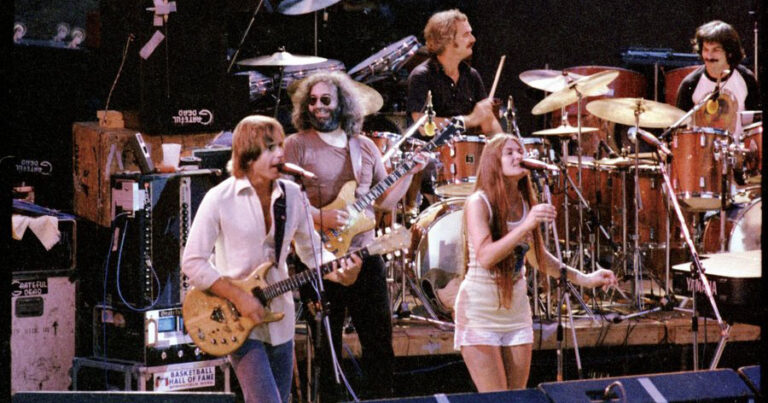
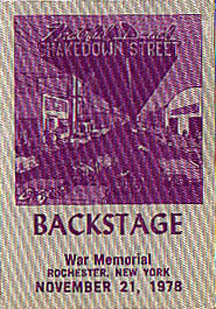
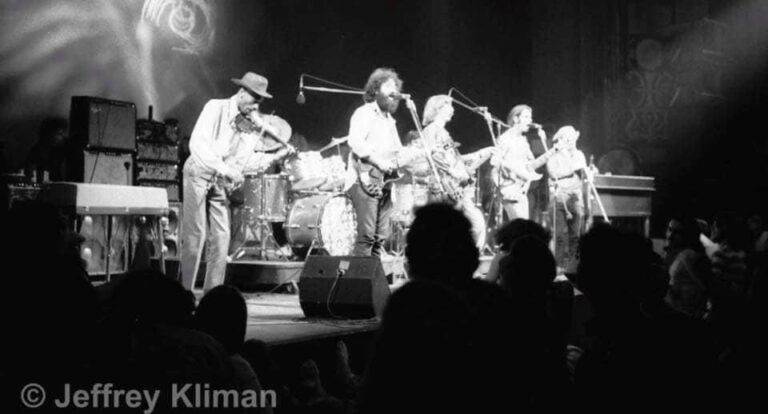
    Western New York has always provided safe haven for the Grateful Dead and among their more popular stops in the region is Rochester, specifically the War Memorial. The band would play 15 known gigs in the Flower City during their historic touring career. Ten of them would be in this building. Unfortunately, the later part of this 1978 tour had to be cut short due to an ailing Jerry Garcia. But there were certainly heaters to be had before then, this show among them.

    After an opening roar of electric guitars, the show begins in earnest with “Promised Land,” a popular Chuck Berry cover. Keith Godchaux plays some inspired keys on this one behind the guitar play and makes his presence felt early. Afterwards comes the first of three “Take A Step Back” announcements from Bob Weir, looking out for the “bug-eyed” folks in the front row. Once that’s accomplished, the instrumental into of “They Love Each Other” kicks in with Jerry Garcia manning the vocals. Unfortunately, some feedback issues mar this one a little bit early on. It’s salvaged though with a delightful Garcia solo and the continued strong play of Godchaux on keys.

    Following an extended tuning break, the band bursts into “Cassidy,” with Donna Jean Godchaux now added to the vocal mix. It’s is a tidy yet superb version with the whole band in full synchronicity. This lays the foundation that’s topped with another poignant Garcia solo.

    Grateful Dead Rochester

    Choosing not to run with this momentum, another tuning break follows which seems to fuel the rabid audience even further. Out of this, “Dire Wolf” rears its head. Garcia’s vocals seem to improve a little on this one from earlier in the show before he infuses it with his traditional guitar licks.

    Then comes round two of “Take A Step Back.” This time Weir’s pleas for the people on the floor to move back as much as they can is accompanied by a spattering of “Finiculi Finicula” from the band. Afterwards, Weir stays on the mic for lead vocals and leads the band through their Western classic, “Me And My Uncle.” They waste literally no time at its conclusion before launching into a raging “Big River,” thanks to an ultra-seamless transition they’ve perfected for these songs.

    Things then slow down a bit with the relaxed pace of the “Row Jimmy” that follows. Jerry and Donna Jean’s vocals eventually merge nicely in this delicate yet fairly straight forward version. Afterwards, it’s Weir’s turn once again as he leads the Dead through “New Minglewood Blues.” Believe it or not, the five-show gap between its last performance was actually a fairly large one for this first set standard. Another opening set regular, “Loser,” follows before one last notable segue closes things out. A raucous “Jack Straw” that’s fueled by some blistering Garcia-supplied guitar licks towards the end. Before the last “wine” is even finished being sung, “Deal” starts up instantly. This concludes a first set that’s fairly standard in terms of song selection, but executed to near perfection.

    Grateful Dead Rochester

    The second set begins with one last plea from Weir to everyone on the floor to move back as much as possible. Then the Dead are off and running with “Bertha.” This longtime first set staple had now shifted to a regular spot in the second one in 1978. Starting with this tour and well into 1979, it was featured in the second set each time. And it was followed every time by a cover of The Rascals’ “Good Lovin’.” Tonight would be no different. While it may not have the same cachet as other traditional song pairings, “Bertha” > “Good Lovin’” was a verified couple from the middle of 1977 until late 1979, appearing next to each other every time played.

    Jerry Garcia then leads the group through “Stagger Lee,” a cover of a traditional folk song about the murder of Billy Lyons by “Stag” Lee Shelton in 1985. Lloyd Price would later find fame with it thanks to his 1959 recording that topped the charts. After this rather atypical beginning to the second set, things begin to take a more familiar turn. “Estimated Prophet” sees Weir’s wailing vocals paired with Donna Jean’s harmonies that give it a nice touch. But the highlight is the tail end that sees Garcia gradually escalate a mesmerizing sequence through his guitar’s signature tone for this song. Bassist Phil Lesh is also heavily involved as the jam progresses.
    Then, somewhat suddenly, Garcia pivots and begins strumming the opening rhythms to “Eyes Of The World.” This version is vintage 1978, with Garcia again taking lead and navigating the rest of the band through this beautifully crisp and funky rendition.

    Grateful Dead Rochester

    As the “Eyes” jam slowly peters out, The Rhythm Devils then take things over. Drummers Bill Kreutzmann and Mickey Hart get their moment in the sun with an all out 10-minute percussive assault in the traditional “Drums” section. The ecstatic War Memorial crowd and their approval can be heard loudly throughout.

    After a brief “Space” section, the beginning of “Not Fade Away” starts in almost comical fashion with Garcia coming in extremely late on the beginning vocal section. It gets cleaned up nicely though and eventually stretches out into a full-fledged jam that melodiously stretches well past the ten-minute mark. Weir’s frenetic rhythm guitar play back Garcia wonderfully before the jam devolves into a slower pace and “Black Peter” appears. This, too, extends nicely with a patient and deliberate pace that’s peppered with more brilliant Garcia guitar fills.

    The show maintains its vague theme of some odd song placements with a “Truckin’” that closes out the second set. The Rochester crowd once again noticeably voices their approval after the “New York’s got the ways and means” line as well as the nod to Buffalo.

    In true Chuck Berry “bookending” fashion, the show ends with another cover of his, a quick romp through “Johnny B. Goode.” This puts the finishing touches on the fourth of ten overall shows the Grateful Dead played at the Rochester War Memorial.

    Grateful Dead – War Memorial, Rochester, NY 11/21/78

    I: Promised Land, They Love Each Other, Cassidy, Dire Wolf, Me & My Uncle> Big River, Row Jimmy, Minglewood Blues, Loser, Jack Straw, Deal
    II: Bertha> Good Lovin’, Stagger Lee, Estimated Prophet> Eyes Of The World> Drums> Space> Not Fade Away> Black Peter> Truckin’
    E: Johnny B. Goode

    Grateful Dead Rochester

  • Grateful Dead & Friends Surprise Bill Graham’s Fillmore East: 11/16/70

    One of the better Grateful Dead shows at the Fillmore East was aided by its surprise attack. Allegedly, two nights before at the same venue, Grace Slick, on behalf of Bill Graham, announced an impromptu “pop-up” show with Jefferson Airplane and the Dead at the same venue that would take place just days later. Since Slick was still pregnant at the time, Jefferson Airplane wound up being replaced as the opener by Hot Tuna. The New Riders of the Purple Sage played an opening set as well as was customary for this tour.

    There’s also some previous controversy surrounding this show. For years, it’s been misidentified as an 11/23/70 show at the Anderson Theater in New York City. After a Bill Graham introduction, the band is off and running immediately with a “Casey Jones” that ably motors down the tracks. Next, Bob Weir leads them through the traditional first set stalwart of “Me and My Uncle.”

    Oddly, the house PA seems to cut in after this with a recording of Elton John’s take on “Honkey Tonk Women.” This leads into a a cut version “Friend of the Devil.” Despite this lapse, Garcia’s vocals sound pristine in the recording and the band is on point. Then, after essentially a “no huddle” transition, a short yet crisp version of “Cold Rain and Snow” takes place. Afterwards, Pigpen finally gets to take lead for a while as he leads the Dead through a cover of Slim Harpo’s blue standard “I’m A King Bee.” The opening harmonica solo and later interludes between that and guitar solos stretch this one out into a healthy, bluesy jam.

    Grateful Dead Fillmore East

    Another classic first set pairing ensues with “China Cat Sunflower,” eventually joined by its traditional partner, “I Know You Rider.” A seemingly quick transition jam later sees the band in full vocal harmony on this spirited take of yet another classic blues cover.

    At this point, a special guest joins them on stage in the form of Traffic’s Steve Winwood. The blues sentiment that had been previously established seems to carry right over to the cover of Otis Redding’s “Hard To Handle” that follows. Once again, Pigpen lends his signature vocal prowess to this classic Dead cover. Winwood’s backing on Pigpen’s Hammond organ is immediately felt and can be heard throughout. This one gets into a serious jam with Pigpen taking a backseat and Winwood soloing on top of the groove. Then came the relatively new “Big Railroad Blues,” yet another cover, written by Noah Lewis of Cannon’s Jug Stompers that dates all the way back to 1928.

    Right after, the heavily percussive intro of “Not Fade Away” begins with. Chris Wood and Jim Capaldi of Traffic join the band on a half-hearted attempt at the vocals. This eventually evolves into a deep, drum-led jam. More splendid Winwood outbursts later lead into “Goin’ Down The Road Feelin’ Bad” with Garcia and Weir reassuming command. Surprisingly, at its conclusion, this shifts right back into one more quick take of “Not Fade Away,” albeit this time with Weir confidently taking the lead on vocals.

    Grateful Dead Fillmore East

    After more than three minutes of a break between songs, Weir once again takes lead on the “Mama Tried” that follows. This is followed by one of the better two-song sequences of the evening. The relatively fresh “Truckin’,” debuted only months earlier at the Fillmore West, follows. Hot Tuna’s Will Scarlet adds a touch of harmonica to this one. Another percussive laden jam follows that seamlessly steers itself into a mesmerizing version of “The Other One.”

    The jam that ensues gets spacey midway through before settling back into its normal progression. This is followed with the unofficial encore of “Uncle John’s Band” with more early harmonica fills from Will Scarlet – a near acoustic version until the drums kick in. It’s still fairly new song at this time, but this version is flawless as it continues to build its reputation. This put the cap on the Dead’s “surprise” Fillmore East gig.

  • Grateful Dead and the New Riders at The Capitol Theater, November 8, 1970

    If the Grateful Dead had an East Coast base outside of New York City, odds are it would be at The Capitol Theater in Port Chester. By November of 1970, the Dead had already done two previous runs at The Cap earlier in the year. This would be the third one and the show they would play here this year. This would be no typical show though. Tonight, they would be joined by fellow West Coast troubadours the New Riders of the Purple Sage. Along with a full acoustic opening set, the last Capitol Theater show of the year certainly leaves a mark.

    A knowledgeable crowd greets the show opening “Dire Wolf” with approval. The second verse seems to trip Garcia up a little but he makes up for it with a bit of an extended instrumental bridge. A true acoustic and relaxed version of “I Know You Rider” follows. This one is played on its own, with no “China Cat Sunflower” lead in, and at about half its typical speed, if not slower. Garcia takes the helm on vocals and leads the rest of the band through a really interesting take on this Dead staple that has the audience clapping along in time at parts.

    Grateful Dead Capitol Theater

    Bob Weir then takes the lead on vocals and leads the group through the relatively new-at-the-time “Dark Hollow,” which debuted earlier in the year at New York City’s Fillmore East. After some bizarre group banter about Godzilla, it’s Garcia’s turn once again for “Rosalie McFall.” This was another new number at the time, also debuted only months earlier at the Fillmore East. The band does their best to steer around some feedback issues for this little bluegrass jaunt that’s ideal for an acoustic set.

    The (new) hits keep coming, courtesy of Weir-led “El Paso,” only the seventh one ever. Performances number five and six took place the prior two evenings at The Capitol Theater. Afterwards, Pigpen finally gets a chance to lead and sings the last ever performance of the American Beauty gem “Operator.” Short harp solo – short time left with band? Another Beauty cut, “Ripple,” follows this, with the audience instantly engaged. And it would be a Beauty trilogy with the acoustic “Friend of the Devil” that followed. It certainly made sense from a promotional standpoint. The seminal Grateful Dead album was released exactly one week ago. It would later peak at No. 30 on Billboard’s Pop Albums chart.

    A boisterous cover of The Everly Brothers’ “Wake Up Little Susie” then follows, with even more additional audience “percussion.” It’s the last time the Dead would ever play this one in a live setting. The opening acoustic set then comes to a close with another Dead classic that was still a relatively new song at the time, “Uncle John’s Band.” This officially has the Capitol Theater crown whipped up into a frenzy before Garcia mentions they’ll be back shortly with the New Riders.

    For the second set, the New Riders of the Purple Sage delivered their unique brand of acid-washed country and rock tunes. At this point in time, Garcia and Mickey Hart are still involved in the band along with its co-founders David Nelson and John “Marmaduke” Dawson. Jerry plays the pedal steel guitar throughout and adds some beautiful interludes on “All I Ever Wanted.” “Fair Chance To Know” also has a “Teach The Children Well” feel to it, likely due to the aforementioned pedal steel and the same man playing it on each. “Cecilia,” though not the Simon & Garfunkel cover, features some legitimate yodeling. But the set does end with a cover, a rollicking take on The Rolling Stones’ “Honkey Tonk Women.” It’s a lively set that adds a totally different dimension to a Grateful Dead show and certainly worth a listen.

    Grateful Dead Capitol Theater

    Afterwards, the Dead come out swinging with a “Morning Dew” third set opener. They slowly glide through the composed section to an appreciative Cap crowd with Garcia’s dynamic vocals seeing it through. It’s a wonderfully patient and patiently evolving “Dew.” After things settled dow a bit, Weir takes over for a run through of “Me and My Uncle.”

    This is followed by the one and only live performance of “Mystery Train” with Garcia on vocals, resembling a NRPS song in nature. Then it’s right back to an early cover of Chuck Berry’s “Around and Around,” the first time the Dead would play this longtime crowd pleaser. More rarities would ensue with “New Orleans,” only the second of four ever played. Still led by Weir on vocals, this ambles into “Searchin’,” the first of the only two ever played, with Pigpen reassuming vocal lead duties.

    A Bob Dylan cover on the back end of this elicits yet another positive crowd reaction and the Northern California troubadours are off and running again with “It’s All Over Now, Baby Blue,” with Garcia, once again, re-establishing lead vocal duties. Dylan covers were certainly no stranger to the band at this point. But this would be the last “Baby Blue” performed in nearly 20 years.

    “Casey Jones” with yet another Cap Theater clap-a-long follows, another song tested earlier the last few nights. Speaking of “new” songs, the Dead would then roll out a song that would soon become synonymous with second sets, “Truckin’.” This Dead staple had only been debuted a few months earlier at the Fillmore West in San Francisco. This was another one the band decdided to “test run” the previous few nights at The Cap. It’s safe to say, by Sunday, they had this instant classic worked out.

    Grateful Dead Capitol Theater

    The instant the fledgling “Truckin’” comes to a close, the longtime Dead classic “Dark Star” wastes no time in starting up. It would also return at their next show at the fabled Port Chester venue, 2/18/71. This one gets way dark and spooky, rewarding the folks that have stuck around for this long for some visual and aural trickery.

    “The Main Ten,” is an incredible look at an instrumental version of the early renderings of a Grateful Dead classic. It’s a primordial and slower version of “Playin’ In The Band” before it ever came to fruition. This would be the last ever “beta” version of it before it would fully bloom into the first official PITB ever at this very same venue slightly more than three months later in February of 1971.

    Amazingly, this seems to trigger a particularly early closing sequence. An early drums fakeout segues into “Not Fade Away” and the Port Chester crowd is alive. After some impressive interplay, the jam soon lends itself to NFA’s running mate, “Goin’ Down The Road Feelin’ Bad,” another new song at the time that was just starting to develop as a show closer. Eventually, this steers itself back into “Not Fade Away,” and a close to this thunderous late second set sequence.

    One last abbreviated “Drums” sequence leads to the last song and de facto closer this evening, a rendition of The Rascals’ “Good Lovin’” that sees Pigpen get one last chance to lead an ecstatic Capitol Theater crowd through one last cover. Another “Drums” sequence serves as one last percussive explosion before “Good Lovin’” eventually rounds back into form, capping off the last Grateful Dead show in Port Chester for 1971.

    Grateful Dead w/ New Riders of the Purple Sage Capitol Theater – Port Chester, NY 11/8/70

    Set 1: Dire Wolf, I Know You Rider, Dark Hollow, Rosalie McFall, El Paso, Operator, Ripple, Friend Of The Devil, Wake Up Little Susie, Uncle John’s Band

    Set 2: Six Days On The Road, Superman, Whatcha Gonna Do, Glendale Train, All I Ever Wanted, Fair Chance To Know, Portland Woman, Cecilia, Truck Drivin’ Man, Last Lonely Eagle, Louisiana Lady, Honky Tonk Women

    Set 3: Morning Dew, Me And My Uncle, Mystery Train > My Babe, Around And Around, New Orleans > Searchin’, It’s All Over Now, Baby Blue, Casey Jones, Truckin’ > Dark Star > Dancing In The Street, Drums > Not Fade Away > Goin’ Down The Road Feelin’ Bad > Not Fade Away > Drums > Good Lovin’ > Drums > Good Lovin’

  • Trey Anastasio Resurrects His ‘Ghosts of the Forest’ On Fifth Night of Beacon Jams

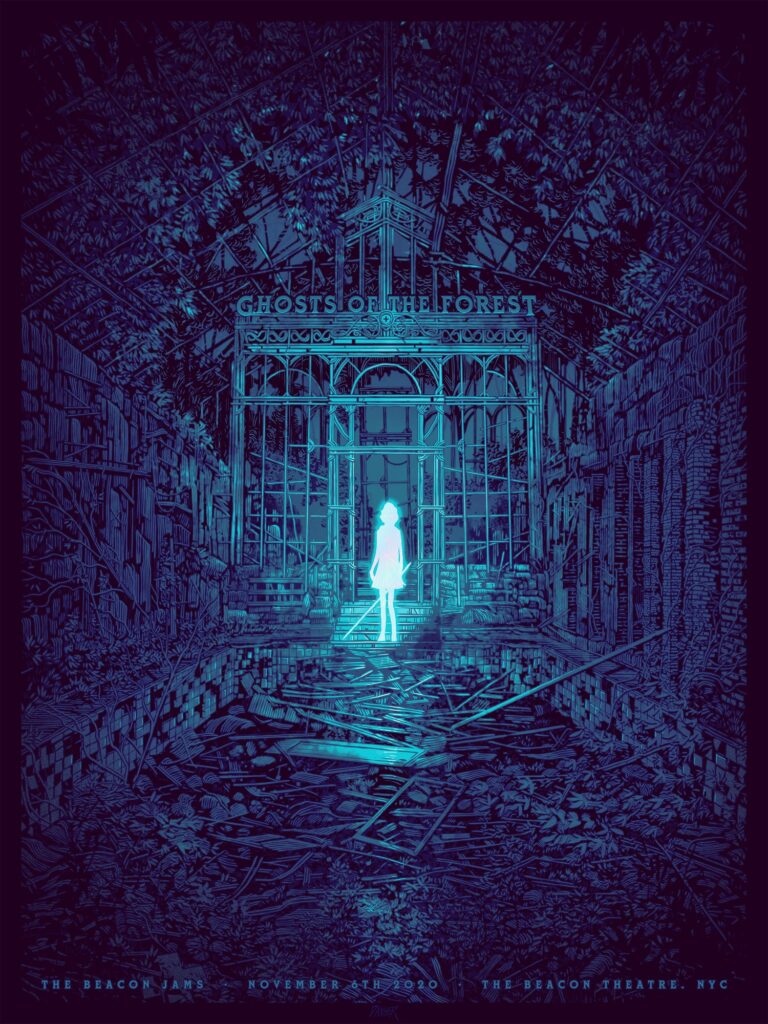
    The fifth performance of Trey Anastasio‘s eight-week residency at New York City’s Beacon Theatre took the exact form of one of his many recent side projects. From the opening zoom to the stage that soon showed backup singers and a different looking drummer, it was clear early on that tonight would finally be a variation of the core lineup from the first four weeks of The Beacon Jams. Tonight, Trey took his Ghosts of the Forest side project out for its first run in well over a year. If there was any rust on it, it was minimal.

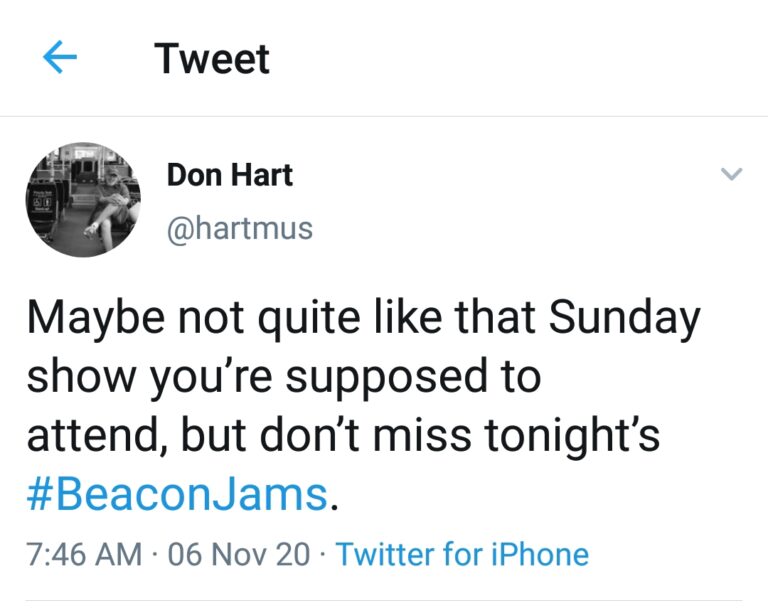
    Expectations for this evening started getting a little hyped up early on Friday, thanks to a nondescript Twitter post from Don Hart, Trey’s longtime orchestral and arrangement collaborator. A warning shot like this will rarely go unnoticed within the Phish community.

    Ghosts of the Forest

    Immediately, hopes ran high with some sort of orchestral configuration of a Phish song or multiple songs. Perhaps an updated version of “Times Turns Elastic” or an elaborate run through of “You Enjoy Myself”? Apparently, per Trey, Mr. Hart was was still composing arrangements for this evening right up until 20 minutes before showtime, so anything was fair game.

    Instead of traditional Phish canon, tonight’s orchestration was directed to one of the more recent Anastasio solo efforts, his Ghosts of the Forest album that was performed a handful of times in early 2019. It’s a complete album with more than 20 songs in all, written by Anastasio in the emotional wake stemming from the death of one his longtime friends, Chris Cottrell.

    Ghosts of the Forest

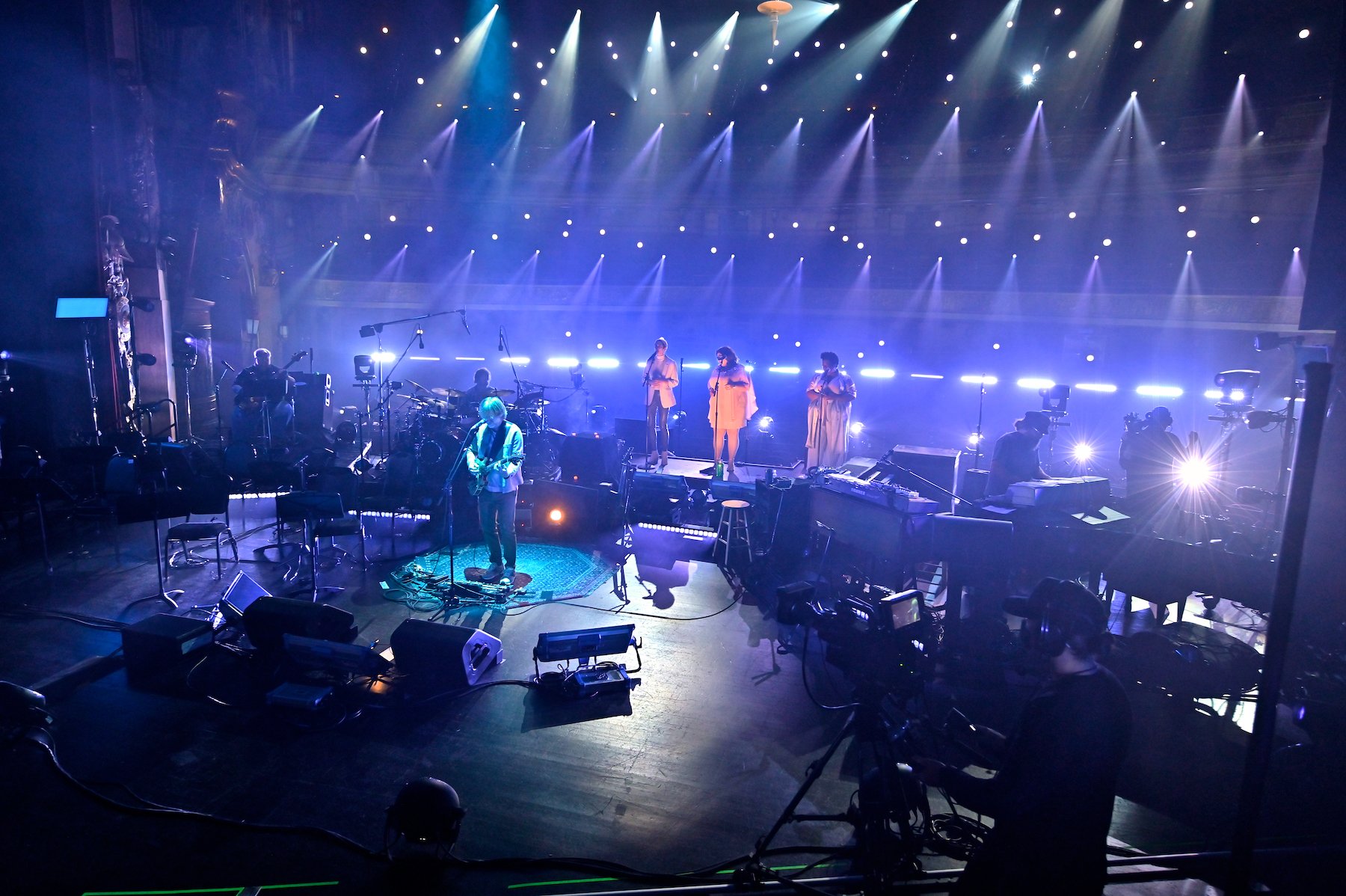
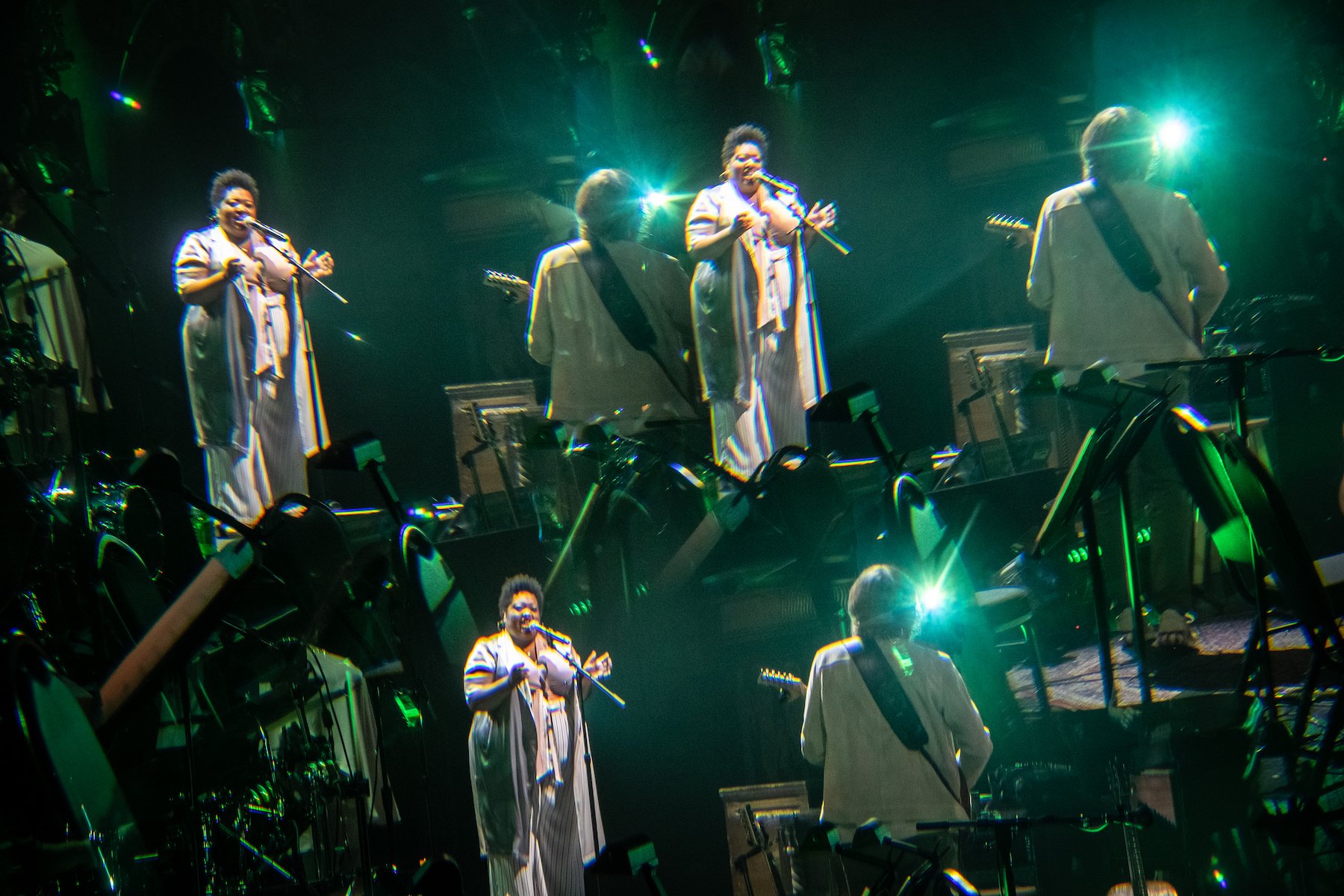
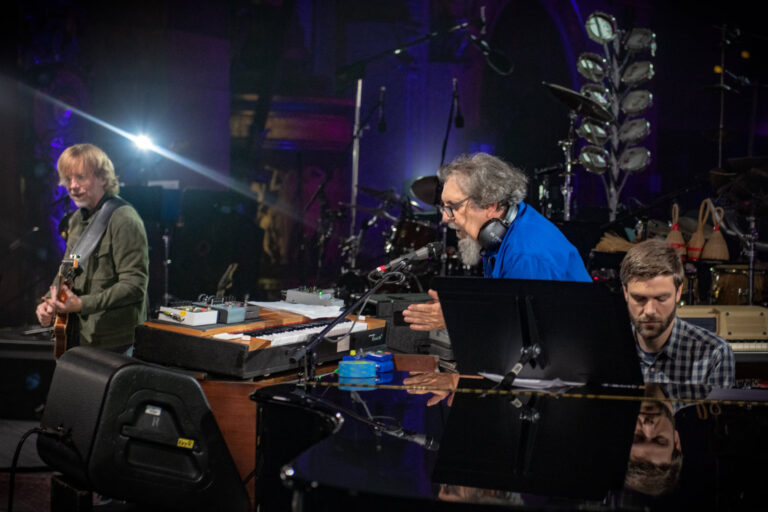
    The opening zoom in to the stage immediately revealed a different lineup tonight. There were three backup singers visibly present: Celisse Henderson and Jennifer Hartswick, both from the original GOTF format, as well as “newcomer” Jo Lampert. The other distinct difference was a scruffy-haired Jon Fishman behind the drum kit this evening instead of Russ Lawton who manned it the first four nights. Together, with other Beacon Jam mainstays like Tony Markelis on bass and Ray Paczkowski on keys, this completed tonight’s GOTF ensemble.

    With the “new” Ghosts of the Forest lineup established, they wasted no time in going into the outfit’s namesake song. Even though this was only the band and camera crew onstage, the fog and echo effects that accompanied this one were crowd-ready. “Drift While You’re Sleeping” followed, with the backup singers directing the the bulk of the vocal effects this time. Another sophisticated reverb effect introduced the reggae-ish breakdown sequence and it was clear early on nothing was being held back production-wise.

    After this impressive opening sequence, Trey took the time for a quick round of band introductions, including one for Fishman, aka “some guy he picked up hitchhiking,” as well as new backup singer Jo Lampert. Trey made sure to remind folks that Lampert not only served as a clone in Phish’s New Year’s show at MSG last year, but also as one of the backup singers for their Ziggy Stardust musical costume from Halloween 2016. So she was certainly no stranger.

    It wouldn’t be a “Beacon Jam” without some sort of spatchcock reference and that’s exactly what led into into the next GOTF song, “Friend.” Instead of the traditional four-piece Rescue Squad Strings that had accompanied Trey the previous weeks, this one would be “spatchcocked” into a fuller and doubly richer eight-piece ensemble Trey’s lead solo sounded even richer with the backing of the additional strings on this one.

    ghosts of the forest
    photo by Jake Silco

    After a quick shoutout to the Phish Chicks Facebook group, the backup signers returned and then it was right into “Sightless Escape,” complete with a “No Men In No Man’s Land” tease and a monstrous vocal breakdown from Celisse at the end. Afterwards, Anastasio honestly confided they were “having too much fun” tonight. “Halfway Home” featured a slowly building and ascending jam topped off with another Trey solo and sterling backup vocal harmony. After this, it was a quick switch to the acoustic guitar for “If Again” which sounds like it could be the uptempo cousin of “The Inlaw Josie Wales.”

    Trey then took the time to give personal introductions to all eight members of tonight’s Rescue Squad Strings, including one whose friend formerly dated Jon Fishman. The strings added a wonderfully delicate touch to “In Long Lines” as well as “There’s A Path Above.” Afterwards, Trey thanked and mentioned Don Hart’s involvement, confirming arrangements were being completed right up to the last minute. Naturally, this somehow digressed to another spatchcock reference that ended with Trey telling Fish he plays a song quite regularly about this, “Split Open and Melt.” This led into one of the few GOTF numbers that’s seeped into the Phish repertoire, an electric “About To Run” with no strings or singes, just another ferocious Anastasio solo, capped off with an election and a “running for office” pun.

    “The Green Truth” saw the backup singers return in a big way as they seemed to dominate the tail end of this one. “Beneath a Sea of Stars Parts 1 & 2” followed and featured a nice, drawn out opening sequence with Fishman taking lead on drums for a while. “The lights are flashing” line seemed to nod to the simple yet highly effective combination of flashing house lights and the minimal light rig used onstage. The Rescue Squad Strings then re-entered before “Mint Siren Dream.” This delicate little number saw Trey in full crooner mode, using only the microphone to sing while being supported by the strings and timely fills from Ray on keys.

    “Stumble Into Flight” featured more lively play from Paczkowski, that meshed with a distinct echo effect from Trey and powerful backing vocals to produce a notable jam that contained a “Pigtail” quote at one point. Immediately afterwards, with no hesitation, “Ruby Waves” started up, giving this two-song section of the evening a distinct Phish taste. Although no Alpine Valley version, this “Ruby Wavs” got plenty deep and developed another intriguing jam that grew organically, sounding by far the closest to anything purely Phish from “The Beacon James” so far, including the still impressive lighting display.

    Ghosts of the Forest trey anastasio palace theatre albany

    The strings ambled back on stage for “Shadows Thrown By Fire,” a brief instrumental number with the backup singers adding airy vocals atop. “Wider” was another highlight of the evening, with heavy bass play from Markelis early on bass and a catchy “Gonna get wider when I die” lyric. More strong play on the clav and organ from Ray added to a bit of an extended jam.

    Trey then gave the chat room one more nod, and noted that up to $400K in donations have been made to date towards The Divided Sky Fund. This elicited more heartfelt thanks with Anastasio advising a site for the proposed rehabilitation house has been found, and it’s on track to open in late 2021.

    ghosts of the forest
    photo by Jake Silco

    The strings returned once more for “Life Beyond The Dream,” an appropriate song to follow talk of a rehab house with its “don’t give up hope” lyrics. As expected, the string ensemble took this song to another level in a dazzling display of orchestration towards the end. “In This Bubble” followed, with its wishful “going home” lyrics and a melody once again driven by the backup singers who were all in great form all night. This immediately transitioned to the end of the “Sea of Stars” suite with “Beneath a Sea of Stars Part 3 (blue)” that was appropriately heavy on all available shades of blue house lights.

    This effectively ended the set. The encore began with another spooky, echoey effect that bled into the beginning of the hauntingly somber “Brief Time,” with Trey again on acoustic. “Pieces of the Machine” with more “Ghosts of the Forest” vocal teases finished things for the evening – a complete performance of Ghosts of the Forest exactly as it had been played in its handful of performances earlier last year. Or, in other words, just another Friday night at The Beacon for Trey.

    ghosts of the forest
    photo by Jake Silco

    Trey Anastasio “Beacon Jams” Beacon Theatre – New York City, NY 11/6/20

    Setlist via Phish.net

    Set: Ghosts of the Forest > Drift While You’re Sleeping, Friend [1], Sightless Escape, Halfway Home > If Again, In Long Lines [1], There’s a Path Above [1], About to Run, The Green Truth, Beneath a Sea of Stars Parts 1 & 2 [1] > Mint Siren Dream [1], Stumble Into Flight > Ruby Waves, Shadows Thrown By Fire [1], Wider, A Life Beyond The Dream [1], In This Bubble > Beneath a Sea of Stars Part 3 (blue)

    Encore: Brief Time [1], Pieces in the Machine

    Notes: [1] With The Rescue Squad Strings : Katie Kresek, Maxim Moston, Phil Payton, and Mary Jo Stilp on violin, Monica Davis and Rachel Golub on viola, and Eleanor Norton and Anja Wood on cello

    All photos by Jake Silco

  • In Memory of Lou Reed, 1942-2013

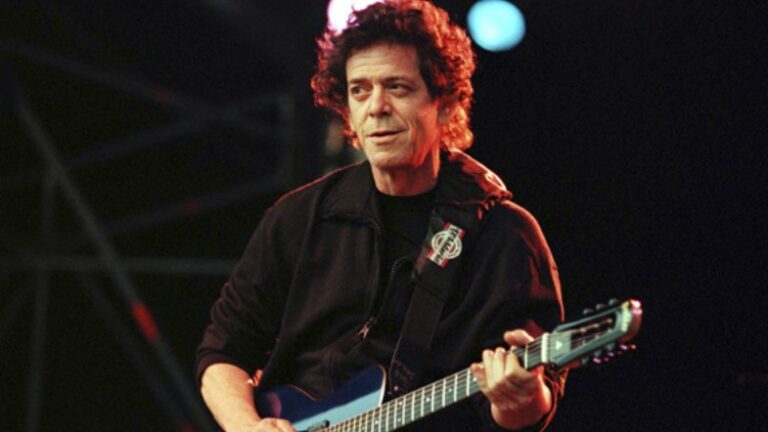
    Today we celebrate the memory of one of New York’s true musical icons, Lou Reed. Seven years ago today, Reed died from liver disease, leaving behind an incredible library of music that’s been so influential to so many artists. His work with the Velvet Underground as well as his solo efforts continue to enthrall people even today, showing just how timeless his music can be.

    Lewis Allan Reed was born on March 2, 1942 in Brooklyn in what is now known as Brookdale Hospital. He spent his youth and formative years growing up in Freeport Long Island in a Jewish household. Lou attended Freeport Junior High School, where his musical career truly began. His doo-wop band The Jades, where he played guitar and contributed backup vocals, was offered studio time for a recording in response to a talent show performance in 1958. This single, “So Blue,” didn’t quite make the charts but it would be Reed’s first ever radio airplay.

    Lou would stay in state to further his education at Syracuse University, studying journalism, creating writing and film directing. However, during his first year there, he was brought back home after allegedly having a mental breakdown of sorts. According to his sister, he was “depressed, anxious, and socially unresponsive” for a while. This ultimately led to his parents consenting to electroconvulsive therapy (ECT) as a treatment option after doctors’ recommendations.

    After treatment and recovery, Reed resumed his studies at Syracuse University, even hosting a radio show on WAER called Excursions on a Wobbly Rail. At Syracuse, he would study under the poet Delmore Schwartz, who would be an early mentor for Reed. It was also here that he would meet Velvet Underground guitarist Sterling Morrison for the first time. Morrison was visiting the older brother of eventual Underground drummer Maureen “Moe” Tucker.

    Lou reed
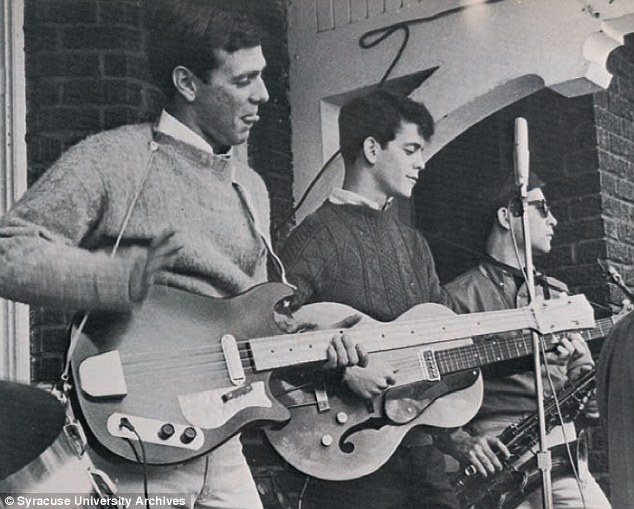
    Lou Reed plays with his band LA and the Eldorados in front of the Sigma Alpha Mu fraternity house at Syracuse University

    After graduating with a B.A. cum laude in English in 1964, Reed moved to New York City where his career would blossom. As an in-house songwriter for Pickwick Records, it was here that he would meet fellow musician John Cale and form a lifelong partnership of sorts. The two lived together on the Lower East Side and would eventually recruit Reed’s college acquaintance Morrison and Cale’s neighbor Angus MacLise who played drums to form the first iteration of The Velvet Underground. MacLise wound up quitting the band right before their first paid gig and was replaced by Tucker.

    Although they never reached commercial stardom or widespread fame at the time, the Velvet Underground would go on to become one of the world’s most influential bands, providing a public image for the bustling New York City underground and alternative rock scene. They would eventually catch the attention of Andy Warhol who would serve as their early manager and quickly instituted them as the house band for his Explosive Plastic Inevitable multimedia events held at his Manhattan studio that was known as the “Factory.”

    It was Warhol who would urge the band to hire the German former model and singer Nico. Their debut release, The Velvet Underground & Nico, would only peak at No. 171 on the US Billboard 200. However, Rolling Stone would much later dub it the “most prophetic rock album ever made.” The overall sound was propelled by Reed and Nico’s deadpan vocals, Cale’s droning viola, bass and keyboards, Reed’s experimental avant-garde guitar, Morrison’s often R&B– or country-influenced guitar, and Tucker’s simple but steady and tribal-sounding beat with sparse use of cymbals.

    Nico and Warhol soon parted ways with the band with the former quitting and the latter fired by Reed, both against Cale’s wishes. The two co-founders were beginning to butt heads musically as well. Cale favored a more experimental, avant-garde style while Reed was trying to steer the band towards a more pop-driven style. It would result in Reed firing Cale from the Velvet Underground and replacing him with Doug Yule who played keyboards and bass guitar. This new version of the band would only record two more albums: The Velvet Underground in 1969 and Loaded in 1970. Shortly before Loaded‘s release, Reed would quit the band and by the end of 1971, the Velvet Underground was a thing of the past.

    Lou reed
    The Velvet Underground

    Reed then set out on his solo career, signing a recording contract with RCA Records. His first release, Lou Reed, contained some unreleased material that never made it onto Loaded and didn’t receive much attention. This didn’t come until 1972’s incredibly successful Transformer release that was co-produced by David Bowie and Mick Ronson. The album’s hit single “Walk on the Wild Side” introduced Reed to a much larger audience and worldwide acclaim. It would peak at No. 16 on the Billboard Hot 100 singles chart, by far his most commercially successful record. Transformer also features other Lou Reed classics like “Perfect Day” and “Satellite of Love.”

    Berlin, his next solo release in 1973, is described as a concept album about two junkies in love in the city. Perhaps uncoincidentally, he also married his first wife Bettye Kronstad this year. Although it appears to be mislabeled as Velvet Underground, check out Lou singing “Berlin” below to a spellbound audience.

    Some of his later solo projects would go in a completely different direction. 1975’s Metal Machine Music is an hour’s worth of modulated feedback and electric guitar effects. It was widely panned by critics and seen, by some, as an effort to get out of his contract with RCA. He would later sign on with Arista Records and his first release for them, Rock and Roll Heart in 1976, features “A Sheltered Life,” a song with roots going back to 1967 and the Velvet Underground era.

    A live album recorded at The Bottom Line in Greenwich Village titled Live: Take No Prisoners also came out this year with Rolling Stone describing it as “one of the funniest live albums ever recorded,” comparing Reed’s monologues with those of Lenny Bruce. Lou was certainly never afraid to speak his mind and reveal his true feelings, a true New Yorker in that sense.

    Throughout the 1980s, Reed would continue to pump out new music and maintain a public persona. He collaborated with guitarists Chuck Hammer and Robert Quine on Growing Up Public (1980) and The Blue Mask (1982), respectively. 1984’s New Sensations even saw Reed back on the charts for the first time in six years. He even played a solo set at the first Farm Aid concert held in Champaign, IL in 1985. The decade would end with another one of his more successful solo efforts, appropriately titled New York, released in 1989. It not only netted him a GRAMMY nomination for best male rock vocal performance, but also served as his public commentary on contemporary issues like AIDS, crime and civil rights.

    The 1990s would feature even more solo releases from Reed as well as a brief Velvet Underground reunion. Andy Warhol’s funeral in 1987 would bring John Cale and Reed together for the first time in decades. It would ignite a new collaboration between the two, 1990’s Song For Drella, a song cycle about Warhol. This eventually led to a brief Velvet Underground with one benefit show in France that year and a brief tour of Europe in 1993 that featured a performance at the Glastonbury Festival. Sadly, plans for a North American tour were scrapped after another disagreement between Cale and Reed.

    In 1996, the Velvet Underground finally entered the Rock and Roll Hall of Fame, with an induction speech given by another musical icon of New York City, Patti Smith. Unfortunately, original guitarist Sterling Morrison passed away the night before the ceremony. Reed, Cale and Smith would later sing “Last Night I Said Goodbye To My Friend” in tribute.

    For the rest of his life, Lou Reed continued to find new ways to express himself and grow as an artist. In 2000, he collaborated with Robert Wilson on POEtry. This would lead to a CD release under the same name years later that featured songs written by Reed and spoken-word performances of reworked and rewritten texts of Edgar Allan Poe by actors, set to electronic music composed by Reed. In October of 2001, the New York Times even published a poem of Lou’s titled “Laurie Sadly Listening” that was written in response to the recent 9/11 attacks. He would also go on to release three books of photographs, the second one released in 2006 was titled Lou Reed’s New York.

    Lou reed

    Reed would also go on to revive his Berlin and Metal Machine Music projects in live settings. He also wound up collaborating with modern day acts like Metallica, Gorillaz and Metric. Unfortunately, health issues caught up to him in 2013 and after a transplant in May, he succumbed to liver disease on October 27. Almost instantly, the outpouring of respect from other musicians began. Bands like Pearl Jam, The Killers, My Morning Jacket and Phish all dedicated either original or cover songs played that evening to the late guitarist’s memory.

    Although he may be gone, Lou Reed’s legacy lives on and then some. He was posthumously inducted into the Rock and Roll Hall of Fame, this time as a solo artist, with another speech from Patti Smith. Lou Reed: A Life, a biography by Anthony DeCurtis was published in 2017. And an archive of his letters and other personal effects was donated to and can be viewed at The New York Public Library for the Performing Arts. More importantly, Lou Reed and his extensive musical catalog and stylings continue to influence and inspire new listeners and will continue to do so for the rest of time. Not too shabby for a kid from the city.

  • GuyUtica: Phish make a Fall Tour stop at the Utica Aud

    October 20, 2010 was Phish’s first performance in Utica, and they made it as memorable as possible. Having never played in “Sin City,” Phish had plenty in store for fans in Utica, amid a Fall 2010 tour that fans flocked to, selling out nearly the entire tour and making tickets for the 5,700 person capacity room the highest in demand of the tour, short of Halloween.

    Phish Utica
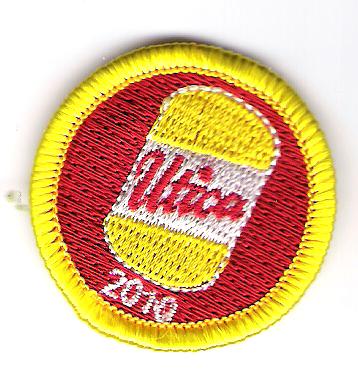
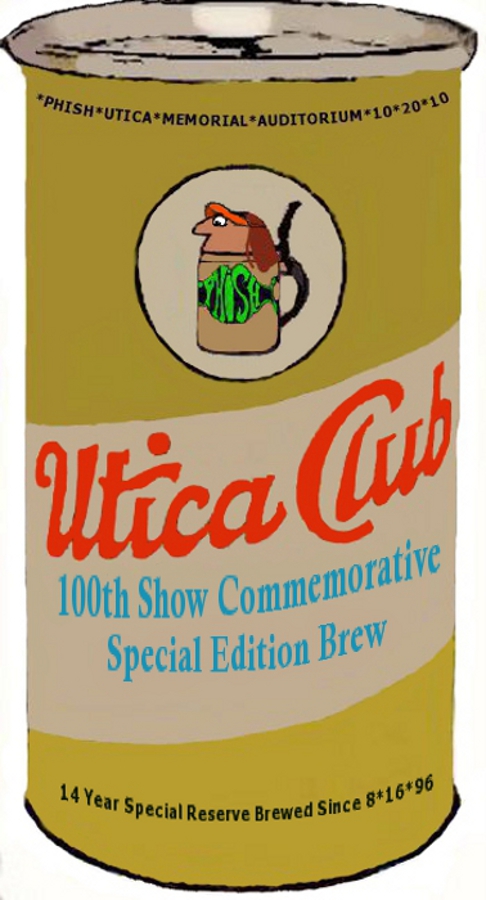
    Fan made badge from Fall Tour 2010 – design by Jiggs

    Phish had never played Utica before, although Trey Anastasio was no stranger, having performed thrice previously, once with Oysterhead in 2001 and twice with Trey Anastasio Band in 2002 and 2005. Returning to the Utica Auditorium, Anastasio blended Phish’s “Guyute” with Utica for “GuyUtica,” which many fans dubbed the unofficial name for the show, and led to a memorable weaving in and out of “Guyute” over the night.

    phish utica
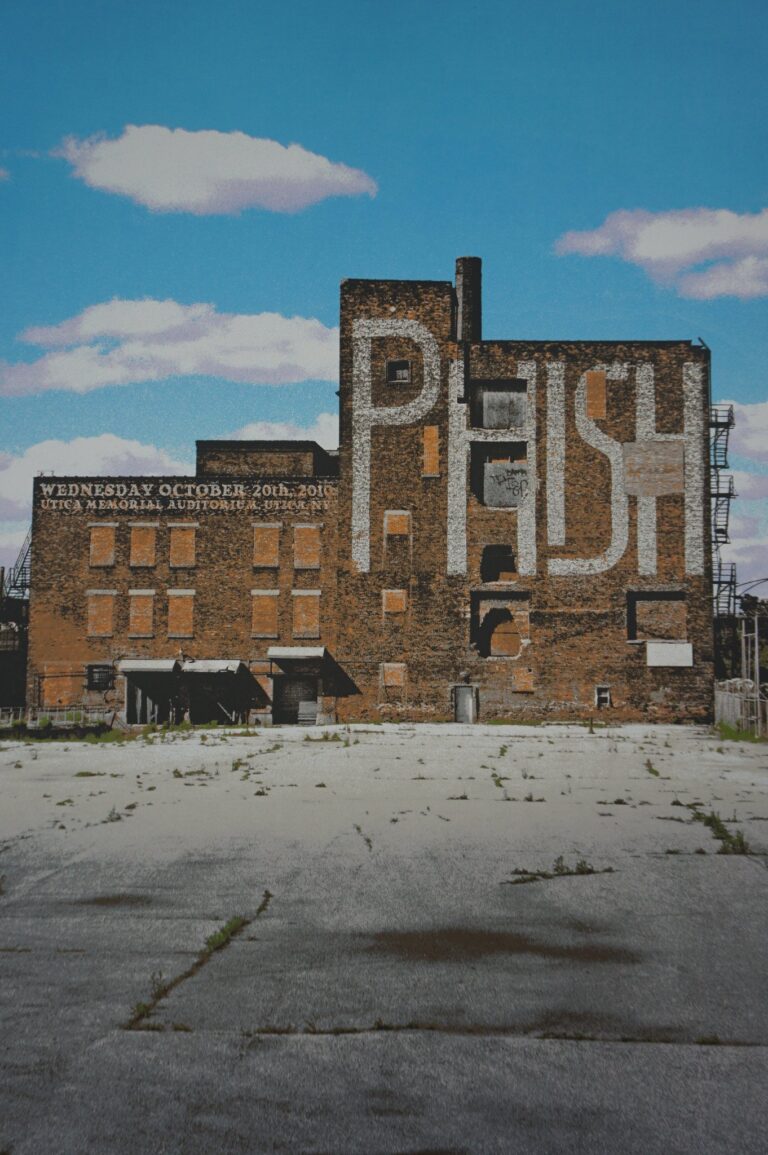
    Official Poster by Crosshair

    If you were hanging outside ahead of the show, you saw an ample Lot scene, with a nice breakdown of the evening here from Coventry Phish. Fans celebrated outside, with Utica native Amy Fischer celebrating her 100th Phish show, and what a show it was. A delectable set that reference “Guyute” all night, thanks in part to fan Jesse Feitel, who rode the rail with a homemade ‘Guy-Utica’ sign that hung on the rail facing the band.

    phish utica

    The energy was alive and palpable in the tiny auditorium this evening, giving it all the feels of an old school show. The band seems to pick up on this right away and launches into “My Soul,” a blues cover that fits nicely in the opening slot. The tone shifts from blues to rock with the “Stealing Time From The Faulty Plan,” still a fairly new tune at the time, that comes next. A typically rousing Trey Anastasio guitar solo puts the finishing touches on this one. Then comes only the second “Vultures” of the year to date, with the additional “potato to the throat” lyric thrown in for good measure.

    Phish Utica

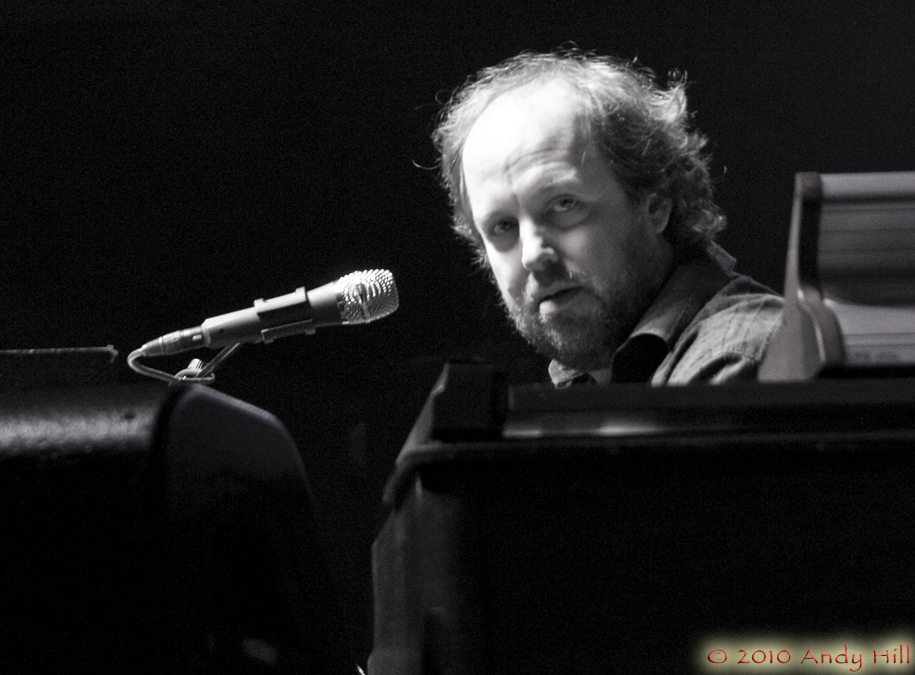
    While “Vultures” does yield a somewhat brief “Type 1” jam, things don’t seem to really stretch out until the “Wolfman’s Brother” that follows. A brief vocal jam transpires at the end of the composed section before giving way to the first real extended improvisation of the night. Keyboardist Page McConnell makes his presence felt on the clavinet early and often throughout this one. Trey even finds space to fit in a “Streets of Cairo” tease as the jam progresses before immediately shifting to another cover song, this time The Talking Heads’ “Cities.” This produces the first hometown reference of the night as the “dry ice” is changed to a “Genesee” factory. Much of the funk established in the preceding “Wolfman’s” carries right over into this one with another bass and clav-heavy jam. Now that the table has been set, so to speak, what comes next is one of the true highlights of the Phish 3.0 era, a sure sign to many that the band was finally “back” from its near five-year hiatus.

    phish utica
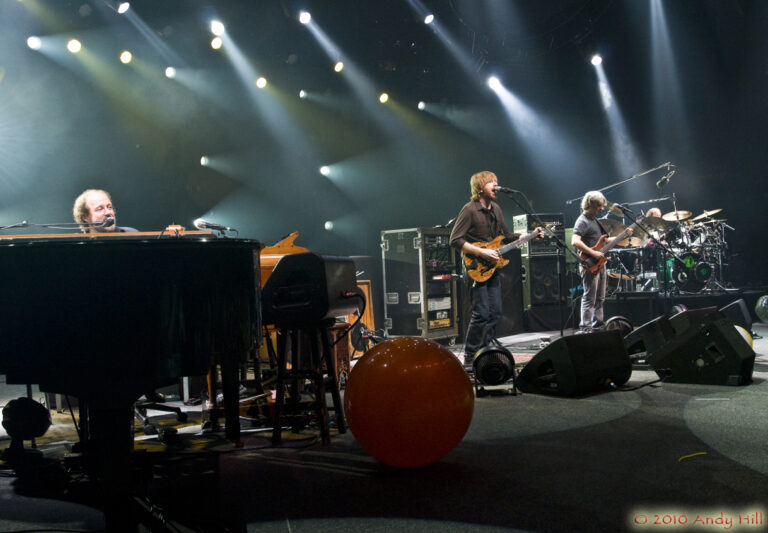
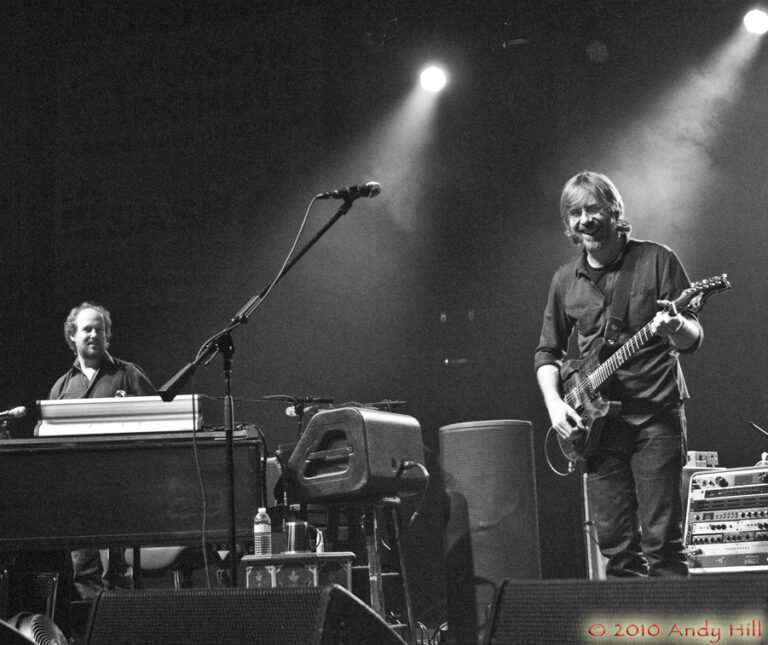
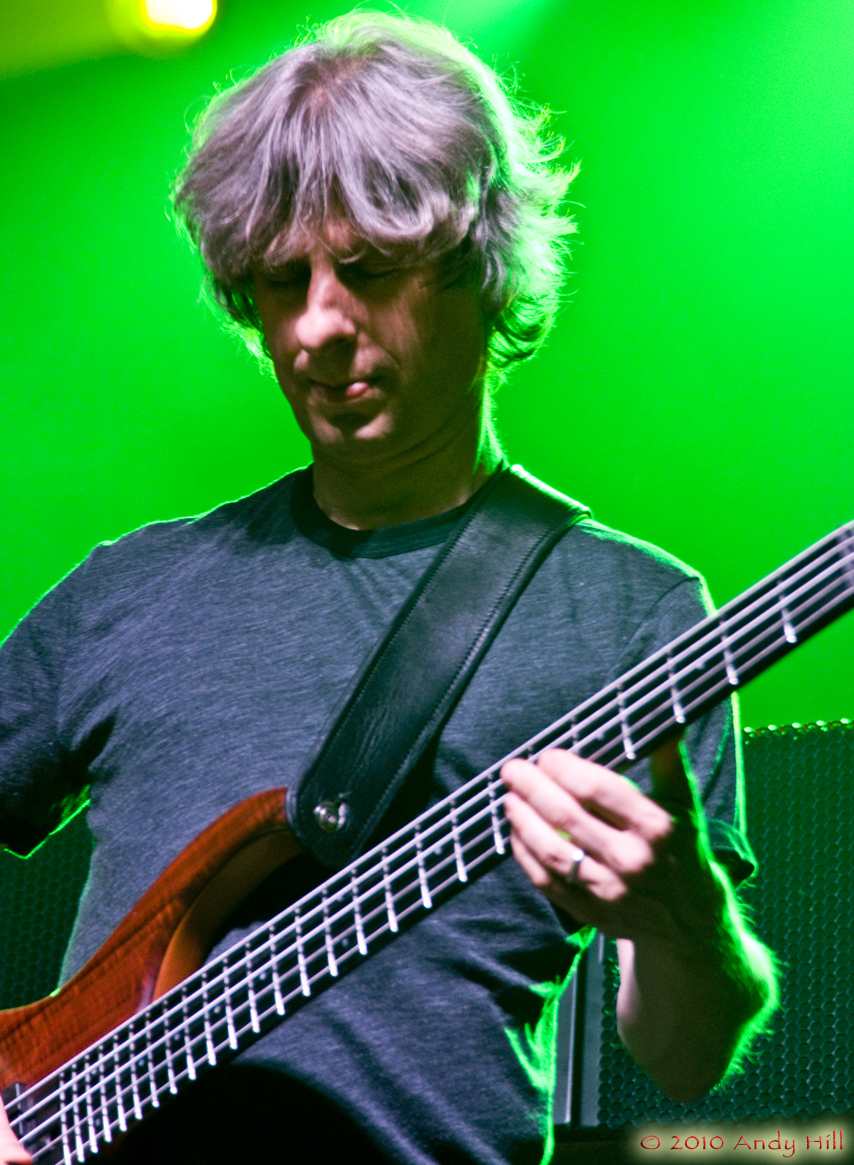
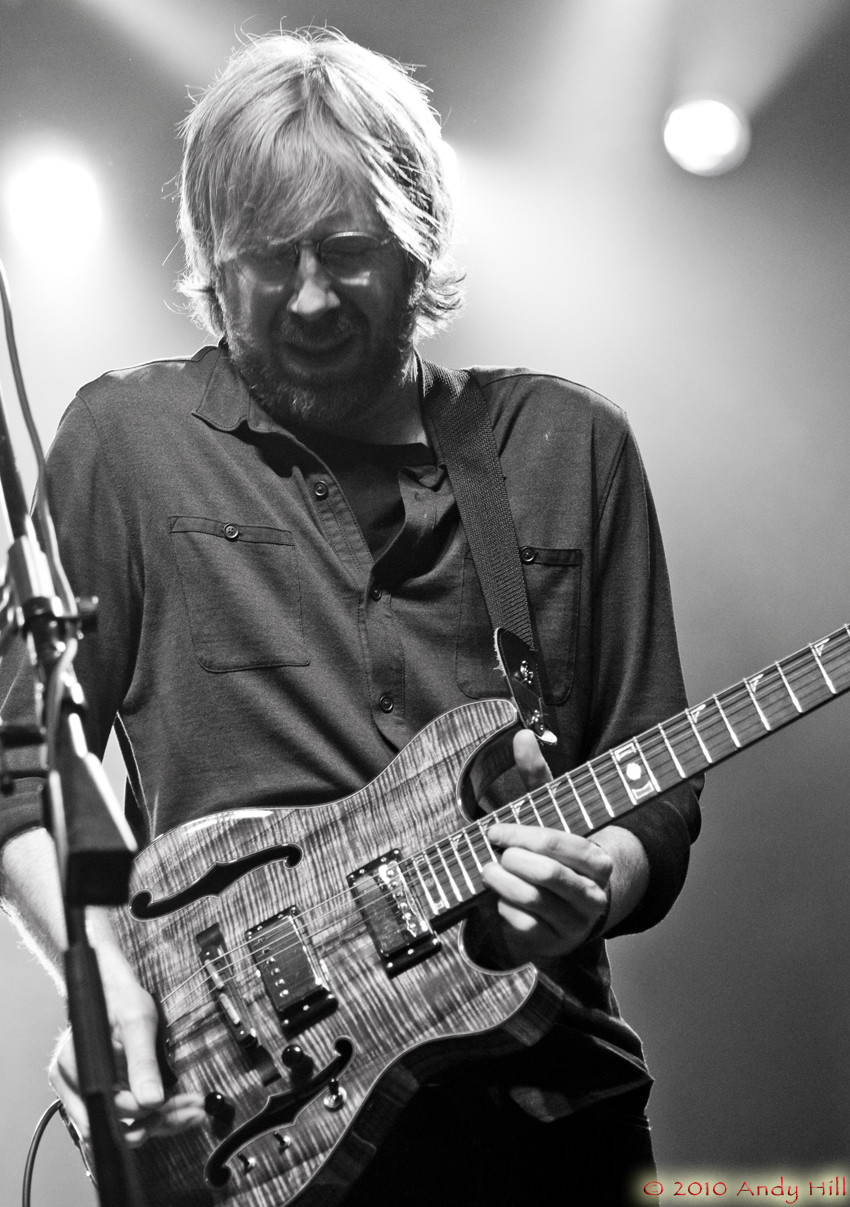
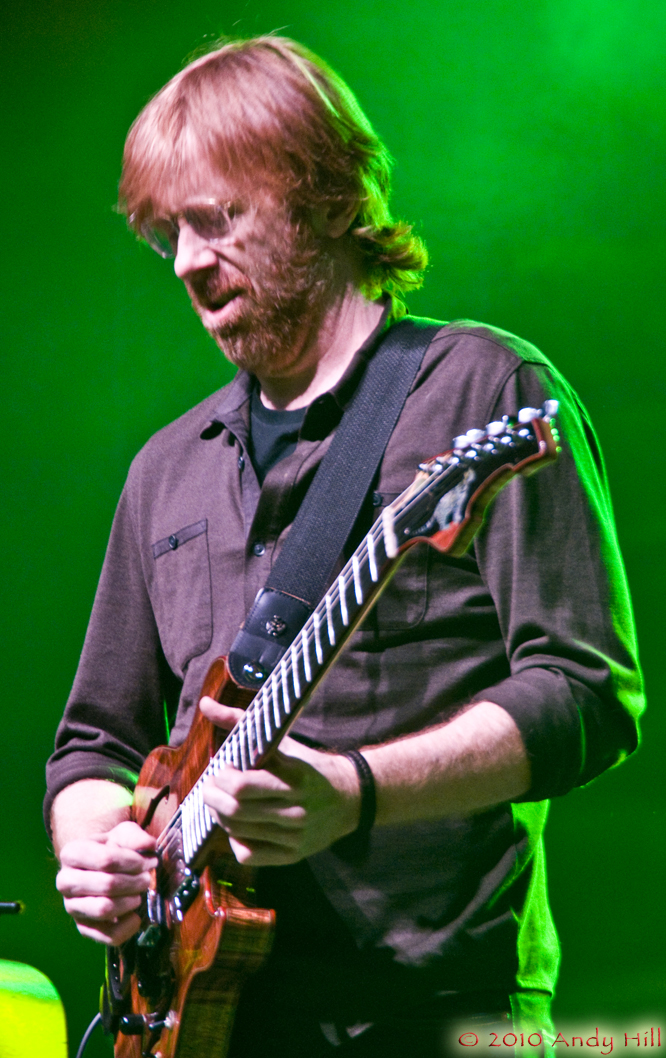
    photo by Andy Hill

    Anastasio begins strumming the opening melody, soon joined by drummer Jon Fishman, and the band is off and running with the show’s namesake, “Guyute.” The early, lightning quick pace and frenetic lights bouncing around the small auditorium seemed to create a verified frenzy in the room, leading to a raucous cheer at the end of this one. Even before the “David Bowie” that comes next, Anastasio is already teasing the main “Guyute” melody repeatedly and eventually bassist Mike Gordon joins in too. It’s fairly clear early on that this is no standard “Bowie.”

    After a flawless run through the composed section, Anastasio drops one more “Guyute” tease before the music comes to a near standstill and the band collectively starts teasing “Wilson.” It only takes the crowd a measure or two before they begin the customary “Wilson” chants with Anastasio then singing lines from “Guyute” in response. They would do this one more time as well, jumping out of the “Bowie” jam to go back and tease “Wilson” briefly before reentering right where they left off.

    Naturally, “Wilson” proper is the next selection, giving the amped up crowd one more time to chant. More teases and quotes abound in this one as well, it’s as if “Wilson” is being played in the key of “Guyute.” Finally, a reprieve of sorts comes through in “McGrupp and the Watchful Hosemasters” that produces a fairly mellow keys-driven jam that’s free of any nonsense. “I Saw It Again” sees even more “Guyute” teases in a feedback heavy outro jam that Anastasio eventually steers into a phenomenal set closing “Run Like An Antelope” with, you guessed it, even more “Guyute” quotes.

    phish utica
    photo by Andy Hill

    The show could have ended right then and there and there would have likely been little resistance. Instead, Phish follows it up with a set that may not be as memorable as the first one, but certainly does nothing to diminish this Utica show’s legacy. Just like the first one, the second set begins with a cover selection, this time The Who’s “Drowned” in its only performance of the tour. McConnell takes the reigns on this relatively brief jam before Anastasio seamlessly nudges it towards “Sand.” The pulsating, driving rhythm supplied by Gordon on bass fuel this one throughout in what’s really the most extended jam of the second set. In fact, it almost sounds slightly ripcord-ed as instead of exploring further, they shift gears into “Theme From the Bottom.”

    “Axilla” and then “Birds of a Feather” follow, each doing their part to raise the second set energy back up. “Birds” especially produces a brief yet fierce jam with more splendid interplay between Anastasio and McConnell. Afterwards, the band lets Page sing “Tela,” only its fourth performance since their return last year.

    phish utica
    photo by Andy Hill

    “Axilla” and then “Birds of a Feather” follow, each doing their part to raise the second set energy back up. “Birds” especially produces a brief yet fierce jam with more splendid interplay between Anastasio and McConnell. Afterwards, the band lets Page sing “Tela,” only its fourth performance since their return last year.

    The closing sequence to this show is quite something too. It begins with “Split Open and Melt,” a song that certainly has the capability of getting dark and deep. After a few early minor hiccups, it appears to be going in that direction. But instead, the music begins to take on a lighter tone with Anastasio singing something else lightly over the top of it. It takes the rest of the band a little while to join in, but before long, they veer into a quick version of “Have Mercy.” This is all but a quick pit stop as after one verse, Phish switches back to improv mode and begins the jam anew, taking it into a blissful new direction. After this peters out, Anastasio begins the (quick) into to “Piper” for one last dive into the unknown. One more relentless jam ensues, replete with a “Birds of a Feather” tease. Slowly but surely, the closing drum beat to “Split Open and Melt” soon arises from the end of this, finishing up the sequence in grand style.

    phish utica
    Poster by Ryan Kerrigan

    They waste no time before jumping into a grandiose and beautifully patient “Slave to the Traffic Light” that then closes the set in fitting fashion. As for an encore selection, Phish went back to cover well for another longtime favorite in Led Zeppelin’s “Good Times, Bad Times” and a version that near blows the roof off the Utica Memorial Auditorium. And with that, a show for the ages was born.

    Phish Utica Memorial Auditorium – Utica, NY 10/20/10

    Set 1: My Soul, Stealing Time From the Faulty Plan, Vultures, Wolfman’s Brother[1] -> Cities[2] > Guyute, David Bowie, Wilson[3] > McGrupp and the Watchful Hosemasters > Saw It Again -> Run Like an Antelope[4]

    Set 2: Drowned -> Sand > Theme From the Bottom, Axilla > Birds of a Feather, Tela > Split Open and Melt -> Have Mercy > Piper -> Split Open and Melt > Slave to the Traffic Light

    Encore: Good Times Bad Times

    [1] Vocal jam.
    [2] Alternate “Genesee Factory” lyric.
    [3] Lyric changed to “I must inquire Guyute.”
    [4] Trey teased Guyute instead of saying “Marco Esquandolas.”

    Photos by Andy Hill

  • The Dead’s Lone Lake Placid Show: October 17, 1983

    The Grateful Dead‘s 1983 fall tour saw the band playing a slew of shows in the Northeast in October. After two shows at Madison Square Garden the week before, and two more at the Hartford Civic Center, the Dead made their way Upstate and paid a visit to Lake Placid and the Olympic Center.

    Only a few years ago, this venue housed one of the greatest upsets in sports history thanks to the “Miracle On Ice” in the 1980 Winter Olympics. Now it was the Dead’s turn to leave their mark on the place. This would be the only show in Lake Placid the band would ever play. Fans dubbed the tour stop as the ‘Special Olympics for Jerry’s Kids at Lake Acid,’ and where the opportunity presented itself, covered up the ‘PL’ in ‘Placid’ at every sign to the journey to the Olympic Town for added effect.

    Most Grateful Dead shows are known for fun first sets that set the mood before things “take off” in the second one. This may be one of the few shows that goes against that notion thanks to such a powerful opening set. Some early warm up tones of “Sugaree” can be heard before the band launches into the real things. Garcia leads the way with some blistering guitar licks with the rest of the band just trying to keep up. It results in a near 17-minute version that’s arguably one of the best jams of the night – rare for an opener.

    This opening burst of energy reemerges in the “Little Red Rooster” that picks up soon afterwards. With sublime bluesy licks provided by Garcia on guitar, Bob Weir’s customary growling vocals and beautiful organ fills from Brent Mydland, this one is a true group effort. A steadily building jam that slowly grows in intensity makes this a memorable “Rooster” that stretches past the nine-minute mark.

    Things then slow down a tad with the “Friend of the Devil” that comes next, played in its slower tempo. Afterwards, Weir reassumes vocal duties and leads the band through a standard run through of “My Brother Esau.”

    Dead Lake Placid

    But that frenetic energy displayed in the opening 1-2 punch doesn’t seem to reemerge until the jam that arises from “Bird Song.” With more intricate guitar work laid down by Garcia, this one takes after its namesake and soars. An appreciative crowd make their feelings well known at the end of this one.

    There’s no let up in the rest of the set. Weir belts out the lyrics to a quick but powerful “Hell In A Bucket” that includes a brief “Mustang Sally” quote towards the end. At its conclusion, Garcia immediately drops the opening guitar lick to “Deal” and the band is off and running again. The high octane, extended jam that results from this one stretches this “Deal” well past the ten-minute make and serves as an appropriate closer to an absolutely fiery opening set.

    Dead Lake Placid

    While the second set may not offer up as much firepower as its predecessor, there are some memorable moments to be sure. “Touch of Grey,” a newer song at the time that would later propel the Dead to a new level of stardom, begins the set. Despite some brief feedback issues, it gets a nice hand from the crowd when all is said and done.

    “Samson and Delilah” produces more high energy interplay between band members, with bassist Phil Lesh making his presence clearly felt on this one. Then comes a bust out of sorts in “To Lay Me Down,” the first one played in 82 shows. Though it shows little signs of rust as more poignant guitar work and delicate vocals from Garcia pepper this one throughout.

    Despite some early fumbling of the lyrics in the “Terrapin Station” that comes later, the band makes up for it with a beautifully patient and well executed version. The heavily percussive outro jam then bleeds right into the beginning of the traditional “Drums” segment, like it has so many times.

    After some heavy noodling from Garcia in “Space,” showcasing all sorts of guitar effects, “The Wheel” slowly emerges. The revved up Lake Placid crowd is audibly charged up for this one. Allegedly, crowd members in both the concourse and lower bowl linked arms and danced arm in arm around the arena during this one. What a sight that must have been.

    Dead Lake Placid

    The second set comes to a close with a couple of longtime covers that the Dead have perfected by now. “Goin’ Down The Road Feelin’ Bad” sees the crowd getting into it once more, vigorously clapping along in time. This is followed up by The Rascals’ “Good Lovin’,” giving Garcia one last chance to lay down some impressive guitar solos. And Bob Weir’s Pigepn-esque “rap” at the end sends the crowd into a frenzy.

    One more cover choice ends this one. Perhaps in a nod to John Lennon’s birthday which is October 9th, the Dead trot out The Beatles’ “Revolution” for the encore. It almost sounds like a slower version of “Deal” at first. And with that, the band’s lone performance in Lake Placid was complete. This was no “Miracle” though, just another Grateful Dead show.

    Listen to it here.

    Grateful Dead Olympic Center – Lake Placid, NY 10/17/83

    Set 1: Sugaree> Little Red Rooster, Friend Of The Devil, My Brother Esau, Bird Song, Hell In A Bucket> Deal
    Set 2: Touch Of Grey> Samson & Delilah, To Lay Me Down, Women Are Smarter, Terrapin Station> Drums> Space> The Wheel> I Need A Miracle> Goin’ Down The Road> Good Lovin’
    Encore: Revolution

  • Trey Anastasio Begins ‘Beacon Jams’ Residency

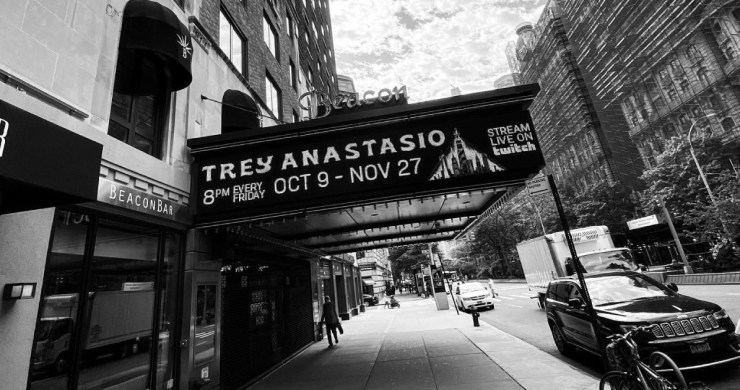
    Phish guitarist and New York City resident Trey Anastasio kicked off his eight-week virtual residency at the Beacon Theater last night, delivering the kind of live music we’re all starving for right now. Appropriately named “The Beacon Jams,” this Friday night, and the next seven as well, will serve as a weekly musical oasis for a world currently deprived of massive live shows and indoor concerts. Broadcast by twitch.tv, Trey and friends delivered two-plus hours of music spanning the musician’s prolific career.

    Trey Beacon Jams
    Photo: Jake Silco via Trey Anastasio Facebook

    Tonight’s performance was essentially a stripped down version of the current Trey Anastasio Band configuration. Longtime stalwarts Tony Markellis and Russ Lawton manned the bass and drums, respectively. Cyro Baptista was behind the percussion kit, and delightfully present and high in the mix all night. And a spry Ray Paczkowski added his signature sound on keys for most of the night. Jeff Tanski, a friend, theatrical collaborator and fellow NYC resident, would also sit in on piano for a few songs.

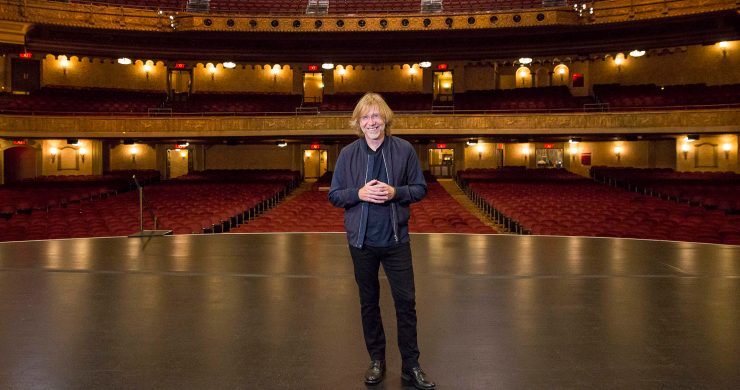
    One of the more interesting aspects of the show was that instead of a typical stage setup with the band facing the seats, the back of the stage was opened up entirely for the cameras and the band faced the opposite direction. With the majestic yet empty Beacon Theater as the backdrop, the night started off aptly with “Corona.” Making its first live appearance since a 4/27/18 Trey show in New Orleans, this set the tone nicely with a short but passionate outburst of a jam.

    Trey Beacon Jams
    Photo: Jake Silco via Trey Anastasio Facebook

    The “Blaze On” that followed carried things even further. Cyro and his wearable rub board gave it a nice percussive touch early. And the extended jam that ensued had everyone getting in on it courtesy of rotational solos before Trey put the finishing touches on it.

    He had a noticeably fun time all night “breaking the fourth wall” after songs and mentioning/thanking the twitch chat room that was shown in front of him on a monitor. and mentions/thanks the chat room. After some playful banter, it was time for “I Never Left Home,” one of the many new Trey songs from his new Lonely Trip album that was recently produced and released while in quarantine. The echoe-y vocal effects and spellbinding dark and psychedelic jam that this evoked in its first live showing just oozes with Phish potential.

    The ensuing “Soul Planet” featured another extended jam, this time fueled by Russ on drums. Trey then took a quick moment between songs to read some more chat room messages and also wish his Mom a happy birthday. Jeff Tanski then came out for “Shade” on piano with Ray moving over to the organ.

    Trey Beacon Jams
    Photo: Angela Cranford/MSG Entertainment

    “Dark and Down,” a classic TAB song then followed before the debut of another Lonely Trip song “A Wave of Hope.” The upbeat lyrics and positive sentiment noting “this too shall pass” carried right over into the next song, “If I Could See The World,” another new Lonely Trip number.

    Things then shifted from inspirational to funky through the “Sand” that followed. With Ray heavy on the clav per usual. this one is given the full treatment with pulsating rhythm supplied by Russ and Tony and another passionate Trey solo on top of it all.

    One of the true highlights of the evening was the “Stash” that immediately followed. This would be the only “old school” Phish song played tonight and it was anything but traditional. Trey was only accompanied by Jeff Tanski on piano and Cyro who added a mesmerizing percussive element simply by clapping along in various rhythms. This all served to create an acoustic “Stash” of sorts that is a must hear.

    Photo: Jake Silco via Trey Anastasio Facebook

    The Phish vibes were out once again in full force in the “Everything’s Right” that came later. Cyro began this one with what seemed to be percussive ping-pong paddles of some sort before a Russ shuffle beat steered the song into its familiar beginning.

    Although he never left the stage, some true acoustic songs seemed to begin the unofficial “encore.” This included a tender rendition of “The Inlaw Josie Wales,” a song Phish hasn’t tackled in 20 years, although it does get some run through TAB. This also gave Trey a chance to talk about the rehabilitation house that proceeds from this residency are going towards, obviously a project near and dear to Trey’s heart.

    “46 Days” saw the rest of the band then come out and finish things off in style. This marked the end of night one with another seven Friday nights of Beacon Jams lined up to follow. It’s fairly clear that each night will feature new guests, stories and interaction with Trey via twitch, and live music that’s good for the soul.

    Trey Anastasio “Beacon Jams” Beacon Theater – New York, NY 10/9/20

    Corona > Blaze On, I Never Left Home [1], Soul Planet, Shade [2], Dark and Down, A Wave of Hope[1], If I Could See The World[1] > Sand, Stash [3], When the Words Go Away [4], Everything’s Right > …And Flew Away[1], The Inlaw Josie Wales [5], Sunset Days [6], 46 Days

    [1] Debut.
    [2] Jeff Tanski on piano.
    [3] Only Trey, Jeff Tanski on piano, and Cyro clapping.
    [4] Debut; Trey solo acoustic.
    [5] Only Trey on acoustic and Jeff Tanski on piano.
    [6] Trey solo acoustic.

  • Eddie Van Halen, 1955-2020

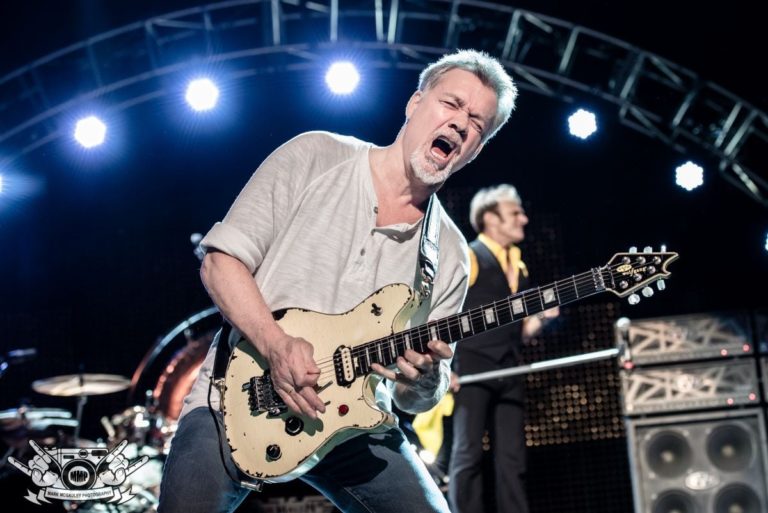
    Esteemed guitar icon and rock legend Eddie Van Halen passed away yesterday at the age of 65 after an extended bout with cancer. Best known as the shaggy haired lead guitarist of the eponymous band that he co-founded along with his brother, Van Halen‘s passing is a loss sure to be felt throughout the music industry. And it marks the end of an era for an American band that reached a level of popularity few others have.

    RIP Eddie Van Halen
    Eddie Van Halen – photo by Mark McGauley

    Edward Lodewijk Van Halen was born in Nijmegen, Netherlands, on January 26th, 1955, a year and a half after his older brother Alex, to a Dutch father and an ­Indonesian mother. His father, also a musician, joined the Dutch Air Force band as a way to make money. When Eddie was eight years old, the family immigrated to Pasadena, CA where they set roots down and later established one of the most successful American bands of all time.

    RIP Eddie Van Halen
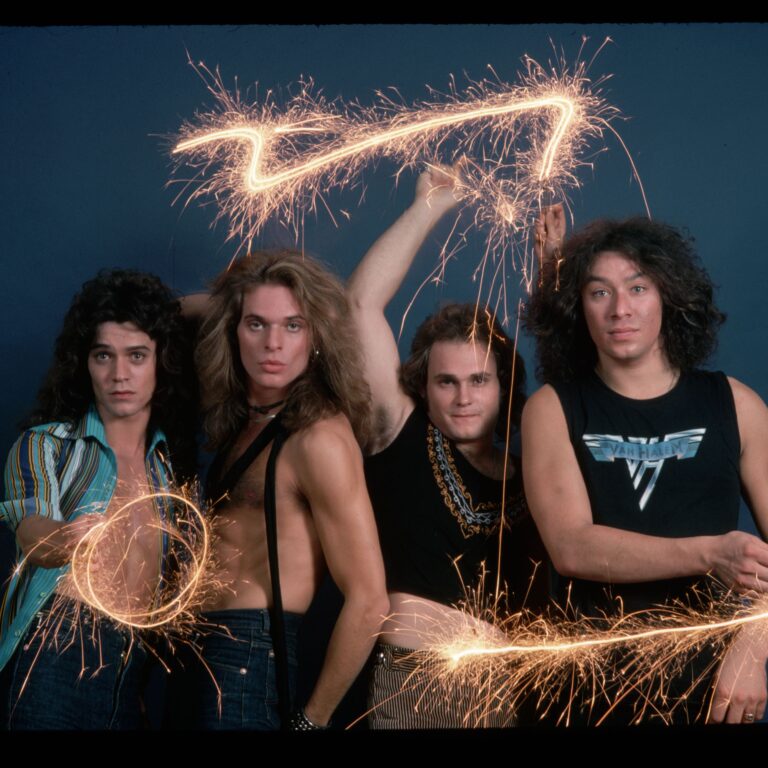
    (l-r) Eddie Van Halen, David Lee Roth, Mark Anthony, Alex Van Halen

    Originally, Eddie was a drummer and his brother would play guitar. Frustrated that he couldn’t handle the drum solo on The Safaris’ “Wipe Out,” the brothers decided to make one of the most impactful instrument switches of all time. The Van Halen brothers would go on to join several local short lived bands in the Pasadena area. In 1972, they formed a band called Genesis featuring Eddie as lead vocalist/guitarist, Alex on drums, and Mark Stone on bass. They initially rented a sound system from David Lee Roth but decided to save money by letting him join as lead vocalist even though his previous audition(s) had been unsuccessful.

    Roth was the only guy who had a PA. We were renting his PA every weekend for $35 and getting $50 for the gigs. So it was cheaper to get him in the band.

    Eddie Van Halen

    The band later changed its name to Mammoth, after learning Genesis was already in use. In 1974, the band replaced Stone on bass with Mark Anthony from local band Snake and again re-named itself, this time for good, to Van Halen. Like most bands, they started out playing parks and backyard parties in the Pasadena area. This soon gave way to gigs at small bars and strip clubs in the Hollywood area.

    What helped Van Halen significantly in its early years was their ability to self-promote. They would hand out flyers before shows at local high schools and also after Aerosmith and Black Sabbath concerts when they be in the area. After catching a show at a Sunset Boulevard club, Gene Simmons even helped produce a demo recording for them and took it to KISS management who would later inform him this fledgling band “had no chance of making it.”

    That would seem to change in 1977 when the band was offered a recording contract by Warner Bros. Records shortly after a show at the Starwood in Hollywood. By the end of the year, the group had recorded their debut album Van Halen at Sunset Sound Recorders.

    By now, the band had a solid collection of original songs like “Runnin’ With The Devil” and “Ain’t Talkin’ ‘Bout Love” to go along with their rotation of cover songs that were prevalent early in their career. The debut effort peaked at #19 on the Billboard charts and sold more than 10 million copies in the United States, receiving Diamond certification.

    This helped Van Halen land a tour opening for Black Sabbath, a band whose parking lot they were flyer-ing only years ago. The group’s chemistry owed much to Eddie Van Halen’s technical guitar wizardry and David Lee Roth’s flamboyant antics and stage persona, strong points which later made them rivals. 

    Van Halen II was released the next year and produced the band’s first commercial hit, “Dance The Night Away.” The 1980s would then see them maintain a rigorous pattern of album releases and supporting tours that would cement the band as global icons. They even earned an entry into the Guinness Book of World Records for the highest-paid single appearance for a band: a $1.5 million payout for a 90-minute set at the 1983 US Festival.

    While it was soaring commercially, the very fabric of the band was beginning to fray behind the scenes. Tensions between Eddie Van Halen and Roth were rising over the direction of the music. Roth preferred more dance-pop numbers while Van Halen was becoming interested in exploring new musical avenues and veering away from cover songs.

    I was getting sick of their ideas of what was commercial. That’s how we ended up doing all those covers on [1982’s] Diver Down. I never wanted to be a cover band.

    Eddie Van Halen

    When it came time to record a follow-up to Diver Down, Eddie insisted they record “Jump” and incorporate synthesizers into other tracks. The result was the smash 1984 that turned them into MTV superstars as videos for “Jump,” “Panama,” and “Hot for Teacher” went into heavy rotation and the album began selling by the millions, reaching Number 2 on the Billboard 200. 

    1984 would be, by far, Van Halen’s biggest commercial success, with the album going five-times platinum only a year after its release. It peaked at #2 on the Billboard charts that year, behind only Michael Jackson’s legendary Thriller. But this would also mark the end of an era, as Roth would quit the band later that year, embarking on a solo career.