Author: Thomas Lent

  • Activism in Canada and America: a Conversation with Street Pharmacy’s Ryan Guay and GPGDS’s James Searl

    In the final installment of NYS Music’s interview with Street Pharmacy‘s Ryan Guay and Giant Panda Guerilla Dub Squad‘s James Searl, the pair take the time to dig deep on their relationship to modern progressive activism in Canada and America, and the inspiration for “They Don’t Give A $$$.” Ryan reveals the dark past of Canada while James shares his family history with the abolitionist movement. Catch up with parts one and two.

    Image may contain: 1 person

    Thomas Lent: You know, we’ve been talking about a wide variety of different crises here, but you know this track is about activism. Emphasis on the active. To promote the causes that your groups stand for, what specific causes would you like your listeners to contribute to?

    Ryan Guay: Well, I think, first and foremost, looking from the Canadian perspective. The indigenous people have received the worst brunt of what it is to be Canadian but not be Canadian because they aren’t acknowledged that they are Canadian. Something I would like to bring up to an Americans attention is the Truth and Reconciliation Document that was written in 2015 where the federal government in Canada formally apologized, to make reparations for certain indigenous populations of Canada. If you want to read about what actually happened here and how terrible it was for all indigenous people, especially young people being shipped off to residential schools and being raped by Catholic priests, and you know going back to their, to the tribes, back to the “rez” and not being accepted because they lost their culture. Looking into the highest suicide rate in Canada and who that belongs to, and why.

    I think it will be mind-blowing for a lot of people that have this perception of Canada as being this very apologetic, say sorry all the time, nice people. Just read that it will definitely open your eyes to the situation here that needs more attention being brought to it. That the people who die the most from murder in Canada are indigenous women who are in prostitution rings. Why? How did that happen? We had such a strong attempt at, quote-unquote, “assimilating” their culture into Europeanized society, why is this a thing? Obviously, the whole story has not been told. Apologies are one thing but actual action is a different thing, and theirs is definitely not enough and the situation with the pipeline being built says that. The fact that the RCMP exists for the sole purpose of keeping the indigenous population in check, to quote Sir Francis Bonhead, who created the Indian act. I think there’s a lot of work to be done here. That’s something that’s important for the song and that why those clips were included in the video. For me as a Canadian, as a person who is of mixed blood, it’s a story that should be told and should be told world-wide. James could probably speak more about the Black Lives Matter movement and other groups that we want to support as well.

    Image may contain: 1 person

    James Searl: If the listener had reservations about being active or for like how to get active in the movement for the good, ha, that’s so cliche. But they should seek out who the groups that are in their communities that are representing the most marginalized people. Whether it’s Black Lives Matter, the Movement for Black Lives, or other groups that are working to bring all sorts of services to the indigenous community and also money and representation. They should be trying to find out who those organizations are in their community and listening to what their platforms are and what is important to them. If you have reservations about it, take a step back and realize what these people who are not you and come from a different situation are trying to say and to, you know, support that. Even if it doesn’t resonate with who you are, kind of have the faith that these people are doing all the work and they know what they are talking about. Let people represent themselves and support them when they do. Learn how to be a good ally and lend your body. Especially if you’re young and don’t have a family and you don’t have much to do. Show up, wear your mask, and be supportive. There are people that are being beaten up and killed out there. The more people that are there the less that will happen.

    One of the greatest things that I heard about from some of these protests in New York was the young white women, when the cops would come up and start to rough up some young black men and women or teenagers in the protests they would yell out, “White Shield” and all these little white girls would run up to the cops and be the ones there to get beaten and they would stop. It was like, “Wow,” when I was 20-21 that is not what the young white girls I knew were doing. So be part of these movements. Again the situation in the United States, the plight of the indigenous folks here, and the plight of enslaved Africans that were brought over, are very different stories but they all come to the same place and what was done to them was done by the same people. I think its important to recognize what that common denominator is, and that’s “American Empire.” Our tax dollars are used for that all over the world. Even now, there’s more people enslaved now around the world than there were during the trans-Atlantic slave trade.

    Activism in Canada and America

    TL: Right! In Liberia and North Africa right?

    JS: Well, in the Congo, with mining the lithium for our batteries in our phones. I think it’s important to acknowledge that there’s always been abolitionists. We don’t hear about them. That’s kind of what this argument about the founding fathers is about right now. Why are we learning about these guys, Thomas Jefferson for example, who raped his wife’s half-sister who was given to him as a wedding present because she was enslaved and was the product of a rape her father committed. Thomas Jefferson then took that wedding gift, that was a person, and his wife’s half-sister, to France, where he started to sleep with her and made babies. Why are we learning about him and not about that part of him and not about the abolitionists that were around at the time and we’re calling them out for it?

    There’s always been people who knew the wrong thing was happening so it’s hard to live in 2020 and know that, “Oh we’ve come so far, we eradicated slavery, it’s been over for so long.” Well really because we’re all on our cellphones. While we can’t yell at every individual cell phone owner we can all as cell phone owners, you know, make it loud to Apple and Google, who make these technologies, or our governments, to pass laws that make sure people are working in safe conditions, and are paid a reasonable wage. It all comes down to “Workers of the world unite.” It’s all part of the same call. It’s been happening for hundreds of years. This is not a new moment this is part of a long moment. Additionally, the education part of that is important and I’d like to recommend books to people for people to read.

    Activism in Canada and America

    TL: What books would you recommend?

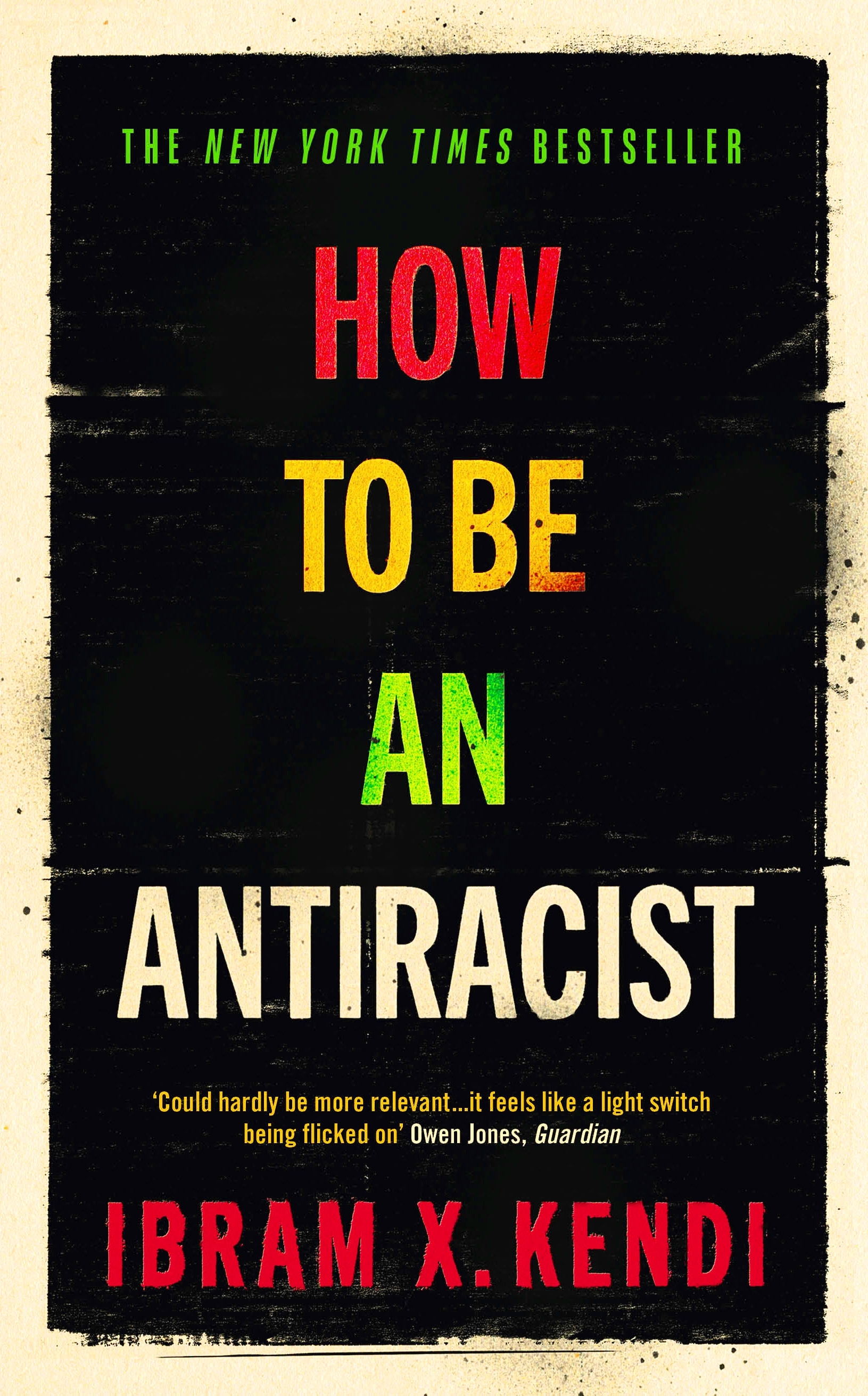
    JS: The New Jim Crow by Michelle Alexander is super eye-opening about everything from the trans-Atlantic slave trade to the drug war and the prison industrial complex. It’s one line, and white America has been doing this to black America since before the founding of the country and its nation’s wealth is built on. We wouldn’t have what people call “American Exceptionalism” without it. Of course “American Exceptionalism” is also a flawed term, highly flawed. But, the more you see, the more you know, the more you see and if you can be anti-racist, and that refers to Ibram X. Kendi’s book How to Be an Antiracist. People talk about how this book is sold out in some places but it’s in audiobook form so it will never sell out in the audio form. They can just keep giving it to you. He reads it himself, again I’ve been pretty devoted to studying, because of reggae and hip-hop, I’ve been devoted to learning about, what Bob Marley called “The real situation” and the line that he says in “So Much Things to Say”: “Never forget who you are and where you stand in this struggle.” It means something different when Bob Marley says it that when I say it because I’m coming from a different place.

    I’ve been devoted to learning about this stuff and the history of racism in America and the history of the political economy of the United States and the world, for like since I was 17-18 years old. The things I’ve learned from The New Jim Crow and How To Be An Antiracist are things that I had never thought about before up until a year or two ago. So I think that being an antiracist is something that is gonna legitimately take everybody their entire life to work on, including their children’s life, and maybe even some generations after that. It’s not a small calling so the time to start is now and you can start by educating yourself about it and there’s great resources out there. People have done the work. People don’t want to do that, that’s why it was so amazing to see that show Watchmen on HBO, like I sorta knew about the Tulsa Bombing, and I’ve been trying to know about this stuff for a long time, and I’ve been trying to wrap my head around this history. But even now it was like, “Oh what happened in Tulsa? Oh ya, black Wall Street was bombed, firebombed by planes, and women and children were killed.” Now we all know about it and that’s because artists have with movies, shows, books, and plays, that’s always how I’ve really learned about that stuff. As much as I want education and school and books to inform me, more entertaining media has done a good job for me.
    Activism in Canada and America

    TL: I agree, modern media has been doing a much better job of representing these untold stories.

    JS: Hey man, you’re from East Aurora, do you mind if I tell you a small family story?

    TL: Sure go ahead!

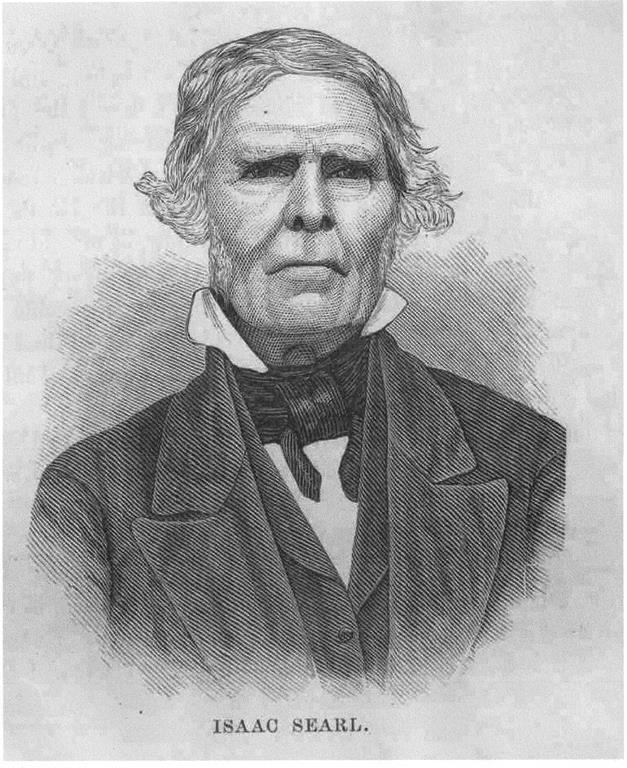
    JS: My dad’s from East Aurora and the way that my family got to East Aurora was in the 1800s, I had a relative named Isacc Searl who moved his family from Vermont after he lost everything in a drought, he was a farmer and they were suffering so he moved his family and they ended up in Cattaraugus county. We didn’t really know about who he was but my dad got into genealogy when I was a little kid and he found a picture of him at the time and started putting it on shirts for our family reunion every year. All the family from East Aurora, Buffalo, and Rochester would come hang with us and we would celebrate the family of Isaac Searl. The picture was from the eighteen hundreds and he looked like an “Old Searl” and just a couple years ago some history was unearthed that a person who was on their death bed in the late 19th century told a secret.

    He told a secret about, “Hey listen in the 1820’s and 30’s the Underground Railroad was really happening around here and these were the people that were involved.” They’re all dead now so they can’t go to prison, but Isaac Searl used to hide people who were traveling on the Underground Railroad in his house and then get them to the boat that would take them to Canada. So like, it’s amazing, and it made me proud to know that my family, the white part of my family came to the United States in around 1632, a long time ago, and I’m sure a lot of them were involved in all sorts of terrible shit but it’s nice to know that is a guy who had already lost everything risked his life and his family, and losing everything again, to do what he knew was right. It’s important to me to remember that even in those times people knew what the right thing to do was and you can be like those people now. You can always be one of those people. I’m really proud of all my young cousins from East Aurora that are in their teens and twenties, it’s like, “Wow, you’re so cool. I’m so glad I don’t have to like, be arguing with you guys about this stuff, it gives me a lot of hope.”
    Activism in Canada and America

    TL: That’s fantastic, do you have any other points you would like to communicate too the listeners?

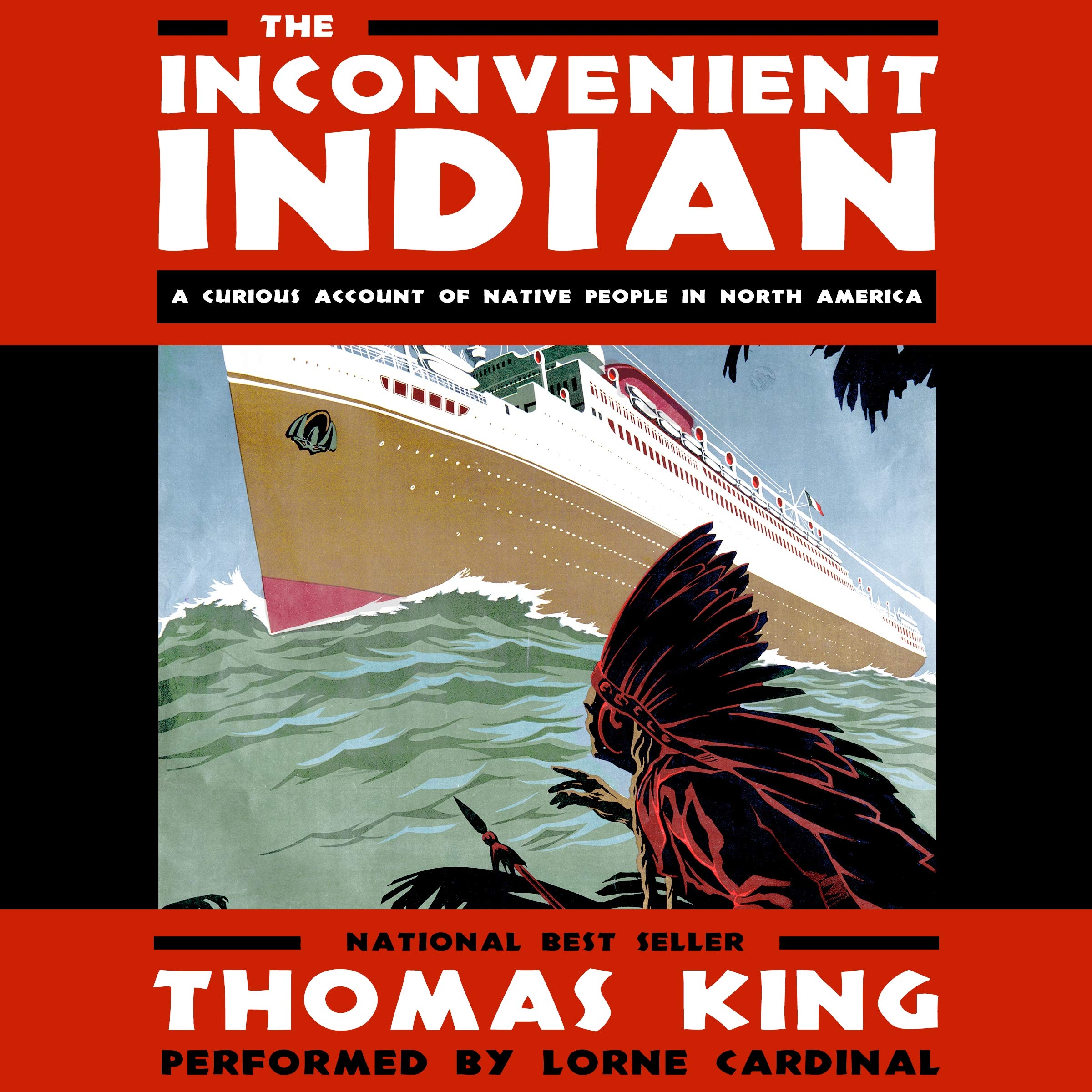
    RG: For books, I would say that The Inconvenient Indian: A Curious Account of Native People in North America by Thomas King is a great book for people to check out who are interested in the real history about the relationship between North American Natives and non-natives, what that looks like from the perspective of the indigenous people when they first met. It’s a unique account. I think I just told James to check out The Indian Horse by Richard Wagamese.
    Activism in Canada and America


    JS: I just bought both of those books from my local female black-owned book store. She’s ordering them for me thanks for the recommendation.

    RG: No problem, I think those are the books I would recommend.

    TL: Do you guys have any closing statements that you want to add for the track?

    JS: Ryan has got an incredible team up there and it would be a great honor for me to do more stuff like this.

    RG: It’s amazing that a random fan was able to connect us and we were able to hit it off so well. James is such an enormous talent and he’s such a good person, his heart is in the right place, and I really hope that we continue to work together to make music that creates change and helps people realize what’s up in the world and makes people feel good and positive and that we’re moving forward in the right way. I feel very lucky, the invisible line is a lot more significant to Canadians trying to get into the United States to tour and make music. You don’t know what’s going to happen when you get over there, but to find a kindred spirit in James and to make music with James, and Eli played on the track, he did fantastic I forgot to mention that. I just feel really lucky James and all of Giant Panda Guerilla Dub Squad are some of the best musicians I’ve ever worked with for any genre and it’s been amazing to work with them.

    Image may contain: 1 person, standing and indoor

    JS: And enjoying music and talking about activism and talking about what’s right and what’s wrong it all happened at the same time. Friends, family, while your cleaning in the kitchen, making love in the bedroom, all this stuff you don’t have to separate this stuff as different parts of your life, they’re all part of your life.

    RG: Yeah, we want people to get out there and do something. The last line that in the verse that James wrote: “It’s not what you say it’s what you do.” It’s important to not only have these conversations but also to do something that can affect change. That’s what this song is really about, it’s a call to action. Before we leave there’s one more thing I wanted to add to another question you had asked, something that was really disturbing to me while we were working on this song. In Toronto, on July 2nd and 3rd, there were some riots for an African-Canadian woman who was tossed out of a balcony by a police officer who was called to interview for some sort of domestic call. There were protests in my neighborhood in Welland, which is about 80 minutes outside of Toronto. There was a person from that group that I was discovering before, trying to pay young men to go into Toronto to break things and cause a riot rather than a peaceful protest. That to me, if there isn’t a reason to get up and say something, if that isn’t a reason I don’t know what is gonna be. If you have somebody like that who goes into a neighborhood and pays broke college kids to go and break things in Toronto for $200 a day each, there’s the issue. It was scary to see that.

    JS: Don’t be that guy!

    RG: Don’t ever be that guy!

    TL: Don’t take money to go destroy another community, got it!

    RG: Ha ha, yeah, I just wanted to add that to your previous comment about what was going through our heads while we were writing it. I called the police who interviewed and they were aware of the situation and had marked the group as a terrorist organization which is positive. In Canada, that’s what the situation is.

    JS: That’s the way that the KKK over here is.

    RG: I noticed that actually. As a matter of fact, the KKK in Canada actually started in my home town in 1908, so yeah.

    JS: The grand wizard lives a town away from me.

    RG: Wow that’s close

    JS: And people know that that’s what’s crazy to me, everybody knows him. I guess I’m not gonna try anything.

    No photo description available.
  • James Searl of Giant Panda Guerilla Dub Squad and Ryan Guay of Street Pharmacy talk COVID-19 and push-back from Right-Wing Fans

    In an excerpt from a previous interview with Street Pharmacy‘s Ryan Guay and James Searl of Giant Panda Guerilla Dub Squad on their collaborative track titled “They Don’t Give A $$$$.” Released July 2, both artists took the time to reflect on the past few months. The radical adjustments and adaptations both of them needed to make in order to survive the lockdown music industry were foremost in their minds. With the lockdown came an increased online presence for the both of them, which meant more online interactions with right-wing fans that became heated around the release of “They Don’t Give a $$$$,” interactions which both James and Ryan elaborated further upon in the context of a divided political climate.

    Giant Panda Guerilla Dub Squad

    Thomas Lent: COVID-19 has negatively affected a majority of the entertainment industry, but how has each of your group’s plans and strategies around shows and monetization changed?

    Ryan Guay: I’ll let James take this one first.

    James Searl: Well, our situation, I think. In Giant Panda Guerilla Dub Squad, anytime outside conflict has come up with the group we’ve always gotten more efficient and a little bit more communicative about whatever hole we needed to plug previous to that conflict. So when people left the band we didn’t expect to leave. We had to address that. We kind of really get tighter and more trusting of each other, because people who were originally in the band, the founders with me, found that actually, we have to work harder to find what we have now. That turned out to be something that works better. The next example would be any of us having children. Was this gonna, kill our ability to tour or come up with music? We just got more efficient at touring and putting out albums that we’re happy about. With Coronavirus I think we felt pretty good about the time that we have the kind of reflected and work on new material. We’re recording a new album which we’re having a hard time finding the time and money to get that together in a quick manner. Now we have even a bigger block of time. We’re securing news funds, recording music, and working on new songs, because nobody has anything else to do playing live for the next, god knows how long. Because, at least in the states, I don’t know people are really gonna feel how serious this is.

    Giant Panda Guerilla Dub Squad

    TL: Well, I can say that in Buffalo at least, I live in a suburb outside of Buffalo and specifically East Aurora, and we have an elder.

    JS: That’s where my whole family is from!

    TL: Really? Small world! I think about thirty-five people died in that place alone so I would say that people are taking things far more seriously.

    JS: I hope so, that’s not what it’s like where I’m living. I went to get some beer at a store in southern Michigan. I live near the border around there and nobody is wearing a mask and the cashier said something about it and I’m like “I’m wearing this for your protection!”, So I said I didn’t know if masks were required here or not, I know that Michigan has some pretty serious laws right now and they said that “We tell people they don’t have to wear masks because we would lose half our business” and I’m like ok, but really, “Half the people? Really?” you’re selling beer and cigarettes, two products that people are going to be getting anyway. But as far as moving forward goes theirs a different presence online and I don’t like being ultra-online.  I don’t like that idea like everybody being so online, but I also can’t imagine what this would have been like twenty years ago, I just can’t imagine it. Now because we have all these different ways to still be together with apps and to stay in communication with music. I mean, every Tuesday when I’m putting my kids to bed and start to clean the house and stuff and I can find a show for RootFire where I get to listen to classic Reggae tunes, whereas like before, I probably wouldn’t have gotten to see that. Clinton Fearon, one of my heroes, actually plays every Sunday at his house and he’s in his 70’s! So I think it’s nice for him to not have to leave his house to share with his fans all over the world. Could we have done this before? Sure, but nobody did. And we’ve just been accelerated into the future about what live music is gonna look like. What live music is about is connection and that goes back to the fans with the MAGA hats at the front row of the Panda show. I wanna find a way to talk to you because I’m glad you’re listening to the music and I’m glad that we’re connecting with the music but obviously theirs a personal disconnect that probably could be reconciled as well as it could without conflict. It would be easier reconciled just to listen to a song and having your own time to reflect on this stuff. Especially not having to deal with you personally, I’ll say.

    Giant Panda Guerilla Dub Squad

    RG: That’s a good point. I’ve definitely seen some or received some comments from fans that are no longer fans and not supportive of what our video and what our song represents because they’ve interpreted it in a way that they feel almost insulted. That’s not the intent here. We’re trying to communicate with people that need not understand the premise. They quite frankly get the wool pulled over their eyes and were just trying to have a conversation. James says that “Now we’re having good conversation” in the second verse and we want to have good conversation, a positive dialogue. If anything that’s the way that social media has proven that this discourse is anything but civil. As a result of being locked down and everything else that has occurred. I think that probably, other than stuff James already mentioned, as to how this has affected musicians, that is also the same thing with us but being online means you’ve gotta put yourself out there in a way. It can be volatile out there. I experienced this first hand. The first week that this song has been out I’ve had to mitigate these comments where fans have felt betrayed that we have done something like this and my response is “Sorry that you feel that way but this is how we feel about it and you should really look into this because our lyrics over the last 15 years that we’ve been playing, you’ve probably missed some of that.” So it’s yeah it’s kind of like the idea that people are tweeting against Rage Against the Machine that have been fans for 20 some odd years and then realize that they have left-wing values.

    Giant Panda Guerilla Dub Squad

    TL: When I was listening to your track I thought that you weren’t just punching one way or the other. You have clips of Nancy Pelosi in there as well. I don’t think you were particularly going after one side, you were going after one class though. It’s not as if it is a good class, particularly if you’re talking about the one percent there and you know, who’s defending them? Why would you?

    JS: Exactly who in the 1% is listening to this song? Like if this song is about you, if you’re the person that doesn’t give a fuck about us, then there’s only so many people that could be.

    RG: Their probably not hearing this song in reality.

    JS: And ya to be fair, at least Panda, I was thinking about how over the years Ryan would say that he got some pushback on a song, like I’ve been dealing with pushback online just for speaking and trying to change people’s minds about being anti-racist and pro-environment for many many years and it has been incredible to realize how many, I mean, I’m not trying to pigeon hole people but it’s always a white dude. It’s a white young man commenting, “Why don’t you shut up and play music,” “What about black on black crime.”, just you know straw man arguments. Stuff that we just don’t have the time or energy to deal with on that level, but we always try to be there and are open to have conversations but people don’t want to listen. Reggae, Rage Against the Machine, and hip hop all of this is revolution music that has been around since recorded music acts as a pressure valve for people to be more comfortable, and they’ll say “I am tolerant I listen to Bob Marley, and I’m voting for Donald Trump,” and it’s like, well you know what, I think we should have some more detailed dialogue about that stuff.

    Image may contain: 1 person, smiling

    RG: The discourse that were trying to have here is to cut the extraneous bullshit that that people are being fed. This is how we end up with the culture of you know. Young white men that feel disenfranchised. But actually they are a more privileged class, you know- and it’s mind-boggling to me- that some of these lyrics could be misinterpreted. At the end of the day, the purpose of this song is to cut through the bullshit and the same with the video. The video shows that on both sides, that when you’re at the top, those people don’t really don’t give a fuck about you. No matter who you are. They only care about the bottom dollar, the bottom line, just like you said about share prices, people being concerned about yeah reporting, rail blockades because they’re worried about shareholders losing you know a lot of money or losing faith in the company. That is absolutely ridiculous. We’re facing catastrophic climate change that could end humankind as we know it and somebody is worried about stock prices. That seems so wild to me. You know people need to talk about these things, and you need to understand that this is coming from great, and you know I hate to quote Warren Buffet, but I’m gonna do it. You know when people are fearful he says to be greedy when people are greedy he says to be fearful. Right now you know the people at the top of the top are perpetuating this fear in society and it’s resulting in an exorbitant amount of greed. How is the stock market not ya know completely shattered? It doesn’t make any sense!

    TL:  When it comes to the young white men who are you showing up to your shows wearing MAGA hats being obtuse my current hypothesis is that conservatism represents a counter-culture and the youth enjoy rebelling and they enjoy being contrarian. They feel that when all their professors and their teachers are all liberal.  “I’m gonna be conservative because that’s what they don’t like and that’s what they aren’t.” It’s to be contrarian, would you agree with that?

    RG: Yeah. I agree with that yeah that makes sense. I think that a lot of these young white men and other people that are taking the uber-conservative side of things, I think that they lack a spiritual connection with themselves and they’ve lost their sense of identity. This counter-culture is that identity. That search for an identity, where they feel the need to identify with something that looks like them and that’s what I found with having to defend this song.  When I’m looking up their Facebook profile, I’m seeing just “Being lost,” and I’m seeing that they are not being sure of themselves or who they are. That seems to be the case for a lot of these people I’m assuming. I’m Canadian so this might not be as big here so I might not be seeing it as often. James, what do you think of that?

    Image may contain: 1 person, playing a musical instrument, on stage and concert

    JS: I think there’s a good degree of that on both sides and that’s like a bigger conversation about the American psyche or the American identity. When I was growing up all suburban kids listened to hip hop. And it’s like, why is that? Why are they listening to music that is directly about where you’re not from and not made by people in your position? In a lot of ways, it could be really beautiful because that’s one way that some people that are in an oppressed situation are making communication and it is being observed by people on the other side. That would be the call that we would all answer too. I think that that’s been my motivation in my life for my music, doing as good of a job as I can do. I’m not like a, you know, I don’t feel great about everything that I’ve accomplished for human rights since I’ve listened to Rage Against the Machine when I was 11 years old. It’s like, “Oh this is the side that I’m not being told”, “This is what I’m not experiencing” and I feel like it’s my responsibility as a moral person to bring justice and rights and to improve culture by talking about it because if you’re not talking about it then you’re supporting it.

    And that’s from Zack Del La Rocha from his concert in Minnesota that I had a recording of that I was listening to when I was 13 years old. “If you’re not a part of the solution then your apart of the fuckin problem” that was in the middle of the speech in “Wake Up” and I’ve never forgotten that speech. It gave me goosebumps then, it gives me goosebumps now. He was talking about Leonard Peltier from the American Indian Movement in that speech. The thing I wanted to say about the young men who are rebelling and being conservative as apart of rebelling, what troubles me about that is that in the sixties, early seventies, in the eighties, with whatever that rebellion was I’m not sure, or grunge in the 90s was everybody was the, the counter culture was resistant to the greater culture, the hegemony, the mainstream. What’s scary about these guys is that there is already a structure ready to like accept them with this counter-culture and give them the tools to carry out this system. This includes tons of legitimate journals, newspaper writers, college professors, and ya know the money that’s given to colleges.

    GPGDS

    TL: They’re not organizing in garages, they’re being given grants from super PACs.

    JS: Right! When I was in college I studied international relations and, being taught by hip-hop and African music things that I didn’t learn about growing up in the suburbs necessarily, points of perspective. I knew that jobs I would get to try and fix those things, there was no money there. Not even to pay me but not even to exist in a way that was meaningful. My counterparts in college were like, republican conservative people who went on to be funded by the Koch brothers and went on to be the president of not-for-profit groups in Washington D.C. who use 49% of their power to influence politics and 51% to influence culture because that’s what they have to do to be a non-for-profit. These are Koch brother founded organizations. That makes me really scared about these, that was going to have to be dealing with these young people as adults with power that are already coming from privileged places and they’re ready to be moved right along into positions of power.

    Matt Gaetz, the 37-year-old Congressman from Florida, he’s just atrocious. Stephen Miller for instance he’s my age. If you thought these guys were old and dying out you’re wrong they’re being replaced with more young people. In the verses that I wrote in the song with Ryan I think one of the main points is to not be passive about this. Be active. Get on the streets. Sacrifice as much as you can because this is a fight that needs as much energy as possible because the people that don’t give a fuck about you. They also have all the money and a lot of them have all the guns.

    Image may contain: 3 people

    RG: All the guns.

    JS: They have all the guns because we’re non-violent people! We know that if you put a gun in your house you’re twice as likely to die from it. You know it’s like everything points to, I don’t want to have a gun but what am I gonna do when all these crazy people, ya know, it’s all about certain numbers. It feels good to go to a protest. Not on the internet. Actually out on the streets with people who believe in these things as much as you do. Ya know to these young MAGA kids it’s never the way that you see it on the news. It’s never a bunch of violent people (at the protests) its young, old, men, women, non-binary people, everybody’s there at these protests and so many times the cops just come bust it up. In Denver, my friend was in one for the boy Elijah and everybody was playing violins outside and the police came and tear-gassed everybody. This is not a time to be passive. You know Ben Shapiro, Jordan Peterson, they all tell you to watch. Wait and watch and just see what happens all of this is gonna come crashing down. Donald Trump is gonna rid the world of pedophilia, I’ve heard this from so many people, panda fans included. It’s just like “Sit and Watch, Sit and watch other people do this for you”!?! Why aren’t you apart of your movement that you speak so highly of?

  • Boo Riley Shares New Music Video For Single “Boo Riley”

    Boo Riley, a Manhattan-based indie artist, has released a new music video for recent self-titled single “Boo Riley!” The video follows the band through the subway, Tompkins Square Park, and into a gig at Arlene’s Grocery. This rambling video tour of some of New York’s timeless places serves as a little reminder of what New Yorkers can look forward too once the lockdowns end.

    Boo Riley

    This fun yet complex track possesses the detectable influences of the group’s sound. Classic rock, 80’s pop, and indie all blend together for a lovely and uplifting tune.

    On the video, Austin Lesch of Boo Riley shares, “I was listening to Wilco’s ‘Wilco (The Song)’ and loved the lyric ‘this is aural arms open wide, a sonic shoulder for you to cry on.’ I wanted to write a song inspired by that line, but with Boo Riley’s perspective. The video is an extension of this. We wanted to visualize what we were trying to do sonically.”

    For more from Boo Riley follow on Instagram, Facebook, and Twitter.

  • Hearing Aide: Sallies “More of the Same”

    In 2018, songwriter/guitarist Dang Anohen, drummer Lip Molina, guitarist/singer Grace Bergere, rhythm guitarist Jesse James, and bassist Mike Coe formed the NYC rock band, Sallies. Taking their inspiration from Nirvana, The Pixies, Sonic Youth, and Ramones the group congregated around Dang’s songwriting and labored on More of the Same for years leading up to its release in May 2020.

    More of the Same opens with “Ain’t My Speed,” which premiered April 6, 2020 as a promotional track for the album. The initial lyrics “Can we pretend that nothing is there, say it offhand be more indirect, everyone’s clad in who gives a fuck, everything passed off with a laugh, can we just look the other way” fits well with the interpreted theme of the lyric video in that modern social media culture is vain and ineffectual. In opposition to this culture, the track continues “I’m going away out of this rat cage where I’ve catered to your every need.”

    The second track “Driftwood” is a well-executed cascading manic rant where the influence of Nirvana is palpable. “Substance” is a grinding alternative rock song and in this writer’s opinion a critique of another aspect of our culture, consumerism. This becomes especially apparent with the biting lyrics “Everybody works for their cars.” While “T.V. Dinner” slows down the pace from previous tracks initially, but quickly rises in tempo to continue the album’s critique of entertainment culture and its “Hallmark wisdom.”

    “Every Whim” is a track that brings the patina of garage punk to the album. Keeping with the cultural critique tradition of punk, the track speaks on the government with the lyrics “Ill get my paycheck, Don’t care who I’m Stepping on.” The following track “Sunny-Side Up” builds with instrumentals and lyrics that summarize the frustration of an individual fed up with being told how to be, “You gave me water, it never turned to wine, Hey that doesn’t Matter, Waters just fine.” “Touching” also taps into the frustration addressed in “Sunny-Side Up” but with more aggression on the track. The following song “Make Way” provides a solution to the frustration of previous tracks, “I’m in a bad way, I’m gonna make way” and serves as an inspiration to jump off whatever bad track you’re on.

    “User-Friendly” represents a jarring protest of organized religion. “Id really like you to change me, Id really like you to brand me, Id really like you to savage me, You know me I’m User-Friendly”. The remaining lyrics paint the church, not as a provider of absolution, but a manipulative entity, a “User”. “Ill Be Fine” is another slow starting track that jumps right into a wave thrashing instrumental sequence. The final track “Half Mast” is a well-executed crescendo that both reinforces the anti-establishment position and talent of the Sallies.

    Discover more from the Sallies at their Bandcamp.

  • Ryan Guay of Street Pharmacy and James Searl of GPGDS talk new single “They Don’t Give A $$$$”

    Ryan Guay of Street Pharmacy and Giant Panda Guerilla Dub Squad‘s James Searl have unveiled a passion project collaborative track titled “They Don’t Give A $$$$.” Released July 2, both artists spoke to NYS Music about the inspiration and writing process of “They Don’t Give A $$$$” as well as the experience of working together on the track.

    Thomas Lent: What would you say was the inspiration behind “They Don’t Give a Fuck”?

    Ryan Guay: I had written that chorus in the months before the pandemic and James and I had been in discussion on getting together and collaborating on a song that talked about how the corporate elite sort of use manipulation and tactics to make more money and fill their pockets, and it doesn’t really help anybody but themselves. I thought it would be a really unique chorus to say “they don’t give a fuck” but say it in a way that reflects more what they are actually doing. They don’t want to give up anything to anyone and they will do anything in order to make that happen. So that’s where the initial inspiration for that chorus came from and I sent it in an iPhone memo to James and James and I started writing back and forth with ideas over the phone and I think that’s where James,

    James Searl: Yeah, that’s totally right and one of the cool things about collaborating with another artist on a song is that I think to start with, ya know if you go into the office at like 8:30 a.m. and like we put up a vision board or something and we’re gonna put out a perfect song but in my way. It’s conversational which is how music is, and Ryan and I, we met each other fairly recently. In the past couple of years. We’ve had some nice conversations just about all the things we relate to together and all the things we have in common especially growing up so close to each other but also divided by a national boundary. I feel like this chorus kept making its way into the conversation and what we were talking about things that like, Ryan, forgive me I think you studied history in school?

    RG: Yes, I studied history

    Street Pharmacy

    JS: I studied international relations and we have just like the same interests but different knowledge. We would be telling people different things and be like, “Ya they really don’t give a fuck”. Not only was it the chorus that Ryan had sent to me but it would always keep coming up in our conversations and I feel like that’s a really fun loop to get into creatively was like, it’s a natural, how they bring it all together, especially as musicians in this time, I think it can get a little bit cliché to say, “Oh we’re writing a song that’s relevant to this time”. I think as an artist, it’s our responsibility to kind of talk about what’s always been happening, and until that goes out of style its always going to be in style. It’s not that it’s like for this time or for that time but for all time and talking about the indigenous situation in both the United States and in Canada or Black Lives Matter, it’s just, the common denominator is always that theirs this very rich, mostly white, mostly male, very small population that’s kind of…I wouldn’t say pulling the strings necessarily, but taking advantage of the divisiveness especially. I think another thing that one particular circumstance Ryan had called me and said “hey they’re coming down the street and there’s all of these white supremacy signs being held and all of these alt-right people looking respectable; they don’t look like neo-Nazis like we’re used to seeing, they’re wearing nice shirts and kakis”

    TL: Yeah, they changed their image after Charlottesville

    JS: They did and Ryan was like “I’ve never seen this in Canada before” and it was just funny (it wasn’t funny) but he was earnestly, very concerned. He went and talked to the leader of the right-wing group that was talking about getting rid of immigrants and everything and it was just so wild to be seeing this happening in the States and in Canada. When we were growing up, the first song I wrote in a band was called “A Groove To Kick a Nazis Ass Too” and it was all about not being racist and it was cool to be against that when we were younger so it’s hard to believe that this is a trending thing with young men who would be in our similar positions now. It’s just, “How did this catch on?” I would say that it has a lot to do with how the song came together.

    Street Pharmacy

    RG: That happened in January of 2019 in the dead of winter. These guys were putting up signs on the corner of the street in my hometown of 50,000 people, signs that were encouraging people to kick the immigrants out of Canada. “Not my Canada,” stuff like that. I’ve never seen anything like that before, ever, and the first person I messaged and sent a picture too of this occurrence was James. Because we talked about this boiling point in the United States and I never saw it, I never expected that. They had their polo shirts and they’re eating their double-doubles, just “smiling and waving” The next minute they were putting signs up near my rental property. I live in the basement of one. I rent housing to international students and they were putting signs up on these lawns marking where international students lived saying, “Kick them out”. I had never seen anything like it.

    TL: With the ending of the visa program, they have basically done that at this point

    RG: That’s exactly what they did.

    JS: My wife is a professor and every professor is up in arms because it’s cruel to the students involved and it’s dumb, it just doesn’t make any sense. It’s clearly racist and it’s part of the xenophobic atmosphere that’s in politics right now. Another thing is that when you come across it now, these young men now are reading…oh, why can’t I think of anybody’s name?

    TL: Evola? Marcus Aurelius is often interpreted as one of their heroes.

    JS: Ben Shapiro! When they read Ben Shapiro or even just Jordan Peterson. Whatever powers that be that are trying to pit you against these immigrants, they don’t give a fuck about you. Like these young MAGA guys in their hats. I remember a couple of years ago these young white boys with their MAGA hats came to the front of the stage and know every word to every song so it’s kinda like they’re fans but they know that they’re trolling us and it’s just like, I don’t know why you guys are bringing this attention to yourself. The people that you are supporting, they don’t give a fuck about you. They’re not going to share when it comes time for that. All of the things that we heard before when it comes time for you to reach out to help, there is not gonna be anybody there. Ya know, you can’t eat money and the indigenous people have told us this my whole life. Be wary of these people that are trying to ruin the environment and turn a blind eye to it. In the end they’re trying to kill all of us and they’ll kill all of you too. They don’t care.

    RG:  Yeah, I’m metis and I’ve got family members that grew up on a reserve and, you know, colonial imperialism is….

    TL: I’m sorry, can I interrupt? You said you were metis – can you explain what that is?

    RG: Metis means I’m mixed blood, I have some indigenous background.

    LT: Thank you for the clarification.

    SPHeaderWEB2.jpg

    RG: Yeah, yeah no problem. So yeah, as you know, colonial imperialism is somewhat of a dirty word. The Christianization of indigenous people, you know, is really a disguise for the economic motive of imperialism of exploited resources. You know, that’s Canada’s terrible, dirty secret, really. This attempt to, quote-unquote, assimilate indigenous people openly has left a gaping wound in the culture and indigenous people are, you know, marginalized most in our country. The last residential school closed in 1996, it’s not that long ago. I think a lot of people have this perception that Canada is all hunky-dory, but it’s not, especially when it comes to the treatment of indigenous people and I know that from firsthand experience. We have the pipeline/railroad controversy clip in the first part of the music video, the Wet’suwet’en controversy. It’s a four hundred and sixteen-mile pipeline they protested going through their land for reasons and I’m not sure if you’re familiar with this, but in Canada, almost all the indigenous problems, almost all of the First Nations in Canada and its allies formed a massive national railroad blockade in protest. To stop the trade and they stopped, the C. N. for a month. Around when the coronavirus actually started to take shape.  The RCMP, which is equivalent to U.S. federal police were created for the purpose of controlling the indigenous population in the eighteen hundreds. So they were sent in to do what they were apparently meant to do in stopping the blockade and if the coronavirus didn’t happen they would probably have gotten a lot more got international attention, but that’s what the significance of the whole clip is.

    TL: After finding your inspiration, how would you describe the writing process for “They don’t give a $$$$?”

    RG: Okay, I’ll start with that one James. I pounded out the chorus on an acoustic guitar and just repeated it over and over and over again so I could remember it. I wasn’t near anywhere to recording and it became something. It has been an ongoing theme in our conversations. It always comes back to that. So. I think when music, sometimes theirs just something divine about it.  You know, you are the vessel that music is coming through, and that lyric, melody, just came out and it didn’t change at all. I just sent it to James and said.  “Hey, James what do you think of this?” And then James right away was sending me lyrics. He was inspired by it and I was inspired by what he was sending me. So then I got into a computer and started to produce it and send him some ideas with an electric guitar just some drum tracks on-we did it for the most part electronically. This was in 2019 in the winter/fall when we started to send these ideas back and forth. I remember standing in line somewhere in the mall and James sent me a great idea for what became the second half of that verse. The second half of the second verse. And I just felt that we had something of serious significance because he was able to take my hook and make it mean something.  You can say they don’t give a fuck about you and you know it could be like. Who is it? What does that mean? But James is able to channel that marriage of lyrics and melody to put it together to support the thesis statement. To be fair James drove a very far distance to make this happen. 

    Street Pharmacy

    JS: Ya I drove up to Welland Ontario which is ya know a beautiful place. I wanted to go see where Ryan is from and where Street Pharmacy does their work because since we’ve gotten to know each other it’s like finding old friends that you knew were there but you didn’t know where. So Welland was like a very familiar feeling place. It is only 20-30 minutes over the border from Buffalo. So it’s almost exactly where I’m from. And ya I just went there and I brought my base with me and Ryan had the drums and some guitars went down. I sat down and I played the bass line. The drummer Ivan was also there so it was cool to feel the vibe of the drummer in the room with me while I was playing. It felt very electric to finally sit down. When I figured out what the baseline was going to be I was very excited. That’s not always the situation when you’re with your band. Maybe when you’re alone or just with the producer. This was like with we’re making something fresh, and it was the first time we’ve done that. Ryan, as we were getting on the phone- and it was like the middle of the conference call that I realized he was extremely talented and capable and was engineering everything. He has a special touch and I love the way he mixes these things and makes them sound good.

    That was also very inspiring sonically alone. And then just working on the sonics of the tune. I actually wrote like a book with different verses for the song over time and then on that trip I think I was a little bit exhausted, traveling, just like living my life, which is like trying to balance a lot of things that one time and I didn’t end up getting to lay down the vocals on that trip. I really liked the verses that I had but we kinda delayed the track and then it came time to be like “Hey I think we should really put this together this is a message that people would really like us to sing” ya know were just artists putting music out there but WE want to say it. That’s another part of being an artist. It was the first time that I ever sat in my basement at night and wrote some lyrics, recorded it, and send it to Ryan and Adam to use that track, as a point of pride for myself, to say that “I’m good, we can do this” and I don’t have to leave my house during the quarantine. I can lay down my vocals for Ryan who is in Welland and we can make a song and we can put it out. Like this is using the tools that we have to our advantage. That’s like kind of how it all came together.

    Street Pharmacy Giant Panda Guerilla Dub Squad

    RG: Ya there was a lot of exchanging of material over the internet because the coronavirus made it almost impossible to meet and then the borders closed. So we just used it to the best of our ability. There were a lot of other people involved. My friend Mike who plays in a band called Silverstein was very helpful in getting some of the sounds. He was located here and I was sending the files to him in the latter stages. Our friend Adam was on the track and was really happy with the vocals. I think this is one of the first time James engineered his vocals.

    JS: Ya it was my first time engineering something that normally someone else would do all the time. The thing that keeps me going is working with people who really know how to engineer their sound and be able to engineer my sound as well. For Adam to think that it was useable-

    RG: He (Adam Tune) was really impressed. He’s got a good ear for being able to tell when things are right. And that’s really hard, a lot of people who attempt to engineer, they don’t use their ears. They more or less watch the meters as opposed to listening to the track. A lot of times that’s what people are just starting out do but James’s ear is fantastic. His ability in the studio to capture the moment and put it into a file and record it, especially with his bass tone and his vocal tonality, it was really inspiring for me as an engineer and a producer to be able to pull those takes out fo someone and it was like “WOW let’s try to do some other cool things”. I think at the end we tried some other, Tom Morello Esq, octave, whammy pedal type things with the base where James is going up and down a full octave. It’s almost like a bass solo at the end. That was the most fun part of the process for me, ya know this is something I forgot to mention too. The person who introduced us, who I think wants to remain nameless, came down from Buffalo to meet us and he hand introduced us. I think James has a story about that. It was really cool for him to see the idea that he something that he had sort of an idea, being a fan of Street Pharmacy and then approach me at a show and say “You really need to work with this band their great”. I said “Ok” and the same thing happened to James and it ended up working out.

    TL: It sounds like you guys really enjoy collaborating together. Can listeners expect more collaborations?

    JS: That’s the hope, ya we certainty want to do that.

    RG: Definitely. When you get together in a room with somebody and – I write commercial songs for a living under another name and another company- so I’ve done a lot of co-writing sessions and sessions for corporations and it can be difficult. But James and I have this instant, I think it comes from friendship so, we’re interested in the same things. I don’t think Rochester is too dissimilar from Welland. Because I’m so close to the border I grew up on a lot of American 90’s Alt-Rock, early 90’s late 80’s stuff, and American Punk. James had that background as well, with both of us playing in reggae-oriented bands now and ya know we listen to the same music. 90’s golden age hip-hop, Reggae, Dance hall, and also listening to 90’s alt-rock got us to this place where we can speak the same language. We can play something and be like, “Ya I know what that is it’s giving me a Helmet vibe” and James going “Wow you know Helmet I don’t know anybody who knows Helmet!”. We can talk like that without even really needing to speak. I’m really happy about that, that’s the best thing for me that’s come out of this experience other than having a song that’s very meaningful and I hope that it can help people open their eyes to the seriousness of the situation.

  • Smith Center for the Arts series with Supernatural Lake brings live music back to the Finger Lakes

    New York has settled into its Phase 4 stage of reopening. This means that museums, zoos, botanical gardens, and “Low-risk entertainment services” such as live music are all returning to the empire state. Nobody is bringing live music back quite like the Smith Center for the Arts.

    In partnership with Supernatural Lake, a stunningly beautiful outdoor seasonal wine bar located in Interlaken, this series will feature a series of renowned artists in the coming weeks. Each Friday and Saturday night show will begin at 6:30 pm, with Sunday shows beginning at 12:00 pm.

    Smith Center for the Arts
    A top NYC wine bar is opening a pop-up in the Finger Lakes

    The next featured artist this coming Fri, Aug 7 is Bobby Henrie and Friends. Bobby is a self-described “Rockabilly, Swing, Jazz, Old-time country and Fiddle music, Bluegrass and Flat-pick guitar music” artist.

    Bobby Henrie

    Performing Fri, Aug 14 and Sat., Aug 15 is author, professor, and critically acclaimed jazz artist Mark Adams with Jazzical. In addition to performing around the world, Mark Adams has played with jazz greats such as Roy Ayers, Ron Carter, Ronnie Laws, Hugh Masekela, Bobbi Humphrey, Dave Valentin, Wayne Henderson, and Tap-Dancer Savion Glover. Tickets are available now!

    mark adams

    The following weekend on Sun, August 23, will feature Matt Venuti. While not only being an award-wining recording/music video and soundtrack composer/editor Matt Venuti is also a talented multi-instrumentalist/singer-songwriter.

    Slated for Sat., Aug 29 is Maddie Walsh and The Blind Spots. This female-fronted moxy rock band from Ithaca features a solid-as-a-rock rhythm section, eclectic library of vintage keyboard sounds, bold and inventive electric guitar stylings, and electrifying lead vocals.

    Smith Center for the Arts

    Hanna and the Blue Hearts will perform Sat., Sep. 5. Hanna PK is a 2019 International Blues-Challenge semifinalist, solid pianist, soulful vocalist, vibrant performer, and resident of Rochester!

    Smith Center for the Arts

    Artists and performance dates will be added to fill up weekends from now through the end of September. To keep track of currently scheduled performances and see what is coming up next for the Smiths Supernatural Lake Series, follow the Smith Center for the Arts event calendar.

  • Joe Bonamassa Releases Revamped Classic “Colour and Shape”

    With a dramatic entry into the world of blues opening for B.B. King in Rochester at the age of 12, Joe Bonamassa has carved out a place in blues history for himself which spans a decades-long career that has produced 15 solo albums, 11 of which reached #1 on the Billboard Blues Charts.

    Twenty years ago the first of those albums A New Day Yesterday was released and the fan-favorite track “Colour and Shape” was introduced to the world. Now with a more evolved style listeners can experience Joe Bonamassa’s artistry all over again with the 2020 release of “Colour and Shape”.

    Coming August 7 via J&R Adventures, Bonamassa will be releasing a revamped version of his debut album A New Day Yesterday with both new vocals and mixing remastered by long-time producer Kevin Shirley. Listeners can pre-order the album now.

    This revamped album will include not only six of Bonamassa’s original tracks but also six cover songs from historically renowned blues and rock artists. The cherry on top is that three never before heard bonus songs will be added, produced by Stevie Van Zandt for Bonamassa.

    To get live updates of Bonamassa’s new exploits be sure to visit his website, Youtube channel, Facebook, Twitter, and Instagram, as well as checking out Keeping the Blues Alive Foundation, a charity established to support musicians and the musical arts.

  • Universal Preservation Hall to Reopen July 26 with Interactive Exhibit “Part of the Machine: Rock and Pinball”

    Saratoga Springs, home of the new Universal Preservation Hall, will open the Rock & Roll Hall of Fame exhibit “Part of the Machine: Rock & Pinball.” This interactive exhibit, presented by the Adirondack Trust Company, will have a two-month run showcasing rock-themed pinball machines paired with merchandise and rock & roll artifacts displaying the artistic expression of the featured artists.

    A partner in the Proctors Collaborative, UPH has made advance tickets available at universalpreservationhall.org, rates are currently $20 for adults and $10 for students, with day of tickets being $25 for adults and $15 for students. Your purchased ticket will buy you a 90-minute block of time in the exhibit, with blocks starting at 10 a.m., 2 p.m., and 4 p.m. each day. Hours will be extended to include two additional blocks at 6 p.m. and 8 p.m. on Thursdays, Fridays, and Saturdays. The capacity for each time block will initially be set to 20 guests and the event will conclude on Saturday, Sept. 26. 

    “It wasn’t clear when COVID-19 came along that we could hold the event but now that museums are reopening in the state we are proceeding with our plans,” said Teddy Foster, director at UPH. 

    In compliance with CDC and New York State guidelines each visitor, staff person, and volunteer will be required to bring and wear a face mask as well as wear provided gloves while playing the pinball machines. All individuals will also be required to maintain proper social distancing. UPH staff will also take and record each individual’s temperature and procure proper tracing information. Before and after each time block all surfaces including handrails, light switches, elevators, exhibit pieces, restrooms, and common surfaces will be sanitized.

    pinball machine exhibit

    “Rock and roll and pinball have a lot in common. Loud, colorful and rebellious, it was inevitable that the two would combine to celebrate rock’s icons,” said Karen Herman, Vice President of Collections and Curatorial Affairs, Rock & Roll Hall of Fame. “A number of artists and bands have been immortalized in pinball games. It gives fans another way to experience the energy and power of rock and uniquely connect with their favorite artists.”

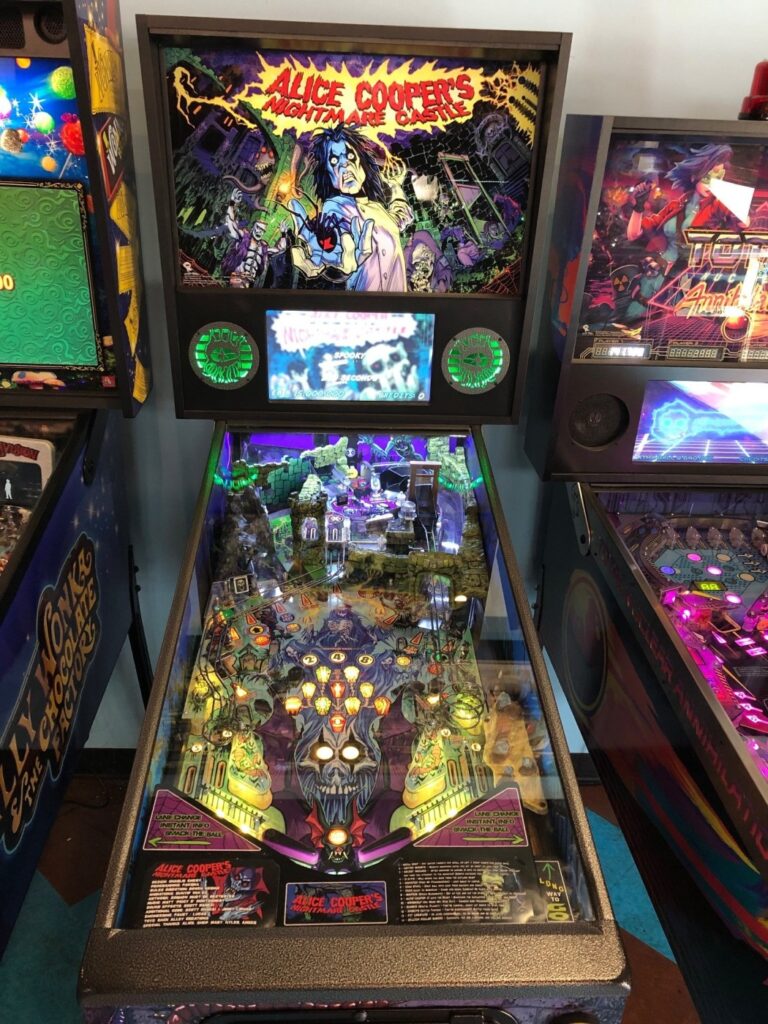
    Making its debut as part of the exhibit is Rock & Roll Hall of Fame Inductee and shock rock pioneer Alice Cooper’s newest pinball machine – Alice Cooper’s Nightmare Castle. The classic horror adventure game is narrated by Cooper himself and features a number of songs spanning Cooper’s career and a working guillotine set piece. 

    Fans can also view pioneering pinball machines of their favorite musicians such as Captain Fantastic (1976), based on the album by Elton John and his character in Tommy, and Beat Time (1967), one of the oldest rock and roll tables, which capitalizes on Beatlemania, featuring several mop-topped musicians and a drumhead emblazoned with “The Bootles.”

    Other rare and sought-after playable machines in the exhibit pay tribute to the Rolling Stones, Dolly Parton, Guns N’ Roses, Elvis, Metallica, KISS, and AC/DC. From Peter Criss of KISS’ drum set to Dolly Parton’s dress that inspired the backglass for the DollyParton pinball machine, fans will find other artifacts on display as they learn more about the popular pinball and rock subculture.

    https://www.youtube.com/watch?v=UFrDpx7zLtA
  • Burning Bicycles Release Debut Single “Moonlight”

    One of the newest bands to come out of New York City‘s Indie underground, Burning Bicycles makes their debut with the single “Moonlight.” Originally released April 13, this track serves both as an acknowledgment of NYC’s crisis with COVID-19 and a call for hope amid the chaos.

    In this track you can hear the Burning Bicycles leaning into their psychedelic rock roots, crafting a dreamy track that pairs a mellow glimmering guitar with a laid back beat. Burning Bicycles states that “Moonlight’ encourages our fans to be aware of the world around them, but not to give up on their dreams and ambitions: regardless of the conditions we face.”

    I couldn’t agree more with their assessment and the chorus perfectly exemplifies their intent, further adding to the inspiring and uplifting tone of the track.

    “Don’t break away, Look around at the world that you stay, Living in and, Don’t let them take, All your dreams it’s the reason why you live”

    Be sure to check out Burning Bicycles newest single, “War” and find them on their Facebook for updates on their coming releases.

  • Virtual Northwest String Summit: Hiding Out at Home, Bluegrass Delivered

    For the past 18 years the Northwest String Summit has been a festival catering to all things string. Country, folk and bluegrass artists, well-known and just discovered, would descend upon Horning’s Hideout. Festival-goers can listen to the music and enjoyed a myriad of activities including but not limited to arts and crafts, glamping, yoga, and instrument building.

    Unfortunately, COVID-19 has created the conditions in which having a traditional festival would be dangerous. In the interest of public safety, the event has closed its on-site activities. Even though the physical festival is no longer possible, the lockdown has not stifled the creativity of the artists that were slated to attend the summit this year.

    Virtual Northwest String Summit
    To connect fans to artists, the Northwest String Summit has gone virtual.

    Over 28 different artists will be streaming their performances live or remote this July 17-19 on LiveXLive. Archival footage spanning the history of the event will be sprinkled in-between sets. Thirty hours of never-seen-before footage will be shown. All of the proceeds will go back to the artists, crew, and industry. The Early Bird special pricing of $29.99 will be available until July 7 for this three-night event.

    Check out this stream and more through our series NY Stream and Support. You’ll discover artists around the Empire State streaming nightly, with ways to support musicians and charitable groups close to home!