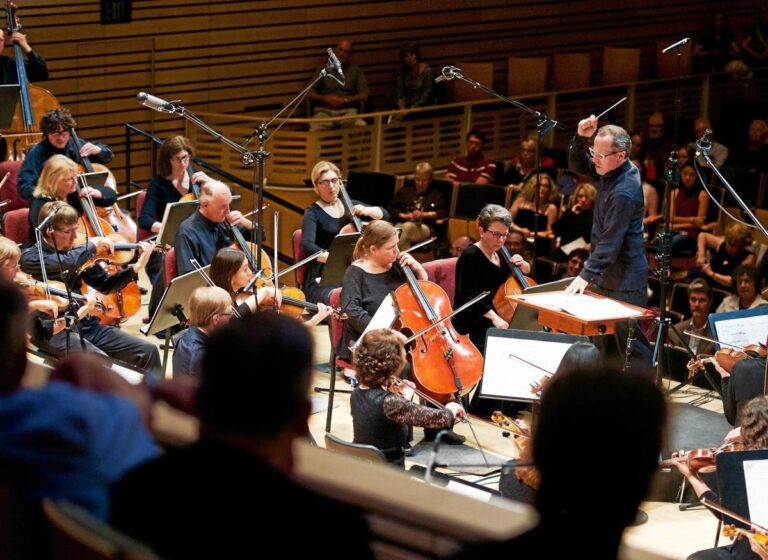
On December 12, the Albany Symphony performed works by Ludwig van Beethoven, Michael Torke, and Viet Cuong. The concert was centered around these composers due to their age; they were all under 30 when the pieces were written.
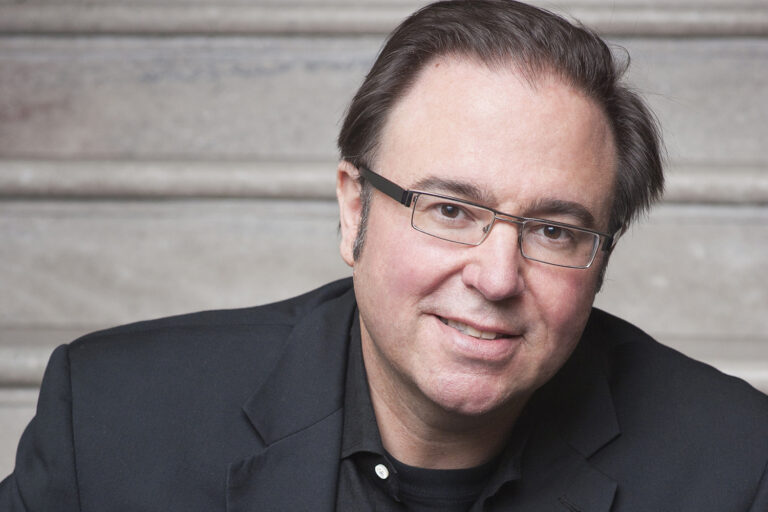
The conductor, David Alan Miller, held a pre-concert talk where he discussed the Beethoven pieces and talked with Torke and Cuong. In the discussion with Torke, he talks about the inspiration for his piece, Ash. Written in 1988 after his mother’s death, the piece is one of Torke’s characteristic “color pieces”, aptly named for the colors he associates with key signatures due to his synesthesia. The piece is in f-minor, a darker key, to match the title.
Miller’s next interview was with Viet Cuong, a rising young composer. His piece, Extra(ordinarily) Fancy, is a sequel to his 2017 piece, Extra Fancy. The double oboe concerto utilizes multi-phonics, an extended technique on the instrument. He was inspired by Baroque music, specifically Vivaldi. Cuong also talked about his use of Shepard tones. In short, it is an audio illusion that makes the music feel like it is constantly rising. He was inspired by the endless stairs from Super Mario 64. This concert was supposed to premiere a large orchestral work by Cuong, but due to the COVID-19 pandemic, is now planned for next fall.
The Concert
The concert started with the Overture and finale to Beethoven’s Creatures of Prometheus ballet. The dramatic beginning is greatly contrasted by the rich melodies. The finale is strikingly similar to Beethoven’s Third Symphony as he used the same melody in that finale as well, a staple of Beethoven.
They next moved onto Torke’s Ash. The piece has an obvious darkness that is aided by the key. There is a lush texture to the piece with many rich harmonies as well. The middle section modulates to A-flat major, also utilizing syncopation to give the piece a different feel. It also utilizes a technique similar to Beethoven. By using octaves and unisons in the strings, it adds intensity and builds tension within the piece to lead to the climax. Beethoven pioneered this technique, and Torke uses it to its full extent.
Photo Credit: Bryan Hainer
The concert then went to Cuong’s Extra(ordinarily) Fancy. The harpsichord shows that Baroque influence that Cuong talked about in his interview. The piece is very conversational, having one oboe be “fancy” and one be “extra fancy”. The use of multi-phonics here is genius as it creates a whole new voice that can mimic the first oboe, but is decidedly different. The conversation between the two soloists is common, but Cuong brings it to a new level using the extended technique.
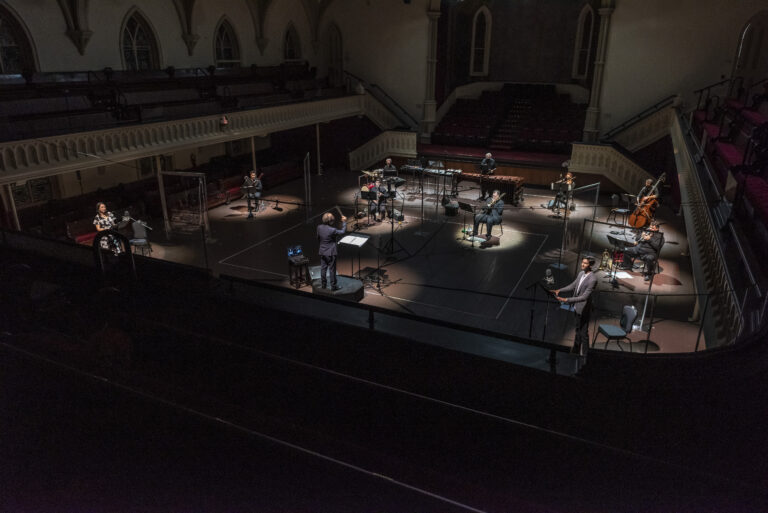
Photo Credit: Phil Parsons
The concert ended with Beethoven’s First Symphony. As his first symphony, Beethoven builds on the great composers before him: Haydn and Mozart. Written at the turn of the nineteenth century, Beethoven began to break away from the traditional classical form, establishing himself as the preeminent composer in Europe.
For more information on the Albany Symphony and their upcoming events visit their website.
Frank Gallagher, host of the podcast Soundman Confidential, is on a mission to keep the magic of live music in the public’s imagination. He hosts conversations with some of the biggest players and artists in the music business, opening up about their careers performing live, and how they see the future of live music, post-pandemic.
Season One commenced on November 12, finding Gallagher (as he’s most commonly known) conversing with all four Talking Heads, Jim Kerr of Simple Minds and Kate Pierson of the B-52’s.
In 1977, Frank drove from London to Zurich in a truck filled with sound gear to meet up with two American bands flying in for a European tour – The Ramones and Talking Heads. Post-show, Frank went backstage and told Talking Heads he wanted to be their sound guy. The band gladly accepted his offer. In 1982, he met Scottish band, Simple Minds, rapidly becoming an important band in the UK’s post-punk scene. Frank encouraged the band to work hard, play each gig if it was to be their last, and to stay connected to their fans who showed up to see the shows.
Frank Gallagher was still touring in his seventies before COVID-19 pulled the plug on a B-52’s tour. The B-52’s are a part of the legacy act touring business, and Frank commands their iconic sound with his punchy, energetic mix, much to the delight of their legions of fans. Based in Arizona and California, Frank awaits the call to get back on the road with the band.
Brooklyn-based Ok Cowgirl shared their second track of the fall, “Don’t Go.” This is the project of the multi-instrumentalist and songwriter Leah Lavigne. It serves as an explosively dreamy testament to shedding insecurities and carving your own path in a world that craves conformity.
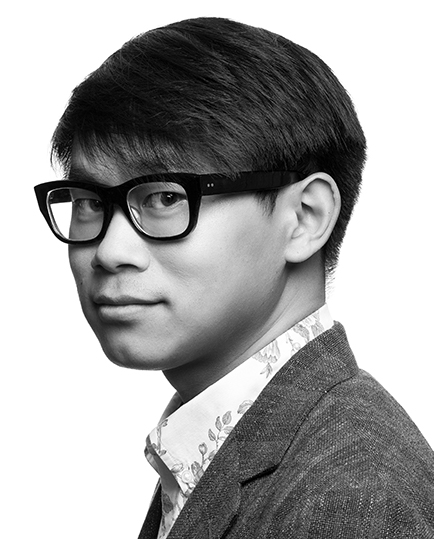
Photo Credit: Nina Jang
Driven to pursue a louder, equally introspective sound, Lavinge stepped away from the piano and taught herself electric guitar. In the summer of 2018, she joined long-time collaborator and percussionist Matt Birkenholz, bassist Jase Hottenroth, and lead guitarist Jake Sabinsky. They were Leah and the Lowkeys, but later changed their name to Ok Cowgirl.
The dreamy, synth-laden track was inspired by being in the moment, those days when life feels electric. “It’s a wispy optimistic take on watching time drip by through rose colored glasses,” says Lavigne. “Don’t Go” interweaves still-overdriven Fenders with dulcet vintage keyboards. It maintains the core sounds of the group’s arsenal while arguing the opposite attitude of “Get Gone.”
“Don’t Go” looks to good days to treasure the moments of emotional reprieve, seeking inspiration in the energy around us. On the other hand, “Get Gone” serves as a reaction against superficiality and the desire to abandon it.
The “Get Gone” / “Don’t Go” double single release is now out everywhere.
The Empire State Youth Orchestra (ESYO) musicians will perform in the virtual Tutti! Festival over two weekends in December. It will feature twelve ensembles in eight live recorded concerts. All concerts will be streamed online to virtual audiences through ESYO’s Virtual Concert Hall.
The festival begins on December 3 with Beethoven’s First Symphony performed by the ESYO Symphony Classical Orchestra. The advanced Symphony Orchestra will perform works by Mozart including the Marriage of Figaro and The Magic Flute. ESYO Symphony Orchestra will also rediscover Dance in the Old Style by Hollywood composer Erich Korngold, The Serenade for Strings by Irish-American composer, Victor Herbert and Brazilian composer Heitor Villa-Lobos’ homage to Mozart Sinfonietta No. 1. On Saturday, December 12, members of the ESYO Jazz Orchestra will take the stage with Milestones by jazz legend Miles Davis and a jazzy take on the holiday favorite “Have Yourself a Merry Little Christmas.”
A full list of concerts and repertoire is available online on their website.
The organization is excited to be able to provide incredible musical opportunities to ESYO students who are from throughout the Capital Region and beyond. This past fall, leaders at the organization developed creative and innovative ways the student musicians could come together, in person, to practice music, all while adhering to strict COVID-19 safe regulations. They have been practicing in small groups throughout the season.
“The pandemic forced us to use many tools that we didn’t realize we had and forced us to think out of the box in the way we design our programs, orchestras, rehearsals and concerts. For example, the chance to break up our big orchestra into chamber orchestras allows for a lot of repertoire opportunities that we would not have before. The fact that we are challenged by the schedule having to rehearse half of the orchestra in one room and the other half in another room forced us to engage with assistant conductors and instrument coaches that tremendously increased the personalized educational attention that our musicians would not receive otherwise,” said ESYO Music Director, Carlos Ágreda.
Georgia Burtt, a violinist in Symphony Orchestra who is homeschooled in Berne, also believes ESYO has shined during this time. “I think that the music instruction is great. When we were first quarantined back in March, ESYO continued online. We had some speakers talk to us about college, performance, and what life is like working as a professional musician. I thought that those were incredible. Now, with the in-person rehearsals, we can directly work with our conductors and sectional coaches. We are also live-streaming the rehearsals so those who are quarantined are able to still learn and participate in the rehearsals. Overall, I think ESYO has done an incredible job modifying in accordance with these new restrictions while still giving us students opportunities to learn and improve.”
ESYO has also kept its free, afterschool program called CHIME going strong, in the virtual world. CHIME musicians are engaging in a private lesson, a group practice and a music appreciation class each week. The cuts in NY State arts education funding have presented a significant challenge, but ESYO remains committed to providing enriched musical experiences for its youth. They are so grateful to all who have made generous contributions this fall, and are hoping that the community will continue to step up to help ensure that the CHIME students are able to keep making music through the winter.
Virtual Concert Schedule:
December 3 at 7:00pm: Symphony Classical
December 4 at 7:00pm: Repertory Romantic and String Orchestra
December 5 at 7:00pm: Repertory Strings and Youth Percussion
December 6 at 3:00pm: ESYO Wind Orchestra & Concertino Strings
December 10 at 7:00pm: ESYO Repertory Classical and String Orchestra
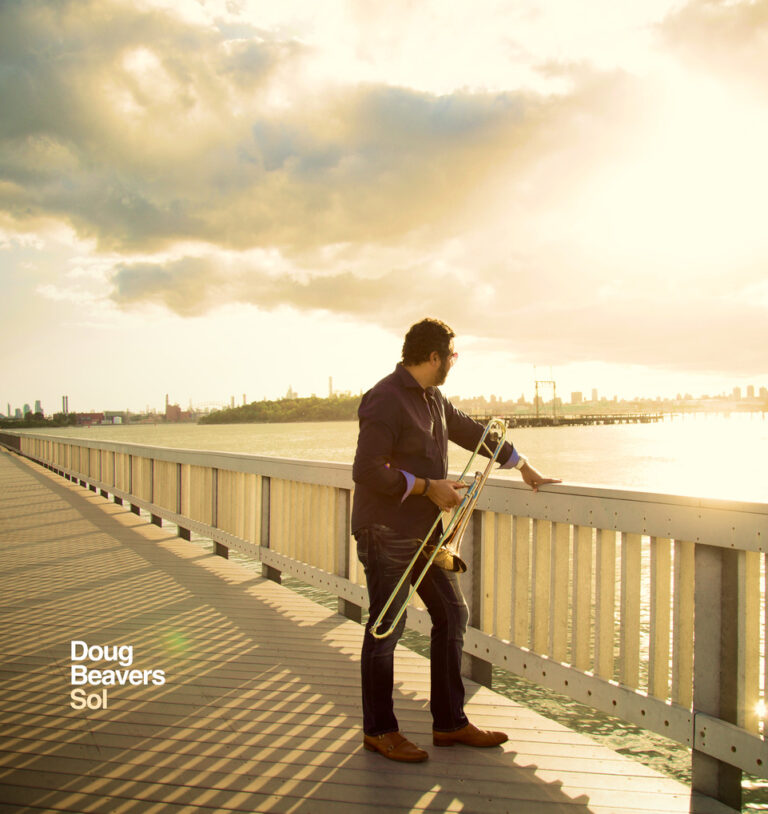
Grammy Award-winning Doug Beavers is of the stature of NYC’s top jazz aficionados who fearlessly push the boundaries of the genre itself. Beavers was an ace trombonist for Eddie Palmieri’s “La Perfecta” band and the current lead trombonist for the Spanish Harlem Orchestra. On his forthcoming new full-length studio album, Sol, Beavers steps into the spotlight like never before.
Sol showcases a dozen original compositions featuring special guests Joe Locke (Kenny Barron, Eddie Henderson) on vibraphone, vocalist Ada Dyer (Chaka Khan, Roberta Flack), Latin jazz vocal sensation Jeremy Bosch (Spanish Harlem Orchestra), and Robby Ameen (Ruben Blades, Dizzy Gillespie) on drums.
Recorded in New York City during the COVID-19 pandemic, Doug Beavers sought to produce an empowering album to help rekindle connections and return to values centered around kindness and compassion. At the heart of Sol, he revisits the sounds of the 1970s when addictive bass riffs, sophisticated horn arrangements, and African rhythms dominated the charts. It wouldn’t be a Beavers recording though if it didn’t have a powerful punch of Latin jazz and the best salsa players/singers NYC has to offer performing on the tracks. Hence, Sol dives deep into an organic alchemy of salsa, jazz, and R&B.
“It was the vibe of the sun telling me everything is going to be OK. I just took my score paper and the music immediately started pouring out,” Doug Beavers recalls. “You know, we’ve all been through a lot in 2020, and I wanted to record a New York album that uplifts people and puts smiles on their faces. I know that sunshine has that natural effect on me, thus I named the album, Sol.”
Sol is set for international release on Friday, December 4, on Circle 9, a brand new subscriber-supported independent record label, recently launched by Doug Beavers.
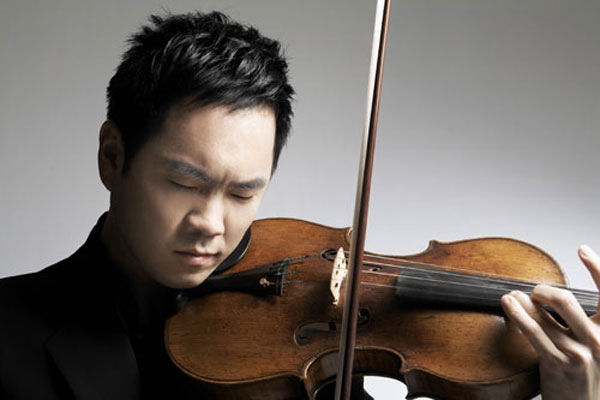
The Albany Symphony announced that their world premier recording of Christopher Theofanidis‘ Concerto for Viola and Chamber Orchestra has been nominated for a Grammy Award in the Best Classical Instrumental Solo category. The Concerto was recorded on January 8, 2018 at the Troy Savings Bank Music Hall and released by Albany Records. This is the fifth Grammy Nomination in seven years for the Albany Symphony.
“We are thrilled to receive this nomination, which brings attention to Christopher Theofanidis’ magnificent concerto, inspired by Navajo poetry,” said Music Director David Alan Miller. “It’s not every day that a viola concerto gets recognized, but this is arguably the finest concerto for the instrument written in many years. We are so grateful to Richard O’Neill, our astounding viola soloist, and to Silas Brown, our extraordinary producer and engineer. I deeply appreciate the work of our brilliant Albany Symphony musicians. Thanks also to our staff, board and friends at Albany Records, and to all our supporters.”
Composer Christopher Theofanidis also expressed his appreciation. “I was so delighted to receive the news. Richard put so much of himself into the performances and recording of the concerto, and David Alan Miller and the Albany Symphony’s commitment to excellence doing new work shines through in this announcement. It is an honor to have the piece nominated,” he said.
Portrait of Christopher Theofanidis
The Concerto for Viola and Chamber Orchestra was originally written for Kim Kashkashian who sent Theofanidis a collection of Navajo poems that were wildly different in character but had in common a supernatural sense of nature and an extremely evocative vocabulary. Each of the four movements is serious in sentiment, in turns foreboding and volatile, melancholic and questioning, lyrical and dramatic. Theofanidis wrote this work during the tragedy and turmoil of 9/11, starting the piece before and finishing it afterward, and was influenced by being in midtown Manhattan that day.
Viola soloist Richard O’Neill said, “In this dark time for musicians the world over, to receive this nomination for Chris’ moving and important work brought me to tears. David’s vision and unstoppable energy, the beautiful musicians of the Albany Symphony, and the great work of Silas Brown; these forces came together to create a dream team the envy of any musician. I am so incredibly lucky to have such friends and colleagues. In the absence of live performance throughout the US, I hope this recording can give comfort and joy to all that listen.”
The Albany Symphony recording of John Corigliano’s Conjurer with world-famous percussionist Dame Evelyn Glennie won the 2013 GRAMMY for Best Classical Instrumental Solo. The Albany Symphony was then nominated in 2015 and twice in 2019.
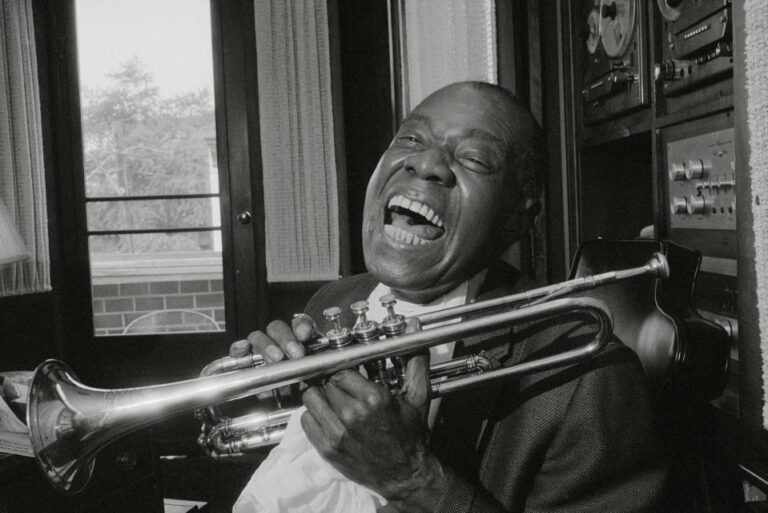
On August 4, 1901, Louis Armstrong was born in New Orleans. Until the age of five, Armstrong’s grandmother was his caregiver. At the age of six, he attended the Fisk School for Boys, an all black school in New Orleans. While performing odd jobs for the Karnoffsky family, Armstrong heard the early sounds of jazz from King Oliver.
Armstrong and the Karnoffskys bonded over their discrimination. Armstrong faced the obvious racial discrimination, but the Karnoffskys, a Jewish houselhold, also faced discrimination by “other white folks.”
In his early career, Armstrong performed on riverboats along the Mississippi River. This gave him more musical experience, particularly regarding reading music. He improved him trumpet playing, creating his own style and personality.
Chicago
In 1922, he moved to Chicago by invitation of King Oliver. Although race relations were poor, the city was flourishing and Armstrong was bale to find a job. The band, headed by Oliver, soon became one of the most influential bands in Chicago. Armstrong was able to live luxuriously in Chicago. Armstrong made his first recordings with Oliver for Gennett Records.
Louis Armstrong’s second wife, Lil Hardin Armstrong, wanted him to develop his own style apart from Oliver. Her influence eventually undermined Armstrong’s relationship with his mentor, especially concerning his salary and additional money that Oliver held back from Armstrong and other band members.
New York
Armstrong and Oliver parted ways in 1924. Soon after, Armstrong received an invitation to travel to New York and join the Fletcher Henderson Orchestra, the best African-American band at the time. Armstrong adapted to the tightly controlled style of Henderson, playing trumpet and experimenting with the trombone. The other members were affected by Armstrong’s emotional style. His act included singing and telling tales of New Orleans characters, especially preachers.
During this period, Armstrong made numerous recordings with Clarence Williams, Ma Rainey, Bessie Smith, and Alberta Hunter. Additionally, Duke Ellington‘s orchestra went to the Roseland Ballroom to catch Armstrong’s performances.
Return to Chicago
In 1925, Armstrong returned to Chicago. He joined his wife’s band, the Lil Hardin Armstrong Band, but also created the Hot Five. This group included Kid Ory, Johnny Dodds, Johnny St. Cyr, Armstrong, and Lil Armstrong. Over the next year, the group recorded twenty four records. Armstrong’s recordings of “Weather Bird” and “West End Blues” remain today as some of the most famous and influential improvisations.
He began to scat sing (improvised vocal jazz using nonsensical words) and was among the first to record it, on the Hot Five recording “Heebie Jeebies” in 1926. The recording was so popular that the group became the most famous jazz band in the United States, even though they had not performed live to any great extent. Young musicians across the country, black or white, were turned on by Armstrong’s new type of jazz.
After separating from Lil, Armstrong started to play at the Sunset Café for Al Capone’s associate Joe Glaser in the Carroll Dickerson Orchestra, with Earl Hineson piano, which was renamed Louis Armstrong and his Stompers, though Hines was the music director and Glaser managed the orchestra. Hines and Armstrong became fast friends and successful collaborators. It was at the Sunset Café that Armstrong accompanied singer Adelaide Hall. It was during Hall’s tenure at the venue that she experimented, developed and expanded her use and art of Scat singing with Armstrong’s guidance and encouragement
Back to New York
Armstrong returned to New York in 1929, playing in the pit orchestra for a musical with Fats Waller. He also made a cameo appearance as a vocalist, regularly stealing the show with his rendition of “Ain’t Misbehavin’”. His version of the song became his biggest selling record to date.
He soon began working at Connie’s Inn in Harlem, the rival to the Cotton Club. He also continued recording, performing many of Hoagy Carmichael‘s music with “Stardust” becoming the most successful. As with his trumpet playing, Armstrong’s vocal innovations served as a foundation stone for the art of jazz vocal interpretation. His resonant, velvety lower-register tone and bubbling cadences on sides such as “Lazy River” exerted a huge influence on younger white singers such as Bing Crosby.
Throughout the 1920’s, Louis Armstrong played a major impact on the Harlem Renaissance. His impact on the Renaissance influenced other major figures such as Langston Hughes. Within Hughes’ writings, he created many books which held the central idea of jazz and recognition to Armstrong as one of the most important person to be part of the new found love of their culture.
Jazz Revival
After spending many years on the road, Armstrong settled permanently in Queens, New York in 1943 in contentment with his fourth wife, Lucille. After spending many years on the road, Armstrong settled permanently in Queens, New York in 1943 in contentment with his fourth wife, Lucille.
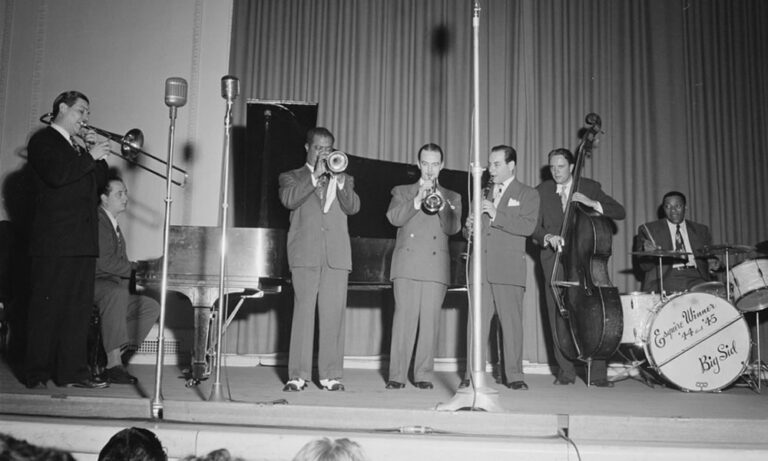
During the 1940s, Armstrong performed at the famed second Cavalcade of Jazz concert held at Wrigley Field in Los Angeles with Lionel Hampton’s band. Following a highly successful small-group jazz concert at New York Town Hall, Armstrong’s manager established a six-piece traditional jazz group featuring Armstrong with Jack Teagarden, Earl Hines and other top swing and Dixieland musicians. Armstrong’s manager named the group Louis Armstrong and His All Stars.
Around the World
By the 1950s, Armstrong became a widely beloved American icon and cultural ambassador. Around the world, he had a fervent following. However, there was an obvious generational gap between Armstrong and younger jazz artists like Miles Davis and Sonny Rollins. The younger generation viewed Armstrong and his act as outdated.
In 1948, Armstrong heard Suzy Delair sing “C’est is bon” at the Nice Jazz Festival. He loved the song and recorded his own in 1950. This became a worldwide success. In the 1960’s, he toured Ghana and Nigeria.
After leaving Decca Records, Armstrong became a freelance artist, but continued touring. This was an intense schedule, but Armstrong had to rest in 1959 when he suffered a heart attack in Italy.
In 1964, after over two years without setting foot in a studio, he recorded his biggest-selling record, “Hello, Dolly!”, originally sung by Carol Channing. Armstrong’s version remained on the Hot 100 for 22 weeks, longer than any other record produced that year, and went to No. 1 making him, at 62 years, 9 months and 5 days, the oldest person ever to accomplish that feat. In the process, he dislodged the Beatles from the No. 1 position they had occupied for 14 consecutive weeks with three different songs.
In March of 1971, Armstrong went against his doctor and played a two week engagement at the Waldorf-Astoria’s Empire room that ended in a heart attack. He was released from the hospital in May, and quickly resumed practicing his trumpet playing. Still hoping to get back on the road, Armstrong died of a heart attack in his sleep on July 6, 1971, a month before his 70th birthday. His honorary pallbearers included Bing Crosby, Ella Fitzgerald, Dizzy Gillespie, Count Basie, Frank Sinatra, Ed Sullivan, and Johnny Carson.
New Orleans’ main airport was renamed Louis Armstrong New Orleans International Airport. In 2002, Armstrong had recordings preserved in the United States National Recording Registry. The U.S. Open’s former main stadium was named the Louis Armstrong Stadium since he lived nearby.
Though Armstrong is widely recognized as a pioneer of scat singing, Ethel Waters precedes his scatting. Billie Holiday said that she always wanted Bessie Smith‘s ‘big’ sound and Armstrong’s feeling in her singing. Other major jazz musicians like Duke Ellington have praised Armstrong through strong testimonials.
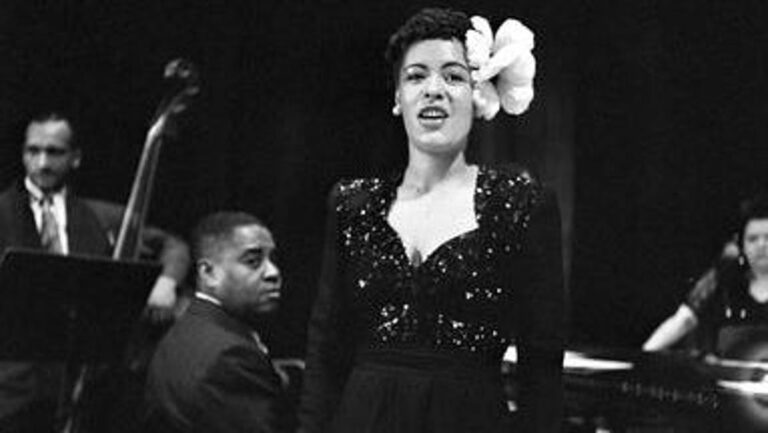
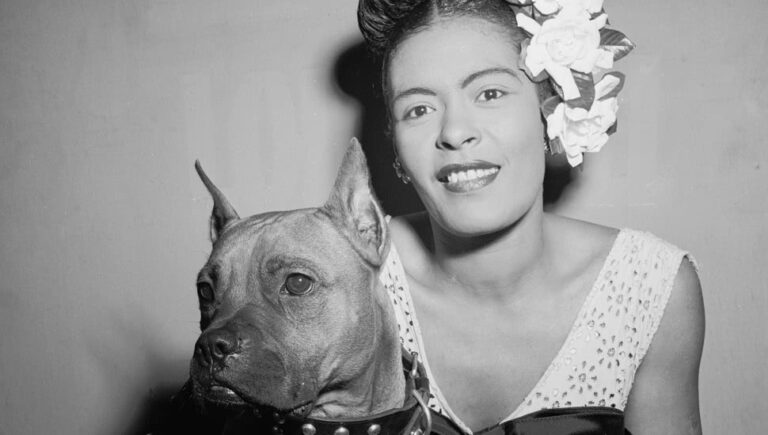
Eleanora Fagan was born on April 7, 1915 in Philadelphia. As a child, she started going by Billie Holiday, Billie from Billie Dove and Holiday from her dad. She began listening to records by Louis Armstrong and Bessie Smith. Her mother Sadie cleaned houses, but could not make a living, so moved to New York City.
As a teenager, Holiday began singing in nightclubs. She teamed up with saxophonist Kenneth Hollan, performing at numerous clubs in Harlem. In 1932, Holiday replaced Monette Moore at a club where John Hammond, a producer, heard her and signed her to a record. At the age of 18, she made her first recording with Benny Goodman.
The Depression Era
In 1935, Holiday recorded pop tunes with Teddy Wilson. Holiday was allowed to improvise; her improvisation of the melodies to fit the emotion was revolutionary. Their first collaboration, “What a Little Moonlight Can Do” became Holiday’s ‘claim to fame’.
Holiday soon achieved the title of big-band vocalist with Count Basie. She was able to choose her own songs, often opting to portray herself as a woman unlucky in love. “Summertime” a hit from Gershwin‘s Porgy and Bess became a hit for Holiday. Basie soon accepted Holiday’w involvement in the band, saying “When she rehearsed with the band, it was really just a matter of getting her tunes like she wanted them, because she knew how she wanted to sound and you couldn’t tell her what to do.”
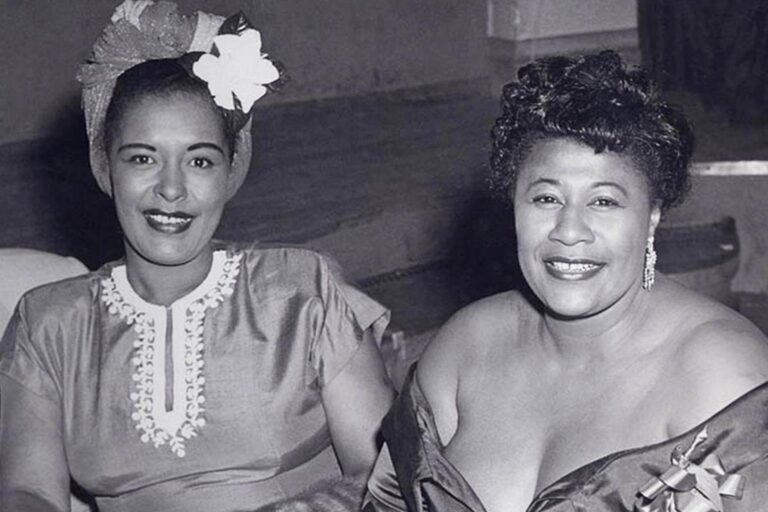
Soon, Holiday found herself in competition with Ella Fitzgerald, the singer for the Chick Webb Band, the direct competitor of Count Basie’s. On January 16, 1938, Basie and Webb’s bands had a battle at the Savoy Ballroom. Metronome magazine declared Webb the winner while DownBeat magazine pronounced Basie the winner.
Holiday left Basie in 1938 and was picked up by Artie Shaw. This put her in a unique situation in that she was a black woman singing in a white orchestra in the segregated South. With Shaw, Holiday achieved notoriety, but could not sing as often as with Basie. Additionally, Shaw was pressured to hire a white singer with whom Holiday had to share time. In November 1938, Holiday was asked to take a service elevator at the Lincoln Hotel which may have caused her to leave the group soon after.
Columbia and Commodore
Holiday was recording for Columbia Records and when she was introduced to “Strange Fruit,” a poem about lynching. She performed it in 1939 with trepidation, later saying the song reminded her of her father’s death. He was denied medical treatment due to racial prejudice.
Holiday got into an argument with her mother Sadie that ended in the daughter storming out, shouting, “God bless the child that’s got his own.” She then wrote “God Bless the Child,” her most popular and most covered record.
In 1942, Holiday recorded “Trav’lin Light” with Paul Whitman for Capitol Records, reaching number 23 on pop charts and number 1 on R&B charts. Holiday signed with Decca Records in 1944, recording “Lover Man”, another hit. In September 1946, Holiday began her only major film, New Orleans, in which she starred opposite Louis Armstrong and Woody Herman. Plagued by racism and McCarthyism, producer Jules Levey and script writer Herbert Biberman were pressed to lessen Holiday’s and Armstrong’s roles to avoid the impression that black people created jazz.
Legal Trouble and Drug Use
On May 16, 1947, Holiday was arrested for possession of narcotics. During the trial, she heard that her lawyer would not come to the trial to represent her. Dehydrated and unable to hold down food, she pleaded guilty and asked to be sent to the hospital. She was sentenced to Alderson Federal Prison Camp in West Virginia. The drug possession conviction caused her to lose her New York City Cabaret Card, preventing her working anywhere that sold alcohol’ so she performed in concert venues and theaters.
After her release in 1948, her manager, Ed Fishman, thought she should sing a comeback concert at Carnegie Hall. On March 27, Holiday played Carnegie Hall to a sold out crowd. A record number of tickets were sold in advance, a feat made more impressive since she did not have a current hit record. Holiday was again arrested on January 22, 1949 in San Francisco. That October, she recorded “Crazy He Calls Me”.
https://www.youtube.com/watch?v=Z_1LfT1MvzI
The loss of her Cabaret Card hurt Holiday financially. This problem worsened when Holiday’s records went out of print in the 1950s. She seldom received royalties in her later years. In 1958, she received a royalty of only $11.
By the 1950s, Holiday’s drug abuse, drinking, and relationships with abusive men caused her health to deteriorate. She appeared on the ABCreality seriesThe Comeback Story to discuss attempts to overcome her misfortunes. Her later recordings showed the effects of declining health on her voice, as it grew coarse and no longer projected its former vibrancy.
In early 1959, Holiday was diagnosed with cirrhosis. She stopped drinking on doctor’s orders, but soon relapsed. She quickly lost 20 pounds. On May 31, 1959, Holiday was taken to Metropolitan Hospital in New York for liver disease and heart disease. The Federal Bureau of Narcotics had been targeting Holiday for the last twenty years. As she lay dying, they raided her hospital room, placing Holiday under police guard. Holiday died on July 15, 1959 at 3:10 a.m. due to heart failure caused by cirrhosis of the liver.
Legacy, Awards, and Accomplishments
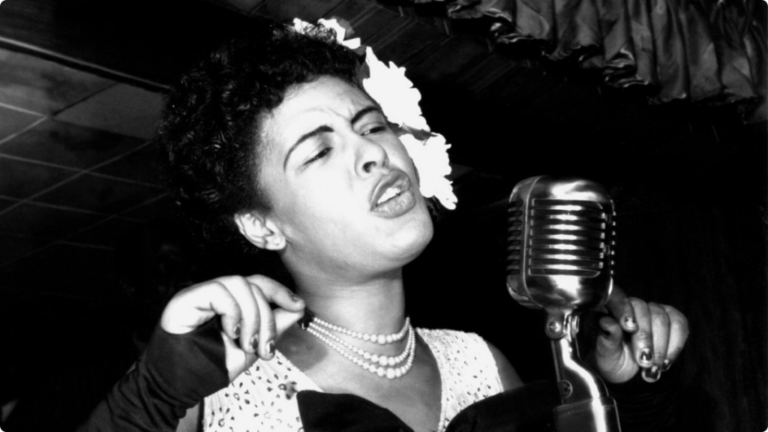
Holiday’s improvisation made up for a lack of training and was quoted saying that she wanted her voice to sound like an instrument. Frank Sinatra called her “the greatest single musical influence on me.”
Opera Saratoga has announced the first performance events as the start to the company’s 60th Anniversary Season. On Thursday, November 19, in partner with Caffe Lena, Opera Saratoga will launch AMERICA SINGS, a monthly concert series featuring diverse, internationally acclaimed artists.
The series looks to amplify the voices of artists from racial groups historically underrepresented on the concert stage and features a wide array of classical, jazz, and popular music. “Our focus on BIPOC artists in this series is one of our first steps in a multi-pronged plan to address diversity and equity not only in our programming at Opera Saratoga, but in the organization as a whole,” explained Lawrence Edelson, Opera Saratoga’s Artist and General Director.
All AMERICA SINGS concerts in this series will be live streamed to the public for free, but viewers are encouraged to contributee through a virtual tip jar. All tips received will be split equally between Opera Saratoga and the artists, providing much-needed support to the artists impacted by the shutdown.
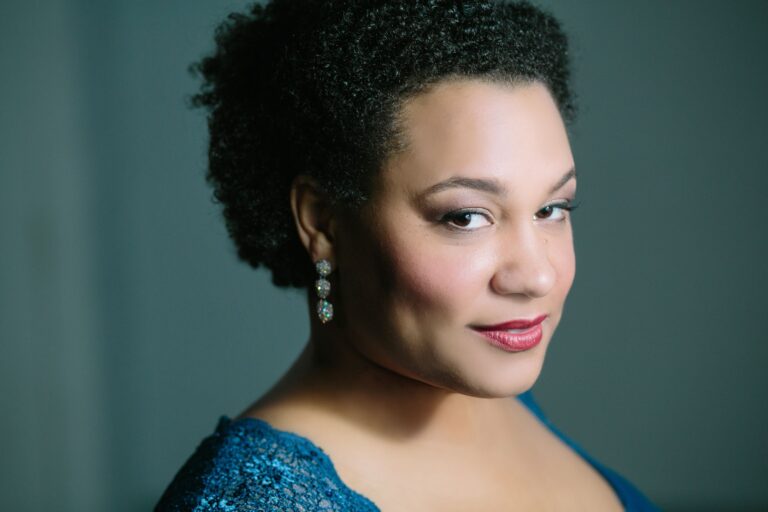
Mezzo soprano Deborah Nansteel, who was featured in Opera Saratoga’s 2018 production of The Consul, will open the series on Thursday, November 19th at 7pm with pianist Giovanni Reggioli. This first concert will feature music by George Gershwin, Billy Strayhorn, Richard Rogers, Erroll Garner, Richard Wagner, and William Bolcom, along with a selection of traditional spirituals.
Deborah Nansteel
The December concert will take place on Wednesday, December 30th at 7pm, and will feature soprano Brandie Sutton with pianist and composer Damien Sneed, both debuting with the company at the turn of the new year. The series will continue through the 2021, with additional concerts to be announced early next year
“The onset of the coronavirus pandemic, the racial awakening that has been taking place across the country, and the polarizing political climate leading up to the election has energized artists. While many singers have not been able to perform for live audiences due to the pandemic, they are engaged and craving the opportunity to share the transformative power of song and the intersection between music and what is happening in our country with audiences. I have not programmed this series, other than to invite an incredible group of artists to join us in Saratoga Springs. Rather, I have asked each artist to curate their own concert – to share music with us that speaks to how they are feeling about America today. I cannot wait to hear what each artist brings to us as they share their personal experience and perspective through the power of their incredible voices.”
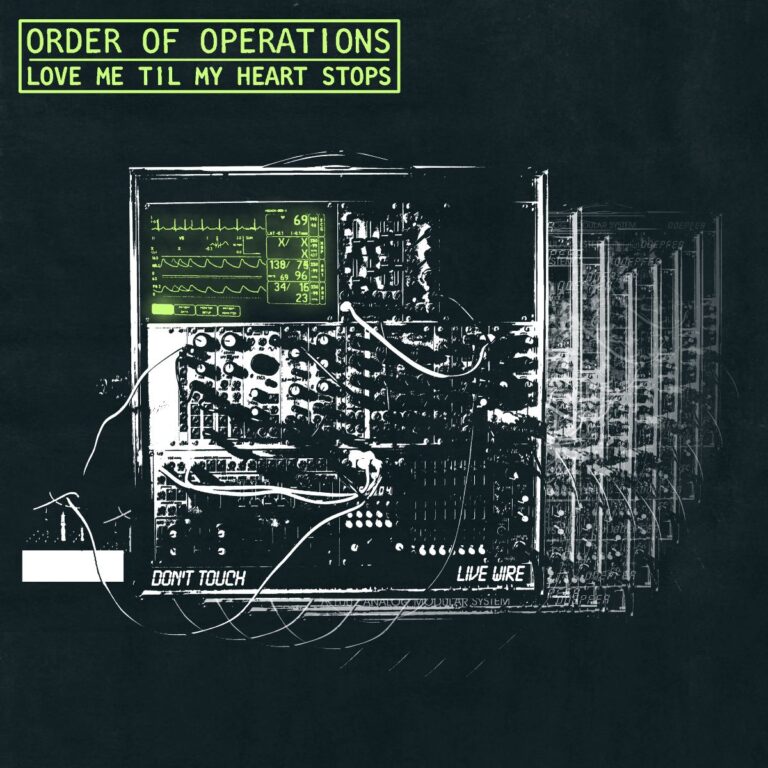
Order of Operations, a Brooklyn-based synth-pop project released their cover of “Psycho Killer.” This is the first to be shared off of their upcoming Talking Heads covers EP. It is the solo project of musician and producer Alain Paradis. This is the first recorded output from Paradis since 2014. The EP, Love Me Til My Heart Stops, is available November 19.
Order Of Operations is the solo project of Brooklyn musician Alain Paradis. The group spans the spectrum of future-looking indie — from austere cold wave, to noisy post-punk & dream pop, to Big Chair-style synth ballads in search of a John Hughes film.
The group debuted with 2014’s EP Constrvctive Delusions. Love Me Til My Heart Stops marks his second release, as he works towards his next original music venture. Alain Paradis lives in Bushwick, Brooklyn, NY with his synths and his regal-looking Persian cat Zoe.
Photo Cred: Brennan Michalowski
There’s a symmetry present in Order Of Operations reimagining the music of Talking Heads in 2020. Caught up in a cacophony of crises, NYC has begun to mirror the rumbling streets of the late 1970s that Byrne and company first crawled up from the cracks of. Alain Paradis sends a bright and lucid current through these songs, replacing irony with something that feels more like empathy. Additionally, the skittish no-wave originals are remade into evocative synth-pop anthems, spun through a kaleidoscope of chillwave and bedroom pop influences, until they seem to exist in their own unique time and space.