Category: World/Reggae

  • Mountain Jam 15, Deja Woodstock

    Mountain Jam marked year 15 by migrating to Bethel Woods Center for the Arts, the site of the original 1969 Woodstock Festival. When the change was announced earlier this year, Mountain Jam co-founder Gary Chetkof shared with the Poughkeepsie Journal: “What could be more amazing than Bethel Woods and the home of the Woodstock festival… It was really just a matter of going to the promised land.”

    Driving up on Friday (day two of the four day event) I turned off NY Route 17 onto 17B. Headed down this one-lane road affectionately named “The Woodstock Way,” I started to imagine what it was like in 1969 as people abandoned their cars on the road and started walking the final 10 miles to the festival. The closer I got, I could hear Arlo Guthries’s iconic “THE NEW YORK STATE THRUWAY’S CLOSED, MAN!” in my head.

    Peace flag

    Festival organizers took advantage of the great expanse that Bethel Woods had to offer. The box office was located on the southern perimeter of Bethel Woods in a remote field with tall grass and mud. The flashback was suddenly becoming real. After hiking up a hill toward the festival, I found myself looking out over the site of the original Woodstock. Images of 1969 started flashing before me.

    I was quickly brought back to 2019 as I strolled past campers and RV’s of various sizes and shapes with glamping professionals nestled in their folding chairs, munching on BBQ, and consuming their favorite beverages. At the entrance pockets were emptied, bags checked, and metal detector wanding was carried out by security.

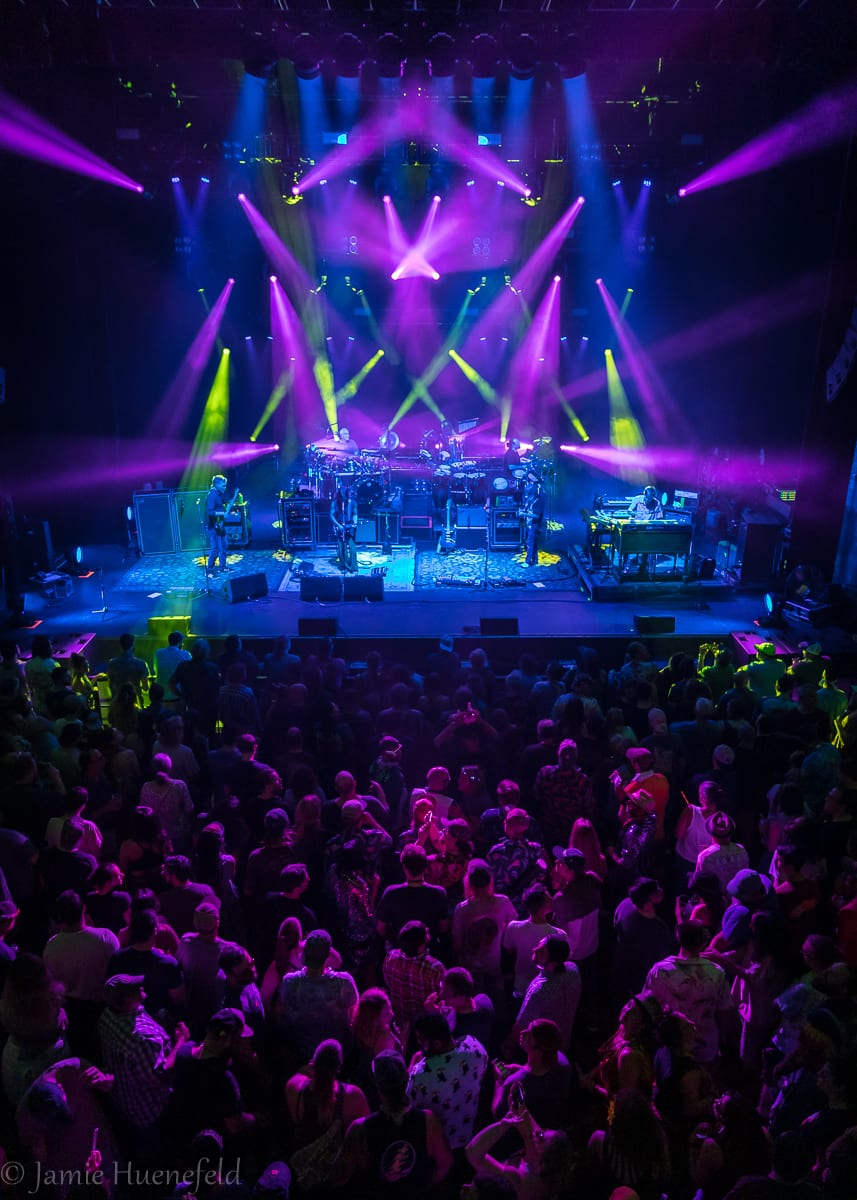
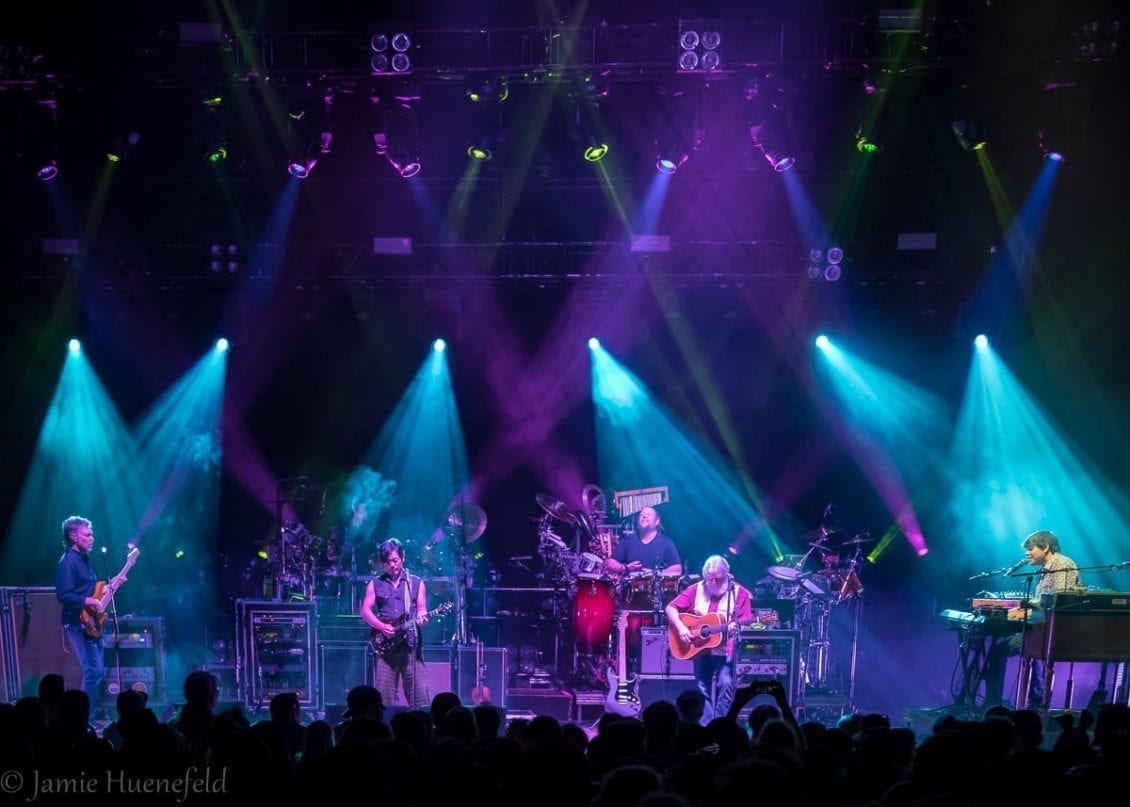
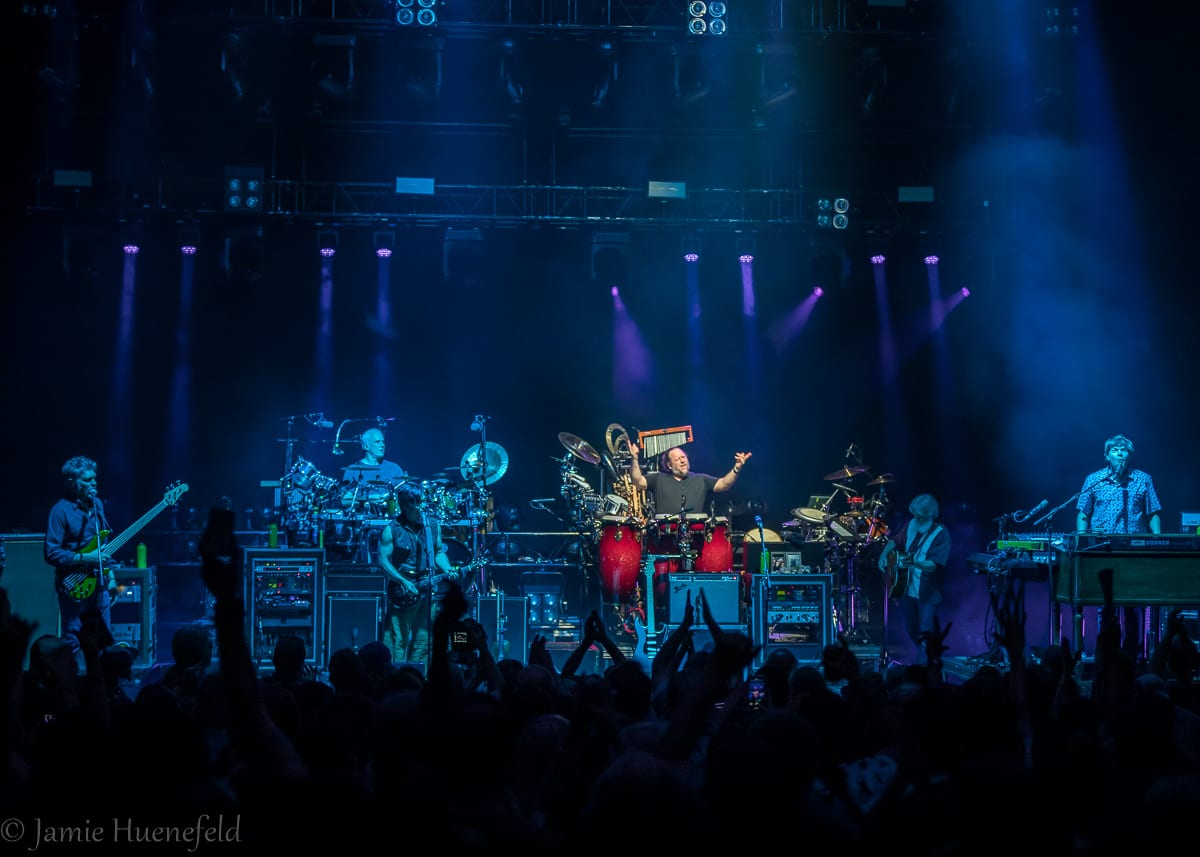
    Phil Lesh & Friends

    Mountain Jam, spelt out in 10-foot tall letters with teepee bookends, greeted me. The sound of music was immediate. The first stage I encountered was the Valley stage, a medium sized stage with a Ferris wheel parked next to it. Acts including The Nude Party, Hollis Brown and Tyler Ramsey performed there. The Valley stage also served as the location for late night jam sessions by Andy Frassco & the U.N. and Consider the Source held on Friday and Saturday nights.

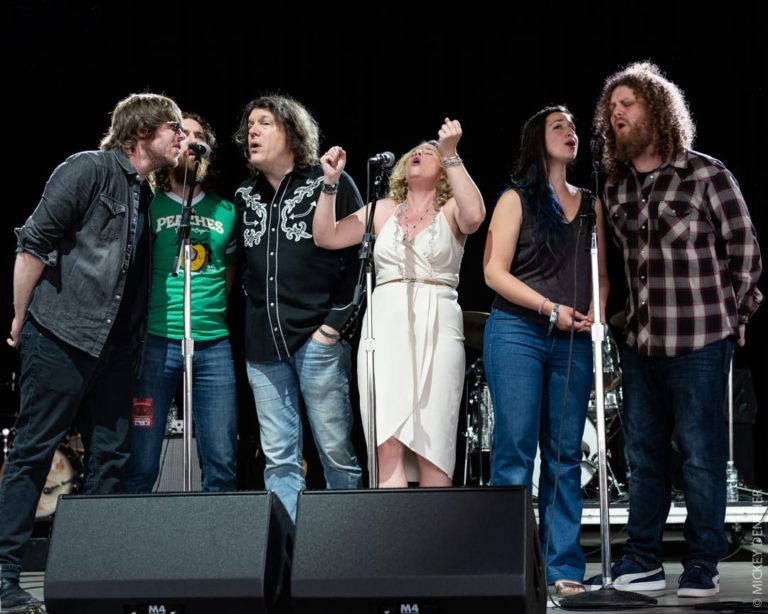
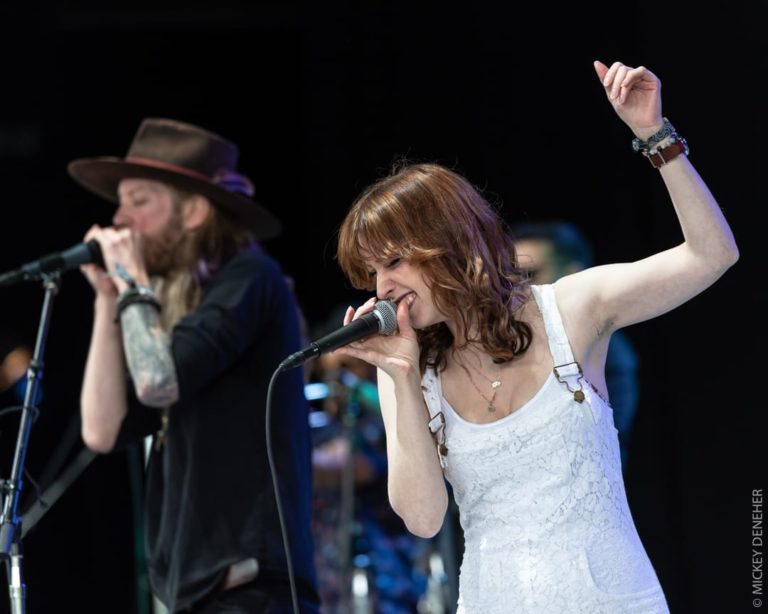
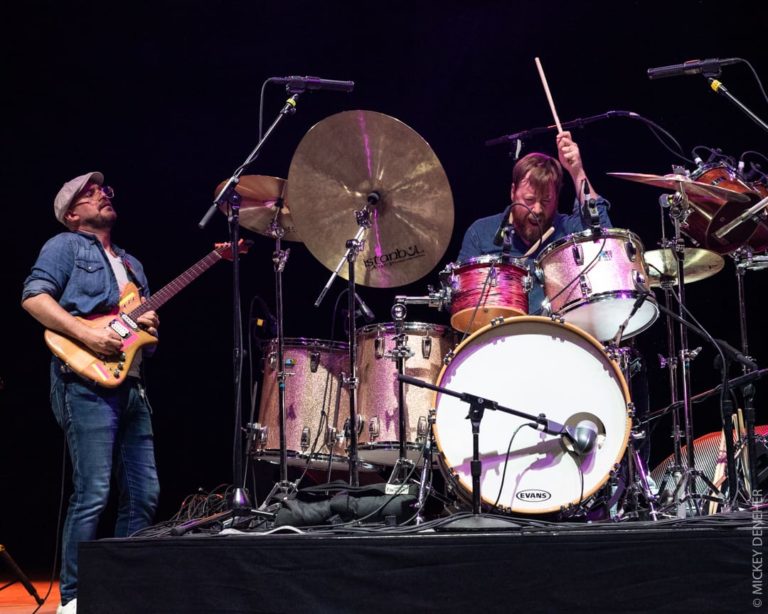
    Headed farther into the festival you came upon the Mountain Stage (main pavilion amphitheater) which hosted featured performers Gov’t Mule, Willie Nelson, Dispatch, The Avett Brothers, and Phil Lesh & Friends to name a few. Add to that the Terrace stage; a performance space with seats built into a hillside, VIP stage where special acoustic sets were performed by acts who had played bigger stages earlier that day, and an event gallery space. With this cornucopia of musical riches it made it difficult to chose who and where to go to listen to music. On Saturday and Sunday the Hudson Valley based band Yard Sale busked throughout the site, injecting a free form feeling reminiscent of 1969.  

    The vibe, the location, the history, the people

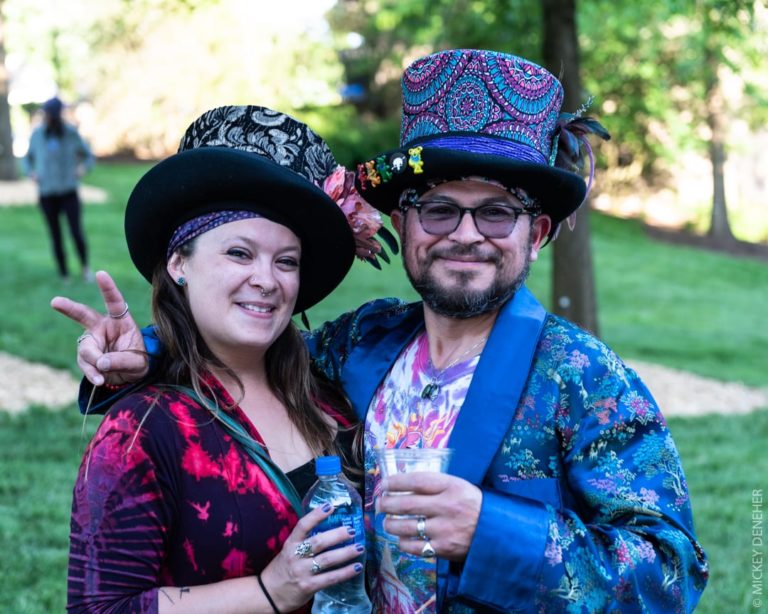
    Intended to celebrate radio station WDST/Woodstock’s 25th anniversary, Mountain Jam started as a one-day event in 2005 by principle station owner Gary Chetkof and Warren Haynes. After 14 years at Hunter Mountain the decision to move to Bethel Woods was made. A move of 70 miles from its original location at Hunter Mountain, proving to be light years away from the previous home. The vibe from the original three days of Peace and Music festival was palpable. Tie dye, bare feet, singing and dancing was the norm. A “Wish Tree,” part of Yoko Ono’s ongoing Imagine Peace art installation series invited people to make a wish; write it on a piece of paper and attach it to the tree. The on-site security and support staff wore t-shirts with Peace Patrol emblazoned on their backs. Babbling brooks illuminated in multi-colors, open fields and dream catchers situated throughout the site augmented the vibe.

    Those in attendance ran the gamut from old to young. Parents were there with their adult children, sitting on the hillside, sharing beers together while new parents introduced their young ones to the experience of live music. Many took advantage of the beautifully maintained grounds of Bethel Woods seaking out remote spots, allowing them to chill out and absorb the spirit that was Woodstock.

    Zen moment

    The Music

    In addition to over 40 bands performing at this years Mountain Jam, rock and roll photographer Jay Blakesberg, know as the photographer of the Grateful Dead, shared a slide show telling presentation of his work to a packed event gallery audience. An easy to use Mountain Jam app was available to help you track of all the performers, their set times, locations, and help you plan your daily daily schedule. It also updates you to special activates happening in real time.

    A highlight of the festival was Gov’t Mule’s Saturday night appearance (they played Friday night also) paying tribute to the bands that had performed at the original Woodstock festival. Warren Haynes, backed by percussionist Tato Melgar of Lukas Nelson & The Promise of The Real, opened the set with Richie Havens’ “Freedom.”  The band’s set included The Who’s “Eye Sight to the Blind,” CSNY’s “Find The Cost Of Freedom,” and Sly Stones “I Want To Take You Higher.” Throughout the night Gov’t Mule was joined on stage by special guests including Lukas Nelson, and Arleigh Kincheloe and Jackson Kincheloe from Sister Sparrow and the Dirty Birds. They ended the evening’s tribute with a blistering encore of Jimi Hendrix’s “Voodoo Child (Sight Return).”

    Rain did find its way to the festival late Saturday night and sporadically on Sunday, but with all stages having protective covering (the amphitheater has a permanent roof over the seats) the music never stopped. Being the 50th anniversary of Woodstock, who wouldn’t have expected it to rain at some point. After a successful four days and establishing a new location, Mountain Jam has secured the future of Peace & Music in the Hudson Valley.

  • Hearing Aide: Lettuce ‘Elevate’

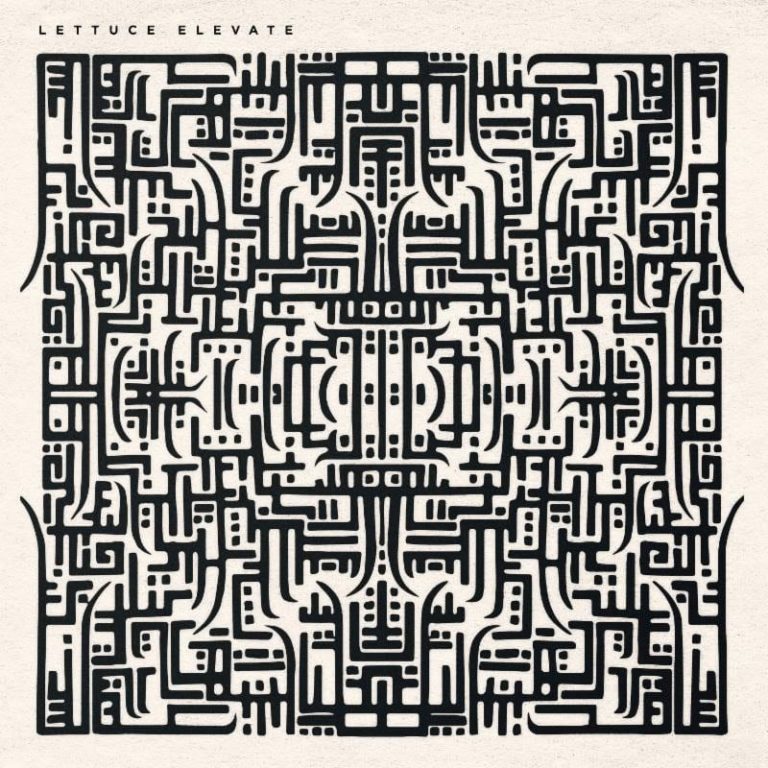
    Brooklyn based funk outfit, Lettuce, has been one of the pioneers in modern funk and jam music. The band’s skill and taste, combined with their ability to blend historic and popular music aesthetics together puts them in the spotlight for aspiring bands. The spotlight is nothing new to Lettuce and they are perpetually growing a global fan base. In fact, members Adam Deitch (drums/percussion), Adam “Shmeeans” Smirnoff (guitar), Erick “Jesus” Coomes (bass), Nigel Hall (keyboards/vocals), Ryan Zoidis (saxophone) and Eric “Benny” Bloom (trumpet) have been doing this for 25 years, scoring Grammy’s and working with some of the biggest forces in music such as Ahmir “Questlove” Thompson, Kanye West, and Stevie Wonder, to name a few. It’s no wonder the glamor for more original Lettuce music after a three-year wait was at an all time high. That time has come with their new album, Elevate.

    lettuce elevate

    The opening track, “Trapezoid” walks the listener in slowly, offering a close listen at the eccentric synth patches featured. Soon enough, a dark, unrelentingly ‘dub’ bass shatters the ground underneath the lush combination of squeaking synth, ambient whistles and palm-muted guitar. Deitch’s live drums are performed with machine-like technical skill. That is, until the unmistakably Lettuce horn lines kick in. Absolutely huge melodic phrases are composed with ease into tighter chorus hooks and are climaxed right before a colossal bass drop. While there is a chance that mashing up elements of trap, dub, funk, ambient and hip hop could go wrong, Lettuce navigates each mood change with confidence and expertise. The band’s grasp of their song’s structures at large is most easily seen by their ability to essentially re-write “Trapezoid” at the end of the album in “Trapezoid Dub.” There’s much more music to go before that arc is completed, but it is something to keep in mind when considering the magnificent flow of the album.

    Something Lettuce does as well as anything else is write true funk tunes. “Royal Highness” is a great example of this, with simple yet effective instrumentation coming together with well-organized rhythmic grooves blooming into a great dance tune. This instrumental leads in for the 60’s Ethiopian funk song, “Krewe,” which features arguably the best sax solo on the album. This track has a nice blend of high-energy rhythm with darker but upbeat instrumentation; an intriguing juxtaposition.

    The cover of Tears for Fears’ “Everybody Wants to Rule the World” is a fresh take on a classic tune. Lettuce brings the song out of its comfort zone, adding a swing, along with a more compelling instrumentation. The vocals make their debut here and do a great job of adding flavor and depth to the song, outside of simply holding down the famous melody. The bass really shines and punches along the deep end, supporting the layered vocals and the occasional soaring flute line.
    Flourishing trumpet fanfares and melodic horn phrases find their rhythmic soulmate in “Larimar.” The bass heaves along with a parallel guitar line, yielding a thick baritone guitar feel without sacrificing density. This song hits in two halves; the first half being a funk groove with attitude, which transitions into a cheekier outro groove. The instrumentation remains largely the same keeping the experience of the song isolated, but still very unique in its progression. “Love Is Too Strong” is a blues rock song, heavily influenced by the gospel and blues of the 60’s, but with some more 70’s styled mixolydian guitar solos and tones. The vocals are a highlight here as well, offering a strong, resonant lead melody with a raspy blues aesthetic, with accents and emphasis being added by a backing gospel choir.

    There’s a lot in this album in the way of genre, evinced by the Brian Eno/J Dilla inspired ambient hip hop instrumental, “Purple Cabbage.” Lettuce flexes their creative muscles here. The output is an atmospheric soundscape, which acts as the backdrop for an echo-laden layering of guitars to sputter around an unmistakably potent beat from Deitch. The horns, which maintain a strong presence throughout the album, remain front and center for much of the tune, stabbing right at the heart of the melody hidden in the backing soundscape the band creates. Running at just over nine-minutes, this song is steeped in timbre of all sorts. Listeners will be able to find something completely new with each listen.

    To be clear, this is the case with the album as a whole. Such a diverse selection of songs can be tough to wrangle into one concise piece of work, yet Lettuce does just that. The band transforms constantly from the start to end. Their final song “Trapezoid Dub” is a different version of the first song on the album, which is hardly noticeable unless looking at the track titles. Once you notice though, it becomes apparent that the framework for both tunes are the same, but Lettuce has managed to create an entirely different listening experience. A shining example of the band’s ability to adapt and reimagine.

    They change, while remaining just enough of the same Lettuce, that fans have known for all these years. The improvisational aspect is not lost among the composition, and the experimentation takes front seat just long enough for each tune (and the album in general) to have an unexpected but fulfilling arc. It’s not enough to say, “keep an eye on Lettuce.” Rather, this album marks the opportunity to appreciate their determined foray into seemingly unrelated genres and pull out exactly what pieces best fit their sound. Mesh those into tracks that are not only stunning, but also a whole lot of fun.

    Key Tracks: Purple Cabbage, Krewe, Larimar

  • Hearing Aide: Freekbass ‘All The Way This. All The Way That.’

    Hail the almighty bass – a beautiful cornerstone of countless bands through history. Its versatility is a product of its transformation over time, to become a tool that is both seismic and transient. With such a dichotomy, the possibilities are endless, and that attracts some of the most sagacious of musical minds. Chris “Freekbass” Sherman is one such person; his bombastic aesthetic and revolutionary playing style is evened out by his time learning from one of the most accurate and revolutionary funk bassists of all time (Boosty Collins).

    In this focused yet unrestrained way, Freekbass explores the extremes of his instrument while never venturing too far into the obscene, instead riding the line of being an accessible yet progressive artist. Freekbass himself is one of the true cornerstones of a band, with a physical image formed around his vision and shaped by the eccentric. In this new album, All The Way This. All The Way That., Freekbass puts on a clinic for bass enthusiasts, as he invites along a cast of immensely talented musicians to create a work that takes the listener on a travel through funk music’s past, present, and future.

    The band on this album is stellar in every performance aspect. The Freekbass Experience is composed of all-star players Rico Lewis on drums (George Clinton & Parliament-Funkadelic), Sky White on keys (Foxy Shazam), and Sammi Garett on vocals (Turkuaz). Every track is unique in its usage of the band, with Freekbass’ bass lines acting as a centerpiece for most tracks, developed further by his supporting cast. In general, each song could be described as being steeped in a sort of chaotic beauty, creating a very instrumentally deep album that breathes an air of robustness. This is one of the things that defines Freekbass’ aesthetic in a way; from his image to his stage presence, it’s wild, yet neither ignorant nor forced. It’s large, but never overwhelming.

    “Blizzard Lizard” offers a great look at this dynamic. A soft opening gets the listener comfortable before the bass slaps them awake, ushering in a groove so funky it warrants a spray of Glade air freshener. While this track has a darker mood, the energy remains potent as heavily effected guitar and synth lines swirl above a dark, black-hole of bass.

    Much of the time though, the album has a brighter nature with springy instrumentals and sing-able hooks. An unrelenting pulse between the bass and the drums sets the tone in “You Make Me Wanna Dance.” Here, the vocals sit nicely in an agile arrangement with a lot of interplay between the organ and bass. Added strings nod to older funk and disco. Vocal “ooh’s” on top of that work to create a cinematic atmosphere – a unique experience in a mostly pocket-funk styled song. One thing that stands out here, as well as in numerous places elsewhere on the album, are the transitions between the song’s parts. There is a well-phrased melodic line in “You Make Me Wanna Dance,” much like something out of a Stevie Wonder song. In the more 80’s funk-pop styled song, “Your Love Is Always On Time,” you find a lot of bass fills between side-chained sub-bass and drum breaks ala Prince. And speaking to that point, it’s evident that these modern funk figures, such as Stevie and Prince, lent as much influence to this album as did pioneers like James Brown and P-Funk.

    The intricacies in more pop-oriented songs are a testament to the skill of the band on this record. Take “Steppin’ Outta Line” – this song could have easily gotten away with a simple drum beat; bass drum on the one, snare drum on the two, and so on. Instead, you’ll notice that the bass drum lines up almost perfectly with the bass line, which does move around a fair amount without becoming too evasive. One of the lyrics on this song offer a great explanation as to why this type of intricacy is preferred to the more modern simplicity in this funk-pop: “Some may conform with the norm of the time / Others fly the coop / Steppin’ out of line.”

    Composition on this album stands out in a big way against the back drop of good-ol’-fun funk jams. Accessible and technical! Modern, yet paying homage to what made this type of music so intriguing to begin with.

    The closing song, “Thrust”, sends the album out on a high note, acting as a good cap to a breakthrough album. The chorus holds strong as an earworm. The drums are accurately performed, filling out their function as the co-equal to the bass while breaking out in fills at just the right time; vocals are layered so thick that they are felt seismically. It’s just as much as the bass, though their presence makes it so a voice never get lost in the mix. This chorus is likely the strongest on the album, and along with the chipper instrumental, it is a great end to an absolute trip. As the song fades out, the need to listen through again will surely arise.

    Chris Sherman’s on-stage persona is a sight to witness. That taken along with this new album, one should expect to be seeing the name Freekbass more and more over the next year. Make sure to listen on Spotify, and visit Freekbass’ website for upcoming show information as well as live content. Follow on Instagram, Twitter, Facebook and more! And if you’re in NYS, you can see him in Marlboro for Mazzstock 2019, playing onstage with Zach Deputy.

    Key Tracks: Thrust, Fre3kroNomoKon, Gotta Get Back To You

  • Music Haven announces 30th Summer Series in Schenectady

    For thirty years the Music Haven Concert Series has been bringing musicians from around the world to the capital region and this year to celebrate the 30th anniversary of the summer series they are also adding eight additional events, including theater and film.

    The seven Sunday shows feature artists from five continents, with special guests including Eddies lifetime achievement winner Kevin McKrell on July 28th opening for Ireland’s Seamus Egan (founder of the band Solas).

    Music Haven’s Founder and Producing Artistic Director Mona Golub announcing the lineup.
    Photo by Ed Conway

    Music Haven is also bringing Shakespeare back to Schenectady’s Central Park with two evenings of A Midsummer Night’s Dream. They will also be introducing a Broadway karaoke night, called Hamiltunes, a first of its kind event.

    Along with great entertainment the concert series has great food vendors, specialty beers, ice cream and other novelties making it a treat for the whole family. It’s no wonder that Music Haven won this year’s Eddie for Concert Series of the Year for enriching the cultural experiences of the region.

    2019 Concert Series (Sundays, 7 p.m.)

    July 7—Raghu Dixit
    Dubbed “India’s biggest cultural export” by The Guardian, Raghu Dixit’s contemporary global sound embraces elements of rock and hip hop, while rooted to India’s rich cultural heritage.
    Special Guests: Crossroads—Jay Gandhi & Yacouba Sissoko
    Sponsored by M&T Bank, Ellis Medicine, Fingerpaint

    July 14—Casuarina
    Named for the street where the band formed, Casuarina has gone from humble Rio de Janiero beginnings to rarified status as one of Brazil’s finest, sultriest Samba combos.
    Special Guests: Eduardo de Carvahlo e Forró de Bom
    Sponsored by Freihofer’s, The Salmon Law Firm, Goya

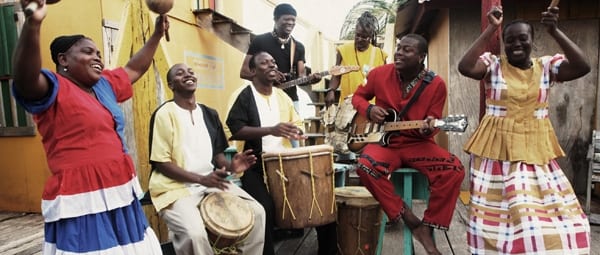
    The Garifuna Collective

    July 21—The Garifuna Collective
    Garifuna Collective preserves traditional Caribbean coastal rhythms like Wanaragua and the semi-sacred Hungu-Hungu with turtle shells, jawbones, guitars, bass and spiritual singing.
    Special Guest: Bodoma Garifuna Culture Band
    Sponsored by Benchemark Printing, Ben & Jerry’s, Snapple

    July 28—Seamus Egan Project
    Simply put, Solas founder and multi-instrumentalist Seamus Egan is a giant in the world of Irish traditional music, and he returns to his roots with a top notch quartet.
    Special Guest: Kevin McKrell
    Sponsored by Galesi Group, Carlilian Foundation

    Aug. 4—Thornetta Davis
    Multiple award-winner “Detroit’s Queen of the Blues,” Thornetta Davis has sung her truth alongside Bonnie Raitt, Kid Rock, Bob Seeger, and a host of blues luminaries.
    Special Guest: Tas Cru
    Sponsored by MVP Health Care, CDTA, Rivers Casino & Resort, WEXT 97.7/106.1

    Aug. 11—Cimarrón
    Like the Spanish Fandango, the Colombian Joropo that Cimarrón brings from the plains of the Orinoco River, is fierce, stomping and virtuosic.
    Special Guests: Sten & Maria Z.
    Sponsored by FAM Funds, Bustelo Coffee, SAVI

    Aug. 18—Jupiter & Okwess
    Kinshasa-born “Jupiter” Bokondji’s band Okwess marries the American funk heard during his youth in Germany with the Congolese Rumba of his homeland.
    Special Guests: TBA
    Sponsored by Lia Auto Group, Polar Beverages, WEXT

    Additional Performances (7 p.m.)

    Wednesday, July 17—The Turbans—Global dance party

    Thursday, July 18—Hamiltunes: An American Singalong

    Thursday, July 25—Huntertones—Horn-driven jazz/funk

    Friday and Saturday, July 26–27—Will Kempe’s Players: A Midsummer Night’s Dream —Shakespeare in the park

    Wednesday, July 31—A Tribute to Nick Brignola—Jazz

    Friday, Aug. 9—School of the Performing Arts at Proctors—Broadway Cabaret

    Saturday, Aug. 10—The Schenectady Symphony Orchestra—Pops and classical

    Friday, Aug. 16—Woodstock: Three Days that Defined a Generation
    —Premiere screening of new PBS Documentary

  • The String Cheese Incident Delivers Heady Queso at 25th Anniversary Run

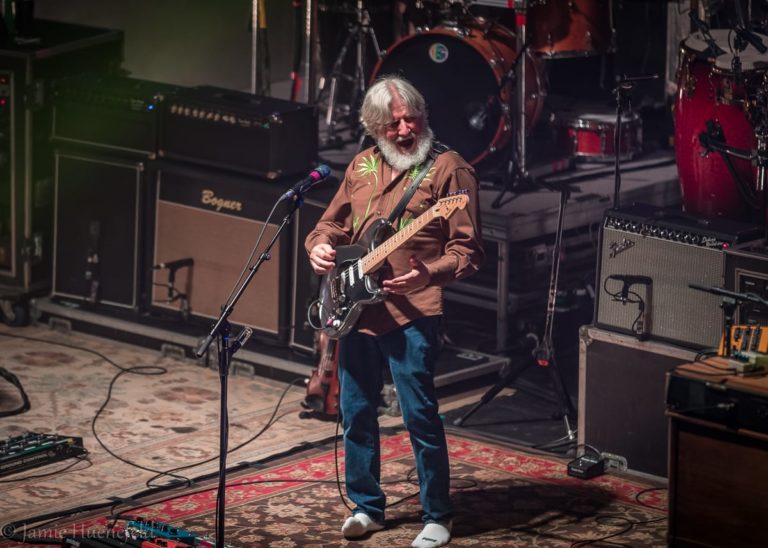
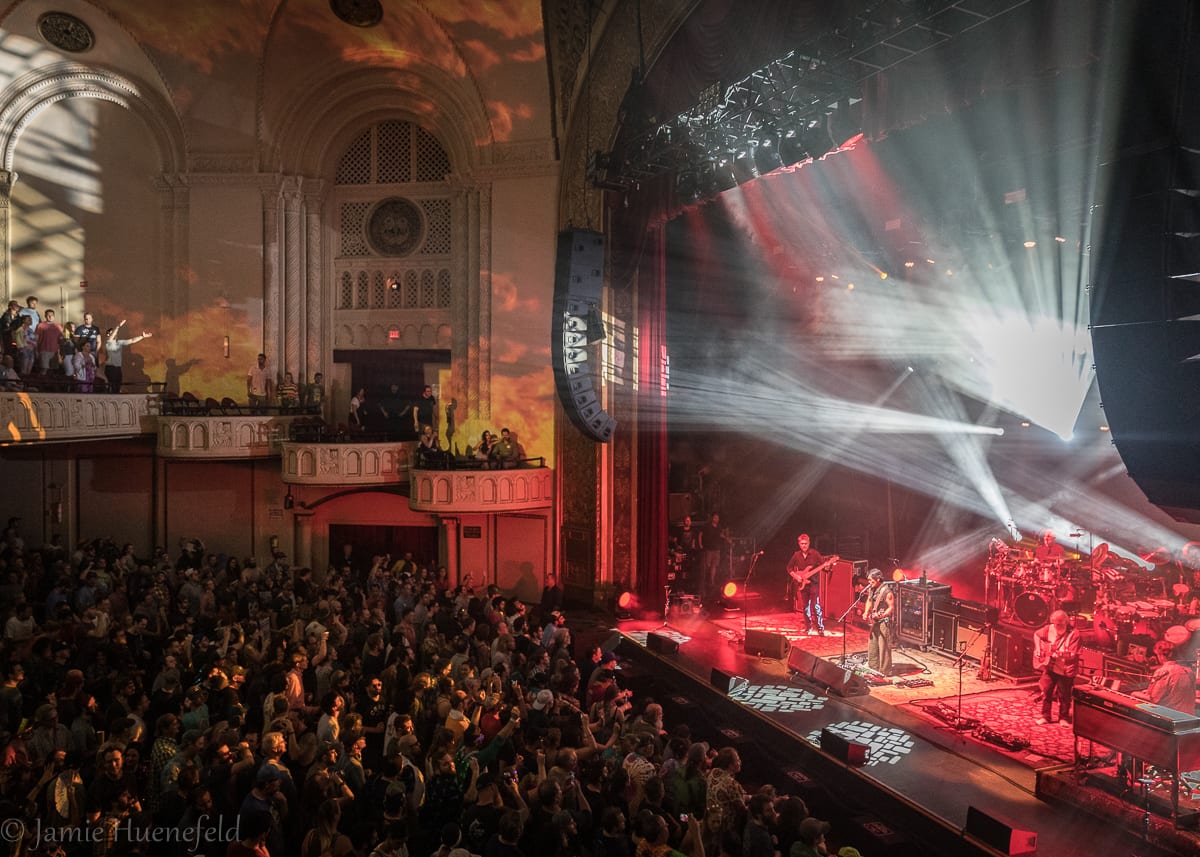
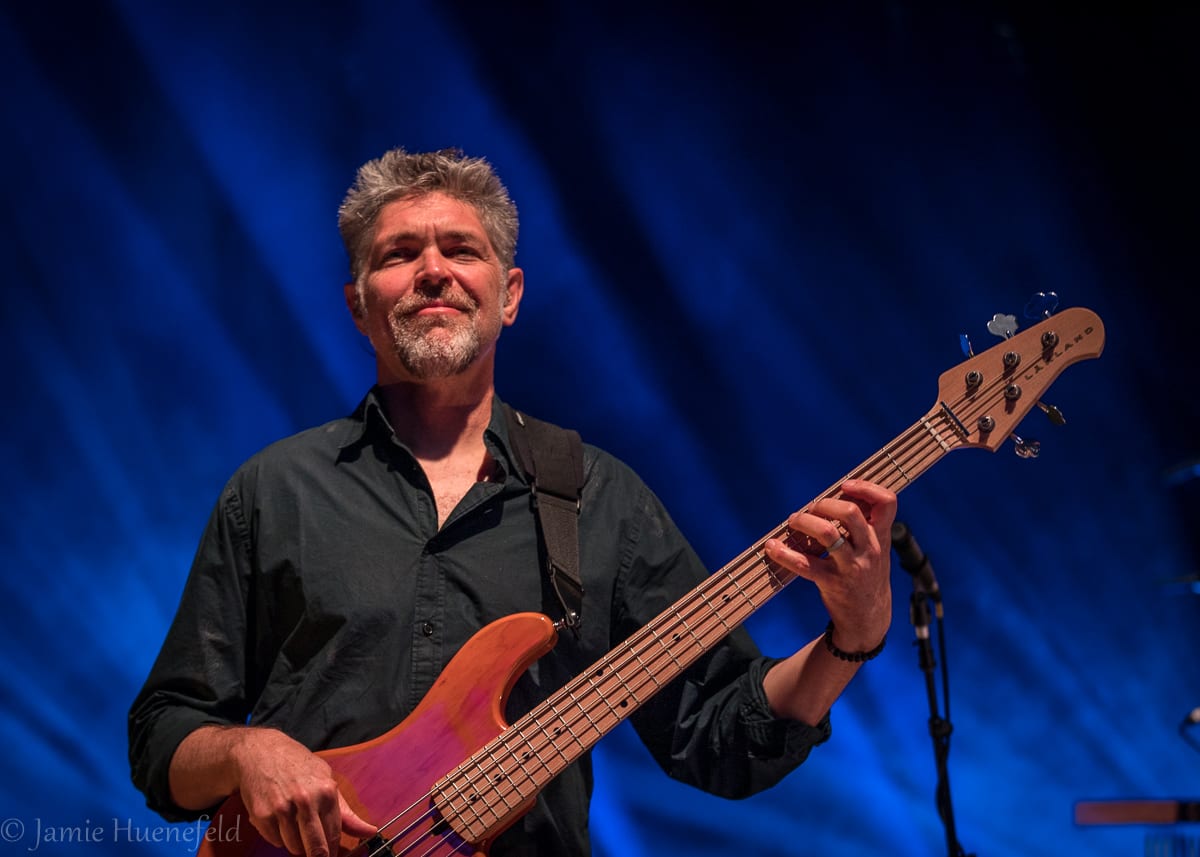
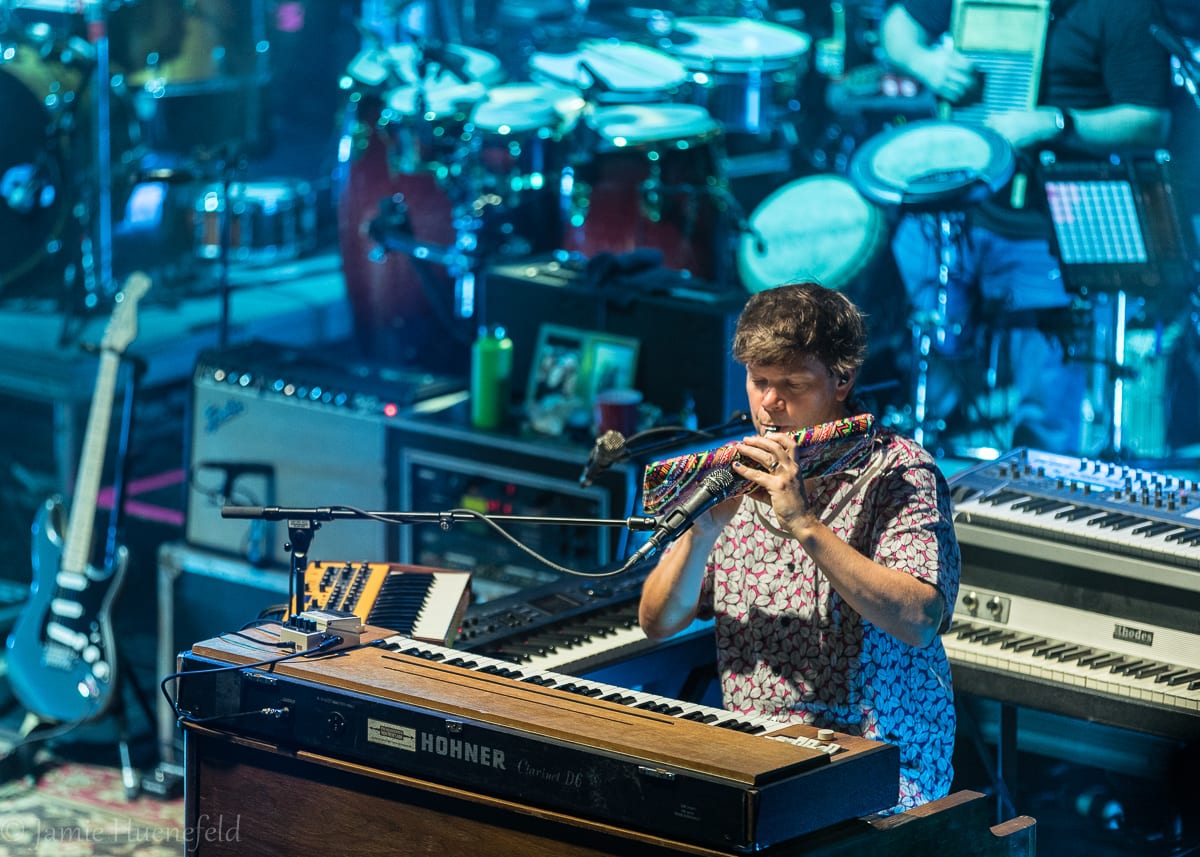
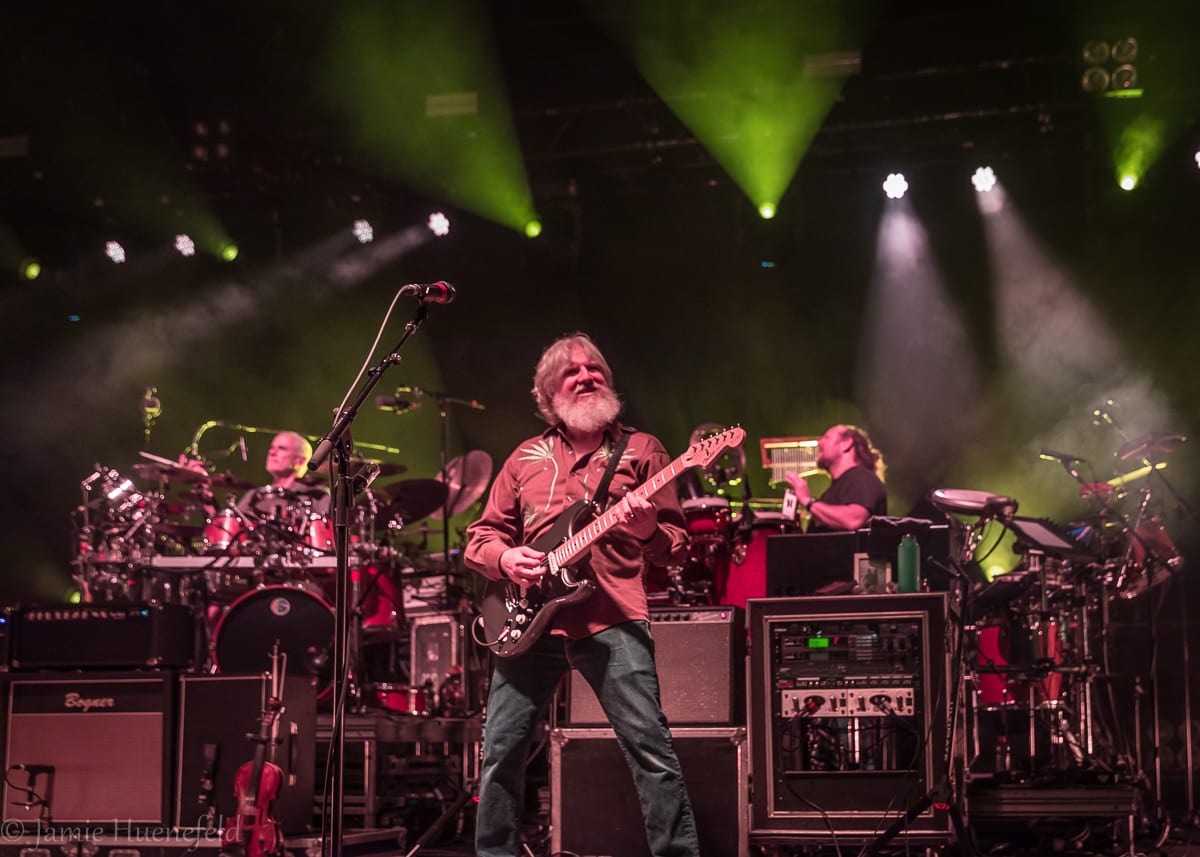
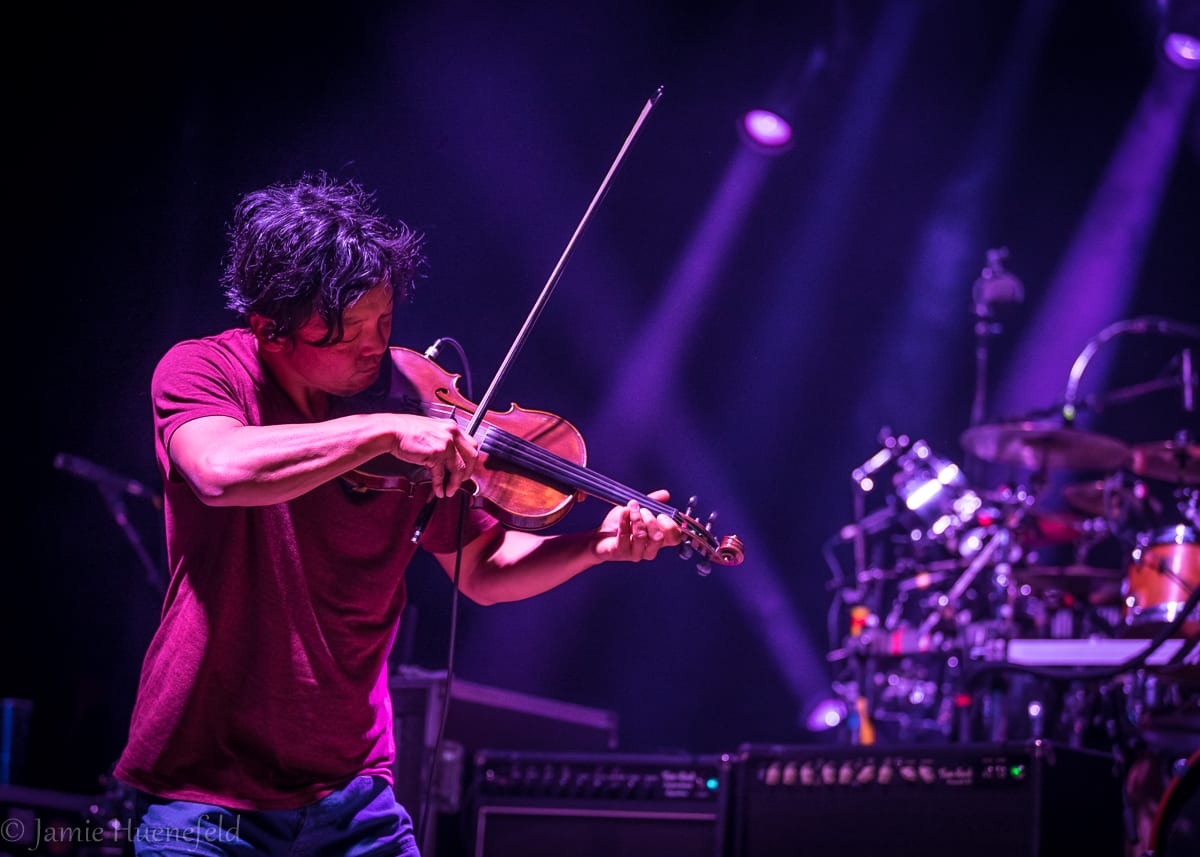
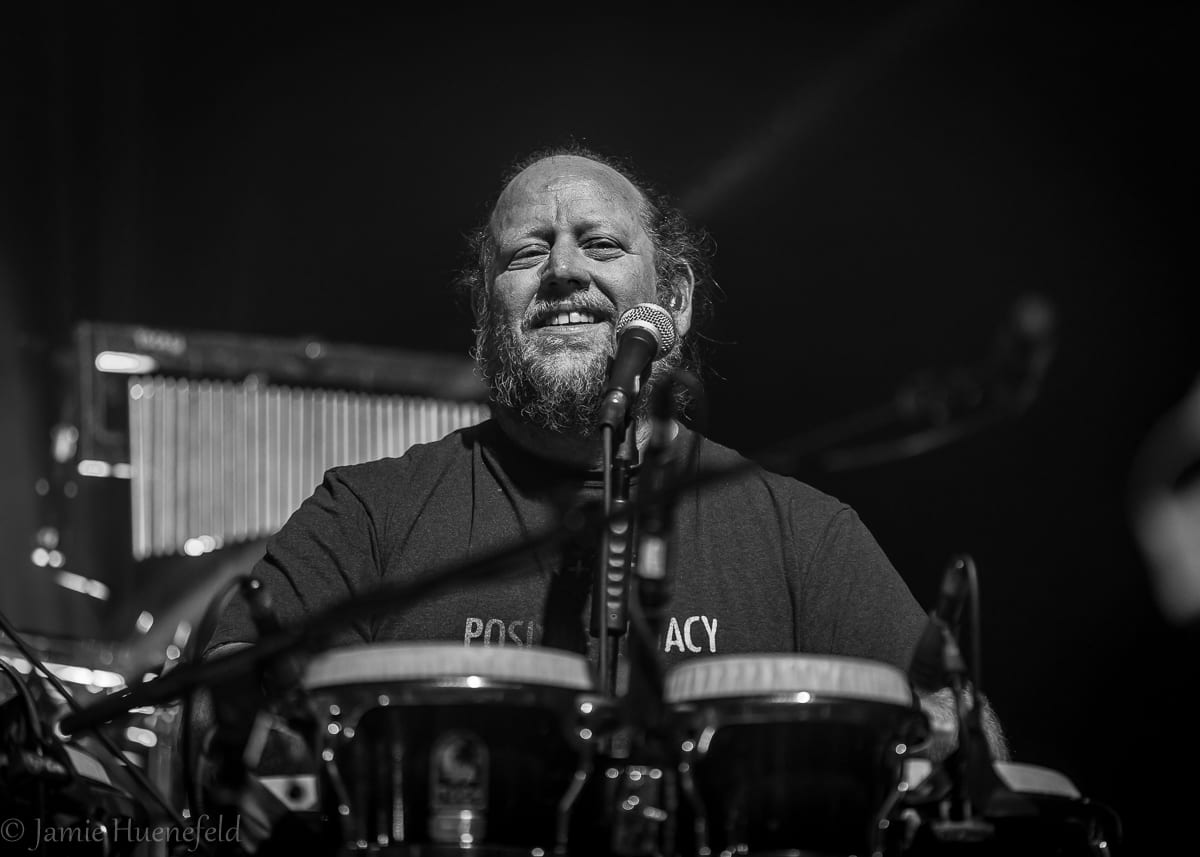
    Colorado’s The String Cheese Incident graced the tri-state area with a 3-night run at the storied Capitol Theatre in Port Chester, NY to celebrate twenty-five years as a band. This run featured numerous rare covers, the spirit of Jerry Garcia, NOLA style marching into the crowd, and special guests. The band includes Michael Kang (electric mandolin/fiddle), Michael Travis (drums), Kyle Hollingsworth (Keyboards/Synth), Billy Nershi (electric/acoustic guitar), Keith Moseley (bass) and Jason Hann (percussion).

    Night one started out with a bang, despite the band and crew travelling through the night from Del Fest and arriving at 8 a.m. that morning. The set started with “Believe,” from their 2017 album with the same name. The boys brought a piece of Del Fest to the Capitol Theatre with bluegrass tunes “So Far From Home” > “Cedar Laurels” and energized the crowd with an incredible segue. “Laurels” was last played at Red Rocks in July 2018. “Gone Crooked” is a new tune by Moseley, written with Raymond Baxter, and had a nice old timey feel. Rounding out the set was “BollyMunster” and the psychedelic “Peace of Mine” > “Let’s Go Outside.”

    Michael Kang on the fiddle

    Set 2 began with a SCI classic, “Smile,” played for Nershi’s wife Jillian who was celebrating her birthday that night. Nershi announced that the song was originally written for her. Fan favorite “Desert Dawn” segued into two tunes from The Beatles’ Abbey Road, “Polythene Pam” and “She Came In Through The Bathroom Window.” “Pam” was last played 15 years ago, on 04/04/2004, with six total live appearances in all. While not as rare, “Bathroom Window” was last played two years ago on 08/13/2017.

    These rarities continued the high energy segue chain into the traditional bluegrass tune turned jam monster, “Rivertrance.” A rocking drum segment followed, with only Travis and Hann on stage. The new Dead-influenced Hollingsworth song “Big Reveal” > “All We Got” closed the set, but the show was far from over. SCI encored with their latin classic “San Jose” and then finished “Desert Dawn.”

    Keith Mosely and Michael Kang jam together

    Night two picked up where night one left off. Set one started with “Vertigo” and the segue sandwich of “Black and White” > “Can’t Wait Another Day” > “Midnight Moonlight,” the latter being a cover of Peter Rowan for the Jerry Garcia side project, Old and in the Way. The party then went into high gear as the band dove into “Valley of the Jig,” a SCI dancehall beast that is a reworked version of the traditional bluegrass tune, “Red Haired Boy.” The set closed out with Untying the Not’s “Sirens” > the quintessential “Restless Wind.”

    SCI covers The Talking Head’s “Burning Down The House”

    Set two continued with jam vehicles “Just One Story” > “Rosie.” “Song In My Head” then proceeded, from the album of the same name, followed by their debut of the Jerry Garcia Band cover, “Tore Up Over You.” “45th of November,” from the album One Step Closer, started a funk and psychedelic sequence that reminded the Northeast who SCI is. This began with a segue into the Talking Head’s “Burning Down the House.” The walls of the Capitol Theatre were filled with projections of fire. This cover was last played on 10/29/16 at Hulaween. The jazz-jam monster by The Weather Report “Birdland” > “Wheel Hoss” > “Birdland” > “Just One Story” closed out set two. Apparently, the band was also supposed to play “Jellyfish,” but scrapped the song based on time constraints. Capitol Theatre owner and jamband promoter Pete Shapiro was in the crowd tonight and addressed the audience before the boys returned for the encore. Nershi’s timeless bluegrass tune about rekindling lost love, “Bar Stool,” ended the show.

    Pete Shapiro, owner of the Capitol Theatre, addresses the audience

    Night three began with the band announcing, “Never miss a Monday night show.” The venue was half full, and those in attendance were in for a cheesy treat. The show started on a high note with “You’ve Got The World” and Believe’s “Sweet Spot.” The perennial fan favorite plus bluegrass tune “Little Hands” included a tight jam and segue into “Don’t It Make You Wanna Dance,” a Jerry Jeff Walker cover. Kang’s “Beautiful,” also from Believe, led into the introduction of their friend, guitarist Scott Sharad. He joined the band on stage for a rocking version of “Outside And Inside” > “Hot’ Lanta.”

    Billy Nershi

    SCI seemed determined to top each setlist, and the last set was no exception. All six members started the second set by marching into the floor NOLA style, and played an acoustic version of “Dark Hollow.” This song was last played almost 13 years ago at the Tweeter Center on 07/15/2006. “Into The Blue” preceded the always inspiring “Joyful Sound” > “Rumble” and got the crowd moving again. The Keller Williams cover “Best Feeling” launched into a dark reggae jam and segued into The Police’s “Walking On The Moon.” This is the third time they have played this unique cover. “Moon” went back into “Feeling” and then transitioned into Song in my Head’s “Colliding.” Another quintessential String Cheese Incident classic and jam beast, “Texas,” closed out this sensational set. Peter Gabriel’s “Shaking The Tree,” last played 03/18/2017, ended the run and sent the hard core fans home happy. The Northeast awaits the return of this gouda band.

    Setlists courtesy of friendsofcheese.com

    Saturday, May 25, 2019

    Set One: Believe, So Far From Home > Cedar Laurels, Gone Crooked, BollyMunster, Piece Of Mine > Let’s Go Outside

    Set Two: Smile, Desert Dawn > Polythene Pam > She Came In Through The Bathroom Window > Rivertrance > Drums, The Big Reveal > All We Got

    Encore: San Jose > Desert Dawn

    Sunday, May 26, 2019

    Set One: Vertigo, Black and White > Can’t Wait Another Day > Midnight Moonlight, Valley Of The Jig, Sirens > Restless Wind

    Set Two: Just One Story > Rosie, Song In My Head, Tore Up Over You, 45th of November > Burning Down The House, Birdland > Wheel Hoss > Birdland > Just One Story

    Encore: Barstool

    Monday, May 27, 2019

    Set One: You’ve Got The World, Sweet Spot, Little Hands > Don’t It Make You Wanna Dance, Beautiful, Outside And Inside1 > Hot ‘Lanta1

    Set Two: Dark Hollow2, Into The Blue, Joyful Sound > Rumble, Best Feeling > Walking On The Moon > Best Feeling > Colliding, Texas

    Encore: Shakin’ The Tree

    Notes 1 with Scott Sharrard on electic guitar, 2 Unplugged, Acoustic

  • Hearing Aide: The Last Poets ‘Understand What Dub Is’

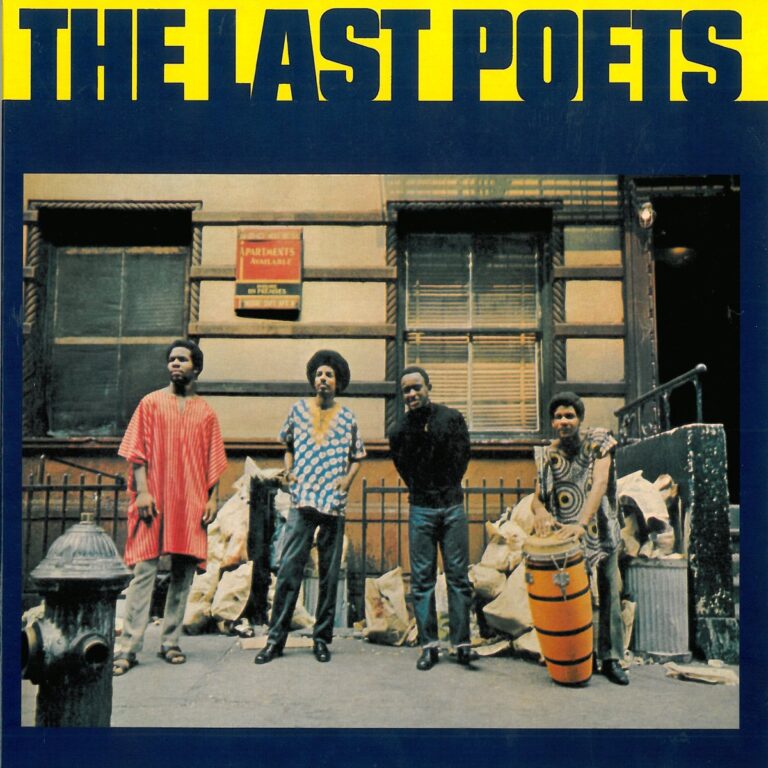
    If you were to construct a timeline showing the evolution of hip hop music, where would it begin? Some may think to credit the rhythmic jazz and blues of Bo Diddley, dating as far back as the 1950s. Some may say the birth of hip hop was in the creation of turntables and sampling, made popular with the scratching and beat matching of DJ Kool Herc and Grandmaster Flash in the 1970s. Beyond these names, and others that we’ve come to know under the hip hop umbrella, nobody has stood the test of time more than The Last Poets – the spoken word masterminds of the late 1960s, and the true trailblazers of hip hop music.

    the last poets

    Fifty years ago, The Last Poets began their ascension into the public sphere using moving poetry and smooth reggae backing tracks as a platform for voicing political activism, describing their experience as children of the civil rights movement. After decades of releasing albums and touring the world, the group released Understand What Black Is is 2018. While followers of the group are forever grateful for new music, it took the dubbing of the album by British producer Prince Fatty to bring this music – and the powerful message of unity and peace – to a younger generation.

    In the 2019 dub release of Understand What Dub Is, Prince Fatty adds transient delay and reverb over The Last Poets’ original tracks, keeping many of the album’s elements the same. From simple guitar riffs to decorative flute that decorates the spaces between each stanza, Prince Fatty keeps attention on the resonating lyrics of The Last Poets. At the same time, he tends to bring light to the 1970s -style rhythm in “We Must Be Sacred,” crisping those off beat drum hits. You can hear the chilling melody of “Certain Images” intensify with panning mastery, making it almost comparable to a hook in late hip hop.

    It’s clear that Prince Fatty has a deep understanding of The Last Poets’ immense impact on music and culture, as well as other creators of that era. His name, Prince Fatty, is an ode to Jamaican dub engineer, King Tubby, from the 1970s. Prince Fatty’s other successes include working with The Sugarhill Gang, making their mark on Harlem shortly after The Last Poets, with the first organized rap song to date. There’s no doubt that Prince Fatty developed a love for poetry at a young age, and followed this emergence of hip hop over the years, mixing and dubbing along the way. Understand What Dub Is is a tip-of-the-hat to the undefinable emergence of hip hop music, while bringing the inspiring voices of The Last Poets to center pan.

    Key Tracks: Certain Images, Understand What Black Is, We Must Be Scared

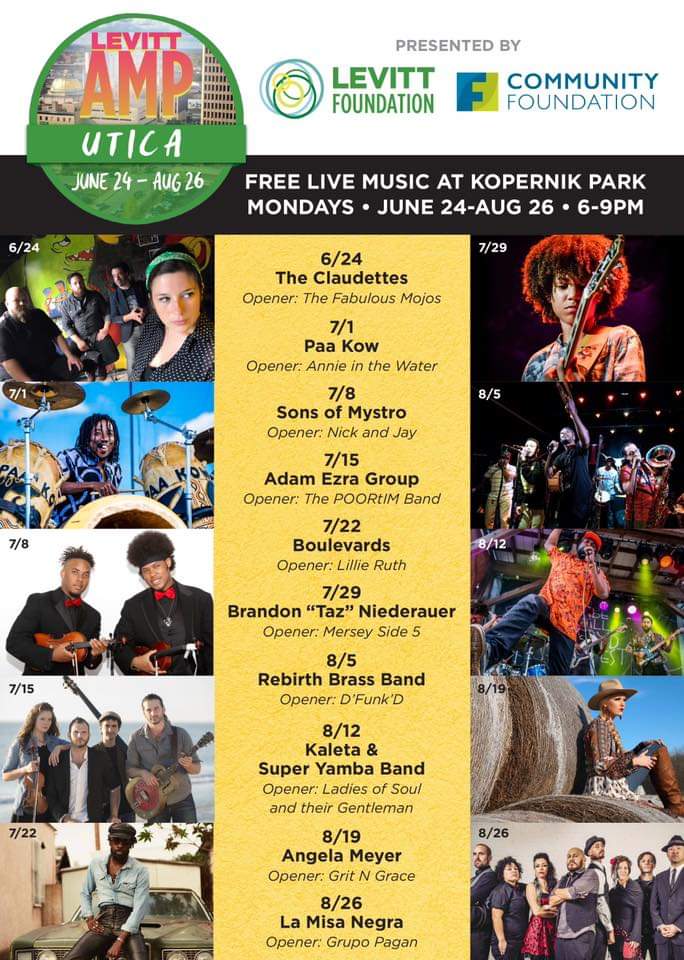
  • Levitt AMP Concert Series Announced in Utica

    The City of Utica has been awarded a Levitt AMP concert series for the fourth consecutive year. The ten week free concert series will take place in Kopernik Park in Oneida Square on Monday nights beginning June 24 and continuing through Aug. 26.

    levitt amp

    The Levitt Foundation awards matching $25,000 grants to non-profits in select small to mid-size cities across the U.S. each year, creating a network of live music in underused spaces across the country. Eighteen cities have been selected to host the Levitt AMP series. This year, the Community Foundation provided a $25,000 match to help fund the series in Utica.

    This year’s Utica Monday Night shows include a wide range of artists; from young Hendrix-influenced guitar phenom Brandon “Taz” Niederauer to the Grammy winning Rebirth Brass Band from New Orleans. Other artists include Paa Kow, a native of Ghana who combines the rhythms of West Africa with jazz to provide listeners a unique percussive sound, and La Misa Negra, a seven piece Afro-Latin collective from Oakland, CA that incorporates elements of hip-hop, metal, Caribbean and African poly rhythms.


    Brandon “Taz” Niederauer

    Each show will feature a local opening artist beginning at 6 p.m. See the complete schedule below. For more information about the artists performing, visit the Levitt AMP Utica website here.

    June 24 – The Claudettes with the Fabulous Mojos

    July 1 – Paa Kow with Annie in the Water

    July 8 – Sons of Mystro with Nick & Jay

    July 15 – Adam Ezra Group with Poor Tim Band

    July 22 – Boulevards with Lillie Ruth

    July 29 – Brandon “Taz” Niederauer with Merseyside 5

    Aug. 5 – Rebirth Brass Band with D’Funk’D

    Aug. 12 – Kaleta & Super Yamba Band with Ladies of Soul and Their Gentlemen

    Aug. 19 – Angela Myer with Grit & Grace

    Aug. 26 – La Misa Negra with Grupo Pagan

    La Misa Negra
    Paa Kow
  • The Gay Man Who Helped Save Woodstock: Elliot Tiber and his Vibrant Memoir Offers Struggle and Humor Not Found in the Movie

    When most people picture Woodstock ’69, they think largely of the fan’s perspective, envisioning the hundreds of thousands of free loving humans gathered to see some of the top musical acts of the era and revel in their desire for social unity. What makes for just as interesting of a story is Elliot Tiber and his back of house account of the people that combined forces to make such a seemingly impractical festival function relatively successfully given the outrageous circumstances.

    Elliot Tiber helped secure the Woodstock festival location in 1969 and published his memoir Taking Woodstock in 2007, which was made into a movie with the same name in 2009. The story depicts the unpredictable adventure that saved his family from bankruptcy and transformed him forever.

    Elliot Tiber

    Internally struggling as a young, semi-closeted gay man, Tiber enjoyed a thriving career and whimsical lifestyle as a successful interior designer in NYC. It contrasted drastically with his dingy family life to which he returned on weekends to help run his parents’ failing motel business, the El Monaco, in a defunct resort hamlet in White Lake, NY within the town of Bethel. Pouring his own money into the rundown property and working tireslessly on repairs and keeping his homosexuality undetected, he endlessly sought the approval of his unaffectionate parents.

    When he read about the proposed Woodstock festival in the paper, Tiber helped secure a location for the festival after learning it was under serious threat of being cancelled entirely. The festival permit for Wallkill, a town about an hour east, was revoked due to concerns over how the estimated 50,000 attendees might negatively impact the town. Tiber had just purchased his own permit for $1 from the Bethel Chamber of Commerce, planning to host his own, much smaller, annual music festival. Realizing he held the golden ticket Woodstock Ventures desperately needed, he offered it to them, hoping the festival would take place on his family’s property and serve as their saving grace from financial ruin.

    Although the El Monaco sat on unworkable swampland, Elliot Tiber connected the festival organizers with nearby farm owner Max Yasgur, whose property was twice as big as the Wallkill site. Festival co-creator Michael Lang disputes this detail in his book, The Road to Woodstock, claiming Tiber connected his production team to a realtor who showed them Yasgur’s farm. Either way, the organizers struck a deal with Yasgur for Woodstock to take place on his property, and the El Monaco became the official Woodstock festival headquarters where people could buy tickets for the event, party at the motel bar, mobsters would come looking to extort them for money, sufferers of bad acid trips could recuperate, and where Tiber claims one woman would suddenly give birth. To this day, however, there is no current knowledge of the identities of anyone born at Woodstock.

    Sidenote for those confused by the Woodstock location changes: Wallkill was the second choice location after Woodstock Ventures could not find a suitable location in Saugerties, the town bordering Woodstock, an hour north of Wallkill. In Lang’s book, he described the Woodstock area as a musical epicenter where several well-known musicians had been migrating. Saugerties was known for hosting mini-music festivals throughout the summer in a beautiful rural landscape under the stars, a picturesque experience that inspired Woodstock Ventures to embark on a bigger festival in the area.

    Tiber’s account provides a colorful backstory and invaluable context to the movie which should not be seen before reading the book. His book is a quick read with comedic storytelling, at times slinking into hyperbole which leaves the reader questioning if certain events transpired exactly as Tiber describes. The entertainment value will keep the reader amused and engaged, written in a style and brand of humor well suited for David Sedaris fans.

    The Taking Woodstock movie adaptation, directed by Ang Lee and starring Demetri Martin as Tiber, sounds promising between those two key players, but the movie skulks along awkwardly with dull acting and a lack of context that leaves the viewer fairly underwhelmed. It’s hard to tell if Martin’s portrayal of Tiber while in White Lake is reflective of how Tiber actually conducted himself in the rural environment to mask his homosexuality, or if it’s just dry acting on Martin’s part.

    One of the most glaring omissions from the movie is Tiber’s raunchy depiction of his sexual encounters in NYC, which probably account for nearly half the book. Elliot Tiber also describes a shack on the El Monaco property he used to carry out various sexual exploits, which was not alluded to in the film.

    The movie does a disservice to Tiber’s unique lens on experiencing Woodstock by nearly completely avoiding Tiber’s internal struggle that made for nearly as compelling a story as the struggle of producing the Woodstock festival itself. The festival had already been thoroughly depicted in the 1970 Academy Award winning documentary, so the movie disappoints by blandly reenacting the festival happenings already captured on film.

  • For The Love of Ska: An Interview with Charles Benoit of Some Ska Band

    Being a music writer is a lot of fun, and there’s no one I like to talk shop with more than Charles Benoit. He writes for Reggae Steady Ska about his favorite genre, ska. He also plays tenor sax in Rochester’s most active ska band, aptly named Some Ska Band. They’re opening for The Pietasters on Saturday, April 27 at Flour City Station. We recently caught a quick bite over lunch to talk ska.

    Some Ska Band

    Paula Cummings: Some Ska Band… How did you guys come up with that name?

    Charles Benoit: Well that was a bad move on my part. It was the first thing that came up. I wanted to start a band with three other guys at the agency. Marshall, that was the guitarist and he’s creative director there. Will, our web developer. And Shad, the videographer. Marshall said, “I’ll do the logo. What’s the name of the band?” The first thing I came up with was Some Ska Band and we went with that. I probably should’ve thought it out a lot more, but it  kind of works because Ska bands are such a niche market. Let’s say a band was coming to town called The Plastic Cups. OK, I don’t know anything about them, and I never heard of them. They don’t give any descriptors. I thought it was kind of funny. “Well, who’s playing tonight at The Bug Jar?’ ‘Some Ska Band.’ ‘I like ska, which one?’” We’re the ‘Who’s On First?’ of Ska Band names.

    PC: I know you can’t speak for the others, but why ska? You’ve been all over the world, and exposed to all kinds of music. What brings you back to ska?

    CB: I can speak to the others, and say they play ska because I forced them to. I was only interested in starting a ska band and that’s it. I was first introduced to ska in 1979 when somebody handed me the first Specials album. It changed my life. I fell in love with the message of Two-Tone: the racial unity, fighting against corruption in big government, and the little man view. It’s always attracted me. So I stayed with ska, and quickly ran out of two-tone albums because there were only a handful of bands. I found myself going back to the old traditional original ska of the Skatalites Desmond Dekker, and all the early originators. There was so much there to fall in love with. And then third wave ska came around and you had The Toasters and The Pietasters and all that kind of action that was going on. It’s been a lifelong interest for me. I just love the appeal. “Oh, it’s repetitive, it’s simple, it doesn’t get very deep.” Well, that’s me: repetitive, simple, and I don’t get very deep. It’s what I’ve always liked about the music. As for the rest of the band, none of them came to the band as ska fans, but I think they’re all pretty committed to the cause.

     Some Ska Band

    PC: I’ve noticed that you guys do a lot of covers that are not were not originally written as ska songs.

    CB: It’s something ska band do. The Skatalites, the originators of the sound back in the early 1960s, one of their first songs they are known for is “The Guns of Navarone.” They took a song and put it to the ska. It’s been a tradition.  If you think a song is good, make it better by putting it to the ska. You can take a crappy song and make it better by putting it to the ska.

    PC: In your band’s description it says that you guys got together with the dream of pulling off the biggest diamond heist the world has ever seen. It wasn’t a robbery, but you recently acquired a gem that you played the album release.

    CB: One of my favorite songs in the ska genre is “Easy Snappin’.” It was written by Theophilus Beckford. I got a chance to talk with Monty Alexander once, the famous piano player. He was in the room when they started developing the sound of the ska. Jamaica was newly independent. They were trying to come up with the sound that was strictly Jamaican, not the stuff coming out of Cuba or the Trinidadian soca sound. They wanted something unique to them. They were literally sitting around in the studio and the musicians started playing an upbeat – Ernest Raglin started playing the upbeat. And they messed around with it. Theo Beckford started playing piano. This is early. It is not ‘63. This is late ’50s, but they knew independence was coming. So they’re playing with the sounds and Beckford pumps out this piano tune called “Easy Snappin’.” It’s the first ska song that was deliberately written to be that. When we did our CD release party at The Record Archive, I wanted to let people know about that. I wanted to make that connection. So through a record collector Darren Reggae, that’s not his real name, I got an original 45 that I played at the show.

    Some Ska Band

    PC: In addition to playing ska music, you also interview musicians.

    CB: I interview them for Reggae Steady Ska, which is the world’s leading international ska and reggae website. It’s based out of Bonn, Germany. I’ve been writing for them for about five or six years. This is a great great chance to get to meet some of my heroes. I wouldn’t have been able to meet them at the show, but going through using the website as a writer I get ‘backstage.’ I’ve talked to Monty Alexander, Horace Panter of The Specials, Robert “Bucket” Hingley from The Toasters, Stephen Jackson of the Pietasters. They’re all willing to share because ska is such a small community.

    PC: Some Ska Band plays with some big-name bands. I saw you open for Bim Skala Bim last year.

    CB: We’ve played with The Pilfers, which are a on the harder side of ska. We’ve played with El Grande. And we’ll be playing with The Pietasters on the 27th. This is a pretty big deal, because my wife says that after the Pietasters, Some Ska Band is her second favorite.

    PC: To whom or what would you attribute keeping the flame of ska alive here in western New York?

    CB: The person who is bringing some of these bigger names is Adam Smith. Adam Smith is such an incredible powerhouse. It’s such inspiring story for anybody, of any fan of any music. Adam doesn’t play music, doesn’t sing – God no, he doesn’t sing. He loves music, all kinds of music. But he has a special place in his heart for ska. He had his favorite band, The Pilfers, and they were just never coming to Rochester. He couldn’t figure out why they weren’t coming. So I jokingly said to him ‘Why don’t you play promoter and bring the band to town?’ Fast forward about a year later, and he and Coolie Rand of Pilfers run a management company called Elevation. They are handling tours and shows all over the country. It’s a cool story about Adam, but the cooler story is if you like music, you can become a promoter. You do risk losing some money, and I don’t think Adam is ever going to get rich doing this. But, he’s bringing in bands he really loves, and getting to host the parties he’d want to go to. So if you’re a fan and you want your bands in town, don’t wait for someone else to bring them. Play promoter and bring them in.

    PC: Some Ska Band released an album earlier this year. Will that be available at the Pietasters show?

    CB: We’ll have the CD for sale, bargain price of five bucks. You can’t beat that. We appeared in a CD What Do You Know About Ska Punk Volume 2. That’s got 167 songs on it, believe it or not. That’s five bucks. We’ll have T-shirts and stuff like that.

    PC: Anything else you want to add?

    CB: This show we’re welcoming MC Lopez. She’s gonna be joining us on keyboard.

    PC: So that’ll bring you up to nine members.

    CB: We have a tradition in the band: at shows, people are often meeting other people in the band for the first time. And that’s going to be the case at this show. The rhythm guitar player will not have met the keyboard player until we’re there. And here’s the thing – we like bringing people from the audience up on stage. So we’re nine people when we start, but we’ve been a lot more than that when we’re finished!

    Catch Charles Benoit and Some Ska Band with The Pietasters and The Pandemics Saturday, April 27 at Four City Station in Rochester. Tickets are on sale now. And be sure to follow Some Ska Band on Facebook for updates and events.

    Photos by Will Browar

  • Angelique Kidjo Covers Talking Heads Classics For Kingston Crowd

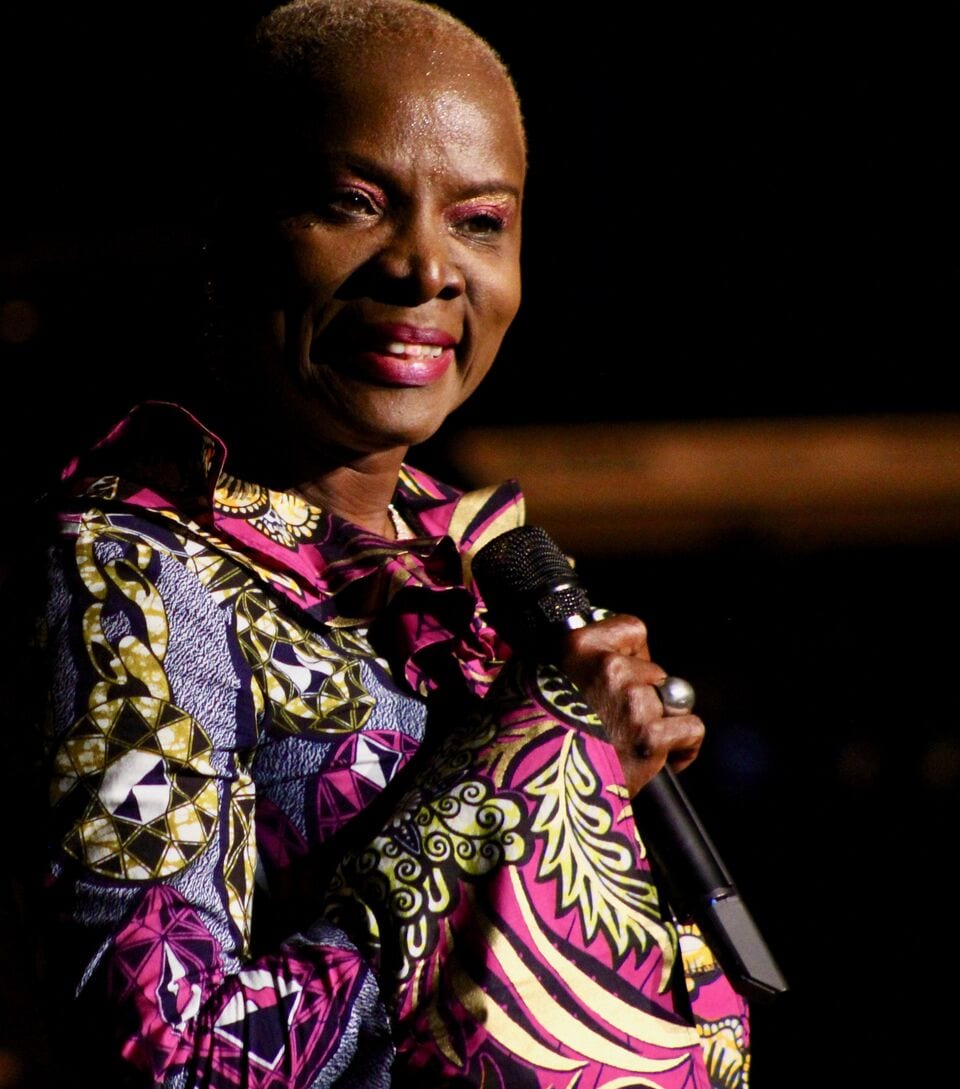
    One of UPAC’s bartenders skipped down an abandoned hall, hands aloft, waving side to side, an unadulterated grin glued to his face. An usher, with no one requiring assistance, leaned against a post, nodding appreciatively and smiling approvingly. It was the encore, but the exit hall was empty and there was nobody to usher; no one left this show early. Meanwhile, Angelique Kidjo and her backing band took a victory lap, wading into the crowd from stage right, dancing, hugging and high-fiving their way to the back of the room. They shifted to the adjacent corner and shimmied back up onto stage left, all the while covering Talking Heads “Burning Down the House.”

    Angelique Kidjo Talking Heads

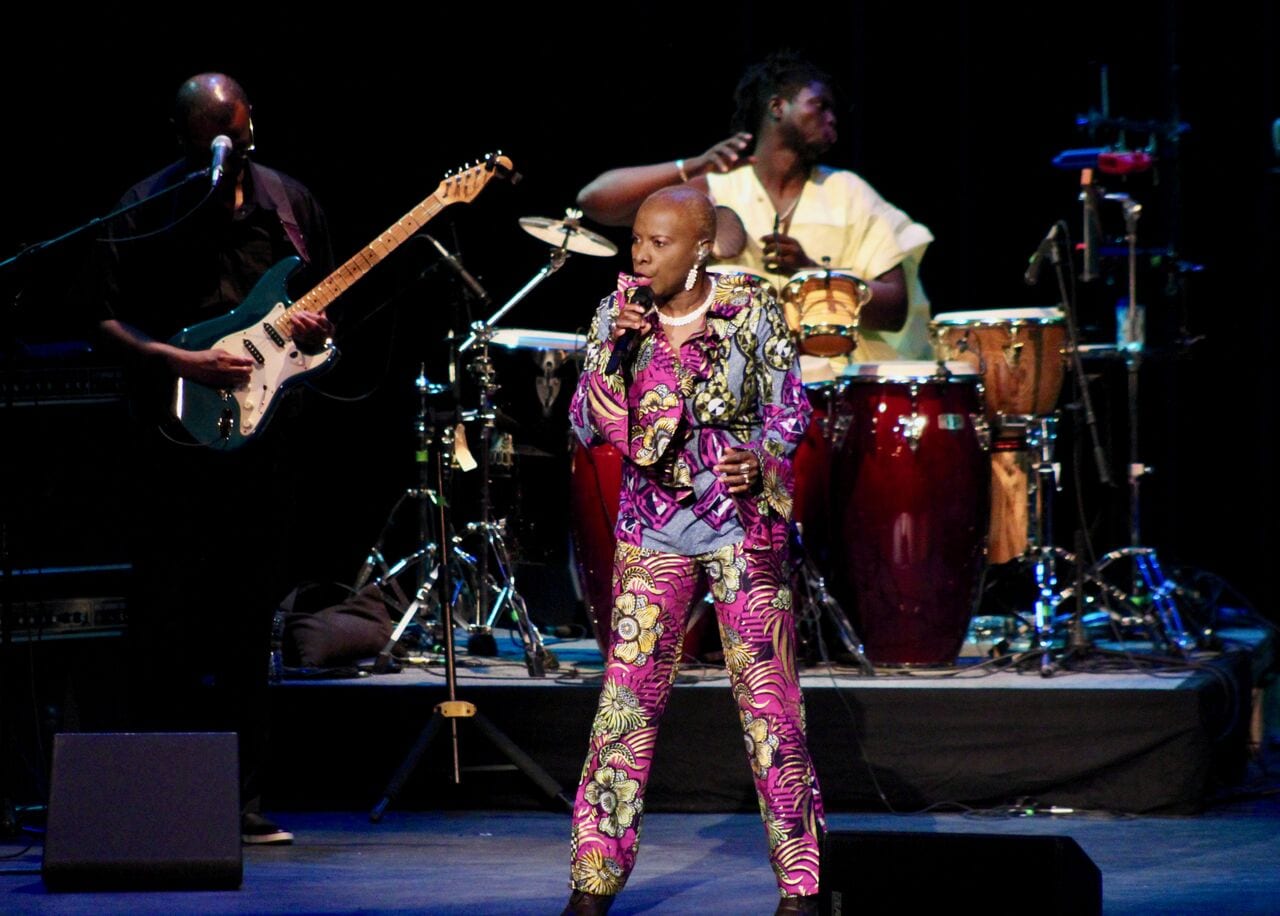
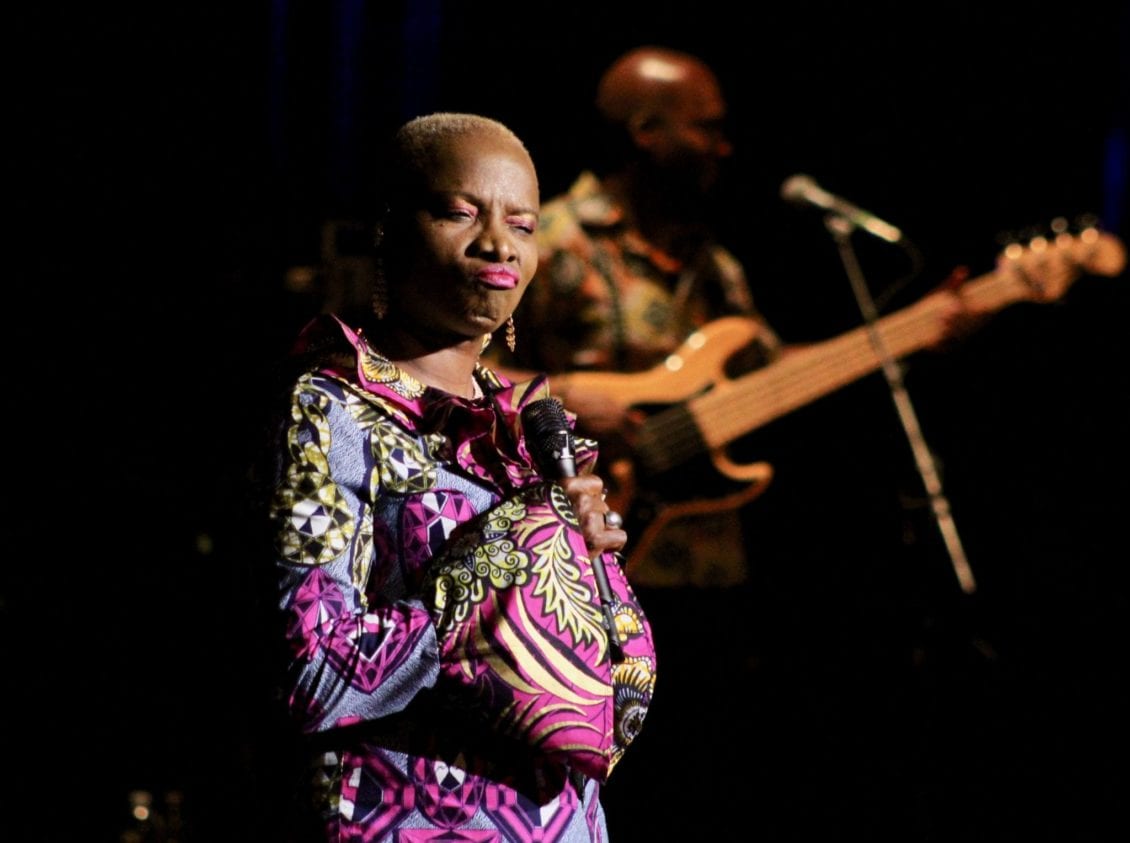
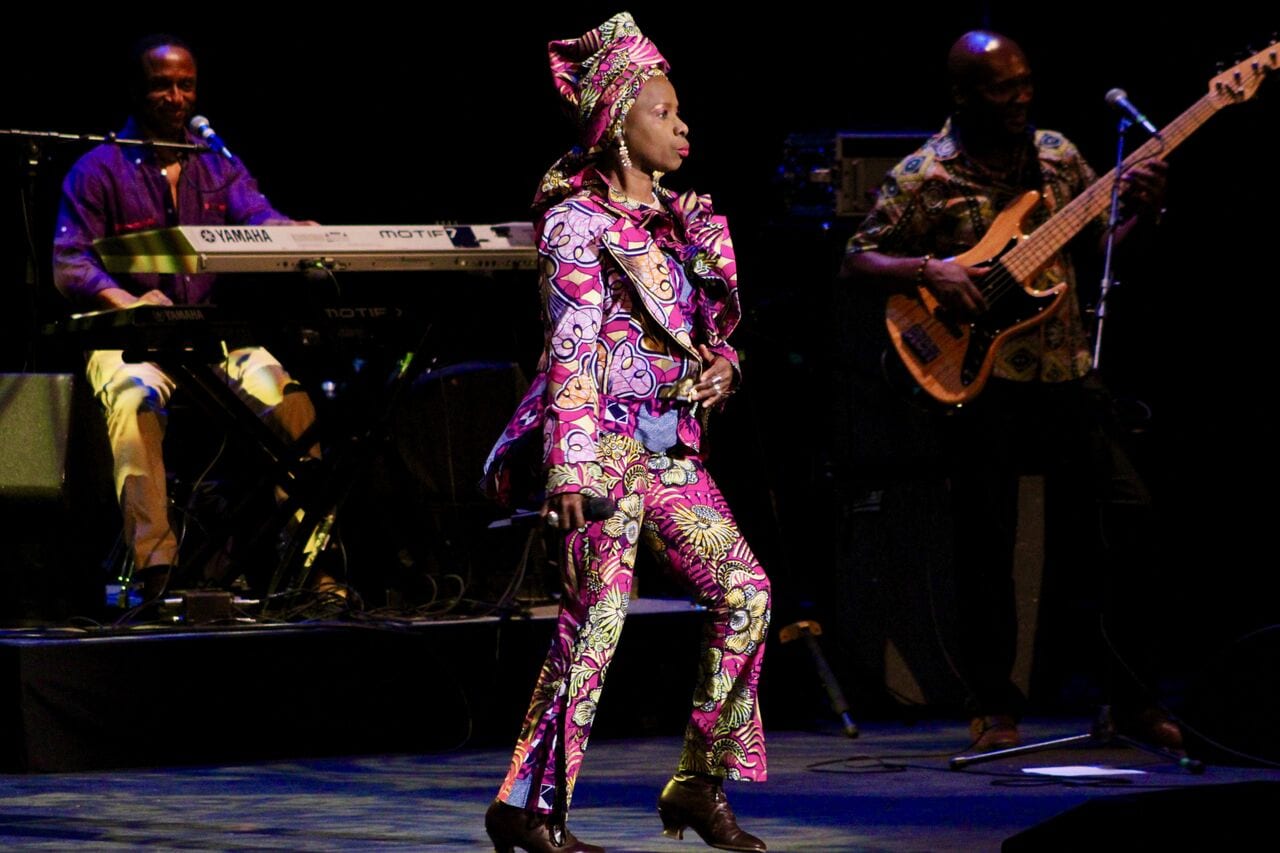
    Kidjo and her band brought down the house from the opening djembe drum solo to the Talking Heads finale. When she took the stage, Kidjo’s presence instantly demanded full attention; her attire rivaled the vibrancy of her voice and she and her band held onlookers riveted all evening.

    Originals and Talking Heads covers alternated throughout the evening, with anecdotes sprinkled in. After the opening drum solo kicked things off, a cover of “Born Under Punches” flowed into a bass and synth-heavy “Crosseyed and Painless.” Kidjo followed these covers by informing the Ulster Performing Arts Center, “We love doing Remain In Light—with the blessing of the Talking Heads of course!” Kidjo and her cohorts played a few California concerts with David Byrne, she explained.

    Angelique Kidjo Talking Heads

    For most of the evening, the aisles were filled with a wave of grooving bodies and seats were left abandoned. Kidjo is undeniably a star: her presence is vast and her voice is a wide-ranging instrument unto itself. She formed a symbiotic relationship with the Kingston crowd that blossomed all evening. Her dancing was like jujitsu that warded off bad energy as she bounced from American funk to African beats.

    Midway into the show, Kidjo disappeared into the crowd and would occasionally pop up in a sea of fans in the heart of UPAC. She finally reemerged onstage for the remainder of her nearly two-hour set to energetically cover “Once In a Lifetime” to fans’ delight.

    Angelique Kidjo Talking Heads

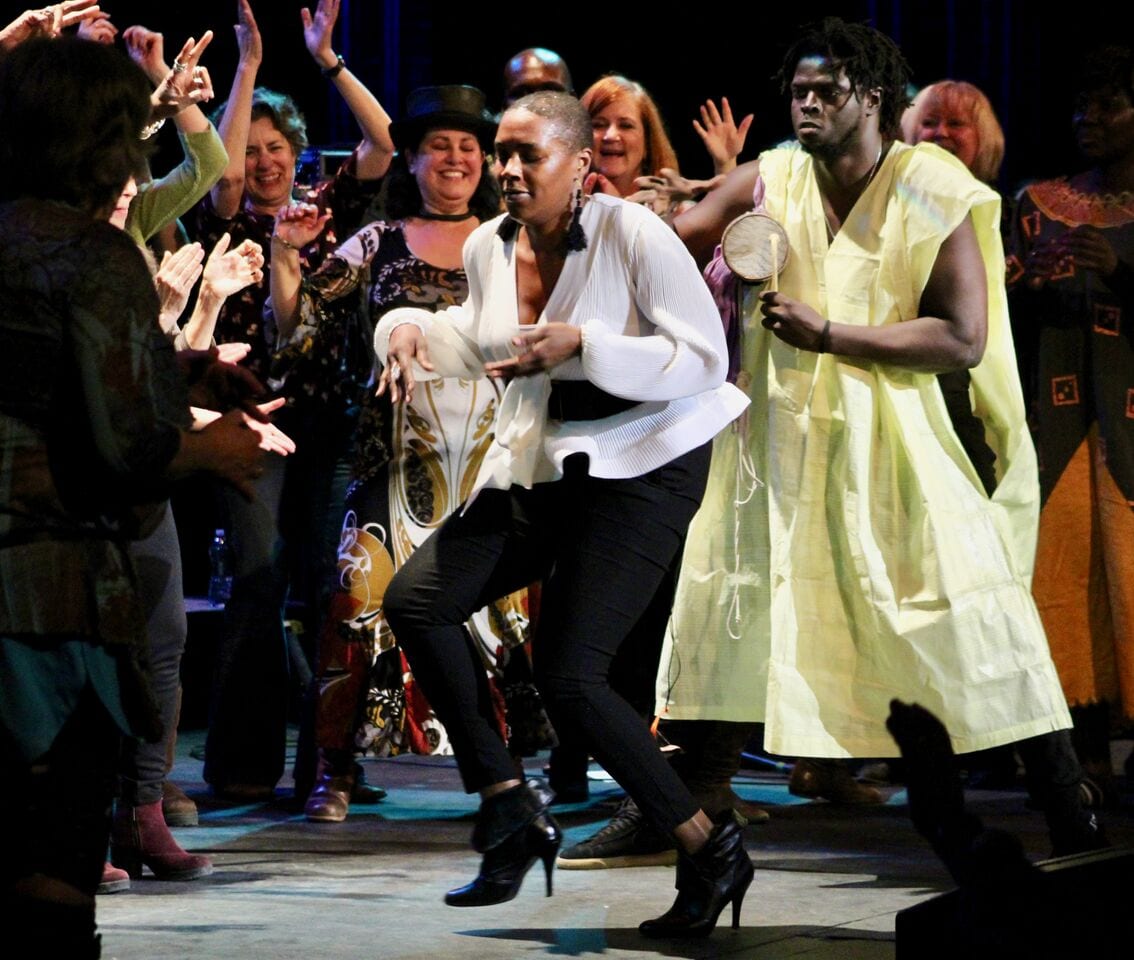
    As the show neared its end, Kidjo exclaimed, “I want at least thirty people up on stage– first come, first serve, ladies, men, I don’t care who– get up here! Let’s go!” The stage quickly filled with eager attendees looking to bask in Kidjo’s presence. The djembe drummer lumbered to center-stage and began serenading dancers with beats, which they, in turn, interpreted with their shaking bodies. Anyone who wanted the limelight was given their shot at it. Those who preferred watching were treated to a show.

    The evening was more an interactive musical experience than a concert. When Kidjo said, “Clap,” the Kingston crowd clapped; when she said stand, they stood. “Dance!” Kidjo demanded, and dance they did. No one left early, and no one left without a look that said they yearned to remain in Kidjo’s bright light.


Built in Breakdance