“Woodstock never happened – it was planned.” This phrase sums up the massive effort put into the original Woodstock music festival, and after reading Barefoot in Babylon, you’ll see how much planning, including last minute changes of venue and crises both big and small, went into making Woodstock a pinnacle event in American music history. For those who enjoy a good music festival, there is perhaps no better publication recounting the extreme detail that went into planning this generation-shaping event than Barefoot in Babylon: The Creation of the Woodstock Music Festival, 1969.
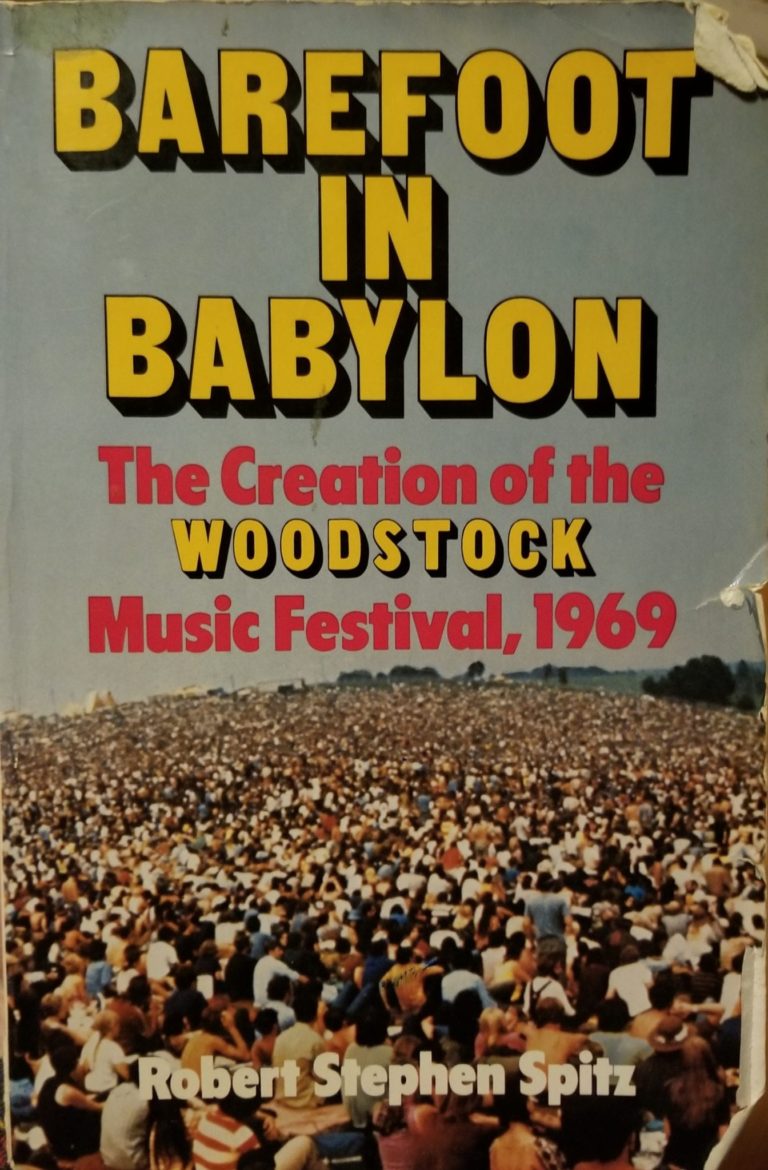
In reading the 1979 history of the festival, one notices not only the culture of the late 1960s and the prevailing anti-war attitude in the nation, but also the minutia that we commonly overlook when we go to a festival. Food, security, fences, water, stage set-up, the performers, traffic, bathrooms, medical assistance, and just the all-around aura of each festival is given a full treatment in Barefoot in Babylon. As problems arose, sleep was lost, people ingested bad acid, a few deaths occurred, camaraderie was had between people from every part of the country, and memories were all that was taken. And a movement of music festivals around the country took on new life.
The struggles that Woodstock Ventures had in securing the site is a recurring theme throughout the book as they are constantly told there is no room at the inn. Various townships, including Wallkill, found ways to prevent the festival from taking place with only weeks to go before fans arrived. There is an overwhelming feeling that you are there, and can visualize every moment of the festival, how the stage slipped 6 inches during a torrential downpour, security extorting money from the festival producers, possible mass-electrocution, and the National Guard waiting on standby for what they thought would be a major health crisis. Regardless, the festival went off, hitches and all, and the legacy of the efforts of two hippies and two businessmen culminated in a weekend we continue to experience in spirit when attending music festivals each year.
Barefoot in Babylon is meticulously researched, with Spitz working a decade after the festival ended and working tirelessly to track down every member of the original staff that could be found. Stanley Goldstein, headhunter and campgrounds coordinator for the festival, was a major asset to Spitz, identifying and helping to connect him with staff so that he might jog their memories, and then, painstakingly, piece the stories together chronologically. Musicians including Richie Havens, Country Joe McDonald and more filled in behind the scenes details, with a full view of every detail of the planning of Woodstock extensively chronicled.
Tracking down a copy of this book takes some effort, as the book is out of print, but online retailers have used copies for sale. 500 pages doesn’t seem like enough to tell the whole story of Woodstock from conception to cleanup, but every moment, every individual, every problem that arose – and there are so many, you’ll be shocked they pulled it off – are all documented with great precision.
Barefoot in Babylon is written by Bob Spitz, author of The Beatles: The Biography, and whose most recent book, Reagan: An American Journey., is now available.









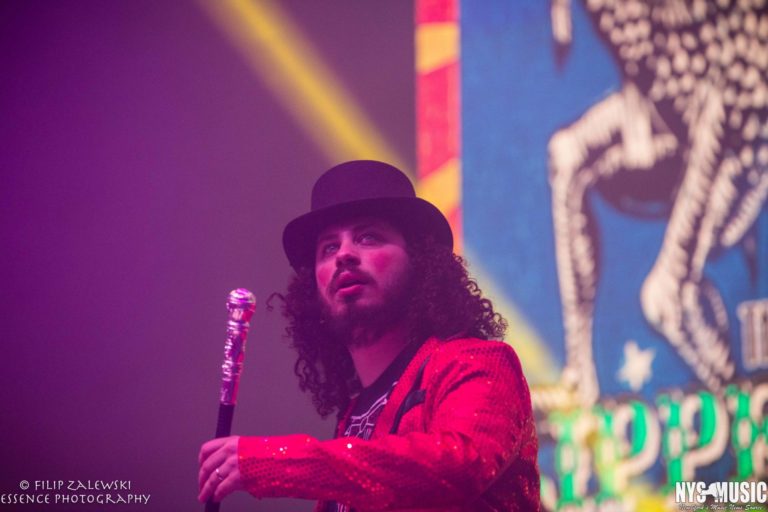






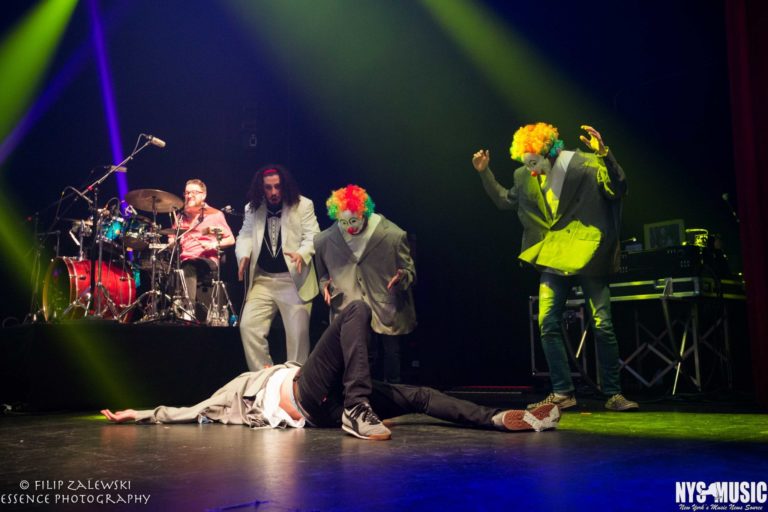















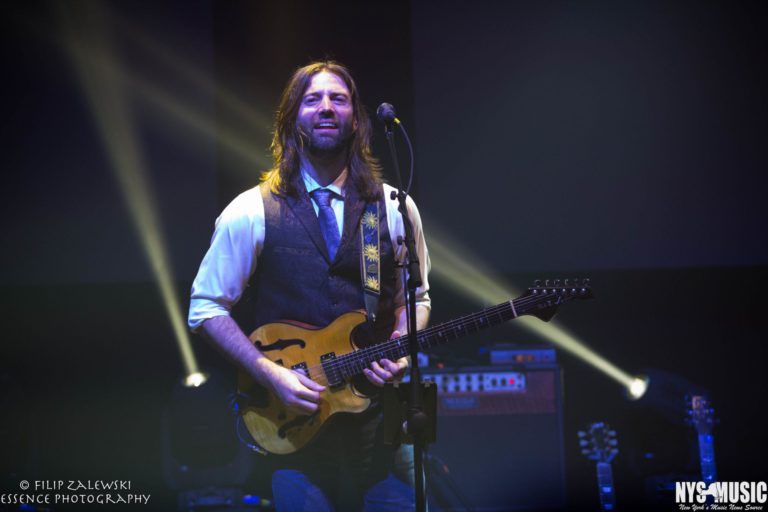










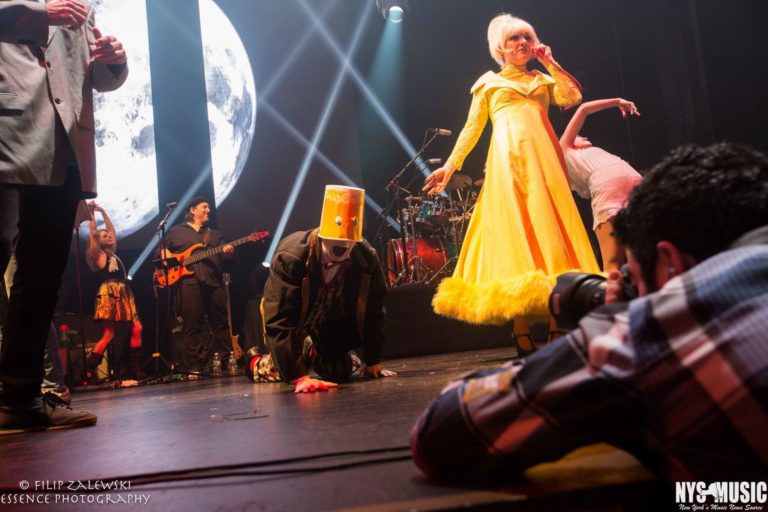




 “The One Who Knocks” is a song akin to the work of Primus, and Bela Fleck the Flecktones, that spins folksy guitar lines and lean bass leads into a dark, heavy march, eventually escalating into a turbulent guitar section, before turning gracefully toward a triumphant, soaring conclusion. “It is Known” is a wild cruise. It begins as a red-eyed, breezy ballad with a hint of the blues, reminiscent of The Flaming Lips, but it lurches into a moody groove, ả la Eddie Hazel, before finally shapeshifting into a speed rock meltdown that recedes into blissful contemplation. The dignity with which CTS so casually blends these traditional elements with their own math rock sensibility, daredevil technicality, and genuine style, all while connecting each track purposefully with the others, is proof that Metaphor represents a peak for the band.
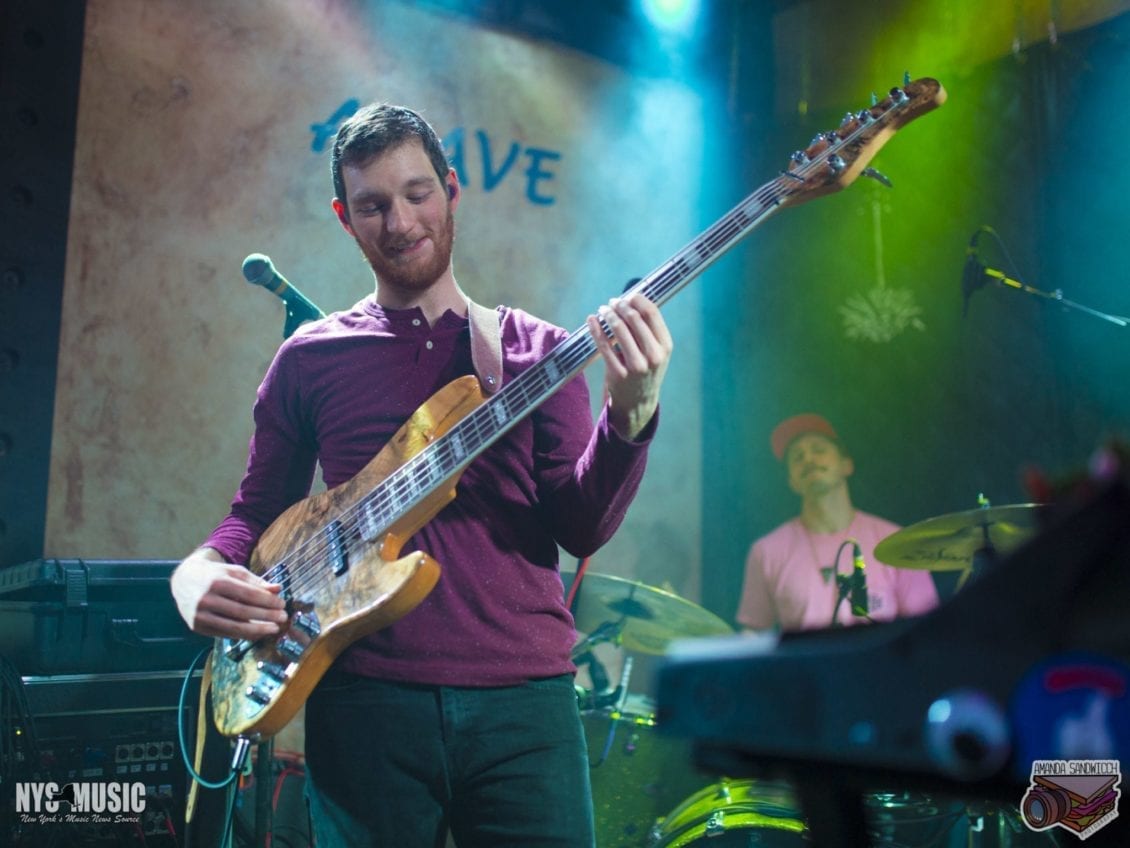 After the set concluded and Aqueous load out was complete, the opportunity arose to sit with Evan McPhaden (Bass/Synth) for a conversation about touring, songwriting and his roots as a musician. The exchange started, Evan spoke about how it felt to be back in Colorado and being on tour with North Carolina’s BIG Something. Very happy to be back in CO, Evan said he’s been excited to be playing new venues and sharing the tour with BIG Something. Stating that a perk of a co-headlining tour allows time to enjoy the show as well as perform. Delving a bit into his involvement in the creative side of things, it was uncovered that Evan contributes heavily to the songwriting process. On