Category: Reviews

  • Say it Ain’t So, Albany loves Cuomo? Weezer and Pixies take on Times Union Center

    Weezer and The Pixies arrived in Albany on Thursday, March 14 with a full tank of gas and a show that will make you remember why you sang along to all these songs in college. Of course, Weezer is still cranking out new material, with The Black Album released earlier this month, and an album of covers in The Teal Album. Combine this with all the classic Weezer you could possibly ask for and impressive stage production that traces the evolution of the band, from the early days in the garage to the arena rock they unleashed tonight, and you have the makings of a fantastic performance from Rivers Cuomo and company.

    Kicking off the set with a barbershop quartet version of “Buddy Holly” in front of the draped stage, “My Name is Jonas” started the set proper with a Happy Days themed high school stage setup revealed. Pinkerton’s  “Pink Triangle” followed for a taste of early Weezer to please the eager crowd of Gen-X-ers. The first of five covers, Weezer’s take on “Africa” by Toto, might be the only time you sing this 80s hit with thousands of others, without a hint of shame. During the intro for “The Sweater Song,” the stage morphed into a garage setup, which served well for the next sequence of songs:  “Pork and Beans” (featuring a VHS tape recording of early Weezer antics), The Turtles “Happy Together” with a segment of Green Day’s “Longview” seamlessly worked in, the apropos “In the Garage,” “Buddy Holly” and the debut of The Black Album’s “High as a Kite.”

    As the stage underwent its final transformation, Rivers Cuomo hopped in a boat-on-wheels that brought him to the opposite end of the arena, where he serenaded the crowd with acoustic versions of “El Scorcho” and “No Scrubs.” As he was wheeled back around the arena towards the stage, a darkened stage welcomed Cuomo back for Jane’s Addiction’s “Up the Beach” and sing-alongs of “Beverly Hills” and “Island in the Sun.” To close the set, a-ha’s “Take on Me,” “Perfect Situation” and “Hash Pipe” closed the set, the latter with flames shooting up around the stage. For the encore, Weezer gave a sampling of songs from mid 00’s ((“If You’re Wondering if I Want you to) I Want you to”), and the 90’s (“Surf Wax America” and “Say it Ain’t So”) for a career spanning performance of nearly two dozen songs over 90 minutes.

    Weezer setlist: Buddy Holly*, My Name is Jonas, Pink Triangle, Africa, You Give Your Love to me Softly, Undone – The Sweater Song, Pork and Beans, Happy Together->Longview->Happy Together, In the Garage, Buddy Holly, High as a Kite, El Scorcho^, No Scrubs^, Up the Beach, Beverly Hills, Island in the Sun, Take on Me, Perfect Situation, Hash Pipe

    Encore: (If You’re Wondering if I want you to) I want you to, Surf Wax America, Say it Ain’t So

    *Barbershop quartet version ^Rivers solo acoustic


    UK rockers Basement kicked off the night with a short set of generic rock anthems with a stark 90s influence. The band, particularly animated lead singer Andrew Fisher, all had great energy to start the night but the sound fell flat on a limited crowd, still making their way into the Times Union Center.

    Pixies followed with Paz Lenchantin subbing for Kim Deal and her voice and presence were well suited for a band well into their fourth decade. Guitarist Joey Santiago nailed riffs throughout the 22 song set with Black Francis leading the way. The Pixies brought out deep cuts as well as familiar songs (thanks in part to ad placements) including “Gigantic,” “Monkey Gone to Heaven” and the classic “Where is my Mind?” At times it felt like Pixies would be better suited to a setting like The Palace, or even The Egg. They made a great pairing with Weezer, but an intimate evening with Pixies would be a true treat for fans who grew up on this incredibly influential group.

    Pixies setlist: Gouge Away, Vamos, Crackity Jones, Gigantic, Wave of Mutilation, Death Horizon, Here Comes Your Man, Tame, Rock Music, Monkey Gone to Heaven, Classic Masher, No. 13 Baby, Caribou, Planet of Sound, Hey, Broken Face, Bone Machine, Cactus, Debaser, In the Witching Hour, Something Against You, Where is My Mind?

  • Katie Louise Unleashes Debut EP

    Capital District pop artist, Katie Louise, is releasing her first EP, celebrating with a no-holds-barred show at Jupiter Hall. Louise, 21, will release Unleash today, Friday, March 15.

    The seven-song EP will show its feathers later that night. The show will start at 7:30 p.m. and feature other local artists like Justin Charles, Nick Rossi and the Broken View. Tickets range from $15 to $20 and can be purchased at ticketfly.com. Jupiter Hall is located at 1 Crossgates Mall Road, inside Lucky Strike Social Club.

    For Louise, this is an album of baggage. It’s also an album of redemption, empowerment and validation. The young star started as a classically trained pianist; she was on the fast-track to professional stardom at just 14 years old.

    “I always had this talent for piano and in a lot of ways, I was just pushed into following that skill until the end,” she said. “I had written ‘Imprisoned in Paradise’ and realized I had the ability to write music. However, when I wrote ‘Broken,’ I realized this was something I really needed to pursue.”

    Katie Louise faced some adversity from those around her, particularly from those who were in the classical music circuit. As she transitioned into pop, she had to dig down to find the empowerment to keep going.

    “This EP is so incredibly vulnerable and real for me because I really open myself up in my songwriting,” she said. “I’ve always been blessed to be able to open up relatively easy, but I’ve been through a lot of pain in my childhood and this not only helped me express it, but helped me let some of it go.”

    Fans can expect a mixture of sounds. The two singles she has already released, “Imprisoned in Paradise” and “You Can’t Talk To A Woman Like That,” are drastically different — “Paradise” is more of a ballad with dreamy accompaniment, where Woman has a kick in its step. Louise said each song will be markedly different from the one before it, but they all complete the bigger picture and help answer the question of who she is — in all of her facets. All songs are written organically, with Louise finding inspiration in things she says or what she sees around her.

    She hasn’t completely abandoned her roots. Louise is excited about the piano solo on “Unleash,” the namesake of the EP.

    “It’s like I’ve blended my two biggest passions now and am able to draw from what inspires me in both,” she explained. “I’m confident that I can do this. I’m nervous, excited, stressed and overwhelmed.”

    This article was originally published by The Spot 518, is property of Spotlight Newspapers in Albany, N.Y., and appears as a special to NYSMusic. TheSpot518 and NYSMusic work in partnership to provide readers with in-depth coverage on the local music scene in the Capital District and New York state, respectively. For more, visit TheSpot518.com.

  • Dead Horses and Honeysuckle Play One for the Folks at Good Luck

    Dead Horses, a duo from Wisconsin, and Honeysuckle, a trio from Boston, met somewhere in the middle Tuesday night – geographically in the middle via Rochester, NY to be exact – as a part of the latest show put on by Honest Folk. The show itself also met in the middle musically, landing squarely within folk traditions both new and old.

    Honeysuckle opened the night. Guitar, mandolin, banjo and a kick drum blended into a joyful swirl of acoustic strings and beats. They played some new, as-yet-recorded songs to keep them “on their toes.” Though early in the set, “Catacombs,” off their 2017 release of the same name, kept the audience on their toes as well. An airy and floating psychedelic segment broke into a full-fledged mandolin-led jam before slinking back into the main song.

    They weren’t afraid to break free from folk and bluegrass expectations, mixing the two and then splashing in some more modern elements from pop, rock and jazz. Most noticeably, Chris Bloniarz’s mandolin was being fed into a rather large bank of effects pedals. He used them subtly, allowing his playing to shine through and it never overwhelmed the acoustic three-piece sound.

    On a new song, “Windstorm,” lead singer and guitarist Holly McGarry explained that it was written as a reaction to someone who once wrote a mean poem about her, saying she dressed like an old woman. She wore it like a badge of honor though; old women are great dressers! Appropriately enough, their music also had a timeless quality to it, but in a youthful and new body.

    The band exhibited wonderful three-part harmonies throughout the set, but truly flexed their vocal chords with, as they deemed it mandatory, a cover of Crosby Stills and Nash’s “Helplessly Hoping.” They nailed it, silencing all doubters, if there were any remaining at that point in the set.

    Dead Horses, comprised of Sarah Vos on guitar and Daniel Wolff on double bass, played a set of sparse, sometimes dark, folk songs with their Midwestern charm shining through. They met and matched their openers in vocal prowess with Vos carrying the bulk of the load. As lyrically excellent as their songs were, some of the most captivating vocals were ooh’s and mmm’s or the chills-inducing extended and repeated “sweeeet”s during the song “Brothers.” In “Turntable” Vos sang, “If my heart was a turntable, and my belly was the speaker and my soul the needle,” which just about sums up their songwriting as well as one could.

    Wolff’s bass carried the heft of the instrumental melodies, plucking out the bottom, bowing higher registers and banging out rhythms off the body, at times all in the same song.

    The band has been writing songs and releasing them as singles when they’re ready, not waiting for a full album to emerge. New tunes like “Birds Can Write the Chorus,” “A Mighty Storm,” and the “Family Tapes” show how the band is still developing their sound. On the latter, in a short span, the song moved through at least three distinct sections, stepping away from a more traditional structure.

    Generally a taboo question for a band, Dead Horses were forthcoming about the origin of their band name. Named after a friend who died of a heroin overdose, they feel a need to be open about it since it is such a prevalent issue that needs even more exposure than it currently is receiving.

  • Hearing Aide: Todd Snider ‘Cash Cabin Sessions, Vol 3’

    The album Cash Cabin Sessions, Vol 3, which features vocals by Jason Isbell on one track, goes back to Snider’s more quiet, folk-based roots. While he composed the lyrics for the songs in Stinson Beach, California, the melodies to the songs came to him behind Cash Cabin.

    Cash Cabin Sessions
    Todd Snider

    The album as a whole can be attributed to a list of things that are happening in the world, told in the form of satire with songs about reality TV, the government and just the conspiracy of it all. Calling this album a nod to the world we live in is perfectly conveyed throughout in songs like “Talking Reality Television Blues,” “The Blues on Banjo” and “Framed.”

    With the influence of Johnny Cash on his side and, of course, his recording studio, courtesy of Cash’s son John Carter Cash, Todd Snider really taps into the essence of the legendary musician with his Cash Cabin Sessions, Vol. 3.

    Snider cites working in the studio and actual reoccurring dreams of Johnny Cash that he had that led him to record in this studio in 2016 and 2017 with his supergroup Hard Working Americans. This, however, is his first solo album produced here.

  • Hearing Aide: Say What You Will ‘Anything, Everything’

    Vignettes of heartache, redemption, hometown joy and drama fuel Anything, Everything, the sophomore album from the Connecticut-based pop-punk band Say What You Will. Hailing from New Haven, the band is Christine Sabol on bass guitar, Shane Emery on vocals and lead guitar, Chuck DeFilippo on drums and Ethan Griffeth on lead vocals. Amongst changes in personnel and other identity shifts since 2017’s Seconds to Home, the new album is a work of passion and exploration, sure to excite longtime fans and attract new ones. The band supported the album release by debuting their music video for the feature track, “Southbound,” in late February.

    Drawing from the likes of State Champs, Grayscale, Sleep On It and others, Say What You Will found a way to create a distinctive, unique sound while paying homage to their influences. Recorded with Chris Piquette at No Boundaries Studios in Rhode Island, the record marks a new age of growth and maturation for the band. Anything, Everything is set to release on all platforms next Friday, March 15.


    “We’ve always tried to incorporate so many influences into our music, and I think that this time around we were more focused on making something that sounded like us.”

    Shane Emery

    From the start, “Break Away” pulls listeners in, skipping casual orbit and launching them directly into the fiery atmosphere of Anything, Everything. The restrained, energy-building intro showcases the band’s chemistry by allowing Griffeth’s expressive voice to sit on top of the rhythm, culminating in a quick stop and explosion of layered melody sure to get peoples’ bodies moving.

    Moving on, it’s clear that a key strength of the album is how it dynamically shifts between the blasting, yell-along, triumphant choruses and the sensitive, yearning reprieves. “Carolina” stands apart as a pop-punk ballad, an ode to a specific place and time, displaying Emery’s journeying, skilled guitar and the interplay between drums and Sabol’s bass. The record picks up the pace again in “Lake Zoar,” filled with jump-along moments.


    Distinct from the instrumentation of each song, there are the stories Griffeth shares through emotive vocals and heart-wrenchingly piercing lyrics. “Summer Haze” ends the album with a story of a woman who’s struggled with helping her significant other with drug addiction. Inspired by heroin epidemics in Griffeth’s hometown, the song is the band’s plea to shine a light on dark moments.

    Anything, Everything has all the elements of what makes a great pop-punk record, though it doesn’t stop there. The album represents a refined and redefined sound identity for the group. Listeners will always find their way to the catchy hooks, the grooves and breakdowns in the songs that feature boundary-pushing infusions from other genres. Say What You Will has put all their cards on the table, successfully creating something unique and inspiring. Pop-punk fans will find plenty of value and perspective from picking up this album.


    [accordions title=”Tour Dates:”]
    [accordion title=”March 9: Tierra’s Tropicales – Ossining, NY” load=”hide”]March 10: The Raven – Worcester, MA
    *March 29: Wamleg – Wallingford, CT

    *Anything, Everything Release Show*
    [/accordion]
    [accordion title=”April 6: Pauly’s – Albany, NY” load=”hide”]April 15: Encore Live Room – Dayton, OH
    April 16: Evolution Music – Downers Grove, IL
    April 17: Laundry Room – Nashville, TN
    April 18: The Depot – Baltimore, MD
    April 26: Ralph’s Diner – Worcester, MA
    May 3: Cianfano’s – Elizabeth, NJ
    May 4: The Barbary – Philadelphia, PA[/accordion]
    [/accordions]

    Photo: Megan Greer

    Listen to Anything, Everything and learn more here.

  • Joe Russo’s Almost Dead Deliver Emotional Return Performance to Palace Theatre

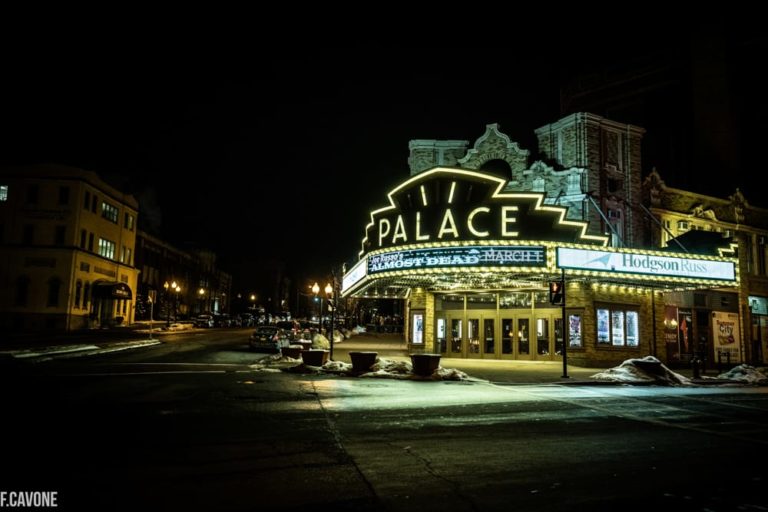
    On a cold Friday night, Joe Russo’s Almost Dead returned to Albany’s Palace Theatre for its seemingly annual performance at the venue. The show sold out months in advance and the theatre filled quickly as Grateful Dead fans across the northeast flocked to New York’s capital for a tribute to their favorite live act.

    joe russo's almost dead palace

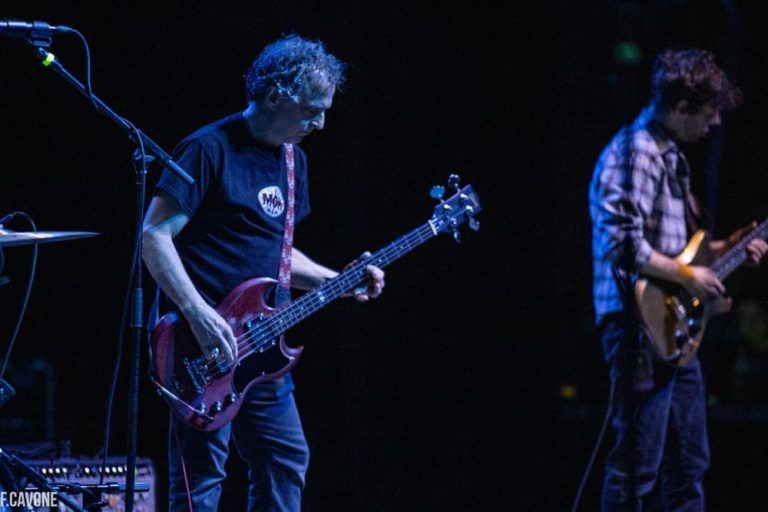
    To open up the first set, the group started into a jam that slowly but surely built itself into “Cassidy.” During the intro jam, guitarist Tom Hamilton made good use of his recently acquired De Pinto guitar, manipulating its onboard overdrive effect and an octave pedal, creating a sort of fuzzy overtone, and bassist Dave Dreiwitz took the helm for a bit before the group finally dropped into the main composition. The group jammed in and out of the verses and choruses of the song before leading it into a very spacey jam that employed the use of patience as the group started into the traditional tune “Jack a Roe.” Keyboardist Marco Benevento teased the theme to Pink Panther heavily during the intro jam, adding a mysterious vibe to the music as the group worked its way into the main composition. After weaving in and out of the lyrics of “Jack a Roe,” the group wasted no time transitioning into “Box of Rain,” dropping into the Phil Lesh staple with nearly the entire audience singing along with its somber lyrics. At some point amidst the segue from “Jack a Roe” into “Box of Rain,” Hamilton broke one of his guitar’s strings and was forced to change it mid-transition to “The Other One” which led to an interesting musical conversation between Benevento and guitarist Scott Metzger.

    The intro to “The Other One” was super spacious and ambient and primal feeling, and once Hamilton gave the “all clear” on his string, the group worked as a unit to build up an interesting jazzy groove, keeping that groove going under the first verse before a breathtaking drop into the chorus. Following the chorus, the group got back into the jazzy insanity that was happening during the intro, until drummer Joe Russo quickly brought the groove into “Drums,” keeping the general feeling of “The Other One” going, but adding some really impressive polyrhythms over the top of it. “Drums” was short-lived as Russo signaled to Benevento to start playing, leading to a rare Benevento/Russo reunion in the middle of the jam. The duo did their thing and quickly brought the jam back into “The Other One,” bringing the band back in for a drop into another verse/chorus just as intense and astounding as the initial drop that began the song. “The Other One” ended fairly abruptly, and the group drop-segued into the Dead’s disco classic “Shakedown Street,” much to the approval of the crowd. This version of “Shakedown” had a swagger to it, with Russo putting a bit of a swing to the groove and the rest of the band putting a little more oomph into the funk aspect of the tune. The jam following leading out of Shakedown took all the energy the band had built up during first set and transformed it into one glorious peak led by the whole band to close out the set.

    https://www.youtube.com/watch?v=2eRqJlt00jU

    To kick off the second set, the group started into Bob Weir’s “Black Throated Wind,” a slower tune that was somewhat of a rarity in the Dead’s concert repertoire for the better part of their career. The group played through the song’s many verses with a rather somber feeling as Metzger belted out the lyrics and brought the song into a very rewarding peak that acted as a burst of the emotional energy the song had built. Suddenly, the jam dropped into the familiar chord progression of “Bertha,” only to be jammed on for a brief minute before faking out the crowd and dropping into the whimsical “Dupree’s Diamond Blues.” Hamilton lead the group through a fairly standard version of the song and closed it out with a soaring solo that began the transition into “Playin’ in the Band.” The intro jam was very patient and spacey, featuring Benevento experimenting on his Rhodes piano a bit before the group steadily rose the groove into the main tempo of “Playin’,” extending the intro of the song before Metzger broke into the lyrics. The jam immediately got spacey and dissonant with Hamilton and Benevento heavily making use of their delay pedals before Russo started bringing the “Playin’” groove back into his drumming. The group worked its way into a mini peak before dropping into one last round of choruses to finish out the song and begin the transition into “So Many Roads,” the first and only repeat from last year’s Palace show.

    Benevento swiveled over to his Hammond organ to lead the band into the emotional Robert Hunter-penned tale, and Hamilton jumped back on the vocals, delivering an impressive performance of the song’s heartfelt lyrics. Following another big emotional peak, the group brought the song into a laidback reggae-ish groove that acted as the launching off point for the live staple “Estimated Prophet,” but not before heavily teasing the opening chord melody of “Crazy Fingers.” “Estimated” brought the energy up immensely after the emotional ride of “So Many Roads” and Metzger really tapped into his grittier side of his voice for the verses, which added a really cool element to the sound of this version. The jam sort of teetered its way around another spacey groove before dropping into the energetic “St. Stephen” which made the crowd roar. The group ripped through most of the lyrics and started building a super uptempo groove that burst back into “Bertha,” resolving the fakeout from the beginning of the set and leaving “St. Stephen” unfinished. “Bertha” was very fast paced, continuing the energy from “St. Stephen” and amidst the jam on the song’s main progression, the band’s tech replaced Russo’s snare drum, much to the amusement of Hamilton and Russo. Before the famous “test me, test me” section, the group got super quiet and let the tension build up before finally hitting on the chord when Hamilton sang the lyric out. The group closed out the set after one last chorus before leaving for encore break.

    https://www.youtube.com/watch?v=cqhsFjsJsBk

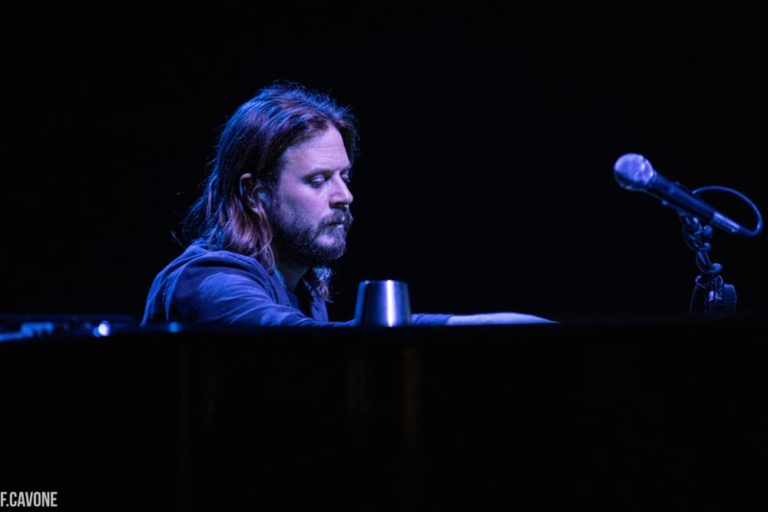
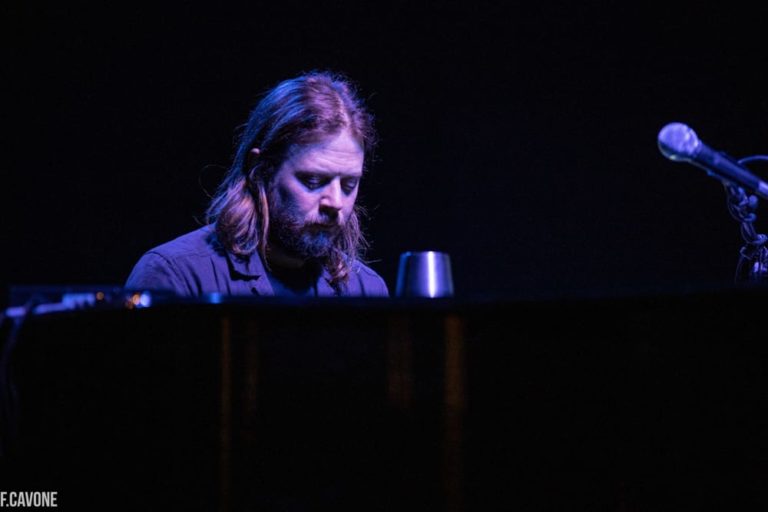
    Before the band came out for the encore, Benevento walked onstage and sat down at his grand piano to take a solo that eventually worked its way to the main melody of Warren Zevon’s “Werewolves of London.” The full band walked out as he started into the chord progression and he took the lead on vocals for the only time that night for a very spirited version of the famous Dead cover.

    Joe Russo’s Almost Dead delivered yet another stellar performance at the palace theatre, filled with some really impressive versions of Grateful Dead classics, namely “The Other One” and “So Many Roads.” Hopefully the group continues this tradition and returns to the venue in March of 2020. Check out the photo gallery below for a taste of the evening.

    Setlist: Joe Russo’s Almost Dead, Palace Theatre, Albany, NY – March 1, 2019

    Set One: Cassidy > Jack A Roe! > Box Of Rain+ > The Other One -> Drums -> The Other One Reprise @ > Shakedown St #

    Set Two: Jam -> Black Throated Wind -> Bertha Jam ## -> Dupree’s Diamond Blues $-> Playing In The Band -> So Many Roads % -> Estimated Prophet > St Stephen ^ -> Bertha &

    Encore: Marco Solo -> Werewolves Of London *

    ! – Not Played by Almost Dead Since 2018-02-15 War Memorial Auditorium, Nashville, TN, a gap of 43 shows
    + – Not Played by Almost Dead Since 2018-02-17 The Pageant, St Louis, MO, a gap of 42 shows
    @ – With a Duo Jam, first Almost Dead version of “Other One Reprise”
    # – With a “Love Supreme” (John Coletrane) Tease (TH) and a Jam that included elements of “Don’t Stop ’Til You Get Enough” (Michael Jackson) and “Serpintine Fire” (Earth Wind & Fire)
    ## – First Time Played in this manner by Almost Dead
    $ – Not Played by Almost Dead Since 2018–03-08 Brooklyn Bowl, Brooklyn, NY, a gap of 39  shows
    % – With a “Knocking On Heaven’s Door” (Bob Dylan) Tease (TH) Tommy actually quoted the Guns N Roses version. Not Played by Almost Dead Since 2018-03-16 The Palace Theatre, a gap of 35 shows Albany, NY
    ^ – Unfinished
    & – With a “Reveille” (Traditional) Tease (SM) and a “Rock And Roll” (Led Zeppelin) Tease (JR)
    * – With a “Sweet Home Alabama” (Lynyrd Skynyrd) Tease (MB)

  • David Bowie Legacy Continues In Buffalo

    There is something to be said about David Bowie. He was a man once you heard of, you were entranced by him. He has a legacy following that still holds strong. David was a musician of his time, and unfortunately passed away much too young due to his secret battle with cancer.

    His longtime pianist Mike Garson and other members of Bowie’s band decided to create a tour to fill the void his passing left. They brought the show to Buffalo, Tuesday February 26, to Town Ballroom. The lineup includes other Bowie alumni musicians Carmine Rojas and Earl Slick, as well as Bernard Fowler, Corey Glover, Naia Kete, Imani Elijah, and Stevie Salas. The special surprise of the evening was Slick’s son, Lee John Madeloni on drums.

     Walking into the venue was an intimate experience. The top part of the venue, where the bar is, was blocked off by large black curtains. Giving the room an intimate feel. While the majority of the room was filled with middle-aged people, it was refreshing to see young 20-somethings there singing their hearts out to almost every song played. Others swayed their arms in the air, while some just swayed back and forth.

    Towards the end of the set Bernard said in a playful voice, “Buffalo, Buffalo, Buffalo,” only to then giggle and start telling a story. When pianist Garson and he went to the casino, which is currently one of the most safe Canadian Bitcoin casinos, they would play a slot machine that yelled buffalo three times when you win.

    They played classics such as “Aladdin Sane” and “Sweet Thing/Candidate.” The huge hit of the night was “Under Pressure,” Bernard Fowler and Corey Glover did a sensational job performing this together. Glover’s pipes had such range that during the song they hit window shattering levels. Fowler stood out predominantly during softer pieces such as “Win,” and one of their encores “Heroes.” Glover’s commanding pipes lit up “Suffragette City” and “Young Americans.” Naia Kete came center-stage to sing “Quicksand” with the band. Her versatile voice gave grittiness and smooth jazz throughout the song. Slick stole the show with his guitar playing by far though. His solos during “Time” and “Fame” were ones the left your mouth hanging open just a bit.

    The show was intimate and breathtaking. Everyone left that night with a little less void in the heart. Realizing even though David is gone. People will still carry on his legacy.

  • One Last Time: Elton’s Endearing Endurance at TU Brings Albany Down the Yellow Brick Road

    Elton John’s Farewell Yellow Brick Road tour ushered fans into his retirement at the Times Union Center in Albany on March 1, 2019.  On a stage framed with bricks featuring images recalling Soul Train, Billie Elliot, The Lion King, and various album covers, the scene was set to remind us: Elton John is not only a legend, but quite possibly the legend of our time.

    But in case that wasn’t enough reminder, Elton John took the stage by humbly walking upon it in the dark, sitting at his piano, and playing “Bennie and the Jets” for the first performance of the night.  While Elton was adorned in rhinestones and his signature square glasses with glitter, it was his voice, immediately on pitch and demonstrating the familiar clarity from his earlier years that immediately grounded everyone in the Times Union Center with the reality of his legendary status.

    Over 15,000 fans screamed, danced, and sang along as Elton John moved through his hits with grand visuals on the screen behind him. During the third song, “I Guess That’s Why They Call It The Blues,” the juxtaposition of the love songs’ words with images of multigenerational partners at different stages of engagement with one another was striking. Couples sun bathing, grocery shopping, eating meals flashed on the screen behind Elton John as he crooned about “time on my hands / could be time spent with you.” The reality of love in all its mundane daily living was visually represented alongside the romantic lyricism of his songs.

    Similarly, “Border Song,” originally recorded by Aretha Franklin, was marked by visually striking loops of pictures urging acceptance of diversity. Elton John mentioned composing songs with Bernie Taulpin, and the confidence Franklin gave them by choosing to record their song. He also casually mentioned sharing a birthday with the great jazz artist.

    The visuals, while moderately interesting and created by some rather well known artists (David LaChappelle made the video accompanying “Daniel”), offered a bit of distraction from the general lack of movement on stage. And while the videos added value as the night progressed, they really weren’t necessary. Elton John himself was the show, sitting at a piano singing.

    “Tiny Dancer” followed a similar theme, using video loops of people at different normative life experiences throughout LA. Elton John’s words, again in a sense at opposition to the songs lyricism, seemed to urge listeners to see more to the story than a romanticized vision of being human.

    Elton John spoke to the audience quite amicably, engaging fans by sharing his process of writing songs that story tell.  From “Indian Sunset” to “Rocket Man” and “Take Me to the Pilot,” the artist became increasingly energized, sharing what the stories of the songs meant to him, and also the boundaries of music writing. The length of certain stories, such as “Daniel,” presented obstacles to the songwriter, who admitted he cut off the last part of the story when composing the song as “it was too long.” But in doing so, he lost part of the meaning for his audience.

    Elton John didn’t shy away, however, from explaining the stories using the visuals on the screen behind him.  “Someone Saved My Life Tonight” featured Captain Fantastic in a cartoon shot into a pinball machine and bouncing around pills and drugs. He openly shared that this song was “the most personal on that record, and my favorite.” He humbly shared his experiences with addiction, and urged fans to get help rather than live in shame.

    The band made full use of the three percussion sets for “Levon,” pushing the fast paced song with guitar licks fresh and stone hard as rock can possibly get. One percussionist on the bongos dramatically interacted with the crowd, pulling fans into a dancing frenzy as the high-energy song peaked.

    And just as quickly as the band would bring the energy up, Elton John would offer rests, in quieter songs like “Candle in the Wind.”

    The musician will be 72 later this month, but didn’t seem to need a break during his almost three hour set. The only break offered was a brief interlude of darkness marked by the sound of wind, blue and purple lighting and sound effects creating the atmosphere of a storm. When Elton John reappeared minutes later, his costume had changed into black coat jacket embroidered with peonies, pink sunglasses sparkling with jewels, and salmon trousers striped with glittering rhinestones down the side. Ruffles peaked out of the sleeves and neck.

    The band came out and offered an intense version of “Funeral for a Friend,” which felt more like a rock orchestra than a piano man accompanied by a band. The full sound included cymbals, piano and sparkling guitar accompanied by heavy drumming.

    From that point on the concert ripped through hit after hit, bringing fans to a high-pitched excitement.  Elton John’s nimble hands still played the piano at the same pace as when they were young, and his clear voice found its pitch with seeming ease.  It was amazing to think of this as a farewell tour, as the band members, while also in their later years, demonstrated a youthful exuberance and passion for the songs.

    Elton John explained, though, that he had enough applause to last a lifetime. “I won’t forget you guys,” he promised fans, and thanked folks for purchasing his CDs, tapes, and even eight tracks. He noted it was fans’ willingness to attend his shows and buy tickets that had fueled his energy for sustaining his career. But his family, including his two young children, was at home and missing him as well.

    Elton John’s humility is remarkable. He used his platform to further his Elton John AIDS foundation, started after his recovery from alcohol addiction in the early 1990s. He thanked the musicians, past and present, for contributing to his on going success. Seasoned musicians Davey Johnstone (guitar, vocals), Nigel Olsson (drums, vocals), Matt Bissonette (bass, vocals), John Mahon (percussion, vocals,), Kim Bullard (keyboard), and Ray Cooper (percussion) were all personally praised by the artist, who sang out each name and shared the spotlight with his band members.

    Elton John stood up after almost each song and faced the audience, arms wide open, and hands shaking, almost hugging the audience as cheers and clapping filled the air. The crowd sang along to “Crocodile Rock,” dedicated to his fans, and “Saturday Nights Alright for Fighting” before encores of “Your Song” and “Goodbye Yellow Brick Road.” Covered in yellow confetti, the crowd moved almost in reverie by the end of the night, closely connected to the past memories of these iconic tunes by the present performance.

    That might be one factor that adds to the legend of Elton John: he somehow seems to agelessly span the years, connecting us to “when rock was young,” as he sang. And we were young, too.

    Let’s hope it is just a “see you later” tour, and not quite a farewell for now, Sir Elton John.


    Setlist: Bennie and the Jets, All the Girls Love Alice, I Guess That’s Why They Call it the Blues, Border Song, Tiny Dancer, Philadelphia Freedom, Indian Sunset, Rocket Main, Take Me to the Pilot, Someone Saved My Life Tonight, Levon, Candle in the Wind – Funeral for a Friend / Love Lies Bleeding, Burn Down the Mission, Daniel, Believe, Sad Songs (Say So Much), Don’t Let the Sun Go Down On Me, The Bitch Is Back, I’m Still Standing, Crocodile Rock, Saturday Nights Alright for Fighting. Encore: Your Song, Goodbye Yellow Brick Road

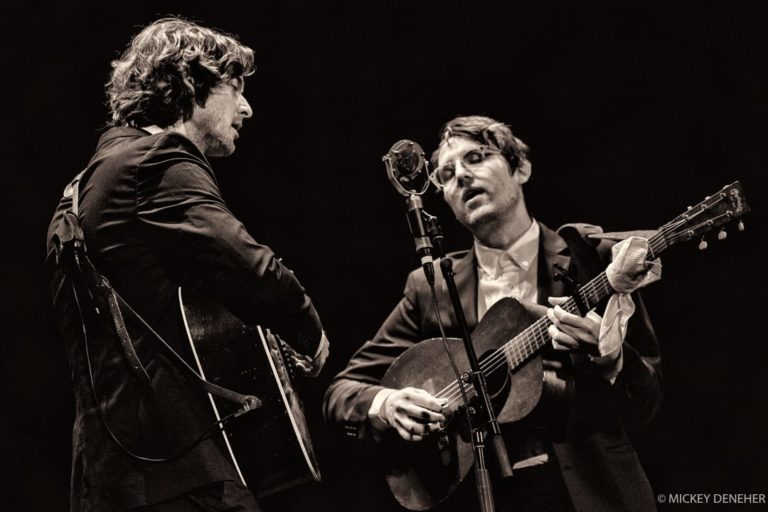
  • Milk Carton Kids Bring Intimate Set and Woo Audience at Tarrytown Music Hall

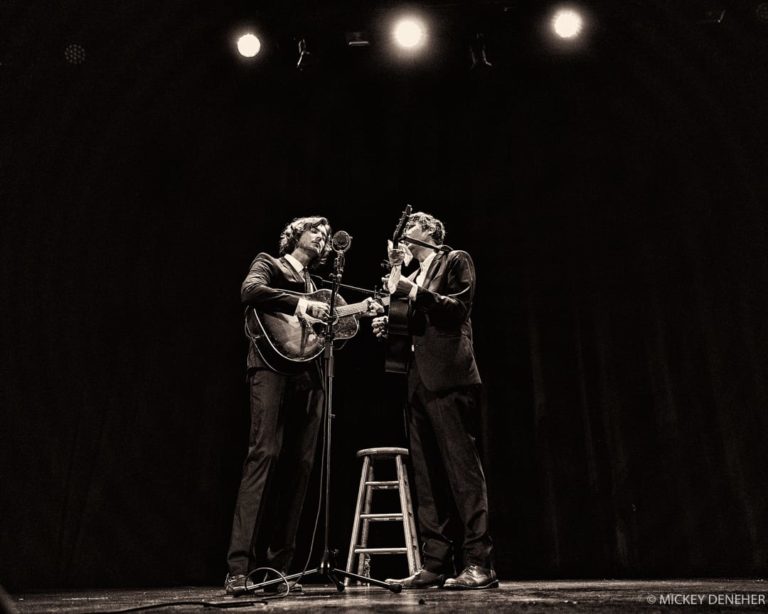
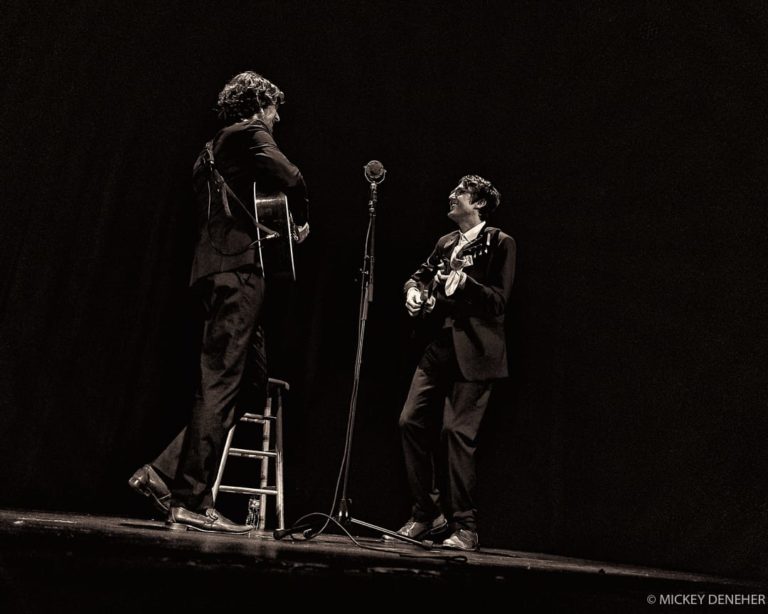
    “Our confidence is high, we’re fresh off our third GRAMMY loss.” Joey Ryan, often the chattier of the Milk Carton Kids, greeted the audience with his characteristically dry, sharp humor as the duo made their second appearance at the historic Tarrytown Music Hall on February 24. On the heels of a long tour with a new, full group, Ryan and Kenneth Pattengale shed the larger band for a return to original form, featuring just two guitars and one microphone.

    Milk Carton Kids

    The well-crafted set contained a mix of songs, including those from 2018’s All the Things I Did and All the Things I Didn’t Do. Or, as Ryan put it to the audience, “ATTID and ATTIDD… for short.” Beginning with “Hope of a Lifetime” from 2013’s The Ash & Clay, the audience was lulled into silence by the Milk Carton Kid’s ability to envelop a space in rich, emotional soundscapes through Pattengale’s river-flow, unbounded phrasing, Ryan’s understated, sturdy rhythm and the pair’s seamless harmonies.

    They then moved into “Mourning in America,” a song which captures poignant and timely modern themes. Revealing in an interview with Entertainment Voice that the song encapsulates cultural, political and personal struggles, a tear or two was spotted while the duo crooned, “I hear their cries through my window, they’re mourning again in America.”

    Milk Carton Kids

    The duo was able to shift their energy from “Snake Eyes,” the soft, weeping, ode to death which once brought a tear to Marcus Mumford’s eye, to the rousing, joyful pace of “Girls Gather Round” and “Honey, Honey.” Across each song, Pattengale’s impressive lead guitar phrasing was both technical and deeply passionate. His penchant for sweeping, single-note melodies and exploring unique sonic twists by adding out-of-the-box flats, sharps and harmonics shared a particular expressive virtuosity. All the while, his playing was threaded together by Ryan’s patient and supportive rhythmic root note picking and strumming.

    Between songs, there was the schtick. Pattengale and Ryan have developed a reputation for combining music with the other aspects which make a performance so memorable — stage presence, banter, and maintaining a connection with the audience. Known for imbuing their shows with comedic tangents, their special chemistry in which they play off Ryan’s cool, confident sarcasm and Pattengale’s charming, observational wit had the audience laughing often.

    This particular show included Ryan instructing the audience to put their hands up as he shared plans to include more hip-hop elements into their music (news to Pattengale), a conclusion to the tomato fruit vs. vegetable conundrum, and a particular exchange with a member of the audience accompanied by a service dog. Upon learning the dog’s name was “Daniel,” Pattengale quipped, “What’s your son’s name, Spot?”

    Not that they didn’t have touching, tender moments. After sharing Pattengale’s recent journey in which he successfully persevered through a cancer diagnosis and long-term relationship break-up, Ryan softly suggested, “Let’s play your cancer song,” as they transitioned into “Sea of Roses.”

    The duo is supported on tour by Vera Sola, an American/Canadian singer-songwriter, poet and multi instrumentalist who delivered a passionate and powerful opening performance, drawing from the moody, fingerpicking veins of Leonard Cohen. Sharing songs from her 2018 debut release, Shades, Vera Sola stunned the audience with strong, feverish storytelling supported by her unique voice which exhibited such a smokey, precise vibrato that it almost seemed like the microphone turned on and off every other second.

    The duo ended the night with an encore cover of Pink Floyd’s “Wish You Were Here.” Part of the reason the Milk Carton Kids are so enjoyable to see time after time is due to the earnestness in their desire to provide the audience with a complete experience, without asking for much in return. The only thing The Milk Carton Kids want you to do is listen, and maybe laugh, as they put everything, music and self, on display.

    Catch the Milk Carton Kids in New York again later in their tour. For the first time, they’ll also be working with Music Masters Camps by hosting their own summer music retreat and workshop series. Learn more about Sad Songs Summer Camp.

  • Interview: Mike Robinson Talks Debut Album, Railroad Earth Tour and More

    Last week, NYS Music covered staple jamgrass group Railroad Earth during the incredible northeast run of their 2019 winter tour. While all musicians put on a strong showing every night, one performer stood out in particular: Mike Robinson, special guest musician for the run that shined on pedal steel, guitar, and banjo.

    Many music fans may have discovered Robinson during this tour, or maybe already knew him from his days with the progressive grass outfit Jeff Austin Band. Yet, soon enough, the musical world will get to know the singer-songwriter in his own right, when he releases his debut EP, Clevidence, on March 7. Featuring five emotionally and sonically rich songs, Clevidence comes as a great introduction to not only Robinson’s prolific talent across a number of instruments, but also his natural affinity for songwriting and singing.

    mike robinson

    The album’s release on March 7 will be celebrated with a special performance at Owl Music Parlor in Brooklyn NY, with singer songwriter Emma Frank opening up the show. In anticipation of the date, NYS Music talked with Robinson about the making of the record, his musical upbringing and more.

    Miles Hurley: My first question is on your experience with working in the studio. Being that Clevidence is your debut solo EP, was the making of this album a new kind of experience to other recording stuff you may have done in the past?

    Mike Robinson: Recording almost all of this project at home was a big departure from other studio experiences I’ve had. I was able to give everything the time it needed without the pressure of the clock that comes with being in an expensive studio. I find that in fancy studios with high hourly rates I am never I able to fully relax. Doing a majority of the recording in my home studio in Brooklyn made it possible for me to focus on the nuances that might have been otherwise overlooked.

    MH: One thing that stands out on the EP are the lyrics, which are pretty intense throughout. Do you feel like you were able to express the ideas or messages behind the songs in the way that you wanted?

    MR: In the process of writing, I found that using hyper-specific language was a potent way to paint a clear picture of an emotional situation. My goal was to give a listener clear mental images to hold on to. I think the specificity of the lyrics contributes to the ability the songs have to convey an emotional message. This can make things seem especially intense and revealing personally, but not sharing the whole story would feel fake. Songwriting is cathartic for me and can be super helpful for me if I’m struggling in my life. Hopefully it can also be helpful to listeners struggling with their own experiences.

    MH: Listening to “How Do You Know” in particular, I’m interpreting a sense of something like self-doubt, or worry. Would that be a close guess? Could you comment on what this one means to you?

    MR: “How Do You Know” is about a generation that is terrified, broke, and leaning on substances to deal with it. I’m twenty-six and I’m struck by how many conversations I have with people my age evolve to this conclusion. I don’t want to get into the politics of the specific things that could be to blame for a generation wide problem, but I do want to address that it is a real thing that many people are going through. From lack of health insurance, to being buried in student loan debt, to facing an uncertain collective future, there is a general sense of uneasiness in the air. And I see those around me relying on substances to cope. I don’t know if these are new problems. I just know that they are real ones.

    MH: The range of instruments you perform, in general and on this record, is nothing short of impressive. Did you develop an interest towards learning these instruments around the same time in your life, or has your progress as a multi-instrumentalist been more spread out across your career?

    MR: My dad plays a few instruments so I grew up with guitars, fiddles and mandolins around. My older brother played bass and drums in high school and my grandpa is a classically trained pianist and even played the cello for a while. I started guitar at age six and it has always been my main instrument. But being surrounded by different types of instruments, I wanted to learn how to play more of them. My first serious double was banjo which I picked up around 15. I didn’t become interested in the pedal steel until a few years ago, but I really got into it. That thing will make you crazy! I was listening to these lush records from the 60s and 70s and wanted to be able to relate to those sounds on a deeper level.

    MH: Follow-up question to that, asked by a non-musician interviewer: how hard is pedal steel to learn?

    MR: My cousin is studying to become a helicopter pilot and it sounds similar to that with lower stakes. The toughest thing for me was to be able to establish independence in all of my limbs. your left leg is responsible for 3 or 4 pedals and 2 or 3 levers, right leg is on a volume pedal and 2 levers, right hand is picking and stopping strings from ringing and the left needs to make sure the bar is in the right place and in tune. Physically, it’s a very complex instrument to master. While it’s also challenging mentally, it would be even harder if you are a non musician to start. Most of my knowledge came from guitar and I was able to transfer the theory to steel.

    MH: There are some great harmonies on the album. Can you give a little background on who’s there with you?

    MR: I sing all of the lead and some of my own harmonies, most of the female vocals are an amazing singer and composer based in Brooklyn named Emma Frank with the exception of “How Do You Know” which is sung by Abby Hollander.

    MH: Speaking of the pedal steel, it sounded great in the Railroad Earth setting—I caught The Egg show and you sounded fantastic! You’ve been on tour with the band and have performed many shows with them now. Can you speak a little to what that’s been like? Has playing with them met or been different from any expectations?

    MR: I did three shows with them that week: Albany at the Egg, Boston at the Wilbur, and the Capitol Theater in Port Chester. That’s been it so far, but I will play with those guys whenever they want. That band and crew are incredible. The songs are great, the players are great, everyone was very supportive and positive. It was a complete lesson in how the business is done and how to keep the music as the focus. The fans are some of the most genuine music fans I’ve had the pleasure of playing for and I would be very fortunate to do some more work with those guys. One of the highlights of my career so far, without a doubt.

    MH: You moved to New York at an early age, and is where you are based now, if that’s correct? Have you found NYC to be a fruitful creative environment towards your career as a performer or songwriter?

    MR: I’m from Colorado. I moved out here at 18 for college. I was pretty overwhelmed by the city but determined to study with all the inspiring New York musicians I grew up listening to. I had every intention of moving right back home to Colorado when I was done with school but right about when I graduated I had just started seriously gigging in New York. I decided to give being a full time freelance musician a try for a few months. One thing led to another and I found myself living with some of the most inspiring musicians in my generation, touring in several bands and growing as an artist. My life was working too well that I didn’t have a compelling reason to leave. I’m constantly pulled towards a the desire to live somewhere more calm and connected to nature. But 8 years later, New York has yet to let me down in the ways I’ve feared.