“I won’t stop until they put me in the earth” and “I’m here to bring a vibe,” Ozymandias says on his newest album, Godly, released March 30, 2018. These two lines could be the spoken synopsIs of the 14-track album which follows up on previous efforts IDKNID and Blvck Cvstles (2017). Godly discusses many topics, features local collaborators and presents polished, yet atypical, production styles.
We are introduced to the story through the baited dial tone and answering machine that plays Ozymandias’ preoccupied voice, asking for his caller to leave a message. “I’m not picking up my phone for some reason,” he admits, sounding uncertain, as if he does not yet know the reason.
Throughout the album, we hear the voicemails of others asking the performer why he has not picked up his phone in juxtaposition with lyrics about human connection, love, equality and strong work ethic. One could conclude that a theme of the album is ignoring modern technology in favor of more genuine, and personal, means of communication.
Godly follows the release of a few singles, “MadMax” (produced by 4k) and “Aim High” (produced by Savion), each accompanied by a cinematic music video. From these crumb trails, listeners take away a potent sample of what to expect from the album: polished, sharp production sandwiched between obscure noise-based tracks, dressed in 808 hits. This type of production is especially found on songs such as “Temporary” (produced by L. Davis), and “No Losses” (produced by Nick Cavs). Ozymandias’ composition follows the sounds found in his previous effort Blvck Cvstles, in particular, but he all but dismisses anxiety over the past. “If I lose it all, I’mma get it back,” Ozymandias says, summing up parts of his stated world view in one line.
Overall, Godly conveys a series of meaningful messages which could apply to many situations. Much like influencers J. Cole and Kendrick Lamar, the album pairs deep beats with wide reaching lyrics with cuts like “Work” (produced by LebanonDonBeats). Yet, even with obscurity, the album has few, if any, skippable moments. At worst, it’s a solid effort with a few bangers and, at best, an anthemic, insightful crowd pleaser.
Either way, the album is genuine and convinces the listener that it’s taken blood, sweat, tears and multiple drafts. “I pray that honesty hit ‘em,” the artist says in “Winter Bluez” (produced by Kelly Portis). His lyrics reflect the depth of challenges such as relationships, love, friends, parenthood, sociopolitical issues, and just trying to make it in his career. “Possibly the reason God challenged me is because he sees potential,” he says in the same song. None of this album is subtle, and it shouldn’t be.

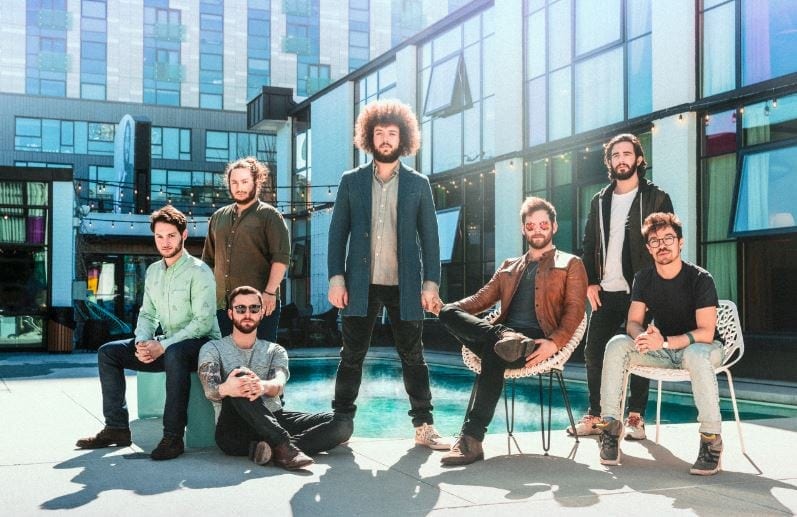
 Ripe’s unbelievably tight jams , genre-bending originality and rapidly growing fan base have helped them rack up over one million
  “Downward,” the fourth-track on the album, produced by Cory Wong of Vulfpeck, mixed by five-time GRAMMY-Winner Joe Visciano and mastered by Randy Merrill, reflects the duality of love with its catchy chorus:
 Beast from the East marks the band’s fourth full length studio album. But more importantly, it also marks the band’s first release with keyboardist Chad Wright, whose arrival took the band from trio to quartet when he joined in December of 2016. While the album still showcases guitarist and vocalist Brandon Hardesty’s trademark catchy songwriting and clever lyrical poeticism, the addition of Wright rounds out the Bumpin Uglies sound. And that is this releases major win. Beast from the East showcases not only the band’s growth but also the band’s potential. And despite how Hardesty may lament that he doesn’t “write songs for the radio” in the aptly titled track “Radio”, Beast from the East is full of tunes that reveal otherwise.
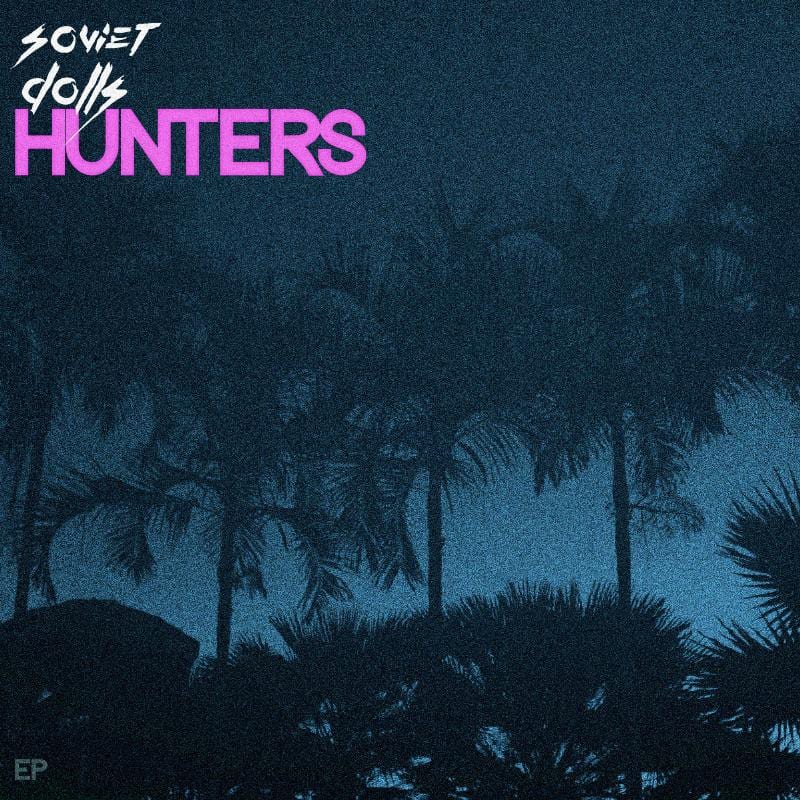 Soviet Dolls make no bones about their intentions to seduce the listener, starting from the first lines in the title track. “We are the hunters, we make sacrifices. We leave our mothers, cause we have appetites,” croons singer Alexandra Wendt in her deliciously sultry voice. Pulsating beats pound out beside undulating rhythms which swirl together to entice the listener into a mesmerizing hypnotic state.
 “Call Out My Name” opens the EP and describes a bad relationship, labeled a “mistake” in the first verse. The narrator, born Abel Tesfaye, 28, denies responsibility for the relationship’s downfall, accusing the former partner of “wasting [his] time.” The theme of time wasting comes up again as the title of the third track, “Wasted Times,” where Tesfaye introduces a second relationship, one that occurred a long time ago. In this track, he compares the two relationships, saying that “she wasn’t even half of you,” as an ode to the one who got away.
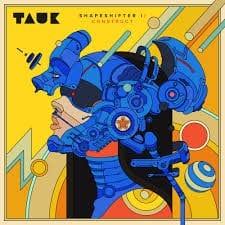 Listening to the EP, the first thing that comes to mind is how strikingly appropriate the Shapeshifter name is.